
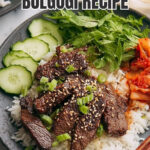
If you've been craving an easy yet irresistible Korean BBQ at home, you're going to love this Spicy Korean Beef Bulgogi Recipe. It’s all about tender, thinly sliced rib eye steak marinated in a flavorful kick of sweet and spicy goodness!

Jump to:
Why You'll Love This Recipe
I genuinely get excited cooking this bulgogi because it’s fast, packed with layers of flavor, and creates a little Korean BBQ magic right in my kitchen. Every bite is juicy, tender, and perfectly balanced with heat and sweetness.
- Quick prep: You can have this marinating in less than 10 minutes, making it great for weeknight dinners.
- Flavor-packed marinade: The combo of pear, gochujang, and toasted sesame oil is a total game-changer.
- Tender meat slices: Freezing the steak first makes slicing much easier and ensures melt-in-your-mouth texture.
- Simple cooking method: A quick sear on a grill pan means you get that smoky, charred flavor without any fuss.
Ingredients & Why They Work
Before you dive in, gather some key ingredients that really bring this bulgogi to life. You’ll want fresh rib eye and authentic Korean flavors like gochujang for that signature spicy kick. A few pantry staples round out the marinade perfectly.
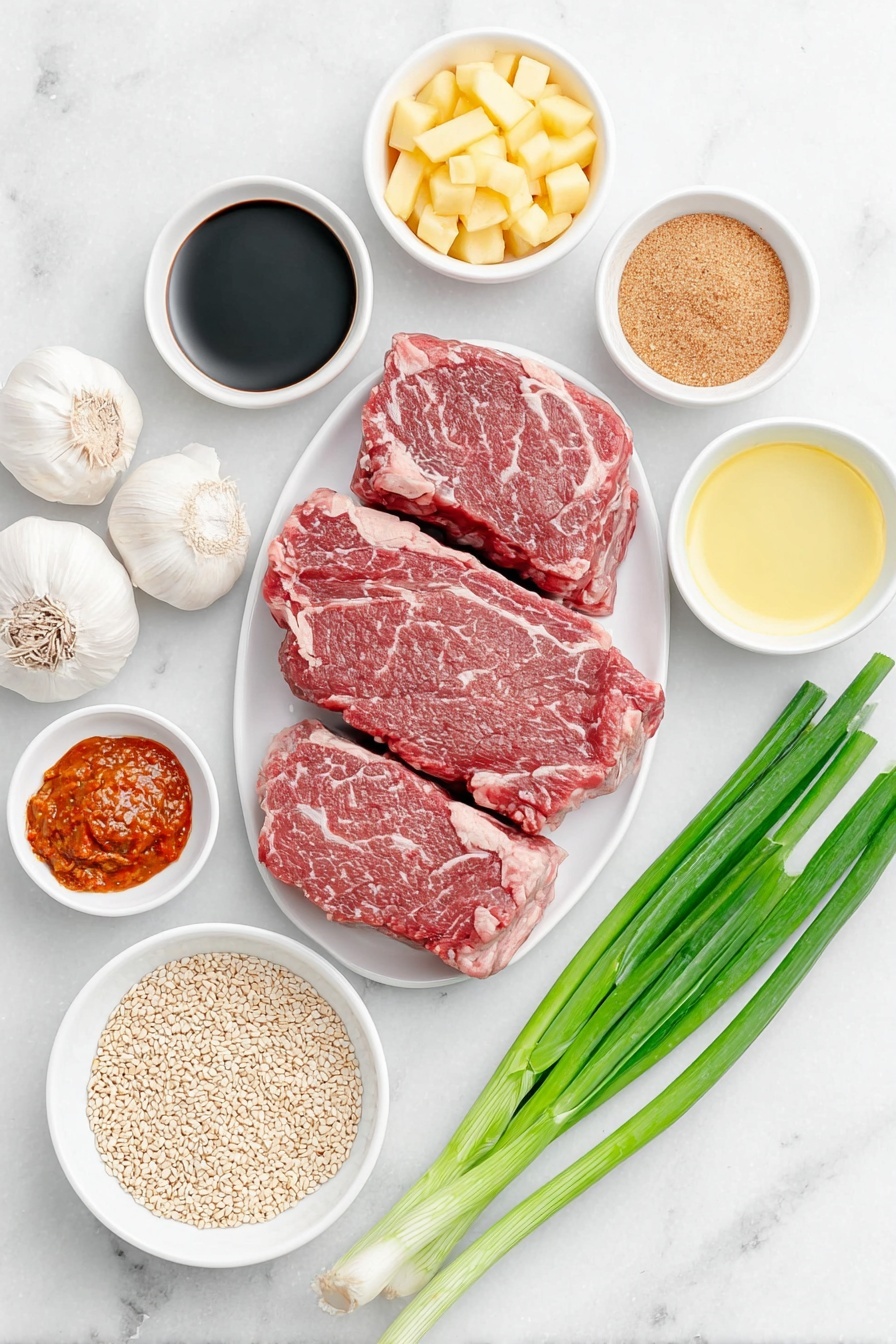
- Boneless rib eye steak: The marbling makes this cut super juicy and tender for quick grilling.
- Pear: Adds a natural sweetness and helps tenderize the meat beautifully.
- Reduced sodium soy sauce: Provides umami and saltiness while keeping sodium in check.
- Brown sugar: Balances the spice with rich, caramel notes.
- Toasted sesame oil: Delivers that nutty Korean BBQ aroma we all love.
- Garlic: Brings a pungent depth of flavor essential for bulgogi.
- Freshly grated ginger: Lifts the marinade with zingy freshness.
- Gochujang (Korean red pepper paste): The star spicy ingredient—adjust it to your heat preference.
- Vegetable oil: For cooking the beef evenly without burning.
- Green onions: Adds a fresh, mild crunch and color garnish.
- Toasted sesame seeds: Give a final nutty crunch and authenticity.
Make It Your Way
The beauty of this Spicy Korean Beef Bulgogi Recipe is how adaptable it is — feel free to tweak it to suit your tastes or what's in your pantry. Whether you want to dial up the heat, swap ingredients, or make it a little lighter, these ideas will help you make it your own.
- Vegetarian Variation: I’ve tried substituting thinly sliced king oyster mushrooms for the rib eye, and marinating them just as long. The mushrooms soak up the spicy-sweet marinade beautifully and make for a satisfying meatless meal.
- Spice Level: If you’re new to gochujang or prefer milder dishes, cut back to ½ tablespoon and adjust up gradually. On especially cold days, I love bumping it up to 1½ tablespoons for an extra spicy kick!
- Seasonal Touch: In spring, I like to toss in some sliced shiitake mushrooms and julienned carrots to the grill pan, cooking alongside the beef to add freshness and texture to the meal.
- Low-Sodium Option: Using reduced sodium soy sauce helps keep the flavors balanced without overwhelming saltiness, making the dish feel lighter but still rich in umami.
Step-by-Step: How I Make Spicy Korean Beef Bulgogi Recipe
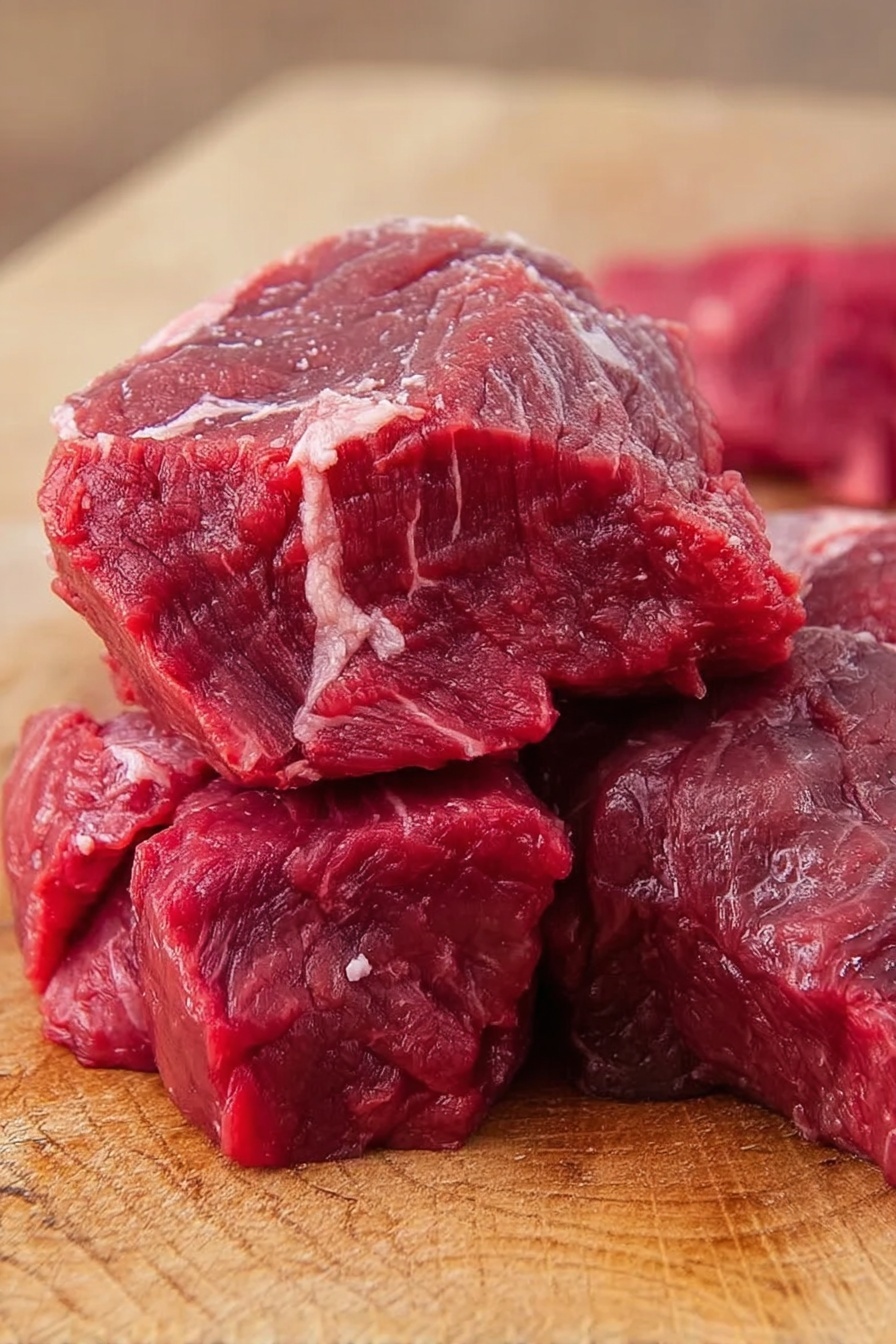
Step 1: Freeze and Slice for Tenderness
Start by wrapping your boneless rib eye steak tightly in plastic wrap and pop it in the freezer for 30 minutes. This quick chill firms up the meat, making it so much easier to slice thinly and evenly — that’s the secret to keeping your bulgogi tender and quick-cooking. After chilling, unwrap and carefully slice across the grain into ¼-inch thick pieces. Those thin slices will soak up every bit of flavor from the marinade and cook perfectly in just minutes.
Step 2: Whisk Up That Flavor-Packed Marinade
In a medium bowl, combine half a small peeled pear (grated coarsely), ¼ cup reduced sodium soy sauce, 2 tablespoons brown sugar, 2 tablespoons toasted sesame oil, 3 cloves minced garlic, 1 tablespoon freshly grated ginger, and 1 tablespoon gochujang. Stir vigorously until everything melds into a rich, aromatic marinade with just the right balance of sweetness, heat, and umami. That grated pear is the subtle sweetness and tenderizer, so don’t skip it—it really makes this recipe stand out.
Step 3: Marinate Your Beef to Perfection
Place your thin steak slices and the marinade into a gallon-size Ziploc bag. Seal it up and gently massage the bag to distribute that marinade on every piece. Pop it into the fridge and let it rest for at least 2 hours to soak up the complex flavors—overnight is even better if you have the time! Remember to turn the bag every so often to help the meat marinate evenly. The longer it sits, the more mouthwatering your bulgogi will be.
Step 4: Heat Your Pan for the Perfect Sear
Heat 1 tablespoon of vegetable oil in your cast iron grill pan over medium-high heat. You’ll know it’s ready when the oil shimmers and just begins to lightly smoke. If you don’t have a grill pan, a large cast iron skillet works beautifully here too. The key is getting that pan hot enough to quickly sear the thin beef slices to caramelized perfection.
Step 5: Cook in Batches for Maximum Flavor
Work in batches to avoid overcrowding, which can steam the meat rather than sear it. Layer the marinated steak slices in a single layer in the hot pan. Let them cook undisturbed for about 2 to 3 minutes per side. You’re looking for a beautiful char with deep brown edges and a juicy interior. Once cooked, remove the beef and keep warm. Repeat with the remaining 1 tablespoon vegetable oil and beef slices. Trust me, this step seals in all those luscious flavors.
Step 6: Serve with a Korean-Inspired Finish
Serve your bulgogi piping hot, immediately garnished with thinly sliced green onions and a sprinkle of toasted sesame seeds. These little touches add fresh brightness and a delightful crunch. Pair your Spicy Korean Beef Bulgogi with steamed rice, lettuce wraps, or kimchi for an authentic, satisfying Korean BBQ experience right at home.
Top Tip
Making the perfect Spicy Korean Beef Bulgogi takes just a few key insights that really bring out its tasty magic. Here are some tips I've gathered from cooking countless batches that make all the difference!
- Freeze Before Slicing: I always freeze the rib eye steak for exactly 30 minutes before slicing—this helps me get those super thin, even ¼-inch slices, which cook beautifully and stay tender.
- Marinate Overnight if Possible: >While 2 hours works fine in a pinch, letting the meat soak in the marinade overnight really amps up the flavor and tenderness. It’s worth the wait!
- Cook in Batches: To avoid steaming your meat, I never overcrowd the pan. Giving each slice space lets the edges char nicely for that perfect Korean BBQ flavor.
- Adjust the Gochujang: If you’re new to Korean spice, start with a little less gochujang. You can always add more next time once you know how much heat you enjoy.
How to Serve Spicy Korean Beef Bulgogi Recipe
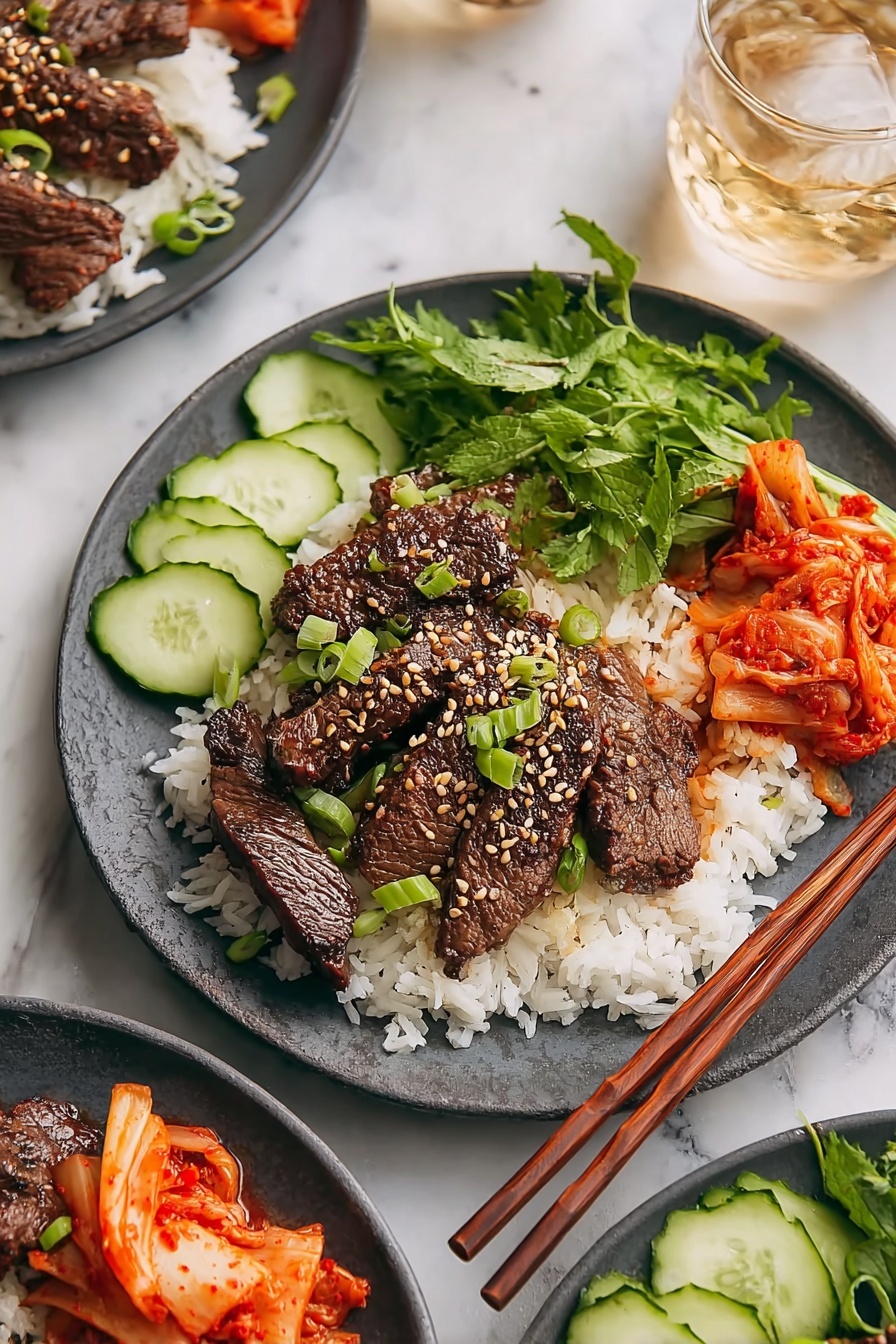
Garnishes
The classic garnishes of thinly sliced green onions and toasted sesame seeds add a fresh, nutty crunch that perfectly complements the bold, spicy flavors of the bulgogi. For an extra burst of freshness, you can also add a handful of fresh cilantro or some thinly sliced red chili peppers if you want an extra kick.
Side Dishes
Serve your Spicy Korean Beef Bulgogi alongside steamed jasmine rice or sticky short-grain rice to soak up all those delicious juices. Traditional Korean sides like kimchi, pickled radish, or a crisp cucumber salad bring a refreshing balance. For a feast vibe, add some grilled vegetables or lettuce wraps (ssam) to make hand-held spicy beef bites.
Make Ahead and Storage
Storing Leftovers
Leftover bulgogi should be stored in an airtight container in the refrigerator. It will keep well for up to 3 days, allowing you to enjoy the flavors without any waste.
Freezing
If you want to freeze your Spicy Korean Beef Bulgogi, wrap the cooked meat tightly in freezer-safe packaging or place it in a sealed container. It will stay fresh for up to 2 months. When ready to eat, thaw overnight in the refrigerator before reheating.
Reheating
To reheat, warm the bulgogi gently in a skillet over medium heat, adding a splash of water or oil if it seems dry. This helps maintain the juiciness and keeps the meat tender. Avoid microwaving as it can dry out the beef and reduce that signature charred flavor.
Frequently Asked Questions:
Yes! While boneless rib eye steak is ideal for its tenderness and flavor, you can also use sirloin or flank steak. Just be sure to slice thinly against the grain to keep the meat tender.
The recipe includes gochujang, which gives a moderate heat level with a bit of sweetness. You can adjust the spice by adding more or less gochujang according to your preference.
A cast iron grill pan is recommended for authentic grill marks and char, but if you don’t have one, a large cast iron skillet works just as well to give great caramelization.
Absolutely! Marinate the beef the night before and cook it fresh just before serving. You can even prep the garnish ahead to save time during your event.
Final Thoughts
This Spicy Korean Beef Bulgogi Recipe is such a joy to make and even more delightful to eat. Its combination of sweet, spicy, and savory flavors hung onto those tender rib eye slices brings a little piece of Korean BBQ right into your home kitchen. Whether you’re cooking for family or impressing friends, this recipe is sure to become a favorite go-to for a quick, delicious Korean dinner. Happy grilling, and enjoy every flavorful bite!
Print
Spicy Korean Beef Bulgogi Recipe
- Prep Time: 2 hours 45 minutes
- Freezing Time: 30 minutes
- Cook Time: 15 minutes
- Total Time: 3 hours
- Yield: 6 servings
- Category: Main Course
- Method: Grilling
- Cuisine: Korean
Description
A super easy and flavorful Korean Beef Bulgogi recipe featuring thin, tender slices of marinated rib eye steak cooked quickly to perfection. Perfect for a delicious Korean BBQ experience at home.
Ingredients
Meat
- 1 ½ pounds boneless rib eye steak
Marinade
- ½ small pear, peeled and coarsely grated
- ¼ cup reduced sodium soy sauce
- 2 tablespoons brown sugar
- 2 tablespoons toasted sesame oil
- 3 cloves garlic, minced
- 1 tablespoon freshly grated ginger
- 1 tablespoon gochujang, Korean red pepper paste
For Cooking and Garnish
- 2 tablespoons vegetable oil, divided
- 2 green onions, thinly sliced
- 1 teaspoon toasted sesame seeds
Instructions
- Freeze and Slice: Wrap the rib eye steak in plastic wrap and place it in the freezer for 30 minutes to firm it up. Unwrap and slice across the grain into ¼-inch thick slices to ensure tenderness.
- Prepare Marinade: In a medium bowl, combine the grated pear, reduced sodium soy sauce, brown sugar, toasted sesame oil, minced garlic, freshly grated ginger, and gochujang. Mix well to create the marinade.
- Marinate Beef: Place the sliced steak and the marinade mixture into a gallon-size Ziploc bag. Seal and massage the bag gently to coat the meat evenly. Refrigerate for at least 2 hours, preferably overnight, turning the bag occasionally to maximize flavor absorption.
- Heat Pan: Heat 1 tablespoon of vegetable oil in a cast iron grill pan over medium-high heat until hot and shimmering.
- Cook Beef: Working in batches to avoid overcrowding, place the marinated steak slices in a single layer on the grill pan. Cook for about 2 to 3 minutes per side until the meat is beautifully charred and cooked through. Remove and keep warm. Repeat using the remaining 1 tablespoon vegetable oil and steak slices.
- Serve: Plate the cooked bulgogi immediately, garnish with thinly sliced green onions and toasted sesame seeds for an authentic finish.
Notes
- If you do not have a cast iron grill pan, a large cast iron skillet will also work well for cooking the beef.
- Freezing the steak before slicing makes it easier to cut thin, even slices and helps improve tenderness.
- Marinating overnight intensifies the flavor, but 2 hours is sufficient for a tasty meal.
- Adjust the level of gochujang for spice preference; use less if you prefer milder heat.
Nutrition
- Serving Size: 1 serving
- Calories: 320 kcal
- Sugar: 6 g
- Sodium: 450 mg
- Fat: 20 g
- Saturated Fat: 5 g
- Unsaturated Fat: 13 g
- Trans Fat: 0 g
- Carbohydrates: 12 g
- Fiber: 1 g
- Protein: 25 g
- Cholesterol: 70 mg



Leave a Reply