
If you’re on the hunt for a tender, flaky treat that feels like a warm hug, then this Irish Currant Scones Recipe is your new best friend. With plump currants studded throughout, it’s the perfect bake for breakfast or a cozy tea time.

Jump to:
Why You'll Love This Recipe
I absolutely adore making these scones because they are so simple yet deliver that authentic Irish bakery vibe right in my own kitchen. Each bite is buttery, lightly sweet, and perfectly golden—no fuss, just pure comfort.
- Authentic Flavor: Traditional Irish scones with currants offer a nostalgic, hearty taste you won’t forget.
- Simple Pantry Staples: You probably already have most ingredients on hand, making this recipe easy and accessible.
- Flaky & Tender Texture: Cold butter and careful mixing guarantee scones that melt in your mouth.
- Perfect Anytime Snack: Ideal for breakfast, afternoon tea, or a cozy treat with your favorite jam.
Ingredients & Why They Work
This recipe calls for classic ingredients that come together beautifully. For the best results, be sure to use cold butter straight from the fridge (or freezer!) and fresh dried currants for that perfect balance of tartness and sweetness.
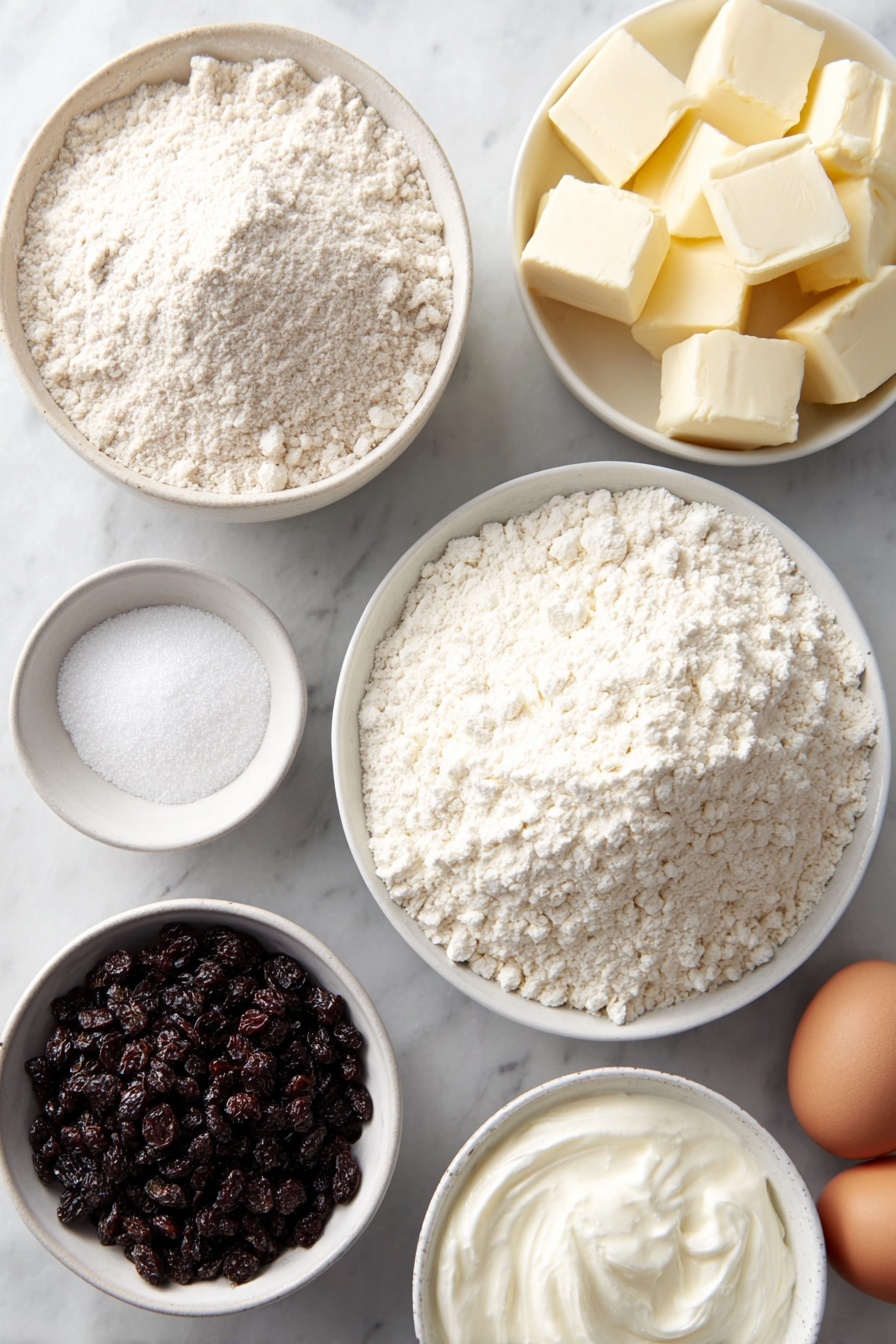
- All-purpose flour: Provides the structure and tender crumb essential for classic scones.
- Sugar: Adds just enough sweetness without overpowering the natural flavor of the currants.
- Baking powder: The leavening agent that gives these scones their lift and fluffy texture.
- Salt: Enhances the flavors and balances the sweetness.
- Cold unsalted butter: Key to getting those flaky, buttery layers everyone loves.
- Dried currants (or raisins): Little bursts of chewy, sweet fruit that dot every bite.
- Eggs: Provide richness and moisture, helping bind the dough.
- Heavy cream: Contributes to the tender crumb and adds subtle richness.
- Egg for egg wash: Used to brush the tops, creating a beautiful golden crust.
Make It Your Way
One of the best things about this Irish Currant Scones Recipe is how versatile it can be. Don’t hesitate to make it your own by swapping in your favorite dried fruit or adding a twist to the classic flavors.
- Currants or Raisins: I love using traditional dried currants for their tangy sweetness, but raisins are a wonderful substitute if that’s what you have on hand.
- Berry Boost: For a seasonal touch, try stirring in fresh blueberries or raspberries just before cutting. It lends a juicy pop that’s simply irresistible.
- Gluten-Free: You can experiment with a gluten-free flour blend, but be mindful that the texture may shift slightly from the classic tender crumb.
- Sweetness Level: If you prefer a less sweet scone, reduce the sugar to 1 or 2 tablespoons. Or for a treat, add a spoonful of honey or a sprinkle of cinnamon to the dry mix.
- Cheese and Herb: For a savory twist, leave out the currants and add shredded cheddar and chopped fresh thyme or chives.
Step-by-Step: How I Make Irish Currant Scones Recipe
Step 1: Preheat and Prep
Start by heating your oven to a steady 350°F — this low-and-slow approach ensures every scone bakes evenly with a golden crust. While the oven warms, gather all your ingredients to keep the process smooth and enjoyable.
Step 2: Mix the Dry Ingredients
In a large bowl, whisk together 4 cups of all-purpose flour, 3 tablespoons sugar, 2 tablespoons baking powder, and 1 tablespoon salt. This blend is the backbone of the scones, distributing leavening evenly for that tender rise.
Step 3: Cut in the Cold Butter
Add ½ cup of cold, cubed unsalted butter to your dry mix. Using a pastry cutter or two knives, work the butter into the flour until you see coarse breadcrumbs — tiny bits of butter will help create flaky layers as the scones bake. Pro tip: if you forget to chill the butter, pop it in the freezer for 30 minutes before starting.
Step 4: Stir in Dried Currants
Next, gently fold in ¾ cup of dried currants or raisins. These little bursts of sweetness distributed throughout the dough give the scones their classic character and chewy texture.
Step 5: Combine Wet Ingredients and Mix Dough
In a separate bowl or measuring cup, whisk together 4 beaten eggs and 1 cup heavy cream. Slowly pour this mixture into your dry ingredients. Use a spatula to gently fold until the dough starts to come together — don’t over-mix or knead, as that could make the scones dense instead of light and fluffy.
Step 6: Lightly Knead & Shape the Dough
Turn the dough out onto a floured surface and knead it gently just enough to bring it together. Then flatten or roll the dough into a roughly 1-inch thick circle or rectangle. This forms the base for beautifully shaped scones with tender crumb.
Step 7: Cut and Arrange the Scones
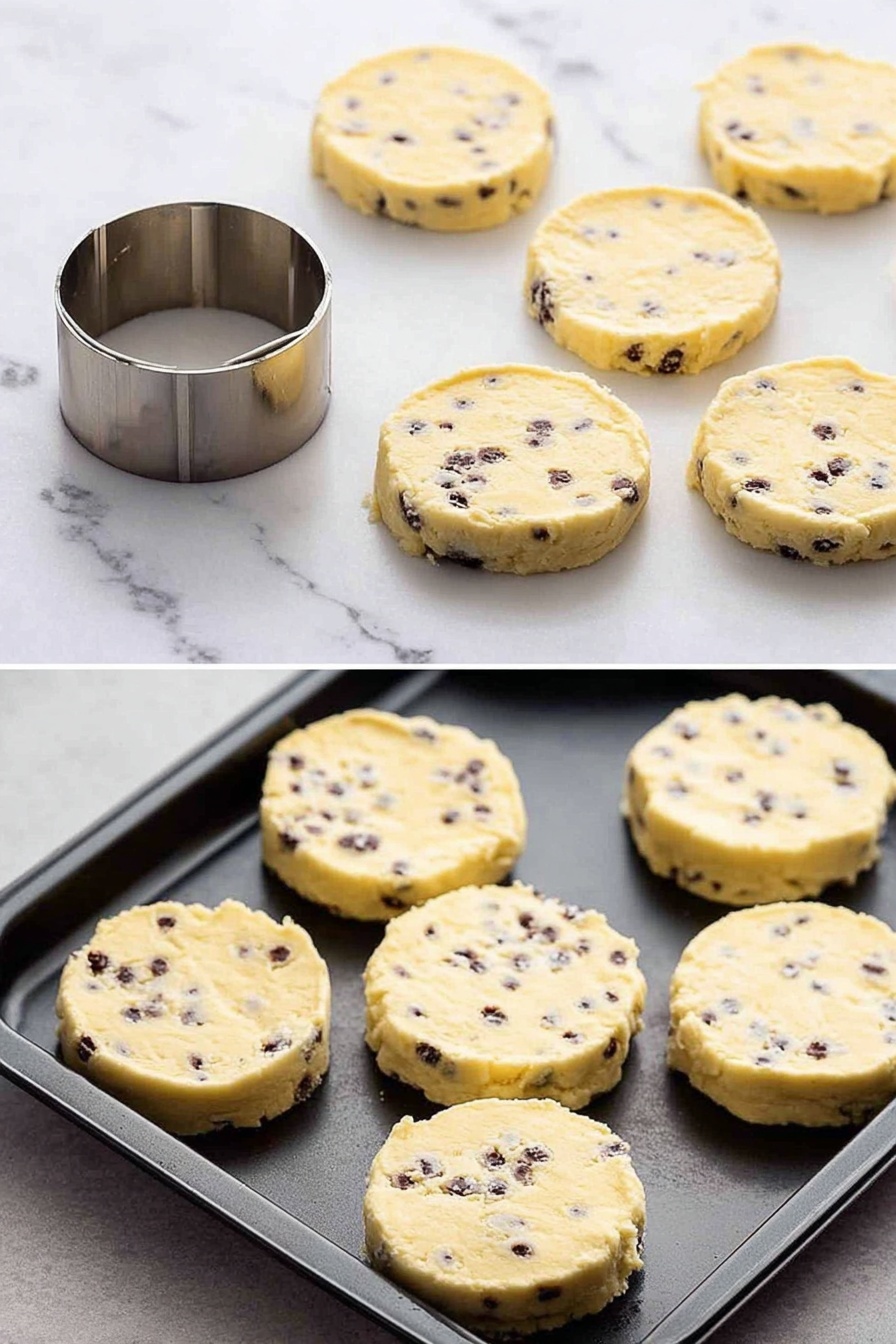
Using a 3-inch round cutter, cut the dough into 12 to 16 scones. I usually get 16, which is perfect for serving a crowd or enjoying leftovers. Place the scones onto a baking sheet, spacing them just a bit apart. Don’t forget to re-roll any scraps to get every bit of goodness out!
Step 8: Egg Wash for Golden Perfection
Brush the tops of the scones with 1 beaten egg. This simple step gives them that stunning golden shine and a subtle crispness when baked.
Step 9: Bake and Cool
Bake your scones in the preheated oven for about 22 minutes, or until they’re beautifully browned on top. Once done, move them to a cooling rack to rest for a few minutes — scones are best enjoyed slightly warm, slathered with butter, jam, or clotted cream.
Top Tip
Bringing together just the right texture and flavor in this Irish Currant Scones Recipe can be simple if you keep a few key tips in mind. These little tricks have made all the difference for me when baking scones that come out perfectly tender and flaky every single time.
- Keep Butter Cold: I always freeze my butter for at least 30 minutes before using it. This helps create those tender, flaky layers we all love in a classic scone.
- Mix Gently: Over-mixing is the enemy here. Stir just until the dough comes together for light, fluffy scones — trust me, less is more!
- Use an Egg Wash: Brushing the scones with beaten egg before baking gives them that beautiful golden shine and a bit of extra crispiness on top.
- Don’t Rush Kneading: I knead the dough only lightly on a floured surface. Too much handling can lead to tough scones, so a gentle touch is key.
How to Serve Irish Currant Scones Recipe
Garnishes
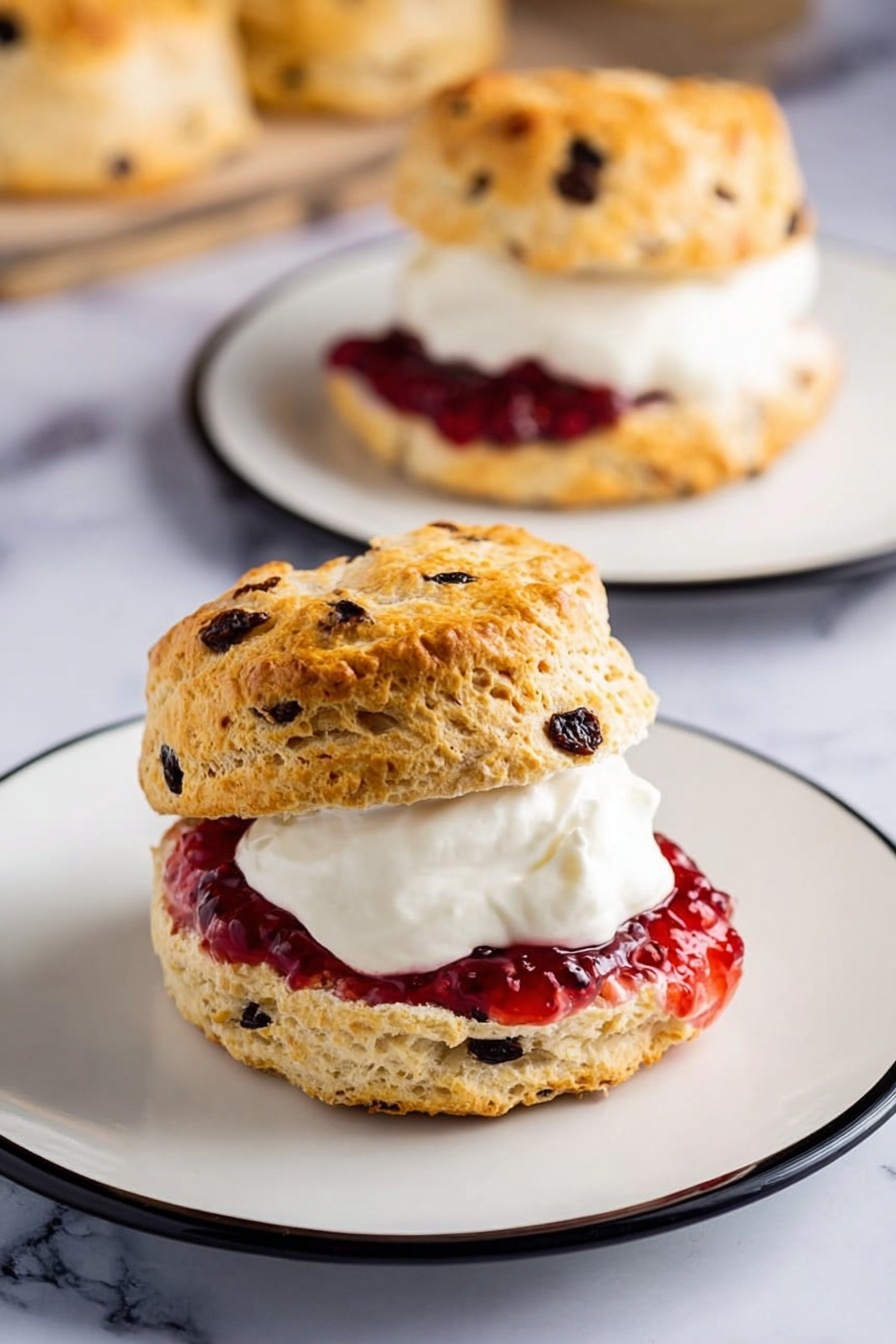
These Irish Currant Scones truly shine with simple, classic garnishes. I love serving them warm with a pat of rich salted butter and a smear of homemade raspberry or strawberry jam. For a traditional touch, freshly whipped clotted cream or a dollop of thick cream makes the perfect finish. A light sprinkle of powdered sugar just before serving can add a lovely hint of sweetness and charm.
Side Dishes
For a full breakfast or tea-time spread, pair your scones with crispy bacon or sausages for a satisfying contrast. A pot of strong black tea or a rich latte complements the sweet currants beautifully. Fresh fruit salad or a bowl of stewed berries also work wonderfully to balance the buttery richness of the scones.
Make Ahead and Storage
Storing Leftovers
If you have any leftovers (though that rarely happens!), store the scones in an airtight container at room temperature for up to 2 days. This keeps them fresh while maintaining their soft, flaky texture.
Freezing
These scones freeze like a dream! You can freeze them either baked or unbaked. To freeze unbaked scones, shape them, place on a baking sheet, freeze until firm, then transfer to a freezer-safe bag. Bake straight from frozen adding a couple of extra minutes to the baking time. For baked scones, simply cool completely, wrap individually in plastic wrap, and freeze in a sealed container for up to 3 months.
Reheating
Reheat your scones in a preheated 300°F oven for about 5-7 minutes until warmed through, which revives their fresh-baked charm beautifully. Avoid microwaving as it can make the scones chewy or tough.
Frequently Asked Questions:
Absolutely! Raisins are a perfect substitute and will give a slightly different sweetness and texture, but the scones will still be delicious and authentic in flavor.
Very important! Cold butter is the secret to flaky, tender scones. If the butter warms up too much, the dough loses its flakiness and the texture will be dense rather than light and crumbly.
You can try substituting the heavy cream with a plant-based cream or full-fat coconut milk and use a dairy-free butter alternative. Just keep in mind the texture may differ slightly.
If you don’t have a round cutter, you can use a sharp knife to cut the dough into wedges or squares. Just be gentle when cutting to avoid compressing the dough too much and impacting the texture.
Final Thoughts
There’s something deeply comforting about biting into a warm, flaky Irish currant scone fresh from the oven. Whether you’re enjoying these scones for a cozy breakfast or alongside a cup of tea with friends, this Irish Currant Scones Recipe brings a little bit of tradition and a whole lot of warmth to your table. I hope these tips and serving ideas inspire you to bake often and savor every delicious crumb.
Print
Irish Currant Scones Recipe
- Prep Time: 20 minutes
- Cook Time: 30 minutes
- Total Time: 50 minutes
- Yield: 16 scones 1x
- Category: Breakfast
- Method: Baking
- Cuisine: Irish
- Diet: Vegetarian
Description
Authentic Irish Scones are tender, flaky, and lightly sweetened, studded with plump dried currants or raisins. Perfect for breakfast or tea time, these scones are easy to make with simple pantry ingredients and yield golden, delicious results every time.
Ingredients
Dry Ingredients
- 4 cups all-purpose flour
- 3 tablespoons sugar
- 2 tablespoons baking powder
- 1 tablespoon salt
Butter
- ½ cup cold unsalted butter, cut into cubes
Fruit
- ¾ cup dried currants (or raisins)
Wet Ingredients
- 4 large eggs, beaten
- 1 cup heavy cream
For Egg Wash
- 1 egg, beaten
Instructions
- Preheat Oven. Preheat your oven to 350°F to ensure it reaches the perfect temperature for baking the scones.
- Combine Dry Ingredients. In a large bowl, whisk together the flour, sugar, baking powder, and salt until evenly mixed.
- Cut in Butter. Add the cold, cubed butter to the dry ingredients and use a pastry cutter or two knives to blend until the mixture resembles coarse breadcrumbs.
- Add Dried Fruit. Stir in the dried currants or raisins to disperse them throughout the dough.
- Mix Wet Ingredients. In a separate container, whisk together the 4 beaten eggs with the heavy cream until combined.
- Form Dough. Slowly pour the wet mixture into the dry ingredients, stirring gently with a spatula just until the dough starts to come together. Be careful not to over-mix to keep the scones tender.
- Knead and Shape. Transfer the dough to a floured surface and knead lightly. Then press or roll the dough to about 1 inch thickness, creating a smooth surface.
- Cut Scones. Use a 3-inch round cutter to cut out 12 to 16 scones, placing them on a baking sheet. Re-roll any scraps to cut out more scones.
- Apply Egg Wash. Brush the tops of the scones with the beaten egg to promote a golden crust.
- Bake. Bake in the preheated oven for 22 minutes, or until the scones turn golden brown.
- Cool and Serve. Remove from oven and transfer to a cooling rack. Serve warm with butter, jam, or clotted cream for an authentic experience.
Notes
- Cold Butter Is Key. Freeze your butter for about 30 minutes before incorporating to achieve flaky texture.
- No Pastry Cutter? Use a box grater to grate frozen butter directly into the flour mixture as an alternative.
- Do Not Over-mix. Overworking the dough will create dense scones instead of light and fluffy ones.
- Don’t Add Too Much Liquid. Add the cream and egg mixture slowly until the dough just begins to form to avoid toughness.
- Make Ahead & Freeze. These scones freeze well baked or unbaked, perfect for quick snacks later on.
- If using frozen fruit, add them last minute before cutting out the scones to prevent juices from making the dough wet.
Nutrition
- Serving Size: 1 scone
- Calories: 250 kcal
- Sugar: 6 g
- Sodium: 350 mg
- Fat: 13 g
- Saturated Fat: 8 g
- Unsaturated Fat: 4 g
- Trans Fat: 0 g
- Carbohydrates: 28 g
- Fiber: 1.5 g
- Protein: 5 g
- Cholesterol: 90 mg



Leave a Reply