
There’s something utterly comforting about slurping up warm, flavorful noodles infused with the perfect blend of sesame and ginger. This Hibachi Noodles with Sesame and Ginger Recipe captures that magic beautifully, making it a staple I turn to again and again when I want dinners that feel both special and effortless.

Jump to:
- Why You'll Love This Recipe
- Ingredients & Why They Work
- Make It Your Way
- Step-by-Step: How I Make Hibachi Noodles with Sesame and Ginger Recipe
- Top Tip
- How to Serve Hibachi Noodles with Sesame and Ginger Recipe
- Make Ahead and Storage
- Frequently Asked Questions:
- Final Thoughts
- Hibachi Noodles with Sesame and Ginger Recipe
Why You'll Love This Recipe
This recipe has become one of my go-tos because it nails that balance of savory, sweet, and nutty with minimal fuss. Plus, you can make it in a flash — perfect when you want restaurant-worthy hibachi noodles without leaving your kitchen.
- Burst of Authentic Flavor: Sesame and ginger combine for a classic taste that instantly elevates simple noodles.
- Quick and Easy: From start to finish, it’s ready within 30 minutes, making it perfect for busy weeknights.
- Flexible Ingredients: You can swap yakisoba, lo mein, or spaghetti noodles depending on what you have.
- Customizable: Whether you want it vegetarian or loaded with protein and veggies, this base recipe adapts beautifully.
Ingredients & Why They Work
Each ingredient plays a key role in creating that signature hibachi noodle flavor. I always make sure to use fresh ginger and garlic to really bring out the depth. Here’s a quick rundown of why these ingredients come together so well:

- Yakisoba, lo mein, or spaghetti noodles: Choose noodles that hold up well to tossing and frying — just shy of al dente is perfect.
- Low-sodium soy sauce: This provides the umami backbone without overpowering saltiness.
- Sesame oil: Adds a luscious nutty aroma that’s central to hibachi flavor.
- Light brown sugar: Gives a subtle sweetness to balance the salty and savory.
- Minced garlic: Fresh garlic adds sharp, pungent notes that wake up the dish.
- Minced ginger: Brings warmth and spice with a fresh zing.
- Unsalted butter: A rich base for frying and coating the noodles evenly.
- Toasted sesame seeds: For that irresistible finishing crunch and extra nuttiness.
Make It Your Way
I like to keep this hibachi noodles base simple but love tossing in whatever fresh veggies or proteins I have on hand. It’s an incredibly forgiving dish that lets you tailor it exactly to your taste or dietary needs.
- Variation: Adding sautéed mushrooms and snow peas is my favorite way to bring some crunch and earthiness, plus it makes the dish feel extra vibrant.
- Protein Boost: Shrimp or thinly sliced chicken breast work wonders here if you want to make it more hearty.
- Spice It Up: A pinch of red pepper flakes or a drizzle of chili oil adds a lovely kick.
- Gluten-Free: Swap soy sauce for tamari and use gluten-free noodles to make this accessible for gluten-sensitive eaters.
Step-by-Step: How I Make Hibachi Noodles with Sesame and Ginger Recipe

Step 1: Cooking the Noodles Just Right
Start by boiling the noodles just shy of al dente — meaning they should still have a slight bite to them. This is really important because they will keep cooking when you toss them later in the skillet, and you don’t want mushy noodles. Once cooked, drain and set them aside so they’re ready for the pan.
Step 2: Whisking Together the Flavorful Sauce
While the noodles cook, mix your sauce ingredients: soy sauce, sesame oil, brown sugar, garlic, and ginger. Whisk these together thoroughly until the brown sugar dissolves — this combo sets the stage for all that delicious hibachi flavor.
Step 3: Toasting the Noodles in Butter
Heat a large nonstick skillet over medium-high heat and melt the unsalted butter. When it’s bubbling and fragrant, add the noodles, spreading them out so they get a little toasted and light golden color on some spots. This step adds great texture and flavor — don’t rush it.
Step 4: Tossing Noodles with Sauce to Finish
Pour your sauce over the toasted noodles and toss to coat evenly. Keep cooking and stirring for 2 to 3 minutes so the noodles soak up the sauce and the flavors truly meld together. You’ll notice that wonderful glossy sheen that means it’s ready.
Step 5: Garnish & Serve
Finally, sprinkle on toasted sesame seeds for a nutty crunch and serve immediately. Grab chopsticks or a fork — you’re in for a treat.
Top Tip
From my kitchen to yours, these tips have made the biggest difference in mastering hibachi noodles with sesame and ginger. They’re simple to follow but transform the dish from good to unforgettable.
- Don’t Overcook Your Noodles: I always remind myself that they finish cooking in the pan — soft noodles on start lead to mush, so keep them firm.
- Use Fresh Ginger and Garlic: Pre-minced jars aren’t bad for convenience, but fresh always gives a clearer, punchier flavor that you’ll appreciate.
- Toast the Noodles Properly: Give them a chance to brown just a bit in the butter. This step adds so much yummy depth and keeps them from being limp.
- Toss Quickly and Thoroughly: When adding the sauce, stir fast and evenly — this locks in flavor and avoids clumps of sugar or seasoning.
How to Serve Hibachi Noodles with Sesame and Ginger Recipe

Garnishes
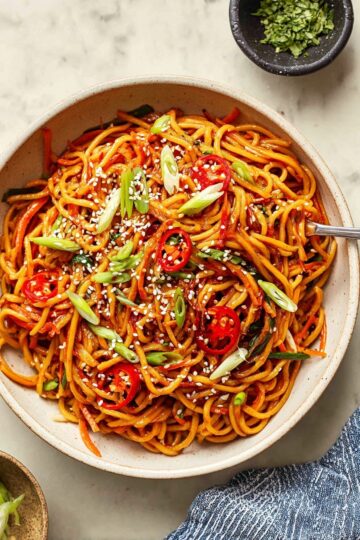
For garnishes, I stick with toasted sesame seeds because they add just the right crunch and nuttiness. Sometimes I add sliced scallions or a few sprigs of fresh cilantro for a pop of color and brightness — these small touches really lift the dish.
Side Dishes
This hibachi noodle recipe pairs beautifully with steamed or sautéed vegetables like broccoli, bok choy, or snap peas. I often serve it alongside grilled chicken or shrimp to round out the meal. A simple miso soup on the side turns it into a complete hibachi-inspired feast.
Creative Ways to Present
For special occasions, I’ve served these noodles in cute individual cast-iron skillets or on banana leaves to add a fun, restaurant-style vibe at home. Even stacking with a fried egg on top turns it into an indulgent brunch treat.
Make Ahead and Storage
Storing Leftovers
Leftover hibachi noodles store well in an airtight container in the fridge for up to 3 days. I like to let them cool completely before sealing to prevent sogginess. When you reheat, you might want to add a splash of water or oil to revive that fresh texture.
Freezing
I’ve tried freezing these noodles, but I find the texture changes a bit after thawing. If you do freeze, freeze in single portions and thaw slowly in the fridge. They’re best reheated gently to bring back their flavor without drying out.
Reheating
Reheat leftovers in a skillet over medium heat with a tiny drizzle of sesame oil or a splash of water to loosen the noodles. Stir frequently so they heat evenly and regain a bit of that fresh-from-the-pan texture.
Frequently Asked Questions:
I recommend using yakisoba or lo mein noodles for the most authentic texture and flavor. However, spaghetti noodles work well if that’s what you have — just cook them carefully and don’t overcook to keep that nice bite.
Absolutely! This recipe is a fantastic base for customization. You can add sautéed vegetables like mushrooms, bell peppers, and snap peas, or proteins like grilled chicken, shrimp, or tofu to make it a more complete meal.
The recipe as written isn’t gluten-free due to the soy sauce and noodles. To make it gluten-free, swap in tamari or gluten-free soy sauce, and choose gluten-free noodle options.
Cooking noodles just until al dente and rinsing them under warm water helps prevent sticking. Also, tossing them in a little oil or butter once drained and stirring frequently in the pan ensures they don’t clump.
Final Thoughts
This Hibachi Noodles with Sesame and Ginger Recipe feels like a warm hug on a plate — easy, flavorful, and reliably delicious. I love keeping this one in my weeknight meal rotation because it’s quick but tastes like you’ve poured love and care into every bite. Give it a try in your kitchen; I bet it’ll become a favorite for you and anyone lucky enough to share the table.
Print
Hibachi Noodles with Sesame and Ginger Recipe
- Prep Time: 15 minutes
- Cook Time: 20 minutes
- Total Time: 35 minutes
- Yield: 4 servings
- Category: Main Course
- Method: Stovetop
- Cuisine: Japanese
Description
Hibachi Noodles is a flavorful Japanese-inspired stir-fry dish featuring yakisoba or lo mein noodles tossed in a savory sauce made of soy, sesame oil, garlic, ginger, and brown sugar. This quick and easy recipe delivers a perfect balance of sweet and savory notes, perfect as a side or main dish.
Ingredients
Noodles
- 1 lb yakisoba, lo mein, or spaghetti
Sauce
- ½ cup low-sodium soy sauce
- 1 tablespoon sesame oil
- 2 tablespoons packed light brown sugar
- 1 tablespoon minced garlic
- 1 tablespoon minced ginger
Other
- 2 tablespoons unsalted butter
- 1 tablespoon toasted sesame seeds (for garnish)
Instructions
- Prepare the noodles: Cook the noodles or pasta just before completely soft or al dente; they should still have a slight bite. Drain the noodles well and set them aside.
- Make the sauce: In a bowl, whisk together the low-sodium soy sauce, sesame oil, light brown sugar, minced garlic, and minced ginger until well combined.
- Cook the noodles: Heat a large nonstick skillet over medium-high heat and add the unsalted butter. Once melted, add the drained noodles to the skillet and cook them, stirring occasionally, until they develop a slight golden coloring.
- Toss with sauce: Pour the prepared sauce over the noodles in the skillet. Toss thoroughly to combine all ingredients, cooking for an additional 2 to 3 minutes to allow the sauce to meld with the noodles.
- Garnish and serve: Remove from heat, sprinkle toasted sesame seeds over the noodles, and serve immediately for the best flavor and texture.
Notes
- Use yakisoba or lo mein noodles for an authentic texture; spaghetti is a good substitute if unavailable.
- For extra protein, consider adding cooked chicken, shrimp, or tofu.
- Adjust the brown sugar amount for desired sweetness.
- Garnish with green onions or chopped cilantro for added freshness.
- If you like a spicy kick, add a dash of chili flakes or sriracha sauce.
Nutrition
- Serving Size: 1 serving (about ¼ of recipe)
- Calories: 400 kcal
- Sugar: 8 g
- Sodium: 600 mg
- Fat: 12 g
- Saturated Fat: 5 g
- Unsaturated Fat: 6 g
- Trans Fat: 0 g
- Carbohydrates: 60 g
- Fiber: 3 g
- Protein: 10 g
- Cholesterol: 15 mg



Leave a Reply