
Pour the strained custard into your warm crust. I always strain it through a fine sieve to avoid any tiny cooked eggs sneaking in. Cover the edges with foil or a pie shield so they don’t burn, and bake at 325°F. Start checking at 40 minutes—you're looking for a pie that’s set around the edges but still wobbly in the middle. An instant-read thermometer is your best friend here; 175-180°F is just right.
Step 5: Let It Cool and Add the Praline Sauce
Cool the pie for a couple of hours, then chill several more hours or overnight—that’s when the custard really firms up beautifully. For the praline sauce, melt the butter, sugar, and corn syrup with pecans until sticky and bubbly. Stir in cream and vanilla at the end, adjust cinnamon and salt to taste, then spread it generously on your pie before serving. That finishing touch takes it over the top.
Top Tip
From my experience, a few little tricks really help your custard pie shine exactly how you want it.
- Room Temperature Eggs: Always bring your eggs to room temp before mixing; it helps prevent curdling when you add the warm milk mixture.
- Don’t Overbake: The custard should be slightly jiggly in the center when you take it out—remember, it continues to cook as it cools.
- Chill the Crust Dough: Don’t skip chilling the crust—this avoids shrinkage and gives you that perfect crust structure.
- Praline Sauce Right Before Serving: Add the praline sauce just before serving so it stays crisp and doesn’t soften too much in the fridge.
How to Serve Custard Pie with Praline Sauce Recipe

Garnishes
I tend to keep it simple with a sprinkle of extra coarse sugar on top of the praline for crunch and a few whole toasted pecans scattered around for glam. Sometimes, a dollop of lightly sweetened whipped cream complements the richness of the custard beautifully.
Side Dishes
This custard pie shines as the star dessert alongside a warm spiced apples compote or fresh seasonal berries. For something savory before dessert, a light arugula salad with toasted walnuts and a simple vinaigrette is my go-to to balance out the sweetness.
Creative Ways to Present
For special occasions, I’ve served this pie with a drizzle of dark chocolate ganache on the plate next to a slice. It adds a rich contrast and makes the presentation feel extra elegant. You can even portion the pie into mini tartlets for individual servings at a party—so cute and practical!
Make Ahead and Storage
Storing Leftovers
I always let the pie cool completely before covering it tightly with plastic wrap pressed right onto the custard surface to prevent a skin from forming. It keeps beautifully in the fridge for up to 3 days, and I recommend serving it at room temperature for the best texture and flavor.
Freezing
Freezing this particular custard pie isn’t my favorite because the texture can get a little watery or grainy after thawing. However, if you want to try, wrap it tightly and freeze for up to a month. Thaw slowly in the fridge overnight to minimize texture changes.
Reheating
I usually just let leftover slices come to room temperature; the custard is best enjoyed this way. If you prefer warm, a quick 10-15 second zap in the microwave on low power does the trick, but I avoid overheating to keep the custard from curdling.
Frequently Asked Questions:
Absolutely! You can use a traditional pie crust if you prefer a flakier texture or even a graham cracker crust for a sweeter twist. Just be mindful of baking times, as this oatmeal cookie crust is designed to pair perfectly with the custard texture.
The most reliable way is to use an instant-read thermometer. When the center reaches about 175-180°F and the edges are set but the middle still jiggles slightly, the pie is perfectly baked.
While the praline sauce is optional, I highly recommend it—it adds the perfect sweet crunch and warmth to the smooth custard. You can skip it for a simpler dessert, but it really elevates the overall experience.
You can prepare the crust and custard filling a day ahead and refrigerate the pie after baking. Add the praline sauce just before serving to maintain its crispy texture. This makes it great for holiday gatherings or special occasions.
Final Thoughts
This Custard Pie with Praline Sauce Recipe holds a special place in my heart because it’s a wonderful blend of tradition and a little bit of fun innovation. It’s easy enough for weeknight baking but elegant enough for holiday tables. I really hope you try it and discover just how magically simple ingredients come together into a show-stopping dessert. Trust me, once you taste that creamy custard against the crunch of the praline and the chewy crust, you’ll be hooked, just like me!
Pour the strained custard into your warm crust. I always strain it through a fine sieve to avoid any tiny cooked eggs sneaking in. Cover the edges with foil or a pie shield so they don’t burn, and bake at 325°F. Start checking at 40 minutes—you're looking for a pie that’s set around the edges but still wobbly in the middle. An instant-read thermometer is your best friend here; 175-180°F is just right.
Step 5: Let It Cool and Add the Praline Sauce
Cool the pie for a couple of hours, then chill several more hours or overnight—that’s when the custard really firms up beautifully. For the praline sauce, melt the butter, sugar, and corn syrup with pecans until sticky and bubbly. Stir in cream and vanilla at the end, adjust cinnamon and salt to taste, then spread it generously on your pie before serving. That finishing touch takes it over the top.
Top Tip
From my experience, a few little tricks really help your custard pie shine exactly how you want it.
- Room Temperature Eggs: Always bring your eggs to room temp before mixing; it helps prevent curdling when you add the warm milk mixture.
- Don’t Overbake: The custard should be slightly jiggly in the center when you take it out—remember, it continues to cook as it cools.
- Chill the Crust Dough: Don’t skip chilling the crust—this avoids shrinkage and gives you that perfect crust structure.
- Praline Sauce Right Before Serving: Add the praline sauce just before serving so it stays crisp and doesn’t soften too much in the fridge.
How to Serve Custard Pie with Praline Sauce Recipe
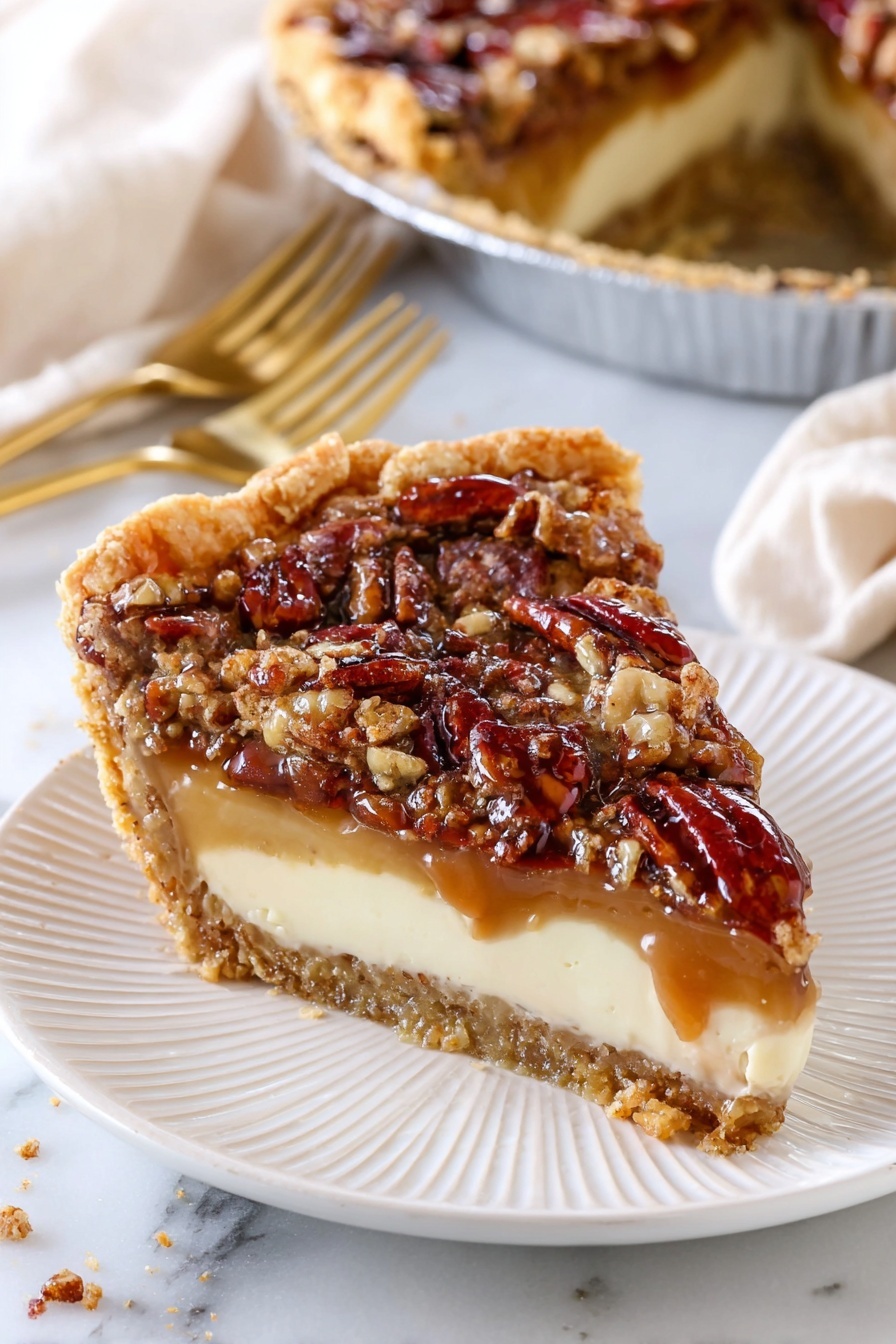
Garnishes
I tend to keep it simple with a sprinkle of extra coarse sugar on top of the praline for crunch and a few whole toasted pecans scattered around for glam. Sometimes, a dollop of lightly sweetened whipped cream complements the richness of the custard beautifully.
Side Dishes
This custard pie shines as the star dessert alongside a warm spiced apples compote or fresh seasonal berries. For something savory before dessert, a light arugula salad with toasted walnuts and a simple vinaigrette is my go-to to balance out the sweetness.
Creative Ways to Present
For special occasions, I’ve served this pie with a drizzle of dark chocolate ganache on the plate next to a slice. It adds a rich contrast and makes the presentation feel extra elegant. You can even portion the pie into mini tartlets for individual servings at a party—so cute and practical!
Make Ahead and Storage
Storing Leftovers
I always let the pie cool completely before covering it tightly with plastic wrap pressed right onto the custard surface to prevent a skin from forming. It keeps beautifully in the fridge for up to 3 days, and I recommend serving it at room temperature for the best texture and flavor.
Freezing
Freezing this particular custard pie isn’t my favorite because the texture can get a little watery or grainy after thawing. However, if you want to try, wrap it tightly and freeze for up to a month. Thaw slowly in the fridge overnight to minimize texture changes.
Reheating
I usually just let leftover slices come to room temperature; the custard is best enjoyed this way. If you prefer warm, a quick 10-15 second zap in the microwave on low power does the trick, but I avoid overheating to keep the custard from curdling.
Frequently Asked Questions:
Absolutely! You can use a traditional pie crust if you prefer a flakier texture or even a graham cracker crust for a sweeter twist. Just be mindful of baking times, as this oatmeal cookie crust is designed to pair perfectly with the custard texture.
The most reliable way is to use an instant-read thermometer. When the center reaches about 175-180°F and the edges are set but the middle still jiggles slightly, the pie is perfectly baked.
While the praline sauce is optional, I highly recommend it—it adds the perfect sweet crunch and warmth to the smooth custard. You can skip it for a simpler dessert, but it really elevates the overall experience.
You can prepare the crust and custard filling a day ahead and refrigerate the pie after baking. Add the praline sauce just before serving to maintain its crispy texture. This makes it great for holiday gatherings or special occasions.
Final Thoughts
This Custard Pie with Praline Sauce Recipe holds a special place in my heart because it’s a wonderful blend of tradition and a little bit of fun innovation. It’s easy enough for weeknight baking but elegant enough for holiday tables. I really hope you try it and discover just how magically simple ingredients come together into a show-stopping dessert. Trust me, once you taste that creamy custard against the crunch of the praline and the chewy crust, you’ll be hooked, just like me!
Whisk your eggs and sugar first—this helps prevent any lumps. Add vanilla and spices carefully; I like to whisk nutmeg into this mixture for even distribution and its beautiful speckled look in the finished pie. Temper the eggs slowly by drizzling in the warm cream mixture while whisking constantly. This prevents scrambled eggs—a classic custard pitfall.
Step 4: Bake the Pie to Perfection
Pour the strained custard into your warm crust. I always strain it through a fine sieve to avoid any tiny cooked eggs sneaking in. Cover the edges with foil or a pie shield so they don’t burn, and bake at 325°F. Start checking at 40 minutes—you're looking for a pie that’s set around the edges but still wobbly in the middle. An instant-read thermometer is your best friend here; 175-180°F is just right.
Step 5: Let It Cool and Add the Praline Sauce
Cool the pie for a couple of hours, then chill several more hours or overnight—that’s when the custard really firms up beautifully. For the praline sauce, melt the butter, sugar, and corn syrup with pecans until sticky and bubbly. Stir in cream and vanilla at the end, adjust cinnamon and salt to taste, then spread it generously on your pie before serving. That finishing touch takes it over the top.
Top Tip
From my experience, a few little tricks really help your custard pie shine exactly how you want it.
- Room Temperature Eggs: Always bring your eggs to room temp before mixing; it helps prevent curdling when you add the warm milk mixture.
- Don’t Overbake: The custard should be slightly jiggly in the center when you take it out—remember, it continues to cook as it cools.
- Chill the Crust Dough: Don’t skip chilling the crust—this avoids shrinkage and gives you that perfect crust structure.
- Praline Sauce Right Before Serving: Add the praline sauce just before serving so it stays crisp and doesn’t soften too much in the fridge.
How to Serve Custard Pie with Praline Sauce Recipe
Garnishes
I tend to keep it simple with a sprinkle of extra coarse sugar on top of the praline for crunch and a few whole toasted pecans scattered around for glam. Sometimes, a dollop of lightly sweetened whipped cream complements the richness of the custard beautifully.
Side Dishes
This custard pie shines as the star dessert alongside a warm spiced apples compote or fresh seasonal berries. For something savory before dessert, a light arugula salad with toasted walnuts and a simple vinaigrette is my go-to to balance out the sweetness.
Creative Ways to Present
For special occasions, I’ve served this pie with a drizzle of dark chocolate ganache on the plate next to a slice. It adds a rich contrast and makes the presentation feel extra elegant. You can even portion the pie into mini tartlets for individual servings at a party—so cute and practical!
Make Ahead and Storage
Storing Leftovers
I always let the pie cool completely before covering it tightly with plastic wrap pressed right onto the custard surface to prevent a skin from forming. It keeps beautifully in the fridge for up to 3 days, and I recommend serving it at room temperature for the best texture and flavor.
Freezing
Freezing this particular custard pie isn’t my favorite because the texture can get a little watery or grainy after thawing. However, if you want to try, wrap it tightly and freeze for up to a month. Thaw slowly in the fridge overnight to minimize texture changes.
Reheating
I usually just let leftover slices come to room temperature; the custard is best enjoyed this way. If you prefer warm, a quick 10-15 second zap in the microwave on low power does the trick, but I avoid overheating to keep the custard from curdling.
Frequently Asked Questions:
Absolutely! You can use a traditional pie crust if you prefer a flakier texture or even a graham cracker crust for a sweeter twist. Just be mindful of baking times, as this oatmeal cookie crust is designed to pair perfectly with the custard texture.
The most reliable way is to use an instant-read thermometer. When the center reaches about 175-180°F and the edges are set but the middle still jiggles slightly, the pie is perfectly baked.
While the praline sauce is optional, I highly recommend it—it adds the perfect sweet crunch and warmth to the smooth custard. You can skip it for a simpler dessert, but it really elevates the overall experience.
You can prepare the crust and custard filling a day ahead and refrigerate the pie after baking. Add the praline sauce just before serving to maintain its crispy texture. This makes it great for holiday gatherings or special occasions.
Final Thoughts
This Custard Pie with Praline Sauce Recipe holds a special place in my heart because it’s a wonderful blend of tradition and a little bit of fun innovation. It’s easy enough for weeknight baking but elegant enough for holiday tables. I really hope you try it and discover just how magically simple ingredients come together into a show-stopping dessert. Trust me, once you taste that creamy custard against the crunch of the praline and the chewy crust, you’ll be hooked, just like me!
Bake the crust at 375°F until it’s lightly golden, about 12-15 minutes. Immediately start heating your cream and milk mixture so it’s ready to temper the eggs. This timing helps keep your pie crust warm, which means a smoother custard filling and better integration.
Step 3: Make the Velvety Custard Filling
Whisk your eggs and sugar first—this helps prevent any lumps. Add vanilla and spices carefully; I like to whisk nutmeg into this mixture for even distribution and its beautiful speckled look in the finished pie. Temper the eggs slowly by drizzling in the warm cream mixture while whisking constantly. This prevents scrambled eggs—a classic custard pitfall.
Step 4: Bake the Pie to Perfection
Pour the strained custard into your warm crust. I always strain it through a fine sieve to avoid any tiny cooked eggs sneaking in. Cover the edges with foil or a pie shield so they don’t burn, and bake at 325°F. Start checking at 40 minutes—you're looking for a pie that’s set around the edges but still wobbly in the middle. An instant-read thermometer is your best friend here; 175-180°F is just right.
Step 5: Let It Cool and Add the Praline Sauce
Cool the pie for a couple of hours, then chill several more hours or overnight—that’s when the custard really firms up beautifully. For the praline sauce, melt the butter, sugar, and corn syrup with pecans until sticky and bubbly. Stir in cream and vanilla at the end, adjust cinnamon and salt to taste, then spread it generously on your pie before serving. That finishing touch takes it over the top.
Top Tip
From my experience, a few little tricks really help your custard pie shine exactly how you want it.
- Room Temperature Eggs: Always bring your eggs to room temp before mixing; it helps prevent curdling when you add the warm milk mixture.
- Don’t Overbake: The custard should be slightly jiggly in the center when you take it out—remember, it continues to cook as it cools.
- Chill the Crust Dough: Don’t skip chilling the crust—this avoids shrinkage and gives you that perfect crust structure.
- Praline Sauce Right Before Serving: Add the praline sauce just before serving so it stays crisp and doesn’t soften too much in the fridge.
How to Serve Custard Pie with Praline Sauce Recipe
Garnishes
I tend to keep it simple with a sprinkle of extra coarse sugar on top of the praline for crunch and a few whole toasted pecans scattered around for glam. Sometimes, a dollop of lightly sweetened whipped cream complements the richness of the custard beautifully.
Side Dishes
This custard pie shines as the star dessert alongside a warm spiced apples compote or fresh seasonal berries. For something savory before dessert, a light arugula salad with toasted walnuts and a simple vinaigrette is my go-to to balance out the sweetness.
Creative Ways to Present
For special occasions, I’ve served this pie with a drizzle of dark chocolate ganache on the plate next to a slice. It adds a rich contrast and makes the presentation feel extra elegant. You can even portion the pie into mini tartlets for individual servings at a party—so cute and practical!
Make Ahead and Storage
Storing Leftovers
I always let the pie cool completely before covering it tightly with plastic wrap pressed right onto the custard surface to prevent a skin from forming. It keeps beautifully in the fridge for up to 3 days, and I recommend serving it at room temperature for the best texture and flavor.
Freezing
Freezing this particular custard pie isn’t my favorite because the texture can get a little watery or grainy after thawing. However, if you want to try, wrap it tightly and freeze for up to a month. Thaw slowly in the fridge overnight to minimize texture changes.
Reheating
I usually just let leftover slices come to room temperature; the custard is best enjoyed this way. If you prefer warm, a quick 10-15 second zap in the microwave on low power does the trick, but I avoid overheating to keep the custard from curdling.
Frequently Asked Questions:
Absolutely! You can use a traditional pie crust if you prefer a flakier texture or even a graham cracker crust for a sweeter twist. Just be mindful of baking times, as this oatmeal cookie crust is designed to pair perfectly with the custard texture.
The most reliable way is to use an instant-read thermometer. When the center reaches about 175-180°F and the edges are set but the middle still jiggles slightly, the pie is perfectly baked.
While the praline sauce is optional, I highly recommend it—it adds the perfect sweet crunch and warmth to the smooth custard. You can skip it for a simpler dessert, but it really elevates the overall experience.
You can prepare the crust and custard filling a day ahead and refrigerate the pie after baking. Add the praline sauce just before serving to maintain its crispy texture. This makes it great for holiday gatherings or special occasions.
Final Thoughts
This Custard Pie with Praline Sauce Recipe holds a special place in my heart because it’s a wonderful blend of tradition and a little bit of fun innovation. It’s easy enough for weeknight baking but elegant enough for holiday tables. I really hope you try it and discover just how magically simple ingredients come together into a show-stopping dessert. Trust me, once you taste that creamy custard against the crunch of the praline and the chewy crust, you’ll be hooked, just like me!
First off, get your butter and sugar creamed until smooth with the paddle attachment on your stand mixer—about 2 minutes. The key here is not to rush; you want it nice and creamy, which means a tender crust that melts in your mouth. Then, add the egg yolk and vanilla—don’t skip the scrape down of the bowl so nothing gets wasted!
Next, mix in flour, oats, and salt on low speed just until combined. Add the tablespoon of water last to bring it all together gently. When pressing the dough into your pie plate, don’t pack it too tight; you want to maintain some aeration so it doesn’t turn rock hard after baking. Chill it for at least 30 minutes—this step helps the crust hold its shape when baked.
Step 2: Par-Bake the Crust and Start the Custard
Bake the crust at 375°F until it’s lightly golden, about 12-15 minutes. Immediately start heating your cream and milk mixture so it’s ready to temper the eggs. This timing helps keep your pie crust warm, which means a smoother custard filling and better integration.
Step 3: Make the Velvety Custard Filling
Whisk your eggs and sugar first—this helps prevent any lumps. Add vanilla and spices carefully; I like to whisk nutmeg into this mixture for even distribution and its beautiful speckled look in the finished pie. Temper the eggs slowly by drizzling in the warm cream mixture while whisking constantly. This prevents scrambled eggs—a classic custard pitfall.
Step 4: Bake the Pie to Perfection
Pour the strained custard into your warm crust. I always strain it through a fine sieve to avoid any tiny cooked eggs sneaking in. Cover the edges with foil or a pie shield so they don’t burn, and bake at 325°F. Start checking at 40 minutes—you're looking for a pie that’s set around the edges but still wobbly in the middle. An instant-read thermometer is your best friend here; 175-180°F is just right.
Step 5: Let It Cool and Add the Praline Sauce
Cool the pie for a couple of hours, then chill several more hours or overnight—that’s when the custard really firms up beautifully. For the praline sauce, melt the butter, sugar, and corn syrup with pecans until sticky and bubbly. Stir in cream and vanilla at the end, adjust cinnamon and salt to taste, then spread it generously on your pie before serving. That finishing touch takes it over the top.
Top Tip
From my experience, a few little tricks really help your custard pie shine exactly how you want it.
- Room Temperature Eggs: Always bring your eggs to room temp before mixing; it helps prevent curdling when you add the warm milk mixture.
- Don’t Overbake: The custard should be slightly jiggly in the center when you take it out—remember, it continues to cook as it cools.
- Chill the Crust Dough: Don’t skip chilling the crust—this avoids shrinkage and gives you that perfect crust structure.
- Praline Sauce Right Before Serving: Add the praline sauce just before serving so it stays crisp and doesn’t soften too much in the fridge.
How to Serve Custard Pie with Praline Sauce Recipe
Garnishes
I tend to keep it simple with a sprinkle of extra coarse sugar on top of the praline for crunch and a few whole toasted pecans scattered around for glam. Sometimes, a dollop of lightly sweetened whipped cream complements the richness of the custard beautifully.
Side Dishes
This custard pie shines as the star dessert alongside a warm spiced apples compote or fresh seasonal berries. For something savory before dessert, a light arugula salad with toasted walnuts and a simple vinaigrette is my go-to to balance out the sweetness.
Creative Ways to Present
For special occasions, I’ve served this pie with a drizzle of dark chocolate ganache on the plate next to a slice. It adds a rich contrast and makes the presentation feel extra elegant. You can even portion the pie into mini tartlets for individual servings at a party—so cute and practical!
Make Ahead and Storage
Storing Leftovers
I always let the pie cool completely before covering it tightly with plastic wrap pressed right onto the custard surface to prevent a skin from forming. It keeps beautifully in the fridge for up to 3 days, and I recommend serving it at room temperature for the best texture and flavor.
Freezing
Freezing this particular custard pie isn’t my favorite because the texture can get a little watery or grainy after thawing. However, if you want to try, wrap it tightly and freeze for up to a month. Thaw slowly in the fridge overnight to minimize texture changes.
Reheating
I usually just let leftover slices come to room temperature; the custard is best enjoyed this way. If you prefer warm, a quick 10-15 second zap in the microwave on low power does the trick, but I avoid overheating to keep the custard from curdling.
Frequently Asked Questions:
Absolutely! You can use a traditional pie crust if you prefer a flakier texture or even a graham cracker crust for a sweeter twist. Just be mindful of baking times, as this oatmeal cookie crust is designed to pair perfectly with the custard texture.
The most reliable way is to use an instant-read thermometer. When the center reaches about 175-180°F and the edges are set but the middle still jiggles slightly, the pie is perfectly baked.
While the praline sauce is optional, I highly recommend it—it adds the perfect sweet crunch and warmth to the smooth custard. You can skip it for a simpler dessert, but it really elevates the overall experience.
You can prepare the crust and custard filling a day ahead and refrigerate the pie after baking. Add the praline sauce just before serving to maintain its crispy texture. This makes it great for holiday gatherings or special occasions.
Final Thoughts
This Custard Pie with Praline Sauce Recipe holds a special place in my heart because it’s a wonderful blend of tradition and a little bit of fun innovation. It’s easy enough for weeknight baking but elegant enough for holiday tables. I really hope you try it and discover just how magically simple ingredients come together into a show-stopping dessert. Trust me, once you taste that creamy custard against the crunch of the praline and the chewy crust, you’ll be hooked, just like me!
Pour the strained custard into your warm crust. I always strain it through a fine sieve to avoid any tiny cooked eggs sneaking in. Cover the edges with foil or a pie shield so they don’t burn, and bake at 325°F. Start checking at 40 minutes—you're looking for a pie that’s set around the edges but still wobbly in the middle. An instant-read thermometer is your best friend here; 175-180°F is just right.
Step 5: Let It Cool and Add the Praline Sauce
Cool the pie for a couple of hours, then chill several more hours or overnight—that’s when the custard really firms up beautifully. For the praline sauce, melt the butter, sugar, and corn syrup with pecans until sticky and bubbly. Stir in cream and vanilla at the end, adjust cinnamon and salt to taste, then spread it generously on your pie before serving. That finishing touch takes it over the top.
Top Tip
From my experience, a few little tricks really help your custard pie shine exactly how you want it.
- Room Temperature Eggs: Always bring your eggs to room temp before mixing; it helps prevent curdling when you add the warm milk mixture.
- Don’t Overbake: The custard should be slightly jiggly in the center when you take it out—remember, it continues to cook as it cools.
- Chill the Crust Dough: Don’t skip chilling the crust—this avoids shrinkage and gives you that perfect crust structure.
- Praline Sauce Right Before Serving: Add the praline sauce just before serving so it stays crisp and doesn’t soften too much in the fridge.
How to Serve Custard Pie with Praline Sauce Recipe
Garnishes
I tend to keep it simple with a sprinkle of extra coarse sugar on top of the praline for crunch and a few whole toasted pecans scattered around for glam. Sometimes, a dollop of lightly sweetened whipped cream complements the richness of the custard beautifully.
Side Dishes
This custard pie shines as the star dessert alongside a warm spiced apples compote or fresh seasonal berries. For something savory before dessert, a light arugula salad with toasted walnuts and a simple vinaigrette is my go-to to balance out the sweetness.
Creative Ways to Present
For special occasions, I’ve served this pie with a drizzle of dark chocolate ganache on the plate next to a slice. It adds a rich contrast and makes the presentation feel extra elegant. You can even portion the pie into mini tartlets for individual servings at a party—so cute and practical!
Make Ahead and Storage
Storing Leftovers
I always let the pie cool completely before covering it tightly with plastic wrap pressed right onto the custard surface to prevent a skin from forming. It keeps beautifully in the fridge for up to 3 days, and I recommend serving it at room temperature for the best texture and flavor.
Freezing
Freezing this particular custard pie isn’t my favorite because the texture can get a little watery or grainy after thawing. However, if you want to try, wrap it tightly and freeze for up to a month. Thaw slowly in the fridge overnight to minimize texture changes.
Reheating
I usually just let leftover slices come to room temperature; the custard is best enjoyed this way. If you prefer warm, a quick 10-15 second zap in the microwave on low power does the trick, but I avoid overheating to keep the custard from curdling.
Frequently Asked Questions:
Absolutely! You can use a traditional pie crust if you prefer a flakier texture or even a graham cracker crust for a sweeter twist. Just be mindful of baking times, as this oatmeal cookie crust is designed to pair perfectly with the custard texture.
The most reliable way is to use an instant-read thermometer. When the center reaches about 175-180°F and the edges are set but the middle still jiggles slightly, the pie is perfectly baked.
While the praline sauce is optional, I highly recommend it—it adds the perfect sweet crunch and warmth to the smooth custard. You can skip it for a simpler dessert, but it really elevates the overall experience.
You can prepare the crust and custard filling a day ahead and refrigerate the pie after baking. Add the praline sauce just before serving to maintain its crispy texture. This makes it great for holiday gatherings or special occasions.
Final Thoughts
This Custard Pie with Praline Sauce Recipe holds a special place in my heart because it’s a wonderful blend of tradition and a little bit of fun innovation. It’s easy enough for weeknight baking but elegant enough for holiday tables. I really hope you try it and discover just how magically simple ingredients come together into a show-stopping dessert. Trust me, once you taste that creamy custard against the crunch of the praline and the chewy crust, you’ll be hooked, just like me!
There’s just something about a classic custard pie that feels like a warm hug from grandma—rich, silky, and perfectly comforting. This Custard Pie with Praline Sauce Recipe takes that beloved tradition up a notch with a crunchy, buttery oatmeal cookie crust and a luscious praline topping that adds that irresistible sweet crunch you’ll find yourself craving over and over.
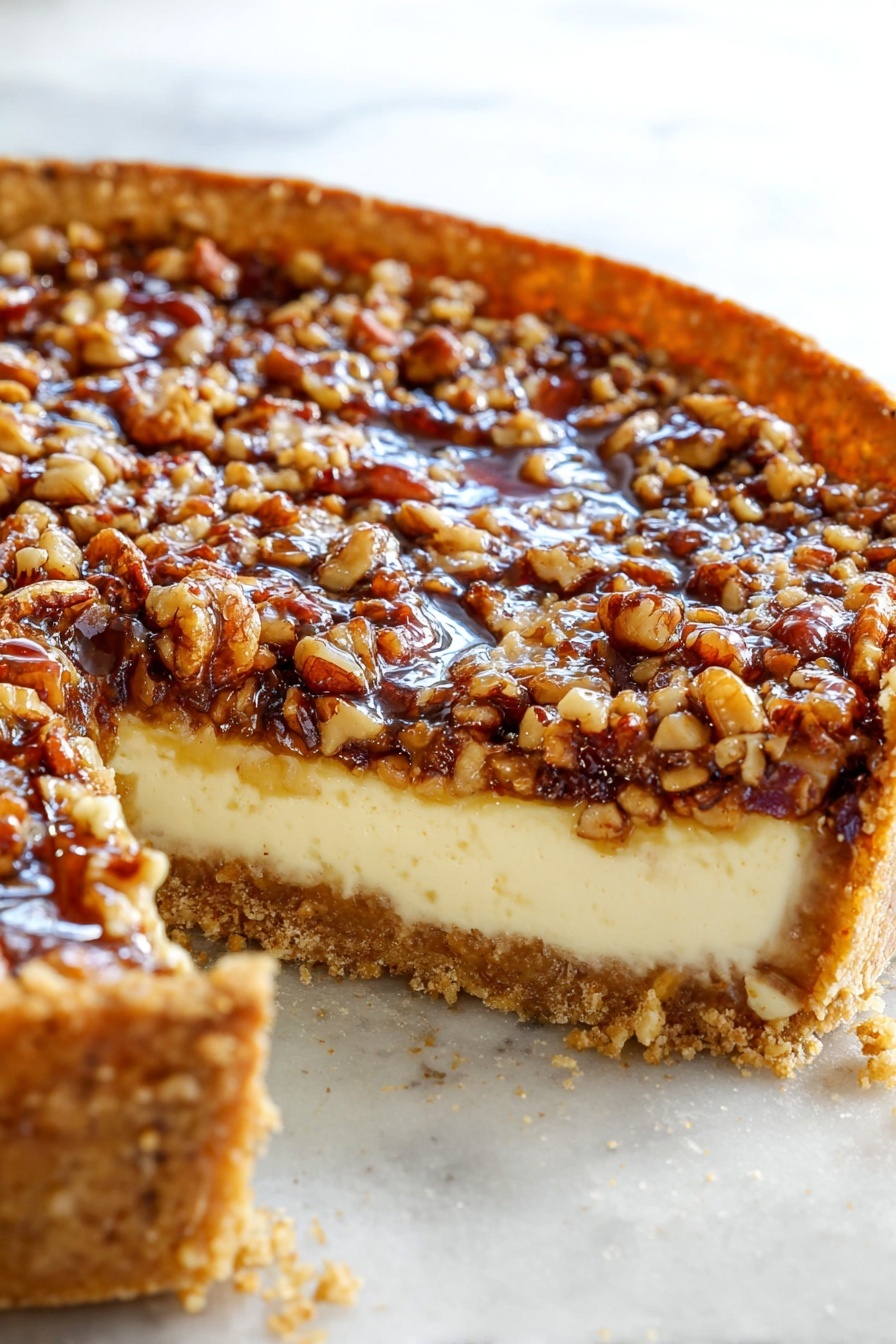
Why You'll Love This Recipe
I adore this custard pie because it combines simple ingredients into something that feels both nostalgic and delightfully fancy. It’s the kind of dessert that gets compliments every time and is surprisingly straightforward to pull off with a few tips!
- Comfort food with a twist: The oatmeal cookie crust gives a fun-textured base that’s buttery and slightly nutty, setting it apart from your typical pie crust.
- Lusciously smooth custard: The creamy filling is perfectly spiced and incredibly silky — it feels indulgent yet homey.
- Irresistible praline sauce: The pecan praline topping adds a sweet, crunchy finish that makes this pie unforgettable.
- Make-ahead friendly: You can prep parts of it ahead; it stores well in the fridge, making it great for special occasions or holiday dinners.
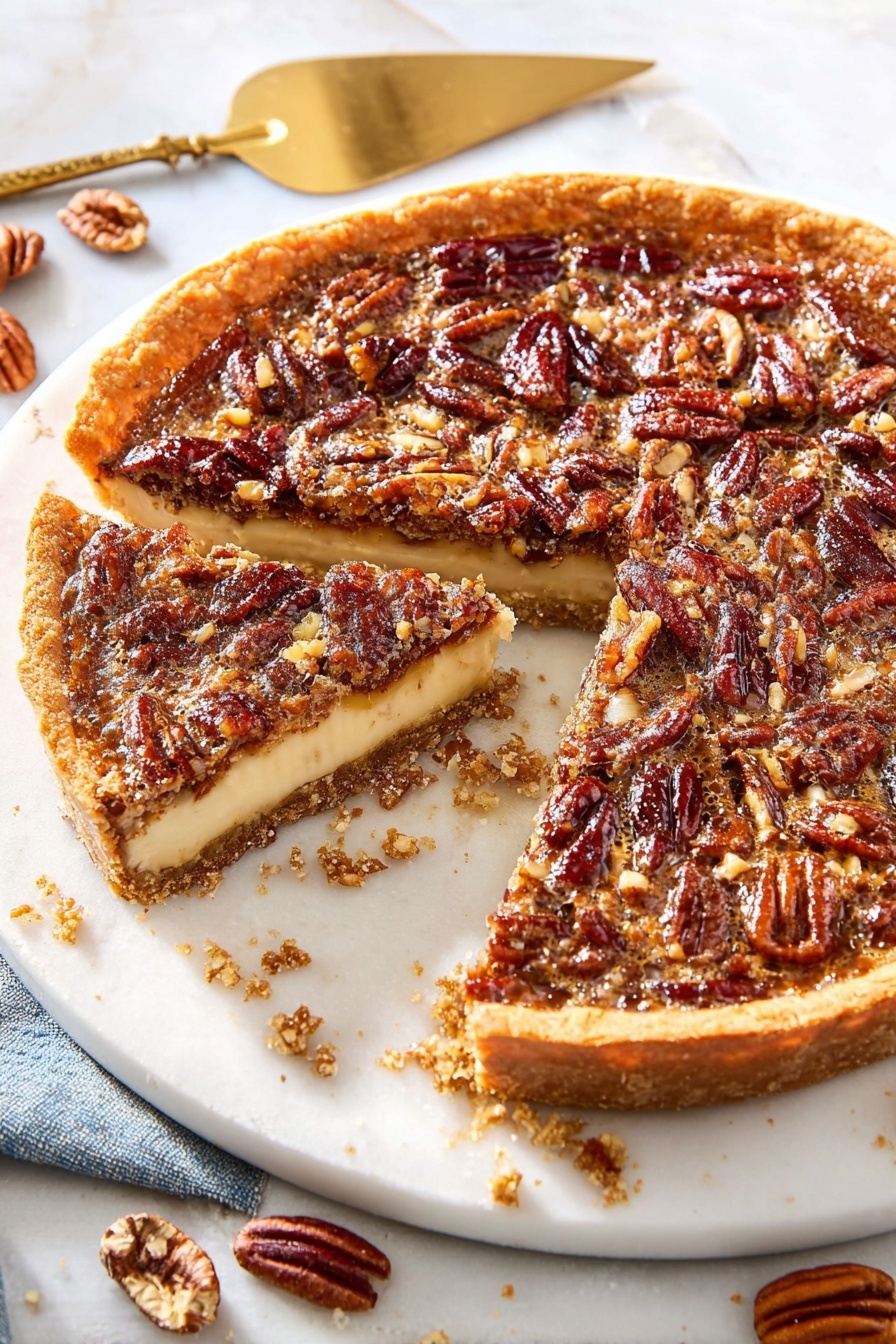
Ingredients & Why They Work
This recipe is a perfect harmony of ingredients that balance texture and flavor beautifully. The crust’s oats add chewiness and a subtle nutty flavor, while the custard's blend of cream and whole milk keeps it rich but not too heavy. The praline sauce’s pecans provide that crave-worthy crunch you don’t want to miss.
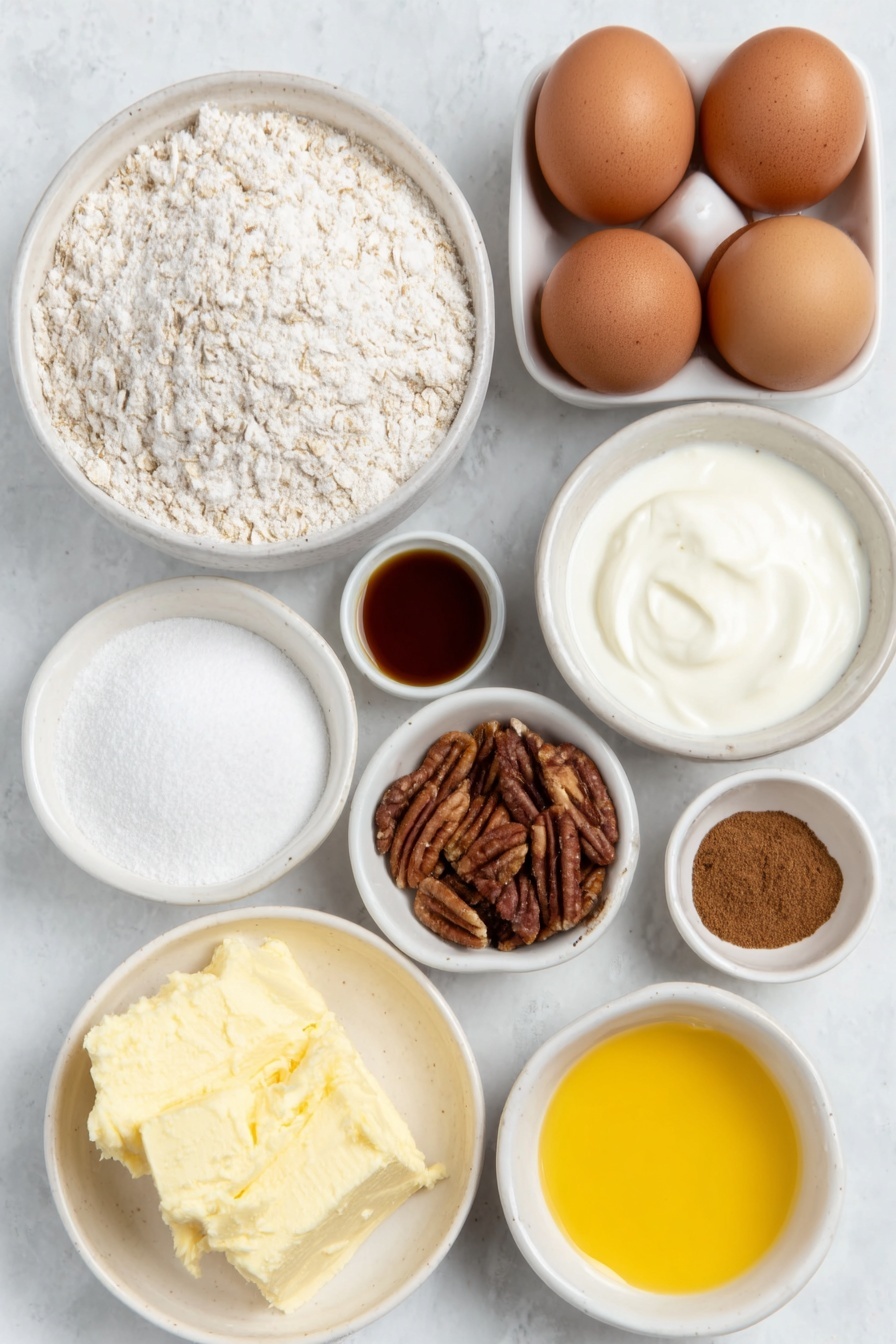
- Unsalted Butter: Room temperature butter helps create a tender, crumbly crust while allowing you to control the saltiness.
- Light Brown Sugar: Adds caramel notes in both the crust and custard, enhancing depth.
- Large Eggs & Egg Yolks: Give the custard its silky texture and richness; letting them come to room temp helps everything blend smoothly.
- Vanilla Extract or Bean Paste: The star flavor that elevates the custard to something truly special.
- Rolled Oats: For that signature chewy crust texture that’s a fun twist on traditional pie dough.
- Heavy Cream and Whole Milk: Combining both keeps the custard creamy and light without being overly dense.
- Nutmeg, Cinnamon, Cloves, Salt: A warm spice blend that wakes up the custard beautifully without overpowering it.
- Pecans (for Praline): The base of the praline sauce, providing buttery crunch and nuttiness.
- Dark Corn Syrup: Helps the praline sauce develop that sticky, glossy texture that clings perfectly to the pie.
- Coarse Sugar: For a crunchy sugar topping that makes the praline feel extra special.
Make It Your Way
One of the things I love about this Custard Pie with Praline Sauce Recipe is how you can tweak it to fit your mood or what’s in your pantry. I encourage you to personalize it—you'll enjoy making it truly yours.
- Variation: Sometimes I swap out the pecans in the praline for toasted walnuts or hazelnuts if that’s what I have on hand. They bring a slightly different but equally delicious flavor and texture.
- Dairy-Free Option: If you need it, try using coconut cream and a plant-based milk substitute instead of heavy cream and milk for a dairy-free twist. Just be sure to test the custard texture as plant milks behave differently!
- Spice it up: Add a pinch of cardamom or allspice to amp up the aromatic warmth in the custard—it’s a festive change I adore during the holidays.
Step-by-Step: How I Make Custard Pie with Praline Sauce Recipe
Step 1: Prepare the Oatmeal Cookie Crust
First off, get your butter and sugar creamed until smooth with the paddle attachment on your stand mixer—about 2 minutes. The key here is not to rush; you want it nice and creamy, which means a tender crust that melts in your mouth. Then, add the egg yolk and vanilla—don’t skip the scrape down of the bowl so nothing gets wasted!
Next, mix in flour, oats, and salt on low speed just until combined. Add the tablespoon of water last to bring it all together gently. When pressing the dough into your pie plate, don’t pack it too tight; you want to maintain some aeration so it doesn’t turn rock hard after baking. Chill it for at least 30 minutes—this step helps the crust hold its shape when baked.
Step 2: Par-Bake the Crust and Start the Custard
Bake the crust at 375°F until it’s lightly golden, about 12-15 minutes. Immediately start heating your cream and milk mixture so it’s ready to temper the eggs. This timing helps keep your pie crust warm, which means a smoother custard filling and better integration.
Step 3: Make the Velvety Custard Filling
Whisk your eggs and sugar first—this helps prevent any lumps. Add vanilla and spices carefully; I like to whisk nutmeg into this mixture for even distribution and its beautiful speckled look in the finished pie. Temper the eggs slowly by drizzling in the warm cream mixture while whisking constantly. This prevents scrambled eggs—a classic custard pitfall.
Step 4: Bake the Pie to Perfection
Pour the strained custard into your warm crust. I always strain it through a fine sieve to avoid any tiny cooked eggs sneaking in. Cover the edges with foil or a pie shield so they don’t burn, and bake at 325°F. Start checking at 40 minutes—you're looking for a pie that’s set around the edges but still wobbly in the middle. An instant-read thermometer is your best friend here; 175-180°F is just right.
Step 5: Let It Cool and Add the Praline Sauce
Cool the pie for a couple of hours, then chill several more hours or overnight—that’s when the custard really firms up beautifully. For the praline sauce, melt the butter, sugar, and corn syrup with pecans until sticky and bubbly. Stir in cream and vanilla at the end, adjust cinnamon and salt to taste, then spread it generously on your pie before serving. That finishing touch takes it over the top.
Top Tip
From my experience, a few little tricks really help your custard pie shine exactly how you want it.
- Room Temperature Eggs: Always bring your eggs to room temp before mixing; it helps prevent curdling when you add the warm milk mixture.
- Don’t Overbake: The custard should be slightly jiggly in the center when you take it out—remember, it continues to cook as it cools.
- Chill the Crust Dough: Don’t skip chilling the crust—this avoids shrinkage and gives you that perfect crust structure.
- Praline Sauce Right Before Serving: Add the praline sauce just before serving so it stays crisp and doesn’t soften too much in the fridge.
How to Serve Custard Pie with Praline Sauce Recipe
Garnishes
I tend to keep it simple with a sprinkle of extra coarse sugar on top of the praline for crunch and a few whole toasted pecans scattered around for glam. Sometimes, a dollop of lightly sweetened whipped cream complements the richness of the custard beautifully.
Side Dishes
This custard pie shines as the star dessert alongside a warm spiced apples compote or fresh seasonal berries. For something savory before dessert, a light arugula salad with toasted walnuts and a simple vinaigrette is my go-to to balance out the sweetness.
Creative Ways to Present
For special occasions, I’ve served this pie with a drizzle of dark chocolate ganache on the plate next to a slice. It adds a rich contrast and makes the presentation feel extra elegant. You can even portion the pie into mini tartlets for individual servings at a party—so cute and practical!
Make Ahead and Storage
Storing Leftovers
I always let the pie cool completely before covering it tightly with plastic wrap pressed right onto the custard surface to prevent a skin from forming. It keeps beautifully in the fridge for up to 3 days, and I recommend serving it at room temperature for the best texture and flavor.
Freezing
Freezing this particular custard pie isn’t my favorite because the texture can get a little watery or grainy after thawing. However, if you want to try, wrap it tightly and freeze for up to a month. Thaw slowly in the fridge overnight to minimize texture changes.
Reheating
I usually just let leftover slices come to room temperature; the custard is best enjoyed this way. If you prefer warm, a quick 10-15 second zap in the microwave on low power does the trick, but I avoid overheating to keep the custard from curdling.
Frequently Asked Questions:
Absolutely! You can use a traditional pie crust if you prefer a flakier texture or even a graham cracker crust for a sweeter twist. Just be mindful of baking times, as this oatmeal cookie crust is designed to pair perfectly with the custard texture.
The most reliable way is to use an instant-read thermometer. When the center reaches about 175-180°F and the edges are set but the middle still jiggles slightly, the pie is perfectly baked.
While the praline sauce is optional, I highly recommend it—it adds the perfect sweet crunch and warmth to the smooth custard. You can skip it for a simpler dessert, but it really elevates the overall experience.
You can prepare the crust and custard filling a day ahead and refrigerate the pie after baking. Add the praline sauce just before serving to maintain its crispy texture. This makes it great for holiday gatherings or special occasions.
Final Thoughts
This Custard Pie with Praline Sauce Recipe holds a special place in my heart because it’s a wonderful blend of tradition and a little bit of fun innovation. It’s easy enough for weeknight baking but elegant enough for holiday tables. I really hope you try it and discover just how magically simple ingredients come together into a show-stopping dessert. Trust me, once you taste that creamy custard against the crunch of the praline and the chewy crust, you’ll be hooked, just like me!
Whisk your eggs and sugar first—this helps prevent any lumps. Add vanilla and spices carefully; I like to whisk nutmeg into this mixture for even distribution and its beautiful speckled look in the finished pie. Temper the eggs slowly by drizzling in the warm cream mixture while whisking constantly. This prevents scrambled eggs—a classic custard pitfall.
Step 4: Bake the Pie to Perfection
Pour the strained custard into your warm crust. I always strain it through a fine sieve to avoid any tiny cooked eggs sneaking in. Cover the edges with foil or a pie shield so they don’t burn, and bake at 325°F. Start checking at 40 minutes—you're looking for a pie that’s set around the edges but still wobbly in the middle. An instant-read thermometer is your best friend here; 175-180°F is just right.
Step 5: Let It Cool and Add the Praline Sauce
Cool the pie for a couple of hours, then chill several more hours or overnight—that’s when the custard really firms up beautifully. For the praline sauce, melt the butter, sugar, and corn syrup with pecans until sticky and bubbly. Stir in cream and vanilla at the end, adjust cinnamon and salt to taste, then spread it generously on your pie before serving. That finishing touch takes it over the top.
Top Tip
From my experience, a few little tricks really help your custard pie shine exactly how you want it.
- Room Temperature Eggs: Always bring your eggs to room temp before mixing; it helps prevent curdling when you add the warm milk mixture.
- Don’t Overbake: The custard should be slightly jiggly in the center when you take it out—remember, it continues to cook as it cools.
- Chill the Crust Dough: Don’t skip chilling the crust—this avoids shrinkage and gives you that perfect crust structure.
- Praline Sauce Right Before Serving: Add the praline sauce just before serving so it stays crisp and doesn’t soften too much in the fridge.
How to Serve Custard Pie with Praline Sauce Recipe
Garnishes
I tend to keep it simple with a sprinkle of extra coarse sugar on top of the praline for crunch and a few whole toasted pecans scattered around for glam. Sometimes, a dollop of lightly sweetened whipped cream complements the richness of the custard beautifully.
Side Dishes
This custard pie shines as the star dessert alongside a warm spiced apples compote or fresh seasonal berries. For something savory before dessert, a light arugula salad with toasted walnuts and a simple vinaigrette is my go-to to balance out the sweetness.
Creative Ways to Present
For special occasions, I’ve served this pie with a drizzle of dark chocolate ganache on the plate next to a slice. It adds a rich contrast and makes the presentation feel extra elegant. You can even portion the pie into mini tartlets for individual servings at a party—so cute and practical!
Make Ahead and Storage
Storing Leftovers
I always let the pie cool completely before covering it tightly with plastic wrap pressed right onto the custard surface to prevent a skin from forming. It keeps beautifully in the fridge for up to 3 days, and I recommend serving it at room temperature for the best texture and flavor.
Freezing
Freezing this particular custard pie isn’t my favorite because the texture can get a little watery or grainy after thawing. However, if you want to try, wrap it tightly and freeze for up to a month. Thaw slowly in the fridge overnight to minimize texture changes.
Reheating
I usually just let leftover slices come to room temperature; the custard is best enjoyed this way. If you prefer warm, a quick 10-15 second zap in the microwave on low power does the trick, but I avoid overheating to keep the custard from curdling.
Frequently Asked Questions:
Absolutely! You can use a traditional pie crust if you prefer a flakier texture or even a graham cracker crust for a sweeter twist. Just be mindful of baking times, as this oatmeal cookie crust is designed to pair perfectly with the custard texture.
The most reliable way is to use an instant-read thermometer. When the center reaches about 175-180°F and the edges are set but the middle still jiggles slightly, the pie is perfectly baked.
While the praline sauce is optional, I highly recommend it—it adds the perfect sweet crunch and warmth to the smooth custard. You can skip it for a simpler dessert, but it really elevates the overall experience.
You can prepare the crust and custard filling a day ahead and refrigerate the pie after baking. Add the praline sauce just before serving to maintain its crispy texture. This makes it great for holiday gatherings or special occasions.
Final Thoughts
This Custard Pie with Praline Sauce Recipe holds a special place in my heart because it’s a wonderful blend of tradition and a little bit of fun innovation. It’s easy enough for weeknight baking but elegant enough for holiday tables. I really hope you try it and discover just how magically simple ingredients come together into a show-stopping dessert. Trust me, once you taste that creamy custard against the crunch of the praline and the chewy crust, you’ll be hooked, just like me!
There’s just something about a classic custard pie that feels like a warm hug from grandma—rich, silky, and perfectly comforting. This Custard Pie with Praline Sauce Recipe takes that beloved tradition up a notch with a crunchy, buttery oatmeal cookie crust and a luscious praline topping that adds that irresistible sweet crunch you’ll find yourself craving over and over.
Why You'll Love This Recipe
I adore this custard pie because it combines simple ingredients into something that feels both nostalgic and delightfully fancy. It’s the kind of dessert that gets compliments every time and is surprisingly straightforward to pull off with a few tips!
- Comfort food with a twist: The oatmeal cookie crust gives a fun-textured base that’s buttery and slightly nutty, setting it apart from your typical pie crust.
- Lusciously smooth custard: The creamy filling is perfectly spiced and incredibly silky — it feels indulgent yet homey.
- Irresistible praline sauce: The pecan praline topping adds a sweet, crunchy finish that makes this pie unforgettable.
- Make-ahead friendly: You can prep parts of it ahead; it stores well in the fridge, making it great for special occasions or holiday dinners.
Ingredients & Why They Work
This recipe is a perfect harmony of ingredients that balance texture and flavor beautifully. The crust’s oats add chewiness and a subtle nutty flavor, while the custard's blend of cream and whole milk keeps it rich but not too heavy. The praline sauce’s pecans provide that crave-worthy crunch you don’t want to miss.
- Unsalted Butter: Room temperature butter helps create a tender, crumbly crust while allowing you to control the saltiness.
- Light Brown Sugar: Adds caramel notes in both the crust and custard, enhancing depth.
- Large Eggs & Egg Yolks: Give the custard its silky texture and richness; letting them come to room temp helps everything blend smoothly.
- Vanilla Extract or Bean Paste: The star flavor that elevates the custard to something truly special.
- Rolled Oats: For that signature chewy crust texture that’s a fun twist on traditional pie dough.
- Heavy Cream and Whole Milk: Combining both keeps the custard creamy and light without being overly dense.
- Nutmeg, Cinnamon, Cloves, Salt: A warm spice blend that wakes up the custard beautifully without overpowering it.
- Pecans (for Praline): The base of the praline sauce, providing buttery crunch and nuttiness.
- Dark Corn Syrup: Helps the praline sauce develop that sticky, glossy texture that clings perfectly to the pie.
- Coarse Sugar: For a crunchy sugar topping that makes the praline feel extra special.
Make It Your Way
One of the things I love about this Custard Pie with Praline Sauce Recipe is how you can tweak it to fit your mood or what’s in your pantry. I encourage you to personalize it—you'll enjoy making it truly yours.
- Variation: Sometimes I swap out the pecans in the praline for toasted walnuts or hazelnuts if that’s what I have on hand. They bring a slightly different but equally delicious flavor and texture.
- Dairy-Free Option: If you need it, try using coconut cream and a plant-based milk substitute instead of heavy cream and milk for a dairy-free twist. Just be sure to test the custard texture as plant milks behave differently!
- Spice it up: Add a pinch of cardamom or allspice to amp up the aromatic warmth in the custard—it’s a festive change I adore during the holidays.
Step-by-Step: How I Make Custard Pie with Praline Sauce Recipe
Step 1: Prepare the Oatmeal Cookie Crust
First off, get your butter and sugar creamed until smooth with the paddle attachment on your stand mixer—about 2 minutes. The key here is not to rush; you want it nice and creamy, which means a tender crust that melts in your mouth. Then, add the egg yolk and vanilla—don’t skip the scrape down of the bowl so nothing gets wasted!
Next, mix in flour, oats, and salt on low speed just until combined. Add the tablespoon of water last to bring it all together gently. When pressing the dough into your pie plate, don’t pack it too tight; you want to maintain some aeration so it doesn’t turn rock hard after baking. Chill it for at least 30 minutes—this step helps the crust hold its shape when baked.
Step 2: Par-Bake the Crust and Start the Custard
Bake the crust at 375°F until it’s lightly golden, about 12-15 minutes. Immediately start heating your cream and milk mixture so it’s ready to temper the eggs. This timing helps keep your pie crust warm, which means a smoother custard filling and better integration.
Step 3: Make the Velvety Custard Filling
Whisk your eggs and sugar first—this helps prevent any lumps. Add vanilla and spices carefully; I like to whisk nutmeg into this mixture for even distribution and its beautiful speckled look in the finished pie. Temper the eggs slowly by drizzling in the warm cream mixture while whisking constantly. This prevents scrambled eggs—a classic custard pitfall.
Step 4: Bake the Pie to Perfection
Pour the strained custard into your warm crust. I always strain it through a fine sieve to avoid any tiny cooked eggs sneaking in. Cover the edges with foil or a pie shield so they don’t burn, and bake at 325°F. Start checking at 40 minutes—you're looking for a pie that’s set around the edges but still wobbly in the middle. An instant-read thermometer is your best friend here; 175-180°F is just right.
Step 5: Let It Cool and Add the Praline Sauce
Cool the pie for a couple of hours, then chill several more hours or overnight—that’s when the custard really firms up beautifully. For the praline sauce, melt the butter, sugar, and corn syrup with pecans until sticky and bubbly. Stir in cream and vanilla at the end, adjust cinnamon and salt to taste, then spread it generously on your pie before serving. That finishing touch takes it over the top.
Top Tip
From my experience, a few little tricks really help your custard pie shine exactly how you want it.
- Room Temperature Eggs: Always bring your eggs to room temp before mixing; it helps prevent curdling when you add the warm milk mixture.
- Don’t Overbake: The custard should be slightly jiggly in the center when you take it out—remember, it continues to cook as it cools.
- Chill the Crust Dough: Don’t skip chilling the crust—this avoids shrinkage and gives you that perfect crust structure.
- Praline Sauce Right Before Serving: Add the praline sauce just before serving so it stays crisp and doesn’t soften too much in the fridge.
How to Serve Custard Pie with Praline Sauce Recipe
Garnishes
I tend to keep it simple with a sprinkle of extra coarse sugar on top of the praline for crunch and a few whole toasted pecans scattered around for glam. Sometimes, a dollop of lightly sweetened whipped cream complements the richness of the custard beautifully.
Side Dishes
This custard pie shines as the star dessert alongside a warm spiced apples compote or fresh seasonal berries. For something savory before dessert, a light arugula salad with toasted walnuts and a simple vinaigrette is my go-to to balance out the sweetness.
Creative Ways to Present
For special occasions, I’ve served this pie with a drizzle of dark chocolate ganache on the plate next to a slice. It adds a rich contrast and makes the presentation feel extra elegant. You can even portion the pie into mini tartlets for individual servings at a party—so cute and practical!
Make Ahead and Storage
Storing Leftovers
I always let the pie cool completely before covering it tightly with plastic wrap pressed right onto the custard surface to prevent a skin from forming. It keeps beautifully in the fridge for up to 3 days, and I recommend serving it at room temperature for the best texture and flavor.
Freezing
Freezing this particular custard pie isn’t my favorite because the texture can get a little watery or grainy after thawing. However, if you want to try, wrap it tightly and freeze for up to a month. Thaw slowly in the fridge overnight to minimize texture changes.
Reheating
I usually just let leftover slices come to room temperature; the custard is best enjoyed this way. If you prefer warm, a quick 10-15 second zap in the microwave on low power does the trick, but I avoid overheating to keep the custard from curdling.
Frequently Asked Questions:
Absolutely! You can use a traditional pie crust if you prefer a flakier texture or even a graham cracker crust for a sweeter twist. Just be mindful of baking times, as this oatmeal cookie crust is designed to pair perfectly with the custard texture.
The most reliable way is to use an instant-read thermometer. When the center reaches about 175-180°F and the edges are set but the middle still jiggles slightly, the pie is perfectly baked.
While the praline sauce is optional, I highly recommend it—it adds the perfect sweet crunch and warmth to the smooth custard. You can skip it for a simpler dessert, but it really elevates the overall experience.
You can prepare the crust and custard filling a day ahead and refrigerate the pie after baking. Add the praline sauce just before serving to maintain its crispy texture. This makes it great for holiday gatherings or special occasions.
Final Thoughts
This Custard Pie with Praline Sauce Recipe holds a special place in my heart because it’s a wonderful blend of tradition and a little bit of fun innovation. It’s easy enough for weeknight baking but elegant enough for holiday tables. I really hope you try it and discover just how magically simple ingredients come together into a show-stopping dessert. Trust me, once you taste that creamy custard against the crunch of the praline and the chewy crust, you’ll be hooked, just like me!
Bake the crust at 375°F until it’s lightly golden, about 12-15 minutes. Immediately start heating your cream and milk mixture so it’s ready to temper the eggs. This timing helps keep your pie crust warm, which means a smoother custard filling and better integration.
Step 3: Make the Velvety Custard Filling
Whisk your eggs and sugar first—this helps prevent any lumps. Add vanilla and spices carefully; I like to whisk nutmeg into this mixture for even distribution and its beautiful speckled look in the finished pie. Temper the eggs slowly by drizzling in the warm cream mixture while whisking constantly. This prevents scrambled eggs—a classic custard pitfall.
Step 4: Bake the Pie to Perfection
Pour the strained custard into your warm crust. I always strain it through a fine sieve to avoid any tiny cooked eggs sneaking in. Cover the edges with foil or a pie shield so they don’t burn, and bake at 325°F. Start checking at 40 minutes—you're looking for a pie that’s set around the edges but still wobbly in the middle. An instant-read thermometer is your best friend here; 175-180°F is just right.
Step 5: Let It Cool and Add the Praline Sauce
Cool the pie for a couple of hours, then chill several more hours or overnight—that’s when the custard really firms up beautifully. For the praline sauce, melt the butter, sugar, and corn syrup with pecans until sticky and bubbly. Stir in cream and vanilla at the end, adjust cinnamon and salt to taste, then spread it generously on your pie before serving. That finishing touch takes it over the top.
Top Tip
From my experience, a few little tricks really help your custard pie shine exactly how you want it.
- Room Temperature Eggs: Always bring your eggs to room temp before mixing; it helps prevent curdling when you add the warm milk mixture.
- Don’t Overbake: The custard should be slightly jiggly in the center when you take it out—remember, it continues to cook as it cools.
- Chill the Crust Dough: Don’t skip chilling the crust—this avoids shrinkage and gives you that perfect crust structure.
- Praline Sauce Right Before Serving: Add the praline sauce just before serving so it stays crisp and doesn’t soften too much in the fridge.
How to Serve Custard Pie with Praline Sauce Recipe
Garnishes
I tend to keep it simple with a sprinkle of extra coarse sugar on top of the praline for crunch and a few whole toasted pecans scattered around for glam. Sometimes, a dollop of lightly sweetened whipped cream complements the richness of the custard beautifully.
Side Dishes
This custard pie shines as the star dessert alongside a warm spiced apples compote or fresh seasonal berries. For something savory before dessert, a light arugula salad with toasted walnuts and a simple vinaigrette is my go-to to balance out the sweetness.
Creative Ways to Present
For special occasions, I’ve served this pie with a drizzle of dark chocolate ganache on the plate next to a slice. It adds a rich contrast and makes the presentation feel extra elegant. You can even portion the pie into mini tartlets for individual servings at a party—so cute and practical!
Make Ahead and Storage
Storing Leftovers
I always let the pie cool completely before covering it tightly with plastic wrap pressed right onto the custard surface to prevent a skin from forming. It keeps beautifully in the fridge for up to 3 days, and I recommend serving it at room temperature for the best texture and flavor.
Freezing
Freezing this particular custard pie isn’t my favorite because the texture can get a little watery or grainy after thawing. However, if you want to try, wrap it tightly and freeze for up to a month. Thaw slowly in the fridge overnight to minimize texture changes.
Reheating
I usually just let leftover slices come to room temperature; the custard is best enjoyed this way. If you prefer warm, a quick 10-15 second zap in the microwave on low power does the trick, but I avoid overheating to keep the custard from curdling.
Frequently Asked Questions:
Absolutely! You can use a traditional pie crust if you prefer a flakier texture or even a graham cracker crust for a sweeter twist. Just be mindful of baking times, as this oatmeal cookie crust is designed to pair perfectly with the custard texture.
The most reliable way is to use an instant-read thermometer. When the center reaches about 175-180°F and the edges are set but the middle still jiggles slightly, the pie is perfectly baked.
While the praline sauce is optional, I highly recommend it—it adds the perfect sweet crunch and warmth to the smooth custard. You can skip it for a simpler dessert, but it really elevates the overall experience.
You can prepare the crust and custard filling a day ahead and refrigerate the pie after baking. Add the praline sauce just before serving to maintain its crispy texture. This makes it great for holiday gatherings or special occasions.
Final Thoughts
This Custard Pie with Praline Sauce Recipe holds a special place in my heart because it’s a wonderful blend of tradition and a little bit of fun innovation. It’s easy enough for weeknight baking but elegant enough for holiday tables. I really hope you try it and discover just how magically simple ingredients come together into a show-stopping dessert. Trust me, once you taste that creamy custard against the crunch of the praline and the chewy crust, you’ll be hooked, just like me!
There’s just something about a classic custard pie that feels like a warm hug from grandma—rich, silky, and perfectly comforting. This Custard Pie with Praline Sauce Recipe takes that beloved tradition up a notch with a crunchy, buttery oatmeal cookie crust and a luscious praline topping that adds that irresistible sweet crunch you’ll find yourself craving over and over.
Why You'll Love This Recipe
I adore this custard pie because it combines simple ingredients into something that feels both nostalgic and delightfully fancy. It’s the kind of dessert that gets compliments every time and is surprisingly straightforward to pull off with a few tips!
- Comfort food with a twist: The oatmeal cookie crust gives a fun-textured base that’s buttery and slightly nutty, setting it apart from your typical pie crust.
- Lusciously smooth custard: The creamy filling is perfectly spiced and incredibly silky — it feels indulgent yet homey.
- Irresistible praline sauce: The pecan praline topping adds a sweet, crunchy finish that makes this pie unforgettable.
- Make-ahead friendly: You can prep parts of it ahead; it stores well in the fridge, making it great for special occasions or holiday dinners.
Ingredients & Why They Work
This recipe is a perfect harmony of ingredients that balance texture and flavor beautifully. The crust’s oats add chewiness and a subtle nutty flavor, while the custard's blend of cream and whole milk keeps it rich but not too heavy. The praline sauce’s pecans provide that crave-worthy crunch you don’t want to miss.
- Unsalted Butter: Room temperature butter helps create a tender, crumbly crust while allowing you to control the saltiness.
- Light Brown Sugar: Adds caramel notes in both the crust and custard, enhancing depth.
- Large Eggs & Egg Yolks: Give the custard its silky texture and richness; letting them come to room temp helps everything blend smoothly.
- Vanilla Extract or Bean Paste: The star flavor that elevates the custard to something truly special.
- Rolled Oats: For that signature chewy crust texture that’s a fun twist on traditional pie dough.
- Heavy Cream and Whole Milk: Combining both keeps the custard creamy and light without being overly dense.
- Nutmeg, Cinnamon, Cloves, Salt: A warm spice blend that wakes up the custard beautifully without overpowering it.
- Pecans (for Praline): The base of the praline sauce, providing buttery crunch and nuttiness.
- Dark Corn Syrup: Helps the praline sauce develop that sticky, glossy texture that clings perfectly to the pie.
- Coarse Sugar: For a crunchy sugar topping that makes the praline feel extra special.
Make It Your Way
One of the things I love about this Custard Pie with Praline Sauce Recipe is how you can tweak it to fit your mood or what’s in your pantry. I encourage you to personalize it—you'll enjoy making it truly yours.
- Variation: Sometimes I swap out the pecans in the praline for toasted walnuts or hazelnuts if that’s what I have on hand. They bring a slightly different but equally delicious flavor and texture.
- Dairy-Free Option: If you need it, try using coconut cream and a plant-based milk substitute instead of heavy cream and milk for a dairy-free twist. Just be sure to test the custard texture as plant milks behave differently!
- Spice it up: Add a pinch of cardamom or allspice to amp up the aromatic warmth in the custard—it’s a festive change I adore during the holidays.
Step-by-Step: How I Make Custard Pie with Praline Sauce Recipe
Step 1: Prepare the Oatmeal Cookie Crust
First off, get your butter and sugar creamed until smooth with the paddle attachment on your stand mixer—about 2 minutes. The key here is not to rush; you want it nice and creamy, which means a tender crust that melts in your mouth. Then, add the egg yolk and vanilla—don’t skip the scrape down of the bowl so nothing gets wasted!
Next, mix in flour, oats, and salt on low speed just until combined. Add the tablespoon of water last to bring it all together gently. When pressing the dough into your pie plate, don’t pack it too tight; you want to maintain some aeration so it doesn’t turn rock hard after baking. Chill it for at least 30 minutes—this step helps the crust hold its shape when baked.
Step 2: Par-Bake the Crust and Start the Custard
Bake the crust at 375°F until it’s lightly golden, about 12-15 minutes. Immediately start heating your cream and milk mixture so it’s ready to temper the eggs. This timing helps keep your pie crust warm, which means a smoother custard filling and better integration.
Step 3: Make the Velvety Custard Filling
Whisk your eggs and sugar first—this helps prevent any lumps. Add vanilla and spices carefully; I like to whisk nutmeg into this mixture for even distribution and its beautiful speckled look in the finished pie. Temper the eggs slowly by drizzling in the warm cream mixture while whisking constantly. This prevents scrambled eggs—a classic custard pitfall.
Step 4: Bake the Pie to Perfection
Pour the strained custard into your warm crust. I always strain it through a fine sieve to avoid any tiny cooked eggs sneaking in. Cover the edges with foil or a pie shield so they don’t burn, and bake at 325°F. Start checking at 40 minutes—you're looking for a pie that’s set around the edges but still wobbly in the middle. An instant-read thermometer is your best friend here; 175-180°F is just right.
Step 5: Let It Cool and Add the Praline Sauce
Cool the pie for a couple of hours, then chill several more hours or overnight—that’s when the custard really firms up beautifully. For the praline sauce, melt the butter, sugar, and corn syrup with pecans until sticky and bubbly. Stir in cream and vanilla at the end, adjust cinnamon and salt to taste, then spread it generously on your pie before serving. That finishing touch takes it over the top.
Top Tip
From my experience, a few little tricks really help your custard pie shine exactly how you want it.
- Room Temperature Eggs: Always bring your eggs to room temp before mixing; it helps prevent curdling when you add the warm milk mixture.
- Don’t Overbake: The custard should be slightly jiggly in the center when you take it out—remember, it continues to cook as it cools.
- Chill the Crust Dough: Don’t skip chilling the crust—this avoids shrinkage and gives you that perfect crust structure.
- Praline Sauce Right Before Serving: Add the praline sauce just before serving so it stays crisp and doesn’t soften too much in the fridge.
How to Serve Custard Pie with Praline Sauce Recipe
Garnishes
I tend to keep it simple with a sprinkle of extra coarse sugar on top of the praline for crunch and a few whole toasted pecans scattered around for glam. Sometimes, a dollop of lightly sweetened whipped cream complements the richness of the custard beautifully.
Side Dishes
This custard pie shines as the star dessert alongside a warm spiced apples compote or fresh seasonal berries. For something savory before dessert, a light arugula salad with toasted walnuts and a simple vinaigrette is my go-to to balance out the sweetness.
Creative Ways to Present
For special occasions, I’ve served this pie with a drizzle of dark chocolate ganache on the plate next to a slice. It adds a rich contrast and makes the presentation feel extra elegant. You can even portion the pie into mini tartlets for individual servings at a party—so cute and practical!
Make Ahead and Storage
Storing Leftovers
I always let the pie cool completely before covering it tightly with plastic wrap pressed right onto the custard surface to prevent a skin from forming. It keeps beautifully in the fridge for up to 3 days, and I recommend serving it at room temperature for the best texture and flavor.
Freezing
Freezing this particular custard pie isn’t my favorite because the texture can get a little watery or grainy after thawing. However, if you want to try, wrap it tightly and freeze for up to a month. Thaw slowly in the fridge overnight to minimize texture changes.
Reheating
I usually just let leftover slices come to room temperature; the custard is best enjoyed this way. If you prefer warm, a quick 10-15 second zap in the microwave on low power does the trick, but I avoid overheating to keep the custard from curdling.
Frequently Asked Questions:
Absolutely! You can use a traditional pie crust if you prefer a flakier texture or even a graham cracker crust for a sweeter twist. Just be mindful of baking times, as this oatmeal cookie crust is designed to pair perfectly with the custard texture.
The most reliable way is to use an instant-read thermometer. When the center reaches about 175-180°F and the edges are set but the middle still jiggles slightly, the pie is perfectly baked.
While the praline sauce is optional, I highly recommend it—it adds the perfect sweet crunch and warmth to the smooth custard. You can skip it for a simpler dessert, but it really elevates the overall experience.
You can prepare the crust and custard filling a day ahead and refrigerate the pie after baking. Add the praline sauce just before serving to maintain its crispy texture. This makes it great for holiday gatherings or special occasions.
Final Thoughts
This Custard Pie with Praline Sauce Recipe holds a special place in my heart because it’s a wonderful blend of tradition and a little bit of fun innovation. It’s easy enough for weeknight baking but elegant enough for holiday tables. I really hope you try it and discover just how magically simple ingredients come together into a show-stopping dessert. Trust me, once you taste that creamy custard against the crunch of the praline and the chewy crust, you’ll be hooked, just like me!
First off, get your butter and sugar creamed until smooth with the paddle attachment on your stand mixer—about 2 minutes. The key here is not to rush; you want it nice and creamy, which means a tender crust that melts in your mouth. Then, add the egg yolk and vanilla—don’t skip the scrape down of the bowl so nothing gets wasted!
Next, mix in flour, oats, and salt on low speed just until combined. Add the tablespoon of water last to bring it all together gently. When pressing the dough into your pie plate, don’t pack it too tight; you want to maintain some aeration so it doesn’t turn rock hard after baking. Chill it for at least 30 minutes—this step helps the crust hold its shape when baked.
Step 2: Par-Bake the Crust and Start the Custard
Bake the crust at 375°F until it’s lightly golden, about 12-15 minutes. Immediately start heating your cream and milk mixture so it’s ready to temper the eggs. This timing helps keep your pie crust warm, which means a smoother custard filling and better integration.
Step 3: Make the Velvety Custard Filling
Whisk your eggs and sugar first—this helps prevent any lumps. Add vanilla and spices carefully; I like to whisk nutmeg into this mixture for even distribution and its beautiful speckled look in the finished pie. Temper the eggs slowly by drizzling in the warm cream mixture while whisking constantly. This prevents scrambled eggs—a classic custard pitfall.
Step 4: Bake the Pie to Perfection
Pour the strained custard into your warm crust. I always strain it through a fine sieve to avoid any tiny cooked eggs sneaking in. Cover the edges with foil or a pie shield so they don’t burn, and bake at 325°F. Start checking at 40 minutes—you're looking for a pie that’s set around the edges but still wobbly in the middle. An instant-read thermometer is your best friend here; 175-180°F is just right.
Step 5: Let It Cool and Add the Praline Sauce
Cool the pie for a couple of hours, then chill several more hours or overnight—that’s when the custard really firms up beautifully. For the praline sauce, melt the butter, sugar, and corn syrup with pecans until sticky and bubbly. Stir in cream and vanilla at the end, adjust cinnamon and salt to taste, then spread it generously on your pie before serving. That finishing touch takes it over the top.
Top Tip
From my experience, a few little tricks really help your custard pie shine exactly how you want it.
- Room Temperature Eggs: Always bring your eggs to room temp before mixing; it helps prevent curdling when you add the warm milk mixture.
- Don’t Overbake: The custard should be slightly jiggly in the center when you take it out—remember, it continues to cook as it cools.
- Chill the Crust Dough: Don’t skip chilling the crust—this avoids shrinkage and gives you that perfect crust structure.
- Praline Sauce Right Before Serving: Add the praline sauce just before serving so it stays crisp and doesn’t soften too much in the fridge.
How to Serve Custard Pie with Praline Sauce Recipe
Garnishes
I tend to keep it simple with a sprinkle of extra coarse sugar on top of the praline for crunch and a few whole toasted pecans scattered around for glam. Sometimes, a dollop of lightly sweetened whipped cream complements the richness of the custard beautifully.
Side Dishes
This custard pie shines as the star dessert alongside a warm spiced apples compote or fresh seasonal berries. For something savory before dessert, a light arugula salad with toasted walnuts and a simple vinaigrette is my go-to to balance out the sweetness.
Creative Ways to Present
For special occasions, I’ve served this pie with a drizzle of dark chocolate ganache on the plate next to a slice. It adds a rich contrast and makes the presentation feel extra elegant. You can even portion the pie into mini tartlets for individual servings at a party—so cute and practical!
Make Ahead and Storage
Storing Leftovers
I always let the pie cool completely before covering it tightly with plastic wrap pressed right onto the custard surface to prevent a skin from forming. It keeps beautifully in the fridge for up to 3 days, and I recommend serving it at room temperature for the best texture and flavor.
Freezing
Freezing this particular custard pie isn’t my favorite because the texture can get a little watery or grainy after thawing. However, if you want to try, wrap it tightly and freeze for up to a month. Thaw slowly in the fridge overnight to minimize texture changes.
Reheating
I usually just let leftover slices come to room temperature; the custard is best enjoyed this way. If you prefer warm, a quick 10-15 second zap in the microwave on low power does the trick, but I avoid overheating to keep the custard from curdling.
Frequently Asked Questions:
Absolutely! You can use a traditional pie crust if you prefer a flakier texture or even a graham cracker crust for a sweeter twist. Just be mindful of baking times, as this oatmeal cookie crust is designed to pair perfectly with the custard texture.
The most reliable way is to use an instant-read thermometer. When the center reaches about 175-180°F and the edges are set but the middle still jiggles slightly, the pie is perfectly baked.
While the praline sauce is optional, I highly recommend it—it adds the perfect sweet crunch and warmth to the smooth custard. You can skip it for a simpler dessert, but it really elevates the overall experience.
You can prepare the crust and custard filling a day ahead and refrigerate the pie after baking. Add the praline sauce just before serving to maintain its crispy texture. This makes it great for holiday gatherings or special occasions.
Final Thoughts
This Custard Pie with Praline Sauce Recipe holds a special place in my heart because it’s a wonderful blend of tradition and a little bit of fun innovation. It’s easy enough for weeknight baking but elegant enough for holiday tables. I really hope you try it and discover just how magically simple ingredients come together into a show-stopping dessert. Trust me, once you taste that creamy custard against the crunch of the praline and the chewy crust, you’ll be hooked, just like me!
There’s just something about a classic custard pie that feels like a warm hug from grandma—rich, silky, and perfectly comforting. This Custard Pie with Praline Sauce Recipe takes that beloved tradition up a notch with a crunchy, buttery oatmeal cookie crust and a luscious praline topping that adds that irresistible sweet crunch you’ll find yourself craving over and over.
Why You'll Love This Recipe
I adore this custard pie because it combines simple ingredients into something that feels both nostalgic and delightfully fancy. It’s the kind of dessert that gets compliments every time and is surprisingly straightforward to pull off with a few tips!
- Comfort food with a twist: The oatmeal cookie crust gives a fun-textured base that’s buttery and slightly nutty, setting it apart from your typical pie crust.
- Lusciously smooth custard: The creamy filling is perfectly spiced and incredibly silky — it feels indulgent yet homey.
- Irresistible praline sauce: The pecan praline topping adds a sweet, crunchy finish that makes this pie unforgettable.
- Make-ahead friendly: You can prep parts of it ahead; it stores well in the fridge, making it great for special occasions or holiday dinners.
Ingredients & Why They Work
This recipe is a perfect harmony of ingredients that balance texture and flavor beautifully. The crust’s oats add chewiness and a subtle nutty flavor, while the custard's blend of cream and whole milk keeps it rich but not too heavy. The praline sauce’s pecans provide that crave-worthy crunch you don’t want to miss.
- Unsalted Butter: Room temperature butter helps create a tender, crumbly crust while allowing you to control the saltiness.
- Light Brown Sugar: Adds caramel notes in both the crust and custard, enhancing depth.
- Large Eggs & Egg Yolks: Give the custard its silky texture and richness; letting them come to room temp helps everything blend smoothly.
- Vanilla Extract or Bean Paste: The star flavor that elevates the custard to something truly special.
- Rolled Oats: For that signature chewy crust texture that’s a fun twist on traditional pie dough.
- Heavy Cream and Whole Milk: Combining both keeps the custard creamy and light without being overly dense.
- Nutmeg, Cinnamon, Cloves, Salt: A warm spice blend that wakes up the custard beautifully without overpowering it.
- Pecans (for Praline): The base of the praline sauce, providing buttery crunch and nuttiness.
- Dark Corn Syrup: Helps the praline sauce develop that sticky, glossy texture that clings perfectly to the pie.
- Coarse Sugar: For a crunchy sugar topping that makes the praline feel extra special.
Make It Your Way
One of the things I love about this Custard Pie with Praline Sauce Recipe is how you can tweak it to fit your mood or what’s in your pantry. I encourage you to personalize it—you'll enjoy making it truly yours.
- Variation: Sometimes I swap out the pecans in the praline for toasted walnuts or hazelnuts if that’s what I have on hand. They bring a slightly different but equally delicious flavor and texture.
- Dairy-Free Option: If you need it, try using coconut cream and a plant-based milk substitute instead of heavy cream and milk for a dairy-free twist. Just be sure to test the custard texture as plant milks behave differently!
- Spice it up: Add a pinch of cardamom or allspice to amp up the aromatic warmth in the custard—it’s a festive change I adore during the holidays.
Step-by-Step: How I Make Custard Pie with Praline Sauce Recipe
Step 1: Prepare the Oatmeal Cookie Crust
First off, get your butter and sugar creamed until smooth with the paddle attachment on your stand mixer—about 2 minutes. The key here is not to rush; you want it nice and creamy, which means a tender crust that melts in your mouth. Then, add the egg yolk and vanilla—don’t skip the scrape down of the bowl so nothing gets wasted!
Next, mix in flour, oats, and salt on low speed just until combined. Add the tablespoon of water last to bring it all together gently. When pressing the dough into your pie plate, don’t pack it too tight; you want to maintain some aeration so it doesn’t turn rock hard after baking. Chill it for at least 30 minutes—this step helps the crust hold its shape when baked.
Step 2: Par-Bake the Crust and Start the Custard
Bake the crust at 375°F until it’s lightly golden, about 12-15 minutes. Immediately start heating your cream and milk mixture so it’s ready to temper the eggs. This timing helps keep your pie crust warm, which means a smoother custard filling and better integration.
Step 3: Make the Velvety Custard Filling
Whisk your eggs and sugar first—this helps prevent any lumps. Add vanilla and spices carefully; I like to whisk nutmeg into this mixture for even distribution and its beautiful speckled look in the finished pie. Temper the eggs slowly by drizzling in the warm cream mixture while whisking constantly. This prevents scrambled eggs—a classic custard pitfall.
Step 4: Bake the Pie to Perfection
Pour the strained custard into your warm crust. I always strain it through a fine sieve to avoid any tiny cooked eggs sneaking in. Cover the edges with foil or a pie shield so they don’t burn, and bake at 325°F. Start checking at 40 minutes—you're looking for a pie that’s set around the edges but still wobbly in the middle. An instant-read thermometer is your best friend here; 175-180°F is just right.
Step 5: Let It Cool and Add the Praline Sauce
Cool the pie for a couple of hours, then chill several more hours or overnight—that’s when the custard really firms up beautifully. For the praline sauce, melt the butter, sugar, and corn syrup with pecans until sticky and bubbly. Stir in cream and vanilla at the end, adjust cinnamon and salt to taste, then spread it generously on your pie before serving. That finishing touch takes it over the top.
Top Tip
From my experience, a few little tricks really help your custard pie shine exactly how you want it.
- Room Temperature Eggs: Always bring your eggs to room temp before mixing; it helps prevent curdling when you add the warm milk mixture.
- Don’t Overbake: The custard should be slightly jiggly in the center when you take it out—remember, it continues to cook as it cools.
- Chill the Crust Dough: Don’t skip chilling the crust—this avoids shrinkage and gives you that perfect crust structure.
- Praline Sauce Right Before Serving: Add the praline sauce just before serving so it stays crisp and doesn’t soften too much in the fridge.
How to Serve Custard Pie with Praline Sauce Recipe
Garnishes
I tend to keep it simple with a sprinkle of extra coarse sugar on top of the praline for crunch and a few whole toasted pecans scattered around for glam. Sometimes, a dollop of lightly sweetened whipped cream complements the richness of the custard beautifully.
Side Dishes
This custard pie shines as the star dessert alongside a warm spiced apples compote or fresh seasonal berries. For something savory before dessert, a light arugula salad with toasted walnuts and a simple vinaigrette is my go-to to balance out the sweetness.
Creative Ways to Present
For special occasions, I’ve served this pie with a drizzle of dark chocolate ganache on the plate next to a slice. It adds a rich contrast and makes the presentation feel extra elegant. You can even portion the pie into mini tartlets for individual servings at a party—so cute and practical!
Make Ahead and Storage
Storing Leftovers
I always let the pie cool completely before covering it tightly with plastic wrap pressed right onto the custard surface to prevent a skin from forming. It keeps beautifully in the fridge for up to 3 days, and I recommend serving it at room temperature for the best texture and flavor.
Freezing
Freezing this particular custard pie isn’t my favorite because the texture can get a little watery or grainy after thawing. However, if you want to try, wrap it tightly and freeze for up to a month. Thaw slowly in the fridge overnight to minimize texture changes.
Reheating
I usually just let leftover slices come to room temperature; the custard is best enjoyed this way. If you prefer warm, a quick 10-15 second zap in the microwave on low power does the trick, but I avoid overheating to keep the custard from curdling.
Frequently Asked Questions:
Absolutely! You can use a traditional pie crust if you prefer a flakier texture or even a graham cracker crust for a sweeter twist. Just be mindful of baking times, as this oatmeal cookie crust is designed to pair perfectly with the custard texture.
The most reliable way is to use an instant-read thermometer. When the center reaches about 175-180°F and the edges are set but the middle still jiggles slightly, the pie is perfectly baked.
While the praline sauce is optional, I highly recommend it—it adds the perfect sweet crunch and warmth to the smooth custard. You can skip it for a simpler dessert, but it really elevates the overall experience.
You can prepare the crust and custard filling a day ahead and refrigerate the pie after baking. Add the praline sauce just before serving to maintain its crispy texture. This makes it great for holiday gatherings or special occasions.
Final Thoughts
This Custard Pie with Praline Sauce Recipe holds a special place in my heart because it’s a wonderful blend of tradition and a little bit of fun innovation. It’s easy enough for weeknight baking but elegant enough for holiday tables. I really hope you try it and discover just how magically simple ingredients come together into a show-stopping dessert. Trust me, once you taste that creamy custard against the crunch of the praline and the chewy crust, you’ll be hooked, just like me!
Pour the strained custard into your warm crust. I always strain it through a fine sieve to avoid any tiny cooked eggs sneaking in. Cover the edges with foil or a pie shield so they don’t burn, and bake at 325°F. Start checking at 40 minutes—you're looking for a pie that’s set around the edges but still wobbly in the middle. An instant-read thermometer is your best friend here; 175-180°F is just right.
Step 5: Let It Cool and Add the Praline Sauce
Cool the pie for a couple of hours, then chill several more hours or overnight—that’s when the custard really firms up beautifully. For the praline sauce, melt the butter, sugar, and corn syrup with pecans until sticky and bubbly. Stir in cream and vanilla at the end, adjust cinnamon and salt to taste, then spread it generously on your pie before serving. That finishing touch takes it over the top.
Top Tip
From my experience, a few little tricks really help your custard pie shine exactly how you want it.
- Room Temperature Eggs: Always bring your eggs to room temp before mixing; it helps prevent curdling when you add the warm milk mixture.
- Don’t Overbake: The custard should be slightly jiggly in the center when you take it out—remember, it continues to cook as it cools.
- Chill the Crust Dough: Don’t skip chilling the crust—this avoids shrinkage and gives you that perfect crust structure.
- Praline Sauce Right Before Serving: Add the praline sauce just before serving so it stays crisp and doesn’t soften too much in the fridge.
How to Serve Custard Pie with Praline Sauce Recipe
Garnishes
I tend to keep it simple with a sprinkle of extra coarse sugar on top of the praline for crunch and a few whole toasted pecans scattered around for glam. Sometimes, a dollop of lightly sweetened whipped cream complements the richness of the custard beautifully.
Side Dishes
This custard pie shines as the star dessert alongside a warm spiced apples compote or fresh seasonal berries. For something savory before dessert, a light arugula salad with toasted walnuts and a simple vinaigrette is my go-to to balance out the sweetness.
Creative Ways to Present
For special occasions, I’ve served this pie with a drizzle of dark chocolate ganache on the plate next to a slice. It adds a rich contrast and makes the presentation feel extra elegant. You can even portion the pie into mini tartlets for individual servings at a party—so cute and practical!
Make Ahead and Storage
Storing Leftovers
I always let the pie cool completely before covering it tightly with plastic wrap pressed right onto the custard surface to prevent a skin from forming. It keeps beautifully in the fridge for up to 3 days, and I recommend serving it at room temperature for the best texture and flavor.
Freezing
Freezing this particular custard pie isn’t my favorite because the texture can get a little watery or grainy after thawing. However, if you want to try, wrap it tightly and freeze for up to a month. Thaw slowly in the fridge overnight to minimize texture changes.
Reheating
I usually just let leftover slices come to room temperature; the custard is best enjoyed this way. If you prefer warm, a quick 10-15 second zap in the microwave on low power does the trick, but I avoid overheating to keep the custard from curdling.
Frequently Asked Questions:
Absolutely! You can use a traditional pie crust if you prefer a flakier texture or even a graham cracker crust for a sweeter twist. Just be mindful of baking times, as this oatmeal cookie crust is designed to pair perfectly with the custard texture.
The most reliable way is to use an instant-read thermometer. When the center reaches about 175-180°F and the edges are set but the middle still jiggles slightly, the pie is perfectly baked.
While the praline sauce is optional, I highly recommend it—it adds the perfect sweet crunch and warmth to the smooth custard. You can skip it for a simpler dessert, but it really elevates the overall experience.
You can prepare the crust and custard filling a day ahead and refrigerate the pie after baking. Add the praline sauce just before serving to maintain its crispy texture. This makes it great for holiday gatherings or special occasions.
Final Thoughts
This Custard Pie with Praline Sauce Recipe holds a special place in my heart because it’s a wonderful blend of tradition and a little bit of fun innovation. It’s easy enough for weeknight baking but elegant enough for holiday tables. I really hope you try it and discover just how magically simple ingredients come together into a show-stopping dessert. Trust me, once you taste that creamy custard against the crunch of the praline and the chewy crust, you’ll be hooked, just like me!
First off, get your butter and sugar creamed until smooth with the paddle attachment on your stand mixer—about 2 minutes. The key here is not to rush; you want it nice and creamy, which means a tender crust that melts in your mouth. Then, add the egg yolk and vanilla—don’t skip the scrape down of the bowl so nothing gets wasted!
Next, mix in flour, oats, and salt on low speed just until combined. Add the tablespoon of water last to bring it all together gently. When pressing the dough into your pie plate, don’t pack it too tight; you want to maintain some aeration so it doesn’t turn rock hard after baking. Chill it for at least 30 minutes—this step helps the crust hold its shape when baked.
Step 2: Par-Bake the Crust and Start the Custard
Bake the crust at 375°F until it’s lightly golden, about 12-15 minutes. Immediately start heating your cream and milk mixture so it’s ready to temper the eggs. This timing helps keep your pie crust warm, which means a smoother custard filling and better integration.
Step 3: Make the Velvety Custard Filling
Whisk your eggs and sugar first—this helps prevent any lumps. Add vanilla and spices carefully; I like to whisk nutmeg into this mixture for even distribution and its beautiful speckled look in the finished pie. Temper the eggs slowly by drizzling in the warm cream mixture while whisking constantly. This prevents scrambled eggs—a classic custard pitfall.
Step 4: Bake the Pie to Perfection
Pour the strained custard into your warm crust. I always strain it through a fine sieve to avoid any tiny cooked eggs sneaking in. Cover the edges with foil or a pie shield so they don’t burn, and bake at 325°F. Start checking at 40 minutes—you're looking for a pie that’s set around the edges but still wobbly in the middle. An instant-read thermometer is your best friend here; 175-180°F is just right.
Step 5: Let It Cool and Add the Praline Sauce
Cool the pie for a couple of hours, then chill several more hours or overnight—that’s when the custard really firms up beautifully. For the praline sauce, melt the butter, sugar, and corn syrup with pecans until sticky and bubbly. Stir in cream and vanilla at the end, adjust cinnamon and salt to taste, then spread it generously on your pie before serving. That finishing touch takes it over the top.
Top Tip
From my experience, a few little tricks really help your custard pie shine exactly how you want it.
- Room Temperature Eggs: Always bring your eggs to room temp before mixing; it helps prevent curdling when you add the warm milk mixture.
- Don’t Overbake: The custard should be slightly jiggly in the center when you take it out—remember, it continues to cook as it cools.
- Chill the Crust Dough: Don’t skip chilling the crust—this avoids shrinkage and gives you that perfect crust structure.
- Praline Sauce Right Before Serving: Add the praline sauce just before serving so it stays crisp and doesn’t soften too much in the fridge.
How to Serve Custard Pie with Praline Sauce Recipe
Garnishes
I tend to keep it simple with a sprinkle of extra coarse sugar on top of the praline for crunch and a few whole toasted pecans scattered around for glam. Sometimes, a dollop of lightly sweetened whipped cream complements the richness of the custard beautifully.
Side Dishes
This custard pie shines as the star dessert alongside a warm spiced apples compote or fresh seasonal berries. For something savory before dessert, a light arugula salad with toasted walnuts and a simple vinaigrette is my go-to to balance out the sweetness.
Creative Ways to Present
For special occasions, I’ve served this pie with a drizzle of dark chocolate ganache on the plate next to a slice. It adds a rich contrast and makes the presentation feel extra elegant. You can even portion the pie into mini tartlets for individual servings at a party—so cute and practical!
Make Ahead and Storage
Storing Leftovers
I always let the pie cool completely before covering it tightly with plastic wrap pressed right onto the custard surface to prevent a skin from forming. It keeps beautifully in the fridge for up to 3 days, and I recommend serving it at room temperature for the best texture and flavor.
Freezing
Freezing this particular custard pie isn’t my favorite because the texture can get a little watery or grainy after thawing. However, if you want to try, wrap it tightly and freeze for up to a month. Thaw slowly in the fridge overnight to minimize texture changes.
Reheating
I usually just let leftover slices come to room temperature; the custard is best enjoyed this way. If you prefer warm, a quick 10-15 second zap in the microwave on low power does the trick, but I avoid overheating to keep the custard from curdling.
Frequently Asked Questions:
Absolutely! You can use a traditional pie crust if you prefer a flakier texture or even a graham cracker crust for a sweeter twist. Just be mindful of baking times, as this oatmeal cookie crust is designed to pair perfectly with the custard texture.
The most reliable way is to use an instant-read thermometer. When the center reaches about 175-180°F and the edges are set but the middle still jiggles slightly, the pie is perfectly baked.
While the praline sauce is optional, I highly recommend it—it adds the perfect sweet crunch and warmth to the smooth custard. You can skip it for a simpler dessert, but it really elevates the overall experience.
You can prepare the crust and custard filling a day ahead and refrigerate the pie after baking. Add the praline sauce just before serving to maintain its crispy texture. This makes it great for holiday gatherings or special occasions.
Final Thoughts
This Custard Pie with Praline Sauce Recipe holds a special place in my heart because it’s a wonderful blend of tradition and a little bit of fun innovation. It’s easy enough for weeknight baking but elegant enough for holiday tables. I really hope you try it and discover just how magically simple ingredients come together into a show-stopping dessert. Trust me, once you taste that creamy custard against the crunch of the praline and the chewy crust, you’ll be hooked, just like me!
There’s just something about a classic custard pie that feels like a warm hug from grandma—rich, silky, and perfectly comforting. This Custard Pie with Praline Sauce Recipe takes that beloved tradition up a notch with a crunchy, buttery oatmeal cookie crust and a luscious praline topping that adds that irresistible sweet crunch you’ll find yourself craving over and over.
Why You'll Love This Recipe
I adore this custard pie because it combines simple ingredients into something that feels both nostalgic and delightfully fancy. It’s the kind of dessert that gets compliments every time and is surprisingly straightforward to pull off with a few tips!
- Comfort food with a twist: The oatmeal cookie crust gives a fun-textured base that’s buttery and slightly nutty, setting it apart from your typical pie crust.
- Lusciously smooth custard: The creamy filling is perfectly spiced and incredibly silky — it feels indulgent yet homey.
- Irresistible praline sauce: The pecan praline topping adds a sweet, crunchy finish that makes this pie unforgettable.
- Make-ahead friendly: You can prep parts of it ahead; it stores well in the fridge, making it great for special occasions or holiday dinners.
Ingredients & Why They Work
This recipe is a perfect harmony of ingredients that balance texture and flavor beautifully. The crust’s oats add chewiness and a subtle nutty flavor, while the custard's blend of cream and whole milk keeps it rich but not too heavy. The praline sauce’s pecans provide that crave-worthy crunch you don’t want to miss.
- Unsalted Butter: Room temperature butter helps create a tender, crumbly crust while allowing you to control the saltiness.
- Light Brown Sugar: Adds caramel notes in both the crust and custard, enhancing depth.
- Large Eggs & Egg Yolks: Give the custard its silky texture and richness; letting them come to room temp helps everything blend smoothly.
- Vanilla Extract or Bean Paste: The star flavor that elevates the custard to something truly special.
- Rolled Oats: For that signature chewy crust texture that’s a fun twist on traditional pie dough.
- Heavy Cream and Whole Milk: Combining both keeps the custard creamy and light without being overly dense.
- Nutmeg, Cinnamon, Cloves, Salt: A warm spice blend that wakes up the custard beautifully without overpowering it.
- Pecans (for Praline): The base of the praline sauce, providing buttery crunch and nuttiness.
- Dark Corn Syrup: Helps the praline sauce develop that sticky, glossy texture that clings perfectly to the pie.
- Coarse Sugar: For a crunchy sugar topping that makes the praline feel extra special.
Make It Your Way
One of the things I love about this Custard Pie with Praline Sauce Recipe is how you can tweak it to fit your mood or what’s in your pantry. I encourage you to personalize it—you'll enjoy making it truly yours.
- Variation: Sometimes I swap out the pecans in the praline for toasted walnuts or hazelnuts if that’s what I have on hand. They bring a slightly different but equally delicious flavor and texture.
- Dairy-Free Option: If you need it, try using coconut cream and a plant-based milk substitute instead of heavy cream and milk for a dairy-free twist. Just be sure to test the custard texture as plant milks behave differently!
- Spice it up: Add a pinch of cardamom or allspice to amp up the aromatic warmth in the custard—it’s a festive change I adore during the holidays.
Step-by-Step: How I Make Custard Pie with Praline Sauce Recipe
Step 1: Prepare the Oatmeal Cookie Crust
First off, get your butter and sugar creamed until smooth with the paddle attachment on your stand mixer—about 2 minutes. The key here is not to rush; you want it nice and creamy, which means a tender crust that melts in your mouth. Then, add the egg yolk and vanilla—don’t skip the scrape down of the bowl so nothing gets wasted!
Next, mix in flour, oats, and salt on low speed just until combined. Add the tablespoon of water last to bring it all together gently. When pressing the dough into your pie plate, don’t pack it too tight; you want to maintain some aeration so it doesn’t turn rock hard after baking. Chill it for at least 30 minutes—this step helps the crust hold its shape when baked.
Step 2: Par-Bake the Crust and Start the Custard
Bake the crust at 375°F until it’s lightly golden, about 12-15 minutes. Immediately start heating your cream and milk mixture so it’s ready to temper the eggs. This timing helps keep your pie crust warm, which means a smoother custard filling and better integration.
Step 3: Make the Velvety Custard Filling
Whisk your eggs and sugar first—this helps prevent any lumps. Add vanilla and spices carefully; I like to whisk nutmeg into this mixture for even distribution and its beautiful speckled look in the finished pie. Temper the eggs slowly by drizzling in the warm cream mixture while whisking constantly. This prevents scrambled eggs—a classic custard pitfall.
Step 4: Bake the Pie to Perfection
Pour the strained custard into your warm crust. I always strain it through a fine sieve to avoid any tiny cooked eggs sneaking in. Cover the edges with foil or a pie shield so they don’t burn, and bake at 325°F. Start checking at 40 minutes—you're looking for a pie that’s set around the edges but still wobbly in the middle. An instant-read thermometer is your best friend here; 175-180°F is just right.
Step 5: Let It Cool and Add the Praline Sauce
Cool the pie for a couple of hours, then chill several more hours or overnight—that’s when the custard really firms up beautifully. For the praline sauce, melt the butter, sugar, and corn syrup with pecans until sticky and bubbly. Stir in cream and vanilla at the end, adjust cinnamon and salt to taste, then spread it generously on your pie before serving. That finishing touch takes it over the top.
Top Tip
From my experience, a few little tricks really help your custard pie shine exactly how you want it.
- Room Temperature Eggs: Always bring your eggs to room temp before mixing; it helps prevent curdling when you add the warm milk mixture.
- Don’t Overbake: The custard should be slightly jiggly in the center when you take it out—remember, it continues to cook as it cools.
- Chill the Crust Dough: Don’t skip chilling the crust—this avoids shrinkage and gives you that perfect crust structure.
- Praline Sauce Right Before Serving: Add the praline sauce just before serving so it stays crisp and doesn’t soften too much in the fridge.
How to Serve Custard Pie with Praline Sauce Recipe
Garnishes
I tend to keep it simple with a sprinkle of extra coarse sugar on top of the praline for crunch and a few whole toasted pecans scattered around for glam. Sometimes, a dollop of lightly sweetened whipped cream complements the richness of the custard beautifully.
Side Dishes
This custard pie shines as the star dessert alongside a warm spiced apples compote or fresh seasonal berries. For something savory before dessert, a light arugula salad with toasted walnuts and a simple vinaigrette is my go-to to balance out the sweetness.
Creative Ways to Present
For special occasions, I’ve served this pie with a drizzle of dark chocolate ganache on the plate next to a slice. It adds a rich contrast and makes the presentation feel extra elegant. You can even portion the pie into mini tartlets for individual servings at a party—so cute and practical!
Make Ahead and Storage
Storing Leftovers
I always let the pie cool completely before covering it tightly with plastic wrap pressed right onto the custard surface to prevent a skin from forming. It keeps beautifully in the fridge for up to 3 days, and I recommend serving it at room temperature for the best texture and flavor.
Freezing
Freezing this particular custard pie isn’t my favorite because the texture can get a little watery or grainy after thawing. However, if you want to try, wrap it tightly and freeze for up to a month. Thaw slowly in the fridge overnight to minimize texture changes.
Reheating
I usually just let leftover slices come to room temperature; the custard is best enjoyed this way. If you prefer warm, a quick 10-15 second zap in the microwave on low power does the trick, but I avoid overheating to keep the custard from curdling.
Frequently Asked Questions:
Absolutely! You can use a traditional pie crust if you prefer a flakier texture or even a graham cracker crust for a sweeter twist. Just be mindful of baking times, as this oatmeal cookie crust is designed to pair perfectly with the custard texture.
The most reliable way is to use an instant-read thermometer. When the center reaches about 175-180°F and the edges are set but the middle still jiggles slightly, the pie is perfectly baked.
While the praline sauce is optional, I highly recommend it—it adds the perfect sweet crunch and warmth to the smooth custard. You can skip it for a simpler dessert, but it really elevates the overall experience.
You can prepare the crust and custard filling a day ahead and refrigerate the pie after baking. Add the praline sauce just before serving to maintain its crispy texture. This makes it great for holiday gatherings or special occasions.
Final Thoughts
This Custard Pie with Praline Sauce Recipe holds a special place in my heart because it’s a wonderful blend of tradition and a little bit of fun innovation. It’s easy enough for weeknight baking but elegant enough for holiday tables. I really hope you try it and discover just how magically simple ingredients come together into a show-stopping dessert. Trust me, once you taste that creamy custard against the crunch of the praline and the chewy crust, you’ll be hooked, just like me!
Whisk your eggs and sugar first—this helps prevent any lumps. Add vanilla and spices carefully; I like to whisk nutmeg into this mixture for even distribution and its beautiful speckled look in the finished pie. Temper the eggs slowly by drizzling in the warm cream mixture while whisking constantly. This prevents scrambled eggs—a classic custard pitfall.
Step 4: Bake the Pie to Perfection
Pour the strained custard into your warm crust. I always strain it through a fine sieve to avoid any tiny cooked eggs sneaking in. Cover the edges with foil or a pie shield so they don’t burn, and bake at 325°F. Start checking at 40 minutes—you're looking for a pie that’s set around the edges but still wobbly in the middle. An instant-read thermometer is your best friend here; 175-180°F is just right.
Step 5: Let It Cool and Add the Praline Sauce
Cool the pie for a couple of hours, then chill several more hours or overnight—that’s when the custard really firms up beautifully. For the praline sauce, melt the butter, sugar, and corn syrup with pecans until sticky and bubbly. Stir in cream and vanilla at the end, adjust cinnamon and salt to taste, then spread it generously on your pie before serving. That finishing touch takes it over the top.
Top Tip
From my experience, a few little tricks really help your custard pie shine exactly how you want it.
- Room Temperature Eggs: Always bring your eggs to room temp before mixing; it helps prevent curdling when you add the warm milk mixture.
- Don’t Overbake: The custard should be slightly jiggly in the center when you take it out—remember, it continues to cook as it cools.
- Chill the Crust Dough: Don’t skip chilling the crust—this avoids shrinkage and gives you that perfect crust structure.
- Praline Sauce Right Before Serving: Add the praline sauce just before serving so it stays crisp and doesn’t soften too much in the fridge.
How to Serve Custard Pie with Praline Sauce Recipe
Garnishes
I tend to keep it simple with a sprinkle of extra coarse sugar on top of the praline for crunch and a few whole toasted pecans scattered around for glam. Sometimes, a dollop of lightly sweetened whipped cream complements the richness of the custard beautifully.
Side Dishes
This custard pie shines as the star dessert alongside a warm spiced apples compote or fresh seasonal berries. For something savory before dessert, a light arugula salad with toasted walnuts and a simple vinaigrette is my go-to to balance out the sweetness.
Creative Ways to Present
For special occasions, I’ve served this pie with a drizzle of dark chocolate ganache on the plate next to a slice. It adds a rich contrast and makes the presentation feel extra elegant. You can even portion the pie into mini tartlets for individual servings at a party—so cute and practical!
Make Ahead and Storage
Storing Leftovers
I always let the pie cool completely before covering it tightly with plastic wrap pressed right onto the custard surface to prevent a skin from forming. It keeps beautifully in the fridge for up to 3 days, and I recommend serving it at room temperature for the best texture and flavor.
Freezing
Freezing this particular custard pie isn’t my favorite because the texture can get a little watery or grainy after thawing. However, if you want to try, wrap it tightly and freeze for up to a month. Thaw slowly in the fridge overnight to minimize texture changes.
Reheating
I usually just let leftover slices come to room temperature; the custard is best enjoyed this way. If you prefer warm, a quick 10-15 second zap in the microwave on low power does the trick, but I avoid overheating to keep the custard from curdling.
Frequently Asked Questions:
Absolutely! You can use a traditional pie crust if you prefer a flakier texture or even a graham cracker crust for a sweeter twist. Just be mindful of baking times, as this oatmeal cookie crust is designed to pair perfectly with the custard texture.
The most reliable way is to use an instant-read thermometer. When the center reaches about 175-180°F and the edges are set but the middle still jiggles slightly, the pie is perfectly baked.
While the praline sauce is optional, I highly recommend it—it adds the perfect sweet crunch and warmth to the smooth custard. You can skip it for a simpler dessert, but it really elevates the overall experience.
You can prepare the crust and custard filling a day ahead and refrigerate the pie after baking. Add the praline sauce just before serving to maintain its crispy texture. This makes it great for holiday gatherings or special occasions.
Final Thoughts
This Custard Pie with Praline Sauce Recipe holds a special place in my heart because it’s a wonderful blend of tradition and a little bit of fun innovation. It’s easy enough for weeknight baking but elegant enough for holiday tables. I really hope you try it and discover just how magically simple ingredients come together into a show-stopping dessert. Trust me, once you taste that creamy custard against the crunch of the praline and the chewy crust, you’ll be hooked, just like me!
First off, get your butter and sugar creamed until smooth with the paddle attachment on your stand mixer—about 2 minutes. The key here is not to rush; you want it nice and creamy, which means a tender crust that melts in your mouth. Then, add the egg yolk and vanilla—don’t skip the scrape down of the bowl so nothing gets wasted!
Next, mix in flour, oats, and salt on low speed just until combined. Add the tablespoon of water last to bring it all together gently. When pressing the dough into your pie plate, don’t pack it too tight; you want to maintain some aeration so it doesn’t turn rock hard after baking. Chill it for at least 30 minutes—this step helps the crust hold its shape when baked.
Step 2: Par-Bake the Crust and Start the Custard
Bake the crust at 375°F until it’s lightly golden, about 12-15 minutes. Immediately start heating your cream and milk mixture so it’s ready to temper the eggs. This timing helps keep your pie crust warm, which means a smoother custard filling and better integration.
Step 3: Make the Velvety Custard Filling
Whisk your eggs and sugar first—this helps prevent any lumps. Add vanilla and spices carefully; I like to whisk nutmeg into this mixture for even distribution and its beautiful speckled look in the finished pie. Temper the eggs slowly by drizzling in the warm cream mixture while whisking constantly. This prevents scrambled eggs—a classic custard pitfall.
Step 4: Bake the Pie to Perfection
Pour the strained custard into your warm crust. I always strain it through a fine sieve to avoid any tiny cooked eggs sneaking in. Cover the edges with foil or a pie shield so they don’t burn, and bake at 325°F. Start checking at 40 minutes—you're looking for a pie that’s set around the edges but still wobbly in the middle. An instant-read thermometer is your best friend here; 175-180°F is just right.
Step 5: Let It Cool and Add the Praline Sauce
Cool the pie for a couple of hours, then chill several more hours or overnight—that’s when the custard really firms up beautifully. For the praline sauce, melt the butter, sugar, and corn syrup with pecans until sticky and bubbly. Stir in cream and vanilla at the end, adjust cinnamon and salt to taste, then spread it generously on your pie before serving. That finishing touch takes it over the top.
Top Tip
From my experience, a few little tricks really help your custard pie shine exactly how you want it.
- Room Temperature Eggs: Always bring your eggs to room temp before mixing; it helps prevent curdling when you add the warm milk mixture.
- Don’t Overbake: The custard should be slightly jiggly in the center when you take it out—remember, it continues to cook as it cools.
- Chill the Crust Dough: Don’t skip chilling the crust—this avoids shrinkage and gives you that perfect crust structure.
- Praline Sauce Right Before Serving: Add the praline sauce just before serving so it stays crisp and doesn’t soften too much in the fridge.
How to Serve Custard Pie with Praline Sauce Recipe
Garnishes
I tend to keep it simple with a sprinkle of extra coarse sugar on top of the praline for crunch and a few whole toasted pecans scattered around for glam. Sometimes, a dollop of lightly sweetened whipped cream complements the richness of the custard beautifully.
Side Dishes
This custard pie shines as the star dessert alongside a warm spiced apples compote or fresh seasonal berries. For something savory before dessert, a light arugula salad with toasted walnuts and a simple vinaigrette is my go-to to balance out the sweetness.
Creative Ways to Present
For special occasions, I’ve served this pie with a drizzle of dark chocolate ganache on the plate next to a slice. It adds a rich contrast and makes the presentation feel extra elegant. You can even portion the pie into mini tartlets for individual servings at a party—so cute and practical!
Make Ahead and Storage
Storing Leftovers
I always let the pie cool completely before covering it tightly with plastic wrap pressed right onto the custard surface to prevent a skin from forming. It keeps beautifully in the fridge for up to 3 days, and I recommend serving it at room temperature for the best texture and flavor.
Freezing
Freezing this particular custard pie isn’t my favorite because the texture can get a little watery or grainy after thawing. However, if you want to try, wrap it tightly and freeze for up to a month. Thaw slowly in the fridge overnight to minimize texture changes.
Reheating
I usually just let leftover slices come to room temperature; the custard is best enjoyed this way. If you prefer warm, a quick 10-15 second zap in the microwave on low power does the trick, but I avoid overheating to keep the custard from curdling.
Frequently Asked Questions:
Absolutely! You can use a traditional pie crust if you prefer a flakier texture or even a graham cracker crust for a sweeter twist. Just be mindful of baking times, as this oatmeal cookie crust is designed to pair perfectly with the custard texture.
The most reliable way is to use an instant-read thermometer. When the center reaches about 175-180°F and the edges are set but the middle still jiggles slightly, the pie is perfectly baked.
While the praline sauce is optional, I highly recommend it—it adds the perfect sweet crunch and warmth to the smooth custard. You can skip it for a simpler dessert, but it really elevates the overall experience.
You can prepare the crust and custard filling a day ahead and refrigerate the pie after baking. Add the praline sauce just before serving to maintain its crispy texture. This makes it great for holiday gatherings or special occasions.
Final Thoughts
This Custard Pie with Praline Sauce Recipe holds a special place in my heart because it’s a wonderful blend of tradition and a little bit of fun innovation. It’s easy enough for weeknight baking but elegant enough for holiday tables. I really hope you try it and discover just how magically simple ingredients come together into a show-stopping dessert. Trust me, once you taste that creamy custard against the crunch of the praline and the chewy crust, you’ll be hooked, just like me!
There’s just something about a classic custard pie that feels like a warm hug from grandma—rich, silky, and perfectly comforting. This Custard Pie with Praline Sauce Recipe takes that beloved tradition up a notch with a crunchy, buttery oatmeal cookie crust and a luscious praline topping that adds that irresistible sweet crunch you’ll find yourself craving over and over.
Why You'll Love This Recipe
I adore this custard pie because it combines simple ingredients into something that feels both nostalgic and delightfully fancy. It’s the kind of dessert that gets compliments every time and is surprisingly straightforward to pull off with a few tips!
- Comfort food with a twist: The oatmeal cookie crust gives a fun-textured base that’s buttery and slightly nutty, setting it apart from your typical pie crust.
- Lusciously smooth custard: The creamy filling is perfectly spiced and incredibly silky — it feels indulgent yet homey.
- Irresistible praline sauce: The pecan praline topping adds a sweet, crunchy finish that makes this pie unforgettable.
- Make-ahead friendly: You can prep parts of it ahead; it stores well in the fridge, making it great for special occasions or holiday dinners.
Ingredients & Why They Work
This recipe is a perfect harmony of ingredients that balance texture and flavor beautifully. The crust’s oats add chewiness and a subtle nutty flavor, while the custard's blend of cream and whole milk keeps it rich but not too heavy. The praline sauce’s pecans provide that crave-worthy crunch you don’t want to miss.
- Unsalted Butter: Room temperature butter helps create a tender, crumbly crust while allowing you to control the saltiness.
- Light Brown Sugar: Adds caramel notes in both the crust and custard, enhancing depth.
- Large Eggs & Egg Yolks: Give the custard its silky texture and richness; letting them come to room temp helps everything blend smoothly.
- Vanilla Extract or Bean Paste: The star flavor that elevates the custard to something truly special.
- Rolled Oats: For that signature chewy crust texture that’s a fun twist on traditional pie dough.
- Heavy Cream and Whole Milk: Combining both keeps the custard creamy and light without being overly dense.
- Nutmeg, Cinnamon, Cloves, Salt: A warm spice blend that wakes up the custard beautifully without overpowering it.
- Pecans (for Praline): The base of the praline sauce, providing buttery crunch and nuttiness.
- Dark Corn Syrup: Helps the praline sauce develop that sticky, glossy texture that clings perfectly to the pie.
- Coarse Sugar: For a crunchy sugar topping that makes the praline feel extra special.
Make It Your Way
One of the things I love about this Custard Pie with Praline Sauce Recipe is how you can tweak it to fit your mood or what’s in your pantry. I encourage you to personalize it—you'll enjoy making it truly yours.
- Variation: Sometimes I swap out the pecans in the praline for toasted walnuts or hazelnuts if that’s what I have on hand. They bring a slightly different but equally delicious flavor and texture.
- Dairy-Free Option: If you need it, try using coconut cream and a plant-based milk substitute instead of heavy cream and milk for a dairy-free twist. Just be sure to test the custard texture as plant milks behave differently!
- Spice it up: Add a pinch of cardamom or allspice to amp up the aromatic warmth in the custard—it’s a festive change I adore during the holidays.
Step-by-Step: How I Make Custard Pie with Praline Sauce Recipe
Step 1: Prepare the Oatmeal Cookie Crust
First off, get your butter and sugar creamed until smooth with the paddle attachment on your stand mixer—about 2 minutes. The key here is not to rush; you want it nice and creamy, which means a tender crust that melts in your mouth. Then, add the egg yolk and vanilla—don’t skip the scrape down of the bowl so nothing gets wasted!
Next, mix in flour, oats, and salt on low speed just until combined. Add the tablespoon of water last to bring it all together gently. When pressing the dough into your pie plate, don’t pack it too tight; you want to maintain some aeration so it doesn’t turn rock hard after baking. Chill it for at least 30 minutes—this step helps the crust hold its shape when baked.
Step 2: Par-Bake the Crust and Start the Custard
Bake the crust at 375°F until it’s lightly golden, about 12-15 minutes. Immediately start heating your cream and milk mixture so it’s ready to temper the eggs. This timing helps keep your pie crust warm, which means a smoother custard filling and better integration.
Step 3: Make the Velvety Custard Filling
Whisk your eggs and sugar first—this helps prevent any lumps. Add vanilla and spices carefully; I like to whisk nutmeg into this mixture for even distribution and its beautiful speckled look in the finished pie. Temper the eggs slowly by drizzling in the warm cream mixture while whisking constantly. This prevents scrambled eggs—a classic custard pitfall.
Step 4: Bake the Pie to Perfection
Pour the strained custard into your warm crust. I always strain it through a fine sieve to avoid any tiny cooked eggs sneaking in. Cover the edges with foil or a pie shield so they don’t burn, and bake at 325°F. Start checking at 40 minutes—you're looking for a pie that’s set around the edges but still wobbly in the middle. An instant-read thermometer is your best friend here; 175-180°F is just right.
Step 5: Let It Cool and Add the Praline Sauce
Cool the pie for a couple of hours, then chill several more hours or overnight—that’s when the custard really firms up beautifully. For the praline sauce, melt the butter, sugar, and corn syrup with pecans until sticky and bubbly. Stir in cream and vanilla at the end, adjust cinnamon and salt to taste, then spread it generously on your pie before serving. That finishing touch takes it over the top.
Top Tip
From my experience, a few little tricks really help your custard pie shine exactly how you want it.
- Room Temperature Eggs: Always bring your eggs to room temp before mixing; it helps prevent curdling when you add the warm milk mixture.
- Don’t Overbake: The custard should be slightly jiggly in the center when you take it out—remember, it continues to cook as it cools.
- Chill the Crust Dough: Don’t skip chilling the crust—this avoids shrinkage and gives you that perfect crust structure.
- Praline Sauce Right Before Serving: Add the praline sauce just before serving so it stays crisp and doesn’t soften too much in the fridge.
How to Serve Custard Pie with Praline Sauce Recipe
Garnishes
I tend to keep it simple with a sprinkle of extra coarse sugar on top of the praline for crunch and a few whole toasted pecans scattered around for glam. Sometimes, a dollop of lightly sweetened whipped cream complements the richness of the custard beautifully.
Side Dishes
This custard pie shines as the star dessert alongside a warm spiced apples compote or fresh seasonal berries. For something savory before dessert, a light arugula salad with toasted walnuts and a simple vinaigrette is my go-to to balance out the sweetness.
Creative Ways to Present
For special occasions, I’ve served this pie with a drizzle of dark chocolate ganache on the plate next to a slice. It adds a rich contrast and makes the presentation feel extra elegant. You can even portion the pie into mini tartlets for individual servings at a party—so cute and practical!
Make Ahead and Storage
Storing Leftovers
I always let the pie cool completely before covering it tightly with plastic wrap pressed right onto the custard surface to prevent a skin from forming. It keeps beautifully in the fridge for up to 3 days, and I recommend serving it at room temperature for the best texture and flavor.
Freezing
Freezing this particular custard pie isn’t my favorite because the texture can get a little watery or grainy after thawing. However, if you want to try, wrap it tightly and freeze for up to a month. Thaw slowly in the fridge overnight to minimize texture changes.
Reheating
I usually just let leftover slices come to room temperature; the custard is best enjoyed this way. If you prefer warm, a quick 10-15 second zap in the microwave on low power does the trick, but I avoid overheating to keep the custard from curdling.
Frequently Asked Questions:
Absolutely! You can use a traditional pie crust if you prefer a flakier texture or even a graham cracker crust for a sweeter twist. Just be mindful of baking times, as this oatmeal cookie crust is designed to pair perfectly with the custard texture.
The most reliable way is to use an instant-read thermometer. When the center reaches about 175-180°F and the edges are set but the middle still jiggles slightly, the pie is perfectly baked.
While the praline sauce is optional, I highly recommend it—it adds the perfect sweet crunch and warmth to the smooth custard. You can skip it for a simpler dessert, but it really elevates the overall experience.
You can prepare the crust and custard filling a day ahead and refrigerate the pie after baking. Add the praline sauce just before serving to maintain its crispy texture. This makes it great for holiday gatherings or special occasions.
Final Thoughts
This Custard Pie with Praline Sauce Recipe holds a special place in my heart because it’s a wonderful blend of tradition and a little bit of fun innovation. It’s easy enough for weeknight baking but elegant enough for holiday tables. I really hope you try it and discover just how magically simple ingredients come together into a show-stopping dessert. Trust me, once you taste that creamy custard against the crunch of the praline and the chewy crust, you’ll be hooked, just like me!
Bake the crust at 375°F until it’s lightly golden, about 12-15 minutes. Immediately start heating your cream and milk mixture so it’s ready to temper the eggs. This timing helps keep your pie crust warm, which means a smoother custard filling and better integration.
Step 3: Make the Velvety Custard Filling
Whisk your eggs and sugar first—this helps prevent any lumps. Add vanilla and spices carefully; I like to whisk nutmeg into this mixture for even distribution and its beautiful speckled look in the finished pie. Temper the eggs slowly by drizzling in the warm cream mixture while whisking constantly. This prevents scrambled eggs—a classic custard pitfall.
Step 4: Bake the Pie to Perfection
Pour the strained custard into your warm crust. I always strain it through a fine sieve to avoid any tiny cooked eggs sneaking in. Cover the edges with foil or a pie shield so they don’t burn, and bake at 325°F. Start checking at 40 minutes—you're looking for a pie that’s set around the edges but still wobbly in the middle. An instant-read thermometer is your best friend here; 175-180°F is just right.
Step 5: Let It Cool and Add the Praline Sauce
Cool the pie for a couple of hours, then chill several more hours or overnight—that’s when the custard really firms up beautifully. For the praline sauce, melt the butter, sugar, and corn syrup with pecans until sticky and bubbly. Stir in cream and vanilla at the end, adjust cinnamon and salt to taste, then spread it generously on your pie before serving. That finishing touch takes it over the top.
Top Tip
From my experience, a few little tricks really help your custard pie shine exactly how you want it.
- Room Temperature Eggs: Always bring your eggs to room temp before mixing; it helps prevent curdling when you add the warm milk mixture.
- Don’t Overbake: The custard should be slightly jiggly in the center when you take it out—remember, it continues to cook as it cools.
- Chill the Crust Dough: Don’t skip chilling the crust—this avoids shrinkage and gives you that perfect crust structure.
- Praline Sauce Right Before Serving: Add the praline sauce just before serving so it stays crisp and doesn’t soften too much in the fridge.
How to Serve Custard Pie with Praline Sauce Recipe
Garnishes
I tend to keep it simple with a sprinkle of extra coarse sugar on top of the praline for crunch and a few whole toasted pecans scattered around for glam. Sometimes, a dollop of lightly sweetened whipped cream complements the richness of the custard beautifully.
Side Dishes
This custard pie shines as the star dessert alongside a warm spiced apples compote or fresh seasonal berries. For something savory before dessert, a light arugula salad with toasted walnuts and a simple vinaigrette is my go-to to balance out the sweetness.
Creative Ways to Present
For special occasions, I’ve served this pie with a drizzle of dark chocolate ganache on the plate next to a slice. It adds a rich contrast and makes the presentation feel extra elegant. You can even portion the pie into mini tartlets for individual servings at a party—so cute and practical!
Make Ahead and Storage
Storing Leftovers
I always let the pie cool completely before covering it tightly with plastic wrap pressed right onto the custard surface to prevent a skin from forming. It keeps beautifully in the fridge for up to 3 days, and I recommend serving it at room temperature for the best texture and flavor.
Freezing
Freezing this particular custard pie isn’t my favorite because the texture can get a little watery or grainy after thawing. However, if you want to try, wrap it tightly and freeze for up to a month. Thaw slowly in the fridge overnight to minimize texture changes.
Reheating
I usually just let leftover slices come to room temperature; the custard is best enjoyed this way. If you prefer warm, a quick 10-15 second zap in the microwave on low power does the trick, but I avoid overheating to keep the custard from curdling.
Frequently Asked Questions:
Absolutely! You can use a traditional pie crust if you prefer a flakier texture or even a graham cracker crust for a sweeter twist. Just be mindful of baking times, as this oatmeal cookie crust is designed to pair perfectly with the custard texture.
The most reliable way is to use an instant-read thermometer. When the center reaches about 175-180°F and the edges are set but the middle still jiggles slightly, the pie is perfectly baked.
While the praline sauce is optional, I highly recommend it—it adds the perfect sweet crunch and warmth to the smooth custard. You can skip it for a simpler dessert, but it really elevates the overall experience.
You can prepare the crust and custard filling a day ahead and refrigerate the pie after baking. Add the praline sauce just before serving to maintain its crispy texture. This makes it great for holiday gatherings or special occasions.
Final Thoughts
This Custard Pie with Praline Sauce Recipe holds a special place in my heart because it’s a wonderful blend of tradition and a little bit of fun innovation. It’s easy enough for weeknight baking but elegant enough for holiday tables. I really hope you try it and discover just how magically simple ingredients come together into a show-stopping dessert. Trust me, once you taste that creamy custard against the crunch of the praline and the chewy crust, you’ll be hooked, just like me!
First off, get your butter and sugar creamed until smooth with the paddle attachment on your stand mixer—about 2 minutes. The key here is not to rush; you want it nice and creamy, which means a tender crust that melts in your mouth. Then, add the egg yolk and vanilla—don’t skip the scrape down of the bowl so nothing gets wasted!
Next, mix in flour, oats, and salt on low speed just until combined. Add the tablespoon of water last to bring it all together gently. When pressing the dough into your pie plate, don’t pack it too tight; you want to maintain some aeration so it doesn’t turn rock hard after baking. Chill it for at least 30 minutes—this step helps the crust hold its shape when baked.
Step 2: Par-Bake the Crust and Start the Custard
Bake the crust at 375°F until it’s lightly golden, about 12-15 minutes. Immediately start heating your cream and milk mixture so it’s ready to temper the eggs. This timing helps keep your pie crust warm, which means a smoother custard filling and better integration.
Step 3: Make the Velvety Custard Filling
Whisk your eggs and sugar first—this helps prevent any lumps. Add vanilla and spices carefully; I like to whisk nutmeg into this mixture for even distribution and its beautiful speckled look in the finished pie. Temper the eggs slowly by drizzling in the warm cream mixture while whisking constantly. This prevents scrambled eggs—a classic custard pitfall.
Step 4: Bake the Pie to Perfection
Pour the strained custard into your warm crust. I always strain it through a fine sieve to avoid any tiny cooked eggs sneaking in. Cover the edges with foil or a pie shield so they don’t burn, and bake at 325°F. Start checking at 40 minutes—you're looking for a pie that’s set around the edges but still wobbly in the middle. An instant-read thermometer is your best friend here; 175-180°F is just right.
Step 5: Let It Cool and Add the Praline Sauce
Cool the pie for a couple of hours, then chill several more hours or overnight—that’s when the custard really firms up beautifully. For the praline sauce, melt the butter, sugar, and corn syrup with pecans until sticky and bubbly. Stir in cream and vanilla at the end, adjust cinnamon and salt to taste, then spread it generously on your pie before serving. That finishing touch takes it over the top.
Top Tip
From my experience, a few little tricks really help your custard pie shine exactly how you want it.
- Room Temperature Eggs: Always bring your eggs to room temp before mixing; it helps prevent curdling when you add the warm milk mixture.
- Don’t Overbake: The custard should be slightly jiggly in the center when you take it out—remember, it continues to cook as it cools.
- Chill the Crust Dough: Don’t skip chilling the crust—this avoids shrinkage and gives you that perfect crust structure.
- Praline Sauce Right Before Serving: Add the praline sauce just before serving so it stays crisp and doesn’t soften too much in the fridge.
How to Serve Custard Pie with Praline Sauce Recipe
Garnishes
I tend to keep it simple with a sprinkle of extra coarse sugar on top of the praline for crunch and a few whole toasted pecans scattered around for glam. Sometimes, a dollop of lightly sweetened whipped cream complements the richness of the custard beautifully.
Side Dishes
This custard pie shines as the star dessert alongside a warm spiced apples compote or fresh seasonal berries. For something savory before dessert, a light arugula salad with toasted walnuts and a simple vinaigrette is my go-to to balance out the sweetness.
Creative Ways to Present
For special occasions, I’ve served this pie with a drizzle of dark chocolate ganache on the plate next to a slice. It adds a rich contrast and makes the presentation feel extra elegant. You can even portion the pie into mini tartlets for individual servings at a party—so cute and practical!
Make Ahead and Storage
Storing Leftovers
I always let the pie cool completely before covering it tightly with plastic wrap pressed right onto the custard surface to prevent a skin from forming. It keeps beautifully in the fridge for up to 3 days, and I recommend serving it at room temperature for the best texture and flavor.
Freezing
Freezing this particular custard pie isn’t my favorite because the texture can get a little watery or grainy after thawing. However, if you want to try, wrap it tightly and freeze for up to a month. Thaw slowly in the fridge overnight to minimize texture changes.
Reheating
I usually just let leftover slices come to room temperature; the custard is best enjoyed this way. If you prefer warm, a quick 10-15 second zap in the microwave on low power does the trick, but I avoid overheating to keep the custard from curdling.
Frequently Asked Questions:
Absolutely! You can use a traditional pie crust if you prefer a flakier texture or even a graham cracker crust for a sweeter twist. Just be mindful of baking times, as this oatmeal cookie crust is designed to pair perfectly with the custard texture.
The most reliable way is to use an instant-read thermometer. When the center reaches about 175-180°F and the edges are set but the middle still jiggles slightly, the pie is perfectly baked.
While the praline sauce is optional, I highly recommend it—it adds the perfect sweet crunch and warmth to the smooth custard. You can skip it for a simpler dessert, but it really elevates the overall experience.
You can prepare the crust and custard filling a day ahead and refrigerate the pie after baking. Add the praline sauce just before serving to maintain its crispy texture. This makes it great for holiday gatherings or special occasions.
Final Thoughts
This Custard Pie with Praline Sauce Recipe holds a special place in my heart because it’s a wonderful blend of tradition and a little bit of fun innovation. It’s easy enough for weeknight baking but elegant enough for holiday tables. I really hope you try it and discover just how magically simple ingredients come together into a show-stopping dessert. Trust me, once you taste that creamy custard against the crunch of the praline and the chewy crust, you’ll be hooked, just like me!
There’s just something about a classic custard pie that feels like a warm hug from grandma—rich, silky, and perfectly comforting. This Custard Pie with Praline Sauce Recipe takes that beloved tradition up a notch with a crunchy, buttery oatmeal cookie crust and a luscious praline topping that adds that irresistible sweet crunch you’ll find yourself craving over and over.
Why You'll Love This Recipe
I adore this custard pie because it combines simple ingredients into something that feels both nostalgic and delightfully fancy. It’s the kind of dessert that gets compliments every time and is surprisingly straightforward to pull off with a few tips!
- Comfort food with a twist: The oatmeal cookie crust gives a fun-textured base that’s buttery and slightly nutty, setting it apart from your typical pie crust.
- Lusciously smooth custard: The creamy filling is perfectly spiced and incredibly silky — it feels indulgent yet homey.
- Irresistible praline sauce: The pecan praline topping adds a sweet, crunchy finish that makes this pie unforgettable.
- Make-ahead friendly: You can prep parts of it ahead; it stores well in the fridge, making it great for special occasions or holiday dinners.
Ingredients & Why They Work
This recipe is a perfect harmony of ingredients that balance texture and flavor beautifully. The crust’s oats add chewiness and a subtle nutty flavor, while the custard's blend of cream and whole milk keeps it rich but not too heavy. The praline sauce’s pecans provide that crave-worthy crunch you don’t want to miss.
- Unsalted Butter: Room temperature butter helps create a tender, crumbly crust while allowing you to control the saltiness.
- Light Brown Sugar: Adds caramel notes in both the crust and custard, enhancing depth.
- Large Eggs & Egg Yolks: Give the custard its silky texture and richness; letting them come to room temp helps everything blend smoothly.
- Vanilla Extract or Bean Paste: The star flavor that elevates the custard to something truly special.
- Rolled Oats: For that signature chewy crust texture that’s a fun twist on traditional pie dough.
- Heavy Cream and Whole Milk: Combining both keeps the custard creamy and light without being overly dense.
- Nutmeg, Cinnamon, Cloves, Salt: A warm spice blend that wakes up the custard beautifully without overpowering it.
- Pecans (for Praline): The base of the praline sauce, providing buttery crunch and nuttiness.
- Dark Corn Syrup: Helps the praline sauce develop that sticky, glossy texture that clings perfectly to the pie.
- Coarse Sugar: For a crunchy sugar topping that makes the praline feel extra special.
Make It Your Way
One of the things I love about this Custard Pie with Praline Sauce Recipe is how you can tweak it to fit your mood or what’s in your pantry. I encourage you to personalize it—you'll enjoy making it truly yours.
- Variation: Sometimes I swap out the pecans in the praline for toasted walnuts or hazelnuts if that’s what I have on hand. They bring a slightly different but equally delicious flavor and texture.
- Dairy-Free Option: If you need it, try using coconut cream and a plant-based milk substitute instead of heavy cream and milk for a dairy-free twist. Just be sure to test the custard texture as plant milks behave differently!
- Spice it up: Add a pinch of cardamom or allspice to amp up the aromatic warmth in the custard—it’s a festive change I adore during the holidays.
Step-by-Step: How I Make Custard Pie with Praline Sauce Recipe
Step 1: Prepare the Oatmeal Cookie Crust
First off, get your butter and sugar creamed until smooth with the paddle attachment on your stand mixer—about 2 minutes. The key here is not to rush; you want it nice and creamy, which means a tender crust that melts in your mouth. Then, add the egg yolk and vanilla—don’t skip the scrape down of the bowl so nothing gets wasted!
Next, mix in flour, oats, and salt on low speed just until combined. Add the tablespoon of water last to bring it all together gently. When pressing the dough into your pie plate, don’t pack it too tight; you want to maintain some aeration so it doesn’t turn rock hard after baking. Chill it for at least 30 minutes—this step helps the crust hold its shape when baked.
Step 2: Par-Bake the Crust and Start the Custard
Bake the crust at 375°F until it’s lightly golden, about 12-15 minutes. Immediately start heating your cream and milk mixture so it’s ready to temper the eggs. This timing helps keep your pie crust warm, which means a smoother custard filling and better integration.
Step 3: Make the Velvety Custard Filling
Whisk your eggs and sugar first—this helps prevent any lumps. Add vanilla and spices carefully; I like to whisk nutmeg into this mixture for even distribution and its beautiful speckled look in the finished pie. Temper the eggs slowly by drizzling in the warm cream mixture while whisking constantly. This prevents scrambled eggs—a classic custard pitfall.
Step 4: Bake the Pie to Perfection
Pour the strained custard into your warm crust. I always strain it through a fine sieve to avoid any tiny cooked eggs sneaking in. Cover the edges with foil or a pie shield so they don’t burn, and bake at 325°F. Start checking at 40 minutes—you're looking for a pie that’s set around the edges but still wobbly in the middle. An instant-read thermometer is your best friend here; 175-180°F is just right.
Step 5: Let It Cool and Add the Praline Sauce
Cool the pie for a couple of hours, then chill several more hours or overnight—that’s when the custard really firms up beautifully. For the praline sauce, melt the butter, sugar, and corn syrup with pecans until sticky and bubbly. Stir in cream and vanilla at the end, adjust cinnamon and salt to taste, then spread it generously on your pie before serving. That finishing touch takes it over the top.
Top Tip
From my experience, a few little tricks really help your custard pie shine exactly how you want it.
- Room Temperature Eggs: Always bring your eggs to room temp before mixing; it helps prevent curdling when you add the warm milk mixture.
- Don’t Overbake: The custard should be slightly jiggly in the center when you take it out—remember, it continues to cook as it cools.
- Chill the Crust Dough: Don’t skip chilling the crust—this avoids shrinkage and gives you that perfect crust structure.
- Praline Sauce Right Before Serving: Add the praline sauce just before serving so it stays crisp and doesn’t soften too much in the fridge.
How to Serve Custard Pie with Praline Sauce Recipe
Garnishes
I tend to keep it simple with a sprinkle of extra coarse sugar on top of the praline for crunch and a few whole toasted pecans scattered around for glam. Sometimes, a dollop of lightly sweetened whipped cream complements the richness of the custard beautifully.
Side Dishes
This custard pie shines as the star dessert alongside a warm spiced apples compote or fresh seasonal berries. For something savory before dessert, a light arugula salad with toasted walnuts and a simple vinaigrette is my go-to to balance out the sweetness.
Creative Ways to Present
For special occasions, I’ve served this pie with a drizzle of dark chocolate ganache on the plate next to a slice. It adds a rich contrast and makes the presentation feel extra elegant. You can even portion the pie into mini tartlets for individual servings at a party—so cute and practical!
Make Ahead and Storage
Storing Leftovers
I always let the pie cool completely before covering it tightly with plastic wrap pressed right onto the custard surface to prevent a skin from forming. It keeps beautifully in the fridge for up to 3 days, and I recommend serving it at room temperature for the best texture and flavor.
Freezing
Freezing this particular custard pie isn’t my favorite because the texture can get a little watery or grainy after thawing. However, if you want to try, wrap it tightly and freeze for up to a month. Thaw slowly in the fridge overnight to minimize texture changes.
Reheating
I usually just let leftover slices come to room temperature; the custard is best enjoyed this way. If you prefer warm, a quick 10-15 second zap in the microwave on low power does the trick, but I avoid overheating to keep the custard from curdling.
Frequently Asked Questions:
Absolutely! You can use a traditional pie crust if you prefer a flakier texture or even a graham cracker crust for a sweeter twist. Just be mindful of baking times, as this oatmeal cookie crust is designed to pair perfectly with the custard texture.
The most reliable way is to use an instant-read thermometer. When the center reaches about 175-180°F and the edges are set but the middle still jiggles slightly, the pie is perfectly baked.
While the praline sauce is optional, I highly recommend it—it adds the perfect sweet crunch and warmth to the smooth custard. You can skip it for a simpler dessert, but it really elevates the overall experience.
You can prepare the crust and custard filling a day ahead and refrigerate the pie after baking. Add the praline sauce just before serving to maintain its crispy texture. This makes it great for holiday gatherings or special occasions.
Final Thoughts
This Custard Pie with Praline Sauce Recipe holds a special place in my heart because it’s a wonderful blend of tradition and a little bit of fun innovation. It’s easy enough for weeknight baking but elegant enough for holiday tables. I really hope you try it and discover just how magically simple ingredients come together into a show-stopping dessert. Trust me, once you taste that creamy custard against the crunch of the praline and the chewy crust, you’ll be hooked, just like me!
Pour the strained custard into your warm crust. I always strain it through a fine sieve to avoid any tiny cooked eggs sneaking in. Cover the edges with foil or a pie shield so they don’t burn, and bake at 325°F. Start checking at 40 minutes—you're looking for a pie that’s set around the edges but still wobbly in the middle. An instant-read thermometer is your best friend here; 175-180°F is just right.
Step 5: Let It Cool and Add the Praline Sauce
Cool the pie for a couple of hours, then chill several more hours or overnight—that’s when the custard really firms up beautifully. For the praline sauce, melt the butter, sugar, and corn syrup with pecans until sticky and bubbly. Stir in cream and vanilla at the end, adjust cinnamon and salt to taste, then spread it generously on your pie before serving. That finishing touch takes it over the top.
Top Tip
From my experience, a few little tricks really help your custard pie shine exactly how you want it.
- Room Temperature Eggs: Always bring your eggs to room temp before mixing; it helps prevent curdling when you add the warm milk mixture.
- Don’t Overbake: The custard should be slightly jiggly in the center when you take it out—remember, it continues to cook as it cools.
- Chill the Crust Dough: Don’t skip chilling the crust—this avoids shrinkage and gives you that perfect crust structure.
- Praline Sauce Right Before Serving: Add the praline sauce just before serving so it stays crisp and doesn’t soften too much in the fridge.
How to Serve Custard Pie with Praline Sauce Recipe
Garnishes
I tend to keep it simple with a sprinkle of extra coarse sugar on top of the praline for crunch and a few whole toasted pecans scattered around for glam. Sometimes, a dollop of lightly sweetened whipped cream complements the richness of the custard beautifully.
Side Dishes
This custard pie shines as the star dessert alongside a warm spiced apples compote or fresh seasonal berries. For something savory before dessert, a light arugula salad with toasted walnuts and a simple vinaigrette is my go-to to balance out the sweetness.
Creative Ways to Present
For special occasions, I’ve served this pie with a drizzle of dark chocolate ganache on the plate next to a slice. It adds a rich contrast and makes the presentation feel extra elegant. You can even portion the pie into mini tartlets for individual servings at a party—so cute and practical!
Make Ahead and Storage
Storing Leftovers
I always let the pie cool completely before covering it tightly with plastic wrap pressed right onto the custard surface to prevent a skin from forming. It keeps beautifully in the fridge for up to 3 days, and I recommend serving it at room temperature for the best texture and flavor.
Freezing
Freezing this particular custard pie isn’t my favorite because the texture can get a little watery or grainy after thawing. However, if you want to try, wrap it tightly and freeze for up to a month. Thaw slowly in the fridge overnight to minimize texture changes.
Reheating
I usually just let leftover slices come to room temperature; the custard is best enjoyed this way. If you prefer warm, a quick 10-15 second zap in the microwave on low power does the trick, but I avoid overheating to keep the custard from curdling.
Frequently Asked Questions:
Absolutely! You can use a traditional pie crust if you prefer a flakier texture or even a graham cracker crust for a sweeter twist. Just be mindful of baking times, as this oatmeal cookie crust is designed to pair perfectly with the custard texture.
The most reliable way is to use an instant-read thermometer. When the center reaches about 175-180°F and the edges are set but the middle still jiggles slightly, the pie is perfectly baked.
While the praline sauce is optional, I highly recommend it—it adds the perfect sweet crunch and warmth to the smooth custard. You can skip it for a simpler dessert, but it really elevates the overall experience.
You can prepare the crust and custard filling a day ahead and refrigerate the pie after baking. Add the praline sauce just before serving to maintain its crispy texture. This makes it great for holiday gatherings or special occasions.
Final Thoughts
This Custard Pie with Praline Sauce Recipe holds a special place in my heart because it’s a wonderful blend of tradition and a little bit of fun innovation. It’s easy enough for weeknight baking but elegant enough for holiday tables. I really hope you try it and discover just how magically simple ingredients come together into a show-stopping dessert. Trust me, once you taste that creamy custard against the crunch of the praline and the chewy crust, you’ll be hooked, just like me!
Bake the crust at 375°F until it’s lightly golden, about 12-15 minutes. Immediately start heating your cream and milk mixture so it’s ready to temper the eggs. This timing helps keep your pie crust warm, which means a smoother custard filling and better integration.
Step 3: Make the Velvety Custard Filling
Whisk your eggs and sugar first—this helps prevent any lumps. Add vanilla and spices carefully; I like to whisk nutmeg into this mixture for even distribution and its beautiful speckled look in the finished pie. Temper the eggs slowly by drizzling in the warm cream mixture while whisking constantly. This prevents scrambled eggs—a classic custard pitfall.
Step 4: Bake the Pie to Perfection
Pour the strained custard into your warm crust. I always strain it through a fine sieve to avoid any tiny cooked eggs sneaking in. Cover the edges with foil or a pie shield so they don’t burn, and bake at 325°F. Start checking at 40 minutes—you're looking for a pie that’s set around the edges but still wobbly in the middle. An instant-read thermometer is your best friend here; 175-180°F is just right.
Step 5: Let It Cool and Add the Praline Sauce
Cool the pie for a couple of hours, then chill several more hours or overnight—that’s when the custard really firms up beautifully. For the praline sauce, melt the butter, sugar, and corn syrup with pecans until sticky and bubbly. Stir in cream and vanilla at the end, adjust cinnamon and salt to taste, then spread it generously on your pie before serving. That finishing touch takes it over the top.
Top Tip
From my experience, a few little tricks really help your custard pie shine exactly how you want it.
- Room Temperature Eggs: Always bring your eggs to room temp before mixing; it helps prevent curdling when you add the warm milk mixture.
- Don’t Overbake: The custard should be slightly jiggly in the center when you take it out—remember, it continues to cook as it cools.
- Chill the Crust Dough: Don’t skip chilling the crust—this avoids shrinkage and gives you that perfect crust structure.
- Praline Sauce Right Before Serving: Add the praline sauce just before serving so it stays crisp and doesn’t soften too much in the fridge.
How to Serve Custard Pie with Praline Sauce Recipe
Garnishes
I tend to keep it simple with a sprinkle of extra coarse sugar on top of the praline for crunch and a few whole toasted pecans scattered around for glam. Sometimes, a dollop of lightly sweetened whipped cream complements the richness of the custard beautifully.
Side Dishes
This custard pie shines as the star dessert alongside a warm spiced apples compote or fresh seasonal berries. For something savory before dessert, a light arugula salad with toasted walnuts and a simple vinaigrette is my go-to to balance out the sweetness.
Creative Ways to Present
For special occasions, I’ve served this pie with a drizzle of dark chocolate ganache on the plate next to a slice. It adds a rich contrast and makes the presentation feel extra elegant. You can even portion the pie into mini tartlets for individual servings at a party—so cute and practical!
Make Ahead and Storage
Storing Leftovers
I always let the pie cool completely before covering it tightly with plastic wrap pressed right onto the custard surface to prevent a skin from forming. It keeps beautifully in the fridge for up to 3 days, and I recommend serving it at room temperature for the best texture and flavor.
Freezing
Freezing this particular custard pie isn’t my favorite because the texture can get a little watery or grainy after thawing. However, if you want to try, wrap it tightly and freeze for up to a month. Thaw slowly in the fridge overnight to minimize texture changes.
Reheating
I usually just let leftover slices come to room temperature; the custard is best enjoyed this way. If you prefer warm, a quick 10-15 second zap in the microwave on low power does the trick, but I avoid overheating to keep the custard from curdling.
Frequently Asked Questions:
Absolutely! You can use a traditional pie crust if you prefer a flakier texture or even a graham cracker crust for a sweeter twist. Just be mindful of baking times, as this oatmeal cookie crust is designed to pair perfectly with the custard texture.
The most reliable way is to use an instant-read thermometer. When the center reaches about 175-180°F and the edges are set but the middle still jiggles slightly, the pie is perfectly baked.
While the praline sauce is optional, I highly recommend it—it adds the perfect sweet crunch and warmth to the smooth custard. You can skip it for a simpler dessert, but it really elevates the overall experience.
You can prepare the crust and custard filling a day ahead and refrigerate the pie after baking. Add the praline sauce just before serving to maintain its crispy texture. This makes it great for holiday gatherings or special occasions.
Final Thoughts
This Custard Pie with Praline Sauce Recipe holds a special place in my heart because it’s a wonderful blend of tradition and a little bit of fun innovation. It’s easy enough for weeknight baking but elegant enough for holiday tables. I really hope you try it and discover just how magically simple ingredients come together into a show-stopping dessert. Trust me, once you taste that creamy custard against the crunch of the praline and the chewy crust, you’ll be hooked, just like me!
First off, get your butter and sugar creamed until smooth with the paddle attachment on your stand mixer—about 2 minutes. The key here is not to rush; you want it nice and creamy, which means a tender crust that melts in your mouth. Then, add the egg yolk and vanilla—don’t skip the scrape down of the bowl so nothing gets wasted!
Next, mix in flour, oats, and salt on low speed just until combined. Add the tablespoon of water last to bring it all together gently. When pressing the dough into your pie plate, don’t pack it too tight; you want to maintain some aeration so it doesn’t turn rock hard after baking. Chill it for at least 30 minutes—this step helps the crust hold its shape when baked.
Step 2: Par-Bake the Crust and Start the Custard
Bake the crust at 375°F until it’s lightly golden, about 12-15 minutes. Immediately start heating your cream and milk mixture so it’s ready to temper the eggs. This timing helps keep your pie crust warm, which means a smoother custard filling and better integration.
Step 3: Make the Velvety Custard Filling
Whisk your eggs and sugar first—this helps prevent any lumps. Add vanilla and spices carefully; I like to whisk nutmeg into this mixture for even distribution and its beautiful speckled look in the finished pie. Temper the eggs slowly by drizzling in the warm cream mixture while whisking constantly. This prevents scrambled eggs—a classic custard pitfall.
Step 4: Bake the Pie to Perfection
Pour the strained custard into your warm crust. I always strain it through a fine sieve to avoid any tiny cooked eggs sneaking in. Cover the edges with foil or a pie shield so they don’t burn, and bake at 325°F. Start checking at 40 minutes—you're looking for a pie that’s set around the edges but still wobbly in the middle. An instant-read thermometer is your best friend here; 175-180°F is just right.
Step 5: Let It Cool and Add the Praline Sauce
Cool the pie for a couple of hours, then chill several more hours or overnight—that’s when the custard really firms up beautifully. For the praline sauce, melt the butter, sugar, and corn syrup with pecans until sticky and bubbly. Stir in cream and vanilla at the end, adjust cinnamon and salt to taste, then spread it generously on your pie before serving. That finishing touch takes it over the top.
Top Tip
From my experience, a few little tricks really help your custard pie shine exactly how you want it.
- Room Temperature Eggs: Always bring your eggs to room temp before mixing; it helps prevent curdling when you add the warm milk mixture.
- Don’t Overbake: The custard should be slightly jiggly in the center when you take it out—remember, it continues to cook as it cools.
- Chill the Crust Dough: Don’t skip chilling the crust—this avoids shrinkage and gives you that perfect crust structure.
- Praline Sauce Right Before Serving: Add the praline sauce just before serving so it stays crisp and doesn’t soften too much in the fridge.
How to Serve Custard Pie with Praline Sauce Recipe
Garnishes
I tend to keep it simple with a sprinkle of extra coarse sugar on top of the praline for crunch and a few whole toasted pecans scattered around for glam. Sometimes, a dollop of lightly sweetened whipped cream complements the richness of the custard beautifully.
Side Dishes
This custard pie shines as the star dessert alongside a warm spiced apples compote or fresh seasonal berries. For something savory before dessert, a light arugula salad with toasted walnuts and a simple vinaigrette is my go-to to balance out the sweetness.
Creative Ways to Present
For special occasions, I’ve served this pie with a drizzle of dark chocolate ganache on the plate next to a slice. It adds a rich contrast and makes the presentation feel extra elegant. You can even portion the pie into mini tartlets for individual servings at a party—so cute and practical!
Make Ahead and Storage
Storing Leftovers
I always let the pie cool completely before covering it tightly with plastic wrap pressed right onto the custard surface to prevent a skin from forming. It keeps beautifully in the fridge for up to 3 days, and I recommend serving it at room temperature for the best texture and flavor.
Freezing
Freezing this particular custard pie isn’t my favorite because the texture can get a little watery or grainy after thawing. However, if you want to try, wrap it tightly and freeze for up to a month. Thaw slowly in the fridge overnight to minimize texture changes.
Reheating
I usually just let leftover slices come to room temperature; the custard is best enjoyed this way. If you prefer warm, a quick 10-15 second zap in the microwave on low power does the trick, but I avoid overheating to keep the custard from curdling.
Frequently Asked Questions:
Absolutely! You can use a traditional pie crust if you prefer a flakier texture or even a graham cracker crust for a sweeter twist. Just be mindful of baking times, as this oatmeal cookie crust is designed to pair perfectly with the custard texture.
The most reliable way is to use an instant-read thermometer. When the center reaches about 175-180°F and the edges are set but the middle still jiggles slightly, the pie is perfectly baked.
While the praline sauce is optional, I highly recommend it—it adds the perfect sweet crunch and warmth to the smooth custard. You can skip it for a simpler dessert, but it really elevates the overall experience.
You can prepare the crust and custard filling a day ahead and refrigerate the pie after baking. Add the praline sauce just before serving to maintain its crispy texture. This makes it great for holiday gatherings or special occasions.
Final Thoughts
This Custard Pie with Praline Sauce Recipe holds a special place in my heart because it’s a wonderful blend of tradition and a little bit of fun innovation. It’s easy enough for weeknight baking but elegant enough for holiday tables. I really hope you try it and discover just how magically simple ingredients come together into a show-stopping dessert. Trust me, once you taste that creamy custard against the crunch of the praline and the chewy crust, you’ll be hooked, just like me!
There’s just something about a classic custard pie that feels like a warm hug from grandma—rich, silky, and perfectly comforting. This Custard Pie with Praline Sauce Recipe takes that beloved tradition up a notch with a crunchy, buttery oatmeal cookie crust and a luscious praline topping that adds that irresistible sweet crunch you’ll find yourself craving over and over.
Why You'll Love This Recipe
I adore this custard pie because it combines simple ingredients into something that feels both nostalgic and delightfully fancy. It’s the kind of dessert that gets compliments every time and is surprisingly straightforward to pull off with a few tips!
- Comfort food with a twist: The oatmeal cookie crust gives a fun-textured base that’s buttery and slightly nutty, setting it apart from your typical pie crust.
- Lusciously smooth custard: The creamy filling is perfectly spiced and incredibly silky — it feels indulgent yet homey.
- Irresistible praline sauce: The pecan praline topping adds a sweet, crunchy finish that makes this pie unforgettable.
- Make-ahead friendly: You can prep parts of it ahead; it stores well in the fridge, making it great for special occasions or holiday dinners.
Ingredients & Why They Work
This recipe is a perfect harmony of ingredients that balance texture and flavor beautifully. The crust’s oats add chewiness and a subtle nutty flavor, while the custard's blend of cream and whole milk keeps it rich but not too heavy. The praline sauce’s pecans provide that crave-worthy crunch you don’t want to miss.
- Unsalted Butter: Room temperature butter helps create a tender, crumbly crust while allowing you to control the saltiness.
- Light Brown Sugar: Adds caramel notes in both the crust and custard, enhancing depth.
- Large Eggs & Egg Yolks: Give the custard its silky texture and richness; letting them come to room temp helps everything blend smoothly.
- Vanilla Extract or Bean Paste: The star flavor that elevates the custard to something truly special.
- Rolled Oats: For that signature chewy crust texture that’s a fun twist on traditional pie dough.
- Heavy Cream and Whole Milk: Combining both keeps the custard creamy and light without being overly dense.
- Nutmeg, Cinnamon, Cloves, Salt: A warm spice blend that wakes up the custard beautifully without overpowering it.
- Pecans (for Praline): The base of the praline sauce, providing buttery crunch and nuttiness.
- Dark Corn Syrup: Helps the praline sauce develop that sticky, glossy texture that clings perfectly to the pie.
- Coarse Sugar: For a crunchy sugar topping that makes the praline feel extra special.
Make It Your Way
One of the things I love about this Custard Pie with Praline Sauce Recipe is how you can tweak it to fit your mood or what’s in your pantry. I encourage you to personalize it—you'll enjoy making it truly yours.
- Variation: Sometimes I swap out the pecans in the praline for toasted walnuts or hazelnuts if that’s what I have on hand. They bring a slightly different but equally delicious flavor and texture.
- Dairy-Free Option: If you need it, try using coconut cream and a plant-based milk substitute instead of heavy cream and milk for a dairy-free twist. Just be sure to test the custard texture as plant milks behave differently!
- Spice it up: Add a pinch of cardamom or allspice to amp up the aromatic warmth in the custard—it’s a festive change I adore during the holidays.
Step-by-Step: How I Make Custard Pie with Praline Sauce Recipe
Step 1: Prepare the Oatmeal Cookie Crust
First off, get your butter and sugar creamed until smooth with the paddle attachment on your stand mixer—about 2 minutes. The key here is not to rush; you want it nice and creamy, which means a tender crust that melts in your mouth. Then, add the egg yolk and vanilla—don’t skip the scrape down of the bowl so nothing gets wasted!
Next, mix in flour, oats, and salt on low speed just until combined. Add the tablespoon of water last to bring it all together gently. When pressing the dough into your pie plate, don’t pack it too tight; you want to maintain some aeration so it doesn’t turn rock hard after baking. Chill it for at least 30 minutes—this step helps the crust hold its shape when baked.
Step 2: Par-Bake the Crust and Start the Custard
Bake the crust at 375°F until it’s lightly golden, about 12-15 minutes. Immediately start heating your cream and milk mixture so it’s ready to temper the eggs. This timing helps keep your pie crust warm, which means a smoother custard filling and better integration.
Step 3: Make the Velvety Custard Filling
Whisk your eggs and sugar first—this helps prevent any lumps. Add vanilla and spices carefully; I like to whisk nutmeg into this mixture for even distribution and its beautiful speckled look in the finished pie. Temper the eggs slowly by drizzling in the warm cream mixture while whisking constantly. This prevents scrambled eggs—a classic custard pitfall.
Step 4: Bake the Pie to Perfection
Pour the strained custard into your warm crust. I always strain it through a fine sieve to avoid any tiny cooked eggs sneaking in. Cover the edges with foil or a pie shield so they don’t burn, and bake at 325°F. Start checking at 40 minutes—you're looking for a pie that’s set around the edges but still wobbly in the middle. An instant-read thermometer is your best friend here; 175-180°F is just right.
Step 5: Let It Cool and Add the Praline Sauce
Cool the pie for a couple of hours, then chill several more hours or overnight—that’s when the custard really firms up beautifully. For the praline sauce, melt the butter, sugar, and corn syrup with pecans until sticky and bubbly. Stir in cream and vanilla at the end, adjust cinnamon and salt to taste, then spread it generously on your pie before serving. That finishing touch takes it over the top.
Top Tip
From my experience, a few little tricks really help your custard pie shine exactly how you want it.
- Room Temperature Eggs: Always bring your eggs to room temp before mixing; it helps prevent curdling when you add the warm milk mixture.
- Don’t Overbake: The custard should be slightly jiggly in the center when you take it out—remember, it continues to cook as it cools.
- Chill the Crust Dough: Don’t skip chilling the crust—this avoids shrinkage and gives you that perfect crust structure.
- Praline Sauce Right Before Serving: Add the praline sauce just before serving so it stays crisp and doesn’t soften too much in the fridge.
How to Serve Custard Pie with Praline Sauce Recipe
Garnishes
I tend to keep it simple with a sprinkle of extra coarse sugar on top of the praline for crunch and a few whole toasted pecans scattered around for glam. Sometimes, a dollop of lightly sweetened whipped cream complements the richness of the custard beautifully.
Side Dishes
This custard pie shines as the star dessert alongside a warm spiced apples compote or fresh seasonal berries. For something savory before dessert, a light arugula salad with toasted walnuts and a simple vinaigrette is my go-to to balance out the sweetness.
Creative Ways to Present
For special occasions, I’ve served this pie with a drizzle of dark chocolate ganache on the plate next to a slice. It adds a rich contrast and makes the presentation feel extra elegant. You can even portion the pie into mini tartlets for individual servings at a party—so cute and practical!
Make Ahead and Storage
Storing Leftovers
I always let the pie cool completely before covering it tightly with plastic wrap pressed right onto the custard surface to prevent a skin from forming. It keeps beautifully in the fridge for up to 3 days, and I recommend serving it at room temperature for the best texture and flavor.
Freezing
Freezing this particular custard pie isn’t my favorite because the texture can get a little watery or grainy after thawing. However, if you want to try, wrap it tightly and freeze for up to a month. Thaw slowly in the fridge overnight to minimize texture changes.
Reheating
I usually just let leftover slices come to room temperature; the custard is best enjoyed this way. If you prefer warm, a quick 10-15 second zap in the microwave on low power does the trick, but I avoid overheating to keep the custard from curdling.
Frequently Asked Questions:
Absolutely! You can use a traditional pie crust if you prefer a flakier texture or even a graham cracker crust for a sweeter twist. Just be mindful of baking times, as this oatmeal cookie crust is designed to pair perfectly with the custard texture.
The most reliable way is to use an instant-read thermometer. When the center reaches about 175-180°F and the edges are set but the middle still jiggles slightly, the pie is perfectly baked.
While the praline sauce is optional, I highly recommend it—it adds the perfect sweet crunch and warmth to the smooth custard. You can skip it for a simpler dessert, but it really elevates the overall experience.
You can prepare the crust and custard filling a day ahead and refrigerate the pie after baking. Add the praline sauce just before serving to maintain its crispy texture. This makes it great for holiday gatherings or special occasions.
Final Thoughts
This Custard Pie with Praline Sauce Recipe holds a special place in my heart because it’s a wonderful blend of tradition and a little bit of fun innovation. It’s easy enough for weeknight baking but elegant enough for holiday tables. I really hope you try it and discover just how magically simple ingredients come together into a show-stopping dessert. Trust me, once you taste that creamy custard against the crunch of the praline and the chewy crust, you’ll be hooked, just like me!
Whisk your eggs and sugar first—this helps prevent any lumps. Add vanilla and spices carefully; I like to whisk nutmeg into this mixture for even distribution and its beautiful speckled look in the finished pie. Temper the eggs slowly by drizzling in the warm cream mixture while whisking constantly. This prevents scrambled eggs—a classic custard pitfall.
Step 4: Bake the Pie to Perfection
Pour the strained custard into your warm crust. I always strain it through a fine sieve to avoid any tiny cooked eggs sneaking in. Cover the edges with foil or a pie shield so they don’t burn, and bake at 325°F. Start checking at 40 minutes—you're looking for a pie that’s set around the edges but still wobbly in the middle. An instant-read thermometer is your best friend here; 175-180°F is just right.
Step 5: Let It Cool and Add the Praline Sauce
Cool the pie for a couple of hours, then chill several more hours or overnight—that’s when the custard really firms up beautifully. For the praline sauce, melt the butter, sugar, and corn syrup with pecans until sticky and bubbly. Stir in cream and vanilla at the end, adjust cinnamon and salt to taste, then spread it generously on your pie before serving. That finishing touch takes it over the top.
Top Tip
From my experience, a few little tricks really help your custard pie shine exactly how you want it.
- Room Temperature Eggs: Always bring your eggs to room temp before mixing; it helps prevent curdling when you add the warm milk mixture.
- Don’t Overbake: The custard should be slightly jiggly in the center when you take it out—remember, it continues to cook as it cools.
- Chill the Crust Dough: Don’t skip chilling the crust—this avoids shrinkage and gives you that perfect crust structure.
- Praline Sauce Right Before Serving: Add the praline sauce just before serving so it stays crisp and doesn’t soften too much in the fridge.
How to Serve Custard Pie with Praline Sauce Recipe
Garnishes
I tend to keep it simple with a sprinkle of extra coarse sugar on top of the praline for crunch and a few whole toasted pecans scattered around for glam. Sometimes, a dollop of lightly sweetened whipped cream complements the richness of the custard beautifully.
Side Dishes
This custard pie shines as the star dessert alongside a warm spiced apples compote or fresh seasonal berries. For something savory before dessert, a light arugula salad with toasted walnuts and a simple vinaigrette is my go-to to balance out the sweetness.
Creative Ways to Present
For special occasions, I’ve served this pie with a drizzle of dark chocolate ganache on the plate next to a slice. It adds a rich contrast and makes the presentation feel extra elegant. You can even portion the pie into mini tartlets for individual servings at a party—so cute and practical!
Make Ahead and Storage
Storing Leftovers
I always let the pie cool completely before covering it tightly with plastic wrap pressed right onto the custard surface to prevent a skin from forming. It keeps beautifully in the fridge for up to 3 days, and I recommend serving it at room temperature for the best texture and flavor.
Freezing
Freezing this particular custard pie isn’t my favorite because the texture can get a little watery or grainy after thawing. However, if you want to try, wrap it tightly and freeze for up to a month. Thaw slowly in the fridge overnight to minimize texture changes.
Reheating
I usually just let leftover slices come to room temperature; the custard is best enjoyed this way. If you prefer warm, a quick 10-15 second zap in the microwave on low power does the trick, but I avoid overheating to keep the custard from curdling.
Frequently Asked Questions:
Absolutely! You can use a traditional pie crust if you prefer a flakier texture or even a graham cracker crust for a sweeter twist. Just be mindful of baking times, as this oatmeal cookie crust is designed to pair perfectly with the custard texture.
The most reliable way is to use an instant-read thermometer. When the center reaches about 175-180°F and the edges are set but the middle still jiggles slightly, the pie is perfectly baked.
While the praline sauce is optional, I highly recommend it—it adds the perfect sweet crunch and warmth to the smooth custard. You can skip it for a simpler dessert, but it really elevates the overall experience.
You can prepare the crust and custard filling a day ahead and refrigerate the pie after baking. Add the praline sauce just before serving to maintain its crispy texture. This makes it great for holiday gatherings or special occasions.
Final Thoughts
This Custard Pie with Praline Sauce Recipe holds a special place in my heart because it’s a wonderful blend of tradition and a little bit of fun innovation. It’s easy enough for weeknight baking but elegant enough for holiday tables. I really hope you try it and discover just how magically simple ingredients come together into a show-stopping dessert. Trust me, once you taste that creamy custard against the crunch of the praline and the chewy crust, you’ll be hooked, just like me!
Bake the crust at 375°F until it’s lightly golden, about 12-15 minutes. Immediately start heating your cream and milk mixture so it’s ready to temper the eggs. This timing helps keep your pie crust warm, which means a smoother custard filling and better integration.
Step 3: Make the Velvety Custard Filling
Whisk your eggs and sugar first—this helps prevent any lumps. Add vanilla and spices carefully; I like to whisk nutmeg into this mixture for even distribution and its beautiful speckled look in the finished pie. Temper the eggs slowly by drizzling in the warm cream mixture while whisking constantly. This prevents scrambled eggs—a classic custard pitfall.
Step 4: Bake the Pie to Perfection
Pour the strained custard into your warm crust. I always strain it through a fine sieve to avoid any tiny cooked eggs sneaking in. Cover the edges with foil or a pie shield so they don’t burn, and bake at 325°F. Start checking at 40 minutes—you're looking for a pie that’s set around the edges but still wobbly in the middle. An instant-read thermometer is your best friend here; 175-180°F is just right.
Step 5: Let It Cool and Add the Praline Sauce
Cool the pie for a couple of hours, then chill several more hours or overnight—that’s when the custard really firms up beautifully. For the praline sauce, melt the butter, sugar, and corn syrup with pecans until sticky and bubbly. Stir in cream and vanilla at the end, adjust cinnamon and salt to taste, then spread it generously on your pie before serving. That finishing touch takes it over the top.
Top Tip
From my experience, a few little tricks really help your custard pie shine exactly how you want it.
- Room Temperature Eggs: Always bring your eggs to room temp before mixing; it helps prevent curdling when you add the warm milk mixture.
- Don’t Overbake: The custard should be slightly jiggly in the center when you take it out—remember, it continues to cook as it cools.
- Chill the Crust Dough: Don’t skip chilling the crust—this avoids shrinkage and gives you that perfect crust structure.
- Praline Sauce Right Before Serving: Add the praline sauce just before serving so it stays crisp and doesn’t soften too much in the fridge.
How to Serve Custard Pie with Praline Sauce Recipe
Garnishes
I tend to keep it simple with a sprinkle of extra coarse sugar on top of the praline for crunch and a few whole toasted pecans scattered around for glam. Sometimes, a dollop of lightly sweetened whipped cream complements the richness of the custard beautifully.
Side Dishes
This custard pie shines as the star dessert alongside a warm spiced apples compote or fresh seasonal berries. For something savory before dessert, a light arugula salad with toasted walnuts and a simple vinaigrette is my go-to to balance out the sweetness.
Creative Ways to Present
For special occasions, I’ve served this pie with a drizzle of dark chocolate ganache on the plate next to a slice. It adds a rich contrast and makes the presentation feel extra elegant. You can even portion the pie into mini tartlets for individual servings at a party—so cute and practical!
Make Ahead and Storage
Storing Leftovers
I always let the pie cool completely before covering it tightly with plastic wrap pressed right onto the custard surface to prevent a skin from forming. It keeps beautifully in the fridge for up to 3 days, and I recommend serving it at room temperature for the best texture and flavor.
Freezing
Freezing this particular custard pie isn’t my favorite because the texture can get a little watery or grainy after thawing. However, if you want to try, wrap it tightly and freeze for up to a month. Thaw slowly in the fridge overnight to minimize texture changes.
Reheating
I usually just let leftover slices come to room temperature; the custard is best enjoyed this way. If you prefer warm, a quick 10-15 second zap in the microwave on low power does the trick, but I avoid overheating to keep the custard from curdling.
Frequently Asked Questions:
Absolutely! You can use a traditional pie crust if you prefer a flakier texture or even a graham cracker crust for a sweeter twist. Just be mindful of baking times, as this oatmeal cookie crust is designed to pair perfectly with the custard texture.
The most reliable way is to use an instant-read thermometer. When the center reaches about 175-180°F and the edges are set but the middle still jiggles slightly, the pie is perfectly baked.
While the praline sauce is optional, I highly recommend it—it adds the perfect sweet crunch and warmth to the smooth custard. You can skip it for a simpler dessert, but it really elevates the overall experience.
You can prepare the crust and custard filling a day ahead and refrigerate the pie after baking. Add the praline sauce just before serving to maintain its crispy texture. This makes it great for holiday gatherings or special occasions.
Final Thoughts
This Custard Pie with Praline Sauce Recipe holds a special place in my heart because it’s a wonderful blend of tradition and a little bit of fun innovation. It’s easy enough for weeknight baking but elegant enough for holiday tables. I really hope you try it and discover just how magically simple ingredients come together into a show-stopping dessert. Trust me, once you taste that creamy custard against the crunch of the praline and the chewy crust, you’ll be hooked, just like me!
First off, get your butter and sugar creamed until smooth with the paddle attachment on your stand mixer—about 2 minutes. The key here is not to rush; you want it nice and creamy, which means a tender crust that melts in your mouth. Then, add the egg yolk and vanilla—don’t skip the scrape down of the bowl so nothing gets wasted!
Next, mix in flour, oats, and salt on low speed just until combined. Add the tablespoon of water last to bring it all together gently. When pressing the dough into your pie plate, don’t pack it too tight; you want to maintain some aeration so it doesn’t turn rock hard after baking. Chill it for at least 30 minutes—this step helps the crust hold its shape when baked.
Step 2: Par-Bake the Crust and Start the Custard
Bake the crust at 375°F until it’s lightly golden, about 12-15 minutes. Immediately start heating your cream and milk mixture so it’s ready to temper the eggs. This timing helps keep your pie crust warm, which means a smoother custard filling and better integration.
Step 3: Make the Velvety Custard Filling
Whisk your eggs and sugar first—this helps prevent any lumps. Add vanilla and spices carefully; I like to whisk nutmeg into this mixture for even distribution and its beautiful speckled look in the finished pie. Temper the eggs slowly by drizzling in the warm cream mixture while whisking constantly. This prevents scrambled eggs—a classic custard pitfall.
Step 4: Bake the Pie to Perfection
Pour the strained custard into your warm crust. I always strain it through a fine sieve to avoid any tiny cooked eggs sneaking in. Cover the edges with foil or a pie shield so they don’t burn, and bake at 325°F. Start checking at 40 minutes—you're looking for a pie that’s set around the edges but still wobbly in the middle. An instant-read thermometer is your best friend here; 175-180°F is just right.
Step 5: Let It Cool and Add the Praline Sauce
Cool the pie for a couple of hours, then chill several more hours or overnight—that’s when the custard really firms up beautifully. For the praline sauce, melt the butter, sugar, and corn syrup with pecans until sticky and bubbly. Stir in cream and vanilla at the end, adjust cinnamon and salt to taste, then spread it generously on your pie before serving. That finishing touch takes it over the top.
Top Tip
From my experience, a few little tricks really help your custard pie shine exactly how you want it.
- Room Temperature Eggs: Always bring your eggs to room temp before mixing; it helps prevent curdling when you add the warm milk mixture.
- Don’t Overbake: The custard should be slightly jiggly in the center when you take it out—remember, it continues to cook as it cools.
- Chill the Crust Dough: Don’t skip chilling the crust—this avoids shrinkage and gives you that perfect crust structure.
- Praline Sauce Right Before Serving: Add the praline sauce just before serving so it stays crisp and doesn’t soften too much in the fridge.
How to Serve Custard Pie with Praline Sauce Recipe
Garnishes
I tend to keep it simple with a sprinkle of extra coarse sugar on top of the praline for crunch and a few whole toasted pecans scattered around for glam. Sometimes, a dollop of lightly sweetened whipped cream complements the richness of the custard beautifully.
Side Dishes
This custard pie shines as the star dessert alongside a warm spiced apples compote or fresh seasonal berries. For something savory before dessert, a light arugula salad with toasted walnuts and a simple vinaigrette is my go-to to balance out the sweetness.
Creative Ways to Present
For special occasions, I’ve served this pie with a drizzle of dark chocolate ganache on the plate next to a slice. It adds a rich contrast and makes the presentation feel extra elegant. You can even portion the pie into mini tartlets for individual servings at a party—so cute and practical!
Make Ahead and Storage
Storing Leftovers
I always let the pie cool completely before covering it tightly with plastic wrap pressed right onto the custard surface to prevent a skin from forming. It keeps beautifully in the fridge for up to 3 days, and I recommend serving it at room temperature for the best texture and flavor.
Freezing
Freezing this particular custard pie isn’t my favorite because the texture can get a little watery or grainy after thawing. However, if you want to try, wrap it tightly and freeze for up to a month. Thaw slowly in the fridge overnight to minimize texture changes.
Reheating
I usually just let leftover slices come to room temperature; the custard is best enjoyed this way. If you prefer warm, a quick 10-15 second zap in the microwave on low power does the trick, but I avoid overheating to keep the custard from curdling.
Frequently Asked Questions:
Absolutely! You can use a traditional pie crust if you prefer a flakier texture or even a graham cracker crust for a sweeter twist. Just be mindful of baking times, as this oatmeal cookie crust is designed to pair perfectly with the custard texture.
The most reliable way is to use an instant-read thermometer. When the center reaches about 175-180°F and the edges are set but the middle still jiggles slightly, the pie is perfectly baked.
While the praline sauce is optional, I highly recommend it—it adds the perfect sweet crunch and warmth to the smooth custard. You can skip it for a simpler dessert, but it really elevates the overall experience.
You can prepare the crust and custard filling a day ahead and refrigerate the pie after baking. Add the praline sauce just before serving to maintain its crispy texture. This makes it great for holiday gatherings or special occasions.
Final Thoughts
This Custard Pie with Praline Sauce Recipe holds a special place in my heart because it’s a wonderful blend of tradition and a little bit of fun innovation. It’s easy enough for weeknight baking but elegant enough for holiday tables. I really hope you try it and discover just how magically simple ingredients come together into a show-stopping dessert. Trust me, once you taste that creamy custard against the crunch of the praline and the chewy crust, you’ll be hooked, just like me!
There’s just something about a classic custard pie that feels like a warm hug from grandma—rich, silky, and perfectly comforting. This Custard Pie with Praline Sauce Recipe takes that beloved tradition up a notch with a crunchy, buttery oatmeal cookie crust and a luscious praline topping that adds that irresistible sweet crunch you’ll find yourself craving over and over.
Why You'll Love This Recipe
I adore this custard pie because it combines simple ingredients into something that feels both nostalgic and delightfully fancy. It’s the kind of dessert that gets compliments every time and is surprisingly straightforward to pull off with a few tips!
- Comfort food with a twist: The oatmeal cookie crust gives a fun-textured base that’s buttery and slightly nutty, setting it apart from your typical pie crust.
- Lusciously smooth custard: The creamy filling is perfectly spiced and incredibly silky — it feels indulgent yet homey.
- Irresistible praline sauce: The pecan praline topping adds a sweet, crunchy finish that makes this pie unforgettable.
- Make-ahead friendly: You can prep parts of it ahead; it stores well in the fridge, making it great for special occasions or holiday dinners.
Ingredients & Why They Work
This recipe is a perfect harmony of ingredients that balance texture and flavor beautifully. The crust’s oats add chewiness and a subtle nutty flavor, while the custard's blend of cream and whole milk keeps it rich but not too heavy. The praline sauce’s pecans provide that crave-worthy crunch you don’t want to miss.
- Unsalted Butter: Room temperature butter helps create a tender, crumbly crust while allowing you to control the saltiness.
- Light Brown Sugar: Adds caramel notes in both the crust and custard, enhancing depth.
- Large Eggs & Egg Yolks: Give the custard its silky texture and richness; letting them come to room temp helps everything blend smoothly.
- Vanilla Extract or Bean Paste: The star flavor that elevates the custard to something truly special.
- Rolled Oats: For that signature chewy crust texture that’s a fun twist on traditional pie dough.
- Heavy Cream and Whole Milk: Combining both keeps the custard creamy and light without being overly dense.
- Nutmeg, Cinnamon, Cloves, Salt: A warm spice blend that wakes up the custard beautifully without overpowering it.
- Pecans (for Praline): The base of the praline sauce, providing buttery crunch and nuttiness.
- Dark Corn Syrup: Helps the praline sauce develop that sticky, glossy texture that clings perfectly to the pie.
- Coarse Sugar: For a crunchy sugar topping that makes the praline feel extra special.
Make It Your Way
One of the things I love about this Custard Pie with Praline Sauce Recipe is how you can tweak it to fit your mood or what’s in your pantry. I encourage you to personalize it—you'll enjoy making it truly yours.
- Variation: Sometimes I swap out the pecans in the praline for toasted walnuts or hazelnuts if that’s what I have on hand. They bring a slightly different but equally delicious flavor and texture.
- Dairy-Free Option: If you need it, try using coconut cream and a plant-based milk substitute instead of heavy cream and milk for a dairy-free twist. Just be sure to test the custard texture as plant milks behave differently!
- Spice it up: Add a pinch of cardamom or allspice to amp up the aromatic warmth in the custard—it’s a festive change I adore during the holidays.
Step-by-Step: How I Make Custard Pie with Praline Sauce Recipe
Step 1: Prepare the Oatmeal Cookie Crust
First off, get your butter and sugar creamed until smooth with the paddle attachment on your stand mixer—about 2 minutes. The key here is not to rush; you want it nice and creamy, which means a tender crust that melts in your mouth. Then, add the egg yolk and vanilla—don’t skip the scrape down of the bowl so nothing gets wasted!
Next, mix in flour, oats, and salt on low speed just until combined. Add the tablespoon of water last to bring it all together gently. When pressing the dough into your pie plate, don’t pack it too tight; you want to maintain some aeration so it doesn’t turn rock hard after baking. Chill it for at least 30 minutes—this step helps the crust hold its shape when baked.
Step 2: Par-Bake the Crust and Start the Custard
Bake the crust at 375°F until it’s lightly golden, about 12-15 minutes. Immediately start heating your cream and milk mixture so it’s ready to temper the eggs. This timing helps keep your pie crust warm, which means a smoother custard filling and better integration.
Step 3: Make the Velvety Custard Filling
Whisk your eggs and sugar first—this helps prevent any lumps. Add vanilla and spices carefully; I like to whisk nutmeg into this mixture for even distribution and its beautiful speckled look in the finished pie. Temper the eggs slowly by drizzling in the warm cream mixture while whisking constantly. This prevents scrambled eggs—a classic custard pitfall.
Step 4: Bake the Pie to Perfection
Pour the strained custard into your warm crust. I always strain it through a fine sieve to avoid any tiny cooked eggs sneaking in. Cover the edges with foil or a pie shield so they don’t burn, and bake at 325°F. Start checking at 40 minutes—you're looking for a pie that’s set around the edges but still wobbly in the middle. An instant-read thermometer is your best friend here; 175-180°F is just right.
Step 5: Let It Cool and Add the Praline Sauce
Cool the pie for a couple of hours, then chill several more hours or overnight—that’s when the custard really firms up beautifully. For the praline sauce, melt the butter, sugar, and corn syrup with pecans until sticky and bubbly. Stir in cream and vanilla at the end, adjust cinnamon and salt to taste, then spread it generously on your pie before serving. That finishing touch takes it over the top.
Top Tip
From my experience, a few little tricks really help your custard pie shine exactly how you want it.
- Room Temperature Eggs: Always bring your eggs to room temp before mixing; it helps prevent curdling when you add the warm milk mixture.
- Don’t Overbake: The custard should be slightly jiggly in the center when you take it out—remember, it continues to cook as it cools.
- Chill the Crust Dough: Don’t skip chilling the crust—this avoids shrinkage and gives you that perfect crust structure.
- Praline Sauce Right Before Serving: Add the praline sauce just before serving so it stays crisp and doesn’t soften too much in the fridge.
How to Serve Custard Pie with Praline Sauce Recipe
Garnishes
I tend to keep it simple with a sprinkle of extra coarse sugar on top of the praline for crunch and a few whole toasted pecans scattered around for glam. Sometimes, a dollop of lightly sweetened whipped cream complements the richness of the custard beautifully.
Side Dishes
This custard pie shines as the star dessert alongside a warm spiced apples compote or fresh seasonal berries. For something savory before dessert, a light arugula salad with toasted walnuts and a simple vinaigrette is my go-to to balance out the sweetness.
Creative Ways to Present
For special occasions, I’ve served this pie with a drizzle of dark chocolate ganache on the plate next to a slice. It adds a rich contrast and makes the presentation feel extra elegant. You can even portion the pie into mini tartlets for individual servings at a party—so cute and practical!
Make Ahead and Storage
Storing Leftovers
I always let the pie cool completely before covering it tightly with plastic wrap pressed right onto the custard surface to prevent a skin from forming. It keeps beautifully in the fridge for up to 3 days, and I recommend serving it at room temperature for the best texture and flavor.
Freezing
Freezing this particular custard pie isn’t my favorite because the texture can get a little watery or grainy after thawing. However, if you want to try, wrap it tightly and freeze for up to a month. Thaw slowly in the fridge overnight to minimize texture changes.
Reheating
I usually just let leftover slices come to room temperature; the custard is best enjoyed this way. If you prefer warm, a quick 10-15 second zap in the microwave on low power does the trick, but I avoid overheating to keep the custard from curdling.
Frequently Asked Questions:
Absolutely! You can use a traditional pie crust if you prefer a flakier texture or even a graham cracker crust for a sweeter twist. Just be mindful of baking times, as this oatmeal cookie crust is designed to pair perfectly with the custard texture.
The most reliable way is to use an instant-read thermometer. When the center reaches about 175-180°F and the edges are set but the middle still jiggles slightly, the pie is perfectly baked.
While the praline sauce is optional, I highly recommend it—it adds the perfect sweet crunch and warmth to the smooth custard. You can skip it for a simpler dessert, but it really elevates the overall experience.
You can prepare the crust and custard filling a day ahead and refrigerate the pie after baking. Add the praline sauce just before serving to maintain its crispy texture. This makes it great for holiday gatherings or special occasions.
Final Thoughts
This Custard Pie with Praline Sauce Recipe holds a special place in my heart because it’s a wonderful blend of tradition and a little bit of fun innovation. It’s easy enough for weeknight baking but elegant enough for holiday tables. I really hope you try it and discover just how magically simple ingredients come together into a show-stopping dessert. Trust me, once you taste that creamy custard against the crunch of the praline and the chewy crust, you’ll be hooked, just like me!
Whisk your eggs and sugar first—this helps prevent any lumps. Add vanilla and spices carefully; I like to whisk nutmeg into this mixture for even distribution and its beautiful speckled look in the finished pie. Temper the eggs slowly by drizzling in the warm cream mixture while whisking constantly. This prevents scrambled eggs—a classic custard pitfall.
Step 4: Bake the Pie to Perfection
Pour the strained custard into your warm crust. I always strain it through a fine sieve to avoid any tiny cooked eggs sneaking in. Cover the edges with foil or a pie shield so they don’t burn, and bake at 325°F. Start checking at 40 minutes—you're looking for a pie that’s set around the edges but still wobbly in the middle. An instant-read thermometer is your best friend here; 175-180°F is just right.
Step 5: Let It Cool and Add the Praline Sauce
Cool the pie for a couple of hours, then chill several more hours or overnight—that’s when the custard really firms up beautifully. For the praline sauce, melt the butter, sugar, and corn syrup with pecans until sticky and bubbly. Stir in cream and vanilla at the end, adjust cinnamon and salt to taste, then spread it generously on your pie before serving. That finishing touch takes it over the top.
Top Tip
From my experience, a few little tricks really help your custard pie shine exactly how you want it.
- Room Temperature Eggs: Always bring your eggs to room temp before mixing; it helps prevent curdling when you add the warm milk mixture.
- Don’t Overbake: The custard should be slightly jiggly in the center when you take it out—remember, it continues to cook as it cools.
- Chill the Crust Dough: Don’t skip chilling the crust—this avoids shrinkage and gives you that perfect crust structure.
- Praline Sauce Right Before Serving: Add the praline sauce just before serving so it stays crisp and doesn’t soften too much in the fridge.
How to Serve Custard Pie with Praline Sauce Recipe
Garnishes
I tend to keep it simple with a sprinkle of extra coarse sugar on top of the praline for crunch and a few whole toasted pecans scattered around for glam. Sometimes, a dollop of lightly sweetened whipped cream complements the richness of the custard beautifully.
Side Dishes
This custard pie shines as the star dessert alongside a warm spiced apples compote or fresh seasonal berries. For something savory before dessert, a light arugula salad with toasted walnuts and a simple vinaigrette is my go-to to balance out the sweetness.
Creative Ways to Present
For special occasions, I’ve served this pie with a drizzle of dark chocolate ganache on the plate next to a slice. It adds a rich contrast and makes the presentation feel extra elegant. You can even portion the pie into mini tartlets for individual servings at a party—so cute and practical!
Make Ahead and Storage
Storing Leftovers
I always let the pie cool completely before covering it tightly with plastic wrap pressed right onto the custard surface to prevent a skin from forming. It keeps beautifully in the fridge for up to 3 days, and I recommend serving it at room temperature for the best texture and flavor.
Freezing
Freezing this particular custard pie isn’t my favorite because the texture can get a little watery or grainy after thawing. However, if you want to try, wrap it tightly and freeze for up to a month. Thaw slowly in the fridge overnight to minimize texture changes.
Reheating
I usually just let leftover slices come to room temperature; the custard is best enjoyed this way. If you prefer warm, a quick 10-15 second zap in the microwave on low power does the trick, but I avoid overheating to keep the custard from curdling.
Frequently Asked Questions:
Absolutely! You can use a traditional pie crust if you prefer a flakier texture or even a graham cracker crust for a sweeter twist. Just be mindful of baking times, as this oatmeal cookie crust is designed to pair perfectly with the custard texture.
The most reliable way is to use an instant-read thermometer. When the center reaches about 175-180°F and the edges are set but the middle still jiggles slightly, the pie is perfectly baked.
While the praline sauce is optional, I highly recommend it—it adds the perfect sweet crunch and warmth to the smooth custard. You can skip it for a simpler dessert, but it really elevates the overall experience.
You can prepare the crust and custard filling a day ahead and refrigerate the pie after baking. Add the praline sauce just before serving to maintain its crispy texture. This makes it great for holiday gatherings or special occasions.
Final Thoughts
This Custard Pie with Praline Sauce Recipe holds a special place in my heart because it’s a wonderful blend of tradition and a little bit of fun innovation. It’s easy enough for weeknight baking but elegant enough for holiday tables. I really hope you try it and discover just how magically simple ingredients come together into a show-stopping dessert. Trust me, once you taste that creamy custard against the crunch of the praline and the chewy crust, you’ll be hooked, just like me!
Whisk your eggs and sugar first—this helps prevent any lumps. Add vanilla and spices carefully; I like to whisk nutmeg into this mixture for even distribution and its beautiful speckled look in the finished pie. Temper the eggs slowly by drizzling in the warm cream mixture while whisking constantly. This prevents scrambled eggs—a classic custard pitfall.
Step 4: Bake the Pie to Perfection
Pour the strained custard into your warm crust. I always strain it through a fine sieve to avoid any tiny cooked eggs sneaking in. Cover the edges with foil or a pie shield so they don’t burn, and bake at 325°F. Start checking at 40 minutes—you're looking for a pie that’s set around the edges but still wobbly in the middle. An instant-read thermometer is your best friend here; 175-180°F is just right.
Step 5: Let It Cool and Add the Praline Sauce
Cool the pie for a couple of hours, then chill several more hours or overnight—that’s when the custard really firms up beautifully. For the praline sauce, melt the butter, sugar, and corn syrup with pecans until sticky and bubbly. Stir in cream and vanilla at the end, adjust cinnamon and salt to taste, then spread it generously on your pie before serving. That finishing touch takes it over the top.
Top Tip
From my experience, a few little tricks really help your custard pie shine exactly how you want it.
- Room Temperature Eggs: Always bring your eggs to room temp before mixing; it helps prevent curdling when you add the warm milk mixture.
- Don’t Overbake: The custard should be slightly jiggly in the center when you take it out—remember, it continues to cook as it cools.
- Chill the Crust Dough: Don’t skip chilling the crust—this avoids shrinkage and gives you that perfect crust structure.
- Praline Sauce Right Before Serving: Add the praline sauce just before serving so it stays crisp and doesn’t soften too much in the fridge.
How to Serve Custard Pie with Praline Sauce Recipe
Garnishes
I tend to keep it simple with a sprinkle of extra coarse sugar on top of the praline for crunch and a few whole toasted pecans scattered around for glam. Sometimes, a dollop of lightly sweetened whipped cream complements the richness of the custard beautifully.
Side Dishes
This custard pie shines as the star dessert alongside a warm spiced apples compote or fresh seasonal berries. For something savory before dessert, a light arugula salad with toasted walnuts and a simple vinaigrette is my go-to to balance out the sweetness.
Creative Ways to Present
For special occasions, I’ve served this pie with a drizzle of dark chocolate ganache on the plate next to a slice. It adds a rich contrast and makes the presentation feel extra elegant. You can even portion the pie into mini tartlets for individual servings at a party—so cute and practical!
Make Ahead and Storage
Storing Leftovers
I always let the pie cool completely before covering it tightly with plastic wrap pressed right onto the custard surface to prevent a skin from forming. It keeps beautifully in the fridge for up to 3 days, and I recommend serving it at room temperature for the best texture and flavor.
Freezing
Freezing this particular custard pie isn’t my favorite because the texture can get a little watery or grainy after thawing. However, if you want to try, wrap it tightly and freeze for up to a month. Thaw slowly in the fridge overnight to minimize texture changes.
Reheating
I usually just let leftover slices come to room temperature; the custard is best enjoyed this way. If you prefer warm, a quick 10-15 second zap in the microwave on low power does the trick, but I avoid overheating to keep the custard from curdling.
Frequently Asked Questions:
Absolutely! You can use a traditional pie crust if you prefer a flakier texture or even a graham cracker crust for a sweeter twist. Just be mindful of baking times, as this oatmeal cookie crust is designed to pair perfectly with the custard texture.
The most reliable way is to use an instant-read thermometer. When the center reaches about 175-180°F and the edges are set but the middle still jiggles slightly, the pie is perfectly baked.
While the praline sauce is optional, I highly recommend it—it adds the perfect sweet crunch and warmth to the smooth custard. You can skip it for a simpler dessert, but it really elevates the overall experience.
You can prepare the crust and custard filling a day ahead and refrigerate the pie after baking. Add the praline sauce just before serving to maintain its crispy texture. This makes it great for holiday gatherings or special occasions.
Final Thoughts
This Custard Pie with Praline Sauce Recipe holds a special place in my heart because it’s a wonderful blend of tradition and a little bit of fun innovation. It’s easy enough for weeknight baking but elegant enough for holiday tables. I really hope you try it and discover just how magically simple ingredients come together into a show-stopping dessert. Trust me, once you taste that creamy custard against the crunch of the praline and the chewy crust, you’ll be hooked, just like me!
Bake the crust at 375°F until it’s lightly golden, about 12-15 minutes. Immediately start heating your cream and milk mixture so it’s ready to temper the eggs. This timing helps keep your pie crust warm, which means a smoother custard filling and better integration.
Step 3: Make the Velvety Custard Filling
Whisk your eggs and sugar first—this helps prevent any lumps. Add vanilla and spices carefully; I like to whisk nutmeg into this mixture for even distribution and its beautiful speckled look in the finished pie. Temper the eggs slowly by drizzling in the warm cream mixture while whisking constantly. This prevents scrambled eggs—a classic custard pitfall.
Step 4: Bake the Pie to Perfection
Pour the strained custard into your warm crust. I always strain it through a fine sieve to avoid any tiny cooked eggs sneaking in. Cover the edges with foil or a pie shield so they don’t burn, and bake at 325°F. Start checking at 40 minutes—you're looking for a pie that’s set around the edges but still wobbly in the middle. An instant-read thermometer is your best friend here; 175-180°F is just right.
Step 5: Let It Cool and Add the Praline Sauce
Cool the pie for a couple of hours, then chill several more hours or overnight—that’s when the custard really firms up beautifully. For the praline sauce, melt the butter, sugar, and corn syrup with pecans until sticky and bubbly. Stir in cream and vanilla at the end, adjust cinnamon and salt to taste, then spread it generously on your pie before serving. That finishing touch takes it over the top.
Top Tip
From my experience, a few little tricks really help your custard pie shine exactly how you want it.
- Room Temperature Eggs: Always bring your eggs to room temp before mixing; it helps prevent curdling when you add the warm milk mixture.
- Don’t Overbake: The custard should be slightly jiggly in the center when you take it out—remember, it continues to cook as it cools.
- Chill the Crust Dough: Don’t skip chilling the crust—this avoids shrinkage and gives you that perfect crust structure.
- Praline Sauce Right Before Serving: Add the praline sauce just before serving so it stays crisp and doesn’t soften too much in the fridge.
How to Serve Custard Pie with Praline Sauce Recipe
Garnishes
I tend to keep it simple with a sprinkle of extra coarse sugar on top of the praline for crunch and a few whole toasted pecans scattered around for glam. Sometimes, a dollop of lightly sweetened whipped cream complements the richness of the custard beautifully.
Side Dishes
This custard pie shines as the star dessert alongside a warm spiced apples compote or fresh seasonal berries. For something savory before dessert, a light arugula salad with toasted walnuts and a simple vinaigrette is my go-to to balance out the sweetness.
Creative Ways to Present
For special occasions, I’ve served this pie with a drizzle of dark chocolate ganache on the plate next to a slice. It adds a rich contrast and makes the presentation feel extra elegant. You can even portion the pie into mini tartlets for individual servings at a party—so cute and practical!
Make Ahead and Storage
Storing Leftovers
I always let the pie cool completely before covering it tightly with plastic wrap pressed right onto the custard surface to prevent a skin from forming. It keeps beautifully in the fridge for up to 3 days, and I recommend serving it at room temperature for the best texture and flavor.
Freezing
Freezing this particular custard pie isn’t my favorite because the texture can get a little watery or grainy after thawing. However, if you want to try, wrap it tightly and freeze for up to a month. Thaw slowly in the fridge overnight to minimize texture changes.
Reheating
I usually just let leftover slices come to room temperature; the custard is best enjoyed this way. If you prefer warm, a quick 10-15 second zap in the microwave on low power does the trick, but I avoid overheating to keep the custard from curdling.
Frequently Asked Questions:
Absolutely! You can use a traditional pie crust if you prefer a flakier texture or even a graham cracker crust for a sweeter twist. Just be mindful of baking times, as this oatmeal cookie crust is designed to pair perfectly with the custard texture.
The most reliable way is to use an instant-read thermometer. When the center reaches about 175-180°F and the edges are set but the middle still jiggles slightly, the pie is perfectly baked.
While the praline sauce is optional, I highly recommend it—it adds the perfect sweet crunch and warmth to the smooth custard. You can skip it for a simpler dessert, but it really elevates the overall experience.
You can prepare the crust and custard filling a day ahead and refrigerate the pie after baking. Add the praline sauce just before serving to maintain its crispy texture. This makes it great for holiday gatherings or special occasions.
Final Thoughts
This Custard Pie with Praline Sauce Recipe holds a special place in my heart because it’s a wonderful blend of tradition and a little bit of fun innovation. It’s easy enough for weeknight baking but elegant enough for holiday tables. I really hope you try it and discover just how magically simple ingredients come together into a show-stopping dessert. Trust me, once you taste that creamy custard against the crunch of the praline and the chewy crust, you’ll be hooked, just like me!
First off, get your butter and sugar creamed until smooth with the paddle attachment on your stand mixer—about 2 minutes. The key here is not to rush; you want it nice and creamy, which means a tender crust that melts in your mouth. Then, add the egg yolk and vanilla—don’t skip the scrape down of the bowl so nothing gets wasted!
Next, mix in flour, oats, and salt on low speed just until combined. Add the tablespoon of water last to bring it all together gently. When pressing the dough into your pie plate, don’t pack it too tight; you want to maintain some aeration so it doesn’t turn rock hard after baking. Chill it for at least 30 minutes—this step helps the crust hold its shape when baked.
Step 2: Par-Bake the Crust and Start the Custard
Bake the crust at 375°F until it’s lightly golden, about 12-15 minutes. Immediately start heating your cream and milk mixture so it’s ready to temper the eggs. This timing helps keep your pie crust warm, which means a smoother custard filling and better integration.
Step 3: Make the Velvety Custard Filling
Whisk your eggs and sugar first—this helps prevent any lumps. Add vanilla and spices carefully; I like to whisk nutmeg into this mixture for even distribution and its beautiful speckled look in the finished pie. Temper the eggs slowly by drizzling in the warm cream mixture while whisking constantly. This prevents scrambled eggs—a classic custard pitfall.
Step 4: Bake the Pie to Perfection
Pour the strained custard into your warm crust. I always strain it through a fine sieve to avoid any tiny cooked eggs sneaking in. Cover the edges with foil or a pie shield so they don’t burn, and bake at 325°F. Start checking at 40 minutes—you're looking for a pie that’s set around the edges but still wobbly in the middle. An instant-read thermometer is your best friend here; 175-180°F is just right.
Step 5: Let It Cool and Add the Praline Sauce
Cool the pie for a couple of hours, then chill several more hours or overnight—that’s when the custard really firms up beautifully. For the praline sauce, melt the butter, sugar, and corn syrup with pecans until sticky and bubbly. Stir in cream and vanilla at the end, adjust cinnamon and salt to taste, then spread it generously on your pie before serving. That finishing touch takes it over the top.
Top Tip
From my experience, a few little tricks really help your custard pie shine exactly how you want it.
- Room Temperature Eggs: Always bring your eggs to room temp before mixing; it helps prevent curdling when you add the warm milk mixture.
- Don’t Overbake: The custard should be slightly jiggly in the center when you take it out—remember, it continues to cook as it cools.
- Chill the Crust Dough: Don’t skip chilling the crust—this avoids shrinkage and gives you that perfect crust structure.
- Praline Sauce Right Before Serving: Add the praline sauce just before serving so it stays crisp and doesn’t soften too much in the fridge.
How to Serve Custard Pie with Praline Sauce Recipe
Garnishes
I tend to keep it simple with a sprinkle of extra coarse sugar on top of the praline for crunch and a few whole toasted pecans scattered around for glam. Sometimes, a dollop of lightly sweetened whipped cream complements the richness of the custard beautifully.
Side Dishes
This custard pie shines as the star dessert alongside a warm spiced apples compote or fresh seasonal berries. For something savory before dessert, a light arugula salad with toasted walnuts and a simple vinaigrette is my go-to to balance out the sweetness.
Creative Ways to Present
For special occasions, I’ve served this pie with a drizzle of dark chocolate ganache on the plate next to a slice. It adds a rich contrast and makes the presentation feel extra elegant. You can even portion the pie into mini tartlets for individual servings at a party—so cute and practical!
Make Ahead and Storage
Storing Leftovers
I always let the pie cool completely before covering it tightly with plastic wrap pressed right onto the custard surface to prevent a skin from forming. It keeps beautifully in the fridge for up to 3 days, and I recommend serving it at room temperature for the best texture and flavor.
Freezing
Freezing this particular custard pie isn’t my favorite because the texture can get a little watery or grainy after thawing. However, if you want to try, wrap it tightly and freeze for up to a month. Thaw slowly in the fridge overnight to minimize texture changes.
Reheating
I usually just let leftover slices come to room temperature; the custard is best enjoyed this way. If you prefer warm, a quick 10-15 second zap in the microwave on low power does the trick, but I avoid overheating to keep the custard from curdling.
Frequently Asked Questions:
Absolutely! You can use a traditional pie crust if you prefer a flakier texture or even a graham cracker crust for a sweeter twist. Just be mindful of baking times, as this oatmeal cookie crust is designed to pair perfectly with the custard texture.
The most reliable way is to use an instant-read thermometer. When the center reaches about 175-180°F and the edges are set but the middle still jiggles slightly, the pie is perfectly baked.
While the praline sauce is optional, I highly recommend it—it adds the perfect sweet crunch and warmth to the smooth custard. You can skip it for a simpler dessert, but it really elevates the overall experience.
You can prepare the crust and custard filling a day ahead and refrigerate the pie after baking. Add the praline sauce just before serving to maintain its crispy texture. This makes it great for holiday gatherings or special occasions.
Final Thoughts
This Custard Pie with Praline Sauce Recipe holds a special place in my heart because it’s a wonderful blend of tradition and a little bit of fun innovation. It’s easy enough for weeknight baking but elegant enough for holiday tables. I really hope you try it and discover just how magically simple ingredients come together into a show-stopping dessert. Trust me, once you taste that creamy custard against the crunch of the praline and the chewy crust, you’ll be hooked, just like me!
There’s just something about a classic custard pie that feels like a warm hug from grandma—rich, silky, and perfectly comforting. This Custard Pie with Praline Sauce Recipe takes that beloved tradition up a notch with a crunchy, buttery oatmeal cookie crust and a luscious praline topping that adds that irresistible sweet crunch you’ll find yourself craving over and over.
Why You'll Love This Recipe
I adore this custard pie because it combines simple ingredients into something that feels both nostalgic and delightfully fancy. It’s the kind of dessert that gets compliments every time and is surprisingly straightforward to pull off with a few tips!
- Comfort food with a twist: The oatmeal cookie crust gives a fun-textured base that’s buttery and slightly nutty, setting it apart from your typical pie crust.
- Lusciously smooth custard: The creamy filling is perfectly spiced and incredibly silky — it feels indulgent yet homey.
- Irresistible praline sauce: The pecan praline topping adds a sweet, crunchy finish that makes this pie unforgettable.
- Make-ahead friendly: You can prep parts of it ahead; it stores well in the fridge, making it great for special occasions or holiday dinners.
Ingredients & Why They Work
This recipe is a perfect harmony of ingredients that balance texture and flavor beautifully. The crust’s oats add chewiness and a subtle nutty flavor, while the custard's blend of cream and whole milk keeps it rich but not too heavy. The praline sauce’s pecans provide that crave-worthy crunch you don’t want to miss.
- Unsalted Butter: Room temperature butter helps create a tender, crumbly crust while allowing you to control the saltiness.
- Light Brown Sugar: Adds caramel notes in both the crust and custard, enhancing depth.
- Large Eggs & Egg Yolks: Give the custard its silky texture and richness; letting them come to room temp helps everything blend smoothly.
- Vanilla Extract or Bean Paste: The star flavor that elevates the custard to something truly special.
- Rolled Oats: For that signature chewy crust texture that’s a fun twist on traditional pie dough.
- Heavy Cream and Whole Milk: Combining both keeps the custard creamy and light without being overly dense.
- Nutmeg, Cinnamon, Cloves, Salt: A warm spice blend that wakes up the custard beautifully without overpowering it.
- Pecans (for Praline): The base of the praline sauce, providing buttery crunch and nuttiness.
- Dark Corn Syrup: Helps the praline sauce develop that sticky, glossy texture that clings perfectly to the pie.
- Coarse Sugar: For a crunchy sugar topping that makes the praline feel extra special.
Make It Your Way
One of the things I love about this Custard Pie with Praline Sauce Recipe is how you can tweak it to fit your mood or what’s in your pantry. I encourage you to personalize it—you'll enjoy making it truly yours.
- Variation: Sometimes I swap out the pecans in the praline for toasted walnuts or hazelnuts if that’s what I have on hand. They bring a slightly different but equally delicious flavor and texture.
- Dairy-Free Option: If you need it, try using coconut cream and a plant-based milk substitute instead of heavy cream and milk for a dairy-free twist. Just be sure to test the custard texture as plant milks behave differently!
- Spice it up: Add a pinch of cardamom or allspice to amp up the aromatic warmth in the custard—it’s a festive change I adore during the holidays.
Step-by-Step: How I Make Custard Pie with Praline Sauce Recipe
Step 1: Prepare the Oatmeal Cookie Crust
First off, get your butter and sugar creamed until smooth with the paddle attachment on your stand mixer—about 2 minutes. The key here is not to rush; you want it nice and creamy, which means a tender crust that melts in your mouth. Then, add the egg yolk and vanilla—don’t skip the scrape down of the bowl so nothing gets wasted!
Next, mix in flour, oats, and salt on low speed just until combined. Add the tablespoon of water last to bring it all together gently. When pressing the dough into your pie plate, don’t pack it too tight; you want to maintain some aeration so it doesn’t turn rock hard after baking. Chill it for at least 30 minutes—this step helps the crust hold its shape when baked.
Step 2: Par-Bake the Crust and Start the Custard
Bake the crust at 375°F until it’s lightly golden, about 12-15 minutes. Immediately start heating your cream and milk mixture so it’s ready to temper the eggs. This timing helps keep your pie crust warm, which means a smoother custard filling and better integration.
Step 3: Make the Velvety Custard Filling
Whisk your eggs and sugar first—this helps prevent any lumps. Add vanilla and spices carefully; I like to whisk nutmeg into this mixture for even distribution and its beautiful speckled look in the finished pie. Temper the eggs slowly by drizzling in the warm cream mixture while whisking constantly. This prevents scrambled eggs—a classic custard pitfall.
Step 4: Bake the Pie to Perfection
Pour the strained custard into your warm crust. I always strain it through a fine sieve to avoid any tiny cooked eggs sneaking in. Cover the edges with foil or a pie shield so they don’t burn, and bake at 325°F. Start checking at 40 minutes—you're looking for a pie that’s set around the edges but still wobbly in the middle. An instant-read thermometer is your best friend here; 175-180°F is just right.
Step 5: Let It Cool and Add the Praline Sauce
Cool the pie for a couple of hours, then chill several more hours or overnight—that’s when the custard really firms up beautifully. For the praline sauce, melt the butter, sugar, and corn syrup with pecans until sticky and bubbly. Stir in cream and vanilla at the end, adjust cinnamon and salt to taste, then spread it generously on your pie before serving. That finishing touch takes it over the top.
Top Tip
From my experience, a few little tricks really help your custard pie shine exactly how you want it.
- Room Temperature Eggs: Always bring your eggs to room temp before mixing; it helps prevent curdling when you add the warm milk mixture.
- Don’t Overbake: The custard should be slightly jiggly in the center when you take it out—remember, it continues to cook as it cools.
- Chill the Crust Dough: Don’t skip chilling the crust—this avoids shrinkage and gives you that perfect crust structure.
- Praline Sauce Right Before Serving: Add the praline sauce just before serving so it stays crisp and doesn’t soften too much in the fridge.
How to Serve Custard Pie with Praline Sauce Recipe
Garnishes
I tend to keep it simple with a sprinkle of extra coarse sugar on top of the praline for crunch and a few whole toasted pecans scattered around for glam. Sometimes, a dollop of lightly sweetened whipped cream complements the richness of the custard beautifully.
Side Dishes
This custard pie shines as the star dessert alongside a warm spiced apples compote or fresh seasonal berries. For something savory before dessert, a light arugula salad with toasted walnuts and a simple vinaigrette is my go-to to balance out the sweetness.
Creative Ways to Present
For special occasions, I’ve served this pie with a drizzle of dark chocolate ganache on the plate next to a slice. It adds a rich contrast and makes the presentation feel extra elegant. You can even portion the pie into mini tartlets for individual servings at a party—so cute and practical!
Make Ahead and Storage
Storing Leftovers
I always let the pie cool completely before covering it tightly with plastic wrap pressed right onto the custard surface to prevent a skin from forming. It keeps beautifully in the fridge for up to 3 days, and I recommend serving it at room temperature for the best texture and flavor.
Freezing
Freezing this particular custard pie isn’t my favorite because the texture can get a little watery or grainy after thawing. However, if you want to try, wrap it tightly and freeze for up to a month. Thaw slowly in the fridge overnight to minimize texture changes.
Reheating
I usually just let leftover slices come to room temperature; the custard is best enjoyed this way. If you prefer warm, a quick 10-15 second zap in the microwave on low power does the trick, but I avoid overheating to keep the custard from curdling.
Frequently Asked Questions:
Absolutely! You can use a traditional pie crust if you prefer a flakier texture or even a graham cracker crust for a sweeter twist. Just be mindful of baking times, as this oatmeal cookie crust is designed to pair perfectly with the custard texture.
The most reliable way is to use an instant-read thermometer. When the center reaches about 175-180°F and the edges are set but the middle still jiggles slightly, the pie is perfectly baked.
While the praline sauce is optional, I highly recommend it—it adds the perfect sweet crunch and warmth to the smooth custard. You can skip it for a simpler dessert, but it really elevates the overall experience.
You can prepare the crust and custard filling a day ahead and refrigerate the pie after baking. Add the praline sauce just before serving to maintain its crispy texture. This makes it great for holiday gatherings or special occasions.
Final Thoughts
This Custard Pie with Praline Sauce Recipe holds a special place in my heart because it’s a wonderful blend of tradition and a little bit of fun innovation. It’s easy enough for weeknight baking but elegant enough for holiday tables. I really hope you try it and discover just how magically simple ingredients come together into a show-stopping dessert. Trust me, once you taste that creamy custard against the crunch of the praline and the chewy crust, you’ll be hooked, just like me!
Bake the crust at 375°F until it’s lightly golden, about 12-15 minutes. Immediately start heating your cream and milk mixture so it’s ready to temper the eggs. This timing helps keep your pie crust warm, which means a smoother custard filling and better integration.
Step 3: Make the Velvety Custard Filling
Whisk your eggs and sugar first—this helps prevent any lumps. Add vanilla and spices carefully; I like to whisk nutmeg into this mixture for even distribution and its beautiful speckled look in the finished pie. Temper the eggs slowly by drizzling in the warm cream mixture while whisking constantly. This prevents scrambled eggs—a classic custard pitfall.
Step 4: Bake the Pie to Perfection
Pour the strained custard into your warm crust. I always strain it through a fine sieve to avoid any tiny cooked eggs sneaking in. Cover the edges with foil or a pie shield so they don’t burn, and bake at 325°F. Start checking at 40 minutes—you're looking for a pie that’s set around the edges but still wobbly in the middle. An instant-read thermometer is your best friend here; 175-180°F is just right.
Step 5: Let It Cool and Add the Praline Sauce
Cool the pie for a couple of hours, then chill several more hours or overnight—that’s when the custard really firms up beautifully. For the praline sauce, melt the butter, sugar, and corn syrup with pecans until sticky and bubbly. Stir in cream and vanilla at the end, adjust cinnamon and salt to taste, then spread it generously on your pie before serving. That finishing touch takes it over the top.
Top Tip
From my experience, a few little tricks really help your custard pie shine exactly how you want it.
- Room Temperature Eggs: Always bring your eggs to room temp before mixing; it helps prevent curdling when you add the warm milk mixture.
- Don’t Overbake: The custard should be slightly jiggly in the center when you take it out—remember, it continues to cook as it cools.
- Chill the Crust Dough: Don’t skip chilling the crust—this avoids shrinkage and gives you that perfect crust structure.
- Praline Sauce Right Before Serving: Add the praline sauce just before serving so it stays crisp and doesn’t soften too much in the fridge.
How to Serve Custard Pie with Praline Sauce Recipe
Garnishes
I tend to keep it simple with a sprinkle of extra coarse sugar on top of the praline for crunch and a few whole toasted pecans scattered around for glam. Sometimes, a dollop of lightly sweetened whipped cream complements the richness of the custard beautifully.
Side Dishes
This custard pie shines as the star dessert alongside a warm spiced apples compote or fresh seasonal berries. For something savory before dessert, a light arugula salad with toasted walnuts and a simple vinaigrette is my go-to to balance out the sweetness.
Creative Ways to Present
For special occasions, I’ve served this pie with a drizzle of dark chocolate ganache on the plate next to a slice. It adds a rich contrast and makes the presentation feel extra elegant. You can even portion the pie into mini tartlets for individual servings at a party—so cute and practical!
Make Ahead and Storage
Storing Leftovers
I always let the pie cool completely before covering it tightly with plastic wrap pressed right onto the custard surface to prevent a skin from forming. It keeps beautifully in the fridge for up to 3 days, and I recommend serving it at room temperature for the best texture and flavor.
Freezing
Freezing this particular custard pie isn’t my favorite because the texture can get a little watery or grainy after thawing. However, if you want to try, wrap it tightly and freeze for up to a month. Thaw slowly in the fridge overnight to minimize texture changes.
Reheating
I usually just let leftover slices come to room temperature; the custard is best enjoyed this way. If you prefer warm, a quick 10-15 second zap in the microwave on low power does the trick, but I avoid overheating to keep the custard from curdling.
Frequently Asked Questions:
Absolutely! You can use a traditional pie crust if you prefer a flakier texture or even a graham cracker crust for a sweeter twist. Just be mindful of baking times, as this oatmeal cookie crust is designed to pair perfectly with the custard texture.
The most reliable way is to use an instant-read thermometer. When the center reaches about 175-180°F and the edges are set but the middle still jiggles slightly, the pie is perfectly baked.
While the praline sauce is optional, I highly recommend it—it adds the perfect sweet crunch and warmth to the smooth custard. You can skip it for a simpler dessert, but it really elevates the overall experience.
You can prepare the crust and custard filling a day ahead and refrigerate the pie after baking. Add the praline sauce just before serving to maintain its crispy texture. This makes it great for holiday gatherings or special occasions.
Final Thoughts
This Custard Pie with Praline Sauce Recipe holds a special place in my heart because it’s a wonderful blend of tradition and a little bit of fun innovation. It’s easy enough for weeknight baking but elegant enough for holiday tables. I really hope you try it and discover just how magically simple ingredients come together into a show-stopping dessert. Trust me, once you taste that creamy custard against the crunch of the praline and the chewy crust, you’ll be hooked, just like me!
Whisk your eggs and sugar first—this helps prevent any lumps. Add vanilla and spices carefully; I like to whisk nutmeg into this mixture for even distribution and its beautiful speckled look in the finished pie. Temper the eggs slowly by drizzling in the warm cream mixture while whisking constantly. This prevents scrambled eggs—a classic custard pitfall.
Step 4: Bake the Pie to Perfection
Pour the strained custard into your warm crust. I always strain it through a fine sieve to avoid any tiny cooked eggs sneaking in. Cover the edges with foil or a pie shield so they don’t burn, and bake at 325°F. Start checking at 40 minutes—you're looking for a pie that’s set around the edges but still wobbly in the middle. An instant-read thermometer is your best friend here; 175-180°F is just right.
Step 5: Let It Cool and Add the Praline Sauce
Cool the pie for a couple of hours, then chill several more hours or overnight—that’s when the custard really firms up beautifully. For the praline sauce, melt the butter, sugar, and corn syrup with pecans until sticky and bubbly. Stir in cream and vanilla at the end, adjust cinnamon and salt to taste, then spread it generously on your pie before serving. That finishing touch takes it over the top.
Top Tip
From my experience, a few little tricks really help your custard pie shine exactly how you want it.
- Room Temperature Eggs: Always bring your eggs to room temp before mixing; it helps prevent curdling when you add the warm milk mixture.
- Don’t Overbake: The custard should be slightly jiggly in the center when you take it out—remember, it continues to cook as it cools.
- Chill the Crust Dough: Don’t skip chilling the crust—this avoids shrinkage and gives you that perfect crust structure.
- Praline Sauce Right Before Serving: Add the praline sauce just before serving so it stays crisp and doesn’t soften too much in the fridge.
How to Serve Custard Pie with Praline Sauce Recipe
Garnishes
I tend to keep it simple with a sprinkle of extra coarse sugar on top of the praline for crunch and a few whole toasted pecans scattered around for glam. Sometimes, a dollop of lightly sweetened whipped cream complements the richness of the custard beautifully.
Side Dishes
This custard pie shines as the star dessert alongside a warm spiced apples compote or fresh seasonal berries. For something savory before dessert, a light arugula salad with toasted walnuts and a simple vinaigrette is my go-to to balance out the sweetness.
Creative Ways to Present
For special occasions, I’ve served this pie with a drizzle of dark chocolate ganache on the plate next to a slice. It adds a rich contrast and makes the presentation feel extra elegant. You can even portion the pie into mini tartlets for individual servings at a party—so cute and practical!
Make Ahead and Storage
Storing Leftovers
I always let the pie cool completely before covering it tightly with plastic wrap pressed right onto the custard surface to prevent a skin from forming. It keeps beautifully in the fridge for up to 3 days, and I recommend serving it at room temperature for the best texture and flavor.
Freezing
Freezing this particular custard pie isn’t my favorite because the texture can get a little watery or grainy after thawing. However, if you want to try, wrap it tightly and freeze for up to a month. Thaw slowly in the fridge overnight to minimize texture changes.
Reheating
I usually just let leftover slices come to room temperature; the custard is best enjoyed this way. If you prefer warm, a quick 10-15 second zap in the microwave on low power does the trick, but I avoid overheating to keep the custard from curdling.
Frequently Asked Questions:
Absolutely! You can use a traditional pie crust if you prefer a flakier texture or even a graham cracker crust for a sweeter twist. Just be mindful of baking times, as this oatmeal cookie crust is designed to pair perfectly with the custard texture.
The most reliable way is to use an instant-read thermometer. When the center reaches about 175-180°F and the edges are set but the middle still jiggles slightly, the pie is perfectly baked.
While the praline sauce is optional, I highly recommend it—it adds the perfect sweet crunch and warmth to the smooth custard. You can skip it for a simpler dessert, but it really elevates the overall experience.
You can prepare the crust and custard filling a day ahead and refrigerate the pie after baking. Add the praline sauce just before serving to maintain its crispy texture. This makes it great for holiday gatherings or special occasions.
Final Thoughts
This Custard Pie with Praline Sauce Recipe holds a special place in my heart because it’s a wonderful blend of tradition and a little bit of fun innovation. It’s easy enough for weeknight baking but elegant enough for holiday tables. I really hope you try it and discover just how magically simple ingredients come together into a show-stopping dessert. Trust me, once you taste that creamy custard against the crunch of the praline and the chewy crust, you’ll be hooked, just like me!
Bake the crust at 375°F until it’s lightly golden, about 12-15 minutes. Immediately start heating your cream and milk mixture so it’s ready to temper the eggs. This timing helps keep your pie crust warm, which means a smoother custard filling and better integration.
Step 3: Make the Velvety Custard Filling
Whisk your eggs and sugar first—this helps prevent any lumps. Add vanilla and spices carefully; I like to whisk nutmeg into this mixture for even distribution and its beautiful speckled look in the finished pie. Temper the eggs slowly by drizzling in the warm cream mixture while whisking constantly. This prevents scrambled eggs—a classic custard pitfall.
Step 4: Bake the Pie to Perfection
Pour the strained custard into your warm crust. I always strain it through a fine sieve to avoid any tiny cooked eggs sneaking in. Cover the edges with foil or a pie shield so they don’t burn, and bake at 325°F. Start checking at 40 minutes—you're looking for a pie that’s set around the edges but still wobbly in the middle. An instant-read thermometer is your best friend here; 175-180°F is just right.
Step 5: Let It Cool and Add the Praline Sauce
Cool the pie for a couple of hours, then chill several more hours or overnight—that’s when the custard really firms up beautifully. For the praline sauce, melt the butter, sugar, and corn syrup with pecans until sticky and bubbly. Stir in cream and vanilla at the end, adjust cinnamon and salt to taste, then spread it generously on your pie before serving. That finishing touch takes it over the top.
Top Tip
From my experience, a few little tricks really help your custard pie shine exactly how you want it.
- Room Temperature Eggs: Always bring your eggs to room temp before mixing; it helps prevent curdling when you add the warm milk mixture.
- Don’t Overbake: The custard should be slightly jiggly in the center when you take it out—remember, it continues to cook as it cools.
- Chill the Crust Dough: Don’t skip chilling the crust—this avoids shrinkage and gives you that perfect crust structure.
- Praline Sauce Right Before Serving: Add the praline sauce just before serving so it stays crisp and doesn’t soften too much in the fridge.
How to Serve Custard Pie with Praline Sauce Recipe
Garnishes
I tend to keep it simple with a sprinkle of extra coarse sugar on top of the praline for crunch and a few whole toasted pecans scattered around for glam. Sometimes, a dollop of lightly sweetened whipped cream complements the richness of the custard beautifully.
Side Dishes
This custard pie shines as the star dessert alongside a warm spiced apples compote or fresh seasonal berries. For something savory before dessert, a light arugula salad with toasted walnuts and a simple vinaigrette is my go-to to balance out the sweetness.
Creative Ways to Present
For special occasions, I’ve served this pie with a drizzle of dark chocolate ganache on the plate next to a slice. It adds a rich contrast and makes the presentation feel extra elegant. You can even portion the pie into mini tartlets for individual servings at a party—so cute and practical!
Make Ahead and Storage
Storing Leftovers
I always let the pie cool completely before covering it tightly with plastic wrap pressed right onto the custard surface to prevent a skin from forming. It keeps beautifully in the fridge for up to 3 days, and I recommend serving it at room temperature for the best texture and flavor.
Freezing
Freezing this particular custard pie isn’t my favorite because the texture can get a little watery or grainy after thawing. However, if you want to try, wrap it tightly and freeze for up to a month. Thaw slowly in the fridge overnight to minimize texture changes.
Reheating
I usually just let leftover slices come to room temperature; the custard is best enjoyed this way. If you prefer warm, a quick 10-15 second zap in the microwave on low power does the trick, but I avoid overheating to keep the custard from curdling.
Frequently Asked Questions:
Absolutely! You can use a traditional pie crust if you prefer a flakier texture or even a graham cracker crust for a sweeter twist. Just be mindful of baking times, as this oatmeal cookie crust is designed to pair perfectly with the custard texture.
The most reliable way is to use an instant-read thermometer. When the center reaches about 175-180°F and the edges are set but the middle still jiggles slightly, the pie is perfectly baked.
While the praline sauce is optional, I highly recommend it—it adds the perfect sweet crunch and warmth to the smooth custard. You can skip it for a simpler dessert, but it really elevates the overall experience.
You can prepare the crust and custard filling a day ahead and refrigerate the pie after baking. Add the praline sauce just before serving to maintain its crispy texture. This makes it great for holiday gatherings or special occasions.
Final Thoughts
This Custard Pie with Praline Sauce Recipe holds a special place in my heart because it’s a wonderful blend of tradition and a little bit of fun innovation. It’s easy enough for weeknight baking but elegant enough for holiday tables. I really hope you try it and discover just how magically simple ingredients come together into a show-stopping dessert. Trust me, once you taste that creamy custard against the crunch of the praline and the chewy crust, you’ll be hooked, just like me!
First off, get your butter and sugar creamed until smooth with the paddle attachment on your stand mixer—about 2 minutes. The key here is not to rush; you want it nice and creamy, which means a tender crust that melts in your mouth. Then, add the egg yolk and vanilla—don’t skip the scrape down of the bowl so nothing gets wasted!
Next, mix in flour, oats, and salt on low speed just until combined. Add the tablespoon of water last to bring it all together gently. When pressing the dough into your pie plate, don’t pack it too tight; you want to maintain some aeration so it doesn’t turn rock hard after baking. Chill it for at least 30 minutes—this step helps the crust hold its shape when baked.
Step 2: Par-Bake the Crust and Start the Custard
Bake the crust at 375°F until it’s lightly golden, about 12-15 minutes. Immediately start heating your cream and milk mixture so it’s ready to temper the eggs. This timing helps keep your pie crust warm, which means a smoother custard filling and better integration.
Step 3: Make the Velvety Custard Filling
Whisk your eggs and sugar first—this helps prevent any lumps. Add vanilla and spices carefully; I like to whisk nutmeg into this mixture for even distribution and its beautiful speckled look in the finished pie. Temper the eggs slowly by drizzling in the warm cream mixture while whisking constantly. This prevents scrambled eggs—a classic custard pitfall.
Step 4: Bake the Pie to Perfection
Pour the strained custard into your warm crust. I always strain it through a fine sieve to avoid any tiny cooked eggs sneaking in. Cover the edges with foil or a pie shield so they don’t burn, and bake at 325°F. Start checking at 40 minutes—you're looking for a pie that’s set around the edges but still wobbly in the middle. An instant-read thermometer is your best friend here; 175-180°F is just right.
Step 5: Let It Cool and Add the Praline Sauce
Cool the pie for a couple of hours, then chill several more hours or overnight—that’s when the custard really firms up beautifully. For the praline sauce, melt the butter, sugar, and corn syrup with pecans until sticky and bubbly. Stir in cream and vanilla at the end, adjust cinnamon and salt to taste, then spread it generously on your pie before serving. That finishing touch takes it over the top.
Top Tip
From my experience, a few little tricks really help your custard pie shine exactly how you want it.
- Room Temperature Eggs: Always bring your eggs to room temp before mixing; it helps prevent curdling when you add the warm milk mixture.
- Don’t Overbake: The custard should be slightly jiggly in the center when you take it out—remember, it continues to cook as it cools.
- Chill the Crust Dough: Don’t skip chilling the crust—this avoids shrinkage and gives you that perfect crust structure.
- Praline Sauce Right Before Serving: Add the praline sauce just before serving so it stays crisp and doesn’t soften too much in the fridge.
How to Serve Custard Pie with Praline Sauce Recipe
Garnishes
I tend to keep it simple with a sprinkle of extra coarse sugar on top of the praline for crunch and a few whole toasted pecans scattered around for glam. Sometimes, a dollop of lightly sweetened whipped cream complements the richness of the custard beautifully.
Side Dishes
This custard pie shines as the star dessert alongside a warm spiced apples compote or fresh seasonal berries. For something savory before dessert, a light arugula salad with toasted walnuts and a simple vinaigrette is my go-to to balance out the sweetness.
Creative Ways to Present
For special occasions, I’ve served this pie with a drizzle of dark chocolate ganache on the plate next to a slice. It adds a rich contrast and makes the presentation feel extra elegant. You can even portion the pie into mini tartlets for individual servings at a party—so cute and practical!
Make Ahead and Storage
Storing Leftovers
I always let the pie cool completely before covering it tightly with plastic wrap pressed right onto the custard surface to prevent a skin from forming. It keeps beautifully in the fridge for up to 3 days, and I recommend serving it at room temperature for the best texture and flavor.
Freezing
Freezing this particular custard pie isn’t my favorite because the texture can get a little watery or grainy after thawing. However, if you want to try, wrap it tightly and freeze for up to a month. Thaw slowly in the fridge overnight to minimize texture changes.
Reheating
I usually just let leftover slices come to room temperature; the custard is best enjoyed this way. If you prefer warm, a quick 10-15 second zap in the microwave on low power does the trick, but I avoid overheating to keep the custard from curdling.
Frequently Asked Questions:
Absolutely! You can use a traditional pie crust if you prefer a flakier texture or even a graham cracker crust for a sweeter twist. Just be mindful of baking times, as this oatmeal cookie crust is designed to pair perfectly with the custard texture.
The most reliable way is to use an instant-read thermometer. When the center reaches about 175-180°F and the edges are set but the middle still jiggles slightly, the pie is perfectly baked.
While the praline sauce is optional, I highly recommend it—it adds the perfect sweet crunch and warmth to the smooth custard. You can skip it for a simpler dessert, but it really elevates the overall experience.
You can prepare the crust and custard filling a day ahead and refrigerate the pie after baking. Add the praline sauce just before serving to maintain its crispy texture. This makes it great for holiday gatherings or special occasions.
Final Thoughts
This Custard Pie with Praline Sauce Recipe holds a special place in my heart because it’s a wonderful blend of tradition and a little bit of fun innovation. It’s easy enough for weeknight baking but elegant enough for holiday tables. I really hope you try it and discover just how magically simple ingredients come together into a show-stopping dessert. Trust me, once you taste that creamy custard against the crunch of the praline and the chewy crust, you’ll be hooked, just like me!
There’s just something about a classic custard pie that feels like a warm hug from grandma—rich, silky, and perfectly comforting. This Custard Pie with Praline Sauce Recipe takes that beloved tradition up a notch with a crunchy, buttery oatmeal cookie crust and a luscious praline topping that adds that irresistible sweet crunch you’ll find yourself craving over and over.
Why You'll Love This Recipe
I adore this custard pie because it combines simple ingredients into something that feels both nostalgic and delightfully fancy. It’s the kind of dessert that gets compliments every time and is surprisingly straightforward to pull off with a few tips!
- Comfort food with a twist: The oatmeal cookie crust gives a fun-textured base that’s buttery and slightly nutty, setting it apart from your typical pie crust.
- Lusciously smooth custard: The creamy filling is perfectly spiced and incredibly silky — it feels indulgent yet homey.
- Irresistible praline sauce: The pecan praline topping adds a sweet, crunchy finish that makes this pie unforgettable.
- Make-ahead friendly: You can prep parts of it ahead; it stores well in the fridge, making it great for special occasions or holiday dinners.
Ingredients & Why They Work
This recipe is a perfect harmony of ingredients that balance texture and flavor beautifully. The crust’s oats add chewiness and a subtle nutty flavor, while the custard's blend of cream and whole milk keeps it rich but not too heavy. The praline sauce’s pecans provide that crave-worthy crunch you don’t want to miss.
- Unsalted Butter: Room temperature butter helps create a tender, crumbly crust while allowing you to control the saltiness.
- Light Brown Sugar: Adds caramel notes in both the crust and custard, enhancing depth.
- Large Eggs & Egg Yolks: Give the custard its silky texture and richness; letting them come to room temp helps everything blend smoothly.
- Vanilla Extract or Bean Paste: The star flavor that elevates the custard to something truly special.
- Rolled Oats: For that signature chewy crust texture that’s a fun twist on traditional pie dough.
- Heavy Cream and Whole Milk: Combining both keeps the custard creamy and light without being overly dense.
- Nutmeg, Cinnamon, Cloves, Salt: A warm spice blend that wakes up the custard beautifully without overpowering it.
- Pecans (for Praline): The base of the praline sauce, providing buttery crunch and nuttiness.
- Dark Corn Syrup: Helps the praline sauce develop that sticky, glossy texture that clings perfectly to the pie.
- Coarse Sugar: For a crunchy sugar topping that makes the praline feel extra special.
Make It Your Way
One of the things I love about this Custard Pie with Praline Sauce Recipe is how you can tweak it to fit your mood or what’s in your pantry. I encourage you to personalize it—you'll enjoy making it truly yours.
- Variation: Sometimes I swap out the pecans in the praline for toasted walnuts or hazelnuts if that’s what I have on hand. They bring a slightly different but equally delicious flavor and texture.
- Dairy-Free Option: If you need it, try using coconut cream and a plant-based milk substitute instead of heavy cream and milk for a dairy-free twist. Just be sure to test the custard texture as plant milks behave differently!
- Spice it up: Add a pinch of cardamom or allspice to amp up the aromatic warmth in the custard—it’s a festive change I adore during the holidays.
Step-by-Step: How I Make Custard Pie with Praline Sauce Recipe
Step 1: Prepare the Oatmeal Cookie Crust
First off, get your butter and sugar creamed until smooth with the paddle attachment on your stand mixer—about 2 minutes. The key here is not to rush; you want it nice and creamy, which means a tender crust that melts in your mouth. Then, add the egg yolk and vanilla—don’t skip the scrape down of the bowl so nothing gets wasted!
Next, mix in flour, oats, and salt on low speed just until combined. Add the tablespoon of water last to bring it all together gently. When pressing the dough into your pie plate, don’t pack it too tight; you want to maintain some aeration so it doesn’t turn rock hard after baking. Chill it for at least 30 minutes—this step helps the crust hold its shape when baked.
Step 2: Par-Bake the Crust and Start the Custard
Bake the crust at 375°F until it’s lightly golden, about 12-15 minutes. Immediately start heating your cream and milk mixture so it’s ready to temper the eggs. This timing helps keep your pie crust warm, which means a smoother custard filling and better integration.
Step 3: Make the Velvety Custard Filling
Whisk your eggs and sugar first—this helps prevent any lumps. Add vanilla and spices carefully; I like to whisk nutmeg into this mixture for even distribution and its beautiful speckled look in the finished pie. Temper the eggs slowly by drizzling in the warm cream mixture while whisking constantly. This prevents scrambled eggs—a classic custard pitfall.
Step 4: Bake the Pie to Perfection
Pour the strained custard into your warm crust. I always strain it through a fine sieve to avoid any tiny cooked eggs sneaking in. Cover the edges with foil or a pie shield so they don’t burn, and bake at 325°F. Start checking at 40 minutes—you're looking for a pie that’s set around the edges but still wobbly in the middle. An instant-read thermometer is your best friend here; 175-180°F is just right.
Step 5: Let It Cool and Add the Praline Sauce
Cool the pie for a couple of hours, then chill several more hours or overnight—that’s when the custard really firms up beautifully. For the praline sauce, melt the butter, sugar, and corn syrup with pecans until sticky and bubbly. Stir in cream and vanilla at the end, adjust cinnamon and salt to taste, then spread it generously on your pie before serving. That finishing touch takes it over the top.
Top Tip
From my experience, a few little tricks really help your custard pie shine exactly how you want it.
- Room Temperature Eggs: Always bring your eggs to room temp before mixing; it helps prevent curdling when you add the warm milk mixture.
- Don’t Overbake: The custard should be slightly jiggly in the center when you take it out—remember, it continues to cook as it cools.
- Chill the Crust Dough: Don’t skip chilling the crust—this avoids shrinkage and gives you that perfect crust structure.
- Praline Sauce Right Before Serving: Add the praline sauce just before serving so it stays crisp and doesn’t soften too much in the fridge.
How to Serve Custard Pie with Praline Sauce Recipe
Garnishes
I tend to keep it simple with a sprinkle of extra coarse sugar on top of the praline for crunch and a few whole toasted pecans scattered around for glam. Sometimes, a dollop of lightly sweetened whipped cream complements the richness of the custard beautifully.
Side Dishes
This custard pie shines as the star dessert alongside a warm spiced apples compote or fresh seasonal berries. For something savory before dessert, a light arugula salad with toasted walnuts and a simple vinaigrette is my go-to to balance out the sweetness.
Creative Ways to Present
For special occasions, I’ve served this pie with a drizzle of dark chocolate ganache on the plate next to a slice. It adds a rich contrast and makes the presentation feel extra elegant. You can even portion the pie into mini tartlets for individual servings at a party—so cute and practical!
Make Ahead and Storage
Storing Leftovers
I always let the pie cool completely before covering it tightly with plastic wrap pressed right onto the custard surface to prevent a skin from forming. It keeps beautifully in the fridge for up to 3 days, and I recommend serving it at room temperature for the best texture and flavor.
Freezing
Freezing this particular custard pie isn’t my favorite because the texture can get a little watery or grainy after thawing. However, if you want to try, wrap it tightly and freeze for up to a month. Thaw slowly in the fridge overnight to minimize texture changes.
Reheating
I usually just let leftover slices come to room temperature; the custard is best enjoyed this way. If you prefer warm, a quick 10-15 second zap in the microwave on low power does the trick, but I avoid overheating to keep the custard from curdling.
Frequently Asked Questions:
Absolutely! You can use a traditional pie crust if you prefer a flakier texture or even a graham cracker crust for a sweeter twist. Just be mindful of baking times, as this oatmeal cookie crust is designed to pair perfectly with the custard texture.
The most reliable way is to use an instant-read thermometer. When the center reaches about 175-180°F and the edges are set but the middle still jiggles slightly, the pie is perfectly baked.
While the praline sauce is optional, I highly recommend it—it adds the perfect sweet crunch and warmth to the smooth custard. You can skip it for a simpler dessert, but it really elevates the overall experience.
You can prepare the crust and custard filling a day ahead and refrigerate the pie after baking. Add the praline sauce just before serving to maintain its crispy texture. This makes it great for holiday gatherings or special occasions.
Final Thoughts
This Custard Pie with Praline Sauce Recipe holds a special place in my heart because it’s a wonderful blend of tradition and a little bit of fun innovation. It’s easy enough for weeknight baking but elegant enough for holiday tables. I really hope you try it and discover just how magically simple ingredients come together into a show-stopping dessert. Trust me, once you taste that creamy custard against the crunch of the praline and the chewy crust, you’ll be hooked, just like me!
First off, get your butter and sugar creamed until smooth with the paddle attachment on your stand mixer—about 2 minutes. The key here is not to rush; you want it nice and creamy, which means a tender crust that melts in your mouth. Then, add the egg yolk and vanilla—don’t skip the scrape down of the bowl so nothing gets wasted!
Next, mix in flour, oats, and salt on low speed just until combined. Add the tablespoon of water last to bring it all together gently. When pressing the dough into your pie plate, don’t pack it too tight; you want to maintain some aeration so it doesn’t turn rock hard after baking. Chill it for at least 30 minutes—this step helps the crust hold its shape when baked.
Step 2: Par-Bake the Crust and Start the Custard
Bake the crust at 375°F until it’s lightly golden, about 12-15 minutes. Immediately start heating your cream and milk mixture so it’s ready to temper the eggs. This timing helps keep your pie crust warm, which means a smoother custard filling and better integration.
Step 3: Make the Velvety Custard Filling
Whisk your eggs and sugar first—this helps prevent any lumps. Add vanilla and spices carefully; I like to whisk nutmeg into this mixture for even distribution and its beautiful speckled look in the finished pie. Temper the eggs slowly by drizzling in the warm cream mixture while whisking constantly. This prevents scrambled eggs—a classic custard pitfall.
Step 4: Bake the Pie to Perfection
Pour the strained custard into your warm crust. I always strain it through a fine sieve to avoid any tiny cooked eggs sneaking in. Cover the edges with foil or a pie shield so they don’t burn, and bake at 325°F. Start checking at 40 minutes—you're looking for a pie that’s set around the edges but still wobbly in the middle. An instant-read thermometer is your best friend here; 175-180°F is just right.
Step 5: Let It Cool and Add the Praline Sauce
Cool the pie for a couple of hours, then chill several more hours or overnight—that’s when the custard really firms up beautifully. For the praline sauce, melt the butter, sugar, and corn syrup with pecans until sticky and bubbly. Stir in cream and vanilla at the end, adjust cinnamon and salt to taste, then spread it generously on your pie before serving. That finishing touch takes it over the top.
Top Tip
From my experience, a few little tricks really help your custard pie shine exactly how you want it.
- Room Temperature Eggs: Always bring your eggs to room temp before mixing; it helps prevent curdling when you add the warm milk mixture.
- Don’t Overbake: The custard should be slightly jiggly in the center when you take it out—remember, it continues to cook as it cools.
- Chill the Crust Dough: Don’t skip chilling the crust—this avoids shrinkage and gives you that perfect crust structure.
- Praline Sauce Right Before Serving: Add the praline sauce just before serving so it stays crisp and doesn’t soften too much in the fridge.
How to Serve Custard Pie with Praline Sauce Recipe
Garnishes
I tend to keep it simple with a sprinkle of extra coarse sugar on top of the praline for crunch and a few whole toasted pecans scattered around for glam. Sometimes, a dollop of lightly sweetened whipped cream complements the richness of the custard beautifully.
Side Dishes
This custard pie shines as the star dessert alongside a warm spiced apples compote or fresh seasonal berries. For something savory before dessert, a light arugula salad with toasted walnuts and a simple vinaigrette is my go-to to balance out the sweetness.
Creative Ways to Present
For special occasions, I’ve served this pie with a drizzle of dark chocolate ganache on the plate next to a slice. It adds a rich contrast and makes the presentation feel extra elegant. You can even portion the pie into mini tartlets for individual servings at a party—so cute and practical!
Make Ahead and Storage
Storing Leftovers
I always let the pie cool completely before covering it tightly with plastic wrap pressed right onto the custard surface to prevent a skin from forming. It keeps beautifully in the fridge for up to 3 days, and I recommend serving it at room temperature for the best texture and flavor.
Freezing
Freezing this particular custard pie isn’t my favorite because the texture can get a little watery or grainy after thawing. However, if you want to try, wrap it tightly and freeze for up to a month. Thaw slowly in the fridge overnight to minimize texture changes.
Reheating
I usually just let leftover slices come to room temperature; the custard is best enjoyed this way. If you prefer warm, a quick 10-15 second zap in the microwave on low power does the trick, but I avoid overheating to keep the custard from curdling.
Frequently Asked Questions:
Absolutely! You can use a traditional pie crust if you prefer a flakier texture or even a graham cracker crust for a sweeter twist. Just be mindful of baking times, as this oatmeal cookie crust is designed to pair perfectly with the custard texture.
The most reliable way is to use an instant-read thermometer. When the center reaches about 175-180°F and the edges are set but the middle still jiggles slightly, the pie is perfectly baked.
While the praline sauce is optional, I highly recommend it—it adds the perfect sweet crunch and warmth to the smooth custard. You can skip it for a simpler dessert, but it really elevates the overall experience.
You can prepare the crust and custard filling a day ahead and refrigerate the pie after baking. Add the praline sauce just before serving to maintain its crispy texture. This makes it great for holiday gatherings or special occasions.
Final Thoughts
This Custard Pie with Praline Sauce Recipe holds a special place in my heart because it’s a wonderful blend of tradition and a little bit of fun innovation. It’s easy enough for weeknight baking but elegant enough for holiday tables. I really hope you try it and discover just how magically simple ingredients come together into a show-stopping dessert. Trust me, once you taste that creamy custard against the crunch of the praline and the chewy crust, you’ll be hooked, just like me!
Whisk your eggs and sugar first—this helps prevent any lumps. Add vanilla and spices carefully; I like to whisk nutmeg into this mixture for even distribution and its beautiful speckled look in the finished pie. Temper the eggs slowly by drizzling in the warm cream mixture while whisking constantly. This prevents scrambled eggs—a classic custard pitfall.
Step 4: Bake the Pie to Perfection
Pour the strained custard into your warm crust. I always strain it through a fine sieve to avoid any tiny cooked eggs sneaking in. Cover the edges with foil or a pie shield so they don’t burn, and bake at 325°F. Start checking at 40 minutes—you're looking for a pie that’s set around the edges but still wobbly in the middle. An instant-read thermometer is your best friend here; 175-180°F is just right.
Step 5: Let It Cool and Add the Praline Sauce
Cool the pie for a couple of hours, then chill several more hours or overnight—that’s when the custard really firms up beautifully. For the praline sauce, melt the butter, sugar, and corn syrup with pecans until sticky and bubbly. Stir in cream and vanilla at the end, adjust cinnamon and salt to taste, then spread it generously on your pie before serving. That finishing touch takes it over the top.
Top Tip
From my experience, a few little tricks really help your custard pie shine exactly how you want it.
- Room Temperature Eggs: Always bring your eggs to room temp before mixing; it helps prevent curdling when you add the warm milk mixture.
- Don’t Overbake: The custard should be slightly jiggly in the center when you take it out—remember, it continues to cook as it cools.
- Chill the Crust Dough: Don’t skip chilling the crust—this avoids shrinkage and gives you that perfect crust structure.
- Praline Sauce Right Before Serving: Add the praline sauce just before serving so it stays crisp and doesn’t soften too much in the fridge.
How to Serve Custard Pie with Praline Sauce Recipe
Garnishes
I tend to keep it simple with a sprinkle of extra coarse sugar on top of the praline for crunch and a few whole toasted pecans scattered around for glam. Sometimes, a dollop of lightly sweetened whipped cream complements the richness of the custard beautifully.
Side Dishes
This custard pie shines as the star dessert alongside a warm spiced apples compote or fresh seasonal berries. For something savory before dessert, a light arugula salad with toasted walnuts and a simple vinaigrette is my go-to to balance out the sweetness.
Creative Ways to Present
For special occasions, I’ve served this pie with a drizzle of dark chocolate ganache on the plate next to a slice. It adds a rich contrast and makes the presentation feel extra elegant. You can even portion the pie into mini tartlets for individual servings at a party—so cute and practical!
Make Ahead and Storage
Storing Leftovers
I always let the pie cool completely before covering it tightly with plastic wrap pressed right onto the custard surface to prevent a skin from forming. It keeps beautifully in the fridge for up to 3 days, and I recommend serving it at room temperature for the best texture and flavor.
Freezing
Freezing this particular custard pie isn’t my favorite because the texture can get a little watery or grainy after thawing. However, if you want to try, wrap it tightly and freeze for up to a month. Thaw slowly in the fridge overnight to minimize texture changes.
Reheating
I usually just let leftover slices come to room temperature; the custard is best enjoyed this way. If you prefer warm, a quick 10-15 second zap in the microwave on low power does the trick, but I avoid overheating to keep the custard from curdling.
Frequently Asked Questions:
Absolutely! You can use a traditional pie crust if you prefer a flakier texture or even a graham cracker crust for a sweeter twist. Just be mindful of baking times, as this oatmeal cookie crust is designed to pair perfectly with the custard texture.
The most reliable way is to use an instant-read thermometer. When the center reaches about 175-180°F and the edges are set but the middle still jiggles slightly, the pie is perfectly baked.
While the praline sauce is optional, I highly recommend it—it adds the perfect sweet crunch and warmth to the smooth custard. You can skip it for a simpler dessert, but it really elevates the overall experience.
You can prepare the crust and custard filling a day ahead and refrigerate the pie after baking. Add the praline sauce just before serving to maintain its crispy texture. This makes it great for holiday gatherings or special occasions.
Final Thoughts
This Custard Pie with Praline Sauce Recipe holds a special place in my heart because it’s a wonderful blend of tradition and a little bit of fun innovation. It’s easy enough for weeknight baking but elegant enough for holiday tables. I really hope you try it and discover just how magically simple ingredients come together into a show-stopping dessert. Trust me, once you taste that creamy custard against the crunch of the praline and the chewy crust, you’ll be hooked, just like me!
Bake the crust at 375°F until it’s lightly golden, about 12-15 minutes. Immediately start heating your cream and milk mixture so it’s ready to temper the eggs. This timing helps keep your pie crust warm, which means a smoother custard filling and better integration.
Step 3: Make the Velvety Custard Filling
Whisk your eggs and sugar first—this helps prevent any lumps. Add vanilla and spices carefully; I like to whisk nutmeg into this mixture for even distribution and its beautiful speckled look in the finished pie. Temper the eggs slowly by drizzling in the warm cream mixture while whisking constantly. This prevents scrambled eggs—a classic custard pitfall.
Step 4: Bake the Pie to Perfection
Pour the strained custard into your warm crust. I always strain it through a fine sieve to avoid any tiny cooked eggs sneaking in. Cover the edges with foil or a pie shield so they don’t burn, and bake at 325°F. Start checking at 40 minutes—you're looking for a pie that’s set around the edges but still wobbly in the middle. An instant-read thermometer is your best friend here; 175-180°F is just right.
Step 5: Let It Cool and Add the Praline Sauce
Cool the pie for a couple of hours, then chill several more hours or overnight—that’s when the custard really firms up beautifully. For the praline sauce, melt the butter, sugar, and corn syrup with pecans until sticky and bubbly. Stir in cream and vanilla at the end, adjust cinnamon and salt to taste, then spread it generously on your pie before serving. That finishing touch takes it over the top.
Top Tip
From my experience, a few little tricks really help your custard pie shine exactly how you want it.
- Room Temperature Eggs: Always bring your eggs to room temp before mixing; it helps prevent curdling when you add the warm milk mixture.
- Don’t Overbake: The custard should be slightly jiggly in the center when you take it out—remember, it continues to cook as it cools.
- Chill the Crust Dough: Don’t skip chilling the crust—this avoids shrinkage and gives you that perfect crust structure.
- Praline Sauce Right Before Serving: Add the praline sauce just before serving so it stays crisp and doesn’t soften too much in the fridge.
How to Serve Custard Pie with Praline Sauce Recipe
Garnishes
I tend to keep it simple with a sprinkle of extra coarse sugar on top of the praline for crunch and a few whole toasted pecans scattered around for glam. Sometimes, a dollop of lightly sweetened whipped cream complements the richness of the custard beautifully.
Side Dishes
This custard pie shines as the star dessert alongside a warm spiced apples compote or fresh seasonal berries. For something savory before dessert, a light arugula salad with toasted walnuts and a simple vinaigrette is my go-to to balance out the sweetness.
Creative Ways to Present
For special occasions, I’ve served this pie with a drizzle of dark chocolate ganache on the plate next to a slice. It adds a rich contrast and makes the presentation feel extra elegant. You can even portion the pie into mini tartlets for individual servings at a party—so cute and practical!
Make Ahead and Storage
Storing Leftovers
I always let the pie cool completely before covering it tightly with plastic wrap pressed right onto the custard surface to prevent a skin from forming. It keeps beautifully in the fridge for up to 3 days, and I recommend serving it at room temperature for the best texture and flavor.
Freezing
Freezing this particular custard pie isn’t my favorite because the texture can get a little watery or grainy after thawing. However, if you want to try, wrap it tightly and freeze for up to a month. Thaw slowly in the fridge overnight to minimize texture changes.
Reheating
I usually just let leftover slices come to room temperature; the custard is best enjoyed this way. If you prefer warm, a quick 10-15 second zap in the microwave on low power does the trick, but I avoid overheating to keep the custard from curdling.
Frequently Asked Questions:
Absolutely! You can use a traditional pie crust if you prefer a flakier texture or even a graham cracker crust for a sweeter twist. Just be mindful of baking times, as this oatmeal cookie crust is designed to pair perfectly with the custard texture.
The most reliable way is to use an instant-read thermometer. When the center reaches about 175-180°F and the edges are set but the middle still jiggles slightly, the pie is perfectly baked.
While the praline sauce is optional, I highly recommend it—it adds the perfect sweet crunch and warmth to the smooth custard. You can skip it for a simpler dessert, but it really elevates the overall experience.
You can prepare the crust and custard filling a day ahead and refrigerate the pie after baking. Add the praline sauce just before serving to maintain its crispy texture. This makes it great for holiday gatherings or special occasions.
Final Thoughts
This Custard Pie with Praline Sauce Recipe holds a special place in my heart because it’s a wonderful blend of tradition and a little bit of fun innovation. It’s easy enough for weeknight baking but elegant enough for holiday tables. I really hope you try it and discover just how magically simple ingredients come together into a show-stopping dessert. Trust me, once you taste that creamy custard against the crunch of the praline and the chewy crust, you’ll be hooked, just like me!
First off, get your butter and sugar creamed until smooth with the paddle attachment on your stand mixer—about 2 minutes. The key here is not to rush; you want it nice and creamy, which means a tender crust that melts in your mouth. Then, add the egg yolk and vanilla—don’t skip the scrape down of the bowl so nothing gets wasted!
Next, mix in flour, oats, and salt on low speed just until combined. Add the tablespoon of water last to bring it all together gently. When pressing the dough into your pie plate, don’t pack it too tight; you want to maintain some aeration so it doesn’t turn rock hard after baking. Chill it for at least 30 minutes—this step helps the crust hold its shape when baked.
Step 2: Par-Bake the Crust and Start the Custard
Bake the crust at 375°F until it’s lightly golden, about 12-15 minutes. Immediately start heating your cream and milk mixture so it’s ready to temper the eggs. This timing helps keep your pie crust warm, which means a smoother custard filling and better integration.
Step 3: Make the Velvety Custard Filling
Whisk your eggs and sugar first—this helps prevent any lumps. Add vanilla and spices carefully; I like to whisk nutmeg into this mixture for even distribution and its beautiful speckled look in the finished pie. Temper the eggs slowly by drizzling in the warm cream mixture while whisking constantly. This prevents scrambled eggs—a classic custard pitfall.
Step 4: Bake the Pie to Perfection
Pour the strained custard into your warm crust. I always strain it through a fine sieve to avoid any tiny cooked eggs sneaking in. Cover the edges with foil or a pie shield so they don’t burn, and bake at 325°F. Start checking at 40 minutes—you're looking for a pie that’s set around the edges but still wobbly in the middle. An instant-read thermometer is your best friend here; 175-180°F is just right.
Step 5: Let It Cool and Add the Praline Sauce
Cool the pie for a couple of hours, then chill several more hours or overnight—that’s when the custard really firms up beautifully. For the praline sauce, melt the butter, sugar, and corn syrup with pecans until sticky and bubbly. Stir in cream and vanilla at the end, adjust cinnamon and salt to taste, then spread it generously on your pie before serving. That finishing touch takes it over the top.
Top Tip
From my experience, a few little tricks really help your custard pie shine exactly how you want it.
- Room Temperature Eggs: Always bring your eggs to room temp before mixing; it helps prevent curdling when you add the warm milk mixture.
- Don’t Overbake: The custard should be slightly jiggly in the center when you take it out—remember, it continues to cook as it cools.
- Chill the Crust Dough: Don’t skip chilling the crust—this avoids shrinkage and gives you that perfect crust structure.
- Praline Sauce Right Before Serving: Add the praline sauce just before serving so it stays crisp and doesn’t soften too much in the fridge.
How to Serve Custard Pie with Praline Sauce Recipe
Garnishes
I tend to keep it simple with a sprinkle of extra coarse sugar on top of the praline for crunch and a few whole toasted pecans scattered around for glam. Sometimes, a dollop of lightly sweetened whipped cream complements the richness of the custard beautifully.
Side Dishes
This custard pie shines as the star dessert alongside a warm spiced apples compote or fresh seasonal berries. For something savory before dessert, a light arugula salad with toasted walnuts and a simple vinaigrette is my go-to to balance out the sweetness.
Creative Ways to Present
For special occasions, I’ve served this pie with a drizzle of dark chocolate ganache on the plate next to a slice. It adds a rich contrast and makes the presentation feel extra elegant. You can even portion the pie into mini tartlets for individual servings at a party—so cute and practical!
Make Ahead and Storage
Storing Leftovers
I always let the pie cool completely before covering it tightly with plastic wrap pressed right onto the custard surface to prevent a skin from forming. It keeps beautifully in the fridge for up to 3 days, and I recommend serving it at room temperature for the best texture and flavor.
Freezing
Freezing this particular custard pie isn’t my favorite because the texture can get a little watery or grainy after thawing. However, if you want to try, wrap it tightly and freeze for up to a month. Thaw slowly in the fridge overnight to minimize texture changes.
Reheating
I usually just let leftover slices come to room temperature; the custard is best enjoyed this way. If you prefer warm, a quick 10-15 second zap in the microwave on low power does the trick, but I avoid overheating to keep the custard from curdling.
Frequently Asked Questions:
Absolutely! You can use a traditional pie crust if you prefer a flakier texture or even a graham cracker crust for a sweeter twist. Just be mindful of baking times, as this oatmeal cookie crust is designed to pair perfectly with the custard texture.
The most reliable way is to use an instant-read thermometer. When the center reaches about 175-180°F and the edges are set but the middle still jiggles slightly, the pie is perfectly baked.
While the praline sauce is optional, I highly recommend it—it adds the perfect sweet crunch and warmth to the smooth custard. You can skip it for a simpler dessert, but it really elevates the overall experience.
You can prepare the crust and custard filling a day ahead and refrigerate the pie after baking. Add the praline sauce just before serving to maintain its crispy texture. This makes it great for holiday gatherings or special occasions.
Final Thoughts
This Custard Pie with Praline Sauce Recipe holds a special place in my heart because it’s a wonderful blend of tradition and a little bit of fun innovation. It’s easy enough for weeknight baking but elegant enough for holiday tables. I really hope you try it and discover just how magically simple ingredients come together into a show-stopping dessert. Trust me, once you taste that creamy custard against the crunch of the praline and the chewy crust, you’ll be hooked, just like me!
There’s just something about a classic custard pie that feels like a warm hug from grandma—rich, silky, and perfectly comforting. This Custard Pie with Praline Sauce Recipe takes that beloved tradition up a notch with a crunchy, buttery oatmeal cookie crust and a luscious praline topping that adds that irresistible sweet crunch you’ll find yourself craving over and over.
Why You'll Love This Recipe
I adore this custard pie because it combines simple ingredients into something that feels both nostalgic and delightfully fancy. It’s the kind of dessert that gets compliments every time and is surprisingly straightforward to pull off with a few tips!
- Comfort food with a twist: The oatmeal cookie crust gives a fun-textured base that’s buttery and slightly nutty, setting it apart from your typical pie crust.
- Lusciously smooth custard: The creamy filling is perfectly spiced and incredibly silky — it feels indulgent yet homey.
- Irresistible praline sauce: The pecan praline topping adds a sweet, crunchy finish that makes this pie unforgettable.
- Make-ahead friendly: You can prep parts of it ahead; it stores well in the fridge, making it great for special occasions or holiday dinners.
Ingredients & Why They Work
This recipe is a perfect harmony of ingredients that balance texture and flavor beautifully. The crust’s oats add chewiness and a subtle nutty flavor, while the custard's blend of cream and whole milk keeps it rich but not too heavy. The praline sauce’s pecans provide that crave-worthy crunch you don’t want to miss.
- Unsalted Butter: Room temperature butter helps create a tender, crumbly crust while allowing you to control the saltiness.
- Light Brown Sugar: Adds caramel notes in both the crust and custard, enhancing depth.
- Large Eggs & Egg Yolks: Give the custard its silky texture and richness; letting them come to room temp helps everything blend smoothly.
- Vanilla Extract or Bean Paste: The star flavor that elevates the custard to something truly special.
- Rolled Oats: For that signature chewy crust texture that’s a fun twist on traditional pie dough.
- Heavy Cream and Whole Milk: Combining both keeps the custard creamy and light without being overly dense.
- Nutmeg, Cinnamon, Cloves, Salt: A warm spice blend that wakes up the custard beautifully without overpowering it.
- Pecans (for Praline): The base of the praline sauce, providing buttery crunch and nuttiness.
- Dark Corn Syrup: Helps the praline sauce develop that sticky, glossy texture that clings perfectly to the pie.
- Coarse Sugar: For a crunchy sugar topping that makes the praline feel extra special.
Make It Your Way
One of the things I love about this Custard Pie with Praline Sauce Recipe is how you can tweak it to fit your mood or what’s in your pantry. I encourage you to personalize it—you'll enjoy making it truly yours.
- Variation: Sometimes I swap out the pecans in the praline for toasted walnuts or hazelnuts if that’s what I have on hand. They bring a slightly different but equally delicious flavor and texture.
- Dairy-Free Option: If you need it, try using coconut cream and a plant-based milk substitute instead of heavy cream and milk for a dairy-free twist. Just be sure to test the custard texture as plant milks behave differently!
- Spice it up: Add a pinch of cardamom or allspice to amp up the aromatic warmth in the custard—it’s a festive change I adore during the holidays.
Step-by-Step: How I Make Custard Pie with Praline Sauce Recipe
Step 1: Prepare the Oatmeal Cookie Crust
First off, get your butter and sugar creamed until smooth with the paddle attachment on your stand mixer—about 2 minutes. The key here is not to rush; you want it nice and creamy, which means a tender crust that melts in your mouth. Then, add the egg yolk and vanilla—don’t skip the scrape down of the bowl so nothing gets wasted!
Next, mix in flour, oats, and salt on low speed just until combined. Add the tablespoon of water last to bring it all together gently. When pressing the dough into your pie plate, don’t pack it too tight; you want to maintain some aeration so it doesn’t turn rock hard after baking. Chill it for at least 30 minutes—this step helps the crust hold its shape when baked.
Step 2: Par-Bake the Crust and Start the Custard
Bake the crust at 375°F until it’s lightly golden, about 12-15 minutes. Immediately start heating your cream and milk mixture so it’s ready to temper the eggs. This timing helps keep your pie crust warm, which means a smoother custard filling and better integration.
Step 3: Make the Velvety Custard Filling
Whisk your eggs and sugar first—this helps prevent any lumps. Add vanilla and spices carefully; I like to whisk nutmeg into this mixture for even distribution and its beautiful speckled look in the finished pie. Temper the eggs slowly by drizzling in the warm cream mixture while whisking constantly. This prevents scrambled eggs—a classic custard pitfall.
Step 4: Bake the Pie to Perfection
Pour the strained custard into your warm crust. I always strain it through a fine sieve to avoid any tiny cooked eggs sneaking in. Cover the edges with foil or a pie shield so they don’t burn, and bake at 325°F. Start checking at 40 minutes—you're looking for a pie that’s set around the edges but still wobbly in the middle. An instant-read thermometer is your best friend here; 175-180°F is just right.
Step 5: Let It Cool and Add the Praline Sauce
Cool the pie for a couple of hours, then chill several more hours or overnight—that’s when the custard really firms up beautifully. For the praline sauce, melt the butter, sugar, and corn syrup with pecans until sticky and bubbly. Stir in cream and vanilla at the end, adjust cinnamon and salt to taste, then spread it generously on your pie before serving. That finishing touch takes it over the top.
Top Tip
From my experience, a few little tricks really help your custard pie shine exactly how you want it.
- Room Temperature Eggs: Always bring your eggs to room temp before mixing; it helps prevent curdling when you add the warm milk mixture.
- Don’t Overbake: The custard should be slightly jiggly in the center when you take it out—remember, it continues to cook as it cools.
- Chill the Crust Dough: Don’t skip chilling the crust—this avoids shrinkage and gives you that perfect crust structure.
- Praline Sauce Right Before Serving: Add the praline sauce just before serving so it stays crisp and doesn’t soften too much in the fridge.
How to Serve Custard Pie with Praline Sauce Recipe
Garnishes
I tend to keep it simple with a sprinkle of extra coarse sugar on top of the praline for crunch and a few whole toasted pecans scattered around for glam. Sometimes, a dollop of lightly sweetened whipped cream complements the richness of the custard beautifully.
Side Dishes
This custard pie shines as the star dessert alongside a warm spiced apples compote or fresh seasonal berries. For something savory before dessert, a light arugula salad with toasted walnuts and a simple vinaigrette is my go-to to balance out the sweetness.
Creative Ways to Present
For special occasions, I’ve served this pie with a drizzle of dark chocolate ganache on the plate next to a slice. It adds a rich contrast and makes the presentation feel extra elegant. You can even portion the pie into mini tartlets for individual servings at a party—so cute and practical!
Make Ahead and Storage
Storing Leftovers
I always let the pie cool completely before covering it tightly with plastic wrap pressed right onto the custard surface to prevent a skin from forming. It keeps beautifully in the fridge for up to 3 days, and I recommend serving it at room temperature for the best texture and flavor.
Freezing
Freezing this particular custard pie isn’t my favorite because the texture can get a little watery or grainy after thawing. However, if you want to try, wrap it tightly and freeze for up to a month. Thaw slowly in the fridge overnight to minimize texture changes.
Reheating
I usually just let leftover slices come to room temperature; the custard is best enjoyed this way. If you prefer warm, a quick 10-15 second zap in the microwave on low power does the trick, but I avoid overheating to keep the custard from curdling.
Frequently Asked Questions:
Absolutely! You can use a traditional pie crust if you prefer a flakier texture or even a graham cracker crust for a sweeter twist. Just be mindful of baking times, as this oatmeal cookie crust is designed to pair perfectly with the custard texture.
The most reliable way is to use an instant-read thermometer. When the center reaches about 175-180°F and the edges are set but the middle still jiggles slightly, the pie is perfectly baked.
While the praline sauce is optional, I highly recommend it—it adds the perfect sweet crunch and warmth to the smooth custard. You can skip it for a simpler dessert, but it really elevates the overall experience.
You can prepare the crust and custard filling a day ahead and refrigerate the pie after baking. Add the praline sauce just before serving to maintain its crispy texture. This makes it great for holiday gatherings or special occasions.
Final Thoughts
This Custard Pie with Praline Sauce Recipe holds a special place in my heart because it’s a wonderful blend of tradition and a little bit of fun innovation. It’s easy enough for weeknight baking but elegant enough for holiday tables. I really hope you try it and discover just how magically simple ingredients come together into a show-stopping dessert. Trust me, once you taste that creamy custard against the crunch of the praline and the chewy crust, you’ll be hooked, just like me!
Pour the strained custard into your warm crust. I always strain it through a fine sieve to avoid any tiny cooked eggs sneaking in. Cover the edges with foil or a pie shield so they don’t burn, and bake at 325°F. Start checking at 40 minutes—you're looking for a pie that’s set around the edges but still wobbly in the middle. An instant-read thermometer is your best friend here; 175-180°F is just right.
Step 5: Let It Cool and Add the Praline Sauce
Cool the pie for a couple of hours, then chill several more hours or overnight—that’s when the custard really firms up beautifully. For the praline sauce, melt the butter, sugar, and corn syrup with pecans until sticky and bubbly. Stir in cream and vanilla at the end, adjust cinnamon and salt to taste, then spread it generously on your pie before serving. That finishing touch takes it over the top.
Top Tip
From my experience, a few little tricks really help your custard pie shine exactly how you want it.
- Room Temperature Eggs: Always bring your eggs to room temp before mixing; it helps prevent curdling when you add the warm milk mixture.
- Don’t Overbake: The custard should be slightly jiggly in the center when you take it out—remember, it continues to cook as it cools.
- Chill the Crust Dough: Don’t skip chilling the crust—this avoids shrinkage and gives you that perfect crust structure.
- Praline Sauce Right Before Serving: Add the praline sauce just before serving so it stays crisp and doesn’t soften too much in the fridge.
How to Serve Custard Pie with Praline Sauce Recipe
Garnishes
I tend to keep it simple with a sprinkle of extra coarse sugar on top of the praline for crunch and a few whole toasted pecans scattered around for glam. Sometimes, a dollop of lightly sweetened whipped cream complements the richness of the custard beautifully.
Side Dishes
This custard pie shines as the star dessert alongside a warm spiced apples compote or fresh seasonal berries. For something savory before dessert, a light arugula salad with toasted walnuts and a simple vinaigrette is my go-to to balance out the sweetness.
Creative Ways to Present
For special occasions, I’ve served this pie with a drizzle of dark chocolate ganache on the plate next to a slice. It adds a rich contrast and makes the presentation feel extra elegant. You can even portion the pie into mini tartlets for individual servings at a party—so cute and practical!
Make Ahead and Storage
Storing Leftovers
I always let the pie cool completely before covering it tightly with plastic wrap pressed right onto the custard surface to prevent a skin from forming. It keeps beautifully in the fridge for up to 3 days, and I recommend serving it at room temperature for the best texture and flavor.
Freezing
Freezing this particular custard pie isn’t my favorite because the texture can get a little watery or grainy after thawing. However, if you want to try, wrap it tightly and freeze for up to a month. Thaw slowly in the fridge overnight to minimize texture changes.
Reheating
I usually just let leftover slices come to room temperature; the custard is best enjoyed this way. If you prefer warm, a quick 10-15 second zap in the microwave on low power does the trick, but I avoid overheating to keep the custard from curdling.
Frequently Asked Questions:
Absolutely! You can use a traditional pie crust if you prefer a flakier texture or even a graham cracker crust for a sweeter twist. Just be mindful of baking times, as this oatmeal cookie crust is designed to pair perfectly with the custard texture.
The most reliable way is to use an instant-read thermometer. When the center reaches about 175-180°F and the edges are set but the middle still jiggles slightly, the pie is perfectly baked.
While the praline sauce is optional, I highly recommend it—it adds the perfect sweet crunch and warmth to the smooth custard. You can skip it for a simpler dessert, but it really elevates the overall experience.
You can prepare the crust and custard filling a day ahead and refrigerate the pie after baking. Add the praline sauce just before serving to maintain its crispy texture. This makes it great for holiday gatherings or special occasions.
Final Thoughts
This Custard Pie with Praline Sauce Recipe holds a special place in my heart because it’s a wonderful blend of tradition and a little bit of fun innovation. It’s easy enough for weeknight baking but elegant enough for holiday tables. I really hope you try it and discover just how magically simple ingredients come together into a show-stopping dessert. Trust me, once you taste that creamy custard against the crunch of the praline and the chewy crust, you’ll be hooked, just like me!
There’s just something about a classic custard pie that feels like a warm hug from grandma—rich, silky, and perfectly comforting. This Custard Pie with Praline Sauce Recipe takes that beloved tradition up a notch with a crunchy, buttery oatmeal cookie crust and a luscious praline topping that adds that irresistible sweet crunch you’ll find yourself craving over and over.
Why You'll Love This Recipe
I adore this custard pie because it combines simple ingredients into something that feels both nostalgic and delightfully fancy. It’s the kind of dessert that gets compliments every time and is surprisingly straightforward to pull off with a few tips!
- Comfort food with a twist: The oatmeal cookie crust gives a fun-textured base that’s buttery and slightly nutty, setting it apart from your typical pie crust.
- Lusciously smooth custard: The creamy filling is perfectly spiced and incredibly silky — it feels indulgent yet homey.
- Irresistible praline sauce: The pecan praline topping adds a sweet, crunchy finish that makes this pie unforgettable.
- Make-ahead friendly: You can prep parts of it ahead; it stores well in the fridge, making it great for special occasions or holiday dinners.
Ingredients & Why They Work
This recipe is a perfect harmony of ingredients that balance texture and flavor beautifully. The crust’s oats add chewiness and a subtle nutty flavor, while the custard's blend of cream and whole milk keeps it rich but not too heavy. The praline sauce’s pecans provide that crave-worthy crunch you don’t want to miss.
- Unsalted Butter: Room temperature butter helps create a tender, crumbly crust while allowing you to control the saltiness.
- Light Brown Sugar: Adds caramel notes in both the crust and custard, enhancing depth.
- Large Eggs & Egg Yolks: Give the custard its silky texture and richness; letting them come to room temp helps everything blend smoothly.
- Vanilla Extract or Bean Paste: The star flavor that elevates the custard to something truly special.
- Rolled Oats: For that signature chewy crust texture that’s a fun twist on traditional pie dough.
- Heavy Cream and Whole Milk: Combining both keeps the custard creamy and light without being overly dense.
- Nutmeg, Cinnamon, Cloves, Salt: A warm spice blend that wakes up the custard beautifully without overpowering it.
- Pecans (for Praline): The base of the praline sauce, providing buttery crunch and nuttiness.
- Dark Corn Syrup: Helps the praline sauce develop that sticky, glossy texture that clings perfectly to the pie.
- Coarse Sugar: For a crunchy sugar topping that makes the praline feel extra special.
Make It Your Way
One of the things I love about this Custard Pie with Praline Sauce Recipe is how you can tweak it to fit your mood or what’s in your pantry. I encourage you to personalize it—you'll enjoy making it truly yours.
- Variation: Sometimes I swap out the pecans in the praline for toasted walnuts or hazelnuts if that’s what I have on hand. They bring a slightly different but equally delicious flavor and texture.
- Dairy-Free Option: If you need it, try using coconut cream and a plant-based milk substitute instead of heavy cream and milk for a dairy-free twist. Just be sure to test the custard texture as plant milks behave differently!
- Spice it up: Add a pinch of cardamom or allspice to amp up the aromatic warmth in the custard—it’s a festive change I adore during the holidays.
Step-by-Step: How I Make Custard Pie with Praline Sauce Recipe
Step 1: Prepare the Oatmeal Cookie Crust
First off, get your butter and sugar creamed until smooth with the paddle attachment on your stand mixer—about 2 minutes. The key here is not to rush; you want it nice and creamy, which means a tender crust that melts in your mouth. Then, add the egg yolk and vanilla—don’t skip the scrape down of the bowl so nothing gets wasted!
Next, mix in flour, oats, and salt on low speed just until combined. Add the tablespoon of water last to bring it all together gently. When pressing the dough into your pie plate, don’t pack it too tight; you want to maintain some aeration so it doesn’t turn rock hard after baking. Chill it for at least 30 minutes—this step helps the crust hold its shape when baked.
Step 2: Par-Bake the Crust and Start the Custard
Bake the crust at 375°F until it’s lightly golden, about 12-15 minutes. Immediately start heating your cream and milk mixture so it’s ready to temper the eggs. This timing helps keep your pie crust warm, which means a smoother custard filling and better integration.
Step 3: Make the Velvety Custard Filling
Whisk your eggs and sugar first—this helps prevent any lumps. Add vanilla and spices carefully; I like to whisk nutmeg into this mixture for even distribution and its beautiful speckled look in the finished pie. Temper the eggs slowly by drizzling in the warm cream mixture while whisking constantly. This prevents scrambled eggs—a classic custard pitfall.
Step 4: Bake the Pie to Perfection
Pour the strained custard into your warm crust. I always strain it through a fine sieve to avoid any tiny cooked eggs sneaking in. Cover the edges with foil or a pie shield so they don’t burn, and bake at 325°F. Start checking at 40 minutes—you're looking for a pie that’s set around the edges but still wobbly in the middle. An instant-read thermometer is your best friend here; 175-180°F is just right.
Step 5: Let It Cool and Add the Praline Sauce
Cool the pie for a couple of hours, then chill several more hours or overnight—that’s when the custard really firms up beautifully. For the praline sauce, melt the butter, sugar, and corn syrup with pecans until sticky and bubbly. Stir in cream and vanilla at the end, adjust cinnamon and salt to taste, then spread it generously on your pie before serving. That finishing touch takes it over the top.
Top Tip
From my experience, a few little tricks really help your custard pie shine exactly how you want it.
- Room Temperature Eggs: Always bring your eggs to room temp before mixing; it helps prevent curdling when you add the warm milk mixture.
- Don’t Overbake: The custard should be slightly jiggly in the center when you take it out—remember, it continues to cook as it cools.
- Chill the Crust Dough: Don’t skip chilling the crust—this avoids shrinkage and gives you that perfect crust structure.
- Praline Sauce Right Before Serving: Add the praline sauce just before serving so it stays crisp and doesn’t soften too much in the fridge.
How to Serve Custard Pie with Praline Sauce Recipe
Garnishes
I tend to keep it simple with a sprinkle of extra coarse sugar on top of the praline for crunch and a few whole toasted pecans scattered around for glam. Sometimes, a dollop of lightly sweetened whipped cream complements the richness of the custard beautifully.
Side Dishes
This custard pie shines as the star dessert alongside a warm spiced apples compote or fresh seasonal berries. For something savory before dessert, a light arugula salad with toasted walnuts and a simple vinaigrette is my go-to to balance out the sweetness.
Creative Ways to Present
For special occasions, I’ve served this pie with a drizzle of dark chocolate ganache on the plate next to a slice. It adds a rich contrast and makes the presentation feel extra elegant. You can even portion the pie into mini tartlets for individual servings at a party—so cute and practical!
Make Ahead and Storage
Storing Leftovers
I always let the pie cool completely before covering it tightly with plastic wrap pressed right onto the custard surface to prevent a skin from forming. It keeps beautifully in the fridge for up to 3 days, and I recommend serving it at room temperature for the best texture and flavor.
Freezing
Freezing this particular custard pie isn’t my favorite because the texture can get a little watery or grainy after thawing. However, if you want to try, wrap it tightly and freeze for up to a month. Thaw slowly in the fridge overnight to minimize texture changes.
Reheating
I usually just let leftover slices come to room temperature; the custard is best enjoyed this way. If you prefer warm, a quick 10-15 second zap in the microwave on low power does the trick, but I avoid overheating to keep the custard from curdling.
Frequently Asked Questions:
Absolutely! You can use a traditional pie crust if you prefer a flakier texture or even a graham cracker crust for a sweeter twist. Just be mindful of baking times, as this oatmeal cookie crust is designed to pair perfectly with the custard texture.
The most reliable way is to use an instant-read thermometer. When the center reaches about 175-180°F and the edges are set but the middle still jiggles slightly, the pie is perfectly baked.
While the praline sauce is optional, I highly recommend it—it adds the perfect sweet crunch and warmth to the smooth custard. You can skip it for a simpler dessert, but it really elevates the overall experience.
You can prepare the crust and custard filling a day ahead and refrigerate the pie after baking. Add the praline sauce just before serving to maintain its crispy texture. This makes it great for holiday gatherings or special occasions.
Final Thoughts
This Custard Pie with Praline Sauce Recipe holds a special place in my heart because it’s a wonderful blend of tradition and a little bit of fun innovation. It’s easy enough for weeknight baking but elegant enough for holiday tables. I really hope you try it and discover just how magically simple ingredients come together into a show-stopping dessert. Trust me, once you taste that creamy custard against the crunch of the praline and the chewy crust, you’ll be hooked, just like me!
Whisk your eggs and sugar first—this helps prevent any lumps. Add vanilla and spices carefully; I like to whisk nutmeg into this mixture for even distribution and its beautiful speckled look in the finished pie. Temper the eggs slowly by drizzling in the warm cream mixture while whisking constantly. This prevents scrambled eggs—a classic custard pitfall.
Step 4: Bake the Pie to Perfection
Pour the strained custard into your warm crust. I always strain it through a fine sieve to avoid any tiny cooked eggs sneaking in. Cover the edges with foil or a pie shield so they don’t burn, and bake at 325°F. Start checking at 40 minutes—you're looking for a pie that’s set around the edges but still wobbly in the middle. An instant-read thermometer is your best friend here; 175-180°F is just right.
Step 5: Let It Cool and Add the Praline Sauce
Cool the pie for a couple of hours, then chill several more hours or overnight—that’s when the custard really firms up beautifully. For the praline sauce, melt the butter, sugar, and corn syrup with pecans until sticky and bubbly. Stir in cream and vanilla at the end, adjust cinnamon and salt to taste, then spread it generously on your pie before serving. That finishing touch takes it over the top.
Top Tip
From my experience, a few little tricks really help your custard pie shine exactly how you want it.
- Room Temperature Eggs: Always bring your eggs to room temp before mixing; it helps prevent curdling when you add the warm milk mixture.
- Don’t Overbake: The custard should be slightly jiggly in the center when you take it out—remember, it continues to cook as it cools.
- Chill the Crust Dough: Don’t skip chilling the crust—this avoids shrinkage and gives you that perfect crust structure.
- Praline Sauce Right Before Serving: Add the praline sauce just before serving so it stays crisp and doesn’t soften too much in the fridge.
How to Serve Custard Pie with Praline Sauce Recipe
Garnishes
I tend to keep it simple with a sprinkle of extra coarse sugar on top of the praline for crunch and a few whole toasted pecans scattered around for glam. Sometimes, a dollop of lightly sweetened whipped cream complements the richness of the custard beautifully.
Side Dishes
This custard pie shines as the star dessert alongside a warm spiced apples compote or fresh seasonal berries. For something savory before dessert, a light arugula salad with toasted walnuts and a simple vinaigrette is my go-to to balance out the sweetness.
Creative Ways to Present
For special occasions, I’ve served this pie with a drizzle of dark chocolate ganache on the plate next to a slice. It adds a rich contrast and makes the presentation feel extra elegant. You can even portion the pie into mini tartlets for individual servings at a party—so cute and practical!
Make Ahead and Storage
Storing Leftovers
I always let the pie cool completely before covering it tightly with plastic wrap pressed right onto the custard surface to prevent a skin from forming. It keeps beautifully in the fridge for up to 3 days, and I recommend serving it at room temperature for the best texture and flavor.
Freezing
Freezing this particular custard pie isn’t my favorite because the texture can get a little watery or grainy after thawing. However, if you want to try, wrap it tightly and freeze for up to a month. Thaw slowly in the fridge overnight to minimize texture changes.
Reheating
I usually just let leftover slices come to room temperature; the custard is best enjoyed this way. If you prefer warm, a quick 10-15 second zap in the microwave on low power does the trick, but I avoid overheating to keep the custard from curdling.
Frequently Asked Questions:
Absolutely! You can use a traditional pie crust if you prefer a flakier texture or even a graham cracker crust for a sweeter twist. Just be mindful of baking times, as this oatmeal cookie crust is designed to pair perfectly with the custard texture.
The most reliable way is to use an instant-read thermometer. When the center reaches about 175-180°F and the edges are set but the middle still jiggles slightly, the pie is perfectly baked.
While the praline sauce is optional, I highly recommend it—it adds the perfect sweet crunch and warmth to the smooth custard. You can skip it for a simpler dessert, but it really elevates the overall experience.
You can prepare the crust and custard filling a day ahead and refrigerate the pie after baking. Add the praline sauce just before serving to maintain its crispy texture. This makes it great for holiday gatherings or special occasions.
Final Thoughts
This Custard Pie with Praline Sauce Recipe holds a special place in my heart because it’s a wonderful blend of tradition and a little bit of fun innovation. It’s easy enough for weeknight baking but elegant enough for holiday tables. I really hope you try it and discover just how magically simple ingredients come together into a show-stopping dessert. Trust me, once you taste that creamy custard against the crunch of the praline and the chewy crust, you’ll be hooked, just like me!
Bake the crust at 375°F until it’s lightly golden, about 12-15 minutes. Immediately start heating your cream and milk mixture so it’s ready to temper the eggs. This timing helps keep your pie crust warm, which means a smoother custard filling and better integration.
Step 3: Make the Velvety Custard Filling
Whisk your eggs and sugar first—this helps prevent any lumps. Add vanilla and spices carefully; I like to whisk nutmeg into this mixture for even distribution and its beautiful speckled look in the finished pie. Temper the eggs slowly by drizzling in the warm cream mixture while whisking constantly. This prevents scrambled eggs—a classic custard pitfall.
Step 4: Bake the Pie to Perfection
Pour the strained custard into your warm crust. I always strain it through a fine sieve to avoid any tiny cooked eggs sneaking in. Cover the edges with foil or a pie shield so they don’t burn, and bake at 325°F. Start checking at 40 minutes—you're looking for a pie that’s set around the edges but still wobbly in the middle. An instant-read thermometer is your best friend here; 175-180°F is just right.
Step 5: Let It Cool and Add the Praline Sauce
Cool the pie for a couple of hours, then chill several more hours or overnight—that’s when the custard really firms up beautifully. For the praline sauce, melt the butter, sugar, and corn syrup with pecans until sticky and bubbly. Stir in cream and vanilla at the end, adjust cinnamon and salt to taste, then spread it generously on your pie before serving. That finishing touch takes it over the top.
Top Tip
From my experience, a few little tricks really help your custard pie shine exactly how you want it.
- Room Temperature Eggs: Always bring your eggs to room temp before mixing; it helps prevent curdling when you add the warm milk mixture.
- Don’t Overbake: The custard should be slightly jiggly in the center when you take it out—remember, it continues to cook as it cools.
- Chill the Crust Dough: Don’t skip chilling the crust—this avoids shrinkage and gives you that perfect crust structure.
- Praline Sauce Right Before Serving: Add the praline sauce just before serving so it stays crisp and doesn’t soften too much in the fridge.
How to Serve Custard Pie with Praline Sauce Recipe
Garnishes
I tend to keep it simple with a sprinkle of extra coarse sugar on top of the praline for crunch and a few whole toasted pecans scattered around for glam. Sometimes, a dollop of lightly sweetened whipped cream complements the richness of the custard beautifully.
Side Dishes
This custard pie shines as the star dessert alongside a warm spiced apples compote or fresh seasonal berries. For something savory before dessert, a light arugula salad with toasted walnuts and a simple vinaigrette is my go-to to balance out the sweetness.
Creative Ways to Present
For special occasions, I’ve served this pie with a drizzle of dark chocolate ganache on the plate next to a slice. It adds a rich contrast and makes the presentation feel extra elegant. You can even portion the pie into mini tartlets for individual servings at a party—so cute and practical!
Make Ahead and Storage
Storing Leftovers
I always let the pie cool completely before covering it tightly with plastic wrap pressed right onto the custard surface to prevent a skin from forming. It keeps beautifully in the fridge for up to 3 days, and I recommend serving it at room temperature for the best texture and flavor.
Freezing
Freezing this particular custard pie isn’t my favorite because the texture can get a little watery or grainy after thawing. However, if you want to try, wrap it tightly and freeze for up to a month. Thaw slowly in the fridge overnight to minimize texture changes.
Reheating
I usually just let leftover slices come to room temperature; the custard is best enjoyed this way. If you prefer warm, a quick 10-15 second zap in the microwave on low power does the trick, but I avoid overheating to keep the custard from curdling.
Frequently Asked Questions:
Absolutely! You can use a traditional pie crust if you prefer a flakier texture or even a graham cracker crust for a sweeter twist. Just be mindful of baking times, as this oatmeal cookie crust is designed to pair perfectly with the custard texture.
The most reliable way is to use an instant-read thermometer. When the center reaches about 175-180°F and the edges are set but the middle still jiggles slightly, the pie is perfectly baked.
While the praline sauce is optional, I highly recommend it—it adds the perfect sweet crunch and warmth to the smooth custard. You can skip it for a simpler dessert, but it really elevates the overall experience.
You can prepare the crust and custard filling a day ahead and refrigerate the pie after baking. Add the praline sauce just before serving to maintain its crispy texture. This makes it great for holiday gatherings or special occasions.
Final Thoughts
This Custard Pie with Praline Sauce Recipe holds a special place in my heart because it’s a wonderful blend of tradition and a little bit of fun innovation. It’s easy enough for weeknight baking but elegant enough for holiday tables. I really hope you try it and discover just how magically simple ingredients come together into a show-stopping dessert. Trust me, once you taste that creamy custard against the crunch of the praline and the chewy crust, you’ll be hooked, just like me!
First off, get your butter and sugar creamed until smooth with the paddle attachment on your stand mixer—about 2 minutes. The key here is not to rush; you want it nice and creamy, which means a tender crust that melts in your mouth. Then, add the egg yolk and vanilla—don’t skip the scrape down of the bowl so nothing gets wasted!
Next, mix in flour, oats, and salt on low speed just until combined. Add the tablespoon of water last to bring it all together gently. When pressing the dough into your pie plate, don’t pack it too tight; you want to maintain some aeration so it doesn’t turn rock hard after baking. Chill it for at least 30 minutes—this step helps the crust hold its shape when baked.
Step 2: Par-Bake the Crust and Start the Custard
Bake the crust at 375°F until it’s lightly golden, about 12-15 minutes. Immediately start heating your cream and milk mixture so it’s ready to temper the eggs. This timing helps keep your pie crust warm, which means a smoother custard filling and better integration.
Step 3: Make the Velvety Custard Filling
Whisk your eggs and sugar first—this helps prevent any lumps. Add vanilla and spices carefully; I like to whisk nutmeg into this mixture for even distribution and its beautiful speckled look in the finished pie. Temper the eggs slowly by drizzling in the warm cream mixture while whisking constantly. This prevents scrambled eggs—a classic custard pitfall.
Step 4: Bake the Pie to Perfection
Pour the strained custard into your warm crust. I always strain it through a fine sieve to avoid any tiny cooked eggs sneaking in. Cover the edges with foil or a pie shield so they don’t burn, and bake at 325°F. Start checking at 40 minutes—you're looking for a pie that’s set around the edges but still wobbly in the middle. An instant-read thermometer is your best friend here; 175-180°F is just right.
Step 5: Let It Cool and Add the Praline Sauce
Cool the pie for a couple of hours, then chill several more hours or overnight—that’s when the custard really firms up beautifully. For the praline sauce, melt the butter, sugar, and corn syrup with pecans until sticky and bubbly. Stir in cream and vanilla at the end, adjust cinnamon and salt to taste, then spread it generously on your pie before serving. That finishing touch takes it over the top.
Top Tip
From my experience, a few little tricks really help your custard pie shine exactly how you want it.
- Room Temperature Eggs: Always bring your eggs to room temp before mixing; it helps prevent curdling when you add the warm milk mixture.
- Don’t Overbake: The custard should be slightly jiggly in the center when you take it out—remember, it continues to cook as it cools.
- Chill the Crust Dough: Don’t skip chilling the crust—this avoids shrinkage and gives you that perfect crust structure.
- Praline Sauce Right Before Serving: Add the praline sauce just before serving so it stays crisp and doesn’t soften too much in the fridge.
How to Serve Custard Pie with Praline Sauce Recipe
Garnishes
I tend to keep it simple with a sprinkle of extra coarse sugar on top of the praline for crunch and a few whole toasted pecans scattered around for glam. Sometimes, a dollop of lightly sweetened whipped cream complements the richness of the custard beautifully.
Side Dishes
This custard pie shines as the star dessert alongside a warm spiced apples compote or fresh seasonal berries. For something savory before dessert, a light arugula salad with toasted walnuts and a simple vinaigrette is my go-to to balance out the sweetness.
Creative Ways to Present
For special occasions, I’ve served this pie with a drizzle of dark chocolate ganache on the plate next to a slice. It adds a rich contrast and makes the presentation feel extra elegant. You can even portion the pie into mini tartlets for individual servings at a party—so cute and practical!
Make Ahead and Storage
Storing Leftovers
I always let the pie cool completely before covering it tightly with plastic wrap pressed right onto the custard surface to prevent a skin from forming. It keeps beautifully in the fridge for up to 3 days, and I recommend serving it at room temperature for the best texture and flavor.
Freezing
Freezing this particular custard pie isn’t my favorite because the texture can get a little watery or grainy after thawing. However, if you want to try, wrap it tightly and freeze for up to a month. Thaw slowly in the fridge overnight to minimize texture changes.
Reheating
I usually just let leftover slices come to room temperature; the custard is best enjoyed this way. If you prefer warm, a quick 10-15 second zap in the microwave on low power does the trick, but I avoid overheating to keep the custard from curdling.
Frequently Asked Questions:
Absolutely! You can use a traditional pie crust if you prefer a flakier texture or even a graham cracker crust for a sweeter twist. Just be mindful of baking times, as this oatmeal cookie crust is designed to pair perfectly with the custard texture.
The most reliable way is to use an instant-read thermometer. When the center reaches about 175-180°F and the edges are set but the middle still jiggles slightly, the pie is perfectly baked.
While the praline sauce is optional, I highly recommend it—it adds the perfect sweet crunch and warmth to the smooth custard. You can skip it for a simpler dessert, but it really elevates the overall experience.
You can prepare the crust and custard filling a day ahead and refrigerate the pie after baking. Add the praline sauce just before serving to maintain its crispy texture. This makes it great for holiday gatherings or special occasions.
Final Thoughts
This Custard Pie with Praline Sauce Recipe holds a special place in my heart because it’s a wonderful blend of tradition and a little bit of fun innovation. It’s easy enough for weeknight baking but elegant enough for holiday tables. I really hope you try it and discover just how magically simple ingredients come together into a show-stopping dessert. Trust me, once you taste that creamy custard against the crunch of the praline and the chewy crust, you’ll be hooked, just like me!
There’s just something about a classic custard pie that feels like a warm hug from grandma—rich, silky, and perfectly comforting. This Custard Pie with Praline Sauce Recipe takes that beloved tradition up a notch with a crunchy, buttery oatmeal cookie crust and a luscious praline topping that adds that irresistible sweet crunch you’ll find yourself craving over and over.
Why You'll Love This Recipe
I adore this custard pie because it combines simple ingredients into something that feels both nostalgic and delightfully fancy. It’s the kind of dessert that gets compliments every time and is surprisingly straightforward to pull off with a few tips!
- Comfort food with a twist: The oatmeal cookie crust gives a fun-textured base that’s buttery and slightly nutty, setting it apart from your typical pie crust.
- Lusciously smooth custard: The creamy filling is perfectly spiced and incredibly silky — it feels indulgent yet homey.
- Irresistible praline sauce: The pecan praline topping adds a sweet, crunchy finish that makes this pie unforgettable.
- Make-ahead friendly: You can prep parts of it ahead; it stores well in the fridge, making it great for special occasions or holiday dinners.
Ingredients & Why They Work
This recipe is a perfect harmony of ingredients that balance texture and flavor beautifully. The crust’s oats add chewiness and a subtle nutty flavor, while the custard's blend of cream and whole milk keeps it rich but not too heavy. The praline sauce’s pecans provide that crave-worthy crunch you don’t want to miss.
- Unsalted Butter: Room temperature butter helps create a tender, crumbly crust while allowing you to control the saltiness.
- Light Brown Sugar: Adds caramel notes in both the crust and custard, enhancing depth.
- Large Eggs & Egg Yolks: Give the custard its silky texture and richness; letting them come to room temp helps everything blend smoothly.
- Vanilla Extract or Bean Paste: The star flavor that elevates the custard to something truly special.
- Rolled Oats: For that signature chewy crust texture that’s a fun twist on traditional pie dough.
- Heavy Cream and Whole Milk: Combining both keeps the custard creamy and light without being overly dense.
- Nutmeg, Cinnamon, Cloves, Salt: A warm spice blend that wakes up the custard beautifully without overpowering it.
- Pecans (for Praline): The base of the praline sauce, providing buttery crunch and nuttiness.
- Dark Corn Syrup: Helps the praline sauce develop that sticky, glossy texture that clings perfectly to the pie.
- Coarse Sugar: For a crunchy sugar topping that makes the praline feel extra special.
Make It Your Way
One of the things I love about this Custard Pie with Praline Sauce Recipe is how you can tweak it to fit your mood or what’s in your pantry. I encourage you to personalize it—you'll enjoy making it truly yours.
- Variation: Sometimes I swap out the pecans in the praline for toasted walnuts or hazelnuts if that’s what I have on hand. They bring a slightly different but equally delicious flavor and texture.
- Dairy-Free Option: If you need it, try using coconut cream and a plant-based milk substitute instead of heavy cream and milk for a dairy-free twist. Just be sure to test the custard texture as plant milks behave differently!
- Spice it up: Add a pinch of cardamom or allspice to amp up the aromatic warmth in the custard—it’s a festive change I adore during the holidays.
Step-by-Step: How I Make Custard Pie with Praline Sauce Recipe
Step 1: Prepare the Oatmeal Cookie Crust
First off, get your butter and sugar creamed until smooth with the paddle attachment on your stand mixer—about 2 minutes. The key here is not to rush; you want it nice and creamy, which means a tender crust that melts in your mouth. Then, add the egg yolk and vanilla—don’t skip the scrape down of the bowl so nothing gets wasted!
Next, mix in flour, oats, and salt on low speed just until combined. Add the tablespoon of water last to bring it all together gently. When pressing the dough into your pie plate, don’t pack it too tight; you want to maintain some aeration so it doesn’t turn rock hard after baking. Chill it for at least 30 minutes—this step helps the crust hold its shape when baked.
Step 2: Par-Bake the Crust and Start the Custard
Bake the crust at 375°F until it’s lightly golden, about 12-15 minutes. Immediately start heating your cream and milk mixture so it’s ready to temper the eggs. This timing helps keep your pie crust warm, which means a smoother custard filling and better integration.
Step 3: Make the Velvety Custard Filling
Whisk your eggs and sugar first—this helps prevent any lumps. Add vanilla and spices carefully; I like to whisk nutmeg into this mixture for even distribution and its beautiful speckled look in the finished pie. Temper the eggs slowly by drizzling in the warm cream mixture while whisking constantly. This prevents scrambled eggs—a classic custard pitfall.
Step 4: Bake the Pie to Perfection
Pour the strained custard into your warm crust. I always strain it through a fine sieve to avoid any tiny cooked eggs sneaking in. Cover the edges with foil or a pie shield so they don’t burn, and bake at 325°F. Start checking at 40 minutes—you're looking for a pie that’s set around the edges but still wobbly in the middle. An instant-read thermometer is your best friend here; 175-180°F is just right.
Step 5: Let It Cool and Add the Praline Sauce
Cool the pie for a couple of hours, then chill several more hours or overnight—that’s when the custard really firms up beautifully. For the praline sauce, melt the butter, sugar, and corn syrup with pecans until sticky and bubbly. Stir in cream and vanilla at the end, adjust cinnamon and salt to taste, then spread it generously on your pie before serving. That finishing touch takes it over the top.
Top Tip
From my experience, a few little tricks really help your custard pie shine exactly how you want it.
- Room Temperature Eggs: Always bring your eggs to room temp before mixing; it helps prevent curdling when you add the warm milk mixture.
- Don’t Overbake: The custard should be slightly jiggly in the center when you take it out—remember, it continues to cook as it cools.
- Chill the Crust Dough: Don’t skip chilling the crust—this avoids shrinkage and gives you that perfect crust structure.
- Praline Sauce Right Before Serving: Add the praline sauce just before serving so it stays crisp and doesn’t soften too much in the fridge.
How to Serve Custard Pie with Praline Sauce Recipe
Garnishes
I tend to keep it simple with a sprinkle of extra coarse sugar on top of the praline for crunch and a few whole toasted pecans scattered around for glam. Sometimes, a dollop of lightly sweetened whipped cream complements the richness of the custard beautifully.
Side Dishes
This custard pie shines as the star dessert alongside a warm spiced apples compote or fresh seasonal berries. For something savory before dessert, a light arugula salad with toasted walnuts and a simple vinaigrette is my go-to to balance out the sweetness.
Creative Ways to Present
For special occasions, I’ve served this pie with a drizzle of dark chocolate ganache on the plate next to a slice. It adds a rich contrast and makes the presentation feel extra elegant. You can even portion the pie into mini tartlets for individual servings at a party—so cute and practical!
Make Ahead and Storage
Storing Leftovers
I always let the pie cool completely before covering it tightly with plastic wrap pressed right onto the custard surface to prevent a skin from forming. It keeps beautifully in the fridge for up to 3 days, and I recommend serving it at room temperature for the best texture and flavor.
Freezing
Freezing this particular custard pie isn’t my favorite because the texture can get a little watery or grainy after thawing. However, if you want to try, wrap it tightly and freeze for up to a month. Thaw slowly in the fridge overnight to minimize texture changes.
Reheating
I usually just let leftover slices come to room temperature; the custard is best enjoyed this way. If you prefer warm, a quick 10-15 second zap in the microwave on low power does the trick, but I avoid overheating to keep the custard from curdling.
Frequently Asked Questions:
Absolutely! You can use a traditional pie crust if you prefer a flakier texture or even a graham cracker crust for a sweeter twist. Just be mindful of baking times, as this oatmeal cookie crust is designed to pair perfectly with the custard texture.
The most reliable way is to use an instant-read thermometer. When the center reaches about 175-180°F and the edges are set but the middle still jiggles slightly, the pie is perfectly baked.
While the praline sauce is optional, I highly recommend it—it adds the perfect sweet crunch and warmth to the smooth custard. You can skip it for a simpler dessert, but it really elevates the overall experience.
You can prepare the crust and custard filling a day ahead and refrigerate the pie after baking. Add the praline sauce just before serving to maintain its crispy texture. This makes it great for holiday gatherings or special occasions.
Final Thoughts
This Custard Pie with Praline Sauce Recipe holds a special place in my heart because it’s a wonderful blend of tradition and a little bit of fun innovation. It’s easy enough for weeknight baking but elegant enough for holiday tables. I really hope you try it and discover just how magically simple ingredients come together into a show-stopping dessert. Trust me, once you taste that creamy custard against the crunch of the praline and the chewy crust, you’ll be hooked, just like me!
Whisk your eggs and sugar first—this helps prevent any lumps. Add vanilla and spices carefully; I like to whisk nutmeg into this mixture for even distribution and its beautiful speckled look in the finished pie. Temper the eggs slowly by drizzling in the warm cream mixture while whisking constantly. This prevents scrambled eggs—a classic custard pitfall.
Step 4: Bake the Pie to Perfection
Pour the strained custard into your warm crust. I always strain it through a fine sieve to avoid any tiny cooked eggs sneaking in. Cover the edges with foil or a pie shield so they don’t burn, and bake at 325°F. Start checking at 40 minutes—you're looking for a pie that’s set around the edges but still wobbly in the middle. An instant-read thermometer is your best friend here; 175-180°F is just right.
Step 5: Let It Cool and Add the Praline Sauce
Cool the pie for a couple of hours, then chill several more hours or overnight—that’s when the custard really firms up beautifully. For the praline sauce, melt the butter, sugar, and corn syrup with pecans until sticky and bubbly. Stir in cream and vanilla at the end, adjust cinnamon and salt to taste, then spread it generously on your pie before serving. That finishing touch takes it over the top.
Top Tip
From my experience, a few little tricks really help your custard pie shine exactly how you want it.
- Room Temperature Eggs: Always bring your eggs to room temp before mixing; it helps prevent curdling when you add the warm milk mixture.
- Don’t Overbake: The custard should be slightly jiggly in the center when you take it out—remember, it continues to cook as it cools.
- Chill the Crust Dough: Don’t skip chilling the crust—this avoids shrinkage and gives you that perfect crust structure.
- Praline Sauce Right Before Serving: Add the praline sauce just before serving so it stays crisp and doesn’t soften too much in the fridge.
How to Serve Custard Pie with Praline Sauce Recipe
Garnishes
I tend to keep it simple with a sprinkle of extra coarse sugar on top of the praline for crunch and a few whole toasted pecans scattered around for glam. Sometimes, a dollop of lightly sweetened whipped cream complements the richness of the custard beautifully.
Side Dishes
This custard pie shines as the star dessert alongside a warm spiced apples compote or fresh seasonal berries. For something savory before dessert, a light arugula salad with toasted walnuts and a simple vinaigrette is my go-to to balance out the sweetness.
Creative Ways to Present
For special occasions, I’ve served this pie with a drizzle of dark chocolate ganache on the plate next to a slice. It adds a rich contrast and makes the presentation feel extra elegant. You can even portion the pie into mini tartlets for individual servings at a party—so cute and practical!
Make Ahead and Storage
Storing Leftovers
I always let the pie cool completely before covering it tightly with plastic wrap pressed right onto the custard surface to prevent a skin from forming. It keeps beautifully in the fridge for up to 3 days, and I recommend serving it at room temperature for the best texture and flavor.
Freezing
Freezing this particular custard pie isn’t my favorite because the texture can get a little watery or grainy after thawing. However, if you want to try, wrap it tightly and freeze for up to a month. Thaw slowly in the fridge overnight to minimize texture changes.
Reheating
I usually just let leftover slices come to room temperature; the custard is best enjoyed this way. If you prefer warm, a quick 10-15 second zap in the microwave on low power does the trick, but I avoid overheating to keep the custard from curdling.
Frequently Asked Questions:
Absolutely! You can use a traditional pie crust if you prefer a flakier texture or even a graham cracker crust for a sweeter twist. Just be mindful of baking times, as this oatmeal cookie crust is designed to pair perfectly with the custard texture.
The most reliable way is to use an instant-read thermometer. When the center reaches about 175-180°F and the edges are set but the middle still jiggles slightly, the pie is perfectly baked.
While the praline sauce is optional, I highly recommend it—it adds the perfect sweet crunch and warmth to the smooth custard. You can skip it for a simpler dessert, but it really elevates the overall experience.
You can prepare the crust and custard filling a day ahead and refrigerate the pie after baking. Add the praline sauce just before serving to maintain its crispy texture. This makes it great for holiday gatherings or special occasions.
Final Thoughts
This Custard Pie with Praline Sauce Recipe holds a special place in my heart because it’s a wonderful blend of tradition and a little bit of fun innovation. It’s easy enough for weeknight baking but elegant enough for holiday tables. I really hope you try it and discover just how magically simple ingredients come together into a show-stopping dessert. Trust me, once you taste that creamy custard against the crunch of the praline and the chewy crust, you’ll be hooked, just like me!
There’s just something about a classic custard pie that feels like a warm hug from grandma—rich, silky, and perfectly comforting. This Custard Pie with Praline Sauce Recipe takes that beloved tradition up a notch with a crunchy, buttery oatmeal cookie crust and a luscious praline topping that adds that irresistible sweet crunch you’ll find yourself craving over and over.
Why You'll Love This Recipe
I adore this custard pie because it combines simple ingredients into something that feels both nostalgic and delightfully fancy. It’s the kind of dessert that gets compliments every time and is surprisingly straightforward to pull off with a few tips!
- Comfort food with a twist: The oatmeal cookie crust gives a fun-textured base that’s buttery and slightly nutty, setting it apart from your typical pie crust.
- Lusciously smooth custard: The creamy filling is perfectly spiced and incredibly silky — it feels indulgent yet homey.
- Irresistible praline sauce: The pecan praline topping adds a sweet, crunchy finish that makes this pie unforgettable.
- Make-ahead friendly: You can prep parts of it ahead; it stores well in the fridge, making it great for special occasions or holiday dinners.
Ingredients & Why They Work
This recipe is a perfect harmony of ingredients that balance texture and flavor beautifully. The crust’s oats add chewiness and a subtle nutty flavor, while the custard's blend of cream and whole milk keeps it rich but not too heavy. The praline sauce’s pecans provide that crave-worthy crunch you don’t want to miss.
- Unsalted Butter: Room temperature butter helps create a tender, crumbly crust while allowing you to control the saltiness.
- Light Brown Sugar: Adds caramel notes in both the crust and custard, enhancing depth.
- Large Eggs & Egg Yolks: Give the custard its silky texture and richness; letting them come to room temp helps everything blend smoothly.
- Vanilla Extract or Bean Paste: The star flavor that elevates the custard to something truly special.
- Rolled Oats: For that signature chewy crust texture that’s a fun twist on traditional pie dough.
- Heavy Cream and Whole Milk: Combining both keeps the custard creamy and light without being overly dense.
- Nutmeg, Cinnamon, Cloves, Salt: A warm spice blend that wakes up the custard beautifully without overpowering it.
- Pecans (for Praline): The base of the praline sauce, providing buttery crunch and nuttiness.
- Dark Corn Syrup: Helps the praline sauce develop that sticky, glossy texture that clings perfectly to the pie.
- Coarse Sugar: For a crunchy sugar topping that makes the praline feel extra special.
Make It Your Way
One of the things I love about this Custard Pie with Praline Sauce Recipe is how you can tweak it to fit your mood or what’s in your pantry. I encourage you to personalize it—you'll enjoy making it truly yours.
- Variation: Sometimes I swap out the pecans in the praline for toasted walnuts or hazelnuts if that’s what I have on hand. They bring a slightly different but equally delicious flavor and texture.
- Dairy-Free Option: If you need it, try using coconut cream and a plant-based milk substitute instead of heavy cream and milk for a dairy-free twist. Just be sure to test the custard texture as plant milks behave differently!
- Spice it up: Add a pinch of cardamom or allspice to amp up the aromatic warmth in the custard—it’s a festive change I adore during the holidays.
Step-by-Step: How I Make Custard Pie with Praline Sauce Recipe
Step 1: Prepare the Oatmeal Cookie Crust
First off, get your butter and sugar creamed until smooth with the paddle attachment on your stand mixer—about 2 minutes. The key here is not to rush; you want it nice and creamy, which means a tender crust that melts in your mouth. Then, add the egg yolk and vanilla—don’t skip the scrape down of the bowl so nothing gets wasted!
Next, mix in flour, oats, and salt on low speed just until combined. Add the tablespoon of water last to bring it all together gently. When pressing the dough into your pie plate, don’t pack it too tight; you want to maintain some aeration so it doesn’t turn rock hard after baking. Chill it for at least 30 minutes—this step helps the crust hold its shape when baked.
Step 2: Par-Bake the Crust and Start the Custard
Bake the crust at 375°F until it’s lightly golden, about 12-15 minutes. Immediately start heating your cream and milk mixture so it’s ready to temper the eggs. This timing helps keep your pie crust warm, which means a smoother custard filling and better integration.
Step 3: Make the Velvety Custard Filling
Whisk your eggs and sugar first—this helps prevent any lumps. Add vanilla and spices carefully; I like to whisk nutmeg into this mixture for even distribution and its beautiful speckled look in the finished pie. Temper the eggs slowly by drizzling in the warm cream mixture while whisking constantly. This prevents scrambled eggs—a classic custard pitfall.
Step 4: Bake the Pie to Perfection
Pour the strained custard into your warm crust. I always strain it through a fine sieve to avoid any tiny cooked eggs sneaking in. Cover the edges with foil or a pie shield so they don’t burn, and bake at 325°F. Start checking at 40 minutes—you're looking for a pie that’s set around the edges but still wobbly in the middle. An instant-read thermometer is your best friend here; 175-180°F is just right.
Step 5: Let It Cool and Add the Praline Sauce
Cool the pie for a couple of hours, then chill several more hours or overnight—that’s when the custard really firms up beautifully. For the praline sauce, melt the butter, sugar, and corn syrup with pecans until sticky and bubbly. Stir in cream and vanilla at the end, adjust cinnamon and salt to taste, then spread it generously on your pie before serving. That finishing touch takes it over the top.
Top Tip
From my experience, a few little tricks really help your custard pie shine exactly how you want it.
- Room Temperature Eggs: Always bring your eggs to room temp before mixing; it helps prevent curdling when you add the warm milk mixture.
- Don’t Overbake: The custard should be slightly jiggly in the center when you take it out—remember, it continues to cook as it cools.
- Chill the Crust Dough: Don’t skip chilling the crust—this avoids shrinkage and gives you that perfect crust structure.
- Praline Sauce Right Before Serving: Add the praline sauce just before serving so it stays crisp and doesn’t soften too much in the fridge.
How to Serve Custard Pie with Praline Sauce Recipe
Garnishes
I tend to keep it simple with a sprinkle of extra coarse sugar on top of the praline for crunch and a few whole toasted pecans scattered around for glam. Sometimes, a dollop of lightly sweetened whipped cream complements the richness of the custard beautifully.
Side Dishes
This custard pie shines as the star dessert alongside a warm spiced apples compote or fresh seasonal berries. For something savory before dessert, a light arugula salad with toasted walnuts and a simple vinaigrette is my go-to to balance out the sweetness.
Creative Ways to Present
For special occasions, I’ve served this pie with a drizzle of dark chocolate ganache on the plate next to a slice. It adds a rich contrast and makes the presentation feel extra elegant. You can even portion the pie into mini tartlets for individual servings at a party—so cute and practical!
Make Ahead and Storage
Storing Leftovers
I always let the pie cool completely before covering it tightly with plastic wrap pressed right onto the custard surface to prevent a skin from forming. It keeps beautifully in the fridge for up to 3 days, and I recommend serving it at room temperature for the best texture and flavor.
Freezing
Freezing this particular custard pie isn’t my favorite because the texture can get a little watery or grainy after thawing. However, if you want to try, wrap it tightly and freeze for up to a month. Thaw slowly in the fridge overnight to minimize texture changes.
Reheating
I usually just let leftover slices come to room temperature; the custard is best enjoyed this way. If you prefer warm, a quick 10-15 second zap in the microwave on low power does the trick, but I avoid overheating to keep the custard from curdling.
Frequently Asked Questions:
Absolutely! You can use a traditional pie crust if you prefer a flakier texture or even a graham cracker crust for a sweeter twist. Just be mindful of baking times, as this oatmeal cookie crust is designed to pair perfectly with the custard texture.
The most reliable way is to use an instant-read thermometer. When the center reaches about 175-180°F and the edges are set but the middle still jiggles slightly, the pie is perfectly baked.
While the praline sauce is optional, I highly recommend it—it adds the perfect sweet crunch and warmth to the smooth custard. You can skip it for a simpler dessert, but it really elevates the overall experience.
You can prepare the crust and custard filling a day ahead and refrigerate the pie after baking. Add the praline sauce just before serving to maintain its crispy texture. This makes it great for holiday gatherings or special occasions.
Final Thoughts
This Custard Pie with Praline Sauce Recipe holds a special place in my heart because it’s a wonderful blend of tradition and a little bit of fun innovation. It’s easy enough for weeknight baking but elegant enough for holiday tables. I really hope you try it and discover just how magically simple ingredients come together into a show-stopping dessert. Trust me, once you taste that creamy custard against the crunch of the praline and the chewy crust, you’ll be hooked, just like me!
Whisk your eggs and sugar first—this helps prevent any lumps. Add vanilla and spices carefully; I like to whisk nutmeg into this mixture for even distribution and its beautiful speckled look in the finished pie. Temper the eggs slowly by drizzling in the warm cream mixture while whisking constantly. This prevents scrambled eggs—a classic custard pitfall.
Step 4: Bake the Pie to Perfection
Pour the strained custard into your warm crust. I always strain it through a fine sieve to avoid any tiny cooked eggs sneaking in. Cover the edges with foil or a pie shield so they don’t burn, and bake at 325°F. Start checking at 40 minutes—you're looking for a pie that’s set around the edges but still wobbly in the middle. An instant-read thermometer is your best friend here; 175-180°F is just right.
Step 5: Let It Cool and Add the Praline Sauce
Cool the pie for a couple of hours, then chill several more hours or overnight—that’s when the custard really firms up beautifully. For the praline sauce, melt the butter, sugar, and corn syrup with pecans until sticky and bubbly. Stir in cream and vanilla at the end, adjust cinnamon and salt to taste, then spread it generously on your pie before serving. That finishing touch takes it over the top.
Top Tip
From my experience, a few little tricks really help your custard pie shine exactly how you want it.
- Room Temperature Eggs: Always bring your eggs to room temp before mixing; it helps prevent curdling when you add the warm milk mixture.
- Don’t Overbake: The custard should be slightly jiggly in the center when you take it out—remember, it continues to cook as it cools.
- Chill the Crust Dough: Don’t skip chilling the crust—this avoids shrinkage and gives you that perfect crust structure.
- Praline Sauce Right Before Serving: Add the praline sauce just before serving so it stays crisp and doesn’t soften too much in the fridge.
How to Serve Custard Pie with Praline Sauce Recipe
Garnishes
I tend to keep it simple with a sprinkle of extra coarse sugar on top of the praline for crunch and a few whole toasted pecans scattered around for glam. Sometimes, a dollop of lightly sweetened whipped cream complements the richness of the custard beautifully.
Side Dishes
This custard pie shines as the star dessert alongside a warm spiced apples compote or fresh seasonal berries. For something savory before dessert, a light arugula salad with toasted walnuts and a simple vinaigrette is my go-to to balance out the sweetness.
Creative Ways to Present
For special occasions, I’ve served this pie with a drizzle of dark chocolate ganache on the plate next to a slice. It adds a rich contrast and makes the presentation feel extra elegant. You can even portion the pie into mini tartlets for individual servings at a party—so cute and practical!
Make Ahead and Storage
Storing Leftovers
I always let the pie cool completely before covering it tightly with plastic wrap pressed right onto the custard surface to prevent a skin from forming. It keeps beautifully in the fridge for up to 3 days, and I recommend serving it at room temperature for the best texture and flavor.
Freezing
Freezing this particular custard pie isn’t my favorite because the texture can get a little watery or grainy after thawing. However, if you want to try, wrap it tightly and freeze for up to a month. Thaw slowly in the fridge overnight to minimize texture changes.
Reheating
I usually just let leftover slices come to room temperature; the custard is best enjoyed this way. If you prefer warm, a quick 10-15 second zap in the microwave on low power does the trick, but I avoid overheating to keep the custard from curdling.
Frequently Asked Questions:
Absolutely! You can use a traditional pie crust if you prefer a flakier texture or even a graham cracker crust for a sweeter twist. Just be mindful of baking times, as this oatmeal cookie crust is designed to pair perfectly with the custard texture.
The most reliable way is to use an instant-read thermometer. When the center reaches about 175-180°F and the edges are set but the middle still jiggles slightly, the pie is perfectly baked.
While the praline sauce is optional, I highly recommend it—it adds the perfect sweet crunch and warmth to the smooth custard. You can skip it for a simpler dessert, but it really elevates the overall experience.
You can prepare the crust and custard filling a day ahead and refrigerate the pie after baking. Add the praline sauce just before serving to maintain its crispy texture. This makes it great for holiday gatherings or special occasions.
Final Thoughts
This Custard Pie with Praline Sauce Recipe holds a special place in my heart because it’s a wonderful blend of tradition and a little bit of fun innovation. It’s easy enough for weeknight baking but elegant enough for holiday tables. I really hope you try it and discover just how magically simple ingredients come together into a show-stopping dessert. Trust me, once you taste that creamy custard against the crunch of the praline and the chewy crust, you’ll be hooked, just like me!
Bake the crust at 375°F until it’s lightly golden, about 12-15 minutes. Immediately start heating your cream and milk mixture so it’s ready to temper the eggs. This timing helps keep your pie crust warm, which means a smoother custard filling and better integration.
Step 3: Make the Velvety Custard Filling
Whisk your eggs and sugar first—this helps prevent any lumps. Add vanilla and spices carefully; I like to whisk nutmeg into this mixture for even distribution and its beautiful speckled look in the finished pie. Temper the eggs slowly by drizzling in the warm cream mixture while whisking constantly. This prevents scrambled eggs—a classic custard pitfall.
Step 4: Bake the Pie to Perfection
Pour the strained custard into your warm crust. I always strain it through a fine sieve to avoid any tiny cooked eggs sneaking in. Cover the edges with foil or a pie shield so they don’t burn, and bake at 325°F. Start checking at 40 minutes—you're looking for a pie that’s set around the edges but still wobbly in the middle. An instant-read thermometer is your best friend here; 175-180°F is just right.
Step 5: Let It Cool and Add the Praline Sauce
Cool the pie for a couple of hours, then chill several more hours or overnight—that’s when the custard really firms up beautifully. For the praline sauce, melt the butter, sugar, and corn syrup with pecans until sticky and bubbly. Stir in cream and vanilla at the end, adjust cinnamon and salt to taste, then spread it generously on your pie before serving. That finishing touch takes it over the top.
Top Tip
From my experience, a few little tricks really help your custard pie shine exactly how you want it.
- Room Temperature Eggs: Always bring your eggs to room temp before mixing; it helps prevent curdling when you add the warm milk mixture.
- Don’t Overbake: The custard should be slightly jiggly in the center when you take it out—remember, it continues to cook as it cools.
- Chill the Crust Dough: Don’t skip chilling the crust—this avoids shrinkage and gives you that perfect crust structure.
- Praline Sauce Right Before Serving: Add the praline sauce just before serving so it stays crisp and doesn’t soften too much in the fridge.
How to Serve Custard Pie with Praline Sauce Recipe
Garnishes
I tend to keep it simple with a sprinkle of extra coarse sugar on top of the praline for crunch and a few whole toasted pecans scattered around for glam. Sometimes, a dollop of lightly sweetened whipped cream complements the richness of the custard beautifully.
Side Dishes
This custard pie shines as the star dessert alongside a warm spiced apples compote or fresh seasonal berries. For something savory before dessert, a light arugula salad with toasted walnuts and a simple vinaigrette is my go-to to balance out the sweetness.
Creative Ways to Present
For special occasions, I’ve served this pie with a drizzle of dark chocolate ganache on the plate next to a slice. It adds a rich contrast and makes the presentation feel extra elegant. You can even portion the pie into mini tartlets for individual servings at a party—so cute and practical!
Make Ahead and Storage
Storing Leftovers
I always let the pie cool completely before covering it tightly with plastic wrap pressed right onto the custard surface to prevent a skin from forming. It keeps beautifully in the fridge for up to 3 days, and I recommend serving it at room temperature for the best texture and flavor.
Freezing
Freezing this particular custard pie isn’t my favorite because the texture can get a little watery or grainy after thawing. However, if you want to try, wrap it tightly and freeze for up to a month. Thaw slowly in the fridge overnight to minimize texture changes.
Reheating
I usually just let leftover slices come to room temperature; the custard is best enjoyed this way. If you prefer warm, a quick 10-15 second zap in the microwave on low power does the trick, but I avoid overheating to keep the custard from curdling.
Frequently Asked Questions:
Absolutely! You can use a traditional pie crust if you prefer a flakier texture or even a graham cracker crust for a sweeter twist. Just be mindful of baking times, as this oatmeal cookie crust is designed to pair perfectly with the custard texture.
The most reliable way is to use an instant-read thermometer. When the center reaches about 175-180°F and the edges are set but the middle still jiggles slightly, the pie is perfectly baked.
While the praline sauce is optional, I highly recommend it—it adds the perfect sweet crunch and warmth to the smooth custard. You can skip it for a simpler dessert, but it really elevates the overall experience.
You can prepare the crust and custard filling a day ahead and refrigerate the pie after baking. Add the praline sauce just before serving to maintain its crispy texture. This makes it great for holiday gatherings or special occasions.
Final Thoughts
This Custard Pie with Praline Sauce Recipe holds a special place in my heart because it’s a wonderful blend of tradition and a little bit of fun innovation. It’s easy enough for weeknight baking but elegant enough for holiday tables. I really hope you try it and discover just how magically simple ingredients come together into a show-stopping dessert. Trust me, once you taste that creamy custard against the crunch of the praline and the chewy crust, you’ll be hooked, just like me!
First off, get your butter and sugar creamed until smooth with the paddle attachment on your stand mixer—about 2 minutes. The key here is not to rush; you want it nice and creamy, which means a tender crust that melts in your mouth. Then, add the egg yolk and vanilla—don’t skip the scrape down of the bowl so nothing gets wasted!
Next, mix in flour, oats, and salt on low speed just until combined. Add the tablespoon of water last to bring it all together gently. When pressing the dough into your pie plate, don’t pack it too tight; you want to maintain some aeration so it doesn’t turn rock hard after baking. Chill it for at least 30 minutes—this step helps the crust hold its shape when baked.
Step 2: Par-Bake the Crust and Start the Custard
Bake the crust at 375°F until it’s lightly golden, about 12-15 minutes. Immediately start heating your cream and milk mixture so it’s ready to temper the eggs. This timing helps keep your pie crust warm, which means a smoother custard filling and better integration.
Step 3: Make the Velvety Custard Filling
Whisk your eggs and sugar first—this helps prevent any lumps. Add vanilla and spices carefully; I like to whisk nutmeg into this mixture for even distribution and its beautiful speckled look in the finished pie. Temper the eggs slowly by drizzling in the warm cream mixture while whisking constantly. This prevents scrambled eggs—a classic custard pitfall.
Step 4: Bake the Pie to Perfection
Pour the strained custard into your warm crust. I always strain it through a fine sieve to avoid any tiny cooked eggs sneaking in. Cover the edges with foil or a pie shield so they don’t burn, and bake at 325°F. Start checking at 40 minutes—you're looking for a pie that’s set around the edges but still wobbly in the middle. An instant-read thermometer is your best friend here; 175-180°F is just right.
Step 5: Let It Cool and Add the Praline Sauce
Cool the pie for a couple of hours, then chill several more hours or overnight—that’s when the custard really firms up beautifully. For the praline sauce, melt the butter, sugar, and corn syrup with pecans until sticky and bubbly. Stir in cream and vanilla at the end, adjust cinnamon and salt to taste, then spread it generously on your pie before serving. That finishing touch takes it over the top.
Top Tip
From my experience, a few little tricks really help your custard pie shine exactly how you want it.
- Room Temperature Eggs: Always bring your eggs to room temp before mixing; it helps prevent curdling when you add the warm milk mixture.
- Don’t Overbake: The custard should be slightly jiggly in the center when you take it out—remember, it continues to cook as it cools.
- Chill the Crust Dough: Don’t skip chilling the crust—this avoids shrinkage and gives you that perfect crust structure.
- Praline Sauce Right Before Serving: Add the praline sauce just before serving so it stays crisp and doesn’t soften too much in the fridge.
How to Serve Custard Pie with Praline Sauce Recipe
Garnishes
I tend to keep it simple with a sprinkle of extra coarse sugar on top of the praline for crunch and a few whole toasted pecans scattered around for glam. Sometimes, a dollop of lightly sweetened whipped cream complements the richness of the custard beautifully.
Side Dishes
This custard pie shines as the star dessert alongside a warm spiced apples compote or fresh seasonal berries. For something savory before dessert, a light arugula salad with toasted walnuts and a simple vinaigrette is my go-to to balance out the sweetness.
Creative Ways to Present
For special occasions, I’ve served this pie with a drizzle of dark chocolate ganache on the plate next to a slice. It adds a rich contrast and makes the presentation feel extra elegant. You can even portion the pie into mini tartlets for individual servings at a party—so cute and practical!
Make Ahead and Storage
Storing Leftovers
I always let the pie cool completely before covering it tightly with plastic wrap pressed right onto the custard surface to prevent a skin from forming. It keeps beautifully in the fridge for up to 3 days, and I recommend serving it at room temperature for the best texture and flavor.
Freezing
Freezing this particular custard pie isn’t my favorite because the texture can get a little watery or grainy after thawing. However, if you want to try, wrap it tightly and freeze for up to a month. Thaw slowly in the fridge overnight to minimize texture changes.
Reheating
I usually just let leftover slices come to room temperature; the custard is best enjoyed this way. If you prefer warm, a quick 10-15 second zap in the microwave on low power does the trick, but I avoid overheating to keep the custard from curdling.
Frequently Asked Questions:
Absolutely! You can use a traditional pie crust if you prefer a flakier texture or even a graham cracker crust for a sweeter twist. Just be mindful of baking times, as this oatmeal cookie crust is designed to pair perfectly with the custard texture.
The most reliable way is to use an instant-read thermometer. When the center reaches about 175-180°F and the edges are set but the middle still jiggles slightly, the pie is perfectly baked.
While the praline sauce is optional, I highly recommend it—it adds the perfect sweet crunch and warmth to the smooth custard. You can skip it for a simpler dessert, but it really elevates the overall experience.
You can prepare the crust and custard filling a day ahead and refrigerate the pie after baking. Add the praline sauce just before serving to maintain its crispy texture. This makes it great for holiday gatherings or special occasions.
Final Thoughts
This Custard Pie with Praline Sauce Recipe holds a special place in my heart because it’s a wonderful blend of tradition and a little bit of fun innovation. It’s easy enough for weeknight baking but elegant enough for holiday tables. I really hope you try it and discover just how magically simple ingredients come together into a show-stopping dessert. Trust me, once you taste that creamy custard against the crunch of the praline and the chewy crust, you’ll be hooked, just like me!
There’s just something about a classic custard pie that feels like a warm hug from grandma—rich, silky, and perfectly comforting. This Custard Pie with Praline Sauce Recipe takes that beloved tradition up a notch with a crunchy, buttery oatmeal cookie crust and a luscious praline topping that adds that irresistible sweet crunch you’ll find yourself craving over and over.
Why You'll Love This Recipe
I adore this custard pie because it combines simple ingredients into something that feels both nostalgic and delightfully fancy. It’s the kind of dessert that gets compliments every time and is surprisingly straightforward to pull off with a few tips!
- Comfort food with a twist: The oatmeal cookie crust gives a fun-textured base that’s buttery and slightly nutty, setting it apart from your typical pie crust.
- Lusciously smooth custard: The creamy filling is perfectly spiced and incredibly silky — it feels indulgent yet homey.
- Irresistible praline sauce: The pecan praline topping adds a sweet, crunchy finish that makes this pie unforgettable.
- Make-ahead friendly: You can prep parts of it ahead; it stores well in the fridge, making it great for special occasions or holiday dinners.
Ingredients & Why They Work
This recipe is a perfect harmony of ingredients that balance texture and flavor beautifully. The crust’s oats add chewiness and a subtle nutty flavor, while the custard's blend of cream and whole milk keeps it rich but not too heavy. The praline sauce’s pecans provide that crave-worthy crunch you don’t want to miss.
- Unsalted Butter: Room temperature butter helps create a tender, crumbly crust while allowing you to control the saltiness.
- Light Brown Sugar: Adds caramel notes in both the crust and custard, enhancing depth.
- Large Eggs & Egg Yolks: Give the custard its silky texture and richness; letting them come to room temp helps everything blend smoothly.
- Vanilla Extract or Bean Paste: The star flavor that elevates the custard to something truly special.
- Rolled Oats: For that signature chewy crust texture that’s a fun twist on traditional pie dough.
- Heavy Cream and Whole Milk: Combining both keeps the custard creamy and light without being overly dense.
- Nutmeg, Cinnamon, Cloves, Salt: A warm spice blend that wakes up the custard beautifully without overpowering it.
- Pecans (for Praline): The base of the praline sauce, providing buttery crunch and nuttiness.
- Dark Corn Syrup: Helps the praline sauce develop that sticky, glossy texture that clings perfectly to the pie.
- Coarse Sugar: For a crunchy sugar topping that makes the praline feel extra special.
Make It Your Way
One of the things I love about this Custard Pie with Praline Sauce Recipe is how you can tweak it to fit your mood or what’s in your pantry. I encourage you to personalize it—you'll enjoy making it truly yours.
- Variation: Sometimes I swap out the pecans in the praline for toasted walnuts or hazelnuts if that’s what I have on hand. They bring a slightly different but equally delicious flavor and texture.
- Dairy-Free Option: If you need it, try using coconut cream and a plant-based milk substitute instead of heavy cream and milk for a dairy-free twist. Just be sure to test the custard texture as plant milks behave differently!
- Spice it up: Add a pinch of cardamom or allspice to amp up the aromatic warmth in the custard—it’s a festive change I adore during the holidays.
Step-by-Step: How I Make Custard Pie with Praline Sauce Recipe
Step 1: Prepare the Oatmeal Cookie Crust
First off, get your butter and sugar creamed until smooth with the paddle attachment on your stand mixer—about 2 minutes. The key here is not to rush; you want it nice and creamy, which means a tender crust that melts in your mouth. Then, add the egg yolk and vanilla—don’t skip the scrape down of the bowl so nothing gets wasted!
Next, mix in flour, oats, and salt on low speed just until combined. Add the tablespoon of water last to bring it all together gently. When pressing the dough into your pie plate, don’t pack it too tight; you want to maintain some aeration so it doesn’t turn rock hard after baking. Chill it for at least 30 minutes—this step helps the crust hold its shape when baked.
Step 2: Par-Bake the Crust and Start the Custard
Bake the crust at 375°F until it’s lightly golden, about 12-15 minutes. Immediately start heating your cream and milk mixture so it’s ready to temper the eggs. This timing helps keep your pie crust warm, which means a smoother custard filling and better integration.
Step 3: Make the Velvety Custard Filling
Whisk your eggs and sugar first—this helps prevent any lumps. Add vanilla and spices carefully; I like to whisk nutmeg into this mixture for even distribution and its beautiful speckled look in the finished pie. Temper the eggs slowly by drizzling in the warm cream mixture while whisking constantly. This prevents scrambled eggs—a classic custard pitfall.
Step 4: Bake the Pie to Perfection
Pour the strained custard into your warm crust. I always strain it through a fine sieve to avoid any tiny cooked eggs sneaking in. Cover the edges with foil or a pie shield so they don’t burn, and bake at 325°F. Start checking at 40 minutes—you're looking for a pie that’s set around the edges but still wobbly in the middle. An instant-read thermometer is your best friend here; 175-180°F is just right.
Step 5: Let It Cool and Add the Praline Sauce
Cool the pie for a couple of hours, then chill several more hours or overnight—that’s when the custard really firms up beautifully. For the praline sauce, melt the butter, sugar, and corn syrup with pecans until sticky and bubbly. Stir in cream and vanilla at the end, adjust cinnamon and salt to taste, then spread it generously on your pie before serving. That finishing touch takes it over the top.
Top Tip
From my experience, a few little tricks really help your custard pie shine exactly how you want it.
- Room Temperature Eggs: Always bring your eggs to room temp before mixing; it helps prevent curdling when you add the warm milk mixture.
- Don’t Overbake: The custard should be slightly jiggly in the center when you take it out—remember, it continues to cook as it cools.
- Chill the Crust Dough: Don’t skip chilling the crust—this avoids shrinkage and gives you that perfect crust structure.
- Praline Sauce Right Before Serving: Add the praline sauce just before serving so it stays crisp and doesn’t soften too much in the fridge.
How to Serve Custard Pie with Praline Sauce Recipe
Garnishes
I tend to keep it simple with a sprinkle of extra coarse sugar on top of the praline for crunch and a few whole toasted pecans scattered around for glam. Sometimes, a dollop of lightly sweetened whipped cream complements the richness of the custard beautifully.
Side Dishes
This custard pie shines as the star dessert alongside a warm spiced apples compote or fresh seasonal berries. For something savory before dessert, a light arugula salad with toasted walnuts and a simple vinaigrette is my go-to to balance out the sweetness.
Creative Ways to Present
For special occasions, I’ve served this pie with a drizzle of dark chocolate ganache on the plate next to a slice. It adds a rich contrast and makes the presentation feel extra elegant. You can even portion the pie into mini tartlets for individual servings at a party—so cute and practical!
Make Ahead and Storage
Storing Leftovers
I always let the pie cool completely before covering it tightly with plastic wrap pressed right onto the custard surface to prevent a skin from forming. It keeps beautifully in the fridge for up to 3 days, and I recommend serving it at room temperature for the best texture and flavor.
Freezing
Freezing this particular custard pie isn’t my favorite because the texture can get a little watery or grainy after thawing. However, if you want to try, wrap it tightly and freeze for up to a month. Thaw slowly in the fridge overnight to minimize texture changes.
Reheating
I usually just let leftover slices come to room temperature; the custard is best enjoyed this way. If you prefer warm, a quick 10-15 second zap in the microwave on low power does the trick, but I avoid overheating to keep the custard from curdling.
Frequently Asked Questions:
Absolutely! You can use a traditional pie crust if you prefer a flakier texture or even a graham cracker crust for a sweeter twist. Just be mindful of baking times, as this oatmeal cookie crust is designed to pair perfectly with the custard texture.
The most reliable way is to use an instant-read thermometer. When the center reaches about 175-180°F and the edges are set but the middle still jiggles slightly, the pie is perfectly baked.
While the praline sauce is optional, I highly recommend it—it adds the perfect sweet crunch and warmth to the smooth custard. You can skip it for a simpler dessert, but it really elevates the overall experience.
You can prepare the crust and custard filling a day ahead and refrigerate the pie after baking. Add the praline sauce just before serving to maintain its crispy texture. This makes it great for holiday gatherings or special occasions.
Final Thoughts
This Custard Pie with Praline Sauce Recipe holds a special place in my heart because it’s a wonderful blend of tradition and a little bit of fun innovation. It’s easy enough for weeknight baking but elegant enough for holiday tables. I really hope you try it and discover just how magically simple ingredients come together into a show-stopping dessert. Trust me, once you taste that creamy custard against the crunch of the praline and the chewy crust, you’ll be hooked, just like me!
Bake the crust at 375°F until it’s lightly golden, about 12-15 minutes. Immediately start heating your cream and milk mixture so it’s ready to temper the eggs. This timing helps keep your pie crust warm, which means a smoother custard filling and better integration.
Step 3: Make the Velvety Custard Filling
Whisk your eggs and sugar first—this helps prevent any lumps. Add vanilla and spices carefully; I like to whisk nutmeg into this mixture for even distribution and its beautiful speckled look in the finished pie. Temper the eggs slowly by drizzling in the warm cream mixture while whisking constantly. This prevents scrambled eggs—a classic custard pitfall.
Step 4: Bake the Pie to Perfection
Pour the strained custard into your warm crust. I always strain it through a fine sieve to avoid any tiny cooked eggs sneaking in. Cover the edges with foil or a pie shield so they don’t burn, and bake at 325°F. Start checking at 40 minutes—you're looking for a pie that’s set around the edges but still wobbly in the middle. An instant-read thermometer is your best friend here; 175-180°F is just right.
Step 5: Let It Cool and Add the Praline Sauce
Cool the pie for a couple of hours, then chill several more hours or overnight—that’s when the custard really firms up beautifully. For the praline sauce, melt the butter, sugar, and corn syrup with pecans until sticky and bubbly. Stir in cream and vanilla at the end, adjust cinnamon and salt to taste, then spread it generously on your pie before serving. That finishing touch takes it over the top.
Top Tip
From my experience, a few little tricks really help your custard pie shine exactly how you want it.
- Room Temperature Eggs: Always bring your eggs to room temp before mixing; it helps prevent curdling when you add the warm milk mixture.
- Don’t Overbake: The custard should be slightly jiggly in the center when you take it out—remember, it continues to cook as it cools.
- Chill the Crust Dough: Don’t skip chilling the crust—this avoids shrinkage and gives you that perfect crust structure.
- Praline Sauce Right Before Serving: Add the praline sauce just before serving so it stays crisp and doesn’t soften too much in the fridge.
How to Serve Custard Pie with Praline Sauce Recipe
Garnishes
I tend to keep it simple with a sprinkle of extra coarse sugar on top of the praline for crunch and a few whole toasted pecans scattered around for glam. Sometimes, a dollop of lightly sweetened whipped cream complements the richness of the custard beautifully.
Side Dishes
This custard pie shines as the star dessert alongside a warm spiced apples compote or fresh seasonal berries. For something savory before dessert, a light arugula salad with toasted walnuts and a simple vinaigrette is my go-to to balance out the sweetness.
Creative Ways to Present
For special occasions, I’ve served this pie with a drizzle of dark chocolate ganache on the plate next to a slice. It adds a rich contrast and makes the presentation feel extra elegant. You can even portion the pie into mini tartlets for individual servings at a party—so cute and practical!
Make Ahead and Storage
Storing Leftovers
I always let the pie cool completely before covering it tightly with plastic wrap pressed right onto the custard surface to prevent a skin from forming. It keeps beautifully in the fridge for up to 3 days, and I recommend serving it at room temperature for the best texture and flavor.
Freezing
Freezing this particular custard pie isn’t my favorite because the texture can get a little watery or grainy after thawing. However, if you want to try, wrap it tightly and freeze for up to a month. Thaw slowly in the fridge overnight to minimize texture changes.
Reheating
I usually just let leftover slices come to room temperature; the custard is best enjoyed this way. If you prefer warm, a quick 10-15 second zap in the microwave on low power does the trick, but I avoid overheating to keep the custard from curdling.
Frequently Asked Questions:
Absolutely! You can use a traditional pie crust if you prefer a flakier texture or even a graham cracker crust for a sweeter twist. Just be mindful of baking times, as this oatmeal cookie crust is designed to pair perfectly with the custard texture.
The most reliable way is to use an instant-read thermometer. When the center reaches about 175-180°F and the edges are set but the middle still jiggles slightly, the pie is perfectly baked.
While the praline sauce is optional, I highly recommend it—it adds the perfect sweet crunch and warmth to the smooth custard. You can skip it for a simpler dessert, but it really elevates the overall experience.
You can prepare the crust and custard filling a day ahead and refrigerate the pie after baking. Add the praline sauce just before serving to maintain its crispy texture. This makes it great for holiday gatherings or special occasions.
Final Thoughts
This Custard Pie with Praline Sauce Recipe holds a special place in my heart because it’s a wonderful blend of tradition and a little bit of fun innovation. It’s easy enough for weeknight baking but elegant enough for holiday tables. I really hope you try it and discover just how magically simple ingredients come together into a show-stopping dessert. Trust me, once you taste that creamy custard against the crunch of the praline and the chewy crust, you’ll be hooked, just like me!
There’s just something about a classic custard pie that feels like a warm hug from grandma—rich, silky, and perfectly comforting. This Custard Pie with Praline Sauce Recipe takes that beloved tradition up a notch with a crunchy, buttery oatmeal cookie crust and a luscious praline topping that adds that irresistible sweet crunch you’ll find yourself craving over and over.
Why You'll Love This Recipe
I adore this custard pie because it combines simple ingredients into something that feels both nostalgic and delightfully fancy. It’s the kind of dessert that gets compliments every time and is surprisingly straightforward to pull off with a few tips!
- Comfort food with a twist: The oatmeal cookie crust gives a fun-textured base that’s buttery and slightly nutty, setting it apart from your typical pie crust.
- Lusciously smooth custard: The creamy filling is perfectly spiced and incredibly silky — it feels indulgent yet homey.
- Irresistible praline sauce: The pecan praline topping adds a sweet, crunchy finish that makes this pie unforgettable.
- Make-ahead friendly: You can prep parts of it ahead; it stores well in the fridge, making it great for special occasions or holiday dinners.
Ingredients & Why They Work
This recipe is a perfect harmony of ingredients that balance texture and flavor beautifully. The crust’s oats add chewiness and a subtle nutty flavor, while the custard's blend of cream and whole milk keeps it rich but not too heavy. The praline sauce’s pecans provide that crave-worthy crunch you don’t want to miss.
- Unsalted Butter: Room temperature butter helps create a tender, crumbly crust while allowing you to control the saltiness.
- Light Brown Sugar: Adds caramel notes in both the crust and custard, enhancing depth.
- Large Eggs & Egg Yolks: Give the custard its silky texture and richness; letting them come to room temp helps everything blend smoothly.
- Vanilla Extract or Bean Paste: The star flavor that elevates the custard to something truly special.
- Rolled Oats: For that signature chewy crust texture that’s a fun twist on traditional pie dough.
- Heavy Cream and Whole Milk: Combining both keeps the custard creamy and light without being overly dense.
- Nutmeg, Cinnamon, Cloves, Salt: A warm spice blend that wakes up the custard beautifully without overpowering it.
- Pecans (for Praline): The base of the praline sauce, providing buttery crunch and nuttiness.
- Dark Corn Syrup: Helps the praline sauce develop that sticky, glossy texture that clings perfectly to the pie.
- Coarse Sugar: For a crunchy sugar topping that makes the praline feel extra special.
Make It Your Way
One of the things I love about this Custard Pie with Praline Sauce Recipe is how you can tweak it to fit your mood or what’s in your pantry. I encourage you to personalize it—you'll enjoy making it truly yours.
- Variation: Sometimes I swap out the pecans in the praline for toasted walnuts or hazelnuts if that’s what I have on hand. They bring a slightly different but equally delicious flavor and texture.
- Dairy-Free Option: If you need it, try using coconut cream and a plant-based milk substitute instead of heavy cream and milk for a dairy-free twist. Just be sure to test the custard texture as plant milks behave differently!
- Spice it up: Add a pinch of cardamom or allspice to amp up the aromatic warmth in the custard—it’s a festive change I adore during the holidays.
Step-by-Step: How I Make Custard Pie with Praline Sauce Recipe
Step 1: Prepare the Oatmeal Cookie Crust
First off, get your butter and sugar creamed until smooth with the paddle attachment on your stand mixer—about 2 minutes. The key here is not to rush; you want it nice and creamy, which means a tender crust that melts in your mouth. Then, add the egg yolk and vanilla—don’t skip the scrape down of the bowl so nothing gets wasted!
Next, mix in flour, oats, and salt on low speed just until combined. Add the tablespoon of water last to bring it all together gently. When pressing the dough into your pie plate, don’t pack it too tight; you want to maintain some aeration so it doesn’t turn rock hard after baking. Chill it for at least 30 minutes—this step helps the crust hold its shape when baked.
Step 2: Par-Bake the Crust and Start the Custard
Bake the crust at 375°F until it’s lightly golden, about 12-15 minutes. Immediately start heating your cream and milk mixture so it’s ready to temper the eggs. This timing helps keep your pie crust warm, which means a smoother custard filling and better integration.
Step 3: Make the Velvety Custard Filling
Whisk your eggs and sugar first—this helps prevent any lumps. Add vanilla and spices carefully; I like to whisk nutmeg into this mixture for even distribution and its beautiful speckled look in the finished pie. Temper the eggs slowly by drizzling in the warm cream mixture while whisking constantly. This prevents scrambled eggs—a classic custard pitfall.
Step 4: Bake the Pie to Perfection
Pour the strained custard into your warm crust. I always strain it through a fine sieve to avoid any tiny cooked eggs sneaking in. Cover the edges with foil or a pie shield so they don’t burn, and bake at 325°F. Start checking at 40 minutes—you're looking for a pie that’s set around the edges but still wobbly in the middle. An instant-read thermometer is your best friend here; 175-180°F is just right.
Step 5: Let It Cool and Add the Praline Sauce
Cool the pie for a couple of hours, then chill several more hours or overnight—that’s when the custard really firms up beautifully. For the praline sauce, melt the butter, sugar, and corn syrup with pecans until sticky and bubbly. Stir in cream and vanilla at the end, adjust cinnamon and salt to taste, then spread it generously on your pie before serving. That finishing touch takes it over the top.
Top Tip
From my experience, a few little tricks really help your custard pie shine exactly how you want it.
- Room Temperature Eggs: Always bring your eggs to room temp before mixing; it helps prevent curdling when you add the warm milk mixture.
- Don’t Overbake: The custard should be slightly jiggly in the center when you take it out—remember, it continues to cook as it cools.
- Chill the Crust Dough: Don’t skip chilling the crust—this avoids shrinkage and gives you that perfect crust structure.
- Praline Sauce Right Before Serving: Add the praline sauce just before serving so it stays crisp and doesn’t soften too much in the fridge.
How to Serve Custard Pie with Praline Sauce Recipe
Garnishes
I tend to keep it simple with a sprinkle of extra coarse sugar on top of the praline for crunch and a few whole toasted pecans scattered around for glam. Sometimes, a dollop of lightly sweetened whipped cream complements the richness of the custard beautifully.
Side Dishes
This custard pie shines as the star dessert alongside a warm spiced apples compote or fresh seasonal berries. For something savory before dessert, a light arugula salad with toasted walnuts and a simple vinaigrette is my go-to to balance out the sweetness.
Creative Ways to Present
For special occasions, I’ve served this pie with a drizzle of dark chocolate ganache on the plate next to a slice. It adds a rich contrast and makes the presentation feel extra elegant. You can even portion the pie into mini tartlets for individual servings at a party—so cute and practical!
Make Ahead and Storage
Storing Leftovers
I always let the pie cool completely before covering it tightly with plastic wrap pressed right onto the custard surface to prevent a skin from forming. It keeps beautifully in the fridge for up to 3 days, and I recommend serving it at room temperature for the best texture and flavor.
Freezing
Freezing this particular custard pie isn’t my favorite because the texture can get a little watery or grainy after thawing. However, if you want to try, wrap it tightly and freeze for up to a month. Thaw slowly in the fridge overnight to minimize texture changes.
Reheating
I usually just let leftover slices come to room temperature; the custard is best enjoyed this way. If you prefer warm, a quick 10-15 second zap in the microwave on low power does the trick, but I avoid overheating to keep the custard from curdling.
Frequently Asked Questions:
Absolutely! You can use a traditional pie crust if you prefer a flakier texture or even a graham cracker crust for a sweeter twist. Just be mindful of baking times, as this oatmeal cookie crust is designed to pair perfectly with the custard texture.
The most reliable way is to use an instant-read thermometer. When the center reaches about 175-180°F and the edges are set but the middle still jiggles slightly, the pie is perfectly baked.
While the praline sauce is optional, I highly recommend it—it adds the perfect sweet crunch and warmth to the smooth custard. You can skip it for a simpler dessert, but it really elevates the overall experience.
You can prepare the crust and custard filling a day ahead and refrigerate the pie after baking. Add the praline sauce just before serving to maintain its crispy texture. This makes it great for holiday gatherings or special occasions.
Final Thoughts
This Custard Pie with Praline Sauce Recipe holds a special place in my heart because it’s a wonderful blend of tradition and a little bit of fun innovation. It’s easy enough for weeknight baking but elegant enough for holiday tables. I really hope you try it and discover just how magically simple ingredients come together into a show-stopping dessert. Trust me, once you taste that creamy custard against the crunch of the praline and the chewy crust, you’ll be hooked, just like me!
Whisk your eggs and sugar first—this helps prevent any lumps. Add vanilla and spices carefully; I like to whisk nutmeg into this mixture for even distribution and its beautiful speckled look in the finished pie. Temper the eggs slowly by drizzling in the warm cream mixture while whisking constantly. This prevents scrambled eggs—a classic custard pitfall.
Step 4: Bake the Pie to Perfection
Pour the strained custard into your warm crust. I always strain it through a fine sieve to avoid any tiny cooked eggs sneaking in. Cover the edges with foil or a pie shield so they don’t burn, and bake at 325°F. Start checking at 40 minutes—you're looking for a pie that’s set around the edges but still wobbly in the middle. An instant-read thermometer is your best friend here; 175-180°F is just right.
Step 5: Let It Cool and Add the Praline Sauce
Cool the pie for a couple of hours, then chill several more hours or overnight—that’s when the custard really firms up beautifully. For the praline sauce, melt the butter, sugar, and corn syrup with pecans until sticky and bubbly. Stir in cream and vanilla at the end, adjust cinnamon and salt to taste, then spread it generously on your pie before serving. That finishing touch takes it over the top.
Top Tip
From my experience, a few little tricks really help your custard pie shine exactly how you want it.
- Room Temperature Eggs: Always bring your eggs to room temp before mixing; it helps prevent curdling when you add the warm milk mixture.
- Don’t Overbake: The custard should be slightly jiggly in the center when you take it out—remember, it continues to cook as it cools.
- Chill the Crust Dough: Don’t skip chilling the crust—this avoids shrinkage and gives you that perfect crust structure.
- Praline Sauce Right Before Serving: Add the praline sauce just before serving so it stays crisp and doesn’t soften too much in the fridge.
How to Serve Custard Pie with Praline Sauce Recipe
Garnishes
I tend to keep it simple with a sprinkle of extra coarse sugar on top of the praline for crunch and a few whole toasted pecans scattered around for glam. Sometimes, a dollop of lightly sweetened whipped cream complements the richness of the custard beautifully.
Side Dishes
This custard pie shines as the star dessert alongside a warm spiced apples compote or fresh seasonal berries. For something savory before dessert, a light arugula salad with toasted walnuts and a simple vinaigrette is my go-to to balance out the sweetness.
Creative Ways to Present
For special occasions, I’ve served this pie with a drizzle of dark chocolate ganache on the plate next to a slice. It adds a rich contrast and makes the presentation feel extra elegant. You can even portion the pie into mini tartlets for individual servings at a party—so cute and practical!
Make Ahead and Storage
Storing Leftovers
I always let the pie cool completely before covering it tightly with plastic wrap pressed right onto the custard surface to prevent a skin from forming. It keeps beautifully in the fridge for up to 3 days, and I recommend serving it at room temperature for the best texture and flavor.
Freezing
Freezing this particular custard pie isn’t my favorite because the texture can get a little watery or grainy after thawing. However, if you want to try, wrap it tightly and freeze for up to a month. Thaw slowly in the fridge overnight to minimize texture changes.
Reheating
I usually just let leftover slices come to room temperature; the custard is best enjoyed this way. If you prefer warm, a quick 10-15 second zap in the microwave on low power does the trick, but I avoid overheating to keep the custard from curdling.
Frequently Asked Questions:
Absolutely! You can use a traditional pie crust if you prefer a flakier texture or even a graham cracker crust for a sweeter twist. Just be mindful of baking times, as this oatmeal cookie crust is designed to pair perfectly with the custard texture.
The most reliable way is to use an instant-read thermometer. When the center reaches about 175-180°F and the edges are set but the middle still jiggles slightly, the pie is perfectly baked.
While the praline sauce is optional, I highly recommend it—it adds the perfect sweet crunch and warmth to the smooth custard. You can skip it for a simpler dessert, but it really elevates the overall experience.
You can prepare the crust and custard filling a day ahead and refrigerate the pie after baking. Add the praline sauce just before serving to maintain its crispy texture. This makes it great for holiday gatherings or special occasions.
Final Thoughts
This Custard Pie with Praline Sauce Recipe holds a special place in my heart because it’s a wonderful blend of tradition and a little bit of fun innovation. It’s easy enough for weeknight baking but elegant enough for holiday tables. I really hope you try it and discover just how magically simple ingredients come together into a show-stopping dessert. Trust me, once you taste that creamy custard against the crunch of the praline and the chewy crust, you’ll be hooked, just like me!
Bake the crust at 375°F until it’s lightly golden, about 12-15 minutes. Immediately start heating your cream and milk mixture so it’s ready to temper the eggs. This timing helps keep your pie crust warm, which means a smoother custard filling and better integration.
Step 3: Make the Velvety Custard Filling
Whisk your eggs and sugar first—this helps prevent any lumps. Add vanilla and spices carefully; I like to whisk nutmeg into this mixture for even distribution and its beautiful speckled look in the finished pie. Temper the eggs slowly by drizzling in the warm cream mixture while whisking constantly. This prevents scrambled eggs—a classic custard pitfall.
Step 4: Bake the Pie to Perfection
Pour the strained custard into your warm crust. I always strain it through a fine sieve to avoid any tiny cooked eggs sneaking in. Cover the edges with foil or a pie shield so they don’t burn, and bake at 325°F. Start checking at 40 minutes—you're looking for a pie that’s set around the edges but still wobbly in the middle. An instant-read thermometer is your best friend here; 175-180°F is just right.
Step 5: Let It Cool and Add the Praline Sauce
Cool the pie for a couple of hours, then chill several more hours or overnight—that’s when the custard really firms up beautifully. For the praline sauce, melt the butter, sugar, and corn syrup with pecans until sticky and bubbly. Stir in cream and vanilla at the end, adjust cinnamon and salt to taste, then spread it generously on your pie before serving. That finishing touch takes it over the top.
Top Tip
From my experience, a few little tricks really help your custard pie shine exactly how you want it.
- Room Temperature Eggs: Always bring your eggs to room temp before mixing; it helps prevent curdling when you add the warm milk mixture.
- Don’t Overbake: The custard should be slightly jiggly in the center when you take it out—remember, it continues to cook as it cools.
- Chill the Crust Dough: Don’t skip chilling the crust—this avoids shrinkage and gives you that perfect crust structure.
- Praline Sauce Right Before Serving: Add the praline sauce just before serving so it stays crisp and doesn’t soften too much in the fridge.
How to Serve Custard Pie with Praline Sauce Recipe
Garnishes
I tend to keep it simple with a sprinkle of extra coarse sugar on top of the praline for crunch and a few whole toasted pecans scattered around for glam. Sometimes, a dollop of lightly sweetened whipped cream complements the richness of the custard beautifully.
Side Dishes
This custard pie shines as the star dessert alongside a warm spiced apples compote or fresh seasonal berries. For something savory before dessert, a light arugula salad with toasted walnuts and a simple vinaigrette is my go-to to balance out the sweetness.
Creative Ways to Present
For special occasions, I’ve served this pie with a drizzle of dark chocolate ganache on the plate next to a slice. It adds a rich contrast and makes the presentation feel extra elegant. You can even portion the pie into mini tartlets for individual servings at a party—so cute and practical!
Make Ahead and Storage
Storing Leftovers
I always let the pie cool completely before covering it tightly with plastic wrap pressed right onto the custard surface to prevent a skin from forming. It keeps beautifully in the fridge for up to 3 days, and I recommend serving it at room temperature for the best texture and flavor.
Freezing
Freezing this particular custard pie isn’t my favorite because the texture can get a little watery or grainy after thawing. However, if you want to try, wrap it tightly and freeze for up to a month. Thaw slowly in the fridge overnight to minimize texture changes.
Reheating
I usually just let leftover slices come to room temperature; the custard is best enjoyed this way. If you prefer warm, a quick 10-15 second zap in the microwave on low power does the trick, but I avoid overheating to keep the custard from curdling.
Frequently Asked Questions:
Absolutely! You can use a traditional pie crust if you prefer a flakier texture or even a graham cracker crust for a sweeter twist. Just be mindful of baking times, as this oatmeal cookie crust is designed to pair perfectly with the custard texture.
The most reliable way is to use an instant-read thermometer. When the center reaches about 175-180°F and the edges are set but the middle still jiggles slightly, the pie is perfectly baked.
While the praline sauce is optional, I highly recommend it—it adds the perfect sweet crunch and warmth to the smooth custard. You can skip it for a simpler dessert, but it really elevates the overall experience.
You can prepare the crust and custard filling a day ahead and refrigerate the pie after baking. Add the praline sauce just before serving to maintain its crispy texture. This makes it great for holiday gatherings or special occasions.
Final Thoughts
This Custard Pie with Praline Sauce Recipe holds a special place in my heart because it’s a wonderful blend of tradition and a little bit of fun innovation. It’s easy enough for weeknight baking but elegant enough for holiday tables. I really hope you try it and discover just how magically simple ingredients come together into a show-stopping dessert. Trust me, once you taste that creamy custard against the crunch of the praline and the chewy crust, you’ll be hooked, just like me!
First off, get your butter and sugar creamed until smooth with the paddle attachment on your stand mixer—about 2 minutes. The key here is not to rush; you want it nice and creamy, which means a tender crust that melts in your mouth. Then, add the egg yolk and vanilla—don’t skip the scrape down of the bowl so nothing gets wasted!
Next, mix in flour, oats, and salt on low speed just until combined. Add the tablespoon of water last to bring it all together gently. When pressing the dough into your pie plate, don’t pack it too tight; you want to maintain some aeration so it doesn’t turn rock hard after baking. Chill it for at least 30 minutes—this step helps the crust hold its shape when baked.
Step 2: Par-Bake the Crust and Start the Custard
Bake the crust at 375°F until it’s lightly golden, about 12-15 minutes. Immediately start heating your cream and milk mixture so it’s ready to temper the eggs. This timing helps keep your pie crust warm, which means a smoother custard filling and better integration.
Step 3: Make the Velvety Custard Filling
Whisk your eggs and sugar first—this helps prevent any lumps. Add vanilla and spices carefully; I like to whisk nutmeg into this mixture for even distribution and its beautiful speckled look in the finished pie. Temper the eggs slowly by drizzling in the warm cream mixture while whisking constantly. This prevents scrambled eggs—a classic custard pitfall.
Step 4: Bake the Pie to Perfection
Pour the strained custard into your warm crust. I always strain it through a fine sieve to avoid any tiny cooked eggs sneaking in. Cover the edges with foil or a pie shield so they don’t burn, and bake at 325°F. Start checking at 40 minutes—you're looking for a pie that’s set around the edges but still wobbly in the middle. An instant-read thermometer is your best friend here; 175-180°F is just right.
Step 5: Let It Cool and Add the Praline Sauce
Cool the pie for a couple of hours, then chill several more hours or overnight—that’s when the custard really firms up beautifully. For the praline sauce, melt the butter, sugar, and corn syrup with pecans until sticky and bubbly. Stir in cream and vanilla at the end, adjust cinnamon and salt to taste, then spread it generously on your pie before serving. That finishing touch takes it over the top.
Top Tip
From my experience, a few little tricks really help your custard pie shine exactly how you want it.
- Room Temperature Eggs: Always bring your eggs to room temp before mixing; it helps prevent curdling when you add the warm milk mixture.
- Don’t Overbake: The custard should be slightly jiggly in the center when you take it out—remember, it continues to cook as it cools.
- Chill the Crust Dough: Don’t skip chilling the crust—this avoids shrinkage and gives you that perfect crust structure.
- Praline Sauce Right Before Serving: Add the praline sauce just before serving so it stays crisp and doesn’t soften too much in the fridge.
How to Serve Custard Pie with Praline Sauce Recipe
Garnishes
I tend to keep it simple with a sprinkle of extra coarse sugar on top of the praline for crunch and a few whole toasted pecans scattered around for glam. Sometimes, a dollop of lightly sweetened whipped cream complements the richness of the custard beautifully.
Side Dishes
This custard pie shines as the star dessert alongside a warm spiced apples compote or fresh seasonal berries. For something savory before dessert, a light arugula salad with toasted walnuts and a simple vinaigrette is my go-to to balance out the sweetness.
Creative Ways to Present
For special occasions, I’ve served this pie with a drizzle of dark chocolate ganache on the plate next to a slice. It adds a rich contrast and makes the presentation feel extra elegant. You can even portion the pie into mini tartlets for individual servings at a party—so cute and practical!
Make Ahead and Storage
Storing Leftovers
I always let the pie cool completely before covering it tightly with plastic wrap pressed right onto the custard surface to prevent a skin from forming. It keeps beautifully in the fridge for up to 3 days, and I recommend serving it at room temperature for the best texture and flavor.
Freezing
Freezing this particular custard pie isn’t my favorite because the texture can get a little watery or grainy after thawing. However, if you want to try, wrap it tightly and freeze for up to a month. Thaw slowly in the fridge overnight to minimize texture changes.
Reheating
I usually just let leftover slices come to room temperature; the custard is best enjoyed this way. If you prefer warm, a quick 10-15 second zap in the microwave on low power does the trick, but I avoid overheating to keep the custard from curdling.
Frequently Asked Questions:
Absolutely! You can use a traditional pie crust if you prefer a flakier texture or even a graham cracker crust for a sweeter twist. Just be mindful of baking times, as this oatmeal cookie crust is designed to pair perfectly with the custard texture.
The most reliable way is to use an instant-read thermometer. When the center reaches about 175-180°F and the edges are set but the middle still jiggles slightly, the pie is perfectly baked.
While the praline sauce is optional, I highly recommend it—it adds the perfect sweet crunch and warmth to the smooth custard. You can skip it for a simpler dessert, but it really elevates the overall experience.
You can prepare the crust and custard filling a day ahead and refrigerate the pie after baking. Add the praline sauce just before serving to maintain its crispy texture. This makes it great for holiday gatherings or special occasions.
Final Thoughts
This Custard Pie with Praline Sauce Recipe holds a special place in my heart because it’s a wonderful blend of tradition and a little bit of fun innovation. It’s easy enough for weeknight baking but elegant enough for holiday tables. I really hope you try it and discover just how magically simple ingredients come together into a show-stopping dessert. Trust me, once you taste that creamy custard against the crunch of the praline and the chewy crust, you’ll be hooked, just like me!
There’s just something about a classic custard pie that feels like a warm hug from grandma—rich, silky, and perfectly comforting. This Custard Pie with Praline Sauce Recipe takes that beloved tradition up a notch with a crunchy, buttery oatmeal cookie crust and a luscious praline topping that adds that irresistible sweet crunch you’ll find yourself craving over and over.
Why You'll Love This Recipe
I adore this custard pie because it combines simple ingredients into something that feels both nostalgic and delightfully fancy. It’s the kind of dessert that gets compliments every time and is surprisingly straightforward to pull off with a few tips!
- Comfort food with a twist: The oatmeal cookie crust gives a fun-textured base that’s buttery and slightly nutty, setting it apart from your typical pie crust.
- Lusciously smooth custard: The creamy filling is perfectly spiced and incredibly silky — it feels indulgent yet homey.
- Irresistible praline sauce: The pecan praline topping adds a sweet, crunchy finish that makes this pie unforgettable.
- Make-ahead friendly: You can prep parts of it ahead; it stores well in the fridge, making it great for special occasions or holiday dinners.
Ingredients & Why They Work
This recipe is a perfect harmony of ingredients that balance texture and flavor beautifully. The crust’s oats add chewiness and a subtle nutty flavor, while the custard's blend of cream and whole milk keeps it rich but not too heavy. The praline sauce’s pecans provide that crave-worthy crunch you don’t want to miss.
- Unsalted Butter: Room temperature butter helps create a tender, crumbly crust while allowing you to control the saltiness.
- Light Brown Sugar: Adds caramel notes in both the crust and custard, enhancing depth.
- Large Eggs & Egg Yolks: Give the custard its silky texture and richness; letting them come to room temp helps everything blend smoothly.
- Vanilla Extract or Bean Paste: The star flavor that elevates the custard to something truly special.
- Rolled Oats: For that signature chewy crust texture that’s a fun twist on traditional pie dough.
- Heavy Cream and Whole Milk: Combining both keeps the custard creamy and light without being overly dense.
- Nutmeg, Cinnamon, Cloves, Salt: A warm spice blend that wakes up the custard beautifully without overpowering it.
- Pecans (for Praline): The base of the praline sauce, providing buttery crunch and nuttiness.
- Dark Corn Syrup: Helps the praline sauce develop that sticky, glossy texture that clings perfectly to the pie.
- Coarse Sugar: For a crunchy sugar topping that makes the praline feel extra special.
Make It Your Way
One of the things I love about this Custard Pie with Praline Sauce Recipe is how you can tweak it to fit your mood or what’s in your pantry. I encourage you to personalize it—you'll enjoy making it truly yours.
- Variation: Sometimes I swap out the pecans in the praline for toasted walnuts or hazelnuts if that’s what I have on hand. They bring a slightly different but equally delicious flavor and texture.
- Dairy-Free Option: If you need it, try using coconut cream and a plant-based milk substitute instead of heavy cream and milk for a dairy-free twist. Just be sure to test the custard texture as plant milks behave differently!
- Spice it up: Add a pinch of cardamom or allspice to amp up the aromatic warmth in the custard—it’s a festive change I adore during the holidays.
Step-by-Step: How I Make Custard Pie with Praline Sauce Recipe
Step 1: Prepare the Oatmeal Cookie Crust
First off, get your butter and sugar creamed until smooth with the paddle attachment on your stand mixer—about 2 minutes. The key here is not to rush; you want it nice and creamy, which means a tender crust that melts in your mouth. Then, add the egg yolk and vanilla—don’t skip the scrape down of the bowl so nothing gets wasted!
Next, mix in flour, oats, and salt on low speed just until combined. Add the tablespoon of water last to bring it all together gently. When pressing the dough into your pie plate, don’t pack it too tight; you want to maintain some aeration so it doesn’t turn rock hard after baking. Chill it for at least 30 minutes—this step helps the crust hold its shape when baked.
Step 2: Par-Bake the Crust and Start the Custard
Bake the crust at 375°F until it’s lightly golden, about 12-15 minutes. Immediately start heating your cream and milk mixture so it’s ready to temper the eggs. This timing helps keep your pie crust warm, which means a smoother custard filling and better integration.
Step 3: Make the Velvety Custard Filling
Whisk your eggs and sugar first—this helps prevent any lumps. Add vanilla and spices carefully; I like to whisk nutmeg into this mixture for even distribution and its beautiful speckled look in the finished pie. Temper the eggs slowly by drizzling in the warm cream mixture while whisking constantly. This prevents scrambled eggs—a classic custard pitfall.
Step 4: Bake the Pie to Perfection
Pour the strained custard into your warm crust. I always strain it through a fine sieve to avoid any tiny cooked eggs sneaking in. Cover the edges with foil or a pie shield so they don’t burn, and bake at 325°F. Start checking at 40 minutes—you're looking for a pie that’s set around the edges but still wobbly in the middle. An instant-read thermometer is your best friend here; 175-180°F is just right.
Step 5: Let It Cool and Add the Praline Sauce
Cool the pie for a couple of hours, then chill several more hours or overnight—that’s when the custard really firms up beautifully. For the praline sauce, melt the butter, sugar, and corn syrup with pecans until sticky and bubbly. Stir in cream and vanilla at the end, adjust cinnamon and salt to taste, then spread it generously on your pie before serving. That finishing touch takes it over the top.
Top Tip
From my experience, a few little tricks really help your custard pie shine exactly how you want it.
- Room Temperature Eggs: Always bring your eggs to room temp before mixing; it helps prevent curdling when you add the warm milk mixture.
- Don’t Overbake: The custard should be slightly jiggly in the center when you take it out—remember, it continues to cook as it cools.
- Chill the Crust Dough: Don’t skip chilling the crust—this avoids shrinkage and gives you that perfect crust structure.
- Praline Sauce Right Before Serving: Add the praline sauce just before serving so it stays crisp and doesn’t soften too much in the fridge.
How to Serve Custard Pie with Praline Sauce Recipe
Garnishes
I tend to keep it simple with a sprinkle of extra coarse sugar on top of the praline for crunch and a few whole toasted pecans scattered around for glam. Sometimes, a dollop of lightly sweetened whipped cream complements the richness of the custard beautifully.
Side Dishes
This custard pie shines as the star dessert alongside a warm spiced apples compote or fresh seasonal berries. For something savory before dessert, a light arugula salad with toasted walnuts and a simple vinaigrette is my go-to to balance out the sweetness.
Creative Ways to Present
For special occasions, I’ve served this pie with a drizzle of dark chocolate ganache on the plate next to a slice. It adds a rich contrast and makes the presentation feel extra elegant. You can even portion the pie into mini tartlets for individual servings at a party—so cute and practical!
Make Ahead and Storage
Storing Leftovers
I always let the pie cool completely before covering it tightly with plastic wrap pressed right onto the custard surface to prevent a skin from forming. It keeps beautifully in the fridge for up to 3 days, and I recommend serving it at room temperature for the best texture and flavor.
Freezing
Freezing this particular custard pie isn’t my favorite because the texture can get a little watery or grainy after thawing. However, if you want to try, wrap it tightly and freeze for up to a month. Thaw slowly in the fridge overnight to minimize texture changes.
Reheating
I usually just let leftover slices come to room temperature; the custard is best enjoyed this way. If you prefer warm, a quick 10-15 second zap in the microwave on low power does the trick, but I avoid overheating to keep the custard from curdling.
Frequently Asked Questions:
Absolutely! You can use a traditional pie crust if you prefer a flakier texture or even a graham cracker crust for a sweeter twist. Just be mindful of baking times, as this oatmeal cookie crust is designed to pair perfectly with the custard texture.
The most reliable way is to use an instant-read thermometer. When the center reaches about 175-180°F and the edges are set but the middle still jiggles slightly, the pie is perfectly baked.
While the praline sauce is optional, I highly recommend it—it adds the perfect sweet crunch and warmth to the smooth custard. You can skip it for a simpler dessert, but it really elevates the overall experience.
You can prepare the crust and custard filling a day ahead and refrigerate the pie after baking. Add the praline sauce just before serving to maintain its crispy texture. This makes it great for holiday gatherings or special occasions.
Final Thoughts
This Custard Pie with Praline Sauce Recipe holds a special place in my heart because it’s a wonderful blend of tradition and a little bit of fun innovation. It’s easy enough for weeknight baking but elegant enough for holiday tables. I really hope you try it and discover just how magically simple ingredients come together into a show-stopping dessert. Trust me, once you taste that creamy custard against the crunch of the praline and the chewy crust, you’ll be hooked, just like me!
First off, get your butter and sugar creamed until smooth with the paddle attachment on your stand mixer—about 2 minutes. The key here is not to rush; you want it nice and creamy, which means a tender crust that melts in your mouth. Then, add the egg yolk and vanilla—don’t skip the scrape down of the bowl so nothing gets wasted!
Next, mix in flour, oats, and salt on low speed just until combined. Add the tablespoon of water last to bring it all together gently. When pressing the dough into your pie plate, don’t pack it too tight; you want to maintain some aeration so it doesn’t turn rock hard after baking. Chill it for at least 30 minutes—this step helps the crust hold its shape when baked.
Step 2: Par-Bake the Crust and Start the Custard
Bake the crust at 375°F until it’s lightly golden, about 12-15 minutes. Immediately start heating your cream and milk mixture so it’s ready to temper the eggs. This timing helps keep your pie crust warm, which means a smoother custard filling and better integration.
Step 3: Make the Velvety Custard Filling
Whisk your eggs and sugar first—this helps prevent any lumps. Add vanilla and spices carefully; I like to whisk nutmeg into this mixture for even distribution and its beautiful speckled look in the finished pie. Temper the eggs slowly by drizzling in the warm cream mixture while whisking constantly. This prevents scrambled eggs—a classic custard pitfall.
Step 4: Bake the Pie to Perfection
Pour the strained custard into your warm crust. I always strain it through a fine sieve to avoid any tiny cooked eggs sneaking in. Cover the edges with foil or a pie shield so they don’t burn, and bake at 325°F. Start checking at 40 minutes—you're looking for a pie that’s set around the edges but still wobbly in the middle. An instant-read thermometer is your best friend here; 175-180°F is just right.
Step 5: Let It Cool and Add the Praline Sauce
Cool the pie for a couple of hours, then chill several more hours or overnight—that’s when the custard really firms up beautifully. For the praline sauce, melt the butter, sugar, and corn syrup with pecans until sticky and bubbly. Stir in cream and vanilla at the end, adjust cinnamon and salt to taste, then spread it generously on your pie before serving. That finishing touch takes it over the top.
Top Tip
From my experience, a few little tricks really help your custard pie shine exactly how you want it.
- Room Temperature Eggs: Always bring your eggs to room temp before mixing; it helps prevent curdling when you add the warm milk mixture.
- Don’t Overbake: The custard should be slightly jiggly in the center when you take it out—remember, it continues to cook as it cools.
- Chill the Crust Dough: Don’t skip chilling the crust—this avoids shrinkage and gives you that perfect crust structure.
- Praline Sauce Right Before Serving: Add the praline sauce just before serving so it stays crisp and doesn’t soften too much in the fridge.
How to Serve Custard Pie with Praline Sauce Recipe
Garnishes
I tend to keep it simple with a sprinkle of extra coarse sugar on top of the praline for crunch and a few whole toasted pecans scattered around for glam. Sometimes, a dollop of lightly sweetened whipped cream complements the richness of the custard beautifully.
Side Dishes
This custard pie shines as the star dessert alongside a warm spiced apples compote or fresh seasonal berries. For something savory before dessert, a light arugula salad with toasted walnuts and a simple vinaigrette is my go-to to balance out the sweetness.
Creative Ways to Present
For special occasions, I’ve served this pie with a drizzle of dark chocolate ganache on the plate next to a slice. It adds a rich contrast and makes the presentation feel extra elegant. You can even portion the pie into mini tartlets for individual servings at a party—so cute and practical!
Make Ahead and Storage
Storing Leftovers
I always let the pie cool completely before covering it tightly with plastic wrap pressed right onto the custard surface to prevent a skin from forming. It keeps beautifully in the fridge for up to 3 days, and I recommend serving it at room temperature for the best texture and flavor.
Freezing
Freezing this particular custard pie isn’t my favorite because the texture can get a little watery or grainy after thawing. However, if you want to try, wrap it tightly and freeze for up to a month. Thaw slowly in the fridge overnight to minimize texture changes.
Reheating
I usually just let leftover slices come to room temperature; the custard is best enjoyed this way. If you prefer warm, a quick 10-15 second zap in the microwave on low power does the trick, but I avoid overheating to keep the custard from curdling.
Frequently Asked Questions:
Absolutely! You can use a traditional pie crust if you prefer a flakier texture or even a graham cracker crust for a sweeter twist. Just be mindful of baking times, as this oatmeal cookie crust is designed to pair perfectly with the custard texture.
The most reliable way is to use an instant-read thermometer. When the center reaches about 175-180°F and the edges are set but the middle still jiggles slightly, the pie is perfectly baked.
While the praline sauce is optional, I highly recommend it—it adds the perfect sweet crunch and warmth to the smooth custard. You can skip it for a simpler dessert, but it really elevates the overall experience.
You can prepare the crust and custard filling a day ahead and refrigerate the pie after baking. Add the praline sauce just before serving to maintain its crispy texture. This makes it great for holiday gatherings or special occasions.
Final Thoughts
This Custard Pie with Praline Sauce Recipe holds a special place in my heart because it’s a wonderful blend of tradition and a little bit of fun innovation. It’s easy enough for weeknight baking but elegant enough for holiday tables. I really hope you try it and discover just how magically simple ingredients come together into a show-stopping dessert. Trust me, once you taste that creamy custard against the crunch of the praline and the chewy crust, you’ll be hooked, just like me!
There’s just something about a classic custard pie that feels like a warm hug from grandma—rich, silky, and perfectly comforting. This Custard Pie with Praline Sauce Recipe takes that beloved tradition up a notch with a crunchy, buttery oatmeal cookie crust and a luscious praline topping that adds that irresistible sweet crunch you’ll find yourself craving over and over.
Why You'll Love This Recipe
I adore this custard pie because it combines simple ingredients into something that feels both nostalgic and delightfully fancy. It’s the kind of dessert that gets compliments every time and is surprisingly straightforward to pull off with a few tips!
- Comfort food with a twist: The oatmeal cookie crust gives a fun-textured base that’s buttery and slightly nutty, setting it apart from your typical pie crust.
- Lusciously smooth custard: The creamy filling is perfectly spiced and incredibly silky — it feels indulgent yet homey.
- Irresistible praline sauce: The pecan praline topping adds a sweet, crunchy finish that makes this pie unforgettable.
- Make-ahead friendly: You can prep parts of it ahead; it stores well in the fridge, making it great for special occasions or holiday dinners.
Ingredients & Why They Work
This recipe is a perfect harmony of ingredients that balance texture and flavor beautifully. The crust’s oats add chewiness and a subtle nutty flavor, while the custard's blend of cream and whole milk keeps it rich but not too heavy. The praline sauce’s pecans provide that crave-worthy crunch you don’t want to miss.
- Unsalted Butter: Room temperature butter helps create a tender, crumbly crust while allowing you to control the saltiness.
- Light Brown Sugar: Adds caramel notes in both the crust and custard, enhancing depth.
- Large Eggs & Egg Yolks: Give the custard its silky texture and richness; letting them come to room temp helps everything blend smoothly.
- Vanilla Extract or Bean Paste: The star flavor that elevates the custard to something truly special.
- Rolled Oats: For that signature chewy crust texture that’s a fun twist on traditional pie dough.
- Heavy Cream and Whole Milk: Combining both keeps the custard creamy and light without being overly dense.
- Nutmeg, Cinnamon, Cloves, Salt: A warm spice blend that wakes up the custard beautifully without overpowering it.
- Pecans (for Praline): The base of the praline sauce, providing buttery crunch and nuttiness.
- Dark Corn Syrup: Helps the praline sauce develop that sticky, glossy texture that clings perfectly to the pie.
- Coarse Sugar: For a crunchy sugar topping that makes the praline feel extra special.
Make It Your Way
One of the things I love about this Custard Pie with Praline Sauce Recipe is how you can tweak it to fit your mood or what’s in your pantry. I encourage you to personalize it—you'll enjoy making it truly yours.
- Variation: Sometimes I swap out the pecans in the praline for toasted walnuts or hazelnuts if that’s what I have on hand. They bring a slightly different but equally delicious flavor and texture.
- Dairy-Free Option: If you need it, try using coconut cream and a plant-based milk substitute instead of heavy cream and milk for a dairy-free twist. Just be sure to test the custard texture as plant milks behave differently!
- Spice it up: Add a pinch of cardamom or allspice to amp up the aromatic warmth in the custard—it’s a festive change I adore during the holidays.
Step-by-Step: How I Make Custard Pie with Praline Sauce Recipe
Step 1: Prepare the Oatmeal Cookie Crust
First off, get your butter and sugar creamed until smooth with the paddle attachment on your stand mixer—about 2 minutes. The key here is not to rush; you want it nice and creamy, which means a tender crust that melts in your mouth. Then, add the egg yolk and vanilla—don’t skip the scrape down of the bowl so nothing gets wasted!
Next, mix in flour, oats, and salt on low speed just until combined. Add the tablespoon of water last to bring it all together gently. When pressing the dough into your pie plate, don’t pack it too tight; you want to maintain some aeration so it doesn’t turn rock hard after baking. Chill it for at least 30 minutes—this step helps the crust hold its shape when baked.
Step 2: Par-Bake the Crust and Start the Custard
Bake the crust at 375°F until it’s lightly golden, about 12-15 minutes. Immediately start heating your cream and milk mixture so it’s ready to temper the eggs. This timing helps keep your pie crust warm, which means a smoother custard filling and better integration.
Step 3: Make the Velvety Custard Filling
Whisk your eggs and sugar first—this helps prevent any lumps. Add vanilla and spices carefully; I like to whisk nutmeg into this mixture for even distribution and its beautiful speckled look in the finished pie. Temper the eggs slowly by drizzling in the warm cream mixture while whisking constantly. This prevents scrambled eggs—a classic custard pitfall.
Step 4: Bake the Pie to Perfection
Pour the strained custard into your warm crust. I always strain it through a fine sieve to avoid any tiny cooked eggs sneaking in. Cover the edges with foil or a pie shield so they don’t burn, and bake at 325°F. Start checking at 40 minutes—you're looking for a pie that’s set around the edges but still wobbly in the middle. An instant-read thermometer is your best friend here; 175-180°F is just right.
Step 5: Let It Cool and Add the Praline Sauce
Cool the pie for a couple of hours, then chill several more hours or overnight—that’s when the custard really firms up beautifully. For the praline sauce, melt the butter, sugar, and corn syrup with pecans until sticky and bubbly. Stir in cream and vanilla at the end, adjust cinnamon and salt to taste, then spread it generously on your pie before serving. That finishing touch takes it over the top.
Top Tip
From my experience, a few little tricks really help your custard pie shine exactly how you want it.
- Room Temperature Eggs: Always bring your eggs to room temp before mixing; it helps prevent curdling when you add the warm milk mixture.
- Don’t Overbake: The custard should be slightly jiggly in the center when you take it out—remember, it continues to cook as it cools.
- Chill the Crust Dough: Don’t skip chilling the crust—this avoids shrinkage and gives you that perfect crust structure.
- Praline Sauce Right Before Serving: Add the praline sauce just before serving so it stays crisp and doesn’t soften too much in the fridge.
How to Serve Custard Pie with Praline Sauce Recipe
Garnishes
I tend to keep it simple with a sprinkle of extra coarse sugar on top of the praline for crunch and a few whole toasted pecans scattered around for glam. Sometimes, a dollop of lightly sweetened whipped cream complements the richness of the custard beautifully.
Side Dishes
This custard pie shines as the star dessert alongside a warm spiced apples compote or fresh seasonal berries. For something savory before dessert, a light arugula salad with toasted walnuts and a simple vinaigrette is my go-to to balance out the sweetness.
Creative Ways to Present
For special occasions, I’ve served this pie with a drizzle of dark chocolate ganache on the plate next to a slice. It adds a rich contrast and makes the presentation feel extra elegant. You can even portion the pie into mini tartlets for individual servings at a party—so cute and practical!
Make Ahead and Storage
Storing Leftovers
I always let the pie cool completely before covering it tightly with plastic wrap pressed right onto the custard surface to prevent a skin from forming. It keeps beautifully in the fridge for up to 3 days, and I recommend serving it at room temperature for the best texture and flavor.
Freezing
Freezing this particular custard pie isn’t my favorite because the texture can get a little watery or grainy after thawing. However, if you want to try, wrap it tightly and freeze for up to a month. Thaw slowly in the fridge overnight to minimize texture changes.
Reheating
I usually just let leftover slices come to room temperature; the custard is best enjoyed this way. If you prefer warm, a quick 10-15 second zap in the microwave on low power does the trick, but I avoid overheating to keep the custard from curdling.
Frequently Asked Questions:
Absolutely! You can use a traditional pie crust if you prefer a flakier texture or even a graham cracker crust for a sweeter twist. Just be mindful of baking times, as this oatmeal cookie crust is designed to pair perfectly with the custard texture.
The most reliable way is to use an instant-read thermometer. When the center reaches about 175-180°F and the edges are set but the middle still jiggles slightly, the pie is perfectly baked.
While the praline sauce is optional, I highly recommend it—it adds the perfect sweet crunch and warmth to the smooth custard. You can skip it for a simpler dessert, but it really elevates the overall experience.
You can prepare the crust and custard filling a day ahead and refrigerate the pie after baking. Add the praline sauce just before serving to maintain its crispy texture. This makes it great for holiday gatherings or special occasions.
Final Thoughts
This Custard Pie with Praline Sauce Recipe holds a special place in my heart because it’s a wonderful blend of tradition and a little bit of fun innovation. It’s easy enough for weeknight baking but elegant enough for holiday tables. I really hope you try it and discover just how magically simple ingredients come together into a show-stopping dessert. Trust me, once you taste that creamy custard against the crunch of the praline and the chewy crust, you’ll be hooked, just like me!
Whisk your eggs and sugar first—this helps prevent any lumps. Add vanilla and spices carefully; I like to whisk nutmeg into this mixture for even distribution and its beautiful speckled look in the finished pie. Temper the eggs slowly by drizzling in the warm cream mixture while whisking constantly. This prevents scrambled eggs—a classic custard pitfall.
Step 4: Bake the Pie to Perfection
Pour the strained custard into your warm crust. I always strain it through a fine sieve to avoid any tiny cooked eggs sneaking in. Cover the edges with foil or a pie shield so they don’t burn, and bake at 325°F. Start checking at 40 minutes—you're looking for a pie that’s set around the edges but still wobbly in the middle. An instant-read thermometer is your best friend here; 175-180°F is just right.
Step 5: Let It Cool and Add the Praline Sauce
Cool the pie for a couple of hours, then chill several more hours or overnight—that’s when the custard really firms up beautifully. For the praline sauce, melt the butter, sugar, and corn syrup with pecans until sticky and bubbly. Stir in cream and vanilla at the end, adjust cinnamon and salt to taste, then spread it generously on your pie before serving. That finishing touch takes it over the top.
Top Tip
From my experience, a few little tricks really help your custard pie shine exactly how you want it.
- Room Temperature Eggs: Always bring your eggs to room temp before mixing; it helps prevent curdling when you add the warm milk mixture.
- Don’t Overbake: The custard should be slightly jiggly in the center when you take it out—remember, it continues to cook as it cools.
- Chill the Crust Dough: Don’t skip chilling the crust—this avoids shrinkage and gives you that perfect crust structure.
- Praline Sauce Right Before Serving: Add the praline sauce just before serving so it stays crisp and doesn’t soften too much in the fridge.
How to Serve Custard Pie with Praline Sauce Recipe
Garnishes
I tend to keep it simple with a sprinkle of extra coarse sugar on top of the praline for crunch and a few whole toasted pecans scattered around for glam. Sometimes, a dollop of lightly sweetened whipped cream complements the richness of the custard beautifully.
Side Dishes
This custard pie shines as the star dessert alongside a warm spiced apples compote or fresh seasonal berries. For something savory before dessert, a light arugula salad with toasted walnuts and a simple vinaigrette is my go-to to balance out the sweetness.
Creative Ways to Present
For special occasions, I’ve served this pie with a drizzle of dark chocolate ganache on the plate next to a slice. It adds a rich contrast and makes the presentation feel extra elegant. You can even portion the pie into mini tartlets for individual servings at a party—so cute and practical!
Make Ahead and Storage
Storing Leftovers
I always let the pie cool completely before covering it tightly with plastic wrap pressed right onto the custard surface to prevent a skin from forming. It keeps beautifully in the fridge for up to 3 days, and I recommend serving it at room temperature for the best texture and flavor.
Freezing
Freezing this particular custard pie isn’t my favorite because the texture can get a little watery or grainy after thawing. However, if you want to try, wrap it tightly and freeze for up to a month. Thaw slowly in the fridge overnight to minimize texture changes.
Reheating
I usually just let leftover slices come to room temperature; the custard is best enjoyed this way. If you prefer warm, a quick 10-15 second zap in the microwave on low power does the trick, but I avoid overheating to keep the custard from curdling.
Frequently Asked Questions:
Absolutely! You can use a traditional pie crust if you prefer a flakier texture or even a graham cracker crust for a sweeter twist. Just be mindful of baking times, as this oatmeal cookie crust is designed to pair perfectly with the custard texture.
The most reliable way is to use an instant-read thermometer. When the center reaches about 175-180°F and the edges are set but the middle still jiggles slightly, the pie is perfectly baked.
While the praline sauce is optional, I highly recommend it—it adds the perfect sweet crunch and warmth to the smooth custard. You can skip it for a simpler dessert, but it really elevates the overall experience.
You can prepare the crust and custard filling a day ahead and refrigerate the pie after baking. Add the praline sauce just before serving to maintain its crispy texture. This makes it great for holiday gatherings or special occasions.
Final Thoughts
This Custard Pie with Praline Sauce Recipe holds a special place in my heart because it’s a wonderful blend of tradition and a little bit of fun innovation. It’s easy enough for weeknight baking but elegant enough for holiday tables. I really hope you try it and discover just how magically simple ingredients come together into a show-stopping dessert. Trust me, once you taste that creamy custard against the crunch of the praline and the chewy crust, you’ll be hooked, just like me!
Bake the crust at 375°F until it’s lightly golden, about 12-15 minutes. Immediately start heating your cream and milk mixture so it’s ready to temper the eggs. This timing helps keep your pie crust warm, which means a smoother custard filling and better integration.
Step 3: Make the Velvety Custard Filling
Whisk your eggs and sugar first—this helps prevent any lumps. Add vanilla and spices carefully; I like to whisk nutmeg into this mixture for even distribution and its beautiful speckled look in the finished pie. Temper the eggs slowly by drizzling in the warm cream mixture while whisking constantly. This prevents scrambled eggs—a classic custard pitfall.
Step 4: Bake the Pie to Perfection
Pour the strained custard into your warm crust. I always strain it through a fine sieve to avoid any tiny cooked eggs sneaking in. Cover the edges with foil or a pie shield so they don’t burn, and bake at 325°F. Start checking at 40 minutes—you're looking for a pie that’s set around the edges but still wobbly in the middle. An instant-read thermometer is your best friend here; 175-180°F is just right.
Step 5: Let It Cool and Add the Praline Sauce
Cool the pie for a couple of hours, then chill several more hours or overnight—that’s when the custard really firms up beautifully. For the praline sauce, melt the butter, sugar, and corn syrup with pecans until sticky and bubbly. Stir in cream and vanilla at the end, adjust cinnamon and salt to taste, then spread it generously on your pie before serving. That finishing touch takes it over the top.
Top Tip
From my experience, a few little tricks really help your custard pie shine exactly how you want it.
- Room Temperature Eggs: Always bring your eggs to room temp before mixing; it helps prevent curdling when you add the warm milk mixture.
- Don’t Overbake: The custard should be slightly jiggly in the center when you take it out—remember, it continues to cook as it cools.
- Chill the Crust Dough: Don’t skip chilling the crust—this avoids shrinkage and gives you that perfect crust structure.
- Praline Sauce Right Before Serving: Add the praline sauce just before serving so it stays crisp and doesn’t soften too much in the fridge.
How to Serve Custard Pie with Praline Sauce Recipe
Garnishes
I tend to keep it simple with a sprinkle of extra coarse sugar on top of the praline for crunch and a few whole toasted pecans scattered around for glam. Sometimes, a dollop of lightly sweetened whipped cream complements the richness of the custard beautifully.
Side Dishes
This custard pie shines as the star dessert alongside a warm spiced apples compote or fresh seasonal berries. For something savory before dessert, a light arugula salad with toasted walnuts and a simple vinaigrette is my go-to to balance out the sweetness.
Creative Ways to Present
For special occasions, I’ve served this pie with a drizzle of dark chocolate ganache on the plate next to a slice. It adds a rich contrast and makes the presentation feel extra elegant. You can even portion the pie into mini tartlets for individual servings at a party—so cute and practical!
Make Ahead and Storage
Storing Leftovers
I always let the pie cool completely before covering it tightly with plastic wrap pressed right onto the custard surface to prevent a skin from forming. It keeps beautifully in the fridge for up to 3 days, and I recommend serving it at room temperature for the best texture and flavor.
Freezing
Freezing this particular custard pie isn’t my favorite because the texture can get a little watery or grainy after thawing. However, if you want to try, wrap it tightly and freeze for up to a month. Thaw slowly in the fridge overnight to minimize texture changes.
Reheating
I usually just let leftover slices come to room temperature; the custard is best enjoyed this way. If you prefer warm, a quick 10-15 second zap in the microwave on low power does the trick, but I avoid overheating to keep the custard from curdling.
Frequently Asked Questions:
Absolutely! You can use a traditional pie crust if you prefer a flakier texture or even a graham cracker crust for a sweeter twist. Just be mindful of baking times, as this oatmeal cookie crust is designed to pair perfectly with the custard texture.
The most reliable way is to use an instant-read thermometer. When the center reaches about 175-180°F and the edges are set but the middle still jiggles slightly, the pie is perfectly baked.
While the praline sauce is optional, I highly recommend it—it adds the perfect sweet crunch and warmth to the smooth custard. You can skip it for a simpler dessert, but it really elevates the overall experience.
You can prepare the crust and custard filling a day ahead and refrigerate the pie after baking. Add the praline sauce just before serving to maintain its crispy texture. This makes it great for holiday gatherings or special occasions.
Final Thoughts
This Custard Pie with Praline Sauce Recipe holds a special place in my heart because it’s a wonderful blend of tradition and a little bit of fun innovation. It’s easy enough for weeknight baking but elegant enough for holiday tables. I really hope you try it and discover just how magically simple ingredients come together into a show-stopping dessert. Trust me, once you taste that creamy custard against the crunch of the praline and the chewy crust, you’ll be hooked, just like me!
First off, get your butter and sugar creamed until smooth with the paddle attachment on your stand mixer—about 2 minutes. The key here is not to rush; you want it nice and creamy, which means a tender crust that melts in your mouth. Then, add the egg yolk and vanilla—don’t skip the scrape down of the bowl so nothing gets wasted!
Next, mix in flour, oats, and salt on low speed just until combined. Add the tablespoon of water last to bring it all together gently. When pressing the dough into your pie plate, don’t pack it too tight; you want to maintain some aeration so it doesn’t turn rock hard after baking. Chill it for at least 30 minutes—this step helps the crust hold its shape when baked.
Step 2: Par-Bake the Crust and Start the Custard
Bake the crust at 375°F until it’s lightly golden, about 12-15 minutes. Immediately start heating your cream and milk mixture so it’s ready to temper the eggs. This timing helps keep your pie crust warm, which means a smoother custard filling and better integration.
Step 3: Make the Velvety Custard Filling
Whisk your eggs and sugar first—this helps prevent any lumps. Add vanilla and spices carefully; I like to whisk nutmeg into this mixture for even distribution and its beautiful speckled look in the finished pie. Temper the eggs slowly by drizzling in the warm cream mixture while whisking constantly. This prevents scrambled eggs—a classic custard pitfall.
Step 4: Bake the Pie to Perfection
Pour the strained custard into your warm crust. I always strain it through a fine sieve to avoid any tiny cooked eggs sneaking in. Cover the edges with foil or a pie shield so they don’t burn, and bake at 325°F. Start checking at 40 minutes—you're looking for a pie that’s set around the edges but still wobbly in the middle. An instant-read thermometer is your best friend here; 175-180°F is just right.
Step 5: Let It Cool and Add the Praline Sauce
Cool the pie for a couple of hours, then chill several more hours or overnight—that’s when the custard really firms up beautifully. For the praline sauce, melt the butter, sugar, and corn syrup with pecans until sticky and bubbly. Stir in cream and vanilla at the end, adjust cinnamon and salt to taste, then spread it generously on your pie before serving. That finishing touch takes it over the top.
Top Tip
From my experience, a few little tricks really help your custard pie shine exactly how you want it.
- Room Temperature Eggs: Always bring your eggs to room temp before mixing; it helps prevent curdling when you add the warm milk mixture.
- Don’t Overbake: The custard should be slightly jiggly in the center when you take it out—remember, it continues to cook as it cools.
- Chill the Crust Dough: Don’t skip chilling the crust—this avoids shrinkage and gives you that perfect crust structure.
- Praline Sauce Right Before Serving: Add the praline sauce just before serving so it stays crisp and doesn’t soften too much in the fridge.
How to Serve Custard Pie with Praline Sauce Recipe
Garnishes
I tend to keep it simple with a sprinkle of extra coarse sugar on top of the praline for crunch and a few whole toasted pecans scattered around for glam. Sometimes, a dollop of lightly sweetened whipped cream complements the richness of the custard beautifully.
Side Dishes
This custard pie shines as the star dessert alongside a warm spiced apples compote or fresh seasonal berries. For something savory before dessert, a light arugula salad with toasted walnuts and a simple vinaigrette is my go-to to balance out the sweetness.
Creative Ways to Present
For special occasions, I’ve served this pie with a drizzle of dark chocolate ganache on the plate next to a slice. It adds a rich contrast and makes the presentation feel extra elegant. You can even portion the pie into mini tartlets for individual servings at a party—so cute and practical!
Make Ahead and Storage
Storing Leftovers
I always let the pie cool completely before covering it tightly with plastic wrap pressed right onto the custard surface to prevent a skin from forming. It keeps beautifully in the fridge for up to 3 days, and I recommend serving it at room temperature for the best texture and flavor.
Freezing
Freezing this particular custard pie isn’t my favorite because the texture can get a little watery or grainy after thawing. However, if you want to try, wrap it tightly and freeze for up to a month. Thaw slowly in the fridge overnight to minimize texture changes.
Reheating
I usually just let leftover slices come to room temperature; the custard is best enjoyed this way. If you prefer warm, a quick 10-15 second zap in the microwave on low power does the trick, but I avoid overheating to keep the custard from curdling.
Frequently Asked Questions:
Absolutely! You can use a traditional pie crust if you prefer a flakier texture or even a graham cracker crust for a sweeter twist. Just be mindful of baking times, as this oatmeal cookie crust is designed to pair perfectly with the custard texture.
The most reliable way is to use an instant-read thermometer. When the center reaches about 175-180°F and the edges are set but the middle still jiggles slightly, the pie is perfectly baked.
While the praline sauce is optional, I highly recommend it—it adds the perfect sweet crunch and warmth to the smooth custard. You can skip it for a simpler dessert, but it really elevates the overall experience.
You can prepare the crust and custard filling a day ahead and refrigerate the pie after baking. Add the praline sauce just before serving to maintain its crispy texture. This makes it great for holiday gatherings or special occasions.
Final Thoughts
This Custard Pie with Praline Sauce Recipe holds a special place in my heart because it’s a wonderful blend of tradition and a little bit of fun innovation. It’s easy enough for weeknight baking but elegant enough for holiday tables. I really hope you try it and discover just how magically simple ingredients come together into a show-stopping dessert. Trust me, once you taste that creamy custard against the crunch of the praline and the chewy crust, you’ll be hooked, just like me!
There’s just something about a classic custard pie that feels like a warm hug from grandma—rich, silky, and perfectly comforting. This Custard Pie with Praline Sauce Recipe takes that beloved tradition up a notch with a crunchy, buttery oatmeal cookie crust and a luscious praline topping that adds that irresistible sweet crunch you’ll find yourself craving over and over.
Why You'll Love This Recipe
I adore this custard pie because it combines simple ingredients into something that feels both nostalgic and delightfully fancy. It’s the kind of dessert that gets compliments every time and is surprisingly straightforward to pull off with a few tips!
- Comfort food with a twist: The oatmeal cookie crust gives a fun-textured base that’s buttery and slightly nutty, setting it apart from your typical pie crust.
- Lusciously smooth custard: The creamy filling is perfectly spiced and incredibly silky — it feels indulgent yet homey.
- Irresistible praline sauce: The pecan praline topping adds a sweet, crunchy finish that makes this pie unforgettable.
- Make-ahead friendly: You can prep parts of it ahead; it stores well in the fridge, making it great for special occasions or holiday dinners.
Ingredients & Why They Work
This recipe is a perfect harmony of ingredients that balance texture and flavor beautifully. The crust’s oats add chewiness and a subtle nutty flavor, while the custard's blend of cream and whole milk keeps it rich but not too heavy. The praline sauce’s pecans provide that crave-worthy crunch you don’t want to miss.
- Unsalted Butter: Room temperature butter helps create a tender, crumbly crust while allowing you to control the saltiness.
- Light Brown Sugar: Adds caramel notes in both the crust and custard, enhancing depth.
- Large Eggs & Egg Yolks: Give the custard its silky texture and richness; letting them come to room temp helps everything blend smoothly.
- Vanilla Extract or Bean Paste: The star flavor that elevates the custard to something truly special.
- Rolled Oats: For that signature chewy crust texture that’s a fun twist on traditional pie dough.
- Heavy Cream and Whole Milk: Combining both keeps the custard creamy and light without being overly dense.
- Nutmeg, Cinnamon, Cloves, Salt: A warm spice blend that wakes up the custard beautifully without overpowering it.
- Pecans (for Praline): The base of the praline sauce, providing buttery crunch and nuttiness.
- Dark Corn Syrup: Helps the praline sauce develop that sticky, glossy texture that clings perfectly to the pie.
- Coarse Sugar: For a crunchy sugar topping that makes the praline feel extra special.
Make It Your Way
One of the things I love about this Custard Pie with Praline Sauce Recipe is how you can tweak it to fit your mood or what’s in your pantry. I encourage you to personalize it—you'll enjoy making it truly yours.
- Variation: Sometimes I swap out the pecans in the praline for toasted walnuts or hazelnuts if that’s what I have on hand. They bring a slightly different but equally delicious flavor and texture.
- Dairy-Free Option: If you need it, try using coconut cream and a plant-based milk substitute instead of heavy cream and milk for a dairy-free twist. Just be sure to test the custard texture as plant milks behave differently!
- Spice it up: Add a pinch of cardamom or allspice to amp up the aromatic warmth in the custard—it’s a festive change I adore during the holidays.
Step-by-Step: How I Make Custard Pie with Praline Sauce Recipe
Step 1: Prepare the Oatmeal Cookie Crust
First off, get your butter and sugar creamed until smooth with the paddle attachment on your stand mixer—about 2 minutes. The key here is not to rush; you want it nice and creamy, which means a tender crust that melts in your mouth. Then, add the egg yolk and vanilla—don’t skip the scrape down of the bowl so nothing gets wasted!
Next, mix in flour, oats, and salt on low speed just until combined. Add the tablespoon of water last to bring it all together gently. When pressing the dough into your pie plate, don’t pack it too tight; you want to maintain some aeration so it doesn’t turn rock hard after baking. Chill it for at least 30 minutes—this step helps the crust hold its shape when baked.
Step 2: Par-Bake the Crust and Start the Custard
Bake the crust at 375°F until it’s lightly golden, about 12-15 minutes. Immediately start heating your cream and milk mixture so it’s ready to temper the eggs. This timing helps keep your pie crust warm, which means a smoother custard filling and better integration.
Step 3: Make the Velvety Custard Filling
Whisk your eggs and sugar first—this helps prevent any lumps. Add vanilla and spices carefully; I like to whisk nutmeg into this mixture for even distribution and its beautiful speckled look in the finished pie. Temper the eggs slowly by drizzling in the warm cream mixture while whisking constantly. This prevents scrambled eggs—a classic custard pitfall.
Step 4: Bake the Pie to Perfection
Pour the strained custard into your warm crust. I always strain it through a fine sieve to avoid any tiny cooked eggs sneaking in. Cover the edges with foil or a pie shield so they don’t burn, and bake at 325°F. Start checking at 40 minutes—you're looking for a pie that’s set around the edges but still wobbly in the middle. An instant-read thermometer is your best friend here; 175-180°F is just right.
Step 5: Let It Cool and Add the Praline Sauce
Cool the pie for a couple of hours, then chill several more hours or overnight—that’s when the custard really firms up beautifully. For the praline sauce, melt the butter, sugar, and corn syrup with pecans until sticky and bubbly. Stir in cream and vanilla at the end, adjust cinnamon and salt to taste, then spread it generously on your pie before serving. That finishing touch takes it over the top.
Top Tip
From my experience, a few little tricks really help your custard pie shine exactly how you want it.
- Room Temperature Eggs: Always bring your eggs to room temp before mixing; it helps prevent curdling when you add the warm milk mixture.
- Don’t Overbake: The custard should be slightly jiggly in the center when you take it out—remember, it continues to cook as it cools.
- Chill the Crust Dough: Don’t skip chilling the crust—this avoids shrinkage and gives you that perfect crust structure.
- Praline Sauce Right Before Serving: Add the praline sauce just before serving so it stays crisp and doesn’t soften too much in the fridge.
How to Serve Custard Pie with Praline Sauce Recipe
Garnishes
I tend to keep it simple with a sprinkle of extra coarse sugar on top of the praline for crunch and a few whole toasted pecans scattered around for glam. Sometimes, a dollop of lightly sweetened whipped cream complements the richness of the custard beautifully.
Side Dishes
This custard pie shines as the star dessert alongside a warm spiced apples compote or fresh seasonal berries. For something savory before dessert, a light arugula salad with toasted walnuts and a simple vinaigrette is my go-to to balance out the sweetness.
Creative Ways to Present
For special occasions, I’ve served this pie with a drizzle of dark chocolate ganache on the plate next to a slice. It adds a rich contrast and makes the presentation feel extra elegant. You can even portion the pie into mini tartlets for individual servings at a party—so cute and practical!
Make Ahead and Storage
Storing Leftovers
I always let the pie cool completely before covering it tightly with plastic wrap pressed right onto the custard surface to prevent a skin from forming. It keeps beautifully in the fridge for up to 3 days, and I recommend serving it at room temperature for the best texture and flavor.
Freezing
Freezing this particular custard pie isn’t my favorite because the texture can get a little watery or grainy after thawing. However, if you want to try, wrap it tightly and freeze for up to a month. Thaw slowly in the fridge overnight to minimize texture changes.
Reheating
I usually just let leftover slices come to room temperature; the custard is best enjoyed this way. If you prefer warm, a quick 10-15 second zap in the microwave on low power does the trick, but I avoid overheating to keep the custard from curdling.
Frequently Asked Questions:
Absolutely! You can use a traditional pie crust if you prefer a flakier texture or even a graham cracker crust for a sweeter twist. Just be mindful of baking times, as this oatmeal cookie crust is designed to pair perfectly with the custard texture.
The most reliable way is to use an instant-read thermometer. When the center reaches about 175-180°F and the edges are set but the middle still jiggles slightly, the pie is perfectly baked.
While the praline sauce is optional, I highly recommend it—it adds the perfect sweet crunch and warmth to the smooth custard. You can skip it for a simpler dessert, but it really elevates the overall experience.
You can prepare the crust and custard filling a day ahead and refrigerate the pie after baking. Add the praline sauce just before serving to maintain its crispy texture. This makes it great for holiday gatherings or special occasions.
Final Thoughts
This Custard Pie with Praline Sauce Recipe holds a special place in my heart because it’s a wonderful blend of tradition and a little bit of fun innovation. It’s easy enough for weeknight baking but elegant enough for holiday tables. I really hope you try it and discover just how magically simple ingredients come together into a show-stopping dessert. Trust me, once you taste that creamy custard against the crunch of the praline and the chewy crust, you’ll be hooked, just like me!
Pour the strained custard into your warm crust. I always strain it through a fine sieve to avoid any tiny cooked eggs sneaking in. Cover the edges with foil or a pie shield so they don’t burn, and bake at 325°F. Start checking at 40 minutes—you're looking for a pie that’s set around the edges but still wobbly in the middle. An instant-read thermometer is your best friend here; 175-180°F is just right.
Step 5: Let It Cool and Add the Praline Sauce
Cool the pie for a couple of hours, then chill several more hours or overnight—that’s when the custard really firms up beautifully. For the praline sauce, melt the butter, sugar, and corn syrup with pecans until sticky and bubbly. Stir in cream and vanilla at the end, adjust cinnamon and salt to taste, then spread it generously on your pie before serving. That finishing touch takes it over the top.
Top Tip
From my experience, a few little tricks really help your custard pie shine exactly how you want it.
- Room Temperature Eggs: Always bring your eggs to room temp before mixing; it helps prevent curdling when you add the warm milk mixture.
- Don’t Overbake: The custard should be slightly jiggly in the center when you take it out—remember, it continues to cook as it cools.
- Chill the Crust Dough: Don’t skip chilling the crust—this avoids shrinkage and gives you that perfect crust structure.
- Praline Sauce Right Before Serving: Add the praline sauce just before serving so it stays crisp and doesn’t soften too much in the fridge.
How to Serve Custard Pie with Praline Sauce Recipe
Garnishes
I tend to keep it simple with a sprinkle of extra coarse sugar on top of the praline for crunch and a few whole toasted pecans scattered around for glam. Sometimes, a dollop of lightly sweetened whipped cream complements the richness of the custard beautifully.
Side Dishes
This custard pie shines as the star dessert alongside a warm spiced apples compote or fresh seasonal berries. For something savory before dessert, a light arugula salad with toasted walnuts and a simple vinaigrette is my go-to to balance out the sweetness.
Creative Ways to Present
For special occasions, I’ve served this pie with a drizzle of dark chocolate ganache on the plate next to a slice. It adds a rich contrast and makes the presentation feel extra elegant. You can even portion the pie into mini tartlets for individual servings at a party—so cute and practical!
Make Ahead and Storage
Storing Leftovers
I always let the pie cool completely before covering it tightly with plastic wrap pressed right onto the custard surface to prevent a skin from forming. It keeps beautifully in the fridge for up to 3 days, and I recommend serving it at room temperature for the best texture and flavor.
Freezing
Freezing this particular custard pie isn’t my favorite because the texture can get a little watery or grainy after thawing. However, if you want to try, wrap it tightly and freeze for up to a month. Thaw slowly in the fridge overnight to minimize texture changes.
Reheating
I usually just let leftover slices come to room temperature; the custard is best enjoyed this way. If you prefer warm, a quick 10-15 second zap in the microwave on low power does the trick, but I avoid overheating to keep the custard from curdling.
Frequently Asked Questions:
Absolutely! You can use a traditional pie crust if you prefer a flakier texture or even a graham cracker crust for a sweeter twist. Just be mindful of baking times, as this oatmeal cookie crust is designed to pair perfectly with the custard texture.
The most reliable way is to use an instant-read thermometer. When the center reaches about 175-180°F and the edges are set but the middle still jiggles slightly, the pie is perfectly baked.
While the praline sauce is optional, I highly recommend it—it adds the perfect sweet crunch and warmth to the smooth custard. You can skip it for a simpler dessert, but it really elevates the overall experience.
You can prepare the crust and custard filling a day ahead and refrigerate the pie after baking. Add the praline sauce just before serving to maintain its crispy texture. This makes it great for holiday gatherings or special occasions.
Final Thoughts
This Custard Pie with Praline Sauce Recipe holds a special place in my heart because it’s a wonderful blend of tradition and a little bit of fun innovation. It’s easy enough for weeknight baking but elegant enough for holiday tables. I really hope you try it and discover just how magically simple ingredients come together into a show-stopping dessert. Trust me, once you taste that creamy custard against the crunch of the praline and the chewy crust, you’ll be hooked, just like me!
First off, get your butter and sugar creamed until smooth with the paddle attachment on your stand mixer—about 2 minutes. The key here is not to rush; you want it nice and creamy, which means a tender crust that melts in your mouth. Then, add the egg yolk and vanilla—don’t skip the scrape down of the bowl so nothing gets wasted!
Next, mix in flour, oats, and salt on low speed just until combined. Add the tablespoon of water last to bring it all together gently. When pressing the dough into your pie plate, don’t pack it too tight; you want to maintain some aeration so it doesn’t turn rock hard after baking. Chill it for at least 30 minutes—this step helps the crust hold its shape when baked.
Step 2: Par-Bake the Crust and Start the Custard
Bake the crust at 375°F until it’s lightly golden, about 12-15 minutes. Immediately start heating your cream and milk mixture so it’s ready to temper the eggs. This timing helps keep your pie crust warm, which means a smoother custard filling and better integration.
Step 3: Make the Velvety Custard Filling
Whisk your eggs and sugar first—this helps prevent any lumps. Add vanilla and spices carefully; I like to whisk nutmeg into this mixture for even distribution and its beautiful speckled look in the finished pie. Temper the eggs slowly by drizzling in the warm cream mixture while whisking constantly. This prevents scrambled eggs—a classic custard pitfall.
Step 4: Bake the Pie to Perfection
Pour the strained custard into your warm crust. I always strain it through a fine sieve to avoid any tiny cooked eggs sneaking in. Cover the edges with foil or a pie shield so they don’t burn, and bake at 325°F. Start checking at 40 minutes—you're looking for a pie that’s set around the edges but still wobbly in the middle. An instant-read thermometer is your best friend here; 175-180°F is just right.
Step 5: Let It Cool and Add the Praline Sauce
Cool the pie for a couple of hours, then chill several more hours or overnight—that’s when the custard really firms up beautifully. For the praline sauce, melt the butter, sugar, and corn syrup with pecans until sticky and bubbly. Stir in cream and vanilla at the end, adjust cinnamon and salt to taste, then spread it generously on your pie before serving. That finishing touch takes it over the top.
Top Tip
From my experience, a few little tricks really help your custard pie shine exactly how you want it.
- Room Temperature Eggs: Always bring your eggs to room temp before mixing; it helps prevent curdling when you add the warm milk mixture.
- Don’t Overbake: The custard should be slightly jiggly in the center when you take it out—remember, it continues to cook as it cools.
- Chill the Crust Dough: Don’t skip chilling the crust—this avoids shrinkage and gives you that perfect crust structure.
- Praline Sauce Right Before Serving: Add the praline sauce just before serving so it stays crisp and doesn’t soften too much in the fridge.
How to Serve Custard Pie with Praline Sauce Recipe
Garnishes
I tend to keep it simple with a sprinkle of extra coarse sugar on top of the praline for crunch and a few whole toasted pecans scattered around for glam. Sometimes, a dollop of lightly sweetened whipped cream complements the richness of the custard beautifully.
Side Dishes
This custard pie shines as the star dessert alongside a warm spiced apples compote or fresh seasonal berries. For something savory before dessert, a light arugula salad with toasted walnuts and a simple vinaigrette is my go-to to balance out the sweetness.
Creative Ways to Present
For special occasions, I’ve served this pie with a drizzle of dark chocolate ganache on the plate next to a slice. It adds a rich contrast and makes the presentation feel extra elegant. You can even portion the pie into mini tartlets for individual servings at a party—so cute and practical!
Make Ahead and Storage
Storing Leftovers
I always let the pie cool completely before covering it tightly with plastic wrap pressed right onto the custard surface to prevent a skin from forming. It keeps beautifully in the fridge for up to 3 days, and I recommend serving it at room temperature for the best texture and flavor.
Freezing
Freezing this particular custard pie isn’t my favorite because the texture can get a little watery or grainy after thawing. However, if you want to try, wrap it tightly and freeze for up to a month. Thaw slowly in the fridge overnight to minimize texture changes.
Reheating
I usually just let leftover slices come to room temperature; the custard is best enjoyed this way. If you prefer warm, a quick 10-15 second zap in the microwave on low power does the trick, but I avoid overheating to keep the custard from curdling.
Frequently Asked Questions:
Absolutely! You can use a traditional pie crust if you prefer a flakier texture or even a graham cracker crust for a sweeter twist. Just be mindful of baking times, as this oatmeal cookie crust is designed to pair perfectly with the custard texture.
The most reliable way is to use an instant-read thermometer. When the center reaches about 175-180°F and the edges are set but the middle still jiggles slightly, the pie is perfectly baked.
While the praline sauce is optional, I highly recommend it—it adds the perfect sweet crunch and warmth to the smooth custard. You can skip it for a simpler dessert, but it really elevates the overall experience.
You can prepare the crust and custard filling a day ahead and refrigerate the pie after baking. Add the praline sauce just before serving to maintain its crispy texture. This makes it great for holiday gatherings or special occasions.
Final Thoughts
This Custard Pie with Praline Sauce Recipe holds a special place in my heart because it’s a wonderful blend of tradition and a little bit of fun innovation. It’s easy enough for weeknight baking but elegant enough for holiday tables. I really hope you try it and discover just how magically simple ingredients come together into a show-stopping dessert. Trust me, once you taste that creamy custard against the crunch of the praline and the chewy crust, you’ll be hooked, just like me!
There’s just something about a classic custard pie that feels like a warm hug from grandma—rich, silky, and perfectly comforting. This Custard Pie with Praline Sauce Recipe takes that beloved tradition up a notch with a crunchy, buttery oatmeal cookie crust and a luscious praline topping that adds that irresistible sweet crunch you’ll find yourself craving over and over.
Why You'll Love This Recipe
I adore this custard pie because it combines simple ingredients into something that feels both nostalgic and delightfully fancy. It’s the kind of dessert that gets compliments every time and is surprisingly straightforward to pull off with a few tips!
- Comfort food with a twist: The oatmeal cookie crust gives a fun-textured base that’s buttery and slightly nutty, setting it apart from your typical pie crust.
- Lusciously smooth custard: The creamy filling is perfectly spiced and incredibly silky — it feels indulgent yet homey.
- Irresistible praline sauce: The pecan praline topping adds a sweet, crunchy finish that makes this pie unforgettable.
- Make-ahead friendly: You can prep parts of it ahead; it stores well in the fridge, making it great for special occasions or holiday dinners.
Ingredients & Why They Work
This recipe is a perfect harmony of ingredients that balance texture and flavor beautifully. The crust’s oats add chewiness and a subtle nutty flavor, while the custard's blend of cream and whole milk keeps it rich but not too heavy. The praline sauce’s pecans provide that crave-worthy crunch you don’t want to miss.
- Unsalted Butter: Room temperature butter helps create a tender, crumbly crust while allowing you to control the saltiness.
- Light Brown Sugar: Adds caramel notes in both the crust and custard, enhancing depth.
- Large Eggs & Egg Yolks: Give the custard its silky texture and richness; letting them come to room temp helps everything blend smoothly.
- Vanilla Extract or Bean Paste: The star flavor that elevates the custard to something truly special.
- Rolled Oats: For that signature chewy crust texture that’s a fun twist on traditional pie dough.
- Heavy Cream and Whole Milk: Combining both keeps the custard creamy and light without being overly dense.
- Nutmeg, Cinnamon, Cloves, Salt: A warm spice blend that wakes up the custard beautifully without overpowering it.
- Pecans (for Praline): The base of the praline sauce, providing buttery crunch and nuttiness.
- Dark Corn Syrup: Helps the praline sauce develop that sticky, glossy texture that clings perfectly to the pie.
- Coarse Sugar: For a crunchy sugar topping that makes the praline feel extra special.
Make It Your Way
One of the things I love about this Custard Pie with Praline Sauce Recipe is how you can tweak it to fit your mood or what’s in your pantry. I encourage you to personalize it—you'll enjoy making it truly yours.
- Variation: Sometimes I swap out the pecans in the praline for toasted walnuts or hazelnuts if that’s what I have on hand. They bring a slightly different but equally delicious flavor and texture.
- Dairy-Free Option: If you need it, try using coconut cream and a plant-based milk substitute instead of heavy cream and milk for a dairy-free twist. Just be sure to test the custard texture as plant milks behave differently!
- Spice it up: Add a pinch of cardamom or allspice to amp up the aromatic warmth in the custard—it’s a festive change I adore during the holidays.
Step-by-Step: How I Make Custard Pie with Praline Sauce Recipe
Step 1: Prepare the Oatmeal Cookie Crust
First off, get your butter and sugar creamed until smooth with the paddle attachment on your stand mixer—about 2 minutes. The key here is not to rush; you want it nice and creamy, which means a tender crust that melts in your mouth. Then, add the egg yolk and vanilla—don’t skip the scrape down of the bowl so nothing gets wasted!
Next, mix in flour, oats, and salt on low speed just until combined. Add the tablespoon of water last to bring it all together gently. When pressing the dough into your pie plate, don’t pack it too tight; you want to maintain some aeration so it doesn’t turn rock hard after baking. Chill it for at least 30 minutes—this step helps the crust hold its shape when baked.
Step 2: Par-Bake the Crust and Start the Custard
Bake the crust at 375°F until it’s lightly golden, about 12-15 minutes. Immediately start heating your cream and milk mixture so it’s ready to temper the eggs. This timing helps keep your pie crust warm, which means a smoother custard filling and better integration.
Step 3: Make the Velvety Custard Filling
Whisk your eggs and sugar first—this helps prevent any lumps. Add vanilla and spices carefully; I like to whisk nutmeg into this mixture for even distribution and its beautiful speckled look in the finished pie. Temper the eggs slowly by drizzling in the warm cream mixture while whisking constantly. This prevents scrambled eggs—a classic custard pitfall.
Step 4: Bake the Pie to Perfection
Pour the strained custard into your warm crust. I always strain it through a fine sieve to avoid any tiny cooked eggs sneaking in. Cover the edges with foil or a pie shield so they don’t burn, and bake at 325°F. Start checking at 40 minutes—you're looking for a pie that’s set around the edges but still wobbly in the middle. An instant-read thermometer is your best friend here; 175-180°F is just right.
Step 5: Let It Cool and Add the Praline Sauce
Cool the pie for a couple of hours, then chill several more hours or overnight—that’s when the custard really firms up beautifully. For the praline sauce, melt the butter, sugar, and corn syrup with pecans until sticky and bubbly. Stir in cream and vanilla at the end, adjust cinnamon and salt to taste, then spread it generously on your pie before serving. That finishing touch takes it over the top.
Top Tip
From my experience, a few little tricks really help your custard pie shine exactly how you want it.
- Room Temperature Eggs: Always bring your eggs to room temp before mixing; it helps prevent curdling when you add the warm milk mixture.
- Don’t Overbake: The custard should be slightly jiggly in the center when you take it out—remember, it continues to cook as it cools.
- Chill the Crust Dough: Don’t skip chilling the crust—this avoids shrinkage and gives you that perfect crust structure.
- Praline Sauce Right Before Serving: Add the praline sauce just before serving so it stays crisp and doesn’t soften too much in the fridge.
How to Serve Custard Pie with Praline Sauce Recipe
Garnishes
I tend to keep it simple with a sprinkle of extra coarse sugar on top of the praline for crunch and a few whole toasted pecans scattered around for glam. Sometimes, a dollop of lightly sweetened whipped cream complements the richness of the custard beautifully.
Side Dishes
This custard pie shines as the star dessert alongside a warm spiced apples compote or fresh seasonal berries. For something savory before dessert, a light arugula salad with toasted walnuts and a simple vinaigrette is my go-to to balance out the sweetness.
Creative Ways to Present
For special occasions, I’ve served this pie with a drizzle of dark chocolate ganache on the plate next to a slice. It adds a rich contrast and makes the presentation feel extra elegant. You can even portion the pie into mini tartlets for individual servings at a party—so cute and practical!
Make Ahead and Storage
Storing Leftovers
I always let the pie cool completely before covering it tightly with plastic wrap pressed right onto the custard surface to prevent a skin from forming. It keeps beautifully in the fridge for up to 3 days, and I recommend serving it at room temperature for the best texture and flavor.
Freezing
Freezing this particular custard pie isn’t my favorite because the texture can get a little watery or grainy after thawing. However, if you want to try, wrap it tightly and freeze for up to a month. Thaw slowly in the fridge overnight to minimize texture changes.
Reheating
I usually just let leftover slices come to room temperature; the custard is best enjoyed this way. If you prefer warm, a quick 10-15 second zap in the microwave on low power does the trick, but I avoid overheating to keep the custard from curdling.
Frequently Asked Questions:
Absolutely! You can use a traditional pie crust if you prefer a flakier texture or even a graham cracker crust for a sweeter twist. Just be mindful of baking times, as this oatmeal cookie crust is designed to pair perfectly with the custard texture.
The most reliable way is to use an instant-read thermometer. When the center reaches about 175-180°F and the edges are set but the middle still jiggles slightly, the pie is perfectly baked.
While the praline sauce is optional, I highly recommend it—it adds the perfect sweet crunch and warmth to the smooth custard. You can skip it for a simpler dessert, but it really elevates the overall experience.
You can prepare the crust and custard filling a day ahead and refrigerate the pie after baking. Add the praline sauce just before serving to maintain its crispy texture. This makes it great for holiday gatherings or special occasions.
Final Thoughts
This Custard Pie with Praline Sauce Recipe holds a special place in my heart because it’s a wonderful blend of tradition and a little bit of fun innovation. It’s easy enough for weeknight baking but elegant enough for holiday tables. I really hope you try it and discover just how magically simple ingredients come together into a show-stopping dessert. Trust me, once you taste that creamy custard against the crunch of the praline and the chewy crust, you’ll be hooked, just like me!
Whisk your eggs and sugar first—this helps prevent any lumps. Add vanilla and spices carefully; I like to whisk nutmeg into this mixture for even distribution and its beautiful speckled look in the finished pie. Temper the eggs slowly by drizzling in the warm cream mixture while whisking constantly. This prevents scrambled eggs—a classic custard pitfall.
Step 4: Bake the Pie to Perfection
Pour the strained custard into your warm crust. I always strain it through a fine sieve to avoid any tiny cooked eggs sneaking in. Cover the edges with foil or a pie shield so they don’t burn, and bake at 325°F. Start checking at 40 minutes—you're looking for a pie that’s set around the edges but still wobbly in the middle. An instant-read thermometer is your best friend here; 175-180°F is just right.
Step 5: Let It Cool and Add the Praline Sauce
Cool the pie for a couple of hours, then chill several more hours or overnight—that’s when the custard really firms up beautifully. For the praline sauce, melt the butter, sugar, and corn syrup with pecans until sticky and bubbly. Stir in cream and vanilla at the end, adjust cinnamon and salt to taste, then spread it generously on your pie before serving. That finishing touch takes it over the top.
Top Tip
From my experience, a few little tricks really help your custard pie shine exactly how you want it.
- Room Temperature Eggs: Always bring your eggs to room temp before mixing; it helps prevent curdling when you add the warm milk mixture.
- Don’t Overbake: The custard should be slightly jiggly in the center when you take it out—remember, it continues to cook as it cools.
- Chill the Crust Dough: Don’t skip chilling the crust—this avoids shrinkage and gives you that perfect crust structure.
- Praline Sauce Right Before Serving: Add the praline sauce just before serving so it stays crisp and doesn’t soften too much in the fridge.
How to Serve Custard Pie with Praline Sauce Recipe
Garnishes
I tend to keep it simple with a sprinkle of extra coarse sugar on top of the praline for crunch and a few whole toasted pecans scattered around for glam. Sometimes, a dollop of lightly sweetened whipped cream complements the richness of the custard beautifully.
Side Dishes
This custard pie shines as the star dessert alongside a warm spiced apples compote or fresh seasonal berries. For something savory before dessert, a light arugula salad with toasted walnuts and a simple vinaigrette is my go-to to balance out the sweetness.
Creative Ways to Present
For special occasions, I’ve served this pie with a drizzle of dark chocolate ganache on the plate next to a slice. It adds a rich contrast and makes the presentation feel extra elegant. You can even portion the pie into mini tartlets for individual servings at a party—so cute and practical!
Make Ahead and Storage
Storing Leftovers
I always let the pie cool completely before covering it tightly with plastic wrap pressed right onto the custard surface to prevent a skin from forming. It keeps beautifully in the fridge for up to 3 days, and I recommend serving it at room temperature for the best texture and flavor.
Freezing
Freezing this particular custard pie isn’t my favorite because the texture can get a little watery or grainy after thawing. However, if you want to try, wrap it tightly and freeze for up to a month. Thaw slowly in the fridge overnight to minimize texture changes.
Reheating
I usually just let leftover slices come to room temperature; the custard is best enjoyed this way. If you prefer warm, a quick 10-15 second zap in the microwave on low power does the trick, but I avoid overheating to keep the custard from curdling.
Frequently Asked Questions:
Absolutely! You can use a traditional pie crust if you prefer a flakier texture or even a graham cracker crust for a sweeter twist. Just be mindful of baking times, as this oatmeal cookie crust is designed to pair perfectly with the custard texture.
The most reliable way is to use an instant-read thermometer. When the center reaches about 175-180°F and the edges are set but the middle still jiggles slightly, the pie is perfectly baked.
While the praline sauce is optional, I highly recommend it—it adds the perfect sweet crunch and warmth to the smooth custard. You can skip it for a simpler dessert, but it really elevates the overall experience.
You can prepare the crust and custard filling a day ahead and refrigerate the pie after baking. Add the praline sauce just before serving to maintain its crispy texture. This makes it great for holiday gatherings or special occasions.
Final Thoughts
This Custard Pie with Praline Sauce Recipe holds a special place in my heart because it’s a wonderful blend of tradition and a little bit of fun innovation. It’s easy enough for weeknight baking but elegant enough for holiday tables. I really hope you try it and discover just how magically simple ingredients come together into a show-stopping dessert. Trust me, once you taste that creamy custard against the crunch of the praline and the chewy crust, you’ll be hooked, just like me!
Bake the crust at 375°F until it’s lightly golden, about 12-15 minutes. Immediately start heating your cream and milk mixture so it’s ready to temper the eggs. This timing helps keep your pie crust warm, which means a smoother custard filling and better integration.
Step 3: Make the Velvety Custard Filling
Whisk your eggs and sugar first—this helps prevent any lumps. Add vanilla and spices carefully; I like to whisk nutmeg into this mixture for even distribution and its beautiful speckled look in the finished pie. Temper the eggs slowly by drizzling in the warm cream mixture while whisking constantly. This prevents scrambled eggs—a classic custard pitfall.
Step 4: Bake the Pie to Perfection
Pour the strained custard into your warm crust. I always strain it through a fine sieve to avoid any tiny cooked eggs sneaking in. Cover the edges with foil or a pie shield so they don’t burn, and bake at 325°F. Start checking at 40 minutes—you're looking for a pie that’s set around the edges but still wobbly in the middle. An instant-read thermometer is your best friend here; 175-180°F is just right.
Step 5: Let It Cool and Add the Praline Sauce
Cool the pie for a couple of hours, then chill several more hours or overnight—that’s when the custard really firms up beautifully. For the praline sauce, melt the butter, sugar, and corn syrup with pecans until sticky and bubbly. Stir in cream and vanilla at the end, adjust cinnamon and salt to taste, then spread it generously on your pie before serving. That finishing touch takes it over the top.
Top Tip
From my experience, a few little tricks really help your custard pie shine exactly how you want it.
- Room Temperature Eggs: Always bring your eggs to room temp before mixing; it helps prevent curdling when you add the warm milk mixture.
- Don’t Overbake: The custard should be slightly jiggly in the center when you take it out—remember, it continues to cook as it cools.
- Chill the Crust Dough: Don’t skip chilling the crust—this avoids shrinkage and gives you that perfect crust structure.
- Praline Sauce Right Before Serving: Add the praline sauce just before serving so it stays crisp and doesn’t soften too much in the fridge.
How to Serve Custard Pie with Praline Sauce Recipe
Garnishes
I tend to keep it simple with a sprinkle of extra coarse sugar on top of the praline for crunch and a few whole toasted pecans scattered around for glam. Sometimes, a dollop of lightly sweetened whipped cream complements the richness of the custard beautifully.
Side Dishes
This custard pie shines as the star dessert alongside a warm spiced apples compote or fresh seasonal berries. For something savory before dessert, a light arugula salad with toasted walnuts and a simple vinaigrette is my go-to to balance out the sweetness.
Creative Ways to Present
For special occasions, I’ve served this pie with a drizzle of dark chocolate ganache on the plate next to a slice. It adds a rich contrast and makes the presentation feel extra elegant. You can even portion the pie into mini tartlets for individual servings at a party—so cute and practical!
Make Ahead and Storage
Storing Leftovers
I always let the pie cool completely before covering it tightly with plastic wrap pressed right onto the custard surface to prevent a skin from forming. It keeps beautifully in the fridge for up to 3 days, and I recommend serving it at room temperature for the best texture and flavor.
Freezing
Freezing this particular custard pie isn’t my favorite because the texture can get a little watery or grainy after thawing. However, if you want to try, wrap it tightly and freeze for up to a month. Thaw slowly in the fridge overnight to minimize texture changes.
Reheating
I usually just let leftover slices come to room temperature; the custard is best enjoyed this way. If you prefer warm, a quick 10-15 second zap in the microwave on low power does the trick, but I avoid overheating to keep the custard from curdling.
Frequently Asked Questions:
Absolutely! You can use a traditional pie crust if you prefer a flakier texture or even a graham cracker crust for a sweeter twist. Just be mindful of baking times, as this oatmeal cookie crust is designed to pair perfectly with the custard texture.
The most reliable way is to use an instant-read thermometer. When the center reaches about 175-180°F and the edges are set but the middle still jiggles slightly, the pie is perfectly baked.
While the praline sauce is optional, I highly recommend it—it adds the perfect sweet crunch and warmth to the smooth custard. You can skip it for a simpler dessert, but it really elevates the overall experience.
You can prepare the crust and custard filling a day ahead and refrigerate the pie after baking. Add the praline sauce just before serving to maintain its crispy texture. This makes it great for holiday gatherings or special occasions.
Final Thoughts
This Custard Pie with Praline Sauce Recipe holds a special place in my heart because it’s a wonderful blend of tradition and a little bit of fun innovation. It’s easy enough for weeknight baking but elegant enough for holiday tables. I really hope you try it and discover just how magically simple ingredients come together into a show-stopping dessert. Trust me, once you taste that creamy custard against the crunch of the praline and the chewy crust, you’ll be hooked, just like me!
First off, get your butter and sugar creamed until smooth with the paddle attachment on your stand mixer—about 2 minutes. The key here is not to rush; you want it nice and creamy, which means a tender crust that melts in your mouth. Then, add the egg yolk and vanilla—don’t skip the scrape down of the bowl so nothing gets wasted!
Next, mix in flour, oats, and salt on low speed just until combined. Add the tablespoon of water last to bring it all together gently. When pressing the dough into your pie plate, don’t pack it too tight; you want to maintain some aeration so it doesn’t turn rock hard after baking. Chill it for at least 30 minutes—this step helps the crust hold its shape when baked.
Step 2: Par-Bake the Crust and Start the Custard
Bake the crust at 375°F until it’s lightly golden, about 12-15 minutes. Immediately start heating your cream and milk mixture so it’s ready to temper the eggs. This timing helps keep your pie crust warm, which means a smoother custard filling and better integration.
Step 3: Make the Velvety Custard Filling
Whisk your eggs and sugar first—this helps prevent any lumps. Add vanilla and spices carefully; I like to whisk nutmeg into this mixture for even distribution and its beautiful speckled look in the finished pie. Temper the eggs slowly by drizzling in the warm cream mixture while whisking constantly. This prevents scrambled eggs—a classic custard pitfall.
Step 4: Bake the Pie to Perfection
Pour the strained custard into your warm crust. I always strain it through a fine sieve to avoid any tiny cooked eggs sneaking in. Cover the edges with foil or a pie shield so they don’t burn, and bake at 325°F. Start checking at 40 minutes—you're looking for a pie that’s set around the edges but still wobbly in the middle. An instant-read thermometer is your best friend here; 175-180°F is just right.
Step 5: Let It Cool and Add the Praline Sauce
Cool the pie for a couple of hours, then chill several more hours or overnight—that’s when the custard really firms up beautifully. For the praline sauce, melt the butter, sugar, and corn syrup with pecans until sticky and bubbly. Stir in cream and vanilla at the end, adjust cinnamon and salt to taste, then spread it generously on your pie before serving. That finishing touch takes it over the top.
Top Tip
From my experience, a few little tricks really help your custard pie shine exactly how you want it.
- Room Temperature Eggs: Always bring your eggs to room temp before mixing; it helps prevent curdling when you add the warm milk mixture.
- Don’t Overbake: The custard should be slightly jiggly in the center when you take it out—remember, it continues to cook as it cools.
- Chill the Crust Dough: Don’t skip chilling the crust—this avoids shrinkage and gives you that perfect crust structure.
- Praline Sauce Right Before Serving: Add the praline sauce just before serving so it stays crisp and doesn’t soften too much in the fridge.
How to Serve Custard Pie with Praline Sauce Recipe
Garnishes
I tend to keep it simple with a sprinkle of extra coarse sugar on top of the praline for crunch and a few whole toasted pecans scattered around for glam. Sometimes, a dollop of lightly sweetened whipped cream complements the richness of the custard beautifully.
Side Dishes
This custard pie shines as the star dessert alongside a warm spiced apples compote or fresh seasonal berries. For something savory before dessert, a light arugula salad with toasted walnuts and a simple vinaigrette is my go-to to balance out the sweetness.
Creative Ways to Present
For special occasions, I’ve served this pie with a drizzle of dark chocolate ganache on the plate next to a slice. It adds a rich contrast and makes the presentation feel extra elegant. You can even portion the pie into mini tartlets for individual servings at a party—so cute and practical!
Make Ahead and Storage
Storing Leftovers
I always let the pie cool completely before covering it tightly with plastic wrap pressed right onto the custard surface to prevent a skin from forming. It keeps beautifully in the fridge for up to 3 days, and I recommend serving it at room temperature for the best texture and flavor.
Freezing
Freezing this particular custard pie isn’t my favorite because the texture can get a little watery or grainy after thawing. However, if you want to try, wrap it tightly and freeze for up to a month. Thaw slowly in the fridge overnight to minimize texture changes.
Reheating
I usually just let leftover slices come to room temperature; the custard is best enjoyed this way. If you prefer warm, a quick 10-15 second zap in the microwave on low power does the trick, but I avoid overheating to keep the custard from curdling.
Frequently Asked Questions:
Absolutely! You can use a traditional pie crust if you prefer a flakier texture or even a graham cracker crust for a sweeter twist. Just be mindful of baking times, as this oatmeal cookie crust is designed to pair perfectly with the custard texture.
The most reliable way is to use an instant-read thermometer. When the center reaches about 175-180°F and the edges are set but the middle still jiggles slightly, the pie is perfectly baked.
While the praline sauce is optional, I highly recommend it—it adds the perfect sweet crunch and warmth to the smooth custard. You can skip it for a simpler dessert, but it really elevates the overall experience.
You can prepare the crust and custard filling a day ahead and refrigerate the pie after baking. Add the praline sauce just before serving to maintain its crispy texture. This makes it great for holiday gatherings or special occasions.
Final Thoughts
This Custard Pie with Praline Sauce Recipe holds a special place in my heart because it’s a wonderful blend of tradition and a little bit of fun innovation. It’s easy enough for weeknight baking but elegant enough for holiday tables. I really hope you try it and discover just how magically simple ingredients come together into a show-stopping dessert. Trust me, once you taste that creamy custard against the crunch of the praline and the chewy crust, you’ll be hooked, just like me!
There’s just something about a classic custard pie that feels like a warm hug from grandma—rich, silky, and perfectly comforting. This Custard Pie with Praline Sauce Recipe takes that beloved tradition up a notch with a crunchy, buttery oatmeal cookie crust and a luscious praline topping that adds that irresistible sweet crunch you’ll find yourself craving over and over.
Why You'll Love This Recipe
I adore this custard pie because it combines simple ingredients into something that feels both nostalgic and delightfully fancy. It’s the kind of dessert that gets compliments every time and is surprisingly straightforward to pull off with a few tips!
- Comfort food with a twist: The oatmeal cookie crust gives a fun-textured base that’s buttery and slightly nutty, setting it apart from your typical pie crust.
- Lusciously smooth custard: The creamy filling is perfectly spiced and incredibly silky — it feels indulgent yet homey.
- Irresistible praline sauce: The pecan praline topping adds a sweet, crunchy finish that makes this pie unforgettable.
- Make-ahead friendly: You can prep parts of it ahead; it stores well in the fridge, making it great for special occasions or holiday dinners.
Ingredients & Why They Work
This recipe is a perfect harmony of ingredients that balance texture and flavor beautifully. The crust’s oats add chewiness and a subtle nutty flavor, while the custard's blend of cream and whole milk keeps it rich but not too heavy. The praline sauce’s pecans provide that crave-worthy crunch you don’t want to miss.
- Unsalted Butter: Room temperature butter helps create a tender, crumbly crust while allowing you to control the saltiness.
- Light Brown Sugar: Adds caramel notes in both the crust and custard, enhancing depth.
- Large Eggs & Egg Yolks: Give the custard its silky texture and richness; letting them come to room temp helps everything blend smoothly.
- Vanilla Extract or Bean Paste: The star flavor that elevates the custard to something truly special.
- Rolled Oats: For that signature chewy crust texture that’s a fun twist on traditional pie dough.
- Heavy Cream and Whole Milk: Combining both keeps the custard creamy and light without being overly dense.
- Nutmeg, Cinnamon, Cloves, Salt: A warm spice blend that wakes up the custard beautifully without overpowering it.
- Pecans (for Praline): The base of the praline sauce, providing buttery crunch and nuttiness.
- Dark Corn Syrup: Helps the praline sauce develop that sticky, glossy texture that clings perfectly to the pie.
- Coarse Sugar: For a crunchy sugar topping that makes the praline feel extra special.
Make It Your Way
One of the things I love about this Custard Pie with Praline Sauce Recipe is how you can tweak it to fit your mood or what’s in your pantry. I encourage you to personalize it—you'll enjoy making it truly yours.
- Variation: Sometimes I swap out the pecans in the praline for toasted walnuts or hazelnuts if that’s what I have on hand. They bring a slightly different but equally delicious flavor and texture.
- Dairy-Free Option: If you need it, try using coconut cream and a plant-based milk substitute instead of heavy cream and milk for a dairy-free twist. Just be sure to test the custard texture as plant milks behave differently!
- Spice it up: Add a pinch of cardamom or allspice to amp up the aromatic warmth in the custard—it’s a festive change I adore during the holidays.
Step-by-Step: How I Make Custard Pie with Praline Sauce Recipe
Step 1: Prepare the Oatmeal Cookie Crust
First off, get your butter and sugar creamed until smooth with the paddle attachment on your stand mixer—about 2 minutes. The key here is not to rush; you want it nice and creamy, which means a tender crust that melts in your mouth. Then, add the egg yolk and vanilla—don’t skip the scrape down of the bowl so nothing gets wasted!
Next, mix in flour, oats, and salt on low speed just until combined. Add the tablespoon of water last to bring it all together gently. When pressing the dough into your pie plate, don’t pack it too tight; you want to maintain some aeration so it doesn’t turn rock hard after baking. Chill it for at least 30 minutes—this step helps the crust hold its shape when baked.
Step 2: Par-Bake the Crust and Start the Custard
Bake the crust at 375°F until it’s lightly golden, about 12-15 minutes. Immediately start heating your cream and milk mixture so it’s ready to temper the eggs. This timing helps keep your pie crust warm, which means a smoother custard filling and better integration.
Step 3: Make the Velvety Custard Filling
Whisk your eggs and sugar first—this helps prevent any lumps. Add vanilla and spices carefully; I like to whisk nutmeg into this mixture for even distribution and its beautiful speckled look in the finished pie. Temper the eggs slowly by drizzling in the warm cream mixture while whisking constantly. This prevents scrambled eggs—a classic custard pitfall.
Step 4: Bake the Pie to Perfection
Pour the strained custard into your warm crust. I always strain it through a fine sieve to avoid any tiny cooked eggs sneaking in. Cover the edges with foil or a pie shield so they don’t burn, and bake at 325°F. Start checking at 40 minutes—you're looking for a pie that’s set around the edges but still wobbly in the middle. An instant-read thermometer is your best friend here; 175-180°F is just right.
Step 5: Let It Cool and Add the Praline Sauce
Cool the pie for a couple of hours, then chill several more hours or overnight—that’s when the custard really firms up beautifully. For the praline sauce, melt the butter, sugar, and corn syrup with pecans until sticky and bubbly. Stir in cream and vanilla at the end, adjust cinnamon and salt to taste, then spread it generously on your pie before serving. That finishing touch takes it over the top.
Top Tip
From my experience, a few little tricks really help your custard pie shine exactly how you want it.
- Room Temperature Eggs: Always bring your eggs to room temp before mixing; it helps prevent curdling when you add the warm milk mixture.
- Don’t Overbake: The custard should be slightly jiggly in the center when you take it out—remember, it continues to cook as it cools.
- Chill the Crust Dough: Don’t skip chilling the crust—this avoids shrinkage and gives you that perfect crust structure.
- Praline Sauce Right Before Serving: Add the praline sauce just before serving so it stays crisp and doesn’t soften too much in the fridge.
How to Serve Custard Pie with Praline Sauce Recipe
Garnishes
I tend to keep it simple with a sprinkle of extra coarse sugar on top of the praline for crunch and a few whole toasted pecans scattered around for glam. Sometimes, a dollop of lightly sweetened whipped cream complements the richness of the custard beautifully.
Side Dishes
This custard pie shines as the star dessert alongside a warm spiced apples compote or fresh seasonal berries. For something savory before dessert, a light arugula salad with toasted walnuts and a simple vinaigrette is my go-to to balance out the sweetness.
Creative Ways to Present
For special occasions, I’ve served this pie with a drizzle of dark chocolate ganache on the plate next to a slice. It adds a rich contrast and makes the presentation feel extra elegant. You can even portion the pie into mini tartlets for individual servings at a party—so cute and practical!
Make Ahead and Storage
Storing Leftovers
I always let the pie cool completely before covering it tightly with plastic wrap pressed right onto the custard surface to prevent a skin from forming. It keeps beautifully in the fridge for up to 3 days, and I recommend serving it at room temperature for the best texture and flavor.
Freezing
Freezing this particular custard pie isn’t my favorite because the texture can get a little watery or grainy after thawing. However, if you want to try, wrap it tightly and freeze for up to a month. Thaw slowly in the fridge overnight to minimize texture changes.
Reheating
I usually just let leftover slices come to room temperature; the custard is best enjoyed this way. If you prefer warm, a quick 10-15 second zap in the microwave on low power does the trick, but I avoid overheating to keep the custard from curdling.
Frequently Asked Questions:
Absolutely! You can use a traditional pie crust if you prefer a flakier texture or even a graham cracker crust for a sweeter twist. Just be mindful of baking times, as this oatmeal cookie crust is designed to pair perfectly with the custard texture.
The most reliable way is to use an instant-read thermometer. When the center reaches about 175-180°F and the edges are set but the middle still jiggles slightly, the pie is perfectly baked.
While the praline sauce is optional, I highly recommend it—it adds the perfect sweet crunch and warmth to the smooth custard. You can skip it for a simpler dessert, but it really elevates the overall experience.
You can prepare the crust and custard filling a day ahead and refrigerate the pie after baking. Add the praline sauce just before serving to maintain its crispy texture. This makes it great for holiday gatherings or special occasions.
Final Thoughts
This Custard Pie with Praline Sauce Recipe holds a special place in my heart because it’s a wonderful blend of tradition and a little bit of fun innovation. It’s easy enough for weeknight baking but elegant enough for holiday tables. I really hope you try it and discover just how magically simple ingredients come together into a show-stopping dessert. Trust me, once you taste that creamy custard against the crunch of the praline and the chewy crust, you’ll be hooked, just like me!
Whisk your eggs and sugar first—this helps prevent any lumps. Add vanilla and spices carefully; I like to whisk nutmeg into this mixture for even distribution and its beautiful speckled look in the finished pie. Temper the eggs slowly by drizzling in the warm cream mixture while whisking constantly. This prevents scrambled eggs—a classic custard pitfall.
Step 4: Bake the Pie to Perfection
Pour the strained custard into your warm crust. I always strain it through a fine sieve to avoid any tiny cooked eggs sneaking in. Cover the edges with foil or a pie shield so they don’t burn, and bake at 325°F. Start checking at 40 minutes—you're looking for a pie that’s set around the edges but still wobbly in the middle. An instant-read thermometer is your best friend here; 175-180°F is just right.
Step 5: Let It Cool and Add the Praline Sauce
Cool the pie for a couple of hours, then chill several more hours or overnight—that’s when the custard really firms up beautifully. For the praline sauce, melt the butter, sugar, and corn syrup with pecans until sticky and bubbly. Stir in cream and vanilla at the end, adjust cinnamon and salt to taste, then spread it generously on your pie before serving. That finishing touch takes it over the top.
Top Tip
From my experience, a few little tricks really help your custard pie shine exactly how you want it.
- Room Temperature Eggs: Always bring your eggs to room temp before mixing; it helps prevent curdling when you add the warm milk mixture.
- Don’t Overbake: The custard should be slightly jiggly in the center when you take it out—remember, it continues to cook as it cools.
- Chill the Crust Dough: Don’t skip chilling the crust—this avoids shrinkage and gives you that perfect crust structure.
- Praline Sauce Right Before Serving: Add the praline sauce just before serving so it stays crisp and doesn’t soften too much in the fridge.
How to Serve Custard Pie with Praline Sauce Recipe
Garnishes
I tend to keep it simple with a sprinkle of extra coarse sugar on top of the praline for crunch and a few whole toasted pecans scattered around for glam. Sometimes, a dollop of lightly sweetened whipped cream complements the richness of the custard beautifully.
Side Dishes
This custard pie shines as the star dessert alongside a warm spiced apples compote or fresh seasonal berries. For something savory before dessert, a light arugula salad with toasted walnuts and a simple vinaigrette is my go-to to balance out the sweetness.
Creative Ways to Present
For special occasions, I’ve served this pie with a drizzle of dark chocolate ganache on the plate next to a slice. It adds a rich contrast and makes the presentation feel extra elegant. You can even portion the pie into mini tartlets for individual servings at a party—so cute and practical!
Make Ahead and Storage
Storing Leftovers
I always let the pie cool completely before covering it tightly with plastic wrap pressed right onto the custard surface to prevent a skin from forming. It keeps beautifully in the fridge for up to 3 days, and I recommend serving it at room temperature for the best texture and flavor.
Freezing
Freezing this particular custard pie isn’t my favorite because the texture can get a little watery or grainy after thawing. However, if you want to try, wrap it tightly and freeze for up to a month. Thaw slowly in the fridge overnight to minimize texture changes.
Reheating
I usually just let leftover slices come to room temperature; the custard is best enjoyed this way. If you prefer warm, a quick 10-15 second zap in the microwave on low power does the trick, but I avoid overheating to keep the custard from curdling.
Frequently Asked Questions:
Absolutely! You can use a traditional pie crust if you prefer a flakier texture or even a graham cracker crust for a sweeter twist. Just be mindful of baking times, as this oatmeal cookie crust is designed to pair perfectly with the custard texture.
The most reliable way is to use an instant-read thermometer. When the center reaches about 175-180°F and the edges are set but the middle still jiggles slightly, the pie is perfectly baked.
While the praline sauce is optional, I highly recommend it—it adds the perfect sweet crunch and warmth to the smooth custard. You can skip it for a simpler dessert, but it really elevates the overall experience.
You can prepare the crust and custard filling a day ahead and refrigerate the pie after baking. Add the praline sauce just before serving to maintain its crispy texture. This makes it great for holiday gatherings or special occasions.
Final Thoughts
This Custard Pie with Praline Sauce Recipe holds a special place in my heart because it’s a wonderful blend of tradition and a little bit of fun innovation. It’s easy enough for weeknight baking but elegant enough for holiday tables. I really hope you try it and discover just how magically simple ingredients come together into a show-stopping dessert. Trust me, once you taste that creamy custard against the crunch of the praline and the chewy crust, you’ll be hooked, just like me!
First off, get your butter and sugar creamed until smooth with the paddle attachment on your stand mixer—about 2 minutes. The key here is not to rush; you want it nice and creamy, which means a tender crust that melts in your mouth. Then, add the egg yolk and vanilla—don’t skip the scrape down of the bowl so nothing gets wasted!
Next, mix in flour, oats, and salt on low speed just until combined. Add the tablespoon of water last to bring it all together gently. When pressing the dough into your pie plate, don’t pack it too tight; you want to maintain some aeration so it doesn’t turn rock hard after baking. Chill it for at least 30 minutes—this step helps the crust hold its shape when baked.
Step 2: Par-Bake the Crust and Start the Custard
Bake the crust at 375°F until it’s lightly golden, about 12-15 minutes. Immediately start heating your cream and milk mixture so it’s ready to temper the eggs. This timing helps keep your pie crust warm, which means a smoother custard filling and better integration.
Step 3: Make the Velvety Custard Filling
Whisk your eggs and sugar first—this helps prevent any lumps. Add vanilla and spices carefully; I like to whisk nutmeg into this mixture for even distribution and its beautiful speckled look in the finished pie. Temper the eggs slowly by drizzling in the warm cream mixture while whisking constantly. This prevents scrambled eggs—a classic custard pitfall.
Step 4: Bake the Pie to Perfection
Pour the strained custard into your warm crust. I always strain it through a fine sieve to avoid any tiny cooked eggs sneaking in. Cover the edges with foil or a pie shield so they don’t burn, and bake at 325°F. Start checking at 40 minutes—you're looking for a pie that’s set around the edges but still wobbly in the middle. An instant-read thermometer is your best friend here; 175-180°F is just right.
Step 5: Let It Cool and Add the Praline Sauce
Cool the pie for a couple of hours, then chill several more hours or overnight—that’s when the custard really firms up beautifully. For the praline sauce, melt the butter, sugar, and corn syrup with pecans until sticky and bubbly. Stir in cream and vanilla at the end, adjust cinnamon and salt to taste, then spread it generously on your pie before serving. That finishing touch takes it over the top.
Top Tip
From my experience, a few little tricks really help your custard pie shine exactly how you want it.
- Room Temperature Eggs: Always bring your eggs to room temp before mixing; it helps prevent curdling when you add the warm milk mixture.
- Don’t Overbake: The custard should be slightly jiggly in the center when you take it out—remember, it continues to cook as it cools.
- Chill the Crust Dough: Don’t skip chilling the crust—this avoids shrinkage and gives you that perfect crust structure.
- Praline Sauce Right Before Serving: Add the praline sauce just before serving so it stays crisp and doesn’t soften too much in the fridge.
How to Serve Custard Pie with Praline Sauce Recipe
Garnishes
I tend to keep it simple with a sprinkle of extra coarse sugar on top of the praline for crunch and a few whole toasted pecans scattered around for glam. Sometimes, a dollop of lightly sweetened whipped cream complements the richness of the custard beautifully.
Side Dishes
This custard pie shines as the star dessert alongside a warm spiced apples compote or fresh seasonal berries. For something savory before dessert, a light arugula salad with toasted walnuts and a simple vinaigrette is my go-to to balance out the sweetness.
Creative Ways to Present
For special occasions, I’ve served this pie with a drizzle of dark chocolate ganache on the plate next to a slice. It adds a rich contrast and makes the presentation feel extra elegant. You can even portion the pie into mini tartlets for individual servings at a party—so cute and practical!
Make Ahead and Storage
Storing Leftovers
I always let the pie cool completely before covering it tightly with plastic wrap pressed right onto the custard surface to prevent a skin from forming. It keeps beautifully in the fridge for up to 3 days, and I recommend serving it at room temperature for the best texture and flavor.
Freezing
Freezing this particular custard pie isn’t my favorite because the texture can get a little watery or grainy after thawing. However, if you want to try, wrap it tightly and freeze for up to a month. Thaw slowly in the fridge overnight to minimize texture changes.
Reheating
I usually just let leftover slices come to room temperature; the custard is best enjoyed this way. If you prefer warm, a quick 10-15 second zap in the microwave on low power does the trick, but I avoid overheating to keep the custard from curdling.
Frequently Asked Questions:
Absolutely! You can use a traditional pie crust if you prefer a flakier texture or even a graham cracker crust for a sweeter twist. Just be mindful of baking times, as this oatmeal cookie crust is designed to pair perfectly with the custard texture.
The most reliable way is to use an instant-read thermometer. When the center reaches about 175-180°F and the edges are set but the middle still jiggles slightly, the pie is perfectly baked.
While the praline sauce is optional, I highly recommend it—it adds the perfect sweet crunch and warmth to the smooth custard. You can skip it for a simpler dessert, but it really elevates the overall experience.
You can prepare the crust and custard filling a day ahead and refrigerate the pie after baking. Add the praline sauce just before serving to maintain its crispy texture. This makes it great for holiday gatherings or special occasions.
Final Thoughts
This Custard Pie with Praline Sauce Recipe holds a special place in my heart because it’s a wonderful blend of tradition and a little bit of fun innovation. It’s easy enough for weeknight baking but elegant enough for holiday tables. I really hope you try it and discover just how magically simple ingredients come together into a show-stopping dessert. Trust me, once you taste that creamy custard against the crunch of the praline and the chewy crust, you’ll be hooked, just like me!
There’s just something about a classic custard pie that feels like a warm hug from grandma—rich, silky, and perfectly comforting. This Custard Pie with Praline Sauce Recipe takes that beloved tradition up a notch with a crunchy, buttery oatmeal cookie crust and a luscious praline topping that adds that irresistible sweet crunch you’ll find yourself craving over and over.
Why You'll Love This Recipe
I adore this custard pie because it combines simple ingredients into something that feels both nostalgic and delightfully fancy. It’s the kind of dessert that gets compliments every time and is surprisingly straightforward to pull off with a few tips!
- Comfort food with a twist: The oatmeal cookie crust gives a fun-textured base that’s buttery and slightly nutty, setting it apart from your typical pie crust.
- Lusciously smooth custard: The creamy filling is perfectly spiced and incredibly silky — it feels indulgent yet homey.
- Irresistible praline sauce: The pecan praline topping adds a sweet, crunchy finish that makes this pie unforgettable.
- Make-ahead friendly: You can prep parts of it ahead; it stores well in the fridge, making it great for special occasions or holiday dinners.
Ingredients & Why They Work
This recipe is a perfect harmony of ingredients that balance texture and flavor beautifully. The crust’s oats add chewiness and a subtle nutty flavor, while the custard's blend of cream and whole milk keeps it rich but not too heavy. The praline sauce’s pecans provide that crave-worthy crunch you don’t want to miss.
- Unsalted Butter: Room temperature butter helps create a tender, crumbly crust while allowing you to control the saltiness.
- Light Brown Sugar: Adds caramel notes in both the crust and custard, enhancing depth.
- Large Eggs & Egg Yolks: Give the custard its silky texture and richness; letting them come to room temp helps everything blend smoothly.
- Vanilla Extract or Bean Paste: The star flavor that elevates the custard to something truly special.
- Rolled Oats: For that signature chewy crust texture that’s a fun twist on traditional pie dough.
- Heavy Cream and Whole Milk: Combining both keeps the custard creamy and light without being overly dense.
- Nutmeg, Cinnamon, Cloves, Salt: A warm spice blend that wakes up the custard beautifully without overpowering it.
- Pecans (for Praline): The base of the praline sauce, providing buttery crunch and nuttiness.
- Dark Corn Syrup: Helps the praline sauce develop that sticky, glossy texture that clings perfectly to the pie.
- Coarse Sugar: For a crunchy sugar topping that makes the praline feel extra special.
Make It Your Way
One of the things I love about this Custard Pie with Praline Sauce Recipe is how you can tweak it to fit your mood or what’s in your pantry. I encourage you to personalize it—you'll enjoy making it truly yours.
- Variation: Sometimes I swap out the pecans in the praline for toasted walnuts or hazelnuts if that’s what I have on hand. They bring a slightly different but equally delicious flavor and texture.
- Dairy-Free Option: If you need it, try using coconut cream and a plant-based milk substitute instead of heavy cream and milk for a dairy-free twist. Just be sure to test the custard texture as plant milks behave differently!
- Spice it up: Add a pinch of cardamom or allspice to amp up the aromatic warmth in the custard—it’s a festive change I adore during the holidays.
Step-by-Step: How I Make Custard Pie with Praline Sauce Recipe
Step 1: Prepare the Oatmeal Cookie Crust
First off, get your butter and sugar creamed until smooth with the paddle attachment on your stand mixer—about 2 minutes. The key here is not to rush; you want it nice and creamy, which means a tender crust that melts in your mouth. Then, add the egg yolk and vanilla—don’t skip the scrape down of the bowl so nothing gets wasted!
Next, mix in flour, oats, and salt on low speed just until combined. Add the tablespoon of water last to bring it all together gently. When pressing the dough into your pie plate, don’t pack it too tight; you want to maintain some aeration so it doesn’t turn rock hard after baking. Chill it for at least 30 minutes—this step helps the crust hold its shape when baked.
Step 2: Par-Bake the Crust and Start the Custard
Bake the crust at 375°F until it’s lightly golden, about 12-15 minutes. Immediately start heating your cream and milk mixture so it’s ready to temper the eggs. This timing helps keep your pie crust warm, which means a smoother custard filling and better integration.
Step 3: Make the Velvety Custard Filling
Whisk your eggs and sugar first—this helps prevent any lumps. Add vanilla and spices carefully; I like to whisk nutmeg into this mixture for even distribution and its beautiful speckled look in the finished pie. Temper the eggs slowly by drizzling in the warm cream mixture while whisking constantly. This prevents scrambled eggs—a classic custard pitfall.
Step 4: Bake the Pie to Perfection
Pour the strained custard into your warm crust. I always strain it through a fine sieve to avoid any tiny cooked eggs sneaking in. Cover the edges with foil or a pie shield so they don’t burn, and bake at 325°F. Start checking at 40 minutes—you're looking for a pie that’s set around the edges but still wobbly in the middle. An instant-read thermometer is your best friend here; 175-180°F is just right.
Step 5: Let It Cool and Add the Praline Sauce
Cool the pie for a couple of hours, then chill several more hours or overnight—that’s when the custard really firms up beautifully. For the praline sauce, melt the butter, sugar, and corn syrup with pecans until sticky and bubbly. Stir in cream and vanilla at the end, adjust cinnamon and salt to taste, then spread it generously on your pie before serving. That finishing touch takes it over the top.
Top Tip
From my experience, a few little tricks really help your custard pie shine exactly how you want it.
- Room Temperature Eggs: Always bring your eggs to room temp before mixing; it helps prevent curdling when you add the warm milk mixture.
- Don’t Overbake: The custard should be slightly jiggly in the center when you take it out—remember, it continues to cook as it cools.
- Chill the Crust Dough: Don’t skip chilling the crust—this avoids shrinkage and gives you that perfect crust structure.
- Praline Sauce Right Before Serving: Add the praline sauce just before serving so it stays crisp and doesn’t soften too much in the fridge.
How to Serve Custard Pie with Praline Sauce Recipe
Garnishes
I tend to keep it simple with a sprinkle of extra coarse sugar on top of the praline for crunch and a few whole toasted pecans scattered around for glam. Sometimes, a dollop of lightly sweetened whipped cream complements the richness of the custard beautifully.
Side Dishes
This custard pie shines as the star dessert alongside a warm spiced apples compote or fresh seasonal berries. For something savory before dessert, a light arugula salad with toasted walnuts and a simple vinaigrette is my go-to to balance out the sweetness.
Creative Ways to Present
For special occasions, I’ve served this pie with a drizzle of dark chocolate ganache on the plate next to a slice. It adds a rich contrast and makes the presentation feel extra elegant. You can even portion the pie into mini tartlets for individual servings at a party—so cute and practical!
Make Ahead and Storage
Storing Leftovers
I always let the pie cool completely before covering it tightly with plastic wrap pressed right onto the custard surface to prevent a skin from forming. It keeps beautifully in the fridge for up to 3 days, and I recommend serving it at room temperature for the best texture and flavor.
Freezing
Freezing this particular custard pie isn’t my favorite because the texture can get a little watery or grainy after thawing. However, if you want to try, wrap it tightly and freeze for up to a month. Thaw slowly in the fridge overnight to minimize texture changes.
Reheating
I usually just let leftover slices come to room temperature; the custard is best enjoyed this way. If you prefer warm, a quick 10-15 second zap in the microwave on low power does the trick, but I avoid overheating to keep the custard from curdling.
Frequently Asked Questions:
Absolutely! You can use a traditional pie crust if you prefer a flakier texture or even a graham cracker crust for a sweeter twist. Just be mindful of baking times, as this oatmeal cookie crust is designed to pair perfectly with the custard texture.
The most reliable way is to use an instant-read thermometer. When the center reaches about 175-180°F and the edges are set but the middle still jiggles slightly, the pie is perfectly baked.
While the praline sauce is optional, I highly recommend it—it adds the perfect sweet crunch and warmth to the smooth custard. You can skip it for a simpler dessert, but it really elevates the overall experience.
You can prepare the crust and custard filling a day ahead and refrigerate the pie after baking. Add the praline sauce just before serving to maintain its crispy texture. This makes it great for holiday gatherings or special occasions.
Final Thoughts
This Custard Pie with Praline Sauce Recipe holds a special place in my heart because it’s a wonderful blend of tradition and a little bit of fun innovation. It’s easy enough for weeknight baking but elegant enough for holiday tables. I really hope you try it and discover just how magically simple ingredients come together into a show-stopping dessert. Trust me, once you taste that creamy custard against the crunch of the praline and the chewy crust, you’ll be hooked, just like me!
Whisk your eggs and sugar first—this helps prevent any lumps. Add vanilla and spices carefully; I like to whisk nutmeg into this mixture for even distribution and its beautiful speckled look in the finished pie. Temper the eggs slowly by drizzling in the warm cream mixture while whisking constantly. This prevents scrambled eggs—a classic custard pitfall.
Step 4: Bake the Pie to Perfection
Pour the strained custard into your warm crust. I always strain it through a fine sieve to avoid any tiny cooked eggs sneaking in. Cover the edges with foil or a pie shield so they don’t burn, and bake at 325°F. Start checking at 40 minutes—you're looking for a pie that’s set around the edges but still wobbly in the middle. An instant-read thermometer is your best friend here; 175-180°F is just right.
Step 5: Let It Cool and Add the Praline Sauce
Cool the pie for a couple of hours, then chill several more hours or overnight—that’s when the custard really firms up beautifully. For the praline sauce, melt the butter, sugar, and corn syrup with pecans until sticky and bubbly. Stir in cream and vanilla at the end, adjust cinnamon and salt to taste, then spread it generously on your pie before serving. That finishing touch takes it over the top.
Top Tip
From my experience, a few little tricks really help your custard pie shine exactly how you want it.
- Room Temperature Eggs: Always bring your eggs to room temp before mixing; it helps prevent curdling when you add the warm milk mixture.
- Don’t Overbake: The custard should be slightly jiggly in the center when you take it out—remember, it continues to cook as it cools.
- Chill the Crust Dough: Don’t skip chilling the crust—this avoids shrinkage and gives you that perfect crust structure.
- Praline Sauce Right Before Serving: Add the praline sauce just before serving so it stays crisp and doesn’t soften too much in the fridge.
How to Serve Custard Pie with Praline Sauce Recipe
Garnishes
I tend to keep it simple with a sprinkle of extra coarse sugar on top of the praline for crunch and a few whole toasted pecans scattered around for glam. Sometimes, a dollop of lightly sweetened whipped cream complements the richness of the custard beautifully.
Side Dishes
This custard pie shines as the star dessert alongside a warm spiced apples compote or fresh seasonal berries. For something savory before dessert, a light arugula salad with toasted walnuts and a simple vinaigrette is my go-to to balance out the sweetness.
Creative Ways to Present
For special occasions, I’ve served this pie with a drizzle of dark chocolate ganache on the plate next to a slice. It adds a rich contrast and makes the presentation feel extra elegant. You can even portion the pie into mini tartlets for individual servings at a party—so cute and practical!
Make Ahead and Storage
Storing Leftovers
I always let the pie cool completely before covering it tightly with plastic wrap pressed right onto the custard surface to prevent a skin from forming. It keeps beautifully in the fridge for up to 3 days, and I recommend serving it at room temperature for the best texture and flavor.
Freezing
Freezing this particular custard pie isn’t my favorite because the texture can get a little watery or grainy after thawing. However, if you want to try, wrap it tightly and freeze for up to a month. Thaw slowly in the fridge overnight to minimize texture changes.
Reheating
I usually just let leftover slices come to room temperature; the custard is best enjoyed this way. If you prefer warm, a quick 10-15 second zap in the microwave on low power does the trick, but I avoid overheating to keep the custard from curdling.
Frequently Asked Questions:
Absolutely! You can use a traditional pie crust if you prefer a flakier texture or even a graham cracker crust for a sweeter twist. Just be mindful of baking times, as this oatmeal cookie crust is designed to pair perfectly with the custard texture.
The most reliable way is to use an instant-read thermometer. When the center reaches about 175-180°F and the edges are set but the middle still jiggles slightly, the pie is perfectly baked.
While the praline sauce is optional, I highly recommend it—it adds the perfect sweet crunch and warmth to the smooth custard. You can skip it for a simpler dessert, but it really elevates the overall experience.
You can prepare the crust and custard filling a day ahead and refrigerate the pie after baking. Add the praline sauce just before serving to maintain its crispy texture. This makes it great for holiday gatherings or special occasions.
Final Thoughts
This Custard Pie with Praline Sauce Recipe holds a special place in my heart because it’s a wonderful blend of tradition and a little bit of fun innovation. It’s easy enough for weeknight baking but elegant enough for holiday tables. I really hope you try it and discover just how magically simple ingredients come together into a show-stopping dessert. Trust me, once you taste that creamy custard against the crunch of the praline and the chewy crust, you’ll be hooked, just like me!
Bake the crust at 375°F until it’s lightly golden, about 12-15 minutes. Immediately start heating your cream and milk mixture so it’s ready to temper the eggs. This timing helps keep your pie crust warm, which means a smoother custard filling and better integration.
Step 3: Make the Velvety Custard Filling
Whisk your eggs and sugar first—this helps prevent any lumps. Add vanilla and spices carefully; I like to whisk nutmeg into this mixture for even distribution and its beautiful speckled look in the finished pie. Temper the eggs slowly by drizzling in the warm cream mixture while whisking constantly. This prevents scrambled eggs—a classic custard pitfall.
Step 4: Bake the Pie to Perfection
Pour the strained custard into your warm crust. I always strain it through a fine sieve to avoid any tiny cooked eggs sneaking in. Cover the edges with foil or a pie shield so they don’t burn, and bake at 325°F. Start checking at 40 minutes—you're looking for a pie that’s set around the edges but still wobbly in the middle. An instant-read thermometer is your best friend here; 175-180°F is just right.
Step 5: Let It Cool and Add the Praline Sauce
Cool the pie for a couple of hours, then chill several more hours or overnight—that’s when the custard really firms up beautifully. For the praline sauce, melt the butter, sugar, and corn syrup with pecans until sticky and bubbly. Stir in cream and vanilla at the end, adjust cinnamon and salt to taste, then spread it generously on your pie before serving. That finishing touch takes it over the top.
Top Tip
From my experience, a few little tricks really help your custard pie shine exactly how you want it.
- Room Temperature Eggs: Always bring your eggs to room temp before mixing; it helps prevent curdling when you add the warm milk mixture.
- Don’t Overbake: The custard should be slightly jiggly in the center when you take it out—remember, it continues to cook as it cools.
- Chill the Crust Dough: Don’t skip chilling the crust—this avoids shrinkage and gives you that perfect crust structure.
- Praline Sauce Right Before Serving: Add the praline sauce just before serving so it stays crisp and doesn’t soften too much in the fridge.
How to Serve Custard Pie with Praline Sauce Recipe
Garnishes
I tend to keep it simple with a sprinkle of extra coarse sugar on top of the praline for crunch and a few whole toasted pecans scattered around for glam. Sometimes, a dollop of lightly sweetened whipped cream complements the richness of the custard beautifully.
Side Dishes
This custard pie shines as the star dessert alongside a warm spiced apples compote or fresh seasonal berries. For something savory before dessert, a light arugula salad with toasted walnuts and a simple vinaigrette is my go-to to balance out the sweetness.
Creative Ways to Present
For special occasions, I’ve served this pie with a drizzle of dark chocolate ganache on the plate next to a slice. It adds a rich contrast and makes the presentation feel extra elegant. You can even portion the pie into mini tartlets for individual servings at a party—so cute and practical!
Make Ahead and Storage
Storing Leftovers
I always let the pie cool completely before covering it tightly with plastic wrap pressed right onto the custard surface to prevent a skin from forming. It keeps beautifully in the fridge for up to 3 days, and I recommend serving it at room temperature for the best texture and flavor.
Freezing
Freezing this particular custard pie isn’t my favorite because the texture can get a little watery or grainy after thawing. However, if you want to try, wrap it tightly and freeze for up to a month. Thaw slowly in the fridge overnight to minimize texture changes.
Reheating
I usually just let leftover slices come to room temperature; the custard is best enjoyed this way. If you prefer warm, a quick 10-15 second zap in the microwave on low power does the trick, but I avoid overheating to keep the custard from curdling.
Frequently Asked Questions:
Absolutely! You can use a traditional pie crust if you prefer a flakier texture or even a graham cracker crust for a sweeter twist. Just be mindful of baking times, as this oatmeal cookie crust is designed to pair perfectly with the custard texture.
The most reliable way is to use an instant-read thermometer. When the center reaches about 175-180°F and the edges are set but the middle still jiggles slightly, the pie is perfectly baked.
While the praline sauce is optional, I highly recommend it—it adds the perfect sweet crunch and warmth to the smooth custard. You can skip it for a simpler dessert, but it really elevates the overall experience.
You can prepare the crust and custard filling a day ahead and refrigerate the pie after baking. Add the praline sauce just before serving to maintain its crispy texture. This makes it great for holiday gatherings or special occasions.
Final Thoughts
This Custard Pie with Praline Sauce Recipe holds a special place in my heart because it’s a wonderful blend of tradition and a little bit of fun innovation. It’s easy enough for weeknight baking but elegant enough for holiday tables. I really hope you try it and discover just how magically simple ingredients come together into a show-stopping dessert. Trust me, once you taste that creamy custard against the crunch of the praline and the chewy crust, you’ll be hooked, just like me!
First off, get your butter and sugar creamed until smooth with the paddle attachment on your stand mixer—about 2 minutes. The key here is not to rush; you want it nice and creamy, which means a tender crust that melts in your mouth. Then, add the egg yolk and vanilla—don’t skip the scrape down of the bowl so nothing gets wasted!
Next, mix in flour, oats, and salt on low speed just until combined. Add the tablespoon of water last to bring it all together gently. When pressing the dough into your pie plate, don’t pack it too tight; you want to maintain some aeration so it doesn’t turn rock hard after baking. Chill it for at least 30 minutes—this step helps the crust hold its shape when baked.
Step 2: Par-Bake the Crust and Start the Custard
Bake the crust at 375°F until it’s lightly golden, about 12-15 minutes. Immediately start heating your cream and milk mixture so it’s ready to temper the eggs. This timing helps keep your pie crust warm, which means a smoother custard filling and better integration.
Step 3: Make the Velvety Custard Filling
Whisk your eggs and sugar first—this helps prevent any lumps. Add vanilla and spices carefully; I like to whisk nutmeg into this mixture for even distribution and its beautiful speckled look in the finished pie. Temper the eggs slowly by drizzling in the warm cream mixture while whisking constantly. This prevents scrambled eggs—a classic custard pitfall.
Step 4: Bake the Pie to Perfection
Pour the strained custard into your warm crust. I always strain it through a fine sieve to avoid any tiny cooked eggs sneaking in. Cover the edges with foil or a pie shield so they don’t burn, and bake at 325°F. Start checking at 40 minutes—you're looking for a pie that’s set around the edges but still wobbly in the middle. An instant-read thermometer is your best friend here; 175-180°F is just right.
Step 5: Let It Cool and Add the Praline Sauce
Cool the pie for a couple of hours, then chill several more hours or overnight—that’s when the custard really firms up beautifully. For the praline sauce, melt the butter, sugar, and corn syrup with pecans until sticky and bubbly. Stir in cream and vanilla at the end, adjust cinnamon and salt to taste, then spread it generously on your pie before serving. That finishing touch takes it over the top.
Top Tip
From my experience, a few little tricks really help your custard pie shine exactly how you want it.
- Room Temperature Eggs: Always bring your eggs to room temp before mixing; it helps prevent curdling when you add the warm milk mixture.
- Don’t Overbake: The custard should be slightly jiggly in the center when you take it out—remember, it continues to cook as it cools.
- Chill the Crust Dough: Don’t skip chilling the crust—this avoids shrinkage and gives you that perfect crust structure.
- Praline Sauce Right Before Serving: Add the praline sauce just before serving so it stays crisp and doesn’t soften too much in the fridge.
How to Serve Custard Pie with Praline Sauce Recipe
Garnishes
I tend to keep it simple with a sprinkle of extra coarse sugar on top of the praline for crunch and a few whole toasted pecans scattered around for glam. Sometimes, a dollop of lightly sweetened whipped cream complements the richness of the custard beautifully.
Side Dishes
This custard pie shines as the star dessert alongside a warm spiced apples compote or fresh seasonal berries. For something savory before dessert, a light arugula salad with toasted walnuts and a simple vinaigrette is my go-to to balance out the sweetness.
Creative Ways to Present
For special occasions, I’ve served this pie with a drizzle of dark chocolate ganache on the plate next to a slice. It adds a rich contrast and makes the presentation feel extra elegant. You can even portion the pie into mini tartlets for individual servings at a party—so cute and practical!
Make Ahead and Storage
Storing Leftovers
I always let the pie cool completely before covering it tightly with plastic wrap pressed right onto the custard surface to prevent a skin from forming. It keeps beautifully in the fridge for up to 3 days, and I recommend serving it at room temperature for the best texture and flavor.
Freezing
Freezing this particular custard pie isn’t my favorite because the texture can get a little watery or grainy after thawing. However, if you want to try, wrap it tightly and freeze for up to a month. Thaw slowly in the fridge overnight to minimize texture changes.
Reheating
I usually just let leftover slices come to room temperature; the custard is best enjoyed this way. If you prefer warm, a quick 10-15 second zap in the microwave on low power does the trick, but I avoid overheating to keep the custard from curdling.
Frequently Asked Questions:
Absolutely! You can use a traditional pie crust if you prefer a flakier texture or even a graham cracker crust for a sweeter twist. Just be mindful of baking times, as this oatmeal cookie crust is designed to pair perfectly with the custard texture.
The most reliable way is to use an instant-read thermometer. When the center reaches about 175-180°F and the edges are set but the middle still jiggles slightly, the pie is perfectly baked.
While the praline sauce is optional, I highly recommend it—it adds the perfect sweet crunch and warmth to the smooth custard. You can skip it for a simpler dessert, but it really elevates the overall experience.
You can prepare the crust and custard filling a day ahead and refrigerate the pie after baking. Add the praline sauce just before serving to maintain its crispy texture. This makes it great for holiday gatherings or special occasions.
Final Thoughts
This Custard Pie with Praline Sauce Recipe holds a special place in my heart because it’s a wonderful blend of tradition and a little bit of fun innovation. It’s easy enough for weeknight baking but elegant enough for holiday tables. I really hope you try it and discover just how magically simple ingredients come together into a show-stopping dessert. Trust me, once you taste that creamy custard against the crunch of the praline and the chewy crust, you’ll be hooked, just like me!
There’s just something about a classic custard pie that feels like a warm hug from grandma—rich, silky, and perfectly comforting. This Custard Pie with Praline Sauce Recipe takes that beloved tradition up a notch with a crunchy, buttery oatmeal cookie crust and a luscious praline topping that adds that irresistible sweet crunch you’ll find yourself craving over and over.
Why You'll Love This Recipe
I adore this custard pie because it combines simple ingredients into something that feels both nostalgic and delightfully fancy. It’s the kind of dessert that gets compliments every time and is surprisingly straightforward to pull off with a few tips!
- Comfort food with a twist: The oatmeal cookie crust gives a fun-textured base that’s buttery and slightly nutty, setting it apart from your typical pie crust.
- Lusciously smooth custard: The creamy filling is perfectly spiced and incredibly silky — it feels indulgent yet homey.
- Irresistible praline sauce: The pecan praline topping adds a sweet, crunchy finish that makes this pie unforgettable.
- Make-ahead friendly: You can prep parts of it ahead; it stores well in the fridge, making it great for special occasions or holiday dinners.
Ingredients & Why They Work
This recipe is a perfect harmony of ingredients that balance texture and flavor beautifully. The crust’s oats add chewiness and a subtle nutty flavor, while the custard's blend of cream and whole milk keeps it rich but not too heavy. The praline sauce’s pecans provide that crave-worthy crunch you don’t want to miss.
- Unsalted Butter: Room temperature butter helps create a tender, crumbly crust while allowing you to control the saltiness.
- Light Brown Sugar: Adds caramel notes in both the crust and custard, enhancing depth.
- Large Eggs & Egg Yolks: Give the custard its silky texture and richness; letting them come to room temp helps everything blend smoothly.
- Vanilla Extract or Bean Paste: The star flavor that elevates the custard to something truly special.
- Rolled Oats: For that signature chewy crust texture that’s a fun twist on traditional pie dough.
- Heavy Cream and Whole Milk: Combining both keeps the custard creamy and light without being overly dense.
- Nutmeg, Cinnamon, Cloves, Salt: A warm spice blend that wakes up the custard beautifully without overpowering it.
- Pecans (for Praline): The base of the praline sauce, providing buttery crunch and nuttiness.
- Dark Corn Syrup: Helps the praline sauce develop that sticky, glossy texture that clings perfectly to the pie.
- Coarse Sugar: For a crunchy sugar topping that makes the praline feel extra special.
Make It Your Way
One of the things I love about this Custard Pie with Praline Sauce Recipe is how you can tweak it to fit your mood or what’s in your pantry. I encourage you to personalize it—you'll enjoy making it truly yours.
- Variation: Sometimes I swap out the pecans in the praline for toasted walnuts or hazelnuts if that’s what I have on hand. They bring a slightly different but equally delicious flavor and texture.
- Dairy-Free Option: If you need it, try using coconut cream and a plant-based milk substitute instead of heavy cream and milk for a dairy-free twist. Just be sure to test the custard texture as plant milks behave differently!
- Spice it up: Add a pinch of cardamom or allspice to amp up the aromatic warmth in the custard—it’s a festive change I adore during the holidays.
Step-by-Step: How I Make Custard Pie with Praline Sauce Recipe
Step 1: Prepare the Oatmeal Cookie Crust
First off, get your butter and sugar creamed until smooth with the paddle attachment on your stand mixer—about 2 minutes. The key here is not to rush; you want it nice and creamy, which means a tender crust that melts in your mouth. Then, add the egg yolk and vanilla—don’t skip the scrape down of the bowl so nothing gets wasted!
Next, mix in flour, oats, and salt on low speed just until combined. Add the tablespoon of water last to bring it all together gently. When pressing the dough into your pie plate, don’t pack it too tight; you want to maintain some aeration so it doesn’t turn rock hard after baking. Chill it for at least 30 minutes—this step helps the crust hold its shape when baked.
Step 2: Par-Bake the Crust and Start the Custard
Bake the crust at 375°F until it’s lightly golden, about 12-15 minutes. Immediately start heating your cream and milk mixture so it’s ready to temper the eggs. This timing helps keep your pie crust warm, which means a smoother custard filling and better integration.
Step 3: Make the Velvety Custard Filling
Whisk your eggs and sugar first—this helps prevent any lumps. Add vanilla and spices carefully; I like to whisk nutmeg into this mixture for even distribution and its beautiful speckled look in the finished pie. Temper the eggs slowly by drizzling in the warm cream mixture while whisking constantly. This prevents scrambled eggs—a classic custard pitfall.
Step 4: Bake the Pie to Perfection
Pour the strained custard into your warm crust. I always strain it through a fine sieve to avoid any tiny cooked eggs sneaking in. Cover the edges with foil or a pie shield so they don’t burn, and bake at 325°F. Start checking at 40 minutes—you're looking for a pie that’s set around the edges but still wobbly in the middle. An instant-read thermometer is your best friend here; 175-180°F is just right.
Step 5: Let It Cool and Add the Praline Sauce
Cool the pie for a couple of hours, then chill several more hours or overnight—that’s when the custard really firms up beautifully. For the praline sauce, melt the butter, sugar, and corn syrup with pecans until sticky and bubbly. Stir in cream and vanilla at the end, adjust cinnamon and salt to taste, then spread it generously on your pie before serving. That finishing touch takes it over the top.
Top Tip
From my experience, a few little tricks really help your custard pie shine exactly how you want it.
- Room Temperature Eggs: Always bring your eggs to room temp before mixing; it helps prevent curdling when you add the warm milk mixture.
- Don’t Overbake: The custard should be slightly jiggly in the center when you take it out—remember, it continues to cook as it cools.
- Chill the Crust Dough: Don’t skip chilling the crust—this avoids shrinkage and gives you that perfect crust structure.
- Praline Sauce Right Before Serving: Add the praline sauce just before serving so it stays crisp and doesn’t soften too much in the fridge.
How to Serve Custard Pie with Praline Sauce Recipe
Garnishes
I tend to keep it simple with a sprinkle of extra coarse sugar on top of the praline for crunch and a few whole toasted pecans scattered around for glam. Sometimes, a dollop of lightly sweetened whipped cream complements the richness of the custard beautifully.
Side Dishes
This custard pie shines as the star dessert alongside a warm spiced apples compote or fresh seasonal berries. For something savory before dessert, a light arugula salad with toasted walnuts and a simple vinaigrette is my go-to to balance out the sweetness.
Creative Ways to Present
For special occasions, I’ve served this pie with a drizzle of dark chocolate ganache on the plate next to a slice. It adds a rich contrast and makes the presentation feel extra elegant. You can even portion the pie into mini tartlets for individual servings at a party—so cute and practical!
Make Ahead and Storage
Storing Leftovers
I always let the pie cool completely before covering it tightly with plastic wrap pressed right onto the custard surface to prevent a skin from forming. It keeps beautifully in the fridge for up to 3 days, and I recommend serving it at room temperature for the best texture and flavor.
Freezing
Freezing this particular custard pie isn’t my favorite because the texture can get a little watery or grainy after thawing. However, if you want to try, wrap it tightly and freeze for up to a month. Thaw slowly in the fridge overnight to minimize texture changes.
Reheating
I usually just let leftover slices come to room temperature; the custard is best enjoyed this way. If you prefer warm, a quick 10-15 second zap in the microwave on low power does the trick, but I avoid overheating to keep the custard from curdling.
Frequently Asked Questions:
Absolutely! You can use a traditional pie crust if you prefer a flakier texture or even a graham cracker crust for a sweeter twist. Just be mindful of baking times, as this oatmeal cookie crust is designed to pair perfectly with the custard texture.
The most reliable way is to use an instant-read thermometer. When the center reaches about 175-180°F and the edges are set but the middle still jiggles slightly, the pie is perfectly baked.
While the praline sauce is optional, I highly recommend it—it adds the perfect sweet crunch and warmth to the smooth custard. You can skip it for a simpler dessert, but it really elevates the overall experience.
You can prepare the crust and custard filling a day ahead and refrigerate the pie after baking. Add the praline sauce just before serving to maintain its crispy texture. This makes it great for holiday gatherings or special occasions.
Final Thoughts
This Custard Pie with Praline Sauce Recipe holds a special place in my heart because it’s a wonderful blend of tradition and a little bit of fun innovation. It’s easy enough for weeknight baking but elegant enough for holiday tables. I really hope you try it and discover just how magically simple ingredients come together into a show-stopping dessert. Trust me, once you taste that creamy custard against the crunch of the praline and the chewy crust, you’ll be hooked, just like me!
Bake the crust at 375°F until it’s lightly golden, about 12-15 minutes. Immediately start heating your cream and milk mixture so it’s ready to temper the eggs. This timing helps keep your pie crust warm, which means a smoother custard filling and better integration.
Step 3: Make the Velvety Custard Filling
Whisk your eggs and sugar first—this helps prevent any lumps. Add vanilla and spices carefully; I like to whisk nutmeg into this mixture for even distribution and its beautiful speckled look in the finished pie. Temper the eggs slowly by drizzling in the warm cream mixture while whisking constantly. This prevents scrambled eggs—a classic custard pitfall.
Step 4: Bake the Pie to Perfection
Pour the strained custard into your warm crust. I always strain it through a fine sieve to avoid any tiny cooked eggs sneaking in. Cover the edges with foil or a pie shield so they don’t burn, and bake at 325°F. Start checking at 40 minutes—you're looking for a pie that’s set around the edges but still wobbly in the middle. An instant-read thermometer is your best friend here; 175-180°F is just right.
Step 5: Let It Cool and Add the Praline Sauce
Cool the pie for a couple of hours, then chill several more hours or overnight—that’s when the custard really firms up beautifully. For the praline sauce, melt the butter, sugar, and corn syrup with pecans until sticky and bubbly. Stir in cream and vanilla at the end, adjust cinnamon and salt to taste, then spread it generously on your pie before serving. That finishing touch takes it over the top.
Top Tip
From my experience, a few little tricks really help your custard pie shine exactly how you want it.
- Room Temperature Eggs: Always bring your eggs to room temp before mixing; it helps prevent curdling when you add the warm milk mixture.
- Don’t Overbake: The custard should be slightly jiggly in the center when you take it out—remember, it continues to cook as it cools.
- Chill the Crust Dough: Don’t skip chilling the crust—this avoids shrinkage and gives you that perfect crust structure.
- Praline Sauce Right Before Serving: Add the praline sauce just before serving so it stays crisp and doesn’t soften too much in the fridge.
How to Serve Custard Pie with Praline Sauce Recipe
Garnishes
I tend to keep it simple with a sprinkle of extra coarse sugar on top of the praline for crunch and a few whole toasted pecans scattered around for glam. Sometimes, a dollop of lightly sweetened whipped cream complements the richness of the custard beautifully.
Side Dishes
This custard pie shines as the star dessert alongside a warm spiced apples compote or fresh seasonal berries. For something savory before dessert, a light arugula salad with toasted walnuts and a simple vinaigrette is my go-to to balance out the sweetness.
Creative Ways to Present
For special occasions, I’ve served this pie with a drizzle of dark chocolate ganache on the plate next to a slice. It adds a rich contrast and makes the presentation feel extra elegant. You can even portion the pie into mini tartlets for individual servings at a party—so cute and practical!
Make Ahead and Storage
Storing Leftovers
I always let the pie cool completely before covering it tightly with plastic wrap pressed right onto the custard surface to prevent a skin from forming. It keeps beautifully in the fridge for up to 3 days, and I recommend serving it at room temperature for the best texture and flavor.
Freezing
Freezing this particular custard pie isn’t my favorite because the texture can get a little watery or grainy after thawing. However, if you want to try, wrap it tightly and freeze for up to a month. Thaw slowly in the fridge overnight to minimize texture changes.
Reheating
I usually just let leftover slices come to room temperature; the custard is best enjoyed this way. If you prefer warm, a quick 10-15 second zap in the microwave on low power does the trick, but I avoid overheating to keep the custard from curdling.
Frequently Asked Questions:
Absolutely! You can use a traditional pie crust if you prefer a flakier texture or even a graham cracker crust for a sweeter twist. Just be mindful of baking times, as this oatmeal cookie crust is designed to pair perfectly with the custard texture.
The most reliable way is to use an instant-read thermometer. When the center reaches about 175-180°F and the edges are set but the middle still jiggles slightly, the pie is perfectly baked.
While the praline sauce is optional, I highly recommend it—it adds the perfect sweet crunch and warmth to the smooth custard. You can skip it for a simpler dessert, but it really elevates the overall experience.
You can prepare the crust and custard filling a day ahead and refrigerate the pie after baking. Add the praline sauce just before serving to maintain its crispy texture. This makes it great for holiday gatherings or special occasions.
Final Thoughts
This Custard Pie with Praline Sauce Recipe holds a special place in my heart because it’s a wonderful blend of tradition and a little bit of fun innovation. It’s easy enough for weeknight baking but elegant enough for holiday tables. I really hope you try it and discover just how magically simple ingredients come together into a show-stopping dessert. Trust me, once you taste that creamy custard against the crunch of the praline and the chewy crust, you’ll be hooked, just like me!
First off, get your butter and sugar creamed until smooth with the paddle attachment on your stand mixer—about 2 minutes. The key here is not to rush; you want it nice and creamy, which means a tender crust that melts in your mouth. Then, add the egg yolk and vanilla—don’t skip the scrape down of the bowl so nothing gets wasted!
Next, mix in flour, oats, and salt on low speed just until combined. Add the tablespoon of water last to bring it all together gently. When pressing the dough into your pie plate, don’t pack it too tight; you want to maintain some aeration so it doesn’t turn rock hard after baking. Chill it for at least 30 minutes—this step helps the crust hold its shape when baked.
Step 2: Par-Bake the Crust and Start the Custard
Bake the crust at 375°F until it’s lightly golden, about 12-15 minutes. Immediately start heating your cream and milk mixture so it’s ready to temper the eggs. This timing helps keep your pie crust warm, which means a smoother custard filling and better integration.
Step 3: Make the Velvety Custard Filling
Whisk your eggs and sugar first—this helps prevent any lumps. Add vanilla and spices carefully; I like to whisk nutmeg into this mixture for even distribution and its beautiful speckled look in the finished pie. Temper the eggs slowly by drizzling in the warm cream mixture while whisking constantly. This prevents scrambled eggs—a classic custard pitfall.
Step 4: Bake the Pie to Perfection
Pour the strained custard into your warm crust. I always strain it through a fine sieve to avoid any tiny cooked eggs sneaking in. Cover the edges with foil or a pie shield so they don’t burn, and bake at 325°F. Start checking at 40 minutes—you're looking for a pie that’s set around the edges but still wobbly in the middle. An instant-read thermometer is your best friend here; 175-180°F is just right.
Step 5: Let It Cool and Add the Praline Sauce
Cool the pie for a couple of hours, then chill several more hours or overnight—that’s when the custard really firms up beautifully. For the praline sauce, melt the butter, sugar, and corn syrup with pecans until sticky and bubbly. Stir in cream and vanilla at the end, adjust cinnamon and salt to taste, then spread it generously on your pie before serving. That finishing touch takes it over the top.
Top Tip
From my experience, a few little tricks really help your custard pie shine exactly how you want it.
- Room Temperature Eggs: Always bring your eggs to room temp before mixing; it helps prevent curdling when you add the warm milk mixture.
- Don’t Overbake: The custard should be slightly jiggly in the center when you take it out—remember, it continues to cook as it cools.
- Chill the Crust Dough: Don’t skip chilling the crust—this avoids shrinkage and gives you that perfect crust structure.
- Praline Sauce Right Before Serving: Add the praline sauce just before serving so it stays crisp and doesn’t soften too much in the fridge.
How to Serve Custard Pie with Praline Sauce Recipe
Garnishes
I tend to keep it simple with a sprinkle of extra coarse sugar on top of the praline for crunch and a few whole toasted pecans scattered around for glam. Sometimes, a dollop of lightly sweetened whipped cream complements the richness of the custard beautifully.
Side Dishes
This custard pie shines as the star dessert alongside a warm spiced apples compote or fresh seasonal berries. For something savory before dessert, a light arugula salad with toasted walnuts and a simple vinaigrette is my go-to to balance out the sweetness.
Creative Ways to Present
For special occasions, I’ve served this pie with a drizzle of dark chocolate ganache on the plate next to a slice. It adds a rich contrast and makes the presentation feel extra elegant. You can even portion the pie into mini tartlets for individual servings at a party—so cute and practical!
Make Ahead and Storage
Storing Leftovers
I always let the pie cool completely before covering it tightly with plastic wrap pressed right onto the custard surface to prevent a skin from forming. It keeps beautifully in the fridge for up to 3 days, and I recommend serving it at room temperature for the best texture and flavor.
Freezing
Freezing this particular custard pie isn’t my favorite because the texture can get a little watery or grainy after thawing. However, if you want to try, wrap it tightly and freeze for up to a month. Thaw slowly in the fridge overnight to minimize texture changes.
Reheating
I usually just let leftover slices come to room temperature; the custard is best enjoyed this way. If you prefer warm, a quick 10-15 second zap in the microwave on low power does the trick, but I avoid overheating to keep the custard from curdling.
Frequently Asked Questions:
Absolutely! You can use a traditional pie crust if you prefer a flakier texture or even a graham cracker crust for a sweeter twist. Just be mindful of baking times, as this oatmeal cookie crust is designed to pair perfectly with the custard texture.
The most reliable way is to use an instant-read thermometer. When the center reaches about 175-180°F and the edges are set but the middle still jiggles slightly, the pie is perfectly baked.
While the praline sauce is optional, I highly recommend it—it adds the perfect sweet crunch and warmth to the smooth custard. You can skip it for a simpler dessert, but it really elevates the overall experience.
You can prepare the crust and custard filling a day ahead and refrigerate the pie after baking. Add the praline sauce just before serving to maintain its crispy texture. This makes it great for holiday gatherings or special occasions.
Final Thoughts
This Custard Pie with Praline Sauce Recipe holds a special place in my heart because it’s a wonderful blend of tradition and a little bit of fun innovation. It’s easy enough for weeknight baking but elegant enough for holiday tables. I really hope you try it and discover just how magically simple ingredients come together into a show-stopping dessert. Trust me, once you taste that creamy custard against the crunch of the praline and the chewy crust, you’ll be hooked, just like me!
There’s just something about a classic custard pie that feels like a warm hug from grandma—rich, silky, and perfectly comforting. This Custard Pie with Praline Sauce Recipe takes that beloved tradition up a notch with a crunchy, buttery oatmeal cookie crust and a luscious praline topping that adds that irresistible sweet crunch you’ll find yourself craving over and over.
Why You'll Love This Recipe
I adore this custard pie because it combines simple ingredients into something that feels both nostalgic and delightfully fancy. It’s the kind of dessert that gets compliments every time and is surprisingly straightforward to pull off with a few tips!
- Comfort food with a twist: The oatmeal cookie crust gives a fun-textured base that’s buttery and slightly nutty, setting it apart from your typical pie crust.
- Lusciously smooth custard: The creamy filling is perfectly spiced and incredibly silky — it feels indulgent yet homey.
- Irresistible praline sauce: The pecan praline topping adds a sweet, crunchy finish that makes this pie unforgettable.
- Make-ahead friendly: You can prep parts of it ahead; it stores well in the fridge, making it great for special occasions or holiday dinners.
Ingredients & Why They Work
This recipe is a perfect harmony of ingredients that balance texture and flavor beautifully. The crust’s oats add chewiness and a subtle nutty flavor, while the custard's blend of cream and whole milk keeps it rich but not too heavy. The praline sauce’s pecans provide that crave-worthy crunch you don’t want to miss.
- Unsalted Butter: Room temperature butter helps create a tender, crumbly crust while allowing you to control the saltiness.
- Light Brown Sugar: Adds caramel notes in both the crust and custard, enhancing depth.
- Large Eggs & Egg Yolks: Give the custard its silky texture and richness; letting them come to room temp helps everything blend smoothly.
- Vanilla Extract or Bean Paste: The star flavor that elevates the custard to something truly special.
- Rolled Oats: For that signature chewy crust texture that’s a fun twist on traditional pie dough.
- Heavy Cream and Whole Milk: Combining both keeps the custard creamy and light without being overly dense.
- Nutmeg, Cinnamon, Cloves, Salt: A warm spice blend that wakes up the custard beautifully without overpowering it.
- Pecans (for Praline): The base of the praline sauce, providing buttery crunch and nuttiness.
- Dark Corn Syrup: Helps the praline sauce develop that sticky, glossy texture that clings perfectly to the pie.
- Coarse Sugar: For a crunchy sugar topping that makes the praline feel extra special.
Make It Your Way
One of the things I love about this Custard Pie with Praline Sauce Recipe is how you can tweak it to fit your mood or what’s in your pantry. I encourage you to personalize it—you'll enjoy making it truly yours.
- Variation: Sometimes I swap out the pecans in the praline for toasted walnuts or hazelnuts if that’s what I have on hand. They bring a slightly different but equally delicious flavor and texture.
- Dairy-Free Option: If you need it, try using coconut cream and a plant-based milk substitute instead of heavy cream and milk for a dairy-free twist. Just be sure to test the custard texture as plant milks behave differently!
- Spice it up: Add a pinch of cardamom or allspice to amp up the aromatic warmth in the custard—it’s a festive change I adore during the holidays.
Step-by-Step: How I Make Custard Pie with Praline Sauce Recipe
Step 1: Prepare the Oatmeal Cookie Crust
First off, get your butter and sugar creamed until smooth with the paddle attachment on your stand mixer—about 2 minutes. The key here is not to rush; you want it nice and creamy, which means a tender crust that melts in your mouth. Then, add the egg yolk and vanilla—don’t skip the scrape down of the bowl so nothing gets wasted!
Next, mix in flour, oats, and salt on low speed just until combined. Add the tablespoon of water last to bring it all together gently. When pressing the dough into your pie plate, don’t pack it too tight; you want to maintain some aeration so it doesn’t turn rock hard after baking. Chill it for at least 30 minutes—this step helps the crust hold its shape when baked.
Step 2: Par-Bake the Crust and Start the Custard
Bake the crust at 375°F until it’s lightly golden, about 12-15 minutes. Immediately start heating your cream and milk mixture so it’s ready to temper the eggs. This timing helps keep your pie crust warm, which means a smoother custard filling and better integration.
Step 3: Make the Velvety Custard Filling
Whisk your eggs and sugar first—this helps prevent any lumps. Add vanilla and spices carefully; I like to whisk nutmeg into this mixture for even distribution and its beautiful speckled look in the finished pie. Temper the eggs slowly by drizzling in the warm cream mixture while whisking constantly. This prevents scrambled eggs—a classic custard pitfall.
Step 4: Bake the Pie to Perfection
Pour the strained custard into your warm crust. I always strain it through a fine sieve to avoid any tiny cooked eggs sneaking in. Cover the edges with foil or a pie shield so they don’t burn, and bake at 325°F. Start checking at 40 minutes—you're looking for a pie that’s set around the edges but still wobbly in the middle. An instant-read thermometer is your best friend here; 175-180°F is just right.
Step 5: Let It Cool and Add the Praline Sauce
Cool the pie for a couple of hours, then chill several more hours or overnight—that’s when the custard really firms up beautifully. For the praline sauce, melt the butter, sugar, and corn syrup with pecans until sticky and bubbly. Stir in cream and vanilla at the end, adjust cinnamon and salt to taste, then spread it generously on your pie before serving. That finishing touch takes it over the top.
Top Tip
From my experience, a few little tricks really help your custard pie shine exactly how you want it.
- Room Temperature Eggs: Always bring your eggs to room temp before mixing; it helps prevent curdling when you add the warm milk mixture.
- Don’t Overbake: The custard should be slightly jiggly in the center when you take it out—remember, it continues to cook as it cools.
- Chill the Crust Dough: Don’t skip chilling the crust—this avoids shrinkage and gives you that perfect crust structure.
- Praline Sauce Right Before Serving: Add the praline sauce just before serving so it stays crisp and doesn’t soften too much in the fridge.
How to Serve Custard Pie with Praline Sauce Recipe
Garnishes
I tend to keep it simple with a sprinkle of extra coarse sugar on top of the praline for crunch and a few whole toasted pecans scattered around for glam. Sometimes, a dollop of lightly sweetened whipped cream complements the richness of the custard beautifully.
Side Dishes
This custard pie shines as the star dessert alongside a warm spiced apples compote or fresh seasonal berries. For something savory before dessert, a light arugula salad with toasted walnuts and a simple vinaigrette is my go-to to balance out the sweetness.
Creative Ways to Present
For special occasions, I’ve served this pie with a drizzle of dark chocolate ganache on the plate next to a slice. It adds a rich contrast and makes the presentation feel extra elegant. You can even portion the pie into mini tartlets for individual servings at a party—so cute and practical!
Make Ahead and Storage
Storing Leftovers
I always let the pie cool completely before covering it tightly with plastic wrap pressed right onto the custard surface to prevent a skin from forming. It keeps beautifully in the fridge for up to 3 days, and I recommend serving it at room temperature for the best texture and flavor.
Freezing
Freezing this particular custard pie isn’t my favorite because the texture can get a little watery or grainy after thawing. However, if you want to try, wrap it tightly and freeze for up to a month. Thaw slowly in the fridge overnight to minimize texture changes.
Reheating
I usually just let leftover slices come to room temperature; the custard is best enjoyed this way. If you prefer warm, a quick 10-15 second zap in the microwave on low power does the trick, but I avoid overheating to keep the custard from curdling.
Frequently Asked Questions:
Absolutely! You can use a traditional pie crust if you prefer a flakier texture or even a graham cracker crust for a sweeter twist. Just be mindful of baking times, as this oatmeal cookie crust is designed to pair perfectly with the custard texture.
The most reliable way is to use an instant-read thermometer. When the center reaches about 175-180°F and the edges are set but the middle still jiggles slightly, the pie is perfectly baked.
While the praline sauce is optional, I highly recommend it—it adds the perfect sweet crunch and warmth to the smooth custard. You can skip it for a simpler dessert, but it really elevates the overall experience.
You can prepare the crust and custard filling a day ahead and refrigerate the pie after baking. Add the praline sauce just before serving to maintain its crispy texture. This makes it great for holiday gatherings or special occasions.
Final Thoughts
This Custard Pie with Praline Sauce Recipe holds a special place in my heart because it’s a wonderful blend of tradition and a little bit of fun innovation. It’s easy enough for weeknight baking but elegant enough for holiday tables. I really hope you try it and discover just how magically simple ingredients come together into a show-stopping dessert. Trust me, once you taste that creamy custard against the crunch of the praline and the chewy crust, you’ll be hooked, just like me!
Whisk your eggs and sugar first—this helps prevent any lumps. Add vanilla and spices carefully; I like to whisk nutmeg into this mixture for even distribution and its beautiful speckled look in the finished pie. Temper the eggs slowly by drizzling in the warm cream mixture while whisking constantly. This prevents scrambled eggs—a classic custard pitfall.
Step 4: Bake the Pie to Perfection
Pour the strained custard into your warm crust. I always strain it through a fine sieve to avoid any tiny cooked eggs sneaking in. Cover the edges with foil or a pie shield so they don’t burn, and bake at 325°F. Start checking at 40 minutes—you're looking for a pie that’s set around the edges but still wobbly in the middle. An instant-read thermometer is your best friend here; 175-180°F is just right.
Step 5: Let It Cool and Add the Praline Sauce
Cool the pie for a couple of hours, then chill several more hours or overnight—that’s when the custard really firms up beautifully. For the praline sauce, melt the butter, sugar, and corn syrup with pecans until sticky and bubbly. Stir in cream and vanilla at the end, adjust cinnamon and salt to taste, then spread it generously on your pie before serving. That finishing touch takes it over the top.
Top Tip
From my experience, a few little tricks really help your custard pie shine exactly how you want it.
- Room Temperature Eggs: Always bring your eggs to room temp before mixing; it helps prevent curdling when you add the warm milk mixture.
- Don’t Overbake: The custard should be slightly jiggly in the center when you take it out—remember, it continues to cook as it cools.
- Chill the Crust Dough: Don’t skip chilling the crust—this avoids shrinkage and gives you that perfect crust structure.
- Praline Sauce Right Before Serving: Add the praline sauce just before serving so it stays crisp and doesn’t soften too much in the fridge.
How to Serve Custard Pie with Praline Sauce Recipe
Garnishes
I tend to keep it simple with a sprinkle of extra coarse sugar on top of the praline for crunch and a few whole toasted pecans scattered around for glam. Sometimes, a dollop of lightly sweetened whipped cream complements the richness of the custard beautifully.
Side Dishes
This custard pie shines as the star dessert alongside a warm spiced apples compote or fresh seasonal berries. For something savory before dessert, a light arugula salad with toasted walnuts and a simple vinaigrette is my go-to to balance out the sweetness.
Creative Ways to Present
For special occasions, I’ve served this pie with a drizzle of dark chocolate ganache on the plate next to a slice. It adds a rich contrast and makes the presentation feel extra elegant. You can even portion the pie into mini tartlets for individual servings at a party—so cute and practical!
Make Ahead and Storage
Storing Leftovers
I always let the pie cool completely before covering it tightly with plastic wrap pressed right onto the custard surface to prevent a skin from forming. It keeps beautifully in the fridge for up to 3 days, and I recommend serving it at room temperature for the best texture and flavor.
Freezing
Freezing this particular custard pie isn’t my favorite because the texture can get a little watery or grainy after thawing. However, if you want to try, wrap it tightly and freeze for up to a month. Thaw slowly in the fridge overnight to minimize texture changes.
Reheating
I usually just let leftover slices come to room temperature; the custard is best enjoyed this way. If you prefer warm, a quick 10-15 second zap in the microwave on low power does the trick, but I avoid overheating to keep the custard from curdling.
Frequently Asked Questions:
Absolutely! You can use a traditional pie crust if you prefer a flakier texture or even a graham cracker crust for a sweeter twist. Just be mindful of baking times, as this oatmeal cookie crust is designed to pair perfectly with the custard texture.
The most reliable way is to use an instant-read thermometer. When the center reaches about 175-180°F and the edges are set but the middle still jiggles slightly, the pie is perfectly baked.
While the praline sauce is optional, I highly recommend it—it adds the perfect sweet crunch and warmth to the smooth custard. You can skip it for a simpler dessert, but it really elevates the overall experience.
You can prepare the crust and custard filling a day ahead and refrigerate the pie after baking. Add the praline sauce just before serving to maintain its crispy texture. This makes it great for holiday gatherings or special occasions.
Final Thoughts
This Custard Pie with Praline Sauce Recipe holds a special place in my heart because it’s a wonderful blend of tradition and a little bit of fun innovation. It’s easy enough for weeknight baking but elegant enough for holiday tables. I really hope you try it and discover just how magically simple ingredients come together into a show-stopping dessert. Trust me, once you taste that creamy custard against the crunch of the praline and the chewy crust, you’ll be hooked, just like me!
Bake the crust at 375°F until it’s lightly golden, about 12-15 minutes. Immediately start heating your cream and milk mixture so it’s ready to temper the eggs. This timing helps keep your pie crust warm, which means a smoother custard filling and better integration.
Step 3: Make the Velvety Custard Filling
Whisk your eggs and sugar first—this helps prevent any lumps. Add vanilla and spices carefully; I like to whisk nutmeg into this mixture for even distribution and its beautiful speckled look in the finished pie. Temper the eggs slowly by drizzling in the warm cream mixture while whisking constantly. This prevents scrambled eggs—a classic custard pitfall.
Step 4: Bake the Pie to Perfection
Pour the strained custard into your warm crust. I always strain it through a fine sieve to avoid any tiny cooked eggs sneaking in. Cover the edges with foil or a pie shield so they don’t burn, and bake at 325°F. Start checking at 40 minutes—you're looking for a pie that’s set around the edges but still wobbly in the middle. An instant-read thermometer is your best friend here; 175-180°F is just right.
Step 5: Let It Cool and Add the Praline Sauce
Cool the pie for a couple of hours, then chill several more hours or overnight—that’s when the custard really firms up beautifully. For the praline sauce, melt the butter, sugar, and corn syrup with pecans until sticky and bubbly. Stir in cream and vanilla at the end, adjust cinnamon and salt to taste, then spread it generously on your pie before serving. That finishing touch takes it over the top.
Top Tip
From my experience, a few little tricks really help your custard pie shine exactly how you want it.
- Room Temperature Eggs: Always bring your eggs to room temp before mixing; it helps prevent curdling when you add the warm milk mixture.
- Don’t Overbake: The custard should be slightly jiggly in the center when you take it out—remember, it continues to cook as it cools.
- Chill the Crust Dough: Don’t skip chilling the crust—this avoids shrinkage and gives you that perfect crust structure.
- Praline Sauce Right Before Serving: Add the praline sauce just before serving so it stays crisp and doesn’t soften too much in the fridge.
How to Serve Custard Pie with Praline Sauce Recipe
Garnishes
I tend to keep it simple with a sprinkle of extra coarse sugar on top of the praline for crunch and a few whole toasted pecans scattered around for glam. Sometimes, a dollop of lightly sweetened whipped cream complements the richness of the custard beautifully.
Side Dishes
This custard pie shines as the star dessert alongside a warm spiced apples compote or fresh seasonal berries. For something savory before dessert, a light arugula salad with toasted walnuts and a simple vinaigrette is my go-to to balance out the sweetness.
Creative Ways to Present
For special occasions, I’ve served this pie with a drizzle of dark chocolate ganache on the plate next to a slice. It adds a rich contrast and makes the presentation feel extra elegant. You can even portion the pie into mini tartlets for individual servings at a party—so cute and practical!
Make Ahead and Storage
Storing Leftovers
I always let the pie cool completely before covering it tightly with plastic wrap pressed right onto the custard surface to prevent a skin from forming. It keeps beautifully in the fridge for up to 3 days, and I recommend serving it at room temperature for the best texture and flavor.
Freezing
Freezing this particular custard pie isn’t my favorite because the texture can get a little watery or grainy after thawing. However, if you want to try, wrap it tightly and freeze for up to a month. Thaw slowly in the fridge overnight to minimize texture changes.
Reheating
I usually just let leftover slices come to room temperature; the custard is best enjoyed this way. If you prefer warm, a quick 10-15 second zap in the microwave on low power does the trick, but I avoid overheating to keep the custard from curdling.
Frequently Asked Questions:
Absolutely! You can use a traditional pie crust if you prefer a flakier texture or even a graham cracker crust for a sweeter twist. Just be mindful of baking times, as this oatmeal cookie crust is designed to pair perfectly with the custard texture.
The most reliable way is to use an instant-read thermometer. When the center reaches about 175-180°F and the edges are set but the middle still jiggles slightly, the pie is perfectly baked.
While the praline sauce is optional, I highly recommend it—it adds the perfect sweet crunch and warmth to the smooth custard. You can skip it for a simpler dessert, but it really elevates the overall experience.
You can prepare the crust and custard filling a day ahead and refrigerate the pie after baking. Add the praline sauce just before serving to maintain its crispy texture. This makes it great for holiday gatherings or special occasions.
Final Thoughts
This Custard Pie with Praline Sauce Recipe holds a special place in my heart because it’s a wonderful blend of tradition and a little bit of fun innovation. It’s easy enough for weeknight baking but elegant enough for holiday tables. I really hope you try it and discover just how magically simple ingredients come together into a show-stopping dessert. Trust me, once you taste that creamy custard against the crunch of the praline and the chewy crust, you’ll be hooked, just like me!
First off, get your butter and sugar creamed until smooth with the paddle attachment on your stand mixer—about 2 minutes. The key here is not to rush; you want it nice and creamy, which means a tender crust that melts in your mouth. Then, add the egg yolk and vanilla—don’t skip the scrape down of the bowl so nothing gets wasted!
Next, mix in flour, oats, and salt on low speed just until combined. Add the tablespoon of water last to bring it all together gently. When pressing the dough into your pie plate, don’t pack it too tight; you want to maintain some aeration so it doesn’t turn rock hard after baking. Chill it for at least 30 minutes—this step helps the crust hold its shape when baked.
Step 2: Par-Bake the Crust and Start the Custard
Bake the crust at 375°F until it’s lightly golden, about 12-15 minutes. Immediately start heating your cream and milk mixture so it’s ready to temper the eggs. This timing helps keep your pie crust warm, which means a smoother custard filling and better integration.
Step 3: Make the Velvety Custard Filling
Whisk your eggs and sugar first—this helps prevent any lumps. Add vanilla and spices carefully; I like to whisk nutmeg into this mixture for even distribution and its beautiful speckled look in the finished pie. Temper the eggs slowly by drizzling in the warm cream mixture while whisking constantly. This prevents scrambled eggs—a classic custard pitfall.
Step 4: Bake the Pie to Perfection
Pour the strained custard into your warm crust. I always strain it through a fine sieve to avoid any tiny cooked eggs sneaking in. Cover the edges with foil or a pie shield so they don’t burn, and bake at 325°F. Start checking at 40 minutes—you're looking for a pie that’s set around the edges but still wobbly in the middle. An instant-read thermometer is your best friend here; 175-180°F is just right.
Step 5: Let It Cool and Add the Praline Sauce
Cool the pie for a couple of hours, then chill several more hours or overnight—that’s when the custard really firms up beautifully. For the praline sauce, melt the butter, sugar, and corn syrup with pecans until sticky and bubbly. Stir in cream and vanilla at the end, adjust cinnamon and salt to taste, then spread it generously on your pie before serving. That finishing touch takes it over the top.
Top Tip
From my experience, a few little tricks really help your custard pie shine exactly how you want it.
- Room Temperature Eggs: Always bring your eggs to room temp before mixing; it helps prevent curdling when you add the warm milk mixture.
- Don’t Overbake: The custard should be slightly jiggly in the center when you take it out—remember, it continues to cook as it cools.
- Chill the Crust Dough: Don’t skip chilling the crust—this avoids shrinkage and gives you that perfect crust structure.
- Praline Sauce Right Before Serving: Add the praline sauce just before serving so it stays crisp and doesn’t soften too much in the fridge.
How to Serve Custard Pie with Praline Sauce Recipe
Garnishes
I tend to keep it simple with a sprinkle of extra coarse sugar on top of the praline for crunch and a few whole toasted pecans scattered around for glam. Sometimes, a dollop of lightly sweetened whipped cream complements the richness of the custard beautifully.
Side Dishes
This custard pie shines as the star dessert alongside a warm spiced apples compote or fresh seasonal berries. For something savory before dessert, a light arugula salad with toasted walnuts and a simple vinaigrette is my go-to to balance out the sweetness.
Creative Ways to Present
For special occasions, I’ve served this pie with a drizzle of dark chocolate ganache on the plate next to a slice. It adds a rich contrast and makes the presentation feel extra elegant. You can even portion the pie into mini tartlets for individual servings at a party—so cute and practical!
Make Ahead and Storage
Storing Leftovers
I always let the pie cool completely before covering it tightly with plastic wrap pressed right onto the custard surface to prevent a skin from forming. It keeps beautifully in the fridge for up to 3 days, and I recommend serving it at room temperature for the best texture and flavor.
Freezing
Freezing this particular custard pie isn’t my favorite because the texture can get a little watery or grainy after thawing. However, if you want to try, wrap it tightly and freeze for up to a month. Thaw slowly in the fridge overnight to minimize texture changes.
Reheating
I usually just let leftover slices come to room temperature; the custard is best enjoyed this way. If you prefer warm, a quick 10-15 second zap in the microwave on low power does the trick, but I avoid overheating to keep the custard from curdling.
Frequently Asked Questions:
Absolutely! You can use a traditional pie crust if you prefer a flakier texture or even a graham cracker crust for a sweeter twist. Just be mindful of baking times, as this oatmeal cookie crust is designed to pair perfectly with the custard texture.
The most reliable way is to use an instant-read thermometer. When the center reaches about 175-180°F and the edges are set but the middle still jiggles slightly, the pie is perfectly baked.
While the praline sauce is optional, I highly recommend it—it adds the perfect sweet crunch and warmth to the smooth custard. You can skip it for a simpler dessert, but it really elevates the overall experience.
You can prepare the crust and custard filling a day ahead and refrigerate the pie after baking. Add the praline sauce just before serving to maintain its crispy texture. This makes it great for holiday gatherings or special occasions.
Final Thoughts
This Custard Pie with Praline Sauce Recipe holds a special place in my heart because it’s a wonderful blend of tradition and a little bit of fun innovation. It’s easy enough for weeknight baking but elegant enough for holiday tables. I really hope you try it and discover just how magically simple ingredients come together into a show-stopping dessert. Trust me, once you taste that creamy custard against the crunch of the praline and the chewy crust, you’ll be hooked, just like me!
There’s just something about a classic custard pie that feels like a warm hug from grandma—rich, silky, and perfectly comforting. This Custard Pie with Praline Sauce Recipe takes that beloved tradition up a notch with a crunchy, buttery oatmeal cookie crust and a luscious praline topping that adds that irresistible sweet crunch you’ll find yourself craving over and over.
Why You'll Love This Recipe
I adore this custard pie because it combines simple ingredients into something that feels both nostalgic and delightfully fancy. It’s the kind of dessert that gets compliments every time and is surprisingly straightforward to pull off with a few tips!
- Comfort food with a twist: The oatmeal cookie crust gives a fun-textured base that’s buttery and slightly nutty, setting it apart from your typical pie crust.
- Lusciously smooth custard: The creamy filling is perfectly spiced and incredibly silky — it feels indulgent yet homey.
- Irresistible praline sauce: The pecan praline topping adds a sweet, crunchy finish that makes this pie unforgettable.
- Make-ahead friendly: You can prep parts of it ahead; it stores well in the fridge, making it great for special occasions or holiday dinners.
Ingredients & Why They Work
This recipe is a perfect harmony of ingredients that balance texture and flavor beautifully. The crust’s oats add chewiness and a subtle nutty flavor, while the custard's blend of cream and whole milk keeps it rich but not too heavy. The praline sauce’s pecans provide that crave-worthy crunch you don’t want to miss.
- Unsalted Butter: Room temperature butter helps create a tender, crumbly crust while allowing you to control the saltiness.
- Light Brown Sugar: Adds caramel notes in both the crust and custard, enhancing depth.
- Large Eggs & Egg Yolks: Give the custard its silky texture and richness; letting them come to room temp helps everything blend smoothly.
- Vanilla Extract or Bean Paste: The star flavor that elevates the custard to something truly special.
- Rolled Oats: For that signature chewy crust texture that’s a fun twist on traditional pie dough.
- Heavy Cream and Whole Milk: Combining both keeps the custard creamy and light without being overly dense.
- Nutmeg, Cinnamon, Cloves, Salt: A warm spice blend that wakes up the custard beautifully without overpowering it.
- Pecans (for Praline): The base of the praline sauce, providing buttery crunch and nuttiness.
- Dark Corn Syrup: Helps the praline sauce develop that sticky, glossy texture that clings perfectly to the pie.
- Coarse Sugar: For a crunchy sugar topping that makes the praline feel extra special.
Make It Your Way
One of the things I love about this Custard Pie with Praline Sauce Recipe is how you can tweak it to fit your mood or what’s in your pantry. I encourage you to personalize it—you'll enjoy making it truly yours.
- Variation: Sometimes I swap out the pecans in the praline for toasted walnuts or hazelnuts if that’s what I have on hand. They bring a slightly different but equally delicious flavor and texture.
- Dairy-Free Option: If you need it, try using coconut cream and a plant-based milk substitute instead of heavy cream and milk for a dairy-free twist. Just be sure to test the custard texture as plant milks behave differently!
- Spice it up: Add a pinch of cardamom or allspice to amp up the aromatic warmth in the custard—it’s a festive change I adore during the holidays.
Step-by-Step: How I Make Custard Pie with Praline Sauce Recipe
Step 1: Prepare the Oatmeal Cookie Crust
First off, get your butter and sugar creamed until smooth with the paddle attachment on your stand mixer—about 2 minutes. The key here is not to rush; you want it nice and creamy, which means a tender crust that melts in your mouth. Then, add the egg yolk and vanilla—don’t skip the scrape down of the bowl so nothing gets wasted!
Next, mix in flour, oats, and salt on low speed just until combined. Add the tablespoon of water last to bring it all together gently. When pressing the dough into your pie plate, don’t pack it too tight; you want to maintain some aeration so it doesn’t turn rock hard after baking. Chill it for at least 30 minutes—this step helps the crust hold its shape when baked.
Step 2: Par-Bake the Crust and Start the Custard
Bake the crust at 375°F until it’s lightly golden, about 12-15 minutes. Immediately start heating your cream and milk mixture so it’s ready to temper the eggs. This timing helps keep your pie crust warm, which means a smoother custard filling and better integration.
Step 3: Make the Velvety Custard Filling
Whisk your eggs and sugar first—this helps prevent any lumps. Add vanilla and spices carefully; I like to whisk nutmeg into this mixture for even distribution and its beautiful speckled look in the finished pie. Temper the eggs slowly by drizzling in the warm cream mixture while whisking constantly. This prevents scrambled eggs—a classic custard pitfall.
Step 4: Bake the Pie to Perfection
Pour the strained custard into your warm crust. I always strain it through a fine sieve to avoid any tiny cooked eggs sneaking in. Cover the edges with foil or a pie shield so they don’t burn, and bake at 325°F. Start checking at 40 minutes—you're looking for a pie that’s set around the edges but still wobbly in the middle. An instant-read thermometer is your best friend here; 175-180°F is just right.
Step 5: Let It Cool and Add the Praline Sauce
Cool the pie for a couple of hours, then chill several more hours or overnight—that’s when the custard really firms up beautifully. For the praline sauce, melt the butter, sugar, and corn syrup with pecans until sticky and bubbly. Stir in cream and vanilla at the end, adjust cinnamon and salt to taste, then spread it generously on your pie before serving. That finishing touch takes it over the top.
Top Tip
From my experience, a few little tricks really help your custard pie shine exactly how you want it.
- Room Temperature Eggs: Always bring your eggs to room temp before mixing; it helps prevent curdling when you add the warm milk mixture.
- Don’t Overbake: The custard should be slightly jiggly in the center when you take it out—remember, it continues to cook as it cools.
- Chill the Crust Dough: Don’t skip chilling the crust—this avoids shrinkage and gives you that perfect crust structure.
- Praline Sauce Right Before Serving: Add the praline sauce just before serving so it stays crisp and doesn’t soften too much in the fridge.
How to Serve Custard Pie with Praline Sauce Recipe
Garnishes
I tend to keep it simple with a sprinkle of extra coarse sugar on top of the praline for crunch and a few whole toasted pecans scattered around for glam. Sometimes, a dollop of lightly sweetened whipped cream complements the richness of the custard beautifully.
Side Dishes
This custard pie shines as the star dessert alongside a warm spiced apples compote or fresh seasonal berries. For something savory before dessert, a light arugula salad with toasted walnuts and a simple vinaigrette is my go-to to balance out the sweetness.
Creative Ways to Present
For special occasions, I’ve served this pie with a drizzle of dark chocolate ganache on the plate next to a slice. It adds a rich contrast and makes the presentation feel extra elegant. You can even portion the pie into mini tartlets for individual servings at a party—so cute and practical!
Make Ahead and Storage
Storing Leftovers
I always let the pie cool completely before covering it tightly with plastic wrap pressed right onto the custard surface to prevent a skin from forming. It keeps beautifully in the fridge for up to 3 days, and I recommend serving it at room temperature for the best texture and flavor.
Freezing
Freezing this particular custard pie isn’t my favorite because the texture can get a little watery or grainy after thawing. However, if you want to try, wrap it tightly and freeze for up to a month. Thaw slowly in the fridge overnight to minimize texture changes.
Reheating
I usually just let leftover slices come to room temperature; the custard is best enjoyed this way. If you prefer warm, a quick 10-15 second zap in the microwave on low power does the trick, but I avoid overheating to keep the custard from curdling.
Frequently Asked Questions:
Absolutely! You can use a traditional pie crust if you prefer a flakier texture or even a graham cracker crust for a sweeter twist. Just be mindful of baking times, as this oatmeal cookie crust is designed to pair perfectly with the custard texture.
The most reliable way is to use an instant-read thermometer. When the center reaches about 175-180°F and the edges are set but the middle still jiggles slightly, the pie is perfectly baked.
While the praline sauce is optional, I highly recommend it—it adds the perfect sweet crunch and warmth to the smooth custard. You can skip it for a simpler dessert, but it really elevates the overall experience.
You can prepare the crust and custard filling a day ahead and refrigerate the pie after baking. Add the praline sauce just before serving to maintain its crispy texture. This makes it great for holiday gatherings or special occasions.
Final Thoughts
This Custard Pie with Praline Sauce Recipe holds a special place in my heart because it’s a wonderful blend of tradition and a little bit of fun innovation. It’s easy enough for weeknight baking but elegant enough for holiday tables. I really hope you try it and discover just how magically simple ingredients come together into a show-stopping dessert. Trust me, once you taste that creamy custard against the crunch of the praline and the chewy crust, you’ll be hooked, just like me!
Pour the strained custard into your warm crust. I always strain it through a fine sieve to avoid any tiny cooked eggs sneaking in. Cover the edges with foil or a pie shield so they don’t burn, and bake at 325°F. Start checking at 40 minutes—you're looking for a pie that’s set around the edges but still wobbly in the middle. An instant-read thermometer is your best friend here; 175-180°F is just right.
Step 5: Let It Cool and Add the Praline Sauce
Cool the pie for a couple of hours, then chill several more hours or overnight—that’s when the custard really firms up beautifully. For the praline sauce, melt the butter, sugar, and corn syrup with pecans until sticky and bubbly. Stir in cream and vanilla at the end, adjust cinnamon and salt to taste, then spread it generously on your pie before serving. That finishing touch takes it over the top.
Top Tip
From my experience, a few little tricks really help your custard pie shine exactly how you want it.
- Room Temperature Eggs: Always bring your eggs to room temp before mixing; it helps prevent curdling when you add the warm milk mixture.
- Don’t Overbake: The custard should be slightly jiggly in the center when you take it out—remember, it continues to cook as it cools.
- Chill the Crust Dough: Don’t skip chilling the crust—this avoids shrinkage and gives you that perfect crust structure.
- Praline Sauce Right Before Serving: Add the praline sauce just before serving so it stays crisp and doesn’t soften too much in the fridge.
How to Serve Custard Pie with Praline Sauce Recipe
Garnishes
I tend to keep it simple with a sprinkle of extra coarse sugar on top of the praline for crunch and a few whole toasted pecans scattered around for glam. Sometimes, a dollop of lightly sweetened whipped cream complements the richness of the custard beautifully.
Side Dishes
This custard pie shines as the star dessert alongside a warm spiced apples compote or fresh seasonal berries. For something savory before dessert, a light arugula salad with toasted walnuts and a simple vinaigrette is my go-to to balance out the sweetness.
Creative Ways to Present
For special occasions, I’ve served this pie with a drizzle of dark chocolate ganache on the plate next to a slice. It adds a rich contrast and makes the presentation feel extra elegant. You can even portion the pie into mini tartlets for individual servings at a party—so cute and practical!
Make Ahead and Storage
Storing Leftovers
I always let the pie cool completely before covering it tightly with plastic wrap pressed right onto the custard surface to prevent a skin from forming. It keeps beautifully in the fridge for up to 3 days, and I recommend serving it at room temperature for the best texture and flavor.
Freezing
Freezing this particular custard pie isn’t my favorite because the texture can get a little watery or grainy after thawing. However, if you want to try, wrap it tightly and freeze for up to a month. Thaw slowly in the fridge overnight to minimize texture changes.
Reheating
I usually just let leftover slices come to room temperature; the custard is best enjoyed this way. If you prefer warm, a quick 10-15 second zap in the microwave on low power does the trick, but I avoid overheating to keep the custard from curdling.
Frequently Asked Questions:
Absolutely! You can use a traditional pie crust if you prefer a flakier texture or even a graham cracker crust for a sweeter twist. Just be mindful of baking times, as this oatmeal cookie crust is designed to pair perfectly with the custard texture.
The most reliable way is to use an instant-read thermometer. When the center reaches about 175-180°F and the edges are set but the middle still jiggles slightly, the pie is perfectly baked.
While the praline sauce is optional, I highly recommend it—it adds the perfect sweet crunch and warmth to the smooth custard. You can skip it for a simpler dessert, but it really elevates the overall experience.
You can prepare the crust and custard filling a day ahead and refrigerate the pie after baking. Add the praline sauce just before serving to maintain its crispy texture. This makes it great for holiday gatherings or special occasions.
Final Thoughts
This Custard Pie with Praline Sauce Recipe holds a special place in my heart because it’s a wonderful blend of tradition and a little bit of fun innovation. It’s easy enough for weeknight baking but elegant enough for holiday tables. I really hope you try it and discover just how magically simple ingredients come together into a show-stopping dessert. Trust me, once you taste that creamy custard against the crunch of the praline and the chewy crust, you’ll be hooked, just like me!
Bake the crust at 375°F until it’s lightly golden, about 12-15 minutes. Immediately start heating your cream and milk mixture so it’s ready to temper the eggs. This timing helps keep your pie crust warm, which means a smoother custard filling and better integration.
Step 3: Make the Velvety Custard Filling
Whisk your eggs and sugar first—this helps prevent any lumps. Add vanilla and spices carefully; I like to whisk nutmeg into this mixture for even distribution and its beautiful speckled look in the finished pie. Temper the eggs slowly by drizzling in the warm cream mixture while whisking constantly. This prevents scrambled eggs—a classic custard pitfall.
Step 4: Bake the Pie to Perfection
Pour the strained custard into your warm crust. I always strain it through a fine sieve to avoid any tiny cooked eggs sneaking in. Cover the edges with foil or a pie shield so they don’t burn, and bake at 325°F. Start checking at 40 minutes—you're looking for a pie that’s set around the edges but still wobbly in the middle. An instant-read thermometer is your best friend here; 175-180°F is just right.
Step 5: Let It Cool and Add the Praline Sauce
Cool the pie for a couple of hours, then chill several more hours or overnight—that’s when the custard really firms up beautifully. For the praline sauce, melt the butter, sugar, and corn syrup with pecans until sticky and bubbly. Stir in cream and vanilla at the end, adjust cinnamon and salt to taste, then spread it generously on your pie before serving. That finishing touch takes it over the top.
Top Tip
From my experience, a few little tricks really help your custard pie shine exactly how you want it.
- Room Temperature Eggs: Always bring your eggs to room temp before mixing; it helps prevent curdling when you add the warm milk mixture.
- Don’t Overbake: The custard should be slightly jiggly in the center when you take it out—remember, it continues to cook as it cools.
- Chill the Crust Dough: Don’t skip chilling the crust—this avoids shrinkage and gives you that perfect crust structure.
- Praline Sauce Right Before Serving: Add the praline sauce just before serving so it stays crisp and doesn’t soften too much in the fridge.
How to Serve Custard Pie with Praline Sauce Recipe
Garnishes
I tend to keep it simple with a sprinkle of extra coarse sugar on top of the praline for crunch and a few whole toasted pecans scattered around for glam. Sometimes, a dollop of lightly sweetened whipped cream complements the richness of the custard beautifully.
Side Dishes
This custard pie shines as the star dessert alongside a warm spiced apples compote or fresh seasonal berries. For something savory before dessert, a light arugula salad with toasted walnuts and a simple vinaigrette is my go-to to balance out the sweetness.
Creative Ways to Present
For special occasions, I’ve served this pie with a drizzle of dark chocolate ganache on the plate next to a slice. It adds a rich contrast and makes the presentation feel extra elegant. You can even portion the pie into mini tartlets for individual servings at a party—so cute and practical!
Make Ahead and Storage
Storing Leftovers
I always let the pie cool completely before covering it tightly with plastic wrap pressed right onto the custard surface to prevent a skin from forming. It keeps beautifully in the fridge for up to 3 days, and I recommend serving it at room temperature for the best texture and flavor.
Freezing
Freezing this particular custard pie isn’t my favorite because the texture can get a little watery or grainy after thawing. However, if you want to try, wrap it tightly and freeze for up to a month. Thaw slowly in the fridge overnight to minimize texture changes.
Reheating
I usually just let leftover slices come to room temperature; the custard is best enjoyed this way. If you prefer warm, a quick 10-15 second zap in the microwave on low power does the trick, but I avoid overheating to keep the custard from curdling.
Frequently Asked Questions:
Absolutely! You can use a traditional pie crust if you prefer a flakier texture or even a graham cracker crust for a sweeter twist. Just be mindful of baking times, as this oatmeal cookie crust is designed to pair perfectly with the custard texture.
The most reliable way is to use an instant-read thermometer. When the center reaches about 175-180°F and the edges are set but the middle still jiggles slightly, the pie is perfectly baked.
While the praline sauce is optional, I highly recommend it—it adds the perfect sweet crunch and warmth to the smooth custard. You can skip it for a simpler dessert, but it really elevates the overall experience.
You can prepare the crust and custard filling a day ahead and refrigerate the pie after baking. Add the praline sauce just before serving to maintain its crispy texture. This makes it great for holiday gatherings or special occasions.
Final Thoughts
This Custard Pie with Praline Sauce Recipe holds a special place in my heart because it’s a wonderful blend of tradition and a little bit of fun innovation. It’s easy enough for weeknight baking but elegant enough for holiday tables. I really hope you try it and discover just how magically simple ingredients come together into a show-stopping dessert. Trust me, once you taste that creamy custard against the crunch of the praline and the chewy crust, you’ll be hooked, just like me!
First off, get your butter and sugar creamed until smooth with the paddle attachment on your stand mixer—about 2 minutes. The key here is not to rush; you want it nice and creamy, which means a tender crust that melts in your mouth. Then, add the egg yolk and vanilla—don’t skip the scrape down of the bowl so nothing gets wasted!
Next, mix in flour, oats, and salt on low speed just until combined. Add the tablespoon of water last to bring it all together gently. When pressing the dough into your pie plate, don’t pack it too tight; you want to maintain some aeration so it doesn’t turn rock hard after baking. Chill it for at least 30 minutes—this step helps the crust hold its shape when baked.
Step 2: Par-Bake the Crust and Start the Custard
Bake the crust at 375°F until it’s lightly golden, about 12-15 minutes. Immediately start heating your cream and milk mixture so it’s ready to temper the eggs. This timing helps keep your pie crust warm, which means a smoother custard filling and better integration.
Step 3: Make the Velvety Custard Filling
Whisk your eggs and sugar first—this helps prevent any lumps. Add vanilla and spices carefully; I like to whisk nutmeg into this mixture for even distribution and its beautiful speckled look in the finished pie. Temper the eggs slowly by drizzling in the warm cream mixture while whisking constantly. This prevents scrambled eggs—a classic custard pitfall.
Step 4: Bake the Pie to Perfection
Pour the strained custard into your warm crust. I always strain it through a fine sieve to avoid any tiny cooked eggs sneaking in. Cover the edges with foil or a pie shield so they don’t burn, and bake at 325°F. Start checking at 40 minutes—you're looking for a pie that’s set around the edges but still wobbly in the middle. An instant-read thermometer is your best friend here; 175-180°F is just right.
Step 5: Let It Cool and Add the Praline Sauce
Cool the pie for a couple of hours, then chill several more hours or overnight—that’s when the custard really firms up beautifully. For the praline sauce, melt the butter, sugar, and corn syrup with pecans until sticky and bubbly. Stir in cream and vanilla at the end, adjust cinnamon and salt to taste, then spread it generously on your pie before serving. That finishing touch takes it over the top.
Top Tip
From my experience, a few little tricks really help your custard pie shine exactly how you want it.
- Room Temperature Eggs: Always bring your eggs to room temp before mixing; it helps prevent curdling when you add the warm milk mixture.
- Don’t Overbake: The custard should be slightly jiggly in the center when you take it out—remember, it continues to cook as it cools.
- Chill the Crust Dough: Don’t skip chilling the crust—this avoids shrinkage and gives you that perfect crust structure.
- Praline Sauce Right Before Serving: Add the praline sauce just before serving so it stays crisp and doesn’t soften too much in the fridge.
How to Serve Custard Pie with Praline Sauce Recipe
Garnishes
I tend to keep it simple with a sprinkle of extra coarse sugar on top of the praline for crunch and a few whole toasted pecans scattered around for glam. Sometimes, a dollop of lightly sweetened whipped cream complements the richness of the custard beautifully.
Side Dishes
This custard pie shines as the star dessert alongside a warm spiced apples compote or fresh seasonal berries. For something savory before dessert, a light arugula salad with toasted walnuts and a simple vinaigrette is my go-to to balance out the sweetness.
Creative Ways to Present
For special occasions, I’ve served this pie with a drizzle of dark chocolate ganache on the plate next to a slice. It adds a rich contrast and makes the presentation feel extra elegant. You can even portion the pie into mini tartlets for individual servings at a party—so cute and practical!
Make Ahead and Storage
Storing Leftovers
I always let the pie cool completely before covering it tightly with plastic wrap pressed right onto the custard surface to prevent a skin from forming. It keeps beautifully in the fridge for up to 3 days, and I recommend serving it at room temperature for the best texture and flavor.
Freezing
Freezing this particular custard pie isn’t my favorite because the texture can get a little watery or grainy after thawing. However, if you want to try, wrap it tightly and freeze for up to a month. Thaw slowly in the fridge overnight to minimize texture changes.
Reheating
I usually just let leftover slices come to room temperature; the custard is best enjoyed this way. If you prefer warm, a quick 10-15 second zap in the microwave on low power does the trick, but I avoid overheating to keep the custard from curdling.
Frequently Asked Questions:
Absolutely! You can use a traditional pie crust if you prefer a flakier texture or even a graham cracker crust for a sweeter twist. Just be mindful of baking times, as this oatmeal cookie crust is designed to pair perfectly with the custard texture.
The most reliable way is to use an instant-read thermometer. When the center reaches about 175-180°F and the edges are set but the middle still jiggles slightly, the pie is perfectly baked.
While the praline sauce is optional, I highly recommend it—it adds the perfect sweet crunch and warmth to the smooth custard. You can skip it for a simpler dessert, but it really elevates the overall experience.
You can prepare the crust and custard filling a day ahead and refrigerate the pie after baking. Add the praline sauce just before serving to maintain its crispy texture. This makes it great for holiday gatherings or special occasions.
Final Thoughts
This Custard Pie with Praline Sauce Recipe holds a special place in my heart because it’s a wonderful blend of tradition and a little bit of fun innovation. It’s easy enough for weeknight baking but elegant enough for holiday tables. I really hope you try it and discover just how magically simple ingredients come together into a show-stopping dessert. Trust me, once you taste that creamy custard against the crunch of the praline and the chewy crust, you’ll be hooked, just like me!
There’s just something about a classic custard pie that feels like a warm hug from grandma—rich, silky, and perfectly comforting. This Custard Pie with Praline Sauce Recipe takes that beloved tradition up a notch with a crunchy, buttery oatmeal cookie crust and a luscious praline topping that adds that irresistible sweet crunch you’ll find yourself craving over and over.
Why You'll Love This Recipe
I adore this custard pie because it combines simple ingredients into something that feels both nostalgic and delightfully fancy. It’s the kind of dessert that gets compliments every time and is surprisingly straightforward to pull off with a few tips!
- Comfort food with a twist: The oatmeal cookie crust gives a fun-textured base that’s buttery and slightly nutty, setting it apart from your typical pie crust.
- Lusciously smooth custard: The creamy filling is perfectly spiced and incredibly silky — it feels indulgent yet homey.
- Irresistible praline sauce: The pecan praline topping adds a sweet, crunchy finish that makes this pie unforgettable.
- Make-ahead friendly: You can prep parts of it ahead; it stores well in the fridge, making it great for special occasions or holiday dinners.
Ingredients & Why They Work
This recipe is a perfect harmony of ingredients that balance texture and flavor beautifully. The crust’s oats add chewiness and a subtle nutty flavor, while the custard's blend of cream and whole milk keeps it rich but not too heavy. The praline sauce’s pecans provide that crave-worthy crunch you don’t want to miss.
- Unsalted Butter: Room temperature butter helps create a tender, crumbly crust while allowing you to control the saltiness.
- Light Brown Sugar: Adds caramel notes in both the crust and custard, enhancing depth.
- Large Eggs & Egg Yolks: Give the custard its silky texture and richness; letting them come to room temp helps everything blend smoothly.
- Vanilla Extract or Bean Paste: The star flavor that elevates the custard to something truly special.
- Rolled Oats: For that signature chewy crust texture that’s a fun twist on traditional pie dough.
- Heavy Cream and Whole Milk: Combining both keeps the custard creamy and light without being overly dense.
- Nutmeg, Cinnamon, Cloves, Salt: A warm spice blend that wakes up the custard beautifully without overpowering it.
- Pecans (for Praline): The base of the praline sauce, providing buttery crunch and nuttiness.
- Dark Corn Syrup: Helps the praline sauce develop that sticky, glossy texture that clings perfectly to the pie.
- Coarse Sugar: For a crunchy sugar topping that makes the praline feel extra special.
Make It Your Way
One of the things I love about this Custard Pie with Praline Sauce Recipe is how you can tweak it to fit your mood or what’s in your pantry. I encourage you to personalize it—you'll enjoy making it truly yours.
- Variation: Sometimes I swap out the pecans in the praline for toasted walnuts or hazelnuts if that’s what I have on hand. They bring a slightly different but equally delicious flavor and texture.
- Dairy-Free Option: If you need it, try using coconut cream and a plant-based milk substitute instead of heavy cream and milk for a dairy-free twist. Just be sure to test the custard texture as plant milks behave differently!
- Spice it up: Add a pinch of cardamom or allspice to amp up the aromatic warmth in the custard—it’s a festive change I adore during the holidays.
Step-by-Step: How I Make Custard Pie with Praline Sauce Recipe
Step 1: Prepare the Oatmeal Cookie Crust
First off, get your butter and sugar creamed until smooth with the paddle attachment on your stand mixer—about 2 minutes. The key here is not to rush; you want it nice and creamy, which means a tender crust that melts in your mouth. Then, add the egg yolk and vanilla—don’t skip the scrape down of the bowl so nothing gets wasted!
Next, mix in flour, oats, and salt on low speed just until combined. Add the tablespoon of water last to bring it all together gently. When pressing the dough into your pie plate, don’t pack it too tight; you want to maintain some aeration so it doesn’t turn rock hard after baking. Chill it for at least 30 minutes—this step helps the crust hold its shape when baked.
Step 2: Par-Bake the Crust and Start the Custard
Bake the crust at 375°F until it’s lightly golden, about 12-15 minutes. Immediately start heating your cream and milk mixture so it’s ready to temper the eggs. This timing helps keep your pie crust warm, which means a smoother custard filling and better integration.
Step 3: Make the Velvety Custard Filling
Whisk your eggs and sugar first—this helps prevent any lumps. Add vanilla and spices carefully; I like to whisk nutmeg into this mixture for even distribution and its beautiful speckled look in the finished pie. Temper the eggs slowly by drizzling in the warm cream mixture while whisking constantly. This prevents scrambled eggs—a classic custard pitfall.
Step 4: Bake the Pie to Perfection
Pour the strained custard into your warm crust. I always strain it through a fine sieve to avoid any tiny cooked eggs sneaking in. Cover the edges with foil or a pie shield so they don’t burn, and bake at 325°F. Start checking at 40 minutes—you're looking for a pie that’s set around the edges but still wobbly in the middle. An instant-read thermometer is your best friend here; 175-180°F is just right.
Step 5: Let It Cool and Add the Praline Sauce
Cool the pie for a couple of hours, then chill several more hours or overnight—that’s when the custard really firms up beautifully. For the praline sauce, melt the butter, sugar, and corn syrup with pecans until sticky and bubbly. Stir in cream and vanilla at the end, adjust cinnamon and salt to taste, then spread it generously on your pie before serving. That finishing touch takes it over the top.
Top Tip
From my experience, a few little tricks really help your custard pie shine exactly how you want it.
- Room Temperature Eggs: Always bring your eggs to room temp before mixing; it helps prevent curdling when you add the warm milk mixture.
- Don’t Overbake: The custard should be slightly jiggly in the center when you take it out—remember, it continues to cook as it cools.
- Chill the Crust Dough: Don’t skip chilling the crust—this avoids shrinkage and gives you that perfect crust structure.
- Praline Sauce Right Before Serving: Add the praline sauce just before serving so it stays crisp and doesn’t soften too much in the fridge.
How to Serve Custard Pie with Praline Sauce Recipe
Garnishes
I tend to keep it simple with a sprinkle of extra coarse sugar on top of the praline for crunch and a few whole toasted pecans scattered around for glam. Sometimes, a dollop of lightly sweetened whipped cream complements the richness of the custard beautifully.
Side Dishes
This custard pie shines as the star dessert alongside a warm spiced apples compote or fresh seasonal berries. For something savory before dessert, a light arugula salad with toasted walnuts and a simple vinaigrette is my go-to to balance out the sweetness.
Creative Ways to Present
For special occasions, I’ve served this pie with a drizzle of dark chocolate ganache on the plate next to a slice. It adds a rich contrast and makes the presentation feel extra elegant. You can even portion the pie into mini tartlets for individual servings at a party—so cute and practical!
Make Ahead and Storage
Storing Leftovers
I always let the pie cool completely before covering it tightly with plastic wrap pressed right onto the custard surface to prevent a skin from forming. It keeps beautifully in the fridge for up to 3 days, and I recommend serving it at room temperature for the best texture and flavor.
Freezing
Freezing this particular custard pie isn’t my favorite because the texture can get a little watery or grainy after thawing. However, if you want to try, wrap it tightly and freeze for up to a month. Thaw slowly in the fridge overnight to minimize texture changes.
Reheating
I usually just let leftover slices come to room temperature; the custard is best enjoyed this way. If you prefer warm, a quick 10-15 second zap in the microwave on low power does the trick, but I avoid overheating to keep the custard from curdling.
Frequently Asked Questions:
Absolutely! You can use a traditional pie crust if you prefer a flakier texture or even a graham cracker crust for a sweeter twist. Just be mindful of baking times, as this oatmeal cookie crust is designed to pair perfectly with the custard texture.
The most reliable way is to use an instant-read thermometer. When the center reaches about 175-180°F and the edges are set but the middle still jiggles slightly, the pie is perfectly baked.
While the praline sauce is optional, I highly recommend it—it adds the perfect sweet crunch and warmth to the smooth custard. You can skip it for a simpler dessert, but it really elevates the overall experience.
You can prepare the crust and custard filling a day ahead and refrigerate the pie after baking. Add the praline sauce just before serving to maintain its crispy texture. This makes it great for holiday gatherings or special occasions.
Final Thoughts
This Custard Pie with Praline Sauce Recipe holds a special place in my heart because it’s a wonderful blend of tradition and a little bit of fun innovation. It’s easy enough for weeknight baking but elegant enough for holiday tables. I really hope you try it and discover just how magically simple ingredients come together into a show-stopping dessert. Trust me, once you taste that creamy custard against the crunch of the praline and the chewy crust, you’ll be hooked, just like me!
Whisk your eggs and sugar first—this helps prevent any lumps. Add vanilla and spices carefully; I like to whisk nutmeg into this mixture for even distribution and its beautiful speckled look in the finished pie. Temper the eggs slowly by drizzling in the warm cream mixture while whisking constantly. This prevents scrambled eggs—a classic custard pitfall.
Step 4: Bake the Pie to Perfection
Pour the strained custard into your warm crust. I always strain it through a fine sieve to avoid any tiny cooked eggs sneaking in. Cover the edges with foil or a pie shield so they don’t burn, and bake at 325°F. Start checking at 40 minutes—you're looking for a pie that’s set around the edges but still wobbly in the middle. An instant-read thermometer is your best friend here; 175-180°F is just right.
Step 5: Let It Cool and Add the Praline Sauce
Cool the pie for a couple of hours, then chill several more hours or overnight—that’s when the custard really firms up beautifully. For the praline sauce, melt the butter, sugar, and corn syrup with pecans until sticky and bubbly. Stir in cream and vanilla at the end, adjust cinnamon and salt to taste, then spread it generously on your pie before serving. That finishing touch takes it over the top.
Top Tip
From my experience, a few little tricks really help your custard pie shine exactly how you want it.
- Room Temperature Eggs: Always bring your eggs to room temp before mixing; it helps prevent curdling when you add the warm milk mixture.
- Don’t Overbake: The custard should be slightly jiggly in the center when you take it out—remember, it continues to cook as it cools.
- Chill the Crust Dough: Don’t skip chilling the crust—this avoids shrinkage and gives you that perfect crust structure.
- Praline Sauce Right Before Serving: Add the praline sauce just before serving so it stays crisp and doesn’t soften too much in the fridge.
How to Serve Custard Pie with Praline Sauce Recipe
Garnishes
I tend to keep it simple with a sprinkle of extra coarse sugar on top of the praline for crunch and a few whole toasted pecans scattered around for glam. Sometimes, a dollop of lightly sweetened whipped cream complements the richness of the custard beautifully.
Side Dishes
This custard pie shines as the star dessert alongside a warm spiced apples compote or fresh seasonal berries. For something savory before dessert, a light arugula salad with toasted walnuts and a simple vinaigrette is my go-to to balance out the sweetness.
Creative Ways to Present
For special occasions, I’ve served this pie with a drizzle of dark chocolate ganache on the plate next to a slice. It adds a rich contrast and makes the presentation feel extra elegant. You can even portion the pie into mini tartlets for individual servings at a party—so cute and practical!
Make Ahead and Storage
Storing Leftovers
I always let the pie cool completely before covering it tightly with plastic wrap pressed right onto the custard surface to prevent a skin from forming. It keeps beautifully in the fridge for up to 3 days, and I recommend serving it at room temperature for the best texture and flavor.
Freezing
Freezing this particular custard pie isn’t my favorite because the texture can get a little watery or grainy after thawing. However, if you want to try, wrap it tightly and freeze for up to a month. Thaw slowly in the fridge overnight to minimize texture changes.
Reheating
I usually just let leftover slices come to room temperature; the custard is best enjoyed this way. If you prefer warm, a quick 10-15 second zap in the microwave on low power does the trick, but I avoid overheating to keep the custard from curdling.
Frequently Asked Questions:
Absolutely! You can use a traditional pie crust if you prefer a flakier texture or even a graham cracker crust for a sweeter twist. Just be mindful of baking times, as this oatmeal cookie crust is designed to pair perfectly with the custard texture.
The most reliable way is to use an instant-read thermometer. When the center reaches about 175-180°F and the edges are set but the middle still jiggles slightly, the pie is perfectly baked.
While the praline sauce is optional, I highly recommend it—it adds the perfect sweet crunch and warmth to the smooth custard. You can skip it for a simpler dessert, but it really elevates the overall experience.
You can prepare the crust and custard filling a day ahead and refrigerate the pie after baking. Add the praline sauce just before serving to maintain its crispy texture. This makes it great for holiday gatherings or special occasions.
Final Thoughts
This Custard Pie with Praline Sauce Recipe holds a special place in my heart because it’s a wonderful blend of tradition and a little bit of fun innovation. It’s easy enough for weeknight baking but elegant enough for holiday tables. I really hope you try it and discover just how magically simple ingredients come together into a show-stopping dessert. Trust me, once you taste that creamy custard against the crunch of the praline and the chewy crust, you’ll be hooked, just like me!
Bake the crust at 375°F until it’s lightly golden, about 12-15 minutes. Immediately start heating your cream and milk mixture so it’s ready to temper the eggs. This timing helps keep your pie crust warm, which means a smoother custard filling and better integration.
Step 3: Make the Velvety Custard Filling
Whisk your eggs and sugar first—this helps prevent any lumps. Add vanilla and spices carefully; I like to whisk nutmeg into this mixture for even distribution and its beautiful speckled look in the finished pie. Temper the eggs slowly by drizzling in the warm cream mixture while whisking constantly. This prevents scrambled eggs—a classic custard pitfall.
Step 4: Bake the Pie to Perfection
Pour the strained custard into your warm crust. I always strain it through a fine sieve to avoid any tiny cooked eggs sneaking in. Cover the edges with foil or a pie shield so they don’t burn, and bake at 325°F. Start checking at 40 minutes—you're looking for a pie that’s set around the edges but still wobbly in the middle. An instant-read thermometer is your best friend here; 175-180°F is just right.
Step 5: Let It Cool and Add the Praline Sauce
Cool the pie for a couple of hours, then chill several more hours or overnight—that’s when the custard really firms up beautifully. For the praline sauce, melt the butter, sugar, and corn syrup with pecans until sticky and bubbly. Stir in cream and vanilla at the end, adjust cinnamon and salt to taste, then spread it generously on your pie before serving. That finishing touch takes it over the top.
Top Tip
From my experience, a few little tricks really help your custard pie shine exactly how you want it.
- Room Temperature Eggs: Always bring your eggs to room temp before mixing; it helps prevent curdling when you add the warm milk mixture.
- Don’t Overbake: The custard should be slightly jiggly in the center when you take it out—remember, it continues to cook as it cools.
- Chill the Crust Dough: Don’t skip chilling the crust—this avoids shrinkage and gives you that perfect crust structure.
- Praline Sauce Right Before Serving: Add the praline sauce just before serving so it stays crisp and doesn’t soften too much in the fridge.
How to Serve Custard Pie with Praline Sauce Recipe
Garnishes
I tend to keep it simple with a sprinkle of extra coarse sugar on top of the praline for crunch and a few whole toasted pecans scattered around for glam. Sometimes, a dollop of lightly sweetened whipped cream complements the richness of the custard beautifully.
Side Dishes
This custard pie shines as the star dessert alongside a warm spiced apples compote or fresh seasonal berries. For something savory before dessert, a light arugula salad with toasted walnuts and a simple vinaigrette is my go-to to balance out the sweetness.
Creative Ways to Present
For special occasions, I’ve served this pie with a drizzle of dark chocolate ganache on the plate next to a slice. It adds a rich contrast and makes the presentation feel extra elegant. You can even portion the pie into mini tartlets for individual servings at a party—so cute and practical!
Make Ahead and Storage
Storing Leftovers
I always let the pie cool completely before covering it tightly with plastic wrap pressed right onto the custard surface to prevent a skin from forming. It keeps beautifully in the fridge for up to 3 days, and I recommend serving it at room temperature for the best texture and flavor.
Freezing
Freezing this particular custard pie isn’t my favorite because the texture can get a little watery or grainy after thawing. However, if you want to try, wrap it tightly and freeze for up to a month. Thaw slowly in the fridge overnight to minimize texture changes.
Reheating
I usually just let leftover slices come to room temperature; the custard is best enjoyed this way. If you prefer warm, a quick 10-15 second zap in the microwave on low power does the trick, but I avoid overheating to keep the custard from curdling.
Frequently Asked Questions:
Absolutely! You can use a traditional pie crust if you prefer a flakier texture or even a graham cracker crust for a sweeter twist. Just be mindful of baking times, as this oatmeal cookie crust is designed to pair perfectly with the custard texture.
The most reliable way is to use an instant-read thermometer. When the center reaches about 175-180°F and the edges are set but the middle still jiggles slightly, the pie is perfectly baked.
While the praline sauce is optional, I highly recommend it—it adds the perfect sweet crunch and warmth to the smooth custard. You can skip it for a simpler dessert, but it really elevates the overall experience.
You can prepare the crust and custard filling a day ahead and refrigerate the pie after baking. Add the praline sauce just before serving to maintain its crispy texture. This makes it great for holiday gatherings or special occasions.
Final Thoughts
This Custard Pie with Praline Sauce Recipe holds a special place in my heart because it’s a wonderful blend of tradition and a little bit of fun innovation. It’s easy enough for weeknight baking but elegant enough for holiday tables. I really hope you try it and discover just how magically simple ingredients come together into a show-stopping dessert. Trust me, once you taste that creamy custard against the crunch of the praline and the chewy crust, you’ll be hooked, just like me!
First off, get your butter and sugar creamed until smooth with the paddle attachment on your stand mixer—about 2 minutes. The key here is not to rush; you want it nice and creamy, which means a tender crust that melts in your mouth. Then, add the egg yolk and vanilla—don’t skip the scrape down of the bowl so nothing gets wasted!
Next, mix in flour, oats, and salt on low speed just until combined. Add the tablespoon of water last to bring it all together gently. When pressing the dough into your pie plate, don’t pack it too tight; you want to maintain some aeration so it doesn’t turn rock hard after baking. Chill it for at least 30 minutes—this step helps the crust hold its shape when baked.
Step 2: Par-Bake the Crust and Start the Custard
Bake the crust at 375°F until it’s lightly golden, about 12-15 minutes. Immediately start heating your cream and milk mixture so it’s ready to temper the eggs. This timing helps keep your pie crust warm, which means a smoother custard filling and better integration.
Step 3: Make the Velvety Custard Filling
Whisk your eggs and sugar first—this helps prevent any lumps. Add vanilla and spices carefully; I like to whisk nutmeg into this mixture for even distribution and its beautiful speckled look in the finished pie. Temper the eggs slowly by drizzling in the warm cream mixture while whisking constantly. This prevents scrambled eggs—a classic custard pitfall.
Step 4: Bake the Pie to Perfection
Pour the strained custard into your warm crust. I always strain it through a fine sieve to avoid any tiny cooked eggs sneaking in. Cover the edges with foil or a pie shield so they don’t burn, and bake at 325°F. Start checking at 40 minutes—you're looking for a pie that’s set around the edges but still wobbly in the middle. An instant-read thermometer is your best friend here; 175-180°F is just right.
Step 5: Let It Cool and Add the Praline Sauce
Cool the pie for a couple of hours, then chill several more hours or overnight—that’s when the custard really firms up beautifully. For the praline sauce, melt the butter, sugar, and corn syrup with pecans until sticky and bubbly. Stir in cream and vanilla at the end, adjust cinnamon and salt to taste, then spread it generously on your pie before serving. That finishing touch takes it over the top.
Top Tip
From my experience, a few little tricks really help your custard pie shine exactly how you want it.
- Room Temperature Eggs: Always bring your eggs to room temp before mixing; it helps prevent curdling when you add the warm milk mixture.
- Don’t Overbake: The custard should be slightly jiggly in the center when you take it out—remember, it continues to cook as it cools.
- Chill the Crust Dough: Don’t skip chilling the crust—this avoids shrinkage and gives you that perfect crust structure.
- Praline Sauce Right Before Serving: Add the praline sauce just before serving so it stays crisp and doesn’t soften too much in the fridge.
How to Serve Custard Pie with Praline Sauce Recipe
Garnishes
I tend to keep it simple with a sprinkle of extra coarse sugar on top of the praline for crunch and a few whole toasted pecans scattered around for glam. Sometimes, a dollop of lightly sweetened whipped cream complements the richness of the custard beautifully.
Side Dishes
This custard pie shines as the star dessert alongside a warm spiced apples compote or fresh seasonal berries. For something savory before dessert, a light arugula salad with toasted walnuts and a simple vinaigrette is my go-to to balance out the sweetness.
Creative Ways to Present
For special occasions, I’ve served this pie with a drizzle of dark chocolate ganache on the plate next to a slice. It adds a rich contrast and makes the presentation feel extra elegant. You can even portion the pie into mini tartlets for individual servings at a party—so cute and practical!
Make Ahead and Storage
Storing Leftovers
I always let the pie cool completely before covering it tightly with plastic wrap pressed right onto the custard surface to prevent a skin from forming. It keeps beautifully in the fridge for up to 3 days, and I recommend serving it at room temperature for the best texture and flavor.
Freezing
Freezing this particular custard pie isn’t my favorite because the texture can get a little watery or grainy after thawing. However, if you want to try, wrap it tightly and freeze for up to a month. Thaw slowly in the fridge overnight to minimize texture changes.
Reheating
I usually just let leftover slices come to room temperature; the custard is best enjoyed this way. If you prefer warm, a quick 10-15 second zap in the microwave on low power does the trick, but I avoid overheating to keep the custard from curdling.
Frequently Asked Questions:
Absolutely! You can use a traditional pie crust if you prefer a flakier texture or even a graham cracker crust for a sweeter twist. Just be mindful of baking times, as this oatmeal cookie crust is designed to pair perfectly with the custard texture.
The most reliable way is to use an instant-read thermometer. When the center reaches about 175-180°F and the edges are set but the middle still jiggles slightly, the pie is perfectly baked.
While the praline sauce is optional, I highly recommend it—it adds the perfect sweet crunch and warmth to the smooth custard. You can skip it for a simpler dessert, but it really elevates the overall experience.
You can prepare the crust and custard filling a day ahead and refrigerate the pie after baking. Add the praline sauce just before serving to maintain its crispy texture. This makes it great for holiday gatherings or special occasions.
Final Thoughts
This Custard Pie with Praline Sauce Recipe holds a special place in my heart because it’s a wonderful blend of tradition and a little bit of fun innovation. It’s easy enough for weeknight baking but elegant enough for holiday tables. I really hope you try it and discover just how magically simple ingredients come together into a show-stopping dessert. Trust me, once you taste that creamy custard against the crunch of the praline and the chewy crust, you’ll be hooked, just like me!
There’s just something about a classic custard pie that feels like a warm hug from grandma—rich, silky, and perfectly comforting. This Custard Pie with Praline Sauce Recipe takes that beloved tradition up a notch with a crunchy, buttery oatmeal cookie crust and a luscious praline topping that adds that irresistible sweet crunch you’ll find yourself craving over and over.
Why You'll Love This Recipe
I adore this custard pie because it combines simple ingredients into something that feels both nostalgic and delightfully fancy. It’s the kind of dessert that gets compliments every time and is surprisingly straightforward to pull off with a few tips!
- Comfort food with a twist: The oatmeal cookie crust gives a fun-textured base that’s buttery and slightly nutty, setting it apart from your typical pie crust.
- Lusciously smooth custard: The creamy filling is perfectly spiced and incredibly silky — it feels indulgent yet homey.
- Irresistible praline sauce: The pecan praline topping adds a sweet, crunchy finish that makes this pie unforgettable.
- Make-ahead friendly: You can prep parts of it ahead; it stores well in the fridge, making it great for special occasions or holiday dinners.
Ingredients & Why They Work
This recipe is a perfect harmony of ingredients that balance texture and flavor beautifully. The crust’s oats add chewiness and a subtle nutty flavor, while the custard's blend of cream and whole milk keeps it rich but not too heavy. The praline sauce’s pecans provide that crave-worthy crunch you don’t want to miss.
- Unsalted Butter: Room temperature butter helps create a tender, crumbly crust while allowing you to control the saltiness.
- Light Brown Sugar: Adds caramel notes in both the crust and custard, enhancing depth.
- Large Eggs & Egg Yolks: Give the custard its silky texture and richness; letting them come to room temp helps everything blend smoothly.
- Vanilla Extract or Bean Paste: The star flavor that elevates the custard to something truly special.
- Rolled Oats: For that signature chewy crust texture that’s a fun twist on traditional pie dough.
- Heavy Cream and Whole Milk: Combining both keeps the custard creamy and light without being overly dense.
- Nutmeg, Cinnamon, Cloves, Salt: A warm spice blend that wakes up the custard beautifully without overpowering it.
- Pecans (for Praline): The base of the praline sauce, providing buttery crunch and nuttiness.
- Dark Corn Syrup: Helps the praline sauce develop that sticky, glossy texture that clings perfectly to the pie.
- Coarse Sugar: For a crunchy sugar topping that makes the praline feel extra special.
Make It Your Way
One of the things I love about this Custard Pie with Praline Sauce Recipe is how you can tweak it to fit your mood or what’s in your pantry. I encourage you to personalize it—you'll enjoy making it truly yours.
- Variation: Sometimes I swap out the pecans in the praline for toasted walnuts or hazelnuts if that’s what I have on hand. They bring a slightly different but equally delicious flavor and texture.
- Dairy-Free Option: If you need it, try using coconut cream and a plant-based milk substitute instead of heavy cream and milk for a dairy-free twist. Just be sure to test the custard texture as plant milks behave differently!
- Spice it up: Add a pinch of cardamom or allspice to amp up the aromatic warmth in the custard—it’s a festive change I adore during the holidays.
Step-by-Step: How I Make Custard Pie with Praline Sauce Recipe
Step 1: Prepare the Oatmeal Cookie Crust
First off, get your butter and sugar creamed until smooth with the paddle attachment on your stand mixer—about 2 minutes. The key here is not to rush; you want it nice and creamy, which means a tender crust that melts in your mouth. Then, add the egg yolk and vanilla—don’t skip the scrape down of the bowl so nothing gets wasted!
Next, mix in flour, oats, and salt on low speed just until combined. Add the tablespoon of water last to bring it all together gently. When pressing the dough into your pie plate, don’t pack it too tight; you want to maintain some aeration so it doesn’t turn rock hard after baking. Chill it for at least 30 minutes—this step helps the crust hold its shape when baked.
Step 2: Par-Bake the Crust and Start the Custard
Bake the crust at 375°F until it’s lightly golden, about 12-15 minutes. Immediately start heating your cream and milk mixture so it’s ready to temper the eggs. This timing helps keep your pie crust warm, which means a smoother custard filling and better integration.
Step 3: Make the Velvety Custard Filling
Whisk your eggs and sugar first—this helps prevent any lumps. Add vanilla and spices carefully; I like to whisk nutmeg into this mixture for even distribution and its beautiful speckled look in the finished pie. Temper the eggs slowly by drizzling in the warm cream mixture while whisking constantly. This prevents scrambled eggs—a classic custard pitfall.
Step 4: Bake the Pie to Perfection
Pour the strained custard into your warm crust. I always strain it through a fine sieve to avoid any tiny cooked eggs sneaking in. Cover the edges with foil or a pie shield so they don’t burn, and bake at 325°F. Start checking at 40 minutes—you're looking for a pie that’s set around the edges but still wobbly in the middle. An instant-read thermometer is your best friend here; 175-180°F is just right.
Step 5: Let It Cool and Add the Praline Sauce
Cool the pie for a couple of hours, then chill several more hours or overnight—that’s when the custard really firms up beautifully. For the praline sauce, melt the butter, sugar, and corn syrup with pecans until sticky and bubbly. Stir in cream and vanilla at the end, adjust cinnamon and salt to taste, then spread it generously on your pie before serving. That finishing touch takes it over the top.
Top Tip
From my experience, a few little tricks really help your custard pie shine exactly how you want it.
- Room Temperature Eggs: Always bring your eggs to room temp before mixing; it helps prevent curdling when you add the warm milk mixture.
- Don’t Overbake: The custard should be slightly jiggly in the center when you take it out—remember, it continues to cook as it cools.
- Chill the Crust Dough: Don’t skip chilling the crust—this avoids shrinkage and gives you that perfect crust structure.
- Praline Sauce Right Before Serving: Add the praline sauce just before serving so it stays crisp and doesn’t soften too much in the fridge.
How to Serve Custard Pie with Praline Sauce Recipe
Garnishes
I tend to keep it simple with a sprinkle of extra coarse sugar on top of the praline for crunch and a few whole toasted pecans scattered around for glam. Sometimes, a dollop of lightly sweetened whipped cream complements the richness of the custard beautifully.
Side Dishes
This custard pie shines as the star dessert alongside a warm spiced apples compote or fresh seasonal berries. For something savory before dessert, a light arugula salad with toasted walnuts and a simple vinaigrette is my go-to to balance out the sweetness.
Creative Ways to Present
For special occasions, I’ve served this pie with a drizzle of dark chocolate ganache on the plate next to a slice. It adds a rich contrast and makes the presentation feel extra elegant. You can even portion the pie into mini tartlets for individual servings at a party—so cute and practical!
Make Ahead and Storage
Storing Leftovers
I always let the pie cool completely before covering it tightly with plastic wrap pressed right onto the custard surface to prevent a skin from forming. It keeps beautifully in the fridge for up to 3 days, and I recommend serving it at room temperature for the best texture and flavor.
Freezing
Freezing this particular custard pie isn’t my favorite because the texture can get a little watery or grainy after thawing. However, if you want to try, wrap it tightly and freeze for up to a month. Thaw slowly in the fridge overnight to minimize texture changes.
Reheating
I usually just let leftover slices come to room temperature; the custard is best enjoyed this way. If you prefer warm, a quick 10-15 second zap in the microwave on low power does the trick, but I avoid overheating to keep the custard from curdling.
Frequently Asked Questions:
Absolutely! You can use a traditional pie crust if you prefer a flakier texture or even a graham cracker crust for a sweeter twist. Just be mindful of baking times, as this oatmeal cookie crust is designed to pair perfectly with the custard texture.
The most reliable way is to use an instant-read thermometer. When the center reaches about 175-180°F and the edges are set but the middle still jiggles slightly, the pie is perfectly baked.
While the praline sauce is optional, I highly recommend it—it adds the perfect sweet crunch and warmth to the smooth custard. You can skip it for a simpler dessert, but it really elevates the overall experience.
You can prepare the crust and custard filling a day ahead and refrigerate the pie after baking. Add the praline sauce just before serving to maintain its crispy texture. This makes it great for holiday gatherings or special occasions.
Final Thoughts
This Custard Pie with Praline Sauce Recipe holds a special place in my heart because it’s a wonderful blend of tradition and a little bit of fun innovation. It’s easy enough for weeknight baking but elegant enough for holiday tables. I really hope you try it and discover just how magically simple ingredients come together into a show-stopping dessert. Trust me, once you taste that creamy custard against the crunch of the praline and the chewy crust, you’ll be hooked, just like me!
Whisk your eggs and sugar first—this helps prevent any lumps. Add vanilla and spices carefully; I like to whisk nutmeg into this mixture for even distribution and its beautiful speckled look in the finished pie. Temper the eggs slowly by drizzling in the warm cream mixture while whisking constantly. This prevents scrambled eggs—a classic custard pitfall.
Step 4: Bake the Pie to Perfection
Pour the strained custard into your warm crust. I always strain it through a fine sieve to avoid any tiny cooked eggs sneaking in. Cover the edges with foil or a pie shield so they don’t burn, and bake at 325°F. Start checking at 40 minutes—you're looking for a pie that’s set around the edges but still wobbly in the middle. An instant-read thermometer is your best friend here; 175-180°F is just right.
Step 5: Let It Cool and Add the Praline Sauce
Cool the pie for a couple of hours, then chill several more hours or overnight—that’s when the custard really firms up beautifully. For the praline sauce, melt the butter, sugar, and corn syrup with pecans until sticky and bubbly. Stir in cream and vanilla at the end, adjust cinnamon and salt to taste, then spread it generously on your pie before serving. That finishing touch takes it over the top.
Top Tip
From my experience, a few little tricks really help your custard pie shine exactly how you want it.
- Room Temperature Eggs: Always bring your eggs to room temp before mixing; it helps prevent curdling when you add the warm milk mixture.
- Don’t Overbake: The custard should be slightly jiggly in the center when you take it out—remember, it continues to cook as it cools.
- Chill the Crust Dough: Don’t skip chilling the crust—this avoids shrinkage and gives you that perfect crust structure.
- Praline Sauce Right Before Serving: Add the praline sauce just before serving so it stays crisp and doesn’t soften too much in the fridge.
How to Serve Custard Pie with Praline Sauce Recipe
Garnishes
I tend to keep it simple with a sprinkle of extra coarse sugar on top of the praline for crunch and a few whole toasted pecans scattered around for glam. Sometimes, a dollop of lightly sweetened whipped cream complements the richness of the custard beautifully.
Side Dishes
This custard pie shines as the star dessert alongside a warm spiced apples compote or fresh seasonal berries. For something savory before dessert, a light arugula salad with toasted walnuts and a simple vinaigrette is my go-to to balance out the sweetness.
Creative Ways to Present
For special occasions, I’ve served this pie with a drizzle of dark chocolate ganache on the plate next to a slice. It adds a rich contrast and makes the presentation feel extra elegant. You can even portion the pie into mini tartlets for individual servings at a party—so cute and practical!
Make Ahead and Storage
Storing Leftovers
I always let the pie cool completely before covering it tightly with plastic wrap pressed right onto the custard surface to prevent a skin from forming. It keeps beautifully in the fridge for up to 3 days, and I recommend serving it at room temperature for the best texture and flavor.
Freezing
Freezing this particular custard pie isn’t my favorite because the texture can get a little watery or grainy after thawing. However, if you want to try, wrap it tightly and freeze for up to a month. Thaw slowly in the fridge overnight to minimize texture changes.
Reheating
I usually just let leftover slices come to room temperature; the custard is best enjoyed this way. If you prefer warm, a quick 10-15 second zap in the microwave on low power does the trick, but I avoid overheating to keep the custard from curdling.
Frequently Asked Questions:
Absolutely! You can use a traditional pie crust if you prefer a flakier texture or even a graham cracker crust for a sweeter twist. Just be mindful of baking times, as this oatmeal cookie crust is designed to pair perfectly with the custard texture.
The most reliable way is to use an instant-read thermometer. When the center reaches about 175-180°F and the edges are set but the middle still jiggles slightly, the pie is perfectly baked.
While the praline sauce is optional, I highly recommend it—it adds the perfect sweet crunch and warmth to the smooth custard. You can skip it for a simpler dessert, but it really elevates the overall experience.
You can prepare the crust and custard filling a day ahead and refrigerate the pie after baking. Add the praline sauce just before serving to maintain its crispy texture. This makes it great for holiday gatherings or special occasions.
Final Thoughts
This Custard Pie with Praline Sauce Recipe holds a special place in my heart because it’s a wonderful blend of tradition and a little bit of fun innovation. It’s easy enough for weeknight baking but elegant enough for holiday tables. I really hope you try it and discover just how magically simple ingredients come together into a show-stopping dessert. Trust me, once you taste that creamy custard against the crunch of the praline and the chewy crust, you’ll be hooked, just like me!
Pour the strained custard into your warm crust. I always strain it through a fine sieve to avoid any tiny cooked eggs sneaking in. Cover the edges with foil or a pie shield so they don’t burn, and bake at 325°F. Start checking at 40 minutes—you're looking for a pie that’s set around the edges but still wobbly in the middle. An instant-read thermometer is your best friend here; 175-180°F is just right.
Step 5: Let It Cool and Add the Praline Sauce
Cool the pie for a couple of hours, then chill several more hours or overnight—that’s when the custard really firms up beautifully. For the praline sauce, melt the butter, sugar, and corn syrup with pecans until sticky and bubbly. Stir in cream and vanilla at the end, adjust cinnamon and salt to taste, then spread it generously on your pie before serving. That finishing touch takes it over the top.
Top Tip
From my experience, a few little tricks really help your custard pie shine exactly how you want it.
- Room Temperature Eggs: Always bring your eggs to room temp before mixing; it helps prevent curdling when you add the warm milk mixture.
- Don’t Overbake: The custard should be slightly jiggly in the center when you take it out—remember, it continues to cook as it cools.
- Chill the Crust Dough: Don’t skip chilling the crust—this avoids shrinkage and gives you that perfect crust structure.
- Praline Sauce Right Before Serving: Add the praline sauce just before serving so it stays crisp and doesn’t soften too much in the fridge.
How to Serve Custard Pie with Praline Sauce Recipe
Garnishes
I tend to keep it simple with a sprinkle of extra coarse sugar on top of the praline for crunch and a few whole toasted pecans scattered around for glam. Sometimes, a dollop of lightly sweetened whipped cream complements the richness of the custard beautifully.
Side Dishes
This custard pie shines as the star dessert alongside a warm spiced apples compote or fresh seasonal berries. For something savory before dessert, a light arugula salad with toasted walnuts and a simple vinaigrette is my go-to to balance out the sweetness.
Creative Ways to Present
For special occasions, I’ve served this pie with a drizzle of dark chocolate ganache on the plate next to a slice. It adds a rich contrast and makes the presentation feel extra elegant. You can even portion the pie into mini tartlets for individual servings at a party—so cute and practical!
Make Ahead and Storage
Storing Leftovers
I always let the pie cool completely before covering it tightly with plastic wrap pressed right onto the custard surface to prevent a skin from forming. It keeps beautifully in the fridge for up to 3 days, and I recommend serving it at room temperature for the best texture and flavor.
Freezing
Freezing this particular custard pie isn’t my favorite because the texture can get a little watery or grainy after thawing. However, if you want to try, wrap it tightly and freeze for up to a month. Thaw slowly in the fridge overnight to minimize texture changes.
Reheating
I usually just let leftover slices come to room temperature; the custard is best enjoyed this way. If you prefer warm, a quick 10-15 second zap in the microwave on low power does the trick, but I avoid overheating to keep the custard from curdling.
Frequently Asked Questions:
Absolutely! You can use a traditional pie crust if you prefer a flakier texture or even a graham cracker crust for a sweeter twist. Just be mindful of baking times, as this oatmeal cookie crust is designed to pair perfectly with the custard texture.
The most reliable way is to use an instant-read thermometer. When the center reaches about 175-180°F and the edges are set but the middle still jiggles slightly, the pie is perfectly baked.
While the praline sauce is optional, I highly recommend it—it adds the perfect sweet crunch and warmth to the smooth custard. You can skip it for a simpler dessert, but it really elevates the overall experience.
You can prepare the crust and custard filling a day ahead and refrigerate the pie after baking. Add the praline sauce just before serving to maintain its crispy texture. This makes it great for holiday gatherings or special occasions.
Final Thoughts
This Custard Pie with Praline Sauce Recipe holds a special place in my heart because it’s a wonderful blend of tradition and a little bit of fun innovation. It’s easy enough for weeknight baking but elegant enough for holiday tables. I really hope you try it and discover just how magically simple ingredients come together into a show-stopping dessert. Trust me, once you taste that creamy custard against the crunch of the praline and the chewy crust, you’ll be hooked, just like me!
Bake the crust at 375°F until it’s lightly golden, about 12-15 minutes. Immediately start heating your cream and milk mixture so it’s ready to temper the eggs. This timing helps keep your pie crust warm, which means a smoother custard filling and better integration.
Step 3: Make the Velvety Custard Filling
Whisk your eggs and sugar first—this helps prevent any lumps. Add vanilla and spices carefully; I like to whisk nutmeg into this mixture for even distribution and its beautiful speckled look in the finished pie. Temper the eggs slowly by drizzling in the warm cream mixture while whisking constantly. This prevents scrambled eggs—a classic custard pitfall.
Step 4: Bake the Pie to Perfection
Pour the strained custard into your warm crust. I always strain it through a fine sieve to avoid any tiny cooked eggs sneaking in. Cover the edges with foil or a pie shield so they don’t burn, and bake at 325°F. Start checking at 40 minutes—you're looking for a pie that’s set around the edges but still wobbly in the middle. An instant-read thermometer is your best friend here; 175-180°F is just right.
Step 5: Let It Cool and Add the Praline Sauce
Cool the pie for a couple of hours, then chill several more hours or overnight—that’s when the custard really firms up beautifully. For the praline sauce, melt the butter, sugar, and corn syrup with pecans until sticky and bubbly. Stir in cream and vanilla at the end, adjust cinnamon and salt to taste, then spread it generously on your pie before serving. That finishing touch takes it over the top.
Top Tip
From my experience, a few little tricks really help your custard pie shine exactly how you want it.
- Room Temperature Eggs: Always bring your eggs to room temp before mixing; it helps prevent curdling when you add the warm milk mixture.
- Don’t Overbake: The custard should be slightly jiggly in the center when you take it out—remember, it continues to cook as it cools.
- Chill the Crust Dough: Don’t skip chilling the crust—this avoids shrinkage and gives you that perfect crust structure.
- Praline Sauce Right Before Serving: Add the praline sauce just before serving so it stays crisp and doesn’t soften too much in the fridge.
How to Serve Custard Pie with Praline Sauce Recipe
Garnishes
I tend to keep it simple with a sprinkle of extra coarse sugar on top of the praline for crunch and a few whole toasted pecans scattered around for glam. Sometimes, a dollop of lightly sweetened whipped cream complements the richness of the custard beautifully.
Side Dishes
This custard pie shines as the star dessert alongside a warm spiced apples compote or fresh seasonal berries. For something savory before dessert, a light arugula salad with toasted walnuts and a simple vinaigrette is my go-to to balance out the sweetness.
Creative Ways to Present
For special occasions, I’ve served this pie with a drizzle of dark chocolate ganache on the plate next to a slice. It adds a rich contrast and makes the presentation feel extra elegant. You can even portion the pie into mini tartlets for individual servings at a party—so cute and practical!
Make Ahead and Storage
Storing Leftovers
I always let the pie cool completely before covering it tightly with plastic wrap pressed right onto the custard surface to prevent a skin from forming. It keeps beautifully in the fridge for up to 3 days, and I recommend serving it at room temperature for the best texture and flavor.
Freezing
Freezing this particular custard pie isn’t my favorite because the texture can get a little watery or grainy after thawing. However, if you want to try, wrap it tightly and freeze for up to a month. Thaw slowly in the fridge overnight to minimize texture changes.
Reheating
I usually just let leftover slices come to room temperature; the custard is best enjoyed this way. If you prefer warm, a quick 10-15 second zap in the microwave on low power does the trick, but I avoid overheating to keep the custard from curdling.
Frequently Asked Questions:
Absolutely! You can use a traditional pie crust if you prefer a flakier texture or even a graham cracker crust for a sweeter twist. Just be mindful of baking times, as this oatmeal cookie crust is designed to pair perfectly with the custard texture.
The most reliable way is to use an instant-read thermometer. When the center reaches about 175-180°F and the edges are set but the middle still jiggles slightly, the pie is perfectly baked.
While the praline sauce is optional, I highly recommend it—it adds the perfect sweet crunch and warmth to the smooth custard. You can skip it for a simpler dessert, but it really elevates the overall experience.
You can prepare the crust and custard filling a day ahead and refrigerate the pie after baking. Add the praline sauce just before serving to maintain its crispy texture. This makes it great for holiday gatherings or special occasions.
Final Thoughts
This Custard Pie with Praline Sauce Recipe holds a special place in my heart because it’s a wonderful blend of tradition and a little bit of fun innovation. It’s easy enough for weeknight baking but elegant enough for holiday tables. I really hope you try it and discover just how magically simple ingredients come together into a show-stopping dessert. Trust me, once you taste that creamy custard against the crunch of the praline and the chewy crust, you’ll be hooked, just like me!
First off, get your butter and sugar creamed until smooth with the paddle attachment on your stand mixer—about 2 minutes. The key here is not to rush; you want it nice and creamy, which means a tender crust that melts in your mouth. Then, add the egg yolk and vanilla—don’t skip the scrape down of the bowl so nothing gets wasted!
Next, mix in flour, oats, and salt on low speed just until combined. Add the tablespoon of water last to bring it all together gently. When pressing the dough into your pie plate, don’t pack it too tight; you want to maintain some aeration so it doesn’t turn rock hard after baking. Chill it for at least 30 minutes—this step helps the crust hold its shape when baked.
Step 2: Par-Bake the Crust and Start the Custard
Bake the crust at 375°F until it’s lightly golden, about 12-15 minutes. Immediately start heating your cream and milk mixture so it’s ready to temper the eggs. This timing helps keep your pie crust warm, which means a smoother custard filling and better integration.
Step 3: Make the Velvety Custard Filling
Whisk your eggs and sugar first—this helps prevent any lumps. Add vanilla and spices carefully; I like to whisk nutmeg into this mixture for even distribution and its beautiful speckled look in the finished pie. Temper the eggs slowly by drizzling in the warm cream mixture while whisking constantly. This prevents scrambled eggs—a classic custard pitfall.
Step 4: Bake the Pie to Perfection
Pour the strained custard into your warm crust. I always strain it through a fine sieve to avoid any tiny cooked eggs sneaking in. Cover the edges with foil or a pie shield so they don’t burn, and bake at 325°F. Start checking at 40 minutes—you're looking for a pie that’s set around the edges but still wobbly in the middle. An instant-read thermometer is your best friend here; 175-180°F is just right.
Step 5: Let It Cool and Add the Praline Sauce
Cool the pie for a couple of hours, then chill several more hours or overnight—that’s when the custard really firms up beautifully. For the praline sauce, melt the butter, sugar, and corn syrup with pecans until sticky and bubbly. Stir in cream and vanilla at the end, adjust cinnamon and salt to taste, then spread it generously on your pie before serving. That finishing touch takes it over the top.
Top Tip
From my experience, a few little tricks really help your custard pie shine exactly how you want it.
- Room Temperature Eggs: Always bring your eggs to room temp before mixing; it helps prevent curdling when you add the warm milk mixture.
- Don’t Overbake: The custard should be slightly jiggly in the center when you take it out—remember, it continues to cook as it cools.
- Chill the Crust Dough: Don’t skip chilling the crust—this avoids shrinkage and gives you that perfect crust structure.
- Praline Sauce Right Before Serving: Add the praline sauce just before serving so it stays crisp and doesn’t soften too much in the fridge.
How to Serve Custard Pie with Praline Sauce Recipe
Garnishes
I tend to keep it simple with a sprinkle of extra coarse sugar on top of the praline for crunch and a few whole toasted pecans scattered around for glam. Sometimes, a dollop of lightly sweetened whipped cream complements the richness of the custard beautifully.
Side Dishes
This custard pie shines as the star dessert alongside a warm spiced apples compote or fresh seasonal berries. For something savory before dessert, a light arugula salad with toasted walnuts and a simple vinaigrette is my go-to to balance out the sweetness.
Creative Ways to Present
For special occasions, I’ve served this pie with a drizzle of dark chocolate ganache on the plate next to a slice. It adds a rich contrast and makes the presentation feel extra elegant. You can even portion the pie into mini tartlets for individual servings at a party—so cute and practical!
Make Ahead and Storage
Storing Leftovers
I always let the pie cool completely before covering it tightly with plastic wrap pressed right onto the custard surface to prevent a skin from forming. It keeps beautifully in the fridge for up to 3 days, and I recommend serving it at room temperature for the best texture and flavor.
Freezing
Freezing this particular custard pie isn’t my favorite because the texture can get a little watery or grainy after thawing. However, if you want to try, wrap it tightly and freeze for up to a month. Thaw slowly in the fridge overnight to minimize texture changes.
Reheating
I usually just let leftover slices come to room temperature; the custard is best enjoyed this way. If you prefer warm, a quick 10-15 second zap in the microwave on low power does the trick, but I avoid overheating to keep the custard from curdling.
Frequently Asked Questions:
Absolutely! You can use a traditional pie crust if you prefer a flakier texture or even a graham cracker crust for a sweeter twist. Just be mindful of baking times, as this oatmeal cookie crust is designed to pair perfectly with the custard texture.
The most reliable way is to use an instant-read thermometer. When the center reaches about 175-180°F and the edges are set but the middle still jiggles slightly, the pie is perfectly baked.
While the praline sauce is optional, I highly recommend it—it adds the perfect sweet crunch and warmth to the smooth custard. You can skip it for a simpler dessert, but it really elevates the overall experience.
You can prepare the crust and custard filling a day ahead and refrigerate the pie after baking. Add the praline sauce just before serving to maintain its crispy texture. This makes it great for holiday gatherings or special occasions.
Final Thoughts
This Custard Pie with Praline Sauce Recipe holds a special place in my heart because it’s a wonderful blend of tradition and a little bit of fun innovation. It’s easy enough for weeknight baking but elegant enough for holiday tables. I really hope you try it and discover just how magically simple ingredients come together into a show-stopping dessert. Trust me, once you taste that creamy custard against the crunch of the praline and the chewy crust, you’ll be hooked, just like me!
There’s just something about a classic custard pie that feels like a warm hug from grandma—rich, silky, and perfectly comforting. This Custard Pie with Praline Sauce Recipe takes that beloved tradition up a notch with a crunchy, buttery oatmeal cookie crust and a luscious praline topping that adds that irresistible sweet crunch you’ll find yourself craving over and over.
Why You'll Love This Recipe
I adore this custard pie because it combines simple ingredients into something that feels both nostalgic and delightfully fancy. It’s the kind of dessert that gets compliments every time and is surprisingly straightforward to pull off with a few tips!
- Comfort food with a twist: The oatmeal cookie crust gives a fun-textured base that’s buttery and slightly nutty, setting it apart from your typical pie crust.
- Lusciously smooth custard: The creamy filling is perfectly spiced and incredibly silky — it feels indulgent yet homey.
- Irresistible praline sauce: The pecan praline topping adds a sweet, crunchy finish that makes this pie unforgettable.
- Make-ahead friendly: You can prep parts of it ahead; it stores well in the fridge, making it great for special occasions or holiday dinners.
Ingredients & Why They Work
This recipe is a perfect harmony of ingredients that balance texture and flavor beautifully. The crust’s oats add chewiness and a subtle nutty flavor, while the custard's blend of cream and whole milk keeps it rich but not too heavy. The praline sauce’s pecans provide that crave-worthy crunch you don’t want to miss.
- Unsalted Butter: Room temperature butter helps create a tender, crumbly crust while allowing you to control the saltiness.
- Light Brown Sugar: Adds caramel notes in both the crust and custard, enhancing depth.
- Large Eggs & Egg Yolks: Give the custard its silky texture and richness; letting them come to room temp helps everything blend smoothly.
- Vanilla Extract or Bean Paste: The star flavor that elevates the custard to something truly special.
- Rolled Oats: For that signature chewy crust texture that’s a fun twist on traditional pie dough.
- Heavy Cream and Whole Milk: Combining both keeps the custard creamy and light without being overly dense.
- Nutmeg, Cinnamon, Cloves, Salt: A warm spice blend that wakes up the custard beautifully without overpowering it.
- Pecans (for Praline): The base of the praline sauce, providing buttery crunch and nuttiness.
- Dark Corn Syrup: Helps the praline sauce develop that sticky, glossy texture that clings perfectly to the pie.
- Coarse Sugar: For a crunchy sugar topping that makes the praline feel extra special.
Make It Your Way
One of the things I love about this Custard Pie with Praline Sauce Recipe is how you can tweak it to fit your mood or what’s in your pantry. I encourage you to personalize it—you'll enjoy making it truly yours.
- Variation: Sometimes I swap out the pecans in the praline for toasted walnuts or hazelnuts if that’s what I have on hand. They bring a slightly different but equally delicious flavor and texture.
- Dairy-Free Option: If you need it, try using coconut cream and a plant-based milk substitute instead of heavy cream and milk for a dairy-free twist. Just be sure to test the custard texture as plant milks behave differently!
- Spice it up: Add a pinch of cardamom or allspice to amp up the aromatic warmth in the custard—it’s a festive change I adore during the holidays.
Step-by-Step: How I Make Custard Pie with Praline Sauce Recipe
Step 1: Prepare the Oatmeal Cookie Crust
First off, get your butter and sugar creamed until smooth with the paddle attachment on your stand mixer—about 2 minutes. The key here is not to rush; you want it nice and creamy, which means a tender crust that melts in your mouth. Then, add the egg yolk and vanilla—don’t skip the scrape down of the bowl so nothing gets wasted!
Next, mix in flour, oats, and salt on low speed just until combined. Add the tablespoon of water last to bring it all together gently. When pressing the dough into your pie plate, don’t pack it too tight; you want to maintain some aeration so it doesn’t turn rock hard after baking. Chill it for at least 30 minutes—this step helps the crust hold its shape when baked.
Step 2: Par-Bake the Crust and Start the Custard
Bake the crust at 375°F until it’s lightly golden, about 12-15 minutes. Immediately start heating your cream and milk mixture so it’s ready to temper the eggs. This timing helps keep your pie crust warm, which means a smoother custard filling and better integration.
Step 3: Make the Velvety Custard Filling
Whisk your eggs and sugar first—this helps prevent any lumps. Add vanilla and spices carefully; I like to whisk nutmeg into this mixture for even distribution and its beautiful speckled look in the finished pie. Temper the eggs slowly by drizzling in the warm cream mixture while whisking constantly. This prevents scrambled eggs—a classic custard pitfall.
Step 4: Bake the Pie to Perfection
Pour the strained custard into your warm crust. I always strain it through a fine sieve to avoid any tiny cooked eggs sneaking in. Cover the edges with foil or a pie shield so they don’t burn, and bake at 325°F. Start checking at 40 minutes—you're looking for a pie that’s set around the edges but still wobbly in the middle. An instant-read thermometer is your best friend here; 175-180°F is just right.
Step 5: Let It Cool and Add the Praline Sauce
Cool the pie for a couple of hours, then chill several more hours or overnight—that’s when the custard really firms up beautifully. For the praline sauce, melt the butter, sugar, and corn syrup with pecans until sticky and bubbly. Stir in cream and vanilla at the end, adjust cinnamon and salt to taste, then spread it generously on your pie before serving. That finishing touch takes it over the top.
Top Tip
From my experience, a few little tricks really help your custard pie shine exactly how you want it.
- Room Temperature Eggs: Always bring your eggs to room temp before mixing; it helps prevent curdling when you add the warm milk mixture.
- Don’t Overbake: The custard should be slightly jiggly in the center when you take it out—remember, it continues to cook as it cools.
- Chill the Crust Dough: Don’t skip chilling the crust—this avoids shrinkage and gives you that perfect crust structure.
- Praline Sauce Right Before Serving: Add the praline sauce just before serving so it stays crisp and doesn’t soften too much in the fridge.
How to Serve Custard Pie with Praline Sauce Recipe
Garnishes
I tend to keep it simple with a sprinkle of extra coarse sugar on top of the praline for crunch and a few whole toasted pecans scattered around for glam. Sometimes, a dollop of lightly sweetened whipped cream complements the richness of the custard beautifully.
Side Dishes
This custard pie shines as the star dessert alongside a warm spiced apples compote or fresh seasonal berries. For something savory before dessert, a light arugula salad with toasted walnuts and a simple vinaigrette is my go-to to balance out the sweetness.
Creative Ways to Present
For special occasions, I’ve served this pie with a drizzle of dark chocolate ganache on the plate next to a slice. It adds a rich contrast and makes the presentation feel extra elegant. You can even portion the pie into mini tartlets for individual servings at a party—so cute and practical!
Make Ahead and Storage
Storing Leftovers
I always let the pie cool completely before covering it tightly with plastic wrap pressed right onto the custard surface to prevent a skin from forming. It keeps beautifully in the fridge for up to 3 days, and I recommend serving it at room temperature for the best texture and flavor.
Freezing
Freezing this particular custard pie isn’t my favorite because the texture can get a little watery or grainy after thawing. However, if you want to try, wrap it tightly and freeze for up to a month. Thaw slowly in the fridge overnight to minimize texture changes.
Reheating
I usually just let leftover slices come to room temperature; the custard is best enjoyed this way. If you prefer warm, a quick 10-15 second zap in the microwave on low power does the trick, but I avoid overheating to keep the custard from curdling.
Frequently Asked Questions:
Absolutely! You can use a traditional pie crust if you prefer a flakier texture or even a graham cracker crust for a sweeter twist. Just be mindful of baking times, as this oatmeal cookie crust is designed to pair perfectly with the custard texture.
The most reliable way is to use an instant-read thermometer. When the center reaches about 175-180°F and the edges are set but the middle still jiggles slightly, the pie is perfectly baked.
While the praline sauce is optional, I highly recommend it—it adds the perfect sweet crunch and warmth to the smooth custard. You can skip it for a simpler dessert, but it really elevates the overall experience.
You can prepare the crust and custard filling a day ahead and refrigerate the pie after baking. Add the praline sauce just before serving to maintain its crispy texture. This makes it great for holiday gatherings or special occasions.
Final Thoughts
This Custard Pie with Praline Sauce Recipe holds a special place in my heart because it’s a wonderful blend of tradition and a little bit of fun innovation. It’s easy enough for weeknight baking but elegant enough for holiday tables. I really hope you try it and discover just how magically simple ingredients come together into a show-stopping dessert. Trust me, once you taste that creamy custard against the crunch of the praline and the chewy crust, you’ll be hooked, just like me!
Whisk your eggs and sugar first—this helps prevent any lumps. Add vanilla and spices carefully; I like to whisk nutmeg into this mixture for even distribution and its beautiful speckled look in the finished pie. Temper the eggs slowly by drizzling in the warm cream mixture while whisking constantly. This prevents scrambled eggs—a classic custard pitfall.
Step 4: Bake the Pie to Perfection
Pour the strained custard into your warm crust. I always strain it through a fine sieve to avoid any tiny cooked eggs sneaking in. Cover the edges with foil or a pie shield so they don’t burn, and bake at 325°F. Start checking at 40 minutes—you're looking for a pie that’s set around the edges but still wobbly in the middle. An instant-read thermometer is your best friend here; 175-180°F is just right.
Step 5: Let It Cool and Add the Praline Sauce
Cool the pie for a couple of hours, then chill several more hours or overnight—that’s when the custard really firms up beautifully. For the praline sauce, melt the butter, sugar, and corn syrup with pecans until sticky and bubbly. Stir in cream and vanilla at the end, adjust cinnamon and salt to taste, then spread it generously on your pie before serving. That finishing touch takes it over the top.
Top Tip
From my experience, a few little tricks really help your custard pie shine exactly how you want it.
- Room Temperature Eggs: Always bring your eggs to room temp before mixing; it helps prevent curdling when you add the warm milk mixture.
- Don’t Overbake: The custard should be slightly jiggly in the center when you take it out—remember, it continues to cook as it cools.
- Chill the Crust Dough: Don’t skip chilling the crust—this avoids shrinkage and gives you that perfect crust structure.
- Praline Sauce Right Before Serving: Add the praline sauce just before serving so it stays crisp and doesn’t soften too much in the fridge.
How to Serve Custard Pie with Praline Sauce Recipe
Garnishes
I tend to keep it simple with a sprinkle of extra coarse sugar on top of the praline for crunch and a few whole toasted pecans scattered around for glam. Sometimes, a dollop of lightly sweetened whipped cream complements the richness of the custard beautifully.
Side Dishes
This custard pie shines as the star dessert alongside a warm spiced apples compote or fresh seasonal berries. For something savory before dessert, a light arugula salad with toasted walnuts and a simple vinaigrette is my go-to to balance out the sweetness.
Creative Ways to Present
For special occasions, I’ve served this pie with a drizzle of dark chocolate ganache on the plate next to a slice. It adds a rich contrast and makes the presentation feel extra elegant. You can even portion the pie into mini tartlets for individual servings at a party—so cute and practical!
Make Ahead and Storage
Storing Leftovers
I always let the pie cool completely before covering it tightly with plastic wrap pressed right onto the custard surface to prevent a skin from forming. It keeps beautifully in the fridge for up to 3 days, and I recommend serving it at room temperature for the best texture and flavor.
Freezing
Freezing this particular custard pie isn’t my favorite because the texture can get a little watery or grainy after thawing. However, if you want to try, wrap it tightly and freeze for up to a month. Thaw slowly in the fridge overnight to minimize texture changes.
Reheating
I usually just let leftover slices come to room temperature; the custard is best enjoyed this way. If you prefer warm, a quick 10-15 second zap in the microwave on low power does the trick, but I avoid overheating to keep the custard from curdling.
Frequently Asked Questions:
Absolutely! You can use a traditional pie crust if you prefer a flakier texture or even a graham cracker crust for a sweeter twist. Just be mindful of baking times, as this oatmeal cookie crust is designed to pair perfectly with the custard texture.
The most reliable way is to use an instant-read thermometer. When the center reaches about 175-180°F and the edges are set but the middle still jiggles slightly, the pie is perfectly baked.
While the praline sauce is optional, I highly recommend it—it adds the perfect sweet crunch and warmth to the smooth custard. You can skip it for a simpler dessert, but it really elevates the overall experience.
You can prepare the crust and custard filling a day ahead and refrigerate the pie after baking. Add the praline sauce just before serving to maintain its crispy texture. This makes it great for holiday gatherings or special occasions.
Final Thoughts
This Custard Pie with Praline Sauce Recipe holds a special place in my heart because it’s a wonderful blend of tradition and a little bit of fun innovation. It’s easy enough for weeknight baking but elegant enough for holiday tables. I really hope you try it and discover just how magically simple ingredients come together into a show-stopping dessert. Trust me, once you taste that creamy custard against the crunch of the praline and the chewy crust, you’ll be hooked, just like me!
Bake the crust at 375°F until it’s lightly golden, about 12-15 minutes. Immediately start heating your cream and milk mixture so it’s ready to temper the eggs. This timing helps keep your pie crust warm, which means a smoother custard filling and better integration.
Step 3: Make the Velvety Custard Filling
Whisk your eggs and sugar first—this helps prevent any lumps. Add vanilla and spices carefully; I like to whisk nutmeg into this mixture for even distribution and its beautiful speckled look in the finished pie. Temper the eggs slowly by drizzling in the warm cream mixture while whisking constantly. This prevents scrambled eggs—a classic custard pitfall.
Step 4: Bake the Pie to Perfection
Pour the strained custard into your warm crust. I always strain it through a fine sieve to avoid any tiny cooked eggs sneaking in. Cover the edges with foil or a pie shield so they don’t burn, and bake at 325°F. Start checking at 40 minutes—you're looking for a pie that’s set around the edges but still wobbly in the middle. An instant-read thermometer is your best friend here; 175-180°F is just right.
Step 5: Let It Cool and Add the Praline Sauce
Cool the pie for a couple of hours, then chill several more hours or overnight—that’s when the custard really firms up beautifully. For the praline sauce, melt the butter, sugar, and corn syrup with pecans until sticky and bubbly. Stir in cream and vanilla at the end, adjust cinnamon and salt to taste, then spread it generously on your pie before serving. That finishing touch takes it over the top.
Top Tip
From my experience, a few little tricks really help your custard pie shine exactly how you want it.
- Room Temperature Eggs: Always bring your eggs to room temp before mixing; it helps prevent curdling when you add the warm milk mixture.
- Don’t Overbake: The custard should be slightly jiggly in the center when you take it out—remember, it continues to cook as it cools.
- Chill the Crust Dough: Don’t skip chilling the crust—this avoids shrinkage and gives you that perfect crust structure.
- Praline Sauce Right Before Serving: Add the praline sauce just before serving so it stays crisp and doesn’t soften too much in the fridge.
How to Serve Custard Pie with Praline Sauce Recipe
Garnishes
I tend to keep it simple with a sprinkle of extra coarse sugar on top of the praline for crunch and a few whole toasted pecans scattered around for glam. Sometimes, a dollop of lightly sweetened whipped cream complements the richness of the custard beautifully.
Side Dishes
This custard pie shines as the star dessert alongside a warm spiced apples compote or fresh seasonal berries. For something savory before dessert, a light arugula salad with toasted walnuts and a simple vinaigrette is my go-to to balance out the sweetness.
Creative Ways to Present
For special occasions, I’ve served this pie with a drizzle of dark chocolate ganache on the plate next to a slice. It adds a rich contrast and makes the presentation feel extra elegant. You can even portion the pie into mini tartlets for individual servings at a party—so cute and practical!
Make Ahead and Storage
Storing Leftovers
I always let the pie cool completely before covering it tightly with plastic wrap pressed right onto the custard surface to prevent a skin from forming. It keeps beautifully in the fridge for up to 3 days, and I recommend serving it at room temperature for the best texture and flavor.
Freezing
Freezing this particular custard pie isn’t my favorite because the texture can get a little watery or grainy after thawing. However, if you want to try, wrap it tightly and freeze for up to a month. Thaw slowly in the fridge overnight to minimize texture changes.
Reheating
I usually just let leftover slices come to room temperature; the custard is best enjoyed this way. If you prefer warm, a quick 10-15 second zap in the microwave on low power does the trick, but I avoid overheating to keep the custard from curdling.
Frequently Asked Questions:
Absolutely! You can use a traditional pie crust if you prefer a flakier texture or even a graham cracker crust for a sweeter twist. Just be mindful of baking times, as this oatmeal cookie crust is designed to pair perfectly with the custard texture.
The most reliable way is to use an instant-read thermometer. When the center reaches about 175-180°F and the edges are set but the middle still jiggles slightly, the pie is perfectly baked.
While the praline sauce is optional, I highly recommend it—it adds the perfect sweet crunch and warmth to the smooth custard. You can skip it for a simpler dessert, but it really elevates the overall experience.
You can prepare the crust and custard filling a day ahead and refrigerate the pie after baking. Add the praline sauce just before serving to maintain its crispy texture. This makes it great for holiday gatherings or special occasions.
Final Thoughts
This Custard Pie with Praline Sauce Recipe holds a special place in my heart because it’s a wonderful blend of tradition and a little bit of fun innovation. It’s easy enough for weeknight baking but elegant enough for holiday tables. I really hope you try it and discover just how magically simple ingredients come together into a show-stopping dessert. Trust me, once you taste that creamy custard against the crunch of the praline and the chewy crust, you’ll be hooked, just like me!
First off, get your butter and sugar creamed until smooth with the paddle attachment on your stand mixer—about 2 minutes. The key here is not to rush; you want it nice and creamy, which means a tender crust that melts in your mouth. Then, add the egg yolk and vanilla—don’t skip the scrape down of the bowl so nothing gets wasted!
Next, mix in flour, oats, and salt on low speed just until combined. Add the tablespoon of water last to bring it all together gently. When pressing the dough into your pie plate, don’t pack it too tight; you want to maintain some aeration so it doesn’t turn rock hard after baking. Chill it for at least 30 minutes—this step helps the crust hold its shape when baked.
Step 2: Par-Bake the Crust and Start the Custard
Bake the crust at 375°F until it’s lightly golden, about 12-15 minutes. Immediately start heating your cream and milk mixture so it’s ready to temper the eggs. This timing helps keep your pie crust warm, which means a smoother custard filling and better integration.
Step 3: Make the Velvety Custard Filling
Whisk your eggs and sugar first—this helps prevent any lumps. Add vanilla and spices carefully; I like to whisk nutmeg into this mixture for even distribution and its beautiful speckled look in the finished pie. Temper the eggs slowly by drizzling in the warm cream mixture while whisking constantly. This prevents scrambled eggs—a classic custard pitfall.
Step 4: Bake the Pie to Perfection
Pour the strained custard into your warm crust. I always strain it through a fine sieve to avoid any tiny cooked eggs sneaking in. Cover the edges with foil or a pie shield so they don’t burn, and bake at 325°F. Start checking at 40 minutes—you're looking for a pie that’s set around the edges but still wobbly in the middle. An instant-read thermometer is your best friend here; 175-180°F is just right.
Step 5: Let It Cool and Add the Praline Sauce
Cool the pie for a couple of hours, then chill several more hours or overnight—that’s when the custard really firms up beautifully. For the praline sauce, melt the butter, sugar, and corn syrup with pecans until sticky and bubbly. Stir in cream and vanilla at the end, adjust cinnamon and salt to taste, then spread it generously on your pie before serving. That finishing touch takes it over the top.
Top Tip
From my experience, a few little tricks really help your custard pie shine exactly how you want it.
- Room Temperature Eggs: Always bring your eggs to room temp before mixing; it helps prevent curdling when you add the warm milk mixture.
- Don’t Overbake: The custard should be slightly jiggly in the center when you take it out—remember, it continues to cook as it cools.
- Chill the Crust Dough: Don’t skip chilling the crust—this avoids shrinkage and gives you that perfect crust structure.
- Praline Sauce Right Before Serving: Add the praline sauce just before serving so it stays crisp and doesn’t soften too much in the fridge.
How to Serve Custard Pie with Praline Sauce Recipe
Garnishes
I tend to keep it simple with a sprinkle of extra coarse sugar on top of the praline for crunch and a few whole toasted pecans scattered around for glam. Sometimes, a dollop of lightly sweetened whipped cream complements the richness of the custard beautifully.
Side Dishes
This custard pie shines as the star dessert alongside a warm spiced apples compote or fresh seasonal berries. For something savory before dessert, a light arugula salad with toasted walnuts and a simple vinaigrette is my go-to to balance out the sweetness.
Creative Ways to Present
For special occasions, I’ve served this pie with a drizzle of dark chocolate ganache on the plate next to a slice. It adds a rich contrast and makes the presentation feel extra elegant. You can even portion the pie into mini tartlets for individual servings at a party—so cute and practical!
Make Ahead and Storage
Storing Leftovers
I always let the pie cool completely before covering it tightly with plastic wrap pressed right onto the custard surface to prevent a skin from forming. It keeps beautifully in the fridge for up to 3 days, and I recommend serving it at room temperature for the best texture and flavor.
Freezing
Freezing this particular custard pie isn’t my favorite because the texture can get a little watery or grainy after thawing. However, if you want to try, wrap it tightly and freeze for up to a month. Thaw slowly in the fridge overnight to minimize texture changes.
Reheating
I usually just let leftover slices come to room temperature; the custard is best enjoyed this way. If you prefer warm, a quick 10-15 second zap in the microwave on low power does the trick, but I avoid overheating to keep the custard from curdling.
Frequently Asked Questions:
Absolutely! You can use a traditional pie crust if you prefer a flakier texture or even a graham cracker crust for a sweeter twist. Just be mindful of baking times, as this oatmeal cookie crust is designed to pair perfectly with the custard texture.
The most reliable way is to use an instant-read thermometer. When the center reaches about 175-180°F and the edges are set but the middle still jiggles slightly, the pie is perfectly baked.
While the praline sauce is optional, I highly recommend it—it adds the perfect sweet crunch and warmth to the smooth custard. You can skip it for a simpler dessert, but it really elevates the overall experience.
You can prepare the crust and custard filling a day ahead and refrigerate the pie after baking. Add the praline sauce just before serving to maintain its crispy texture. This makes it great for holiday gatherings or special occasions.
Final Thoughts
This Custard Pie with Praline Sauce Recipe holds a special place in my heart because it’s a wonderful blend of tradition and a little bit of fun innovation. It’s easy enough for weeknight baking but elegant enough for holiday tables. I really hope you try it and discover just how magically simple ingredients come together into a show-stopping dessert. Trust me, once you taste that creamy custard against the crunch of the praline and the chewy crust, you’ll be hooked, just like me!
There’s just something about a classic custard pie that feels like a warm hug from grandma—rich, silky, and perfectly comforting. This Custard Pie with Praline Sauce Recipe takes that beloved tradition up a notch with a crunchy, buttery oatmeal cookie crust and a luscious praline topping that adds that irresistible sweet crunch you’ll find yourself craving over and over.
Why You'll Love This Recipe
I adore this custard pie because it combines simple ingredients into something that feels both nostalgic and delightfully fancy. It’s the kind of dessert that gets compliments every time and is surprisingly straightforward to pull off with a few tips!
- Comfort food with a twist: The oatmeal cookie crust gives a fun-textured base that’s buttery and slightly nutty, setting it apart from your typical pie crust.
- Lusciously smooth custard: The creamy filling is perfectly spiced and incredibly silky — it feels indulgent yet homey.
- Irresistible praline sauce: The pecan praline topping adds a sweet, crunchy finish that makes this pie unforgettable.
- Make-ahead friendly: You can prep parts of it ahead; it stores well in the fridge, making it great for special occasions or holiday dinners.
Ingredients & Why They Work
This recipe is a perfect harmony of ingredients that balance texture and flavor beautifully. The crust’s oats add chewiness and a subtle nutty flavor, while the custard's blend of cream and whole milk keeps it rich but not too heavy. The praline sauce’s pecans provide that crave-worthy crunch you don’t want to miss.
- Unsalted Butter: Room temperature butter helps create a tender, crumbly crust while allowing you to control the saltiness.
- Light Brown Sugar: Adds caramel notes in both the crust and custard, enhancing depth.
- Large Eggs & Egg Yolks: Give the custard its silky texture and richness; letting them come to room temp helps everything blend smoothly.
- Vanilla Extract or Bean Paste: The star flavor that elevates the custard to something truly special.
- Rolled Oats: For that signature chewy crust texture that’s a fun twist on traditional pie dough.
- Heavy Cream and Whole Milk: Combining both keeps the custard creamy and light without being overly dense.
- Nutmeg, Cinnamon, Cloves, Salt: A warm spice blend that wakes up the custard beautifully without overpowering it.
- Pecans (for Praline): The base of the praline sauce, providing buttery crunch and nuttiness.
- Dark Corn Syrup: Helps the praline sauce develop that sticky, glossy texture that clings perfectly to the pie.
- Coarse Sugar: For a crunchy sugar topping that makes the praline feel extra special.
Make It Your Way
One of the things I love about this Custard Pie with Praline Sauce Recipe is how you can tweak it to fit your mood or what’s in your pantry. I encourage you to personalize it—you'll enjoy making it truly yours.
- Variation: Sometimes I swap out the pecans in the praline for toasted walnuts or hazelnuts if that’s what I have on hand. They bring a slightly different but equally delicious flavor and texture.
- Dairy-Free Option: If you need it, try using coconut cream and a plant-based milk substitute instead of heavy cream and milk for a dairy-free twist. Just be sure to test the custard texture as plant milks behave differently!
- Spice it up: Add a pinch of cardamom or allspice to amp up the aromatic warmth in the custard—it’s a festive change I adore during the holidays.
Step-by-Step: How I Make Custard Pie with Praline Sauce Recipe
Step 1: Prepare the Oatmeal Cookie Crust
First off, get your butter and sugar creamed until smooth with the paddle attachment on your stand mixer—about 2 minutes. The key here is not to rush; you want it nice and creamy, which means a tender crust that melts in your mouth. Then, add the egg yolk and vanilla—don’t skip the scrape down of the bowl so nothing gets wasted!
Next, mix in flour, oats, and salt on low speed just until combined. Add the tablespoon of water last to bring it all together gently. When pressing the dough into your pie plate, don’t pack it too tight; you want to maintain some aeration so it doesn’t turn rock hard after baking. Chill it for at least 30 minutes—this step helps the crust hold its shape when baked.
Step 2: Par-Bake the Crust and Start the Custard
Bake the crust at 375°F until it’s lightly golden, about 12-15 minutes. Immediately start heating your cream and milk mixture so it’s ready to temper the eggs. This timing helps keep your pie crust warm, which means a smoother custard filling and better integration.
Step 3: Make the Velvety Custard Filling
Whisk your eggs and sugar first—this helps prevent any lumps. Add vanilla and spices carefully; I like to whisk nutmeg into this mixture for even distribution and its beautiful speckled look in the finished pie. Temper the eggs slowly by drizzling in the warm cream mixture while whisking constantly. This prevents scrambled eggs—a classic custard pitfall.
Step 4: Bake the Pie to Perfection
Pour the strained custard into your warm crust. I always strain it through a fine sieve to avoid any tiny cooked eggs sneaking in. Cover the edges with foil or a pie shield so they don’t burn, and bake at 325°F. Start checking at 40 minutes—you're looking for a pie that’s set around the edges but still wobbly in the middle. An instant-read thermometer is your best friend here; 175-180°F is just right.
Step 5: Let It Cool and Add the Praline Sauce
Cool the pie for a couple of hours, then chill several more hours or overnight—that’s when the custard really firms up beautifully. For the praline sauce, melt the butter, sugar, and corn syrup with pecans until sticky and bubbly. Stir in cream and vanilla at the end, adjust cinnamon and salt to taste, then spread it generously on your pie before serving. That finishing touch takes it over the top.
Top Tip
From my experience, a few little tricks really help your custard pie shine exactly how you want it.
- Room Temperature Eggs: Always bring your eggs to room temp before mixing; it helps prevent curdling when you add the warm milk mixture.
- Don’t Overbake: The custard should be slightly jiggly in the center when you take it out—remember, it continues to cook as it cools.
- Chill the Crust Dough: Don’t skip chilling the crust—this avoids shrinkage and gives you that perfect crust structure.
- Praline Sauce Right Before Serving: Add the praline sauce just before serving so it stays crisp and doesn’t soften too much in the fridge.
How to Serve Custard Pie with Praline Sauce Recipe
Garnishes
I tend to keep it simple with a sprinkle of extra coarse sugar on top of the praline for crunch and a few whole toasted pecans scattered around for glam. Sometimes, a dollop of lightly sweetened whipped cream complements the richness of the custard beautifully.
Side Dishes
This custard pie shines as the star dessert alongside a warm spiced apples compote or fresh seasonal berries. For something savory before dessert, a light arugula salad with toasted walnuts and a simple vinaigrette is my go-to to balance out the sweetness.
Creative Ways to Present
For special occasions, I’ve served this pie with a drizzle of dark chocolate ganache on the plate next to a slice. It adds a rich contrast and makes the presentation feel extra elegant. You can even portion the pie into mini tartlets for individual servings at a party—so cute and practical!
Make Ahead and Storage
Storing Leftovers
I always let the pie cool completely before covering it tightly with plastic wrap pressed right onto the custard surface to prevent a skin from forming. It keeps beautifully in the fridge for up to 3 days, and I recommend serving it at room temperature for the best texture and flavor.
Freezing
Freezing this particular custard pie isn’t my favorite because the texture can get a little watery or grainy after thawing. However, if you want to try, wrap it tightly and freeze for up to a month. Thaw slowly in the fridge overnight to minimize texture changes.
Reheating
I usually just let leftover slices come to room temperature; the custard is best enjoyed this way. If you prefer warm, a quick 10-15 second zap in the microwave on low power does the trick, but I avoid overheating to keep the custard from curdling.
Frequently Asked Questions:
Absolutely! You can use a traditional pie crust if you prefer a flakier texture or even a graham cracker crust for a sweeter twist. Just be mindful of baking times, as this oatmeal cookie crust is designed to pair perfectly with the custard texture.
The most reliable way is to use an instant-read thermometer. When the center reaches about 175-180°F and the edges are set but the middle still jiggles slightly, the pie is perfectly baked.
While the praline sauce is optional, I highly recommend it—it adds the perfect sweet crunch and warmth to the smooth custard. You can skip it for a simpler dessert, but it really elevates the overall experience.
You can prepare the crust and custard filling a day ahead and refrigerate the pie after baking. Add the praline sauce just before serving to maintain its crispy texture. This makes it great for holiday gatherings or special occasions.
Final Thoughts
This Custard Pie with Praline Sauce Recipe holds a special place in my heart because it’s a wonderful blend of tradition and a little bit of fun innovation. It’s easy enough for weeknight baking but elegant enough for holiday tables. I really hope you try it and discover just how magically simple ingredients come together into a show-stopping dessert. Trust me, once you taste that creamy custard against the crunch of the praline and the chewy crust, you’ll be hooked, just like me!
Bake the crust at 375°F until it’s lightly golden, about 12-15 minutes. Immediately start heating your cream and milk mixture so it’s ready to temper the eggs. This timing helps keep your pie crust warm, which means a smoother custard filling and better integration.
Step 3: Make the Velvety Custard Filling
Whisk your eggs and sugar first—this helps prevent any lumps. Add vanilla and spices carefully; I like to whisk nutmeg into this mixture for even distribution and its beautiful speckled look in the finished pie. Temper the eggs slowly by drizzling in the warm cream mixture while whisking constantly. This prevents scrambled eggs—a classic custard pitfall.
Step 4: Bake the Pie to Perfection
Pour the strained custard into your warm crust. I always strain it through a fine sieve to avoid any tiny cooked eggs sneaking in. Cover the edges with foil or a pie shield so they don’t burn, and bake at 325°F. Start checking at 40 minutes—you're looking for a pie that’s set around the edges but still wobbly in the middle. An instant-read thermometer is your best friend here; 175-180°F is just right.
Step 5: Let It Cool and Add the Praline Sauce
Cool the pie for a couple of hours, then chill several more hours or overnight—that’s when the custard really firms up beautifully. For the praline sauce, melt the butter, sugar, and corn syrup with pecans until sticky and bubbly. Stir in cream and vanilla at the end, adjust cinnamon and salt to taste, then spread it generously on your pie before serving. That finishing touch takes it over the top.
Top Tip
From my experience, a few little tricks really help your custard pie shine exactly how you want it.
- Room Temperature Eggs: Always bring your eggs to room temp before mixing; it helps prevent curdling when you add the warm milk mixture.
- Don’t Overbake: The custard should be slightly jiggly in the center when you take it out—remember, it continues to cook as it cools.
- Chill the Crust Dough: Don’t skip chilling the crust—this avoids shrinkage and gives you that perfect crust structure.
- Praline Sauce Right Before Serving: Add the praline sauce just before serving so it stays crisp and doesn’t soften too much in the fridge.
How to Serve Custard Pie with Praline Sauce Recipe
Garnishes
I tend to keep it simple with a sprinkle of extra coarse sugar on top of the praline for crunch and a few whole toasted pecans scattered around for glam. Sometimes, a dollop of lightly sweetened whipped cream complements the richness of the custard beautifully.
Side Dishes
This custard pie shines as the star dessert alongside a warm spiced apples compote or fresh seasonal berries. For something savory before dessert, a light arugula salad with toasted walnuts and a simple vinaigrette is my go-to to balance out the sweetness.
Creative Ways to Present
For special occasions, I’ve served this pie with a drizzle of dark chocolate ganache on the plate next to a slice. It adds a rich contrast and makes the presentation feel extra elegant. You can even portion the pie into mini tartlets for individual servings at a party—so cute and practical!
Make Ahead and Storage
Storing Leftovers
I always let the pie cool completely before covering it tightly with plastic wrap pressed right onto the custard surface to prevent a skin from forming. It keeps beautifully in the fridge for up to 3 days, and I recommend serving it at room temperature for the best texture and flavor.
Freezing
Freezing this particular custard pie isn’t my favorite because the texture can get a little watery or grainy after thawing. However, if you want to try, wrap it tightly and freeze for up to a month. Thaw slowly in the fridge overnight to minimize texture changes.
Reheating
I usually just let leftover slices come to room temperature; the custard is best enjoyed this way. If you prefer warm, a quick 10-15 second zap in the microwave on low power does the trick, but I avoid overheating to keep the custard from curdling.
Frequently Asked Questions:
Absolutely! You can use a traditional pie crust if you prefer a flakier texture or even a graham cracker crust for a sweeter twist. Just be mindful of baking times, as this oatmeal cookie crust is designed to pair perfectly with the custard texture.
The most reliable way is to use an instant-read thermometer. When the center reaches about 175-180°F and the edges are set but the middle still jiggles slightly, the pie is perfectly baked.
While the praline sauce is optional, I highly recommend it—it adds the perfect sweet crunch and warmth to the smooth custard. You can skip it for a simpler dessert, but it really elevates the overall experience.
You can prepare the crust and custard filling a day ahead and refrigerate the pie after baking. Add the praline sauce just before serving to maintain its crispy texture. This makes it great for holiday gatherings or special occasions.
Final Thoughts
This Custard Pie with Praline Sauce Recipe holds a special place in my heart because it’s a wonderful blend of tradition and a little bit of fun innovation. It’s easy enough for weeknight baking but elegant enough for holiday tables. I really hope you try it and discover just how magically simple ingredients come together into a show-stopping dessert. Trust me, once you taste that creamy custard against the crunch of the praline and the chewy crust, you’ll be hooked, just like me!
Pour the strained custard into your warm crust. I always strain it through a fine sieve to avoid any tiny cooked eggs sneaking in. Cover the edges with foil or a pie shield so they don’t burn, and bake at 325°F. Start checking at 40 minutes—you're looking for a pie that’s set around the edges but still wobbly in the middle. An instant-read thermometer is your best friend here; 175-180°F is just right.
Step 5: Let It Cool and Add the Praline Sauce
Cool the pie for a couple of hours, then chill several more hours or overnight—that’s when the custard really firms up beautifully. For the praline sauce, melt the butter, sugar, and corn syrup with pecans until sticky and bubbly. Stir in cream and vanilla at the end, adjust cinnamon and salt to taste, then spread it generously on your pie before serving. That finishing touch takes it over the top.
Top Tip
From my experience, a few little tricks really help your custard pie shine exactly how you want it.
- Room Temperature Eggs: Always bring your eggs to room temp before mixing; it helps prevent curdling when you add the warm milk mixture.
- Don’t Overbake: The custard should be slightly jiggly in the center when you take it out—remember, it continues to cook as it cools.
- Chill the Crust Dough: Don’t skip chilling the crust—this avoids shrinkage and gives you that perfect crust structure.
- Praline Sauce Right Before Serving: Add the praline sauce just before serving so it stays crisp and doesn’t soften too much in the fridge.
How to Serve Custard Pie with Praline Sauce Recipe
Garnishes
I tend to keep it simple with a sprinkle of extra coarse sugar on top of the praline for crunch and a few whole toasted pecans scattered around for glam. Sometimes, a dollop of lightly sweetened whipped cream complements the richness of the custard beautifully.
Side Dishes
This custard pie shines as the star dessert alongside a warm spiced apples compote or fresh seasonal berries. For something savory before dessert, a light arugula salad with toasted walnuts and a simple vinaigrette is my go-to to balance out the sweetness.
Creative Ways to Present
For special occasions, I’ve served this pie with a drizzle of dark chocolate ganache on the plate next to a slice. It adds a rich contrast and makes the presentation feel extra elegant. You can even portion the pie into mini tartlets for individual servings at a party—so cute and practical!
Make Ahead and Storage
Storing Leftovers
I always let the pie cool completely before covering it tightly with plastic wrap pressed right onto the custard surface to prevent a skin from forming. It keeps beautifully in the fridge for up to 3 days, and I recommend serving it at room temperature for the best texture and flavor.
Freezing
Freezing this particular custard pie isn’t my favorite because the texture can get a little watery or grainy after thawing. However, if you want to try, wrap it tightly and freeze for up to a month. Thaw slowly in the fridge overnight to minimize texture changes.
Reheating
I usually just let leftover slices come to room temperature; the custard is best enjoyed this way. If you prefer warm, a quick 10-15 second zap in the microwave on low power does the trick, but I avoid overheating to keep the custard from curdling.
Frequently Asked Questions:
Absolutely! You can use a traditional pie crust if you prefer a flakier texture or even a graham cracker crust for a sweeter twist. Just be mindful of baking times, as this oatmeal cookie crust is designed to pair perfectly with the custard texture.
The most reliable way is to use an instant-read thermometer. When the center reaches about 175-180°F and the edges are set but the middle still jiggles slightly, the pie is perfectly baked.
While the praline sauce is optional, I highly recommend it—it adds the perfect sweet crunch and warmth to the smooth custard. You can skip it for a simpler dessert, but it really elevates the overall experience.
You can prepare the crust and custard filling a day ahead and refrigerate the pie after baking. Add the praline sauce just before serving to maintain its crispy texture. This makes it great for holiday gatherings or special occasions.
Final Thoughts
This Custard Pie with Praline Sauce Recipe holds a special place in my heart because it’s a wonderful blend of tradition and a little bit of fun innovation. It’s easy enough for weeknight baking but elegant enough for holiday tables. I really hope you try it and discover just how magically simple ingredients come together into a show-stopping dessert. Trust me, once you taste that creamy custard against the crunch of the praline and the chewy crust, you’ll be hooked, just like me!
Bake the crust at 375°F until it’s lightly golden, about 12-15 minutes. Immediately start heating your cream and milk mixture so it’s ready to temper the eggs. This timing helps keep your pie crust warm, which means a smoother custard filling and better integration.
Step 3: Make the Velvety Custard Filling
Whisk your eggs and sugar first—this helps prevent any lumps. Add vanilla and spices carefully; I like to whisk nutmeg into this mixture for even distribution and its beautiful speckled look in the finished pie. Temper the eggs slowly by drizzling in the warm cream mixture while whisking constantly. This prevents scrambled eggs—a classic custard pitfall.
Step 4: Bake the Pie to Perfection
Pour the strained custard into your warm crust. I always strain it through a fine sieve to avoid any tiny cooked eggs sneaking in. Cover the edges with foil or a pie shield so they don’t burn, and bake at 325°F. Start checking at 40 minutes—you're looking for a pie that’s set around the edges but still wobbly in the middle. An instant-read thermometer is your best friend here; 175-180°F is just right.
Step 5: Let It Cool and Add the Praline Sauce
Cool the pie for a couple of hours, then chill several more hours or overnight—that’s when the custard really firms up beautifully. For the praline sauce, melt the butter, sugar, and corn syrup with pecans until sticky and bubbly. Stir in cream and vanilla at the end, adjust cinnamon and salt to taste, then spread it generously on your pie before serving. That finishing touch takes it over the top.
Top Tip
From my experience, a few little tricks really help your custard pie shine exactly how you want it.
- Room Temperature Eggs: Always bring your eggs to room temp before mixing; it helps prevent curdling when you add the warm milk mixture.
- Don’t Overbake: The custard should be slightly jiggly in the center when you take it out—remember, it continues to cook as it cools.
- Chill the Crust Dough: Don’t skip chilling the crust—this avoids shrinkage and gives you that perfect crust structure.
- Praline Sauce Right Before Serving: Add the praline sauce just before serving so it stays crisp and doesn’t soften too much in the fridge.
How to Serve Custard Pie with Praline Sauce Recipe
Garnishes
I tend to keep it simple with a sprinkle of extra coarse sugar on top of the praline for crunch and a few whole toasted pecans scattered around for glam. Sometimes, a dollop of lightly sweetened whipped cream complements the richness of the custard beautifully.
Side Dishes
This custard pie shines as the star dessert alongside a warm spiced apples compote or fresh seasonal berries. For something savory before dessert, a light arugula salad with toasted walnuts and a simple vinaigrette is my go-to to balance out the sweetness.
Creative Ways to Present
For special occasions, I’ve served this pie with a drizzle of dark chocolate ganache on the plate next to a slice. It adds a rich contrast and makes the presentation feel extra elegant. You can even portion the pie into mini tartlets for individual servings at a party—so cute and practical!
Make Ahead and Storage
Storing Leftovers
I always let the pie cool completely before covering it tightly with plastic wrap pressed right onto the custard surface to prevent a skin from forming. It keeps beautifully in the fridge for up to 3 days, and I recommend serving it at room temperature for the best texture and flavor.
Freezing
Freezing this particular custard pie isn’t my favorite because the texture can get a little watery or grainy after thawing. However, if you want to try, wrap it tightly and freeze for up to a month. Thaw slowly in the fridge overnight to minimize texture changes.
Reheating
I usually just let leftover slices come to room temperature; the custard is best enjoyed this way. If you prefer warm, a quick 10-15 second zap in the microwave on low power does the trick, but I avoid overheating to keep the custard from curdling.
Frequently Asked Questions:
Absolutely! You can use a traditional pie crust if you prefer a flakier texture or even a graham cracker crust for a sweeter twist. Just be mindful of baking times, as this oatmeal cookie crust is designed to pair perfectly with the custard texture.
The most reliable way is to use an instant-read thermometer. When the center reaches about 175-180°F and the edges are set but the middle still jiggles slightly, the pie is perfectly baked.
While the praline sauce is optional, I highly recommend it—it adds the perfect sweet crunch and warmth to the smooth custard. You can skip it for a simpler dessert, but it really elevates the overall experience.
You can prepare the crust and custard filling a day ahead and refrigerate the pie after baking. Add the praline sauce just before serving to maintain its crispy texture. This makes it great for holiday gatherings or special occasions.
Final Thoughts
This Custard Pie with Praline Sauce Recipe holds a special place in my heart because it’s a wonderful blend of tradition and a little bit of fun innovation. It’s easy enough for weeknight baking but elegant enough for holiday tables. I really hope you try it and discover just how magically simple ingredients come together into a show-stopping dessert. Trust me, once you taste that creamy custard against the crunch of the praline and the chewy crust, you’ll be hooked, just like me!
First off, get your butter and sugar creamed until smooth with the paddle attachment on your stand mixer—about 2 minutes. The key here is not to rush; you want it nice and creamy, which means a tender crust that melts in your mouth. Then, add the egg yolk and vanilla—don’t skip the scrape down of the bowl so nothing gets wasted!
Next, mix in flour, oats, and salt on low speed just until combined. Add the tablespoon of water last to bring it all together gently. When pressing the dough into your pie plate, don’t pack it too tight; you want to maintain some aeration so it doesn’t turn rock hard after baking. Chill it for at least 30 minutes—this step helps the crust hold its shape when baked.
Step 2: Par-Bake the Crust and Start the Custard
Bake the crust at 375°F until it’s lightly golden, about 12-15 minutes. Immediately start heating your cream and milk mixture so it’s ready to temper the eggs. This timing helps keep your pie crust warm, which means a smoother custard filling and better integration.
Step 3: Make the Velvety Custard Filling
Whisk your eggs and sugar first—this helps prevent any lumps. Add vanilla and spices carefully; I like to whisk nutmeg into this mixture for even distribution and its beautiful speckled look in the finished pie. Temper the eggs slowly by drizzling in the warm cream mixture while whisking constantly. This prevents scrambled eggs—a classic custard pitfall.
Step 4: Bake the Pie to Perfection
Pour the strained custard into your warm crust. I always strain it through a fine sieve to avoid any tiny cooked eggs sneaking in. Cover the edges with foil or a pie shield so they don’t burn, and bake at 325°F. Start checking at 40 minutes—you're looking for a pie that’s set around the edges but still wobbly in the middle. An instant-read thermometer is your best friend here; 175-180°F is just right.
Step 5: Let It Cool and Add the Praline Sauce
Cool the pie for a couple of hours, then chill several more hours or overnight—that’s when the custard really firms up beautifully. For the praline sauce, melt the butter, sugar, and corn syrup with pecans until sticky and bubbly. Stir in cream and vanilla at the end, adjust cinnamon and salt to taste, then spread it generously on your pie before serving. That finishing touch takes it over the top.
Top Tip
From my experience, a few little tricks really help your custard pie shine exactly how you want it.
- Room Temperature Eggs: Always bring your eggs to room temp before mixing; it helps prevent curdling when you add the warm milk mixture.
- Don’t Overbake: The custard should be slightly jiggly in the center when you take it out—remember, it continues to cook as it cools.
- Chill the Crust Dough: Don’t skip chilling the crust—this avoids shrinkage and gives you that perfect crust structure.
- Praline Sauce Right Before Serving: Add the praline sauce just before serving so it stays crisp and doesn’t soften too much in the fridge.
How to Serve Custard Pie with Praline Sauce Recipe
Garnishes
I tend to keep it simple with a sprinkle of extra coarse sugar on top of the praline for crunch and a few whole toasted pecans scattered around for glam. Sometimes, a dollop of lightly sweetened whipped cream complements the richness of the custard beautifully.
Side Dishes
This custard pie shines as the star dessert alongside a warm spiced apples compote or fresh seasonal berries. For something savory before dessert, a light arugula salad with toasted walnuts and a simple vinaigrette is my go-to to balance out the sweetness.
Creative Ways to Present
For special occasions, I’ve served this pie with a drizzle of dark chocolate ganache on the plate next to a slice. It adds a rich contrast and makes the presentation feel extra elegant. You can even portion the pie into mini tartlets for individual servings at a party—so cute and practical!
Make Ahead and Storage
Storing Leftovers
I always let the pie cool completely before covering it tightly with plastic wrap pressed right onto the custard surface to prevent a skin from forming. It keeps beautifully in the fridge for up to 3 days, and I recommend serving it at room temperature for the best texture and flavor.
Freezing
Freezing this particular custard pie isn’t my favorite because the texture can get a little watery or grainy after thawing. However, if you want to try, wrap it tightly and freeze for up to a month. Thaw slowly in the fridge overnight to minimize texture changes.
Reheating
I usually just let leftover slices come to room temperature; the custard is best enjoyed this way. If you prefer warm, a quick 10-15 second zap in the microwave on low power does the trick, but I avoid overheating to keep the custard from curdling.
Frequently Asked Questions:
Absolutely! You can use a traditional pie crust if you prefer a flakier texture or even a graham cracker crust for a sweeter twist. Just be mindful of baking times, as this oatmeal cookie crust is designed to pair perfectly with the custard texture.
The most reliable way is to use an instant-read thermometer. When the center reaches about 175-180°F and the edges are set but the middle still jiggles slightly, the pie is perfectly baked.
While the praline sauce is optional, I highly recommend it—it adds the perfect sweet crunch and warmth to the smooth custard. You can skip it for a simpler dessert, but it really elevates the overall experience.
You can prepare the crust and custard filling a day ahead and refrigerate the pie after baking. Add the praline sauce just before serving to maintain its crispy texture. This makes it great for holiday gatherings or special occasions.
Final Thoughts
This Custard Pie with Praline Sauce Recipe holds a special place in my heart because it’s a wonderful blend of tradition and a little bit of fun innovation. It’s easy enough for weeknight baking but elegant enough for holiday tables. I really hope you try it and discover just how magically simple ingredients come together into a show-stopping dessert. Trust me, once you taste that creamy custard against the crunch of the praline and the chewy crust, you’ll be hooked, just like me!
There’s just something about a classic custard pie that feels like a warm hug from grandma—rich, silky, and perfectly comforting. This Custard Pie with Praline Sauce Recipe takes that beloved tradition up a notch with a crunchy, buttery oatmeal cookie crust and a luscious praline topping that adds that irresistible sweet crunch you’ll find yourself craving over and over.
Why You'll Love This Recipe
I adore this custard pie because it combines simple ingredients into something that feels both nostalgic and delightfully fancy. It’s the kind of dessert that gets compliments every time and is surprisingly straightforward to pull off with a few tips!
- Comfort food with a twist: The oatmeal cookie crust gives a fun-textured base that’s buttery and slightly nutty, setting it apart from your typical pie crust.
- Lusciously smooth custard: The creamy filling is perfectly spiced and incredibly silky — it feels indulgent yet homey.
- Irresistible praline sauce: The pecan praline topping adds a sweet, crunchy finish that makes this pie unforgettable.
- Make-ahead friendly: You can prep parts of it ahead; it stores well in the fridge, making it great for special occasions or holiday dinners.
Ingredients & Why They Work
This recipe is a perfect harmony of ingredients that balance texture and flavor beautifully. The crust’s oats add chewiness and a subtle nutty flavor, while the custard's blend of cream and whole milk keeps it rich but not too heavy. The praline sauce’s pecans provide that crave-worthy crunch you don’t want to miss.
- Unsalted Butter: Room temperature butter helps create a tender, crumbly crust while allowing you to control the saltiness.
- Light Brown Sugar: Adds caramel notes in both the crust and custard, enhancing depth.
- Large Eggs & Egg Yolks: Give the custard its silky texture and richness; letting them come to room temp helps everything blend smoothly.
- Vanilla Extract or Bean Paste: The star flavor that elevates the custard to something truly special.
- Rolled Oats: For that signature chewy crust texture that’s a fun twist on traditional pie dough.
- Heavy Cream and Whole Milk: Combining both keeps the custard creamy and light without being overly dense.
- Nutmeg, Cinnamon, Cloves, Salt: A warm spice blend that wakes up the custard beautifully without overpowering it.
- Pecans (for Praline): The base of the praline sauce, providing buttery crunch and nuttiness.
- Dark Corn Syrup: Helps the praline sauce develop that sticky, glossy texture that clings perfectly to the pie.
- Coarse Sugar: For a crunchy sugar topping that makes the praline feel extra special.
Make It Your Way
One of the things I love about this Custard Pie with Praline Sauce Recipe is how you can tweak it to fit your mood or what’s in your pantry. I encourage you to personalize it—you'll enjoy making it truly yours.
- Variation: Sometimes I swap out the pecans in the praline for toasted walnuts or hazelnuts if that’s what I have on hand. They bring a slightly different but equally delicious flavor and texture.
- Dairy-Free Option: If you need it, try using coconut cream and a plant-based milk substitute instead of heavy cream and milk for a dairy-free twist. Just be sure to test the custard texture as plant milks behave differently!
- Spice it up: Add a pinch of cardamom or allspice to amp up the aromatic warmth in the custard—it’s a festive change I adore during the holidays.
Step-by-Step: How I Make Custard Pie with Praline Sauce Recipe
Step 1: Prepare the Oatmeal Cookie Crust
First off, get your butter and sugar creamed until smooth with the paddle attachment on your stand mixer—about 2 minutes. The key here is not to rush; you want it nice and creamy, which means a tender crust that melts in your mouth. Then, add the egg yolk and vanilla—don’t skip the scrape down of the bowl so nothing gets wasted!
Next, mix in flour, oats, and salt on low speed just until combined. Add the tablespoon of water last to bring it all together gently. When pressing the dough into your pie plate, don’t pack it too tight; you want to maintain some aeration so it doesn’t turn rock hard after baking. Chill it for at least 30 minutes—this step helps the crust hold its shape when baked.
Step 2: Par-Bake the Crust and Start the Custard
Bake the crust at 375°F until it’s lightly golden, about 12-15 minutes. Immediately start heating your cream and milk mixture so it’s ready to temper the eggs. This timing helps keep your pie crust warm, which means a smoother custard filling and better integration.
Step 3: Make the Velvety Custard Filling
Whisk your eggs and sugar first—this helps prevent any lumps. Add vanilla and spices carefully; I like to whisk nutmeg into this mixture for even distribution and its beautiful speckled look in the finished pie. Temper the eggs slowly by drizzling in the warm cream mixture while whisking constantly. This prevents scrambled eggs—a classic custard pitfall.
Step 4: Bake the Pie to Perfection
Pour the strained custard into your warm crust. I always strain it through a fine sieve to avoid any tiny cooked eggs sneaking in. Cover the edges with foil or a pie shield so they don’t burn, and bake at 325°F. Start checking at 40 minutes—you're looking for a pie that’s set around the edges but still wobbly in the middle. An instant-read thermometer is your best friend here; 175-180°F is just right.
Step 5: Let It Cool and Add the Praline Sauce
Cool the pie for a couple of hours, then chill several more hours or overnight—that’s when the custard really firms up beautifully. For the praline sauce, melt the butter, sugar, and corn syrup with pecans until sticky and bubbly. Stir in cream and vanilla at the end, adjust cinnamon and salt to taste, then spread it generously on your pie before serving. That finishing touch takes it over the top.
Top Tip
From my experience, a few little tricks really help your custard pie shine exactly how you want it.
- Room Temperature Eggs: Always bring your eggs to room temp before mixing; it helps prevent curdling when you add the warm milk mixture.
- Don’t Overbake: The custard should be slightly jiggly in the center when you take it out—remember, it continues to cook as it cools.
- Chill the Crust Dough: Don’t skip chilling the crust—this avoids shrinkage and gives you that perfect crust structure.
- Praline Sauce Right Before Serving: Add the praline sauce just before serving so it stays crisp and doesn’t soften too much in the fridge.
How to Serve Custard Pie with Praline Sauce Recipe
Garnishes
I tend to keep it simple with a sprinkle of extra coarse sugar on top of the praline for crunch and a few whole toasted pecans scattered around for glam. Sometimes, a dollop of lightly sweetened whipped cream complements the richness of the custard beautifully.
Side Dishes
This custard pie shines as the star dessert alongside a warm spiced apples compote or fresh seasonal berries. For something savory before dessert, a light arugula salad with toasted walnuts and a simple vinaigrette is my go-to to balance out the sweetness.
Creative Ways to Present
For special occasions, I’ve served this pie with a drizzle of dark chocolate ganache on the plate next to a slice. It adds a rich contrast and makes the presentation feel extra elegant. You can even portion the pie into mini tartlets for individual servings at a party—so cute and practical!
Make Ahead and Storage
Storing Leftovers
I always let the pie cool completely before covering it tightly with plastic wrap pressed right onto the custard surface to prevent a skin from forming. It keeps beautifully in the fridge for up to 3 days, and I recommend serving it at room temperature for the best texture and flavor.
Freezing
Freezing this particular custard pie isn’t my favorite because the texture can get a little watery or grainy after thawing. However, if you want to try, wrap it tightly and freeze for up to a month. Thaw slowly in the fridge overnight to minimize texture changes.
Reheating
I usually just let leftover slices come to room temperature; the custard is best enjoyed this way. If you prefer warm, a quick 10-15 second zap in the microwave on low power does the trick, but I avoid overheating to keep the custard from curdling.
Frequently Asked Questions:
Absolutely! You can use a traditional pie crust if you prefer a flakier texture or even a graham cracker crust for a sweeter twist. Just be mindful of baking times, as this oatmeal cookie crust is designed to pair perfectly with the custard texture.
The most reliable way is to use an instant-read thermometer. When the center reaches about 175-180°F and the edges are set but the middle still jiggles slightly, the pie is perfectly baked.
While the praline sauce is optional, I highly recommend it—it adds the perfect sweet crunch and warmth to the smooth custard. You can skip it for a simpler dessert, but it really elevates the overall experience.
You can prepare the crust and custard filling a day ahead and refrigerate the pie after baking. Add the praline sauce just before serving to maintain its crispy texture. This makes it great for holiday gatherings or special occasions.
Final Thoughts
This Custard Pie with Praline Sauce Recipe holds a special place in my heart because it’s a wonderful blend of tradition and a little bit of fun innovation. It’s easy enough for weeknight baking but elegant enough for holiday tables. I really hope you try it and discover just how magically simple ingredients come together into a show-stopping dessert. Trust me, once you taste that creamy custard against the crunch of the praline and the chewy crust, you’ll be hooked, just like me!
Whisk your eggs and sugar first—this helps prevent any lumps. Add vanilla and spices carefully; I like to whisk nutmeg into this mixture for even distribution and its beautiful speckled look in the finished pie. Temper the eggs slowly by drizzling in the warm cream mixture while whisking constantly. This prevents scrambled eggs—a classic custard pitfall.
Step 4: Bake the Pie to Perfection
Pour the strained custard into your warm crust. I always strain it through a fine sieve to avoid any tiny cooked eggs sneaking in. Cover the edges with foil or a pie shield so they don’t burn, and bake at 325°F. Start checking at 40 minutes—you're looking for a pie that’s set around the edges but still wobbly in the middle. An instant-read thermometer is your best friend here; 175-180°F is just right.
Step 5: Let It Cool and Add the Praline Sauce
Cool the pie for a couple of hours, then chill several more hours or overnight—that’s when the custard really firms up beautifully. For the praline sauce, melt the butter, sugar, and corn syrup with pecans until sticky and bubbly. Stir in cream and vanilla at the end, adjust cinnamon and salt to taste, then spread it generously on your pie before serving. That finishing touch takes it over the top.
Top Tip
From my experience, a few little tricks really help your custard pie shine exactly how you want it.
- Room Temperature Eggs: Always bring your eggs to room temp before mixing; it helps prevent curdling when you add the warm milk mixture.
- Don’t Overbake: The custard should be slightly jiggly in the center when you take it out—remember, it continues to cook as it cools.
- Chill the Crust Dough: Don’t skip chilling the crust—this avoids shrinkage and gives you that perfect crust structure.
- Praline Sauce Right Before Serving: Add the praline sauce just before serving so it stays crisp and doesn’t soften too much in the fridge.
How to Serve Custard Pie with Praline Sauce Recipe
Garnishes
I tend to keep it simple with a sprinkle of extra coarse sugar on top of the praline for crunch and a few whole toasted pecans scattered around for glam. Sometimes, a dollop of lightly sweetened whipped cream complements the richness of the custard beautifully.
Side Dishes
This custard pie shines as the star dessert alongside a warm spiced apples compote or fresh seasonal berries. For something savory before dessert, a light arugula salad with toasted walnuts and a simple vinaigrette is my go-to to balance out the sweetness.
Creative Ways to Present
For special occasions, I’ve served this pie with a drizzle of dark chocolate ganache on the plate next to a slice. It adds a rich contrast and makes the presentation feel extra elegant. You can even portion the pie into mini tartlets for individual servings at a party—so cute and practical!
Make Ahead and Storage
Storing Leftovers
I always let the pie cool completely before covering it tightly with plastic wrap pressed right onto the custard surface to prevent a skin from forming. It keeps beautifully in the fridge for up to 3 days, and I recommend serving it at room temperature for the best texture and flavor.
Freezing
Freezing this particular custard pie isn’t my favorite because the texture can get a little watery or grainy after thawing. However, if you want to try, wrap it tightly and freeze for up to a month. Thaw slowly in the fridge overnight to minimize texture changes.
Reheating
I usually just let leftover slices come to room temperature; the custard is best enjoyed this way. If you prefer warm, a quick 10-15 second zap in the microwave on low power does the trick, but I avoid overheating to keep the custard from curdling.
Frequently Asked Questions:
Absolutely! You can use a traditional pie crust if you prefer a flakier texture or even a graham cracker crust for a sweeter twist. Just be mindful of baking times, as this oatmeal cookie crust is designed to pair perfectly with the custard texture.
The most reliable way is to use an instant-read thermometer. When the center reaches about 175-180°F and the edges are set but the middle still jiggles slightly, the pie is perfectly baked.
While the praline sauce is optional, I highly recommend it—it adds the perfect sweet crunch and warmth to the smooth custard. You can skip it for a simpler dessert, but it really elevates the overall experience.
You can prepare the crust and custard filling a day ahead and refrigerate the pie after baking. Add the praline sauce just before serving to maintain its crispy texture. This makes it great for holiday gatherings or special occasions.
Final Thoughts
This Custard Pie with Praline Sauce Recipe holds a special place in my heart because it’s a wonderful blend of tradition and a little bit of fun innovation. It’s easy enough for weeknight baking but elegant enough for holiday tables. I really hope you try it and discover just how magically simple ingredients come together into a show-stopping dessert. Trust me, once you taste that creamy custard against the crunch of the praline and the chewy crust, you’ll be hooked, just like me!
Bake the crust at 375°F until it’s lightly golden, about 12-15 minutes. Immediately start heating your cream and milk mixture so it’s ready to temper the eggs. This timing helps keep your pie crust warm, which means a smoother custard filling and better integration.
Step 3: Make the Velvety Custard Filling
Whisk your eggs and sugar first—this helps prevent any lumps. Add vanilla and spices carefully; I like to whisk nutmeg into this mixture for even distribution and its beautiful speckled look in the finished pie. Temper the eggs slowly by drizzling in the warm cream mixture while whisking constantly. This prevents scrambled eggs—a classic custard pitfall.
Step 4: Bake the Pie to Perfection
Pour the strained custard into your warm crust. I always strain it through a fine sieve to avoid any tiny cooked eggs sneaking in. Cover the edges with foil or a pie shield so they don’t burn, and bake at 325°F. Start checking at 40 minutes—you're looking for a pie that’s set around the edges but still wobbly in the middle. An instant-read thermometer is your best friend here; 175-180°F is just right.
Step 5: Let It Cool and Add the Praline Sauce
Cool the pie for a couple of hours, then chill several more hours or overnight—that’s when the custard really firms up beautifully. For the praline sauce, melt the butter, sugar, and corn syrup with pecans until sticky and bubbly. Stir in cream and vanilla at the end, adjust cinnamon and salt to taste, then spread it generously on your pie before serving. That finishing touch takes it over the top.
Top Tip
From my experience, a few little tricks really help your custard pie shine exactly how you want it.
- Room Temperature Eggs: Always bring your eggs to room temp before mixing; it helps prevent curdling when you add the warm milk mixture.
- Don’t Overbake: The custard should be slightly jiggly in the center when you take it out—remember, it continues to cook as it cools.
- Chill the Crust Dough: Don’t skip chilling the crust—this avoids shrinkage and gives you that perfect crust structure.
- Praline Sauce Right Before Serving: Add the praline sauce just before serving so it stays crisp and doesn’t soften too much in the fridge.
How to Serve Custard Pie with Praline Sauce Recipe
Garnishes
I tend to keep it simple with a sprinkle of extra coarse sugar on top of the praline for crunch and a few whole toasted pecans scattered around for glam. Sometimes, a dollop of lightly sweetened whipped cream complements the richness of the custard beautifully.
Side Dishes
This custard pie shines as the star dessert alongside a warm spiced apples compote or fresh seasonal berries. For something savory before dessert, a light arugula salad with toasted walnuts and a simple vinaigrette is my go-to to balance out the sweetness.
Creative Ways to Present
For special occasions, I’ve served this pie with a drizzle of dark chocolate ganache on the plate next to a slice. It adds a rich contrast and makes the presentation feel extra elegant. You can even portion the pie into mini tartlets for individual servings at a party—so cute and practical!
Make Ahead and Storage
Storing Leftovers
I always let the pie cool completely before covering it tightly with plastic wrap pressed right onto the custard surface to prevent a skin from forming. It keeps beautifully in the fridge for up to 3 days, and I recommend serving it at room temperature for the best texture and flavor.
Freezing
Freezing this particular custard pie isn’t my favorite because the texture can get a little watery or grainy after thawing. However, if you want to try, wrap it tightly and freeze for up to a month. Thaw slowly in the fridge overnight to minimize texture changes.
Reheating
I usually just let leftover slices come to room temperature; the custard is best enjoyed this way. If you prefer warm, a quick 10-15 second zap in the microwave on low power does the trick, but I avoid overheating to keep the custard from curdling.
Frequently Asked Questions:
Absolutely! You can use a traditional pie crust if you prefer a flakier texture or even a graham cracker crust for a sweeter twist. Just be mindful of baking times, as this oatmeal cookie crust is designed to pair perfectly with the custard texture.
The most reliable way is to use an instant-read thermometer. When the center reaches about 175-180°F and the edges are set but the middle still jiggles slightly, the pie is perfectly baked.
While the praline sauce is optional, I highly recommend it—it adds the perfect sweet crunch and warmth to the smooth custard. You can skip it for a simpler dessert, but it really elevates the overall experience.
You can prepare the crust and custard filling a day ahead and refrigerate the pie after baking. Add the praline sauce just before serving to maintain its crispy texture. This makes it great for holiday gatherings or special occasions.
Final Thoughts
This Custard Pie with Praline Sauce Recipe holds a special place in my heart because it’s a wonderful blend of tradition and a little bit of fun innovation. It’s easy enough for weeknight baking but elegant enough for holiday tables. I really hope you try it and discover just how magically simple ingredients come together into a show-stopping dessert. Trust me, once you taste that creamy custard against the crunch of the praline and the chewy crust, you’ll be hooked, just like me!
First off, get your butter and sugar creamed until smooth with the paddle attachment on your stand mixer—about 2 minutes. The key here is not to rush; you want it nice and creamy, which means a tender crust that melts in your mouth. Then, add the egg yolk and vanilla—don’t skip the scrape down of the bowl so nothing gets wasted!
Next, mix in flour, oats, and salt on low speed just until combined. Add the tablespoon of water last to bring it all together gently. When pressing the dough into your pie plate, don’t pack it too tight; you want to maintain some aeration so it doesn’t turn rock hard after baking. Chill it for at least 30 minutes—this step helps the crust hold its shape when baked.
Step 2: Par-Bake the Crust and Start the Custard
Bake the crust at 375°F until it’s lightly golden, about 12-15 minutes. Immediately start heating your cream and milk mixture so it’s ready to temper the eggs. This timing helps keep your pie crust warm, which means a smoother custard filling and better integration.
Step 3: Make the Velvety Custard Filling
Whisk your eggs and sugar first—this helps prevent any lumps. Add vanilla and spices carefully; I like to whisk nutmeg into this mixture for even distribution and its beautiful speckled look in the finished pie. Temper the eggs slowly by drizzling in the warm cream mixture while whisking constantly. This prevents scrambled eggs—a classic custard pitfall.
Step 4: Bake the Pie to Perfection
Pour the strained custard into your warm crust. I always strain it through a fine sieve to avoid any tiny cooked eggs sneaking in. Cover the edges with foil or a pie shield so they don’t burn, and bake at 325°F. Start checking at 40 minutes—you're looking for a pie that’s set around the edges but still wobbly in the middle. An instant-read thermometer is your best friend here; 175-180°F is just right.
Step 5: Let It Cool and Add the Praline Sauce
Cool the pie for a couple of hours, then chill several more hours or overnight—that’s when the custard really firms up beautifully. For the praline sauce, melt the butter, sugar, and corn syrup with pecans until sticky and bubbly. Stir in cream and vanilla at the end, adjust cinnamon and salt to taste, then spread it generously on your pie before serving. That finishing touch takes it over the top.
Top Tip
From my experience, a few little tricks really help your custard pie shine exactly how you want it.
- Room Temperature Eggs: Always bring your eggs to room temp before mixing; it helps prevent curdling when you add the warm milk mixture.
- Don’t Overbake: The custard should be slightly jiggly in the center when you take it out—remember, it continues to cook as it cools.
- Chill the Crust Dough: Don’t skip chilling the crust—this avoids shrinkage and gives you that perfect crust structure.
- Praline Sauce Right Before Serving: Add the praline sauce just before serving so it stays crisp and doesn’t soften too much in the fridge.
How to Serve Custard Pie with Praline Sauce Recipe
Garnishes
I tend to keep it simple with a sprinkle of extra coarse sugar on top of the praline for crunch and a few whole toasted pecans scattered around for glam. Sometimes, a dollop of lightly sweetened whipped cream complements the richness of the custard beautifully.
Side Dishes
This custard pie shines as the star dessert alongside a warm spiced apples compote or fresh seasonal berries. For something savory before dessert, a light arugula salad with toasted walnuts and a simple vinaigrette is my go-to to balance out the sweetness.
Creative Ways to Present
For special occasions, I’ve served this pie with a drizzle of dark chocolate ganache on the plate next to a slice. It adds a rich contrast and makes the presentation feel extra elegant. You can even portion the pie into mini tartlets for individual servings at a party—so cute and practical!
Make Ahead and Storage
Storing Leftovers
I always let the pie cool completely before covering it tightly with plastic wrap pressed right onto the custard surface to prevent a skin from forming. It keeps beautifully in the fridge for up to 3 days, and I recommend serving it at room temperature for the best texture and flavor.
Freezing
Freezing this particular custard pie isn’t my favorite because the texture can get a little watery or grainy after thawing. However, if you want to try, wrap it tightly and freeze for up to a month. Thaw slowly in the fridge overnight to minimize texture changes.
Reheating
I usually just let leftover slices come to room temperature; the custard is best enjoyed this way. If you prefer warm, a quick 10-15 second zap in the microwave on low power does the trick, but I avoid overheating to keep the custard from curdling.
Frequently Asked Questions:
Absolutely! You can use a traditional pie crust if you prefer a flakier texture or even a graham cracker crust for a sweeter twist. Just be mindful of baking times, as this oatmeal cookie crust is designed to pair perfectly with the custard texture.
The most reliable way is to use an instant-read thermometer. When the center reaches about 175-180°F and the edges are set but the middle still jiggles slightly, the pie is perfectly baked.
While the praline sauce is optional, I highly recommend it—it adds the perfect sweet crunch and warmth to the smooth custard. You can skip it for a simpler dessert, but it really elevates the overall experience.
You can prepare the crust and custard filling a day ahead and refrigerate the pie after baking. Add the praline sauce just before serving to maintain its crispy texture. This makes it great for holiday gatherings or special occasions.
Final Thoughts
This Custard Pie with Praline Sauce Recipe holds a special place in my heart because it’s a wonderful blend of tradition and a little bit of fun innovation. It’s easy enough for weeknight baking but elegant enough for holiday tables. I really hope you try it and discover just how magically simple ingredients come together into a show-stopping dessert. Trust me, once you taste that creamy custard against the crunch of the praline and the chewy crust, you’ll be hooked, just like me!
There’s just something about a classic custard pie that feels like a warm hug from grandma—rich, silky, and perfectly comforting. This Custard Pie with Praline Sauce Recipe takes that beloved tradition up a notch with a crunchy, buttery oatmeal cookie crust and a luscious praline topping that adds that irresistible sweet crunch you’ll find yourself craving over and over.
Why You'll Love This Recipe
I adore this custard pie because it combines simple ingredients into something that feels both nostalgic and delightfully fancy. It’s the kind of dessert that gets compliments every time and is surprisingly straightforward to pull off with a few tips!
- Comfort food with a twist: The oatmeal cookie crust gives a fun-textured base that’s buttery and slightly nutty, setting it apart from your typical pie crust.
- Lusciously smooth custard: The creamy filling is perfectly spiced and incredibly silky — it feels indulgent yet homey.
- Irresistible praline sauce: The pecan praline topping adds a sweet, crunchy finish that makes this pie unforgettable.
- Make-ahead friendly: You can prep parts of it ahead; it stores well in the fridge, making it great for special occasions or holiday dinners.
Ingredients & Why They Work
This recipe is a perfect harmony of ingredients that balance texture and flavor beautifully. The crust’s oats add chewiness and a subtle nutty flavor, while the custard's blend of cream and whole milk keeps it rich but not too heavy. The praline sauce’s pecans provide that crave-worthy crunch you don’t want to miss.
- Unsalted Butter: Room temperature butter helps create a tender, crumbly crust while allowing you to control the saltiness.
- Light Brown Sugar: Adds caramel notes in both the crust and custard, enhancing depth.
- Large Eggs & Egg Yolks: Give the custard its silky texture and richness; letting them come to room temp helps everything blend smoothly.
- Vanilla Extract or Bean Paste: The star flavor that elevates the custard to something truly special.
- Rolled Oats: For that signature chewy crust texture that’s a fun twist on traditional pie dough.
- Heavy Cream and Whole Milk: Combining both keeps the custard creamy and light without being overly dense.
- Nutmeg, Cinnamon, Cloves, Salt: A warm spice blend that wakes up the custard beautifully without overpowering it.
- Pecans (for Praline): The base of the praline sauce, providing buttery crunch and nuttiness.
- Dark Corn Syrup: Helps the praline sauce develop that sticky, glossy texture that clings perfectly to the pie.
- Coarse Sugar: For a crunchy sugar topping that makes the praline feel extra special.
Make It Your Way
One of the things I love about this Custard Pie with Praline Sauce Recipe is how you can tweak it to fit your mood or what’s in your pantry. I encourage you to personalize it—you'll enjoy making it truly yours.
- Variation: Sometimes I swap out the pecans in the praline for toasted walnuts or hazelnuts if that’s what I have on hand. They bring a slightly different but equally delicious flavor and texture.
- Dairy-Free Option: If you need it, try using coconut cream and a plant-based milk substitute instead of heavy cream and milk for a dairy-free twist. Just be sure to test the custard texture as plant milks behave differently!
- Spice it up: Add a pinch of cardamom or allspice to amp up the aromatic warmth in the custard—it’s a festive change I adore during the holidays.
Step-by-Step: How I Make Custard Pie with Praline Sauce Recipe
Step 1: Prepare the Oatmeal Cookie Crust
First off, get your butter and sugar creamed until smooth with the paddle attachment on your stand mixer—about 2 minutes. The key here is not to rush; you want it nice and creamy, which means a tender crust that melts in your mouth. Then, add the egg yolk and vanilla—don’t skip the scrape down of the bowl so nothing gets wasted!
Next, mix in flour, oats, and salt on low speed just until combined. Add the tablespoon of water last to bring it all together gently. When pressing the dough into your pie plate, don’t pack it too tight; you want to maintain some aeration so it doesn’t turn rock hard after baking. Chill it for at least 30 minutes—this step helps the crust hold its shape when baked.
Step 2: Par-Bake the Crust and Start the Custard
Bake the crust at 375°F until it’s lightly golden, about 12-15 minutes. Immediately start heating your cream and milk mixture so it’s ready to temper the eggs. This timing helps keep your pie crust warm, which means a smoother custard filling and better integration.
Step 3: Make the Velvety Custard Filling
Whisk your eggs and sugar first—this helps prevent any lumps. Add vanilla and spices carefully; I like to whisk nutmeg into this mixture for even distribution and its beautiful speckled look in the finished pie. Temper the eggs slowly by drizzling in the warm cream mixture while whisking constantly. This prevents scrambled eggs—a classic custard pitfall.
Step 4: Bake the Pie to Perfection
Pour the strained custard into your warm crust. I always strain it through a fine sieve to avoid any tiny cooked eggs sneaking in. Cover the edges with foil or a pie shield so they don’t burn, and bake at 325°F. Start checking at 40 minutes—you're looking for a pie that’s set around the edges but still wobbly in the middle. An instant-read thermometer is your best friend here; 175-180°F is just right.
Step 5: Let It Cool and Add the Praline Sauce
Cool the pie for a couple of hours, then chill several more hours or overnight—that’s when the custard really firms up beautifully. For the praline sauce, melt the butter, sugar, and corn syrup with pecans until sticky and bubbly. Stir in cream and vanilla at the end, adjust cinnamon and salt to taste, then spread it generously on your pie before serving. That finishing touch takes it over the top.
Top Tip
From my experience, a few little tricks really help your custard pie shine exactly how you want it.
- Room Temperature Eggs: Always bring your eggs to room temp before mixing; it helps prevent curdling when you add the warm milk mixture.
- Don’t Overbake: The custard should be slightly jiggly in the center when you take it out—remember, it continues to cook as it cools.
- Chill the Crust Dough: Don’t skip chilling the crust—this avoids shrinkage and gives you that perfect crust structure.
- Praline Sauce Right Before Serving: Add the praline sauce just before serving so it stays crisp and doesn’t soften too much in the fridge.
How to Serve Custard Pie with Praline Sauce Recipe
Garnishes
I tend to keep it simple with a sprinkle of extra coarse sugar on top of the praline for crunch and a few whole toasted pecans scattered around for glam. Sometimes, a dollop of lightly sweetened whipped cream complements the richness of the custard beautifully.
Side Dishes
This custard pie shines as the star dessert alongside a warm spiced apples compote or fresh seasonal berries. For something savory before dessert, a light arugula salad with toasted walnuts and a simple vinaigrette is my go-to to balance out the sweetness.
Creative Ways to Present
For special occasions, I’ve served this pie with a drizzle of dark chocolate ganache on the plate next to a slice. It adds a rich contrast and makes the presentation feel extra elegant. You can even portion the pie into mini tartlets for individual servings at a party—so cute and practical!
Make Ahead and Storage
Storing Leftovers
I always let the pie cool completely before covering it tightly with plastic wrap pressed right onto the custard surface to prevent a skin from forming. It keeps beautifully in the fridge for up to 3 days, and I recommend serving it at room temperature for the best texture and flavor.
Freezing
Freezing this particular custard pie isn’t my favorite because the texture can get a little watery or grainy after thawing. However, if you want to try, wrap it tightly and freeze for up to a month. Thaw slowly in the fridge overnight to minimize texture changes.
Reheating
I usually just let leftover slices come to room temperature; the custard is best enjoyed this way. If you prefer warm, a quick 10-15 second zap in the microwave on low power does the trick, but I avoid overheating to keep the custard from curdling.
Frequently Asked Questions:
Absolutely! You can use a traditional pie crust if you prefer a flakier texture or even a graham cracker crust for a sweeter twist. Just be mindful of baking times, as this oatmeal cookie crust is designed to pair perfectly with the custard texture.
The most reliable way is to use an instant-read thermometer. When the center reaches about 175-180°F and the edges are set but the middle still jiggles slightly, the pie is perfectly baked.
While the praline sauce is optional, I highly recommend it—it adds the perfect sweet crunch and warmth to the smooth custard. You can skip it for a simpler dessert, but it really elevates the overall experience.
You can prepare the crust and custard filling a day ahead and refrigerate the pie after baking. Add the praline sauce just before serving to maintain its crispy texture. This makes it great for holiday gatherings or special occasions.
Final Thoughts
This Custard Pie with Praline Sauce Recipe holds a special place in my heart because it’s a wonderful blend of tradition and a little bit of fun innovation. It’s easy enough for weeknight baking but elegant enough for holiday tables. I really hope you try it and discover just how magically simple ingredients come together into a show-stopping dessert. Trust me, once you taste that creamy custard against the crunch of the praline and the chewy crust, you’ll be hooked, just like me!
First off, get your butter and sugar creamed until smooth with the paddle attachment on your stand mixer—about 2 minutes. The key here is not to rush; you want it nice and creamy, which means a tender crust that melts in your mouth. Then, add the egg yolk and vanilla—don’t skip the scrape down of the bowl so nothing gets wasted!
Next, mix in flour, oats, and salt on low speed just until combined. Add the tablespoon of water last to bring it all together gently. When pressing the dough into your pie plate, don’t pack it too tight; you want to maintain some aeration so it doesn’t turn rock hard after baking. Chill it for at least 30 minutes—this step helps the crust hold its shape when baked.
Step 2: Par-Bake the Crust and Start the Custard
Bake the crust at 375°F until it’s lightly golden, about 12-15 minutes. Immediately start heating your cream and milk mixture so it’s ready to temper the eggs. This timing helps keep your pie crust warm, which means a smoother custard filling and better integration.
Step 3: Make the Velvety Custard Filling
Whisk your eggs and sugar first—this helps prevent any lumps. Add vanilla and spices carefully; I like to whisk nutmeg into this mixture for even distribution and its beautiful speckled look in the finished pie. Temper the eggs slowly by drizzling in the warm cream mixture while whisking constantly. This prevents scrambled eggs—a classic custard pitfall.
Step 4: Bake the Pie to Perfection
Pour the strained custard into your warm crust. I always strain it through a fine sieve to avoid any tiny cooked eggs sneaking in. Cover the edges with foil or a pie shield so they don’t burn, and bake at 325°F. Start checking at 40 minutes—you're looking for a pie that’s set around the edges but still wobbly in the middle. An instant-read thermometer is your best friend here; 175-180°F is just right.
Step 5: Let It Cool and Add the Praline Sauce
Cool the pie for a couple of hours, then chill several more hours or overnight—that’s when the custard really firms up beautifully. For the praline sauce, melt the butter, sugar, and corn syrup with pecans until sticky and bubbly. Stir in cream and vanilla at the end, adjust cinnamon and salt to taste, then spread it generously on your pie before serving. That finishing touch takes it over the top.
Top Tip
From my experience, a few little tricks really help your custard pie shine exactly how you want it.
- Room Temperature Eggs: Always bring your eggs to room temp before mixing; it helps prevent curdling when you add the warm milk mixture.
- Don’t Overbake: The custard should be slightly jiggly in the center when you take it out—remember, it continues to cook as it cools.
- Chill the Crust Dough: Don’t skip chilling the crust—this avoids shrinkage and gives you that perfect crust structure.
- Praline Sauce Right Before Serving: Add the praline sauce just before serving so it stays crisp and doesn’t soften too much in the fridge.
How to Serve Custard Pie with Praline Sauce Recipe
Garnishes
I tend to keep it simple with a sprinkle of extra coarse sugar on top of the praline for crunch and a few whole toasted pecans scattered around for glam. Sometimes, a dollop of lightly sweetened whipped cream complements the richness of the custard beautifully.
Side Dishes
This custard pie shines as the star dessert alongside a warm spiced apples compote or fresh seasonal berries. For something savory before dessert, a light arugula salad with toasted walnuts and a simple vinaigrette is my go-to to balance out the sweetness.
Creative Ways to Present
For special occasions, I’ve served this pie with a drizzle of dark chocolate ganache on the plate next to a slice. It adds a rich contrast and makes the presentation feel extra elegant. You can even portion the pie into mini tartlets for individual servings at a party—so cute and practical!
Make Ahead and Storage
Storing Leftovers
I always let the pie cool completely before covering it tightly with plastic wrap pressed right onto the custard surface to prevent a skin from forming. It keeps beautifully in the fridge for up to 3 days, and I recommend serving it at room temperature for the best texture and flavor.
Freezing
Freezing this particular custard pie isn’t my favorite because the texture can get a little watery or grainy after thawing. However, if you want to try, wrap it tightly and freeze for up to a month. Thaw slowly in the fridge overnight to minimize texture changes.
Reheating
I usually just let leftover slices come to room temperature; the custard is best enjoyed this way. If you prefer warm, a quick 10-15 second zap in the microwave on low power does the trick, but I avoid overheating to keep the custard from curdling.
Frequently Asked Questions:
Absolutely! You can use a traditional pie crust if you prefer a flakier texture or even a graham cracker crust for a sweeter twist. Just be mindful of baking times, as this oatmeal cookie crust is designed to pair perfectly with the custard texture.
The most reliable way is to use an instant-read thermometer. When the center reaches about 175-180°F and the edges are set but the middle still jiggles slightly, the pie is perfectly baked.
While the praline sauce is optional, I highly recommend it—it adds the perfect sweet crunch and warmth to the smooth custard. You can skip it for a simpler dessert, but it really elevates the overall experience.
You can prepare the crust and custard filling a day ahead and refrigerate the pie after baking. Add the praline sauce just before serving to maintain its crispy texture. This makes it great for holiday gatherings or special occasions.
Final Thoughts
This Custard Pie with Praline Sauce Recipe holds a special place in my heart because it’s a wonderful blend of tradition and a little bit of fun innovation. It’s easy enough for weeknight baking but elegant enough for holiday tables. I really hope you try it and discover just how magically simple ingredients come together into a show-stopping dessert. Trust me, once you taste that creamy custard against the crunch of the praline and the chewy crust, you’ll be hooked, just like me!
Pour the strained custard into your warm crust. I always strain it through a fine sieve to avoid any tiny cooked eggs sneaking in. Cover the edges with foil or a pie shield so they don’t burn, and bake at 325°F. Start checking at 40 minutes—you're looking for a pie that’s set around the edges but still wobbly in the middle. An instant-read thermometer is your best friend here; 175-180°F is just right.
Step 5: Let It Cool and Add the Praline Sauce
Cool the pie for a couple of hours, then chill several more hours or overnight—that’s when the custard really firms up beautifully. For the praline sauce, melt the butter, sugar, and corn syrup with pecans until sticky and bubbly. Stir in cream and vanilla at the end, adjust cinnamon and salt to taste, then spread it generously on your pie before serving. That finishing touch takes it over the top.
Top Tip
From my experience, a few little tricks really help your custard pie shine exactly how you want it.
- Room Temperature Eggs: Always bring your eggs to room temp before mixing; it helps prevent curdling when you add the warm milk mixture.
- Don’t Overbake: The custard should be slightly jiggly in the center when you take it out—remember, it continues to cook as it cools.
- Chill the Crust Dough: Don’t skip chilling the crust—this avoids shrinkage and gives you that perfect crust structure.
- Praline Sauce Right Before Serving: Add the praline sauce just before serving so it stays crisp and doesn’t soften too much in the fridge.
How to Serve Custard Pie with Praline Sauce Recipe
Garnishes
I tend to keep it simple with a sprinkle of extra coarse sugar on top of the praline for crunch and a few whole toasted pecans scattered around for glam. Sometimes, a dollop of lightly sweetened whipped cream complements the richness of the custard beautifully.
Side Dishes
This custard pie shines as the star dessert alongside a warm spiced apples compote or fresh seasonal berries. For something savory before dessert, a light arugula salad with toasted walnuts and a simple vinaigrette is my go-to to balance out the sweetness.
Creative Ways to Present
For special occasions, I’ve served this pie with a drizzle of dark chocolate ganache on the plate next to a slice. It adds a rich contrast and makes the presentation feel extra elegant. You can even portion the pie into mini tartlets for individual servings at a party—so cute and practical!
Make Ahead and Storage
Storing Leftovers
I always let the pie cool completely before covering it tightly with plastic wrap pressed right onto the custard surface to prevent a skin from forming. It keeps beautifully in the fridge for up to 3 days, and I recommend serving it at room temperature for the best texture and flavor.
Freezing
Freezing this particular custard pie isn’t my favorite because the texture can get a little watery or grainy after thawing. However, if you want to try, wrap it tightly and freeze for up to a month. Thaw slowly in the fridge overnight to minimize texture changes.
Reheating
I usually just let leftover slices come to room temperature; the custard is best enjoyed this way. If you prefer warm, a quick 10-15 second zap in the microwave on low power does the trick, but I avoid overheating to keep the custard from curdling.
Frequently Asked Questions:
Absolutely! You can use a traditional pie crust if you prefer a flakier texture or even a graham cracker crust for a sweeter twist. Just be mindful of baking times, as this oatmeal cookie crust is designed to pair perfectly with the custard texture.
The most reliable way is to use an instant-read thermometer. When the center reaches about 175-180°F and the edges are set but the middle still jiggles slightly, the pie is perfectly baked.
While the praline sauce is optional, I highly recommend it—it adds the perfect sweet crunch and warmth to the smooth custard. You can skip it for a simpler dessert, but it really elevates the overall experience.
You can prepare the crust and custard filling a day ahead and refrigerate the pie after baking. Add the praline sauce just before serving to maintain its crispy texture. This makes it great for holiday gatherings or special occasions.
Final Thoughts
This Custard Pie with Praline Sauce Recipe holds a special place in my heart because it’s a wonderful blend of tradition and a little bit of fun innovation. It’s easy enough for weeknight baking but elegant enough for holiday tables. I really hope you try it and discover just how magically simple ingredients come together into a show-stopping dessert. Trust me, once you taste that creamy custard against the crunch of the praline and the chewy crust, you’ll be hooked, just like me!
Bake the crust at 375°F until it’s lightly golden, about 12-15 minutes. Immediately start heating your cream and milk mixture so it’s ready to temper the eggs. This timing helps keep your pie crust warm, which means a smoother custard filling and better integration.
Step 3: Make the Velvety Custard Filling
Whisk your eggs and sugar first—this helps prevent any lumps. Add vanilla and spices carefully; I like to whisk nutmeg into this mixture for even distribution and its beautiful speckled look in the finished pie. Temper the eggs slowly by drizzling in the warm cream mixture while whisking constantly. This prevents scrambled eggs—a classic custard pitfall.
Step 4: Bake the Pie to Perfection
Pour the strained custard into your warm crust. I always strain it through a fine sieve to avoid any tiny cooked eggs sneaking in. Cover the edges with foil or a pie shield so they don’t burn, and bake at 325°F. Start checking at 40 minutes—you're looking for a pie that’s set around the edges but still wobbly in the middle. An instant-read thermometer is your best friend here; 175-180°F is just right.
Step 5: Let It Cool and Add the Praline Sauce
Cool the pie for a couple of hours, then chill several more hours or overnight—that’s when the custard really firms up beautifully. For the praline sauce, melt the butter, sugar, and corn syrup with pecans until sticky and bubbly. Stir in cream and vanilla at the end, adjust cinnamon and salt to taste, then spread it generously on your pie before serving. That finishing touch takes it over the top.
Top Tip
From my experience, a few little tricks really help your custard pie shine exactly how you want it.
- Room Temperature Eggs: Always bring your eggs to room temp before mixing; it helps prevent curdling when you add the warm milk mixture.
- Don’t Overbake: The custard should be slightly jiggly in the center when you take it out—remember, it continues to cook as it cools.
- Chill the Crust Dough: Don’t skip chilling the crust—this avoids shrinkage and gives you that perfect crust structure.
- Praline Sauce Right Before Serving: Add the praline sauce just before serving so it stays crisp and doesn’t soften too much in the fridge.
How to Serve Custard Pie with Praline Sauce Recipe
Garnishes
I tend to keep it simple with a sprinkle of extra coarse sugar on top of the praline for crunch and a few whole toasted pecans scattered around for glam. Sometimes, a dollop of lightly sweetened whipped cream complements the richness of the custard beautifully.
Side Dishes
This custard pie shines as the star dessert alongside a warm spiced apples compote or fresh seasonal berries. For something savory before dessert, a light arugula salad with toasted walnuts and a simple vinaigrette is my go-to to balance out the sweetness.
Creative Ways to Present
For special occasions, I’ve served this pie with a drizzle of dark chocolate ganache on the plate next to a slice. It adds a rich contrast and makes the presentation feel extra elegant. You can even portion the pie into mini tartlets for individual servings at a party—so cute and practical!
Make Ahead and Storage
Storing Leftovers
I always let the pie cool completely before covering it tightly with plastic wrap pressed right onto the custard surface to prevent a skin from forming. It keeps beautifully in the fridge for up to 3 days, and I recommend serving it at room temperature for the best texture and flavor.
Freezing
Freezing this particular custard pie isn’t my favorite because the texture can get a little watery or grainy after thawing. However, if you want to try, wrap it tightly and freeze for up to a month. Thaw slowly in the fridge overnight to minimize texture changes.
Reheating
I usually just let leftover slices come to room temperature; the custard is best enjoyed this way. If you prefer warm, a quick 10-15 second zap in the microwave on low power does the trick, but I avoid overheating to keep the custard from curdling.
Frequently Asked Questions:
Absolutely! You can use a traditional pie crust if you prefer a flakier texture or even a graham cracker crust for a sweeter twist. Just be mindful of baking times, as this oatmeal cookie crust is designed to pair perfectly with the custard texture.
The most reliable way is to use an instant-read thermometer. When the center reaches about 175-180°F and the edges are set but the middle still jiggles slightly, the pie is perfectly baked.
While the praline sauce is optional, I highly recommend it—it adds the perfect sweet crunch and warmth to the smooth custard. You can skip it for a simpler dessert, but it really elevates the overall experience.
You can prepare the crust and custard filling a day ahead and refrigerate the pie after baking. Add the praline sauce just before serving to maintain its crispy texture. This makes it great for holiday gatherings or special occasions.
Final Thoughts
This Custard Pie with Praline Sauce Recipe holds a special place in my heart because it’s a wonderful blend of tradition and a little bit of fun innovation. It’s easy enough for weeknight baking but elegant enough for holiday tables. I really hope you try it and discover just how magically simple ingredients come together into a show-stopping dessert. Trust me, once you taste that creamy custard against the crunch of the praline and the chewy crust, you’ll be hooked, just like me!
First off, get your butter and sugar creamed until smooth with the paddle attachment on your stand mixer—about 2 minutes. The key here is not to rush; you want it nice and creamy, which means a tender crust that melts in your mouth. Then, add the egg yolk and vanilla—don’t skip the scrape down of the bowl so nothing gets wasted!
Next, mix in flour, oats, and salt on low speed just until combined. Add the tablespoon of water last to bring it all together gently. When pressing the dough into your pie plate, don’t pack it too tight; you want to maintain some aeration so it doesn’t turn rock hard after baking. Chill it for at least 30 minutes—this step helps the crust hold its shape when baked.
Step 2: Par-Bake the Crust and Start the Custard
Bake the crust at 375°F until it’s lightly golden, about 12-15 minutes. Immediately start heating your cream and milk mixture so it’s ready to temper the eggs. This timing helps keep your pie crust warm, which means a smoother custard filling and better integration.
Step 3: Make the Velvety Custard Filling
Whisk your eggs and sugar first—this helps prevent any lumps. Add vanilla and spices carefully; I like to whisk nutmeg into this mixture for even distribution and its beautiful speckled look in the finished pie. Temper the eggs slowly by drizzling in the warm cream mixture while whisking constantly. This prevents scrambled eggs—a classic custard pitfall.
Step 4: Bake the Pie to Perfection
Pour the strained custard into your warm crust. I always strain it through a fine sieve to avoid any tiny cooked eggs sneaking in. Cover the edges with foil or a pie shield so they don’t burn, and bake at 325°F. Start checking at 40 minutes—you're looking for a pie that’s set around the edges but still wobbly in the middle. An instant-read thermometer is your best friend here; 175-180°F is just right.
Step 5: Let It Cool and Add the Praline Sauce
Cool the pie for a couple of hours, then chill several more hours or overnight—that’s when the custard really firms up beautifully. For the praline sauce, melt the butter, sugar, and corn syrup with pecans until sticky and bubbly. Stir in cream and vanilla at the end, adjust cinnamon and salt to taste, then spread it generously on your pie before serving. That finishing touch takes it over the top.
Top Tip
From my experience, a few little tricks really help your custard pie shine exactly how you want it.
- Room Temperature Eggs: Always bring your eggs to room temp before mixing; it helps prevent curdling when you add the warm milk mixture.
- Don’t Overbake: The custard should be slightly jiggly in the center when you take it out—remember, it continues to cook as it cools.
- Chill the Crust Dough: Don’t skip chilling the crust—this avoids shrinkage and gives you that perfect crust structure.
- Praline Sauce Right Before Serving: Add the praline sauce just before serving so it stays crisp and doesn’t soften too much in the fridge.
How to Serve Custard Pie with Praline Sauce Recipe
Garnishes
I tend to keep it simple with a sprinkle of extra coarse sugar on top of the praline for crunch and a few whole toasted pecans scattered around for glam. Sometimes, a dollop of lightly sweetened whipped cream complements the richness of the custard beautifully.
Side Dishes
This custard pie shines as the star dessert alongside a warm spiced apples compote or fresh seasonal berries. For something savory before dessert, a light arugula salad with toasted walnuts and a simple vinaigrette is my go-to to balance out the sweetness.
Creative Ways to Present
For special occasions, I’ve served this pie with a drizzle of dark chocolate ganache on the plate next to a slice. It adds a rich contrast and makes the presentation feel extra elegant. You can even portion the pie into mini tartlets for individual servings at a party—so cute and practical!
Make Ahead and Storage
Storing Leftovers
I always let the pie cool completely before covering it tightly with plastic wrap pressed right onto the custard surface to prevent a skin from forming. It keeps beautifully in the fridge for up to 3 days, and I recommend serving it at room temperature for the best texture and flavor.
Freezing
Freezing this particular custard pie isn’t my favorite because the texture can get a little watery or grainy after thawing. However, if you want to try, wrap it tightly and freeze for up to a month. Thaw slowly in the fridge overnight to minimize texture changes.
Reheating
I usually just let leftover slices come to room temperature; the custard is best enjoyed this way. If you prefer warm, a quick 10-15 second zap in the microwave on low power does the trick, but I avoid overheating to keep the custard from curdling.
Frequently Asked Questions:
Absolutely! You can use a traditional pie crust if you prefer a flakier texture or even a graham cracker crust for a sweeter twist. Just be mindful of baking times, as this oatmeal cookie crust is designed to pair perfectly with the custard texture.
The most reliable way is to use an instant-read thermometer. When the center reaches about 175-180°F and the edges are set but the middle still jiggles slightly, the pie is perfectly baked.
While the praline sauce is optional, I highly recommend it—it adds the perfect sweet crunch and warmth to the smooth custard. You can skip it for a simpler dessert, but it really elevates the overall experience.
You can prepare the crust and custard filling a day ahead and refrigerate the pie after baking. Add the praline sauce just before serving to maintain its crispy texture. This makes it great for holiday gatherings or special occasions.
Final Thoughts
This Custard Pie with Praline Sauce Recipe holds a special place in my heart because it’s a wonderful blend of tradition and a little bit of fun innovation. It’s easy enough for weeknight baking but elegant enough for holiday tables. I really hope you try it and discover just how magically simple ingredients come together into a show-stopping dessert. Trust me, once you taste that creamy custard against the crunch of the praline and the chewy crust, you’ll be hooked, just like me!
There’s just something about a classic custard pie that feels like a warm hug from grandma—rich, silky, and perfectly comforting. This Custard Pie with Praline Sauce Recipe takes that beloved tradition up a notch with a crunchy, buttery oatmeal cookie crust and a luscious praline topping that adds that irresistible sweet crunch you’ll find yourself craving over and over.
Why You'll Love This Recipe
I adore this custard pie because it combines simple ingredients into something that feels both nostalgic and delightfully fancy. It’s the kind of dessert that gets compliments every time and is surprisingly straightforward to pull off with a few tips!
- Comfort food with a twist: The oatmeal cookie crust gives a fun-textured base that’s buttery and slightly nutty, setting it apart from your typical pie crust.
- Lusciously smooth custard: The creamy filling is perfectly spiced and incredibly silky — it feels indulgent yet homey.
- Irresistible praline sauce: The pecan praline topping adds a sweet, crunchy finish that makes this pie unforgettable.
- Make-ahead friendly: You can prep parts of it ahead; it stores well in the fridge, making it great for special occasions or holiday dinners.
Ingredients & Why They Work
This recipe is a perfect harmony of ingredients that balance texture and flavor beautifully. The crust’s oats add chewiness and a subtle nutty flavor, while the custard's blend of cream and whole milk keeps it rich but not too heavy. The praline sauce’s pecans provide that crave-worthy crunch you don’t want to miss.
- Unsalted Butter: Room temperature butter helps create a tender, crumbly crust while allowing you to control the saltiness.
- Light Brown Sugar: Adds caramel notes in both the crust and custard, enhancing depth.
- Large Eggs & Egg Yolks: Give the custard its silky texture and richness; letting them come to room temp helps everything blend smoothly.
- Vanilla Extract or Bean Paste: The star flavor that elevates the custard to something truly special.
- Rolled Oats: For that signature chewy crust texture that’s a fun twist on traditional pie dough.
- Heavy Cream and Whole Milk: Combining both keeps the custard creamy and light without being overly dense.
- Nutmeg, Cinnamon, Cloves, Salt: A warm spice blend that wakes up the custard beautifully without overpowering it.
- Pecans (for Praline): The base of the praline sauce, providing buttery crunch and nuttiness.
- Dark Corn Syrup: Helps the praline sauce develop that sticky, glossy texture that clings perfectly to the pie.
- Coarse Sugar: For a crunchy sugar topping that makes the praline feel extra special.
Make It Your Way
One of the things I love about this Custard Pie with Praline Sauce Recipe is how you can tweak it to fit your mood or what’s in your pantry. I encourage you to personalize it—you'll enjoy making it truly yours.
- Variation: Sometimes I swap out the pecans in the praline for toasted walnuts or hazelnuts if that’s what I have on hand. They bring a slightly different but equally delicious flavor and texture.
- Dairy-Free Option: If you need it, try using coconut cream and a plant-based milk substitute instead of heavy cream and milk for a dairy-free twist. Just be sure to test the custard texture as plant milks behave differently!
- Spice it up: Add a pinch of cardamom or allspice to amp up the aromatic warmth in the custard—it’s a festive change I adore during the holidays.
Step-by-Step: How I Make Custard Pie with Praline Sauce Recipe
Step 1: Prepare the Oatmeal Cookie Crust
First off, get your butter and sugar creamed until smooth with the paddle attachment on your stand mixer—about 2 minutes. The key here is not to rush; you want it nice and creamy, which means a tender crust that melts in your mouth. Then, add the egg yolk and vanilla—don’t skip the scrape down of the bowl so nothing gets wasted!
Next, mix in flour, oats, and salt on low speed just until combined. Add the tablespoon of water last to bring it all together gently. When pressing the dough into your pie plate, don’t pack it too tight; you want to maintain some aeration so it doesn’t turn rock hard after baking. Chill it for at least 30 minutes—this step helps the crust hold its shape when baked.
Step 2: Par-Bake the Crust and Start the Custard
Bake the crust at 375°F until it’s lightly golden, about 12-15 minutes. Immediately start heating your cream and milk mixture so it’s ready to temper the eggs. This timing helps keep your pie crust warm, which means a smoother custard filling and better integration.
Step 3: Make the Velvety Custard Filling
Whisk your eggs and sugar first—this helps prevent any lumps. Add vanilla and spices carefully; I like to whisk nutmeg into this mixture for even distribution and its beautiful speckled look in the finished pie. Temper the eggs slowly by drizzling in the warm cream mixture while whisking constantly. This prevents scrambled eggs—a classic custard pitfall.
Step 4: Bake the Pie to Perfection
Pour the strained custard into your warm crust. I always strain it through a fine sieve to avoid any tiny cooked eggs sneaking in. Cover the edges with foil or a pie shield so they don’t burn, and bake at 325°F. Start checking at 40 minutes—you're looking for a pie that’s set around the edges but still wobbly in the middle. An instant-read thermometer is your best friend here; 175-180°F is just right.
Step 5: Let It Cool and Add the Praline Sauce
Cool the pie for a couple of hours, then chill several more hours or overnight—that’s when the custard really firms up beautifully. For the praline sauce, melt the butter, sugar, and corn syrup with pecans until sticky and bubbly. Stir in cream and vanilla at the end, adjust cinnamon and salt to taste, then spread it generously on your pie before serving. That finishing touch takes it over the top.
Top Tip
From my experience, a few little tricks really help your custard pie shine exactly how you want it.
- Room Temperature Eggs: Always bring your eggs to room temp before mixing; it helps prevent curdling when you add the warm milk mixture.
- Don’t Overbake: The custard should be slightly jiggly in the center when you take it out—remember, it continues to cook as it cools.
- Chill the Crust Dough: Don’t skip chilling the crust—this avoids shrinkage and gives you that perfect crust structure.
- Praline Sauce Right Before Serving: Add the praline sauce just before serving so it stays crisp and doesn’t soften too much in the fridge.
How to Serve Custard Pie with Praline Sauce Recipe
Garnishes
I tend to keep it simple with a sprinkle of extra coarse sugar on top of the praline for crunch and a few whole toasted pecans scattered around for glam. Sometimes, a dollop of lightly sweetened whipped cream complements the richness of the custard beautifully.
Side Dishes
This custard pie shines as the star dessert alongside a warm spiced apples compote or fresh seasonal berries. For something savory before dessert, a light arugula salad with toasted walnuts and a simple vinaigrette is my go-to to balance out the sweetness.
Creative Ways to Present
For special occasions, I’ve served this pie with a drizzle of dark chocolate ganache on the plate next to a slice. It adds a rich contrast and makes the presentation feel extra elegant. You can even portion the pie into mini tartlets for individual servings at a party—so cute and practical!
Make Ahead and Storage
Storing Leftovers
I always let the pie cool completely before covering it tightly with plastic wrap pressed right onto the custard surface to prevent a skin from forming. It keeps beautifully in the fridge for up to 3 days, and I recommend serving it at room temperature for the best texture and flavor.
Freezing
Freezing this particular custard pie isn’t my favorite because the texture can get a little watery or grainy after thawing. However, if you want to try, wrap it tightly and freeze for up to a month. Thaw slowly in the fridge overnight to minimize texture changes.
Reheating
I usually just let leftover slices come to room temperature; the custard is best enjoyed this way. If you prefer warm, a quick 10-15 second zap in the microwave on low power does the trick, but I avoid overheating to keep the custard from curdling.
Frequently Asked Questions:
Absolutely! You can use a traditional pie crust if you prefer a flakier texture or even a graham cracker crust for a sweeter twist. Just be mindful of baking times, as this oatmeal cookie crust is designed to pair perfectly with the custard texture.
The most reliable way is to use an instant-read thermometer. When the center reaches about 175-180°F and the edges are set but the middle still jiggles slightly, the pie is perfectly baked.
While the praline sauce is optional, I highly recommend it—it adds the perfect sweet crunch and warmth to the smooth custard. You can skip it for a simpler dessert, but it really elevates the overall experience.
You can prepare the crust and custard filling a day ahead and refrigerate the pie after baking. Add the praline sauce just before serving to maintain its crispy texture. This makes it great for holiday gatherings or special occasions.
Final Thoughts
This Custard Pie with Praline Sauce Recipe holds a special place in my heart because it’s a wonderful blend of tradition and a little bit of fun innovation. It’s easy enough for weeknight baking but elegant enough for holiday tables. I really hope you try it and discover just how magically simple ingredients come together into a show-stopping dessert. Trust me, once you taste that creamy custard against the crunch of the praline and the chewy crust, you’ll be hooked, just like me!
Whisk your eggs and sugar first—this helps prevent any lumps. Add vanilla and spices carefully; I like to whisk nutmeg into this mixture for even distribution and its beautiful speckled look in the finished pie. Temper the eggs slowly by drizzling in the warm cream mixture while whisking constantly. This prevents scrambled eggs—a classic custard pitfall.
Step 4: Bake the Pie to Perfection
Pour the strained custard into your warm crust. I always strain it through a fine sieve to avoid any tiny cooked eggs sneaking in. Cover the edges with foil or a pie shield so they don’t burn, and bake at 325°F. Start checking at 40 minutes—you're looking for a pie that’s set around the edges but still wobbly in the middle. An instant-read thermometer is your best friend here; 175-180°F is just right.
Step 5: Let It Cool and Add the Praline Sauce
Cool the pie for a couple of hours, then chill several more hours or overnight—that’s when the custard really firms up beautifully. For the praline sauce, melt the butter, sugar, and corn syrup with pecans until sticky and bubbly. Stir in cream and vanilla at the end, adjust cinnamon and salt to taste, then spread it generously on your pie before serving. That finishing touch takes it over the top.
Top Tip
From my experience, a few little tricks really help your custard pie shine exactly how you want it.
- Room Temperature Eggs: Always bring your eggs to room temp before mixing; it helps prevent curdling when you add the warm milk mixture.
- Don’t Overbake: The custard should be slightly jiggly in the center when you take it out—remember, it continues to cook as it cools.
- Chill the Crust Dough: Don’t skip chilling the crust—this avoids shrinkage and gives you that perfect crust structure.
- Praline Sauce Right Before Serving: Add the praline sauce just before serving so it stays crisp and doesn’t soften too much in the fridge.
How to Serve Custard Pie with Praline Sauce Recipe
Garnishes
I tend to keep it simple with a sprinkle of extra coarse sugar on top of the praline for crunch and a few whole toasted pecans scattered around for glam. Sometimes, a dollop of lightly sweetened whipped cream complements the richness of the custard beautifully.
Side Dishes
This custard pie shines as the star dessert alongside a warm spiced apples compote or fresh seasonal berries. For something savory before dessert, a light arugula salad with toasted walnuts and a simple vinaigrette is my go-to to balance out the sweetness.
Creative Ways to Present
For special occasions, I’ve served this pie with a drizzle of dark chocolate ganache on the plate next to a slice. It adds a rich contrast and makes the presentation feel extra elegant. You can even portion the pie into mini tartlets for individual servings at a party—so cute and practical!
Make Ahead and Storage
Storing Leftovers
I always let the pie cool completely before covering it tightly with plastic wrap pressed right onto the custard surface to prevent a skin from forming. It keeps beautifully in the fridge for up to 3 days, and I recommend serving it at room temperature for the best texture and flavor.
Freezing
Freezing this particular custard pie isn’t my favorite because the texture can get a little watery or grainy after thawing. However, if you want to try, wrap it tightly and freeze for up to a month. Thaw slowly in the fridge overnight to minimize texture changes.
Reheating
I usually just let leftover slices come to room temperature; the custard is best enjoyed this way. If you prefer warm, a quick 10-15 second zap in the microwave on low power does the trick, but I avoid overheating to keep the custard from curdling.
Frequently Asked Questions:
Absolutely! You can use a traditional pie crust if you prefer a flakier texture or even a graham cracker crust for a sweeter twist. Just be mindful of baking times, as this oatmeal cookie crust is designed to pair perfectly with the custard texture.
The most reliable way is to use an instant-read thermometer. When the center reaches about 175-180°F and the edges are set but the middle still jiggles slightly, the pie is perfectly baked.
While the praline sauce is optional, I highly recommend it—it adds the perfect sweet crunch and warmth to the smooth custard. You can skip it for a simpler dessert, but it really elevates the overall experience.
You can prepare the crust and custard filling a day ahead and refrigerate the pie after baking. Add the praline sauce just before serving to maintain its crispy texture. This makes it great for holiday gatherings or special occasions.
Final Thoughts
This Custard Pie with Praline Sauce Recipe holds a special place in my heart because it’s a wonderful blend of tradition and a little bit of fun innovation. It’s easy enough for weeknight baking but elegant enough for holiday tables. I really hope you try it and discover just how magically simple ingredients come together into a show-stopping dessert. Trust me, once you taste that creamy custard against the crunch of the praline and the chewy crust, you’ll be hooked, just like me!
Bake the crust at 375°F until it’s lightly golden, about 12-15 minutes. Immediately start heating your cream and milk mixture so it’s ready to temper the eggs. This timing helps keep your pie crust warm, which means a smoother custard filling and better integration.
Step 3: Make the Velvety Custard Filling
Whisk your eggs and sugar first—this helps prevent any lumps. Add vanilla and spices carefully; I like to whisk nutmeg into this mixture for even distribution and its beautiful speckled look in the finished pie. Temper the eggs slowly by drizzling in the warm cream mixture while whisking constantly. This prevents scrambled eggs—a classic custard pitfall.
Step 4: Bake the Pie to Perfection
Pour the strained custard into your warm crust. I always strain it through a fine sieve to avoid any tiny cooked eggs sneaking in. Cover the edges with foil or a pie shield so they don’t burn, and bake at 325°F. Start checking at 40 minutes—you're looking for a pie that’s set around the edges but still wobbly in the middle. An instant-read thermometer is your best friend here; 175-180°F is just right.
Step 5: Let It Cool and Add the Praline Sauce
Cool the pie for a couple of hours, then chill several more hours or overnight—that’s when the custard really firms up beautifully. For the praline sauce, melt the butter, sugar, and corn syrup with pecans until sticky and bubbly. Stir in cream and vanilla at the end, adjust cinnamon and salt to taste, then spread it generously on your pie before serving. That finishing touch takes it over the top.
Top Tip
From my experience, a few little tricks really help your custard pie shine exactly how you want it.
- Room Temperature Eggs: Always bring your eggs to room temp before mixing; it helps prevent curdling when you add the warm milk mixture.
- Don’t Overbake: The custard should be slightly jiggly in the center when you take it out—remember, it continues to cook as it cools.
- Chill the Crust Dough: Don’t skip chilling the crust—this avoids shrinkage and gives you that perfect crust structure.
- Praline Sauce Right Before Serving: Add the praline sauce just before serving so it stays crisp and doesn’t soften too much in the fridge.
How to Serve Custard Pie with Praline Sauce Recipe
Garnishes
I tend to keep it simple with a sprinkle of extra coarse sugar on top of the praline for crunch and a few whole toasted pecans scattered around for glam. Sometimes, a dollop of lightly sweetened whipped cream complements the richness of the custard beautifully.
Side Dishes
This custard pie shines as the star dessert alongside a warm spiced apples compote or fresh seasonal berries. For something savory before dessert, a light arugula salad with toasted walnuts and a simple vinaigrette is my go-to to balance out the sweetness.
Creative Ways to Present
For special occasions, I’ve served this pie with a drizzle of dark chocolate ganache on the plate next to a slice. It adds a rich contrast and makes the presentation feel extra elegant. You can even portion the pie into mini tartlets for individual servings at a party—so cute and practical!
Make Ahead and Storage
Storing Leftovers
I always let the pie cool completely before covering it tightly with plastic wrap pressed right onto the custard surface to prevent a skin from forming. It keeps beautifully in the fridge for up to 3 days, and I recommend serving it at room temperature for the best texture and flavor.
Freezing
Freezing this particular custard pie isn’t my favorite because the texture can get a little watery or grainy after thawing. However, if you want to try, wrap it tightly and freeze for up to a month. Thaw slowly in the fridge overnight to minimize texture changes.
Reheating
I usually just let leftover slices come to room temperature; the custard is best enjoyed this way. If you prefer warm, a quick 10-15 second zap in the microwave on low power does the trick, but I avoid overheating to keep the custard from curdling.
Frequently Asked Questions:
Absolutely! You can use a traditional pie crust if you prefer a flakier texture or even a graham cracker crust for a sweeter twist. Just be mindful of baking times, as this oatmeal cookie crust is designed to pair perfectly with the custard texture.
The most reliable way is to use an instant-read thermometer. When the center reaches about 175-180°F and the edges are set but the middle still jiggles slightly, the pie is perfectly baked.
While the praline sauce is optional, I highly recommend it—it adds the perfect sweet crunch and warmth to the smooth custard. You can skip it for a simpler dessert, but it really elevates the overall experience.
You can prepare the crust and custard filling a day ahead and refrigerate the pie after baking. Add the praline sauce just before serving to maintain its crispy texture. This makes it great for holiday gatherings or special occasions.
Final Thoughts
This Custard Pie with Praline Sauce Recipe holds a special place in my heart because it’s a wonderful blend of tradition and a little bit of fun innovation. It’s easy enough for weeknight baking but elegant enough for holiday tables. I really hope you try it and discover just how magically simple ingredients come together into a show-stopping dessert. Trust me, once you taste that creamy custard against the crunch of the praline and the chewy crust, you’ll be hooked, just like me!
First off, get your butter and sugar creamed until smooth with the paddle attachment on your stand mixer—about 2 minutes. The key here is not to rush; you want it nice and creamy, which means a tender crust that melts in your mouth. Then, add the egg yolk and vanilla—don’t skip the scrape down of the bowl so nothing gets wasted!
Next, mix in flour, oats, and salt on low speed just until combined. Add the tablespoon of water last to bring it all together gently. When pressing the dough into your pie plate, don’t pack it too tight; you want to maintain some aeration so it doesn’t turn rock hard after baking. Chill it for at least 30 minutes—this step helps the crust hold its shape when baked.
Step 2: Par-Bake the Crust and Start the Custard
Bake the crust at 375°F until it’s lightly golden, about 12-15 minutes. Immediately start heating your cream and milk mixture so it’s ready to temper the eggs. This timing helps keep your pie crust warm, which means a smoother custard filling and better integration.
Step 3: Make the Velvety Custard Filling
Whisk your eggs and sugar first—this helps prevent any lumps. Add vanilla and spices carefully; I like to whisk nutmeg into this mixture for even distribution and its beautiful speckled look in the finished pie. Temper the eggs slowly by drizzling in the warm cream mixture while whisking constantly. This prevents scrambled eggs—a classic custard pitfall.
Step 4: Bake the Pie to Perfection
Pour the strained custard into your warm crust. I always strain it through a fine sieve to avoid any tiny cooked eggs sneaking in. Cover the edges with foil or a pie shield so they don’t burn, and bake at 325°F. Start checking at 40 minutes—you're looking for a pie that’s set around the edges but still wobbly in the middle. An instant-read thermometer is your best friend here; 175-180°F is just right.
Step 5: Let It Cool and Add the Praline Sauce
Cool the pie for a couple of hours, then chill several more hours or overnight—that’s when the custard really firms up beautifully. For the praline sauce, melt the butter, sugar, and corn syrup with pecans until sticky and bubbly. Stir in cream and vanilla at the end, adjust cinnamon and salt to taste, then spread it generously on your pie before serving. That finishing touch takes it over the top.
Top Tip
From my experience, a few little tricks really help your custard pie shine exactly how you want it.
- Room Temperature Eggs: Always bring your eggs to room temp before mixing; it helps prevent curdling when you add the warm milk mixture.
- Don’t Overbake: The custard should be slightly jiggly in the center when you take it out—remember, it continues to cook as it cools.
- Chill the Crust Dough: Don’t skip chilling the crust—this avoids shrinkage and gives you that perfect crust structure.
- Praline Sauce Right Before Serving: Add the praline sauce just before serving so it stays crisp and doesn’t soften too much in the fridge.
How to Serve Custard Pie with Praline Sauce Recipe
Garnishes
I tend to keep it simple with a sprinkle of extra coarse sugar on top of the praline for crunch and a few whole toasted pecans scattered around for glam. Sometimes, a dollop of lightly sweetened whipped cream complements the richness of the custard beautifully.
Side Dishes
This custard pie shines as the star dessert alongside a warm spiced apples compote or fresh seasonal berries. For something savory before dessert, a light arugula salad with toasted walnuts and a simple vinaigrette is my go-to to balance out the sweetness.
Creative Ways to Present
For special occasions, I’ve served this pie with a drizzle of dark chocolate ganache on the plate next to a slice. It adds a rich contrast and makes the presentation feel extra elegant. You can even portion the pie into mini tartlets for individual servings at a party—so cute and practical!
Make Ahead and Storage
Storing Leftovers
I always let the pie cool completely before covering it tightly with plastic wrap pressed right onto the custard surface to prevent a skin from forming. It keeps beautifully in the fridge for up to 3 days, and I recommend serving it at room temperature for the best texture and flavor.
Freezing
Freezing this particular custard pie isn’t my favorite because the texture can get a little watery or grainy after thawing. However, if you want to try, wrap it tightly and freeze for up to a month. Thaw slowly in the fridge overnight to minimize texture changes.
Reheating
I usually just let leftover slices come to room temperature; the custard is best enjoyed this way. If you prefer warm, a quick 10-15 second zap in the microwave on low power does the trick, but I avoid overheating to keep the custard from curdling.
Frequently Asked Questions:
Absolutely! You can use a traditional pie crust if you prefer a flakier texture or even a graham cracker crust for a sweeter twist. Just be mindful of baking times, as this oatmeal cookie crust is designed to pair perfectly with the custard texture.
The most reliable way is to use an instant-read thermometer. When the center reaches about 175-180°F and the edges are set but the middle still jiggles slightly, the pie is perfectly baked.
While the praline sauce is optional, I highly recommend it—it adds the perfect sweet crunch and warmth to the smooth custard. You can skip it for a simpler dessert, but it really elevates the overall experience.
You can prepare the crust and custard filling a day ahead and refrigerate the pie after baking. Add the praline sauce just before serving to maintain its crispy texture. This makes it great for holiday gatherings or special occasions.
Final Thoughts
This Custard Pie with Praline Sauce Recipe holds a special place in my heart because it’s a wonderful blend of tradition and a little bit of fun innovation. It’s easy enough for weeknight baking but elegant enough for holiday tables. I really hope you try it and discover just how magically simple ingredients come together into a show-stopping dessert. Trust me, once you taste that creamy custard against the crunch of the praline and the chewy crust, you’ll be hooked, just like me!
There’s just something about a classic custard pie that feels like a warm hug from grandma—rich, silky, and perfectly comforting. This Custard Pie with Praline Sauce Recipe takes that beloved tradition up a notch with a crunchy, buttery oatmeal cookie crust and a luscious praline topping that adds that irresistible sweet crunch you’ll find yourself craving over and over.
Why You'll Love This Recipe
I adore this custard pie because it combines simple ingredients into something that feels both nostalgic and delightfully fancy. It’s the kind of dessert that gets compliments every time and is surprisingly straightforward to pull off with a few tips!
- Comfort food with a twist: The oatmeal cookie crust gives a fun-textured base that’s buttery and slightly nutty, setting it apart from your typical pie crust.
- Lusciously smooth custard: The creamy filling is perfectly spiced and incredibly silky — it feels indulgent yet homey.
- Irresistible praline sauce: The pecan praline topping adds a sweet, crunchy finish that makes this pie unforgettable.
- Make-ahead friendly: You can prep parts of it ahead; it stores well in the fridge, making it great for special occasions or holiday dinners.
Ingredients & Why They Work
This recipe is a perfect harmony of ingredients that balance texture and flavor beautifully. The crust’s oats add chewiness and a subtle nutty flavor, while the custard's blend of cream and whole milk keeps it rich but not too heavy. The praline sauce’s pecans provide that crave-worthy crunch you don’t want to miss.
- Unsalted Butter: Room temperature butter helps create a tender, crumbly crust while allowing you to control the saltiness.
- Light Brown Sugar: Adds caramel notes in both the crust and custard, enhancing depth.
- Large Eggs & Egg Yolks: Give the custard its silky texture and richness; letting them come to room temp helps everything blend smoothly.
- Vanilla Extract or Bean Paste: The star flavor that elevates the custard to something truly special.
- Rolled Oats: For that signature chewy crust texture that’s a fun twist on traditional pie dough.
- Heavy Cream and Whole Milk: Combining both keeps the custard creamy and light without being overly dense.
- Nutmeg, Cinnamon, Cloves, Salt: A warm spice blend that wakes up the custard beautifully without overpowering it.
- Pecans (for Praline): The base of the praline sauce, providing buttery crunch and nuttiness.
- Dark Corn Syrup: Helps the praline sauce develop that sticky, glossy texture that clings perfectly to the pie.
- Coarse Sugar: For a crunchy sugar topping that makes the praline feel extra special.
Make It Your Way
One of the things I love about this Custard Pie with Praline Sauce Recipe is how you can tweak it to fit your mood or what’s in your pantry. I encourage you to personalize it—you'll enjoy making it truly yours.
- Variation: Sometimes I swap out the pecans in the praline for toasted walnuts or hazelnuts if that’s what I have on hand. They bring a slightly different but equally delicious flavor and texture.
- Dairy-Free Option: If you need it, try using coconut cream and a plant-based milk substitute instead of heavy cream and milk for a dairy-free twist. Just be sure to test the custard texture as plant milks behave differently!
- Spice it up: Add a pinch of cardamom or allspice to amp up the aromatic warmth in the custard—it’s a festive change I adore during the holidays.
Step-by-Step: How I Make Custard Pie with Praline Sauce Recipe
Step 1: Prepare the Oatmeal Cookie Crust
First off, get your butter and sugar creamed until smooth with the paddle attachment on your stand mixer—about 2 minutes. The key here is not to rush; you want it nice and creamy, which means a tender crust that melts in your mouth. Then, add the egg yolk and vanilla—don’t skip the scrape down of the bowl so nothing gets wasted!
Next, mix in flour, oats, and salt on low speed just until combined. Add the tablespoon of water last to bring it all together gently. When pressing the dough into your pie plate, don’t pack it too tight; you want to maintain some aeration so it doesn’t turn rock hard after baking. Chill it for at least 30 minutes—this step helps the crust hold its shape when baked.
Step 2: Par-Bake the Crust and Start the Custard
Bake the crust at 375°F until it’s lightly golden, about 12-15 minutes. Immediately start heating your cream and milk mixture so it’s ready to temper the eggs. This timing helps keep your pie crust warm, which means a smoother custard filling and better integration.
Step 3: Make the Velvety Custard Filling
Whisk your eggs and sugar first—this helps prevent any lumps. Add vanilla and spices carefully; I like to whisk nutmeg into this mixture for even distribution and its beautiful speckled look in the finished pie. Temper the eggs slowly by drizzling in the warm cream mixture while whisking constantly. This prevents scrambled eggs—a classic custard pitfall.
Step 4: Bake the Pie to Perfection
Pour the strained custard into your warm crust. I always strain it through a fine sieve to avoid any tiny cooked eggs sneaking in. Cover the edges with foil or a pie shield so they don’t burn, and bake at 325°F. Start checking at 40 minutes—you're looking for a pie that’s set around the edges but still wobbly in the middle. An instant-read thermometer is your best friend here; 175-180°F is just right.
Step 5: Let It Cool and Add the Praline Sauce
Cool the pie for a couple of hours, then chill several more hours or overnight—that’s when the custard really firms up beautifully. For the praline sauce, melt the butter, sugar, and corn syrup with pecans until sticky and bubbly. Stir in cream and vanilla at the end, adjust cinnamon and salt to taste, then spread it generously on your pie before serving. That finishing touch takes it over the top.
Top Tip
From my experience, a few little tricks really help your custard pie shine exactly how you want it.
- Room Temperature Eggs: Always bring your eggs to room temp before mixing; it helps prevent curdling when you add the warm milk mixture.
- Don’t Overbake: The custard should be slightly jiggly in the center when you take it out—remember, it continues to cook as it cools.
- Chill the Crust Dough: Don’t skip chilling the crust—this avoids shrinkage and gives you that perfect crust structure.
- Praline Sauce Right Before Serving: Add the praline sauce just before serving so it stays crisp and doesn’t soften too much in the fridge.
How to Serve Custard Pie with Praline Sauce Recipe
Garnishes
I tend to keep it simple with a sprinkle of extra coarse sugar on top of the praline for crunch and a few whole toasted pecans scattered around for glam. Sometimes, a dollop of lightly sweetened whipped cream complements the richness of the custard beautifully.
Side Dishes
This custard pie shines as the star dessert alongside a warm spiced apples compote or fresh seasonal berries. For something savory before dessert, a light arugula salad with toasted walnuts and a simple vinaigrette is my go-to to balance out the sweetness.
Creative Ways to Present
For special occasions, I’ve served this pie with a drizzle of dark chocolate ganache on the plate next to a slice. It adds a rich contrast and makes the presentation feel extra elegant. You can even portion the pie into mini tartlets for individual servings at a party—so cute and practical!
Make Ahead and Storage
Storing Leftovers
I always let the pie cool completely before covering it tightly with plastic wrap pressed right onto the custard surface to prevent a skin from forming. It keeps beautifully in the fridge for up to 3 days, and I recommend serving it at room temperature for the best texture and flavor.
Freezing
Freezing this particular custard pie isn’t my favorite because the texture can get a little watery or grainy after thawing. However, if you want to try, wrap it tightly and freeze for up to a month. Thaw slowly in the fridge overnight to minimize texture changes.
Reheating
I usually just let leftover slices come to room temperature; the custard is best enjoyed this way. If you prefer warm, a quick 10-15 second zap in the microwave on low power does the trick, but I avoid overheating to keep the custard from curdling.
Frequently Asked Questions:
Absolutely! You can use a traditional pie crust if you prefer a flakier texture or even a graham cracker crust for a sweeter twist. Just be mindful of baking times, as this oatmeal cookie crust is designed to pair perfectly with the custard texture.
The most reliable way is to use an instant-read thermometer. When the center reaches about 175-180°F and the edges are set but the middle still jiggles slightly, the pie is perfectly baked.
While the praline sauce is optional, I highly recommend it—it adds the perfect sweet crunch and warmth to the smooth custard. You can skip it for a simpler dessert, but it really elevates the overall experience.
You can prepare the crust and custard filling a day ahead and refrigerate the pie after baking. Add the praline sauce just before serving to maintain its crispy texture. This makes it great for holiday gatherings or special occasions.
Final Thoughts
This Custard Pie with Praline Sauce Recipe holds a special place in my heart because it’s a wonderful blend of tradition and a little bit of fun innovation. It’s easy enough for weeknight baking but elegant enough for holiday tables. I really hope you try it and discover just how magically simple ingredients come together into a show-stopping dessert. Trust me, once you taste that creamy custard against the crunch of the praline and the chewy crust, you’ll be hooked, just like me!
Pour the strained custard into your warm crust. I always strain it through a fine sieve to avoid any tiny cooked eggs sneaking in. Cover the edges with foil or a pie shield so they don’t burn, and bake at 325°F. Start checking at 40 minutes—you're looking for a pie that’s set around the edges but still wobbly in the middle. An instant-read thermometer is your best friend here; 175-180°F is just right.
Step 5: Let It Cool and Add the Praline Sauce
Cool the pie for a couple of hours, then chill several more hours or overnight—that’s when the custard really firms up beautifully. For the praline sauce, melt the butter, sugar, and corn syrup with pecans until sticky and bubbly. Stir in cream and vanilla at the end, adjust cinnamon and salt to taste, then spread it generously on your pie before serving. That finishing touch takes it over the top.
Top Tip
From my experience, a few little tricks really help your custard pie shine exactly how you want it.
- Room Temperature Eggs: Always bring your eggs to room temp before mixing; it helps prevent curdling when you add the warm milk mixture.
- Don’t Overbake: The custard should be slightly jiggly in the center when you take it out—remember, it continues to cook as it cools.
- Chill the Crust Dough: Don’t skip chilling the crust—this avoids shrinkage and gives you that perfect crust structure.
- Praline Sauce Right Before Serving: Add the praline sauce just before serving so it stays crisp and doesn’t soften too much in the fridge.
How to Serve Custard Pie with Praline Sauce Recipe
Garnishes
I tend to keep it simple with a sprinkle of extra coarse sugar on top of the praline for crunch and a few whole toasted pecans scattered around for glam. Sometimes, a dollop of lightly sweetened whipped cream complements the richness of the custard beautifully.
Side Dishes
This custard pie shines as the star dessert alongside a warm spiced apples compote or fresh seasonal berries. For something savory before dessert, a light arugula salad with toasted walnuts and a simple vinaigrette is my go-to to balance out the sweetness.
Creative Ways to Present
For special occasions, I’ve served this pie with a drizzle of dark chocolate ganache on the plate next to a slice. It adds a rich contrast and makes the presentation feel extra elegant. You can even portion the pie into mini tartlets for individual servings at a party—so cute and practical!
Make Ahead and Storage
Storing Leftovers
I always let the pie cool completely before covering it tightly with plastic wrap pressed right onto the custard surface to prevent a skin from forming. It keeps beautifully in the fridge for up to 3 days, and I recommend serving it at room temperature for the best texture and flavor.
Freezing
Freezing this particular custard pie isn’t my favorite because the texture can get a little watery or grainy after thawing. However, if you want to try, wrap it tightly and freeze for up to a month. Thaw slowly in the fridge overnight to minimize texture changes.
Reheating
I usually just let leftover slices come to room temperature; the custard is best enjoyed this way. If you prefer warm, a quick 10-15 second zap in the microwave on low power does the trick, but I avoid overheating to keep the custard from curdling.
Frequently Asked Questions:
Absolutely! You can use a traditional pie crust if you prefer a flakier texture or even a graham cracker crust for a sweeter twist. Just be mindful of baking times, as this oatmeal cookie crust is designed to pair perfectly with the custard texture.
The most reliable way is to use an instant-read thermometer. When the center reaches about 175-180°F and the edges are set but the middle still jiggles slightly, the pie is perfectly baked.
While the praline sauce is optional, I highly recommend it—it adds the perfect sweet crunch and warmth to the smooth custard. You can skip it for a simpler dessert, but it really elevates the overall experience.
You can prepare the crust and custard filling a day ahead and refrigerate the pie after baking. Add the praline sauce just before serving to maintain its crispy texture. This makes it great for holiday gatherings or special occasions.
Final Thoughts
This Custard Pie with Praline Sauce Recipe holds a special place in my heart because it’s a wonderful blend of tradition and a little bit of fun innovation. It’s easy enough for weeknight baking but elegant enough for holiday tables. I really hope you try it and discover just how magically simple ingredients come together into a show-stopping dessert. Trust me, once you taste that creamy custard against the crunch of the praline and the chewy crust, you’ll be hooked, just like me!
There’s just something about a classic custard pie that feels like a warm hug from grandma—rich, silky, and perfectly comforting. This Custard Pie with Praline Sauce Recipe takes that beloved tradition up a notch with a crunchy, buttery oatmeal cookie crust and a luscious praline topping that adds that irresistible sweet crunch you’ll find yourself craving over and over.
Why You'll Love This Recipe
I adore this custard pie because it combines simple ingredients into something that feels both nostalgic and delightfully fancy. It’s the kind of dessert that gets compliments every time and is surprisingly straightforward to pull off with a few tips!
- Comfort food with a twist: The oatmeal cookie crust gives a fun-textured base that’s buttery and slightly nutty, setting it apart from your typical pie crust.
- Lusciously smooth custard: The creamy filling is perfectly spiced and incredibly silky — it feels indulgent yet homey.
- Irresistible praline sauce: The pecan praline topping adds a sweet, crunchy finish that makes this pie unforgettable.
- Make-ahead friendly: You can prep parts of it ahead; it stores well in the fridge, making it great for special occasions or holiday dinners.
Ingredients & Why They Work
This recipe is a perfect harmony of ingredients that balance texture and flavor beautifully. The crust’s oats add chewiness and a subtle nutty flavor, while the custard's blend of cream and whole milk keeps it rich but not too heavy. The praline sauce’s pecans provide that crave-worthy crunch you don’t want to miss.
- Unsalted Butter: Room temperature butter helps create a tender, crumbly crust while allowing you to control the saltiness.
- Light Brown Sugar: Adds caramel notes in both the crust and custard, enhancing depth.
- Large Eggs & Egg Yolks: Give the custard its silky texture and richness; letting them come to room temp helps everything blend smoothly.
- Vanilla Extract or Bean Paste: The star flavor that elevates the custard to something truly special.
- Rolled Oats: For that signature chewy crust texture that’s a fun twist on traditional pie dough.
- Heavy Cream and Whole Milk: Combining both keeps the custard creamy and light without being overly dense.
- Nutmeg, Cinnamon, Cloves, Salt: A warm spice blend that wakes up the custard beautifully without overpowering it.
- Pecans (for Praline): The base of the praline sauce, providing buttery crunch and nuttiness.
- Dark Corn Syrup: Helps the praline sauce develop that sticky, glossy texture that clings perfectly to the pie.
- Coarse Sugar: For a crunchy sugar topping that makes the praline feel extra special.
Make It Your Way
One of the things I love about this Custard Pie with Praline Sauce Recipe is how you can tweak it to fit your mood or what’s in your pantry. I encourage you to personalize it—you'll enjoy making it truly yours.
- Variation: Sometimes I swap out the pecans in the praline for toasted walnuts or hazelnuts if that’s what I have on hand. They bring a slightly different but equally delicious flavor and texture.
- Dairy-Free Option: If you need it, try using coconut cream and a plant-based milk substitute instead of heavy cream and milk for a dairy-free twist. Just be sure to test the custard texture as plant milks behave differently!
- Spice it up: Add a pinch of cardamom or allspice to amp up the aromatic warmth in the custard—it’s a festive change I adore during the holidays.
Step-by-Step: How I Make Custard Pie with Praline Sauce Recipe
Step 1: Prepare the Oatmeal Cookie Crust
First off, get your butter and sugar creamed until smooth with the paddle attachment on your stand mixer—about 2 minutes. The key here is not to rush; you want it nice and creamy, which means a tender crust that melts in your mouth. Then, add the egg yolk and vanilla—don’t skip the scrape down of the bowl so nothing gets wasted!
Next, mix in flour, oats, and salt on low speed just until combined. Add the tablespoon of water last to bring it all together gently. When pressing the dough into your pie plate, don’t pack it too tight; you want to maintain some aeration so it doesn’t turn rock hard after baking. Chill it for at least 30 minutes—this step helps the crust hold its shape when baked.
Step 2: Par-Bake the Crust and Start the Custard
Bake the crust at 375°F until it’s lightly golden, about 12-15 minutes. Immediately start heating your cream and milk mixture so it’s ready to temper the eggs. This timing helps keep your pie crust warm, which means a smoother custard filling and better integration.
Step 3: Make the Velvety Custard Filling
Whisk your eggs and sugar first—this helps prevent any lumps. Add vanilla and spices carefully; I like to whisk nutmeg into this mixture for even distribution and its beautiful speckled look in the finished pie. Temper the eggs slowly by drizzling in the warm cream mixture while whisking constantly. This prevents scrambled eggs—a classic custard pitfall.
Step 4: Bake the Pie to Perfection
Pour the strained custard into your warm crust. I always strain it through a fine sieve to avoid any tiny cooked eggs sneaking in. Cover the edges with foil or a pie shield so they don’t burn, and bake at 325°F. Start checking at 40 minutes—you're looking for a pie that’s set around the edges but still wobbly in the middle. An instant-read thermometer is your best friend here; 175-180°F is just right.
Step 5: Let It Cool and Add the Praline Sauce
Cool the pie for a couple of hours, then chill several more hours or overnight—that’s when the custard really firms up beautifully. For the praline sauce, melt the butter, sugar, and corn syrup with pecans until sticky and bubbly. Stir in cream and vanilla at the end, adjust cinnamon and salt to taste, then spread it generously on your pie before serving. That finishing touch takes it over the top.
Top Tip
From my experience, a few little tricks really help your custard pie shine exactly how you want it.
- Room Temperature Eggs: Always bring your eggs to room temp before mixing; it helps prevent curdling when you add the warm milk mixture.
- Don’t Overbake: The custard should be slightly jiggly in the center when you take it out—remember, it continues to cook as it cools.
- Chill the Crust Dough: Don’t skip chilling the crust—this avoids shrinkage and gives you that perfect crust structure.
- Praline Sauce Right Before Serving: Add the praline sauce just before serving so it stays crisp and doesn’t soften too much in the fridge.
How to Serve Custard Pie with Praline Sauce Recipe
Garnishes
I tend to keep it simple with a sprinkle of extra coarse sugar on top of the praline for crunch and a few whole toasted pecans scattered around for glam. Sometimes, a dollop of lightly sweetened whipped cream complements the richness of the custard beautifully.
Side Dishes
This custard pie shines as the star dessert alongside a warm spiced apples compote or fresh seasonal berries. For something savory before dessert, a light arugula salad with toasted walnuts and a simple vinaigrette is my go-to to balance out the sweetness.
Creative Ways to Present
For special occasions, I’ve served this pie with a drizzle of dark chocolate ganache on the plate next to a slice. It adds a rich contrast and makes the presentation feel extra elegant. You can even portion the pie into mini tartlets for individual servings at a party—so cute and practical!
Make Ahead and Storage
Storing Leftovers
I always let the pie cool completely before covering it tightly with plastic wrap pressed right onto the custard surface to prevent a skin from forming. It keeps beautifully in the fridge for up to 3 days, and I recommend serving it at room temperature for the best texture and flavor.
Freezing
Freezing this particular custard pie isn’t my favorite because the texture can get a little watery or grainy after thawing. However, if you want to try, wrap it tightly and freeze for up to a month. Thaw slowly in the fridge overnight to minimize texture changes.
Reheating
I usually just let leftover slices come to room temperature; the custard is best enjoyed this way. If you prefer warm, a quick 10-15 second zap in the microwave on low power does the trick, but I avoid overheating to keep the custard from curdling.
Frequently Asked Questions:
Absolutely! You can use a traditional pie crust if you prefer a flakier texture or even a graham cracker crust for a sweeter twist. Just be mindful of baking times, as this oatmeal cookie crust is designed to pair perfectly with the custard texture.
The most reliable way is to use an instant-read thermometer. When the center reaches about 175-180°F and the edges are set but the middle still jiggles slightly, the pie is perfectly baked.
While the praline sauce is optional, I highly recommend it—it adds the perfect sweet crunch and warmth to the smooth custard. You can skip it for a simpler dessert, but it really elevates the overall experience.
You can prepare the crust and custard filling a day ahead and refrigerate the pie after baking. Add the praline sauce just before serving to maintain its crispy texture. This makes it great for holiday gatherings or special occasions.
Final Thoughts
This Custard Pie with Praline Sauce Recipe holds a special place in my heart because it’s a wonderful blend of tradition and a little bit of fun innovation. It’s easy enough for weeknight baking but elegant enough for holiday tables. I really hope you try it and discover just how magically simple ingredients come together into a show-stopping dessert. Trust me, once you taste that creamy custard against the crunch of the praline and the chewy crust, you’ll be hooked, just like me!
Pour the strained custard into your warm crust. I always strain it through a fine sieve to avoid any tiny cooked eggs sneaking in. Cover the edges with foil or a pie shield so they don’t burn, and bake at 325°F. Start checking at 40 minutes—you're looking for a pie that’s set around the edges but still wobbly in the middle. An instant-read thermometer is your best friend here; 175-180°F is just right.
Step 5: Let It Cool and Add the Praline Sauce
Cool the pie for a couple of hours, then chill several more hours or overnight—that’s when the custard really firms up beautifully. For the praline sauce, melt the butter, sugar, and corn syrup with pecans until sticky and bubbly. Stir in cream and vanilla at the end, adjust cinnamon and salt to taste, then spread it generously on your pie before serving. That finishing touch takes it over the top.
Top Tip
From my experience, a few little tricks really help your custard pie shine exactly how you want it.
- Room Temperature Eggs: Always bring your eggs to room temp before mixing; it helps prevent curdling when you add the warm milk mixture.
- Don’t Overbake: The custard should be slightly jiggly in the center when you take it out—remember, it continues to cook as it cools.
- Chill the Crust Dough: Don’t skip chilling the crust—this avoids shrinkage and gives you that perfect crust structure.
- Praline Sauce Right Before Serving: Add the praline sauce just before serving so it stays crisp and doesn’t soften too much in the fridge.
How to Serve Custard Pie with Praline Sauce Recipe
Garnishes
I tend to keep it simple with a sprinkle of extra coarse sugar on top of the praline for crunch and a few whole toasted pecans scattered around for glam. Sometimes, a dollop of lightly sweetened whipped cream complements the richness of the custard beautifully.
Side Dishes
This custard pie shines as the star dessert alongside a warm spiced apples compote or fresh seasonal berries. For something savory before dessert, a light arugula salad with toasted walnuts and a simple vinaigrette is my go-to to balance out the sweetness.
Creative Ways to Present
For special occasions, I’ve served this pie with a drizzle of dark chocolate ganache on the plate next to a slice. It adds a rich contrast and makes the presentation feel extra elegant. You can even portion the pie into mini tartlets for individual servings at a party—so cute and practical!
Make Ahead and Storage
Storing Leftovers
I always let the pie cool completely before covering it tightly with plastic wrap pressed right onto the custard surface to prevent a skin from forming. It keeps beautifully in the fridge for up to 3 days, and I recommend serving it at room temperature for the best texture and flavor.
Freezing
Freezing this particular custard pie isn’t my favorite because the texture can get a little watery or grainy after thawing. However, if you want to try, wrap it tightly and freeze for up to a month. Thaw slowly in the fridge overnight to minimize texture changes.
Reheating
I usually just let leftover slices come to room temperature; the custard is best enjoyed this way. If you prefer warm, a quick 10-15 second zap in the microwave on low power does the trick, but I avoid overheating to keep the custard from curdling.
Frequently Asked Questions:
Absolutely! You can use a traditional pie crust if you prefer a flakier texture or even a graham cracker crust for a sweeter twist. Just be mindful of baking times, as this oatmeal cookie crust is designed to pair perfectly with the custard texture.
The most reliable way is to use an instant-read thermometer. When the center reaches about 175-180°F and the edges are set but the middle still jiggles slightly, the pie is perfectly baked.
While the praline sauce is optional, I highly recommend it—it adds the perfect sweet crunch and warmth to the smooth custard. You can skip it for a simpler dessert, but it really elevates the overall experience.
You can prepare the crust and custard filling a day ahead and refrigerate the pie after baking. Add the praline sauce just before serving to maintain its crispy texture. This makes it great for holiday gatherings or special occasions.
Final Thoughts
This Custard Pie with Praline Sauce Recipe holds a special place in my heart because it’s a wonderful blend of tradition and a little bit of fun innovation. It’s easy enough for weeknight baking but elegant enough for holiday tables. I really hope you try it and discover just how magically simple ingredients come together into a show-stopping dessert. Trust me, once you taste that creamy custard against the crunch of the praline and the chewy crust, you’ll be hooked, just like me!
Bake the crust at 375°F until it’s lightly golden, about 12-15 minutes. Immediately start heating your cream and milk mixture so it’s ready to temper the eggs. This timing helps keep your pie crust warm, which means a smoother custard filling and better integration.
Step 3: Make the Velvety Custard Filling
Whisk your eggs and sugar first—this helps prevent any lumps. Add vanilla and spices carefully; I like to whisk nutmeg into this mixture for even distribution and its beautiful speckled look in the finished pie. Temper the eggs slowly by drizzling in the warm cream mixture while whisking constantly. This prevents scrambled eggs—a classic custard pitfall.
Step 4: Bake the Pie to Perfection
Pour the strained custard into your warm crust. I always strain it through a fine sieve to avoid any tiny cooked eggs sneaking in. Cover the edges with foil or a pie shield so they don’t burn, and bake at 325°F. Start checking at 40 minutes—you're looking for a pie that’s set around the edges but still wobbly in the middle. An instant-read thermometer is your best friend here; 175-180°F is just right.
Step 5: Let It Cool and Add the Praline Sauce
Cool the pie for a couple of hours, then chill several more hours or overnight—that’s when the custard really firms up beautifully. For the praline sauce, melt the butter, sugar, and corn syrup with pecans until sticky and bubbly. Stir in cream and vanilla at the end, adjust cinnamon and salt to taste, then spread it generously on your pie before serving. That finishing touch takes it over the top.
Top Tip
From my experience, a few little tricks really help your custard pie shine exactly how you want it.
- Room Temperature Eggs: Always bring your eggs to room temp before mixing; it helps prevent curdling when you add the warm milk mixture.
- Don’t Overbake: The custard should be slightly jiggly in the center when you take it out—remember, it continues to cook as it cools.
- Chill the Crust Dough: Don’t skip chilling the crust—this avoids shrinkage and gives you that perfect crust structure.
- Praline Sauce Right Before Serving: Add the praline sauce just before serving so it stays crisp and doesn’t soften too much in the fridge.
How to Serve Custard Pie with Praline Sauce Recipe
Garnishes
I tend to keep it simple with a sprinkle of extra coarse sugar on top of the praline for crunch and a few whole toasted pecans scattered around for glam. Sometimes, a dollop of lightly sweetened whipped cream complements the richness of the custard beautifully.
Side Dishes
This custard pie shines as the star dessert alongside a warm spiced apples compote or fresh seasonal berries. For something savory before dessert, a light arugula salad with toasted walnuts and a simple vinaigrette is my go-to to balance out the sweetness.
Creative Ways to Present
For special occasions, I’ve served this pie with a drizzle of dark chocolate ganache on the plate next to a slice. It adds a rich contrast and makes the presentation feel extra elegant. You can even portion the pie into mini tartlets for individual servings at a party—so cute and practical!
Make Ahead and Storage
Storing Leftovers
I always let the pie cool completely before covering it tightly with plastic wrap pressed right onto the custard surface to prevent a skin from forming. It keeps beautifully in the fridge for up to 3 days, and I recommend serving it at room temperature for the best texture and flavor.
Freezing
Freezing this particular custard pie isn’t my favorite because the texture can get a little watery or grainy after thawing. However, if you want to try, wrap it tightly and freeze for up to a month. Thaw slowly in the fridge overnight to minimize texture changes.
Reheating
I usually just let leftover slices come to room temperature; the custard is best enjoyed this way. If you prefer warm, a quick 10-15 second zap in the microwave on low power does the trick, but I avoid overheating to keep the custard from curdling.
Frequently Asked Questions:
Absolutely! You can use a traditional pie crust if you prefer a flakier texture or even a graham cracker crust for a sweeter twist. Just be mindful of baking times, as this oatmeal cookie crust is designed to pair perfectly with the custard texture.
The most reliable way is to use an instant-read thermometer. When the center reaches about 175-180°F and the edges are set but the middle still jiggles slightly, the pie is perfectly baked.
While the praline sauce is optional, I highly recommend it—it adds the perfect sweet crunch and warmth to the smooth custard. You can skip it for a simpler dessert, but it really elevates the overall experience.
You can prepare the crust and custard filling a day ahead and refrigerate the pie after baking. Add the praline sauce just before serving to maintain its crispy texture. This makes it great for holiday gatherings or special occasions.
Final Thoughts
This Custard Pie with Praline Sauce Recipe holds a special place in my heart because it’s a wonderful blend of tradition and a little bit of fun innovation. It’s easy enough for weeknight baking but elegant enough for holiday tables. I really hope you try it and discover just how magically simple ingredients come together into a show-stopping dessert. Trust me, once you taste that creamy custard against the crunch of the praline and the chewy crust, you’ll be hooked, just like me!
First off, get your butter and sugar creamed until smooth with the paddle attachment on your stand mixer—about 2 minutes. The key here is not to rush; you want it nice and creamy, which means a tender crust that melts in your mouth. Then, add the egg yolk and vanilla—don’t skip the scrape down of the bowl so nothing gets wasted!
Next, mix in flour, oats, and salt on low speed just until combined. Add the tablespoon of water last to bring it all together gently. When pressing the dough into your pie plate, don’t pack it too tight; you want to maintain some aeration so it doesn’t turn rock hard after baking. Chill it for at least 30 minutes—this step helps the crust hold its shape when baked.
Step 2: Par-Bake the Crust and Start the Custard
Bake the crust at 375°F until it’s lightly golden, about 12-15 minutes. Immediately start heating your cream and milk mixture so it’s ready to temper the eggs. This timing helps keep your pie crust warm, which means a smoother custard filling and better integration.
Step 3: Make the Velvety Custard Filling
Whisk your eggs and sugar first—this helps prevent any lumps. Add vanilla and spices carefully; I like to whisk nutmeg into this mixture for even distribution and its beautiful speckled look in the finished pie. Temper the eggs slowly by drizzling in the warm cream mixture while whisking constantly. This prevents scrambled eggs—a classic custard pitfall.
Step 4: Bake the Pie to Perfection
Pour the strained custard into your warm crust. I always strain it through a fine sieve to avoid any tiny cooked eggs sneaking in. Cover the edges with foil or a pie shield so they don’t burn, and bake at 325°F. Start checking at 40 minutes—you're looking for a pie that’s set around the edges but still wobbly in the middle. An instant-read thermometer is your best friend here; 175-180°F is just right.
Step 5: Let It Cool and Add the Praline Sauce
Cool the pie for a couple of hours, then chill several more hours or overnight—that’s when the custard really firms up beautifully. For the praline sauce, melt the butter, sugar, and corn syrup with pecans until sticky and bubbly. Stir in cream and vanilla at the end, adjust cinnamon and salt to taste, then spread it generously on your pie before serving. That finishing touch takes it over the top.
Top Tip
From my experience, a few little tricks really help your custard pie shine exactly how you want it.
- Room Temperature Eggs: Always bring your eggs to room temp before mixing; it helps prevent curdling when you add the warm milk mixture.
- Don’t Overbake: The custard should be slightly jiggly in the center when you take it out—remember, it continues to cook as it cools.
- Chill the Crust Dough: Don’t skip chilling the crust—this avoids shrinkage and gives you that perfect crust structure.
- Praline Sauce Right Before Serving: Add the praline sauce just before serving so it stays crisp and doesn’t soften too much in the fridge.
How to Serve Custard Pie with Praline Sauce Recipe
Garnishes
I tend to keep it simple with a sprinkle of extra coarse sugar on top of the praline for crunch and a few whole toasted pecans scattered around for glam. Sometimes, a dollop of lightly sweetened whipped cream complements the richness of the custard beautifully.
Side Dishes
This custard pie shines as the star dessert alongside a warm spiced apples compote or fresh seasonal berries. For something savory before dessert, a light arugula salad with toasted walnuts and a simple vinaigrette is my go-to to balance out the sweetness.
Creative Ways to Present
For special occasions, I’ve served this pie with a drizzle of dark chocolate ganache on the plate next to a slice. It adds a rich contrast and makes the presentation feel extra elegant. You can even portion the pie into mini tartlets for individual servings at a party—so cute and practical!
Make Ahead and Storage
Storing Leftovers
I always let the pie cool completely before covering it tightly with plastic wrap pressed right onto the custard surface to prevent a skin from forming. It keeps beautifully in the fridge for up to 3 days, and I recommend serving it at room temperature for the best texture and flavor.
Freezing
Freezing this particular custard pie isn’t my favorite because the texture can get a little watery or grainy after thawing. However, if you want to try, wrap it tightly and freeze for up to a month. Thaw slowly in the fridge overnight to minimize texture changes.
Reheating
I usually just let leftover slices come to room temperature; the custard is best enjoyed this way. If you prefer warm, a quick 10-15 second zap in the microwave on low power does the trick, but I avoid overheating to keep the custard from curdling.
Frequently Asked Questions:
Absolutely! You can use a traditional pie crust if you prefer a flakier texture or even a graham cracker crust for a sweeter twist. Just be mindful of baking times, as this oatmeal cookie crust is designed to pair perfectly with the custard texture.
The most reliable way is to use an instant-read thermometer. When the center reaches about 175-180°F and the edges are set but the middle still jiggles slightly, the pie is perfectly baked.
While the praline sauce is optional, I highly recommend it—it adds the perfect sweet crunch and warmth to the smooth custard. You can skip it for a simpler dessert, but it really elevates the overall experience.
You can prepare the crust and custard filling a day ahead and refrigerate the pie after baking. Add the praline sauce just before serving to maintain its crispy texture. This makes it great for holiday gatherings or special occasions.
Final Thoughts
This Custard Pie with Praline Sauce Recipe holds a special place in my heart because it’s a wonderful blend of tradition and a little bit of fun innovation. It’s easy enough for weeknight baking but elegant enough for holiday tables. I really hope you try it and discover just how magically simple ingredients come together into a show-stopping dessert. Trust me, once you taste that creamy custard against the crunch of the praline and the chewy crust, you’ll be hooked, just like me!
There’s just something about a classic custard pie that feels like a warm hug from grandma—rich, silky, and perfectly comforting. This Custard Pie with Praline Sauce Recipe takes that beloved tradition up a notch with a crunchy, buttery oatmeal cookie crust and a luscious praline topping that adds that irresistible sweet crunch you’ll find yourself craving over and over.
Why You'll Love This Recipe
I adore this custard pie because it combines simple ingredients into something that feels both nostalgic and delightfully fancy. It’s the kind of dessert that gets compliments every time and is surprisingly straightforward to pull off with a few tips!
- Comfort food with a twist: The oatmeal cookie crust gives a fun-textured base that’s buttery and slightly nutty, setting it apart from your typical pie crust.
- Lusciously smooth custard: The creamy filling is perfectly spiced and incredibly silky — it feels indulgent yet homey.
- Irresistible praline sauce: The pecan praline topping adds a sweet, crunchy finish that makes this pie unforgettable.
- Make-ahead friendly: You can prep parts of it ahead; it stores well in the fridge, making it great for special occasions or holiday dinners.
Ingredients & Why They Work
This recipe is a perfect harmony of ingredients that balance texture and flavor beautifully. The crust’s oats add chewiness and a subtle nutty flavor, while the custard's blend of cream and whole milk keeps it rich but not too heavy. The praline sauce’s pecans provide that crave-worthy crunch you don’t want to miss.
- Unsalted Butter: Room temperature butter helps create a tender, crumbly crust while allowing you to control the saltiness.
- Light Brown Sugar: Adds caramel notes in both the crust and custard, enhancing depth.
- Large Eggs & Egg Yolks: Give the custard its silky texture and richness; letting them come to room temp helps everything blend smoothly.
- Vanilla Extract or Bean Paste: The star flavor that elevates the custard to something truly special.
- Rolled Oats: For that signature chewy crust texture that’s a fun twist on traditional pie dough.
- Heavy Cream and Whole Milk: Combining both keeps the custard creamy and light without being overly dense.
- Nutmeg, Cinnamon, Cloves, Salt: A warm spice blend that wakes up the custard beautifully without overpowering it.
- Pecans (for Praline): The base of the praline sauce, providing buttery crunch and nuttiness.
- Dark Corn Syrup: Helps the praline sauce develop that sticky, glossy texture that clings perfectly to the pie.
- Coarse Sugar: For a crunchy sugar topping that makes the praline feel extra special.
Make It Your Way
One of the things I love about this Custard Pie with Praline Sauce Recipe is how you can tweak it to fit your mood or what’s in your pantry. I encourage you to personalize it—you'll enjoy making it truly yours.
- Variation: Sometimes I swap out the pecans in the praline for toasted walnuts or hazelnuts if that’s what I have on hand. They bring a slightly different but equally delicious flavor and texture.
- Dairy-Free Option: If you need it, try using coconut cream and a plant-based milk substitute instead of heavy cream and milk for a dairy-free twist. Just be sure to test the custard texture as plant milks behave differently!
- Spice it up: Add a pinch of cardamom or allspice to amp up the aromatic warmth in the custard—it’s a festive change I adore during the holidays.
Step-by-Step: How I Make Custard Pie with Praline Sauce Recipe
Step 1: Prepare the Oatmeal Cookie Crust
First off, get your butter and sugar creamed until smooth with the paddle attachment on your stand mixer—about 2 minutes. The key here is not to rush; you want it nice and creamy, which means a tender crust that melts in your mouth. Then, add the egg yolk and vanilla—don’t skip the scrape down of the bowl so nothing gets wasted!
Next, mix in flour, oats, and salt on low speed just until combined. Add the tablespoon of water last to bring it all together gently. When pressing the dough into your pie plate, don’t pack it too tight; you want to maintain some aeration so it doesn’t turn rock hard after baking. Chill it for at least 30 minutes—this step helps the crust hold its shape when baked.
Step 2: Par-Bake the Crust and Start the Custard
Bake the crust at 375°F until it’s lightly golden, about 12-15 minutes. Immediately start heating your cream and milk mixture so it’s ready to temper the eggs. This timing helps keep your pie crust warm, which means a smoother custard filling and better integration.
Step 3: Make the Velvety Custard Filling
Whisk your eggs and sugar first—this helps prevent any lumps. Add vanilla and spices carefully; I like to whisk nutmeg into this mixture for even distribution and its beautiful speckled look in the finished pie. Temper the eggs slowly by drizzling in the warm cream mixture while whisking constantly. This prevents scrambled eggs—a classic custard pitfall.
Step 4: Bake the Pie to Perfection
Pour the strained custard into your warm crust. I always strain it through a fine sieve to avoid any tiny cooked eggs sneaking in. Cover the edges with foil or a pie shield so they don’t burn, and bake at 325°F. Start checking at 40 minutes—you're looking for a pie that’s set around the edges but still wobbly in the middle. An instant-read thermometer is your best friend here; 175-180°F is just right.
Step 5: Let It Cool and Add the Praline Sauce
Cool the pie for a couple of hours, then chill several more hours or overnight—that’s when the custard really firms up beautifully. For the praline sauce, melt the butter, sugar, and corn syrup with pecans until sticky and bubbly. Stir in cream and vanilla at the end, adjust cinnamon and salt to taste, then spread it generously on your pie before serving. That finishing touch takes it over the top.
Top Tip
From my experience, a few little tricks really help your custard pie shine exactly how you want it.
- Room Temperature Eggs: Always bring your eggs to room temp before mixing; it helps prevent curdling when you add the warm milk mixture.
- Don’t Overbake: The custard should be slightly jiggly in the center when you take it out—remember, it continues to cook as it cools.
- Chill the Crust Dough: Don’t skip chilling the crust—this avoids shrinkage and gives you that perfect crust structure.
- Praline Sauce Right Before Serving: Add the praline sauce just before serving so it stays crisp and doesn’t soften too much in the fridge.
How to Serve Custard Pie with Praline Sauce Recipe
Garnishes
I tend to keep it simple with a sprinkle of extra coarse sugar on top of the praline for crunch and a few whole toasted pecans scattered around for glam. Sometimes, a dollop of lightly sweetened whipped cream complements the richness of the custard beautifully.
Side Dishes
This custard pie shines as the star dessert alongside a warm spiced apples compote or fresh seasonal berries. For something savory before dessert, a light arugula salad with toasted walnuts and a simple vinaigrette is my go-to to balance out the sweetness.
Creative Ways to Present
For special occasions, I’ve served this pie with a drizzle of dark chocolate ganache on the plate next to a slice. It adds a rich contrast and makes the presentation feel extra elegant. You can even portion the pie into mini tartlets for individual servings at a party—so cute and practical!
Make Ahead and Storage
Storing Leftovers
I always let the pie cool completely before covering it tightly with plastic wrap pressed right onto the custard surface to prevent a skin from forming. It keeps beautifully in the fridge for up to 3 days, and I recommend serving it at room temperature for the best texture and flavor.
Freezing
Freezing this particular custard pie isn’t my favorite because the texture can get a little watery or grainy after thawing. However, if you want to try, wrap it tightly and freeze for up to a month. Thaw slowly in the fridge overnight to minimize texture changes.
Reheating
I usually just let leftover slices come to room temperature; the custard is best enjoyed this way. If you prefer warm, a quick 10-15 second zap in the microwave on low power does the trick, but I avoid overheating to keep the custard from curdling.
Frequently Asked Questions:
Absolutely! You can use a traditional pie crust if you prefer a flakier texture or even a graham cracker crust for a sweeter twist. Just be mindful of baking times, as this oatmeal cookie crust is designed to pair perfectly with the custard texture.
The most reliable way is to use an instant-read thermometer. When the center reaches about 175-180°F and the edges are set but the middle still jiggles slightly, the pie is perfectly baked.
While the praline sauce is optional, I highly recommend it—it adds the perfect sweet crunch and warmth to the smooth custard. You can skip it for a simpler dessert, but it really elevates the overall experience.
You can prepare the crust and custard filling a day ahead and refrigerate the pie after baking. Add the praline sauce just before serving to maintain its crispy texture. This makes it great for holiday gatherings or special occasions.
Final Thoughts
This Custard Pie with Praline Sauce Recipe holds a special place in my heart because it’s a wonderful blend of tradition and a little bit of fun innovation. It’s easy enough for weeknight baking but elegant enough for holiday tables. I really hope you try it and discover just how magically simple ingredients come together into a show-stopping dessert. Trust me, once you taste that creamy custard against the crunch of the praline and the chewy crust, you’ll be hooked, just like me!
Whisk your eggs and sugar first—this helps prevent any lumps. Add vanilla and spices carefully; I like to whisk nutmeg into this mixture for even distribution and its beautiful speckled look in the finished pie. Temper the eggs slowly by drizzling in the warm cream mixture while whisking constantly. This prevents scrambled eggs—a classic custard pitfall.
Step 4: Bake the Pie to Perfection
Pour the strained custard into your warm crust. I always strain it through a fine sieve to avoid any tiny cooked eggs sneaking in. Cover the edges with foil or a pie shield so they don’t burn, and bake at 325°F. Start checking at 40 minutes—you're looking for a pie that’s set around the edges but still wobbly in the middle. An instant-read thermometer is your best friend here; 175-180°F is just right.
Step 5: Let It Cool and Add the Praline Sauce
Cool the pie for a couple of hours, then chill several more hours or overnight—that’s when the custard really firms up beautifully. For the praline sauce, melt the butter, sugar, and corn syrup with pecans until sticky and bubbly. Stir in cream and vanilla at the end, adjust cinnamon and salt to taste, then spread it generously on your pie before serving. That finishing touch takes it over the top.
Top Tip
From my experience, a few little tricks really help your custard pie shine exactly how you want it.
- Room Temperature Eggs: Always bring your eggs to room temp before mixing; it helps prevent curdling when you add the warm milk mixture.
- Don’t Overbake: The custard should be slightly jiggly in the center when you take it out—remember, it continues to cook as it cools.
- Chill the Crust Dough: Don’t skip chilling the crust—this avoids shrinkage and gives you that perfect crust structure.
- Praline Sauce Right Before Serving: Add the praline sauce just before serving so it stays crisp and doesn’t soften too much in the fridge.
How to Serve Custard Pie with Praline Sauce Recipe
Garnishes
I tend to keep it simple with a sprinkle of extra coarse sugar on top of the praline for crunch and a few whole toasted pecans scattered around for glam. Sometimes, a dollop of lightly sweetened whipped cream complements the richness of the custard beautifully.
Side Dishes
This custard pie shines as the star dessert alongside a warm spiced apples compote or fresh seasonal berries. For something savory before dessert, a light arugula salad with toasted walnuts and a simple vinaigrette is my go-to to balance out the sweetness.
Creative Ways to Present
For special occasions, I’ve served this pie with a drizzle of dark chocolate ganache on the plate next to a slice. It adds a rich contrast and makes the presentation feel extra elegant. You can even portion the pie into mini tartlets for individual servings at a party—so cute and practical!
Make Ahead and Storage
Storing Leftovers
I always let the pie cool completely before covering it tightly with plastic wrap pressed right onto the custard surface to prevent a skin from forming. It keeps beautifully in the fridge for up to 3 days, and I recommend serving it at room temperature for the best texture and flavor.
Freezing
Freezing this particular custard pie isn’t my favorite because the texture can get a little watery or grainy after thawing. However, if you want to try, wrap it tightly and freeze for up to a month. Thaw slowly in the fridge overnight to minimize texture changes.
Reheating
I usually just let leftover slices come to room temperature; the custard is best enjoyed this way. If you prefer warm, a quick 10-15 second zap in the microwave on low power does the trick, but I avoid overheating to keep the custard from curdling.
Frequently Asked Questions:
Absolutely! You can use a traditional pie crust if you prefer a flakier texture or even a graham cracker crust for a sweeter twist. Just be mindful of baking times, as this oatmeal cookie crust is designed to pair perfectly with the custard texture.
The most reliable way is to use an instant-read thermometer. When the center reaches about 175-180°F and the edges are set but the middle still jiggles slightly, the pie is perfectly baked.
While the praline sauce is optional, I highly recommend it—it adds the perfect sweet crunch and warmth to the smooth custard. You can skip it for a simpler dessert, but it really elevates the overall experience.
You can prepare the crust and custard filling a day ahead and refrigerate the pie after baking. Add the praline sauce just before serving to maintain its crispy texture. This makes it great for holiday gatherings or special occasions.
Final Thoughts
This Custard Pie with Praline Sauce Recipe holds a special place in my heart because it’s a wonderful blend of tradition and a little bit of fun innovation. It’s easy enough for weeknight baking but elegant enough for holiday tables. I really hope you try it and discover just how magically simple ingredients come together into a show-stopping dessert. Trust me, once you taste that creamy custard against the crunch of the praline and the chewy crust, you’ll be hooked, just like me!
Bake the crust at 375°F until it’s lightly golden, about 12-15 minutes. Immediately start heating your cream and milk mixture so it’s ready to temper the eggs. This timing helps keep your pie crust warm, which means a smoother custard filling and better integration.
Step 3: Make the Velvety Custard Filling
Whisk your eggs and sugar first—this helps prevent any lumps. Add vanilla and spices carefully; I like to whisk nutmeg into this mixture for even distribution and its beautiful speckled look in the finished pie. Temper the eggs slowly by drizzling in the warm cream mixture while whisking constantly. This prevents scrambled eggs—a classic custard pitfall.
Step 4: Bake the Pie to Perfection
Pour the strained custard into your warm crust. I always strain it through a fine sieve to avoid any tiny cooked eggs sneaking in. Cover the edges with foil or a pie shield so they don’t burn, and bake at 325°F. Start checking at 40 minutes—you're looking for a pie that’s set around the edges but still wobbly in the middle. An instant-read thermometer is your best friend here; 175-180°F is just right.
Step 5: Let It Cool and Add the Praline Sauce
Cool the pie for a couple of hours, then chill several more hours or overnight—that’s when the custard really firms up beautifully. For the praline sauce, melt the butter, sugar, and corn syrup with pecans until sticky and bubbly. Stir in cream and vanilla at the end, adjust cinnamon and salt to taste, then spread it generously on your pie before serving. That finishing touch takes it over the top.
Top Tip
From my experience, a few little tricks really help your custard pie shine exactly how you want it.
- Room Temperature Eggs: Always bring your eggs to room temp before mixing; it helps prevent curdling when you add the warm milk mixture.
- Don’t Overbake: The custard should be slightly jiggly in the center when you take it out—remember, it continues to cook as it cools.
- Chill the Crust Dough: Don’t skip chilling the crust—this avoids shrinkage and gives you that perfect crust structure.
- Praline Sauce Right Before Serving: Add the praline sauce just before serving so it stays crisp and doesn’t soften too much in the fridge.
How to Serve Custard Pie with Praline Sauce Recipe
Garnishes
I tend to keep it simple with a sprinkle of extra coarse sugar on top of the praline for crunch and a few whole toasted pecans scattered around for glam. Sometimes, a dollop of lightly sweetened whipped cream complements the richness of the custard beautifully.
Side Dishes
This custard pie shines as the star dessert alongside a warm spiced apples compote or fresh seasonal berries. For something savory before dessert, a light arugula salad with toasted walnuts and a simple vinaigrette is my go-to to balance out the sweetness.
Creative Ways to Present
For special occasions, I’ve served this pie with a drizzle of dark chocolate ganache on the plate next to a slice. It adds a rich contrast and makes the presentation feel extra elegant. You can even portion the pie into mini tartlets for individual servings at a party—so cute and practical!
Make Ahead and Storage
Storing Leftovers
I always let the pie cool completely before covering it tightly with plastic wrap pressed right onto the custard surface to prevent a skin from forming. It keeps beautifully in the fridge for up to 3 days, and I recommend serving it at room temperature for the best texture and flavor.
Freezing
Freezing this particular custard pie isn’t my favorite because the texture can get a little watery or grainy after thawing. However, if you want to try, wrap it tightly and freeze for up to a month. Thaw slowly in the fridge overnight to minimize texture changes.
Reheating
I usually just let leftover slices come to room temperature; the custard is best enjoyed this way. If you prefer warm, a quick 10-15 second zap in the microwave on low power does the trick, but I avoid overheating to keep the custard from curdling.
Frequently Asked Questions:
Absolutely! You can use a traditional pie crust if you prefer a flakier texture or even a graham cracker crust for a sweeter twist. Just be mindful of baking times, as this oatmeal cookie crust is designed to pair perfectly with the custard texture.
The most reliable way is to use an instant-read thermometer. When the center reaches about 175-180°F and the edges are set but the middle still jiggles slightly, the pie is perfectly baked.
While the praline sauce is optional, I highly recommend it—it adds the perfect sweet crunch and warmth to the smooth custard. You can skip it for a simpler dessert, but it really elevates the overall experience.
You can prepare the crust and custard filling a day ahead and refrigerate the pie after baking. Add the praline sauce just before serving to maintain its crispy texture. This makes it great for holiday gatherings or special occasions.
Final Thoughts
This Custard Pie with Praline Sauce Recipe holds a special place in my heart because it’s a wonderful blend of tradition and a little bit of fun innovation. It’s easy enough for weeknight baking but elegant enough for holiday tables. I really hope you try it and discover just how magically simple ingredients come together into a show-stopping dessert. Trust me, once you taste that creamy custard against the crunch of the praline and the chewy crust, you’ll be hooked, just like me!
First off, get your butter and sugar creamed until smooth with the paddle attachment on your stand mixer—about 2 minutes. The key here is not to rush; you want it nice and creamy, which means a tender crust that melts in your mouth. Then, add the egg yolk and vanilla—don’t skip the scrape down of the bowl so nothing gets wasted!
Next, mix in flour, oats, and salt on low speed just until combined. Add the tablespoon of water last to bring it all together gently. When pressing the dough into your pie plate, don’t pack it too tight; you want to maintain some aeration so it doesn’t turn rock hard after baking. Chill it for at least 30 minutes—this step helps the crust hold its shape when baked.
Step 2: Par-Bake the Crust and Start the Custard
Bake the crust at 375°F until it’s lightly golden, about 12-15 minutes. Immediately start heating your cream and milk mixture so it’s ready to temper the eggs. This timing helps keep your pie crust warm, which means a smoother custard filling and better integration.
Step 3: Make the Velvety Custard Filling
Whisk your eggs and sugar first—this helps prevent any lumps. Add vanilla and spices carefully; I like to whisk nutmeg into this mixture for even distribution and its beautiful speckled look in the finished pie. Temper the eggs slowly by drizzling in the warm cream mixture while whisking constantly. This prevents scrambled eggs—a classic custard pitfall.
Step 4: Bake the Pie to Perfection
Pour the strained custard into your warm crust. I always strain it through a fine sieve to avoid any tiny cooked eggs sneaking in. Cover the edges with foil or a pie shield so they don’t burn, and bake at 325°F. Start checking at 40 minutes—you're looking for a pie that’s set around the edges but still wobbly in the middle. An instant-read thermometer is your best friend here; 175-180°F is just right.
Step 5: Let It Cool and Add the Praline Sauce
Cool the pie for a couple of hours, then chill several more hours or overnight—that’s when the custard really firms up beautifully. For the praline sauce, melt the butter, sugar, and corn syrup with pecans until sticky and bubbly. Stir in cream and vanilla at the end, adjust cinnamon and salt to taste, then spread it generously on your pie before serving. That finishing touch takes it over the top.
Top Tip
From my experience, a few little tricks really help your custard pie shine exactly how you want it.
- Room Temperature Eggs: Always bring your eggs to room temp before mixing; it helps prevent curdling when you add the warm milk mixture.
- Don’t Overbake: The custard should be slightly jiggly in the center when you take it out—remember, it continues to cook as it cools.
- Chill the Crust Dough: Don’t skip chilling the crust—this avoids shrinkage and gives you that perfect crust structure.
- Praline Sauce Right Before Serving: Add the praline sauce just before serving so it stays crisp and doesn’t soften too much in the fridge.
How to Serve Custard Pie with Praline Sauce Recipe
Garnishes
I tend to keep it simple with a sprinkle of extra coarse sugar on top of the praline for crunch and a few whole toasted pecans scattered around for glam. Sometimes, a dollop of lightly sweetened whipped cream complements the richness of the custard beautifully.
Side Dishes
This custard pie shines as the star dessert alongside a warm spiced apples compote or fresh seasonal berries. For something savory before dessert, a light arugula salad with toasted walnuts and a simple vinaigrette is my go-to to balance out the sweetness.
Creative Ways to Present
For special occasions, I’ve served this pie with a drizzle of dark chocolate ganache on the plate next to a slice. It adds a rich contrast and makes the presentation feel extra elegant. You can even portion the pie into mini tartlets for individual servings at a party—so cute and practical!
Make Ahead and Storage
Storing Leftovers
I always let the pie cool completely before covering it tightly with plastic wrap pressed right onto the custard surface to prevent a skin from forming. It keeps beautifully in the fridge for up to 3 days, and I recommend serving it at room temperature for the best texture and flavor.
Freezing
Freezing this particular custard pie isn’t my favorite because the texture can get a little watery or grainy after thawing. However, if you want to try, wrap it tightly and freeze for up to a month. Thaw slowly in the fridge overnight to minimize texture changes.
Reheating
I usually just let leftover slices come to room temperature; the custard is best enjoyed this way. If you prefer warm, a quick 10-15 second zap in the microwave on low power does the trick, but I avoid overheating to keep the custard from curdling.
Frequently Asked Questions:
Absolutely! You can use a traditional pie crust if you prefer a flakier texture or even a graham cracker crust for a sweeter twist. Just be mindful of baking times, as this oatmeal cookie crust is designed to pair perfectly with the custard texture.
The most reliable way is to use an instant-read thermometer. When the center reaches about 175-180°F and the edges are set but the middle still jiggles slightly, the pie is perfectly baked.
While the praline sauce is optional, I highly recommend it—it adds the perfect sweet crunch and warmth to the smooth custard. You can skip it for a simpler dessert, but it really elevates the overall experience.
You can prepare the crust and custard filling a day ahead and refrigerate the pie after baking. Add the praline sauce just before serving to maintain its crispy texture. This makes it great for holiday gatherings or special occasions.
Final Thoughts
This Custard Pie with Praline Sauce Recipe holds a special place in my heart because it’s a wonderful blend of tradition and a little bit of fun innovation. It’s easy enough for weeknight baking but elegant enough for holiday tables. I really hope you try it and discover just how magically simple ingredients come together into a show-stopping dessert. Trust me, once you taste that creamy custard against the crunch of the praline and the chewy crust, you’ll be hooked, just like me!
There’s just something about a classic custard pie that feels like a warm hug from grandma—rich, silky, and perfectly comforting. This Custard Pie with Praline Sauce Recipe takes that beloved tradition up a notch with a crunchy, buttery oatmeal cookie crust and a luscious praline topping that adds that irresistible sweet crunch you’ll find yourself craving over and over.
Why You'll Love This Recipe
I adore this custard pie because it combines simple ingredients into something that feels both nostalgic and delightfully fancy. It’s the kind of dessert that gets compliments every time and is surprisingly straightforward to pull off with a few tips!
- Comfort food with a twist: The oatmeal cookie crust gives a fun-textured base that’s buttery and slightly nutty, setting it apart from your typical pie crust.
- Lusciously smooth custard: The creamy filling is perfectly spiced and incredibly silky — it feels indulgent yet homey.
- Irresistible praline sauce: The pecan praline topping adds a sweet, crunchy finish that makes this pie unforgettable.
- Make-ahead friendly: You can prep parts of it ahead; it stores well in the fridge, making it great for special occasions or holiday dinners.
Ingredients & Why They Work
This recipe is a perfect harmony of ingredients that balance texture and flavor beautifully. The crust’s oats add chewiness and a subtle nutty flavor, while the custard's blend of cream and whole milk keeps it rich but not too heavy. The praline sauce’s pecans provide that crave-worthy crunch you don’t want to miss.
- Unsalted Butter: Room temperature butter helps create a tender, crumbly crust while allowing you to control the saltiness.
- Light Brown Sugar: Adds caramel notes in both the crust and custard, enhancing depth.
- Large Eggs & Egg Yolks: Give the custard its silky texture and richness; letting them come to room temp helps everything blend smoothly.
- Vanilla Extract or Bean Paste: The star flavor that elevates the custard to something truly special.
- Rolled Oats: For that signature chewy crust texture that’s a fun twist on traditional pie dough.
- Heavy Cream and Whole Milk: Combining both keeps the custard creamy and light without being overly dense.
- Nutmeg, Cinnamon, Cloves, Salt: A warm spice blend that wakes up the custard beautifully without overpowering it.
- Pecans (for Praline): The base of the praline sauce, providing buttery crunch and nuttiness.
- Dark Corn Syrup: Helps the praline sauce develop that sticky, glossy texture that clings perfectly to the pie.
- Coarse Sugar: For a crunchy sugar topping that makes the praline feel extra special.
Make It Your Way
One of the things I love about this Custard Pie with Praline Sauce Recipe is how you can tweak it to fit your mood or what’s in your pantry. I encourage you to personalize it—you'll enjoy making it truly yours.
- Variation: Sometimes I swap out the pecans in the praline for toasted walnuts or hazelnuts if that’s what I have on hand. They bring a slightly different but equally delicious flavor and texture.
- Dairy-Free Option: If you need it, try using coconut cream and a plant-based milk substitute instead of heavy cream and milk for a dairy-free twist. Just be sure to test the custard texture as plant milks behave differently!
- Spice it up: Add a pinch of cardamom or allspice to amp up the aromatic warmth in the custard—it’s a festive change I adore during the holidays.
Step-by-Step: How I Make Custard Pie with Praline Sauce Recipe
Step 1: Prepare the Oatmeal Cookie Crust
First off, get your butter and sugar creamed until smooth with the paddle attachment on your stand mixer—about 2 minutes. The key here is not to rush; you want it nice and creamy, which means a tender crust that melts in your mouth. Then, add the egg yolk and vanilla—don’t skip the scrape down of the bowl so nothing gets wasted!
Next, mix in flour, oats, and salt on low speed just until combined. Add the tablespoon of water last to bring it all together gently. When pressing the dough into your pie plate, don’t pack it too tight; you want to maintain some aeration so it doesn’t turn rock hard after baking. Chill it for at least 30 minutes—this step helps the crust hold its shape when baked.
Step 2: Par-Bake the Crust and Start the Custard
Bake the crust at 375°F until it’s lightly golden, about 12-15 minutes. Immediately start heating your cream and milk mixture so it’s ready to temper the eggs. This timing helps keep your pie crust warm, which means a smoother custard filling and better integration.
Step 3: Make the Velvety Custard Filling
Whisk your eggs and sugar first—this helps prevent any lumps. Add vanilla and spices carefully; I like to whisk nutmeg into this mixture for even distribution and its beautiful speckled look in the finished pie. Temper the eggs slowly by drizzling in the warm cream mixture while whisking constantly. This prevents scrambled eggs—a classic custard pitfall.
Step 4: Bake the Pie to Perfection
Pour the strained custard into your warm crust. I always strain it through a fine sieve to avoid any tiny cooked eggs sneaking in. Cover the edges with foil or a pie shield so they don’t burn, and bake at 325°F. Start checking at 40 minutes—you're looking for a pie that’s set around the edges but still wobbly in the middle. An instant-read thermometer is your best friend here; 175-180°F is just right.
Step 5: Let It Cool and Add the Praline Sauce
Cool the pie for a couple of hours, then chill several more hours or overnight—that’s when the custard really firms up beautifully. For the praline sauce, melt the butter, sugar, and corn syrup with pecans until sticky and bubbly. Stir in cream and vanilla at the end, adjust cinnamon and salt to taste, then spread it generously on your pie before serving. That finishing touch takes it over the top.
Top Tip
From my experience, a few little tricks really help your custard pie shine exactly how you want it.
- Room Temperature Eggs: Always bring your eggs to room temp before mixing; it helps prevent curdling when you add the warm milk mixture.
- Don’t Overbake: The custard should be slightly jiggly in the center when you take it out—remember, it continues to cook as it cools.
- Chill the Crust Dough: Don’t skip chilling the crust—this avoids shrinkage and gives you that perfect crust structure.
- Praline Sauce Right Before Serving: Add the praline sauce just before serving so it stays crisp and doesn’t soften too much in the fridge.
How to Serve Custard Pie with Praline Sauce Recipe
Garnishes
I tend to keep it simple with a sprinkle of extra coarse sugar on top of the praline for crunch and a few whole toasted pecans scattered around for glam. Sometimes, a dollop of lightly sweetened whipped cream complements the richness of the custard beautifully.
Side Dishes
This custard pie shines as the star dessert alongside a warm spiced apples compote or fresh seasonal berries. For something savory before dessert, a light arugula salad with toasted walnuts and a simple vinaigrette is my go-to to balance out the sweetness.
Creative Ways to Present
For special occasions, I’ve served this pie with a drizzle of dark chocolate ganache on the plate next to a slice. It adds a rich contrast and makes the presentation feel extra elegant. You can even portion the pie into mini tartlets for individual servings at a party—so cute and practical!
Make Ahead and Storage
Storing Leftovers
I always let the pie cool completely before covering it tightly with plastic wrap pressed right onto the custard surface to prevent a skin from forming. It keeps beautifully in the fridge for up to 3 days, and I recommend serving it at room temperature for the best texture and flavor.
Freezing
Freezing this particular custard pie isn’t my favorite because the texture can get a little watery or grainy after thawing. However, if you want to try, wrap it tightly and freeze for up to a month. Thaw slowly in the fridge overnight to minimize texture changes.
Reheating
I usually just let leftover slices come to room temperature; the custard is best enjoyed this way. If you prefer warm, a quick 10-15 second zap in the microwave on low power does the trick, but I avoid overheating to keep the custard from curdling.
Frequently Asked Questions:
Absolutely! You can use a traditional pie crust if you prefer a flakier texture or even a graham cracker crust for a sweeter twist. Just be mindful of baking times, as this oatmeal cookie crust is designed to pair perfectly with the custard texture.
The most reliable way is to use an instant-read thermometer. When the center reaches about 175-180°F and the edges are set but the middle still jiggles slightly, the pie is perfectly baked.
While the praline sauce is optional, I highly recommend it—it adds the perfect sweet crunch and warmth to the smooth custard. You can skip it for a simpler dessert, but it really elevates the overall experience.
You can prepare the crust and custard filling a day ahead and refrigerate the pie after baking. Add the praline sauce just before serving to maintain its crispy texture. This makes it great for holiday gatherings or special occasions.
Final Thoughts
This Custard Pie with Praline Sauce Recipe holds a special place in my heart because it’s a wonderful blend of tradition and a little bit of fun innovation. It’s easy enough for weeknight baking but elegant enough for holiday tables. I really hope you try it and discover just how magically simple ingredients come together into a show-stopping dessert. Trust me, once you taste that creamy custard against the crunch of the praline and the chewy crust, you’ll be hooked, just like me!
Whisk your eggs and sugar first—this helps prevent any lumps. Add vanilla and spices carefully; I like to whisk nutmeg into this mixture for even distribution and its beautiful speckled look in the finished pie. Temper the eggs slowly by drizzling in the warm cream mixture while whisking constantly. This prevents scrambled eggs—a classic custard pitfall.
Step 4: Bake the Pie to Perfection
Pour the strained custard into your warm crust. I always strain it through a fine sieve to avoid any tiny cooked eggs sneaking in. Cover the edges with foil or a pie shield so they don’t burn, and bake at 325°F. Start checking at 40 minutes—you're looking for a pie that’s set around the edges but still wobbly in the middle. An instant-read thermometer is your best friend here; 175-180°F is just right.
Step 5: Let It Cool and Add the Praline Sauce
Cool the pie for a couple of hours, then chill several more hours or overnight—that’s when the custard really firms up beautifully. For the praline sauce, melt the butter, sugar, and corn syrup with pecans until sticky and bubbly. Stir in cream and vanilla at the end, adjust cinnamon and salt to taste, then spread it generously on your pie before serving. That finishing touch takes it over the top.
Top Tip
From my experience, a few little tricks really help your custard pie shine exactly how you want it.
- Room Temperature Eggs: Always bring your eggs to room temp before mixing; it helps prevent curdling when you add the warm milk mixture.
- Don’t Overbake: The custard should be slightly jiggly in the center when you take it out—remember, it continues to cook as it cools.
- Chill the Crust Dough: Don’t skip chilling the crust—this avoids shrinkage and gives you that perfect crust structure.
- Praline Sauce Right Before Serving: Add the praline sauce just before serving so it stays crisp and doesn’t soften too much in the fridge.
How to Serve Custard Pie with Praline Sauce Recipe
Garnishes
I tend to keep it simple with a sprinkle of extra coarse sugar on top of the praline for crunch and a few whole toasted pecans scattered around for glam. Sometimes, a dollop of lightly sweetened whipped cream complements the richness of the custard beautifully.
Side Dishes
This custard pie shines as the star dessert alongside a warm spiced apples compote or fresh seasonal berries. For something savory before dessert, a light arugula salad with toasted walnuts and a simple vinaigrette is my go-to to balance out the sweetness.
Creative Ways to Present
For special occasions, I’ve served this pie with a drizzle of dark chocolate ganache on the plate next to a slice. It adds a rich contrast and makes the presentation feel extra elegant. You can even portion the pie into mini tartlets for individual servings at a party—so cute and practical!
Make Ahead and Storage
Storing Leftovers
I always let the pie cool completely before covering it tightly with plastic wrap pressed right onto the custard surface to prevent a skin from forming. It keeps beautifully in the fridge for up to 3 days, and I recommend serving it at room temperature for the best texture and flavor.
Freezing
Freezing this particular custard pie isn’t my favorite because the texture can get a little watery or grainy after thawing. However, if you want to try, wrap it tightly and freeze for up to a month. Thaw slowly in the fridge overnight to minimize texture changes.
Reheating
I usually just let leftover slices come to room temperature; the custard is best enjoyed this way. If you prefer warm, a quick 10-15 second zap in the microwave on low power does the trick, but I avoid overheating to keep the custard from curdling.
Frequently Asked Questions:
Absolutely! You can use a traditional pie crust if you prefer a flakier texture or even a graham cracker crust for a sweeter twist. Just be mindful of baking times, as this oatmeal cookie crust is designed to pair perfectly with the custard texture.
The most reliable way is to use an instant-read thermometer. When the center reaches about 175-180°F and the edges are set but the middle still jiggles slightly, the pie is perfectly baked.
While the praline sauce is optional, I highly recommend it—it adds the perfect sweet crunch and warmth to the smooth custard. You can skip it for a simpler dessert, but it really elevates the overall experience.
You can prepare the crust and custard filling a day ahead and refrigerate the pie after baking. Add the praline sauce just before serving to maintain its crispy texture. This makes it great for holiday gatherings or special occasions.
Final Thoughts
This Custard Pie with Praline Sauce Recipe holds a special place in my heart because it’s a wonderful blend of tradition and a little bit of fun innovation. It’s easy enough for weeknight baking but elegant enough for holiday tables. I really hope you try it and discover just how magically simple ingredients come together into a show-stopping dessert. Trust me, once you taste that creamy custard against the crunch of the praline and the chewy crust, you’ll be hooked, just like me!
There’s just something about a classic custard pie that feels like a warm hug from grandma—rich, silky, and perfectly comforting. This Custard Pie with Praline Sauce Recipe takes that beloved tradition up a notch with a crunchy, buttery oatmeal cookie crust and a luscious praline topping that adds that irresistible sweet crunch you’ll find yourself craving over and over.
Why You'll Love This Recipe
I adore this custard pie because it combines simple ingredients into something that feels both nostalgic and delightfully fancy. It’s the kind of dessert that gets compliments every time and is surprisingly straightforward to pull off with a few tips!
- Comfort food with a twist: The oatmeal cookie crust gives a fun-textured base that’s buttery and slightly nutty, setting it apart from your typical pie crust.
- Lusciously smooth custard: The creamy filling is perfectly spiced and incredibly silky — it feels indulgent yet homey.
- Irresistible praline sauce: The pecan praline topping adds a sweet, crunchy finish that makes this pie unforgettable.
- Make-ahead friendly: You can prep parts of it ahead; it stores well in the fridge, making it great for special occasions or holiday dinners.
Ingredients & Why They Work
This recipe is a perfect harmony of ingredients that balance texture and flavor beautifully. The crust’s oats add chewiness and a subtle nutty flavor, while the custard's blend of cream and whole milk keeps it rich but not too heavy. The praline sauce’s pecans provide that crave-worthy crunch you don’t want to miss.
- Unsalted Butter: Room temperature butter helps create a tender, crumbly crust while allowing you to control the saltiness.
- Light Brown Sugar: Adds caramel notes in both the crust and custard, enhancing depth.
- Large Eggs & Egg Yolks: Give the custard its silky texture and richness; letting them come to room temp helps everything blend smoothly.
- Vanilla Extract or Bean Paste: The star flavor that elevates the custard to something truly special.
- Rolled Oats: For that signature chewy crust texture that’s a fun twist on traditional pie dough.
- Heavy Cream and Whole Milk: Combining both keeps the custard creamy and light without being overly dense.
- Nutmeg, Cinnamon, Cloves, Salt: A warm spice blend that wakes up the custard beautifully without overpowering it.
- Pecans (for Praline): The base of the praline sauce, providing buttery crunch and nuttiness.
- Dark Corn Syrup: Helps the praline sauce develop that sticky, glossy texture that clings perfectly to the pie.
- Coarse Sugar: For a crunchy sugar topping that makes the praline feel extra special.
Make It Your Way
One of the things I love about this Custard Pie with Praline Sauce Recipe is how you can tweak it to fit your mood or what’s in your pantry. I encourage you to personalize it—you'll enjoy making it truly yours.
- Variation: Sometimes I swap out the pecans in the praline for toasted walnuts or hazelnuts if that’s what I have on hand. They bring a slightly different but equally delicious flavor and texture.
- Dairy-Free Option: If you need it, try using coconut cream and a plant-based milk substitute instead of heavy cream and milk for a dairy-free twist. Just be sure to test the custard texture as plant milks behave differently!
- Spice it up: Add a pinch of cardamom or allspice to amp up the aromatic warmth in the custard—it’s a festive change I adore during the holidays.
Step-by-Step: How I Make Custard Pie with Praline Sauce Recipe
Step 1: Prepare the Oatmeal Cookie Crust
First off, get your butter and sugar creamed until smooth with the paddle attachment on your stand mixer—about 2 minutes. The key here is not to rush; you want it nice and creamy, which means a tender crust that melts in your mouth. Then, add the egg yolk and vanilla—don’t skip the scrape down of the bowl so nothing gets wasted!
Next, mix in flour, oats, and salt on low speed just until combined. Add the tablespoon of water last to bring it all together gently. When pressing the dough into your pie plate, don’t pack it too tight; you want to maintain some aeration so it doesn’t turn rock hard after baking. Chill it for at least 30 minutes—this step helps the crust hold its shape when baked.
Step 2: Par-Bake the Crust and Start the Custard
Bake the crust at 375°F until it’s lightly golden, about 12-15 minutes. Immediately start heating your cream and milk mixture so it’s ready to temper the eggs. This timing helps keep your pie crust warm, which means a smoother custard filling and better integration.
Step 3: Make the Velvety Custard Filling
Whisk your eggs and sugar first—this helps prevent any lumps. Add vanilla and spices carefully; I like to whisk nutmeg into this mixture for even distribution and its beautiful speckled look in the finished pie. Temper the eggs slowly by drizzling in the warm cream mixture while whisking constantly. This prevents scrambled eggs—a classic custard pitfall.
Step 4: Bake the Pie to Perfection
Pour the strained custard into your warm crust. I always strain it through a fine sieve to avoid any tiny cooked eggs sneaking in. Cover the edges with foil or a pie shield so they don’t burn, and bake at 325°F. Start checking at 40 minutes—you're looking for a pie that’s set around the edges but still wobbly in the middle. An instant-read thermometer is your best friend here; 175-180°F is just right.
Step 5: Let It Cool and Add the Praline Sauce
Cool the pie for a couple of hours, then chill several more hours or overnight—that’s when the custard really firms up beautifully. For the praline sauce, melt the butter, sugar, and corn syrup with pecans until sticky and bubbly. Stir in cream and vanilla at the end, adjust cinnamon and salt to taste, then spread it generously on your pie before serving. That finishing touch takes it over the top.
Top Tip
From my experience, a few little tricks really help your custard pie shine exactly how you want it.
- Room Temperature Eggs: Always bring your eggs to room temp before mixing; it helps prevent curdling when you add the warm milk mixture.
- Don’t Overbake: The custard should be slightly jiggly in the center when you take it out—remember, it continues to cook as it cools.
- Chill the Crust Dough: Don’t skip chilling the crust—this avoids shrinkage and gives you that perfect crust structure.
- Praline Sauce Right Before Serving: Add the praline sauce just before serving so it stays crisp and doesn’t soften too much in the fridge.
How to Serve Custard Pie with Praline Sauce Recipe
Garnishes
I tend to keep it simple with a sprinkle of extra coarse sugar on top of the praline for crunch and a few whole toasted pecans scattered around for glam. Sometimes, a dollop of lightly sweetened whipped cream complements the richness of the custard beautifully.
Side Dishes
This custard pie shines as the star dessert alongside a warm spiced apples compote or fresh seasonal berries. For something savory before dessert, a light arugula salad with toasted walnuts and a simple vinaigrette is my go-to to balance out the sweetness.
Creative Ways to Present
For special occasions, I’ve served this pie with a drizzle of dark chocolate ganache on the plate next to a slice. It adds a rich contrast and makes the presentation feel extra elegant. You can even portion the pie into mini tartlets for individual servings at a party—so cute and practical!
Make Ahead and Storage
Storing Leftovers
I always let the pie cool completely before covering it tightly with plastic wrap pressed right onto the custard surface to prevent a skin from forming. It keeps beautifully in the fridge for up to 3 days, and I recommend serving it at room temperature for the best texture and flavor.
Freezing
Freezing this particular custard pie isn’t my favorite because the texture can get a little watery or grainy after thawing. However, if you want to try, wrap it tightly and freeze for up to a month. Thaw slowly in the fridge overnight to minimize texture changes.
Reheating
I usually just let leftover slices come to room temperature; the custard is best enjoyed this way. If you prefer warm, a quick 10-15 second zap in the microwave on low power does the trick, but I avoid overheating to keep the custard from curdling.
Frequently Asked Questions:
Absolutely! You can use a traditional pie crust if you prefer a flakier texture or even a graham cracker crust for a sweeter twist. Just be mindful of baking times, as this oatmeal cookie crust is designed to pair perfectly with the custard texture.
The most reliable way is to use an instant-read thermometer. When the center reaches about 175-180°F and the edges are set but the middle still jiggles slightly, the pie is perfectly baked.
While the praline sauce is optional, I highly recommend it—it adds the perfect sweet crunch and warmth to the smooth custard. You can skip it for a simpler dessert, but it really elevates the overall experience.
You can prepare the crust and custard filling a day ahead and refrigerate the pie after baking. Add the praline sauce just before serving to maintain its crispy texture. This makes it great for holiday gatherings or special occasions.
Final Thoughts
This Custard Pie with Praline Sauce Recipe holds a special place in my heart because it’s a wonderful blend of tradition and a little bit of fun innovation. It’s easy enough for weeknight baking but elegant enough for holiday tables. I really hope you try it and discover just how magically simple ingredients come together into a show-stopping dessert. Trust me, once you taste that creamy custard against the crunch of the praline and the chewy crust, you’ll be hooked, just like me!
Pour the strained custard into your warm crust. I always strain it through a fine sieve to avoid any tiny cooked eggs sneaking in. Cover the edges with foil or a pie shield so they don’t burn, and bake at 325°F. Start checking at 40 minutes—you're looking for a pie that’s set around the edges but still wobbly in the middle. An instant-read thermometer is your best friend here; 175-180°F is just right.
Step 5: Let It Cool and Add the Praline Sauce
Cool the pie for a couple of hours, then chill several more hours or overnight—that’s when the custard really firms up beautifully. For the praline sauce, melt the butter, sugar, and corn syrup with pecans until sticky and bubbly. Stir in cream and vanilla at the end, adjust cinnamon and salt to taste, then spread it generously on your pie before serving. That finishing touch takes it over the top.
Top Tip
From my experience, a few little tricks really help your custard pie shine exactly how you want it.
- Room Temperature Eggs: Always bring your eggs to room temp before mixing; it helps prevent curdling when you add the warm milk mixture.
- Don’t Overbake: The custard should be slightly jiggly in the center when you take it out—remember, it continues to cook as it cools.
- Chill the Crust Dough: Don’t skip chilling the crust—this avoids shrinkage and gives you that perfect crust structure.
- Praline Sauce Right Before Serving: Add the praline sauce just before serving so it stays crisp and doesn’t soften too much in the fridge.
How to Serve Custard Pie with Praline Sauce Recipe
Garnishes
I tend to keep it simple with a sprinkle of extra coarse sugar on top of the praline for crunch and a few whole toasted pecans scattered around for glam. Sometimes, a dollop of lightly sweetened whipped cream complements the richness of the custard beautifully.
Side Dishes
This custard pie shines as the star dessert alongside a warm spiced apples compote or fresh seasonal berries. For something savory before dessert, a light arugula salad with toasted walnuts and a simple vinaigrette is my go-to to balance out the sweetness.
Creative Ways to Present
For special occasions, I’ve served this pie with a drizzle of dark chocolate ganache on the plate next to a slice. It adds a rich contrast and makes the presentation feel extra elegant. You can even portion the pie into mini tartlets for individual servings at a party—so cute and practical!
Make Ahead and Storage
Storing Leftovers
I always let the pie cool completely before covering it tightly with plastic wrap pressed right onto the custard surface to prevent a skin from forming. It keeps beautifully in the fridge for up to 3 days, and I recommend serving it at room temperature for the best texture and flavor.
Freezing
Freezing this particular custard pie isn’t my favorite because the texture can get a little watery or grainy after thawing. However, if you want to try, wrap it tightly and freeze for up to a month. Thaw slowly in the fridge overnight to minimize texture changes.
Reheating
I usually just let leftover slices come to room temperature; the custard is best enjoyed this way. If you prefer warm, a quick 10-15 second zap in the microwave on low power does the trick, but I avoid overheating to keep the custard from curdling.
Frequently Asked Questions:
Absolutely! You can use a traditional pie crust if you prefer a flakier texture or even a graham cracker crust for a sweeter twist. Just be mindful of baking times, as this oatmeal cookie crust is designed to pair perfectly with the custard texture.
The most reliable way is to use an instant-read thermometer. When the center reaches about 175-180°F and the edges are set but the middle still jiggles slightly, the pie is perfectly baked.
While the praline sauce is optional, I highly recommend it—it adds the perfect sweet crunch and warmth to the smooth custard. You can skip it for a simpler dessert, but it really elevates the overall experience.
You can prepare the crust and custard filling a day ahead and refrigerate the pie after baking. Add the praline sauce just before serving to maintain its crispy texture. This makes it great for holiday gatherings or special occasions.
Final Thoughts
This Custard Pie with Praline Sauce Recipe holds a special place in my heart because it’s a wonderful blend of tradition and a little bit of fun innovation. It’s easy enough for weeknight baking but elegant enough for holiday tables. I really hope you try it and discover just how magically simple ingredients come together into a show-stopping dessert. Trust me, once you taste that creamy custard against the crunch of the praline and the chewy crust, you’ll be hooked, just like me!
Bake the crust at 375°F until it’s lightly golden, about 12-15 minutes. Immediately start heating your cream and milk mixture so it’s ready to temper the eggs. This timing helps keep your pie crust warm, which means a smoother custard filling and better integration.
Step 3: Make the Velvety Custard Filling
Whisk your eggs and sugar first—this helps prevent any lumps. Add vanilla and spices carefully; I like to whisk nutmeg into this mixture for even distribution and its beautiful speckled look in the finished pie. Temper the eggs slowly by drizzling in the warm cream mixture while whisking constantly. This prevents scrambled eggs—a classic custard pitfall.
Step 4: Bake the Pie to Perfection
Pour the strained custard into your warm crust. I always strain it through a fine sieve to avoid any tiny cooked eggs sneaking in. Cover the edges with foil or a pie shield so they don’t burn, and bake at 325°F. Start checking at 40 minutes—you're looking for a pie that’s set around the edges but still wobbly in the middle. An instant-read thermometer is your best friend here; 175-180°F is just right.
Step 5: Let It Cool and Add the Praline Sauce
Cool the pie for a couple of hours, then chill several more hours or overnight—that’s when the custard really firms up beautifully. For the praline sauce, melt the butter, sugar, and corn syrup with pecans until sticky and bubbly. Stir in cream and vanilla at the end, adjust cinnamon and salt to taste, then spread it generously on your pie before serving. That finishing touch takes it over the top.
Top Tip
From my experience, a few little tricks really help your custard pie shine exactly how you want it.
- Room Temperature Eggs: Always bring your eggs to room temp before mixing; it helps prevent curdling when you add the warm milk mixture.
- Don’t Overbake: The custard should be slightly jiggly in the center when you take it out—remember, it continues to cook as it cools.
- Chill the Crust Dough: Don’t skip chilling the crust—this avoids shrinkage and gives you that perfect crust structure.
- Praline Sauce Right Before Serving: Add the praline sauce just before serving so it stays crisp and doesn’t soften too much in the fridge.
How to Serve Custard Pie with Praline Sauce Recipe
Garnishes
I tend to keep it simple with a sprinkle of extra coarse sugar on top of the praline for crunch and a few whole toasted pecans scattered around for glam. Sometimes, a dollop of lightly sweetened whipped cream complements the richness of the custard beautifully.
Side Dishes
This custard pie shines as the star dessert alongside a warm spiced apples compote or fresh seasonal berries. For something savory before dessert, a light arugula salad with toasted walnuts and a simple vinaigrette is my go-to to balance out the sweetness.
Creative Ways to Present
For special occasions, I’ve served this pie with a drizzle of dark chocolate ganache on the plate next to a slice. It adds a rich contrast and makes the presentation feel extra elegant. You can even portion the pie into mini tartlets for individual servings at a party—so cute and practical!
Make Ahead and Storage
Storing Leftovers
I always let the pie cool completely before covering it tightly with plastic wrap pressed right onto the custard surface to prevent a skin from forming. It keeps beautifully in the fridge for up to 3 days, and I recommend serving it at room temperature for the best texture and flavor.
Freezing
Freezing this particular custard pie isn’t my favorite because the texture can get a little watery or grainy after thawing. However, if you want to try, wrap it tightly and freeze for up to a month. Thaw slowly in the fridge overnight to minimize texture changes.
Reheating
I usually just let leftover slices come to room temperature; the custard is best enjoyed this way. If you prefer warm, a quick 10-15 second zap in the microwave on low power does the trick, but I avoid overheating to keep the custard from curdling.
Frequently Asked Questions:
Absolutely! You can use a traditional pie crust if you prefer a flakier texture or even a graham cracker crust for a sweeter twist. Just be mindful of baking times, as this oatmeal cookie crust is designed to pair perfectly with the custard texture.
The most reliable way is to use an instant-read thermometer. When the center reaches about 175-180°F and the edges are set but the middle still jiggles slightly, the pie is perfectly baked.
While the praline sauce is optional, I highly recommend it—it adds the perfect sweet crunch and warmth to the smooth custard. You can skip it for a simpler dessert, but it really elevates the overall experience.
You can prepare the crust and custard filling a day ahead and refrigerate the pie after baking. Add the praline sauce just before serving to maintain its crispy texture. This makes it great for holiday gatherings or special occasions.
Final Thoughts
This Custard Pie with Praline Sauce Recipe holds a special place in my heart because it’s a wonderful blend of tradition and a little bit of fun innovation. It’s easy enough for weeknight baking but elegant enough for holiday tables. I really hope you try it and discover just how magically simple ingredients come together into a show-stopping dessert. Trust me, once you taste that creamy custard against the crunch of the praline and the chewy crust, you’ll be hooked, just like me!
First off, get your butter and sugar creamed until smooth with the paddle attachment on your stand mixer—about 2 minutes. The key here is not to rush; you want it nice and creamy, which means a tender crust that melts in your mouth. Then, add the egg yolk and vanilla—don’t skip the scrape down of the bowl so nothing gets wasted!
Next, mix in flour, oats, and salt on low speed just until combined. Add the tablespoon of water last to bring it all together gently. When pressing the dough into your pie plate, don’t pack it too tight; you want to maintain some aeration so it doesn’t turn rock hard after baking. Chill it for at least 30 minutes—this step helps the crust hold its shape when baked.
Step 2: Par-Bake the Crust and Start the Custard
Bake the crust at 375°F until it’s lightly golden, about 12-15 minutes. Immediately start heating your cream and milk mixture so it’s ready to temper the eggs. This timing helps keep your pie crust warm, which means a smoother custard filling and better integration.
Step 3: Make the Velvety Custard Filling
Whisk your eggs and sugar first—this helps prevent any lumps. Add vanilla and spices carefully; I like to whisk nutmeg into this mixture for even distribution and its beautiful speckled look in the finished pie. Temper the eggs slowly by drizzling in the warm cream mixture while whisking constantly. This prevents scrambled eggs—a classic custard pitfall.
Step 4: Bake the Pie to Perfection
Pour the strained custard into your warm crust. I always strain it through a fine sieve to avoid any tiny cooked eggs sneaking in. Cover the edges with foil or a pie shield so they don’t burn, and bake at 325°F. Start checking at 40 minutes—you're looking for a pie that’s set around the edges but still wobbly in the middle. An instant-read thermometer is your best friend here; 175-180°F is just right.
Step 5: Let It Cool and Add the Praline Sauce
Cool the pie for a couple of hours, then chill several more hours or overnight—that’s when the custard really firms up beautifully. For the praline sauce, melt the butter, sugar, and corn syrup with pecans until sticky and bubbly. Stir in cream and vanilla at the end, adjust cinnamon and salt to taste, then spread it generously on your pie before serving. That finishing touch takes it over the top.
Top Tip
From my experience, a few little tricks really help your custard pie shine exactly how you want it.
- Room Temperature Eggs: Always bring your eggs to room temp before mixing; it helps prevent curdling when you add the warm milk mixture.
- Don’t Overbake: The custard should be slightly jiggly in the center when you take it out—remember, it continues to cook as it cools.
- Chill the Crust Dough: Don’t skip chilling the crust—this avoids shrinkage and gives you that perfect crust structure.
- Praline Sauce Right Before Serving: Add the praline sauce just before serving so it stays crisp and doesn’t soften too much in the fridge.
How to Serve Custard Pie with Praline Sauce Recipe
Garnishes
I tend to keep it simple with a sprinkle of extra coarse sugar on top of the praline for crunch and a few whole toasted pecans scattered around for glam. Sometimes, a dollop of lightly sweetened whipped cream complements the richness of the custard beautifully.
Side Dishes
This custard pie shines as the star dessert alongside a warm spiced apples compote or fresh seasonal berries. For something savory before dessert, a light arugula salad with toasted walnuts and a simple vinaigrette is my go-to to balance out the sweetness.
Creative Ways to Present
For special occasions, I’ve served this pie with a drizzle of dark chocolate ganache on the plate next to a slice. It adds a rich contrast and makes the presentation feel extra elegant. You can even portion the pie into mini tartlets for individual servings at a party—so cute and practical!
Make Ahead and Storage
Storing Leftovers
I always let the pie cool completely before covering it tightly with plastic wrap pressed right onto the custard surface to prevent a skin from forming. It keeps beautifully in the fridge for up to 3 days, and I recommend serving it at room temperature for the best texture and flavor.
Freezing
Freezing this particular custard pie isn’t my favorite because the texture can get a little watery or grainy after thawing. However, if you want to try, wrap it tightly and freeze for up to a month. Thaw slowly in the fridge overnight to minimize texture changes.
Reheating
I usually just let leftover slices come to room temperature; the custard is best enjoyed this way. If you prefer warm, a quick 10-15 second zap in the microwave on low power does the trick, but I avoid overheating to keep the custard from curdling.
Frequently Asked Questions:
Absolutely! You can use a traditional pie crust if you prefer a flakier texture or even a graham cracker crust for a sweeter twist. Just be mindful of baking times, as this oatmeal cookie crust is designed to pair perfectly with the custard texture.
The most reliable way is to use an instant-read thermometer. When the center reaches about 175-180°F and the edges are set but the middle still jiggles slightly, the pie is perfectly baked.
While the praline sauce is optional, I highly recommend it—it adds the perfect sweet crunch and warmth to the smooth custard. You can skip it for a simpler dessert, but it really elevates the overall experience.
You can prepare the crust and custard filling a day ahead and refrigerate the pie after baking. Add the praline sauce just before serving to maintain its crispy texture. This makes it great for holiday gatherings or special occasions.
Final Thoughts
This Custard Pie with Praline Sauce Recipe holds a special place in my heart because it’s a wonderful blend of tradition and a little bit of fun innovation. It’s easy enough for weeknight baking but elegant enough for holiday tables. I really hope you try it and discover just how magically simple ingredients come together into a show-stopping dessert. Trust me, once you taste that creamy custard against the crunch of the praline and the chewy crust, you’ll be hooked, just like me!
There’s just something about a classic custard pie that feels like a warm hug from grandma—rich, silky, and perfectly comforting. This Custard Pie with Praline Sauce Recipe takes that beloved tradition up a notch with a crunchy, buttery oatmeal cookie crust and a luscious praline topping that adds that irresistible sweet crunch you’ll find yourself craving over and over.
Why You'll Love This Recipe
I adore this custard pie because it combines simple ingredients into something that feels both nostalgic and delightfully fancy. It’s the kind of dessert that gets compliments every time and is surprisingly straightforward to pull off with a few tips!
- Comfort food with a twist: The oatmeal cookie crust gives a fun-textured base that’s buttery and slightly nutty, setting it apart from your typical pie crust.
- Lusciously smooth custard: The creamy filling is perfectly spiced and incredibly silky — it feels indulgent yet homey.
- Irresistible praline sauce: The pecan praline topping adds a sweet, crunchy finish that makes this pie unforgettable.
- Make-ahead friendly: You can prep parts of it ahead; it stores well in the fridge, making it great for special occasions or holiday dinners.
Ingredients & Why They Work
This recipe is a perfect harmony of ingredients that balance texture and flavor beautifully. The crust’s oats add chewiness and a subtle nutty flavor, while the custard's blend of cream and whole milk keeps it rich but not too heavy. The praline sauce’s pecans provide that crave-worthy crunch you don’t want to miss.
- Unsalted Butter: Room temperature butter helps create a tender, crumbly crust while allowing you to control the saltiness.
- Light Brown Sugar: Adds caramel notes in both the crust and custard, enhancing depth.
- Large Eggs & Egg Yolks: Give the custard its silky texture and richness; letting them come to room temp helps everything blend smoothly.
- Vanilla Extract or Bean Paste: The star flavor that elevates the custard to something truly special.
- Rolled Oats: For that signature chewy crust texture that’s a fun twist on traditional pie dough.
- Heavy Cream and Whole Milk: Combining both keeps the custard creamy and light without being overly dense.
- Nutmeg, Cinnamon, Cloves, Salt: A warm spice blend that wakes up the custard beautifully without overpowering it.
- Pecans (for Praline): The base of the praline sauce, providing buttery crunch and nuttiness.
- Dark Corn Syrup: Helps the praline sauce develop that sticky, glossy texture that clings perfectly to the pie.
- Coarse Sugar: For a crunchy sugar topping that makes the praline feel extra special.
Make It Your Way
One of the things I love about this Custard Pie with Praline Sauce Recipe is how you can tweak it to fit your mood or what’s in your pantry. I encourage you to personalize it—you'll enjoy making it truly yours.
- Variation: Sometimes I swap out the pecans in the praline for toasted walnuts or hazelnuts if that’s what I have on hand. They bring a slightly different but equally delicious flavor and texture.
- Dairy-Free Option: If you need it, try using coconut cream and a plant-based milk substitute instead of heavy cream and milk for a dairy-free twist. Just be sure to test the custard texture as plant milks behave differently!
- Spice it up: Add a pinch of cardamom or allspice to amp up the aromatic warmth in the custard—it’s a festive change I adore during the holidays.
Step-by-Step: How I Make Custard Pie with Praline Sauce Recipe
Step 1: Prepare the Oatmeal Cookie Crust
First off, get your butter and sugar creamed until smooth with the paddle attachment on your stand mixer—about 2 minutes. The key here is not to rush; you want it nice and creamy, which means a tender crust that melts in your mouth. Then, add the egg yolk and vanilla—don’t skip the scrape down of the bowl so nothing gets wasted!
Next, mix in flour, oats, and salt on low speed just until combined. Add the tablespoon of water last to bring it all together gently. When pressing the dough into your pie plate, don’t pack it too tight; you want to maintain some aeration so it doesn’t turn rock hard after baking. Chill it for at least 30 minutes—this step helps the crust hold its shape when baked.
Step 2: Par-Bake the Crust and Start the Custard
Bake the crust at 375°F until it’s lightly golden, about 12-15 minutes. Immediately start heating your cream and milk mixture so it’s ready to temper the eggs. This timing helps keep your pie crust warm, which means a smoother custard filling and better integration.
Step 3: Make the Velvety Custard Filling
Whisk your eggs and sugar first—this helps prevent any lumps. Add vanilla and spices carefully; I like to whisk nutmeg into this mixture for even distribution and its beautiful speckled look in the finished pie. Temper the eggs slowly by drizzling in the warm cream mixture while whisking constantly. This prevents scrambled eggs—a classic custard pitfall.
Step 4: Bake the Pie to Perfection
Pour the strained custard into your warm crust. I always strain it through a fine sieve to avoid any tiny cooked eggs sneaking in. Cover the edges with foil or a pie shield so they don’t burn, and bake at 325°F. Start checking at 40 minutes—you're looking for a pie that’s set around the edges but still wobbly in the middle. An instant-read thermometer is your best friend here; 175-180°F is just right.
Step 5: Let It Cool and Add the Praline Sauce
Cool the pie for a couple of hours, then chill several more hours or overnight—that’s when the custard really firms up beautifully. For the praline sauce, melt the butter, sugar, and corn syrup with pecans until sticky and bubbly. Stir in cream and vanilla at the end, adjust cinnamon and salt to taste, then spread it generously on your pie before serving. That finishing touch takes it over the top.
Top Tip
From my experience, a few little tricks really help your custard pie shine exactly how you want it.
- Room Temperature Eggs: Always bring your eggs to room temp before mixing; it helps prevent curdling when you add the warm milk mixture.
- Don’t Overbake: The custard should be slightly jiggly in the center when you take it out—remember, it continues to cook as it cools.
- Chill the Crust Dough: Don’t skip chilling the crust—this avoids shrinkage and gives you that perfect crust structure.
- Praline Sauce Right Before Serving: Add the praline sauce just before serving so it stays crisp and doesn’t soften too much in the fridge.
How to Serve Custard Pie with Praline Sauce Recipe
Garnishes
I tend to keep it simple with a sprinkle of extra coarse sugar on top of the praline for crunch and a few whole toasted pecans scattered around for glam. Sometimes, a dollop of lightly sweetened whipped cream complements the richness of the custard beautifully.
Side Dishes
This custard pie shines as the star dessert alongside a warm spiced apples compote or fresh seasonal berries. For something savory before dessert, a light arugula salad with toasted walnuts and a simple vinaigrette is my go-to to balance out the sweetness.
Creative Ways to Present
For special occasions, I’ve served this pie with a drizzle of dark chocolate ganache on the plate next to a slice. It adds a rich contrast and makes the presentation feel extra elegant. You can even portion the pie into mini tartlets for individual servings at a party—so cute and practical!
Make Ahead and Storage
Storing Leftovers
I always let the pie cool completely before covering it tightly with plastic wrap pressed right onto the custard surface to prevent a skin from forming. It keeps beautifully in the fridge for up to 3 days, and I recommend serving it at room temperature for the best texture and flavor.
Freezing
Freezing this particular custard pie isn’t my favorite because the texture can get a little watery or grainy after thawing. However, if you want to try, wrap it tightly and freeze for up to a month. Thaw slowly in the fridge overnight to minimize texture changes.
Reheating
I usually just let leftover slices come to room temperature; the custard is best enjoyed this way. If you prefer warm, a quick 10-15 second zap in the microwave on low power does the trick, but I avoid overheating to keep the custard from curdling.
Frequently Asked Questions:
Absolutely! You can use a traditional pie crust if you prefer a flakier texture or even a graham cracker crust for a sweeter twist. Just be mindful of baking times, as this oatmeal cookie crust is designed to pair perfectly with the custard texture.
The most reliable way is to use an instant-read thermometer. When the center reaches about 175-180°F and the edges are set but the middle still jiggles slightly, the pie is perfectly baked.
While the praline sauce is optional, I highly recommend it—it adds the perfect sweet crunch and warmth to the smooth custard. You can skip it for a simpler dessert, but it really elevates the overall experience.
You can prepare the crust and custard filling a day ahead and refrigerate the pie after baking. Add the praline sauce just before serving to maintain its crispy texture. This makes it great for holiday gatherings or special occasions.
Final Thoughts
This Custard Pie with Praline Sauce Recipe holds a special place in my heart because it’s a wonderful blend of tradition and a little bit of fun innovation. It’s easy enough for weeknight baking but elegant enough for holiday tables. I really hope you try it and discover just how magically simple ingredients come together into a show-stopping dessert. Trust me, once you taste that creamy custard against the crunch of the praline and the chewy crust, you’ll be hooked, just like me!
Whisk your eggs and sugar first—this helps prevent any lumps. Add vanilla and spices carefully; I like to whisk nutmeg into this mixture for even distribution and its beautiful speckled look in the finished pie. Temper the eggs slowly by drizzling in the warm cream mixture while whisking constantly. This prevents scrambled eggs—a classic custard pitfall.
Step 4: Bake the Pie to Perfection
Pour the strained custard into your warm crust. I always strain it through a fine sieve to avoid any tiny cooked eggs sneaking in. Cover the edges with foil or a pie shield so they don’t burn, and bake at 325°F. Start checking at 40 minutes—you're looking for a pie that’s set around the edges but still wobbly in the middle. An instant-read thermometer is your best friend here; 175-180°F is just right.
Step 5: Let It Cool and Add the Praline Sauce
Cool the pie for a couple of hours, then chill several more hours or overnight—that’s when the custard really firms up beautifully. For the praline sauce, melt the butter, sugar, and corn syrup with pecans until sticky and bubbly. Stir in cream and vanilla at the end, adjust cinnamon and salt to taste, then spread it generously on your pie before serving. That finishing touch takes it over the top.
Top Tip
From my experience, a few little tricks really help your custard pie shine exactly how you want it.
- Room Temperature Eggs: Always bring your eggs to room temp before mixing; it helps prevent curdling when you add the warm milk mixture.
- Don’t Overbake: The custard should be slightly jiggly in the center when you take it out—remember, it continues to cook as it cools.
- Chill the Crust Dough: Don’t skip chilling the crust—this avoids shrinkage and gives you that perfect crust structure.
- Praline Sauce Right Before Serving: Add the praline sauce just before serving so it stays crisp and doesn’t soften too much in the fridge.
How to Serve Custard Pie with Praline Sauce Recipe
Garnishes
I tend to keep it simple with a sprinkle of extra coarse sugar on top of the praline for crunch and a few whole toasted pecans scattered around for glam. Sometimes, a dollop of lightly sweetened whipped cream complements the richness of the custard beautifully.
Side Dishes
This custard pie shines as the star dessert alongside a warm spiced apples compote or fresh seasonal berries. For something savory before dessert, a light arugula salad with toasted walnuts and a simple vinaigrette is my go-to to balance out the sweetness.
Creative Ways to Present
For special occasions, I’ve served this pie with a drizzle of dark chocolate ganache on the plate next to a slice. It adds a rich contrast and makes the presentation feel extra elegant. You can even portion the pie into mini tartlets for individual servings at a party—so cute and practical!
Make Ahead and Storage
Storing Leftovers
I always let the pie cool completely before covering it tightly with plastic wrap pressed right onto the custard surface to prevent a skin from forming. It keeps beautifully in the fridge for up to 3 days, and I recommend serving it at room temperature for the best texture and flavor.
Freezing
Freezing this particular custard pie isn’t my favorite because the texture can get a little watery or grainy after thawing. However, if you want to try, wrap it tightly and freeze for up to a month. Thaw slowly in the fridge overnight to minimize texture changes.
Reheating
I usually just let leftover slices come to room temperature; the custard is best enjoyed this way. If you prefer warm, a quick 10-15 second zap in the microwave on low power does the trick, but I avoid overheating to keep the custard from curdling.
Frequently Asked Questions:
Absolutely! You can use a traditional pie crust if you prefer a flakier texture or even a graham cracker crust for a sweeter twist. Just be mindful of baking times, as this oatmeal cookie crust is designed to pair perfectly with the custard texture.
The most reliable way is to use an instant-read thermometer. When the center reaches about 175-180°F and the edges are set but the middle still jiggles slightly, the pie is perfectly baked.
While the praline sauce is optional, I highly recommend it—it adds the perfect sweet crunch and warmth to the smooth custard. You can skip it for a simpler dessert, but it really elevates the overall experience.
You can prepare the crust and custard filling a day ahead and refrigerate the pie after baking. Add the praline sauce just before serving to maintain its crispy texture. This makes it great for holiday gatherings or special occasions.
Final Thoughts
This Custard Pie with Praline Sauce Recipe holds a special place in my heart because it’s a wonderful blend of tradition and a little bit of fun innovation. It’s easy enough for weeknight baking but elegant enough for holiday tables. I really hope you try it and discover just how magically simple ingredients come together into a show-stopping dessert. Trust me, once you taste that creamy custard against the crunch of the praline and the chewy crust, you’ll be hooked, just like me!
Bake the crust at 375°F until it’s lightly golden, about 12-15 minutes. Immediately start heating your cream and milk mixture so it’s ready to temper the eggs. This timing helps keep your pie crust warm, which means a smoother custard filling and better integration.
Step 3: Make the Velvety Custard Filling
Whisk your eggs and sugar first—this helps prevent any lumps. Add vanilla and spices carefully; I like to whisk nutmeg into this mixture for even distribution and its beautiful speckled look in the finished pie. Temper the eggs slowly by drizzling in the warm cream mixture while whisking constantly. This prevents scrambled eggs—a classic custard pitfall.
Step 4: Bake the Pie to Perfection
Pour the strained custard into your warm crust. I always strain it through a fine sieve to avoid any tiny cooked eggs sneaking in. Cover the edges with foil or a pie shield so they don’t burn, and bake at 325°F. Start checking at 40 minutes—you're looking for a pie that’s set around the edges but still wobbly in the middle. An instant-read thermometer is your best friend here; 175-180°F is just right.
Step 5: Let It Cool and Add the Praline Sauce
Cool the pie for a couple of hours, then chill several more hours or overnight—that’s when the custard really firms up beautifully. For the praline sauce, melt the butter, sugar, and corn syrup with pecans until sticky and bubbly. Stir in cream and vanilla at the end, adjust cinnamon and salt to taste, then spread it generously on your pie before serving. That finishing touch takes it over the top.
Top Tip
From my experience, a few little tricks really help your custard pie shine exactly how you want it.
- Room Temperature Eggs: Always bring your eggs to room temp before mixing; it helps prevent curdling when you add the warm milk mixture.
- Don’t Overbake: The custard should be slightly jiggly in the center when you take it out—remember, it continues to cook as it cools.
- Chill the Crust Dough: Don’t skip chilling the crust—this avoids shrinkage and gives you that perfect crust structure.
- Praline Sauce Right Before Serving: Add the praline sauce just before serving so it stays crisp and doesn’t soften too much in the fridge.
How to Serve Custard Pie with Praline Sauce Recipe
Garnishes
I tend to keep it simple with a sprinkle of extra coarse sugar on top of the praline for crunch and a few whole toasted pecans scattered around for glam. Sometimes, a dollop of lightly sweetened whipped cream complements the richness of the custard beautifully.
Side Dishes
This custard pie shines as the star dessert alongside a warm spiced apples compote or fresh seasonal berries. For something savory before dessert, a light arugula salad with toasted walnuts and a simple vinaigrette is my go-to to balance out the sweetness.
Creative Ways to Present
For special occasions, I’ve served this pie with a drizzle of dark chocolate ganache on the plate next to a slice. It adds a rich contrast and makes the presentation feel extra elegant. You can even portion the pie into mini tartlets for individual servings at a party—so cute and practical!
Make Ahead and Storage
Storing Leftovers
I always let the pie cool completely before covering it tightly with plastic wrap pressed right onto the custard surface to prevent a skin from forming. It keeps beautifully in the fridge for up to 3 days, and I recommend serving it at room temperature for the best texture and flavor.
Freezing
Freezing this particular custard pie isn’t my favorite because the texture can get a little watery or grainy after thawing. However, if you want to try, wrap it tightly and freeze for up to a month. Thaw slowly in the fridge overnight to minimize texture changes.
Reheating
I usually just let leftover slices come to room temperature; the custard is best enjoyed this way. If you prefer warm, a quick 10-15 second zap in the microwave on low power does the trick, but I avoid overheating to keep the custard from curdling.
Frequently Asked Questions:
Absolutely! You can use a traditional pie crust if you prefer a flakier texture or even a graham cracker crust for a sweeter twist. Just be mindful of baking times, as this oatmeal cookie crust is designed to pair perfectly with the custard texture.
The most reliable way is to use an instant-read thermometer. When the center reaches about 175-180°F and the edges are set but the middle still jiggles slightly, the pie is perfectly baked.
While the praline sauce is optional, I highly recommend it—it adds the perfect sweet crunch and warmth to the smooth custard. You can skip it for a simpler dessert, but it really elevates the overall experience.
You can prepare the crust and custard filling a day ahead and refrigerate the pie after baking. Add the praline sauce just before serving to maintain its crispy texture. This makes it great for holiday gatherings or special occasions.
Final Thoughts
This Custard Pie with Praline Sauce Recipe holds a special place in my heart because it’s a wonderful blend of tradition and a little bit of fun innovation. It’s easy enough for weeknight baking but elegant enough for holiday tables. I really hope you try it and discover just how magically simple ingredients come together into a show-stopping dessert. Trust me, once you taste that creamy custard against the crunch of the praline and the chewy crust, you’ll be hooked, just like me!
First off, get your butter and sugar creamed until smooth with the paddle attachment on your stand mixer—about 2 minutes. The key here is not to rush; you want it nice and creamy, which means a tender crust that melts in your mouth. Then, add the egg yolk and vanilla—don’t skip the scrape down of the bowl so nothing gets wasted!
Next, mix in flour, oats, and salt on low speed just until combined. Add the tablespoon of water last to bring it all together gently. When pressing the dough into your pie plate, don’t pack it too tight; you want to maintain some aeration so it doesn’t turn rock hard after baking. Chill it for at least 30 minutes—this step helps the crust hold its shape when baked.
Step 2: Par-Bake the Crust and Start the Custard
Bake the crust at 375°F until it’s lightly golden, about 12-15 minutes. Immediately start heating your cream and milk mixture so it’s ready to temper the eggs. This timing helps keep your pie crust warm, which means a smoother custard filling and better integration.
Step 3: Make the Velvety Custard Filling
Whisk your eggs and sugar first—this helps prevent any lumps. Add vanilla and spices carefully; I like to whisk nutmeg into this mixture for even distribution and its beautiful speckled look in the finished pie. Temper the eggs slowly by drizzling in the warm cream mixture while whisking constantly. This prevents scrambled eggs—a classic custard pitfall.
Step 4: Bake the Pie to Perfection
Pour the strained custard into your warm crust. I always strain it through a fine sieve to avoid any tiny cooked eggs sneaking in. Cover the edges with foil or a pie shield so they don’t burn, and bake at 325°F. Start checking at 40 minutes—you're looking for a pie that’s set around the edges but still wobbly in the middle. An instant-read thermometer is your best friend here; 175-180°F is just right.
Step 5: Let It Cool and Add the Praline Sauce
Cool the pie for a couple of hours, then chill several more hours or overnight—that’s when the custard really firms up beautifully. For the praline sauce, melt the butter, sugar, and corn syrup with pecans until sticky and bubbly. Stir in cream and vanilla at the end, adjust cinnamon and salt to taste, then spread it generously on your pie before serving. That finishing touch takes it over the top.
Top Tip
From my experience, a few little tricks really help your custard pie shine exactly how you want it.
- Room Temperature Eggs: Always bring your eggs to room temp before mixing; it helps prevent curdling when you add the warm milk mixture.
- Don’t Overbake: The custard should be slightly jiggly in the center when you take it out—remember, it continues to cook as it cools.
- Chill the Crust Dough: Don’t skip chilling the crust—this avoids shrinkage and gives you that perfect crust structure.
- Praline Sauce Right Before Serving: Add the praline sauce just before serving so it stays crisp and doesn’t soften too much in the fridge.
How to Serve Custard Pie with Praline Sauce Recipe
Garnishes
I tend to keep it simple with a sprinkle of extra coarse sugar on top of the praline for crunch and a few whole toasted pecans scattered around for glam. Sometimes, a dollop of lightly sweetened whipped cream complements the richness of the custard beautifully.
Side Dishes
This custard pie shines as the star dessert alongside a warm spiced apples compote or fresh seasonal berries. For something savory before dessert, a light arugula salad with toasted walnuts and a simple vinaigrette is my go-to to balance out the sweetness.
Creative Ways to Present
For special occasions, I’ve served this pie with a drizzle of dark chocolate ganache on the plate next to a slice. It adds a rich contrast and makes the presentation feel extra elegant. You can even portion the pie into mini tartlets for individual servings at a party—so cute and practical!
Make Ahead and Storage
Storing Leftovers
I always let the pie cool completely before covering it tightly with plastic wrap pressed right onto the custard surface to prevent a skin from forming. It keeps beautifully in the fridge for up to 3 days, and I recommend serving it at room temperature for the best texture and flavor.
Freezing
Freezing this particular custard pie isn’t my favorite because the texture can get a little watery or grainy after thawing. However, if you want to try, wrap it tightly and freeze for up to a month. Thaw slowly in the fridge overnight to minimize texture changes.
Reheating
I usually just let leftover slices come to room temperature; the custard is best enjoyed this way. If you prefer warm, a quick 10-15 second zap in the microwave on low power does the trick, but I avoid overheating to keep the custard from curdling.
Frequently Asked Questions:
Absolutely! You can use a traditional pie crust if you prefer a flakier texture or even a graham cracker crust for a sweeter twist. Just be mindful of baking times, as this oatmeal cookie crust is designed to pair perfectly with the custard texture.
The most reliable way is to use an instant-read thermometer. When the center reaches about 175-180°F and the edges are set but the middle still jiggles slightly, the pie is perfectly baked.
While the praline sauce is optional, I highly recommend it—it adds the perfect sweet crunch and warmth to the smooth custard. You can skip it for a simpler dessert, but it really elevates the overall experience.
You can prepare the crust and custard filling a day ahead and refrigerate the pie after baking. Add the praline sauce just before serving to maintain its crispy texture. This makes it great for holiday gatherings or special occasions.
Final Thoughts
This Custard Pie with Praline Sauce Recipe holds a special place in my heart because it’s a wonderful blend of tradition and a little bit of fun innovation. It’s easy enough for weeknight baking but elegant enough for holiday tables. I really hope you try it and discover just how magically simple ingredients come together into a show-stopping dessert. Trust me, once you taste that creamy custard against the crunch of the praline and the chewy crust, you’ll be hooked, just like me!
There’s just something about a classic custard pie that feels like a warm hug from grandma—rich, silky, and perfectly comforting. This Custard Pie with Praline Sauce Recipe takes that beloved tradition up a notch with a crunchy, buttery oatmeal cookie crust and a luscious praline topping that adds that irresistible sweet crunch you’ll find yourself craving over and over.
Why You'll Love This Recipe
I adore this custard pie because it combines simple ingredients into something that feels both nostalgic and delightfully fancy. It’s the kind of dessert that gets compliments every time and is surprisingly straightforward to pull off with a few tips!
- Comfort food with a twist: The oatmeal cookie crust gives a fun-textured base that’s buttery and slightly nutty, setting it apart from your typical pie crust.
- Lusciously smooth custard: The creamy filling is perfectly spiced and incredibly silky — it feels indulgent yet homey.
- Irresistible praline sauce: The pecan praline topping adds a sweet, crunchy finish that makes this pie unforgettable.
- Make-ahead friendly: You can prep parts of it ahead; it stores well in the fridge, making it great for special occasions or holiday dinners.
Ingredients & Why They Work
This recipe is a perfect harmony of ingredients that balance texture and flavor beautifully. The crust’s oats add chewiness and a subtle nutty flavor, while the custard's blend of cream and whole milk keeps it rich but not too heavy. The praline sauce’s pecans provide that crave-worthy crunch you don’t want to miss.
- Unsalted Butter: Room temperature butter helps create a tender, crumbly crust while allowing you to control the saltiness.
- Light Brown Sugar: Adds caramel notes in both the crust and custard, enhancing depth.
- Large Eggs & Egg Yolks: Give the custard its silky texture and richness; letting them come to room temp helps everything blend smoothly.
- Vanilla Extract or Bean Paste: The star flavor that elevates the custard to something truly special.
- Rolled Oats: For that signature chewy crust texture that’s a fun twist on traditional pie dough.
- Heavy Cream and Whole Milk: Combining both keeps the custard creamy and light without being overly dense.
- Nutmeg, Cinnamon, Cloves, Salt: A warm spice blend that wakes up the custard beautifully without overpowering it.
- Pecans (for Praline): The base of the praline sauce, providing buttery crunch and nuttiness.
- Dark Corn Syrup: Helps the praline sauce develop that sticky, glossy texture that clings perfectly to the pie.
- Coarse Sugar: For a crunchy sugar topping that makes the praline feel extra special.
Make It Your Way
One of the things I love about this Custard Pie with Praline Sauce Recipe is how you can tweak it to fit your mood or what’s in your pantry. I encourage you to personalize it—you'll enjoy making it truly yours.
- Variation: Sometimes I swap out the pecans in the praline for toasted walnuts or hazelnuts if that’s what I have on hand. They bring a slightly different but equally delicious flavor and texture.
- Dairy-Free Option: If you need it, try using coconut cream and a plant-based milk substitute instead of heavy cream and milk for a dairy-free twist. Just be sure to test the custard texture as plant milks behave differently!
- Spice it up: Add a pinch of cardamom or allspice to amp up the aromatic warmth in the custard—it’s a festive change I adore during the holidays.
Step-by-Step: How I Make Custard Pie with Praline Sauce Recipe
Step 1: Prepare the Oatmeal Cookie Crust
First off, get your butter and sugar creamed until smooth with the paddle attachment on your stand mixer—about 2 minutes. The key here is not to rush; you want it nice and creamy, which means a tender crust that melts in your mouth. Then, add the egg yolk and vanilla—don’t skip the scrape down of the bowl so nothing gets wasted!
Next, mix in flour, oats, and salt on low speed just until combined. Add the tablespoon of water last to bring it all together gently. When pressing the dough into your pie plate, don’t pack it too tight; you want to maintain some aeration so it doesn’t turn rock hard after baking. Chill it for at least 30 minutes—this step helps the crust hold its shape when baked.
Step 2: Par-Bake the Crust and Start the Custard
Bake the crust at 375°F until it’s lightly golden, about 12-15 minutes. Immediately start heating your cream and milk mixture so it’s ready to temper the eggs. This timing helps keep your pie crust warm, which means a smoother custard filling and better integration.
Step 3: Make the Velvety Custard Filling
Whisk your eggs and sugar first—this helps prevent any lumps. Add vanilla and spices carefully; I like to whisk nutmeg into this mixture for even distribution and its beautiful speckled look in the finished pie. Temper the eggs slowly by drizzling in the warm cream mixture while whisking constantly. This prevents scrambled eggs—a classic custard pitfall.
Step 4: Bake the Pie to Perfection
Pour the strained custard into your warm crust. I always strain it through a fine sieve to avoid any tiny cooked eggs sneaking in. Cover the edges with foil or a pie shield so they don’t burn, and bake at 325°F. Start checking at 40 minutes—you're looking for a pie that’s set around the edges but still wobbly in the middle. An instant-read thermometer is your best friend here; 175-180°F is just right.
Step 5: Let It Cool and Add the Praline Sauce
Cool the pie for a couple of hours, then chill several more hours or overnight—that’s when the custard really firms up beautifully. For the praline sauce, melt the butter, sugar, and corn syrup with pecans until sticky and bubbly. Stir in cream and vanilla at the end, adjust cinnamon and salt to taste, then spread it generously on your pie before serving. That finishing touch takes it over the top.
Top Tip
From my experience, a few little tricks really help your custard pie shine exactly how you want it.
- Room Temperature Eggs: Always bring your eggs to room temp before mixing; it helps prevent curdling when you add the warm milk mixture.
- Don’t Overbake: The custard should be slightly jiggly in the center when you take it out—remember, it continues to cook as it cools.
- Chill the Crust Dough: Don’t skip chilling the crust—this avoids shrinkage and gives you that perfect crust structure.
- Praline Sauce Right Before Serving: Add the praline sauce just before serving so it stays crisp and doesn’t soften too much in the fridge.
How to Serve Custard Pie with Praline Sauce Recipe
Garnishes
I tend to keep it simple with a sprinkle of extra coarse sugar on top of the praline for crunch and a few whole toasted pecans scattered around for glam. Sometimes, a dollop of lightly sweetened whipped cream complements the richness of the custard beautifully.
Side Dishes
This custard pie shines as the star dessert alongside a warm spiced apples compote or fresh seasonal berries. For something savory before dessert, a light arugula salad with toasted walnuts and a simple vinaigrette is my go-to to balance out the sweetness.
Creative Ways to Present
For special occasions, I’ve served this pie with a drizzle of dark chocolate ganache on the plate next to a slice. It adds a rich contrast and makes the presentation feel extra elegant. You can even portion the pie into mini tartlets for individual servings at a party—so cute and practical!
Make Ahead and Storage
Storing Leftovers
I always let the pie cool completely before covering it tightly with plastic wrap pressed right onto the custard surface to prevent a skin from forming. It keeps beautifully in the fridge for up to 3 days, and I recommend serving it at room temperature for the best texture and flavor.
Freezing
Freezing this particular custard pie isn’t my favorite because the texture can get a little watery or grainy after thawing. However, if you want to try, wrap it tightly and freeze for up to a month. Thaw slowly in the fridge overnight to minimize texture changes.
Reheating
I usually just let leftover slices come to room temperature; the custard is best enjoyed this way. If you prefer warm, a quick 10-15 second zap in the microwave on low power does the trick, but I avoid overheating to keep the custard from curdling.
Frequently Asked Questions:
Absolutely! You can use a traditional pie crust if you prefer a flakier texture or even a graham cracker crust for a sweeter twist. Just be mindful of baking times, as this oatmeal cookie crust is designed to pair perfectly with the custard texture.
The most reliable way is to use an instant-read thermometer. When the center reaches about 175-180°F and the edges are set but the middle still jiggles slightly, the pie is perfectly baked.
While the praline sauce is optional, I highly recommend it—it adds the perfect sweet crunch and warmth to the smooth custard. You can skip it for a simpler dessert, but it really elevates the overall experience.
You can prepare the crust and custard filling a day ahead and refrigerate the pie after baking. Add the praline sauce just before serving to maintain its crispy texture. This makes it great for holiday gatherings or special occasions.
Final Thoughts
This Custard Pie with Praline Sauce Recipe holds a special place in my heart because it’s a wonderful blend of tradition and a little bit of fun innovation. It’s easy enough for weeknight baking but elegant enough for holiday tables. I really hope you try it and discover just how magically simple ingredients come together into a show-stopping dessert. Trust me, once you taste that creamy custard against the crunch of the praline and the chewy crust, you’ll be hooked, just like me!
Bake the crust at 375°F until it’s lightly golden, about 12-15 minutes. Immediately start heating your cream and milk mixture so it’s ready to temper the eggs. This timing helps keep your pie crust warm, which means a smoother custard filling and better integration.
Step 3: Make the Velvety Custard Filling
Whisk your eggs and sugar first—this helps prevent any lumps. Add vanilla and spices carefully; I like to whisk nutmeg into this mixture for even distribution and its beautiful speckled look in the finished pie. Temper the eggs slowly by drizzling in the warm cream mixture while whisking constantly. This prevents scrambled eggs—a classic custard pitfall.
Step 4: Bake the Pie to Perfection
Pour the strained custard into your warm crust. I always strain it through a fine sieve to avoid any tiny cooked eggs sneaking in. Cover the edges with foil or a pie shield so they don’t burn, and bake at 325°F. Start checking at 40 minutes—you're looking for a pie that’s set around the edges but still wobbly in the middle. An instant-read thermometer is your best friend here; 175-180°F is just right.
Step 5: Let It Cool and Add the Praline Sauce
Cool the pie for a couple of hours, then chill several more hours or overnight—that’s when the custard really firms up beautifully. For the praline sauce, melt the butter, sugar, and corn syrup with pecans until sticky and bubbly. Stir in cream and vanilla at the end, adjust cinnamon and salt to taste, then spread it generously on your pie before serving. That finishing touch takes it over the top.
Top Tip
From my experience, a few little tricks really help your custard pie shine exactly how you want it.
- Room Temperature Eggs: Always bring your eggs to room temp before mixing; it helps prevent curdling when you add the warm milk mixture.
- Don’t Overbake: The custard should be slightly jiggly in the center when you take it out—remember, it continues to cook as it cools.
- Chill the Crust Dough: Don’t skip chilling the crust—this avoids shrinkage and gives you that perfect crust structure.
- Praline Sauce Right Before Serving: Add the praline sauce just before serving so it stays crisp and doesn’t soften too much in the fridge.
How to Serve Custard Pie with Praline Sauce Recipe
Garnishes
I tend to keep it simple with a sprinkle of extra coarse sugar on top of the praline for crunch and a few whole toasted pecans scattered around for glam. Sometimes, a dollop of lightly sweetened whipped cream complements the richness of the custard beautifully.
Side Dishes
This custard pie shines as the star dessert alongside a warm spiced apples compote or fresh seasonal berries. For something savory before dessert, a light arugula salad with toasted walnuts and a simple vinaigrette is my go-to to balance out the sweetness.
Creative Ways to Present
For special occasions, I’ve served this pie with a drizzle of dark chocolate ganache on the plate next to a slice. It adds a rich contrast and makes the presentation feel extra elegant. You can even portion the pie into mini tartlets for individual servings at a party—so cute and practical!
Make Ahead and Storage
Storing Leftovers
I always let the pie cool completely before covering it tightly with plastic wrap pressed right onto the custard surface to prevent a skin from forming. It keeps beautifully in the fridge for up to 3 days, and I recommend serving it at room temperature for the best texture and flavor.
Freezing
Freezing this particular custard pie isn’t my favorite because the texture can get a little watery or grainy after thawing. However, if you want to try, wrap it tightly and freeze for up to a month. Thaw slowly in the fridge overnight to minimize texture changes.
Reheating
I usually just let leftover slices come to room temperature; the custard is best enjoyed this way. If you prefer warm, a quick 10-15 second zap in the microwave on low power does the trick, but I avoid overheating to keep the custard from curdling.
Frequently Asked Questions:
Absolutely! You can use a traditional pie crust if you prefer a flakier texture or even a graham cracker crust for a sweeter twist. Just be mindful of baking times, as this oatmeal cookie crust is designed to pair perfectly with the custard texture.
The most reliable way is to use an instant-read thermometer. When the center reaches about 175-180°F and the edges are set but the middle still jiggles slightly, the pie is perfectly baked.
While the praline sauce is optional, I highly recommend it—it adds the perfect sweet crunch and warmth to the smooth custard. You can skip it for a simpler dessert, but it really elevates the overall experience.
You can prepare the crust and custard filling a day ahead and refrigerate the pie after baking. Add the praline sauce just before serving to maintain its crispy texture. This makes it great for holiday gatherings or special occasions.
Final Thoughts
This Custard Pie with Praline Sauce Recipe holds a special place in my heart because it’s a wonderful blend of tradition and a little bit of fun innovation. It’s easy enough for weeknight baking but elegant enough for holiday tables. I really hope you try it and discover just how magically simple ingredients come together into a show-stopping dessert. Trust me, once you taste that creamy custard against the crunch of the praline and the chewy crust, you’ll be hooked, just like me!
There’s just something about a classic custard pie that feels like a warm hug from grandma—rich, silky, and perfectly comforting. This Custard Pie with Praline Sauce Recipe takes that beloved tradition up a notch with a crunchy, buttery oatmeal cookie crust and a luscious praline topping that adds that irresistible sweet crunch you’ll find yourself craving over and over.
Why You'll Love This Recipe
I adore this custard pie because it combines simple ingredients into something that feels both nostalgic and delightfully fancy. It’s the kind of dessert that gets compliments every time and is surprisingly straightforward to pull off with a few tips!
- Comfort food with a twist: The oatmeal cookie crust gives a fun-textured base that’s buttery and slightly nutty, setting it apart from your typical pie crust.
- Lusciously smooth custard: The creamy filling is perfectly spiced and incredibly silky — it feels indulgent yet homey.
- Irresistible praline sauce: The pecan praline topping adds a sweet, crunchy finish that makes this pie unforgettable.
- Make-ahead friendly: You can prep parts of it ahead; it stores well in the fridge, making it great for special occasions or holiday dinners.
Ingredients & Why They Work
This recipe is a perfect harmony of ingredients that balance texture and flavor beautifully. The crust’s oats add chewiness and a subtle nutty flavor, while the custard's blend of cream and whole milk keeps it rich but not too heavy. The praline sauce’s pecans provide that crave-worthy crunch you don’t want to miss.
- Unsalted Butter: Room temperature butter helps create a tender, crumbly crust while allowing you to control the saltiness.
- Light Brown Sugar: Adds caramel notes in both the crust and custard, enhancing depth.
- Large Eggs & Egg Yolks: Give the custard its silky texture and richness; letting them come to room temp helps everything blend smoothly.
- Vanilla Extract or Bean Paste: The star flavor that elevates the custard to something truly special.
- Rolled Oats: For that signature chewy crust texture that’s a fun twist on traditional pie dough.
- Heavy Cream and Whole Milk: Combining both keeps the custard creamy and light without being overly dense.
- Nutmeg, Cinnamon, Cloves, Salt: A warm spice blend that wakes up the custard beautifully without overpowering it.
- Pecans (for Praline): The base of the praline sauce, providing buttery crunch and nuttiness.
- Dark Corn Syrup: Helps the praline sauce develop that sticky, glossy texture that clings perfectly to the pie.
- Coarse Sugar: For a crunchy sugar topping that makes the praline feel extra special.
Make It Your Way
One of the things I love about this Custard Pie with Praline Sauce Recipe is how you can tweak it to fit your mood or what’s in your pantry. I encourage you to personalize it—you'll enjoy making it truly yours.
- Variation: Sometimes I swap out the pecans in the praline for toasted walnuts or hazelnuts if that’s what I have on hand. They bring a slightly different but equally delicious flavor and texture.
- Dairy-Free Option: If you need it, try using coconut cream and a plant-based milk substitute instead of heavy cream and milk for a dairy-free twist. Just be sure to test the custard texture as plant milks behave differently!
- Spice it up: Add a pinch of cardamom or allspice to amp up the aromatic warmth in the custard—it’s a festive change I adore during the holidays.
Step-by-Step: How I Make Custard Pie with Praline Sauce Recipe
Step 1: Prepare the Oatmeal Cookie Crust
First off, get your butter and sugar creamed until smooth with the paddle attachment on your stand mixer—about 2 minutes. The key here is not to rush; you want it nice and creamy, which means a tender crust that melts in your mouth. Then, add the egg yolk and vanilla—don’t skip the scrape down of the bowl so nothing gets wasted!
Next, mix in flour, oats, and salt on low speed just until combined. Add the tablespoon of water last to bring it all together gently. When pressing the dough into your pie plate, don’t pack it too tight; you want to maintain some aeration so it doesn’t turn rock hard after baking. Chill it for at least 30 minutes—this step helps the crust hold its shape when baked.
Step 2: Par-Bake the Crust and Start the Custard
Bake the crust at 375°F until it’s lightly golden, about 12-15 minutes. Immediately start heating your cream and milk mixture so it’s ready to temper the eggs. This timing helps keep your pie crust warm, which means a smoother custard filling and better integration.
Step 3: Make the Velvety Custard Filling
Whisk your eggs and sugar first—this helps prevent any lumps. Add vanilla and spices carefully; I like to whisk nutmeg into this mixture for even distribution and its beautiful speckled look in the finished pie. Temper the eggs slowly by drizzling in the warm cream mixture while whisking constantly. This prevents scrambled eggs—a classic custard pitfall.
Step 4: Bake the Pie to Perfection
Pour the strained custard into your warm crust. I always strain it through a fine sieve to avoid any tiny cooked eggs sneaking in. Cover the edges with foil or a pie shield so they don’t burn, and bake at 325°F. Start checking at 40 minutes—you're looking for a pie that’s set around the edges but still wobbly in the middle. An instant-read thermometer is your best friend here; 175-180°F is just right.
Step 5: Let It Cool and Add the Praline Sauce
Cool the pie for a couple of hours, then chill several more hours or overnight—that’s when the custard really firms up beautifully. For the praline sauce, melt the butter, sugar, and corn syrup with pecans until sticky and bubbly. Stir in cream and vanilla at the end, adjust cinnamon and salt to taste, then spread it generously on your pie before serving. That finishing touch takes it over the top.
Top Tip
From my experience, a few little tricks really help your custard pie shine exactly how you want it.
- Room Temperature Eggs: Always bring your eggs to room temp before mixing; it helps prevent curdling when you add the warm milk mixture.
- Don’t Overbake: The custard should be slightly jiggly in the center when you take it out—remember, it continues to cook as it cools.
- Chill the Crust Dough: Don’t skip chilling the crust—this avoids shrinkage and gives you that perfect crust structure.
- Praline Sauce Right Before Serving: Add the praline sauce just before serving so it stays crisp and doesn’t soften too much in the fridge.
How to Serve Custard Pie with Praline Sauce Recipe
Garnishes
I tend to keep it simple with a sprinkle of extra coarse sugar on top of the praline for crunch and a few whole toasted pecans scattered around for glam. Sometimes, a dollop of lightly sweetened whipped cream complements the richness of the custard beautifully.
Side Dishes
This custard pie shines as the star dessert alongside a warm spiced apples compote or fresh seasonal berries. For something savory before dessert, a light arugula salad with toasted walnuts and a simple vinaigrette is my go-to to balance out the sweetness.
Creative Ways to Present
For special occasions, I’ve served this pie with a drizzle of dark chocolate ganache on the plate next to a slice. It adds a rich contrast and makes the presentation feel extra elegant. You can even portion the pie into mini tartlets for individual servings at a party—so cute and practical!
Make Ahead and Storage
Storing Leftovers
I always let the pie cool completely before covering it tightly with plastic wrap pressed right onto the custard surface to prevent a skin from forming. It keeps beautifully in the fridge for up to 3 days, and I recommend serving it at room temperature for the best texture and flavor.
Freezing
Freezing this particular custard pie isn’t my favorite because the texture can get a little watery or grainy after thawing. However, if you want to try, wrap it tightly and freeze for up to a month. Thaw slowly in the fridge overnight to minimize texture changes.
Reheating
I usually just let leftover slices come to room temperature; the custard is best enjoyed this way. If you prefer warm, a quick 10-15 second zap in the microwave on low power does the trick, but I avoid overheating to keep the custard from curdling.
Frequently Asked Questions:
Absolutely! You can use a traditional pie crust if you prefer a flakier texture or even a graham cracker crust for a sweeter twist. Just be mindful of baking times, as this oatmeal cookie crust is designed to pair perfectly with the custard texture.
The most reliable way is to use an instant-read thermometer. When the center reaches about 175-180°F and the edges are set but the middle still jiggles slightly, the pie is perfectly baked.
While the praline sauce is optional, I highly recommend it—it adds the perfect sweet crunch and warmth to the smooth custard. You can skip it for a simpler dessert, but it really elevates the overall experience.
You can prepare the crust and custard filling a day ahead and refrigerate the pie after baking. Add the praline sauce just before serving to maintain its crispy texture. This makes it great for holiday gatherings or special occasions.
Final Thoughts
This Custard Pie with Praline Sauce Recipe holds a special place in my heart because it’s a wonderful blend of tradition and a little bit of fun innovation. It’s easy enough for weeknight baking but elegant enough for holiday tables. I really hope you try it and discover just how magically simple ingredients come together into a show-stopping dessert. Trust me, once you taste that creamy custard against the crunch of the praline and the chewy crust, you’ll be hooked, just like me!
Pour the strained custard into your warm crust. I always strain it through a fine sieve to avoid any tiny cooked eggs sneaking in. Cover the edges with foil or a pie shield so they don’t burn, and bake at 325°F. Start checking at 40 minutes—you're looking for a pie that’s set around the edges but still wobbly in the middle. An instant-read thermometer is your best friend here; 175-180°F is just right.
Step 5: Let It Cool and Add the Praline Sauce
Cool the pie for a couple of hours, then chill several more hours or overnight—that’s when the custard really firms up beautifully. For the praline sauce, melt the butter, sugar, and corn syrup with pecans until sticky and bubbly. Stir in cream and vanilla at the end, adjust cinnamon and salt to taste, then spread it generously on your pie before serving. That finishing touch takes it over the top.
Top Tip
From my experience, a few little tricks really help your custard pie shine exactly how you want it.
- Room Temperature Eggs: Always bring your eggs to room temp before mixing; it helps prevent curdling when you add the warm milk mixture.
- Don’t Overbake: The custard should be slightly jiggly in the center when you take it out—remember, it continues to cook as it cools.
- Chill the Crust Dough: Don’t skip chilling the crust—this avoids shrinkage and gives you that perfect crust structure.
- Praline Sauce Right Before Serving: Add the praline sauce just before serving so it stays crisp and doesn’t soften too much in the fridge.
How to Serve Custard Pie with Praline Sauce Recipe
Garnishes
I tend to keep it simple with a sprinkle of extra coarse sugar on top of the praline for crunch and a few whole toasted pecans scattered around for glam. Sometimes, a dollop of lightly sweetened whipped cream complements the richness of the custard beautifully.
Side Dishes
This custard pie shines as the star dessert alongside a warm spiced apples compote or fresh seasonal berries. For something savory before dessert, a light arugula salad with toasted walnuts and a simple vinaigrette is my go-to to balance out the sweetness.
Creative Ways to Present
For special occasions, I’ve served this pie with a drizzle of dark chocolate ganache on the plate next to a slice. It adds a rich contrast and makes the presentation feel extra elegant. You can even portion the pie into mini tartlets for individual servings at a party—so cute and practical!
Make Ahead and Storage
Storing Leftovers
I always let the pie cool completely before covering it tightly with plastic wrap pressed right onto the custard surface to prevent a skin from forming. It keeps beautifully in the fridge for up to 3 days, and I recommend serving it at room temperature for the best texture and flavor.
Freezing
Freezing this particular custard pie isn’t my favorite because the texture can get a little watery or grainy after thawing. However, if you want to try, wrap it tightly and freeze for up to a month. Thaw slowly in the fridge overnight to minimize texture changes.
Reheating
I usually just let leftover slices come to room temperature; the custard is best enjoyed this way. If you prefer warm, a quick 10-15 second zap in the microwave on low power does the trick, but I avoid overheating to keep the custard from curdling.
Frequently Asked Questions:
Absolutely! You can use a traditional pie crust if you prefer a flakier texture or even a graham cracker crust for a sweeter twist. Just be mindful of baking times, as this oatmeal cookie crust is designed to pair perfectly with the custard texture.
The most reliable way is to use an instant-read thermometer. When the center reaches about 175-180°F and the edges are set but the middle still jiggles slightly, the pie is perfectly baked.
While the praline sauce is optional, I highly recommend it—it adds the perfect sweet crunch and warmth to the smooth custard. You can skip it for a simpler dessert, but it really elevates the overall experience.
You can prepare the crust and custard filling a day ahead and refrigerate the pie after baking. Add the praline sauce just before serving to maintain its crispy texture. This makes it great for holiday gatherings or special occasions.
Final Thoughts
This Custard Pie with Praline Sauce Recipe holds a special place in my heart because it’s a wonderful blend of tradition and a little bit of fun innovation. It’s easy enough for weeknight baking but elegant enough for holiday tables. I really hope you try it and discover just how magically simple ingredients come together into a show-stopping dessert. Trust me, once you taste that creamy custard against the crunch of the praline and the chewy crust, you’ll be hooked, just like me!
Bake the crust at 375°F until it’s lightly golden, about 12-15 minutes. Immediately start heating your cream and milk mixture so it’s ready to temper the eggs. This timing helps keep your pie crust warm, which means a smoother custard filling and better integration.
Step 3: Make the Velvety Custard Filling
Whisk your eggs and sugar first—this helps prevent any lumps. Add vanilla and spices carefully; I like to whisk nutmeg into this mixture for even distribution and its beautiful speckled look in the finished pie. Temper the eggs slowly by drizzling in the warm cream mixture while whisking constantly. This prevents scrambled eggs—a classic custard pitfall.
Step 4: Bake the Pie to Perfection
Pour the strained custard into your warm crust. I always strain it through a fine sieve to avoid any tiny cooked eggs sneaking in. Cover the edges with foil or a pie shield so they don’t burn, and bake at 325°F. Start checking at 40 minutes—you're looking for a pie that’s set around the edges but still wobbly in the middle. An instant-read thermometer is your best friend here; 175-180°F is just right.
Step 5: Let It Cool and Add the Praline Sauce
Cool the pie for a couple of hours, then chill several more hours or overnight—that’s when the custard really firms up beautifully. For the praline sauce, melt the butter, sugar, and corn syrup with pecans until sticky and bubbly. Stir in cream and vanilla at the end, adjust cinnamon and salt to taste, then spread it generously on your pie before serving. That finishing touch takes it over the top.
Top Tip
From my experience, a few little tricks really help your custard pie shine exactly how you want it.
- Room Temperature Eggs: Always bring your eggs to room temp before mixing; it helps prevent curdling when you add the warm milk mixture.
- Don’t Overbake: The custard should be slightly jiggly in the center when you take it out—remember, it continues to cook as it cools.
- Chill the Crust Dough: Don’t skip chilling the crust—this avoids shrinkage and gives you that perfect crust structure.
- Praline Sauce Right Before Serving: Add the praline sauce just before serving so it stays crisp and doesn’t soften too much in the fridge.
How to Serve Custard Pie with Praline Sauce Recipe
Garnishes
I tend to keep it simple with a sprinkle of extra coarse sugar on top of the praline for crunch and a few whole toasted pecans scattered around for glam. Sometimes, a dollop of lightly sweetened whipped cream complements the richness of the custard beautifully.
Side Dishes
This custard pie shines as the star dessert alongside a warm spiced apples compote or fresh seasonal berries. For something savory before dessert, a light arugula salad with toasted walnuts and a simple vinaigrette is my go-to to balance out the sweetness.
Creative Ways to Present
For special occasions, I’ve served this pie with a drizzle of dark chocolate ganache on the plate next to a slice. It adds a rich contrast and makes the presentation feel extra elegant. You can even portion the pie into mini tartlets for individual servings at a party—so cute and practical!
Make Ahead and Storage
Storing Leftovers
I always let the pie cool completely before covering it tightly with plastic wrap pressed right onto the custard surface to prevent a skin from forming. It keeps beautifully in the fridge for up to 3 days, and I recommend serving it at room temperature for the best texture and flavor.
Freezing
Freezing this particular custard pie isn’t my favorite because the texture can get a little watery or grainy after thawing. However, if you want to try, wrap it tightly and freeze for up to a month. Thaw slowly in the fridge overnight to minimize texture changes.
Reheating
I usually just let leftover slices come to room temperature; the custard is best enjoyed this way. If you prefer warm, a quick 10-15 second zap in the microwave on low power does the trick, but I avoid overheating to keep the custard from curdling.
Frequently Asked Questions:
Absolutely! You can use a traditional pie crust if you prefer a flakier texture or even a graham cracker crust for a sweeter twist. Just be mindful of baking times, as this oatmeal cookie crust is designed to pair perfectly with the custard texture.
The most reliable way is to use an instant-read thermometer. When the center reaches about 175-180°F and the edges are set but the middle still jiggles slightly, the pie is perfectly baked.
While the praline sauce is optional, I highly recommend it—it adds the perfect sweet crunch and warmth to the smooth custard. You can skip it for a simpler dessert, but it really elevates the overall experience.
You can prepare the crust and custard filling a day ahead and refrigerate the pie after baking. Add the praline sauce just before serving to maintain its crispy texture. This makes it great for holiday gatherings or special occasions.
Final Thoughts
This Custard Pie with Praline Sauce Recipe holds a special place in my heart because it’s a wonderful blend of tradition and a little bit of fun innovation. It’s easy enough for weeknight baking but elegant enough for holiday tables. I really hope you try it and discover just how magically simple ingredients come together into a show-stopping dessert. Trust me, once you taste that creamy custard against the crunch of the praline and the chewy crust, you’ll be hooked, just like me!
First off, get your butter and sugar creamed until smooth with the paddle attachment on your stand mixer—about 2 minutes. The key here is not to rush; you want it nice and creamy, which means a tender crust that melts in your mouth. Then, add the egg yolk and vanilla—don’t skip the scrape down of the bowl so nothing gets wasted!
Next, mix in flour, oats, and salt on low speed just until combined. Add the tablespoon of water last to bring it all together gently. When pressing the dough into your pie plate, don’t pack it too tight; you want to maintain some aeration so it doesn’t turn rock hard after baking. Chill it for at least 30 minutes—this step helps the crust hold its shape when baked.
Step 2: Par-Bake the Crust and Start the Custard
Bake the crust at 375°F until it’s lightly golden, about 12-15 minutes. Immediately start heating your cream and milk mixture so it’s ready to temper the eggs. This timing helps keep your pie crust warm, which means a smoother custard filling and better integration.
Step 3: Make the Velvety Custard Filling
Whisk your eggs and sugar first—this helps prevent any lumps. Add vanilla and spices carefully; I like to whisk nutmeg into this mixture for even distribution and its beautiful speckled look in the finished pie. Temper the eggs slowly by drizzling in the warm cream mixture while whisking constantly. This prevents scrambled eggs—a classic custard pitfall.
Step 4: Bake the Pie to Perfection
Pour the strained custard into your warm crust. I always strain it through a fine sieve to avoid any tiny cooked eggs sneaking in. Cover the edges with foil or a pie shield so they don’t burn, and bake at 325°F. Start checking at 40 minutes—you're looking for a pie that’s set around the edges but still wobbly in the middle. An instant-read thermometer is your best friend here; 175-180°F is just right.
Step 5: Let It Cool and Add the Praline Sauce
Cool the pie for a couple of hours, then chill several more hours or overnight—that’s when the custard really firms up beautifully. For the praline sauce, melt the butter, sugar, and corn syrup with pecans until sticky and bubbly. Stir in cream and vanilla at the end, adjust cinnamon and salt to taste, then spread it generously on your pie before serving. That finishing touch takes it over the top.
Top Tip
From my experience, a few little tricks really help your custard pie shine exactly how you want it.
- Room Temperature Eggs: Always bring your eggs to room temp before mixing; it helps prevent curdling when you add the warm milk mixture.
- Don’t Overbake: The custard should be slightly jiggly in the center when you take it out—remember, it continues to cook as it cools.
- Chill the Crust Dough: Don’t skip chilling the crust—this avoids shrinkage and gives you that perfect crust structure.
- Praline Sauce Right Before Serving: Add the praline sauce just before serving so it stays crisp and doesn’t soften too much in the fridge.
How to Serve Custard Pie with Praline Sauce Recipe
Garnishes
I tend to keep it simple with a sprinkle of extra coarse sugar on top of the praline for crunch and a few whole toasted pecans scattered around for glam. Sometimes, a dollop of lightly sweetened whipped cream complements the richness of the custard beautifully.
Side Dishes
This custard pie shines as the star dessert alongside a warm spiced apples compote or fresh seasonal berries. For something savory before dessert, a light arugula salad with toasted walnuts and a simple vinaigrette is my go-to to balance out the sweetness.
Creative Ways to Present
For special occasions, I’ve served this pie with a drizzle of dark chocolate ganache on the plate next to a slice. It adds a rich contrast and makes the presentation feel extra elegant. You can even portion the pie into mini tartlets for individual servings at a party—so cute and practical!
Make Ahead and Storage
Storing Leftovers
I always let the pie cool completely before covering it tightly with plastic wrap pressed right onto the custard surface to prevent a skin from forming. It keeps beautifully in the fridge for up to 3 days, and I recommend serving it at room temperature for the best texture and flavor.
Freezing
Freezing this particular custard pie isn’t my favorite because the texture can get a little watery or grainy after thawing. However, if you want to try, wrap it tightly and freeze for up to a month. Thaw slowly in the fridge overnight to minimize texture changes.
Reheating
I usually just let leftover slices come to room temperature; the custard is best enjoyed this way. If you prefer warm, a quick 10-15 second zap in the microwave on low power does the trick, but I avoid overheating to keep the custard from curdling.
Frequently Asked Questions:
Absolutely! You can use a traditional pie crust if you prefer a flakier texture or even a graham cracker crust for a sweeter twist. Just be mindful of baking times, as this oatmeal cookie crust is designed to pair perfectly with the custard texture.
The most reliable way is to use an instant-read thermometer. When the center reaches about 175-180°F and the edges are set but the middle still jiggles slightly, the pie is perfectly baked.
While the praline sauce is optional, I highly recommend it—it adds the perfect sweet crunch and warmth to the smooth custard. You can skip it for a simpler dessert, but it really elevates the overall experience.
You can prepare the crust and custard filling a day ahead and refrigerate the pie after baking. Add the praline sauce just before serving to maintain its crispy texture. This makes it great for holiday gatherings or special occasions.
Final Thoughts
This Custard Pie with Praline Sauce Recipe holds a special place in my heart because it’s a wonderful blend of tradition and a little bit of fun innovation. It’s easy enough for weeknight baking but elegant enough for holiday tables. I really hope you try it and discover just how magically simple ingredients come together into a show-stopping dessert. Trust me, once you taste that creamy custard against the crunch of the praline and the chewy crust, you’ll be hooked, just like me!
There’s just something about a classic custard pie that feels like a warm hug from grandma—rich, silky, and perfectly comforting. This Custard Pie with Praline Sauce Recipe takes that beloved tradition up a notch with a crunchy, buttery oatmeal cookie crust and a luscious praline topping that adds that irresistible sweet crunch you’ll find yourself craving over and over.
Why You'll Love This Recipe
I adore this custard pie because it combines simple ingredients into something that feels both nostalgic and delightfully fancy. It’s the kind of dessert that gets compliments every time and is surprisingly straightforward to pull off with a few tips!
- Comfort food with a twist: The oatmeal cookie crust gives a fun-textured base that’s buttery and slightly nutty, setting it apart from your typical pie crust.
- Lusciously smooth custard: The creamy filling is perfectly spiced and incredibly silky — it feels indulgent yet homey.
- Irresistible praline sauce: The pecan praline topping adds a sweet, crunchy finish that makes this pie unforgettable.
- Make-ahead friendly: You can prep parts of it ahead; it stores well in the fridge, making it great for special occasions or holiday dinners.
Ingredients & Why They Work
This recipe is a perfect harmony of ingredients that balance texture and flavor beautifully. The crust’s oats add chewiness and a subtle nutty flavor, while the custard's blend of cream and whole milk keeps it rich but not too heavy. The praline sauce’s pecans provide that crave-worthy crunch you don’t want to miss.
- Unsalted Butter: Room temperature butter helps create a tender, crumbly crust while allowing you to control the saltiness.
- Light Brown Sugar: Adds caramel notes in both the crust and custard, enhancing depth.
- Large Eggs & Egg Yolks: Give the custard its silky texture and richness; letting them come to room temp helps everything blend smoothly.
- Vanilla Extract or Bean Paste: The star flavor that elevates the custard to something truly special.
- Rolled Oats: For that signature chewy crust texture that’s a fun twist on traditional pie dough.
- Heavy Cream and Whole Milk: Combining both keeps the custard creamy and light without being overly dense.
- Nutmeg, Cinnamon, Cloves, Salt: A warm spice blend that wakes up the custard beautifully without overpowering it.
- Pecans (for Praline): The base of the praline sauce, providing buttery crunch and nuttiness.
- Dark Corn Syrup: Helps the praline sauce develop that sticky, glossy texture that clings perfectly to the pie.
- Coarse Sugar: For a crunchy sugar topping that makes the praline feel extra special.
Make It Your Way
One of the things I love about this Custard Pie with Praline Sauce Recipe is how you can tweak it to fit your mood or what’s in your pantry. I encourage you to personalize it—you'll enjoy making it truly yours.
- Variation: Sometimes I swap out the pecans in the praline for toasted walnuts or hazelnuts if that’s what I have on hand. They bring a slightly different but equally delicious flavor and texture.
- Dairy-Free Option: If you need it, try using coconut cream and a plant-based milk substitute instead of heavy cream and milk for a dairy-free twist. Just be sure to test the custard texture as plant milks behave differently!
- Spice it up: Add a pinch of cardamom or allspice to amp up the aromatic warmth in the custard—it’s a festive change I adore during the holidays.
Step-by-Step: How I Make Custard Pie with Praline Sauce Recipe
Step 1: Prepare the Oatmeal Cookie Crust
First off, get your butter and sugar creamed until smooth with the paddle attachment on your stand mixer—about 2 minutes. The key here is not to rush; you want it nice and creamy, which means a tender crust that melts in your mouth. Then, add the egg yolk and vanilla—don’t skip the scrape down of the bowl so nothing gets wasted!
Next, mix in flour, oats, and salt on low speed just until combined. Add the tablespoon of water last to bring it all together gently. When pressing the dough into your pie plate, don’t pack it too tight; you want to maintain some aeration so it doesn’t turn rock hard after baking. Chill it for at least 30 minutes—this step helps the crust hold its shape when baked.
Step 2: Par-Bake the Crust and Start the Custard
Bake the crust at 375°F until it’s lightly golden, about 12-15 minutes. Immediately start heating your cream and milk mixture so it’s ready to temper the eggs. This timing helps keep your pie crust warm, which means a smoother custard filling and better integration.
Step 3: Make the Velvety Custard Filling
Whisk your eggs and sugar first—this helps prevent any lumps. Add vanilla and spices carefully; I like to whisk nutmeg into this mixture for even distribution and its beautiful speckled look in the finished pie. Temper the eggs slowly by drizzling in the warm cream mixture while whisking constantly. This prevents scrambled eggs—a classic custard pitfall.
Step 4: Bake the Pie to Perfection
Pour the strained custard into your warm crust. I always strain it through a fine sieve to avoid any tiny cooked eggs sneaking in. Cover the edges with foil or a pie shield so they don’t burn, and bake at 325°F. Start checking at 40 minutes—you're looking for a pie that’s set around the edges but still wobbly in the middle. An instant-read thermometer is your best friend here; 175-180°F is just right.
Step 5: Let It Cool and Add the Praline Sauce
Cool the pie for a couple of hours, then chill several more hours or overnight—that’s when the custard really firms up beautifully. For the praline sauce, melt the butter, sugar, and corn syrup with pecans until sticky and bubbly. Stir in cream and vanilla at the end, adjust cinnamon and salt to taste, then spread it generously on your pie before serving. That finishing touch takes it over the top.
Top Tip
From my experience, a few little tricks really help your custard pie shine exactly how you want it.
- Room Temperature Eggs: Always bring your eggs to room temp before mixing; it helps prevent curdling when you add the warm milk mixture.
- Don’t Overbake: The custard should be slightly jiggly in the center when you take it out—remember, it continues to cook as it cools.
- Chill the Crust Dough: Don’t skip chilling the crust—this avoids shrinkage and gives you that perfect crust structure.
- Praline Sauce Right Before Serving: Add the praline sauce just before serving so it stays crisp and doesn’t soften too much in the fridge.
How to Serve Custard Pie with Praline Sauce Recipe
Garnishes
I tend to keep it simple with a sprinkle of extra coarse sugar on top of the praline for crunch and a few whole toasted pecans scattered around for glam. Sometimes, a dollop of lightly sweetened whipped cream complements the richness of the custard beautifully.
Side Dishes
This custard pie shines as the star dessert alongside a warm spiced apples compote or fresh seasonal berries. For something savory before dessert, a light arugula salad with toasted walnuts and a simple vinaigrette is my go-to to balance out the sweetness.
Creative Ways to Present
For special occasions, I’ve served this pie with a drizzle of dark chocolate ganache on the plate next to a slice. It adds a rich contrast and makes the presentation feel extra elegant. You can even portion the pie into mini tartlets for individual servings at a party—so cute and practical!
Make Ahead and Storage
Storing Leftovers
I always let the pie cool completely before covering it tightly with plastic wrap pressed right onto the custard surface to prevent a skin from forming. It keeps beautifully in the fridge for up to 3 days, and I recommend serving it at room temperature for the best texture and flavor.
Freezing
Freezing this particular custard pie isn’t my favorite because the texture can get a little watery or grainy after thawing. However, if you want to try, wrap it tightly and freeze for up to a month. Thaw slowly in the fridge overnight to minimize texture changes.
Reheating
I usually just let leftover slices come to room temperature; the custard is best enjoyed this way. If you prefer warm, a quick 10-15 second zap in the microwave on low power does the trick, but I avoid overheating to keep the custard from curdling.
Frequently Asked Questions:
Absolutely! You can use a traditional pie crust if you prefer a flakier texture or even a graham cracker crust for a sweeter twist. Just be mindful of baking times, as this oatmeal cookie crust is designed to pair perfectly with the custard texture.
The most reliable way is to use an instant-read thermometer. When the center reaches about 175-180°F and the edges are set but the middle still jiggles slightly, the pie is perfectly baked.
While the praline sauce is optional, I highly recommend it—it adds the perfect sweet crunch and warmth to the smooth custard. You can skip it for a simpler dessert, but it really elevates the overall experience.
You can prepare the crust and custard filling a day ahead and refrigerate the pie after baking. Add the praline sauce just before serving to maintain its crispy texture. This makes it great for holiday gatherings or special occasions.
Final Thoughts
This Custard Pie with Praline Sauce Recipe holds a special place in my heart because it’s a wonderful blend of tradition and a little bit of fun innovation. It’s easy enough for weeknight baking but elegant enough for holiday tables. I really hope you try it and discover just how magically simple ingredients come together into a show-stopping dessert. Trust me, once you taste that creamy custard against the crunch of the praline and the chewy crust, you’ll be hooked, just like me!
Whisk your eggs and sugar first—this helps prevent any lumps. Add vanilla and spices carefully; I like to whisk nutmeg into this mixture for even distribution and its beautiful speckled look in the finished pie. Temper the eggs slowly by drizzling in the warm cream mixture while whisking constantly. This prevents scrambled eggs—a classic custard pitfall.
Step 4: Bake the Pie to Perfection
Pour the strained custard into your warm crust. I always strain it through a fine sieve to avoid any tiny cooked eggs sneaking in. Cover the edges with foil or a pie shield so they don’t burn, and bake at 325°F. Start checking at 40 minutes—you're looking for a pie that’s set around the edges but still wobbly in the middle. An instant-read thermometer is your best friend here; 175-180°F is just right.
Step 5: Let It Cool and Add the Praline Sauce
Cool the pie for a couple of hours, then chill several more hours or overnight—that’s when the custard really firms up beautifully. For the praline sauce, melt the butter, sugar, and corn syrup with pecans until sticky and bubbly. Stir in cream and vanilla at the end, adjust cinnamon and salt to taste, then spread it generously on your pie before serving. That finishing touch takes it over the top.
Top Tip
From my experience, a few little tricks really help your custard pie shine exactly how you want it.
- Room Temperature Eggs: Always bring your eggs to room temp before mixing; it helps prevent curdling when you add the warm milk mixture.
- Don’t Overbake: The custard should be slightly jiggly in the center when you take it out—remember, it continues to cook as it cools.
- Chill the Crust Dough: Don’t skip chilling the crust—this avoids shrinkage and gives you that perfect crust structure.
- Praline Sauce Right Before Serving: Add the praline sauce just before serving so it stays crisp and doesn’t soften too much in the fridge.
How to Serve Custard Pie with Praline Sauce Recipe
Garnishes
I tend to keep it simple with a sprinkle of extra coarse sugar on top of the praline for crunch and a few whole toasted pecans scattered around for glam. Sometimes, a dollop of lightly sweetened whipped cream complements the richness of the custard beautifully.
Side Dishes
This custard pie shines as the star dessert alongside a warm spiced apples compote or fresh seasonal berries. For something savory before dessert, a light arugula salad with toasted walnuts and a simple vinaigrette is my go-to to balance out the sweetness.
Creative Ways to Present
For special occasions, I’ve served this pie with a drizzle of dark chocolate ganache on the plate next to a slice. It adds a rich contrast and makes the presentation feel extra elegant. You can even portion the pie into mini tartlets for individual servings at a party—so cute and practical!
Make Ahead and Storage
Storing Leftovers
I always let the pie cool completely before covering it tightly with plastic wrap pressed right onto the custard surface to prevent a skin from forming. It keeps beautifully in the fridge for up to 3 days, and I recommend serving it at room temperature for the best texture and flavor.
Freezing
Freezing this particular custard pie isn’t my favorite because the texture can get a little watery or grainy after thawing. However, if you want to try, wrap it tightly and freeze for up to a month. Thaw slowly in the fridge overnight to minimize texture changes.
Reheating
I usually just let leftover slices come to room temperature; the custard is best enjoyed this way. If you prefer warm, a quick 10-15 second zap in the microwave on low power does the trick, but I avoid overheating to keep the custard from curdling.
Frequently Asked Questions:
Absolutely! You can use a traditional pie crust if you prefer a flakier texture or even a graham cracker crust for a sweeter twist. Just be mindful of baking times, as this oatmeal cookie crust is designed to pair perfectly with the custard texture.
The most reliable way is to use an instant-read thermometer. When the center reaches about 175-180°F and the edges are set but the middle still jiggles slightly, the pie is perfectly baked.
While the praline sauce is optional, I highly recommend it—it adds the perfect sweet crunch and warmth to the smooth custard. You can skip it for a simpler dessert, but it really elevates the overall experience.
You can prepare the crust and custard filling a day ahead and refrigerate the pie after baking. Add the praline sauce just before serving to maintain its crispy texture. This makes it great for holiday gatherings or special occasions.
Final Thoughts
This Custard Pie with Praline Sauce Recipe holds a special place in my heart because it’s a wonderful blend of tradition and a little bit of fun innovation. It’s easy enough for weeknight baking but elegant enough for holiday tables. I really hope you try it and discover just how magically simple ingredients come together into a show-stopping dessert. Trust me, once you taste that creamy custard against the crunch of the praline and the chewy crust, you’ll be hooked, just like me!
Bake the crust at 375°F until it’s lightly golden, about 12-15 minutes. Immediately start heating your cream and milk mixture so it’s ready to temper the eggs. This timing helps keep your pie crust warm, which means a smoother custard filling and better integration.
Step 3: Make the Velvety Custard Filling
Whisk your eggs and sugar first—this helps prevent any lumps. Add vanilla and spices carefully; I like to whisk nutmeg into this mixture for even distribution and its beautiful speckled look in the finished pie. Temper the eggs slowly by drizzling in the warm cream mixture while whisking constantly. This prevents scrambled eggs—a classic custard pitfall.
Step 4: Bake the Pie to Perfection
Pour the strained custard into your warm crust. I always strain it through a fine sieve to avoid any tiny cooked eggs sneaking in. Cover the edges with foil or a pie shield so they don’t burn, and bake at 325°F. Start checking at 40 minutes—you're looking for a pie that’s set around the edges but still wobbly in the middle. An instant-read thermometer is your best friend here; 175-180°F is just right.
Step 5: Let It Cool and Add the Praline Sauce
Cool the pie for a couple of hours, then chill several more hours or overnight—that’s when the custard really firms up beautifully. For the praline sauce, melt the butter, sugar, and corn syrup with pecans until sticky and bubbly. Stir in cream and vanilla at the end, adjust cinnamon and salt to taste, then spread it generously on your pie before serving. That finishing touch takes it over the top.
Top Tip
From my experience, a few little tricks really help your custard pie shine exactly how you want it.
- Room Temperature Eggs: Always bring your eggs to room temp before mixing; it helps prevent curdling when you add the warm milk mixture.
- Don’t Overbake: The custard should be slightly jiggly in the center when you take it out—remember, it continues to cook as it cools.
- Chill the Crust Dough: Don’t skip chilling the crust—this avoids shrinkage and gives you that perfect crust structure.
- Praline Sauce Right Before Serving: Add the praline sauce just before serving so it stays crisp and doesn’t soften too much in the fridge.
How to Serve Custard Pie with Praline Sauce Recipe
Garnishes
I tend to keep it simple with a sprinkle of extra coarse sugar on top of the praline for crunch and a few whole toasted pecans scattered around for glam. Sometimes, a dollop of lightly sweetened whipped cream complements the richness of the custard beautifully.
Side Dishes
This custard pie shines as the star dessert alongside a warm spiced apples compote or fresh seasonal berries. For something savory before dessert, a light arugula salad with toasted walnuts and a simple vinaigrette is my go-to to balance out the sweetness.
Creative Ways to Present
For special occasions, I’ve served this pie with a drizzle of dark chocolate ganache on the plate next to a slice. It adds a rich contrast and makes the presentation feel extra elegant. You can even portion the pie into mini tartlets for individual servings at a party—so cute and practical!
Make Ahead and Storage
Storing Leftovers
I always let the pie cool completely before covering it tightly with plastic wrap pressed right onto the custard surface to prevent a skin from forming. It keeps beautifully in the fridge for up to 3 days, and I recommend serving it at room temperature for the best texture and flavor.
Freezing
Freezing this particular custard pie isn’t my favorite because the texture can get a little watery or grainy after thawing. However, if you want to try, wrap it tightly and freeze for up to a month. Thaw slowly in the fridge overnight to minimize texture changes.
Reheating
I usually just let leftover slices come to room temperature; the custard is best enjoyed this way. If you prefer warm, a quick 10-15 second zap in the microwave on low power does the trick, but I avoid overheating to keep the custard from curdling.
Frequently Asked Questions:
Absolutely! You can use a traditional pie crust if you prefer a flakier texture or even a graham cracker crust for a sweeter twist. Just be mindful of baking times, as this oatmeal cookie crust is designed to pair perfectly with the custard texture.
The most reliable way is to use an instant-read thermometer. When the center reaches about 175-180°F and the edges are set but the middle still jiggles slightly, the pie is perfectly baked.
While the praline sauce is optional, I highly recommend it—it adds the perfect sweet crunch and warmth to the smooth custard. You can skip it for a simpler dessert, but it really elevates the overall experience.
You can prepare the crust and custard filling a day ahead and refrigerate the pie after baking. Add the praline sauce just before serving to maintain its crispy texture. This makes it great for holiday gatherings or special occasions.
Final Thoughts
This Custard Pie with Praline Sauce Recipe holds a special place in my heart because it’s a wonderful blend of tradition and a little bit of fun innovation. It’s easy enough for weeknight baking but elegant enough for holiday tables. I really hope you try it and discover just how magically simple ingredients come together into a show-stopping dessert. Trust me, once you taste that creamy custard against the crunch of the praline and the chewy crust, you’ll be hooked, just like me!
First off, get your butter and sugar creamed until smooth with the paddle attachment on your stand mixer—about 2 minutes. The key here is not to rush; you want it nice and creamy, which means a tender crust that melts in your mouth. Then, add the egg yolk and vanilla—don’t skip the scrape down of the bowl so nothing gets wasted!
Next, mix in flour, oats, and salt on low speed just until combined. Add the tablespoon of water last to bring it all together gently. When pressing the dough into your pie plate, don’t pack it too tight; you want to maintain some aeration so it doesn’t turn rock hard after baking. Chill it for at least 30 minutes—this step helps the crust hold its shape when baked.
Step 2: Par-Bake the Crust and Start the Custard
Bake the crust at 375°F until it’s lightly golden, about 12-15 minutes. Immediately start heating your cream and milk mixture so it’s ready to temper the eggs. This timing helps keep your pie crust warm, which means a smoother custard filling and better integration.
Step 3: Make the Velvety Custard Filling
Whisk your eggs and sugar first—this helps prevent any lumps. Add vanilla and spices carefully; I like to whisk nutmeg into this mixture for even distribution and its beautiful speckled look in the finished pie. Temper the eggs slowly by drizzling in the warm cream mixture while whisking constantly. This prevents scrambled eggs—a classic custard pitfall.
Step 4: Bake the Pie to Perfection
Pour the strained custard into your warm crust. I always strain it through a fine sieve to avoid any tiny cooked eggs sneaking in. Cover the edges with foil or a pie shield so they don’t burn, and bake at 325°F. Start checking at 40 minutes—you're looking for a pie that’s set around the edges but still wobbly in the middle. An instant-read thermometer is your best friend here; 175-180°F is just right.
Step 5: Let It Cool and Add the Praline Sauce
Cool the pie for a couple of hours, then chill several more hours or overnight—that’s when the custard really firms up beautifully. For the praline sauce, melt the butter, sugar, and corn syrup with pecans until sticky and bubbly. Stir in cream and vanilla at the end, adjust cinnamon and salt to taste, then spread it generously on your pie before serving. That finishing touch takes it over the top.
Top Tip
From my experience, a few little tricks really help your custard pie shine exactly how you want it.
- Room Temperature Eggs: Always bring your eggs to room temp before mixing; it helps prevent curdling when you add the warm milk mixture.
- Don’t Overbake: The custard should be slightly jiggly in the center when you take it out—remember, it continues to cook as it cools.
- Chill the Crust Dough: Don’t skip chilling the crust—this avoids shrinkage and gives you that perfect crust structure.
- Praline Sauce Right Before Serving: Add the praline sauce just before serving so it stays crisp and doesn’t soften too much in the fridge.
How to Serve Custard Pie with Praline Sauce Recipe
Garnishes
I tend to keep it simple with a sprinkle of extra coarse sugar on top of the praline for crunch and a few whole toasted pecans scattered around for glam. Sometimes, a dollop of lightly sweetened whipped cream complements the richness of the custard beautifully.
Side Dishes
This custard pie shines as the star dessert alongside a warm spiced apples compote or fresh seasonal berries. For something savory before dessert, a light arugula salad with toasted walnuts and a simple vinaigrette is my go-to to balance out the sweetness.
Creative Ways to Present
For special occasions, I’ve served this pie with a drizzle of dark chocolate ganache on the plate next to a slice. It adds a rich contrast and makes the presentation feel extra elegant. You can even portion the pie into mini tartlets for individual servings at a party—so cute and practical!
Make Ahead and Storage
Storing Leftovers
I always let the pie cool completely before covering it tightly with plastic wrap pressed right onto the custard surface to prevent a skin from forming. It keeps beautifully in the fridge for up to 3 days, and I recommend serving it at room temperature for the best texture and flavor.
Freezing
Freezing this particular custard pie isn’t my favorite because the texture can get a little watery or grainy after thawing. However, if you want to try, wrap it tightly and freeze for up to a month. Thaw slowly in the fridge overnight to minimize texture changes.
Reheating
I usually just let leftover slices come to room temperature; the custard is best enjoyed this way. If you prefer warm, a quick 10-15 second zap in the microwave on low power does the trick, but I avoid overheating to keep the custard from curdling.
Frequently Asked Questions:
Absolutely! You can use a traditional pie crust if you prefer a flakier texture or even a graham cracker crust for a sweeter twist. Just be mindful of baking times, as this oatmeal cookie crust is designed to pair perfectly with the custard texture.
The most reliable way is to use an instant-read thermometer. When the center reaches about 175-180°F and the edges are set but the middle still jiggles slightly, the pie is perfectly baked.
While the praline sauce is optional, I highly recommend it—it adds the perfect sweet crunch and warmth to the smooth custard. You can skip it for a simpler dessert, but it really elevates the overall experience.
You can prepare the crust and custard filling a day ahead and refrigerate the pie after baking. Add the praline sauce just before serving to maintain its crispy texture. This makes it great for holiday gatherings or special occasions.
Final Thoughts
This Custard Pie with Praline Sauce Recipe holds a special place in my heart because it’s a wonderful blend of tradition and a little bit of fun innovation. It’s easy enough for weeknight baking but elegant enough for holiday tables. I really hope you try it and discover just how magically simple ingredients come together into a show-stopping dessert. Trust me, once you taste that creamy custard against the crunch of the praline and the chewy crust, you’ll be hooked, just like me!
There’s just something about a classic custard pie that feels like a warm hug from grandma—rich, silky, and perfectly comforting. This Custard Pie with Praline Sauce Recipe takes that beloved tradition up a notch with a crunchy, buttery oatmeal cookie crust and a luscious praline topping that adds that irresistible sweet crunch you’ll find yourself craving over and over.
Why You'll Love This Recipe
I adore this custard pie because it combines simple ingredients into something that feels both nostalgic and delightfully fancy. It’s the kind of dessert that gets compliments every time and is surprisingly straightforward to pull off with a few tips!
- Comfort food with a twist: The oatmeal cookie crust gives a fun-textured base that’s buttery and slightly nutty, setting it apart from your typical pie crust.
- Lusciously smooth custard: The creamy filling is perfectly spiced and incredibly silky — it feels indulgent yet homey.
- Irresistible praline sauce: The pecan praline topping adds a sweet, crunchy finish that makes this pie unforgettable.
- Make-ahead friendly: You can prep parts of it ahead; it stores well in the fridge, making it great for special occasions or holiday dinners.
Ingredients & Why They Work
This recipe is a perfect harmony of ingredients that balance texture and flavor beautifully. The crust’s oats add chewiness and a subtle nutty flavor, while the custard's blend of cream and whole milk keeps it rich but not too heavy. The praline sauce’s pecans provide that crave-worthy crunch you don’t want to miss.
- Unsalted Butter: Room temperature butter helps create a tender, crumbly crust while allowing you to control the saltiness.
- Light Brown Sugar: Adds caramel notes in both the crust and custard, enhancing depth.
- Large Eggs & Egg Yolks: Give the custard its silky texture and richness; letting them come to room temp helps everything blend smoothly.
- Vanilla Extract or Bean Paste: The star flavor that elevates the custard to something truly special.
- Rolled Oats: For that signature chewy crust texture that’s a fun twist on traditional pie dough.
- Heavy Cream and Whole Milk: Combining both keeps the custard creamy and light without being overly dense.
- Nutmeg, Cinnamon, Cloves, Salt: A warm spice blend that wakes up the custard beautifully without overpowering it.
- Pecans (for Praline): The base of the praline sauce, providing buttery crunch and nuttiness.
- Dark Corn Syrup: Helps the praline sauce develop that sticky, glossy texture that clings perfectly to the pie.
- Coarse Sugar: For a crunchy sugar topping that makes the praline feel extra special.
Make It Your Way
One of the things I love about this Custard Pie with Praline Sauce Recipe is how you can tweak it to fit your mood or what’s in your pantry. I encourage you to personalize it—you'll enjoy making it truly yours.
- Variation: Sometimes I swap out the pecans in the praline for toasted walnuts or hazelnuts if that’s what I have on hand. They bring a slightly different but equally delicious flavor and texture.
- Dairy-Free Option: If you need it, try using coconut cream and a plant-based milk substitute instead of heavy cream and milk for a dairy-free twist. Just be sure to test the custard texture as plant milks behave differently!
- Spice it up: Add a pinch of cardamom or allspice to amp up the aromatic warmth in the custard—it’s a festive change I adore during the holidays.
Step-by-Step: How I Make Custard Pie with Praline Sauce Recipe
Step 1: Prepare the Oatmeal Cookie Crust
First off, get your butter and sugar creamed until smooth with the paddle attachment on your stand mixer—about 2 minutes. The key here is not to rush; you want it nice and creamy, which means a tender crust that melts in your mouth. Then, add the egg yolk and vanilla—don’t skip the scrape down of the bowl so nothing gets wasted!
Next, mix in flour, oats, and salt on low speed just until combined. Add the tablespoon of water last to bring it all together gently. When pressing the dough into your pie plate, don’t pack it too tight; you want to maintain some aeration so it doesn’t turn rock hard after baking. Chill it for at least 30 minutes—this step helps the crust hold its shape when baked.
Step 2: Par-Bake the Crust and Start the Custard
Bake the crust at 375°F until it’s lightly golden, about 12-15 minutes. Immediately start heating your cream and milk mixture so it’s ready to temper the eggs. This timing helps keep your pie crust warm, which means a smoother custard filling and better integration.
Step 3: Make the Velvety Custard Filling
Whisk your eggs and sugar first—this helps prevent any lumps. Add vanilla and spices carefully; I like to whisk nutmeg into this mixture for even distribution and its beautiful speckled look in the finished pie. Temper the eggs slowly by drizzling in the warm cream mixture while whisking constantly. This prevents scrambled eggs—a classic custard pitfall.
Step 4: Bake the Pie to Perfection
Pour the strained custard into your warm crust. I always strain it through a fine sieve to avoid any tiny cooked eggs sneaking in. Cover the edges with foil or a pie shield so they don’t burn, and bake at 325°F. Start checking at 40 minutes—you're looking for a pie that’s set around the edges but still wobbly in the middle. An instant-read thermometer is your best friend here; 175-180°F is just right.
Step 5: Let It Cool and Add the Praline Sauce
Cool the pie for a couple of hours, then chill several more hours or overnight—that’s when the custard really firms up beautifully. For the praline sauce, melt the butter, sugar, and corn syrup with pecans until sticky and bubbly. Stir in cream and vanilla at the end, adjust cinnamon and salt to taste, then spread it generously on your pie before serving. That finishing touch takes it over the top.
Top Tip
From my experience, a few little tricks really help your custard pie shine exactly how you want it.
- Room Temperature Eggs: Always bring your eggs to room temp before mixing; it helps prevent curdling when you add the warm milk mixture.
- Don’t Overbake: The custard should be slightly jiggly in the center when you take it out—remember, it continues to cook as it cools.
- Chill the Crust Dough: Don’t skip chilling the crust—this avoids shrinkage and gives you that perfect crust structure.
- Praline Sauce Right Before Serving: Add the praline sauce just before serving so it stays crisp and doesn’t soften too much in the fridge.
How to Serve Custard Pie with Praline Sauce Recipe
Garnishes
I tend to keep it simple with a sprinkle of extra coarse sugar on top of the praline for crunch and a few whole toasted pecans scattered around for glam. Sometimes, a dollop of lightly sweetened whipped cream complements the richness of the custard beautifully.
Side Dishes
This custard pie shines as the star dessert alongside a warm spiced apples compote or fresh seasonal berries. For something savory before dessert, a light arugula salad with toasted walnuts and a simple vinaigrette is my go-to to balance out the sweetness.
Creative Ways to Present
For special occasions, I’ve served this pie with a drizzle of dark chocolate ganache on the plate next to a slice. It adds a rich contrast and makes the presentation feel extra elegant. You can even portion the pie into mini tartlets for individual servings at a party—so cute and practical!
Make Ahead and Storage
Storing Leftovers
I always let the pie cool completely before covering it tightly with plastic wrap pressed right onto the custard surface to prevent a skin from forming. It keeps beautifully in the fridge for up to 3 days, and I recommend serving it at room temperature for the best texture and flavor.
Freezing
Freezing this particular custard pie isn’t my favorite because the texture can get a little watery or grainy after thawing. However, if you want to try, wrap it tightly and freeze for up to a month. Thaw slowly in the fridge overnight to minimize texture changes.
Reheating
I usually just let leftover slices come to room temperature; the custard is best enjoyed this way. If you prefer warm, a quick 10-15 second zap in the microwave on low power does the trick, but I avoid overheating to keep the custard from curdling.
Frequently Asked Questions:
Absolutely! You can use a traditional pie crust if you prefer a flakier texture or even a graham cracker crust for a sweeter twist. Just be mindful of baking times, as this oatmeal cookie crust is designed to pair perfectly with the custard texture.
The most reliable way is to use an instant-read thermometer. When the center reaches about 175-180°F and the edges are set but the middle still jiggles slightly, the pie is perfectly baked.
While the praline sauce is optional, I highly recommend it—it adds the perfect sweet crunch and warmth to the smooth custard. You can skip it for a simpler dessert, but it really elevates the overall experience.
You can prepare the crust and custard filling a day ahead and refrigerate the pie after baking. Add the praline sauce just before serving to maintain its crispy texture. This makes it great for holiday gatherings or special occasions.
Final Thoughts
This Custard Pie with Praline Sauce Recipe holds a special place in my heart because it’s a wonderful blend of tradition and a little bit of fun innovation. It’s easy enough for weeknight baking but elegant enough for holiday tables. I really hope you try it and discover just how magically simple ingredients come together into a show-stopping dessert. Trust me, once you taste that creamy custard against the crunch of the praline and the chewy crust, you’ll be hooked, just like me!
First off, get your butter and sugar creamed until smooth with the paddle attachment on your stand mixer—about 2 minutes. The key here is not to rush; you want it nice and creamy, which means a tender crust that melts in your mouth. Then, add the egg yolk and vanilla—don’t skip the scrape down of the bowl so nothing gets wasted!
Next, mix in flour, oats, and salt on low speed just until combined. Add the tablespoon of water last to bring it all together gently. When pressing the dough into your pie plate, don’t pack it too tight; you want to maintain some aeration so it doesn’t turn rock hard after baking. Chill it for at least 30 minutes—this step helps the crust hold its shape when baked.
Step 2: Par-Bake the Crust and Start the Custard
Bake the crust at 375°F until it’s lightly golden, about 12-15 minutes. Immediately start heating your cream and milk mixture so it’s ready to temper the eggs. This timing helps keep your pie crust warm, which means a smoother custard filling and better integration.
Step 3: Make the Velvety Custard Filling
Whisk your eggs and sugar first—this helps prevent any lumps. Add vanilla and spices carefully; I like to whisk nutmeg into this mixture for even distribution and its beautiful speckled look in the finished pie. Temper the eggs slowly by drizzling in the warm cream mixture while whisking constantly. This prevents scrambled eggs—a classic custard pitfall.
Step 4: Bake the Pie to Perfection
Pour the strained custard into your warm crust. I always strain it through a fine sieve to avoid any tiny cooked eggs sneaking in. Cover the edges with foil or a pie shield so they don’t burn, and bake at 325°F. Start checking at 40 minutes—you're looking for a pie that’s set around the edges but still wobbly in the middle. An instant-read thermometer is your best friend here; 175-180°F is just right.
Step 5: Let It Cool and Add the Praline Sauce
Cool the pie for a couple of hours, then chill several more hours or overnight—that’s when the custard really firms up beautifully. For the praline sauce, melt the butter, sugar, and corn syrup with pecans until sticky and bubbly. Stir in cream and vanilla at the end, adjust cinnamon and salt to taste, then spread it generously on your pie before serving. That finishing touch takes it over the top.
Top Tip
From my experience, a few little tricks really help your custard pie shine exactly how you want it.
- Room Temperature Eggs: Always bring your eggs to room temp before mixing; it helps prevent curdling when you add the warm milk mixture.
- Don’t Overbake: The custard should be slightly jiggly in the center when you take it out—remember, it continues to cook as it cools.
- Chill the Crust Dough: Don’t skip chilling the crust—this avoids shrinkage and gives you that perfect crust structure.
- Praline Sauce Right Before Serving: Add the praline sauce just before serving so it stays crisp and doesn’t soften too much in the fridge.
How to Serve Custard Pie with Praline Sauce Recipe
Garnishes
I tend to keep it simple with a sprinkle of extra coarse sugar on top of the praline for crunch and a few whole toasted pecans scattered around for glam. Sometimes, a dollop of lightly sweetened whipped cream complements the richness of the custard beautifully.
Side Dishes
This custard pie shines as the star dessert alongside a warm spiced apples compote or fresh seasonal berries. For something savory before dessert, a light arugula salad with toasted walnuts and a simple vinaigrette is my go-to to balance out the sweetness.
Creative Ways to Present
For special occasions, I’ve served this pie with a drizzle of dark chocolate ganache on the plate next to a slice. It adds a rich contrast and makes the presentation feel extra elegant. You can even portion the pie into mini tartlets for individual servings at a party—so cute and practical!
Make Ahead and Storage
Storing Leftovers
I always let the pie cool completely before covering it tightly with plastic wrap pressed right onto the custard surface to prevent a skin from forming. It keeps beautifully in the fridge for up to 3 days, and I recommend serving it at room temperature for the best texture and flavor.
Freezing
Freezing this particular custard pie isn’t my favorite because the texture can get a little watery or grainy after thawing. However, if you want to try, wrap it tightly and freeze for up to a month. Thaw slowly in the fridge overnight to minimize texture changes.
Reheating
I usually just let leftover slices come to room temperature; the custard is best enjoyed this way. If you prefer warm, a quick 10-15 second zap in the microwave on low power does the trick, but I avoid overheating to keep the custard from curdling.
Frequently Asked Questions:
Absolutely! You can use a traditional pie crust if you prefer a flakier texture or even a graham cracker crust for a sweeter twist. Just be mindful of baking times, as this oatmeal cookie crust is designed to pair perfectly with the custard texture.
The most reliable way is to use an instant-read thermometer. When the center reaches about 175-180°F and the edges are set but the middle still jiggles slightly, the pie is perfectly baked.
While the praline sauce is optional, I highly recommend it—it adds the perfect sweet crunch and warmth to the smooth custard. You can skip it for a simpler dessert, but it really elevates the overall experience.
You can prepare the crust and custard filling a day ahead and refrigerate the pie after baking. Add the praline sauce just before serving to maintain its crispy texture. This makes it great for holiday gatherings or special occasions.
Final Thoughts
This Custard Pie with Praline Sauce Recipe holds a special place in my heart because it’s a wonderful blend of tradition and a little bit of fun innovation. It’s easy enough for weeknight baking but elegant enough for holiday tables. I really hope you try it and discover just how magically simple ingredients come together into a show-stopping dessert. Trust me, once you taste that creamy custard against the crunch of the praline and the chewy crust, you’ll be hooked, just like me!
There’s just something about a classic custard pie that feels like a warm hug from grandma—rich, silky, and perfectly comforting. This Custard Pie with Praline Sauce Recipe takes that beloved tradition up a notch with a crunchy, buttery oatmeal cookie crust and a luscious praline topping that adds that irresistible sweet crunch you’ll find yourself craving over and over.
Why You'll Love This Recipe
I adore this custard pie because it combines simple ingredients into something that feels both nostalgic and delightfully fancy. It’s the kind of dessert that gets compliments every time and is surprisingly straightforward to pull off with a few tips!
- Comfort food with a twist: The oatmeal cookie crust gives a fun-textured base that’s buttery and slightly nutty, setting it apart from your typical pie crust.
- Lusciously smooth custard: The creamy filling is perfectly spiced and incredibly silky — it feels indulgent yet homey.
- Irresistible praline sauce: The pecan praline topping adds a sweet, crunchy finish that makes this pie unforgettable.
- Make-ahead friendly: You can prep parts of it ahead; it stores well in the fridge, making it great for special occasions or holiday dinners.
Ingredients & Why They Work
This recipe is a perfect harmony of ingredients that balance texture and flavor beautifully. The crust’s oats add chewiness and a subtle nutty flavor, while the custard's blend of cream and whole milk keeps it rich but not too heavy. The praline sauce’s pecans provide that crave-worthy crunch you don’t want to miss.
- Unsalted Butter: Room temperature butter helps create a tender, crumbly crust while allowing you to control the saltiness.
- Light Brown Sugar: Adds caramel notes in both the crust and custard, enhancing depth.
- Large Eggs & Egg Yolks: Give the custard its silky texture and richness; letting them come to room temp helps everything blend smoothly.
- Vanilla Extract or Bean Paste: The star flavor that elevates the custard to something truly special.
- Rolled Oats: For that signature chewy crust texture that’s a fun twist on traditional pie dough.
- Heavy Cream and Whole Milk: Combining both keeps the custard creamy and light without being overly dense.
- Nutmeg, Cinnamon, Cloves, Salt: A warm spice blend that wakes up the custard beautifully without overpowering it.
- Pecans (for Praline): The base of the praline sauce, providing buttery crunch and nuttiness.
- Dark Corn Syrup: Helps the praline sauce develop that sticky, glossy texture that clings perfectly to the pie.
- Coarse Sugar: For a crunchy sugar topping that makes the praline feel extra special.
Make It Your Way
One of the things I love about this Custard Pie with Praline Sauce Recipe is how you can tweak it to fit your mood or what’s in your pantry. I encourage you to personalize it—you'll enjoy making it truly yours.
- Variation: Sometimes I swap out the pecans in the praline for toasted walnuts or hazelnuts if that’s what I have on hand. They bring a slightly different but equally delicious flavor and texture.
- Dairy-Free Option: If you need it, try using coconut cream and a plant-based milk substitute instead of heavy cream and milk for a dairy-free twist. Just be sure to test the custard texture as plant milks behave differently!
- Spice it up: Add a pinch of cardamom or allspice to amp up the aromatic warmth in the custard—it’s a festive change I adore during the holidays.
Step-by-Step: How I Make Custard Pie with Praline Sauce Recipe
Step 1: Prepare the Oatmeal Cookie Crust
First off, get your butter and sugar creamed until smooth with the paddle attachment on your stand mixer—about 2 minutes. The key here is not to rush; you want it nice and creamy, which means a tender crust that melts in your mouth. Then, add the egg yolk and vanilla—don’t skip the scrape down of the bowl so nothing gets wasted!
Next, mix in flour, oats, and salt on low speed just until combined. Add the tablespoon of water last to bring it all together gently. When pressing the dough into your pie plate, don’t pack it too tight; you want to maintain some aeration so it doesn’t turn rock hard after baking. Chill it for at least 30 minutes—this step helps the crust hold its shape when baked.
Step 2: Par-Bake the Crust and Start the Custard
Bake the crust at 375°F until it’s lightly golden, about 12-15 minutes. Immediately start heating your cream and milk mixture so it’s ready to temper the eggs. This timing helps keep your pie crust warm, which means a smoother custard filling and better integration.
Step 3: Make the Velvety Custard Filling
Whisk your eggs and sugar first—this helps prevent any lumps. Add vanilla and spices carefully; I like to whisk nutmeg into this mixture for even distribution and its beautiful speckled look in the finished pie. Temper the eggs slowly by drizzling in the warm cream mixture while whisking constantly. This prevents scrambled eggs—a classic custard pitfall.
Step 4: Bake the Pie to Perfection
Pour the strained custard into your warm crust. I always strain it through a fine sieve to avoid any tiny cooked eggs sneaking in. Cover the edges with foil or a pie shield so they don’t burn, and bake at 325°F. Start checking at 40 minutes—you're looking for a pie that’s set around the edges but still wobbly in the middle. An instant-read thermometer is your best friend here; 175-180°F is just right.
Step 5: Let It Cool and Add the Praline Sauce
Cool the pie for a couple of hours, then chill several more hours or overnight—that’s when the custard really firms up beautifully. For the praline sauce, melt the butter, sugar, and corn syrup with pecans until sticky and bubbly. Stir in cream and vanilla at the end, adjust cinnamon and salt to taste, then spread it generously on your pie before serving. That finishing touch takes it over the top.
Top Tip
From my experience, a few little tricks really help your custard pie shine exactly how you want it.
- Room Temperature Eggs: Always bring your eggs to room temp before mixing; it helps prevent curdling when you add the warm milk mixture.
- Don’t Overbake: The custard should be slightly jiggly in the center when you take it out—remember, it continues to cook as it cools.
- Chill the Crust Dough: Don’t skip chilling the crust—this avoids shrinkage and gives you that perfect crust structure.
- Praline Sauce Right Before Serving: Add the praline sauce just before serving so it stays crisp and doesn’t soften too much in the fridge.
How to Serve Custard Pie with Praline Sauce Recipe
Garnishes
I tend to keep it simple with a sprinkle of extra coarse sugar on top of the praline for crunch and a few whole toasted pecans scattered around for glam. Sometimes, a dollop of lightly sweetened whipped cream complements the richness of the custard beautifully.
Side Dishes
This custard pie shines as the star dessert alongside a warm spiced apples compote or fresh seasonal berries. For something savory before dessert, a light arugula salad with toasted walnuts and a simple vinaigrette is my go-to to balance out the sweetness.
Creative Ways to Present
For special occasions, I’ve served this pie with a drizzle of dark chocolate ganache on the plate next to a slice. It adds a rich contrast and makes the presentation feel extra elegant. You can even portion the pie into mini tartlets for individual servings at a party—so cute and practical!
Make Ahead and Storage
Storing Leftovers
I always let the pie cool completely before covering it tightly with plastic wrap pressed right onto the custard surface to prevent a skin from forming. It keeps beautifully in the fridge for up to 3 days, and I recommend serving it at room temperature for the best texture and flavor.
Freezing
Freezing this particular custard pie isn’t my favorite because the texture can get a little watery or grainy after thawing. However, if you want to try, wrap it tightly and freeze for up to a month. Thaw slowly in the fridge overnight to minimize texture changes.
Reheating
I usually just let leftover slices come to room temperature; the custard is best enjoyed this way. If you prefer warm, a quick 10-15 second zap in the microwave on low power does the trick, but I avoid overheating to keep the custard from curdling.
Frequently Asked Questions:
Absolutely! You can use a traditional pie crust if you prefer a flakier texture or even a graham cracker crust for a sweeter twist. Just be mindful of baking times, as this oatmeal cookie crust is designed to pair perfectly with the custard texture.
The most reliable way is to use an instant-read thermometer. When the center reaches about 175-180°F and the edges are set but the middle still jiggles slightly, the pie is perfectly baked.
While the praline sauce is optional, I highly recommend it—it adds the perfect sweet crunch and warmth to the smooth custard. You can skip it for a simpler dessert, but it really elevates the overall experience.
You can prepare the crust and custard filling a day ahead and refrigerate the pie after baking. Add the praline sauce just before serving to maintain its crispy texture. This makes it great for holiday gatherings or special occasions.
Final Thoughts
This Custard Pie with Praline Sauce Recipe holds a special place in my heart because it’s a wonderful blend of tradition and a little bit of fun innovation. It’s easy enough for weeknight baking but elegant enough for holiday tables. I really hope you try it and discover just how magically simple ingredients come together into a show-stopping dessert. Trust me, once you taste that creamy custard against the crunch of the praline and the chewy crust, you’ll be hooked, just like me!
Pour the strained custard into your warm crust. I always strain it through a fine sieve to avoid any tiny cooked eggs sneaking in. Cover the edges with foil or a pie shield so they don’t burn, and bake at 325°F. Start checking at 40 minutes—you're looking for a pie that’s set around the edges but still wobbly in the middle. An instant-read thermometer is your best friend here; 175-180°F is just right.
Step 5: Let It Cool and Add the Praline Sauce
Cool the pie for a couple of hours, then chill several more hours or overnight—that’s when the custard really firms up beautifully. For the praline sauce, melt the butter, sugar, and corn syrup with pecans until sticky and bubbly. Stir in cream and vanilla at the end, adjust cinnamon and salt to taste, then spread it generously on your pie before serving. That finishing touch takes it over the top.
Top Tip
From my experience, a few little tricks really help your custard pie shine exactly how you want it.
- Room Temperature Eggs: Always bring your eggs to room temp before mixing; it helps prevent curdling when you add the warm milk mixture.
- Don’t Overbake: The custard should be slightly jiggly in the center when you take it out—remember, it continues to cook as it cools.
- Chill the Crust Dough: Don’t skip chilling the crust—this avoids shrinkage and gives you that perfect crust structure.
- Praline Sauce Right Before Serving: Add the praline sauce just before serving so it stays crisp and doesn’t soften too much in the fridge.
How to Serve Custard Pie with Praline Sauce Recipe
Garnishes
I tend to keep it simple with a sprinkle of extra coarse sugar on top of the praline for crunch and a few whole toasted pecans scattered around for glam. Sometimes, a dollop of lightly sweetened whipped cream complements the richness of the custard beautifully.
Side Dishes
This custard pie shines as the star dessert alongside a warm spiced apples compote or fresh seasonal berries. For something savory before dessert, a light arugula salad with toasted walnuts and a simple vinaigrette is my go-to to balance out the sweetness.
Creative Ways to Present
For special occasions, I’ve served this pie with a drizzle of dark chocolate ganache on the plate next to a slice. It adds a rich contrast and makes the presentation feel extra elegant. You can even portion the pie into mini tartlets for individual servings at a party—so cute and practical!
Make Ahead and Storage
Storing Leftovers
I always let the pie cool completely before covering it tightly with plastic wrap pressed right onto the custard surface to prevent a skin from forming. It keeps beautifully in the fridge for up to 3 days, and I recommend serving it at room temperature for the best texture and flavor.
Freezing
Freezing this particular custard pie isn’t my favorite because the texture can get a little watery or grainy after thawing. However, if you want to try, wrap it tightly and freeze for up to a month. Thaw slowly in the fridge overnight to minimize texture changes.
Reheating
I usually just let leftover slices come to room temperature; the custard is best enjoyed this way. If you prefer warm, a quick 10-15 second zap in the microwave on low power does the trick, but I avoid overheating to keep the custard from curdling.
Frequently Asked Questions:
Absolutely! You can use a traditional pie crust if you prefer a flakier texture or even a graham cracker crust for a sweeter twist. Just be mindful of baking times, as this oatmeal cookie crust is designed to pair perfectly with the custard texture.
The most reliable way is to use an instant-read thermometer. When the center reaches about 175-180°F and the edges are set but the middle still jiggles slightly, the pie is perfectly baked.
While the praline sauce is optional, I highly recommend it—it adds the perfect sweet crunch and warmth to the smooth custard. You can skip it for a simpler dessert, but it really elevates the overall experience.
You can prepare the crust and custard filling a day ahead and refrigerate the pie after baking. Add the praline sauce just before serving to maintain its crispy texture. This makes it great for holiday gatherings or special occasions.
Final Thoughts
This Custard Pie with Praline Sauce Recipe holds a special place in my heart because it’s a wonderful blend of tradition and a little bit of fun innovation. It’s easy enough for weeknight baking but elegant enough for holiday tables. I really hope you try it and discover just how magically simple ingredients come together into a show-stopping dessert. Trust me, once you taste that creamy custard against the crunch of the praline and the chewy crust, you’ll be hooked, just like me!
Bake the crust at 375°F until it’s lightly golden, about 12-15 minutes. Immediately start heating your cream and milk mixture so it’s ready to temper the eggs. This timing helps keep your pie crust warm, which means a smoother custard filling and better integration.
Step 3: Make the Velvety Custard Filling
Whisk your eggs and sugar first—this helps prevent any lumps. Add vanilla and spices carefully; I like to whisk nutmeg into this mixture for even distribution and its beautiful speckled look in the finished pie. Temper the eggs slowly by drizzling in the warm cream mixture while whisking constantly. This prevents scrambled eggs—a classic custard pitfall.
Step 4: Bake the Pie to Perfection
Pour the strained custard into your warm crust. I always strain it through a fine sieve to avoid any tiny cooked eggs sneaking in. Cover the edges with foil or a pie shield so they don’t burn, and bake at 325°F. Start checking at 40 minutes—you're looking for a pie that’s set around the edges but still wobbly in the middle. An instant-read thermometer is your best friend here; 175-180°F is just right.
Step 5: Let It Cool and Add the Praline Sauce
Cool the pie for a couple of hours, then chill several more hours or overnight—that’s when the custard really firms up beautifully. For the praline sauce, melt the butter, sugar, and corn syrup with pecans until sticky and bubbly. Stir in cream and vanilla at the end, adjust cinnamon and salt to taste, then spread it generously on your pie before serving. That finishing touch takes it over the top.
Top Tip
From my experience, a few little tricks really help your custard pie shine exactly how you want it.
- Room Temperature Eggs: Always bring your eggs to room temp before mixing; it helps prevent curdling when you add the warm milk mixture.
- Don’t Overbake: The custard should be slightly jiggly in the center when you take it out—remember, it continues to cook as it cools.
- Chill the Crust Dough: Don’t skip chilling the crust—this avoids shrinkage and gives you that perfect crust structure.
- Praline Sauce Right Before Serving: Add the praline sauce just before serving so it stays crisp and doesn’t soften too much in the fridge.
How to Serve Custard Pie with Praline Sauce Recipe
Garnishes
I tend to keep it simple with a sprinkle of extra coarse sugar on top of the praline for crunch and a few whole toasted pecans scattered around for glam. Sometimes, a dollop of lightly sweetened whipped cream complements the richness of the custard beautifully.
Side Dishes
This custard pie shines as the star dessert alongside a warm spiced apples compote or fresh seasonal berries. For something savory before dessert, a light arugula salad with toasted walnuts and a simple vinaigrette is my go-to to balance out the sweetness.
Creative Ways to Present
For special occasions, I’ve served this pie with a drizzle of dark chocolate ganache on the plate next to a slice. It adds a rich contrast and makes the presentation feel extra elegant. You can even portion the pie into mini tartlets for individual servings at a party—so cute and practical!
Make Ahead and Storage
Storing Leftovers
I always let the pie cool completely before covering it tightly with plastic wrap pressed right onto the custard surface to prevent a skin from forming. It keeps beautifully in the fridge for up to 3 days, and I recommend serving it at room temperature for the best texture and flavor.
Freezing
Freezing this particular custard pie isn’t my favorite because the texture can get a little watery or grainy after thawing. However, if you want to try, wrap it tightly and freeze for up to a month. Thaw slowly in the fridge overnight to minimize texture changes.
Reheating
I usually just let leftover slices come to room temperature; the custard is best enjoyed this way. If you prefer warm, a quick 10-15 second zap in the microwave on low power does the trick, but I avoid overheating to keep the custard from curdling.
Frequently Asked Questions:
Absolutely! You can use a traditional pie crust if you prefer a flakier texture or even a graham cracker crust for a sweeter twist. Just be mindful of baking times, as this oatmeal cookie crust is designed to pair perfectly with the custard texture.
The most reliable way is to use an instant-read thermometer. When the center reaches about 175-180°F and the edges are set but the middle still jiggles slightly, the pie is perfectly baked.
While the praline sauce is optional, I highly recommend it—it adds the perfect sweet crunch and warmth to the smooth custard. You can skip it for a simpler dessert, but it really elevates the overall experience.
You can prepare the crust and custard filling a day ahead and refrigerate the pie after baking. Add the praline sauce just before serving to maintain its crispy texture. This makes it great for holiday gatherings or special occasions.
Final Thoughts
This Custard Pie with Praline Sauce Recipe holds a special place in my heart because it’s a wonderful blend of tradition and a little bit of fun innovation. It’s easy enough for weeknight baking but elegant enough for holiday tables. I really hope you try it and discover just how magically simple ingredients come together into a show-stopping dessert. Trust me, once you taste that creamy custard against the crunch of the praline and the chewy crust, you’ll be hooked, just like me!
First off, get your butter and sugar creamed until smooth with the paddle attachment on your stand mixer—about 2 minutes. The key here is not to rush; you want it nice and creamy, which means a tender crust that melts in your mouth. Then, add the egg yolk and vanilla—don’t skip the scrape down of the bowl so nothing gets wasted!
Next, mix in flour, oats, and salt on low speed just until combined. Add the tablespoon of water last to bring it all together gently. When pressing the dough into your pie plate, don’t pack it too tight; you want to maintain some aeration so it doesn’t turn rock hard after baking. Chill it for at least 30 minutes—this step helps the crust hold its shape when baked.
Step 2: Par-Bake the Crust and Start the Custard
Bake the crust at 375°F until it’s lightly golden, about 12-15 minutes. Immediately start heating your cream and milk mixture so it’s ready to temper the eggs. This timing helps keep your pie crust warm, which means a smoother custard filling and better integration.
Step 3: Make the Velvety Custard Filling
Whisk your eggs and sugar first—this helps prevent any lumps. Add vanilla and spices carefully; I like to whisk nutmeg into this mixture for even distribution and its beautiful speckled look in the finished pie. Temper the eggs slowly by drizzling in the warm cream mixture while whisking constantly. This prevents scrambled eggs—a classic custard pitfall.
Step 4: Bake the Pie to Perfection
Pour the strained custard into your warm crust. I always strain it through a fine sieve to avoid any tiny cooked eggs sneaking in. Cover the edges with foil or a pie shield so they don’t burn, and bake at 325°F. Start checking at 40 minutes—you're looking for a pie that’s set around the edges but still wobbly in the middle. An instant-read thermometer is your best friend here; 175-180°F is just right.
Step 5: Let It Cool and Add the Praline Sauce
Cool the pie for a couple of hours, then chill several more hours or overnight—that’s when the custard really firms up beautifully. For the praline sauce, melt the butter, sugar, and corn syrup with pecans until sticky and bubbly. Stir in cream and vanilla at the end, adjust cinnamon and salt to taste, then spread it generously on your pie before serving. That finishing touch takes it over the top.
Top Tip
From my experience, a few little tricks really help your custard pie shine exactly how you want it.
- Room Temperature Eggs: Always bring your eggs to room temp before mixing; it helps prevent curdling when you add the warm milk mixture.
- Don’t Overbake: The custard should be slightly jiggly in the center when you take it out—remember, it continues to cook as it cools.
- Chill the Crust Dough: Don’t skip chilling the crust—this avoids shrinkage and gives you that perfect crust structure.
- Praline Sauce Right Before Serving: Add the praline sauce just before serving so it stays crisp and doesn’t soften too much in the fridge.
How to Serve Custard Pie with Praline Sauce Recipe
Garnishes
I tend to keep it simple with a sprinkle of extra coarse sugar on top of the praline for crunch and a few whole toasted pecans scattered around for glam. Sometimes, a dollop of lightly sweetened whipped cream complements the richness of the custard beautifully.
Side Dishes
This custard pie shines as the star dessert alongside a warm spiced apples compote or fresh seasonal berries. For something savory before dessert, a light arugula salad with toasted walnuts and a simple vinaigrette is my go-to to balance out the sweetness.
Creative Ways to Present
For special occasions, I’ve served this pie with a drizzle of dark chocolate ganache on the plate next to a slice. It adds a rich contrast and makes the presentation feel extra elegant. You can even portion the pie into mini tartlets for individual servings at a party—so cute and practical!
Make Ahead and Storage
Storing Leftovers
I always let the pie cool completely before covering it tightly with plastic wrap pressed right onto the custard surface to prevent a skin from forming. It keeps beautifully in the fridge for up to 3 days, and I recommend serving it at room temperature for the best texture and flavor.
Freezing
Freezing this particular custard pie isn’t my favorite because the texture can get a little watery or grainy after thawing. However, if you want to try, wrap it tightly and freeze for up to a month. Thaw slowly in the fridge overnight to minimize texture changes.
Reheating
I usually just let leftover slices come to room temperature; the custard is best enjoyed this way. If you prefer warm, a quick 10-15 second zap in the microwave on low power does the trick, but I avoid overheating to keep the custard from curdling.
Frequently Asked Questions:
Absolutely! You can use a traditional pie crust if you prefer a flakier texture or even a graham cracker crust for a sweeter twist. Just be mindful of baking times, as this oatmeal cookie crust is designed to pair perfectly with the custard texture.
The most reliable way is to use an instant-read thermometer. When the center reaches about 175-180°F and the edges are set but the middle still jiggles slightly, the pie is perfectly baked.
While the praline sauce is optional, I highly recommend it—it adds the perfect sweet crunch and warmth to the smooth custard. You can skip it for a simpler dessert, but it really elevates the overall experience.
You can prepare the crust and custard filling a day ahead and refrigerate the pie after baking. Add the praline sauce just before serving to maintain its crispy texture. This makes it great for holiday gatherings or special occasions.
Final Thoughts
This Custard Pie with Praline Sauce Recipe holds a special place in my heart because it’s a wonderful blend of tradition and a little bit of fun innovation. It’s easy enough for weeknight baking but elegant enough for holiday tables. I really hope you try it and discover just how magically simple ingredients come together into a show-stopping dessert. Trust me, once you taste that creamy custard against the crunch of the praline and the chewy crust, you’ll be hooked, just like me!
There’s just something about a classic custard pie that feels like a warm hug from grandma—rich, silky, and perfectly comforting. This Custard Pie with Praline Sauce Recipe takes that beloved tradition up a notch with a crunchy, buttery oatmeal cookie crust and a luscious praline topping that adds that irresistible sweet crunch you’ll find yourself craving over and over.
Why You'll Love This Recipe
I adore this custard pie because it combines simple ingredients into something that feels both nostalgic and delightfully fancy. It’s the kind of dessert that gets compliments every time and is surprisingly straightforward to pull off with a few tips!
- Comfort food with a twist: The oatmeal cookie crust gives a fun-textured base that’s buttery and slightly nutty, setting it apart from your typical pie crust.
- Lusciously smooth custard: The creamy filling is perfectly spiced and incredibly silky — it feels indulgent yet homey.
- Irresistible praline sauce: The pecan praline topping adds a sweet, crunchy finish that makes this pie unforgettable.
- Make-ahead friendly: You can prep parts of it ahead; it stores well in the fridge, making it great for special occasions or holiday dinners.
Ingredients & Why They Work
This recipe is a perfect harmony of ingredients that balance texture and flavor beautifully. The crust’s oats add chewiness and a subtle nutty flavor, while the custard's blend of cream and whole milk keeps it rich but not too heavy. The praline sauce’s pecans provide that crave-worthy crunch you don’t want to miss.
- Unsalted Butter: Room temperature butter helps create a tender, crumbly crust while allowing you to control the saltiness.
- Light Brown Sugar: Adds caramel notes in both the crust and custard, enhancing depth.
- Large Eggs & Egg Yolks: Give the custard its silky texture and richness; letting them come to room temp helps everything blend smoothly.
- Vanilla Extract or Bean Paste: The star flavor that elevates the custard to something truly special.
- Rolled Oats: For that signature chewy crust texture that’s a fun twist on traditional pie dough.
- Heavy Cream and Whole Milk: Combining both keeps the custard creamy and light without being overly dense.
- Nutmeg, Cinnamon, Cloves, Salt: A warm spice blend that wakes up the custard beautifully without overpowering it.
- Pecans (for Praline): The base of the praline sauce, providing buttery crunch and nuttiness.
- Dark Corn Syrup: Helps the praline sauce develop that sticky, glossy texture that clings perfectly to the pie.
- Coarse Sugar: For a crunchy sugar topping that makes the praline feel extra special.
Make It Your Way
One of the things I love about this Custard Pie with Praline Sauce Recipe is how you can tweak it to fit your mood or what’s in your pantry. I encourage you to personalize it—you'll enjoy making it truly yours.
- Variation: Sometimes I swap out the pecans in the praline for toasted walnuts or hazelnuts if that’s what I have on hand. They bring a slightly different but equally delicious flavor and texture.
- Dairy-Free Option: If you need it, try using coconut cream and a plant-based milk substitute instead of heavy cream and milk for a dairy-free twist. Just be sure to test the custard texture as plant milks behave differently!
- Spice it up: Add a pinch of cardamom or allspice to amp up the aromatic warmth in the custard—it’s a festive change I adore during the holidays.
Step-by-Step: How I Make Custard Pie with Praline Sauce Recipe
Step 1: Prepare the Oatmeal Cookie Crust
First off, get your butter and sugar creamed until smooth with the paddle attachment on your stand mixer—about 2 minutes. The key here is not to rush; you want it nice and creamy, which means a tender crust that melts in your mouth. Then, add the egg yolk and vanilla—don’t skip the scrape down of the bowl so nothing gets wasted!
Next, mix in flour, oats, and salt on low speed just until combined. Add the tablespoon of water last to bring it all together gently. When pressing the dough into your pie plate, don’t pack it too tight; you want to maintain some aeration so it doesn’t turn rock hard after baking. Chill it for at least 30 minutes—this step helps the crust hold its shape when baked.
Step 2: Par-Bake the Crust and Start the Custard
Bake the crust at 375°F until it’s lightly golden, about 12-15 minutes. Immediately start heating your cream and milk mixture so it’s ready to temper the eggs. This timing helps keep your pie crust warm, which means a smoother custard filling and better integration.
Step 3: Make the Velvety Custard Filling
Whisk your eggs and sugar first—this helps prevent any lumps. Add vanilla and spices carefully; I like to whisk nutmeg into this mixture for even distribution and its beautiful speckled look in the finished pie. Temper the eggs slowly by drizzling in the warm cream mixture while whisking constantly. This prevents scrambled eggs—a classic custard pitfall.
Step 4: Bake the Pie to Perfection
Pour the strained custard into your warm crust. I always strain it through a fine sieve to avoid any tiny cooked eggs sneaking in. Cover the edges with foil or a pie shield so they don’t burn, and bake at 325°F. Start checking at 40 minutes—you're looking for a pie that’s set around the edges but still wobbly in the middle. An instant-read thermometer is your best friend here; 175-180°F is just right.
Step 5: Let It Cool and Add the Praline Sauce
Cool the pie for a couple of hours, then chill several more hours or overnight—that’s when the custard really firms up beautifully. For the praline sauce, melt the butter, sugar, and corn syrup with pecans until sticky and bubbly. Stir in cream and vanilla at the end, adjust cinnamon and salt to taste, then spread it generously on your pie before serving. That finishing touch takes it over the top.
Top Tip
From my experience, a few little tricks really help your custard pie shine exactly how you want it.
- Room Temperature Eggs: Always bring your eggs to room temp before mixing; it helps prevent curdling when you add the warm milk mixture.
- Don’t Overbake: The custard should be slightly jiggly in the center when you take it out—remember, it continues to cook as it cools.
- Chill the Crust Dough: Don’t skip chilling the crust—this avoids shrinkage and gives you that perfect crust structure.
- Praline Sauce Right Before Serving: Add the praline sauce just before serving so it stays crisp and doesn’t soften too much in the fridge.
How to Serve Custard Pie with Praline Sauce Recipe
Garnishes
I tend to keep it simple with a sprinkle of extra coarse sugar on top of the praline for crunch and a few whole toasted pecans scattered around for glam. Sometimes, a dollop of lightly sweetened whipped cream complements the richness of the custard beautifully.
Side Dishes
This custard pie shines as the star dessert alongside a warm spiced apples compote or fresh seasonal berries. For something savory before dessert, a light arugula salad with toasted walnuts and a simple vinaigrette is my go-to to balance out the sweetness.
Creative Ways to Present
For special occasions, I’ve served this pie with a drizzle of dark chocolate ganache on the plate next to a slice. It adds a rich contrast and makes the presentation feel extra elegant. You can even portion the pie into mini tartlets for individual servings at a party—so cute and practical!
Make Ahead and Storage
Storing Leftovers
I always let the pie cool completely before covering it tightly with plastic wrap pressed right onto the custard surface to prevent a skin from forming. It keeps beautifully in the fridge for up to 3 days, and I recommend serving it at room temperature for the best texture and flavor.
Freezing
Freezing this particular custard pie isn’t my favorite because the texture can get a little watery or grainy after thawing. However, if you want to try, wrap it tightly and freeze for up to a month. Thaw slowly in the fridge overnight to minimize texture changes.
Reheating
I usually just let leftover slices come to room temperature; the custard is best enjoyed this way. If you prefer warm, a quick 10-15 second zap in the microwave on low power does the trick, but I avoid overheating to keep the custard from curdling.
Frequently Asked Questions:
Absolutely! You can use a traditional pie crust if you prefer a flakier texture or even a graham cracker crust for a sweeter twist. Just be mindful of baking times, as this oatmeal cookie crust is designed to pair perfectly with the custard texture.
The most reliable way is to use an instant-read thermometer. When the center reaches about 175-180°F and the edges are set but the middle still jiggles slightly, the pie is perfectly baked.
While the praline sauce is optional, I highly recommend it—it adds the perfect sweet crunch and warmth to the smooth custard. You can skip it for a simpler dessert, but it really elevates the overall experience.
You can prepare the crust and custard filling a day ahead and refrigerate the pie after baking. Add the praline sauce just before serving to maintain its crispy texture. This makes it great for holiday gatherings or special occasions.
Final Thoughts
This Custard Pie with Praline Sauce Recipe holds a special place in my heart because it’s a wonderful blend of tradition and a little bit of fun innovation. It’s easy enough for weeknight baking but elegant enough for holiday tables. I really hope you try it and discover just how magically simple ingredients come together into a show-stopping dessert. Trust me, once you taste that creamy custard against the crunch of the praline and the chewy crust, you’ll be hooked, just like me!
Whisk your eggs and sugar first—this helps prevent any lumps. Add vanilla and spices carefully; I like to whisk nutmeg into this mixture for even distribution and its beautiful speckled look in the finished pie. Temper the eggs slowly by drizzling in the warm cream mixture while whisking constantly. This prevents scrambled eggs—a classic custard pitfall.
Step 4: Bake the Pie to Perfection
Pour the strained custard into your warm crust. I always strain it through a fine sieve to avoid any tiny cooked eggs sneaking in. Cover the edges with foil or a pie shield so they don’t burn, and bake at 325°F. Start checking at 40 minutes—you're looking for a pie that’s set around the edges but still wobbly in the middle. An instant-read thermometer is your best friend here; 175-180°F is just right.
Step 5: Let It Cool and Add the Praline Sauce
Cool the pie for a couple of hours, then chill several more hours or overnight—that’s when the custard really firms up beautifully. For the praline sauce, melt the butter, sugar, and corn syrup with pecans until sticky and bubbly. Stir in cream and vanilla at the end, adjust cinnamon and salt to taste, then spread it generously on your pie before serving. That finishing touch takes it over the top.
Top Tip
From my experience, a few little tricks really help your custard pie shine exactly how you want it.
- Room Temperature Eggs: Always bring your eggs to room temp before mixing; it helps prevent curdling when you add the warm milk mixture.
- Don’t Overbake: The custard should be slightly jiggly in the center when you take it out—remember, it continues to cook as it cools.
- Chill the Crust Dough: Don’t skip chilling the crust—this avoids shrinkage and gives you that perfect crust structure.
- Praline Sauce Right Before Serving: Add the praline sauce just before serving so it stays crisp and doesn’t soften too much in the fridge.
How to Serve Custard Pie with Praline Sauce Recipe
Garnishes
I tend to keep it simple with a sprinkle of extra coarse sugar on top of the praline for crunch and a few whole toasted pecans scattered around for glam. Sometimes, a dollop of lightly sweetened whipped cream complements the richness of the custard beautifully.
Side Dishes
This custard pie shines as the star dessert alongside a warm spiced apples compote or fresh seasonal berries. For something savory before dessert, a light arugula salad with toasted walnuts and a simple vinaigrette is my go-to to balance out the sweetness.
Creative Ways to Present
For special occasions, I’ve served this pie with a drizzle of dark chocolate ganache on the plate next to a slice. It adds a rich contrast and makes the presentation feel extra elegant. You can even portion the pie into mini tartlets for individual servings at a party—so cute and practical!
Make Ahead and Storage
Storing Leftovers
I always let the pie cool completely before covering it tightly with plastic wrap pressed right onto the custard surface to prevent a skin from forming. It keeps beautifully in the fridge for up to 3 days, and I recommend serving it at room temperature for the best texture and flavor.
Freezing
Freezing this particular custard pie isn’t my favorite because the texture can get a little watery or grainy after thawing. However, if you want to try, wrap it tightly and freeze for up to a month. Thaw slowly in the fridge overnight to minimize texture changes.
Reheating
I usually just let leftover slices come to room temperature; the custard is best enjoyed this way. If you prefer warm, a quick 10-15 second zap in the microwave on low power does the trick, but I avoid overheating to keep the custard from curdling.
Frequently Asked Questions:
Absolutely! You can use a traditional pie crust if you prefer a flakier texture or even a graham cracker crust for a sweeter twist. Just be mindful of baking times, as this oatmeal cookie crust is designed to pair perfectly with the custard texture.
The most reliable way is to use an instant-read thermometer. When the center reaches about 175-180°F and the edges are set but the middle still jiggles slightly, the pie is perfectly baked.
While the praline sauce is optional, I highly recommend it—it adds the perfect sweet crunch and warmth to the smooth custard. You can skip it for a simpler dessert, but it really elevates the overall experience.
You can prepare the crust and custard filling a day ahead and refrigerate the pie after baking. Add the praline sauce just before serving to maintain its crispy texture. This makes it great for holiday gatherings or special occasions.
Final Thoughts
This Custard Pie with Praline Sauce Recipe holds a special place in my heart because it’s a wonderful blend of tradition and a little bit of fun innovation. It’s easy enough for weeknight baking but elegant enough for holiday tables. I really hope you try it and discover just how magically simple ingredients come together into a show-stopping dessert. Trust me, once you taste that creamy custard against the crunch of the praline and the chewy crust, you’ll be hooked, just like me!
Bake the crust at 375°F until it’s lightly golden, about 12-15 minutes. Immediately start heating your cream and milk mixture so it’s ready to temper the eggs. This timing helps keep your pie crust warm, which means a smoother custard filling and better integration.
Step 3: Make the Velvety Custard Filling
Whisk your eggs and sugar first—this helps prevent any lumps. Add vanilla and spices carefully; I like to whisk nutmeg into this mixture for even distribution and its beautiful speckled look in the finished pie. Temper the eggs slowly by drizzling in the warm cream mixture while whisking constantly. This prevents scrambled eggs—a classic custard pitfall.
Step 4: Bake the Pie to Perfection
Pour the strained custard into your warm crust. I always strain it through a fine sieve to avoid any tiny cooked eggs sneaking in. Cover the edges with foil or a pie shield so they don’t burn, and bake at 325°F. Start checking at 40 minutes—you're looking for a pie that’s set around the edges but still wobbly in the middle. An instant-read thermometer is your best friend here; 175-180°F is just right.
Step 5: Let It Cool and Add the Praline Sauce
Cool the pie for a couple of hours, then chill several more hours or overnight—that’s when the custard really firms up beautifully. For the praline sauce, melt the butter, sugar, and corn syrup with pecans until sticky and bubbly. Stir in cream and vanilla at the end, adjust cinnamon and salt to taste, then spread it generously on your pie before serving. That finishing touch takes it over the top.
Top Tip
From my experience, a few little tricks really help your custard pie shine exactly how you want it.
- Room Temperature Eggs: Always bring your eggs to room temp before mixing; it helps prevent curdling when you add the warm milk mixture.
- Don’t Overbake: The custard should be slightly jiggly in the center when you take it out—remember, it continues to cook as it cools.
- Chill the Crust Dough: Don’t skip chilling the crust—this avoids shrinkage and gives you that perfect crust structure.
- Praline Sauce Right Before Serving: Add the praline sauce just before serving so it stays crisp and doesn’t soften too much in the fridge.
How to Serve Custard Pie with Praline Sauce Recipe
Garnishes
I tend to keep it simple with a sprinkle of extra coarse sugar on top of the praline for crunch and a few whole toasted pecans scattered around for glam. Sometimes, a dollop of lightly sweetened whipped cream complements the richness of the custard beautifully.
Side Dishes
This custard pie shines as the star dessert alongside a warm spiced apples compote or fresh seasonal berries. For something savory before dessert, a light arugula salad with toasted walnuts and a simple vinaigrette is my go-to to balance out the sweetness.
Creative Ways to Present
For special occasions, I’ve served this pie with a drizzle of dark chocolate ganache on the plate next to a slice. It adds a rich contrast and makes the presentation feel extra elegant. You can even portion the pie into mini tartlets for individual servings at a party—so cute and practical!
Make Ahead and Storage
Storing Leftovers
I always let the pie cool completely before covering it tightly with plastic wrap pressed right onto the custard surface to prevent a skin from forming. It keeps beautifully in the fridge for up to 3 days, and I recommend serving it at room temperature for the best texture and flavor.
Freezing
Freezing this particular custard pie isn’t my favorite because the texture can get a little watery or grainy after thawing. However, if you want to try, wrap it tightly and freeze for up to a month. Thaw slowly in the fridge overnight to minimize texture changes.
Reheating
I usually just let leftover slices come to room temperature; the custard is best enjoyed this way. If you prefer warm, a quick 10-15 second zap in the microwave on low power does the trick, but I avoid overheating to keep the custard from curdling.
Frequently Asked Questions:
Absolutely! You can use a traditional pie crust if you prefer a flakier texture or even a graham cracker crust for a sweeter twist. Just be mindful of baking times, as this oatmeal cookie crust is designed to pair perfectly with the custard texture.
The most reliable way is to use an instant-read thermometer. When the center reaches about 175-180°F and the edges are set but the middle still jiggles slightly, the pie is perfectly baked.
While the praline sauce is optional, I highly recommend it—it adds the perfect sweet crunch and warmth to the smooth custard. You can skip it for a simpler dessert, but it really elevates the overall experience.
You can prepare the crust and custard filling a day ahead and refrigerate the pie after baking. Add the praline sauce just before serving to maintain its crispy texture. This makes it great for holiday gatherings or special occasions.
Final Thoughts
This Custard Pie with Praline Sauce Recipe holds a special place in my heart because it’s a wonderful blend of tradition and a little bit of fun innovation. It’s easy enough for weeknight baking but elegant enough for holiday tables. I really hope you try it and discover just how magically simple ingredients come together into a show-stopping dessert. Trust me, once you taste that creamy custard against the crunch of the praline and the chewy crust, you’ll be hooked, just like me!
First off, get your butter and sugar creamed until smooth with the paddle attachment on your stand mixer—about 2 minutes. The key here is not to rush; you want it nice and creamy, which means a tender crust that melts in your mouth. Then, add the egg yolk and vanilla—don’t skip the scrape down of the bowl so nothing gets wasted!
Next, mix in flour, oats, and salt on low speed just until combined. Add the tablespoon of water last to bring it all together gently. When pressing the dough into your pie plate, don’t pack it too tight; you want to maintain some aeration so it doesn’t turn rock hard after baking. Chill it for at least 30 minutes—this step helps the crust hold its shape when baked.
Step 2: Par-Bake the Crust and Start the Custard
Bake the crust at 375°F until it’s lightly golden, about 12-15 minutes. Immediately start heating your cream and milk mixture so it’s ready to temper the eggs. This timing helps keep your pie crust warm, which means a smoother custard filling and better integration.
Step 3: Make the Velvety Custard Filling
Whisk your eggs and sugar first—this helps prevent any lumps. Add vanilla and spices carefully; I like to whisk nutmeg into this mixture for even distribution and its beautiful speckled look in the finished pie. Temper the eggs slowly by drizzling in the warm cream mixture while whisking constantly. This prevents scrambled eggs—a classic custard pitfall.
Step 4: Bake the Pie to Perfection
Pour the strained custard into your warm crust. I always strain it through a fine sieve to avoid any tiny cooked eggs sneaking in. Cover the edges with foil or a pie shield so they don’t burn, and bake at 325°F. Start checking at 40 minutes—you're looking for a pie that’s set around the edges but still wobbly in the middle. An instant-read thermometer is your best friend here; 175-180°F is just right.
Step 5: Let It Cool and Add the Praline Sauce
Cool the pie for a couple of hours, then chill several more hours or overnight—that’s when the custard really firms up beautifully. For the praline sauce, melt the butter, sugar, and corn syrup with pecans until sticky and bubbly. Stir in cream and vanilla at the end, adjust cinnamon and salt to taste, then spread it generously on your pie before serving. That finishing touch takes it over the top.
Top Tip
From my experience, a few little tricks really help your custard pie shine exactly how you want it.
- Room Temperature Eggs: Always bring your eggs to room temp before mixing; it helps prevent curdling when you add the warm milk mixture.
- Don’t Overbake: The custard should be slightly jiggly in the center when you take it out—remember, it continues to cook as it cools.
- Chill the Crust Dough: Don’t skip chilling the crust—this avoids shrinkage and gives you that perfect crust structure.
- Praline Sauce Right Before Serving: Add the praline sauce just before serving so it stays crisp and doesn’t soften too much in the fridge.
How to Serve Custard Pie with Praline Sauce Recipe
Garnishes
I tend to keep it simple with a sprinkle of extra coarse sugar on top of the praline for crunch and a few whole toasted pecans scattered around for glam. Sometimes, a dollop of lightly sweetened whipped cream complements the richness of the custard beautifully.
Side Dishes
This custard pie shines as the star dessert alongside a warm spiced apples compote or fresh seasonal berries. For something savory before dessert, a light arugula salad with toasted walnuts and a simple vinaigrette is my go-to to balance out the sweetness.
Creative Ways to Present
For special occasions, I’ve served this pie with a drizzle of dark chocolate ganache on the plate next to a slice. It adds a rich contrast and makes the presentation feel extra elegant. You can even portion the pie into mini tartlets for individual servings at a party—so cute and practical!
Make Ahead and Storage
Storing Leftovers
I always let the pie cool completely before covering it tightly with plastic wrap pressed right onto the custard surface to prevent a skin from forming. It keeps beautifully in the fridge for up to 3 days, and I recommend serving it at room temperature for the best texture and flavor.
Freezing
Freezing this particular custard pie isn’t my favorite because the texture can get a little watery or grainy after thawing. However, if you want to try, wrap it tightly and freeze for up to a month. Thaw slowly in the fridge overnight to minimize texture changes.
Reheating
I usually just let leftover slices come to room temperature; the custard is best enjoyed this way. If you prefer warm, a quick 10-15 second zap in the microwave on low power does the trick, but I avoid overheating to keep the custard from curdling.
Frequently Asked Questions:
Absolutely! You can use a traditional pie crust if you prefer a flakier texture or even a graham cracker crust for a sweeter twist. Just be mindful of baking times, as this oatmeal cookie crust is designed to pair perfectly with the custard texture.
The most reliable way is to use an instant-read thermometer. When the center reaches about 175-180°F and the edges are set but the middle still jiggles slightly, the pie is perfectly baked.
While the praline sauce is optional, I highly recommend it—it adds the perfect sweet crunch and warmth to the smooth custard. You can skip it for a simpler dessert, but it really elevates the overall experience.
You can prepare the crust and custard filling a day ahead and refrigerate the pie after baking. Add the praline sauce just before serving to maintain its crispy texture. This makes it great for holiday gatherings or special occasions.
Final Thoughts
This Custard Pie with Praline Sauce Recipe holds a special place in my heart because it’s a wonderful blend of tradition and a little bit of fun innovation. It’s easy enough for weeknight baking but elegant enough for holiday tables. I really hope you try it and discover just how magically simple ingredients come together into a show-stopping dessert. Trust me, once you taste that creamy custard against the crunch of the praline and the chewy crust, you’ll be hooked, just like me!
There’s just something about a classic custard pie that feels like a warm hug from grandma—rich, silky, and perfectly comforting. This Custard Pie with Praline Sauce Recipe takes that beloved tradition up a notch with a crunchy, buttery oatmeal cookie crust and a luscious praline topping that adds that irresistible sweet crunch you’ll find yourself craving over and over.
Why You'll Love This Recipe
I adore this custard pie because it combines simple ingredients into something that feels both nostalgic and delightfully fancy. It’s the kind of dessert that gets compliments every time and is surprisingly straightforward to pull off with a few tips!
- Comfort food with a twist: The oatmeal cookie crust gives a fun-textured base that’s buttery and slightly nutty, setting it apart from your typical pie crust.
- Lusciously smooth custard: The creamy filling is perfectly spiced and incredibly silky — it feels indulgent yet homey.
- Irresistible praline sauce: The pecan praline topping adds a sweet, crunchy finish that makes this pie unforgettable.
- Make-ahead friendly: You can prep parts of it ahead; it stores well in the fridge, making it great for special occasions or holiday dinners.
Ingredients & Why They Work
This recipe is a perfect harmony of ingredients that balance texture and flavor beautifully. The crust’s oats add chewiness and a subtle nutty flavor, while the custard's blend of cream and whole milk keeps it rich but not too heavy. The praline sauce’s pecans provide that crave-worthy crunch you don’t want to miss.
- Unsalted Butter: Room temperature butter helps create a tender, crumbly crust while allowing you to control the saltiness.
- Light Brown Sugar: Adds caramel notes in both the crust and custard, enhancing depth.
- Large Eggs & Egg Yolks: Give the custard its silky texture and richness; letting them come to room temp helps everything blend smoothly.
- Vanilla Extract or Bean Paste: The star flavor that elevates the custard to something truly special.
- Rolled Oats: For that signature chewy crust texture that’s a fun twist on traditional pie dough.
- Heavy Cream and Whole Milk: Combining both keeps the custard creamy and light without being overly dense.
- Nutmeg, Cinnamon, Cloves, Salt: A warm spice blend that wakes up the custard beautifully without overpowering it.
- Pecans (for Praline): The base of the praline sauce, providing buttery crunch and nuttiness.
- Dark Corn Syrup: Helps the praline sauce develop that sticky, glossy texture that clings perfectly to the pie.
- Coarse Sugar: For a crunchy sugar topping that makes the praline feel extra special.
Make It Your Way
One of the things I love about this Custard Pie with Praline Sauce Recipe is how you can tweak it to fit your mood or what’s in your pantry. I encourage you to personalize it—you'll enjoy making it truly yours.
- Variation: Sometimes I swap out the pecans in the praline for toasted walnuts or hazelnuts if that’s what I have on hand. They bring a slightly different but equally delicious flavor and texture.
- Dairy-Free Option: If you need it, try using coconut cream and a plant-based milk substitute instead of heavy cream and milk for a dairy-free twist. Just be sure to test the custard texture as plant milks behave differently!
- Spice it up: Add a pinch of cardamom or allspice to amp up the aromatic warmth in the custard—it’s a festive change I adore during the holidays.
Step-by-Step: How I Make Custard Pie with Praline Sauce Recipe
Step 1: Prepare the Oatmeal Cookie Crust
First off, get your butter and sugar creamed until smooth with the paddle attachment on your stand mixer—about 2 minutes. The key here is not to rush; you want it nice and creamy, which means a tender crust that melts in your mouth. Then, add the egg yolk and vanilla—don’t skip the scrape down of the bowl so nothing gets wasted!
Next, mix in flour, oats, and salt on low speed just until combined. Add the tablespoon of water last to bring it all together gently. When pressing the dough into your pie plate, don’t pack it too tight; you want to maintain some aeration so it doesn’t turn rock hard after baking. Chill it for at least 30 minutes—this step helps the crust hold its shape when baked.
Step 2: Par-Bake the Crust and Start the Custard
Bake the crust at 375°F until it’s lightly golden, about 12-15 minutes. Immediately start heating your cream and milk mixture so it’s ready to temper the eggs. This timing helps keep your pie crust warm, which means a smoother custard filling and better integration.
Step 3: Make the Velvety Custard Filling
Whisk your eggs and sugar first—this helps prevent any lumps. Add vanilla and spices carefully; I like to whisk nutmeg into this mixture for even distribution and its beautiful speckled look in the finished pie. Temper the eggs slowly by drizzling in the warm cream mixture while whisking constantly. This prevents scrambled eggs—a classic custard pitfall.
Step 4: Bake the Pie to Perfection
Pour the strained custard into your warm crust. I always strain it through a fine sieve to avoid any tiny cooked eggs sneaking in. Cover the edges with foil or a pie shield so they don’t burn, and bake at 325°F. Start checking at 40 minutes—you're looking for a pie that’s set around the edges but still wobbly in the middle. An instant-read thermometer is your best friend here; 175-180°F is just right.
Step 5: Let It Cool and Add the Praline Sauce
Cool the pie for a couple of hours, then chill several more hours or overnight—that’s when the custard really firms up beautifully. For the praline sauce, melt the butter, sugar, and corn syrup with pecans until sticky and bubbly. Stir in cream and vanilla at the end, adjust cinnamon and salt to taste, then spread it generously on your pie before serving. That finishing touch takes it over the top.
Top Tip
From my experience, a few little tricks really help your custard pie shine exactly how you want it.
- Room Temperature Eggs: Always bring your eggs to room temp before mixing; it helps prevent curdling when you add the warm milk mixture.
- Don’t Overbake: The custard should be slightly jiggly in the center when you take it out—remember, it continues to cook as it cools.
- Chill the Crust Dough: Don’t skip chilling the crust—this avoids shrinkage and gives you that perfect crust structure.
- Praline Sauce Right Before Serving: Add the praline sauce just before serving so it stays crisp and doesn’t soften too much in the fridge.
How to Serve Custard Pie with Praline Sauce Recipe
Garnishes
I tend to keep it simple with a sprinkle of extra coarse sugar on top of the praline for crunch and a few whole toasted pecans scattered around for glam. Sometimes, a dollop of lightly sweetened whipped cream complements the richness of the custard beautifully.
Side Dishes
This custard pie shines as the star dessert alongside a warm spiced apples compote or fresh seasonal berries. For something savory before dessert, a light arugula salad with toasted walnuts and a simple vinaigrette is my go-to to balance out the sweetness.
Creative Ways to Present
For special occasions, I’ve served this pie with a drizzle of dark chocolate ganache on the plate next to a slice. It adds a rich contrast and makes the presentation feel extra elegant. You can even portion the pie into mini tartlets for individual servings at a party—so cute and practical!
Make Ahead and Storage
Storing Leftovers
I always let the pie cool completely before covering it tightly with plastic wrap pressed right onto the custard surface to prevent a skin from forming. It keeps beautifully in the fridge for up to 3 days, and I recommend serving it at room temperature for the best texture and flavor.
Freezing
Freezing this particular custard pie isn’t my favorite because the texture can get a little watery or grainy after thawing. However, if you want to try, wrap it tightly and freeze for up to a month. Thaw slowly in the fridge overnight to minimize texture changes.
Reheating
I usually just let leftover slices come to room temperature; the custard is best enjoyed this way. If you prefer warm, a quick 10-15 second zap in the microwave on low power does the trick, but I avoid overheating to keep the custard from curdling.
Frequently Asked Questions:
Absolutely! You can use a traditional pie crust if you prefer a flakier texture or even a graham cracker crust for a sweeter twist. Just be mindful of baking times, as this oatmeal cookie crust is designed to pair perfectly with the custard texture.
The most reliable way is to use an instant-read thermometer. When the center reaches about 175-180°F and the edges are set but the middle still jiggles slightly, the pie is perfectly baked.
While the praline sauce is optional, I highly recommend it—it adds the perfect sweet crunch and warmth to the smooth custard. You can skip it for a simpler dessert, but it really elevates the overall experience.
You can prepare the crust and custard filling a day ahead and refrigerate the pie after baking. Add the praline sauce just before serving to maintain its crispy texture. This makes it great for holiday gatherings or special occasions.
Final Thoughts
This Custard Pie with Praline Sauce Recipe holds a special place in my heart because it’s a wonderful blend of tradition and a little bit of fun innovation. It’s easy enough for weeknight baking but elegant enough for holiday tables. I really hope you try it and discover just how magically simple ingredients come together into a show-stopping dessert. Trust me, once you taste that creamy custard against the crunch of the praline and the chewy crust, you’ll be hooked, just like me!
Pour the strained custard into your warm crust. I always strain it through a fine sieve to avoid any tiny cooked eggs sneaking in. Cover the edges with foil or a pie shield so they don’t burn, and bake at 325°F. Start checking at 40 minutes—you're looking for a pie that’s set around the edges but still wobbly in the middle. An instant-read thermometer is your best friend here; 175-180°F is just right.
Step 5: Let It Cool and Add the Praline Sauce
Cool the pie for a couple of hours, then chill several more hours or overnight—that’s when the custard really firms up beautifully. For the praline sauce, melt the butter, sugar, and corn syrup with pecans until sticky and bubbly. Stir in cream and vanilla at the end, adjust cinnamon and salt to taste, then spread it generously on your pie before serving. That finishing touch takes it over the top.
Top Tip
From my experience, a few little tricks really help your custard pie shine exactly how you want it.
- Room Temperature Eggs: Always bring your eggs to room temp before mixing; it helps prevent curdling when you add the warm milk mixture.
- Don’t Overbake: The custard should be slightly jiggly in the center when you take it out—remember, it continues to cook as it cools.
- Chill the Crust Dough: Don’t skip chilling the crust—this avoids shrinkage and gives you that perfect crust structure.
- Praline Sauce Right Before Serving: Add the praline sauce just before serving so it stays crisp and doesn’t soften too much in the fridge.
How to Serve Custard Pie with Praline Sauce Recipe
Garnishes
I tend to keep it simple with a sprinkle of extra coarse sugar on top of the praline for crunch and a few whole toasted pecans scattered around for glam. Sometimes, a dollop of lightly sweetened whipped cream complements the richness of the custard beautifully.
Side Dishes
This custard pie shines as the star dessert alongside a warm spiced apples compote or fresh seasonal berries. For something savory before dessert, a light arugula salad with toasted walnuts and a simple vinaigrette is my go-to to balance out the sweetness.
Creative Ways to Present
For special occasions, I’ve served this pie with a drizzle of dark chocolate ganache on the plate next to a slice. It adds a rich contrast and makes the presentation feel extra elegant. You can even portion the pie into mini tartlets for individual servings at a party—so cute and practical!
Make Ahead and Storage
Storing Leftovers
I always let the pie cool completely before covering it tightly with plastic wrap pressed right onto the custard surface to prevent a skin from forming. It keeps beautifully in the fridge for up to 3 days, and I recommend serving it at room temperature for the best texture and flavor.
Freezing
Freezing this particular custard pie isn’t my favorite because the texture can get a little watery or grainy after thawing. However, if you want to try, wrap it tightly and freeze for up to a month. Thaw slowly in the fridge overnight to minimize texture changes.
Reheating
I usually just let leftover slices come to room temperature; the custard is best enjoyed this way. If you prefer warm, a quick 10-15 second zap in the microwave on low power does the trick, but I avoid overheating to keep the custard from curdling.
Frequently Asked Questions:
Absolutely! You can use a traditional pie crust if you prefer a flakier texture or even a graham cracker crust for a sweeter twist. Just be mindful of baking times, as this oatmeal cookie crust is designed to pair perfectly with the custard texture.
The most reliable way is to use an instant-read thermometer. When the center reaches about 175-180°F and the edges are set but the middle still jiggles slightly, the pie is perfectly baked.
While the praline sauce is optional, I highly recommend it—it adds the perfect sweet crunch and warmth to the smooth custard. You can skip it for a simpler dessert, but it really elevates the overall experience.
You can prepare the crust and custard filling a day ahead and refrigerate the pie after baking. Add the praline sauce just before serving to maintain its crispy texture. This makes it great for holiday gatherings or special occasions.
Final Thoughts
This Custard Pie with Praline Sauce Recipe holds a special place in my heart because it’s a wonderful blend of tradition and a little bit of fun innovation. It’s easy enough for weeknight baking but elegant enough for holiday tables. I really hope you try it and discover just how magically simple ingredients come together into a show-stopping dessert. Trust me, once you taste that creamy custard against the crunch of the praline and the chewy crust, you’ll be hooked, just like me!
First off, get your butter and sugar creamed until smooth with the paddle attachment on your stand mixer—about 2 minutes. The key here is not to rush; you want it nice and creamy, which means a tender crust that melts in your mouth. Then, add the egg yolk and vanilla—don’t skip the scrape down of the bowl so nothing gets wasted!
Next, mix in flour, oats, and salt on low speed just until combined. Add the tablespoon of water last to bring it all together gently. When pressing the dough into your pie plate, don’t pack it too tight; you want to maintain some aeration so it doesn’t turn rock hard after baking. Chill it for at least 30 minutes—this step helps the crust hold its shape when baked.
Step 2: Par-Bake the Crust and Start the Custard
Bake the crust at 375°F until it’s lightly golden, about 12-15 minutes. Immediately start heating your cream and milk mixture so it’s ready to temper the eggs. This timing helps keep your pie crust warm, which means a smoother custard filling and better integration.
Step 3: Make the Velvety Custard Filling
Whisk your eggs and sugar first—this helps prevent any lumps. Add vanilla and spices carefully; I like to whisk nutmeg into this mixture for even distribution and its beautiful speckled look in the finished pie. Temper the eggs slowly by drizzling in the warm cream mixture while whisking constantly. This prevents scrambled eggs—a classic custard pitfall.
Step 4: Bake the Pie to Perfection
Pour the strained custard into your warm crust. I always strain it through a fine sieve to avoid any tiny cooked eggs sneaking in. Cover the edges with foil or a pie shield so they don’t burn, and bake at 325°F. Start checking at 40 minutes—you're looking for a pie that’s set around the edges but still wobbly in the middle. An instant-read thermometer is your best friend here; 175-180°F is just right.
Step 5: Let It Cool and Add the Praline Sauce
Cool the pie for a couple of hours, then chill several more hours or overnight—that’s when the custard really firms up beautifully. For the praline sauce, melt the butter, sugar, and corn syrup with pecans until sticky and bubbly. Stir in cream and vanilla at the end, adjust cinnamon and salt to taste, then spread it generously on your pie before serving. That finishing touch takes it over the top.
Top Tip
From my experience, a few little tricks really help your custard pie shine exactly how you want it.
- Room Temperature Eggs: Always bring your eggs to room temp before mixing; it helps prevent curdling when you add the warm milk mixture.
- Don’t Overbake: The custard should be slightly jiggly in the center when you take it out—remember, it continues to cook as it cools.
- Chill the Crust Dough: Don’t skip chilling the crust—this avoids shrinkage and gives you that perfect crust structure.
- Praline Sauce Right Before Serving: Add the praline sauce just before serving so it stays crisp and doesn’t soften too much in the fridge.
How to Serve Custard Pie with Praline Sauce Recipe
Garnishes
I tend to keep it simple with a sprinkle of extra coarse sugar on top of the praline for crunch and a few whole toasted pecans scattered around for glam. Sometimes, a dollop of lightly sweetened whipped cream complements the richness of the custard beautifully.
Side Dishes
This custard pie shines as the star dessert alongside a warm spiced apples compote or fresh seasonal berries. For something savory before dessert, a light arugula salad with toasted walnuts and a simple vinaigrette is my go-to to balance out the sweetness.
Creative Ways to Present
For special occasions, I’ve served this pie with a drizzle of dark chocolate ganache on the plate next to a slice. It adds a rich contrast and makes the presentation feel extra elegant. You can even portion the pie into mini tartlets for individual servings at a party—so cute and practical!
Make Ahead and Storage
Storing Leftovers
I always let the pie cool completely before covering it tightly with plastic wrap pressed right onto the custard surface to prevent a skin from forming. It keeps beautifully in the fridge for up to 3 days, and I recommend serving it at room temperature for the best texture and flavor.
Freezing
Freezing this particular custard pie isn’t my favorite because the texture can get a little watery or grainy after thawing. However, if you want to try, wrap it tightly and freeze for up to a month. Thaw slowly in the fridge overnight to minimize texture changes.
Reheating
I usually just let leftover slices come to room temperature; the custard is best enjoyed this way. If you prefer warm, a quick 10-15 second zap in the microwave on low power does the trick, but I avoid overheating to keep the custard from curdling.
Frequently Asked Questions:
Absolutely! You can use a traditional pie crust if you prefer a flakier texture or even a graham cracker crust for a sweeter twist. Just be mindful of baking times, as this oatmeal cookie crust is designed to pair perfectly with the custard texture.
The most reliable way is to use an instant-read thermometer. When the center reaches about 175-180°F and the edges are set but the middle still jiggles slightly, the pie is perfectly baked.
While the praline sauce is optional, I highly recommend it—it adds the perfect sweet crunch and warmth to the smooth custard. You can skip it for a simpler dessert, but it really elevates the overall experience.
You can prepare the crust and custard filling a day ahead and refrigerate the pie after baking. Add the praline sauce just before serving to maintain its crispy texture. This makes it great for holiday gatherings or special occasions.
Final Thoughts
This Custard Pie with Praline Sauce Recipe holds a special place in my heart because it’s a wonderful blend of tradition and a little bit of fun innovation. It’s easy enough for weeknight baking but elegant enough for holiday tables. I really hope you try it and discover just how magically simple ingredients come together into a show-stopping dessert. Trust me, once you taste that creamy custard against the crunch of the praline and the chewy crust, you’ll be hooked, just like me!
There’s just something about a classic custard pie that feels like a warm hug from grandma—rich, silky, and perfectly comforting. This Custard Pie with Praline Sauce Recipe takes that beloved tradition up a notch with a crunchy, buttery oatmeal cookie crust and a luscious praline topping that adds that irresistible sweet crunch you’ll find yourself craving over and over.
Why You'll Love This Recipe
I adore this custard pie because it combines simple ingredients into something that feels both nostalgic and delightfully fancy. It’s the kind of dessert that gets compliments every time and is surprisingly straightforward to pull off with a few tips!
- Comfort food with a twist: The oatmeal cookie crust gives a fun-textured base that’s buttery and slightly nutty, setting it apart from your typical pie crust.
- Lusciously smooth custard: The creamy filling is perfectly spiced and incredibly silky — it feels indulgent yet homey.
- Irresistible praline sauce: The pecan praline topping adds a sweet, crunchy finish that makes this pie unforgettable.
- Make-ahead friendly: You can prep parts of it ahead; it stores well in the fridge, making it great for special occasions or holiday dinners.
Ingredients & Why They Work
This recipe is a perfect harmony of ingredients that balance texture and flavor beautifully. The crust’s oats add chewiness and a subtle nutty flavor, while the custard's blend of cream and whole milk keeps it rich but not too heavy. The praline sauce’s pecans provide that crave-worthy crunch you don’t want to miss.
- Unsalted Butter: Room temperature butter helps create a tender, crumbly crust while allowing you to control the saltiness.
- Light Brown Sugar: Adds caramel notes in both the crust and custard, enhancing depth.
- Large Eggs & Egg Yolks: Give the custard its silky texture and richness; letting them come to room temp helps everything blend smoothly.
- Vanilla Extract or Bean Paste: The star flavor that elevates the custard to something truly special.
- Rolled Oats: For that signature chewy crust texture that’s a fun twist on traditional pie dough.
- Heavy Cream and Whole Milk: Combining both keeps the custard creamy and light without being overly dense.
- Nutmeg, Cinnamon, Cloves, Salt: A warm spice blend that wakes up the custard beautifully without overpowering it.
- Pecans (for Praline): The base of the praline sauce, providing buttery crunch and nuttiness.
- Dark Corn Syrup: Helps the praline sauce develop that sticky, glossy texture that clings perfectly to the pie.
- Coarse Sugar: For a crunchy sugar topping that makes the praline feel extra special.
Make It Your Way
One of the things I love about this Custard Pie with Praline Sauce Recipe is how you can tweak it to fit your mood or what’s in your pantry. I encourage you to personalize it—you'll enjoy making it truly yours.
- Variation: Sometimes I swap out the pecans in the praline for toasted walnuts or hazelnuts if that’s what I have on hand. They bring a slightly different but equally delicious flavor and texture.
- Dairy-Free Option: If you need it, try using coconut cream and a plant-based milk substitute instead of heavy cream and milk for a dairy-free twist. Just be sure to test the custard texture as plant milks behave differently!
- Spice it up: Add a pinch of cardamom or allspice to amp up the aromatic warmth in the custard—it’s a festive change I adore during the holidays.
Step-by-Step: How I Make Custard Pie with Praline Sauce Recipe
Step 1: Prepare the Oatmeal Cookie Crust
First off, get your butter and sugar creamed until smooth with the paddle attachment on your stand mixer—about 2 minutes. The key here is not to rush; you want it nice and creamy, which means a tender crust that melts in your mouth. Then, add the egg yolk and vanilla—don’t skip the scrape down of the bowl so nothing gets wasted!
Next, mix in flour, oats, and salt on low speed just until combined. Add the tablespoon of water last to bring it all together gently. When pressing the dough into your pie plate, don’t pack it too tight; you want to maintain some aeration so it doesn’t turn rock hard after baking. Chill it for at least 30 minutes—this step helps the crust hold its shape when baked.
Step 2: Par-Bake the Crust and Start the Custard
Bake the crust at 375°F until it’s lightly golden, about 12-15 minutes. Immediately start heating your cream and milk mixture so it’s ready to temper the eggs. This timing helps keep your pie crust warm, which means a smoother custard filling and better integration.
Step 3: Make the Velvety Custard Filling
Whisk your eggs and sugar first—this helps prevent any lumps. Add vanilla and spices carefully; I like to whisk nutmeg into this mixture for even distribution and its beautiful speckled look in the finished pie. Temper the eggs slowly by drizzling in the warm cream mixture while whisking constantly. This prevents scrambled eggs—a classic custard pitfall.
Step 4: Bake the Pie to Perfection
Pour the strained custard into your warm crust. I always strain it through a fine sieve to avoid any tiny cooked eggs sneaking in. Cover the edges with foil or a pie shield so they don’t burn, and bake at 325°F. Start checking at 40 minutes—you're looking for a pie that’s set around the edges but still wobbly in the middle. An instant-read thermometer is your best friend here; 175-180°F is just right.
Step 5: Let It Cool and Add the Praline Sauce
Cool the pie for a couple of hours, then chill several more hours or overnight—that’s when the custard really firms up beautifully. For the praline sauce, melt the butter, sugar, and corn syrup with pecans until sticky and bubbly. Stir in cream and vanilla at the end, adjust cinnamon and salt to taste, then spread it generously on your pie before serving. That finishing touch takes it over the top.
Top Tip
From my experience, a few little tricks really help your custard pie shine exactly how you want it.
- Room Temperature Eggs: Always bring your eggs to room temp before mixing; it helps prevent curdling when you add the warm milk mixture.
- Don’t Overbake: The custard should be slightly jiggly in the center when you take it out—remember, it continues to cook as it cools.
- Chill the Crust Dough: Don’t skip chilling the crust—this avoids shrinkage and gives you that perfect crust structure.
- Praline Sauce Right Before Serving: Add the praline sauce just before serving so it stays crisp and doesn’t soften too much in the fridge.
How to Serve Custard Pie with Praline Sauce Recipe
Garnishes
I tend to keep it simple with a sprinkle of extra coarse sugar on top of the praline for crunch and a few whole toasted pecans scattered around for glam. Sometimes, a dollop of lightly sweetened whipped cream complements the richness of the custard beautifully.
Side Dishes
This custard pie shines as the star dessert alongside a warm spiced apples compote or fresh seasonal berries. For something savory before dessert, a light arugula salad with toasted walnuts and a simple vinaigrette is my go-to to balance out the sweetness.
Creative Ways to Present
For special occasions, I’ve served this pie with a drizzle of dark chocolate ganache on the plate next to a slice. It adds a rich contrast and makes the presentation feel extra elegant. You can even portion the pie into mini tartlets for individual servings at a party—so cute and practical!
Make Ahead and Storage
Storing Leftovers
I always let the pie cool completely before covering it tightly with plastic wrap pressed right onto the custard surface to prevent a skin from forming. It keeps beautifully in the fridge for up to 3 days, and I recommend serving it at room temperature for the best texture and flavor.
Freezing
Freezing this particular custard pie isn’t my favorite because the texture can get a little watery or grainy after thawing. However, if you want to try, wrap it tightly and freeze for up to a month. Thaw slowly in the fridge overnight to minimize texture changes.
Reheating
I usually just let leftover slices come to room temperature; the custard is best enjoyed this way. If you prefer warm, a quick 10-15 second zap in the microwave on low power does the trick, but I avoid overheating to keep the custard from curdling.
Frequently Asked Questions:
Absolutely! You can use a traditional pie crust if you prefer a flakier texture or even a graham cracker crust for a sweeter twist. Just be mindful of baking times, as this oatmeal cookie crust is designed to pair perfectly with the custard texture.
The most reliable way is to use an instant-read thermometer. When the center reaches about 175-180°F and the edges are set but the middle still jiggles slightly, the pie is perfectly baked.
While the praline sauce is optional, I highly recommend it—it adds the perfect sweet crunch and warmth to the smooth custard. You can skip it for a simpler dessert, but it really elevates the overall experience.
You can prepare the crust and custard filling a day ahead and refrigerate the pie after baking. Add the praline sauce just before serving to maintain its crispy texture. This makes it great for holiday gatherings or special occasions.
Final Thoughts
This Custard Pie with Praline Sauce Recipe holds a special place in my heart because it’s a wonderful blend of tradition and a little bit of fun innovation. It’s easy enough for weeknight baking but elegant enough for holiday tables. I really hope you try it and discover just how magically simple ingredients come together into a show-stopping dessert. Trust me, once you taste that creamy custard against the crunch of the praline and the chewy crust, you’ll be hooked, just like me!
Pour the strained custard into your warm crust. I always strain it through a fine sieve to avoid any tiny cooked eggs sneaking in. Cover the edges with foil or a pie shield so they don’t burn, and bake at 325°F. Start checking at 40 minutes—you're looking for a pie that’s set around the edges but still wobbly in the middle. An instant-read thermometer is your best friend here; 175-180°F is just right.
Step 5: Let It Cool and Add the Praline Sauce
Cool the pie for a couple of hours, then chill several more hours or overnight—that’s when the custard really firms up beautifully. For the praline sauce, melt the butter, sugar, and corn syrup with pecans until sticky and bubbly. Stir in cream and vanilla at the end, adjust cinnamon and salt to taste, then spread it generously on your pie before serving. That finishing touch takes it over the top.
Top Tip
From my experience, a few little tricks really help your custard pie shine exactly how you want it.
- Room Temperature Eggs: Always bring your eggs to room temp before mixing; it helps prevent curdling when you add the warm milk mixture.
- Don’t Overbake: The custard should be slightly jiggly in the center when you take it out—remember, it continues to cook as it cools.
- Chill the Crust Dough: Don’t skip chilling the crust—this avoids shrinkage and gives you that perfect crust structure.
- Praline Sauce Right Before Serving: Add the praline sauce just before serving so it stays crisp and doesn’t soften too much in the fridge.
How to Serve Custard Pie with Praline Sauce Recipe
Garnishes
I tend to keep it simple with a sprinkle of extra coarse sugar on top of the praline for crunch and a few whole toasted pecans scattered around for glam. Sometimes, a dollop of lightly sweetened whipped cream complements the richness of the custard beautifully.
Side Dishes
This custard pie shines as the star dessert alongside a warm spiced apples compote or fresh seasonal berries. For something savory before dessert, a light arugula salad with toasted walnuts and a simple vinaigrette is my go-to to balance out the sweetness.
Creative Ways to Present
For special occasions, I’ve served this pie with a drizzle of dark chocolate ganache on the plate next to a slice. It adds a rich contrast and makes the presentation feel extra elegant. You can even portion the pie into mini tartlets for individual servings at a party—so cute and practical!
Make Ahead and Storage
Storing Leftovers
I always let the pie cool completely before covering it tightly with plastic wrap pressed right onto the custard surface to prevent a skin from forming. It keeps beautifully in the fridge for up to 3 days, and I recommend serving it at room temperature for the best texture and flavor.
Freezing
Freezing this particular custard pie isn’t my favorite because the texture can get a little watery or grainy after thawing. However, if you want to try, wrap it tightly and freeze for up to a month. Thaw slowly in the fridge overnight to minimize texture changes.
Reheating
I usually just let leftover slices come to room temperature; the custard is best enjoyed this way. If you prefer warm, a quick 10-15 second zap in the microwave on low power does the trick, but I avoid overheating to keep the custard from curdling.
Frequently Asked Questions:
Absolutely! You can use a traditional pie crust if you prefer a flakier texture or even a graham cracker crust for a sweeter twist. Just be mindful of baking times, as this oatmeal cookie crust is designed to pair perfectly with the custard texture.
The most reliable way is to use an instant-read thermometer. When the center reaches about 175-180°F and the edges are set but the middle still jiggles slightly, the pie is perfectly baked.
While the praline sauce is optional, I highly recommend it—it adds the perfect sweet crunch and warmth to the smooth custard. You can skip it for a simpler dessert, but it really elevates the overall experience.
You can prepare the crust and custard filling a day ahead and refrigerate the pie after baking. Add the praline sauce just before serving to maintain its crispy texture. This makes it great for holiday gatherings or special occasions.
Final Thoughts
This Custard Pie with Praline Sauce Recipe holds a special place in my heart because it’s a wonderful blend of tradition and a little bit of fun innovation. It’s easy enough for weeknight baking but elegant enough for holiday tables. I really hope you try it and discover just how magically simple ingredients come together into a show-stopping dessert. Trust me, once you taste that creamy custard against the crunch of the praline and the chewy crust, you’ll be hooked, just like me!
Bake the crust at 375°F until it’s lightly golden, about 12-15 minutes. Immediately start heating your cream and milk mixture so it’s ready to temper the eggs. This timing helps keep your pie crust warm, which means a smoother custard filling and better integration.
Step 3: Make the Velvety Custard Filling
Whisk your eggs and sugar first—this helps prevent any lumps. Add vanilla and spices carefully; I like to whisk nutmeg into this mixture for even distribution and its beautiful speckled look in the finished pie. Temper the eggs slowly by drizzling in the warm cream mixture while whisking constantly. This prevents scrambled eggs—a classic custard pitfall.
Step 4: Bake the Pie to Perfection
Pour the strained custard into your warm crust. I always strain it through a fine sieve to avoid any tiny cooked eggs sneaking in. Cover the edges with foil or a pie shield so they don’t burn, and bake at 325°F. Start checking at 40 minutes—you're looking for a pie that’s set around the edges but still wobbly in the middle. An instant-read thermometer is your best friend here; 175-180°F is just right.
Step 5: Let It Cool and Add the Praline Sauce
Cool the pie for a couple of hours, then chill several more hours or overnight—that’s when the custard really firms up beautifully. For the praline sauce, melt the butter, sugar, and corn syrup with pecans until sticky and bubbly. Stir in cream and vanilla at the end, adjust cinnamon and salt to taste, then spread it generously on your pie before serving. That finishing touch takes it over the top.
Top Tip
From my experience, a few little tricks really help your custard pie shine exactly how you want it.
- Room Temperature Eggs: Always bring your eggs to room temp before mixing; it helps prevent curdling when you add the warm milk mixture.
- Don’t Overbake: The custard should be slightly jiggly in the center when you take it out—remember, it continues to cook as it cools.
- Chill the Crust Dough: Don’t skip chilling the crust—this avoids shrinkage and gives you that perfect crust structure.
- Praline Sauce Right Before Serving: Add the praline sauce just before serving so it stays crisp and doesn’t soften too much in the fridge.
How to Serve Custard Pie with Praline Sauce Recipe
Garnishes
I tend to keep it simple with a sprinkle of extra coarse sugar on top of the praline for crunch and a few whole toasted pecans scattered around for glam. Sometimes, a dollop of lightly sweetened whipped cream complements the richness of the custard beautifully.
Side Dishes
This custard pie shines as the star dessert alongside a warm spiced apples compote or fresh seasonal berries. For something savory before dessert, a light arugula salad with toasted walnuts and a simple vinaigrette is my go-to to balance out the sweetness.
Creative Ways to Present
For special occasions, I’ve served this pie with a drizzle of dark chocolate ganache on the plate next to a slice. It adds a rich contrast and makes the presentation feel extra elegant. You can even portion the pie into mini tartlets for individual servings at a party—so cute and practical!
Make Ahead and Storage
Storing Leftovers
I always let the pie cool completely before covering it tightly with plastic wrap pressed right onto the custard surface to prevent a skin from forming. It keeps beautifully in the fridge for up to 3 days, and I recommend serving it at room temperature for the best texture and flavor.
Freezing
Freezing this particular custard pie isn’t my favorite because the texture can get a little watery or grainy after thawing. However, if you want to try, wrap it tightly and freeze for up to a month. Thaw slowly in the fridge overnight to minimize texture changes.
Reheating
I usually just let leftover slices come to room temperature; the custard is best enjoyed this way. If you prefer warm, a quick 10-15 second zap in the microwave on low power does the trick, but I avoid overheating to keep the custard from curdling.
Frequently Asked Questions:
Absolutely! You can use a traditional pie crust if you prefer a flakier texture or even a graham cracker crust for a sweeter twist. Just be mindful of baking times, as this oatmeal cookie crust is designed to pair perfectly with the custard texture.
The most reliable way is to use an instant-read thermometer. When the center reaches about 175-180°F and the edges are set but the middle still jiggles slightly, the pie is perfectly baked.
While the praline sauce is optional, I highly recommend it—it adds the perfect sweet crunch and warmth to the smooth custard. You can skip it for a simpler dessert, but it really elevates the overall experience.
You can prepare the crust and custard filling a day ahead and refrigerate the pie after baking. Add the praline sauce just before serving to maintain its crispy texture. This makes it great for holiday gatherings or special occasions.
Final Thoughts
This Custard Pie with Praline Sauce Recipe holds a special place in my heart because it’s a wonderful blend of tradition and a little bit of fun innovation. It’s easy enough for weeknight baking but elegant enough for holiday tables. I really hope you try it and discover just how magically simple ingredients come together into a show-stopping dessert. Trust me, once you taste that creamy custard against the crunch of the praline and the chewy crust, you’ll be hooked, just like me!
First off, get your butter and sugar creamed until smooth with the paddle attachment on your stand mixer—about 2 minutes. The key here is not to rush; you want it nice and creamy, which means a tender crust that melts in your mouth. Then, add the egg yolk and vanilla—don’t skip the scrape down of the bowl so nothing gets wasted!
Next, mix in flour, oats, and salt on low speed just until combined. Add the tablespoon of water last to bring it all together gently. When pressing the dough into your pie plate, don’t pack it too tight; you want to maintain some aeration so it doesn’t turn rock hard after baking. Chill it for at least 30 minutes—this step helps the crust hold its shape when baked.
Step 2: Par-Bake the Crust and Start the Custard
Bake the crust at 375°F until it’s lightly golden, about 12-15 minutes. Immediately start heating your cream and milk mixture so it’s ready to temper the eggs. This timing helps keep your pie crust warm, which means a smoother custard filling and better integration.
Step 3: Make the Velvety Custard Filling
Whisk your eggs and sugar first—this helps prevent any lumps. Add vanilla and spices carefully; I like to whisk nutmeg into this mixture for even distribution and its beautiful speckled look in the finished pie. Temper the eggs slowly by drizzling in the warm cream mixture while whisking constantly. This prevents scrambled eggs—a classic custard pitfall.
Step 4: Bake the Pie to Perfection
Pour the strained custard into your warm crust. I always strain it through a fine sieve to avoid any tiny cooked eggs sneaking in. Cover the edges with foil or a pie shield so they don’t burn, and bake at 325°F. Start checking at 40 minutes—you're looking for a pie that’s set around the edges but still wobbly in the middle. An instant-read thermometer is your best friend here; 175-180°F is just right.
Step 5: Let It Cool and Add the Praline Sauce
Cool the pie for a couple of hours, then chill several more hours or overnight—that’s when the custard really firms up beautifully. For the praline sauce, melt the butter, sugar, and corn syrup with pecans until sticky and bubbly. Stir in cream and vanilla at the end, adjust cinnamon and salt to taste, then spread it generously on your pie before serving. That finishing touch takes it over the top.
Top Tip
From my experience, a few little tricks really help your custard pie shine exactly how you want it.
- Room Temperature Eggs: Always bring your eggs to room temp before mixing; it helps prevent curdling when you add the warm milk mixture.
- Don’t Overbake: The custard should be slightly jiggly in the center when you take it out—remember, it continues to cook as it cools.
- Chill the Crust Dough: Don’t skip chilling the crust—this avoids shrinkage and gives you that perfect crust structure.
- Praline Sauce Right Before Serving: Add the praline sauce just before serving so it stays crisp and doesn’t soften too much in the fridge.
How to Serve Custard Pie with Praline Sauce Recipe
Garnishes
I tend to keep it simple with a sprinkle of extra coarse sugar on top of the praline for crunch and a few whole toasted pecans scattered around for glam. Sometimes, a dollop of lightly sweetened whipped cream complements the richness of the custard beautifully.
Side Dishes
This custard pie shines as the star dessert alongside a warm spiced apples compote or fresh seasonal berries. For something savory before dessert, a light arugula salad with toasted walnuts and a simple vinaigrette is my go-to to balance out the sweetness.
Creative Ways to Present
For special occasions, I’ve served this pie with a drizzle of dark chocolate ganache on the plate next to a slice. It adds a rich contrast and makes the presentation feel extra elegant. You can even portion the pie into mini tartlets for individual servings at a party—so cute and practical!
Make Ahead and Storage
Storing Leftovers
I always let the pie cool completely before covering it tightly with plastic wrap pressed right onto the custard surface to prevent a skin from forming. It keeps beautifully in the fridge for up to 3 days, and I recommend serving it at room temperature for the best texture and flavor.
Freezing
Freezing this particular custard pie isn’t my favorite because the texture can get a little watery or grainy after thawing. However, if you want to try, wrap it tightly and freeze for up to a month. Thaw slowly in the fridge overnight to minimize texture changes.
Reheating
I usually just let leftover slices come to room temperature; the custard is best enjoyed this way. If you prefer warm, a quick 10-15 second zap in the microwave on low power does the trick, but I avoid overheating to keep the custard from curdling.
Frequently Asked Questions:
Absolutely! You can use a traditional pie crust if you prefer a flakier texture or even a graham cracker crust for a sweeter twist. Just be mindful of baking times, as this oatmeal cookie crust is designed to pair perfectly with the custard texture.
The most reliable way is to use an instant-read thermometer. When the center reaches about 175-180°F and the edges are set but the middle still jiggles slightly, the pie is perfectly baked.
While the praline sauce is optional, I highly recommend it—it adds the perfect sweet crunch and warmth to the smooth custard. You can skip it for a simpler dessert, but it really elevates the overall experience.
You can prepare the crust and custard filling a day ahead and refrigerate the pie after baking. Add the praline sauce just before serving to maintain its crispy texture. This makes it great for holiday gatherings or special occasions.
Final Thoughts
This Custard Pie with Praline Sauce Recipe holds a special place in my heart because it’s a wonderful blend of tradition and a little bit of fun innovation. It’s easy enough for weeknight baking but elegant enough for holiday tables. I really hope you try it and discover just how magically simple ingredients come together into a show-stopping dessert. Trust me, once you taste that creamy custard against the crunch of the praline and the chewy crust, you’ll be hooked, just like me!
There’s just something about a classic custard pie that feels like a warm hug from grandma—rich, silky, and perfectly comforting. This Custard Pie with Praline Sauce Recipe takes that beloved tradition up a notch with a crunchy, buttery oatmeal cookie crust and a luscious praline topping that adds that irresistible sweet crunch you’ll find yourself craving over and over.
Why You'll Love This Recipe
I adore this custard pie because it combines simple ingredients into something that feels both nostalgic and delightfully fancy. It’s the kind of dessert that gets compliments every time and is surprisingly straightforward to pull off with a few tips!
- Comfort food with a twist: The oatmeal cookie crust gives a fun-textured base that’s buttery and slightly nutty, setting it apart from your typical pie crust.
- Lusciously smooth custard: The creamy filling is perfectly spiced and incredibly silky — it feels indulgent yet homey.
- Irresistible praline sauce: The pecan praline topping adds a sweet, crunchy finish that makes this pie unforgettable.
- Make-ahead friendly: You can prep parts of it ahead; it stores well in the fridge, making it great for special occasions or holiday dinners.
Ingredients & Why They Work
This recipe is a perfect harmony of ingredients that balance texture and flavor beautifully. The crust’s oats add chewiness and a subtle nutty flavor, while the custard's blend of cream and whole milk keeps it rich but not too heavy. The praline sauce’s pecans provide that crave-worthy crunch you don’t want to miss.
- Unsalted Butter: Room temperature butter helps create a tender, crumbly crust while allowing you to control the saltiness.
- Light Brown Sugar: Adds caramel notes in both the crust and custard, enhancing depth.
- Large Eggs & Egg Yolks: Give the custard its silky texture and richness; letting them come to room temp helps everything blend smoothly.
- Vanilla Extract or Bean Paste: The star flavor that elevates the custard to something truly special.
- Rolled Oats: For that signature chewy crust texture that’s a fun twist on traditional pie dough.
- Heavy Cream and Whole Milk: Combining both keeps the custard creamy and light without being overly dense.
- Nutmeg, Cinnamon, Cloves, Salt: A warm spice blend that wakes up the custard beautifully without overpowering it.
- Pecans (for Praline): The base of the praline sauce, providing buttery crunch and nuttiness.
- Dark Corn Syrup: Helps the praline sauce develop that sticky, glossy texture that clings perfectly to the pie.
- Coarse Sugar: For a crunchy sugar topping that makes the praline feel extra special.
Make It Your Way
One of the things I love about this Custard Pie with Praline Sauce Recipe is how you can tweak it to fit your mood or what’s in your pantry. I encourage you to personalize it—you'll enjoy making it truly yours.
- Variation: Sometimes I swap out the pecans in the praline for toasted walnuts or hazelnuts if that’s what I have on hand. They bring a slightly different but equally delicious flavor and texture.
- Dairy-Free Option: If you need it, try using coconut cream and a plant-based milk substitute instead of heavy cream and milk for a dairy-free twist. Just be sure to test the custard texture as plant milks behave differently!
- Spice it up: Add a pinch of cardamom or allspice to amp up the aromatic warmth in the custard—it’s a festive change I adore during the holidays.
Step-by-Step: How I Make Custard Pie with Praline Sauce Recipe
Step 1: Prepare the Oatmeal Cookie Crust
First off, get your butter and sugar creamed until smooth with the paddle attachment on your stand mixer—about 2 minutes. The key here is not to rush; you want it nice and creamy, which means a tender crust that melts in your mouth. Then, add the egg yolk and vanilla—don’t skip the scrape down of the bowl so nothing gets wasted!
Next, mix in flour, oats, and salt on low speed just until combined. Add the tablespoon of water last to bring it all together gently. When pressing the dough into your pie plate, don’t pack it too tight; you want to maintain some aeration so it doesn’t turn rock hard after baking. Chill it for at least 30 minutes—this step helps the crust hold its shape when baked.
Step 2: Par-Bake the Crust and Start the Custard
Bake the crust at 375°F until it’s lightly golden, about 12-15 minutes. Immediately start heating your cream and milk mixture so it’s ready to temper the eggs. This timing helps keep your pie crust warm, which means a smoother custard filling and better integration.
Step 3: Make the Velvety Custard Filling
Whisk your eggs and sugar first—this helps prevent any lumps. Add vanilla and spices carefully; I like to whisk nutmeg into this mixture for even distribution and its beautiful speckled look in the finished pie. Temper the eggs slowly by drizzling in the warm cream mixture while whisking constantly. This prevents scrambled eggs—a classic custard pitfall.
Step 4: Bake the Pie to Perfection
Pour the strained custard into your warm crust. I always strain it through a fine sieve to avoid any tiny cooked eggs sneaking in. Cover the edges with foil or a pie shield so they don’t burn, and bake at 325°F. Start checking at 40 minutes—you're looking for a pie that’s set around the edges but still wobbly in the middle. An instant-read thermometer is your best friend here; 175-180°F is just right.
Step 5: Let It Cool and Add the Praline Sauce
Cool the pie for a couple of hours, then chill several more hours or overnight—that’s when the custard really firms up beautifully. For the praline sauce, melt the butter, sugar, and corn syrup with pecans until sticky and bubbly. Stir in cream and vanilla at the end, adjust cinnamon and salt to taste, then spread it generously on your pie before serving. That finishing touch takes it over the top.
Top Tip
From my experience, a few little tricks really help your custard pie shine exactly how you want it.
- Room Temperature Eggs: Always bring your eggs to room temp before mixing; it helps prevent curdling when you add the warm milk mixture.
- Don’t Overbake: The custard should be slightly jiggly in the center when you take it out—remember, it continues to cook as it cools.
- Chill the Crust Dough: Don’t skip chilling the crust—this avoids shrinkage and gives you that perfect crust structure.
- Praline Sauce Right Before Serving: Add the praline sauce just before serving so it stays crisp and doesn’t soften too much in the fridge.
How to Serve Custard Pie with Praline Sauce Recipe
Garnishes
I tend to keep it simple with a sprinkle of extra coarse sugar on top of the praline for crunch and a few whole toasted pecans scattered around for glam. Sometimes, a dollop of lightly sweetened whipped cream complements the richness of the custard beautifully.
Side Dishes
This custard pie shines as the star dessert alongside a warm spiced apples compote or fresh seasonal berries. For something savory before dessert, a light arugula salad with toasted walnuts and a simple vinaigrette is my go-to to balance out the sweetness.
Creative Ways to Present
For special occasions, I’ve served this pie with a drizzle of dark chocolate ganache on the plate next to a slice. It adds a rich contrast and makes the presentation feel extra elegant. You can even portion the pie into mini tartlets for individual servings at a party—so cute and practical!
Make Ahead and Storage
Storing Leftovers
I always let the pie cool completely before covering it tightly with plastic wrap pressed right onto the custard surface to prevent a skin from forming. It keeps beautifully in the fridge for up to 3 days, and I recommend serving it at room temperature for the best texture and flavor.
Freezing
Freezing this particular custard pie isn’t my favorite because the texture can get a little watery or grainy after thawing. However, if you want to try, wrap it tightly and freeze for up to a month. Thaw slowly in the fridge overnight to minimize texture changes.
Reheating
I usually just let leftover slices come to room temperature; the custard is best enjoyed this way. If you prefer warm, a quick 10-15 second zap in the microwave on low power does the trick, but I avoid overheating to keep the custard from curdling.
Frequently Asked Questions:
Absolutely! You can use a traditional pie crust if you prefer a flakier texture or even a graham cracker crust for a sweeter twist. Just be mindful of baking times, as this oatmeal cookie crust is designed to pair perfectly with the custard texture.
The most reliable way is to use an instant-read thermometer. When the center reaches about 175-180°F and the edges are set but the middle still jiggles slightly, the pie is perfectly baked.
While the praline sauce is optional, I highly recommend it—it adds the perfect sweet crunch and warmth to the smooth custard. You can skip it for a simpler dessert, but it really elevates the overall experience.
You can prepare the crust and custard filling a day ahead and refrigerate the pie after baking. Add the praline sauce just before serving to maintain its crispy texture. This makes it great for holiday gatherings or special occasions.
Final Thoughts
This Custard Pie with Praline Sauce Recipe holds a special place in my heart because it’s a wonderful blend of tradition and a little bit of fun innovation. It’s easy enough for weeknight baking but elegant enough for holiday tables. I really hope you try it and discover just how magically simple ingredients come together into a show-stopping dessert. Trust me, once you taste that creamy custard against the crunch of the praline and the chewy crust, you’ll be hooked, just like me!
Whisk your eggs and sugar first—this helps prevent any lumps. Add vanilla and spices carefully; I like to whisk nutmeg into this mixture for even distribution and its beautiful speckled look in the finished pie. Temper the eggs slowly by drizzling in the warm cream mixture while whisking constantly. This prevents scrambled eggs—a classic custard pitfall.
Step 4: Bake the Pie to Perfection
Pour the strained custard into your warm crust. I always strain it through a fine sieve to avoid any tiny cooked eggs sneaking in. Cover the edges with foil or a pie shield so they don’t burn, and bake at 325°F. Start checking at 40 minutes—you're looking for a pie that’s set around the edges but still wobbly in the middle. An instant-read thermometer is your best friend here; 175-180°F is just right.
Step 5: Let It Cool and Add the Praline Sauce
Cool the pie for a couple of hours, then chill several more hours or overnight—that’s when the custard really firms up beautifully. For the praline sauce, melt the butter, sugar, and corn syrup with pecans until sticky and bubbly. Stir in cream and vanilla at the end, adjust cinnamon and salt to taste, then spread it generously on your pie before serving. That finishing touch takes it over the top.
Top Tip
From my experience, a few little tricks really help your custard pie shine exactly how you want it.
- Room Temperature Eggs: Always bring your eggs to room temp before mixing; it helps prevent curdling when you add the warm milk mixture.
- Don’t Overbake: The custard should be slightly jiggly in the center when you take it out—remember, it continues to cook as it cools.
- Chill the Crust Dough: Don’t skip chilling the crust—this avoids shrinkage and gives you that perfect crust structure.
- Praline Sauce Right Before Serving: Add the praline sauce just before serving so it stays crisp and doesn’t soften too much in the fridge.
How to Serve Custard Pie with Praline Sauce Recipe
Garnishes
I tend to keep it simple with a sprinkle of extra coarse sugar on top of the praline for crunch and a few whole toasted pecans scattered around for glam. Sometimes, a dollop of lightly sweetened whipped cream complements the richness of the custard beautifully.
Side Dishes
This custard pie shines as the star dessert alongside a warm spiced apples compote or fresh seasonal berries. For something savory before dessert, a light arugula salad with toasted walnuts and a simple vinaigrette is my go-to to balance out the sweetness.
Creative Ways to Present
For special occasions, I’ve served this pie with a drizzle of dark chocolate ganache on the plate next to a slice. It adds a rich contrast and makes the presentation feel extra elegant. You can even portion the pie into mini tartlets for individual servings at a party—so cute and practical!
Make Ahead and Storage
Storing Leftovers
I always let the pie cool completely before covering it tightly with plastic wrap pressed right onto the custard surface to prevent a skin from forming. It keeps beautifully in the fridge for up to 3 days, and I recommend serving it at room temperature for the best texture and flavor.
Freezing
Freezing this particular custard pie isn’t my favorite because the texture can get a little watery or grainy after thawing. However, if you want to try, wrap it tightly and freeze for up to a month. Thaw slowly in the fridge overnight to minimize texture changes.
Reheating
I usually just let leftover slices come to room temperature; the custard is best enjoyed this way. If you prefer warm, a quick 10-15 second zap in the microwave on low power does the trick, but I avoid overheating to keep the custard from curdling.
Frequently Asked Questions:
Absolutely! You can use a traditional pie crust if you prefer a flakier texture or even a graham cracker crust for a sweeter twist. Just be mindful of baking times, as this oatmeal cookie crust is designed to pair perfectly with the custard texture.
The most reliable way is to use an instant-read thermometer. When the center reaches about 175-180°F and the edges are set but the middle still jiggles slightly, the pie is perfectly baked.
While the praline sauce is optional, I highly recommend it—it adds the perfect sweet crunch and warmth to the smooth custard. You can skip it for a simpler dessert, but it really elevates the overall experience.
You can prepare the crust and custard filling a day ahead and refrigerate the pie after baking. Add the praline sauce just before serving to maintain its crispy texture. This makes it great for holiday gatherings or special occasions.
Final Thoughts
This Custard Pie with Praline Sauce Recipe holds a special place in my heart because it’s a wonderful blend of tradition and a little bit of fun innovation. It’s easy enough for weeknight baking but elegant enough for holiday tables. I really hope you try it and discover just how magically simple ingredients come together into a show-stopping dessert. Trust me, once you taste that creamy custard against the crunch of the praline and the chewy crust, you’ll be hooked, just like me!
Bake the crust at 375°F until it’s lightly golden, about 12-15 minutes. Immediately start heating your cream and milk mixture so it’s ready to temper the eggs. This timing helps keep your pie crust warm, which means a smoother custard filling and better integration.
Step 3: Make the Velvety Custard Filling
Whisk your eggs and sugar first—this helps prevent any lumps. Add vanilla and spices carefully; I like to whisk nutmeg into this mixture for even distribution and its beautiful speckled look in the finished pie. Temper the eggs slowly by drizzling in the warm cream mixture while whisking constantly. This prevents scrambled eggs—a classic custard pitfall.
Step 4: Bake the Pie to Perfection
Pour the strained custard into your warm crust. I always strain it through a fine sieve to avoid any tiny cooked eggs sneaking in. Cover the edges with foil or a pie shield so they don’t burn, and bake at 325°F. Start checking at 40 minutes—you're looking for a pie that’s set around the edges but still wobbly in the middle. An instant-read thermometer is your best friend here; 175-180°F is just right.
Step 5: Let It Cool and Add the Praline Sauce
Cool the pie for a couple of hours, then chill several more hours or overnight—that’s when the custard really firms up beautifully. For the praline sauce, melt the butter, sugar, and corn syrup with pecans until sticky and bubbly. Stir in cream and vanilla at the end, adjust cinnamon and salt to taste, then spread it generously on your pie before serving. That finishing touch takes it over the top.
Top Tip
From my experience, a few little tricks really help your custard pie shine exactly how you want it.
- Room Temperature Eggs: Always bring your eggs to room temp before mixing; it helps prevent curdling when you add the warm milk mixture.
- Don’t Overbake: The custard should be slightly jiggly in the center when you take it out—remember, it continues to cook as it cools.
- Chill the Crust Dough: Don’t skip chilling the crust—this avoids shrinkage and gives you that perfect crust structure.
- Praline Sauce Right Before Serving: Add the praline sauce just before serving so it stays crisp and doesn’t soften too much in the fridge.
How to Serve Custard Pie with Praline Sauce Recipe
Garnishes
I tend to keep it simple with a sprinkle of extra coarse sugar on top of the praline for crunch and a few whole toasted pecans scattered around for glam. Sometimes, a dollop of lightly sweetened whipped cream complements the richness of the custard beautifully.
Side Dishes
This custard pie shines as the star dessert alongside a warm spiced apples compote or fresh seasonal berries. For something savory before dessert, a light arugula salad with toasted walnuts and a simple vinaigrette is my go-to to balance out the sweetness.
Creative Ways to Present
For special occasions, I’ve served this pie with a drizzle of dark chocolate ganache on the plate next to a slice. It adds a rich contrast and makes the presentation feel extra elegant. You can even portion the pie into mini tartlets for individual servings at a party—so cute and practical!
Make Ahead and Storage
Storing Leftovers
I always let the pie cool completely before covering it tightly with plastic wrap pressed right onto the custard surface to prevent a skin from forming. It keeps beautifully in the fridge for up to 3 days, and I recommend serving it at room temperature for the best texture and flavor.
Freezing
Freezing this particular custard pie isn’t my favorite because the texture can get a little watery or grainy after thawing. However, if you want to try, wrap it tightly and freeze for up to a month. Thaw slowly in the fridge overnight to minimize texture changes.
Reheating
I usually just let leftover slices come to room temperature; the custard is best enjoyed this way. If you prefer warm, a quick 10-15 second zap in the microwave on low power does the trick, but I avoid overheating to keep the custard from curdling.
Frequently Asked Questions:
Absolutely! You can use a traditional pie crust if you prefer a flakier texture or even a graham cracker crust for a sweeter twist. Just be mindful of baking times, as this oatmeal cookie crust is designed to pair perfectly with the custard texture.
The most reliable way is to use an instant-read thermometer. When the center reaches about 175-180°F and the edges are set but the middle still jiggles slightly, the pie is perfectly baked.
While the praline sauce is optional, I highly recommend it—it adds the perfect sweet crunch and warmth to the smooth custard. You can skip it for a simpler dessert, but it really elevates the overall experience.
You can prepare the crust and custard filling a day ahead and refrigerate the pie after baking. Add the praline sauce just before serving to maintain its crispy texture. This makes it great for holiday gatherings or special occasions.
Final Thoughts
This Custard Pie with Praline Sauce Recipe holds a special place in my heart because it’s a wonderful blend of tradition and a little bit of fun innovation. It’s easy enough for weeknight baking but elegant enough for holiday tables. I really hope you try it and discover just how magically simple ingredients come together into a show-stopping dessert. Trust me, once you taste that creamy custard against the crunch of the praline and the chewy crust, you’ll be hooked, just like me!
First off, get your butter and sugar creamed until smooth with the paddle attachment on your stand mixer—about 2 minutes. The key here is not to rush; you want it nice and creamy, which means a tender crust that melts in your mouth. Then, add the egg yolk and vanilla—don’t skip the scrape down of the bowl so nothing gets wasted!
Next, mix in flour, oats, and salt on low speed just until combined. Add the tablespoon of water last to bring it all together gently. When pressing the dough into your pie plate, don’t pack it too tight; you want to maintain some aeration so it doesn’t turn rock hard after baking. Chill it for at least 30 minutes—this step helps the crust hold its shape when baked.
Step 2: Par-Bake the Crust and Start the Custard
Bake the crust at 375°F until it’s lightly golden, about 12-15 minutes. Immediately start heating your cream and milk mixture so it’s ready to temper the eggs. This timing helps keep your pie crust warm, which means a smoother custard filling and better integration.
Step 3: Make the Velvety Custard Filling
Whisk your eggs and sugar first—this helps prevent any lumps. Add vanilla and spices carefully; I like to whisk nutmeg into this mixture for even distribution and its beautiful speckled look in the finished pie. Temper the eggs slowly by drizzling in the warm cream mixture while whisking constantly. This prevents scrambled eggs—a classic custard pitfall.
Step 4: Bake the Pie to Perfection
Pour the strained custard into your warm crust. I always strain it through a fine sieve to avoid any tiny cooked eggs sneaking in. Cover the edges with foil or a pie shield so they don’t burn, and bake at 325°F. Start checking at 40 minutes—you're looking for a pie that’s set around the edges but still wobbly in the middle. An instant-read thermometer is your best friend here; 175-180°F is just right.
Step 5: Let It Cool and Add the Praline Sauce
Cool the pie for a couple of hours, then chill several more hours or overnight—that’s when the custard really firms up beautifully. For the praline sauce, melt the butter, sugar, and corn syrup with pecans until sticky and bubbly. Stir in cream and vanilla at the end, adjust cinnamon and salt to taste, then spread it generously on your pie before serving. That finishing touch takes it over the top.
Top Tip
From my experience, a few little tricks really help your custard pie shine exactly how you want it.
- Room Temperature Eggs: Always bring your eggs to room temp before mixing; it helps prevent curdling when you add the warm milk mixture.
- Don’t Overbake: The custard should be slightly jiggly in the center when you take it out—remember, it continues to cook as it cools.
- Chill the Crust Dough: Don’t skip chilling the crust—this avoids shrinkage and gives you that perfect crust structure.
- Praline Sauce Right Before Serving: Add the praline sauce just before serving so it stays crisp and doesn’t soften too much in the fridge.
How to Serve Custard Pie with Praline Sauce Recipe
Garnishes
I tend to keep it simple with a sprinkle of extra coarse sugar on top of the praline for crunch and a few whole toasted pecans scattered around for glam. Sometimes, a dollop of lightly sweetened whipped cream complements the richness of the custard beautifully.
Side Dishes
This custard pie shines as the star dessert alongside a warm spiced apples compote or fresh seasonal berries. For something savory before dessert, a light arugula salad with toasted walnuts and a simple vinaigrette is my go-to to balance out the sweetness.
Creative Ways to Present
For special occasions, I’ve served this pie with a drizzle of dark chocolate ganache on the plate next to a slice. It adds a rich contrast and makes the presentation feel extra elegant. You can even portion the pie into mini tartlets for individual servings at a party—so cute and practical!
Make Ahead and Storage
Storing Leftovers
I always let the pie cool completely before covering it tightly with plastic wrap pressed right onto the custard surface to prevent a skin from forming. It keeps beautifully in the fridge for up to 3 days, and I recommend serving it at room temperature for the best texture and flavor.
Freezing
Freezing this particular custard pie isn’t my favorite because the texture can get a little watery or grainy after thawing. However, if you want to try, wrap it tightly and freeze for up to a month. Thaw slowly in the fridge overnight to minimize texture changes.
Reheating
I usually just let leftover slices come to room temperature; the custard is best enjoyed this way. If you prefer warm, a quick 10-15 second zap in the microwave on low power does the trick, but I avoid overheating to keep the custard from curdling.
Frequently Asked Questions:
Absolutely! You can use a traditional pie crust if you prefer a flakier texture or even a graham cracker crust for a sweeter twist. Just be mindful of baking times, as this oatmeal cookie crust is designed to pair perfectly with the custard texture.
The most reliable way is to use an instant-read thermometer. When the center reaches about 175-180°F and the edges are set but the middle still jiggles slightly, the pie is perfectly baked.
While the praline sauce is optional, I highly recommend it—it adds the perfect sweet crunch and warmth to the smooth custard. You can skip it for a simpler dessert, but it really elevates the overall experience.
You can prepare the crust and custard filling a day ahead and refrigerate the pie after baking. Add the praline sauce just before serving to maintain its crispy texture. This makes it great for holiday gatherings or special occasions.
Final Thoughts
This Custard Pie with Praline Sauce Recipe holds a special place in my heart because it’s a wonderful blend of tradition and a little bit of fun innovation. It’s easy enough for weeknight baking but elegant enough for holiday tables. I really hope you try it and discover just how magically simple ingredients come together into a show-stopping dessert. Trust me, once you taste that creamy custard against the crunch of the praline and the chewy crust, you’ll be hooked, just like me!
There’s just something about a classic custard pie that feels like a warm hug from grandma—rich, silky, and perfectly comforting. This Custard Pie with Praline Sauce Recipe takes that beloved tradition up a notch with a crunchy, buttery oatmeal cookie crust and a luscious praline topping that adds that irresistible sweet crunch you’ll find yourself craving over and over.
Why You'll Love This Recipe
I adore this custard pie because it combines simple ingredients into something that feels both nostalgic and delightfully fancy. It’s the kind of dessert that gets compliments every time and is surprisingly straightforward to pull off with a few tips!
- Comfort food with a twist: The oatmeal cookie crust gives a fun-textured base that’s buttery and slightly nutty, setting it apart from your typical pie crust.
- Lusciously smooth custard: The creamy filling is perfectly spiced and incredibly silky — it feels indulgent yet homey.
- Irresistible praline sauce: The pecan praline topping adds a sweet, crunchy finish that makes this pie unforgettable.
- Make-ahead friendly: You can prep parts of it ahead; it stores well in the fridge, making it great for special occasions or holiday dinners.
Ingredients & Why They Work
This recipe is a perfect harmony of ingredients that balance texture and flavor beautifully. The crust’s oats add chewiness and a subtle nutty flavor, while the custard's blend of cream and whole milk keeps it rich but not too heavy. The praline sauce’s pecans provide that crave-worthy crunch you don’t want to miss.
- Unsalted Butter: Room temperature butter helps create a tender, crumbly crust while allowing you to control the saltiness.
- Light Brown Sugar: Adds caramel notes in both the crust and custard, enhancing depth.
- Large Eggs & Egg Yolks: Give the custard its silky texture and richness; letting them come to room temp helps everything blend smoothly.
- Vanilla Extract or Bean Paste: The star flavor that elevates the custard to something truly special.
- Rolled Oats: For that signature chewy crust texture that’s a fun twist on traditional pie dough.
- Heavy Cream and Whole Milk: Combining both keeps the custard creamy and light without being overly dense.
- Nutmeg, Cinnamon, Cloves, Salt: A warm spice blend that wakes up the custard beautifully without overpowering it.
- Pecans (for Praline): The base of the praline sauce, providing buttery crunch and nuttiness.
- Dark Corn Syrup: Helps the praline sauce develop that sticky, glossy texture that clings perfectly to the pie.
- Coarse Sugar: For a crunchy sugar topping that makes the praline feel extra special.
Make It Your Way
One of the things I love about this Custard Pie with Praline Sauce Recipe is how you can tweak it to fit your mood or what’s in your pantry. I encourage you to personalize it—you'll enjoy making it truly yours.
- Variation: Sometimes I swap out the pecans in the praline for toasted walnuts or hazelnuts if that’s what I have on hand. They bring a slightly different but equally delicious flavor and texture.
- Dairy-Free Option: If you need it, try using coconut cream and a plant-based milk substitute instead of heavy cream and milk for a dairy-free twist. Just be sure to test the custard texture as plant milks behave differently!
- Spice it up: Add a pinch of cardamom or allspice to amp up the aromatic warmth in the custard—it’s a festive change I adore during the holidays.
Step-by-Step: How I Make Custard Pie with Praline Sauce Recipe
Step 1: Prepare the Oatmeal Cookie Crust
First off, get your butter and sugar creamed until smooth with the paddle attachment on your stand mixer—about 2 minutes. The key here is not to rush; you want it nice and creamy, which means a tender crust that melts in your mouth. Then, add the egg yolk and vanilla—don’t skip the scrape down of the bowl so nothing gets wasted!
Next, mix in flour, oats, and salt on low speed just until combined. Add the tablespoon of water last to bring it all together gently. When pressing the dough into your pie plate, don’t pack it too tight; you want to maintain some aeration so it doesn’t turn rock hard after baking. Chill it for at least 30 minutes—this step helps the crust hold its shape when baked.
Step 2: Par-Bake the Crust and Start the Custard
Bake the crust at 375°F until it’s lightly golden, about 12-15 minutes. Immediately start heating your cream and milk mixture so it’s ready to temper the eggs. This timing helps keep your pie crust warm, which means a smoother custard filling and better integration.
Step 3: Make the Velvety Custard Filling
Whisk your eggs and sugar first—this helps prevent any lumps. Add vanilla and spices carefully; I like to whisk nutmeg into this mixture for even distribution and its beautiful speckled look in the finished pie. Temper the eggs slowly by drizzling in the warm cream mixture while whisking constantly. This prevents scrambled eggs—a classic custard pitfall.
Step 4: Bake the Pie to Perfection
Pour the strained custard into your warm crust. I always strain it through a fine sieve to avoid any tiny cooked eggs sneaking in. Cover the edges with foil or a pie shield so they don’t burn, and bake at 325°F. Start checking at 40 minutes—you're looking for a pie that’s set around the edges but still wobbly in the middle. An instant-read thermometer is your best friend here; 175-180°F is just right.
Step 5: Let It Cool and Add the Praline Sauce
Cool the pie for a couple of hours, then chill several more hours or overnight—that’s when the custard really firms up beautifully. For the praline sauce, melt the butter, sugar, and corn syrup with pecans until sticky and bubbly. Stir in cream and vanilla at the end, adjust cinnamon and salt to taste, then spread it generously on your pie before serving. That finishing touch takes it over the top.
Top Tip
From my experience, a few little tricks really help your custard pie shine exactly how you want it.
- Room Temperature Eggs: Always bring your eggs to room temp before mixing; it helps prevent curdling when you add the warm milk mixture.
- Don’t Overbake: The custard should be slightly jiggly in the center when you take it out—remember, it continues to cook as it cools.
- Chill the Crust Dough: Don’t skip chilling the crust—this avoids shrinkage and gives you that perfect crust structure.
- Praline Sauce Right Before Serving: Add the praline sauce just before serving so it stays crisp and doesn’t soften too much in the fridge.
How to Serve Custard Pie with Praline Sauce Recipe
Garnishes
I tend to keep it simple with a sprinkle of extra coarse sugar on top of the praline for crunch and a few whole toasted pecans scattered around for glam. Sometimes, a dollop of lightly sweetened whipped cream complements the richness of the custard beautifully.
Side Dishes
This custard pie shines as the star dessert alongside a warm spiced apples compote or fresh seasonal berries. For something savory before dessert, a light arugula salad with toasted walnuts and a simple vinaigrette is my go-to to balance out the sweetness.
Creative Ways to Present
For special occasions, I’ve served this pie with a drizzle of dark chocolate ganache on the plate next to a slice. It adds a rich contrast and makes the presentation feel extra elegant. You can even portion the pie into mini tartlets for individual servings at a party—so cute and practical!
Make Ahead and Storage
Storing Leftovers
I always let the pie cool completely before covering it tightly with plastic wrap pressed right onto the custard surface to prevent a skin from forming. It keeps beautifully in the fridge for up to 3 days, and I recommend serving it at room temperature for the best texture and flavor.
Freezing
Freezing this particular custard pie isn’t my favorite because the texture can get a little watery or grainy after thawing. However, if you want to try, wrap it tightly and freeze for up to a month. Thaw slowly in the fridge overnight to minimize texture changes.
Reheating
I usually just let leftover slices come to room temperature; the custard is best enjoyed this way. If you prefer warm, a quick 10-15 second zap in the microwave on low power does the trick, but I avoid overheating to keep the custard from curdling.
Frequently Asked Questions:
Absolutely! You can use a traditional pie crust if you prefer a flakier texture or even a graham cracker crust for a sweeter twist. Just be mindful of baking times, as this oatmeal cookie crust is designed to pair perfectly with the custard texture.
The most reliable way is to use an instant-read thermometer. When the center reaches about 175-180°F and the edges are set but the middle still jiggles slightly, the pie is perfectly baked.
While the praline sauce is optional, I highly recommend it—it adds the perfect sweet crunch and warmth to the smooth custard. You can skip it for a simpler dessert, but it really elevates the overall experience.
You can prepare the crust and custard filling a day ahead and refrigerate the pie after baking. Add the praline sauce just before serving to maintain its crispy texture. This makes it great for holiday gatherings or special occasions.
Final Thoughts
This Custard Pie with Praline Sauce Recipe holds a special place in my heart because it’s a wonderful blend of tradition and a little bit of fun innovation. It’s easy enough for weeknight baking but elegant enough for holiday tables. I really hope you try it and discover just how magically simple ingredients come together into a show-stopping dessert. Trust me, once you taste that creamy custard against the crunch of the praline and the chewy crust, you’ll be hooked, just like me!
Whisk your eggs and sugar first—this helps prevent any lumps. Add vanilla and spices carefully; I like to whisk nutmeg into this mixture for even distribution and its beautiful speckled look in the finished pie. Temper the eggs slowly by drizzling in the warm cream mixture while whisking constantly. This prevents scrambled eggs—a classic custard pitfall.
Step 4: Bake the Pie to Perfection
Pour the strained custard into your warm crust. I always strain it through a fine sieve to avoid any tiny cooked eggs sneaking in. Cover the edges with foil or a pie shield so they don’t burn, and bake at 325°F. Start checking at 40 minutes—you're looking for a pie that’s set around the edges but still wobbly in the middle. An instant-read thermometer is your best friend here; 175-180°F is just right.
Step 5: Let It Cool and Add the Praline Sauce
Cool the pie for a couple of hours, then chill several more hours or overnight—that’s when the custard really firms up beautifully. For the praline sauce, melt the butter, sugar, and corn syrup with pecans until sticky and bubbly. Stir in cream and vanilla at the end, adjust cinnamon and salt to taste, then spread it generously on your pie before serving. That finishing touch takes it over the top.
Top Tip
From my experience, a few little tricks really help your custard pie shine exactly how you want it.
- Room Temperature Eggs: Always bring your eggs to room temp before mixing; it helps prevent curdling when you add the warm milk mixture.
- Don’t Overbake: The custard should be slightly jiggly in the center when you take it out—remember, it continues to cook as it cools.
- Chill the Crust Dough: Don’t skip chilling the crust—this avoids shrinkage and gives you that perfect crust structure.
- Praline Sauce Right Before Serving: Add the praline sauce just before serving so it stays crisp and doesn’t soften too much in the fridge.
How to Serve Custard Pie with Praline Sauce Recipe
Garnishes
I tend to keep it simple with a sprinkle of extra coarse sugar on top of the praline for crunch and a few whole toasted pecans scattered around for glam. Sometimes, a dollop of lightly sweetened whipped cream complements the richness of the custard beautifully.
Side Dishes
This custard pie shines as the star dessert alongside a warm spiced apples compote or fresh seasonal berries. For something savory before dessert, a light arugula salad with toasted walnuts and a simple vinaigrette is my go-to to balance out the sweetness.
Creative Ways to Present
For special occasions, I’ve served this pie with a drizzle of dark chocolate ganache on the plate next to a slice. It adds a rich contrast and makes the presentation feel extra elegant. You can even portion the pie into mini tartlets for individual servings at a party—so cute and practical!
Make Ahead and Storage
Storing Leftovers
I always let the pie cool completely before covering it tightly with plastic wrap pressed right onto the custard surface to prevent a skin from forming. It keeps beautifully in the fridge for up to 3 days, and I recommend serving it at room temperature for the best texture and flavor.
Freezing
Freezing this particular custard pie isn’t my favorite because the texture can get a little watery or grainy after thawing. However, if you want to try, wrap it tightly and freeze for up to a month. Thaw slowly in the fridge overnight to minimize texture changes.
Reheating
I usually just let leftover slices come to room temperature; the custard is best enjoyed this way. If you prefer warm, a quick 10-15 second zap in the microwave on low power does the trick, but I avoid overheating to keep the custard from curdling.
Frequently Asked Questions:
Absolutely! You can use a traditional pie crust if you prefer a flakier texture or even a graham cracker crust for a sweeter twist. Just be mindful of baking times, as this oatmeal cookie crust is designed to pair perfectly with the custard texture.
The most reliable way is to use an instant-read thermometer. When the center reaches about 175-180°F and the edges are set but the middle still jiggles slightly, the pie is perfectly baked.
While the praline sauce is optional, I highly recommend it—it adds the perfect sweet crunch and warmth to the smooth custard. You can skip it for a simpler dessert, but it really elevates the overall experience.
You can prepare the crust and custard filling a day ahead and refrigerate the pie after baking. Add the praline sauce just before serving to maintain its crispy texture. This makes it great for holiday gatherings or special occasions.
Final Thoughts
This Custard Pie with Praline Sauce Recipe holds a special place in my heart because it’s a wonderful blend of tradition and a little bit of fun innovation. It’s easy enough for weeknight baking but elegant enough for holiday tables. I really hope you try it and discover just how magically simple ingredients come together into a show-stopping dessert. Trust me, once you taste that creamy custard against the crunch of the praline and the chewy crust, you’ll be hooked, just like me!
First off, get your butter and sugar creamed until smooth with the paddle attachment on your stand mixer—about 2 minutes. The key here is not to rush; you want it nice and creamy, which means a tender crust that melts in your mouth. Then, add the egg yolk and vanilla—don’t skip the scrape down of the bowl so nothing gets wasted!
Next, mix in flour, oats, and salt on low speed just until combined. Add the tablespoon of water last to bring it all together gently. When pressing the dough into your pie plate, don’t pack it too tight; you want to maintain some aeration so it doesn’t turn rock hard after baking. Chill it for at least 30 minutes—this step helps the crust hold its shape when baked.
Step 2: Par-Bake the Crust and Start the Custard
Bake the crust at 375°F until it’s lightly golden, about 12-15 minutes. Immediately start heating your cream and milk mixture so it’s ready to temper the eggs. This timing helps keep your pie crust warm, which means a smoother custard filling and better integration.
Step 3: Make the Velvety Custard Filling
Whisk your eggs and sugar first—this helps prevent any lumps. Add vanilla and spices carefully; I like to whisk nutmeg into this mixture for even distribution and its beautiful speckled look in the finished pie. Temper the eggs slowly by drizzling in the warm cream mixture while whisking constantly. This prevents scrambled eggs—a classic custard pitfall.
Step 4: Bake the Pie to Perfection
Pour the strained custard into your warm crust. I always strain it through a fine sieve to avoid any tiny cooked eggs sneaking in. Cover the edges with foil or a pie shield so they don’t burn, and bake at 325°F. Start checking at 40 minutes—you're looking for a pie that’s set around the edges but still wobbly in the middle. An instant-read thermometer is your best friend here; 175-180°F is just right.
Step 5: Let It Cool and Add the Praline Sauce
Cool the pie for a couple of hours, then chill several more hours or overnight—that’s when the custard really firms up beautifully. For the praline sauce, melt the butter, sugar, and corn syrup with pecans until sticky and bubbly. Stir in cream and vanilla at the end, adjust cinnamon and salt to taste, then spread it generously on your pie before serving. That finishing touch takes it over the top.
Top Tip
From my experience, a few little tricks really help your custard pie shine exactly how you want it.
- Room Temperature Eggs: Always bring your eggs to room temp before mixing; it helps prevent curdling when you add the warm milk mixture.
- Don’t Overbake: The custard should be slightly jiggly in the center when you take it out—remember, it continues to cook as it cools.
- Chill the Crust Dough: Don’t skip chilling the crust—this avoids shrinkage and gives you that perfect crust structure.
- Praline Sauce Right Before Serving: Add the praline sauce just before serving so it stays crisp and doesn’t soften too much in the fridge.
How to Serve Custard Pie with Praline Sauce Recipe
Garnishes
I tend to keep it simple with a sprinkle of extra coarse sugar on top of the praline for crunch and a few whole toasted pecans scattered around for glam. Sometimes, a dollop of lightly sweetened whipped cream complements the richness of the custard beautifully.
Side Dishes
This custard pie shines as the star dessert alongside a warm spiced apples compote or fresh seasonal berries. For something savory before dessert, a light arugula salad with toasted walnuts and a simple vinaigrette is my go-to to balance out the sweetness.
Creative Ways to Present
For special occasions, I’ve served this pie with a drizzle of dark chocolate ganache on the plate next to a slice. It adds a rich contrast and makes the presentation feel extra elegant. You can even portion the pie into mini tartlets for individual servings at a party—so cute and practical!
Make Ahead and Storage
Storing Leftovers
I always let the pie cool completely before covering it tightly with plastic wrap pressed right onto the custard surface to prevent a skin from forming. It keeps beautifully in the fridge for up to 3 days, and I recommend serving it at room temperature for the best texture and flavor.
Freezing
Freezing this particular custard pie isn’t my favorite because the texture can get a little watery or grainy after thawing. However, if you want to try, wrap it tightly and freeze for up to a month. Thaw slowly in the fridge overnight to minimize texture changes.
Reheating
I usually just let leftover slices come to room temperature; the custard is best enjoyed this way. If you prefer warm, a quick 10-15 second zap in the microwave on low power does the trick, but I avoid overheating to keep the custard from curdling.
Frequently Asked Questions:
Absolutely! You can use a traditional pie crust if you prefer a flakier texture or even a graham cracker crust for a sweeter twist. Just be mindful of baking times, as this oatmeal cookie crust is designed to pair perfectly with the custard texture.
The most reliable way is to use an instant-read thermometer. When the center reaches about 175-180°F and the edges are set but the middle still jiggles slightly, the pie is perfectly baked.
While the praline sauce is optional, I highly recommend it—it adds the perfect sweet crunch and warmth to the smooth custard. You can skip it for a simpler dessert, but it really elevates the overall experience.
You can prepare the crust and custard filling a day ahead and refrigerate the pie after baking. Add the praline sauce just before serving to maintain its crispy texture. This makes it great for holiday gatherings or special occasions.
Final Thoughts
This Custard Pie with Praline Sauce Recipe holds a special place in my heart because it’s a wonderful blend of tradition and a little bit of fun innovation. It’s easy enough for weeknight baking but elegant enough for holiday tables. I really hope you try it and discover just how magically simple ingredients come together into a show-stopping dessert. Trust me, once you taste that creamy custard against the crunch of the praline and the chewy crust, you’ll be hooked, just like me!
There’s just something about a classic custard pie that feels like a warm hug from grandma—rich, silky, and perfectly comforting. This Custard Pie with Praline Sauce Recipe takes that beloved tradition up a notch with a crunchy, buttery oatmeal cookie crust and a luscious praline topping that adds that irresistible sweet crunch you’ll find yourself craving over and over.
Why You'll Love This Recipe
I adore this custard pie because it combines simple ingredients into something that feels both nostalgic and delightfully fancy. It’s the kind of dessert that gets compliments every time and is surprisingly straightforward to pull off with a few tips!
- Comfort food with a twist: The oatmeal cookie crust gives a fun-textured base that’s buttery and slightly nutty, setting it apart from your typical pie crust.
- Lusciously smooth custard: The creamy filling is perfectly spiced and incredibly silky — it feels indulgent yet homey.
- Irresistible praline sauce: The pecan praline topping adds a sweet, crunchy finish that makes this pie unforgettable.
- Make-ahead friendly: You can prep parts of it ahead; it stores well in the fridge, making it great for special occasions or holiday dinners.
Ingredients & Why They Work
This recipe is a perfect harmony of ingredients that balance texture and flavor beautifully. The crust’s oats add chewiness and a subtle nutty flavor, while the custard's blend of cream and whole milk keeps it rich but not too heavy. The praline sauce’s pecans provide that crave-worthy crunch you don’t want to miss.
- Unsalted Butter: Room temperature butter helps create a tender, crumbly crust while allowing you to control the saltiness.
- Light Brown Sugar: Adds caramel notes in both the crust and custard, enhancing depth.
- Large Eggs & Egg Yolks: Give the custard its silky texture and richness; letting them come to room temp helps everything blend smoothly.
- Vanilla Extract or Bean Paste: The star flavor that elevates the custard to something truly special.
- Rolled Oats: For that signature chewy crust texture that’s a fun twist on traditional pie dough.
- Heavy Cream and Whole Milk: Combining both keeps the custard creamy and light without being overly dense.
- Nutmeg, Cinnamon, Cloves, Salt: A warm spice blend that wakes up the custard beautifully without overpowering it.
- Pecans (for Praline): The base of the praline sauce, providing buttery crunch and nuttiness.
- Dark Corn Syrup: Helps the praline sauce develop that sticky, glossy texture that clings perfectly to the pie.
- Coarse Sugar: For a crunchy sugar topping that makes the praline feel extra special.
Make It Your Way
One of the things I love about this Custard Pie with Praline Sauce Recipe is how you can tweak it to fit your mood or what’s in your pantry. I encourage you to personalize it—you'll enjoy making it truly yours.
- Variation: Sometimes I swap out the pecans in the praline for toasted walnuts or hazelnuts if that’s what I have on hand. They bring a slightly different but equally delicious flavor and texture.
- Dairy-Free Option: If you need it, try using coconut cream and a plant-based milk substitute instead of heavy cream and milk for a dairy-free twist. Just be sure to test the custard texture as plant milks behave differently!
- Spice it up: Add a pinch of cardamom or allspice to amp up the aromatic warmth in the custard—it’s a festive change I adore during the holidays.
Step-by-Step: How I Make Custard Pie with Praline Sauce Recipe
Step 1: Prepare the Oatmeal Cookie Crust
First off, get your butter and sugar creamed until smooth with the paddle attachment on your stand mixer—about 2 minutes. The key here is not to rush; you want it nice and creamy, which means a tender crust that melts in your mouth. Then, add the egg yolk and vanilla—don’t skip the scrape down of the bowl so nothing gets wasted!
Next, mix in flour, oats, and salt on low speed just until combined. Add the tablespoon of water last to bring it all together gently. When pressing the dough into your pie plate, don’t pack it too tight; you want to maintain some aeration so it doesn’t turn rock hard after baking. Chill it for at least 30 minutes—this step helps the crust hold its shape when baked.
Step 2: Par-Bake the Crust and Start the Custard
Bake the crust at 375°F until it’s lightly golden, about 12-15 minutes. Immediately start heating your cream and milk mixture so it’s ready to temper the eggs. This timing helps keep your pie crust warm, which means a smoother custard filling and better integration.
Step 3: Make the Velvety Custard Filling
Whisk your eggs and sugar first—this helps prevent any lumps. Add vanilla and spices carefully; I like to whisk nutmeg into this mixture for even distribution and its beautiful speckled look in the finished pie. Temper the eggs slowly by drizzling in the warm cream mixture while whisking constantly. This prevents scrambled eggs—a classic custard pitfall.
Step 4: Bake the Pie to Perfection
Pour the strained custard into your warm crust. I always strain it through a fine sieve to avoid any tiny cooked eggs sneaking in. Cover the edges with foil or a pie shield so they don’t burn, and bake at 325°F. Start checking at 40 minutes—you're looking for a pie that’s set around the edges but still wobbly in the middle. An instant-read thermometer is your best friend here; 175-180°F is just right.
Step 5: Let It Cool and Add the Praline Sauce
Cool the pie for a couple of hours, then chill several more hours or overnight—that’s when the custard really firms up beautifully. For the praline sauce, melt the butter, sugar, and corn syrup with pecans until sticky and bubbly. Stir in cream and vanilla at the end, adjust cinnamon and salt to taste, then spread it generously on your pie before serving. That finishing touch takes it over the top.
Top Tip
From my experience, a few little tricks really help your custard pie shine exactly how you want it.
- Room Temperature Eggs: Always bring your eggs to room temp before mixing; it helps prevent curdling when you add the warm milk mixture.
- Don’t Overbake: The custard should be slightly jiggly in the center when you take it out—remember, it continues to cook as it cools.
- Chill the Crust Dough: Don’t skip chilling the crust—this avoids shrinkage and gives you that perfect crust structure.
- Praline Sauce Right Before Serving: Add the praline sauce just before serving so it stays crisp and doesn’t soften too much in the fridge.
How to Serve Custard Pie with Praline Sauce Recipe
Garnishes
I tend to keep it simple with a sprinkle of extra coarse sugar on top of the praline for crunch and a few whole toasted pecans scattered around for glam. Sometimes, a dollop of lightly sweetened whipped cream complements the richness of the custard beautifully.
Side Dishes
This custard pie shines as the star dessert alongside a warm spiced apples compote or fresh seasonal berries. For something savory before dessert, a light arugula salad with toasted walnuts and a simple vinaigrette is my go-to to balance out the sweetness.
Creative Ways to Present
For special occasions, I’ve served this pie with a drizzle of dark chocolate ganache on the plate next to a slice. It adds a rich contrast and makes the presentation feel extra elegant. You can even portion the pie into mini tartlets for individual servings at a party—so cute and practical!
Make Ahead and Storage
Storing Leftovers
I always let the pie cool completely before covering it tightly with plastic wrap pressed right onto the custard surface to prevent a skin from forming. It keeps beautifully in the fridge for up to 3 days, and I recommend serving it at room temperature for the best texture and flavor.
Freezing
Freezing this particular custard pie isn’t my favorite because the texture can get a little watery or grainy after thawing. However, if you want to try, wrap it tightly and freeze for up to a month. Thaw slowly in the fridge overnight to minimize texture changes.
Reheating
I usually just let leftover slices come to room temperature; the custard is best enjoyed this way. If you prefer warm, a quick 10-15 second zap in the microwave on low power does the trick, but I avoid overheating to keep the custard from curdling.
Frequently Asked Questions:
Absolutely! You can use a traditional pie crust if you prefer a flakier texture or even a graham cracker crust for a sweeter twist. Just be mindful of baking times, as this oatmeal cookie crust is designed to pair perfectly with the custard texture.
The most reliable way is to use an instant-read thermometer. When the center reaches about 175-180°F and the edges are set but the middle still jiggles slightly, the pie is perfectly baked.
While the praline sauce is optional, I highly recommend it—it adds the perfect sweet crunch and warmth to the smooth custard. You can skip it for a simpler dessert, but it really elevates the overall experience.
You can prepare the crust and custard filling a day ahead and refrigerate the pie after baking. Add the praline sauce just before serving to maintain its crispy texture. This makes it great for holiday gatherings or special occasions.
Final Thoughts
This Custard Pie with Praline Sauce Recipe holds a special place in my heart because it’s a wonderful blend of tradition and a little bit of fun innovation. It’s easy enough for weeknight baking but elegant enough for holiday tables. I really hope you try it and discover just how magically simple ingredients come together into a show-stopping dessert. Trust me, once you taste that creamy custard against the crunch of the praline and the chewy crust, you’ll be hooked, just like me!
Pour the strained custard into your warm crust. I always strain it through a fine sieve to avoid any tiny cooked eggs sneaking in. Cover the edges with foil or a pie shield so they don’t burn, and bake at 325°F. Start checking at 40 minutes—you're looking for a pie that’s set around the edges but still wobbly in the middle. An instant-read thermometer is your best friend here; 175-180°F is just right.
Step 5: Let It Cool and Add the Praline Sauce
Cool the pie for a couple of hours, then chill several more hours or overnight—that’s when the custard really firms up beautifully. For the praline sauce, melt the butter, sugar, and corn syrup with pecans until sticky and bubbly. Stir in cream and vanilla at the end, adjust cinnamon and salt to taste, then spread it generously on your pie before serving. That finishing touch takes it over the top.
Top Tip
From my experience, a few little tricks really help your custard pie shine exactly how you want it.
- Room Temperature Eggs: Always bring your eggs to room temp before mixing; it helps prevent curdling when you add the warm milk mixture.
- Don’t Overbake: The custard should be slightly jiggly in the center when you take it out—remember, it continues to cook as it cools.
- Chill the Crust Dough: Don’t skip chilling the crust—this avoids shrinkage and gives you that perfect crust structure.
- Praline Sauce Right Before Serving: Add the praline sauce just before serving so it stays crisp and doesn’t soften too much in the fridge.
How to Serve Custard Pie with Praline Sauce Recipe
Garnishes
I tend to keep it simple with a sprinkle of extra coarse sugar on top of the praline for crunch and a few whole toasted pecans scattered around for glam. Sometimes, a dollop of lightly sweetened whipped cream complements the richness of the custard beautifully.
Side Dishes
This custard pie shines as the star dessert alongside a warm spiced apples compote or fresh seasonal berries. For something savory before dessert, a light arugula salad with toasted walnuts and a simple vinaigrette is my go-to to balance out the sweetness.
Creative Ways to Present
For special occasions, I’ve served this pie with a drizzle of dark chocolate ganache on the plate next to a slice. It adds a rich contrast and makes the presentation feel extra elegant. You can even portion the pie into mini tartlets for individual servings at a party—so cute and practical!
Make Ahead and Storage
Storing Leftovers
I always let the pie cool completely before covering it tightly with plastic wrap pressed right onto the custard surface to prevent a skin from forming. It keeps beautifully in the fridge for up to 3 days, and I recommend serving it at room temperature for the best texture and flavor.
Freezing
Freezing this particular custard pie isn’t my favorite because the texture can get a little watery or grainy after thawing. However, if you want to try, wrap it tightly and freeze for up to a month. Thaw slowly in the fridge overnight to minimize texture changes.
Reheating
I usually just let leftover slices come to room temperature; the custard is best enjoyed this way. If you prefer warm, a quick 10-15 second zap in the microwave on low power does the trick, but I avoid overheating to keep the custard from curdling.
Frequently Asked Questions:
Absolutely! You can use a traditional pie crust if you prefer a flakier texture or even a graham cracker crust for a sweeter twist. Just be mindful of baking times, as this oatmeal cookie crust is designed to pair perfectly with the custard texture.
The most reliable way is to use an instant-read thermometer. When the center reaches about 175-180°F and the edges are set but the middle still jiggles slightly, the pie is perfectly baked.
While the praline sauce is optional, I highly recommend it—it adds the perfect sweet crunch and warmth to the smooth custard. You can skip it for a simpler dessert, but it really elevates the overall experience.
You can prepare the crust and custard filling a day ahead and refrigerate the pie after baking. Add the praline sauce just before serving to maintain its crispy texture. This makes it great for holiday gatherings or special occasions.
Final Thoughts
This Custard Pie with Praline Sauce Recipe holds a special place in my heart because it’s a wonderful blend of tradition and a little bit of fun innovation. It’s easy enough for weeknight baking but elegant enough for holiday tables. I really hope you try it and discover just how magically simple ingredients come together into a show-stopping dessert. Trust me, once you taste that creamy custard against the crunch of the praline and the chewy crust, you’ll be hooked, just like me!
Bake the crust at 375°F until it’s lightly golden, about 12-15 minutes. Immediately start heating your cream and milk mixture so it’s ready to temper the eggs. This timing helps keep your pie crust warm, which means a smoother custard filling and better integration.
Step 3: Make the Velvety Custard Filling
Whisk your eggs and sugar first—this helps prevent any lumps. Add vanilla and spices carefully; I like to whisk nutmeg into this mixture for even distribution and its beautiful speckled look in the finished pie. Temper the eggs slowly by drizzling in the warm cream mixture while whisking constantly. This prevents scrambled eggs—a classic custard pitfall.
Step 4: Bake the Pie to Perfection
Pour the strained custard into your warm crust. I always strain it through a fine sieve to avoid any tiny cooked eggs sneaking in. Cover the edges with foil or a pie shield so they don’t burn, and bake at 325°F. Start checking at 40 minutes—you're looking for a pie that’s set around the edges but still wobbly in the middle. An instant-read thermometer is your best friend here; 175-180°F is just right.
Step 5: Let It Cool and Add the Praline Sauce
Cool the pie for a couple of hours, then chill several more hours or overnight—that’s when the custard really firms up beautifully. For the praline sauce, melt the butter, sugar, and corn syrup with pecans until sticky and bubbly. Stir in cream and vanilla at the end, adjust cinnamon and salt to taste, then spread it generously on your pie before serving. That finishing touch takes it over the top.
Top Tip
From my experience, a few little tricks really help your custard pie shine exactly how you want it.
- Room Temperature Eggs: Always bring your eggs to room temp before mixing; it helps prevent curdling when you add the warm milk mixture.
- Don’t Overbake: The custard should be slightly jiggly in the center when you take it out—remember, it continues to cook as it cools.
- Chill the Crust Dough: Don’t skip chilling the crust—this avoids shrinkage and gives you that perfect crust structure.
- Praline Sauce Right Before Serving: Add the praline sauce just before serving so it stays crisp and doesn’t soften too much in the fridge.
How to Serve Custard Pie with Praline Sauce Recipe
Garnishes
I tend to keep it simple with a sprinkle of extra coarse sugar on top of the praline for crunch and a few whole toasted pecans scattered around for glam. Sometimes, a dollop of lightly sweetened whipped cream complements the richness of the custard beautifully.
Side Dishes
This custard pie shines as the star dessert alongside a warm spiced apples compote or fresh seasonal berries. For something savory before dessert, a light arugula salad with toasted walnuts and a simple vinaigrette is my go-to to balance out the sweetness.
Creative Ways to Present
For special occasions, I’ve served this pie with a drizzle of dark chocolate ganache on the plate next to a slice. It adds a rich contrast and makes the presentation feel extra elegant. You can even portion the pie into mini tartlets for individual servings at a party—so cute and practical!
Make Ahead and Storage
Storing Leftovers
I always let the pie cool completely before covering it tightly with plastic wrap pressed right onto the custard surface to prevent a skin from forming. It keeps beautifully in the fridge for up to 3 days, and I recommend serving it at room temperature for the best texture and flavor.
Freezing
Freezing this particular custard pie isn’t my favorite because the texture can get a little watery or grainy after thawing. However, if you want to try, wrap it tightly and freeze for up to a month. Thaw slowly in the fridge overnight to minimize texture changes.
Reheating
I usually just let leftover slices come to room temperature; the custard is best enjoyed this way. If you prefer warm, a quick 10-15 second zap in the microwave on low power does the trick, but I avoid overheating to keep the custard from curdling.
Frequently Asked Questions:
Absolutely! You can use a traditional pie crust if you prefer a flakier texture or even a graham cracker crust for a sweeter twist. Just be mindful of baking times, as this oatmeal cookie crust is designed to pair perfectly with the custard texture.
The most reliable way is to use an instant-read thermometer. When the center reaches about 175-180°F and the edges are set but the middle still jiggles slightly, the pie is perfectly baked.
While the praline sauce is optional, I highly recommend it—it adds the perfect sweet crunch and warmth to the smooth custard. You can skip it for a simpler dessert, but it really elevates the overall experience.
You can prepare the crust and custard filling a day ahead and refrigerate the pie after baking. Add the praline sauce just before serving to maintain its crispy texture. This makes it great for holiday gatherings or special occasions.
Final Thoughts
This Custard Pie with Praline Sauce Recipe holds a special place in my heart because it’s a wonderful blend of tradition and a little bit of fun innovation. It’s easy enough for weeknight baking but elegant enough for holiday tables. I really hope you try it and discover just how magically simple ingredients come together into a show-stopping dessert. Trust me, once you taste that creamy custard against the crunch of the praline and the chewy crust, you’ll be hooked, just like me!
First off, get your butter and sugar creamed until smooth with the paddle attachment on your stand mixer—about 2 minutes. The key here is not to rush; you want it nice and creamy, which means a tender crust that melts in your mouth. Then, add the egg yolk and vanilla—don’t skip the scrape down of the bowl so nothing gets wasted!
Next, mix in flour, oats, and salt on low speed just until combined. Add the tablespoon of water last to bring it all together gently. When pressing the dough into your pie plate, don’t pack it too tight; you want to maintain some aeration so it doesn’t turn rock hard after baking. Chill it for at least 30 minutes—this step helps the crust hold its shape when baked.
Step 2: Par-Bake the Crust and Start the Custard
Bake the crust at 375°F until it’s lightly golden, about 12-15 minutes. Immediately start heating your cream and milk mixture so it’s ready to temper the eggs. This timing helps keep your pie crust warm, which means a smoother custard filling and better integration.
Step 3: Make the Velvety Custard Filling
Whisk your eggs and sugar first—this helps prevent any lumps. Add vanilla and spices carefully; I like to whisk nutmeg into this mixture for even distribution and its beautiful speckled look in the finished pie. Temper the eggs slowly by drizzling in the warm cream mixture while whisking constantly. This prevents scrambled eggs—a classic custard pitfall.
Step 4: Bake the Pie to Perfection
Pour the strained custard into your warm crust. I always strain it through a fine sieve to avoid any tiny cooked eggs sneaking in. Cover the edges with foil or a pie shield so they don’t burn, and bake at 325°F. Start checking at 40 minutes—you're looking for a pie that’s set around the edges but still wobbly in the middle. An instant-read thermometer is your best friend here; 175-180°F is just right.
Step 5: Let It Cool and Add the Praline Sauce
Cool the pie for a couple of hours, then chill several more hours or overnight—that’s when the custard really firms up beautifully. For the praline sauce, melt the butter, sugar, and corn syrup with pecans until sticky and bubbly. Stir in cream and vanilla at the end, adjust cinnamon and salt to taste, then spread it generously on your pie before serving. That finishing touch takes it over the top.
Top Tip
From my experience, a few little tricks really help your custard pie shine exactly how you want it.
- Room Temperature Eggs: Always bring your eggs to room temp before mixing; it helps prevent curdling when you add the warm milk mixture.
- Don’t Overbake: The custard should be slightly jiggly in the center when you take it out—remember, it continues to cook as it cools.
- Chill the Crust Dough: Don’t skip chilling the crust—this avoids shrinkage and gives you that perfect crust structure.
- Praline Sauce Right Before Serving: Add the praline sauce just before serving so it stays crisp and doesn’t soften too much in the fridge.
How to Serve Custard Pie with Praline Sauce Recipe
Garnishes
I tend to keep it simple with a sprinkle of extra coarse sugar on top of the praline for crunch and a few whole toasted pecans scattered around for glam. Sometimes, a dollop of lightly sweetened whipped cream complements the richness of the custard beautifully.
Side Dishes
This custard pie shines as the star dessert alongside a warm spiced apples compote or fresh seasonal berries. For something savory before dessert, a light arugula salad with toasted walnuts and a simple vinaigrette is my go-to to balance out the sweetness.
Creative Ways to Present
For special occasions, I’ve served this pie with a drizzle of dark chocolate ganache on the plate next to a slice. It adds a rich contrast and makes the presentation feel extra elegant. You can even portion the pie into mini tartlets for individual servings at a party—so cute and practical!
Make Ahead and Storage
Storing Leftovers
I always let the pie cool completely before covering it tightly with plastic wrap pressed right onto the custard surface to prevent a skin from forming. It keeps beautifully in the fridge for up to 3 days, and I recommend serving it at room temperature for the best texture and flavor.
Freezing
Freezing this particular custard pie isn’t my favorite because the texture can get a little watery or grainy after thawing. However, if you want to try, wrap it tightly and freeze for up to a month. Thaw slowly in the fridge overnight to minimize texture changes.
Reheating
I usually just let leftover slices come to room temperature; the custard is best enjoyed this way. If you prefer warm, a quick 10-15 second zap in the microwave on low power does the trick, but I avoid overheating to keep the custard from curdling.
Frequently Asked Questions:
Absolutely! You can use a traditional pie crust if you prefer a flakier texture or even a graham cracker crust for a sweeter twist. Just be mindful of baking times, as this oatmeal cookie crust is designed to pair perfectly with the custard texture.
The most reliable way is to use an instant-read thermometer. When the center reaches about 175-180°F and the edges are set but the middle still jiggles slightly, the pie is perfectly baked.
While the praline sauce is optional, I highly recommend it—it adds the perfect sweet crunch and warmth to the smooth custard. You can skip it for a simpler dessert, but it really elevates the overall experience.
You can prepare the crust and custard filling a day ahead and refrigerate the pie after baking. Add the praline sauce just before serving to maintain its crispy texture. This makes it great for holiday gatherings or special occasions.
Final Thoughts
This Custard Pie with Praline Sauce Recipe holds a special place in my heart because it’s a wonderful blend of tradition and a little bit of fun innovation. It’s easy enough for weeknight baking but elegant enough for holiday tables. I really hope you try it and discover just how magically simple ingredients come together into a show-stopping dessert. Trust me, once you taste that creamy custard against the crunch of the praline and the chewy crust, you’ll be hooked, just like me!
There’s just something about a classic custard pie that feels like a warm hug from grandma—rich, silky, and perfectly comforting. This Custard Pie with Praline Sauce Recipe takes that beloved tradition up a notch with a crunchy, buttery oatmeal cookie crust and a luscious praline topping that adds that irresistible sweet crunch you’ll find yourself craving over and over.
Why You'll Love This Recipe
I adore this custard pie because it combines simple ingredients into something that feels both nostalgic and delightfully fancy. It’s the kind of dessert that gets compliments every time and is surprisingly straightforward to pull off with a few tips!
- Comfort food with a twist: The oatmeal cookie crust gives a fun-textured base that’s buttery and slightly nutty, setting it apart from your typical pie crust.
- Lusciously smooth custard: The creamy filling is perfectly spiced and incredibly silky — it feels indulgent yet homey.
- Irresistible praline sauce: The pecan praline topping adds a sweet, crunchy finish that makes this pie unforgettable.
- Make-ahead friendly: You can prep parts of it ahead; it stores well in the fridge, making it great for special occasions or holiday dinners.
Ingredients & Why They Work
This recipe is a perfect harmony of ingredients that balance texture and flavor beautifully. The crust’s oats add chewiness and a subtle nutty flavor, while the custard's blend of cream and whole milk keeps it rich but not too heavy. The praline sauce’s pecans provide that crave-worthy crunch you don’t want to miss.
- Unsalted Butter: Room temperature butter helps create a tender, crumbly crust while allowing you to control the saltiness.
- Light Brown Sugar: Adds caramel notes in both the crust and custard, enhancing depth.
- Large Eggs & Egg Yolks: Give the custard its silky texture and richness; letting them come to room temp helps everything blend smoothly.
- Vanilla Extract or Bean Paste: The star flavor that elevates the custard to something truly special.
- Rolled Oats: For that signature chewy crust texture that’s a fun twist on traditional pie dough.
- Heavy Cream and Whole Milk: Combining both keeps the custard creamy and light without being overly dense.
- Nutmeg, Cinnamon, Cloves, Salt: A warm spice blend that wakes up the custard beautifully without overpowering it.
- Pecans (for Praline): The base of the praline sauce, providing buttery crunch and nuttiness.
- Dark Corn Syrup: Helps the praline sauce develop that sticky, glossy texture that clings perfectly to the pie.
- Coarse Sugar: For a crunchy sugar topping that makes the praline feel extra special.
Make It Your Way
One of the things I love about this Custard Pie with Praline Sauce Recipe is how you can tweak it to fit your mood or what’s in your pantry. I encourage you to personalize it—you'll enjoy making it truly yours.
- Variation: Sometimes I swap out the pecans in the praline for toasted walnuts or hazelnuts if that’s what I have on hand. They bring a slightly different but equally delicious flavor and texture.
- Dairy-Free Option: If you need it, try using coconut cream and a plant-based milk substitute instead of heavy cream and milk for a dairy-free twist. Just be sure to test the custard texture as plant milks behave differently!
- Spice it up: Add a pinch of cardamom or allspice to amp up the aromatic warmth in the custard—it’s a festive change I adore during the holidays.
Step-by-Step: How I Make Custard Pie with Praline Sauce Recipe
Step 1: Prepare the Oatmeal Cookie Crust
First off, get your butter and sugar creamed until smooth with the paddle attachment on your stand mixer—about 2 minutes. The key here is not to rush; you want it nice and creamy, which means a tender crust that melts in your mouth. Then, add the egg yolk and vanilla—don’t skip the scrape down of the bowl so nothing gets wasted!
Next, mix in flour, oats, and salt on low speed just until combined. Add the tablespoon of water last to bring it all together gently. When pressing the dough into your pie plate, don’t pack it too tight; you want to maintain some aeration so it doesn’t turn rock hard after baking. Chill it for at least 30 minutes—this step helps the crust hold its shape when baked.
Step 2: Par-Bake the Crust and Start the Custard
Bake the crust at 375°F until it’s lightly golden, about 12-15 minutes. Immediately start heating your cream and milk mixture so it’s ready to temper the eggs. This timing helps keep your pie crust warm, which means a smoother custard filling and better integration.
Step 3: Make the Velvety Custard Filling
Whisk your eggs and sugar first—this helps prevent any lumps. Add vanilla and spices carefully; I like to whisk nutmeg into this mixture for even distribution and its beautiful speckled look in the finished pie. Temper the eggs slowly by drizzling in the warm cream mixture while whisking constantly. This prevents scrambled eggs—a classic custard pitfall.
Step 4: Bake the Pie to Perfection
Pour the strained custard into your warm crust. I always strain it through a fine sieve to avoid any tiny cooked eggs sneaking in. Cover the edges with foil or a pie shield so they don’t burn, and bake at 325°F. Start checking at 40 minutes—you're looking for a pie that’s set around the edges but still wobbly in the middle. An instant-read thermometer is your best friend here; 175-180°F is just right.
Step 5: Let It Cool and Add the Praline Sauce
Cool the pie for a couple of hours, then chill several more hours or overnight—that’s when the custard really firms up beautifully. For the praline sauce, melt the butter, sugar, and corn syrup with pecans until sticky and bubbly. Stir in cream and vanilla at the end, adjust cinnamon and salt to taste, then spread it generously on your pie before serving. That finishing touch takes it over the top.
Top Tip
From my experience, a few little tricks really help your custard pie shine exactly how you want it.
- Room Temperature Eggs: Always bring your eggs to room temp before mixing; it helps prevent curdling when you add the warm milk mixture.
- Don’t Overbake: The custard should be slightly jiggly in the center when you take it out—remember, it continues to cook as it cools.
- Chill the Crust Dough: Don’t skip chilling the crust—this avoids shrinkage and gives you that perfect crust structure.
- Praline Sauce Right Before Serving: Add the praline sauce just before serving so it stays crisp and doesn’t soften too much in the fridge.
How to Serve Custard Pie with Praline Sauce Recipe
Garnishes
I tend to keep it simple with a sprinkle of extra coarse sugar on top of the praline for crunch and a few whole toasted pecans scattered around for glam. Sometimes, a dollop of lightly sweetened whipped cream complements the richness of the custard beautifully.
Side Dishes
This custard pie shines as the star dessert alongside a warm spiced apples compote or fresh seasonal berries. For something savory before dessert, a light arugula salad with toasted walnuts and a simple vinaigrette is my go-to to balance out the sweetness.
Creative Ways to Present
For special occasions, I’ve served this pie with a drizzle of dark chocolate ganache on the plate next to a slice. It adds a rich contrast and makes the presentation feel extra elegant. You can even portion the pie into mini tartlets for individual servings at a party—so cute and practical!
Make Ahead and Storage
Storing Leftovers
I always let the pie cool completely before covering it tightly with plastic wrap pressed right onto the custard surface to prevent a skin from forming. It keeps beautifully in the fridge for up to 3 days, and I recommend serving it at room temperature for the best texture and flavor.
Freezing
Freezing this particular custard pie isn’t my favorite because the texture can get a little watery or grainy after thawing. However, if you want to try, wrap it tightly and freeze for up to a month. Thaw slowly in the fridge overnight to minimize texture changes.
Reheating
I usually just let leftover slices come to room temperature; the custard is best enjoyed this way. If you prefer warm, a quick 10-15 second zap in the microwave on low power does the trick, but I avoid overheating to keep the custard from curdling.
Frequently Asked Questions:
Absolutely! You can use a traditional pie crust if you prefer a flakier texture or even a graham cracker crust for a sweeter twist. Just be mindful of baking times, as this oatmeal cookie crust is designed to pair perfectly with the custard texture.
The most reliable way is to use an instant-read thermometer. When the center reaches about 175-180°F and the edges are set but the middle still jiggles slightly, the pie is perfectly baked.
While the praline sauce is optional, I highly recommend it—it adds the perfect sweet crunch and warmth to the smooth custard. You can skip it for a simpler dessert, but it really elevates the overall experience.
You can prepare the crust and custard filling a day ahead and refrigerate the pie after baking. Add the praline sauce just before serving to maintain its crispy texture. This makes it great for holiday gatherings or special occasions.
Final Thoughts
This Custard Pie with Praline Sauce Recipe holds a special place in my heart because it’s a wonderful blend of tradition and a little bit of fun innovation. It’s easy enough for weeknight baking but elegant enough for holiday tables. I really hope you try it and discover just how magically simple ingredients come together into a show-stopping dessert. Trust me, once you taste that creamy custard against the crunch of the praline and the chewy crust, you’ll be hooked, just like me!
Whisk your eggs and sugar first—this helps prevent any lumps. Add vanilla and spices carefully; I like to whisk nutmeg into this mixture for even distribution and its beautiful speckled look in the finished pie. Temper the eggs slowly by drizzling in the warm cream mixture while whisking constantly. This prevents scrambled eggs—a classic custard pitfall.
Step 4: Bake the Pie to Perfection
Pour the strained custard into your warm crust. I always strain it through a fine sieve to avoid any tiny cooked eggs sneaking in. Cover the edges with foil or a pie shield so they don’t burn, and bake at 325°F. Start checking at 40 minutes—you're looking for a pie that’s set around the edges but still wobbly in the middle. An instant-read thermometer is your best friend here; 175-180°F is just right.
Step 5: Let It Cool and Add the Praline Sauce
Cool the pie for a couple of hours, then chill several more hours or overnight—that’s when the custard really firms up beautifully. For the praline sauce, melt the butter, sugar, and corn syrup with pecans until sticky and bubbly. Stir in cream and vanilla at the end, adjust cinnamon and salt to taste, then spread it generously on your pie before serving. That finishing touch takes it over the top.
Top Tip
From my experience, a few little tricks really help your custard pie shine exactly how you want it.
- Room Temperature Eggs: Always bring your eggs to room temp before mixing; it helps prevent curdling when you add the warm milk mixture.
- Don’t Overbake: The custard should be slightly jiggly in the center when you take it out—remember, it continues to cook as it cools.
- Chill the Crust Dough: Don’t skip chilling the crust—this avoids shrinkage and gives you that perfect crust structure.
- Praline Sauce Right Before Serving: Add the praline sauce just before serving so it stays crisp and doesn’t soften too much in the fridge.
How to Serve Custard Pie with Praline Sauce Recipe
Garnishes
I tend to keep it simple with a sprinkle of extra coarse sugar on top of the praline for crunch and a few whole toasted pecans scattered around for glam. Sometimes, a dollop of lightly sweetened whipped cream complements the richness of the custard beautifully.
Side Dishes
This custard pie shines as the star dessert alongside a warm spiced apples compote or fresh seasonal berries. For something savory before dessert, a light arugula salad with toasted walnuts and a simple vinaigrette is my go-to to balance out the sweetness.
Creative Ways to Present
For special occasions, I’ve served this pie with a drizzle of dark chocolate ganache on the plate next to a slice. It adds a rich contrast and makes the presentation feel extra elegant. You can even portion the pie into mini tartlets for individual servings at a party—so cute and practical!
Make Ahead and Storage
Storing Leftovers
I always let the pie cool completely before covering it tightly with plastic wrap pressed right onto the custard surface to prevent a skin from forming. It keeps beautifully in the fridge for up to 3 days, and I recommend serving it at room temperature for the best texture and flavor.
Freezing
Freezing this particular custard pie isn’t my favorite because the texture can get a little watery or grainy after thawing. However, if you want to try, wrap it tightly and freeze for up to a month. Thaw slowly in the fridge overnight to minimize texture changes.
Reheating
I usually just let leftover slices come to room temperature; the custard is best enjoyed this way. If you prefer warm, a quick 10-15 second zap in the microwave on low power does the trick, but I avoid overheating to keep the custard from curdling.
Frequently Asked Questions:
Absolutely! You can use a traditional pie crust if you prefer a flakier texture or even a graham cracker crust for a sweeter twist. Just be mindful of baking times, as this oatmeal cookie crust is designed to pair perfectly with the custard texture.
The most reliable way is to use an instant-read thermometer. When the center reaches about 175-180°F and the edges are set but the middle still jiggles slightly, the pie is perfectly baked.
While the praline sauce is optional, I highly recommend it—it adds the perfect sweet crunch and warmth to the smooth custard. You can skip it for a simpler dessert, but it really elevates the overall experience.
You can prepare the crust and custard filling a day ahead and refrigerate the pie after baking. Add the praline sauce just before serving to maintain its crispy texture. This makes it great for holiday gatherings or special occasions.
Final Thoughts
This Custard Pie with Praline Sauce Recipe holds a special place in my heart because it’s a wonderful blend of tradition and a little bit of fun innovation. It’s easy enough for weeknight baking but elegant enough for holiday tables. I really hope you try it and discover just how magically simple ingredients come together into a show-stopping dessert. Trust me, once you taste that creamy custard against the crunch of the praline and the chewy crust, you’ll be hooked, just like me!
Bake the crust at 375°F until it’s lightly golden, about 12-15 minutes. Immediately start heating your cream and milk mixture so it’s ready to temper the eggs. This timing helps keep your pie crust warm, which means a smoother custard filling and better integration.
Step 3: Make the Velvety Custard Filling
Whisk your eggs and sugar first—this helps prevent any lumps. Add vanilla and spices carefully; I like to whisk nutmeg into this mixture for even distribution and its beautiful speckled look in the finished pie. Temper the eggs slowly by drizzling in the warm cream mixture while whisking constantly. This prevents scrambled eggs—a classic custard pitfall.
Step 4: Bake the Pie to Perfection
Pour the strained custard into your warm crust. I always strain it through a fine sieve to avoid any tiny cooked eggs sneaking in. Cover the edges with foil or a pie shield so they don’t burn, and bake at 325°F. Start checking at 40 minutes—you're looking for a pie that’s set around the edges but still wobbly in the middle. An instant-read thermometer is your best friend here; 175-180°F is just right.
Step 5: Let It Cool and Add the Praline Sauce
Cool the pie for a couple of hours, then chill several more hours or overnight—that’s when the custard really firms up beautifully. For the praline sauce, melt the butter, sugar, and corn syrup with pecans until sticky and bubbly. Stir in cream and vanilla at the end, adjust cinnamon and salt to taste, then spread it generously on your pie before serving. That finishing touch takes it over the top.
Top Tip
From my experience, a few little tricks really help your custard pie shine exactly how you want it.
- Room Temperature Eggs: Always bring your eggs to room temp before mixing; it helps prevent curdling when you add the warm milk mixture.
- Don’t Overbake: The custard should be slightly jiggly in the center when you take it out—remember, it continues to cook as it cools.
- Chill the Crust Dough: Don’t skip chilling the crust—this avoids shrinkage and gives you that perfect crust structure.
- Praline Sauce Right Before Serving: Add the praline sauce just before serving so it stays crisp and doesn’t soften too much in the fridge.
How to Serve Custard Pie with Praline Sauce Recipe
Garnishes
I tend to keep it simple with a sprinkle of extra coarse sugar on top of the praline for crunch and a few whole toasted pecans scattered around for glam. Sometimes, a dollop of lightly sweetened whipped cream complements the richness of the custard beautifully.
Side Dishes
This custard pie shines as the star dessert alongside a warm spiced apples compote or fresh seasonal berries. For something savory before dessert, a light arugula salad with toasted walnuts and a simple vinaigrette is my go-to to balance out the sweetness.
Creative Ways to Present
For special occasions, I’ve served this pie with a drizzle of dark chocolate ganache on the plate next to a slice. It adds a rich contrast and makes the presentation feel extra elegant. You can even portion the pie into mini tartlets for individual servings at a party—so cute and practical!
Make Ahead and Storage
Storing Leftovers
I always let the pie cool completely before covering it tightly with plastic wrap pressed right onto the custard surface to prevent a skin from forming. It keeps beautifully in the fridge for up to 3 days, and I recommend serving it at room temperature for the best texture and flavor.
Freezing
Freezing this particular custard pie isn’t my favorite because the texture can get a little watery or grainy after thawing. However, if you want to try, wrap it tightly and freeze for up to a month. Thaw slowly in the fridge overnight to minimize texture changes.
Reheating
I usually just let leftover slices come to room temperature; the custard is best enjoyed this way. If you prefer warm, a quick 10-15 second zap in the microwave on low power does the trick, but I avoid overheating to keep the custard from curdling.
Frequently Asked Questions:
Absolutely! You can use a traditional pie crust if you prefer a flakier texture or even a graham cracker crust for a sweeter twist. Just be mindful of baking times, as this oatmeal cookie crust is designed to pair perfectly with the custard texture.
The most reliable way is to use an instant-read thermometer. When the center reaches about 175-180°F and the edges are set but the middle still jiggles slightly, the pie is perfectly baked.
While the praline sauce is optional, I highly recommend it—it adds the perfect sweet crunch and warmth to the smooth custard. You can skip it for a simpler dessert, but it really elevates the overall experience.
You can prepare the crust and custard filling a day ahead and refrigerate the pie after baking. Add the praline sauce just before serving to maintain its crispy texture. This makes it great for holiday gatherings or special occasions.
Final Thoughts
This Custard Pie with Praline Sauce Recipe holds a special place in my heart because it’s a wonderful blend of tradition and a little bit of fun innovation. It’s easy enough for weeknight baking but elegant enough for holiday tables. I really hope you try it and discover just how magically simple ingredients come together into a show-stopping dessert. Trust me, once you taste that creamy custard against the crunch of the praline and the chewy crust, you’ll be hooked, just like me!
First off, get your butter and sugar creamed until smooth with the paddle attachment on your stand mixer—about 2 minutes. The key here is not to rush; you want it nice and creamy, which means a tender crust that melts in your mouth. Then, add the egg yolk and vanilla—don’t skip the scrape down of the bowl so nothing gets wasted!
Next, mix in flour, oats, and salt on low speed just until combined. Add the tablespoon of water last to bring it all together gently. When pressing the dough into your pie plate, don’t pack it too tight; you want to maintain some aeration so it doesn’t turn rock hard after baking. Chill it for at least 30 minutes—this step helps the crust hold its shape when baked.
Step 2: Par-Bake the Crust and Start the Custard
Bake the crust at 375°F until it’s lightly golden, about 12-15 minutes. Immediately start heating your cream and milk mixture so it’s ready to temper the eggs. This timing helps keep your pie crust warm, which means a smoother custard filling and better integration.
Step 3: Make the Velvety Custard Filling
Whisk your eggs and sugar first—this helps prevent any lumps. Add vanilla and spices carefully; I like to whisk nutmeg into this mixture for even distribution and its beautiful speckled look in the finished pie. Temper the eggs slowly by drizzling in the warm cream mixture while whisking constantly. This prevents scrambled eggs—a classic custard pitfall.
Step 4: Bake the Pie to Perfection
Pour the strained custard into your warm crust. I always strain it through a fine sieve to avoid any tiny cooked eggs sneaking in. Cover the edges with foil or a pie shield so they don’t burn, and bake at 325°F. Start checking at 40 minutes—you're looking for a pie that’s set around the edges but still wobbly in the middle. An instant-read thermometer is your best friend here; 175-180°F is just right.
Step 5: Let It Cool and Add the Praline Sauce
Cool the pie for a couple of hours, then chill several more hours or overnight—that’s when the custard really firms up beautifully. For the praline sauce, melt the butter, sugar, and corn syrup with pecans until sticky and bubbly. Stir in cream and vanilla at the end, adjust cinnamon and salt to taste, then spread it generously on your pie before serving. That finishing touch takes it over the top.
Top Tip
From my experience, a few little tricks really help your custard pie shine exactly how you want it.
- Room Temperature Eggs: Always bring your eggs to room temp before mixing; it helps prevent curdling when you add the warm milk mixture.
- Don’t Overbake: The custard should be slightly jiggly in the center when you take it out—remember, it continues to cook as it cools.
- Chill the Crust Dough: Don’t skip chilling the crust—this avoids shrinkage and gives you that perfect crust structure.
- Praline Sauce Right Before Serving: Add the praline sauce just before serving so it stays crisp and doesn’t soften too much in the fridge.
How to Serve Custard Pie with Praline Sauce Recipe
Garnishes
I tend to keep it simple with a sprinkle of extra coarse sugar on top of the praline for crunch and a few whole toasted pecans scattered around for glam. Sometimes, a dollop of lightly sweetened whipped cream complements the richness of the custard beautifully.
Side Dishes
This custard pie shines as the star dessert alongside a warm spiced apples compote or fresh seasonal berries. For something savory before dessert, a light arugula salad with toasted walnuts and a simple vinaigrette is my go-to to balance out the sweetness.
Creative Ways to Present
For special occasions, I’ve served this pie with a drizzle of dark chocolate ganache on the plate next to a slice. It adds a rich contrast and makes the presentation feel extra elegant. You can even portion the pie into mini tartlets for individual servings at a party—so cute and practical!
Make Ahead and Storage
Storing Leftovers
I always let the pie cool completely before covering it tightly with plastic wrap pressed right onto the custard surface to prevent a skin from forming. It keeps beautifully in the fridge for up to 3 days, and I recommend serving it at room temperature for the best texture and flavor.
Freezing
Freezing this particular custard pie isn’t my favorite because the texture can get a little watery or grainy after thawing. However, if you want to try, wrap it tightly and freeze for up to a month. Thaw slowly in the fridge overnight to minimize texture changes.
Reheating
I usually just let leftover slices come to room temperature; the custard is best enjoyed this way. If you prefer warm, a quick 10-15 second zap in the microwave on low power does the trick, but I avoid overheating to keep the custard from curdling.
Frequently Asked Questions:
Absolutely! You can use a traditional pie crust if you prefer a flakier texture or even a graham cracker crust for a sweeter twist. Just be mindful of baking times, as this oatmeal cookie crust is designed to pair perfectly with the custard texture.
The most reliable way is to use an instant-read thermometer. When the center reaches about 175-180°F and the edges are set but the middle still jiggles slightly, the pie is perfectly baked.
While the praline sauce is optional, I highly recommend it—it adds the perfect sweet crunch and warmth to the smooth custard. You can skip it for a simpler dessert, but it really elevates the overall experience.
You can prepare the crust and custard filling a day ahead and refrigerate the pie after baking. Add the praline sauce just before serving to maintain its crispy texture. This makes it great for holiday gatherings or special occasions.
Final Thoughts
This Custard Pie with Praline Sauce Recipe holds a special place in my heart because it’s a wonderful blend of tradition and a little bit of fun innovation. It’s easy enough for weeknight baking but elegant enough for holiday tables. I really hope you try it and discover just how magically simple ingredients come together into a show-stopping dessert. Trust me, once you taste that creamy custard against the crunch of the praline and the chewy crust, you’ll be hooked, just like me!
There’s just something about a classic custard pie that feels like a warm hug from grandma—rich, silky, and perfectly comforting. This Custard Pie with Praline Sauce Recipe takes that beloved tradition up a notch with a crunchy, buttery oatmeal cookie crust and a luscious praline topping that adds that irresistible sweet crunch you’ll find yourself craving over and over.
Why You'll Love This Recipe
I adore this custard pie because it combines simple ingredients into something that feels both nostalgic and delightfully fancy. It’s the kind of dessert that gets compliments every time and is surprisingly straightforward to pull off with a few tips!
- Comfort food with a twist: The oatmeal cookie crust gives a fun-textured base that’s buttery and slightly nutty, setting it apart from your typical pie crust.
- Lusciously smooth custard: The creamy filling is perfectly spiced and incredibly silky — it feels indulgent yet homey.
- Irresistible praline sauce: The pecan praline topping adds a sweet, crunchy finish that makes this pie unforgettable.
- Make-ahead friendly: You can prep parts of it ahead; it stores well in the fridge, making it great for special occasions or holiday dinners.
Ingredients & Why They Work
This recipe is a perfect harmony of ingredients that balance texture and flavor beautifully. The crust’s oats add chewiness and a subtle nutty flavor, while the custard's blend of cream and whole milk keeps it rich but not too heavy. The praline sauce’s pecans provide that crave-worthy crunch you don’t want to miss.
- Unsalted Butter: Room temperature butter helps create a tender, crumbly crust while allowing you to control the saltiness.
- Light Brown Sugar: Adds caramel notes in both the crust and custard, enhancing depth.
- Large Eggs & Egg Yolks: Give the custard its silky texture and richness; letting them come to room temp helps everything blend smoothly.
- Vanilla Extract or Bean Paste: The star flavor that elevates the custard to something truly special.
- Rolled Oats: For that signature chewy crust texture that’s a fun twist on traditional pie dough.
- Heavy Cream and Whole Milk: Combining both keeps the custard creamy and light without being overly dense.
- Nutmeg, Cinnamon, Cloves, Salt: A warm spice blend that wakes up the custard beautifully without overpowering it.
- Pecans (for Praline): The base of the praline sauce, providing buttery crunch and nuttiness.
- Dark Corn Syrup: Helps the praline sauce develop that sticky, glossy texture that clings perfectly to the pie.
- Coarse Sugar: For a crunchy sugar topping that makes the praline feel extra special.
Make It Your Way
One of the things I love about this Custard Pie with Praline Sauce Recipe is how you can tweak it to fit your mood or what’s in your pantry. I encourage you to personalize it—you'll enjoy making it truly yours.
- Variation: Sometimes I swap out the pecans in the praline for toasted walnuts or hazelnuts if that’s what I have on hand. They bring a slightly different but equally delicious flavor and texture.
- Dairy-Free Option: If you need it, try using coconut cream and a plant-based milk substitute instead of heavy cream and milk for a dairy-free twist. Just be sure to test the custard texture as plant milks behave differently!
- Spice it up: Add a pinch of cardamom or allspice to amp up the aromatic warmth in the custard—it’s a festive change I adore during the holidays.
Step-by-Step: How I Make Custard Pie with Praline Sauce Recipe
Step 1: Prepare the Oatmeal Cookie Crust
First off, get your butter and sugar creamed until smooth with the paddle attachment on your stand mixer—about 2 minutes. The key here is not to rush; you want it nice and creamy, which means a tender crust that melts in your mouth. Then, add the egg yolk and vanilla—don’t skip the scrape down of the bowl so nothing gets wasted!
Next, mix in flour, oats, and salt on low speed just until combined. Add the tablespoon of water last to bring it all together gently. When pressing the dough into your pie plate, don’t pack it too tight; you want to maintain some aeration so it doesn’t turn rock hard after baking. Chill it for at least 30 minutes—this step helps the crust hold its shape when baked.
Step 2: Par-Bake the Crust and Start the Custard
Bake the crust at 375°F until it’s lightly golden, about 12-15 minutes. Immediately start heating your cream and milk mixture so it’s ready to temper the eggs. This timing helps keep your pie crust warm, which means a smoother custard filling and better integration.
Step 3: Make the Velvety Custard Filling
Whisk your eggs and sugar first—this helps prevent any lumps. Add vanilla and spices carefully; I like to whisk nutmeg into this mixture for even distribution and its beautiful speckled look in the finished pie. Temper the eggs slowly by drizzling in the warm cream mixture while whisking constantly. This prevents scrambled eggs—a classic custard pitfall.
Step 4: Bake the Pie to Perfection
Pour the strained custard into your warm crust. I always strain it through a fine sieve to avoid any tiny cooked eggs sneaking in. Cover the edges with foil or a pie shield so they don’t burn, and bake at 325°F. Start checking at 40 minutes—you're looking for a pie that’s set around the edges but still wobbly in the middle. An instant-read thermometer is your best friend here; 175-180°F is just right.
Step 5: Let It Cool and Add the Praline Sauce
Cool the pie for a couple of hours, then chill several more hours or overnight—that’s when the custard really firms up beautifully. For the praline sauce, melt the butter, sugar, and corn syrup with pecans until sticky and bubbly. Stir in cream and vanilla at the end, adjust cinnamon and salt to taste, then spread it generously on your pie before serving. That finishing touch takes it over the top.
Top Tip
From my experience, a few little tricks really help your custard pie shine exactly how you want it.
- Room Temperature Eggs: Always bring your eggs to room temp before mixing; it helps prevent curdling when you add the warm milk mixture.
- Don’t Overbake: The custard should be slightly jiggly in the center when you take it out—remember, it continues to cook as it cools.
- Chill the Crust Dough: Don’t skip chilling the crust—this avoids shrinkage and gives you that perfect crust structure.
- Praline Sauce Right Before Serving: Add the praline sauce just before serving so it stays crisp and doesn’t soften too much in the fridge.
How to Serve Custard Pie with Praline Sauce Recipe
Garnishes
I tend to keep it simple with a sprinkle of extra coarse sugar on top of the praline for crunch and a few whole toasted pecans scattered around for glam. Sometimes, a dollop of lightly sweetened whipped cream complements the richness of the custard beautifully.
Side Dishes
This custard pie shines as the star dessert alongside a warm spiced apples compote or fresh seasonal berries. For something savory before dessert, a light arugula salad with toasted walnuts and a simple vinaigrette is my go-to to balance out the sweetness.
Creative Ways to Present
For special occasions, I’ve served this pie with a drizzle of dark chocolate ganache on the plate next to a slice. It adds a rich contrast and makes the presentation feel extra elegant. You can even portion the pie into mini tartlets for individual servings at a party—so cute and practical!
Make Ahead and Storage
Storing Leftovers
I always let the pie cool completely before covering it tightly with plastic wrap pressed right onto the custard surface to prevent a skin from forming. It keeps beautifully in the fridge for up to 3 days, and I recommend serving it at room temperature for the best texture and flavor.
Freezing
Freezing this particular custard pie isn’t my favorite because the texture can get a little watery or grainy after thawing. However, if you want to try, wrap it tightly and freeze for up to a month. Thaw slowly in the fridge overnight to minimize texture changes.
Reheating
I usually just let leftover slices come to room temperature; the custard is best enjoyed this way. If you prefer warm, a quick 10-15 second zap in the microwave on low power does the trick, but I avoid overheating to keep the custard from curdling.
Frequently Asked Questions:
Absolutely! You can use a traditional pie crust if you prefer a flakier texture or even a graham cracker crust for a sweeter twist. Just be mindful of baking times, as this oatmeal cookie crust is designed to pair perfectly with the custard texture.
The most reliable way is to use an instant-read thermometer. When the center reaches about 175-180°F and the edges are set but the middle still jiggles slightly, the pie is perfectly baked.
While the praline sauce is optional, I highly recommend it—it adds the perfect sweet crunch and warmth to the smooth custard. You can skip it for a simpler dessert, but it really elevates the overall experience.
You can prepare the crust and custard filling a day ahead and refrigerate the pie after baking. Add the praline sauce just before serving to maintain its crispy texture. This makes it great for holiday gatherings or special occasions.
Final Thoughts
This Custard Pie with Praline Sauce Recipe holds a special place in my heart because it’s a wonderful blend of tradition and a little bit of fun innovation. It’s easy enough for weeknight baking but elegant enough for holiday tables. I really hope you try it and discover just how magically simple ingredients come together into a show-stopping dessert. Trust me, once you taste that creamy custard against the crunch of the praline and the chewy crust, you’ll be hooked, just like me!
Bake the crust at 375°F until it’s lightly golden, about 12-15 minutes. Immediately start heating your cream and milk mixture so it’s ready to temper the eggs. This timing helps keep your pie crust warm, which means a smoother custard filling and better integration.
Step 3: Make the Velvety Custard Filling
Whisk your eggs and sugar first—this helps prevent any lumps. Add vanilla and spices carefully; I like to whisk nutmeg into this mixture for even distribution and its beautiful speckled look in the finished pie. Temper the eggs slowly by drizzling in the warm cream mixture while whisking constantly. This prevents scrambled eggs—a classic custard pitfall.
Step 4: Bake the Pie to Perfection
Pour the strained custard into your warm crust. I always strain it through a fine sieve to avoid any tiny cooked eggs sneaking in. Cover the edges with foil or a pie shield so they don’t burn, and bake at 325°F. Start checking at 40 minutes—you're looking for a pie that’s set around the edges but still wobbly in the middle. An instant-read thermometer is your best friend here; 175-180°F is just right.
Step 5: Let It Cool and Add the Praline Sauce
Cool the pie for a couple of hours, then chill several more hours or overnight—that’s when the custard really firms up beautifully. For the praline sauce, melt the butter, sugar, and corn syrup with pecans until sticky and bubbly. Stir in cream and vanilla at the end, adjust cinnamon and salt to taste, then spread it generously on your pie before serving. That finishing touch takes it over the top.
Top Tip
From my experience, a few little tricks really help your custard pie shine exactly how you want it.
- Room Temperature Eggs: Always bring your eggs to room temp before mixing; it helps prevent curdling when you add the warm milk mixture.
- Don’t Overbake: The custard should be slightly jiggly in the center when you take it out—remember, it continues to cook as it cools.
- Chill the Crust Dough: Don’t skip chilling the crust—this avoids shrinkage and gives you that perfect crust structure.
- Praline Sauce Right Before Serving: Add the praline sauce just before serving so it stays crisp and doesn’t soften too much in the fridge.
How to Serve Custard Pie with Praline Sauce Recipe
Garnishes
I tend to keep it simple with a sprinkle of extra coarse sugar on top of the praline for crunch and a few whole toasted pecans scattered around for glam. Sometimes, a dollop of lightly sweetened whipped cream complements the richness of the custard beautifully.
Side Dishes
This custard pie shines as the star dessert alongside a warm spiced apples compote or fresh seasonal berries. For something savory before dessert, a light arugula salad with toasted walnuts and a simple vinaigrette is my go-to to balance out the sweetness.
Creative Ways to Present
For special occasions, I’ve served this pie with a drizzle of dark chocolate ganache on the plate next to a slice. It adds a rich contrast and makes the presentation feel extra elegant. You can even portion the pie into mini tartlets for individual servings at a party—so cute and practical!
Make Ahead and Storage
Storing Leftovers
I always let the pie cool completely before covering it tightly with plastic wrap pressed right onto the custard surface to prevent a skin from forming. It keeps beautifully in the fridge for up to 3 days, and I recommend serving it at room temperature for the best texture and flavor.
Freezing
Freezing this particular custard pie isn’t my favorite because the texture can get a little watery or grainy after thawing. However, if you want to try, wrap it tightly and freeze for up to a month. Thaw slowly in the fridge overnight to minimize texture changes.
Reheating
I usually just let leftover slices come to room temperature; the custard is best enjoyed this way. If you prefer warm, a quick 10-15 second zap in the microwave on low power does the trick, but I avoid overheating to keep the custard from curdling.
Frequently Asked Questions:
Absolutely! You can use a traditional pie crust if you prefer a flakier texture or even a graham cracker crust for a sweeter twist. Just be mindful of baking times, as this oatmeal cookie crust is designed to pair perfectly with the custard texture.
The most reliable way is to use an instant-read thermometer. When the center reaches about 175-180°F and the edges are set but the middle still jiggles slightly, the pie is perfectly baked.
While the praline sauce is optional, I highly recommend it—it adds the perfect sweet crunch and warmth to the smooth custard. You can skip it for a simpler dessert, but it really elevates the overall experience.
You can prepare the crust and custard filling a day ahead and refrigerate the pie after baking. Add the praline sauce just before serving to maintain its crispy texture. This makes it great for holiday gatherings or special occasions.
Final Thoughts
This Custard Pie with Praline Sauce Recipe holds a special place in my heart because it’s a wonderful blend of tradition and a little bit of fun innovation. It’s easy enough for weeknight baking but elegant enough for holiday tables. I really hope you try it and discover just how magically simple ingredients come together into a show-stopping dessert. Trust me, once you taste that creamy custard against the crunch of the praline and the chewy crust, you’ll be hooked, just like me!
First off, get your butter and sugar creamed until smooth with the paddle attachment on your stand mixer—about 2 minutes. The key here is not to rush; you want it nice and creamy, which means a tender crust that melts in your mouth. Then, add the egg yolk and vanilla—don’t skip the scrape down of the bowl so nothing gets wasted!
Next, mix in flour, oats, and salt on low speed just until combined. Add the tablespoon of water last to bring it all together gently. When pressing the dough into your pie plate, don’t pack it too tight; you want to maintain some aeration so it doesn’t turn rock hard after baking. Chill it for at least 30 minutes—this step helps the crust hold its shape when baked.
Step 2: Par-Bake the Crust and Start the Custard
Bake the crust at 375°F until it’s lightly golden, about 12-15 minutes. Immediately start heating your cream and milk mixture so it’s ready to temper the eggs. This timing helps keep your pie crust warm, which means a smoother custard filling and better integration.
Step 3: Make the Velvety Custard Filling
Whisk your eggs and sugar first—this helps prevent any lumps. Add vanilla and spices carefully; I like to whisk nutmeg into this mixture for even distribution and its beautiful speckled look in the finished pie. Temper the eggs slowly by drizzling in the warm cream mixture while whisking constantly. This prevents scrambled eggs—a classic custard pitfall.
Step 4: Bake the Pie to Perfection
Pour the strained custard into your warm crust. I always strain it through a fine sieve to avoid any tiny cooked eggs sneaking in. Cover the edges with foil or a pie shield so they don’t burn, and bake at 325°F. Start checking at 40 minutes—you're looking for a pie that’s set around the edges but still wobbly in the middle. An instant-read thermometer is your best friend here; 175-180°F is just right.
Step 5: Let It Cool and Add the Praline Sauce
Cool the pie for a couple of hours, then chill several more hours or overnight—that’s when the custard really firms up beautifully. For the praline sauce, melt the butter, sugar, and corn syrup with pecans until sticky and bubbly. Stir in cream and vanilla at the end, adjust cinnamon and salt to taste, then spread it generously on your pie before serving. That finishing touch takes it over the top.
Top Tip
From my experience, a few little tricks really help your custard pie shine exactly how you want it.
- Room Temperature Eggs: Always bring your eggs to room temp before mixing; it helps prevent curdling when you add the warm milk mixture.
- Don’t Overbake: The custard should be slightly jiggly in the center when you take it out—remember, it continues to cook as it cools.
- Chill the Crust Dough: Don’t skip chilling the crust—this avoids shrinkage and gives you that perfect crust structure.
- Praline Sauce Right Before Serving: Add the praline sauce just before serving so it stays crisp and doesn’t soften too much in the fridge.
How to Serve Custard Pie with Praline Sauce Recipe
Garnishes
I tend to keep it simple with a sprinkle of extra coarse sugar on top of the praline for crunch and a few whole toasted pecans scattered around for glam. Sometimes, a dollop of lightly sweetened whipped cream complements the richness of the custard beautifully.
Side Dishes
This custard pie shines as the star dessert alongside a warm spiced apples compote or fresh seasonal berries. For something savory before dessert, a light arugula salad with toasted walnuts and a simple vinaigrette is my go-to to balance out the sweetness.
Creative Ways to Present
For special occasions, I’ve served this pie with a drizzle of dark chocolate ganache on the plate next to a slice. It adds a rich contrast and makes the presentation feel extra elegant. You can even portion the pie into mini tartlets for individual servings at a party—so cute and practical!
Make Ahead and Storage
Storing Leftovers
I always let the pie cool completely before covering it tightly with plastic wrap pressed right onto the custard surface to prevent a skin from forming. It keeps beautifully in the fridge for up to 3 days, and I recommend serving it at room temperature for the best texture and flavor.
Freezing
Freezing this particular custard pie isn’t my favorite because the texture can get a little watery or grainy after thawing. However, if you want to try, wrap it tightly and freeze for up to a month. Thaw slowly in the fridge overnight to minimize texture changes.
Reheating
I usually just let leftover slices come to room temperature; the custard is best enjoyed this way. If you prefer warm, a quick 10-15 second zap in the microwave on low power does the trick, but I avoid overheating to keep the custard from curdling.
Frequently Asked Questions:
Absolutely! You can use a traditional pie crust if you prefer a flakier texture or even a graham cracker crust for a sweeter twist. Just be mindful of baking times, as this oatmeal cookie crust is designed to pair perfectly with the custard texture.
The most reliable way is to use an instant-read thermometer. When the center reaches about 175-180°F and the edges are set but the middle still jiggles slightly, the pie is perfectly baked.
While the praline sauce is optional, I highly recommend it—it adds the perfect sweet crunch and warmth to the smooth custard. You can skip it for a simpler dessert, but it really elevates the overall experience.
You can prepare the crust and custard filling a day ahead and refrigerate the pie after baking. Add the praline sauce just before serving to maintain its crispy texture. This makes it great for holiday gatherings or special occasions.
Final Thoughts
This Custard Pie with Praline Sauce Recipe holds a special place in my heart because it’s a wonderful blend of tradition and a little bit of fun innovation. It’s easy enough for weeknight baking but elegant enough for holiday tables. I really hope you try it and discover just how magically simple ingredients come together into a show-stopping dessert. Trust me, once you taste that creamy custard against the crunch of the praline and the chewy crust, you’ll be hooked, just like me!
There’s just something about a classic custard pie that feels like a warm hug from grandma—rich, silky, and perfectly comforting. This Custard Pie with Praline Sauce Recipe takes that beloved tradition up a notch with a crunchy, buttery oatmeal cookie crust and a luscious praline topping that adds that irresistible sweet crunch you’ll find yourself craving over and over.
Why You'll Love This Recipe
I adore this custard pie because it combines simple ingredients into something that feels both nostalgic and delightfully fancy. It’s the kind of dessert that gets compliments every time and is surprisingly straightforward to pull off with a few tips!
- Comfort food with a twist: The oatmeal cookie crust gives a fun-textured base that’s buttery and slightly nutty, setting it apart from your typical pie crust.
- Lusciously smooth custard: The creamy filling is perfectly spiced and incredibly silky — it feels indulgent yet homey.
- Irresistible praline sauce: The pecan praline topping adds a sweet, crunchy finish that makes this pie unforgettable.
- Make-ahead friendly: You can prep parts of it ahead; it stores well in the fridge, making it great for special occasions or holiday dinners.
Ingredients & Why They Work
This recipe is a perfect harmony of ingredients that balance texture and flavor beautifully. The crust’s oats add chewiness and a subtle nutty flavor, while the custard's blend of cream and whole milk keeps it rich but not too heavy. The praline sauce’s pecans provide that crave-worthy crunch you don’t want to miss.
- Unsalted Butter: Room temperature butter helps create a tender, crumbly crust while allowing you to control the saltiness.
- Light Brown Sugar: Adds caramel notes in both the crust and custard, enhancing depth.
- Large Eggs & Egg Yolks: Give the custard its silky texture and richness; letting them come to room temp helps everything blend smoothly.
- Vanilla Extract or Bean Paste: The star flavor that elevates the custard to something truly special.
- Rolled Oats: For that signature chewy crust texture that’s a fun twist on traditional pie dough.
- Heavy Cream and Whole Milk: Combining both keeps the custard creamy and light without being overly dense.
- Nutmeg, Cinnamon, Cloves, Salt: A warm spice blend that wakes up the custard beautifully without overpowering it.
- Pecans (for Praline): The base of the praline sauce, providing buttery crunch and nuttiness.
- Dark Corn Syrup: Helps the praline sauce develop that sticky, glossy texture that clings perfectly to the pie.
- Coarse Sugar: For a crunchy sugar topping that makes the praline feel extra special.
Make It Your Way
One of the things I love about this Custard Pie with Praline Sauce Recipe is how you can tweak it to fit your mood or what’s in your pantry. I encourage you to personalize it—you'll enjoy making it truly yours.
- Variation: Sometimes I swap out the pecans in the praline for toasted walnuts or hazelnuts if that’s what I have on hand. They bring a slightly different but equally delicious flavor and texture.
- Dairy-Free Option: If you need it, try using coconut cream and a plant-based milk substitute instead of heavy cream and milk for a dairy-free twist. Just be sure to test the custard texture as plant milks behave differently!
- Spice it up: Add a pinch of cardamom or allspice to amp up the aromatic warmth in the custard—it’s a festive change I adore during the holidays.
Step-by-Step: How I Make Custard Pie with Praline Sauce Recipe
Step 1: Prepare the Oatmeal Cookie Crust
First off, get your butter and sugar creamed until smooth with the paddle attachment on your stand mixer—about 2 minutes. The key here is not to rush; you want it nice and creamy, which means a tender crust that melts in your mouth. Then, add the egg yolk and vanilla—don’t skip the scrape down of the bowl so nothing gets wasted!
Next, mix in flour, oats, and salt on low speed just until combined. Add the tablespoon of water last to bring it all together gently. When pressing the dough into your pie plate, don’t pack it too tight; you want to maintain some aeration so it doesn’t turn rock hard after baking. Chill it for at least 30 minutes—this step helps the crust hold its shape when baked.
Step 2: Par-Bake the Crust and Start the Custard
Bake the crust at 375°F until it’s lightly golden, about 12-15 minutes. Immediately start heating your cream and milk mixture so it’s ready to temper the eggs. This timing helps keep your pie crust warm, which means a smoother custard filling and better integration.
Step 3: Make the Velvety Custard Filling
Whisk your eggs and sugar first—this helps prevent any lumps. Add vanilla and spices carefully; I like to whisk nutmeg into this mixture for even distribution and its beautiful speckled look in the finished pie. Temper the eggs slowly by drizzling in the warm cream mixture while whisking constantly. This prevents scrambled eggs—a classic custard pitfall.
Step 4: Bake the Pie to Perfection
Pour the strained custard into your warm crust. I always strain it through a fine sieve to avoid any tiny cooked eggs sneaking in. Cover the edges with foil or a pie shield so they don’t burn, and bake at 325°F. Start checking at 40 minutes—you're looking for a pie that’s set around the edges but still wobbly in the middle. An instant-read thermometer is your best friend here; 175-180°F is just right.
Step 5: Let It Cool and Add the Praline Sauce
Cool the pie for a couple of hours, then chill several more hours or overnight—that’s when the custard really firms up beautifully. For the praline sauce, melt the butter, sugar, and corn syrup with pecans until sticky and bubbly. Stir in cream and vanilla at the end, adjust cinnamon and salt to taste, then spread it generously on your pie before serving. That finishing touch takes it over the top.
Top Tip
From my experience, a few little tricks really help your custard pie shine exactly how you want it.
- Room Temperature Eggs: Always bring your eggs to room temp before mixing; it helps prevent curdling when you add the warm milk mixture.
- Don’t Overbake: The custard should be slightly jiggly in the center when you take it out—remember, it continues to cook as it cools.
- Chill the Crust Dough: Don’t skip chilling the crust—this avoids shrinkage and gives you that perfect crust structure.
- Praline Sauce Right Before Serving: Add the praline sauce just before serving so it stays crisp and doesn’t soften too much in the fridge.
How to Serve Custard Pie with Praline Sauce Recipe
Garnishes
I tend to keep it simple with a sprinkle of extra coarse sugar on top of the praline for crunch and a few whole toasted pecans scattered around for glam. Sometimes, a dollop of lightly sweetened whipped cream complements the richness of the custard beautifully.
Side Dishes
This custard pie shines as the star dessert alongside a warm spiced apples compote or fresh seasonal berries. For something savory before dessert, a light arugula salad with toasted walnuts and a simple vinaigrette is my go-to to balance out the sweetness.
Creative Ways to Present
For special occasions, I’ve served this pie with a drizzle of dark chocolate ganache on the plate next to a slice. It adds a rich contrast and makes the presentation feel extra elegant. You can even portion the pie into mini tartlets for individual servings at a party—so cute and practical!
Make Ahead and Storage
Storing Leftovers
I always let the pie cool completely before covering it tightly with plastic wrap pressed right onto the custard surface to prevent a skin from forming. It keeps beautifully in the fridge for up to 3 days, and I recommend serving it at room temperature for the best texture and flavor.
Freezing
Freezing this particular custard pie isn’t my favorite because the texture can get a little watery or grainy after thawing. However, if you want to try, wrap it tightly and freeze for up to a month. Thaw slowly in the fridge overnight to minimize texture changes.
Reheating
I usually just let leftover slices come to room temperature; the custard is best enjoyed this way. If you prefer warm, a quick 10-15 second zap in the microwave on low power does the trick, but I avoid overheating to keep the custard from curdling.
Frequently Asked Questions:
Absolutely! You can use a traditional pie crust if you prefer a flakier texture or even a graham cracker crust for a sweeter twist. Just be mindful of baking times, as this oatmeal cookie crust is designed to pair perfectly with the custard texture.
The most reliable way is to use an instant-read thermometer. When the center reaches about 175-180°F and the edges are set but the middle still jiggles slightly, the pie is perfectly baked.
While the praline sauce is optional, I highly recommend it—it adds the perfect sweet crunch and warmth to the smooth custard. You can skip it for a simpler dessert, but it really elevates the overall experience.
You can prepare the crust and custard filling a day ahead and refrigerate the pie after baking. Add the praline sauce just before serving to maintain its crispy texture. This makes it great for holiday gatherings or special occasions.
Final Thoughts
This Custard Pie with Praline Sauce Recipe holds a special place in my heart because it’s a wonderful blend of tradition and a little bit of fun innovation. It’s easy enough for weeknight baking but elegant enough for holiday tables. I really hope you try it and discover just how magically simple ingredients come together into a show-stopping dessert. Trust me, once you taste that creamy custard against the crunch of the praline and the chewy crust, you’ll be hooked, just like me!
Pour the strained custard into your warm crust. I always strain it through a fine sieve to avoid any tiny cooked eggs sneaking in. Cover the edges with foil or a pie shield so they don’t burn, and bake at 325°F. Start checking at 40 minutes—you're looking for a pie that’s set around the edges but still wobbly in the middle. An instant-read thermometer is your best friend here; 175-180°F is just right.
Step 5: Let It Cool and Add the Praline Sauce
Cool the pie for a couple of hours, then chill several more hours or overnight—that’s when the custard really firms up beautifully. For the praline sauce, melt the butter, sugar, and corn syrup with pecans until sticky and bubbly. Stir in cream and vanilla at the end, adjust cinnamon and salt to taste, then spread it generously on your pie before serving. That finishing touch takes it over the top.
Top Tip
From my experience, a few little tricks really help your custard pie shine exactly how you want it.
- Room Temperature Eggs: Always bring your eggs to room temp before mixing; it helps prevent curdling when you add the warm milk mixture.
- Don’t Overbake: The custard should be slightly jiggly in the center when you take it out—remember, it continues to cook as it cools.
- Chill the Crust Dough: Don’t skip chilling the crust—this avoids shrinkage and gives you that perfect crust structure.
- Praline Sauce Right Before Serving: Add the praline sauce just before serving so it stays crisp and doesn’t soften too much in the fridge.
How to Serve Custard Pie with Praline Sauce Recipe
Garnishes
I tend to keep it simple with a sprinkle of extra coarse sugar on top of the praline for crunch and a few whole toasted pecans scattered around for glam. Sometimes, a dollop of lightly sweetened whipped cream complements the richness of the custard beautifully.
Side Dishes
This custard pie shines as the star dessert alongside a warm spiced apples compote or fresh seasonal berries. For something savory before dessert, a light arugula salad with toasted walnuts and a simple vinaigrette is my go-to to balance out the sweetness.
Creative Ways to Present
For special occasions, I’ve served this pie with a drizzle of dark chocolate ganache on the plate next to a slice. It adds a rich contrast and makes the presentation feel extra elegant. You can even portion the pie into mini tartlets for individual servings at a party—so cute and practical!
Make Ahead and Storage
Storing Leftovers
I always let the pie cool completely before covering it tightly with plastic wrap pressed right onto the custard surface to prevent a skin from forming. It keeps beautifully in the fridge for up to 3 days, and I recommend serving it at room temperature for the best texture and flavor.
Freezing
Freezing this particular custard pie isn’t my favorite because the texture can get a little watery or grainy after thawing. However, if you want to try, wrap it tightly and freeze for up to a month. Thaw slowly in the fridge overnight to minimize texture changes.
Reheating
I usually just let leftover slices come to room temperature; the custard is best enjoyed this way. If you prefer warm, a quick 10-15 second zap in the microwave on low power does the trick, but I avoid overheating to keep the custard from curdling.
Frequently Asked Questions:
Absolutely! You can use a traditional pie crust if you prefer a flakier texture or even a graham cracker crust for a sweeter twist. Just be mindful of baking times, as this oatmeal cookie crust is designed to pair perfectly with the custard texture.
The most reliable way is to use an instant-read thermometer. When the center reaches about 175-180°F and the edges are set but the middle still jiggles slightly, the pie is perfectly baked.
While the praline sauce is optional, I highly recommend it—it adds the perfect sweet crunch and warmth to the smooth custard. You can skip it for a simpler dessert, but it really elevates the overall experience.
You can prepare the crust and custard filling a day ahead and refrigerate the pie after baking. Add the praline sauce just before serving to maintain its crispy texture. This makes it great for holiday gatherings or special occasions.
Final Thoughts
This Custard Pie with Praline Sauce Recipe holds a special place in my heart because it’s a wonderful blend of tradition and a little bit of fun innovation. It’s easy enough for weeknight baking but elegant enough for holiday tables. I really hope you try it and discover just how magically simple ingredients come together into a show-stopping dessert. Trust me, once you taste that creamy custard against the crunch of the praline and the chewy crust, you’ll be hooked, just like me!
Bake the crust at 375°F until it’s lightly golden, about 12-15 minutes. Immediately start heating your cream and milk mixture so it’s ready to temper the eggs. This timing helps keep your pie crust warm, which means a smoother custard filling and better integration.
Step 3: Make the Velvety Custard Filling
Whisk your eggs and sugar first—this helps prevent any lumps. Add vanilla and spices carefully; I like to whisk nutmeg into this mixture for even distribution and its beautiful speckled look in the finished pie. Temper the eggs slowly by drizzling in the warm cream mixture while whisking constantly. This prevents scrambled eggs—a classic custard pitfall.
Step 4: Bake the Pie to Perfection
Pour the strained custard into your warm crust. I always strain it through a fine sieve to avoid any tiny cooked eggs sneaking in. Cover the edges with foil or a pie shield so they don’t burn, and bake at 325°F. Start checking at 40 minutes—you're looking for a pie that’s set around the edges but still wobbly in the middle. An instant-read thermometer is your best friend here; 175-180°F is just right.
Step 5: Let It Cool and Add the Praline Sauce
Cool the pie for a couple of hours, then chill several more hours or overnight—that’s when the custard really firms up beautifully. For the praline sauce, melt the butter, sugar, and corn syrup with pecans until sticky and bubbly. Stir in cream and vanilla at the end, adjust cinnamon and salt to taste, then spread it generously on your pie before serving. That finishing touch takes it over the top.
Top Tip
From my experience, a few little tricks really help your custard pie shine exactly how you want it.
- Room Temperature Eggs: Always bring your eggs to room temp before mixing; it helps prevent curdling when you add the warm milk mixture.
- Don’t Overbake: The custard should be slightly jiggly in the center when you take it out—remember, it continues to cook as it cools.
- Chill the Crust Dough: Don’t skip chilling the crust—this avoids shrinkage and gives you that perfect crust structure.
- Praline Sauce Right Before Serving: Add the praline sauce just before serving so it stays crisp and doesn’t soften too much in the fridge.
How to Serve Custard Pie with Praline Sauce Recipe
Garnishes
I tend to keep it simple with a sprinkle of extra coarse sugar on top of the praline for crunch and a few whole toasted pecans scattered around for glam. Sometimes, a dollop of lightly sweetened whipped cream complements the richness of the custard beautifully.
Side Dishes
This custard pie shines as the star dessert alongside a warm spiced apples compote or fresh seasonal berries. For something savory before dessert, a light arugula salad with toasted walnuts and a simple vinaigrette is my go-to to balance out the sweetness.
Creative Ways to Present
For special occasions, I’ve served this pie with a drizzle of dark chocolate ganache on the plate next to a slice. It adds a rich contrast and makes the presentation feel extra elegant. You can even portion the pie into mini tartlets for individual servings at a party—so cute and practical!
Make Ahead and Storage
Storing Leftovers
I always let the pie cool completely before covering it tightly with plastic wrap pressed right onto the custard surface to prevent a skin from forming. It keeps beautifully in the fridge for up to 3 days, and I recommend serving it at room temperature for the best texture and flavor.
Freezing
Freezing this particular custard pie isn’t my favorite because the texture can get a little watery or grainy after thawing. However, if you want to try, wrap it tightly and freeze for up to a month. Thaw slowly in the fridge overnight to minimize texture changes.
Reheating
I usually just let leftover slices come to room temperature; the custard is best enjoyed this way. If you prefer warm, a quick 10-15 second zap in the microwave on low power does the trick, but I avoid overheating to keep the custard from curdling.
Frequently Asked Questions:
Absolutely! You can use a traditional pie crust if you prefer a flakier texture or even a graham cracker crust for a sweeter twist. Just be mindful of baking times, as this oatmeal cookie crust is designed to pair perfectly with the custard texture.
The most reliable way is to use an instant-read thermometer. When the center reaches about 175-180°F and the edges are set but the middle still jiggles slightly, the pie is perfectly baked.
While the praline sauce is optional, I highly recommend it—it adds the perfect sweet crunch and warmth to the smooth custard. You can skip it for a simpler dessert, but it really elevates the overall experience.
You can prepare the crust and custard filling a day ahead and refrigerate the pie after baking. Add the praline sauce just before serving to maintain its crispy texture. This makes it great for holiday gatherings or special occasions.
Final Thoughts
This Custard Pie with Praline Sauce Recipe holds a special place in my heart because it’s a wonderful blend of tradition and a little bit of fun innovation. It’s easy enough for weeknight baking but elegant enough for holiday tables. I really hope you try it and discover just how magically simple ingredients come together into a show-stopping dessert. Trust me, once you taste that creamy custard against the crunch of the praline and the chewy crust, you’ll be hooked, just like me!
First off, get your butter and sugar creamed until smooth with the paddle attachment on your stand mixer—about 2 minutes. The key here is not to rush; you want it nice and creamy, which means a tender crust that melts in your mouth. Then, add the egg yolk and vanilla—don’t skip the scrape down of the bowl so nothing gets wasted!
Next, mix in flour, oats, and salt on low speed just until combined. Add the tablespoon of water last to bring it all together gently. When pressing the dough into your pie plate, don’t pack it too tight; you want to maintain some aeration so it doesn’t turn rock hard after baking. Chill it for at least 30 minutes—this step helps the crust hold its shape when baked.
Step 2: Par-Bake the Crust and Start the Custard
Bake the crust at 375°F until it’s lightly golden, about 12-15 minutes. Immediately start heating your cream and milk mixture so it’s ready to temper the eggs. This timing helps keep your pie crust warm, which means a smoother custard filling and better integration.
Step 3: Make the Velvety Custard Filling
Whisk your eggs and sugar first—this helps prevent any lumps. Add vanilla and spices carefully; I like to whisk nutmeg into this mixture for even distribution and its beautiful speckled look in the finished pie. Temper the eggs slowly by drizzling in the warm cream mixture while whisking constantly. This prevents scrambled eggs—a classic custard pitfall.
Step 4: Bake the Pie to Perfection
Pour the strained custard into your warm crust. I always strain it through a fine sieve to avoid any tiny cooked eggs sneaking in. Cover the edges with foil or a pie shield so they don’t burn, and bake at 325°F. Start checking at 40 minutes—you're looking for a pie that’s set around the edges but still wobbly in the middle. An instant-read thermometer is your best friend here; 175-180°F is just right.
Step 5: Let It Cool and Add the Praline Sauce
Cool the pie for a couple of hours, then chill several more hours or overnight—that’s when the custard really firms up beautifully. For the praline sauce, melt the butter, sugar, and corn syrup with pecans until sticky and bubbly. Stir in cream and vanilla at the end, adjust cinnamon and salt to taste, then spread it generously on your pie before serving. That finishing touch takes it over the top.
Top Tip
From my experience, a few little tricks really help your custard pie shine exactly how you want it.
- Room Temperature Eggs: Always bring your eggs to room temp before mixing; it helps prevent curdling when you add the warm milk mixture.
- Don’t Overbake: The custard should be slightly jiggly in the center when you take it out—remember, it continues to cook as it cools.
- Chill the Crust Dough: Don’t skip chilling the crust—this avoids shrinkage and gives you that perfect crust structure.
- Praline Sauce Right Before Serving: Add the praline sauce just before serving so it stays crisp and doesn’t soften too much in the fridge.
How to Serve Custard Pie with Praline Sauce Recipe
Garnishes
I tend to keep it simple with a sprinkle of extra coarse sugar on top of the praline for crunch and a few whole toasted pecans scattered around for glam. Sometimes, a dollop of lightly sweetened whipped cream complements the richness of the custard beautifully.
Side Dishes
This custard pie shines as the star dessert alongside a warm spiced apples compote or fresh seasonal berries. For something savory before dessert, a light arugula salad with toasted walnuts and a simple vinaigrette is my go-to to balance out the sweetness.
Creative Ways to Present
For special occasions, I’ve served this pie with a drizzle of dark chocolate ganache on the plate next to a slice. It adds a rich contrast and makes the presentation feel extra elegant. You can even portion the pie into mini tartlets for individual servings at a party—so cute and practical!
Make Ahead and Storage
Storing Leftovers
I always let the pie cool completely before covering it tightly with plastic wrap pressed right onto the custard surface to prevent a skin from forming. It keeps beautifully in the fridge for up to 3 days, and I recommend serving it at room temperature for the best texture and flavor.
Freezing
Freezing this particular custard pie isn’t my favorite because the texture can get a little watery or grainy after thawing. However, if you want to try, wrap it tightly and freeze for up to a month. Thaw slowly in the fridge overnight to minimize texture changes.
Reheating
I usually just let leftover slices come to room temperature; the custard is best enjoyed this way. If you prefer warm, a quick 10-15 second zap in the microwave on low power does the trick, but I avoid overheating to keep the custard from curdling.
Frequently Asked Questions:
Absolutely! You can use a traditional pie crust if you prefer a flakier texture or even a graham cracker crust for a sweeter twist. Just be mindful of baking times, as this oatmeal cookie crust is designed to pair perfectly with the custard texture.
The most reliable way is to use an instant-read thermometer. When the center reaches about 175-180°F and the edges are set but the middle still jiggles slightly, the pie is perfectly baked.
While the praline sauce is optional, I highly recommend it—it adds the perfect sweet crunch and warmth to the smooth custard. You can skip it for a simpler dessert, but it really elevates the overall experience.
You can prepare the crust and custard filling a day ahead and refrigerate the pie after baking. Add the praline sauce just before serving to maintain its crispy texture. This makes it great for holiday gatherings or special occasions.
Final Thoughts
This Custard Pie with Praline Sauce Recipe holds a special place in my heart because it’s a wonderful blend of tradition and a little bit of fun innovation. It’s easy enough for weeknight baking but elegant enough for holiday tables. I really hope you try it and discover just how magically simple ingredients come together into a show-stopping dessert. Trust me, once you taste that creamy custard against the crunch of the praline and the chewy crust, you’ll be hooked, just like me!
There’s just something about a classic custard pie that feels like a warm hug from grandma—rich, silky, and perfectly comforting. This Custard Pie with Praline Sauce Recipe takes that beloved tradition up a notch with a crunchy, buttery oatmeal cookie crust and a luscious praline topping that adds that irresistible sweet crunch you’ll find yourself craving over and over.
Why You'll Love This Recipe
I adore this custard pie because it combines simple ingredients into something that feels both nostalgic and delightfully fancy. It’s the kind of dessert that gets compliments every time and is surprisingly straightforward to pull off with a few tips!
- Comfort food with a twist: The oatmeal cookie crust gives a fun-textured base that’s buttery and slightly nutty, setting it apart from your typical pie crust.
- Lusciously smooth custard: The creamy filling is perfectly spiced and incredibly silky — it feels indulgent yet homey.
- Irresistible praline sauce: The pecan praline topping adds a sweet, crunchy finish that makes this pie unforgettable.
- Make-ahead friendly: You can prep parts of it ahead; it stores well in the fridge, making it great for special occasions or holiday dinners.
Ingredients & Why They Work
This recipe is a perfect harmony of ingredients that balance texture and flavor beautifully. The crust’s oats add chewiness and a subtle nutty flavor, while the custard's blend of cream and whole milk keeps it rich but not too heavy. The praline sauce’s pecans provide that crave-worthy crunch you don’t want to miss.
- Unsalted Butter: Room temperature butter helps create a tender, crumbly crust while allowing you to control the saltiness.
- Light Brown Sugar: Adds caramel notes in both the crust and custard, enhancing depth.
- Large Eggs & Egg Yolks: Give the custard its silky texture and richness; letting them come to room temp helps everything blend smoothly.
- Vanilla Extract or Bean Paste: The star flavor that elevates the custard to something truly special.
- Rolled Oats: For that signature chewy crust texture that’s a fun twist on traditional pie dough.
- Heavy Cream and Whole Milk: Combining both keeps the custard creamy and light without being overly dense.
- Nutmeg, Cinnamon, Cloves, Salt: A warm spice blend that wakes up the custard beautifully without overpowering it.
- Pecans (for Praline): The base of the praline sauce, providing buttery crunch and nuttiness.
- Dark Corn Syrup: Helps the praline sauce develop that sticky, glossy texture that clings perfectly to the pie.
- Coarse Sugar: For a crunchy sugar topping that makes the praline feel extra special.
Make It Your Way
One of the things I love about this Custard Pie with Praline Sauce Recipe is how you can tweak it to fit your mood or what’s in your pantry. I encourage you to personalize it—you'll enjoy making it truly yours.
- Variation: Sometimes I swap out the pecans in the praline for toasted walnuts or hazelnuts if that’s what I have on hand. They bring a slightly different but equally delicious flavor and texture.
- Dairy-Free Option: If you need it, try using coconut cream and a plant-based milk substitute instead of heavy cream and milk for a dairy-free twist. Just be sure to test the custard texture as plant milks behave differently!
- Spice it up: Add a pinch of cardamom or allspice to amp up the aromatic warmth in the custard—it’s a festive change I adore during the holidays.
Step-by-Step: How I Make Custard Pie with Praline Sauce Recipe
Step 1: Prepare the Oatmeal Cookie Crust
First off, get your butter and sugar creamed until smooth with the paddle attachment on your stand mixer—about 2 minutes. The key here is not to rush; you want it nice and creamy, which means a tender crust that melts in your mouth. Then, add the egg yolk and vanilla—don’t skip the scrape down of the bowl so nothing gets wasted!
Next, mix in flour, oats, and salt on low speed just until combined. Add the tablespoon of water last to bring it all together gently. When pressing the dough into your pie plate, don’t pack it too tight; you want to maintain some aeration so it doesn’t turn rock hard after baking. Chill it for at least 30 minutes—this step helps the crust hold its shape when baked.
Step 2: Par-Bake the Crust and Start the Custard
Bake the crust at 375°F until it’s lightly golden, about 12-15 minutes. Immediately start heating your cream and milk mixture so it’s ready to temper the eggs. This timing helps keep your pie crust warm, which means a smoother custard filling and better integration.
Step 3: Make the Velvety Custard Filling
Whisk your eggs and sugar first—this helps prevent any lumps. Add vanilla and spices carefully; I like to whisk nutmeg into this mixture for even distribution and its beautiful speckled look in the finished pie. Temper the eggs slowly by drizzling in the warm cream mixture while whisking constantly. This prevents scrambled eggs—a classic custard pitfall.
Step 4: Bake the Pie to Perfection
Pour the strained custard into your warm crust. I always strain it through a fine sieve to avoid any tiny cooked eggs sneaking in. Cover the edges with foil or a pie shield so they don’t burn, and bake at 325°F. Start checking at 40 minutes—you're looking for a pie that’s set around the edges but still wobbly in the middle. An instant-read thermometer is your best friend here; 175-180°F is just right.
Step 5: Let It Cool and Add the Praline Sauce
Cool the pie for a couple of hours, then chill several more hours or overnight—that’s when the custard really firms up beautifully. For the praline sauce, melt the butter, sugar, and corn syrup with pecans until sticky and bubbly. Stir in cream and vanilla at the end, adjust cinnamon and salt to taste, then spread it generously on your pie before serving. That finishing touch takes it over the top.
Top Tip
From my experience, a few little tricks really help your custard pie shine exactly how you want it.
- Room Temperature Eggs: Always bring your eggs to room temp before mixing; it helps prevent curdling when you add the warm milk mixture.
- Don’t Overbake: The custard should be slightly jiggly in the center when you take it out—remember, it continues to cook as it cools.
- Chill the Crust Dough: Don’t skip chilling the crust—this avoids shrinkage and gives you that perfect crust structure.
- Praline Sauce Right Before Serving: Add the praline sauce just before serving so it stays crisp and doesn’t soften too much in the fridge.
How to Serve Custard Pie with Praline Sauce Recipe
Garnishes
I tend to keep it simple with a sprinkle of extra coarse sugar on top of the praline for crunch and a few whole toasted pecans scattered around for glam. Sometimes, a dollop of lightly sweetened whipped cream complements the richness of the custard beautifully.
Side Dishes
This custard pie shines as the star dessert alongside a warm spiced apples compote or fresh seasonal berries. For something savory before dessert, a light arugula salad with toasted walnuts and a simple vinaigrette is my go-to to balance out the sweetness.
Creative Ways to Present
For special occasions, I’ve served this pie with a drizzle of dark chocolate ganache on the plate next to a slice. It adds a rich contrast and makes the presentation feel extra elegant. You can even portion the pie into mini tartlets for individual servings at a party—so cute and practical!
Make Ahead and Storage
Storing Leftovers
I always let the pie cool completely before covering it tightly with plastic wrap pressed right onto the custard surface to prevent a skin from forming. It keeps beautifully in the fridge for up to 3 days, and I recommend serving it at room temperature for the best texture and flavor.
Freezing
Freezing this particular custard pie isn’t my favorite because the texture can get a little watery or grainy after thawing. However, if you want to try, wrap it tightly and freeze for up to a month. Thaw slowly in the fridge overnight to minimize texture changes.
Reheating
I usually just let leftover slices come to room temperature; the custard is best enjoyed this way. If you prefer warm, a quick 10-15 second zap in the microwave on low power does the trick, but I avoid overheating to keep the custard from curdling.
Frequently Asked Questions:
Absolutely! You can use a traditional pie crust if you prefer a flakier texture or even a graham cracker crust for a sweeter twist. Just be mindful of baking times, as this oatmeal cookie crust is designed to pair perfectly with the custard texture.
The most reliable way is to use an instant-read thermometer. When the center reaches about 175-180°F and the edges are set but the middle still jiggles slightly, the pie is perfectly baked.
While the praline sauce is optional, I highly recommend it—it adds the perfect sweet crunch and warmth to the smooth custard. You can skip it for a simpler dessert, but it really elevates the overall experience.
You can prepare the crust and custard filling a day ahead and refrigerate the pie after baking. Add the praline sauce just before serving to maintain its crispy texture. This makes it great for holiday gatherings or special occasions.
Final Thoughts
This Custard Pie with Praline Sauce Recipe holds a special place in my heart because it’s a wonderful blend of tradition and a little bit of fun innovation. It’s easy enough for weeknight baking but elegant enough for holiday tables. I really hope you try it and discover just how magically simple ingredients come together into a show-stopping dessert. Trust me, once you taste that creamy custard against the crunch of the praline and the chewy crust, you’ll be hooked, just like me!
Whisk your eggs and sugar first—this helps prevent any lumps. Add vanilla and spices carefully; I like to whisk nutmeg into this mixture for even distribution and its beautiful speckled look in the finished pie. Temper the eggs slowly by drizzling in the warm cream mixture while whisking constantly. This prevents scrambled eggs—a classic custard pitfall.
Step 4: Bake the Pie to Perfection
Pour the strained custard into your warm crust. I always strain it through a fine sieve to avoid any tiny cooked eggs sneaking in. Cover the edges with foil or a pie shield so they don’t burn, and bake at 325°F. Start checking at 40 minutes—you're looking for a pie that’s set around the edges but still wobbly in the middle. An instant-read thermometer is your best friend here; 175-180°F is just right.
Step 5: Let It Cool and Add the Praline Sauce
Cool the pie for a couple of hours, then chill several more hours or overnight—that’s when the custard really firms up beautifully. For the praline sauce, melt the butter, sugar, and corn syrup with pecans until sticky and bubbly. Stir in cream and vanilla at the end, adjust cinnamon and salt to taste, then spread it generously on your pie before serving. That finishing touch takes it over the top.
Top Tip
From my experience, a few little tricks really help your custard pie shine exactly how you want it.
- Room Temperature Eggs: Always bring your eggs to room temp before mixing; it helps prevent curdling when you add the warm milk mixture.
- Don’t Overbake: The custard should be slightly jiggly in the center when you take it out—remember, it continues to cook as it cools.
- Chill the Crust Dough: Don’t skip chilling the crust—this avoids shrinkage and gives you that perfect crust structure.
- Praline Sauce Right Before Serving: Add the praline sauce just before serving so it stays crisp and doesn’t soften too much in the fridge.
How to Serve Custard Pie with Praline Sauce Recipe
Garnishes
I tend to keep it simple with a sprinkle of extra coarse sugar on top of the praline for crunch and a few whole toasted pecans scattered around for glam. Sometimes, a dollop of lightly sweetened whipped cream complements the richness of the custard beautifully.
Side Dishes
This custard pie shines as the star dessert alongside a warm spiced apples compote or fresh seasonal berries. For something savory before dessert, a light arugula salad with toasted walnuts and a simple vinaigrette is my go-to to balance out the sweetness.
Creative Ways to Present
For special occasions, I’ve served this pie with a drizzle of dark chocolate ganache on the plate next to a slice. It adds a rich contrast and makes the presentation feel extra elegant. You can even portion the pie into mini tartlets for individual servings at a party—so cute and practical!
Make Ahead and Storage
Storing Leftovers
I always let the pie cool completely before covering it tightly with plastic wrap pressed right onto the custard surface to prevent a skin from forming. It keeps beautifully in the fridge for up to 3 days, and I recommend serving it at room temperature for the best texture and flavor.
Freezing
Freezing this particular custard pie isn’t my favorite because the texture can get a little watery or grainy after thawing. However, if you want to try, wrap it tightly and freeze for up to a month. Thaw slowly in the fridge overnight to minimize texture changes.
Reheating
I usually just let leftover slices come to room temperature; the custard is best enjoyed this way. If you prefer warm, a quick 10-15 second zap in the microwave on low power does the trick, but I avoid overheating to keep the custard from curdling.
Frequently Asked Questions:
Absolutely! You can use a traditional pie crust if you prefer a flakier texture or even a graham cracker crust for a sweeter twist. Just be mindful of baking times, as this oatmeal cookie crust is designed to pair perfectly with the custard texture.
The most reliable way is to use an instant-read thermometer. When the center reaches about 175-180°F and the edges are set but the middle still jiggles slightly, the pie is perfectly baked.
While the praline sauce is optional, I highly recommend it—it adds the perfect sweet crunch and warmth to the smooth custard. You can skip it for a simpler dessert, but it really elevates the overall experience.
You can prepare the crust and custard filling a day ahead and refrigerate the pie after baking. Add the praline sauce just before serving to maintain its crispy texture. This makes it great for holiday gatherings or special occasions.
Final Thoughts
This Custard Pie with Praline Sauce Recipe holds a special place in my heart because it’s a wonderful blend of tradition and a little bit of fun innovation. It’s easy enough for weeknight baking but elegant enough for holiday tables. I really hope you try it and discover just how magically simple ingredients come together into a show-stopping dessert. Trust me, once you taste that creamy custard against the crunch of the praline and the chewy crust, you’ll be hooked, just like me!
Bake the crust at 375°F until it’s lightly golden, about 12-15 minutes. Immediately start heating your cream and milk mixture so it’s ready to temper the eggs. This timing helps keep your pie crust warm, which means a smoother custard filling and better integration.
Step 3: Make the Velvety Custard Filling
Whisk your eggs and sugar first—this helps prevent any lumps. Add vanilla and spices carefully; I like to whisk nutmeg into this mixture for even distribution and its beautiful speckled look in the finished pie. Temper the eggs slowly by drizzling in the warm cream mixture while whisking constantly. This prevents scrambled eggs—a classic custard pitfall.
Step 4: Bake the Pie to Perfection
Pour the strained custard into your warm crust. I always strain it through a fine sieve to avoid any tiny cooked eggs sneaking in. Cover the edges with foil or a pie shield so they don’t burn, and bake at 325°F. Start checking at 40 minutes—you're looking for a pie that’s set around the edges but still wobbly in the middle. An instant-read thermometer is your best friend here; 175-180°F is just right.
Step 5: Let It Cool and Add the Praline Sauce
Cool the pie for a couple of hours, then chill several more hours or overnight—that’s when the custard really firms up beautifully. For the praline sauce, melt the butter, sugar, and corn syrup with pecans until sticky and bubbly. Stir in cream and vanilla at the end, adjust cinnamon and salt to taste, then spread it generously on your pie before serving. That finishing touch takes it over the top.
Top Tip
From my experience, a few little tricks really help your custard pie shine exactly how you want it.
- Room Temperature Eggs: Always bring your eggs to room temp before mixing; it helps prevent curdling when you add the warm milk mixture.
- Don’t Overbake: The custard should be slightly jiggly in the center when you take it out—remember, it continues to cook as it cools.
- Chill the Crust Dough: Don’t skip chilling the crust—this avoids shrinkage and gives you that perfect crust structure.
- Praline Sauce Right Before Serving: Add the praline sauce just before serving so it stays crisp and doesn’t soften too much in the fridge.
How to Serve Custard Pie with Praline Sauce Recipe
Garnishes
I tend to keep it simple with a sprinkle of extra coarse sugar on top of the praline for crunch and a few whole toasted pecans scattered around for glam. Sometimes, a dollop of lightly sweetened whipped cream complements the richness of the custard beautifully.
Side Dishes
This custard pie shines as the star dessert alongside a warm spiced apples compote or fresh seasonal berries. For something savory before dessert, a light arugula salad with toasted walnuts and a simple vinaigrette is my go-to to balance out the sweetness.
Creative Ways to Present
For special occasions, I’ve served this pie with a drizzle of dark chocolate ganache on the plate next to a slice. It adds a rich contrast and makes the presentation feel extra elegant. You can even portion the pie into mini tartlets for individual servings at a party—so cute and practical!
Make Ahead and Storage
Storing Leftovers
I always let the pie cool completely before covering it tightly with plastic wrap pressed right onto the custard surface to prevent a skin from forming. It keeps beautifully in the fridge for up to 3 days, and I recommend serving it at room temperature for the best texture and flavor.
Freezing
Freezing this particular custard pie isn’t my favorite because the texture can get a little watery or grainy after thawing. However, if you want to try, wrap it tightly and freeze for up to a month. Thaw slowly in the fridge overnight to minimize texture changes.
Reheating
I usually just let leftover slices come to room temperature; the custard is best enjoyed this way. If you prefer warm, a quick 10-15 second zap in the microwave on low power does the trick, but I avoid overheating to keep the custard from curdling.
Frequently Asked Questions:
Absolutely! You can use a traditional pie crust if you prefer a flakier texture or even a graham cracker crust for a sweeter twist. Just be mindful of baking times, as this oatmeal cookie crust is designed to pair perfectly with the custard texture.
The most reliable way is to use an instant-read thermometer. When the center reaches about 175-180°F and the edges are set but the middle still jiggles slightly, the pie is perfectly baked.
While the praline sauce is optional, I highly recommend it—it adds the perfect sweet crunch and warmth to the smooth custard. You can skip it for a simpler dessert, but it really elevates the overall experience.
You can prepare the crust and custard filling a day ahead and refrigerate the pie after baking. Add the praline sauce just before serving to maintain its crispy texture. This makes it great for holiday gatherings or special occasions.
Final Thoughts
This Custard Pie with Praline Sauce Recipe holds a special place in my heart because it’s a wonderful blend of tradition and a little bit of fun innovation. It’s easy enough for weeknight baking but elegant enough for holiday tables. I really hope you try it and discover just how magically simple ingredients come together into a show-stopping dessert. Trust me, once you taste that creamy custard against the crunch of the praline and the chewy crust, you’ll be hooked, just like me!
First off, get your butter and sugar creamed until smooth with the paddle attachment on your stand mixer—about 2 minutes. The key here is not to rush; you want it nice and creamy, which means a tender crust that melts in your mouth. Then, add the egg yolk and vanilla—don’t skip the scrape down of the bowl so nothing gets wasted!
Next, mix in flour, oats, and salt on low speed just until combined. Add the tablespoon of water last to bring it all together gently. When pressing the dough into your pie plate, don’t pack it too tight; you want to maintain some aeration so it doesn’t turn rock hard after baking. Chill it for at least 30 minutes—this step helps the crust hold its shape when baked.
Step 2: Par-Bake the Crust and Start the Custard
Bake the crust at 375°F until it’s lightly golden, about 12-15 minutes. Immediately start heating your cream and milk mixture so it’s ready to temper the eggs. This timing helps keep your pie crust warm, which means a smoother custard filling and better integration.
Step 3: Make the Velvety Custard Filling
Whisk your eggs and sugar first—this helps prevent any lumps. Add vanilla and spices carefully; I like to whisk nutmeg into this mixture for even distribution and its beautiful speckled look in the finished pie. Temper the eggs slowly by drizzling in the warm cream mixture while whisking constantly. This prevents scrambled eggs—a classic custard pitfall.
Step 4: Bake the Pie to Perfection
Pour the strained custard into your warm crust. I always strain it through a fine sieve to avoid any tiny cooked eggs sneaking in. Cover the edges with foil or a pie shield so they don’t burn, and bake at 325°F. Start checking at 40 minutes—you're looking for a pie that’s set around the edges but still wobbly in the middle. An instant-read thermometer is your best friend here; 175-180°F is just right.
Step 5: Let It Cool and Add the Praline Sauce
Cool the pie for a couple of hours, then chill several more hours or overnight—that’s when the custard really firms up beautifully. For the praline sauce, melt the butter, sugar, and corn syrup with pecans until sticky and bubbly. Stir in cream and vanilla at the end, adjust cinnamon and salt to taste, then spread it generously on your pie before serving. That finishing touch takes it over the top.
Top Tip
From my experience, a few little tricks really help your custard pie shine exactly how you want it.
- Room Temperature Eggs: Always bring your eggs to room temp before mixing; it helps prevent curdling when you add the warm milk mixture.
- Don’t Overbake: The custard should be slightly jiggly in the center when you take it out—remember, it continues to cook as it cools.
- Chill the Crust Dough: Don’t skip chilling the crust—this avoids shrinkage and gives you that perfect crust structure.
- Praline Sauce Right Before Serving: Add the praline sauce just before serving so it stays crisp and doesn’t soften too much in the fridge.
How to Serve Custard Pie with Praline Sauce Recipe
Garnishes
I tend to keep it simple with a sprinkle of extra coarse sugar on top of the praline for crunch and a few whole toasted pecans scattered around for glam. Sometimes, a dollop of lightly sweetened whipped cream complements the richness of the custard beautifully.
Side Dishes
This custard pie shines as the star dessert alongside a warm spiced apples compote or fresh seasonal berries. For something savory before dessert, a light arugula salad with toasted walnuts and a simple vinaigrette is my go-to to balance out the sweetness.
Creative Ways to Present
For special occasions, I’ve served this pie with a drizzle of dark chocolate ganache on the plate next to a slice. It adds a rich contrast and makes the presentation feel extra elegant. You can even portion the pie into mini tartlets for individual servings at a party—so cute and practical!
Make Ahead and Storage
Storing Leftovers
I always let the pie cool completely before covering it tightly with plastic wrap pressed right onto the custard surface to prevent a skin from forming. It keeps beautifully in the fridge for up to 3 days, and I recommend serving it at room temperature for the best texture and flavor.
Freezing
Freezing this particular custard pie isn’t my favorite because the texture can get a little watery or grainy after thawing. However, if you want to try, wrap it tightly and freeze for up to a month. Thaw slowly in the fridge overnight to minimize texture changes.
Reheating
I usually just let leftover slices come to room temperature; the custard is best enjoyed this way. If you prefer warm, a quick 10-15 second zap in the microwave on low power does the trick, but I avoid overheating to keep the custard from curdling.
Frequently Asked Questions:
Absolutely! You can use a traditional pie crust if you prefer a flakier texture or even a graham cracker crust for a sweeter twist. Just be mindful of baking times, as this oatmeal cookie crust is designed to pair perfectly with the custard texture.
The most reliable way is to use an instant-read thermometer. When the center reaches about 175-180°F and the edges are set but the middle still jiggles slightly, the pie is perfectly baked.
While the praline sauce is optional, I highly recommend it—it adds the perfect sweet crunch and warmth to the smooth custard. You can skip it for a simpler dessert, but it really elevates the overall experience.
You can prepare the crust and custard filling a day ahead and refrigerate the pie after baking. Add the praline sauce just before serving to maintain its crispy texture. This makes it great for holiday gatherings or special occasions.
Final Thoughts
This Custard Pie with Praline Sauce Recipe holds a special place in my heart because it’s a wonderful blend of tradition and a little bit of fun innovation. It’s easy enough for weeknight baking but elegant enough for holiday tables. I really hope you try it and discover just how magically simple ingredients come together into a show-stopping dessert. Trust me, once you taste that creamy custard against the crunch of the praline and the chewy crust, you’ll be hooked, just like me!
There’s just something about a classic custard pie that feels like a warm hug from grandma—rich, silky, and perfectly comforting. This Custard Pie with Praline Sauce Recipe takes that beloved tradition up a notch with a crunchy, buttery oatmeal cookie crust and a luscious praline topping that adds that irresistible sweet crunch you’ll find yourself craving over and over.
Why You'll Love This Recipe
I adore this custard pie because it combines simple ingredients into something that feels both nostalgic and delightfully fancy. It’s the kind of dessert that gets compliments every time and is surprisingly straightforward to pull off with a few tips!
- Comfort food with a twist: The oatmeal cookie crust gives a fun-textured base that’s buttery and slightly nutty, setting it apart from your typical pie crust.
- Lusciously smooth custard: The creamy filling is perfectly spiced and incredibly silky — it feels indulgent yet homey.
- Irresistible praline sauce: The pecan praline topping adds a sweet, crunchy finish that makes this pie unforgettable.
- Make-ahead friendly: You can prep parts of it ahead; it stores well in the fridge, making it great for special occasions or holiday dinners.
Ingredients & Why They Work
This recipe is a perfect harmony of ingredients that balance texture and flavor beautifully. The crust’s oats add chewiness and a subtle nutty flavor, while the custard's blend of cream and whole milk keeps it rich but not too heavy. The praline sauce’s pecans provide that crave-worthy crunch you don’t want to miss.
- Unsalted Butter: Room temperature butter helps create a tender, crumbly crust while allowing you to control the saltiness.
- Light Brown Sugar: Adds caramel notes in both the crust and custard, enhancing depth.
- Large Eggs & Egg Yolks: Give the custard its silky texture and richness; letting them come to room temp helps everything blend smoothly.
- Vanilla Extract or Bean Paste: The star flavor that elevates the custard to something truly special.
- Rolled Oats: For that signature chewy crust texture that’s a fun twist on traditional pie dough.
- Heavy Cream and Whole Milk: Combining both keeps the custard creamy and light without being overly dense.
- Nutmeg, Cinnamon, Cloves, Salt: A warm spice blend that wakes up the custard beautifully without overpowering it.
- Pecans (for Praline): The base of the praline sauce, providing buttery crunch and nuttiness.
- Dark Corn Syrup: Helps the praline sauce develop that sticky, glossy texture that clings perfectly to the pie.
- Coarse Sugar: For a crunchy sugar topping that makes the praline feel extra special.
Make It Your Way
One of the things I love about this Custard Pie with Praline Sauce Recipe is how you can tweak it to fit your mood or what’s in your pantry. I encourage you to personalize it—you'll enjoy making it truly yours.
- Variation: Sometimes I swap out the pecans in the praline for toasted walnuts or hazelnuts if that’s what I have on hand. They bring a slightly different but equally delicious flavor and texture.
- Dairy-Free Option: If you need it, try using coconut cream and a plant-based milk substitute instead of heavy cream and milk for a dairy-free twist. Just be sure to test the custard texture as plant milks behave differently!
- Spice it up: Add a pinch of cardamom or allspice to amp up the aromatic warmth in the custard—it’s a festive change I adore during the holidays.
Step-by-Step: How I Make Custard Pie with Praline Sauce Recipe
Step 1: Prepare the Oatmeal Cookie Crust
First off, get your butter and sugar creamed until smooth with the paddle attachment on your stand mixer—about 2 minutes. The key here is not to rush; you want it nice and creamy, which means a tender crust that melts in your mouth. Then, add the egg yolk and vanilla—don’t skip the scrape down of the bowl so nothing gets wasted!
Next, mix in flour, oats, and salt on low speed just until combined. Add the tablespoon of water last to bring it all together gently. When pressing the dough into your pie plate, don’t pack it too tight; you want to maintain some aeration so it doesn’t turn rock hard after baking. Chill it for at least 30 minutes—this step helps the crust hold its shape when baked.
Step 2: Par-Bake the Crust and Start the Custard
Bake the crust at 375°F until it’s lightly golden, about 12-15 minutes. Immediately start heating your cream and milk mixture so it’s ready to temper the eggs. This timing helps keep your pie crust warm, which means a smoother custard filling and better integration.
Step 3: Make the Velvety Custard Filling
Whisk your eggs and sugar first—this helps prevent any lumps. Add vanilla and spices carefully; I like to whisk nutmeg into this mixture for even distribution and its beautiful speckled look in the finished pie. Temper the eggs slowly by drizzling in the warm cream mixture while whisking constantly. This prevents scrambled eggs—a classic custard pitfall.
Step 4: Bake the Pie to Perfection
Pour the strained custard into your warm crust. I always strain it through a fine sieve to avoid any tiny cooked eggs sneaking in. Cover the edges with foil or a pie shield so they don’t burn, and bake at 325°F. Start checking at 40 minutes—you're looking for a pie that’s set around the edges but still wobbly in the middle. An instant-read thermometer is your best friend here; 175-180°F is just right.
Step 5: Let It Cool and Add the Praline Sauce
Cool the pie for a couple of hours, then chill several more hours or overnight—that’s when the custard really firms up beautifully. For the praline sauce, melt the butter, sugar, and corn syrup with pecans until sticky and bubbly. Stir in cream and vanilla at the end, adjust cinnamon and salt to taste, then spread it generously on your pie before serving. That finishing touch takes it over the top.
Top Tip
From my experience, a few little tricks really help your custard pie shine exactly how you want it.
- Room Temperature Eggs: Always bring your eggs to room temp before mixing; it helps prevent curdling when you add the warm milk mixture.
- Don’t Overbake: The custard should be slightly jiggly in the center when you take it out—remember, it continues to cook as it cools.
- Chill the Crust Dough: Don’t skip chilling the crust—this avoids shrinkage and gives you that perfect crust structure.
- Praline Sauce Right Before Serving: Add the praline sauce just before serving so it stays crisp and doesn’t soften too much in the fridge.
How to Serve Custard Pie with Praline Sauce Recipe
Garnishes
I tend to keep it simple with a sprinkle of extra coarse sugar on top of the praline for crunch and a few whole toasted pecans scattered around for glam. Sometimes, a dollop of lightly sweetened whipped cream complements the richness of the custard beautifully.
Side Dishes
This custard pie shines as the star dessert alongside a warm spiced apples compote or fresh seasonal berries. For something savory before dessert, a light arugula salad with toasted walnuts and a simple vinaigrette is my go-to to balance out the sweetness.
Creative Ways to Present
For special occasions, I’ve served this pie with a drizzle of dark chocolate ganache on the plate next to a slice. It adds a rich contrast and makes the presentation feel extra elegant. You can even portion the pie into mini tartlets for individual servings at a party—so cute and practical!
Make Ahead and Storage
Storing Leftovers
I always let the pie cool completely before covering it tightly with plastic wrap pressed right onto the custard surface to prevent a skin from forming. It keeps beautifully in the fridge for up to 3 days, and I recommend serving it at room temperature for the best texture and flavor.
Freezing
Freezing this particular custard pie isn’t my favorite because the texture can get a little watery or grainy after thawing. However, if you want to try, wrap it tightly and freeze for up to a month. Thaw slowly in the fridge overnight to minimize texture changes.
Reheating
I usually just let leftover slices come to room temperature; the custard is best enjoyed this way. If you prefer warm, a quick 10-15 second zap in the microwave on low power does the trick, but I avoid overheating to keep the custard from curdling.
Frequently Asked Questions:
Absolutely! You can use a traditional pie crust if you prefer a flakier texture or even a graham cracker crust for a sweeter twist. Just be mindful of baking times, as this oatmeal cookie crust is designed to pair perfectly with the custard texture.
The most reliable way is to use an instant-read thermometer. When the center reaches about 175-180°F and the edges are set but the middle still jiggles slightly, the pie is perfectly baked.
While the praline sauce is optional, I highly recommend it—it adds the perfect sweet crunch and warmth to the smooth custard. You can skip it for a simpler dessert, but it really elevates the overall experience.
You can prepare the crust and custard filling a day ahead and refrigerate the pie after baking. Add the praline sauce just before serving to maintain its crispy texture. This makes it great for holiday gatherings or special occasions.
Final Thoughts
This Custard Pie with Praline Sauce Recipe holds a special place in my heart because it’s a wonderful blend of tradition and a little bit of fun innovation. It’s easy enough for weeknight baking but elegant enough for holiday tables. I really hope you try it and discover just how magically simple ingredients come together into a show-stopping dessert. Trust me, once you taste that creamy custard against the crunch of the praline and the chewy crust, you’ll be hooked, just like me!
Whisk your eggs and sugar first—this helps prevent any lumps. Add vanilla and spices carefully; I like to whisk nutmeg into this mixture for even distribution and its beautiful speckled look in the finished pie. Temper the eggs slowly by drizzling in the warm cream mixture while whisking constantly. This prevents scrambled eggs—a classic custard pitfall.
Step 4: Bake the Pie to Perfection
Pour the strained custard into your warm crust. I always strain it through a fine sieve to avoid any tiny cooked eggs sneaking in. Cover the edges with foil or a pie shield so they don’t burn, and bake at 325°F. Start checking at 40 minutes—you're looking for a pie that’s set around the edges but still wobbly in the middle. An instant-read thermometer is your best friend here; 175-180°F is just right.
Step 5: Let It Cool and Add the Praline Sauce
Cool the pie for a couple of hours, then chill several more hours or overnight—that’s when the custard really firms up beautifully. For the praline sauce, melt the butter, sugar, and corn syrup with pecans until sticky and bubbly. Stir in cream and vanilla at the end, adjust cinnamon and salt to taste, then spread it generously on your pie before serving. That finishing touch takes it over the top.
Top Tip
From my experience, a few little tricks really help your custard pie shine exactly how you want it.
- Room Temperature Eggs: Always bring your eggs to room temp before mixing; it helps prevent curdling when you add the warm milk mixture.
- Don’t Overbake: The custard should be slightly jiggly in the center when you take it out—remember, it continues to cook as it cools.
- Chill the Crust Dough: Don’t skip chilling the crust—this avoids shrinkage and gives you that perfect crust structure.
- Praline Sauce Right Before Serving: Add the praline sauce just before serving so it stays crisp and doesn’t soften too much in the fridge.
How to Serve Custard Pie with Praline Sauce Recipe
Garnishes
I tend to keep it simple with a sprinkle of extra coarse sugar on top of the praline for crunch and a few whole toasted pecans scattered around for glam. Sometimes, a dollop of lightly sweetened whipped cream complements the richness of the custard beautifully.
Side Dishes
This custard pie shines as the star dessert alongside a warm spiced apples compote or fresh seasonal berries. For something savory before dessert, a light arugula salad with toasted walnuts and a simple vinaigrette is my go-to to balance out the sweetness.
Creative Ways to Present
For special occasions, I’ve served this pie with a drizzle of dark chocolate ganache on the plate next to a slice. It adds a rich contrast and makes the presentation feel extra elegant. You can even portion the pie into mini tartlets for individual servings at a party—so cute and practical!
Make Ahead and Storage
Storing Leftovers
I always let the pie cool completely before covering it tightly with plastic wrap pressed right onto the custard surface to prevent a skin from forming. It keeps beautifully in the fridge for up to 3 days, and I recommend serving it at room temperature for the best texture and flavor.
Freezing
Freezing this particular custard pie isn’t my favorite because the texture can get a little watery or grainy after thawing. However, if you want to try, wrap it tightly and freeze for up to a month. Thaw slowly in the fridge overnight to minimize texture changes.
Reheating
I usually just let leftover slices come to room temperature; the custard is best enjoyed this way. If you prefer warm, a quick 10-15 second zap in the microwave on low power does the trick, but I avoid overheating to keep the custard from curdling.
Frequently Asked Questions:
Absolutely! You can use a traditional pie crust if you prefer a flakier texture or even a graham cracker crust for a sweeter twist. Just be mindful of baking times, as this oatmeal cookie crust is designed to pair perfectly with the custard texture.
The most reliable way is to use an instant-read thermometer. When the center reaches about 175-180°F and the edges are set but the middle still jiggles slightly, the pie is perfectly baked.
While the praline sauce is optional, I highly recommend it—it adds the perfect sweet crunch and warmth to the smooth custard. You can skip it for a simpler dessert, but it really elevates the overall experience.
You can prepare the crust and custard filling a day ahead and refrigerate the pie after baking. Add the praline sauce just before serving to maintain its crispy texture. This makes it great for holiday gatherings or special occasions.
Final Thoughts
This Custard Pie with Praline Sauce Recipe holds a special place in my heart because it’s a wonderful blend of tradition and a little bit of fun innovation. It’s easy enough for weeknight baking but elegant enough for holiday tables. I really hope you try it and discover just how magically simple ingredients come together into a show-stopping dessert. Trust me, once you taste that creamy custard against the crunch of the praline and the chewy crust, you’ll be hooked, just like me!
Bake the crust at 375°F until it’s lightly golden, about 12-15 minutes. Immediately start heating your cream and milk mixture so it’s ready to temper the eggs. This timing helps keep your pie crust warm, which means a smoother custard filling and better integration.
Step 3: Make the Velvety Custard Filling
Whisk your eggs and sugar first—this helps prevent any lumps. Add vanilla and spices carefully; I like to whisk nutmeg into this mixture for even distribution and its beautiful speckled look in the finished pie. Temper the eggs slowly by drizzling in the warm cream mixture while whisking constantly. This prevents scrambled eggs—a classic custard pitfall.
Step 4: Bake the Pie to Perfection
Pour the strained custard into your warm crust. I always strain it through a fine sieve to avoid any tiny cooked eggs sneaking in. Cover the edges with foil or a pie shield so they don’t burn, and bake at 325°F. Start checking at 40 minutes—you're looking for a pie that’s set around the edges but still wobbly in the middle. An instant-read thermometer is your best friend here; 175-180°F is just right.
Step 5: Let It Cool and Add the Praline Sauce
Cool the pie for a couple of hours, then chill several more hours or overnight—that’s when the custard really firms up beautifully. For the praline sauce, melt the butter, sugar, and corn syrup with pecans until sticky and bubbly. Stir in cream and vanilla at the end, adjust cinnamon and salt to taste, then spread it generously on your pie before serving. That finishing touch takes it over the top.
Top Tip
From my experience, a few little tricks really help your custard pie shine exactly how you want it.
- Room Temperature Eggs: Always bring your eggs to room temp before mixing; it helps prevent curdling when you add the warm milk mixture.
- Don’t Overbake: The custard should be slightly jiggly in the center when you take it out—remember, it continues to cook as it cools.
- Chill the Crust Dough: Don’t skip chilling the crust—this avoids shrinkage and gives you that perfect crust structure.
- Praline Sauce Right Before Serving: Add the praline sauce just before serving so it stays crisp and doesn’t soften too much in the fridge.
How to Serve Custard Pie with Praline Sauce Recipe
Garnishes
I tend to keep it simple with a sprinkle of extra coarse sugar on top of the praline for crunch and a few whole toasted pecans scattered around for glam. Sometimes, a dollop of lightly sweetened whipped cream complements the richness of the custard beautifully.
Side Dishes
This custard pie shines as the star dessert alongside a warm spiced apples compote or fresh seasonal berries. For something savory before dessert, a light arugula salad with toasted walnuts and a simple vinaigrette is my go-to to balance out the sweetness.
Creative Ways to Present
For special occasions, I’ve served this pie with a drizzle of dark chocolate ganache on the plate next to a slice. It adds a rich contrast and makes the presentation feel extra elegant. You can even portion the pie into mini tartlets for individual servings at a party—so cute and practical!
Make Ahead and Storage
Storing Leftovers
I always let the pie cool completely before covering it tightly with plastic wrap pressed right onto the custard surface to prevent a skin from forming. It keeps beautifully in the fridge for up to 3 days, and I recommend serving it at room temperature for the best texture and flavor.
Freezing
Freezing this particular custard pie isn’t my favorite because the texture can get a little watery or grainy after thawing. However, if you want to try, wrap it tightly and freeze for up to a month. Thaw slowly in the fridge overnight to minimize texture changes.
Reheating
I usually just let leftover slices come to room temperature; the custard is best enjoyed this way. If you prefer warm, a quick 10-15 second zap in the microwave on low power does the trick, but I avoid overheating to keep the custard from curdling.
Frequently Asked Questions:
Absolutely! You can use a traditional pie crust if you prefer a flakier texture or even a graham cracker crust for a sweeter twist. Just be mindful of baking times, as this oatmeal cookie crust is designed to pair perfectly with the custard texture.
The most reliable way is to use an instant-read thermometer. When the center reaches about 175-180°F and the edges are set but the middle still jiggles slightly, the pie is perfectly baked.
While the praline sauce is optional, I highly recommend it—it adds the perfect sweet crunch and warmth to the smooth custard. You can skip it for a simpler dessert, but it really elevates the overall experience.
You can prepare the crust and custard filling a day ahead and refrigerate the pie after baking. Add the praline sauce just before serving to maintain its crispy texture. This makes it great for holiday gatherings or special occasions.
Final Thoughts
This Custard Pie with Praline Sauce Recipe holds a special place in my heart because it’s a wonderful blend of tradition and a little bit of fun innovation. It’s easy enough for weeknight baking but elegant enough for holiday tables. I really hope you try it and discover just how magically simple ingredients come together into a show-stopping dessert. Trust me, once you taste that creamy custard against the crunch of the praline and the chewy crust, you’ll be hooked, just like me!
First off, get your butter and sugar creamed until smooth with the paddle attachment on your stand mixer—about 2 minutes. The key here is not to rush; you want it nice and creamy, which means a tender crust that melts in your mouth. Then, add the egg yolk and vanilla—don’t skip the scrape down of the bowl so nothing gets wasted!
Next, mix in flour, oats, and salt on low speed just until combined. Add the tablespoon of water last to bring it all together gently. When pressing the dough into your pie plate, don’t pack it too tight; you want to maintain some aeration so it doesn’t turn rock hard after baking. Chill it for at least 30 minutes—this step helps the crust hold its shape when baked.
Step 2: Par-Bake the Crust and Start the Custard
Bake the crust at 375°F until it’s lightly golden, about 12-15 minutes. Immediately start heating your cream and milk mixture so it’s ready to temper the eggs. This timing helps keep your pie crust warm, which means a smoother custard filling and better integration.
Step 3: Make the Velvety Custard Filling
Whisk your eggs and sugar first—this helps prevent any lumps. Add vanilla and spices carefully; I like to whisk nutmeg into this mixture for even distribution and its beautiful speckled look in the finished pie. Temper the eggs slowly by drizzling in the warm cream mixture while whisking constantly. This prevents scrambled eggs—a classic custard pitfall.
Step 4: Bake the Pie to Perfection
Pour the strained custard into your warm crust. I always strain it through a fine sieve to avoid any tiny cooked eggs sneaking in. Cover the edges with foil or a pie shield so they don’t burn, and bake at 325°F. Start checking at 40 minutes—you're looking for a pie that’s set around the edges but still wobbly in the middle. An instant-read thermometer is your best friend here; 175-180°F is just right.
Step 5: Let It Cool and Add the Praline Sauce
Cool the pie for a couple of hours, then chill several more hours or overnight—that’s when the custard really firms up beautifully. For the praline sauce, melt the butter, sugar, and corn syrup with pecans until sticky and bubbly. Stir in cream and vanilla at the end, adjust cinnamon and salt to taste, then spread it generously on your pie before serving. That finishing touch takes it over the top.
Top Tip
From my experience, a few little tricks really help your custard pie shine exactly how you want it.
- Room Temperature Eggs: Always bring your eggs to room temp before mixing; it helps prevent curdling when you add the warm milk mixture.
- Don’t Overbake: The custard should be slightly jiggly in the center when you take it out—remember, it continues to cook as it cools.
- Chill the Crust Dough: Don’t skip chilling the crust—this avoids shrinkage and gives you that perfect crust structure.
- Praline Sauce Right Before Serving: Add the praline sauce just before serving so it stays crisp and doesn’t soften too much in the fridge.
How to Serve Custard Pie with Praline Sauce Recipe
Garnishes
I tend to keep it simple with a sprinkle of extra coarse sugar on top of the praline for crunch and a few whole toasted pecans scattered around for glam. Sometimes, a dollop of lightly sweetened whipped cream complements the richness of the custard beautifully.
Side Dishes
This custard pie shines as the star dessert alongside a warm spiced apples compote or fresh seasonal berries. For something savory before dessert, a light arugula salad with toasted walnuts and a simple vinaigrette is my go-to to balance out the sweetness.
Creative Ways to Present
For special occasions, I’ve served this pie with a drizzle of dark chocolate ganache on the plate next to a slice. It adds a rich contrast and makes the presentation feel extra elegant. You can even portion the pie into mini tartlets for individual servings at a party—so cute and practical!
Make Ahead and Storage
Storing Leftovers
I always let the pie cool completely before covering it tightly with plastic wrap pressed right onto the custard surface to prevent a skin from forming. It keeps beautifully in the fridge for up to 3 days, and I recommend serving it at room temperature for the best texture and flavor.
Freezing
Freezing this particular custard pie isn’t my favorite because the texture can get a little watery or grainy after thawing. However, if you want to try, wrap it tightly and freeze for up to a month. Thaw slowly in the fridge overnight to minimize texture changes.
Reheating
I usually just let leftover slices come to room temperature; the custard is best enjoyed this way. If you prefer warm, a quick 10-15 second zap in the microwave on low power does the trick, but I avoid overheating to keep the custard from curdling.
Frequently Asked Questions:
Absolutely! You can use a traditional pie crust if you prefer a flakier texture or even a graham cracker crust for a sweeter twist. Just be mindful of baking times, as this oatmeal cookie crust is designed to pair perfectly with the custard texture.
The most reliable way is to use an instant-read thermometer. When the center reaches about 175-180°F and the edges are set but the middle still jiggles slightly, the pie is perfectly baked.
While the praline sauce is optional, I highly recommend it—it adds the perfect sweet crunch and warmth to the smooth custard. You can skip it for a simpler dessert, but it really elevates the overall experience.
You can prepare the crust and custard filling a day ahead and refrigerate the pie after baking. Add the praline sauce just before serving to maintain its crispy texture. This makes it great for holiday gatherings or special occasions.
Final Thoughts
This Custard Pie with Praline Sauce Recipe holds a special place in my heart because it’s a wonderful blend of tradition and a little bit of fun innovation. It’s easy enough for weeknight baking but elegant enough for holiday tables. I really hope you try it and discover just how magically simple ingredients come together into a show-stopping dessert. Trust me, once you taste that creamy custard against the crunch of the praline and the chewy crust, you’ll be hooked, just like me!
There’s just something about a classic custard pie that feels like a warm hug from grandma—rich, silky, and perfectly comforting. This Custard Pie with Praline Sauce Recipe takes that beloved tradition up a notch with a crunchy, buttery oatmeal cookie crust and a luscious praline topping that adds that irresistible sweet crunch you’ll find yourself craving over and over.
Why You'll Love This Recipe
I adore this custard pie because it combines simple ingredients into something that feels both nostalgic and delightfully fancy. It’s the kind of dessert that gets compliments every time and is surprisingly straightforward to pull off with a few tips!
- Comfort food with a twist: The oatmeal cookie crust gives a fun-textured base that’s buttery and slightly nutty, setting it apart from your typical pie crust.
- Lusciously smooth custard: The creamy filling is perfectly spiced and incredibly silky — it feels indulgent yet homey.
- Irresistible praline sauce: The pecan praline topping adds a sweet, crunchy finish that makes this pie unforgettable.
- Make-ahead friendly: You can prep parts of it ahead; it stores well in the fridge, making it great for special occasions or holiday dinners.
Ingredients & Why They Work
This recipe is a perfect harmony of ingredients that balance texture and flavor beautifully. The crust’s oats add chewiness and a subtle nutty flavor, while the custard's blend of cream and whole milk keeps it rich but not too heavy. The praline sauce’s pecans provide that crave-worthy crunch you don’t want to miss.
- Unsalted Butter: Room temperature butter helps create a tender, crumbly crust while allowing you to control the saltiness.
- Light Brown Sugar: Adds caramel notes in both the crust and custard, enhancing depth.
- Large Eggs & Egg Yolks: Give the custard its silky texture and richness; letting them come to room temp helps everything blend smoothly.
- Vanilla Extract or Bean Paste: The star flavor that elevates the custard to something truly special.
- Rolled Oats: For that signature chewy crust texture that’s a fun twist on traditional pie dough.
- Heavy Cream and Whole Milk: Combining both keeps the custard creamy and light without being overly dense.
- Nutmeg, Cinnamon, Cloves, Salt: A warm spice blend that wakes up the custard beautifully without overpowering it.
- Pecans (for Praline): The base of the praline sauce, providing buttery crunch and nuttiness.
- Dark Corn Syrup: Helps the praline sauce develop that sticky, glossy texture that clings perfectly to the pie.
- Coarse Sugar: For a crunchy sugar topping that makes the praline feel extra special.
Make It Your Way
One of the things I love about this Custard Pie with Praline Sauce Recipe is how you can tweak it to fit your mood or what’s in your pantry. I encourage you to personalize it—you'll enjoy making it truly yours.
- Variation: Sometimes I swap out the pecans in the praline for toasted walnuts or hazelnuts if that’s what I have on hand. They bring a slightly different but equally delicious flavor and texture.
- Dairy-Free Option: If you need it, try using coconut cream and a plant-based milk substitute instead of heavy cream and milk for a dairy-free twist. Just be sure to test the custard texture as plant milks behave differently!
- Spice it up: Add a pinch of cardamom or allspice to amp up the aromatic warmth in the custard—it’s a festive change I adore during the holidays.
Step-by-Step: How I Make Custard Pie with Praline Sauce Recipe
Step 1: Prepare the Oatmeal Cookie Crust
First off, get your butter and sugar creamed until smooth with the paddle attachment on your stand mixer—about 2 minutes. The key here is not to rush; you want it nice and creamy, which means a tender crust that melts in your mouth. Then, add the egg yolk and vanilla—don’t skip the scrape down of the bowl so nothing gets wasted!
Next, mix in flour, oats, and salt on low speed just until combined. Add the tablespoon of water last to bring it all together gently. When pressing the dough into your pie plate, don’t pack it too tight; you want to maintain some aeration so it doesn’t turn rock hard after baking. Chill it for at least 30 minutes—this step helps the crust hold its shape when baked.
Step 2: Par-Bake the Crust and Start the Custard
Bake the crust at 375°F until it’s lightly golden, about 12-15 minutes. Immediately start heating your cream and milk mixture so it’s ready to temper the eggs. This timing helps keep your pie crust warm, which means a smoother custard filling and better integration.
Step 3: Make the Velvety Custard Filling
Whisk your eggs and sugar first—this helps prevent any lumps. Add vanilla and spices carefully; I like to whisk nutmeg into this mixture for even distribution and its beautiful speckled look in the finished pie. Temper the eggs slowly by drizzling in the warm cream mixture while whisking constantly. This prevents scrambled eggs—a classic custard pitfall.
Step 4: Bake the Pie to Perfection
Pour the strained custard into your warm crust. I always strain it through a fine sieve to avoid any tiny cooked eggs sneaking in. Cover the edges with foil or a pie shield so they don’t burn, and bake at 325°F. Start checking at 40 minutes—you're looking for a pie that’s set around the edges but still wobbly in the middle. An instant-read thermometer is your best friend here; 175-180°F is just right.
Step 5: Let It Cool and Add the Praline Sauce
Cool the pie for a couple of hours, then chill several more hours or overnight—that’s when the custard really firms up beautifully. For the praline sauce, melt the butter, sugar, and corn syrup with pecans until sticky and bubbly. Stir in cream and vanilla at the end, adjust cinnamon and salt to taste, then spread it generously on your pie before serving. That finishing touch takes it over the top.
Top Tip
From my experience, a few little tricks really help your custard pie shine exactly how you want it.
- Room Temperature Eggs: Always bring your eggs to room temp before mixing; it helps prevent curdling when you add the warm milk mixture.
- Don’t Overbake: The custard should be slightly jiggly in the center when you take it out—remember, it continues to cook as it cools.
- Chill the Crust Dough: Don’t skip chilling the crust—this avoids shrinkage and gives you that perfect crust structure.
- Praline Sauce Right Before Serving: Add the praline sauce just before serving so it stays crisp and doesn’t soften too much in the fridge.
How to Serve Custard Pie with Praline Sauce Recipe
Garnishes
I tend to keep it simple with a sprinkle of extra coarse sugar on top of the praline for crunch and a few whole toasted pecans scattered around for glam. Sometimes, a dollop of lightly sweetened whipped cream complements the richness of the custard beautifully.
Side Dishes
This custard pie shines as the star dessert alongside a warm spiced apples compote or fresh seasonal berries. For something savory before dessert, a light arugula salad with toasted walnuts and a simple vinaigrette is my go-to to balance out the sweetness.
Creative Ways to Present
For special occasions, I’ve served this pie with a drizzle of dark chocolate ganache on the plate next to a slice. It adds a rich contrast and makes the presentation feel extra elegant. You can even portion the pie into mini tartlets for individual servings at a party—so cute and practical!
Make Ahead and Storage
Storing Leftovers
I always let the pie cool completely before covering it tightly with plastic wrap pressed right onto the custard surface to prevent a skin from forming. It keeps beautifully in the fridge for up to 3 days, and I recommend serving it at room temperature for the best texture and flavor.
Freezing
Freezing this particular custard pie isn’t my favorite because the texture can get a little watery or grainy after thawing. However, if you want to try, wrap it tightly and freeze for up to a month. Thaw slowly in the fridge overnight to minimize texture changes.
Reheating
I usually just let leftover slices come to room temperature; the custard is best enjoyed this way. If you prefer warm, a quick 10-15 second zap in the microwave on low power does the trick, but I avoid overheating to keep the custard from curdling.
Frequently Asked Questions:
Absolutely! You can use a traditional pie crust if you prefer a flakier texture or even a graham cracker crust for a sweeter twist. Just be mindful of baking times, as this oatmeal cookie crust is designed to pair perfectly with the custard texture.
The most reliable way is to use an instant-read thermometer. When the center reaches about 175-180°F and the edges are set but the middle still jiggles slightly, the pie is perfectly baked.
While the praline sauce is optional, I highly recommend it—it adds the perfect sweet crunch and warmth to the smooth custard. You can skip it for a simpler dessert, but it really elevates the overall experience.
You can prepare the crust and custard filling a day ahead and refrigerate the pie after baking. Add the praline sauce just before serving to maintain its crispy texture. This makes it great for holiday gatherings or special occasions.
Final Thoughts
This Custard Pie with Praline Sauce Recipe holds a special place in my heart because it’s a wonderful blend of tradition and a little bit of fun innovation. It’s easy enough for weeknight baking but elegant enough for holiday tables. I really hope you try it and discover just how magically simple ingredients come together into a show-stopping dessert. Trust me, once you taste that creamy custard against the crunch of the praline and the chewy crust, you’ll be hooked, just like me!
Pour the strained custard into your warm crust. I always strain it through a fine sieve to avoid any tiny cooked eggs sneaking in. Cover the edges with foil or a pie shield so they don’t burn, and bake at 325°F. Start checking at 40 minutes—you're looking for a pie that’s set around the edges but still wobbly in the middle. An instant-read thermometer is your best friend here; 175-180°F is just right.
Step 5: Let It Cool and Add the Praline Sauce
Cool the pie for a couple of hours, then chill several more hours or overnight—that’s when the custard really firms up beautifully. For the praline sauce, melt the butter, sugar, and corn syrup with pecans until sticky and bubbly. Stir in cream and vanilla at the end, adjust cinnamon and salt to taste, then spread it generously on your pie before serving. That finishing touch takes it over the top.
Top Tip
From my experience, a few little tricks really help your custard pie shine exactly how you want it.
- Room Temperature Eggs: Always bring your eggs to room temp before mixing; it helps prevent curdling when you add the warm milk mixture.
- Don’t Overbake: The custard should be slightly jiggly in the center when you take it out—remember, it continues to cook as it cools.
- Chill the Crust Dough: Don’t skip chilling the crust—this avoids shrinkage and gives you that perfect crust structure.
- Praline Sauce Right Before Serving: Add the praline sauce just before serving so it stays crisp and doesn’t soften too much in the fridge.
How to Serve Custard Pie with Praline Sauce Recipe
Garnishes
I tend to keep it simple with a sprinkle of extra coarse sugar on top of the praline for crunch and a few whole toasted pecans scattered around for glam. Sometimes, a dollop of lightly sweetened whipped cream complements the richness of the custard beautifully.
Side Dishes
This custard pie shines as the star dessert alongside a warm spiced apples compote or fresh seasonal berries. For something savory before dessert, a light arugula salad with toasted walnuts and a simple vinaigrette is my go-to to balance out the sweetness.
Creative Ways to Present
For special occasions, I’ve served this pie with a drizzle of dark chocolate ganache on the plate next to a slice. It adds a rich contrast and makes the presentation feel extra elegant. You can even portion the pie into mini tartlets for individual servings at a party—so cute and practical!
Make Ahead and Storage
Storing Leftovers
I always let the pie cool completely before covering it tightly with plastic wrap pressed right onto the custard surface to prevent a skin from forming. It keeps beautifully in the fridge for up to 3 days, and I recommend serving it at room temperature for the best texture and flavor.
Freezing
Freezing this particular custard pie isn’t my favorite because the texture can get a little watery or grainy after thawing. However, if you want to try, wrap it tightly and freeze for up to a month. Thaw slowly in the fridge overnight to minimize texture changes.
Reheating
I usually just let leftover slices come to room temperature; the custard is best enjoyed this way. If you prefer warm, a quick 10-15 second zap in the microwave on low power does the trick, but I avoid overheating to keep the custard from curdling.
Frequently Asked Questions:
Absolutely! You can use a traditional pie crust if you prefer a flakier texture or even a graham cracker crust for a sweeter twist. Just be mindful of baking times, as this oatmeal cookie crust is designed to pair perfectly with the custard texture.
The most reliable way is to use an instant-read thermometer. When the center reaches about 175-180°F and the edges are set but the middle still jiggles slightly, the pie is perfectly baked.
While the praline sauce is optional, I highly recommend it—it adds the perfect sweet crunch and warmth to the smooth custard. You can skip it for a simpler dessert, but it really elevates the overall experience.
You can prepare the crust and custard filling a day ahead and refrigerate the pie after baking. Add the praline sauce just before serving to maintain its crispy texture. This makes it great for holiday gatherings or special occasions.
Final Thoughts
This Custard Pie with Praline Sauce Recipe holds a special place in my heart because it’s a wonderful blend of tradition and a little bit of fun innovation. It’s easy enough for weeknight baking but elegant enough for holiday tables. I really hope you try it and discover just how magically simple ingredients come together into a show-stopping dessert. Trust me, once you taste that creamy custard against the crunch of the praline and the chewy crust, you’ll be hooked, just like me!
Bake the crust at 375°F until it’s lightly golden, about 12-15 minutes. Immediately start heating your cream and milk mixture so it’s ready to temper the eggs. This timing helps keep your pie crust warm, which means a smoother custard filling and better integration.
Step 3: Make the Velvety Custard Filling
Whisk your eggs and sugar first—this helps prevent any lumps. Add vanilla and spices carefully; I like to whisk nutmeg into this mixture for even distribution and its beautiful speckled look in the finished pie. Temper the eggs slowly by drizzling in the warm cream mixture while whisking constantly. This prevents scrambled eggs—a classic custard pitfall.
Step 4: Bake the Pie to Perfection
Pour the strained custard into your warm crust. I always strain it through a fine sieve to avoid any tiny cooked eggs sneaking in. Cover the edges with foil or a pie shield so they don’t burn, and bake at 325°F. Start checking at 40 minutes—you're looking for a pie that’s set around the edges but still wobbly in the middle. An instant-read thermometer is your best friend here; 175-180°F is just right.
Step 5: Let It Cool and Add the Praline Sauce
Cool the pie for a couple of hours, then chill several more hours or overnight—that’s when the custard really firms up beautifully. For the praline sauce, melt the butter, sugar, and corn syrup with pecans until sticky and bubbly. Stir in cream and vanilla at the end, adjust cinnamon and salt to taste, then spread it generously on your pie before serving. That finishing touch takes it over the top.
Top Tip
From my experience, a few little tricks really help your custard pie shine exactly how you want it.
- Room Temperature Eggs: Always bring your eggs to room temp before mixing; it helps prevent curdling when you add the warm milk mixture.
- Don’t Overbake: The custard should be slightly jiggly in the center when you take it out—remember, it continues to cook as it cools.
- Chill the Crust Dough: Don’t skip chilling the crust—this avoids shrinkage and gives you that perfect crust structure.
- Praline Sauce Right Before Serving: Add the praline sauce just before serving so it stays crisp and doesn’t soften too much in the fridge.
How to Serve Custard Pie with Praline Sauce Recipe
Garnishes
I tend to keep it simple with a sprinkle of extra coarse sugar on top of the praline for crunch and a few whole toasted pecans scattered around for glam. Sometimes, a dollop of lightly sweetened whipped cream complements the richness of the custard beautifully.
Side Dishes
This custard pie shines as the star dessert alongside a warm spiced apples compote or fresh seasonal berries. For something savory before dessert, a light arugula salad with toasted walnuts and a simple vinaigrette is my go-to to balance out the sweetness.
Creative Ways to Present
For special occasions, I’ve served this pie with a drizzle of dark chocolate ganache on the plate next to a slice. It adds a rich contrast and makes the presentation feel extra elegant. You can even portion the pie into mini tartlets for individual servings at a party—so cute and practical!
Make Ahead and Storage
Storing Leftovers
I always let the pie cool completely before covering it tightly with plastic wrap pressed right onto the custard surface to prevent a skin from forming. It keeps beautifully in the fridge for up to 3 days, and I recommend serving it at room temperature for the best texture and flavor.
Freezing
Freezing this particular custard pie isn’t my favorite because the texture can get a little watery or grainy after thawing. However, if you want to try, wrap it tightly and freeze for up to a month. Thaw slowly in the fridge overnight to minimize texture changes.
Reheating
I usually just let leftover slices come to room temperature; the custard is best enjoyed this way. If you prefer warm, a quick 10-15 second zap in the microwave on low power does the trick, but I avoid overheating to keep the custard from curdling.
Frequently Asked Questions:
Absolutely! You can use a traditional pie crust if you prefer a flakier texture or even a graham cracker crust for a sweeter twist. Just be mindful of baking times, as this oatmeal cookie crust is designed to pair perfectly with the custard texture.
The most reliable way is to use an instant-read thermometer. When the center reaches about 175-180°F and the edges are set but the middle still jiggles slightly, the pie is perfectly baked.
While the praline sauce is optional, I highly recommend it—it adds the perfect sweet crunch and warmth to the smooth custard. You can skip it for a simpler dessert, but it really elevates the overall experience.
You can prepare the crust and custard filling a day ahead and refrigerate the pie after baking. Add the praline sauce just before serving to maintain its crispy texture. This makes it great for holiday gatherings or special occasions.
Final Thoughts
This Custard Pie with Praline Sauce Recipe holds a special place in my heart because it’s a wonderful blend of tradition and a little bit of fun innovation. It’s easy enough for weeknight baking but elegant enough for holiday tables. I really hope you try it and discover just how magically simple ingredients come together into a show-stopping dessert. Trust me, once you taste that creamy custard against the crunch of the praline and the chewy crust, you’ll be hooked, just like me!
First off, get your butter and sugar creamed until smooth with the paddle attachment on your stand mixer—about 2 minutes. The key here is not to rush; you want it nice and creamy, which means a tender crust that melts in your mouth. Then, add the egg yolk and vanilla—don’t skip the scrape down of the bowl so nothing gets wasted!
Next, mix in flour, oats, and salt on low speed just until combined. Add the tablespoon of water last to bring it all together gently. When pressing the dough into your pie plate, don’t pack it too tight; you want to maintain some aeration so it doesn’t turn rock hard after baking. Chill it for at least 30 minutes—this step helps the crust hold its shape when baked.
Step 2: Par-Bake the Crust and Start the Custard
Bake the crust at 375°F until it’s lightly golden, about 12-15 minutes. Immediately start heating your cream and milk mixture so it’s ready to temper the eggs. This timing helps keep your pie crust warm, which means a smoother custard filling and better integration.
Step 3: Make the Velvety Custard Filling
Whisk your eggs and sugar first—this helps prevent any lumps. Add vanilla and spices carefully; I like to whisk nutmeg into this mixture for even distribution and its beautiful speckled look in the finished pie. Temper the eggs slowly by drizzling in the warm cream mixture while whisking constantly. This prevents scrambled eggs—a classic custard pitfall.
Step 4: Bake the Pie to Perfection
Pour the strained custard into your warm crust. I always strain it through a fine sieve to avoid any tiny cooked eggs sneaking in. Cover the edges with foil or a pie shield so they don’t burn, and bake at 325°F. Start checking at 40 minutes—you're looking for a pie that’s set around the edges but still wobbly in the middle. An instant-read thermometer is your best friend here; 175-180°F is just right.
Step 5: Let It Cool and Add the Praline Sauce
Cool the pie for a couple of hours, then chill several more hours or overnight—that’s when the custard really firms up beautifully. For the praline sauce, melt the butter, sugar, and corn syrup with pecans until sticky and bubbly. Stir in cream and vanilla at the end, adjust cinnamon and salt to taste, then spread it generously on your pie before serving. That finishing touch takes it over the top.
Top Tip
From my experience, a few little tricks really help your custard pie shine exactly how you want it.
- Room Temperature Eggs: Always bring your eggs to room temp before mixing; it helps prevent curdling when you add the warm milk mixture.
- Don’t Overbake: The custard should be slightly jiggly in the center when you take it out—remember, it continues to cook as it cools.
- Chill the Crust Dough: Don’t skip chilling the crust—this avoids shrinkage and gives you that perfect crust structure.
- Praline Sauce Right Before Serving: Add the praline sauce just before serving so it stays crisp and doesn’t soften too much in the fridge.
How to Serve Custard Pie with Praline Sauce Recipe
Garnishes
I tend to keep it simple with a sprinkle of extra coarse sugar on top of the praline for crunch and a few whole toasted pecans scattered around for glam. Sometimes, a dollop of lightly sweetened whipped cream complements the richness of the custard beautifully.
Side Dishes
This custard pie shines as the star dessert alongside a warm spiced apples compote or fresh seasonal berries. For something savory before dessert, a light arugula salad with toasted walnuts and a simple vinaigrette is my go-to to balance out the sweetness.
Creative Ways to Present
For special occasions, I’ve served this pie with a drizzle of dark chocolate ganache on the plate next to a slice. It adds a rich contrast and makes the presentation feel extra elegant. You can even portion the pie into mini tartlets for individual servings at a party—so cute and practical!
Make Ahead and Storage
Storing Leftovers
I always let the pie cool completely before covering it tightly with plastic wrap pressed right onto the custard surface to prevent a skin from forming. It keeps beautifully in the fridge for up to 3 days, and I recommend serving it at room temperature for the best texture and flavor.
Freezing
Freezing this particular custard pie isn’t my favorite because the texture can get a little watery or grainy after thawing. However, if you want to try, wrap it tightly and freeze for up to a month. Thaw slowly in the fridge overnight to minimize texture changes.
Reheating
I usually just let leftover slices come to room temperature; the custard is best enjoyed this way. If you prefer warm, a quick 10-15 second zap in the microwave on low power does the trick, but I avoid overheating to keep the custard from curdling.
Frequently Asked Questions:
Absolutely! You can use a traditional pie crust if you prefer a flakier texture or even a graham cracker crust for a sweeter twist. Just be mindful of baking times, as this oatmeal cookie crust is designed to pair perfectly with the custard texture.
The most reliable way is to use an instant-read thermometer. When the center reaches about 175-180°F and the edges are set but the middle still jiggles slightly, the pie is perfectly baked.
While the praline sauce is optional, I highly recommend it—it adds the perfect sweet crunch and warmth to the smooth custard. You can skip it for a simpler dessert, but it really elevates the overall experience.
You can prepare the crust and custard filling a day ahead and refrigerate the pie after baking. Add the praline sauce just before serving to maintain its crispy texture. This makes it great for holiday gatherings or special occasions.
Final Thoughts
This Custard Pie with Praline Sauce Recipe holds a special place in my heart because it’s a wonderful blend of tradition and a little bit of fun innovation. It’s easy enough for weeknight baking but elegant enough for holiday tables. I really hope you try it and discover just how magically simple ingredients come together into a show-stopping dessert. Trust me, once you taste that creamy custard against the crunch of the praline and the chewy crust, you’ll be hooked, just like me!
There’s just something about a classic custard pie that feels like a warm hug from grandma—rich, silky, and perfectly comforting. This Custard Pie with Praline Sauce Recipe takes that beloved tradition up a notch with a crunchy, buttery oatmeal cookie crust and a luscious praline topping that adds that irresistible sweet crunch you’ll find yourself craving over and over.
Why You'll Love This Recipe
I adore this custard pie because it combines simple ingredients into something that feels both nostalgic and delightfully fancy. It’s the kind of dessert that gets compliments every time and is surprisingly straightforward to pull off with a few tips!
- Comfort food with a twist: The oatmeal cookie crust gives a fun-textured base that’s buttery and slightly nutty, setting it apart from your typical pie crust.
- Lusciously smooth custard: The creamy filling is perfectly spiced and incredibly silky — it feels indulgent yet homey.
- Irresistible praline sauce: The pecan praline topping adds a sweet, crunchy finish that makes this pie unforgettable.
- Make-ahead friendly: You can prep parts of it ahead; it stores well in the fridge, making it great for special occasions or holiday dinners.
Ingredients & Why They Work
This recipe is a perfect harmony of ingredients that balance texture and flavor beautifully. The crust’s oats add chewiness and a subtle nutty flavor, while the custard's blend of cream and whole milk keeps it rich but not too heavy. The praline sauce’s pecans provide that crave-worthy crunch you don’t want to miss.
- Unsalted Butter: Room temperature butter helps create a tender, crumbly crust while allowing you to control the saltiness.
- Light Brown Sugar: Adds caramel notes in both the crust and custard, enhancing depth.
- Large Eggs & Egg Yolks: Give the custard its silky texture and richness; letting them come to room temp helps everything blend smoothly.
- Vanilla Extract or Bean Paste: The star flavor that elevates the custard to something truly special.
- Rolled Oats: For that signature chewy crust texture that’s a fun twist on traditional pie dough.
- Heavy Cream and Whole Milk: Combining both keeps the custard creamy and light without being overly dense.
- Nutmeg, Cinnamon, Cloves, Salt: A warm spice blend that wakes up the custard beautifully without overpowering it.
- Pecans (for Praline): The base of the praline sauce, providing buttery crunch and nuttiness.
- Dark Corn Syrup: Helps the praline sauce develop that sticky, glossy texture that clings perfectly to the pie.
- Coarse Sugar: For a crunchy sugar topping that makes the praline feel extra special.
Make It Your Way
One of the things I love about this Custard Pie with Praline Sauce Recipe is how you can tweak it to fit your mood or what’s in your pantry. I encourage you to personalize it—you'll enjoy making it truly yours.
- Variation: Sometimes I swap out the pecans in the praline for toasted walnuts or hazelnuts if that’s what I have on hand. They bring a slightly different but equally delicious flavor and texture.
- Dairy-Free Option: If you need it, try using coconut cream and a plant-based milk substitute instead of heavy cream and milk for a dairy-free twist. Just be sure to test the custard texture as plant milks behave differently!
- Spice it up: Add a pinch of cardamom or allspice to amp up the aromatic warmth in the custard—it’s a festive change I adore during the holidays.
Step-by-Step: How I Make Custard Pie with Praline Sauce Recipe
Step 1: Prepare the Oatmeal Cookie Crust
First off, get your butter and sugar creamed until smooth with the paddle attachment on your stand mixer—about 2 minutes. The key here is not to rush; you want it nice and creamy, which means a tender crust that melts in your mouth. Then, add the egg yolk and vanilla—don’t skip the scrape down of the bowl so nothing gets wasted!
Next, mix in flour, oats, and salt on low speed just until combined. Add the tablespoon of water last to bring it all together gently. When pressing the dough into your pie plate, don’t pack it too tight; you want to maintain some aeration so it doesn’t turn rock hard after baking. Chill it for at least 30 minutes—this step helps the crust hold its shape when baked.
Step 2: Par-Bake the Crust and Start the Custard
Bake the crust at 375°F until it’s lightly golden, about 12-15 minutes. Immediately start heating your cream and milk mixture so it’s ready to temper the eggs. This timing helps keep your pie crust warm, which means a smoother custard filling and better integration.
Step 3: Make the Velvety Custard Filling
Whisk your eggs and sugar first—this helps prevent any lumps. Add vanilla and spices carefully; I like to whisk nutmeg into this mixture for even distribution and its beautiful speckled look in the finished pie. Temper the eggs slowly by drizzling in the warm cream mixture while whisking constantly. This prevents scrambled eggs—a classic custard pitfall.
Step 4: Bake the Pie to Perfection
Pour the strained custard into your warm crust. I always strain it through a fine sieve to avoid any tiny cooked eggs sneaking in. Cover the edges with foil or a pie shield so they don’t burn, and bake at 325°F. Start checking at 40 minutes—you're looking for a pie that’s set around the edges but still wobbly in the middle. An instant-read thermometer is your best friend here; 175-180°F is just right.
Step 5: Let It Cool and Add the Praline Sauce
Cool the pie for a couple of hours, then chill several more hours or overnight—that’s when the custard really firms up beautifully. For the praline sauce, melt the butter, sugar, and corn syrup with pecans until sticky and bubbly. Stir in cream and vanilla at the end, adjust cinnamon and salt to taste, then spread it generously on your pie before serving. That finishing touch takes it over the top.
Top Tip
From my experience, a few little tricks really help your custard pie shine exactly how you want it.
- Room Temperature Eggs: Always bring your eggs to room temp before mixing; it helps prevent curdling when you add the warm milk mixture.
- Don’t Overbake: The custard should be slightly jiggly in the center when you take it out—remember, it continues to cook as it cools.
- Chill the Crust Dough: Don’t skip chilling the crust—this avoids shrinkage and gives you that perfect crust structure.
- Praline Sauce Right Before Serving: Add the praline sauce just before serving so it stays crisp and doesn’t soften too much in the fridge.
How to Serve Custard Pie with Praline Sauce Recipe
Garnishes
I tend to keep it simple with a sprinkle of extra coarse sugar on top of the praline for crunch and a few whole toasted pecans scattered around for glam. Sometimes, a dollop of lightly sweetened whipped cream complements the richness of the custard beautifully.
Side Dishes
This custard pie shines as the star dessert alongside a warm spiced apples compote or fresh seasonal berries. For something savory before dessert, a light arugula salad with toasted walnuts and a simple vinaigrette is my go-to to balance out the sweetness.
Creative Ways to Present
For special occasions, I’ve served this pie with a drizzle of dark chocolate ganache on the plate next to a slice. It adds a rich contrast and makes the presentation feel extra elegant. You can even portion the pie into mini tartlets for individual servings at a party—so cute and practical!
Make Ahead and Storage
Storing Leftovers
I always let the pie cool completely before covering it tightly with plastic wrap pressed right onto the custard surface to prevent a skin from forming. It keeps beautifully in the fridge for up to 3 days, and I recommend serving it at room temperature for the best texture and flavor.
Freezing
Freezing this particular custard pie isn’t my favorite because the texture can get a little watery or grainy after thawing. However, if you want to try, wrap it tightly and freeze for up to a month. Thaw slowly in the fridge overnight to minimize texture changes.
Reheating
I usually just let leftover slices come to room temperature; the custard is best enjoyed this way. If you prefer warm, a quick 10-15 second zap in the microwave on low power does the trick, but I avoid overheating to keep the custard from curdling.
Frequently Asked Questions:
Absolutely! You can use a traditional pie crust if you prefer a flakier texture or even a graham cracker crust for a sweeter twist. Just be mindful of baking times, as this oatmeal cookie crust is designed to pair perfectly with the custard texture.
The most reliable way is to use an instant-read thermometer. When the center reaches about 175-180°F and the edges are set but the middle still jiggles slightly, the pie is perfectly baked.
While the praline sauce is optional, I highly recommend it—it adds the perfect sweet crunch and warmth to the smooth custard. You can skip it for a simpler dessert, but it really elevates the overall experience.
You can prepare the crust and custard filling a day ahead and refrigerate the pie after baking. Add the praline sauce just before serving to maintain its crispy texture. This makes it great for holiday gatherings or special occasions.
Final Thoughts
This Custard Pie with Praline Sauce Recipe holds a special place in my heart because it’s a wonderful blend of tradition and a little bit of fun innovation. It’s easy enough for weeknight baking but elegant enough for holiday tables. I really hope you try it and discover just how magically simple ingredients come together into a show-stopping dessert. Trust me, once you taste that creamy custard against the crunch of the praline and the chewy crust, you’ll be hooked, just like me!
Whisk your eggs and sugar first—this helps prevent any lumps. Add vanilla and spices carefully; I like to whisk nutmeg into this mixture for even distribution and its beautiful speckled look in the finished pie. Temper the eggs slowly by drizzling in the warm cream mixture while whisking constantly. This prevents scrambled eggs—a classic custard pitfall.
Step 4: Bake the Pie to Perfection
Pour the strained custard into your warm crust. I always strain it through a fine sieve to avoid any tiny cooked eggs sneaking in. Cover the edges with foil or a pie shield so they don’t burn, and bake at 325°F. Start checking at 40 minutes—you're looking for a pie that’s set around the edges but still wobbly in the middle. An instant-read thermometer is your best friend here; 175-180°F is just right.
Step 5: Let It Cool and Add the Praline Sauce
Cool the pie for a couple of hours, then chill several more hours or overnight—that’s when the custard really firms up beautifully. For the praline sauce, melt the butter, sugar, and corn syrup with pecans until sticky and bubbly. Stir in cream and vanilla at the end, adjust cinnamon and salt to taste, then spread it generously on your pie before serving. That finishing touch takes it over the top.
Top Tip
From my experience, a few little tricks really help your custard pie shine exactly how you want it.
- Room Temperature Eggs: Always bring your eggs to room temp before mixing; it helps prevent curdling when you add the warm milk mixture.
- Don’t Overbake: The custard should be slightly jiggly in the center when you take it out—remember, it continues to cook as it cools.
- Chill the Crust Dough: Don’t skip chilling the crust—this avoids shrinkage and gives you that perfect crust structure.
- Praline Sauce Right Before Serving: Add the praline sauce just before serving so it stays crisp and doesn’t soften too much in the fridge.
How to Serve Custard Pie with Praline Sauce Recipe
Garnishes
I tend to keep it simple with a sprinkle of extra coarse sugar on top of the praline for crunch and a few whole toasted pecans scattered around for glam. Sometimes, a dollop of lightly sweetened whipped cream complements the richness of the custard beautifully.
Side Dishes
This custard pie shines as the star dessert alongside a warm spiced apples compote or fresh seasonal berries. For something savory before dessert, a light arugula salad with toasted walnuts and a simple vinaigrette is my go-to to balance out the sweetness.
Creative Ways to Present
For special occasions, I’ve served this pie with a drizzle of dark chocolate ganache on the plate next to a slice. It adds a rich contrast and makes the presentation feel extra elegant. You can even portion the pie into mini tartlets for individual servings at a party—so cute and practical!
Make Ahead and Storage
Storing Leftovers
I always let the pie cool completely before covering it tightly with plastic wrap pressed right onto the custard surface to prevent a skin from forming. It keeps beautifully in the fridge for up to 3 days, and I recommend serving it at room temperature for the best texture and flavor.
Freezing
Freezing this particular custard pie isn’t my favorite because the texture can get a little watery or grainy after thawing. However, if you want to try, wrap it tightly and freeze for up to a month. Thaw slowly in the fridge overnight to minimize texture changes.
Reheating
I usually just let leftover slices come to room temperature; the custard is best enjoyed this way. If you prefer warm, a quick 10-15 second zap in the microwave on low power does the trick, but I avoid overheating to keep the custard from curdling.
Frequently Asked Questions:
Absolutely! You can use a traditional pie crust if you prefer a flakier texture or even a graham cracker crust for a sweeter twist. Just be mindful of baking times, as this oatmeal cookie crust is designed to pair perfectly with the custard texture.
The most reliable way is to use an instant-read thermometer. When the center reaches about 175-180°F and the edges are set but the middle still jiggles slightly, the pie is perfectly baked.
While the praline sauce is optional, I highly recommend it—it adds the perfect sweet crunch and warmth to the smooth custard. You can skip it for a simpler dessert, but it really elevates the overall experience.
You can prepare the crust and custard filling a day ahead and refrigerate the pie after baking. Add the praline sauce just before serving to maintain its crispy texture. This makes it great for holiday gatherings or special occasions.
Final Thoughts
This Custard Pie with Praline Sauce Recipe holds a special place in my heart because it’s a wonderful blend of tradition and a little bit of fun innovation. It’s easy enough for weeknight baking but elegant enough for holiday tables. I really hope you try it and discover just how magically simple ingredients come together into a show-stopping dessert. Trust me, once you taste that creamy custard against the crunch of the praline and the chewy crust, you’ll be hooked, just like me!
Bake the crust at 375°F until it’s lightly golden, about 12-15 minutes. Immediately start heating your cream and milk mixture so it’s ready to temper the eggs. This timing helps keep your pie crust warm, which means a smoother custard filling and better integration.
Step 3: Make the Velvety Custard Filling
Whisk your eggs and sugar first—this helps prevent any lumps. Add vanilla and spices carefully; I like to whisk nutmeg into this mixture for even distribution and its beautiful speckled look in the finished pie. Temper the eggs slowly by drizzling in the warm cream mixture while whisking constantly. This prevents scrambled eggs—a classic custard pitfall.
Step 4: Bake the Pie to Perfection
Pour the strained custard into your warm crust. I always strain it through a fine sieve to avoid any tiny cooked eggs sneaking in. Cover the edges with foil or a pie shield so they don’t burn, and bake at 325°F. Start checking at 40 minutes—you're looking for a pie that’s set around the edges but still wobbly in the middle. An instant-read thermometer is your best friend here; 175-180°F is just right.
Step 5: Let It Cool and Add the Praline Sauce
Cool the pie for a couple of hours, then chill several more hours or overnight—that’s when the custard really firms up beautifully. For the praline sauce, melt the butter, sugar, and corn syrup with pecans until sticky and bubbly. Stir in cream and vanilla at the end, adjust cinnamon and salt to taste, then spread it generously on your pie before serving. That finishing touch takes it over the top.
Top Tip
From my experience, a few little tricks really help your custard pie shine exactly how you want it.
- Room Temperature Eggs: Always bring your eggs to room temp before mixing; it helps prevent curdling when you add the warm milk mixture.
- Don’t Overbake: The custard should be slightly jiggly in the center when you take it out—remember, it continues to cook as it cools.
- Chill the Crust Dough: Don’t skip chilling the crust—this avoids shrinkage and gives you that perfect crust structure.
- Praline Sauce Right Before Serving: Add the praline sauce just before serving so it stays crisp and doesn’t soften too much in the fridge.
How to Serve Custard Pie with Praline Sauce Recipe
Garnishes
I tend to keep it simple with a sprinkle of extra coarse sugar on top of the praline for crunch and a few whole toasted pecans scattered around for glam. Sometimes, a dollop of lightly sweetened whipped cream complements the richness of the custard beautifully.
Side Dishes
This custard pie shines as the star dessert alongside a warm spiced apples compote or fresh seasonal berries. For something savory before dessert, a light arugula salad with toasted walnuts and a simple vinaigrette is my go-to to balance out the sweetness.
Creative Ways to Present
For special occasions, I’ve served this pie with a drizzle of dark chocolate ganache on the plate next to a slice. It adds a rich contrast and makes the presentation feel extra elegant. You can even portion the pie into mini tartlets for individual servings at a party—so cute and practical!
Make Ahead and Storage
Storing Leftovers
I always let the pie cool completely before covering it tightly with plastic wrap pressed right onto the custard surface to prevent a skin from forming. It keeps beautifully in the fridge for up to 3 days, and I recommend serving it at room temperature for the best texture and flavor.
Freezing
Freezing this particular custard pie isn’t my favorite because the texture can get a little watery or grainy after thawing. However, if you want to try, wrap it tightly and freeze for up to a month. Thaw slowly in the fridge overnight to minimize texture changes.
Reheating
I usually just let leftover slices come to room temperature; the custard is best enjoyed this way. If you prefer warm, a quick 10-15 second zap in the microwave on low power does the trick, but I avoid overheating to keep the custard from curdling.
Frequently Asked Questions:
Absolutely! You can use a traditional pie crust if you prefer a flakier texture or even a graham cracker crust for a sweeter twist. Just be mindful of baking times, as this oatmeal cookie crust is designed to pair perfectly with the custard texture.
The most reliable way is to use an instant-read thermometer. When the center reaches about 175-180°F and the edges are set but the middle still jiggles slightly, the pie is perfectly baked.
While the praline sauce is optional, I highly recommend it—it adds the perfect sweet crunch and warmth to the smooth custard. You can skip it for a simpler dessert, but it really elevates the overall experience.
You can prepare the crust and custard filling a day ahead and refrigerate the pie after baking. Add the praline sauce just before serving to maintain its crispy texture. This makes it great for holiday gatherings or special occasions.
Final Thoughts
This Custard Pie with Praline Sauce Recipe holds a special place in my heart because it’s a wonderful blend of tradition and a little bit of fun innovation. It’s easy enough for weeknight baking but elegant enough for holiday tables. I really hope you try it and discover just how magically simple ingredients come together into a show-stopping dessert. Trust me, once you taste that creamy custard against the crunch of the praline and the chewy crust, you’ll be hooked, just like me!
First off, get your butter and sugar creamed until smooth with the paddle attachment on your stand mixer—about 2 minutes. The key here is not to rush; you want it nice and creamy, which means a tender crust that melts in your mouth. Then, add the egg yolk and vanilla—don’t skip the scrape down of the bowl so nothing gets wasted!
Next, mix in flour, oats, and salt on low speed just until combined. Add the tablespoon of water last to bring it all together gently. When pressing the dough into your pie plate, don’t pack it too tight; you want to maintain some aeration so it doesn’t turn rock hard after baking. Chill it for at least 30 minutes—this step helps the crust hold its shape when baked.
Step 2: Par-Bake the Crust and Start the Custard
Bake the crust at 375°F until it’s lightly golden, about 12-15 minutes. Immediately start heating your cream and milk mixture so it’s ready to temper the eggs. This timing helps keep your pie crust warm, which means a smoother custard filling and better integration.
Step 3: Make the Velvety Custard Filling
Whisk your eggs and sugar first—this helps prevent any lumps. Add vanilla and spices carefully; I like to whisk nutmeg into this mixture for even distribution and its beautiful speckled look in the finished pie. Temper the eggs slowly by drizzling in the warm cream mixture while whisking constantly. This prevents scrambled eggs—a classic custard pitfall.
Step 4: Bake the Pie to Perfection
Pour the strained custard into your warm crust. I always strain it through a fine sieve to avoid any tiny cooked eggs sneaking in. Cover the edges with foil or a pie shield so they don’t burn, and bake at 325°F. Start checking at 40 minutes—you're looking for a pie that’s set around the edges but still wobbly in the middle. An instant-read thermometer is your best friend here; 175-180°F is just right.
Step 5: Let It Cool and Add the Praline Sauce
Cool the pie for a couple of hours, then chill several more hours or overnight—that’s when the custard really firms up beautifully. For the praline sauce, melt the butter, sugar, and corn syrup with pecans until sticky and bubbly. Stir in cream and vanilla at the end, adjust cinnamon and salt to taste, then spread it generously on your pie before serving. That finishing touch takes it over the top.
Top Tip
From my experience, a few little tricks really help your custard pie shine exactly how you want it.
- Room Temperature Eggs: Always bring your eggs to room temp before mixing; it helps prevent curdling when you add the warm milk mixture.
- Don’t Overbake: The custard should be slightly jiggly in the center when you take it out—remember, it continues to cook as it cools.
- Chill the Crust Dough: Don’t skip chilling the crust—this avoids shrinkage and gives you that perfect crust structure.
- Praline Sauce Right Before Serving: Add the praline sauce just before serving so it stays crisp and doesn’t soften too much in the fridge.
How to Serve Custard Pie with Praline Sauce Recipe
Garnishes
I tend to keep it simple with a sprinkle of extra coarse sugar on top of the praline for crunch and a few whole toasted pecans scattered around for glam. Sometimes, a dollop of lightly sweetened whipped cream complements the richness of the custard beautifully.
Side Dishes
This custard pie shines as the star dessert alongside a warm spiced apples compote or fresh seasonal berries. For something savory before dessert, a light arugula salad with toasted walnuts and a simple vinaigrette is my go-to to balance out the sweetness.
Creative Ways to Present
For special occasions, I’ve served this pie with a drizzle of dark chocolate ganache on the plate next to a slice. It adds a rich contrast and makes the presentation feel extra elegant. You can even portion the pie into mini tartlets for individual servings at a party—so cute and practical!
Make Ahead and Storage
Storing Leftovers
I always let the pie cool completely before covering it tightly with plastic wrap pressed right onto the custard surface to prevent a skin from forming. It keeps beautifully in the fridge for up to 3 days, and I recommend serving it at room temperature for the best texture and flavor.
Freezing
Freezing this particular custard pie isn’t my favorite because the texture can get a little watery or grainy after thawing. However, if you want to try, wrap it tightly and freeze for up to a month. Thaw slowly in the fridge overnight to minimize texture changes.
Reheating
I usually just let leftover slices come to room temperature; the custard is best enjoyed this way. If you prefer warm, a quick 10-15 second zap in the microwave on low power does the trick, but I avoid overheating to keep the custard from curdling.
Frequently Asked Questions:
Absolutely! You can use a traditional pie crust if you prefer a flakier texture or even a graham cracker crust for a sweeter twist. Just be mindful of baking times, as this oatmeal cookie crust is designed to pair perfectly with the custard texture.
The most reliable way is to use an instant-read thermometer. When the center reaches about 175-180°F and the edges are set but the middle still jiggles slightly, the pie is perfectly baked.
While the praline sauce is optional, I highly recommend it—it adds the perfect sweet crunch and warmth to the smooth custard. You can skip it for a simpler dessert, but it really elevates the overall experience.
You can prepare the crust and custard filling a day ahead and refrigerate the pie after baking. Add the praline sauce just before serving to maintain its crispy texture. This makes it great for holiday gatherings or special occasions.
Final Thoughts
This Custard Pie with Praline Sauce Recipe holds a special place in my heart because it’s a wonderful blend of tradition and a little bit of fun innovation. It’s easy enough for weeknight baking but elegant enough for holiday tables. I really hope you try it and discover just how magically simple ingredients come together into a show-stopping dessert. Trust me, once you taste that creamy custard against the crunch of the praline and the chewy crust, you’ll be hooked, just like me!
There’s just something about a classic custard pie that feels like a warm hug from grandma—rich, silky, and perfectly comforting. This Custard Pie with Praline Sauce Recipe takes that beloved tradition up a notch with a crunchy, buttery oatmeal cookie crust and a luscious praline topping that adds that irresistible sweet crunch you’ll find yourself craving over and over.
Why You'll Love This Recipe
I adore this custard pie because it combines simple ingredients into something that feels both nostalgic and delightfully fancy. It’s the kind of dessert that gets compliments every time and is surprisingly straightforward to pull off with a few tips!
- Comfort food with a twist: The oatmeal cookie crust gives a fun-textured base that’s buttery and slightly nutty, setting it apart from your typical pie crust.
- Lusciously smooth custard: The creamy filling is perfectly spiced and incredibly silky — it feels indulgent yet homey.
- Irresistible praline sauce: The pecan praline topping adds a sweet, crunchy finish that makes this pie unforgettable.
- Make-ahead friendly: You can prep parts of it ahead; it stores well in the fridge, making it great for special occasions or holiday dinners.
Ingredients & Why They Work
This recipe is a perfect harmony of ingredients that balance texture and flavor beautifully. The crust’s oats add chewiness and a subtle nutty flavor, while the custard's blend of cream and whole milk keeps it rich but not too heavy. The praline sauce’s pecans provide that crave-worthy crunch you don’t want to miss.
- Unsalted Butter: Room temperature butter helps create a tender, crumbly crust while allowing you to control the saltiness.
- Light Brown Sugar: Adds caramel notes in both the crust and custard, enhancing depth.
- Large Eggs & Egg Yolks: Give the custard its silky texture and richness; letting them come to room temp helps everything blend smoothly.
- Vanilla Extract or Bean Paste: The star flavor that elevates the custard to something truly special.
- Rolled Oats: For that signature chewy crust texture that’s a fun twist on traditional pie dough.
- Heavy Cream and Whole Milk: Combining both keeps the custard creamy and light without being overly dense.
- Nutmeg, Cinnamon, Cloves, Salt: A warm spice blend that wakes up the custard beautifully without overpowering it.
- Pecans (for Praline): The base of the praline sauce, providing buttery crunch and nuttiness.
- Dark Corn Syrup: Helps the praline sauce develop that sticky, glossy texture that clings perfectly to the pie.
- Coarse Sugar: For a crunchy sugar topping that makes the praline feel extra special.
Make It Your Way
One of the things I love about this Custard Pie with Praline Sauce Recipe is how you can tweak it to fit your mood or what’s in your pantry. I encourage you to personalize it—you'll enjoy making it truly yours.
- Variation: Sometimes I swap out the pecans in the praline for toasted walnuts or hazelnuts if that’s what I have on hand. They bring a slightly different but equally delicious flavor and texture.
- Dairy-Free Option: If you need it, try using coconut cream and a plant-based milk substitute instead of heavy cream and milk for a dairy-free twist. Just be sure to test the custard texture as plant milks behave differently!
- Spice it up: Add a pinch of cardamom or allspice to amp up the aromatic warmth in the custard—it’s a festive change I adore during the holidays.
Step-by-Step: How I Make Custard Pie with Praline Sauce Recipe
Step 1: Prepare the Oatmeal Cookie Crust
First off, get your butter and sugar creamed until smooth with the paddle attachment on your stand mixer—about 2 minutes. The key here is not to rush; you want it nice and creamy, which means a tender crust that melts in your mouth. Then, add the egg yolk and vanilla—don’t skip the scrape down of the bowl so nothing gets wasted!
Next, mix in flour, oats, and salt on low speed just until combined. Add the tablespoon of water last to bring it all together gently. When pressing the dough into your pie plate, don’t pack it too tight; you want to maintain some aeration so it doesn’t turn rock hard after baking. Chill it for at least 30 minutes—this step helps the crust hold its shape when baked.
Step 2: Par-Bake the Crust and Start the Custard
Bake the crust at 375°F until it’s lightly golden, about 12-15 minutes. Immediately start heating your cream and milk mixture so it’s ready to temper the eggs. This timing helps keep your pie crust warm, which means a smoother custard filling and better integration.
Step 3: Make the Velvety Custard Filling
Whisk your eggs and sugar first—this helps prevent any lumps. Add vanilla and spices carefully; I like to whisk nutmeg into this mixture for even distribution and its beautiful speckled look in the finished pie. Temper the eggs slowly by drizzling in the warm cream mixture while whisking constantly. This prevents scrambled eggs—a classic custard pitfall.
Step 4: Bake the Pie to Perfection
Pour the strained custard into your warm crust. I always strain it through a fine sieve to avoid any tiny cooked eggs sneaking in. Cover the edges with foil or a pie shield so they don’t burn, and bake at 325°F. Start checking at 40 minutes—you're looking for a pie that’s set around the edges but still wobbly in the middle. An instant-read thermometer is your best friend here; 175-180°F is just right.
Step 5: Let It Cool and Add the Praline Sauce
Cool the pie for a couple of hours, then chill several more hours or overnight—that’s when the custard really firms up beautifully. For the praline sauce, melt the butter, sugar, and corn syrup with pecans until sticky and bubbly. Stir in cream and vanilla at the end, adjust cinnamon and salt to taste, then spread it generously on your pie before serving. That finishing touch takes it over the top.
Top Tip
From my experience, a few little tricks really help your custard pie shine exactly how you want it.
- Room Temperature Eggs: Always bring your eggs to room temp before mixing; it helps prevent curdling when you add the warm milk mixture.
- Don’t Overbake: The custard should be slightly jiggly in the center when you take it out—remember, it continues to cook as it cools.
- Chill the Crust Dough: Don’t skip chilling the crust—this avoids shrinkage and gives you that perfect crust structure.
- Praline Sauce Right Before Serving: Add the praline sauce just before serving so it stays crisp and doesn’t soften too much in the fridge.
How to Serve Custard Pie with Praline Sauce Recipe
Garnishes
I tend to keep it simple with a sprinkle of extra coarse sugar on top of the praline for crunch and a few whole toasted pecans scattered around for glam. Sometimes, a dollop of lightly sweetened whipped cream complements the richness of the custard beautifully.
Side Dishes
This custard pie shines as the star dessert alongside a warm spiced apples compote or fresh seasonal berries. For something savory before dessert, a light arugula salad with toasted walnuts and a simple vinaigrette is my go-to to balance out the sweetness.
Creative Ways to Present
For special occasions, I’ve served this pie with a drizzle of dark chocolate ganache on the plate next to a slice. It adds a rich contrast and makes the presentation feel extra elegant. You can even portion the pie into mini tartlets for individual servings at a party—so cute and practical!
Make Ahead and Storage
Storing Leftovers
I always let the pie cool completely before covering it tightly with plastic wrap pressed right onto the custard surface to prevent a skin from forming. It keeps beautifully in the fridge for up to 3 days, and I recommend serving it at room temperature for the best texture and flavor.
Freezing
Freezing this particular custard pie isn’t my favorite because the texture can get a little watery or grainy after thawing. However, if you want to try, wrap it tightly and freeze for up to a month. Thaw slowly in the fridge overnight to minimize texture changes.
Reheating
I usually just let leftover slices come to room temperature; the custard is best enjoyed this way. If you prefer warm, a quick 10-15 second zap in the microwave on low power does the trick, but I avoid overheating to keep the custard from curdling.
Frequently Asked Questions:
Absolutely! You can use a traditional pie crust if you prefer a flakier texture or even a graham cracker crust for a sweeter twist. Just be mindful of baking times, as this oatmeal cookie crust is designed to pair perfectly with the custard texture.
The most reliable way is to use an instant-read thermometer. When the center reaches about 175-180°F and the edges are set but the middle still jiggles slightly, the pie is perfectly baked.
While the praline sauce is optional, I highly recommend it—it adds the perfect sweet crunch and warmth to the smooth custard. You can skip it for a simpler dessert, but it really elevates the overall experience.
You can prepare the crust and custard filling a day ahead and refrigerate the pie after baking. Add the praline sauce just before serving to maintain its crispy texture. This makes it great for holiday gatherings or special occasions.
Final Thoughts
This Custard Pie with Praline Sauce Recipe holds a special place in my heart because it’s a wonderful blend of tradition and a little bit of fun innovation. It’s easy enough for weeknight baking but elegant enough for holiday tables. I really hope you try it and discover just how magically simple ingredients come together into a show-stopping dessert. Trust me, once you taste that creamy custard against the crunch of the praline and the chewy crust, you’ll be hooked, just like me!
Bake the crust at 375°F until it’s lightly golden, about 12-15 minutes. Immediately start heating your cream and milk mixture so it’s ready to temper the eggs. This timing helps keep your pie crust warm, which means a smoother custard filling and better integration.
Step 3: Make the Velvety Custard Filling
Whisk your eggs and sugar first—this helps prevent any lumps. Add vanilla and spices carefully; I like to whisk nutmeg into this mixture for even distribution and its beautiful speckled look in the finished pie. Temper the eggs slowly by drizzling in the warm cream mixture while whisking constantly. This prevents scrambled eggs—a classic custard pitfall.
Step 4: Bake the Pie to Perfection
Pour the strained custard into your warm crust. I always strain it through a fine sieve to avoid any tiny cooked eggs sneaking in. Cover the edges with foil or a pie shield so they don’t burn, and bake at 325°F. Start checking at 40 minutes—you're looking for a pie that’s set around the edges but still wobbly in the middle. An instant-read thermometer is your best friend here; 175-180°F is just right.
Step 5: Let It Cool and Add the Praline Sauce
Cool the pie for a couple of hours, then chill several more hours or overnight—that’s when the custard really firms up beautifully. For the praline sauce, melt the butter, sugar, and corn syrup with pecans until sticky and bubbly. Stir in cream and vanilla at the end, adjust cinnamon and salt to taste, then spread it generously on your pie before serving. That finishing touch takes it over the top.
Top Tip
From my experience, a few little tricks really help your custard pie shine exactly how you want it.
- Room Temperature Eggs: Always bring your eggs to room temp before mixing; it helps prevent curdling when you add the warm milk mixture.
- Don’t Overbake: The custard should be slightly jiggly in the center when you take it out—remember, it continues to cook as it cools.
- Chill the Crust Dough: Don’t skip chilling the crust—this avoids shrinkage and gives you that perfect crust structure.
- Praline Sauce Right Before Serving: Add the praline sauce just before serving so it stays crisp and doesn’t soften too much in the fridge.
How to Serve Custard Pie with Praline Sauce Recipe
Garnishes
I tend to keep it simple with a sprinkle of extra coarse sugar on top of the praline for crunch and a few whole toasted pecans scattered around for glam. Sometimes, a dollop of lightly sweetened whipped cream complements the richness of the custard beautifully.
Side Dishes
This custard pie shines as the star dessert alongside a warm spiced apples compote or fresh seasonal berries. For something savory before dessert, a light arugula salad with toasted walnuts and a simple vinaigrette is my go-to to balance out the sweetness.
Creative Ways to Present
For special occasions, I’ve served this pie with a drizzle of dark chocolate ganache on the plate next to a slice. It adds a rich contrast and makes the presentation feel extra elegant. You can even portion the pie into mini tartlets for individual servings at a party—so cute and practical!
Make Ahead and Storage
Storing Leftovers
I always let the pie cool completely before covering it tightly with plastic wrap pressed right onto the custard surface to prevent a skin from forming. It keeps beautifully in the fridge for up to 3 days, and I recommend serving it at room temperature for the best texture and flavor.
Freezing
Freezing this particular custard pie isn’t my favorite because the texture can get a little watery or grainy after thawing. However, if you want to try, wrap it tightly and freeze for up to a month. Thaw slowly in the fridge overnight to minimize texture changes.
Reheating
I usually just let leftover slices come to room temperature; the custard is best enjoyed this way. If you prefer warm, a quick 10-15 second zap in the microwave on low power does the trick, but I avoid overheating to keep the custard from curdling.
Frequently Asked Questions:
Absolutely! You can use a traditional pie crust if you prefer a flakier texture or even a graham cracker crust for a sweeter twist. Just be mindful of baking times, as this oatmeal cookie crust is designed to pair perfectly with the custard texture.
The most reliable way is to use an instant-read thermometer. When the center reaches about 175-180°F and the edges are set but the middle still jiggles slightly, the pie is perfectly baked.
While the praline sauce is optional, I highly recommend it—it adds the perfect sweet crunch and warmth to the smooth custard. You can skip it for a simpler dessert, but it really elevates the overall experience.
You can prepare the crust and custard filling a day ahead and refrigerate the pie after baking. Add the praline sauce just before serving to maintain its crispy texture. This makes it great for holiday gatherings or special occasions.
Final Thoughts
This Custard Pie with Praline Sauce Recipe holds a special place in my heart because it’s a wonderful blend of tradition and a little bit of fun innovation. It’s easy enough for weeknight baking but elegant enough for holiday tables. I really hope you try it and discover just how magically simple ingredients come together into a show-stopping dessert. Trust me, once you taste that creamy custard against the crunch of the praline and the chewy crust, you’ll be hooked, just like me!
Bake the crust at 375°F until it’s lightly golden, about 12-15 minutes. Immediately start heating your cream and milk mixture so it’s ready to temper the eggs. This timing helps keep your pie crust warm, which means a smoother custard filling and better integration.
Step 3: Make the Velvety Custard Filling
Whisk your eggs and sugar first—this helps prevent any lumps. Add vanilla and spices carefully; I like to whisk nutmeg into this mixture for even distribution and its beautiful speckled look in the finished pie. Temper the eggs slowly by drizzling in the warm cream mixture while whisking constantly. This prevents scrambled eggs—a classic custard pitfall.
Step 4: Bake the Pie to Perfection
Pour the strained custard into your warm crust. I always strain it through a fine sieve to avoid any tiny cooked eggs sneaking in. Cover the edges with foil or a pie shield so they don’t burn, and bake at 325°F. Start checking at 40 minutes—you're looking for a pie that’s set around the edges but still wobbly in the middle. An instant-read thermometer is your best friend here; 175-180°F is just right.
Step 5: Let It Cool and Add the Praline Sauce
Cool the pie for a couple of hours, then chill several more hours or overnight—that’s when the custard really firms up beautifully. For the praline sauce, melt the butter, sugar, and corn syrup with pecans until sticky and bubbly. Stir in cream and vanilla at the end, adjust cinnamon and salt to taste, then spread it generously on your pie before serving. That finishing touch takes it over the top.
Top Tip
From my experience, a few little tricks really help your custard pie shine exactly how you want it.
- Room Temperature Eggs: Always bring your eggs to room temp before mixing; it helps prevent curdling when you add the warm milk mixture.
- Don’t Overbake: The custard should be slightly jiggly in the center when you take it out—remember, it continues to cook as it cools.
- Chill the Crust Dough: Don’t skip chilling the crust—this avoids shrinkage and gives you that perfect crust structure.
- Praline Sauce Right Before Serving: Add the praline sauce just before serving so it stays crisp and doesn’t soften too much in the fridge.
How to Serve Custard Pie with Praline Sauce Recipe
Garnishes
I tend to keep it simple with a sprinkle of extra coarse sugar on top of the praline for crunch and a few whole toasted pecans scattered around for glam. Sometimes, a dollop of lightly sweetened whipped cream complements the richness of the custard beautifully.
Side Dishes
This custard pie shines as the star dessert alongside a warm spiced apples compote or fresh seasonal berries. For something savory before dessert, a light arugula salad with toasted walnuts and a simple vinaigrette is my go-to to balance out the sweetness.
Creative Ways to Present
For special occasions, I’ve served this pie with a drizzle of dark chocolate ganache on the plate next to a slice. It adds a rich contrast and makes the presentation feel extra elegant. You can even portion the pie into mini tartlets for individual servings at a party—so cute and practical!
Make Ahead and Storage
Storing Leftovers
I always let the pie cool completely before covering it tightly with plastic wrap pressed right onto the custard surface to prevent a skin from forming. It keeps beautifully in the fridge for up to 3 days, and I recommend serving it at room temperature for the best texture and flavor.
Freezing
Freezing this particular custard pie isn’t my favorite because the texture can get a little watery or grainy after thawing. However, if you want to try, wrap it tightly and freeze for up to a month. Thaw slowly in the fridge overnight to minimize texture changes.
Reheating
I usually just let leftover slices come to room temperature; the custard is best enjoyed this way. If you prefer warm, a quick 10-15 second zap in the microwave on low power does the trick, but I avoid overheating to keep the custard from curdling.
Frequently Asked Questions:
Absolutely! You can use a traditional pie crust if you prefer a flakier texture or even a graham cracker crust for a sweeter twist. Just be mindful of baking times, as this oatmeal cookie crust is designed to pair perfectly with the custard texture.
The most reliable way is to use an instant-read thermometer. When the center reaches about 175-180°F and the edges are set but the middle still jiggles slightly, the pie is perfectly baked.
While the praline sauce is optional, I highly recommend it—it adds the perfect sweet crunch and warmth to the smooth custard. You can skip it for a simpler dessert, but it really elevates the overall experience.
You can prepare the crust and custard filling a day ahead and refrigerate the pie after baking. Add the praline sauce just before serving to maintain its crispy texture. This makes it great for holiday gatherings or special occasions.
Final Thoughts
This Custard Pie with Praline Sauce Recipe holds a special place in my heart because it’s a wonderful blend of tradition and a little bit of fun innovation. It’s easy enough for weeknight baking but elegant enough for holiday tables. I really hope you try it and discover just how magically simple ingredients come together into a show-stopping dessert. Trust me, once you taste that creamy custard against the crunch of the praline and the chewy crust, you’ll be hooked, just like me!
First off, get your butter and sugar creamed until smooth with the paddle attachment on your stand mixer—about 2 minutes. The key here is not to rush; you want it nice and creamy, which means a tender crust that melts in your mouth. Then, add the egg yolk and vanilla—don’t skip the scrape down of the bowl so nothing gets wasted!
Next, mix in flour, oats, and salt on low speed just until combined. Add the tablespoon of water last to bring it all together gently. When pressing the dough into your pie plate, don’t pack it too tight; you want to maintain some aeration so it doesn’t turn rock hard after baking. Chill it for at least 30 minutes—this step helps the crust hold its shape when baked.
Step 2: Par-Bake the Crust and Start the Custard
Bake the crust at 375°F until it’s lightly golden, about 12-15 minutes. Immediately start heating your cream and milk mixture so it’s ready to temper the eggs. This timing helps keep your pie crust warm, which means a smoother custard filling and better integration.
Step 3: Make the Velvety Custard Filling
Whisk your eggs and sugar first—this helps prevent any lumps. Add vanilla and spices carefully; I like to whisk nutmeg into this mixture for even distribution and its beautiful speckled look in the finished pie. Temper the eggs slowly by drizzling in the warm cream mixture while whisking constantly. This prevents scrambled eggs—a classic custard pitfall.
Step 4: Bake the Pie to Perfection
Pour the strained custard into your warm crust. I always strain it through a fine sieve to avoid any tiny cooked eggs sneaking in. Cover the edges with foil or a pie shield so they don’t burn, and bake at 325°F. Start checking at 40 minutes—you're looking for a pie that’s set around the edges but still wobbly in the middle. An instant-read thermometer is your best friend here; 175-180°F is just right.
Step 5: Let It Cool and Add the Praline Sauce
Cool the pie for a couple of hours, then chill several more hours or overnight—that’s when the custard really firms up beautifully. For the praline sauce, melt the butter, sugar, and corn syrup with pecans until sticky and bubbly. Stir in cream and vanilla at the end, adjust cinnamon and salt to taste, then spread it generously on your pie before serving. That finishing touch takes it over the top.
Top Tip
From my experience, a few little tricks really help your custard pie shine exactly how you want it.
- Room Temperature Eggs: Always bring your eggs to room temp before mixing; it helps prevent curdling when you add the warm milk mixture.
- Don’t Overbake: The custard should be slightly jiggly in the center when you take it out—remember, it continues to cook as it cools.
- Chill the Crust Dough: Don’t skip chilling the crust—this avoids shrinkage and gives you that perfect crust structure.
- Praline Sauce Right Before Serving: Add the praline sauce just before serving so it stays crisp and doesn’t soften too much in the fridge.
How to Serve Custard Pie with Praline Sauce Recipe
Garnishes
I tend to keep it simple with a sprinkle of extra coarse sugar on top of the praline for crunch and a few whole toasted pecans scattered around for glam. Sometimes, a dollop of lightly sweetened whipped cream complements the richness of the custard beautifully.
Side Dishes
This custard pie shines as the star dessert alongside a warm spiced apples compote or fresh seasonal berries. For something savory before dessert, a light arugula salad with toasted walnuts and a simple vinaigrette is my go-to to balance out the sweetness.
Creative Ways to Present
For special occasions, I’ve served this pie with a drizzle of dark chocolate ganache on the plate next to a slice. It adds a rich contrast and makes the presentation feel extra elegant. You can even portion the pie into mini tartlets for individual servings at a party—so cute and practical!
Make Ahead and Storage
Storing Leftovers
I always let the pie cool completely before covering it tightly with plastic wrap pressed right onto the custard surface to prevent a skin from forming. It keeps beautifully in the fridge for up to 3 days, and I recommend serving it at room temperature for the best texture and flavor.
Freezing
Freezing this particular custard pie isn’t my favorite because the texture can get a little watery or grainy after thawing. However, if you want to try, wrap it tightly and freeze for up to a month. Thaw slowly in the fridge overnight to minimize texture changes.
Reheating
I usually just let leftover slices come to room temperature; the custard is best enjoyed this way. If you prefer warm, a quick 10-15 second zap in the microwave on low power does the trick, but I avoid overheating to keep the custard from curdling.
Frequently Asked Questions:
Absolutely! You can use a traditional pie crust if you prefer a flakier texture or even a graham cracker crust for a sweeter twist. Just be mindful of baking times, as this oatmeal cookie crust is designed to pair perfectly with the custard texture.
The most reliable way is to use an instant-read thermometer. When the center reaches about 175-180°F and the edges are set but the middle still jiggles slightly, the pie is perfectly baked.
While the praline sauce is optional, I highly recommend it—it adds the perfect sweet crunch and warmth to the smooth custard. You can skip it for a simpler dessert, but it really elevates the overall experience.
You can prepare the crust and custard filling a day ahead and refrigerate the pie after baking. Add the praline sauce just before serving to maintain its crispy texture. This makes it great for holiday gatherings or special occasions.
Final Thoughts
This Custard Pie with Praline Sauce Recipe holds a special place in my heart because it’s a wonderful blend of tradition and a little bit of fun innovation. It’s easy enough for weeknight baking but elegant enough for holiday tables. I really hope you try it and discover just how magically simple ingredients come together into a show-stopping dessert. Trust me, once you taste that creamy custard against the crunch of the praline and the chewy crust, you’ll be hooked, just like me!
There’s just something about a classic custard pie that feels like a warm hug from grandma—rich, silky, and perfectly comforting. This Custard Pie with Praline Sauce Recipe takes that beloved tradition up a notch with a crunchy, buttery oatmeal cookie crust and a luscious praline topping that adds that irresistible sweet crunch you’ll find yourself craving over and over.
Why You'll Love This Recipe
I adore this custard pie because it combines simple ingredients into something that feels both nostalgic and delightfully fancy. It’s the kind of dessert that gets compliments every time and is surprisingly straightforward to pull off with a few tips!
- Comfort food with a twist: The oatmeal cookie crust gives a fun-textured base that’s buttery and slightly nutty, setting it apart from your typical pie crust.
- Lusciously smooth custard: The creamy filling is perfectly spiced and incredibly silky — it feels indulgent yet homey.
- Irresistible praline sauce: The pecan praline topping adds a sweet, crunchy finish that makes this pie unforgettable.
- Make-ahead friendly: You can prep parts of it ahead; it stores well in the fridge, making it great for special occasions or holiday dinners.
Ingredients & Why They Work
This recipe is a perfect harmony of ingredients that balance texture and flavor beautifully. The crust’s oats add chewiness and a subtle nutty flavor, while the custard's blend of cream and whole milk keeps it rich but not too heavy. The praline sauce’s pecans provide that crave-worthy crunch you don’t want to miss.
- Unsalted Butter: Room temperature butter helps create a tender, crumbly crust while allowing you to control the saltiness.
- Light Brown Sugar: Adds caramel notes in both the crust and custard, enhancing depth.
- Large Eggs & Egg Yolks: Give the custard its silky texture and richness; letting them come to room temp helps everything blend smoothly.
- Vanilla Extract or Bean Paste: The star flavor that elevates the custard to something truly special.
- Rolled Oats: For that signature chewy crust texture that’s a fun twist on traditional pie dough.
- Heavy Cream and Whole Milk: Combining both keeps the custard creamy and light without being overly dense.
- Nutmeg, Cinnamon, Cloves, Salt: A warm spice blend that wakes up the custard beautifully without overpowering it.
- Pecans (for Praline): The base of the praline sauce, providing buttery crunch and nuttiness.
- Dark Corn Syrup: Helps the praline sauce develop that sticky, glossy texture that clings perfectly to the pie.
- Coarse Sugar: For a crunchy sugar topping that makes the praline feel extra special.
Make It Your Way
One of the things I love about this Custard Pie with Praline Sauce Recipe is how you can tweak it to fit your mood or what’s in your pantry. I encourage you to personalize it—you'll enjoy making it truly yours.
- Variation: Sometimes I swap out the pecans in the praline for toasted walnuts or hazelnuts if that’s what I have on hand. They bring a slightly different but equally delicious flavor and texture.
- Dairy-Free Option: If you need it, try using coconut cream and a plant-based milk substitute instead of heavy cream and milk for a dairy-free twist. Just be sure to test the custard texture as plant milks behave differently!
- Spice it up: Add a pinch of cardamom or allspice to amp up the aromatic warmth in the custard—it’s a festive change I adore during the holidays.
Step-by-Step: How I Make Custard Pie with Praline Sauce Recipe
Step 1: Prepare the Oatmeal Cookie Crust
First off, get your butter and sugar creamed until smooth with the paddle attachment on your stand mixer—about 2 minutes. The key here is not to rush; you want it nice and creamy, which means a tender crust that melts in your mouth. Then, add the egg yolk and vanilla—don’t skip the scrape down of the bowl so nothing gets wasted!
Next, mix in flour, oats, and salt on low speed just until combined. Add the tablespoon of water last to bring it all together gently. When pressing the dough into your pie plate, don’t pack it too tight; you want to maintain some aeration so it doesn’t turn rock hard after baking. Chill it for at least 30 minutes—this step helps the crust hold its shape when baked.
Step 2: Par-Bake the Crust and Start the Custard
Bake the crust at 375°F until it’s lightly golden, about 12-15 minutes. Immediately start heating your cream and milk mixture so it’s ready to temper the eggs. This timing helps keep your pie crust warm, which means a smoother custard filling and better integration.
Step 3: Make the Velvety Custard Filling
Whisk your eggs and sugar first—this helps prevent any lumps. Add vanilla and spices carefully; I like to whisk nutmeg into this mixture for even distribution and its beautiful speckled look in the finished pie. Temper the eggs slowly by drizzling in the warm cream mixture while whisking constantly. This prevents scrambled eggs—a classic custard pitfall.
Step 4: Bake the Pie to Perfection
Pour the strained custard into your warm crust. I always strain it through a fine sieve to avoid any tiny cooked eggs sneaking in. Cover the edges with foil or a pie shield so they don’t burn, and bake at 325°F. Start checking at 40 minutes—you're looking for a pie that’s set around the edges but still wobbly in the middle. An instant-read thermometer is your best friend here; 175-180°F is just right.
Step 5: Let It Cool and Add the Praline Sauce
Cool the pie for a couple of hours, then chill several more hours or overnight—that’s when the custard really firms up beautifully. For the praline sauce, melt the butter, sugar, and corn syrup with pecans until sticky and bubbly. Stir in cream and vanilla at the end, adjust cinnamon and salt to taste, then spread it generously on your pie before serving. That finishing touch takes it over the top.
Top Tip
From my experience, a few little tricks really help your custard pie shine exactly how you want it.
- Room Temperature Eggs: Always bring your eggs to room temp before mixing; it helps prevent curdling when you add the warm milk mixture.
- Don’t Overbake: The custard should be slightly jiggly in the center when you take it out—remember, it continues to cook as it cools.
- Chill the Crust Dough: Don’t skip chilling the crust—this avoids shrinkage and gives you that perfect crust structure.
- Praline Sauce Right Before Serving: Add the praline sauce just before serving so it stays crisp and doesn’t soften too much in the fridge.
How to Serve Custard Pie with Praline Sauce Recipe
Garnishes
I tend to keep it simple with a sprinkle of extra coarse sugar on top of the praline for crunch and a few whole toasted pecans scattered around for glam. Sometimes, a dollop of lightly sweetened whipped cream complements the richness of the custard beautifully.
Side Dishes
This custard pie shines as the star dessert alongside a warm spiced apples compote or fresh seasonal berries. For something savory before dessert, a light arugula salad with toasted walnuts and a simple vinaigrette is my go-to to balance out the sweetness.
Creative Ways to Present
For special occasions, I’ve served this pie with a drizzle of dark chocolate ganache on the plate next to a slice. It adds a rich contrast and makes the presentation feel extra elegant. You can even portion the pie into mini tartlets for individual servings at a party—so cute and practical!
Make Ahead and Storage
Storing Leftovers
I always let the pie cool completely before covering it tightly with plastic wrap pressed right onto the custard surface to prevent a skin from forming. It keeps beautifully in the fridge for up to 3 days, and I recommend serving it at room temperature for the best texture and flavor.
Freezing
Freezing this particular custard pie isn’t my favorite because the texture can get a little watery or grainy after thawing. However, if you want to try, wrap it tightly and freeze for up to a month. Thaw slowly in the fridge overnight to minimize texture changes.
Reheating
I usually just let leftover slices come to room temperature; the custard is best enjoyed this way. If you prefer warm, a quick 10-15 second zap in the microwave on low power does the trick, but I avoid overheating to keep the custard from curdling.
Frequently Asked Questions:
Absolutely! You can use a traditional pie crust if you prefer a flakier texture or even a graham cracker crust for a sweeter twist. Just be mindful of baking times, as this oatmeal cookie crust is designed to pair perfectly with the custard texture.
The most reliable way is to use an instant-read thermometer. When the center reaches about 175-180°F and the edges are set but the middle still jiggles slightly, the pie is perfectly baked.
While the praline sauce is optional, I highly recommend it—it adds the perfect sweet crunch and warmth to the smooth custard. You can skip it for a simpler dessert, but it really elevates the overall experience.
You can prepare the crust and custard filling a day ahead and refrigerate the pie after baking. Add the praline sauce just before serving to maintain its crispy texture. This makes it great for holiday gatherings or special occasions.
Final Thoughts
This Custard Pie with Praline Sauce Recipe holds a special place in my heart because it’s a wonderful blend of tradition and a little bit of fun innovation. It’s easy enough for weeknight baking but elegant enough for holiday tables. I really hope you try it and discover just how magically simple ingredients come together into a show-stopping dessert. Trust me, once you taste that creamy custard against the crunch of the praline and the chewy crust, you’ll be hooked, just like me!
Pour the strained custard into your warm crust. I always strain it through a fine sieve to avoid any tiny cooked eggs sneaking in. Cover the edges with foil or a pie shield so they don’t burn, and bake at 325°F. Start checking at 40 minutes—you're looking for a pie that’s set around the edges but still wobbly in the middle. An instant-read thermometer is your best friend here; 175-180°F is just right.
Step 5: Let It Cool and Add the Praline Sauce
Cool the pie for a couple of hours, then chill several more hours or overnight—that’s when the custard really firms up beautifully. For the praline sauce, melt the butter, sugar, and corn syrup with pecans until sticky and bubbly. Stir in cream and vanilla at the end, adjust cinnamon and salt to taste, then spread it generously on your pie before serving. That finishing touch takes it over the top.
Top Tip
From my experience, a few little tricks really help your custard pie shine exactly how you want it.
- Room Temperature Eggs: Always bring your eggs to room temp before mixing; it helps prevent curdling when you add the warm milk mixture.
- Don’t Overbake: The custard should be slightly jiggly in the center when you take it out—remember, it continues to cook as it cools.
- Chill the Crust Dough: Don’t skip chilling the crust—this avoids shrinkage and gives you that perfect crust structure.
- Praline Sauce Right Before Serving: Add the praline sauce just before serving so it stays crisp and doesn’t soften too much in the fridge.
How to Serve Custard Pie with Praline Sauce Recipe
Garnishes
I tend to keep it simple with a sprinkle of extra coarse sugar on top of the praline for crunch and a few whole toasted pecans scattered around for glam. Sometimes, a dollop of lightly sweetened whipped cream complements the richness of the custard beautifully.
Side Dishes
This custard pie shines as the star dessert alongside a warm spiced apples compote or fresh seasonal berries. For something savory before dessert, a light arugula salad with toasted walnuts and a simple vinaigrette is my go-to to balance out the sweetness.
Creative Ways to Present
For special occasions, I’ve served this pie with a drizzle of dark chocolate ganache on the plate next to a slice. It adds a rich contrast and makes the presentation feel extra elegant. You can even portion the pie into mini tartlets for individual servings at a party—so cute and practical!
Make Ahead and Storage
Storing Leftovers
I always let the pie cool completely before covering it tightly with plastic wrap pressed right onto the custard surface to prevent a skin from forming. It keeps beautifully in the fridge for up to 3 days, and I recommend serving it at room temperature for the best texture and flavor.
Freezing
Freezing this particular custard pie isn’t my favorite because the texture can get a little watery or grainy after thawing. However, if you want to try, wrap it tightly and freeze for up to a month. Thaw slowly in the fridge overnight to minimize texture changes.
Reheating
I usually just let leftover slices come to room temperature; the custard is best enjoyed this way. If you prefer warm, a quick 10-15 second zap in the microwave on low power does the trick, but I avoid overheating to keep the custard from curdling.
Frequently Asked Questions:
Absolutely! You can use a traditional pie crust if you prefer a flakier texture or even a graham cracker crust for a sweeter twist. Just be mindful of baking times, as this oatmeal cookie crust is designed to pair perfectly with the custard texture.
The most reliable way is to use an instant-read thermometer. When the center reaches about 175-180°F and the edges are set but the middle still jiggles slightly, the pie is perfectly baked.
While the praline sauce is optional, I highly recommend it—it adds the perfect sweet crunch and warmth to the smooth custard. You can skip it for a simpler dessert, but it really elevates the overall experience.
You can prepare the crust and custard filling a day ahead and refrigerate the pie after baking. Add the praline sauce just before serving to maintain its crispy texture. This makes it great for holiday gatherings or special occasions.
Final Thoughts
This Custard Pie with Praline Sauce Recipe holds a special place in my heart because it’s a wonderful blend of tradition and a little bit of fun innovation. It’s easy enough for weeknight baking but elegant enough for holiday tables. I really hope you try it and discover just how magically simple ingredients come together into a show-stopping dessert. Trust me, once you taste that creamy custard against the crunch of the praline and the chewy crust, you’ll be hooked, just like me!
Bake the crust at 375°F until it’s lightly golden, about 12-15 minutes. Immediately start heating your cream and milk mixture so it’s ready to temper the eggs. This timing helps keep your pie crust warm, which means a smoother custard filling and better integration.
Step 3: Make the Velvety Custard Filling
Whisk your eggs and sugar first—this helps prevent any lumps. Add vanilla and spices carefully; I like to whisk nutmeg into this mixture for even distribution and its beautiful speckled look in the finished pie. Temper the eggs slowly by drizzling in the warm cream mixture while whisking constantly. This prevents scrambled eggs—a classic custard pitfall.
Step 4: Bake the Pie to Perfection
Pour the strained custard into your warm crust. I always strain it through a fine sieve to avoid any tiny cooked eggs sneaking in. Cover the edges with foil or a pie shield so they don’t burn, and bake at 325°F. Start checking at 40 minutes—you're looking for a pie that’s set around the edges but still wobbly in the middle. An instant-read thermometer is your best friend here; 175-180°F is just right.
Step 5: Let It Cool and Add the Praline Sauce
Cool the pie for a couple of hours, then chill several more hours or overnight—that’s when the custard really firms up beautifully. For the praline sauce, melt the butter, sugar, and corn syrup with pecans until sticky and bubbly. Stir in cream and vanilla at the end, adjust cinnamon and salt to taste, then spread it generously on your pie before serving. That finishing touch takes it over the top.
Top Tip
From my experience, a few little tricks really help your custard pie shine exactly how you want it.
- Room Temperature Eggs: Always bring your eggs to room temp before mixing; it helps prevent curdling when you add the warm milk mixture.
- Don’t Overbake: The custard should be slightly jiggly in the center when you take it out—remember, it continues to cook as it cools.
- Chill the Crust Dough: Don’t skip chilling the crust—this avoids shrinkage and gives you that perfect crust structure.
- Praline Sauce Right Before Serving: Add the praline sauce just before serving so it stays crisp and doesn’t soften too much in the fridge.
How to Serve Custard Pie with Praline Sauce Recipe
Garnishes
I tend to keep it simple with a sprinkle of extra coarse sugar on top of the praline for crunch and a few whole toasted pecans scattered around for glam. Sometimes, a dollop of lightly sweetened whipped cream complements the richness of the custard beautifully.
Side Dishes
This custard pie shines as the star dessert alongside a warm spiced apples compote or fresh seasonal berries. For something savory before dessert, a light arugula salad with toasted walnuts and a simple vinaigrette is my go-to to balance out the sweetness.
Creative Ways to Present
For special occasions, I’ve served this pie with a drizzle of dark chocolate ganache on the plate next to a slice. It adds a rich contrast and makes the presentation feel extra elegant. You can even portion the pie into mini tartlets for individual servings at a party—so cute and practical!
Make Ahead and Storage
Storing Leftovers
I always let the pie cool completely before covering it tightly with plastic wrap pressed right onto the custard surface to prevent a skin from forming. It keeps beautifully in the fridge for up to 3 days, and I recommend serving it at room temperature for the best texture and flavor.
Freezing
Freezing this particular custard pie isn’t my favorite because the texture can get a little watery or grainy after thawing. However, if you want to try, wrap it tightly and freeze for up to a month. Thaw slowly in the fridge overnight to minimize texture changes.
Reheating
I usually just let leftover slices come to room temperature; the custard is best enjoyed this way. If you prefer warm, a quick 10-15 second zap in the microwave on low power does the trick, but I avoid overheating to keep the custard from curdling.
Frequently Asked Questions:
Absolutely! You can use a traditional pie crust if you prefer a flakier texture or even a graham cracker crust for a sweeter twist. Just be mindful of baking times, as this oatmeal cookie crust is designed to pair perfectly with the custard texture.
The most reliable way is to use an instant-read thermometer. When the center reaches about 175-180°F and the edges are set but the middle still jiggles slightly, the pie is perfectly baked.
While the praline sauce is optional, I highly recommend it—it adds the perfect sweet crunch and warmth to the smooth custard. You can skip it for a simpler dessert, but it really elevates the overall experience.
You can prepare the crust and custard filling a day ahead and refrigerate the pie after baking. Add the praline sauce just before serving to maintain its crispy texture. This makes it great for holiday gatherings or special occasions.
Final Thoughts
This Custard Pie with Praline Sauce Recipe holds a special place in my heart because it’s a wonderful blend of tradition and a little bit of fun innovation. It’s easy enough for weeknight baking but elegant enough for holiday tables. I really hope you try it and discover just how magically simple ingredients come together into a show-stopping dessert. Trust me, once you taste that creamy custard against the crunch of the praline and the chewy crust, you’ll be hooked, just like me!
First off, get your butter and sugar creamed until smooth with the paddle attachment on your stand mixer—about 2 minutes. The key here is not to rush; you want it nice and creamy, which means a tender crust that melts in your mouth. Then, add the egg yolk and vanilla—don’t skip the scrape down of the bowl so nothing gets wasted!
Next, mix in flour, oats, and salt on low speed just until combined. Add the tablespoon of water last to bring it all together gently. When pressing the dough into your pie plate, don’t pack it too tight; you want to maintain some aeration so it doesn’t turn rock hard after baking. Chill it for at least 30 minutes—this step helps the crust hold its shape when baked.
Step 2: Par-Bake the Crust and Start the Custard
Bake the crust at 375°F until it’s lightly golden, about 12-15 minutes. Immediately start heating your cream and milk mixture so it’s ready to temper the eggs. This timing helps keep your pie crust warm, which means a smoother custard filling and better integration.
Step 3: Make the Velvety Custard Filling
Whisk your eggs and sugar first—this helps prevent any lumps. Add vanilla and spices carefully; I like to whisk nutmeg into this mixture for even distribution and its beautiful speckled look in the finished pie. Temper the eggs slowly by drizzling in the warm cream mixture while whisking constantly. This prevents scrambled eggs—a classic custard pitfall.
Step 4: Bake the Pie to Perfection
Pour the strained custard into your warm crust. I always strain it through a fine sieve to avoid any tiny cooked eggs sneaking in. Cover the edges with foil or a pie shield so they don’t burn, and bake at 325°F. Start checking at 40 minutes—you're looking for a pie that’s set around the edges but still wobbly in the middle. An instant-read thermometer is your best friend here; 175-180°F is just right.
Step 5: Let It Cool and Add the Praline Sauce
Cool the pie for a couple of hours, then chill several more hours or overnight—that’s when the custard really firms up beautifully. For the praline sauce, melt the butter, sugar, and corn syrup with pecans until sticky and bubbly. Stir in cream and vanilla at the end, adjust cinnamon and salt to taste, then spread it generously on your pie before serving. That finishing touch takes it over the top.
Top Tip
From my experience, a few little tricks really help your custard pie shine exactly how you want it.
- Room Temperature Eggs: Always bring your eggs to room temp before mixing; it helps prevent curdling when you add the warm milk mixture.
- Don’t Overbake: The custard should be slightly jiggly in the center when you take it out—remember, it continues to cook as it cools.
- Chill the Crust Dough: Don’t skip chilling the crust—this avoids shrinkage and gives you that perfect crust structure.
- Praline Sauce Right Before Serving: Add the praline sauce just before serving so it stays crisp and doesn’t soften too much in the fridge.
How to Serve Custard Pie with Praline Sauce Recipe
Garnishes
I tend to keep it simple with a sprinkle of extra coarse sugar on top of the praline for crunch and a few whole toasted pecans scattered around for glam. Sometimes, a dollop of lightly sweetened whipped cream complements the richness of the custard beautifully.
Side Dishes
This custard pie shines as the star dessert alongside a warm spiced apples compote or fresh seasonal berries. For something savory before dessert, a light arugula salad with toasted walnuts and a simple vinaigrette is my go-to to balance out the sweetness.
Creative Ways to Present
For special occasions, I’ve served this pie with a drizzle of dark chocolate ganache on the plate next to a slice. It adds a rich contrast and makes the presentation feel extra elegant. You can even portion the pie into mini tartlets for individual servings at a party—so cute and practical!
Make Ahead and Storage
Storing Leftovers
I always let the pie cool completely before covering it tightly with plastic wrap pressed right onto the custard surface to prevent a skin from forming. It keeps beautifully in the fridge for up to 3 days, and I recommend serving it at room temperature for the best texture and flavor.
Freezing
Freezing this particular custard pie isn’t my favorite because the texture can get a little watery or grainy after thawing. However, if you want to try, wrap it tightly and freeze for up to a month. Thaw slowly in the fridge overnight to minimize texture changes.
Reheating
I usually just let leftover slices come to room temperature; the custard is best enjoyed this way. If you prefer warm, a quick 10-15 second zap in the microwave on low power does the trick, but I avoid overheating to keep the custard from curdling.
Frequently Asked Questions:
Absolutely! You can use a traditional pie crust if you prefer a flakier texture or even a graham cracker crust for a sweeter twist. Just be mindful of baking times, as this oatmeal cookie crust is designed to pair perfectly with the custard texture.
The most reliable way is to use an instant-read thermometer. When the center reaches about 175-180°F and the edges are set but the middle still jiggles slightly, the pie is perfectly baked.
While the praline sauce is optional, I highly recommend it—it adds the perfect sweet crunch and warmth to the smooth custard. You can skip it for a simpler dessert, but it really elevates the overall experience.
You can prepare the crust and custard filling a day ahead and refrigerate the pie after baking. Add the praline sauce just before serving to maintain its crispy texture. This makes it great for holiday gatherings or special occasions.
Final Thoughts
This Custard Pie with Praline Sauce Recipe holds a special place in my heart because it’s a wonderful blend of tradition and a little bit of fun innovation. It’s easy enough for weeknight baking but elegant enough for holiday tables. I really hope you try it and discover just how magically simple ingredients come together into a show-stopping dessert. Trust me, once you taste that creamy custard against the crunch of the praline and the chewy crust, you’ll be hooked, just like me!
There’s just something about a classic custard pie that feels like a warm hug from grandma—rich, silky, and perfectly comforting. This Custard Pie with Praline Sauce Recipe takes that beloved tradition up a notch with a crunchy, buttery oatmeal cookie crust and a luscious praline topping that adds that irresistible sweet crunch you’ll find yourself craving over and over.
Why You'll Love This Recipe
I adore this custard pie because it combines simple ingredients into something that feels both nostalgic and delightfully fancy. It’s the kind of dessert that gets compliments every time and is surprisingly straightforward to pull off with a few tips!
- Comfort food with a twist: The oatmeal cookie crust gives a fun-textured base that’s buttery and slightly nutty, setting it apart from your typical pie crust.
- Lusciously smooth custard: The creamy filling is perfectly spiced and incredibly silky — it feels indulgent yet homey.
- Irresistible praline sauce: The pecan praline topping adds a sweet, crunchy finish that makes this pie unforgettable.
- Make-ahead friendly: You can prep parts of it ahead; it stores well in the fridge, making it great for special occasions or holiday dinners.
Ingredients & Why They Work
This recipe is a perfect harmony of ingredients that balance texture and flavor beautifully. The crust’s oats add chewiness and a subtle nutty flavor, while the custard's blend of cream and whole milk keeps it rich but not too heavy. The praline sauce’s pecans provide that crave-worthy crunch you don’t want to miss.
- Unsalted Butter: Room temperature butter helps create a tender, crumbly crust while allowing you to control the saltiness.
- Light Brown Sugar: Adds caramel notes in both the crust and custard, enhancing depth.
- Large Eggs & Egg Yolks: Give the custard its silky texture and richness; letting them come to room temp helps everything blend smoothly.
- Vanilla Extract or Bean Paste: The star flavor that elevates the custard to something truly special.
- Rolled Oats: For that signature chewy crust texture that’s a fun twist on traditional pie dough.
- Heavy Cream and Whole Milk: Combining both keeps the custard creamy and light without being overly dense.
- Nutmeg, Cinnamon, Cloves, Salt: A warm spice blend that wakes up the custard beautifully without overpowering it.
- Pecans (for Praline): The base of the praline sauce, providing buttery crunch and nuttiness.
- Dark Corn Syrup: Helps the praline sauce develop that sticky, glossy texture that clings perfectly to the pie.
- Coarse Sugar: For a crunchy sugar topping that makes the praline feel extra special.
Make It Your Way
One of the things I love about this Custard Pie with Praline Sauce Recipe is how you can tweak it to fit your mood or what’s in your pantry. I encourage you to personalize it—you'll enjoy making it truly yours.
- Variation: Sometimes I swap out the pecans in the praline for toasted walnuts or hazelnuts if that’s what I have on hand. They bring a slightly different but equally delicious flavor and texture.
- Dairy-Free Option: If you need it, try using coconut cream and a plant-based milk substitute instead of heavy cream and milk for a dairy-free twist. Just be sure to test the custard texture as plant milks behave differently!
- Spice it up: Add a pinch of cardamom or allspice to amp up the aromatic warmth in the custard—it’s a festive change I adore during the holidays.
Step-by-Step: How I Make Custard Pie with Praline Sauce Recipe
Step 1: Prepare the Oatmeal Cookie Crust
First off, get your butter and sugar creamed until smooth with the paddle attachment on your stand mixer—about 2 minutes. The key here is not to rush; you want it nice and creamy, which means a tender crust that melts in your mouth. Then, add the egg yolk and vanilla—don’t skip the scrape down of the bowl so nothing gets wasted!
Next, mix in flour, oats, and salt on low speed just until combined. Add the tablespoon of water last to bring it all together gently. When pressing the dough into your pie plate, don’t pack it too tight; you want to maintain some aeration so it doesn’t turn rock hard after baking. Chill it for at least 30 minutes—this step helps the crust hold its shape when baked.
Step 2: Par-Bake the Crust and Start the Custard
Bake the crust at 375°F until it’s lightly golden, about 12-15 minutes. Immediately start heating your cream and milk mixture so it’s ready to temper the eggs. This timing helps keep your pie crust warm, which means a smoother custard filling and better integration.
Step 3: Make the Velvety Custard Filling
Whisk your eggs and sugar first—this helps prevent any lumps. Add vanilla and spices carefully; I like to whisk nutmeg into this mixture for even distribution and its beautiful speckled look in the finished pie. Temper the eggs slowly by drizzling in the warm cream mixture while whisking constantly. This prevents scrambled eggs—a classic custard pitfall.
Step 4: Bake the Pie to Perfection
Pour the strained custard into your warm crust. I always strain it through a fine sieve to avoid any tiny cooked eggs sneaking in. Cover the edges with foil or a pie shield so they don’t burn, and bake at 325°F. Start checking at 40 minutes—you're looking for a pie that’s set around the edges but still wobbly in the middle. An instant-read thermometer is your best friend here; 175-180°F is just right.
Step 5: Let It Cool and Add the Praline Sauce
Cool the pie for a couple of hours, then chill several more hours or overnight—that’s when the custard really firms up beautifully. For the praline sauce, melt the butter, sugar, and corn syrup with pecans until sticky and bubbly. Stir in cream and vanilla at the end, adjust cinnamon and salt to taste, then spread it generously on your pie before serving. That finishing touch takes it over the top.
Top Tip
From my experience, a few little tricks really help your custard pie shine exactly how you want it.
- Room Temperature Eggs: Always bring your eggs to room temp before mixing; it helps prevent curdling when you add the warm milk mixture.
- Don’t Overbake: The custard should be slightly jiggly in the center when you take it out—remember, it continues to cook as it cools.
- Chill the Crust Dough: Don’t skip chilling the crust—this avoids shrinkage and gives you that perfect crust structure.
- Praline Sauce Right Before Serving: Add the praline sauce just before serving so it stays crisp and doesn’t soften too much in the fridge.
How to Serve Custard Pie with Praline Sauce Recipe
Garnishes
I tend to keep it simple with a sprinkle of extra coarse sugar on top of the praline for crunch and a few whole toasted pecans scattered around for glam. Sometimes, a dollop of lightly sweetened whipped cream complements the richness of the custard beautifully.
Side Dishes
This custard pie shines as the star dessert alongside a warm spiced apples compote or fresh seasonal berries. For something savory before dessert, a light arugula salad with toasted walnuts and a simple vinaigrette is my go-to to balance out the sweetness.
Creative Ways to Present
For special occasions, I’ve served this pie with a drizzle of dark chocolate ganache on the plate next to a slice. It adds a rich contrast and makes the presentation feel extra elegant. You can even portion the pie into mini tartlets for individual servings at a party—so cute and practical!
Make Ahead and Storage
Storing Leftovers
I always let the pie cool completely before covering it tightly with plastic wrap pressed right onto the custard surface to prevent a skin from forming. It keeps beautifully in the fridge for up to 3 days, and I recommend serving it at room temperature for the best texture and flavor.
Freezing
Freezing this particular custard pie isn’t my favorite because the texture can get a little watery or grainy after thawing. However, if you want to try, wrap it tightly and freeze for up to a month. Thaw slowly in the fridge overnight to minimize texture changes.
Reheating
I usually just let leftover slices come to room temperature; the custard is best enjoyed this way. If you prefer warm, a quick 10-15 second zap in the microwave on low power does the trick, but I avoid overheating to keep the custard from curdling.
Frequently Asked Questions:
Absolutely! You can use a traditional pie crust if you prefer a flakier texture or even a graham cracker crust for a sweeter twist. Just be mindful of baking times, as this oatmeal cookie crust is designed to pair perfectly with the custard texture.
The most reliable way is to use an instant-read thermometer. When the center reaches about 175-180°F and the edges are set but the middle still jiggles slightly, the pie is perfectly baked.
While the praline sauce is optional, I highly recommend it—it adds the perfect sweet crunch and warmth to the smooth custard. You can skip it for a simpler dessert, but it really elevates the overall experience.
You can prepare the crust and custard filling a day ahead and refrigerate the pie after baking. Add the praline sauce just before serving to maintain its crispy texture. This makes it great for holiday gatherings or special occasions.
Final Thoughts
This Custard Pie with Praline Sauce Recipe holds a special place in my heart because it’s a wonderful blend of tradition and a little bit of fun innovation. It’s easy enough for weeknight baking but elegant enough for holiday tables. I really hope you try it and discover just how magically simple ingredients come together into a show-stopping dessert. Trust me, once you taste that creamy custard against the crunch of the praline and the chewy crust, you’ll be hooked, just like me!
Whisk your eggs and sugar first—this helps prevent any lumps. Add vanilla and spices carefully; I like to whisk nutmeg into this mixture for even distribution and its beautiful speckled look in the finished pie. Temper the eggs slowly by drizzling in the warm cream mixture while whisking constantly. This prevents scrambled eggs—a classic custard pitfall.
Step 4: Bake the Pie to Perfection
Pour the strained custard into your warm crust. I always strain it through a fine sieve to avoid any tiny cooked eggs sneaking in. Cover the edges with foil or a pie shield so they don’t burn, and bake at 325°F. Start checking at 40 minutes—you're looking for a pie that’s set around the edges but still wobbly in the middle. An instant-read thermometer is your best friend here; 175-180°F is just right.
Step 5: Let It Cool and Add the Praline Sauce
Cool the pie for a couple of hours, then chill several more hours or overnight—that’s when the custard really firms up beautifully. For the praline sauce, melt the butter, sugar, and corn syrup with pecans until sticky and bubbly. Stir in cream and vanilla at the end, adjust cinnamon and salt to taste, then spread it generously on your pie before serving. That finishing touch takes it over the top.
Top Tip
From my experience, a few little tricks really help your custard pie shine exactly how you want it.
- Room Temperature Eggs: Always bring your eggs to room temp before mixing; it helps prevent curdling when you add the warm milk mixture.
- Don’t Overbake: The custard should be slightly jiggly in the center when you take it out—remember, it continues to cook as it cools.
- Chill the Crust Dough: Don’t skip chilling the crust—this avoids shrinkage and gives you that perfect crust structure.
- Praline Sauce Right Before Serving: Add the praline sauce just before serving so it stays crisp and doesn’t soften too much in the fridge.
How to Serve Custard Pie with Praline Sauce Recipe
Garnishes
I tend to keep it simple with a sprinkle of extra coarse sugar on top of the praline for crunch and a few whole toasted pecans scattered around for glam. Sometimes, a dollop of lightly sweetened whipped cream complements the richness of the custard beautifully.
Side Dishes
This custard pie shines as the star dessert alongside a warm spiced apples compote or fresh seasonal berries. For something savory before dessert, a light arugula salad with toasted walnuts and a simple vinaigrette is my go-to to balance out the sweetness.
Creative Ways to Present
For special occasions, I’ve served this pie with a drizzle of dark chocolate ganache on the plate next to a slice. It adds a rich contrast and makes the presentation feel extra elegant. You can even portion the pie into mini tartlets for individual servings at a party—so cute and practical!
Make Ahead and Storage
Storing Leftovers
I always let the pie cool completely before covering it tightly with plastic wrap pressed right onto the custard surface to prevent a skin from forming. It keeps beautifully in the fridge for up to 3 days, and I recommend serving it at room temperature for the best texture and flavor.
Freezing
Freezing this particular custard pie isn’t my favorite because the texture can get a little watery or grainy after thawing. However, if you want to try, wrap it tightly and freeze for up to a month. Thaw slowly in the fridge overnight to minimize texture changes.
Reheating
I usually just let leftover slices come to room temperature; the custard is best enjoyed this way. If you prefer warm, a quick 10-15 second zap in the microwave on low power does the trick, but I avoid overheating to keep the custard from curdling.
Frequently Asked Questions:
Absolutely! You can use a traditional pie crust if you prefer a flakier texture or even a graham cracker crust for a sweeter twist. Just be mindful of baking times, as this oatmeal cookie crust is designed to pair perfectly with the custard texture.
The most reliable way is to use an instant-read thermometer. When the center reaches about 175-180°F and the edges are set but the middle still jiggles slightly, the pie is perfectly baked.
While the praline sauce is optional, I highly recommend it—it adds the perfect sweet crunch and warmth to the smooth custard. You can skip it for a simpler dessert, but it really elevates the overall experience.
You can prepare the crust and custard filling a day ahead and refrigerate the pie after baking. Add the praline sauce just before serving to maintain its crispy texture. This makes it great for holiday gatherings or special occasions.
Final Thoughts
This Custard Pie with Praline Sauce Recipe holds a special place in my heart because it’s a wonderful blend of tradition and a little bit of fun innovation. It’s easy enough for weeknight baking but elegant enough for holiday tables. I really hope you try it and discover just how magically simple ingredients come together into a show-stopping dessert. Trust me, once you taste that creamy custard against the crunch of the praline and the chewy crust, you’ll be hooked, just like me!
Bake the crust at 375°F until it’s lightly golden, about 12-15 minutes. Immediately start heating your cream and milk mixture so it’s ready to temper the eggs. This timing helps keep your pie crust warm, which means a smoother custard filling and better integration.
Step 3: Make the Velvety Custard Filling
Whisk your eggs and sugar first—this helps prevent any lumps. Add vanilla and spices carefully; I like to whisk nutmeg into this mixture for even distribution and its beautiful speckled look in the finished pie. Temper the eggs slowly by drizzling in the warm cream mixture while whisking constantly. This prevents scrambled eggs—a classic custard pitfall.
Step 4: Bake the Pie to Perfection
Pour the strained custard into your warm crust. I always strain it through a fine sieve to avoid any tiny cooked eggs sneaking in. Cover the edges with foil or a pie shield so they don’t burn, and bake at 325°F. Start checking at 40 minutes—you're looking for a pie that’s set around the edges but still wobbly in the middle. An instant-read thermometer is your best friend here; 175-180°F is just right.
Step 5: Let It Cool and Add the Praline Sauce
Cool the pie for a couple of hours, then chill several more hours or overnight—that’s when the custard really firms up beautifully. For the praline sauce, melt the butter, sugar, and corn syrup with pecans until sticky and bubbly. Stir in cream and vanilla at the end, adjust cinnamon and salt to taste, then spread it generously on your pie before serving. That finishing touch takes it over the top.
Top Tip
From my experience, a few little tricks really help your custard pie shine exactly how you want it.
- Room Temperature Eggs: Always bring your eggs to room temp before mixing; it helps prevent curdling when you add the warm milk mixture.
- Don’t Overbake: The custard should be slightly jiggly in the center when you take it out—remember, it continues to cook as it cools.
- Chill the Crust Dough: Don’t skip chilling the crust—this avoids shrinkage and gives you that perfect crust structure.
- Praline Sauce Right Before Serving: Add the praline sauce just before serving so it stays crisp and doesn’t soften too much in the fridge.
How to Serve Custard Pie with Praline Sauce Recipe
Garnishes
I tend to keep it simple with a sprinkle of extra coarse sugar on top of the praline for crunch and a few whole toasted pecans scattered around for glam. Sometimes, a dollop of lightly sweetened whipped cream complements the richness of the custard beautifully.
Side Dishes
This custard pie shines as the star dessert alongside a warm spiced apples compote or fresh seasonal berries. For something savory before dessert, a light arugula salad with toasted walnuts and a simple vinaigrette is my go-to to balance out the sweetness.
Creative Ways to Present
For special occasions, I’ve served this pie with a drizzle of dark chocolate ganache on the plate next to a slice. It adds a rich contrast and makes the presentation feel extra elegant. You can even portion the pie into mini tartlets for individual servings at a party—so cute and practical!
Make Ahead and Storage
Storing Leftovers
I always let the pie cool completely before covering it tightly with plastic wrap pressed right onto the custard surface to prevent a skin from forming. It keeps beautifully in the fridge for up to 3 days, and I recommend serving it at room temperature for the best texture and flavor.
Freezing
Freezing this particular custard pie isn’t my favorite because the texture can get a little watery or grainy after thawing. However, if you want to try, wrap it tightly and freeze for up to a month. Thaw slowly in the fridge overnight to minimize texture changes.
Reheating
I usually just let leftover slices come to room temperature; the custard is best enjoyed this way. If you prefer warm, a quick 10-15 second zap in the microwave on low power does the trick, but I avoid overheating to keep the custard from curdling.
Frequently Asked Questions:
Absolutely! You can use a traditional pie crust if you prefer a flakier texture or even a graham cracker crust for a sweeter twist. Just be mindful of baking times, as this oatmeal cookie crust is designed to pair perfectly with the custard texture.
The most reliable way is to use an instant-read thermometer. When the center reaches about 175-180°F and the edges are set but the middle still jiggles slightly, the pie is perfectly baked.
While the praline sauce is optional, I highly recommend it—it adds the perfect sweet crunch and warmth to the smooth custard. You can skip it for a simpler dessert, but it really elevates the overall experience.
You can prepare the crust and custard filling a day ahead and refrigerate the pie after baking. Add the praline sauce just before serving to maintain its crispy texture. This makes it great for holiday gatherings or special occasions.
Final Thoughts
This Custard Pie with Praline Sauce Recipe holds a special place in my heart because it’s a wonderful blend of tradition and a little bit of fun innovation. It’s easy enough for weeknight baking but elegant enough for holiday tables. I really hope you try it and discover just how magically simple ingredients come together into a show-stopping dessert. Trust me, once you taste that creamy custard against the crunch of the praline and the chewy crust, you’ll be hooked, just like me!
First off, get your butter and sugar creamed until smooth with the paddle attachment on your stand mixer—about 2 minutes. The key here is not to rush; you want it nice and creamy, which means a tender crust that melts in your mouth. Then, add the egg yolk and vanilla—don’t skip the scrape down of the bowl so nothing gets wasted!
Next, mix in flour, oats, and salt on low speed just until combined. Add the tablespoon of water last to bring it all together gently. When pressing the dough into your pie plate, don’t pack it too tight; you want to maintain some aeration so it doesn’t turn rock hard after baking. Chill it for at least 30 minutes—this step helps the crust hold its shape when baked.
Step 2: Par-Bake the Crust and Start the Custard
Bake the crust at 375°F until it’s lightly golden, about 12-15 minutes. Immediately start heating your cream and milk mixture so it’s ready to temper the eggs. This timing helps keep your pie crust warm, which means a smoother custard filling and better integration.
Step 3: Make the Velvety Custard Filling
Whisk your eggs and sugar first—this helps prevent any lumps. Add vanilla and spices carefully; I like to whisk nutmeg into this mixture for even distribution and its beautiful speckled look in the finished pie. Temper the eggs slowly by drizzling in the warm cream mixture while whisking constantly. This prevents scrambled eggs—a classic custard pitfall.
Step 4: Bake the Pie to Perfection
Pour the strained custard into your warm crust. I always strain it through a fine sieve to avoid any tiny cooked eggs sneaking in. Cover the edges with foil or a pie shield so they don’t burn, and bake at 325°F. Start checking at 40 minutes—you're looking for a pie that’s set around the edges but still wobbly in the middle. An instant-read thermometer is your best friend here; 175-180°F is just right.
Step 5: Let It Cool and Add the Praline Sauce
Cool the pie for a couple of hours, then chill several more hours or overnight—that’s when the custard really firms up beautifully. For the praline sauce, melt the butter, sugar, and corn syrup with pecans until sticky and bubbly. Stir in cream and vanilla at the end, adjust cinnamon and salt to taste, then spread it generously on your pie before serving. That finishing touch takes it over the top.
Top Tip
From my experience, a few little tricks really help your custard pie shine exactly how you want it.
- Room Temperature Eggs: Always bring your eggs to room temp before mixing; it helps prevent curdling when you add the warm milk mixture.
- Don’t Overbake: The custard should be slightly jiggly in the center when you take it out—remember, it continues to cook as it cools.
- Chill the Crust Dough: Don’t skip chilling the crust—this avoids shrinkage and gives you that perfect crust structure.
- Praline Sauce Right Before Serving: Add the praline sauce just before serving so it stays crisp and doesn’t soften too much in the fridge.
How to Serve Custard Pie with Praline Sauce Recipe
Garnishes
I tend to keep it simple with a sprinkle of extra coarse sugar on top of the praline for crunch and a few whole toasted pecans scattered around for glam. Sometimes, a dollop of lightly sweetened whipped cream complements the richness of the custard beautifully.
Side Dishes
This custard pie shines as the star dessert alongside a warm spiced apples compote or fresh seasonal berries. For something savory before dessert, a light arugula salad with toasted walnuts and a simple vinaigrette is my go-to to balance out the sweetness.
Creative Ways to Present
For special occasions, I’ve served this pie with a drizzle of dark chocolate ganache on the plate next to a slice. It adds a rich contrast and makes the presentation feel extra elegant. You can even portion the pie into mini tartlets for individual servings at a party—so cute and practical!
Make Ahead and Storage
Storing Leftovers
I always let the pie cool completely before covering it tightly with plastic wrap pressed right onto the custard surface to prevent a skin from forming. It keeps beautifully in the fridge for up to 3 days, and I recommend serving it at room temperature for the best texture and flavor.
Freezing
Freezing this particular custard pie isn’t my favorite because the texture can get a little watery or grainy after thawing. However, if you want to try, wrap it tightly and freeze for up to a month. Thaw slowly in the fridge overnight to minimize texture changes.
Reheating
I usually just let leftover slices come to room temperature; the custard is best enjoyed this way. If you prefer warm, a quick 10-15 second zap in the microwave on low power does the trick, but I avoid overheating to keep the custard from curdling.
Frequently Asked Questions:
Absolutely! You can use a traditional pie crust if you prefer a flakier texture or even a graham cracker crust for a sweeter twist. Just be mindful of baking times, as this oatmeal cookie crust is designed to pair perfectly with the custard texture.
The most reliable way is to use an instant-read thermometer. When the center reaches about 175-180°F and the edges are set but the middle still jiggles slightly, the pie is perfectly baked.
While the praline sauce is optional, I highly recommend it—it adds the perfect sweet crunch and warmth to the smooth custard. You can skip it for a simpler dessert, but it really elevates the overall experience.
You can prepare the crust and custard filling a day ahead and refrigerate the pie after baking. Add the praline sauce just before serving to maintain its crispy texture. This makes it great for holiday gatherings or special occasions.
Final Thoughts
This Custard Pie with Praline Sauce Recipe holds a special place in my heart because it’s a wonderful blend of tradition and a little bit of fun innovation. It’s easy enough for weeknight baking but elegant enough for holiday tables. I really hope you try it and discover just how magically simple ingredients come together into a show-stopping dessert. Trust me, once you taste that creamy custard against the crunch of the praline and the chewy crust, you’ll be hooked, just like me!
There’s just something about a classic custard pie that feels like a warm hug from grandma—rich, silky, and perfectly comforting. This Custard Pie with Praline Sauce Recipe takes that beloved tradition up a notch with a crunchy, buttery oatmeal cookie crust and a luscious praline topping that adds that irresistible sweet crunch you’ll find yourself craving over and over.
Why You'll Love This Recipe
I adore this custard pie because it combines simple ingredients into something that feels both nostalgic and delightfully fancy. It’s the kind of dessert that gets compliments every time and is surprisingly straightforward to pull off with a few tips!
- Comfort food with a twist: The oatmeal cookie crust gives a fun-textured base that’s buttery and slightly nutty, setting it apart from your typical pie crust.
- Lusciously smooth custard: The creamy filling is perfectly spiced and incredibly silky — it feels indulgent yet homey.
- Irresistible praline sauce: The pecan praline topping adds a sweet, crunchy finish that makes this pie unforgettable.
- Make-ahead friendly: You can prep parts of it ahead; it stores well in the fridge, making it great for special occasions or holiday dinners.
Ingredients & Why They Work
This recipe is a perfect harmony of ingredients that balance texture and flavor beautifully. The crust’s oats add chewiness and a subtle nutty flavor, while the custard's blend of cream and whole milk keeps it rich but not too heavy. The praline sauce’s pecans provide that crave-worthy crunch you don’t want to miss.
- Unsalted Butter: Room temperature butter helps create a tender, crumbly crust while allowing you to control the saltiness.
- Light Brown Sugar: Adds caramel notes in both the crust and custard, enhancing depth.
- Large Eggs & Egg Yolks: Give the custard its silky texture and richness; letting them come to room temp helps everything blend smoothly.
- Vanilla Extract or Bean Paste: The star flavor that elevates the custard to something truly special.
- Rolled Oats: For that signature chewy crust texture that’s a fun twist on traditional pie dough.
- Heavy Cream and Whole Milk: Combining both keeps the custard creamy and light without being overly dense.
- Nutmeg, Cinnamon, Cloves, Salt: A warm spice blend that wakes up the custard beautifully without overpowering it.
- Pecans (for Praline): The base of the praline sauce, providing buttery crunch and nuttiness.
- Dark Corn Syrup: Helps the praline sauce develop that sticky, glossy texture that clings perfectly to the pie.
- Coarse Sugar: For a crunchy sugar topping that makes the praline feel extra special.
Make It Your Way
One of the things I love about this Custard Pie with Praline Sauce Recipe is how you can tweak it to fit your mood or what’s in your pantry. I encourage you to personalize it—you'll enjoy making it truly yours.
- Variation: Sometimes I swap out the pecans in the praline for toasted walnuts or hazelnuts if that’s what I have on hand. They bring a slightly different but equally delicious flavor and texture.
- Dairy-Free Option: If you need it, try using coconut cream and a plant-based milk substitute instead of heavy cream and milk for a dairy-free twist. Just be sure to test the custard texture as plant milks behave differently!
- Spice it up: Add a pinch of cardamom or allspice to amp up the aromatic warmth in the custard—it’s a festive change I adore during the holidays.
Step-by-Step: How I Make Custard Pie with Praline Sauce Recipe
Step 1: Prepare the Oatmeal Cookie Crust
First off, get your butter and sugar creamed until smooth with the paddle attachment on your stand mixer—about 2 minutes. The key here is not to rush; you want it nice and creamy, which means a tender crust that melts in your mouth. Then, add the egg yolk and vanilla—don’t skip the scrape down of the bowl so nothing gets wasted!
Next, mix in flour, oats, and salt on low speed just until combined. Add the tablespoon of water last to bring it all together gently. When pressing the dough into your pie plate, don’t pack it too tight; you want to maintain some aeration so it doesn’t turn rock hard after baking. Chill it for at least 30 minutes—this step helps the crust hold its shape when baked.
Step 2: Par-Bake the Crust and Start the Custard
Bake the crust at 375°F until it’s lightly golden, about 12-15 minutes. Immediately start heating your cream and milk mixture so it’s ready to temper the eggs. This timing helps keep your pie crust warm, which means a smoother custard filling and better integration.
Step 3: Make the Velvety Custard Filling
Whisk your eggs and sugar first—this helps prevent any lumps. Add vanilla and spices carefully; I like to whisk nutmeg into this mixture for even distribution and its beautiful speckled look in the finished pie. Temper the eggs slowly by drizzling in the warm cream mixture while whisking constantly. This prevents scrambled eggs—a classic custard pitfall.
Step 4: Bake the Pie to Perfection
Pour the strained custard into your warm crust. I always strain it through a fine sieve to avoid any tiny cooked eggs sneaking in. Cover the edges with foil or a pie shield so they don’t burn, and bake at 325°F. Start checking at 40 minutes—you're looking for a pie that’s set around the edges but still wobbly in the middle. An instant-read thermometer is your best friend here; 175-180°F is just right.
Step 5: Let It Cool and Add the Praline Sauce
Cool the pie for a couple of hours, then chill several more hours or overnight—that’s when the custard really firms up beautifully. For the praline sauce, melt the butter, sugar, and corn syrup with pecans until sticky and bubbly. Stir in cream and vanilla at the end, adjust cinnamon and salt to taste, then spread it generously on your pie before serving. That finishing touch takes it over the top.
Top Tip
From my experience, a few little tricks really help your custard pie shine exactly how you want it.
- Room Temperature Eggs: Always bring your eggs to room temp before mixing; it helps prevent curdling when you add the warm milk mixture.
- Don’t Overbake: The custard should be slightly jiggly in the center when you take it out—remember, it continues to cook as it cools.
- Chill the Crust Dough: Don’t skip chilling the crust—this avoids shrinkage and gives you that perfect crust structure.
- Praline Sauce Right Before Serving: Add the praline sauce just before serving so it stays crisp and doesn’t soften too much in the fridge.
How to Serve Custard Pie with Praline Sauce Recipe
Garnishes
I tend to keep it simple with a sprinkle of extra coarse sugar on top of the praline for crunch and a few whole toasted pecans scattered around for glam. Sometimes, a dollop of lightly sweetened whipped cream complements the richness of the custard beautifully.
Side Dishes
This custard pie shines as the star dessert alongside a warm spiced apples compote or fresh seasonal berries. For something savory before dessert, a light arugula salad with toasted walnuts and a simple vinaigrette is my go-to to balance out the sweetness.
Creative Ways to Present
For special occasions, I’ve served this pie with a drizzle of dark chocolate ganache on the plate next to a slice. It adds a rich contrast and makes the presentation feel extra elegant. You can even portion the pie into mini tartlets for individual servings at a party—so cute and practical!
Make Ahead and Storage
Storing Leftovers
I always let the pie cool completely before covering it tightly with plastic wrap pressed right onto the custard surface to prevent a skin from forming. It keeps beautifully in the fridge for up to 3 days, and I recommend serving it at room temperature for the best texture and flavor.
Freezing
Freezing this particular custard pie isn’t my favorite because the texture can get a little watery or grainy after thawing. However, if you want to try, wrap it tightly and freeze for up to a month. Thaw slowly in the fridge overnight to minimize texture changes.
Reheating
I usually just let leftover slices come to room temperature; the custard is best enjoyed this way. If you prefer warm, a quick 10-15 second zap in the microwave on low power does the trick, but I avoid overheating to keep the custard from curdling.
Frequently Asked Questions:
Absolutely! You can use a traditional pie crust if you prefer a flakier texture or even a graham cracker crust for a sweeter twist. Just be mindful of baking times, as this oatmeal cookie crust is designed to pair perfectly with the custard texture.
The most reliable way is to use an instant-read thermometer. When the center reaches about 175-180°F and the edges are set but the middle still jiggles slightly, the pie is perfectly baked.
While the praline sauce is optional, I highly recommend it—it adds the perfect sweet crunch and warmth to the smooth custard. You can skip it for a simpler dessert, but it really elevates the overall experience.
You can prepare the crust and custard filling a day ahead and refrigerate the pie after baking. Add the praline sauce just before serving to maintain its crispy texture. This makes it great for holiday gatherings or special occasions.
Final Thoughts
This Custard Pie with Praline Sauce Recipe holds a special place in my heart because it’s a wonderful blend of tradition and a little bit of fun innovation. It’s easy enough for weeknight baking but elegant enough for holiday tables. I really hope you try it and discover just how magically simple ingredients come together into a show-stopping dessert. Trust me, once you taste that creamy custard against the crunch of the praline and the chewy crust, you’ll be hooked, just like me!
First off, get your butter and sugar creamed until smooth with the paddle attachment on your stand mixer—about 2 minutes. The key here is not to rush; you want it nice and creamy, which means a tender crust that melts in your mouth. Then, add the egg yolk and vanilla—don’t skip the scrape down of the bowl so nothing gets wasted!
Next, mix in flour, oats, and salt on low speed just until combined. Add the tablespoon of water last to bring it all together gently. When pressing the dough into your pie plate, don’t pack it too tight; you want to maintain some aeration so it doesn’t turn rock hard after baking. Chill it for at least 30 minutes—this step helps the crust hold its shape when baked.
Step 2: Par-Bake the Crust and Start the Custard
Bake the crust at 375°F until it’s lightly golden, about 12-15 minutes. Immediately start heating your cream and milk mixture so it’s ready to temper the eggs. This timing helps keep your pie crust warm, which means a smoother custard filling and better integration.
Step 3: Make the Velvety Custard Filling
Whisk your eggs and sugar first—this helps prevent any lumps. Add vanilla and spices carefully; I like to whisk nutmeg into this mixture for even distribution and its beautiful speckled look in the finished pie. Temper the eggs slowly by drizzling in the warm cream mixture while whisking constantly. This prevents scrambled eggs—a classic custard pitfall.
Step 4: Bake the Pie to Perfection
Pour the strained custard into your warm crust. I always strain it through a fine sieve to avoid any tiny cooked eggs sneaking in. Cover the edges with foil or a pie shield so they don’t burn, and bake at 325°F. Start checking at 40 minutes—you're looking for a pie that’s set around the edges but still wobbly in the middle. An instant-read thermometer is your best friend here; 175-180°F is just right.
Step 5: Let It Cool and Add the Praline Sauce
Cool the pie for a couple of hours, then chill several more hours or overnight—that’s when the custard really firms up beautifully. For the praline sauce, melt the butter, sugar, and corn syrup with pecans until sticky and bubbly. Stir in cream and vanilla at the end, adjust cinnamon and salt to taste, then spread it generously on your pie before serving. That finishing touch takes it over the top.
Top Tip
From my experience, a few little tricks really help your custard pie shine exactly how you want it.
- Room Temperature Eggs: Always bring your eggs to room temp before mixing; it helps prevent curdling when you add the warm milk mixture.
- Don’t Overbake: The custard should be slightly jiggly in the center when you take it out—remember, it continues to cook as it cools.
- Chill the Crust Dough: Don’t skip chilling the crust—this avoids shrinkage and gives you that perfect crust structure.
- Praline Sauce Right Before Serving: Add the praline sauce just before serving so it stays crisp and doesn’t soften too much in the fridge.
How to Serve Custard Pie with Praline Sauce Recipe
Garnishes
I tend to keep it simple with a sprinkle of extra coarse sugar on top of the praline for crunch and a few whole toasted pecans scattered around for glam. Sometimes, a dollop of lightly sweetened whipped cream complements the richness of the custard beautifully.
Side Dishes
This custard pie shines as the star dessert alongside a warm spiced apples compote or fresh seasonal berries. For something savory before dessert, a light arugula salad with toasted walnuts and a simple vinaigrette is my go-to to balance out the sweetness.
Creative Ways to Present
For special occasions, I’ve served this pie with a drizzle of dark chocolate ganache on the plate next to a slice. It adds a rich contrast and makes the presentation feel extra elegant. You can even portion the pie into mini tartlets for individual servings at a party—so cute and practical!
Make Ahead and Storage
Storing Leftovers
I always let the pie cool completely before covering it tightly with plastic wrap pressed right onto the custard surface to prevent a skin from forming. It keeps beautifully in the fridge for up to 3 days, and I recommend serving it at room temperature for the best texture and flavor.
Freezing
Freezing this particular custard pie isn’t my favorite because the texture can get a little watery or grainy after thawing. However, if you want to try, wrap it tightly and freeze for up to a month. Thaw slowly in the fridge overnight to minimize texture changes.
Reheating
I usually just let leftover slices come to room temperature; the custard is best enjoyed this way. If you prefer warm, a quick 10-15 second zap in the microwave on low power does the trick, but I avoid overheating to keep the custard from curdling.
Frequently Asked Questions:
Absolutely! You can use a traditional pie crust if you prefer a flakier texture or even a graham cracker crust for a sweeter twist. Just be mindful of baking times, as this oatmeal cookie crust is designed to pair perfectly with the custard texture.
The most reliable way is to use an instant-read thermometer. When the center reaches about 175-180°F and the edges are set but the middle still jiggles slightly, the pie is perfectly baked.
While the praline sauce is optional, I highly recommend it—it adds the perfect sweet crunch and warmth to the smooth custard. You can skip it for a simpler dessert, but it really elevates the overall experience.
You can prepare the crust and custard filling a day ahead and refrigerate the pie after baking. Add the praline sauce just before serving to maintain its crispy texture. This makes it great for holiday gatherings or special occasions.
Final Thoughts
This Custard Pie with Praline Sauce Recipe holds a special place in my heart because it’s a wonderful blend of tradition and a little bit of fun innovation. It’s easy enough for weeknight baking but elegant enough for holiday tables. I really hope you try it and discover just how magically simple ingredients come together into a show-stopping dessert. Trust me, once you taste that creamy custard against the crunch of the praline and the chewy crust, you’ll be hooked, just like me!
Bake the crust at 375°F until it’s lightly golden, about 12-15 minutes. Immediately start heating your cream and milk mixture so it’s ready to temper the eggs. This timing helps keep your pie crust warm, which means a smoother custard filling and better integration.
Step 3: Make the Velvety Custard Filling
Whisk your eggs and sugar first—this helps prevent any lumps. Add vanilla and spices carefully; I like to whisk nutmeg into this mixture for even distribution and its beautiful speckled look in the finished pie. Temper the eggs slowly by drizzling in the warm cream mixture while whisking constantly. This prevents scrambled eggs—a classic custard pitfall.
Step 4: Bake the Pie to Perfection
Pour the strained custard into your warm crust. I always strain it through a fine sieve to avoid any tiny cooked eggs sneaking in. Cover the edges with foil or a pie shield so they don’t burn, and bake at 325°F. Start checking at 40 minutes—you're looking for a pie that’s set around the edges but still wobbly in the middle. An instant-read thermometer is your best friend here; 175-180°F is just right.
Step 5: Let It Cool and Add the Praline Sauce
Cool the pie for a couple of hours, then chill several more hours or overnight—that’s when the custard really firms up beautifully. For the praline sauce, melt the butter, sugar, and corn syrup with pecans until sticky and bubbly. Stir in cream and vanilla at the end, adjust cinnamon and salt to taste, then spread it generously on your pie before serving. That finishing touch takes it over the top.
Top Tip
From my experience, a few little tricks really help your custard pie shine exactly how you want it.
- Room Temperature Eggs: Always bring your eggs to room temp before mixing; it helps prevent curdling when you add the warm milk mixture.
- Don’t Overbake: The custard should be slightly jiggly in the center when you take it out—remember, it continues to cook as it cools.
- Chill the Crust Dough: Don’t skip chilling the crust—this avoids shrinkage and gives you that perfect crust structure.
- Praline Sauce Right Before Serving: Add the praline sauce just before serving so it stays crisp and doesn’t soften too much in the fridge.
How to Serve Custard Pie with Praline Sauce Recipe
Garnishes
I tend to keep it simple with a sprinkle of extra coarse sugar on top of the praline for crunch and a few whole toasted pecans scattered around for glam. Sometimes, a dollop of lightly sweetened whipped cream complements the richness of the custard beautifully.
Side Dishes
This custard pie shines as the star dessert alongside a warm spiced apples compote or fresh seasonal berries. For something savory before dessert, a light arugula salad with toasted walnuts and a simple vinaigrette is my go-to to balance out the sweetness.
Creative Ways to Present
For special occasions, I’ve served this pie with a drizzle of dark chocolate ganache on the plate next to a slice. It adds a rich contrast and makes the presentation feel extra elegant. You can even portion the pie into mini tartlets for individual servings at a party—so cute and practical!
Make Ahead and Storage
Storing Leftovers
I always let the pie cool completely before covering it tightly with plastic wrap pressed right onto the custard surface to prevent a skin from forming. It keeps beautifully in the fridge for up to 3 days, and I recommend serving it at room temperature for the best texture and flavor.
Freezing
Freezing this particular custard pie isn’t my favorite because the texture can get a little watery or grainy after thawing. However, if you want to try, wrap it tightly and freeze for up to a month. Thaw slowly in the fridge overnight to minimize texture changes.
Reheating
I usually just let leftover slices come to room temperature; the custard is best enjoyed this way. If you prefer warm, a quick 10-15 second zap in the microwave on low power does the trick, but I avoid overheating to keep the custard from curdling.
Frequently Asked Questions:
Absolutely! You can use a traditional pie crust if you prefer a flakier texture or even a graham cracker crust for a sweeter twist. Just be mindful of baking times, as this oatmeal cookie crust is designed to pair perfectly with the custard texture.
The most reliable way is to use an instant-read thermometer. When the center reaches about 175-180°F and the edges are set but the middle still jiggles slightly, the pie is perfectly baked.
While the praline sauce is optional, I highly recommend it—it adds the perfect sweet crunch and warmth to the smooth custard. You can skip it for a simpler dessert, but it really elevates the overall experience.
You can prepare the crust and custard filling a day ahead and refrigerate the pie after baking. Add the praline sauce just before serving to maintain its crispy texture. This makes it great for holiday gatherings or special occasions.
Final Thoughts
This Custard Pie with Praline Sauce Recipe holds a special place in my heart because it’s a wonderful blend of tradition and a little bit of fun innovation. It’s easy enough for weeknight baking but elegant enough for holiday tables. I really hope you try it and discover just how magically simple ingredients come together into a show-stopping dessert. Trust me, once you taste that creamy custard against the crunch of the praline and the chewy crust, you’ll be hooked, just like me!
First off, get your butter and sugar creamed until smooth with the paddle attachment on your stand mixer—about 2 minutes. The key here is not to rush; you want it nice and creamy, which means a tender crust that melts in your mouth. Then, add the egg yolk and vanilla—don’t skip the scrape down of the bowl so nothing gets wasted!
Next, mix in flour, oats, and salt on low speed just until combined. Add the tablespoon of water last to bring it all together gently. When pressing the dough into your pie plate, don’t pack it too tight; you want to maintain some aeration so it doesn’t turn rock hard after baking. Chill it for at least 30 minutes—this step helps the crust hold its shape when baked.
Step 2: Par-Bake the Crust and Start the Custard
Bake the crust at 375°F until it’s lightly golden, about 12-15 minutes. Immediately start heating your cream and milk mixture so it’s ready to temper the eggs. This timing helps keep your pie crust warm, which means a smoother custard filling and better integration.
Step 3: Make the Velvety Custard Filling
Whisk your eggs and sugar first—this helps prevent any lumps. Add vanilla and spices carefully; I like to whisk nutmeg into this mixture for even distribution and its beautiful speckled look in the finished pie. Temper the eggs slowly by drizzling in the warm cream mixture while whisking constantly. This prevents scrambled eggs—a classic custard pitfall.
Step 4: Bake the Pie to Perfection
Pour the strained custard into your warm crust. I always strain it through a fine sieve to avoid any tiny cooked eggs sneaking in. Cover the edges with foil or a pie shield so they don’t burn, and bake at 325°F. Start checking at 40 minutes—you're looking for a pie that’s set around the edges but still wobbly in the middle. An instant-read thermometer is your best friend here; 175-180°F is just right.
Step 5: Let It Cool and Add the Praline Sauce
Cool the pie for a couple of hours, then chill several more hours or overnight—that’s when the custard really firms up beautifully. For the praline sauce, melt the butter, sugar, and corn syrup with pecans until sticky and bubbly. Stir in cream and vanilla at the end, adjust cinnamon and salt to taste, then spread it generously on your pie before serving. That finishing touch takes it over the top.
Top Tip
From my experience, a few little tricks really help your custard pie shine exactly how you want it.
- Room Temperature Eggs: Always bring your eggs to room temp before mixing; it helps prevent curdling when you add the warm milk mixture.
- Don’t Overbake: The custard should be slightly jiggly in the center when you take it out—remember, it continues to cook as it cools.
- Chill the Crust Dough: Don’t skip chilling the crust—this avoids shrinkage and gives you that perfect crust structure.
- Praline Sauce Right Before Serving: Add the praline sauce just before serving so it stays crisp and doesn’t soften too much in the fridge.
How to Serve Custard Pie with Praline Sauce Recipe
Garnishes
I tend to keep it simple with a sprinkle of extra coarse sugar on top of the praline for crunch and a few whole toasted pecans scattered around for glam. Sometimes, a dollop of lightly sweetened whipped cream complements the richness of the custard beautifully.
Side Dishes
This custard pie shines as the star dessert alongside a warm spiced apples compote or fresh seasonal berries. For something savory before dessert, a light arugula salad with toasted walnuts and a simple vinaigrette is my go-to to balance out the sweetness.
Creative Ways to Present
For special occasions, I’ve served this pie with a drizzle of dark chocolate ganache on the plate next to a slice. It adds a rich contrast and makes the presentation feel extra elegant. You can even portion the pie into mini tartlets for individual servings at a party—so cute and practical!
Make Ahead and Storage
Storing Leftovers
I always let the pie cool completely before covering it tightly with plastic wrap pressed right onto the custard surface to prevent a skin from forming. It keeps beautifully in the fridge for up to 3 days, and I recommend serving it at room temperature for the best texture and flavor.
Freezing
Freezing this particular custard pie isn’t my favorite because the texture can get a little watery or grainy after thawing. However, if you want to try, wrap it tightly and freeze for up to a month. Thaw slowly in the fridge overnight to minimize texture changes.
Reheating
I usually just let leftover slices come to room temperature; the custard is best enjoyed this way. If you prefer warm, a quick 10-15 second zap in the microwave on low power does the trick, but I avoid overheating to keep the custard from curdling.
Frequently Asked Questions:
Absolutely! You can use a traditional pie crust if you prefer a flakier texture or even a graham cracker crust for a sweeter twist. Just be mindful of baking times, as this oatmeal cookie crust is designed to pair perfectly with the custard texture.
The most reliable way is to use an instant-read thermometer. When the center reaches about 175-180°F and the edges are set but the middle still jiggles slightly, the pie is perfectly baked.
While the praline sauce is optional, I highly recommend it—it adds the perfect sweet crunch and warmth to the smooth custard. You can skip it for a simpler dessert, but it really elevates the overall experience.
You can prepare the crust and custard filling a day ahead and refrigerate the pie after baking. Add the praline sauce just before serving to maintain its crispy texture. This makes it great for holiday gatherings or special occasions.
Final Thoughts
This Custard Pie with Praline Sauce Recipe holds a special place in my heart because it’s a wonderful blend of tradition and a little bit of fun innovation. It’s easy enough for weeknight baking but elegant enough for holiday tables. I really hope you try it and discover just how magically simple ingredients come together into a show-stopping dessert. Trust me, once you taste that creamy custard against the crunch of the praline and the chewy crust, you’ll be hooked, just like me!
There’s just something about a classic custard pie that feels like a warm hug from grandma—rich, silky, and perfectly comforting. This Custard Pie with Praline Sauce Recipe takes that beloved tradition up a notch with a crunchy, buttery oatmeal cookie crust and a luscious praline topping that adds that irresistible sweet crunch you’ll find yourself craving over and over.
Why You'll Love This Recipe
I adore this custard pie because it combines simple ingredients into something that feels both nostalgic and delightfully fancy. It’s the kind of dessert that gets compliments every time and is surprisingly straightforward to pull off with a few tips!
- Comfort food with a twist: The oatmeal cookie crust gives a fun-textured base that’s buttery and slightly nutty, setting it apart from your typical pie crust.
- Lusciously smooth custard: The creamy filling is perfectly spiced and incredibly silky — it feels indulgent yet homey.
- Irresistible praline sauce: The pecan praline topping adds a sweet, crunchy finish that makes this pie unforgettable.
- Make-ahead friendly: You can prep parts of it ahead; it stores well in the fridge, making it great for special occasions or holiday dinners.
Ingredients & Why They Work
This recipe is a perfect harmony of ingredients that balance texture and flavor beautifully. The crust’s oats add chewiness and a subtle nutty flavor, while the custard's blend of cream and whole milk keeps it rich but not too heavy. The praline sauce’s pecans provide that crave-worthy crunch you don’t want to miss.
- Unsalted Butter: Room temperature butter helps create a tender, crumbly crust while allowing you to control the saltiness.
- Light Brown Sugar: Adds caramel notes in both the crust and custard, enhancing depth.
- Large Eggs & Egg Yolks: Give the custard its silky texture and richness; letting them come to room temp helps everything blend smoothly.
- Vanilla Extract or Bean Paste: The star flavor that elevates the custard to something truly special.
- Rolled Oats: For that signature chewy crust texture that’s a fun twist on traditional pie dough.
- Heavy Cream and Whole Milk: Combining both keeps the custard creamy and light without being overly dense.
- Nutmeg, Cinnamon, Cloves, Salt: A warm spice blend that wakes up the custard beautifully without overpowering it.
- Pecans (for Praline): The base of the praline sauce, providing buttery crunch and nuttiness.
- Dark Corn Syrup: Helps the praline sauce develop that sticky, glossy texture that clings perfectly to the pie.
- Coarse Sugar: For a crunchy sugar topping that makes the praline feel extra special.
Make It Your Way
One of the things I love about this Custard Pie with Praline Sauce Recipe is how you can tweak it to fit your mood or what’s in your pantry. I encourage you to personalize it—you'll enjoy making it truly yours.
- Variation: Sometimes I swap out the pecans in the praline for toasted walnuts or hazelnuts if that’s what I have on hand. They bring a slightly different but equally delicious flavor and texture.
- Dairy-Free Option: If you need it, try using coconut cream and a plant-based milk substitute instead of heavy cream and milk for a dairy-free twist. Just be sure to test the custard texture as plant milks behave differently!
- Spice it up: Add a pinch of cardamom or allspice to amp up the aromatic warmth in the custard—it’s a festive change I adore during the holidays.
Step-by-Step: How I Make Custard Pie with Praline Sauce Recipe
Step 1: Prepare the Oatmeal Cookie Crust
First off, get your butter and sugar creamed until smooth with the paddle attachment on your stand mixer—about 2 minutes. The key here is not to rush; you want it nice and creamy, which means a tender crust that melts in your mouth. Then, add the egg yolk and vanilla—don’t skip the scrape down of the bowl so nothing gets wasted!
Next, mix in flour, oats, and salt on low speed just until combined. Add the tablespoon of water last to bring it all together gently. When pressing the dough into your pie plate, don’t pack it too tight; you want to maintain some aeration so it doesn’t turn rock hard after baking. Chill it for at least 30 minutes—this step helps the crust hold its shape when baked.
Step 2: Par-Bake the Crust and Start the Custard
Bake the crust at 375°F until it’s lightly golden, about 12-15 minutes. Immediately start heating your cream and milk mixture so it’s ready to temper the eggs. This timing helps keep your pie crust warm, which means a smoother custard filling and better integration.
Step 3: Make the Velvety Custard Filling
Whisk your eggs and sugar first—this helps prevent any lumps. Add vanilla and spices carefully; I like to whisk nutmeg into this mixture for even distribution and its beautiful speckled look in the finished pie. Temper the eggs slowly by drizzling in the warm cream mixture while whisking constantly. This prevents scrambled eggs—a classic custard pitfall.
Step 4: Bake the Pie to Perfection
Pour the strained custard into your warm crust. I always strain it through a fine sieve to avoid any tiny cooked eggs sneaking in. Cover the edges with foil or a pie shield so they don’t burn, and bake at 325°F. Start checking at 40 minutes—you're looking for a pie that’s set around the edges but still wobbly in the middle. An instant-read thermometer is your best friend here; 175-180°F is just right.
Step 5: Let It Cool and Add the Praline Sauce
Cool the pie for a couple of hours, then chill several more hours or overnight—that’s when the custard really firms up beautifully. For the praline sauce, melt the butter, sugar, and corn syrup with pecans until sticky and bubbly. Stir in cream and vanilla at the end, adjust cinnamon and salt to taste, then spread it generously on your pie before serving. That finishing touch takes it over the top.
Top Tip
From my experience, a few little tricks really help your custard pie shine exactly how you want it.
- Room Temperature Eggs: Always bring your eggs to room temp before mixing; it helps prevent curdling when you add the warm milk mixture.
- Don’t Overbake: The custard should be slightly jiggly in the center when you take it out—remember, it continues to cook as it cools.
- Chill the Crust Dough: Don’t skip chilling the crust—this avoids shrinkage and gives you that perfect crust structure.
- Praline Sauce Right Before Serving: Add the praline sauce just before serving so it stays crisp and doesn’t soften too much in the fridge.
How to Serve Custard Pie with Praline Sauce Recipe
Garnishes
I tend to keep it simple with a sprinkle of extra coarse sugar on top of the praline for crunch and a few whole toasted pecans scattered around for glam. Sometimes, a dollop of lightly sweetened whipped cream complements the richness of the custard beautifully.
Side Dishes
This custard pie shines as the star dessert alongside a warm spiced apples compote or fresh seasonal berries. For something savory before dessert, a light arugula salad with toasted walnuts and a simple vinaigrette is my go-to to balance out the sweetness.
Creative Ways to Present
For special occasions, I’ve served this pie with a drizzle of dark chocolate ganache on the plate next to a slice. It adds a rich contrast and makes the presentation feel extra elegant. You can even portion the pie into mini tartlets for individual servings at a party—so cute and practical!
Make Ahead and Storage
Storing Leftovers
I always let the pie cool completely before covering it tightly with plastic wrap pressed right onto the custard surface to prevent a skin from forming. It keeps beautifully in the fridge for up to 3 days, and I recommend serving it at room temperature for the best texture and flavor.
Freezing
Freezing this particular custard pie isn’t my favorite because the texture can get a little watery or grainy after thawing. However, if you want to try, wrap it tightly and freeze for up to a month. Thaw slowly in the fridge overnight to minimize texture changes.
Reheating
I usually just let leftover slices come to room temperature; the custard is best enjoyed this way. If you prefer warm, a quick 10-15 second zap in the microwave on low power does the trick, but I avoid overheating to keep the custard from curdling.
Frequently Asked Questions:
Absolutely! You can use a traditional pie crust if you prefer a flakier texture or even a graham cracker crust for a sweeter twist. Just be mindful of baking times, as this oatmeal cookie crust is designed to pair perfectly with the custard texture.
The most reliable way is to use an instant-read thermometer. When the center reaches about 175-180°F and the edges are set but the middle still jiggles slightly, the pie is perfectly baked.
While the praline sauce is optional, I highly recommend it—it adds the perfect sweet crunch and warmth to the smooth custard. You can skip it for a simpler dessert, but it really elevates the overall experience.
You can prepare the crust and custard filling a day ahead and refrigerate the pie after baking. Add the praline sauce just before serving to maintain its crispy texture. This makes it great for holiday gatherings or special occasions.
Final Thoughts
This Custard Pie with Praline Sauce Recipe holds a special place in my heart because it’s a wonderful blend of tradition and a little bit of fun innovation. It’s easy enough for weeknight baking but elegant enough for holiday tables. I really hope you try it and discover just how magically simple ingredients come together into a show-stopping dessert. Trust me, once you taste that creamy custard against the crunch of the praline and the chewy crust, you’ll be hooked, just like me!
Pour the strained custard into your warm crust. I always strain it through a fine sieve to avoid any tiny cooked eggs sneaking in. Cover the edges with foil or a pie shield so they don’t burn, and bake at 325°F. Start checking at 40 minutes—you're looking for a pie that’s set around the edges but still wobbly in the middle. An instant-read thermometer is your best friend here; 175-180°F is just right.
Step 5: Let It Cool and Add the Praline Sauce
Cool the pie for a couple of hours, then chill several more hours or overnight—that’s when the custard really firms up beautifully. For the praline sauce, melt the butter, sugar, and corn syrup with pecans until sticky and bubbly. Stir in cream and vanilla at the end, adjust cinnamon and salt to taste, then spread it generously on your pie before serving. That finishing touch takes it over the top.
Top Tip
From my experience, a few little tricks really help your custard pie shine exactly how you want it.
- Room Temperature Eggs: Always bring your eggs to room temp before mixing; it helps prevent curdling when you add the warm milk mixture.
- Don’t Overbake: The custard should be slightly jiggly in the center when you take it out—remember, it continues to cook as it cools.
- Chill the Crust Dough: Don’t skip chilling the crust—this avoids shrinkage and gives you that perfect crust structure.
- Praline Sauce Right Before Serving: Add the praline sauce just before serving so it stays crisp and doesn’t soften too much in the fridge.
How to Serve Custard Pie with Praline Sauce Recipe
Garnishes
I tend to keep it simple with a sprinkle of extra coarse sugar on top of the praline for crunch and a few whole toasted pecans scattered around for glam. Sometimes, a dollop of lightly sweetened whipped cream complements the richness of the custard beautifully.
Side Dishes
This custard pie shines as the star dessert alongside a warm spiced apples compote or fresh seasonal berries. For something savory before dessert, a light arugula salad with toasted walnuts and a simple vinaigrette is my go-to to balance out the sweetness.
Creative Ways to Present
For special occasions, I’ve served this pie with a drizzle of dark chocolate ganache on the plate next to a slice. It adds a rich contrast and makes the presentation feel extra elegant. You can even portion the pie into mini tartlets for individual servings at a party—so cute and practical!
Make Ahead and Storage
Storing Leftovers
I always let the pie cool completely before covering it tightly with plastic wrap pressed right onto the custard surface to prevent a skin from forming. It keeps beautifully in the fridge for up to 3 days, and I recommend serving it at room temperature for the best texture and flavor.
Freezing
Freezing this particular custard pie isn’t my favorite because the texture can get a little watery or grainy after thawing. However, if you want to try, wrap it tightly and freeze for up to a month. Thaw slowly in the fridge overnight to minimize texture changes.
Reheating
I usually just let leftover slices come to room temperature; the custard is best enjoyed this way. If you prefer warm, a quick 10-15 second zap in the microwave on low power does the trick, but I avoid overheating to keep the custard from curdling.
Frequently Asked Questions:
Absolutely! You can use a traditional pie crust if you prefer a flakier texture or even a graham cracker crust for a sweeter twist. Just be mindful of baking times, as this oatmeal cookie crust is designed to pair perfectly with the custard texture.
The most reliable way is to use an instant-read thermometer. When the center reaches about 175-180°F and the edges are set but the middle still jiggles slightly, the pie is perfectly baked.
While the praline sauce is optional, I highly recommend it—it adds the perfect sweet crunch and warmth to the smooth custard. You can skip it for a simpler dessert, but it really elevates the overall experience.
You can prepare the crust and custard filling a day ahead and refrigerate the pie after baking. Add the praline sauce just before serving to maintain its crispy texture. This makes it great for holiday gatherings or special occasions.
Final Thoughts
This Custard Pie with Praline Sauce Recipe holds a special place in my heart because it’s a wonderful blend of tradition and a little bit of fun innovation. It’s easy enough for weeknight baking but elegant enough for holiday tables. I really hope you try it and discover just how magically simple ingredients come together into a show-stopping dessert. Trust me, once you taste that creamy custard against the crunch of the praline and the chewy crust, you’ll be hooked, just like me!
Bake the crust at 375°F until it’s lightly golden, about 12-15 minutes. Immediately start heating your cream and milk mixture so it’s ready to temper the eggs. This timing helps keep your pie crust warm, which means a smoother custard filling and better integration.
Step 3: Make the Velvety Custard Filling
Whisk your eggs and sugar first—this helps prevent any lumps. Add vanilla and spices carefully; I like to whisk nutmeg into this mixture for even distribution and its beautiful speckled look in the finished pie. Temper the eggs slowly by drizzling in the warm cream mixture while whisking constantly. This prevents scrambled eggs—a classic custard pitfall.
Step 4: Bake the Pie to Perfection
Pour the strained custard into your warm crust. I always strain it through a fine sieve to avoid any tiny cooked eggs sneaking in. Cover the edges with foil or a pie shield so they don’t burn, and bake at 325°F. Start checking at 40 minutes—you're looking for a pie that’s set around the edges but still wobbly in the middle. An instant-read thermometer is your best friend here; 175-180°F is just right.
Step 5: Let It Cool and Add the Praline Sauce
Cool the pie for a couple of hours, then chill several more hours or overnight—that’s when the custard really firms up beautifully. For the praline sauce, melt the butter, sugar, and corn syrup with pecans until sticky and bubbly. Stir in cream and vanilla at the end, adjust cinnamon and salt to taste, then spread it generously on your pie before serving. That finishing touch takes it over the top.
Top Tip
From my experience, a few little tricks really help your custard pie shine exactly how you want it.
- Room Temperature Eggs: Always bring your eggs to room temp before mixing; it helps prevent curdling when you add the warm milk mixture.
- Don’t Overbake: The custard should be slightly jiggly in the center when you take it out—remember, it continues to cook as it cools.
- Chill the Crust Dough: Don’t skip chilling the crust—this avoids shrinkage and gives you that perfect crust structure.
- Praline Sauce Right Before Serving: Add the praline sauce just before serving so it stays crisp and doesn’t soften too much in the fridge.
How to Serve Custard Pie with Praline Sauce Recipe
Garnishes
I tend to keep it simple with a sprinkle of extra coarse sugar on top of the praline for crunch and a few whole toasted pecans scattered around for glam. Sometimes, a dollop of lightly sweetened whipped cream complements the richness of the custard beautifully.
Side Dishes
This custard pie shines as the star dessert alongside a warm spiced apples compote or fresh seasonal berries. For something savory before dessert, a light arugula salad with toasted walnuts and a simple vinaigrette is my go-to to balance out the sweetness.
Creative Ways to Present
For special occasions, I’ve served this pie with a drizzle of dark chocolate ganache on the plate next to a slice. It adds a rich contrast and makes the presentation feel extra elegant. You can even portion the pie into mini tartlets for individual servings at a party—so cute and practical!
Make Ahead and Storage
Storing Leftovers
I always let the pie cool completely before covering it tightly with plastic wrap pressed right onto the custard surface to prevent a skin from forming. It keeps beautifully in the fridge for up to 3 days, and I recommend serving it at room temperature for the best texture and flavor.
Freezing
Freezing this particular custard pie isn’t my favorite because the texture can get a little watery or grainy after thawing. However, if you want to try, wrap it tightly and freeze for up to a month. Thaw slowly in the fridge overnight to minimize texture changes.
Reheating
I usually just let leftover slices come to room temperature; the custard is best enjoyed this way. If you prefer warm, a quick 10-15 second zap in the microwave on low power does the trick, but I avoid overheating to keep the custard from curdling.
Frequently Asked Questions:
Absolutely! You can use a traditional pie crust if you prefer a flakier texture or even a graham cracker crust for a sweeter twist. Just be mindful of baking times, as this oatmeal cookie crust is designed to pair perfectly with the custard texture.
The most reliable way is to use an instant-read thermometer. When the center reaches about 175-180°F and the edges are set but the middle still jiggles slightly, the pie is perfectly baked.
While the praline sauce is optional, I highly recommend it—it adds the perfect sweet crunch and warmth to the smooth custard. You can skip it for a simpler dessert, but it really elevates the overall experience.
You can prepare the crust and custard filling a day ahead and refrigerate the pie after baking. Add the praline sauce just before serving to maintain its crispy texture. This makes it great for holiday gatherings or special occasions.
Final Thoughts
This Custard Pie with Praline Sauce Recipe holds a special place in my heart because it’s a wonderful blend of tradition and a little bit of fun innovation. It’s easy enough for weeknight baking but elegant enough for holiday tables. I really hope you try it and discover just how magically simple ingredients come together into a show-stopping dessert. Trust me, once you taste that creamy custard against the crunch of the praline and the chewy crust, you’ll be hooked, just like me!
First off, get your butter and sugar creamed until smooth with the paddle attachment on your stand mixer—about 2 minutes. The key here is not to rush; you want it nice and creamy, which means a tender crust that melts in your mouth. Then, add the egg yolk and vanilla—don’t skip the scrape down of the bowl so nothing gets wasted!
Next, mix in flour, oats, and salt on low speed just until combined. Add the tablespoon of water last to bring it all together gently. When pressing the dough into your pie plate, don’t pack it too tight; you want to maintain some aeration so it doesn’t turn rock hard after baking. Chill it for at least 30 minutes—this step helps the crust hold its shape when baked.
Step 2: Par-Bake the Crust and Start the Custard
Bake the crust at 375°F until it’s lightly golden, about 12-15 minutes. Immediately start heating your cream and milk mixture so it’s ready to temper the eggs. This timing helps keep your pie crust warm, which means a smoother custard filling and better integration.
Step 3: Make the Velvety Custard Filling
Whisk your eggs and sugar first—this helps prevent any lumps. Add vanilla and spices carefully; I like to whisk nutmeg into this mixture for even distribution and its beautiful speckled look in the finished pie. Temper the eggs slowly by drizzling in the warm cream mixture while whisking constantly. This prevents scrambled eggs—a classic custard pitfall.
Step 4: Bake the Pie to Perfection
Pour the strained custard into your warm crust. I always strain it through a fine sieve to avoid any tiny cooked eggs sneaking in. Cover the edges with foil or a pie shield so they don’t burn, and bake at 325°F. Start checking at 40 minutes—you're looking for a pie that’s set around the edges but still wobbly in the middle. An instant-read thermometer is your best friend here; 175-180°F is just right.
Step 5: Let It Cool and Add the Praline Sauce
Cool the pie for a couple of hours, then chill several more hours or overnight—that’s when the custard really firms up beautifully. For the praline sauce, melt the butter, sugar, and corn syrup with pecans until sticky and bubbly. Stir in cream and vanilla at the end, adjust cinnamon and salt to taste, then spread it generously on your pie before serving. That finishing touch takes it over the top.
Top Tip
From my experience, a few little tricks really help your custard pie shine exactly how you want it.
- Room Temperature Eggs: Always bring your eggs to room temp before mixing; it helps prevent curdling when you add the warm milk mixture.
- Don’t Overbake: The custard should be slightly jiggly in the center when you take it out—remember, it continues to cook as it cools.
- Chill the Crust Dough: Don’t skip chilling the crust—this avoids shrinkage and gives you that perfect crust structure.
- Praline Sauce Right Before Serving: Add the praline sauce just before serving so it stays crisp and doesn’t soften too much in the fridge.
How to Serve Custard Pie with Praline Sauce Recipe
Garnishes
I tend to keep it simple with a sprinkle of extra coarse sugar on top of the praline for crunch and a few whole toasted pecans scattered around for glam. Sometimes, a dollop of lightly sweetened whipped cream complements the richness of the custard beautifully.
Side Dishes
This custard pie shines as the star dessert alongside a warm spiced apples compote or fresh seasonal berries. For something savory before dessert, a light arugula salad with toasted walnuts and a simple vinaigrette is my go-to to balance out the sweetness.
Creative Ways to Present
For special occasions, I’ve served this pie with a drizzle of dark chocolate ganache on the plate next to a slice. It adds a rich contrast and makes the presentation feel extra elegant. You can even portion the pie into mini tartlets for individual servings at a party—so cute and practical!
Make Ahead and Storage
Storing Leftovers
I always let the pie cool completely before covering it tightly with plastic wrap pressed right onto the custard surface to prevent a skin from forming. It keeps beautifully in the fridge for up to 3 days, and I recommend serving it at room temperature for the best texture and flavor.
Freezing
Freezing this particular custard pie isn’t my favorite because the texture can get a little watery or grainy after thawing. However, if you want to try, wrap it tightly and freeze for up to a month. Thaw slowly in the fridge overnight to minimize texture changes.
Reheating
I usually just let leftover slices come to room temperature; the custard is best enjoyed this way. If you prefer warm, a quick 10-15 second zap in the microwave on low power does the trick, but I avoid overheating to keep the custard from curdling.
Frequently Asked Questions:
Absolutely! You can use a traditional pie crust if you prefer a flakier texture or even a graham cracker crust for a sweeter twist. Just be mindful of baking times, as this oatmeal cookie crust is designed to pair perfectly with the custard texture.
The most reliable way is to use an instant-read thermometer. When the center reaches about 175-180°F and the edges are set but the middle still jiggles slightly, the pie is perfectly baked.
While the praline sauce is optional, I highly recommend it—it adds the perfect sweet crunch and warmth to the smooth custard. You can skip it for a simpler dessert, but it really elevates the overall experience.
You can prepare the crust and custard filling a day ahead and refrigerate the pie after baking. Add the praline sauce just before serving to maintain its crispy texture. This makes it great for holiday gatherings or special occasions.
Final Thoughts
This Custard Pie with Praline Sauce Recipe holds a special place in my heart because it’s a wonderful blend of tradition and a little bit of fun innovation. It’s easy enough for weeknight baking but elegant enough for holiday tables. I really hope you try it and discover just how magically simple ingredients come together into a show-stopping dessert. Trust me, once you taste that creamy custard against the crunch of the praline and the chewy crust, you’ll be hooked, just like me!
There’s just something about a classic custard pie that feels like a warm hug from grandma—rich, silky, and perfectly comforting. This Custard Pie with Praline Sauce Recipe takes that beloved tradition up a notch with a crunchy, buttery oatmeal cookie crust and a luscious praline topping that adds that irresistible sweet crunch you’ll find yourself craving over and over.
Why You'll Love This Recipe
I adore this custard pie because it combines simple ingredients into something that feels both nostalgic and delightfully fancy. It’s the kind of dessert that gets compliments every time and is surprisingly straightforward to pull off with a few tips!
- Comfort food with a twist: The oatmeal cookie crust gives a fun-textured base that’s buttery and slightly nutty, setting it apart from your typical pie crust.
- Lusciously smooth custard: The creamy filling is perfectly spiced and incredibly silky — it feels indulgent yet homey.
- Irresistible praline sauce: The pecan praline topping adds a sweet, crunchy finish that makes this pie unforgettable.
- Make-ahead friendly: You can prep parts of it ahead; it stores well in the fridge, making it great for special occasions or holiday dinners.
Ingredients & Why They Work
This recipe is a perfect harmony of ingredients that balance texture and flavor beautifully. The crust’s oats add chewiness and a subtle nutty flavor, while the custard's blend of cream and whole milk keeps it rich but not too heavy. The praline sauce’s pecans provide that crave-worthy crunch you don’t want to miss.
- Unsalted Butter: Room temperature butter helps create a tender, crumbly crust while allowing you to control the saltiness.
- Light Brown Sugar: Adds caramel notes in both the crust and custard, enhancing depth.
- Large Eggs & Egg Yolks: Give the custard its silky texture and richness; letting them come to room temp helps everything blend smoothly.
- Vanilla Extract or Bean Paste: The star flavor that elevates the custard to something truly special.
- Rolled Oats: For that signature chewy crust texture that’s a fun twist on traditional pie dough.
- Heavy Cream and Whole Milk: Combining both keeps the custard creamy and light without being overly dense.
- Nutmeg, Cinnamon, Cloves, Salt: A warm spice blend that wakes up the custard beautifully without overpowering it.
- Pecans (for Praline): The base of the praline sauce, providing buttery crunch and nuttiness.
- Dark Corn Syrup: Helps the praline sauce develop that sticky, glossy texture that clings perfectly to the pie.
- Coarse Sugar: For a crunchy sugar topping that makes the praline feel extra special.
Make It Your Way
One of the things I love about this Custard Pie with Praline Sauce Recipe is how you can tweak it to fit your mood or what’s in your pantry. I encourage you to personalize it—you'll enjoy making it truly yours.
- Variation: Sometimes I swap out the pecans in the praline for toasted walnuts or hazelnuts if that’s what I have on hand. They bring a slightly different but equally delicious flavor and texture.
- Dairy-Free Option: If you need it, try using coconut cream and a plant-based milk substitute instead of heavy cream and milk for a dairy-free twist. Just be sure to test the custard texture as plant milks behave differently!
- Spice it up: Add a pinch of cardamom or allspice to amp up the aromatic warmth in the custard—it’s a festive change I adore during the holidays.
Step-by-Step: How I Make Custard Pie with Praline Sauce Recipe
Step 1: Prepare the Oatmeal Cookie Crust
First off, get your butter and sugar creamed until smooth with the paddle attachment on your stand mixer—about 2 minutes. The key here is not to rush; you want it nice and creamy, which means a tender crust that melts in your mouth. Then, add the egg yolk and vanilla—don’t skip the scrape down of the bowl so nothing gets wasted!
Next, mix in flour, oats, and salt on low speed just until combined. Add the tablespoon of water last to bring it all together gently. When pressing the dough into your pie plate, don’t pack it too tight; you want to maintain some aeration so it doesn’t turn rock hard after baking. Chill it for at least 30 minutes—this step helps the crust hold its shape when baked.
Step 2: Par-Bake the Crust and Start the Custard
Bake the crust at 375°F until it’s lightly golden, about 12-15 minutes. Immediately start heating your cream and milk mixture so it’s ready to temper the eggs. This timing helps keep your pie crust warm, which means a smoother custard filling and better integration.
Step 3: Make the Velvety Custard Filling
Whisk your eggs and sugar first—this helps prevent any lumps. Add vanilla and spices carefully; I like to whisk nutmeg into this mixture for even distribution and its beautiful speckled look in the finished pie. Temper the eggs slowly by drizzling in the warm cream mixture while whisking constantly. This prevents scrambled eggs—a classic custard pitfall.
Step 4: Bake the Pie to Perfection
Pour the strained custard into your warm crust. I always strain it through a fine sieve to avoid any tiny cooked eggs sneaking in. Cover the edges with foil or a pie shield so they don’t burn, and bake at 325°F. Start checking at 40 minutes—you're looking for a pie that’s set around the edges but still wobbly in the middle. An instant-read thermometer is your best friend here; 175-180°F is just right.
Step 5: Let It Cool and Add the Praline Sauce
Cool the pie for a couple of hours, then chill several more hours or overnight—that’s when the custard really firms up beautifully. For the praline sauce, melt the butter, sugar, and corn syrup with pecans until sticky and bubbly. Stir in cream and vanilla at the end, adjust cinnamon and salt to taste, then spread it generously on your pie before serving. That finishing touch takes it over the top.
Top Tip
From my experience, a few little tricks really help your custard pie shine exactly how you want it.
- Room Temperature Eggs: Always bring your eggs to room temp before mixing; it helps prevent curdling when you add the warm milk mixture.
- Don’t Overbake: The custard should be slightly jiggly in the center when you take it out—remember, it continues to cook as it cools.
- Chill the Crust Dough: Don’t skip chilling the crust—this avoids shrinkage and gives you that perfect crust structure.
- Praline Sauce Right Before Serving: Add the praline sauce just before serving so it stays crisp and doesn’t soften too much in the fridge.
How to Serve Custard Pie with Praline Sauce Recipe
Garnishes
I tend to keep it simple with a sprinkle of extra coarse sugar on top of the praline for crunch and a few whole toasted pecans scattered around for glam. Sometimes, a dollop of lightly sweetened whipped cream complements the richness of the custard beautifully.
Side Dishes
This custard pie shines as the star dessert alongside a warm spiced apples compote or fresh seasonal berries. For something savory before dessert, a light arugula salad with toasted walnuts and a simple vinaigrette is my go-to to balance out the sweetness.
Creative Ways to Present
For special occasions, I’ve served this pie with a drizzle of dark chocolate ganache on the plate next to a slice. It adds a rich contrast and makes the presentation feel extra elegant. You can even portion the pie into mini tartlets for individual servings at a party—so cute and practical!
Make Ahead and Storage
Storing Leftovers
I always let the pie cool completely before covering it tightly with plastic wrap pressed right onto the custard surface to prevent a skin from forming. It keeps beautifully in the fridge for up to 3 days, and I recommend serving it at room temperature for the best texture and flavor.
Freezing
Freezing this particular custard pie isn’t my favorite because the texture can get a little watery or grainy after thawing. However, if you want to try, wrap it tightly and freeze for up to a month. Thaw slowly in the fridge overnight to minimize texture changes.
Reheating
I usually just let leftover slices come to room temperature; the custard is best enjoyed this way. If you prefer warm, a quick 10-15 second zap in the microwave on low power does the trick, but I avoid overheating to keep the custard from curdling.
Frequently Asked Questions:
Absolutely! You can use a traditional pie crust if you prefer a flakier texture or even a graham cracker crust for a sweeter twist. Just be mindful of baking times, as this oatmeal cookie crust is designed to pair perfectly with the custard texture.
The most reliable way is to use an instant-read thermometer. When the center reaches about 175-180°F and the edges are set but the middle still jiggles slightly, the pie is perfectly baked.
While the praline sauce is optional, I highly recommend it—it adds the perfect sweet crunch and warmth to the smooth custard. You can skip it for a simpler dessert, but it really elevates the overall experience.
You can prepare the crust and custard filling a day ahead and refrigerate the pie after baking. Add the praline sauce just before serving to maintain its crispy texture. This makes it great for holiday gatherings or special occasions.
Final Thoughts
This Custard Pie with Praline Sauce Recipe holds a special place in my heart because it’s a wonderful blend of tradition and a little bit of fun innovation. It’s easy enough for weeknight baking but elegant enough for holiday tables. I really hope you try it and discover just how magically simple ingredients come together into a show-stopping dessert. Trust me, once you taste that creamy custard against the crunch of the praline and the chewy crust, you’ll be hooked, just like me!
Whisk your eggs and sugar first—this helps prevent any lumps. Add vanilla and spices carefully; I like to whisk nutmeg into this mixture for even distribution and its beautiful speckled look in the finished pie. Temper the eggs slowly by drizzling in the warm cream mixture while whisking constantly. This prevents scrambled eggs—a classic custard pitfall.
Step 4: Bake the Pie to Perfection
Pour the strained custard into your warm crust. I always strain it through a fine sieve to avoid any tiny cooked eggs sneaking in. Cover the edges with foil or a pie shield so they don’t burn, and bake at 325°F. Start checking at 40 minutes—you're looking for a pie that’s set around the edges but still wobbly in the middle. An instant-read thermometer is your best friend here; 175-180°F is just right.
Step 5: Let It Cool and Add the Praline Sauce
Cool the pie for a couple of hours, then chill several more hours or overnight—that’s when the custard really firms up beautifully. For the praline sauce, melt the butter, sugar, and corn syrup with pecans until sticky and bubbly. Stir in cream and vanilla at the end, adjust cinnamon and salt to taste, then spread it generously on your pie before serving. That finishing touch takes it over the top.
Top Tip
From my experience, a few little tricks really help your custard pie shine exactly how you want it.
- Room Temperature Eggs: Always bring your eggs to room temp before mixing; it helps prevent curdling when you add the warm milk mixture.
- Don’t Overbake: The custard should be slightly jiggly in the center when you take it out—remember, it continues to cook as it cools.
- Chill the Crust Dough: Don’t skip chilling the crust—this avoids shrinkage and gives you that perfect crust structure.
- Praline Sauce Right Before Serving: Add the praline sauce just before serving so it stays crisp and doesn’t soften too much in the fridge.
How to Serve Custard Pie with Praline Sauce Recipe
Garnishes
I tend to keep it simple with a sprinkle of extra coarse sugar on top of the praline for crunch and a few whole toasted pecans scattered around for glam. Sometimes, a dollop of lightly sweetened whipped cream complements the richness of the custard beautifully.
Side Dishes
This custard pie shines as the star dessert alongside a warm spiced apples compote or fresh seasonal berries. For something savory before dessert, a light arugula salad with toasted walnuts and a simple vinaigrette is my go-to to balance out the sweetness.
Creative Ways to Present
For special occasions, I’ve served this pie with a drizzle of dark chocolate ganache on the plate next to a slice. It adds a rich contrast and makes the presentation feel extra elegant. You can even portion the pie into mini tartlets for individual servings at a party—so cute and practical!
Make Ahead and Storage
Storing Leftovers
I always let the pie cool completely before covering it tightly with plastic wrap pressed right onto the custard surface to prevent a skin from forming. It keeps beautifully in the fridge for up to 3 days, and I recommend serving it at room temperature for the best texture and flavor.
Freezing
Freezing this particular custard pie isn’t my favorite because the texture can get a little watery or grainy after thawing. However, if you want to try, wrap it tightly and freeze for up to a month. Thaw slowly in the fridge overnight to minimize texture changes.
Reheating
I usually just let leftover slices come to room temperature; the custard is best enjoyed this way. If you prefer warm, a quick 10-15 second zap in the microwave on low power does the trick, but I avoid overheating to keep the custard from curdling.
Frequently Asked Questions:
Absolutely! You can use a traditional pie crust if you prefer a flakier texture or even a graham cracker crust for a sweeter twist. Just be mindful of baking times, as this oatmeal cookie crust is designed to pair perfectly with the custard texture.
The most reliable way is to use an instant-read thermometer. When the center reaches about 175-180°F and the edges are set but the middle still jiggles slightly, the pie is perfectly baked.
While the praline sauce is optional, I highly recommend it—it adds the perfect sweet crunch and warmth to the smooth custard. You can skip it for a simpler dessert, but it really elevates the overall experience.
You can prepare the crust and custard filling a day ahead and refrigerate the pie after baking. Add the praline sauce just before serving to maintain its crispy texture. This makes it great for holiday gatherings or special occasions.
Final Thoughts
This Custard Pie with Praline Sauce Recipe holds a special place in my heart because it’s a wonderful blend of tradition and a little bit of fun innovation. It’s easy enough for weeknight baking but elegant enough for holiday tables. I really hope you try it and discover just how magically simple ingredients come together into a show-stopping dessert. Trust me, once you taste that creamy custard against the crunch of the praline and the chewy crust, you’ll be hooked, just like me!
Bake the crust at 375°F until it’s lightly golden, about 12-15 minutes. Immediately start heating your cream and milk mixture so it’s ready to temper the eggs. This timing helps keep your pie crust warm, which means a smoother custard filling and better integration.
Step 3: Make the Velvety Custard Filling
Whisk your eggs and sugar first—this helps prevent any lumps. Add vanilla and spices carefully; I like to whisk nutmeg into this mixture for even distribution and its beautiful speckled look in the finished pie. Temper the eggs slowly by drizzling in the warm cream mixture while whisking constantly. This prevents scrambled eggs—a classic custard pitfall.
Step 4: Bake the Pie to Perfection
Pour the strained custard into your warm crust. I always strain it through a fine sieve to avoid any tiny cooked eggs sneaking in. Cover the edges with foil or a pie shield so they don’t burn, and bake at 325°F. Start checking at 40 minutes—you're looking for a pie that’s set around the edges but still wobbly in the middle. An instant-read thermometer is your best friend here; 175-180°F is just right.
Step 5: Let It Cool and Add the Praline Sauce
Cool the pie for a couple of hours, then chill several more hours or overnight—that’s when the custard really firms up beautifully. For the praline sauce, melt the butter, sugar, and corn syrup with pecans until sticky and bubbly. Stir in cream and vanilla at the end, adjust cinnamon and salt to taste, then spread it generously on your pie before serving. That finishing touch takes it over the top.
Top Tip
From my experience, a few little tricks really help your custard pie shine exactly how you want it.
- Room Temperature Eggs: Always bring your eggs to room temp before mixing; it helps prevent curdling when you add the warm milk mixture.
- Don’t Overbake: The custard should be slightly jiggly in the center when you take it out—remember, it continues to cook as it cools.
- Chill the Crust Dough: Don’t skip chilling the crust—this avoids shrinkage and gives you that perfect crust structure.
- Praline Sauce Right Before Serving: Add the praline sauce just before serving so it stays crisp and doesn’t soften too much in the fridge.
How to Serve Custard Pie with Praline Sauce Recipe
Garnishes
I tend to keep it simple with a sprinkle of extra coarse sugar on top of the praline for crunch and a few whole toasted pecans scattered around for glam. Sometimes, a dollop of lightly sweetened whipped cream complements the richness of the custard beautifully.
Side Dishes
This custard pie shines as the star dessert alongside a warm spiced apples compote or fresh seasonal berries. For something savory before dessert, a light arugula salad with toasted walnuts and a simple vinaigrette is my go-to to balance out the sweetness.
Creative Ways to Present
For special occasions, I’ve served this pie with a drizzle of dark chocolate ganache on the plate next to a slice. It adds a rich contrast and makes the presentation feel extra elegant. You can even portion the pie into mini tartlets for individual servings at a party—so cute and practical!
Make Ahead and Storage
Storing Leftovers
I always let the pie cool completely before covering it tightly with plastic wrap pressed right onto the custard surface to prevent a skin from forming. It keeps beautifully in the fridge for up to 3 days, and I recommend serving it at room temperature for the best texture and flavor.
Freezing
Freezing this particular custard pie isn’t my favorite because the texture can get a little watery or grainy after thawing. However, if you want to try, wrap it tightly and freeze for up to a month. Thaw slowly in the fridge overnight to minimize texture changes.
Reheating
I usually just let leftover slices come to room temperature; the custard is best enjoyed this way. If you prefer warm, a quick 10-15 second zap in the microwave on low power does the trick, but I avoid overheating to keep the custard from curdling.
Frequently Asked Questions:
Absolutely! You can use a traditional pie crust if you prefer a flakier texture or even a graham cracker crust for a sweeter twist. Just be mindful of baking times, as this oatmeal cookie crust is designed to pair perfectly with the custard texture.
The most reliable way is to use an instant-read thermometer. When the center reaches about 175-180°F and the edges are set but the middle still jiggles slightly, the pie is perfectly baked.
While the praline sauce is optional, I highly recommend it—it adds the perfect sweet crunch and warmth to the smooth custard. You can skip it for a simpler dessert, but it really elevates the overall experience.
You can prepare the crust and custard filling a day ahead and refrigerate the pie after baking. Add the praline sauce just before serving to maintain its crispy texture. This makes it great for holiday gatherings or special occasions.
Final Thoughts
This Custard Pie with Praline Sauce Recipe holds a special place in my heart because it’s a wonderful blend of tradition and a little bit of fun innovation. It’s easy enough for weeknight baking but elegant enough for holiday tables. I really hope you try it and discover just how magically simple ingredients come together into a show-stopping dessert. Trust me, once you taste that creamy custard against the crunch of the praline and the chewy crust, you’ll be hooked, just like me!
First off, get your butter and sugar creamed until smooth with the paddle attachment on your stand mixer—about 2 minutes. The key here is not to rush; you want it nice and creamy, which means a tender crust that melts in your mouth. Then, add the egg yolk and vanilla—don’t skip the scrape down of the bowl so nothing gets wasted!
Next, mix in flour, oats, and salt on low speed just until combined. Add the tablespoon of water last to bring it all together gently. When pressing the dough into your pie plate, don’t pack it too tight; you want to maintain some aeration so it doesn’t turn rock hard after baking. Chill it for at least 30 minutes—this step helps the crust hold its shape when baked.
Step 2: Par-Bake the Crust and Start the Custard
Bake the crust at 375°F until it’s lightly golden, about 12-15 minutes. Immediately start heating your cream and milk mixture so it’s ready to temper the eggs. This timing helps keep your pie crust warm, which means a smoother custard filling and better integration.
Step 3: Make the Velvety Custard Filling
Whisk your eggs and sugar first—this helps prevent any lumps. Add vanilla and spices carefully; I like to whisk nutmeg into this mixture for even distribution and its beautiful speckled look in the finished pie. Temper the eggs slowly by drizzling in the warm cream mixture while whisking constantly. This prevents scrambled eggs—a classic custard pitfall.
Step 4: Bake the Pie to Perfection
Pour the strained custard into your warm crust. I always strain it through a fine sieve to avoid any tiny cooked eggs sneaking in. Cover the edges with foil or a pie shield so they don’t burn, and bake at 325°F. Start checking at 40 minutes—you're looking for a pie that’s set around the edges but still wobbly in the middle. An instant-read thermometer is your best friend here; 175-180°F is just right.
Step 5: Let It Cool and Add the Praline Sauce
Cool the pie for a couple of hours, then chill several more hours or overnight—that’s when the custard really firms up beautifully. For the praline sauce, melt the butter, sugar, and corn syrup with pecans until sticky and bubbly. Stir in cream and vanilla at the end, adjust cinnamon and salt to taste, then spread it generously on your pie before serving. That finishing touch takes it over the top.
Top Tip
From my experience, a few little tricks really help your custard pie shine exactly how you want it.
- Room Temperature Eggs: Always bring your eggs to room temp before mixing; it helps prevent curdling when you add the warm milk mixture.
- Don’t Overbake: The custard should be slightly jiggly in the center when you take it out—remember, it continues to cook as it cools.
- Chill the Crust Dough: Don’t skip chilling the crust—this avoids shrinkage and gives you that perfect crust structure.
- Praline Sauce Right Before Serving: Add the praline sauce just before serving so it stays crisp and doesn’t soften too much in the fridge.
How to Serve Custard Pie with Praline Sauce Recipe
Garnishes
I tend to keep it simple with a sprinkle of extra coarse sugar on top of the praline for crunch and a few whole toasted pecans scattered around for glam. Sometimes, a dollop of lightly sweetened whipped cream complements the richness of the custard beautifully.
Side Dishes
This custard pie shines as the star dessert alongside a warm spiced apples compote or fresh seasonal berries. For something savory before dessert, a light arugula salad with toasted walnuts and a simple vinaigrette is my go-to to balance out the sweetness.
Creative Ways to Present
For special occasions, I’ve served this pie with a drizzle of dark chocolate ganache on the plate next to a slice. It adds a rich contrast and makes the presentation feel extra elegant. You can even portion the pie into mini tartlets for individual servings at a party—so cute and practical!
Make Ahead and Storage
Storing Leftovers
I always let the pie cool completely before covering it tightly with plastic wrap pressed right onto the custard surface to prevent a skin from forming. It keeps beautifully in the fridge for up to 3 days, and I recommend serving it at room temperature for the best texture and flavor.
Freezing
Freezing this particular custard pie isn’t my favorite because the texture can get a little watery or grainy after thawing. However, if you want to try, wrap it tightly and freeze for up to a month. Thaw slowly in the fridge overnight to minimize texture changes.
Reheating
I usually just let leftover slices come to room temperature; the custard is best enjoyed this way. If you prefer warm, a quick 10-15 second zap in the microwave on low power does the trick, but I avoid overheating to keep the custard from curdling.
Frequently Asked Questions:
Absolutely! You can use a traditional pie crust if you prefer a flakier texture or even a graham cracker crust for a sweeter twist. Just be mindful of baking times, as this oatmeal cookie crust is designed to pair perfectly with the custard texture.
The most reliable way is to use an instant-read thermometer. When the center reaches about 175-180°F and the edges are set but the middle still jiggles slightly, the pie is perfectly baked.
While the praline sauce is optional, I highly recommend it—it adds the perfect sweet crunch and warmth to the smooth custard. You can skip it for a simpler dessert, but it really elevates the overall experience.
You can prepare the crust and custard filling a day ahead and refrigerate the pie after baking. Add the praline sauce just before serving to maintain its crispy texture. This makes it great for holiday gatherings or special occasions.
Final Thoughts
This Custard Pie with Praline Sauce Recipe holds a special place in my heart because it’s a wonderful blend of tradition and a little bit of fun innovation. It’s easy enough for weeknight baking but elegant enough for holiday tables. I really hope you try it and discover just how magically simple ingredients come together into a show-stopping dessert. Trust me, once you taste that creamy custard against the crunch of the praline and the chewy crust, you’ll be hooked, just like me!
There’s just something about a classic custard pie that feels like a warm hug from grandma—rich, silky, and perfectly comforting. This Custard Pie with Praline Sauce Recipe takes that beloved tradition up a notch with a crunchy, buttery oatmeal cookie crust and a luscious praline topping that adds that irresistible sweet crunch you’ll find yourself craving over and over.
Why You'll Love This Recipe
I adore this custard pie because it combines simple ingredients into something that feels both nostalgic and delightfully fancy. It’s the kind of dessert that gets compliments every time and is surprisingly straightforward to pull off with a few tips!
- Comfort food with a twist: The oatmeal cookie crust gives a fun-textured base that’s buttery and slightly nutty, setting it apart from your typical pie crust.
- Lusciously smooth custard: The creamy filling is perfectly spiced and incredibly silky — it feels indulgent yet homey.
- Irresistible praline sauce: The pecan praline topping adds a sweet, crunchy finish that makes this pie unforgettable.
- Make-ahead friendly: You can prep parts of it ahead; it stores well in the fridge, making it great for special occasions or holiday dinners.
Ingredients & Why They Work
This recipe is a perfect harmony of ingredients that balance texture and flavor beautifully. The crust’s oats add chewiness and a subtle nutty flavor, while the custard's blend of cream and whole milk keeps it rich but not too heavy. The praline sauce’s pecans provide that crave-worthy crunch you don’t want to miss.
- Unsalted Butter: Room temperature butter helps create a tender, crumbly crust while allowing you to control the saltiness.
- Light Brown Sugar: Adds caramel notes in both the crust and custard, enhancing depth.
- Large Eggs & Egg Yolks: Give the custard its silky texture and richness; letting them come to room temp helps everything blend smoothly.
- Vanilla Extract or Bean Paste: The star flavor that elevates the custard to something truly special.
- Rolled Oats: For that signature chewy crust texture that’s a fun twist on traditional pie dough.
- Heavy Cream and Whole Milk: Combining both keeps the custard creamy and light without being overly dense.
- Nutmeg, Cinnamon, Cloves, Salt: A warm spice blend that wakes up the custard beautifully without overpowering it.
- Pecans (for Praline): The base of the praline sauce, providing buttery crunch and nuttiness.
- Dark Corn Syrup: Helps the praline sauce develop that sticky, glossy texture that clings perfectly to the pie.
- Coarse Sugar: For a crunchy sugar topping that makes the praline feel extra special.
Make It Your Way
One of the things I love about this Custard Pie with Praline Sauce Recipe is how you can tweak it to fit your mood or what’s in your pantry. I encourage you to personalize it—you'll enjoy making it truly yours.
- Variation: Sometimes I swap out the pecans in the praline for toasted walnuts or hazelnuts if that’s what I have on hand. They bring a slightly different but equally delicious flavor and texture.
- Dairy-Free Option: If you need it, try using coconut cream and a plant-based milk substitute instead of heavy cream and milk for a dairy-free twist. Just be sure to test the custard texture as plant milks behave differently!
- Spice it up: Add a pinch of cardamom or allspice to amp up the aromatic warmth in the custard—it’s a festive change I adore during the holidays.
Step-by-Step: How I Make Custard Pie with Praline Sauce Recipe
Step 1: Prepare the Oatmeal Cookie Crust
First off, get your butter and sugar creamed until smooth with the paddle attachment on your stand mixer—about 2 minutes. The key here is not to rush; you want it nice and creamy, which means a tender crust that melts in your mouth. Then, add the egg yolk and vanilla—don’t skip the scrape down of the bowl so nothing gets wasted!
Next, mix in flour, oats, and salt on low speed just until combined. Add the tablespoon of water last to bring it all together gently. When pressing the dough into your pie plate, don’t pack it too tight; you want to maintain some aeration so it doesn’t turn rock hard after baking. Chill it for at least 30 minutes—this step helps the crust hold its shape when baked.
Step 2: Par-Bake the Crust and Start the Custard
Bake the crust at 375°F until it’s lightly golden, about 12-15 minutes. Immediately start heating your cream and milk mixture so it’s ready to temper the eggs. This timing helps keep your pie crust warm, which means a smoother custard filling and better integration.
Step 3: Make the Velvety Custard Filling
Whisk your eggs and sugar first—this helps prevent any lumps. Add vanilla and spices carefully; I like to whisk nutmeg into this mixture for even distribution and its beautiful speckled look in the finished pie. Temper the eggs slowly by drizzling in the warm cream mixture while whisking constantly. This prevents scrambled eggs—a classic custard pitfall.
Step 4: Bake the Pie to Perfection
Pour the strained custard into your warm crust. I always strain it through a fine sieve to avoid any tiny cooked eggs sneaking in. Cover the edges with foil or a pie shield so they don’t burn, and bake at 325°F. Start checking at 40 minutes—you're looking for a pie that’s set around the edges but still wobbly in the middle. An instant-read thermometer is your best friend here; 175-180°F is just right.
Step 5: Let It Cool and Add the Praline Sauce
Cool the pie for a couple of hours, then chill several more hours or overnight—that’s when the custard really firms up beautifully. For the praline sauce, melt the butter, sugar, and corn syrup with pecans until sticky and bubbly. Stir in cream and vanilla at the end, adjust cinnamon and salt to taste, then spread it generously on your pie before serving. That finishing touch takes it over the top.
Top Tip
From my experience, a few little tricks really help your custard pie shine exactly how you want it.
- Room Temperature Eggs: Always bring your eggs to room temp before mixing; it helps prevent curdling when you add the warm milk mixture.
- Don’t Overbake: The custard should be slightly jiggly in the center when you take it out—remember, it continues to cook as it cools.
- Chill the Crust Dough: Don’t skip chilling the crust—this avoids shrinkage and gives you that perfect crust structure.
- Praline Sauce Right Before Serving: Add the praline sauce just before serving so it stays crisp and doesn’t soften too much in the fridge.
How to Serve Custard Pie with Praline Sauce Recipe
Garnishes
I tend to keep it simple with a sprinkle of extra coarse sugar on top of the praline for crunch and a few whole toasted pecans scattered around for glam. Sometimes, a dollop of lightly sweetened whipped cream complements the richness of the custard beautifully.
Side Dishes
This custard pie shines as the star dessert alongside a warm spiced apples compote or fresh seasonal berries. For something savory before dessert, a light arugula salad with toasted walnuts and a simple vinaigrette is my go-to to balance out the sweetness.
Creative Ways to Present
For special occasions, I’ve served this pie with a drizzle of dark chocolate ganache on the plate next to a slice. It adds a rich contrast and makes the presentation feel extra elegant. You can even portion the pie into mini tartlets for individual servings at a party—so cute and practical!
Make Ahead and Storage
Storing Leftovers
I always let the pie cool completely before covering it tightly with plastic wrap pressed right onto the custard surface to prevent a skin from forming. It keeps beautifully in the fridge for up to 3 days, and I recommend serving it at room temperature for the best texture and flavor.
Freezing
Freezing this particular custard pie isn’t my favorite because the texture can get a little watery or grainy after thawing. However, if you want to try, wrap it tightly and freeze for up to a month. Thaw slowly in the fridge overnight to minimize texture changes.
Reheating
I usually just let leftover slices come to room temperature; the custard is best enjoyed this way. If you prefer warm, a quick 10-15 second zap in the microwave on low power does the trick, but I avoid overheating to keep the custard from curdling.
Frequently Asked Questions:
Absolutely! You can use a traditional pie crust if you prefer a flakier texture or even a graham cracker crust for a sweeter twist. Just be mindful of baking times, as this oatmeal cookie crust is designed to pair perfectly with the custard texture.
The most reliable way is to use an instant-read thermometer. When the center reaches about 175-180°F and the edges are set but the middle still jiggles slightly, the pie is perfectly baked.
While the praline sauce is optional, I highly recommend it—it adds the perfect sweet crunch and warmth to the smooth custard. You can skip it for a simpler dessert, but it really elevates the overall experience.
You can prepare the crust and custard filling a day ahead and refrigerate the pie after baking. Add the praline sauce just before serving to maintain its crispy texture. This makes it great for holiday gatherings or special occasions.
Final Thoughts
This Custard Pie with Praline Sauce Recipe holds a special place in my heart because it’s a wonderful blend of tradition and a little bit of fun innovation. It’s easy enough for weeknight baking but elegant enough for holiday tables. I really hope you try it and discover just how magically simple ingredients come together into a show-stopping dessert. Trust me, once you taste that creamy custard against the crunch of the praline and the chewy crust, you’ll be hooked, just like me!
Pour the strained custard into your warm crust. I always strain it through a fine sieve to avoid any tiny cooked eggs sneaking in. Cover the edges with foil or a pie shield so they don’t burn, and bake at 325°F. Start checking at 40 minutes—you're looking for a pie that’s set around the edges but still wobbly in the middle. An instant-read thermometer is your best friend here; 175-180°F is just right.
Step 5: Let It Cool and Add the Praline Sauce
Cool the pie for a couple of hours, then chill several more hours or overnight—that’s when the custard really firms up beautifully. For the praline sauce, melt the butter, sugar, and corn syrup with pecans until sticky and bubbly. Stir in cream and vanilla at the end, adjust cinnamon and salt to taste, then spread it generously on your pie before serving. That finishing touch takes it over the top.
Top Tip
From my experience, a few little tricks really help your custard pie shine exactly how you want it.
- Room Temperature Eggs: Always bring your eggs to room temp before mixing; it helps prevent curdling when you add the warm milk mixture.
- Don’t Overbake: The custard should be slightly jiggly in the center when you take it out—remember, it continues to cook as it cools.
- Chill the Crust Dough: Don’t skip chilling the crust—this avoids shrinkage and gives you that perfect crust structure.
- Praline Sauce Right Before Serving: Add the praline sauce just before serving so it stays crisp and doesn’t soften too much in the fridge.
How to Serve Custard Pie with Praline Sauce Recipe
Garnishes
I tend to keep it simple with a sprinkle of extra coarse sugar on top of the praline for crunch and a few whole toasted pecans scattered around for glam. Sometimes, a dollop of lightly sweetened whipped cream complements the richness of the custard beautifully.
Side Dishes
This custard pie shines as the star dessert alongside a warm spiced apples compote or fresh seasonal berries. For something savory before dessert, a light arugula salad with toasted walnuts and a simple vinaigrette is my go-to to balance out the sweetness.
Creative Ways to Present
For special occasions, I’ve served this pie with a drizzle of dark chocolate ganache on the plate next to a slice. It adds a rich contrast and makes the presentation feel extra elegant. You can even portion the pie into mini tartlets for individual servings at a party—so cute and practical!
Make Ahead and Storage
Storing Leftovers
I always let the pie cool completely before covering it tightly with plastic wrap pressed right onto the custard surface to prevent a skin from forming. It keeps beautifully in the fridge for up to 3 days, and I recommend serving it at room temperature for the best texture and flavor.
Freezing
Freezing this particular custard pie isn’t my favorite because the texture can get a little watery or grainy after thawing. However, if you want to try, wrap it tightly and freeze for up to a month. Thaw slowly in the fridge overnight to minimize texture changes.
Reheating
I usually just let leftover slices come to room temperature; the custard is best enjoyed this way. If you prefer warm, a quick 10-15 second zap in the microwave on low power does the trick, but I avoid overheating to keep the custard from curdling.
Frequently Asked Questions:
Absolutely! You can use a traditional pie crust if you prefer a flakier texture or even a graham cracker crust for a sweeter twist. Just be mindful of baking times, as this oatmeal cookie crust is designed to pair perfectly with the custard texture.
The most reliable way is to use an instant-read thermometer. When the center reaches about 175-180°F and the edges are set but the middle still jiggles slightly, the pie is perfectly baked.
While the praline sauce is optional, I highly recommend it—it adds the perfect sweet crunch and warmth to the smooth custard. You can skip it for a simpler dessert, but it really elevates the overall experience.
You can prepare the crust and custard filling a day ahead and refrigerate the pie after baking. Add the praline sauce just before serving to maintain its crispy texture. This makes it great for holiday gatherings or special occasions.
Final Thoughts
This Custard Pie with Praline Sauce Recipe holds a special place in my heart because it’s a wonderful blend of tradition and a little bit of fun innovation. It’s easy enough for weeknight baking but elegant enough for holiday tables. I really hope you try it and discover just how magically simple ingredients come together into a show-stopping dessert. Trust me, once you taste that creamy custard against the crunch of the praline and the chewy crust, you’ll be hooked, just like me!
There’s just something about a classic custard pie that feels like a warm hug from grandma—rich, silky, and perfectly comforting. This Custard Pie with Praline Sauce Recipe takes that beloved tradition up a notch with a crunchy, buttery oatmeal cookie crust and a luscious praline topping that adds that irresistible sweet crunch you’ll find yourself craving over and over.
Why You'll Love This Recipe
I adore this custard pie because it combines simple ingredients into something that feels both nostalgic and delightfully fancy. It’s the kind of dessert that gets compliments every time and is surprisingly straightforward to pull off with a few tips!
- Comfort food with a twist: The oatmeal cookie crust gives a fun-textured base that’s buttery and slightly nutty, setting it apart from your typical pie crust.
- Lusciously smooth custard: The creamy filling is perfectly spiced and incredibly silky — it feels indulgent yet homey.
- Irresistible praline sauce: The pecan praline topping adds a sweet, crunchy finish that makes this pie unforgettable.
- Make-ahead friendly: You can prep parts of it ahead; it stores well in the fridge, making it great for special occasions or holiday dinners.
Ingredients & Why They Work
This recipe is a perfect harmony of ingredients that balance texture and flavor beautifully. The crust’s oats add chewiness and a subtle nutty flavor, while the custard's blend of cream and whole milk keeps it rich but not too heavy. The praline sauce’s pecans provide that crave-worthy crunch you don’t want to miss.
- Unsalted Butter: Room temperature butter helps create a tender, crumbly crust while allowing you to control the saltiness.
- Light Brown Sugar: Adds caramel notes in both the crust and custard, enhancing depth.
- Large Eggs & Egg Yolks: Give the custard its silky texture and richness; letting them come to room temp helps everything blend smoothly.
- Vanilla Extract or Bean Paste: The star flavor that elevates the custard to something truly special.
- Rolled Oats: For that signature chewy crust texture that’s a fun twist on traditional pie dough.
- Heavy Cream and Whole Milk: Combining both keeps the custard creamy and light without being overly dense.
- Nutmeg, Cinnamon, Cloves, Salt: A warm spice blend that wakes up the custard beautifully without overpowering it.
- Pecans (for Praline): The base of the praline sauce, providing buttery crunch and nuttiness.
- Dark Corn Syrup: Helps the praline sauce develop that sticky, glossy texture that clings perfectly to the pie.
- Coarse Sugar: For a crunchy sugar topping that makes the praline feel extra special.
Make It Your Way
One of the things I love about this Custard Pie with Praline Sauce Recipe is how you can tweak it to fit your mood or what’s in your pantry. I encourage you to personalize it—you'll enjoy making it truly yours.
- Variation: Sometimes I swap out the pecans in the praline for toasted walnuts or hazelnuts if that’s what I have on hand. They bring a slightly different but equally delicious flavor and texture.
- Dairy-Free Option: If you need it, try using coconut cream and a plant-based milk substitute instead of heavy cream and milk for a dairy-free twist. Just be sure to test the custard texture as plant milks behave differently!
- Spice it up: Add a pinch of cardamom or allspice to amp up the aromatic warmth in the custard—it’s a festive change I adore during the holidays.
Step-by-Step: How I Make Custard Pie with Praline Sauce Recipe
Step 1: Prepare the Oatmeal Cookie Crust
First off, get your butter and sugar creamed until smooth with the paddle attachment on your stand mixer—about 2 minutes. The key here is not to rush; you want it nice and creamy, which means a tender crust that melts in your mouth. Then, add the egg yolk and vanilla—don’t skip the scrape down of the bowl so nothing gets wasted!
Next, mix in flour, oats, and salt on low speed just until combined. Add the tablespoon of water last to bring it all together gently. When pressing the dough into your pie plate, don’t pack it too tight; you want to maintain some aeration so it doesn’t turn rock hard after baking. Chill it for at least 30 minutes—this step helps the crust hold its shape when baked.
Step 2: Par-Bake the Crust and Start the Custard
Bake the crust at 375°F until it’s lightly golden, about 12-15 minutes. Immediately start heating your cream and milk mixture so it’s ready to temper the eggs. This timing helps keep your pie crust warm, which means a smoother custard filling and better integration.
Step 3: Make the Velvety Custard Filling
Whisk your eggs and sugar first—this helps prevent any lumps. Add vanilla and spices carefully; I like to whisk nutmeg into this mixture for even distribution and its beautiful speckled look in the finished pie. Temper the eggs slowly by drizzling in the warm cream mixture while whisking constantly. This prevents scrambled eggs—a classic custard pitfall.
Step 4: Bake the Pie to Perfection
Pour the strained custard into your warm crust. I always strain it through a fine sieve to avoid any tiny cooked eggs sneaking in. Cover the edges with foil or a pie shield so they don’t burn, and bake at 325°F. Start checking at 40 minutes—you're looking for a pie that’s set around the edges but still wobbly in the middle. An instant-read thermometer is your best friend here; 175-180°F is just right.
Step 5: Let It Cool and Add the Praline Sauce
Cool the pie for a couple of hours, then chill several more hours or overnight—that’s when the custard really firms up beautifully. For the praline sauce, melt the butter, sugar, and corn syrup with pecans until sticky and bubbly. Stir in cream and vanilla at the end, adjust cinnamon and salt to taste, then spread it generously on your pie before serving. That finishing touch takes it over the top.
Top Tip
From my experience, a few little tricks really help your custard pie shine exactly how you want it.
- Room Temperature Eggs: Always bring your eggs to room temp before mixing; it helps prevent curdling when you add the warm milk mixture.
- Don’t Overbake: The custard should be slightly jiggly in the center when you take it out—remember, it continues to cook as it cools.
- Chill the Crust Dough: Don’t skip chilling the crust—this avoids shrinkage and gives you that perfect crust structure.
- Praline Sauce Right Before Serving: Add the praline sauce just before serving so it stays crisp and doesn’t soften too much in the fridge.
How to Serve Custard Pie with Praline Sauce Recipe
Garnishes
I tend to keep it simple with a sprinkle of extra coarse sugar on top of the praline for crunch and a few whole toasted pecans scattered around for glam. Sometimes, a dollop of lightly sweetened whipped cream complements the richness of the custard beautifully.
Side Dishes
This custard pie shines as the star dessert alongside a warm spiced apples compote or fresh seasonal berries. For something savory before dessert, a light arugula salad with toasted walnuts and a simple vinaigrette is my go-to to balance out the sweetness.
Creative Ways to Present
For special occasions, I’ve served this pie with a drizzle of dark chocolate ganache on the plate next to a slice. It adds a rich contrast and makes the presentation feel extra elegant. You can even portion the pie into mini tartlets for individual servings at a party—so cute and practical!
Make Ahead and Storage
Storing Leftovers
I always let the pie cool completely before covering it tightly with plastic wrap pressed right onto the custard surface to prevent a skin from forming. It keeps beautifully in the fridge for up to 3 days, and I recommend serving it at room temperature for the best texture and flavor.
Freezing
Freezing this particular custard pie isn’t my favorite because the texture can get a little watery or grainy after thawing. However, if you want to try, wrap it tightly and freeze for up to a month. Thaw slowly in the fridge overnight to minimize texture changes.
Reheating
I usually just let leftover slices come to room temperature; the custard is best enjoyed this way. If you prefer warm, a quick 10-15 second zap in the microwave on low power does the trick, but I avoid overheating to keep the custard from curdling.
Frequently Asked Questions:
Absolutely! You can use a traditional pie crust if you prefer a flakier texture or even a graham cracker crust for a sweeter twist. Just be mindful of baking times, as this oatmeal cookie crust is designed to pair perfectly with the custard texture.
The most reliable way is to use an instant-read thermometer. When the center reaches about 175-180°F and the edges are set but the middle still jiggles slightly, the pie is perfectly baked.
While the praline sauce is optional, I highly recommend it—it adds the perfect sweet crunch and warmth to the smooth custard. You can skip it for a simpler dessert, but it really elevates the overall experience.
You can prepare the crust and custard filling a day ahead and refrigerate the pie after baking. Add the praline sauce just before serving to maintain its crispy texture. This makes it great for holiday gatherings or special occasions.
Final Thoughts
This Custard Pie with Praline Sauce Recipe holds a special place in my heart because it’s a wonderful blend of tradition and a little bit of fun innovation. It’s easy enough for weeknight baking but elegant enough for holiday tables. I really hope you try it and discover just how magically simple ingredients come together into a show-stopping dessert. Trust me, once you taste that creamy custard against the crunch of the praline and the chewy crust, you’ll be hooked, just like me!
Bake the crust at 375°F until it’s lightly golden, about 12-15 minutes. Immediately start heating your cream and milk mixture so it’s ready to temper the eggs. This timing helps keep your pie crust warm, which means a smoother custard filling and better integration.
Step 3: Make the Velvety Custard Filling
Whisk your eggs and sugar first—this helps prevent any lumps. Add vanilla and spices carefully; I like to whisk nutmeg into this mixture for even distribution and its beautiful speckled look in the finished pie. Temper the eggs slowly by drizzling in the warm cream mixture while whisking constantly. This prevents scrambled eggs—a classic custard pitfall.
Step 4: Bake the Pie to Perfection
Pour the strained custard into your warm crust. I always strain it through a fine sieve to avoid any tiny cooked eggs sneaking in. Cover the edges with foil or a pie shield so they don’t burn, and bake at 325°F. Start checking at 40 minutes—you're looking for a pie that’s set around the edges but still wobbly in the middle. An instant-read thermometer is your best friend here; 175-180°F is just right.
Step 5: Let It Cool and Add the Praline Sauce
Cool the pie for a couple of hours, then chill several more hours or overnight—that’s when the custard really firms up beautifully. For the praline sauce, melt the butter, sugar, and corn syrup with pecans until sticky and bubbly. Stir in cream and vanilla at the end, adjust cinnamon and salt to taste, then spread it generously on your pie before serving. That finishing touch takes it over the top.
Top Tip
From my experience, a few little tricks really help your custard pie shine exactly how you want it.
- Room Temperature Eggs: Always bring your eggs to room temp before mixing; it helps prevent curdling when you add the warm milk mixture.
- Don’t Overbake: The custard should be slightly jiggly in the center when you take it out—remember, it continues to cook as it cools.
- Chill the Crust Dough: Don’t skip chilling the crust—this avoids shrinkage and gives you that perfect crust structure.
- Praline Sauce Right Before Serving: Add the praline sauce just before serving so it stays crisp and doesn’t soften too much in the fridge.
How to Serve Custard Pie with Praline Sauce Recipe
Garnishes
I tend to keep it simple with a sprinkle of extra coarse sugar on top of the praline for crunch and a few whole toasted pecans scattered around for glam. Sometimes, a dollop of lightly sweetened whipped cream complements the richness of the custard beautifully.
Side Dishes
This custard pie shines as the star dessert alongside a warm spiced apples compote or fresh seasonal berries. For something savory before dessert, a light arugula salad with toasted walnuts and a simple vinaigrette is my go-to to balance out the sweetness.
Creative Ways to Present
For special occasions, I’ve served this pie with a drizzle of dark chocolate ganache on the plate next to a slice. It adds a rich contrast and makes the presentation feel extra elegant. You can even portion the pie into mini tartlets for individual servings at a party—so cute and practical!
Make Ahead and Storage
Storing Leftovers
I always let the pie cool completely before covering it tightly with plastic wrap pressed right onto the custard surface to prevent a skin from forming. It keeps beautifully in the fridge for up to 3 days, and I recommend serving it at room temperature for the best texture and flavor.
Freezing
Freezing this particular custard pie isn’t my favorite because the texture can get a little watery or grainy after thawing. However, if you want to try, wrap it tightly and freeze for up to a month. Thaw slowly in the fridge overnight to minimize texture changes.
Reheating
I usually just let leftover slices come to room temperature; the custard is best enjoyed this way. If you prefer warm, a quick 10-15 second zap in the microwave on low power does the trick, but I avoid overheating to keep the custard from curdling.
Frequently Asked Questions:
Absolutely! You can use a traditional pie crust if you prefer a flakier texture or even a graham cracker crust for a sweeter twist. Just be mindful of baking times, as this oatmeal cookie crust is designed to pair perfectly with the custard texture.
The most reliable way is to use an instant-read thermometer. When the center reaches about 175-180°F and the edges are set but the middle still jiggles slightly, the pie is perfectly baked.
While the praline sauce is optional, I highly recommend it—it adds the perfect sweet crunch and warmth to the smooth custard. You can skip it for a simpler dessert, but it really elevates the overall experience.
You can prepare the crust and custard filling a day ahead and refrigerate the pie after baking. Add the praline sauce just before serving to maintain its crispy texture. This makes it great for holiday gatherings or special occasions.
Final Thoughts
This Custard Pie with Praline Sauce Recipe holds a special place in my heart because it’s a wonderful blend of tradition and a little bit of fun innovation. It’s easy enough for weeknight baking but elegant enough for holiday tables. I really hope you try it and discover just how magically simple ingredients come together into a show-stopping dessert. Trust me, once you taste that creamy custard against the crunch of the praline and the chewy crust, you’ll be hooked, just like me!
First off, get your butter and sugar creamed until smooth with the paddle attachment on your stand mixer—about 2 minutes. The key here is not to rush; you want it nice and creamy, which means a tender crust that melts in your mouth. Then, add the egg yolk and vanilla—don’t skip the scrape down of the bowl so nothing gets wasted!
Next, mix in flour, oats, and salt on low speed just until combined. Add the tablespoon of water last to bring it all together gently. When pressing the dough into your pie plate, don’t pack it too tight; you want to maintain some aeration so it doesn’t turn rock hard after baking. Chill it for at least 30 minutes—this step helps the crust hold its shape when baked.
Step 2: Par-Bake the Crust and Start the Custard
Bake the crust at 375°F until it’s lightly golden, about 12-15 minutes. Immediately start heating your cream and milk mixture so it’s ready to temper the eggs. This timing helps keep your pie crust warm, which means a smoother custard filling and better integration.
Step 3: Make the Velvety Custard Filling
Whisk your eggs and sugar first—this helps prevent any lumps. Add vanilla and spices carefully; I like to whisk nutmeg into this mixture for even distribution and its beautiful speckled look in the finished pie. Temper the eggs slowly by drizzling in the warm cream mixture while whisking constantly. This prevents scrambled eggs—a classic custard pitfall.
Step 4: Bake the Pie to Perfection
Pour the strained custard into your warm crust. I always strain it through a fine sieve to avoid any tiny cooked eggs sneaking in. Cover the edges with foil or a pie shield so they don’t burn, and bake at 325°F. Start checking at 40 minutes—you're looking for a pie that’s set around the edges but still wobbly in the middle. An instant-read thermometer is your best friend here; 175-180°F is just right.
Step 5: Let It Cool and Add the Praline Sauce
Cool the pie for a couple of hours, then chill several more hours or overnight—that’s when the custard really firms up beautifully. For the praline sauce, melt the butter, sugar, and corn syrup with pecans until sticky and bubbly. Stir in cream and vanilla at the end, adjust cinnamon and salt to taste, then spread it generously on your pie before serving. That finishing touch takes it over the top.
Top Tip
From my experience, a few little tricks really help your custard pie shine exactly how you want it.
- Room Temperature Eggs: Always bring your eggs to room temp before mixing; it helps prevent curdling when you add the warm milk mixture.
- Don’t Overbake: The custard should be slightly jiggly in the center when you take it out—remember, it continues to cook as it cools.
- Chill the Crust Dough: Don’t skip chilling the crust—this avoids shrinkage and gives you that perfect crust structure.
- Praline Sauce Right Before Serving: Add the praline sauce just before serving so it stays crisp and doesn’t soften too much in the fridge.
How to Serve Custard Pie with Praline Sauce Recipe
Garnishes
I tend to keep it simple with a sprinkle of extra coarse sugar on top of the praline for crunch and a few whole toasted pecans scattered around for glam. Sometimes, a dollop of lightly sweetened whipped cream complements the richness of the custard beautifully.
Side Dishes
This custard pie shines as the star dessert alongside a warm spiced apples compote or fresh seasonal berries. For something savory before dessert, a light arugula salad with toasted walnuts and a simple vinaigrette is my go-to to balance out the sweetness.
Creative Ways to Present
For special occasions, I’ve served this pie with a drizzle of dark chocolate ganache on the plate next to a slice. It adds a rich contrast and makes the presentation feel extra elegant. You can even portion the pie into mini tartlets for individual servings at a party—so cute and practical!
Make Ahead and Storage
Storing Leftovers
I always let the pie cool completely before covering it tightly with plastic wrap pressed right onto the custard surface to prevent a skin from forming. It keeps beautifully in the fridge for up to 3 days, and I recommend serving it at room temperature for the best texture and flavor.
Freezing
Freezing this particular custard pie isn’t my favorite because the texture can get a little watery or grainy after thawing. However, if you want to try, wrap it tightly and freeze for up to a month. Thaw slowly in the fridge overnight to minimize texture changes.
Reheating
I usually just let leftover slices come to room temperature; the custard is best enjoyed this way. If you prefer warm, a quick 10-15 second zap in the microwave on low power does the trick, but I avoid overheating to keep the custard from curdling.
Frequently Asked Questions:
Absolutely! You can use a traditional pie crust if you prefer a flakier texture or even a graham cracker crust for a sweeter twist. Just be mindful of baking times, as this oatmeal cookie crust is designed to pair perfectly with the custard texture.
The most reliable way is to use an instant-read thermometer. When the center reaches about 175-180°F and the edges are set but the middle still jiggles slightly, the pie is perfectly baked.
While the praline sauce is optional, I highly recommend it—it adds the perfect sweet crunch and warmth to the smooth custard. You can skip it for a simpler dessert, but it really elevates the overall experience.
You can prepare the crust and custard filling a day ahead and refrigerate the pie after baking. Add the praline sauce just before serving to maintain its crispy texture. This makes it great for holiday gatherings or special occasions.
Final Thoughts
This Custard Pie with Praline Sauce Recipe holds a special place in my heart because it’s a wonderful blend of tradition and a little bit of fun innovation. It’s easy enough for weeknight baking but elegant enough for holiday tables. I really hope you try it and discover just how magically simple ingredients come together into a show-stopping dessert. Trust me, once you taste that creamy custard against the crunch of the praline and the chewy crust, you’ll be hooked, just like me!
There’s just something about a classic custard pie that feels like a warm hug from grandma—rich, silky, and perfectly comforting. This Custard Pie with Praline Sauce Recipe takes that beloved tradition up a notch with a crunchy, buttery oatmeal cookie crust and a luscious praline topping that adds that irresistible sweet crunch you’ll find yourself craving over and over.
Why You'll Love This Recipe
I adore this custard pie because it combines simple ingredients into something that feels both nostalgic and delightfully fancy. It’s the kind of dessert that gets compliments every time and is surprisingly straightforward to pull off with a few tips!
- Comfort food with a twist: The oatmeal cookie crust gives a fun-textured base that’s buttery and slightly nutty, setting it apart from your typical pie crust.
- Lusciously smooth custard: The creamy filling is perfectly spiced and incredibly silky — it feels indulgent yet homey.
- Irresistible praline sauce: The pecan praline topping adds a sweet, crunchy finish that makes this pie unforgettable.
- Make-ahead friendly: You can prep parts of it ahead; it stores well in the fridge, making it great for special occasions or holiday dinners.
Ingredients & Why They Work
This recipe is a perfect harmony of ingredients that balance texture and flavor beautifully. The crust’s oats add chewiness and a subtle nutty flavor, while the custard's blend of cream and whole milk keeps it rich but not too heavy. The praline sauce’s pecans provide that crave-worthy crunch you don’t want to miss.
- Unsalted Butter: Room temperature butter helps create a tender, crumbly crust while allowing you to control the saltiness.
- Light Brown Sugar: Adds caramel notes in both the crust and custard, enhancing depth.
- Large Eggs & Egg Yolks: Give the custard its silky texture and richness; letting them come to room temp helps everything blend smoothly.
- Vanilla Extract or Bean Paste: The star flavor that elevates the custard to something truly special.
- Rolled Oats: For that signature chewy crust texture that’s a fun twist on traditional pie dough.
- Heavy Cream and Whole Milk: Combining both keeps the custard creamy and light without being overly dense.
- Nutmeg, Cinnamon, Cloves, Salt: A warm spice blend that wakes up the custard beautifully without overpowering it.
- Pecans (for Praline): The base of the praline sauce, providing buttery crunch and nuttiness.
- Dark Corn Syrup: Helps the praline sauce develop that sticky, glossy texture that clings perfectly to the pie.
- Coarse Sugar: For a crunchy sugar topping that makes the praline feel extra special.
Make It Your Way
One of the things I love about this Custard Pie with Praline Sauce Recipe is how you can tweak it to fit your mood or what’s in your pantry. I encourage you to personalize it—you'll enjoy making it truly yours.
- Variation: Sometimes I swap out the pecans in the praline for toasted walnuts or hazelnuts if that’s what I have on hand. They bring a slightly different but equally delicious flavor and texture.
- Dairy-Free Option: If you need it, try using coconut cream and a plant-based milk substitute instead of heavy cream and milk for a dairy-free twist. Just be sure to test the custard texture as plant milks behave differently!
- Spice it up: Add a pinch of cardamom or allspice to amp up the aromatic warmth in the custard—it’s a festive change I adore during the holidays.
Step-by-Step: How I Make Custard Pie with Praline Sauce Recipe
Step 1: Prepare the Oatmeal Cookie Crust
First off, get your butter and sugar creamed until smooth with the paddle attachment on your stand mixer—about 2 minutes. The key here is not to rush; you want it nice and creamy, which means a tender crust that melts in your mouth. Then, add the egg yolk and vanilla—don’t skip the scrape down of the bowl so nothing gets wasted!
Next, mix in flour, oats, and salt on low speed just until combined. Add the tablespoon of water last to bring it all together gently. When pressing the dough into your pie plate, don’t pack it too tight; you want to maintain some aeration so it doesn’t turn rock hard after baking. Chill it for at least 30 minutes—this step helps the crust hold its shape when baked.
Step 2: Par-Bake the Crust and Start the Custard
Bake the crust at 375°F until it’s lightly golden, about 12-15 minutes. Immediately start heating your cream and milk mixture so it’s ready to temper the eggs. This timing helps keep your pie crust warm, which means a smoother custard filling and better integration.
Step 3: Make the Velvety Custard Filling
Whisk your eggs and sugar first—this helps prevent any lumps. Add vanilla and spices carefully; I like to whisk nutmeg into this mixture for even distribution and its beautiful speckled look in the finished pie. Temper the eggs slowly by drizzling in the warm cream mixture while whisking constantly. This prevents scrambled eggs—a classic custard pitfall.
Step 4: Bake the Pie to Perfection
Pour the strained custard into your warm crust. I always strain it through a fine sieve to avoid any tiny cooked eggs sneaking in. Cover the edges with foil or a pie shield so they don’t burn, and bake at 325°F. Start checking at 40 minutes—you're looking for a pie that’s set around the edges but still wobbly in the middle. An instant-read thermometer is your best friend here; 175-180°F is just right.
Step 5: Let It Cool and Add the Praline Sauce
Cool the pie for a couple of hours, then chill several more hours or overnight—that’s when the custard really firms up beautifully. For the praline sauce, melt the butter, sugar, and corn syrup with pecans until sticky and bubbly. Stir in cream and vanilla at the end, adjust cinnamon and salt to taste, then spread it generously on your pie before serving. That finishing touch takes it over the top.
Top Tip
From my experience, a few little tricks really help your custard pie shine exactly how you want it.
- Room Temperature Eggs: Always bring your eggs to room temp before mixing; it helps prevent curdling when you add the warm milk mixture.
- Don’t Overbake: The custard should be slightly jiggly in the center when you take it out—remember, it continues to cook as it cools.
- Chill the Crust Dough: Don’t skip chilling the crust—this avoids shrinkage and gives you that perfect crust structure.
- Praline Sauce Right Before Serving: Add the praline sauce just before serving so it stays crisp and doesn’t soften too much in the fridge.
How to Serve Custard Pie with Praline Sauce Recipe
Garnishes
I tend to keep it simple with a sprinkle of extra coarse sugar on top of the praline for crunch and a few whole toasted pecans scattered around for glam. Sometimes, a dollop of lightly sweetened whipped cream complements the richness of the custard beautifully.
Side Dishes
This custard pie shines as the star dessert alongside a warm spiced apples compote or fresh seasonal berries. For something savory before dessert, a light arugula salad with toasted walnuts and a simple vinaigrette is my go-to to balance out the sweetness.
Creative Ways to Present
For special occasions, I’ve served this pie with a drizzle of dark chocolate ganache on the plate next to a slice. It adds a rich contrast and makes the presentation feel extra elegant. You can even portion the pie into mini tartlets for individual servings at a party—so cute and practical!
Make Ahead and Storage
Storing Leftovers
I always let the pie cool completely before covering it tightly with plastic wrap pressed right onto the custard surface to prevent a skin from forming. It keeps beautifully in the fridge for up to 3 days, and I recommend serving it at room temperature for the best texture and flavor.
Freezing
Freezing this particular custard pie isn’t my favorite because the texture can get a little watery or grainy after thawing. However, if you want to try, wrap it tightly and freeze for up to a month. Thaw slowly in the fridge overnight to minimize texture changes.
Reheating
I usually just let leftover slices come to room temperature; the custard is best enjoyed this way. If you prefer warm, a quick 10-15 second zap in the microwave on low power does the trick, but I avoid overheating to keep the custard from curdling.
Frequently Asked Questions:
Absolutely! You can use a traditional pie crust if you prefer a flakier texture or even a graham cracker crust for a sweeter twist. Just be mindful of baking times, as this oatmeal cookie crust is designed to pair perfectly with the custard texture.
The most reliable way is to use an instant-read thermometer. When the center reaches about 175-180°F and the edges are set but the middle still jiggles slightly, the pie is perfectly baked.
While the praline sauce is optional, I highly recommend it—it adds the perfect sweet crunch and warmth to the smooth custard. You can skip it for a simpler dessert, but it really elevates the overall experience.
You can prepare the crust and custard filling a day ahead and refrigerate the pie after baking. Add the praline sauce just before serving to maintain its crispy texture. This makes it great for holiday gatherings or special occasions.
Final Thoughts
This Custard Pie with Praline Sauce Recipe holds a special place in my heart because it’s a wonderful blend of tradition and a little bit of fun innovation. It’s easy enough for weeknight baking but elegant enough for holiday tables. I really hope you try it and discover just how magically simple ingredients come together into a show-stopping dessert. Trust me, once you taste that creamy custard against the crunch of the praline and the chewy crust, you’ll be hooked, just like me!
Pour the strained custard into your warm crust. I always strain it through a fine sieve to avoid any tiny cooked eggs sneaking in. Cover the edges with foil or a pie shield so they don’t burn, and bake at 325°F. Start checking at 40 minutes—you're looking for a pie that’s set around the edges but still wobbly in the middle. An instant-read thermometer is your best friend here; 175-180°F is just right.
Step 5: Let It Cool and Add the Praline Sauce
Cool the pie for a couple of hours, then chill several more hours or overnight—that’s when the custard really firms up beautifully. For the praline sauce, melt the butter, sugar, and corn syrup with pecans until sticky and bubbly. Stir in cream and vanilla at the end, adjust cinnamon and salt to taste, then spread it generously on your pie before serving. That finishing touch takes it over the top.
Top Tip
From my experience, a few little tricks really help your custard pie shine exactly how you want it.
- Room Temperature Eggs: Always bring your eggs to room temp before mixing; it helps prevent curdling when you add the warm milk mixture.
- Don’t Overbake: The custard should be slightly jiggly in the center when you take it out—remember, it continues to cook as it cools.
- Chill the Crust Dough: Don’t skip chilling the crust—this avoids shrinkage and gives you that perfect crust structure.
- Praline Sauce Right Before Serving: Add the praline sauce just before serving so it stays crisp and doesn’t soften too much in the fridge.
How to Serve Custard Pie with Praline Sauce Recipe
Garnishes
I tend to keep it simple with a sprinkle of extra coarse sugar on top of the praline for crunch and a few whole toasted pecans scattered around for glam. Sometimes, a dollop of lightly sweetened whipped cream complements the richness of the custard beautifully.
Side Dishes
This custard pie shines as the star dessert alongside a warm spiced apples compote or fresh seasonal berries. For something savory before dessert, a light arugula salad with toasted walnuts and a simple vinaigrette is my go-to to balance out the sweetness.
Creative Ways to Present
For special occasions, I’ve served this pie with a drizzle of dark chocolate ganache on the plate next to a slice. It adds a rich contrast and makes the presentation feel extra elegant. You can even portion the pie into mini tartlets for individual servings at a party—so cute and practical!
Make Ahead and Storage
Storing Leftovers
I always let the pie cool completely before covering it tightly with plastic wrap pressed right onto the custard surface to prevent a skin from forming. It keeps beautifully in the fridge for up to 3 days, and I recommend serving it at room temperature for the best texture and flavor.
Freezing
Freezing this particular custard pie isn’t my favorite because the texture can get a little watery or grainy after thawing. However, if you want to try, wrap it tightly and freeze for up to a month. Thaw slowly in the fridge overnight to minimize texture changes.
Reheating
I usually just let leftover slices come to room temperature; the custard is best enjoyed this way. If you prefer warm, a quick 10-15 second zap in the microwave on low power does the trick, but I avoid overheating to keep the custard from curdling.
Frequently Asked Questions:
Absolutely! You can use a traditional pie crust if you prefer a flakier texture or even a graham cracker crust for a sweeter twist. Just be mindful of baking times, as this oatmeal cookie crust is designed to pair perfectly with the custard texture.
The most reliable way is to use an instant-read thermometer. When the center reaches about 175-180°F and the edges are set but the middle still jiggles slightly, the pie is perfectly baked.
While the praline sauce is optional, I highly recommend it—it adds the perfect sweet crunch and warmth to the smooth custard. You can skip it for a simpler dessert, but it really elevates the overall experience.
You can prepare the crust and custard filling a day ahead and refrigerate the pie after baking. Add the praline sauce just before serving to maintain its crispy texture. This makes it great for holiday gatherings or special occasions.
Final Thoughts
This Custard Pie with Praline Sauce Recipe holds a special place in my heart because it’s a wonderful blend of tradition and a little bit of fun innovation. It’s easy enough for weeknight baking but elegant enough for holiday tables. I really hope you try it and discover just how magically simple ingredients come together into a show-stopping dessert. Trust me, once you taste that creamy custard against the crunch of the praline and the chewy crust, you’ll be hooked, just like me!
Bake the crust at 375°F until it’s lightly golden, about 12-15 minutes. Immediately start heating your cream and milk mixture so it’s ready to temper the eggs. This timing helps keep your pie crust warm, which means a smoother custard filling and better integration.
Step 3: Make the Velvety Custard Filling
Whisk your eggs and sugar first—this helps prevent any lumps. Add vanilla and spices carefully; I like to whisk nutmeg into this mixture for even distribution and its beautiful speckled look in the finished pie. Temper the eggs slowly by drizzling in the warm cream mixture while whisking constantly. This prevents scrambled eggs—a classic custard pitfall.
Step 4: Bake the Pie to Perfection
Pour the strained custard into your warm crust. I always strain it through a fine sieve to avoid any tiny cooked eggs sneaking in. Cover the edges with foil or a pie shield so they don’t burn, and bake at 325°F. Start checking at 40 minutes—you're looking for a pie that’s set around the edges but still wobbly in the middle. An instant-read thermometer is your best friend here; 175-180°F is just right.
Step 5: Let It Cool and Add the Praline Sauce
Cool the pie for a couple of hours, then chill several more hours or overnight—that’s when the custard really firms up beautifully. For the praline sauce, melt the butter, sugar, and corn syrup with pecans until sticky and bubbly. Stir in cream and vanilla at the end, adjust cinnamon and salt to taste, then spread it generously on your pie before serving. That finishing touch takes it over the top.
Top Tip
From my experience, a few little tricks really help your custard pie shine exactly how you want it.
- Room Temperature Eggs: Always bring your eggs to room temp before mixing; it helps prevent curdling when you add the warm milk mixture.
- Don’t Overbake: The custard should be slightly jiggly in the center when you take it out—remember, it continues to cook as it cools.
- Chill the Crust Dough: Don’t skip chilling the crust—this avoids shrinkage and gives you that perfect crust structure.
- Praline Sauce Right Before Serving: Add the praline sauce just before serving so it stays crisp and doesn’t soften too much in the fridge.
How to Serve Custard Pie with Praline Sauce Recipe
Garnishes
I tend to keep it simple with a sprinkle of extra coarse sugar on top of the praline for crunch and a few whole toasted pecans scattered around for glam. Sometimes, a dollop of lightly sweetened whipped cream complements the richness of the custard beautifully.
Side Dishes
This custard pie shines as the star dessert alongside a warm spiced apples compote or fresh seasonal berries. For something savory before dessert, a light arugula salad with toasted walnuts and a simple vinaigrette is my go-to to balance out the sweetness.
Creative Ways to Present
For special occasions, I’ve served this pie with a drizzle of dark chocolate ganache on the plate next to a slice. It adds a rich contrast and makes the presentation feel extra elegant. You can even portion the pie into mini tartlets for individual servings at a party—so cute and practical!
Make Ahead and Storage
Storing Leftovers
I always let the pie cool completely before covering it tightly with plastic wrap pressed right onto the custard surface to prevent a skin from forming. It keeps beautifully in the fridge for up to 3 days, and I recommend serving it at room temperature for the best texture and flavor.
Freezing
Freezing this particular custard pie isn’t my favorite because the texture can get a little watery or grainy after thawing. However, if you want to try, wrap it tightly and freeze for up to a month. Thaw slowly in the fridge overnight to minimize texture changes.
Reheating
I usually just let leftover slices come to room temperature; the custard is best enjoyed this way. If you prefer warm, a quick 10-15 second zap in the microwave on low power does the trick, but I avoid overheating to keep the custard from curdling.
Frequently Asked Questions:
Absolutely! You can use a traditional pie crust if you prefer a flakier texture or even a graham cracker crust for a sweeter twist. Just be mindful of baking times, as this oatmeal cookie crust is designed to pair perfectly with the custard texture.
The most reliable way is to use an instant-read thermometer. When the center reaches about 175-180°F and the edges are set but the middle still jiggles slightly, the pie is perfectly baked.
While the praline sauce is optional, I highly recommend it—it adds the perfect sweet crunch and warmth to the smooth custard. You can skip it for a simpler dessert, but it really elevates the overall experience.
You can prepare the crust and custard filling a day ahead and refrigerate the pie after baking. Add the praline sauce just before serving to maintain its crispy texture. This makes it great for holiday gatherings or special occasions.
Final Thoughts
This Custard Pie with Praline Sauce Recipe holds a special place in my heart because it’s a wonderful blend of tradition and a little bit of fun innovation. It’s easy enough for weeknight baking but elegant enough for holiday tables. I really hope you try it and discover just how magically simple ingredients come together into a show-stopping dessert. Trust me, once you taste that creamy custard against the crunch of the praline and the chewy crust, you’ll be hooked, just like me!
First off, get your butter and sugar creamed until smooth with the paddle attachment on your stand mixer—about 2 minutes. The key here is not to rush; you want it nice and creamy, which means a tender crust that melts in your mouth. Then, add the egg yolk and vanilla—don’t skip the scrape down of the bowl so nothing gets wasted!
Next, mix in flour, oats, and salt on low speed just until combined. Add the tablespoon of water last to bring it all together gently. When pressing the dough into your pie plate, don’t pack it too tight; you want to maintain some aeration so it doesn’t turn rock hard after baking. Chill it for at least 30 minutes—this step helps the crust hold its shape when baked.
Step 2: Par-Bake the Crust and Start the Custard
Bake the crust at 375°F until it’s lightly golden, about 12-15 minutes. Immediately start heating your cream and milk mixture so it’s ready to temper the eggs. This timing helps keep your pie crust warm, which means a smoother custard filling and better integration.
Step 3: Make the Velvety Custard Filling
Whisk your eggs and sugar first—this helps prevent any lumps. Add vanilla and spices carefully; I like to whisk nutmeg into this mixture for even distribution and its beautiful speckled look in the finished pie. Temper the eggs slowly by drizzling in the warm cream mixture while whisking constantly. This prevents scrambled eggs—a classic custard pitfall.
Step 4: Bake the Pie to Perfection
Pour the strained custard into your warm crust. I always strain it through a fine sieve to avoid any tiny cooked eggs sneaking in. Cover the edges with foil or a pie shield so they don’t burn, and bake at 325°F. Start checking at 40 minutes—you're looking for a pie that’s set around the edges but still wobbly in the middle. An instant-read thermometer is your best friend here; 175-180°F is just right.
Step 5: Let It Cool and Add the Praline Sauce
Cool the pie for a couple of hours, then chill several more hours or overnight—that’s when the custard really firms up beautifully. For the praline sauce, melt the butter, sugar, and corn syrup with pecans until sticky and bubbly. Stir in cream and vanilla at the end, adjust cinnamon and salt to taste, then spread it generously on your pie before serving. That finishing touch takes it over the top.
Top Tip
From my experience, a few little tricks really help your custard pie shine exactly how you want it.
- Room Temperature Eggs: Always bring your eggs to room temp before mixing; it helps prevent curdling when you add the warm milk mixture.
- Don’t Overbake: The custard should be slightly jiggly in the center when you take it out—remember, it continues to cook as it cools.
- Chill the Crust Dough: Don’t skip chilling the crust—this avoids shrinkage and gives you that perfect crust structure.
- Praline Sauce Right Before Serving: Add the praline sauce just before serving so it stays crisp and doesn’t soften too much in the fridge.
How to Serve Custard Pie with Praline Sauce Recipe
Garnishes
I tend to keep it simple with a sprinkle of extra coarse sugar on top of the praline for crunch and a few whole toasted pecans scattered around for glam. Sometimes, a dollop of lightly sweetened whipped cream complements the richness of the custard beautifully.
Side Dishes
This custard pie shines as the star dessert alongside a warm spiced apples compote or fresh seasonal berries. For something savory before dessert, a light arugula salad with toasted walnuts and a simple vinaigrette is my go-to to balance out the sweetness.
Creative Ways to Present
For special occasions, I’ve served this pie with a drizzle of dark chocolate ganache on the plate next to a slice. It adds a rich contrast and makes the presentation feel extra elegant. You can even portion the pie into mini tartlets for individual servings at a party—so cute and practical!
Make Ahead and Storage
Storing Leftovers
I always let the pie cool completely before covering it tightly with plastic wrap pressed right onto the custard surface to prevent a skin from forming. It keeps beautifully in the fridge for up to 3 days, and I recommend serving it at room temperature for the best texture and flavor.
Freezing
Freezing this particular custard pie isn’t my favorite because the texture can get a little watery or grainy after thawing. However, if you want to try, wrap it tightly and freeze for up to a month. Thaw slowly in the fridge overnight to minimize texture changes.
Reheating
I usually just let leftover slices come to room temperature; the custard is best enjoyed this way. If you prefer warm, a quick 10-15 second zap in the microwave on low power does the trick, but I avoid overheating to keep the custard from curdling.
Frequently Asked Questions:
Absolutely! You can use a traditional pie crust if you prefer a flakier texture or even a graham cracker crust for a sweeter twist. Just be mindful of baking times, as this oatmeal cookie crust is designed to pair perfectly with the custard texture.
The most reliable way is to use an instant-read thermometer. When the center reaches about 175-180°F and the edges are set but the middle still jiggles slightly, the pie is perfectly baked.
While the praline sauce is optional, I highly recommend it—it adds the perfect sweet crunch and warmth to the smooth custard. You can skip it for a simpler dessert, but it really elevates the overall experience.
You can prepare the crust and custard filling a day ahead and refrigerate the pie after baking. Add the praline sauce just before serving to maintain its crispy texture. This makes it great for holiday gatherings or special occasions.
Final Thoughts
This Custard Pie with Praline Sauce Recipe holds a special place in my heart because it’s a wonderful blend of tradition and a little bit of fun innovation. It’s easy enough for weeknight baking but elegant enough for holiday tables. I really hope you try it and discover just how magically simple ingredients come together into a show-stopping dessert. Trust me, once you taste that creamy custard against the crunch of the praline and the chewy crust, you’ll be hooked, just like me!
There’s just something about a classic custard pie that feels like a warm hug from grandma—rich, silky, and perfectly comforting. This Custard Pie with Praline Sauce Recipe takes that beloved tradition up a notch with a crunchy, buttery oatmeal cookie crust and a luscious praline topping that adds that irresistible sweet crunch you’ll find yourself craving over and over.
Why You'll Love This Recipe
I adore this custard pie because it combines simple ingredients into something that feels both nostalgic and delightfully fancy. It’s the kind of dessert that gets compliments every time and is surprisingly straightforward to pull off with a few tips!
- Comfort food with a twist: The oatmeal cookie crust gives a fun-textured base that’s buttery and slightly nutty, setting it apart from your typical pie crust.
- Lusciously smooth custard: The creamy filling is perfectly spiced and incredibly silky — it feels indulgent yet homey.
- Irresistible praline sauce: The pecan praline topping adds a sweet, crunchy finish that makes this pie unforgettable.
- Make-ahead friendly: You can prep parts of it ahead; it stores well in the fridge, making it great for special occasions or holiday dinners.
Ingredients & Why They Work
This recipe is a perfect harmony of ingredients that balance texture and flavor beautifully. The crust’s oats add chewiness and a subtle nutty flavor, while the custard's blend of cream and whole milk keeps it rich but not too heavy. The praline sauce’s pecans provide that crave-worthy crunch you don’t want to miss.
- Unsalted Butter: Room temperature butter helps create a tender, crumbly crust while allowing you to control the saltiness.
- Light Brown Sugar: Adds caramel notes in both the crust and custard, enhancing depth.
- Large Eggs & Egg Yolks: Give the custard its silky texture and richness; letting them come to room temp helps everything blend smoothly.
- Vanilla Extract or Bean Paste: The star flavor that elevates the custard to something truly special.
- Rolled Oats: For that signature chewy crust texture that’s a fun twist on traditional pie dough.
- Heavy Cream and Whole Milk: Combining both keeps the custard creamy and light without being overly dense.
- Nutmeg, Cinnamon, Cloves, Salt: A warm spice blend that wakes up the custard beautifully without overpowering it.
- Pecans (for Praline): The base of the praline sauce, providing buttery crunch and nuttiness.
- Dark Corn Syrup: Helps the praline sauce develop that sticky, glossy texture that clings perfectly to the pie.
- Coarse Sugar: For a crunchy sugar topping that makes the praline feel extra special.
Make It Your Way
One of the things I love about this Custard Pie with Praline Sauce Recipe is how you can tweak it to fit your mood or what’s in your pantry. I encourage you to personalize it—you'll enjoy making it truly yours.
- Variation: Sometimes I swap out the pecans in the praline for toasted walnuts or hazelnuts if that’s what I have on hand. They bring a slightly different but equally delicious flavor and texture.
- Dairy-Free Option: If you need it, try using coconut cream and a plant-based milk substitute instead of heavy cream and milk for a dairy-free twist. Just be sure to test the custard texture as plant milks behave differently!
- Spice it up: Add a pinch of cardamom or allspice to amp up the aromatic warmth in the custard—it’s a festive change I adore during the holidays.
Step-by-Step: How I Make Custard Pie with Praline Sauce Recipe
Step 1: Prepare the Oatmeal Cookie Crust
First off, get your butter and sugar creamed until smooth with the paddle attachment on your stand mixer—about 2 minutes. The key here is not to rush; you want it nice and creamy, which means a tender crust that melts in your mouth. Then, add the egg yolk and vanilla—don’t skip the scrape down of the bowl so nothing gets wasted!
Next, mix in flour, oats, and salt on low speed just until combined. Add the tablespoon of water last to bring it all together gently. When pressing the dough into your pie plate, don’t pack it too tight; you want to maintain some aeration so it doesn’t turn rock hard after baking. Chill it for at least 30 minutes—this step helps the crust hold its shape when baked.
Step 2: Par-Bake the Crust and Start the Custard
Bake the crust at 375°F until it’s lightly golden, about 12-15 minutes. Immediately start heating your cream and milk mixture so it’s ready to temper the eggs. This timing helps keep your pie crust warm, which means a smoother custard filling and better integration.
Step 3: Make the Velvety Custard Filling
Whisk your eggs and sugar first—this helps prevent any lumps. Add vanilla and spices carefully; I like to whisk nutmeg into this mixture for even distribution and its beautiful speckled look in the finished pie. Temper the eggs slowly by drizzling in the warm cream mixture while whisking constantly. This prevents scrambled eggs—a classic custard pitfall.
Step 4: Bake the Pie to Perfection
Pour the strained custard into your warm crust. I always strain it through a fine sieve to avoid any tiny cooked eggs sneaking in. Cover the edges with foil or a pie shield so they don’t burn, and bake at 325°F. Start checking at 40 minutes—you're looking for a pie that’s set around the edges but still wobbly in the middle. An instant-read thermometer is your best friend here; 175-180°F is just right.
Step 5: Let It Cool and Add the Praline Sauce
Cool the pie for a couple of hours, then chill several more hours or overnight—that’s when the custard really firms up beautifully. For the praline sauce, melt the butter, sugar, and corn syrup with pecans until sticky and bubbly. Stir in cream and vanilla at the end, adjust cinnamon and salt to taste, then spread it generously on your pie before serving. That finishing touch takes it over the top.
Top Tip
From my experience, a few little tricks really help your custard pie shine exactly how you want it.
- Room Temperature Eggs: Always bring your eggs to room temp before mixing; it helps prevent curdling when you add the warm milk mixture.
- Don’t Overbake: The custard should be slightly jiggly in the center when you take it out—remember, it continues to cook as it cools.
- Chill the Crust Dough: Don’t skip chilling the crust—this avoids shrinkage and gives you that perfect crust structure.
- Praline Sauce Right Before Serving: Add the praline sauce just before serving so it stays crisp and doesn’t soften too much in the fridge.
How to Serve Custard Pie with Praline Sauce Recipe
Garnishes
I tend to keep it simple with a sprinkle of extra coarse sugar on top of the praline for crunch and a few whole toasted pecans scattered around for glam. Sometimes, a dollop of lightly sweetened whipped cream complements the richness of the custard beautifully.
Side Dishes
This custard pie shines as the star dessert alongside a warm spiced apples compote or fresh seasonal berries. For something savory before dessert, a light arugula salad with toasted walnuts and a simple vinaigrette is my go-to to balance out the sweetness.
Creative Ways to Present
For special occasions, I’ve served this pie with a drizzle of dark chocolate ganache on the plate next to a slice. It adds a rich contrast and makes the presentation feel extra elegant. You can even portion the pie into mini tartlets for individual servings at a party—so cute and practical!
Make Ahead and Storage
Storing Leftovers
I always let the pie cool completely before covering it tightly with plastic wrap pressed right onto the custard surface to prevent a skin from forming. It keeps beautifully in the fridge for up to 3 days, and I recommend serving it at room temperature for the best texture and flavor.
Freezing
Freezing this particular custard pie isn’t my favorite because the texture can get a little watery or grainy after thawing. However, if you want to try, wrap it tightly and freeze for up to a month. Thaw slowly in the fridge overnight to minimize texture changes.
Reheating
I usually just let leftover slices come to room temperature; the custard is best enjoyed this way. If you prefer warm, a quick 10-15 second zap in the microwave on low power does the trick, but I avoid overheating to keep the custard from curdling.
Frequently Asked Questions:
Absolutely! You can use a traditional pie crust if you prefer a flakier texture or even a graham cracker crust for a sweeter twist. Just be mindful of baking times, as this oatmeal cookie crust is designed to pair perfectly with the custard texture.
The most reliable way is to use an instant-read thermometer. When the center reaches about 175-180°F and the edges are set but the middle still jiggles slightly, the pie is perfectly baked.
While the praline sauce is optional, I highly recommend it—it adds the perfect sweet crunch and warmth to the smooth custard. You can skip it for a simpler dessert, but it really elevates the overall experience.
You can prepare the crust and custard filling a day ahead and refrigerate the pie after baking. Add the praline sauce just before serving to maintain its crispy texture. This makes it great for holiday gatherings or special occasions.
Final Thoughts
This Custard Pie with Praline Sauce Recipe holds a special place in my heart because it’s a wonderful blend of tradition and a little bit of fun innovation. It’s easy enough for weeknight baking but elegant enough for holiday tables. I really hope you try it and discover just how magically simple ingredients come together into a show-stopping dessert. Trust me, once you taste that creamy custard against the crunch of the praline and the chewy crust, you’ll be hooked, just like me!
Whisk your eggs and sugar first—this helps prevent any lumps. Add vanilla and spices carefully; I like to whisk nutmeg into this mixture for even distribution and its beautiful speckled look in the finished pie. Temper the eggs slowly by drizzling in the warm cream mixture while whisking constantly. This prevents scrambled eggs—a classic custard pitfall.
Step 4: Bake the Pie to Perfection
Pour the strained custard into your warm crust. I always strain it through a fine sieve to avoid any tiny cooked eggs sneaking in. Cover the edges with foil or a pie shield so they don’t burn, and bake at 325°F. Start checking at 40 minutes—you're looking for a pie that’s set around the edges but still wobbly in the middle. An instant-read thermometer is your best friend here; 175-180°F is just right.
Step 5: Let It Cool and Add the Praline Sauce
Cool the pie for a couple of hours, then chill several more hours or overnight—that’s when the custard really firms up beautifully. For the praline sauce, melt the butter, sugar, and corn syrup with pecans until sticky and bubbly. Stir in cream and vanilla at the end, adjust cinnamon and salt to taste, then spread it generously on your pie before serving. That finishing touch takes it over the top.
Top Tip
From my experience, a few little tricks really help your custard pie shine exactly how you want it.
- Room Temperature Eggs: Always bring your eggs to room temp before mixing; it helps prevent curdling when you add the warm milk mixture.
- Don’t Overbake: The custard should be slightly jiggly in the center when you take it out—remember, it continues to cook as it cools.
- Chill the Crust Dough: Don’t skip chilling the crust—this avoids shrinkage and gives you that perfect crust structure.
- Praline Sauce Right Before Serving: Add the praline sauce just before serving so it stays crisp and doesn’t soften too much in the fridge.
How to Serve Custard Pie with Praline Sauce Recipe
Garnishes
I tend to keep it simple with a sprinkle of extra coarse sugar on top of the praline for crunch and a few whole toasted pecans scattered around for glam. Sometimes, a dollop of lightly sweetened whipped cream complements the richness of the custard beautifully.
Side Dishes
This custard pie shines as the star dessert alongside a warm spiced apples compote or fresh seasonal berries. For something savory before dessert, a light arugula salad with toasted walnuts and a simple vinaigrette is my go-to to balance out the sweetness.
Creative Ways to Present
For special occasions, I’ve served this pie with a drizzle of dark chocolate ganache on the plate next to a slice. It adds a rich contrast and makes the presentation feel extra elegant. You can even portion the pie into mini tartlets for individual servings at a party—so cute and practical!
Make Ahead and Storage
Storing Leftovers
I always let the pie cool completely before covering it tightly with plastic wrap pressed right onto the custard surface to prevent a skin from forming. It keeps beautifully in the fridge for up to 3 days, and I recommend serving it at room temperature for the best texture and flavor.
Freezing
Freezing this particular custard pie isn’t my favorite because the texture can get a little watery or grainy after thawing. However, if you want to try, wrap it tightly and freeze for up to a month. Thaw slowly in the fridge overnight to minimize texture changes.
Reheating
I usually just let leftover slices come to room temperature; the custard is best enjoyed this way. If you prefer warm, a quick 10-15 second zap in the microwave on low power does the trick, but I avoid overheating to keep the custard from curdling.
Frequently Asked Questions:
Absolutely! You can use a traditional pie crust if you prefer a flakier texture or even a graham cracker crust for a sweeter twist. Just be mindful of baking times, as this oatmeal cookie crust is designed to pair perfectly with the custard texture.
The most reliable way is to use an instant-read thermometer. When the center reaches about 175-180°F and the edges are set but the middle still jiggles slightly, the pie is perfectly baked.
While the praline sauce is optional, I highly recommend it—it adds the perfect sweet crunch and warmth to the smooth custard. You can skip it for a simpler dessert, but it really elevates the overall experience.
You can prepare the crust and custard filling a day ahead and refrigerate the pie after baking. Add the praline sauce just before serving to maintain its crispy texture. This makes it great for holiday gatherings or special occasions.
Final Thoughts
This Custard Pie with Praline Sauce Recipe holds a special place in my heart because it’s a wonderful blend of tradition and a little bit of fun innovation. It’s easy enough for weeknight baking but elegant enough for holiday tables. I really hope you try it and discover just how magically simple ingredients come together into a show-stopping dessert. Trust me, once you taste that creamy custard against the crunch of the praline and the chewy crust, you’ll be hooked, just like me!
Bake the crust at 375°F until it’s lightly golden, about 12-15 minutes. Immediately start heating your cream and milk mixture so it’s ready to temper the eggs. This timing helps keep your pie crust warm, which means a smoother custard filling and better integration.
Step 3: Make the Velvety Custard Filling
Whisk your eggs and sugar first—this helps prevent any lumps. Add vanilla and spices carefully; I like to whisk nutmeg into this mixture for even distribution and its beautiful speckled look in the finished pie. Temper the eggs slowly by drizzling in the warm cream mixture while whisking constantly. This prevents scrambled eggs—a classic custard pitfall.
Step 4: Bake the Pie to Perfection
Pour the strained custard into your warm crust. I always strain it through a fine sieve to avoid any tiny cooked eggs sneaking in. Cover the edges with foil or a pie shield so they don’t burn, and bake at 325°F. Start checking at 40 minutes—you're looking for a pie that’s set around the edges but still wobbly in the middle. An instant-read thermometer is your best friend here; 175-180°F is just right.
Step 5: Let It Cool and Add the Praline Sauce
Cool the pie for a couple of hours, then chill several more hours or overnight—that’s when the custard really firms up beautifully. For the praline sauce, melt the butter, sugar, and corn syrup with pecans until sticky and bubbly. Stir in cream and vanilla at the end, adjust cinnamon and salt to taste, then spread it generously on your pie before serving. That finishing touch takes it over the top.
Top Tip
From my experience, a few little tricks really help your custard pie shine exactly how you want it.
- Room Temperature Eggs: Always bring your eggs to room temp before mixing; it helps prevent curdling when you add the warm milk mixture.
- Don’t Overbake: The custard should be slightly jiggly in the center when you take it out—remember, it continues to cook as it cools.
- Chill the Crust Dough: Don’t skip chilling the crust—this avoids shrinkage and gives you that perfect crust structure.
- Praline Sauce Right Before Serving: Add the praline sauce just before serving so it stays crisp and doesn’t soften too much in the fridge.
How to Serve Custard Pie with Praline Sauce Recipe
Garnishes
I tend to keep it simple with a sprinkle of extra coarse sugar on top of the praline for crunch and a few whole toasted pecans scattered around for glam. Sometimes, a dollop of lightly sweetened whipped cream complements the richness of the custard beautifully.
Side Dishes
This custard pie shines as the star dessert alongside a warm spiced apples compote or fresh seasonal berries. For something savory before dessert, a light arugula salad with toasted walnuts and a simple vinaigrette is my go-to to balance out the sweetness.
Creative Ways to Present
For special occasions, I’ve served this pie with a drizzle of dark chocolate ganache on the plate next to a slice. It adds a rich contrast and makes the presentation feel extra elegant. You can even portion the pie into mini tartlets for individual servings at a party—so cute and practical!
Make Ahead and Storage
Storing Leftovers
I always let the pie cool completely before covering it tightly with plastic wrap pressed right onto the custard surface to prevent a skin from forming. It keeps beautifully in the fridge for up to 3 days, and I recommend serving it at room temperature for the best texture and flavor.
Freezing
Freezing this particular custard pie isn’t my favorite because the texture can get a little watery or grainy after thawing. However, if you want to try, wrap it tightly and freeze for up to a month. Thaw slowly in the fridge overnight to minimize texture changes.
Reheating
I usually just let leftover slices come to room temperature; the custard is best enjoyed this way. If you prefer warm, a quick 10-15 second zap in the microwave on low power does the trick, but I avoid overheating to keep the custard from curdling.
Frequently Asked Questions:
Absolutely! You can use a traditional pie crust if you prefer a flakier texture or even a graham cracker crust for a sweeter twist. Just be mindful of baking times, as this oatmeal cookie crust is designed to pair perfectly with the custard texture.
The most reliable way is to use an instant-read thermometer. When the center reaches about 175-180°F and the edges are set but the middle still jiggles slightly, the pie is perfectly baked.
While the praline sauce is optional, I highly recommend it—it adds the perfect sweet crunch and warmth to the smooth custard. You can skip it for a simpler dessert, but it really elevates the overall experience.
You can prepare the crust and custard filling a day ahead and refrigerate the pie after baking. Add the praline sauce just before serving to maintain its crispy texture. This makes it great for holiday gatherings or special occasions.
Final Thoughts
This Custard Pie with Praline Sauce Recipe holds a special place in my heart because it’s a wonderful blend of tradition and a little bit of fun innovation. It’s easy enough for weeknight baking but elegant enough for holiday tables. I really hope you try it and discover just how magically simple ingredients come together into a show-stopping dessert. Trust me, once you taste that creamy custard against the crunch of the praline and the chewy crust, you’ll be hooked, just like me!
First off, get your butter and sugar creamed until smooth with the paddle attachment on your stand mixer—about 2 minutes. The key here is not to rush; you want it nice and creamy, which means a tender crust that melts in your mouth. Then, add the egg yolk and vanilla—don’t skip the scrape down of the bowl so nothing gets wasted!
Next, mix in flour, oats, and salt on low speed just until combined. Add the tablespoon of water last to bring it all together gently. When pressing the dough into your pie plate, don’t pack it too tight; you want to maintain some aeration so it doesn’t turn rock hard after baking. Chill it for at least 30 minutes—this step helps the crust hold its shape when baked.
Step 2: Par-Bake the Crust and Start the Custard
Bake the crust at 375°F until it’s lightly golden, about 12-15 minutes. Immediately start heating your cream and milk mixture so it’s ready to temper the eggs. This timing helps keep your pie crust warm, which means a smoother custard filling and better integration.
Step 3: Make the Velvety Custard Filling
Whisk your eggs and sugar first—this helps prevent any lumps. Add vanilla and spices carefully; I like to whisk nutmeg into this mixture for even distribution and its beautiful speckled look in the finished pie. Temper the eggs slowly by drizzling in the warm cream mixture while whisking constantly. This prevents scrambled eggs—a classic custard pitfall.
Step 4: Bake the Pie to Perfection
Pour the strained custard into your warm crust. I always strain it through a fine sieve to avoid any tiny cooked eggs sneaking in. Cover the edges with foil or a pie shield so they don’t burn, and bake at 325°F. Start checking at 40 minutes—you're looking for a pie that’s set around the edges but still wobbly in the middle. An instant-read thermometer is your best friend here; 175-180°F is just right.
Step 5: Let It Cool and Add the Praline Sauce
Cool the pie for a couple of hours, then chill several more hours or overnight—that’s when the custard really firms up beautifully. For the praline sauce, melt the butter, sugar, and corn syrup with pecans until sticky and bubbly. Stir in cream and vanilla at the end, adjust cinnamon and salt to taste, then spread it generously on your pie before serving. That finishing touch takes it over the top.
Top Tip
From my experience, a few little tricks really help your custard pie shine exactly how you want it.
- Room Temperature Eggs: Always bring your eggs to room temp before mixing; it helps prevent curdling when you add the warm milk mixture.
- Don’t Overbake: The custard should be slightly jiggly in the center when you take it out—remember, it continues to cook as it cools.
- Chill the Crust Dough: Don’t skip chilling the crust—this avoids shrinkage and gives you that perfect crust structure.
- Praline Sauce Right Before Serving: Add the praline sauce just before serving so it stays crisp and doesn’t soften too much in the fridge.
How to Serve Custard Pie with Praline Sauce Recipe
Garnishes
I tend to keep it simple with a sprinkle of extra coarse sugar on top of the praline for crunch and a few whole toasted pecans scattered around for glam. Sometimes, a dollop of lightly sweetened whipped cream complements the richness of the custard beautifully.
Side Dishes
This custard pie shines as the star dessert alongside a warm spiced apples compote or fresh seasonal berries. For something savory before dessert, a light arugula salad with toasted walnuts and a simple vinaigrette is my go-to to balance out the sweetness.
Creative Ways to Present
For special occasions, I’ve served this pie with a drizzle of dark chocolate ganache on the plate next to a slice. It adds a rich contrast and makes the presentation feel extra elegant. You can even portion the pie into mini tartlets for individual servings at a party—so cute and practical!
Make Ahead and Storage
Storing Leftovers
I always let the pie cool completely before covering it tightly with plastic wrap pressed right onto the custard surface to prevent a skin from forming. It keeps beautifully in the fridge for up to 3 days, and I recommend serving it at room temperature for the best texture and flavor.
Freezing
Freezing this particular custard pie isn’t my favorite because the texture can get a little watery or grainy after thawing. However, if you want to try, wrap it tightly and freeze for up to a month. Thaw slowly in the fridge overnight to minimize texture changes.
Reheating
I usually just let leftover slices come to room temperature; the custard is best enjoyed this way. If you prefer warm, a quick 10-15 second zap in the microwave on low power does the trick, but I avoid overheating to keep the custard from curdling.
Frequently Asked Questions:
Absolutely! You can use a traditional pie crust if you prefer a flakier texture or even a graham cracker crust for a sweeter twist. Just be mindful of baking times, as this oatmeal cookie crust is designed to pair perfectly with the custard texture.
The most reliable way is to use an instant-read thermometer. When the center reaches about 175-180°F and the edges are set but the middle still jiggles slightly, the pie is perfectly baked.
While the praline sauce is optional, I highly recommend it—it adds the perfect sweet crunch and warmth to the smooth custard. You can skip it for a simpler dessert, but it really elevates the overall experience.
You can prepare the crust and custard filling a day ahead and refrigerate the pie after baking. Add the praline sauce just before serving to maintain its crispy texture. This makes it great for holiday gatherings or special occasions.
Final Thoughts
This Custard Pie with Praline Sauce Recipe holds a special place in my heart because it’s a wonderful blend of tradition and a little bit of fun innovation. It’s easy enough for weeknight baking but elegant enough for holiday tables. I really hope you try it and discover just how magically simple ingredients come together into a show-stopping dessert. Trust me, once you taste that creamy custard against the crunch of the praline and the chewy crust, you’ll be hooked, just like me!
There’s just something about a classic custard pie that feels like a warm hug from grandma—rich, silky, and perfectly comforting. This Custard Pie with Praline Sauce Recipe takes that beloved tradition up a notch with a crunchy, buttery oatmeal cookie crust and a luscious praline topping that adds that irresistible sweet crunch you’ll find yourself craving over and over.
Why You'll Love This Recipe
I adore this custard pie because it combines simple ingredients into something that feels both nostalgic and delightfully fancy. It’s the kind of dessert that gets compliments every time and is surprisingly straightforward to pull off with a few tips!
- Comfort food with a twist: The oatmeal cookie crust gives a fun-textured base that’s buttery and slightly nutty, setting it apart from your typical pie crust.
- Lusciously smooth custard: The creamy filling is perfectly spiced and incredibly silky — it feels indulgent yet homey.
- Irresistible praline sauce: The pecan praline topping adds a sweet, crunchy finish that makes this pie unforgettable.
- Make-ahead friendly: You can prep parts of it ahead; it stores well in the fridge, making it great for special occasions or holiday dinners.
Ingredients & Why They Work
This recipe is a perfect harmony of ingredients that balance texture and flavor beautifully. The crust’s oats add chewiness and a subtle nutty flavor, while the custard's blend of cream and whole milk keeps it rich but not too heavy. The praline sauce’s pecans provide that crave-worthy crunch you don’t want to miss.
- Unsalted Butter: Room temperature butter helps create a tender, crumbly crust while allowing you to control the saltiness.
- Light Brown Sugar: Adds caramel notes in both the crust and custard, enhancing depth.
- Large Eggs & Egg Yolks: Give the custard its silky texture and richness; letting them come to room temp helps everything blend smoothly.
- Vanilla Extract or Bean Paste: The star flavor that elevates the custard to something truly special.
- Rolled Oats: For that signature chewy crust texture that’s a fun twist on traditional pie dough.
- Heavy Cream and Whole Milk: Combining both keeps the custard creamy and light without being overly dense.
- Nutmeg, Cinnamon, Cloves, Salt: A warm spice blend that wakes up the custard beautifully without overpowering it.
- Pecans (for Praline): The base of the praline sauce, providing buttery crunch and nuttiness.
- Dark Corn Syrup: Helps the praline sauce develop that sticky, glossy texture that clings perfectly to the pie.
- Coarse Sugar: For a crunchy sugar topping that makes the praline feel extra special.
Make It Your Way
One of the things I love about this Custard Pie with Praline Sauce Recipe is how you can tweak it to fit your mood or what’s in your pantry. I encourage you to personalize it—you'll enjoy making it truly yours.
- Variation: Sometimes I swap out the pecans in the praline for toasted walnuts or hazelnuts if that’s what I have on hand. They bring a slightly different but equally delicious flavor and texture.
- Dairy-Free Option: If you need it, try using coconut cream and a plant-based milk substitute instead of heavy cream and milk for a dairy-free twist. Just be sure to test the custard texture as plant milks behave differently!
- Spice it up: Add a pinch of cardamom or allspice to amp up the aromatic warmth in the custard—it’s a festive change I adore during the holidays.
Step-by-Step: How I Make Custard Pie with Praline Sauce Recipe
Step 1: Prepare the Oatmeal Cookie Crust
First off, get your butter and sugar creamed until smooth with the paddle attachment on your stand mixer—about 2 minutes. The key here is not to rush; you want it nice and creamy, which means a tender crust that melts in your mouth. Then, add the egg yolk and vanilla—don’t skip the scrape down of the bowl so nothing gets wasted!
Next, mix in flour, oats, and salt on low speed just until combined. Add the tablespoon of water last to bring it all together gently. When pressing the dough into your pie plate, don’t pack it too tight; you want to maintain some aeration so it doesn’t turn rock hard after baking. Chill it for at least 30 minutes—this step helps the crust hold its shape when baked.
Step 2: Par-Bake the Crust and Start the Custard
Bake the crust at 375°F until it’s lightly golden, about 12-15 minutes. Immediately start heating your cream and milk mixture so it’s ready to temper the eggs. This timing helps keep your pie crust warm, which means a smoother custard filling and better integration.
Step 3: Make the Velvety Custard Filling
Whisk your eggs and sugar first—this helps prevent any lumps. Add vanilla and spices carefully; I like to whisk nutmeg into this mixture for even distribution and its beautiful speckled look in the finished pie. Temper the eggs slowly by drizzling in the warm cream mixture while whisking constantly. This prevents scrambled eggs—a classic custard pitfall.
Step 4: Bake the Pie to Perfection
Pour the strained custard into your warm crust. I always strain it through a fine sieve to avoid any tiny cooked eggs sneaking in. Cover the edges with foil or a pie shield so they don’t burn, and bake at 325°F. Start checking at 40 minutes—you're looking for a pie that’s set around the edges but still wobbly in the middle. An instant-read thermometer is your best friend here; 175-180°F is just right.
Step 5: Let It Cool and Add the Praline Sauce
Cool the pie for a couple of hours, then chill several more hours or overnight—that’s when the custard really firms up beautifully. For the praline sauce, melt the butter, sugar, and corn syrup with pecans until sticky and bubbly. Stir in cream and vanilla at the end, adjust cinnamon and salt to taste, then spread it generously on your pie before serving. That finishing touch takes it over the top.
Top Tip
From my experience, a few little tricks really help your custard pie shine exactly how you want it.
- Room Temperature Eggs: Always bring your eggs to room temp before mixing; it helps prevent curdling when you add the warm milk mixture.
- Don’t Overbake: The custard should be slightly jiggly in the center when you take it out—remember, it continues to cook as it cools.
- Chill the Crust Dough: Don’t skip chilling the crust—this avoids shrinkage and gives you that perfect crust structure.
- Praline Sauce Right Before Serving: Add the praline sauce just before serving so it stays crisp and doesn’t soften too much in the fridge.
How to Serve Custard Pie with Praline Sauce Recipe
Garnishes
I tend to keep it simple with a sprinkle of extra coarse sugar on top of the praline for crunch and a few whole toasted pecans scattered around for glam. Sometimes, a dollop of lightly sweetened whipped cream complements the richness of the custard beautifully.
Side Dishes
This custard pie shines as the star dessert alongside a warm spiced apples compote or fresh seasonal berries. For something savory before dessert, a light arugula salad with toasted walnuts and a simple vinaigrette is my go-to to balance out the sweetness.
Creative Ways to Present
For special occasions, I’ve served this pie with a drizzle of dark chocolate ganache on the plate next to a slice. It adds a rich contrast and makes the presentation feel extra elegant. You can even portion the pie into mini tartlets for individual servings at a party—so cute and practical!
Make Ahead and Storage
Storing Leftovers
I always let the pie cool completely before covering it tightly with plastic wrap pressed right onto the custard surface to prevent a skin from forming. It keeps beautifully in the fridge for up to 3 days, and I recommend serving it at room temperature for the best texture and flavor.
Freezing
Freezing this particular custard pie isn’t my favorite because the texture can get a little watery or grainy after thawing. However, if you want to try, wrap it tightly and freeze for up to a month. Thaw slowly in the fridge overnight to minimize texture changes.
Reheating
I usually just let leftover slices come to room temperature; the custard is best enjoyed this way. If you prefer warm, a quick 10-15 second zap in the microwave on low power does the trick, but I avoid overheating to keep the custard from curdling.
Frequently Asked Questions:
Absolutely! You can use a traditional pie crust if you prefer a flakier texture or even a graham cracker crust for a sweeter twist. Just be mindful of baking times, as this oatmeal cookie crust is designed to pair perfectly with the custard texture.
The most reliable way is to use an instant-read thermometer. When the center reaches about 175-180°F and the edges are set but the middle still jiggles slightly, the pie is perfectly baked.
While the praline sauce is optional, I highly recommend it—it adds the perfect sweet crunch and warmth to the smooth custard. You can skip it for a simpler dessert, but it really elevates the overall experience.
You can prepare the crust and custard filling a day ahead and refrigerate the pie after baking. Add the praline sauce just before serving to maintain its crispy texture. This makes it great for holiday gatherings or special occasions.
Final Thoughts
This Custard Pie with Praline Sauce Recipe holds a special place in my heart because it’s a wonderful blend of tradition and a little bit of fun innovation. It’s easy enough for weeknight baking but elegant enough for holiday tables. I really hope you try it and discover just how magically simple ingredients come together into a show-stopping dessert. Trust me, once you taste that creamy custard against the crunch of the praline and the chewy crust, you’ll be hooked, just like me!
Whisk your eggs and sugar first—this helps prevent any lumps. Add vanilla and spices carefully; I like to whisk nutmeg into this mixture for even distribution and its beautiful speckled look in the finished pie. Temper the eggs slowly by drizzling in the warm cream mixture while whisking constantly. This prevents scrambled eggs—a classic custard pitfall.
Step 4: Bake the Pie to Perfection
Pour the strained custard into your warm crust. I always strain it through a fine sieve to avoid any tiny cooked eggs sneaking in. Cover the edges with foil or a pie shield so they don’t burn, and bake at 325°F. Start checking at 40 minutes—you're looking for a pie that’s set around the edges but still wobbly in the middle. An instant-read thermometer is your best friend here; 175-180°F is just right.
Step 5: Let It Cool and Add the Praline Sauce
Cool the pie for a couple of hours, then chill several more hours or overnight—that’s when the custard really firms up beautifully. For the praline sauce, melt the butter, sugar, and corn syrup with pecans until sticky and bubbly. Stir in cream and vanilla at the end, adjust cinnamon and salt to taste, then spread it generously on your pie before serving. That finishing touch takes it over the top.
Top Tip
From my experience, a few little tricks really help your custard pie shine exactly how you want it.
- Room Temperature Eggs: Always bring your eggs to room temp before mixing; it helps prevent curdling when you add the warm milk mixture.
- Don’t Overbake: The custard should be slightly jiggly in the center when you take it out—remember, it continues to cook as it cools.
- Chill the Crust Dough: Don’t skip chilling the crust—this avoids shrinkage and gives you that perfect crust structure.
- Praline Sauce Right Before Serving: Add the praline sauce just before serving so it stays crisp and doesn’t soften too much in the fridge.
How to Serve Custard Pie with Praline Sauce Recipe
Garnishes
I tend to keep it simple with a sprinkle of extra coarse sugar on top of the praline for crunch and a few whole toasted pecans scattered around for glam. Sometimes, a dollop of lightly sweetened whipped cream complements the richness of the custard beautifully.
Side Dishes
This custard pie shines as the star dessert alongside a warm spiced apples compote or fresh seasonal berries. For something savory before dessert, a light arugula salad with toasted walnuts and a simple vinaigrette is my go-to to balance out the sweetness.
Creative Ways to Present
For special occasions, I’ve served this pie with a drizzle of dark chocolate ganache on the plate next to a slice. It adds a rich contrast and makes the presentation feel extra elegant. You can even portion the pie into mini tartlets for individual servings at a party—so cute and practical!
Make Ahead and Storage
Storing Leftovers
I always let the pie cool completely before covering it tightly with plastic wrap pressed right onto the custard surface to prevent a skin from forming. It keeps beautifully in the fridge for up to 3 days, and I recommend serving it at room temperature for the best texture and flavor.
Freezing
Freezing this particular custard pie isn’t my favorite because the texture can get a little watery or grainy after thawing. However, if you want to try, wrap it tightly and freeze for up to a month. Thaw slowly in the fridge overnight to minimize texture changes.
Reheating
I usually just let leftover slices come to room temperature; the custard is best enjoyed this way. If you prefer warm, a quick 10-15 second zap in the microwave on low power does the trick, but I avoid overheating to keep the custard from curdling.
Frequently Asked Questions:
Absolutely! You can use a traditional pie crust if you prefer a flakier texture or even a graham cracker crust for a sweeter twist. Just be mindful of baking times, as this oatmeal cookie crust is designed to pair perfectly with the custard texture.
The most reliable way is to use an instant-read thermometer. When the center reaches about 175-180°F and the edges are set but the middle still jiggles slightly, the pie is perfectly baked.
While the praline sauce is optional, I highly recommend it—it adds the perfect sweet crunch and warmth to the smooth custard. You can skip it for a simpler dessert, but it really elevates the overall experience.
You can prepare the crust and custard filling a day ahead and refrigerate the pie after baking. Add the praline sauce just before serving to maintain its crispy texture. This makes it great for holiday gatherings or special occasions.
Final Thoughts
This Custard Pie with Praline Sauce Recipe holds a special place in my heart because it’s a wonderful blend of tradition and a little bit of fun innovation. It’s easy enough for weeknight baking but elegant enough for holiday tables. I really hope you try it and discover just how magically simple ingredients come together into a show-stopping dessert. Trust me, once you taste that creamy custard against the crunch of the praline and the chewy crust, you’ll be hooked, just like me!
There’s just something about a classic custard pie that feels like a warm hug from grandma—rich, silky, and perfectly comforting. This Custard Pie with Praline Sauce Recipe takes that beloved tradition up a notch with a crunchy, buttery oatmeal cookie crust and a luscious praline topping that adds that irresistible sweet crunch you’ll find yourself craving over and over.
Why You'll Love This Recipe
I adore this custard pie because it combines simple ingredients into something that feels both nostalgic and delightfully fancy. It’s the kind of dessert that gets compliments every time and is surprisingly straightforward to pull off with a few tips!
- Comfort food with a twist: The oatmeal cookie crust gives a fun-textured base that’s buttery and slightly nutty, setting it apart from your typical pie crust.
- Lusciously smooth custard: The creamy filling is perfectly spiced and incredibly silky — it feels indulgent yet homey.
- Irresistible praline sauce: The pecan praline topping adds a sweet, crunchy finish that makes this pie unforgettable.
- Make-ahead friendly: You can prep parts of it ahead; it stores well in the fridge, making it great for special occasions or holiday dinners.
Ingredients & Why They Work
This recipe is a perfect harmony of ingredients that balance texture and flavor beautifully. The crust’s oats add chewiness and a subtle nutty flavor, while the custard's blend of cream and whole milk keeps it rich but not too heavy. The praline sauce’s pecans provide that crave-worthy crunch you don’t want to miss.
- Unsalted Butter: Room temperature butter helps create a tender, crumbly crust while allowing you to control the saltiness.
- Light Brown Sugar: Adds caramel notes in both the crust and custard, enhancing depth.
- Large Eggs & Egg Yolks: Give the custard its silky texture and richness; letting them come to room temp helps everything blend smoothly.
- Vanilla Extract or Bean Paste: The star flavor that elevates the custard to something truly special.
- Rolled Oats: For that signature chewy crust texture that’s a fun twist on traditional pie dough.
- Heavy Cream and Whole Milk: Combining both keeps the custard creamy and light without being overly dense.
- Nutmeg, Cinnamon, Cloves, Salt: A warm spice blend that wakes up the custard beautifully without overpowering it.
- Pecans (for Praline): The base of the praline sauce, providing buttery crunch and nuttiness.
- Dark Corn Syrup: Helps the praline sauce develop that sticky, glossy texture that clings perfectly to the pie.
- Coarse Sugar: For a crunchy sugar topping that makes the praline feel extra special.
Make It Your Way
One of the things I love about this Custard Pie with Praline Sauce Recipe is how you can tweak it to fit your mood or what’s in your pantry. I encourage you to personalize it—you'll enjoy making it truly yours.
- Variation: Sometimes I swap out the pecans in the praline for toasted walnuts or hazelnuts if that’s what I have on hand. They bring a slightly different but equally delicious flavor and texture.
- Dairy-Free Option: If you need it, try using coconut cream and a plant-based milk substitute instead of heavy cream and milk for a dairy-free twist. Just be sure to test the custard texture as plant milks behave differently!
- Spice it up: Add a pinch of cardamom or allspice to amp up the aromatic warmth in the custard—it’s a festive change I adore during the holidays.
Step-by-Step: How I Make Custard Pie with Praline Sauce Recipe
Step 1: Prepare the Oatmeal Cookie Crust
First off, get your butter and sugar creamed until smooth with the paddle attachment on your stand mixer—about 2 minutes. The key here is not to rush; you want it nice and creamy, which means a tender crust that melts in your mouth. Then, add the egg yolk and vanilla—don’t skip the scrape down of the bowl so nothing gets wasted!
Next, mix in flour, oats, and salt on low speed just until combined. Add the tablespoon of water last to bring it all together gently. When pressing the dough into your pie plate, don’t pack it too tight; you want to maintain some aeration so it doesn’t turn rock hard after baking. Chill it for at least 30 minutes—this step helps the crust hold its shape when baked.
Step 2: Par-Bake the Crust and Start the Custard
Bake the crust at 375°F until it’s lightly golden, about 12-15 minutes. Immediately start heating your cream and milk mixture so it’s ready to temper the eggs. This timing helps keep your pie crust warm, which means a smoother custard filling and better integration.
Step 3: Make the Velvety Custard Filling
Whisk your eggs and sugar first—this helps prevent any lumps. Add vanilla and spices carefully; I like to whisk nutmeg into this mixture for even distribution and its beautiful speckled look in the finished pie. Temper the eggs slowly by drizzling in the warm cream mixture while whisking constantly. This prevents scrambled eggs—a classic custard pitfall.
Step 4: Bake the Pie to Perfection
Pour the strained custard into your warm crust. I always strain it through a fine sieve to avoid any tiny cooked eggs sneaking in. Cover the edges with foil or a pie shield so they don’t burn, and bake at 325°F. Start checking at 40 minutes—you're looking for a pie that’s set around the edges but still wobbly in the middle. An instant-read thermometer is your best friend here; 175-180°F is just right.
Step 5: Let It Cool and Add the Praline Sauce
Cool the pie for a couple of hours, then chill several more hours or overnight—that’s when the custard really firms up beautifully. For the praline sauce, melt the butter, sugar, and corn syrup with pecans until sticky and bubbly. Stir in cream and vanilla at the end, adjust cinnamon and salt to taste, then spread it generously on your pie before serving. That finishing touch takes it over the top.
Top Tip
From my experience, a few little tricks really help your custard pie shine exactly how you want it.
- Room Temperature Eggs: Always bring your eggs to room temp before mixing; it helps prevent curdling when you add the warm milk mixture.
- Don’t Overbake: The custard should be slightly jiggly in the center when you take it out—remember, it continues to cook as it cools.
- Chill the Crust Dough: Don’t skip chilling the crust—this avoids shrinkage and gives you that perfect crust structure.
- Praline Sauce Right Before Serving: Add the praline sauce just before serving so it stays crisp and doesn’t soften too much in the fridge.
How to Serve Custard Pie with Praline Sauce Recipe
Garnishes
I tend to keep it simple with a sprinkle of extra coarse sugar on top of the praline for crunch and a few whole toasted pecans scattered around for glam. Sometimes, a dollop of lightly sweetened whipped cream complements the richness of the custard beautifully.
Side Dishes
This custard pie shines as the star dessert alongside a warm spiced apples compote or fresh seasonal berries. For something savory before dessert, a light arugula salad with toasted walnuts and a simple vinaigrette is my go-to to balance out the sweetness.
Creative Ways to Present
For special occasions, I’ve served this pie with a drizzle of dark chocolate ganache on the plate next to a slice. It adds a rich contrast and makes the presentation feel extra elegant. You can even portion the pie into mini tartlets for individual servings at a party—so cute and practical!
Make Ahead and Storage
Storing Leftovers
I always let the pie cool completely before covering it tightly with plastic wrap pressed right onto the custard surface to prevent a skin from forming. It keeps beautifully in the fridge for up to 3 days, and I recommend serving it at room temperature for the best texture and flavor.
Freezing
Freezing this particular custard pie isn’t my favorite because the texture can get a little watery or grainy after thawing. However, if you want to try, wrap it tightly and freeze for up to a month. Thaw slowly in the fridge overnight to minimize texture changes.
Reheating
I usually just let leftover slices come to room temperature; the custard is best enjoyed this way. If you prefer warm, a quick 10-15 second zap in the microwave on low power does the trick, but I avoid overheating to keep the custard from curdling.
Frequently Asked Questions:
Absolutely! You can use a traditional pie crust if you prefer a flakier texture or even a graham cracker crust for a sweeter twist. Just be mindful of baking times, as this oatmeal cookie crust is designed to pair perfectly with the custard texture.
The most reliable way is to use an instant-read thermometer. When the center reaches about 175-180°F and the edges are set but the middle still jiggles slightly, the pie is perfectly baked.
While the praline sauce is optional, I highly recommend it—it adds the perfect sweet crunch and warmth to the smooth custard. You can skip it for a simpler dessert, but it really elevates the overall experience.
You can prepare the crust and custard filling a day ahead and refrigerate the pie after baking. Add the praline sauce just before serving to maintain its crispy texture. This makes it great for holiday gatherings or special occasions.
Final Thoughts
This Custard Pie with Praline Sauce Recipe holds a special place in my heart because it’s a wonderful blend of tradition and a little bit of fun innovation. It’s easy enough for weeknight baking but elegant enough for holiday tables. I really hope you try it and discover just how magically simple ingredients come together into a show-stopping dessert. Trust me, once you taste that creamy custard against the crunch of the praline and the chewy crust, you’ll be hooked, just like me!
Bake the crust at 375°F until it’s lightly golden, about 12-15 minutes. Immediately start heating your cream and milk mixture so it’s ready to temper the eggs. This timing helps keep your pie crust warm, which means a smoother custard filling and better integration.
Step 3: Make the Velvety Custard Filling
Whisk your eggs and sugar first—this helps prevent any lumps. Add vanilla and spices carefully; I like to whisk nutmeg into this mixture for even distribution and its beautiful speckled look in the finished pie. Temper the eggs slowly by drizzling in the warm cream mixture while whisking constantly. This prevents scrambled eggs—a classic custard pitfall.
Step 4: Bake the Pie to Perfection
Pour the strained custard into your warm crust. I always strain it through a fine sieve to avoid any tiny cooked eggs sneaking in. Cover the edges with foil or a pie shield so they don’t burn, and bake at 325°F. Start checking at 40 minutes—you're looking for a pie that’s set around the edges but still wobbly in the middle. An instant-read thermometer is your best friend here; 175-180°F is just right.
Step 5: Let It Cool and Add the Praline Sauce
Cool the pie for a couple of hours, then chill several more hours or overnight—that’s when the custard really firms up beautifully. For the praline sauce, melt the butter, sugar, and corn syrup with pecans until sticky and bubbly. Stir in cream and vanilla at the end, adjust cinnamon and salt to taste, then spread it generously on your pie before serving. That finishing touch takes it over the top.
Top Tip
From my experience, a few little tricks really help your custard pie shine exactly how you want it.
- Room Temperature Eggs: Always bring your eggs to room temp before mixing; it helps prevent curdling when you add the warm milk mixture.
- Don’t Overbake: The custard should be slightly jiggly in the center when you take it out—remember, it continues to cook as it cools.
- Chill the Crust Dough: Don’t skip chilling the crust—this avoids shrinkage and gives you that perfect crust structure.
- Praline Sauce Right Before Serving: Add the praline sauce just before serving so it stays crisp and doesn’t soften too much in the fridge.
How to Serve Custard Pie with Praline Sauce Recipe
Garnishes
I tend to keep it simple with a sprinkle of extra coarse sugar on top of the praline for crunch and a few whole toasted pecans scattered around for glam. Sometimes, a dollop of lightly sweetened whipped cream complements the richness of the custard beautifully.
Side Dishes
This custard pie shines as the star dessert alongside a warm spiced apples compote or fresh seasonal berries. For something savory before dessert, a light arugula salad with toasted walnuts and a simple vinaigrette is my go-to to balance out the sweetness.
Creative Ways to Present
For special occasions, I’ve served this pie with a drizzle of dark chocolate ganache on the plate next to a slice. It adds a rich contrast and makes the presentation feel extra elegant. You can even portion the pie into mini tartlets for individual servings at a party—so cute and practical!
Make Ahead and Storage
Storing Leftovers
I always let the pie cool completely before covering it tightly with plastic wrap pressed right onto the custard surface to prevent a skin from forming. It keeps beautifully in the fridge for up to 3 days, and I recommend serving it at room temperature for the best texture and flavor.
Freezing
Freezing this particular custard pie isn’t my favorite because the texture can get a little watery or grainy after thawing. However, if you want to try, wrap it tightly and freeze for up to a month. Thaw slowly in the fridge overnight to minimize texture changes.
Reheating
I usually just let leftover slices come to room temperature; the custard is best enjoyed this way. If you prefer warm, a quick 10-15 second zap in the microwave on low power does the trick, but I avoid overheating to keep the custard from curdling.
Frequently Asked Questions:
Absolutely! You can use a traditional pie crust if you prefer a flakier texture or even a graham cracker crust for a sweeter twist. Just be mindful of baking times, as this oatmeal cookie crust is designed to pair perfectly with the custard texture.
The most reliable way is to use an instant-read thermometer. When the center reaches about 175-180°F and the edges are set but the middle still jiggles slightly, the pie is perfectly baked.
While the praline sauce is optional, I highly recommend it—it adds the perfect sweet crunch and warmth to the smooth custard. You can skip it for a simpler dessert, but it really elevates the overall experience.
You can prepare the crust and custard filling a day ahead and refrigerate the pie after baking. Add the praline sauce just before serving to maintain its crispy texture. This makes it great for holiday gatherings or special occasions.
Final Thoughts
This Custard Pie with Praline Sauce Recipe holds a special place in my heart because it’s a wonderful blend of tradition and a little bit of fun innovation. It’s easy enough for weeknight baking but elegant enough for holiday tables. I really hope you try it and discover just how magically simple ingredients come together into a show-stopping dessert. Trust me, once you taste that creamy custard against the crunch of the praline and the chewy crust, you’ll be hooked, just like me!
First off, get your butter and sugar creamed until smooth with the paddle attachment on your stand mixer—about 2 minutes. The key here is not to rush; you want it nice and creamy, which means a tender crust that melts in your mouth. Then, add the egg yolk and vanilla—don’t skip the scrape down of the bowl so nothing gets wasted!
Next, mix in flour, oats, and salt on low speed just until combined. Add the tablespoon of water last to bring it all together gently. When pressing the dough into your pie plate, don’t pack it too tight; you want to maintain some aeration so it doesn’t turn rock hard after baking. Chill it for at least 30 minutes—this step helps the crust hold its shape when baked.
Step 2: Par-Bake the Crust and Start the Custard
Bake the crust at 375°F until it’s lightly golden, about 12-15 minutes. Immediately start heating your cream and milk mixture so it’s ready to temper the eggs. This timing helps keep your pie crust warm, which means a smoother custard filling and better integration.
Step 3: Make the Velvety Custard Filling
Whisk your eggs and sugar first—this helps prevent any lumps. Add vanilla and spices carefully; I like to whisk nutmeg into this mixture for even distribution and its beautiful speckled look in the finished pie. Temper the eggs slowly by drizzling in the warm cream mixture while whisking constantly. This prevents scrambled eggs—a classic custard pitfall.
Step 4: Bake the Pie to Perfection
Pour the strained custard into your warm crust. I always strain it through a fine sieve to avoid any tiny cooked eggs sneaking in. Cover the edges with foil or a pie shield so they don’t burn, and bake at 325°F. Start checking at 40 minutes—you're looking for a pie that’s set around the edges but still wobbly in the middle. An instant-read thermometer is your best friend here; 175-180°F is just right.
Step 5: Let It Cool and Add the Praline Sauce
Cool the pie for a couple of hours, then chill several more hours or overnight—that’s when the custard really firms up beautifully. For the praline sauce, melt the butter, sugar, and corn syrup with pecans until sticky and bubbly. Stir in cream and vanilla at the end, adjust cinnamon and salt to taste, then spread it generously on your pie before serving. That finishing touch takes it over the top.
Top Tip
From my experience, a few little tricks really help your custard pie shine exactly how you want it.
- Room Temperature Eggs: Always bring your eggs to room temp before mixing; it helps prevent curdling when you add the warm milk mixture.
- Don’t Overbake: The custard should be slightly jiggly in the center when you take it out—remember, it continues to cook as it cools.
- Chill the Crust Dough: Don’t skip chilling the crust—this avoids shrinkage and gives you that perfect crust structure.
- Praline Sauce Right Before Serving: Add the praline sauce just before serving so it stays crisp and doesn’t soften too much in the fridge.
How to Serve Custard Pie with Praline Sauce Recipe
Garnishes
I tend to keep it simple with a sprinkle of extra coarse sugar on top of the praline for crunch and a few whole toasted pecans scattered around for glam. Sometimes, a dollop of lightly sweetened whipped cream complements the richness of the custard beautifully.
Side Dishes
This custard pie shines as the star dessert alongside a warm spiced apples compote or fresh seasonal berries. For something savory before dessert, a light arugula salad with toasted walnuts and a simple vinaigrette is my go-to to balance out the sweetness.
Creative Ways to Present
For special occasions, I’ve served this pie with a drizzle of dark chocolate ganache on the plate next to a slice. It adds a rich contrast and makes the presentation feel extra elegant. You can even portion the pie into mini tartlets for individual servings at a party—so cute and practical!
Make Ahead and Storage
Storing Leftovers
I always let the pie cool completely before covering it tightly with plastic wrap pressed right onto the custard surface to prevent a skin from forming. It keeps beautifully in the fridge for up to 3 days, and I recommend serving it at room temperature for the best texture and flavor.
Freezing
Freezing this particular custard pie isn’t my favorite because the texture can get a little watery or grainy after thawing. However, if you want to try, wrap it tightly and freeze for up to a month. Thaw slowly in the fridge overnight to minimize texture changes.
Reheating
I usually just let leftover slices come to room temperature; the custard is best enjoyed this way. If you prefer warm, a quick 10-15 second zap in the microwave on low power does the trick, but I avoid overheating to keep the custard from curdling.
Frequently Asked Questions:
Absolutely! You can use a traditional pie crust if you prefer a flakier texture or even a graham cracker crust for a sweeter twist. Just be mindful of baking times, as this oatmeal cookie crust is designed to pair perfectly with the custard texture.
The most reliable way is to use an instant-read thermometer. When the center reaches about 175-180°F and the edges are set but the middle still jiggles slightly, the pie is perfectly baked.
While the praline sauce is optional, I highly recommend it—it adds the perfect sweet crunch and warmth to the smooth custard. You can skip it for a simpler dessert, but it really elevates the overall experience.
You can prepare the crust and custard filling a day ahead and refrigerate the pie after baking. Add the praline sauce just before serving to maintain its crispy texture. This makes it great for holiday gatherings or special occasions.
Final Thoughts
This Custard Pie with Praline Sauce Recipe holds a special place in my heart because it’s a wonderful blend of tradition and a little bit of fun innovation. It’s easy enough for weeknight baking but elegant enough for holiday tables. I really hope you try it and discover just how magically simple ingredients come together into a show-stopping dessert. Trust me, once you taste that creamy custard against the crunch of the praline and the chewy crust, you’ll be hooked, just like me!
There’s just something about a classic custard pie that feels like a warm hug from grandma—rich, silky, and perfectly comforting. This Custard Pie with Praline Sauce Recipe takes that beloved tradition up a notch with a crunchy, buttery oatmeal cookie crust and a luscious praline topping that adds that irresistible sweet crunch you’ll find yourself craving over and over.
Why You'll Love This Recipe
I adore this custard pie because it combines simple ingredients into something that feels both nostalgic and delightfully fancy. It’s the kind of dessert that gets compliments every time and is surprisingly straightforward to pull off with a few tips!
- Comfort food with a twist: The oatmeal cookie crust gives a fun-textured base that’s buttery and slightly nutty, setting it apart from your typical pie crust.
- Lusciously smooth custard: The creamy filling is perfectly spiced and incredibly silky — it feels indulgent yet homey.
- Irresistible praline sauce: The pecan praline topping adds a sweet, crunchy finish that makes this pie unforgettable.
- Make-ahead friendly: You can prep parts of it ahead; it stores well in the fridge, making it great for special occasions or holiday dinners.
Ingredients & Why They Work
This recipe is a perfect harmony of ingredients that balance texture and flavor beautifully. The crust’s oats add chewiness and a subtle nutty flavor, while the custard's blend of cream and whole milk keeps it rich but not too heavy. The praline sauce’s pecans provide that crave-worthy crunch you don’t want to miss.
- Unsalted Butter: Room temperature butter helps create a tender, crumbly crust while allowing you to control the saltiness.
- Light Brown Sugar: Adds caramel notes in both the crust and custard, enhancing depth.
- Large Eggs & Egg Yolks: Give the custard its silky texture and richness; letting them come to room temp helps everything blend smoothly.
- Vanilla Extract or Bean Paste: The star flavor that elevates the custard to something truly special.
- Rolled Oats: For that signature chewy crust texture that’s a fun twist on traditional pie dough.
- Heavy Cream and Whole Milk: Combining both keeps the custard creamy and light without being overly dense.
- Nutmeg, Cinnamon, Cloves, Salt: A warm spice blend that wakes up the custard beautifully without overpowering it.
- Pecans (for Praline): The base of the praline sauce, providing buttery crunch and nuttiness.
- Dark Corn Syrup: Helps the praline sauce develop that sticky, glossy texture that clings perfectly to the pie.
- Coarse Sugar: For a crunchy sugar topping that makes the praline feel extra special.
Make It Your Way
One of the things I love about this Custard Pie with Praline Sauce Recipe is how you can tweak it to fit your mood or what’s in your pantry. I encourage you to personalize it—you'll enjoy making it truly yours.
- Variation: Sometimes I swap out the pecans in the praline for toasted walnuts or hazelnuts if that’s what I have on hand. They bring a slightly different but equally delicious flavor and texture.
- Dairy-Free Option: If you need it, try using coconut cream and a plant-based milk substitute instead of heavy cream and milk for a dairy-free twist. Just be sure to test the custard texture as plant milks behave differently!
- Spice it up: Add a pinch of cardamom or allspice to amp up the aromatic warmth in the custard—it’s a festive change I adore during the holidays.
Step-by-Step: How I Make Custard Pie with Praline Sauce Recipe
Step 1: Prepare the Oatmeal Cookie Crust
First off, get your butter and sugar creamed until smooth with the paddle attachment on your stand mixer—about 2 minutes. The key here is not to rush; you want it nice and creamy, which means a tender crust that melts in your mouth. Then, add the egg yolk and vanilla—don’t skip the scrape down of the bowl so nothing gets wasted!
Next, mix in flour, oats, and salt on low speed just until combined. Add the tablespoon of water last to bring it all together gently. When pressing the dough into your pie plate, don’t pack it too tight; you want to maintain some aeration so it doesn’t turn rock hard after baking. Chill it for at least 30 minutes—this step helps the crust hold its shape when baked.
Step 2: Par-Bake the Crust and Start the Custard
Bake the crust at 375°F until it’s lightly golden, about 12-15 minutes. Immediately start heating your cream and milk mixture so it’s ready to temper the eggs. This timing helps keep your pie crust warm, which means a smoother custard filling and better integration.
Step 3: Make the Velvety Custard Filling
Whisk your eggs and sugar first—this helps prevent any lumps. Add vanilla and spices carefully; I like to whisk nutmeg into this mixture for even distribution and its beautiful speckled look in the finished pie. Temper the eggs slowly by drizzling in the warm cream mixture while whisking constantly. This prevents scrambled eggs—a classic custard pitfall.
Step 4: Bake the Pie to Perfection
Pour the strained custard into your warm crust. I always strain it through a fine sieve to avoid any tiny cooked eggs sneaking in. Cover the edges with foil or a pie shield so they don’t burn, and bake at 325°F. Start checking at 40 minutes—you're looking for a pie that’s set around the edges but still wobbly in the middle. An instant-read thermometer is your best friend here; 175-180°F is just right.
Step 5: Let It Cool and Add the Praline Sauce
Cool the pie for a couple of hours, then chill several more hours or overnight—that’s when the custard really firms up beautifully. For the praline sauce, melt the butter, sugar, and corn syrup with pecans until sticky and bubbly. Stir in cream and vanilla at the end, adjust cinnamon and salt to taste, then spread it generously on your pie before serving. That finishing touch takes it over the top.
Top Tip
From my experience, a few little tricks really help your custard pie shine exactly how you want it.
- Room Temperature Eggs: Always bring your eggs to room temp before mixing; it helps prevent curdling when you add the warm milk mixture.
- Don’t Overbake: The custard should be slightly jiggly in the center when you take it out—remember, it continues to cook as it cools.
- Chill the Crust Dough: Don’t skip chilling the crust—this avoids shrinkage and gives you that perfect crust structure.
- Praline Sauce Right Before Serving: Add the praline sauce just before serving so it stays crisp and doesn’t soften too much in the fridge.
How to Serve Custard Pie with Praline Sauce Recipe
Garnishes
I tend to keep it simple with a sprinkle of extra coarse sugar on top of the praline for crunch and a few whole toasted pecans scattered around for glam. Sometimes, a dollop of lightly sweetened whipped cream complements the richness of the custard beautifully.
Side Dishes
This custard pie shines as the star dessert alongside a warm spiced apples compote or fresh seasonal berries. For something savory before dessert, a light arugula salad with toasted walnuts and a simple vinaigrette is my go-to to balance out the sweetness.
Creative Ways to Present
For special occasions, I’ve served this pie with a drizzle of dark chocolate ganache on the plate next to a slice. It adds a rich contrast and makes the presentation feel extra elegant. You can even portion the pie into mini tartlets for individual servings at a party—so cute and practical!
Make Ahead and Storage
Storing Leftovers
I always let the pie cool completely before covering it tightly with plastic wrap pressed right onto the custard surface to prevent a skin from forming. It keeps beautifully in the fridge for up to 3 days, and I recommend serving it at room temperature for the best texture and flavor.
Freezing
Freezing this particular custard pie isn’t my favorite because the texture can get a little watery or grainy after thawing. However, if you want to try, wrap it tightly and freeze for up to a month. Thaw slowly in the fridge overnight to minimize texture changes.
Reheating
I usually just let leftover slices come to room temperature; the custard is best enjoyed this way. If you prefer warm, a quick 10-15 second zap in the microwave on low power does the trick, but I avoid overheating to keep the custard from curdling.
Frequently Asked Questions:
Absolutely! You can use a traditional pie crust if you prefer a flakier texture or even a graham cracker crust for a sweeter twist. Just be mindful of baking times, as this oatmeal cookie crust is designed to pair perfectly with the custard texture.
The most reliable way is to use an instant-read thermometer. When the center reaches about 175-180°F and the edges are set but the middle still jiggles slightly, the pie is perfectly baked.
While the praline sauce is optional, I highly recommend it—it adds the perfect sweet crunch and warmth to the smooth custard. You can skip it for a simpler dessert, but it really elevates the overall experience.
You can prepare the crust and custard filling a day ahead and refrigerate the pie after baking. Add the praline sauce just before serving to maintain its crispy texture. This makes it great for holiday gatherings or special occasions.
Final Thoughts
This Custard Pie with Praline Sauce Recipe holds a special place in my heart because it’s a wonderful blend of tradition and a little bit of fun innovation. It’s easy enough for weeknight baking but elegant enough for holiday tables. I really hope you try it and discover just how magically simple ingredients come together into a show-stopping dessert. Trust me, once you taste that creamy custard against the crunch of the praline and the chewy crust, you’ll be hooked, just like me!
Pour the strained custard into your warm crust. I always strain it through a fine sieve to avoid any tiny cooked eggs sneaking in. Cover the edges with foil or a pie shield so they don’t burn, and bake at 325°F. Start checking at 40 minutes—you're looking for a pie that’s set around the edges but still wobbly in the middle. An instant-read thermometer is your best friend here; 175-180°F is just right.
Step 5: Let It Cool and Add the Praline Sauce
Cool the pie for a couple of hours, then chill several more hours or overnight—that’s when the custard really firms up beautifully. For the praline sauce, melt the butter, sugar, and corn syrup with pecans until sticky and bubbly. Stir in cream and vanilla at the end, adjust cinnamon and salt to taste, then spread it generously on your pie before serving. That finishing touch takes it over the top.
Top Tip
From my experience, a few little tricks really help your custard pie shine exactly how you want it.
- Room Temperature Eggs: Always bring your eggs to room temp before mixing; it helps prevent curdling when you add the warm milk mixture.
- Don’t Overbake: The custard should be slightly jiggly in the center when you take it out—remember, it continues to cook as it cools.
- Chill the Crust Dough: Don’t skip chilling the crust—this avoids shrinkage and gives you that perfect crust structure.
- Praline Sauce Right Before Serving: Add the praline sauce just before serving so it stays crisp and doesn’t soften too much in the fridge.
How to Serve Custard Pie with Praline Sauce Recipe
Garnishes
I tend to keep it simple with a sprinkle of extra coarse sugar on top of the praline for crunch and a few whole toasted pecans scattered around for glam. Sometimes, a dollop of lightly sweetened whipped cream complements the richness of the custard beautifully.
Side Dishes
This custard pie shines as the star dessert alongside a warm spiced apples compote or fresh seasonal berries. For something savory before dessert, a light arugula salad with toasted walnuts and a simple vinaigrette is my go-to to balance out the sweetness.
Creative Ways to Present
For special occasions, I’ve served this pie with a drizzle of dark chocolate ganache on the plate next to a slice. It adds a rich contrast and makes the presentation feel extra elegant. You can even portion the pie into mini tartlets for individual servings at a party—so cute and practical!
Make Ahead and Storage
Storing Leftovers
I always let the pie cool completely before covering it tightly with plastic wrap pressed right onto the custard surface to prevent a skin from forming. It keeps beautifully in the fridge for up to 3 days, and I recommend serving it at room temperature for the best texture and flavor.
Freezing
Freezing this particular custard pie isn’t my favorite because the texture can get a little watery or grainy after thawing. However, if you want to try, wrap it tightly and freeze for up to a month. Thaw slowly in the fridge overnight to minimize texture changes.
Reheating
I usually just let leftover slices come to room temperature; the custard is best enjoyed this way. If you prefer warm, a quick 10-15 second zap in the microwave on low power does the trick, but I avoid overheating to keep the custard from curdling.
Frequently Asked Questions:
Absolutely! You can use a traditional pie crust if you prefer a flakier texture or even a graham cracker crust for a sweeter twist. Just be mindful of baking times, as this oatmeal cookie crust is designed to pair perfectly with the custard texture.
The most reliable way is to use an instant-read thermometer. When the center reaches about 175-180°F and the edges are set but the middle still jiggles slightly, the pie is perfectly baked.
While the praline sauce is optional, I highly recommend it—it adds the perfect sweet crunch and warmth to the smooth custard. You can skip it for a simpler dessert, but it really elevates the overall experience.
You can prepare the crust and custard filling a day ahead and refrigerate the pie after baking. Add the praline sauce just before serving to maintain its crispy texture. This makes it great for holiday gatherings or special occasions.
Final Thoughts
This Custard Pie with Praline Sauce Recipe holds a special place in my heart because it’s a wonderful blend of tradition and a little bit of fun innovation. It’s easy enough for weeknight baking but elegant enough for holiday tables. I really hope you try it and discover just how magically simple ingredients come together into a show-stopping dessert. Trust me, once you taste that creamy custard against the crunch of the praline and the chewy crust, you’ll be hooked, just like me!
Bake the crust at 375°F until it’s lightly golden, about 12-15 minutes. Immediately start heating your cream and milk mixture so it’s ready to temper the eggs. This timing helps keep your pie crust warm, which means a smoother custard filling and better integration.
Step 3: Make the Velvety Custard Filling
Whisk your eggs and sugar first—this helps prevent any lumps. Add vanilla and spices carefully; I like to whisk nutmeg into this mixture for even distribution and its beautiful speckled look in the finished pie. Temper the eggs slowly by drizzling in the warm cream mixture while whisking constantly. This prevents scrambled eggs—a classic custard pitfall.
Step 4: Bake the Pie to Perfection
Pour the strained custard into your warm crust. I always strain it through a fine sieve to avoid any tiny cooked eggs sneaking in. Cover the edges with foil or a pie shield so they don’t burn, and bake at 325°F. Start checking at 40 minutes—you're looking for a pie that’s set around the edges but still wobbly in the middle. An instant-read thermometer is your best friend here; 175-180°F is just right.
Step 5: Let It Cool and Add the Praline Sauce
Cool the pie for a couple of hours, then chill several more hours or overnight—that’s when the custard really firms up beautifully. For the praline sauce, melt the butter, sugar, and corn syrup with pecans until sticky and bubbly. Stir in cream and vanilla at the end, adjust cinnamon and salt to taste, then spread it generously on your pie before serving. That finishing touch takes it over the top.
Top Tip
From my experience, a few little tricks really help your custard pie shine exactly how you want it.
- Room Temperature Eggs: Always bring your eggs to room temp before mixing; it helps prevent curdling when you add the warm milk mixture.
- Don’t Overbake: The custard should be slightly jiggly in the center when you take it out—remember, it continues to cook as it cools.
- Chill the Crust Dough: Don’t skip chilling the crust—this avoids shrinkage and gives you that perfect crust structure.
- Praline Sauce Right Before Serving: Add the praline sauce just before serving so it stays crisp and doesn’t soften too much in the fridge.
How to Serve Custard Pie with Praline Sauce Recipe
Garnishes
I tend to keep it simple with a sprinkle of extra coarse sugar on top of the praline for crunch and a few whole toasted pecans scattered around for glam. Sometimes, a dollop of lightly sweetened whipped cream complements the richness of the custard beautifully.
Side Dishes
This custard pie shines as the star dessert alongside a warm spiced apples compote or fresh seasonal berries. For something savory before dessert, a light arugula salad with toasted walnuts and a simple vinaigrette is my go-to to balance out the sweetness.
Creative Ways to Present
For special occasions, I’ve served this pie with a drizzle of dark chocolate ganache on the plate next to a slice. It adds a rich contrast and makes the presentation feel extra elegant. You can even portion the pie into mini tartlets for individual servings at a party—so cute and practical!
Make Ahead and Storage
Storing Leftovers
I always let the pie cool completely before covering it tightly with plastic wrap pressed right onto the custard surface to prevent a skin from forming. It keeps beautifully in the fridge for up to 3 days, and I recommend serving it at room temperature for the best texture and flavor.
Freezing
Freezing this particular custard pie isn’t my favorite because the texture can get a little watery or grainy after thawing. However, if you want to try, wrap it tightly and freeze for up to a month. Thaw slowly in the fridge overnight to minimize texture changes.
Reheating
I usually just let leftover slices come to room temperature; the custard is best enjoyed this way. If you prefer warm, a quick 10-15 second zap in the microwave on low power does the trick, but I avoid overheating to keep the custard from curdling.
Frequently Asked Questions:
Absolutely! You can use a traditional pie crust if you prefer a flakier texture or even a graham cracker crust for a sweeter twist. Just be mindful of baking times, as this oatmeal cookie crust is designed to pair perfectly with the custard texture.
The most reliable way is to use an instant-read thermometer. When the center reaches about 175-180°F and the edges are set but the middle still jiggles slightly, the pie is perfectly baked.
While the praline sauce is optional, I highly recommend it—it adds the perfect sweet crunch and warmth to the smooth custard. You can skip it for a simpler dessert, but it really elevates the overall experience.
You can prepare the crust and custard filling a day ahead and refrigerate the pie after baking. Add the praline sauce just before serving to maintain its crispy texture. This makes it great for holiday gatherings or special occasions.
Final Thoughts
This Custard Pie with Praline Sauce Recipe holds a special place in my heart because it’s a wonderful blend of tradition and a little bit of fun innovation. It’s easy enough for weeknight baking but elegant enough for holiday tables. I really hope you try it and discover just how magically simple ingredients come together into a show-stopping dessert. Trust me, once you taste that creamy custard against the crunch of the praline and the chewy crust, you’ll be hooked, just like me!
First off, get your butter and sugar creamed until smooth with the paddle attachment on your stand mixer—about 2 minutes. The key here is not to rush; you want it nice and creamy, which means a tender crust that melts in your mouth. Then, add the egg yolk and vanilla—don’t skip the scrape down of the bowl so nothing gets wasted!
Next, mix in flour, oats, and salt on low speed just until combined. Add the tablespoon of water last to bring it all together gently. When pressing the dough into your pie plate, don’t pack it too tight; you want to maintain some aeration so it doesn’t turn rock hard after baking. Chill it for at least 30 minutes—this step helps the crust hold its shape when baked.
Step 2: Par-Bake the Crust and Start the Custard
Bake the crust at 375°F until it’s lightly golden, about 12-15 minutes. Immediately start heating your cream and milk mixture so it’s ready to temper the eggs. This timing helps keep your pie crust warm, which means a smoother custard filling and better integration.
Step 3: Make the Velvety Custard Filling
Whisk your eggs and sugar first—this helps prevent any lumps. Add vanilla and spices carefully; I like to whisk nutmeg into this mixture for even distribution and its beautiful speckled look in the finished pie. Temper the eggs slowly by drizzling in the warm cream mixture while whisking constantly. This prevents scrambled eggs—a classic custard pitfall.
Step 4: Bake the Pie to Perfection
Pour the strained custard into your warm crust. I always strain it through a fine sieve to avoid any tiny cooked eggs sneaking in. Cover the edges with foil or a pie shield so they don’t burn, and bake at 325°F. Start checking at 40 minutes—you're looking for a pie that’s set around the edges but still wobbly in the middle. An instant-read thermometer is your best friend here; 175-180°F is just right.
Step 5: Let It Cool and Add the Praline Sauce
Cool the pie for a couple of hours, then chill several more hours or overnight—that’s when the custard really firms up beautifully. For the praline sauce, melt the butter, sugar, and corn syrup with pecans until sticky and bubbly. Stir in cream and vanilla at the end, adjust cinnamon and salt to taste, then spread it generously on your pie before serving. That finishing touch takes it over the top.
Top Tip
From my experience, a few little tricks really help your custard pie shine exactly how you want it.
- Room Temperature Eggs: Always bring your eggs to room temp before mixing; it helps prevent curdling when you add the warm milk mixture.
- Don’t Overbake: The custard should be slightly jiggly in the center when you take it out—remember, it continues to cook as it cools.
- Chill the Crust Dough: Don’t skip chilling the crust—this avoids shrinkage and gives you that perfect crust structure.
- Praline Sauce Right Before Serving: Add the praline sauce just before serving so it stays crisp and doesn’t soften too much in the fridge.
How to Serve Custard Pie with Praline Sauce Recipe
Garnishes
I tend to keep it simple with a sprinkle of extra coarse sugar on top of the praline for crunch and a few whole toasted pecans scattered around for glam. Sometimes, a dollop of lightly sweetened whipped cream complements the richness of the custard beautifully.
Side Dishes
This custard pie shines as the star dessert alongside a warm spiced apples compote or fresh seasonal berries. For something savory before dessert, a light arugula salad with toasted walnuts and a simple vinaigrette is my go-to to balance out the sweetness.
Creative Ways to Present
For special occasions, I’ve served this pie with a drizzle of dark chocolate ganache on the plate next to a slice. It adds a rich contrast and makes the presentation feel extra elegant. You can even portion the pie into mini tartlets for individual servings at a party—so cute and practical!
Make Ahead and Storage
Storing Leftovers
I always let the pie cool completely before covering it tightly with plastic wrap pressed right onto the custard surface to prevent a skin from forming. It keeps beautifully in the fridge for up to 3 days, and I recommend serving it at room temperature for the best texture and flavor.
Freezing
Freezing this particular custard pie isn’t my favorite because the texture can get a little watery or grainy after thawing. However, if you want to try, wrap it tightly and freeze for up to a month. Thaw slowly in the fridge overnight to minimize texture changes.
Reheating
I usually just let leftover slices come to room temperature; the custard is best enjoyed this way. If you prefer warm, a quick 10-15 second zap in the microwave on low power does the trick, but I avoid overheating to keep the custard from curdling.
Frequently Asked Questions:
Absolutely! You can use a traditional pie crust if you prefer a flakier texture or even a graham cracker crust for a sweeter twist. Just be mindful of baking times, as this oatmeal cookie crust is designed to pair perfectly with the custard texture.
The most reliable way is to use an instant-read thermometer. When the center reaches about 175-180°F and the edges are set but the middle still jiggles slightly, the pie is perfectly baked.
While the praline sauce is optional, I highly recommend it—it adds the perfect sweet crunch and warmth to the smooth custard. You can skip it for a simpler dessert, but it really elevates the overall experience.
You can prepare the crust and custard filling a day ahead and refrigerate the pie after baking. Add the praline sauce just before serving to maintain its crispy texture. This makes it great for holiday gatherings or special occasions.
Final Thoughts
This Custard Pie with Praline Sauce Recipe holds a special place in my heart because it’s a wonderful blend of tradition and a little bit of fun innovation. It’s easy enough for weeknight baking but elegant enough for holiday tables. I really hope you try it and discover just how magically simple ingredients come together into a show-stopping dessert. Trust me, once you taste that creamy custard against the crunch of the praline and the chewy crust, you’ll be hooked, just like me!
There’s just something about a classic custard pie that feels like a warm hug from grandma—rich, silky, and perfectly comforting. This Custard Pie with Praline Sauce Recipe takes that beloved tradition up a notch with a crunchy, buttery oatmeal cookie crust and a luscious praline topping that adds that irresistible sweet crunch you’ll find yourself craving over and over.
Why You'll Love This Recipe
I adore this custard pie because it combines simple ingredients into something that feels both nostalgic and delightfully fancy. It’s the kind of dessert that gets compliments every time and is surprisingly straightforward to pull off with a few tips!
- Comfort food with a twist: The oatmeal cookie crust gives a fun-textured base that’s buttery and slightly nutty, setting it apart from your typical pie crust.
- Lusciously smooth custard: The creamy filling is perfectly spiced and incredibly silky — it feels indulgent yet homey.
- Irresistible praline sauce: The pecan praline topping adds a sweet, crunchy finish that makes this pie unforgettable.
- Make-ahead friendly: You can prep parts of it ahead; it stores well in the fridge, making it great for special occasions or holiday dinners.
Ingredients & Why They Work
This recipe is a perfect harmony of ingredients that balance texture and flavor beautifully. The crust’s oats add chewiness and a subtle nutty flavor, while the custard's blend of cream and whole milk keeps it rich but not too heavy. The praline sauce’s pecans provide that crave-worthy crunch you don’t want to miss.
- Unsalted Butter: Room temperature butter helps create a tender, crumbly crust while allowing you to control the saltiness.
- Light Brown Sugar: Adds caramel notes in both the crust and custard, enhancing depth.
- Large Eggs & Egg Yolks: Give the custard its silky texture and richness; letting them come to room temp helps everything blend smoothly.
- Vanilla Extract or Bean Paste: The star flavor that elevates the custard to something truly special.
- Rolled Oats: For that signature chewy crust texture that’s a fun twist on traditional pie dough.
- Heavy Cream and Whole Milk: Combining both keeps the custard creamy and light without being overly dense.
- Nutmeg, Cinnamon, Cloves, Salt: A warm spice blend that wakes up the custard beautifully without overpowering it.
- Pecans (for Praline): The base of the praline sauce, providing buttery crunch and nuttiness.
- Dark Corn Syrup: Helps the praline sauce develop that sticky, glossy texture that clings perfectly to the pie.
- Coarse Sugar: For a crunchy sugar topping that makes the praline feel extra special.
Make It Your Way
One of the things I love about this Custard Pie with Praline Sauce Recipe is how you can tweak it to fit your mood or what’s in your pantry. I encourage you to personalize it—you'll enjoy making it truly yours.
- Variation: Sometimes I swap out the pecans in the praline for toasted walnuts or hazelnuts if that’s what I have on hand. They bring a slightly different but equally delicious flavor and texture.
- Dairy-Free Option: If you need it, try using coconut cream and a plant-based milk substitute instead of heavy cream and milk for a dairy-free twist. Just be sure to test the custard texture as plant milks behave differently!
- Spice it up: Add a pinch of cardamom or allspice to amp up the aromatic warmth in the custard—it’s a festive change I adore during the holidays.
Step-by-Step: How I Make Custard Pie with Praline Sauce Recipe
Step 1: Prepare the Oatmeal Cookie Crust
First off, get your butter and sugar creamed until smooth with the paddle attachment on your stand mixer—about 2 minutes. The key here is not to rush; you want it nice and creamy, which means a tender crust that melts in your mouth. Then, add the egg yolk and vanilla—don’t skip the scrape down of the bowl so nothing gets wasted!
Next, mix in flour, oats, and salt on low speed just until combined. Add the tablespoon of water last to bring it all together gently. When pressing the dough into your pie plate, don’t pack it too tight; you want to maintain some aeration so it doesn’t turn rock hard after baking. Chill it for at least 30 minutes—this step helps the crust hold its shape when baked.
Step 2: Par-Bake the Crust and Start the Custard
Bake the crust at 375°F until it’s lightly golden, about 12-15 minutes. Immediately start heating your cream and milk mixture so it’s ready to temper the eggs. This timing helps keep your pie crust warm, which means a smoother custard filling and better integration.
Step 3: Make the Velvety Custard Filling
Whisk your eggs and sugar first—this helps prevent any lumps. Add vanilla and spices carefully; I like to whisk nutmeg into this mixture for even distribution and its beautiful speckled look in the finished pie. Temper the eggs slowly by drizzling in the warm cream mixture while whisking constantly. This prevents scrambled eggs—a classic custard pitfall.
Step 4: Bake the Pie to Perfection
Pour the strained custard into your warm crust. I always strain it through a fine sieve to avoid any tiny cooked eggs sneaking in. Cover the edges with foil or a pie shield so they don’t burn, and bake at 325°F. Start checking at 40 minutes—you're looking for a pie that’s set around the edges but still wobbly in the middle. An instant-read thermometer is your best friend here; 175-180°F is just right.
Step 5: Let It Cool and Add the Praline Sauce
Cool the pie for a couple of hours, then chill several more hours or overnight—that’s when the custard really firms up beautifully. For the praline sauce, melt the butter, sugar, and corn syrup with pecans until sticky and bubbly. Stir in cream and vanilla at the end, adjust cinnamon and salt to taste, then spread it generously on your pie before serving. That finishing touch takes it over the top.
Top Tip
From my experience, a few little tricks really help your custard pie shine exactly how you want it.
- Room Temperature Eggs: Always bring your eggs to room temp before mixing; it helps prevent curdling when you add the warm milk mixture.
- Don’t Overbake: The custard should be slightly jiggly in the center when you take it out—remember, it continues to cook as it cools.
- Chill the Crust Dough: Don’t skip chilling the crust—this avoids shrinkage and gives you that perfect crust structure.
- Praline Sauce Right Before Serving: Add the praline sauce just before serving so it stays crisp and doesn’t soften too much in the fridge.
How to Serve Custard Pie with Praline Sauce Recipe
Garnishes
I tend to keep it simple with a sprinkle of extra coarse sugar on top of the praline for crunch and a few whole toasted pecans scattered around for glam. Sometimes, a dollop of lightly sweetened whipped cream complements the richness of the custard beautifully.
Side Dishes
This custard pie shines as the star dessert alongside a warm spiced apples compote or fresh seasonal berries. For something savory before dessert, a light arugula salad with toasted walnuts and a simple vinaigrette is my go-to to balance out the sweetness.
Creative Ways to Present
For special occasions, I’ve served this pie with a drizzle of dark chocolate ganache on the plate next to a slice. It adds a rich contrast and makes the presentation feel extra elegant. You can even portion the pie into mini tartlets for individual servings at a party—so cute and practical!
Make Ahead and Storage
Storing Leftovers
I always let the pie cool completely before covering it tightly with plastic wrap pressed right onto the custard surface to prevent a skin from forming. It keeps beautifully in the fridge for up to 3 days, and I recommend serving it at room temperature for the best texture and flavor.
Freezing
Freezing this particular custard pie isn’t my favorite because the texture can get a little watery or grainy after thawing. However, if you want to try, wrap it tightly and freeze for up to a month. Thaw slowly in the fridge overnight to minimize texture changes.
Reheating
I usually just let leftover slices come to room temperature; the custard is best enjoyed this way. If you prefer warm, a quick 10-15 second zap in the microwave on low power does the trick, but I avoid overheating to keep the custard from curdling.
Frequently Asked Questions:
Absolutely! You can use a traditional pie crust if you prefer a flakier texture or even a graham cracker crust for a sweeter twist. Just be mindful of baking times, as this oatmeal cookie crust is designed to pair perfectly with the custard texture.
The most reliable way is to use an instant-read thermometer. When the center reaches about 175-180°F and the edges are set but the middle still jiggles slightly, the pie is perfectly baked.
While the praline sauce is optional, I highly recommend it—it adds the perfect sweet crunch and warmth to the smooth custard. You can skip it for a simpler dessert, but it really elevates the overall experience.
You can prepare the crust and custard filling a day ahead and refrigerate the pie after baking. Add the praline sauce just before serving to maintain its crispy texture. This makes it great for holiday gatherings or special occasions.
Final Thoughts
This Custard Pie with Praline Sauce Recipe holds a special place in my heart because it’s a wonderful blend of tradition and a little bit of fun innovation. It’s easy enough for weeknight baking but elegant enough for holiday tables. I really hope you try it and discover just how magically simple ingredients come together into a show-stopping dessert. Trust me, once you taste that creamy custard against the crunch of the praline and the chewy crust, you’ll be hooked, just like me!
Whisk your eggs and sugar first—this helps prevent any lumps. Add vanilla and spices carefully; I like to whisk nutmeg into this mixture for even distribution and its beautiful speckled look in the finished pie. Temper the eggs slowly by drizzling in the warm cream mixture while whisking constantly. This prevents scrambled eggs—a classic custard pitfall.
Step 4: Bake the Pie to Perfection
Pour the strained custard into your warm crust. I always strain it through a fine sieve to avoid any tiny cooked eggs sneaking in. Cover the edges with foil or a pie shield so they don’t burn, and bake at 325°F. Start checking at 40 minutes—you're looking for a pie that’s set around the edges but still wobbly in the middle. An instant-read thermometer is your best friend here; 175-180°F is just right.
Step 5: Let It Cool and Add the Praline Sauce
Cool the pie for a couple of hours, then chill several more hours or overnight—that’s when the custard really firms up beautifully. For the praline sauce, melt the butter, sugar, and corn syrup with pecans until sticky and bubbly. Stir in cream and vanilla at the end, adjust cinnamon and salt to taste, then spread it generously on your pie before serving. That finishing touch takes it over the top.
Top Tip
From my experience, a few little tricks really help your custard pie shine exactly how you want it.
- Room Temperature Eggs: Always bring your eggs to room temp before mixing; it helps prevent curdling when you add the warm milk mixture.
- Don’t Overbake: The custard should be slightly jiggly in the center when you take it out—remember, it continues to cook as it cools.
- Chill the Crust Dough: Don’t skip chilling the crust—this avoids shrinkage and gives you that perfect crust structure.
- Praline Sauce Right Before Serving: Add the praline sauce just before serving so it stays crisp and doesn’t soften too much in the fridge.
How to Serve Custard Pie with Praline Sauce Recipe
Garnishes
I tend to keep it simple with a sprinkle of extra coarse sugar on top of the praline for crunch and a few whole toasted pecans scattered around for glam. Sometimes, a dollop of lightly sweetened whipped cream complements the richness of the custard beautifully.
Side Dishes
This custard pie shines as the star dessert alongside a warm spiced apples compote or fresh seasonal berries. For something savory before dessert, a light arugula salad with toasted walnuts and a simple vinaigrette is my go-to to balance out the sweetness.
Creative Ways to Present
For special occasions, I’ve served this pie with a drizzle of dark chocolate ganache on the plate next to a slice. It adds a rich contrast and makes the presentation feel extra elegant. You can even portion the pie into mini tartlets for individual servings at a party—so cute and practical!
Make Ahead and Storage
Storing Leftovers
I always let the pie cool completely before covering it tightly with plastic wrap pressed right onto the custard surface to prevent a skin from forming. It keeps beautifully in the fridge for up to 3 days, and I recommend serving it at room temperature for the best texture and flavor.
Freezing
Freezing this particular custard pie isn’t my favorite because the texture can get a little watery or grainy after thawing. However, if you want to try, wrap it tightly and freeze for up to a month. Thaw slowly in the fridge overnight to minimize texture changes.
Reheating
I usually just let leftover slices come to room temperature; the custard is best enjoyed this way. If you prefer warm, a quick 10-15 second zap in the microwave on low power does the trick, but I avoid overheating to keep the custard from curdling.
Frequently Asked Questions:
Absolutely! You can use a traditional pie crust if you prefer a flakier texture or even a graham cracker crust for a sweeter twist. Just be mindful of baking times, as this oatmeal cookie crust is designed to pair perfectly with the custard texture.
The most reliable way is to use an instant-read thermometer. When the center reaches about 175-180°F and the edges are set but the middle still jiggles slightly, the pie is perfectly baked.
While the praline sauce is optional, I highly recommend it—it adds the perfect sweet crunch and warmth to the smooth custard. You can skip it for a simpler dessert, but it really elevates the overall experience.
You can prepare the crust and custard filling a day ahead and refrigerate the pie after baking. Add the praline sauce just before serving to maintain its crispy texture. This makes it great for holiday gatherings or special occasions.
Final Thoughts
This Custard Pie with Praline Sauce Recipe holds a special place in my heart because it’s a wonderful blend of tradition and a little bit of fun innovation. It’s easy enough for weeknight baking but elegant enough for holiday tables. I really hope you try it and discover just how magically simple ingredients come together into a show-stopping dessert. Trust me, once you taste that creamy custard against the crunch of the praline and the chewy crust, you’ll be hooked, just like me!
Bake the crust at 375°F until it’s lightly golden, about 12-15 minutes. Immediately start heating your cream and milk mixture so it’s ready to temper the eggs. This timing helps keep your pie crust warm, which means a smoother custard filling and better integration.
Step 3: Make the Velvety Custard Filling
Whisk your eggs and sugar first—this helps prevent any lumps. Add vanilla and spices carefully; I like to whisk nutmeg into this mixture for even distribution and its beautiful speckled look in the finished pie. Temper the eggs slowly by drizzling in the warm cream mixture while whisking constantly. This prevents scrambled eggs—a classic custard pitfall.
Step 4: Bake the Pie to Perfection
Pour the strained custard into your warm crust. I always strain it through a fine sieve to avoid any tiny cooked eggs sneaking in. Cover the edges with foil or a pie shield so they don’t burn, and bake at 325°F. Start checking at 40 minutes—you're looking for a pie that’s set around the edges but still wobbly in the middle. An instant-read thermometer is your best friend here; 175-180°F is just right.
Step 5: Let It Cool and Add the Praline Sauce
Cool the pie for a couple of hours, then chill several more hours or overnight—that’s when the custard really firms up beautifully. For the praline sauce, melt the butter, sugar, and corn syrup with pecans until sticky and bubbly. Stir in cream and vanilla at the end, adjust cinnamon and salt to taste, then spread it generously on your pie before serving. That finishing touch takes it over the top.
Top Tip
From my experience, a few little tricks really help your custard pie shine exactly how you want it.
- Room Temperature Eggs: Always bring your eggs to room temp before mixing; it helps prevent curdling when you add the warm milk mixture.
- Don’t Overbake: The custard should be slightly jiggly in the center when you take it out—remember, it continues to cook as it cools.
- Chill the Crust Dough: Don’t skip chilling the crust—this avoids shrinkage and gives you that perfect crust structure.
- Praline Sauce Right Before Serving: Add the praline sauce just before serving so it stays crisp and doesn’t soften too much in the fridge.
How to Serve Custard Pie with Praline Sauce Recipe
Garnishes
I tend to keep it simple with a sprinkle of extra coarse sugar on top of the praline for crunch and a few whole toasted pecans scattered around for glam. Sometimes, a dollop of lightly sweetened whipped cream complements the richness of the custard beautifully.
Side Dishes
This custard pie shines as the star dessert alongside a warm spiced apples compote or fresh seasonal berries. For something savory before dessert, a light arugula salad with toasted walnuts and a simple vinaigrette is my go-to to balance out the sweetness.
Creative Ways to Present
For special occasions, I’ve served this pie with a drizzle of dark chocolate ganache on the plate next to a slice. It adds a rich contrast and makes the presentation feel extra elegant. You can even portion the pie into mini tartlets for individual servings at a party—so cute and practical!
Make Ahead and Storage
Storing Leftovers
I always let the pie cool completely before covering it tightly with plastic wrap pressed right onto the custard surface to prevent a skin from forming. It keeps beautifully in the fridge for up to 3 days, and I recommend serving it at room temperature for the best texture and flavor.
Freezing
Freezing this particular custard pie isn’t my favorite because the texture can get a little watery or grainy after thawing. However, if you want to try, wrap it tightly and freeze for up to a month. Thaw slowly in the fridge overnight to minimize texture changes.
Reheating
I usually just let leftover slices come to room temperature; the custard is best enjoyed this way. If you prefer warm, a quick 10-15 second zap in the microwave on low power does the trick, but I avoid overheating to keep the custard from curdling.
Frequently Asked Questions:
Absolutely! You can use a traditional pie crust if you prefer a flakier texture or even a graham cracker crust for a sweeter twist. Just be mindful of baking times, as this oatmeal cookie crust is designed to pair perfectly with the custard texture.
The most reliable way is to use an instant-read thermometer. When the center reaches about 175-180°F and the edges are set but the middle still jiggles slightly, the pie is perfectly baked.
While the praline sauce is optional, I highly recommend it—it adds the perfect sweet crunch and warmth to the smooth custard. You can skip it for a simpler dessert, but it really elevates the overall experience.
You can prepare the crust and custard filling a day ahead and refrigerate the pie after baking. Add the praline sauce just before serving to maintain its crispy texture. This makes it great for holiday gatherings or special occasions.
Final Thoughts
This Custard Pie with Praline Sauce Recipe holds a special place in my heart because it’s a wonderful blend of tradition and a little bit of fun innovation. It’s easy enough for weeknight baking but elegant enough for holiday tables. I really hope you try it and discover just how magically simple ingredients come together into a show-stopping dessert. Trust me, once you taste that creamy custard against the crunch of the praline and the chewy crust, you’ll be hooked, just like me!
First off, get your butter and sugar creamed until smooth with the paddle attachment on your stand mixer—about 2 minutes. The key here is not to rush; you want it nice and creamy, which means a tender crust that melts in your mouth. Then, add the egg yolk and vanilla—don’t skip the scrape down of the bowl so nothing gets wasted!
Next, mix in flour, oats, and salt on low speed just until combined. Add the tablespoon of water last to bring it all together gently. When pressing the dough into your pie plate, don’t pack it too tight; you want to maintain some aeration so it doesn’t turn rock hard after baking. Chill it for at least 30 minutes—this step helps the crust hold its shape when baked.
Step 2: Par-Bake the Crust and Start the Custard
Bake the crust at 375°F until it’s lightly golden, about 12-15 minutes. Immediately start heating your cream and milk mixture so it’s ready to temper the eggs. This timing helps keep your pie crust warm, which means a smoother custard filling and better integration.
Step 3: Make the Velvety Custard Filling
Whisk your eggs and sugar first—this helps prevent any lumps. Add vanilla and spices carefully; I like to whisk nutmeg into this mixture for even distribution and its beautiful speckled look in the finished pie. Temper the eggs slowly by drizzling in the warm cream mixture while whisking constantly. This prevents scrambled eggs—a classic custard pitfall.
Step 4: Bake the Pie to Perfection
Pour the strained custard into your warm crust. I always strain it through a fine sieve to avoid any tiny cooked eggs sneaking in. Cover the edges with foil or a pie shield so they don’t burn, and bake at 325°F. Start checking at 40 minutes—you're looking for a pie that’s set around the edges but still wobbly in the middle. An instant-read thermometer is your best friend here; 175-180°F is just right.
Step 5: Let It Cool and Add the Praline Sauce
Cool the pie for a couple of hours, then chill several more hours or overnight—that’s when the custard really firms up beautifully. For the praline sauce, melt the butter, sugar, and corn syrup with pecans until sticky and bubbly. Stir in cream and vanilla at the end, adjust cinnamon and salt to taste, then spread it generously on your pie before serving. That finishing touch takes it over the top.
Top Tip
From my experience, a few little tricks really help your custard pie shine exactly how you want it.
- Room Temperature Eggs: Always bring your eggs to room temp before mixing; it helps prevent curdling when you add the warm milk mixture.
- Don’t Overbake: The custard should be slightly jiggly in the center when you take it out—remember, it continues to cook as it cools.
- Chill the Crust Dough: Don’t skip chilling the crust—this avoids shrinkage and gives you that perfect crust structure.
- Praline Sauce Right Before Serving: Add the praline sauce just before serving so it stays crisp and doesn’t soften too much in the fridge.
How to Serve Custard Pie with Praline Sauce Recipe
Garnishes
I tend to keep it simple with a sprinkle of extra coarse sugar on top of the praline for crunch and a few whole toasted pecans scattered around for glam. Sometimes, a dollop of lightly sweetened whipped cream complements the richness of the custard beautifully.
Side Dishes
This custard pie shines as the star dessert alongside a warm spiced apples compote or fresh seasonal berries. For something savory before dessert, a light arugula salad with toasted walnuts and a simple vinaigrette is my go-to to balance out the sweetness.
Creative Ways to Present
For special occasions, I’ve served this pie with a drizzle of dark chocolate ganache on the plate next to a slice. It adds a rich contrast and makes the presentation feel extra elegant. You can even portion the pie into mini tartlets for individual servings at a party—so cute and practical!
Make Ahead and Storage
Storing Leftovers
I always let the pie cool completely before covering it tightly with plastic wrap pressed right onto the custard surface to prevent a skin from forming. It keeps beautifully in the fridge for up to 3 days, and I recommend serving it at room temperature for the best texture and flavor.
Freezing
Freezing this particular custard pie isn’t my favorite because the texture can get a little watery or grainy after thawing. However, if you want to try, wrap it tightly and freeze for up to a month. Thaw slowly in the fridge overnight to minimize texture changes.
Reheating
I usually just let leftover slices come to room temperature; the custard is best enjoyed this way. If you prefer warm, a quick 10-15 second zap in the microwave on low power does the trick, but I avoid overheating to keep the custard from curdling.
Frequently Asked Questions:
Absolutely! You can use a traditional pie crust if you prefer a flakier texture or even a graham cracker crust for a sweeter twist. Just be mindful of baking times, as this oatmeal cookie crust is designed to pair perfectly with the custard texture.
The most reliable way is to use an instant-read thermometer. When the center reaches about 175-180°F and the edges are set but the middle still jiggles slightly, the pie is perfectly baked.
While the praline sauce is optional, I highly recommend it—it adds the perfect sweet crunch and warmth to the smooth custard. You can skip it for a simpler dessert, but it really elevates the overall experience.
You can prepare the crust and custard filling a day ahead and refrigerate the pie after baking. Add the praline sauce just before serving to maintain its crispy texture. This makes it great for holiday gatherings or special occasions.
Final Thoughts
This Custard Pie with Praline Sauce Recipe holds a special place in my heart because it’s a wonderful blend of tradition and a little bit of fun innovation. It’s easy enough for weeknight baking but elegant enough for holiday tables. I really hope you try it and discover just how magically simple ingredients come together into a show-stopping dessert. Trust me, once you taste that creamy custard against the crunch of the praline and the chewy crust, you’ll be hooked, just like me!
There’s just something about a classic custard pie that feels like a warm hug from grandma—rich, silky, and perfectly comforting. This Custard Pie with Praline Sauce Recipe takes that beloved tradition up a notch with a crunchy, buttery oatmeal cookie crust and a luscious praline topping that adds that irresistible sweet crunch you’ll find yourself craving over and over.
Why You'll Love This Recipe
I adore this custard pie because it combines simple ingredients into something that feels both nostalgic and delightfully fancy. It’s the kind of dessert that gets compliments every time and is surprisingly straightforward to pull off with a few tips!
- Comfort food with a twist: The oatmeal cookie crust gives a fun-textured base that’s buttery and slightly nutty, setting it apart from your typical pie crust.
- Lusciously smooth custard: The creamy filling is perfectly spiced and incredibly silky — it feels indulgent yet homey.
- Irresistible praline sauce: The pecan praline topping adds a sweet, crunchy finish that makes this pie unforgettable.
- Make-ahead friendly: You can prep parts of it ahead; it stores well in the fridge, making it great for special occasions or holiday dinners.
Ingredients & Why They Work
This recipe is a perfect harmony of ingredients that balance texture and flavor beautifully. The crust’s oats add chewiness and a subtle nutty flavor, while the custard's blend of cream and whole milk keeps it rich but not too heavy. The praline sauce’s pecans provide that crave-worthy crunch you don’t want to miss.
- Unsalted Butter: Room temperature butter helps create a tender, crumbly crust while allowing you to control the saltiness.
- Light Brown Sugar: Adds caramel notes in both the crust and custard, enhancing depth.
- Large Eggs & Egg Yolks: Give the custard its silky texture and richness; letting them come to room temp helps everything blend smoothly.
- Vanilla Extract or Bean Paste: The star flavor that elevates the custard to something truly special.
- Rolled Oats: For that signature chewy crust texture that’s a fun twist on traditional pie dough.
- Heavy Cream and Whole Milk: Combining both keeps the custard creamy and light without being overly dense.
- Nutmeg, Cinnamon, Cloves, Salt: A warm spice blend that wakes up the custard beautifully without overpowering it.
- Pecans (for Praline): The base of the praline sauce, providing buttery crunch and nuttiness.
- Dark Corn Syrup: Helps the praline sauce develop that sticky, glossy texture that clings perfectly to the pie.
- Coarse Sugar: For a crunchy sugar topping that makes the praline feel extra special.
Make It Your Way
One of the things I love about this Custard Pie with Praline Sauce Recipe is how you can tweak it to fit your mood or what’s in your pantry. I encourage you to personalize it—you'll enjoy making it truly yours.
- Variation: Sometimes I swap out the pecans in the praline for toasted walnuts or hazelnuts if that’s what I have on hand. They bring a slightly different but equally delicious flavor and texture.
- Dairy-Free Option: If you need it, try using coconut cream and a plant-based milk substitute instead of heavy cream and milk for a dairy-free twist. Just be sure to test the custard texture as plant milks behave differently!
- Spice it up: Add a pinch of cardamom or allspice to amp up the aromatic warmth in the custard—it’s a festive change I adore during the holidays.
Step-by-Step: How I Make Custard Pie with Praline Sauce Recipe
Step 1: Prepare the Oatmeal Cookie Crust
First off, get your butter and sugar creamed until smooth with the paddle attachment on your stand mixer—about 2 minutes. The key here is not to rush; you want it nice and creamy, which means a tender crust that melts in your mouth. Then, add the egg yolk and vanilla—don’t skip the scrape down of the bowl so nothing gets wasted!
Next, mix in flour, oats, and salt on low speed just until combined. Add the tablespoon of water last to bring it all together gently. When pressing the dough into your pie plate, don’t pack it too tight; you want to maintain some aeration so it doesn’t turn rock hard after baking. Chill it for at least 30 minutes—this step helps the crust hold its shape when baked.
Step 2: Par-Bake the Crust and Start the Custard
Bake the crust at 375°F until it’s lightly golden, about 12-15 minutes. Immediately start heating your cream and milk mixture so it’s ready to temper the eggs. This timing helps keep your pie crust warm, which means a smoother custard filling and better integration.
Step 3: Make the Velvety Custard Filling
Whisk your eggs and sugar first—this helps prevent any lumps. Add vanilla and spices carefully; I like to whisk nutmeg into this mixture for even distribution and its beautiful speckled look in the finished pie. Temper the eggs slowly by drizzling in the warm cream mixture while whisking constantly. This prevents scrambled eggs—a classic custard pitfall.
Step 4: Bake the Pie to Perfection
Pour the strained custard into your warm crust. I always strain it through a fine sieve to avoid any tiny cooked eggs sneaking in. Cover the edges with foil or a pie shield so they don’t burn, and bake at 325°F. Start checking at 40 minutes—you're looking for a pie that’s set around the edges but still wobbly in the middle. An instant-read thermometer is your best friend here; 175-180°F is just right.
Step 5: Let It Cool and Add the Praline Sauce
Cool the pie for a couple of hours, then chill several more hours or overnight—that’s when the custard really firms up beautifully. For the praline sauce, melt the butter, sugar, and corn syrup with pecans until sticky and bubbly. Stir in cream and vanilla at the end, adjust cinnamon and salt to taste, then spread it generously on your pie before serving. That finishing touch takes it over the top.
Top Tip
From my experience, a few little tricks really help your custard pie shine exactly how you want it.
- Room Temperature Eggs: Always bring your eggs to room temp before mixing; it helps prevent curdling when you add the warm milk mixture.
- Don’t Overbake: The custard should be slightly jiggly in the center when you take it out—remember, it continues to cook as it cools.
- Chill the Crust Dough: Don’t skip chilling the crust—this avoids shrinkage and gives you that perfect crust structure.
- Praline Sauce Right Before Serving: Add the praline sauce just before serving so it stays crisp and doesn’t soften too much in the fridge.
How to Serve Custard Pie with Praline Sauce Recipe
Garnishes
I tend to keep it simple with a sprinkle of extra coarse sugar on top of the praline for crunch and a few whole toasted pecans scattered around for glam. Sometimes, a dollop of lightly sweetened whipped cream complements the richness of the custard beautifully.
Side Dishes
This custard pie shines as the star dessert alongside a warm spiced apples compote or fresh seasonal berries. For something savory before dessert, a light arugula salad with toasted walnuts and a simple vinaigrette is my go-to to balance out the sweetness.
Creative Ways to Present
For special occasions, I’ve served this pie with a drizzle of dark chocolate ganache on the plate next to a slice. It adds a rich contrast and makes the presentation feel extra elegant. You can even portion the pie into mini tartlets for individual servings at a party—so cute and practical!
Make Ahead and Storage
Storing Leftovers
I always let the pie cool completely before covering it tightly with plastic wrap pressed right onto the custard surface to prevent a skin from forming. It keeps beautifully in the fridge for up to 3 days, and I recommend serving it at room temperature for the best texture and flavor.
Freezing
Freezing this particular custard pie isn’t my favorite because the texture can get a little watery or grainy after thawing. However, if you want to try, wrap it tightly and freeze for up to a month. Thaw slowly in the fridge overnight to minimize texture changes.
Reheating
I usually just let leftover slices come to room temperature; the custard is best enjoyed this way. If you prefer warm, a quick 10-15 second zap in the microwave on low power does the trick, but I avoid overheating to keep the custard from curdling.
Frequently Asked Questions:
Absolutely! You can use a traditional pie crust if you prefer a flakier texture or even a graham cracker crust for a sweeter twist. Just be mindful of baking times, as this oatmeal cookie crust is designed to pair perfectly with the custard texture.
The most reliable way is to use an instant-read thermometer. When the center reaches about 175-180°F and the edges are set but the middle still jiggles slightly, the pie is perfectly baked.
While the praline sauce is optional, I highly recommend it—it adds the perfect sweet crunch and warmth to the smooth custard. You can skip it for a simpler dessert, but it really elevates the overall experience.
You can prepare the crust and custard filling a day ahead and refrigerate the pie after baking. Add the praline sauce just before serving to maintain its crispy texture. This makes it great for holiday gatherings or special occasions.
Final Thoughts
This Custard Pie with Praline Sauce Recipe holds a special place in my heart because it’s a wonderful blend of tradition and a little bit of fun innovation. It’s easy enough for weeknight baking but elegant enough for holiday tables. I really hope you try it and discover just how magically simple ingredients come together into a show-stopping dessert. Trust me, once you taste that creamy custard against the crunch of the praline and the chewy crust, you’ll be hooked, just like me!
Bake the crust at 375°F until it’s lightly golden, about 12-15 minutes. Immediately start heating your cream and milk mixture so it’s ready to temper the eggs. This timing helps keep your pie crust warm, which means a smoother custard filling and better integration.
Step 3: Make the Velvety Custard Filling
Whisk your eggs and sugar first—this helps prevent any lumps. Add vanilla and spices carefully; I like to whisk nutmeg into this mixture for even distribution and its beautiful speckled look in the finished pie. Temper the eggs slowly by drizzling in the warm cream mixture while whisking constantly. This prevents scrambled eggs—a classic custard pitfall.
Step 4: Bake the Pie to Perfection
Pour the strained custard into your warm crust. I always strain it through a fine sieve to avoid any tiny cooked eggs sneaking in. Cover the edges with foil or a pie shield so they don’t burn, and bake at 325°F. Start checking at 40 minutes—you're looking for a pie that’s set around the edges but still wobbly in the middle. An instant-read thermometer is your best friend here; 175-180°F is just right.
Step 5: Let It Cool and Add the Praline Sauce
Cool the pie for a couple of hours, then chill several more hours or overnight—that’s when the custard really firms up beautifully. For the praline sauce, melt the butter, sugar, and corn syrup with pecans until sticky and bubbly. Stir in cream and vanilla at the end, adjust cinnamon and salt to taste, then spread it generously on your pie before serving. That finishing touch takes it over the top.
Top Tip
From my experience, a few little tricks really help your custard pie shine exactly how you want it.
- Room Temperature Eggs: Always bring your eggs to room temp before mixing; it helps prevent curdling when you add the warm milk mixture.
- Don’t Overbake: The custard should be slightly jiggly in the center when you take it out—remember, it continues to cook as it cools.
- Chill the Crust Dough: Don’t skip chilling the crust—this avoids shrinkage and gives you that perfect crust structure.
- Praline Sauce Right Before Serving: Add the praline sauce just before serving so it stays crisp and doesn’t soften too much in the fridge.
How to Serve Custard Pie with Praline Sauce Recipe
Garnishes
I tend to keep it simple with a sprinkle of extra coarse sugar on top of the praline for crunch and a few whole toasted pecans scattered around for glam. Sometimes, a dollop of lightly sweetened whipped cream complements the richness of the custard beautifully.
Side Dishes
This custard pie shines as the star dessert alongside a warm spiced apples compote or fresh seasonal berries. For something savory before dessert, a light arugula salad with toasted walnuts and a simple vinaigrette is my go-to to balance out the sweetness.
Creative Ways to Present
For special occasions, I’ve served this pie with a drizzle of dark chocolate ganache on the plate next to a slice. It adds a rich contrast and makes the presentation feel extra elegant. You can even portion the pie into mini tartlets for individual servings at a party—so cute and practical!
Make Ahead and Storage
Storing Leftovers
I always let the pie cool completely before covering it tightly with plastic wrap pressed right onto the custard surface to prevent a skin from forming. It keeps beautifully in the fridge for up to 3 days, and I recommend serving it at room temperature for the best texture and flavor.
Freezing
Freezing this particular custard pie isn’t my favorite because the texture can get a little watery or grainy after thawing. However, if you want to try, wrap it tightly and freeze for up to a month. Thaw slowly in the fridge overnight to minimize texture changes.
Reheating
I usually just let leftover slices come to room temperature; the custard is best enjoyed this way. If you prefer warm, a quick 10-15 second zap in the microwave on low power does the trick, but I avoid overheating to keep the custard from curdling.
Frequently Asked Questions:
Absolutely! You can use a traditional pie crust if you prefer a flakier texture or even a graham cracker crust for a sweeter twist. Just be mindful of baking times, as this oatmeal cookie crust is designed to pair perfectly with the custard texture.
The most reliable way is to use an instant-read thermometer. When the center reaches about 175-180°F and the edges are set but the middle still jiggles slightly, the pie is perfectly baked.
While the praline sauce is optional, I highly recommend it—it adds the perfect sweet crunch and warmth to the smooth custard. You can skip it for a simpler dessert, but it really elevates the overall experience.
You can prepare the crust and custard filling a day ahead and refrigerate the pie after baking. Add the praline sauce just before serving to maintain its crispy texture. This makes it great for holiday gatherings or special occasions.
Final Thoughts
This Custard Pie with Praline Sauce Recipe holds a special place in my heart because it’s a wonderful blend of tradition and a little bit of fun innovation. It’s easy enough for weeknight baking but elegant enough for holiday tables. I really hope you try it and discover just how magically simple ingredients come together into a show-stopping dessert. Trust me, once you taste that creamy custard against the crunch of the praline and the chewy crust, you’ll be hooked, just like me!
There’s just something about a classic custard pie that feels like a warm hug from grandma—rich, silky, and perfectly comforting. This Custard Pie with Praline Sauce Recipe takes that beloved tradition up a notch with a crunchy, buttery oatmeal cookie crust and a luscious praline topping that adds that irresistible sweet crunch you’ll find yourself craving over and over.
Why You'll Love This Recipe
I adore this custard pie because it combines simple ingredients into something that feels both nostalgic and delightfully fancy. It’s the kind of dessert that gets compliments every time and is surprisingly straightforward to pull off with a few tips!
- Comfort food with a twist: The oatmeal cookie crust gives a fun-textured base that’s buttery and slightly nutty, setting it apart from your typical pie crust.
- Lusciously smooth custard: The creamy filling is perfectly spiced and incredibly silky — it feels indulgent yet homey.
- Irresistible praline sauce: The pecan praline topping adds a sweet, crunchy finish that makes this pie unforgettable.
- Make-ahead friendly: You can prep parts of it ahead; it stores well in the fridge, making it great for special occasions or holiday dinners.
Ingredients & Why They Work
This recipe is a perfect harmony of ingredients that balance texture and flavor beautifully. The crust’s oats add chewiness and a subtle nutty flavor, while the custard's blend of cream and whole milk keeps it rich but not too heavy. The praline sauce’s pecans provide that crave-worthy crunch you don’t want to miss.
- Unsalted Butter: Room temperature butter helps create a tender, crumbly crust while allowing you to control the saltiness.
- Light Brown Sugar: Adds caramel notes in both the crust and custard, enhancing depth.
- Large Eggs & Egg Yolks: Give the custard its silky texture and richness; letting them come to room temp helps everything blend smoothly.
- Vanilla Extract or Bean Paste: The star flavor that elevates the custard to something truly special.
- Rolled Oats: For that signature chewy crust texture that’s a fun twist on traditional pie dough.
- Heavy Cream and Whole Milk: Combining both keeps the custard creamy and light without being overly dense.
- Nutmeg, Cinnamon, Cloves, Salt: A warm spice blend that wakes up the custard beautifully without overpowering it.
- Pecans (for Praline): The base of the praline sauce, providing buttery crunch and nuttiness.
- Dark Corn Syrup: Helps the praline sauce develop that sticky, glossy texture that clings perfectly to the pie.
- Coarse Sugar: For a crunchy sugar topping that makes the praline feel extra special.
Make It Your Way
One of the things I love about this Custard Pie with Praline Sauce Recipe is how you can tweak it to fit your mood or what’s in your pantry. I encourage you to personalize it—you'll enjoy making it truly yours.
- Variation: Sometimes I swap out the pecans in the praline for toasted walnuts or hazelnuts if that’s what I have on hand. They bring a slightly different but equally delicious flavor and texture.
- Dairy-Free Option: If you need it, try using coconut cream and a plant-based milk substitute instead of heavy cream and milk for a dairy-free twist. Just be sure to test the custard texture as plant milks behave differently!
- Spice it up: Add a pinch of cardamom or allspice to amp up the aromatic warmth in the custard—it’s a festive change I adore during the holidays.
Step-by-Step: How I Make Custard Pie with Praline Sauce Recipe
Step 1: Prepare the Oatmeal Cookie Crust
First off, get your butter and sugar creamed until smooth with the paddle attachment on your stand mixer—about 2 minutes. The key here is not to rush; you want it nice and creamy, which means a tender crust that melts in your mouth. Then, add the egg yolk and vanilla—don’t skip the scrape down of the bowl so nothing gets wasted!
Next, mix in flour, oats, and salt on low speed just until combined. Add the tablespoon of water last to bring it all together gently. When pressing the dough into your pie plate, don’t pack it too tight; you want to maintain some aeration so it doesn’t turn rock hard after baking. Chill it for at least 30 minutes—this step helps the crust hold its shape when baked.
Step 2: Par-Bake the Crust and Start the Custard
Bake the crust at 375°F until it’s lightly golden, about 12-15 minutes. Immediately start heating your cream and milk mixture so it’s ready to temper the eggs. This timing helps keep your pie crust warm, which means a smoother custard filling and better integration.
Step 3: Make the Velvety Custard Filling
Whisk your eggs and sugar first—this helps prevent any lumps. Add vanilla and spices carefully; I like to whisk nutmeg into this mixture for even distribution and its beautiful speckled look in the finished pie. Temper the eggs slowly by drizzling in the warm cream mixture while whisking constantly. This prevents scrambled eggs—a classic custard pitfall.
Step 4: Bake the Pie to Perfection
Pour the strained custard into your warm crust. I always strain it through a fine sieve to avoid any tiny cooked eggs sneaking in. Cover the edges with foil or a pie shield so they don’t burn, and bake at 325°F. Start checking at 40 minutes—you're looking for a pie that’s set around the edges but still wobbly in the middle. An instant-read thermometer is your best friend here; 175-180°F is just right.
Step 5: Let It Cool and Add the Praline Sauce
Cool the pie for a couple of hours, then chill several more hours or overnight—that’s when the custard really firms up beautifully. For the praline sauce, melt the butter, sugar, and corn syrup with pecans until sticky and bubbly. Stir in cream and vanilla at the end, adjust cinnamon and salt to taste, then spread it generously on your pie before serving. That finishing touch takes it over the top.
Top Tip
From my experience, a few little tricks really help your custard pie shine exactly how you want it.
- Room Temperature Eggs: Always bring your eggs to room temp before mixing; it helps prevent curdling when you add the warm milk mixture.
- Don’t Overbake: The custard should be slightly jiggly in the center when you take it out—remember, it continues to cook as it cools.
- Chill the Crust Dough: Don’t skip chilling the crust—this avoids shrinkage and gives you that perfect crust structure.
- Praline Sauce Right Before Serving: Add the praline sauce just before serving so it stays crisp and doesn’t soften too much in the fridge.
How to Serve Custard Pie with Praline Sauce Recipe
Garnishes
I tend to keep it simple with a sprinkle of extra coarse sugar on top of the praline for crunch and a few whole toasted pecans scattered around for glam. Sometimes, a dollop of lightly sweetened whipped cream complements the richness of the custard beautifully.
Side Dishes
This custard pie shines as the star dessert alongside a warm spiced apples compote or fresh seasonal berries. For something savory before dessert, a light arugula salad with toasted walnuts and a simple vinaigrette is my go-to to balance out the sweetness.
Creative Ways to Present
For special occasions, I’ve served this pie with a drizzle of dark chocolate ganache on the plate next to a slice. It adds a rich contrast and makes the presentation feel extra elegant. You can even portion the pie into mini tartlets for individual servings at a party—so cute and practical!
Make Ahead and Storage
Storing Leftovers
I always let the pie cool completely before covering it tightly with plastic wrap pressed right onto the custard surface to prevent a skin from forming. It keeps beautifully in the fridge for up to 3 days, and I recommend serving it at room temperature for the best texture and flavor.
Freezing
Freezing this particular custard pie isn’t my favorite because the texture can get a little watery or grainy after thawing. However, if you want to try, wrap it tightly and freeze for up to a month. Thaw slowly in the fridge overnight to minimize texture changes.
Reheating
I usually just let leftover slices come to room temperature; the custard is best enjoyed this way. If you prefer warm, a quick 10-15 second zap in the microwave on low power does the trick, but I avoid overheating to keep the custard from curdling.
Frequently Asked Questions:
Absolutely! You can use a traditional pie crust if you prefer a flakier texture or even a graham cracker crust for a sweeter twist. Just be mindful of baking times, as this oatmeal cookie crust is designed to pair perfectly with the custard texture.
The most reliable way is to use an instant-read thermometer. When the center reaches about 175-180°F and the edges are set but the middle still jiggles slightly, the pie is perfectly baked.
While the praline sauce is optional, I highly recommend it—it adds the perfect sweet crunch and warmth to the smooth custard. You can skip it for a simpler dessert, but it really elevates the overall experience.
You can prepare the crust and custard filling a day ahead and refrigerate the pie after baking. Add the praline sauce just before serving to maintain its crispy texture. This makes it great for holiday gatherings or special occasions.
Final Thoughts
This Custard Pie with Praline Sauce Recipe holds a special place in my heart because it’s a wonderful blend of tradition and a little bit of fun innovation. It’s easy enough for weeknight baking but elegant enough for holiday tables. I really hope you try it and discover just how magically simple ingredients come together into a show-stopping dessert. Trust me, once you taste that creamy custard against the crunch of the praline and the chewy crust, you’ll be hooked, just like me!
Bake the crust at 375°F until it’s lightly golden, about 12-15 minutes. Immediately start heating your cream and milk mixture so it’s ready to temper the eggs. This timing helps keep your pie crust warm, which means a smoother custard filling and better integration.
Step 3: Make the Velvety Custard Filling
Whisk your eggs and sugar first—this helps prevent any lumps. Add vanilla and spices carefully; I like to whisk nutmeg into this mixture for even distribution and its beautiful speckled look in the finished pie. Temper the eggs slowly by drizzling in the warm cream mixture while whisking constantly. This prevents scrambled eggs—a classic custard pitfall.
Step 4: Bake the Pie to Perfection
Pour the strained custard into your warm crust. I always strain it through a fine sieve to avoid any tiny cooked eggs sneaking in. Cover the edges with foil or a pie shield so they don’t burn, and bake at 325°F. Start checking at 40 minutes—you're looking for a pie that’s set around the edges but still wobbly in the middle. An instant-read thermometer is your best friend here; 175-180°F is just right.
Step 5: Let It Cool and Add the Praline Sauce
Cool the pie for a couple of hours, then chill several more hours or overnight—that’s when the custard really firms up beautifully. For the praline sauce, melt the butter, sugar, and corn syrup with pecans until sticky and bubbly. Stir in cream and vanilla at the end, adjust cinnamon and salt to taste, then spread it generously on your pie before serving. That finishing touch takes it over the top.
Top Tip
From my experience, a few little tricks really help your custard pie shine exactly how you want it.
- Room Temperature Eggs: Always bring your eggs to room temp before mixing; it helps prevent curdling when you add the warm milk mixture.
- Don’t Overbake: The custard should be slightly jiggly in the center when you take it out—remember, it continues to cook as it cools.
- Chill the Crust Dough: Don’t skip chilling the crust—this avoids shrinkage and gives you that perfect crust structure.
- Praline Sauce Right Before Serving: Add the praline sauce just before serving so it stays crisp and doesn’t soften too much in the fridge.
How to Serve Custard Pie with Praline Sauce Recipe
Garnishes
I tend to keep it simple with a sprinkle of extra coarse sugar on top of the praline for crunch and a few whole toasted pecans scattered around for glam. Sometimes, a dollop of lightly sweetened whipped cream complements the richness of the custard beautifully.
Side Dishes
This custard pie shines as the star dessert alongside a warm spiced apples compote or fresh seasonal berries. For something savory before dessert, a light arugula salad with toasted walnuts and a simple vinaigrette is my go-to to balance out the sweetness.
Creative Ways to Present
For special occasions, I’ve served this pie with a drizzle of dark chocolate ganache on the plate next to a slice. It adds a rich contrast and makes the presentation feel extra elegant. You can even portion the pie into mini tartlets for individual servings at a party—so cute and practical!
Make Ahead and Storage
Storing Leftovers
I always let the pie cool completely before covering it tightly with plastic wrap pressed right onto the custard surface to prevent a skin from forming. It keeps beautifully in the fridge for up to 3 days, and I recommend serving it at room temperature for the best texture and flavor.
Freezing
Freezing this particular custard pie isn’t my favorite because the texture can get a little watery or grainy after thawing. However, if you want to try, wrap it tightly and freeze for up to a month. Thaw slowly in the fridge overnight to minimize texture changes.
Reheating
I usually just let leftover slices come to room temperature; the custard is best enjoyed this way. If you prefer warm, a quick 10-15 second zap in the microwave on low power does the trick, but I avoid overheating to keep the custard from curdling.
Frequently Asked Questions:
Absolutely! You can use a traditional pie crust if you prefer a flakier texture or even a graham cracker crust for a sweeter twist. Just be mindful of baking times, as this oatmeal cookie crust is designed to pair perfectly with the custard texture.
The most reliable way is to use an instant-read thermometer. When the center reaches about 175-180°F and the edges are set but the middle still jiggles slightly, the pie is perfectly baked.
While the praline sauce is optional, I highly recommend it—it adds the perfect sweet crunch and warmth to the smooth custard. You can skip it for a simpler dessert, but it really elevates the overall experience.
You can prepare the crust and custard filling a day ahead and refrigerate the pie after baking. Add the praline sauce just before serving to maintain its crispy texture. This makes it great for holiday gatherings or special occasions.
Final Thoughts
This Custard Pie with Praline Sauce Recipe holds a special place in my heart because it’s a wonderful blend of tradition and a little bit of fun innovation. It’s easy enough for weeknight baking but elegant enough for holiday tables. I really hope you try it and discover just how magically simple ingredients come together into a show-stopping dessert. Trust me, once you taste that creamy custard against the crunch of the praline and the chewy crust, you’ll be hooked, just like me!
First off, get your butter and sugar creamed until smooth with the paddle attachment on your stand mixer—about 2 minutes. The key here is not to rush; you want it nice and creamy, which means a tender crust that melts in your mouth. Then, add the egg yolk and vanilla—don’t skip the scrape down of the bowl so nothing gets wasted!
Next, mix in flour, oats, and salt on low speed just until combined. Add the tablespoon of water last to bring it all together gently. When pressing the dough into your pie plate, don’t pack it too tight; you want to maintain some aeration so it doesn’t turn rock hard after baking. Chill it for at least 30 minutes—this step helps the crust hold its shape when baked.
Step 2: Par-Bake the Crust and Start the Custard
Bake the crust at 375°F until it’s lightly golden, about 12-15 minutes. Immediately start heating your cream and milk mixture so it’s ready to temper the eggs. This timing helps keep your pie crust warm, which means a smoother custard filling and better integration.
Step 3: Make the Velvety Custard Filling
Whisk your eggs and sugar first—this helps prevent any lumps. Add vanilla and spices carefully; I like to whisk nutmeg into this mixture for even distribution and its beautiful speckled look in the finished pie. Temper the eggs slowly by drizzling in the warm cream mixture while whisking constantly. This prevents scrambled eggs—a classic custard pitfall.
Step 4: Bake the Pie to Perfection
Pour the strained custard into your warm crust. I always strain it through a fine sieve to avoid any tiny cooked eggs sneaking in. Cover the edges with foil or a pie shield so they don’t burn, and bake at 325°F. Start checking at 40 minutes—you're looking for a pie that’s set around the edges but still wobbly in the middle. An instant-read thermometer is your best friend here; 175-180°F is just right.
Step 5: Let It Cool and Add the Praline Sauce
Cool the pie for a couple of hours, then chill several more hours or overnight—that’s when the custard really firms up beautifully. For the praline sauce, melt the butter, sugar, and corn syrup with pecans until sticky and bubbly. Stir in cream and vanilla at the end, adjust cinnamon and salt to taste, then spread it generously on your pie before serving. That finishing touch takes it over the top.
Top Tip
From my experience, a few little tricks really help your custard pie shine exactly how you want it.
- Room Temperature Eggs: Always bring your eggs to room temp before mixing; it helps prevent curdling when you add the warm milk mixture.
- Don’t Overbake: The custard should be slightly jiggly in the center when you take it out—remember, it continues to cook as it cools.
- Chill the Crust Dough: Don’t skip chilling the crust—this avoids shrinkage and gives you that perfect crust structure.
- Praline Sauce Right Before Serving: Add the praline sauce just before serving so it stays crisp and doesn’t soften too much in the fridge.
How to Serve Custard Pie with Praline Sauce Recipe
Garnishes
I tend to keep it simple with a sprinkle of extra coarse sugar on top of the praline for crunch and a few whole toasted pecans scattered around for glam. Sometimes, a dollop of lightly sweetened whipped cream complements the richness of the custard beautifully.
Side Dishes
This custard pie shines as the star dessert alongside a warm spiced apples compote or fresh seasonal berries. For something savory before dessert, a light arugula salad with toasted walnuts and a simple vinaigrette is my go-to to balance out the sweetness.
Creative Ways to Present
For special occasions, I’ve served this pie with a drizzle of dark chocolate ganache on the plate next to a slice. It adds a rich contrast and makes the presentation feel extra elegant. You can even portion the pie into mini tartlets for individual servings at a party—so cute and practical!
Make Ahead and Storage
Storing Leftovers
I always let the pie cool completely before covering it tightly with plastic wrap pressed right onto the custard surface to prevent a skin from forming. It keeps beautifully in the fridge for up to 3 days, and I recommend serving it at room temperature for the best texture and flavor.
Freezing
Freezing this particular custard pie isn’t my favorite because the texture can get a little watery or grainy after thawing. However, if you want to try, wrap it tightly and freeze for up to a month. Thaw slowly in the fridge overnight to minimize texture changes.
Reheating
I usually just let leftover slices come to room temperature; the custard is best enjoyed this way. If you prefer warm, a quick 10-15 second zap in the microwave on low power does the trick, but I avoid overheating to keep the custard from curdling.
Frequently Asked Questions:
Absolutely! You can use a traditional pie crust if you prefer a flakier texture or even a graham cracker crust for a sweeter twist. Just be mindful of baking times, as this oatmeal cookie crust is designed to pair perfectly with the custard texture.
The most reliable way is to use an instant-read thermometer. When the center reaches about 175-180°F and the edges are set but the middle still jiggles slightly, the pie is perfectly baked.
While the praline sauce is optional, I highly recommend it—it adds the perfect sweet crunch and warmth to the smooth custard. You can skip it for a simpler dessert, but it really elevates the overall experience.
You can prepare the crust and custard filling a day ahead and refrigerate the pie after baking. Add the praline sauce just before serving to maintain its crispy texture. This makes it great for holiday gatherings or special occasions.
Final Thoughts
This Custard Pie with Praline Sauce Recipe holds a special place in my heart because it’s a wonderful blend of tradition and a little bit of fun innovation. It’s easy enough for weeknight baking but elegant enough for holiday tables. I really hope you try it and discover just how magically simple ingredients come together into a show-stopping dessert. Trust me, once you taste that creamy custard against the crunch of the praline and the chewy crust, you’ll be hooked, just like me!
There’s just something about a classic custard pie that feels like a warm hug from grandma—rich, silky, and perfectly comforting. This Custard Pie with Praline Sauce Recipe takes that beloved tradition up a notch with a crunchy, buttery oatmeal cookie crust and a luscious praline topping that adds that irresistible sweet crunch you’ll find yourself craving over and over.
Why You'll Love This Recipe
I adore this custard pie because it combines simple ingredients into something that feels both nostalgic and delightfully fancy. It’s the kind of dessert that gets compliments every time and is surprisingly straightforward to pull off with a few tips!
- Comfort food with a twist: The oatmeal cookie crust gives a fun-textured base that’s buttery and slightly nutty, setting it apart from your typical pie crust.
- Lusciously smooth custard: The creamy filling is perfectly spiced and incredibly silky — it feels indulgent yet homey.
- Irresistible praline sauce: The pecan praline topping adds a sweet, crunchy finish that makes this pie unforgettable.
- Make-ahead friendly: You can prep parts of it ahead; it stores well in the fridge, making it great for special occasions or holiday dinners.
Ingredients & Why They Work
This recipe is a perfect harmony of ingredients that balance texture and flavor beautifully. The crust’s oats add chewiness and a subtle nutty flavor, while the custard's blend of cream and whole milk keeps it rich but not too heavy. The praline sauce’s pecans provide that crave-worthy crunch you don’t want to miss.
- Unsalted Butter: Room temperature butter helps create a tender, crumbly crust while allowing you to control the saltiness.
- Light Brown Sugar: Adds caramel notes in both the crust and custard, enhancing depth.
- Large Eggs & Egg Yolks: Give the custard its silky texture and richness; letting them come to room temp helps everything blend smoothly.
- Vanilla Extract or Bean Paste: The star flavor that elevates the custard to something truly special.
- Rolled Oats: For that signature chewy crust texture that’s a fun twist on traditional pie dough.
- Heavy Cream and Whole Milk: Combining both keeps the custard creamy and light without being overly dense.
- Nutmeg, Cinnamon, Cloves, Salt: A warm spice blend that wakes up the custard beautifully without overpowering it.
- Pecans (for Praline): The base of the praline sauce, providing buttery crunch and nuttiness.
- Dark Corn Syrup: Helps the praline sauce develop that sticky, glossy texture that clings perfectly to the pie.
- Coarse Sugar: For a crunchy sugar topping that makes the praline feel extra special.
Make It Your Way
One of the things I love about this Custard Pie with Praline Sauce Recipe is how you can tweak it to fit your mood or what’s in your pantry. I encourage you to personalize it—you'll enjoy making it truly yours.
- Variation: Sometimes I swap out the pecans in the praline for toasted walnuts or hazelnuts if that’s what I have on hand. They bring a slightly different but equally delicious flavor and texture.
- Dairy-Free Option: If you need it, try using coconut cream and a plant-based milk substitute instead of heavy cream and milk for a dairy-free twist. Just be sure to test the custard texture as plant milks behave differently!
- Spice it up: Add a pinch of cardamom or allspice to amp up the aromatic warmth in the custard—it’s a festive change I adore during the holidays.
Step-by-Step: How I Make Custard Pie with Praline Sauce Recipe
Step 1: Prepare the Oatmeal Cookie Crust
First off, get your butter and sugar creamed until smooth with the paddle attachment on your stand mixer—about 2 minutes. The key here is not to rush; you want it nice and creamy, which means a tender crust that melts in your mouth. Then, add the egg yolk and vanilla—don’t skip the scrape down of the bowl so nothing gets wasted!
Next, mix in flour, oats, and salt on low speed just until combined. Add the tablespoon of water last to bring it all together gently. When pressing the dough into your pie plate, don’t pack it too tight; you want to maintain some aeration so it doesn’t turn rock hard after baking. Chill it for at least 30 minutes—this step helps the crust hold its shape when baked.
Step 2: Par-Bake the Crust and Start the Custard
Bake the crust at 375°F until it’s lightly golden, about 12-15 minutes. Immediately start heating your cream and milk mixture so it’s ready to temper the eggs. This timing helps keep your pie crust warm, which means a smoother custard filling and better integration.
Step 3: Make the Velvety Custard Filling
Whisk your eggs and sugar first—this helps prevent any lumps. Add vanilla and spices carefully; I like to whisk nutmeg into this mixture for even distribution and its beautiful speckled look in the finished pie. Temper the eggs slowly by drizzling in the warm cream mixture while whisking constantly. This prevents scrambled eggs—a classic custard pitfall.
Step 4: Bake the Pie to Perfection
Pour the strained custard into your warm crust. I always strain it through a fine sieve to avoid any tiny cooked eggs sneaking in. Cover the edges with foil or a pie shield so they don’t burn, and bake at 325°F. Start checking at 40 minutes—you're looking for a pie that’s set around the edges but still wobbly in the middle. An instant-read thermometer is your best friend here; 175-180°F is just right.
Step 5: Let It Cool and Add the Praline Sauce
Cool the pie for a couple of hours, then chill several more hours or overnight—that’s when the custard really firms up beautifully. For the praline sauce, melt the butter, sugar, and corn syrup with pecans until sticky and bubbly. Stir in cream and vanilla at the end, adjust cinnamon and salt to taste, then spread it generously on your pie before serving. That finishing touch takes it over the top.
Top Tip
From my experience, a few little tricks really help your custard pie shine exactly how you want it.
- Room Temperature Eggs: Always bring your eggs to room temp before mixing; it helps prevent curdling when you add the warm milk mixture.
- Don’t Overbake: The custard should be slightly jiggly in the center when you take it out—remember, it continues to cook as it cools.
- Chill the Crust Dough: Don’t skip chilling the crust—this avoids shrinkage and gives you that perfect crust structure.
- Praline Sauce Right Before Serving: Add the praline sauce just before serving so it stays crisp and doesn’t soften too much in the fridge.
How to Serve Custard Pie with Praline Sauce Recipe
Garnishes
I tend to keep it simple with a sprinkle of extra coarse sugar on top of the praline for crunch and a few whole toasted pecans scattered around for glam. Sometimes, a dollop of lightly sweetened whipped cream complements the richness of the custard beautifully.
Side Dishes
This custard pie shines as the star dessert alongside a warm spiced apples compote or fresh seasonal berries. For something savory before dessert, a light arugula salad with toasted walnuts and a simple vinaigrette is my go-to to balance out the sweetness.
Creative Ways to Present
For special occasions, I’ve served this pie with a drizzle of dark chocolate ganache on the plate next to a slice. It adds a rich contrast and makes the presentation feel extra elegant. You can even portion the pie into mini tartlets for individual servings at a party—so cute and practical!
Make Ahead and Storage
Storing Leftovers
I always let the pie cool completely before covering it tightly with plastic wrap pressed right onto the custard surface to prevent a skin from forming. It keeps beautifully in the fridge for up to 3 days, and I recommend serving it at room temperature for the best texture and flavor.
Freezing
Freezing this particular custard pie isn’t my favorite because the texture can get a little watery or grainy after thawing. However, if you want to try, wrap it tightly and freeze for up to a month. Thaw slowly in the fridge overnight to minimize texture changes.
Reheating
I usually just let leftover slices come to room temperature; the custard is best enjoyed this way. If you prefer warm, a quick 10-15 second zap in the microwave on low power does the trick, but I avoid overheating to keep the custard from curdling.
Frequently Asked Questions:
Absolutely! You can use a traditional pie crust if you prefer a flakier texture or even a graham cracker crust for a sweeter twist. Just be mindful of baking times, as this oatmeal cookie crust is designed to pair perfectly with the custard texture.
The most reliable way is to use an instant-read thermometer. When the center reaches about 175-180°F and the edges are set but the middle still jiggles slightly, the pie is perfectly baked.
While the praline sauce is optional, I highly recommend it—it adds the perfect sweet crunch and warmth to the smooth custard. You can skip it for a simpler dessert, but it really elevates the overall experience.
You can prepare the crust and custard filling a day ahead and refrigerate the pie after baking. Add the praline sauce just before serving to maintain its crispy texture. This makes it great for holiday gatherings or special occasions.
Final Thoughts
This Custard Pie with Praline Sauce Recipe holds a special place in my heart because it’s a wonderful blend of tradition and a little bit of fun innovation. It’s easy enough for weeknight baking but elegant enough for holiday tables. I really hope you try it and discover just how magically simple ingredients come together into a show-stopping dessert. Trust me, once you taste that creamy custard against the crunch of the praline and the chewy crust, you’ll be hooked, just like me!
Pour the strained custard into your warm crust. I always strain it through a fine sieve to avoid any tiny cooked eggs sneaking in. Cover the edges with foil or a pie shield so they don’t burn, and bake at 325°F. Start checking at 40 minutes—you're looking for a pie that’s set around the edges but still wobbly in the middle. An instant-read thermometer is your best friend here; 175-180°F is just right.
Step 5: Let It Cool and Add the Praline Sauce
Cool the pie for a couple of hours, then chill several more hours or overnight—that’s when the custard really firms up beautifully. For the praline sauce, melt the butter, sugar, and corn syrup with pecans until sticky and bubbly. Stir in cream and vanilla at the end, adjust cinnamon and salt to taste, then spread it generously on your pie before serving. That finishing touch takes it over the top.
Top Tip
From my experience, a few little tricks really help your custard pie shine exactly how you want it.
- Room Temperature Eggs: Always bring your eggs to room temp before mixing; it helps prevent curdling when you add the warm milk mixture.
- Don’t Overbake: The custard should be slightly jiggly in the center when you take it out—remember, it continues to cook as it cools.
- Chill the Crust Dough: Don’t skip chilling the crust—this avoids shrinkage and gives you that perfect crust structure.
- Praline Sauce Right Before Serving: Add the praline sauce just before serving so it stays crisp and doesn’t soften too much in the fridge.
How to Serve Custard Pie with Praline Sauce Recipe
Garnishes
I tend to keep it simple with a sprinkle of extra coarse sugar on top of the praline for crunch and a few whole toasted pecans scattered around for glam. Sometimes, a dollop of lightly sweetened whipped cream complements the richness of the custard beautifully.
Side Dishes
This custard pie shines as the star dessert alongside a warm spiced apples compote or fresh seasonal berries. For something savory before dessert, a light arugula salad with toasted walnuts and a simple vinaigrette is my go-to to balance out the sweetness.
Creative Ways to Present
For special occasions, I’ve served this pie with a drizzle of dark chocolate ganache on the plate next to a slice. It adds a rich contrast and makes the presentation feel extra elegant. You can even portion the pie into mini tartlets for individual servings at a party—so cute and practical!
Make Ahead and Storage
Storing Leftovers
I always let the pie cool completely before covering it tightly with plastic wrap pressed right onto the custard surface to prevent a skin from forming. It keeps beautifully in the fridge for up to 3 days, and I recommend serving it at room temperature for the best texture and flavor.
Freezing
Freezing this particular custard pie isn’t my favorite because the texture can get a little watery or grainy after thawing. However, if you want to try, wrap it tightly and freeze for up to a month. Thaw slowly in the fridge overnight to minimize texture changes.
Reheating
I usually just let leftover slices come to room temperature; the custard is best enjoyed this way. If you prefer warm, a quick 10-15 second zap in the microwave on low power does the trick, but I avoid overheating to keep the custard from curdling.
Frequently Asked Questions:
Absolutely! You can use a traditional pie crust if you prefer a flakier texture or even a graham cracker crust for a sweeter twist. Just be mindful of baking times, as this oatmeal cookie crust is designed to pair perfectly with the custard texture.
The most reliable way is to use an instant-read thermometer. When the center reaches about 175-180°F and the edges are set but the middle still jiggles slightly, the pie is perfectly baked.
While the praline sauce is optional, I highly recommend it—it adds the perfect sweet crunch and warmth to the smooth custard. You can skip it for a simpler dessert, but it really elevates the overall experience.
You can prepare the crust and custard filling a day ahead and refrigerate the pie after baking. Add the praline sauce just before serving to maintain its crispy texture. This makes it great for holiday gatherings or special occasions.
Final Thoughts
This Custard Pie with Praline Sauce Recipe holds a special place in my heart because it’s a wonderful blend of tradition and a little bit of fun innovation. It’s easy enough for weeknight baking but elegant enough for holiday tables. I really hope you try it and discover just how magically simple ingredients come together into a show-stopping dessert. Trust me, once you taste that creamy custard against the crunch of the praline and the chewy crust, you’ll be hooked, just like me!
Bake the crust at 375°F until it’s lightly golden, about 12-15 minutes. Immediately start heating your cream and milk mixture so it’s ready to temper the eggs. This timing helps keep your pie crust warm, which means a smoother custard filling and better integration.
Step 3: Make the Velvety Custard Filling
Whisk your eggs and sugar first—this helps prevent any lumps. Add vanilla and spices carefully; I like to whisk nutmeg into this mixture for even distribution and its beautiful speckled look in the finished pie. Temper the eggs slowly by drizzling in the warm cream mixture while whisking constantly. This prevents scrambled eggs—a classic custard pitfall.
Step 4: Bake the Pie to Perfection
Pour the strained custard into your warm crust. I always strain it through a fine sieve to avoid any tiny cooked eggs sneaking in. Cover the edges with foil or a pie shield so they don’t burn, and bake at 325°F. Start checking at 40 minutes—you're looking for a pie that’s set around the edges but still wobbly in the middle. An instant-read thermometer is your best friend here; 175-180°F is just right.
Step 5: Let It Cool and Add the Praline Sauce
Cool the pie for a couple of hours, then chill several more hours or overnight—that’s when the custard really firms up beautifully. For the praline sauce, melt the butter, sugar, and corn syrup with pecans until sticky and bubbly. Stir in cream and vanilla at the end, adjust cinnamon and salt to taste, then spread it generously on your pie before serving. That finishing touch takes it over the top.
Top Tip
From my experience, a few little tricks really help your custard pie shine exactly how you want it.
- Room Temperature Eggs: Always bring your eggs to room temp before mixing; it helps prevent curdling when you add the warm milk mixture.
- Don’t Overbake: The custard should be slightly jiggly in the center when you take it out—remember, it continues to cook as it cools.
- Chill the Crust Dough: Don’t skip chilling the crust—this avoids shrinkage and gives you that perfect crust structure.
- Praline Sauce Right Before Serving: Add the praline sauce just before serving so it stays crisp and doesn’t soften too much in the fridge.
How to Serve Custard Pie with Praline Sauce Recipe
Garnishes
I tend to keep it simple with a sprinkle of extra coarse sugar on top of the praline for crunch and a few whole toasted pecans scattered around for glam. Sometimes, a dollop of lightly sweetened whipped cream complements the richness of the custard beautifully.
Side Dishes
This custard pie shines as the star dessert alongside a warm spiced apples compote or fresh seasonal berries. For something savory before dessert, a light arugula salad with toasted walnuts and a simple vinaigrette is my go-to to balance out the sweetness.
Creative Ways to Present
For special occasions, I’ve served this pie with a drizzle of dark chocolate ganache on the plate next to a slice. It adds a rich contrast and makes the presentation feel extra elegant. You can even portion the pie into mini tartlets for individual servings at a party—so cute and practical!
Make Ahead and Storage
Storing Leftovers
I always let the pie cool completely before covering it tightly with plastic wrap pressed right onto the custard surface to prevent a skin from forming. It keeps beautifully in the fridge for up to 3 days, and I recommend serving it at room temperature for the best texture and flavor.
Freezing
Freezing this particular custard pie isn’t my favorite because the texture can get a little watery or grainy after thawing. However, if you want to try, wrap it tightly and freeze for up to a month. Thaw slowly in the fridge overnight to minimize texture changes.
Reheating
I usually just let leftover slices come to room temperature; the custard is best enjoyed this way. If you prefer warm, a quick 10-15 second zap in the microwave on low power does the trick, but I avoid overheating to keep the custard from curdling.
Frequently Asked Questions:
Absolutely! You can use a traditional pie crust if you prefer a flakier texture or even a graham cracker crust for a sweeter twist. Just be mindful of baking times, as this oatmeal cookie crust is designed to pair perfectly with the custard texture.
The most reliable way is to use an instant-read thermometer. When the center reaches about 175-180°F and the edges are set but the middle still jiggles slightly, the pie is perfectly baked.
While the praline sauce is optional, I highly recommend it—it adds the perfect sweet crunch and warmth to the smooth custard. You can skip it for a simpler dessert, but it really elevates the overall experience.
You can prepare the crust and custard filling a day ahead and refrigerate the pie after baking. Add the praline sauce just before serving to maintain its crispy texture. This makes it great for holiday gatherings or special occasions.
Final Thoughts
This Custard Pie with Praline Sauce Recipe holds a special place in my heart because it’s a wonderful blend of tradition and a little bit of fun innovation. It’s easy enough for weeknight baking but elegant enough for holiday tables. I really hope you try it and discover just how magically simple ingredients come together into a show-stopping dessert. Trust me, once you taste that creamy custard against the crunch of the praline and the chewy crust, you’ll be hooked, just like me!
First off, get your butter and sugar creamed until smooth with the paddle attachment on your stand mixer—about 2 minutes. The key here is not to rush; you want it nice and creamy, which means a tender crust that melts in your mouth. Then, add the egg yolk and vanilla—don’t skip the scrape down of the bowl so nothing gets wasted!
Next, mix in flour, oats, and salt on low speed just until combined. Add the tablespoon of water last to bring it all together gently. When pressing the dough into your pie plate, don’t pack it too tight; you want to maintain some aeration so it doesn’t turn rock hard after baking. Chill it for at least 30 minutes—this step helps the crust hold its shape when baked.
Step 2: Par-Bake the Crust and Start the Custard
Bake the crust at 375°F until it’s lightly golden, about 12-15 minutes. Immediately start heating your cream and milk mixture so it’s ready to temper the eggs. This timing helps keep your pie crust warm, which means a smoother custard filling and better integration.
Step 3: Make the Velvety Custard Filling
Whisk your eggs and sugar first—this helps prevent any lumps. Add vanilla and spices carefully; I like to whisk nutmeg into this mixture for even distribution and its beautiful speckled look in the finished pie. Temper the eggs slowly by drizzling in the warm cream mixture while whisking constantly. This prevents scrambled eggs—a classic custard pitfall.
Step 4: Bake the Pie to Perfection
Pour the strained custard into your warm crust. I always strain it through a fine sieve to avoid any tiny cooked eggs sneaking in. Cover the edges with foil or a pie shield so they don’t burn, and bake at 325°F. Start checking at 40 minutes—you're looking for a pie that’s set around the edges but still wobbly in the middle. An instant-read thermometer is your best friend here; 175-180°F is just right.
Step 5: Let It Cool and Add the Praline Sauce
Cool the pie for a couple of hours, then chill several more hours or overnight—that’s when the custard really firms up beautifully. For the praline sauce, melt the butter, sugar, and corn syrup with pecans until sticky and bubbly. Stir in cream and vanilla at the end, adjust cinnamon and salt to taste, then spread it generously on your pie before serving. That finishing touch takes it over the top.
Top Tip
From my experience, a few little tricks really help your custard pie shine exactly how you want it.
- Room Temperature Eggs: Always bring your eggs to room temp before mixing; it helps prevent curdling when you add the warm milk mixture.
- Don’t Overbake: The custard should be slightly jiggly in the center when you take it out—remember, it continues to cook as it cools.
- Chill the Crust Dough: Don’t skip chilling the crust—this avoids shrinkage and gives you that perfect crust structure.
- Praline Sauce Right Before Serving: Add the praline sauce just before serving so it stays crisp and doesn’t soften too much in the fridge.
How to Serve Custard Pie with Praline Sauce Recipe
Garnishes
I tend to keep it simple with a sprinkle of extra coarse sugar on top of the praline for crunch and a few whole toasted pecans scattered around for glam. Sometimes, a dollop of lightly sweetened whipped cream complements the richness of the custard beautifully.
Side Dishes
This custard pie shines as the star dessert alongside a warm spiced apples compote or fresh seasonal berries. For something savory before dessert, a light arugula salad with toasted walnuts and a simple vinaigrette is my go-to to balance out the sweetness.
Creative Ways to Present
For special occasions, I’ve served this pie with a drizzle of dark chocolate ganache on the plate next to a slice. It adds a rich contrast and makes the presentation feel extra elegant. You can even portion the pie into mini tartlets for individual servings at a party—so cute and practical!
Make Ahead and Storage
Storing Leftovers
I always let the pie cool completely before covering it tightly with plastic wrap pressed right onto the custard surface to prevent a skin from forming. It keeps beautifully in the fridge for up to 3 days, and I recommend serving it at room temperature for the best texture and flavor.
Freezing
Freezing this particular custard pie isn’t my favorite because the texture can get a little watery or grainy after thawing. However, if you want to try, wrap it tightly and freeze for up to a month. Thaw slowly in the fridge overnight to minimize texture changes.
Reheating
I usually just let leftover slices come to room temperature; the custard is best enjoyed this way. If you prefer warm, a quick 10-15 second zap in the microwave on low power does the trick, but I avoid overheating to keep the custard from curdling.
Frequently Asked Questions:
Absolutely! You can use a traditional pie crust if you prefer a flakier texture or even a graham cracker crust for a sweeter twist. Just be mindful of baking times, as this oatmeal cookie crust is designed to pair perfectly with the custard texture.
The most reliable way is to use an instant-read thermometer. When the center reaches about 175-180°F and the edges are set but the middle still jiggles slightly, the pie is perfectly baked.
While the praline sauce is optional, I highly recommend it—it adds the perfect sweet crunch and warmth to the smooth custard. You can skip it for a simpler dessert, but it really elevates the overall experience.
You can prepare the crust and custard filling a day ahead and refrigerate the pie after baking. Add the praline sauce just before serving to maintain its crispy texture. This makes it great for holiday gatherings or special occasions.
Final Thoughts
This Custard Pie with Praline Sauce Recipe holds a special place in my heart because it’s a wonderful blend of tradition and a little bit of fun innovation. It’s easy enough for weeknight baking but elegant enough for holiday tables. I really hope you try it and discover just how magically simple ingredients come together into a show-stopping dessert. Trust me, once you taste that creamy custard against the crunch of the praline and the chewy crust, you’ll be hooked, just like me!
There’s just something about a classic custard pie that feels like a warm hug from grandma—rich, silky, and perfectly comforting. This Custard Pie with Praline Sauce Recipe takes that beloved tradition up a notch with a crunchy, buttery oatmeal cookie crust and a luscious praline topping that adds that irresistible sweet crunch you’ll find yourself craving over and over.
Why You'll Love This Recipe
I adore this custard pie because it combines simple ingredients into something that feels both nostalgic and delightfully fancy. It’s the kind of dessert that gets compliments every time and is surprisingly straightforward to pull off with a few tips!
- Comfort food with a twist: The oatmeal cookie crust gives a fun-textured base that’s buttery and slightly nutty, setting it apart from your typical pie crust.
- Lusciously smooth custard: The creamy filling is perfectly spiced and incredibly silky — it feels indulgent yet homey.
- Irresistible praline sauce: The pecan praline topping adds a sweet, crunchy finish that makes this pie unforgettable.
- Make-ahead friendly: You can prep parts of it ahead; it stores well in the fridge, making it great for special occasions or holiday dinners.
Ingredients & Why They Work
This recipe is a perfect harmony of ingredients that balance texture and flavor beautifully. The crust’s oats add chewiness and a subtle nutty flavor, while the custard's blend of cream and whole milk keeps it rich but not too heavy. The praline sauce’s pecans provide that crave-worthy crunch you don’t want to miss.
- Unsalted Butter: Room temperature butter helps create a tender, crumbly crust while allowing you to control the saltiness.
- Light Brown Sugar: Adds caramel notes in both the crust and custard, enhancing depth.
- Large Eggs & Egg Yolks: Give the custard its silky texture and richness; letting them come to room temp helps everything blend smoothly.
- Vanilla Extract or Bean Paste: The star flavor that elevates the custard to something truly special.
- Rolled Oats: For that signature chewy crust texture that’s a fun twist on traditional pie dough.
- Heavy Cream and Whole Milk: Combining both keeps the custard creamy and light without being overly dense.
- Nutmeg, Cinnamon, Cloves, Salt: A warm spice blend that wakes up the custard beautifully without overpowering it.
- Pecans (for Praline): The base of the praline sauce, providing buttery crunch and nuttiness.
- Dark Corn Syrup: Helps the praline sauce develop that sticky, glossy texture that clings perfectly to the pie.
- Coarse Sugar: For a crunchy sugar topping that makes the praline feel extra special.
Make It Your Way
One of the things I love about this Custard Pie with Praline Sauce Recipe is how you can tweak it to fit your mood or what’s in your pantry. I encourage you to personalize it—you'll enjoy making it truly yours.
- Variation: Sometimes I swap out the pecans in the praline for toasted walnuts or hazelnuts if that’s what I have on hand. They bring a slightly different but equally delicious flavor and texture.
- Dairy-Free Option: If you need it, try using coconut cream and a plant-based milk substitute instead of heavy cream and milk for a dairy-free twist. Just be sure to test the custard texture as plant milks behave differently!
- Spice it up: Add a pinch of cardamom or allspice to amp up the aromatic warmth in the custard—it’s a festive change I adore during the holidays.
Step-by-Step: How I Make Custard Pie with Praline Sauce Recipe
Step 1: Prepare the Oatmeal Cookie Crust
First off, get your butter and sugar creamed until smooth with the paddle attachment on your stand mixer—about 2 minutes. The key here is not to rush; you want it nice and creamy, which means a tender crust that melts in your mouth. Then, add the egg yolk and vanilla—don’t skip the scrape down of the bowl so nothing gets wasted!
Next, mix in flour, oats, and salt on low speed just until combined. Add the tablespoon of water last to bring it all together gently. When pressing the dough into your pie plate, don’t pack it too tight; you want to maintain some aeration so it doesn’t turn rock hard after baking. Chill it for at least 30 minutes—this step helps the crust hold its shape when baked.
Step 2: Par-Bake the Crust and Start the Custard
Bake the crust at 375°F until it’s lightly golden, about 12-15 minutes. Immediately start heating your cream and milk mixture so it’s ready to temper the eggs. This timing helps keep your pie crust warm, which means a smoother custard filling and better integration.
Step 3: Make the Velvety Custard Filling
Whisk your eggs and sugar first—this helps prevent any lumps. Add vanilla and spices carefully; I like to whisk nutmeg into this mixture for even distribution and its beautiful speckled look in the finished pie. Temper the eggs slowly by drizzling in the warm cream mixture while whisking constantly. This prevents scrambled eggs—a classic custard pitfall.
Step 4: Bake the Pie to Perfection
Pour the strained custard into your warm crust. I always strain it through a fine sieve to avoid any tiny cooked eggs sneaking in. Cover the edges with foil or a pie shield so they don’t burn, and bake at 325°F. Start checking at 40 minutes—you're looking for a pie that’s set around the edges but still wobbly in the middle. An instant-read thermometer is your best friend here; 175-180°F is just right.
Step 5: Let It Cool and Add the Praline Sauce
Cool the pie for a couple of hours, then chill several more hours or overnight—that’s when the custard really firms up beautifully. For the praline sauce, melt the butter, sugar, and corn syrup with pecans until sticky and bubbly. Stir in cream and vanilla at the end, adjust cinnamon and salt to taste, then spread it generously on your pie before serving. That finishing touch takes it over the top.
Top Tip
From my experience, a few little tricks really help your custard pie shine exactly how you want it.
- Room Temperature Eggs: Always bring your eggs to room temp before mixing; it helps prevent curdling when you add the warm milk mixture.
- Don’t Overbake: The custard should be slightly jiggly in the center when you take it out—remember, it continues to cook as it cools.
- Chill the Crust Dough: Don’t skip chilling the crust—this avoids shrinkage and gives you that perfect crust structure.
- Praline Sauce Right Before Serving: Add the praline sauce just before serving so it stays crisp and doesn’t soften too much in the fridge.
How to Serve Custard Pie with Praline Sauce Recipe
Garnishes
I tend to keep it simple with a sprinkle of extra coarse sugar on top of the praline for crunch and a few whole toasted pecans scattered around for glam. Sometimes, a dollop of lightly sweetened whipped cream complements the richness of the custard beautifully.
Side Dishes
This custard pie shines as the star dessert alongside a warm spiced apples compote or fresh seasonal berries. For something savory before dessert, a light arugula salad with toasted walnuts and a simple vinaigrette is my go-to to balance out the sweetness.
Creative Ways to Present
For special occasions, I’ve served this pie with a drizzle of dark chocolate ganache on the plate next to a slice. It adds a rich contrast and makes the presentation feel extra elegant. You can even portion the pie into mini tartlets for individual servings at a party—so cute and practical!
Make Ahead and Storage
Storing Leftovers
I always let the pie cool completely before covering it tightly with plastic wrap pressed right onto the custard surface to prevent a skin from forming. It keeps beautifully in the fridge for up to 3 days, and I recommend serving it at room temperature for the best texture and flavor.
Freezing
Freezing this particular custard pie isn’t my favorite because the texture can get a little watery or grainy after thawing. However, if you want to try, wrap it tightly and freeze for up to a month. Thaw slowly in the fridge overnight to minimize texture changes.
Reheating
I usually just let leftover slices come to room temperature; the custard is best enjoyed this way. If you prefer warm, a quick 10-15 second zap in the microwave on low power does the trick, but I avoid overheating to keep the custard from curdling.
Frequently Asked Questions:
Absolutely! You can use a traditional pie crust if you prefer a flakier texture or even a graham cracker crust for a sweeter twist. Just be mindful of baking times, as this oatmeal cookie crust is designed to pair perfectly with the custard texture.
The most reliable way is to use an instant-read thermometer. When the center reaches about 175-180°F and the edges are set but the middle still jiggles slightly, the pie is perfectly baked.
While the praline sauce is optional, I highly recommend it—it adds the perfect sweet crunch and warmth to the smooth custard. You can skip it for a simpler dessert, but it really elevates the overall experience.
You can prepare the crust and custard filling a day ahead and refrigerate the pie after baking. Add the praline sauce just before serving to maintain its crispy texture. This makes it great for holiday gatherings or special occasions.
Final Thoughts
This Custard Pie with Praline Sauce Recipe holds a special place in my heart because it’s a wonderful blend of tradition and a little bit of fun innovation. It’s easy enough for weeknight baking but elegant enough for holiday tables. I really hope you try it and discover just how magically simple ingredients come together into a show-stopping dessert. Trust me, once you taste that creamy custard against the crunch of the praline and the chewy crust, you’ll be hooked, just like me!
Whisk your eggs and sugar first—this helps prevent any lumps. Add vanilla and spices carefully; I like to whisk nutmeg into this mixture for even distribution and its beautiful speckled look in the finished pie. Temper the eggs slowly by drizzling in the warm cream mixture while whisking constantly. This prevents scrambled eggs—a classic custard pitfall.
Step 4: Bake the Pie to Perfection
Pour the strained custard into your warm crust. I always strain it through a fine sieve to avoid any tiny cooked eggs sneaking in. Cover the edges with foil or a pie shield so they don’t burn, and bake at 325°F. Start checking at 40 minutes—you're looking for a pie that’s set around the edges but still wobbly in the middle. An instant-read thermometer is your best friend here; 175-180°F is just right.
Step 5: Let It Cool and Add the Praline Sauce
Cool the pie for a couple of hours, then chill several more hours or overnight—that’s when the custard really firms up beautifully. For the praline sauce, melt the butter, sugar, and corn syrup with pecans until sticky and bubbly. Stir in cream and vanilla at the end, adjust cinnamon and salt to taste, then spread it generously on your pie before serving. That finishing touch takes it over the top.
Top Tip
From my experience, a few little tricks really help your custard pie shine exactly how you want it.
- Room Temperature Eggs: Always bring your eggs to room temp before mixing; it helps prevent curdling when you add the warm milk mixture.
- Don’t Overbake: The custard should be slightly jiggly in the center when you take it out—remember, it continues to cook as it cools.
- Chill the Crust Dough: Don’t skip chilling the crust—this avoids shrinkage and gives you that perfect crust structure.
- Praline Sauce Right Before Serving: Add the praline sauce just before serving so it stays crisp and doesn’t soften too much in the fridge.
How to Serve Custard Pie with Praline Sauce Recipe
Garnishes
I tend to keep it simple with a sprinkle of extra coarse sugar on top of the praline for crunch and a few whole toasted pecans scattered around for glam. Sometimes, a dollop of lightly sweetened whipped cream complements the richness of the custard beautifully.
Side Dishes
This custard pie shines as the star dessert alongside a warm spiced apples compote or fresh seasonal berries. For something savory before dessert, a light arugula salad with toasted walnuts and a simple vinaigrette is my go-to to balance out the sweetness.
Creative Ways to Present
For special occasions, I’ve served this pie with a drizzle of dark chocolate ganache on the plate next to a slice. It adds a rich contrast and makes the presentation feel extra elegant. You can even portion the pie into mini tartlets for individual servings at a party—so cute and practical!
Make Ahead and Storage
Storing Leftovers
I always let the pie cool completely before covering it tightly with plastic wrap pressed right onto the custard surface to prevent a skin from forming. It keeps beautifully in the fridge for up to 3 days, and I recommend serving it at room temperature for the best texture and flavor.
Freezing
Freezing this particular custard pie isn’t my favorite because the texture can get a little watery or grainy after thawing. However, if you want to try, wrap it tightly and freeze for up to a month. Thaw slowly in the fridge overnight to minimize texture changes.
Reheating
I usually just let leftover slices come to room temperature; the custard is best enjoyed this way. If you prefer warm, a quick 10-15 second zap in the microwave on low power does the trick, but I avoid overheating to keep the custard from curdling.
Frequently Asked Questions:
Absolutely! You can use a traditional pie crust if you prefer a flakier texture or even a graham cracker crust for a sweeter twist. Just be mindful of baking times, as this oatmeal cookie crust is designed to pair perfectly with the custard texture.
The most reliable way is to use an instant-read thermometer. When the center reaches about 175-180°F and the edges are set but the middle still jiggles slightly, the pie is perfectly baked.
While the praline sauce is optional, I highly recommend it—it adds the perfect sweet crunch and warmth to the smooth custard. You can skip it for a simpler dessert, but it really elevates the overall experience.
You can prepare the crust and custard filling a day ahead and refrigerate the pie after baking. Add the praline sauce just before serving to maintain its crispy texture. This makes it great for holiday gatherings or special occasions.
Final Thoughts
This Custard Pie with Praline Sauce Recipe holds a special place in my heart because it’s a wonderful blend of tradition and a little bit of fun innovation. It’s easy enough for weeknight baking but elegant enough for holiday tables. I really hope you try it and discover just how magically simple ingredients come together into a show-stopping dessert. Trust me, once you taste that creamy custard against the crunch of the praline and the chewy crust, you’ll be hooked, just like me!
Bake the crust at 375°F until it’s lightly golden, about 12-15 minutes. Immediately start heating your cream and milk mixture so it’s ready to temper the eggs. This timing helps keep your pie crust warm, which means a smoother custard filling and better integration.
Step 3: Make the Velvety Custard Filling
Whisk your eggs and sugar first—this helps prevent any lumps. Add vanilla and spices carefully; I like to whisk nutmeg into this mixture for even distribution and its beautiful speckled look in the finished pie. Temper the eggs slowly by drizzling in the warm cream mixture while whisking constantly. This prevents scrambled eggs—a classic custard pitfall.
Step 4: Bake the Pie to Perfection
Pour the strained custard into your warm crust. I always strain it through a fine sieve to avoid any tiny cooked eggs sneaking in. Cover the edges with foil or a pie shield so they don’t burn, and bake at 325°F. Start checking at 40 minutes—you're looking for a pie that’s set around the edges but still wobbly in the middle. An instant-read thermometer is your best friend here; 175-180°F is just right.
Step 5: Let It Cool and Add the Praline Sauce
Cool the pie for a couple of hours, then chill several more hours or overnight—that’s when the custard really firms up beautifully. For the praline sauce, melt the butter, sugar, and corn syrup with pecans until sticky and bubbly. Stir in cream and vanilla at the end, adjust cinnamon and salt to taste, then spread it generously on your pie before serving. That finishing touch takes it over the top.
Top Tip
From my experience, a few little tricks really help your custard pie shine exactly how you want it.
- Room Temperature Eggs: Always bring your eggs to room temp before mixing; it helps prevent curdling when you add the warm milk mixture.
- Don’t Overbake: The custard should be slightly jiggly in the center when you take it out—remember, it continues to cook as it cools.
- Chill the Crust Dough: Don’t skip chilling the crust—this avoids shrinkage and gives you that perfect crust structure.
- Praline Sauce Right Before Serving: Add the praline sauce just before serving so it stays crisp and doesn’t soften too much in the fridge.
How to Serve Custard Pie with Praline Sauce Recipe
Garnishes
I tend to keep it simple with a sprinkle of extra coarse sugar on top of the praline for crunch and a few whole toasted pecans scattered around for glam. Sometimes, a dollop of lightly sweetened whipped cream complements the richness of the custard beautifully.
Side Dishes
This custard pie shines as the star dessert alongside a warm spiced apples compote or fresh seasonal berries. For something savory before dessert, a light arugula salad with toasted walnuts and a simple vinaigrette is my go-to to balance out the sweetness.
Creative Ways to Present
For special occasions, I’ve served this pie with a drizzle of dark chocolate ganache on the plate next to a slice. It adds a rich contrast and makes the presentation feel extra elegant. You can even portion the pie into mini tartlets for individual servings at a party—so cute and practical!
Make Ahead and Storage
Storing Leftovers
I always let the pie cool completely before covering it tightly with plastic wrap pressed right onto the custard surface to prevent a skin from forming. It keeps beautifully in the fridge for up to 3 days, and I recommend serving it at room temperature for the best texture and flavor.
Freezing
Freezing this particular custard pie isn’t my favorite because the texture can get a little watery or grainy after thawing. However, if you want to try, wrap it tightly and freeze for up to a month. Thaw slowly in the fridge overnight to minimize texture changes.
Reheating
I usually just let leftover slices come to room temperature; the custard is best enjoyed this way. If you prefer warm, a quick 10-15 second zap in the microwave on low power does the trick, but I avoid overheating to keep the custard from curdling.
Frequently Asked Questions:
Absolutely! You can use a traditional pie crust if you prefer a flakier texture or even a graham cracker crust for a sweeter twist. Just be mindful of baking times, as this oatmeal cookie crust is designed to pair perfectly with the custard texture.
The most reliable way is to use an instant-read thermometer. When the center reaches about 175-180°F and the edges are set but the middle still jiggles slightly, the pie is perfectly baked.
While the praline sauce is optional, I highly recommend it—it adds the perfect sweet crunch and warmth to the smooth custard. You can skip it for a simpler dessert, but it really elevates the overall experience.
You can prepare the crust and custard filling a day ahead and refrigerate the pie after baking. Add the praline sauce just before serving to maintain its crispy texture. This makes it great for holiday gatherings or special occasions.
Final Thoughts
This Custard Pie with Praline Sauce Recipe holds a special place in my heart because it’s a wonderful blend of tradition and a little bit of fun innovation. It’s easy enough for weeknight baking but elegant enough for holiday tables. I really hope you try it and discover just how magically simple ingredients come together into a show-stopping dessert. Trust me, once you taste that creamy custard against the crunch of the praline and the chewy crust, you’ll be hooked, just like me!
First off, get your butter and sugar creamed until smooth with the paddle attachment on your stand mixer—about 2 minutes. The key here is not to rush; you want it nice and creamy, which means a tender crust that melts in your mouth. Then, add the egg yolk and vanilla—don’t skip the scrape down of the bowl so nothing gets wasted!
Next, mix in flour, oats, and salt on low speed just until combined. Add the tablespoon of water last to bring it all together gently. When pressing the dough into your pie plate, don’t pack it too tight; you want to maintain some aeration so it doesn’t turn rock hard after baking. Chill it for at least 30 minutes—this step helps the crust hold its shape when baked.
Step 2: Par-Bake the Crust and Start the Custard
Bake the crust at 375°F until it’s lightly golden, about 12-15 minutes. Immediately start heating your cream and milk mixture so it’s ready to temper the eggs. This timing helps keep your pie crust warm, which means a smoother custard filling and better integration.
Step 3: Make the Velvety Custard Filling
Whisk your eggs and sugar first—this helps prevent any lumps. Add vanilla and spices carefully; I like to whisk nutmeg into this mixture for even distribution and its beautiful speckled look in the finished pie. Temper the eggs slowly by drizzling in the warm cream mixture while whisking constantly. This prevents scrambled eggs—a classic custard pitfall.
Step 4: Bake the Pie to Perfection
Pour the strained custard into your warm crust. I always strain it through a fine sieve to avoid any tiny cooked eggs sneaking in. Cover the edges with foil or a pie shield so they don’t burn, and bake at 325°F. Start checking at 40 minutes—you're looking for a pie that’s set around the edges but still wobbly in the middle. An instant-read thermometer is your best friend here; 175-180°F is just right.
Step 5: Let It Cool and Add the Praline Sauce
Cool the pie for a couple of hours, then chill several more hours or overnight—that’s when the custard really firms up beautifully. For the praline sauce, melt the butter, sugar, and corn syrup with pecans until sticky and bubbly. Stir in cream and vanilla at the end, adjust cinnamon and salt to taste, then spread it generously on your pie before serving. That finishing touch takes it over the top.
Top Tip
From my experience, a few little tricks really help your custard pie shine exactly how you want it.
- Room Temperature Eggs: Always bring your eggs to room temp before mixing; it helps prevent curdling when you add the warm milk mixture.
- Don’t Overbake: The custard should be slightly jiggly in the center when you take it out—remember, it continues to cook as it cools.
- Chill the Crust Dough: Don’t skip chilling the crust—this avoids shrinkage and gives you that perfect crust structure.
- Praline Sauce Right Before Serving: Add the praline sauce just before serving so it stays crisp and doesn’t soften too much in the fridge.
How to Serve Custard Pie with Praline Sauce Recipe
Garnishes
I tend to keep it simple with a sprinkle of extra coarse sugar on top of the praline for crunch and a few whole toasted pecans scattered around for glam. Sometimes, a dollop of lightly sweetened whipped cream complements the richness of the custard beautifully.
Side Dishes
This custard pie shines as the star dessert alongside a warm spiced apples compote or fresh seasonal berries. For something savory before dessert, a light arugula salad with toasted walnuts and a simple vinaigrette is my go-to to balance out the sweetness.
Creative Ways to Present
For special occasions, I’ve served this pie with a drizzle of dark chocolate ganache on the plate next to a slice. It adds a rich contrast and makes the presentation feel extra elegant. You can even portion the pie into mini tartlets for individual servings at a party—so cute and practical!
Make Ahead and Storage
Storing Leftovers
I always let the pie cool completely before covering it tightly with plastic wrap pressed right onto the custard surface to prevent a skin from forming. It keeps beautifully in the fridge for up to 3 days, and I recommend serving it at room temperature for the best texture and flavor.
Freezing
Freezing this particular custard pie isn’t my favorite because the texture can get a little watery or grainy after thawing. However, if you want to try, wrap it tightly and freeze for up to a month. Thaw slowly in the fridge overnight to minimize texture changes.
Reheating
I usually just let leftover slices come to room temperature; the custard is best enjoyed this way. If you prefer warm, a quick 10-15 second zap in the microwave on low power does the trick, but I avoid overheating to keep the custard from curdling.
Frequently Asked Questions:
Absolutely! You can use a traditional pie crust if you prefer a flakier texture or even a graham cracker crust for a sweeter twist. Just be mindful of baking times, as this oatmeal cookie crust is designed to pair perfectly with the custard texture.
The most reliable way is to use an instant-read thermometer. When the center reaches about 175-180°F and the edges are set but the middle still jiggles slightly, the pie is perfectly baked.
While the praline sauce is optional, I highly recommend it—it adds the perfect sweet crunch and warmth to the smooth custard. You can skip it for a simpler dessert, but it really elevates the overall experience.
You can prepare the crust and custard filling a day ahead and refrigerate the pie after baking. Add the praline sauce just before serving to maintain its crispy texture. This makes it great for holiday gatherings or special occasions.
Final Thoughts
This Custard Pie with Praline Sauce Recipe holds a special place in my heart because it’s a wonderful blend of tradition and a little bit of fun innovation. It’s easy enough for weeknight baking but elegant enough for holiday tables. I really hope you try it and discover just how magically simple ingredients come together into a show-stopping dessert. Trust me, once you taste that creamy custard against the crunch of the praline and the chewy crust, you’ll be hooked, just like me!
There’s just something about a classic custard pie that feels like a warm hug from grandma—rich, silky, and perfectly comforting. This Custard Pie with Praline Sauce Recipe takes that beloved tradition up a notch with a crunchy, buttery oatmeal cookie crust and a luscious praline topping that adds that irresistible sweet crunch you’ll find yourself craving over and over.
Why You'll Love This Recipe
I adore this custard pie because it combines simple ingredients into something that feels both nostalgic and delightfully fancy. It’s the kind of dessert that gets compliments every time and is surprisingly straightforward to pull off with a few tips!
- Comfort food with a twist: The oatmeal cookie crust gives a fun-textured base that’s buttery and slightly nutty, setting it apart from your typical pie crust.
- Lusciously smooth custard: The creamy filling is perfectly spiced and incredibly silky — it feels indulgent yet homey.
- Irresistible praline sauce: The pecan praline topping adds a sweet, crunchy finish that makes this pie unforgettable.
- Make-ahead friendly: You can prep parts of it ahead; it stores well in the fridge, making it great for special occasions or holiday dinners.
Ingredients & Why They Work
This recipe is a perfect harmony of ingredients that balance texture and flavor beautifully. The crust’s oats add chewiness and a subtle nutty flavor, while the custard's blend of cream and whole milk keeps it rich but not too heavy. The praline sauce’s pecans provide that crave-worthy crunch you don’t want to miss.
- Unsalted Butter: Room temperature butter helps create a tender, crumbly crust while allowing you to control the saltiness.
- Light Brown Sugar: Adds caramel notes in both the crust and custard, enhancing depth.
- Large Eggs & Egg Yolks: Give the custard its silky texture and richness; letting them come to room temp helps everything blend smoothly.
- Vanilla Extract or Bean Paste: The star flavor that elevates the custard to something truly special.
- Rolled Oats: For that signature chewy crust texture that’s a fun twist on traditional pie dough.
- Heavy Cream and Whole Milk: Combining both keeps the custard creamy and light without being overly dense.
- Nutmeg, Cinnamon, Cloves, Salt: A warm spice blend that wakes up the custard beautifully without overpowering it.
- Pecans (for Praline): The base of the praline sauce, providing buttery crunch and nuttiness.
- Dark Corn Syrup: Helps the praline sauce develop that sticky, glossy texture that clings perfectly to the pie.
- Coarse Sugar: For a crunchy sugar topping that makes the praline feel extra special.
Make It Your Way
One of the things I love about this Custard Pie with Praline Sauce Recipe is how you can tweak it to fit your mood or what’s in your pantry. I encourage you to personalize it—you'll enjoy making it truly yours.
- Variation: Sometimes I swap out the pecans in the praline for toasted walnuts or hazelnuts if that’s what I have on hand. They bring a slightly different but equally delicious flavor and texture.
- Dairy-Free Option: If you need it, try using coconut cream and a plant-based milk substitute instead of heavy cream and milk for a dairy-free twist. Just be sure to test the custard texture as plant milks behave differently!
- Spice it up: Add a pinch of cardamom or allspice to amp up the aromatic warmth in the custard—it’s a festive change I adore during the holidays.
Step-by-Step: How I Make Custard Pie with Praline Sauce Recipe
Step 1: Prepare the Oatmeal Cookie Crust
First off, get your butter and sugar creamed until smooth with the paddle attachment on your stand mixer—about 2 minutes. The key here is not to rush; you want it nice and creamy, which means a tender crust that melts in your mouth. Then, add the egg yolk and vanilla—don’t skip the scrape down of the bowl so nothing gets wasted!
Next, mix in flour, oats, and salt on low speed just until combined. Add the tablespoon of water last to bring it all together gently. When pressing the dough into your pie plate, don’t pack it too tight; you want to maintain some aeration so it doesn’t turn rock hard after baking. Chill it for at least 30 minutes—this step helps the crust hold its shape when baked.
Step 2: Par-Bake the Crust and Start the Custard
Bake the crust at 375°F until it’s lightly golden, about 12-15 minutes. Immediately start heating your cream and milk mixture so it’s ready to temper the eggs. This timing helps keep your pie crust warm, which means a smoother custard filling and better integration.
Step 3: Make the Velvety Custard Filling
Whisk your eggs and sugar first—this helps prevent any lumps. Add vanilla and spices carefully; I like to whisk nutmeg into this mixture for even distribution and its beautiful speckled look in the finished pie. Temper the eggs slowly by drizzling in the warm cream mixture while whisking constantly. This prevents scrambled eggs—a classic custard pitfall.
Step 4: Bake the Pie to Perfection
Pour the strained custard into your warm crust. I always strain it through a fine sieve to avoid any tiny cooked eggs sneaking in. Cover the edges with foil or a pie shield so they don’t burn, and bake at 325°F. Start checking at 40 minutes—you're looking for a pie that’s set around the edges but still wobbly in the middle. An instant-read thermometer is your best friend here; 175-180°F is just right.
Step 5: Let It Cool and Add the Praline Sauce
Cool the pie for a couple of hours, then chill several more hours or overnight—that’s when the custard really firms up beautifully. For the praline sauce, melt the butter, sugar, and corn syrup with pecans until sticky and bubbly. Stir in cream and vanilla at the end, adjust cinnamon and salt to taste, then spread it generously on your pie before serving. That finishing touch takes it over the top.
Top Tip
From my experience, a few little tricks really help your custard pie shine exactly how you want it.
- Room Temperature Eggs: Always bring your eggs to room temp before mixing; it helps prevent curdling when you add the warm milk mixture.
- Don’t Overbake: The custard should be slightly jiggly in the center when you take it out—remember, it continues to cook as it cools.
- Chill the Crust Dough: Don’t skip chilling the crust—this avoids shrinkage and gives you that perfect crust structure.
- Praline Sauce Right Before Serving: Add the praline sauce just before serving so it stays crisp and doesn’t soften too much in the fridge.
How to Serve Custard Pie with Praline Sauce Recipe
Garnishes
I tend to keep it simple with a sprinkle of extra coarse sugar on top of the praline for crunch and a few whole toasted pecans scattered around for glam. Sometimes, a dollop of lightly sweetened whipped cream complements the richness of the custard beautifully.
Side Dishes
This custard pie shines as the star dessert alongside a warm spiced apples compote or fresh seasonal berries. For something savory before dessert, a light arugula salad with toasted walnuts and a simple vinaigrette is my go-to to balance out the sweetness.
Creative Ways to Present
For special occasions, I’ve served this pie with a drizzle of dark chocolate ganache on the plate next to a slice. It adds a rich contrast and makes the presentation feel extra elegant. You can even portion the pie into mini tartlets for individual servings at a party—so cute and practical!
Make Ahead and Storage
Storing Leftovers
I always let the pie cool completely before covering it tightly with plastic wrap pressed right onto the custard surface to prevent a skin from forming. It keeps beautifully in the fridge for up to 3 days, and I recommend serving it at room temperature for the best texture and flavor.
Freezing
Freezing this particular custard pie isn’t my favorite because the texture can get a little watery or grainy after thawing. However, if you want to try, wrap it tightly and freeze for up to a month. Thaw slowly in the fridge overnight to minimize texture changes.
Reheating
I usually just let leftover slices come to room temperature; the custard is best enjoyed this way. If you prefer warm, a quick 10-15 second zap in the microwave on low power does the trick, but I avoid overheating to keep the custard from curdling.
Frequently Asked Questions:
Absolutely! You can use a traditional pie crust if you prefer a flakier texture or even a graham cracker crust for a sweeter twist. Just be mindful of baking times, as this oatmeal cookie crust is designed to pair perfectly with the custard texture.
The most reliable way is to use an instant-read thermometer. When the center reaches about 175-180°F and the edges are set but the middle still jiggles slightly, the pie is perfectly baked.
While the praline sauce is optional, I highly recommend it—it adds the perfect sweet crunch and warmth to the smooth custard. You can skip it for a simpler dessert, but it really elevates the overall experience.
You can prepare the crust and custard filling a day ahead and refrigerate the pie after baking. Add the praline sauce just before serving to maintain its crispy texture. This makes it great for holiday gatherings or special occasions.
Final Thoughts
This Custard Pie with Praline Sauce Recipe holds a special place in my heart because it’s a wonderful blend of tradition and a little bit of fun innovation. It’s easy enough for weeknight baking but elegant enough for holiday tables. I really hope you try it and discover just how magically simple ingredients come together into a show-stopping dessert. Trust me, once you taste that creamy custard against the crunch of the praline and the chewy crust, you’ll be hooked, just like me!
First off, get your butter and sugar creamed until smooth with the paddle attachment on your stand mixer—about 2 minutes. The key here is not to rush; you want it nice and creamy, which means a tender crust that melts in your mouth. Then, add the egg yolk and vanilla—don’t skip the scrape down of the bowl so nothing gets wasted!
Next, mix in flour, oats, and salt on low speed just until combined. Add the tablespoon of water last to bring it all together gently. When pressing the dough into your pie plate, don’t pack it too tight; you want to maintain some aeration so it doesn’t turn rock hard after baking. Chill it for at least 30 minutes—this step helps the crust hold its shape when baked.
Step 2: Par-Bake the Crust and Start the Custard
Bake the crust at 375°F until it’s lightly golden, about 12-15 minutes. Immediately start heating your cream and milk mixture so it’s ready to temper the eggs. This timing helps keep your pie crust warm, which means a smoother custard filling and better integration.
Step 3: Make the Velvety Custard Filling
Whisk your eggs and sugar first—this helps prevent any lumps. Add vanilla and spices carefully; I like to whisk nutmeg into this mixture for even distribution and its beautiful speckled look in the finished pie. Temper the eggs slowly by drizzling in the warm cream mixture while whisking constantly. This prevents scrambled eggs—a classic custard pitfall.
Step 4: Bake the Pie to Perfection
Pour the strained custard into your warm crust. I always strain it through a fine sieve to avoid any tiny cooked eggs sneaking in. Cover the edges with foil or a pie shield so they don’t burn, and bake at 325°F. Start checking at 40 minutes—you're looking for a pie that’s set around the edges but still wobbly in the middle. An instant-read thermometer is your best friend here; 175-180°F is just right.
Step 5: Let It Cool and Add the Praline Sauce
Cool the pie for a couple of hours, then chill several more hours or overnight—that’s when the custard really firms up beautifully. For the praline sauce, melt the butter, sugar, and corn syrup with pecans until sticky and bubbly. Stir in cream and vanilla at the end, adjust cinnamon and salt to taste, then spread it generously on your pie before serving. That finishing touch takes it over the top.
Top Tip
From my experience, a few little tricks really help your custard pie shine exactly how you want it.
- Room Temperature Eggs: Always bring your eggs to room temp before mixing; it helps prevent curdling when you add the warm milk mixture.
- Don’t Overbake: The custard should be slightly jiggly in the center when you take it out—remember, it continues to cook as it cools.
- Chill the Crust Dough: Don’t skip chilling the crust—this avoids shrinkage and gives you that perfect crust structure.
- Praline Sauce Right Before Serving: Add the praline sauce just before serving so it stays crisp and doesn’t soften too much in the fridge.
How to Serve Custard Pie with Praline Sauce Recipe
Garnishes
I tend to keep it simple with a sprinkle of extra coarse sugar on top of the praline for crunch and a few whole toasted pecans scattered around for glam. Sometimes, a dollop of lightly sweetened whipped cream complements the richness of the custard beautifully.
Side Dishes
This custard pie shines as the star dessert alongside a warm spiced apples compote or fresh seasonal berries. For something savory before dessert, a light arugula salad with toasted walnuts and a simple vinaigrette is my go-to to balance out the sweetness.
Creative Ways to Present
For special occasions, I’ve served this pie with a drizzle of dark chocolate ganache on the plate next to a slice. It adds a rich contrast and makes the presentation feel extra elegant. You can even portion the pie into mini tartlets for individual servings at a party—so cute and practical!
Make Ahead and Storage
Storing Leftovers
I always let the pie cool completely before covering it tightly with plastic wrap pressed right onto the custard surface to prevent a skin from forming. It keeps beautifully in the fridge for up to 3 days, and I recommend serving it at room temperature for the best texture and flavor.
Freezing
Freezing this particular custard pie isn’t my favorite because the texture can get a little watery or grainy after thawing. However, if you want to try, wrap it tightly and freeze for up to a month. Thaw slowly in the fridge overnight to minimize texture changes.
Reheating
I usually just let leftover slices come to room temperature; the custard is best enjoyed this way. If you prefer warm, a quick 10-15 second zap in the microwave on low power does the trick, but I avoid overheating to keep the custard from curdling.
Frequently Asked Questions:
Absolutely! You can use a traditional pie crust if you prefer a flakier texture or even a graham cracker crust for a sweeter twist. Just be mindful of baking times, as this oatmeal cookie crust is designed to pair perfectly with the custard texture.
The most reliable way is to use an instant-read thermometer. When the center reaches about 175-180°F and the edges are set but the middle still jiggles slightly, the pie is perfectly baked.
While the praline sauce is optional, I highly recommend it—it adds the perfect sweet crunch and warmth to the smooth custard. You can skip it for a simpler dessert, but it really elevates the overall experience.
You can prepare the crust and custard filling a day ahead and refrigerate the pie after baking. Add the praline sauce just before serving to maintain its crispy texture. This makes it great for holiday gatherings or special occasions.
Final Thoughts
This Custard Pie with Praline Sauce Recipe holds a special place in my heart because it’s a wonderful blend of tradition and a little bit of fun innovation. It’s easy enough for weeknight baking but elegant enough for holiday tables. I really hope you try it and discover just how magically simple ingredients come together into a show-stopping dessert. Trust me, once you taste that creamy custard against the crunch of the praline and the chewy crust, you’ll be hooked, just like me!
There’s just something about a classic custard pie that feels like a warm hug from grandma—rich, silky, and perfectly comforting. This Custard Pie with Praline Sauce Recipe takes that beloved tradition up a notch with a crunchy, buttery oatmeal cookie crust and a luscious praline topping that adds that irresistible sweet crunch you’ll find yourself craving over and over.
Why You'll Love This Recipe
I adore this custard pie because it combines simple ingredients into something that feels both nostalgic and delightfully fancy. It’s the kind of dessert that gets compliments every time and is surprisingly straightforward to pull off with a few tips!
- Comfort food with a twist: The oatmeal cookie crust gives a fun-textured base that’s buttery and slightly nutty, setting it apart from your typical pie crust.
- Lusciously smooth custard: The creamy filling is perfectly spiced and incredibly silky — it feels indulgent yet homey.
- Irresistible praline sauce: The pecan praline topping adds a sweet, crunchy finish that makes this pie unforgettable.
- Make-ahead friendly: You can prep parts of it ahead; it stores well in the fridge, making it great for special occasions or holiday dinners.
Ingredients & Why They Work
This recipe is a perfect harmony of ingredients that balance texture and flavor beautifully. The crust’s oats add chewiness and a subtle nutty flavor, while the custard's blend of cream and whole milk keeps it rich but not too heavy. The praline sauce’s pecans provide that crave-worthy crunch you don’t want to miss.
- Unsalted Butter: Room temperature butter helps create a tender, crumbly crust while allowing you to control the saltiness.
- Light Brown Sugar: Adds caramel notes in both the crust and custard, enhancing depth.
- Large Eggs & Egg Yolks: Give the custard its silky texture and richness; letting them come to room temp helps everything blend smoothly.
- Vanilla Extract or Bean Paste: The star flavor that elevates the custard to something truly special.
- Rolled Oats: For that signature chewy crust texture that’s a fun twist on traditional pie dough.
- Heavy Cream and Whole Milk: Combining both keeps the custard creamy and light without being overly dense.
- Nutmeg, Cinnamon, Cloves, Salt: A warm spice blend that wakes up the custard beautifully without overpowering it.
- Pecans (for Praline): The base of the praline sauce, providing buttery crunch and nuttiness.
- Dark Corn Syrup: Helps the praline sauce develop that sticky, glossy texture that clings perfectly to the pie.
- Coarse Sugar: For a crunchy sugar topping that makes the praline feel extra special.
Make It Your Way
One of the things I love about this Custard Pie with Praline Sauce Recipe is how you can tweak it to fit your mood or what’s in your pantry. I encourage you to personalize it—you'll enjoy making it truly yours.
- Variation: Sometimes I swap out the pecans in the praline for toasted walnuts or hazelnuts if that’s what I have on hand. They bring a slightly different but equally delicious flavor and texture.
- Dairy-Free Option: If you need it, try using coconut cream and a plant-based milk substitute instead of heavy cream and milk for a dairy-free twist. Just be sure to test the custard texture as plant milks behave differently!
- Spice it up: Add a pinch of cardamom or allspice to amp up the aromatic warmth in the custard—it’s a festive change I adore during the holidays.
Step-by-Step: How I Make Custard Pie with Praline Sauce Recipe
Step 1: Prepare the Oatmeal Cookie Crust
First off, get your butter and sugar creamed until smooth with the paddle attachment on your stand mixer—about 2 minutes. The key here is not to rush; you want it nice and creamy, which means a tender crust that melts in your mouth. Then, add the egg yolk and vanilla—don’t skip the scrape down of the bowl so nothing gets wasted!
Next, mix in flour, oats, and salt on low speed just until combined. Add the tablespoon of water last to bring it all together gently. When pressing the dough into your pie plate, don’t pack it too tight; you want to maintain some aeration so it doesn’t turn rock hard after baking. Chill it for at least 30 minutes—this step helps the crust hold its shape when baked.
Step 2: Par-Bake the Crust and Start the Custard
Bake the crust at 375°F until it’s lightly golden, about 12-15 minutes. Immediately start heating your cream and milk mixture so it’s ready to temper the eggs. This timing helps keep your pie crust warm, which means a smoother custard filling and better integration.
Step 3: Make the Velvety Custard Filling
Whisk your eggs and sugar first—this helps prevent any lumps. Add vanilla and spices carefully; I like to whisk nutmeg into this mixture for even distribution and its beautiful speckled look in the finished pie. Temper the eggs slowly by drizzling in the warm cream mixture while whisking constantly. This prevents scrambled eggs—a classic custard pitfall.
Step 4: Bake the Pie to Perfection
Pour the strained custard into your warm crust. I always strain it through a fine sieve to avoid any tiny cooked eggs sneaking in. Cover the edges with foil or a pie shield so they don’t burn, and bake at 325°F. Start checking at 40 minutes—you're looking for a pie that’s set around the edges but still wobbly in the middle. An instant-read thermometer is your best friend here; 175-180°F is just right.
Step 5: Let It Cool and Add the Praline Sauce
Cool the pie for a couple of hours, then chill several more hours or overnight—that’s when the custard really firms up beautifully. For the praline sauce, melt the butter, sugar, and corn syrup with pecans until sticky and bubbly. Stir in cream and vanilla at the end, adjust cinnamon and salt to taste, then spread it generously on your pie before serving. That finishing touch takes it over the top.
Top Tip
From my experience, a few little tricks really help your custard pie shine exactly how you want it.
- Room Temperature Eggs: Always bring your eggs to room temp before mixing; it helps prevent curdling when you add the warm milk mixture.
- Don’t Overbake: The custard should be slightly jiggly in the center when you take it out—remember, it continues to cook as it cools.
- Chill the Crust Dough: Don’t skip chilling the crust—this avoids shrinkage and gives you that perfect crust structure.
- Praline Sauce Right Before Serving: Add the praline sauce just before serving so it stays crisp and doesn’t soften too much in the fridge.
How to Serve Custard Pie with Praline Sauce Recipe
Garnishes
I tend to keep it simple with a sprinkle of extra coarse sugar on top of the praline for crunch and a few whole toasted pecans scattered around for glam. Sometimes, a dollop of lightly sweetened whipped cream complements the richness of the custard beautifully.
Side Dishes
This custard pie shines as the star dessert alongside a warm spiced apples compote or fresh seasonal berries. For something savory before dessert, a light arugula salad with toasted walnuts and a simple vinaigrette is my go-to to balance out the sweetness.
Creative Ways to Present
For special occasions, I’ve served this pie with a drizzle of dark chocolate ganache on the plate next to a slice. It adds a rich contrast and makes the presentation feel extra elegant. You can even portion the pie into mini tartlets for individual servings at a party—so cute and practical!
Make Ahead and Storage
Storing Leftovers
I always let the pie cool completely before covering it tightly with plastic wrap pressed right onto the custard surface to prevent a skin from forming. It keeps beautifully in the fridge for up to 3 days, and I recommend serving it at room temperature for the best texture and flavor.
Freezing
Freezing this particular custard pie isn’t my favorite because the texture can get a little watery or grainy after thawing. However, if you want to try, wrap it tightly and freeze for up to a month. Thaw slowly in the fridge overnight to minimize texture changes.
Reheating
I usually just let leftover slices come to room temperature; the custard is best enjoyed this way. If you prefer warm, a quick 10-15 second zap in the microwave on low power does the trick, but I avoid overheating to keep the custard from curdling.
Frequently Asked Questions:
Absolutely! You can use a traditional pie crust if you prefer a flakier texture or even a graham cracker crust for a sweeter twist. Just be mindful of baking times, as this oatmeal cookie crust is designed to pair perfectly with the custard texture.
The most reliable way is to use an instant-read thermometer. When the center reaches about 175-180°F and the edges are set but the middle still jiggles slightly, the pie is perfectly baked.
While the praline sauce is optional, I highly recommend it—it adds the perfect sweet crunch and warmth to the smooth custard. You can skip it for a simpler dessert, but it really elevates the overall experience.
You can prepare the crust and custard filling a day ahead and refrigerate the pie after baking. Add the praline sauce just before serving to maintain its crispy texture. This makes it great for holiday gatherings or special occasions.
Final Thoughts
This Custard Pie with Praline Sauce Recipe holds a special place in my heart because it’s a wonderful blend of tradition and a little bit of fun innovation. It’s easy enough for weeknight baking but elegant enough for holiday tables. I really hope you try it and discover just how magically simple ingredients come together into a show-stopping dessert. Trust me, once you taste that creamy custard against the crunch of the praline and the chewy crust, you’ll be hooked, just like me!
Bake the crust at 375°F until it’s lightly golden, about 12-15 minutes. Immediately start heating your cream and milk mixture so it’s ready to temper the eggs. This timing helps keep your pie crust warm, which means a smoother custard filling and better integration.
Step 3: Make the Velvety Custard Filling
Whisk your eggs and sugar first—this helps prevent any lumps. Add vanilla and spices carefully; I like to whisk nutmeg into this mixture for even distribution and its beautiful speckled look in the finished pie. Temper the eggs slowly by drizzling in the warm cream mixture while whisking constantly. This prevents scrambled eggs—a classic custard pitfall.
Step 4: Bake the Pie to Perfection
Pour the strained custard into your warm crust. I always strain it through a fine sieve to avoid any tiny cooked eggs sneaking in. Cover the edges with foil or a pie shield so they don’t burn, and bake at 325°F. Start checking at 40 minutes—you're looking for a pie that’s set around the edges but still wobbly in the middle. An instant-read thermometer is your best friend here; 175-180°F is just right.
Step 5: Let It Cool and Add the Praline Sauce
Cool the pie for a couple of hours, then chill several more hours or overnight—that’s when the custard really firms up beautifully. For the praline sauce, melt the butter, sugar, and corn syrup with pecans until sticky and bubbly. Stir in cream and vanilla at the end, adjust cinnamon and salt to taste, then spread it generously on your pie before serving. That finishing touch takes it over the top.
Top Tip
From my experience, a few little tricks really help your custard pie shine exactly how you want it.
- Room Temperature Eggs: Always bring your eggs to room temp before mixing; it helps prevent curdling when you add the warm milk mixture.
- Don’t Overbake: The custard should be slightly jiggly in the center when you take it out—remember, it continues to cook as it cools.
- Chill the Crust Dough: Don’t skip chilling the crust—this avoids shrinkage and gives you that perfect crust structure.
- Praline Sauce Right Before Serving: Add the praline sauce just before serving so it stays crisp and doesn’t soften too much in the fridge.
How to Serve Custard Pie with Praline Sauce Recipe
Garnishes
I tend to keep it simple with a sprinkle of extra coarse sugar on top of the praline for crunch and a few whole toasted pecans scattered around for glam. Sometimes, a dollop of lightly sweetened whipped cream complements the richness of the custard beautifully.
Side Dishes
This custard pie shines as the star dessert alongside a warm spiced apples compote or fresh seasonal berries. For something savory before dessert, a light arugula salad with toasted walnuts and a simple vinaigrette is my go-to to balance out the sweetness.
Creative Ways to Present
For special occasions, I’ve served this pie with a drizzle of dark chocolate ganache on the plate next to a slice. It adds a rich contrast and makes the presentation feel extra elegant. You can even portion the pie into mini tartlets for individual servings at a party—so cute and practical!
Make Ahead and Storage
Storing Leftovers
I always let the pie cool completely before covering it tightly with plastic wrap pressed right onto the custard surface to prevent a skin from forming. It keeps beautifully in the fridge for up to 3 days, and I recommend serving it at room temperature for the best texture and flavor.
Freezing
Freezing this particular custard pie isn’t my favorite because the texture can get a little watery or grainy after thawing. However, if you want to try, wrap it tightly and freeze for up to a month. Thaw slowly in the fridge overnight to minimize texture changes.
Reheating
I usually just let leftover slices come to room temperature; the custard is best enjoyed this way. If you prefer warm, a quick 10-15 second zap in the microwave on low power does the trick, but I avoid overheating to keep the custard from curdling.
Frequently Asked Questions:
Absolutely! You can use a traditional pie crust if you prefer a flakier texture or even a graham cracker crust for a sweeter twist. Just be mindful of baking times, as this oatmeal cookie crust is designed to pair perfectly with the custard texture.
The most reliable way is to use an instant-read thermometer. When the center reaches about 175-180°F and the edges are set but the middle still jiggles slightly, the pie is perfectly baked.
While the praline sauce is optional, I highly recommend it—it adds the perfect sweet crunch and warmth to the smooth custard. You can skip it for a simpler dessert, but it really elevates the overall experience.
You can prepare the crust and custard filling a day ahead and refrigerate the pie after baking. Add the praline sauce just before serving to maintain its crispy texture. This makes it great for holiday gatherings or special occasions.
Final Thoughts
This Custard Pie with Praline Sauce Recipe holds a special place in my heart because it’s a wonderful blend of tradition and a little bit of fun innovation. It’s easy enough for weeknight baking but elegant enough for holiday tables. I really hope you try it and discover just how magically simple ingredients come together into a show-stopping dessert. Trust me, once you taste that creamy custard against the crunch of the praline and the chewy crust, you’ll be hooked, just like me!
First off, get your butter and sugar creamed until smooth with the paddle attachment on your stand mixer—about 2 minutes. The key here is not to rush; you want it nice and creamy, which means a tender crust that melts in your mouth. Then, add the egg yolk and vanilla—don’t skip the scrape down of the bowl so nothing gets wasted!
Next, mix in flour, oats, and salt on low speed just until combined. Add the tablespoon of water last to bring it all together gently. When pressing the dough into your pie plate, don’t pack it too tight; you want to maintain some aeration so it doesn’t turn rock hard after baking. Chill it for at least 30 minutes—this step helps the crust hold its shape when baked.
Step 2: Par-Bake the Crust and Start the Custard
Bake the crust at 375°F until it’s lightly golden, about 12-15 minutes. Immediately start heating your cream and milk mixture so it’s ready to temper the eggs. This timing helps keep your pie crust warm, which means a smoother custard filling and better integration.
Step 3: Make the Velvety Custard Filling
Whisk your eggs and sugar first—this helps prevent any lumps. Add vanilla and spices carefully; I like to whisk nutmeg into this mixture for even distribution and its beautiful speckled look in the finished pie. Temper the eggs slowly by drizzling in the warm cream mixture while whisking constantly. This prevents scrambled eggs—a classic custard pitfall.
Step 4: Bake the Pie to Perfection
Pour the strained custard into your warm crust. I always strain it through a fine sieve to avoid any tiny cooked eggs sneaking in. Cover the edges with foil or a pie shield so they don’t burn, and bake at 325°F. Start checking at 40 minutes—you're looking for a pie that’s set around the edges but still wobbly in the middle. An instant-read thermometer is your best friend here; 175-180°F is just right.
Step 5: Let It Cool and Add the Praline Sauce
Cool the pie for a couple of hours, then chill several more hours or overnight—that’s when the custard really firms up beautifully. For the praline sauce, melt the butter, sugar, and corn syrup with pecans until sticky and bubbly. Stir in cream and vanilla at the end, adjust cinnamon and salt to taste, then spread it generously on your pie before serving. That finishing touch takes it over the top.
Top Tip
From my experience, a few little tricks really help your custard pie shine exactly how you want it.
- Room Temperature Eggs: Always bring your eggs to room temp before mixing; it helps prevent curdling when you add the warm milk mixture.
- Don’t Overbake: The custard should be slightly jiggly in the center when you take it out—remember, it continues to cook as it cools.
- Chill the Crust Dough: Don’t skip chilling the crust—this avoids shrinkage and gives you that perfect crust structure.
- Praline Sauce Right Before Serving: Add the praline sauce just before serving so it stays crisp and doesn’t soften too much in the fridge.
How to Serve Custard Pie with Praline Sauce Recipe
Garnishes
I tend to keep it simple with a sprinkle of extra coarse sugar on top of the praline for crunch and a few whole toasted pecans scattered around for glam. Sometimes, a dollop of lightly sweetened whipped cream complements the richness of the custard beautifully.
Side Dishes
This custard pie shines as the star dessert alongside a warm spiced apples compote or fresh seasonal berries. For something savory before dessert, a light arugula salad with toasted walnuts and a simple vinaigrette is my go-to to balance out the sweetness.
Creative Ways to Present
For special occasions, I’ve served this pie with a drizzle of dark chocolate ganache on the plate next to a slice. It adds a rich contrast and makes the presentation feel extra elegant. You can even portion the pie into mini tartlets for individual servings at a party—so cute and practical!
Make Ahead and Storage
Storing Leftovers
I always let the pie cool completely before covering it tightly with plastic wrap pressed right onto the custard surface to prevent a skin from forming. It keeps beautifully in the fridge for up to 3 days, and I recommend serving it at room temperature for the best texture and flavor.
Freezing
Freezing this particular custard pie isn’t my favorite because the texture can get a little watery or grainy after thawing. However, if you want to try, wrap it tightly and freeze for up to a month. Thaw slowly in the fridge overnight to minimize texture changes.
Reheating
I usually just let leftover slices come to room temperature; the custard is best enjoyed this way. If you prefer warm, a quick 10-15 second zap in the microwave on low power does the trick, but I avoid overheating to keep the custard from curdling.
Frequently Asked Questions:
Absolutely! You can use a traditional pie crust if you prefer a flakier texture or even a graham cracker crust for a sweeter twist. Just be mindful of baking times, as this oatmeal cookie crust is designed to pair perfectly with the custard texture.
The most reliable way is to use an instant-read thermometer. When the center reaches about 175-180°F and the edges are set but the middle still jiggles slightly, the pie is perfectly baked.
While the praline sauce is optional, I highly recommend it—it adds the perfect sweet crunch and warmth to the smooth custard. You can skip it for a simpler dessert, but it really elevates the overall experience.
You can prepare the crust and custard filling a day ahead and refrigerate the pie after baking. Add the praline sauce just before serving to maintain its crispy texture. This makes it great for holiday gatherings or special occasions.
Final Thoughts
This Custard Pie with Praline Sauce Recipe holds a special place in my heart because it’s a wonderful blend of tradition and a little bit of fun innovation. It’s easy enough for weeknight baking but elegant enough for holiday tables. I really hope you try it and discover just how magically simple ingredients come together into a show-stopping dessert. Trust me, once you taste that creamy custard against the crunch of the praline and the chewy crust, you’ll be hooked, just like me!
There’s just something about a classic custard pie that feels like a warm hug from grandma—rich, silky, and perfectly comforting. This Custard Pie with Praline Sauce Recipe takes that beloved tradition up a notch with a crunchy, buttery oatmeal cookie crust and a luscious praline topping that adds that irresistible sweet crunch you’ll find yourself craving over and over.
Why You'll Love This Recipe
I adore this custard pie because it combines simple ingredients into something that feels both nostalgic and delightfully fancy. It’s the kind of dessert that gets compliments every time and is surprisingly straightforward to pull off with a few tips!
- Comfort food with a twist: The oatmeal cookie crust gives a fun-textured base that’s buttery and slightly nutty, setting it apart from your typical pie crust.
- Lusciously smooth custard: The creamy filling is perfectly spiced and incredibly silky — it feels indulgent yet homey.
- Irresistible praline sauce: The pecan praline topping adds a sweet, crunchy finish that makes this pie unforgettable.
- Make-ahead friendly: You can prep parts of it ahead; it stores well in the fridge, making it great for special occasions or holiday dinners.
Ingredients & Why They Work
This recipe is a perfect harmony of ingredients that balance texture and flavor beautifully. The crust’s oats add chewiness and a subtle nutty flavor, while the custard's blend of cream and whole milk keeps it rich but not too heavy. The praline sauce’s pecans provide that crave-worthy crunch you don’t want to miss.
- Unsalted Butter: Room temperature butter helps create a tender, crumbly crust while allowing you to control the saltiness.
- Light Brown Sugar: Adds caramel notes in both the crust and custard, enhancing depth.
- Large Eggs & Egg Yolks: Give the custard its silky texture and richness; letting them come to room temp helps everything blend smoothly.
- Vanilla Extract or Bean Paste: The star flavor that elevates the custard to something truly special.
- Rolled Oats: For that signature chewy crust texture that’s a fun twist on traditional pie dough.
- Heavy Cream and Whole Milk: Combining both keeps the custard creamy and light without being overly dense.
- Nutmeg, Cinnamon, Cloves, Salt: A warm spice blend that wakes up the custard beautifully without overpowering it.
- Pecans (for Praline): The base of the praline sauce, providing buttery crunch and nuttiness.
- Dark Corn Syrup: Helps the praline sauce develop that sticky, glossy texture that clings perfectly to the pie.
- Coarse Sugar: For a crunchy sugar topping that makes the praline feel extra special.
Make It Your Way
One of the things I love about this Custard Pie with Praline Sauce Recipe is how you can tweak it to fit your mood or what’s in your pantry. I encourage you to personalize it—you'll enjoy making it truly yours.
- Variation: Sometimes I swap out the pecans in the praline for toasted walnuts or hazelnuts if that’s what I have on hand. They bring a slightly different but equally delicious flavor and texture.
- Dairy-Free Option: If you need it, try using coconut cream and a plant-based milk substitute instead of heavy cream and milk for a dairy-free twist. Just be sure to test the custard texture as plant milks behave differently!
- Spice it up: Add a pinch of cardamom or allspice to amp up the aromatic warmth in the custard—it’s a festive change I adore during the holidays.
Step-by-Step: How I Make Custard Pie with Praline Sauce Recipe
Step 1: Prepare the Oatmeal Cookie Crust
First off, get your butter and sugar creamed until smooth with the paddle attachment on your stand mixer—about 2 minutes. The key here is not to rush; you want it nice and creamy, which means a tender crust that melts in your mouth. Then, add the egg yolk and vanilla—don’t skip the scrape down of the bowl so nothing gets wasted!
Next, mix in flour, oats, and salt on low speed just until combined. Add the tablespoon of water last to bring it all together gently. When pressing the dough into your pie plate, don’t pack it too tight; you want to maintain some aeration so it doesn’t turn rock hard after baking. Chill it for at least 30 minutes—this step helps the crust hold its shape when baked.
Step 2: Par-Bake the Crust and Start the Custard
Bake the crust at 375°F until it’s lightly golden, about 12-15 minutes. Immediately start heating your cream and milk mixture so it’s ready to temper the eggs. This timing helps keep your pie crust warm, which means a smoother custard filling and better integration.
Step 3: Make the Velvety Custard Filling
Whisk your eggs and sugar first—this helps prevent any lumps. Add vanilla and spices carefully; I like to whisk nutmeg into this mixture for even distribution and its beautiful speckled look in the finished pie. Temper the eggs slowly by drizzling in the warm cream mixture while whisking constantly. This prevents scrambled eggs—a classic custard pitfall.
Step 4: Bake the Pie to Perfection
Pour the strained custard into your warm crust. I always strain it through a fine sieve to avoid any tiny cooked eggs sneaking in. Cover the edges with foil or a pie shield so they don’t burn, and bake at 325°F. Start checking at 40 minutes—you're looking for a pie that’s set around the edges but still wobbly in the middle. An instant-read thermometer is your best friend here; 175-180°F is just right.
Step 5: Let It Cool and Add the Praline Sauce
Cool the pie for a couple of hours, then chill several more hours or overnight—that’s when the custard really firms up beautifully. For the praline sauce, melt the butter, sugar, and corn syrup with pecans until sticky and bubbly. Stir in cream and vanilla at the end, adjust cinnamon and salt to taste, then spread it generously on your pie before serving. That finishing touch takes it over the top.
Top Tip
From my experience, a few little tricks really help your custard pie shine exactly how you want it.
- Room Temperature Eggs: Always bring your eggs to room temp before mixing; it helps prevent curdling when you add the warm milk mixture.
- Don’t Overbake: The custard should be slightly jiggly in the center when you take it out—remember, it continues to cook as it cools.
- Chill the Crust Dough: Don’t skip chilling the crust—this avoids shrinkage and gives you that perfect crust structure.
- Praline Sauce Right Before Serving: Add the praline sauce just before serving so it stays crisp and doesn’t soften too much in the fridge.
How to Serve Custard Pie with Praline Sauce Recipe
Garnishes
I tend to keep it simple with a sprinkle of extra coarse sugar on top of the praline for crunch and a few whole toasted pecans scattered around for glam. Sometimes, a dollop of lightly sweetened whipped cream complements the richness of the custard beautifully.
Side Dishes
This custard pie shines as the star dessert alongside a warm spiced apples compote or fresh seasonal berries. For something savory before dessert, a light arugula salad with toasted walnuts and a simple vinaigrette is my go-to to balance out the sweetness.
Creative Ways to Present
For special occasions, I’ve served this pie with a drizzle of dark chocolate ganache on the plate next to a slice. It adds a rich contrast and makes the presentation feel extra elegant. You can even portion the pie into mini tartlets for individual servings at a party—so cute and practical!
Make Ahead and Storage
Storing Leftovers
I always let the pie cool completely before covering it tightly with plastic wrap pressed right onto the custard surface to prevent a skin from forming. It keeps beautifully in the fridge for up to 3 days, and I recommend serving it at room temperature for the best texture and flavor.
Freezing
Freezing this particular custard pie isn’t my favorite because the texture can get a little watery or grainy after thawing. However, if you want to try, wrap it tightly and freeze for up to a month. Thaw slowly in the fridge overnight to minimize texture changes.
Reheating
I usually just let leftover slices come to room temperature; the custard is best enjoyed this way. If you prefer warm, a quick 10-15 second zap in the microwave on low power does the trick, but I avoid overheating to keep the custard from curdling.
Frequently Asked Questions:
Absolutely! You can use a traditional pie crust if you prefer a flakier texture or even a graham cracker crust for a sweeter twist. Just be mindful of baking times, as this oatmeal cookie crust is designed to pair perfectly with the custard texture.
The most reliable way is to use an instant-read thermometer. When the center reaches about 175-180°F and the edges are set but the middle still jiggles slightly, the pie is perfectly baked.
While the praline sauce is optional, I highly recommend it—it adds the perfect sweet crunch and warmth to the smooth custard. You can skip it for a simpler dessert, but it really elevates the overall experience.
You can prepare the crust and custard filling a day ahead and refrigerate the pie after baking. Add the praline sauce just before serving to maintain its crispy texture. This makes it great for holiday gatherings or special occasions.
Final Thoughts
This Custard Pie with Praline Sauce Recipe holds a special place in my heart because it’s a wonderful blend of tradition and a little bit of fun innovation. It’s easy enough for weeknight baking but elegant enough for holiday tables. I really hope you try it and discover just how magically simple ingredients come together into a show-stopping dessert. Trust me, once you taste that creamy custard against the crunch of the praline and the chewy crust, you’ll be hooked, just like me!
Pour the strained custard into your warm crust. I always strain it through a fine sieve to avoid any tiny cooked eggs sneaking in. Cover the edges with foil or a pie shield so they don’t burn, and bake at 325°F. Start checking at 40 minutes—you're looking for a pie that’s set around the edges but still wobbly in the middle. An instant-read thermometer is your best friend here; 175-180°F is just right.
Step 5: Let It Cool and Add the Praline Sauce
Cool the pie for a couple of hours, then chill several more hours or overnight—that’s when the custard really firms up beautifully. For the praline sauce, melt the butter, sugar, and corn syrup with pecans until sticky and bubbly. Stir in cream and vanilla at the end, adjust cinnamon and salt to taste, then spread it generously on your pie before serving. That finishing touch takes it over the top.
Top Tip
From my experience, a few little tricks really help your custard pie shine exactly how you want it.
- Room Temperature Eggs: Always bring your eggs to room temp before mixing; it helps prevent curdling when you add the warm milk mixture.
- Don’t Overbake: The custard should be slightly jiggly in the center when you take it out—remember, it continues to cook as it cools.
- Chill the Crust Dough: Don’t skip chilling the crust—this avoids shrinkage and gives you that perfect crust structure.
- Praline Sauce Right Before Serving: Add the praline sauce just before serving so it stays crisp and doesn’t soften too much in the fridge.
How to Serve Custard Pie with Praline Sauce Recipe
Garnishes
I tend to keep it simple with a sprinkle of extra coarse sugar on top of the praline for crunch and a few whole toasted pecans scattered around for glam. Sometimes, a dollop of lightly sweetened whipped cream complements the richness of the custard beautifully.
Side Dishes
This custard pie shines as the star dessert alongside a warm spiced apples compote or fresh seasonal berries. For something savory before dessert, a light arugula salad with toasted walnuts and a simple vinaigrette is my go-to to balance out the sweetness.
Creative Ways to Present
For special occasions, I’ve served this pie with a drizzle of dark chocolate ganache on the plate next to a slice. It adds a rich contrast and makes the presentation feel extra elegant. You can even portion the pie into mini tartlets for individual servings at a party—so cute and practical!
Make Ahead and Storage
Storing Leftovers
I always let the pie cool completely before covering it tightly with plastic wrap pressed right onto the custard surface to prevent a skin from forming. It keeps beautifully in the fridge for up to 3 days, and I recommend serving it at room temperature for the best texture and flavor.
Freezing
Freezing this particular custard pie isn’t my favorite because the texture can get a little watery or grainy after thawing. However, if you want to try, wrap it tightly and freeze for up to a month. Thaw slowly in the fridge overnight to minimize texture changes.
Reheating
I usually just let leftover slices come to room temperature; the custard is best enjoyed this way. If you prefer warm, a quick 10-15 second zap in the microwave on low power does the trick, but I avoid overheating to keep the custard from curdling.
Frequently Asked Questions:
Absolutely! You can use a traditional pie crust if you prefer a flakier texture or even a graham cracker crust for a sweeter twist. Just be mindful of baking times, as this oatmeal cookie crust is designed to pair perfectly with the custard texture.
The most reliable way is to use an instant-read thermometer. When the center reaches about 175-180°F and the edges are set but the middle still jiggles slightly, the pie is perfectly baked.
While the praline sauce is optional, I highly recommend it—it adds the perfect sweet crunch and warmth to the smooth custard. You can skip it for a simpler dessert, but it really elevates the overall experience.
You can prepare the crust and custard filling a day ahead and refrigerate the pie after baking. Add the praline sauce just before serving to maintain its crispy texture. This makes it great for holiday gatherings or special occasions.
Final Thoughts
This Custard Pie with Praline Sauce Recipe holds a special place in my heart because it’s a wonderful blend of tradition and a little bit of fun innovation. It’s easy enough for weeknight baking but elegant enough for holiday tables. I really hope you try it and discover just how magically simple ingredients come together into a show-stopping dessert. Trust me, once you taste that creamy custard against the crunch of the praline and the chewy crust, you’ll be hooked, just like me!
Bake the crust at 375°F until it’s lightly golden, about 12-15 minutes. Immediately start heating your cream and milk mixture so it’s ready to temper the eggs. This timing helps keep your pie crust warm, which means a smoother custard filling and better integration.
Step 3: Make the Velvety Custard Filling
Whisk your eggs and sugar first—this helps prevent any lumps. Add vanilla and spices carefully; I like to whisk nutmeg into this mixture for even distribution and its beautiful speckled look in the finished pie. Temper the eggs slowly by drizzling in the warm cream mixture while whisking constantly. This prevents scrambled eggs—a classic custard pitfall.
Step 4: Bake the Pie to Perfection
Pour the strained custard into your warm crust. I always strain it through a fine sieve to avoid any tiny cooked eggs sneaking in. Cover the edges with foil or a pie shield so they don’t burn, and bake at 325°F. Start checking at 40 minutes—you're looking for a pie that’s set around the edges but still wobbly in the middle. An instant-read thermometer is your best friend here; 175-180°F is just right.
Step 5: Let It Cool and Add the Praline Sauce
Cool the pie for a couple of hours, then chill several more hours or overnight—that’s when the custard really firms up beautifully. For the praline sauce, melt the butter, sugar, and corn syrup with pecans until sticky and bubbly. Stir in cream and vanilla at the end, adjust cinnamon and salt to taste, then spread it generously on your pie before serving. That finishing touch takes it over the top.
Top Tip
From my experience, a few little tricks really help your custard pie shine exactly how you want it.
- Room Temperature Eggs: Always bring your eggs to room temp before mixing; it helps prevent curdling when you add the warm milk mixture.
- Don’t Overbake: The custard should be slightly jiggly in the center when you take it out—remember, it continues to cook as it cools.
- Chill the Crust Dough: Don’t skip chilling the crust—this avoids shrinkage and gives you that perfect crust structure.
- Praline Sauce Right Before Serving: Add the praline sauce just before serving so it stays crisp and doesn’t soften too much in the fridge.
How to Serve Custard Pie with Praline Sauce Recipe
Garnishes
I tend to keep it simple with a sprinkle of extra coarse sugar on top of the praline for crunch and a few whole toasted pecans scattered around for glam. Sometimes, a dollop of lightly sweetened whipped cream complements the richness of the custard beautifully.
Side Dishes
This custard pie shines as the star dessert alongside a warm spiced apples compote or fresh seasonal berries. For something savory before dessert, a light arugula salad with toasted walnuts and a simple vinaigrette is my go-to to balance out the sweetness.
Creative Ways to Present
For special occasions, I’ve served this pie with a drizzle of dark chocolate ganache on the plate next to a slice. It adds a rich contrast and makes the presentation feel extra elegant. You can even portion the pie into mini tartlets for individual servings at a party—so cute and practical!
Make Ahead and Storage
Storing Leftovers
I always let the pie cool completely before covering it tightly with plastic wrap pressed right onto the custard surface to prevent a skin from forming. It keeps beautifully in the fridge for up to 3 days, and I recommend serving it at room temperature for the best texture and flavor.
Freezing
Freezing this particular custard pie isn’t my favorite because the texture can get a little watery or grainy after thawing. However, if you want to try, wrap it tightly and freeze for up to a month. Thaw slowly in the fridge overnight to minimize texture changes.
Reheating
I usually just let leftover slices come to room temperature; the custard is best enjoyed this way. If you prefer warm, a quick 10-15 second zap in the microwave on low power does the trick, but I avoid overheating to keep the custard from curdling.
Frequently Asked Questions:
Absolutely! You can use a traditional pie crust if you prefer a flakier texture or even a graham cracker crust for a sweeter twist. Just be mindful of baking times, as this oatmeal cookie crust is designed to pair perfectly with the custard texture.
The most reliable way is to use an instant-read thermometer. When the center reaches about 175-180°F and the edges are set but the middle still jiggles slightly, the pie is perfectly baked.
While the praline sauce is optional, I highly recommend it—it adds the perfect sweet crunch and warmth to the smooth custard. You can skip it for a simpler dessert, but it really elevates the overall experience.
You can prepare the crust and custard filling a day ahead and refrigerate the pie after baking. Add the praline sauce just before serving to maintain its crispy texture. This makes it great for holiday gatherings or special occasions.
Final Thoughts
This Custard Pie with Praline Sauce Recipe holds a special place in my heart because it’s a wonderful blend of tradition and a little bit of fun innovation. It’s easy enough for weeknight baking but elegant enough for holiday tables. I really hope you try it and discover just how magically simple ingredients come together into a show-stopping dessert. Trust me, once you taste that creamy custard against the crunch of the praline and the chewy crust, you’ll be hooked, just like me!
First off, get your butter and sugar creamed until smooth with the paddle attachment on your stand mixer—about 2 minutes. The key here is not to rush; you want it nice and creamy, which means a tender crust that melts in your mouth. Then, add the egg yolk and vanilla—don’t skip the scrape down of the bowl so nothing gets wasted!
Next, mix in flour, oats, and salt on low speed just until combined. Add the tablespoon of water last to bring it all together gently. When pressing the dough into your pie plate, don’t pack it too tight; you want to maintain some aeration so it doesn’t turn rock hard after baking. Chill it for at least 30 minutes—this step helps the crust hold its shape when baked.
Step 2: Par-Bake the Crust and Start the Custard
Bake the crust at 375°F until it’s lightly golden, about 12-15 minutes. Immediately start heating your cream and milk mixture so it’s ready to temper the eggs. This timing helps keep your pie crust warm, which means a smoother custard filling and better integration.
Step 3: Make the Velvety Custard Filling
Whisk your eggs and sugar first—this helps prevent any lumps. Add vanilla and spices carefully; I like to whisk nutmeg into this mixture for even distribution and its beautiful speckled look in the finished pie. Temper the eggs slowly by drizzling in the warm cream mixture while whisking constantly. This prevents scrambled eggs—a classic custard pitfall.
Step 4: Bake the Pie to Perfection
Pour the strained custard into your warm crust. I always strain it through a fine sieve to avoid any tiny cooked eggs sneaking in. Cover the edges with foil or a pie shield so they don’t burn, and bake at 325°F. Start checking at 40 minutes—you're looking for a pie that’s set around the edges but still wobbly in the middle. An instant-read thermometer is your best friend here; 175-180°F is just right.
Step 5: Let It Cool and Add the Praline Sauce
Cool the pie for a couple of hours, then chill several more hours or overnight—that’s when the custard really firms up beautifully. For the praline sauce, melt the butter, sugar, and corn syrup with pecans until sticky and bubbly. Stir in cream and vanilla at the end, adjust cinnamon and salt to taste, then spread it generously on your pie before serving. That finishing touch takes it over the top.
Top Tip
From my experience, a few little tricks really help your custard pie shine exactly how you want it.
- Room Temperature Eggs: Always bring your eggs to room temp before mixing; it helps prevent curdling when you add the warm milk mixture.
- Don’t Overbake: The custard should be slightly jiggly in the center when you take it out—remember, it continues to cook as it cools.
- Chill the Crust Dough: Don’t skip chilling the crust—this avoids shrinkage and gives you that perfect crust structure.
- Praline Sauce Right Before Serving: Add the praline sauce just before serving so it stays crisp and doesn’t soften too much in the fridge.
How to Serve Custard Pie with Praline Sauce Recipe
Garnishes
I tend to keep it simple with a sprinkle of extra coarse sugar on top of the praline for crunch and a few whole toasted pecans scattered around for glam. Sometimes, a dollop of lightly sweetened whipped cream complements the richness of the custard beautifully.
Side Dishes
This custard pie shines as the star dessert alongside a warm spiced apples compote or fresh seasonal berries. For something savory before dessert, a light arugula salad with toasted walnuts and a simple vinaigrette is my go-to to balance out the sweetness.
Creative Ways to Present
For special occasions, I’ve served this pie with a drizzle of dark chocolate ganache on the plate next to a slice. It adds a rich contrast and makes the presentation feel extra elegant. You can even portion the pie into mini tartlets for individual servings at a party—so cute and practical!
Make Ahead and Storage
Storing Leftovers
I always let the pie cool completely before covering it tightly with plastic wrap pressed right onto the custard surface to prevent a skin from forming. It keeps beautifully in the fridge for up to 3 days, and I recommend serving it at room temperature for the best texture and flavor.
Freezing
Freezing this particular custard pie isn’t my favorite because the texture can get a little watery or grainy after thawing. However, if you want to try, wrap it tightly and freeze for up to a month. Thaw slowly in the fridge overnight to minimize texture changes.
Reheating
I usually just let leftover slices come to room temperature; the custard is best enjoyed this way. If you prefer warm, a quick 10-15 second zap in the microwave on low power does the trick, but I avoid overheating to keep the custard from curdling.
Frequently Asked Questions:
Absolutely! You can use a traditional pie crust if you prefer a flakier texture or even a graham cracker crust for a sweeter twist. Just be mindful of baking times, as this oatmeal cookie crust is designed to pair perfectly with the custard texture.
The most reliable way is to use an instant-read thermometer. When the center reaches about 175-180°F and the edges are set but the middle still jiggles slightly, the pie is perfectly baked.
While the praline sauce is optional, I highly recommend it—it adds the perfect sweet crunch and warmth to the smooth custard. You can skip it for a simpler dessert, but it really elevates the overall experience.
You can prepare the crust and custard filling a day ahead and refrigerate the pie after baking. Add the praline sauce just before serving to maintain its crispy texture. This makes it great for holiday gatherings or special occasions.
Final Thoughts
This Custard Pie with Praline Sauce Recipe holds a special place in my heart because it’s a wonderful blend of tradition and a little bit of fun innovation. It’s easy enough for weeknight baking but elegant enough for holiday tables. I really hope you try it and discover just how magically simple ingredients come together into a show-stopping dessert. Trust me, once you taste that creamy custard against the crunch of the praline and the chewy crust, you’ll be hooked, just like me!
There’s just something about a classic custard pie that feels like a warm hug from grandma—rich, silky, and perfectly comforting. This Custard Pie with Praline Sauce Recipe takes that beloved tradition up a notch with a crunchy, buttery oatmeal cookie crust and a luscious praline topping that adds that irresistible sweet crunch you’ll find yourself craving over and over.
Why You'll Love This Recipe
I adore this custard pie because it combines simple ingredients into something that feels both nostalgic and delightfully fancy. It’s the kind of dessert that gets compliments every time and is surprisingly straightforward to pull off with a few tips!
- Comfort food with a twist: The oatmeal cookie crust gives a fun-textured base that’s buttery and slightly nutty, setting it apart from your typical pie crust.
- Lusciously smooth custard: The creamy filling is perfectly spiced and incredibly silky — it feels indulgent yet homey.
- Irresistible praline sauce: The pecan praline topping adds a sweet, crunchy finish that makes this pie unforgettable.
- Make-ahead friendly: You can prep parts of it ahead; it stores well in the fridge, making it great for special occasions or holiday dinners.
Ingredients & Why They Work
This recipe is a perfect harmony of ingredients that balance texture and flavor beautifully. The crust’s oats add chewiness and a subtle nutty flavor, while the custard's blend of cream and whole milk keeps it rich but not too heavy. The praline sauce’s pecans provide that crave-worthy crunch you don’t want to miss.
- Unsalted Butter: Room temperature butter helps create a tender, crumbly crust while allowing you to control the saltiness.
- Light Brown Sugar: Adds caramel notes in both the crust and custard, enhancing depth.
- Large Eggs & Egg Yolks: Give the custard its silky texture and richness; letting them come to room temp helps everything blend smoothly.
- Vanilla Extract or Bean Paste: The star flavor that elevates the custard to something truly special.
- Rolled Oats: For that signature chewy crust texture that’s a fun twist on traditional pie dough.
- Heavy Cream and Whole Milk: Combining both keeps the custard creamy and light without being overly dense.
- Nutmeg, Cinnamon, Cloves, Salt: A warm spice blend that wakes up the custard beautifully without overpowering it.
- Pecans (for Praline): The base of the praline sauce, providing buttery crunch and nuttiness.
- Dark Corn Syrup: Helps the praline sauce develop that sticky, glossy texture that clings perfectly to the pie.
- Coarse Sugar: For a crunchy sugar topping that makes the praline feel extra special.
Make It Your Way
One of the things I love about this Custard Pie with Praline Sauce Recipe is how you can tweak it to fit your mood or what’s in your pantry. I encourage you to personalize it—you'll enjoy making it truly yours.
- Variation: Sometimes I swap out the pecans in the praline for toasted walnuts or hazelnuts if that’s what I have on hand. They bring a slightly different but equally delicious flavor and texture.
- Dairy-Free Option: If you need it, try using coconut cream and a plant-based milk substitute instead of heavy cream and milk for a dairy-free twist. Just be sure to test the custard texture as plant milks behave differently!
- Spice it up: Add a pinch of cardamom or allspice to amp up the aromatic warmth in the custard—it’s a festive change I adore during the holidays.
Step-by-Step: How I Make Custard Pie with Praline Sauce Recipe
Step 1: Prepare the Oatmeal Cookie Crust
First off, get your butter and sugar creamed until smooth with the paddle attachment on your stand mixer—about 2 minutes. The key here is not to rush; you want it nice and creamy, which means a tender crust that melts in your mouth. Then, add the egg yolk and vanilla—don’t skip the scrape down of the bowl so nothing gets wasted!
Next, mix in flour, oats, and salt on low speed just until combined. Add the tablespoon of water last to bring it all together gently. When pressing the dough into your pie plate, don’t pack it too tight; you want to maintain some aeration so it doesn’t turn rock hard after baking. Chill it for at least 30 minutes—this step helps the crust hold its shape when baked.
Step 2: Par-Bake the Crust and Start the Custard
Bake the crust at 375°F until it’s lightly golden, about 12-15 minutes. Immediately start heating your cream and milk mixture so it’s ready to temper the eggs. This timing helps keep your pie crust warm, which means a smoother custard filling and better integration.
Step 3: Make the Velvety Custard Filling
Whisk your eggs and sugar first—this helps prevent any lumps. Add vanilla and spices carefully; I like to whisk nutmeg into this mixture for even distribution and its beautiful speckled look in the finished pie. Temper the eggs slowly by drizzling in the warm cream mixture while whisking constantly. This prevents scrambled eggs—a classic custard pitfall.
Step 4: Bake the Pie to Perfection
Pour the strained custard into your warm crust. I always strain it through a fine sieve to avoid any tiny cooked eggs sneaking in. Cover the edges with foil or a pie shield so they don’t burn, and bake at 325°F. Start checking at 40 minutes—you're looking for a pie that’s set around the edges but still wobbly in the middle. An instant-read thermometer is your best friend here; 175-180°F is just right.
Step 5: Let It Cool and Add the Praline Sauce
Cool the pie for a couple of hours, then chill several more hours or overnight—that’s when the custard really firms up beautifully. For the praline sauce, melt the butter, sugar, and corn syrup with pecans until sticky and bubbly. Stir in cream and vanilla at the end, adjust cinnamon and salt to taste, then spread it generously on your pie before serving. That finishing touch takes it over the top.
Top Tip
From my experience, a few little tricks really help your custard pie shine exactly how you want it.
- Room Temperature Eggs: Always bring your eggs to room temp before mixing; it helps prevent curdling when you add the warm milk mixture.
- Don’t Overbake: The custard should be slightly jiggly in the center when you take it out—remember, it continues to cook as it cools.
- Chill the Crust Dough: Don’t skip chilling the crust—this avoids shrinkage and gives you that perfect crust structure.
- Praline Sauce Right Before Serving: Add the praline sauce just before serving so it stays crisp and doesn’t soften too much in the fridge.
How to Serve Custard Pie with Praline Sauce Recipe
Garnishes
I tend to keep it simple with a sprinkle of extra coarse sugar on top of the praline for crunch and a few whole toasted pecans scattered around for glam. Sometimes, a dollop of lightly sweetened whipped cream complements the richness of the custard beautifully.
Side Dishes
This custard pie shines as the star dessert alongside a warm spiced apples compote or fresh seasonal berries. For something savory before dessert, a light arugula salad with toasted walnuts and a simple vinaigrette is my go-to to balance out the sweetness.
Creative Ways to Present
For special occasions, I’ve served this pie with a drizzle of dark chocolate ganache on the plate next to a slice. It adds a rich contrast and makes the presentation feel extra elegant. You can even portion the pie into mini tartlets for individual servings at a party—so cute and practical!
Make Ahead and Storage
Storing Leftovers
I always let the pie cool completely before covering it tightly with plastic wrap pressed right onto the custard surface to prevent a skin from forming. It keeps beautifully in the fridge for up to 3 days, and I recommend serving it at room temperature for the best texture and flavor.
Freezing
Freezing this particular custard pie isn’t my favorite because the texture can get a little watery or grainy after thawing. However, if you want to try, wrap it tightly and freeze for up to a month. Thaw slowly in the fridge overnight to minimize texture changes.
Reheating
I usually just let leftover slices come to room temperature; the custard is best enjoyed this way. If you prefer warm, a quick 10-15 second zap in the microwave on low power does the trick, but I avoid overheating to keep the custard from curdling.
Frequently Asked Questions:
Absolutely! You can use a traditional pie crust if you prefer a flakier texture or even a graham cracker crust for a sweeter twist. Just be mindful of baking times, as this oatmeal cookie crust is designed to pair perfectly with the custard texture.
The most reliable way is to use an instant-read thermometer. When the center reaches about 175-180°F and the edges are set but the middle still jiggles slightly, the pie is perfectly baked.
While the praline sauce is optional, I highly recommend it—it adds the perfect sweet crunch and warmth to the smooth custard. You can skip it for a simpler dessert, but it really elevates the overall experience.
You can prepare the crust and custard filling a day ahead and refrigerate the pie after baking. Add the praline sauce just before serving to maintain its crispy texture. This makes it great for holiday gatherings or special occasions.
Final Thoughts
This Custard Pie with Praline Sauce Recipe holds a special place in my heart because it’s a wonderful blend of tradition and a little bit of fun innovation. It’s easy enough for weeknight baking but elegant enough for holiday tables. I really hope you try it and discover just how magically simple ingredients come together into a show-stopping dessert. Trust me, once you taste that creamy custard against the crunch of the praline and the chewy crust, you’ll be hooked, just like me!
Whisk your eggs and sugar first—this helps prevent any lumps. Add vanilla and spices carefully; I like to whisk nutmeg into this mixture for even distribution and its beautiful speckled look in the finished pie. Temper the eggs slowly by drizzling in the warm cream mixture while whisking constantly. This prevents scrambled eggs—a classic custard pitfall.
Step 4: Bake the Pie to Perfection
Pour the strained custard into your warm crust. I always strain it through a fine sieve to avoid any tiny cooked eggs sneaking in. Cover the edges with foil or a pie shield so they don’t burn, and bake at 325°F. Start checking at 40 minutes—you're looking for a pie that’s set around the edges but still wobbly in the middle. An instant-read thermometer is your best friend here; 175-180°F is just right.
Step 5: Let It Cool and Add the Praline Sauce
Cool the pie for a couple of hours, then chill several more hours or overnight—that’s when the custard really firms up beautifully. For the praline sauce, melt the butter, sugar, and corn syrup with pecans until sticky and bubbly. Stir in cream and vanilla at the end, adjust cinnamon and salt to taste, then spread it generously on your pie before serving. That finishing touch takes it over the top.
Top Tip
From my experience, a few little tricks really help your custard pie shine exactly how you want it.
- Room Temperature Eggs: Always bring your eggs to room temp before mixing; it helps prevent curdling when you add the warm milk mixture.
- Don’t Overbake: The custard should be slightly jiggly in the center when you take it out—remember, it continues to cook as it cools.
- Chill the Crust Dough: Don’t skip chilling the crust—this avoids shrinkage and gives you that perfect crust structure.
- Praline Sauce Right Before Serving: Add the praline sauce just before serving so it stays crisp and doesn’t soften too much in the fridge.
How to Serve Custard Pie with Praline Sauce Recipe
Garnishes
I tend to keep it simple with a sprinkle of extra coarse sugar on top of the praline for crunch and a few whole toasted pecans scattered around for glam. Sometimes, a dollop of lightly sweetened whipped cream complements the richness of the custard beautifully.
Side Dishes
This custard pie shines as the star dessert alongside a warm spiced apples compote or fresh seasonal berries. For something savory before dessert, a light arugula salad with toasted walnuts and a simple vinaigrette is my go-to to balance out the sweetness.
Creative Ways to Present
For special occasions, I’ve served this pie with a drizzle of dark chocolate ganache on the plate next to a slice. It adds a rich contrast and makes the presentation feel extra elegant. You can even portion the pie into mini tartlets for individual servings at a party—so cute and practical!
Make Ahead and Storage
Storing Leftovers
I always let the pie cool completely before covering it tightly with plastic wrap pressed right onto the custard surface to prevent a skin from forming. It keeps beautifully in the fridge for up to 3 days, and I recommend serving it at room temperature for the best texture and flavor.
Freezing
Freezing this particular custard pie isn’t my favorite because the texture can get a little watery or grainy after thawing. However, if you want to try, wrap it tightly and freeze for up to a month. Thaw slowly in the fridge overnight to minimize texture changes.
Reheating
I usually just let leftover slices come to room temperature; the custard is best enjoyed this way. If you prefer warm, a quick 10-15 second zap in the microwave on low power does the trick, but I avoid overheating to keep the custard from curdling.
Frequently Asked Questions:
Absolutely! You can use a traditional pie crust if you prefer a flakier texture or even a graham cracker crust for a sweeter twist. Just be mindful of baking times, as this oatmeal cookie crust is designed to pair perfectly with the custard texture.
The most reliable way is to use an instant-read thermometer. When the center reaches about 175-180°F and the edges are set but the middle still jiggles slightly, the pie is perfectly baked.
While the praline sauce is optional, I highly recommend it—it adds the perfect sweet crunch and warmth to the smooth custard. You can skip it for a simpler dessert, but it really elevates the overall experience.
You can prepare the crust and custard filling a day ahead and refrigerate the pie after baking. Add the praline sauce just before serving to maintain its crispy texture. This makes it great for holiday gatherings or special occasions.
Final Thoughts
This Custard Pie with Praline Sauce Recipe holds a special place in my heart because it’s a wonderful blend of tradition and a little bit of fun innovation. It’s easy enough for weeknight baking but elegant enough for holiday tables. I really hope you try it and discover just how magically simple ingredients come together into a show-stopping dessert. Trust me, once you taste that creamy custard against the crunch of the praline and the chewy crust, you’ll be hooked, just like me!
Bake the crust at 375°F until it’s lightly golden, about 12-15 minutes. Immediately start heating your cream and milk mixture so it’s ready to temper the eggs. This timing helps keep your pie crust warm, which means a smoother custard filling and better integration.
Step 3: Make the Velvety Custard Filling
Whisk your eggs and sugar first—this helps prevent any lumps. Add vanilla and spices carefully; I like to whisk nutmeg into this mixture for even distribution and its beautiful speckled look in the finished pie. Temper the eggs slowly by drizzling in the warm cream mixture while whisking constantly. This prevents scrambled eggs—a classic custard pitfall.
Step 4: Bake the Pie to Perfection
Pour the strained custard into your warm crust. I always strain it through a fine sieve to avoid any tiny cooked eggs sneaking in. Cover the edges with foil or a pie shield so they don’t burn, and bake at 325°F. Start checking at 40 minutes—you're looking for a pie that’s set around the edges but still wobbly in the middle. An instant-read thermometer is your best friend here; 175-180°F is just right.
Step 5: Let It Cool and Add the Praline Sauce
Cool the pie for a couple of hours, then chill several more hours or overnight—that’s when the custard really firms up beautifully. For the praline sauce, melt the butter, sugar, and corn syrup with pecans until sticky and bubbly. Stir in cream and vanilla at the end, adjust cinnamon and salt to taste, then spread it generously on your pie before serving. That finishing touch takes it over the top.
Top Tip
From my experience, a few little tricks really help your custard pie shine exactly how you want it.
- Room Temperature Eggs: Always bring your eggs to room temp before mixing; it helps prevent curdling when you add the warm milk mixture.
- Don’t Overbake: The custard should be slightly jiggly in the center when you take it out—remember, it continues to cook as it cools.
- Chill the Crust Dough: Don’t skip chilling the crust—this avoids shrinkage and gives you that perfect crust structure.
- Praline Sauce Right Before Serving: Add the praline sauce just before serving so it stays crisp and doesn’t soften too much in the fridge.
How to Serve Custard Pie with Praline Sauce Recipe
Garnishes
I tend to keep it simple with a sprinkle of extra coarse sugar on top of the praline for crunch and a few whole toasted pecans scattered around for glam. Sometimes, a dollop of lightly sweetened whipped cream complements the richness of the custard beautifully.
Side Dishes
This custard pie shines as the star dessert alongside a warm spiced apples compote or fresh seasonal berries. For something savory before dessert, a light arugula salad with toasted walnuts and a simple vinaigrette is my go-to to balance out the sweetness.
Creative Ways to Present
For special occasions, I’ve served this pie with a drizzle of dark chocolate ganache on the plate next to a slice. It adds a rich contrast and makes the presentation feel extra elegant. You can even portion the pie into mini tartlets for individual servings at a party—so cute and practical!
Make Ahead and Storage
Storing Leftovers
I always let the pie cool completely before covering it tightly with plastic wrap pressed right onto the custard surface to prevent a skin from forming. It keeps beautifully in the fridge for up to 3 days, and I recommend serving it at room temperature for the best texture and flavor.
Freezing
Freezing this particular custard pie isn’t my favorite because the texture can get a little watery or grainy after thawing. However, if you want to try, wrap it tightly and freeze for up to a month. Thaw slowly in the fridge overnight to minimize texture changes.
Reheating
I usually just let leftover slices come to room temperature; the custard is best enjoyed this way. If you prefer warm, a quick 10-15 second zap in the microwave on low power does the trick, but I avoid overheating to keep the custard from curdling.
Frequently Asked Questions:
Absolutely! You can use a traditional pie crust if you prefer a flakier texture or even a graham cracker crust for a sweeter twist. Just be mindful of baking times, as this oatmeal cookie crust is designed to pair perfectly with the custard texture.
The most reliable way is to use an instant-read thermometer. When the center reaches about 175-180°F and the edges are set but the middle still jiggles slightly, the pie is perfectly baked.
While the praline sauce is optional, I highly recommend it—it adds the perfect sweet crunch and warmth to the smooth custard. You can skip it for a simpler dessert, but it really elevates the overall experience.
You can prepare the crust and custard filling a day ahead and refrigerate the pie after baking. Add the praline sauce just before serving to maintain its crispy texture. This makes it great for holiday gatherings or special occasions.
Final Thoughts
This Custard Pie with Praline Sauce Recipe holds a special place in my heart because it’s a wonderful blend of tradition and a little bit of fun innovation. It’s easy enough for weeknight baking but elegant enough for holiday tables. I really hope you try it and discover just how magically simple ingredients come together into a show-stopping dessert. Trust me, once you taste that creamy custard against the crunch of the praline and the chewy crust, you’ll be hooked, just like me!
First off, get your butter and sugar creamed until smooth with the paddle attachment on your stand mixer—about 2 minutes. The key here is not to rush; you want it nice and creamy, which means a tender crust that melts in your mouth. Then, add the egg yolk and vanilla—don’t skip the scrape down of the bowl so nothing gets wasted!
Next, mix in flour, oats, and salt on low speed just until combined. Add the tablespoon of water last to bring it all together gently. When pressing the dough into your pie plate, don’t pack it too tight; you want to maintain some aeration so it doesn’t turn rock hard after baking. Chill it for at least 30 minutes—this step helps the crust hold its shape when baked.
Step 2: Par-Bake the Crust and Start the Custard
Bake the crust at 375°F until it’s lightly golden, about 12-15 minutes. Immediately start heating your cream and milk mixture so it’s ready to temper the eggs. This timing helps keep your pie crust warm, which means a smoother custard filling and better integration.
Step 3: Make the Velvety Custard Filling
Whisk your eggs and sugar first—this helps prevent any lumps. Add vanilla and spices carefully; I like to whisk nutmeg into this mixture for even distribution and its beautiful speckled look in the finished pie. Temper the eggs slowly by drizzling in the warm cream mixture while whisking constantly. This prevents scrambled eggs—a classic custard pitfall.
Step 4: Bake the Pie to Perfection
Pour the strained custard into your warm crust. I always strain it through a fine sieve to avoid any tiny cooked eggs sneaking in. Cover the edges with foil or a pie shield so they don’t burn, and bake at 325°F. Start checking at 40 minutes—you're looking for a pie that’s set around the edges but still wobbly in the middle. An instant-read thermometer is your best friend here; 175-180°F is just right.
Step 5: Let It Cool and Add the Praline Sauce
Cool the pie for a couple of hours, then chill several more hours or overnight—that’s when the custard really firms up beautifully. For the praline sauce, melt the butter, sugar, and corn syrup with pecans until sticky and bubbly. Stir in cream and vanilla at the end, adjust cinnamon and salt to taste, then spread it generously on your pie before serving. That finishing touch takes it over the top.
Top Tip
From my experience, a few little tricks really help your custard pie shine exactly how you want it.
- Room Temperature Eggs: Always bring your eggs to room temp before mixing; it helps prevent curdling when you add the warm milk mixture.
- Don’t Overbake: The custard should be slightly jiggly in the center when you take it out—remember, it continues to cook as it cools.
- Chill the Crust Dough: Don’t skip chilling the crust—this avoids shrinkage and gives you that perfect crust structure.
- Praline Sauce Right Before Serving: Add the praline sauce just before serving so it stays crisp and doesn’t soften too much in the fridge.
How to Serve Custard Pie with Praline Sauce Recipe
Garnishes
I tend to keep it simple with a sprinkle of extra coarse sugar on top of the praline for crunch and a few whole toasted pecans scattered around for glam. Sometimes, a dollop of lightly sweetened whipped cream complements the richness of the custard beautifully.
Side Dishes
This custard pie shines as the star dessert alongside a warm spiced apples compote or fresh seasonal berries. For something savory before dessert, a light arugula salad with toasted walnuts and a simple vinaigrette is my go-to to balance out the sweetness.
Creative Ways to Present
For special occasions, I’ve served this pie with a drizzle of dark chocolate ganache on the plate next to a slice. It adds a rich contrast and makes the presentation feel extra elegant. You can even portion the pie into mini tartlets for individual servings at a party—so cute and practical!
Make Ahead and Storage
Storing Leftovers
I always let the pie cool completely before covering it tightly with plastic wrap pressed right onto the custard surface to prevent a skin from forming. It keeps beautifully in the fridge for up to 3 days, and I recommend serving it at room temperature for the best texture and flavor.
Freezing
Freezing this particular custard pie isn’t my favorite because the texture can get a little watery or grainy after thawing. However, if you want to try, wrap it tightly and freeze for up to a month. Thaw slowly in the fridge overnight to minimize texture changes.
Reheating
I usually just let leftover slices come to room temperature; the custard is best enjoyed this way. If you prefer warm, a quick 10-15 second zap in the microwave on low power does the trick, but I avoid overheating to keep the custard from curdling.
Frequently Asked Questions:
Absolutely! You can use a traditional pie crust if you prefer a flakier texture or even a graham cracker crust for a sweeter twist. Just be mindful of baking times, as this oatmeal cookie crust is designed to pair perfectly with the custard texture.
The most reliable way is to use an instant-read thermometer. When the center reaches about 175-180°F and the edges are set but the middle still jiggles slightly, the pie is perfectly baked.
While the praline sauce is optional, I highly recommend it—it adds the perfect sweet crunch and warmth to the smooth custard. You can skip it for a simpler dessert, but it really elevates the overall experience.
You can prepare the crust and custard filling a day ahead and refrigerate the pie after baking. Add the praline sauce just before serving to maintain its crispy texture. This makes it great for holiday gatherings or special occasions.
Final Thoughts
This Custard Pie with Praline Sauce Recipe holds a special place in my heart because it’s a wonderful blend of tradition and a little bit of fun innovation. It’s easy enough for weeknight baking but elegant enough for holiday tables. I really hope you try it and discover just how magically simple ingredients come together into a show-stopping dessert. Trust me, once you taste that creamy custard against the crunch of the praline and the chewy crust, you’ll be hooked, just like me!
There’s just something about a classic custard pie that feels like a warm hug from grandma—rich, silky, and perfectly comforting. This Custard Pie with Praline Sauce Recipe takes that beloved tradition up a notch with a crunchy, buttery oatmeal cookie crust and a luscious praline topping that adds that irresistible sweet crunch you’ll find yourself craving over and over.
Why You'll Love This Recipe
I adore this custard pie because it combines simple ingredients into something that feels both nostalgic and delightfully fancy. It’s the kind of dessert that gets compliments every time and is surprisingly straightforward to pull off with a few tips!
- Comfort food with a twist: The oatmeal cookie crust gives a fun-textured base that’s buttery and slightly nutty, setting it apart from your typical pie crust.
- Lusciously smooth custard: The creamy filling is perfectly spiced and incredibly silky — it feels indulgent yet homey.
- Irresistible praline sauce: The pecan praline topping adds a sweet, crunchy finish that makes this pie unforgettable.
- Make-ahead friendly: You can prep parts of it ahead; it stores well in the fridge, making it great for special occasions or holiday dinners.
Ingredients & Why They Work
This recipe is a perfect harmony of ingredients that balance texture and flavor beautifully. The crust’s oats add chewiness and a subtle nutty flavor, while the custard's blend of cream and whole milk keeps it rich but not too heavy. The praline sauce’s pecans provide that crave-worthy crunch you don’t want to miss.
- Unsalted Butter: Room temperature butter helps create a tender, crumbly crust while allowing you to control the saltiness.
- Light Brown Sugar: Adds caramel notes in both the crust and custard, enhancing depth.
- Large Eggs & Egg Yolks: Give the custard its silky texture and richness; letting them come to room temp helps everything blend smoothly.
- Vanilla Extract or Bean Paste: The star flavor that elevates the custard to something truly special.
- Rolled Oats: For that signature chewy crust texture that’s a fun twist on traditional pie dough.
- Heavy Cream and Whole Milk: Combining both keeps the custard creamy and light without being overly dense.
- Nutmeg, Cinnamon, Cloves, Salt: A warm spice blend that wakes up the custard beautifully without overpowering it.
- Pecans (for Praline): The base of the praline sauce, providing buttery crunch and nuttiness.
- Dark Corn Syrup: Helps the praline sauce develop that sticky, glossy texture that clings perfectly to the pie.
- Coarse Sugar: For a crunchy sugar topping that makes the praline feel extra special.
Make It Your Way
One of the things I love about this Custard Pie with Praline Sauce Recipe is how you can tweak it to fit your mood or what’s in your pantry. I encourage you to personalize it—you'll enjoy making it truly yours.
- Variation: Sometimes I swap out the pecans in the praline for toasted walnuts or hazelnuts if that’s what I have on hand. They bring a slightly different but equally delicious flavor and texture.
- Dairy-Free Option: If you need it, try using coconut cream and a plant-based milk substitute instead of heavy cream and milk for a dairy-free twist. Just be sure to test the custard texture as plant milks behave differently!
- Spice it up: Add a pinch of cardamom or allspice to amp up the aromatic warmth in the custard—it’s a festive change I adore during the holidays.
Step-by-Step: How I Make Custard Pie with Praline Sauce Recipe
Step 1: Prepare the Oatmeal Cookie Crust
First off, get your butter and sugar creamed until smooth with the paddle attachment on your stand mixer—about 2 minutes. The key here is not to rush; you want it nice and creamy, which means a tender crust that melts in your mouth. Then, add the egg yolk and vanilla—don’t skip the scrape down of the bowl so nothing gets wasted!
Next, mix in flour, oats, and salt on low speed just until combined. Add the tablespoon of water last to bring it all together gently. When pressing the dough into your pie plate, don’t pack it too tight; you want to maintain some aeration so it doesn’t turn rock hard after baking. Chill it for at least 30 minutes—this step helps the crust hold its shape when baked.
Step 2: Par-Bake the Crust and Start the Custard
Bake the crust at 375°F until it’s lightly golden, about 12-15 minutes. Immediately start heating your cream and milk mixture so it’s ready to temper the eggs. This timing helps keep your pie crust warm, which means a smoother custard filling and better integration.
Step 3: Make the Velvety Custard Filling
Whisk your eggs and sugar first—this helps prevent any lumps. Add vanilla and spices carefully; I like to whisk nutmeg into this mixture for even distribution and its beautiful speckled look in the finished pie. Temper the eggs slowly by drizzling in the warm cream mixture while whisking constantly. This prevents scrambled eggs—a classic custard pitfall.
Step 4: Bake the Pie to Perfection
Pour the strained custard into your warm crust. I always strain it through a fine sieve to avoid any tiny cooked eggs sneaking in. Cover the edges with foil or a pie shield so they don’t burn, and bake at 325°F. Start checking at 40 minutes—you're looking for a pie that’s set around the edges but still wobbly in the middle. An instant-read thermometer is your best friend here; 175-180°F is just right.
Step 5: Let It Cool and Add the Praline Sauce
Cool the pie for a couple of hours, then chill several more hours or overnight—that’s when the custard really firms up beautifully. For the praline sauce, melt the butter, sugar, and corn syrup with pecans until sticky and bubbly. Stir in cream and vanilla at the end, adjust cinnamon and salt to taste, then spread it generously on your pie before serving. That finishing touch takes it over the top.
Top Tip
From my experience, a few little tricks really help your custard pie shine exactly how you want it.
- Room Temperature Eggs: Always bring your eggs to room temp before mixing; it helps prevent curdling when you add the warm milk mixture.
- Don’t Overbake: The custard should be slightly jiggly in the center when you take it out—remember, it continues to cook as it cools.
- Chill the Crust Dough: Don’t skip chilling the crust—this avoids shrinkage and gives you that perfect crust structure.
- Praline Sauce Right Before Serving: Add the praline sauce just before serving so it stays crisp and doesn’t soften too much in the fridge.
How to Serve Custard Pie with Praline Sauce Recipe
Garnishes
I tend to keep it simple with a sprinkle of extra coarse sugar on top of the praline for crunch and a few whole toasted pecans scattered around for glam. Sometimes, a dollop of lightly sweetened whipped cream complements the richness of the custard beautifully.
Side Dishes
This custard pie shines as the star dessert alongside a warm spiced apples compote or fresh seasonal berries. For something savory before dessert, a light arugula salad with toasted walnuts and a simple vinaigrette is my go-to to balance out the sweetness.
Creative Ways to Present
For special occasions, I’ve served this pie with a drizzle of dark chocolate ganache on the plate next to a slice. It adds a rich contrast and makes the presentation feel extra elegant. You can even portion the pie into mini tartlets for individual servings at a party—so cute and practical!
Make Ahead and Storage
Storing Leftovers
I always let the pie cool completely before covering it tightly with plastic wrap pressed right onto the custard surface to prevent a skin from forming. It keeps beautifully in the fridge for up to 3 days, and I recommend serving it at room temperature for the best texture and flavor.
Freezing
Freezing this particular custard pie isn’t my favorite because the texture can get a little watery or grainy after thawing. However, if you want to try, wrap it tightly and freeze for up to a month. Thaw slowly in the fridge overnight to minimize texture changes.
Reheating
I usually just let leftover slices come to room temperature; the custard is best enjoyed this way. If you prefer warm, a quick 10-15 second zap in the microwave on low power does the trick, but I avoid overheating to keep the custard from curdling.
Frequently Asked Questions:
Absolutely! You can use a traditional pie crust if you prefer a flakier texture or even a graham cracker crust for a sweeter twist. Just be mindful of baking times, as this oatmeal cookie crust is designed to pair perfectly with the custard texture.
The most reliable way is to use an instant-read thermometer. When the center reaches about 175-180°F and the edges are set but the middle still jiggles slightly, the pie is perfectly baked.
While the praline sauce is optional, I highly recommend it—it adds the perfect sweet crunch and warmth to the smooth custard. You can skip it for a simpler dessert, but it really elevates the overall experience.
You can prepare the crust and custard filling a day ahead and refrigerate the pie after baking. Add the praline sauce just before serving to maintain its crispy texture. This makes it great for holiday gatherings or special occasions.
Final Thoughts
This Custard Pie with Praline Sauce Recipe holds a special place in my heart because it’s a wonderful blend of tradition and a little bit of fun innovation. It’s easy enough for weeknight baking but elegant enough for holiday tables. I really hope you try it and discover just how magically simple ingredients come together into a show-stopping dessert. Trust me, once you taste that creamy custard against the crunch of the praline and the chewy crust, you’ll be hooked, just like me!
Pour the strained custard into your warm crust. I always strain it through a fine sieve to avoid any tiny cooked eggs sneaking in. Cover the edges with foil or a pie shield so they don’t burn, and bake at 325°F. Start checking at 40 minutes—you're looking for a pie that’s set around the edges but still wobbly in the middle. An instant-read thermometer is your best friend here; 175-180°F is just right.
Step 5: Let It Cool and Add the Praline Sauce
Cool the pie for a couple of hours, then chill several more hours or overnight—that’s when the custard really firms up beautifully. For the praline sauce, melt the butter, sugar, and corn syrup with pecans until sticky and bubbly. Stir in cream and vanilla at the end, adjust cinnamon and salt to taste, then spread it generously on your pie before serving. That finishing touch takes it over the top.
Top Tip
From my experience, a few little tricks really help your custard pie shine exactly how you want it.
- Room Temperature Eggs: Always bring your eggs to room temp before mixing; it helps prevent curdling when you add the warm milk mixture.
- Don’t Overbake: The custard should be slightly jiggly in the center when you take it out—remember, it continues to cook as it cools.
- Chill the Crust Dough: Don’t skip chilling the crust—this avoids shrinkage and gives you that perfect crust structure.
- Praline Sauce Right Before Serving: Add the praline sauce just before serving so it stays crisp and doesn’t soften too much in the fridge.
How to Serve Custard Pie with Praline Sauce Recipe
Garnishes
I tend to keep it simple with a sprinkle of extra coarse sugar on top of the praline for crunch and a few whole toasted pecans scattered around for glam. Sometimes, a dollop of lightly sweetened whipped cream complements the richness of the custard beautifully.
Side Dishes
This custard pie shines as the star dessert alongside a warm spiced apples compote or fresh seasonal berries. For something savory before dessert, a light arugula salad with toasted walnuts and a simple vinaigrette is my go-to to balance out the sweetness.
Creative Ways to Present
For special occasions, I’ve served this pie with a drizzle of dark chocolate ganache on the plate next to a slice. It adds a rich contrast and makes the presentation feel extra elegant. You can even portion the pie into mini tartlets for individual servings at a party—so cute and practical!
Make Ahead and Storage
Storing Leftovers
I always let the pie cool completely before covering it tightly with plastic wrap pressed right onto the custard surface to prevent a skin from forming. It keeps beautifully in the fridge for up to 3 days, and I recommend serving it at room temperature for the best texture and flavor.
Freezing
Freezing this particular custard pie isn’t my favorite because the texture can get a little watery or grainy after thawing. However, if you want to try, wrap it tightly and freeze for up to a month. Thaw slowly in the fridge overnight to minimize texture changes.
Reheating
I usually just let leftover slices come to room temperature; the custard is best enjoyed this way. If you prefer warm, a quick 10-15 second zap in the microwave on low power does the trick, but I avoid overheating to keep the custard from curdling.
Frequently Asked Questions:
Absolutely! You can use a traditional pie crust if you prefer a flakier texture or even a graham cracker crust for a sweeter twist. Just be mindful of baking times, as this oatmeal cookie crust is designed to pair perfectly with the custard texture.
The most reliable way is to use an instant-read thermometer. When the center reaches about 175-180°F and the edges are set but the middle still jiggles slightly, the pie is perfectly baked.
While the praline sauce is optional, I highly recommend it—it adds the perfect sweet crunch and warmth to the smooth custard. You can skip it for a simpler dessert, but it really elevates the overall experience.
You can prepare the crust and custard filling a day ahead and refrigerate the pie after baking. Add the praline sauce just before serving to maintain its crispy texture. This makes it great for holiday gatherings or special occasions.
Final Thoughts
This Custard Pie with Praline Sauce Recipe holds a special place in my heart because it’s a wonderful blend of tradition and a little bit of fun innovation. It’s easy enough for weeknight baking but elegant enough for holiday tables. I really hope you try it and discover just how magically simple ingredients come together into a show-stopping dessert. Trust me, once you taste that creamy custard against the crunch of the praline and the chewy crust, you’ll be hooked, just like me!
First off, get your butter and sugar creamed until smooth with the paddle attachment on your stand mixer—about 2 minutes. The key here is not to rush; you want it nice and creamy, which means a tender crust that melts in your mouth. Then, add the egg yolk and vanilla—don’t skip the scrape down of the bowl so nothing gets wasted!
Next, mix in flour, oats, and salt on low speed just until combined. Add the tablespoon of water last to bring it all together gently. When pressing the dough into your pie plate, don’t pack it too tight; you want to maintain some aeration so it doesn’t turn rock hard after baking. Chill it for at least 30 minutes—this step helps the crust hold its shape when baked.
Step 2: Par-Bake the Crust and Start the Custard
Bake the crust at 375°F until it’s lightly golden, about 12-15 minutes. Immediately start heating your cream and milk mixture so it’s ready to temper the eggs. This timing helps keep your pie crust warm, which means a smoother custard filling and better integration.
Step 3: Make the Velvety Custard Filling
Whisk your eggs and sugar first—this helps prevent any lumps. Add vanilla and spices carefully; I like to whisk nutmeg into this mixture for even distribution and its beautiful speckled look in the finished pie. Temper the eggs slowly by drizzling in the warm cream mixture while whisking constantly. This prevents scrambled eggs—a classic custard pitfall.
Step 4: Bake the Pie to Perfection
Pour the strained custard into your warm crust. I always strain it through a fine sieve to avoid any tiny cooked eggs sneaking in. Cover the edges with foil or a pie shield so they don’t burn, and bake at 325°F. Start checking at 40 minutes—you're looking for a pie that’s set around the edges but still wobbly in the middle. An instant-read thermometer is your best friend here; 175-180°F is just right.
Step 5: Let It Cool and Add the Praline Sauce
Cool the pie for a couple of hours, then chill several more hours or overnight—that’s when the custard really firms up beautifully. For the praline sauce, melt the butter, sugar, and corn syrup with pecans until sticky and bubbly. Stir in cream and vanilla at the end, adjust cinnamon and salt to taste, then spread it generously on your pie before serving. That finishing touch takes it over the top.
Top Tip
From my experience, a few little tricks really help your custard pie shine exactly how you want it.
- Room Temperature Eggs: Always bring your eggs to room temp before mixing; it helps prevent curdling when you add the warm milk mixture.
- Don’t Overbake: The custard should be slightly jiggly in the center when you take it out—remember, it continues to cook as it cools.
- Chill the Crust Dough: Don’t skip chilling the crust—this avoids shrinkage and gives you that perfect crust structure.
- Praline Sauce Right Before Serving: Add the praline sauce just before serving so it stays crisp and doesn’t soften too much in the fridge.
How to Serve Custard Pie with Praline Sauce Recipe
Garnishes
I tend to keep it simple with a sprinkle of extra coarse sugar on top of the praline for crunch and a few whole toasted pecans scattered around for glam. Sometimes, a dollop of lightly sweetened whipped cream complements the richness of the custard beautifully.
Side Dishes
This custard pie shines as the star dessert alongside a warm spiced apples compote or fresh seasonal berries. For something savory before dessert, a light arugula salad with toasted walnuts and a simple vinaigrette is my go-to to balance out the sweetness.
Creative Ways to Present
For special occasions, I’ve served this pie with a drizzle of dark chocolate ganache on the plate next to a slice. It adds a rich contrast and makes the presentation feel extra elegant. You can even portion the pie into mini tartlets for individual servings at a party—so cute and practical!
Make Ahead and Storage
Storing Leftovers
I always let the pie cool completely before covering it tightly with plastic wrap pressed right onto the custard surface to prevent a skin from forming. It keeps beautifully in the fridge for up to 3 days, and I recommend serving it at room temperature for the best texture and flavor.
Freezing
Freezing this particular custard pie isn’t my favorite because the texture can get a little watery or grainy after thawing. However, if you want to try, wrap it tightly and freeze for up to a month. Thaw slowly in the fridge overnight to minimize texture changes.
Reheating
I usually just let leftover slices come to room temperature; the custard is best enjoyed this way. If you prefer warm, a quick 10-15 second zap in the microwave on low power does the trick, but I avoid overheating to keep the custard from curdling.
Frequently Asked Questions:
Absolutely! You can use a traditional pie crust if you prefer a flakier texture or even a graham cracker crust for a sweeter twist. Just be mindful of baking times, as this oatmeal cookie crust is designed to pair perfectly with the custard texture.
The most reliable way is to use an instant-read thermometer. When the center reaches about 175-180°F and the edges are set but the middle still jiggles slightly, the pie is perfectly baked.
While the praline sauce is optional, I highly recommend it—it adds the perfect sweet crunch and warmth to the smooth custard. You can skip it for a simpler dessert, but it really elevates the overall experience.
You can prepare the crust and custard filling a day ahead and refrigerate the pie after baking. Add the praline sauce just before serving to maintain its crispy texture. This makes it great for holiday gatherings or special occasions.
Final Thoughts
This Custard Pie with Praline Sauce Recipe holds a special place in my heart because it’s a wonderful blend of tradition and a little bit of fun innovation. It’s easy enough for weeknight baking but elegant enough for holiday tables. I really hope you try it and discover just how magically simple ingredients come together into a show-stopping dessert. Trust me, once you taste that creamy custard against the crunch of the praline and the chewy crust, you’ll be hooked, just like me!
There’s just something about a classic custard pie that feels like a warm hug from grandma—rich, silky, and perfectly comforting. This Custard Pie with Praline Sauce Recipe takes that beloved tradition up a notch with a crunchy, buttery oatmeal cookie crust and a luscious praline topping that adds that irresistible sweet crunch you’ll find yourself craving over and over.
Why You'll Love This Recipe
I adore this custard pie because it combines simple ingredients into something that feels both nostalgic and delightfully fancy. It’s the kind of dessert that gets compliments every time and is surprisingly straightforward to pull off with a few tips!
- Comfort food with a twist: The oatmeal cookie crust gives a fun-textured base that’s buttery and slightly nutty, setting it apart from your typical pie crust.
- Lusciously smooth custard: The creamy filling is perfectly spiced and incredibly silky — it feels indulgent yet homey.
- Irresistible praline sauce: The pecan praline topping adds a sweet, crunchy finish that makes this pie unforgettable.
- Make-ahead friendly: You can prep parts of it ahead; it stores well in the fridge, making it great for special occasions or holiday dinners.
Ingredients & Why They Work
This recipe is a perfect harmony of ingredients that balance texture and flavor beautifully. The crust’s oats add chewiness and a subtle nutty flavor, while the custard's blend of cream and whole milk keeps it rich but not too heavy. The praline sauce’s pecans provide that crave-worthy crunch you don’t want to miss.
- Unsalted Butter: Room temperature butter helps create a tender, crumbly crust while allowing you to control the saltiness.
- Light Brown Sugar: Adds caramel notes in both the crust and custard, enhancing depth.
- Large Eggs & Egg Yolks: Give the custard its silky texture and richness; letting them come to room temp helps everything blend smoothly.
- Vanilla Extract or Bean Paste: The star flavor that elevates the custard to something truly special.
- Rolled Oats: For that signature chewy crust texture that’s a fun twist on traditional pie dough.
- Heavy Cream and Whole Milk: Combining both keeps the custard creamy and light without being overly dense.
- Nutmeg, Cinnamon, Cloves, Salt: A warm spice blend that wakes up the custard beautifully without overpowering it.
- Pecans (for Praline): The base of the praline sauce, providing buttery crunch and nuttiness.
- Dark Corn Syrup: Helps the praline sauce develop that sticky, glossy texture that clings perfectly to the pie.
- Coarse Sugar: For a crunchy sugar topping that makes the praline feel extra special.
Make It Your Way
One of the things I love about this Custard Pie with Praline Sauce Recipe is how you can tweak it to fit your mood or what’s in your pantry. I encourage you to personalize it—you'll enjoy making it truly yours.
- Variation: Sometimes I swap out the pecans in the praline for toasted walnuts or hazelnuts if that’s what I have on hand. They bring a slightly different but equally delicious flavor and texture.
- Dairy-Free Option: If you need it, try using coconut cream and a plant-based milk substitute instead of heavy cream and milk for a dairy-free twist. Just be sure to test the custard texture as plant milks behave differently!
- Spice it up: Add a pinch of cardamom or allspice to amp up the aromatic warmth in the custard—it’s a festive change I adore during the holidays.
Step-by-Step: How I Make Custard Pie with Praline Sauce Recipe
Step 1: Prepare the Oatmeal Cookie Crust
First off, get your butter and sugar creamed until smooth with the paddle attachment on your stand mixer—about 2 minutes. The key here is not to rush; you want it nice and creamy, which means a tender crust that melts in your mouth. Then, add the egg yolk and vanilla—don’t skip the scrape down of the bowl so nothing gets wasted!
Next, mix in flour, oats, and salt on low speed just until combined. Add the tablespoon of water last to bring it all together gently. When pressing the dough into your pie plate, don’t pack it too tight; you want to maintain some aeration so it doesn’t turn rock hard after baking. Chill it for at least 30 minutes—this step helps the crust hold its shape when baked.
Step 2: Par-Bake the Crust and Start the Custard
Bake the crust at 375°F until it’s lightly golden, about 12-15 minutes. Immediately start heating your cream and milk mixture so it’s ready to temper the eggs. This timing helps keep your pie crust warm, which means a smoother custard filling and better integration.
Step 3: Make the Velvety Custard Filling
Whisk your eggs and sugar first—this helps prevent any lumps. Add vanilla and spices carefully; I like to whisk nutmeg into this mixture for even distribution and its beautiful speckled look in the finished pie. Temper the eggs slowly by drizzling in the warm cream mixture while whisking constantly. This prevents scrambled eggs—a classic custard pitfall.
Step 4: Bake the Pie to Perfection
Pour the strained custard into your warm crust. I always strain it through a fine sieve to avoid any tiny cooked eggs sneaking in. Cover the edges with foil or a pie shield so they don’t burn, and bake at 325°F. Start checking at 40 minutes—you're looking for a pie that’s set around the edges but still wobbly in the middle. An instant-read thermometer is your best friend here; 175-180°F is just right.
Step 5: Let It Cool and Add the Praline Sauce
Cool the pie for a couple of hours, then chill several more hours or overnight—that’s when the custard really firms up beautifully. For the praline sauce, melt the butter, sugar, and corn syrup with pecans until sticky and bubbly. Stir in cream and vanilla at the end, adjust cinnamon and salt to taste, then spread it generously on your pie before serving. That finishing touch takes it over the top.
Top Tip
From my experience, a few little tricks really help your custard pie shine exactly how you want it.
- Room Temperature Eggs: Always bring your eggs to room temp before mixing; it helps prevent curdling when you add the warm milk mixture.
- Don’t Overbake: The custard should be slightly jiggly in the center when you take it out—remember, it continues to cook as it cools.
- Chill the Crust Dough: Don’t skip chilling the crust—this avoids shrinkage and gives you that perfect crust structure.
- Praline Sauce Right Before Serving: Add the praline sauce just before serving so it stays crisp and doesn’t soften too much in the fridge.
How to Serve Custard Pie with Praline Sauce Recipe
Garnishes
I tend to keep it simple with a sprinkle of extra coarse sugar on top of the praline for crunch and a few whole toasted pecans scattered around for glam. Sometimes, a dollop of lightly sweetened whipped cream complements the richness of the custard beautifully.
Side Dishes
This custard pie shines as the star dessert alongside a warm spiced apples compote or fresh seasonal berries. For something savory before dessert, a light arugula salad with toasted walnuts and a simple vinaigrette is my go-to to balance out the sweetness.
Creative Ways to Present
For special occasions, I’ve served this pie with a drizzle of dark chocolate ganache on the plate next to a slice. It adds a rich contrast and makes the presentation feel extra elegant. You can even portion the pie into mini tartlets for individual servings at a party—so cute and practical!
Make Ahead and Storage
Storing Leftovers
I always let the pie cool completely before covering it tightly with plastic wrap pressed right onto the custard surface to prevent a skin from forming. It keeps beautifully in the fridge for up to 3 days, and I recommend serving it at room temperature for the best texture and flavor.
Freezing
Freezing this particular custard pie isn’t my favorite because the texture can get a little watery or grainy after thawing. However, if you want to try, wrap it tightly and freeze for up to a month. Thaw slowly in the fridge overnight to minimize texture changes.
Reheating
I usually just let leftover slices come to room temperature; the custard is best enjoyed this way. If you prefer warm, a quick 10-15 second zap in the microwave on low power does the trick, but I avoid overheating to keep the custard from curdling.
Frequently Asked Questions:
Absolutely! You can use a traditional pie crust if you prefer a flakier texture or even a graham cracker crust for a sweeter twist. Just be mindful of baking times, as this oatmeal cookie crust is designed to pair perfectly with the custard texture.
The most reliable way is to use an instant-read thermometer. When the center reaches about 175-180°F and the edges are set but the middle still jiggles slightly, the pie is perfectly baked.
While the praline sauce is optional, I highly recommend it—it adds the perfect sweet crunch and warmth to the smooth custard. You can skip it for a simpler dessert, but it really elevates the overall experience.
You can prepare the crust and custard filling a day ahead and refrigerate the pie after baking. Add the praline sauce just before serving to maintain its crispy texture. This makes it great for holiday gatherings or special occasions.
Final Thoughts
This Custard Pie with Praline Sauce Recipe holds a special place in my heart because it’s a wonderful blend of tradition and a little bit of fun innovation. It’s easy enough for weeknight baking but elegant enough for holiday tables. I really hope you try it and discover just how magically simple ingredients come together into a show-stopping dessert. Trust me, once you taste that creamy custard against the crunch of the praline and the chewy crust, you’ll be hooked, just like me!
Bake the crust at 375°F until it’s lightly golden, about 12-15 minutes. Immediately start heating your cream and milk mixture so it’s ready to temper the eggs. This timing helps keep your pie crust warm, which means a smoother custard filling and better integration.
Step 3: Make the Velvety Custard Filling
Whisk your eggs and sugar first—this helps prevent any lumps. Add vanilla and spices carefully; I like to whisk nutmeg into this mixture for even distribution and its beautiful speckled look in the finished pie. Temper the eggs slowly by drizzling in the warm cream mixture while whisking constantly. This prevents scrambled eggs—a classic custard pitfall.
Step 4: Bake the Pie to Perfection
Pour the strained custard into your warm crust. I always strain it through a fine sieve to avoid any tiny cooked eggs sneaking in. Cover the edges with foil or a pie shield so they don’t burn, and bake at 325°F. Start checking at 40 minutes—you're looking for a pie that’s set around the edges but still wobbly in the middle. An instant-read thermometer is your best friend here; 175-180°F is just right.
Step 5: Let It Cool and Add the Praline Sauce
Cool the pie for a couple of hours, then chill several more hours or overnight—that’s when the custard really firms up beautifully. For the praline sauce, melt the butter, sugar, and corn syrup with pecans until sticky and bubbly. Stir in cream and vanilla at the end, adjust cinnamon and salt to taste, then spread it generously on your pie before serving. That finishing touch takes it over the top.
Top Tip
From my experience, a few little tricks really help your custard pie shine exactly how you want it.
- Room Temperature Eggs: Always bring your eggs to room temp before mixing; it helps prevent curdling when you add the warm milk mixture.
- Don’t Overbake: The custard should be slightly jiggly in the center when you take it out—remember, it continues to cook as it cools.
- Chill the Crust Dough: Don’t skip chilling the crust—this avoids shrinkage and gives you that perfect crust structure.
- Praline Sauce Right Before Serving: Add the praline sauce just before serving so it stays crisp and doesn’t soften too much in the fridge.
How to Serve Custard Pie with Praline Sauce Recipe
Garnishes
I tend to keep it simple with a sprinkle of extra coarse sugar on top of the praline for crunch and a few whole toasted pecans scattered around for glam. Sometimes, a dollop of lightly sweetened whipped cream complements the richness of the custard beautifully.
Side Dishes
This custard pie shines as the star dessert alongside a warm spiced apples compote or fresh seasonal berries. For something savory before dessert, a light arugula salad with toasted walnuts and a simple vinaigrette is my go-to to balance out the sweetness.
Creative Ways to Present
For special occasions, I’ve served this pie with a drizzle of dark chocolate ganache on the plate next to a slice. It adds a rich contrast and makes the presentation feel extra elegant. You can even portion the pie into mini tartlets for individual servings at a party—so cute and practical!
Make Ahead and Storage
Storing Leftovers
I always let the pie cool completely before covering it tightly with plastic wrap pressed right onto the custard surface to prevent a skin from forming. It keeps beautifully in the fridge for up to 3 days, and I recommend serving it at room temperature for the best texture and flavor.
Freezing
Freezing this particular custard pie isn’t my favorite because the texture can get a little watery or grainy after thawing. However, if you want to try, wrap it tightly and freeze for up to a month. Thaw slowly in the fridge overnight to minimize texture changes.
Reheating
I usually just let leftover slices come to room temperature; the custard is best enjoyed this way. If you prefer warm, a quick 10-15 second zap in the microwave on low power does the trick, but I avoid overheating to keep the custard from curdling.
Frequently Asked Questions:
Absolutely! You can use a traditional pie crust if you prefer a flakier texture or even a graham cracker crust for a sweeter twist. Just be mindful of baking times, as this oatmeal cookie crust is designed to pair perfectly with the custard texture.
The most reliable way is to use an instant-read thermometer. When the center reaches about 175-180°F and the edges are set but the middle still jiggles slightly, the pie is perfectly baked.
While the praline sauce is optional, I highly recommend it—it adds the perfect sweet crunch and warmth to the smooth custard. You can skip it for a simpler dessert, but it really elevates the overall experience.
You can prepare the crust and custard filling a day ahead and refrigerate the pie after baking. Add the praline sauce just before serving to maintain its crispy texture. This makes it great for holiday gatherings or special occasions.
Final Thoughts
This Custard Pie with Praline Sauce Recipe holds a special place in my heart because it’s a wonderful blend of tradition and a little bit of fun innovation. It’s easy enough for weeknight baking but elegant enough for holiday tables. I really hope you try it and discover just how magically simple ingredients come together into a show-stopping dessert. Trust me, once you taste that creamy custard against the crunch of the praline and the chewy crust, you’ll be hooked, just like me!
First off, get your butter and sugar creamed until smooth with the paddle attachment on your stand mixer—about 2 minutes. The key here is not to rush; you want it nice and creamy, which means a tender crust that melts in your mouth. Then, add the egg yolk and vanilla—don’t skip the scrape down of the bowl so nothing gets wasted!
Next, mix in flour, oats, and salt on low speed just until combined. Add the tablespoon of water last to bring it all together gently. When pressing the dough into your pie plate, don’t pack it too tight; you want to maintain some aeration so it doesn’t turn rock hard after baking. Chill it for at least 30 minutes—this step helps the crust hold its shape when baked.
Step 2: Par-Bake the Crust and Start the Custard
Bake the crust at 375°F until it’s lightly golden, about 12-15 minutes. Immediately start heating your cream and milk mixture so it’s ready to temper the eggs. This timing helps keep your pie crust warm, which means a smoother custard filling and better integration.
Step 3: Make the Velvety Custard Filling
Whisk your eggs and sugar first—this helps prevent any lumps. Add vanilla and spices carefully; I like to whisk nutmeg into this mixture for even distribution and its beautiful speckled look in the finished pie. Temper the eggs slowly by drizzling in the warm cream mixture while whisking constantly. This prevents scrambled eggs—a classic custard pitfall.
Step 4: Bake the Pie to Perfection
Pour the strained custard into your warm crust. I always strain it through a fine sieve to avoid any tiny cooked eggs sneaking in. Cover the edges with foil or a pie shield so they don’t burn, and bake at 325°F. Start checking at 40 minutes—you're looking for a pie that’s set around the edges but still wobbly in the middle. An instant-read thermometer is your best friend here; 175-180°F is just right.
Step 5: Let It Cool and Add the Praline Sauce
Cool the pie for a couple of hours, then chill several more hours or overnight—that’s when the custard really firms up beautifully. For the praline sauce, melt the butter, sugar, and corn syrup with pecans until sticky and bubbly. Stir in cream and vanilla at the end, adjust cinnamon and salt to taste, then spread it generously on your pie before serving. That finishing touch takes it over the top.
Top Tip
From my experience, a few little tricks really help your custard pie shine exactly how you want it.
- Room Temperature Eggs: Always bring your eggs to room temp before mixing; it helps prevent curdling when you add the warm milk mixture.
- Don’t Overbake: The custard should be slightly jiggly in the center when you take it out—remember, it continues to cook as it cools.
- Chill the Crust Dough: Don’t skip chilling the crust—this avoids shrinkage and gives you that perfect crust structure.
- Praline Sauce Right Before Serving: Add the praline sauce just before serving so it stays crisp and doesn’t soften too much in the fridge.
How to Serve Custard Pie with Praline Sauce Recipe
Garnishes
I tend to keep it simple with a sprinkle of extra coarse sugar on top of the praline for crunch and a few whole toasted pecans scattered around for glam. Sometimes, a dollop of lightly sweetened whipped cream complements the richness of the custard beautifully.
Side Dishes
This custard pie shines as the star dessert alongside a warm spiced apples compote or fresh seasonal berries. For something savory before dessert, a light arugula salad with toasted walnuts and a simple vinaigrette is my go-to to balance out the sweetness.
Creative Ways to Present
For special occasions, I’ve served this pie with a drizzle of dark chocolate ganache on the plate next to a slice. It adds a rich contrast and makes the presentation feel extra elegant. You can even portion the pie into mini tartlets for individual servings at a party—so cute and practical!
Make Ahead and Storage
Storing Leftovers
I always let the pie cool completely before covering it tightly with plastic wrap pressed right onto the custard surface to prevent a skin from forming. It keeps beautifully in the fridge for up to 3 days, and I recommend serving it at room temperature for the best texture and flavor.
Freezing
Freezing this particular custard pie isn’t my favorite because the texture can get a little watery or grainy after thawing. However, if you want to try, wrap it tightly and freeze for up to a month. Thaw slowly in the fridge overnight to minimize texture changes.
Reheating
I usually just let leftover slices come to room temperature; the custard is best enjoyed this way. If you prefer warm, a quick 10-15 second zap in the microwave on low power does the trick, but I avoid overheating to keep the custard from curdling.
Frequently Asked Questions:
Absolutely! You can use a traditional pie crust if you prefer a flakier texture or even a graham cracker crust for a sweeter twist. Just be mindful of baking times, as this oatmeal cookie crust is designed to pair perfectly with the custard texture.
The most reliable way is to use an instant-read thermometer. When the center reaches about 175-180°F and the edges are set but the middle still jiggles slightly, the pie is perfectly baked.
While the praline sauce is optional, I highly recommend it—it adds the perfect sweet crunch and warmth to the smooth custard. You can skip it for a simpler dessert, but it really elevates the overall experience.
You can prepare the crust and custard filling a day ahead and refrigerate the pie after baking. Add the praline sauce just before serving to maintain its crispy texture. This makes it great for holiday gatherings or special occasions.
Final Thoughts
This Custard Pie with Praline Sauce Recipe holds a special place in my heart because it’s a wonderful blend of tradition and a little bit of fun innovation. It’s easy enough for weeknight baking but elegant enough for holiday tables. I really hope you try it and discover just how magically simple ingredients come together into a show-stopping dessert. Trust me, once you taste that creamy custard against the crunch of the praline and the chewy crust, you’ll be hooked, just like me!
There’s just something about a classic custard pie that feels like a warm hug from grandma—rich, silky, and perfectly comforting. This Custard Pie with Praline Sauce Recipe takes that beloved tradition up a notch with a crunchy, buttery oatmeal cookie crust and a luscious praline topping that adds that irresistible sweet crunch you’ll find yourself craving over and over.
Why You'll Love This Recipe
I adore this custard pie because it combines simple ingredients into something that feels both nostalgic and delightfully fancy. It’s the kind of dessert that gets compliments every time and is surprisingly straightforward to pull off with a few tips!
- Comfort food with a twist: The oatmeal cookie crust gives a fun-textured base that’s buttery and slightly nutty, setting it apart from your typical pie crust.
- Lusciously smooth custard: The creamy filling is perfectly spiced and incredibly silky — it feels indulgent yet homey.
- Irresistible praline sauce: The pecan praline topping adds a sweet, crunchy finish that makes this pie unforgettable.
- Make-ahead friendly: You can prep parts of it ahead; it stores well in the fridge, making it great for special occasions or holiday dinners.
Ingredients & Why They Work
This recipe is a perfect harmony of ingredients that balance texture and flavor beautifully. The crust’s oats add chewiness and a subtle nutty flavor, while the custard's blend of cream and whole milk keeps it rich but not too heavy. The praline sauce’s pecans provide that crave-worthy crunch you don’t want to miss.
- Unsalted Butter: Room temperature butter helps create a tender, crumbly crust while allowing you to control the saltiness.
- Light Brown Sugar: Adds caramel notes in both the crust and custard, enhancing depth.
- Large Eggs & Egg Yolks: Give the custard its silky texture and richness; letting them come to room temp helps everything blend smoothly.
- Vanilla Extract or Bean Paste: The star flavor that elevates the custard to something truly special.
- Rolled Oats: For that signature chewy crust texture that’s a fun twist on traditional pie dough.
- Heavy Cream and Whole Milk: Combining both keeps the custard creamy and light without being overly dense.
- Nutmeg, Cinnamon, Cloves, Salt: A warm spice blend that wakes up the custard beautifully without overpowering it.
- Pecans (for Praline): The base of the praline sauce, providing buttery crunch and nuttiness.
- Dark Corn Syrup: Helps the praline sauce develop that sticky, glossy texture that clings perfectly to the pie.
- Coarse Sugar: For a crunchy sugar topping that makes the praline feel extra special.
Make It Your Way
One of the things I love about this Custard Pie with Praline Sauce Recipe is how you can tweak it to fit your mood or what’s in your pantry. I encourage you to personalize it—you'll enjoy making it truly yours.
- Variation: Sometimes I swap out the pecans in the praline for toasted walnuts or hazelnuts if that’s what I have on hand. They bring a slightly different but equally delicious flavor and texture.
- Dairy-Free Option: If you need it, try using coconut cream and a plant-based milk substitute instead of heavy cream and milk for a dairy-free twist. Just be sure to test the custard texture as plant milks behave differently!
- Spice it up: Add a pinch of cardamom or allspice to amp up the aromatic warmth in the custard—it’s a festive change I adore during the holidays.
Step-by-Step: How I Make Custard Pie with Praline Sauce Recipe
Step 1: Prepare the Oatmeal Cookie Crust
First off, get your butter and sugar creamed until smooth with the paddle attachment on your stand mixer—about 2 minutes. The key here is not to rush; you want it nice and creamy, which means a tender crust that melts in your mouth. Then, add the egg yolk and vanilla—don’t skip the scrape down of the bowl so nothing gets wasted!
Next, mix in flour, oats, and salt on low speed just until combined. Add the tablespoon of water last to bring it all together gently. When pressing the dough into your pie plate, don’t pack it too tight; you want to maintain some aeration so it doesn’t turn rock hard after baking. Chill it for at least 30 minutes—this step helps the crust hold its shape when baked.
Step 2: Par-Bake the Crust and Start the Custard
Bake the crust at 375°F until it’s lightly golden, about 12-15 minutes. Immediately start heating your cream and milk mixture so it’s ready to temper the eggs. This timing helps keep your pie crust warm, which means a smoother custard filling and better integration.
Step 3: Make the Velvety Custard Filling
Whisk your eggs and sugar first—this helps prevent any lumps. Add vanilla and spices carefully; I like to whisk nutmeg into this mixture for even distribution and its beautiful speckled look in the finished pie. Temper the eggs slowly by drizzling in the warm cream mixture while whisking constantly. This prevents scrambled eggs—a classic custard pitfall.
Step 4: Bake the Pie to Perfection
Pour the strained custard into your warm crust. I always strain it through a fine sieve to avoid any tiny cooked eggs sneaking in. Cover the edges with foil or a pie shield so they don’t burn, and bake at 325°F. Start checking at 40 minutes—you're looking for a pie that’s set around the edges but still wobbly in the middle. An instant-read thermometer is your best friend here; 175-180°F is just right.
Step 5: Let It Cool and Add the Praline Sauce
Cool the pie for a couple of hours, then chill several more hours or overnight—that’s when the custard really firms up beautifully. For the praline sauce, melt the butter, sugar, and corn syrup with pecans until sticky and bubbly. Stir in cream and vanilla at the end, adjust cinnamon and salt to taste, then spread it generously on your pie before serving. That finishing touch takes it over the top.
Top Tip
From my experience, a few little tricks really help your custard pie shine exactly how you want it.
- Room Temperature Eggs: Always bring your eggs to room temp before mixing; it helps prevent curdling when you add the warm milk mixture.
- Don’t Overbake: The custard should be slightly jiggly in the center when you take it out—remember, it continues to cook as it cools.
- Chill the Crust Dough: Don’t skip chilling the crust—this avoids shrinkage and gives you that perfect crust structure.
- Praline Sauce Right Before Serving: Add the praline sauce just before serving so it stays crisp and doesn’t soften too much in the fridge.
How to Serve Custard Pie with Praline Sauce Recipe
Garnishes
I tend to keep it simple with a sprinkle of extra coarse sugar on top of the praline for crunch and a few whole toasted pecans scattered around for glam. Sometimes, a dollop of lightly sweetened whipped cream complements the richness of the custard beautifully.
Side Dishes
This custard pie shines as the star dessert alongside a warm spiced apples compote or fresh seasonal berries. For something savory before dessert, a light arugula salad with toasted walnuts and a simple vinaigrette is my go-to to balance out the sweetness.
Creative Ways to Present
For special occasions, I’ve served this pie with a drizzle of dark chocolate ganache on the plate next to a slice. It adds a rich contrast and makes the presentation feel extra elegant. You can even portion the pie into mini tartlets for individual servings at a party—so cute and practical!
Make Ahead and Storage
Storing Leftovers
I always let the pie cool completely before covering it tightly with plastic wrap pressed right onto the custard surface to prevent a skin from forming. It keeps beautifully in the fridge for up to 3 days, and I recommend serving it at room temperature for the best texture and flavor.
Freezing
Freezing this particular custard pie isn’t my favorite because the texture can get a little watery or grainy after thawing. However, if you want to try, wrap it tightly and freeze for up to a month. Thaw slowly in the fridge overnight to minimize texture changes.
Reheating
I usually just let leftover slices come to room temperature; the custard is best enjoyed this way. If you prefer warm, a quick 10-15 second zap in the microwave on low power does the trick, but I avoid overheating to keep the custard from curdling.
Frequently Asked Questions:
Absolutely! You can use a traditional pie crust if you prefer a flakier texture or even a graham cracker crust for a sweeter twist. Just be mindful of baking times, as this oatmeal cookie crust is designed to pair perfectly with the custard texture.
The most reliable way is to use an instant-read thermometer. When the center reaches about 175-180°F and the edges are set but the middle still jiggles slightly, the pie is perfectly baked.
While the praline sauce is optional, I highly recommend it—it adds the perfect sweet crunch and warmth to the smooth custard. You can skip it for a simpler dessert, but it really elevates the overall experience.
You can prepare the crust and custard filling a day ahead and refrigerate the pie after baking. Add the praline sauce just before serving to maintain its crispy texture. This makes it great for holiday gatherings or special occasions.
Final Thoughts
This Custard Pie with Praline Sauce Recipe holds a special place in my heart because it’s a wonderful blend of tradition and a little bit of fun innovation. It’s easy enough for weeknight baking but elegant enough for holiday tables. I really hope you try it and discover just how magically simple ingredients come together into a show-stopping dessert. Trust me, once you taste that creamy custard against the crunch of the praline and the chewy crust, you’ll be hooked, just like me!
Pour the strained custard into your warm crust. I always strain it through a fine sieve to avoid any tiny cooked eggs sneaking in. Cover the edges with foil or a pie shield so they don’t burn, and bake at 325°F. Start checking at 40 minutes—you're looking for a pie that’s set around the edges but still wobbly in the middle. An instant-read thermometer is your best friend here; 175-180°F is just right.
Step 5: Let It Cool and Add the Praline Sauce
Cool the pie for a couple of hours, then chill several more hours or overnight—that’s when the custard really firms up beautifully. For the praline sauce, melt the butter, sugar, and corn syrup with pecans until sticky and bubbly. Stir in cream and vanilla at the end, adjust cinnamon and salt to taste, then spread it generously on your pie before serving. That finishing touch takes it over the top.
Top Tip
From my experience, a few little tricks really help your custard pie shine exactly how you want it.
- Room Temperature Eggs: Always bring your eggs to room temp before mixing; it helps prevent curdling when you add the warm milk mixture.
- Don’t Overbake: The custard should be slightly jiggly in the center when you take it out—remember, it continues to cook as it cools.
- Chill the Crust Dough: Don’t skip chilling the crust—this avoids shrinkage and gives you that perfect crust structure.
- Praline Sauce Right Before Serving: Add the praline sauce just before serving so it stays crisp and doesn’t soften too much in the fridge.
How to Serve Custard Pie with Praline Sauce Recipe
Garnishes
I tend to keep it simple with a sprinkle of extra coarse sugar on top of the praline for crunch and a few whole toasted pecans scattered around for glam. Sometimes, a dollop of lightly sweetened whipped cream complements the richness of the custard beautifully.
Side Dishes
This custard pie shines as the star dessert alongside a warm spiced apples compote or fresh seasonal berries. For something savory before dessert, a light arugula salad with toasted walnuts and a simple vinaigrette is my go-to to balance out the sweetness.
Creative Ways to Present
For special occasions, I’ve served this pie with a drizzle of dark chocolate ganache on the plate next to a slice. It adds a rich contrast and makes the presentation feel extra elegant. You can even portion the pie into mini tartlets for individual servings at a party—so cute and practical!
Make Ahead and Storage
Storing Leftovers
I always let the pie cool completely before covering it tightly with plastic wrap pressed right onto the custard surface to prevent a skin from forming. It keeps beautifully in the fridge for up to 3 days, and I recommend serving it at room temperature for the best texture and flavor.
Freezing
Freezing this particular custard pie isn’t my favorite because the texture can get a little watery or grainy after thawing. However, if you want to try, wrap it tightly and freeze for up to a month. Thaw slowly in the fridge overnight to minimize texture changes.
Reheating
I usually just let leftover slices come to room temperature; the custard is best enjoyed this way. If you prefer warm, a quick 10-15 second zap in the microwave on low power does the trick, but I avoid overheating to keep the custard from curdling.
Frequently Asked Questions:
Absolutely! You can use a traditional pie crust if you prefer a flakier texture or even a graham cracker crust for a sweeter twist. Just be mindful of baking times, as this oatmeal cookie crust is designed to pair perfectly with the custard texture.
The most reliable way is to use an instant-read thermometer. When the center reaches about 175-180°F and the edges are set but the middle still jiggles slightly, the pie is perfectly baked.
While the praline sauce is optional, I highly recommend it—it adds the perfect sweet crunch and warmth to the smooth custard. You can skip it for a simpler dessert, but it really elevates the overall experience.
You can prepare the crust and custard filling a day ahead and refrigerate the pie after baking. Add the praline sauce just before serving to maintain its crispy texture. This makes it great for holiday gatherings or special occasions.
Final Thoughts
This Custard Pie with Praline Sauce Recipe holds a special place in my heart because it’s a wonderful blend of tradition and a little bit of fun innovation. It’s easy enough for weeknight baking but elegant enough for holiday tables. I really hope you try it and discover just how magically simple ingredients come together into a show-stopping dessert. Trust me, once you taste that creamy custard against the crunch of the praline and the chewy crust, you’ll be hooked, just like me!
Bake the crust at 375°F until it’s lightly golden, about 12-15 minutes. Immediately start heating your cream and milk mixture so it’s ready to temper the eggs. This timing helps keep your pie crust warm, which means a smoother custard filling and better integration.
Step 3: Make the Velvety Custard Filling
Whisk your eggs and sugar first—this helps prevent any lumps. Add vanilla and spices carefully; I like to whisk nutmeg into this mixture for even distribution and its beautiful speckled look in the finished pie. Temper the eggs slowly by drizzling in the warm cream mixture while whisking constantly. This prevents scrambled eggs—a classic custard pitfall.
Step 4: Bake the Pie to Perfection
Pour the strained custard into your warm crust. I always strain it through a fine sieve to avoid any tiny cooked eggs sneaking in. Cover the edges with foil or a pie shield so they don’t burn, and bake at 325°F. Start checking at 40 minutes—you're looking for a pie that’s set around the edges but still wobbly in the middle. An instant-read thermometer is your best friend here; 175-180°F is just right.
Step 5: Let It Cool and Add the Praline Sauce
Cool the pie for a couple of hours, then chill several more hours or overnight—that’s when the custard really firms up beautifully. For the praline sauce, melt the butter, sugar, and corn syrup with pecans until sticky and bubbly. Stir in cream and vanilla at the end, adjust cinnamon and salt to taste, then spread it generously on your pie before serving. That finishing touch takes it over the top.
Top Tip
From my experience, a few little tricks really help your custard pie shine exactly how you want it.
- Room Temperature Eggs: Always bring your eggs to room temp before mixing; it helps prevent curdling when you add the warm milk mixture.
- Don’t Overbake: The custard should be slightly jiggly in the center when you take it out—remember, it continues to cook as it cools.
- Chill the Crust Dough: Don’t skip chilling the crust—this avoids shrinkage and gives you that perfect crust structure.
- Praline Sauce Right Before Serving: Add the praline sauce just before serving so it stays crisp and doesn’t soften too much in the fridge.
How to Serve Custard Pie with Praline Sauce Recipe
Garnishes
I tend to keep it simple with a sprinkle of extra coarse sugar on top of the praline for crunch and a few whole toasted pecans scattered around for glam. Sometimes, a dollop of lightly sweetened whipped cream complements the richness of the custard beautifully.
Side Dishes
This custard pie shines as the star dessert alongside a warm spiced apples compote or fresh seasonal berries. For something savory before dessert, a light arugula salad with toasted walnuts and a simple vinaigrette is my go-to to balance out the sweetness.
Creative Ways to Present
For special occasions, I’ve served this pie with a drizzle of dark chocolate ganache on the plate next to a slice. It adds a rich contrast and makes the presentation feel extra elegant. You can even portion the pie into mini tartlets for individual servings at a party—so cute and practical!
Make Ahead and Storage
Storing Leftovers
I always let the pie cool completely before covering it tightly with plastic wrap pressed right onto the custard surface to prevent a skin from forming. It keeps beautifully in the fridge for up to 3 days, and I recommend serving it at room temperature for the best texture and flavor.
Freezing
Freezing this particular custard pie isn’t my favorite because the texture can get a little watery or grainy after thawing. However, if you want to try, wrap it tightly and freeze for up to a month. Thaw slowly in the fridge overnight to minimize texture changes.
Reheating
I usually just let leftover slices come to room temperature; the custard is best enjoyed this way. If you prefer warm, a quick 10-15 second zap in the microwave on low power does the trick, but I avoid overheating to keep the custard from curdling.
Frequently Asked Questions:
Absolutely! You can use a traditional pie crust if you prefer a flakier texture or even a graham cracker crust for a sweeter twist. Just be mindful of baking times, as this oatmeal cookie crust is designed to pair perfectly with the custard texture.
The most reliable way is to use an instant-read thermometer. When the center reaches about 175-180°F and the edges are set but the middle still jiggles slightly, the pie is perfectly baked.
While the praline sauce is optional, I highly recommend it—it adds the perfect sweet crunch and warmth to the smooth custard. You can skip it for a simpler dessert, but it really elevates the overall experience.
You can prepare the crust and custard filling a day ahead and refrigerate the pie after baking. Add the praline sauce just before serving to maintain its crispy texture. This makes it great for holiday gatherings or special occasions.
Final Thoughts
This Custard Pie with Praline Sauce Recipe holds a special place in my heart because it’s a wonderful blend of tradition and a little bit of fun innovation. It’s easy enough for weeknight baking but elegant enough for holiday tables. I really hope you try it and discover just how magically simple ingredients come together into a show-stopping dessert. Trust me, once you taste that creamy custard against the crunch of the praline and the chewy crust, you’ll be hooked, just like me!
First off, get your butter and sugar creamed until smooth with the paddle attachment on your stand mixer—about 2 minutes. The key here is not to rush; you want it nice and creamy, which means a tender crust that melts in your mouth. Then, add the egg yolk and vanilla—don’t skip the scrape down of the bowl so nothing gets wasted!
Next, mix in flour, oats, and salt on low speed just until combined. Add the tablespoon of water last to bring it all together gently. When pressing the dough into your pie plate, don’t pack it too tight; you want to maintain some aeration so it doesn’t turn rock hard after baking. Chill it for at least 30 minutes—this step helps the crust hold its shape when baked.
Step 2: Par-Bake the Crust and Start the Custard
Bake the crust at 375°F until it’s lightly golden, about 12-15 minutes. Immediately start heating your cream and milk mixture so it’s ready to temper the eggs. This timing helps keep your pie crust warm, which means a smoother custard filling and better integration.
Step 3: Make the Velvety Custard Filling
Whisk your eggs and sugar first—this helps prevent any lumps. Add vanilla and spices carefully; I like to whisk nutmeg into this mixture for even distribution and its beautiful speckled look in the finished pie. Temper the eggs slowly by drizzling in the warm cream mixture while whisking constantly. This prevents scrambled eggs—a classic custard pitfall.
Step 4: Bake the Pie to Perfection
Pour the strained custard into your warm crust. I always strain it through a fine sieve to avoid any tiny cooked eggs sneaking in. Cover the edges with foil or a pie shield so they don’t burn, and bake at 325°F. Start checking at 40 minutes—you're looking for a pie that’s set around the edges but still wobbly in the middle. An instant-read thermometer is your best friend here; 175-180°F is just right.
Step 5: Let It Cool and Add the Praline Sauce
Cool the pie for a couple of hours, then chill several more hours or overnight—that’s when the custard really firms up beautifully. For the praline sauce, melt the butter, sugar, and corn syrup with pecans until sticky and bubbly. Stir in cream and vanilla at the end, adjust cinnamon and salt to taste, then spread it generously on your pie before serving. That finishing touch takes it over the top.
Top Tip
From my experience, a few little tricks really help your custard pie shine exactly how you want it.
- Room Temperature Eggs: Always bring your eggs to room temp before mixing; it helps prevent curdling when you add the warm milk mixture.
- Don’t Overbake: The custard should be slightly jiggly in the center when you take it out—remember, it continues to cook as it cools.
- Chill the Crust Dough: Don’t skip chilling the crust—this avoids shrinkage and gives you that perfect crust structure.
- Praline Sauce Right Before Serving: Add the praline sauce just before serving so it stays crisp and doesn’t soften too much in the fridge.
How to Serve Custard Pie with Praline Sauce Recipe
Garnishes
I tend to keep it simple with a sprinkle of extra coarse sugar on top of the praline for crunch and a few whole toasted pecans scattered around for glam. Sometimes, a dollop of lightly sweetened whipped cream complements the richness of the custard beautifully.
Side Dishes
This custard pie shines as the star dessert alongside a warm spiced apples compote or fresh seasonal berries. For something savory before dessert, a light arugula salad with toasted walnuts and a simple vinaigrette is my go-to to balance out the sweetness.
Creative Ways to Present
For special occasions, I’ve served this pie with a drizzle of dark chocolate ganache on the plate next to a slice. It adds a rich contrast and makes the presentation feel extra elegant. You can even portion the pie into mini tartlets for individual servings at a party—so cute and practical!
Make Ahead and Storage
Storing Leftovers
I always let the pie cool completely before covering it tightly with plastic wrap pressed right onto the custard surface to prevent a skin from forming. It keeps beautifully in the fridge for up to 3 days, and I recommend serving it at room temperature for the best texture and flavor.
Freezing
Freezing this particular custard pie isn’t my favorite because the texture can get a little watery or grainy after thawing. However, if you want to try, wrap it tightly and freeze for up to a month. Thaw slowly in the fridge overnight to minimize texture changes.
Reheating
I usually just let leftover slices come to room temperature; the custard is best enjoyed this way. If you prefer warm, a quick 10-15 second zap in the microwave on low power does the trick, but I avoid overheating to keep the custard from curdling.
Frequently Asked Questions:
Absolutely! You can use a traditional pie crust if you prefer a flakier texture or even a graham cracker crust for a sweeter twist. Just be mindful of baking times, as this oatmeal cookie crust is designed to pair perfectly with the custard texture.
The most reliable way is to use an instant-read thermometer. When the center reaches about 175-180°F and the edges are set but the middle still jiggles slightly, the pie is perfectly baked.
While the praline sauce is optional, I highly recommend it—it adds the perfect sweet crunch and warmth to the smooth custard. You can skip it for a simpler dessert, but it really elevates the overall experience.
You can prepare the crust and custard filling a day ahead and refrigerate the pie after baking. Add the praline sauce just before serving to maintain its crispy texture. This makes it great for holiday gatherings or special occasions.
Final Thoughts
This Custard Pie with Praline Sauce Recipe holds a special place in my heart because it’s a wonderful blend of tradition and a little bit of fun innovation. It’s easy enough for weeknight baking but elegant enough for holiday tables. I really hope you try it and discover just how magically simple ingredients come together into a show-stopping dessert. Trust me, once you taste that creamy custard against the crunch of the praline and the chewy crust, you’ll be hooked, just like me!
There’s just something about a classic custard pie that feels like a warm hug from grandma—rich, silky, and perfectly comforting. This Custard Pie with Praline Sauce Recipe takes that beloved tradition up a notch with a crunchy, buttery oatmeal cookie crust and a luscious praline topping that adds that irresistible sweet crunch you’ll find yourself craving over and over.
Why You'll Love This Recipe
I adore this custard pie because it combines simple ingredients into something that feels both nostalgic and delightfully fancy. It’s the kind of dessert that gets compliments every time and is surprisingly straightforward to pull off with a few tips!
- Comfort food with a twist: The oatmeal cookie crust gives a fun-textured base that’s buttery and slightly nutty, setting it apart from your typical pie crust.
- Lusciously smooth custard: The creamy filling is perfectly spiced and incredibly silky — it feels indulgent yet homey.
- Irresistible praline sauce: The pecan praline topping adds a sweet, crunchy finish that makes this pie unforgettable.
- Make-ahead friendly: You can prep parts of it ahead; it stores well in the fridge, making it great for special occasions or holiday dinners.
Ingredients & Why They Work
This recipe is a perfect harmony of ingredients that balance texture and flavor beautifully. The crust’s oats add chewiness and a subtle nutty flavor, while the custard's blend of cream and whole milk keeps it rich but not too heavy. The praline sauce’s pecans provide that crave-worthy crunch you don’t want to miss.
- Unsalted Butter: Room temperature butter helps create a tender, crumbly crust while allowing you to control the saltiness.
- Light Brown Sugar: Adds caramel notes in both the crust and custard, enhancing depth.
- Large Eggs & Egg Yolks: Give the custard its silky texture and richness; letting them come to room temp helps everything blend smoothly.
- Vanilla Extract or Bean Paste: The star flavor that elevates the custard to something truly special.
- Rolled Oats: For that signature chewy crust texture that’s a fun twist on traditional pie dough.
- Heavy Cream and Whole Milk: Combining both keeps the custard creamy and light without being overly dense.
- Nutmeg, Cinnamon, Cloves, Salt: A warm spice blend that wakes up the custard beautifully without overpowering it.
- Pecans (for Praline): The base of the praline sauce, providing buttery crunch and nuttiness.
- Dark Corn Syrup: Helps the praline sauce develop that sticky, glossy texture that clings perfectly to the pie.
- Coarse Sugar: For a crunchy sugar topping that makes the praline feel extra special.
Make It Your Way
One of the things I love about this Custard Pie with Praline Sauce Recipe is how you can tweak it to fit your mood or what’s in your pantry. I encourage you to personalize it—you'll enjoy making it truly yours.
- Variation: Sometimes I swap out the pecans in the praline for toasted walnuts or hazelnuts if that’s what I have on hand. They bring a slightly different but equally delicious flavor and texture.
- Dairy-Free Option: If you need it, try using coconut cream and a plant-based milk substitute instead of heavy cream and milk for a dairy-free twist. Just be sure to test the custard texture as plant milks behave differently!
- Spice it up: Add a pinch of cardamom or allspice to amp up the aromatic warmth in the custard—it’s a festive change I adore during the holidays.
Step-by-Step: How I Make Custard Pie with Praline Sauce Recipe
Step 1: Prepare the Oatmeal Cookie Crust
First off, get your butter and sugar creamed until smooth with the paddle attachment on your stand mixer—about 2 minutes. The key here is not to rush; you want it nice and creamy, which means a tender crust that melts in your mouth. Then, add the egg yolk and vanilla—don’t skip the scrape down of the bowl so nothing gets wasted!
Next, mix in flour, oats, and salt on low speed just until combined. Add the tablespoon of water last to bring it all together gently. When pressing the dough into your pie plate, don’t pack it too tight; you want to maintain some aeration so it doesn’t turn rock hard after baking. Chill it for at least 30 minutes—this step helps the crust hold its shape when baked.
Step 2: Par-Bake the Crust and Start the Custard
Bake the crust at 375°F until it’s lightly golden, about 12-15 minutes. Immediately start heating your cream and milk mixture so it’s ready to temper the eggs. This timing helps keep your pie crust warm, which means a smoother custard filling and better integration.
Step 3: Make the Velvety Custard Filling
Whisk your eggs and sugar first—this helps prevent any lumps. Add vanilla and spices carefully; I like to whisk nutmeg into this mixture for even distribution and its beautiful speckled look in the finished pie. Temper the eggs slowly by drizzling in the warm cream mixture while whisking constantly. This prevents scrambled eggs—a classic custard pitfall.
Step 4: Bake the Pie to Perfection
Pour the strained custard into your warm crust. I always strain it through a fine sieve to avoid any tiny cooked eggs sneaking in. Cover the edges with foil or a pie shield so they don’t burn, and bake at 325°F. Start checking at 40 minutes—you're looking for a pie that’s set around the edges but still wobbly in the middle. An instant-read thermometer is your best friend here; 175-180°F is just right.
Step 5: Let It Cool and Add the Praline Sauce
Cool the pie for a couple of hours, then chill several more hours or overnight—that’s when the custard really firms up beautifully. For the praline sauce, melt the butter, sugar, and corn syrup with pecans until sticky and bubbly. Stir in cream and vanilla at the end, adjust cinnamon and salt to taste, then spread it generously on your pie before serving. That finishing touch takes it over the top.
Top Tip
From my experience, a few little tricks really help your custard pie shine exactly how you want it.
- Room Temperature Eggs: Always bring your eggs to room temp before mixing; it helps prevent curdling when you add the warm milk mixture.
- Don’t Overbake: The custard should be slightly jiggly in the center when you take it out—remember, it continues to cook as it cools.
- Chill the Crust Dough: Don’t skip chilling the crust—this avoids shrinkage and gives you that perfect crust structure.
- Praline Sauce Right Before Serving: Add the praline sauce just before serving so it stays crisp and doesn’t soften too much in the fridge.
How to Serve Custard Pie with Praline Sauce Recipe
Garnishes
I tend to keep it simple with a sprinkle of extra coarse sugar on top of the praline for crunch and a few whole toasted pecans scattered around for glam. Sometimes, a dollop of lightly sweetened whipped cream complements the richness of the custard beautifully.
Side Dishes
This custard pie shines as the star dessert alongside a warm spiced apples compote or fresh seasonal berries. For something savory before dessert, a light arugula salad with toasted walnuts and a simple vinaigrette is my go-to to balance out the sweetness.
Creative Ways to Present
For special occasions, I’ve served this pie with a drizzle of dark chocolate ganache on the plate next to a slice. It adds a rich contrast and makes the presentation feel extra elegant. You can even portion the pie into mini tartlets for individual servings at a party—so cute and practical!
Make Ahead and Storage
Storing Leftovers
I always let the pie cool completely before covering it tightly with plastic wrap pressed right onto the custard surface to prevent a skin from forming. It keeps beautifully in the fridge for up to 3 days, and I recommend serving it at room temperature for the best texture and flavor.
Freezing
Freezing this particular custard pie isn’t my favorite because the texture can get a little watery or grainy after thawing. However, if you want to try, wrap it tightly and freeze for up to a month. Thaw slowly in the fridge overnight to minimize texture changes.
Reheating
I usually just let leftover slices come to room temperature; the custard is best enjoyed this way. If you prefer warm, a quick 10-15 second zap in the microwave on low power does the trick, but I avoid overheating to keep the custard from curdling.
Frequently Asked Questions:
Absolutely! You can use a traditional pie crust if you prefer a flakier texture or even a graham cracker crust for a sweeter twist. Just be mindful of baking times, as this oatmeal cookie crust is designed to pair perfectly with the custard texture.
The most reliable way is to use an instant-read thermometer. When the center reaches about 175-180°F and the edges are set but the middle still jiggles slightly, the pie is perfectly baked.
While the praline sauce is optional, I highly recommend it—it adds the perfect sweet crunch and warmth to the smooth custard. You can skip it for a simpler dessert, but it really elevates the overall experience.
You can prepare the crust and custard filling a day ahead and refrigerate the pie after baking. Add the praline sauce just before serving to maintain its crispy texture. This makes it great for holiday gatherings or special occasions.
Final Thoughts
This Custard Pie with Praline Sauce Recipe holds a special place in my heart because it’s a wonderful blend of tradition and a little bit of fun innovation. It’s easy enough for weeknight baking but elegant enough for holiday tables. I really hope you try it and discover just how magically simple ingredients come together into a show-stopping dessert. Trust me, once you taste that creamy custard against the crunch of the praline and the chewy crust, you’ll be hooked, just like me!
Whisk your eggs and sugar first—this helps prevent any lumps. Add vanilla and spices carefully; I like to whisk nutmeg into this mixture for even distribution and its beautiful speckled look in the finished pie. Temper the eggs slowly by drizzling in the warm cream mixture while whisking constantly. This prevents scrambled eggs—a classic custard pitfall.
Step 4: Bake the Pie to Perfection
Pour the strained custard into your warm crust. I always strain it through a fine sieve to avoid any tiny cooked eggs sneaking in. Cover the edges with foil or a pie shield so they don’t burn, and bake at 325°F. Start checking at 40 minutes—you're looking for a pie that’s set around the edges but still wobbly in the middle. An instant-read thermometer is your best friend here; 175-180°F is just right.
Step 5: Let It Cool and Add the Praline Sauce
Cool the pie for a couple of hours, then chill several more hours or overnight—that’s when the custard really firms up beautifully. For the praline sauce, melt the butter, sugar, and corn syrup with pecans until sticky and bubbly. Stir in cream and vanilla at the end, adjust cinnamon and salt to taste, then spread it generously on your pie before serving. That finishing touch takes it over the top.
Top Tip
From my experience, a few little tricks really help your custard pie shine exactly how you want it.
- Room Temperature Eggs: Always bring your eggs to room temp before mixing; it helps prevent curdling when you add the warm milk mixture.
- Don’t Overbake: The custard should be slightly jiggly in the center when you take it out—remember, it continues to cook as it cools.
- Chill the Crust Dough: Don’t skip chilling the crust—this avoids shrinkage and gives you that perfect crust structure.
- Praline Sauce Right Before Serving: Add the praline sauce just before serving so it stays crisp and doesn’t soften too much in the fridge.
How to Serve Custard Pie with Praline Sauce Recipe
Garnishes
I tend to keep it simple with a sprinkle of extra coarse sugar on top of the praline for crunch and a few whole toasted pecans scattered around for glam. Sometimes, a dollop of lightly sweetened whipped cream complements the richness of the custard beautifully.
Side Dishes
This custard pie shines as the star dessert alongside a warm spiced apples compote or fresh seasonal berries. For something savory before dessert, a light arugula salad with toasted walnuts and a simple vinaigrette is my go-to to balance out the sweetness.
Creative Ways to Present
For special occasions, I’ve served this pie with a drizzle of dark chocolate ganache on the plate next to a slice. It adds a rich contrast and makes the presentation feel extra elegant. You can even portion the pie into mini tartlets for individual servings at a party—so cute and practical!
Make Ahead and Storage
Storing Leftovers
I always let the pie cool completely before covering it tightly with plastic wrap pressed right onto the custard surface to prevent a skin from forming. It keeps beautifully in the fridge for up to 3 days, and I recommend serving it at room temperature for the best texture and flavor.
Freezing
Freezing this particular custard pie isn’t my favorite because the texture can get a little watery or grainy after thawing. However, if you want to try, wrap it tightly and freeze for up to a month. Thaw slowly in the fridge overnight to minimize texture changes.
Reheating
I usually just let leftover slices come to room temperature; the custard is best enjoyed this way. If you prefer warm, a quick 10-15 second zap in the microwave on low power does the trick, but I avoid overheating to keep the custard from curdling.
Frequently Asked Questions:
Absolutely! You can use a traditional pie crust if you prefer a flakier texture or even a graham cracker crust for a sweeter twist. Just be mindful of baking times, as this oatmeal cookie crust is designed to pair perfectly with the custard texture.
The most reliable way is to use an instant-read thermometer. When the center reaches about 175-180°F and the edges are set but the middle still jiggles slightly, the pie is perfectly baked.
While the praline sauce is optional, I highly recommend it—it adds the perfect sweet crunch and warmth to the smooth custard. You can skip it for a simpler dessert, but it really elevates the overall experience.
You can prepare the crust and custard filling a day ahead and refrigerate the pie after baking. Add the praline sauce just before serving to maintain its crispy texture. This makes it great for holiday gatherings or special occasions.
Final Thoughts
This Custard Pie with Praline Sauce Recipe holds a special place in my heart because it’s a wonderful blend of tradition and a little bit of fun innovation. It’s easy enough for weeknight baking but elegant enough for holiday tables. I really hope you try it and discover just how magically simple ingredients come together into a show-stopping dessert. Trust me, once you taste that creamy custard against the crunch of the praline and the chewy crust, you’ll be hooked, just like me!
Bake the crust at 375°F until it’s lightly golden, about 12-15 minutes. Immediately start heating your cream and milk mixture so it’s ready to temper the eggs. This timing helps keep your pie crust warm, which means a smoother custard filling and better integration.
Step 3: Make the Velvety Custard Filling
Whisk your eggs and sugar first—this helps prevent any lumps. Add vanilla and spices carefully; I like to whisk nutmeg into this mixture for even distribution and its beautiful speckled look in the finished pie. Temper the eggs slowly by drizzling in the warm cream mixture while whisking constantly. This prevents scrambled eggs—a classic custard pitfall.
Step 4: Bake the Pie to Perfection
Pour the strained custard into your warm crust. I always strain it through a fine sieve to avoid any tiny cooked eggs sneaking in. Cover the edges with foil or a pie shield so they don’t burn, and bake at 325°F. Start checking at 40 minutes—you're looking for a pie that’s set around the edges but still wobbly in the middle. An instant-read thermometer is your best friend here; 175-180°F is just right.
Step 5: Let It Cool and Add the Praline Sauce
Cool the pie for a couple of hours, then chill several more hours or overnight—that’s when the custard really firms up beautifully. For the praline sauce, melt the butter, sugar, and corn syrup with pecans until sticky and bubbly. Stir in cream and vanilla at the end, adjust cinnamon and salt to taste, then spread it generously on your pie before serving. That finishing touch takes it over the top.
Top Tip
From my experience, a few little tricks really help your custard pie shine exactly how you want it.
- Room Temperature Eggs: Always bring your eggs to room temp before mixing; it helps prevent curdling when you add the warm milk mixture.
- Don’t Overbake: The custard should be slightly jiggly in the center when you take it out—remember, it continues to cook as it cools.
- Chill the Crust Dough: Don’t skip chilling the crust—this avoids shrinkage and gives you that perfect crust structure.
- Praline Sauce Right Before Serving: Add the praline sauce just before serving so it stays crisp and doesn’t soften too much in the fridge.
How to Serve Custard Pie with Praline Sauce Recipe
Garnishes
I tend to keep it simple with a sprinkle of extra coarse sugar on top of the praline for crunch and a few whole toasted pecans scattered around for glam. Sometimes, a dollop of lightly sweetened whipped cream complements the richness of the custard beautifully.
Side Dishes
This custard pie shines as the star dessert alongside a warm spiced apples compote or fresh seasonal berries. For something savory before dessert, a light arugula salad with toasted walnuts and a simple vinaigrette is my go-to to balance out the sweetness.
Creative Ways to Present
For special occasions, I’ve served this pie with a drizzle of dark chocolate ganache on the plate next to a slice. It adds a rich contrast and makes the presentation feel extra elegant. You can even portion the pie into mini tartlets for individual servings at a party—so cute and practical!
Make Ahead and Storage
Storing Leftovers
I always let the pie cool completely before covering it tightly with plastic wrap pressed right onto the custard surface to prevent a skin from forming. It keeps beautifully in the fridge for up to 3 days, and I recommend serving it at room temperature for the best texture and flavor.
Freezing
Freezing this particular custard pie isn’t my favorite because the texture can get a little watery or grainy after thawing. However, if you want to try, wrap it tightly and freeze for up to a month. Thaw slowly in the fridge overnight to minimize texture changes.
Reheating
I usually just let leftover slices come to room temperature; the custard is best enjoyed this way. If you prefer warm, a quick 10-15 second zap in the microwave on low power does the trick, but I avoid overheating to keep the custard from curdling.
Frequently Asked Questions:
Absolutely! You can use a traditional pie crust if you prefer a flakier texture or even a graham cracker crust for a sweeter twist. Just be mindful of baking times, as this oatmeal cookie crust is designed to pair perfectly with the custard texture.
The most reliable way is to use an instant-read thermometer. When the center reaches about 175-180°F and the edges are set but the middle still jiggles slightly, the pie is perfectly baked.
While the praline sauce is optional, I highly recommend it—it adds the perfect sweet crunch and warmth to the smooth custard. You can skip it for a simpler dessert, but it really elevates the overall experience.
You can prepare the crust and custard filling a day ahead and refrigerate the pie after baking. Add the praline sauce just before serving to maintain its crispy texture. This makes it great for holiday gatherings or special occasions.
Final Thoughts
This Custard Pie with Praline Sauce Recipe holds a special place in my heart because it’s a wonderful blend of tradition and a little bit of fun innovation. It’s easy enough for weeknight baking but elegant enough for holiday tables. I really hope you try it and discover just how magically simple ingredients come together into a show-stopping dessert. Trust me, once you taste that creamy custard against the crunch of the praline and the chewy crust, you’ll be hooked, just like me!
First off, get your butter and sugar creamed until smooth with the paddle attachment on your stand mixer—about 2 minutes. The key here is not to rush; you want it nice and creamy, which means a tender crust that melts in your mouth. Then, add the egg yolk and vanilla—don’t skip the scrape down of the bowl so nothing gets wasted!
Next, mix in flour, oats, and salt on low speed just until combined. Add the tablespoon of water last to bring it all together gently. When pressing the dough into your pie plate, don’t pack it too tight; you want to maintain some aeration so it doesn’t turn rock hard after baking. Chill it for at least 30 minutes—this step helps the crust hold its shape when baked.
Step 2: Par-Bake the Crust and Start the Custard
Bake the crust at 375°F until it’s lightly golden, about 12-15 minutes. Immediately start heating your cream and milk mixture so it’s ready to temper the eggs. This timing helps keep your pie crust warm, which means a smoother custard filling and better integration.
Step 3: Make the Velvety Custard Filling
Whisk your eggs and sugar first—this helps prevent any lumps. Add vanilla and spices carefully; I like to whisk nutmeg into this mixture for even distribution and its beautiful speckled look in the finished pie. Temper the eggs slowly by drizzling in the warm cream mixture while whisking constantly. This prevents scrambled eggs—a classic custard pitfall.
Step 4: Bake the Pie to Perfection
Pour the strained custard into your warm crust. I always strain it through a fine sieve to avoid any tiny cooked eggs sneaking in. Cover the edges with foil or a pie shield so they don’t burn, and bake at 325°F. Start checking at 40 minutes—you're looking for a pie that’s set around the edges but still wobbly in the middle. An instant-read thermometer is your best friend here; 175-180°F is just right.
Step 5: Let It Cool and Add the Praline Sauce
Cool the pie for a couple of hours, then chill several more hours or overnight—that’s when the custard really firms up beautifully. For the praline sauce, melt the butter, sugar, and corn syrup with pecans until sticky and bubbly. Stir in cream and vanilla at the end, adjust cinnamon and salt to taste, then spread it generously on your pie before serving. That finishing touch takes it over the top.
Top Tip
From my experience, a few little tricks really help your custard pie shine exactly how you want it.
- Room Temperature Eggs: Always bring your eggs to room temp before mixing; it helps prevent curdling when you add the warm milk mixture.
- Don’t Overbake: The custard should be slightly jiggly in the center when you take it out—remember, it continues to cook as it cools.
- Chill the Crust Dough: Don’t skip chilling the crust—this avoids shrinkage and gives you that perfect crust structure.
- Praline Sauce Right Before Serving: Add the praline sauce just before serving so it stays crisp and doesn’t soften too much in the fridge.
How to Serve Custard Pie with Praline Sauce Recipe
Garnishes
I tend to keep it simple with a sprinkle of extra coarse sugar on top of the praline for crunch and a few whole toasted pecans scattered around for glam. Sometimes, a dollop of lightly sweetened whipped cream complements the richness of the custard beautifully.
Side Dishes
This custard pie shines as the star dessert alongside a warm spiced apples compote or fresh seasonal berries. For something savory before dessert, a light arugula salad with toasted walnuts and a simple vinaigrette is my go-to to balance out the sweetness.
Creative Ways to Present
For special occasions, I’ve served this pie with a drizzle of dark chocolate ganache on the plate next to a slice. It adds a rich contrast and makes the presentation feel extra elegant. You can even portion the pie into mini tartlets for individual servings at a party—so cute and practical!
Make Ahead and Storage
Storing Leftovers
I always let the pie cool completely before covering it tightly with plastic wrap pressed right onto the custard surface to prevent a skin from forming. It keeps beautifully in the fridge for up to 3 days, and I recommend serving it at room temperature for the best texture and flavor.
Freezing
Freezing this particular custard pie isn’t my favorite because the texture can get a little watery or grainy after thawing. However, if you want to try, wrap it tightly and freeze for up to a month. Thaw slowly in the fridge overnight to minimize texture changes.
Reheating
I usually just let leftover slices come to room temperature; the custard is best enjoyed this way. If you prefer warm, a quick 10-15 second zap in the microwave on low power does the trick, but I avoid overheating to keep the custard from curdling.
Frequently Asked Questions:
Absolutely! You can use a traditional pie crust if you prefer a flakier texture or even a graham cracker crust for a sweeter twist. Just be mindful of baking times, as this oatmeal cookie crust is designed to pair perfectly with the custard texture.
The most reliable way is to use an instant-read thermometer. When the center reaches about 175-180°F and the edges are set but the middle still jiggles slightly, the pie is perfectly baked.
While the praline sauce is optional, I highly recommend it—it adds the perfect sweet crunch and warmth to the smooth custard. You can skip it for a simpler dessert, but it really elevates the overall experience.
You can prepare the crust and custard filling a day ahead and refrigerate the pie after baking. Add the praline sauce just before serving to maintain its crispy texture. This makes it great for holiday gatherings or special occasions.
Final Thoughts
This Custard Pie with Praline Sauce Recipe holds a special place in my heart because it’s a wonderful blend of tradition and a little bit of fun innovation. It’s easy enough for weeknight baking but elegant enough for holiday tables. I really hope you try it and discover just how magically simple ingredients come together into a show-stopping dessert. Trust me, once you taste that creamy custard against the crunch of the praline and the chewy crust, you’ll be hooked, just like me!
There’s just something about a classic custard pie that feels like a warm hug from grandma—rich, silky, and perfectly comforting. This Custard Pie with Praline Sauce Recipe takes that beloved tradition up a notch with a crunchy, buttery oatmeal cookie crust and a luscious praline topping that adds that irresistible sweet crunch you’ll find yourself craving over and over.
Why You'll Love This Recipe
I adore this custard pie because it combines simple ingredients into something that feels both nostalgic and delightfully fancy. It’s the kind of dessert that gets compliments every time and is surprisingly straightforward to pull off with a few tips!
- Comfort food with a twist: The oatmeal cookie crust gives a fun-textured base that’s buttery and slightly nutty, setting it apart from your typical pie crust.
- Lusciously smooth custard: The creamy filling is perfectly spiced and incredibly silky — it feels indulgent yet homey.
- Irresistible praline sauce: The pecan praline topping adds a sweet, crunchy finish that makes this pie unforgettable.
- Make-ahead friendly: You can prep parts of it ahead; it stores well in the fridge, making it great for special occasions or holiday dinners.
Ingredients & Why They Work
This recipe is a perfect harmony of ingredients that balance texture and flavor beautifully. The crust’s oats add chewiness and a subtle nutty flavor, while the custard's blend of cream and whole milk keeps it rich but not too heavy. The praline sauce’s pecans provide that crave-worthy crunch you don’t want to miss.
- Unsalted Butter: Room temperature butter helps create a tender, crumbly crust while allowing you to control the saltiness.
- Light Brown Sugar: Adds caramel notes in both the crust and custard, enhancing depth.
- Large Eggs & Egg Yolks: Give the custard its silky texture and richness; letting them come to room temp helps everything blend smoothly.
- Vanilla Extract or Bean Paste: The star flavor that elevates the custard to something truly special.
- Rolled Oats: For that signature chewy crust texture that’s a fun twist on traditional pie dough.
- Heavy Cream and Whole Milk: Combining both keeps the custard creamy and light without being overly dense.
- Nutmeg, Cinnamon, Cloves, Salt: A warm spice blend that wakes up the custard beautifully without overpowering it.
- Pecans (for Praline): The base of the praline sauce, providing buttery crunch and nuttiness.
- Dark Corn Syrup: Helps the praline sauce develop that sticky, glossy texture that clings perfectly to the pie.
- Coarse Sugar: For a crunchy sugar topping that makes the praline feel extra special.
Make It Your Way
One of the things I love about this Custard Pie with Praline Sauce Recipe is how you can tweak it to fit your mood or what’s in your pantry. I encourage you to personalize it—you'll enjoy making it truly yours.
- Variation: Sometimes I swap out the pecans in the praline for toasted walnuts or hazelnuts if that’s what I have on hand. They bring a slightly different but equally delicious flavor and texture.
- Dairy-Free Option: If you need it, try using coconut cream and a plant-based milk substitute instead of heavy cream and milk for a dairy-free twist. Just be sure to test the custard texture as plant milks behave differently!
- Spice it up: Add a pinch of cardamom or allspice to amp up the aromatic warmth in the custard—it’s a festive change I adore during the holidays.
Step-by-Step: How I Make Custard Pie with Praline Sauce Recipe
Step 1: Prepare the Oatmeal Cookie Crust
First off, get your butter and sugar creamed until smooth with the paddle attachment on your stand mixer—about 2 minutes. The key here is not to rush; you want it nice and creamy, which means a tender crust that melts in your mouth. Then, add the egg yolk and vanilla—don’t skip the scrape down of the bowl so nothing gets wasted!
Next, mix in flour, oats, and salt on low speed just until combined. Add the tablespoon of water last to bring it all together gently. When pressing the dough into your pie plate, don’t pack it too tight; you want to maintain some aeration so it doesn’t turn rock hard after baking. Chill it for at least 30 minutes—this step helps the crust hold its shape when baked.
Step 2: Par-Bake the Crust and Start the Custard
Bake the crust at 375°F until it’s lightly golden, about 12-15 minutes. Immediately start heating your cream and milk mixture so it’s ready to temper the eggs. This timing helps keep your pie crust warm, which means a smoother custard filling and better integration.
Step 3: Make the Velvety Custard Filling
Whisk your eggs and sugar first—this helps prevent any lumps. Add vanilla and spices carefully; I like to whisk nutmeg into this mixture for even distribution and its beautiful speckled look in the finished pie. Temper the eggs slowly by drizzling in the warm cream mixture while whisking constantly. This prevents scrambled eggs—a classic custard pitfall.
Step 4: Bake the Pie to Perfection
Pour the strained custard into your warm crust. I always strain it through a fine sieve to avoid any tiny cooked eggs sneaking in. Cover the edges with foil or a pie shield so they don’t burn, and bake at 325°F. Start checking at 40 minutes—you're looking for a pie that’s set around the edges but still wobbly in the middle. An instant-read thermometer is your best friend here; 175-180°F is just right.
Step 5: Let It Cool and Add the Praline Sauce
Cool the pie for a couple of hours, then chill several more hours or overnight—that’s when the custard really firms up beautifully. For the praline sauce, melt the butter, sugar, and corn syrup with pecans until sticky and bubbly. Stir in cream and vanilla at the end, adjust cinnamon and salt to taste, then spread it generously on your pie before serving. That finishing touch takes it over the top.
Top Tip
From my experience, a few little tricks really help your custard pie shine exactly how you want it.
- Room Temperature Eggs: Always bring your eggs to room temp before mixing; it helps prevent curdling when you add the warm milk mixture.
- Don’t Overbake: The custard should be slightly jiggly in the center when you take it out—remember, it continues to cook as it cools.
- Chill the Crust Dough: Don’t skip chilling the crust—this avoids shrinkage and gives you that perfect crust structure.
- Praline Sauce Right Before Serving: Add the praline sauce just before serving so it stays crisp and doesn’t soften too much in the fridge.
How to Serve Custard Pie with Praline Sauce Recipe
Garnishes
I tend to keep it simple with a sprinkle of extra coarse sugar on top of the praline for crunch and a few whole toasted pecans scattered around for glam. Sometimes, a dollop of lightly sweetened whipped cream complements the richness of the custard beautifully.
Side Dishes
This custard pie shines as the star dessert alongside a warm spiced apples compote or fresh seasonal berries. For something savory before dessert, a light arugula salad with toasted walnuts and a simple vinaigrette is my go-to to balance out the sweetness.
Creative Ways to Present
For special occasions, I’ve served this pie with a drizzle of dark chocolate ganache on the plate next to a slice. It adds a rich contrast and makes the presentation feel extra elegant. You can even portion the pie into mini tartlets for individual servings at a party—so cute and practical!
Make Ahead and Storage
Storing Leftovers
I always let the pie cool completely before covering it tightly with plastic wrap pressed right onto the custard surface to prevent a skin from forming. It keeps beautifully in the fridge for up to 3 days, and I recommend serving it at room temperature for the best texture and flavor.
Freezing
Freezing this particular custard pie isn’t my favorite because the texture can get a little watery or grainy after thawing. However, if you want to try, wrap it tightly and freeze for up to a month. Thaw slowly in the fridge overnight to minimize texture changes.
Reheating
I usually just let leftover slices come to room temperature; the custard is best enjoyed this way. If you prefer warm, a quick 10-15 second zap in the microwave on low power does the trick, but I avoid overheating to keep the custard from curdling.
Frequently Asked Questions:
Absolutely! You can use a traditional pie crust if you prefer a flakier texture or even a graham cracker crust for a sweeter twist. Just be mindful of baking times, as this oatmeal cookie crust is designed to pair perfectly with the custard texture.
The most reliable way is to use an instant-read thermometer. When the center reaches about 175-180°F and the edges are set but the middle still jiggles slightly, the pie is perfectly baked.
While the praline sauce is optional, I highly recommend it—it adds the perfect sweet crunch and warmth to the smooth custard. You can skip it for a simpler dessert, but it really elevates the overall experience.
You can prepare the crust and custard filling a day ahead and refrigerate the pie after baking. Add the praline sauce just before serving to maintain its crispy texture. This makes it great for holiday gatherings or special occasions.
Final Thoughts
This Custard Pie with Praline Sauce Recipe holds a special place in my heart because it’s a wonderful blend of tradition and a little bit of fun innovation. It’s easy enough for weeknight baking but elegant enough for holiday tables. I really hope you try it and discover just how magically simple ingredients come together into a show-stopping dessert. Trust me, once you taste that creamy custard against the crunch of the praline and the chewy crust, you’ll be hooked, just like me!
Whisk your eggs and sugar first—this helps prevent any lumps. Add vanilla and spices carefully; I like to whisk nutmeg into this mixture for even distribution and its beautiful speckled look in the finished pie. Temper the eggs slowly by drizzling in the warm cream mixture while whisking constantly. This prevents scrambled eggs—a classic custard pitfall.
Step 4: Bake the Pie to Perfection
Pour the strained custard into your warm crust. I always strain it through a fine sieve to avoid any tiny cooked eggs sneaking in. Cover the edges with foil or a pie shield so they don’t burn, and bake at 325°F. Start checking at 40 minutes—you're looking for a pie that’s set around the edges but still wobbly in the middle. An instant-read thermometer is your best friend here; 175-180°F is just right.
Step 5: Let It Cool and Add the Praline Sauce
Cool the pie for a couple of hours, then chill several more hours or overnight—that’s when the custard really firms up beautifully. For the praline sauce, melt the butter, sugar, and corn syrup with pecans until sticky and bubbly. Stir in cream and vanilla at the end, adjust cinnamon and salt to taste, then spread it generously on your pie before serving. That finishing touch takes it over the top.
Top Tip
From my experience, a few little tricks really help your custard pie shine exactly how you want it.
- Room Temperature Eggs: Always bring your eggs to room temp before mixing; it helps prevent curdling when you add the warm milk mixture.
- Don’t Overbake: The custard should be slightly jiggly in the center when you take it out—remember, it continues to cook as it cools.
- Chill the Crust Dough: Don’t skip chilling the crust—this avoids shrinkage and gives you that perfect crust structure.
- Praline Sauce Right Before Serving: Add the praline sauce just before serving so it stays crisp and doesn’t soften too much in the fridge.
How to Serve Custard Pie with Praline Sauce Recipe
Garnishes
I tend to keep it simple with a sprinkle of extra coarse sugar on top of the praline for crunch and a few whole toasted pecans scattered around for glam. Sometimes, a dollop of lightly sweetened whipped cream complements the richness of the custard beautifully.
Side Dishes
This custard pie shines as the star dessert alongside a warm spiced apples compote or fresh seasonal berries. For something savory before dessert, a light arugula salad with toasted walnuts and a simple vinaigrette is my go-to to balance out the sweetness.
Creative Ways to Present
For special occasions, I’ve served this pie with a drizzle of dark chocolate ganache on the plate next to a slice. It adds a rich contrast and makes the presentation feel extra elegant. You can even portion the pie into mini tartlets for individual servings at a party—so cute and practical!
Make Ahead and Storage
Storing Leftovers
I always let the pie cool completely before covering it tightly with plastic wrap pressed right onto the custard surface to prevent a skin from forming. It keeps beautifully in the fridge for up to 3 days, and I recommend serving it at room temperature for the best texture and flavor.
Freezing
Freezing this particular custard pie isn’t my favorite because the texture can get a little watery or grainy after thawing. However, if you want to try, wrap it tightly and freeze for up to a month. Thaw slowly in the fridge overnight to minimize texture changes.
Reheating
I usually just let leftover slices come to room temperature; the custard is best enjoyed this way. If you prefer warm, a quick 10-15 second zap in the microwave on low power does the trick, but I avoid overheating to keep the custard from curdling.
Frequently Asked Questions:
Absolutely! You can use a traditional pie crust if you prefer a flakier texture or even a graham cracker crust for a sweeter twist. Just be mindful of baking times, as this oatmeal cookie crust is designed to pair perfectly with the custard texture.
The most reliable way is to use an instant-read thermometer. When the center reaches about 175-180°F and the edges are set but the middle still jiggles slightly, the pie is perfectly baked.
While the praline sauce is optional, I highly recommend it—it adds the perfect sweet crunch and warmth to the smooth custard. You can skip it for a simpler dessert, but it really elevates the overall experience.
You can prepare the crust and custard filling a day ahead and refrigerate the pie after baking. Add the praline sauce just before serving to maintain its crispy texture. This makes it great for holiday gatherings or special occasions.
Final Thoughts
This Custard Pie with Praline Sauce Recipe holds a special place in my heart because it’s a wonderful blend of tradition and a little bit of fun innovation. It’s easy enough for weeknight baking but elegant enough for holiday tables. I really hope you try it and discover just how magically simple ingredients come together into a show-stopping dessert. Trust me, once you taste that creamy custard against the crunch of the praline and the chewy crust, you’ll be hooked, just like me!
First off, get your butter and sugar creamed until smooth with the paddle attachment on your stand mixer—about 2 minutes. The key here is not to rush; you want it nice and creamy, which means a tender crust that melts in your mouth. Then, add the egg yolk and vanilla—don’t skip the scrape down of the bowl so nothing gets wasted!
Next, mix in flour, oats, and salt on low speed just until combined. Add the tablespoon of water last to bring it all together gently. When pressing the dough into your pie plate, don’t pack it too tight; you want to maintain some aeration so it doesn’t turn rock hard after baking. Chill it for at least 30 minutes—this step helps the crust hold its shape when baked.
Step 2: Par-Bake the Crust and Start the Custard
Bake the crust at 375°F until it’s lightly golden, about 12-15 minutes. Immediately start heating your cream and milk mixture so it’s ready to temper the eggs. This timing helps keep your pie crust warm, which means a smoother custard filling and better integration.
Step 3: Make the Velvety Custard Filling
Whisk your eggs and sugar first—this helps prevent any lumps. Add vanilla and spices carefully; I like to whisk nutmeg into this mixture for even distribution and its beautiful speckled look in the finished pie. Temper the eggs slowly by drizzling in the warm cream mixture while whisking constantly. This prevents scrambled eggs—a classic custard pitfall.
Step 4: Bake the Pie to Perfection
Pour the strained custard into your warm crust. I always strain it through a fine sieve to avoid any tiny cooked eggs sneaking in. Cover the edges with foil or a pie shield so they don’t burn, and bake at 325°F. Start checking at 40 minutes—you're looking for a pie that’s set around the edges but still wobbly in the middle. An instant-read thermometer is your best friend here; 175-180°F is just right.
Step 5: Let It Cool and Add the Praline Sauce
Cool the pie for a couple of hours, then chill several more hours or overnight—that’s when the custard really firms up beautifully. For the praline sauce, melt the butter, sugar, and corn syrup with pecans until sticky and bubbly. Stir in cream and vanilla at the end, adjust cinnamon and salt to taste, then spread it generously on your pie before serving. That finishing touch takes it over the top.
Top Tip
From my experience, a few little tricks really help your custard pie shine exactly how you want it.
- Room Temperature Eggs: Always bring your eggs to room temp before mixing; it helps prevent curdling when you add the warm milk mixture.
- Don’t Overbake: The custard should be slightly jiggly in the center when you take it out—remember, it continues to cook as it cools.
- Chill the Crust Dough: Don’t skip chilling the crust—this avoids shrinkage and gives you that perfect crust structure.
- Praline Sauce Right Before Serving: Add the praline sauce just before serving so it stays crisp and doesn’t soften too much in the fridge.
How to Serve Custard Pie with Praline Sauce Recipe
Garnishes
I tend to keep it simple with a sprinkle of extra coarse sugar on top of the praline for crunch and a few whole toasted pecans scattered around for glam. Sometimes, a dollop of lightly sweetened whipped cream complements the richness of the custard beautifully.
Side Dishes
This custard pie shines as the star dessert alongside a warm spiced apples compote or fresh seasonal berries. For something savory before dessert, a light arugula salad with toasted walnuts and a simple vinaigrette is my go-to to balance out the sweetness.
Creative Ways to Present
For special occasions, I’ve served this pie with a drizzle of dark chocolate ganache on the plate next to a slice. It adds a rich contrast and makes the presentation feel extra elegant. You can even portion the pie into mini tartlets for individual servings at a party—so cute and practical!
Make Ahead and Storage
Storing Leftovers
I always let the pie cool completely before covering it tightly with plastic wrap pressed right onto the custard surface to prevent a skin from forming. It keeps beautifully in the fridge for up to 3 days, and I recommend serving it at room temperature for the best texture and flavor.
Freezing
Freezing this particular custard pie isn’t my favorite because the texture can get a little watery or grainy after thawing. However, if you want to try, wrap it tightly and freeze for up to a month. Thaw slowly in the fridge overnight to minimize texture changes.
Reheating
I usually just let leftover slices come to room temperature; the custard is best enjoyed this way. If you prefer warm, a quick 10-15 second zap in the microwave on low power does the trick, but I avoid overheating to keep the custard from curdling.
Frequently Asked Questions:
Absolutely! You can use a traditional pie crust if you prefer a flakier texture or even a graham cracker crust for a sweeter twist. Just be mindful of baking times, as this oatmeal cookie crust is designed to pair perfectly with the custard texture.
The most reliable way is to use an instant-read thermometer. When the center reaches about 175-180°F and the edges are set but the middle still jiggles slightly, the pie is perfectly baked.
While the praline sauce is optional, I highly recommend it—it adds the perfect sweet crunch and warmth to the smooth custard. You can skip it for a simpler dessert, but it really elevates the overall experience.
You can prepare the crust and custard filling a day ahead and refrigerate the pie after baking. Add the praline sauce just before serving to maintain its crispy texture. This makes it great for holiday gatherings or special occasions.
Final Thoughts
This Custard Pie with Praline Sauce Recipe holds a special place in my heart because it’s a wonderful blend of tradition and a little bit of fun innovation. It’s easy enough for weeknight baking but elegant enough for holiday tables. I really hope you try it and discover just how magically simple ingredients come together into a show-stopping dessert. Trust me, once you taste that creamy custard against the crunch of the praline and the chewy crust, you’ll be hooked, just like me!
There’s just something about a classic custard pie that feels like a warm hug from grandma—rich, silky, and perfectly comforting. This Custard Pie with Praline Sauce Recipe takes that beloved tradition up a notch with a crunchy, buttery oatmeal cookie crust and a luscious praline topping that adds that irresistible sweet crunch you’ll find yourself craving over and over.
Why You'll Love This Recipe
I adore this custard pie because it combines simple ingredients into something that feels both nostalgic and delightfully fancy. It’s the kind of dessert that gets compliments every time and is surprisingly straightforward to pull off with a few tips!
- Comfort food with a twist: The oatmeal cookie crust gives a fun-textured base that’s buttery and slightly nutty, setting it apart from your typical pie crust.
- Lusciously smooth custard: The creamy filling is perfectly spiced and incredibly silky — it feels indulgent yet homey.
- Irresistible praline sauce: The pecan praline topping adds a sweet, crunchy finish that makes this pie unforgettable.
- Make-ahead friendly: You can prep parts of it ahead; it stores well in the fridge, making it great for special occasions or holiday dinners.
Ingredients & Why They Work
This recipe is a perfect harmony of ingredients that balance texture and flavor beautifully. The crust’s oats add chewiness and a subtle nutty flavor, while the custard's blend of cream and whole milk keeps it rich but not too heavy. The praline sauce’s pecans provide that crave-worthy crunch you don’t want to miss.
- Unsalted Butter: Room temperature butter helps create a tender, crumbly crust while allowing you to control the saltiness.
- Light Brown Sugar: Adds caramel notes in both the crust and custard, enhancing depth.
- Large Eggs & Egg Yolks: Give the custard its silky texture and richness; letting them come to room temp helps everything blend smoothly.
- Vanilla Extract or Bean Paste: The star flavor that elevates the custard to something truly special.
- Rolled Oats: For that signature chewy crust texture that’s a fun twist on traditional pie dough.
- Heavy Cream and Whole Milk: Combining both keeps the custard creamy and light without being overly dense.
- Nutmeg, Cinnamon, Cloves, Salt: A warm spice blend that wakes up the custard beautifully without overpowering it.
- Pecans (for Praline): The base of the praline sauce, providing buttery crunch and nuttiness.
- Dark Corn Syrup: Helps the praline sauce develop that sticky, glossy texture that clings perfectly to the pie.
- Coarse Sugar: For a crunchy sugar topping that makes the praline feel extra special.
Make It Your Way
One of the things I love about this Custard Pie with Praline Sauce Recipe is how you can tweak it to fit your mood or what’s in your pantry. I encourage you to personalize it—you'll enjoy making it truly yours.
- Variation: Sometimes I swap out the pecans in the praline for toasted walnuts or hazelnuts if that’s what I have on hand. They bring a slightly different but equally delicious flavor and texture.
- Dairy-Free Option: If you need it, try using coconut cream and a plant-based milk substitute instead of heavy cream and milk for a dairy-free twist. Just be sure to test the custard texture as plant milks behave differently!
- Spice it up: Add a pinch of cardamom or allspice to amp up the aromatic warmth in the custard—it’s a festive change I adore during the holidays.
Step-by-Step: How I Make Custard Pie with Praline Sauce Recipe
Step 1: Prepare the Oatmeal Cookie Crust
First off, get your butter and sugar creamed until smooth with the paddle attachment on your stand mixer—about 2 minutes. The key here is not to rush; you want it nice and creamy, which means a tender crust that melts in your mouth. Then, add the egg yolk and vanilla—don’t skip the scrape down of the bowl so nothing gets wasted!
Next, mix in flour, oats, and salt on low speed just until combined. Add the tablespoon of water last to bring it all together gently. When pressing the dough into your pie plate, don’t pack it too tight; you want to maintain some aeration so it doesn’t turn rock hard after baking. Chill it for at least 30 minutes—this step helps the crust hold its shape when baked.
Step 2: Par-Bake the Crust and Start the Custard
Bake the crust at 375°F until it’s lightly golden, about 12-15 minutes. Immediately start heating your cream and milk mixture so it’s ready to temper the eggs. This timing helps keep your pie crust warm, which means a smoother custard filling and better integration.
Step 3: Make the Velvety Custard Filling
Whisk your eggs and sugar first—this helps prevent any lumps. Add vanilla and spices carefully; I like to whisk nutmeg into this mixture for even distribution and its beautiful speckled look in the finished pie. Temper the eggs slowly by drizzling in the warm cream mixture while whisking constantly. This prevents scrambled eggs—a classic custard pitfall.
Step 4: Bake the Pie to Perfection
Pour the strained custard into your warm crust. I always strain it through a fine sieve to avoid any tiny cooked eggs sneaking in. Cover the edges with foil or a pie shield so they don’t burn, and bake at 325°F. Start checking at 40 minutes—you're looking for a pie that’s set around the edges but still wobbly in the middle. An instant-read thermometer is your best friend here; 175-180°F is just right.
Step 5: Let It Cool and Add the Praline Sauce
Cool the pie for a couple of hours, then chill several more hours or overnight—that’s when the custard really firms up beautifully. For the praline sauce, melt the butter, sugar, and corn syrup with pecans until sticky and bubbly. Stir in cream and vanilla at the end, adjust cinnamon and salt to taste, then spread it generously on your pie before serving. That finishing touch takes it over the top.
Top Tip
From my experience, a few little tricks really help your custard pie shine exactly how you want it.
- Room Temperature Eggs: Always bring your eggs to room temp before mixing; it helps prevent curdling when you add the warm milk mixture.
- Don’t Overbake: The custard should be slightly jiggly in the center when you take it out—remember, it continues to cook as it cools.
- Chill the Crust Dough: Don’t skip chilling the crust—this avoids shrinkage and gives you that perfect crust structure.
- Praline Sauce Right Before Serving: Add the praline sauce just before serving so it stays crisp and doesn’t soften too much in the fridge.
How to Serve Custard Pie with Praline Sauce Recipe
Garnishes
I tend to keep it simple with a sprinkle of extra coarse sugar on top of the praline for crunch and a few whole toasted pecans scattered around for glam. Sometimes, a dollop of lightly sweetened whipped cream complements the richness of the custard beautifully.
Side Dishes
This custard pie shines as the star dessert alongside a warm spiced apples compote or fresh seasonal berries. For something savory before dessert, a light arugula salad with toasted walnuts and a simple vinaigrette is my go-to to balance out the sweetness.
Creative Ways to Present
For special occasions, I’ve served this pie with a drizzle of dark chocolate ganache on the plate next to a slice. It adds a rich contrast and makes the presentation feel extra elegant. You can even portion the pie into mini tartlets for individual servings at a party—so cute and practical!
Make Ahead and Storage
Storing Leftovers
I always let the pie cool completely before covering it tightly with plastic wrap pressed right onto the custard surface to prevent a skin from forming. It keeps beautifully in the fridge for up to 3 days, and I recommend serving it at room temperature for the best texture and flavor.
Freezing
Freezing this particular custard pie isn’t my favorite because the texture can get a little watery or grainy after thawing. However, if you want to try, wrap it tightly and freeze for up to a month. Thaw slowly in the fridge overnight to minimize texture changes.
Reheating
I usually just let leftover slices come to room temperature; the custard is best enjoyed this way. If you prefer warm, a quick 10-15 second zap in the microwave on low power does the trick, but I avoid overheating to keep the custard from curdling.
Frequently Asked Questions:
Absolutely! You can use a traditional pie crust if you prefer a flakier texture or even a graham cracker crust for a sweeter twist. Just be mindful of baking times, as this oatmeal cookie crust is designed to pair perfectly with the custard texture.
The most reliable way is to use an instant-read thermometer. When the center reaches about 175-180°F and the edges are set but the middle still jiggles slightly, the pie is perfectly baked.
While the praline sauce is optional, I highly recommend it—it adds the perfect sweet crunch and warmth to the smooth custard. You can skip it for a simpler dessert, but it really elevates the overall experience.
You can prepare the crust and custard filling a day ahead and refrigerate the pie after baking. Add the praline sauce just before serving to maintain its crispy texture. This makes it great for holiday gatherings or special occasions.
Final Thoughts
This Custard Pie with Praline Sauce Recipe holds a special place in my heart because it’s a wonderful blend of tradition and a little bit of fun innovation. It’s easy enough for weeknight baking but elegant enough for holiday tables. I really hope you try it and discover just how magically simple ingredients come together into a show-stopping dessert. Trust me, once you taste that creamy custard against the crunch of the praline and the chewy crust, you’ll be hooked, just like me!
Bake the crust at 375°F until it’s lightly golden, about 12-15 minutes. Immediately start heating your cream and milk mixture so it’s ready to temper the eggs. This timing helps keep your pie crust warm, which means a smoother custard filling and better integration.
Step 3: Make the Velvety Custard Filling
Whisk your eggs and sugar first—this helps prevent any lumps. Add vanilla and spices carefully; I like to whisk nutmeg into this mixture for even distribution and its beautiful speckled look in the finished pie. Temper the eggs slowly by drizzling in the warm cream mixture while whisking constantly. This prevents scrambled eggs—a classic custard pitfall.
Step 4: Bake the Pie to Perfection
Pour the strained custard into your warm crust. I always strain it through a fine sieve to avoid any tiny cooked eggs sneaking in. Cover the edges with foil or a pie shield so they don’t burn, and bake at 325°F. Start checking at 40 minutes—you're looking for a pie that’s set around the edges but still wobbly in the middle. An instant-read thermometer is your best friend here; 175-180°F is just right.
Step 5: Let It Cool and Add the Praline Sauce
Cool the pie for a couple of hours, then chill several more hours or overnight—that’s when the custard really firms up beautifully. For the praline sauce, melt the butter, sugar, and corn syrup with pecans until sticky and bubbly. Stir in cream and vanilla at the end, adjust cinnamon and salt to taste, then spread it generously on your pie before serving. That finishing touch takes it over the top.
Top Tip
From my experience, a few little tricks really help your custard pie shine exactly how you want it.
- Room Temperature Eggs: Always bring your eggs to room temp before mixing; it helps prevent curdling when you add the warm milk mixture.
- Don’t Overbake: The custard should be slightly jiggly in the center when you take it out—remember, it continues to cook as it cools.
- Chill the Crust Dough: Don’t skip chilling the crust—this avoids shrinkage and gives you that perfect crust structure.
- Praline Sauce Right Before Serving: Add the praline sauce just before serving so it stays crisp and doesn’t soften too much in the fridge.
How to Serve Custard Pie with Praline Sauce Recipe
Garnishes
I tend to keep it simple with a sprinkle of extra coarse sugar on top of the praline for crunch and a few whole toasted pecans scattered around for glam. Sometimes, a dollop of lightly sweetened whipped cream complements the richness of the custard beautifully.
Side Dishes
This custard pie shines as the star dessert alongside a warm spiced apples compote or fresh seasonal berries. For something savory before dessert, a light arugula salad with toasted walnuts and a simple vinaigrette is my go-to to balance out the sweetness.
Creative Ways to Present
For special occasions, I’ve served this pie with a drizzle of dark chocolate ganache on the plate next to a slice. It adds a rich contrast and makes the presentation feel extra elegant. You can even portion the pie into mini tartlets for individual servings at a party—so cute and practical!
Make Ahead and Storage
Storing Leftovers
I always let the pie cool completely before covering it tightly with plastic wrap pressed right onto the custard surface to prevent a skin from forming. It keeps beautifully in the fridge for up to 3 days, and I recommend serving it at room temperature for the best texture and flavor.
Freezing
Freezing this particular custard pie isn’t my favorite because the texture can get a little watery or grainy after thawing. However, if you want to try, wrap it tightly and freeze for up to a month. Thaw slowly in the fridge overnight to minimize texture changes.
Reheating
I usually just let leftover slices come to room temperature; the custard is best enjoyed this way. If you prefer warm, a quick 10-15 second zap in the microwave on low power does the trick, but I avoid overheating to keep the custard from curdling.
Frequently Asked Questions:
Absolutely! You can use a traditional pie crust if you prefer a flakier texture or even a graham cracker crust for a sweeter twist. Just be mindful of baking times, as this oatmeal cookie crust is designed to pair perfectly with the custard texture.
The most reliable way is to use an instant-read thermometer. When the center reaches about 175-180°F and the edges are set but the middle still jiggles slightly, the pie is perfectly baked.
While the praline sauce is optional, I highly recommend it—it adds the perfect sweet crunch and warmth to the smooth custard. You can skip it for a simpler dessert, but it really elevates the overall experience.
You can prepare the crust and custard filling a day ahead and refrigerate the pie after baking. Add the praline sauce just before serving to maintain its crispy texture. This makes it great for holiday gatherings or special occasions.
Final Thoughts
This Custard Pie with Praline Sauce Recipe holds a special place in my heart because it’s a wonderful blend of tradition and a little bit of fun innovation. It’s easy enough for weeknight baking but elegant enough for holiday tables. I really hope you try it and discover just how magically simple ingredients come together into a show-stopping dessert. Trust me, once you taste that creamy custard against the crunch of the praline and the chewy crust, you’ll be hooked, just like me!
First off, get your butter and sugar creamed until smooth with the paddle attachment on your stand mixer—about 2 minutes. The key here is not to rush; you want it nice and creamy, which means a tender crust that melts in your mouth. Then, add the egg yolk and vanilla—don’t skip the scrape down of the bowl so nothing gets wasted!
Next, mix in flour, oats, and salt on low speed just until combined. Add the tablespoon of water last to bring it all together gently. When pressing the dough into your pie plate, don’t pack it too tight; you want to maintain some aeration so it doesn’t turn rock hard after baking. Chill it for at least 30 minutes—this step helps the crust hold its shape when baked.
Step 2: Par-Bake the Crust and Start the Custard
Bake the crust at 375°F until it’s lightly golden, about 12-15 minutes. Immediately start heating your cream and milk mixture so it’s ready to temper the eggs. This timing helps keep your pie crust warm, which means a smoother custard filling and better integration.
Step 3: Make the Velvety Custard Filling
Whisk your eggs and sugar first—this helps prevent any lumps. Add vanilla and spices carefully; I like to whisk nutmeg into this mixture for even distribution and its beautiful speckled look in the finished pie. Temper the eggs slowly by drizzling in the warm cream mixture while whisking constantly. This prevents scrambled eggs—a classic custard pitfall.
Step 4: Bake the Pie to Perfection
Pour the strained custard into your warm crust. I always strain it through a fine sieve to avoid any tiny cooked eggs sneaking in. Cover the edges with foil or a pie shield so they don’t burn, and bake at 325°F. Start checking at 40 minutes—you're looking for a pie that’s set around the edges but still wobbly in the middle. An instant-read thermometer is your best friend here; 175-180°F is just right.
Step 5: Let It Cool and Add the Praline Sauce
Cool the pie for a couple of hours, then chill several more hours or overnight—that’s when the custard really firms up beautifully. For the praline sauce, melt the butter, sugar, and corn syrup with pecans until sticky and bubbly. Stir in cream and vanilla at the end, adjust cinnamon and salt to taste, then spread it generously on your pie before serving. That finishing touch takes it over the top.
Top Tip
From my experience, a few little tricks really help your custard pie shine exactly how you want it.
- Room Temperature Eggs: Always bring your eggs to room temp before mixing; it helps prevent curdling when you add the warm milk mixture.
- Don’t Overbake: The custard should be slightly jiggly in the center when you take it out—remember, it continues to cook as it cools.
- Chill the Crust Dough: Don’t skip chilling the crust—this avoids shrinkage and gives you that perfect crust structure.
- Praline Sauce Right Before Serving: Add the praline sauce just before serving so it stays crisp and doesn’t soften too much in the fridge.
How to Serve Custard Pie with Praline Sauce Recipe
Garnishes
I tend to keep it simple with a sprinkle of extra coarse sugar on top of the praline for crunch and a few whole toasted pecans scattered around for glam. Sometimes, a dollop of lightly sweetened whipped cream complements the richness of the custard beautifully.
Side Dishes
This custard pie shines as the star dessert alongside a warm spiced apples compote or fresh seasonal berries. For something savory before dessert, a light arugula salad with toasted walnuts and a simple vinaigrette is my go-to to balance out the sweetness.
Creative Ways to Present
For special occasions, I’ve served this pie with a drizzle of dark chocolate ganache on the plate next to a slice. It adds a rich contrast and makes the presentation feel extra elegant. You can even portion the pie into mini tartlets for individual servings at a party—so cute and practical!
Make Ahead and Storage
Storing Leftovers
I always let the pie cool completely before covering it tightly with plastic wrap pressed right onto the custard surface to prevent a skin from forming. It keeps beautifully in the fridge for up to 3 days, and I recommend serving it at room temperature for the best texture and flavor.
Freezing
Freezing this particular custard pie isn’t my favorite because the texture can get a little watery or grainy after thawing. However, if you want to try, wrap it tightly and freeze for up to a month. Thaw slowly in the fridge overnight to minimize texture changes.
Reheating
I usually just let leftover slices come to room temperature; the custard is best enjoyed this way. If you prefer warm, a quick 10-15 second zap in the microwave on low power does the trick, but I avoid overheating to keep the custard from curdling.
Frequently Asked Questions:
Absolutely! You can use a traditional pie crust if you prefer a flakier texture or even a graham cracker crust for a sweeter twist. Just be mindful of baking times, as this oatmeal cookie crust is designed to pair perfectly with the custard texture.
The most reliable way is to use an instant-read thermometer. When the center reaches about 175-180°F and the edges are set but the middle still jiggles slightly, the pie is perfectly baked.
While the praline sauce is optional, I highly recommend it—it adds the perfect sweet crunch and warmth to the smooth custard. You can skip it for a simpler dessert, but it really elevates the overall experience.
You can prepare the crust and custard filling a day ahead and refrigerate the pie after baking. Add the praline sauce just before serving to maintain its crispy texture. This makes it great for holiday gatherings or special occasions.
Final Thoughts
This Custard Pie with Praline Sauce Recipe holds a special place in my heart because it’s a wonderful blend of tradition and a little bit of fun innovation. It’s easy enough for weeknight baking but elegant enough for holiday tables. I really hope you try it and discover just how magically simple ingredients come together into a show-stopping dessert. Trust me, once you taste that creamy custard against the crunch of the praline and the chewy crust, you’ll be hooked, just like me!
There’s just something about a classic custard pie that feels like a warm hug from grandma—rich, silky, and perfectly comforting. This Custard Pie with Praline Sauce Recipe takes that beloved tradition up a notch with a crunchy, buttery oatmeal cookie crust and a luscious praline topping that adds that irresistible sweet crunch you’ll find yourself craving over and over.
Why You'll Love This Recipe
I adore this custard pie because it combines simple ingredients into something that feels both nostalgic and delightfully fancy. It’s the kind of dessert that gets compliments every time and is surprisingly straightforward to pull off with a few tips!
- Comfort food with a twist: The oatmeal cookie crust gives a fun-textured base that’s buttery and slightly nutty, setting it apart from your typical pie crust.
- Lusciously smooth custard: The creamy filling is perfectly spiced and incredibly silky — it feels indulgent yet homey.
- Irresistible praline sauce: The pecan praline topping adds a sweet, crunchy finish that makes this pie unforgettable.
- Make-ahead friendly: You can prep parts of it ahead; it stores well in the fridge, making it great for special occasions or holiday dinners.
Ingredients & Why They Work
This recipe is a perfect harmony of ingredients that balance texture and flavor beautifully. The crust’s oats add chewiness and a subtle nutty flavor, while the custard's blend of cream and whole milk keeps it rich but not too heavy. The praline sauce’s pecans provide that crave-worthy crunch you don’t want to miss.
- Unsalted Butter: Room temperature butter helps create a tender, crumbly crust while allowing you to control the saltiness.
- Light Brown Sugar: Adds caramel notes in both the crust and custard, enhancing depth.
- Large Eggs & Egg Yolks: Give the custard its silky texture and richness; letting them come to room temp helps everything blend smoothly.
- Vanilla Extract or Bean Paste: The star flavor that elevates the custard to something truly special.
- Rolled Oats: For that signature chewy crust texture that’s a fun twist on traditional pie dough.
- Heavy Cream and Whole Milk: Combining both keeps the custard creamy and light without being overly dense.
- Nutmeg, Cinnamon, Cloves, Salt: A warm spice blend that wakes up the custard beautifully without overpowering it.
- Pecans (for Praline): The base of the praline sauce, providing buttery crunch and nuttiness.
- Dark Corn Syrup: Helps the praline sauce develop that sticky, glossy texture that clings perfectly to the pie.
- Coarse Sugar: For a crunchy sugar topping that makes the praline feel extra special.
Make It Your Way
One of the things I love about this Custard Pie with Praline Sauce Recipe is how you can tweak it to fit your mood or what’s in your pantry. I encourage you to personalize it—you'll enjoy making it truly yours.
- Variation: Sometimes I swap out the pecans in the praline for toasted walnuts or hazelnuts if that’s what I have on hand. They bring a slightly different but equally delicious flavor and texture.
- Dairy-Free Option: If you need it, try using coconut cream and a plant-based milk substitute instead of heavy cream and milk for a dairy-free twist. Just be sure to test the custard texture as plant milks behave differently!
- Spice it up: Add a pinch of cardamom or allspice to amp up the aromatic warmth in the custard—it’s a festive change I adore during the holidays.
Step-by-Step: How I Make Custard Pie with Praline Sauce Recipe
Step 1: Prepare the Oatmeal Cookie Crust
First off, get your butter and sugar creamed until smooth with the paddle attachment on your stand mixer—about 2 minutes. The key here is not to rush; you want it nice and creamy, which means a tender crust that melts in your mouth. Then, add the egg yolk and vanilla—don’t skip the scrape down of the bowl so nothing gets wasted!
Next, mix in flour, oats, and salt on low speed just until combined. Add the tablespoon of water last to bring it all together gently. When pressing the dough into your pie plate, don’t pack it too tight; you want to maintain some aeration so it doesn’t turn rock hard after baking. Chill it for at least 30 minutes—this step helps the crust hold its shape when baked.
Step 2: Par-Bake the Crust and Start the Custard
Bake the crust at 375°F until it’s lightly golden, about 12-15 minutes. Immediately start heating your cream and milk mixture so it’s ready to temper the eggs. This timing helps keep your pie crust warm, which means a smoother custard filling and better integration.
Step 3: Make the Velvety Custard Filling
Whisk your eggs and sugar first—this helps prevent any lumps. Add vanilla and spices carefully; I like to whisk nutmeg into this mixture for even distribution and its beautiful speckled look in the finished pie. Temper the eggs slowly by drizzling in the warm cream mixture while whisking constantly. This prevents scrambled eggs—a classic custard pitfall.
Step 4: Bake the Pie to Perfection
Pour the strained custard into your warm crust. I always strain it through a fine sieve to avoid any tiny cooked eggs sneaking in. Cover the edges with foil or a pie shield so they don’t burn, and bake at 325°F. Start checking at 40 minutes—you're looking for a pie that’s set around the edges but still wobbly in the middle. An instant-read thermometer is your best friend here; 175-180°F is just right.
Step 5: Let It Cool and Add the Praline Sauce
Cool the pie for a couple of hours, then chill several more hours or overnight—that’s when the custard really firms up beautifully. For the praline sauce, melt the butter, sugar, and corn syrup with pecans until sticky and bubbly. Stir in cream and vanilla at the end, adjust cinnamon and salt to taste, then spread it generously on your pie before serving. That finishing touch takes it over the top.
Top Tip
From my experience, a few little tricks really help your custard pie shine exactly how you want it.
- Room Temperature Eggs: Always bring your eggs to room temp before mixing; it helps prevent curdling when you add the warm milk mixture.
- Don’t Overbake: The custard should be slightly jiggly in the center when you take it out—remember, it continues to cook as it cools.
- Chill the Crust Dough: Don’t skip chilling the crust—this avoids shrinkage and gives you that perfect crust structure.
- Praline Sauce Right Before Serving: Add the praline sauce just before serving so it stays crisp and doesn’t soften too much in the fridge.
How to Serve Custard Pie with Praline Sauce Recipe
Garnishes
I tend to keep it simple with a sprinkle of extra coarse sugar on top of the praline for crunch and a few whole toasted pecans scattered around for glam. Sometimes, a dollop of lightly sweetened whipped cream complements the richness of the custard beautifully.
Side Dishes
This custard pie shines as the star dessert alongside a warm spiced apples compote or fresh seasonal berries. For something savory before dessert, a light arugula salad with toasted walnuts and a simple vinaigrette is my go-to to balance out the sweetness.
Creative Ways to Present
For special occasions, I’ve served this pie with a drizzle of dark chocolate ganache on the plate next to a slice. It adds a rich contrast and makes the presentation feel extra elegant. You can even portion the pie into mini tartlets for individual servings at a party—so cute and practical!
Make Ahead and Storage
Storing Leftovers
I always let the pie cool completely before covering it tightly with plastic wrap pressed right onto the custard surface to prevent a skin from forming. It keeps beautifully in the fridge for up to 3 days, and I recommend serving it at room temperature for the best texture and flavor.
Freezing
Freezing this particular custard pie isn’t my favorite because the texture can get a little watery or grainy after thawing. However, if you want to try, wrap it tightly and freeze for up to a month. Thaw slowly in the fridge overnight to minimize texture changes.
Reheating
I usually just let leftover slices come to room temperature; the custard is best enjoyed this way. If you prefer warm, a quick 10-15 second zap in the microwave on low power does the trick, but I avoid overheating to keep the custard from curdling.
Frequently Asked Questions:
Absolutely! You can use a traditional pie crust if you prefer a flakier texture or even a graham cracker crust for a sweeter twist. Just be mindful of baking times, as this oatmeal cookie crust is designed to pair perfectly with the custard texture.
The most reliable way is to use an instant-read thermometer. When the center reaches about 175-180°F and the edges are set but the middle still jiggles slightly, the pie is perfectly baked.
While the praline sauce is optional, I highly recommend it—it adds the perfect sweet crunch and warmth to the smooth custard. You can skip it for a simpler dessert, but it really elevates the overall experience.
You can prepare the crust and custard filling a day ahead and refrigerate the pie after baking. Add the praline sauce just before serving to maintain its crispy texture. This makes it great for holiday gatherings or special occasions.
Final Thoughts
This Custard Pie with Praline Sauce Recipe holds a special place in my heart because it’s a wonderful blend of tradition and a little bit of fun innovation. It’s easy enough for weeknight baking but elegant enough for holiday tables. I really hope you try it and discover just how magically simple ingredients come together into a show-stopping dessert. Trust me, once you taste that creamy custard against the crunch of the praline and the chewy crust, you’ll be hooked, just like me!
Pour the strained custard into your warm crust. I always strain it through a fine sieve to avoid any tiny cooked eggs sneaking in. Cover the edges with foil or a pie shield so they don’t burn, and bake at 325°F. Start checking at 40 minutes—you're looking for a pie that’s set around the edges but still wobbly in the middle. An instant-read thermometer is your best friend here; 175-180°F is just right.
Step 5: Let It Cool and Add the Praline Sauce
Cool the pie for a couple of hours, then chill several more hours or overnight—that’s when the custard really firms up beautifully. For the praline sauce, melt the butter, sugar, and corn syrup with pecans until sticky and bubbly. Stir in cream and vanilla at the end, adjust cinnamon and salt to taste, then spread it generously on your pie before serving. That finishing touch takes it over the top.
Top Tip
From my experience, a few little tricks really help your custard pie shine exactly how you want it.
- Room Temperature Eggs: Always bring your eggs to room temp before mixing; it helps prevent curdling when you add the warm milk mixture.
- Don’t Overbake: The custard should be slightly jiggly in the center when you take it out—remember, it continues to cook as it cools.
- Chill the Crust Dough: Don’t skip chilling the crust—this avoids shrinkage and gives you that perfect crust structure.
- Praline Sauce Right Before Serving: Add the praline sauce just before serving so it stays crisp and doesn’t soften too much in the fridge.
How to Serve Custard Pie with Praline Sauce Recipe
Garnishes
I tend to keep it simple with a sprinkle of extra coarse sugar on top of the praline for crunch and a few whole toasted pecans scattered around for glam. Sometimes, a dollop of lightly sweetened whipped cream complements the richness of the custard beautifully.
Side Dishes
This custard pie shines as the star dessert alongside a warm spiced apples compote or fresh seasonal berries. For something savory before dessert, a light arugula salad with toasted walnuts and a simple vinaigrette is my go-to to balance out the sweetness.
Creative Ways to Present
For special occasions, I’ve served this pie with a drizzle of dark chocolate ganache on the plate next to a slice. It adds a rich contrast and makes the presentation feel extra elegant. You can even portion the pie into mini tartlets for individual servings at a party—so cute and practical!
Make Ahead and Storage
Storing Leftovers
I always let the pie cool completely before covering it tightly with plastic wrap pressed right onto the custard surface to prevent a skin from forming. It keeps beautifully in the fridge for up to 3 days, and I recommend serving it at room temperature for the best texture and flavor.
Freezing
Freezing this particular custard pie isn’t my favorite because the texture can get a little watery or grainy after thawing. However, if you want to try, wrap it tightly and freeze for up to a month. Thaw slowly in the fridge overnight to minimize texture changes.
Reheating
I usually just let leftover slices come to room temperature; the custard is best enjoyed this way. If you prefer warm, a quick 10-15 second zap in the microwave on low power does the trick, but I avoid overheating to keep the custard from curdling.
Frequently Asked Questions:
Absolutely! You can use a traditional pie crust if you prefer a flakier texture or even a graham cracker crust for a sweeter twist. Just be mindful of baking times, as this oatmeal cookie crust is designed to pair perfectly with the custard texture.
The most reliable way is to use an instant-read thermometer. When the center reaches about 175-180°F and the edges are set but the middle still jiggles slightly, the pie is perfectly baked.
While the praline sauce is optional, I highly recommend it—it adds the perfect sweet crunch and warmth to the smooth custard. You can skip it for a simpler dessert, but it really elevates the overall experience.
You can prepare the crust and custard filling a day ahead and refrigerate the pie after baking. Add the praline sauce just before serving to maintain its crispy texture. This makes it great for holiday gatherings or special occasions.
Final Thoughts
This Custard Pie with Praline Sauce Recipe holds a special place in my heart because it’s a wonderful blend of tradition and a little bit of fun innovation. It’s easy enough for weeknight baking but elegant enough for holiday tables. I really hope you try it and discover just how magically simple ingredients come together into a show-stopping dessert. Trust me, once you taste that creamy custard against the crunch of the praline and the chewy crust, you’ll be hooked, just like me!
Bake the crust at 375°F until it’s lightly golden, about 12-15 minutes. Immediately start heating your cream and milk mixture so it’s ready to temper the eggs. This timing helps keep your pie crust warm, which means a smoother custard filling and better integration.
Step 3: Make the Velvety Custard Filling
Whisk your eggs and sugar first—this helps prevent any lumps. Add vanilla and spices carefully; I like to whisk nutmeg into this mixture for even distribution and its beautiful speckled look in the finished pie. Temper the eggs slowly by drizzling in the warm cream mixture while whisking constantly. This prevents scrambled eggs—a classic custard pitfall.
Step 4: Bake the Pie to Perfection
Pour the strained custard into your warm crust. I always strain it through a fine sieve to avoid any tiny cooked eggs sneaking in. Cover the edges with foil or a pie shield so they don’t burn, and bake at 325°F. Start checking at 40 minutes—you're looking for a pie that’s set around the edges but still wobbly in the middle. An instant-read thermometer is your best friend here; 175-180°F is just right.
Step 5: Let It Cool and Add the Praline Sauce
Cool the pie for a couple of hours, then chill several more hours or overnight—that’s when the custard really firms up beautifully. For the praline sauce, melt the butter, sugar, and corn syrup with pecans until sticky and bubbly. Stir in cream and vanilla at the end, adjust cinnamon and salt to taste, then spread it generously on your pie before serving. That finishing touch takes it over the top.
Top Tip
From my experience, a few little tricks really help your custard pie shine exactly how you want it.
- Room Temperature Eggs: Always bring your eggs to room temp before mixing; it helps prevent curdling when you add the warm milk mixture.
- Don’t Overbake: The custard should be slightly jiggly in the center when you take it out—remember, it continues to cook as it cools.
- Chill the Crust Dough: Don’t skip chilling the crust—this avoids shrinkage and gives you that perfect crust structure.
- Praline Sauce Right Before Serving: Add the praline sauce just before serving so it stays crisp and doesn’t soften too much in the fridge.
How to Serve Custard Pie with Praline Sauce Recipe
Garnishes
I tend to keep it simple with a sprinkle of extra coarse sugar on top of the praline for crunch and a few whole toasted pecans scattered around for glam. Sometimes, a dollop of lightly sweetened whipped cream complements the richness of the custard beautifully.
Side Dishes
This custard pie shines as the star dessert alongside a warm spiced apples compote or fresh seasonal berries. For something savory before dessert, a light arugula salad with toasted walnuts and a simple vinaigrette is my go-to to balance out the sweetness.
Creative Ways to Present
For special occasions, I’ve served this pie with a drizzle of dark chocolate ganache on the plate next to a slice. It adds a rich contrast and makes the presentation feel extra elegant. You can even portion the pie into mini tartlets for individual servings at a party—so cute and practical!
Make Ahead and Storage
Storing Leftovers
I always let the pie cool completely before covering it tightly with plastic wrap pressed right onto the custard surface to prevent a skin from forming. It keeps beautifully in the fridge for up to 3 days, and I recommend serving it at room temperature for the best texture and flavor.
Freezing
Freezing this particular custard pie isn’t my favorite because the texture can get a little watery or grainy after thawing. However, if you want to try, wrap it tightly and freeze for up to a month. Thaw slowly in the fridge overnight to minimize texture changes.
Reheating
I usually just let leftover slices come to room temperature; the custard is best enjoyed this way. If you prefer warm, a quick 10-15 second zap in the microwave on low power does the trick, but I avoid overheating to keep the custard from curdling.
Frequently Asked Questions:
Absolutely! You can use a traditional pie crust if you prefer a flakier texture or even a graham cracker crust for a sweeter twist. Just be mindful of baking times, as this oatmeal cookie crust is designed to pair perfectly with the custard texture.
The most reliable way is to use an instant-read thermometer. When the center reaches about 175-180°F and the edges are set but the middle still jiggles slightly, the pie is perfectly baked.
While the praline sauce is optional, I highly recommend it—it adds the perfect sweet crunch and warmth to the smooth custard. You can skip it for a simpler dessert, but it really elevates the overall experience.
You can prepare the crust and custard filling a day ahead and refrigerate the pie after baking. Add the praline sauce just before serving to maintain its crispy texture. This makes it great for holiday gatherings or special occasions.
Final Thoughts
This Custard Pie with Praline Sauce Recipe holds a special place in my heart because it’s a wonderful blend of tradition and a little bit of fun innovation. It’s easy enough for weeknight baking but elegant enough for holiday tables. I really hope you try it and discover just how magically simple ingredients come together into a show-stopping dessert. Trust me, once you taste that creamy custard against the crunch of the praline and the chewy crust, you’ll be hooked, just like me!
First off, get your butter and sugar creamed until smooth with the paddle attachment on your stand mixer—about 2 minutes. The key here is not to rush; you want it nice and creamy, which means a tender crust that melts in your mouth. Then, add the egg yolk and vanilla—don’t skip the scrape down of the bowl so nothing gets wasted!
Next, mix in flour, oats, and salt on low speed just until combined. Add the tablespoon of water last to bring it all together gently. When pressing the dough into your pie plate, don’t pack it too tight; you want to maintain some aeration so it doesn’t turn rock hard after baking. Chill it for at least 30 minutes—this step helps the crust hold its shape when baked.
Step 2: Par-Bake the Crust and Start the Custard
Bake the crust at 375°F until it’s lightly golden, about 12-15 minutes. Immediately start heating your cream and milk mixture so it’s ready to temper the eggs. This timing helps keep your pie crust warm, which means a smoother custard filling and better integration.
Step 3: Make the Velvety Custard Filling
Whisk your eggs and sugar first—this helps prevent any lumps. Add vanilla and spices carefully; I like to whisk nutmeg into this mixture for even distribution and its beautiful speckled look in the finished pie. Temper the eggs slowly by drizzling in the warm cream mixture while whisking constantly. This prevents scrambled eggs—a classic custard pitfall.
Step 4: Bake the Pie to Perfection
Pour the strained custard into your warm crust. I always strain it through a fine sieve to avoid any tiny cooked eggs sneaking in. Cover the edges with foil or a pie shield so they don’t burn, and bake at 325°F. Start checking at 40 minutes—you're looking for a pie that’s set around the edges but still wobbly in the middle. An instant-read thermometer is your best friend here; 175-180°F is just right.
Step 5: Let It Cool and Add the Praline Sauce
Cool the pie for a couple of hours, then chill several more hours or overnight—that’s when the custard really firms up beautifully. For the praline sauce, melt the butter, sugar, and corn syrup with pecans until sticky and bubbly. Stir in cream and vanilla at the end, adjust cinnamon and salt to taste, then spread it generously on your pie before serving. That finishing touch takes it over the top.
Top Tip
From my experience, a few little tricks really help your custard pie shine exactly how you want it.
- Room Temperature Eggs: Always bring your eggs to room temp before mixing; it helps prevent curdling when you add the warm milk mixture.
- Don’t Overbake: The custard should be slightly jiggly in the center when you take it out—remember, it continues to cook as it cools.
- Chill the Crust Dough: Don’t skip chilling the crust—this avoids shrinkage and gives you that perfect crust structure.
- Praline Sauce Right Before Serving: Add the praline sauce just before serving so it stays crisp and doesn’t soften too much in the fridge.
How to Serve Custard Pie with Praline Sauce Recipe
Garnishes
I tend to keep it simple with a sprinkle of extra coarse sugar on top of the praline for crunch and a few whole toasted pecans scattered around for glam. Sometimes, a dollop of lightly sweetened whipped cream complements the richness of the custard beautifully.
Side Dishes
This custard pie shines as the star dessert alongside a warm spiced apples compote or fresh seasonal berries. For something savory before dessert, a light arugula salad with toasted walnuts and a simple vinaigrette is my go-to to balance out the sweetness.
Creative Ways to Present
For special occasions, I’ve served this pie with a drizzle of dark chocolate ganache on the plate next to a slice. It adds a rich contrast and makes the presentation feel extra elegant. You can even portion the pie into mini tartlets for individual servings at a party—so cute and practical!
Make Ahead and Storage
Storing Leftovers
I always let the pie cool completely before covering it tightly with plastic wrap pressed right onto the custard surface to prevent a skin from forming. It keeps beautifully in the fridge for up to 3 days, and I recommend serving it at room temperature for the best texture and flavor.
Freezing
Freezing this particular custard pie isn’t my favorite because the texture can get a little watery or grainy after thawing. However, if you want to try, wrap it tightly and freeze for up to a month. Thaw slowly in the fridge overnight to minimize texture changes.
Reheating
I usually just let leftover slices come to room temperature; the custard is best enjoyed this way. If you prefer warm, a quick 10-15 second zap in the microwave on low power does the trick, but I avoid overheating to keep the custard from curdling.
Frequently Asked Questions:
Absolutely! You can use a traditional pie crust if you prefer a flakier texture or even a graham cracker crust for a sweeter twist. Just be mindful of baking times, as this oatmeal cookie crust is designed to pair perfectly with the custard texture.
The most reliable way is to use an instant-read thermometer. When the center reaches about 175-180°F and the edges are set but the middle still jiggles slightly, the pie is perfectly baked.
While the praline sauce is optional, I highly recommend it—it adds the perfect sweet crunch and warmth to the smooth custard. You can skip it for a simpler dessert, but it really elevates the overall experience.
You can prepare the crust and custard filling a day ahead and refrigerate the pie after baking. Add the praline sauce just before serving to maintain its crispy texture. This makes it great for holiday gatherings or special occasions.
Final Thoughts
This Custard Pie with Praline Sauce Recipe holds a special place in my heart because it’s a wonderful blend of tradition and a little bit of fun innovation. It’s easy enough for weeknight baking but elegant enough for holiday tables. I really hope you try it and discover just how magically simple ingredients come together into a show-stopping dessert. Trust me, once you taste that creamy custard against the crunch of the praline and the chewy crust, you’ll be hooked, just like me!
There’s just something about a classic custard pie that feels like a warm hug from grandma—rich, silky, and perfectly comforting. This Custard Pie with Praline Sauce Recipe takes that beloved tradition up a notch with a crunchy, buttery oatmeal cookie crust and a luscious praline topping that adds that irresistible sweet crunch you’ll find yourself craving over and over.
Why You'll Love This Recipe
I adore this custard pie because it combines simple ingredients into something that feels both nostalgic and delightfully fancy. It’s the kind of dessert that gets compliments every time and is surprisingly straightforward to pull off with a few tips!
- Comfort food with a twist: The oatmeal cookie crust gives a fun-textured base that’s buttery and slightly nutty, setting it apart from your typical pie crust.
- Lusciously smooth custard: The creamy filling is perfectly spiced and incredibly silky — it feels indulgent yet homey.
- Irresistible praline sauce: The pecan praline topping adds a sweet, crunchy finish that makes this pie unforgettable.
- Make-ahead friendly: You can prep parts of it ahead; it stores well in the fridge, making it great for special occasions or holiday dinners.
Ingredients & Why They Work
This recipe is a perfect harmony of ingredients that balance texture and flavor beautifully. The crust’s oats add chewiness and a subtle nutty flavor, while the custard's blend of cream and whole milk keeps it rich but not too heavy. The praline sauce’s pecans provide that crave-worthy crunch you don’t want to miss.
- Unsalted Butter: Room temperature butter helps create a tender, crumbly crust while allowing you to control the saltiness.
- Light Brown Sugar: Adds caramel notes in both the crust and custard, enhancing depth.
- Large Eggs & Egg Yolks: Give the custard its silky texture and richness; letting them come to room temp helps everything blend smoothly.
- Vanilla Extract or Bean Paste: The star flavor that elevates the custard to something truly special.
- Rolled Oats: For that signature chewy crust texture that’s a fun twist on traditional pie dough.
- Heavy Cream and Whole Milk: Combining both keeps the custard creamy and light without being overly dense.
- Nutmeg, Cinnamon, Cloves, Salt: A warm spice blend that wakes up the custard beautifully without overpowering it.
- Pecans (for Praline): The base of the praline sauce, providing buttery crunch and nuttiness.
- Dark Corn Syrup: Helps the praline sauce develop that sticky, glossy texture that clings perfectly to the pie.
- Coarse Sugar: For a crunchy sugar topping that makes the praline feel extra special.
Make It Your Way
One of the things I love about this Custard Pie with Praline Sauce Recipe is how you can tweak it to fit your mood or what’s in your pantry. I encourage you to personalize it—you'll enjoy making it truly yours.
- Variation: Sometimes I swap out the pecans in the praline for toasted walnuts or hazelnuts if that’s what I have on hand. They bring a slightly different but equally delicious flavor and texture.
- Dairy-Free Option: If you need it, try using coconut cream and a plant-based milk substitute instead of heavy cream and milk for a dairy-free twist. Just be sure to test the custard texture as plant milks behave differently!
- Spice it up: Add a pinch of cardamom or allspice to amp up the aromatic warmth in the custard—it’s a festive change I adore during the holidays.
Step-by-Step: How I Make Custard Pie with Praline Sauce Recipe
Step 1: Prepare the Oatmeal Cookie Crust
First off, get your butter and sugar creamed until smooth with the paddle attachment on your stand mixer—about 2 minutes. The key here is not to rush; you want it nice and creamy, which means a tender crust that melts in your mouth. Then, add the egg yolk and vanilla—don’t skip the scrape down of the bowl so nothing gets wasted!
Next, mix in flour, oats, and salt on low speed just until combined. Add the tablespoon of water last to bring it all together gently. When pressing the dough into your pie plate, don’t pack it too tight; you want to maintain some aeration so it doesn’t turn rock hard after baking. Chill it for at least 30 minutes—this step helps the crust hold its shape when baked.
Step 2: Par-Bake the Crust and Start the Custard
Bake the crust at 375°F until it’s lightly golden, about 12-15 minutes. Immediately start heating your cream and milk mixture so it’s ready to temper the eggs. This timing helps keep your pie crust warm, which means a smoother custard filling and better integration.
Step 3: Make the Velvety Custard Filling
Whisk your eggs and sugar first—this helps prevent any lumps. Add vanilla and spices carefully; I like to whisk nutmeg into this mixture for even distribution and its beautiful speckled look in the finished pie. Temper the eggs slowly by drizzling in the warm cream mixture while whisking constantly. This prevents scrambled eggs—a classic custard pitfall.
Step 4: Bake the Pie to Perfection
Pour the strained custard into your warm crust. I always strain it through a fine sieve to avoid any tiny cooked eggs sneaking in. Cover the edges with foil or a pie shield so they don’t burn, and bake at 325°F. Start checking at 40 minutes—you're looking for a pie that’s set around the edges but still wobbly in the middle. An instant-read thermometer is your best friend here; 175-180°F is just right.
Step 5: Let It Cool and Add the Praline Sauce
Cool the pie for a couple of hours, then chill several more hours or overnight—that’s when the custard really firms up beautifully. For the praline sauce, melt the butter, sugar, and corn syrup with pecans until sticky and bubbly. Stir in cream and vanilla at the end, adjust cinnamon and salt to taste, then spread it generously on your pie before serving. That finishing touch takes it over the top.
Top Tip
From my experience, a few little tricks really help your custard pie shine exactly how you want it.
- Room Temperature Eggs: Always bring your eggs to room temp before mixing; it helps prevent curdling when you add the warm milk mixture.
- Don’t Overbake: The custard should be slightly jiggly in the center when you take it out—remember, it continues to cook as it cools.
- Chill the Crust Dough: Don’t skip chilling the crust—this avoids shrinkage and gives you that perfect crust structure.
- Praline Sauce Right Before Serving: Add the praline sauce just before serving so it stays crisp and doesn’t soften too much in the fridge.
How to Serve Custard Pie with Praline Sauce Recipe
Garnishes
I tend to keep it simple with a sprinkle of extra coarse sugar on top of the praline for crunch and a few whole toasted pecans scattered around for glam. Sometimes, a dollop of lightly sweetened whipped cream complements the richness of the custard beautifully.
Side Dishes
This custard pie shines as the star dessert alongside a warm spiced apples compote or fresh seasonal berries. For something savory before dessert, a light arugula salad with toasted walnuts and a simple vinaigrette is my go-to to balance out the sweetness.
Creative Ways to Present
For special occasions, I’ve served this pie with a drizzle of dark chocolate ganache on the plate next to a slice. It adds a rich contrast and makes the presentation feel extra elegant. You can even portion the pie into mini tartlets for individual servings at a party—so cute and practical!
Make Ahead and Storage
Storing Leftovers
I always let the pie cool completely before covering it tightly with plastic wrap pressed right onto the custard surface to prevent a skin from forming. It keeps beautifully in the fridge for up to 3 days, and I recommend serving it at room temperature for the best texture and flavor.
Freezing
Freezing this particular custard pie isn’t my favorite because the texture can get a little watery or grainy after thawing. However, if you want to try, wrap it tightly and freeze for up to a month. Thaw slowly in the fridge overnight to minimize texture changes.
Reheating
I usually just let leftover slices come to room temperature; the custard is best enjoyed this way. If you prefer warm, a quick 10-15 second zap in the microwave on low power does the trick, but I avoid overheating to keep the custard from curdling.
Frequently Asked Questions:
Absolutely! You can use a traditional pie crust if you prefer a flakier texture or even a graham cracker crust for a sweeter twist. Just be mindful of baking times, as this oatmeal cookie crust is designed to pair perfectly with the custard texture.
The most reliable way is to use an instant-read thermometer. When the center reaches about 175-180°F and the edges are set but the middle still jiggles slightly, the pie is perfectly baked.
While the praline sauce is optional, I highly recommend it—it adds the perfect sweet crunch and warmth to the smooth custard. You can skip it for a simpler dessert, but it really elevates the overall experience.
You can prepare the crust and custard filling a day ahead and refrigerate the pie after baking. Add the praline sauce just before serving to maintain its crispy texture. This makes it great for holiday gatherings or special occasions.
Final Thoughts
This Custard Pie with Praline Sauce Recipe holds a special place in my heart because it’s a wonderful blend of tradition and a little bit of fun innovation. It’s easy enough for weeknight baking but elegant enough for holiday tables. I really hope you try it and discover just how magically simple ingredients come together into a show-stopping dessert. Trust me, once you taste that creamy custard against the crunch of the praline and the chewy crust, you’ll be hooked, just like me!
Whisk your eggs and sugar first—this helps prevent any lumps. Add vanilla and spices carefully; I like to whisk nutmeg into this mixture for even distribution and its beautiful speckled look in the finished pie. Temper the eggs slowly by drizzling in the warm cream mixture while whisking constantly. This prevents scrambled eggs—a classic custard pitfall.
Step 4: Bake the Pie to Perfection
Pour the strained custard into your warm crust. I always strain it through a fine sieve to avoid any tiny cooked eggs sneaking in. Cover the edges with foil or a pie shield so they don’t burn, and bake at 325°F. Start checking at 40 minutes—you're looking for a pie that’s set around the edges but still wobbly in the middle. An instant-read thermometer is your best friend here; 175-180°F is just right.
Step 5: Let It Cool and Add the Praline Sauce
Cool the pie for a couple of hours, then chill several more hours or overnight—that’s when the custard really firms up beautifully. For the praline sauce, melt the butter, sugar, and corn syrup with pecans until sticky and bubbly. Stir in cream and vanilla at the end, adjust cinnamon and salt to taste, then spread it generously on your pie before serving. That finishing touch takes it over the top.
Top Tip
From my experience, a few little tricks really help your custard pie shine exactly how you want it.
- Room Temperature Eggs: Always bring your eggs to room temp before mixing; it helps prevent curdling when you add the warm milk mixture.
- Don’t Overbake: The custard should be slightly jiggly in the center when you take it out—remember, it continues to cook as it cools.
- Chill the Crust Dough: Don’t skip chilling the crust—this avoids shrinkage and gives you that perfect crust structure.
- Praline Sauce Right Before Serving: Add the praline sauce just before serving so it stays crisp and doesn’t soften too much in the fridge.
How to Serve Custard Pie with Praline Sauce Recipe
Garnishes
I tend to keep it simple with a sprinkle of extra coarse sugar on top of the praline for crunch and a few whole toasted pecans scattered around for glam. Sometimes, a dollop of lightly sweetened whipped cream complements the richness of the custard beautifully.
Side Dishes
This custard pie shines as the star dessert alongside a warm spiced apples compote or fresh seasonal berries. For something savory before dessert, a light arugula salad with toasted walnuts and a simple vinaigrette is my go-to to balance out the sweetness.
Creative Ways to Present
For special occasions, I’ve served this pie with a drizzle of dark chocolate ganache on the plate next to a slice. It adds a rich contrast and makes the presentation feel extra elegant. You can even portion the pie into mini tartlets for individual servings at a party—so cute and practical!
Make Ahead and Storage
Storing Leftovers
I always let the pie cool completely before covering it tightly with plastic wrap pressed right onto the custard surface to prevent a skin from forming. It keeps beautifully in the fridge for up to 3 days, and I recommend serving it at room temperature for the best texture and flavor.
Freezing
Freezing this particular custard pie isn’t my favorite because the texture can get a little watery or grainy after thawing. However, if you want to try, wrap it tightly and freeze for up to a month. Thaw slowly in the fridge overnight to minimize texture changes.
Reheating
I usually just let leftover slices come to room temperature; the custard is best enjoyed this way. If you prefer warm, a quick 10-15 second zap in the microwave on low power does the trick, but I avoid overheating to keep the custard from curdling.
Frequently Asked Questions:
Absolutely! You can use a traditional pie crust if you prefer a flakier texture or even a graham cracker crust for a sweeter twist. Just be mindful of baking times, as this oatmeal cookie crust is designed to pair perfectly with the custard texture.
The most reliable way is to use an instant-read thermometer. When the center reaches about 175-180°F and the edges are set but the middle still jiggles slightly, the pie is perfectly baked.
While the praline sauce is optional, I highly recommend it—it adds the perfect sweet crunch and warmth to the smooth custard. You can skip it for a simpler dessert, but it really elevates the overall experience.
You can prepare the crust and custard filling a day ahead and refrigerate the pie after baking. Add the praline sauce just before serving to maintain its crispy texture. This makes it great for holiday gatherings or special occasions.
Final Thoughts
This Custard Pie with Praline Sauce Recipe holds a special place in my heart because it’s a wonderful blend of tradition and a little bit of fun innovation. It’s easy enough for weeknight baking but elegant enough for holiday tables. I really hope you try it and discover just how magically simple ingredients come together into a show-stopping dessert. Trust me, once you taste that creamy custard against the crunch of the praline and the chewy crust, you’ll be hooked, just like me!
Bake the crust at 375°F until it’s lightly golden, about 12-15 minutes. Immediately start heating your cream and milk mixture so it’s ready to temper the eggs. This timing helps keep your pie crust warm, which means a smoother custard filling and better integration.
Step 3: Make the Velvety Custard Filling
Whisk your eggs and sugar first—this helps prevent any lumps. Add vanilla and spices carefully; I like to whisk nutmeg into this mixture for even distribution and its beautiful speckled look in the finished pie. Temper the eggs slowly by drizzling in the warm cream mixture while whisking constantly. This prevents scrambled eggs—a classic custard pitfall.
Step 4: Bake the Pie to Perfection
Pour the strained custard into your warm crust. I always strain it through a fine sieve to avoid any tiny cooked eggs sneaking in. Cover the edges with foil or a pie shield so they don’t burn, and bake at 325°F. Start checking at 40 minutes—you're looking for a pie that’s set around the edges but still wobbly in the middle. An instant-read thermometer is your best friend here; 175-180°F is just right.
Step 5: Let It Cool and Add the Praline Sauce
Cool the pie for a couple of hours, then chill several more hours or overnight—that’s when the custard really firms up beautifully. For the praline sauce, melt the butter, sugar, and corn syrup with pecans until sticky and bubbly. Stir in cream and vanilla at the end, adjust cinnamon and salt to taste, then spread it generously on your pie before serving. That finishing touch takes it over the top.
Top Tip
From my experience, a few little tricks really help your custard pie shine exactly how you want it.
- Room Temperature Eggs: Always bring your eggs to room temp before mixing; it helps prevent curdling when you add the warm milk mixture.
- Don’t Overbake: The custard should be slightly jiggly in the center when you take it out—remember, it continues to cook as it cools.
- Chill the Crust Dough: Don’t skip chilling the crust—this avoids shrinkage and gives you that perfect crust structure.
- Praline Sauce Right Before Serving: Add the praline sauce just before serving so it stays crisp and doesn’t soften too much in the fridge.
How to Serve Custard Pie with Praline Sauce Recipe
Garnishes
I tend to keep it simple with a sprinkle of extra coarse sugar on top of the praline for crunch and a few whole toasted pecans scattered around for glam. Sometimes, a dollop of lightly sweetened whipped cream complements the richness of the custard beautifully.
Side Dishes
This custard pie shines as the star dessert alongside a warm spiced apples compote or fresh seasonal berries. For something savory before dessert, a light arugula salad with toasted walnuts and a simple vinaigrette is my go-to to balance out the sweetness.
Creative Ways to Present
For special occasions, I’ve served this pie with a drizzle of dark chocolate ganache on the plate next to a slice. It adds a rich contrast and makes the presentation feel extra elegant. You can even portion the pie into mini tartlets for individual servings at a party—so cute and practical!
Make Ahead and Storage
Storing Leftovers
I always let the pie cool completely before covering it tightly with plastic wrap pressed right onto the custard surface to prevent a skin from forming. It keeps beautifully in the fridge for up to 3 days, and I recommend serving it at room temperature for the best texture and flavor.
Freezing
Freezing this particular custard pie isn’t my favorite because the texture can get a little watery or grainy after thawing. However, if you want to try, wrap it tightly and freeze for up to a month. Thaw slowly in the fridge overnight to minimize texture changes.
Reheating
I usually just let leftover slices come to room temperature; the custard is best enjoyed this way. If you prefer warm, a quick 10-15 second zap in the microwave on low power does the trick, but I avoid overheating to keep the custard from curdling.
Frequently Asked Questions:
Absolutely! You can use a traditional pie crust if you prefer a flakier texture or even a graham cracker crust for a sweeter twist. Just be mindful of baking times, as this oatmeal cookie crust is designed to pair perfectly with the custard texture.
The most reliable way is to use an instant-read thermometer. When the center reaches about 175-180°F and the edges are set but the middle still jiggles slightly, the pie is perfectly baked.
While the praline sauce is optional, I highly recommend it—it adds the perfect sweet crunch and warmth to the smooth custard. You can skip it for a simpler dessert, but it really elevates the overall experience.
You can prepare the crust and custard filling a day ahead and refrigerate the pie after baking. Add the praline sauce just before serving to maintain its crispy texture. This makes it great for holiday gatherings or special occasions.
Final Thoughts
This Custard Pie with Praline Sauce Recipe holds a special place in my heart because it’s a wonderful blend of tradition and a little bit of fun innovation. It’s easy enough for weeknight baking but elegant enough for holiday tables. I really hope you try it and discover just how magically simple ingredients come together into a show-stopping dessert. Trust me, once you taste that creamy custard against the crunch of the praline and the chewy crust, you’ll be hooked, just like me!
First off, get your butter and sugar creamed until smooth with the paddle attachment on your stand mixer—about 2 minutes. The key here is not to rush; you want it nice and creamy, which means a tender crust that melts in your mouth. Then, add the egg yolk and vanilla—don’t skip the scrape down of the bowl so nothing gets wasted!
Next, mix in flour, oats, and salt on low speed just until combined. Add the tablespoon of water last to bring it all together gently. When pressing the dough into your pie plate, don’t pack it too tight; you want to maintain some aeration so it doesn’t turn rock hard after baking. Chill it for at least 30 minutes—this step helps the crust hold its shape when baked.
Step 2: Par-Bake the Crust and Start the Custard
Bake the crust at 375°F until it’s lightly golden, about 12-15 minutes. Immediately start heating your cream and milk mixture so it’s ready to temper the eggs. This timing helps keep your pie crust warm, which means a smoother custard filling and better integration.
Step 3: Make the Velvety Custard Filling
Whisk your eggs and sugar first—this helps prevent any lumps. Add vanilla and spices carefully; I like to whisk nutmeg into this mixture for even distribution and its beautiful speckled look in the finished pie. Temper the eggs slowly by drizzling in the warm cream mixture while whisking constantly. This prevents scrambled eggs—a classic custard pitfall.
Step 4: Bake the Pie to Perfection
Pour the strained custard into your warm crust. I always strain it through a fine sieve to avoid any tiny cooked eggs sneaking in. Cover the edges with foil or a pie shield so they don’t burn, and bake at 325°F. Start checking at 40 minutes—you're looking for a pie that’s set around the edges but still wobbly in the middle. An instant-read thermometer is your best friend here; 175-180°F is just right.
Step 5: Let It Cool and Add the Praline Sauce
Cool the pie for a couple of hours, then chill several more hours or overnight—that’s when the custard really firms up beautifully. For the praline sauce, melt the butter, sugar, and corn syrup with pecans until sticky and bubbly. Stir in cream and vanilla at the end, adjust cinnamon and salt to taste, then spread it generously on your pie before serving. That finishing touch takes it over the top.
Top Tip
From my experience, a few little tricks really help your custard pie shine exactly how you want it.
- Room Temperature Eggs: Always bring your eggs to room temp before mixing; it helps prevent curdling when you add the warm milk mixture.
- Don’t Overbake: The custard should be slightly jiggly in the center when you take it out—remember, it continues to cook as it cools.
- Chill the Crust Dough: Don’t skip chilling the crust—this avoids shrinkage and gives you that perfect crust structure.
- Praline Sauce Right Before Serving: Add the praline sauce just before serving so it stays crisp and doesn’t soften too much in the fridge.
How to Serve Custard Pie with Praline Sauce Recipe
Garnishes
I tend to keep it simple with a sprinkle of extra coarse sugar on top of the praline for crunch and a few whole toasted pecans scattered around for glam. Sometimes, a dollop of lightly sweetened whipped cream complements the richness of the custard beautifully.
Side Dishes
This custard pie shines as the star dessert alongside a warm spiced apples compote or fresh seasonal berries. For something savory before dessert, a light arugula salad with toasted walnuts and a simple vinaigrette is my go-to to balance out the sweetness.
Creative Ways to Present
For special occasions, I’ve served this pie with a drizzle of dark chocolate ganache on the plate next to a slice. It adds a rich contrast and makes the presentation feel extra elegant. You can even portion the pie into mini tartlets for individual servings at a party—so cute and practical!
Make Ahead and Storage
Storing Leftovers
I always let the pie cool completely before covering it tightly with plastic wrap pressed right onto the custard surface to prevent a skin from forming. It keeps beautifully in the fridge for up to 3 days, and I recommend serving it at room temperature for the best texture and flavor.
Freezing
Freezing this particular custard pie isn’t my favorite because the texture can get a little watery or grainy after thawing. However, if you want to try, wrap it tightly and freeze for up to a month. Thaw slowly in the fridge overnight to minimize texture changes.
Reheating
I usually just let leftover slices come to room temperature; the custard is best enjoyed this way. If you prefer warm, a quick 10-15 second zap in the microwave on low power does the trick, but I avoid overheating to keep the custard from curdling.
Frequently Asked Questions:
Absolutely! You can use a traditional pie crust if you prefer a flakier texture or even a graham cracker crust for a sweeter twist. Just be mindful of baking times, as this oatmeal cookie crust is designed to pair perfectly with the custard texture.
The most reliable way is to use an instant-read thermometer. When the center reaches about 175-180°F and the edges are set but the middle still jiggles slightly, the pie is perfectly baked.
While the praline sauce is optional, I highly recommend it—it adds the perfect sweet crunch and warmth to the smooth custard. You can skip it for a simpler dessert, but it really elevates the overall experience.
You can prepare the crust and custard filling a day ahead and refrigerate the pie after baking. Add the praline sauce just before serving to maintain its crispy texture. This makes it great for holiday gatherings or special occasions.
Final Thoughts
This Custard Pie with Praline Sauce Recipe holds a special place in my heart because it’s a wonderful blend of tradition and a little bit of fun innovation. It’s easy enough for weeknight baking but elegant enough for holiday tables. I really hope you try it and discover just how magically simple ingredients come together into a show-stopping dessert. Trust me, once you taste that creamy custard against the crunch of the praline and the chewy crust, you’ll be hooked, just like me!
There’s just something about a classic custard pie that feels like a warm hug from grandma—rich, silky, and perfectly comforting. This Custard Pie with Praline Sauce Recipe takes that beloved tradition up a notch with a crunchy, buttery oatmeal cookie crust and a luscious praline topping that adds that irresistible sweet crunch you’ll find yourself craving over and over.
Why You'll Love This Recipe
I adore this custard pie because it combines simple ingredients into something that feels both nostalgic and delightfully fancy. It’s the kind of dessert that gets compliments every time and is surprisingly straightforward to pull off with a few tips!
- Comfort food with a twist: The oatmeal cookie crust gives a fun-textured base that’s buttery and slightly nutty, setting it apart from your typical pie crust.
- Lusciously smooth custard: The creamy filling is perfectly spiced and incredibly silky — it feels indulgent yet homey.
- Irresistible praline sauce: The pecan praline topping adds a sweet, crunchy finish that makes this pie unforgettable.
- Make-ahead friendly: You can prep parts of it ahead; it stores well in the fridge, making it great for special occasions or holiday dinners.
Ingredients & Why They Work
This recipe is a perfect harmony of ingredients that balance texture and flavor beautifully. The crust’s oats add chewiness and a subtle nutty flavor, while the custard's blend of cream and whole milk keeps it rich but not too heavy. The praline sauce’s pecans provide that crave-worthy crunch you don’t want to miss.
- Unsalted Butter: Room temperature butter helps create a tender, crumbly crust while allowing you to control the saltiness.
- Light Brown Sugar: Adds caramel notes in both the crust and custard, enhancing depth.
- Large Eggs & Egg Yolks: Give the custard its silky texture and richness; letting them come to room temp helps everything blend smoothly.
- Vanilla Extract or Bean Paste: The star flavor that elevates the custard to something truly special.
- Rolled Oats: For that signature chewy crust texture that’s a fun twist on traditional pie dough.
- Heavy Cream and Whole Milk: Combining both keeps the custard creamy and light without being overly dense.
- Nutmeg, Cinnamon, Cloves, Salt: A warm spice blend that wakes up the custard beautifully without overpowering it.
- Pecans (for Praline): The base of the praline sauce, providing buttery crunch and nuttiness.
- Dark Corn Syrup: Helps the praline sauce develop that sticky, glossy texture that clings perfectly to the pie.
- Coarse Sugar: For a crunchy sugar topping that makes the praline feel extra special.
Make It Your Way
One of the things I love about this Custard Pie with Praline Sauce Recipe is how you can tweak it to fit your mood or what’s in your pantry. I encourage you to personalize it—you'll enjoy making it truly yours.
- Variation: Sometimes I swap out the pecans in the praline for toasted walnuts or hazelnuts if that’s what I have on hand. They bring a slightly different but equally delicious flavor and texture.
- Dairy-Free Option: If you need it, try using coconut cream and a plant-based milk substitute instead of heavy cream and milk for a dairy-free twist. Just be sure to test the custard texture as plant milks behave differently!
- Spice it up: Add a pinch of cardamom or allspice to amp up the aromatic warmth in the custard—it’s a festive change I adore during the holidays.
Step-by-Step: How I Make Custard Pie with Praline Sauce Recipe
Step 1: Prepare the Oatmeal Cookie Crust
First off, get your butter and sugar creamed until smooth with the paddle attachment on your stand mixer—about 2 minutes. The key here is not to rush; you want it nice and creamy, which means a tender crust that melts in your mouth. Then, add the egg yolk and vanilla—don’t skip the scrape down of the bowl so nothing gets wasted!
Next, mix in flour, oats, and salt on low speed just until combined. Add the tablespoon of water last to bring it all together gently. When pressing the dough into your pie plate, don’t pack it too tight; you want to maintain some aeration so it doesn’t turn rock hard after baking. Chill it for at least 30 minutes—this step helps the crust hold its shape when baked.
Step 2: Par-Bake the Crust and Start the Custard
Bake the crust at 375°F until it’s lightly golden, about 12-15 minutes. Immediately start heating your cream and milk mixture so it’s ready to temper the eggs. This timing helps keep your pie crust warm, which means a smoother custard filling and better integration.
Step 3: Make the Velvety Custard Filling
Whisk your eggs and sugar first—this helps prevent any lumps. Add vanilla and spices carefully; I like to whisk nutmeg into this mixture for even distribution and its beautiful speckled look in the finished pie. Temper the eggs slowly by drizzling in the warm cream mixture while whisking constantly. This prevents scrambled eggs—a classic custard pitfall.
Step 4: Bake the Pie to Perfection
Pour the strained custard into your warm crust. I always strain it through a fine sieve to avoid any tiny cooked eggs sneaking in. Cover the edges with foil or a pie shield so they don’t burn, and bake at 325°F. Start checking at 40 minutes—you're looking for a pie that’s set around the edges but still wobbly in the middle. An instant-read thermometer is your best friend here; 175-180°F is just right.
Step 5: Let It Cool and Add the Praline Sauce
Cool the pie for a couple of hours, then chill several more hours or overnight—that’s when the custard really firms up beautifully. For the praline sauce, melt the butter, sugar, and corn syrup with pecans until sticky and bubbly. Stir in cream and vanilla at the end, adjust cinnamon and salt to taste, then spread it generously on your pie before serving. That finishing touch takes it over the top.
Top Tip
From my experience, a few little tricks really help your custard pie shine exactly how you want it.
- Room Temperature Eggs: Always bring your eggs to room temp before mixing; it helps prevent curdling when you add the warm milk mixture.
- Don’t Overbake: The custard should be slightly jiggly in the center when you take it out—remember, it continues to cook as it cools.
- Chill the Crust Dough: Don’t skip chilling the crust—this avoids shrinkage and gives you that perfect crust structure.
- Praline Sauce Right Before Serving: Add the praline sauce just before serving so it stays crisp and doesn’t soften too much in the fridge.
How to Serve Custard Pie with Praline Sauce Recipe
Garnishes
I tend to keep it simple with a sprinkle of extra coarse sugar on top of the praline for crunch and a few whole toasted pecans scattered around for glam. Sometimes, a dollop of lightly sweetened whipped cream complements the richness of the custard beautifully.
Side Dishes
This custard pie shines as the star dessert alongside a warm spiced apples compote or fresh seasonal berries. For something savory before dessert, a light arugula salad with toasted walnuts and a simple vinaigrette is my go-to to balance out the sweetness.
Creative Ways to Present
For special occasions, I’ve served this pie with a drizzle of dark chocolate ganache on the plate next to a slice. It adds a rich contrast and makes the presentation feel extra elegant. You can even portion the pie into mini tartlets for individual servings at a party—so cute and practical!
Make Ahead and Storage
Storing Leftovers
I always let the pie cool completely before covering it tightly with plastic wrap pressed right onto the custard surface to prevent a skin from forming. It keeps beautifully in the fridge for up to 3 days, and I recommend serving it at room temperature for the best texture and flavor.
Freezing
Freezing this particular custard pie isn’t my favorite because the texture can get a little watery or grainy after thawing. However, if you want to try, wrap it tightly and freeze for up to a month. Thaw slowly in the fridge overnight to minimize texture changes.
Reheating
I usually just let leftover slices come to room temperature; the custard is best enjoyed this way. If you prefer warm, a quick 10-15 second zap in the microwave on low power does the trick, but I avoid overheating to keep the custard from curdling.
Frequently Asked Questions:
Absolutely! You can use a traditional pie crust if you prefer a flakier texture or even a graham cracker crust for a sweeter twist. Just be mindful of baking times, as this oatmeal cookie crust is designed to pair perfectly with the custard texture.
The most reliable way is to use an instant-read thermometer. When the center reaches about 175-180°F and the edges are set but the middle still jiggles slightly, the pie is perfectly baked.
While the praline sauce is optional, I highly recommend it—it adds the perfect sweet crunch and warmth to the smooth custard. You can skip it for a simpler dessert, but it really elevates the overall experience.
You can prepare the crust and custard filling a day ahead and refrigerate the pie after baking. Add the praline sauce just before serving to maintain its crispy texture. This makes it great for holiday gatherings or special occasions.
Final Thoughts
This Custard Pie with Praline Sauce Recipe holds a special place in my heart because it’s a wonderful blend of tradition and a little bit of fun innovation. It’s easy enough for weeknight baking but elegant enough for holiday tables. I really hope you try it and discover just how magically simple ingredients come together into a show-stopping dessert. Trust me, once you taste that creamy custard against the crunch of the praline and the chewy crust, you’ll be hooked, just like me!
Whisk your eggs and sugar first—this helps prevent any lumps. Add vanilla and spices carefully; I like to whisk nutmeg into this mixture for even distribution and its beautiful speckled look in the finished pie. Temper the eggs slowly by drizzling in the warm cream mixture while whisking constantly. This prevents scrambled eggs—a classic custard pitfall.
Step 4: Bake the Pie to Perfection
Pour the strained custard into your warm crust. I always strain it through a fine sieve to avoid any tiny cooked eggs sneaking in. Cover the edges with foil or a pie shield so they don’t burn, and bake at 325°F. Start checking at 40 minutes—you're looking for a pie that’s set around the edges but still wobbly in the middle. An instant-read thermometer is your best friend here; 175-180°F is just right.
Step 5: Let It Cool and Add the Praline Sauce
Cool the pie for a couple of hours, then chill several more hours or overnight—that’s when the custard really firms up beautifully. For the praline sauce, melt the butter, sugar, and corn syrup with pecans until sticky and bubbly. Stir in cream and vanilla at the end, adjust cinnamon and salt to taste, then spread it generously on your pie before serving. That finishing touch takes it over the top.
Top Tip
From my experience, a few little tricks really help your custard pie shine exactly how you want it.
- Room Temperature Eggs: Always bring your eggs to room temp before mixing; it helps prevent curdling when you add the warm milk mixture.
- Don’t Overbake: The custard should be slightly jiggly in the center when you take it out—remember, it continues to cook as it cools.
- Chill the Crust Dough: Don’t skip chilling the crust—this avoids shrinkage and gives you that perfect crust structure.
- Praline Sauce Right Before Serving: Add the praline sauce just before serving so it stays crisp and doesn’t soften too much in the fridge.
How to Serve Custard Pie with Praline Sauce Recipe
Garnishes
I tend to keep it simple with a sprinkle of extra coarse sugar on top of the praline for crunch and a few whole toasted pecans scattered around for glam. Sometimes, a dollop of lightly sweetened whipped cream complements the richness of the custard beautifully.
Side Dishes
This custard pie shines as the star dessert alongside a warm spiced apples compote or fresh seasonal berries. For something savory before dessert, a light arugula salad with toasted walnuts and a simple vinaigrette is my go-to to balance out the sweetness.
Creative Ways to Present
For special occasions, I’ve served this pie with a drizzle of dark chocolate ganache on the plate next to a slice. It adds a rich contrast and makes the presentation feel extra elegant. You can even portion the pie into mini tartlets for individual servings at a party—so cute and practical!
Make Ahead and Storage
Storing Leftovers
I always let the pie cool completely before covering it tightly with plastic wrap pressed right onto the custard surface to prevent a skin from forming. It keeps beautifully in the fridge for up to 3 days, and I recommend serving it at room temperature for the best texture and flavor.
Freezing
Freezing this particular custard pie isn’t my favorite because the texture can get a little watery or grainy after thawing. However, if you want to try, wrap it tightly and freeze for up to a month. Thaw slowly in the fridge overnight to minimize texture changes.
Reheating
I usually just let leftover slices come to room temperature; the custard is best enjoyed this way. If you prefer warm, a quick 10-15 second zap in the microwave on low power does the trick, but I avoid overheating to keep the custard from curdling.
Frequently Asked Questions:
Absolutely! You can use a traditional pie crust if you prefer a flakier texture or even a graham cracker crust for a sweeter twist. Just be mindful of baking times, as this oatmeal cookie crust is designed to pair perfectly with the custard texture.
The most reliable way is to use an instant-read thermometer. When the center reaches about 175-180°F and the edges are set but the middle still jiggles slightly, the pie is perfectly baked.
While the praline sauce is optional, I highly recommend it—it adds the perfect sweet crunch and warmth to the smooth custard. You can skip it for a simpler dessert, but it really elevates the overall experience.
You can prepare the crust and custard filling a day ahead and refrigerate the pie after baking. Add the praline sauce just before serving to maintain its crispy texture. This makes it great for holiday gatherings or special occasions.
Final Thoughts
This Custard Pie with Praline Sauce Recipe holds a special place in my heart because it’s a wonderful blend of tradition and a little bit of fun innovation. It’s easy enough for weeknight baking but elegant enough for holiday tables. I really hope you try it and discover just how magically simple ingredients come together into a show-stopping dessert. Trust me, once you taste that creamy custard against the crunch of the praline and the chewy crust, you’ll be hooked, just like me!
Whisk your eggs and sugar first—this helps prevent any lumps. Add vanilla and spices carefully; I like to whisk nutmeg into this mixture for even distribution and its beautiful speckled look in the finished pie. Temper the eggs slowly by drizzling in the warm cream mixture while whisking constantly. This prevents scrambled eggs—a classic custard pitfall.
Step 4: Bake the Pie to Perfection
Pour the strained custard into your warm crust. I always strain it through a fine sieve to avoid any tiny cooked eggs sneaking in. Cover the edges with foil or a pie shield so they don’t burn, and bake at 325°F. Start checking at 40 minutes—you're looking for a pie that’s set around the edges but still wobbly in the middle. An instant-read thermometer is your best friend here; 175-180°F is just right.
Step 5: Let It Cool and Add the Praline Sauce
Cool the pie for a couple of hours, then chill several more hours or overnight—that’s when the custard really firms up beautifully. For the praline sauce, melt the butter, sugar, and corn syrup with pecans until sticky and bubbly. Stir in cream and vanilla at the end, adjust cinnamon and salt to taste, then spread it generously on your pie before serving. That finishing touch takes it over the top.
Top Tip
From my experience, a few little tricks really help your custard pie shine exactly how you want it.
- Room Temperature Eggs: Always bring your eggs to room temp before mixing; it helps prevent curdling when you add the warm milk mixture.
- Don’t Overbake: The custard should be slightly jiggly in the center when you take it out—remember, it continues to cook as it cools.
- Chill the Crust Dough: Don’t skip chilling the crust—this avoids shrinkage and gives you that perfect crust structure.
- Praline Sauce Right Before Serving: Add the praline sauce just before serving so it stays crisp and doesn’t soften too much in the fridge.
How to Serve Custard Pie with Praline Sauce Recipe
Garnishes
I tend to keep it simple with a sprinkle of extra coarse sugar on top of the praline for crunch and a few whole toasted pecans scattered around for glam. Sometimes, a dollop of lightly sweetened whipped cream complements the richness of the custard beautifully.
Side Dishes
This custard pie shines as the star dessert alongside a warm spiced apples compote or fresh seasonal berries. For something savory before dessert, a light arugula salad with toasted walnuts and a simple vinaigrette is my go-to to balance out the sweetness.
Creative Ways to Present
For special occasions, I’ve served this pie with a drizzle of dark chocolate ganache on the plate next to a slice. It adds a rich contrast and makes the presentation feel extra elegant. You can even portion the pie into mini tartlets for individual servings at a party—so cute and practical!
Make Ahead and Storage
Storing Leftovers
I always let the pie cool completely before covering it tightly with plastic wrap pressed right onto the custard surface to prevent a skin from forming. It keeps beautifully in the fridge for up to 3 days, and I recommend serving it at room temperature for the best texture and flavor.
Freezing
Freezing this particular custard pie isn’t my favorite because the texture can get a little watery or grainy after thawing. However, if you want to try, wrap it tightly and freeze for up to a month. Thaw slowly in the fridge overnight to minimize texture changes.
Reheating
I usually just let leftover slices come to room temperature; the custard is best enjoyed this way. If you prefer warm, a quick 10-15 second zap in the microwave on low power does the trick, but I avoid overheating to keep the custard from curdling.
Frequently Asked Questions:
Absolutely! You can use a traditional pie crust if you prefer a flakier texture or even a graham cracker crust for a sweeter twist. Just be mindful of baking times, as this oatmeal cookie crust is designed to pair perfectly with the custard texture.
The most reliable way is to use an instant-read thermometer. When the center reaches about 175-180°F and the edges are set but the middle still jiggles slightly, the pie is perfectly baked.
While the praline sauce is optional, I highly recommend it—it adds the perfect sweet crunch and warmth to the smooth custard. You can skip it for a simpler dessert, but it really elevates the overall experience.
You can prepare the crust and custard filling a day ahead and refrigerate the pie after baking. Add the praline sauce just before serving to maintain its crispy texture. This makes it great for holiday gatherings or special occasions.
Final Thoughts
This Custard Pie with Praline Sauce Recipe holds a special place in my heart because it’s a wonderful blend of tradition and a little bit of fun innovation. It’s easy enough for weeknight baking but elegant enough for holiday tables. I really hope you try it and discover just how magically simple ingredients come together into a show-stopping dessert. Trust me, once you taste that creamy custard against the crunch of the praline and the chewy crust, you’ll be hooked, just like me!
First off, get your butter and sugar creamed until smooth with the paddle attachment on your stand mixer—about 2 minutes. The key here is not to rush; you want it nice and creamy, which means a tender crust that melts in your mouth. Then, add the egg yolk and vanilla—don’t skip the scrape down of the bowl so nothing gets wasted!
Next, mix in flour, oats, and salt on low speed just until combined. Add the tablespoon of water last to bring it all together gently. When pressing the dough into your pie plate, don’t pack it too tight; you want to maintain some aeration so it doesn’t turn rock hard after baking. Chill it for at least 30 minutes—this step helps the crust hold its shape when baked.
Step 2: Par-Bake the Crust and Start the Custard
Bake the crust at 375°F until it’s lightly golden, about 12-15 minutes. Immediately start heating your cream and milk mixture so it’s ready to temper the eggs. This timing helps keep your pie crust warm, which means a smoother custard filling and better integration.
Step 3: Make the Velvety Custard Filling
Whisk your eggs and sugar first—this helps prevent any lumps. Add vanilla and spices carefully; I like to whisk nutmeg into this mixture for even distribution and its beautiful speckled look in the finished pie. Temper the eggs slowly by drizzling in the warm cream mixture while whisking constantly. This prevents scrambled eggs—a classic custard pitfall.
Step 4: Bake the Pie to Perfection
Pour the strained custard into your warm crust. I always strain it through a fine sieve to avoid any tiny cooked eggs sneaking in. Cover the edges with foil or a pie shield so they don’t burn, and bake at 325°F. Start checking at 40 minutes—you're looking for a pie that’s set around the edges but still wobbly in the middle. An instant-read thermometer is your best friend here; 175-180°F is just right.
Step 5: Let It Cool and Add the Praline Sauce
Cool the pie for a couple of hours, then chill several more hours or overnight—that’s when the custard really firms up beautifully. For the praline sauce, melt the butter, sugar, and corn syrup with pecans until sticky and bubbly. Stir in cream and vanilla at the end, adjust cinnamon and salt to taste, then spread it generously on your pie before serving. That finishing touch takes it over the top.
Top Tip
From my experience, a few little tricks really help your custard pie shine exactly how you want it.
- Room Temperature Eggs: Always bring your eggs to room temp before mixing; it helps prevent curdling when you add the warm milk mixture.
- Don’t Overbake: The custard should be slightly jiggly in the center when you take it out—remember, it continues to cook as it cools.
- Chill the Crust Dough: Don’t skip chilling the crust—this avoids shrinkage and gives you that perfect crust structure.
- Praline Sauce Right Before Serving: Add the praline sauce just before serving so it stays crisp and doesn’t soften too much in the fridge.
How to Serve Custard Pie with Praline Sauce Recipe
Garnishes
I tend to keep it simple with a sprinkle of extra coarse sugar on top of the praline for crunch and a few whole toasted pecans scattered around for glam. Sometimes, a dollop of lightly sweetened whipped cream complements the richness of the custard beautifully.
Side Dishes
This custard pie shines as the star dessert alongside a warm spiced apples compote or fresh seasonal berries. For something savory before dessert, a light arugula salad with toasted walnuts and a simple vinaigrette is my go-to to balance out the sweetness.
Creative Ways to Present
For special occasions, I’ve served this pie with a drizzle of dark chocolate ganache on the plate next to a slice. It adds a rich contrast and makes the presentation feel extra elegant. You can even portion the pie into mini tartlets for individual servings at a party—so cute and practical!
Make Ahead and Storage
Storing Leftovers
I always let the pie cool completely before covering it tightly with plastic wrap pressed right onto the custard surface to prevent a skin from forming. It keeps beautifully in the fridge for up to 3 days, and I recommend serving it at room temperature for the best texture and flavor.
Freezing
Freezing this particular custard pie isn’t my favorite because the texture can get a little watery or grainy after thawing. However, if you want to try, wrap it tightly and freeze for up to a month. Thaw slowly in the fridge overnight to minimize texture changes.
Reheating
I usually just let leftover slices come to room temperature; the custard is best enjoyed this way. If you prefer warm, a quick 10-15 second zap in the microwave on low power does the trick, but I avoid overheating to keep the custard from curdling.
Frequently Asked Questions:
Absolutely! You can use a traditional pie crust if you prefer a flakier texture or even a graham cracker crust for a sweeter twist. Just be mindful of baking times, as this oatmeal cookie crust is designed to pair perfectly with the custard texture.
The most reliable way is to use an instant-read thermometer. When the center reaches about 175-180°F and the edges are set but the middle still jiggles slightly, the pie is perfectly baked.
While the praline sauce is optional, I highly recommend it—it adds the perfect sweet crunch and warmth to the smooth custard. You can skip it for a simpler dessert, but it really elevates the overall experience.
You can prepare the crust and custard filling a day ahead and refrigerate the pie after baking. Add the praline sauce just before serving to maintain its crispy texture. This makes it great for holiday gatherings or special occasions.
Final Thoughts
This Custard Pie with Praline Sauce Recipe holds a special place in my heart because it’s a wonderful blend of tradition and a little bit of fun innovation. It’s easy enough for weeknight baking but elegant enough for holiday tables. I really hope you try it and discover just how magically simple ingredients come together into a show-stopping dessert. Trust me, once you taste that creamy custard against the crunch of the praline and the chewy crust, you’ll be hooked, just like me!
There’s just something about a classic custard pie that feels like a warm hug from grandma—rich, silky, and perfectly comforting. This Custard Pie with Praline Sauce Recipe takes that beloved tradition up a notch with a crunchy, buttery oatmeal cookie crust and a luscious praline topping that adds that irresistible sweet crunch you’ll find yourself craving over and over.
Why You'll Love This Recipe
I adore this custard pie because it combines simple ingredients into something that feels both nostalgic and delightfully fancy. It’s the kind of dessert that gets compliments every time and is surprisingly straightforward to pull off with a few tips!
- Comfort food with a twist: The oatmeal cookie crust gives a fun-textured base that’s buttery and slightly nutty, setting it apart from your typical pie crust.
- Lusciously smooth custard: The creamy filling is perfectly spiced and incredibly silky — it feels indulgent yet homey.
- Irresistible praline sauce: The pecan praline topping adds a sweet, crunchy finish that makes this pie unforgettable.
- Make-ahead friendly: You can prep parts of it ahead; it stores well in the fridge, making it great for special occasions or holiday dinners.
Ingredients & Why They Work
This recipe is a perfect harmony of ingredients that balance texture and flavor beautifully. The crust’s oats add chewiness and a subtle nutty flavor, while the custard's blend of cream and whole milk keeps it rich but not too heavy. The praline sauce’s pecans provide that crave-worthy crunch you don’t want to miss.
- Unsalted Butter: Room temperature butter helps create a tender, crumbly crust while allowing you to control the saltiness.
- Light Brown Sugar: Adds caramel notes in both the crust and custard, enhancing depth.
- Large Eggs & Egg Yolks: Give the custard its silky texture and richness; letting them come to room temp helps everything blend smoothly.
- Vanilla Extract or Bean Paste: The star flavor that elevates the custard to something truly special.
- Rolled Oats: For that signature chewy crust texture that’s a fun twist on traditional pie dough.
- Heavy Cream and Whole Milk: Combining both keeps the custard creamy and light without being overly dense.
- Nutmeg, Cinnamon, Cloves, Salt: A warm spice blend that wakes up the custard beautifully without overpowering it.
- Pecans (for Praline): The base of the praline sauce, providing buttery crunch and nuttiness.
- Dark Corn Syrup: Helps the praline sauce develop that sticky, glossy texture that clings perfectly to the pie.
- Coarse Sugar: For a crunchy sugar topping that makes the praline feel extra special.
Make It Your Way
One of the things I love about this Custard Pie with Praline Sauce Recipe is how you can tweak it to fit your mood or what’s in your pantry. I encourage you to personalize it—you'll enjoy making it truly yours.
- Variation: Sometimes I swap out the pecans in the praline for toasted walnuts or hazelnuts if that’s what I have on hand. They bring a slightly different but equally delicious flavor and texture.
- Dairy-Free Option: If you need it, try using coconut cream and a plant-based milk substitute instead of heavy cream and milk for a dairy-free twist. Just be sure to test the custard texture as plant milks behave differently!
- Spice it up: Add a pinch of cardamom or allspice to amp up the aromatic warmth in the custard—it’s a festive change I adore during the holidays.
Step-by-Step: How I Make Custard Pie with Praline Sauce Recipe
Step 1: Prepare the Oatmeal Cookie Crust
First off, get your butter and sugar creamed until smooth with the paddle attachment on your stand mixer—about 2 minutes. The key here is not to rush; you want it nice and creamy, which means a tender crust that melts in your mouth. Then, add the egg yolk and vanilla—don’t skip the scrape down of the bowl so nothing gets wasted!
Next, mix in flour, oats, and salt on low speed just until combined. Add the tablespoon of water last to bring it all together gently. When pressing the dough into your pie plate, don’t pack it too tight; you want to maintain some aeration so it doesn’t turn rock hard after baking. Chill it for at least 30 minutes—this step helps the crust hold its shape when baked.
Step 2: Par-Bake the Crust and Start the Custard
Bake the crust at 375°F until it’s lightly golden, about 12-15 minutes. Immediately start heating your cream and milk mixture so it’s ready to temper the eggs. This timing helps keep your pie crust warm, which means a smoother custard filling and better integration.
Step 3: Make the Velvety Custard Filling
Whisk your eggs and sugar first—this helps prevent any lumps. Add vanilla and spices carefully; I like to whisk nutmeg into this mixture for even distribution and its beautiful speckled look in the finished pie. Temper the eggs slowly by drizzling in the warm cream mixture while whisking constantly. This prevents scrambled eggs—a classic custard pitfall.
Step 4: Bake the Pie to Perfection
Pour the strained custard into your warm crust. I always strain it through a fine sieve to avoid any tiny cooked eggs sneaking in. Cover the edges with foil or a pie shield so they don’t burn, and bake at 325°F. Start checking at 40 minutes—you're looking for a pie that’s set around the edges but still wobbly in the middle. An instant-read thermometer is your best friend here; 175-180°F is just right.
Step 5: Let It Cool and Add the Praline Sauce
Cool the pie for a couple of hours, then chill several more hours or overnight—that’s when the custard really firms up beautifully. For the praline sauce, melt the butter, sugar, and corn syrup with pecans until sticky and bubbly. Stir in cream and vanilla at the end, adjust cinnamon and salt to taste, then spread it generously on your pie before serving. That finishing touch takes it over the top.
Top Tip
From my experience, a few little tricks really help your custard pie shine exactly how you want it.
- Room Temperature Eggs: Always bring your eggs to room temp before mixing; it helps prevent curdling when you add the warm milk mixture.
- Don’t Overbake: The custard should be slightly jiggly in the center when you take it out—remember, it continues to cook as it cools.
- Chill the Crust Dough: Don’t skip chilling the crust—this avoids shrinkage and gives you that perfect crust structure.
- Praline Sauce Right Before Serving: Add the praline sauce just before serving so it stays crisp and doesn’t soften too much in the fridge.
How to Serve Custard Pie with Praline Sauce Recipe
Garnishes
I tend to keep it simple with a sprinkle of extra coarse sugar on top of the praline for crunch and a few whole toasted pecans scattered around for glam. Sometimes, a dollop of lightly sweetened whipped cream complements the richness of the custard beautifully.
Side Dishes
This custard pie shines as the star dessert alongside a warm spiced apples compote or fresh seasonal berries. For something savory before dessert, a light arugula salad with toasted walnuts and a simple vinaigrette is my go-to to balance out the sweetness.
Creative Ways to Present
For special occasions, I’ve served this pie with a drizzle of dark chocolate ganache on the plate next to a slice. It adds a rich contrast and makes the presentation feel extra elegant. You can even portion the pie into mini tartlets for individual servings at a party—so cute and practical!
Make Ahead and Storage
Storing Leftovers
I always let the pie cool completely before covering it tightly with plastic wrap pressed right onto the custard surface to prevent a skin from forming. It keeps beautifully in the fridge for up to 3 days, and I recommend serving it at room temperature for the best texture and flavor.
Freezing
Freezing this particular custard pie isn’t my favorite because the texture can get a little watery or grainy after thawing. However, if you want to try, wrap it tightly and freeze for up to a month. Thaw slowly in the fridge overnight to minimize texture changes.
Reheating
I usually just let leftover slices come to room temperature; the custard is best enjoyed this way. If you prefer warm, a quick 10-15 second zap in the microwave on low power does the trick, but I avoid overheating to keep the custard from curdling.
Frequently Asked Questions:
Absolutely! You can use a traditional pie crust if you prefer a flakier texture or even a graham cracker crust for a sweeter twist. Just be mindful of baking times, as this oatmeal cookie crust is designed to pair perfectly with the custard texture.
The most reliable way is to use an instant-read thermometer. When the center reaches about 175-180°F and the edges are set but the middle still jiggles slightly, the pie is perfectly baked.
While the praline sauce is optional, I highly recommend it—it adds the perfect sweet crunch and warmth to the smooth custard. You can skip it for a simpler dessert, but it really elevates the overall experience.
You can prepare the crust and custard filling a day ahead and refrigerate the pie after baking. Add the praline sauce just before serving to maintain its crispy texture. This makes it great for holiday gatherings or special occasions.
Final Thoughts
This Custard Pie with Praline Sauce Recipe holds a special place in my heart because it’s a wonderful blend of tradition and a little bit of fun innovation. It’s easy enough for weeknight baking but elegant enough for holiday tables. I really hope you try it and discover just how magically simple ingredients come together into a show-stopping dessert. Trust me, once you taste that creamy custard against the crunch of the praline and the chewy crust, you’ll be hooked, just like me!
Bake the crust at 375°F until it’s lightly golden, about 12-15 minutes. Immediately start heating your cream and milk mixture so it’s ready to temper the eggs. This timing helps keep your pie crust warm, which means a smoother custard filling and better integration.
Step 3: Make the Velvety Custard Filling
Whisk your eggs and sugar first—this helps prevent any lumps. Add vanilla and spices carefully; I like to whisk nutmeg into this mixture for even distribution and its beautiful speckled look in the finished pie. Temper the eggs slowly by drizzling in the warm cream mixture while whisking constantly. This prevents scrambled eggs—a classic custard pitfall.
Step 4: Bake the Pie to Perfection
Pour the strained custard into your warm crust. I always strain it through a fine sieve to avoid any tiny cooked eggs sneaking in. Cover the edges with foil or a pie shield so they don’t burn, and bake at 325°F. Start checking at 40 minutes—you're looking for a pie that’s set around the edges but still wobbly in the middle. An instant-read thermometer is your best friend here; 175-180°F is just right.
Step 5: Let It Cool and Add the Praline Sauce
Cool the pie for a couple of hours, then chill several more hours or overnight—that’s when the custard really firms up beautifully. For the praline sauce, melt the butter, sugar, and corn syrup with pecans until sticky and bubbly. Stir in cream and vanilla at the end, adjust cinnamon and salt to taste, then spread it generously on your pie before serving. That finishing touch takes it over the top.
Top Tip
From my experience, a few little tricks really help your custard pie shine exactly how you want it.
- Room Temperature Eggs: Always bring your eggs to room temp before mixing; it helps prevent curdling when you add the warm milk mixture.
- Don’t Overbake: The custard should be slightly jiggly in the center when you take it out—remember, it continues to cook as it cools.
- Chill the Crust Dough: Don’t skip chilling the crust—this avoids shrinkage and gives you that perfect crust structure.
- Praline Sauce Right Before Serving: Add the praline sauce just before serving so it stays crisp and doesn’t soften too much in the fridge.
How to Serve Custard Pie with Praline Sauce Recipe
Garnishes
I tend to keep it simple with a sprinkle of extra coarse sugar on top of the praline for crunch and a few whole toasted pecans scattered around for glam. Sometimes, a dollop of lightly sweetened whipped cream complements the richness of the custard beautifully.
Side Dishes
This custard pie shines as the star dessert alongside a warm spiced apples compote or fresh seasonal berries. For something savory before dessert, a light arugula salad with toasted walnuts and a simple vinaigrette is my go-to to balance out the sweetness.
Creative Ways to Present
For special occasions, I’ve served this pie with a drizzle of dark chocolate ganache on the plate next to a slice. It adds a rich contrast and makes the presentation feel extra elegant. You can even portion the pie into mini tartlets for individual servings at a party—so cute and practical!
Make Ahead and Storage
Storing Leftovers
I always let the pie cool completely before covering it tightly with plastic wrap pressed right onto the custard surface to prevent a skin from forming. It keeps beautifully in the fridge for up to 3 days, and I recommend serving it at room temperature for the best texture and flavor.
Freezing
Freezing this particular custard pie isn’t my favorite because the texture can get a little watery or grainy after thawing. However, if you want to try, wrap it tightly and freeze for up to a month. Thaw slowly in the fridge overnight to minimize texture changes.
Reheating
I usually just let leftover slices come to room temperature; the custard is best enjoyed this way. If you prefer warm, a quick 10-15 second zap in the microwave on low power does the trick, but I avoid overheating to keep the custard from curdling.
Frequently Asked Questions:
Absolutely! You can use a traditional pie crust if you prefer a flakier texture or even a graham cracker crust for a sweeter twist. Just be mindful of baking times, as this oatmeal cookie crust is designed to pair perfectly with the custard texture.
The most reliable way is to use an instant-read thermometer. When the center reaches about 175-180°F and the edges are set but the middle still jiggles slightly, the pie is perfectly baked.
While the praline sauce is optional, I highly recommend it—it adds the perfect sweet crunch and warmth to the smooth custard. You can skip it for a simpler dessert, but it really elevates the overall experience.
You can prepare the crust and custard filling a day ahead and refrigerate the pie after baking. Add the praline sauce just before serving to maintain its crispy texture. This makes it great for holiday gatherings or special occasions.
Final Thoughts
This Custard Pie with Praline Sauce Recipe holds a special place in my heart because it’s a wonderful blend of tradition and a little bit of fun innovation. It’s easy enough for weeknight baking but elegant enough for holiday tables. I really hope you try it and discover just how magically simple ingredients come together into a show-stopping dessert. Trust me, once you taste that creamy custard against the crunch of the praline and the chewy crust, you’ll be hooked, just like me!
First off, get your butter and sugar creamed until smooth with the paddle attachment on your stand mixer—about 2 minutes. The key here is not to rush; you want it nice and creamy, which means a tender crust that melts in your mouth. Then, add the egg yolk and vanilla—don’t skip the scrape down of the bowl so nothing gets wasted!
Next, mix in flour, oats, and salt on low speed just until combined. Add the tablespoon of water last to bring it all together gently. When pressing the dough into your pie plate, don’t pack it too tight; you want to maintain some aeration so it doesn’t turn rock hard after baking. Chill it for at least 30 minutes—this step helps the crust hold its shape when baked.
Step 2: Par-Bake the Crust and Start the Custard
Bake the crust at 375°F until it’s lightly golden, about 12-15 minutes. Immediately start heating your cream and milk mixture so it’s ready to temper the eggs. This timing helps keep your pie crust warm, which means a smoother custard filling and better integration.
Step 3: Make the Velvety Custard Filling
Whisk your eggs and sugar first—this helps prevent any lumps. Add vanilla and spices carefully; I like to whisk nutmeg into this mixture for even distribution and its beautiful speckled look in the finished pie. Temper the eggs slowly by drizzling in the warm cream mixture while whisking constantly. This prevents scrambled eggs—a classic custard pitfall.
Step 4: Bake the Pie to Perfection
Pour the strained custard into your warm crust. I always strain it through a fine sieve to avoid any tiny cooked eggs sneaking in. Cover the edges with foil or a pie shield so they don’t burn, and bake at 325°F. Start checking at 40 minutes—you're looking for a pie that’s set around the edges but still wobbly in the middle. An instant-read thermometer is your best friend here; 175-180°F is just right.
Step 5: Let It Cool and Add the Praline Sauce
Cool the pie for a couple of hours, then chill several more hours or overnight—that’s when the custard really firms up beautifully. For the praline sauce, melt the butter, sugar, and corn syrup with pecans until sticky and bubbly. Stir in cream and vanilla at the end, adjust cinnamon and salt to taste, then spread it generously on your pie before serving. That finishing touch takes it over the top.
Top Tip
From my experience, a few little tricks really help your custard pie shine exactly how you want it.
- Room Temperature Eggs: Always bring your eggs to room temp before mixing; it helps prevent curdling when you add the warm milk mixture.
- Don’t Overbake: The custard should be slightly jiggly in the center when you take it out—remember, it continues to cook as it cools.
- Chill the Crust Dough: Don’t skip chilling the crust—this avoids shrinkage and gives you that perfect crust structure.
- Praline Sauce Right Before Serving: Add the praline sauce just before serving so it stays crisp and doesn’t soften too much in the fridge.
How to Serve Custard Pie with Praline Sauce Recipe
Garnishes
I tend to keep it simple with a sprinkle of extra coarse sugar on top of the praline for crunch and a few whole toasted pecans scattered around for glam. Sometimes, a dollop of lightly sweetened whipped cream complements the richness of the custard beautifully.
Side Dishes
This custard pie shines as the star dessert alongside a warm spiced apples compote or fresh seasonal berries. For something savory before dessert, a light arugula salad with toasted walnuts and a simple vinaigrette is my go-to to balance out the sweetness.
Creative Ways to Present
For special occasions, I’ve served this pie with a drizzle of dark chocolate ganache on the plate next to a slice. It adds a rich contrast and makes the presentation feel extra elegant. You can even portion the pie into mini tartlets for individual servings at a party—so cute and practical!
Make Ahead and Storage
Storing Leftovers
I always let the pie cool completely before covering it tightly with plastic wrap pressed right onto the custard surface to prevent a skin from forming. It keeps beautifully in the fridge for up to 3 days, and I recommend serving it at room temperature for the best texture and flavor.
Freezing
Freezing this particular custard pie isn’t my favorite because the texture can get a little watery or grainy after thawing. However, if you want to try, wrap it tightly and freeze for up to a month. Thaw slowly in the fridge overnight to minimize texture changes.
Reheating
I usually just let leftover slices come to room temperature; the custard is best enjoyed this way. If you prefer warm, a quick 10-15 second zap in the microwave on low power does the trick, but I avoid overheating to keep the custard from curdling.
Frequently Asked Questions:
Absolutely! You can use a traditional pie crust if you prefer a flakier texture or even a graham cracker crust for a sweeter twist. Just be mindful of baking times, as this oatmeal cookie crust is designed to pair perfectly with the custard texture.
The most reliable way is to use an instant-read thermometer. When the center reaches about 175-180°F and the edges are set but the middle still jiggles slightly, the pie is perfectly baked.
While the praline sauce is optional, I highly recommend it—it adds the perfect sweet crunch and warmth to the smooth custard. You can skip it for a simpler dessert, but it really elevates the overall experience.
You can prepare the crust and custard filling a day ahead and refrigerate the pie after baking. Add the praline sauce just before serving to maintain its crispy texture. This makes it great for holiday gatherings or special occasions.
Final Thoughts
This Custard Pie with Praline Sauce Recipe holds a special place in my heart because it’s a wonderful blend of tradition and a little bit of fun innovation. It’s easy enough for weeknight baking but elegant enough for holiday tables. I really hope you try it and discover just how magically simple ingredients come together into a show-stopping dessert. Trust me, once you taste that creamy custard against the crunch of the praline and the chewy crust, you’ll be hooked, just like me!
There’s just something about a classic custard pie that feels like a warm hug from grandma—rich, silky, and perfectly comforting. This Custard Pie with Praline Sauce Recipe takes that beloved tradition up a notch with a crunchy, buttery oatmeal cookie crust and a luscious praline topping that adds that irresistible sweet crunch you’ll find yourself craving over and over.
Why You'll Love This Recipe
I adore this custard pie because it combines simple ingredients into something that feels both nostalgic and delightfully fancy. It’s the kind of dessert that gets compliments every time and is surprisingly straightforward to pull off with a few tips!
- Comfort food with a twist: The oatmeal cookie crust gives a fun-textured base that’s buttery and slightly nutty, setting it apart from your typical pie crust.
- Lusciously smooth custard: The creamy filling is perfectly spiced and incredibly silky — it feels indulgent yet homey.
- Irresistible praline sauce: The pecan praline topping adds a sweet, crunchy finish that makes this pie unforgettable.
- Make-ahead friendly: You can prep parts of it ahead; it stores well in the fridge, making it great for special occasions or holiday dinners.
Ingredients & Why They Work
This recipe is a perfect harmony of ingredients that balance texture and flavor beautifully. The crust’s oats add chewiness and a subtle nutty flavor, while the custard's blend of cream and whole milk keeps it rich but not too heavy. The praline sauce’s pecans provide that crave-worthy crunch you don’t want to miss.
- Unsalted Butter: Room temperature butter helps create a tender, crumbly crust while allowing you to control the saltiness.
- Light Brown Sugar: Adds caramel notes in both the crust and custard, enhancing depth.
- Large Eggs & Egg Yolks: Give the custard its silky texture and richness; letting them come to room temp helps everything blend smoothly.
- Vanilla Extract or Bean Paste: The star flavor that elevates the custard to something truly special.
- Rolled Oats: For that signature chewy crust texture that’s a fun twist on traditional pie dough.
- Heavy Cream and Whole Milk: Combining both keeps the custard creamy and light without being overly dense.
- Nutmeg, Cinnamon, Cloves, Salt: A warm spice blend that wakes up the custard beautifully without overpowering it.
- Pecans (for Praline): The base of the praline sauce, providing buttery crunch and nuttiness.
- Dark Corn Syrup: Helps the praline sauce develop that sticky, glossy texture that clings perfectly to the pie.
- Coarse Sugar: For a crunchy sugar topping that makes the praline feel extra special.
Make It Your Way
One of the things I love about this Custard Pie with Praline Sauce Recipe is how you can tweak it to fit your mood or what’s in your pantry. I encourage you to personalize it—you'll enjoy making it truly yours.
- Variation: Sometimes I swap out the pecans in the praline for toasted walnuts or hazelnuts if that’s what I have on hand. They bring a slightly different but equally delicious flavor and texture.
- Dairy-Free Option: If you need it, try using coconut cream and a plant-based milk substitute instead of heavy cream and milk for a dairy-free twist. Just be sure to test the custard texture as plant milks behave differently!
- Spice it up: Add a pinch of cardamom or allspice to amp up the aromatic warmth in the custard—it’s a festive change I adore during the holidays.
Step-by-Step: How I Make Custard Pie with Praline Sauce Recipe
Step 1: Prepare the Oatmeal Cookie Crust
First off, get your butter and sugar creamed until smooth with the paddle attachment on your stand mixer—about 2 minutes. The key here is not to rush; you want it nice and creamy, which means a tender crust that melts in your mouth. Then, add the egg yolk and vanilla—don’t skip the scrape down of the bowl so nothing gets wasted!
Next, mix in flour, oats, and salt on low speed just until combined. Add the tablespoon of water last to bring it all together gently. When pressing the dough into your pie plate, don’t pack it too tight; you want to maintain some aeration so it doesn’t turn rock hard after baking. Chill it for at least 30 minutes—this step helps the crust hold its shape when baked.
Step 2: Par-Bake the Crust and Start the Custard
Bake the crust at 375°F until it’s lightly golden, about 12-15 minutes. Immediately start heating your cream and milk mixture so it’s ready to temper the eggs. This timing helps keep your pie crust warm, which means a smoother custard filling and better integration.
Step 3: Make the Velvety Custard Filling
Whisk your eggs and sugar first—this helps prevent any lumps. Add vanilla and spices carefully; I like to whisk nutmeg into this mixture for even distribution and its beautiful speckled look in the finished pie. Temper the eggs slowly by drizzling in the warm cream mixture while whisking constantly. This prevents scrambled eggs—a classic custard pitfall.
Step 4: Bake the Pie to Perfection
Pour the strained custard into your warm crust. I always strain it through a fine sieve to avoid any tiny cooked eggs sneaking in. Cover the edges with foil or a pie shield so they don’t burn, and bake at 325°F. Start checking at 40 minutes—you're looking for a pie that’s set around the edges but still wobbly in the middle. An instant-read thermometer is your best friend here; 175-180°F is just right.
Step 5: Let It Cool and Add the Praline Sauce
Cool the pie for a couple of hours, then chill several more hours or overnight—that’s when the custard really firms up beautifully. For the praline sauce, melt the butter, sugar, and corn syrup with pecans until sticky and bubbly. Stir in cream and vanilla at the end, adjust cinnamon and salt to taste, then spread it generously on your pie before serving. That finishing touch takes it over the top.
Top Tip
From my experience, a few little tricks really help your custard pie shine exactly how you want it.
- Room Temperature Eggs: Always bring your eggs to room temp before mixing; it helps prevent curdling when you add the warm milk mixture.
- Don’t Overbake: The custard should be slightly jiggly in the center when you take it out—remember, it continues to cook as it cools.
- Chill the Crust Dough: Don’t skip chilling the crust—this avoids shrinkage and gives you that perfect crust structure.
- Praline Sauce Right Before Serving: Add the praline sauce just before serving so it stays crisp and doesn’t soften too much in the fridge.
How to Serve Custard Pie with Praline Sauce Recipe
Garnishes
I tend to keep it simple with a sprinkle of extra coarse sugar on top of the praline for crunch and a few whole toasted pecans scattered around for glam. Sometimes, a dollop of lightly sweetened whipped cream complements the richness of the custard beautifully.
Side Dishes
This custard pie shines as the star dessert alongside a warm spiced apples compote or fresh seasonal berries. For something savory before dessert, a light arugula salad with toasted walnuts and a simple vinaigrette is my go-to to balance out the sweetness.
Creative Ways to Present
For special occasions, I’ve served this pie with a drizzle of dark chocolate ganache on the plate next to a slice. It adds a rich contrast and makes the presentation feel extra elegant. You can even portion the pie into mini tartlets for individual servings at a party—so cute and practical!
Make Ahead and Storage
Storing Leftovers
I always let the pie cool completely before covering it tightly with plastic wrap pressed right onto the custard surface to prevent a skin from forming. It keeps beautifully in the fridge for up to 3 days, and I recommend serving it at room temperature for the best texture and flavor.
Freezing
Freezing this particular custard pie isn’t my favorite because the texture can get a little watery or grainy after thawing. However, if you want to try, wrap it tightly and freeze for up to a month. Thaw slowly in the fridge overnight to minimize texture changes.
Reheating
I usually just let leftover slices come to room temperature; the custard is best enjoyed this way. If you prefer warm, a quick 10-15 second zap in the microwave on low power does the trick, but I avoid overheating to keep the custard from curdling.
Frequently Asked Questions:
Absolutely! You can use a traditional pie crust if you prefer a flakier texture or even a graham cracker crust for a sweeter twist. Just be mindful of baking times, as this oatmeal cookie crust is designed to pair perfectly with the custard texture.
The most reliable way is to use an instant-read thermometer. When the center reaches about 175-180°F and the edges are set but the middle still jiggles slightly, the pie is perfectly baked.
While the praline sauce is optional, I highly recommend it—it adds the perfect sweet crunch and warmth to the smooth custard. You can skip it for a simpler dessert, but it really elevates the overall experience.
You can prepare the crust and custard filling a day ahead and refrigerate the pie after baking. Add the praline sauce just before serving to maintain its crispy texture. This makes it great for holiday gatherings or special occasions.
Final Thoughts
This Custard Pie with Praline Sauce Recipe holds a special place in my heart because it’s a wonderful blend of tradition and a little bit of fun innovation. It’s easy enough for weeknight baking but elegant enough for holiday tables. I really hope you try it and discover just how magically simple ingredients come together into a show-stopping dessert. Trust me, once you taste that creamy custard against the crunch of the praline and the chewy crust, you’ll be hooked, just like me!
Pour the strained custard into your warm crust. I always strain it through a fine sieve to avoid any tiny cooked eggs sneaking in. Cover the edges with foil or a pie shield so they don’t burn, and bake at 325°F. Start checking at 40 minutes—you're looking for a pie that’s set around the edges but still wobbly in the middle. An instant-read thermometer is your best friend here; 175-180°F is just right.
Step 5: Let It Cool and Add the Praline Sauce
Cool the pie for a couple of hours, then chill several more hours or overnight—that’s when the custard really firms up beautifully. For the praline sauce, melt the butter, sugar, and corn syrup with pecans until sticky and bubbly. Stir in cream and vanilla at the end, adjust cinnamon and salt to taste, then spread it generously on your pie before serving. That finishing touch takes it over the top.
Top Tip
From my experience, a few little tricks really help your custard pie shine exactly how you want it.
- Room Temperature Eggs: Always bring your eggs to room temp before mixing; it helps prevent curdling when you add the warm milk mixture.
- Don’t Overbake: The custard should be slightly jiggly in the center when you take it out—remember, it continues to cook as it cools.
- Chill the Crust Dough: Don’t skip chilling the crust—this avoids shrinkage and gives you that perfect crust structure.
- Praline Sauce Right Before Serving: Add the praline sauce just before serving so it stays crisp and doesn’t soften too much in the fridge.
How to Serve Custard Pie with Praline Sauce Recipe
Garnishes
I tend to keep it simple with a sprinkle of extra coarse sugar on top of the praline for crunch and a few whole toasted pecans scattered around for glam. Sometimes, a dollop of lightly sweetened whipped cream complements the richness of the custard beautifully.
Side Dishes
This custard pie shines as the star dessert alongside a warm spiced apples compote or fresh seasonal berries. For something savory before dessert, a light arugula salad with toasted walnuts and a simple vinaigrette is my go-to to balance out the sweetness.
Creative Ways to Present
For special occasions, I’ve served this pie with a drizzle of dark chocolate ganache on the plate next to a slice. It adds a rich contrast and makes the presentation feel extra elegant. You can even portion the pie into mini tartlets for individual servings at a party—so cute and practical!
Make Ahead and Storage
Storing Leftovers
I always let the pie cool completely before covering it tightly with plastic wrap pressed right onto the custard surface to prevent a skin from forming. It keeps beautifully in the fridge for up to 3 days, and I recommend serving it at room temperature for the best texture and flavor.
Freezing
Freezing this particular custard pie isn’t my favorite because the texture can get a little watery or grainy after thawing. However, if you want to try, wrap it tightly and freeze for up to a month. Thaw slowly in the fridge overnight to minimize texture changes.
Reheating
I usually just let leftover slices come to room temperature; the custard is best enjoyed this way. If you prefer warm, a quick 10-15 second zap in the microwave on low power does the trick, but I avoid overheating to keep the custard from curdling.
Frequently Asked Questions:
Absolutely! You can use a traditional pie crust if you prefer a flakier texture or even a graham cracker crust for a sweeter twist. Just be mindful of baking times, as this oatmeal cookie crust is designed to pair perfectly with the custard texture.
The most reliable way is to use an instant-read thermometer. When the center reaches about 175-180°F and the edges are set but the middle still jiggles slightly, the pie is perfectly baked.
While the praline sauce is optional, I highly recommend it—it adds the perfect sweet crunch and warmth to the smooth custard. You can skip it for a simpler dessert, but it really elevates the overall experience.
You can prepare the crust and custard filling a day ahead and refrigerate the pie after baking. Add the praline sauce just before serving to maintain its crispy texture. This makes it great for holiday gatherings or special occasions.
Final Thoughts
This Custard Pie with Praline Sauce Recipe holds a special place in my heart because it’s a wonderful blend of tradition and a little bit of fun innovation. It’s easy enough for weeknight baking but elegant enough for holiday tables. I really hope you try it and discover just how magically simple ingredients come together into a show-stopping dessert. Trust me, once you taste that creamy custard against the crunch of the praline and the chewy crust, you’ll be hooked, just like me!
Bake the crust at 375°F until it’s lightly golden, about 12-15 minutes. Immediately start heating your cream and milk mixture so it’s ready to temper the eggs. This timing helps keep your pie crust warm, which means a smoother custard filling and better integration.
Step 3: Make the Velvety Custard Filling
Whisk your eggs and sugar first—this helps prevent any lumps. Add vanilla and spices carefully; I like to whisk nutmeg into this mixture for even distribution and its beautiful speckled look in the finished pie. Temper the eggs slowly by drizzling in the warm cream mixture while whisking constantly. This prevents scrambled eggs—a classic custard pitfall.
Step 4: Bake the Pie to Perfection
Pour the strained custard into your warm crust. I always strain it through a fine sieve to avoid any tiny cooked eggs sneaking in. Cover the edges with foil or a pie shield so they don’t burn, and bake at 325°F. Start checking at 40 minutes—you're looking for a pie that’s set around the edges but still wobbly in the middle. An instant-read thermometer is your best friend here; 175-180°F is just right.
Step 5: Let It Cool and Add the Praline Sauce
Cool the pie for a couple of hours, then chill several more hours or overnight—that’s when the custard really firms up beautifully. For the praline sauce, melt the butter, sugar, and corn syrup with pecans until sticky and bubbly. Stir in cream and vanilla at the end, adjust cinnamon and salt to taste, then spread it generously on your pie before serving. That finishing touch takes it over the top.
Top Tip
From my experience, a few little tricks really help your custard pie shine exactly how you want it.
- Room Temperature Eggs: Always bring your eggs to room temp before mixing; it helps prevent curdling when you add the warm milk mixture.
- Don’t Overbake: The custard should be slightly jiggly in the center when you take it out—remember, it continues to cook as it cools.
- Chill the Crust Dough: Don’t skip chilling the crust—this avoids shrinkage and gives you that perfect crust structure.
- Praline Sauce Right Before Serving: Add the praline sauce just before serving so it stays crisp and doesn’t soften too much in the fridge.
How to Serve Custard Pie with Praline Sauce Recipe
Garnishes
I tend to keep it simple with a sprinkle of extra coarse sugar on top of the praline for crunch and a few whole toasted pecans scattered around for glam. Sometimes, a dollop of lightly sweetened whipped cream complements the richness of the custard beautifully.
Side Dishes
This custard pie shines as the star dessert alongside a warm spiced apples compote or fresh seasonal berries. For something savory before dessert, a light arugula salad with toasted walnuts and a simple vinaigrette is my go-to to balance out the sweetness.
Creative Ways to Present
For special occasions, I’ve served this pie with a drizzle of dark chocolate ganache on the plate next to a slice. It adds a rich contrast and makes the presentation feel extra elegant. You can even portion the pie into mini tartlets for individual servings at a party—so cute and practical!
Make Ahead and Storage
Storing Leftovers
I always let the pie cool completely before covering it tightly with plastic wrap pressed right onto the custard surface to prevent a skin from forming. It keeps beautifully in the fridge for up to 3 days, and I recommend serving it at room temperature for the best texture and flavor.
Freezing
Freezing this particular custard pie isn’t my favorite because the texture can get a little watery or grainy after thawing. However, if you want to try, wrap it tightly and freeze for up to a month. Thaw slowly in the fridge overnight to minimize texture changes.
Reheating
I usually just let leftover slices come to room temperature; the custard is best enjoyed this way. If you prefer warm, a quick 10-15 second zap in the microwave on low power does the trick, but I avoid overheating to keep the custard from curdling.
Frequently Asked Questions:
Absolutely! You can use a traditional pie crust if you prefer a flakier texture or even a graham cracker crust for a sweeter twist. Just be mindful of baking times, as this oatmeal cookie crust is designed to pair perfectly with the custard texture.
The most reliable way is to use an instant-read thermometer. When the center reaches about 175-180°F and the edges are set but the middle still jiggles slightly, the pie is perfectly baked.
While the praline sauce is optional, I highly recommend it—it adds the perfect sweet crunch and warmth to the smooth custard. You can skip it for a simpler dessert, but it really elevates the overall experience.
You can prepare the crust and custard filling a day ahead and refrigerate the pie after baking. Add the praline sauce just before serving to maintain its crispy texture. This makes it great for holiday gatherings or special occasions.
Final Thoughts
This Custard Pie with Praline Sauce Recipe holds a special place in my heart because it’s a wonderful blend of tradition and a little bit of fun innovation. It’s easy enough for weeknight baking but elegant enough for holiday tables. I really hope you try it and discover just how magically simple ingredients come together into a show-stopping dessert. Trust me, once you taste that creamy custard against the crunch of the praline and the chewy crust, you’ll be hooked, just like me!
First off, get your butter and sugar creamed until smooth with the paddle attachment on your stand mixer—about 2 minutes. The key here is not to rush; you want it nice and creamy, which means a tender crust that melts in your mouth. Then, add the egg yolk and vanilla—don’t skip the scrape down of the bowl so nothing gets wasted!
Next, mix in flour, oats, and salt on low speed just until combined. Add the tablespoon of water last to bring it all together gently. When pressing the dough into your pie plate, don’t pack it too tight; you want to maintain some aeration so it doesn’t turn rock hard after baking. Chill it for at least 30 minutes—this step helps the crust hold its shape when baked.
Step 2: Par-Bake the Crust and Start the Custard
Bake the crust at 375°F until it’s lightly golden, about 12-15 minutes. Immediately start heating your cream and milk mixture so it’s ready to temper the eggs. This timing helps keep your pie crust warm, which means a smoother custard filling and better integration.
Step 3: Make the Velvety Custard Filling
Whisk your eggs and sugar first—this helps prevent any lumps. Add vanilla and spices carefully; I like to whisk nutmeg into this mixture for even distribution and its beautiful speckled look in the finished pie. Temper the eggs slowly by drizzling in the warm cream mixture while whisking constantly. This prevents scrambled eggs—a classic custard pitfall.
Step 4: Bake the Pie to Perfection
Pour the strained custard into your warm crust. I always strain it through a fine sieve to avoid any tiny cooked eggs sneaking in. Cover the edges with foil or a pie shield so they don’t burn, and bake at 325°F. Start checking at 40 minutes—you're looking for a pie that’s set around the edges but still wobbly in the middle. An instant-read thermometer is your best friend here; 175-180°F is just right.
Step 5: Let It Cool and Add the Praline Sauce
Cool the pie for a couple of hours, then chill several more hours or overnight—that’s when the custard really firms up beautifully. For the praline sauce, melt the butter, sugar, and corn syrup with pecans until sticky and bubbly. Stir in cream and vanilla at the end, adjust cinnamon and salt to taste, then spread it generously on your pie before serving. That finishing touch takes it over the top.
Top Tip
From my experience, a few little tricks really help your custard pie shine exactly how you want it.
- Room Temperature Eggs: Always bring your eggs to room temp before mixing; it helps prevent curdling when you add the warm milk mixture.
- Don’t Overbake: The custard should be slightly jiggly in the center when you take it out—remember, it continues to cook as it cools.
- Chill the Crust Dough: Don’t skip chilling the crust—this avoids shrinkage and gives you that perfect crust structure.
- Praline Sauce Right Before Serving: Add the praline sauce just before serving so it stays crisp and doesn’t soften too much in the fridge.
How to Serve Custard Pie with Praline Sauce Recipe
Garnishes
I tend to keep it simple with a sprinkle of extra coarse sugar on top of the praline for crunch and a few whole toasted pecans scattered around for glam. Sometimes, a dollop of lightly sweetened whipped cream complements the richness of the custard beautifully.
Side Dishes
This custard pie shines as the star dessert alongside a warm spiced apples compote or fresh seasonal berries. For something savory before dessert, a light arugula salad with toasted walnuts and a simple vinaigrette is my go-to to balance out the sweetness.
Creative Ways to Present
For special occasions, I’ve served this pie with a drizzle of dark chocolate ganache on the plate next to a slice. It adds a rich contrast and makes the presentation feel extra elegant. You can even portion the pie into mini tartlets for individual servings at a party—so cute and practical!
Make Ahead and Storage
Storing Leftovers
I always let the pie cool completely before covering it tightly with plastic wrap pressed right onto the custard surface to prevent a skin from forming. It keeps beautifully in the fridge for up to 3 days, and I recommend serving it at room temperature for the best texture and flavor.
Freezing
Freezing this particular custard pie isn’t my favorite because the texture can get a little watery or grainy after thawing. However, if you want to try, wrap it tightly and freeze for up to a month. Thaw slowly in the fridge overnight to minimize texture changes.
Reheating
I usually just let leftover slices come to room temperature; the custard is best enjoyed this way. If you prefer warm, a quick 10-15 second zap in the microwave on low power does the trick, but I avoid overheating to keep the custard from curdling.
Frequently Asked Questions:
Absolutely! You can use a traditional pie crust if you prefer a flakier texture or even a graham cracker crust for a sweeter twist. Just be mindful of baking times, as this oatmeal cookie crust is designed to pair perfectly with the custard texture.
The most reliable way is to use an instant-read thermometer. When the center reaches about 175-180°F and the edges are set but the middle still jiggles slightly, the pie is perfectly baked.
While the praline sauce is optional, I highly recommend it—it adds the perfect sweet crunch and warmth to the smooth custard. You can skip it for a simpler dessert, but it really elevates the overall experience.
You can prepare the crust and custard filling a day ahead and refrigerate the pie after baking. Add the praline sauce just before serving to maintain its crispy texture. This makes it great for holiday gatherings or special occasions.
Final Thoughts
This Custard Pie with Praline Sauce Recipe holds a special place in my heart because it’s a wonderful blend of tradition and a little bit of fun innovation. It’s easy enough for weeknight baking but elegant enough for holiday tables. I really hope you try it and discover just how magically simple ingredients come together into a show-stopping dessert. Trust me, once you taste that creamy custard against the crunch of the praline and the chewy crust, you’ll be hooked, just like me!
There’s just something about a classic custard pie that feels like a warm hug from grandma—rich, silky, and perfectly comforting. This Custard Pie with Praline Sauce Recipe takes that beloved tradition up a notch with a crunchy, buttery oatmeal cookie crust and a luscious praline topping that adds that irresistible sweet crunch you’ll find yourself craving over and over.
Why You'll Love This Recipe
I adore this custard pie because it combines simple ingredients into something that feels both nostalgic and delightfully fancy. It’s the kind of dessert that gets compliments every time and is surprisingly straightforward to pull off with a few tips!
- Comfort food with a twist: The oatmeal cookie crust gives a fun-textured base that’s buttery and slightly nutty, setting it apart from your typical pie crust.
- Lusciously smooth custard: The creamy filling is perfectly spiced and incredibly silky — it feels indulgent yet homey.
- Irresistible praline sauce: The pecan praline topping adds a sweet, crunchy finish that makes this pie unforgettable.
- Make-ahead friendly: You can prep parts of it ahead; it stores well in the fridge, making it great for special occasions or holiday dinners.
Ingredients & Why They Work
This recipe is a perfect harmony of ingredients that balance texture and flavor beautifully. The crust’s oats add chewiness and a subtle nutty flavor, while the custard's blend of cream and whole milk keeps it rich but not too heavy. The praline sauce’s pecans provide that crave-worthy crunch you don’t want to miss.
- Unsalted Butter: Room temperature butter helps create a tender, crumbly crust while allowing you to control the saltiness.
- Light Brown Sugar: Adds caramel notes in both the crust and custard, enhancing depth.
- Large Eggs & Egg Yolks: Give the custard its silky texture and richness; letting them come to room temp helps everything blend smoothly.
- Vanilla Extract or Bean Paste: The star flavor that elevates the custard to something truly special.
- Rolled Oats: For that signature chewy crust texture that’s a fun twist on traditional pie dough.
- Heavy Cream and Whole Milk: Combining both keeps the custard creamy and light without being overly dense.
- Nutmeg, Cinnamon, Cloves, Salt: A warm spice blend that wakes up the custard beautifully without overpowering it.
- Pecans (for Praline): The base of the praline sauce, providing buttery crunch and nuttiness.
- Dark Corn Syrup: Helps the praline sauce develop that sticky, glossy texture that clings perfectly to the pie.
- Coarse Sugar: For a crunchy sugar topping that makes the praline feel extra special.
Make It Your Way
One of the things I love about this Custard Pie with Praline Sauce Recipe is how you can tweak it to fit your mood or what’s in your pantry. I encourage you to personalize it—you'll enjoy making it truly yours.
- Variation: Sometimes I swap out the pecans in the praline for toasted walnuts or hazelnuts if that’s what I have on hand. They bring a slightly different but equally delicious flavor and texture.
- Dairy-Free Option: If you need it, try using coconut cream and a plant-based milk substitute instead of heavy cream and milk for a dairy-free twist. Just be sure to test the custard texture as plant milks behave differently!
- Spice it up: Add a pinch of cardamom or allspice to amp up the aromatic warmth in the custard—it’s a festive change I adore during the holidays.
Step-by-Step: How I Make Custard Pie with Praline Sauce Recipe
Step 1: Prepare the Oatmeal Cookie Crust
First off, get your butter and sugar creamed until smooth with the paddle attachment on your stand mixer—about 2 minutes. The key here is not to rush; you want it nice and creamy, which means a tender crust that melts in your mouth. Then, add the egg yolk and vanilla—don’t skip the scrape down of the bowl so nothing gets wasted!
Next, mix in flour, oats, and salt on low speed just until combined. Add the tablespoon of water last to bring it all together gently. When pressing the dough into your pie plate, don’t pack it too tight; you want to maintain some aeration so it doesn’t turn rock hard after baking. Chill it for at least 30 minutes—this step helps the crust hold its shape when baked.
Step 2: Par-Bake the Crust and Start the Custard
Bake the crust at 375°F until it’s lightly golden, about 12-15 minutes. Immediately start heating your cream and milk mixture so it’s ready to temper the eggs. This timing helps keep your pie crust warm, which means a smoother custard filling and better integration.
Step 3: Make the Velvety Custard Filling
Whisk your eggs and sugar first—this helps prevent any lumps. Add vanilla and spices carefully; I like to whisk nutmeg into this mixture for even distribution and its beautiful speckled look in the finished pie. Temper the eggs slowly by drizzling in the warm cream mixture while whisking constantly. This prevents scrambled eggs—a classic custard pitfall.
Step 4: Bake the Pie to Perfection
Pour the strained custard into your warm crust. I always strain it through a fine sieve to avoid any tiny cooked eggs sneaking in. Cover the edges with foil or a pie shield so they don’t burn, and bake at 325°F. Start checking at 40 minutes—you're looking for a pie that’s set around the edges but still wobbly in the middle. An instant-read thermometer is your best friend here; 175-180°F is just right.
Step 5: Let It Cool and Add the Praline Sauce
Cool the pie for a couple of hours, then chill several more hours or overnight—that’s when the custard really firms up beautifully. For the praline sauce, melt the butter, sugar, and corn syrup with pecans until sticky and bubbly. Stir in cream and vanilla at the end, adjust cinnamon and salt to taste, then spread it generously on your pie before serving. That finishing touch takes it over the top.
Top Tip
From my experience, a few little tricks really help your custard pie shine exactly how you want it.
- Room Temperature Eggs: Always bring your eggs to room temp before mixing; it helps prevent curdling when you add the warm milk mixture.
- Don’t Overbake: The custard should be slightly jiggly in the center when you take it out—remember, it continues to cook as it cools.
- Chill the Crust Dough: Don’t skip chilling the crust—this avoids shrinkage and gives you that perfect crust structure.
- Praline Sauce Right Before Serving: Add the praline sauce just before serving so it stays crisp and doesn’t soften too much in the fridge.
How to Serve Custard Pie with Praline Sauce Recipe
Garnishes
I tend to keep it simple with a sprinkle of extra coarse sugar on top of the praline for crunch and a few whole toasted pecans scattered around for glam. Sometimes, a dollop of lightly sweetened whipped cream complements the richness of the custard beautifully.
Side Dishes
This custard pie shines as the star dessert alongside a warm spiced apples compote or fresh seasonal berries. For something savory before dessert, a light arugula salad with toasted walnuts and a simple vinaigrette is my go-to to balance out the sweetness.
Creative Ways to Present
For special occasions, I’ve served this pie with a drizzle of dark chocolate ganache on the plate next to a slice. It adds a rich contrast and makes the presentation feel extra elegant. You can even portion the pie into mini tartlets for individual servings at a party—so cute and practical!
Make Ahead and Storage
Storing Leftovers
I always let the pie cool completely before covering it tightly with plastic wrap pressed right onto the custard surface to prevent a skin from forming. It keeps beautifully in the fridge for up to 3 days, and I recommend serving it at room temperature for the best texture and flavor.
Freezing
Freezing this particular custard pie isn’t my favorite because the texture can get a little watery or grainy after thawing. However, if you want to try, wrap it tightly and freeze for up to a month. Thaw slowly in the fridge overnight to minimize texture changes.
Reheating
I usually just let leftover slices come to room temperature; the custard is best enjoyed this way. If you prefer warm, a quick 10-15 second zap in the microwave on low power does the trick, but I avoid overheating to keep the custard from curdling.
Frequently Asked Questions:
Absolutely! You can use a traditional pie crust if you prefer a flakier texture or even a graham cracker crust for a sweeter twist. Just be mindful of baking times, as this oatmeal cookie crust is designed to pair perfectly with the custard texture.
The most reliable way is to use an instant-read thermometer. When the center reaches about 175-180°F and the edges are set but the middle still jiggles slightly, the pie is perfectly baked.
While the praline sauce is optional, I highly recommend it—it adds the perfect sweet crunch and warmth to the smooth custard. You can skip it for a simpler dessert, but it really elevates the overall experience.
You can prepare the crust and custard filling a day ahead and refrigerate the pie after baking. Add the praline sauce just before serving to maintain its crispy texture. This makes it great for holiday gatherings or special occasions.
Final Thoughts
This Custard Pie with Praline Sauce Recipe holds a special place in my heart because it’s a wonderful blend of tradition and a little bit of fun innovation. It’s easy enough for weeknight baking but elegant enough for holiday tables. I really hope you try it and discover just how magically simple ingredients come together into a show-stopping dessert. Trust me, once you taste that creamy custard against the crunch of the praline and the chewy crust, you’ll be hooked, just like me!
Whisk your eggs and sugar first—this helps prevent any lumps. Add vanilla and spices carefully; I like to whisk nutmeg into this mixture for even distribution and its beautiful speckled look in the finished pie. Temper the eggs slowly by drizzling in the warm cream mixture while whisking constantly. This prevents scrambled eggs—a classic custard pitfall.
Step 4: Bake the Pie to Perfection
Pour the strained custard into your warm crust. I always strain it through a fine sieve to avoid any tiny cooked eggs sneaking in. Cover the edges with foil or a pie shield so they don’t burn, and bake at 325°F. Start checking at 40 minutes—you're looking for a pie that’s set around the edges but still wobbly in the middle. An instant-read thermometer is your best friend here; 175-180°F is just right.
Step 5: Let It Cool and Add the Praline Sauce
Cool the pie for a couple of hours, then chill several more hours or overnight—that’s when the custard really firms up beautifully. For the praline sauce, melt the butter, sugar, and corn syrup with pecans until sticky and bubbly. Stir in cream and vanilla at the end, adjust cinnamon and salt to taste, then spread it generously on your pie before serving. That finishing touch takes it over the top.
Top Tip
From my experience, a few little tricks really help your custard pie shine exactly how you want it.
- Room Temperature Eggs: Always bring your eggs to room temp before mixing; it helps prevent curdling when you add the warm milk mixture.
- Don’t Overbake: The custard should be slightly jiggly in the center when you take it out—remember, it continues to cook as it cools.
- Chill the Crust Dough: Don’t skip chilling the crust—this avoids shrinkage and gives you that perfect crust structure.
- Praline Sauce Right Before Serving: Add the praline sauce just before serving so it stays crisp and doesn’t soften too much in the fridge.
How to Serve Custard Pie with Praline Sauce Recipe
Garnishes
I tend to keep it simple with a sprinkle of extra coarse sugar on top of the praline for crunch and a few whole toasted pecans scattered around for glam. Sometimes, a dollop of lightly sweetened whipped cream complements the richness of the custard beautifully.
Side Dishes
This custard pie shines as the star dessert alongside a warm spiced apples compote or fresh seasonal berries. For something savory before dessert, a light arugula salad with toasted walnuts and a simple vinaigrette is my go-to to balance out the sweetness.
Creative Ways to Present
For special occasions, I’ve served this pie with a drizzle of dark chocolate ganache on the plate next to a slice. It adds a rich contrast and makes the presentation feel extra elegant. You can even portion the pie into mini tartlets for individual servings at a party—so cute and practical!
Make Ahead and Storage
Storing Leftovers
I always let the pie cool completely before covering it tightly with plastic wrap pressed right onto the custard surface to prevent a skin from forming. It keeps beautifully in the fridge for up to 3 days, and I recommend serving it at room temperature for the best texture and flavor.
Freezing
Freezing this particular custard pie isn’t my favorite because the texture can get a little watery or grainy after thawing. However, if you want to try, wrap it tightly and freeze for up to a month. Thaw slowly in the fridge overnight to minimize texture changes.
Reheating
I usually just let leftover slices come to room temperature; the custard is best enjoyed this way. If you prefer warm, a quick 10-15 second zap in the microwave on low power does the trick, but I avoid overheating to keep the custard from curdling.
Frequently Asked Questions:
Absolutely! You can use a traditional pie crust if you prefer a flakier texture or even a graham cracker crust for a sweeter twist. Just be mindful of baking times, as this oatmeal cookie crust is designed to pair perfectly with the custard texture.
The most reliable way is to use an instant-read thermometer. When the center reaches about 175-180°F and the edges are set but the middle still jiggles slightly, the pie is perfectly baked.
While the praline sauce is optional, I highly recommend it—it adds the perfect sweet crunch and warmth to the smooth custard. You can skip it for a simpler dessert, but it really elevates the overall experience.
You can prepare the crust and custard filling a day ahead and refrigerate the pie after baking. Add the praline sauce just before serving to maintain its crispy texture. This makes it great for holiday gatherings or special occasions.
Final Thoughts
This Custard Pie with Praline Sauce Recipe holds a special place in my heart because it’s a wonderful blend of tradition and a little bit of fun innovation. It’s easy enough for weeknight baking but elegant enough for holiday tables. I really hope you try it and discover just how magically simple ingredients come together into a show-stopping dessert. Trust me, once you taste that creamy custard against the crunch of the praline and the chewy crust, you’ll be hooked, just like me!
Bake the crust at 375°F until it’s lightly golden, about 12-15 minutes. Immediately start heating your cream and milk mixture so it’s ready to temper the eggs. This timing helps keep your pie crust warm, which means a smoother custard filling and better integration.
Step 3: Make the Velvety Custard Filling
Whisk your eggs and sugar first—this helps prevent any lumps. Add vanilla and spices carefully; I like to whisk nutmeg into this mixture for even distribution and its beautiful speckled look in the finished pie. Temper the eggs slowly by drizzling in the warm cream mixture while whisking constantly. This prevents scrambled eggs—a classic custard pitfall.
Step 4: Bake the Pie to Perfection
Pour the strained custard into your warm crust. I always strain it through a fine sieve to avoid any tiny cooked eggs sneaking in. Cover the edges with foil or a pie shield so they don’t burn, and bake at 325°F. Start checking at 40 minutes—you're looking for a pie that’s set around the edges but still wobbly in the middle. An instant-read thermometer is your best friend here; 175-180°F is just right.
Step 5: Let It Cool and Add the Praline Sauce
Cool the pie for a couple of hours, then chill several more hours or overnight—that’s when the custard really firms up beautifully. For the praline sauce, melt the butter, sugar, and corn syrup with pecans until sticky and bubbly. Stir in cream and vanilla at the end, adjust cinnamon and salt to taste, then spread it generously on your pie before serving. That finishing touch takes it over the top.
Top Tip
From my experience, a few little tricks really help your custard pie shine exactly how you want it.
- Room Temperature Eggs: Always bring your eggs to room temp before mixing; it helps prevent curdling when you add the warm milk mixture.
- Don’t Overbake: The custard should be slightly jiggly in the center when you take it out—remember, it continues to cook as it cools.
- Chill the Crust Dough: Don’t skip chilling the crust—this avoids shrinkage and gives you that perfect crust structure.
- Praline Sauce Right Before Serving: Add the praline sauce just before serving so it stays crisp and doesn’t soften too much in the fridge.
How to Serve Custard Pie with Praline Sauce Recipe
Garnishes
I tend to keep it simple with a sprinkle of extra coarse sugar on top of the praline for crunch and a few whole toasted pecans scattered around for glam. Sometimes, a dollop of lightly sweetened whipped cream complements the richness of the custard beautifully.
Side Dishes
This custard pie shines as the star dessert alongside a warm spiced apples compote or fresh seasonal berries. For something savory before dessert, a light arugula salad with toasted walnuts and a simple vinaigrette is my go-to to balance out the sweetness.
Creative Ways to Present
For special occasions, I’ve served this pie with a drizzle of dark chocolate ganache on the plate next to a slice. It adds a rich contrast and makes the presentation feel extra elegant. You can even portion the pie into mini tartlets for individual servings at a party—so cute and practical!
Make Ahead and Storage
Storing Leftovers
I always let the pie cool completely before covering it tightly with plastic wrap pressed right onto the custard surface to prevent a skin from forming. It keeps beautifully in the fridge for up to 3 days, and I recommend serving it at room temperature for the best texture and flavor.
Freezing
Freezing this particular custard pie isn’t my favorite because the texture can get a little watery or grainy after thawing. However, if you want to try, wrap it tightly and freeze for up to a month. Thaw slowly in the fridge overnight to minimize texture changes.
Reheating
I usually just let leftover slices come to room temperature; the custard is best enjoyed this way. If you prefer warm, a quick 10-15 second zap in the microwave on low power does the trick, but I avoid overheating to keep the custard from curdling.
Frequently Asked Questions:
Absolutely! You can use a traditional pie crust if you prefer a flakier texture or even a graham cracker crust for a sweeter twist. Just be mindful of baking times, as this oatmeal cookie crust is designed to pair perfectly with the custard texture.
The most reliable way is to use an instant-read thermometer. When the center reaches about 175-180°F and the edges are set but the middle still jiggles slightly, the pie is perfectly baked.
While the praline sauce is optional, I highly recommend it—it adds the perfect sweet crunch and warmth to the smooth custard. You can skip it for a simpler dessert, but it really elevates the overall experience.
You can prepare the crust and custard filling a day ahead and refrigerate the pie after baking. Add the praline sauce just before serving to maintain its crispy texture. This makes it great for holiday gatherings or special occasions.
Final Thoughts
This Custard Pie with Praline Sauce Recipe holds a special place in my heart because it’s a wonderful blend of tradition and a little bit of fun innovation. It’s easy enough for weeknight baking but elegant enough for holiday tables. I really hope you try it and discover just how magically simple ingredients come together into a show-stopping dessert. Trust me, once you taste that creamy custard against the crunch of the praline and the chewy crust, you’ll be hooked, just like me!
First off, get your butter and sugar creamed until smooth with the paddle attachment on your stand mixer—about 2 minutes. The key here is not to rush; you want it nice and creamy, which means a tender crust that melts in your mouth. Then, add the egg yolk and vanilla—don’t skip the scrape down of the bowl so nothing gets wasted!
Next, mix in flour, oats, and salt on low speed just until combined. Add the tablespoon of water last to bring it all together gently. When pressing the dough into your pie plate, don’t pack it too tight; you want to maintain some aeration so it doesn’t turn rock hard after baking. Chill it for at least 30 minutes—this step helps the crust hold its shape when baked.
Step 2: Par-Bake the Crust and Start the Custard
Bake the crust at 375°F until it’s lightly golden, about 12-15 minutes. Immediately start heating your cream and milk mixture so it’s ready to temper the eggs. This timing helps keep your pie crust warm, which means a smoother custard filling and better integration.
Step 3: Make the Velvety Custard Filling
Whisk your eggs and sugar first—this helps prevent any lumps. Add vanilla and spices carefully; I like to whisk nutmeg into this mixture for even distribution and its beautiful speckled look in the finished pie. Temper the eggs slowly by drizzling in the warm cream mixture while whisking constantly. This prevents scrambled eggs—a classic custard pitfall.
Step 4: Bake the Pie to Perfection
Pour the strained custard into your warm crust. I always strain it through a fine sieve to avoid any tiny cooked eggs sneaking in. Cover the edges with foil or a pie shield so they don’t burn, and bake at 325°F. Start checking at 40 minutes—you're looking for a pie that’s set around the edges but still wobbly in the middle. An instant-read thermometer is your best friend here; 175-180°F is just right.
Step 5: Let It Cool and Add the Praline Sauce
Cool the pie for a couple of hours, then chill several more hours or overnight—that’s when the custard really firms up beautifully. For the praline sauce, melt the butter, sugar, and corn syrup with pecans until sticky and bubbly. Stir in cream and vanilla at the end, adjust cinnamon and salt to taste, then spread it generously on your pie before serving. That finishing touch takes it over the top.
Top Tip
From my experience, a few little tricks really help your custard pie shine exactly how you want it.
- Room Temperature Eggs: Always bring your eggs to room temp before mixing; it helps prevent curdling when you add the warm milk mixture.
- Don’t Overbake: The custard should be slightly jiggly in the center when you take it out—remember, it continues to cook as it cools.
- Chill the Crust Dough: Don’t skip chilling the crust—this avoids shrinkage and gives you that perfect crust structure.
- Praline Sauce Right Before Serving: Add the praline sauce just before serving so it stays crisp and doesn’t soften too much in the fridge.
How to Serve Custard Pie with Praline Sauce Recipe
Garnishes
I tend to keep it simple with a sprinkle of extra coarse sugar on top of the praline for crunch and a few whole toasted pecans scattered around for glam. Sometimes, a dollop of lightly sweetened whipped cream complements the richness of the custard beautifully.
Side Dishes
This custard pie shines as the star dessert alongside a warm spiced apples compote or fresh seasonal berries. For something savory before dessert, a light arugula salad with toasted walnuts and a simple vinaigrette is my go-to to balance out the sweetness.
Creative Ways to Present
For special occasions, I’ve served this pie with a drizzle of dark chocolate ganache on the plate next to a slice. It adds a rich contrast and makes the presentation feel extra elegant. You can even portion the pie into mini tartlets for individual servings at a party—so cute and practical!
Make Ahead and Storage
Storing Leftovers
I always let the pie cool completely before covering it tightly with plastic wrap pressed right onto the custard surface to prevent a skin from forming. It keeps beautifully in the fridge for up to 3 days, and I recommend serving it at room temperature for the best texture and flavor.
Freezing
Freezing this particular custard pie isn’t my favorite because the texture can get a little watery or grainy after thawing. However, if you want to try, wrap it tightly and freeze for up to a month. Thaw slowly in the fridge overnight to minimize texture changes.
Reheating
I usually just let leftover slices come to room temperature; the custard is best enjoyed this way. If you prefer warm, a quick 10-15 second zap in the microwave on low power does the trick, but I avoid overheating to keep the custard from curdling.
Frequently Asked Questions:
Absolutely! You can use a traditional pie crust if you prefer a flakier texture or even a graham cracker crust for a sweeter twist. Just be mindful of baking times, as this oatmeal cookie crust is designed to pair perfectly with the custard texture.
The most reliable way is to use an instant-read thermometer. When the center reaches about 175-180°F and the edges are set but the middle still jiggles slightly, the pie is perfectly baked.
While the praline sauce is optional, I highly recommend it—it adds the perfect sweet crunch and warmth to the smooth custard. You can skip it for a simpler dessert, but it really elevates the overall experience.
You can prepare the crust and custard filling a day ahead and refrigerate the pie after baking. Add the praline sauce just before serving to maintain its crispy texture. This makes it great for holiday gatherings or special occasions.
Final Thoughts
This Custard Pie with Praline Sauce Recipe holds a special place in my heart because it’s a wonderful blend of tradition and a little bit of fun innovation. It’s easy enough for weeknight baking but elegant enough for holiday tables. I really hope you try it and discover just how magically simple ingredients come together into a show-stopping dessert. Trust me, once you taste that creamy custard against the crunch of the praline and the chewy crust, you’ll be hooked, just like me!
There’s just something about a classic custard pie that feels like a warm hug from grandma—rich, silky, and perfectly comforting. This Custard Pie with Praline Sauce Recipe takes that beloved tradition up a notch with a crunchy, buttery oatmeal cookie crust and a luscious praline topping that adds that irresistible sweet crunch you’ll find yourself craving over and over.
Why You'll Love This Recipe
I adore this custard pie because it combines simple ingredients into something that feels both nostalgic and delightfully fancy. It’s the kind of dessert that gets compliments every time and is surprisingly straightforward to pull off with a few tips!
- Comfort food with a twist: The oatmeal cookie crust gives a fun-textured base that’s buttery and slightly nutty, setting it apart from your typical pie crust.
- Lusciously smooth custard: The creamy filling is perfectly spiced and incredibly silky — it feels indulgent yet homey.
- Irresistible praline sauce: The pecan praline topping adds a sweet, crunchy finish that makes this pie unforgettable.
- Make-ahead friendly: You can prep parts of it ahead; it stores well in the fridge, making it great for special occasions or holiday dinners.
Ingredients & Why They Work
This recipe is a perfect harmony of ingredients that balance texture and flavor beautifully. The crust’s oats add chewiness and a subtle nutty flavor, while the custard's blend of cream and whole milk keeps it rich but not too heavy. The praline sauce’s pecans provide that crave-worthy crunch you don’t want to miss.
- Unsalted Butter: Room temperature butter helps create a tender, crumbly crust while allowing you to control the saltiness.
- Light Brown Sugar: Adds caramel notes in both the crust and custard, enhancing depth.
- Large Eggs & Egg Yolks: Give the custard its silky texture and richness; letting them come to room temp helps everything blend smoothly.
- Vanilla Extract or Bean Paste: The star flavor that elevates the custard to something truly special.
- Rolled Oats: For that signature chewy crust texture that’s a fun twist on traditional pie dough.
- Heavy Cream and Whole Milk: Combining both keeps the custard creamy and light without being overly dense.
- Nutmeg, Cinnamon, Cloves, Salt: A warm spice blend that wakes up the custard beautifully without overpowering it.
- Pecans (for Praline): The base of the praline sauce, providing buttery crunch and nuttiness.
- Dark Corn Syrup: Helps the praline sauce develop that sticky, glossy texture that clings perfectly to the pie.
- Coarse Sugar: For a crunchy sugar topping that makes the praline feel extra special.
Make It Your Way
One of the things I love about this Custard Pie with Praline Sauce Recipe is how you can tweak it to fit your mood or what’s in your pantry. I encourage you to personalize it—you'll enjoy making it truly yours.
- Variation: Sometimes I swap out the pecans in the praline for toasted walnuts or hazelnuts if that’s what I have on hand. They bring a slightly different but equally delicious flavor and texture.
- Dairy-Free Option: If you need it, try using coconut cream and a plant-based milk substitute instead of heavy cream and milk for a dairy-free twist. Just be sure to test the custard texture as plant milks behave differently!
- Spice it up: Add a pinch of cardamom or allspice to amp up the aromatic warmth in the custard—it’s a festive change I adore during the holidays.
Step-by-Step: How I Make Custard Pie with Praline Sauce Recipe
Step 1: Prepare the Oatmeal Cookie Crust
First off, get your butter and sugar creamed until smooth with the paddle attachment on your stand mixer—about 2 minutes. The key here is not to rush; you want it nice and creamy, which means a tender crust that melts in your mouth. Then, add the egg yolk and vanilla—don’t skip the scrape down of the bowl so nothing gets wasted!
Next, mix in flour, oats, and salt on low speed just until combined. Add the tablespoon of water last to bring it all together gently. When pressing the dough into your pie plate, don’t pack it too tight; you want to maintain some aeration so it doesn’t turn rock hard after baking. Chill it for at least 30 minutes—this step helps the crust hold its shape when baked.
Step 2: Par-Bake the Crust and Start the Custard
Bake the crust at 375°F until it’s lightly golden, about 12-15 minutes. Immediately start heating your cream and milk mixture so it’s ready to temper the eggs. This timing helps keep your pie crust warm, which means a smoother custard filling and better integration.
Step 3: Make the Velvety Custard Filling
Whisk your eggs and sugar first—this helps prevent any lumps. Add vanilla and spices carefully; I like to whisk nutmeg into this mixture for even distribution and its beautiful speckled look in the finished pie. Temper the eggs slowly by drizzling in the warm cream mixture while whisking constantly. This prevents scrambled eggs—a classic custard pitfall.
Step 4: Bake the Pie to Perfection
Pour the strained custard into your warm crust. I always strain it through a fine sieve to avoid any tiny cooked eggs sneaking in. Cover the edges with foil or a pie shield so they don’t burn, and bake at 325°F. Start checking at 40 minutes—you're looking for a pie that’s set around the edges but still wobbly in the middle. An instant-read thermometer is your best friend here; 175-180°F is just right.
Step 5: Let It Cool and Add the Praline Sauce
Cool the pie for a couple of hours, then chill several more hours or overnight—that’s when the custard really firms up beautifully. For the praline sauce, melt the butter, sugar, and corn syrup with pecans until sticky and bubbly. Stir in cream and vanilla at the end, adjust cinnamon and salt to taste, then spread it generously on your pie before serving. That finishing touch takes it over the top.
Top Tip
From my experience, a few little tricks really help your custard pie shine exactly how you want it.
- Room Temperature Eggs: Always bring your eggs to room temp before mixing; it helps prevent curdling when you add the warm milk mixture.
- Don’t Overbake: The custard should be slightly jiggly in the center when you take it out—remember, it continues to cook as it cools.
- Chill the Crust Dough: Don’t skip chilling the crust—this avoids shrinkage and gives you that perfect crust structure.
- Praline Sauce Right Before Serving: Add the praline sauce just before serving so it stays crisp and doesn’t soften too much in the fridge.
How to Serve Custard Pie with Praline Sauce Recipe
Garnishes
I tend to keep it simple with a sprinkle of extra coarse sugar on top of the praline for crunch and a few whole toasted pecans scattered around for glam. Sometimes, a dollop of lightly sweetened whipped cream complements the richness of the custard beautifully.
Side Dishes
This custard pie shines as the star dessert alongside a warm spiced apples compote or fresh seasonal berries. For something savory before dessert, a light arugula salad with toasted walnuts and a simple vinaigrette is my go-to to balance out the sweetness.
Creative Ways to Present
For special occasions, I’ve served this pie with a drizzle of dark chocolate ganache on the plate next to a slice. It adds a rich contrast and makes the presentation feel extra elegant. You can even portion the pie into mini tartlets for individual servings at a party—so cute and practical!
Make Ahead and Storage
Storing Leftovers
I always let the pie cool completely before covering it tightly with plastic wrap pressed right onto the custard surface to prevent a skin from forming. It keeps beautifully in the fridge for up to 3 days, and I recommend serving it at room temperature for the best texture and flavor.
Freezing
Freezing this particular custard pie isn’t my favorite because the texture can get a little watery or grainy after thawing. However, if you want to try, wrap it tightly and freeze for up to a month. Thaw slowly in the fridge overnight to minimize texture changes.
Reheating
I usually just let leftover slices come to room temperature; the custard is best enjoyed this way. If you prefer warm, a quick 10-15 second zap in the microwave on low power does the trick, but I avoid overheating to keep the custard from curdling.
Frequently Asked Questions:
Absolutely! You can use a traditional pie crust if you prefer a flakier texture or even a graham cracker crust for a sweeter twist. Just be mindful of baking times, as this oatmeal cookie crust is designed to pair perfectly with the custard texture.
The most reliable way is to use an instant-read thermometer. When the center reaches about 175-180°F and the edges are set but the middle still jiggles slightly, the pie is perfectly baked.
While the praline sauce is optional, I highly recommend it—it adds the perfect sweet crunch and warmth to the smooth custard. You can skip it for a simpler dessert, but it really elevates the overall experience.
You can prepare the crust and custard filling a day ahead and refrigerate the pie after baking. Add the praline sauce just before serving to maintain its crispy texture. This makes it great for holiday gatherings or special occasions.
Final Thoughts
This Custard Pie with Praline Sauce Recipe holds a special place in my heart because it’s a wonderful blend of tradition and a little bit of fun innovation. It’s easy enough for weeknight baking but elegant enough for holiday tables. I really hope you try it and discover just how magically simple ingredients come together into a show-stopping dessert. Trust me, once you taste that creamy custard against the crunch of the praline and the chewy crust, you’ll be hooked, just like me!
Bake the crust at 375°F until it’s lightly golden, about 12-15 minutes. Immediately start heating your cream and milk mixture so it’s ready to temper the eggs. This timing helps keep your pie crust warm, which means a smoother custard filling and better integration.
Step 3: Make the Velvety Custard Filling
Whisk your eggs and sugar first—this helps prevent any lumps. Add vanilla and spices carefully; I like to whisk nutmeg into this mixture for even distribution and its beautiful speckled look in the finished pie. Temper the eggs slowly by drizzling in the warm cream mixture while whisking constantly. This prevents scrambled eggs—a classic custard pitfall.
Step 4: Bake the Pie to Perfection
Pour the strained custard into your warm crust. I always strain it through a fine sieve to avoid any tiny cooked eggs sneaking in. Cover the edges with foil or a pie shield so they don’t burn, and bake at 325°F. Start checking at 40 minutes—you're looking for a pie that’s set around the edges but still wobbly in the middle. An instant-read thermometer is your best friend here; 175-180°F is just right.
Step 5: Let It Cool and Add the Praline Sauce
Cool the pie for a couple of hours, then chill several more hours or overnight—that’s when the custard really firms up beautifully. For the praline sauce, melt the butter, sugar, and corn syrup with pecans until sticky and bubbly. Stir in cream and vanilla at the end, adjust cinnamon and salt to taste, then spread it generously on your pie before serving. That finishing touch takes it over the top.
Top Tip
From my experience, a few little tricks really help your custard pie shine exactly how you want it.
- Room Temperature Eggs: Always bring your eggs to room temp before mixing; it helps prevent curdling when you add the warm milk mixture.
- Don’t Overbake: The custard should be slightly jiggly in the center when you take it out—remember, it continues to cook as it cools.
- Chill the Crust Dough: Don’t skip chilling the crust—this avoids shrinkage and gives you that perfect crust structure.
- Praline Sauce Right Before Serving: Add the praline sauce just before serving so it stays crisp and doesn’t soften too much in the fridge.
How to Serve Custard Pie with Praline Sauce Recipe
Garnishes
I tend to keep it simple with a sprinkle of extra coarse sugar on top of the praline for crunch and a few whole toasted pecans scattered around for glam. Sometimes, a dollop of lightly sweetened whipped cream complements the richness of the custard beautifully.
Side Dishes
This custard pie shines as the star dessert alongside a warm spiced apples compote or fresh seasonal berries. For something savory before dessert, a light arugula salad with toasted walnuts and a simple vinaigrette is my go-to to balance out the sweetness.
Creative Ways to Present
For special occasions, I’ve served this pie with a drizzle of dark chocolate ganache on the plate next to a slice. It adds a rich contrast and makes the presentation feel extra elegant. You can even portion the pie into mini tartlets for individual servings at a party—so cute and practical!
Make Ahead and Storage
Storing Leftovers
I always let the pie cool completely before covering it tightly with plastic wrap pressed right onto the custard surface to prevent a skin from forming. It keeps beautifully in the fridge for up to 3 days, and I recommend serving it at room temperature for the best texture and flavor.
Freezing
Freezing this particular custard pie isn’t my favorite because the texture can get a little watery or grainy after thawing. However, if you want to try, wrap it tightly and freeze for up to a month. Thaw slowly in the fridge overnight to minimize texture changes.
Reheating
I usually just let leftover slices come to room temperature; the custard is best enjoyed this way. If you prefer warm, a quick 10-15 second zap in the microwave on low power does the trick, but I avoid overheating to keep the custard from curdling.
Frequently Asked Questions:
Absolutely! You can use a traditional pie crust if you prefer a flakier texture or even a graham cracker crust for a sweeter twist. Just be mindful of baking times, as this oatmeal cookie crust is designed to pair perfectly with the custard texture.
The most reliable way is to use an instant-read thermometer. When the center reaches about 175-180°F and the edges are set but the middle still jiggles slightly, the pie is perfectly baked.
While the praline sauce is optional, I highly recommend it—it adds the perfect sweet crunch and warmth to the smooth custard. You can skip it for a simpler dessert, but it really elevates the overall experience.
You can prepare the crust and custard filling a day ahead and refrigerate the pie after baking. Add the praline sauce just before serving to maintain its crispy texture. This makes it great for holiday gatherings or special occasions.
Final Thoughts
This Custard Pie with Praline Sauce Recipe holds a special place in my heart because it’s a wonderful blend of tradition and a little bit of fun innovation. It’s easy enough for weeknight baking but elegant enough for holiday tables. I really hope you try it and discover just how magically simple ingredients come together into a show-stopping dessert. Trust me, once you taste that creamy custard against the crunch of the praline and the chewy crust, you’ll be hooked, just like me!
Whisk your eggs and sugar first—this helps prevent any lumps. Add vanilla and spices carefully; I like to whisk nutmeg into this mixture for even distribution and its beautiful speckled look in the finished pie. Temper the eggs slowly by drizzling in the warm cream mixture while whisking constantly. This prevents scrambled eggs—a classic custard pitfall.
Step 4: Bake the Pie to Perfection
Pour the strained custard into your warm crust. I always strain it through a fine sieve to avoid any tiny cooked eggs sneaking in. Cover the edges with foil or a pie shield so they don’t burn, and bake at 325°F. Start checking at 40 minutes—you're looking for a pie that’s set around the edges but still wobbly in the middle. An instant-read thermometer is your best friend here; 175-180°F is just right.
Step 5: Let It Cool and Add the Praline Sauce
Cool the pie for a couple of hours, then chill several more hours or overnight—that’s when the custard really firms up beautifully. For the praline sauce, melt the butter, sugar, and corn syrup with pecans until sticky and bubbly. Stir in cream and vanilla at the end, adjust cinnamon and salt to taste, then spread it generously on your pie before serving. That finishing touch takes it over the top.
Top Tip
From my experience, a few little tricks really help your custard pie shine exactly how you want it.
- Room Temperature Eggs: Always bring your eggs to room temp before mixing; it helps prevent curdling when you add the warm milk mixture.
- Don’t Overbake: The custard should be slightly jiggly in the center when you take it out—remember, it continues to cook as it cools.
- Chill the Crust Dough: Don’t skip chilling the crust—this avoids shrinkage and gives you that perfect crust structure.
- Praline Sauce Right Before Serving: Add the praline sauce just before serving so it stays crisp and doesn’t soften too much in the fridge.
How to Serve Custard Pie with Praline Sauce Recipe
Garnishes
I tend to keep it simple with a sprinkle of extra coarse sugar on top of the praline for crunch and a few whole toasted pecans scattered around for glam. Sometimes, a dollop of lightly sweetened whipped cream complements the richness of the custard beautifully.
Side Dishes
This custard pie shines as the star dessert alongside a warm spiced apples compote or fresh seasonal berries. For something savory before dessert, a light arugula salad with toasted walnuts and a simple vinaigrette is my go-to to balance out the sweetness.
Creative Ways to Present
For special occasions, I’ve served this pie with a drizzle of dark chocolate ganache on the plate next to a slice. It adds a rich contrast and makes the presentation feel extra elegant. You can even portion the pie into mini tartlets for individual servings at a party—so cute and practical!
Make Ahead and Storage
Storing Leftovers
I always let the pie cool completely before covering it tightly with plastic wrap pressed right onto the custard surface to prevent a skin from forming. It keeps beautifully in the fridge for up to 3 days, and I recommend serving it at room temperature for the best texture and flavor.
Freezing
Freezing this particular custard pie isn’t my favorite because the texture can get a little watery or grainy after thawing. However, if you want to try, wrap it tightly and freeze for up to a month. Thaw slowly in the fridge overnight to minimize texture changes.
Reheating
I usually just let leftover slices come to room temperature; the custard is best enjoyed this way. If you prefer warm, a quick 10-15 second zap in the microwave on low power does the trick, but I avoid overheating to keep the custard from curdling.
Frequently Asked Questions:
Absolutely! You can use a traditional pie crust if you prefer a flakier texture or even a graham cracker crust for a sweeter twist. Just be mindful of baking times, as this oatmeal cookie crust is designed to pair perfectly with the custard texture.
The most reliable way is to use an instant-read thermometer. When the center reaches about 175-180°F and the edges are set but the middle still jiggles slightly, the pie is perfectly baked.
While the praline sauce is optional, I highly recommend it—it adds the perfect sweet crunch and warmth to the smooth custard. You can skip it for a simpler dessert, but it really elevates the overall experience.
You can prepare the crust and custard filling a day ahead and refrigerate the pie after baking. Add the praline sauce just before serving to maintain its crispy texture. This makes it great for holiday gatherings or special occasions.
Final Thoughts
This Custard Pie with Praline Sauce Recipe holds a special place in my heart because it’s a wonderful blend of tradition and a little bit of fun innovation. It’s easy enough for weeknight baking but elegant enough for holiday tables. I really hope you try it and discover just how magically simple ingredients come together into a show-stopping dessert. Trust me, once you taste that creamy custard against the crunch of the praline and the chewy crust, you’ll be hooked, just like me!
First off, get your butter and sugar creamed until smooth with the paddle attachment on your stand mixer—about 2 minutes. The key here is not to rush; you want it nice and creamy, which means a tender crust that melts in your mouth. Then, add the egg yolk and vanilla—don’t skip the scrape down of the bowl so nothing gets wasted!
Next, mix in flour, oats, and salt on low speed just until combined. Add the tablespoon of water last to bring it all together gently. When pressing the dough into your pie plate, don’t pack it too tight; you want to maintain some aeration so it doesn’t turn rock hard after baking. Chill it for at least 30 minutes—this step helps the crust hold its shape when baked.
Step 2: Par-Bake the Crust and Start the Custard
Bake the crust at 375°F until it’s lightly golden, about 12-15 minutes. Immediately start heating your cream and milk mixture so it’s ready to temper the eggs. This timing helps keep your pie crust warm, which means a smoother custard filling and better integration.
Step 3: Make the Velvety Custard Filling
Whisk your eggs and sugar first—this helps prevent any lumps. Add vanilla and spices carefully; I like to whisk nutmeg into this mixture for even distribution and its beautiful speckled look in the finished pie. Temper the eggs slowly by drizzling in the warm cream mixture while whisking constantly. This prevents scrambled eggs—a classic custard pitfall.
Step 4: Bake the Pie to Perfection
Pour the strained custard into your warm crust. I always strain it through a fine sieve to avoid any tiny cooked eggs sneaking in. Cover the edges with foil or a pie shield so they don’t burn, and bake at 325°F. Start checking at 40 minutes—you're looking for a pie that’s set around the edges but still wobbly in the middle. An instant-read thermometer is your best friend here; 175-180°F is just right.
Step 5: Let It Cool and Add the Praline Sauce
Cool the pie for a couple of hours, then chill several more hours or overnight—that’s when the custard really firms up beautifully. For the praline sauce, melt the butter, sugar, and corn syrup with pecans until sticky and bubbly. Stir in cream and vanilla at the end, adjust cinnamon and salt to taste, then spread it generously on your pie before serving. That finishing touch takes it over the top.
Top Tip
From my experience, a few little tricks really help your custard pie shine exactly how you want it.
- Room Temperature Eggs: Always bring your eggs to room temp before mixing; it helps prevent curdling when you add the warm milk mixture.
- Don’t Overbake: The custard should be slightly jiggly in the center when you take it out—remember, it continues to cook as it cools.
- Chill the Crust Dough: Don’t skip chilling the crust—this avoids shrinkage and gives you that perfect crust structure.
- Praline Sauce Right Before Serving: Add the praline sauce just before serving so it stays crisp and doesn’t soften too much in the fridge.
How to Serve Custard Pie with Praline Sauce Recipe
Garnishes
I tend to keep it simple with a sprinkle of extra coarse sugar on top of the praline for crunch and a few whole toasted pecans scattered around for glam. Sometimes, a dollop of lightly sweetened whipped cream complements the richness of the custard beautifully.
Side Dishes
This custard pie shines as the star dessert alongside a warm spiced apples compote or fresh seasonal berries. For something savory before dessert, a light arugula salad with toasted walnuts and a simple vinaigrette is my go-to to balance out the sweetness.
Creative Ways to Present
For special occasions, I’ve served this pie with a drizzle of dark chocolate ganache on the plate next to a slice. It adds a rich contrast and makes the presentation feel extra elegant. You can even portion the pie into mini tartlets for individual servings at a party—so cute and practical!
Make Ahead and Storage
Storing Leftovers
I always let the pie cool completely before covering it tightly with plastic wrap pressed right onto the custard surface to prevent a skin from forming. It keeps beautifully in the fridge for up to 3 days, and I recommend serving it at room temperature for the best texture and flavor.
Freezing
Freezing this particular custard pie isn’t my favorite because the texture can get a little watery or grainy after thawing. However, if you want to try, wrap it tightly and freeze for up to a month. Thaw slowly in the fridge overnight to minimize texture changes.
Reheating
I usually just let leftover slices come to room temperature; the custard is best enjoyed this way. If you prefer warm, a quick 10-15 second zap in the microwave on low power does the trick, but I avoid overheating to keep the custard from curdling.
Frequently Asked Questions:
Absolutely! You can use a traditional pie crust if you prefer a flakier texture or even a graham cracker crust for a sweeter twist. Just be mindful of baking times, as this oatmeal cookie crust is designed to pair perfectly with the custard texture.
The most reliable way is to use an instant-read thermometer. When the center reaches about 175-180°F and the edges are set but the middle still jiggles slightly, the pie is perfectly baked.
While the praline sauce is optional, I highly recommend it—it adds the perfect sweet crunch and warmth to the smooth custard. You can skip it for a simpler dessert, but it really elevates the overall experience.
You can prepare the crust and custard filling a day ahead and refrigerate the pie after baking. Add the praline sauce just before serving to maintain its crispy texture. This makes it great for holiday gatherings or special occasions.
Final Thoughts
This Custard Pie with Praline Sauce Recipe holds a special place in my heart because it’s a wonderful blend of tradition and a little bit of fun innovation. It’s easy enough for weeknight baking but elegant enough for holiday tables. I really hope you try it and discover just how magically simple ingredients come together into a show-stopping dessert. Trust me, once you taste that creamy custard against the crunch of the praline and the chewy crust, you’ll be hooked, just like me!
There’s just something about a classic custard pie that feels like a warm hug from grandma—rich, silky, and perfectly comforting. This Custard Pie with Praline Sauce Recipe takes that beloved tradition up a notch with a crunchy, buttery oatmeal cookie crust and a luscious praline topping that adds that irresistible sweet crunch you’ll find yourself craving over and over.
Why You'll Love This Recipe
I adore this custard pie because it combines simple ingredients into something that feels both nostalgic and delightfully fancy. It’s the kind of dessert that gets compliments every time and is surprisingly straightforward to pull off with a few tips!
- Comfort food with a twist: The oatmeal cookie crust gives a fun-textured base that’s buttery and slightly nutty, setting it apart from your typical pie crust.
- Lusciously smooth custard: The creamy filling is perfectly spiced and incredibly silky — it feels indulgent yet homey.
- Irresistible praline sauce: The pecan praline topping adds a sweet, crunchy finish that makes this pie unforgettable.
- Make-ahead friendly: You can prep parts of it ahead; it stores well in the fridge, making it great for special occasions or holiday dinners.
Ingredients & Why They Work
This recipe is a perfect harmony of ingredients that balance texture and flavor beautifully. The crust’s oats add chewiness and a subtle nutty flavor, while the custard's blend of cream and whole milk keeps it rich but not too heavy. The praline sauce’s pecans provide that crave-worthy crunch you don’t want to miss.
- Unsalted Butter: Room temperature butter helps create a tender, crumbly crust while allowing you to control the saltiness.
- Light Brown Sugar: Adds caramel notes in both the crust and custard, enhancing depth.
- Large Eggs & Egg Yolks: Give the custard its silky texture and richness; letting them come to room temp helps everything blend smoothly.
- Vanilla Extract or Bean Paste: The star flavor that elevates the custard to something truly special.
- Rolled Oats: For that signature chewy crust texture that’s a fun twist on traditional pie dough.
- Heavy Cream and Whole Milk: Combining both keeps the custard creamy and light without being overly dense.
- Nutmeg, Cinnamon, Cloves, Salt: A warm spice blend that wakes up the custard beautifully without overpowering it.
- Pecans (for Praline): The base of the praline sauce, providing buttery crunch and nuttiness.
- Dark Corn Syrup: Helps the praline sauce develop that sticky, glossy texture that clings perfectly to the pie.
- Coarse Sugar: For a crunchy sugar topping that makes the praline feel extra special.
Make It Your Way
One of the things I love about this Custard Pie with Praline Sauce Recipe is how you can tweak it to fit your mood or what’s in your pantry. I encourage you to personalize it—you'll enjoy making it truly yours.
- Variation: Sometimes I swap out the pecans in the praline for toasted walnuts or hazelnuts if that’s what I have on hand. They bring a slightly different but equally delicious flavor and texture.
- Dairy-Free Option: If you need it, try using coconut cream and a plant-based milk substitute instead of heavy cream and milk for a dairy-free twist. Just be sure to test the custard texture as plant milks behave differently!
- Spice it up: Add a pinch of cardamom or allspice to amp up the aromatic warmth in the custard—it’s a festive change I adore during the holidays.
Step-by-Step: How I Make Custard Pie with Praline Sauce Recipe
Step 1: Prepare the Oatmeal Cookie Crust
First off, get your butter and sugar creamed until smooth with the paddle attachment on your stand mixer—about 2 minutes. The key here is not to rush; you want it nice and creamy, which means a tender crust that melts in your mouth. Then, add the egg yolk and vanilla—don’t skip the scrape down of the bowl so nothing gets wasted!
Next, mix in flour, oats, and salt on low speed just until combined. Add the tablespoon of water last to bring it all together gently. When pressing the dough into your pie plate, don’t pack it too tight; you want to maintain some aeration so it doesn’t turn rock hard after baking. Chill it for at least 30 minutes—this step helps the crust hold its shape when baked.
Step 2: Par-Bake the Crust and Start the Custard
Bake the crust at 375°F until it’s lightly golden, about 12-15 minutes. Immediately start heating your cream and milk mixture so it’s ready to temper the eggs. This timing helps keep your pie crust warm, which means a smoother custard filling and better integration.
Step 3: Make the Velvety Custard Filling
Whisk your eggs and sugar first—this helps prevent any lumps. Add vanilla and spices carefully; I like to whisk nutmeg into this mixture for even distribution and its beautiful speckled look in the finished pie. Temper the eggs slowly by drizzling in the warm cream mixture while whisking constantly. This prevents scrambled eggs—a classic custard pitfall.
Step 4: Bake the Pie to Perfection
Pour the strained custard into your warm crust. I always strain it through a fine sieve to avoid any tiny cooked eggs sneaking in. Cover the edges with foil or a pie shield so they don’t burn, and bake at 325°F. Start checking at 40 minutes—you're looking for a pie that’s set around the edges but still wobbly in the middle. An instant-read thermometer is your best friend here; 175-180°F is just right.
Step 5: Let It Cool and Add the Praline Sauce
Cool the pie for a couple of hours, then chill several more hours or overnight—that’s when the custard really firms up beautifully. For the praline sauce, melt the butter, sugar, and corn syrup with pecans until sticky and bubbly. Stir in cream and vanilla at the end, adjust cinnamon and salt to taste, then spread it generously on your pie before serving. That finishing touch takes it over the top.
Top Tip
From my experience, a few little tricks really help your custard pie shine exactly how you want it.
- Room Temperature Eggs: Always bring your eggs to room temp before mixing; it helps prevent curdling when you add the warm milk mixture.
- Don’t Overbake: The custard should be slightly jiggly in the center when you take it out—remember, it continues to cook as it cools.
- Chill the Crust Dough: Don’t skip chilling the crust—this avoids shrinkage and gives you that perfect crust structure.
- Praline Sauce Right Before Serving: Add the praline sauce just before serving so it stays crisp and doesn’t soften too much in the fridge.
How to Serve Custard Pie with Praline Sauce Recipe
Garnishes
I tend to keep it simple with a sprinkle of extra coarse sugar on top of the praline for crunch and a few whole toasted pecans scattered around for glam. Sometimes, a dollop of lightly sweetened whipped cream complements the richness of the custard beautifully.
Side Dishes
This custard pie shines as the star dessert alongside a warm spiced apples compote or fresh seasonal berries. For something savory before dessert, a light arugula salad with toasted walnuts and a simple vinaigrette is my go-to to balance out the sweetness.
Creative Ways to Present
For special occasions, I’ve served this pie with a drizzle of dark chocolate ganache on the plate next to a slice. It adds a rich contrast and makes the presentation feel extra elegant. You can even portion the pie into mini tartlets for individual servings at a party—so cute and practical!
Make Ahead and Storage
Storing Leftovers
I always let the pie cool completely before covering it tightly with plastic wrap pressed right onto the custard surface to prevent a skin from forming. It keeps beautifully in the fridge for up to 3 days, and I recommend serving it at room temperature for the best texture and flavor.
Freezing
Freezing this particular custard pie isn’t my favorite because the texture can get a little watery or grainy after thawing. However, if you want to try, wrap it tightly and freeze for up to a month. Thaw slowly in the fridge overnight to minimize texture changes.
Reheating
I usually just let leftover slices come to room temperature; the custard is best enjoyed this way. If you prefer warm, a quick 10-15 second zap in the microwave on low power does the trick, but I avoid overheating to keep the custard from curdling.
Frequently Asked Questions:
Absolutely! You can use a traditional pie crust if you prefer a flakier texture or even a graham cracker crust for a sweeter twist. Just be mindful of baking times, as this oatmeal cookie crust is designed to pair perfectly with the custard texture.
The most reliable way is to use an instant-read thermometer. When the center reaches about 175-180°F and the edges are set but the middle still jiggles slightly, the pie is perfectly baked.
While the praline sauce is optional, I highly recommend it—it adds the perfect sweet crunch and warmth to the smooth custard. You can skip it for a simpler dessert, but it really elevates the overall experience.
You can prepare the crust and custard filling a day ahead and refrigerate the pie after baking. Add the praline sauce just before serving to maintain its crispy texture. This makes it great for holiday gatherings or special occasions.
Final Thoughts
This Custard Pie with Praline Sauce Recipe holds a special place in my heart because it’s a wonderful blend of tradition and a little bit of fun innovation. It’s easy enough for weeknight baking but elegant enough for holiday tables. I really hope you try it and discover just how magically simple ingredients come together into a show-stopping dessert. Trust me, once you taste that creamy custard against the crunch of the praline and the chewy crust, you’ll be hooked, just like me!
Bake the crust at 375°F until it’s lightly golden, about 12-15 minutes. Immediately start heating your cream and milk mixture so it’s ready to temper the eggs. This timing helps keep your pie crust warm, which means a smoother custard filling and better integration.
Step 3: Make the Velvety Custard Filling
Whisk your eggs and sugar first—this helps prevent any lumps. Add vanilla and spices carefully; I like to whisk nutmeg into this mixture for even distribution and its beautiful speckled look in the finished pie. Temper the eggs slowly by drizzling in the warm cream mixture while whisking constantly. This prevents scrambled eggs—a classic custard pitfall.
Step 4: Bake the Pie to Perfection
Pour the strained custard into your warm crust. I always strain it through a fine sieve to avoid any tiny cooked eggs sneaking in. Cover the edges with foil or a pie shield so they don’t burn, and bake at 325°F. Start checking at 40 minutes—you're looking for a pie that’s set around the edges but still wobbly in the middle. An instant-read thermometer is your best friend here; 175-180°F is just right.
Step 5: Let It Cool and Add the Praline Sauce
Cool the pie for a couple of hours, then chill several more hours or overnight—that’s when the custard really firms up beautifully. For the praline sauce, melt the butter, sugar, and corn syrup with pecans until sticky and bubbly. Stir in cream and vanilla at the end, adjust cinnamon and salt to taste, then spread it generously on your pie before serving. That finishing touch takes it over the top.
Top Tip
From my experience, a few little tricks really help your custard pie shine exactly how you want it.
- Room Temperature Eggs: Always bring your eggs to room temp before mixing; it helps prevent curdling when you add the warm milk mixture.
- Don’t Overbake: The custard should be slightly jiggly in the center when you take it out—remember, it continues to cook as it cools.
- Chill the Crust Dough: Don’t skip chilling the crust—this avoids shrinkage and gives you that perfect crust structure.
- Praline Sauce Right Before Serving: Add the praline sauce just before serving so it stays crisp and doesn’t soften too much in the fridge.
How to Serve Custard Pie with Praline Sauce Recipe
Garnishes
I tend to keep it simple with a sprinkle of extra coarse sugar on top of the praline for crunch and a few whole toasted pecans scattered around for glam. Sometimes, a dollop of lightly sweetened whipped cream complements the richness of the custard beautifully.
Side Dishes
This custard pie shines as the star dessert alongside a warm spiced apples compote or fresh seasonal berries. For something savory before dessert, a light arugula salad with toasted walnuts and a simple vinaigrette is my go-to to balance out the sweetness.
Creative Ways to Present
For special occasions, I’ve served this pie with a drizzle of dark chocolate ganache on the plate next to a slice. It adds a rich contrast and makes the presentation feel extra elegant. You can even portion the pie into mini tartlets for individual servings at a party—so cute and practical!
Make Ahead and Storage
Storing Leftovers
I always let the pie cool completely before covering it tightly with plastic wrap pressed right onto the custard surface to prevent a skin from forming. It keeps beautifully in the fridge for up to 3 days, and I recommend serving it at room temperature for the best texture and flavor.
Freezing
Freezing this particular custard pie isn’t my favorite because the texture can get a little watery or grainy after thawing. However, if you want to try, wrap it tightly and freeze for up to a month. Thaw slowly in the fridge overnight to minimize texture changes.
Reheating
I usually just let leftover slices come to room temperature; the custard is best enjoyed this way. If you prefer warm, a quick 10-15 second zap in the microwave on low power does the trick, but I avoid overheating to keep the custard from curdling.
Frequently Asked Questions:
Absolutely! You can use a traditional pie crust if you prefer a flakier texture or even a graham cracker crust for a sweeter twist. Just be mindful of baking times, as this oatmeal cookie crust is designed to pair perfectly with the custard texture.
The most reliable way is to use an instant-read thermometer. When the center reaches about 175-180°F and the edges are set but the middle still jiggles slightly, the pie is perfectly baked.
While the praline sauce is optional, I highly recommend it—it adds the perfect sweet crunch and warmth to the smooth custard. You can skip it for a simpler dessert, but it really elevates the overall experience.
You can prepare the crust and custard filling a day ahead and refrigerate the pie after baking. Add the praline sauce just before serving to maintain its crispy texture. This makes it great for holiday gatherings or special occasions.
Final Thoughts
This Custard Pie with Praline Sauce Recipe holds a special place in my heart because it’s a wonderful blend of tradition and a little bit of fun innovation. It’s easy enough for weeknight baking but elegant enough for holiday tables. I really hope you try it and discover just how magically simple ingredients come together into a show-stopping dessert. Trust me, once you taste that creamy custard against the crunch of the praline and the chewy crust, you’ll be hooked, just like me!
First off, get your butter and sugar creamed until smooth with the paddle attachment on your stand mixer—about 2 minutes. The key here is not to rush; you want it nice and creamy, which means a tender crust that melts in your mouth. Then, add the egg yolk and vanilla—don’t skip the scrape down of the bowl so nothing gets wasted!
Next, mix in flour, oats, and salt on low speed just until combined. Add the tablespoon of water last to bring it all together gently. When pressing the dough into your pie plate, don’t pack it too tight; you want to maintain some aeration so it doesn’t turn rock hard after baking. Chill it for at least 30 minutes—this step helps the crust hold its shape when baked.
Step 2: Par-Bake the Crust and Start the Custard
Bake the crust at 375°F until it’s lightly golden, about 12-15 minutes. Immediately start heating your cream and milk mixture so it’s ready to temper the eggs. This timing helps keep your pie crust warm, which means a smoother custard filling and better integration.
Step 3: Make the Velvety Custard Filling
Whisk your eggs and sugar first—this helps prevent any lumps. Add vanilla and spices carefully; I like to whisk nutmeg into this mixture for even distribution and its beautiful speckled look in the finished pie. Temper the eggs slowly by drizzling in the warm cream mixture while whisking constantly. This prevents scrambled eggs—a classic custard pitfall.
Step 4: Bake the Pie to Perfection
Pour the strained custard into your warm crust. I always strain it through a fine sieve to avoid any tiny cooked eggs sneaking in. Cover the edges with foil or a pie shield so they don’t burn, and bake at 325°F. Start checking at 40 minutes—you're looking for a pie that’s set around the edges but still wobbly in the middle. An instant-read thermometer is your best friend here; 175-180°F is just right.
Step 5: Let It Cool and Add the Praline Sauce
Cool the pie for a couple of hours, then chill several more hours or overnight—that’s when the custard really firms up beautifully. For the praline sauce, melt the butter, sugar, and corn syrup with pecans until sticky and bubbly. Stir in cream and vanilla at the end, adjust cinnamon and salt to taste, then spread it generously on your pie before serving. That finishing touch takes it over the top.
Top Tip
From my experience, a few little tricks really help your custard pie shine exactly how you want it.
- Room Temperature Eggs: Always bring your eggs to room temp before mixing; it helps prevent curdling when you add the warm milk mixture.
- Don’t Overbake: The custard should be slightly jiggly in the center when you take it out—remember, it continues to cook as it cools.
- Chill the Crust Dough: Don’t skip chilling the crust—this avoids shrinkage and gives you that perfect crust structure.
- Praline Sauce Right Before Serving: Add the praline sauce just before serving so it stays crisp and doesn’t soften too much in the fridge.
How to Serve Custard Pie with Praline Sauce Recipe
Garnishes
I tend to keep it simple with a sprinkle of extra coarse sugar on top of the praline for crunch and a few whole toasted pecans scattered around for glam. Sometimes, a dollop of lightly sweetened whipped cream complements the richness of the custard beautifully.
Side Dishes
This custard pie shines as the star dessert alongside a warm spiced apples compote or fresh seasonal berries. For something savory before dessert, a light arugula salad with toasted walnuts and a simple vinaigrette is my go-to to balance out the sweetness.
Creative Ways to Present
For special occasions, I’ve served this pie with a drizzle of dark chocolate ganache on the plate next to a slice. It adds a rich contrast and makes the presentation feel extra elegant. You can even portion the pie into mini tartlets for individual servings at a party—so cute and practical!
Make Ahead and Storage
Storing Leftovers
I always let the pie cool completely before covering it tightly with plastic wrap pressed right onto the custard surface to prevent a skin from forming. It keeps beautifully in the fridge for up to 3 days, and I recommend serving it at room temperature for the best texture and flavor.
Freezing
Freezing this particular custard pie isn’t my favorite because the texture can get a little watery or grainy after thawing. However, if you want to try, wrap it tightly and freeze for up to a month. Thaw slowly in the fridge overnight to minimize texture changes.
Reheating
I usually just let leftover slices come to room temperature; the custard is best enjoyed this way. If you prefer warm, a quick 10-15 second zap in the microwave on low power does the trick, but I avoid overheating to keep the custard from curdling.
Frequently Asked Questions:
Absolutely! You can use a traditional pie crust if you prefer a flakier texture or even a graham cracker crust for a sweeter twist. Just be mindful of baking times, as this oatmeal cookie crust is designed to pair perfectly with the custard texture.
The most reliable way is to use an instant-read thermometer. When the center reaches about 175-180°F and the edges are set but the middle still jiggles slightly, the pie is perfectly baked.
While the praline sauce is optional, I highly recommend it—it adds the perfect sweet crunch and warmth to the smooth custard. You can skip it for a simpler dessert, but it really elevates the overall experience.
You can prepare the crust and custard filling a day ahead and refrigerate the pie after baking. Add the praline sauce just before serving to maintain its crispy texture. This makes it great for holiday gatherings or special occasions.
Final Thoughts
This Custard Pie with Praline Sauce Recipe holds a special place in my heart because it’s a wonderful blend of tradition and a little bit of fun innovation. It’s easy enough for weeknight baking but elegant enough for holiday tables. I really hope you try it and discover just how magically simple ingredients come together into a show-stopping dessert. Trust me, once you taste that creamy custard against the crunch of the praline and the chewy crust, you’ll be hooked, just like me!
There’s just something about a classic custard pie that feels like a warm hug from grandma—rich, silky, and perfectly comforting. This Custard Pie with Praline Sauce Recipe takes that beloved tradition up a notch with a crunchy, buttery oatmeal cookie crust and a luscious praline topping that adds that irresistible sweet crunch you’ll find yourself craving over and over.
Why You'll Love This Recipe
I adore this custard pie because it combines simple ingredients into something that feels both nostalgic and delightfully fancy. It’s the kind of dessert that gets compliments every time and is surprisingly straightforward to pull off with a few tips!
- Comfort food with a twist: The oatmeal cookie crust gives a fun-textured base that’s buttery and slightly nutty, setting it apart from your typical pie crust.
- Lusciously smooth custard: The creamy filling is perfectly spiced and incredibly silky — it feels indulgent yet homey.
- Irresistible praline sauce: The pecan praline topping adds a sweet, crunchy finish that makes this pie unforgettable.
- Make-ahead friendly: You can prep parts of it ahead; it stores well in the fridge, making it great for special occasions or holiday dinners.
Ingredients & Why They Work
This recipe is a perfect harmony of ingredients that balance texture and flavor beautifully. The crust’s oats add chewiness and a subtle nutty flavor, while the custard's blend of cream and whole milk keeps it rich but not too heavy. The praline sauce’s pecans provide that crave-worthy crunch you don’t want to miss.
- Unsalted Butter: Room temperature butter helps create a tender, crumbly crust while allowing you to control the saltiness.
- Light Brown Sugar: Adds caramel notes in both the crust and custard, enhancing depth.
- Large Eggs & Egg Yolks: Give the custard its silky texture and richness; letting them come to room temp helps everything blend smoothly.
- Vanilla Extract or Bean Paste: The star flavor that elevates the custard to something truly special.
- Rolled Oats: For that signature chewy crust texture that’s a fun twist on traditional pie dough.
- Heavy Cream and Whole Milk: Combining both keeps the custard creamy and light without being overly dense.
- Nutmeg, Cinnamon, Cloves, Salt: A warm spice blend that wakes up the custard beautifully without overpowering it.
- Pecans (for Praline): The base of the praline sauce, providing buttery crunch and nuttiness.
- Dark Corn Syrup: Helps the praline sauce develop that sticky, glossy texture that clings perfectly to the pie.
- Coarse Sugar: For a crunchy sugar topping that makes the praline feel extra special.
Make It Your Way
One of the things I love about this Custard Pie with Praline Sauce Recipe is how you can tweak it to fit your mood or what’s in your pantry. I encourage you to personalize it—you'll enjoy making it truly yours.
- Variation: Sometimes I swap out the pecans in the praline for toasted walnuts or hazelnuts if that’s what I have on hand. They bring a slightly different but equally delicious flavor and texture.
- Dairy-Free Option: If you need it, try using coconut cream and a plant-based milk substitute instead of heavy cream and milk for a dairy-free twist. Just be sure to test the custard texture as plant milks behave differently!
- Spice it up: Add a pinch of cardamom or allspice to amp up the aromatic warmth in the custard—it’s a festive change I adore during the holidays.
Step-by-Step: How I Make Custard Pie with Praline Sauce Recipe
Step 1: Prepare the Oatmeal Cookie Crust
First off, get your butter and sugar creamed until smooth with the paddle attachment on your stand mixer—about 2 minutes. The key here is not to rush; you want it nice and creamy, which means a tender crust that melts in your mouth. Then, add the egg yolk and vanilla—don’t skip the scrape down of the bowl so nothing gets wasted!
Next, mix in flour, oats, and salt on low speed just until combined. Add the tablespoon of water last to bring it all together gently. When pressing the dough into your pie plate, don’t pack it too tight; you want to maintain some aeration so it doesn’t turn rock hard after baking. Chill it for at least 30 minutes—this step helps the crust hold its shape when baked.
Step 2: Par-Bake the Crust and Start the Custard
Bake the crust at 375°F until it’s lightly golden, about 12-15 minutes. Immediately start heating your cream and milk mixture so it’s ready to temper the eggs. This timing helps keep your pie crust warm, which means a smoother custard filling and better integration.
Step 3: Make the Velvety Custard Filling
Whisk your eggs and sugar first—this helps prevent any lumps. Add vanilla and spices carefully; I like to whisk nutmeg into this mixture for even distribution and its beautiful speckled look in the finished pie. Temper the eggs slowly by drizzling in the warm cream mixture while whisking constantly. This prevents scrambled eggs—a classic custard pitfall.
Step 4: Bake the Pie to Perfection
Pour the strained custard into your warm crust. I always strain it through a fine sieve to avoid any tiny cooked eggs sneaking in. Cover the edges with foil or a pie shield so they don’t burn, and bake at 325°F. Start checking at 40 minutes—you're looking for a pie that’s set around the edges but still wobbly in the middle. An instant-read thermometer is your best friend here; 175-180°F is just right.
Step 5: Let It Cool and Add the Praline Sauce
Cool the pie for a couple of hours, then chill several more hours or overnight—that’s when the custard really firms up beautifully. For the praline sauce, melt the butter, sugar, and corn syrup with pecans until sticky and bubbly. Stir in cream and vanilla at the end, adjust cinnamon and salt to taste, then spread it generously on your pie before serving. That finishing touch takes it over the top.
Top Tip
From my experience, a few little tricks really help your custard pie shine exactly how you want it.
- Room Temperature Eggs: Always bring your eggs to room temp before mixing; it helps prevent curdling when you add the warm milk mixture.
- Don’t Overbake: The custard should be slightly jiggly in the center when you take it out—remember, it continues to cook as it cools.
- Chill the Crust Dough: Don’t skip chilling the crust—this avoids shrinkage and gives you that perfect crust structure.
- Praline Sauce Right Before Serving: Add the praline sauce just before serving so it stays crisp and doesn’t soften too much in the fridge.
How to Serve Custard Pie with Praline Sauce Recipe
Garnishes
I tend to keep it simple with a sprinkle of extra coarse sugar on top of the praline for crunch and a few whole toasted pecans scattered around for glam. Sometimes, a dollop of lightly sweetened whipped cream complements the richness of the custard beautifully.
Side Dishes
This custard pie shines as the star dessert alongside a warm spiced apples compote or fresh seasonal berries. For something savory before dessert, a light arugula salad with toasted walnuts and a simple vinaigrette is my go-to to balance out the sweetness.
Creative Ways to Present
For special occasions, I’ve served this pie with a drizzle of dark chocolate ganache on the plate next to a slice. It adds a rich contrast and makes the presentation feel extra elegant. You can even portion the pie into mini tartlets for individual servings at a party—so cute and practical!
Make Ahead and Storage
Storing Leftovers
I always let the pie cool completely before covering it tightly with plastic wrap pressed right onto the custard surface to prevent a skin from forming. It keeps beautifully in the fridge for up to 3 days, and I recommend serving it at room temperature for the best texture and flavor.
Freezing
Freezing this particular custard pie isn’t my favorite because the texture can get a little watery or grainy after thawing. However, if you want to try, wrap it tightly and freeze for up to a month. Thaw slowly in the fridge overnight to minimize texture changes.
Reheating
I usually just let leftover slices come to room temperature; the custard is best enjoyed this way. If you prefer warm, a quick 10-15 second zap in the microwave on low power does the trick, but I avoid overheating to keep the custard from curdling.
Frequently Asked Questions:
Absolutely! You can use a traditional pie crust if you prefer a flakier texture or even a graham cracker crust for a sweeter twist. Just be mindful of baking times, as this oatmeal cookie crust is designed to pair perfectly with the custard texture.
The most reliable way is to use an instant-read thermometer. When the center reaches about 175-180°F and the edges are set but the middle still jiggles slightly, the pie is perfectly baked.
While the praline sauce is optional, I highly recommend it—it adds the perfect sweet crunch and warmth to the smooth custard. You can skip it for a simpler dessert, but it really elevates the overall experience.
You can prepare the crust and custard filling a day ahead and refrigerate the pie after baking. Add the praline sauce just before serving to maintain its crispy texture. This makes it great for holiday gatherings or special occasions.
Final Thoughts
This Custard Pie with Praline Sauce Recipe holds a special place in my heart because it’s a wonderful blend of tradition and a little bit of fun innovation. It’s easy enough for weeknight baking but elegant enough for holiday tables. I really hope you try it and discover just how magically simple ingredients come together into a show-stopping dessert. Trust me, once you taste that creamy custard against the crunch of the praline and the chewy crust, you’ll be hooked, just like me!
Pour the strained custard into your warm crust. I always strain it through a fine sieve to avoid any tiny cooked eggs sneaking in. Cover the edges with foil or a pie shield so they don’t burn, and bake at 325°F. Start checking at 40 minutes—you're looking for a pie that’s set around the edges but still wobbly in the middle. An instant-read thermometer is your best friend here; 175-180°F is just right.
Step 5: Let It Cool and Add the Praline Sauce
Cool the pie for a couple of hours, then chill several more hours or overnight—that’s when the custard really firms up beautifully. For the praline sauce, melt the butter, sugar, and corn syrup with pecans until sticky and bubbly. Stir in cream and vanilla at the end, adjust cinnamon and salt to taste, then spread it generously on your pie before serving. That finishing touch takes it over the top.
Top Tip
From my experience, a few little tricks really help your custard pie shine exactly how you want it.
- Room Temperature Eggs: Always bring your eggs to room temp before mixing; it helps prevent curdling when you add the warm milk mixture.
- Don’t Overbake: The custard should be slightly jiggly in the center when you take it out—remember, it continues to cook as it cools.
- Chill the Crust Dough: Don’t skip chilling the crust—this avoids shrinkage and gives you that perfect crust structure.
- Praline Sauce Right Before Serving: Add the praline sauce just before serving so it stays crisp and doesn’t soften too much in the fridge.
How to Serve Custard Pie with Praline Sauce Recipe
Garnishes
I tend to keep it simple with a sprinkle of extra coarse sugar on top of the praline for crunch and a few whole toasted pecans scattered around for glam. Sometimes, a dollop of lightly sweetened whipped cream complements the richness of the custard beautifully.
Side Dishes
This custard pie shines as the star dessert alongside a warm spiced apples compote or fresh seasonal berries. For something savory before dessert, a light arugula salad with toasted walnuts and a simple vinaigrette is my go-to to balance out the sweetness.
Creative Ways to Present
For special occasions, I’ve served this pie with a drizzle of dark chocolate ganache on the plate next to a slice. It adds a rich contrast and makes the presentation feel extra elegant. You can even portion the pie into mini tartlets for individual servings at a party—so cute and practical!
Make Ahead and Storage
Storing Leftovers
I always let the pie cool completely before covering it tightly with plastic wrap pressed right onto the custard surface to prevent a skin from forming. It keeps beautifully in the fridge for up to 3 days, and I recommend serving it at room temperature for the best texture and flavor.
Freezing
Freezing this particular custard pie isn’t my favorite because the texture can get a little watery or grainy after thawing. However, if you want to try, wrap it tightly and freeze for up to a month. Thaw slowly in the fridge overnight to minimize texture changes.
Reheating
I usually just let leftover slices come to room temperature; the custard is best enjoyed this way. If you prefer warm, a quick 10-15 second zap in the microwave on low power does the trick, but I avoid overheating to keep the custard from curdling.
Frequently Asked Questions:
Absolutely! You can use a traditional pie crust if you prefer a flakier texture or even a graham cracker crust for a sweeter twist. Just be mindful of baking times, as this oatmeal cookie crust is designed to pair perfectly with the custard texture.
The most reliable way is to use an instant-read thermometer. When the center reaches about 175-180°F and the edges are set but the middle still jiggles slightly, the pie is perfectly baked.
While the praline sauce is optional, I highly recommend it—it adds the perfect sweet crunch and warmth to the smooth custard. You can skip it for a simpler dessert, but it really elevates the overall experience.
You can prepare the crust and custard filling a day ahead and refrigerate the pie after baking. Add the praline sauce just before serving to maintain its crispy texture. This makes it great for holiday gatherings or special occasions.
Final Thoughts
This Custard Pie with Praline Sauce Recipe holds a special place in my heart because it’s a wonderful blend of tradition and a little bit of fun innovation. It’s easy enough for weeknight baking but elegant enough for holiday tables. I really hope you try it and discover just how magically simple ingredients come together into a show-stopping dessert. Trust me, once you taste that creamy custard against the crunch of the praline and the chewy crust, you’ll be hooked, just like me!
Bake the crust at 375°F until it’s lightly golden, about 12-15 minutes. Immediately start heating your cream and milk mixture so it’s ready to temper the eggs. This timing helps keep your pie crust warm, which means a smoother custard filling and better integration.
Step 3: Make the Velvety Custard Filling
Whisk your eggs and sugar first—this helps prevent any lumps. Add vanilla and spices carefully; I like to whisk nutmeg into this mixture for even distribution and its beautiful speckled look in the finished pie. Temper the eggs slowly by drizzling in the warm cream mixture while whisking constantly. This prevents scrambled eggs—a classic custard pitfall.
Step 4: Bake the Pie to Perfection
Pour the strained custard into your warm crust. I always strain it through a fine sieve to avoid any tiny cooked eggs sneaking in. Cover the edges with foil or a pie shield so they don’t burn, and bake at 325°F. Start checking at 40 minutes—you're looking for a pie that’s set around the edges but still wobbly in the middle. An instant-read thermometer is your best friend here; 175-180°F is just right.
Step 5: Let It Cool and Add the Praline Sauce
Cool the pie for a couple of hours, then chill several more hours or overnight—that’s when the custard really firms up beautifully. For the praline sauce, melt the butter, sugar, and corn syrup with pecans until sticky and bubbly. Stir in cream and vanilla at the end, adjust cinnamon and salt to taste, then spread it generously on your pie before serving. That finishing touch takes it over the top.
Top Tip
From my experience, a few little tricks really help your custard pie shine exactly how you want it.
- Room Temperature Eggs: Always bring your eggs to room temp before mixing; it helps prevent curdling when you add the warm milk mixture.
- Don’t Overbake: The custard should be slightly jiggly in the center when you take it out—remember, it continues to cook as it cools.
- Chill the Crust Dough: Don’t skip chilling the crust—this avoids shrinkage and gives you that perfect crust structure.
- Praline Sauce Right Before Serving: Add the praline sauce just before serving so it stays crisp and doesn’t soften too much in the fridge.
How to Serve Custard Pie with Praline Sauce Recipe
Garnishes
I tend to keep it simple with a sprinkle of extra coarse sugar on top of the praline for crunch and a few whole toasted pecans scattered around for glam. Sometimes, a dollop of lightly sweetened whipped cream complements the richness of the custard beautifully.
Side Dishes
This custard pie shines as the star dessert alongside a warm spiced apples compote or fresh seasonal berries. For something savory before dessert, a light arugula salad with toasted walnuts and a simple vinaigrette is my go-to to balance out the sweetness.
Creative Ways to Present
For special occasions, I’ve served this pie with a drizzle of dark chocolate ganache on the plate next to a slice. It adds a rich contrast and makes the presentation feel extra elegant. You can even portion the pie into mini tartlets for individual servings at a party—so cute and practical!
Make Ahead and Storage
Storing Leftovers
I always let the pie cool completely before covering it tightly with plastic wrap pressed right onto the custard surface to prevent a skin from forming. It keeps beautifully in the fridge for up to 3 days, and I recommend serving it at room temperature for the best texture and flavor.
Freezing
Freezing this particular custard pie isn’t my favorite because the texture can get a little watery or grainy after thawing. However, if you want to try, wrap it tightly and freeze for up to a month. Thaw slowly in the fridge overnight to minimize texture changes.
Reheating
I usually just let leftover slices come to room temperature; the custard is best enjoyed this way. If you prefer warm, a quick 10-15 second zap in the microwave on low power does the trick, but I avoid overheating to keep the custard from curdling.
Frequently Asked Questions:
Absolutely! You can use a traditional pie crust if you prefer a flakier texture or even a graham cracker crust for a sweeter twist. Just be mindful of baking times, as this oatmeal cookie crust is designed to pair perfectly with the custard texture.
The most reliable way is to use an instant-read thermometer. When the center reaches about 175-180°F and the edges are set but the middle still jiggles slightly, the pie is perfectly baked.
While the praline sauce is optional, I highly recommend it—it adds the perfect sweet crunch and warmth to the smooth custard. You can skip it for a simpler dessert, but it really elevates the overall experience.
You can prepare the crust and custard filling a day ahead and refrigerate the pie after baking. Add the praline sauce just before serving to maintain its crispy texture. This makes it great for holiday gatherings or special occasions.
Final Thoughts
This Custard Pie with Praline Sauce Recipe holds a special place in my heart because it’s a wonderful blend of tradition and a little bit of fun innovation. It’s easy enough for weeknight baking but elegant enough for holiday tables. I really hope you try it and discover just how magically simple ingredients come together into a show-stopping dessert. Trust me, once you taste that creamy custard against the crunch of the praline and the chewy crust, you’ll be hooked, just like me!
First off, get your butter and sugar creamed until smooth with the paddle attachment on your stand mixer—about 2 minutes. The key here is not to rush; you want it nice and creamy, which means a tender crust that melts in your mouth. Then, add the egg yolk and vanilla—don’t skip the scrape down of the bowl so nothing gets wasted!
Next, mix in flour, oats, and salt on low speed just until combined. Add the tablespoon of water last to bring it all together gently. When pressing the dough into your pie plate, don’t pack it too tight; you want to maintain some aeration so it doesn’t turn rock hard after baking. Chill it for at least 30 minutes—this step helps the crust hold its shape when baked.
Step 2: Par-Bake the Crust and Start the Custard
Bake the crust at 375°F until it’s lightly golden, about 12-15 minutes. Immediately start heating your cream and milk mixture so it’s ready to temper the eggs. This timing helps keep your pie crust warm, which means a smoother custard filling and better integration.
Step 3: Make the Velvety Custard Filling
Whisk your eggs and sugar first—this helps prevent any lumps. Add vanilla and spices carefully; I like to whisk nutmeg into this mixture for even distribution and its beautiful speckled look in the finished pie. Temper the eggs slowly by drizzling in the warm cream mixture while whisking constantly. This prevents scrambled eggs—a classic custard pitfall.
Step 4: Bake the Pie to Perfection
Pour the strained custard into your warm crust. I always strain it through a fine sieve to avoid any tiny cooked eggs sneaking in. Cover the edges with foil or a pie shield so they don’t burn, and bake at 325°F. Start checking at 40 minutes—you're looking for a pie that’s set around the edges but still wobbly in the middle. An instant-read thermometer is your best friend here; 175-180°F is just right.
Step 5: Let It Cool and Add the Praline Sauce
Cool the pie for a couple of hours, then chill several more hours or overnight—that’s when the custard really firms up beautifully. For the praline sauce, melt the butter, sugar, and corn syrup with pecans until sticky and bubbly. Stir in cream and vanilla at the end, adjust cinnamon and salt to taste, then spread it generously on your pie before serving. That finishing touch takes it over the top.
Top Tip
From my experience, a few little tricks really help your custard pie shine exactly how you want it.
- Room Temperature Eggs: Always bring your eggs to room temp before mixing; it helps prevent curdling when you add the warm milk mixture.
- Don’t Overbake: The custard should be slightly jiggly in the center when you take it out—remember, it continues to cook as it cools.
- Chill the Crust Dough: Don’t skip chilling the crust—this avoids shrinkage and gives you that perfect crust structure.
- Praline Sauce Right Before Serving: Add the praline sauce just before serving so it stays crisp and doesn’t soften too much in the fridge.
How to Serve Custard Pie with Praline Sauce Recipe
Garnishes
I tend to keep it simple with a sprinkle of extra coarse sugar on top of the praline for crunch and a few whole toasted pecans scattered around for glam. Sometimes, a dollop of lightly sweetened whipped cream complements the richness of the custard beautifully.
Side Dishes
This custard pie shines as the star dessert alongside a warm spiced apples compote or fresh seasonal berries. For something savory before dessert, a light arugula salad with toasted walnuts and a simple vinaigrette is my go-to to balance out the sweetness.
Creative Ways to Present
For special occasions, I’ve served this pie with a drizzle of dark chocolate ganache on the plate next to a slice. It adds a rich contrast and makes the presentation feel extra elegant. You can even portion the pie into mini tartlets for individual servings at a party—so cute and practical!
Make Ahead and Storage
Storing Leftovers
I always let the pie cool completely before covering it tightly with plastic wrap pressed right onto the custard surface to prevent a skin from forming. It keeps beautifully in the fridge for up to 3 days, and I recommend serving it at room temperature for the best texture and flavor.
Freezing
Freezing this particular custard pie isn’t my favorite because the texture can get a little watery or grainy after thawing. However, if you want to try, wrap it tightly and freeze for up to a month. Thaw slowly in the fridge overnight to minimize texture changes.
Reheating
I usually just let leftover slices come to room temperature; the custard is best enjoyed this way. If you prefer warm, a quick 10-15 second zap in the microwave on low power does the trick, but I avoid overheating to keep the custard from curdling.
Frequently Asked Questions:
Absolutely! You can use a traditional pie crust if you prefer a flakier texture or even a graham cracker crust for a sweeter twist. Just be mindful of baking times, as this oatmeal cookie crust is designed to pair perfectly with the custard texture.
The most reliable way is to use an instant-read thermometer. When the center reaches about 175-180°F and the edges are set but the middle still jiggles slightly, the pie is perfectly baked.
While the praline sauce is optional, I highly recommend it—it adds the perfect sweet crunch and warmth to the smooth custard. You can skip it for a simpler dessert, but it really elevates the overall experience.
You can prepare the crust and custard filling a day ahead and refrigerate the pie after baking. Add the praline sauce just before serving to maintain its crispy texture. This makes it great for holiday gatherings or special occasions.
Final Thoughts
This Custard Pie with Praline Sauce Recipe holds a special place in my heart because it’s a wonderful blend of tradition and a little bit of fun innovation. It’s easy enough for weeknight baking but elegant enough for holiday tables. I really hope you try it and discover just how magically simple ingredients come together into a show-stopping dessert. Trust me, once you taste that creamy custard against the crunch of the praline and the chewy crust, you’ll be hooked, just like me!
There’s just something about a classic custard pie that feels like a warm hug from grandma—rich, silky, and perfectly comforting. This Custard Pie with Praline Sauce Recipe takes that beloved tradition up a notch with a crunchy, buttery oatmeal cookie crust and a luscious praline topping that adds that irresistible sweet crunch you’ll find yourself craving over and over.
Why You'll Love This Recipe
I adore this custard pie because it combines simple ingredients into something that feels both nostalgic and delightfully fancy. It’s the kind of dessert that gets compliments every time and is surprisingly straightforward to pull off with a few tips!
- Comfort food with a twist: The oatmeal cookie crust gives a fun-textured base that’s buttery and slightly nutty, setting it apart from your typical pie crust.
- Lusciously smooth custard: The creamy filling is perfectly spiced and incredibly silky — it feels indulgent yet homey.
- Irresistible praline sauce: The pecan praline topping adds a sweet, crunchy finish that makes this pie unforgettable.
- Make-ahead friendly: You can prep parts of it ahead; it stores well in the fridge, making it great for special occasions or holiday dinners.
Ingredients & Why They Work
This recipe is a perfect harmony of ingredients that balance texture and flavor beautifully. The crust’s oats add chewiness and a subtle nutty flavor, while the custard's blend of cream and whole milk keeps it rich but not too heavy. The praline sauce’s pecans provide that crave-worthy crunch you don’t want to miss.
- Unsalted Butter: Room temperature butter helps create a tender, crumbly crust while allowing you to control the saltiness.
- Light Brown Sugar: Adds caramel notes in both the crust and custard, enhancing depth.
- Large Eggs & Egg Yolks: Give the custard its silky texture and richness; letting them come to room temp helps everything blend smoothly.
- Vanilla Extract or Bean Paste: The star flavor that elevates the custard to something truly special.
- Rolled Oats: For that signature chewy crust texture that’s a fun twist on traditional pie dough.
- Heavy Cream and Whole Milk: Combining both keeps the custard creamy and light without being overly dense.
- Nutmeg, Cinnamon, Cloves, Salt: A warm spice blend that wakes up the custard beautifully without overpowering it.
- Pecans (for Praline): The base of the praline sauce, providing buttery crunch and nuttiness.
- Dark Corn Syrup: Helps the praline sauce develop that sticky, glossy texture that clings perfectly to the pie.
- Coarse Sugar: For a crunchy sugar topping that makes the praline feel extra special.
Make It Your Way
One of the things I love about this Custard Pie with Praline Sauce Recipe is how you can tweak it to fit your mood or what’s in your pantry. I encourage you to personalize it—you'll enjoy making it truly yours.
- Variation: Sometimes I swap out the pecans in the praline for toasted walnuts or hazelnuts if that’s what I have on hand. They bring a slightly different but equally delicious flavor and texture.
- Dairy-Free Option: If you need it, try using coconut cream and a plant-based milk substitute instead of heavy cream and milk for a dairy-free twist. Just be sure to test the custard texture as plant milks behave differently!
- Spice it up: Add a pinch of cardamom or allspice to amp up the aromatic warmth in the custard—it’s a festive change I adore during the holidays.
Step-by-Step: How I Make Custard Pie with Praline Sauce Recipe
Step 1: Prepare the Oatmeal Cookie Crust
First off, get your butter and sugar creamed until smooth with the paddle attachment on your stand mixer—about 2 minutes. The key here is not to rush; you want it nice and creamy, which means a tender crust that melts in your mouth. Then, add the egg yolk and vanilla—don’t skip the scrape down of the bowl so nothing gets wasted!
Next, mix in flour, oats, and salt on low speed just until combined. Add the tablespoon of water last to bring it all together gently. When pressing the dough into your pie plate, don’t pack it too tight; you want to maintain some aeration so it doesn’t turn rock hard after baking. Chill it for at least 30 minutes—this step helps the crust hold its shape when baked.
Step 2: Par-Bake the Crust and Start the Custard
Bake the crust at 375°F until it’s lightly golden, about 12-15 minutes. Immediately start heating your cream and milk mixture so it’s ready to temper the eggs. This timing helps keep your pie crust warm, which means a smoother custard filling and better integration.
Step 3: Make the Velvety Custard Filling
Whisk your eggs and sugar first—this helps prevent any lumps. Add vanilla and spices carefully; I like to whisk nutmeg into this mixture for even distribution and its beautiful speckled look in the finished pie. Temper the eggs slowly by drizzling in the warm cream mixture while whisking constantly. This prevents scrambled eggs—a classic custard pitfall.
Step 4: Bake the Pie to Perfection
Pour the strained custard into your warm crust. I always strain it through a fine sieve to avoid any tiny cooked eggs sneaking in. Cover the edges with foil or a pie shield so they don’t burn, and bake at 325°F. Start checking at 40 minutes—you're looking for a pie that’s set around the edges but still wobbly in the middle. An instant-read thermometer is your best friend here; 175-180°F is just right.
Step 5: Let It Cool and Add the Praline Sauce
Cool the pie for a couple of hours, then chill several more hours or overnight—that’s when the custard really firms up beautifully. For the praline sauce, melt the butter, sugar, and corn syrup with pecans until sticky and bubbly. Stir in cream and vanilla at the end, adjust cinnamon and salt to taste, then spread it generously on your pie before serving. That finishing touch takes it over the top.
Top Tip
From my experience, a few little tricks really help your custard pie shine exactly how you want it.
- Room Temperature Eggs: Always bring your eggs to room temp before mixing; it helps prevent curdling when you add the warm milk mixture.
- Don’t Overbake: The custard should be slightly jiggly in the center when you take it out—remember, it continues to cook as it cools.
- Chill the Crust Dough: Don’t skip chilling the crust—this avoids shrinkage and gives you that perfect crust structure.
- Praline Sauce Right Before Serving: Add the praline sauce just before serving so it stays crisp and doesn’t soften too much in the fridge.
How to Serve Custard Pie with Praline Sauce Recipe
Garnishes
I tend to keep it simple with a sprinkle of extra coarse sugar on top of the praline for crunch and a few whole toasted pecans scattered around for glam. Sometimes, a dollop of lightly sweetened whipped cream complements the richness of the custard beautifully.
Side Dishes
This custard pie shines as the star dessert alongside a warm spiced apples compote or fresh seasonal berries. For something savory before dessert, a light arugula salad with toasted walnuts and a simple vinaigrette is my go-to to balance out the sweetness.
Creative Ways to Present
For special occasions, I’ve served this pie with a drizzle of dark chocolate ganache on the plate next to a slice. It adds a rich contrast and makes the presentation feel extra elegant. You can even portion the pie into mini tartlets for individual servings at a party—so cute and practical!
Make Ahead and Storage
Storing Leftovers
I always let the pie cool completely before covering it tightly with plastic wrap pressed right onto the custard surface to prevent a skin from forming. It keeps beautifully in the fridge for up to 3 days, and I recommend serving it at room temperature for the best texture and flavor.
Freezing
Freezing this particular custard pie isn’t my favorite because the texture can get a little watery or grainy after thawing. However, if you want to try, wrap it tightly and freeze for up to a month. Thaw slowly in the fridge overnight to minimize texture changes.
Reheating
I usually just let leftover slices come to room temperature; the custard is best enjoyed this way. If you prefer warm, a quick 10-15 second zap in the microwave on low power does the trick, but I avoid overheating to keep the custard from curdling.
Frequently Asked Questions:
Absolutely! You can use a traditional pie crust if you prefer a flakier texture or even a graham cracker crust for a sweeter twist. Just be mindful of baking times, as this oatmeal cookie crust is designed to pair perfectly with the custard texture.
The most reliable way is to use an instant-read thermometer. When the center reaches about 175-180°F and the edges are set but the middle still jiggles slightly, the pie is perfectly baked.
While the praline sauce is optional, I highly recommend it—it adds the perfect sweet crunch and warmth to the smooth custard. You can skip it for a simpler dessert, but it really elevates the overall experience.
You can prepare the crust and custard filling a day ahead and refrigerate the pie after baking. Add the praline sauce just before serving to maintain its crispy texture. This makes it great for holiday gatherings or special occasions.
Final Thoughts
This Custard Pie with Praline Sauce Recipe holds a special place in my heart because it’s a wonderful blend of tradition and a little bit of fun innovation. It’s easy enough for weeknight baking but elegant enough for holiday tables. I really hope you try it and discover just how magically simple ingredients come together into a show-stopping dessert. Trust me, once you taste that creamy custard against the crunch of the praline and the chewy crust, you’ll be hooked, just like me!
Whisk your eggs and sugar first—this helps prevent any lumps. Add vanilla and spices carefully; I like to whisk nutmeg into this mixture for even distribution and its beautiful speckled look in the finished pie. Temper the eggs slowly by drizzling in the warm cream mixture while whisking constantly. This prevents scrambled eggs—a classic custard pitfall.
Step 4: Bake the Pie to Perfection
Pour the strained custard into your warm crust. I always strain it through a fine sieve to avoid any tiny cooked eggs sneaking in. Cover the edges with foil or a pie shield so they don’t burn, and bake at 325°F. Start checking at 40 minutes—you're looking for a pie that’s set around the edges but still wobbly in the middle. An instant-read thermometer is your best friend here; 175-180°F is just right.
Step 5: Let It Cool and Add the Praline Sauce
Cool the pie for a couple of hours, then chill several more hours or overnight—that’s when the custard really firms up beautifully. For the praline sauce, melt the butter, sugar, and corn syrup with pecans until sticky and bubbly. Stir in cream and vanilla at the end, adjust cinnamon and salt to taste, then spread it generously on your pie before serving. That finishing touch takes it over the top.
Top Tip
From my experience, a few little tricks really help your custard pie shine exactly how you want it.
- Room Temperature Eggs: Always bring your eggs to room temp before mixing; it helps prevent curdling when you add the warm milk mixture.
- Don’t Overbake: The custard should be slightly jiggly in the center when you take it out—remember, it continues to cook as it cools.
- Chill the Crust Dough: Don’t skip chilling the crust—this avoids shrinkage and gives you that perfect crust structure.
- Praline Sauce Right Before Serving: Add the praline sauce just before serving so it stays crisp and doesn’t soften too much in the fridge.
How to Serve Custard Pie with Praline Sauce Recipe
Garnishes
I tend to keep it simple with a sprinkle of extra coarse sugar on top of the praline for crunch and a few whole toasted pecans scattered around for glam. Sometimes, a dollop of lightly sweetened whipped cream complements the richness of the custard beautifully.
Side Dishes
This custard pie shines as the star dessert alongside a warm spiced apples compote or fresh seasonal berries. For something savory before dessert, a light arugula salad with toasted walnuts and a simple vinaigrette is my go-to to balance out the sweetness.
Creative Ways to Present
For special occasions, I’ve served this pie with a drizzle of dark chocolate ganache on the plate next to a slice. It adds a rich contrast and makes the presentation feel extra elegant. You can even portion the pie into mini tartlets for individual servings at a party—so cute and practical!
Make Ahead and Storage
Storing Leftovers
I always let the pie cool completely before covering it tightly with plastic wrap pressed right onto the custard surface to prevent a skin from forming. It keeps beautifully in the fridge for up to 3 days, and I recommend serving it at room temperature for the best texture and flavor.
Freezing
Freezing this particular custard pie isn’t my favorite because the texture can get a little watery or grainy after thawing. However, if you want to try, wrap it tightly and freeze for up to a month. Thaw slowly in the fridge overnight to minimize texture changes.
Reheating
I usually just let leftover slices come to room temperature; the custard is best enjoyed this way. If you prefer warm, a quick 10-15 second zap in the microwave on low power does the trick, but I avoid overheating to keep the custard from curdling.
Frequently Asked Questions:
Absolutely! You can use a traditional pie crust if you prefer a flakier texture or even a graham cracker crust for a sweeter twist. Just be mindful of baking times, as this oatmeal cookie crust is designed to pair perfectly with the custard texture.
The most reliable way is to use an instant-read thermometer. When the center reaches about 175-180°F and the edges are set but the middle still jiggles slightly, the pie is perfectly baked.
While the praline sauce is optional, I highly recommend it—it adds the perfect sweet crunch and warmth to the smooth custard. You can skip it for a simpler dessert, but it really elevates the overall experience.
You can prepare the crust and custard filling a day ahead and refrigerate the pie after baking. Add the praline sauce just before serving to maintain its crispy texture. This makes it great for holiday gatherings or special occasions.
Final Thoughts
This Custard Pie with Praline Sauce Recipe holds a special place in my heart because it’s a wonderful blend of tradition and a little bit of fun innovation. It’s easy enough for weeknight baking but elegant enough for holiday tables. I really hope you try it and discover just how magically simple ingredients come together into a show-stopping dessert. Trust me, once you taste that creamy custard against the crunch of the praline and the chewy crust, you’ll be hooked, just like me!
Bake the crust at 375°F until it’s lightly golden, about 12-15 minutes. Immediately start heating your cream and milk mixture so it’s ready to temper the eggs. This timing helps keep your pie crust warm, which means a smoother custard filling and better integration.
Step 3: Make the Velvety Custard Filling
Whisk your eggs and sugar first—this helps prevent any lumps. Add vanilla and spices carefully; I like to whisk nutmeg into this mixture for even distribution and its beautiful speckled look in the finished pie. Temper the eggs slowly by drizzling in the warm cream mixture while whisking constantly. This prevents scrambled eggs—a classic custard pitfall.
Step 4: Bake the Pie to Perfection
Pour the strained custard into your warm crust. I always strain it through a fine sieve to avoid any tiny cooked eggs sneaking in. Cover the edges with foil or a pie shield so they don’t burn, and bake at 325°F. Start checking at 40 minutes—you're looking for a pie that’s set around the edges but still wobbly in the middle. An instant-read thermometer is your best friend here; 175-180°F is just right.
Step 5: Let It Cool and Add the Praline Sauce
Cool the pie for a couple of hours, then chill several more hours or overnight—that’s when the custard really firms up beautifully. For the praline sauce, melt the butter, sugar, and corn syrup with pecans until sticky and bubbly. Stir in cream and vanilla at the end, adjust cinnamon and salt to taste, then spread it generously on your pie before serving. That finishing touch takes it over the top.
Top Tip
From my experience, a few little tricks really help your custard pie shine exactly how you want it.
- Room Temperature Eggs: Always bring your eggs to room temp before mixing; it helps prevent curdling when you add the warm milk mixture.
- Don’t Overbake: The custard should be slightly jiggly in the center when you take it out—remember, it continues to cook as it cools.
- Chill the Crust Dough: Don’t skip chilling the crust—this avoids shrinkage and gives you that perfect crust structure.
- Praline Sauce Right Before Serving: Add the praline sauce just before serving so it stays crisp and doesn’t soften too much in the fridge.
How to Serve Custard Pie with Praline Sauce Recipe
Garnishes
I tend to keep it simple with a sprinkle of extra coarse sugar on top of the praline for crunch and a few whole toasted pecans scattered around for glam. Sometimes, a dollop of lightly sweetened whipped cream complements the richness of the custard beautifully.
Side Dishes
This custard pie shines as the star dessert alongside a warm spiced apples compote or fresh seasonal berries. For something savory before dessert, a light arugula salad with toasted walnuts and a simple vinaigrette is my go-to to balance out the sweetness.
Creative Ways to Present
For special occasions, I’ve served this pie with a drizzle of dark chocolate ganache on the plate next to a slice. It adds a rich contrast and makes the presentation feel extra elegant. You can even portion the pie into mini tartlets for individual servings at a party—so cute and practical!
Make Ahead and Storage
Storing Leftovers
I always let the pie cool completely before covering it tightly with plastic wrap pressed right onto the custard surface to prevent a skin from forming. It keeps beautifully in the fridge for up to 3 days, and I recommend serving it at room temperature for the best texture and flavor.
Freezing
Freezing this particular custard pie isn’t my favorite because the texture can get a little watery or grainy after thawing. However, if you want to try, wrap it tightly and freeze for up to a month. Thaw slowly in the fridge overnight to minimize texture changes.
Reheating
I usually just let leftover slices come to room temperature; the custard is best enjoyed this way. If you prefer warm, a quick 10-15 second zap in the microwave on low power does the trick, but I avoid overheating to keep the custard from curdling.
Frequently Asked Questions:
Absolutely! You can use a traditional pie crust if you prefer a flakier texture or even a graham cracker crust for a sweeter twist. Just be mindful of baking times, as this oatmeal cookie crust is designed to pair perfectly with the custard texture.
The most reliable way is to use an instant-read thermometer. When the center reaches about 175-180°F and the edges are set but the middle still jiggles slightly, the pie is perfectly baked.
While the praline sauce is optional, I highly recommend it—it adds the perfect sweet crunch and warmth to the smooth custard. You can skip it for a simpler dessert, but it really elevates the overall experience.
You can prepare the crust and custard filling a day ahead and refrigerate the pie after baking. Add the praline sauce just before serving to maintain its crispy texture. This makes it great for holiday gatherings or special occasions.
Final Thoughts
This Custard Pie with Praline Sauce Recipe holds a special place in my heart because it’s a wonderful blend of tradition and a little bit of fun innovation. It’s easy enough for weeknight baking but elegant enough for holiday tables. I really hope you try it and discover just how magically simple ingredients come together into a show-stopping dessert. Trust me, once you taste that creamy custard against the crunch of the praline and the chewy crust, you’ll be hooked, just like me!
First off, get your butter and sugar creamed until smooth with the paddle attachment on your stand mixer—about 2 minutes. The key here is not to rush; you want it nice and creamy, which means a tender crust that melts in your mouth. Then, add the egg yolk and vanilla—don’t skip the scrape down of the bowl so nothing gets wasted!
Next, mix in flour, oats, and salt on low speed just until combined. Add the tablespoon of water last to bring it all together gently. When pressing the dough into your pie plate, don’t pack it too tight; you want to maintain some aeration so it doesn’t turn rock hard after baking. Chill it for at least 30 minutes—this step helps the crust hold its shape when baked.
Step 2: Par-Bake the Crust and Start the Custard
Bake the crust at 375°F until it’s lightly golden, about 12-15 minutes. Immediately start heating your cream and milk mixture so it’s ready to temper the eggs. This timing helps keep your pie crust warm, which means a smoother custard filling and better integration.
Step 3: Make the Velvety Custard Filling
Whisk your eggs and sugar first—this helps prevent any lumps. Add vanilla and spices carefully; I like to whisk nutmeg into this mixture for even distribution and its beautiful speckled look in the finished pie. Temper the eggs slowly by drizzling in the warm cream mixture while whisking constantly. This prevents scrambled eggs—a classic custard pitfall.
Step 4: Bake the Pie to Perfection
Pour the strained custard into your warm crust. I always strain it through a fine sieve to avoid any tiny cooked eggs sneaking in. Cover the edges with foil or a pie shield so they don’t burn, and bake at 325°F. Start checking at 40 minutes—you're looking for a pie that’s set around the edges but still wobbly in the middle. An instant-read thermometer is your best friend here; 175-180°F is just right.
Step 5: Let It Cool and Add the Praline Sauce
Cool the pie for a couple of hours, then chill several more hours or overnight—that’s when the custard really firms up beautifully. For the praline sauce, melt the butter, sugar, and corn syrup with pecans until sticky and bubbly. Stir in cream and vanilla at the end, adjust cinnamon and salt to taste, then spread it generously on your pie before serving. That finishing touch takes it over the top.
Top Tip
From my experience, a few little tricks really help your custard pie shine exactly how you want it.
- Room Temperature Eggs: Always bring your eggs to room temp before mixing; it helps prevent curdling when you add the warm milk mixture.
- Don’t Overbake: The custard should be slightly jiggly in the center when you take it out—remember, it continues to cook as it cools.
- Chill the Crust Dough: Don’t skip chilling the crust—this avoids shrinkage and gives you that perfect crust structure.
- Praline Sauce Right Before Serving: Add the praline sauce just before serving so it stays crisp and doesn’t soften too much in the fridge.
How to Serve Custard Pie with Praline Sauce Recipe
Garnishes
I tend to keep it simple with a sprinkle of extra coarse sugar on top of the praline for crunch and a few whole toasted pecans scattered around for glam. Sometimes, a dollop of lightly sweetened whipped cream complements the richness of the custard beautifully.
Side Dishes
This custard pie shines as the star dessert alongside a warm spiced apples compote or fresh seasonal berries. For something savory before dessert, a light arugula salad with toasted walnuts and a simple vinaigrette is my go-to to balance out the sweetness.
Creative Ways to Present
For special occasions, I’ve served this pie with a drizzle of dark chocolate ganache on the plate next to a slice. It adds a rich contrast and makes the presentation feel extra elegant. You can even portion the pie into mini tartlets for individual servings at a party—so cute and practical!
Make Ahead and Storage
Storing Leftovers
I always let the pie cool completely before covering it tightly with plastic wrap pressed right onto the custard surface to prevent a skin from forming. It keeps beautifully in the fridge for up to 3 days, and I recommend serving it at room temperature for the best texture and flavor.
Freezing
Freezing this particular custard pie isn’t my favorite because the texture can get a little watery or grainy after thawing. However, if you want to try, wrap it tightly and freeze for up to a month. Thaw slowly in the fridge overnight to minimize texture changes.
Reheating
I usually just let leftover slices come to room temperature; the custard is best enjoyed this way. If you prefer warm, a quick 10-15 second zap in the microwave on low power does the trick, but I avoid overheating to keep the custard from curdling.
Frequently Asked Questions:
Absolutely! You can use a traditional pie crust if you prefer a flakier texture or even a graham cracker crust for a sweeter twist. Just be mindful of baking times, as this oatmeal cookie crust is designed to pair perfectly with the custard texture.
The most reliable way is to use an instant-read thermometer. When the center reaches about 175-180°F and the edges are set but the middle still jiggles slightly, the pie is perfectly baked.
While the praline sauce is optional, I highly recommend it—it adds the perfect sweet crunch and warmth to the smooth custard. You can skip it for a simpler dessert, but it really elevates the overall experience.
You can prepare the crust and custard filling a day ahead and refrigerate the pie after baking. Add the praline sauce just before serving to maintain its crispy texture. This makes it great for holiday gatherings or special occasions.
Final Thoughts
This Custard Pie with Praline Sauce Recipe holds a special place in my heart because it’s a wonderful blend of tradition and a little bit of fun innovation. It’s easy enough for weeknight baking but elegant enough for holiday tables. I really hope you try it and discover just how magically simple ingredients come together into a show-stopping dessert. Trust me, once you taste that creamy custard against the crunch of the praline and the chewy crust, you’ll be hooked, just like me!
There’s just something about a classic custard pie that feels like a warm hug from grandma—rich, silky, and perfectly comforting. This Custard Pie with Praline Sauce Recipe takes that beloved tradition up a notch with a crunchy, buttery oatmeal cookie crust and a luscious praline topping that adds that irresistible sweet crunch you’ll find yourself craving over and over.
Why You'll Love This Recipe
I adore this custard pie because it combines simple ingredients into something that feels both nostalgic and delightfully fancy. It’s the kind of dessert that gets compliments every time and is surprisingly straightforward to pull off with a few tips!
- Comfort food with a twist: The oatmeal cookie crust gives a fun-textured base that’s buttery and slightly nutty, setting it apart from your typical pie crust.
- Lusciously smooth custard: The creamy filling is perfectly spiced and incredibly silky — it feels indulgent yet homey.
- Irresistible praline sauce: The pecan praline topping adds a sweet, crunchy finish that makes this pie unforgettable.
- Make-ahead friendly: You can prep parts of it ahead; it stores well in the fridge, making it great for special occasions or holiday dinners.
Ingredients & Why They Work
This recipe is a perfect harmony of ingredients that balance texture and flavor beautifully. The crust’s oats add chewiness and a subtle nutty flavor, while the custard's blend of cream and whole milk keeps it rich but not too heavy. The praline sauce’s pecans provide that crave-worthy crunch you don’t want to miss.
- Unsalted Butter: Room temperature butter helps create a tender, crumbly crust while allowing you to control the saltiness.
- Light Brown Sugar: Adds caramel notes in both the crust and custard, enhancing depth.
- Large Eggs & Egg Yolks: Give the custard its silky texture and richness; letting them come to room temp helps everything blend smoothly.
- Vanilla Extract or Bean Paste: The star flavor that elevates the custard to something truly special.
- Rolled Oats: For that signature chewy crust texture that’s a fun twist on traditional pie dough.
- Heavy Cream and Whole Milk: Combining both keeps the custard creamy and light without being overly dense.
- Nutmeg, Cinnamon, Cloves, Salt: A warm spice blend that wakes up the custard beautifully without overpowering it.
- Pecans (for Praline): The base of the praline sauce, providing buttery crunch and nuttiness.
- Dark Corn Syrup: Helps the praline sauce develop that sticky, glossy texture that clings perfectly to the pie.
- Coarse Sugar: For a crunchy sugar topping that makes the praline feel extra special.
Make It Your Way
One of the things I love about this Custard Pie with Praline Sauce Recipe is how you can tweak it to fit your mood or what’s in your pantry. I encourage you to personalize it—you'll enjoy making it truly yours.
- Variation: Sometimes I swap out the pecans in the praline for toasted walnuts or hazelnuts if that’s what I have on hand. They bring a slightly different but equally delicious flavor and texture.
- Dairy-Free Option: If you need it, try using coconut cream and a plant-based milk substitute instead of heavy cream and milk for a dairy-free twist. Just be sure to test the custard texture as plant milks behave differently!
- Spice it up: Add a pinch of cardamom or allspice to amp up the aromatic warmth in the custard—it’s a festive change I adore during the holidays.
Step-by-Step: How I Make Custard Pie with Praline Sauce Recipe
Step 1: Prepare the Oatmeal Cookie Crust
First off, get your butter and sugar creamed until smooth with the paddle attachment on your stand mixer—about 2 minutes. The key here is not to rush; you want it nice and creamy, which means a tender crust that melts in your mouth. Then, add the egg yolk and vanilla—don’t skip the scrape down of the bowl so nothing gets wasted!
Next, mix in flour, oats, and salt on low speed just until combined. Add the tablespoon of water last to bring it all together gently. When pressing the dough into your pie plate, don’t pack it too tight; you want to maintain some aeration so it doesn’t turn rock hard after baking. Chill it for at least 30 minutes—this step helps the crust hold its shape when baked.
Step 2: Par-Bake the Crust and Start the Custard
Bake the crust at 375°F until it’s lightly golden, about 12-15 minutes. Immediately start heating your cream and milk mixture so it’s ready to temper the eggs. This timing helps keep your pie crust warm, which means a smoother custard filling and better integration.
Step 3: Make the Velvety Custard Filling
Whisk your eggs and sugar first—this helps prevent any lumps. Add vanilla and spices carefully; I like to whisk nutmeg into this mixture for even distribution and its beautiful speckled look in the finished pie. Temper the eggs slowly by drizzling in the warm cream mixture while whisking constantly. This prevents scrambled eggs—a classic custard pitfall.
Step 4: Bake the Pie to Perfection
Pour the strained custard into your warm crust. I always strain it through a fine sieve to avoid any tiny cooked eggs sneaking in. Cover the edges with foil or a pie shield so they don’t burn, and bake at 325°F. Start checking at 40 minutes—you're looking for a pie that’s set around the edges but still wobbly in the middle. An instant-read thermometer is your best friend here; 175-180°F is just right.
Step 5: Let It Cool and Add the Praline Sauce
Cool the pie for a couple of hours, then chill several more hours or overnight—that’s when the custard really firms up beautifully. For the praline sauce, melt the butter, sugar, and corn syrup with pecans until sticky and bubbly. Stir in cream and vanilla at the end, adjust cinnamon and salt to taste, then spread it generously on your pie before serving. That finishing touch takes it over the top.
Top Tip
From my experience, a few little tricks really help your custard pie shine exactly how you want it.
- Room Temperature Eggs: Always bring your eggs to room temp before mixing; it helps prevent curdling when you add the warm milk mixture.
- Don’t Overbake: The custard should be slightly jiggly in the center when you take it out—remember, it continues to cook as it cools.
- Chill the Crust Dough: Don’t skip chilling the crust—this avoids shrinkage and gives you that perfect crust structure.
- Praline Sauce Right Before Serving: Add the praline sauce just before serving so it stays crisp and doesn’t soften too much in the fridge.
How to Serve Custard Pie with Praline Sauce Recipe
Garnishes
I tend to keep it simple with a sprinkle of extra coarse sugar on top of the praline for crunch and a few whole toasted pecans scattered around for glam. Sometimes, a dollop of lightly sweetened whipped cream complements the richness of the custard beautifully.
Side Dishes
This custard pie shines as the star dessert alongside a warm spiced apples compote or fresh seasonal berries. For something savory before dessert, a light arugula salad with toasted walnuts and a simple vinaigrette is my go-to to balance out the sweetness.
Creative Ways to Present
For special occasions, I’ve served this pie with a drizzle of dark chocolate ganache on the plate next to a slice. It adds a rich contrast and makes the presentation feel extra elegant. You can even portion the pie into mini tartlets for individual servings at a party—so cute and practical!
Make Ahead and Storage
Storing Leftovers
I always let the pie cool completely before covering it tightly with plastic wrap pressed right onto the custard surface to prevent a skin from forming. It keeps beautifully in the fridge for up to 3 days, and I recommend serving it at room temperature for the best texture and flavor.
Freezing
Freezing this particular custard pie isn’t my favorite because the texture can get a little watery or grainy after thawing. However, if you want to try, wrap it tightly and freeze for up to a month. Thaw slowly in the fridge overnight to minimize texture changes.
Reheating
I usually just let leftover slices come to room temperature; the custard is best enjoyed this way. If you prefer warm, a quick 10-15 second zap in the microwave on low power does the trick, but I avoid overheating to keep the custard from curdling.
Frequently Asked Questions:
Absolutely! You can use a traditional pie crust if you prefer a flakier texture or even a graham cracker crust for a sweeter twist. Just be mindful of baking times, as this oatmeal cookie crust is designed to pair perfectly with the custard texture.
The most reliable way is to use an instant-read thermometer. When the center reaches about 175-180°F and the edges are set but the middle still jiggles slightly, the pie is perfectly baked.
While the praline sauce is optional, I highly recommend it—it adds the perfect sweet crunch and warmth to the smooth custard. You can skip it for a simpler dessert, but it really elevates the overall experience.
You can prepare the crust and custard filling a day ahead and refrigerate the pie after baking. Add the praline sauce just before serving to maintain its crispy texture. This makes it great for holiday gatherings or special occasions.
Final Thoughts
This Custard Pie with Praline Sauce Recipe holds a special place in my heart because it’s a wonderful blend of tradition and a little bit of fun innovation. It’s easy enough for weeknight baking but elegant enough for holiday tables. I really hope you try it and discover just how magically simple ingredients come together into a show-stopping dessert. Trust me, once you taste that creamy custard against the crunch of the praline and the chewy crust, you’ll be hooked, just like me!
First off, get your butter and sugar creamed until smooth with the paddle attachment on your stand mixer—about 2 minutes. The key here is not to rush; you want it nice and creamy, which means a tender crust that melts in your mouth. Then, add the egg yolk and vanilla—don’t skip the scrape down of the bowl so nothing gets wasted!
Next, mix in flour, oats, and salt on low speed just until combined. Add the tablespoon of water last to bring it all together gently. When pressing the dough into your pie plate, don’t pack it too tight; you want to maintain some aeration so it doesn’t turn rock hard after baking. Chill it for at least 30 minutes—this step helps the crust hold its shape when baked.
Step 2: Par-Bake the Crust and Start the Custard
Bake the crust at 375°F until it’s lightly golden, about 12-15 minutes. Immediately start heating your cream and milk mixture so it’s ready to temper the eggs. This timing helps keep your pie crust warm, which means a smoother custard filling and better integration.
Step 3: Make the Velvety Custard Filling
Whisk your eggs and sugar first—this helps prevent any lumps. Add vanilla and spices carefully; I like to whisk nutmeg into this mixture for even distribution and its beautiful speckled look in the finished pie. Temper the eggs slowly by drizzling in the warm cream mixture while whisking constantly. This prevents scrambled eggs—a classic custard pitfall.
Step 4: Bake the Pie to Perfection
Pour the strained custard into your warm crust. I always strain it through a fine sieve to avoid any tiny cooked eggs sneaking in. Cover the edges with foil or a pie shield so they don’t burn, and bake at 325°F. Start checking at 40 minutes—you're looking for a pie that’s set around the edges but still wobbly in the middle. An instant-read thermometer is your best friend here; 175-180°F is just right.
Step 5: Let It Cool and Add the Praline Sauce
Cool the pie for a couple of hours, then chill several more hours or overnight—that’s when the custard really firms up beautifully. For the praline sauce, melt the butter, sugar, and corn syrup with pecans until sticky and bubbly. Stir in cream and vanilla at the end, adjust cinnamon and salt to taste, then spread it generously on your pie before serving. That finishing touch takes it over the top.
Top Tip
From my experience, a few little tricks really help your custard pie shine exactly how you want it.
- Room Temperature Eggs: Always bring your eggs to room temp before mixing; it helps prevent curdling when you add the warm milk mixture.
- Don’t Overbake: The custard should be slightly jiggly in the center when you take it out—remember, it continues to cook as it cools.
- Chill the Crust Dough: Don’t skip chilling the crust—this avoids shrinkage and gives you that perfect crust structure.
- Praline Sauce Right Before Serving: Add the praline sauce just before serving so it stays crisp and doesn’t soften too much in the fridge.
How to Serve Custard Pie with Praline Sauce Recipe
Garnishes
I tend to keep it simple with a sprinkle of extra coarse sugar on top of the praline for crunch and a few whole toasted pecans scattered around for glam. Sometimes, a dollop of lightly sweetened whipped cream complements the richness of the custard beautifully.
Side Dishes
This custard pie shines as the star dessert alongside a warm spiced apples compote or fresh seasonal berries. For something savory before dessert, a light arugula salad with toasted walnuts and a simple vinaigrette is my go-to to balance out the sweetness.
Creative Ways to Present
For special occasions, I’ve served this pie with a drizzle of dark chocolate ganache on the plate next to a slice. It adds a rich contrast and makes the presentation feel extra elegant. You can even portion the pie into mini tartlets for individual servings at a party—so cute and practical!
Make Ahead and Storage
Storing Leftovers
I always let the pie cool completely before covering it tightly with plastic wrap pressed right onto the custard surface to prevent a skin from forming. It keeps beautifully in the fridge for up to 3 days, and I recommend serving it at room temperature for the best texture and flavor.
Freezing
Freezing this particular custard pie isn’t my favorite because the texture can get a little watery or grainy after thawing. However, if you want to try, wrap it tightly and freeze for up to a month. Thaw slowly in the fridge overnight to minimize texture changes.
Reheating
I usually just let leftover slices come to room temperature; the custard is best enjoyed this way. If you prefer warm, a quick 10-15 second zap in the microwave on low power does the trick, but I avoid overheating to keep the custard from curdling.
Frequently Asked Questions:
Absolutely! You can use a traditional pie crust if you prefer a flakier texture or even a graham cracker crust for a sweeter twist. Just be mindful of baking times, as this oatmeal cookie crust is designed to pair perfectly with the custard texture.
The most reliable way is to use an instant-read thermometer. When the center reaches about 175-180°F and the edges are set but the middle still jiggles slightly, the pie is perfectly baked.
While the praline sauce is optional, I highly recommend it—it adds the perfect sweet crunch and warmth to the smooth custard. You can skip it for a simpler dessert, but it really elevates the overall experience.
You can prepare the crust and custard filling a day ahead and refrigerate the pie after baking. Add the praline sauce just before serving to maintain its crispy texture. This makes it great for holiday gatherings or special occasions.
Final Thoughts
This Custard Pie with Praline Sauce Recipe holds a special place in my heart because it’s a wonderful blend of tradition and a little bit of fun innovation. It’s easy enough for weeknight baking but elegant enough for holiday tables. I really hope you try it and discover just how magically simple ingredients come together into a show-stopping dessert. Trust me, once you taste that creamy custard against the crunch of the praline and the chewy crust, you’ll be hooked, just like me!
Whisk your eggs and sugar first—this helps prevent any lumps. Add vanilla and spices carefully; I like to whisk nutmeg into this mixture for even distribution and its beautiful speckled look in the finished pie. Temper the eggs slowly by drizzling in the warm cream mixture while whisking constantly. This prevents scrambled eggs—a classic custard pitfall.
Step 4: Bake the Pie to Perfection
Pour the strained custard into your warm crust. I always strain it through a fine sieve to avoid any tiny cooked eggs sneaking in. Cover the edges with foil or a pie shield so they don’t burn, and bake at 325°F. Start checking at 40 minutes—you're looking for a pie that’s set around the edges but still wobbly in the middle. An instant-read thermometer is your best friend here; 175-180°F is just right.
Step 5: Let It Cool and Add the Praline Sauce
Cool the pie for a couple of hours, then chill several more hours or overnight—that’s when the custard really firms up beautifully. For the praline sauce, melt the butter, sugar, and corn syrup with pecans until sticky and bubbly. Stir in cream and vanilla at the end, adjust cinnamon and salt to taste, then spread it generously on your pie before serving. That finishing touch takes it over the top.
Top Tip
From my experience, a few little tricks really help your custard pie shine exactly how you want it.
- Room Temperature Eggs: Always bring your eggs to room temp before mixing; it helps prevent curdling when you add the warm milk mixture.
- Don’t Overbake: The custard should be slightly jiggly in the center when you take it out—remember, it continues to cook as it cools.
- Chill the Crust Dough: Don’t skip chilling the crust—this avoids shrinkage and gives you that perfect crust structure.
- Praline Sauce Right Before Serving: Add the praline sauce just before serving so it stays crisp and doesn’t soften too much in the fridge.
How to Serve Custard Pie with Praline Sauce Recipe
Garnishes
I tend to keep it simple with a sprinkle of extra coarse sugar on top of the praline for crunch and a few whole toasted pecans scattered around for glam. Sometimes, a dollop of lightly sweetened whipped cream complements the richness of the custard beautifully.
Side Dishes
This custard pie shines as the star dessert alongside a warm spiced apples compote or fresh seasonal berries. For something savory before dessert, a light arugula salad with toasted walnuts and a simple vinaigrette is my go-to to balance out the sweetness.
Creative Ways to Present
For special occasions, I’ve served this pie with a drizzle of dark chocolate ganache on the plate next to a slice. It adds a rich contrast and makes the presentation feel extra elegant. You can even portion the pie into mini tartlets for individual servings at a party—so cute and practical!
Make Ahead and Storage
Storing Leftovers
I always let the pie cool completely before covering it tightly with plastic wrap pressed right onto the custard surface to prevent a skin from forming. It keeps beautifully in the fridge for up to 3 days, and I recommend serving it at room temperature for the best texture and flavor.
Freezing
Freezing this particular custard pie isn’t my favorite because the texture can get a little watery or grainy after thawing. However, if you want to try, wrap it tightly and freeze for up to a month. Thaw slowly in the fridge overnight to minimize texture changes.
Reheating
I usually just let leftover slices come to room temperature; the custard is best enjoyed this way. If you prefer warm, a quick 10-15 second zap in the microwave on low power does the trick, but I avoid overheating to keep the custard from curdling.
Frequently Asked Questions:
Absolutely! You can use a traditional pie crust if you prefer a flakier texture or even a graham cracker crust for a sweeter twist. Just be mindful of baking times, as this oatmeal cookie crust is designed to pair perfectly with the custard texture.
The most reliable way is to use an instant-read thermometer. When the center reaches about 175-180°F and the edges are set but the middle still jiggles slightly, the pie is perfectly baked.
While the praline sauce is optional, I highly recommend it—it adds the perfect sweet crunch and warmth to the smooth custard. You can skip it for a simpler dessert, but it really elevates the overall experience.
You can prepare the crust and custard filling a day ahead and refrigerate the pie after baking. Add the praline sauce just before serving to maintain its crispy texture. This makes it great for holiday gatherings or special occasions.
Final Thoughts
This Custard Pie with Praline Sauce Recipe holds a special place in my heart because it’s a wonderful blend of tradition and a little bit of fun innovation. It’s easy enough for weeknight baking but elegant enough for holiday tables. I really hope you try it and discover just how magically simple ingredients come together into a show-stopping dessert. Trust me, once you taste that creamy custard against the crunch of the praline and the chewy crust, you’ll be hooked, just like me!
First off, get your butter and sugar creamed until smooth with the paddle attachment on your stand mixer—about 2 minutes. The key here is not to rush; you want it nice and creamy, which means a tender crust that melts in your mouth. Then, add the egg yolk and vanilla—don’t skip the scrape down of the bowl so nothing gets wasted!
Next, mix in flour, oats, and salt on low speed just until combined. Add the tablespoon of water last to bring it all together gently. When pressing the dough into your pie plate, don’t pack it too tight; you want to maintain some aeration so it doesn’t turn rock hard after baking. Chill it for at least 30 minutes—this step helps the crust hold its shape when baked.
Step 2: Par-Bake the Crust and Start the Custard
Bake the crust at 375°F until it’s lightly golden, about 12-15 minutes. Immediately start heating your cream and milk mixture so it’s ready to temper the eggs. This timing helps keep your pie crust warm, which means a smoother custard filling and better integration.
Step 3: Make the Velvety Custard Filling
Whisk your eggs and sugar first—this helps prevent any lumps. Add vanilla and spices carefully; I like to whisk nutmeg into this mixture for even distribution and its beautiful speckled look in the finished pie. Temper the eggs slowly by drizzling in the warm cream mixture while whisking constantly. This prevents scrambled eggs—a classic custard pitfall.
Step 4: Bake the Pie to Perfection
Pour the strained custard into your warm crust. I always strain it through a fine sieve to avoid any tiny cooked eggs sneaking in. Cover the edges with foil or a pie shield so they don’t burn, and bake at 325°F. Start checking at 40 minutes—you're looking for a pie that’s set around the edges but still wobbly in the middle. An instant-read thermometer is your best friend here; 175-180°F is just right.
Step 5: Let It Cool and Add the Praline Sauce
Cool the pie for a couple of hours, then chill several more hours or overnight—that’s when the custard really firms up beautifully. For the praline sauce, melt the butter, sugar, and corn syrup with pecans until sticky and bubbly. Stir in cream and vanilla at the end, adjust cinnamon and salt to taste, then spread it generously on your pie before serving. That finishing touch takes it over the top.
Top Tip
From my experience, a few little tricks really help your custard pie shine exactly how you want it.
- Room Temperature Eggs: Always bring your eggs to room temp before mixing; it helps prevent curdling when you add the warm milk mixture.
- Don’t Overbake: The custard should be slightly jiggly in the center when you take it out—remember, it continues to cook as it cools.
- Chill the Crust Dough: Don’t skip chilling the crust—this avoids shrinkage and gives you that perfect crust structure.
- Praline Sauce Right Before Serving: Add the praline sauce just before serving so it stays crisp and doesn’t soften too much in the fridge.
How to Serve Custard Pie with Praline Sauce Recipe
Garnishes
I tend to keep it simple with a sprinkle of extra coarse sugar on top of the praline for crunch and a few whole toasted pecans scattered around for glam. Sometimes, a dollop of lightly sweetened whipped cream complements the richness of the custard beautifully.
Side Dishes
This custard pie shines as the star dessert alongside a warm spiced apples compote or fresh seasonal berries. For something savory before dessert, a light arugula salad with toasted walnuts and a simple vinaigrette is my go-to to balance out the sweetness.
Creative Ways to Present
For special occasions, I’ve served this pie with a drizzle of dark chocolate ganache on the plate next to a slice. It adds a rich contrast and makes the presentation feel extra elegant. You can even portion the pie into mini tartlets for individual servings at a party—so cute and practical!
Make Ahead and Storage
Storing Leftovers
I always let the pie cool completely before covering it tightly with plastic wrap pressed right onto the custard surface to prevent a skin from forming. It keeps beautifully in the fridge for up to 3 days, and I recommend serving it at room temperature for the best texture and flavor.
Freezing
Freezing this particular custard pie isn’t my favorite because the texture can get a little watery or grainy after thawing. However, if you want to try, wrap it tightly and freeze for up to a month. Thaw slowly in the fridge overnight to minimize texture changes.
Reheating
I usually just let leftover slices come to room temperature; the custard is best enjoyed this way. If you prefer warm, a quick 10-15 second zap in the microwave on low power does the trick, but I avoid overheating to keep the custard from curdling.
Frequently Asked Questions:
Absolutely! You can use a traditional pie crust if you prefer a flakier texture or even a graham cracker crust for a sweeter twist. Just be mindful of baking times, as this oatmeal cookie crust is designed to pair perfectly with the custard texture.
The most reliable way is to use an instant-read thermometer. When the center reaches about 175-180°F and the edges are set but the middle still jiggles slightly, the pie is perfectly baked.
While the praline sauce is optional, I highly recommend it—it adds the perfect sweet crunch and warmth to the smooth custard. You can skip it for a simpler dessert, but it really elevates the overall experience.
You can prepare the crust and custard filling a day ahead and refrigerate the pie after baking. Add the praline sauce just before serving to maintain its crispy texture. This makes it great for holiday gatherings or special occasions.
Final Thoughts
This Custard Pie with Praline Sauce Recipe holds a special place in my heart because it’s a wonderful blend of tradition and a little bit of fun innovation. It’s easy enough for weeknight baking but elegant enough for holiday tables. I really hope you try it and discover just how magically simple ingredients come together into a show-stopping dessert. Trust me, once you taste that creamy custard against the crunch of the praline and the chewy crust, you’ll be hooked, just like me!
There’s just something about a classic custard pie that feels like a warm hug from grandma—rich, silky, and perfectly comforting. This Custard Pie with Praline Sauce Recipe takes that beloved tradition up a notch with a crunchy, buttery oatmeal cookie crust and a luscious praline topping that adds that irresistible sweet crunch you’ll find yourself craving over and over.
Why You'll Love This Recipe
I adore this custard pie because it combines simple ingredients into something that feels both nostalgic and delightfully fancy. It’s the kind of dessert that gets compliments every time and is surprisingly straightforward to pull off with a few tips!
- Comfort food with a twist: The oatmeal cookie crust gives a fun-textured base that’s buttery and slightly nutty, setting it apart from your typical pie crust.
- Lusciously smooth custard: The creamy filling is perfectly spiced and incredibly silky — it feels indulgent yet homey.
- Irresistible praline sauce: The pecan praline topping adds a sweet, crunchy finish that makes this pie unforgettable.
- Make-ahead friendly: You can prep parts of it ahead; it stores well in the fridge, making it great for special occasions or holiday dinners.
Ingredients & Why They Work
This recipe is a perfect harmony of ingredients that balance texture and flavor beautifully. The crust’s oats add chewiness and a subtle nutty flavor, while the custard's blend of cream and whole milk keeps it rich but not too heavy. The praline sauce’s pecans provide that crave-worthy crunch you don’t want to miss.
- Unsalted Butter: Room temperature butter helps create a tender, crumbly crust while allowing you to control the saltiness.
- Light Brown Sugar: Adds caramel notes in both the crust and custard, enhancing depth.
- Large Eggs & Egg Yolks: Give the custard its silky texture and richness; letting them come to room temp helps everything blend smoothly.
- Vanilla Extract or Bean Paste: The star flavor that elevates the custard to something truly special.
- Rolled Oats: For that signature chewy crust texture that’s a fun twist on traditional pie dough.
- Heavy Cream and Whole Milk: Combining both keeps the custard creamy and light without being overly dense.
- Nutmeg, Cinnamon, Cloves, Salt: A warm spice blend that wakes up the custard beautifully without overpowering it.
- Pecans (for Praline): The base of the praline sauce, providing buttery crunch and nuttiness.
- Dark Corn Syrup: Helps the praline sauce develop that sticky, glossy texture that clings perfectly to the pie.
- Coarse Sugar: For a crunchy sugar topping that makes the praline feel extra special.
Make It Your Way
One of the things I love about this Custard Pie with Praline Sauce Recipe is how you can tweak it to fit your mood or what’s in your pantry. I encourage you to personalize it—you'll enjoy making it truly yours.
- Variation: Sometimes I swap out the pecans in the praline for toasted walnuts or hazelnuts if that’s what I have on hand. They bring a slightly different but equally delicious flavor and texture.
- Dairy-Free Option: If you need it, try using coconut cream and a plant-based milk substitute instead of heavy cream and milk for a dairy-free twist. Just be sure to test the custard texture as plant milks behave differently!
- Spice it up: Add a pinch of cardamom or allspice to amp up the aromatic warmth in the custard—it’s a festive change I adore during the holidays.
Step-by-Step: How I Make Custard Pie with Praline Sauce Recipe
Step 1: Prepare the Oatmeal Cookie Crust
First off, get your butter and sugar creamed until smooth with the paddle attachment on your stand mixer—about 2 minutes. The key here is not to rush; you want it nice and creamy, which means a tender crust that melts in your mouth. Then, add the egg yolk and vanilla—don’t skip the scrape down of the bowl so nothing gets wasted!
Next, mix in flour, oats, and salt on low speed just until combined. Add the tablespoon of water last to bring it all together gently. When pressing the dough into your pie plate, don’t pack it too tight; you want to maintain some aeration so it doesn’t turn rock hard after baking. Chill it for at least 30 minutes—this step helps the crust hold its shape when baked.
Step 2: Par-Bake the Crust and Start the Custard
Bake the crust at 375°F until it’s lightly golden, about 12-15 minutes. Immediately start heating your cream and milk mixture so it’s ready to temper the eggs. This timing helps keep your pie crust warm, which means a smoother custard filling and better integration.
Step 3: Make the Velvety Custard Filling
Whisk your eggs and sugar first—this helps prevent any lumps. Add vanilla and spices carefully; I like to whisk nutmeg into this mixture for even distribution and its beautiful speckled look in the finished pie. Temper the eggs slowly by drizzling in the warm cream mixture while whisking constantly. This prevents scrambled eggs—a classic custard pitfall.
Step 4: Bake the Pie to Perfection
Pour the strained custard into your warm crust. I always strain it through a fine sieve to avoid any tiny cooked eggs sneaking in. Cover the edges with foil or a pie shield so they don’t burn, and bake at 325°F. Start checking at 40 minutes—you're looking for a pie that’s set around the edges but still wobbly in the middle. An instant-read thermometer is your best friend here; 175-180°F is just right.
Step 5: Let It Cool and Add the Praline Sauce
Cool the pie for a couple of hours, then chill several more hours or overnight—that’s when the custard really firms up beautifully. For the praline sauce, melt the butter, sugar, and corn syrup with pecans until sticky and bubbly. Stir in cream and vanilla at the end, adjust cinnamon and salt to taste, then spread it generously on your pie before serving. That finishing touch takes it over the top.
Top Tip
From my experience, a few little tricks really help your custard pie shine exactly how you want it.
- Room Temperature Eggs: Always bring your eggs to room temp before mixing; it helps prevent curdling when you add the warm milk mixture.
- Don’t Overbake: The custard should be slightly jiggly in the center when you take it out—remember, it continues to cook as it cools.
- Chill the Crust Dough: Don’t skip chilling the crust—this avoids shrinkage and gives you that perfect crust structure.
- Praline Sauce Right Before Serving: Add the praline sauce just before serving so it stays crisp and doesn’t soften too much in the fridge.
How to Serve Custard Pie with Praline Sauce Recipe
Garnishes
I tend to keep it simple with a sprinkle of extra coarse sugar on top of the praline for crunch and a few whole toasted pecans scattered around for glam. Sometimes, a dollop of lightly sweetened whipped cream complements the richness of the custard beautifully.
Side Dishes
This custard pie shines as the star dessert alongside a warm spiced apples compote or fresh seasonal berries. For something savory before dessert, a light arugula salad with toasted walnuts and a simple vinaigrette is my go-to to balance out the sweetness.
Creative Ways to Present
For special occasions, I’ve served this pie with a drizzle of dark chocolate ganache on the plate next to a slice. It adds a rich contrast and makes the presentation feel extra elegant. You can even portion the pie into mini tartlets for individual servings at a party—so cute and practical!
Make Ahead and Storage
Storing Leftovers
I always let the pie cool completely before covering it tightly with plastic wrap pressed right onto the custard surface to prevent a skin from forming. It keeps beautifully in the fridge for up to 3 days, and I recommend serving it at room temperature for the best texture and flavor.
Freezing
Freezing this particular custard pie isn’t my favorite because the texture can get a little watery or grainy after thawing. However, if you want to try, wrap it tightly and freeze for up to a month. Thaw slowly in the fridge overnight to minimize texture changes.
Reheating
I usually just let leftover slices come to room temperature; the custard is best enjoyed this way. If you prefer warm, a quick 10-15 second zap in the microwave on low power does the trick, but I avoid overheating to keep the custard from curdling.
Frequently Asked Questions:
Absolutely! You can use a traditional pie crust if you prefer a flakier texture or even a graham cracker crust for a sweeter twist. Just be mindful of baking times, as this oatmeal cookie crust is designed to pair perfectly with the custard texture.
The most reliable way is to use an instant-read thermometer. When the center reaches about 175-180°F and the edges are set but the middle still jiggles slightly, the pie is perfectly baked.
While the praline sauce is optional, I highly recommend it—it adds the perfect sweet crunch and warmth to the smooth custard. You can skip it for a simpler dessert, but it really elevates the overall experience.
You can prepare the crust and custard filling a day ahead and refrigerate the pie after baking. Add the praline sauce just before serving to maintain its crispy texture. This makes it great for holiday gatherings or special occasions.
Final Thoughts
This Custard Pie with Praline Sauce Recipe holds a special place in my heart because it’s a wonderful blend of tradition and a little bit of fun innovation. It’s easy enough for weeknight baking but elegant enough for holiday tables. I really hope you try it and discover just how magically simple ingredients come together into a show-stopping dessert. Trust me, once you taste that creamy custard against the crunch of the praline and the chewy crust, you’ll be hooked, just like me!
Bake the crust at 375°F until it’s lightly golden, about 12-15 minutes. Immediately start heating your cream and milk mixture so it’s ready to temper the eggs. This timing helps keep your pie crust warm, which means a smoother custard filling and better integration.
Step 3: Make the Velvety Custard Filling
Whisk your eggs and sugar first—this helps prevent any lumps. Add vanilla and spices carefully; I like to whisk nutmeg into this mixture for even distribution and its beautiful speckled look in the finished pie. Temper the eggs slowly by drizzling in the warm cream mixture while whisking constantly. This prevents scrambled eggs—a classic custard pitfall.
Step 4: Bake the Pie to Perfection
Pour the strained custard into your warm crust. I always strain it through a fine sieve to avoid any tiny cooked eggs sneaking in. Cover the edges with foil or a pie shield so they don’t burn, and bake at 325°F. Start checking at 40 minutes—you're looking for a pie that’s set around the edges but still wobbly in the middle. An instant-read thermometer is your best friend here; 175-180°F is just right.
Step 5: Let It Cool and Add the Praline Sauce
Cool the pie for a couple of hours, then chill several more hours or overnight—that’s when the custard really firms up beautifully. For the praline sauce, melt the butter, sugar, and corn syrup with pecans until sticky and bubbly. Stir in cream and vanilla at the end, adjust cinnamon and salt to taste, then spread it generously on your pie before serving. That finishing touch takes it over the top.
Top Tip
From my experience, a few little tricks really help your custard pie shine exactly how you want it.
- Room Temperature Eggs: Always bring your eggs to room temp before mixing; it helps prevent curdling when you add the warm milk mixture.
- Don’t Overbake: The custard should be slightly jiggly in the center when you take it out—remember, it continues to cook as it cools.
- Chill the Crust Dough: Don’t skip chilling the crust—this avoids shrinkage and gives you that perfect crust structure.
- Praline Sauce Right Before Serving: Add the praline sauce just before serving so it stays crisp and doesn’t soften too much in the fridge.
How to Serve Custard Pie with Praline Sauce Recipe
Garnishes
I tend to keep it simple with a sprinkle of extra coarse sugar on top of the praline for crunch and a few whole toasted pecans scattered around for glam. Sometimes, a dollop of lightly sweetened whipped cream complements the richness of the custard beautifully.
Side Dishes
This custard pie shines as the star dessert alongside a warm spiced apples compote or fresh seasonal berries. For something savory before dessert, a light arugula salad with toasted walnuts and a simple vinaigrette is my go-to to balance out the sweetness.
Creative Ways to Present
For special occasions, I’ve served this pie with a drizzle of dark chocolate ganache on the plate next to a slice. It adds a rich contrast and makes the presentation feel extra elegant. You can even portion the pie into mini tartlets for individual servings at a party—so cute and practical!
Make Ahead and Storage
Storing Leftovers
I always let the pie cool completely before covering it tightly with plastic wrap pressed right onto the custard surface to prevent a skin from forming. It keeps beautifully in the fridge for up to 3 days, and I recommend serving it at room temperature for the best texture and flavor.
Freezing
Freezing this particular custard pie isn’t my favorite because the texture can get a little watery or grainy after thawing. However, if you want to try, wrap it tightly and freeze for up to a month. Thaw slowly in the fridge overnight to minimize texture changes.
Reheating
I usually just let leftover slices come to room temperature; the custard is best enjoyed this way. If you prefer warm, a quick 10-15 second zap in the microwave on low power does the trick, but I avoid overheating to keep the custard from curdling.
Frequently Asked Questions:
Absolutely! You can use a traditional pie crust if you prefer a flakier texture or even a graham cracker crust for a sweeter twist. Just be mindful of baking times, as this oatmeal cookie crust is designed to pair perfectly with the custard texture.
The most reliable way is to use an instant-read thermometer. When the center reaches about 175-180°F and the edges are set but the middle still jiggles slightly, the pie is perfectly baked.
While the praline sauce is optional, I highly recommend it—it adds the perfect sweet crunch and warmth to the smooth custard. You can skip it for a simpler dessert, but it really elevates the overall experience.
You can prepare the crust and custard filling a day ahead and refrigerate the pie after baking. Add the praline sauce just before serving to maintain its crispy texture. This makes it great for holiday gatherings or special occasions.
Final Thoughts
This Custard Pie with Praline Sauce Recipe holds a special place in my heart because it’s a wonderful blend of tradition and a little bit of fun innovation. It’s easy enough for weeknight baking but elegant enough for holiday tables. I really hope you try it and discover just how magically simple ingredients come together into a show-stopping dessert. Trust me, once you taste that creamy custard against the crunch of the praline and the chewy crust, you’ll be hooked, just like me!
First off, get your butter and sugar creamed until smooth with the paddle attachment on your stand mixer—about 2 minutes. The key here is not to rush; you want it nice and creamy, which means a tender crust that melts in your mouth. Then, add the egg yolk and vanilla—don’t skip the scrape down of the bowl so nothing gets wasted!
Next, mix in flour, oats, and salt on low speed just until combined. Add the tablespoon of water last to bring it all together gently. When pressing the dough into your pie plate, don’t pack it too tight; you want to maintain some aeration so it doesn’t turn rock hard after baking. Chill it for at least 30 minutes—this step helps the crust hold its shape when baked.
Step 2: Par-Bake the Crust and Start the Custard
Bake the crust at 375°F until it’s lightly golden, about 12-15 minutes. Immediately start heating your cream and milk mixture so it’s ready to temper the eggs. This timing helps keep your pie crust warm, which means a smoother custard filling and better integration.
Step 3: Make the Velvety Custard Filling
Whisk your eggs and sugar first—this helps prevent any lumps. Add vanilla and spices carefully; I like to whisk nutmeg into this mixture for even distribution and its beautiful speckled look in the finished pie. Temper the eggs slowly by drizzling in the warm cream mixture while whisking constantly. This prevents scrambled eggs—a classic custard pitfall.
Step 4: Bake the Pie to Perfection
Pour the strained custard into your warm crust. I always strain it through a fine sieve to avoid any tiny cooked eggs sneaking in. Cover the edges with foil or a pie shield so they don’t burn, and bake at 325°F. Start checking at 40 minutes—you're looking for a pie that’s set around the edges but still wobbly in the middle. An instant-read thermometer is your best friend here; 175-180°F is just right.
Step 5: Let It Cool and Add the Praline Sauce
Cool the pie for a couple of hours, then chill several more hours or overnight—that’s when the custard really firms up beautifully. For the praline sauce, melt the butter, sugar, and corn syrup with pecans until sticky and bubbly. Stir in cream and vanilla at the end, adjust cinnamon and salt to taste, then spread it generously on your pie before serving. That finishing touch takes it over the top.
Top Tip
From my experience, a few little tricks really help your custard pie shine exactly how you want it.
- Room Temperature Eggs: Always bring your eggs to room temp before mixing; it helps prevent curdling when you add the warm milk mixture.
- Don’t Overbake: The custard should be slightly jiggly in the center when you take it out—remember, it continues to cook as it cools.
- Chill the Crust Dough: Don’t skip chilling the crust—this avoids shrinkage and gives you that perfect crust structure.
- Praline Sauce Right Before Serving: Add the praline sauce just before serving so it stays crisp and doesn’t soften too much in the fridge.
How to Serve Custard Pie with Praline Sauce Recipe
Garnishes
I tend to keep it simple with a sprinkle of extra coarse sugar on top of the praline for crunch and a few whole toasted pecans scattered around for glam. Sometimes, a dollop of lightly sweetened whipped cream complements the richness of the custard beautifully.
Side Dishes
This custard pie shines as the star dessert alongside a warm spiced apples compote or fresh seasonal berries. For something savory before dessert, a light arugula salad with toasted walnuts and a simple vinaigrette is my go-to to balance out the sweetness.
Creative Ways to Present
For special occasions, I’ve served this pie with a drizzle of dark chocolate ganache on the plate next to a slice. It adds a rich contrast and makes the presentation feel extra elegant. You can even portion the pie into mini tartlets for individual servings at a party—so cute and practical!
Make Ahead and Storage
Storing Leftovers
I always let the pie cool completely before covering it tightly with plastic wrap pressed right onto the custard surface to prevent a skin from forming. It keeps beautifully in the fridge for up to 3 days, and I recommend serving it at room temperature for the best texture and flavor.
Freezing
Freezing this particular custard pie isn’t my favorite because the texture can get a little watery or grainy after thawing. However, if you want to try, wrap it tightly and freeze for up to a month. Thaw slowly in the fridge overnight to minimize texture changes.
Reheating
I usually just let leftover slices come to room temperature; the custard is best enjoyed this way. If you prefer warm, a quick 10-15 second zap in the microwave on low power does the trick, but I avoid overheating to keep the custard from curdling.
Frequently Asked Questions:
Absolutely! You can use a traditional pie crust if you prefer a flakier texture or even a graham cracker crust for a sweeter twist. Just be mindful of baking times, as this oatmeal cookie crust is designed to pair perfectly with the custard texture.
The most reliable way is to use an instant-read thermometer. When the center reaches about 175-180°F and the edges are set but the middle still jiggles slightly, the pie is perfectly baked.
While the praline sauce is optional, I highly recommend it—it adds the perfect sweet crunch and warmth to the smooth custard. You can skip it for a simpler dessert, but it really elevates the overall experience.
You can prepare the crust and custard filling a day ahead and refrigerate the pie after baking. Add the praline sauce just before serving to maintain its crispy texture. This makes it great for holiday gatherings or special occasions.
Final Thoughts
This Custard Pie with Praline Sauce Recipe holds a special place in my heart because it’s a wonderful blend of tradition and a little bit of fun innovation. It’s easy enough for weeknight baking but elegant enough for holiday tables. I really hope you try it and discover just how magically simple ingredients come together into a show-stopping dessert. Trust me, once you taste that creamy custard against the crunch of the praline and the chewy crust, you’ll be hooked, just like me!
There’s just something about a classic custard pie that feels like a warm hug from grandma—rich, silky, and perfectly comforting. This Custard Pie with Praline Sauce Recipe takes that beloved tradition up a notch with a crunchy, buttery oatmeal cookie crust and a luscious praline topping that adds that irresistible sweet crunch you’ll find yourself craving over and over.
Why You'll Love This Recipe
I adore this custard pie because it combines simple ingredients into something that feels both nostalgic and delightfully fancy. It’s the kind of dessert that gets compliments every time and is surprisingly straightforward to pull off with a few tips!
- Comfort food with a twist: The oatmeal cookie crust gives a fun-textured base that’s buttery and slightly nutty, setting it apart from your typical pie crust.
- Lusciously smooth custard: The creamy filling is perfectly spiced and incredibly silky — it feels indulgent yet homey.
- Irresistible praline sauce: The pecan praline topping adds a sweet, crunchy finish that makes this pie unforgettable.
- Make-ahead friendly: You can prep parts of it ahead; it stores well in the fridge, making it great for special occasions or holiday dinners.
Ingredients & Why They Work
This recipe is a perfect harmony of ingredients that balance texture and flavor beautifully. The crust’s oats add chewiness and a subtle nutty flavor, while the custard's blend of cream and whole milk keeps it rich but not too heavy. The praline sauce’s pecans provide that crave-worthy crunch you don’t want to miss.
- Unsalted Butter: Room temperature butter helps create a tender, crumbly crust while allowing you to control the saltiness.
- Light Brown Sugar: Adds caramel notes in both the crust and custard, enhancing depth.
- Large Eggs & Egg Yolks: Give the custard its silky texture and richness; letting them come to room temp helps everything blend smoothly.
- Vanilla Extract or Bean Paste: The star flavor that elevates the custard to something truly special.
- Rolled Oats: For that signature chewy crust texture that’s a fun twist on traditional pie dough.
- Heavy Cream and Whole Milk: Combining both keeps the custard creamy and light without being overly dense.
- Nutmeg, Cinnamon, Cloves, Salt: A warm spice blend that wakes up the custard beautifully without overpowering it.
- Pecans (for Praline): The base of the praline sauce, providing buttery crunch and nuttiness.
- Dark Corn Syrup: Helps the praline sauce develop that sticky, glossy texture that clings perfectly to the pie.
- Coarse Sugar: For a crunchy sugar topping that makes the praline feel extra special.
Make It Your Way
One of the things I love about this Custard Pie with Praline Sauce Recipe is how you can tweak it to fit your mood or what’s in your pantry. I encourage you to personalize it—you'll enjoy making it truly yours.
- Variation: Sometimes I swap out the pecans in the praline for toasted walnuts or hazelnuts if that’s what I have on hand. They bring a slightly different but equally delicious flavor and texture.
- Dairy-Free Option: If you need it, try using coconut cream and a plant-based milk substitute instead of heavy cream and milk for a dairy-free twist. Just be sure to test the custard texture as plant milks behave differently!
- Spice it up: Add a pinch of cardamom or allspice to amp up the aromatic warmth in the custard—it’s a festive change I adore during the holidays.
Step-by-Step: How I Make Custard Pie with Praline Sauce Recipe
Step 1: Prepare the Oatmeal Cookie Crust
First off, get your butter and sugar creamed until smooth with the paddle attachment on your stand mixer—about 2 minutes. The key here is not to rush; you want it nice and creamy, which means a tender crust that melts in your mouth. Then, add the egg yolk and vanilla—don’t skip the scrape down of the bowl so nothing gets wasted!
Next, mix in flour, oats, and salt on low speed just until combined. Add the tablespoon of water last to bring it all together gently. When pressing the dough into your pie plate, don’t pack it too tight; you want to maintain some aeration so it doesn’t turn rock hard after baking. Chill it for at least 30 minutes—this step helps the crust hold its shape when baked.
Step 2: Par-Bake the Crust and Start the Custard
Bake the crust at 375°F until it’s lightly golden, about 12-15 minutes. Immediately start heating your cream and milk mixture so it’s ready to temper the eggs. This timing helps keep your pie crust warm, which means a smoother custard filling and better integration.
Step 3: Make the Velvety Custard Filling
Whisk your eggs and sugar first—this helps prevent any lumps. Add vanilla and spices carefully; I like to whisk nutmeg into this mixture for even distribution and its beautiful speckled look in the finished pie. Temper the eggs slowly by drizzling in the warm cream mixture while whisking constantly. This prevents scrambled eggs—a classic custard pitfall.
Step 4: Bake the Pie to Perfection
Pour the strained custard into your warm crust. I always strain it through a fine sieve to avoid any tiny cooked eggs sneaking in. Cover the edges with foil or a pie shield so they don’t burn, and bake at 325°F. Start checking at 40 minutes—you're looking for a pie that’s set around the edges but still wobbly in the middle. An instant-read thermometer is your best friend here; 175-180°F is just right.
Step 5: Let It Cool and Add the Praline Sauce
Cool the pie for a couple of hours, then chill several more hours or overnight—that’s when the custard really firms up beautifully. For the praline sauce, melt the butter, sugar, and corn syrup with pecans until sticky and bubbly. Stir in cream and vanilla at the end, adjust cinnamon and salt to taste, then spread it generously on your pie before serving. That finishing touch takes it over the top.
Top Tip
From my experience, a few little tricks really help your custard pie shine exactly how you want it.
- Room Temperature Eggs: Always bring your eggs to room temp before mixing; it helps prevent curdling when you add the warm milk mixture.
- Don’t Overbake: The custard should be slightly jiggly in the center when you take it out—remember, it continues to cook as it cools.
- Chill the Crust Dough: Don’t skip chilling the crust—this avoids shrinkage and gives you that perfect crust structure.
- Praline Sauce Right Before Serving: Add the praline sauce just before serving so it stays crisp and doesn’t soften too much in the fridge.
How to Serve Custard Pie with Praline Sauce Recipe
Garnishes
I tend to keep it simple with a sprinkle of extra coarse sugar on top of the praline for crunch and a few whole toasted pecans scattered around for glam. Sometimes, a dollop of lightly sweetened whipped cream complements the richness of the custard beautifully.
Side Dishes
This custard pie shines as the star dessert alongside a warm spiced apples compote or fresh seasonal berries. For something savory before dessert, a light arugula salad with toasted walnuts and a simple vinaigrette is my go-to to balance out the sweetness.
Creative Ways to Present
For special occasions, I’ve served this pie with a drizzle of dark chocolate ganache on the plate next to a slice. It adds a rich contrast and makes the presentation feel extra elegant. You can even portion the pie into mini tartlets for individual servings at a party—so cute and practical!
Make Ahead and Storage
Storing Leftovers
I always let the pie cool completely before covering it tightly with plastic wrap pressed right onto the custard surface to prevent a skin from forming. It keeps beautifully in the fridge for up to 3 days, and I recommend serving it at room temperature for the best texture and flavor.
Freezing
Freezing this particular custard pie isn’t my favorite because the texture can get a little watery or grainy after thawing. However, if you want to try, wrap it tightly and freeze for up to a month. Thaw slowly in the fridge overnight to minimize texture changes.
Reheating
I usually just let leftover slices come to room temperature; the custard is best enjoyed this way. If you prefer warm, a quick 10-15 second zap in the microwave on low power does the trick, but I avoid overheating to keep the custard from curdling.
Frequently Asked Questions:
Absolutely! You can use a traditional pie crust if you prefer a flakier texture or even a graham cracker crust for a sweeter twist. Just be mindful of baking times, as this oatmeal cookie crust is designed to pair perfectly with the custard texture.
The most reliable way is to use an instant-read thermometer. When the center reaches about 175-180°F and the edges are set but the middle still jiggles slightly, the pie is perfectly baked.
While the praline sauce is optional, I highly recommend it—it adds the perfect sweet crunch and warmth to the smooth custard. You can skip it for a simpler dessert, but it really elevates the overall experience.
You can prepare the crust and custard filling a day ahead and refrigerate the pie after baking. Add the praline sauce just before serving to maintain its crispy texture. This makes it great for holiday gatherings or special occasions.
Final Thoughts
This Custard Pie with Praline Sauce Recipe holds a special place in my heart because it’s a wonderful blend of tradition and a little bit of fun innovation. It’s easy enough for weeknight baking but elegant enough for holiday tables. I really hope you try it and discover just how magically simple ingredients come together into a show-stopping dessert. Trust me, once you taste that creamy custard against the crunch of the praline and the chewy crust, you’ll be hooked, just like me!
Pour the strained custard into your warm crust. I always strain it through a fine sieve to avoid any tiny cooked eggs sneaking in. Cover the edges with foil or a pie shield so they don’t burn, and bake at 325°F. Start checking at 40 minutes—you're looking for a pie that’s set around the edges but still wobbly in the middle. An instant-read thermometer is your best friend here; 175-180°F is just right.
Step 5: Let It Cool and Add the Praline Sauce
Cool the pie for a couple of hours, then chill several more hours or overnight—that’s when the custard really firms up beautifully. For the praline sauce, melt the butter, sugar, and corn syrup with pecans until sticky and bubbly. Stir in cream and vanilla at the end, adjust cinnamon and salt to taste, then spread it generously on your pie before serving. That finishing touch takes it over the top.
Top Tip
From my experience, a few little tricks really help your custard pie shine exactly how you want it.
- Room Temperature Eggs: Always bring your eggs to room temp before mixing; it helps prevent curdling when you add the warm milk mixture.
- Don’t Overbake: The custard should be slightly jiggly in the center when you take it out—remember, it continues to cook as it cools.
- Chill the Crust Dough: Don’t skip chilling the crust—this avoids shrinkage and gives you that perfect crust structure.
- Praline Sauce Right Before Serving: Add the praline sauce just before serving so it stays crisp and doesn’t soften too much in the fridge.
How to Serve Custard Pie with Praline Sauce Recipe
Garnishes
I tend to keep it simple with a sprinkle of extra coarse sugar on top of the praline for crunch and a few whole toasted pecans scattered around for glam. Sometimes, a dollop of lightly sweetened whipped cream complements the richness of the custard beautifully.
Side Dishes
This custard pie shines as the star dessert alongside a warm spiced apples compote or fresh seasonal berries. For something savory before dessert, a light arugula salad with toasted walnuts and a simple vinaigrette is my go-to to balance out the sweetness.
Creative Ways to Present
For special occasions, I’ve served this pie with a drizzle of dark chocolate ganache on the plate next to a slice. It adds a rich contrast and makes the presentation feel extra elegant. You can even portion the pie into mini tartlets for individual servings at a party—so cute and practical!
Make Ahead and Storage
Storing Leftovers
I always let the pie cool completely before covering it tightly with plastic wrap pressed right onto the custard surface to prevent a skin from forming. It keeps beautifully in the fridge for up to 3 days, and I recommend serving it at room temperature for the best texture and flavor.
Freezing
Freezing this particular custard pie isn’t my favorite because the texture can get a little watery or grainy after thawing. However, if you want to try, wrap it tightly and freeze for up to a month. Thaw slowly in the fridge overnight to minimize texture changes.
Reheating
I usually just let leftover slices come to room temperature; the custard is best enjoyed this way. If you prefer warm, a quick 10-15 second zap in the microwave on low power does the trick, but I avoid overheating to keep the custard from curdling.
Frequently Asked Questions:
Absolutely! You can use a traditional pie crust if you prefer a flakier texture or even a graham cracker crust for a sweeter twist. Just be mindful of baking times, as this oatmeal cookie crust is designed to pair perfectly with the custard texture.
The most reliable way is to use an instant-read thermometer. When the center reaches about 175-180°F and the edges are set but the middle still jiggles slightly, the pie is perfectly baked.
While the praline sauce is optional, I highly recommend it—it adds the perfect sweet crunch and warmth to the smooth custard. You can skip it for a simpler dessert, but it really elevates the overall experience.
You can prepare the crust and custard filling a day ahead and refrigerate the pie after baking. Add the praline sauce just before serving to maintain its crispy texture. This makes it great for holiday gatherings or special occasions.
Final Thoughts
This Custard Pie with Praline Sauce Recipe holds a special place in my heart because it’s a wonderful blend of tradition and a little bit of fun innovation. It’s easy enough for weeknight baking but elegant enough for holiday tables. I really hope you try it and discover just how magically simple ingredients come together into a show-stopping dessert. Trust me, once you taste that creamy custard against the crunch of the praline and the chewy crust, you’ll be hooked, just like me!
Bake the crust at 375°F until it’s lightly golden, about 12-15 minutes. Immediately start heating your cream and milk mixture so it’s ready to temper the eggs. This timing helps keep your pie crust warm, which means a smoother custard filling and better integration.
Step 3: Make the Velvety Custard Filling
Whisk your eggs and sugar first—this helps prevent any lumps. Add vanilla and spices carefully; I like to whisk nutmeg into this mixture for even distribution and its beautiful speckled look in the finished pie. Temper the eggs slowly by drizzling in the warm cream mixture while whisking constantly. This prevents scrambled eggs—a classic custard pitfall.
Step 4: Bake the Pie to Perfection
Pour the strained custard into your warm crust. I always strain it through a fine sieve to avoid any tiny cooked eggs sneaking in. Cover the edges with foil or a pie shield so they don’t burn, and bake at 325°F. Start checking at 40 minutes—you're looking for a pie that’s set around the edges but still wobbly in the middle. An instant-read thermometer is your best friend here; 175-180°F is just right.
Step 5: Let It Cool and Add the Praline Sauce
Cool the pie for a couple of hours, then chill several more hours or overnight—that’s when the custard really firms up beautifully. For the praline sauce, melt the butter, sugar, and corn syrup with pecans until sticky and bubbly. Stir in cream and vanilla at the end, adjust cinnamon and salt to taste, then spread it generously on your pie before serving. That finishing touch takes it over the top.
Top Tip
From my experience, a few little tricks really help your custard pie shine exactly how you want it.
- Room Temperature Eggs: Always bring your eggs to room temp before mixing; it helps prevent curdling when you add the warm milk mixture.
- Don’t Overbake: The custard should be slightly jiggly in the center when you take it out—remember, it continues to cook as it cools.
- Chill the Crust Dough: Don’t skip chilling the crust—this avoids shrinkage and gives you that perfect crust structure.
- Praline Sauce Right Before Serving: Add the praline sauce just before serving so it stays crisp and doesn’t soften too much in the fridge.
How to Serve Custard Pie with Praline Sauce Recipe
Garnishes
I tend to keep it simple with a sprinkle of extra coarse sugar on top of the praline for crunch and a few whole toasted pecans scattered around for glam. Sometimes, a dollop of lightly sweetened whipped cream complements the richness of the custard beautifully.
Side Dishes
This custard pie shines as the star dessert alongside a warm spiced apples compote or fresh seasonal berries. For something savory before dessert, a light arugula salad with toasted walnuts and a simple vinaigrette is my go-to to balance out the sweetness.
Creative Ways to Present
For special occasions, I’ve served this pie with a drizzle of dark chocolate ganache on the plate next to a slice. It adds a rich contrast and makes the presentation feel extra elegant. You can even portion the pie into mini tartlets for individual servings at a party—so cute and practical!
Make Ahead and Storage
Storing Leftovers
I always let the pie cool completely before covering it tightly with plastic wrap pressed right onto the custard surface to prevent a skin from forming. It keeps beautifully in the fridge for up to 3 days, and I recommend serving it at room temperature for the best texture and flavor.
Freezing
Freezing this particular custard pie isn’t my favorite because the texture can get a little watery or grainy after thawing. However, if you want to try, wrap it tightly and freeze for up to a month. Thaw slowly in the fridge overnight to minimize texture changes.
Reheating
I usually just let leftover slices come to room temperature; the custard is best enjoyed this way. If you prefer warm, a quick 10-15 second zap in the microwave on low power does the trick, but I avoid overheating to keep the custard from curdling.
Frequently Asked Questions:
Absolutely! You can use a traditional pie crust if you prefer a flakier texture or even a graham cracker crust for a sweeter twist. Just be mindful of baking times, as this oatmeal cookie crust is designed to pair perfectly with the custard texture.
The most reliable way is to use an instant-read thermometer. When the center reaches about 175-180°F and the edges are set but the middle still jiggles slightly, the pie is perfectly baked.
While the praline sauce is optional, I highly recommend it—it adds the perfect sweet crunch and warmth to the smooth custard. You can skip it for a simpler dessert, but it really elevates the overall experience.
You can prepare the crust and custard filling a day ahead and refrigerate the pie after baking. Add the praline sauce just before serving to maintain its crispy texture. This makes it great for holiday gatherings or special occasions.
Final Thoughts
This Custard Pie with Praline Sauce Recipe holds a special place in my heart because it’s a wonderful blend of tradition and a little bit of fun innovation. It’s easy enough for weeknight baking but elegant enough for holiday tables. I really hope you try it and discover just how magically simple ingredients come together into a show-stopping dessert. Trust me, once you taste that creamy custard against the crunch of the praline and the chewy crust, you’ll be hooked, just like me!
First off, get your butter and sugar creamed until smooth with the paddle attachment on your stand mixer—about 2 minutes. The key here is not to rush; you want it nice and creamy, which means a tender crust that melts in your mouth. Then, add the egg yolk and vanilla—don’t skip the scrape down of the bowl so nothing gets wasted!
Next, mix in flour, oats, and salt on low speed just until combined. Add the tablespoon of water last to bring it all together gently. When pressing the dough into your pie plate, don’t pack it too tight; you want to maintain some aeration so it doesn’t turn rock hard after baking. Chill it for at least 30 minutes—this step helps the crust hold its shape when baked.
Step 2: Par-Bake the Crust and Start the Custard
Bake the crust at 375°F until it’s lightly golden, about 12-15 minutes. Immediately start heating your cream and milk mixture so it’s ready to temper the eggs. This timing helps keep your pie crust warm, which means a smoother custard filling and better integration.
Step 3: Make the Velvety Custard Filling
Whisk your eggs and sugar first—this helps prevent any lumps. Add vanilla and spices carefully; I like to whisk nutmeg into this mixture for even distribution and its beautiful speckled look in the finished pie. Temper the eggs slowly by drizzling in the warm cream mixture while whisking constantly. This prevents scrambled eggs—a classic custard pitfall.
Step 4: Bake the Pie to Perfection
Pour the strained custard into your warm crust. I always strain it through a fine sieve to avoid any tiny cooked eggs sneaking in. Cover the edges with foil or a pie shield so they don’t burn, and bake at 325°F. Start checking at 40 minutes—you're looking for a pie that’s set around the edges but still wobbly in the middle. An instant-read thermometer is your best friend here; 175-180°F is just right.
Step 5: Let It Cool and Add the Praline Sauce
Cool the pie for a couple of hours, then chill several more hours or overnight—that’s when the custard really firms up beautifully. For the praline sauce, melt the butter, sugar, and corn syrup with pecans until sticky and bubbly. Stir in cream and vanilla at the end, adjust cinnamon and salt to taste, then spread it generously on your pie before serving. That finishing touch takes it over the top.
Top Tip
From my experience, a few little tricks really help your custard pie shine exactly how you want it.
- Room Temperature Eggs: Always bring your eggs to room temp before mixing; it helps prevent curdling when you add the warm milk mixture.
- Don’t Overbake: The custard should be slightly jiggly in the center when you take it out—remember, it continues to cook as it cools.
- Chill the Crust Dough: Don’t skip chilling the crust—this avoids shrinkage and gives you that perfect crust structure.
- Praline Sauce Right Before Serving: Add the praline sauce just before serving so it stays crisp and doesn’t soften too much in the fridge.
How to Serve Custard Pie with Praline Sauce Recipe
Garnishes
I tend to keep it simple with a sprinkle of extra coarse sugar on top of the praline for crunch and a few whole toasted pecans scattered around for glam. Sometimes, a dollop of lightly sweetened whipped cream complements the richness of the custard beautifully.
Side Dishes
This custard pie shines as the star dessert alongside a warm spiced apples compote or fresh seasonal berries. For something savory before dessert, a light arugula salad with toasted walnuts and a simple vinaigrette is my go-to to balance out the sweetness.
Creative Ways to Present
For special occasions, I’ve served this pie with a drizzle of dark chocolate ganache on the plate next to a slice. It adds a rich contrast and makes the presentation feel extra elegant. You can even portion the pie into mini tartlets for individual servings at a party—so cute and practical!
Make Ahead and Storage
Storing Leftovers
I always let the pie cool completely before covering it tightly with plastic wrap pressed right onto the custard surface to prevent a skin from forming. It keeps beautifully in the fridge for up to 3 days, and I recommend serving it at room temperature for the best texture and flavor.
Freezing
Freezing this particular custard pie isn’t my favorite because the texture can get a little watery or grainy after thawing. However, if you want to try, wrap it tightly and freeze for up to a month. Thaw slowly in the fridge overnight to minimize texture changes.
Reheating
I usually just let leftover slices come to room temperature; the custard is best enjoyed this way. If you prefer warm, a quick 10-15 second zap in the microwave on low power does the trick, but I avoid overheating to keep the custard from curdling.
Frequently Asked Questions:
Absolutely! You can use a traditional pie crust if you prefer a flakier texture or even a graham cracker crust for a sweeter twist. Just be mindful of baking times, as this oatmeal cookie crust is designed to pair perfectly with the custard texture.
The most reliable way is to use an instant-read thermometer. When the center reaches about 175-180°F and the edges are set but the middle still jiggles slightly, the pie is perfectly baked.
While the praline sauce is optional, I highly recommend it—it adds the perfect sweet crunch and warmth to the smooth custard. You can skip it for a simpler dessert, but it really elevates the overall experience.
You can prepare the crust and custard filling a day ahead and refrigerate the pie after baking. Add the praline sauce just before serving to maintain its crispy texture. This makes it great for holiday gatherings or special occasions.
Final Thoughts
This Custard Pie with Praline Sauce Recipe holds a special place in my heart because it’s a wonderful blend of tradition and a little bit of fun innovation. It’s easy enough for weeknight baking but elegant enough for holiday tables. I really hope you try it and discover just how magically simple ingredients come together into a show-stopping dessert. Trust me, once you taste that creamy custard against the crunch of the praline and the chewy crust, you’ll be hooked, just like me!
There’s just something about a classic custard pie that feels like a warm hug from grandma—rich, silky, and perfectly comforting. This Custard Pie with Praline Sauce Recipe takes that beloved tradition up a notch with a crunchy, buttery oatmeal cookie crust and a luscious praline topping that adds that irresistible sweet crunch you’ll find yourself craving over and over.
Why You'll Love This Recipe
I adore this custard pie because it combines simple ingredients into something that feels both nostalgic and delightfully fancy. It’s the kind of dessert that gets compliments every time and is surprisingly straightforward to pull off with a few tips!
- Comfort food with a twist: The oatmeal cookie crust gives a fun-textured base that’s buttery and slightly nutty, setting it apart from your typical pie crust.
- Lusciously smooth custard: The creamy filling is perfectly spiced and incredibly silky — it feels indulgent yet homey.
- Irresistible praline sauce: The pecan praline topping adds a sweet, crunchy finish that makes this pie unforgettable.
- Make-ahead friendly: You can prep parts of it ahead; it stores well in the fridge, making it great for special occasions or holiday dinners.
Ingredients & Why They Work
This recipe is a perfect harmony of ingredients that balance texture and flavor beautifully. The crust’s oats add chewiness and a subtle nutty flavor, while the custard's blend of cream and whole milk keeps it rich but not too heavy. The praline sauce’s pecans provide that crave-worthy crunch you don’t want to miss.
- Unsalted Butter: Room temperature butter helps create a tender, crumbly crust while allowing you to control the saltiness.
- Light Brown Sugar: Adds caramel notes in both the crust and custard, enhancing depth.
- Large Eggs & Egg Yolks: Give the custard its silky texture and richness; letting them come to room temp helps everything blend smoothly.
- Vanilla Extract or Bean Paste: The star flavor that elevates the custard to something truly special.
- Rolled Oats: For that signature chewy crust texture that’s a fun twist on traditional pie dough.
- Heavy Cream and Whole Milk: Combining both keeps the custard creamy and light without being overly dense.
- Nutmeg, Cinnamon, Cloves, Salt: A warm spice blend that wakes up the custard beautifully without overpowering it.
- Pecans (for Praline): The base of the praline sauce, providing buttery crunch and nuttiness.
- Dark Corn Syrup: Helps the praline sauce develop that sticky, glossy texture that clings perfectly to the pie.
- Coarse Sugar: For a crunchy sugar topping that makes the praline feel extra special.
Make It Your Way
One of the things I love about this Custard Pie with Praline Sauce Recipe is how you can tweak it to fit your mood or what’s in your pantry. I encourage you to personalize it—you'll enjoy making it truly yours.
- Variation: Sometimes I swap out the pecans in the praline for toasted walnuts or hazelnuts if that’s what I have on hand. They bring a slightly different but equally delicious flavor and texture.
- Dairy-Free Option: If you need it, try using coconut cream and a plant-based milk substitute instead of heavy cream and milk for a dairy-free twist. Just be sure to test the custard texture as plant milks behave differently!
- Spice it up: Add a pinch of cardamom or allspice to amp up the aromatic warmth in the custard—it’s a festive change I adore during the holidays.
Step-by-Step: How I Make Custard Pie with Praline Sauce Recipe
Step 1: Prepare the Oatmeal Cookie Crust
First off, get your butter and sugar creamed until smooth with the paddle attachment on your stand mixer—about 2 minutes. The key here is not to rush; you want it nice and creamy, which means a tender crust that melts in your mouth. Then, add the egg yolk and vanilla—don’t skip the scrape down of the bowl so nothing gets wasted!
Next, mix in flour, oats, and salt on low speed just until combined. Add the tablespoon of water last to bring it all together gently. When pressing the dough into your pie plate, don’t pack it too tight; you want to maintain some aeration so it doesn’t turn rock hard after baking. Chill it for at least 30 minutes—this step helps the crust hold its shape when baked.
Step 2: Par-Bake the Crust and Start the Custard
Bake the crust at 375°F until it’s lightly golden, about 12-15 minutes. Immediately start heating your cream and milk mixture so it’s ready to temper the eggs. This timing helps keep your pie crust warm, which means a smoother custard filling and better integration.
Step 3: Make the Velvety Custard Filling
Whisk your eggs and sugar first—this helps prevent any lumps. Add vanilla and spices carefully; I like to whisk nutmeg into this mixture for even distribution and its beautiful speckled look in the finished pie. Temper the eggs slowly by drizzling in the warm cream mixture while whisking constantly. This prevents scrambled eggs—a classic custard pitfall.
Step 4: Bake the Pie to Perfection
Pour the strained custard into your warm crust. I always strain it through a fine sieve to avoid any tiny cooked eggs sneaking in. Cover the edges with foil or a pie shield so they don’t burn, and bake at 325°F. Start checking at 40 minutes—you're looking for a pie that’s set around the edges but still wobbly in the middle. An instant-read thermometer is your best friend here; 175-180°F is just right.
Step 5: Let It Cool and Add the Praline Sauce
Cool the pie for a couple of hours, then chill several more hours or overnight—that’s when the custard really firms up beautifully. For the praline sauce, melt the butter, sugar, and corn syrup with pecans until sticky and bubbly. Stir in cream and vanilla at the end, adjust cinnamon and salt to taste, then spread it generously on your pie before serving. That finishing touch takes it over the top.
Top Tip
From my experience, a few little tricks really help your custard pie shine exactly how you want it.
- Room Temperature Eggs: Always bring your eggs to room temp before mixing; it helps prevent curdling when you add the warm milk mixture.
- Don’t Overbake: The custard should be slightly jiggly in the center when you take it out—remember, it continues to cook as it cools.
- Chill the Crust Dough: Don’t skip chilling the crust—this avoids shrinkage and gives you that perfect crust structure.
- Praline Sauce Right Before Serving: Add the praline sauce just before serving so it stays crisp and doesn’t soften too much in the fridge.
How to Serve Custard Pie with Praline Sauce Recipe
Garnishes
I tend to keep it simple with a sprinkle of extra coarse sugar on top of the praline for crunch and a few whole toasted pecans scattered around for glam. Sometimes, a dollop of lightly sweetened whipped cream complements the richness of the custard beautifully.
Side Dishes
This custard pie shines as the star dessert alongside a warm spiced apples compote or fresh seasonal berries. For something savory before dessert, a light arugula salad with toasted walnuts and a simple vinaigrette is my go-to to balance out the sweetness.
Creative Ways to Present
For special occasions, I’ve served this pie with a drizzle of dark chocolate ganache on the plate next to a slice. It adds a rich contrast and makes the presentation feel extra elegant. You can even portion the pie into mini tartlets for individual servings at a party—so cute and practical!
Make Ahead and Storage
Storing Leftovers
I always let the pie cool completely before covering it tightly with plastic wrap pressed right onto the custard surface to prevent a skin from forming. It keeps beautifully in the fridge for up to 3 days, and I recommend serving it at room temperature for the best texture and flavor.
Freezing
Freezing this particular custard pie isn’t my favorite because the texture can get a little watery or grainy after thawing. However, if you want to try, wrap it tightly and freeze for up to a month. Thaw slowly in the fridge overnight to minimize texture changes.
Reheating
I usually just let leftover slices come to room temperature; the custard is best enjoyed this way. If you prefer warm, a quick 10-15 second zap in the microwave on low power does the trick, but I avoid overheating to keep the custard from curdling.
Frequently Asked Questions:
Absolutely! You can use a traditional pie crust if you prefer a flakier texture or even a graham cracker crust for a sweeter twist. Just be mindful of baking times, as this oatmeal cookie crust is designed to pair perfectly with the custard texture.
The most reliable way is to use an instant-read thermometer. When the center reaches about 175-180°F and the edges are set but the middle still jiggles slightly, the pie is perfectly baked.
While the praline sauce is optional, I highly recommend it—it adds the perfect sweet crunch and warmth to the smooth custard. You can skip it for a simpler dessert, but it really elevates the overall experience.
You can prepare the crust and custard filling a day ahead and refrigerate the pie after baking. Add the praline sauce just before serving to maintain its crispy texture. This makes it great for holiday gatherings or special occasions.
Final Thoughts
This Custard Pie with Praline Sauce Recipe holds a special place in my heart because it’s a wonderful blend of tradition and a little bit of fun innovation. It’s easy enough for weeknight baking but elegant enough for holiday tables. I really hope you try it and discover just how magically simple ingredients come together into a show-stopping dessert. Trust me, once you taste that creamy custard against the crunch of the praline and the chewy crust, you’ll be hooked, just like me!
Whisk your eggs and sugar first—this helps prevent any lumps. Add vanilla and spices carefully; I like to whisk nutmeg into this mixture for even distribution and its beautiful speckled look in the finished pie. Temper the eggs slowly by drizzling in the warm cream mixture while whisking constantly. This prevents scrambled eggs—a classic custard pitfall.
Step 4: Bake the Pie to Perfection
Pour the strained custard into your warm crust. I always strain it through a fine sieve to avoid any tiny cooked eggs sneaking in. Cover the edges with foil or a pie shield so they don’t burn, and bake at 325°F. Start checking at 40 minutes—you're looking for a pie that’s set around the edges but still wobbly in the middle. An instant-read thermometer is your best friend here; 175-180°F is just right.
Step 5: Let It Cool and Add the Praline Sauce
Cool the pie for a couple of hours, then chill several more hours or overnight—that’s when the custard really firms up beautifully. For the praline sauce, melt the butter, sugar, and corn syrup with pecans until sticky and bubbly. Stir in cream and vanilla at the end, adjust cinnamon and salt to taste, then spread it generously on your pie before serving. That finishing touch takes it over the top.
Top Tip
From my experience, a few little tricks really help your custard pie shine exactly how you want it.
- Room Temperature Eggs: Always bring your eggs to room temp before mixing; it helps prevent curdling when you add the warm milk mixture.
- Don’t Overbake: The custard should be slightly jiggly in the center when you take it out—remember, it continues to cook as it cools.
- Chill the Crust Dough: Don’t skip chilling the crust—this avoids shrinkage and gives you that perfect crust structure.
- Praline Sauce Right Before Serving: Add the praline sauce just before serving so it stays crisp and doesn’t soften too much in the fridge.
How to Serve Custard Pie with Praline Sauce Recipe
Garnishes
I tend to keep it simple with a sprinkle of extra coarse sugar on top of the praline for crunch and a few whole toasted pecans scattered around for glam. Sometimes, a dollop of lightly sweetened whipped cream complements the richness of the custard beautifully.
Side Dishes
This custard pie shines as the star dessert alongside a warm spiced apples compote or fresh seasonal berries. For something savory before dessert, a light arugula salad with toasted walnuts and a simple vinaigrette is my go-to to balance out the sweetness.
Creative Ways to Present
For special occasions, I’ve served this pie with a drizzle of dark chocolate ganache on the plate next to a slice. It adds a rich contrast and makes the presentation feel extra elegant. You can even portion the pie into mini tartlets for individual servings at a party—so cute and practical!
Make Ahead and Storage
Storing Leftovers
I always let the pie cool completely before covering it tightly with plastic wrap pressed right onto the custard surface to prevent a skin from forming. It keeps beautifully in the fridge for up to 3 days, and I recommend serving it at room temperature for the best texture and flavor.
Freezing
Freezing this particular custard pie isn’t my favorite because the texture can get a little watery or grainy after thawing. However, if you want to try, wrap it tightly and freeze for up to a month. Thaw slowly in the fridge overnight to minimize texture changes.
Reheating
I usually just let leftover slices come to room temperature; the custard is best enjoyed this way. If you prefer warm, a quick 10-15 second zap in the microwave on low power does the trick, but I avoid overheating to keep the custard from curdling.
Frequently Asked Questions:
Absolutely! You can use a traditional pie crust if you prefer a flakier texture or even a graham cracker crust for a sweeter twist. Just be mindful of baking times, as this oatmeal cookie crust is designed to pair perfectly with the custard texture.
The most reliable way is to use an instant-read thermometer. When the center reaches about 175-180°F and the edges are set but the middle still jiggles slightly, the pie is perfectly baked.
While the praline sauce is optional, I highly recommend it—it adds the perfect sweet crunch and warmth to the smooth custard. You can skip it for a simpler dessert, but it really elevates the overall experience.
You can prepare the crust and custard filling a day ahead and refrigerate the pie after baking. Add the praline sauce just before serving to maintain its crispy texture. This makes it great for holiday gatherings or special occasions.
Final Thoughts
This Custard Pie with Praline Sauce Recipe holds a special place in my heart because it’s a wonderful blend of tradition and a little bit of fun innovation. It’s easy enough for weeknight baking but elegant enough for holiday tables. I really hope you try it and discover just how magically simple ingredients come together into a show-stopping dessert. Trust me, once you taste that creamy custard against the crunch of the praline and the chewy crust, you’ll be hooked, just like me!
Bake the crust at 375°F until it’s lightly golden, about 12-15 minutes. Immediately start heating your cream and milk mixture so it’s ready to temper the eggs. This timing helps keep your pie crust warm, which means a smoother custard filling and better integration.
Step 3: Make the Velvety Custard Filling
Whisk your eggs and sugar first—this helps prevent any lumps. Add vanilla and spices carefully; I like to whisk nutmeg into this mixture for even distribution and its beautiful speckled look in the finished pie. Temper the eggs slowly by drizzling in the warm cream mixture while whisking constantly. This prevents scrambled eggs—a classic custard pitfall.
Step 4: Bake the Pie to Perfection
Pour the strained custard into your warm crust. I always strain it through a fine sieve to avoid any tiny cooked eggs sneaking in. Cover the edges with foil or a pie shield so they don’t burn, and bake at 325°F. Start checking at 40 minutes—you're looking for a pie that’s set around the edges but still wobbly in the middle. An instant-read thermometer is your best friend here; 175-180°F is just right.
Step 5: Let It Cool and Add the Praline Sauce
Cool the pie for a couple of hours, then chill several more hours or overnight—that’s when the custard really firms up beautifully. For the praline sauce, melt the butter, sugar, and corn syrup with pecans until sticky and bubbly. Stir in cream and vanilla at the end, adjust cinnamon and salt to taste, then spread it generously on your pie before serving. That finishing touch takes it over the top.
Top Tip
From my experience, a few little tricks really help your custard pie shine exactly how you want it.
- Room Temperature Eggs: Always bring your eggs to room temp before mixing; it helps prevent curdling when you add the warm milk mixture.
- Don’t Overbake: The custard should be slightly jiggly in the center when you take it out—remember, it continues to cook as it cools.
- Chill the Crust Dough: Don’t skip chilling the crust—this avoids shrinkage and gives you that perfect crust structure.
- Praline Sauce Right Before Serving: Add the praline sauce just before serving so it stays crisp and doesn’t soften too much in the fridge.
How to Serve Custard Pie with Praline Sauce Recipe
Garnishes
I tend to keep it simple with a sprinkle of extra coarse sugar on top of the praline for crunch and a few whole toasted pecans scattered around for glam. Sometimes, a dollop of lightly sweetened whipped cream complements the richness of the custard beautifully.
Side Dishes
This custard pie shines as the star dessert alongside a warm spiced apples compote or fresh seasonal berries. For something savory before dessert, a light arugula salad with toasted walnuts and a simple vinaigrette is my go-to to balance out the sweetness.
Creative Ways to Present
For special occasions, I’ve served this pie with a drizzle of dark chocolate ganache on the plate next to a slice. It adds a rich contrast and makes the presentation feel extra elegant. You can even portion the pie into mini tartlets for individual servings at a party—so cute and practical!
Make Ahead and Storage
Storing Leftovers
I always let the pie cool completely before covering it tightly with plastic wrap pressed right onto the custard surface to prevent a skin from forming. It keeps beautifully in the fridge for up to 3 days, and I recommend serving it at room temperature for the best texture and flavor.
Freezing
Freezing this particular custard pie isn’t my favorite because the texture can get a little watery or grainy after thawing. However, if you want to try, wrap it tightly and freeze for up to a month. Thaw slowly in the fridge overnight to minimize texture changes.
Reheating
I usually just let leftover slices come to room temperature; the custard is best enjoyed this way. If you prefer warm, a quick 10-15 second zap in the microwave on low power does the trick, but I avoid overheating to keep the custard from curdling.
Frequently Asked Questions:
Absolutely! You can use a traditional pie crust if you prefer a flakier texture or even a graham cracker crust for a sweeter twist. Just be mindful of baking times, as this oatmeal cookie crust is designed to pair perfectly with the custard texture.
The most reliable way is to use an instant-read thermometer. When the center reaches about 175-180°F and the edges are set but the middle still jiggles slightly, the pie is perfectly baked.
While the praline sauce is optional, I highly recommend it—it adds the perfect sweet crunch and warmth to the smooth custard. You can skip it for a simpler dessert, but it really elevates the overall experience.
You can prepare the crust and custard filling a day ahead and refrigerate the pie after baking. Add the praline sauce just before serving to maintain its crispy texture. This makes it great for holiday gatherings or special occasions.
Final Thoughts
This Custard Pie with Praline Sauce Recipe holds a special place in my heart because it’s a wonderful blend of tradition and a little bit of fun innovation. It’s easy enough for weeknight baking but elegant enough for holiday tables. I really hope you try it and discover just how magically simple ingredients come together into a show-stopping dessert. Trust me, once you taste that creamy custard against the crunch of the praline and the chewy crust, you’ll be hooked, just like me!
First off, get your butter and sugar creamed until smooth with the paddle attachment on your stand mixer—about 2 minutes. The key here is not to rush; you want it nice and creamy, which means a tender crust that melts in your mouth. Then, add the egg yolk and vanilla—don’t skip the scrape down of the bowl so nothing gets wasted!
Next, mix in flour, oats, and salt on low speed just until combined. Add the tablespoon of water last to bring it all together gently. When pressing the dough into your pie plate, don’t pack it too tight; you want to maintain some aeration so it doesn’t turn rock hard after baking. Chill it for at least 30 minutes—this step helps the crust hold its shape when baked.
Step 2: Par-Bake the Crust and Start the Custard
Bake the crust at 375°F until it’s lightly golden, about 12-15 minutes. Immediately start heating your cream and milk mixture so it’s ready to temper the eggs. This timing helps keep your pie crust warm, which means a smoother custard filling and better integration.
Step 3: Make the Velvety Custard Filling
Whisk your eggs and sugar first—this helps prevent any lumps. Add vanilla and spices carefully; I like to whisk nutmeg into this mixture for even distribution and its beautiful speckled look in the finished pie. Temper the eggs slowly by drizzling in the warm cream mixture while whisking constantly. This prevents scrambled eggs—a classic custard pitfall.
Step 4: Bake the Pie to Perfection
Pour the strained custard into your warm crust. I always strain it through a fine sieve to avoid any tiny cooked eggs sneaking in. Cover the edges with foil or a pie shield so they don’t burn, and bake at 325°F. Start checking at 40 minutes—you're looking for a pie that’s set around the edges but still wobbly in the middle. An instant-read thermometer is your best friend here; 175-180°F is just right.
Step 5: Let It Cool and Add the Praline Sauce
Cool the pie for a couple of hours, then chill several more hours or overnight—that’s when the custard really firms up beautifully. For the praline sauce, melt the butter, sugar, and corn syrup with pecans until sticky and bubbly. Stir in cream and vanilla at the end, adjust cinnamon and salt to taste, then spread it generously on your pie before serving. That finishing touch takes it over the top.
Top Tip
From my experience, a few little tricks really help your custard pie shine exactly how you want it.
- Room Temperature Eggs: Always bring your eggs to room temp before mixing; it helps prevent curdling when you add the warm milk mixture.
- Don’t Overbake: The custard should be slightly jiggly in the center when you take it out—remember, it continues to cook as it cools.
- Chill the Crust Dough: Don’t skip chilling the crust—this avoids shrinkage and gives you that perfect crust structure.
- Praline Sauce Right Before Serving: Add the praline sauce just before serving so it stays crisp and doesn’t soften too much in the fridge.
How to Serve Custard Pie with Praline Sauce Recipe
Garnishes
I tend to keep it simple with a sprinkle of extra coarse sugar on top of the praline for crunch and a few whole toasted pecans scattered around for glam. Sometimes, a dollop of lightly sweetened whipped cream complements the richness of the custard beautifully.
Side Dishes
This custard pie shines as the star dessert alongside a warm spiced apples compote or fresh seasonal berries. For something savory before dessert, a light arugula salad with toasted walnuts and a simple vinaigrette is my go-to to balance out the sweetness.
Creative Ways to Present
For special occasions, I’ve served this pie with a drizzle of dark chocolate ganache on the plate next to a slice. It adds a rich contrast and makes the presentation feel extra elegant. You can even portion the pie into mini tartlets for individual servings at a party—so cute and practical!
Make Ahead and Storage
Storing Leftovers
I always let the pie cool completely before covering it tightly with plastic wrap pressed right onto the custard surface to prevent a skin from forming. It keeps beautifully in the fridge for up to 3 days, and I recommend serving it at room temperature for the best texture and flavor.
Freezing
Freezing this particular custard pie isn’t my favorite because the texture can get a little watery or grainy after thawing. However, if you want to try, wrap it tightly and freeze for up to a month. Thaw slowly in the fridge overnight to minimize texture changes.
Reheating
I usually just let leftover slices come to room temperature; the custard is best enjoyed this way. If you prefer warm, a quick 10-15 second zap in the microwave on low power does the trick, but I avoid overheating to keep the custard from curdling.
Frequently Asked Questions:
Absolutely! You can use a traditional pie crust if you prefer a flakier texture or even a graham cracker crust for a sweeter twist. Just be mindful of baking times, as this oatmeal cookie crust is designed to pair perfectly with the custard texture.
The most reliable way is to use an instant-read thermometer. When the center reaches about 175-180°F and the edges are set but the middle still jiggles slightly, the pie is perfectly baked.
While the praline sauce is optional, I highly recommend it—it adds the perfect sweet crunch and warmth to the smooth custard. You can skip it for a simpler dessert, but it really elevates the overall experience.
You can prepare the crust and custard filling a day ahead and refrigerate the pie after baking. Add the praline sauce just before serving to maintain its crispy texture. This makes it great for holiday gatherings or special occasions.
Final Thoughts
This Custard Pie with Praline Sauce Recipe holds a special place in my heart because it’s a wonderful blend of tradition and a little bit of fun innovation. It’s easy enough for weeknight baking but elegant enough for holiday tables. I really hope you try it and discover just how magically simple ingredients come together into a show-stopping dessert. Trust me, once you taste that creamy custard against the crunch of the praline and the chewy crust, you’ll be hooked, just like me!
There’s just something about a classic custard pie that feels like a warm hug from grandma—rich, silky, and perfectly comforting. This Custard Pie with Praline Sauce Recipe takes that beloved tradition up a notch with a crunchy, buttery oatmeal cookie crust and a luscious praline topping that adds that irresistible sweet crunch you’ll find yourself craving over and over.
Why You'll Love This Recipe
I adore this custard pie because it combines simple ingredients into something that feels both nostalgic and delightfully fancy. It’s the kind of dessert that gets compliments every time and is surprisingly straightforward to pull off with a few tips!
- Comfort food with a twist: The oatmeal cookie crust gives a fun-textured base that’s buttery and slightly nutty, setting it apart from your typical pie crust.
- Lusciously smooth custard: The creamy filling is perfectly spiced and incredibly silky — it feels indulgent yet homey.
- Irresistible praline sauce: The pecan praline topping adds a sweet, crunchy finish that makes this pie unforgettable.
- Make-ahead friendly: You can prep parts of it ahead; it stores well in the fridge, making it great for special occasions or holiday dinners.
Ingredients & Why They Work
This recipe is a perfect harmony of ingredients that balance texture and flavor beautifully. The crust’s oats add chewiness and a subtle nutty flavor, while the custard's blend of cream and whole milk keeps it rich but not too heavy. The praline sauce’s pecans provide that crave-worthy crunch you don’t want to miss.
- Unsalted Butter: Room temperature butter helps create a tender, crumbly crust while allowing you to control the saltiness.
- Light Brown Sugar: Adds caramel notes in both the crust and custard, enhancing depth.
- Large Eggs & Egg Yolks: Give the custard its silky texture and richness; letting them come to room temp helps everything blend smoothly.
- Vanilla Extract or Bean Paste: The star flavor that elevates the custard to something truly special.
- Rolled Oats: For that signature chewy crust texture that’s a fun twist on traditional pie dough.
- Heavy Cream and Whole Milk: Combining both keeps the custard creamy and light without being overly dense.
- Nutmeg, Cinnamon, Cloves, Salt: A warm spice blend that wakes up the custard beautifully without overpowering it.
- Pecans (for Praline): The base of the praline sauce, providing buttery crunch and nuttiness.
- Dark Corn Syrup: Helps the praline sauce develop that sticky, glossy texture that clings perfectly to the pie.
- Coarse Sugar: For a crunchy sugar topping that makes the praline feel extra special.
Make It Your Way
One of the things I love about this Custard Pie with Praline Sauce Recipe is how you can tweak it to fit your mood or what’s in your pantry. I encourage you to personalize it—you'll enjoy making it truly yours.
- Variation: Sometimes I swap out the pecans in the praline for toasted walnuts or hazelnuts if that’s what I have on hand. They bring a slightly different but equally delicious flavor and texture.
- Dairy-Free Option: If you need it, try using coconut cream and a plant-based milk substitute instead of heavy cream and milk for a dairy-free twist. Just be sure to test the custard texture as plant milks behave differently!
- Spice it up: Add a pinch of cardamom or allspice to amp up the aromatic warmth in the custard—it’s a festive change I adore during the holidays.
Step-by-Step: How I Make Custard Pie with Praline Sauce Recipe
Step 1: Prepare the Oatmeal Cookie Crust
First off, get your butter and sugar creamed until smooth with the paddle attachment on your stand mixer—about 2 minutes. The key here is not to rush; you want it nice and creamy, which means a tender crust that melts in your mouth. Then, add the egg yolk and vanilla—don’t skip the scrape down of the bowl so nothing gets wasted!
Next, mix in flour, oats, and salt on low speed just until combined. Add the tablespoon of water last to bring it all together gently. When pressing the dough into your pie plate, don’t pack it too tight; you want to maintain some aeration so it doesn’t turn rock hard after baking. Chill it for at least 30 minutes—this step helps the crust hold its shape when baked.
Step 2: Par-Bake the Crust and Start the Custard
Bake the crust at 375°F until it’s lightly golden, about 12-15 minutes. Immediately start heating your cream and milk mixture so it’s ready to temper the eggs. This timing helps keep your pie crust warm, which means a smoother custard filling and better integration.
Step 3: Make the Velvety Custard Filling
Whisk your eggs and sugar first—this helps prevent any lumps. Add vanilla and spices carefully; I like to whisk nutmeg into this mixture for even distribution and its beautiful speckled look in the finished pie. Temper the eggs slowly by drizzling in the warm cream mixture while whisking constantly. This prevents scrambled eggs—a classic custard pitfall.
Step 4: Bake the Pie to Perfection
Pour the strained custard into your warm crust. I always strain it through a fine sieve to avoid any tiny cooked eggs sneaking in. Cover the edges with foil or a pie shield so they don’t burn, and bake at 325°F. Start checking at 40 minutes—you're looking for a pie that’s set around the edges but still wobbly in the middle. An instant-read thermometer is your best friend here; 175-180°F is just right.
Step 5: Let It Cool and Add the Praline Sauce
Cool the pie for a couple of hours, then chill several more hours or overnight—that’s when the custard really firms up beautifully. For the praline sauce, melt the butter, sugar, and corn syrup with pecans until sticky and bubbly. Stir in cream and vanilla at the end, adjust cinnamon and salt to taste, then spread it generously on your pie before serving. That finishing touch takes it over the top.
Top Tip
From my experience, a few little tricks really help your custard pie shine exactly how you want it.
- Room Temperature Eggs: Always bring your eggs to room temp before mixing; it helps prevent curdling when you add the warm milk mixture.
- Don’t Overbake: The custard should be slightly jiggly in the center when you take it out—remember, it continues to cook as it cools.
- Chill the Crust Dough: Don’t skip chilling the crust—this avoids shrinkage and gives you that perfect crust structure.
- Praline Sauce Right Before Serving: Add the praline sauce just before serving so it stays crisp and doesn’t soften too much in the fridge.
How to Serve Custard Pie with Praline Sauce Recipe
Garnishes
I tend to keep it simple with a sprinkle of extra coarse sugar on top of the praline for crunch and a few whole toasted pecans scattered around for glam. Sometimes, a dollop of lightly sweetened whipped cream complements the richness of the custard beautifully.
Side Dishes
This custard pie shines as the star dessert alongside a warm spiced apples compote or fresh seasonal berries. For something savory before dessert, a light arugula salad with toasted walnuts and a simple vinaigrette is my go-to to balance out the sweetness.
Creative Ways to Present
For special occasions, I’ve served this pie with a drizzle of dark chocolate ganache on the plate next to a slice. It adds a rich contrast and makes the presentation feel extra elegant. You can even portion the pie into mini tartlets for individual servings at a party—so cute and practical!
Make Ahead and Storage
Storing Leftovers
I always let the pie cool completely before covering it tightly with plastic wrap pressed right onto the custard surface to prevent a skin from forming. It keeps beautifully in the fridge for up to 3 days, and I recommend serving it at room temperature for the best texture and flavor.
Freezing
Freezing this particular custard pie isn’t my favorite because the texture can get a little watery or grainy after thawing. However, if you want to try, wrap it tightly and freeze for up to a month. Thaw slowly in the fridge overnight to minimize texture changes.
Reheating
I usually just let leftover slices come to room temperature; the custard is best enjoyed this way. If you prefer warm, a quick 10-15 second zap in the microwave on low power does the trick, but I avoid overheating to keep the custard from curdling.
Frequently Asked Questions:
Absolutely! You can use a traditional pie crust if you prefer a flakier texture or even a graham cracker crust for a sweeter twist. Just be mindful of baking times, as this oatmeal cookie crust is designed to pair perfectly with the custard texture.
The most reliable way is to use an instant-read thermometer. When the center reaches about 175-180°F and the edges are set but the middle still jiggles slightly, the pie is perfectly baked.
While the praline sauce is optional, I highly recommend it—it adds the perfect sweet crunch and warmth to the smooth custard. You can skip it for a simpler dessert, but it really elevates the overall experience.
You can prepare the crust and custard filling a day ahead and refrigerate the pie after baking. Add the praline sauce just before serving to maintain its crispy texture. This makes it great for holiday gatherings or special occasions.
Final Thoughts
This Custard Pie with Praline Sauce Recipe holds a special place in my heart because it’s a wonderful blend of tradition and a little bit of fun innovation. It’s easy enough for weeknight baking but elegant enough for holiday tables. I really hope you try it and discover just how magically simple ingredients come together into a show-stopping dessert. Trust me, once you taste that creamy custard against the crunch of the praline and the chewy crust, you’ll be hooked, just like me!
Pour the strained custard into your warm crust. I always strain it through a fine sieve to avoid any tiny cooked eggs sneaking in. Cover the edges with foil or a pie shield so they don’t burn, and bake at 325°F. Start checking at 40 minutes—you're looking for a pie that’s set around the edges but still wobbly in the middle. An instant-read thermometer is your best friend here; 175-180°F is just right.
Step 5: Let It Cool and Add the Praline Sauce
Cool the pie for a couple of hours, then chill several more hours or overnight—that’s when the custard really firms up beautifully. For the praline sauce, melt the butter, sugar, and corn syrup with pecans until sticky and bubbly. Stir in cream and vanilla at the end, adjust cinnamon and salt to taste, then spread it generously on your pie before serving. That finishing touch takes it over the top.
Top Tip
From my experience, a few little tricks really help your custard pie shine exactly how you want it.
- Room Temperature Eggs: Always bring your eggs to room temp before mixing; it helps prevent curdling when you add the warm milk mixture.
- Don’t Overbake: The custard should be slightly jiggly in the center when you take it out—remember, it continues to cook as it cools.
- Chill the Crust Dough: Don’t skip chilling the crust—this avoids shrinkage and gives you that perfect crust structure.
- Praline Sauce Right Before Serving: Add the praline sauce just before serving so it stays crisp and doesn’t soften too much in the fridge.
How to Serve Custard Pie with Praline Sauce Recipe
Garnishes
I tend to keep it simple with a sprinkle of extra coarse sugar on top of the praline for crunch and a few whole toasted pecans scattered around for glam. Sometimes, a dollop of lightly sweetened whipped cream complements the richness of the custard beautifully.
Side Dishes
This custard pie shines as the star dessert alongside a warm spiced apples compote or fresh seasonal berries. For something savory before dessert, a light arugula salad with toasted walnuts and a simple vinaigrette is my go-to to balance out the sweetness.
Creative Ways to Present
For special occasions, I’ve served this pie with a drizzle of dark chocolate ganache on the plate next to a slice. It adds a rich contrast and makes the presentation feel extra elegant. You can even portion the pie into mini tartlets for individual servings at a party—so cute and practical!
Make Ahead and Storage
Storing Leftovers
I always let the pie cool completely before covering it tightly with plastic wrap pressed right onto the custard surface to prevent a skin from forming. It keeps beautifully in the fridge for up to 3 days, and I recommend serving it at room temperature for the best texture and flavor.
Freezing
Freezing this particular custard pie isn’t my favorite because the texture can get a little watery or grainy after thawing. However, if you want to try, wrap it tightly and freeze for up to a month. Thaw slowly in the fridge overnight to minimize texture changes.
Reheating
I usually just let leftover slices come to room temperature; the custard is best enjoyed this way. If you prefer warm, a quick 10-15 second zap in the microwave on low power does the trick, but I avoid overheating to keep the custard from curdling.
Frequently Asked Questions:
Absolutely! You can use a traditional pie crust if you prefer a flakier texture or even a graham cracker crust for a sweeter twist. Just be mindful of baking times, as this oatmeal cookie crust is designed to pair perfectly with the custard texture.
The most reliable way is to use an instant-read thermometer. When the center reaches about 175-180°F and the edges are set but the middle still jiggles slightly, the pie is perfectly baked.
While the praline sauce is optional, I highly recommend it—it adds the perfect sweet crunch and warmth to the smooth custard. You can skip it for a simpler dessert, but it really elevates the overall experience.
You can prepare the crust and custard filling a day ahead and refrigerate the pie after baking. Add the praline sauce just before serving to maintain its crispy texture. This makes it great for holiday gatherings or special occasions.
Final Thoughts
This Custard Pie with Praline Sauce Recipe holds a special place in my heart because it’s a wonderful blend of tradition and a little bit of fun innovation. It’s easy enough for weeknight baking but elegant enough for holiday tables. I really hope you try it and discover just how magically simple ingredients come together into a show-stopping dessert. Trust me, once you taste that creamy custard against the crunch of the praline and the chewy crust, you’ll be hooked, just like me!
There’s just something about a classic custard pie that feels like a warm hug from grandma—rich, silky, and perfectly comforting. This Custard Pie with Praline Sauce Recipe takes that beloved tradition up a notch with a crunchy, buttery oatmeal cookie crust and a luscious praline topping that adds that irresistible sweet crunch you’ll find yourself craving over and over.
Why You'll Love This Recipe
I adore this custard pie because it combines simple ingredients into something that feels both nostalgic and delightfully fancy. It’s the kind of dessert that gets compliments every time and is surprisingly straightforward to pull off with a few tips!
- Comfort food with a twist: The oatmeal cookie crust gives a fun-textured base that’s buttery and slightly nutty, setting it apart from your typical pie crust.
- Lusciously smooth custard: The creamy filling is perfectly spiced and incredibly silky — it feels indulgent yet homey.
- Irresistible praline sauce: The pecan praline topping adds a sweet, crunchy finish that makes this pie unforgettable.
- Make-ahead friendly: You can prep parts of it ahead; it stores well in the fridge, making it great for special occasions or holiday dinners.
Ingredients & Why They Work
This recipe is a perfect harmony of ingredients that balance texture and flavor beautifully. The crust’s oats add chewiness and a subtle nutty flavor, while the custard's blend of cream and whole milk keeps it rich but not too heavy. The praline sauce’s pecans provide that crave-worthy crunch you don’t want to miss.
- Unsalted Butter: Room temperature butter helps create a tender, crumbly crust while allowing you to control the saltiness.
- Light Brown Sugar: Adds caramel notes in both the crust and custard, enhancing depth.
- Large Eggs & Egg Yolks: Give the custard its silky texture and richness; letting them come to room temp helps everything blend smoothly.
- Vanilla Extract or Bean Paste: The star flavor that elevates the custard to something truly special.
- Rolled Oats: For that signature chewy crust texture that’s a fun twist on traditional pie dough.
- Heavy Cream and Whole Milk: Combining both keeps the custard creamy and light without being overly dense.
- Nutmeg, Cinnamon, Cloves, Salt: A warm spice blend that wakes up the custard beautifully without overpowering it.
- Pecans (for Praline): The base of the praline sauce, providing buttery crunch and nuttiness.
- Dark Corn Syrup: Helps the praline sauce develop that sticky, glossy texture that clings perfectly to the pie.
- Coarse Sugar: For a crunchy sugar topping that makes the praline feel extra special.
Make It Your Way
One of the things I love about this Custard Pie with Praline Sauce Recipe is how you can tweak it to fit your mood or what’s in your pantry. I encourage you to personalize it—you'll enjoy making it truly yours.
- Variation: Sometimes I swap out the pecans in the praline for toasted walnuts or hazelnuts if that’s what I have on hand. They bring a slightly different but equally delicious flavor and texture.
- Dairy-Free Option: If you need it, try using coconut cream and a plant-based milk substitute instead of heavy cream and milk for a dairy-free twist. Just be sure to test the custard texture as plant milks behave differently!
- Spice it up: Add a pinch of cardamom or allspice to amp up the aromatic warmth in the custard—it’s a festive change I adore during the holidays.
Step-by-Step: How I Make Custard Pie with Praline Sauce Recipe
Step 1: Prepare the Oatmeal Cookie Crust
First off, get your butter and sugar creamed until smooth with the paddle attachment on your stand mixer—about 2 minutes. The key here is not to rush; you want it nice and creamy, which means a tender crust that melts in your mouth. Then, add the egg yolk and vanilla—don’t skip the scrape down of the bowl so nothing gets wasted!
Next, mix in flour, oats, and salt on low speed just until combined. Add the tablespoon of water last to bring it all together gently. When pressing the dough into your pie plate, don’t pack it too tight; you want to maintain some aeration so it doesn’t turn rock hard after baking. Chill it for at least 30 minutes—this step helps the crust hold its shape when baked.
Step 2: Par-Bake the Crust and Start the Custard
Bake the crust at 375°F until it’s lightly golden, about 12-15 minutes. Immediately start heating your cream and milk mixture so it’s ready to temper the eggs. This timing helps keep your pie crust warm, which means a smoother custard filling and better integration.
Step 3: Make the Velvety Custard Filling
Whisk your eggs and sugar first—this helps prevent any lumps. Add vanilla and spices carefully; I like to whisk nutmeg into this mixture for even distribution and its beautiful speckled look in the finished pie. Temper the eggs slowly by drizzling in the warm cream mixture while whisking constantly. This prevents scrambled eggs—a classic custard pitfall.
Step 4: Bake the Pie to Perfection
Pour the strained custard into your warm crust. I always strain it through a fine sieve to avoid any tiny cooked eggs sneaking in. Cover the edges with foil or a pie shield so they don’t burn, and bake at 325°F. Start checking at 40 minutes—you're looking for a pie that’s set around the edges but still wobbly in the middle. An instant-read thermometer is your best friend here; 175-180°F is just right.
Step 5: Let It Cool and Add the Praline Sauce
Cool the pie for a couple of hours, then chill several more hours or overnight—that’s when the custard really firms up beautifully. For the praline sauce, melt the butter, sugar, and corn syrup with pecans until sticky and bubbly. Stir in cream and vanilla at the end, adjust cinnamon and salt to taste, then spread it generously on your pie before serving. That finishing touch takes it over the top.
Top Tip
From my experience, a few little tricks really help your custard pie shine exactly how you want it.
- Room Temperature Eggs: Always bring your eggs to room temp before mixing; it helps prevent curdling when you add the warm milk mixture.
- Don’t Overbake: The custard should be slightly jiggly in the center when you take it out—remember, it continues to cook as it cools.
- Chill the Crust Dough: Don’t skip chilling the crust—this avoids shrinkage and gives you that perfect crust structure.
- Praline Sauce Right Before Serving: Add the praline sauce just before serving so it stays crisp and doesn’t soften too much in the fridge.
How to Serve Custard Pie with Praline Sauce Recipe
Garnishes
I tend to keep it simple with a sprinkle of extra coarse sugar on top of the praline for crunch and a few whole toasted pecans scattered around for glam. Sometimes, a dollop of lightly sweetened whipped cream complements the richness of the custard beautifully.
Side Dishes
This custard pie shines as the star dessert alongside a warm spiced apples compote or fresh seasonal berries. For something savory before dessert, a light arugula salad with toasted walnuts and a simple vinaigrette is my go-to to balance out the sweetness.
Creative Ways to Present
For special occasions, I’ve served this pie with a drizzle of dark chocolate ganache on the plate next to a slice. It adds a rich contrast and makes the presentation feel extra elegant. You can even portion the pie into mini tartlets for individual servings at a party—so cute and practical!
Make Ahead and Storage
Storing Leftovers
I always let the pie cool completely before covering it tightly with plastic wrap pressed right onto the custard surface to prevent a skin from forming. It keeps beautifully in the fridge for up to 3 days, and I recommend serving it at room temperature for the best texture and flavor.
Freezing
Freezing this particular custard pie isn’t my favorite because the texture can get a little watery or grainy after thawing. However, if you want to try, wrap it tightly and freeze for up to a month. Thaw slowly in the fridge overnight to minimize texture changes.
Reheating
I usually just let leftover slices come to room temperature; the custard is best enjoyed this way. If you prefer warm, a quick 10-15 second zap in the microwave on low power does the trick, but I avoid overheating to keep the custard from curdling.
Frequently Asked Questions:
Absolutely! You can use a traditional pie crust if you prefer a flakier texture or even a graham cracker crust for a sweeter twist. Just be mindful of baking times, as this oatmeal cookie crust is designed to pair perfectly with the custard texture.
The most reliable way is to use an instant-read thermometer. When the center reaches about 175-180°F and the edges are set but the middle still jiggles slightly, the pie is perfectly baked.
While the praline sauce is optional, I highly recommend it—it adds the perfect sweet crunch and warmth to the smooth custard. You can skip it for a simpler dessert, but it really elevates the overall experience.
You can prepare the crust and custard filling a day ahead and refrigerate the pie after baking. Add the praline sauce just before serving to maintain its crispy texture. This makes it great for holiday gatherings or special occasions.
Final Thoughts
This Custard Pie with Praline Sauce Recipe holds a special place in my heart because it’s a wonderful blend of tradition and a little bit of fun innovation. It’s easy enough for weeknight baking but elegant enough for holiday tables. I really hope you try it and discover just how magically simple ingredients come together into a show-stopping dessert. Trust me, once you taste that creamy custard against the crunch of the praline and the chewy crust, you’ll be hooked, just like me!
Whisk your eggs and sugar first—this helps prevent any lumps. Add vanilla and spices carefully; I like to whisk nutmeg into this mixture for even distribution and its beautiful speckled look in the finished pie. Temper the eggs slowly by drizzling in the warm cream mixture while whisking constantly. This prevents scrambled eggs—a classic custard pitfall.
Step 4: Bake the Pie to Perfection
Pour the strained custard into your warm crust. I always strain it through a fine sieve to avoid any tiny cooked eggs sneaking in. Cover the edges with foil or a pie shield so they don’t burn, and bake at 325°F. Start checking at 40 minutes—you're looking for a pie that’s set around the edges but still wobbly in the middle. An instant-read thermometer is your best friend here; 175-180°F is just right.
Step 5: Let It Cool and Add the Praline Sauce
Cool the pie for a couple of hours, then chill several more hours or overnight—that’s when the custard really firms up beautifully. For the praline sauce, melt the butter, sugar, and corn syrup with pecans until sticky and bubbly. Stir in cream and vanilla at the end, adjust cinnamon and salt to taste, then spread it generously on your pie before serving. That finishing touch takes it over the top.
Top Tip
From my experience, a few little tricks really help your custard pie shine exactly how you want it.
- Room Temperature Eggs: Always bring your eggs to room temp before mixing; it helps prevent curdling when you add the warm milk mixture.
- Don’t Overbake: The custard should be slightly jiggly in the center when you take it out—remember, it continues to cook as it cools.
- Chill the Crust Dough: Don’t skip chilling the crust—this avoids shrinkage and gives you that perfect crust structure.
- Praline Sauce Right Before Serving: Add the praline sauce just before serving so it stays crisp and doesn’t soften too much in the fridge.
How to Serve Custard Pie with Praline Sauce Recipe
Garnishes
I tend to keep it simple with a sprinkle of extra coarse sugar on top of the praline for crunch and a few whole toasted pecans scattered around for glam. Sometimes, a dollop of lightly sweetened whipped cream complements the richness of the custard beautifully.
Side Dishes
This custard pie shines as the star dessert alongside a warm spiced apples compote or fresh seasonal berries. For something savory before dessert, a light arugula salad with toasted walnuts and a simple vinaigrette is my go-to to balance out the sweetness.
Creative Ways to Present
For special occasions, I’ve served this pie with a drizzle of dark chocolate ganache on the plate next to a slice. It adds a rich contrast and makes the presentation feel extra elegant. You can even portion the pie into mini tartlets for individual servings at a party—so cute and practical!
Make Ahead and Storage
Storing Leftovers
I always let the pie cool completely before covering it tightly with plastic wrap pressed right onto the custard surface to prevent a skin from forming. It keeps beautifully in the fridge for up to 3 days, and I recommend serving it at room temperature for the best texture and flavor.
Freezing
Freezing this particular custard pie isn’t my favorite because the texture can get a little watery or grainy after thawing. However, if you want to try, wrap it tightly and freeze for up to a month. Thaw slowly in the fridge overnight to minimize texture changes.
Reheating
I usually just let leftover slices come to room temperature; the custard is best enjoyed this way. If you prefer warm, a quick 10-15 second zap in the microwave on low power does the trick, but I avoid overheating to keep the custard from curdling.
Frequently Asked Questions:
Absolutely! You can use a traditional pie crust if you prefer a flakier texture or even a graham cracker crust for a sweeter twist. Just be mindful of baking times, as this oatmeal cookie crust is designed to pair perfectly with the custard texture.
The most reliable way is to use an instant-read thermometer. When the center reaches about 175-180°F and the edges are set but the middle still jiggles slightly, the pie is perfectly baked.
While the praline sauce is optional, I highly recommend it—it adds the perfect sweet crunch and warmth to the smooth custard. You can skip it for a simpler dessert, but it really elevates the overall experience.
You can prepare the crust and custard filling a day ahead and refrigerate the pie after baking. Add the praline sauce just before serving to maintain its crispy texture. This makes it great for holiday gatherings or special occasions.
Final Thoughts
This Custard Pie with Praline Sauce Recipe holds a special place in my heart because it’s a wonderful blend of tradition and a little bit of fun innovation. It’s easy enough for weeknight baking but elegant enough for holiday tables. I really hope you try it and discover just how magically simple ingredients come together into a show-stopping dessert. Trust me, once you taste that creamy custard against the crunch of the praline and the chewy crust, you’ll be hooked, just like me!
First off, get your butter and sugar creamed until smooth with the paddle attachment on your stand mixer—about 2 minutes. The key here is not to rush; you want it nice and creamy, which means a tender crust that melts in your mouth. Then, add the egg yolk and vanilla—don’t skip the scrape down of the bowl so nothing gets wasted!
Next, mix in flour, oats, and salt on low speed just until combined. Add the tablespoon of water last to bring it all together gently. When pressing the dough into your pie plate, don’t pack it too tight; you want to maintain some aeration so it doesn’t turn rock hard after baking. Chill it for at least 30 minutes—this step helps the crust hold its shape when baked.
Step 2: Par-Bake the Crust and Start the Custard
Bake the crust at 375°F until it’s lightly golden, about 12-15 minutes. Immediately start heating your cream and milk mixture so it’s ready to temper the eggs. This timing helps keep your pie crust warm, which means a smoother custard filling and better integration.
Step 3: Make the Velvety Custard Filling
Whisk your eggs and sugar first—this helps prevent any lumps. Add vanilla and spices carefully; I like to whisk nutmeg into this mixture for even distribution and its beautiful speckled look in the finished pie. Temper the eggs slowly by drizzling in the warm cream mixture while whisking constantly. This prevents scrambled eggs—a classic custard pitfall.
Step 4: Bake the Pie to Perfection
Pour the strained custard into your warm crust. I always strain it through a fine sieve to avoid any tiny cooked eggs sneaking in. Cover the edges with foil or a pie shield so they don’t burn, and bake at 325°F. Start checking at 40 minutes—you're looking for a pie that’s set around the edges but still wobbly in the middle. An instant-read thermometer is your best friend here; 175-180°F is just right.
Step 5: Let It Cool and Add the Praline Sauce
Cool the pie for a couple of hours, then chill several more hours or overnight—that’s when the custard really firms up beautifully. For the praline sauce, melt the butter, sugar, and corn syrup with pecans until sticky and bubbly. Stir in cream and vanilla at the end, adjust cinnamon and salt to taste, then spread it generously on your pie before serving. That finishing touch takes it over the top.
Top Tip
From my experience, a few little tricks really help your custard pie shine exactly how you want it.
- Room Temperature Eggs: Always bring your eggs to room temp before mixing; it helps prevent curdling when you add the warm milk mixture.
- Don’t Overbake: The custard should be slightly jiggly in the center when you take it out—remember, it continues to cook as it cools.
- Chill the Crust Dough: Don’t skip chilling the crust—this avoids shrinkage and gives you that perfect crust structure.
- Praline Sauce Right Before Serving: Add the praline sauce just before serving so it stays crisp and doesn’t soften too much in the fridge.
How to Serve Custard Pie with Praline Sauce Recipe
Garnishes
I tend to keep it simple with a sprinkle of extra coarse sugar on top of the praline for crunch and a few whole toasted pecans scattered around for glam. Sometimes, a dollop of lightly sweetened whipped cream complements the richness of the custard beautifully.
Side Dishes
This custard pie shines as the star dessert alongside a warm spiced apples compote or fresh seasonal berries. For something savory before dessert, a light arugula salad with toasted walnuts and a simple vinaigrette is my go-to to balance out the sweetness.
Creative Ways to Present
For special occasions, I’ve served this pie with a drizzle of dark chocolate ganache on the plate next to a slice. It adds a rich contrast and makes the presentation feel extra elegant. You can even portion the pie into mini tartlets for individual servings at a party—so cute and practical!
Make Ahead and Storage
Storing Leftovers
I always let the pie cool completely before covering it tightly with plastic wrap pressed right onto the custard surface to prevent a skin from forming. It keeps beautifully in the fridge for up to 3 days, and I recommend serving it at room temperature for the best texture and flavor.
Freezing
Freezing this particular custard pie isn’t my favorite because the texture can get a little watery or grainy after thawing. However, if you want to try, wrap it tightly and freeze for up to a month. Thaw slowly in the fridge overnight to minimize texture changes.
Reheating
I usually just let leftover slices come to room temperature; the custard is best enjoyed this way. If you prefer warm, a quick 10-15 second zap in the microwave on low power does the trick, but I avoid overheating to keep the custard from curdling.
Frequently Asked Questions:
Absolutely! You can use a traditional pie crust if you prefer a flakier texture or even a graham cracker crust for a sweeter twist. Just be mindful of baking times, as this oatmeal cookie crust is designed to pair perfectly with the custard texture.
The most reliable way is to use an instant-read thermometer. When the center reaches about 175-180°F and the edges are set but the middle still jiggles slightly, the pie is perfectly baked.
While the praline sauce is optional, I highly recommend it—it adds the perfect sweet crunch and warmth to the smooth custard. You can skip it for a simpler dessert, but it really elevates the overall experience.
You can prepare the crust and custard filling a day ahead and refrigerate the pie after baking. Add the praline sauce just before serving to maintain its crispy texture. This makes it great for holiday gatherings or special occasions.
Final Thoughts
This Custard Pie with Praline Sauce Recipe holds a special place in my heart because it’s a wonderful blend of tradition and a little bit of fun innovation. It’s easy enough for weeknight baking but elegant enough for holiday tables. I really hope you try it and discover just how magically simple ingredients come together into a show-stopping dessert. Trust me, once you taste that creamy custard against the crunch of the praline and the chewy crust, you’ll be hooked, just like me!
There’s just something about a classic custard pie that feels like a warm hug from grandma—rich, silky, and perfectly comforting. This Custard Pie with Praline Sauce Recipe takes that beloved tradition up a notch with a crunchy, buttery oatmeal cookie crust and a luscious praline topping that adds that irresistible sweet crunch you’ll find yourself craving over and over.
Why You'll Love This Recipe
I adore this custard pie because it combines simple ingredients into something that feels both nostalgic and delightfully fancy. It’s the kind of dessert that gets compliments every time and is surprisingly straightforward to pull off with a few tips!
- Comfort food with a twist: The oatmeal cookie crust gives a fun-textured base that’s buttery and slightly nutty, setting it apart from your typical pie crust.
- Lusciously smooth custard: The creamy filling is perfectly spiced and incredibly silky — it feels indulgent yet homey.
- Irresistible praline sauce: The pecan praline topping adds a sweet, crunchy finish that makes this pie unforgettable.
- Make-ahead friendly: You can prep parts of it ahead; it stores well in the fridge, making it great for special occasions or holiday dinners.
Ingredients & Why They Work
This recipe is a perfect harmony of ingredients that balance texture and flavor beautifully. The crust’s oats add chewiness and a subtle nutty flavor, while the custard's blend of cream and whole milk keeps it rich but not too heavy. The praline sauce’s pecans provide that crave-worthy crunch you don’t want to miss.
- Unsalted Butter: Room temperature butter helps create a tender, crumbly crust while allowing you to control the saltiness.
- Light Brown Sugar: Adds caramel notes in both the crust and custard, enhancing depth.
- Large Eggs & Egg Yolks: Give the custard its silky texture and richness; letting them come to room temp helps everything blend smoothly.
- Vanilla Extract or Bean Paste: The star flavor that elevates the custard to something truly special.
- Rolled Oats: For that signature chewy crust texture that’s a fun twist on traditional pie dough.
- Heavy Cream and Whole Milk: Combining both keeps the custard creamy and light without being overly dense.
- Nutmeg, Cinnamon, Cloves, Salt: A warm spice blend that wakes up the custard beautifully without overpowering it.
- Pecans (for Praline): The base of the praline sauce, providing buttery crunch and nuttiness.
- Dark Corn Syrup: Helps the praline sauce develop that sticky, glossy texture that clings perfectly to the pie.
- Coarse Sugar: For a crunchy sugar topping that makes the praline feel extra special.
Make It Your Way
One of the things I love about this Custard Pie with Praline Sauce Recipe is how you can tweak it to fit your mood or what’s in your pantry. I encourage you to personalize it—you'll enjoy making it truly yours.
- Variation: Sometimes I swap out the pecans in the praline for toasted walnuts or hazelnuts if that’s what I have on hand. They bring a slightly different but equally delicious flavor and texture.
- Dairy-Free Option: If you need it, try using coconut cream and a plant-based milk substitute instead of heavy cream and milk for a dairy-free twist. Just be sure to test the custard texture as plant milks behave differently!
- Spice it up: Add a pinch of cardamom or allspice to amp up the aromatic warmth in the custard—it’s a festive change I adore during the holidays.
Step-by-Step: How I Make Custard Pie with Praline Sauce Recipe
Step 1: Prepare the Oatmeal Cookie Crust
First off, get your butter and sugar creamed until smooth with the paddle attachment on your stand mixer—about 2 minutes. The key here is not to rush; you want it nice and creamy, which means a tender crust that melts in your mouth. Then, add the egg yolk and vanilla—don’t skip the scrape down of the bowl so nothing gets wasted!
Next, mix in flour, oats, and salt on low speed just until combined. Add the tablespoon of water last to bring it all together gently. When pressing the dough into your pie plate, don’t pack it too tight; you want to maintain some aeration so it doesn’t turn rock hard after baking. Chill it for at least 30 minutes—this step helps the crust hold its shape when baked.
Step 2: Par-Bake the Crust and Start the Custard
Bake the crust at 375°F until it’s lightly golden, about 12-15 minutes. Immediately start heating your cream and milk mixture so it’s ready to temper the eggs. This timing helps keep your pie crust warm, which means a smoother custard filling and better integration.
Step 3: Make the Velvety Custard Filling
Whisk your eggs and sugar first—this helps prevent any lumps. Add vanilla and spices carefully; I like to whisk nutmeg into this mixture for even distribution and its beautiful speckled look in the finished pie. Temper the eggs slowly by drizzling in the warm cream mixture while whisking constantly. This prevents scrambled eggs—a classic custard pitfall.
Step 4: Bake the Pie to Perfection
Pour the strained custard into your warm crust. I always strain it through a fine sieve to avoid any tiny cooked eggs sneaking in. Cover the edges with foil or a pie shield so they don’t burn, and bake at 325°F. Start checking at 40 minutes—you're looking for a pie that’s set around the edges but still wobbly in the middle. An instant-read thermometer is your best friend here; 175-180°F is just right.
Step 5: Let It Cool and Add the Praline Sauce
Cool the pie for a couple of hours, then chill several more hours or overnight—that’s when the custard really firms up beautifully. For the praline sauce, melt the butter, sugar, and corn syrup with pecans until sticky and bubbly. Stir in cream and vanilla at the end, adjust cinnamon and salt to taste, then spread it generously on your pie before serving. That finishing touch takes it over the top.
Top Tip
From my experience, a few little tricks really help your custard pie shine exactly how you want it.
- Room Temperature Eggs: Always bring your eggs to room temp before mixing; it helps prevent curdling when you add the warm milk mixture.
- Don’t Overbake: The custard should be slightly jiggly in the center when you take it out—remember, it continues to cook as it cools.
- Chill the Crust Dough: Don’t skip chilling the crust—this avoids shrinkage and gives you that perfect crust structure.
- Praline Sauce Right Before Serving: Add the praline sauce just before serving so it stays crisp and doesn’t soften too much in the fridge.
How to Serve Custard Pie with Praline Sauce Recipe
Garnishes
I tend to keep it simple with a sprinkle of extra coarse sugar on top of the praline for crunch and a few whole toasted pecans scattered around for glam. Sometimes, a dollop of lightly sweetened whipped cream complements the richness of the custard beautifully.
Side Dishes
This custard pie shines as the star dessert alongside a warm spiced apples compote or fresh seasonal berries. For something savory before dessert, a light arugula salad with toasted walnuts and a simple vinaigrette is my go-to to balance out the sweetness.
Creative Ways to Present
For special occasions, I’ve served this pie with a drizzle of dark chocolate ganache on the plate next to a slice. It adds a rich contrast and makes the presentation feel extra elegant. You can even portion the pie into mini tartlets for individual servings at a party—so cute and practical!
Make Ahead and Storage
Storing Leftovers
I always let the pie cool completely before covering it tightly with plastic wrap pressed right onto the custard surface to prevent a skin from forming. It keeps beautifully in the fridge for up to 3 days, and I recommend serving it at room temperature for the best texture and flavor.
Freezing
Freezing this particular custard pie isn’t my favorite because the texture can get a little watery or grainy after thawing. However, if you want to try, wrap it tightly and freeze for up to a month. Thaw slowly in the fridge overnight to minimize texture changes.
Reheating
I usually just let leftover slices come to room temperature; the custard is best enjoyed this way. If you prefer warm, a quick 10-15 second zap in the microwave on low power does the trick, but I avoid overheating to keep the custard from curdling.
Frequently Asked Questions:
Absolutely! You can use a traditional pie crust if you prefer a flakier texture or even a graham cracker crust for a sweeter twist. Just be mindful of baking times, as this oatmeal cookie crust is designed to pair perfectly with the custard texture.
The most reliable way is to use an instant-read thermometer. When the center reaches about 175-180°F and the edges are set but the middle still jiggles slightly, the pie is perfectly baked.
While the praline sauce is optional, I highly recommend it—it adds the perfect sweet crunch and warmth to the smooth custard. You can skip it for a simpler dessert, but it really elevates the overall experience.
You can prepare the crust and custard filling a day ahead and refrigerate the pie after baking. Add the praline sauce just before serving to maintain its crispy texture. This makes it great for holiday gatherings or special occasions.
Final Thoughts
This Custard Pie with Praline Sauce Recipe holds a special place in my heart because it’s a wonderful blend of tradition and a little bit of fun innovation. It’s easy enough for weeknight baking but elegant enough for holiday tables. I really hope you try it and discover just how magically simple ingredients come together into a show-stopping dessert. Trust me, once you taste that creamy custard against the crunch of the praline and the chewy crust, you’ll be hooked, just like me!
Bake the crust at 375°F until it’s lightly golden, about 12-15 minutes. Immediately start heating your cream and milk mixture so it’s ready to temper the eggs. This timing helps keep your pie crust warm, which means a smoother custard filling and better integration.
Step 3: Make the Velvety Custard Filling
Whisk your eggs and sugar first—this helps prevent any lumps. Add vanilla and spices carefully; I like to whisk nutmeg into this mixture for even distribution and its beautiful speckled look in the finished pie. Temper the eggs slowly by drizzling in the warm cream mixture while whisking constantly. This prevents scrambled eggs—a classic custard pitfall.
Step 4: Bake the Pie to Perfection
Pour the strained custard into your warm crust. I always strain it through a fine sieve to avoid any tiny cooked eggs sneaking in. Cover the edges with foil or a pie shield so they don’t burn, and bake at 325°F. Start checking at 40 minutes—you're looking for a pie that’s set around the edges but still wobbly in the middle. An instant-read thermometer is your best friend here; 175-180°F is just right.
Step 5: Let It Cool and Add the Praline Sauce
Cool the pie for a couple of hours, then chill several more hours or overnight—that’s when the custard really firms up beautifully. For the praline sauce, melt the butter, sugar, and corn syrup with pecans until sticky and bubbly. Stir in cream and vanilla at the end, adjust cinnamon and salt to taste, then spread it generously on your pie before serving. That finishing touch takes it over the top.
Top Tip
From my experience, a few little tricks really help your custard pie shine exactly how you want it.
- Room Temperature Eggs: Always bring your eggs to room temp before mixing; it helps prevent curdling when you add the warm milk mixture.
- Don’t Overbake: The custard should be slightly jiggly in the center when you take it out—remember, it continues to cook as it cools.
- Chill the Crust Dough: Don’t skip chilling the crust—this avoids shrinkage and gives you that perfect crust structure.
- Praline Sauce Right Before Serving: Add the praline sauce just before serving so it stays crisp and doesn’t soften too much in the fridge.
How to Serve Custard Pie with Praline Sauce Recipe
Garnishes
I tend to keep it simple with a sprinkle of extra coarse sugar on top of the praline for crunch and a few whole toasted pecans scattered around for glam. Sometimes, a dollop of lightly sweetened whipped cream complements the richness of the custard beautifully.
Side Dishes
This custard pie shines as the star dessert alongside a warm spiced apples compote or fresh seasonal berries. For something savory before dessert, a light arugula salad with toasted walnuts and a simple vinaigrette is my go-to to balance out the sweetness.
Creative Ways to Present
For special occasions, I’ve served this pie with a drizzle of dark chocolate ganache on the plate next to a slice. It adds a rich contrast and makes the presentation feel extra elegant. You can even portion the pie into mini tartlets for individual servings at a party—so cute and practical!
Make Ahead and Storage
Storing Leftovers
I always let the pie cool completely before covering it tightly with plastic wrap pressed right onto the custard surface to prevent a skin from forming. It keeps beautifully in the fridge for up to 3 days, and I recommend serving it at room temperature for the best texture and flavor.
Freezing
Freezing this particular custard pie isn’t my favorite because the texture can get a little watery or grainy after thawing. However, if you want to try, wrap it tightly and freeze for up to a month. Thaw slowly in the fridge overnight to minimize texture changes.
Reheating
I usually just let leftover slices come to room temperature; the custard is best enjoyed this way. If you prefer warm, a quick 10-15 second zap in the microwave on low power does the trick, but I avoid overheating to keep the custard from curdling.
Frequently Asked Questions:
Absolutely! You can use a traditional pie crust if you prefer a flakier texture or even a graham cracker crust for a sweeter twist. Just be mindful of baking times, as this oatmeal cookie crust is designed to pair perfectly with the custard texture.
The most reliable way is to use an instant-read thermometer. When the center reaches about 175-180°F and the edges are set but the middle still jiggles slightly, the pie is perfectly baked.
While the praline sauce is optional, I highly recommend it—it adds the perfect sweet crunch and warmth to the smooth custard. You can skip it for a simpler dessert, but it really elevates the overall experience.
You can prepare the crust and custard filling a day ahead and refrigerate the pie after baking. Add the praline sauce just before serving to maintain its crispy texture. This makes it great for holiday gatherings or special occasions.
Final Thoughts
This Custard Pie with Praline Sauce Recipe holds a special place in my heart because it’s a wonderful blend of tradition and a little bit of fun innovation. It’s easy enough for weeknight baking but elegant enough for holiday tables. I really hope you try it and discover just how magically simple ingredients come together into a show-stopping dessert. Trust me, once you taste that creamy custard against the crunch of the praline and the chewy crust, you’ll be hooked, just like me!
First off, get your butter and sugar creamed until smooth with the paddle attachment on your stand mixer—about 2 minutes. The key here is not to rush; you want it nice and creamy, which means a tender crust that melts in your mouth. Then, add the egg yolk and vanilla—don’t skip the scrape down of the bowl so nothing gets wasted!
Next, mix in flour, oats, and salt on low speed just until combined. Add the tablespoon of water last to bring it all together gently. When pressing the dough into your pie plate, don’t pack it too tight; you want to maintain some aeration so it doesn’t turn rock hard after baking. Chill it for at least 30 minutes—this step helps the crust hold its shape when baked.
Step 2: Par-Bake the Crust and Start the Custard
Bake the crust at 375°F until it’s lightly golden, about 12-15 minutes. Immediately start heating your cream and milk mixture so it’s ready to temper the eggs. This timing helps keep your pie crust warm, which means a smoother custard filling and better integration.
Step 3: Make the Velvety Custard Filling
Whisk your eggs and sugar first—this helps prevent any lumps. Add vanilla and spices carefully; I like to whisk nutmeg into this mixture for even distribution and its beautiful speckled look in the finished pie. Temper the eggs slowly by drizzling in the warm cream mixture while whisking constantly. This prevents scrambled eggs—a classic custard pitfall.
Step 4: Bake the Pie to Perfection
Pour the strained custard into your warm crust. I always strain it through a fine sieve to avoid any tiny cooked eggs sneaking in. Cover the edges with foil or a pie shield so they don’t burn, and bake at 325°F. Start checking at 40 minutes—you're looking for a pie that’s set around the edges but still wobbly in the middle. An instant-read thermometer is your best friend here; 175-180°F is just right.
Step 5: Let It Cool and Add the Praline Sauce
Cool the pie for a couple of hours, then chill several more hours or overnight—that’s when the custard really firms up beautifully. For the praline sauce, melt the butter, sugar, and corn syrup with pecans until sticky and bubbly. Stir in cream and vanilla at the end, adjust cinnamon and salt to taste, then spread it generously on your pie before serving. That finishing touch takes it over the top.
Top Tip
From my experience, a few little tricks really help your custard pie shine exactly how you want it.
- Room Temperature Eggs: Always bring your eggs to room temp before mixing; it helps prevent curdling when you add the warm milk mixture.
- Don’t Overbake: The custard should be slightly jiggly in the center when you take it out—remember, it continues to cook as it cools.
- Chill the Crust Dough: Don’t skip chilling the crust—this avoids shrinkage and gives you that perfect crust structure.
- Praline Sauce Right Before Serving: Add the praline sauce just before serving so it stays crisp and doesn’t soften too much in the fridge.
How to Serve Custard Pie with Praline Sauce Recipe
Garnishes
I tend to keep it simple with a sprinkle of extra coarse sugar on top of the praline for crunch and a few whole toasted pecans scattered around for glam. Sometimes, a dollop of lightly sweetened whipped cream complements the richness of the custard beautifully.
Side Dishes
This custard pie shines as the star dessert alongside a warm spiced apples compote or fresh seasonal berries. For something savory before dessert, a light arugula salad with toasted walnuts and a simple vinaigrette is my go-to to balance out the sweetness.
Creative Ways to Present
For special occasions, I’ve served this pie with a drizzle of dark chocolate ganache on the plate next to a slice. It adds a rich contrast and makes the presentation feel extra elegant. You can even portion the pie into mini tartlets for individual servings at a party—so cute and practical!
Make Ahead and Storage
Storing Leftovers
I always let the pie cool completely before covering it tightly with plastic wrap pressed right onto the custard surface to prevent a skin from forming. It keeps beautifully in the fridge for up to 3 days, and I recommend serving it at room temperature for the best texture and flavor.
Freezing
Freezing this particular custard pie isn’t my favorite because the texture can get a little watery or grainy after thawing. However, if you want to try, wrap it tightly and freeze for up to a month. Thaw slowly in the fridge overnight to minimize texture changes.
Reheating
I usually just let leftover slices come to room temperature; the custard is best enjoyed this way. If you prefer warm, a quick 10-15 second zap in the microwave on low power does the trick, but I avoid overheating to keep the custard from curdling.
Frequently Asked Questions:
Absolutely! You can use a traditional pie crust if you prefer a flakier texture or even a graham cracker crust for a sweeter twist. Just be mindful of baking times, as this oatmeal cookie crust is designed to pair perfectly with the custard texture.
The most reliable way is to use an instant-read thermometer. When the center reaches about 175-180°F and the edges are set but the middle still jiggles slightly, the pie is perfectly baked.
While the praline sauce is optional, I highly recommend it—it adds the perfect sweet crunch and warmth to the smooth custard. You can skip it for a simpler dessert, but it really elevates the overall experience.
You can prepare the crust and custard filling a day ahead and refrigerate the pie after baking. Add the praline sauce just before serving to maintain its crispy texture. This makes it great for holiday gatherings or special occasions.
Final Thoughts
This Custard Pie with Praline Sauce Recipe holds a special place in my heart because it’s a wonderful blend of tradition and a little bit of fun innovation. It’s easy enough for weeknight baking but elegant enough for holiday tables. I really hope you try it and discover just how magically simple ingredients come together into a show-stopping dessert. Trust me, once you taste that creamy custard against the crunch of the praline and the chewy crust, you’ll be hooked, just like me!
There’s just something about a classic custard pie that feels like a warm hug from grandma—rich, silky, and perfectly comforting. This Custard Pie with Praline Sauce Recipe takes that beloved tradition up a notch with a crunchy, buttery oatmeal cookie crust and a luscious praline topping that adds that irresistible sweet crunch you’ll find yourself craving over and over.
Why You'll Love This Recipe
I adore this custard pie because it combines simple ingredients into something that feels both nostalgic and delightfully fancy. It’s the kind of dessert that gets compliments every time and is surprisingly straightforward to pull off with a few tips!
- Comfort food with a twist: The oatmeal cookie crust gives a fun-textured base that’s buttery and slightly nutty, setting it apart from your typical pie crust.
- Lusciously smooth custard: The creamy filling is perfectly spiced and incredibly silky — it feels indulgent yet homey.
- Irresistible praline sauce: The pecan praline topping adds a sweet, crunchy finish that makes this pie unforgettable.
- Make-ahead friendly: You can prep parts of it ahead; it stores well in the fridge, making it great for special occasions or holiday dinners.
Ingredients & Why They Work
This recipe is a perfect harmony of ingredients that balance texture and flavor beautifully. The crust’s oats add chewiness and a subtle nutty flavor, while the custard's blend of cream and whole milk keeps it rich but not too heavy. The praline sauce’s pecans provide that crave-worthy crunch you don’t want to miss.
- Unsalted Butter: Room temperature butter helps create a tender, crumbly crust while allowing you to control the saltiness.
- Light Brown Sugar: Adds caramel notes in both the crust and custard, enhancing depth.
- Large Eggs & Egg Yolks: Give the custard its silky texture and richness; letting them come to room temp helps everything blend smoothly.
- Vanilla Extract or Bean Paste: The star flavor that elevates the custard to something truly special.
- Rolled Oats: For that signature chewy crust texture that’s a fun twist on traditional pie dough.
- Heavy Cream and Whole Milk: Combining both keeps the custard creamy and light without being overly dense.
- Nutmeg, Cinnamon, Cloves, Salt: A warm spice blend that wakes up the custard beautifully without overpowering it.
- Pecans (for Praline): The base of the praline sauce, providing buttery crunch and nuttiness.
- Dark Corn Syrup: Helps the praline sauce develop that sticky, glossy texture that clings perfectly to the pie.
- Coarse Sugar: For a crunchy sugar topping that makes the praline feel extra special.
Make It Your Way
One of the things I love about this Custard Pie with Praline Sauce Recipe is how you can tweak it to fit your mood or what’s in your pantry. I encourage you to personalize it—you'll enjoy making it truly yours.
- Variation: Sometimes I swap out the pecans in the praline for toasted walnuts or hazelnuts if that’s what I have on hand. They bring a slightly different but equally delicious flavor and texture.
- Dairy-Free Option: If you need it, try using coconut cream and a plant-based milk substitute instead of heavy cream and milk for a dairy-free twist. Just be sure to test the custard texture as plant milks behave differently!
- Spice it up: Add a pinch of cardamom or allspice to amp up the aromatic warmth in the custard—it’s a festive change I adore during the holidays.
Step-by-Step: How I Make Custard Pie with Praline Sauce Recipe
Step 1: Prepare the Oatmeal Cookie Crust
First off, get your butter and sugar creamed until smooth with the paddle attachment on your stand mixer—about 2 minutes. The key here is not to rush; you want it nice and creamy, which means a tender crust that melts in your mouth. Then, add the egg yolk and vanilla—don’t skip the scrape down of the bowl so nothing gets wasted!
Next, mix in flour, oats, and salt on low speed just until combined. Add the tablespoon of water last to bring it all together gently. When pressing the dough into your pie plate, don’t pack it too tight; you want to maintain some aeration so it doesn’t turn rock hard after baking. Chill it for at least 30 minutes—this step helps the crust hold its shape when baked.
Step 2: Par-Bake the Crust and Start the Custard
Bake the crust at 375°F until it’s lightly golden, about 12-15 minutes. Immediately start heating your cream and milk mixture so it’s ready to temper the eggs. This timing helps keep your pie crust warm, which means a smoother custard filling and better integration.
Step 3: Make the Velvety Custard Filling
Whisk your eggs and sugar first—this helps prevent any lumps. Add vanilla and spices carefully; I like to whisk nutmeg into this mixture for even distribution and its beautiful speckled look in the finished pie. Temper the eggs slowly by drizzling in the warm cream mixture while whisking constantly. This prevents scrambled eggs—a classic custard pitfall.
Step 4: Bake the Pie to Perfection
Pour the strained custard into your warm crust. I always strain it through a fine sieve to avoid any tiny cooked eggs sneaking in. Cover the edges with foil or a pie shield so they don’t burn, and bake at 325°F. Start checking at 40 minutes—you're looking for a pie that’s set around the edges but still wobbly in the middle. An instant-read thermometer is your best friend here; 175-180°F is just right.
Step 5: Let It Cool and Add the Praline Sauce
Cool the pie for a couple of hours, then chill several more hours or overnight—that’s when the custard really firms up beautifully. For the praline sauce, melt the butter, sugar, and corn syrup with pecans until sticky and bubbly. Stir in cream and vanilla at the end, adjust cinnamon and salt to taste, then spread it generously on your pie before serving. That finishing touch takes it over the top.
Top Tip
From my experience, a few little tricks really help your custard pie shine exactly how you want it.
- Room Temperature Eggs: Always bring your eggs to room temp before mixing; it helps prevent curdling when you add the warm milk mixture.
- Don’t Overbake: The custard should be slightly jiggly in the center when you take it out—remember, it continues to cook as it cools.
- Chill the Crust Dough: Don’t skip chilling the crust—this avoids shrinkage and gives you that perfect crust structure.
- Praline Sauce Right Before Serving: Add the praline sauce just before serving so it stays crisp and doesn’t soften too much in the fridge.
How to Serve Custard Pie with Praline Sauce Recipe
Garnishes
I tend to keep it simple with a sprinkle of extra coarse sugar on top of the praline for crunch and a few whole toasted pecans scattered around for glam. Sometimes, a dollop of lightly sweetened whipped cream complements the richness of the custard beautifully.
Side Dishes
This custard pie shines as the star dessert alongside a warm spiced apples compote or fresh seasonal berries. For something savory before dessert, a light arugula salad with toasted walnuts and a simple vinaigrette is my go-to to balance out the sweetness.
Creative Ways to Present
For special occasions, I’ve served this pie with a drizzle of dark chocolate ganache on the plate next to a slice. It adds a rich contrast and makes the presentation feel extra elegant. You can even portion the pie into mini tartlets for individual servings at a party—so cute and practical!
Make Ahead and Storage
Storing Leftovers
I always let the pie cool completely before covering it tightly with plastic wrap pressed right onto the custard surface to prevent a skin from forming. It keeps beautifully in the fridge for up to 3 days, and I recommend serving it at room temperature for the best texture and flavor.
Freezing
Freezing this particular custard pie isn’t my favorite because the texture can get a little watery or grainy after thawing. However, if you want to try, wrap it tightly and freeze for up to a month. Thaw slowly in the fridge overnight to minimize texture changes.
Reheating
I usually just let leftover slices come to room temperature; the custard is best enjoyed this way. If you prefer warm, a quick 10-15 second zap in the microwave on low power does the trick, but I avoid overheating to keep the custard from curdling.
Frequently Asked Questions:
Absolutely! You can use a traditional pie crust if you prefer a flakier texture or even a graham cracker crust for a sweeter twist. Just be mindful of baking times, as this oatmeal cookie crust is designed to pair perfectly with the custard texture.
The most reliable way is to use an instant-read thermometer. When the center reaches about 175-180°F and the edges are set but the middle still jiggles slightly, the pie is perfectly baked.
While the praline sauce is optional, I highly recommend it—it adds the perfect sweet crunch and warmth to the smooth custard. You can skip it for a simpler dessert, but it really elevates the overall experience.
You can prepare the crust and custard filling a day ahead and refrigerate the pie after baking. Add the praline sauce just before serving to maintain its crispy texture. This makes it great for holiday gatherings or special occasions.
Final Thoughts
This Custard Pie with Praline Sauce Recipe holds a special place in my heart because it’s a wonderful blend of tradition and a little bit of fun innovation. It’s easy enough for weeknight baking but elegant enough for holiday tables. I really hope you try it and discover just how magically simple ingredients come together into a show-stopping dessert. Trust me, once you taste that creamy custard against the crunch of the praline and the chewy crust, you’ll be hooked, just like me!
Pour the strained custard into your warm crust. I always strain it through a fine sieve to avoid any tiny cooked eggs sneaking in. Cover the edges with foil or a pie shield so they don’t burn, and bake at 325°F. Start checking at 40 minutes—you're looking for a pie that’s set around the edges but still wobbly in the middle. An instant-read thermometer is your best friend here; 175-180°F is just right.
Step 5: Let It Cool and Add the Praline Sauce
Cool the pie for a couple of hours, then chill several more hours or overnight—that’s when the custard really firms up beautifully. For the praline sauce, melt the butter, sugar, and corn syrup with pecans until sticky and bubbly. Stir in cream and vanilla at the end, adjust cinnamon and salt to taste, then spread it generously on your pie before serving. That finishing touch takes it over the top.
Top Tip
From my experience, a few little tricks really help your custard pie shine exactly how you want it.
- Room Temperature Eggs: Always bring your eggs to room temp before mixing; it helps prevent curdling when you add the warm milk mixture.
- Don’t Overbake: The custard should be slightly jiggly in the center when you take it out—remember, it continues to cook as it cools.
- Chill the Crust Dough: Don’t skip chilling the crust—this avoids shrinkage and gives you that perfect crust structure.
- Praline Sauce Right Before Serving: Add the praline sauce just before serving so it stays crisp and doesn’t soften too much in the fridge.
How to Serve Custard Pie with Praline Sauce Recipe
Garnishes
I tend to keep it simple with a sprinkle of extra coarse sugar on top of the praline for crunch and a few whole toasted pecans scattered around for glam. Sometimes, a dollop of lightly sweetened whipped cream complements the richness of the custard beautifully.
Side Dishes
This custard pie shines as the star dessert alongside a warm spiced apples compote or fresh seasonal berries. For something savory before dessert, a light arugula salad with toasted walnuts and a simple vinaigrette is my go-to to balance out the sweetness.
Creative Ways to Present
For special occasions, I’ve served this pie with a drizzle of dark chocolate ganache on the plate next to a slice. It adds a rich contrast and makes the presentation feel extra elegant. You can even portion the pie into mini tartlets for individual servings at a party—so cute and practical!
Make Ahead and Storage
Storing Leftovers
I always let the pie cool completely before covering it tightly with plastic wrap pressed right onto the custard surface to prevent a skin from forming. It keeps beautifully in the fridge for up to 3 days, and I recommend serving it at room temperature for the best texture and flavor.
Freezing
Freezing this particular custard pie isn’t my favorite because the texture can get a little watery or grainy after thawing. However, if you want to try, wrap it tightly and freeze for up to a month. Thaw slowly in the fridge overnight to minimize texture changes.
Reheating
I usually just let leftover slices come to room temperature; the custard is best enjoyed this way. If you prefer warm, a quick 10-15 second zap in the microwave on low power does the trick, but I avoid overheating to keep the custard from curdling.
Frequently Asked Questions:
Absolutely! You can use a traditional pie crust if you prefer a flakier texture or even a graham cracker crust for a sweeter twist. Just be mindful of baking times, as this oatmeal cookie crust is designed to pair perfectly with the custard texture.
The most reliable way is to use an instant-read thermometer. When the center reaches about 175-180°F and the edges are set but the middle still jiggles slightly, the pie is perfectly baked.
While the praline sauce is optional, I highly recommend it—it adds the perfect sweet crunch and warmth to the smooth custard. You can skip it for a simpler dessert, but it really elevates the overall experience.
You can prepare the crust and custard filling a day ahead and refrigerate the pie after baking. Add the praline sauce just before serving to maintain its crispy texture. This makes it great for holiday gatherings or special occasions.
Final Thoughts
This Custard Pie with Praline Sauce Recipe holds a special place in my heart because it’s a wonderful blend of tradition and a little bit of fun innovation. It’s easy enough for weeknight baking but elegant enough for holiday tables. I really hope you try it and discover just how magically simple ingredients come together into a show-stopping dessert. Trust me, once you taste that creamy custard against the crunch of the praline and the chewy crust, you’ll be hooked, just like me!
Bake the crust at 375°F until it’s lightly golden, about 12-15 minutes. Immediately start heating your cream and milk mixture so it’s ready to temper the eggs. This timing helps keep your pie crust warm, which means a smoother custard filling and better integration.
Step 3: Make the Velvety Custard Filling
Whisk your eggs and sugar first—this helps prevent any lumps. Add vanilla and spices carefully; I like to whisk nutmeg into this mixture for even distribution and its beautiful speckled look in the finished pie. Temper the eggs slowly by drizzling in the warm cream mixture while whisking constantly. This prevents scrambled eggs—a classic custard pitfall.
Step 4: Bake the Pie to Perfection
Pour the strained custard into your warm crust. I always strain it through a fine sieve to avoid any tiny cooked eggs sneaking in. Cover the edges with foil or a pie shield so they don’t burn, and bake at 325°F. Start checking at 40 minutes—you're looking for a pie that’s set around the edges but still wobbly in the middle. An instant-read thermometer is your best friend here; 175-180°F is just right.
Step 5: Let It Cool and Add the Praline Sauce
Cool the pie for a couple of hours, then chill several more hours or overnight—that’s when the custard really firms up beautifully. For the praline sauce, melt the butter, sugar, and corn syrup with pecans until sticky and bubbly. Stir in cream and vanilla at the end, adjust cinnamon and salt to taste, then spread it generously on your pie before serving. That finishing touch takes it over the top.
Top Tip
From my experience, a few little tricks really help your custard pie shine exactly how you want it.
- Room Temperature Eggs: Always bring your eggs to room temp before mixing; it helps prevent curdling when you add the warm milk mixture.
- Don’t Overbake: The custard should be slightly jiggly in the center when you take it out—remember, it continues to cook as it cools.
- Chill the Crust Dough: Don’t skip chilling the crust—this avoids shrinkage and gives you that perfect crust structure.
- Praline Sauce Right Before Serving: Add the praline sauce just before serving so it stays crisp and doesn’t soften too much in the fridge.
How to Serve Custard Pie with Praline Sauce Recipe
Garnishes
I tend to keep it simple with a sprinkle of extra coarse sugar on top of the praline for crunch and a few whole toasted pecans scattered around for glam. Sometimes, a dollop of lightly sweetened whipped cream complements the richness of the custard beautifully.
Side Dishes
This custard pie shines as the star dessert alongside a warm spiced apples compote or fresh seasonal berries. For something savory before dessert, a light arugula salad with toasted walnuts and a simple vinaigrette is my go-to to balance out the sweetness.
Creative Ways to Present
For special occasions, I’ve served this pie with a drizzle of dark chocolate ganache on the plate next to a slice. It adds a rich contrast and makes the presentation feel extra elegant. You can even portion the pie into mini tartlets for individual servings at a party—so cute and practical!
Make Ahead and Storage
Storing Leftovers
I always let the pie cool completely before covering it tightly with plastic wrap pressed right onto the custard surface to prevent a skin from forming. It keeps beautifully in the fridge for up to 3 days, and I recommend serving it at room temperature for the best texture and flavor.
Freezing
Freezing this particular custard pie isn’t my favorite because the texture can get a little watery or grainy after thawing. However, if you want to try, wrap it tightly and freeze for up to a month. Thaw slowly in the fridge overnight to minimize texture changes.
Reheating
I usually just let leftover slices come to room temperature; the custard is best enjoyed this way. If you prefer warm, a quick 10-15 second zap in the microwave on low power does the trick, but I avoid overheating to keep the custard from curdling.
Frequently Asked Questions:
Absolutely! You can use a traditional pie crust if you prefer a flakier texture or even a graham cracker crust for a sweeter twist. Just be mindful of baking times, as this oatmeal cookie crust is designed to pair perfectly with the custard texture.
The most reliable way is to use an instant-read thermometer. When the center reaches about 175-180°F and the edges are set but the middle still jiggles slightly, the pie is perfectly baked.
While the praline sauce is optional, I highly recommend it—it adds the perfect sweet crunch and warmth to the smooth custard. You can skip it for a simpler dessert, but it really elevates the overall experience.
You can prepare the crust and custard filling a day ahead and refrigerate the pie after baking. Add the praline sauce just before serving to maintain its crispy texture. This makes it great for holiday gatherings or special occasions.
Final Thoughts
This Custard Pie with Praline Sauce Recipe holds a special place in my heart because it’s a wonderful blend of tradition and a little bit of fun innovation. It’s easy enough for weeknight baking but elegant enough for holiday tables. I really hope you try it and discover just how magically simple ingredients come together into a show-stopping dessert. Trust me, once you taste that creamy custard against the crunch of the praline and the chewy crust, you’ll be hooked, just like me!
First off, get your butter and sugar creamed until smooth with the paddle attachment on your stand mixer—about 2 minutes. The key here is not to rush; you want it nice and creamy, which means a tender crust that melts in your mouth. Then, add the egg yolk and vanilla—don’t skip the scrape down of the bowl so nothing gets wasted!
Next, mix in flour, oats, and salt on low speed just until combined. Add the tablespoon of water last to bring it all together gently. When pressing the dough into your pie plate, don’t pack it too tight; you want to maintain some aeration so it doesn’t turn rock hard after baking. Chill it for at least 30 minutes—this step helps the crust hold its shape when baked.
Step 2: Par-Bake the Crust and Start the Custard
Bake the crust at 375°F until it’s lightly golden, about 12-15 minutes. Immediately start heating your cream and milk mixture so it’s ready to temper the eggs. This timing helps keep your pie crust warm, which means a smoother custard filling and better integration.
Step 3: Make the Velvety Custard Filling
Whisk your eggs and sugar first—this helps prevent any lumps. Add vanilla and spices carefully; I like to whisk nutmeg into this mixture for even distribution and its beautiful speckled look in the finished pie. Temper the eggs slowly by drizzling in the warm cream mixture while whisking constantly. This prevents scrambled eggs—a classic custard pitfall.
Step 4: Bake the Pie to Perfection
Pour the strained custard into your warm crust. I always strain it through a fine sieve to avoid any tiny cooked eggs sneaking in. Cover the edges with foil or a pie shield so they don’t burn, and bake at 325°F. Start checking at 40 minutes—you're looking for a pie that’s set around the edges but still wobbly in the middle. An instant-read thermometer is your best friend here; 175-180°F is just right.
Step 5: Let It Cool and Add the Praline Sauce
Cool the pie for a couple of hours, then chill several more hours or overnight—that’s when the custard really firms up beautifully. For the praline sauce, melt the butter, sugar, and corn syrup with pecans until sticky and bubbly. Stir in cream and vanilla at the end, adjust cinnamon and salt to taste, then spread it generously on your pie before serving. That finishing touch takes it over the top.
Top Tip
From my experience, a few little tricks really help your custard pie shine exactly how you want it.
- Room Temperature Eggs: Always bring your eggs to room temp before mixing; it helps prevent curdling when you add the warm milk mixture.
- Don’t Overbake: The custard should be slightly jiggly in the center when you take it out—remember, it continues to cook as it cools.
- Chill the Crust Dough: Don’t skip chilling the crust—this avoids shrinkage and gives you that perfect crust structure.
- Praline Sauce Right Before Serving: Add the praline sauce just before serving so it stays crisp and doesn’t soften too much in the fridge.
How to Serve Custard Pie with Praline Sauce Recipe
Garnishes
I tend to keep it simple with a sprinkle of extra coarse sugar on top of the praline for crunch and a few whole toasted pecans scattered around for glam. Sometimes, a dollop of lightly sweetened whipped cream complements the richness of the custard beautifully.
Side Dishes
This custard pie shines as the star dessert alongside a warm spiced apples compote or fresh seasonal berries. For something savory before dessert, a light arugula salad with toasted walnuts and a simple vinaigrette is my go-to to balance out the sweetness.
Creative Ways to Present
For special occasions, I’ve served this pie with a drizzle of dark chocolate ganache on the plate next to a slice. It adds a rich contrast and makes the presentation feel extra elegant. You can even portion the pie into mini tartlets for individual servings at a party—so cute and practical!
Make Ahead and Storage
Storing Leftovers
I always let the pie cool completely before covering it tightly with plastic wrap pressed right onto the custard surface to prevent a skin from forming. It keeps beautifully in the fridge for up to 3 days, and I recommend serving it at room temperature for the best texture and flavor.
Freezing
Freezing this particular custard pie isn’t my favorite because the texture can get a little watery or grainy after thawing. However, if you want to try, wrap it tightly and freeze for up to a month. Thaw slowly in the fridge overnight to minimize texture changes.
Reheating
I usually just let leftover slices come to room temperature; the custard is best enjoyed this way. If you prefer warm, a quick 10-15 second zap in the microwave on low power does the trick, but I avoid overheating to keep the custard from curdling.
Frequently Asked Questions:
Absolutely! You can use a traditional pie crust if you prefer a flakier texture or even a graham cracker crust for a sweeter twist. Just be mindful of baking times, as this oatmeal cookie crust is designed to pair perfectly with the custard texture.
The most reliable way is to use an instant-read thermometer. When the center reaches about 175-180°F and the edges are set but the middle still jiggles slightly, the pie is perfectly baked.
While the praline sauce is optional, I highly recommend it—it adds the perfect sweet crunch and warmth to the smooth custard. You can skip it for a simpler dessert, but it really elevates the overall experience.
You can prepare the crust and custard filling a day ahead and refrigerate the pie after baking. Add the praline sauce just before serving to maintain its crispy texture. This makes it great for holiday gatherings or special occasions.
Final Thoughts
This Custard Pie with Praline Sauce Recipe holds a special place in my heart because it’s a wonderful blend of tradition and a little bit of fun innovation. It’s easy enough for weeknight baking but elegant enough for holiday tables. I really hope you try it and discover just how magically simple ingredients come together into a show-stopping dessert. Trust me, once you taste that creamy custard against the crunch of the praline and the chewy crust, you’ll be hooked, just like me!
There’s just something about a classic custard pie that feels like a warm hug from grandma—rich, silky, and perfectly comforting. This Custard Pie with Praline Sauce Recipe takes that beloved tradition up a notch with a crunchy, buttery oatmeal cookie crust and a luscious praline topping that adds that irresistible sweet crunch you’ll find yourself craving over and over.
Why You'll Love This Recipe
I adore this custard pie because it combines simple ingredients into something that feels both nostalgic and delightfully fancy. It’s the kind of dessert that gets compliments every time and is surprisingly straightforward to pull off with a few tips!
- Comfort food with a twist: The oatmeal cookie crust gives a fun-textured base that’s buttery and slightly nutty, setting it apart from your typical pie crust.
- Lusciously smooth custard: The creamy filling is perfectly spiced and incredibly silky — it feels indulgent yet homey.
- Irresistible praline sauce: The pecan praline topping adds a sweet, crunchy finish that makes this pie unforgettable.
- Make-ahead friendly: You can prep parts of it ahead; it stores well in the fridge, making it great for special occasions or holiday dinners.
Ingredients & Why They Work
This recipe is a perfect harmony of ingredients that balance texture and flavor beautifully. The crust’s oats add chewiness and a subtle nutty flavor, while the custard's blend of cream and whole milk keeps it rich but not too heavy. The praline sauce’s pecans provide that crave-worthy crunch you don’t want to miss.
- Unsalted Butter: Room temperature butter helps create a tender, crumbly crust while allowing you to control the saltiness.
- Light Brown Sugar: Adds caramel notes in both the crust and custard, enhancing depth.
- Large Eggs & Egg Yolks: Give the custard its silky texture and richness; letting them come to room temp helps everything blend smoothly.
- Vanilla Extract or Bean Paste: The star flavor that elevates the custard to something truly special.
- Rolled Oats: For that signature chewy crust texture that’s a fun twist on traditional pie dough.
- Heavy Cream and Whole Milk: Combining both keeps the custard creamy and light without being overly dense.
- Nutmeg, Cinnamon, Cloves, Salt: A warm spice blend that wakes up the custard beautifully without overpowering it.
- Pecans (for Praline): The base of the praline sauce, providing buttery crunch and nuttiness.
- Dark Corn Syrup: Helps the praline sauce develop that sticky, glossy texture that clings perfectly to the pie.
- Coarse Sugar: For a crunchy sugar topping that makes the praline feel extra special.
Make It Your Way
One of the things I love about this Custard Pie with Praline Sauce Recipe is how you can tweak it to fit your mood or what’s in your pantry. I encourage you to personalize it—you'll enjoy making it truly yours.
- Variation: Sometimes I swap out the pecans in the praline for toasted walnuts or hazelnuts if that’s what I have on hand. They bring a slightly different but equally delicious flavor and texture.
- Dairy-Free Option: If you need it, try using coconut cream and a plant-based milk substitute instead of heavy cream and milk for a dairy-free twist. Just be sure to test the custard texture as plant milks behave differently!
- Spice it up: Add a pinch of cardamom or allspice to amp up the aromatic warmth in the custard—it’s a festive change I adore during the holidays.
Step-by-Step: How I Make Custard Pie with Praline Sauce Recipe
Step 1: Prepare the Oatmeal Cookie Crust
First off, get your butter and sugar creamed until smooth with the paddle attachment on your stand mixer—about 2 minutes. The key here is not to rush; you want it nice and creamy, which means a tender crust that melts in your mouth. Then, add the egg yolk and vanilla—don’t skip the scrape down of the bowl so nothing gets wasted!
Next, mix in flour, oats, and salt on low speed just until combined. Add the tablespoon of water last to bring it all together gently. When pressing the dough into your pie plate, don’t pack it too tight; you want to maintain some aeration so it doesn’t turn rock hard after baking. Chill it for at least 30 minutes—this step helps the crust hold its shape when baked.
Step 2: Par-Bake the Crust and Start the Custard
Bake the crust at 375°F until it’s lightly golden, about 12-15 minutes. Immediately start heating your cream and milk mixture so it’s ready to temper the eggs. This timing helps keep your pie crust warm, which means a smoother custard filling and better integration.
Step 3: Make the Velvety Custard Filling
Whisk your eggs and sugar first—this helps prevent any lumps. Add vanilla and spices carefully; I like to whisk nutmeg into this mixture for even distribution and its beautiful speckled look in the finished pie. Temper the eggs slowly by drizzling in the warm cream mixture while whisking constantly. This prevents scrambled eggs—a classic custard pitfall.
Step 4: Bake the Pie to Perfection
Pour the strained custard into your warm crust. I always strain it through a fine sieve to avoid any tiny cooked eggs sneaking in. Cover the edges with foil or a pie shield so they don’t burn, and bake at 325°F. Start checking at 40 minutes—you're looking for a pie that’s set around the edges but still wobbly in the middle. An instant-read thermometer is your best friend here; 175-180°F is just right.
Step 5: Let It Cool and Add the Praline Sauce
Cool the pie for a couple of hours, then chill several more hours or overnight—that’s when the custard really firms up beautifully. For the praline sauce, melt the butter, sugar, and corn syrup with pecans until sticky and bubbly. Stir in cream and vanilla at the end, adjust cinnamon and salt to taste, then spread it generously on your pie before serving. That finishing touch takes it over the top.
Top Tip
From my experience, a few little tricks really help your custard pie shine exactly how you want it.
- Room Temperature Eggs: Always bring your eggs to room temp before mixing; it helps prevent curdling when you add the warm milk mixture.
- Don’t Overbake: The custard should be slightly jiggly in the center when you take it out—remember, it continues to cook as it cools.
- Chill the Crust Dough: Don’t skip chilling the crust—this avoids shrinkage and gives you that perfect crust structure.
- Praline Sauce Right Before Serving: Add the praline sauce just before serving so it stays crisp and doesn’t soften too much in the fridge.
How to Serve Custard Pie with Praline Sauce Recipe
Garnishes
I tend to keep it simple with a sprinkle of extra coarse sugar on top of the praline for crunch and a few whole toasted pecans scattered around for glam. Sometimes, a dollop of lightly sweetened whipped cream complements the richness of the custard beautifully.
Side Dishes
This custard pie shines as the star dessert alongside a warm spiced apples compote or fresh seasonal berries. For something savory before dessert, a light arugula salad with toasted walnuts and a simple vinaigrette is my go-to to balance out the sweetness.
Creative Ways to Present
For special occasions, I’ve served this pie with a drizzle of dark chocolate ganache on the plate next to a slice. It adds a rich contrast and makes the presentation feel extra elegant. You can even portion the pie into mini tartlets for individual servings at a party—so cute and practical!
Make Ahead and Storage
Storing Leftovers
I always let the pie cool completely before covering it tightly with plastic wrap pressed right onto the custard surface to prevent a skin from forming. It keeps beautifully in the fridge for up to 3 days, and I recommend serving it at room temperature for the best texture and flavor.
Freezing
Freezing this particular custard pie isn’t my favorite because the texture can get a little watery or grainy after thawing. However, if you want to try, wrap it tightly and freeze for up to a month. Thaw slowly in the fridge overnight to minimize texture changes.
Reheating
I usually just let leftover slices come to room temperature; the custard is best enjoyed this way. If you prefer warm, a quick 10-15 second zap in the microwave on low power does the trick, but I avoid overheating to keep the custard from curdling.
Frequently Asked Questions:
Absolutely! You can use a traditional pie crust if you prefer a flakier texture or even a graham cracker crust for a sweeter twist. Just be mindful of baking times, as this oatmeal cookie crust is designed to pair perfectly with the custard texture.
The most reliable way is to use an instant-read thermometer. When the center reaches about 175-180°F and the edges are set but the middle still jiggles slightly, the pie is perfectly baked.
While the praline sauce is optional, I highly recommend it—it adds the perfect sweet crunch and warmth to the smooth custard. You can skip it for a simpler dessert, but it really elevates the overall experience.
You can prepare the crust and custard filling a day ahead and refrigerate the pie after baking. Add the praline sauce just before serving to maintain its crispy texture. This makes it great for holiday gatherings or special occasions.
Final Thoughts
This Custard Pie with Praline Sauce Recipe holds a special place in my heart because it’s a wonderful blend of tradition and a little bit of fun innovation. It’s easy enough for weeknight baking but elegant enough for holiday tables. I really hope you try it and discover just how magically simple ingredients come together into a show-stopping dessert. Trust me, once you taste that creamy custard against the crunch of the praline and the chewy crust, you’ll be hooked, just like me!
Whisk your eggs and sugar first—this helps prevent any lumps. Add vanilla and spices carefully; I like to whisk nutmeg into this mixture for even distribution and its beautiful speckled look in the finished pie. Temper the eggs slowly by drizzling in the warm cream mixture while whisking constantly. This prevents scrambled eggs—a classic custard pitfall.
Step 4: Bake the Pie to Perfection
Pour the strained custard into your warm crust. I always strain it through a fine sieve to avoid any tiny cooked eggs sneaking in. Cover the edges with foil or a pie shield so they don’t burn, and bake at 325°F. Start checking at 40 minutes—you're looking for a pie that’s set around the edges but still wobbly in the middle. An instant-read thermometer is your best friend here; 175-180°F is just right.
Step 5: Let It Cool and Add the Praline Sauce
Cool the pie for a couple of hours, then chill several more hours or overnight—that’s when the custard really firms up beautifully. For the praline sauce, melt the butter, sugar, and corn syrup with pecans until sticky and bubbly. Stir in cream and vanilla at the end, adjust cinnamon and salt to taste, then spread it generously on your pie before serving. That finishing touch takes it over the top.
Top Tip
From my experience, a few little tricks really help your custard pie shine exactly how you want it.
- Room Temperature Eggs: Always bring your eggs to room temp before mixing; it helps prevent curdling when you add the warm milk mixture.
- Don’t Overbake: The custard should be slightly jiggly in the center when you take it out—remember, it continues to cook as it cools.
- Chill the Crust Dough: Don’t skip chilling the crust—this avoids shrinkage and gives you that perfect crust structure.
- Praline Sauce Right Before Serving: Add the praline sauce just before serving so it stays crisp and doesn’t soften too much in the fridge.
How to Serve Custard Pie with Praline Sauce Recipe
Garnishes
I tend to keep it simple with a sprinkle of extra coarse sugar on top of the praline for crunch and a few whole toasted pecans scattered around for glam. Sometimes, a dollop of lightly sweetened whipped cream complements the richness of the custard beautifully.
Side Dishes
This custard pie shines as the star dessert alongside a warm spiced apples compote or fresh seasonal berries. For something savory before dessert, a light arugula salad with toasted walnuts and a simple vinaigrette is my go-to to balance out the sweetness.
Creative Ways to Present
For special occasions, I’ve served this pie with a drizzle of dark chocolate ganache on the plate next to a slice. It adds a rich contrast and makes the presentation feel extra elegant. You can even portion the pie into mini tartlets for individual servings at a party—so cute and practical!
Make Ahead and Storage
Storing Leftovers
I always let the pie cool completely before covering it tightly with plastic wrap pressed right onto the custard surface to prevent a skin from forming. It keeps beautifully in the fridge for up to 3 days, and I recommend serving it at room temperature for the best texture and flavor.
Freezing
Freezing this particular custard pie isn’t my favorite because the texture can get a little watery or grainy after thawing. However, if you want to try, wrap it tightly and freeze for up to a month. Thaw slowly in the fridge overnight to minimize texture changes.
Reheating
I usually just let leftover slices come to room temperature; the custard is best enjoyed this way. If you prefer warm, a quick 10-15 second zap in the microwave on low power does the trick, but I avoid overheating to keep the custard from curdling.
Frequently Asked Questions:
Absolutely! You can use a traditional pie crust if you prefer a flakier texture or even a graham cracker crust for a sweeter twist. Just be mindful of baking times, as this oatmeal cookie crust is designed to pair perfectly with the custard texture.
The most reliable way is to use an instant-read thermometer. When the center reaches about 175-180°F and the edges are set but the middle still jiggles slightly, the pie is perfectly baked.
While the praline sauce is optional, I highly recommend it—it adds the perfect sweet crunch and warmth to the smooth custard. You can skip it for a simpler dessert, but it really elevates the overall experience.
You can prepare the crust and custard filling a day ahead and refrigerate the pie after baking. Add the praline sauce just before serving to maintain its crispy texture. This makes it great for holiday gatherings or special occasions.
Final Thoughts
This Custard Pie with Praline Sauce Recipe holds a special place in my heart because it’s a wonderful blend of tradition and a little bit of fun innovation. It’s easy enough for weeknight baking but elegant enough for holiday tables. I really hope you try it and discover just how magically simple ingredients come together into a show-stopping dessert. Trust me, once you taste that creamy custard against the crunch of the praline and the chewy crust, you’ll be hooked, just like me!
Bake the crust at 375°F until it’s lightly golden, about 12-15 minutes. Immediately start heating your cream and milk mixture so it’s ready to temper the eggs. This timing helps keep your pie crust warm, which means a smoother custard filling and better integration.
Step 3: Make the Velvety Custard Filling
Whisk your eggs and sugar first—this helps prevent any lumps. Add vanilla and spices carefully; I like to whisk nutmeg into this mixture for even distribution and its beautiful speckled look in the finished pie. Temper the eggs slowly by drizzling in the warm cream mixture while whisking constantly. This prevents scrambled eggs—a classic custard pitfall.
Step 4: Bake the Pie to Perfection
Pour the strained custard into your warm crust. I always strain it through a fine sieve to avoid any tiny cooked eggs sneaking in. Cover the edges with foil or a pie shield so they don’t burn, and bake at 325°F. Start checking at 40 minutes—you're looking for a pie that’s set around the edges but still wobbly in the middle. An instant-read thermometer is your best friend here; 175-180°F is just right.
Step 5: Let It Cool and Add the Praline Sauce
Cool the pie for a couple of hours, then chill several more hours or overnight—that’s when the custard really firms up beautifully. For the praline sauce, melt the butter, sugar, and corn syrup with pecans until sticky and bubbly. Stir in cream and vanilla at the end, adjust cinnamon and salt to taste, then spread it generously on your pie before serving. That finishing touch takes it over the top.
Top Tip
From my experience, a few little tricks really help your custard pie shine exactly how you want it.
- Room Temperature Eggs: Always bring your eggs to room temp before mixing; it helps prevent curdling when you add the warm milk mixture.
- Don’t Overbake: The custard should be slightly jiggly in the center when you take it out—remember, it continues to cook as it cools.
- Chill the Crust Dough: Don’t skip chilling the crust—this avoids shrinkage and gives you that perfect crust structure.
- Praline Sauce Right Before Serving: Add the praline sauce just before serving so it stays crisp and doesn’t soften too much in the fridge.
How to Serve Custard Pie with Praline Sauce Recipe
Garnishes
I tend to keep it simple with a sprinkle of extra coarse sugar on top of the praline for crunch and a few whole toasted pecans scattered around for glam. Sometimes, a dollop of lightly sweetened whipped cream complements the richness of the custard beautifully.
Side Dishes
This custard pie shines as the star dessert alongside a warm spiced apples compote or fresh seasonal berries. For something savory before dessert, a light arugula salad with toasted walnuts and a simple vinaigrette is my go-to to balance out the sweetness.
Creative Ways to Present
For special occasions, I’ve served this pie with a drizzle of dark chocolate ganache on the plate next to a slice. It adds a rich contrast and makes the presentation feel extra elegant. You can even portion the pie into mini tartlets for individual servings at a party—so cute and practical!
Make Ahead and Storage
Storing Leftovers
I always let the pie cool completely before covering it tightly with plastic wrap pressed right onto the custard surface to prevent a skin from forming. It keeps beautifully in the fridge for up to 3 days, and I recommend serving it at room temperature for the best texture and flavor.
Freezing
Freezing this particular custard pie isn’t my favorite because the texture can get a little watery or grainy after thawing. However, if you want to try, wrap it tightly and freeze for up to a month. Thaw slowly in the fridge overnight to minimize texture changes.
Reheating
I usually just let leftover slices come to room temperature; the custard is best enjoyed this way. If you prefer warm, a quick 10-15 second zap in the microwave on low power does the trick, but I avoid overheating to keep the custard from curdling.
Frequently Asked Questions:
Absolutely! You can use a traditional pie crust if you prefer a flakier texture or even a graham cracker crust for a sweeter twist. Just be mindful of baking times, as this oatmeal cookie crust is designed to pair perfectly with the custard texture.
The most reliable way is to use an instant-read thermometer. When the center reaches about 175-180°F and the edges are set but the middle still jiggles slightly, the pie is perfectly baked.
While the praline sauce is optional, I highly recommend it—it adds the perfect sweet crunch and warmth to the smooth custard. You can skip it for a simpler dessert, but it really elevates the overall experience.
You can prepare the crust and custard filling a day ahead and refrigerate the pie after baking. Add the praline sauce just before serving to maintain its crispy texture. This makes it great for holiday gatherings or special occasions.
Final Thoughts
This Custard Pie with Praline Sauce Recipe holds a special place in my heart because it’s a wonderful blend of tradition and a little bit of fun innovation. It’s easy enough for weeknight baking but elegant enough for holiday tables. I really hope you try it and discover just how magically simple ingredients come together into a show-stopping dessert. Trust me, once you taste that creamy custard against the crunch of the praline and the chewy crust, you’ll be hooked, just like me!
First off, get your butter and sugar creamed until smooth with the paddle attachment on your stand mixer—about 2 minutes. The key here is not to rush; you want it nice and creamy, which means a tender crust that melts in your mouth. Then, add the egg yolk and vanilla—don’t skip the scrape down of the bowl so nothing gets wasted!
Next, mix in flour, oats, and salt on low speed just until combined. Add the tablespoon of water last to bring it all together gently. When pressing the dough into your pie plate, don’t pack it too tight; you want to maintain some aeration so it doesn’t turn rock hard after baking. Chill it for at least 30 minutes—this step helps the crust hold its shape when baked.
Step 2: Par-Bake the Crust and Start the Custard
Bake the crust at 375°F until it’s lightly golden, about 12-15 minutes. Immediately start heating your cream and milk mixture so it’s ready to temper the eggs. This timing helps keep your pie crust warm, which means a smoother custard filling and better integration.
Step 3: Make the Velvety Custard Filling
Whisk your eggs and sugar first—this helps prevent any lumps. Add vanilla and spices carefully; I like to whisk nutmeg into this mixture for even distribution and its beautiful speckled look in the finished pie. Temper the eggs slowly by drizzling in the warm cream mixture while whisking constantly. This prevents scrambled eggs—a classic custard pitfall.
Step 4: Bake the Pie to Perfection
Pour the strained custard into your warm crust. I always strain it through a fine sieve to avoid any tiny cooked eggs sneaking in. Cover the edges with foil or a pie shield so they don’t burn, and bake at 325°F. Start checking at 40 minutes—you're looking for a pie that’s set around the edges but still wobbly in the middle. An instant-read thermometer is your best friend here; 175-180°F is just right.
Step 5: Let It Cool and Add the Praline Sauce
Cool the pie for a couple of hours, then chill several more hours or overnight—that’s when the custard really firms up beautifully. For the praline sauce, melt the butter, sugar, and corn syrup with pecans until sticky and bubbly. Stir in cream and vanilla at the end, adjust cinnamon and salt to taste, then spread it generously on your pie before serving. That finishing touch takes it over the top.
Top Tip
From my experience, a few little tricks really help your custard pie shine exactly how you want it.
- Room Temperature Eggs: Always bring your eggs to room temp before mixing; it helps prevent curdling when you add the warm milk mixture.
- Don’t Overbake: The custard should be slightly jiggly in the center when you take it out—remember, it continues to cook as it cools.
- Chill the Crust Dough: Don’t skip chilling the crust—this avoids shrinkage and gives you that perfect crust structure.
- Praline Sauce Right Before Serving: Add the praline sauce just before serving so it stays crisp and doesn’t soften too much in the fridge.
How to Serve Custard Pie with Praline Sauce Recipe
Garnishes
I tend to keep it simple with a sprinkle of extra coarse sugar on top of the praline for crunch and a few whole toasted pecans scattered around for glam. Sometimes, a dollop of lightly sweetened whipped cream complements the richness of the custard beautifully.
Side Dishes
This custard pie shines as the star dessert alongside a warm spiced apples compote or fresh seasonal berries. For something savory before dessert, a light arugula salad with toasted walnuts and a simple vinaigrette is my go-to to balance out the sweetness.
Creative Ways to Present
For special occasions, I’ve served this pie with a drizzle of dark chocolate ganache on the plate next to a slice. It adds a rich contrast and makes the presentation feel extra elegant. You can even portion the pie into mini tartlets for individual servings at a party—so cute and practical!
Make Ahead and Storage
Storing Leftovers
I always let the pie cool completely before covering it tightly with plastic wrap pressed right onto the custard surface to prevent a skin from forming. It keeps beautifully in the fridge for up to 3 days, and I recommend serving it at room temperature for the best texture and flavor.
Freezing
Freezing this particular custard pie isn’t my favorite because the texture can get a little watery or grainy after thawing. However, if you want to try, wrap it tightly and freeze for up to a month. Thaw slowly in the fridge overnight to minimize texture changes.
Reheating
I usually just let leftover slices come to room temperature; the custard is best enjoyed this way. If you prefer warm, a quick 10-15 second zap in the microwave on low power does the trick, but I avoid overheating to keep the custard from curdling.
Frequently Asked Questions:
Absolutely! You can use a traditional pie crust if you prefer a flakier texture or even a graham cracker crust for a sweeter twist. Just be mindful of baking times, as this oatmeal cookie crust is designed to pair perfectly with the custard texture.
The most reliable way is to use an instant-read thermometer. When the center reaches about 175-180°F and the edges are set but the middle still jiggles slightly, the pie is perfectly baked.
While the praline sauce is optional, I highly recommend it—it adds the perfect sweet crunch and warmth to the smooth custard. You can skip it for a simpler dessert, but it really elevates the overall experience.
You can prepare the crust and custard filling a day ahead and refrigerate the pie after baking. Add the praline sauce just before serving to maintain its crispy texture. This makes it great for holiday gatherings or special occasions.
Final Thoughts
This Custard Pie with Praline Sauce Recipe holds a special place in my heart because it’s a wonderful blend of tradition and a little bit of fun innovation. It’s easy enough for weeknight baking but elegant enough for holiday tables. I really hope you try it and discover just how magically simple ingredients come together into a show-stopping dessert. Trust me, once you taste that creamy custard against the crunch of the praline and the chewy crust, you’ll be hooked, just like me!
There’s just something about a classic custard pie that feels like a warm hug from grandma—rich, silky, and perfectly comforting. This Custard Pie with Praline Sauce Recipe takes that beloved tradition up a notch with a crunchy, buttery oatmeal cookie crust and a luscious praline topping that adds that irresistible sweet crunch you’ll find yourself craving over and over.
Why You'll Love This Recipe
I adore this custard pie because it combines simple ingredients into something that feels both nostalgic and delightfully fancy. It’s the kind of dessert that gets compliments every time and is surprisingly straightforward to pull off with a few tips!
- Comfort food with a twist: The oatmeal cookie crust gives a fun-textured base that’s buttery and slightly nutty, setting it apart from your typical pie crust.
- Lusciously smooth custard: The creamy filling is perfectly spiced and incredibly silky — it feels indulgent yet homey.
- Irresistible praline sauce: The pecan praline topping adds a sweet, crunchy finish that makes this pie unforgettable.
- Make-ahead friendly: You can prep parts of it ahead; it stores well in the fridge, making it great for special occasions or holiday dinners.
Ingredients & Why They Work
This recipe is a perfect harmony of ingredients that balance texture and flavor beautifully. The crust’s oats add chewiness and a subtle nutty flavor, while the custard's blend of cream and whole milk keeps it rich but not too heavy. The praline sauce’s pecans provide that crave-worthy crunch you don’t want to miss.
- Unsalted Butter: Room temperature butter helps create a tender, crumbly crust while allowing you to control the saltiness.
- Light Brown Sugar: Adds caramel notes in both the crust and custard, enhancing depth.
- Large Eggs & Egg Yolks: Give the custard its silky texture and richness; letting them come to room temp helps everything blend smoothly.
- Vanilla Extract or Bean Paste: The star flavor that elevates the custard to something truly special.
- Rolled Oats: For that signature chewy crust texture that’s a fun twist on traditional pie dough.
- Heavy Cream and Whole Milk: Combining both keeps the custard creamy and light without being overly dense.
- Nutmeg, Cinnamon, Cloves, Salt: A warm spice blend that wakes up the custard beautifully without overpowering it.
- Pecans (for Praline): The base of the praline sauce, providing buttery crunch and nuttiness.
- Dark Corn Syrup: Helps the praline sauce develop that sticky, glossy texture that clings perfectly to the pie.
- Coarse Sugar: For a crunchy sugar topping that makes the praline feel extra special.
Make It Your Way
One of the things I love about this Custard Pie with Praline Sauce Recipe is how you can tweak it to fit your mood or what’s in your pantry. I encourage you to personalize it—you'll enjoy making it truly yours.
- Variation: Sometimes I swap out the pecans in the praline for toasted walnuts or hazelnuts if that’s what I have on hand. They bring a slightly different but equally delicious flavor and texture.
- Dairy-Free Option: If you need it, try using coconut cream and a plant-based milk substitute instead of heavy cream and milk for a dairy-free twist. Just be sure to test the custard texture as plant milks behave differently!
- Spice it up: Add a pinch of cardamom or allspice to amp up the aromatic warmth in the custard—it’s a festive change I adore during the holidays.
Step-by-Step: How I Make Custard Pie with Praline Sauce Recipe
Step 1: Prepare the Oatmeal Cookie Crust
First off, get your butter and sugar creamed until smooth with the paddle attachment on your stand mixer—about 2 minutes. The key here is not to rush; you want it nice and creamy, which means a tender crust that melts in your mouth. Then, add the egg yolk and vanilla—don’t skip the scrape down of the bowl so nothing gets wasted!
Next, mix in flour, oats, and salt on low speed just until combined. Add the tablespoon of water last to bring it all together gently. When pressing the dough into your pie plate, don’t pack it too tight; you want to maintain some aeration so it doesn’t turn rock hard after baking. Chill it for at least 30 minutes—this step helps the crust hold its shape when baked.
Step 2: Par-Bake the Crust and Start the Custard
Bake the crust at 375°F until it’s lightly golden, about 12-15 minutes. Immediately start heating your cream and milk mixture so it’s ready to temper the eggs. This timing helps keep your pie crust warm, which means a smoother custard filling and better integration.
Step 3: Make the Velvety Custard Filling
Whisk your eggs and sugar first—this helps prevent any lumps. Add vanilla and spices carefully; I like to whisk nutmeg into this mixture for even distribution and its beautiful speckled look in the finished pie. Temper the eggs slowly by drizzling in the warm cream mixture while whisking constantly. This prevents scrambled eggs—a classic custard pitfall.
Step 4: Bake the Pie to Perfection
Pour the strained custard into your warm crust. I always strain it through a fine sieve to avoid any tiny cooked eggs sneaking in. Cover the edges with foil or a pie shield so they don’t burn, and bake at 325°F. Start checking at 40 minutes—you're looking for a pie that’s set around the edges but still wobbly in the middle. An instant-read thermometer is your best friend here; 175-180°F is just right.
Step 5: Let It Cool and Add the Praline Sauce
Cool the pie for a couple of hours, then chill several more hours or overnight—that’s when the custard really firms up beautifully. For the praline sauce, melt the butter, sugar, and corn syrup with pecans until sticky and bubbly. Stir in cream and vanilla at the end, adjust cinnamon and salt to taste, then spread it generously on your pie before serving. That finishing touch takes it over the top.
Top Tip
From my experience, a few little tricks really help your custard pie shine exactly how you want it.
- Room Temperature Eggs: Always bring your eggs to room temp before mixing; it helps prevent curdling when you add the warm milk mixture.
- Don’t Overbake: The custard should be slightly jiggly in the center when you take it out—remember, it continues to cook as it cools.
- Chill the Crust Dough: Don’t skip chilling the crust—this avoids shrinkage and gives you that perfect crust structure.
- Praline Sauce Right Before Serving: Add the praline sauce just before serving so it stays crisp and doesn’t soften too much in the fridge.
How to Serve Custard Pie with Praline Sauce Recipe
Garnishes
I tend to keep it simple with a sprinkle of extra coarse sugar on top of the praline for crunch and a few whole toasted pecans scattered around for glam. Sometimes, a dollop of lightly sweetened whipped cream complements the richness of the custard beautifully.
Side Dishes
This custard pie shines as the star dessert alongside a warm spiced apples compote or fresh seasonal berries. For something savory before dessert, a light arugula salad with toasted walnuts and a simple vinaigrette is my go-to to balance out the sweetness.
Creative Ways to Present
For special occasions, I’ve served this pie with a drizzle of dark chocolate ganache on the plate next to a slice. It adds a rich contrast and makes the presentation feel extra elegant. You can even portion the pie into mini tartlets for individual servings at a party—so cute and practical!
Make Ahead and Storage
Storing Leftovers
I always let the pie cool completely before covering it tightly with plastic wrap pressed right onto the custard surface to prevent a skin from forming. It keeps beautifully in the fridge for up to 3 days, and I recommend serving it at room temperature for the best texture and flavor.
Freezing
Freezing this particular custard pie isn’t my favorite because the texture can get a little watery or grainy after thawing. However, if you want to try, wrap it tightly and freeze for up to a month. Thaw slowly in the fridge overnight to minimize texture changes.
Reheating
I usually just let leftover slices come to room temperature; the custard is best enjoyed this way. If you prefer warm, a quick 10-15 second zap in the microwave on low power does the trick, but I avoid overheating to keep the custard from curdling.
Frequently Asked Questions:
Absolutely! You can use a traditional pie crust if you prefer a flakier texture or even a graham cracker crust for a sweeter twist. Just be mindful of baking times, as this oatmeal cookie crust is designed to pair perfectly with the custard texture.
The most reliable way is to use an instant-read thermometer. When the center reaches about 175-180°F and the edges are set but the middle still jiggles slightly, the pie is perfectly baked.
While the praline sauce is optional, I highly recommend it—it adds the perfect sweet crunch and warmth to the smooth custard. You can skip it for a simpler dessert, but it really elevates the overall experience.
You can prepare the crust and custard filling a day ahead and refrigerate the pie after baking. Add the praline sauce just before serving to maintain its crispy texture. This makes it great for holiday gatherings or special occasions.
Final Thoughts
This Custard Pie with Praline Sauce Recipe holds a special place in my heart because it’s a wonderful blend of tradition and a little bit of fun innovation. It’s easy enough for weeknight baking but elegant enough for holiday tables. I really hope you try it and discover just how magically simple ingredients come together into a show-stopping dessert. Trust me, once you taste that creamy custard against the crunch of the praline and the chewy crust, you’ll be hooked, just like me!
Whisk your eggs and sugar first—this helps prevent any lumps. Add vanilla and spices carefully; I like to whisk nutmeg into this mixture for even distribution and its beautiful speckled look in the finished pie. Temper the eggs slowly by drizzling in the warm cream mixture while whisking constantly. This prevents scrambled eggs—a classic custard pitfall.
Step 4: Bake the Pie to Perfection
Pour the strained custard into your warm crust. I always strain it through a fine sieve to avoid any tiny cooked eggs sneaking in. Cover the edges with foil or a pie shield so they don’t burn, and bake at 325°F. Start checking at 40 minutes—you're looking for a pie that’s set around the edges but still wobbly in the middle. An instant-read thermometer is your best friend here; 175-180°F is just right.
Step 5: Let It Cool and Add the Praline Sauce
Cool the pie for a couple of hours, then chill several more hours or overnight—that’s when the custard really firms up beautifully. For the praline sauce, melt the butter, sugar, and corn syrup with pecans until sticky and bubbly. Stir in cream and vanilla at the end, adjust cinnamon and salt to taste, then spread it generously on your pie before serving. That finishing touch takes it over the top.
Top Tip
From my experience, a few little tricks really help your custard pie shine exactly how you want it.
- Room Temperature Eggs: Always bring your eggs to room temp before mixing; it helps prevent curdling when you add the warm milk mixture.
- Don’t Overbake: The custard should be slightly jiggly in the center when you take it out—remember, it continues to cook as it cools.
- Chill the Crust Dough: Don’t skip chilling the crust—this avoids shrinkage and gives you that perfect crust structure.
- Praline Sauce Right Before Serving: Add the praline sauce just before serving so it stays crisp and doesn’t soften too much in the fridge.
How to Serve Custard Pie with Praline Sauce Recipe
Garnishes
I tend to keep it simple with a sprinkle of extra coarse sugar on top of the praline for crunch and a few whole toasted pecans scattered around for glam. Sometimes, a dollop of lightly sweetened whipped cream complements the richness of the custard beautifully.
Side Dishes
This custard pie shines as the star dessert alongside a warm spiced apples compote or fresh seasonal berries. For something savory before dessert, a light arugula salad with toasted walnuts and a simple vinaigrette is my go-to to balance out the sweetness.
Creative Ways to Present
For special occasions, I’ve served this pie with a drizzle of dark chocolate ganache on the plate next to a slice. It adds a rich contrast and makes the presentation feel extra elegant. You can even portion the pie into mini tartlets for individual servings at a party—so cute and practical!
Make Ahead and Storage
Storing Leftovers
I always let the pie cool completely before covering it tightly with plastic wrap pressed right onto the custard surface to prevent a skin from forming. It keeps beautifully in the fridge for up to 3 days, and I recommend serving it at room temperature for the best texture and flavor.
Freezing
Freezing this particular custard pie isn’t my favorite because the texture can get a little watery or grainy after thawing. However, if you want to try, wrap it tightly and freeze for up to a month. Thaw slowly in the fridge overnight to minimize texture changes.
Reheating
I usually just let leftover slices come to room temperature; the custard is best enjoyed this way. If you prefer warm, a quick 10-15 second zap in the microwave on low power does the trick, but I avoid overheating to keep the custard from curdling.
Frequently Asked Questions:
Absolutely! You can use a traditional pie crust if you prefer a flakier texture or even a graham cracker crust for a sweeter twist. Just be mindful of baking times, as this oatmeal cookie crust is designed to pair perfectly with the custard texture.
The most reliable way is to use an instant-read thermometer. When the center reaches about 175-180°F and the edges are set but the middle still jiggles slightly, the pie is perfectly baked.
While the praline sauce is optional, I highly recommend it—it adds the perfect sweet crunch and warmth to the smooth custard. You can skip it for a simpler dessert, but it really elevates the overall experience.
You can prepare the crust and custard filling a day ahead and refrigerate the pie after baking. Add the praline sauce just before serving to maintain its crispy texture. This makes it great for holiday gatherings or special occasions.
Final Thoughts
This Custard Pie with Praline Sauce Recipe holds a special place in my heart because it’s a wonderful blend of tradition and a little bit of fun innovation. It’s easy enough for weeknight baking but elegant enough for holiday tables. I really hope you try it and discover just how magically simple ingredients come together into a show-stopping dessert. Trust me, once you taste that creamy custard against the crunch of the praline and the chewy crust, you’ll be hooked, just like me!
There’s just something about a classic custard pie that feels like a warm hug from grandma—rich, silky, and perfectly comforting. This Custard Pie with Praline Sauce Recipe takes that beloved tradition up a notch with a crunchy, buttery oatmeal cookie crust and a luscious praline topping that adds that irresistible sweet crunch you’ll find yourself craving over and over.
Why You'll Love This Recipe
I adore this custard pie because it combines simple ingredients into something that feels both nostalgic and delightfully fancy. It’s the kind of dessert that gets compliments every time and is surprisingly straightforward to pull off with a few tips!
- Comfort food with a twist: The oatmeal cookie crust gives a fun-textured base that’s buttery and slightly nutty, setting it apart from your typical pie crust.
- Lusciously smooth custard: The creamy filling is perfectly spiced and incredibly silky — it feels indulgent yet homey.
- Irresistible praline sauce: The pecan praline topping adds a sweet, crunchy finish that makes this pie unforgettable.
- Make-ahead friendly: You can prep parts of it ahead; it stores well in the fridge, making it great for special occasions or holiday dinners.
Ingredients & Why They Work
This recipe is a perfect harmony of ingredients that balance texture and flavor beautifully. The crust’s oats add chewiness and a subtle nutty flavor, while the custard's blend of cream and whole milk keeps it rich but not too heavy. The praline sauce’s pecans provide that crave-worthy crunch you don’t want to miss.
- Unsalted Butter: Room temperature butter helps create a tender, crumbly crust while allowing you to control the saltiness.
- Light Brown Sugar: Adds caramel notes in both the crust and custard, enhancing depth.
- Large Eggs & Egg Yolks: Give the custard its silky texture and richness; letting them come to room temp helps everything blend smoothly.
- Vanilla Extract or Bean Paste: The star flavor that elevates the custard to something truly special.
- Rolled Oats: For that signature chewy crust texture that’s a fun twist on traditional pie dough.
- Heavy Cream and Whole Milk: Combining both keeps the custard creamy and light without being overly dense.
- Nutmeg, Cinnamon, Cloves, Salt: A warm spice blend that wakes up the custard beautifully without overpowering it.
- Pecans (for Praline): The base of the praline sauce, providing buttery crunch and nuttiness.
- Dark Corn Syrup: Helps the praline sauce develop that sticky, glossy texture that clings perfectly to the pie.
- Coarse Sugar: For a crunchy sugar topping that makes the praline feel extra special.
Make It Your Way
One of the things I love about this Custard Pie with Praline Sauce Recipe is how you can tweak it to fit your mood or what’s in your pantry. I encourage you to personalize it—you'll enjoy making it truly yours.
- Variation: Sometimes I swap out the pecans in the praline for toasted walnuts or hazelnuts if that’s what I have on hand. They bring a slightly different but equally delicious flavor and texture.
- Dairy-Free Option: If you need it, try using coconut cream and a plant-based milk substitute instead of heavy cream and milk for a dairy-free twist. Just be sure to test the custard texture as plant milks behave differently!
- Spice it up: Add a pinch of cardamom or allspice to amp up the aromatic warmth in the custard—it’s a festive change I adore during the holidays.
Step-by-Step: How I Make Custard Pie with Praline Sauce Recipe
Step 1: Prepare the Oatmeal Cookie Crust
First off, get your butter and sugar creamed until smooth with the paddle attachment on your stand mixer—about 2 minutes. The key here is not to rush; you want it nice and creamy, which means a tender crust that melts in your mouth. Then, add the egg yolk and vanilla—don’t skip the scrape down of the bowl so nothing gets wasted!
Next, mix in flour, oats, and salt on low speed just until combined. Add the tablespoon of water last to bring it all together gently. When pressing the dough into your pie plate, don’t pack it too tight; you want to maintain some aeration so it doesn’t turn rock hard after baking. Chill it for at least 30 minutes—this step helps the crust hold its shape when baked.
Step 2: Par-Bake the Crust and Start the Custard
Bake the crust at 375°F until it’s lightly golden, about 12-15 minutes. Immediately start heating your cream and milk mixture so it’s ready to temper the eggs. This timing helps keep your pie crust warm, which means a smoother custard filling and better integration.
Step 3: Make the Velvety Custard Filling
Whisk your eggs and sugar first—this helps prevent any lumps. Add vanilla and spices carefully; I like to whisk nutmeg into this mixture for even distribution and its beautiful speckled look in the finished pie. Temper the eggs slowly by drizzling in the warm cream mixture while whisking constantly. This prevents scrambled eggs—a classic custard pitfall.
Step 4: Bake the Pie to Perfection
Pour the strained custard into your warm crust. I always strain it through a fine sieve to avoid any tiny cooked eggs sneaking in. Cover the edges with foil or a pie shield so they don’t burn, and bake at 325°F. Start checking at 40 minutes—you're looking for a pie that’s set around the edges but still wobbly in the middle. An instant-read thermometer is your best friend here; 175-180°F is just right.
Step 5: Let It Cool and Add the Praline Sauce
Cool the pie for a couple of hours, then chill several more hours or overnight—that’s when the custard really firms up beautifully. For the praline sauce, melt the butter, sugar, and corn syrup with pecans until sticky and bubbly. Stir in cream and vanilla at the end, adjust cinnamon and salt to taste, then spread it generously on your pie before serving. That finishing touch takes it over the top.
Top Tip
From my experience, a few little tricks really help your custard pie shine exactly how you want it.
- Room Temperature Eggs: Always bring your eggs to room temp before mixing; it helps prevent curdling when you add the warm milk mixture.
- Don’t Overbake: The custard should be slightly jiggly in the center when you take it out—remember, it continues to cook as it cools.
- Chill the Crust Dough: Don’t skip chilling the crust—this avoids shrinkage and gives you that perfect crust structure.
- Praline Sauce Right Before Serving: Add the praline sauce just before serving so it stays crisp and doesn’t soften too much in the fridge.
How to Serve Custard Pie with Praline Sauce Recipe
Garnishes
I tend to keep it simple with a sprinkle of extra coarse sugar on top of the praline for crunch and a few whole toasted pecans scattered around for glam. Sometimes, a dollop of lightly sweetened whipped cream complements the richness of the custard beautifully.
Side Dishes
This custard pie shines as the star dessert alongside a warm spiced apples compote or fresh seasonal berries. For something savory before dessert, a light arugula salad with toasted walnuts and a simple vinaigrette is my go-to to balance out the sweetness.
Creative Ways to Present
For special occasions, I’ve served this pie with a drizzle of dark chocolate ganache on the plate next to a slice. It adds a rich contrast and makes the presentation feel extra elegant. You can even portion the pie into mini tartlets for individual servings at a party—so cute and practical!
Make Ahead and Storage
Storing Leftovers
I always let the pie cool completely before covering it tightly with plastic wrap pressed right onto the custard surface to prevent a skin from forming. It keeps beautifully in the fridge for up to 3 days, and I recommend serving it at room temperature for the best texture and flavor.
Freezing
Freezing this particular custard pie isn’t my favorite because the texture can get a little watery or grainy after thawing. However, if you want to try, wrap it tightly and freeze for up to a month. Thaw slowly in the fridge overnight to minimize texture changes.
Reheating
I usually just let leftover slices come to room temperature; the custard is best enjoyed this way. If you prefer warm, a quick 10-15 second zap in the microwave on low power does the trick, but I avoid overheating to keep the custard from curdling.
Frequently Asked Questions:
Absolutely! You can use a traditional pie crust if you prefer a flakier texture or even a graham cracker crust for a sweeter twist. Just be mindful of baking times, as this oatmeal cookie crust is designed to pair perfectly with the custard texture.
The most reliable way is to use an instant-read thermometer. When the center reaches about 175-180°F and the edges are set but the middle still jiggles slightly, the pie is perfectly baked.
While the praline sauce is optional, I highly recommend it—it adds the perfect sweet crunch and warmth to the smooth custard. You can skip it for a simpler dessert, but it really elevates the overall experience.
You can prepare the crust and custard filling a day ahead and refrigerate the pie after baking. Add the praline sauce just before serving to maintain its crispy texture. This makes it great for holiday gatherings or special occasions.
Final Thoughts
This Custard Pie with Praline Sauce Recipe holds a special place in my heart because it’s a wonderful blend of tradition and a little bit of fun innovation. It’s easy enough for weeknight baking but elegant enough for holiday tables. I really hope you try it and discover just how magically simple ingredients come together into a show-stopping dessert. Trust me, once you taste that creamy custard against the crunch of the praline and the chewy crust, you’ll be hooked, just like me!
Whisk your eggs and sugar first—this helps prevent any lumps. Add vanilla and spices carefully; I like to whisk nutmeg into this mixture for even distribution and its beautiful speckled look in the finished pie. Temper the eggs slowly by drizzling in the warm cream mixture while whisking constantly. This prevents scrambled eggs—a classic custard pitfall.
Step 4: Bake the Pie to Perfection
Pour the strained custard into your warm crust. I always strain it through a fine sieve to avoid any tiny cooked eggs sneaking in. Cover the edges with foil or a pie shield so they don’t burn, and bake at 325°F. Start checking at 40 minutes—you're looking for a pie that’s set around the edges but still wobbly in the middle. An instant-read thermometer is your best friend here; 175-180°F is just right.
Step 5: Let It Cool and Add the Praline Sauce
Cool the pie for a couple of hours, then chill several more hours or overnight—that’s when the custard really firms up beautifully. For the praline sauce, melt the butter, sugar, and corn syrup with pecans until sticky and bubbly. Stir in cream and vanilla at the end, adjust cinnamon and salt to taste, then spread it generously on your pie before serving. That finishing touch takes it over the top.
Top Tip
From my experience, a few little tricks really help your custard pie shine exactly how you want it.
- Room Temperature Eggs: Always bring your eggs to room temp before mixing; it helps prevent curdling when you add the warm milk mixture.
- Don’t Overbake: The custard should be slightly jiggly in the center when you take it out—remember, it continues to cook as it cools.
- Chill the Crust Dough: Don’t skip chilling the crust—this avoids shrinkage and gives you that perfect crust structure.
- Praline Sauce Right Before Serving: Add the praline sauce just before serving so it stays crisp and doesn’t soften too much in the fridge.
How to Serve Custard Pie with Praline Sauce Recipe
Garnishes
I tend to keep it simple with a sprinkle of extra coarse sugar on top of the praline for crunch and a few whole toasted pecans scattered around for glam. Sometimes, a dollop of lightly sweetened whipped cream complements the richness of the custard beautifully.
Side Dishes
This custard pie shines as the star dessert alongside a warm spiced apples compote or fresh seasonal berries. For something savory before dessert, a light arugula salad with toasted walnuts and a simple vinaigrette is my go-to to balance out the sweetness.
Creative Ways to Present
For special occasions, I’ve served this pie with a drizzle of dark chocolate ganache on the plate next to a slice. It adds a rich contrast and makes the presentation feel extra elegant. You can even portion the pie into mini tartlets for individual servings at a party—so cute and practical!
Make Ahead and Storage
Storing Leftovers
I always let the pie cool completely before covering it tightly with plastic wrap pressed right onto the custard surface to prevent a skin from forming. It keeps beautifully in the fridge for up to 3 days, and I recommend serving it at room temperature for the best texture and flavor.
Freezing
Freezing this particular custard pie isn’t my favorite because the texture can get a little watery or grainy after thawing. However, if you want to try, wrap it tightly and freeze for up to a month. Thaw slowly in the fridge overnight to minimize texture changes.
Reheating
I usually just let leftover slices come to room temperature; the custard is best enjoyed this way. If you prefer warm, a quick 10-15 second zap in the microwave on low power does the trick, but I avoid overheating to keep the custard from curdling.
Frequently Asked Questions:
Absolutely! You can use a traditional pie crust if you prefer a flakier texture or even a graham cracker crust for a sweeter twist. Just be mindful of baking times, as this oatmeal cookie crust is designed to pair perfectly with the custard texture.
The most reliable way is to use an instant-read thermometer. When the center reaches about 175-180°F and the edges are set but the middle still jiggles slightly, the pie is perfectly baked.
While the praline sauce is optional, I highly recommend it—it adds the perfect sweet crunch and warmth to the smooth custard. You can skip it for a simpler dessert, but it really elevates the overall experience.
You can prepare the crust and custard filling a day ahead and refrigerate the pie after baking. Add the praline sauce just before serving to maintain its crispy texture. This makes it great for holiday gatherings or special occasions.
Final Thoughts
This Custard Pie with Praline Sauce Recipe holds a special place in my heart because it’s a wonderful blend of tradition and a little bit of fun innovation. It’s easy enough for weeknight baking but elegant enough for holiday tables. I really hope you try it and discover just how magically simple ingredients come together into a show-stopping dessert. Trust me, once you taste that creamy custard against the crunch of the praline and the chewy crust, you’ll be hooked, just like me!
First off, get your butter and sugar creamed until smooth with the paddle attachment on your stand mixer—about 2 minutes. The key here is not to rush; you want it nice and creamy, which means a tender crust that melts in your mouth. Then, add the egg yolk and vanilla—don’t skip the scrape down of the bowl so nothing gets wasted!
Next, mix in flour, oats, and salt on low speed just until combined. Add the tablespoon of water last to bring it all together gently. When pressing the dough into your pie plate, don’t pack it too tight; you want to maintain some aeration so it doesn’t turn rock hard after baking. Chill it for at least 30 minutes—this step helps the crust hold its shape when baked.
Step 2: Par-Bake the Crust and Start the Custard
Bake the crust at 375°F until it’s lightly golden, about 12-15 minutes. Immediately start heating your cream and milk mixture so it’s ready to temper the eggs. This timing helps keep your pie crust warm, which means a smoother custard filling and better integration.
Step 3: Make the Velvety Custard Filling
Whisk your eggs and sugar first—this helps prevent any lumps. Add vanilla and spices carefully; I like to whisk nutmeg into this mixture for even distribution and its beautiful speckled look in the finished pie. Temper the eggs slowly by drizzling in the warm cream mixture while whisking constantly. This prevents scrambled eggs—a classic custard pitfall.
Step 4: Bake the Pie to Perfection
Pour the strained custard into your warm crust. I always strain it through a fine sieve to avoid any tiny cooked eggs sneaking in. Cover the edges with foil or a pie shield so they don’t burn, and bake at 325°F. Start checking at 40 minutes—you're looking for a pie that’s set around the edges but still wobbly in the middle. An instant-read thermometer is your best friend here; 175-180°F is just right.
Step 5: Let It Cool and Add the Praline Sauce
Cool the pie for a couple of hours, then chill several more hours or overnight—that’s when the custard really firms up beautifully. For the praline sauce, melt the butter, sugar, and corn syrup with pecans until sticky and bubbly. Stir in cream and vanilla at the end, adjust cinnamon and salt to taste, then spread it generously on your pie before serving. That finishing touch takes it over the top.
Top Tip
From my experience, a few little tricks really help your custard pie shine exactly how you want it.
- Room Temperature Eggs: Always bring your eggs to room temp before mixing; it helps prevent curdling when you add the warm milk mixture.
- Don’t Overbake: The custard should be slightly jiggly in the center when you take it out—remember, it continues to cook as it cools.
- Chill the Crust Dough: Don’t skip chilling the crust—this avoids shrinkage and gives you that perfect crust structure.
- Praline Sauce Right Before Serving: Add the praline sauce just before serving so it stays crisp and doesn’t soften too much in the fridge.
How to Serve Custard Pie with Praline Sauce Recipe
Garnishes
I tend to keep it simple with a sprinkle of extra coarse sugar on top of the praline for crunch and a few whole toasted pecans scattered around for glam. Sometimes, a dollop of lightly sweetened whipped cream complements the richness of the custard beautifully.
Side Dishes
This custard pie shines as the star dessert alongside a warm spiced apples compote or fresh seasonal berries. For something savory before dessert, a light arugula salad with toasted walnuts and a simple vinaigrette is my go-to to balance out the sweetness.
Creative Ways to Present
For special occasions, I’ve served this pie with a drizzle of dark chocolate ganache on the plate next to a slice. It adds a rich contrast and makes the presentation feel extra elegant. You can even portion the pie into mini tartlets for individual servings at a party—so cute and practical!
Make Ahead and Storage
Storing Leftovers
I always let the pie cool completely before covering it tightly with plastic wrap pressed right onto the custard surface to prevent a skin from forming. It keeps beautifully in the fridge for up to 3 days, and I recommend serving it at room temperature for the best texture and flavor.
Freezing
Freezing this particular custard pie isn’t my favorite because the texture can get a little watery or grainy after thawing. However, if you want to try, wrap it tightly and freeze for up to a month. Thaw slowly in the fridge overnight to minimize texture changes.
Reheating
I usually just let leftover slices come to room temperature; the custard is best enjoyed this way. If you prefer warm, a quick 10-15 second zap in the microwave on low power does the trick, but I avoid overheating to keep the custard from curdling.
Frequently Asked Questions:
Absolutely! You can use a traditional pie crust if you prefer a flakier texture or even a graham cracker crust for a sweeter twist. Just be mindful of baking times, as this oatmeal cookie crust is designed to pair perfectly with the custard texture.
The most reliable way is to use an instant-read thermometer. When the center reaches about 175-180°F and the edges are set but the middle still jiggles slightly, the pie is perfectly baked.
While the praline sauce is optional, I highly recommend it—it adds the perfect sweet crunch and warmth to the smooth custard. You can skip it for a simpler dessert, but it really elevates the overall experience.
You can prepare the crust and custard filling a day ahead and refrigerate the pie after baking. Add the praline sauce just before serving to maintain its crispy texture. This makes it great for holiday gatherings or special occasions.
Final Thoughts
This Custard Pie with Praline Sauce Recipe holds a special place in my heart because it’s a wonderful blend of tradition and a little bit of fun innovation. It’s easy enough for weeknight baking but elegant enough for holiday tables. I really hope you try it and discover just how magically simple ingredients come together into a show-stopping dessert. Trust me, once you taste that creamy custard against the crunch of the praline and the chewy crust, you’ll be hooked, just like me!
There’s just something about a classic custard pie that feels like a warm hug from grandma—rich, silky, and perfectly comforting. This Custard Pie with Praline Sauce Recipe takes that beloved tradition up a notch with a crunchy, buttery oatmeal cookie crust and a luscious praline topping that adds that irresistible sweet crunch you’ll find yourself craving over and over.
Why You'll Love This Recipe
I adore this custard pie because it combines simple ingredients into something that feels both nostalgic and delightfully fancy. It’s the kind of dessert that gets compliments every time and is surprisingly straightforward to pull off with a few tips!
- Comfort food with a twist: The oatmeal cookie crust gives a fun-textured base that’s buttery and slightly nutty, setting it apart from your typical pie crust.
- Lusciously smooth custard: The creamy filling is perfectly spiced and incredibly silky — it feels indulgent yet homey.
- Irresistible praline sauce: The pecan praline topping adds a sweet, crunchy finish that makes this pie unforgettable.
- Make-ahead friendly: You can prep parts of it ahead; it stores well in the fridge, making it great for special occasions or holiday dinners.
Ingredients & Why They Work
This recipe is a perfect harmony of ingredients that balance texture and flavor beautifully. The crust’s oats add chewiness and a subtle nutty flavor, while the custard's blend of cream and whole milk keeps it rich but not too heavy. The praline sauce’s pecans provide that crave-worthy crunch you don’t want to miss.
- Unsalted Butter: Room temperature butter helps create a tender, crumbly crust while allowing you to control the saltiness.
- Light Brown Sugar: Adds caramel notes in both the crust and custard, enhancing depth.
- Large Eggs & Egg Yolks: Give the custard its silky texture and richness; letting them come to room temp helps everything blend smoothly.
- Vanilla Extract or Bean Paste: The star flavor that elevates the custard to something truly special.
- Rolled Oats: For that signature chewy crust texture that’s a fun twist on traditional pie dough.
- Heavy Cream and Whole Milk: Combining both keeps the custard creamy and light without being overly dense.
- Nutmeg, Cinnamon, Cloves, Salt: A warm spice blend that wakes up the custard beautifully without overpowering it.
- Pecans (for Praline): The base of the praline sauce, providing buttery crunch and nuttiness.
- Dark Corn Syrup: Helps the praline sauce develop that sticky, glossy texture that clings perfectly to the pie.
- Coarse Sugar: For a crunchy sugar topping that makes the praline feel extra special.
Make It Your Way
One of the things I love about this Custard Pie with Praline Sauce Recipe is how you can tweak it to fit your mood or what’s in your pantry. I encourage you to personalize it—you'll enjoy making it truly yours.
- Variation: Sometimes I swap out the pecans in the praline for toasted walnuts or hazelnuts if that’s what I have on hand. They bring a slightly different but equally delicious flavor and texture.
- Dairy-Free Option: If you need it, try using coconut cream and a plant-based milk substitute instead of heavy cream and milk for a dairy-free twist. Just be sure to test the custard texture as plant milks behave differently!
- Spice it up: Add a pinch of cardamom or allspice to amp up the aromatic warmth in the custard—it’s a festive change I adore during the holidays.
Step-by-Step: How I Make Custard Pie with Praline Sauce Recipe
Step 1: Prepare the Oatmeal Cookie Crust
First off, get your butter and sugar creamed until smooth with the paddle attachment on your stand mixer—about 2 minutes. The key here is not to rush; you want it nice and creamy, which means a tender crust that melts in your mouth. Then, add the egg yolk and vanilla—don’t skip the scrape down of the bowl so nothing gets wasted!
Next, mix in flour, oats, and salt on low speed just until combined. Add the tablespoon of water last to bring it all together gently. When pressing the dough into your pie plate, don’t pack it too tight; you want to maintain some aeration so it doesn’t turn rock hard after baking. Chill it for at least 30 minutes—this step helps the crust hold its shape when baked.
Step 2: Par-Bake the Crust and Start the Custard
Bake the crust at 375°F until it’s lightly golden, about 12-15 minutes. Immediately start heating your cream and milk mixture so it’s ready to temper the eggs. This timing helps keep your pie crust warm, which means a smoother custard filling and better integration.
Step 3: Make the Velvety Custard Filling
Whisk your eggs and sugar first—this helps prevent any lumps. Add vanilla and spices carefully; I like to whisk nutmeg into this mixture for even distribution and its beautiful speckled look in the finished pie. Temper the eggs slowly by drizzling in the warm cream mixture while whisking constantly. This prevents scrambled eggs—a classic custard pitfall.
Step 4: Bake the Pie to Perfection
Pour the strained custard into your warm crust. I always strain it through a fine sieve to avoid any tiny cooked eggs sneaking in. Cover the edges with foil or a pie shield so they don’t burn, and bake at 325°F. Start checking at 40 minutes—you're looking for a pie that’s set around the edges but still wobbly in the middle. An instant-read thermometer is your best friend here; 175-180°F is just right.
Step 5: Let It Cool and Add the Praline Sauce
Cool the pie for a couple of hours, then chill several more hours or overnight—that’s when the custard really firms up beautifully. For the praline sauce, melt the butter, sugar, and corn syrup with pecans until sticky and bubbly. Stir in cream and vanilla at the end, adjust cinnamon and salt to taste, then spread it generously on your pie before serving. That finishing touch takes it over the top.
Top Tip
From my experience, a few little tricks really help your custard pie shine exactly how you want it.
- Room Temperature Eggs: Always bring your eggs to room temp before mixing; it helps prevent curdling when you add the warm milk mixture.
- Don’t Overbake: The custard should be slightly jiggly in the center when you take it out—remember, it continues to cook as it cools.
- Chill the Crust Dough: Don’t skip chilling the crust—this avoids shrinkage and gives you that perfect crust structure.
- Praline Sauce Right Before Serving: Add the praline sauce just before serving so it stays crisp and doesn’t soften too much in the fridge.
How to Serve Custard Pie with Praline Sauce Recipe
Garnishes
I tend to keep it simple with a sprinkle of extra coarse sugar on top of the praline for crunch and a few whole toasted pecans scattered around for glam. Sometimes, a dollop of lightly sweetened whipped cream complements the richness of the custard beautifully.
Side Dishes
This custard pie shines as the star dessert alongside a warm spiced apples compote or fresh seasonal berries. For something savory before dessert, a light arugula salad with toasted walnuts and a simple vinaigrette is my go-to to balance out the sweetness.
Creative Ways to Present
For special occasions, I’ve served this pie with a drizzle of dark chocolate ganache on the plate next to a slice. It adds a rich contrast and makes the presentation feel extra elegant. You can even portion the pie into mini tartlets for individual servings at a party—so cute and practical!
Make Ahead and Storage
Storing Leftovers
I always let the pie cool completely before covering it tightly with plastic wrap pressed right onto the custard surface to prevent a skin from forming. It keeps beautifully in the fridge for up to 3 days, and I recommend serving it at room temperature for the best texture and flavor.
Freezing
Freezing this particular custard pie isn’t my favorite because the texture can get a little watery or grainy after thawing. However, if you want to try, wrap it tightly and freeze for up to a month. Thaw slowly in the fridge overnight to minimize texture changes.
Reheating
I usually just let leftover slices come to room temperature; the custard is best enjoyed this way. If you prefer warm, a quick 10-15 second zap in the microwave on low power does the trick, but I avoid overheating to keep the custard from curdling.
Frequently Asked Questions:
Absolutely! You can use a traditional pie crust if you prefer a flakier texture or even a graham cracker crust for a sweeter twist. Just be mindful of baking times, as this oatmeal cookie crust is designed to pair perfectly with the custard texture.
The most reliable way is to use an instant-read thermometer. When the center reaches about 175-180°F and the edges are set but the middle still jiggles slightly, the pie is perfectly baked.
While the praline sauce is optional, I highly recommend it—it adds the perfect sweet crunch and warmth to the smooth custard. You can skip it for a simpler dessert, but it really elevates the overall experience.
You can prepare the crust and custard filling a day ahead and refrigerate the pie after baking. Add the praline sauce just before serving to maintain its crispy texture. This makes it great for holiday gatherings or special occasions.
Final Thoughts
This Custard Pie with Praline Sauce Recipe holds a special place in my heart because it’s a wonderful blend of tradition and a little bit of fun innovation. It’s easy enough for weeknight baking but elegant enough for holiday tables. I really hope you try it and discover just how magically simple ingredients come together into a show-stopping dessert. Trust me, once you taste that creamy custard against the crunch of the praline and the chewy crust, you’ll be hooked, just like me!
Bake the crust at 375°F until it’s lightly golden, about 12-15 minutes. Immediately start heating your cream and milk mixture so it’s ready to temper the eggs. This timing helps keep your pie crust warm, which means a smoother custard filling and better integration.
Step 3: Make the Velvety Custard Filling
Whisk your eggs and sugar first—this helps prevent any lumps. Add vanilla and spices carefully; I like to whisk nutmeg into this mixture for even distribution and its beautiful speckled look in the finished pie. Temper the eggs slowly by drizzling in the warm cream mixture while whisking constantly. This prevents scrambled eggs—a classic custard pitfall.
Step 4: Bake the Pie to Perfection
Pour the strained custard into your warm crust. I always strain it through a fine sieve to avoid any tiny cooked eggs sneaking in. Cover the edges with foil or a pie shield so they don’t burn, and bake at 325°F. Start checking at 40 minutes—you're looking for a pie that’s set around the edges but still wobbly in the middle. An instant-read thermometer is your best friend here; 175-180°F is just right.
Step 5: Let It Cool and Add the Praline Sauce
Cool the pie for a couple of hours, then chill several more hours or overnight—that’s when the custard really firms up beautifully. For the praline sauce, melt the butter, sugar, and corn syrup with pecans until sticky and bubbly. Stir in cream and vanilla at the end, adjust cinnamon and salt to taste, then spread it generously on your pie before serving. That finishing touch takes it over the top.
Top Tip
From my experience, a few little tricks really help your custard pie shine exactly how you want it.
- Room Temperature Eggs: Always bring your eggs to room temp before mixing; it helps prevent curdling when you add the warm milk mixture.
- Don’t Overbake: The custard should be slightly jiggly in the center when you take it out—remember, it continues to cook as it cools.
- Chill the Crust Dough: Don’t skip chilling the crust—this avoids shrinkage and gives you that perfect crust structure.
- Praline Sauce Right Before Serving: Add the praline sauce just before serving so it stays crisp and doesn’t soften too much in the fridge.
How to Serve Custard Pie with Praline Sauce Recipe
Garnishes
I tend to keep it simple with a sprinkle of extra coarse sugar on top of the praline for crunch and a few whole toasted pecans scattered around for glam. Sometimes, a dollop of lightly sweetened whipped cream complements the richness of the custard beautifully.
Side Dishes
This custard pie shines as the star dessert alongside a warm spiced apples compote or fresh seasonal berries. For something savory before dessert, a light arugula salad with toasted walnuts and a simple vinaigrette is my go-to to balance out the sweetness.
Creative Ways to Present
For special occasions, I’ve served this pie with a drizzle of dark chocolate ganache on the plate next to a slice. It adds a rich contrast and makes the presentation feel extra elegant. You can even portion the pie into mini tartlets for individual servings at a party—so cute and practical!
Make Ahead and Storage
Storing Leftovers
I always let the pie cool completely before covering it tightly with plastic wrap pressed right onto the custard surface to prevent a skin from forming. It keeps beautifully in the fridge for up to 3 days, and I recommend serving it at room temperature for the best texture and flavor.
Freezing
Freezing this particular custard pie isn’t my favorite because the texture can get a little watery or grainy after thawing. However, if you want to try, wrap it tightly and freeze for up to a month. Thaw slowly in the fridge overnight to minimize texture changes.
Reheating
I usually just let leftover slices come to room temperature; the custard is best enjoyed this way. If you prefer warm, a quick 10-15 second zap in the microwave on low power does the trick, but I avoid overheating to keep the custard from curdling.
Frequently Asked Questions:
Absolutely! You can use a traditional pie crust if you prefer a flakier texture or even a graham cracker crust for a sweeter twist. Just be mindful of baking times, as this oatmeal cookie crust is designed to pair perfectly with the custard texture.
The most reliable way is to use an instant-read thermometer. When the center reaches about 175-180°F and the edges are set but the middle still jiggles slightly, the pie is perfectly baked.
While the praline sauce is optional, I highly recommend it—it adds the perfect sweet crunch and warmth to the smooth custard. You can skip it for a simpler dessert, but it really elevates the overall experience.
You can prepare the crust and custard filling a day ahead and refrigerate the pie after baking. Add the praline sauce just before serving to maintain its crispy texture. This makes it great for holiday gatherings or special occasions.
Final Thoughts
This Custard Pie with Praline Sauce Recipe holds a special place in my heart because it’s a wonderful blend of tradition and a little bit of fun innovation. It’s easy enough for weeknight baking but elegant enough for holiday tables. I really hope you try it and discover just how magically simple ingredients come together into a show-stopping dessert. Trust me, once you taste that creamy custard against the crunch of the praline and the chewy crust, you’ll be hooked, just like me!
First off, get your butter and sugar creamed until smooth with the paddle attachment on your stand mixer—about 2 minutes. The key here is not to rush; you want it nice and creamy, which means a tender crust that melts in your mouth. Then, add the egg yolk and vanilla—don’t skip the scrape down of the bowl so nothing gets wasted!
Next, mix in flour, oats, and salt on low speed just until combined. Add the tablespoon of water last to bring it all together gently. When pressing the dough into your pie plate, don’t pack it too tight; you want to maintain some aeration so it doesn’t turn rock hard after baking. Chill it for at least 30 minutes—this step helps the crust hold its shape when baked.
Step 2: Par-Bake the Crust and Start the Custard
Bake the crust at 375°F until it’s lightly golden, about 12-15 minutes. Immediately start heating your cream and milk mixture so it’s ready to temper the eggs. This timing helps keep your pie crust warm, which means a smoother custard filling and better integration.
Step 3: Make the Velvety Custard Filling
Whisk your eggs and sugar first—this helps prevent any lumps. Add vanilla and spices carefully; I like to whisk nutmeg into this mixture for even distribution and its beautiful speckled look in the finished pie. Temper the eggs slowly by drizzling in the warm cream mixture while whisking constantly. This prevents scrambled eggs—a classic custard pitfall.
Step 4: Bake the Pie to Perfection
Pour the strained custard into your warm crust. I always strain it through a fine sieve to avoid any tiny cooked eggs sneaking in. Cover the edges with foil or a pie shield so they don’t burn, and bake at 325°F. Start checking at 40 minutes—you're looking for a pie that’s set around the edges but still wobbly in the middle. An instant-read thermometer is your best friend here; 175-180°F is just right.
Step 5: Let It Cool and Add the Praline Sauce
Cool the pie for a couple of hours, then chill several more hours or overnight—that’s when the custard really firms up beautifully. For the praline sauce, melt the butter, sugar, and corn syrup with pecans until sticky and bubbly. Stir in cream and vanilla at the end, adjust cinnamon and salt to taste, then spread it generously on your pie before serving. That finishing touch takes it over the top.
Top Tip
From my experience, a few little tricks really help your custard pie shine exactly how you want it.
- Room Temperature Eggs: Always bring your eggs to room temp before mixing; it helps prevent curdling when you add the warm milk mixture.
- Don’t Overbake: The custard should be slightly jiggly in the center when you take it out—remember, it continues to cook as it cools.
- Chill the Crust Dough: Don’t skip chilling the crust—this avoids shrinkage and gives you that perfect crust structure.
- Praline Sauce Right Before Serving: Add the praline sauce just before serving so it stays crisp and doesn’t soften too much in the fridge.
How to Serve Custard Pie with Praline Sauce Recipe
Garnishes
I tend to keep it simple with a sprinkle of extra coarse sugar on top of the praline for crunch and a few whole toasted pecans scattered around for glam. Sometimes, a dollop of lightly sweetened whipped cream complements the richness of the custard beautifully.
Side Dishes
This custard pie shines as the star dessert alongside a warm spiced apples compote or fresh seasonal berries. For something savory before dessert, a light arugula salad with toasted walnuts and a simple vinaigrette is my go-to to balance out the sweetness.
Creative Ways to Present
For special occasions, I’ve served this pie with a drizzle of dark chocolate ganache on the plate next to a slice. It adds a rich contrast and makes the presentation feel extra elegant. You can even portion the pie into mini tartlets for individual servings at a party—so cute and practical!
Make Ahead and Storage
Storing Leftovers
I always let the pie cool completely before covering it tightly with plastic wrap pressed right onto the custard surface to prevent a skin from forming. It keeps beautifully in the fridge for up to 3 days, and I recommend serving it at room temperature for the best texture and flavor.
Freezing
Freezing this particular custard pie isn’t my favorite because the texture can get a little watery or grainy after thawing. However, if you want to try, wrap it tightly and freeze for up to a month. Thaw slowly in the fridge overnight to minimize texture changes.
Reheating
I usually just let leftover slices come to room temperature; the custard is best enjoyed this way. If you prefer warm, a quick 10-15 second zap in the microwave on low power does the trick, but I avoid overheating to keep the custard from curdling.
Frequently Asked Questions:
Absolutely! You can use a traditional pie crust if you prefer a flakier texture or even a graham cracker crust for a sweeter twist. Just be mindful of baking times, as this oatmeal cookie crust is designed to pair perfectly with the custard texture.
The most reliable way is to use an instant-read thermometer. When the center reaches about 175-180°F and the edges are set but the middle still jiggles slightly, the pie is perfectly baked.
While the praline sauce is optional, I highly recommend it—it adds the perfect sweet crunch and warmth to the smooth custard. You can skip it for a simpler dessert, but it really elevates the overall experience.
You can prepare the crust and custard filling a day ahead and refrigerate the pie after baking. Add the praline sauce just before serving to maintain its crispy texture. This makes it great for holiday gatherings or special occasions.
Final Thoughts
This Custard Pie with Praline Sauce Recipe holds a special place in my heart because it’s a wonderful blend of tradition and a little bit of fun innovation. It’s easy enough for weeknight baking but elegant enough for holiday tables. I really hope you try it and discover just how magically simple ingredients come together into a show-stopping dessert. Trust me, once you taste that creamy custard against the crunch of the praline and the chewy crust, you’ll be hooked, just like me!
There’s just something about a classic custard pie that feels like a warm hug from grandma—rich, silky, and perfectly comforting. This Custard Pie with Praline Sauce Recipe takes that beloved tradition up a notch with a crunchy, buttery oatmeal cookie crust and a luscious praline topping that adds that irresistible sweet crunch you’ll find yourself craving over and over.
Why You'll Love This Recipe
I adore this custard pie because it combines simple ingredients into something that feels both nostalgic and delightfully fancy. It’s the kind of dessert that gets compliments every time and is surprisingly straightforward to pull off with a few tips!
- Comfort food with a twist: The oatmeal cookie crust gives a fun-textured base that’s buttery and slightly nutty, setting it apart from your typical pie crust.
- Lusciously smooth custard: The creamy filling is perfectly spiced and incredibly silky — it feels indulgent yet homey.
- Irresistible praline sauce: The pecan praline topping adds a sweet, crunchy finish that makes this pie unforgettable.
- Make-ahead friendly: You can prep parts of it ahead; it stores well in the fridge, making it great for special occasions or holiday dinners.
Ingredients & Why They Work
This recipe is a perfect harmony of ingredients that balance texture and flavor beautifully. The crust’s oats add chewiness and a subtle nutty flavor, while the custard's blend of cream and whole milk keeps it rich but not too heavy. The praline sauce’s pecans provide that crave-worthy crunch you don’t want to miss.
- Unsalted Butter: Room temperature butter helps create a tender, crumbly crust while allowing you to control the saltiness.
- Light Brown Sugar: Adds caramel notes in both the crust and custard, enhancing depth.
- Large Eggs & Egg Yolks: Give the custard its silky texture and richness; letting them come to room temp helps everything blend smoothly.
- Vanilla Extract or Bean Paste: The star flavor that elevates the custard to something truly special.
- Rolled Oats: For that signature chewy crust texture that’s a fun twist on traditional pie dough.
- Heavy Cream and Whole Milk: Combining both keeps the custard creamy and light without being overly dense.
- Nutmeg, Cinnamon, Cloves, Salt: A warm spice blend that wakes up the custard beautifully without overpowering it.
- Pecans (for Praline): The base of the praline sauce, providing buttery crunch and nuttiness.
- Dark Corn Syrup: Helps the praline sauce develop that sticky, glossy texture that clings perfectly to the pie.
- Coarse Sugar: For a crunchy sugar topping that makes the praline feel extra special.
Make It Your Way
One of the things I love about this Custard Pie with Praline Sauce Recipe is how you can tweak it to fit your mood or what’s in your pantry. I encourage you to personalize it—you'll enjoy making it truly yours.
- Variation: Sometimes I swap out the pecans in the praline for toasted walnuts or hazelnuts if that’s what I have on hand. They bring a slightly different but equally delicious flavor and texture.
- Dairy-Free Option: If you need it, try using coconut cream and a plant-based milk substitute instead of heavy cream and milk for a dairy-free twist. Just be sure to test the custard texture as plant milks behave differently!
- Spice it up: Add a pinch of cardamom or allspice to amp up the aromatic warmth in the custard—it’s a festive change I adore during the holidays.
Step-by-Step: How I Make Custard Pie with Praline Sauce Recipe
Step 1: Prepare the Oatmeal Cookie Crust
First off, get your butter and sugar creamed until smooth with the paddle attachment on your stand mixer—about 2 minutes. The key here is not to rush; you want it nice and creamy, which means a tender crust that melts in your mouth. Then, add the egg yolk and vanilla—don’t skip the scrape down of the bowl so nothing gets wasted!
Next, mix in flour, oats, and salt on low speed just until combined. Add the tablespoon of water last to bring it all together gently. When pressing the dough into your pie plate, don’t pack it too tight; you want to maintain some aeration so it doesn’t turn rock hard after baking. Chill it for at least 30 minutes—this step helps the crust hold its shape when baked.
Step 2: Par-Bake the Crust and Start the Custard
Bake the crust at 375°F until it’s lightly golden, about 12-15 minutes. Immediately start heating your cream and milk mixture so it’s ready to temper the eggs. This timing helps keep your pie crust warm, which means a smoother custard filling and better integration.
Step 3: Make the Velvety Custard Filling
Whisk your eggs and sugar first—this helps prevent any lumps. Add vanilla and spices carefully; I like to whisk nutmeg into this mixture for even distribution and its beautiful speckled look in the finished pie. Temper the eggs slowly by drizzling in the warm cream mixture while whisking constantly. This prevents scrambled eggs—a classic custard pitfall.
Step 4: Bake the Pie to Perfection
Pour the strained custard into your warm crust. I always strain it through a fine sieve to avoid any tiny cooked eggs sneaking in. Cover the edges with foil or a pie shield so they don’t burn, and bake at 325°F. Start checking at 40 minutes—you're looking for a pie that’s set around the edges but still wobbly in the middle. An instant-read thermometer is your best friend here; 175-180°F is just right.
Step 5: Let It Cool and Add the Praline Sauce
Cool the pie for a couple of hours, then chill several more hours or overnight—that’s when the custard really firms up beautifully. For the praline sauce, melt the butter, sugar, and corn syrup with pecans until sticky and bubbly. Stir in cream and vanilla at the end, adjust cinnamon and salt to taste, then spread it generously on your pie before serving. That finishing touch takes it over the top.
Top Tip
From my experience, a few little tricks really help your custard pie shine exactly how you want it.
- Room Temperature Eggs: Always bring your eggs to room temp before mixing; it helps prevent curdling when you add the warm milk mixture.
- Don’t Overbake: The custard should be slightly jiggly in the center when you take it out—remember, it continues to cook as it cools.
- Chill the Crust Dough: Don’t skip chilling the crust—this avoids shrinkage and gives you that perfect crust structure.
- Praline Sauce Right Before Serving: Add the praline sauce just before serving so it stays crisp and doesn’t soften too much in the fridge.
How to Serve Custard Pie with Praline Sauce Recipe
Garnishes
I tend to keep it simple with a sprinkle of extra coarse sugar on top of the praline for crunch and a few whole toasted pecans scattered around for glam. Sometimes, a dollop of lightly sweetened whipped cream complements the richness of the custard beautifully.
Side Dishes
This custard pie shines as the star dessert alongside a warm spiced apples compote or fresh seasonal berries. For something savory before dessert, a light arugula salad with toasted walnuts and a simple vinaigrette is my go-to to balance out the sweetness.
Creative Ways to Present
For special occasions, I’ve served this pie with a drizzle of dark chocolate ganache on the plate next to a slice. It adds a rich contrast and makes the presentation feel extra elegant. You can even portion the pie into mini tartlets for individual servings at a party—so cute and practical!
Make Ahead and Storage
Storing Leftovers
I always let the pie cool completely before covering it tightly with plastic wrap pressed right onto the custard surface to prevent a skin from forming. It keeps beautifully in the fridge for up to 3 days, and I recommend serving it at room temperature for the best texture and flavor.
Freezing
Freezing this particular custard pie isn’t my favorite because the texture can get a little watery or grainy after thawing. However, if you want to try, wrap it tightly and freeze for up to a month. Thaw slowly in the fridge overnight to minimize texture changes.
Reheating
I usually just let leftover slices come to room temperature; the custard is best enjoyed this way. If you prefer warm, a quick 10-15 second zap in the microwave on low power does the trick, but I avoid overheating to keep the custard from curdling.
Frequently Asked Questions:
Absolutely! You can use a traditional pie crust if you prefer a flakier texture or even a graham cracker crust for a sweeter twist. Just be mindful of baking times, as this oatmeal cookie crust is designed to pair perfectly with the custard texture.
The most reliable way is to use an instant-read thermometer. When the center reaches about 175-180°F and the edges are set but the middle still jiggles slightly, the pie is perfectly baked.
While the praline sauce is optional, I highly recommend it—it adds the perfect sweet crunch and warmth to the smooth custard. You can skip it for a simpler dessert, but it really elevates the overall experience.
You can prepare the crust and custard filling a day ahead and refrigerate the pie after baking. Add the praline sauce just before serving to maintain its crispy texture. This makes it great for holiday gatherings or special occasions.
Final Thoughts
This Custard Pie with Praline Sauce Recipe holds a special place in my heart because it’s a wonderful blend of tradition and a little bit of fun innovation. It’s easy enough for weeknight baking but elegant enough for holiday tables. I really hope you try it and discover just how magically simple ingredients come together into a show-stopping dessert. Trust me, once you taste that creamy custard against the crunch of the praline and the chewy crust, you’ll be hooked, just like me!
Pour the strained custard into your warm crust. I always strain it through a fine sieve to avoid any tiny cooked eggs sneaking in. Cover the edges with foil or a pie shield so they don’t burn, and bake at 325°F. Start checking at 40 minutes—you're looking for a pie that’s set around the edges but still wobbly in the middle. An instant-read thermometer is your best friend here; 175-180°F is just right.
Step 5: Let It Cool and Add the Praline Sauce
Cool the pie for a couple of hours, then chill several more hours or overnight—that’s when the custard really firms up beautifully. For the praline sauce, melt the butter, sugar, and corn syrup with pecans until sticky and bubbly. Stir in cream and vanilla at the end, adjust cinnamon and salt to taste, then spread it generously on your pie before serving. That finishing touch takes it over the top.
Top Tip
From my experience, a few little tricks really help your custard pie shine exactly how you want it.
- Room Temperature Eggs: Always bring your eggs to room temp before mixing; it helps prevent curdling when you add the warm milk mixture.
- Don’t Overbake: The custard should be slightly jiggly in the center when you take it out—remember, it continues to cook as it cools.
- Chill the Crust Dough: Don’t skip chilling the crust—this avoids shrinkage and gives you that perfect crust structure.
- Praline Sauce Right Before Serving: Add the praline sauce just before serving so it stays crisp and doesn’t soften too much in the fridge.
How to Serve Custard Pie with Praline Sauce Recipe
Garnishes
I tend to keep it simple with a sprinkle of extra coarse sugar on top of the praline for crunch and a few whole toasted pecans scattered around for glam. Sometimes, a dollop of lightly sweetened whipped cream complements the richness of the custard beautifully.
Side Dishes
This custard pie shines as the star dessert alongside a warm spiced apples compote or fresh seasonal berries. For something savory before dessert, a light arugula salad with toasted walnuts and a simple vinaigrette is my go-to to balance out the sweetness.
Creative Ways to Present
For special occasions, I’ve served this pie with a drizzle of dark chocolate ganache on the plate next to a slice. It adds a rich contrast and makes the presentation feel extra elegant. You can even portion the pie into mini tartlets for individual servings at a party—so cute and practical!
Make Ahead and Storage
Storing Leftovers
I always let the pie cool completely before covering it tightly with plastic wrap pressed right onto the custard surface to prevent a skin from forming. It keeps beautifully in the fridge for up to 3 days, and I recommend serving it at room temperature for the best texture and flavor.
Freezing
Freezing this particular custard pie isn’t my favorite because the texture can get a little watery or grainy after thawing. However, if you want to try, wrap it tightly and freeze for up to a month. Thaw slowly in the fridge overnight to minimize texture changes.
Reheating
I usually just let leftover slices come to room temperature; the custard is best enjoyed this way. If you prefer warm, a quick 10-15 second zap in the microwave on low power does the trick, but I avoid overheating to keep the custard from curdling.
Frequently Asked Questions:
Absolutely! You can use a traditional pie crust if you prefer a flakier texture or even a graham cracker crust for a sweeter twist. Just be mindful of baking times, as this oatmeal cookie crust is designed to pair perfectly with the custard texture.
The most reliable way is to use an instant-read thermometer. When the center reaches about 175-180°F and the edges are set but the middle still jiggles slightly, the pie is perfectly baked.
While the praline sauce is optional, I highly recommend it—it adds the perfect sweet crunch and warmth to the smooth custard. You can skip it for a simpler dessert, but it really elevates the overall experience.
You can prepare the crust and custard filling a day ahead and refrigerate the pie after baking. Add the praline sauce just before serving to maintain its crispy texture. This makes it great for holiday gatherings or special occasions.
Final Thoughts
This Custard Pie with Praline Sauce Recipe holds a special place in my heart because it’s a wonderful blend of tradition and a little bit of fun innovation. It’s easy enough for weeknight baking but elegant enough for holiday tables. I really hope you try it and discover just how magically simple ingredients come together into a show-stopping dessert. Trust me, once you taste that creamy custard against the crunch of the praline and the chewy crust, you’ll be hooked, just like me!
Bake the crust at 375°F until it’s lightly golden, about 12-15 minutes. Immediately start heating your cream and milk mixture so it’s ready to temper the eggs. This timing helps keep your pie crust warm, which means a smoother custard filling and better integration.
Step 3: Make the Velvety Custard Filling
Whisk your eggs and sugar first—this helps prevent any lumps. Add vanilla and spices carefully; I like to whisk nutmeg into this mixture for even distribution and its beautiful speckled look in the finished pie. Temper the eggs slowly by drizzling in the warm cream mixture while whisking constantly. This prevents scrambled eggs—a classic custard pitfall.
Step 4: Bake the Pie to Perfection
Pour the strained custard into your warm crust. I always strain it through a fine sieve to avoid any tiny cooked eggs sneaking in. Cover the edges with foil or a pie shield so they don’t burn, and bake at 325°F. Start checking at 40 minutes—you're looking for a pie that’s set around the edges but still wobbly in the middle. An instant-read thermometer is your best friend here; 175-180°F is just right.
Step 5: Let It Cool and Add the Praline Sauce
Cool the pie for a couple of hours, then chill several more hours or overnight—that’s when the custard really firms up beautifully. For the praline sauce, melt the butter, sugar, and corn syrup with pecans until sticky and bubbly. Stir in cream and vanilla at the end, adjust cinnamon and salt to taste, then spread it generously on your pie before serving. That finishing touch takes it over the top.
Top Tip
From my experience, a few little tricks really help your custard pie shine exactly how you want it.
- Room Temperature Eggs: Always bring your eggs to room temp before mixing; it helps prevent curdling when you add the warm milk mixture.
- Don’t Overbake: The custard should be slightly jiggly in the center when you take it out—remember, it continues to cook as it cools.
- Chill the Crust Dough: Don’t skip chilling the crust—this avoids shrinkage and gives you that perfect crust structure.
- Praline Sauce Right Before Serving: Add the praline sauce just before serving so it stays crisp and doesn’t soften too much in the fridge.
How to Serve Custard Pie with Praline Sauce Recipe
Garnishes
I tend to keep it simple with a sprinkle of extra coarse sugar on top of the praline for crunch and a few whole toasted pecans scattered around for glam. Sometimes, a dollop of lightly sweetened whipped cream complements the richness of the custard beautifully.
Side Dishes
This custard pie shines as the star dessert alongside a warm spiced apples compote or fresh seasonal berries. For something savory before dessert, a light arugula salad with toasted walnuts and a simple vinaigrette is my go-to to balance out the sweetness.
Creative Ways to Present
For special occasions, I’ve served this pie with a drizzle of dark chocolate ganache on the plate next to a slice. It adds a rich contrast and makes the presentation feel extra elegant. You can even portion the pie into mini tartlets for individual servings at a party—so cute and practical!
Make Ahead and Storage
Storing Leftovers
I always let the pie cool completely before covering it tightly with plastic wrap pressed right onto the custard surface to prevent a skin from forming. It keeps beautifully in the fridge for up to 3 days, and I recommend serving it at room temperature for the best texture and flavor.
Freezing
Freezing this particular custard pie isn’t my favorite because the texture can get a little watery or grainy after thawing. However, if you want to try, wrap it tightly and freeze for up to a month. Thaw slowly in the fridge overnight to minimize texture changes.
Reheating
I usually just let leftover slices come to room temperature; the custard is best enjoyed this way. If you prefer warm, a quick 10-15 second zap in the microwave on low power does the trick, but I avoid overheating to keep the custard from curdling.
Frequently Asked Questions:
Absolutely! You can use a traditional pie crust if you prefer a flakier texture or even a graham cracker crust for a sweeter twist. Just be mindful of baking times, as this oatmeal cookie crust is designed to pair perfectly with the custard texture.
The most reliable way is to use an instant-read thermometer. When the center reaches about 175-180°F and the edges are set but the middle still jiggles slightly, the pie is perfectly baked.
While the praline sauce is optional, I highly recommend it—it adds the perfect sweet crunch and warmth to the smooth custard. You can skip it for a simpler dessert, but it really elevates the overall experience.
You can prepare the crust and custard filling a day ahead and refrigerate the pie after baking. Add the praline sauce just before serving to maintain its crispy texture. This makes it great for holiday gatherings or special occasions.
Final Thoughts
This Custard Pie with Praline Sauce Recipe holds a special place in my heart because it’s a wonderful blend of tradition and a little bit of fun innovation. It’s easy enough for weeknight baking but elegant enough for holiday tables. I really hope you try it and discover just how magically simple ingredients come together into a show-stopping dessert. Trust me, once you taste that creamy custard against the crunch of the praline and the chewy crust, you’ll be hooked, just like me!
First off, get your butter and sugar creamed until smooth with the paddle attachment on your stand mixer—about 2 minutes. The key here is not to rush; you want it nice and creamy, which means a tender crust that melts in your mouth. Then, add the egg yolk and vanilla—don’t skip the scrape down of the bowl so nothing gets wasted!
Next, mix in flour, oats, and salt on low speed just until combined. Add the tablespoon of water last to bring it all together gently. When pressing the dough into your pie plate, don’t pack it too tight; you want to maintain some aeration so it doesn’t turn rock hard after baking. Chill it for at least 30 minutes—this step helps the crust hold its shape when baked.
Step 2: Par-Bake the Crust and Start the Custard
Bake the crust at 375°F until it’s lightly golden, about 12-15 minutes. Immediately start heating your cream and milk mixture so it’s ready to temper the eggs. This timing helps keep your pie crust warm, which means a smoother custard filling and better integration.
Step 3: Make the Velvety Custard Filling
Whisk your eggs and sugar first—this helps prevent any lumps. Add vanilla and spices carefully; I like to whisk nutmeg into this mixture for even distribution and its beautiful speckled look in the finished pie. Temper the eggs slowly by drizzling in the warm cream mixture while whisking constantly. This prevents scrambled eggs—a classic custard pitfall.
Step 4: Bake the Pie to Perfection
Pour the strained custard into your warm crust. I always strain it through a fine sieve to avoid any tiny cooked eggs sneaking in. Cover the edges with foil or a pie shield so they don’t burn, and bake at 325°F. Start checking at 40 minutes—you're looking for a pie that’s set around the edges but still wobbly in the middle. An instant-read thermometer is your best friend here; 175-180°F is just right.
Step 5: Let It Cool and Add the Praline Sauce
Cool the pie for a couple of hours, then chill several more hours or overnight—that’s when the custard really firms up beautifully. For the praline sauce, melt the butter, sugar, and corn syrup with pecans until sticky and bubbly. Stir in cream and vanilla at the end, adjust cinnamon and salt to taste, then spread it generously on your pie before serving. That finishing touch takes it over the top.
Top Tip
From my experience, a few little tricks really help your custard pie shine exactly how you want it.
- Room Temperature Eggs: Always bring your eggs to room temp before mixing; it helps prevent curdling when you add the warm milk mixture.
- Don’t Overbake: The custard should be slightly jiggly in the center when you take it out—remember, it continues to cook as it cools.
- Chill the Crust Dough: Don’t skip chilling the crust—this avoids shrinkage and gives you that perfect crust structure.
- Praline Sauce Right Before Serving: Add the praline sauce just before serving so it stays crisp and doesn’t soften too much in the fridge.
How to Serve Custard Pie with Praline Sauce Recipe
Garnishes
I tend to keep it simple with a sprinkle of extra coarse sugar on top of the praline for crunch and a few whole toasted pecans scattered around for glam. Sometimes, a dollop of lightly sweetened whipped cream complements the richness of the custard beautifully.
Side Dishes
This custard pie shines as the star dessert alongside a warm spiced apples compote or fresh seasonal berries. For something savory before dessert, a light arugula salad with toasted walnuts and a simple vinaigrette is my go-to to balance out the sweetness.
Creative Ways to Present
For special occasions, I’ve served this pie with a drizzle of dark chocolate ganache on the plate next to a slice. It adds a rich contrast and makes the presentation feel extra elegant. You can even portion the pie into mini tartlets for individual servings at a party—so cute and practical!
Make Ahead and Storage
Storing Leftovers
I always let the pie cool completely before covering it tightly with plastic wrap pressed right onto the custard surface to prevent a skin from forming. It keeps beautifully in the fridge for up to 3 days, and I recommend serving it at room temperature for the best texture and flavor.
Freezing
Freezing this particular custard pie isn’t my favorite because the texture can get a little watery or grainy after thawing. However, if you want to try, wrap it tightly and freeze for up to a month. Thaw slowly in the fridge overnight to minimize texture changes.
Reheating
I usually just let leftover slices come to room temperature; the custard is best enjoyed this way. If you prefer warm, a quick 10-15 second zap in the microwave on low power does the trick, but I avoid overheating to keep the custard from curdling.
Frequently Asked Questions:
Absolutely! You can use a traditional pie crust if you prefer a flakier texture or even a graham cracker crust for a sweeter twist. Just be mindful of baking times, as this oatmeal cookie crust is designed to pair perfectly with the custard texture.
The most reliable way is to use an instant-read thermometer. When the center reaches about 175-180°F and the edges are set but the middle still jiggles slightly, the pie is perfectly baked.
While the praline sauce is optional, I highly recommend it—it adds the perfect sweet crunch and warmth to the smooth custard. You can skip it for a simpler dessert, but it really elevates the overall experience.
You can prepare the crust and custard filling a day ahead and refrigerate the pie after baking. Add the praline sauce just before serving to maintain its crispy texture. This makes it great for holiday gatherings or special occasions.
Final Thoughts
This Custard Pie with Praline Sauce Recipe holds a special place in my heart because it’s a wonderful blend of tradition and a little bit of fun innovation. It’s easy enough for weeknight baking but elegant enough for holiday tables. I really hope you try it and discover just how magically simple ingredients come together into a show-stopping dessert. Trust me, once you taste that creamy custard against the crunch of the praline and the chewy crust, you’ll be hooked, just like me!
There’s just something about a classic custard pie that feels like a warm hug from grandma—rich, silky, and perfectly comforting. This Custard Pie with Praline Sauce Recipe takes that beloved tradition up a notch with a crunchy, buttery oatmeal cookie crust and a luscious praline topping that adds that irresistible sweet crunch you’ll find yourself craving over and over.
Why You'll Love This Recipe
I adore this custard pie because it combines simple ingredients into something that feels both nostalgic and delightfully fancy. It’s the kind of dessert that gets compliments every time and is surprisingly straightforward to pull off with a few tips!
- Comfort food with a twist: The oatmeal cookie crust gives a fun-textured base that’s buttery and slightly nutty, setting it apart from your typical pie crust.
- Lusciously smooth custard: The creamy filling is perfectly spiced and incredibly silky — it feels indulgent yet homey.
- Irresistible praline sauce: The pecan praline topping adds a sweet, crunchy finish that makes this pie unforgettable.
- Make-ahead friendly: You can prep parts of it ahead; it stores well in the fridge, making it great for special occasions or holiday dinners.
Ingredients & Why They Work
This recipe is a perfect harmony of ingredients that balance texture and flavor beautifully. The crust’s oats add chewiness and a subtle nutty flavor, while the custard's blend of cream and whole milk keeps it rich but not too heavy. The praline sauce’s pecans provide that crave-worthy crunch you don’t want to miss.
- Unsalted Butter: Room temperature butter helps create a tender, crumbly crust while allowing you to control the saltiness.
- Light Brown Sugar: Adds caramel notes in both the crust and custard, enhancing depth.
- Large Eggs & Egg Yolks: Give the custard its silky texture and richness; letting them come to room temp helps everything blend smoothly.
- Vanilla Extract or Bean Paste: The star flavor that elevates the custard to something truly special.
- Rolled Oats: For that signature chewy crust texture that’s a fun twist on traditional pie dough.
- Heavy Cream and Whole Milk: Combining both keeps the custard creamy and light without being overly dense.
- Nutmeg, Cinnamon, Cloves, Salt: A warm spice blend that wakes up the custard beautifully without overpowering it.
- Pecans (for Praline): The base of the praline sauce, providing buttery crunch and nuttiness.
- Dark Corn Syrup: Helps the praline sauce develop that sticky, glossy texture that clings perfectly to the pie.
- Coarse Sugar: For a crunchy sugar topping that makes the praline feel extra special.
Make It Your Way
One of the things I love about this Custard Pie with Praline Sauce Recipe is how you can tweak it to fit your mood or what’s in your pantry. I encourage you to personalize it—you'll enjoy making it truly yours.
- Variation: Sometimes I swap out the pecans in the praline for toasted walnuts or hazelnuts if that’s what I have on hand. They bring a slightly different but equally delicious flavor and texture.
- Dairy-Free Option: If you need it, try using coconut cream and a plant-based milk substitute instead of heavy cream and milk for a dairy-free twist. Just be sure to test the custard texture as plant milks behave differently!
- Spice it up: Add a pinch of cardamom or allspice to amp up the aromatic warmth in the custard—it’s a festive change I adore during the holidays.
Step-by-Step: How I Make Custard Pie with Praline Sauce Recipe
Step 1: Prepare the Oatmeal Cookie Crust
First off, get your butter and sugar creamed until smooth with the paddle attachment on your stand mixer—about 2 minutes. The key here is not to rush; you want it nice and creamy, which means a tender crust that melts in your mouth. Then, add the egg yolk and vanilla—don’t skip the scrape down of the bowl so nothing gets wasted!
Next, mix in flour, oats, and salt on low speed just until combined. Add the tablespoon of water last to bring it all together gently. When pressing the dough into your pie plate, don’t pack it too tight; you want to maintain some aeration so it doesn’t turn rock hard after baking. Chill it for at least 30 minutes—this step helps the crust hold its shape when baked.
Step 2: Par-Bake the Crust and Start the Custard
Bake the crust at 375°F until it’s lightly golden, about 12-15 minutes. Immediately start heating your cream and milk mixture so it’s ready to temper the eggs. This timing helps keep your pie crust warm, which means a smoother custard filling and better integration.
Step 3: Make the Velvety Custard Filling
Whisk your eggs and sugar first—this helps prevent any lumps. Add vanilla and spices carefully; I like to whisk nutmeg into this mixture for even distribution and its beautiful speckled look in the finished pie. Temper the eggs slowly by drizzling in the warm cream mixture while whisking constantly. This prevents scrambled eggs—a classic custard pitfall.
Step 4: Bake the Pie to Perfection
Pour the strained custard into your warm crust. I always strain it through a fine sieve to avoid any tiny cooked eggs sneaking in. Cover the edges with foil or a pie shield so they don’t burn, and bake at 325°F. Start checking at 40 minutes—you're looking for a pie that’s set around the edges but still wobbly in the middle. An instant-read thermometer is your best friend here; 175-180°F is just right.
Step 5: Let It Cool and Add the Praline Sauce
Cool the pie for a couple of hours, then chill several more hours or overnight—that’s when the custard really firms up beautifully. For the praline sauce, melt the butter, sugar, and corn syrup with pecans until sticky and bubbly. Stir in cream and vanilla at the end, adjust cinnamon and salt to taste, then spread it generously on your pie before serving. That finishing touch takes it over the top.
Top Tip
From my experience, a few little tricks really help your custard pie shine exactly how you want it.
- Room Temperature Eggs: Always bring your eggs to room temp before mixing; it helps prevent curdling when you add the warm milk mixture.
- Don’t Overbake: The custard should be slightly jiggly in the center when you take it out—remember, it continues to cook as it cools.
- Chill the Crust Dough: Don’t skip chilling the crust—this avoids shrinkage and gives you that perfect crust structure.
- Praline Sauce Right Before Serving: Add the praline sauce just before serving so it stays crisp and doesn’t soften too much in the fridge.
How to Serve Custard Pie with Praline Sauce Recipe
Garnishes
I tend to keep it simple with a sprinkle of extra coarse sugar on top of the praline for crunch and a few whole toasted pecans scattered around for glam. Sometimes, a dollop of lightly sweetened whipped cream complements the richness of the custard beautifully.
Side Dishes
This custard pie shines as the star dessert alongside a warm spiced apples compote or fresh seasonal berries. For something savory before dessert, a light arugula salad with toasted walnuts and a simple vinaigrette is my go-to to balance out the sweetness.
Creative Ways to Present
For special occasions, I’ve served this pie with a drizzle of dark chocolate ganache on the plate next to a slice. It adds a rich contrast and makes the presentation feel extra elegant. You can even portion the pie into mini tartlets for individual servings at a party—so cute and practical!
Make Ahead and Storage
Storing Leftovers
I always let the pie cool completely before covering it tightly with plastic wrap pressed right onto the custard surface to prevent a skin from forming. It keeps beautifully in the fridge for up to 3 days, and I recommend serving it at room temperature for the best texture and flavor.
Freezing
Freezing this particular custard pie isn’t my favorite because the texture can get a little watery or grainy after thawing. However, if you want to try, wrap it tightly and freeze for up to a month. Thaw slowly in the fridge overnight to minimize texture changes.
Reheating
I usually just let leftover slices come to room temperature; the custard is best enjoyed this way. If you prefer warm, a quick 10-15 second zap in the microwave on low power does the trick, but I avoid overheating to keep the custard from curdling.
Frequently Asked Questions:
Absolutely! You can use a traditional pie crust if you prefer a flakier texture or even a graham cracker crust for a sweeter twist. Just be mindful of baking times, as this oatmeal cookie crust is designed to pair perfectly with the custard texture.
The most reliable way is to use an instant-read thermometer. When the center reaches about 175-180°F and the edges are set but the middle still jiggles slightly, the pie is perfectly baked.
While the praline sauce is optional, I highly recommend it—it adds the perfect sweet crunch and warmth to the smooth custard. You can skip it for a simpler dessert, but it really elevates the overall experience.
You can prepare the crust and custard filling a day ahead and refrigerate the pie after baking. Add the praline sauce just before serving to maintain its crispy texture. This makes it great for holiday gatherings or special occasions.
Final Thoughts
This Custard Pie with Praline Sauce Recipe holds a special place in my heart because it’s a wonderful blend of tradition and a little bit of fun innovation. It’s easy enough for weeknight baking but elegant enough for holiday tables. I really hope you try it and discover just how magically simple ingredients come together into a show-stopping dessert. Trust me, once you taste that creamy custard against the crunch of the praline and the chewy crust, you’ll be hooked, just like me!
Whisk your eggs and sugar first—this helps prevent any lumps. Add vanilla and spices carefully; I like to whisk nutmeg into this mixture for even distribution and its beautiful speckled look in the finished pie. Temper the eggs slowly by drizzling in the warm cream mixture while whisking constantly. This prevents scrambled eggs—a classic custard pitfall.
Step 4: Bake the Pie to Perfection
Pour the strained custard into your warm crust. I always strain it through a fine sieve to avoid any tiny cooked eggs sneaking in. Cover the edges with foil or a pie shield so they don’t burn, and bake at 325°F. Start checking at 40 minutes—you're looking for a pie that’s set around the edges but still wobbly in the middle. An instant-read thermometer is your best friend here; 175-180°F is just right.
Step 5: Let It Cool and Add the Praline Sauce
Cool the pie for a couple of hours, then chill several more hours or overnight—that’s when the custard really firms up beautifully. For the praline sauce, melt the butter, sugar, and corn syrup with pecans until sticky and bubbly. Stir in cream and vanilla at the end, adjust cinnamon and salt to taste, then spread it generously on your pie before serving. That finishing touch takes it over the top.
Top Tip
From my experience, a few little tricks really help your custard pie shine exactly how you want it.
- Room Temperature Eggs: Always bring your eggs to room temp before mixing; it helps prevent curdling when you add the warm milk mixture.
- Don’t Overbake: The custard should be slightly jiggly in the center when you take it out—remember, it continues to cook as it cools.
- Chill the Crust Dough: Don’t skip chilling the crust—this avoids shrinkage and gives you that perfect crust structure.
- Praline Sauce Right Before Serving: Add the praline sauce just before serving so it stays crisp and doesn’t soften too much in the fridge.
How to Serve Custard Pie with Praline Sauce Recipe
Garnishes
I tend to keep it simple with a sprinkle of extra coarse sugar on top of the praline for crunch and a few whole toasted pecans scattered around for glam. Sometimes, a dollop of lightly sweetened whipped cream complements the richness of the custard beautifully.
Side Dishes
This custard pie shines as the star dessert alongside a warm spiced apples compote or fresh seasonal berries. For something savory before dessert, a light arugula salad with toasted walnuts and a simple vinaigrette is my go-to to balance out the sweetness.
Creative Ways to Present
For special occasions, I’ve served this pie with a drizzle of dark chocolate ganache on the plate next to a slice. It adds a rich contrast and makes the presentation feel extra elegant. You can even portion the pie into mini tartlets for individual servings at a party—so cute and practical!
Make Ahead and Storage
Storing Leftovers
I always let the pie cool completely before covering it tightly with plastic wrap pressed right onto the custard surface to prevent a skin from forming. It keeps beautifully in the fridge for up to 3 days, and I recommend serving it at room temperature for the best texture and flavor.
Freezing
Freezing this particular custard pie isn’t my favorite because the texture can get a little watery or grainy after thawing. However, if you want to try, wrap it tightly and freeze for up to a month. Thaw slowly in the fridge overnight to minimize texture changes.
Reheating
I usually just let leftover slices come to room temperature; the custard is best enjoyed this way. If you prefer warm, a quick 10-15 second zap in the microwave on low power does the trick, but I avoid overheating to keep the custard from curdling.
Frequently Asked Questions:
Absolutely! You can use a traditional pie crust if you prefer a flakier texture or even a graham cracker crust for a sweeter twist. Just be mindful of baking times, as this oatmeal cookie crust is designed to pair perfectly with the custard texture.
The most reliable way is to use an instant-read thermometer. When the center reaches about 175-180°F and the edges are set but the middle still jiggles slightly, the pie is perfectly baked.
While the praline sauce is optional, I highly recommend it—it adds the perfect sweet crunch and warmth to the smooth custard. You can skip it for a simpler dessert, but it really elevates the overall experience.
You can prepare the crust and custard filling a day ahead and refrigerate the pie after baking. Add the praline sauce just before serving to maintain its crispy texture. This makes it great for holiday gatherings or special occasions.
Final Thoughts
This Custard Pie with Praline Sauce Recipe holds a special place in my heart because it’s a wonderful blend of tradition and a little bit of fun innovation. It’s easy enough for weeknight baking but elegant enough for holiday tables. I really hope you try it and discover just how magically simple ingredients come together into a show-stopping dessert. Trust me, once you taste that creamy custard against the crunch of the praline and the chewy crust, you’ll be hooked, just like me!
Bake the crust at 375°F until it’s lightly golden, about 12-15 minutes. Immediately start heating your cream and milk mixture so it’s ready to temper the eggs. This timing helps keep your pie crust warm, which means a smoother custard filling and better integration.
Step 3: Make the Velvety Custard Filling
Whisk your eggs and sugar first—this helps prevent any lumps. Add vanilla and spices carefully; I like to whisk nutmeg into this mixture for even distribution and its beautiful speckled look in the finished pie. Temper the eggs slowly by drizzling in the warm cream mixture while whisking constantly. This prevents scrambled eggs—a classic custard pitfall.
Step 4: Bake the Pie to Perfection
Pour the strained custard into your warm crust. I always strain it through a fine sieve to avoid any tiny cooked eggs sneaking in. Cover the edges with foil or a pie shield so they don’t burn, and bake at 325°F. Start checking at 40 minutes—you're looking for a pie that’s set around the edges but still wobbly in the middle. An instant-read thermometer is your best friend here; 175-180°F is just right.
Step 5: Let It Cool and Add the Praline Sauce
Cool the pie for a couple of hours, then chill several more hours or overnight—that’s when the custard really firms up beautifully. For the praline sauce, melt the butter, sugar, and corn syrup with pecans until sticky and bubbly. Stir in cream and vanilla at the end, adjust cinnamon and salt to taste, then spread it generously on your pie before serving. That finishing touch takes it over the top.
Top Tip
From my experience, a few little tricks really help your custard pie shine exactly how you want it.
- Room Temperature Eggs: Always bring your eggs to room temp before mixing; it helps prevent curdling when you add the warm milk mixture.
- Don’t Overbake: The custard should be slightly jiggly in the center when you take it out—remember, it continues to cook as it cools.
- Chill the Crust Dough: Don’t skip chilling the crust—this avoids shrinkage and gives you that perfect crust structure.
- Praline Sauce Right Before Serving: Add the praline sauce just before serving so it stays crisp and doesn’t soften too much in the fridge.
How to Serve Custard Pie with Praline Sauce Recipe
Garnishes
I tend to keep it simple with a sprinkle of extra coarse sugar on top of the praline for crunch and a few whole toasted pecans scattered around for glam. Sometimes, a dollop of lightly sweetened whipped cream complements the richness of the custard beautifully.
Side Dishes
This custard pie shines as the star dessert alongside a warm spiced apples compote or fresh seasonal berries. For something savory before dessert, a light arugula salad with toasted walnuts and a simple vinaigrette is my go-to to balance out the sweetness.
Creative Ways to Present
For special occasions, I’ve served this pie with a drizzle of dark chocolate ganache on the plate next to a slice. It adds a rich contrast and makes the presentation feel extra elegant. You can even portion the pie into mini tartlets for individual servings at a party—so cute and practical!
Make Ahead and Storage
Storing Leftovers
I always let the pie cool completely before covering it tightly with plastic wrap pressed right onto the custard surface to prevent a skin from forming. It keeps beautifully in the fridge for up to 3 days, and I recommend serving it at room temperature for the best texture and flavor.
Freezing
Freezing this particular custard pie isn’t my favorite because the texture can get a little watery or grainy after thawing. However, if you want to try, wrap it tightly and freeze for up to a month. Thaw slowly in the fridge overnight to minimize texture changes.
Reheating
I usually just let leftover slices come to room temperature; the custard is best enjoyed this way. If you prefer warm, a quick 10-15 second zap in the microwave on low power does the trick, but I avoid overheating to keep the custard from curdling.
Frequently Asked Questions:
Absolutely! You can use a traditional pie crust if you prefer a flakier texture or even a graham cracker crust for a sweeter twist. Just be mindful of baking times, as this oatmeal cookie crust is designed to pair perfectly with the custard texture.
The most reliable way is to use an instant-read thermometer. When the center reaches about 175-180°F and the edges are set but the middle still jiggles slightly, the pie is perfectly baked.
While the praline sauce is optional, I highly recommend it—it adds the perfect sweet crunch and warmth to the smooth custard. You can skip it for a simpler dessert, but it really elevates the overall experience.
You can prepare the crust and custard filling a day ahead and refrigerate the pie after baking. Add the praline sauce just before serving to maintain its crispy texture. This makes it great for holiday gatherings or special occasions.
Final Thoughts
This Custard Pie with Praline Sauce Recipe holds a special place in my heart because it’s a wonderful blend of tradition and a little bit of fun innovation. It’s easy enough for weeknight baking but elegant enough for holiday tables. I really hope you try it and discover just how magically simple ingredients come together into a show-stopping dessert. Trust me, once you taste that creamy custard against the crunch of the praline and the chewy crust, you’ll be hooked, just like me!
First off, get your butter and sugar creamed until smooth with the paddle attachment on your stand mixer—about 2 minutes. The key here is not to rush; you want it nice and creamy, which means a tender crust that melts in your mouth. Then, add the egg yolk and vanilla—don’t skip the scrape down of the bowl so nothing gets wasted!
Next, mix in flour, oats, and salt on low speed just until combined. Add the tablespoon of water last to bring it all together gently. When pressing the dough into your pie plate, don’t pack it too tight; you want to maintain some aeration so it doesn’t turn rock hard after baking. Chill it for at least 30 minutes—this step helps the crust hold its shape when baked.
Step 2: Par-Bake the Crust and Start the Custard
Bake the crust at 375°F until it’s lightly golden, about 12-15 minutes. Immediately start heating your cream and milk mixture so it’s ready to temper the eggs. This timing helps keep your pie crust warm, which means a smoother custard filling and better integration.
Step 3: Make the Velvety Custard Filling
Whisk your eggs and sugar first—this helps prevent any lumps. Add vanilla and spices carefully; I like to whisk nutmeg into this mixture for even distribution and its beautiful speckled look in the finished pie. Temper the eggs slowly by drizzling in the warm cream mixture while whisking constantly. This prevents scrambled eggs—a classic custard pitfall.
Step 4: Bake the Pie to Perfection
Pour the strained custard into your warm crust. I always strain it through a fine sieve to avoid any tiny cooked eggs sneaking in. Cover the edges with foil or a pie shield so they don’t burn, and bake at 325°F. Start checking at 40 minutes—you're looking for a pie that’s set around the edges but still wobbly in the middle. An instant-read thermometer is your best friend here; 175-180°F is just right.
Step 5: Let It Cool and Add the Praline Sauce
Cool the pie for a couple of hours, then chill several more hours or overnight—that’s when the custard really firms up beautifully. For the praline sauce, melt the butter, sugar, and corn syrup with pecans until sticky and bubbly. Stir in cream and vanilla at the end, adjust cinnamon and salt to taste, then spread it generously on your pie before serving. That finishing touch takes it over the top.
Top Tip
From my experience, a few little tricks really help your custard pie shine exactly how you want it.
- Room Temperature Eggs: Always bring your eggs to room temp before mixing; it helps prevent curdling when you add the warm milk mixture.
- Don’t Overbake: The custard should be slightly jiggly in the center when you take it out—remember, it continues to cook as it cools.
- Chill the Crust Dough: Don’t skip chilling the crust—this avoids shrinkage and gives you that perfect crust structure.
- Praline Sauce Right Before Serving: Add the praline sauce just before serving so it stays crisp and doesn’t soften too much in the fridge.
How to Serve Custard Pie with Praline Sauce Recipe
Garnishes
I tend to keep it simple with a sprinkle of extra coarse sugar on top of the praline for crunch and a few whole toasted pecans scattered around for glam. Sometimes, a dollop of lightly sweetened whipped cream complements the richness of the custard beautifully.
Side Dishes
This custard pie shines as the star dessert alongside a warm spiced apples compote or fresh seasonal berries. For something savory before dessert, a light arugula salad with toasted walnuts and a simple vinaigrette is my go-to to balance out the sweetness.
Creative Ways to Present
For special occasions, I’ve served this pie with a drizzle of dark chocolate ganache on the plate next to a slice. It adds a rich contrast and makes the presentation feel extra elegant. You can even portion the pie into mini tartlets for individual servings at a party—so cute and practical!
Make Ahead and Storage
Storing Leftovers
I always let the pie cool completely before covering it tightly with plastic wrap pressed right onto the custard surface to prevent a skin from forming. It keeps beautifully in the fridge for up to 3 days, and I recommend serving it at room temperature for the best texture and flavor.
Freezing
Freezing this particular custard pie isn’t my favorite because the texture can get a little watery or grainy after thawing. However, if you want to try, wrap it tightly and freeze for up to a month. Thaw slowly in the fridge overnight to minimize texture changes.
Reheating
I usually just let leftover slices come to room temperature; the custard is best enjoyed this way. If you prefer warm, a quick 10-15 second zap in the microwave on low power does the trick, but I avoid overheating to keep the custard from curdling.
Frequently Asked Questions:
Absolutely! You can use a traditional pie crust if you prefer a flakier texture or even a graham cracker crust for a sweeter twist. Just be mindful of baking times, as this oatmeal cookie crust is designed to pair perfectly with the custard texture.
The most reliable way is to use an instant-read thermometer. When the center reaches about 175-180°F and the edges are set but the middle still jiggles slightly, the pie is perfectly baked.
While the praline sauce is optional, I highly recommend it—it adds the perfect sweet crunch and warmth to the smooth custard. You can skip it for a simpler dessert, but it really elevates the overall experience.
You can prepare the crust and custard filling a day ahead and refrigerate the pie after baking. Add the praline sauce just before serving to maintain its crispy texture. This makes it great for holiday gatherings or special occasions.
Final Thoughts
This Custard Pie with Praline Sauce Recipe holds a special place in my heart because it’s a wonderful blend of tradition and a little bit of fun innovation. It’s easy enough for weeknight baking but elegant enough for holiday tables. I really hope you try it and discover just how magically simple ingredients come together into a show-stopping dessert. Trust me, once you taste that creamy custard against the crunch of the praline and the chewy crust, you’ll be hooked, just like me!
There’s just something about a classic custard pie that feels like a warm hug from grandma—rich, silky, and perfectly comforting. This Custard Pie with Praline Sauce Recipe takes that beloved tradition up a notch with a crunchy, buttery oatmeal cookie crust and a luscious praline topping that adds that irresistible sweet crunch you’ll find yourself craving over and over.
Why You'll Love This Recipe
I adore this custard pie because it combines simple ingredients into something that feels both nostalgic and delightfully fancy. It’s the kind of dessert that gets compliments every time and is surprisingly straightforward to pull off with a few tips!
- Comfort food with a twist: The oatmeal cookie crust gives a fun-textured base that’s buttery and slightly nutty, setting it apart from your typical pie crust.
- Lusciously smooth custard: The creamy filling is perfectly spiced and incredibly silky — it feels indulgent yet homey.
- Irresistible praline sauce: The pecan praline topping adds a sweet, crunchy finish that makes this pie unforgettable.
- Make-ahead friendly: You can prep parts of it ahead; it stores well in the fridge, making it great for special occasions or holiday dinners.
Ingredients & Why They Work
This recipe is a perfect harmony of ingredients that balance texture and flavor beautifully. The crust’s oats add chewiness and a subtle nutty flavor, while the custard's blend of cream and whole milk keeps it rich but not too heavy. The praline sauce’s pecans provide that crave-worthy crunch you don’t want to miss.
- Unsalted Butter: Room temperature butter helps create a tender, crumbly crust while allowing you to control the saltiness.
- Light Brown Sugar: Adds caramel notes in both the crust and custard, enhancing depth.
- Large Eggs & Egg Yolks: Give the custard its silky texture and richness; letting them come to room temp helps everything blend smoothly.
- Vanilla Extract or Bean Paste: The star flavor that elevates the custard to something truly special.
- Rolled Oats: For that signature chewy crust texture that’s a fun twist on traditional pie dough.
- Heavy Cream and Whole Milk: Combining both keeps the custard creamy and light without being overly dense.
- Nutmeg, Cinnamon, Cloves, Salt: A warm spice blend that wakes up the custard beautifully without overpowering it.
- Pecans (for Praline): The base of the praline sauce, providing buttery crunch and nuttiness.
- Dark Corn Syrup: Helps the praline sauce develop that sticky, glossy texture that clings perfectly to the pie.
- Coarse Sugar: For a crunchy sugar topping that makes the praline feel extra special.
Make It Your Way
One of the things I love about this Custard Pie with Praline Sauce Recipe is how you can tweak it to fit your mood or what’s in your pantry. I encourage you to personalize it—you'll enjoy making it truly yours.
- Variation: Sometimes I swap out the pecans in the praline for toasted walnuts or hazelnuts if that’s what I have on hand. They bring a slightly different but equally delicious flavor and texture.
- Dairy-Free Option: If you need it, try using coconut cream and a plant-based milk substitute instead of heavy cream and milk for a dairy-free twist. Just be sure to test the custard texture as plant milks behave differently!
- Spice it up: Add a pinch of cardamom or allspice to amp up the aromatic warmth in the custard—it’s a festive change I adore during the holidays.
Step-by-Step: How I Make Custard Pie with Praline Sauce Recipe
Step 1: Prepare the Oatmeal Cookie Crust
First off, get your butter and sugar creamed until smooth with the paddle attachment on your stand mixer—about 2 minutes. The key here is not to rush; you want it nice and creamy, which means a tender crust that melts in your mouth. Then, add the egg yolk and vanilla—don’t skip the scrape down of the bowl so nothing gets wasted!
Next, mix in flour, oats, and salt on low speed just until combined. Add the tablespoon of water last to bring it all together gently. When pressing the dough into your pie plate, don’t pack it too tight; you want to maintain some aeration so it doesn’t turn rock hard after baking. Chill it for at least 30 minutes—this step helps the crust hold its shape when baked.
Step 2: Par-Bake the Crust and Start the Custard
Bake the crust at 375°F until it’s lightly golden, about 12-15 minutes. Immediately start heating your cream and milk mixture so it’s ready to temper the eggs. This timing helps keep your pie crust warm, which means a smoother custard filling and better integration.
Step 3: Make the Velvety Custard Filling
Whisk your eggs and sugar first—this helps prevent any lumps. Add vanilla and spices carefully; I like to whisk nutmeg into this mixture for even distribution and its beautiful speckled look in the finished pie. Temper the eggs slowly by drizzling in the warm cream mixture while whisking constantly. This prevents scrambled eggs—a classic custard pitfall.
Step 4: Bake the Pie to Perfection
Pour the strained custard into your warm crust. I always strain it through a fine sieve to avoid any tiny cooked eggs sneaking in. Cover the edges with foil or a pie shield so they don’t burn, and bake at 325°F. Start checking at 40 minutes—you're looking for a pie that’s set around the edges but still wobbly in the middle. An instant-read thermometer is your best friend here; 175-180°F is just right.
Step 5: Let It Cool and Add the Praline Sauce
Cool the pie for a couple of hours, then chill several more hours or overnight—that’s when the custard really firms up beautifully. For the praline sauce, melt the butter, sugar, and corn syrup with pecans until sticky and bubbly. Stir in cream and vanilla at the end, adjust cinnamon and salt to taste, then spread it generously on your pie before serving. That finishing touch takes it over the top.
Top Tip
From my experience, a few little tricks really help your custard pie shine exactly how you want it.
- Room Temperature Eggs: Always bring your eggs to room temp before mixing; it helps prevent curdling when you add the warm milk mixture.
- Don’t Overbake: The custard should be slightly jiggly in the center when you take it out—remember, it continues to cook as it cools.
- Chill the Crust Dough: Don’t skip chilling the crust—this avoids shrinkage and gives you that perfect crust structure.
- Praline Sauce Right Before Serving: Add the praline sauce just before serving so it stays crisp and doesn’t soften too much in the fridge.
How to Serve Custard Pie with Praline Sauce Recipe
Garnishes
I tend to keep it simple with a sprinkle of extra coarse sugar on top of the praline for crunch and a few whole toasted pecans scattered around for glam. Sometimes, a dollop of lightly sweetened whipped cream complements the richness of the custard beautifully.
Side Dishes
This custard pie shines as the star dessert alongside a warm spiced apples compote or fresh seasonal berries. For something savory before dessert, a light arugula salad with toasted walnuts and a simple vinaigrette is my go-to to balance out the sweetness.
Creative Ways to Present
For special occasions, I’ve served this pie with a drizzle of dark chocolate ganache on the plate next to a slice. It adds a rich contrast and makes the presentation feel extra elegant. You can even portion the pie into mini tartlets for individual servings at a party—so cute and practical!
Make Ahead and Storage
Storing Leftovers
I always let the pie cool completely before covering it tightly with plastic wrap pressed right onto the custard surface to prevent a skin from forming. It keeps beautifully in the fridge for up to 3 days, and I recommend serving it at room temperature for the best texture and flavor.
Freezing
Freezing this particular custard pie isn’t my favorite because the texture can get a little watery or grainy after thawing. However, if you want to try, wrap it tightly and freeze for up to a month. Thaw slowly in the fridge overnight to minimize texture changes.
Reheating
I usually just let leftover slices come to room temperature; the custard is best enjoyed this way. If you prefer warm, a quick 10-15 second zap in the microwave on low power does the trick, but I avoid overheating to keep the custard from curdling.
Frequently Asked Questions:
Absolutely! You can use a traditional pie crust if you prefer a flakier texture or even a graham cracker crust for a sweeter twist. Just be mindful of baking times, as this oatmeal cookie crust is designed to pair perfectly with the custard texture.
The most reliable way is to use an instant-read thermometer. When the center reaches about 175-180°F and the edges are set but the middle still jiggles slightly, the pie is perfectly baked.
While the praline sauce is optional, I highly recommend it—it adds the perfect sweet crunch and warmth to the smooth custard. You can skip it for a simpler dessert, but it really elevates the overall experience.
You can prepare the crust and custard filling a day ahead and refrigerate the pie after baking. Add the praline sauce just before serving to maintain its crispy texture. This makes it great for holiday gatherings or special occasions.
Final Thoughts
This Custard Pie with Praline Sauce Recipe holds a special place in my heart because it’s a wonderful blend of tradition and a little bit of fun innovation. It’s easy enough for weeknight baking but elegant enough for holiday tables. I really hope you try it and discover just how magically simple ingredients come together into a show-stopping dessert. Trust me, once you taste that creamy custard against the crunch of the praline and the chewy crust, you’ll be hooked, just like me!
Bake the crust at 375°F until it’s lightly golden, about 12-15 minutes. Immediately start heating your cream and milk mixture so it’s ready to temper the eggs. This timing helps keep your pie crust warm, which means a smoother custard filling and better integration.
Step 3: Make the Velvety Custard Filling
Whisk your eggs and sugar first—this helps prevent any lumps. Add vanilla and spices carefully; I like to whisk nutmeg into this mixture for even distribution and its beautiful speckled look in the finished pie. Temper the eggs slowly by drizzling in the warm cream mixture while whisking constantly. This prevents scrambled eggs—a classic custard pitfall.
Step 4: Bake the Pie to Perfection
Pour the strained custard into your warm crust. I always strain it through a fine sieve to avoid any tiny cooked eggs sneaking in. Cover the edges with foil or a pie shield so they don’t burn, and bake at 325°F. Start checking at 40 minutes—you're looking for a pie that’s set around the edges but still wobbly in the middle. An instant-read thermometer is your best friend here; 175-180°F is just right.
Step 5: Let It Cool and Add the Praline Sauce
Cool the pie for a couple of hours, then chill several more hours or overnight—that’s when the custard really firms up beautifully. For the praline sauce, melt the butter, sugar, and corn syrup with pecans until sticky and bubbly. Stir in cream and vanilla at the end, adjust cinnamon and salt to taste, then spread it generously on your pie before serving. That finishing touch takes it over the top.
Top Tip
From my experience, a few little tricks really help your custard pie shine exactly how you want it.
- Room Temperature Eggs: Always bring your eggs to room temp before mixing; it helps prevent curdling when you add the warm milk mixture.
- Don’t Overbake: The custard should be slightly jiggly in the center when you take it out—remember, it continues to cook as it cools.
- Chill the Crust Dough: Don’t skip chilling the crust—this avoids shrinkage and gives you that perfect crust structure.
- Praline Sauce Right Before Serving: Add the praline sauce just before serving so it stays crisp and doesn’t soften too much in the fridge.
How to Serve Custard Pie with Praline Sauce Recipe
Garnishes
I tend to keep it simple with a sprinkle of extra coarse sugar on top of the praline for crunch and a few whole toasted pecans scattered around for glam. Sometimes, a dollop of lightly sweetened whipped cream complements the richness of the custard beautifully.
Side Dishes
This custard pie shines as the star dessert alongside a warm spiced apples compote or fresh seasonal berries. For something savory before dessert, a light arugula salad with toasted walnuts and a simple vinaigrette is my go-to to balance out the sweetness.
Creative Ways to Present
For special occasions, I’ve served this pie with a drizzle of dark chocolate ganache on the plate next to a slice. It adds a rich contrast and makes the presentation feel extra elegant. You can even portion the pie into mini tartlets for individual servings at a party—so cute and practical!
Make Ahead and Storage
Storing Leftovers
I always let the pie cool completely before covering it tightly with plastic wrap pressed right onto the custard surface to prevent a skin from forming. It keeps beautifully in the fridge for up to 3 days, and I recommend serving it at room temperature for the best texture and flavor.
Freezing
Freezing this particular custard pie isn’t my favorite because the texture can get a little watery or grainy after thawing. However, if you want to try, wrap it tightly and freeze for up to a month. Thaw slowly in the fridge overnight to minimize texture changes.
Reheating
I usually just let leftover slices come to room temperature; the custard is best enjoyed this way. If you prefer warm, a quick 10-15 second zap in the microwave on low power does the trick, but I avoid overheating to keep the custard from curdling.
Frequently Asked Questions:
Absolutely! You can use a traditional pie crust if you prefer a flakier texture or even a graham cracker crust for a sweeter twist. Just be mindful of baking times, as this oatmeal cookie crust is designed to pair perfectly with the custard texture.
The most reliable way is to use an instant-read thermometer. When the center reaches about 175-180°F and the edges are set but the middle still jiggles slightly, the pie is perfectly baked.
While the praline sauce is optional, I highly recommend it—it adds the perfect sweet crunch and warmth to the smooth custard. You can skip it for a simpler dessert, but it really elevates the overall experience.
You can prepare the crust and custard filling a day ahead and refrigerate the pie after baking. Add the praline sauce just before serving to maintain its crispy texture. This makes it great for holiday gatherings or special occasions.
Final Thoughts
This Custard Pie with Praline Sauce Recipe holds a special place in my heart because it’s a wonderful blend of tradition and a little bit of fun innovation. It’s easy enough for weeknight baking but elegant enough for holiday tables. I really hope you try it and discover just how magically simple ingredients come together into a show-stopping dessert. Trust me, once you taste that creamy custard against the crunch of the praline and the chewy crust, you’ll be hooked, just like me!
There’s just something about a classic custard pie that feels like a warm hug from grandma—rich, silky, and perfectly comforting. This Custard Pie with Praline Sauce Recipe takes that beloved tradition up a notch with a crunchy, buttery oatmeal cookie crust and a luscious praline topping that adds that irresistible sweet crunch you’ll find yourself craving over and over.
Why You'll Love This Recipe
I adore this custard pie because it combines simple ingredients into something that feels both nostalgic and delightfully fancy. It’s the kind of dessert that gets compliments every time and is surprisingly straightforward to pull off with a few tips!
- Comfort food with a twist: The oatmeal cookie crust gives a fun-textured base that’s buttery and slightly nutty, setting it apart from your typical pie crust.
- Lusciously smooth custard: The creamy filling is perfectly spiced and incredibly silky — it feels indulgent yet homey.
- Irresistible praline sauce: The pecan praline topping adds a sweet, crunchy finish that makes this pie unforgettable.
- Make-ahead friendly: You can prep parts of it ahead; it stores well in the fridge, making it great for special occasions or holiday dinners.
Ingredients & Why They Work
This recipe is a perfect harmony of ingredients that balance texture and flavor beautifully. The crust’s oats add chewiness and a subtle nutty flavor, while the custard's blend of cream and whole milk keeps it rich but not too heavy. The praline sauce’s pecans provide that crave-worthy crunch you don’t want to miss.
- Unsalted Butter: Room temperature butter helps create a tender, crumbly crust while allowing you to control the saltiness.
- Light Brown Sugar: Adds caramel notes in both the crust and custard, enhancing depth.
- Large Eggs & Egg Yolks: Give the custard its silky texture and richness; letting them come to room temp helps everything blend smoothly.
- Vanilla Extract or Bean Paste: The star flavor that elevates the custard to something truly special.
- Rolled Oats: For that signature chewy crust texture that’s a fun twist on traditional pie dough.
- Heavy Cream and Whole Milk: Combining both keeps the custard creamy and light without being overly dense.
- Nutmeg, Cinnamon, Cloves, Salt: A warm spice blend that wakes up the custard beautifully without overpowering it.
- Pecans (for Praline): The base of the praline sauce, providing buttery crunch and nuttiness.
- Dark Corn Syrup: Helps the praline sauce develop that sticky, glossy texture that clings perfectly to the pie.
- Coarse Sugar: For a crunchy sugar topping that makes the praline feel extra special.
Make It Your Way
One of the things I love about this Custard Pie with Praline Sauce Recipe is how you can tweak it to fit your mood or what’s in your pantry. I encourage you to personalize it—you'll enjoy making it truly yours.
- Variation: Sometimes I swap out the pecans in the praline for toasted walnuts or hazelnuts if that’s what I have on hand. They bring a slightly different but equally delicious flavor and texture.
- Dairy-Free Option: If you need it, try using coconut cream and a plant-based milk substitute instead of heavy cream and milk for a dairy-free twist. Just be sure to test the custard texture as plant milks behave differently!
- Spice it up: Add a pinch of cardamom or allspice to amp up the aromatic warmth in the custard—it’s a festive change I adore during the holidays.
Step-by-Step: How I Make Custard Pie with Praline Sauce Recipe
Step 1: Prepare the Oatmeal Cookie Crust
First off, get your butter and sugar creamed until smooth with the paddle attachment on your stand mixer—about 2 minutes. The key here is not to rush; you want it nice and creamy, which means a tender crust that melts in your mouth. Then, add the egg yolk and vanilla—don’t skip the scrape down of the bowl so nothing gets wasted!
Next, mix in flour, oats, and salt on low speed just until combined. Add the tablespoon of water last to bring it all together gently. When pressing the dough into your pie plate, don’t pack it too tight; you want to maintain some aeration so it doesn’t turn rock hard after baking. Chill it for at least 30 minutes—this step helps the crust hold its shape when baked.
Step 2: Par-Bake the Crust and Start the Custard
Bake the crust at 375°F until it’s lightly golden, about 12-15 minutes. Immediately start heating your cream and milk mixture so it’s ready to temper the eggs. This timing helps keep your pie crust warm, which means a smoother custard filling and better integration.
Step 3: Make the Velvety Custard Filling
Whisk your eggs and sugar first—this helps prevent any lumps. Add vanilla and spices carefully; I like to whisk nutmeg into this mixture for even distribution and its beautiful speckled look in the finished pie. Temper the eggs slowly by drizzling in the warm cream mixture while whisking constantly. This prevents scrambled eggs—a classic custard pitfall.
Step 4: Bake the Pie to Perfection
Pour the strained custard into your warm crust. I always strain it through a fine sieve to avoid any tiny cooked eggs sneaking in. Cover the edges with foil or a pie shield so they don’t burn, and bake at 325°F. Start checking at 40 minutes—you're looking for a pie that’s set around the edges but still wobbly in the middle. An instant-read thermometer is your best friend here; 175-180°F is just right.
Step 5: Let It Cool and Add the Praline Sauce
Cool the pie for a couple of hours, then chill several more hours or overnight—that’s when the custard really firms up beautifully. For the praline sauce, melt the butter, sugar, and corn syrup with pecans until sticky and bubbly. Stir in cream and vanilla at the end, adjust cinnamon and salt to taste, then spread it generously on your pie before serving. That finishing touch takes it over the top.
Top Tip
From my experience, a few little tricks really help your custard pie shine exactly how you want it.
- Room Temperature Eggs: Always bring your eggs to room temp before mixing; it helps prevent curdling when you add the warm milk mixture.
- Don’t Overbake: The custard should be slightly jiggly in the center when you take it out—remember, it continues to cook as it cools.
- Chill the Crust Dough: Don’t skip chilling the crust—this avoids shrinkage and gives you that perfect crust structure.
- Praline Sauce Right Before Serving: Add the praline sauce just before serving so it stays crisp and doesn’t soften too much in the fridge.
How to Serve Custard Pie with Praline Sauce Recipe
Garnishes
I tend to keep it simple with a sprinkle of extra coarse sugar on top of the praline for crunch and a few whole toasted pecans scattered around for glam. Sometimes, a dollop of lightly sweetened whipped cream complements the richness of the custard beautifully.
Side Dishes
This custard pie shines as the star dessert alongside a warm spiced apples compote or fresh seasonal berries. For something savory before dessert, a light arugula salad with toasted walnuts and a simple vinaigrette is my go-to to balance out the sweetness.
Creative Ways to Present
For special occasions, I’ve served this pie with a drizzle of dark chocolate ganache on the plate next to a slice. It adds a rich contrast and makes the presentation feel extra elegant. You can even portion the pie into mini tartlets for individual servings at a party—so cute and practical!
Make Ahead and Storage
Storing Leftovers
I always let the pie cool completely before covering it tightly with plastic wrap pressed right onto the custard surface to prevent a skin from forming. It keeps beautifully in the fridge for up to 3 days, and I recommend serving it at room temperature for the best texture and flavor.
Freezing
Freezing this particular custard pie isn’t my favorite because the texture can get a little watery or grainy after thawing. However, if you want to try, wrap it tightly and freeze for up to a month. Thaw slowly in the fridge overnight to minimize texture changes.
Reheating
I usually just let leftover slices come to room temperature; the custard is best enjoyed this way. If you prefer warm, a quick 10-15 second zap in the microwave on low power does the trick, but I avoid overheating to keep the custard from curdling.
Frequently Asked Questions:
Absolutely! You can use a traditional pie crust if you prefer a flakier texture or even a graham cracker crust for a sweeter twist. Just be mindful of baking times, as this oatmeal cookie crust is designed to pair perfectly with the custard texture.
The most reliable way is to use an instant-read thermometer. When the center reaches about 175-180°F and the edges are set but the middle still jiggles slightly, the pie is perfectly baked.
While the praline sauce is optional, I highly recommend it—it adds the perfect sweet crunch and warmth to the smooth custard. You can skip it for a simpler dessert, but it really elevates the overall experience.
You can prepare the crust and custard filling a day ahead and refrigerate the pie after baking. Add the praline sauce just before serving to maintain its crispy texture. This makes it great for holiday gatherings or special occasions.
Final Thoughts
This Custard Pie with Praline Sauce Recipe holds a special place in my heart because it’s a wonderful blend of tradition and a little bit of fun innovation. It’s easy enough for weeknight baking but elegant enough for holiday tables. I really hope you try it and discover just how magically simple ingredients come together into a show-stopping dessert. Trust me, once you taste that creamy custard against the crunch of the praline and the chewy crust, you’ll be hooked, just like me!
Whisk your eggs and sugar first—this helps prevent any lumps. Add vanilla and spices carefully; I like to whisk nutmeg into this mixture for even distribution and its beautiful speckled look in the finished pie. Temper the eggs slowly by drizzling in the warm cream mixture while whisking constantly. This prevents scrambled eggs—a classic custard pitfall.
Step 4: Bake the Pie to Perfection
Pour the strained custard into your warm crust. I always strain it through a fine sieve to avoid any tiny cooked eggs sneaking in. Cover the edges with foil or a pie shield so they don’t burn, and bake at 325°F. Start checking at 40 minutes—you're looking for a pie that’s set around the edges but still wobbly in the middle. An instant-read thermometer is your best friend here; 175-180°F is just right.
Step 5: Let It Cool and Add the Praline Sauce
Cool the pie for a couple of hours, then chill several more hours or overnight—that’s when the custard really firms up beautifully. For the praline sauce, melt the butter, sugar, and corn syrup with pecans until sticky and bubbly. Stir in cream and vanilla at the end, adjust cinnamon and salt to taste, then spread it generously on your pie before serving. That finishing touch takes it over the top.
Top Tip
From my experience, a few little tricks really help your custard pie shine exactly how you want it.
- Room Temperature Eggs: Always bring your eggs to room temp before mixing; it helps prevent curdling when you add the warm milk mixture.
- Don’t Overbake: The custard should be slightly jiggly in the center when you take it out—remember, it continues to cook as it cools.
- Chill the Crust Dough: Don’t skip chilling the crust—this avoids shrinkage and gives you that perfect crust structure.
- Praline Sauce Right Before Serving: Add the praline sauce just before serving so it stays crisp and doesn’t soften too much in the fridge.
How to Serve Custard Pie with Praline Sauce Recipe
Garnishes
I tend to keep it simple with a sprinkle of extra coarse sugar on top of the praline for crunch and a few whole toasted pecans scattered around for glam. Sometimes, a dollop of lightly sweetened whipped cream complements the richness of the custard beautifully.
Side Dishes
This custard pie shines as the star dessert alongside a warm spiced apples compote or fresh seasonal berries. For something savory before dessert, a light arugula salad with toasted walnuts and a simple vinaigrette is my go-to to balance out the sweetness.
Creative Ways to Present
For special occasions, I’ve served this pie with a drizzle of dark chocolate ganache on the plate next to a slice. It adds a rich contrast and makes the presentation feel extra elegant. You can even portion the pie into mini tartlets for individual servings at a party—so cute and practical!
Make Ahead and Storage
Storing Leftovers
I always let the pie cool completely before covering it tightly with plastic wrap pressed right onto the custard surface to prevent a skin from forming. It keeps beautifully in the fridge for up to 3 days, and I recommend serving it at room temperature for the best texture and flavor.
Freezing
Freezing this particular custard pie isn’t my favorite because the texture can get a little watery or grainy after thawing. However, if you want to try, wrap it tightly and freeze for up to a month. Thaw slowly in the fridge overnight to minimize texture changes.
Reheating
I usually just let leftover slices come to room temperature; the custard is best enjoyed this way. If you prefer warm, a quick 10-15 second zap in the microwave on low power does the trick, but I avoid overheating to keep the custard from curdling.
Frequently Asked Questions:
Absolutely! You can use a traditional pie crust if you prefer a flakier texture or even a graham cracker crust for a sweeter twist. Just be mindful of baking times, as this oatmeal cookie crust is designed to pair perfectly with the custard texture.
The most reliable way is to use an instant-read thermometer. When the center reaches about 175-180°F and the edges are set but the middle still jiggles slightly, the pie is perfectly baked.
While the praline sauce is optional, I highly recommend it—it adds the perfect sweet crunch and warmth to the smooth custard. You can skip it for a simpler dessert, but it really elevates the overall experience.
You can prepare the crust and custard filling a day ahead and refrigerate the pie after baking. Add the praline sauce just before serving to maintain its crispy texture. This makes it great for holiday gatherings or special occasions.
Final Thoughts
This Custard Pie with Praline Sauce Recipe holds a special place in my heart because it’s a wonderful blend of tradition and a little bit of fun innovation. It’s easy enough for weeknight baking but elegant enough for holiday tables. I really hope you try it and discover just how magically simple ingredients come together into a show-stopping dessert. Trust me, once you taste that creamy custard against the crunch of the praline and the chewy crust, you’ll be hooked, just like me!
First off, get your butter and sugar creamed until smooth with the paddle attachment on your stand mixer—about 2 minutes. The key here is not to rush; you want it nice and creamy, which means a tender crust that melts in your mouth. Then, add the egg yolk and vanilla—don’t skip the scrape down of the bowl so nothing gets wasted!
Next, mix in flour, oats, and salt on low speed just until combined. Add the tablespoon of water last to bring it all together gently. When pressing the dough into your pie plate, don’t pack it too tight; you want to maintain some aeration so it doesn’t turn rock hard after baking. Chill it for at least 30 minutes—this step helps the crust hold its shape when baked.
Step 2: Par-Bake the Crust and Start the Custard
Bake the crust at 375°F until it’s lightly golden, about 12-15 minutes. Immediately start heating your cream and milk mixture so it’s ready to temper the eggs. This timing helps keep your pie crust warm, which means a smoother custard filling and better integration.
Step 3: Make the Velvety Custard Filling
Whisk your eggs and sugar first—this helps prevent any lumps. Add vanilla and spices carefully; I like to whisk nutmeg into this mixture for even distribution and its beautiful speckled look in the finished pie. Temper the eggs slowly by drizzling in the warm cream mixture while whisking constantly. This prevents scrambled eggs—a classic custard pitfall.
Step 4: Bake the Pie to Perfection
Pour the strained custard into your warm crust. I always strain it through a fine sieve to avoid any tiny cooked eggs sneaking in. Cover the edges with foil or a pie shield so they don’t burn, and bake at 325°F. Start checking at 40 minutes—you're looking for a pie that’s set around the edges but still wobbly in the middle. An instant-read thermometer is your best friend here; 175-180°F is just right.
Step 5: Let It Cool and Add the Praline Sauce
Cool the pie for a couple of hours, then chill several more hours or overnight—that’s when the custard really firms up beautifully. For the praline sauce, melt the butter, sugar, and corn syrup with pecans until sticky and bubbly. Stir in cream and vanilla at the end, adjust cinnamon and salt to taste, then spread it generously on your pie before serving. That finishing touch takes it over the top.
Top Tip
From my experience, a few little tricks really help your custard pie shine exactly how you want it.
- Room Temperature Eggs: Always bring your eggs to room temp before mixing; it helps prevent curdling when you add the warm milk mixture.
- Don’t Overbake: The custard should be slightly jiggly in the center when you take it out—remember, it continues to cook as it cools.
- Chill the Crust Dough: Don’t skip chilling the crust—this avoids shrinkage and gives you that perfect crust structure.
- Praline Sauce Right Before Serving: Add the praline sauce just before serving so it stays crisp and doesn’t soften too much in the fridge.
How to Serve Custard Pie with Praline Sauce Recipe
Garnishes
I tend to keep it simple with a sprinkle of extra coarse sugar on top of the praline for crunch and a few whole toasted pecans scattered around for glam. Sometimes, a dollop of lightly sweetened whipped cream complements the richness of the custard beautifully.
Side Dishes
This custard pie shines as the star dessert alongside a warm spiced apples compote or fresh seasonal berries. For something savory before dessert, a light arugula salad with toasted walnuts and a simple vinaigrette is my go-to to balance out the sweetness.
Creative Ways to Present
For special occasions, I’ve served this pie with a drizzle of dark chocolate ganache on the plate next to a slice. It adds a rich contrast and makes the presentation feel extra elegant. You can even portion the pie into mini tartlets for individual servings at a party—so cute and practical!
Make Ahead and Storage
Storing Leftovers
I always let the pie cool completely before covering it tightly with plastic wrap pressed right onto the custard surface to prevent a skin from forming. It keeps beautifully in the fridge for up to 3 days, and I recommend serving it at room temperature for the best texture and flavor.
Freezing
Freezing this particular custard pie isn’t my favorite because the texture can get a little watery or grainy after thawing. However, if you want to try, wrap it tightly and freeze for up to a month. Thaw slowly in the fridge overnight to minimize texture changes.
Reheating
I usually just let leftover slices come to room temperature; the custard is best enjoyed this way. If you prefer warm, a quick 10-15 second zap in the microwave on low power does the trick, but I avoid overheating to keep the custard from curdling.
Frequently Asked Questions:
Absolutely! You can use a traditional pie crust if you prefer a flakier texture or even a graham cracker crust for a sweeter twist. Just be mindful of baking times, as this oatmeal cookie crust is designed to pair perfectly with the custard texture.
The most reliable way is to use an instant-read thermometer. When the center reaches about 175-180°F and the edges are set but the middle still jiggles slightly, the pie is perfectly baked.
While the praline sauce is optional, I highly recommend it—it adds the perfect sweet crunch and warmth to the smooth custard. You can skip it for a simpler dessert, but it really elevates the overall experience.
You can prepare the crust and custard filling a day ahead and refrigerate the pie after baking. Add the praline sauce just before serving to maintain its crispy texture. This makes it great for holiday gatherings or special occasions.
Final Thoughts
This Custard Pie with Praline Sauce Recipe holds a special place in my heart because it’s a wonderful blend of tradition and a little bit of fun innovation. It’s easy enough for weeknight baking but elegant enough for holiday tables. I really hope you try it and discover just how magically simple ingredients come together into a show-stopping dessert. Trust me, once you taste that creamy custard against the crunch of the praline and the chewy crust, you’ll be hooked, just like me!
There’s just something about a classic custard pie that feels like a warm hug from grandma—rich, silky, and perfectly comforting. This Custard Pie with Praline Sauce Recipe takes that beloved tradition up a notch with a crunchy, buttery oatmeal cookie crust and a luscious praline topping that adds that irresistible sweet crunch you’ll find yourself craving over and over.
Why You'll Love This Recipe
I adore this custard pie because it combines simple ingredients into something that feels both nostalgic and delightfully fancy. It’s the kind of dessert that gets compliments every time and is surprisingly straightforward to pull off with a few tips!
- Comfort food with a twist: The oatmeal cookie crust gives a fun-textured base that’s buttery and slightly nutty, setting it apart from your typical pie crust.
- Lusciously smooth custard: The creamy filling is perfectly spiced and incredibly silky — it feels indulgent yet homey.
- Irresistible praline sauce: The pecan praline topping adds a sweet, crunchy finish that makes this pie unforgettable.
- Make-ahead friendly: You can prep parts of it ahead; it stores well in the fridge, making it great for special occasions or holiday dinners.
Ingredients & Why They Work
This recipe is a perfect harmony of ingredients that balance texture and flavor beautifully. The crust’s oats add chewiness and a subtle nutty flavor, while the custard's blend of cream and whole milk keeps it rich but not too heavy. The praline sauce’s pecans provide that crave-worthy crunch you don’t want to miss.
- Unsalted Butter: Room temperature butter helps create a tender, crumbly crust while allowing you to control the saltiness.
- Light Brown Sugar: Adds caramel notes in both the crust and custard, enhancing depth.
- Large Eggs & Egg Yolks: Give the custard its silky texture and richness; letting them come to room temp helps everything blend smoothly.
- Vanilla Extract or Bean Paste: The star flavor that elevates the custard to something truly special.
- Rolled Oats: For that signature chewy crust texture that’s a fun twist on traditional pie dough.
- Heavy Cream and Whole Milk: Combining both keeps the custard creamy and light without being overly dense.
- Nutmeg, Cinnamon, Cloves, Salt: A warm spice blend that wakes up the custard beautifully without overpowering it.
- Pecans (for Praline): The base of the praline sauce, providing buttery crunch and nuttiness.
- Dark Corn Syrup: Helps the praline sauce develop that sticky, glossy texture that clings perfectly to the pie.
- Coarse Sugar: For a crunchy sugar topping that makes the praline feel extra special.
Make It Your Way
One of the things I love about this Custard Pie with Praline Sauce Recipe is how you can tweak it to fit your mood or what’s in your pantry. I encourage you to personalize it—you'll enjoy making it truly yours.
- Variation: Sometimes I swap out the pecans in the praline for toasted walnuts or hazelnuts if that’s what I have on hand. They bring a slightly different but equally delicious flavor and texture.
- Dairy-Free Option: If you need it, try using coconut cream and a plant-based milk substitute instead of heavy cream and milk for a dairy-free twist. Just be sure to test the custard texture as plant milks behave differently!
- Spice it up: Add a pinch of cardamom or allspice to amp up the aromatic warmth in the custard—it’s a festive change I adore during the holidays.
Step-by-Step: How I Make Custard Pie with Praline Sauce Recipe
Step 1: Prepare the Oatmeal Cookie Crust
First off, get your butter and sugar creamed until smooth with the paddle attachment on your stand mixer—about 2 minutes. The key here is not to rush; you want it nice and creamy, which means a tender crust that melts in your mouth. Then, add the egg yolk and vanilla—don’t skip the scrape down of the bowl so nothing gets wasted!
Next, mix in flour, oats, and salt on low speed just until combined. Add the tablespoon of water last to bring it all together gently. When pressing the dough into your pie plate, don’t pack it too tight; you want to maintain some aeration so it doesn’t turn rock hard after baking. Chill it for at least 30 minutes—this step helps the crust hold its shape when baked.
Step 2: Par-Bake the Crust and Start the Custard
Bake the crust at 375°F until it’s lightly golden, about 12-15 minutes. Immediately start heating your cream and milk mixture so it’s ready to temper the eggs. This timing helps keep your pie crust warm, which means a smoother custard filling and better integration.
Step 3: Make the Velvety Custard Filling
Whisk your eggs and sugar first—this helps prevent any lumps. Add vanilla and spices carefully; I like to whisk nutmeg into this mixture for even distribution and its beautiful speckled look in the finished pie. Temper the eggs slowly by drizzling in the warm cream mixture while whisking constantly. This prevents scrambled eggs—a classic custard pitfall.
Step 4: Bake the Pie to Perfection
Pour the strained custard into your warm crust. I always strain it through a fine sieve to avoid any tiny cooked eggs sneaking in. Cover the edges with foil or a pie shield so they don’t burn, and bake at 325°F. Start checking at 40 minutes—you're looking for a pie that’s set around the edges but still wobbly in the middle. An instant-read thermometer is your best friend here; 175-180°F is just right.
Step 5: Let It Cool and Add the Praline Sauce
Cool the pie for a couple of hours, then chill several more hours or overnight—that’s when the custard really firms up beautifully. For the praline sauce, melt the butter, sugar, and corn syrup with pecans until sticky and bubbly. Stir in cream and vanilla at the end, adjust cinnamon and salt to taste, then spread it generously on your pie before serving. That finishing touch takes it over the top.
Top Tip
From my experience, a few little tricks really help your custard pie shine exactly how you want it.
- Room Temperature Eggs: Always bring your eggs to room temp before mixing; it helps prevent curdling when you add the warm milk mixture.
- Don’t Overbake: The custard should be slightly jiggly in the center when you take it out—remember, it continues to cook as it cools.
- Chill the Crust Dough: Don’t skip chilling the crust—this avoids shrinkage and gives you that perfect crust structure.
- Praline Sauce Right Before Serving: Add the praline sauce just before serving so it stays crisp and doesn’t soften too much in the fridge.
How to Serve Custard Pie with Praline Sauce Recipe
Garnishes
I tend to keep it simple with a sprinkle of extra coarse sugar on top of the praline for crunch and a few whole toasted pecans scattered around for glam. Sometimes, a dollop of lightly sweetened whipped cream complements the richness of the custard beautifully.
Side Dishes
This custard pie shines as the star dessert alongside a warm spiced apples compote or fresh seasonal berries. For something savory before dessert, a light arugula salad with toasted walnuts and a simple vinaigrette is my go-to to balance out the sweetness.
Creative Ways to Present
For special occasions, I’ve served this pie with a drizzle of dark chocolate ganache on the plate next to a slice. It adds a rich contrast and makes the presentation feel extra elegant. You can even portion the pie into mini tartlets for individual servings at a party—so cute and practical!
Make Ahead and Storage
Storing Leftovers
I always let the pie cool completely before covering it tightly with plastic wrap pressed right onto the custard surface to prevent a skin from forming. It keeps beautifully in the fridge for up to 3 days, and I recommend serving it at room temperature for the best texture and flavor.
Freezing
Freezing this particular custard pie isn’t my favorite because the texture can get a little watery or grainy after thawing. However, if you want to try, wrap it tightly and freeze for up to a month. Thaw slowly in the fridge overnight to minimize texture changes.
Reheating
I usually just let leftover slices come to room temperature; the custard is best enjoyed this way. If you prefer warm, a quick 10-15 second zap in the microwave on low power does the trick, but I avoid overheating to keep the custard from curdling.
Frequently Asked Questions:
Absolutely! You can use a traditional pie crust if you prefer a flakier texture or even a graham cracker crust for a sweeter twist. Just be mindful of baking times, as this oatmeal cookie crust is designed to pair perfectly with the custard texture.
The most reliable way is to use an instant-read thermometer. When the center reaches about 175-180°F and the edges are set but the middle still jiggles slightly, the pie is perfectly baked.
While the praline sauce is optional, I highly recommend it—it adds the perfect sweet crunch and warmth to the smooth custard. You can skip it for a simpler dessert, but it really elevates the overall experience.
You can prepare the crust and custard filling a day ahead and refrigerate the pie after baking. Add the praline sauce just before serving to maintain its crispy texture. This makes it great for holiday gatherings or special occasions.
Final Thoughts
This Custard Pie with Praline Sauce Recipe holds a special place in my heart because it’s a wonderful blend of tradition and a little bit of fun innovation. It’s easy enough for weeknight baking but elegant enough for holiday tables. I really hope you try it and discover just how magically simple ingredients come together into a show-stopping dessert. Trust me, once you taste that creamy custard against the crunch of the praline and the chewy crust, you’ll be hooked, just like me!
Bake the crust at 375°F until it’s lightly golden, about 12-15 minutes. Immediately start heating your cream and milk mixture so it’s ready to temper the eggs. This timing helps keep your pie crust warm, which means a smoother custard filling and better integration.
Step 3: Make the Velvety Custard Filling
Whisk your eggs and sugar first—this helps prevent any lumps. Add vanilla and spices carefully; I like to whisk nutmeg into this mixture for even distribution and its beautiful speckled look in the finished pie. Temper the eggs slowly by drizzling in the warm cream mixture while whisking constantly. This prevents scrambled eggs—a classic custard pitfall.
Step 4: Bake the Pie to Perfection
Pour the strained custard into your warm crust. I always strain it through a fine sieve to avoid any tiny cooked eggs sneaking in. Cover the edges with foil or a pie shield so they don’t burn, and bake at 325°F. Start checking at 40 minutes—you're looking for a pie that’s set around the edges but still wobbly in the middle. An instant-read thermometer is your best friend here; 175-180°F is just right.
Step 5: Let It Cool and Add the Praline Sauce
Cool the pie for a couple of hours, then chill several more hours or overnight—that’s when the custard really firms up beautifully. For the praline sauce, melt the butter, sugar, and corn syrup with pecans until sticky and bubbly. Stir in cream and vanilla at the end, adjust cinnamon and salt to taste, then spread it generously on your pie before serving. That finishing touch takes it over the top.
Top Tip
From my experience, a few little tricks really help your custard pie shine exactly how you want it.
- Room Temperature Eggs: Always bring your eggs to room temp before mixing; it helps prevent curdling when you add the warm milk mixture.
- Don’t Overbake: The custard should be slightly jiggly in the center when you take it out—remember, it continues to cook as it cools.
- Chill the Crust Dough: Don’t skip chilling the crust—this avoids shrinkage and gives you that perfect crust structure.
- Praline Sauce Right Before Serving: Add the praline sauce just before serving so it stays crisp and doesn’t soften too much in the fridge.
How to Serve Custard Pie with Praline Sauce Recipe
Garnishes
I tend to keep it simple with a sprinkle of extra coarse sugar on top of the praline for crunch and a few whole toasted pecans scattered around for glam. Sometimes, a dollop of lightly sweetened whipped cream complements the richness of the custard beautifully.
Side Dishes
This custard pie shines as the star dessert alongside a warm spiced apples compote or fresh seasonal berries. For something savory before dessert, a light arugula salad with toasted walnuts and a simple vinaigrette is my go-to to balance out the sweetness.
Creative Ways to Present
For special occasions, I’ve served this pie with a drizzle of dark chocolate ganache on the plate next to a slice. It adds a rich contrast and makes the presentation feel extra elegant. You can even portion the pie into mini tartlets for individual servings at a party—so cute and practical!
Make Ahead and Storage
Storing Leftovers
I always let the pie cool completely before covering it tightly with plastic wrap pressed right onto the custard surface to prevent a skin from forming. It keeps beautifully in the fridge for up to 3 days, and I recommend serving it at room temperature for the best texture and flavor.
Freezing
Freezing this particular custard pie isn’t my favorite because the texture can get a little watery or grainy after thawing. However, if you want to try, wrap it tightly and freeze for up to a month. Thaw slowly in the fridge overnight to minimize texture changes.
Reheating
I usually just let leftover slices come to room temperature; the custard is best enjoyed this way. If you prefer warm, a quick 10-15 second zap in the microwave on low power does the trick, but I avoid overheating to keep the custard from curdling.
Frequently Asked Questions:
Absolutely! You can use a traditional pie crust if you prefer a flakier texture or even a graham cracker crust for a sweeter twist. Just be mindful of baking times, as this oatmeal cookie crust is designed to pair perfectly with the custard texture.
The most reliable way is to use an instant-read thermometer. When the center reaches about 175-180°F and the edges are set but the middle still jiggles slightly, the pie is perfectly baked.
While the praline sauce is optional, I highly recommend it—it adds the perfect sweet crunch and warmth to the smooth custard. You can skip it for a simpler dessert, but it really elevates the overall experience.
You can prepare the crust and custard filling a day ahead and refrigerate the pie after baking. Add the praline sauce just before serving to maintain its crispy texture. This makes it great for holiday gatherings or special occasions.
Final Thoughts
This Custard Pie with Praline Sauce Recipe holds a special place in my heart because it’s a wonderful blend of tradition and a little bit of fun innovation. It’s easy enough for weeknight baking but elegant enough for holiday tables. I really hope you try it and discover just how magically simple ingredients come together into a show-stopping dessert. Trust me, once you taste that creamy custard against the crunch of the praline and the chewy crust, you’ll be hooked, just like me!
First off, get your butter and sugar creamed until smooth with the paddle attachment on your stand mixer—about 2 minutes. The key here is not to rush; you want it nice and creamy, which means a tender crust that melts in your mouth. Then, add the egg yolk and vanilla—don’t skip the scrape down of the bowl so nothing gets wasted!
Next, mix in flour, oats, and salt on low speed just until combined. Add the tablespoon of water last to bring it all together gently. When pressing the dough into your pie plate, don’t pack it too tight; you want to maintain some aeration so it doesn’t turn rock hard after baking. Chill it for at least 30 minutes—this step helps the crust hold its shape when baked.
Step 2: Par-Bake the Crust and Start the Custard
Bake the crust at 375°F until it’s lightly golden, about 12-15 minutes. Immediately start heating your cream and milk mixture so it’s ready to temper the eggs. This timing helps keep your pie crust warm, which means a smoother custard filling and better integration.
Step 3: Make the Velvety Custard Filling
Whisk your eggs and sugar first—this helps prevent any lumps. Add vanilla and spices carefully; I like to whisk nutmeg into this mixture for even distribution and its beautiful speckled look in the finished pie. Temper the eggs slowly by drizzling in the warm cream mixture while whisking constantly. This prevents scrambled eggs—a classic custard pitfall.
Step 4: Bake the Pie to Perfection
Pour the strained custard into your warm crust. I always strain it through a fine sieve to avoid any tiny cooked eggs sneaking in. Cover the edges with foil or a pie shield so they don’t burn, and bake at 325°F. Start checking at 40 minutes—you're looking for a pie that’s set around the edges but still wobbly in the middle. An instant-read thermometer is your best friend here; 175-180°F is just right.
Step 5: Let It Cool and Add the Praline Sauce
Cool the pie for a couple of hours, then chill several more hours or overnight—that’s when the custard really firms up beautifully. For the praline sauce, melt the butter, sugar, and corn syrup with pecans until sticky and bubbly. Stir in cream and vanilla at the end, adjust cinnamon and salt to taste, then spread it generously on your pie before serving. That finishing touch takes it over the top.
Top Tip
From my experience, a few little tricks really help your custard pie shine exactly how you want it.
- Room Temperature Eggs: Always bring your eggs to room temp before mixing; it helps prevent curdling when you add the warm milk mixture.
- Don’t Overbake: The custard should be slightly jiggly in the center when you take it out—remember, it continues to cook as it cools.
- Chill the Crust Dough: Don’t skip chilling the crust—this avoids shrinkage and gives you that perfect crust structure.
- Praline Sauce Right Before Serving: Add the praline sauce just before serving so it stays crisp and doesn’t soften too much in the fridge.
How to Serve Custard Pie with Praline Sauce Recipe
Garnishes
I tend to keep it simple with a sprinkle of extra coarse sugar on top of the praline for crunch and a few whole toasted pecans scattered around for glam. Sometimes, a dollop of lightly sweetened whipped cream complements the richness of the custard beautifully.
Side Dishes
This custard pie shines as the star dessert alongside a warm spiced apples compote or fresh seasonal berries. For something savory before dessert, a light arugula salad with toasted walnuts and a simple vinaigrette is my go-to to balance out the sweetness.
Creative Ways to Present
For special occasions, I’ve served this pie with a drizzle of dark chocolate ganache on the plate next to a slice. It adds a rich contrast and makes the presentation feel extra elegant. You can even portion the pie into mini tartlets for individual servings at a party—so cute and practical!
Make Ahead and Storage
Storing Leftovers
I always let the pie cool completely before covering it tightly with plastic wrap pressed right onto the custard surface to prevent a skin from forming. It keeps beautifully in the fridge for up to 3 days, and I recommend serving it at room temperature for the best texture and flavor.
Freezing
Freezing this particular custard pie isn’t my favorite because the texture can get a little watery or grainy after thawing. However, if you want to try, wrap it tightly and freeze for up to a month. Thaw slowly in the fridge overnight to minimize texture changes.
Reheating
I usually just let leftover slices come to room temperature; the custard is best enjoyed this way. If you prefer warm, a quick 10-15 second zap in the microwave on low power does the trick, but I avoid overheating to keep the custard from curdling.
Frequently Asked Questions:
Absolutely! You can use a traditional pie crust if you prefer a flakier texture or even a graham cracker crust for a sweeter twist. Just be mindful of baking times, as this oatmeal cookie crust is designed to pair perfectly with the custard texture.
The most reliable way is to use an instant-read thermometer. When the center reaches about 175-180°F and the edges are set but the middle still jiggles slightly, the pie is perfectly baked.
While the praline sauce is optional, I highly recommend it—it adds the perfect sweet crunch and warmth to the smooth custard. You can skip it for a simpler dessert, but it really elevates the overall experience.
You can prepare the crust and custard filling a day ahead and refrigerate the pie after baking. Add the praline sauce just before serving to maintain its crispy texture. This makes it great for holiday gatherings or special occasions.
Final Thoughts
This Custard Pie with Praline Sauce Recipe holds a special place in my heart because it’s a wonderful blend of tradition and a little bit of fun innovation. It’s easy enough for weeknight baking but elegant enough for holiday tables. I really hope you try it and discover just how magically simple ingredients come together into a show-stopping dessert. Trust me, once you taste that creamy custard against the crunch of the praline and the chewy crust, you’ll be hooked, just like me!
There’s just something about a classic custard pie that feels like a warm hug from grandma—rich, silky, and perfectly comforting. This Custard Pie with Praline Sauce Recipe takes that beloved tradition up a notch with a crunchy, buttery oatmeal cookie crust and a luscious praline topping that adds that irresistible sweet crunch you’ll find yourself craving over and over.
Why You'll Love This Recipe
I adore this custard pie because it combines simple ingredients into something that feels both nostalgic and delightfully fancy. It’s the kind of dessert that gets compliments every time and is surprisingly straightforward to pull off with a few tips!
- Comfort food with a twist: The oatmeal cookie crust gives a fun-textured base that’s buttery and slightly nutty, setting it apart from your typical pie crust.
- Lusciously smooth custard: The creamy filling is perfectly spiced and incredibly silky — it feels indulgent yet homey.
- Irresistible praline sauce: The pecan praline topping adds a sweet, crunchy finish that makes this pie unforgettable.
- Make-ahead friendly: You can prep parts of it ahead; it stores well in the fridge, making it great for special occasions or holiday dinners.
Ingredients & Why They Work
This recipe is a perfect harmony of ingredients that balance texture and flavor beautifully. The crust’s oats add chewiness and a subtle nutty flavor, while the custard's blend of cream and whole milk keeps it rich but not too heavy. The praline sauce’s pecans provide that crave-worthy crunch you don’t want to miss.
- Unsalted Butter: Room temperature butter helps create a tender, crumbly crust while allowing you to control the saltiness.
- Light Brown Sugar: Adds caramel notes in both the crust and custard, enhancing depth.
- Large Eggs & Egg Yolks: Give the custard its silky texture and richness; letting them come to room temp helps everything blend smoothly.
- Vanilla Extract or Bean Paste: The star flavor that elevates the custard to something truly special.
- Rolled Oats: For that signature chewy crust texture that’s a fun twist on traditional pie dough.
- Heavy Cream and Whole Milk: Combining both keeps the custard creamy and light without being overly dense.
- Nutmeg, Cinnamon, Cloves, Salt: A warm spice blend that wakes up the custard beautifully without overpowering it.
- Pecans (for Praline): The base of the praline sauce, providing buttery crunch and nuttiness.
- Dark Corn Syrup: Helps the praline sauce develop that sticky, glossy texture that clings perfectly to the pie.
- Coarse Sugar: For a crunchy sugar topping that makes the praline feel extra special.
Make It Your Way
One of the things I love about this Custard Pie with Praline Sauce Recipe is how you can tweak it to fit your mood or what’s in your pantry. I encourage you to personalize it—you'll enjoy making it truly yours.
- Variation: Sometimes I swap out the pecans in the praline for toasted walnuts or hazelnuts if that’s what I have on hand. They bring a slightly different but equally delicious flavor and texture.
- Dairy-Free Option: If you need it, try using coconut cream and a plant-based milk substitute instead of heavy cream and milk for a dairy-free twist. Just be sure to test the custard texture as plant milks behave differently!
- Spice it up: Add a pinch of cardamom or allspice to amp up the aromatic warmth in the custard—it’s a festive change I adore during the holidays.
Step-by-Step: How I Make Custard Pie with Praline Sauce Recipe
Step 1: Prepare the Oatmeal Cookie Crust
First off, get your butter and sugar creamed until smooth with the paddle attachment on your stand mixer—about 2 minutes. The key here is not to rush; you want it nice and creamy, which means a tender crust that melts in your mouth. Then, add the egg yolk and vanilla—don’t skip the scrape down of the bowl so nothing gets wasted!
Next, mix in flour, oats, and salt on low speed just until combined. Add the tablespoon of water last to bring it all together gently. When pressing the dough into your pie plate, don’t pack it too tight; you want to maintain some aeration so it doesn’t turn rock hard after baking. Chill it for at least 30 minutes—this step helps the crust hold its shape when baked.
Step 2: Par-Bake the Crust and Start the Custard
Bake the crust at 375°F until it’s lightly golden, about 12-15 minutes. Immediately start heating your cream and milk mixture so it’s ready to temper the eggs. This timing helps keep your pie crust warm, which means a smoother custard filling and better integration.
Step 3: Make the Velvety Custard Filling
Whisk your eggs and sugar first—this helps prevent any lumps. Add vanilla and spices carefully; I like to whisk nutmeg into this mixture for even distribution and its beautiful speckled look in the finished pie. Temper the eggs slowly by drizzling in the warm cream mixture while whisking constantly. This prevents scrambled eggs—a classic custard pitfall.
Step 4: Bake the Pie to Perfection
Pour the strained custard into your warm crust. I always strain it through a fine sieve to avoid any tiny cooked eggs sneaking in. Cover the edges with foil or a pie shield so they don’t burn, and bake at 325°F. Start checking at 40 minutes—you're looking for a pie that’s set around the edges but still wobbly in the middle. An instant-read thermometer is your best friend here; 175-180°F is just right.
Step 5: Let It Cool and Add the Praline Sauce
Cool the pie for a couple of hours, then chill several more hours or overnight—that’s when the custard really firms up beautifully. For the praline sauce, melt the butter, sugar, and corn syrup with pecans until sticky and bubbly. Stir in cream and vanilla at the end, adjust cinnamon and salt to taste, then spread it generously on your pie before serving. That finishing touch takes it over the top.
Top Tip
From my experience, a few little tricks really help your custard pie shine exactly how you want it.
- Room Temperature Eggs: Always bring your eggs to room temp before mixing; it helps prevent curdling when you add the warm milk mixture.
- Don’t Overbake: The custard should be slightly jiggly in the center when you take it out—remember, it continues to cook as it cools.
- Chill the Crust Dough: Don’t skip chilling the crust—this avoids shrinkage and gives you that perfect crust structure.
- Praline Sauce Right Before Serving: Add the praline sauce just before serving so it stays crisp and doesn’t soften too much in the fridge.
How to Serve Custard Pie with Praline Sauce Recipe
Garnishes
I tend to keep it simple with a sprinkle of extra coarse sugar on top of the praline for crunch and a few whole toasted pecans scattered around for glam. Sometimes, a dollop of lightly sweetened whipped cream complements the richness of the custard beautifully.
Side Dishes
This custard pie shines as the star dessert alongside a warm spiced apples compote or fresh seasonal berries. For something savory before dessert, a light arugula salad with toasted walnuts and a simple vinaigrette is my go-to to balance out the sweetness.
Creative Ways to Present
For special occasions, I’ve served this pie with a drizzle of dark chocolate ganache on the plate next to a slice. It adds a rich contrast and makes the presentation feel extra elegant. You can even portion the pie into mini tartlets for individual servings at a party—so cute and practical!
Make Ahead and Storage
Storing Leftovers
I always let the pie cool completely before covering it tightly with plastic wrap pressed right onto the custard surface to prevent a skin from forming. It keeps beautifully in the fridge for up to 3 days, and I recommend serving it at room temperature for the best texture and flavor.
Freezing
Freezing this particular custard pie isn’t my favorite because the texture can get a little watery or grainy after thawing. However, if you want to try, wrap it tightly and freeze for up to a month. Thaw slowly in the fridge overnight to minimize texture changes.
Reheating
I usually just let leftover slices come to room temperature; the custard is best enjoyed this way. If you prefer warm, a quick 10-15 second zap in the microwave on low power does the trick, but I avoid overheating to keep the custard from curdling.
Frequently Asked Questions:
Absolutely! You can use a traditional pie crust if you prefer a flakier texture or even a graham cracker crust for a sweeter twist. Just be mindful of baking times, as this oatmeal cookie crust is designed to pair perfectly with the custard texture.
The most reliable way is to use an instant-read thermometer. When the center reaches about 175-180°F and the edges are set but the middle still jiggles slightly, the pie is perfectly baked.
While the praline sauce is optional, I highly recommend it—it adds the perfect sweet crunch and warmth to the smooth custard. You can skip it for a simpler dessert, but it really elevates the overall experience.
You can prepare the crust and custard filling a day ahead and refrigerate the pie after baking. Add the praline sauce just before serving to maintain its crispy texture. This makes it great for holiday gatherings or special occasions.
Final Thoughts
This Custard Pie with Praline Sauce Recipe holds a special place in my heart because it’s a wonderful blend of tradition and a little bit of fun innovation. It’s easy enough for weeknight baking but elegant enough for holiday tables. I really hope you try it and discover just how magically simple ingredients come together into a show-stopping dessert. Trust me, once you taste that creamy custard against the crunch of the praline and the chewy crust, you’ll be hooked, just like me!
Pour the strained custard into your warm crust. I always strain it through a fine sieve to avoid any tiny cooked eggs sneaking in. Cover the edges with foil or a pie shield so they don’t burn, and bake at 325°F. Start checking at 40 minutes—you're looking for a pie that’s set around the edges but still wobbly in the middle. An instant-read thermometer is your best friend here; 175-180°F is just right.
Step 5: Let It Cool and Add the Praline Sauce
Cool the pie for a couple of hours, then chill several more hours or overnight—that’s when the custard really firms up beautifully. For the praline sauce, melt the butter, sugar, and corn syrup with pecans until sticky and bubbly. Stir in cream and vanilla at the end, adjust cinnamon and salt to taste, then spread it generously on your pie before serving. That finishing touch takes it over the top.
Top Tip
From my experience, a few little tricks really help your custard pie shine exactly how you want it.
- Room Temperature Eggs: Always bring your eggs to room temp before mixing; it helps prevent curdling when you add the warm milk mixture.
- Don’t Overbake: The custard should be slightly jiggly in the center when you take it out—remember, it continues to cook as it cools.
- Chill the Crust Dough: Don’t skip chilling the crust—this avoids shrinkage and gives you that perfect crust structure.
- Praline Sauce Right Before Serving: Add the praline sauce just before serving so it stays crisp and doesn’t soften too much in the fridge.
How to Serve Custard Pie with Praline Sauce Recipe
Garnishes
I tend to keep it simple with a sprinkle of extra coarse sugar on top of the praline for crunch and a few whole toasted pecans scattered around for glam. Sometimes, a dollop of lightly sweetened whipped cream complements the richness of the custard beautifully.
Side Dishes
This custard pie shines as the star dessert alongside a warm spiced apples compote or fresh seasonal berries. For something savory before dessert, a light arugula salad with toasted walnuts and a simple vinaigrette is my go-to to balance out the sweetness.
Creative Ways to Present
For special occasions, I’ve served this pie with a drizzle of dark chocolate ganache on the plate next to a slice. It adds a rich contrast and makes the presentation feel extra elegant. You can even portion the pie into mini tartlets for individual servings at a party—so cute and practical!
Make Ahead and Storage
Storing Leftovers
I always let the pie cool completely before covering it tightly with plastic wrap pressed right onto the custard surface to prevent a skin from forming. It keeps beautifully in the fridge for up to 3 days, and I recommend serving it at room temperature for the best texture and flavor.
Freezing
Freezing this particular custard pie isn’t my favorite because the texture can get a little watery or grainy after thawing. However, if you want to try, wrap it tightly and freeze for up to a month. Thaw slowly in the fridge overnight to minimize texture changes.
Reheating
I usually just let leftover slices come to room temperature; the custard is best enjoyed this way. If you prefer warm, a quick 10-15 second zap in the microwave on low power does the trick, but I avoid overheating to keep the custard from curdling.
Frequently Asked Questions:
Absolutely! You can use a traditional pie crust if you prefer a flakier texture or even a graham cracker crust for a sweeter twist. Just be mindful of baking times, as this oatmeal cookie crust is designed to pair perfectly with the custard texture.
The most reliable way is to use an instant-read thermometer. When the center reaches about 175-180°F and the edges are set but the middle still jiggles slightly, the pie is perfectly baked.
While the praline sauce is optional, I highly recommend it—it adds the perfect sweet crunch and warmth to the smooth custard. You can skip it for a simpler dessert, but it really elevates the overall experience.
You can prepare the crust and custard filling a day ahead and refrigerate the pie after baking. Add the praline sauce just before serving to maintain its crispy texture. This makes it great for holiday gatherings or special occasions.
Final Thoughts
This Custard Pie with Praline Sauce Recipe holds a special place in my heart because it’s a wonderful blend of tradition and a little bit of fun innovation. It’s easy enough for weeknight baking but elegant enough for holiday tables. I really hope you try it and discover just how magically simple ingredients come together into a show-stopping dessert. Trust me, once you taste that creamy custard against the crunch of the praline and the chewy crust, you’ll be hooked, just like me!
Bake the crust at 375°F until it’s lightly golden, about 12-15 minutes. Immediately start heating your cream and milk mixture so it’s ready to temper the eggs. This timing helps keep your pie crust warm, which means a smoother custard filling and better integration.
Step 3: Make the Velvety Custard Filling
Whisk your eggs and sugar first—this helps prevent any lumps. Add vanilla and spices carefully; I like to whisk nutmeg into this mixture for even distribution and its beautiful speckled look in the finished pie. Temper the eggs slowly by drizzling in the warm cream mixture while whisking constantly. This prevents scrambled eggs—a classic custard pitfall.
Step 4: Bake the Pie to Perfection
Pour the strained custard into your warm crust. I always strain it through a fine sieve to avoid any tiny cooked eggs sneaking in. Cover the edges with foil or a pie shield so they don’t burn, and bake at 325°F. Start checking at 40 minutes—you're looking for a pie that’s set around the edges but still wobbly in the middle. An instant-read thermometer is your best friend here; 175-180°F is just right.
Step 5: Let It Cool and Add the Praline Sauce
Cool the pie for a couple of hours, then chill several more hours or overnight—that’s when the custard really firms up beautifully. For the praline sauce, melt the butter, sugar, and corn syrup with pecans until sticky and bubbly. Stir in cream and vanilla at the end, adjust cinnamon and salt to taste, then spread it generously on your pie before serving. That finishing touch takes it over the top.
Top Tip
From my experience, a few little tricks really help your custard pie shine exactly how you want it.
- Room Temperature Eggs: Always bring your eggs to room temp before mixing; it helps prevent curdling when you add the warm milk mixture.
- Don’t Overbake: The custard should be slightly jiggly in the center when you take it out—remember, it continues to cook as it cools.
- Chill the Crust Dough: Don’t skip chilling the crust—this avoids shrinkage and gives you that perfect crust structure.
- Praline Sauce Right Before Serving: Add the praline sauce just before serving so it stays crisp and doesn’t soften too much in the fridge.
How to Serve Custard Pie with Praline Sauce Recipe
Garnishes
I tend to keep it simple with a sprinkle of extra coarse sugar on top of the praline for crunch and a few whole toasted pecans scattered around for glam. Sometimes, a dollop of lightly sweetened whipped cream complements the richness of the custard beautifully.
Side Dishes
This custard pie shines as the star dessert alongside a warm spiced apples compote or fresh seasonal berries. For something savory before dessert, a light arugula salad with toasted walnuts and a simple vinaigrette is my go-to to balance out the sweetness.
Creative Ways to Present
For special occasions, I’ve served this pie with a drizzle of dark chocolate ganache on the plate next to a slice. It adds a rich contrast and makes the presentation feel extra elegant. You can even portion the pie into mini tartlets for individual servings at a party—so cute and practical!
Make Ahead and Storage
Storing Leftovers
I always let the pie cool completely before covering it tightly with plastic wrap pressed right onto the custard surface to prevent a skin from forming. It keeps beautifully in the fridge for up to 3 days, and I recommend serving it at room temperature for the best texture and flavor.
Freezing
Freezing this particular custard pie isn’t my favorite because the texture can get a little watery or grainy after thawing. However, if you want to try, wrap it tightly and freeze for up to a month. Thaw slowly in the fridge overnight to minimize texture changes.
Reheating
I usually just let leftover slices come to room temperature; the custard is best enjoyed this way. If you prefer warm, a quick 10-15 second zap in the microwave on low power does the trick, but I avoid overheating to keep the custard from curdling.
Frequently Asked Questions:
Absolutely! You can use a traditional pie crust if you prefer a flakier texture or even a graham cracker crust for a sweeter twist. Just be mindful of baking times, as this oatmeal cookie crust is designed to pair perfectly with the custard texture.
The most reliable way is to use an instant-read thermometer. When the center reaches about 175-180°F and the edges are set but the middle still jiggles slightly, the pie is perfectly baked.
While the praline sauce is optional, I highly recommend it—it adds the perfect sweet crunch and warmth to the smooth custard. You can skip it for a simpler dessert, but it really elevates the overall experience.
You can prepare the crust and custard filling a day ahead and refrigerate the pie after baking. Add the praline sauce just before serving to maintain its crispy texture. This makes it great for holiday gatherings or special occasions.
Final Thoughts
This Custard Pie with Praline Sauce Recipe holds a special place in my heart because it’s a wonderful blend of tradition and a little bit of fun innovation. It’s easy enough for weeknight baking but elegant enough for holiday tables. I really hope you try it and discover just how magically simple ingredients come together into a show-stopping dessert. Trust me, once you taste that creamy custard against the crunch of the praline and the chewy crust, you’ll be hooked, just like me!
First off, get your butter and sugar creamed until smooth with the paddle attachment on your stand mixer—about 2 minutes. The key here is not to rush; you want it nice and creamy, which means a tender crust that melts in your mouth. Then, add the egg yolk and vanilla—don’t skip the scrape down of the bowl so nothing gets wasted!
Next, mix in flour, oats, and salt on low speed just until combined. Add the tablespoon of water last to bring it all together gently. When pressing the dough into your pie plate, don’t pack it too tight; you want to maintain some aeration so it doesn’t turn rock hard after baking. Chill it for at least 30 minutes—this step helps the crust hold its shape when baked.
Step 2: Par-Bake the Crust and Start the Custard
Bake the crust at 375°F until it’s lightly golden, about 12-15 minutes. Immediately start heating your cream and milk mixture so it’s ready to temper the eggs. This timing helps keep your pie crust warm, which means a smoother custard filling and better integration.
Step 3: Make the Velvety Custard Filling
Whisk your eggs and sugar first—this helps prevent any lumps. Add vanilla and spices carefully; I like to whisk nutmeg into this mixture for even distribution and its beautiful speckled look in the finished pie. Temper the eggs slowly by drizzling in the warm cream mixture while whisking constantly. This prevents scrambled eggs—a classic custard pitfall.
Step 4: Bake the Pie to Perfection
Pour the strained custard into your warm crust. I always strain it through a fine sieve to avoid any tiny cooked eggs sneaking in. Cover the edges with foil or a pie shield so they don’t burn, and bake at 325°F. Start checking at 40 minutes—you're looking for a pie that’s set around the edges but still wobbly in the middle. An instant-read thermometer is your best friend here; 175-180°F is just right.
Step 5: Let It Cool and Add the Praline Sauce
Cool the pie for a couple of hours, then chill several more hours or overnight—that’s when the custard really firms up beautifully. For the praline sauce, melt the butter, sugar, and corn syrup with pecans until sticky and bubbly. Stir in cream and vanilla at the end, adjust cinnamon and salt to taste, then spread it generously on your pie before serving. That finishing touch takes it over the top.
Top Tip
From my experience, a few little tricks really help your custard pie shine exactly how you want it.
- Room Temperature Eggs: Always bring your eggs to room temp before mixing; it helps prevent curdling when you add the warm milk mixture.
- Don’t Overbake: The custard should be slightly jiggly in the center when you take it out—remember, it continues to cook as it cools.
- Chill the Crust Dough: Don’t skip chilling the crust—this avoids shrinkage and gives you that perfect crust structure.
- Praline Sauce Right Before Serving: Add the praline sauce just before serving so it stays crisp and doesn’t soften too much in the fridge.
How to Serve Custard Pie with Praline Sauce Recipe
Garnishes
I tend to keep it simple with a sprinkle of extra coarse sugar on top of the praline for crunch and a few whole toasted pecans scattered around for glam. Sometimes, a dollop of lightly sweetened whipped cream complements the richness of the custard beautifully.
Side Dishes
This custard pie shines as the star dessert alongside a warm spiced apples compote or fresh seasonal berries. For something savory before dessert, a light arugula salad with toasted walnuts and a simple vinaigrette is my go-to to balance out the sweetness.
Creative Ways to Present
For special occasions, I’ve served this pie with a drizzle of dark chocolate ganache on the plate next to a slice. It adds a rich contrast and makes the presentation feel extra elegant. You can even portion the pie into mini tartlets for individual servings at a party—so cute and practical!
Make Ahead and Storage
Storing Leftovers
I always let the pie cool completely before covering it tightly with plastic wrap pressed right onto the custard surface to prevent a skin from forming. It keeps beautifully in the fridge for up to 3 days, and I recommend serving it at room temperature for the best texture and flavor.
Freezing
Freezing this particular custard pie isn’t my favorite because the texture can get a little watery or grainy after thawing. However, if you want to try, wrap it tightly and freeze for up to a month. Thaw slowly in the fridge overnight to minimize texture changes.
Reheating
I usually just let leftover slices come to room temperature; the custard is best enjoyed this way. If you prefer warm, a quick 10-15 second zap in the microwave on low power does the trick, but I avoid overheating to keep the custard from curdling.
Frequently Asked Questions:
Absolutely! You can use a traditional pie crust if you prefer a flakier texture or even a graham cracker crust for a sweeter twist. Just be mindful of baking times, as this oatmeal cookie crust is designed to pair perfectly with the custard texture.
The most reliable way is to use an instant-read thermometer. When the center reaches about 175-180°F and the edges are set but the middle still jiggles slightly, the pie is perfectly baked.
While the praline sauce is optional, I highly recommend it—it adds the perfect sweet crunch and warmth to the smooth custard. You can skip it for a simpler dessert, but it really elevates the overall experience.
You can prepare the crust and custard filling a day ahead and refrigerate the pie after baking. Add the praline sauce just before serving to maintain its crispy texture. This makes it great for holiday gatherings or special occasions.
Final Thoughts
This Custard Pie with Praline Sauce Recipe holds a special place in my heart because it’s a wonderful blend of tradition and a little bit of fun innovation. It’s easy enough for weeknight baking but elegant enough for holiday tables. I really hope you try it and discover just how magically simple ingredients come together into a show-stopping dessert. Trust me, once you taste that creamy custard against the crunch of the praline and the chewy crust, you’ll be hooked, just like me!
There’s just something about a classic custard pie that feels like a warm hug from grandma—rich, silky, and perfectly comforting. This Custard Pie with Praline Sauce Recipe takes that beloved tradition up a notch with a crunchy, buttery oatmeal cookie crust and a luscious praline topping that adds that irresistible sweet crunch you’ll find yourself craving over and over.
Why You'll Love This Recipe
I adore this custard pie because it combines simple ingredients into something that feels both nostalgic and delightfully fancy. It’s the kind of dessert that gets compliments every time and is surprisingly straightforward to pull off with a few tips!
- Comfort food with a twist: The oatmeal cookie crust gives a fun-textured base that’s buttery and slightly nutty, setting it apart from your typical pie crust.
- Lusciously smooth custard: The creamy filling is perfectly spiced and incredibly silky — it feels indulgent yet homey.
- Irresistible praline sauce: The pecan praline topping adds a sweet, crunchy finish that makes this pie unforgettable.
- Make-ahead friendly: You can prep parts of it ahead; it stores well in the fridge, making it great for special occasions or holiday dinners.
Ingredients & Why They Work
This recipe is a perfect harmony of ingredients that balance texture and flavor beautifully. The crust’s oats add chewiness and a subtle nutty flavor, while the custard's blend of cream and whole milk keeps it rich but not too heavy. The praline sauce’s pecans provide that crave-worthy crunch you don’t want to miss.
- Unsalted Butter: Room temperature butter helps create a tender, crumbly crust while allowing you to control the saltiness.
- Light Brown Sugar: Adds caramel notes in both the crust and custard, enhancing depth.
- Large Eggs & Egg Yolks: Give the custard its silky texture and richness; letting them come to room temp helps everything blend smoothly.
- Vanilla Extract or Bean Paste: The star flavor that elevates the custard to something truly special.
- Rolled Oats: For that signature chewy crust texture that’s a fun twist on traditional pie dough.
- Heavy Cream and Whole Milk: Combining both keeps the custard creamy and light without being overly dense.
- Nutmeg, Cinnamon, Cloves, Salt: A warm spice blend that wakes up the custard beautifully without overpowering it.
- Pecans (for Praline): The base of the praline sauce, providing buttery crunch and nuttiness.
- Dark Corn Syrup: Helps the praline sauce develop that sticky, glossy texture that clings perfectly to the pie.
- Coarse Sugar: For a crunchy sugar topping that makes the praline feel extra special.
Make It Your Way
One of the things I love about this Custard Pie with Praline Sauce Recipe is how you can tweak it to fit your mood or what’s in your pantry. I encourage you to personalize it—you'll enjoy making it truly yours.
- Variation: Sometimes I swap out the pecans in the praline for toasted walnuts or hazelnuts if that’s what I have on hand. They bring a slightly different but equally delicious flavor and texture.
- Dairy-Free Option: If you need it, try using coconut cream and a plant-based milk substitute instead of heavy cream and milk for a dairy-free twist. Just be sure to test the custard texture as plant milks behave differently!
- Spice it up: Add a pinch of cardamom or allspice to amp up the aromatic warmth in the custard—it’s a festive change I adore during the holidays.
Step-by-Step: How I Make Custard Pie with Praline Sauce Recipe
Step 1: Prepare the Oatmeal Cookie Crust
First off, get your butter and sugar creamed until smooth with the paddle attachment on your stand mixer—about 2 minutes. The key here is not to rush; you want it nice and creamy, which means a tender crust that melts in your mouth. Then, add the egg yolk and vanilla—don’t skip the scrape down of the bowl so nothing gets wasted!
Next, mix in flour, oats, and salt on low speed just until combined. Add the tablespoon of water last to bring it all together gently. When pressing the dough into your pie plate, don’t pack it too tight; you want to maintain some aeration so it doesn’t turn rock hard after baking. Chill it for at least 30 minutes—this step helps the crust hold its shape when baked.
Step 2: Par-Bake the Crust and Start the Custard
Bake the crust at 375°F until it’s lightly golden, about 12-15 minutes. Immediately start heating your cream and milk mixture so it’s ready to temper the eggs. This timing helps keep your pie crust warm, which means a smoother custard filling and better integration.
Step 3: Make the Velvety Custard Filling
Whisk your eggs and sugar first—this helps prevent any lumps. Add vanilla and spices carefully; I like to whisk nutmeg into this mixture for even distribution and its beautiful speckled look in the finished pie. Temper the eggs slowly by drizzling in the warm cream mixture while whisking constantly. This prevents scrambled eggs—a classic custard pitfall.
Step 4: Bake the Pie to Perfection
Pour the strained custard into your warm crust. I always strain it through a fine sieve to avoid any tiny cooked eggs sneaking in. Cover the edges with foil or a pie shield so they don’t burn, and bake at 325°F. Start checking at 40 minutes—you're looking for a pie that’s set around the edges but still wobbly in the middle. An instant-read thermometer is your best friend here; 175-180°F is just right.
Step 5: Let It Cool and Add the Praline Sauce
Cool the pie for a couple of hours, then chill several more hours or overnight—that’s when the custard really firms up beautifully. For the praline sauce, melt the butter, sugar, and corn syrup with pecans until sticky and bubbly. Stir in cream and vanilla at the end, adjust cinnamon and salt to taste, then spread it generously on your pie before serving. That finishing touch takes it over the top.
Top Tip
From my experience, a few little tricks really help your custard pie shine exactly how you want it.
- Room Temperature Eggs: Always bring your eggs to room temp before mixing; it helps prevent curdling when you add the warm milk mixture.
- Don’t Overbake: The custard should be slightly jiggly in the center when you take it out—remember, it continues to cook as it cools.
- Chill the Crust Dough: Don’t skip chilling the crust—this avoids shrinkage and gives you that perfect crust structure.
- Praline Sauce Right Before Serving: Add the praline sauce just before serving so it stays crisp and doesn’t soften too much in the fridge.
How to Serve Custard Pie with Praline Sauce Recipe
Garnishes
I tend to keep it simple with a sprinkle of extra coarse sugar on top of the praline for crunch and a few whole toasted pecans scattered around for glam. Sometimes, a dollop of lightly sweetened whipped cream complements the richness of the custard beautifully.
Side Dishes
This custard pie shines as the star dessert alongside a warm spiced apples compote or fresh seasonal berries. For something savory before dessert, a light arugula salad with toasted walnuts and a simple vinaigrette is my go-to to balance out the sweetness.
Creative Ways to Present
For special occasions, I’ve served this pie with a drizzle of dark chocolate ganache on the plate next to a slice. It adds a rich contrast and makes the presentation feel extra elegant. You can even portion the pie into mini tartlets for individual servings at a party—so cute and practical!
Make Ahead and Storage
Storing Leftovers
I always let the pie cool completely before covering it tightly with plastic wrap pressed right onto the custard surface to prevent a skin from forming. It keeps beautifully in the fridge for up to 3 days, and I recommend serving it at room temperature for the best texture and flavor.
Freezing
Freezing this particular custard pie isn’t my favorite because the texture can get a little watery or grainy after thawing. However, if you want to try, wrap it tightly and freeze for up to a month. Thaw slowly in the fridge overnight to minimize texture changes.
Reheating
I usually just let leftover slices come to room temperature; the custard is best enjoyed this way. If you prefer warm, a quick 10-15 second zap in the microwave on low power does the trick, but I avoid overheating to keep the custard from curdling.
Frequently Asked Questions:
Absolutely! You can use a traditional pie crust if you prefer a flakier texture or even a graham cracker crust for a sweeter twist. Just be mindful of baking times, as this oatmeal cookie crust is designed to pair perfectly with the custard texture.
The most reliable way is to use an instant-read thermometer. When the center reaches about 175-180°F and the edges are set but the middle still jiggles slightly, the pie is perfectly baked.
While the praline sauce is optional, I highly recommend it—it adds the perfect sweet crunch and warmth to the smooth custard. You can skip it for a simpler dessert, but it really elevates the overall experience.
You can prepare the crust and custard filling a day ahead and refrigerate the pie after baking. Add the praline sauce just before serving to maintain its crispy texture. This makes it great for holiday gatherings or special occasions.
Final Thoughts
This Custard Pie with Praline Sauce Recipe holds a special place in my heart because it’s a wonderful blend of tradition and a little bit of fun innovation. It’s easy enough for weeknight baking but elegant enough for holiday tables. I really hope you try it and discover just how magically simple ingredients come together into a show-stopping dessert. Trust me, once you taste that creamy custard against the crunch of the praline and the chewy crust, you’ll be hooked, just like me!
Whisk your eggs and sugar first—this helps prevent any lumps. Add vanilla and spices carefully; I like to whisk nutmeg into this mixture for even distribution and its beautiful speckled look in the finished pie. Temper the eggs slowly by drizzling in the warm cream mixture while whisking constantly. This prevents scrambled eggs—a classic custard pitfall.
Step 4: Bake the Pie to Perfection
Pour the strained custard into your warm crust. I always strain it through a fine sieve to avoid any tiny cooked eggs sneaking in. Cover the edges with foil or a pie shield so they don’t burn, and bake at 325°F. Start checking at 40 minutes—you're looking for a pie that’s set around the edges but still wobbly in the middle. An instant-read thermometer is your best friend here; 175-180°F is just right.
Step 5: Let It Cool and Add the Praline Sauce
Cool the pie for a couple of hours, then chill several more hours or overnight—that’s when the custard really firms up beautifully. For the praline sauce, melt the butter, sugar, and corn syrup with pecans until sticky and bubbly. Stir in cream and vanilla at the end, adjust cinnamon and salt to taste, then spread it generously on your pie before serving. That finishing touch takes it over the top.
Top Tip
From my experience, a few little tricks really help your custard pie shine exactly how you want it.
- Room Temperature Eggs: Always bring your eggs to room temp before mixing; it helps prevent curdling when you add the warm milk mixture.
- Don’t Overbake: The custard should be slightly jiggly in the center when you take it out—remember, it continues to cook as it cools.
- Chill the Crust Dough: Don’t skip chilling the crust—this avoids shrinkage and gives you that perfect crust structure.
- Praline Sauce Right Before Serving: Add the praline sauce just before serving so it stays crisp and doesn’t soften too much in the fridge.
How to Serve Custard Pie with Praline Sauce Recipe
Garnishes
I tend to keep it simple with a sprinkle of extra coarse sugar on top of the praline for crunch and a few whole toasted pecans scattered around for glam. Sometimes, a dollop of lightly sweetened whipped cream complements the richness of the custard beautifully.
Side Dishes
This custard pie shines as the star dessert alongside a warm spiced apples compote or fresh seasonal berries. For something savory before dessert, a light arugula salad with toasted walnuts and a simple vinaigrette is my go-to to balance out the sweetness.
Creative Ways to Present
For special occasions, I’ve served this pie with a drizzle of dark chocolate ganache on the plate next to a slice. It adds a rich contrast and makes the presentation feel extra elegant. You can even portion the pie into mini tartlets for individual servings at a party—so cute and practical!
Make Ahead and Storage
Storing Leftovers
I always let the pie cool completely before covering it tightly with plastic wrap pressed right onto the custard surface to prevent a skin from forming. It keeps beautifully in the fridge for up to 3 days, and I recommend serving it at room temperature for the best texture and flavor.
Freezing
Freezing this particular custard pie isn’t my favorite because the texture can get a little watery or grainy after thawing. However, if you want to try, wrap it tightly and freeze for up to a month. Thaw slowly in the fridge overnight to minimize texture changes.
Reheating
I usually just let leftover slices come to room temperature; the custard is best enjoyed this way. If you prefer warm, a quick 10-15 second zap in the microwave on low power does the trick, but I avoid overheating to keep the custard from curdling.
Frequently Asked Questions:
Absolutely! You can use a traditional pie crust if you prefer a flakier texture or even a graham cracker crust for a sweeter twist. Just be mindful of baking times, as this oatmeal cookie crust is designed to pair perfectly with the custard texture.
The most reliable way is to use an instant-read thermometer. When the center reaches about 175-180°F and the edges are set but the middle still jiggles slightly, the pie is perfectly baked.
While the praline sauce is optional, I highly recommend it—it adds the perfect sweet crunch and warmth to the smooth custard. You can skip it for a simpler dessert, but it really elevates the overall experience.
You can prepare the crust and custard filling a day ahead and refrigerate the pie after baking. Add the praline sauce just before serving to maintain its crispy texture. This makes it great for holiday gatherings or special occasions.
Final Thoughts
This Custard Pie with Praline Sauce Recipe holds a special place in my heart because it’s a wonderful blend of tradition and a little bit of fun innovation. It’s easy enough for weeknight baking but elegant enough for holiday tables. I really hope you try it and discover just how magically simple ingredients come together into a show-stopping dessert. Trust me, once you taste that creamy custard against the crunch of the praline and the chewy crust, you’ll be hooked, just like me!
Bake the crust at 375°F until it’s lightly golden, about 12-15 minutes. Immediately start heating your cream and milk mixture so it’s ready to temper the eggs. This timing helps keep your pie crust warm, which means a smoother custard filling and better integration.
Step 3: Make the Velvety Custard Filling
Whisk your eggs and sugar first—this helps prevent any lumps. Add vanilla and spices carefully; I like to whisk nutmeg into this mixture for even distribution and its beautiful speckled look in the finished pie. Temper the eggs slowly by drizzling in the warm cream mixture while whisking constantly. This prevents scrambled eggs—a classic custard pitfall.
Step 4: Bake the Pie to Perfection
Pour the strained custard into your warm crust. I always strain it through a fine sieve to avoid any tiny cooked eggs sneaking in. Cover the edges with foil or a pie shield so they don’t burn, and bake at 325°F. Start checking at 40 minutes—you're looking for a pie that’s set around the edges but still wobbly in the middle. An instant-read thermometer is your best friend here; 175-180°F is just right.
Step 5: Let It Cool and Add the Praline Sauce
Cool the pie for a couple of hours, then chill several more hours or overnight—that’s when the custard really firms up beautifully. For the praline sauce, melt the butter, sugar, and corn syrup with pecans until sticky and bubbly. Stir in cream and vanilla at the end, adjust cinnamon and salt to taste, then spread it generously on your pie before serving. That finishing touch takes it over the top.
Top Tip
From my experience, a few little tricks really help your custard pie shine exactly how you want it.
- Room Temperature Eggs: Always bring your eggs to room temp before mixing; it helps prevent curdling when you add the warm milk mixture.
- Don’t Overbake: The custard should be slightly jiggly in the center when you take it out—remember, it continues to cook as it cools.
- Chill the Crust Dough: Don’t skip chilling the crust—this avoids shrinkage and gives you that perfect crust structure.
- Praline Sauce Right Before Serving: Add the praline sauce just before serving so it stays crisp and doesn’t soften too much in the fridge.
How to Serve Custard Pie with Praline Sauce Recipe
Garnishes
I tend to keep it simple with a sprinkle of extra coarse sugar on top of the praline for crunch and a few whole toasted pecans scattered around for glam. Sometimes, a dollop of lightly sweetened whipped cream complements the richness of the custard beautifully.
Side Dishes
This custard pie shines as the star dessert alongside a warm spiced apples compote or fresh seasonal berries. For something savory before dessert, a light arugula salad with toasted walnuts and a simple vinaigrette is my go-to to balance out the sweetness.
Creative Ways to Present
For special occasions, I’ve served this pie with a drizzle of dark chocolate ganache on the plate next to a slice. It adds a rich contrast and makes the presentation feel extra elegant. You can even portion the pie into mini tartlets for individual servings at a party—so cute and practical!
Make Ahead and Storage
Storing Leftovers
I always let the pie cool completely before covering it tightly with plastic wrap pressed right onto the custard surface to prevent a skin from forming. It keeps beautifully in the fridge for up to 3 days, and I recommend serving it at room temperature for the best texture and flavor.
Freezing
Freezing this particular custard pie isn’t my favorite because the texture can get a little watery or grainy after thawing. However, if you want to try, wrap it tightly and freeze for up to a month. Thaw slowly in the fridge overnight to minimize texture changes.
Reheating
I usually just let leftover slices come to room temperature; the custard is best enjoyed this way. If you prefer warm, a quick 10-15 second zap in the microwave on low power does the trick, but I avoid overheating to keep the custard from curdling.
Frequently Asked Questions:
Absolutely! You can use a traditional pie crust if you prefer a flakier texture or even a graham cracker crust for a sweeter twist. Just be mindful of baking times, as this oatmeal cookie crust is designed to pair perfectly with the custard texture.
The most reliable way is to use an instant-read thermometer. When the center reaches about 175-180°F and the edges are set but the middle still jiggles slightly, the pie is perfectly baked.
While the praline sauce is optional, I highly recommend it—it adds the perfect sweet crunch and warmth to the smooth custard. You can skip it for a simpler dessert, but it really elevates the overall experience.
You can prepare the crust and custard filling a day ahead and refrigerate the pie after baking. Add the praline sauce just before serving to maintain its crispy texture. This makes it great for holiday gatherings or special occasions.
Final Thoughts
This Custard Pie with Praline Sauce Recipe holds a special place in my heart because it’s a wonderful blend of tradition and a little bit of fun innovation. It’s easy enough for weeknight baking but elegant enough for holiday tables. I really hope you try it and discover just how magically simple ingredients come together into a show-stopping dessert. Trust me, once you taste that creamy custard against the crunch of the praline and the chewy crust, you’ll be hooked, just like me!
First off, get your butter and sugar creamed until smooth with the paddle attachment on your stand mixer—about 2 minutes. The key here is not to rush; you want it nice and creamy, which means a tender crust that melts in your mouth. Then, add the egg yolk and vanilla—don’t skip the scrape down of the bowl so nothing gets wasted!
Next, mix in flour, oats, and salt on low speed just until combined. Add the tablespoon of water last to bring it all together gently. When pressing the dough into your pie plate, don’t pack it too tight; you want to maintain some aeration so it doesn’t turn rock hard after baking. Chill it for at least 30 minutes—this step helps the crust hold its shape when baked.
Step 2: Par-Bake the Crust and Start the Custard
Bake the crust at 375°F until it’s lightly golden, about 12-15 minutes. Immediately start heating your cream and milk mixture so it’s ready to temper the eggs. This timing helps keep your pie crust warm, which means a smoother custard filling and better integration.
Step 3: Make the Velvety Custard Filling
Whisk your eggs and sugar first—this helps prevent any lumps. Add vanilla and spices carefully; I like to whisk nutmeg into this mixture for even distribution and its beautiful speckled look in the finished pie. Temper the eggs slowly by drizzling in the warm cream mixture while whisking constantly. This prevents scrambled eggs—a classic custard pitfall.
Step 4: Bake the Pie to Perfection
Pour the strained custard into your warm crust. I always strain it through a fine sieve to avoid any tiny cooked eggs sneaking in. Cover the edges with foil or a pie shield so they don’t burn, and bake at 325°F. Start checking at 40 minutes—you're looking for a pie that’s set around the edges but still wobbly in the middle. An instant-read thermometer is your best friend here; 175-180°F is just right.
Step 5: Let It Cool and Add the Praline Sauce
Cool the pie for a couple of hours, then chill several more hours or overnight—that’s when the custard really firms up beautifully. For the praline sauce, melt the butter, sugar, and corn syrup with pecans until sticky and bubbly. Stir in cream and vanilla at the end, adjust cinnamon and salt to taste, then spread it generously on your pie before serving. That finishing touch takes it over the top.
Top Tip
From my experience, a few little tricks really help your custard pie shine exactly how you want it.
- Room Temperature Eggs: Always bring your eggs to room temp before mixing; it helps prevent curdling when you add the warm milk mixture.
- Don’t Overbake: The custard should be slightly jiggly in the center when you take it out—remember, it continues to cook as it cools.
- Chill the Crust Dough: Don’t skip chilling the crust—this avoids shrinkage and gives you that perfect crust structure.
- Praline Sauce Right Before Serving: Add the praline sauce just before serving so it stays crisp and doesn’t soften too much in the fridge.
How to Serve Custard Pie with Praline Sauce Recipe
Garnishes
I tend to keep it simple with a sprinkle of extra coarse sugar on top of the praline for crunch and a few whole toasted pecans scattered around for glam. Sometimes, a dollop of lightly sweetened whipped cream complements the richness of the custard beautifully.
Side Dishes
This custard pie shines as the star dessert alongside a warm spiced apples compote or fresh seasonal berries. For something savory before dessert, a light arugula salad with toasted walnuts and a simple vinaigrette is my go-to to balance out the sweetness.
Creative Ways to Present
For special occasions, I’ve served this pie with a drizzle of dark chocolate ganache on the plate next to a slice. It adds a rich contrast and makes the presentation feel extra elegant. You can even portion the pie into mini tartlets for individual servings at a party—so cute and practical!
Make Ahead and Storage
Storing Leftovers
I always let the pie cool completely before covering it tightly with plastic wrap pressed right onto the custard surface to prevent a skin from forming. It keeps beautifully in the fridge for up to 3 days, and I recommend serving it at room temperature for the best texture and flavor.
Freezing
Freezing this particular custard pie isn’t my favorite because the texture can get a little watery or grainy after thawing. However, if you want to try, wrap it tightly and freeze for up to a month. Thaw slowly in the fridge overnight to minimize texture changes.
Reheating
I usually just let leftover slices come to room temperature; the custard is best enjoyed this way. If you prefer warm, a quick 10-15 second zap in the microwave on low power does the trick, but I avoid overheating to keep the custard from curdling.
Frequently Asked Questions:
Absolutely! You can use a traditional pie crust if you prefer a flakier texture or even a graham cracker crust for a sweeter twist. Just be mindful of baking times, as this oatmeal cookie crust is designed to pair perfectly with the custard texture.
The most reliable way is to use an instant-read thermometer. When the center reaches about 175-180°F and the edges are set but the middle still jiggles slightly, the pie is perfectly baked.
While the praline sauce is optional, I highly recommend it—it adds the perfect sweet crunch and warmth to the smooth custard. You can skip it for a simpler dessert, but it really elevates the overall experience.
You can prepare the crust and custard filling a day ahead and refrigerate the pie after baking. Add the praline sauce just before serving to maintain its crispy texture. This makes it great for holiday gatherings or special occasions.
Final Thoughts
This Custard Pie with Praline Sauce Recipe holds a special place in my heart because it’s a wonderful blend of tradition and a little bit of fun innovation. It’s easy enough for weeknight baking but elegant enough for holiday tables. I really hope you try it and discover just how magically simple ingredients come together into a show-stopping dessert. Trust me, once you taste that creamy custard against the crunch of the praline and the chewy crust, you’ll be hooked, just like me!
There’s just something about a classic custard pie that feels like a warm hug from grandma—rich, silky, and perfectly comforting. This Custard Pie with Praline Sauce Recipe takes that beloved tradition up a notch with a crunchy, buttery oatmeal cookie crust and a luscious praline topping that adds that irresistible sweet crunch you’ll find yourself craving over and over.
Why You'll Love This Recipe
I adore this custard pie because it combines simple ingredients into something that feels both nostalgic and delightfully fancy. It’s the kind of dessert that gets compliments every time and is surprisingly straightforward to pull off with a few tips!
- Comfort food with a twist: The oatmeal cookie crust gives a fun-textured base that’s buttery and slightly nutty, setting it apart from your typical pie crust.
- Lusciously smooth custard: The creamy filling is perfectly spiced and incredibly silky — it feels indulgent yet homey.
- Irresistible praline sauce: The pecan praline topping adds a sweet, crunchy finish that makes this pie unforgettable.
- Make-ahead friendly: You can prep parts of it ahead; it stores well in the fridge, making it great for special occasions or holiday dinners.
Ingredients & Why They Work
This recipe is a perfect harmony of ingredients that balance texture and flavor beautifully. The crust’s oats add chewiness and a subtle nutty flavor, while the custard's blend of cream and whole milk keeps it rich but not too heavy. The praline sauce’s pecans provide that crave-worthy crunch you don’t want to miss.
- Unsalted Butter: Room temperature butter helps create a tender, crumbly crust while allowing you to control the saltiness.
- Light Brown Sugar: Adds caramel notes in both the crust and custard, enhancing depth.
- Large Eggs & Egg Yolks: Give the custard its silky texture and richness; letting them come to room temp helps everything blend smoothly.
- Vanilla Extract or Bean Paste: The star flavor that elevates the custard to something truly special.
- Rolled Oats: For that signature chewy crust texture that’s a fun twist on traditional pie dough.
- Heavy Cream and Whole Milk: Combining both keeps the custard creamy and light without being overly dense.
- Nutmeg, Cinnamon, Cloves, Salt: A warm spice blend that wakes up the custard beautifully without overpowering it.
- Pecans (for Praline): The base of the praline sauce, providing buttery crunch and nuttiness.
- Dark Corn Syrup: Helps the praline sauce develop that sticky, glossy texture that clings perfectly to the pie.
- Coarse Sugar: For a crunchy sugar topping that makes the praline feel extra special.
Make It Your Way
One of the things I love about this Custard Pie with Praline Sauce Recipe is how you can tweak it to fit your mood or what’s in your pantry. I encourage you to personalize it—you'll enjoy making it truly yours.
- Variation: Sometimes I swap out the pecans in the praline for toasted walnuts or hazelnuts if that’s what I have on hand. They bring a slightly different but equally delicious flavor and texture.
- Dairy-Free Option: If you need it, try using coconut cream and a plant-based milk substitute instead of heavy cream and milk for a dairy-free twist. Just be sure to test the custard texture as plant milks behave differently!
- Spice it up: Add a pinch of cardamom or allspice to amp up the aromatic warmth in the custard—it’s a festive change I adore during the holidays.
Step-by-Step: How I Make Custard Pie with Praline Sauce Recipe
Step 1: Prepare the Oatmeal Cookie Crust
First off, get your butter and sugar creamed until smooth with the paddle attachment on your stand mixer—about 2 minutes. The key here is not to rush; you want it nice and creamy, which means a tender crust that melts in your mouth. Then, add the egg yolk and vanilla—don’t skip the scrape down of the bowl so nothing gets wasted!
Next, mix in flour, oats, and salt on low speed just until combined. Add the tablespoon of water last to bring it all together gently. When pressing the dough into your pie plate, don’t pack it too tight; you want to maintain some aeration so it doesn’t turn rock hard after baking. Chill it for at least 30 minutes—this step helps the crust hold its shape when baked.
Step 2: Par-Bake the Crust and Start the Custard
Bake the crust at 375°F until it’s lightly golden, about 12-15 minutes. Immediately start heating your cream and milk mixture so it’s ready to temper the eggs. This timing helps keep your pie crust warm, which means a smoother custard filling and better integration.
Step 3: Make the Velvety Custard Filling
Whisk your eggs and sugar first—this helps prevent any lumps. Add vanilla and spices carefully; I like to whisk nutmeg into this mixture for even distribution and its beautiful speckled look in the finished pie. Temper the eggs slowly by drizzling in the warm cream mixture while whisking constantly. This prevents scrambled eggs—a classic custard pitfall.
Step 4: Bake the Pie to Perfection
Pour the strained custard into your warm crust. I always strain it through a fine sieve to avoid any tiny cooked eggs sneaking in. Cover the edges with foil or a pie shield so they don’t burn, and bake at 325°F. Start checking at 40 minutes—you're looking for a pie that’s set around the edges but still wobbly in the middle. An instant-read thermometer is your best friend here; 175-180°F is just right.
Step 5: Let It Cool and Add the Praline Sauce
Cool the pie for a couple of hours, then chill several more hours or overnight—that’s when the custard really firms up beautifully. For the praline sauce, melt the butter, sugar, and corn syrup with pecans until sticky and bubbly. Stir in cream and vanilla at the end, adjust cinnamon and salt to taste, then spread it generously on your pie before serving. That finishing touch takes it over the top.
Top Tip
From my experience, a few little tricks really help your custard pie shine exactly how you want it.
- Room Temperature Eggs: Always bring your eggs to room temp before mixing; it helps prevent curdling when you add the warm milk mixture.
- Don’t Overbake: The custard should be slightly jiggly in the center when you take it out—remember, it continues to cook as it cools.
- Chill the Crust Dough: Don’t skip chilling the crust—this avoids shrinkage and gives you that perfect crust structure.
- Praline Sauce Right Before Serving: Add the praline sauce just before serving so it stays crisp and doesn’t soften too much in the fridge.
How to Serve Custard Pie with Praline Sauce Recipe
Garnishes
I tend to keep it simple with a sprinkle of extra coarse sugar on top of the praline for crunch and a few whole toasted pecans scattered around for glam. Sometimes, a dollop of lightly sweetened whipped cream complements the richness of the custard beautifully.
Side Dishes
This custard pie shines as the star dessert alongside a warm spiced apples compote or fresh seasonal berries. For something savory before dessert, a light arugula salad with toasted walnuts and a simple vinaigrette is my go-to to balance out the sweetness.
Creative Ways to Present
For special occasions, I’ve served this pie with a drizzle of dark chocolate ganache on the plate next to a slice. It adds a rich contrast and makes the presentation feel extra elegant. You can even portion the pie into mini tartlets for individual servings at a party—so cute and practical!
Make Ahead and Storage
Storing Leftovers
I always let the pie cool completely before covering it tightly with plastic wrap pressed right onto the custard surface to prevent a skin from forming. It keeps beautifully in the fridge for up to 3 days, and I recommend serving it at room temperature for the best texture and flavor.
Freezing
Freezing this particular custard pie isn’t my favorite because the texture can get a little watery or grainy after thawing. However, if you want to try, wrap it tightly and freeze for up to a month. Thaw slowly in the fridge overnight to minimize texture changes.
Reheating
I usually just let leftover slices come to room temperature; the custard is best enjoyed this way. If you prefer warm, a quick 10-15 second zap in the microwave on low power does the trick, but I avoid overheating to keep the custard from curdling.
Frequently Asked Questions:
Absolutely! You can use a traditional pie crust if you prefer a flakier texture or even a graham cracker crust for a sweeter twist. Just be mindful of baking times, as this oatmeal cookie crust is designed to pair perfectly with the custard texture.
The most reliable way is to use an instant-read thermometer. When the center reaches about 175-180°F and the edges are set but the middle still jiggles slightly, the pie is perfectly baked.
While the praline sauce is optional, I highly recommend it—it adds the perfect sweet crunch and warmth to the smooth custard. You can skip it for a simpler dessert, but it really elevates the overall experience.
You can prepare the crust and custard filling a day ahead and refrigerate the pie after baking. Add the praline sauce just before serving to maintain its crispy texture. This makes it great for holiday gatherings or special occasions.
Final Thoughts
This Custard Pie with Praline Sauce Recipe holds a special place in my heart because it’s a wonderful blend of tradition and a little bit of fun innovation. It’s easy enough for weeknight baking but elegant enough for holiday tables. I really hope you try it and discover just how magically simple ingredients come together into a show-stopping dessert. Trust me, once you taste that creamy custard against the crunch of the praline and the chewy crust, you’ll be hooked, just like me!
First off, get your butter and sugar creamed until smooth with the paddle attachment on your stand mixer—about 2 minutes. The key here is not to rush; you want it nice and creamy, which means a tender crust that melts in your mouth. Then, add the egg yolk and vanilla—don’t skip the scrape down of the bowl so nothing gets wasted!
Next, mix in flour, oats, and salt on low speed just until combined. Add the tablespoon of water last to bring it all together gently. When pressing the dough into your pie plate, don’t pack it too tight; you want to maintain some aeration so it doesn’t turn rock hard after baking. Chill it for at least 30 minutes—this step helps the crust hold its shape when baked.
Step 2: Par-Bake the Crust and Start the Custard
Bake the crust at 375°F until it’s lightly golden, about 12-15 minutes. Immediately start heating your cream and milk mixture so it’s ready to temper the eggs. This timing helps keep your pie crust warm, which means a smoother custard filling and better integration.
Step 3: Make the Velvety Custard Filling
Whisk your eggs and sugar first—this helps prevent any lumps. Add vanilla and spices carefully; I like to whisk nutmeg into this mixture for even distribution and its beautiful speckled look in the finished pie. Temper the eggs slowly by drizzling in the warm cream mixture while whisking constantly. This prevents scrambled eggs—a classic custard pitfall.
Step 4: Bake the Pie to Perfection
Pour the strained custard into your warm crust. I always strain it through a fine sieve to avoid any tiny cooked eggs sneaking in. Cover the edges with foil or a pie shield so they don’t burn, and bake at 325°F. Start checking at 40 minutes—you're looking for a pie that’s set around the edges but still wobbly in the middle. An instant-read thermometer is your best friend here; 175-180°F is just right.
Step 5: Let It Cool and Add the Praline Sauce
Cool the pie for a couple of hours, then chill several more hours or overnight—that’s when the custard really firms up beautifully. For the praline sauce, melt the butter, sugar, and corn syrup with pecans until sticky and bubbly. Stir in cream and vanilla at the end, adjust cinnamon and salt to taste, then spread it generously on your pie before serving. That finishing touch takes it over the top.
Top Tip
From my experience, a few little tricks really help your custard pie shine exactly how you want it.
- Room Temperature Eggs: Always bring your eggs to room temp before mixing; it helps prevent curdling when you add the warm milk mixture.
- Don’t Overbake: The custard should be slightly jiggly in the center when you take it out—remember, it continues to cook as it cools.
- Chill the Crust Dough: Don’t skip chilling the crust—this avoids shrinkage and gives you that perfect crust structure.
- Praline Sauce Right Before Serving: Add the praline sauce just before serving so it stays crisp and doesn’t soften too much in the fridge.
How to Serve Custard Pie with Praline Sauce Recipe
Garnishes
I tend to keep it simple with a sprinkle of extra coarse sugar on top of the praline for crunch and a few whole toasted pecans scattered around for glam. Sometimes, a dollop of lightly sweetened whipped cream complements the richness of the custard beautifully.
Side Dishes
This custard pie shines as the star dessert alongside a warm spiced apples compote or fresh seasonal berries. For something savory before dessert, a light arugula salad with toasted walnuts and a simple vinaigrette is my go-to to balance out the sweetness.
Creative Ways to Present
For special occasions, I’ve served this pie with a drizzle of dark chocolate ganache on the plate next to a slice. It adds a rich contrast and makes the presentation feel extra elegant. You can even portion the pie into mini tartlets for individual servings at a party—so cute and practical!
Make Ahead and Storage
Storing Leftovers
I always let the pie cool completely before covering it tightly with plastic wrap pressed right onto the custard surface to prevent a skin from forming. It keeps beautifully in the fridge for up to 3 days, and I recommend serving it at room temperature for the best texture and flavor.
Freezing
Freezing this particular custard pie isn’t my favorite because the texture can get a little watery or grainy after thawing. However, if you want to try, wrap it tightly and freeze for up to a month. Thaw slowly in the fridge overnight to minimize texture changes.
Reheating
I usually just let leftover slices come to room temperature; the custard is best enjoyed this way. If you prefer warm, a quick 10-15 second zap in the microwave on low power does the trick, but I avoid overheating to keep the custard from curdling.
Frequently Asked Questions:
Absolutely! You can use a traditional pie crust if you prefer a flakier texture or even a graham cracker crust for a sweeter twist. Just be mindful of baking times, as this oatmeal cookie crust is designed to pair perfectly with the custard texture.
The most reliable way is to use an instant-read thermometer. When the center reaches about 175-180°F and the edges are set but the middle still jiggles slightly, the pie is perfectly baked.
While the praline sauce is optional, I highly recommend it—it adds the perfect sweet crunch and warmth to the smooth custard. You can skip it for a simpler dessert, but it really elevates the overall experience.
You can prepare the crust and custard filling a day ahead and refrigerate the pie after baking. Add the praline sauce just before serving to maintain its crispy texture. This makes it great for holiday gatherings or special occasions.
Final Thoughts
This Custard Pie with Praline Sauce Recipe holds a special place in my heart because it’s a wonderful blend of tradition and a little bit of fun innovation. It’s easy enough for weeknight baking but elegant enough for holiday tables. I really hope you try it and discover just how magically simple ingredients come together into a show-stopping dessert. Trust me, once you taste that creamy custard against the crunch of the praline and the chewy crust, you’ll be hooked, just like me!
There’s just something about a classic custard pie that feels like a warm hug from grandma—rich, silky, and perfectly comforting. This Custard Pie with Praline Sauce Recipe takes that beloved tradition up a notch with a crunchy, buttery oatmeal cookie crust and a luscious praline topping that adds that irresistible sweet crunch you’ll find yourself craving over and over.
Why You'll Love This Recipe
I adore this custard pie because it combines simple ingredients into something that feels both nostalgic and delightfully fancy. It’s the kind of dessert that gets compliments every time and is surprisingly straightforward to pull off with a few tips!
- Comfort food with a twist: The oatmeal cookie crust gives a fun-textured base that’s buttery and slightly nutty, setting it apart from your typical pie crust.
- Lusciously smooth custard: The creamy filling is perfectly spiced and incredibly silky — it feels indulgent yet homey.
- Irresistible praline sauce: The pecan praline topping adds a sweet, crunchy finish that makes this pie unforgettable.
- Make-ahead friendly: You can prep parts of it ahead; it stores well in the fridge, making it great for special occasions or holiday dinners.
Ingredients & Why They Work
This recipe is a perfect harmony of ingredients that balance texture and flavor beautifully. The crust’s oats add chewiness and a subtle nutty flavor, while the custard's blend of cream and whole milk keeps it rich but not too heavy. The praline sauce’s pecans provide that crave-worthy crunch you don’t want to miss.
- Unsalted Butter: Room temperature butter helps create a tender, crumbly crust while allowing you to control the saltiness.
- Light Brown Sugar: Adds caramel notes in both the crust and custard, enhancing depth.
- Large Eggs & Egg Yolks: Give the custard its silky texture and richness; letting them come to room temp helps everything blend smoothly.
- Vanilla Extract or Bean Paste: The star flavor that elevates the custard to something truly special.
- Rolled Oats: For that signature chewy crust texture that’s a fun twist on traditional pie dough.
- Heavy Cream and Whole Milk: Combining both keeps the custard creamy and light without being overly dense.
- Nutmeg, Cinnamon, Cloves, Salt: A warm spice blend that wakes up the custard beautifully without overpowering it.
- Pecans (for Praline): The base of the praline sauce, providing buttery crunch and nuttiness.
- Dark Corn Syrup: Helps the praline sauce develop that sticky, glossy texture that clings perfectly to the pie.
- Coarse Sugar: For a crunchy sugar topping that makes the praline feel extra special.
Make It Your Way
One of the things I love about this Custard Pie with Praline Sauce Recipe is how you can tweak it to fit your mood or what’s in your pantry. I encourage you to personalize it—you'll enjoy making it truly yours.
- Variation: Sometimes I swap out the pecans in the praline for toasted walnuts or hazelnuts if that’s what I have on hand. They bring a slightly different but equally delicious flavor and texture.
- Dairy-Free Option: If you need it, try using coconut cream and a plant-based milk substitute instead of heavy cream and milk for a dairy-free twist. Just be sure to test the custard texture as plant milks behave differently!
- Spice it up: Add a pinch of cardamom or allspice to amp up the aromatic warmth in the custard—it’s a festive change I adore during the holidays.
Step-by-Step: How I Make Custard Pie with Praline Sauce Recipe
Step 1: Prepare the Oatmeal Cookie Crust
First off, get your butter and sugar creamed until smooth with the paddle attachment on your stand mixer—about 2 minutes. The key here is not to rush; you want it nice and creamy, which means a tender crust that melts in your mouth. Then, add the egg yolk and vanilla—don’t skip the scrape down of the bowl so nothing gets wasted!
Next, mix in flour, oats, and salt on low speed just until combined. Add the tablespoon of water last to bring it all together gently. When pressing the dough into your pie plate, don’t pack it too tight; you want to maintain some aeration so it doesn’t turn rock hard after baking. Chill it for at least 30 minutes—this step helps the crust hold its shape when baked.
Step 2: Par-Bake the Crust and Start the Custard
Bake the crust at 375°F until it’s lightly golden, about 12-15 minutes. Immediately start heating your cream and milk mixture so it’s ready to temper the eggs. This timing helps keep your pie crust warm, which means a smoother custard filling and better integration.
Step 3: Make the Velvety Custard Filling
Whisk your eggs and sugar first—this helps prevent any lumps. Add vanilla and spices carefully; I like to whisk nutmeg into this mixture for even distribution and its beautiful speckled look in the finished pie. Temper the eggs slowly by drizzling in the warm cream mixture while whisking constantly. This prevents scrambled eggs—a classic custard pitfall.
Step 4: Bake the Pie to Perfection
Pour the strained custard into your warm crust. I always strain it through a fine sieve to avoid any tiny cooked eggs sneaking in. Cover the edges with foil or a pie shield so they don’t burn, and bake at 325°F. Start checking at 40 minutes—you're looking for a pie that’s set around the edges but still wobbly in the middle. An instant-read thermometer is your best friend here; 175-180°F is just right.
Step 5: Let It Cool and Add the Praline Sauce
Cool the pie for a couple of hours, then chill several more hours or overnight—that’s when the custard really firms up beautifully. For the praline sauce, melt the butter, sugar, and corn syrup with pecans until sticky and bubbly. Stir in cream and vanilla at the end, adjust cinnamon and salt to taste, then spread it generously on your pie before serving. That finishing touch takes it over the top.
Top Tip
From my experience, a few little tricks really help your custard pie shine exactly how you want it.
- Room Temperature Eggs: Always bring your eggs to room temp before mixing; it helps prevent curdling when you add the warm milk mixture.
- Don’t Overbake: The custard should be slightly jiggly in the center when you take it out—remember, it continues to cook as it cools.
- Chill the Crust Dough: Don’t skip chilling the crust—this avoids shrinkage and gives you that perfect crust structure.
- Praline Sauce Right Before Serving: Add the praline sauce just before serving so it stays crisp and doesn’t soften too much in the fridge.
How to Serve Custard Pie with Praline Sauce Recipe
Garnishes
I tend to keep it simple with a sprinkle of extra coarse sugar on top of the praline for crunch and a few whole toasted pecans scattered around for glam. Sometimes, a dollop of lightly sweetened whipped cream complements the richness of the custard beautifully.
Side Dishes
This custard pie shines as the star dessert alongside a warm spiced apples compote or fresh seasonal berries. For something savory before dessert, a light arugula salad with toasted walnuts and a simple vinaigrette is my go-to to balance out the sweetness.
Creative Ways to Present
For special occasions, I’ve served this pie with a drizzle of dark chocolate ganache on the plate next to a slice. It adds a rich contrast and makes the presentation feel extra elegant. You can even portion the pie into mini tartlets for individual servings at a party—so cute and practical!
Make Ahead and Storage
Storing Leftovers
I always let the pie cool completely before covering it tightly with plastic wrap pressed right onto the custard surface to prevent a skin from forming. It keeps beautifully in the fridge for up to 3 days, and I recommend serving it at room temperature for the best texture and flavor.
Freezing
Freezing this particular custard pie isn’t my favorite because the texture can get a little watery or grainy after thawing. However, if you want to try, wrap it tightly and freeze for up to a month. Thaw slowly in the fridge overnight to minimize texture changes.
Reheating
I usually just let leftover slices come to room temperature; the custard is best enjoyed this way. If you prefer warm, a quick 10-15 second zap in the microwave on low power does the trick, but I avoid overheating to keep the custard from curdling.
Frequently Asked Questions:
Absolutely! You can use a traditional pie crust if you prefer a flakier texture or even a graham cracker crust for a sweeter twist. Just be mindful of baking times, as this oatmeal cookie crust is designed to pair perfectly with the custard texture.
The most reliable way is to use an instant-read thermometer. When the center reaches about 175-180°F and the edges are set but the middle still jiggles slightly, the pie is perfectly baked.
While the praline sauce is optional, I highly recommend it—it adds the perfect sweet crunch and warmth to the smooth custard. You can skip it for a simpler dessert, but it really elevates the overall experience.
You can prepare the crust and custard filling a day ahead and refrigerate the pie after baking. Add the praline sauce just before serving to maintain its crispy texture. This makes it great for holiday gatherings or special occasions.
Final Thoughts
This Custard Pie with Praline Sauce Recipe holds a special place in my heart because it’s a wonderful blend of tradition and a little bit of fun innovation. It’s easy enough for weeknight baking but elegant enough for holiday tables. I really hope you try it and discover just how magically simple ingredients come together into a show-stopping dessert. Trust me, once you taste that creamy custard against the crunch of the praline and the chewy crust, you’ll be hooked, just like me!
Whisk your eggs and sugar first—this helps prevent any lumps. Add vanilla and spices carefully; I like to whisk nutmeg into this mixture for even distribution and its beautiful speckled look in the finished pie. Temper the eggs slowly by drizzling in the warm cream mixture while whisking constantly. This prevents scrambled eggs—a classic custard pitfall.
Step 4: Bake the Pie to Perfection
Pour the strained custard into your warm crust. I always strain it through a fine sieve to avoid any tiny cooked eggs sneaking in. Cover the edges with foil or a pie shield so they don’t burn, and bake at 325°F. Start checking at 40 minutes—you're looking for a pie that’s set around the edges but still wobbly in the middle. An instant-read thermometer is your best friend here; 175-180°F is just right.
Step 5: Let It Cool and Add the Praline Sauce
Cool the pie for a couple of hours, then chill several more hours or overnight—that’s when the custard really firms up beautifully. For the praline sauce, melt the butter, sugar, and corn syrup with pecans until sticky and bubbly. Stir in cream and vanilla at the end, adjust cinnamon and salt to taste, then spread it generously on your pie before serving. That finishing touch takes it over the top.
Top Tip
From my experience, a few little tricks really help your custard pie shine exactly how you want it.
- Room Temperature Eggs: Always bring your eggs to room temp before mixing; it helps prevent curdling when you add the warm milk mixture.
- Don’t Overbake: The custard should be slightly jiggly in the center when you take it out—remember, it continues to cook as it cools.
- Chill the Crust Dough: Don’t skip chilling the crust—this avoids shrinkage and gives you that perfect crust structure.
- Praline Sauce Right Before Serving: Add the praline sauce just before serving so it stays crisp and doesn’t soften too much in the fridge.
How to Serve Custard Pie with Praline Sauce Recipe
Garnishes
I tend to keep it simple with a sprinkle of extra coarse sugar on top of the praline for crunch and a few whole toasted pecans scattered around for glam. Sometimes, a dollop of lightly sweetened whipped cream complements the richness of the custard beautifully.
Side Dishes
This custard pie shines as the star dessert alongside a warm spiced apples compote or fresh seasonal berries. For something savory before dessert, a light arugula salad with toasted walnuts and a simple vinaigrette is my go-to to balance out the sweetness.
Creative Ways to Present
For special occasions, I’ve served this pie with a drizzle of dark chocolate ganache on the plate next to a slice. It adds a rich contrast and makes the presentation feel extra elegant. You can even portion the pie into mini tartlets for individual servings at a party—so cute and practical!
Make Ahead and Storage
Storing Leftovers
I always let the pie cool completely before covering it tightly with plastic wrap pressed right onto the custard surface to prevent a skin from forming. It keeps beautifully in the fridge for up to 3 days, and I recommend serving it at room temperature for the best texture and flavor.
Freezing
Freezing this particular custard pie isn’t my favorite because the texture can get a little watery or grainy after thawing. However, if you want to try, wrap it tightly and freeze for up to a month. Thaw slowly in the fridge overnight to minimize texture changes.
Reheating
I usually just let leftover slices come to room temperature; the custard is best enjoyed this way. If you prefer warm, a quick 10-15 second zap in the microwave on low power does the trick, but I avoid overheating to keep the custard from curdling.
Frequently Asked Questions:
Absolutely! You can use a traditional pie crust if you prefer a flakier texture or even a graham cracker crust for a sweeter twist. Just be mindful of baking times, as this oatmeal cookie crust is designed to pair perfectly with the custard texture.
The most reliable way is to use an instant-read thermometer. When the center reaches about 175-180°F and the edges are set but the middle still jiggles slightly, the pie is perfectly baked.
While the praline sauce is optional, I highly recommend it—it adds the perfect sweet crunch and warmth to the smooth custard. You can skip it for a simpler dessert, but it really elevates the overall experience.
You can prepare the crust and custard filling a day ahead and refrigerate the pie after baking. Add the praline sauce just before serving to maintain its crispy texture. This makes it great for holiday gatherings or special occasions.
Final Thoughts
This Custard Pie with Praline Sauce Recipe holds a special place in my heart because it’s a wonderful blend of tradition and a little bit of fun innovation. It’s easy enough for weeknight baking but elegant enough for holiday tables. I really hope you try it and discover just how magically simple ingredients come together into a show-stopping dessert. Trust me, once you taste that creamy custard against the crunch of the praline and the chewy crust, you’ll be hooked, just like me!
First off, get your butter and sugar creamed until smooth with the paddle attachment on your stand mixer—about 2 minutes. The key here is not to rush; you want it nice and creamy, which means a tender crust that melts in your mouth. Then, add the egg yolk and vanilla—don’t skip the scrape down of the bowl so nothing gets wasted!
Next, mix in flour, oats, and salt on low speed just until combined. Add the tablespoon of water last to bring it all together gently. When pressing the dough into your pie plate, don’t pack it too tight; you want to maintain some aeration so it doesn’t turn rock hard after baking. Chill it for at least 30 minutes—this step helps the crust hold its shape when baked.
Step 2: Par-Bake the Crust and Start the Custard
Bake the crust at 375°F until it’s lightly golden, about 12-15 minutes. Immediately start heating your cream and milk mixture so it’s ready to temper the eggs. This timing helps keep your pie crust warm, which means a smoother custard filling and better integration.
Step 3: Make the Velvety Custard Filling
Whisk your eggs and sugar first—this helps prevent any lumps. Add vanilla and spices carefully; I like to whisk nutmeg into this mixture for even distribution and its beautiful speckled look in the finished pie. Temper the eggs slowly by drizzling in the warm cream mixture while whisking constantly. This prevents scrambled eggs—a classic custard pitfall.
Step 4: Bake the Pie to Perfection
Pour the strained custard into your warm crust. I always strain it through a fine sieve to avoid any tiny cooked eggs sneaking in. Cover the edges with foil or a pie shield so they don’t burn, and bake at 325°F. Start checking at 40 minutes—you're looking for a pie that’s set around the edges but still wobbly in the middle. An instant-read thermometer is your best friend here; 175-180°F is just right.
Step 5: Let It Cool and Add the Praline Sauce
Cool the pie for a couple of hours, then chill several more hours or overnight—that’s when the custard really firms up beautifully. For the praline sauce, melt the butter, sugar, and corn syrup with pecans until sticky and bubbly. Stir in cream and vanilla at the end, adjust cinnamon and salt to taste, then spread it generously on your pie before serving. That finishing touch takes it over the top.
Top Tip
From my experience, a few little tricks really help your custard pie shine exactly how you want it.
- Room Temperature Eggs: Always bring your eggs to room temp before mixing; it helps prevent curdling when you add the warm milk mixture.
- Don’t Overbake: The custard should be slightly jiggly in the center when you take it out—remember, it continues to cook as it cools.
- Chill the Crust Dough: Don’t skip chilling the crust—this avoids shrinkage and gives you that perfect crust structure.
- Praline Sauce Right Before Serving: Add the praline sauce just before serving so it stays crisp and doesn’t soften too much in the fridge.
How to Serve Custard Pie with Praline Sauce Recipe
Garnishes
I tend to keep it simple with a sprinkle of extra coarse sugar on top of the praline for crunch and a few whole toasted pecans scattered around for glam. Sometimes, a dollop of lightly sweetened whipped cream complements the richness of the custard beautifully.
Side Dishes
This custard pie shines as the star dessert alongside a warm spiced apples compote or fresh seasonal berries. For something savory before dessert, a light arugula salad with toasted walnuts and a simple vinaigrette is my go-to to balance out the sweetness.
Creative Ways to Present
For special occasions, I’ve served this pie with a drizzle of dark chocolate ganache on the plate next to a slice. It adds a rich contrast and makes the presentation feel extra elegant. You can even portion the pie into mini tartlets for individual servings at a party—so cute and practical!
Make Ahead and Storage
Storing Leftovers
I always let the pie cool completely before covering it tightly with plastic wrap pressed right onto the custard surface to prevent a skin from forming. It keeps beautifully in the fridge for up to 3 days, and I recommend serving it at room temperature for the best texture and flavor.
Freezing
Freezing this particular custard pie isn’t my favorite because the texture can get a little watery or grainy after thawing. However, if you want to try, wrap it tightly and freeze for up to a month. Thaw slowly in the fridge overnight to minimize texture changes.
Reheating
I usually just let leftover slices come to room temperature; the custard is best enjoyed this way. If you prefer warm, a quick 10-15 second zap in the microwave on low power does the trick, but I avoid overheating to keep the custard from curdling.
Frequently Asked Questions:
Absolutely! You can use a traditional pie crust if you prefer a flakier texture or even a graham cracker crust for a sweeter twist. Just be mindful of baking times, as this oatmeal cookie crust is designed to pair perfectly with the custard texture.
The most reliable way is to use an instant-read thermometer. When the center reaches about 175-180°F and the edges are set but the middle still jiggles slightly, the pie is perfectly baked.
While the praline sauce is optional, I highly recommend it—it adds the perfect sweet crunch and warmth to the smooth custard. You can skip it for a simpler dessert, but it really elevates the overall experience.
You can prepare the crust and custard filling a day ahead and refrigerate the pie after baking. Add the praline sauce just before serving to maintain its crispy texture. This makes it great for holiday gatherings or special occasions.
Final Thoughts
This Custard Pie with Praline Sauce Recipe holds a special place in my heart because it’s a wonderful blend of tradition and a little bit of fun innovation. It’s easy enough for weeknight baking but elegant enough for holiday tables. I really hope you try it and discover just how magically simple ingredients come together into a show-stopping dessert. Trust me, once you taste that creamy custard against the crunch of the praline and the chewy crust, you’ll be hooked, just like me!
There’s just something about a classic custard pie that feels like a warm hug from grandma—rich, silky, and perfectly comforting. This Custard Pie with Praline Sauce Recipe takes that beloved tradition up a notch with a crunchy, buttery oatmeal cookie crust and a luscious praline topping that adds that irresistible sweet crunch you’ll find yourself craving over and over.
Why You'll Love This Recipe
I adore this custard pie because it combines simple ingredients into something that feels both nostalgic and delightfully fancy. It’s the kind of dessert that gets compliments every time and is surprisingly straightforward to pull off with a few tips!
- Comfort food with a twist: The oatmeal cookie crust gives a fun-textured base that’s buttery and slightly nutty, setting it apart from your typical pie crust.
- Lusciously smooth custard: The creamy filling is perfectly spiced and incredibly silky — it feels indulgent yet homey.
- Irresistible praline sauce: The pecan praline topping adds a sweet, crunchy finish that makes this pie unforgettable.
- Make-ahead friendly: You can prep parts of it ahead; it stores well in the fridge, making it great for special occasions or holiday dinners.
Ingredients & Why They Work
This recipe is a perfect harmony of ingredients that balance texture and flavor beautifully. The crust’s oats add chewiness and a subtle nutty flavor, while the custard's blend of cream and whole milk keeps it rich but not too heavy. The praline sauce’s pecans provide that crave-worthy crunch you don’t want to miss.
- Unsalted Butter: Room temperature butter helps create a tender, crumbly crust while allowing you to control the saltiness.
- Light Brown Sugar: Adds caramel notes in both the crust and custard, enhancing depth.
- Large Eggs & Egg Yolks: Give the custard its silky texture and richness; letting them come to room temp helps everything blend smoothly.
- Vanilla Extract or Bean Paste: The star flavor that elevates the custard to something truly special.
- Rolled Oats: For that signature chewy crust texture that’s a fun twist on traditional pie dough.
- Heavy Cream and Whole Milk: Combining both keeps the custard creamy and light without being overly dense.
- Nutmeg, Cinnamon, Cloves, Salt: A warm spice blend that wakes up the custard beautifully without overpowering it.
- Pecans (for Praline): The base of the praline sauce, providing buttery crunch and nuttiness.
- Dark Corn Syrup: Helps the praline sauce develop that sticky, glossy texture that clings perfectly to the pie.
- Coarse Sugar: For a crunchy sugar topping that makes the praline feel extra special.
Make It Your Way
One of the things I love about this Custard Pie with Praline Sauce Recipe is how you can tweak it to fit your mood or what’s in your pantry. I encourage you to personalize it—you'll enjoy making it truly yours.
- Variation: Sometimes I swap out the pecans in the praline for toasted walnuts or hazelnuts if that’s what I have on hand. They bring a slightly different but equally delicious flavor and texture.
- Dairy-Free Option: If you need it, try using coconut cream and a plant-based milk substitute instead of heavy cream and milk for a dairy-free twist. Just be sure to test the custard texture as plant milks behave differently!
- Spice it up: Add a pinch of cardamom or allspice to amp up the aromatic warmth in the custard—it’s a festive change I adore during the holidays.
Step-by-Step: How I Make Custard Pie with Praline Sauce Recipe
Step 1: Prepare the Oatmeal Cookie Crust
First off, get your butter and sugar creamed until smooth with the paddle attachment on your stand mixer—about 2 minutes. The key here is not to rush; you want it nice and creamy, which means a tender crust that melts in your mouth. Then, add the egg yolk and vanilla—don’t skip the scrape down of the bowl so nothing gets wasted!
Next, mix in flour, oats, and salt on low speed just until combined. Add the tablespoon of water last to bring it all together gently. When pressing the dough into your pie plate, don’t pack it too tight; you want to maintain some aeration so it doesn’t turn rock hard after baking. Chill it for at least 30 minutes—this step helps the crust hold its shape when baked.
Step 2: Par-Bake the Crust and Start the Custard
Bake the crust at 375°F until it’s lightly golden, about 12-15 minutes. Immediately start heating your cream and milk mixture so it’s ready to temper the eggs. This timing helps keep your pie crust warm, which means a smoother custard filling and better integration.
Step 3: Make the Velvety Custard Filling
Whisk your eggs and sugar first—this helps prevent any lumps. Add vanilla and spices carefully; I like to whisk nutmeg into this mixture for even distribution and its beautiful speckled look in the finished pie. Temper the eggs slowly by drizzling in the warm cream mixture while whisking constantly. This prevents scrambled eggs—a classic custard pitfall.
Step 4: Bake the Pie to Perfection
Pour the strained custard into your warm crust. I always strain it through a fine sieve to avoid any tiny cooked eggs sneaking in. Cover the edges with foil or a pie shield so they don’t burn, and bake at 325°F. Start checking at 40 minutes—you're looking for a pie that’s set around the edges but still wobbly in the middle. An instant-read thermometer is your best friend here; 175-180°F is just right.
Step 5: Let It Cool and Add the Praline Sauce
Cool the pie for a couple of hours, then chill several more hours or overnight—that’s when the custard really firms up beautifully. For the praline sauce, melt the butter, sugar, and corn syrup with pecans until sticky and bubbly. Stir in cream and vanilla at the end, adjust cinnamon and salt to taste, then spread it generously on your pie before serving. That finishing touch takes it over the top.
Top Tip
From my experience, a few little tricks really help your custard pie shine exactly how you want it.
- Room Temperature Eggs: Always bring your eggs to room temp before mixing; it helps prevent curdling when you add the warm milk mixture.
- Don’t Overbake: The custard should be slightly jiggly in the center when you take it out—remember, it continues to cook as it cools.
- Chill the Crust Dough: Don’t skip chilling the crust—this avoids shrinkage and gives you that perfect crust structure.
- Praline Sauce Right Before Serving: Add the praline sauce just before serving so it stays crisp and doesn’t soften too much in the fridge.
How to Serve Custard Pie with Praline Sauce Recipe
Garnishes
I tend to keep it simple with a sprinkle of extra coarse sugar on top of the praline for crunch and a few whole toasted pecans scattered around for glam. Sometimes, a dollop of lightly sweetened whipped cream complements the richness of the custard beautifully.
Side Dishes
This custard pie shines as the star dessert alongside a warm spiced apples compote or fresh seasonal berries. For something savory before dessert, a light arugula salad with toasted walnuts and a simple vinaigrette is my go-to to balance out the sweetness.
Creative Ways to Present
For special occasions, I’ve served this pie with a drizzle of dark chocolate ganache on the plate next to a slice. It adds a rich contrast and makes the presentation feel extra elegant. You can even portion the pie into mini tartlets for individual servings at a party—so cute and practical!
Make Ahead and Storage
Storing Leftovers
I always let the pie cool completely before covering it tightly with plastic wrap pressed right onto the custard surface to prevent a skin from forming. It keeps beautifully in the fridge for up to 3 days, and I recommend serving it at room temperature for the best texture and flavor.
Freezing
Freezing this particular custard pie isn’t my favorite because the texture can get a little watery or grainy after thawing. However, if you want to try, wrap it tightly and freeze for up to a month. Thaw slowly in the fridge overnight to minimize texture changes.
Reheating
I usually just let leftover slices come to room temperature; the custard is best enjoyed this way. If you prefer warm, a quick 10-15 second zap in the microwave on low power does the trick, but I avoid overheating to keep the custard from curdling.
Frequently Asked Questions:
Absolutely! You can use a traditional pie crust if you prefer a flakier texture or even a graham cracker crust for a sweeter twist. Just be mindful of baking times, as this oatmeal cookie crust is designed to pair perfectly with the custard texture.
The most reliable way is to use an instant-read thermometer. When the center reaches about 175-180°F and the edges are set but the middle still jiggles slightly, the pie is perfectly baked.
While the praline sauce is optional, I highly recommend it—it adds the perfect sweet crunch and warmth to the smooth custard. You can skip it for a simpler dessert, but it really elevates the overall experience.
You can prepare the crust and custard filling a day ahead and refrigerate the pie after baking. Add the praline sauce just before serving to maintain its crispy texture. This makes it great for holiday gatherings or special occasions.
Final Thoughts
This Custard Pie with Praline Sauce Recipe holds a special place in my heart because it’s a wonderful blend of tradition and a little bit of fun innovation. It’s easy enough for weeknight baking but elegant enough for holiday tables. I really hope you try it and discover just how magically simple ingredients come together into a show-stopping dessert. Trust me, once you taste that creamy custard against the crunch of the praline and the chewy crust, you’ll be hooked, just like me!
Bake the crust at 375°F until it’s lightly golden, about 12-15 minutes. Immediately start heating your cream and milk mixture so it’s ready to temper the eggs. This timing helps keep your pie crust warm, which means a smoother custard filling and better integration.
Step 3: Make the Velvety Custard Filling
Whisk your eggs and sugar first—this helps prevent any lumps. Add vanilla and spices carefully; I like to whisk nutmeg into this mixture for even distribution and its beautiful speckled look in the finished pie. Temper the eggs slowly by drizzling in the warm cream mixture while whisking constantly. This prevents scrambled eggs—a classic custard pitfall.
Step 4: Bake the Pie to Perfection
Pour the strained custard into your warm crust. I always strain it through a fine sieve to avoid any tiny cooked eggs sneaking in. Cover the edges with foil or a pie shield so they don’t burn, and bake at 325°F. Start checking at 40 minutes—you're looking for a pie that’s set around the edges but still wobbly in the middle. An instant-read thermometer is your best friend here; 175-180°F is just right.
Step 5: Let It Cool and Add the Praline Sauce
Cool the pie for a couple of hours, then chill several more hours or overnight—that’s when the custard really firms up beautifully. For the praline sauce, melt the butter, sugar, and corn syrup with pecans until sticky and bubbly. Stir in cream and vanilla at the end, adjust cinnamon and salt to taste, then spread it generously on your pie before serving. That finishing touch takes it over the top.
Top Tip
From my experience, a few little tricks really help your custard pie shine exactly how you want it.
- Room Temperature Eggs: Always bring your eggs to room temp before mixing; it helps prevent curdling when you add the warm milk mixture.
- Don’t Overbake: The custard should be slightly jiggly in the center when you take it out—remember, it continues to cook as it cools.
- Chill the Crust Dough: Don’t skip chilling the crust—this avoids shrinkage and gives you that perfect crust structure.
- Praline Sauce Right Before Serving: Add the praline sauce just before serving so it stays crisp and doesn’t soften too much in the fridge.
How to Serve Custard Pie with Praline Sauce Recipe
Garnishes
I tend to keep it simple with a sprinkle of extra coarse sugar on top of the praline for crunch and a few whole toasted pecans scattered around for glam. Sometimes, a dollop of lightly sweetened whipped cream complements the richness of the custard beautifully.
Side Dishes
This custard pie shines as the star dessert alongside a warm spiced apples compote or fresh seasonal berries. For something savory before dessert, a light arugula salad with toasted walnuts and a simple vinaigrette is my go-to to balance out the sweetness.
Creative Ways to Present
For special occasions, I’ve served this pie with a drizzle of dark chocolate ganache on the plate next to a slice. It adds a rich contrast and makes the presentation feel extra elegant. You can even portion the pie into mini tartlets for individual servings at a party—so cute and practical!
Make Ahead and Storage
Storing Leftovers
I always let the pie cool completely before covering it tightly with plastic wrap pressed right onto the custard surface to prevent a skin from forming. It keeps beautifully in the fridge for up to 3 days, and I recommend serving it at room temperature for the best texture and flavor.
Freezing
Freezing this particular custard pie isn’t my favorite because the texture can get a little watery or grainy after thawing. However, if you want to try, wrap it tightly and freeze for up to a month. Thaw slowly in the fridge overnight to minimize texture changes.
Reheating
I usually just let leftover slices come to room temperature; the custard is best enjoyed this way. If you prefer warm, a quick 10-15 second zap in the microwave on low power does the trick, but I avoid overheating to keep the custard from curdling.
Frequently Asked Questions:
Absolutely! You can use a traditional pie crust if you prefer a flakier texture or even a graham cracker crust for a sweeter twist. Just be mindful of baking times, as this oatmeal cookie crust is designed to pair perfectly with the custard texture.
The most reliable way is to use an instant-read thermometer. When the center reaches about 175-180°F and the edges are set but the middle still jiggles slightly, the pie is perfectly baked.
While the praline sauce is optional, I highly recommend it—it adds the perfect sweet crunch and warmth to the smooth custard. You can skip it for a simpler dessert, but it really elevates the overall experience.
You can prepare the crust and custard filling a day ahead and refrigerate the pie after baking. Add the praline sauce just before serving to maintain its crispy texture. This makes it great for holiday gatherings or special occasions.
Final Thoughts
This Custard Pie with Praline Sauce Recipe holds a special place in my heart because it’s a wonderful blend of tradition and a little bit of fun innovation. It’s easy enough for weeknight baking but elegant enough for holiday tables. I really hope you try it and discover just how magically simple ingredients come together into a show-stopping dessert. Trust me, once you taste that creamy custard against the crunch of the praline and the chewy crust, you’ll be hooked, just like me!
First off, get your butter and sugar creamed until smooth with the paddle attachment on your stand mixer—about 2 minutes. The key here is not to rush; you want it nice and creamy, which means a tender crust that melts in your mouth. Then, add the egg yolk and vanilla—don’t skip the scrape down of the bowl so nothing gets wasted!
Next, mix in flour, oats, and salt on low speed just until combined. Add the tablespoon of water last to bring it all together gently. When pressing the dough into your pie plate, don’t pack it too tight; you want to maintain some aeration so it doesn’t turn rock hard after baking. Chill it for at least 30 minutes—this step helps the crust hold its shape when baked.
Step 2: Par-Bake the Crust and Start the Custard
Bake the crust at 375°F until it’s lightly golden, about 12-15 minutes. Immediately start heating your cream and milk mixture so it’s ready to temper the eggs. This timing helps keep your pie crust warm, which means a smoother custard filling and better integration.
Step 3: Make the Velvety Custard Filling
Whisk your eggs and sugar first—this helps prevent any lumps. Add vanilla and spices carefully; I like to whisk nutmeg into this mixture for even distribution and its beautiful speckled look in the finished pie. Temper the eggs slowly by drizzling in the warm cream mixture while whisking constantly. This prevents scrambled eggs—a classic custard pitfall.
Step 4: Bake the Pie to Perfection
Pour the strained custard into your warm crust. I always strain it through a fine sieve to avoid any tiny cooked eggs sneaking in. Cover the edges with foil or a pie shield so they don’t burn, and bake at 325°F. Start checking at 40 minutes—you're looking for a pie that’s set around the edges but still wobbly in the middle. An instant-read thermometer is your best friend here; 175-180°F is just right.
Step 5: Let It Cool and Add the Praline Sauce
Cool the pie for a couple of hours, then chill several more hours or overnight—that’s when the custard really firms up beautifully. For the praline sauce, melt the butter, sugar, and corn syrup with pecans until sticky and bubbly. Stir in cream and vanilla at the end, adjust cinnamon and salt to taste, then spread it generously on your pie before serving. That finishing touch takes it over the top.
Top Tip
From my experience, a few little tricks really help your custard pie shine exactly how you want it.
- Room Temperature Eggs: Always bring your eggs to room temp before mixing; it helps prevent curdling when you add the warm milk mixture.
- Don’t Overbake: The custard should be slightly jiggly in the center when you take it out—remember, it continues to cook as it cools.
- Chill the Crust Dough: Don’t skip chilling the crust—this avoids shrinkage and gives you that perfect crust structure.
- Praline Sauce Right Before Serving: Add the praline sauce just before serving so it stays crisp and doesn’t soften too much in the fridge.
How to Serve Custard Pie with Praline Sauce Recipe
Garnishes
I tend to keep it simple with a sprinkle of extra coarse sugar on top of the praline for crunch and a few whole toasted pecans scattered around for glam. Sometimes, a dollop of lightly sweetened whipped cream complements the richness of the custard beautifully.
Side Dishes
This custard pie shines as the star dessert alongside a warm spiced apples compote or fresh seasonal berries. For something savory before dessert, a light arugula salad with toasted walnuts and a simple vinaigrette is my go-to to balance out the sweetness.
Creative Ways to Present
For special occasions, I’ve served this pie with a drizzle of dark chocolate ganache on the plate next to a slice. It adds a rich contrast and makes the presentation feel extra elegant. You can even portion the pie into mini tartlets for individual servings at a party—so cute and practical!
Make Ahead and Storage
Storing Leftovers
I always let the pie cool completely before covering it tightly with plastic wrap pressed right onto the custard surface to prevent a skin from forming. It keeps beautifully in the fridge for up to 3 days, and I recommend serving it at room temperature for the best texture and flavor.
Freezing
Freezing this particular custard pie isn’t my favorite because the texture can get a little watery or grainy after thawing. However, if you want to try, wrap it tightly and freeze for up to a month. Thaw slowly in the fridge overnight to minimize texture changes.
Reheating
I usually just let leftover slices come to room temperature; the custard is best enjoyed this way. If you prefer warm, a quick 10-15 second zap in the microwave on low power does the trick, but I avoid overheating to keep the custard from curdling.
Frequently Asked Questions:
Absolutely! You can use a traditional pie crust if you prefer a flakier texture or even a graham cracker crust for a sweeter twist. Just be mindful of baking times, as this oatmeal cookie crust is designed to pair perfectly with the custard texture.
The most reliable way is to use an instant-read thermometer. When the center reaches about 175-180°F and the edges are set but the middle still jiggles slightly, the pie is perfectly baked.
While the praline sauce is optional, I highly recommend it—it adds the perfect sweet crunch and warmth to the smooth custard. You can skip it for a simpler dessert, but it really elevates the overall experience.
You can prepare the crust and custard filling a day ahead and refrigerate the pie after baking. Add the praline sauce just before serving to maintain its crispy texture. This makes it great for holiday gatherings or special occasions.
Final Thoughts
This Custard Pie with Praline Sauce Recipe holds a special place in my heart because it’s a wonderful blend of tradition and a little bit of fun innovation. It’s easy enough for weeknight baking but elegant enough for holiday tables. I really hope you try it and discover just how magically simple ingredients come together into a show-stopping dessert. Trust me, once you taste that creamy custard against the crunch of the praline and the chewy crust, you’ll be hooked, just like me!
There’s just something about a classic custard pie that feels like a warm hug from grandma—rich, silky, and perfectly comforting. This Custard Pie with Praline Sauce Recipe takes that beloved tradition up a notch with a crunchy, buttery oatmeal cookie crust and a luscious praline topping that adds that irresistible sweet crunch you’ll find yourself craving over and over.
Why You'll Love This Recipe
I adore this custard pie because it combines simple ingredients into something that feels both nostalgic and delightfully fancy. It’s the kind of dessert that gets compliments every time and is surprisingly straightforward to pull off with a few tips!
- Comfort food with a twist: The oatmeal cookie crust gives a fun-textured base that’s buttery and slightly nutty, setting it apart from your typical pie crust.
- Lusciously smooth custard: The creamy filling is perfectly spiced and incredibly silky — it feels indulgent yet homey.
- Irresistible praline sauce: The pecan praline topping adds a sweet, crunchy finish that makes this pie unforgettable.
- Make-ahead friendly: You can prep parts of it ahead; it stores well in the fridge, making it great for special occasions or holiday dinners.
Ingredients & Why They Work
This recipe is a perfect harmony of ingredients that balance texture and flavor beautifully. The crust’s oats add chewiness and a subtle nutty flavor, while the custard's blend of cream and whole milk keeps it rich but not too heavy. The praline sauce’s pecans provide that crave-worthy crunch you don’t want to miss.
- Unsalted Butter: Room temperature butter helps create a tender, crumbly crust while allowing you to control the saltiness.
- Light Brown Sugar: Adds caramel notes in both the crust and custard, enhancing depth.
- Large Eggs & Egg Yolks: Give the custard its silky texture and richness; letting them come to room temp helps everything blend smoothly.
- Vanilla Extract or Bean Paste: The star flavor that elevates the custard to something truly special.
- Rolled Oats: For that signature chewy crust texture that’s a fun twist on traditional pie dough.
- Heavy Cream and Whole Milk: Combining both keeps the custard creamy and light without being overly dense.
- Nutmeg, Cinnamon, Cloves, Salt: A warm spice blend that wakes up the custard beautifully without overpowering it.
- Pecans (for Praline): The base of the praline sauce, providing buttery crunch and nuttiness.
- Dark Corn Syrup: Helps the praline sauce develop that sticky, glossy texture that clings perfectly to the pie.
- Coarse Sugar: For a crunchy sugar topping that makes the praline feel extra special.
Make It Your Way
One of the things I love about this Custard Pie with Praline Sauce Recipe is how you can tweak it to fit your mood or what’s in your pantry. I encourage you to personalize it—you'll enjoy making it truly yours.
- Variation: Sometimes I swap out the pecans in the praline for toasted walnuts or hazelnuts if that’s what I have on hand. They bring a slightly different but equally delicious flavor and texture.
- Dairy-Free Option: If you need it, try using coconut cream and a plant-based milk substitute instead of heavy cream and milk for a dairy-free twist. Just be sure to test the custard texture as plant milks behave differently!
- Spice it up: Add a pinch of cardamom or allspice to amp up the aromatic warmth in the custard—it’s a festive change I adore during the holidays.
Step-by-Step: How I Make Custard Pie with Praline Sauce Recipe
Step 1: Prepare the Oatmeal Cookie Crust
First off, get your butter and sugar creamed until smooth with the paddle attachment on your stand mixer—about 2 minutes. The key here is not to rush; you want it nice and creamy, which means a tender crust that melts in your mouth. Then, add the egg yolk and vanilla—don’t skip the scrape down of the bowl so nothing gets wasted!
Next, mix in flour, oats, and salt on low speed just until combined. Add the tablespoon of water last to bring it all together gently. When pressing the dough into your pie plate, don’t pack it too tight; you want to maintain some aeration so it doesn’t turn rock hard after baking. Chill it for at least 30 minutes—this step helps the crust hold its shape when baked.
Step 2: Par-Bake the Crust and Start the Custard
Bake the crust at 375°F until it’s lightly golden, about 12-15 minutes. Immediately start heating your cream and milk mixture so it’s ready to temper the eggs. This timing helps keep your pie crust warm, which means a smoother custard filling and better integration.
Step 3: Make the Velvety Custard Filling
Whisk your eggs and sugar first—this helps prevent any lumps. Add vanilla and spices carefully; I like to whisk nutmeg into this mixture for even distribution and its beautiful speckled look in the finished pie. Temper the eggs slowly by drizzling in the warm cream mixture while whisking constantly. This prevents scrambled eggs—a classic custard pitfall.
Step 4: Bake the Pie to Perfection
Pour the strained custard into your warm crust. I always strain it through a fine sieve to avoid any tiny cooked eggs sneaking in. Cover the edges with foil or a pie shield so they don’t burn, and bake at 325°F. Start checking at 40 minutes—you're looking for a pie that’s set around the edges but still wobbly in the middle. An instant-read thermometer is your best friend here; 175-180°F is just right.
Step 5: Let It Cool and Add the Praline Sauce
Cool the pie for a couple of hours, then chill several more hours or overnight—that’s when the custard really firms up beautifully. For the praline sauce, melt the butter, sugar, and corn syrup with pecans until sticky and bubbly. Stir in cream and vanilla at the end, adjust cinnamon and salt to taste, then spread it generously on your pie before serving. That finishing touch takes it over the top.
Top Tip
From my experience, a few little tricks really help your custard pie shine exactly how you want it.
- Room Temperature Eggs: Always bring your eggs to room temp before mixing; it helps prevent curdling when you add the warm milk mixture.
- Don’t Overbake: The custard should be slightly jiggly in the center when you take it out—remember, it continues to cook as it cools.
- Chill the Crust Dough: Don’t skip chilling the crust—this avoids shrinkage and gives you that perfect crust structure.
- Praline Sauce Right Before Serving: Add the praline sauce just before serving so it stays crisp and doesn’t soften too much in the fridge.
How to Serve Custard Pie with Praline Sauce Recipe
Garnishes
I tend to keep it simple with a sprinkle of extra coarse sugar on top of the praline for crunch and a few whole toasted pecans scattered around for glam. Sometimes, a dollop of lightly sweetened whipped cream complements the richness of the custard beautifully.
Side Dishes
This custard pie shines as the star dessert alongside a warm spiced apples compote or fresh seasonal berries. For something savory before dessert, a light arugula salad with toasted walnuts and a simple vinaigrette is my go-to to balance out the sweetness.
Creative Ways to Present
For special occasions, I’ve served this pie with a drizzle of dark chocolate ganache on the plate next to a slice. It adds a rich contrast and makes the presentation feel extra elegant. You can even portion the pie into mini tartlets for individual servings at a party—so cute and practical!
Make Ahead and Storage
Storing Leftovers
I always let the pie cool completely before covering it tightly with plastic wrap pressed right onto the custard surface to prevent a skin from forming. It keeps beautifully in the fridge for up to 3 days, and I recommend serving it at room temperature for the best texture and flavor.
Freezing
Freezing this particular custard pie isn’t my favorite because the texture can get a little watery or grainy after thawing. However, if you want to try, wrap it tightly and freeze for up to a month. Thaw slowly in the fridge overnight to minimize texture changes.
Reheating
I usually just let leftover slices come to room temperature; the custard is best enjoyed this way. If you prefer warm, a quick 10-15 second zap in the microwave on low power does the trick, but I avoid overheating to keep the custard from curdling.
Frequently Asked Questions:
Absolutely! You can use a traditional pie crust if you prefer a flakier texture or even a graham cracker crust for a sweeter twist. Just be mindful of baking times, as this oatmeal cookie crust is designed to pair perfectly with the custard texture.
The most reliable way is to use an instant-read thermometer. When the center reaches about 175-180°F and the edges are set but the middle still jiggles slightly, the pie is perfectly baked.
While the praline sauce is optional, I highly recommend it—it adds the perfect sweet crunch and warmth to the smooth custard. You can skip it for a simpler dessert, but it really elevates the overall experience.
You can prepare the crust and custard filling a day ahead and refrigerate the pie after baking. Add the praline sauce just before serving to maintain its crispy texture. This makes it great for holiday gatherings or special occasions.
Final Thoughts
This Custard Pie with Praline Sauce Recipe holds a special place in my heart because it’s a wonderful blend of tradition and a little bit of fun innovation. It’s easy enough for weeknight baking but elegant enough for holiday tables. I really hope you try it and discover just how magically simple ingredients come together into a show-stopping dessert. Trust me, once you taste that creamy custard against the crunch of the praline and the chewy crust, you’ll be hooked, just like me!
Pour the strained custard into your warm crust. I always strain it through a fine sieve to avoid any tiny cooked eggs sneaking in. Cover the edges with foil or a pie shield so they don’t burn, and bake at 325°F. Start checking at 40 minutes—you're looking for a pie that’s set around the edges but still wobbly in the middle. An instant-read thermometer is your best friend here; 175-180°F is just right.
Step 5: Let It Cool and Add the Praline Sauce
Cool the pie for a couple of hours, then chill several more hours or overnight—that’s when the custard really firms up beautifully. For the praline sauce, melt the butter, sugar, and corn syrup with pecans until sticky and bubbly. Stir in cream and vanilla at the end, adjust cinnamon and salt to taste, then spread it generously on your pie before serving. That finishing touch takes it over the top.
Top Tip
From my experience, a few little tricks really help your custard pie shine exactly how you want it.
- Room Temperature Eggs: Always bring your eggs to room temp before mixing; it helps prevent curdling when you add the warm milk mixture.
- Don’t Overbake: The custard should be slightly jiggly in the center when you take it out—remember, it continues to cook as it cools.
- Chill the Crust Dough: Don’t skip chilling the crust—this avoids shrinkage and gives you that perfect crust structure.
- Praline Sauce Right Before Serving: Add the praline sauce just before serving so it stays crisp and doesn’t soften too much in the fridge.
How to Serve Custard Pie with Praline Sauce Recipe
Garnishes
I tend to keep it simple with a sprinkle of extra coarse sugar on top of the praline for crunch and a few whole toasted pecans scattered around for glam. Sometimes, a dollop of lightly sweetened whipped cream complements the richness of the custard beautifully.
Side Dishes
This custard pie shines as the star dessert alongside a warm spiced apples compote or fresh seasonal berries. For something savory before dessert, a light arugula salad with toasted walnuts and a simple vinaigrette is my go-to to balance out the sweetness.
Creative Ways to Present
For special occasions, I’ve served this pie with a drizzle of dark chocolate ganache on the plate next to a slice. It adds a rich contrast and makes the presentation feel extra elegant. You can even portion the pie into mini tartlets for individual servings at a party—so cute and practical!
Make Ahead and Storage
Storing Leftovers
I always let the pie cool completely before covering it tightly with plastic wrap pressed right onto the custard surface to prevent a skin from forming. It keeps beautifully in the fridge for up to 3 days, and I recommend serving it at room temperature for the best texture and flavor.
Freezing
Freezing this particular custard pie isn’t my favorite because the texture can get a little watery or grainy after thawing. However, if you want to try, wrap it tightly and freeze for up to a month. Thaw slowly in the fridge overnight to minimize texture changes.
Reheating
I usually just let leftover slices come to room temperature; the custard is best enjoyed this way. If you prefer warm, a quick 10-15 second zap in the microwave on low power does the trick, but I avoid overheating to keep the custard from curdling.
Frequently Asked Questions:
Absolutely! You can use a traditional pie crust if you prefer a flakier texture or even a graham cracker crust for a sweeter twist. Just be mindful of baking times, as this oatmeal cookie crust is designed to pair perfectly with the custard texture.
The most reliable way is to use an instant-read thermometer. When the center reaches about 175-180°F and the edges are set but the middle still jiggles slightly, the pie is perfectly baked.
While the praline sauce is optional, I highly recommend it—it adds the perfect sweet crunch and warmth to the smooth custard. You can skip it for a simpler dessert, but it really elevates the overall experience.
You can prepare the crust and custard filling a day ahead and refrigerate the pie after baking. Add the praline sauce just before serving to maintain its crispy texture. This makes it great for holiday gatherings or special occasions.
Final Thoughts
This Custard Pie with Praline Sauce Recipe holds a special place in my heart because it’s a wonderful blend of tradition and a little bit of fun innovation. It’s easy enough for weeknight baking but elegant enough for holiday tables. I really hope you try it and discover just how magically simple ingredients come together into a show-stopping dessert. Trust me, once you taste that creamy custard against the crunch of the praline and the chewy crust, you’ll be hooked, just like me!
Bake the crust at 375°F until it’s lightly golden, about 12-15 minutes. Immediately start heating your cream and milk mixture so it’s ready to temper the eggs. This timing helps keep your pie crust warm, which means a smoother custard filling and better integration.
Step 3: Make the Velvety Custard Filling
Whisk your eggs and sugar first—this helps prevent any lumps. Add vanilla and spices carefully; I like to whisk nutmeg into this mixture for even distribution and its beautiful speckled look in the finished pie. Temper the eggs slowly by drizzling in the warm cream mixture while whisking constantly. This prevents scrambled eggs—a classic custard pitfall.
Step 4: Bake the Pie to Perfection
Pour the strained custard into your warm crust. I always strain it through a fine sieve to avoid any tiny cooked eggs sneaking in. Cover the edges with foil or a pie shield so they don’t burn, and bake at 325°F. Start checking at 40 minutes—you're looking for a pie that’s set around the edges but still wobbly in the middle. An instant-read thermometer is your best friend here; 175-180°F is just right.
Step 5: Let It Cool and Add the Praline Sauce
Cool the pie for a couple of hours, then chill several more hours or overnight—that’s when the custard really firms up beautifully. For the praline sauce, melt the butter, sugar, and corn syrup with pecans until sticky and bubbly. Stir in cream and vanilla at the end, adjust cinnamon and salt to taste, then spread it generously on your pie before serving. That finishing touch takes it over the top.
Top Tip
From my experience, a few little tricks really help your custard pie shine exactly how you want it.
- Room Temperature Eggs: Always bring your eggs to room temp before mixing; it helps prevent curdling when you add the warm milk mixture.
- Don’t Overbake: The custard should be slightly jiggly in the center when you take it out—remember, it continues to cook as it cools.
- Chill the Crust Dough: Don’t skip chilling the crust—this avoids shrinkage and gives you that perfect crust structure.
- Praline Sauce Right Before Serving: Add the praline sauce just before serving so it stays crisp and doesn’t soften too much in the fridge.
How to Serve Custard Pie with Praline Sauce Recipe
Garnishes
I tend to keep it simple with a sprinkle of extra coarse sugar on top of the praline for crunch and a few whole toasted pecans scattered around for glam. Sometimes, a dollop of lightly sweetened whipped cream complements the richness of the custard beautifully.
Side Dishes
This custard pie shines as the star dessert alongside a warm spiced apples compote or fresh seasonal berries. For something savory before dessert, a light arugula salad with toasted walnuts and a simple vinaigrette is my go-to to balance out the sweetness.
Creative Ways to Present
For special occasions, I’ve served this pie with a drizzle of dark chocolate ganache on the plate next to a slice. It adds a rich contrast and makes the presentation feel extra elegant. You can even portion the pie into mini tartlets for individual servings at a party—so cute and practical!
Make Ahead and Storage
Storing Leftovers
I always let the pie cool completely before covering it tightly with plastic wrap pressed right onto the custard surface to prevent a skin from forming. It keeps beautifully in the fridge for up to 3 days, and I recommend serving it at room temperature for the best texture and flavor.
Freezing
Freezing this particular custard pie isn’t my favorite because the texture can get a little watery or grainy after thawing. However, if you want to try, wrap it tightly and freeze for up to a month. Thaw slowly in the fridge overnight to minimize texture changes.
Reheating
I usually just let leftover slices come to room temperature; the custard is best enjoyed this way. If you prefer warm, a quick 10-15 second zap in the microwave on low power does the trick, but I avoid overheating to keep the custard from curdling.
Frequently Asked Questions:
Absolutely! You can use a traditional pie crust if you prefer a flakier texture or even a graham cracker crust for a sweeter twist. Just be mindful of baking times, as this oatmeal cookie crust is designed to pair perfectly with the custard texture.
The most reliable way is to use an instant-read thermometer. When the center reaches about 175-180°F and the edges are set but the middle still jiggles slightly, the pie is perfectly baked.
While the praline sauce is optional, I highly recommend it—it adds the perfect sweet crunch and warmth to the smooth custard. You can skip it for a simpler dessert, but it really elevates the overall experience.
You can prepare the crust and custard filling a day ahead and refrigerate the pie after baking. Add the praline sauce just before serving to maintain its crispy texture. This makes it great for holiday gatherings or special occasions.
Final Thoughts
This Custard Pie with Praline Sauce Recipe holds a special place in my heart because it’s a wonderful blend of tradition and a little bit of fun innovation. It’s easy enough for weeknight baking but elegant enough for holiday tables. I really hope you try it and discover just how magically simple ingredients come together into a show-stopping dessert. Trust me, once you taste that creamy custard against the crunch of the praline and the chewy crust, you’ll be hooked, just like me!
First off, get your butter and sugar creamed until smooth with the paddle attachment on your stand mixer—about 2 minutes. The key here is not to rush; you want it nice and creamy, which means a tender crust that melts in your mouth. Then, add the egg yolk and vanilla—don’t skip the scrape down of the bowl so nothing gets wasted!
Next, mix in flour, oats, and salt on low speed just until combined. Add the tablespoon of water last to bring it all together gently. When pressing the dough into your pie plate, don’t pack it too tight; you want to maintain some aeration so it doesn’t turn rock hard after baking. Chill it for at least 30 minutes—this step helps the crust hold its shape when baked.
Step 2: Par-Bake the Crust and Start the Custard
Bake the crust at 375°F until it’s lightly golden, about 12-15 minutes. Immediately start heating your cream and milk mixture so it’s ready to temper the eggs. This timing helps keep your pie crust warm, which means a smoother custard filling and better integration.
Step 3: Make the Velvety Custard Filling
Whisk your eggs and sugar first—this helps prevent any lumps. Add vanilla and spices carefully; I like to whisk nutmeg into this mixture for even distribution and its beautiful speckled look in the finished pie. Temper the eggs slowly by drizzling in the warm cream mixture while whisking constantly. This prevents scrambled eggs—a classic custard pitfall.
Step 4: Bake the Pie to Perfection
Pour the strained custard into your warm crust. I always strain it through a fine sieve to avoid any tiny cooked eggs sneaking in. Cover the edges with foil or a pie shield so they don’t burn, and bake at 325°F. Start checking at 40 minutes—you're looking for a pie that’s set around the edges but still wobbly in the middle. An instant-read thermometer is your best friend here; 175-180°F is just right.
Step 5: Let It Cool and Add the Praline Sauce
Cool the pie for a couple of hours, then chill several more hours or overnight—that’s when the custard really firms up beautifully. For the praline sauce, melt the butter, sugar, and corn syrup with pecans until sticky and bubbly. Stir in cream and vanilla at the end, adjust cinnamon and salt to taste, then spread it generously on your pie before serving. That finishing touch takes it over the top.
Top Tip
From my experience, a few little tricks really help your custard pie shine exactly how you want it.
- Room Temperature Eggs: Always bring your eggs to room temp before mixing; it helps prevent curdling when you add the warm milk mixture.
- Don’t Overbake: The custard should be slightly jiggly in the center when you take it out—remember, it continues to cook as it cools.
- Chill the Crust Dough: Don’t skip chilling the crust—this avoids shrinkage and gives you that perfect crust structure.
- Praline Sauce Right Before Serving: Add the praline sauce just before serving so it stays crisp and doesn’t soften too much in the fridge.
How to Serve Custard Pie with Praline Sauce Recipe
Garnishes
I tend to keep it simple with a sprinkle of extra coarse sugar on top of the praline for crunch and a few whole toasted pecans scattered around for glam. Sometimes, a dollop of lightly sweetened whipped cream complements the richness of the custard beautifully.
Side Dishes
This custard pie shines as the star dessert alongside a warm spiced apples compote or fresh seasonal berries. For something savory before dessert, a light arugula salad with toasted walnuts and a simple vinaigrette is my go-to to balance out the sweetness.
Creative Ways to Present
For special occasions, I’ve served this pie with a drizzle of dark chocolate ganache on the plate next to a slice. It adds a rich contrast and makes the presentation feel extra elegant. You can even portion the pie into mini tartlets for individual servings at a party—so cute and practical!
Make Ahead and Storage
Storing Leftovers
I always let the pie cool completely before covering it tightly with plastic wrap pressed right onto the custard surface to prevent a skin from forming. It keeps beautifully in the fridge for up to 3 days, and I recommend serving it at room temperature for the best texture and flavor.
Freezing
Freezing this particular custard pie isn’t my favorite because the texture can get a little watery or grainy after thawing. However, if you want to try, wrap it tightly and freeze for up to a month. Thaw slowly in the fridge overnight to minimize texture changes.
Reheating
I usually just let leftover slices come to room temperature; the custard is best enjoyed this way. If you prefer warm, a quick 10-15 second zap in the microwave on low power does the trick, but I avoid overheating to keep the custard from curdling.
Frequently Asked Questions:
Absolutely! You can use a traditional pie crust if you prefer a flakier texture or even a graham cracker crust for a sweeter twist. Just be mindful of baking times, as this oatmeal cookie crust is designed to pair perfectly with the custard texture.
The most reliable way is to use an instant-read thermometer. When the center reaches about 175-180°F and the edges are set but the middle still jiggles slightly, the pie is perfectly baked.
While the praline sauce is optional, I highly recommend it—it adds the perfect sweet crunch and warmth to the smooth custard. You can skip it for a simpler dessert, but it really elevates the overall experience.
You can prepare the crust and custard filling a day ahead and refrigerate the pie after baking. Add the praline sauce just before serving to maintain its crispy texture. This makes it great for holiday gatherings or special occasions.
Final Thoughts
This Custard Pie with Praline Sauce Recipe holds a special place in my heart because it’s a wonderful blend of tradition and a little bit of fun innovation. It’s easy enough for weeknight baking but elegant enough for holiday tables. I really hope you try it and discover just how magically simple ingredients come together into a show-stopping dessert. Trust me, once you taste that creamy custard against the crunch of the praline and the chewy crust, you’ll be hooked, just like me!
There’s just something about a classic custard pie that feels like a warm hug from grandma—rich, silky, and perfectly comforting. This Custard Pie with Praline Sauce Recipe takes that beloved tradition up a notch with a crunchy, buttery oatmeal cookie crust and a luscious praline topping that adds that irresistible sweet crunch you’ll find yourself craving over and over.
Why You'll Love This Recipe
I adore this custard pie because it combines simple ingredients into something that feels both nostalgic and delightfully fancy. It’s the kind of dessert that gets compliments every time and is surprisingly straightforward to pull off with a few tips!
- Comfort food with a twist: The oatmeal cookie crust gives a fun-textured base that’s buttery and slightly nutty, setting it apart from your typical pie crust.
- Lusciously smooth custard: The creamy filling is perfectly spiced and incredibly silky — it feels indulgent yet homey.
- Irresistible praline sauce: The pecan praline topping adds a sweet, crunchy finish that makes this pie unforgettable.
- Make-ahead friendly: You can prep parts of it ahead; it stores well in the fridge, making it great for special occasions or holiday dinners.
Ingredients & Why They Work
This recipe is a perfect harmony of ingredients that balance texture and flavor beautifully. The crust’s oats add chewiness and a subtle nutty flavor, while the custard's blend of cream and whole milk keeps it rich but not too heavy. The praline sauce’s pecans provide that crave-worthy crunch you don’t want to miss.
- Unsalted Butter: Room temperature butter helps create a tender, crumbly crust while allowing you to control the saltiness.
- Light Brown Sugar: Adds caramel notes in both the crust and custard, enhancing depth.
- Large Eggs & Egg Yolks: Give the custard its silky texture and richness; letting them come to room temp helps everything blend smoothly.
- Vanilla Extract or Bean Paste: The star flavor that elevates the custard to something truly special.
- Rolled Oats: For that signature chewy crust texture that’s a fun twist on traditional pie dough.
- Heavy Cream and Whole Milk: Combining both keeps the custard creamy and light without being overly dense.
- Nutmeg, Cinnamon, Cloves, Salt: A warm spice blend that wakes up the custard beautifully without overpowering it.
- Pecans (for Praline): The base of the praline sauce, providing buttery crunch and nuttiness.
- Dark Corn Syrup: Helps the praline sauce develop that sticky, glossy texture that clings perfectly to the pie.
- Coarse Sugar: For a crunchy sugar topping that makes the praline feel extra special.
Make It Your Way
One of the things I love about this Custard Pie with Praline Sauce Recipe is how you can tweak it to fit your mood or what’s in your pantry. I encourage you to personalize it—you'll enjoy making it truly yours.
- Variation: Sometimes I swap out the pecans in the praline for toasted walnuts or hazelnuts if that’s what I have on hand. They bring a slightly different but equally delicious flavor and texture.
- Dairy-Free Option: If you need it, try using coconut cream and a plant-based milk substitute instead of heavy cream and milk for a dairy-free twist. Just be sure to test the custard texture as plant milks behave differently!
- Spice it up: Add a pinch of cardamom or allspice to amp up the aromatic warmth in the custard—it’s a festive change I adore during the holidays.
Step-by-Step: How I Make Custard Pie with Praline Sauce Recipe
Step 1: Prepare the Oatmeal Cookie Crust
First off, get your butter and sugar creamed until smooth with the paddle attachment on your stand mixer—about 2 minutes. The key here is not to rush; you want it nice and creamy, which means a tender crust that melts in your mouth. Then, add the egg yolk and vanilla—don’t skip the scrape down of the bowl so nothing gets wasted!
Next, mix in flour, oats, and salt on low speed just until combined. Add the tablespoon of water last to bring it all together gently. When pressing the dough into your pie plate, don’t pack it too tight; you want to maintain some aeration so it doesn’t turn rock hard after baking. Chill it for at least 30 minutes—this step helps the crust hold its shape when baked.
Step 2: Par-Bake the Crust and Start the Custard
Bake the crust at 375°F until it’s lightly golden, about 12-15 minutes. Immediately start heating your cream and milk mixture so it’s ready to temper the eggs. This timing helps keep your pie crust warm, which means a smoother custard filling and better integration.
Step 3: Make the Velvety Custard Filling
Whisk your eggs and sugar first—this helps prevent any lumps. Add vanilla and spices carefully; I like to whisk nutmeg into this mixture for even distribution and its beautiful speckled look in the finished pie. Temper the eggs slowly by drizzling in the warm cream mixture while whisking constantly. This prevents scrambled eggs—a classic custard pitfall.
Step 4: Bake the Pie to Perfection
Pour the strained custard into your warm crust. I always strain it through a fine sieve to avoid any tiny cooked eggs sneaking in. Cover the edges with foil or a pie shield so they don’t burn, and bake at 325°F. Start checking at 40 minutes—you're looking for a pie that’s set around the edges but still wobbly in the middle. An instant-read thermometer is your best friend here; 175-180°F is just right.
Step 5: Let It Cool and Add the Praline Sauce
Cool the pie for a couple of hours, then chill several more hours or overnight—that’s when the custard really firms up beautifully. For the praline sauce, melt the butter, sugar, and corn syrup with pecans until sticky and bubbly. Stir in cream and vanilla at the end, adjust cinnamon and salt to taste, then spread it generously on your pie before serving. That finishing touch takes it over the top.
Top Tip
From my experience, a few little tricks really help your custard pie shine exactly how you want it.
- Room Temperature Eggs: Always bring your eggs to room temp before mixing; it helps prevent curdling when you add the warm milk mixture.
- Don’t Overbake: The custard should be slightly jiggly in the center when you take it out—remember, it continues to cook as it cools.
- Chill the Crust Dough: Don’t skip chilling the crust—this avoids shrinkage and gives you that perfect crust structure.
- Praline Sauce Right Before Serving: Add the praline sauce just before serving so it stays crisp and doesn’t soften too much in the fridge.
How to Serve Custard Pie with Praline Sauce Recipe
Garnishes
I tend to keep it simple with a sprinkle of extra coarse sugar on top of the praline for crunch and a few whole toasted pecans scattered around for glam. Sometimes, a dollop of lightly sweetened whipped cream complements the richness of the custard beautifully.
Side Dishes
This custard pie shines as the star dessert alongside a warm spiced apples compote or fresh seasonal berries. For something savory before dessert, a light arugula salad with toasted walnuts and a simple vinaigrette is my go-to to balance out the sweetness.
Creative Ways to Present
For special occasions, I’ve served this pie with a drizzle of dark chocolate ganache on the plate next to a slice. It adds a rich contrast and makes the presentation feel extra elegant. You can even portion the pie into mini tartlets for individual servings at a party—so cute and practical!
Make Ahead and Storage
Storing Leftovers
I always let the pie cool completely before covering it tightly with plastic wrap pressed right onto the custard surface to prevent a skin from forming. It keeps beautifully in the fridge for up to 3 days, and I recommend serving it at room temperature for the best texture and flavor.
Freezing
Freezing this particular custard pie isn’t my favorite because the texture can get a little watery or grainy after thawing. However, if you want to try, wrap it tightly and freeze for up to a month. Thaw slowly in the fridge overnight to minimize texture changes.
Reheating
I usually just let leftover slices come to room temperature; the custard is best enjoyed this way. If you prefer warm, a quick 10-15 second zap in the microwave on low power does the trick, but I avoid overheating to keep the custard from curdling.
Frequently Asked Questions:
Absolutely! You can use a traditional pie crust if you prefer a flakier texture or even a graham cracker crust for a sweeter twist. Just be mindful of baking times, as this oatmeal cookie crust is designed to pair perfectly with the custard texture.
The most reliable way is to use an instant-read thermometer. When the center reaches about 175-180°F and the edges are set but the middle still jiggles slightly, the pie is perfectly baked.
While the praline sauce is optional, I highly recommend it—it adds the perfect sweet crunch and warmth to the smooth custard. You can skip it for a simpler dessert, but it really elevates the overall experience.
You can prepare the crust and custard filling a day ahead and refrigerate the pie after baking. Add the praline sauce just before serving to maintain its crispy texture. This makes it great for holiday gatherings or special occasions.
Final Thoughts
This Custard Pie with Praline Sauce Recipe holds a special place in my heart because it’s a wonderful blend of tradition and a little bit of fun innovation. It’s easy enough for weeknight baking but elegant enough for holiday tables. I really hope you try it and discover just how magically simple ingredients come together into a show-stopping dessert. Trust me, once you taste that creamy custard against the crunch of the praline and the chewy crust, you’ll be hooked, just like me!
Whisk your eggs and sugar first—this helps prevent any lumps. Add vanilla and spices carefully; I like to whisk nutmeg into this mixture for even distribution and its beautiful speckled look in the finished pie. Temper the eggs slowly by drizzling in the warm cream mixture while whisking constantly. This prevents scrambled eggs—a classic custard pitfall.
Step 4: Bake the Pie to Perfection
Pour the strained custard into your warm crust. I always strain it through a fine sieve to avoid any tiny cooked eggs sneaking in. Cover the edges with foil or a pie shield so they don’t burn, and bake at 325°F. Start checking at 40 minutes—you're looking for a pie that’s set around the edges but still wobbly in the middle. An instant-read thermometer is your best friend here; 175-180°F is just right.
Step 5: Let It Cool and Add the Praline Sauce
Cool the pie for a couple of hours, then chill several more hours or overnight—that’s when the custard really firms up beautifully. For the praline sauce, melt the butter, sugar, and corn syrup with pecans until sticky and bubbly. Stir in cream and vanilla at the end, adjust cinnamon and salt to taste, then spread it generously on your pie before serving. That finishing touch takes it over the top.
Top Tip
From my experience, a few little tricks really help your custard pie shine exactly how you want it.
- Room Temperature Eggs: Always bring your eggs to room temp before mixing; it helps prevent curdling when you add the warm milk mixture.
- Don’t Overbake: The custard should be slightly jiggly in the center when you take it out—remember, it continues to cook as it cools.
- Chill the Crust Dough: Don’t skip chilling the crust—this avoids shrinkage and gives you that perfect crust structure.
- Praline Sauce Right Before Serving: Add the praline sauce just before serving so it stays crisp and doesn’t soften too much in the fridge.
How to Serve Custard Pie with Praline Sauce Recipe
Garnishes
I tend to keep it simple with a sprinkle of extra coarse sugar on top of the praline for crunch and a few whole toasted pecans scattered around for glam. Sometimes, a dollop of lightly sweetened whipped cream complements the richness of the custard beautifully.
Side Dishes
This custard pie shines as the star dessert alongside a warm spiced apples compote or fresh seasonal berries. For something savory before dessert, a light arugula salad with toasted walnuts and a simple vinaigrette is my go-to to balance out the sweetness.
Creative Ways to Present
For special occasions, I’ve served this pie with a drizzle of dark chocolate ganache on the plate next to a slice. It adds a rich contrast and makes the presentation feel extra elegant. You can even portion the pie into mini tartlets for individual servings at a party—so cute and practical!
Make Ahead and Storage
Storing Leftovers
I always let the pie cool completely before covering it tightly with plastic wrap pressed right onto the custard surface to prevent a skin from forming. It keeps beautifully in the fridge for up to 3 days, and I recommend serving it at room temperature for the best texture and flavor.
Freezing
Freezing this particular custard pie isn’t my favorite because the texture can get a little watery or grainy after thawing. However, if you want to try, wrap it tightly and freeze for up to a month. Thaw slowly in the fridge overnight to minimize texture changes.
Reheating
I usually just let leftover slices come to room temperature; the custard is best enjoyed this way. If you prefer warm, a quick 10-15 second zap in the microwave on low power does the trick, but I avoid overheating to keep the custard from curdling.
Frequently Asked Questions:
Absolutely! You can use a traditional pie crust if you prefer a flakier texture or even a graham cracker crust for a sweeter twist. Just be mindful of baking times, as this oatmeal cookie crust is designed to pair perfectly with the custard texture.
The most reliable way is to use an instant-read thermometer. When the center reaches about 175-180°F and the edges are set but the middle still jiggles slightly, the pie is perfectly baked.
While the praline sauce is optional, I highly recommend it—it adds the perfect sweet crunch and warmth to the smooth custard. You can skip it for a simpler dessert, but it really elevates the overall experience.
You can prepare the crust and custard filling a day ahead and refrigerate the pie after baking. Add the praline sauce just before serving to maintain its crispy texture. This makes it great for holiday gatherings or special occasions.
Final Thoughts
This Custard Pie with Praline Sauce Recipe holds a special place in my heart because it’s a wonderful blend of tradition and a little bit of fun innovation. It’s easy enough for weeknight baking but elegant enough for holiday tables. I really hope you try it and discover just how magically simple ingredients come together into a show-stopping dessert. Trust me, once you taste that creamy custard against the crunch of the praline and the chewy crust, you’ll be hooked, just like me!
Bake the crust at 375°F until it’s lightly golden, about 12-15 minutes. Immediately start heating your cream and milk mixture so it’s ready to temper the eggs. This timing helps keep your pie crust warm, which means a smoother custard filling and better integration.
Step 3: Make the Velvety Custard Filling
Whisk your eggs and sugar first—this helps prevent any lumps. Add vanilla and spices carefully; I like to whisk nutmeg into this mixture for even distribution and its beautiful speckled look in the finished pie. Temper the eggs slowly by drizzling in the warm cream mixture while whisking constantly. This prevents scrambled eggs—a classic custard pitfall.
Step 4: Bake the Pie to Perfection
Pour the strained custard into your warm crust. I always strain it through a fine sieve to avoid any tiny cooked eggs sneaking in. Cover the edges with foil or a pie shield so they don’t burn, and bake at 325°F. Start checking at 40 minutes—you're looking for a pie that’s set around the edges but still wobbly in the middle. An instant-read thermometer is your best friend here; 175-180°F is just right.
Step 5: Let It Cool and Add the Praline Sauce
Cool the pie for a couple of hours, then chill several more hours or overnight—that’s when the custard really firms up beautifully. For the praline sauce, melt the butter, sugar, and corn syrup with pecans until sticky and bubbly. Stir in cream and vanilla at the end, adjust cinnamon and salt to taste, then spread it generously on your pie before serving. That finishing touch takes it over the top.
Top Tip
From my experience, a few little tricks really help your custard pie shine exactly how you want it.
- Room Temperature Eggs: Always bring your eggs to room temp before mixing; it helps prevent curdling when you add the warm milk mixture.
- Don’t Overbake: The custard should be slightly jiggly in the center when you take it out—remember, it continues to cook as it cools.
- Chill the Crust Dough: Don’t skip chilling the crust—this avoids shrinkage and gives you that perfect crust structure.
- Praline Sauce Right Before Serving: Add the praline sauce just before serving so it stays crisp and doesn’t soften too much in the fridge.
How to Serve Custard Pie with Praline Sauce Recipe
Garnishes
I tend to keep it simple with a sprinkle of extra coarse sugar on top of the praline for crunch and a few whole toasted pecans scattered around for glam. Sometimes, a dollop of lightly sweetened whipped cream complements the richness of the custard beautifully.
Side Dishes
This custard pie shines as the star dessert alongside a warm spiced apples compote or fresh seasonal berries. For something savory before dessert, a light arugula salad with toasted walnuts and a simple vinaigrette is my go-to to balance out the sweetness.
Creative Ways to Present
For special occasions, I’ve served this pie with a drizzle of dark chocolate ganache on the plate next to a slice. It adds a rich contrast and makes the presentation feel extra elegant. You can even portion the pie into mini tartlets for individual servings at a party—so cute and practical!
Make Ahead and Storage
Storing Leftovers
I always let the pie cool completely before covering it tightly with plastic wrap pressed right onto the custard surface to prevent a skin from forming. It keeps beautifully in the fridge for up to 3 days, and I recommend serving it at room temperature for the best texture and flavor.
Freezing
Freezing this particular custard pie isn’t my favorite because the texture can get a little watery or grainy after thawing. However, if you want to try, wrap it tightly and freeze for up to a month. Thaw slowly in the fridge overnight to minimize texture changes.
Reheating
I usually just let leftover slices come to room temperature; the custard is best enjoyed this way. If you prefer warm, a quick 10-15 second zap in the microwave on low power does the trick, but I avoid overheating to keep the custard from curdling.
Frequently Asked Questions:
Absolutely! You can use a traditional pie crust if you prefer a flakier texture or even a graham cracker crust for a sweeter twist. Just be mindful of baking times, as this oatmeal cookie crust is designed to pair perfectly with the custard texture.
The most reliable way is to use an instant-read thermometer. When the center reaches about 175-180°F and the edges are set but the middle still jiggles slightly, the pie is perfectly baked.
While the praline sauce is optional, I highly recommend it—it adds the perfect sweet crunch and warmth to the smooth custard. You can skip it for a simpler dessert, but it really elevates the overall experience.
You can prepare the crust and custard filling a day ahead and refrigerate the pie after baking. Add the praline sauce just before serving to maintain its crispy texture. This makes it great for holiday gatherings or special occasions.
Final Thoughts
This Custard Pie with Praline Sauce Recipe holds a special place in my heart because it’s a wonderful blend of tradition and a little bit of fun innovation. It’s easy enough for weeknight baking but elegant enough for holiday tables. I really hope you try it and discover just how magically simple ingredients come together into a show-stopping dessert. Trust me, once you taste that creamy custard against the crunch of the praline and the chewy crust, you’ll be hooked, just like me!
First off, get your butter and sugar creamed until smooth with the paddle attachment on your stand mixer—about 2 minutes. The key here is not to rush; you want it nice and creamy, which means a tender crust that melts in your mouth. Then, add the egg yolk and vanilla—don’t skip the scrape down of the bowl so nothing gets wasted!
Next, mix in flour, oats, and salt on low speed just until combined. Add the tablespoon of water last to bring it all together gently. When pressing the dough into your pie plate, don’t pack it too tight; you want to maintain some aeration so it doesn’t turn rock hard after baking. Chill it for at least 30 minutes—this step helps the crust hold its shape when baked.
Step 2: Par-Bake the Crust and Start the Custard
Bake the crust at 375°F until it’s lightly golden, about 12-15 minutes. Immediately start heating your cream and milk mixture so it’s ready to temper the eggs. This timing helps keep your pie crust warm, which means a smoother custard filling and better integration.
Step 3: Make the Velvety Custard Filling
Whisk your eggs and sugar first—this helps prevent any lumps. Add vanilla and spices carefully; I like to whisk nutmeg into this mixture for even distribution and its beautiful speckled look in the finished pie. Temper the eggs slowly by drizzling in the warm cream mixture while whisking constantly. This prevents scrambled eggs—a classic custard pitfall.
Step 4: Bake the Pie to Perfection
Pour the strained custard into your warm crust. I always strain it through a fine sieve to avoid any tiny cooked eggs sneaking in. Cover the edges with foil or a pie shield so they don’t burn, and bake at 325°F. Start checking at 40 minutes—you're looking for a pie that’s set around the edges but still wobbly in the middle. An instant-read thermometer is your best friend here; 175-180°F is just right.
Step 5: Let It Cool and Add the Praline Sauce
Cool the pie for a couple of hours, then chill several more hours or overnight—that’s when the custard really firms up beautifully. For the praline sauce, melt the butter, sugar, and corn syrup with pecans until sticky and bubbly. Stir in cream and vanilla at the end, adjust cinnamon and salt to taste, then spread it generously on your pie before serving. That finishing touch takes it over the top.
Top Tip
From my experience, a few little tricks really help your custard pie shine exactly how you want it.
- Room Temperature Eggs: Always bring your eggs to room temp before mixing; it helps prevent curdling when you add the warm milk mixture.
- Don’t Overbake: The custard should be slightly jiggly in the center when you take it out—remember, it continues to cook as it cools.
- Chill the Crust Dough: Don’t skip chilling the crust—this avoids shrinkage and gives you that perfect crust structure.
- Praline Sauce Right Before Serving: Add the praline sauce just before serving so it stays crisp and doesn’t soften too much in the fridge.
How to Serve Custard Pie with Praline Sauce Recipe
Garnishes
I tend to keep it simple with a sprinkle of extra coarse sugar on top of the praline for crunch and a few whole toasted pecans scattered around for glam. Sometimes, a dollop of lightly sweetened whipped cream complements the richness of the custard beautifully.
Side Dishes
This custard pie shines as the star dessert alongside a warm spiced apples compote or fresh seasonal berries. For something savory before dessert, a light arugula salad with toasted walnuts and a simple vinaigrette is my go-to to balance out the sweetness.
Creative Ways to Present
For special occasions, I’ve served this pie with a drizzle of dark chocolate ganache on the plate next to a slice. It adds a rich contrast and makes the presentation feel extra elegant. You can even portion the pie into mini tartlets for individual servings at a party—so cute and practical!
Make Ahead and Storage
Storing Leftovers
I always let the pie cool completely before covering it tightly with plastic wrap pressed right onto the custard surface to prevent a skin from forming. It keeps beautifully in the fridge for up to 3 days, and I recommend serving it at room temperature for the best texture and flavor.
Freezing
Freezing this particular custard pie isn’t my favorite because the texture can get a little watery or grainy after thawing. However, if you want to try, wrap it tightly and freeze for up to a month. Thaw slowly in the fridge overnight to minimize texture changes.
Reheating
I usually just let leftover slices come to room temperature; the custard is best enjoyed this way. If you prefer warm, a quick 10-15 second zap in the microwave on low power does the trick, but I avoid overheating to keep the custard from curdling.
Frequently Asked Questions:
Absolutely! You can use a traditional pie crust if you prefer a flakier texture or even a graham cracker crust for a sweeter twist. Just be mindful of baking times, as this oatmeal cookie crust is designed to pair perfectly with the custard texture.
The most reliable way is to use an instant-read thermometer. When the center reaches about 175-180°F and the edges are set but the middle still jiggles slightly, the pie is perfectly baked.
While the praline sauce is optional, I highly recommend it—it adds the perfect sweet crunch and warmth to the smooth custard. You can skip it for a simpler dessert, but it really elevates the overall experience.
You can prepare the crust and custard filling a day ahead and refrigerate the pie after baking. Add the praline sauce just before serving to maintain its crispy texture. This makes it great for holiday gatherings or special occasions.
Final Thoughts
This Custard Pie with Praline Sauce Recipe holds a special place in my heart because it’s a wonderful blend of tradition and a little bit of fun innovation. It’s easy enough for weeknight baking but elegant enough for holiday tables. I really hope you try it and discover just how magically simple ingredients come together into a show-stopping dessert. Trust me, once you taste that creamy custard against the crunch of the praline and the chewy crust, you’ll be hooked, just like me!
There’s just something about a classic custard pie that feels like a warm hug from grandma—rich, silky, and perfectly comforting. This Custard Pie with Praline Sauce Recipe takes that beloved tradition up a notch with a crunchy, buttery oatmeal cookie crust and a luscious praline topping that adds that irresistible sweet crunch you’ll find yourself craving over and over.
Why You'll Love This Recipe
I adore this custard pie because it combines simple ingredients into something that feels both nostalgic and delightfully fancy. It’s the kind of dessert that gets compliments every time and is surprisingly straightforward to pull off with a few tips!
- Comfort food with a twist: The oatmeal cookie crust gives a fun-textured base that’s buttery and slightly nutty, setting it apart from your typical pie crust.
- Lusciously smooth custard: The creamy filling is perfectly spiced and incredibly silky — it feels indulgent yet homey.
- Irresistible praline sauce: The pecan praline topping adds a sweet, crunchy finish that makes this pie unforgettable.
- Make-ahead friendly: You can prep parts of it ahead; it stores well in the fridge, making it great for special occasions or holiday dinners.
Ingredients & Why They Work
This recipe is a perfect harmony of ingredients that balance texture and flavor beautifully. The crust’s oats add chewiness and a subtle nutty flavor, while the custard's blend of cream and whole milk keeps it rich but not too heavy. The praline sauce’s pecans provide that crave-worthy crunch you don’t want to miss.
- Unsalted Butter: Room temperature butter helps create a tender, crumbly crust while allowing you to control the saltiness.
- Light Brown Sugar: Adds caramel notes in both the crust and custard, enhancing depth.
- Large Eggs & Egg Yolks: Give the custard its silky texture and richness; letting them come to room temp helps everything blend smoothly.
- Vanilla Extract or Bean Paste: The star flavor that elevates the custard to something truly special.
- Rolled Oats: For that signature chewy crust texture that’s a fun twist on traditional pie dough.
- Heavy Cream and Whole Milk: Combining both keeps the custard creamy and light without being overly dense.
- Nutmeg, Cinnamon, Cloves, Salt: A warm spice blend that wakes up the custard beautifully without overpowering it.
- Pecans (for Praline): The base of the praline sauce, providing buttery crunch and nuttiness.
- Dark Corn Syrup: Helps the praline sauce develop that sticky, glossy texture that clings perfectly to the pie.
- Coarse Sugar: For a crunchy sugar topping that makes the praline feel extra special.
Make It Your Way
One of the things I love about this Custard Pie with Praline Sauce Recipe is how you can tweak it to fit your mood or what’s in your pantry. I encourage you to personalize it—you'll enjoy making it truly yours.
- Variation: Sometimes I swap out the pecans in the praline for toasted walnuts or hazelnuts if that’s what I have on hand. They bring a slightly different but equally delicious flavor and texture.
- Dairy-Free Option: If you need it, try using coconut cream and a plant-based milk substitute instead of heavy cream and milk for a dairy-free twist. Just be sure to test the custard texture as plant milks behave differently!
- Spice it up: Add a pinch of cardamom or allspice to amp up the aromatic warmth in the custard—it’s a festive change I adore during the holidays.
Step-by-Step: How I Make Custard Pie with Praline Sauce Recipe
Step 1: Prepare the Oatmeal Cookie Crust
First off, get your butter and sugar creamed until smooth with the paddle attachment on your stand mixer—about 2 minutes. The key here is not to rush; you want it nice and creamy, which means a tender crust that melts in your mouth. Then, add the egg yolk and vanilla—don’t skip the scrape down of the bowl so nothing gets wasted!
Next, mix in flour, oats, and salt on low speed just until combined. Add the tablespoon of water last to bring it all together gently. When pressing the dough into your pie plate, don’t pack it too tight; you want to maintain some aeration so it doesn’t turn rock hard after baking. Chill it for at least 30 minutes—this step helps the crust hold its shape when baked.
Step 2: Par-Bake the Crust and Start the Custard
Bake the crust at 375°F until it’s lightly golden, about 12-15 minutes. Immediately start heating your cream and milk mixture so it’s ready to temper the eggs. This timing helps keep your pie crust warm, which means a smoother custard filling and better integration.
Step 3: Make the Velvety Custard Filling
Whisk your eggs and sugar first—this helps prevent any lumps. Add vanilla and spices carefully; I like to whisk nutmeg into this mixture for even distribution and its beautiful speckled look in the finished pie. Temper the eggs slowly by drizzling in the warm cream mixture while whisking constantly. This prevents scrambled eggs—a classic custard pitfall.
Step 4: Bake the Pie to Perfection
Pour the strained custard into your warm crust. I always strain it through a fine sieve to avoid any tiny cooked eggs sneaking in. Cover the edges with foil or a pie shield so they don’t burn, and bake at 325°F. Start checking at 40 minutes—you're looking for a pie that’s set around the edges but still wobbly in the middle. An instant-read thermometer is your best friend here; 175-180°F is just right.
Step 5: Let It Cool and Add the Praline Sauce
Cool the pie for a couple of hours, then chill several more hours or overnight—that’s when the custard really firms up beautifully. For the praline sauce, melt the butter, sugar, and corn syrup with pecans until sticky and bubbly. Stir in cream and vanilla at the end, adjust cinnamon and salt to taste, then spread it generously on your pie before serving. That finishing touch takes it over the top.
Top Tip
From my experience, a few little tricks really help your custard pie shine exactly how you want it.
- Room Temperature Eggs: Always bring your eggs to room temp before mixing; it helps prevent curdling when you add the warm milk mixture.
- Don’t Overbake: The custard should be slightly jiggly in the center when you take it out—remember, it continues to cook as it cools.
- Chill the Crust Dough: Don’t skip chilling the crust—this avoids shrinkage and gives you that perfect crust structure.
- Praline Sauce Right Before Serving: Add the praline sauce just before serving so it stays crisp and doesn’t soften too much in the fridge.
How to Serve Custard Pie with Praline Sauce Recipe
Garnishes
I tend to keep it simple with a sprinkle of extra coarse sugar on top of the praline for crunch and a few whole toasted pecans scattered around for glam. Sometimes, a dollop of lightly sweetened whipped cream complements the richness of the custard beautifully.
Side Dishes
This custard pie shines as the star dessert alongside a warm spiced apples compote or fresh seasonal berries. For something savory before dessert, a light arugula salad with toasted walnuts and a simple vinaigrette is my go-to to balance out the sweetness.
Creative Ways to Present
For special occasions, I’ve served this pie with a drizzle of dark chocolate ganache on the plate next to a slice. It adds a rich contrast and makes the presentation feel extra elegant. You can even portion the pie into mini tartlets for individual servings at a party—so cute and practical!
Make Ahead and Storage
Storing Leftovers
I always let the pie cool completely before covering it tightly with plastic wrap pressed right onto the custard surface to prevent a skin from forming. It keeps beautifully in the fridge for up to 3 days, and I recommend serving it at room temperature for the best texture and flavor.
Freezing
Freezing this particular custard pie isn’t my favorite because the texture can get a little watery or grainy after thawing. However, if you want to try, wrap it tightly and freeze for up to a month. Thaw slowly in the fridge overnight to minimize texture changes.
Reheating
I usually just let leftover slices come to room temperature; the custard is best enjoyed this way. If you prefer warm, a quick 10-15 second zap in the microwave on low power does the trick, but I avoid overheating to keep the custard from curdling.
Frequently Asked Questions:
Absolutely! You can use a traditional pie crust if you prefer a flakier texture or even a graham cracker crust for a sweeter twist. Just be mindful of baking times, as this oatmeal cookie crust is designed to pair perfectly with the custard texture.
The most reliable way is to use an instant-read thermometer. When the center reaches about 175-180°F and the edges are set but the middle still jiggles slightly, the pie is perfectly baked.
While the praline sauce is optional, I highly recommend it—it adds the perfect sweet crunch and warmth to the smooth custard. You can skip it for a simpler dessert, but it really elevates the overall experience.
You can prepare the crust and custard filling a day ahead and refrigerate the pie after baking. Add the praline sauce just before serving to maintain its crispy texture. This makes it great for holiday gatherings or special occasions.
Final Thoughts
This Custard Pie with Praline Sauce Recipe holds a special place in my heart because it’s a wonderful blend of tradition and a little bit of fun innovation. It’s easy enough for weeknight baking but elegant enough for holiday tables. I really hope you try it and discover just how magically simple ingredients come together into a show-stopping dessert. Trust me, once you taste that creamy custard against the crunch of the praline and the chewy crust, you’ll be hooked, just like me!
Pour the strained custard into your warm crust. I always strain it through a fine sieve to avoid any tiny cooked eggs sneaking in. Cover the edges with foil or a pie shield so they don’t burn, and bake at 325°F. Start checking at 40 minutes—you're looking for a pie that’s set around the edges but still wobbly in the middle. An instant-read thermometer is your best friend here; 175-180°F is just right.
Step 5: Let It Cool and Add the Praline Sauce
Cool the pie for a couple of hours, then chill several more hours or overnight—that’s when the custard really firms up beautifully. For the praline sauce, melt the butter, sugar, and corn syrup with pecans until sticky and bubbly. Stir in cream and vanilla at the end, adjust cinnamon and salt to taste, then spread it generously on your pie before serving. That finishing touch takes it over the top.
Top Tip
From my experience, a few little tricks really help your custard pie shine exactly how you want it.
- Room Temperature Eggs: Always bring your eggs to room temp before mixing; it helps prevent curdling when you add the warm milk mixture.
- Don’t Overbake: The custard should be slightly jiggly in the center when you take it out—remember, it continues to cook as it cools.
- Chill the Crust Dough: Don’t skip chilling the crust—this avoids shrinkage and gives you that perfect crust structure.
- Praline Sauce Right Before Serving: Add the praline sauce just before serving so it stays crisp and doesn’t soften too much in the fridge.
How to Serve Custard Pie with Praline Sauce Recipe
Garnishes
I tend to keep it simple with a sprinkle of extra coarse sugar on top of the praline for crunch and a few whole toasted pecans scattered around for glam. Sometimes, a dollop of lightly sweetened whipped cream complements the richness of the custard beautifully.
Side Dishes
This custard pie shines as the star dessert alongside a warm spiced apples compote or fresh seasonal berries. For something savory before dessert, a light arugula salad with toasted walnuts and a simple vinaigrette is my go-to to balance out the sweetness.
Creative Ways to Present
For special occasions, I’ve served this pie with a drizzle of dark chocolate ganache on the plate next to a slice. It adds a rich contrast and makes the presentation feel extra elegant. You can even portion the pie into mini tartlets for individual servings at a party—so cute and practical!
Make Ahead and Storage
Storing Leftovers
I always let the pie cool completely before covering it tightly with plastic wrap pressed right onto the custard surface to prevent a skin from forming. It keeps beautifully in the fridge for up to 3 days, and I recommend serving it at room temperature for the best texture and flavor.
Freezing
Freezing this particular custard pie isn’t my favorite because the texture can get a little watery or grainy after thawing. However, if you want to try, wrap it tightly and freeze for up to a month. Thaw slowly in the fridge overnight to minimize texture changes.
Reheating
I usually just let leftover slices come to room temperature; the custard is best enjoyed this way. If you prefer warm, a quick 10-15 second zap in the microwave on low power does the trick, but I avoid overheating to keep the custard from curdling.
Frequently Asked Questions:
Absolutely! You can use a traditional pie crust if you prefer a flakier texture or even a graham cracker crust for a sweeter twist. Just be mindful of baking times, as this oatmeal cookie crust is designed to pair perfectly with the custard texture.
The most reliable way is to use an instant-read thermometer. When the center reaches about 175-180°F and the edges are set but the middle still jiggles slightly, the pie is perfectly baked.
While the praline sauce is optional, I highly recommend it—it adds the perfect sweet crunch and warmth to the smooth custard. You can skip it for a simpler dessert, but it really elevates the overall experience.
You can prepare the crust and custard filling a day ahead and refrigerate the pie after baking. Add the praline sauce just before serving to maintain its crispy texture. This makes it great for holiday gatherings or special occasions.
Final Thoughts
This Custard Pie with Praline Sauce Recipe holds a special place in my heart because it’s a wonderful blend of tradition and a little bit of fun innovation. It’s easy enough for weeknight baking but elegant enough for holiday tables. I really hope you try it and discover just how magically simple ingredients come together into a show-stopping dessert. Trust me, once you taste that creamy custard against the crunch of the praline and the chewy crust, you’ll be hooked, just like me!
First off, get your butter and sugar creamed until smooth with the paddle attachment on your stand mixer—about 2 minutes. The key here is not to rush; you want it nice and creamy, which means a tender crust that melts in your mouth. Then, add the egg yolk and vanilla—don’t skip the scrape down of the bowl so nothing gets wasted!
Next, mix in flour, oats, and salt on low speed just until combined. Add the tablespoon of water last to bring it all together gently. When pressing the dough into your pie plate, don’t pack it too tight; you want to maintain some aeration so it doesn’t turn rock hard after baking. Chill it for at least 30 minutes—this step helps the crust hold its shape when baked.
Step 2: Par-Bake the Crust and Start the Custard
Bake the crust at 375°F until it’s lightly golden, about 12-15 minutes. Immediately start heating your cream and milk mixture so it’s ready to temper the eggs. This timing helps keep your pie crust warm, which means a smoother custard filling and better integration.
Step 3: Make the Velvety Custard Filling
Whisk your eggs and sugar first—this helps prevent any lumps. Add vanilla and spices carefully; I like to whisk nutmeg into this mixture for even distribution and its beautiful speckled look in the finished pie. Temper the eggs slowly by drizzling in the warm cream mixture while whisking constantly. This prevents scrambled eggs—a classic custard pitfall.
Step 4: Bake the Pie to Perfection
Pour the strained custard into your warm crust. I always strain it through a fine sieve to avoid any tiny cooked eggs sneaking in. Cover the edges with foil or a pie shield so they don’t burn, and bake at 325°F. Start checking at 40 minutes—you're looking for a pie that’s set around the edges but still wobbly in the middle. An instant-read thermometer is your best friend here; 175-180°F is just right.
Step 5: Let It Cool and Add the Praline Sauce
Cool the pie for a couple of hours, then chill several more hours or overnight—that’s when the custard really firms up beautifully. For the praline sauce, melt the butter, sugar, and corn syrup with pecans until sticky and bubbly. Stir in cream and vanilla at the end, adjust cinnamon and salt to taste, then spread it generously on your pie before serving. That finishing touch takes it over the top.
Top Tip
From my experience, a few little tricks really help your custard pie shine exactly how you want it.
- Room Temperature Eggs: Always bring your eggs to room temp before mixing; it helps prevent curdling when you add the warm milk mixture.
- Don’t Overbake: The custard should be slightly jiggly in the center when you take it out—remember, it continues to cook as it cools.
- Chill the Crust Dough: Don’t skip chilling the crust—this avoids shrinkage and gives you that perfect crust structure.
- Praline Sauce Right Before Serving: Add the praline sauce just before serving so it stays crisp and doesn’t soften too much in the fridge.
How to Serve Custard Pie with Praline Sauce Recipe
Garnishes
I tend to keep it simple with a sprinkle of extra coarse sugar on top of the praline for crunch and a few whole toasted pecans scattered around for glam. Sometimes, a dollop of lightly sweetened whipped cream complements the richness of the custard beautifully.
Side Dishes
This custard pie shines as the star dessert alongside a warm spiced apples compote or fresh seasonal berries. For something savory before dessert, a light arugula salad with toasted walnuts and a simple vinaigrette is my go-to to balance out the sweetness.
Creative Ways to Present
For special occasions, I’ve served this pie with a drizzle of dark chocolate ganache on the plate next to a slice. It adds a rich contrast and makes the presentation feel extra elegant. You can even portion the pie into mini tartlets for individual servings at a party—so cute and practical!
Make Ahead and Storage
Storing Leftovers
I always let the pie cool completely before covering it tightly with plastic wrap pressed right onto the custard surface to prevent a skin from forming. It keeps beautifully in the fridge for up to 3 days, and I recommend serving it at room temperature for the best texture and flavor.
Freezing
Freezing this particular custard pie isn’t my favorite because the texture can get a little watery or grainy after thawing. However, if you want to try, wrap it tightly and freeze for up to a month. Thaw slowly in the fridge overnight to minimize texture changes.
Reheating
I usually just let leftover slices come to room temperature; the custard is best enjoyed this way. If you prefer warm, a quick 10-15 second zap in the microwave on low power does the trick, but I avoid overheating to keep the custard from curdling.
Frequently Asked Questions:
Absolutely! You can use a traditional pie crust if you prefer a flakier texture or even a graham cracker crust for a sweeter twist. Just be mindful of baking times, as this oatmeal cookie crust is designed to pair perfectly with the custard texture.
The most reliable way is to use an instant-read thermometer. When the center reaches about 175-180°F and the edges are set but the middle still jiggles slightly, the pie is perfectly baked.
While the praline sauce is optional, I highly recommend it—it adds the perfect sweet crunch and warmth to the smooth custard. You can skip it for a simpler dessert, but it really elevates the overall experience.
You can prepare the crust and custard filling a day ahead and refrigerate the pie after baking. Add the praline sauce just before serving to maintain its crispy texture. This makes it great for holiday gatherings or special occasions.
Final Thoughts
This Custard Pie with Praline Sauce Recipe holds a special place in my heart because it’s a wonderful blend of tradition and a little bit of fun innovation. It’s easy enough for weeknight baking but elegant enough for holiday tables. I really hope you try it and discover just how magically simple ingredients come together into a show-stopping dessert. Trust me, once you taste that creamy custard against the crunch of the praline and the chewy crust, you’ll be hooked, just like me!
There’s just something about a classic custard pie that feels like a warm hug from grandma—rich, silky, and perfectly comforting. This Custard Pie with Praline Sauce Recipe takes that beloved tradition up a notch with a crunchy, buttery oatmeal cookie crust and a luscious praline topping that adds that irresistible sweet crunch you’ll find yourself craving over and over.
Why You'll Love This Recipe
I adore this custard pie because it combines simple ingredients into something that feels both nostalgic and delightfully fancy. It’s the kind of dessert that gets compliments every time and is surprisingly straightforward to pull off with a few tips!
- Comfort food with a twist: The oatmeal cookie crust gives a fun-textured base that’s buttery and slightly nutty, setting it apart from your typical pie crust.
- Lusciously smooth custard: The creamy filling is perfectly spiced and incredibly silky — it feels indulgent yet homey.
- Irresistible praline sauce: The pecan praline topping adds a sweet, crunchy finish that makes this pie unforgettable.
- Make-ahead friendly: You can prep parts of it ahead; it stores well in the fridge, making it great for special occasions or holiday dinners.
Ingredients & Why They Work
This recipe is a perfect harmony of ingredients that balance texture and flavor beautifully. The crust’s oats add chewiness and a subtle nutty flavor, while the custard's blend of cream and whole milk keeps it rich but not too heavy. The praline sauce’s pecans provide that crave-worthy crunch you don’t want to miss.
- Unsalted Butter: Room temperature butter helps create a tender, crumbly crust while allowing you to control the saltiness.
- Light Brown Sugar: Adds caramel notes in both the crust and custard, enhancing depth.
- Large Eggs & Egg Yolks: Give the custard its silky texture and richness; letting them come to room temp helps everything blend smoothly.
- Vanilla Extract or Bean Paste: The star flavor that elevates the custard to something truly special.
- Rolled Oats: For that signature chewy crust texture that’s a fun twist on traditional pie dough.
- Heavy Cream and Whole Milk: Combining both keeps the custard creamy and light without being overly dense.
- Nutmeg, Cinnamon, Cloves, Salt: A warm spice blend that wakes up the custard beautifully without overpowering it.
- Pecans (for Praline): The base of the praline sauce, providing buttery crunch and nuttiness.
- Dark Corn Syrup: Helps the praline sauce develop that sticky, glossy texture that clings perfectly to the pie.
- Coarse Sugar: For a crunchy sugar topping that makes the praline feel extra special.
Make It Your Way
One of the things I love about this Custard Pie with Praline Sauce Recipe is how you can tweak it to fit your mood or what’s in your pantry. I encourage you to personalize it—you'll enjoy making it truly yours.
- Variation: Sometimes I swap out the pecans in the praline for toasted walnuts or hazelnuts if that’s what I have on hand. They bring a slightly different but equally delicious flavor and texture.
- Dairy-Free Option: If you need it, try using coconut cream and a plant-based milk substitute instead of heavy cream and milk for a dairy-free twist. Just be sure to test the custard texture as plant milks behave differently!
- Spice it up: Add a pinch of cardamom or allspice to amp up the aromatic warmth in the custard—it’s a festive change I adore during the holidays.
Step-by-Step: How I Make Custard Pie with Praline Sauce Recipe
Step 1: Prepare the Oatmeal Cookie Crust
First off, get your butter and sugar creamed until smooth with the paddle attachment on your stand mixer—about 2 minutes. The key here is not to rush; you want it nice and creamy, which means a tender crust that melts in your mouth. Then, add the egg yolk and vanilla—don’t skip the scrape down of the bowl so nothing gets wasted!
Next, mix in flour, oats, and salt on low speed just until combined. Add the tablespoon of water last to bring it all together gently. When pressing the dough into your pie plate, don’t pack it too tight; you want to maintain some aeration so it doesn’t turn rock hard after baking. Chill it for at least 30 minutes—this step helps the crust hold its shape when baked.
Step 2: Par-Bake the Crust and Start the Custard
Bake the crust at 375°F until it’s lightly golden, about 12-15 minutes. Immediately start heating your cream and milk mixture so it’s ready to temper the eggs. This timing helps keep your pie crust warm, which means a smoother custard filling and better integration.
Step 3: Make the Velvety Custard Filling
Whisk your eggs and sugar first—this helps prevent any lumps. Add vanilla and spices carefully; I like to whisk nutmeg into this mixture for even distribution and its beautiful speckled look in the finished pie. Temper the eggs slowly by drizzling in the warm cream mixture while whisking constantly. This prevents scrambled eggs—a classic custard pitfall.
Step 4: Bake the Pie to Perfection
Pour the strained custard into your warm crust. I always strain it through a fine sieve to avoid any tiny cooked eggs sneaking in. Cover the edges with foil or a pie shield so they don’t burn, and bake at 325°F. Start checking at 40 minutes—you're looking for a pie that’s set around the edges but still wobbly in the middle. An instant-read thermometer is your best friend here; 175-180°F is just right.
Step 5: Let It Cool and Add the Praline Sauce
Cool the pie for a couple of hours, then chill several more hours or overnight—that’s when the custard really firms up beautifully. For the praline sauce, melt the butter, sugar, and corn syrup with pecans until sticky and bubbly. Stir in cream and vanilla at the end, adjust cinnamon and salt to taste, then spread it generously on your pie before serving. That finishing touch takes it over the top.
Top Tip
From my experience, a few little tricks really help your custard pie shine exactly how you want it.
- Room Temperature Eggs: Always bring your eggs to room temp before mixing; it helps prevent curdling when you add the warm milk mixture.
- Don’t Overbake: The custard should be slightly jiggly in the center when you take it out—remember, it continues to cook as it cools.
- Chill the Crust Dough: Don’t skip chilling the crust—this avoids shrinkage and gives you that perfect crust structure.
- Praline Sauce Right Before Serving: Add the praline sauce just before serving so it stays crisp and doesn’t soften too much in the fridge.
How to Serve Custard Pie with Praline Sauce Recipe
Garnishes
I tend to keep it simple with a sprinkle of extra coarse sugar on top of the praline for crunch and a few whole toasted pecans scattered around for glam. Sometimes, a dollop of lightly sweetened whipped cream complements the richness of the custard beautifully.
Side Dishes
This custard pie shines as the star dessert alongside a warm spiced apples compote or fresh seasonal berries. For something savory before dessert, a light arugula salad with toasted walnuts and a simple vinaigrette is my go-to to balance out the sweetness.
Creative Ways to Present
For special occasions, I’ve served this pie with a drizzle of dark chocolate ganache on the plate next to a slice. It adds a rich contrast and makes the presentation feel extra elegant. You can even portion the pie into mini tartlets for individual servings at a party—so cute and practical!
Make Ahead and Storage
Storing Leftovers
I always let the pie cool completely before covering it tightly with plastic wrap pressed right onto the custard surface to prevent a skin from forming. It keeps beautifully in the fridge for up to 3 days, and I recommend serving it at room temperature for the best texture and flavor.
Freezing
Freezing this particular custard pie isn’t my favorite because the texture can get a little watery or grainy after thawing. However, if you want to try, wrap it tightly and freeze for up to a month. Thaw slowly in the fridge overnight to minimize texture changes.
Reheating
I usually just let leftover slices come to room temperature; the custard is best enjoyed this way. If you prefer warm, a quick 10-15 second zap in the microwave on low power does the trick, but I avoid overheating to keep the custard from curdling.
Frequently Asked Questions:
Absolutely! You can use a traditional pie crust if you prefer a flakier texture or even a graham cracker crust for a sweeter twist. Just be mindful of baking times, as this oatmeal cookie crust is designed to pair perfectly with the custard texture.
The most reliable way is to use an instant-read thermometer. When the center reaches about 175-180°F and the edges are set but the middle still jiggles slightly, the pie is perfectly baked.
While the praline sauce is optional, I highly recommend it—it adds the perfect sweet crunch and warmth to the smooth custard. You can skip it for a simpler dessert, but it really elevates the overall experience.
You can prepare the crust and custard filling a day ahead and refrigerate the pie after baking. Add the praline sauce just before serving to maintain its crispy texture. This makes it great for holiday gatherings or special occasions.
Final Thoughts
This Custard Pie with Praline Sauce Recipe holds a special place in my heart because it’s a wonderful blend of tradition and a little bit of fun innovation. It’s easy enough for weeknight baking but elegant enough for holiday tables. I really hope you try it and discover just how magically simple ingredients come together into a show-stopping dessert. Trust me, once you taste that creamy custard against the crunch of the praline and the chewy crust, you’ll be hooked, just like me!
Whisk your eggs and sugar first—this helps prevent any lumps. Add vanilla and spices carefully; I like to whisk nutmeg into this mixture for even distribution and its beautiful speckled look in the finished pie. Temper the eggs slowly by drizzling in the warm cream mixture while whisking constantly. This prevents scrambled eggs—a classic custard pitfall.
Step 4: Bake the Pie to Perfection
Pour the strained custard into your warm crust. I always strain it through a fine sieve to avoid any tiny cooked eggs sneaking in. Cover the edges with foil or a pie shield so they don’t burn, and bake at 325°F. Start checking at 40 minutes—you're looking for a pie that’s set around the edges but still wobbly in the middle. An instant-read thermometer is your best friend here; 175-180°F is just right.
Step 5: Let It Cool and Add the Praline Sauce
Cool the pie for a couple of hours, then chill several more hours or overnight—that’s when the custard really firms up beautifully. For the praline sauce, melt the butter, sugar, and corn syrup with pecans until sticky and bubbly. Stir in cream and vanilla at the end, adjust cinnamon and salt to taste, then spread it generously on your pie before serving. That finishing touch takes it over the top.
Top Tip
From my experience, a few little tricks really help your custard pie shine exactly how you want it.
- Room Temperature Eggs: Always bring your eggs to room temp before mixing; it helps prevent curdling when you add the warm milk mixture.
- Don’t Overbake: The custard should be slightly jiggly in the center when you take it out—remember, it continues to cook as it cools.
- Chill the Crust Dough: Don’t skip chilling the crust—this avoids shrinkage and gives you that perfect crust structure.
- Praline Sauce Right Before Serving: Add the praline sauce just before serving so it stays crisp and doesn’t soften too much in the fridge.
How to Serve Custard Pie with Praline Sauce Recipe
Garnishes
I tend to keep it simple with a sprinkle of extra coarse sugar on top of the praline for crunch and a few whole toasted pecans scattered around for glam. Sometimes, a dollop of lightly sweetened whipped cream complements the richness of the custard beautifully.
Side Dishes
This custard pie shines as the star dessert alongside a warm spiced apples compote or fresh seasonal berries. For something savory before dessert, a light arugula salad with toasted walnuts and a simple vinaigrette is my go-to to balance out the sweetness.
Creative Ways to Present
For special occasions, I’ve served this pie with a drizzle of dark chocolate ganache on the plate next to a slice. It adds a rich contrast and makes the presentation feel extra elegant. You can even portion the pie into mini tartlets for individual servings at a party—so cute and practical!
Make Ahead and Storage
Storing Leftovers
I always let the pie cool completely before covering it tightly with plastic wrap pressed right onto the custard surface to prevent a skin from forming. It keeps beautifully in the fridge for up to 3 days, and I recommend serving it at room temperature for the best texture and flavor.
Freezing
Freezing this particular custard pie isn’t my favorite because the texture can get a little watery or grainy after thawing. However, if you want to try, wrap it tightly and freeze for up to a month. Thaw slowly in the fridge overnight to minimize texture changes.
Reheating
I usually just let leftover slices come to room temperature; the custard is best enjoyed this way. If you prefer warm, a quick 10-15 second zap in the microwave on low power does the trick, but I avoid overheating to keep the custard from curdling.
Frequently Asked Questions:
Absolutely! You can use a traditional pie crust if you prefer a flakier texture or even a graham cracker crust for a sweeter twist. Just be mindful of baking times, as this oatmeal cookie crust is designed to pair perfectly with the custard texture.
The most reliable way is to use an instant-read thermometer. When the center reaches about 175-180°F and the edges are set but the middle still jiggles slightly, the pie is perfectly baked.
While the praline sauce is optional, I highly recommend it—it adds the perfect sweet crunch and warmth to the smooth custard. You can skip it for a simpler dessert, but it really elevates the overall experience.
You can prepare the crust and custard filling a day ahead and refrigerate the pie after baking. Add the praline sauce just before serving to maintain its crispy texture. This makes it great for holiday gatherings or special occasions.
Final Thoughts
This Custard Pie with Praline Sauce Recipe holds a special place in my heart because it’s a wonderful blend of tradition and a little bit of fun innovation. It’s easy enough for weeknight baking but elegant enough for holiday tables. I really hope you try it and discover just how magically simple ingredients come together into a show-stopping dessert. Trust me, once you taste that creamy custard against the crunch of the praline and the chewy crust, you’ll be hooked, just like me!
First off, get your butter and sugar creamed until smooth with the paddle attachment on your stand mixer—about 2 minutes. The key here is not to rush; you want it nice and creamy, which means a tender crust that melts in your mouth. Then, add the egg yolk and vanilla—don’t skip the scrape down of the bowl so nothing gets wasted!
Next, mix in flour, oats, and salt on low speed just until combined. Add the tablespoon of water last to bring it all together gently. When pressing the dough into your pie plate, don’t pack it too tight; you want to maintain some aeration so it doesn’t turn rock hard after baking. Chill it for at least 30 minutes—this step helps the crust hold its shape when baked.
Step 2: Par-Bake the Crust and Start the Custard
Bake the crust at 375°F until it’s lightly golden, about 12-15 minutes. Immediately start heating your cream and milk mixture so it’s ready to temper the eggs. This timing helps keep your pie crust warm, which means a smoother custard filling and better integration.
Step 3: Make the Velvety Custard Filling
Whisk your eggs and sugar first—this helps prevent any lumps. Add vanilla and spices carefully; I like to whisk nutmeg into this mixture for even distribution and its beautiful speckled look in the finished pie. Temper the eggs slowly by drizzling in the warm cream mixture while whisking constantly. This prevents scrambled eggs—a classic custard pitfall.
Step 4: Bake the Pie to Perfection
Pour the strained custard into your warm crust. I always strain it through a fine sieve to avoid any tiny cooked eggs sneaking in. Cover the edges with foil or a pie shield so they don’t burn, and bake at 325°F. Start checking at 40 minutes—you're looking for a pie that’s set around the edges but still wobbly in the middle. An instant-read thermometer is your best friend here; 175-180°F is just right.
Step 5: Let It Cool and Add the Praline Sauce
Cool the pie for a couple of hours, then chill several more hours or overnight—that’s when the custard really firms up beautifully. For the praline sauce, melt the butter, sugar, and corn syrup with pecans until sticky and bubbly. Stir in cream and vanilla at the end, adjust cinnamon and salt to taste, then spread it generously on your pie before serving. That finishing touch takes it over the top.
Top Tip
From my experience, a few little tricks really help your custard pie shine exactly how you want it.
- Room Temperature Eggs: Always bring your eggs to room temp before mixing; it helps prevent curdling when you add the warm milk mixture.
- Don’t Overbake: The custard should be slightly jiggly in the center when you take it out—remember, it continues to cook as it cools.
- Chill the Crust Dough: Don’t skip chilling the crust—this avoids shrinkage and gives you that perfect crust structure.
- Praline Sauce Right Before Serving: Add the praline sauce just before serving so it stays crisp and doesn’t soften too much in the fridge.
How to Serve Custard Pie with Praline Sauce Recipe
Garnishes
I tend to keep it simple with a sprinkle of extra coarse sugar on top of the praline for crunch and a few whole toasted pecans scattered around for glam. Sometimes, a dollop of lightly sweetened whipped cream complements the richness of the custard beautifully.
Side Dishes
This custard pie shines as the star dessert alongside a warm spiced apples compote or fresh seasonal berries. For something savory before dessert, a light arugula salad with toasted walnuts and a simple vinaigrette is my go-to to balance out the sweetness.
Creative Ways to Present
For special occasions, I’ve served this pie with a drizzle of dark chocolate ganache on the plate next to a slice. It adds a rich contrast and makes the presentation feel extra elegant. You can even portion the pie into mini tartlets for individual servings at a party—so cute and practical!
Make Ahead and Storage
Storing Leftovers
I always let the pie cool completely before covering it tightly with plastic wrap pressed right onto the custard surface to prevent a skin from forming. It keeps beautifully in the fridge for up to 3 days, and I recommend serving it at room temperature for the best texture and flavor.
Freezing
Freezing this particular custard pie isn’t my favorite because the texture can get a little watery or grainy after thawing. However, if you want to try, wrap it tightly and freeze for up to a month. Thaw slowly in the fridge overnight to minimize texture changes.
Reheating
I usually just let leftover slices come to room temperature; the custard is best enjoyed this way. If you prefer warm, a quick 10-15 second zap in the microwave on low power does the trick, but I avoid overheating to keep the custard from curdling.
Frequently Asked Questions:
Absolutely! You can use a traditional pie crust if you prefer a flakier texture or even a graham cracker crust for a sweeter twist. Just be mindful of baking times, as this oatmeal cookie crust is designed to pair perfectly with the custard texture.
The most reliable way is to use an instant-read thermometer. When the center reaches about 175-180°F and the edges are set but the middle still jiggles slightly, the pie is perfectly baked.
While the praline sauce is optional, I highly recommend it—it adds the perfect sweet crunch and warmth to the smooth custard. You can skip it for a simpler dessert, but it really elevates the overall experience.
You can prepare the crust and custard filling a day ahead and refrigerate the pie after baking. Add the praline sauce just before serving to maintain its crispy texture. This makes it great for holiday gatherings or special occasions.
Final Thoughts
This Custard Pie with Praline Sauce Recipe holds a special place in my heart because it’s a wonderful blend of tradition and a little bit of fun innovation. It’s easy enough for weeknight baking but elegant enough for holiday tables. I really hope you try it and discover just how magically simple ingredients come together into a show-stopping dessert. Trust me, once you taste that creamy custard against the crunch of the praline and the chewy crust, you’ll be hooked, just like me!
There’s just something about a classic custard pie that feels like a warm hug from grandma—rich, silky, and perfectly comforting. This Custard Pie with Praline Sauce Recipe takes that beloved tradition up a notch with a crunchy, buttery oatmeal cookie crust and a luscious praline topping that adds that irresistible sweet crunch you’ll find yourself craving over and over.
Why You'll Love This Recipe
I adore this custard pie because it combines simple ingredients into something that feels both nostalgic and delightfully fancy. It’s the kind of dessert that gets compliments every time and is surprisingly straightforward to pull off with a few tips!
- Comfort food with a twist: The oatmeal cookie crust gives a fun-textured base that’s buttery and slightly nutty, setting it apart from your typical pie crust.
- Lusciously smooth custard: The creamy filling is perfectly spiced and incredibly silky — it feels indulgent yet homey.
- Irresistible praline sauce: The pecan praline topping adds a sweet, crunchy finish that makes this pie unforgettable.
- Make-ahead friendly: You can prep parts of it ahead; it stores well in the fridge, making it great for special occasions or holiday dinners.
Ingredients & Why They Work
This recipe is a perfect harmony of ingredients that balance texture and flavor beautifully. The crust’s oats add chewiness and a subtle nutty flavor, while the custard's blend of cream and whole milk keeps it rich but not too heavy. The praline sauce’s pecans provide that crave-worthy crunch you don’t want to miss.
- Unsalted Butter: Room temperature butter helps create a tender, crumbly crust while allowing you to control the saltiness.
- Light Brown Sugar: Adds caramel notes in both the crust and custard, enhancing depth.
- Large Eggs & Egg Yolks: Give the custard its silky texture and richness; letting them come to room temp helps everything blend smoothly.
- Vanilla Extract or Bean Paste: The star flavor that elevates the custard to something truly special.
- Rolled Oats: For that signature chewy crust texture that’s a fun twist on traditional pie dough.
- Heavy Cream and Whole Milk: Combining both keeps the custard creamy and light without being overly dense.
- Nutmeg, Cinnamon, Cloves, Salt: A warm spice blend that wakes up the custard beautifully without overpowering it.
- Pecans (for Praline): The base of the praline sauce, providing buttery crunch and nuttiness.
- Dark Corn Syrup: Helps the praline sauce develop that sticky, glossy texture that clings perfectly to the pie.
- Coarse Sugar: For a crunchy sugar topping that makes the praline feel extra special.
Make It Your Way
One of the things I love about this Custard Pie with Praline Sauce Recipe is how you can tweak it to fit your mood or what’s in your pantry. I encourage you to personalize it—you'll enjoy making it truly yours.
- Variation: Sometimes I swap out the pecans in the praline for toasted walnuts or hazelnuts if that’s what I have on hand. They bring a slightly different but equally delicious flavor and texture.
- Dairy-Free Option: If you need it, try using coconut cream and a plant-based milk substitute instead of heavy cream and milk for a dairy-free twist. Just be sure to test the custard texture as plant milks behave differently!
- Spice it up: Add a pinch of cardamom or allspice to amp up the aromatic warmth in the custard—it’s a festive change I adore during the holidays.
Step-by-Step: How I Make Custard Pie with Praline Sauce Recipe
Step 1: Prepare the Oatmeal Cookie Crust
First off, get your butter and sugar creamed until smooth with the paddle attachment on your stand mixer—about 2 minutes. The key here is not to rush; you want it nice and creamy, which means a tender crust that melts in your mouth. Then, add the egg yolk and vanilla—don’t skip the scrape down of the bowl so nothing gets wasted!
Next, mix in flour, oats, and salt on low speed just until combined. Add the tablespoon of water last to bring it all together gently. When pressing the dough into your pie plate, don’t pack it too tight; you want to maintain some aeration so it doesn’t turn rock hard after baking. Chill it for at least 30 minutes—this step helps the crust hold its shape when baked.
Step 2: Par-Bake the Crust and Start the Custard
Bake the crust at 375°F until it’s lightly golden, about 12-15 minutes. Immediately start heating your cream and milk mixture so it’s ready to temper the eggs. This timing helps keep your pie crust warm, which means a smoother custard filling and better integration.
Step 3: Make the Velvety Custard Filling
Whisk your eggs and sugar first—this helps prevent any lumps. Add vanilla and spices carefully; I like to whisk nutmeg into this mixture for even distribution and its beautiful speckled look in the finished pie. Temper the eggs slowly by drizzling in the warm cream mixture while whisking constantly. This prevents scrambled eggs—a classic custard pitfall.
Step 4: Bake the Pie to Perfection
Pour the strained custard into your warm crust. I always strain it through a fine sieve to avoid any tiny cooked eggs sneaking in. Cover the edges with foil or a pie shield so they don’t burn, and bake at 325°F. Start checking at 40 minutes—you're looking for a pie that’s set around the edges but still wobbly in the middle. An instant-read thermometer is your best friend here; 175-180°F is just right.
Step 5: Let It Cool and Add the Praline Sauce
Cool the pie for a couple of hours, then chill several more hours or overnight—that’s when the custard really firms up beautifully. For the praline sauce, melt the butter, sugar, and corn syrup with pecans until sticky and bubbly. Stir in cream and vanilla at the end, adjust cinnamon and salt to taste, then spread it generously on your pie before serving. That finishing touch takes it over the top.
Top Tip
From my experience, a few little tricks really help your custard pie shine exactly how you want it.
- Room Temperature Eggs: Always bring your eggs to room temp before mixing; it helps prevent curdling when you add the warm milk mixture.
- Don’t Overbake: The custard should be slightly jiggly in the center when you take it out—remember, it continues to cook as it cools.
- Chill the Crust Dough: Don’t skip chilling the crust—this avoids shrinkage and gives you that perfect crust structure.
- Praline Sauce Right Before Serving: Add the praline sauce just before serving so it stays crisp and doesn’t soften too much in the fridge.
How to Serve Custard Pie with Praline Sauce Recipe
Garnishes
I tend to keep it simple with a sprinkle of extra coarse sugar on top of the praline for crunch and a few whole toasted pecans scattered around for glam. Sometimes, a dollop of lightly sweetened whipped cream complements the richness of the custard beautifully.
Side Dishes
This custard pie shines as the star dessert alongside a warm spiced apples compote or fresh seasonal berries. For something savory before dessert, a light arugula salad with toasted walnuts and a simple vinaigrette is my go-to to balance out the sweetness.
Creative Ways to Present
For special occasions, I’ve served this pie with a drizzle of dark chocolate ganache on the plate next to a slice. It adds a rich contrast and makes the presentation feel extra elegant. You can even portion the pie into mini tartlets for individual servings at a party—so cute and practical!
Make Ahead and Storage
Storing Leftovers
I always let the pie cool completely before covering it tightly with plastic wrap pressed right onto the custard surface to prevent a skin from forming. It keeps beautifully in the fridge for up to 3 days, and I recommend serving it at room temperature for the best texture and flavor.
Freezing
Freezing this particular custard pie isn’t my favorite because the texture can get a little watery or grainy after thawing. However, if you want to try, wrap it tightly and freeze for up to a month. Thaw slowly in the fridge overnight to minimize texture changes.
Reheating
I usually just let leftover slices come to room temperature; the custard is best enjoyed this way. If you prefer warm, a quick 10-15 second zap in the microwave on low power does the trick, but I avoid overheating to keep the custard from curdling.
Frequently Asked Questions:
Absolutely! You can use a traditional pie crust if you prefer a flakier texture or even a graham cracker crust for a sweeter twist. Just be mindful of baking times, as this oatmeal cookie crust is designed to pair perfectly with the custard texture.
The most reliable way is to use an instant-read thermometer. When the center reaches about 175-180°F and the edges are set but the middle still jiggles slightly, the pie is perfectly baked.
While the praline sauce is optional, I highly recommend it—it adds the perfect sweet crunch and warmth to the smooth custard. You can skip it for a simpler dessert, but it really elevates the overall experience.
You can prepare the crust and custard filling a day ahead and refrigerate the pie after baking. Add the praline sauce just before serving to maintain its crispy texture. This makes it great for holiday gatherings or special occasions.
Final Thoughts
This Custard Pie with Praline Sauce Recipe holds a special place in my heart because it’s a wonderful blend of tradition and a little bit of fun innovation. It’s easy enough for weeknight baking but elegant enough for holiday tables. I really hope you try it and discover just how magically simple ingredients come together into a show-stopping dessert. Trust me, once you taste that creamy custard against the crunch of the praline and the chewy crust, you’ll be hooked, just like me!
Bake the crust at 375°F until it’s lightly golden, about 12-15 minutes. Immediately start heating your cream and milk mixture so it’s ready to temper the eggs. This timing helps keep your pie crust warm, which means a smoother custard filling and better integration.
Step 3: Make the Velvety Custard Filling
Whisk your eggs and sugar first—this helps prevent any lumps. Add vanilla and spices carefully; I like to whisk nutmeg into this mixture for even distribution and its beautiful speckled look in the finished pie. Temper the eggs slowly by drizzling in the warm cream mixture while whisking constantly. This prevents scrambled eggs—a classic custard pitfall.
Step 4: Bake the Pie to Perfection
Pour the strained custard into your warm crust. I always strain it through a fine sieve to avoid any tiny cooked eggs sneaking in. Cover the edges with foil or a pie shield so they don’t burn, and bake at 325°F. Start checking at 40 minutes—you're looking for a pie that’s set around the edges but still wobbly in the middle. An instant-read thermometer is your best friend here; 175-180°F is just right.
Step 5: Let It Cool and Add the Praline Sauce
Cool the pie for a couple of hours, then chill several more hours or overnight—that’s when the custard really firms up beautifully. For the praline sauce, melt the butter, sugar, and corn syrup with pecans until sticky and bubbly. Stir in cream and vanilla at the end, adjust cinnamon and salt to taste, then spread it generously on your pie before serving. That finishing touch takes it over the top.
Top Tip
From my experience, a few little tricks really help your custard pie shine exactly how you want it.
- Room Temperature Eggs: Always bring your eggs to room temp before mixing; it helps prevent curdling when you add the warm milk mixture.
- Don’t Overbake: The custard should be slightly jiggly in the center when you take it out—remember, it continues to cook as it cools.
- Chill the Crust Dough: Don’t skip chilling the crust—this avoids shrinkage and gives you that perfect crust structure.
- Praline Sauce Right Before Serving: Add the praline sauce just before serving so it stays crisp and doesn’t soften too much in the fridge.
How to Serve Custard Pie with Praline Sauce Recipe
Garnishes
I tend to keep it simple with a sprinkle of extra coarse sugar on top of the praline for crunch and a few whole toasted pecans scattered around for glam. Sometimes, a dollop of lightly sweetened whipped cream complements the richness of the custard beautifully.
Side Dishes
This custard pie shines as the star dessert alongside a warm spiced apples compote or fresh seasonal berries. For something savory before dessert, a light arugula salad with toasted walnuts and a simple vinaigrette is my go-to to balance out the sweetness.
Creative Ways to Present
For special occasions, I’ve served this pie with a drizzle of dark chocolate ganache on the plate next to a slice. It adds a rich contrast and makes the presentation feel extra elegant. You can even portion the pie into mini tartlets for individual servings at a party—so cute and practical!
Make Ahead and Storage
Storing Leftovers
I always let the pie cool completely before covering it tightly with plastic wrap pressed right onto the custard surface to prevent a skin from forming. It keeps beautifully in the fridge for up to 3 days, and I recommend serving it at room temperature for the best texture and flavor.
Freezing
Freezing this particular custard pie isn’t my favorite because the texture can get a little watery or grainy after thawing. However, if you want to try, wrap it tightly and freeze for up to a month. Thaw slowly in the fridge overnight to minimize texture changes.
Reheating
I usually just let leftover slices come to room temperature; the custard is best enjoyed this way. If you prefer warm, a quick 10-15 second zap in the microwave on low power does the trick, but I avoid overheating to keep the custard from curdling.
Frequently Asked Questions:
Absolutely! You can use a traditional pie crust if you prefer a flakier texture or even a graham cracker crust for a sweeter twist. Just be mindful of baking times, as this oatmeal cookie crust is designed to pair perfectly with the custard texture.
The most reliable way is to use an instant-read thermometer. When the center reaches about 175-180°F and the edges are set but the middle still jiggles slightly, the pie is perfectly baked.
While the praline sauce is optional, I highly recommend it—it adds the perfect sweet crunch and warmth to the smooth custard. You can skip it for a simpler dessert, but it really elevates the overall experience.
You can prepare the crust and custard filling a day ahead and refrigerate the pie after baking. Add the praline sauce just before serving to maintain its crispy texture. This makes it great for holiday gatherings or special occasions.
Final Thoughts
This Custard Pie with Praline Sauce Recipe holds a special place in my heart because it’s a wonderful blend of tradition and a little bit of fun innovation. It’s easy enough for weeknight baking but elegant enough for holiday tables. I really hope you try it and discover just how magically simple ingredients come together into a show-stopping dessert. Trust me, once you taste that creamy custard against the crunch of the praline and the chewy crust, you’ll be hooked, just like me!
First off, get your butter and sugar creamed until smooth with the paddle attachment on your stand mixer—about 2 minutes. The key here is not to rush; you want it nice and creamy, which means a tender crust that melts in your mouth. Then, add the egg yolk and vanilla—don’t skip the scrape down of the bowl so nothing gets wasted!
Next, mix in flour, oats, and salt on low speed just until combined. Add the tablespoon of water last to bring it all together gently. When pressing the dough into your pie plate, don’t pack it too tight; you want to maintain some aeration so it doesn’t turn rock hard after baking. Chill it for at least 30 minutes—this step helps the crust hold its shape when baked.
Step 2: Par-Bake the Crust and Start the Custard
Bake the crust at 375°F until it’s lightly golden, about 12-15 minutes. Immediately start heating your cream and milk mixture so it’s ready to temper the eggs. This timing helps keep your pie crust warm, which means a smoother custard filling and better integration.
Step 3: Make the Velvety Custard Filling
Whisk your eggs and sugar first—this helps prevent any lumps. Add vanilla and spices carefully; I like to whisk nutmeg into this mixture for even distribution and its beautiful speckled look in the finished pie. Temper the eggs slowly by drizzling in the warm cream mixture while whisking constantly. This prevents scrambled eggs—a classic custard pitfall.
Step 4: Bake the Pie to Perfection
Pour the strained custard into your warm crust. I always strain it through a fine sieve to avoid any tiny cooked eggs sneaking in. Cover the edges with foil or a pie shield so they don’t burn, and bake at 325°F. Start checking at 40 minutes—you're looking for a pie that’s set around the edges but still wobbly in the middle. An instant-read thermometer is your best friend here; 175-180°F is just right.
Step 5: Let It Cool and Add the Praline Sauce
Cool the pie for a couple of hours, then chill several more hours or overnight—that’s when the custard really firms up beautifully. For the praline sauce, melt the butter, sugar, and corn syrup with pecans until sticky and bubbly. Stir in cream and vanilla at the end, adjust cinnamon and salt to taste, then spread it generously on your pie before serving. That finishing touch takes it over the top.
Top Tip
From my experience, a few little tricks really help your custard pie shine exactly how you want it.
- Room Temperature Eggs: Always bring your eggs to room temp before mixing; it helps prevent curdling when you add the warm milk mixture.
- Don’t Overbake: The custard should be slightly jiggly in the center when you take it out—remember, it continues to cook as it cools.
- Chill the Crust Dough: Don’t skip chilling the crust—this avoids shrinkage and gives you that perfect crust structure.
- Praline Sauce Right Before Serving: Add the praline sauce just before serving so it stays crisp and doesn’t soften too much in the fridge.
How to Serve Custard Pie with Praline Sauce Recipe
Garnishes
I tend to keep it simple with a sprinkle of extra coarse sugar on top of the praline for crunch and a few whole toasted pecans scattered around for glam. Sometimes, a dollop of lightly sweetened whipped cream complements the richness of the custard beautifully.
Side Dishes
This custard pie shines as the star dessert alongside a warm spiced apples compote or fresh seasonal berries. For something savory before dessert, a light arugula salad with toasted walnuts and a simple vinaigrette is my go-to to balance out the sweetness.
Creative Ways to Present
For special occasions, I’ve served this pie with a drizzle of dark chocolate ganache on the plate next to a slice. It adds a rich contrast and makes the presentation feel extra elegant. You can even portion the pie into mini tartlets for individual servings at a party—so cute and practical!
Make Ahead and Storage
Storing Leftovers
I always let the pie cool completely before covering it tightly with plastic wrap pressed right onto the custard surface to prevent a skin from forming. It keeps beautifully in the fridge for up to 3 days, and I recommend serving it at room temperature for the best texture and flavor.
Freezing
Freezing this particular custard pie isn’t my favorite because the texture can get a little watery or grainy after thawing. However, if you want to try, wrap it tightly and freeze for up to a month. Thaw slowly in the fridge overnight to minimize texture changes.
Reheating
I usually just let leftover slices come to room temperature; the custard is best enjoyed this way. If you prefer warm, a quick 10-15 second zap in the microwave on low power does the trick, but I avoid overheating to keep the custard from curdling.
Frequently Asked Questions:
Absolutely! You can use a traditional pie crust if you prefer a flakier texture or even a graham cracker crust for a sweeter twist. Just be mindful of baking times, as this oatmeal cookie crust is designed to pair perfectly with the custard texture.
The most reliable way is to use an instant-read thermometer. When the center reaches about 175-180°F and the edges are set but the middle still jiggles slightly, the pie is perfectly baked.
While the praline sauce is optional, I highly recommend it—it adds the perfect sweet crunch and warmth to the smooth custard. You can skip it for a simpler dessert, but it really elevates the overall experience.
You can prepare the crust and custard filling a day ahead and refrigerate the pie after baking. Add the praline sauce just before serving to maintain its crispy texture. This makes it great for holiday gatherings or special occasions.
Final Thoughts
This Custard Pie with Praline Sauce Recipe holds a special place in my heart because it’s a wonderful blend of tradition and a little bit of fun innovation. It’s easy enough for weeknight baking but elegant enough for holiday tables. I really hope you try it and discover just how magically simple ingredients come together into a show-stopping dessert. Trust me, once you taste that creamy custard against the crunch of the praline and the chewy crust, you’ll be hooked, just like me!
There’s just something about a classic custard pie that feels like a warm hug from grandma—rich, silky, and perfectly comforting. This Custard Pie with Praline Sauce Recipe takes that beloved tradition up a notch with a crunchy, buttery oatmeal cookie crust and a luscious praline topping that adds that irresistible sweet crunch you’ll find yourself craving over and over.
Why You'll Love This Recipe
I adore this custard pie because it combines simple ingredients into something that feels both nostalgic and delightfully fancy. It’s the kind of dessert that gets compliments every time and is surprisingly straightforward to pull off with a few tips!
- Comfort food with a twist: The oatmeal cookie crust gives a fun-textured base that’s buttery and slightly nutty, setting it apart from your typical pie crust.
- Lusciously smooth custard: The creamy filling is perfectly spiced and incredibly silky — it feels indulgent yet homey.
- Irresistible praline sauce: The pecan praline topping adds a sweet, crunchy finish that makes this pie unforgettable.
- Make-ahead friendly: You can prep parts of it ahead; it stores well in the fridge, making it great for special occasions or holiday dinners.
Ingredients & Why They Work
This recipe is a perfect harmony of ingredients that balance texture and flavor beautifully. The crust’s oats add chewiness and a subtle nutty flavor, while the custard's blend of cream and whole milk keeps it rich but not too heavy. The praline sauce’s pecans provide that crave-worthy crunch you don’t want to miss.
- Unsalted Butter: Room temperature butter helps create a tender, crumbly crust while allowing you to control the saltiness.
- Light Brown Sugar: Adds caramel notes in both the crust and custard, enhancing depth.
- Large Eggs & Egg Yolks: Give the custard its silky texture and richness; letting them come to room temp helps everything blend smoothly.
- Vanilla Extract or Bean Paste: The star flavor that elevates the custard to something truly special.
- Rolled Oats: For that signature chewy crust texture that’s a fun twist on traditional pie dough.
- Heavy Cream and Whole Milk: Combining both keeps the custard creamy and light without being overly dense.
- Nutmeg, Cinnamon, Cloves, Salt: A warm spice blend that wakes up the custard beautifully without overpowering it.
- Pecans (for Praline): The base of the praline sauce, providing buttery crunch and nuttiness.
- Dark Corn Syrup: Helps the praline sauce develop that sticky, glossy texture that clings perfectly to the pie.
- Coarse Sugar: For a crunchy sugar topping that makes the praline feel extra special.
Make It Your Way
One of the things I love about this Custard Pie with Praline Sauce Recipe is how you can tweak it to fit your mood or what’s in your pantry. I encourage you to personalize it—you'll enjoy making it truly yours.
- Variation: Sometimes I swap out the pecans in the praline for toasted walnuts or hazelnuts if that’s what I have on hand. They bring a slightly different but equally delicious flavor and texture.
- Dairy-Free Option: If you need it, try using coconut cream and a plant-based milk substitute instead of heavy cream and milk for a dairy-free twist. Just be sure to test the custard texture as plant milks behave differently!
- Spice it up: Add a pinch of cardamom or allspice to amp up the aromatic warmth in the custard—it’s a festive change I adore during the holidays.
Step-by-Step: How I Make Custard Pie with Praline Sauce Recipe
Step 1: Prepare the Oatmeal Cookie Crust
First off, get your butter and sugar creamed until smooth with the paddle attachment on your stand mixer—about 2 minutes. The key here is not to rush; you want it nice and creamy, which means a tender crust that melts in your mouth. Then, add the egg yolk and vanilla—don’t skip the scrape down of the bowl so nothing gets wasted!
Next, mix in flour, oats, and salt on low speed just until combined. Add the tablespoon of water last to bring it all together gently. When pressing the dough into your pie plate, don’t pack it too tight; you want to maintain some aeration so it doesn’t turn rock hard after baking. Chill it for at least 30 minutes—this step helps the crust hold its shape when baked.
Step 2: Par-Bake the Crust and Start the Custard
Bake the crust at 375°F until it’s lightly golden, about 12-15 minutes. Immediately start heating your cream and milk mixture so it’s ready to temper the eggs. This timing helps keep your pie crust warm, which means a smoother custard filling and better integration.
Step 3: Make the Velvety Custard Filling
Whisk your eggs and sugar first—this helps prevent any lumps. Add vanilla and spices carefully; I like to whisk nutmeg into this mixture for even distribution and its beautiful speckled look in the finished pie. Temper the eggs slowly by drizzling in the warm cream mixture while whisking constantly. This prevents scrambled eggs—a classic custard pitfall.
Step 4: Bake the Pie to Perfection
Pour the strained custard into your warm crust. I always strain it through a fine sieve to avoid any tiny cooked eggs sneaking in. Cover the edges with foil or a pie shield so they don’t burn, and bake at 325°F. Start checking at 40 minutes—you're looking for a pie that’s set around the edges but still wobbly in the middle. An instant-read thermometer is your best friend here; 175-180°F is just right.
Step 5: Let It Cool and Add the Praline Sauce
Cool the pie for a couple of hours, then chill several more hours or overnight—that’s when the custard really firms up beautifully. For the praline sauce, melt the butter, sugar, and corn syrup with pecans until sticky and bubbly. Stir in cream and vanilla at the end, adjust cinnamon and salt to taste, then spread it generously on your pie before serving. That finishing touch takes it over the top.
Top Tip
From my experience, a few little tricks really help your custard pie shine exactly how you want it.
- Room Temperature Eggs: Always bring your eggs to room temp before mixing; it helps prevent curdling when you add the warm milk mixture.
- Don’t Overbake: The custard should be slightly jiggly in the center when you take it out—remember, it continues to cook as it cools.
- Chill the Crust Dough: Don’t skip chilling the crust—this avoids shrinkage and gives you that perfect crust structure.
- Praline Sauce Right Before Serving: Add the praline sauce just before serving so it stays crisp and doesn’t soften too much in the fridge.
How to Serve Custard Pie with Praline Sauce Recipe
Garnishes
I tend to keep it simple with a sprinkle of extra coarse sugar on top of the praline for crunch and a few whole toasted pecans scattered around for glam. Sometimes, a dollop of lightly sweetened whipped cream complements the richness of the custard beautifully.
Side Dishes
This custard pie shines as the star dessert alongside a warm spiced apples compote or fresh seasonal berries. For something savory before dessert, a light arugula salad with toasted walnuts and a simple vinaigrette is my go-to to balance out the sweetness.
Creative Ways to Present
For special occasions, I’ve served this pie with a drizzle of dark chocolate ganache on the plate next to a slice. It adds a rich contrast and makes the presentation feel extra elegant. You can even portion the pie into mini tartlets for individual servings at a party—so cute and practical!
Make Ahead and Storage
Storing Leftovers
I always let the pie cool completely before covering it tightly with plastic wrap pressed right onto the custard surface to prevent a skin from forming. It keeps beautifully in the fridge for up to 3 days, and I recommend serving it at room temperature for the best texture and flavor.
Freezing
Freezing this particular custard pie isn’t my favorite because the texture can get a little watery or grainy after thawing. However, if you want to try, wrap it tightly and freeze for up to a month. Thaw slowly in the fridge overnight to minimize texture changes.
Reheating
I usually just let leftover slices come to room temperature; the custard is best enjoyed this way. If you prefer warm, a quick 10-15 second zap in the microwave on low power does the trick, but I avoid overheating to keep the custard from curdling.
Frequently Asked Questions:
Absolutely! You can use a traditional pie crust if you prefer a flakier texture or even a graham cracker crust for a sweeter twist. Just be mindful of baking times, as this oatmeal cookie crust is designed to pair perfectly with the custard texture.
The most reliable way is to use an instant-read thermometer. When the center reaches about 175-180°F and the edges are set but the middle still jiggles slightly, the pie is perfectly baked.
While the praline sauce is optional, I highly recommend it—it adds the perfect sweet crunch and warmth to the smooth custard. You can skip it for a simpler dessert, but it really elevates the overall experience.
You can prepare the crust and custard filling a day ahead and refrigerate the pie after baking. Add the praline sauce just before serving to maintain its crispy texture. This makes it great for holiday gatherings or special occasions.
Final Thoughts
This Custard Pie with Praline Sauce Recipe holds a special place in my heart because it’s a wonderful blend of tradition and a little bit of fun innovation. It’s easy enough for weeknight baking but elegant enough for holiday tables. I really hope you try it and discover just how magically simple ingredients come together into a show-stopping dessert. Trust me, once you taste that creamy custard against the crunch of the praline and the chewy crust, you’ll be hooked, just like me!
Pour the strained custard into your warm crust. I always strain it through a fine sieve to avoid any tiny cooked eggs sneaking in. Cover the edges with foil or a pie shield so they don’t burn, and bake at 325°F. Start checking at 40 minutes—you're looking for a pie that’s set around the edges but still wobbly in the middle. An instant-read thermometer is your best friend here; 175-180°F is just right.
Step 5: Let It Cool and Add the Praline Sauce
Cool the pie for a couple of hours, then chill several more hours or overnight—that’s when the custard really firms up beautifully. For the praline sauce, melt the butter, sugar, and corn syrup with pecans until sticky and bubbly. Stir in cream and vanilla at the end, adjust cinnamon and salt to taste, then spread it generously on your pie before serving. That finishing touch takes it over the top.
Top Tip
From my experience, a few little tricks really help your custard pie shine exactly how you want it.
- Room Temperature Eggs: Always bring your eggs to room temp before mixing; it helps prevent curdling when you add the warm milk mixture.
- Don’t Overbake: The custard should be slightly jiggly in the center when you take it out—remember, it continues to cook as it cools.
- Chill the Crust Dough: Don’t skip chilling the crust—this avoids shrinkage and gives you that perfect crust structure.
- Praline Sauce Right Before Serving: Add the praline sauce just before serving so it stays crisp and doesn’t soften too much in the fridge.
How to Serve Custard Pie with Praline Sauce Recipe
Garnishes
I tend to keep it simple with a sprinkle of extra coarse sugar on top of the praline for crunch and a few whole toasted pecans scattered around for glam. Sometimes, a dollop of lightly sweetened whipped cream complements the richness of the custard beautifully.
Side Dishes
This custard pie shines as the star dessert alongside a warm spiced apples compote or fresh seasonal berries. For something savory before dessert, a light arugula salad with toasted walnuts and a simple vinaigrette is my go-to to balance out the sweetness.
Creative Ways to Present
For special occasions, I’ve served this pie with a drizzle of dark chocolate ganache on the plate next to a slice. It adds a rich contrast and makes the presentation feel extra elegant. You can even portion the pie into mini tartlets for individual servings at a party—so cute and practical!
Make Ahead and Storage
Storing Leftovers
I always let the pie cool completely before covering it tightly with plastic wrap pressed right onto the custard surface to prevent a skin from forming. It keeps beautifully in the fridge for up to 3 days, and I recommend serving it at room temperature for the best texture and flavor.
Freezing
Freezing this particular custard pie isn’t my favorite because the texture can get a little watery or grainy after thawing. However, if you want to try, wrap it tightly and freeze for up to a month. Thaw slowly in the fridge overnight to minimize texture changes.
Reheating
I usually just let leftover slices come to room temperature; the custard is best enjoyed this way. If you prefer warm, a quick 10-15 second zap in the microwave on low power does the trick, but I avoid overheating to keep the custard from curdling.
Frequently Asked Questions:
Absolutely! You can use a traditional pie crust if you prefer a flakier texture or even a graham cracker crust for a sweeter twist. Just be mindful of baking times, as this oatmeal cookie crust is designed to pair perfectly with the custard texture.
The most reliable way is to use an instant-read thermometer. When the center reaches about 175-180°F and the edges are set but the middle still jiggles slightly, the pie is perfectly baked.
While the praline sauce is optional, I highly recommend it—it adds the perfect sweet crunch and warmth to the smooth custard. You can skip it for a simpler dessert, but it really elevates the overall experience.
You can prepare the crust and custard filling a day ahead and refrigerate the pie after baking. Add the praline sauce just before serving to maintain its crispy texture. This makes it great for holiday gatherings or special occasions.
Final Thoughts
This Custard Pie with Praline Sauce Recipe holds a special place in my heart because it’s a wonderful blend of tradition and a little bit of fun innovation. It’s easy enough for weeknight baking but elegant enough for holiday tables. I really hope you try it and discover just how magically simple ingredients come together into a show-stopping dessert. Trust me, once you taste that creamy custard against the crunch of the praline and the chewy crust, you’ll be hooked, just like me!
Bake the crust at 375°F until it’s lightly golden, about 12-15 minutes. Immediately start heating your cream and milk mixture so it’s ready to temper the eggs. This timing helps keep your pie crust warm, which means a smoother custard filling and better integration.
Step 3: Make the Velvety Custard Filling
Whisk your eggs and sugar first—this helps prevent any lumps. Add vanilla and spices carefully; I like to whisk nutmeg into this mixture for even distribution and its beautiful speckled look in the finished pie. Temper the eggs slowly by drizzling in the warm cream mixture while whisking constantly. This prevents scrambled eggs—a classic custard pitfall.
Step 4: Bake the Pie to Perfection
Pour the strained custard into your warm crust. I always strain it through a fine sieve to avoid any tiny cooked eggs sneaking in. Cover the edges with foil or a pie shield so they don’t burn, and bake at 325°F. Start checking at 40 minutes—you're looking for a pie that’s set around the edges but still wobbly in the middle. An instant-read thermometer is your best friend here; 175-180°F is just right.
Step 5: Let It Cool and Add the Praline Sauce
Cool the pie for a couple of hours, then chill several more hours or overnight—that’s when the custard really firms up beautifully. For the praline sauce, melt the butter, sugar, and corn syrup with pecans until sticky and bubbly. Stir in cream and vanilla at the end, adjust cinnamon and salt to taste, then spread it generously on your pie before serving. That finishing touch takes it over the top.
Top Tip
From my experience, a few little tricks really help your custard pie shine exactly how you want it.
- Room Temperature Eggs: Always bring your eggs to room temp before mixing; it helps prevent curdling when you add the warm milk mixture.
- Don’t Overbake: The custard should be slightly jiggly in the center when you take it out—remember, it continues to cook as it cools.
- Chill the Crust Dough: Don’t skip chilling the crust—this avoids shrinkage and gives you that perfect crust structure.
- Praline Sauce Right Before Serving: Add the praline sauce just before serving so it stays crisp and doesn’t soften too much in the fridge.
How to Serve Custard Pie with Praline Sauce Recipe
Garnishes
I tend to keep it simple with a sprinkle of extra coarse sugar on top of the praline for crunch and a few whole toasted pecans scattered around for glam. Sometimes, a dollop of lightly sweetened whipped cream complements the richness of the custard beautifully.
Side Dishes
This custard pie shines as the star dessert alongside a warm spiced apples compote or fresh seasonal berries. For something savory before dessert, a light arugula salad with toasted walnuts and a simple vinaigrette is my go-to to balance out the sweetness.
Creative Ways to Present
For special occasions, I’ve served this pie with a drizzle of dark chocolate ganache on the plate next to a slice. It adds a rich contrast and makes the presentation feel extra elegant. You can even portion the pie into mini tartlets for individual servings at a party—so cute and practical!
Make Ahead and Storage
Storing Leftovers
I always let the pie cool completely before covering it tightly with plastic wrap pressed right onto the custard surface to prevent a skin from forming. It keeps beautifully in the fridge for up to 3 days, and I recommend serving it at room temperature for the best texture and flavor.
Freezing
Freezing this particular custard pie isn’t my favorite because the texture can get a little watery or grainy after thawing. However, if you want to try, wrap it tightly and freeze for up to a month. Thaw slowly in the fridge overnight to minimize texture changes.
Reheating
I usually just let leftover slices come to room temperature; the custard is best enjoyed this way. If you prefer warm, a quick 10-15 second zap in the microwave on low power does the trick, but I avoid overheating to keep the custard from curdling.
Frequently Asked Questions:
Absolutely! You can use a traditional pie crust if you prefer a flakier texture or even a graham cracker crust for a sweeter twist. Just be mindful of baking times, as this oatmeal cookie crust is designed to pair perfectly with the custard texture.
The most reliable way is to use an instant-read thermometer. When the center reaches about 175-180°F and the edges are set but the middle still jiggles slightly, the pie is perfectly baked.
While the praline sauce is optional, I highly recommend it—it adds the perfect sweet crunch and warmth to the smooth custard. You can skip it for a simpler dessert, but it really elevates the overall experience.
You can prepare the crust and custard filling a day ahead and refrigerate the pie after baking. Add the praline sauce just before serving to maintain its crispy texture. This makes it great for holiday gatherings or special occasions.
Final Thoughts
This Custard Pie with Praline Sauce Recipe holds a special place in my heart because it’s a wonderful blend of tradition and a little bit of fun innovation. It’s easy enough for weeknight baking but elegant enough for holiday tables. I really hope you try it and discover just how magically simple ingredients come together into a show-stopping dessert. Trust me, once you taste that creamy custard against the crunch of the praline and the chewy crust, you’ll be hooked, just like me!
First off, get your butter and sugar creamed until smooth with the paddle attachment on your stand mixer—about 2 minutes. The key here is not to rush; you want it nice and creamy, which means a tender crust that melts in your mouth. Then, add the egg yolk and vanilla—don’t skip the scrape down of the bowl so nothing gets wasted!
Next, mix in flour, oats, and salt on low speed just until combined. Add the tablespoon of water last to bring it all together gently. When pressing the dough into your pie plate, don’t pack it too tight; you want to maintain some aeration so it doesn’t turn rock hard after baking. Chill it for at least 30 minutes—this step helps the crust hold its shape when baked.
Step 2: Par-Bake the Crust and Start the Custard
Bake the crust at 375°F until it’s lightly golden, about 12-15 minutes. Immediately start heating your cream and milk mixture so it’s ready to temper the eggs. This timing helps keep your pie crust warm, which means a smoother custard filling and better integration.
Step 3: Make the Velvety Custard Filling
Whisk your eggs and sugar first—this helps prevent any lumps. Add vanilla and spices carefully; I like to whisk nutmeg into this mixture for even distribution and its beautiful speckled look in the finished pie. Temper the eggs slowly by drizzling in the warm cream mixture while whisking constantly. This prevents scrambled eggs—a classic custard pitfall.
Step 4: Bake the Pie to Perfection
Pour the strained custard into your warm crust. I always strain it through a fine sieve to avoid any tiny cooked eggs sneaking in. Cover the edges with foil or a pie shield so they don’t burn, and bake at 325°F. Start checking at 40 minutes—you're looking for a pie that’s set around the edges but still wobbly in the middle. An instant-read thermometer is your best friend here; 175-180°F is just right.
Step 5: Let It Cool and Add the Praline Sauce
Cool the pie for a couple of hours, then chill several more hours or overnight—that’s when the custard really firms up beautifully. For the praline sauce, melt the butter, sugar, and corn syrup with pecans until sticky and bubbly. Stir in cream and vanilla at the end, adjust cinnamon and salt to taste, then spread it generously on your pie before serving. That finishing touch takes it over the top.
Top Tip
From my experience, a few little tricks really help your custard pie shine exactly how you want it.
- Room Temperature Eggs: Always bring your eggs to room temp before mixing; it helps prevent curdling when you add the warm milk mixture.
- Don’t Overbake: The custard should be slightly jiggly in the center when you take it out—remember, it continues to cook as it cools.
- Chill the Crust Dough: Don’t skip chilling the crust—this avoids shrinkage and gives you that perfect crust structure.
- Praline Sauce Right Before Serving: Add the praline sauce just before serving so it stays crisp and doesn’t soften too much in the fridge.
How to Serve Custard Pie with Praline Sauce Recipe
Garnishes
I tend to keep it simple with a sprinkle of extra coarse sugar on top of the praline for crunch and a few whole toasted pecans scattered around for glam. Sometimes, a dollop of lightly sweetened whipped cream complements the richness of the custard beautifully.
Side Dishes
This custard pie shines as the star dessert alongside a warm spiced apples compote or fresh seasonal berries. For something savory before dessert, a light arugula salad with toasted walnuts and a simple vinaigrette is my go-to to balance out the sweetness.
Creative Ways to Present
For special occasions, I’ve served this pie with a drizzle of dark chocolate ganache on the plate next to a slice. It adds a rich contrast and makes the presentation feel extra elegant. You can even portion the pie into mini tartlets for individual servings at a party—so cute and practical!
Make Ahead and Storage
Storing Leftovers
I always let the pie cool completely before covering it tightly with plastic wrap pressed right onto the custard surface to prevent a skin from forming. It keeps beautifully in the fridge for up to 3 days, and I recommend serving it at room temperature for the best texture and flavor.
Freezing
Freezing this particular custard pie isn’t my favorite because the texture can get a little watery or grainy after thawing. However, if you want to try, wrap it tightly and freeze for up to a month. Thaw slowly in the fridge overnight to minimize texture changes.
Reheating
I usually just let leftover slices come to room temperature; the custard is best enjoyed this way. If you prefer warm, a quick 10-15 second zap in the microwave on low power does the trick, but I avoid overheating to keep the custard from curdling.
Frequently Asked Questions:
Absolutely! You can use a traditional pie crust if you prefer a flakier texture or even a graham cracker crust for a sweeter twist. Just be mindful of baking times, as this oatmeal cookie crust is designed to pair perfectly with the custard texture.
The most reliable way is to use an instant-read thermometer. When the center reaches about 175-180°F and the edges are set but the middle still jiggles slightly, the pie is perfectly baked.
While the praline sauce is optional, I highly recommend it—it adds the perfect sweet crunch and warmth to the smooth custard. You can skip it for a simpler dessert, but it really elevates the overall experience.
You can prepare the crust and custard filling a day ahead and refrigerate the pie after baking. Add the praline sauce just before serving to maintain its crispy texture. This makes it great for holiday gatherings or special occasions.
Final Thoughts
This Custard Pie with Praline Sauce Recipe holds a special place in my heart because it’s a wonderful blend of tradition and a little bit of fun innovation. It’s easy enough for weeknight baking but elegant enough for holiday tables. I really hope you try it and discover just how magically simple ingredients come together into a show-stopping dessert. Trust me, once you taste that creamy custard against the crunch of the praline and the chewy crust, you’ll be hooked, just like me!
There’s just something about a classic custard pie that feels like a warm hug from grandma—rich, silky, and perfectly comforting. This Custard Pie with Praline Sauce Recipe takes that beloved tradition up a notch with a crunchy, buttery oatmeal cookie crust and a luscious praline topping that adds that irresistible sweet crunch you’ll find yourself craving over and over.
Why You'll Love This Recipe
I adore this custard pie because it combines simple ingredients into something that feels both nostalgic and delightfully fancy. It’s the kind of dessert that gets compliments every time and is surprisingly straightforward to pull off with a few tips!
- Comfort food with a twist: The oatmeal cookie crust gives a fun-textured base that’s buttery and slightly nutty, setting it apart from your typical pie crust.
- Lusciously smooth custard: The creamy filling is perfectly spiced and incredibly silky — it feels indulgent yet homey.
- Irresistible praline sauce: The pecan praline topping adds a sweet, crunchy finish that makes this pie unforgettable.
- Make-ahead friendly: You can prep parts of it ahead; it stores well in the fridge, making it great for special occasions or holiday dinners.
Ingredients & Why They Work
This recipe is a perfect harmony of ingredients that balance texture and flavor beautifully. The crust’s oats add chewiness and a subtle nutty flavor, while the custard's blend of cream and whole milk keeps it rich but not too heavy. The praline sauce’s pecans provide that crave-worthy crunch you don’t want to miss.
- Unsalted Butter: Room temperature butter helps create a tender, crumbly crust while allowing you to control the saltiness.
- Light Brown Sugar: Adds caramel notes in both the crust and custard, enhancing depth.
- Large Eggs & Egg Yolks: Give the custard its silky texture and richness; letting them come to room temp helps everything blend smoothly.
- Vanilla Extract or Bean Paste: The star flavor that elevates the custard to something truly special.
- Rolled Oats: For that signature chewy crust texture that’s a fun twist on traditional pie dough.
- Heavy Cream and Whole Milk: Combining both keeps the custard creamy and light without being overly dense.
- Nutmeg, Cinnamon, Cloves, Salt: A warm spice blend that wakes up the custard beautifully without overpowering it.
- Pecans (for Praline): The base of the praline sauce, providing buttery crunch and nuttiness.
- Dark Corn Syrup: Helps the praline sauce develop that sticky, glossy texture that clings perfectly to the pie.
- Coarse Sugar: For a crunchy sugar topping that makes the praline feel extra special.
Make It Your Way
One of the things I love about this Custard Pie with Praline Sauce Recipe is how you can tweak it to fit your mood or what’s in your pantry. I encourage you to personalize it—you'll enjoy making it truly yours.
- Variation: Sometimes I swap out the pecans in the praline for toasted walnuts or hazelnuts if that’s what I have on hand. They bring a slightly different but equally delicious flavor and texture.
- Dairy-Free Option: If you need it, try using coconut cream and a plant-based milk substitute instead of heavy cream and milk for a dairy-free twist. Just be sure to test the custard texture as plant milks behave differently!
- Spice it up: Add a pinch of cardamom or allspice to amp up the aromatic warmth in the custard—it’s a festive change I adore during the holidays.
Step-by-Step: How I Make Custard Pie with Praline Sauce Recipe
Step 1: Prepare the Oatmeal Cookie Crust
First off, get your butter and sugar creamed until smooth with the paddle attachment on your stand mixer—about 2 minutes. The key here is not to rush; you want it nice and creamy, which means a tender crust that melts in your mouth. Then, add the egg yolk and vanilla—don’t skip the scrape down of the bowl so nothing gets wasted!
Next, mix in flour, oats, and salt on low speed just until combined. Add the tablespoon of water last to bring it all together gently. When pressing the dough into your pie plate, don’t pack it too tight; you want to maintain some aeration so it doesn’t turn rock hard after baking. Chill it for at least 30 minutes—this step helps the crust hold its shape when baked.
Step 2: Par-Bake the Crust and Start the Custard
Bake the crust at 375°F until it’s lightly golden, about 12-15 minutes. Immediately start heating your cream and milk mixture so it’s ready to temper the eggs. This timing helps keep your pie crust warm, which means a smoother custard filling and better integration.
Step 3: Make the Velvety Custard Filling
Whisk your eggs and sugar first—this helps prevent any lumps. Add vanilla and spices carefully; I like to whisk nutmeg into this mixture for even distribution and its beautiful speckled look in the finished pie. Temper the eggs slowly by drizzling in the warm cream mixture while whisking constantly. This prevents scrambled eggs—a classic custard pitfall.
Step 4: Bake the Pie to Perfection
Pour the strained custard into your warm crust. I always strain it through a fine sieve to avoid any tiny cooked eggs sneaking in. Cover the edges with foil or a pie shield so they don’t burn, and bake at 325°F. Start checking at 40 minutes—you're looking for a pie that’s set around the edges but still wobbly in the middle. An instant-read thermometer is your best friend here; 175-180°F is just right.
Step 5: Let It Cool and Add the Praline Sauce
Cool the pie for a couple of hours, then chill several more hours or overnight—that’s when the custard really firms up beautifully. For the praline sauce, melt the butter, sugar, and corn syrup with pecans until sticky and bubbly. Stir in cream and vanilla at the end, adjust cinnamon and salt to taste, then spread it generously on your pie before serving. That finishing touch takes it over the top.
Top Tip
From my experience, a few little tricks really help your custard pie shine exactly how you want it.
- Room Temperature Eggs: Always bring your eggs to room temp before mixing; it helps prevent curdling when you add the warm milk mixture.
- Don’t Overbake: The custard should be slightly jiggly in the center when you take it out—remember, it continues to cook as it cools.
- Chill the Crust Dough: Don’t skip chilling the crust—this avoids shrinkage and gives you that perfect crust structure.
- Praline Sauce Right Before Serving: Add the praline sauce just before serving so it stays crisp and doesn’t soften too much in the fridge.
How to Serve Custard Pie with Praline Sauce Recipe
Garnishes
I tend to keep it simple with a sprinkle of extra coarse sugar on top of the praline for crunch and a few whole toasted pecans scattered around for glam. Sometimes, a dollop of lightly sweetened whipped cream complements the richness of the custard beautifully.
Side Dishes
This custard pie shines as the star dessert alongside a warm spiced apples compote or fresh seasonal berries. For something savory before dessert, a light arugula salad with toasted walnuts and a simple vinaigrette is my go-to to balance out the sweetness.
Creative Ways to Present
For special occasions, I’ve served this pie with a drizzle of dark chocolate ganache on the plate next to a slice. It adds a rich contrast and makes the presentation feel extra elegant. You can even portion the pie into mini tartlets for individual servings at a party—so cute and practical!
Make Ahead and Storage
Storing Leftovers
I always let the pie cool completely before covering it tightly with plastic wrap pressed right onto the custard surface to prevent a skin from forming. It keeps beautifully in the fridge for up to 3 days, and I recommend serving it at room temperature for the best texture and flavor.
Freezing
Freezing this particular custard pie isn’t my favorite because the texture can get a little watery or grainy after thawing. However, if you want to try, wrap it tightly and freeze for up to a month. Thaw slowly in the fridge overnight to minimize texture changes.
Reheating
I usually just let leftover slices come to room temperature; the custard is best enjoyed this way. If you prefer warm, a quick 10-15 second zap in the microwave on low power does the trick, but I avoid overheating to keep the custard from curdling.
Frequently Asked Questions:
Absolutely! You can use a traditional pie crust if you prefer a flakier texture or even a graham cracker crust for a sweeter twist. Just be mindful of baking times, as this oatmeal cookie crust is designed to pair perfectly with the custard texture.
The most reliable way is to use an instant-read thermometer. When the center reaches about 175-180°F and the edges are set but the middle still jiggles slightly, the pie is perfectly baked.
While the praline sauce is optional, I highly recommend it—it adds the perfect sweet crunch and warmth to the smooth custard. You can skip it for a simpler dessert, but it really elevates the overall experience.
You can prepare the crust and custard filling a day ahead and refrigerate the pie after baking. Add the praline sauce just before serving to maintain its crispy texture. This makes it great for holiday gatherings or special occasions.
Final Thoughts
This Custard Pie with Praline Sauce Recipe holds a special place in my heart because it’s a wonderful blend of tradition and a little bit of fun innovation. It’s easy enough for weeknight baking but elegant enough for holiday tables. I really hope you try it and discover just how magically simple ingredients come together into a show-stopping dessert. Trust me, once you taste that creamy custard against the crunch of the praline and the chewy crust, you’ll be hooked, just like me!
Whisk your eggs and sugar first—this helps prevent any lumps. Add vanilla and spices carefully; I like to whisk nutmeg into this mixture for even distribution and its beautiful speckled look in the finished pie. Temper the eggs slowly by drizzling in the warm cream mixture while whisking constantly. This prevents scrambled eggs—a classic custard pitfall.
Step 4: Bake the Pie to Perfection
Pour the strained custard into your warm crust. I always strain it through a fine sieve to avoid any tiny cooked eggs sneaking in. Cover the edges with foil or a pie shield so they don’t burn, and bake at 325°F. Start checking at 40 minutes—you're looking for a pie that’s set around the edges but still wobbly in the middle. An instant-read thermometer is your best friend here; 175-180°F is just right.
Step 5: Let It Cool and Add the Praline Sauce
Cool the pie for a couple of hours, then chill several more hours or overnight—that’s when the custard really firms up beautifully. For the praline sauce, melt the butter, sugar, and corn syrup with pecans until sticky and bubbly. Stir in cream and vanilla at the end, adjust cinnamon and salt to taste, then spread it generously on your pie before serving. That finishing touch takes it over the top.
Top Tip
From my experience, a few little tricks really help your custard pie shine exactly how you want it.
- Room Temperature Eggs: Always bring your eggs to room temp before mixing; it helps prevent curdling when you add the warm milk mixture.
- Don’t Overbake: The custard should be slightly jiggly in the center when you take it out—remember, it continues to cook as it cools.
- Chill the Crust Dough: Don’t skip chilling the crust—this avoids shrinkage and gives you that perfect crust structure.
- Praline Sauce Right Before Serving: Add the praline sauce just before serving so it stays crisp and doesn’t soften too much in the fridge.
How to Serve Custard Pie with Praline Sauce Recipe
Garnishes
I tend to keep it simple with a sprinkle of extra coarse sugar on top of the praline for crunch and a few whole toasted pecans scattered around for glam. Sometimes, a dollop of lightly sweetened whipped cream complements the richness of the custard beautifully.
Side Dishes
This custard pie shines as the star dessert alongside a warm spiced apples compote or fresh seasonal berries. For something savory before dessert, a light arugula salad with toasted walnuts and a simple vinaigrette is my go-to to balance out the sweetness.
Creative Ways to Present
For special occasions, I’ve served this pie with a drizzle of dark chocolate ganache on the plate next to a slice. It adds a rich contrast and makes the presentation feel extra elegant. You can even portion the pie into mini tartlets for individual servings at a party—so cute and practical!
Make Ahead and Storage
Storing Leftovers
I always let the pie cool completely before covering it tightly with plastic wrap pressed right onto the custard surface to prevent a skin from forming. It keeps beautifully in the fridge for up to 3 days, and I recommend serving it at room temperature for the best texture and flavor.
Freezing
Freezing this particular custard pie isn’t my favorite because the texture can get a little watery or grainy after thawing. However, if you want to try, wrap it tightly and freeze for up to a month. Thaw slowly in the fridge overnight to minimize texture changes.
Reheating
I usually just let leftover slices come to room temperature; the custard is best enjoyed this way. If you prefer warm, a quick 10-15 second zap in the microwave on low power does the trick, but I avoid overheating to keep the custard from curdling.
Frequently Asked Questions:
Absolutely! You can use a traditional pie crust if you prefer a flakier texture or even a graham cracker crust for a sweeter twist. Just be mindful of baking times, as this oatmeal cookie crust is designed to pair perfectly with the custard texture.
The most reliable way is to use an instant-read thermometer. When the center reaches about 175-180°F and the edges are set but the middle still jiggles slightly, the pie is perfectly baked.
While the praline sauce is optional, I highly recommend it—it adds the perfect sweet crunch and warmth to the smooth custard. You can skip it for a simpler dessert, but it really elevates the overall experience.
You can prepare the crust and custard filling a day ahead and refrigerate the pie after baking. Add the praline sauce just before serving to maintain its crispy texture. This makes it great for holiday gatherings or special occasions.
Final Thoughts
This Custard Pie with Praline Sauce Recipe holds a special place in my heart because it’s a wonderful blend of tradition and a little bit of fun innovation. It’s easy enough for weeknight baking but elegant enough for holiday tables. I really hope you try it and discover just how magically simple ingredients come together into a show-stopping dessert. Trust me, once you taste that creamy custard against the crunch of the praline and the chewy crust, you’ll be hooked, just like me!
Bake the crust at 375°F until it’s lightly golden, about 12-15 minutes. Immediately start heating your cream and milk mixture so it’s ready to temper the eggs. This timing helps keep your pie crust warm, which means a smoother custard filling and better integration.
Step 3: Make the Velvety Custard Filling
Whisk your eggs and sugar first—this helps prevent any lumps. Add vanilla and spices carefully; I like to whisk nutmeg into this mixture for even distribution and its beautiful speckled look in the finished pie. Temper the eggs slowly by drizzling in the warm cream mixture while whisking constantly. This prevents scrambled eggs—a classic custard pitfall.
Step 4: Bake the Pie to Perfection
Pour the strained custard into your warm crust. I always strain it through a fine sieve to avoid any tiny cooked eggs sneaking in. Cover the edges with foil or a pie shield so they don’t burn, and bake at 325°F. Start checking at 40 minutes—you're looking for a pie that’s set around the edges but still wobbly in the middle. An instant-read thermometer is your best friend here; 175-180°F is just right.
Step 5: Let It Cool and Add the Praline Sauce
Cool the pie for a couple of hours, then chill several more hours or overnight—that’s when the custard really firms up beautifully. For the praline sauce, melt the butter, sugar, and corn syrup with pecans until sticky and bubbly. Stir in cream and vanilla at the end, adjust cinnamon and salt to taste, then spread it generously on your pie before serving. That finishing touch takes it over the top.
Top Tip
From my experience, a few little tricks really help your custard pie shine exactly how you want it.
- Room Temperature Eggs: Always bring your eggs to room temp before mixing; it helps prevent curdling when you add the warm milk mixture.
- Don’t Overbake: The custard should be slightly jiggly in the center when you take it out—remember, it continues to cook as it cools.
- Chill the Crust Dough: Don’t skip chilling the crust—this avoids shrinkage and gives you that perfect crust structure.
- Praline Sauce Right Before Serving: Add the praline sauce just before serving so it stays crisp and doesn’t soften too much in the fridge.
How to Serve Custard Pie with Praline Sauce Recipe
Garnishes
I tend to keep it simple with a sprinkle of extra coarse sugar on top of the praline for crunch and a few whole toasted pecans scattered around for glam. Sometimes, a dollop of lightly sweetened whipped cream complements the richness of the custard beautifully.
Side Dishes
This custard pie shines as the star dessert alongside a warm spiced apples compote or fresh seasonal berries. For something savory before dessert, a light arugula salad with toasted walnuts and a simple vinaigrette is my go-to to balance out the sweetness.
Creative Ways to Present
For special occasions, I’ve served this pie with a drizzle of dark chocolate ganache on the plate next to a slice. It adds a rich contrast and makes the presentation feel extra elegant. You can even portion the pie into mini tartlets for individual servings at a party—so cute and practical!
Make Ahead and Storage
Storing Leftovers
I always let the pie cool completely before covering it tightly with plastic wrap pressed right onto the custard surface to prevent a skin from forming. It keeps beautifully in the fridge for up to 3 days, and I recommend serving it at room temperature for the best texture and flavor.
Freezing
Freezing this particular custard pie isn’t my favorite because the texture can get a little watery or grainy after thawing. However, if you want to try, wrap it tightly and freeze for up to a month. Thaw slowly in the fridge overnight to minimize texture changes.
Reheating
I usually just let leftover slices come to room temperature; the custard is best enjoyed this way. If you prefer warm, a quick 10-15 second zap in the microwave on low power does the trick, but I avoid overheating to keep the custard from curdling.
Frequently Asked Questions:
Absolutely! You can use a traditional pie crust if you prefer a flakier texture or even a graham cracker crust for a sweeter twist. Just be mindful of baking times, as this oatmeal cookie crust is designed to pair perfectly with the custard texture.
The most reliable way is to use an instant-read thermometer. When the center reaches about 175-180°F and the edges are set but the middle still jiggles slightly, the pie is perfectly baked.
While the praline sauce is optional, I highly recommend it—it adds the perfect sweet crunch and warmth to the smooth custard. You can skip it for a simpler dessert, but it really elevates the overall experience.
You can prepare the crust and custard filling a day ahead and refrigerate the pie after baking. Add the praline sauce just before serving to maintain its crispy texture. This makes it great for holiday gatherings or special occasions.
Final Thoughts
This Custard Pie with Praline Sauce Recipe holds a special place in my heart because it’s a wonderful blend of tradition and a little bit of fun innovation. It’s easy enough for weeknight baking but elegant enough for holiday tables. I really hope you try it and discover just how magically simple ingredients come together into a show-stopping dessert. Trust me, once you taste that creamy custard against the crunch of the praline and the chewy crust, you’ll be hooked, just like me!
First off, get your butter and sugar creamed until smooth with the paddle attachment on your stand mixer—about 2 minutes. The key here is not to rush; you want it nice and creamy, which means a tender crust that melts in your mouth. Then, add the egg yolk and vanilla—don’t skip the scrape down of the bowl so nothing gets wasted!
Next, mix in flour, oats, and salt on low speed just until combined. Add the tablespoon of water last to bring it all together gently. When pressing the dough into your pie plate, don’t pack it too tight; you want to maintain some aeration so it doesn’t turn rock hard after baking. Chill it for at least 30 minutes—this step helps the crust hold its shape when baked.
Step 2: Par-Bake the Crust and Start the Custard
Bake the crust at 375°F until it’s lightly golden, about 12-15 minutes. Immediately start heating your cream and milk mixture so it’s ready to temper the eggs. This timing helps keep your pie crust warm, which means a smoother custard filling and better integration.
Step 3: Make the Velvety Custard Filling
Whisk your eggs and sugar first—this helps prevent any lumps. Add vanilla and spices carefully; I like to whisk nutmeg into this mixture for even distribution and its beautiful speckled look in the finished pie. Temper the eggs slowly by drizzling in the warm cream mixture while whisking constantly. This prevents scrambled eggs—a classic custard pitfall.
Step 4: Bake the Pie to Perfection
Pour the strained custard into your warm crust. I always strain it through a fine sieve to avoid any tiny cooked eggs sneaking in. Cover the edges with foil or a pie shield so they don’t burn, and bake at 325°F. Start checking at 40 minutes—you're looking for a pie that’s set around the edges but still wobbly in the middle. An instant-read thermometer is your best friend here; 175-180°F is just right.
Step 5: Let It Cool and Add the Praline Sauce
Cool the pie for a couple of hours, then chill several more hours or overnight—that’s when the custard really firms up beautifully. For the praline sauce, melt the butter, sugar, and corn syrup with pecans until sticky and bubbly. Stir in cream and vanilla at the end, adjust cinnamon and salt to taste, then spread it generously on your pie before serving. That finishing touch takes it over the top.
Top Tip
From my experience, a few little tricks really help your custard pie shine exactly how you want it.
- Room Temperature Eggs: Always bring your eggs to room temp before mixing; it helps prevent curdling when you add the warm milk mixture.
- Don’t Overbake: The custard should be slightly jiggly in the center when you take it out—remember, it continues to cook as it cools.
- Chill the Crust Dough: Don’t skip chilling the crust—this avoids shrinkage and gives you that perfect crust structure.
- Praline Sauce Right Before Serving: Add the praline sauce just before serving so it stays crisp and doesn’t soften too much in the fridge.
How to Serve Custard Pie with Praline Sauce Recipe
Garnishes
I tend to keep it simple with a sprinkle of extra coarse sugar on top of the praline for crunch and a few whole toasted pecans scattered around for glam. Sometimes, a dollop of lightly sweetened whipped cream complements the richness of the custard beautifully.
Side Dishes
This custard pie shines as the star dessert alongside a warm spiced apples compote or fresh seasonal berries. For something savory before dessert, a light arugula salad with toasted walnuts and a simple vinaigrette is my go-to to balance out the sweetness.
Creative Ways to Present
For special occasions, I’ve served this pie with a drizzle of dark chocolate ganache on the plate next to a slice. It adds a rich contrast and makes the presentation feel extra elegant. You can even portion the pie into mini tartlets for individual servings at a party—so cute and practical!
Make Ahead and Storage
Storing Leftovers
I always let the pie cool completely before covering it tightly with plastic wrap pressed right onto the custard surface to prevent a skin from forming. It keeps beautifully in the fridge for up to 3 days, and I recommend serving it at room temperature for the best texture and flavor.
Freezing
Freezing this particular custard pie isn’t my favorite because the texture can get a little watery or grainy after thawing. However, if you want to try, wrap it tightly and freeze for up to a month. Thaw slowly in the fridge overnight to minimize texture changes.
Reheating
I usually just let leftover slices come to room temperature; the custard is best enjoyed this way. If you prefer warm, a quick 10-15 second zap in the microwave on low power does the trick, but I avoid overheating to keep the custard from curdling.
Frequently Asked Questions:
Absolutely! You can use a traditional pie crust if you prefer a flakier texture or even a graham cracker crust for a sweeter twist. Just be mindful of baking times, as this oatmeal cookie crust is designed to pair perfectly with the custard texture.
The most reliable way is to use an instant-read thermometer. When the center reaches about 175-180°F and the edges are set but the middle still jiggles slightly, the pie is perfectly baked.
While the praline sauce is optional, I highly recommend it—it adds the perfect sweet crunch and warmth to the smooth custard. You can skip it for a simpler dessert, but it really elevates the overall experience.
You can prepare the crust and custard filling a day ahead and refrigerate the pie after baking. Add the praline sauce just before serving to maintain its crispy texture. This makes it great for holiday gatherings or special occasions.
Final Thoughts
This Custard Pie with Praline Sauce Recipe holds a special place in my heart because it’s a wonderful blend of tradition and a little bit of fun innovation. It’s easy enough for weeknight baking but elegant enough for holiday tables. I really hope you try it and discover just how magically simple ingredients come together into a show-stopping dessert. Trust me, once you taste that creamy custard against the crunch of the praline and the chewy crust, you’ll be hooked, just like me!
There’s just something about a classic custard pie that feels like a warm hug from grandma—rich, silky, and perfectly comforting. This Custard Pie with Praline Sauce Recipe takes that beloved tradition up a notch with a crunchy, buttery oatmeal cookie crust and a luscious praline topping that adds that irresistible sweet crunch you’ll find yourself craving over and over.
Why You'll Love This Recipe
I adore this custard pie because it combines simple ingredients into something that feels both nostalgic and delightfully fancy. It’s the kind of dessert that gets compliments every time and is surprisingly straightforward to pull off with a few tips!
- Comfort food with a twist: The oatmeal cookie crust gives a fun-textured base that’s buttery and slightly nutty, setting it apart from your typical pie crust.
- Lusciously smooth custard: The creamy filling is perfectly spiced and incredibly silky — it feels indulgent yet homey.
- Irresistible praline sauce: The pecan praline topping adds a sweet, crunchy finish that makes this pie unforgettable.
- Make-ahead friendly: You can prep parts of it ahead; it stores well in the fridge, making it great for special occasions or holiday dinners.
Ingredients & Why They Work
This recipe is a perfect harmony of ingredients that balance texture and flavor beautifully. The crust’s oats add chewiness and a subtle nutty flavor, while the custard's blend of cream and whole milk keeps it rich but not too heavy. The praline sauce’s pecans provide that crave-worthy crunch you don’t want to miss.
- Unsalted Butter: Room temperature butter helps create a tender, crumbly crust while allowing you to control the saltiness.
- Light Brown Sugar: Adds caramel notes in both the crust and custard, enhancing depth.
- Large Eggs & Egg Yolks: Give the custard its silky texture and richness; letting them come to room temp helps everything blend smoothly.
- Vanilla Extract or Bean Paste: The star flavor that elevates the custard to something truly special.
- Rolled Oats: For that signature chewy crust texture that’s a fun twist on traditional pie dough.
- Heavy Cream and Whole Milk: Combining both keeps the custard creamy and light without being overly dense.
- Nutmeg, Cinnamon, Cloves, Salt: A warm spice blend that wakes up the custard beautifully without overpowering it.
- Pecans (for Praline): The base of the praline sauce, providing buttery crunch and nuttiness.
- Dark Corn Syrup: Helps the praline sauce develop that sticky, glossy texture that clings perfectly to the pie.
- Coarse Sugar: For a crunchy sugar topping that makes the praline feel extra special.
Make It Your Way
One of the things I love about this Custard Pie with Praline Sauce Recipe is how you can tweak it to fit your mood or what’s in your pantry. I encourage you to personalize it—you'll enjoy making it truly yours.
- Variation: Sometimes I swap out the pecans in the praline for toasted walnuts or hazelnuts if that’s what I have on hand. They bring a slightly different but equally delicious flavor and texture.
- Dairy-Free Option: If you need it, try using coconut cream and a plant-based milk substitute instead of heavy cream and milk for a dairy-free twist. Just be sure to test the custard texture as plant milks behave differently!
- Spice it up: Add a pinch of cardamom or allspice to amp up the aromatic warmth in the custard—it’s a festive change I adore during the holidays.
Step-by-Step: How I Make Custard Pie with Praline Sauce Recipe
Step 1: Prepare the Oatmeal Cookie Crust
First off, get your butter and sugar creamed until smooth with the paddle attachment on your stand mixer—about 2 minutes. The key here is not to rush; you want it nice and creamy, which means a tender crust that melts in your mouth. Then, add the egg yolk and vanilla—don’t skip the scrape down of the bowl so nothing gets wasted!
Next, mix in flour, oats, and salt on low speed just until combined. Add the tablespoon of water last to bring it all together gently. When pressing the dough into your pie plate, don’t pack it too tight; you want to maintain some aeration so it doesn’t turn rock hard after baking. Chill it for at least 30 minutes—this step helps the crust hold its shape when baked.
Step 2: Par-Bake the Crust and Start the Custard
Bake the crust at 375°F until it’s lightly golden, about 12-15 minutes. Immediately start heating your cream and milk mixture so it’s ready to temper the eggs. This timing helps keep your pie crust warm, which means a smoother custard filling and better integration.
Step 3: Make the Velvety Custard Filling
Whisk your eggs and sugar first—this helps prevent any lumps. Add vanilla and spices carefully; I like to whisk nutmeg into this mixture for even distribution and its beautiful speckled look in the finished pie. Temper the eggs slowly by drizzling in the warm cream mixture while whisking constantly. This prevents scrambled eggs—a classic custard pitfall.
Step 4: Bake the Pie to Perfection
Pour the strained custard into your warm crust. I always strain it through a fine sieve to avoid any tiny cooked eggs sneaking in. Cover the edges with foil or a pie shield so they don’t burn, and bake at 325°F. Start checking at 40 minutes—you're looking for a pie that’s set around the edges but still wobbly in the middle. An instant-read thermometer is your best friend here; 175-180°F is just right.
Step 5: Let It Cool and Add the Praline Sauce
Cool the pie for a couple of hours, then chill several more hours or overnight—that’s when the custard really firms up beautifully. For the praline sauce, melt the butter, sugar, and corn syrup with pecans until sticky and bubbly. Stir in cream and vanilla at the end, adjust cinnamon and salt to taste, then spread it generously on your pie before serving. That finishing touch takes it over the top.
Top Tip
From my experience, a few little tricks really help your custard pie shine exactly how you want it.
- Room Temperature Eggs: Always bring your eggs to room temp before mixing; it helps prevent curdling when you add the warm milk mixture.
- Don’t Overbake: The custard should be slightly jiggly in the center when you take it out—remember, it continues to cook as it cools.
- Chill the Crust Dough: Don’t skip chilling the crust—this avoids shrinkage and gives you that perfect crust structure.
- Praline Sauce Right Before Serving: Add the praline sauce just before serving so it stays crisp and doesn’t soften too much in the fridge.
How to Serve Custard Pie with Praline Sauce Recipe
Garnishes
I tend to keep it simple with a sprinkle of extra coarse sugar on top of the praline for crunch and a few whole toasted pecans scattered around for glam. Sometimes, a dollop of lightly sweetened whipped cream complements the richness of the custard beautifully.
Side Dishes
This custard pie shines as the star dessert alongside a warm spiced apples compote or fresh seasonal berries. For something savory before dessert, a light arugula salad with toasted walnuts and a simple vinaigrette is my go-to to balance out the sweetness.
Creative Ways to Present
For special occasions, I’ve served this pie with a drizzle of dark chocolate ganache on the plate next to a slice. It adds a rich contrast and makes the presentation feel extra elegant. You can even portion the pie into mini tartlets for individual servings at a party—so cute and practical!
Make Ahead and Storage
Storing Leftovers
I always let the pie cool completely before covering it tightly with plastic wrap pressed right onto the custard surface to prevent a skin from forming. It keeps beautifully in the fridge for up to 3 days, and I recommend serving it at room temperature for the best texture and flavor.
Freezing
Freezing this particular custard pie isn’t my favorite because the texture can get a little watery or grainy after thawing. However, if you want to try, wrap it tightly and freeze for up to a month. Thaw slowly in the fridge overnight to minimize texture changes.
Reheating
I usually just let leftover slices come to room temperature; the custard is best enjoyed this way. If you prefer warm, a quick 10-15 second zap in the microwave on low power does the trick, but I avoid overheating to keep the custard from curdling.
Frequently Asked Questions:
Absolutely! You can use a traditional pie crust if you prefer a flakier texture or even a graham cracker crust for a sweeter twist. Just be mindful of baking times, as this oatmeal cookie crust is designed to pair perfectly with the custard texture.
The most reliable way is to use an instant-read thermometer. When the center reaches about 175-180°F and the edges are set but the middle still jiggles slightly, the pie is perfectly baked.
While the praline sauce is optional, I highly recommend it—it adds the perfect sweet crunch and warmth to the smooth custard. You can skip it for a simpler dessert, but it really elevates the overall experience.
You can prepare the crust and custard filling a day ahead and refrigerate the pie after baking. Add the praline sauce just before serving to maintain its crispy texture. This makes it great for holiday gatherings or special occasions.
Final Thoughts
This Custard Pie with Praline Sauce Recipe holds a special place in my heart because it’s a wonderful blend of tradition and a little bit of fun innovation. It’s easy enough for weeknight baking but elegant enough for holiday tables. I really hope you try it and discover just how magically simple ingredients come together into a show-stopping dessert. Trust me, once you taste that creamy custard against the crunch of the praline and the chewy crust, you’ll be hooked, just like me!
Whisk your eggs and sugar first—this helps prevent any lumps. Add vanilla and spices carefully; I like to whisk nutmeg into this mixture for even distribution and its beautiful speckled look in the finished pie. Temper the eggs slowly by drizzling in the warm cream mixture while whisking constantly. This prevents scrambled eggs—a classic custard pitfall.
Step 4: Bake the Pie to Perfection
Pour the strained custard into your warm crust. I always strain it through a fine sieve to avoid any tiny cooked eggs sneaking in. Cover the edges with foil or a pie shield so they don’t burn, and bake at 325°F. Start checking at 40 minutes—you're looking for a pie that’s set around the edges but still wobbly in the middle. An instant-read thermometer is your best friend here; 175-180°F is just right.
Step 5: Let It Cool and Add the Praline Sauce
Cool the pie for a couple of hours, then chill several more hours or overnight—that’s when the custard really firms up beautifully. For the praline sauce, melt the butter, sugar, and corn syrup with pecans until sticky and bubbly. Stir in cream and vanilla at the end, adjust cinnamon and salt to taste, then spread it generously on your pie before serving. That finishing touch takes it over the top.
Top Tip
From my experience, a few little tricks really help your custard pie shine exactly how you want it.
- Room Temperature Eggs: Always bring your eggs to room temp before mixing; it helps prevent curdling when you add the warm milk mixture.
- Don’t Overbake: The custard should be slightly jiggly in the center when you take it out—remember, it continues to cook as it cools.
- Chill the Crust Dough: Don’t skip chilling the crust—this avoids shrinkage and gives you that perfect crust structure.
- Praline Sauce Right Before Serving: Add the praline sauce just before serving so it stays crisp and doesn’t soften too much in the fridge.
How to Serve Custard Pie with Praline Sauce Recipe
Garnishes
I tend to keep it simple with a sprinkle of extra coarse sugar on top of the praline for crunch and a few whole toasted pecans scattered around for glam. Sometimes, a dollop of lightly sweetened whipped cream complements the richness of the custard beautifully.
Side Dishes
This custard pie shines as the star dessert alongside a warm spiced apples compote or fresh seasonal berries. For something savory before dessert, a light arugula salad with toasted walnuts and a simple vinaigrette is my go-to to balance out the sweetness.
Creative Ways to Present
For special occasions, I’ve served this pie with a drizzle of dark chocolate ganache on the plate next to a slice. It adds a rich contrast and makes the presentation feel extra elegant. You can even portion the pie into mini tartlets for individual servings at a party—so cute and practical!
Make Ahead and Storage
Storing Leftovers
I always let the pie cool completely before covering it tightly with plastic wrap pressed right onto the custard surface to prevent a skin from forming. It keeps beautifully in the fridge for up to 3 days, and I recommend serving it at room temperature for the best texture and flavor.
Freezing
Freezing this particular custard pie isn’t my favorite because the texture can get a little watery or grainy after thawing. However, if you want to try, wrap it tightly and freeze for up to a month. Thaw slowly in the fridge overnight to minimize texture changes.
Reheating
I usually just let leftover slices come to room temperature; the custard is best enjoyed this way. If you prefer warm, a quick 10-15 second zap in the microwave on low power does the trick, but I avoid overheating to keep the custard from curdling.
Frequently Asked Questions:
Absolutely! You can use a traditional pie crust if you prefer a flakier texture or even a graham cracker crust for a sweeter twist. Just be mindful of baking times, as this oatmeal cookie crust is designed to pair perfectly with the custard texture.
The most reliable way is to use an instant-read thermometer. When the center reaches about 175-180°F and the edges are set but the middle still jiggles slightly, the pie is perfectly baked.
While the praline sauce is optional, I highly recommend it—it adds the perfect sweet crunch and warmth to the smooth custard. You can skip it for a simpler dessert, but it really elevates the overall experience.
You can prepare the crust and custard filling a day ahead and refrigerate the pie after baking. Add the praline sauce just before serving to maintain its crispy texture. This makes it great for holiday gatherings or special occasions.
Final Thoughts
This Custard Pie with Praline Sauce Recipe holds a special place in my heart because it’s a wonderful blend of tradition and a little bit of fun innovation. It’s easy enough for weeknight baking but elegant enough for holiday tables. I really hope you try it and discover just how magically simple ingredients come together into a show-stopping dessert. Trust me, once you taste that creamy custard against the crunch of the praline and the chewy crust, you’ll be hooked, just like me!
Pour the strained custard into your warm crust. I always strain it through a fine sieve to avoid any tiny cooked eggs sneaking in. Cover the edges with foil or a pie shield so they don’t burn, and bake at 325°F. Start checking at 40 minutes—you're looking for a pie that’s set around the edges but still wobbly in the middle. An instant-read thermometer is your best friend here; 175-180°F is just right.
Step 5: Let It Cool and Add the Praline Sauce
Cool the pie for a couple of hours, then chill several more hours or overnight—that’s when the custard really firms up beautifully. For the praline sauce, melt the butter, sugar, and corn syrup with pecans until sticky and bubbly. Stir in cream and vanilla at the end, adjust cinnamon and salt to taste, then spread it generously on your pie before serving. That finishing touch takes it over the top.
Top Tip
From my experience, a few little tricks really help your custard pie shine exactly how you want it.
- Room Temperature Eggs: Always bring your eggs to room temp before mixing; it helps prevent curdling when you add the warm milk mixture.
- Don’t Overbake: The custard should be slightly jiggly in the center when you take it out—remember, it continues to cook as it cools.
- Chill the Crust Dough: Don’t skip chilling the crust—this avoids shrinkage and gives you that perfect crust structure.
- Praline Sauce Right Before Serving: Add the praline sauce just before serving so it stays crisp and doesn’t soften too much in the fridge.
How to Serve Custard Pie with Praline Sauce Recipe
Garnishes
I tend to keep it simple with a sprinkle of extra coarse sugar on top of the praline for crunch and a few whole toasted pecans scattered around for glam. Sometimes, a dollop of lightly sweetened whipped cream complements the richness of the custard beautifully.
Side Dishes
This custard pie shines as the star dessert alongside a warm spiced apples compote or fresh seasonal berries. For something savory before dessert, a light arugula salad with toasted walnuts and a simple vinaigrette is my go-to to balance out the sweetness.
Creative Ways to Present
For special occasions, I’ve served this pie with a drizzle of dark chocolate ganache on the plate next to a slice. It adds a rich contrast and makes the presentation feel extra elegant. You can even portion the pie into mini tartlets for individual servings at a party—so cute and practical!
Make Ahead and Storage
Storing Leftovers
I always let the pie cool completely before covering it tightly with plastic wrap pressed right onto the custard surface to prevent a skin from forming. It keeps beautifully in the fridge for up to 3 days, and I recommend serving it at room temperature for the best texture and flavor.
Freezing
Freezing this particular custard pie isn’t my favorite because the texture can get a little watery or grainy after thawing. However, if you want to try, wrap it tightly and freeze for up to a month. Thaw slowly in the fridge overnight to minimize texture changes.
Reheating
I usually just let leftover slices come to room temperature; the custard is best enjoyed this way. If you prefer warm, a quick 10-15 second zap in the microwave on low power does the trick, but I avoid overheating to keep the custard from curdling.
Frequently Asked Questions:
Absolutely! You can use a traditional pie crust if you prefer a flakier texture or even a graham cracker crust for a sweeter twist. Just be mindful of baking times, as this oatmeal cookie crust is designed to pair perfectly with the custard texture.
The most reliable way is to use an instant-read thermometer. When the center reaches about 175-180°F and the edges are set but the middle still jiggles slightly, the pie is perfectly baked.
While the praline sauce is optional, I highly recommend it—it adds the perfect sweet crunch and warmth to the smooth custard. You can skip it for a simpler dessert, but it really elevates the overall experience.
You can prepare the crust and custard filling a day ahead and refrigerate the pie after baking. Add the praline sauce just before serving to maintain its crispy texture. This makes it great for holiday gatherings or special occasions.
Final Thoughts
This Custard Pie with Praline Sauce Recipe holds a special place in my heart because it’s a wonderful blend of tradition and a little bit of fun innovation. It’s easy enough for weeknight baking but elegant enough for holiday tables. I really hope you try it and discover just how magically simple ingredients come together into a show-stopping dessert. Trust me, once you taste that creamy custard against the crunch of the praline and the chewy crust, you’ll be hooked, just like me!
First off, get your butter and sugar creamed until smooth with the paddle attachment on your stand mixer—about 2 minutes. The key here is not to rush; you want it nice and creamy, which means a tender crust that melts in your mouth. Then, add the egg yolk and vanilla—don’t skip the scrape down of the bowl so nothing gets wasted!
Next, mix in flour, oats, and salt on low speed just until combined. Add the tablespoon of water last to bring it all together gently. When pressing the dough into your pie plate, don’t pack it too tight; you want to maintain some aeration so it doesn’t turn rock hard after baking. Chill it for at least 30 minutes—this step helps the crust hold its shape when baked.
Step 2: Par-Bake the Crust and Start the Custard
Bake the crust at 375°F until it’s lightly golden, about 12-15 minutes. Immediately start heating your cream and milk mixture so it’s ready to temper the eggs. This timing helps keep your pie crust warm, which means a smoother custard filling and better integration.
Step 3: Make the Velvety Custard Filling
Whisk your eggs and sugar first—this helps prevent any lumps. Add vanilla and spices carefully; I like to whisk nutmeg into this mixture for even distribution and its beautiful speckled look in the finished pie. Temper the eggs slowly by drizzling in the warm cream mixture while whisking constantly. This prevents scrambled eggs—a classic custard pitfall.
Step 4: Bake the Pie to Perfection
Pour the strained custard into your warm crust. I always strain it through a fine sieve to avoid any tiny cooked eggs sneaking in. Cover the edges with foil or a pie shield so they don’t burn, and bake at 325°F. Start checking at 40 minutes—you're looking for a pie that’s set around the edges but still wobbly in the middle. An instant-read thermometer is your best friend here; 175-180°F is just right.
Step 5: Let It Cool and Add the Praline Sauce
Cool the pie for a couple of hours, then chill several more hours or overnight—that’s when the custard really firms up beautifully. For the praline sauce, melt the butter, sugar, and corn syrup with pecans until sticky and bubbly. Stir in cream and vanilla at the end, adjust cinnamon and salt to taste, then spread it generously on your pie before serving. That finishing touch takes it over the top.
Top Tip
From my experience, a few little tricks really help your custard pie shine exactly how you want it.
- Room Temperature Eggs: Always bring your eggs to room temp before mixing; it helps prevent curdling when you add the warm milk mixture.
- Don’t Overbake: The custard should be slightly jiggly in the center when you take it out—remember, it continues to cook as it cools.
- Chill the Crust Dough: Don’t skip chilling the crust—this avoids shrinkage and gives you that perfect crust structure.
- Praline Sauce Right Before Serving: Add the praline sauce just before serving so it stays crisp and doesn’t soften too much in the fridge.
How to Serve Custard Pie with Praline Sauce Recipe
Garnishes
I tend to keep it simple with a sprinkle of extra coarse sugar on top of the praline for crunch and a few whole toasted pecans scattered around for glam. Sometimes, a dollop of lightly sweetened whipped cream complements the richness of the custard beautifully.
Side Dishes
This custard pie shines as the star dessert alongside a warm spiced apples compote or fresh seasonal berries. For something savory before dessert, a light arugula salad with toasted walnuts and a simple vinaigrette is my go-to to balance out the sweetness.
Creative Ways to Present
For special occasions, I’ve served this pie with a drizzle of dark chocolate ganache on the plate next to a slice. It adds a rich contrast and makes the presentation feel extra elegant. You can even portion the pie into mini tartlets for individual servings at a party—so cute and practical!
Make Ahead and Storage
Storing Leftovers
I always let the pie cool completely before covering it tightly with plastic wrap pressed right onto the custard surface to prevent a skin from forming. It keeps beautifully in the fridge for up to 3 days, and I recommend serving it at room temperature for the best texture and flavor.
Freezing
Freezing this particular custard pie isn’t my favorite because the texture can get a little watery or grainy after thawing. However, if you want to try, wrap it tightly and freeze for up to a month. Thaw slowly in the fridge overnight to minimize texture changes.
Reheating
I usually just let leftover slices come to room temperature; the custard is best enjoyed this way. If you prefer warm, a quick 10-15 second zap in the microwave on low power does the trick, but I avoid overheating to keep the custard from curdling.
Frequently Asked Questions:
Absolutely! You can use a traditional pie crust if you prefer a flakier texture or even a graham cracker crust for a sweeter twist. Just be mindful of baking times, as this oatmeal cookie crust is designed to pair perfectly with the custard texture.
The most reliable way is to use an instant-read thermometer. When the center reaches about 175-180°F and the edges are set but the middle still jiggles slightly, the pie is perfectly baked.
While the praline sauce is optional, I highly recommend it—it adds the perfect sweet crunch and warmth to the smooth custard. You can skip it for a simpler dessert, but it really elevates the overall experience.
You can prepare the crust and custard filling a day ahead and refrigerate the pie after baking. Add the praline sauce just before serving to maintain its crispy texture. This makes it great for holiday gatherings or special occasions.
Final Thoughts
This Custard Pie with Praline Sauce Recipe holds a special place in my heart because it’s a wonderful blend of tradition and a little bit of fun innovation. It’s easy enough for weeknight baking but elegant enough for holiday tables. I really hope you try it and discover just how magically simple ingredients come together into a show-stopping dessert. Trust me, once you taste that creamy custard against the crunch of the praline and the chewy crust, you’ll be hooked, just like me!
There’s just something about a classic custard pie that feels like a warm hug from grandma—rich, silky, and perfectly comforting. This Custard Pie with Praline Sauce Recipe takes that beloved tradition up a notch with a crunchy, buttery oatmeal cookie crust and a luscious praline topping that adds that irresistible sweet crunch you’ll find yourself craving over and over.
Why You'll Love This Recipe
I adore this custard pie because it combines simple ingredients into something that feels both nostalgic and delightfully fancy. It’s the kind of dessert that gets compliments every time and is surprisingly straightforward to pull off with a few tips!
- Comfort food with a twist: The oatmeal cookie crust gives a fun-textured base that’s buttery and slightly nutty, setting it apart from your typical pie crust.
- Lusciously smooth custard: The creamy filling is perfectly spiced and incredibly silky — it feels indulgent yet homey.
- Irresistible praline sauce: The pecan praline topping adds a sweet, crunchy finish that makes this pie unforgettable.
- Make-ahead friendly: You can prep parts of it ahead; it stores well in the fridge, making it great for special occasions or holiday dinners.
Ingredients & Why They Work
This recipe is a perfect harmony of ingredients that balance texture and flavor beautifully. The crust’s oats add chewiness and a subtle nutty flavor, while the custard's blend of cream and whole milk keeps it rich but not too heavy. The praline sauce’s pecans provide that crave-worthy crunch you don’t want to miss.
- Unsalted Butter: Room temperature butter helps create a tender, crumbly crust while allowing you to control the saltiness.
- Light Brown Sugar: Adds caramel notes in both the crust and custard, enhancing depth.
- Large Eggs & Egg Yolks: Give the custard its silky texture and richness; letting them come to room temp helps everything blend smoothly.
- Vanilla Extract or Bean Paste: The star flavor that elevates the custard to something truly special.
- Rolled Oats: For that signature chewy crust texture that’s a fun twist on traditional pie dough.
- Heavy Cream and Whole Milk: Combining both keeps the custard creamy and light without being overly dense.
- Nutmeg, Cinnamon, Cloves, Salt: A warm spice blend that wakes up the custard beautifully without overpowering it.
- Pecans (for Praline): The base of the praline sauce, providing buttery crunch and nuttiness.
- Dark Corn Syrup: Helps the praline sauce develop that sticky, glossy texture that clings perfectly to the pie.
- Coarse Sugar: For a crunchy sugar topping that makes the praline feel extra special.
Make It Your Way
One of the things I love about this Custard Pie with Praline Sauce Recipe is how you can tweak it to fit your mood or what’s in your pantry. I encourage you to personalize it—you'll enjoy making it truly yours.
- Variation: Sometimes I swap out the pecans in the praline for toasted walnuts or hazelnuts if that’s what I have on hand. They bring a slightly different but equally delicious flavor and texture.
- Dairy-Free Option: If you need it, try using coconut cream and a plant-based milk substitute instead of heavy cream and milk for a dairy-free twist. Just be sure to test the custard texture as plant milks behave differently!
- Spice it up: Add a pinch of cardamom or allspice to amp up the aromatic warmth in the custard—it’s a festive change I adore during the holidays.
Step-by-Step: How I Make Custard Pie with Praline Sauce Recipe
Step 1: Prepare the Oatmeal Cookie Crust
First off, get your butter and sugar creamed until smooth with the paddle attachment on your stand mixer—about 2 minutes. The key here is not to rush; you want it nice and creamy, which means a tender crust that melts in your mouth. Then, add the egg yolk and vanilla—don’t skip the scrape down of the bowl so nothing gets wasted!
Next, mix in flour, oats, and salt on low speed just until combined. Add the tablespoon of water last to bring it all together gently. When pressing the dough into your pie plate, don’t pack it too tight; you want to maintain some aeration so it doesn’t turn rock hard after baking. Chill it for at least 30 minutes—this step helps the crust hold its shape when baked.
Step 2: Par-Bake the Crust and Start the Custard
Bake the crust at 375°F until it’s lightly golden, about 12-15 minutes. Immediately start heating your cream and milk mixture so it’s ready to temper the eggs. This timing helps keep your pie crust warm, which means a smoother custard filling and better integration.
Step 3: Make the Velvety Custard Filling
Whisk your eggs and sugar first—this helps prevent any lumps. Add vanilla and spices carefully; I like to whisk nutmeg into this mixture for even distribution and its beautiful speckled look in the finished pie. Temper the eggs slowly by drizzling in the warm cream mixture while whisking constantly. This prevents scrambled eggs—a classic custard pitfall.
Step 4: Bake the Pie to Perfection
Pour the strained custard into your warm crust. I always strain it through a fine sieve to avoid any tiny cooked eggs sneaking in. Cover the edges with foil or a pie shield so they don’t burn, and bake at 325°F. Start checking at 40 minutes—you're looking for a pie that’s set around the edges but still wobbly in the middle. An instant-read thermometer is your best friend here; 175-180°F is just right.
Step 5: Let It Cool and Add the Praline Sauce
Cool the pie for a couple of hours, then chill several more hours or overnight—that’s when the custard really firms up beautifully. For the praline sauce, melt the butter, sugar, and corn syrup with pecans until sticky and bubbly. Stir in cream and vanilla at the end, adjust cinnamon and salt to taste, then spread it generously on your pie before serving. That finishing touch takes it over the top.
Top Tip
From my experience, a few little tricks really help your custard pie shine exactly how you want it.
- Room Temperature Eggs: Always bring your eggs to room temp before mixing; it helps prevent curdling when you add the warm milk mixture.
- Don’t Overbake: The custard should be slightly jiggly in the center when you take it out—remember, it continues to cook as it cools.
- Chill the Crust Dough: Don’t skip chilling the crust—this avoids shrinkage and gives you that perfect crust structure.
- Praline Sauce Right Before Serving: Add the praline sauce just before serving so it stays crisp and doesn’t soften too much in the fridge.
How to Serve Custard Pie with Praline Sauce Recipe
Garnishes
I tend to keep it simple with a sprinkle of extra coarse sugar on top of the praline for crunch and a few whole toasted pecans scattered around for glam. Sometimes, a dollop of lightly sweetened whipped cream complements the richness of the custard beautifully.
Side Dishes
This custard pie shines as the star dessert alongside a warm spiced apples compote or fresh seasonal berries. For something savory before dessert, a light arugula salad with toasted walnuts and a simple vinaigrette is my go-to to balance out the sweetness.
Creative Ways to Present
For special occasions, I’ve served this pie with a drizzle of dark chocolate ganache on the plate next to a slice. It adds a rich contrast and makes the presentation feel extra elegant. You can even portion the pie into mini tartlets for individual servings at a party—so cute and practical!
Make Ahead and Storage
Storing Leftovers
I always let the pie cool completely before covering it tightly with plastic wrap pressed right onto the custard surface to prevent a skin from forming. It keeps beautifully in the fridge for up to 3 days, and I recommend serving it at room temperature for the best texture and flavor.
Freezing
Freezing this particular custard pie isn’t my favorite because the texture can get a little watery or grainy after thawing. However, if you want to try, wrap it tightly and freeze for up to a month. Thaw slowly in the fridge overnight to minimize texture changes.
Reheating
I usually just let leftover slices come to room temperature; the custard is best enjoyed this way. If you prefer warm, a quick 10-15 second zap in the microwave on low power does the trick, but I avoid overheating to keep the custard from curdling.
Frequently Asked Questions:
Absolutely! You can use a traditional pie crust if you prefer a flakier texture or even a graham cracker crust for a sweeter twist. Just be mindful of baking times, as this oatmeal cookie crust is designed to pair perfectly with the custard texture.
The most reliable way is to use an instant-read thermometer. When the center reaches about 175-180°F and the edges are set but the middle still jiggles slightly, the pie is perfectly baked.
While the praline sauce is optional, I highly recommend it—it adds the perfect sweet crunch and warmth to the smooth custard. You can skip it for a simpler dessert, but it really elevates the overall experience.
You can prepare the crust and custard filling a day ahead and refrigerate the pie after baking. Add the praline sauce just before serving to maintain its crispy texture. This makes it great for holiday gatherings or special occasions.
Final Thoughts
This Custard Pie with Praline Sauce Recipe holds a special place in my heart because it’s a wonderful blend of tradition and a little bit of fun innovation. It’s easy enough for weeknight baking but elegant enough for holiday tables. I really hope you try it and discover just how magically simple ingredients come together into a show-stopping dessert. Trust me, once you taste that creamy custard against the crunch of the praline and the chewy crust, you’ll be hooked, just like me!
Whisk your eggs and sugar first—this helps prevent any lumps. Add vanilla and spices carefully; I like to whisk nutmeg into this mixture for even distribution and its beautiful speckled look in the finished pie. Temper the eggs slowly by drizzling in the warm cream mixture while whisking constantly. This prevents scrambled eggs—a classic custard pitfall.
Step 4: Bake the Pie to Perfection
Pour the strained custard into your warm crust. I always strain it through a fine sieve to avoid any tiny cooked eggs sneaking in. Cover the edges with foil or a pie shield so they don’t burn, and bake at 325°F. Start checking at 40 minutes—you're looking for a pie that’s set around the edges but still wobbly in the middle. An instant-read thermometer is your best friend here; 175-180°F is just right.
Step 5: Let It Cool and Add the Praline Sauce
Cool the pie for a couple of hours, then chill several more hours or overnight—that’s when the custard really firms up beautifully. For the praline sauce, melt the butter, sugar, and corn syrup with pecans until sticky and bubbly. Stir in cream and vanilla at the end, adjust cinnamon and salt to taste, then spread it generously on your pie before serving. That finishing touch takes it over the top.
Top Tip
From my experience, a few little tricks really help your custard pie shine exactly how you want it.
- Room Temperature Eggs: Always bring your eggs to room temp before mixing; it helps prevent curdling when you add the warm milk mixture.
- Don’t Overbake: The custard should be slightly jiggly in the center when you take it out—remember, it continues to cook as it cools.
- Chill the Crust Dough: Don’t skip chilling the crust—this avoids shrinkage and gives you that perfect crust structure.
- Praline Sauce Right Before Serving: Add the praline sauce just before serving so it stays crisp and doesn’t soften too much in the fridge.
How to Serve Custard Pie with Praline Sauce Recipe
Garnishes
I tend to keep it simple with a sprinkle of extra coarse sugar on top of the praline for crunch and a few whole toasted pecans scattered around for glam. Sometimes, a dollop of lightly sweetened whipped cream complements the richness of the custard beautifully.
Side Dishes
This custard pie shines as the star dessert alongside a warm spiced apples compote or fresh seasonal berries. For something savory before dessert, a light arugula salad with toasted walnuts and a simple vinaigrette is my go-to to balance out the sweetness.
Creative Ways to Present
For special occasions, I’ve served this pie with a drizzle of dark chocolate ganache on the plate next to a slice. It adds a rich contrast and makes the presentation feel extra elegant. You can even portion the pie into mini tartlets for individual servings at a party—so cute and practical!
Make Ahead and Storage
Storing Leftovers
I always let the pie cool completely before covering it tightly with plastic wrap pressed right onto the custard surface to prevent a skin from forming. It keeps beautifully in the fridge for up to 3 days, and I recommend serving it at room temperature for the best texture and flavor.
Freezing
Freezing this particular custard pie isn’t my favorite because the texture can get a little watery or grainy after thawing. However, if you want to try, wrap it tightly and freeze for up to a month. Thaw slowly in the fridge overnight to minimize texture changes.
Reheating
I usually just let leftover slices come to room temperature; the custard is best enjoyed this way. If you prefer warm, a quick 10-15 second zap in the microwave on low power does the trick, but I avoid overheating to keep the custard from curdling.
Frequently Asked Questions:
Absolutely! You can use a traditional pie crust if you prefer a flakier texture or even a graham cracker crust for a sweeter twist. Just be mindful of baking times, as this oatmeal cookie crust is designed to pair perfectly with the custard texture.
The most reliable way is to use an instant-read thermometer. When the center reaches about 175-180°F and the edges are set but the middle still jiggles slightly, the pie is perfectly baked.
While the praline sauce is optional, I highly recommend it—it adds the perfect sweet crunch and warmth to the smooth custard. You can skip it for a simpler dessert, but it really elevates the overall experience.
You can prepare the crust and custard filling a day ahead and refrigerate the pie after baking. Add the praline sauce just before serving to maintain its crispy texture. This makes it great for holiday gatherings or special occasions.
Final Thoughts
This Custard Pie with Praline Sauce Recipe holds a special place in my heart because it’s a wonderful blend of tradition and a little bit of fun innovation. It’s easy enough for weeknight baking but elegant enough for holiday tables. I really hope you try it and discover just how magically simple ingredients come together into a show-stopping dessert. Trust me, once you taste that creamy custard against the crunch of the praline and the chewy crust, you’ll be hooked, just like me!
First off, get your butter and sugar creamed until smooth with the paddle attachment on your stand mixer—about 2 minutes. The key here is not to rush; you want it nice and creamy, which means a tender crust that melts in your mouth. Then, add the egg yolk and vanilla—don’t skip the scrape down of the bowl so nothing gets wasted!
Next, mix in flour, oats, and salt on low speed just until combined. Add the tablespoon of water last to bring it all together gently. When pressing the dough into your pie plate, don’t pack it too tight; you want to maintain some aeration so it doesn’t turn rock hard after baking. Chill it for at least 30 minutes—this step helps the crust hold its shape when baked.
Step 2: Par-Bake the Crust and Start the Custard
Bake the crust at 375°F until it’s lightly golden, about 12-15 minutes. Immediately start heating your cream and milk mixture so it’s ready to temper the eggs. This timing helps keep your pie crust warm, which means a smoother custard filling and better integration.
Step 3: Make the Velvety Custard Filling
Whisk your eggs and sugar first—this helps prevent any lumps. Add vanilla and spices carefully; I like to whisk nutmeg into this mixture for even distribution and its beautiful speckled look in the finished pie. Temper the eggs slowly by drizzling in the warm cream mixture while whisking constantly. This prevents scrambled eggs—a classic custard pitfall.
Step 4: Bake the Pie to Perfection
Pour the strained custard into your warm crust. I always strain it through a fine sieve to avoid any tiny cooked eggs sneaking in. Cover the edges with foil or a pie shield so they don’t burn, and bake at 325°F. Start checking at 40 minutes—you're looking for a pie that’s set around the edges but still wobbly in the middle. An instant-read thermometer is your best friend here; 175-180°F is just right.
Step 5: Let It Cool and Add the Praline Sauce
Cool the pie for a couple of hours, then chill several more hours or overnight—that’s when the custard really firms up beautifully. For the praline sauce, melt the butter, sugar, and corn syrup with pecans until sticky and bubbly. Stir in cream and vanilla at the end, adjust cinnamon and salt to taste, then spread it generously on your pie before serving. That finishing touch takes it over the top.
Top Tip
From my experience, a few little tricks really help your custard pie shine exactly how you want it.
- Room Temperature Eggs: Always bring your eggs to room temp before mixing; it helps prevent curdling when you add the warm milk mixture.
- Don’t Overbake: The custard should be slightly jiggly in the center when you take it out—remember, it continues to cook as it cools.
- Chill the Crust Dough: Don’t skip chilling the crust—this avoids shrinkage and gives you that perfect crust structure.
- Praline Sauce Right Before Serving: Add the praline sauce just before serving so it stays crisp and doesn’t soften too much in the fridge.
How to Serve Custard Pie with Praline Sauce Recipe
Garnishes
I tend to keep it simple with a sprinkle of extra coarse sugar on top of the praline for crunch and a few whole toasted pecans scattered around for glam. Sometimes, a dollop of lightly sweetened whipped cream complements the richness of the custard beautifully.
Side Dishes
This custard pie shines as the star dessert alongside a warm spiced apples compote or fresh seasonal berries. For something savory before dessert, a light arugula salad with toasted walnuts and a simple vinaigrette is my go-to to balance out the sweetness.
Creative Ways to Present
For special occasions, I’ve served this pie with a drizzle of dark chocolate ganache on the plate next to a slice. It adds a rich contrast and makes the presentation feel extra elegant. You can even portion the pie into mini tartlets for individual servings at a party—so cute and practical!
Make Ahead and Storage
Storing Leftovers
I always let the pie cool completely before covering it tightly with plastic wrap pressed right onto the custard surface to prevent a skin from forming. It keeps beautifully in the fridge for up to 3 days, and I recommend serving it at room temperature for the best texture and flavor.
Freezing
Freezing this particular custard pie isn’t my favorite because the texture can get a little watery or grainy after thawing. However, if you want to try, wrap it tightly and freeze for up to a month. Thaw slowly in the fridge overnight to minimize texture changes.
Reheating
I usually just let leftover slices come to room temperature; the custard is best enjoyed this way. If you prefer warm, a quick 10-15 second zap in the microwave on low power does the trick, but I avoid overheating to keep the custard from curdling.
Frequently Asked Questions:
Absolutely! You can use a traditional pie crust if you prefer a flakier texture or even a graham cracker crust for a sweeter twist. Just be mindful of baking times, as this oatmeal cookie crust is designed to pair perfectly with the custard texture.
The most reliable way is to use an instant-read thermometer. When the center reaches about 175-180°F and the edges are set but the middle still jiggles slightly, the pie is perfectly baked.
While the praline sauce is optional, I highly recommend it—it adds the perfect sweet crunch and warmth to the smooth custard. You can skip it for a simpler dessert, but it really elevates the overall experience.
You can prepare the crust and custard filling a day ahead and refrigerate the pie after baking. Add the praline sauce just before serving to maintain its crispy texture. This makes it great for holiday gatherings or special occasions.
Final Thoughts
This Custard Pie with Praline Sauce Recipe holds a special place in my heart because it’s a wonderful blend of tradition and a little bit of fun innovation. It’s easy enough for weeknight baking but elegant enough for holiday tables. I really hope you try it and discover just how magically simple ingredients come together into a show-stopping dessert. Trust me, once you taste that creamy custard against the crunch of the praline and the chewy crust, you’ll be hooked, just like me!
There’s just something about a classic custard pie that feels like a warm hug from grandma—rich, silky, and perfectly comforting. This Custard Pie with Praline Sauce Recipe takes that beloved tradition up a notch with a crunchy, buttery oatmeal cookie crust and a luscious praline topping that adds that irresistible sweet crunch you’ll find yourself craving over and over.
Why You'll Love This Recipe
I adore this custard pie because it combines simple ingredients into something that feels both nostalgic and delightfully fancy. It’s the kind of dessert that gets compliments every time and is surprisingly straightforward to pull off with a few tips!
- Comfort food with a twist: The oatmeal cookie crust gives a fun-textured base that’s buttery and slightly nutty, setting it apart from your typical pie crust.
- Lusciously smooth custard: The creamy filling is perfectly spiced and incredibly silky — it feels indulgent yet homey.
- Irresistible praline sauce: The pecan praline topping adds a sweet, crunchy finish that makes this pie unforgettable.
- Make-ahead friendly: You can prep parts of it ahead; it stores well in the fridge, making it great for special occasions or holiday dinners.
Ingredients & Why They Work
This recipe is a perfect harmony of ingredients that balance texture and flavor beautifully. The crust’s oats add chewiness and a subtle nutty flavor, while the custard's blend of cream and whole milk keeps it rich but not too heavy. The praline sauce’s pecans provide that crave-worthy crunch you don’t want to miss.
- Unsalted Butter: Room temperature butter helps create a tender, crumbly crust while allowing you to control the saltiness.
- Light Brown Sugar: Adds caramel notes in both the crust and custard, enhancing depth.
- Large Eggs & Egg Yolks: Give the custard its silky texture and richness; letting them come to room temp helps everything blend smoothly.
- Vanilla Extract or Bean Paste: The star flavor that elevates the custard to something truly special.
- Rolled Oats: For that signature chewy crust texture that’s a fun twist on traditional pie dough.
- Heavy Cream and Whole Milk: Combining both keeps the custard creamy and light without being overly dense.
- Nutmeg, Cinnamon, Cloves, Salt: A warm spice blend that wakes up the custard beautifully without overpowering it.
- Pecans (for Praline): The base of the praline sauce, providing buttery crunch and nuttiness.
- Dark Corn Syrup: Helps the praline sauce develop that sticky, glossy texture that clings perfectly to the pie.
- Coarse Sugar: For a crunchy sugar topping that makes the praline feel extra special.
Make It Your Way
One of the things I love about this Custard Pie with Praline Sauce Recipe is how you can tweak it to fit your mood or what’s in your pantry. I encourage you to personalize it—you'll enjoy making it truly yours.
- Variation: Sometimes I swap out the pecans in the praline for toasted walnuts or hazelnuts if that’s what I have on hand. They bring a slightly different but equally delicious flavor and texture.
- Dairy-Free Option: If you need it, try using coconut cream and a plant-based milk substitute instead of heavy cream and milk for a dairy-free twist. Just be sure to test the custard texture as plant milks behave differently!
- Spice it up: Add a pinch of cardamom or allspice to amp up the aromatic warmth in the custard—it’s a festive change I adore during the holidays.
Step-by-Step: How I Make Custard Pie with Praline Sauce Recipe
Step 1: Prepare the Oatmeal Cookie Crust
First off, get your butter and sugar creamed until smooth with the paddle attachment on your stand mixer—about 2 minutes. The key here is not to rush; you want it nice and creamy, which means a tender crust that melts in your mouth. Then, add the egg yolk and vanilla—don’t skip the scrape down of the bowl so nothing gets wasted!
Next, mix in flour, oats, and salt on low speed just until combined. Add the tablespoon of water last to bring it all together gently. When pressing the dough into your pie plate, don’t pack it too tight; you want to maintain some aeration so it doesn’t turn rock hard after baking. Chill it for at least 30 minutes—this step helps the crust hold its shape when baked.
Step 2: Par-Bake the Crust and Start the Custard
Bake the crust at 375°F until it’s lightly golden, about 12-15 minutes. Immediately start heating your cream and milk mixture so it’s ready to temper the eggs. This timing helps keep your pie crust warm, which means a smoother custard filling and better integration.
Step 3: Make the Velvety Custard Filling
Whisk your eggs and sugar first—this helps prevent any lumps. Add vanilla and spices carefully; I like to whisk nutmeg into this mixture for even distribution and its beautiful speckled look in the finished pie. Temper the eggs slowly by drizzling in the warm cream mixture while whisking constantly. This prevents scrambled eggs—a classic custard pitfall.
Step 4: Bake the Pie to Perfection
Pour the strained custard into your warm crust. I always strain it through a fine sieve to avoid any tiny cooked eggs sneaking in. Cover the edges with foil or a pie shield so they don’t burn, and bake at 325°F. Start checking at 40 minutes—you're looking for a pie that’s set around the edges but still wobbly in the middle. An instant-read thermometer is your best friend here; 175-180°F is just right.
Step 5: Let It Cool and Add the Praline Sauce
Cool the pie for a couple of hours, then chill several more hours or overnight—that’s when the custard really firms up beautifully. For the praline sauce, melt the butter, sugar, and corn syrup with pecans until sticky and bubbly. Stir in cream and vanilla at the end, adjust cinnamon and salt to taste, then spread it generously on your pie before serving. That finishing touch takes it over the top.
Top Tip
From my experience, a few little tricks really help your custard pie shine exactly how you want it.
- Room Temperature Eggs: Always bring your eggs to room temp before mixing; it helps prevent curdling when you add the warm milk mixture.
- Don’t Overbake: The custard should be slightly jiggly in the center when you take it out—remember, it continues to cook as it cools.
- Chill the Crust Dough: Don’t skip chilling the crust—this avoids shrinkage and gives you that perfect crust structure.
- Praline Sauce Right Before Serving: Add the praline sauce just before serving so it stays crisp and doesn’t soften too much in the fridge.
How to Serve Custard Pie with Praline Sauce Recipe
Garnishes
I tend to keep it simple with a sprinkle of extra coarse sugar on top of the praline for crunch and a few whole toasted pecans scattered around for glam. Sometimes, a dollop of lightly sweetened whipped cream complements the richness of the custard beautifully.
Side Dishes
This custard pie shines as the star dessert alongside a warm spiced apples compote or fresh seasonal berries. For something savory before dessert, a light arugula salad with toasted walnuts and a simple vinaigrette is my go-to to balance out the sweetness.
Creative Ways to Present
For special occasions, I’ve served this pie with a drizzle of dark chocolate ganache on the plate next to a slice. It adds a rich contrast and makes the presentation feel extra elegant. You can even portion the pie into mini tartlets for individual servings at a party—so cute and practical!
Make Ahead and Storage
Storing Leftovers
I always let the pie cool completely before covering it tightly with plastic wrap pressed right onto the custard surface to prevent a skin from forming. It keeps beautifully in the fridge for up to 3 days, and I recommend serving it at room temperature for the best texture and flavor.
Freezing
Freezing this particular custard pie isn’t my favorite because the texture can get a little watery or grainy after thawing. However, if you want to try, wrap it tightly and freeze for up to a month. Thaw slowly in the fridge overnight to minimize texture changes.
Reheating
I usually just let leftover slices come to room temperature; the custard is best enjoyed this way. If you prefer warm, a quick 10-15 second zap in the microwave on low power does the trick, but I avoid overheating to keep the custard from curdling.
Frequently Asked Questions:
Absolutely! You can use a traditional pie crust if you prefer a flakier texture or even a graham cracker crust for a sweeter twist. Just be mindful of baking times, as this oatmeal cookie crust is designed to pair perfectly with the custard texture.
The most reliable way is to use an instant-read thermometer. When the center reaches about 175-180°F and the edges are set but the middle still jiggles slightly, the pie is perfectly baked.
While the praline sauce is optional, I highly recommend it—it adds the perfect sweet crunch and warmth to the smooth custard. You can skip it for a simpler dessert, but it really elevates the overall experience.
You can prepare the crust and custard filling a day ahead and refrigerate the pie after baking. Add the praline sauce just before serving to maintain its crispy texture. This makes it great for holiday gatherings or special occasions.
Final Thoughts
This Custard Pie with Praline Sauce Recipe holds a special place in my heart because it’s a wonderful blend of tradition and a little bit of fun innovation. It’s easy enough for weeknight baking but elegant enough for holiday tables. I really hope you try it and discover just how magically simple ingredients come together into a show-stopping dessert. Trust me, once you taste that creamy custard against the crunch of the praline and the chewy crust, you’ll be hooked, just like me!
Bake the crust at 375°F until it’s lightly golden, about 12-15 minutes. Immediately start heating your cream and milk mixture so it’s ready to temper the eggs. This timing helps keep your pie crust warm, which means a smoother custard filling and better integration.
Step 3: Make the Velvety Custard Filling
Whisk your eggs and sugar first—this helps prevent any lumps. Add vanilla and spices carefully; I like to whisk nutmeg into this mixture for even distribution and its beautiful speckled look in the finished pie. Temper the eggs slowly by drizzling in the warm cream mixture while whisking constantly. This prevents scrambled eggs—a classic custard pitfall.
Step 4: Bake the Pie to Perfection
Pour the strained custard into your warm crust. I always strain it through a fine sieve to avoid any tiny cooked eggs sneaking in. Cover the edges with foil or a pie shield so they don’t burn, and bake at 325°F. Start checking at 40 minutes—you're looking for a pie that’s set around the edges but still wobbly in the middle. An instant-read thermometer is your best friend here; 175-180°F is just right.
Step 5: Let It Cool and Add the Praline Sauce
Cool the pie for a couple of hours, then chill several more hours or overnight—that’s when the custard really firms up beautifully. For the praline sauce, melt the butter, sugar, and corn syrup with pecans until sticky and bubbly. Stir in cream and vanilla at the end, adjust cinnamon and salt to taste, then spread it generously on your pie before serving. That finishing touch takes it over the top.
Top Tip
From my experience, a few little tricks really help your custard pie shine exactly how you want it.
- Room Temperature Eggs: Always bring your eggs to room temp before mixing; it helps prevent curdling when you add the warm milk mixture.
- Don’t Overbake: The custard should be slightly jiggly in the center when you take it out—remember, it continues to cook as it cools.
- Chill the Crust Dough: Don’t skip chilling the crust—this avoids shrinkage and gives you that perfect crust structure.
- Praline Sauce Right Before Serving: Add the praline sauce just before serving so it stays crisp and doesn’t soften too much in the fridge.
How to Serve Custard Pie with Praline Sauce Recipe
Garnishes
I tend to keep it simple with a sprinkle of extra coarse sugar on top of the praline for crunch and a few whole toasted pecans scattered around for glam. Sometimes, a dollop of lightly sweetened whipped cream complements the richness of the custard beautifully.
Side Dishes
This custard pie shines as the star dessert alongside a warm spiced apples compote or fresh seasonal berries. For something savory before dessert, a light arugula salad with toasted walnuts and a simple vinaigrette is my go-to to balance out the sweetness.
Creative Ways to Present
For special occasions, I’ve served this pie with a drizzle of dark chocolate ganache on the plate next to a slice. It adds a rich contrast and makes the presentation feel extra elegant. You can even portion the pie into mini tartlets for individual servings at a party—so cute and practical!
Make Ahead and Storage
Storing Leftovers
I always let the pie cool completely before covering it tightly with plastic wrap pressed right onto the custard surface to prevent a skin from forming. It keeps beautifully in the fridge for up to 3 days, and I recommend serving it at room temperature for the best texture and flavor.
Freezing
Freezing this particular custard pie isn’t my favorite because the texture can get a little watery or grainy after thawing. However, if you want to try, wrap it tightly and freeze for up to a month. Thaw slowly in the fridge overnight to minimize texture changes.
Reheating
I usually just let leftover slices come to room temperature; the custard is best enjoyed this way. If you prefer warm, a quick 10-15 second zap in the microwave on low power does the trick, but I avoid overheating to keep the custard from curdling.
Frequently Asked Questions:
Absolutely! You can use a traditional pie crust if you prefer a flakier texture or even a graham cracker crust for a sweeter twist. Just be mindful of baking times, as this oatmeal cookie crust is designed to pair perfectly with the custard texture.
The most reliable way is to use an instant-read thermometer. When the center reaches about 175-180°F and the edges are set but the middle still jiggles slightly, the pie is perfectly baked.
While the praline sauce is optional, I highly recommend it—it adds the perfect sweet crunch and warmth to the smooth custard. You can skip it for a simpler dessert, but it really elevates the overall experience.
You can prepare the crust and custard filling a day ahead and refrigerate the pie after baking. Add the praline sauce just before serving to maintain its crispy texture. This makes it great for holiday gatherings or special occasions.
Final Thoughts
This Custard Pie with Praline Sauce Recipe holds a special place in my heart because it’s a wonderful blend of tradition and a little bit of fun innovation. It’s easy enough for weeknight baking but elegant enough for holiday tables. I really hope you try it and discover just how magically simple ingredients come together into a show-stopping dessert. Trust me, once you taste that creamy custard against the crunch of the praline and the chewy crust, you’ll be hooked, just like me!
First off, get your butter and sugar creamed until smooth with the paddle attachment on your stand mixer—about 2 minutes. The key here is not to rush; you want it nice and creamy, which means a tender crust that melts in your mouth. Then, add the egg yolk and vanilla—don’t skip the scrape down of the bowl so nothing gets wasted!
Next, mix in flour, oats, and salt on low speed just until combined. Add the tablespoon of water last to bring it all together gently. When pressing the dough into your pie plate, don’t pack it too tight; you want to maintain some aeration so it doesn’t turn rock hard after baking. Chill it for at least 30 minutes—this step helps the crust hold its shape when baked.
Step 2: Par-Bake the Crust and Start the Custard
Bake the crust at 375°F until it’s lightly golden, about 12-15 minutes. Immediately start heating your cream and milk mixture so it’s ready to temper the eggs. This timing helps keep your pie crust warm, which means a smoother custard filling and better integration.
Step 3: Make the Velvety Custard Filling
Whisk your eggs and sugar first—this helps prevent any lumps. Add vanilla and spices carefully; I like to whisk nutmeg into this mixture for even distribution and its beautiful speckled look in the finished pie. Temper the eggs slowly by drizzling in the warm cream mixture while whisking constantly. This prevents scrambled eggs—a classic custard pitfall.
Step 4: Bake the Pie to Perfection
Pour the strained custard into your warm crust. I always strain it through a fine sieve to avoid any tiny cooked eggs sneaking in. Cover the edges with foil or a pie shield so they don’t burn, and bake at 325°F. Start checking at 40 minutes—you're looking for a pie that’s set around the edges but still wobbly in the middle. An instant-read thermometer is your best friend here; 175-180°F is just right.
Step 5: Let It Cool and Add the Praline Sauce
Cool the pie for a couple of hours, then chill several more hours or overnight—that’s when the custard really firms up beautifully. For the praline sauce, melt the butter, sugar, and corn syrup with pecans until sticky and bubbly. Stir in cream and vanilla at the end, adjust cinnamon and salt to taste, then spread it generously on your pie before serving. That finishing touch takes it over the top.
Top Tip
From my experience, a few little tricks really help your custard pie shine exactly how you want it.
- Room Temperature Eggs: Always bring your eggs to room temp before mixing; it helps prevent curdling when you add the warm milk mixture.
- Don’t Overbake: The custard should be slightly jiggly in the center when you take it out—remember, it continues to cook as it cools.
- Chill the Crust Dough: Don’t skip chilling the crust—this avoids shrinkage and gives you that perfect crust structure.
- Praline Sauce Right Before Serving: Add the praline sauce just before serving so it stays crisp and doesn’t soften too much in the fridge.
How to Serve Custard Pie with Praline Sauce Recipe
Garnishes
I tend to keep it simple with a sprinkle of extra coarse sugar on top of the praline for crunch and a few whole toasted pecans scattered around for glam. Sometimes, a dollop of lightly sweetened whipped cream complements the richness of the custard beautifully.
Side Dishes
This custard pie shines as the star dessert alongside a warm spiced apples compote or fresh seasonal berries. For something savory before dessert, a light arugula salad with toasted walnuts and a simple vinaigrette is my go-to to balance out the sweetness.
Creative Ways to Present
For special occasions, I’ve served this pie with a drizzle of dark chocolate ganache on the plate next to a slice. It adds a rich contrast and makes the presentation feel extra elegant. You can even portion the pie into mini tartlets for individual servings at a party—so cute and practical!
Make Ahead and Storage
Storing Leftovers
I always let the pie cool completely before covering it tightly with plastic wrap pressed right onto the custard surface to prevent a skin from forming. It keeps beautifully in the fridge for up to 3 days, and I recommend serving it at room temperature for the best texture and flavor.
Freezing
Freezing this particular custard pie isn’t my favorite because the texture can get a little watery or grainy after thawing. However, if you want to try, wrap it tightly and freeze for up to a month. Thaw slowly in the fridge overnight to minimize texture changes.
Reheating
I usually just let leftover slices come to room temperature; the custard is best enjoyed this way. If you prefer warm, a quick 10-15 second zap in the microwave on low power does the trick, but I avoid overheating to keep the custard from curdling.
Frequently Asked Questions:
Absolutely! You can use a traditional pie crust if you prefer a flakier texture or even a graham cracker crust for a sweeter twist. Just be mindful of baking times, as this oatmeal cookie crust is designed to pair perfectly with the custard texture.
The most reliable way is to use an instant-read thermometer. When the center reaches about 175-180°F and the edges are set but the middle still jiggles slightly, the pie is perfectly baked.
While the praline sauce is optional, I highly recommend it—it adds the perfect sweet crunch and warmth to the smooth custard. You can skip it for a simpler dessert, but it really elevates the overall experience.
You can prepare the crust and custard filling a day ahead and refrigerate the pie after baking. Add the praline sauce just before serving to maintain its crispy texture. This makes it great for holiday gatherings or special occasions.
Final Thoughts
This Custard Pie with Praline Sauce Recipe holds a special place in my heart because it’s a wonderful blend of tradition and a little bit of fun innovation. It’s easy enough for weeknight baking but elegant enough for holiday tables. I really hope you try it and discover just how magically simple ingredients come together into a show-stopping dessert. Trust me, once you taste that creamy custard against the crunch of the praline and the chewy crust, you’ll be hooked, just like me!
There’s just something about a classic custard pie that feels like a warm hug from grandma—rich, silky, and perfectly comforting. This Custard Pie with Praline Sauce Recipe takes that beloved tradition up a notch with a crunchy, buttery oatmeal cookie crust and a luscious praline topping that adds that irresistible sweet crunch you’ll find yourself craving over and over.
Why You'll Love This Recipe
I adore this custard pie because it combines simple ingredients into something that feels both nostalgic and delightfully fancy. It’s the kind of dessert that gets compliments every time and is surprisingly straightforward to pull off with a few tips!
- Comfort food with a twist: The oatmeal cookie crust gives a fun-textured base that’s buttery and slightly nutty, setting it apart from your typical pie crust.
- Lusciously smooth custard: The creamy filling is perfectly spiced and incredibly silky — it feels indulgent yet homey.
- Irresistible praline sauce: The pecan praline topping adds a sweet, crunchy finish that makes this pie unforgettable.
- Make-ahead friendly: You can prep parts of it ahead; it stores well in the fridge, making it great for special occasions or holiday dinners.
Ingredients & Why They Work
This recipe is a perfect harmony of ingredients that balance texture and flavor beautifully. The crust’s oats add chewiness and a subtle nutty flavor, while the custard's blend of cream and whole milk keeps it rich but not too heavy. The praline sauce’s pecans provide that crave-worthy crunch you don’t want to miss.
- Unsalted Butter: Room temperature butter helps create a tender, crumbly crust while allowing you to control the saltiness.
- Light Brown Sugar: Adds caramel notes in both the crust and custard, enhancing depth.
- Large Eggs & Egg Yolks: Give the custard its silky texture and richness; letting them come to room temp helps everything blend smoothly.
- Vanilla Extract or Bean Paste: The star flavor that elevates the custard to something truly special.
- Rolled Oats: For that signature chewy crust texture that’s a fun twist on traditional pie dough.
- Heavy Cream and Whole Milk: Combining both keeps the custard creamy and light without being overly dense.
- Nutmeg, Cinnamon, Cloves, Salt: A warm spice blend that wakes up the custard beautifully without overpowering it.
- Pecans (for Praline): The base of the praline sauce, providing buttery crunch and nuttiness.
- Dark Corn Syrup: Helps the praline sauce develop that sticky, glossy texture that clings perfectly to the pie.
- Coarse Sugar: For a crunchy sugar topping that makes the praline feel extra special.
Make It Your Way
One of the things I love about this Custard Pie with Praline Sauce Recipe is how you can tweak it to fit your mood or what’s in your pantry. I encourage you to personalize it—you'll enjoy making it truly yours.
- Variation: Sometimes I swap out the pecans in the praline for toasted walnuts or hazelnuts if that’s what I have on hand. They bring a slightly different but equally delicious flavor and texture.
- Dairy-Free Option: If you need it, try using coconut cream and a plant-based milk substitute instead of heavy cream and milk for a dairy-free twist. Just be sure to test the custard texture as plant milks behave differently!
- Spice it up: Add a pinch of cardamom or allspice to amp up the aromatic warmth in the custard—it’s a festive change I adore during the holidays.
Step-by-Step: How I Make Custard Pie with Praline Sauce Recipe
Step 1: Prepare the Oatmeal Cookie Crust
First off, get your butter and sugar creamed until smooth with the paddle attachment on your stand mixer—about 2 minutes. The key here is not to rush; you want it nice and creamy, which means a tender crust that melts in your mouth. Then, add the egg yolk and vanilla—don’t skip the scrape down of the bowl so nothing gets wasted!
Next, mix in flour, oats, and salt on low speed just until combined. Add the tablespoon of water last to bring it all together gently. When pressing the dough into your pie plate, don’t pack it too tight; you want to maintain some aeration so it doesn’t turn rock hard after baking. Chill it for at least 30 minutes—this step helps the crust hold its shape when baked.
Step 2: Par-Bake the Crust and Start the Custard
Bake the crust at 375°F until it’s lightly golden, about 12-15 minutes. Immediately start heating your cream and milk mixture so it’s ready to temper the eggs. This timing helps keep your pie crust warm, which means a smoother custard filling and better integration.
Step 3: Make the Velvety Custard Filling
Whisk your eggs and sugar first—this helps prevent any lumps. Add vanilla and spices carefully; I like to whisk nutmeg into this mixture for even distribution and its beautiful speckled look in the finished pie. Temper the eggs slowly by drizzling in the warm cream mixture while whisking constantly. This prevents scrambled eggs—a classic custard pitfall.
Step 4: Bake the Pie to Perfection
Pour the strained custard into your warm crust. I always strain it through a fine sieve to avoid any tiny cooked eggs sneaking in. Cover the edges with foil or a pie shield so they don’t burn, and bake at 325°F. Start checking at 40 minutes—you're looking for a pie that’s set around the edges but still wobbly in the middle. An instant-read thermometer is your best friend here; 175-180°F is just right.
Step 5: Let It Cool and Add the Praline Sauce
Cool the pie for a couple of hours, then chill several more hours or overnight—that’s when the custard really firms up beautifully. For the praline sauce, melt the butter, sugar, and corn syrup with pecans until sticky and bubbly. Stir in cream and vanilla at the end, adjust cinnamon and salt to taste, then spread it generously on your pie before serving. That finishing touch takes it over the top.
Top Tip
From my experience, a few little tricks really help your custard pie shine exactly how you want it.
- Room Temperature Eggs: Always bring your eggs to room temp before mixing; it helps prevent curdling when you add the warm milk mixture.
- Don’t Overbake: The custard should be slightly jiggly in the center when you take it out—remember, it continues to cook as it cools.
- Chill the Crust Dough: Don’t skip chilling the crust—this avoids shrinkage and gives you that perfect crust structure.
- Praline Sauce Right Before Serving: Add the praline sauce just before serving so it stays crisp and doesn’t soften too much in the fridge.
How to Serve Custard Pie with Praline Sauce Recipe
Garnishes
I tend to keep it simple with a sprinkle of extra coarse sugar on top of the praline for crunch and a few whole toasted pecans scattered around for glam. Sometimes, a dollop of lightly sweetened whipped cream complements the richness of the custard beautifully.
Side Dishes
This custard pie shines as the star dessert alongside a warm spiced apples compote or fresh seasonal berries. For something savory before dessert, a light arugula salad with toasted walnuts and a simple vinaigrette is my go-to to balance out the sweetness.
Creative Ways to Present
For special occasions, I’ve served this pie with a drizzle of dark chocolate ganache on the plate next to a slice. It adds a rich contrast and makes the presentation feel extra elegant. You can even portion the pie into mini tartlets for individual servings at a party—so cute and practical!
Make Ahead and Storage
Storing Leftovers
I always let the pie cool completely before covering it tightly with plastic wrap pressed right onto the custard surface to prevent a skin from forming. It keeps beautifully in the fridge for up to 3 days, and I recommend serving it at room temperature for the best texture and flavor.
Freezing
Freezing this particular custard pie isn’t my favorite because the texture can get a little watery or grainy after thawing. However, if you want to try, wrap it tightly and freeze for up to a month. Thaw slowly in the fridge overnight to minimize texture changes.
Reheating
I usually just let leftover slices come to room temperature; the custard is best enjoyed this way. If you prefer warm, a quick 10-15 second zap in the microwave on low power does the trick, but I avoid overheating to keep the custard from curdling.
Frequently Asked Questions:
Absolutely! You can use a traditional pie crust if you prefer a flakier texture or even a graham cracker crust for a sweeter twist. Just be mindful of baking times, as this oatmeal cookie crust is designed to pair perfectly with the custard texture.
The most reliable way is to use an instant-read thermometer. When the center reaches about 175-180°F and the edges are set but the middle still jiggles slightly, the pie is perfectly baked.
While the praline sauce is optional, I highly recommend it—it adds the perfect sweet crunch and warmth to the smooth custard. You can skip it for a simpler dessert, but it really elevates the overall experience.
You can prepare the crust and custard filling a day ahead and refrigerate the pie after baking. Add the praline sauce just before serving to maintain its crispy texture. This makes it great for holiday gatherings or special occasions.
Final Thoughts
This Custard Pie with Praline Sauce Recipe holds a special place in my heart because it’s a wonderful blend of tradition and a little bit of fun innovation. It’s easy enough for weeknight baking but elegant enough for holiday tables. I really hope you try it and discover just how magically simple ingredients come together into a show-stopping dessert. Trust me, once you taste that creamy custard against the crunch of the praline and the chewy crust, you’ll be hooked, just like me!
Pour the strained custard into your warm crust. I always strain it through a fine sieve to avoid any tiny cooked eggs sneaking in. Cover the edges with foil or a pie shield so they don’t burn, and bake at 325°F. Start checking at 40 minutes—you're looking for a pie that’s set around the edges but still wobbly in the middle. An instant-read thermometer is your best friend here; 175-180°F is just right.
Step 5: Let It Cool and Add the Praline Sauce
Cool the pie for a couple of hours, then chill several more hours or overnight—that’s when the custard really firms up beautifully. For the praline sauce, melt the butter, sugar, and corn syrup with pecans until sticky and bubbly. Stir in cream and vanilla at the end, adjust cinnamon and salt to taste, then spread it generously on your pie before serving. That finishing touch takes it over the top.
Top Tip
From my experience, a few little tricks really help your custard pie shine exactly how you want it.
- Room Temperature Eggs: Always bring your eggs to room temp before mixing; it helps prevent curdling when you add the warm milk mixture.
- Don’t Overbake: The custard should be slightly jiggly in the center when you take it out—remember, it continues to cook as it cools.
- Chill the Crust Dough: Don’t skip chilling the crust—this avoids shrinkage and gives you that perfect crust structure.
- Praline Sauce Right Before Serving: Add the praline sauce just before serving so it stays crisp and doesn’t soften too much in the fridge.
How to Serve Custard Pie with Praline Sauce Recipe
Garnishes
I tend to keep it simple with a sprinkle of extra coarse sugar on top of the praline for crunch and a few whole toasted pecans scattered around for glam. Sometimes, a dollop of lightly sweetened whipped cream complements the richness of the custard beautifully.
Side Dishes
This custard pie shines as the star dessert alongside a warm spiced apples compote or fresh seasonal berries. For something savory before dessert, a light arugula salad with toasted walnuts and a simple vinaigrette is my go-to to balance out the sweetness.
Creative Ways to Present
For special occasions, I’ve served this pie with a drizzle of dark chocolate ganache on the plate next to a slice. It adds a rich contrast and makes the presentation feel extra elegant. You can even portion the pie into mini tartlets for individual servings at a party—so cute and practical!
Make Ahead and Storage
Storing Leftovers
I always let the pie cool completely before covering it tightly with plastic wrap pressed right onto the custard surface to prevent a skin from forming. It keeps beautifully in the fridge for up to 3 days, and I recommend serving it at room temperature for the best texture and flavor.
Freezing
Freezing this particular custard pie isn’t my favorite because the texture can get a little watery or grainy after thawing. However, if you want to try, wrap it tightly and freeze for up to a month. Thaw slowly in the fridge overnight to minimize texture changes.
Reheating
I usually just let leftover slices come to room temperature; the custard is best enjoyed this way. If you prefer warm, a quick 10-15 second zap in the microwave on low power does the trick, but I avoid overheating to keep the custard from curdling.
Frequently Asked Questions:
Absolutely! You can use a traditional pie crust if you prefer a flakier texture or even a graham cracker crust for a sweeter twist. Just be mindful of baking times, as this oatmeal cookie crust is designed to pair perfectly with the custard texture.
The most reliable way is to use an instant-read thermometer. When the center reaches about 175-180°F and the edges are set but the middle still jiggles slightly, the pie is perfectly baked.
While the praline sauce is optional, I highly recommend it—it adds the perfect sweet crunch and warmth to the smooth custard. You can skip it for a simpler dessert, but it really elevates the overall experience.
You can prepare the crust and custard filling a day ahead and refrigerate the pie after baking. Add the praline sauce just before serving to maintain its crispy texture. This makes it great for holiday gatherings or special occasions.
Final Thoughts
This Custard Pie with Praline Sauce Recipe holds a special place in my heart because it’s a wonderful blend of tradition and a little bit of fun innovation. It’s easy enough for weeknight baking but elegant enough for holiday tables. I really hope you try it and discover just how magically simple ingredients come together into a show-stopping dessert. Trust me, once you taste that creamy custard against the crunch of the praline and the chewy crust, you’ll be hooked, just like me!
Bake the crust at 375°F until it’s lightly golden, about 12-15 minutes. Immediately start heating your cream and milk mixture so it’s ready to temper the eggs. This timing helps keep your pie crust warm, which means a smoother custard filling and better integration.
Step 3: Make the Velvety Custard Filling
Whisk your eggs and sugar first—this helps prevent any lumps. Add vanilla and spices carefully; I like to whisk nutmeg into this mixture for even distribution and its beautiful speckled look in the finished pie. Temper the eggs slowly by drizzling in the warm cream mixture while whisking constantly. This prevents scrambled eggs—a classic custard pitfall.
Step 4: Bake the Pie to Perfection
Pour the strained custard into your warm crust. I always strain it through a fine sieve to avoid any tiny cooked eggs sneaking in. Cover the edges with foil or a pie shield so they don’t burn, and bake at 325°F. Start checking at 40 minutes—you're looking for a pie that’s set around the edges but still wobbly in the middle. An instant-read thermometer is your best friend here; 175-180°F is just right.
Step 5: Let It Cool and Add the Praline Sauce
Cool the pie for a couple of hours, then chill several more hours or overnight—that’s when the custard really firms up beautifully. For the praline sauce, melt the butter, sugar, and corn syrup with pecans until sticky and bubbly. Stir in cream and vanilla at the end, adjust cinnamon and salt to taste, then spread it generously on your pie before serving. That finishing touch takes it over the top.
Top Tip
From my experience, a few little tricks really help your custard pie shine exactly how you want it.
- Room Temperature Eggs: Always bring your eggs to room temp before mixing; it helps prevent curdling when you add the warm milk mixture.
- Don’t Overbake: The custard should be slightly jiggly in the center when you take it out—remember, it continues to cook as it cools.
- Chill the Crust Dough: Don’t skip chilling the crust—this avoids shrinkage and gives you that perfect crust structure.
- Praline Sauce Right Before Serving: Add the praline sauce just before serving so it stays crisp and doesn’t soften too much in the fridge.
How to Serve Custard Pie with Praline Sauce Recipe
Garnishes
I tend to keep it simple with a sprinkle of extra coarse sugar on top of the praline for crunch and a few whole toasted pecans scattered around for glam. Sometimes, a dollop of lightly sweetened whipped cream complements the richness of the custard beautifully.
Side Dishes
This custard pie shines as the star dessert alongside a warm spiced apples compote or fresh seasonal berries. For something savory before dessert, a light arugula salad with toasted walnuts and a simple vinaigrette is my go-to to balance out the sweetness.
Creative Ways to Present
For special occasions, I’ve served this pie with a drizzle of dark chocolate ganache on the plate next to a slice. It adds a rich contrast and makes the presentation feel extra elegant. You can even portion the pie into mini tartlets for individual servings at a party—so cute and practical!
Make Ahead and Storage
Storing Leftovers
I always let the pie cool completely before covering it tightly with plastic wrap pressed right onto the custard surface to prevent a skin from forming. It keeps beautifully in the fridge for up to 3 days, and I recommend serving it at room temperature for the best texture and flavor.
Freezing
Freezing this particular custard pie isn’t my favorite because the texture can get a little watery or grainy after thawing. However, if you want to try, wrap it tightly and freeze for up to a month. Thaw slowly in the fridge overnight to minimize texture changes.
Reheating
I usually just let leftover slices come to room temperature; the custard is best enjoyed this way. If you prefer warm, a quick 10-15 second zap in the microwave on low power does the trick, but I avoid overheating to keep the custard from curdling.
Frequently Asked Questions:
Absolutely! You can use a traditional pie crust if you prefer a flakier texture or even a graham cracker crust for a sweeter twist. Just be mindful of baking times, as this oatmeal cookie crust is designed to pair perfectly with the custard texture.
The most reliable way is to use an instant-read thermometer. When the center reaches about 175-180°F and the edges are set but the middle still jiggles slightly, the pie is perfectly baked.
While the praline sauce is optional, I highly recommend it—it adds the perfect sweet crunch and warmth to the smooth custard. You can skip it for a simpler dessert, but it really elevates the overall experience.
You can prepare the crust and custard filling a day ahead and refrigerate the pie after baking. Add the praline sauce just before serving to maintain its crispy texture. This makes it great for holiday gatherings or special occasions.
Final Thoughts
This Custard Pie with Praline Sauce Recipe holds a special place in my heart because it’s a wonderful blend of tradition and a little bit of fun innovation. It’s easy enough for weeknight baking but elegant enough for holiday tables. I really hope you try it and discover just how magically simple ingredients come together into a show-stopping dessert. Trust me, once you taste that creamy custard against the crunch of the praline and the chewy crust, you’ll be hooked, just like me!
First off, get your butter and sugar creamed until smooth with the paddle attachment on your stand mixer—about 2 minutes. The key here is not to rush; you want it nice and creamy, which means a tender crust that melts in your mouth. Then, add the egg yolk and vanilla—don’t skip the scrape down of the bowl so nothing gets wasted!
Next, mix in flour, oats, and salt on low speed just until combined. Add the tablespoon of water last to bring it all together gently. When pressing the dough into your pie plate, don’t pack it too tight; you want to maintain some aeration so it doesn’t turn rock hard after baking. Chill it for at least 30 minutes—this step helps the crust hold its shape when baked.
Step 2: Par-Bake the Crust and Start the Custard
Bake the crust at 375°F until it’s lightly golden, about 12-15 minutes. Immediately start heating your cream and milk mixture so it’s ready to temper the eggs. This timing helps keep your pie crust warm, which means a smoother custard filling and better integration.
Step 3: Make the Velvety Custard Filling
Whisk your eggs and sugar first—this helps prevent any lumps. Add vanilla and spices carefully; I like to whisk nutmeg into this mixture for even distribution and its beautiful speckled look in the finished pie. Temper the eggs slowly by drizzling in the warm cream mixture while whisking constantly. This prevents scrambled eggs—a classic custard pitfall.
Step 4: Bake the Pie to Perfection
Pour the strained custard into your warm crust. I always strain it through a fine sieve to avoid any tiny cooked eggs sneaking in. Cover the edges with foil or a pie shield so they don’t burn, and bake at 325°F. Start checking at 40 minutes—you're looking for a pie that’s set around the edges but still wobbly in the middle. An instant-read thermometer is your best friend here; 175-180°F is just right.
Step 5: Let It Cool and Add the Praline Sauce
Cool the pie for a couple of hours, then chill several more hours or overnight—that’s when the custard really firms up beautifully. For the praline sauce, melt the butter, sugar, and corn syrup with pecans until sticky and bubbly. Stir in cream and vanilla at the end, adjust cinnamon and salt to taste, then spread it generously on your pie before serving. That finishing touch takes it over the top.
Top Tip
From my experience, a few little tricks really help your custard pie shine exactly how you want it.
- Room Temperature Eggs: Always bring your eggs to room temp before mixing; it helps prevent curdling when you add the warm milk mixture.
- Don’t Overbake: The custard should be slightly jiggly in the center when you take it out—remember, it continues to cook as it cools.
- Chill the Crust Dough: Don’t skip chilling the crust—this avoids shrinkage and gives you that perfect crust structure.
- Praline Sauce Right Before Serving: Add the praline sauce just before serving so it stays crisp and doesn’t soften too much in the fridge.
How to Serve Custard Pie with Praline Sauce Recipe
Garnishes
I tend to keep it simple with a sprinkle of extra coarse sugar on top of the praline for crunch and a few whole toasted pecans scattered around for glam. Sometimes, a dollop of lightly sweetened whipped cream complements the richness of the custard beautifully.
Side Dishes
This custard pie shines as the star dessert alongside a warm spiced apples compote or fresh seasonal berries. For something savory before dessert, a light arugula salad with toasted walnuts and a simple vinaigrette is my go-to to balance out the sweetness.
Creative Ways to Present
For special occasions, I’ve served this pie with a drizzle of dark chocolate ganache on the plate next to a slice. It adds a rich contrast and makes the presentation feel extra elegant. You can even portion the pie into mini tartlets for individual servings at a party—so cute and practical!
Make Ahead and Storage
Storing Leftovers
I always let the pie cool completely before covering it tightly with plastic wrap pressed right onto the custard surface to prevent a skin from forming. It keeps beautifully in the fridge for up to 3 days, and I recommend serving it at room temperature for the best texture and flavor.
Freezing
Freezing this particular custard pie isn’t my favorite because the texture can get a little watery or grainy after thawing. However, if you want to try, wrap it tightly and freeze for up to a month. Thaw slowly in the fridge overnight to minimize texture changes.
Reheating
I usually just let leftover slices come to room temperature; the custard is best enjoyed this way. If you prefer warm, a quick 10-15 second zap in the microwave on low power does the trick, but I avoid overheating to keep the custard from curdling.
Frequently Asked Questions:
Absolutely! You can use a traditional pie crust if you prefer a flakier texture or even a graham cracker crust for a sweeter twist. Just be mindful of baking times, as this oatmeal cookie crust is designed to pair perfectly with the custard texture.
The most reliable way is to use an instant-read thermometer. When the center reaches about 175-180°F and the edges are set but the middle still jiggles slightly, the pie is perfectly baked.
While the praline sauce is optional, I highly recommend it—it adds the perfect sweet crunch and warmth to the smooth custard. You can skip it for a simpler dessert, but it really elevates the overall experience.
You can prepare the crust and custard filling a day ahead and refrigerate the pie after baking. Add the praline sauce just before serving to maintain its crispy texture. This makes it great for holiday gatherings or special occasions.
Final Thoughts
This Custard Pie with Praline Sauce Recipe holds a special place in my heart because it’s a wonderful blend of tradition and a little bit of fun innovation. It’s easy enough for weeknight baking but elegant enough for holiday tables. I really hope you try it and discover just how magically simple ingredients come together into a show-stopping dessert. Trust me, once you taste that creamy custard against the crunch of the praline and the chewy crust, you’ll be hooked, just like me!
There’s just something about a classic custard pie that feels like a warm hug from grandma—rich, silky, and perfectly comforting. This Custard Pie with Praline Sauce Recipe takes that beloved tradition up a notch with a crunchy, buttery oatmeal cookie crust and a luscious praline topping that adds that irresistible sweet crunch you’ll find yourself craving over and over.
Why You'll Love This Recipe
I adore this custard pie because it combines simple ingredients into something that feels both nostalgic and delightfully fancy. It’s the kind of dessert that gets compliments every time and is surprisingly straightforward to pull off with a few tips!
- Comfort food with a twist: The oatmeal cookie crust gives a fun-textured base that’s buttery and slightly nutty, setting it apart from your typical pie crust.
- Lusciously smooth custard: The creamy filling is perfectly spiced and incredibly silky — it feels indulgent yet homey.
- Irresistible praline sauce: The pecan praline topping adds a sweet, crunchy finish that makes this pie unforgettable.
- Make-ahead friendly: You can prep parts of it ahead; it stores well in the fridge, making it great for special occasions or holiday dinners.
Ingredients & Why They Work
This recipe is a perfect harmony of ingredients that balance texture and flavor beautifully. The crust’s oats add chewiness and a subtle nutty flavor, while the custard's blend of cream and whole milk keeps it rich but not too heavy. The praline sauce’s pecans provide that crave-worthy crunch you don’t want to miss.
- Unsalted Butter: Room temperature butter helps create a tender, crumbly crust while allowing you to control the saltiness.
- Light Brown Sugar: Adds caramel notes in both the crust and custard, enhancing depth.
- Large Eggs & Egg Yolks: Give the custard its silky texture and richness; letting them come to room temp helps everything blend smoothly.
- Vanilla Extract or Bean Paste: The star flavor that elevates the custard to something truly special.
- Rolled Oats: For that signature chewy crust texture that’s a fun twist on traditional pie dough.
- Heavy Cream and Whole Milk: Combining both keeps the custard creamy and light without being overly dense.
- Nutmeg, Cinnamon, Cloves, Salt: A warm spice blend that wakes up the custard beautifully without overpowering it.
- Pecans (for Praline): The base of the praline sauce, providing buttery crunch and nuttiness.
- Dark Corn Syrup: Helps the praline sauce develop that sticky, glossy texture that clings perfectly to the pie.
- Coarse Sugar: For a crunchy sugar topping that makes the praline feel extra special.
Make It Your Way
One of the things I love about this Custard Pie with Praline Sauce Recipe is how you can tweak it to fit your mood or what’s in your pantry. I encourage you to personalize it—you'll enjoy making it truly yours.
- Variation: Sometimes I swap out the pecans in the praline for toasted walnuts or hazelnuts if that’s what I have on hand. They bring a slightly different but equally delicious flavor and texture.
- Dairy-Free Option: If you need it, try using coconut cream and a plant-based milk substitute instead of heavy cream and milk for a dairy-free twist. Just be sure to test the custard texture as plant milks behave differently!
- Spice it up: Add a pinch of cardamom or allspice to amp up the aromatic warmth in the custard—it’s a festive change I adore during the holidays.
Step-by-Step: How I Make Custard Pie with Praline Sauce Recipe
Step 1: Prepare the Oatmeal Cookie Crust
First off, get your butter and sugar creamed until smooth with the paddle attachment on your stand mixer—about 2 minutes. The key here is not to rush; you want it nice and creamy, which means a tender crust that melts in your mouth. Then, add the egg yolk and vanilla—don’t skip the scrape down of the bowl so nothing gets wasted!
Next, mix in flour, oats, and salt on low speed just until combined. Add the tablespoon of water last to bring it all together gently. When pressing the dough into your pie plate, don’t pack it too tight; you want to maintain some aeration so it doesn’t turn rock hard after baking. Chill it for at least 30 minutes—this step helps the crust hold its shape when baked.
Step 2: Par-Bake the Crust and Start the Custard
Bake the crust at 375°F until it’s lightly golden, about 12-15 minutes. Immediately start heating your cream and milk mixture so it’s ready to temper the eggs. This timing helps keep your pie crust warm, which means a smoother custard filling and better integration.
Step 3: Make the Velvety Custard Filling
Whisk your eggs and sugar first—this helps prevent any lumps. Add vanilla and spices carefully; I like to whisk nutmeg into this mixture for even distribution and its beautiful speckled look in the finished pie. Temper the eggs slowly by drizzling in the warm cream mixture while whisking constantly. This prevents scrambled eggs—a classic custard pitfall.
Step 4: Bake the Pie to Perfection
Pour the strained custard into your warm crust. I always strain it through a fine sieve to avoid any tiny cooked eggs sneaking in. Cover the edges with foil or a pie shield so they don’t burn, and bake at 325°F. Start checking at 40 minutes—you're looking for a pie that’s set around the edges but still wobbly in the middle. An instant-read thermometer is your best friend here; 175-180°F is just right.
Step 5: Let It Cool and Add the Praline Sauce
Cool the pie for a couple of hours, then chill several more hours or overnight—that’s when the custard really firms up beautifully. For the praline sauce, melt the butter, sugar, and corn syrup with pecans until sticky and bubbly. Stir in cream and vanilla at the end, adjust cinnamon and salt to taste, then spread it generously on your pie before serving. That finishing touch takes it over the top.
Top Tip
From my experience, a few little tricks really help your custard pie shine exactly how you want it.
- Room Temperature Eggs: Always bring your eggs to room temp before mixing; it helps prevent curdling when you add the warm milk mixture.
- Don’t Overbake: The custard should be slightly jiggly in the center when you take it out—remember, it continues to cook as it cools.
- Chill the Crust Dough: Don’t skip chilling the crust—this avoids shrinkage and gives you that perfect crust structure.
- Praline Sauce Right Before Serving: Add the praline sauce just before serving so it stays crisp and doesn’t soften too much in the fridge.
How to Serve Custard Pie with Praline Sauce Recipe
Garnishes
I tend to keep it simple with a sprinkle of extra coarse sugar on top of the praline for crunch and a few whole toasted pecans scattered around for glam. Sometimes, a dollop of lightly sweetened whipped cream complements the richness of the custard beautifully.
Side Dishes
This custard pie shines as the star dessert alongside a warm spiced apples compote or fresh seasonal berries. For something savory before dessert, a light arugula salad with toasted walnuts and a simple vinaigrette is my go-to to balance out the sweetness.
Creative Ways to Present
For special occasions, I’ve served this pie with a drizzle of dark chocolate ganache on the plate next to a slice. It adds a rich contrast and makes the presentation feel extra elegant. You can even portion the pie into mini tartlets for individual servings at a party—so cute and practical!
Make Ahead and Storage
Storing Leftovers
I always let the pie cool completely before covering it tightly with plastic wrap pressed right onto the custard surface to prevent a skin from forming. It keeps beautifully in the fridge for up to 3 days, and I recommend serving it at room temperature for the best texture and flavor.
Freezing
Freezing this particular custard pie isn’t my favorite because the texture can get a little watery or grainy after thawing. However, if you want to try, wrap it tightly and freeze for up to a month. Thaw slowly in the fridge overnight to minimize texture changes.
Reheating
I usually just let leftover slices come to room temperature; the custard is best enjoyed this way. If you prefer warm, a quick 10-15 second zap in the microwave on low power does the trick, but I avoid overheating to keep the custard from curdling.
Frequently Asked Questions:
Absolutely! You can use a traditional pie crust if you prefer a flakier texture or even a graham cracker crust for a sweeter twist. Just be mindful of baking times, as this oatmeal cookie crust is designed to pair perfectly with the custard texture.
The most reliable way is to use an instant-read thermometer. When the center reaches about 175-180°F and the edges are set but the middle still jiggles slightly, the pie is perfectly baked.
While the praline sauce is optional, I highly recommend it—it adds the perfect sweet crunch and warmth to the smooth custard. You can skip it for a simpler dessert, but it really elevates the overall experience.
You can prepare the crust and custard filling a day ahead and refrigerate the pie after baking. Add the praline sauce just before serving to maintain its crispy texture. This makes it great for holiday gatherings or special occasions.
Final Thoughts
This Custard Pie with Praline Sauce Recipe holds a special place in my heart because it’s a wonderful blend of tradition and a little bit of fun innovation. It’s easy enough for weeknight baking but elegant enough for holiday tables. I really hope you try it and discover just how magically simple ingredients come together into a show-stopping dessert. Trust me, once you taste that creamy custard against the crunch of the praline and the chewy crust, you’ll be hooked, just like me!
Whisk your eggs and sugar first—this helps prevent any lumps. Add vanilla and spices carefully; I like to whisk nutmeg into this mixture for even distribution and its beautiful speckled look in the finished pie. Temper the eggs slowly by drizzling in the warm cream mixture while whisking constantly. This prevents scrambled eggs—a classic custard pitfall.
Step 4: Bake the Pie to Perfection
Pour the strained custard into your warm crust. I always strain it through a fine sieve to avoid any tiny cooked eggs sneaking in. Cover the edges with foil or a pie shield so they don’t burn, and bake at 325°F. Start checking at 40 minutes—you're looking for a pie that’s set around the edges but still wobbly in the middle. An instant-read thermometer is your best friend here; 175-180°F is just right.
Step 5: Let It Cool and Add the Praline Sauce
Cool the pie for a couple of hours, then chill several more hours or overnight—that’s when the custard really firms up beautifully. For the praline sauce, melt the butter, sugar, and corn syrup with pecans until sticky and bubbly. Stir in cream and vanilla at the end, adjust cinnamon and salt to taste, then spread it generously on your pie before serving. That finishing touch takes it over the top.
Top Tip
From my experience, a few little tricks really help your custard pie shine exactly how you want it.
- Room Temperature Eggs: Always bring your eggs to room temp before mixing; it helps prevent curdling when you add the warm milk mixture.
- Don’t Overbake: The custard should be slightly jiggly in the center when you take it out—remember, it continues to cook as it cools.
- Chill the Crust Dough: Don’t skip chilling the crust—this avoids shrinkage and gives you that perfect crust structure.
- Praline Sauce Right Before Serving: Add the praline sauce just before serving so it stays crisp and doesn’t soften too much in the fridge.
How to Serve Custard Pie with Praline Sauce Recipe
Garnishes
I tend to keep it simple with a sprinkle of extra coarse sugar on top of the praline for crunch and a few whole toasted pecans scattered around for glam. Sometimes, a dollop of lightly sweetened whipped cream complements the richness of the custard beautifully.
Side Dishes
This custard pie shines as the star dessert alongside a warm spiced apples compote or fresh seasonal berries. For something savory before dessert, a light arugula salad with toasted walnuts and a simple vinaigrette is my go-to to balance out the sweetness.
Creative Ways to Present
For special occasions, I’ve served this pie with a drizzle of dark chocolate ganache on the plate next to a slice. It adds a rich contrast and makes the presentation feel extra elegant. You can even portion the pie into mini tartlets for individual servings at a party—so cute and practical!
Make Ahead and Storage
Storing Leftovers
I always let the pie cool completely before covering it tightly with plastic wrap pressed right onto the custard surface to prevent a skin from forming. It keeps beautifully in the fridge for up to 3 days, and I recommend serving it at room temperature for the best texture and flavor.
Freezing
Freezing this particular custard pie isn’t my favorite because the texture can get a little watery or grainy after thawing. However, if you want to try, wrap it tightly and freeze for up to a month. Thaw slowly in the fridge overnight to minimize texture changes.
Reheating
I usually just let leftover slices come to room temperature; the custard is best enjoyed this way. If you prefer warm, a quick 10-15 second zap in the microwave on low power does the trick, but I avoid overheating to keep the custard from curdling.
Frequently Asked Questions:
Absolutely! You can use a traditional pie crust if you prefer a flakier texture or even a graham cracker crust for a sweeter twist. Just be mindful of baking times, as this oatmeal cookie crust is designed to pair perfectly with the custard texture.
The most reliable way is to use an instant-read thermometer. When the center reaches about 175-180°F and the edges are set but the middle still jiggles slightly, the pie is perfectly baked.
While the praline sauce is optional, I highly recommend it—it adds the perfect sweet crunch and warmth to the smooth custard. You can skip it for a simpler dessert, but it really elevates the overall experience.
You can prepare the crust and custard filling a day ahead and refrigerate the pie after baking. Add the praline sauce just before serving to maintain its crispy texture. This makes it great for holiday gatherings or special occasions.
Final Thoughts
This Custard Pie with Praline Sauce Recipe holds a special place in my heart because it’s a wonderful blend of tradition and a little bit of fun innovation. It’s easy enough for weeknight baking but elegant enough for holiday tables. I really hope you try it and discover just how magically simple ingredients come together into a show-stopping dessert. Trust me, once you taste that creamy custard against the crunch of the praline and the chewy crust, you’ll be hooked, just like me!
Bake the crust at 375°F until it’s lightly golden, about 12-15 minutes. Immediately start heating your cream and milk mixture so it’s ready to temper the eggs. This timing helps keep your pie crust warm, which means a smoother custard filling and better integration.
Step 3: Make the Velvety Custard Filling
Whisk your eggs and sugar first—this helps prevent any lumps. Add vanilla and spices carefully; I like to whisk nutmeg into this mixture for even distribution and its beautiful speckled look in the finished pie. Temper the eggs slowly by drizzling in the warm cream mixture while whisking constantly. This prevents scrambled eggs—a classic custard pitfall.
Step 4: Bake the Pie to Perfection
Pour the strained custard into your warm crust. I always strain it through a fine sieve to avoid any tiny cooked eggs sneaking in. Cover the edges with foil or a pie shield so they don’t burn, and bake at 325°F. Start checking at 40 minutes—you're looking for a pie that’s set around the edges but still wobbly in the middle. An instant-read thermometer is your best friend here; 175-180°F is just right.
Step 5: Let It Cool and Add the Praline Sauce
Cool the pie for a couple of hours, then chill several more hours or overnight—that’s when the custard really firms up beautifully. For the praline sauce, melt the butter, sugar, and corn syrup with pecans until sticky and bubbly. Stir in cream and vanilla at the end, adjust cinnamon and salt to taste, then spread it generously on your pie before serving. That finishing touch takes it over the top.
Top Tip
From my experience, a few little tricks really help your custard pie shine exactly how you want it.
- Room Temperature Eggs: Always bring your eggs to room temp before mixing; it helps prevent curdling when you add the warm milk mixture.
- Don’t Overbake: The custard should be slightly jiggly in the center when you take it out—remember, it continues to cook as it cools.
- Chill the Crust Dough: Don’t skip chilling the crust—this avoids shrinkage and gives you that perfect crust structure.
- Praline Sauce Right Before Serving: Add the praline sauce just before serving so it stays crisp and doesn’t soften too much in the fridge.
How to Serve Custard Pie with Praline Sauce Recipe
Garnishes
I tend to keep it simple with a sprinkle of extra coarse sugar on top of the praline for crunch and a few whole toasted pecans scattered around for glam. Sometimes, a dollop of lightly sweetened whipped cream complements the richness of the custard beautifully.
Side Dishes
This custard pie shines as the star dessert alongside a warm spiced apples compote or fresh seasonal berries. For something savory before dessert, a light arugula salad with toasted walnuts and a simple vinaigrette is my go-to to balance out the sweetness.
Creative Ways to Present
For special occasions, I’ve served this pie with a drizzle of dark chocolate ganache on the plate next to a slice. It adds a rich contrast and makes the presentation feel extra elegant. You can even portion the pie into mini tartlets for individual servings at a party—so cute and practical!
Make Ahead and Storage
Storing Leftovers
I always let the pie cool completely before covering it tightly with plastic wrap pressed right onto the custard surface to prevent a skin from forming. It keeps beautifully in the fridge for up to 3 days, and I recommend serving it at room temperature for the best texture and flavor.
Freezing
Freezing this particular custard pie isn’t my favorite because the texture can get a little watery or grainy after thawing. However, if you want to try, wrap it tightly and freeze for up to a month. Thaw slowly in the fridge overnight to minimize texture changes.
Reheating
I usually just let leftover slices come to room temperature; the custard is best enjoyed this way. If you prefer warm, a quick 10-15 second zap in the microwave on low power does the trick, but I avoid overheating to keep the custard from curdling.
Frequently Asked Questions:
Absolutely! You can use a traditional pie crust if you prefer a flakier texture or even a graham cracker crust for a sweeter twist. Just be mindful of baking times, as this oatmeal cookie crust is designed to pair perfectly with the custard texture.
The most reliable way is to use an instant-read thermometer. When the center reaches about 175-180°F and the edges are set but the middle still jiggles slightly, the pie is perfectly baked.
While the praline sauce is optional, I highly recommend it—it adds the perfect sweet crunch and warmth to the smooth custard. You can skip it for a simpler dessert, but it really elevates the overall experience.
You can prepare the crust and custard filling a day ahead and refrigerate the pie after baking. Add the praline sauce just before serving to maintain its crispy texture. This makes it great for holiday gatherings or special occasions.
Final Thoughts
This Custard Pie with Praline Sauce Recipe holds a special place in my heart because it’s a wonderful blend of tradition and a little bit of fun innovation. It’s easy enough for weeknight baking but elegant enough for holiday tables. I really hope you try it and discover just how magically simple ingredients come together into a show-stopping dessert. Trust me, once you taste that creamy custard against the crunch of the praline and the chewy crust, you’ll be hooked, just like me!
First off, get your butter and sugar creamed until smooth with the paddle attachment on your stand mixer—about 2 minutes. The key here is not to rush; you want it nice and creamy, which means a tender crust that melts in your mouth. Then, add the egg yolk and vanilla—don’t skip the scrape down of the bowl so nothing gets wasted!
Next, mix in flour, oats, and salt on low speed just until combined. Add the tablespoon of water last to bring it all together gently. When pressing the dough into your pie plate, don’t pack it too tight; you want to maintain some aeration so it doesn’t turn rock hard after baking. Chill it for at least 30 minutes—this step helps the crust hold its shape when baked.
Step 2: Par-Bake the Crust and Start the Custard
Bake the crust at 375°F until it’s lightly golden, about 12-15 minutes. Immediately start heating your cream and milk mixture so it’s ready to temper the eggs. This timing helps keep your pie crust warm, which means a smoother custard filling and better integration.
Step 3: Make the Velvety Custard Filling
Whisk your eggs and sugar first—this helps prevent any lumps. Add vanilla and spices carefully; I like to whisk nutmeg into this mixture for even distribution and its beautiful speckled look in the finished pie. Temper the eggs slowly by drizzling in the warm cream mixture while whisking constantly. This prevents scrambled eggs—a classic custard pitfall.
Step 4: Bake the Pie to Perfection
Pour the strained custard into your warm crust. I always strain it through a fine sieve to avoid any tiny cooked eggs sneaking in. Cover the edges with foil or a pie shield so they don’t burn, and bake at 325°F. Start checking at 40 minutes—you're looking for a pie that’s set around the edges but still wobbly in the middle. An instant-read thermometer is your best friend here; 175-180°F is just right.
Step 5: Let It Cool and Add the Praline Sauce
Cool the pie for a couple of hours, then chill several more hours or overnight—that’s when the custard really firms up beautifully. For the praline sauce, melt the butter, sugar, and corn syrup with pecans until sticky and bubbly. Stir in cream and vanilla at the end, adjust cinnamon and salt to taste, then spread it generously on your pie before serving. That finishing touch takes it over the top.
Top Tip
From my experience, a few little tricks really help your custard pie shine exactly how you want it.
- Room Temperature Eggs: Always bring your eggs to room temp before mixing; it helps prevent curdling when you add the warm milk mixture.
- Don’t Overbake: The custard should be slightly jiggly in the center when you take it out—remember, it continues to cook as it cools.
- Chill the Crust Dough: Don’t skip chilling the crust—this avoids shrinkage and gives you that perfect crust structure.
- Praline Sauce Right Before Serving: Add the praline sauce just before serving so it stays crisp and doesn’t soften too much in the fridge.
How to Serve Custard Pie with Praline Sauce Recipe
Garnishes
I tend to keep it simple with a sprinkle of extra coarse sugar on top of the praline for crunch and a few whole toasted pecans scattered around for glam. Sometimes, a dollop of lightly sweetened whipped cream complements the richness of the custard beautifully.
Side Dishes
This custard pie shines as the star dessert alongside a warm spiced apples compote or fresh seasonal berries. For something savory before dessert, a light arugula salad with toasted walnuts and a simple vinaigrette is my go-to to balance out the sweetness.
Creative Ways to Present
For special occasions, I’ve served this pie with a drizzle of dark chocolate ganache on the plate next to a slice. It adds a rich contrast and makes the presentation feel extra elegant. You can even portion the pie into mini tartlets for individual servings at a party—so cute and practical!
Make Ahead and Storage
Storing Leftovers
I always let the pie cool completely before covering it tightly with plastic wrap pressed right onto the custard surface to prevent a skin from forming. It keeps beautifully in the fridge for up to 3 days, and I recommend serving it at room temperature for the best texture and flavor.
Freezing
Freezing this particular custard pie isn’t my favorite because the texture can get a little watery or grainy after thawing. However, if you want to try, wrap it tightly and freeze for up to a month. Thaw slowly in the fridge overnight to minimize texture changes.
Reheating
I usually just let leftover slices come to room temperature; the custard is best enjoyed this way. If you prefer warm, a quick 10-15 second zap in the microwave on low power does the trick, but I avoid overheating to keep the custard from curdling.
Frequently Asked Questions:
Absolutely! You can use a traditional pie crust if you prefer a flakier texture or even a graham cracker crust for a sweeter twist. Just be mindful of baking times, as this oatmeal cookie crust is designed to pair perfectly with the custard texture.
The most reliable way is to use an instant-read thermometer. When the center reaches about 175-180°F and the edges are set but the middle still jiggles slightly, the pie is perfectly baked.
While the praline sauce is optional, I highly recommend it—it adds the perfect sweet crunch and warmth to the smooth custard. You can skip it for a simpler dessert, but it really elevates the overall experience.
You can prepare the crust and custard filling a day ahead and refrigerate the pie after baking. Add the praline sauce just before serving to maintain its crispy texture. This makes it great for holiday gatherings or special occasions.
Final Thoughts
This Custard Pie with Praline Sauce Recipe holds a special place in my heart because it’s a wonderful blend of tradition and a little bit of fun innovation. It’s easy enough for weeknight baking but elegant enough for holiday tables. I really hope you try it and discover just how magically simple ingredients come together into a show-stopping dessert. Trust me, once you taste that creamy custard against the crunch of the praline and the chewy crust, you’ll be hooked, just like me!
There’s just something about a classic custard pie that feels like a warm hug from grandma—rich, silky, and perfectly comforting. This Custard Pie with Praline Sauce Recipe takes that beloved tradition up a notch with a crunchy, buttery oatmeal cookie crust and a luscious praline topping that adds that irresistible sweet crunch you’ll find yourself craving over and over.
Why You'll Love This Recipe
I adore this custard pie because it combines simple ingredients into something that feels both nostalgic and delightfully fancy. It’s the kind of dessert that gets compliments every time and is surprisingly straightforward to pull off with a few tips!
- Comfort food with a twist: The oatmeal cookie crust gives a fun-textured base that’s buttery and slightly nutty, setting it apart from your typical pie crust.
- Lusciously smooth custard: The creamy filling is perfectly spiced and incredibly silky — it feels indulgent yet homey.
- Irresistible praline sauce: The pecan praline topping adds a sweet, crunchy finish that makes this pie unforgettable.
- Make-ahead friendly: You can prep parts of it ahead; it stores well in the fridge, making it great for special occasions or holiday dinners.
Ingredients & Why They Work
This recipe is a perfect harmony of ingredients that balance texture and flavor beautifully. The crust’s oats add chewiness and a subtle nutty flavor, while the custard's blend of cream and whole milk keeps it rich but not too heavy. The praline sauce’s pecans provide that crave-worthy crunch you don’t want to miss.
- Unsalted Butter: Room temperature butter helps create a tender, crumbly crust while allowing you to control the saltiness.
- Light Brown Sugar: Adds caramel notes in both the crust and custard, enhancing depth.
- Large Eggs & Egg Yolks: Give the custard its silky texture and richness; letting them come to room temp helps everything blend smoothly.
- Vanilla Extract or Bean Paste: The star flavor that elevates the custard to something truly special.
- Rolled Oats: For that signature chewy crust texture that’s a fun twist on traditional pie dough.
- Heavy Cream and Whole Milk: Combining both keeps the custard creamy and light without being overly dense.
- Nutmeg, Cinnamon, Cloves, Salt: A warm spice blend that wakes up the custard beautifully without overpowering it.
- Pecans (for Praline): The base of the praline sauce, providing buttery crunch and nuttiness.
- Dark Corn Syrup: Helps the praline sauce develop that sticky, glossy texture that clings perfectly to the pie.
- Coarse Sugar: For a crunchy sugar topping that makes the praline feel extra special.
Make It Your Way
One of the things I love about this Custard Pie with Praline Sauce Recipe is how you can tweak it to fit your mood or what’s in your pantry. I encourage you to personalize it—you'll enjoy making it truly yours.
- Variation: Sometimes I swap out the pecans in the praline for toasted walnuts or hazelnuts if that’s what I have on hand. They bring a slightly different but equally delicious flavor and texture.
- Dairy-Free Option: If you need it, try using coconut cream and a plant-based milk substitute instead of heavy cream and milk for a dairy-free twist. Just be sure to test the custard texture as plant milks behave differently!
- Spice it up: Add a pinch of cardamom or allspice to amp up the aromatic warmth in the custard—it’s a festive change I adore during the holidays.
Step-by-Step: How I Make Custard Pie with Praline Sauce Recipe
Step 1: Prepare the Oatmeal Cookie Crust
First off, get your butter and sugar creamed until smooth with the paddle attachment on your stand mixer—about 2 minutes. The key here is not to rush; you want it nice and creamy, which means a tender crust that melts in your mouth. Then, add the egg yolk and vanilla—don’t skip the scrape down of the bowl so nothing gets wasted!
Next, mix in flour, oats, and salt on low speed just until combined. Add the tablespoon of water last to bring it all together gently. When pressing the dough into your pie plate, don’t pack it too tight; you want to maintain some aeration so it doesn’t turn rock hard after baking. Chill it for at least 30 minutes—this step helps the crust hold its shape when baked.
Step 2: Par-Bake the Crust and Start the Custard
Bake the crust at 375°F until it’s lightly golden, about 12-15 minutes. Immediately start heating your cream and milk mixture so it’s ready to temper the eggs. This timing helps keep your pie crust warm, which means a smoother custard filling and better integration.
Step 3: Make the Velvety Custard Filling
Whisk your eggs and sugar first—this helps prevent any lumps. Add vanilla and spices carefully; I like to whisk nutmeg into this mixture for even distribution and its beautiful speckled look in the finished pie. Temper the eggs slowly by drizzling in the warm cream mixture while whisking constantly. This prevents scrambled eggs—a classic custard pitfall.
Step 4: Bake the Pie to Perfection
Pour the strained custard into your warm crust. I always strain it through a fine sieve to avoid any tiny cooked eggs sneaking in. Cover the edges with foil or a pie shield so they don’t burn, and bake at 325°F. Start checking at 40 minutes—you're looking for a pie that’s set around the edges but still wobbly in the middle. An instant-read thermometer is your best friend here; 175-180°F is just right.
Step 5: Let It Cool and Add the Praline Sauce
Cool the pie for a couple of hours, then chill several more hours or overnight—that’s when the custard really firms up beautifully. For the praline sauce, melt the butter, sugar, and corn syrup with pecans until sticky and bubbly. Stir in cream and vanilla at the end, adjust cinnamon and salt to taste, then spread it generously on your pie before serving. That finishing touch takes it over the top.
Top Tip
From my experience, a few little tricks really help your custard pie shine exactly how you want it.
- Room Temperature Eggs: Always bring your eggs to room temp before mixing; it helps prevent curdling when you add the warm milk mixture.
- Don’t Overbake: The custard should be slightly jiggly in the center when you take it out—remember, it continues to cook as it cools.
- Chill the Crust Dough: Don’t skip chilling the crust—this avoids shrinkage and gives you that perfect crust structure.
- Praline Sauce Right Before Serving: Add the praline sauce just before serving so it stays crisp and doesn’t soften too much in the fridge.
How to Serve Custard Pie with Praline Sauce Recipe
Garnishes
I tend to keep it simple with a sprinkle of extra coarse sugar on top of the praline for crunch and a few whole toasted pecans scattered around for glam. Sometimes, a dollop of lightly sweetened whipped cream complements the richness of the custard beautifully.
Side Dishes
This custard pie shines as the star dessert alongside a warm spiced apples compote or fresh seasonal berries. For something savory before dessert, a light arugula salad with toasted walnuts and a simple vinaigrette is my go-to to balance out the sweetness.
Creative Ways to Present
For special occasions, I’ve served this pie with a drizzle of dark chocolate ganache on the plate next to a slice. It adds a rich contrast and makes the presentation feel extra elegant. You can even portion the pie into mini tartlets for individual servings at a party—so cute and practical!
Make Ahead and Storage
Storing Leftovers
I always let the pie cool completely before covering it tightly with plastic wrap pressed right onto the custard surface to prevent a skin from forming. It keeps beautifully in the fridge for up to 3 days, and I recommend serving it at room temperature for the best texture and flavor.
Freezing
Freezing this particular custard pie isn’t my favorite because the texture can get a little watery or grainy after thawing. However, if you want to try, wrap it tightly and freeze for up to a month. Thaw slowly in the fridge overnight to minimize texture changes.
Reheating
I usually just let leftover slices come to room temperature; the custard is best enjoyed this way. If you prefer warm, a quick 10-15 second zap in the microwave on low power does the trick, but I avoid overheating to keep the custard from curdling.
Frequently Asked Questions:
Absolutely! You can use a traditional pie crust if you prefer a flakier texture or even a graham cracker crust for a sweeter twist. Just be mindful of baking times, as this oatmeal cookie crust is designed to pair perfectly with the custard texture.
The most reliable way is to use an instant-read thermometer. When the center reaches about 175-180°F and the edges are set but the middle still jiggles slightly, the pie is perfectly baked.
While the praline sauce is optional, I highly recommend it—it adds the perfect sweet crunch and warmth to the smooth custard. You can skip it for a simpler dessert, but it really elevates the overall experience.
You can prepare the crust and custard filling a day ahead and refrigerate the pie after baking. Add the praline sauce just before serving to maintain its crispy texture. This makes it great for holiday gatherings or special occasions.
Final Thoughts
This Custard Pie with Praline Sauce Recipe holds a special place in my heart because it’s a wonderful blend of tradition and a little bit of fun innovation. It’s easy enough for weeknight baking but elegant enough for holiday tables. I really hope you try it and discover just how magically simple ingredients come together into a show-stopping dessert. Trust me, once you taste that creamy custard against the crunch of the praline and the chewy crust, you’ll be hooked, just like me!
Bake the crust at 375°F until it’s lightly golden, about 12-15 minutes. Immediately start heating your cream and milk mixture so it’s ready to temper the eggs. This timing helps keep your pie crust warm, which means a smoother custard filling and better integration.
Step 3: Make the Velvety Custard Filling
Whisk your eggs and sugar first—this helps prevent any lumps. Add vanilla and spices carefully; I like to whisk nutmeg into this mixture for even distribution and its beautiful speckled look in the finished pie. Temper the eggs slowly by drizzling in the warm cream mixture while whisking constantly. This prevents scrambled eggs—a classic custard pitfall.
Step 4: Bake the Pie to Perfection
Pour the strained custard into your warm crust. I always strain it through a fine sieve to avoid any tiny cooked eggs sneaking in. Cover the edges with foil or a pie shield so they don’t burn, and bake at 325°F. Start checking at 40 minutes—you're looking for a pie that’s set around the edges but still wobbly in the middle. An instant-read thermometer is your best friend here; 175-180°F is just right.
Step 5: Let It Cool and Add the Praline Sauce
Cool the pie for a couple of hours, then chill several more hours or overnight—that’s when the custard really firms up beautifully. For the praline sauce, melt the butter, sugar, and corn syrup with pecans until sticky and bubbly. Stir in cream and vanilla at the end, adjust cinnamon and salt to taste, then spread it generously on your pie before serving. That finishing touch takes it over the top.
Top Tip
From my experience, a few little tricks really help your custard pie shine exactly how you want it.
- Room Temperature Eggs: Always bring your eggs to room temp before mixing; it helps prevent curdling when you add the warm milk mixture.
- Don’t Overbake: The custard should be slightly jiggly in the center when you take it out—remember, it continues to cook as it cools.
- Chill the Crust Dough: Don’t skip chilling the crust—this avoids shrinkage and gives you that perfect crust structure.
- Praline Sauce Right Before Serving: Add the praline sauce just before serving so it stays crisp and doesn’t soften too much in the fridge.
How to Serve Custard Pie with Praline Sauce Recipe
Garnishes
I tend to keep it simple with a sprinkle of extra coarse sugar on top of the praline for crunch and a few whole toasted pecans scattered around for glam. Sometimes, a dollop of lightly sweetened whipped cream complements the richness of the custard beautifully.
Side Dishes
This custard pie shines as the star dessert alongside a warm spiced apples compote or fresh seasonal berries. For something savory before dessert, a light arugula salad with toasted walnuts and a simple vinaigrette is my go-to to balance out the sweetness.
Creative Ways to Present
For special occasions, I’ve served this pie with a drizzle of dark chocolate ganache on the plate next to a slice. It adds a rich contrast and makes the presentation feel extra elegant. You can even portion the pie into mini tartlets for individual servings at a party—so cute and practical!
Make Ahead and Storage
Storing Leftovers
I always let the pie cool completely before covering it tightly with plastic wrap pressed right onto the custard surface to prevent a skin from forming. It keeps beautifully in the fridge for up to 3 days, and I recommend serving it at room temperature for the best texture and flavor.
Freezing
Freezing this particular custard pie isn’t my favorite because the texture can get a little watery or grainy after thawing. However, if you want to try, wrap it tightly and freeze for up to a month. Thaw slowly in the fridge overnight to minimize texture changes.
Reheating
I usually just let leftover slices come to room temperature; the custard is best enjoyed this way. If you prefer warm, a quick 10-15 second zap in the microwave on low power does the trick, but I avoid overheating to keep the custard from curdling.
Frequently Asked Questions:
Absolutely! You can use a traditional pie crust if you prefer a flakier texture or even a graham cracker crust for a sweeter twist. Just be mindful of baking times, as this oatmeal cookie crust is designed to pair perfectly with the custard texture.
The most reliable way is to use an instant-read thermometer. When the center reaches about 175-180°F and the edges are set but the middle still jiggles slightly, the pie is perfectly baked.
While the praline sauce is optional, I highly recommend it—it adds the perfect sweet crunch and warmth to the smooth custard. You can skip it for a simpler dessert, but it really elevates the overall experience.
You can prepare the crust and custard filling a day ahead and refrigerate the pie after baking. Add the praline sauce just before serving to maintain its crispy texture. This makes it great for holiday gatherings or special occasions.
Final Thoughts
This Custard Pie with Praline Sauce Recipe holds a special place in my heart because it’s a wonderful blend of tradition and a little bit of fun innovation. It’s easy enough for weeknight baking but elegant enough for holiday tables. I really hope you try it and discover just how magically simple ingredients come together into a show-stopping dessert. Trust me, once you taste that creamy custard against the crunch of the praline and the chewy crust, you’ll be hooked, just like me!
Pour the strained custard into your warm crust. I always strain it through a fine sieve to avoid any tiny cooked eggs sneaking in. Cover the edges with foil or a pie shield so they don’t burn, and bake at 325°F. Start checking at 40 minutes—you're looking for a pie that’s set around the edges but still wobbly in the middle. An instant-read thermometer is your best friend here; 175-180°F is just right.
Step 5: Let It Cool and Add the Praline Sauce
Cool the pie for a couple of hours, then chill several more hours or overnight—that’s when the custard really firms up beautifully. For the praline sauce, melt the butter, sugar, and corn syrup with pecans until sticky and bubbly. Stir in cream and vanilla at the end, adjust cinnamon and salt to taste, then spread it generously on your pie before serving. That finishing touch takes it over the top.
Top Tip
From my experience, a few little tricks really help your custard pie shine exactly how you want it.
- Room Temperature Eggs: Always bring your eggs to room temp before mixing; it helps prevent curdling when you add the warm milk mixture.
- Don’t Overbake: The custard should be slightly jiggly in the center when you take it out—remember, it continues to cook as it cools.
- Chill the Crust Dough: Don’t skip chilling the crust—this avoids shrinkage and gives you that perfect crust structure.
- Praline Sauce Right Before Serving: Add the praline sauce just before serving so it stays crisp and doesn’t soften too much in the fridge.
How to Serve Custard Pie with Praline Sauce Recipe
Garnishes
I tend to keep it simple with a sprinkle of extra coarse sugar on top of the praline for crunch and a few whole toasted pecans scattered around for glam. Sometimes, a dollop of lightly sweetened whipped cream complements the richness of the custard beautifully.
Side Dishes
This custard pie shines as the star dessert alongside a warm spiced apples compote or fresh seasonal berries. For something savory before dessert, a light arugula salad with toasted walnuts and a simple vinaigrette is my go-to to balance out the sweetness.
Creative Ways to Present
For special occasions, I’ve served this pie with a drizzle of dark chocolate ganache on the plate next to a slice. It adds a rich contrast and makes the presentation feel extra elegant. You can even portion the pie into mini tartlets for individual servings at a party—so cute and practical!
Make Ahead and Storage
Storing Leftovers
I always let the pie cool completely before covering it tightly with plastic wrap pressed right onto the custard surface to prevent a skin from forming. It keeps beautifully in the fridge for up to 3 days, and I recommend serving it at room temperature for the best texture and flavor.
Freezing
Freezing this particular custard pie isn’t my favorite because the texture can get a little watery or grainy after thawing. However, if you want to try, wrap it tightly and freeze for up to a month. Thaw slowly in the fridge overnight to minimize texture changes.
Reheating
I usually just let leftover slices come to room temperature; the custard is best enjoyed this way. If you prefer warm, a quick 10-15 second zap in the microwave on low power does the trick, but I avoid overheating to keep the custard from curdling.
Frequently Asked Questions:
Absolutely! You can use a traditional pie crust if you prefer a flakier texture or even a graham cracker crust for a sweeter twist. Just be mindful of baking times, as this oatmeal cookie crust is designed to pair perfectly with the custard texture.
The most reliable way is to use an instant-read thermometer. When the center reaches about 175-180°F and the edges are set but the middle still jiggles slightly, the pie is perfectly baked.
While the praline sauce is optional, I highly recommend it—it adds the perfect sweet crunch and warmth to the smooth custard. You can skip it for a simpler dessert, but it really elevates the overall experience.
You can prepare the crust and custard filling a day ahead and refrigerate the pie after baking. Add the praline sauce just before serving to maintain its crispy texture. This makes it great for holiday gatherings or special occasions.
Final Thoughts
This Custard Pie with Praline Sauce Recipe holds a special place in my heart because it’s a wonderful blend of tradition and a little bit of fun innovation. It’s easy enough for weeknight baking but elegant enough for holiday tables. I really hope you try it and discover just how magically simple ingredients come together into a show-stopping dessert. Trust me, once you taste that creamy custard against the crunch of the praline and the chewy crust, you’ll be hooked, just like me!
First off, get your butter and sugar creamed until smooth with the paddle attachment on your stand mixer—about 2 minutes. The key here is not to rush; you want it nice and creamy, which means a tender crust that melts in your mouth. Then, add the egg yolk and vanilla—don’t skip the scrape down of the bowl so nothing gets wasted!
Next, mix in flour, oats, and salt on low speed just until combined. Add the tablespoon of water last to bring it all together gently. When pressing the dough into your pie plate, don’t pack it too tight; you want to maintain some aeration so it doesn’t turn rock hard after baking. Chill it for at least 30 minutes—this step helps the crust hold its shape when baked.
Step 2: Par-Bake the Crust and Start the Custard
Bake the crust at 375°F until it’s lightly golden, about 12-15 minutes. Immediately start heating your cream and milk mixture so it’s ready to temper the eggs. This timing helps keep your pie crust warm, which means a smoother custard filling and better integration.
Step 3: Make the Velvety Custard Filling
Whisk your eggs and sugar first—this helps prevent any lumps. Add vanilla and spices carefully; I like to whisk nutmeg into this mixture for even distribution and its beautiful speckled look in the finished pie. Temper the eggs slowly by drizzling in the warm cream mixture while whisking constantly. This prevents scrambled eggs—a classic custard pitfall.
Step 4: Bake the Pie to Perfection
Pour the strained custard into your warm crust. I always strain it through a fine sieve to avoid any tiny cooked eggs sneaking in. Cover the edges with foil or a pie shield so they don’t burn, and bake at 325°F. Start checking at 40 minutes—you're looking for a pie that’s set around the edges but still wobbly in the middle. An instant-read thermometer is your best friend here; 175-180°F is just right.
Step 5: Let It Cool and Add the Praline Sauce
Cool the pie for a couple of hours, then chill several more hours or overnight—that’s when the custard really firms up beautifully. For the praline sauce, melt the butter, sugar, and corn syrup with pecans until sticky and bubbly. Stir in cream and vanilla at the end, adjust cinnamon and salt to taste, then spread it generously on your pie before serving. That finishing touch takes it over the top.
Top Tip
From my experience, a few little tricks really help your custard pie shine exactly how you want it.
- Room Temperature Eggs: Always bring your eggs to room temp before mixing; it helps prevent curdling when you add the warm milk mixture.
- Don’t Overbake: The custard should be slightly jiggly in the center when you take it out—remember, it continues to cook as it cools.
- Chill the Crust Dough: Don’t skip chilling the crust—this avoids shrinkage and gives you that perfect crust structure.
- Praline Sauce Right Before Serving: Add the praline sauce just before serving so it stays crisp and doesn’t soften too much in the fridge.
How to Serve Custard Pie with Praline Sauce Recipe
Garnishes
I tend to keep it simple with a sprinkle of extra coarse sugar on top of the praline for crunch and a few whole toasted pecans scattered around for glam. Sometimes, a dollop of lightly sweetened whipped cream complements the richness of the custard beautifully.
Side Dishes
This custard pie shines as the star dessert alongside a warm spiced apples compote or fresh seasonal berries. For something savory before dessert, a light arugula salad with toasted walnuts and a simple vinaigrette is my go-to to balance out the sweetness.
Creative Ways to Present
For special occasions, I’ve served this pie with a drizzle of dark chocolate ganache on the plate next to a slice. It adds a rich contrast and makes the presentation feel extra elegant. You can even portion the pie into mini tartlets for individual servings at a party—so cute and practical!
Make Ahead and Storage
Storing Leftovers
I always let the pie cool completely before covering it tightly with plastic wrap pressed right onto the custard surface to prevent a skin from forming. It keeps beautifully in the fridge for up to 3 days, and I recommend serving it at room temperature for the best texture and flavor.
Freezing
Freezing this particular custard pie isn’t my favorite because the texture can get a little watery or grainy after thawing. However, if you want to try, wrap it tightly and freeze for up to a month. Thaw slowly in the fridge overnight to minimize texture changes.
Reheating
I usually just let leftover slices come to room temperature; the custard is best enjoyed this way. If you prefer warm, a quick 10-15 second zap in the microwave on low power does the trick, but I avoid overheating to keep the custard from curdling.
Frequently Asked Questions:
Absolutely! You can use a traditional pie crust if you prefer a flakier texture or even a graham cracker crust for a sweeter twist. Just be mindful of baking times, as this oatmeal cookie crust is designed to pair perfectly with the custard texture.
The most reliable way is to use an instant-read thermometer. When the center reaches about 175-180°F and the edges are set but the middle still jiggles slightly, the pie is perfectly baked.
While the praline sauce is optional, I highly recommend it—it adds the perfect sweet crunch and warmth to the smooth custard. You can skip it for a simpler dessert, but it really elevates the overall experience.
You can prepare the crust and custard filling a day ahead and refrigerate the pie after baking. Add the praline sauce just before serving to maintain its crispy texture. This makes it great for holiday gatherings or special occasions.
Final Thoughts
This Custard Pie with Praline Sauce Recipe holds a special place in my heart because it’s a wonderful blend of tradition and a little bit of fun innovation. It’s easy enough for weeknight baking but elegant enough for holiday tables. I really hope you try it and discover just how magically simple ingredients come together into a show-stopping dessert. Trust me, once you taste that creamy custard against the crunch of the praline and the chewy crust, you’ll be hooked, just like me!
There’s just something about a classic custard pie that feels like a warm hug from grandma—rich, silky, and perfectly comforting. This Custard Pie with Praline Sauce Recipe takes that beloved tradition up a notch with a crunchy, buttery oatmeal cookie crust and a luscious praline topping that adds that irresistible sweet crunch you’ll find yourself craving over and over.
Why You'll Love This Recipe
I adore this custard pie because it combines simple ingredients into something that feels both nostalgic and delightfully fancy. It’s the kind of dessert that gets compliments every time and is surprisingly straightforward to pull off with a few tips!
- Comfort food with a twist: The oatmeal cookie crust gives a fun-textured base that’s buttery and slightly nutty, setting it apart from your typical pie crust.
- Lusciously smooth custard: The creamy filling is perfectly spiced and incredibly silky — it feels indulgent yet homey.
- Irresistible praline sauce: The pecan praline topping adds a sweet, crunchy finish that makes this pie unforgettable.
- Make-ahead friendly: You can prep parts of it ahead; it stores well in the fridge, making it great for special occasions or holiday dinners.
Ingredients & Why They Work
This recipe is a perfect harmony of ingredients that balance texture and flavor beautifully. The crust’s oats add chewiness and a subtle nutty flavor, while the custard's blend of cream and whole milk keeps it rich but not too heavy. The praline sauce’s pecans provide that crave-worthy crunch you don’t want to miss.
- Unsalted Butter: Room temperature butter helps create a tender, crumbly crust while allowing you to control the saltiness.
- Light Brown Sugar: Adds caramel notes in both the crust and custard, enhancing depth.
- Large Eggs & Egg Yolks: Give the custard its silky texture and richness; letting them come to room temp helps everything blend smoothly.
- Vanilla Extract or Bean Paste: The star flavor that elevates the custard to something truly special.
- Rolled Oats: For that signature chewy crust texture that’s a fun twist on traditional pie dough.
- Heavy Cream and Whole Milk: Combining both keeps the custard creamy and light without being overly dense.
- Nutmeg, Cinnamon, Cloves, Salt: A warm spice blend that wakes up the custard beautifully without overpowering it.
- Pecans (for Praline): The base of the praline sauce, providing buttery crunch and nuttiness.
- Dark Corn Syrup: Helps the praline sauce develop that sticky, glossy texture that clings perfectly to the pie.
- Coarse Sugar: For a crunchy sugar topping that makes the praline feel extra special.
Make It Your Way
One of the things I love about this Custard Pie with Praline Sauce Recipe is how you can tweak it to fit your mood or what’s in your pantry. I encourage you to personalize it—you'll enjoy making it truly yours.
- Variation: Sometimes I swap out the pecans in the praline for toasted walnuts or hazelnuts if that’s what I have on hand. They bring a slightly different but equally delicious flavor and texture.
- Dairy-Free Option: If you need it, try using coconut cream and a plant-based milk substitute instead of heavy cream and milk for a dairy-free twist. Just be sure to test the custard texture as plant milks behave differently!
- Spice it up: Add a pinch of cardamom or allspice to amp up the aromatic warmth in the custard—it’s a festive change I adore during the holidays.
Step-by-Step: How I Make Custard Pie with Praline Sauce Recipe
Step 1: Prepare the Oatmeal Cookie Crust
First off, get your butter and sugar creamed until smooth with the paddle attachment on your stand mixer—about 2 minutes. The key here is not to rush; you want it nice and creamy, which means a tender crust that melts in your mouth. Then, add the egg yolk and vanilla—don’t skip the scrape down of the bowl so nothing gets wasted!
Next, mix in flour, oats, and salt on low speed just until combined. Add the tablespoon of water last to bring it all together gently. When pressing the dough into your pie plate, don’t pack it too tight; you want to maintain some aeration so it doesn’t turn rock hard after baking. Chill it for at least 30 minutes—this step helps the crust hold its shape when baked.
Step 2: Par-Bake the Crust and Start the Custard
Bake the crust at 375°F until it’s lightly golden, about 12-15 minutes. Immediately start heating your cream and milk mixture so it’s ready to temper the eggs. This timing helps keep your pie crust warm, which means a smoother custard filling and better integration.
Step 3: Make the Velvety Custard Filling
Whisk your eggs and sugar first—this helps prevent any lumps. Add vanilla and spices carefully; I like to whisk nutmeg into this mixture for even distribution and its beautiful speckled look in the finished pie. Temper the eggs slowly by drizzling in the warm cream mixture while whisking constantly. This prevents scrambled eggs—a classic custard pitfall.
Step 4: Bake the Pie to Perfection
Pour the strained custard into your warm crust. I always strain it through a fine sieve to avoid any tiny cooked eggs sneaking in. Cover the edges with foil or a pie shield so they don’t burn, and bake at 325°F. Start checking at 40 minutes—you're looking for a pie that’s set around the edges but still wobbly in the middle. An instant-read thermometer is your best friend here; 175-180°F is just right.
Step 5: Let It Cool and Add the Praline Sauce
Cool the pie for a couple of hours, then chill several more hours or overnight—that’s when the custard really firms up beautifully. For the praline sauce, melt the butter, sugar, and corn syrup with pecans until sticky and bubbly. Stir in cream and vanilla at the end, adjust cinnamon and salt to taste, then spread it generously on your pie before serving. That finishing touch takes it over the top.
Top Tip
From my experience, a few little tricks really help your custard pie shine exactly how you want it.
- Room Temperature Eggs: Always bring your eggs to room temp before mixing; it helps prevent curdling when you add the warm milk mixture.
- Don’t Overbake: The custard should be slightly jiggly in the center when you take it out—remember, it continues to cook as it cools.
- Chill the Crust Dough: Don’t skip chilling the crust—this avoids shrinkage and gives you that perfect crust structure.
- Praline Sauce Right Before Serving: Add the praline sauce just before serving so it stays crisp and doesn’t soften too much in the fridge.
How to Serve Custard Pie with Praline Sauce Recipe
Garnishes
I tend to keep it simple with a sprinkle of extra coarse sugar on top of the praline for crunch and a few whole toasted pecans scattered around for glam. Sometimes, a dollop of lightly sweetened whipped cream complements the richness of the custard beautifully.
Side Dishes
This custard pie shines as the star dessert alongside a warm spiced apples compote or fresh seasonal berries. For something savory before dessert, a light arugula salad with toasted walnuts and a simple vinaigrette is my go-to to balance out the sweetness.
Creative Ways to Present
For special occasions, I’ve served this pie with a drizzle of dark chocolate ganache on the plate next to a slice. It adds a rich contrast and makes the presentation feel extra elegant. You can even portion the pie into mini tartlets for individual servings at a party—so cute and practical!
Make Ahead and Storage
Storing Leftovers
I always let the pie cool completely before covering it tightly with plastic wrap pressed right onto the custard surface to prevent a skin from forming. It keeps beautifully in the fridge for up to 3 days, and I recommend serving it at room temperature for the best texture and flavor.
Freezing
Freezing this particular custard pie isn’t my favorite because the texture can get a little watery or grainy after thawing. However, if you want to try, wrap it tightly and freeze for up to a month. Thaw slowly in the fridge overnight to minimize texture changes.
Reheating
I usually just let leftover slices come to room temperature; the custard is best enjoyed this way. If you prefer warm, a quick 10-15 second zap in the microwave on low power does the trick, but I avoid overheating to keep the custard from curdling.
Frequently Asked Questions:
Absolutely! You can use a traditional pie crust if you prefer a flakier texture or even a graham cracker crust for a sweeter twist. Just be mindful of baking times, as this oatmeal cookie crust is designed to pair perfectly with the custard texture.
The most reliable way is to use an instant-read thermometer. When the center reaches about 175-180°F and the edges are set but the middle still jiggles slightly, the pie is perfectly baked.
While the praline sauce is optional, I highly recommend it—it adds the perfect sweet crunch and warmth to the smooth custard. You can skip it for a simpler dessert, but it really elevates the overall experience.
You can prepare the crust and custard filling a day ahead and refrigerate the pie after baking. Add the praline sauce just before serving to maintain its crispy texture. This makes it great for holiday gatherings or special occasions.
Final Thoughts
This Custard Pie with Praline Sauce Recipe holds a special place in my heart because it’s a wonderful blend of tradition and a little bit of fun innovation. It’s easy enough for weeknight baking but elegant enough for holiday tables. I really hope you try it and discover just how magically simple ingredients come together into a show-stopping dessert. Trust me, once you taste that creamy custard against the crunch of the praline and the chewy crust, you’ll be hooked, just like me!
Whisk your eggs and sugar first—this helps prevent any lumps. Add vanilla and spices carefully; I like to whisk nutmeg into this mixture for even distribution and its beautiful speckled look in the finished pie. Temper the eggs slowly by drizzling in the warm cream mixture while whisking constantly. This prevents scrambled eggs—a classic custard pitfall.
Step 4: Bake the Pie to Perfection
Pour the strained custard into your warm crust. I always strain it through a fine sieve to avoid any tiny cooked eggs sneaking in. Cover the edges with foil or a pie shield so they don’t burn, and bake at 325°F. Start checking at 40 minutes—you're looking for a pie that’s set around the edges but still wobbly in the middle. An instant-read thermometer is your best friend here; 175-180°F is just right.
Step 5: Let It Cool and Add the Praline Sauce
Cool the pie for a couple of hours, then chill several more hours or overnight—that’s when the custard really firms up beautifully. For the praline sauce, melt the butter, sugar, and corn syrup with pecans until sticky and bubbly. Stir in cream and vanilla at the end, adjust cinnamon and salt to taste, then spread it generously on your pie before serving. That finishing touch takes it over the top.
Top Tip
From my experience, a few little tricks really help your custard pie shine exactly how you want it.
- Room Temperature Eggs: Always bring your eggs to room temp before mixing; it helps prevent curdling when you add the warm milk mixture.
- Don’t Overbake: The custard should be slightly jiggly in the center when you take it out—remember, it continues to cook as it cools.
- Chill the Crust Dough: Don’t skip chilling the crust—this avoids shrinkage and gives you that perfect crust structure.
- Praline Sauce Right Before Serving: Add the praline sauce just before serving so it stays crisp and doesn’t soften too much in the fridge.
How to Serve Custard Pie with Praline Sauce Recipe
Garnishes
I tend to keep it simple with a sprinkle of extra coarse sugar on top of the praline for crunch and a few whole toasted pecans scattered around for glam. Sometimes, a dollop of lightly sweetened whipped cream complements the richness of the custard beautifully.
Side Dishes
This custard pie shines as the star dessert alongside a warm spiced apples compote or fresh seasonal berries. For something savory before dessert, a light arugula salad with toasted walnuts and a simple vinaigrette is my go-to to balance out the sweetness.
Creative Ways to Present
For special occasions, I’ve served this pie with a drizzle of dark chocolate ganache on the plate next to a slice. It adds a rich contrast and makes the presentation feel extra elegant. You can even portion the pie into mini tartlets for individual servings at a party—so cute and practical!
Make Ahead and Storage
Storing Leftovers
I always let the pie cool completely before covering it tightly with plastic wrap pressed right onto the custard surface to prevent a skin from forming. It keeps beautifully in the fridge for up to 3 days, and I recommend serving it at room temperature for the best texture and flavor.
Freezing
Freezing this particular custard pie isn’t my favorite because the texture can get a little watery or grainy after thawing. However, if you want to try, wrap it tightly and freeze for up to a month. Thaw slowly in the fridge overnight to minimize texture changes.
Reheating
I usually just let leftover slices come to room temperature; the custard is best enjoyed this way. If you prefer warm, a quick 10-15 second zap in the microwave on low power does the trick, but I avoid overheating to keep the custard from curdling.
Frequently Asked Questions:
Absolutely! You can use a traditional pie crust if you prefer a flakier texture or even a graham cracker crust for a sweeter twist. Just be mindful of baking times, as this oatmeal cookie crust is designed to pair perfectly with the custard texture.
The most reliable way is to use an instant-read thermometer. When the center reaches about 175-180°F and the edges are set but the middle still jiggles slightly, the pie is perfectly baked.
While the praline sauce is optional, I highly recommend it—it adds the perfect sweet crunch and warmth to the smooth custard. You can skip it for a simpler dessert, but it really elevates the overall experience.
You can prepare the crust and custard filling a day ahead and refrigerate the pie after baking. Add the praline sauce just before serving to maintain its crispy texture. This makes it great for holiday gatherings or special occasions.
Final Thoughts
This Custard Pie with Praline Sauce Recipe holds a special place in my heart because it’s a wonderful blend of tradition and a little bit of fun innovation. It’s easy enough for weeknight baking but elegant enough for holiday tables. I really hope you try it and discover just how magically simple ingredients come together into a show-stopping dessert. Trust me, once you taste that creamy custard against the crunch of the praline and the chewy crust, you’ll be hooked, just like me!
First off, get your butter and sugar creamed until smooth with the paddle attachment on your stand mixer—about 2 minutes. The key here is not to rush; you want it nice and creamy, which means a tender crust that melts in your mouth. Then, add the egg yolk and vanilla—don’t skip the scrape down of the bowl so nothing gets wasted!
Next, mix in flour, oats, and salt on low speed just until combined. Add the tablespoon of water last to bring it all together gently. When pressing the dough into your pie plate, don’t pack it too tight; you want to maintain some aeration so it doesn’t turn rock hard after baking. Chill it for at least 30 minutes—this step helps the crust hold its shape when baked.
Step 2: Par-Bake the Crust and Start the Custard
Bake the crust at 375°F until it’s lightly golden, about 12-15 minutes. Immediately start heating your cream and milk mixture so it’s ready to temper the eggs. This timing helps keep your pie crust warm, which means a smoother custard filling and better integration.
Step 3: Make the Velvety Custard Filling
Whisk your eggs and sugar first—this helps prevent any lumps. Add vanilla and spices carefully; I like to whisk nutmeg into this mixture for even distribution and its beautiful speckled look in the finished pie. Temper the eggs slowly by drizzling in the warm cream mixture while whisking constantly. This prevents scrambled eggs—a classic custard pitfall.
Step 4: Bake the Pie to Perfection
Pour the strained custard into your warm crust. I always strain it through a fine sieve to avoid any tiny cooked eggs sneaking in. Cover the edges with foil or a pie shield so they don’t burn, and bake at 325°F. Start checking at 40 minutes—you're looking for a pie that’s set around the edges but still wobbly in the middle. An instant-read thermometer is your best friend here; 175-180°F is just right.
Step 5: Let It Cool and Add the Praline Sauce
Cool the pie for a couple of hours, then chill several more hours or overnight—that’s when the custard really firms up beautifully. For the praline sauce, melt the butter, sugar, and corn syrup with pecans until sticky and bubbly. Stir in cream and vanilla at the end, adjust cinnamon and salt to taste, then spread it generously on your pie before serving. That finishing touch takes it over the top.
Top Tip
From my experience, a few little tricks really help your custard pie shine exactly how you want it.
- Room Temperature Eggs: Always bring your eggs to room temp before mixing; it helps prevent curdling when you add the warm milk mixture.
- Don’t Overbake: The custard should be slightly jiggly in the center when you take it out—remember, it continues to cook as it cools.
- Chill the Crust Dough: Don’t skip chilling the crust—this avoids shrinkage and gives you that perfect crust structure.
- Praline Sauce Right Before Serving: Add the praline sauce just before serving so it stays crisp and doesn’t soften too much in the fridge.
How to Serve Custard Pie with Praline Sauce Recipe
Garnishes
I tend to keep it simple with a sprinkle of extra coarse sugar on top of the praline for crunch and a few whole toasted pecans scattered around for glam. Sometimes, a dollop of lightly sweetened whipped cream complements the richness of the custard beautifully.
Side Dishes
This custard pie shines as the star dessert alongside a warm spiced apples compote or fresh seasonal berries. For something savory before dessert, a light arugula salad with toasted walnuts and a simple vinaigrette is my go-to to balance out the sweetness.
Creative Ways to Present
For special occasions, I’ve served this pie with a drizzle of dark chocolate ganache on the plate next to a slice. It adds a rich contrast and makes the presentation feel extra elegant. You can even portion the pie into mini tartlets for individual servings at a party—so cute and practical!
Make Ahead and Storage
Storing Leftovers
I always let the pie cool completely before covering it tightly with plastic wrap pressed right onto the custard surface to prevent a skin from forming. It keeps beautifully in the fridge for up to 3 days, and I recommend serving it at room temperature for the best texture and flavor.
Freezing
Freezing this particular custard pie isn’t my favorite because the texture can get a little watery or grainy after thawing. However, if you want to try, wrap it tightly and freeze for up to a month. Thaw slowly in the fridge overnight to minimize texture changes.
Reheating
I usually just let leftover slices come to room temperature; the custard is best enjoyed this way. If you prefer warm, a quick 10-15 second zap in the microwave on low power does the trick, but I avoid overheating to keep the custard from curdling.
Frequently Asked Questions:
Absolutely! You can use a traditional pie crust if you prefer a flakier texture or even a graham cracker crust for a sweeter twist. Just be mindful of baking times, as this oatmeal cookie crust is designed to pair perfectly with the custard texture.
The most reliable way is to use an instant-read thermometer. When the center reaches about 175-180°F and the edges are set but the middle still jiggles slightly, the pie is perfectly baked.
While the praline sauce is optional, I highly recommend it—it adds the perfect sweet crunch and warmth to the smooth custard. You can skip it for a simpler dessert, but it really elevates the overall experience.
You can prepare the crust and custard filling a day ahead and refrigerate the pie after baking. Add the praline sauce just before serving to maintain its crispy texture. This makes it great for holiday gatherings or special occasions.
Final Thoughts
This Custard Pie with Praline Sauce Recipe holds a special place in my heart because it’s a wonderful blend of tradition and a little bit of fun innovation. It’s easy enough for weeknight baking but elegant enough for holiday tables. I really hope you try it and discover just how magically simple ingredients come together into a show-stopping dessert. Trust me, once you taste that creamy custard against the crunch of the praline and the chewy crust, you’ll be hooked, just like me!
There’s just something about a classic custard pie that feels like a warm hug from grandma—rich, silky, and perfectly comforting. This Custard Pie with Praline Sauce Recipe takes that beloved tradition up a notch with a crunchy, buttery oatmeal cookie crust and a luscious praline topping that adds that irresistible sweet crunch you’ll find yourself craving over and over.
Why You'll Love This Recipe
I adore this custard pie because it combines simple ingredients into something that feels both nostalgic and delightfully fancy. It’s the kind of dessert that gets compliments every time and is surprisingly straightforward to pull off with a few tips!
- Comfort food with a twist: The oatmeal cookie crust gives a fun-textured base that’s buttery and slightly nutty, setting it apart from your typical pie crust.
- Lusciously smooth custard: The creamy filling is perfectly spiced and incredibly silky — it feels indulgent yet homey.
- Irresistible praline sauce: The pecan praline topping adds a sweet, crunchy finish that makes this pie unforgettable.
- Make-ahead friendly: You can prep parts of it ahead; it stores well in the fridge, making it great for special occasions or holiday dinners.
Ingredients & Why They Work
This recipe is a perfect harmony of ingredients that balance texture and flavor beautifully. The crust’s oats add chewiness and a subtle nutty flavor, while the custard's blend of cream and whole milk keeps it rich but not too heavy. The praline sauce’s pecans provide that crave-worthy crunch you don’t want to miss.
- Unsalted Butter: Room temperature butter helps create a tender, crumbly crust while allowing you to control the saltiness.
- Light Brown Sugar: Adds caramel notes in both the crust and custard, enhancing depth.
- Large Eggs & Egg Yolks: Give the custard its silky texture and richness; letting them come to room temp helps everything blend smoothly.
- Vanilla Extract or Bean Paste: The star flavor that elevates the custard to something truly special.
- Rolled Oats: For that signature chewy crust texture that’s a fun twist on traditional pie dough.
- Heavy Cream and Whole Milk: Combining both keeps the custard creamy and light without being overly dense.
- Nutmeg, Cinnamon, Cloves, Salt: A warm spice blend that wakes up the custard beautifully without overpowering it.
- Pecans (for Praline): The base of the praline sauce, providing buttery crunch and nuttiness.
- Dark Corn Syrup: Helps the praline sauce develop that sticky, glossy texture that clings perfectly to the pie.
- Coarse Sugar: For a crunchy sugar topping that makes the praline feel extra special.
Make It Your Way
One of the things I love about this Custard Pie with Praline Sauce Recipe is how you can tweak it to fit your mood or what’s in your pantry. I encourage you to personalize it—you'll enjoy making it truly yours.
- Variation: Sometimes I swap out the pecans in the praline for toasted walnuts or hazelnuts if that’s what I have on hand. They bring a slightly different but equally delicious flavor and texture.
- Dairy-Free Option: If you need it, try using coconut cream and a plant-based milk substitute instead of heavy cream and milk for a dairy-free twist. Just be sure to test the custard texture as plant milks behave differently!
- Spice it up: Add a pinch of cardamom or allspice to amp up the aromatic warmth in the custard—it’s a festive change I adore during the holidays.
Step-by-Step: How I Make Custard Pie with Praline Sauce Recipe
Step 1: Prepare the Oatmeal Cookie Crust
First off, get your butter and sugar creamed until smooth with the paddle attachment on your stand mixer—about 2 minutes. The key here is not to rush; you want it nice and creamy, which means a tender crust that melts in your mouth. Then, add the egg yolk and vanilla—don’t skip the scrape down of the bowl so nothing gets wasted!
Next, mix in flour, oats, and salt on low speed just until combined. Add the tablespoon of water last to bring it all together gently. When pressing the dough into your pie plate, don’t pack it too tight; you want to maintain some aeration so it doesn’t turn rock hard after baking. Chill it for at least 30 minutes—this step helps the crust hold its shape when baked.
Step 2: Par-Bake the Crust and Start the Custard
Bake the crust at 375°F until it’s lightly golden, about 12-15 minutes. Immediately start heating your cream and milk mixture so it’s ready to temper the eggs. This timing helps keep your pie crust warm, which means a smoother custard filling and better integration.
Step 3: Make the Velvety Custard Filling
Whisk your eggs and sugar first—this helps prevent any lumps. Add vanilla and spices carefully; I like to whisk nutmeg into this mixture for even distribution and its beautiful speckled look in the finished pie. Temper the eggs slowly by drizzling in the warm cream mixture while whisking constantly. This prevents scrambled eggs—a classic custard pitfall.
Step 4: Bake the Pie to Perfection
Pour the strained custard into your warm crust. I always strain it through a fine sieve to avoid any tiny cooked eggs sneaking in. Cover the edges with foil or a pie shield so they don’t burn, and bake at 325°F. Start checking at 40 minutes—you're looking for a pie that’s set around the edges but still wobbly in the middle. An instant-read thermometer is your best friend here; 175-180°F is just right.
Step 5: Let It Cool and Add the Praline Sauce
Cool the pie for a couple of hours, then chill several more hours or overnight—that’s when the custard really firms up beautifully. For the praline sauce, melt the butter, sugar, and corn syrup with pecans until sticky and bubbly. Stir in cream and vanilla at the end, adjust cinnamon and salt to taste, then spread it generously on your pie before serving. That finishing touch takes it over the top.
Top Tip
From my experience, a few little tricks really help your custard pie shine exactly how you want it.
- Room Temperature Eggs: Always bring your eggs to room temp before mixing; it helps prevent curdling when you add the warm milk mixture.
- Don’t Overbake: The custard should be slightly jiggly in the center when you take it out—remember, it continues to cook as it cools.
- Chill the Crust Dough: Don’t skip chilling the crust—this avoids shrinkage and gives you that perfect crust structure.
- Praline Sauce Right Before Serving: Add the praline sauce just before serving so it stays crisp and doesn’t soften too much in the fridge.
How to Serve Custard Pie with Praline Sauce Recipe
Garnishes
I tend to keep it simple with a sprinkle of extra coarse sugar on top of the praline for crunch and a few whole toasted pecans scattered around for glam. Sometimes, a dollop of lightly sweetened whipped cream complements the richness of the custard beautifully.
Side Dishes
This custard pie shines as the star dessert alongside a warm spiced apples compote or fresh seasonal berries. For something savory before dessert, a light arugula salad with toasted walnuts and a simple vinaigrette is my go-to to balance out the sweetness.
Creative Ways to Present
For special occasions, I’ve served this pie with a drizzle of dark chocolate ganache on the plate next to a slice. It adds a rich contrast and makes the presentation feel extra elegant. You can even portion the pie into mini tartlets for individual servings at a party—so cute and practical!
Make Ahead and Storage
Storing Leftovers
I always let the pie cool completely before covering it tightly with plastic wrap pressed right onto the custard surface to prevent a skin from forming. It keeps beautifully in the fridge for up to 3 days, and I recommend serving it at room temperature for the best texture and flavor.
Freezing
Freezing this particular custard pie isn’t my favorite because the texture can get a little watery or grainy after thawing. However, if you want to try, wrap it tightly and freeze for up to a month. Thaw slowly in the fridge overnight to minimize texture changes.
Reheating
I usually just let leftover slices come to room temperature; the custard is best enjoyed this way. If you prefer warm, a quick 10-15 second zap in the microwave on low power does the trick, but I avoid overheating to keep the custard from curdling.
Frequently Asked Questions:
Absolutely! You can use a traditional pie crust if you prefer a flakier texture or even a graham cracker crust for a sweeter twist. Just be mindful of baking times, as this oatmeal cookie crust is designed to pair perfectly with the custard texture.
The most reliable way is to use an instant-read thermometer. When the center reaches about 175-180°F and the edges are set but the middle still jiggles slightly, the pie is perfectly baked.
While the praline sauce is optional, I highly recommend it—it adds the perfect sweet crunch and warmth to the smooth custard. You can skip it for a simpler dessert, but it really elevates the overall experience.
You can prepare the crust and custard filling a day ahead and refrigerate the pie after baking. Add the praline sauce just before serving to maintain its crispy texture. This makes it great for holiday gatherings or special occasions.
Final Thoughts
This Custard Pie with Praline Sauce Recipe holds a special place in my heart because it’s a wonderful blend of tradition and a little bit of fun innovation. It’s easy enough for weeknight baking but elegant enough for holiday tables. I really hope you try it and discover just how magically simple ingredients come together into a show-stopping dessert. Trust me, once you taste that creamy custard against the crunch of the praline and the chewy crust, you’ll be hooked, just like me!
Bake the crust at 375°F until it’s lightly golden, about 12-15 minutes. Immediately start heating your cream and milk mixture so it’s ready to temper the eggs. This timing helps keep your pie crust warm, which means a smoother custard filling and better integration.
Step 3: Make the Velvety Custard Filling
Whisk your eggs and sugar first—this helps prevent any lumps. Add vanilla and spices carefully; I like to whisk nutmeg into this mixture for even distribution and its beautiful speckled look in the finished pie. Temper the eggs slowly by drizzling in the warm cream mixture while whisking constantly. This prevents scrambled eggs—a classic custard pitfall.
Step 4: Bake the Pie to Perfection
Pour the strained custard into your warm crust. I always strain it through a fine sieve to avoid any tiny cooked eggs sneaking in. Cover the edges with foil or a pie shield so they don’t burn, and bake at 325°F. Start checking at 40 minutes—you're looking for a pie that’s set around the edges but still wobbly in the middle. An instant-read thermometer is your best friend here; 175-180°F is just right.
Step 5: Let It Cool and Add the Praline Sauce
Cool the pie for a couple of hours, then chill several more hours or overnight—that’s when the custard really firms up beautifully. For the praline sauce, melt the butter, sugar, and corn syrup with pecans until sticky and bubbly. Stir in cream and vanilla at the end, adjust cinnamon and salt to taste, then spread it generously on your pie before serving. That finishing touch takes it over the top.
Top Tip
From my experience, a few little tricks really help your custard pie shine exactly how you want it.
- Room Temperature Eggs: Always bring your eggs to room temp before mixing; it helps prevent curdling when you add the warm milk mixture.
- Don’t Overbake: The custard should be slightly jiggly in the center when you take it out—remember, it continues to cook as it cools.
- Chill the Crust Dough: Don’t skip chilling the crust—this avoids shrinkage and gives you that perfect crust structure.
- Praline Sauce Right Before Serving: Add the praline sauce just before serving so it stays crisp and doesn’t soften too much in the fridge.
How to Serve Custard Pie with Praline Sauce Recipe
Garnishes
I tend to keep it simple with a sprinkle of extra coarse sugar on top of the praline for crunch and a few whole toasted pecans scattered around for glam. Sometimes, a dollop of lightly sweetened whipped cream complements the richness of the custard beautifully.
Side Dishes
This custard pie shines as the star dessert alongside a warm spiced apples compote or fresh seasonal berries. For something savory before dessert, a light arugula salad with toasted walnuts and a simple vinaigrette is my go-to to balance out the sweetness.
Creative Ways to Present
For special occasions, I’ve served this pie with a drizzle of dark chocolate ganache on the plate next to a slice. It adds a rich contrast and makes the presentation feel extra elegant. You can even portion the pie into mini tartlets for individual servings at a party—so cute and practical!
Make Ahead and Storage
Storing Leftovers
I always let the pie cool completely before covering it tightly with plastic wrap pressed right onto the custard surface to prevent a skin from forming. It keeps beautifully in the fridge for up to 3 days, and I recommend serving it at room temperature for the best texture and flavor.
Freezing
Freezing this particular custard pie isn’t my favorite because the texture can get a little watery or grainy after thawing. However, if you want to try, wrap it tightly and freeze for up to a month. Thaw slowly in the fridge overnight to minimize texture changes.
Reheating
I usually just let leftover slices come to room temperature; the custard is best enjoyed this way. If you prefer warm, a quick 10-15 second zap in the microwave on low power does the trick, but I avoid overheating to keep the custard from curdling.
Frequently Asked Questions:
Absolutely! You can use a traditional pie crust if you prefer a flakier texture or even a graham cracker crust for a sweeter twist. Just be mindful of baking times, as this oatmeal cookie crust is designed to pair perfectly with the custard texture.
The most reliable way is to use an instant-read thermometer. When the center reaches about 175-180°F and the edges are set but the middle still jiggles slightly, the pie is perfectly baked.
While the praline sauce is optional, I highly recommend it—it adds the perfect sweet crunch and warmth to the smooth custard. You can skip it for a simpler dessert, but it really elevates the overall experience.
You can prepare the crust and custard filling a day ahead and refrigerate the pie after baking. Add the praline sauce just before serving to maintain its crispy texture. This makes it great for holiday gatherings or special occasions.
Final Thoughts
This Custard Pie with Praline Sauce Recipe holds a special place in my heart because it’s a wonderful blend of tradition and a little bit of fun innovation. It’s easy enough for weeknight baking but elegant enough for holiday tables. I really hope you try it and discover just how magically simple ingredients come together into a show-stopping dessert. Trust me, once you taste that creamy custard against the crunch of the praline and the chewy crust, you’ll be hooked, just like me!
First off, get your butter and sugar creamed until smooth with the paddle attachment on your stand mixer—about 2 minutes. The key here is not to rush; you want it nice and creamy, which means a tender crust that melts in your mouth. Then, add the egg yolk and vanilla—don’t skip the scrape down of the bowl so nothing gets wasted!
Next, mix in flour, oats, and salt on low speed just until combined. Add the tablespoon of water last to bring it all together gently. When pressing the dough into your pie plate, don’t pack it too tight; you want to maintain some aeration so it doesn’t turn rock hard after baking. Chill it for at least 30 minutes—this step helps the crust hold its shape when baked.
Step 2: Par-Bake the Crust and Start the Custard
Bake the crust at 375°F until it’s lightly golden, about 12-15 minutes. Immediately start heating your cream and milk mixture so it’s ready to temper the eggs. This timing helps keep your pie crust warm, which means a smoother custard filling and better integration.
Step 3: Make the Velvety Custard Filling
Whisk your eggs and sugar first—this helps prevent any lumps. Add vanilla and spices carefully; I like to whisk nutmeg into this mixture for even distribution and its beautiful speckled look in the finished pie. Temper the eggs slowly by drizzling in the warm cream mixture while whisking constantly. This prevents scrambled eggs—a classic custard pitfall.
Step 4: Bake the Pie to Perfection
Pour the strained custard into your warm crust. I always strain it through a fine sieve to avoid any tiny cooked eggs sneaking in. Cover the edges with foil or a pie shield so they don’t burn, and bake at 325°F. Start checking at 40 minutes—you're looking for a pie that’s set around the edges but still wobbly in the middle. An instant-read thermometer is your best friend here; 175-180°F is just right.
Step 5: Let It Cool and Add the Praline Sauce
Cool the pie for a couple of hours, then chill several more hours or overnight—that’s when the custard really firms up beautifully. For the praline sauce, melt the butter, sugar, and corn syrup with pecans until sticky and bubbly. Stir in cream and vanilla at the end, adjust cinnamon and salt to taste, then spread it generously on your pie before serving. That finishing touch takes it over the top.
Top Tip
From my experience, a few little tricks really help your custard pie shine exactly how you want it.
- Room Temperature Eggs: Always bring your eggs to room temp before mixing; it helps prevent curdling when you add the warm milk mixture.
- Don’t Overbake: The custard should be slightly jiggly in the center when you take it out—remember, it continues to cook as it cools.
- Chill the Crust Dough: Don’t skip chilling the crust—this avoids shrinkage and gives you that perfect crust structure.
- Praline Sauce Right Before Serving: Add the praline sauce just before serving so it stays crisp and doesn’t soften too much in the fridge.
How to Serve Custard Pie with Praline Sauce Recipe
Garnishes
I tend to keep it simple with a sprinkle of extra coarse sugar on top of the praline for crunch and a few whole toasted pecans scattered around for glam. Sometimes, a dollop of lightly sweetened whipped cream complements the richness of the custard beautifully.
Side Dishes
This custard pie shines as the star dessert alongside a warm spiced apples compote or fresh seasonal berries. For something savory before dessert, a light arugula salad with toasted walnuts and a simple vinaigrette is my go-to to balance out the sweetness.
Creative Ways to Present
For special occasions, I’ve served this pie with a drizzle of dark chocolate ganache on the plate next to a slice. It adds a rich contrast and makes the presentation feel extra elegant. You can even portion the pie into mini tartlets for individual servings at a party—so cute and practical!
Make Ahead and Storage
Storing Leftovers
I always let the pie cool completely before covering it tightly with plastic wrap pressed right onto the custard surface to prevent a skin from forming. It keeps beautifully in the fridge for up to 3 days, and I recommend serving it at room temperature for the best texture and flavor.
Freezing
Freezing this particular custard pie isn’t my favorite because the texture can get a little watery or grainy after thawing. However, if you want to try, wrap it tightly and freeze for up to a month. Thaw slowly in the fridge overnight to minimize texture changes.
Reheating
I usually just let leftover slices come to room temperature; the custard is best enjoyed this way. If you prefer warm, a quick 10-15 second zap in the microwave on low power does the trick, but I avoid overheating to keep the custard from curdling.
Frequently Asked Questions:
Absolutely! You can use a traditional pie crust if you prefer a flakier texture or even a graham cracker crust for a sweeter twist. Just be mindful of baking times, as this oatmeal cookie crust is designed to pair perfectly with the custard texture.
The most reliable way is to use an instant-read thermometer. When the center reaches about 175-180°F and the edges are set but the middle still jiggles slightly, the pie is perfectly baked.
While the praline sauce is optional, I highly recommend it—it adds the perfect sweet crunch and warmth to the smooth custard. You can skip it for a simpler dessert, but it really elevates the overall experience.
You can prepare the crust and custard filling a day ahead and refrigerate the pie after baking. Add the praline sauce just before serving to maintain its crispy texture. This makes it great for holiday gatherings or special occasions.
Final Thoughts
This Custard Pie with Praline Sauce Recipe holds a special place in my heart because it’s a wonderful blend of tradition and a little bit of fun innovation. It’s easy enough for weeknight baking but elegant enough for holiday tables. I really hope you try it and discover just how magically simple ingredients come together into a show-stopping dessert. Trust me, once you taste that creamy custard against the crunch of the praline and the chewy crust, you’ll be hooked, just like me!
There’s just something about a classic custard pie that feels like a warm hug from grandma—rich, silky, and perfectly comforting. This Custard Pie with Praline Sauce Recipe takes that beloved tradition up a notch with a crunchy, buttery oatmeal cookie crust and a luscious praline topping that adds that irresistible sweet crunch you’ll find yourself craving over and over.
Why You'll Love This Recipe
I adore this custard pie because it combines simple ingredients into something that feels both nostalgic and delightfully fancy. It’s the kind of dessert that gets compliments every time and is surprisingly straightforward to pull off with a few tips!
- Comfort food with a twist: The oatmeal cookie crust gives a fun-textured base that’s buttery and slightly nutty, setting it apart from your typical pie crust.
- Lusciously smooth custard: The creamy filling is perfectly spiced and incredibly silky — it feels indulgent yet homey.
- Irresistible praline sauce: The pecan praline topping adds a sweet, crunchy finish that makes this pie unforgettable.
- Make-ahead friendly: You can prep parts of it ahead; it stores well in the fridge, making it great for special occasions or holiday dinners.
Ingredients & Why They Work
This recipe is a perfect harmony of ingredients that balance texture and flavor beautifully. The crust’s oats add chewiness and a subtle nutty flavor, while the custard's blend of cream and whole milk keeps it rich but not too heavy. The praline sauce’s pecans provide that crave-worthy crunch you don’t want to miss.
- Unsalted Butter: Room temperature butter helps create a tender, crumbly crust while allowing you to control the saltiness.
- Light Brown Sugar: Adds caramel notes in both the crust and custard, enhancing depth.
- Large Eggs & Egg Yolks: Give the custard its silky texture and richness; letting them come to room temp helps everything blend smoothly.
- Vanilla Extract or Bean Paste: The star flavor that elevates the custard to something truly special.
- Rolled Oats: For that signature chewy crust texture that’s a fun twist on traditional pie dough.
- Heavy Cream and Whole Milk: Combining both keeps the custard creamy and light without being overly dense.
- Nutmeg, Cinnamon, Cloves, Salt: A warm spice blend that wakes up the custard beautifully without overpowering it.
- Pecans (for Praline): The base of the praline sauce, providing buttery crunch and nuttiness.
- Dark Corn Syrup: Helps the praline sauce develop that sticky, glossy texture that clings perfectly to the pie.
- Coarse Sugar: For a crunchy sugar topping that makes the praline feel extra special.
Make It Your Way
One of the things I love about this Custard Pie with Praline Sauce Recipe is how you can tweak it to fit your mood or what’s in your pantry. I encourage you to personalize it—you'll enjoy making it truly yours.
- Variation: Sometimes I swap out the pecans in the praline for toasted walnuts or hazelnuts if that’s what I have on hand. They bring a slightly different but equally delicious flavor and texture.
- Dairy-Free Option: If you need it, try using coconut cream and a plant-based milk substitute instead of heavy cream and milk for a dairy-free twist. Just be sure to test the custard texture as plant milks behave differently!
- Spice it up: Add a pinch of cardamom or allspice to amp up the aromatic warmth in the custard—it’s a festive change I adore during the holidays.
Step-by-Step: How I Make Custard Pie with Praline Sauce Recipe
Step 1: Prepare the Oatmeal Cookie Crust
First off, get your butter and sugar creamed until smooth with the paddle attachment on your stand mixer—about 2 minutes. The key here is not to rush; you want it nice and creamy, which means a tender crust that melts in your mouth. Then, add the egg yolk and vanilla—don’t skip the scrape down of the bowl so nothing gets wasted!
Next, mix in flour, oats, and salt on low speed just until combined. Add the tablespoon of water last to bring it all together gently. When pressing the dough into your pie plate, don’t pack it too tight; you want to maintain some aeration so it doesn’t turn rock hard after baking. Chill it for at least 30 minutes—this step helps the crust hold its shape when baked.
Step 2: Par-Bake the Crust and Start the Custard
Bake the crust at 375°F until it’s lightly golden, about 12-15 minutes. Immediately start heating your cream and milk mixture so it’s ready to temper the eggs. This timing helps keep your pie crust warm, which means a smoother custard filling and better integration.
Step 3: Make the Velvety Custard Filling
Whisk your eggs and sugar first—this helps prevent any lumps. Add vanilla and spices carefully; I like to whisk nutmeg into this mixture for even distribution and its beautiful speckled look in the finished pie. Temper the eggs slowly by drizzling in the warm cream mixture while whisking constantly. This prevents scrambled eggs—a classic custard pitfall.
Step 4: Bake the Pie to Perfection
Pour the strained custard into your warm crust. I always strain it through a fine sieve to avoid any tiny cooked eggs sneaking in. Cover the edges with foil or a pie shield so they don’t burn, and bake at 325°F. Start checking at 40 minutes—you're looking for a pie that’s set around the edges but still wobbly in the middle. An instant-read thermometer is your best friend here; 175-180°F is just right.
Step 5: Let It Cool and Add the Praline Sauce
Cool the pie for a couple of hours, then chill several more hours or overnight—that’s when the custard really firms up beautifully. For the praline sauce, melt the butter, sugar, and corn syrup with pecans until sticky and bubbly. Stir in cream and vanilla at the end, adjust cinnamon and salt to taste, then spread it generously on your pie before serving. That finishing touch takes it over the top.
Top Tip
From my experience, a few little tricks really help your custard pie shine exactly how you want it.
- Room Temperature Eggs: Always bring your eggs to room temp before mixing; it helps prevent curdling when you add the warm milk mixture.
- Don’t Overbake: The custard should be slightly jiggly in the center when you take it out—remember, it continues to cook as it cools.
- Chill the Crust Dough: Don’t skip chilling the crust—this avoids shrinkage and gives you that perfect crust structure.
- Praline Sauce Right Before Serving: Add the praline sauce just before serving so it stays crisp and doesn’t soften too much in the fridge.
How to Serve Custard Pie with Praline Sauce Recipe
Garnishes
I tend to keep it simple with a sprinkle of extra coarse sugar on top of the praline for crunch and a few whole toasted pecans scattered around for glam. Sometimes, a dollop of lightly sweetened whipped cream complements the richness of the custard beautifully.
Side Dishes
This custard pie shines as the star dessert alongside a warm spiced apples compote or fresh seasonal berries. For something savory before dessert, a light arugula salad with toasted walnuts and a simple vinaigrette is my go-to to balance out the sweetness.
Creative Ways to Present
For special occasions, I’ve served this pie with a drizzle of dark chocolate ganache on the plate next to a slice. It adds a rich contrast and makes the presentation feel extra elegant. You can even portion the pie into mini tartlets for individual servings at a party—so cute and practical!
Make Ahead and Storage
Storing Leftovers
I always let the pie cool completely before covering it tightly with plastic wrap pressed right onto the custard surface to prevent a skin from forming. It keeps beautifully in the fridge for up to 3 days, and I recommend serving it at room temperature for the best texture and flavor.
Freezing
Freezing this particular custard pie isn’t my favorite because the texture can get a little watery or grainy after thawing. However, if you want to try, wrap it tightly and freeze for up to a month. Thaw slowly in the fridge overnight to minimize texture changes.
Reheating
I usually just let leftover slices come to room temperature; the custard is best enjoyed this way. If you prefer warm, a quick 10-15 second zap in the microwave on low power does the trick, but I avoid overheating to keep the custard from curdling.
Frequently Asked Questions:
Absolutely! You can use a traditional pie crust if you prefer a flakier texture or even a graham cracker crust for a sweeter twist. Just be mindful of baking times, as this oatmeal cookie crust is designed to pair perfectly with the custard texture.
The most reliable way is to use an instant-read thermometer. When the center reaches about 175-180°F and the edges are set but the middle still jiggles slightly, the pie is perfectly baked.
While the praline sauce is optional, I highly recommend it—it adds the perfect sweet crunch and warmth to the smooth custard. You can skip it for a simpler dessert, but it really elevates the overall experience.
You can prepare the crust and custard filling a day ahead and refrigerate the pie after baking. Add the praline sauce just before serving to maintain its crispy texture. This makes it great for holiday gatherings or special occasions.
Final Thoughts
This Custard Pie with Praline Sauce Recipe holds a special place in my heart because it’s a wonderful blend of tradition and a little bit of fun innovation. It’s easy enough for weeknight baking but elegant enough for holiday tables. I really hope you try it and discover just how magically simple ingredients come together into a show-stopping dessert. Trust me, once you taste that creamy custard against the crunch of the praline and the chewy crust, you’ll be hooked, just like me!
Pour the strained custard into your warm crust. I always strain it through a fine sieve to avoid any tiny cooked eggs sneaking in. Cover the edges with foil or a pie shield so they don’t burn, and bake at 325°F. Start checking at 40 minutes—you're looking for a pie that’s set around the edges but still wobbly in the middle. An instant-read thermometer is your best friend here; 175-180°F is just right.
Step 5: Let It Cool and Add the Praline Sauce
Cool the pie for a couple of hours, then chill several more hours or overnight—that’s when the custard really firms up beautifully. For the praline sauce, melt the butter, sugar, and corn syrup with pecans until sticky and bubbly. Stir in cream and vanilla at the end, adjust cinnamon and salt to taste, then spread it generously on your pie before serving. That finishing touch takes it over the top.
Top Tip
From my experience, a few little tricks really help your custard pie shine exactly how you want it.
- Room Temperature Eggs: Always bring your eggs to room temp before mixing; it helps prevent curdling when you add the warm milk mixture.
- Don’t Overbake: The custard should be slightly jiggly in the center when you take it out—remember, it continues to cook as it cools.
- Chill the Crust Dough: Don’t skip chilling the crust—this avoids shrinkage and gives you that perfect crust structure.
- Praline Sauce Right Before Serving: Add the praline sauce just before serving so it stays crisp and doesn’t soften too much in the fridge.
How to Serve Custard Pie with Praline Sauce Recipe
Garnishes
I tend to keep it simple with a sprinkle of extra coarse sugar on top of the praline for crunch and a few whole toasted pecans scattered around for glam. Sometimes, a dollop of lightly sweetened whipped cream complements the richness of the custard beautifully.
Side Dishes
This custard pie shines as the star dessert alongside a warm spiced apples compote or fresh seasonal berries. For something savory before dessert, a light arugula salad with toasted walnuts and a simple vinaigrette is my go-to to balance out the sweetness.
Creative Ways to Present
For special occasions, I’ve served this pie with a drizzle of dark chocolate ganache on the plate next to a slice. It adds a rich contrast and makes the presentation feel extra elegant. You can even portion the pie into mini tartlets for individual servings at a party—so cute and practical!
Make Ahead and Storage
Storing Leftovers
I always let the pie cool completely before covering it tightly with plastic wrap pressed right onto the custard surface to prevent a skin from forming. It keeps beautifully in the fridge for up to 3 days, and I recommend serving it at room temperature for the best texture and flavor.
Freezing
Freezing this particular custard pie isn’t my favorite because the texture can get a little watery or grainy after thawing. However, if you want to try, wrap it tightly and freeze for up to a month. Thaw slowly in the fridge overnight to minimize texture changes.
Reheating
I usually just let leftover slices come to room temperature; the custard is best enjoyed this way. If you prefer warm, a quick 10-15 second zap in the microwave on low power does the trick, but I avoid overheating to keep the custard from curdling.
Frequently Asked Questions:
Absolutely! You can use a traditional pie crust if you prefer a flakier texture or even a graham cracker crust for a sweeter twist. Just be mindful of baking times, as this oatmeal cookie crust is designed to pair perfectly with the custard texture.
The most reliable way is to use an instant-read thermometer. When the center reaches about 175-180°F and the edges are set but the middle still jiggles slightly, the pie is perfectly baked.
While the praline sauce is optional, I highly recommend it—it adds the perfect sweet crunch and warmth to the smooth custard. You can skip it for a simpler dessert, but it really elevates the overall experience.
You can prepare the crust and custard filling a day ahead and refrigerate the pie after baking. Add the praline sauce just before serving to maintain its crispy texture. This makes it great for holiday gatherings or special occasions.
Final Thoughts
This Custard Pie with Praline Sauce Recipe holds a special place in my heart because it’s a wonderful blend of tradition and a little bit of fun innovation. It’s easy enough for weeknight baking but elegant enough for holiday tables. I really hope you try it and discover just how magically simple ingredients come together into a show-stopping dessert. Trust me, once you taste that creamy custard against the crunch of the praline and the chewy crust, you’ll be hooked, just like me!
Bake the crust at 375°F until it’s lightly golden, about 12-15 minutes. Immediately start heating your cream and milk mixture so it’s ready to temper the eggs. This timing helps keep your pie crust warm, which means a smoother custard filling and better integration.
Step 3: Make the Velvety Custard Filling
Whisk your eggs and sugar first—this helps prevent any lumps. Add vanilla and spices carefully; I like to whisk nutmeg into this mixture for even distribution and its beautiful speckled look in the finished pie. Temper the eggs slowly by drizzling in the warm cream mixture while whisking constantly. This prevents scrambled eggs—a classic custard pitfall.
Step 4: Bake the Pie to Perfection
Pour the strained custard into your warm crust. I always strain it through a fine sieve to avoid any tiny cooked eggs sneaking in. Cover the edges with foil or a pie shield so they don’t burn, and bake at 325°F. Start checking at 40 minutes—you're looking for a pie that’s set around the edges but still wobbly in the middle. An instant-read thermometer is your best friend here; 175-180°F is just right.
Step 5: Let It Cool and Add the Praline Sauce
Cool the pie for a couple of hours, then chill several more hours or overnight—that’s when the custard really firms up beautifully. For the praline sauce, melt the butter, sugar, and corn syrup with pecans until sticky and bubbly. Stir in cream and vanilla at the end, adjust cinnamon and salt to taste, then spread it generously on your pie before serving. That finishing touch takes it over the top.
Top Tip
From my experience, a few little tricks really help your custard pie shine exactly how you want it.
- Room Temperature Eggs: Always bring your eggs to room temp before mixing; it helps prevent curdling when you add the warm milk mixture.
- Don’t Overbake: The custard should be slightly jiggly in the center when you take it out—remember, it continues to cook as it cools.
- Chill the Crust Dough: Don’t skip chilling the crust—this avoids shrinkage and gives you that perfect crust structure.
- Praline Sauce Right Before Serving: Add the praline sauce just before serving so it stays crisp and doesn’t soften too much in the fridge.
How to Serve Custard Pie with Praline Sauce Recipe
Garnishes
I tend to keep it simple with a sprinkle of extra coarse sugar on top of the praline for crunch and a few whole toasted pecans scattered around for glam. Sometimes, a dollop of lightly sweetened whipped cream complements the richness of the custard beautifully.
Side Dishes
This custard pie shines as the star dessert alongside a warm spiced apples compote or fresh seasonal berries. For something savory before dessert, a light arugula salad with toasted walnuts and a simple vinaigrette is my go-to to balance out the sweetness.
Creative Ways to Present
For special occasions, I’ve served this pie with a drizzle of dark chocolate ganache on the plate next to a slice. It adds a rich contrast and makes the presentation feel extra elegant. You can even portion the pie into mini tartlets for individual servings at a party—so cute and practical!
Make Ahead and Storage
Storing Leftovers
I always let the pie cool completely before covering it tightly with plastic wrap pressed right onto the custard surface to prevent a skin from forming. It keeps beautifully in the fridge for up to 3 days, and I recommend serving it at room temperature for the best texture and flavor.
Freezing
Freezing this particular custard pie isn’t my favorite because the texture can get a little watery or grainy after thawing. However, if you want to try, wrap it tightly and freeze for up to a month. Thaw slowly in the fridge overnight to minimize texture changes.
Reheating
I usually just let leftover slices come to room temperature; the custard is best enjoyed this way. If you prefer warm, a quick 10-15 second zap in the microwave on low power does the trick, but I avoid overheating to keep the custard from curdling.
Frequently Asked Questions:
Absolutely! You can use a traditional pie crust if you prefer a flakier texture or even a graham cracker crust for a sweeter twist. Just be mindful of baking times, as this oatmeal cookie crust is designed to pair perfectly with the custard texture.
The most reliable way is to use an instant-read thermometer. When the center reaches about 175-180°F and the edges are set but the middle still jiggles slightly, the pie is perfectly baked.
While the praline sauce is optional, I highly recommend it—it adds the perfect sweet crunch and warmth to the smooth custard. You can skip it for a simpler dessert, but it really elevates the overall experience.
You can prepare the crust and custard filling a day ahead and refrigerate the pie after baking. Add the praline sauce just before serving to maintain its crispy texture. This makes it great for holiday gatherings or special occasions.
Final Thoughts
This Custard Pie with Praline Sauce Recipe holds a special place in my heart because it’s a wonderful blend of tradition and a little bit of fun innovation. It’s easy enough for weeknight baking but elegant enough for holiday tables. I really hope you try it and discover just how magically simple ingredients come together into a show-stopping dessert. Trust me, once you taste that creamy custard against the crunch of the praline and the chewy crust, you’ll be hooked, just like me!
First off, get your butter and sugar creamed until smooth with the paddle attachment on your stand mixer—about 2 minutes. The key here is not to rush; you want it nice and creamy, which means a tender crust that melts in your mouth. Then, add the egg yolk and vanilla—don’t skip the scrape down of the bowl so nothing gets wasted!
Next, mix in flour, oats, and salt on low speed just until combined. Add the tablespoon of water last to bring it all together gently. When pressing the dough into your pie plate, don’t pack it too tight; you want to maintain some aeration so it doesn’t turn rock hard after baking. Chill it for at least 30 minutes—this step helps the crust hold its shape when baked.
Step 2: Par-Bake the Crust and Start the Custard
Bake the crust at 375°F until it’s lightly golden, about 12-15 minutes. Immediately start heating your cream and milk mixture so it’s ready to temper the eggs. This timing helps keep your pie crust warm, which means a smoother custard filling and better integration.
Step 3: Make the Velvety Custard Filling
Whisk your eggs and sugar first—this helps prevent any lumps. Add vanilla and spices carefully; I like to whisk nutmeg into this mixture for even distribution and its beautiful speckled look in the finished pie. Temper the eggs slowly by drizzling in the warm cream mixture while whisking constantly. This prevents scrambled eggs—a classic custard pitfall.
Step 4: Bake the Pie to Perfection
Pour the strained custard into your warm crust. I always strain it through a fine sieve to avoid any tiny cooked eggs sneaking in. Cover the edges with foil or a pie shield so they don’t burn, and bake at 325°F. Start checking at 40 minutes—you're looking for a pie that’s set around the edges but still wobbly in the middle. An instant-read thermometer is your best friend here; 175-180°F is just right.
Step 5: Let It Cool and Add the Praline Sauce
Cool the pie for a couple of hours, then chill several more hours or overnight—that’s when the custard really firms up beautifully. For the praline sauce, melt the butter, sugar, and corn syrup with pecans until sticky and bubbly. Stir in cream and vanilla at the end, adjust cinnamon and salt to taste, then spread it generously on your pie before serving. That finishing touch takes it over the top.
Top Tip
From my experience, a few little tricks really help your custard pie shine exactly how you want it.
- Room Temperature Eggs: Always bring your eggs to room temp before mixing; it helps prevent curdling when you add the warm milk mixture.
- Don’t Overbake: The custard should be slightly jiggly in the center when you take it out—remember, it continues to cook as it cools.
- Chill the Crust Dough: Don’t skip chilling the crust—this avoids shrinkage and gives you that perfect crust structure.
- Praline Sauce Right Before Serving: Add the praline sauce just before serving so it stays crisp and doesn’t soften too much in the fridge.
How to Serve Custard Pie with Praline Sauce Recipe
Garnishes
I tend to keep it simple with a sprinkle of extra coarse sugar on top of the praline for crunch and a few whole toasted pecans scattered around for glam. Sometimes, a dollop of lightly sweetened whipped cream complements the richness of the custard beautifully.
Side Dishes
This custard pie shines as the star dessert alongside a warm spiced apples compote or fresh seasonal berries. For something savory before dessert, a light arugula salad with toasted walnuts and a simple vinaigrette is my go-to to balance out the sweetness.
Creative Ways to Present
For special occasions, I’ve served this pie with a drizzle of dark chocolate ganache on the plate next to a slice. It adds a rich contrast and makes the presentation feel extra elegant. You can even portion the pie into mini tartlets for individual servings at a party—so cute and practical!
Make Ahead and Storage
Storing Leftovers
I always let the pie cool completely before covering it tightly with plastic wrap pressed right onto the custard surface to prevent a skin from forming. It keeps beautifully in the fridge for up to 3 days, and I recommend serving it at room temperature for the best texture and flavor.
Freezing
Freezing this particular custard pie isn’t my favorite because the texture can get a little watery or grainy after thawing. However, if you want to try, wrap it tightly and freeze for up to a month. Thaw slowly in the fridge overnight to minimize texture changes.
Reheating
I usually just let leftover slices come to room temperature; the custard is best enjoyed this way. If you prefer warm, a quick 10-15 second zap in the microwave on low power does the trick, but I avoid overheating to keep the custard from curdling.
Frequently Asked Questions:
Absolutely! You can use a traditional pie crust if you prefer a flakier texture or even a graham cracker crust for a sweeter twist. Just be mindful of baking times, as this oatmeal cookie crust is designed to pair perfectly with the custard texture.
The most reliable way is to use an instant-read thermometer. When the center reaches about 175-180°F and the edges are set but the middle still jiggles slightly, the pie is perfectly baked.
While the praline sauce is optional, I highly recommend it—it adds the perfect sweet crunch and warmth to the smooth custard. You can skip it for a simpler dessert, but it really elevates the overall experience.
You can prepare the crust and custard filling a day ahead and refrigerate the pie after baking. Add the praline sauce just before serving to maintain its crispy texture. This makes it great for holiday gatherings or special occasions.
Final Thoughts
This Custard Pie with Praline Sauce Recipe holds a special place in my heart because it’s a wonderful blend of tradition and a little bit of fun innovation. It’s easy enough for weeknight baking but elegant enough for holiday tables. I really hope you try it and discover just how magically simple ingredients come together into a show-stopping dessert. Trust me, once you taste that creamy custard against the crunch of the praline and the chewy crust, you’ll be hooked, just like me!
There’s just something about a classic custard pie that feels like a warm hug from grandma—rich, silky, and perfectly comforting. This Custard Pie with Praline Sauce Recipe takes that beloved tradition up a notch with a crunchy, buttery oatmeal cookie crust and a luscious praline topping that adds that irresistible sweet crunch you’ll find yourself craving over and over.
Why You'll Love This Recipe
I adore this custard pie because it combines simple ingredients into something that feels both nostalgic and delightfully fancy. It’s the kind of dessert that gets compliments every time and is surprisingly straightforward to pull off with a few tips!
- Comfort food with a twist: The oatmeal cookie crust gives a fun-textured base that’s buttery and slightly nutty, setting it apart from your typical pie crust.
- Lusciously smooth custard: The creamy filling is perfectly spiced and incredibly silky — it feels indulgent yet homey.
- Irresistible praline sauce: The pecan praline topping adds a sweet, crunchy finish that makes this pie unforgettable.
- Make-ahead friendly: You can prep parts of it ahead; it stores well in the fridge, making it great for special occasions or holiday dinners.
Ingredients & Why They Work
This recipe is a perfect harmony of ingredients that balance texture and flavor beautifully. The crust’s oats add chewiness and a subtle nutty flavor, while the custard's blend of cream and whole milk keeps it rich but not too heavy. The praline sauce’s pecans provide that crave-worthy crunch you don’t want to miss.
- Unsalted Butter: Room temperature butter helps create a tender, crumbly crust while allowing you to control the saltiness.
- Light Brown Sugar: Adds caramel notes in both the crust and custard, enhancing depth.
- Large Eggs & Egg Yolks: Give the custard its silky texture and richness; letting them come to room temp helps everything blend smoothly.
- Vanilla Extract or Bean Paste: The star flavor that elevates the custard to something truly special.
- Rolled Oats: For that signature chewy crust texture that’s a fun twist on traditional pie dough.
- Heavy Cream and Whole Milk: Combining both keeps the custard creamy and light without being overly dense.
- Nutmeg, Cinnamon, Cloves, Salt: A warm spice blend that wakes up the custard beautifully without overpowering it.
- Pecans (for Praline): The base of the praline sauce, providing buttery crunch and nuttiness.
- Dark Corn Syrup: Helps the praline sauce develop that sticky, glossy texture that clings perfectly to the pie.
- Coarse Sugar: For a crunchy sugar topping that makes the praline feel extra special.
Make It Your Way
One of the things I love about this Custard Pie with Praline Sauce Recipe is how you can tweak it to fit your mood or what’s in your pantry. I encourage you to personalize it—you'll enjoy making it truly yours.
- Variation: Sometimes I swap out the pecans in the praline for toasted walnuts or hazelnuts if that’s what I have on hand. They bring a slightly different but equally delicious flavor and texture.
- Dairy-Free Option: If you need it, try using coconut cream and a plant-based milk substitute instead of heavy cream and milk for a dairy-free twist. Just be sure to test the custard texture as plant milks behave differently!
- Spice it up: Add a pinch of cardamom or allspice to amp up the aromatic warmth in the custard—it’s a festive change I adore during the holidays.
Step-by-Step: How I Make Custard Pie with Praline Sauce Recipe
Step 1: Prepare the Oatmeal Cookie Crust
First off, get your butter and sugar creamed until smooth with the paddle attachment on your stand mixer—about 2 minutes. The key here is not to rush; you want it nice and creamy, which means a tender crust that melts in your mouth. Then, add the egg yolk and vanilla—don’t skip the scrape down of the bowl so nothing gets wasted!
Next, mix in flour, oats, and salt on low speed just until combined. Add the tablespoon of water last to bring it all together gently. When pressing the dough into your pie plate, don’t pack it too tight; you want to maintain some aeration so it doesn’t turn rock hard after baking. Chill it for at least 30 minutes—this step helps the crust hold its shape when baked.
Step 2: Par-Bake the Crust and Start the Custard
Bake the crust at 375°F until it’s lightly golden, about 12-15 minutes. Immediately start heating your cream and milk mixture so it’s ready to temper the eggs. This timing helps keep your pie crust warm, which means a smoother custard filling and better integration.
Step 3: Make the Velvety Custard Filling
Whisk your eggs and sugar first—this helps prevent any lumps. Add vanilla and spices carefully; I like to whisk nutmeg into this mixture for even distribution and its beautiful speckled look in the finished pie. Temper the eggs slowly by drizzling in the warm cream mixture while whisking constantly. This prevents scrambled eggs—a classic custard pitfall.
Step 4: Bake the Pie to Perfection
Pour the strained custard into your warm crust. I always strain it through a fine sieve to avoid any tiny cooked eggs sneaking in. Cover the edges with foil or a pie shield so they don’t burn, and bake at 325°F. Start checking at 40 minutes—you're looking for a pie that’s set around the edges but still wobbly in the middle. An instant-read thermometer is your best friend here; 175-180°F is just right.
Step 5: Let It Cool and Add the Praline Sauce
Cool the pie for a couple of hours, then chill several more hours or overnight—that’s when the custard really firms up beautifully. For the praline sauce, melt the butter, sugar, and corn syrup with pecans until sticky and bubbly. Stir in cream and vanilla at the end, adjust cinnamon and salt to taste, then spread it generously on your pie before serving. That finishing touch takes it over the top.
Top Tip
From my experience, a few little tricks really help your custard pie shine exactly how you want it.
- Room Temperature Eggs: Always bring your eggs to room temp before mixing; it helps prevent curdling when you add the warm milk mixture.
- Don’t Overbake: The custard should be slightly jiggly in the center when you take it out—remember, it continues to cook as it cools.
- Chill the Crust Dough: Don’t skip chilling the crust—this avoids shrinkage and gives you that perfect crust structure.
- Praline Sauce Right Before Serving: Add the praline sauce just before serving so it stays crisp and doesn’t soften too much in the fridge.
How to Serve Custard Pie with Praline Sauce Recipe
Garnishes
I tend to keep it simple with a sprinkle of extra coarse sugar on top of the praline for crunch and a few whole toasted pecans scattered around for glam. Sometimes, a dollop of lightly sweetened whipped cream complements the richness of the custard beautifully.
Side Dishes
This custard pie shines as the star dessert alongside a warm spiced apples compote or fresh seasonal berries. For something savory before dessert, a light arugula salad with toasted walnuts and a simple vinaigrette is my go-to to balance out the sweetness.
Creative Ways to Present
For special occasions, I’ve served this pie with a drizzle of dark chocolate ganache on the plate next to a slice. It adds a rich contrast and makes the presentation feel extra elegant. You can even portion the pie into mini tartlets for individual servings at a party—so cute and practical!
Make Ahead and Storage
Storing Leftovers
I always let the pie cool completely before covering it tightly with plastic wrap pressed right onto the custard surface to prevent a skin from forming. It keeps beautifully in the fridge for up to 3 days, and I recommend serving it at room temperature for the best texture and flavor.
Freezing
Freezing this particular custard pie isn’t my favorite because the texture can get a little watery or grainy after thawing. However, if you want to try, wrap it tightly and freeze for up to a month. Thaw slowly in the fridge overnight to minimize texture changes.
Reheating
I usually just let leftover slices come to room temperature; the custard is best enjoyed this way. If you prefer warm, a quick 10-15 second zap in the microwave on low power does the trick, but I avoid overheating to keep the custard from curdling.
Frequently Asked Questions:
Absolutely! You can use a traditional pie crust if you prefer a flakier texture or even a graham cracker crust for a sweeter twist. Just be mindful of baking times, as this oatmeal cookie crust is designed to pair perfectly with the custard texture.
The most reliable way is to use an instant-read thermometer. When the center reaches about 175-180°F and the edges are set but the middle still jiggles slightly, the pie is perfectly baked.
While the praline sauce is optional, I highly recommend it—it adds the perfect sweet crunch and warmth to the smooth custard. You can skip it for a simpler dessert, but it really elevates the overall experience.
You can prepare the crust and custard filling a day ahead and refrigerate the pie after baking. Add the praline sauce just before serving to maintain its crispy texture. This makes it great for holiday gatherings or special occasions.
Final Thoughts
This Custard Pie with Praline Sauce Recipe holds a special place in my heart because it’s a wonderful blend of tradition and a little bit of fun innovation. It’s easy enough for weeknight baking but elegant enough for holiday tables. I really hope you try it and discover just how magically simple ingredients come together into a show-stopping dessert. Trust me, once you taste that creamy custard against the crunch of the praline and the chewy crust, you’ll be hooked, just like me!
Whisk your eggs and sugar first—this helps prevent any lumps. Add vanilla and spices carefully; I like to whisk nutmeg into this mixture for even distribution and its beautiful speckled look in the finished pie. Temper the eggs slowly by drizzling in the warm cream mixture while whisking constantly. This prevents scrambled eggs—a classic custard pitfall.
Step 4: Bake the Pie to Perfection
Pour the strained custard into your warm crust. I always strain it through a fine sieve to avoid any tiny cooked eggs sneaking in. Cover the edges with foil or a pie shield so they don’t burn, and bake at 325°F. Start checking at 40 minutes—you're looking for a pie that’s set around the edges but still wobbly in the middle. An instant-read thermometer is your best friend here; 175-180°F is just right.
Step 5: Let It Cool and Add the Praline Sauce
Cool the pie for a couple of hours, then chill several more hours or overnight—that’s when the custard really firms up beautifully. For the praline sauce, melt the butter, sugar, and corn syrup with pecans until sticky and bubbly. Stir in cream and vanilla at the end, adjust cinnamon and salt to taste, then spread it generously on your pie before serving. That finishing touch takes it over the top.
Top Tip
From my experience, a few little tricks really help your custard pie shine exactly how you want it.
- Room Temperature Eggs: Always bring your eggs to room temp before mixing; it helps prevent curdling when you add the warm milk mixture.
- Don’t Overbake: The custard should be slightly jiggly in the center when you take it out—remember, it continues to cook as it cools.
- Chill the Crust Dough: Don’t skip chilling the crust—this avoids shrinkage and gives you that perfect crust structure.
- Praline Sauce Right Before Serving: Add the praline sauce just before serving so it stays crisp and doesn’t soften too much in the fridge.
How to Serve Custard Pie with Praline Sauce Recipe
Garnishes
I tend to keep it simple with a sprinkle of extra coarse sugar on top of the praline for crunch and a few whole toasted pecans scattered around for glam. Sometimes, a dollop of lightly sweetened whipped cream complements the richness of the custard beautifully.
Side Dishes
This custard pie shines as the star dessert alongside a warm spiced apples compote or fresh seasonal berries. For something savory before dessert, a light arugula salad with toasted walnuts and a simple vinaigrette is my go-to to balance out the sweetness.
Creative Ways to Present
For special occasions, I’ve served this pie with a drizzle of dark chocolate ganache on the plate next to a slice. It adds a rich contrast and makes the presentation feel extra elegant. You can even portion the pie into mini tartlets for individual servings at a party—so cute and practical!
Make Ahead and Storage
Storing Leftovers
I always let the pie cool completely before covering it tightly with plastic wrap pressed right onto the custard surface to prevent a skin from forming. It keeps beautifully in the fridge for up to 3 days, and I recommend serving it at room temperature for the best texture and flavor.
Freezing
Freezing this particular custard pie isn’t my favorite because the texture can get a little watery or grainy after thawing. However, if you want to try, wrap it tightly and freeze for up to a month. Thaw slowly in the fridge overnight to minimize texture changes.
Reheating
I usually just let leftover slices come to room temperature; the custard is best enjoyed this way. If you prefer warm, a quick 10-15 second zap in the microwave on low power does the trick, but I avoid overheating to keep the custard from curdling.
Frequently Asked Questions:
Absolutely! You can use a traditional pie crust if you prefer a flakier texture or even a graham cracker crust for a sweeter twist. Just be mindful of baking times, as this oatmeal cookie crust is designed to pair perfectly with the custard texture.
The most reliable way is to use an instant-read thermometer. When the center reaches about 175-180°F and the edges are set but the middle still jiggles slightly, the pie is perfectly baked.
While the praline sauce is optional, I highly recommend it—it adds the perfect sweet crunch and warmth to the smooth custard. You can skip it for a simpler dessert, but it really elevates the overall experience.
You can prepare the crust and custard filling a day ahead and refrigerate the pie after baking. Add the praline sauce just before serving to maintain its crispy texture. This makes it great for holiday gatherings or special occasions.
Final Thoughts
This Custard Pie with Praline Sauce Recipe holds a special place in my heart because it’s a wonderful blend of tradition and a little bit of fun innovation. It’s easy enough for weeknight baking but elegant enough for holiday tables. I really hope you try it and discover just how magically simple ingredients come together into a show-stopping dessert. Trust me, once you taste that creamy custard against the crunch of the praline and the chewy crust, you’ll be hooked, just like me!
Bake the crust at 375°F until it’s lightly golden, about 12-15 minutes. Immediately start heating your cream and milk mixture so it’s ready to temper the eggs. This timing helps keep your pie crust warm, which means a smoother custard filling and better integration.
Step 3: Make the Velvety Custard Filling
Whisk your eggs and sugar first—this helps prevent any lumps. Add vanilla and spices carefully; I like to whisk nutmeg into this mixture for even distribution and its beautiful speckled look in the finished pie. Temper the eggs slowly by drizzling in the warm cream mixture while whisking constantly. This prevents scrambled eggs—a classic custard pitfall.
Step 4: Bake the Pie to Perfection
Pour the strained custard into your warm crust. I always strain it through a fine sieve to avoid any tiny cooked eggs sneaking in. Cover the edges with foil or a pie shield so they don’t burn, and bake at 325°F. Start checking at 40 minutes—you're looking for a pie that’s set around the edges but still wobbly in the middle. An instant-read thermometer is your best friend here; 175-180°F is just right.
Step 5: Let It Cool and Add the Praline Sauce
Cool the pie for a couple of hours, then chill several more hours or overnight—that’s when the custard really firms up beautifully. For the praline sauce, melt the butter, sugar, and corn syrup with pecans until sticky and bubbly. Stir in cream and vanilla at the end, adjust cinnamon and salt to taste, then spread it generously on your pie before serving. That finishing touch takes it over the top.
Top Tip
From my experience, a few little tricks really help your custard pie shine exactly how you want it.
- Room Temperature Eggs: Always bring your eggs to room temp before mixing; it helps prevent curdling when you add the warm milk mixture.
- Don’t Overbake: The custard should be slightly jiggly in the center when you take it out—remember, it continues to cook as it cools.
- Chill the Crust Dough: Don’t skip chilling the crust—this avoids shrinkage and gives you that perfect crust structure.
- Praline Sauce Right Before Serving: Add the praline sauce just before serving so it stays crisp and doesn’t soften too much in the fridge.
How to Serve Custard Pie with Praline Sauce Recipe
Garnishes
I tend to keep it simple with a sprinkle of extra coarse sugar on top of the praline for crunch and a few whole toasted pecans scattered around for glam. Sometimes, a dollop of lightly sweetened whipped cream complements the richness of the custard beautifully.
Side Dishes
This custard pie shines as the star dessert alongside a warm spiced apples compote or fresh seasonal berries. For something savory before dessert, a light arugula salad with toasted walnuts and a simple vinaigrette is my go-to to balance out the sweetness.
Creative Ways to Present
For special occasions, I’ve served this pie with a drizzle of dark chocolate ganache on the plate next to a slice. It adds a rich contrast and makes the presentation feel extra elegant. You can even portion the pie into mini tartlets for individual servings at a party—so cute and practical!
Make Ahead and Storage
Storing Leftovers
I always let the pie cool completely before covering it tightly with plastic wrap pressed right onto the custard surface to prevent a skin from forming. It keeps beautifully in the fridge for up to 3 days, and I recommend serving it at room temperature for the best texture and flavor.
Freezing
Freezing this particular custard pie isn’t my favorite because the texture can get a little watery or grainy after thawing. However, if you want to try, wrap it tightly and freeze for up to a month. Thaw slowly in the fridge overnight to minimize texture changes.
Reheating
I usually just let leftover slices come to room temperature; the custard is best enjoyed this way. If you prefer warm, a quick 10-15 second zap in the microwave on low power does the trick, but I avoid overheating to keep the custard from curdling.
Frequently Asked Questions:
Absolutely! You can use a traditional pie crust if you prefer a flakier texture or even a graham cracker crust for a sweeter twist. Just be mindful of baking times, as this oatmeal cookie crust is designed to pair perfectly with the custard texture.
The most reliable way is to use an instant-read thermometer. When the center reaches about 175-180°F and the edges are set but the middle still jiggles slightly, the pie is perfectly baked.
While the praline sauce is optional, I highly recommend it—it adds the perfect sweet crunch and warmth to the smooth custard. You can skip it for a simpler dessert, but it really elevates the overall experience.
You can prepare the crust and custard filling a day ahead and refrigerate the pie after baking. Add the praline sauce just before serving to maintain its crispy texture. This makes it great for holiday gatherings or special occasions.
Final Thoughts
This Custard Pie with Praline Sauce Recipe holds a special place in my heart because it’s a wonderful blend of tradition and a little bit of fun innovation. It’s easy enough for weeknight baking but elegant enough for holiday tables. I really hope you try it and discover just how magically simple ingredients come together into a show-stopping dessert. Trust me, once you taste that creamy custard against the crunch of the praline and the chewy crust, you’ll be hooked, just like me!
First off, get your butter and sugar creamed until smooth with the paddle attachment on your stand mixer—about 2 minutes. The key here is not to rush; you want it nice and creamy, which means a tender crust that melts in your mouth. Then, add the egg yolk and vanilla—don’t skip the scrape down of the bowl so nothing gets wasted!
Next, mix in flour, oats, and salt on low speed just until combined. Add the tablespoon of water last to bring it all together gently. When pressing the dough into your pie plate, don’t pack it too tight; you want to maintain some aeration so it doesn’t turn rock hard after baking. Chill it for at least 30 minutes—this step helps the crust hold its shape when baked.
Step 2: Par-Bake the Crust and Start the Custard
Bake the crust at 375°F until it’s lightly golden, about 12-15 minutes. Immediately start heating your cream and milk mixture so it’s ready to temper the eggs. This timing helps keep your pie crust warm, which means a smoother custard filling and better integration.
Step 3: Make the Velvety Custard Filling
Whisk your eggs and sugar first—this helps prevent any lumps. Add vanilla and spices carefully; I like to whisk nutmeg into this mixture for even distribution and its beautiful speckled look in the finished pie. Temper the eggs slowly by drizzling in the warm cream mixture while whisking constantly. This prevents scrambled eggs—a classic custard pitfall.
Step 4: Bake the Pie to Perfection
Pour the strained custard into your warm crust. I always strain it through a fine sieve to avoid any tiny cooked eggs sneaking in. Cover the edges with foil or a pie shield so they don’t burn, and bake at 325°F. Start checking at 40 minutes—you're looking for a pie that’s set around the edges but still wobbly in the middle. An instant-read thermometer is your best friend here; 175-180°F is just right.
Step 5: Let It Cool and Add the Praline Sauce
Cool the pie for a couple of hours, then chill several more hours or overnight—that’s when the custard really firms up beautifully. For the praline sauce, melt the butter, sugar, and corn syrup with pecans until sticky and bubbly. Stir in cream and vanilla at the end, adjust cinnamon and salt to taste, then spread it generously on your pie before serving. That finishing touch takes it over the top.
Top Tip
From my experience, a few little tricks really help your custard pie shine exactly how you want it.
- Room Temperature Eggs: Always bring your eggs to room temp before mixing; it helps prevent curdling when you add the warm milk mixture.
- Don’t Overbake: The custard should be slightly jiggly in the center when you take it out—remember, it continues to cook as it cools.
- Chill the Crust Dough: Don’t skip chilling the crust—this avoids shrinkage and gives you that perfect crust structure.
- Praline Sauce Right Before Serving: Add the praline sauce just before serving so it stays crisp and doesn’t soften too much in the fridge.
How to Serve Custard Pie with Praline Sauce Recipe
Garnishes
I tend to keep it simple with a sprinkle of extra coarse sugar on top of the praline for crunch and a few whole toasted pecans scattered around for glam. Sometimes, a dollop of lightly sweetened whipped cream complements the richness of the custard beautifully.
Side Dishes
This custard pie shines as the star dessert alongside a warm spiced apples compote or fresh seasonal berries. For something savory before dessert, a light arugula salad with toasted walnuts and a simple vinaigrette is my go-to to balance out the sweetness.
Creative Ways to Present
For special occasions, I’ve served this pie with a drizzle of dark chocolate ganache on the plate next to a slice. It adds a rich contrast and makes the presentation feel extra elegant. You can even portion the pie into mini tartlets for individual servings at a party—so cute and practical!
Make Ahead and Storage
Storing Leftovers
I always let the pie cool completely before covering it tightly with plastic wrap pressed right onto the custard surface to prevent a skin from forming. It keeps beautifully in the fridge for up to 3 days, and I recommend serving it at room temperature for the best texture and flavor.
Freezing
Freezing this particular custard pie isn’t my favorite because the texture can get a little watery or grainy after thawing. However, if you want to try, wrap it tightly and freeze for up to a month. Thaw slowly in the fridge overnight to minimize texture changes.
Reheating
I usually just let leftover slices come to room temperature; the custard is best enjoyed this way. If you prefer warm, a quick 10-15 second zap in the microwave on low power does the trick, but I avoid overheating to keep the custard from curdling.
Frequently Asked Questions:
Absolutely! You can use a traditional pie crust if you prefer a flakier texture or even a graham cracker crust for a sweeter twist. Just be mindful of baking times, as this oatmeal cookie crust is designed to pair perfectly with the custard texture.
The most reliable way is to use an instant-read thermometer. When the center reaches about 175-180°F and the edges are set but the middle still jiggles slightly, the pie is perfectly baked.
While the praline sauce is optional, I highly recommend it—it adds the perfect sweet crunch and warmth to the smooth custard. You can skip it for a simpler dessert, but it really elevates the overall experience.
You can prepare the crust and custard filling a day ahead and refrigerate the pie after baking. Add the praline sauce just before serving to maintain its crispy texture. This makes it great for holiday gatherings or special occasions.
Final Thoughts
This Custard Pie with Praline Sauce Recipe holds a special place in my heart because it’s a wonderful blend of tradition and a little bit of fun innovation. It’s easy enough for weeknight baking but elegant enough for holiday tables. I really hope you try it and discover just how magically simple ingredients come together into a show-stopping dessert. Trust me, once you taste that creamy custard against the crunch of the praline and the chewy crust, you’ll be hooked, just like me!
There’s just something about a classic custard pie that feels like a warm hug from grandma—rich, silky, and perfectly comforting. This Custard Pie with Praline Sauce Recipe takes that beloved tradition up a notch with a crunchy, buttery oatmeal cookie crust and a luscious praline topping that adds that irresistible sweet crunch you’ll find yourself craving over and over.
Why You'll Love This Recipe
I adore this custard pie because it combines simple ingredients into something that feels both nostalgic and delightfully fancy. It’s the kind of dessert that gets compliments every time and is surprisingly straightforward to pull off with a few tips!
- Comfort food with a twist: The oatmeal cookie crust gives a fun-textured base that’s buttery and slightly nutty, setting it apart from your typical pie crust.
- Lusciously smooth custard: The creamy filling is perfectly spiced and incredibly silky — it feels indulgent yet homey.
- Irresistible praline sauce: The pecan praline topping adds a sweet, crunchy finish that makes this pie unforgettable.
- Make-ahead friendly: You can prep parts of it ahead; it stores well in the fridge, making it great for special occasions or holiday dinners.
Ingredients & Why They Work
This recipe is a perfect harmony of ingredients that balance texture and flavor beautifully. The crust’s oats add chewiness and a subtle nutty flavor, while the custard's blend of cream and whole milk keeps it rich but not too heavy. The praline sauce’s pecans provide that crave-worthy crunch you don’t want to miss.
- Unsalted Butter: Room temperature butter helps create a tender, crumbly crust while allowing you to control the saltiness.
- Light Brown Sugar: Adds caramel notes in both the crust and custard, enhancing depth.
- Large Eggs & Egg Yolks: Give the custard its silky texture and richness; letting them come to room temp helps everything blend smoothly.
- Vanilla Extract or Bean Paste: The star flavor that elevates the custard to something truly special.
- Rolled Oats: For that signature chewy crust texture that’s a fun twist on traditional pie dough.
- Heavy Cream and Whole Milk: Combining both keeps the custard creamy and light without being overly dense.
- Nutmeg, Cinnamon, Cloves, Salt: A warm spice blend that wakes up the custard beautifully without overpowering it.
- Pecans (for Praline): The base of the praline sauce, providing buttery crunch and nuttiness.
- Dark Corn Syrup: Helps the praline sauce develop that sticky, glossy texture that clings perfectly to the pie.
- Coarse Sugar: For a crunchy sugar topping that makes the praline feel extra special.
Make It Your Way
One of the things I love about this Custard Pie with Praline Sauce Recipe is how you can tweak it to fit your mood or what’s in your pantry. I encourage you to personalize it—you'll enjoy making it truly yours.
- Variation: Sometimes I swap out the pecans in the praline for toasted walnuts or hazelnuts if that’s what I have on hand. They bring a slightly different but equally delicious flavor and texture.
- Dairy-Free Option: If you need it, try using coconut cream and a plant-based milk substitute instead of heavy cream and milk for a dairy-free twist. Just be sure to test the custard texture as plant milks behave differently!
- Spice it up: Add a pinch of cardamom or allspice to amp up the aromatic warmth in the custard—it’s a festive change I adore during the holidays.
Step-by-Step: How I Make Custard Pie with Praline Sauce Recipe
Step 1: Prepare the Oatmeal Cookie Crust
First off, get your butter and sugar creamed until smooth with the paddle attachment on your stand mixer—about 2 minutes. The key here is not to rush; you want it nice and creamy, which means a tender crust that melts in your mouth. Then, add the egg yolk and vanilla—don’t skip the scrape down of the bowl so nothing gets wasted!
Next, mix in flour, oats, and salt on low speed just until combined. Add the tablespoon of water last to bring it all together gently. When pressing the dough into your pie plate, don’t pack it too tight; you want to maintain some aeration so it doesn’t turn rock hard after baking. Chill it for at least 30 minutes—this step helps the crust hold its shape when baked.
Step 2: Par-Bake the Crust and Start the Custard
Bake the crust at 375°F until it’s lightly golden, about 12-15 minutes. Immediately start heating your cream and milk mixture so it’s ready to temper the eggs. This timing helps keep your pie crust warm, which means a smoother custard filling and better integration.
Step 3: Make the Velvety Custard Filling
Whisk your eggs and sugar first—this helps prevent any lumps. Add vanilla and spices carefully; I like to whisk nutmeg into this mixture for even distribution and its beautiful speckled look in the finished pie. Temper the eggs slowly by drizzling in the warm cream mixture while whisking constantly. This prevents scrambled eggs—a classic custard pitfall.
Step 4: Bake the Pie to Perfection
Pour the strained custard into your warm crust. I always strain it through a fine sieve to avoid any tiny cooked eggs sneaking in. Cover the edges with foil or a pie shield so they don’t burn, and bake at 325°F. Start checking at 40 minutes—you're looking for a pie that’s set around the edges but still wobbly in the middle. An instant-read thermometer is your best friend here; 175-180°F is just right.
Step 5: Let It Cool and Add the Praline Sauce
Cool the pie for a couple of hours, then chill several more hours or overnight—that’s when the custard really firms up beautifully. For the praline sauce, melt the butter, sugar, and corn syrup with pecans until sticky and bubbly. Stir in cream and vanilla at the end, adjust cinnamon and salt to taste, then spread it generously on your pie before serving. That finishing touch takes it over the top.
Top Tip
From my experience, a few little tricks really help your custard pie shine exactly how you want it.
- Room Temperature Eggs: Always bring your eggs to room temp before mixing; it helps prevent curdling when you add the warm milk mixture.
- Don’t Overbake: The custard should be slightly jiggly in the center when you take it out—remember, it continues to cook as it cools.
- Chill the Crust Dough: Don’t skip chilling the crust—this avoids shrinkage and gives you that perfect crust structure.
- Praline Sauce Right Before Serving: Add the praline sauce just before serving so it stays crisp and doesn’t soften too much in the fridge.
How to Serve Custard Pie with Praline Sauce Recipe
Garnishes
I tend to keep it simple with a sprinkle of extra coarse sugar on top of the praline for crunch and a few whole toasted pecans scattered around for glam. Sometimes, a dollop of lightly sweetened whipped cream complements the richness of the custard beautifully.
Side Dishes
This custard pie shines as the star dessert alongside a warm spiced apples compote or fresh seasonal berries. For something savory before dessert, a light arugula salad with toasted walnuts and a simple vinaigrette is my go-to to balance out the sweetness.
Creative Ways to Present
For special occasions, I’ve served this pie with a drizzle of dark chocolate ganache on the plate next to a slice. It adds a rich contrast and makes the presentation feel extra elegant. You can even portion the pie into mini tartlets for individual servings at a party—so cute and practical!
Make Ahead and Storage
Storing Leftovers
I always let the pie cool completely before covering it tightly with plastic wrap pressed right onto the custard surface to prevent a skin from forming. It keeps beautifully in the fridge for up to 3 days, and I recommend serving it at room temperature for the best texture and flavor.
Freezing
Freezing this particular custard pie isn’t my favorite because the texture can get a little watery or grainy after thawing. However, if you want to try, wrap it tightly and freeze for up to a month. Thaw slowly in the fridge overnight to minimize texture changes.
Reheating
I usually just let leftover slices come to room temperature; the custard is best enjoyed this way. If you prefer warm, a quick 10-15 second zap in the microwave on low power does the trick, but I avoid overheating to keep the custard from curdling.
Frequently Asked Questions:
Absolutely! You can use a traditional pie crust if you prefer a flakier texture or even a graham cracker crust for a sweeter twist. Just be mindful of baking times, as this oatmeal cookie crust is designed to pair perfectly with the custard texture.
The most reliable way is to use an instant-read thermometer. When the center reaches about 175-180°F and the edges are set but the middle still jiggles slightly, the pie is perfectly baked.
While the praline sauce is optional, I highly recommend it—it adds the perfect sweet crunch and warmth to the smooth custard. You can skip it for a simpler dessert, but it really elevates the overall experience.
You can prepare the crust and custard filling a day ahead and refrigerate the pie after baking. Add the praline sauce just before serving to maintain its crispy texture. This makes it great for holiday gatherings or special occasions.
Final Thoughts
This Custard Pie with Praline Sauce Recipe holds a special place in my heart because it’s a wonderful blend of tradition and a little bit of fun innovation. It’s easy enough for weeknight baking but elegant enough for holiday tables. I really hope you try it and discover just how magically simple ingredients come together into a show-stopping dessert. Trust me, once you taste that creamy custard against the crunch of the praline and the chewy crust, you’ll be hooked, just like me!
First off, get your butter and sugar creamed until smooth with the paddle attachment on your stand mixer—about 2 minutes. The key here is not to rush; you want it nice and creamy, which means a tender crust that melts in your mouth. Then, add the egg yolk and vanilla—don’t skip the scrape down of the bowl so nothing gets wasted!
Next, mix in flour, oats, and salt on low speed just until combined. Add the tablespoon of water last to bring it all together gently. When pressing the dough into your pie plate, don’t pack it too tight; you want to maintain some aeration so it doesn’t turn rock hard after baking. Chill it for at least 30 minutes—this step helps the crust hold its shape when baked.
Step 2: Par-Bake the Crust and Start the Custard
Bake the crust at 375°F until it’s lightly golden, about 12-15 minutes. Immediately start heating your cream and milk mixture so it’s ready to temper the eggs. This timing helps keep your pie crust warm, which means a smoother custard filling and better integration.
Step 3: Make the Velvety Custard Filling
Whisk your eggs and sugar first—this helps prevent any lumps. Add vanilla and spices carefully; I like to whisk nutmeg into this mixture for even distribution and its beautiful speckled look in the finished pie. Temper the eggs slowly by drizzling in the warm cream mixture while whisking constantly. This prevents scrambled eggs—a classic custard pitfall.
Step 4: Bake the Pie to Perfection
Pour the strained custard into your warm crust. I always strain it through a fine sieve to avoid any tiny cooked eggs sneaking in. Cover the edges with foil or a pie shield so they don’t burn, and bake at 325°F. Start checking at 40 minutes—you're looking for a pie that’s set around the edges but still wobbly in the middle. An instant-read thermometer is your best friend here; 175-180°F is just right.
Step 5: Let It Cool and Add the Praline Sauce
Cool the pie for a couple of hours, then chill several more hours or overnight—that’s when the custard really firms up beautifully. For the praline sauce, melt the butter, sugar, and corn syrup with pecans until sticky and bubbly. Stir in cream and vanilla at the end, adjust cinnamon and salt to taste, then spread it generously on your pie before serving. That finishing touch takes it over the top.
Top Tip
From my experience, a few little tricks really help your custard pie shine exactly how you want it.
- Room Temperature Eggs: Always bring your eggs to room temp before mixing; it helps prevent curdling when you add the warm milk mixture.
- Don’t Overbake: The custard should be slightly jiggly in the center when you take it out—remember, it continues to cook as it cools.
- Chill the Crust Dough: Don’t skip chilling the crust—this avoids shrinkage and gives you that perfect crust structure.
- Praline Sauce Right Before Serving: Add the praline sauce just before serving so it stays crisp and doesn’t soften too much in the fridge.
How to Serve Custard Pie with Praline Sauce Recipe
Garnishes
I tend to keep it simple with a sprinkle of extra coarse sugar on top of the praline for crunch and a few whole toasted pecans scattered around for glam. Sometimes, a dollop of lightly sweetened whipped cream complements the richness of the custard beautifully.
Side Dishes
This custard pie shines as the star dessert alongside a warm spiced apples compote or fresh seasonal berries. For something savory before dessert, a light arugula salad with toasted walnuts and a simple vinaigrette is my go-to to balance out the sweetness.
Creative Ways to Present
For special occasions, I’ve served this pie with a drizzle of dark chocolate ganache on the plate next to a slice. It adds a rich contrast and makes the presentation feel extra elegant. You can even portion the pie into mini tartlets for individual servings at a party—so cute and practical!
Make Ahead and Storage
Storing Leftovers
I always let the pie cool completely before covering it tightly with plastic wrap pressed right onto the custard surface to prevent a skin from forming. It keeps beautifully in the fridge for up to 3 days, and I recommend serving it at room temperature for the best texture and flavor.
Freezing
Freezing this particular custard pie isn’t my favorite because the texture can get a little watery or grainy after thawing. However, if you want to try, wrap it tightly and freeze for up to a month. Thaw slowly in the fridge overnight to minimize texture changes.
Reheating
I usually just let leftover slices come to room temperature; the custard is best enjoyed this way. If you prefer warm, a quick 10-15 second zap in the microwave on low power does the trick, but I avoid overheating to keep the custard from curdling.
Frequently Asked Questions:
Absolutely! You can use a traditional pie crust if you prefer a flakier texture or even a graham cracker crust for a sweeter twist. Just be mindful of baking times, as this oatmeal cookie crust is designed to pair perfectly with the custard texture.
The most reliable way is to use an instant-read thermometer. When the center reaches about 175-180°F and the edges are set but the middle still jiggles slightly, the pie is perfectly baked.
While the praline sauce is optional, I highly recommend it—it adds the perfect sweet crunch and warmth to the smooth custard. You can skip it for a simpler dessert, but it really elevates the overall experience.
You can prepare the crust and custard filling a day ahead and refrigerate the pie after baking. Add the praline sauce just before serving to maintain its crispy texture. This makes it great for holiday gatherings or special occasions.
Final Thoughts
This Custard Pie with Praline Sauce Recipe holds a special place in my heart because it’s a wonderful blend of tradition and a little bit of fun innovation. It’s easy enough for weeknight baking but elegant enough for holiday tables. I really hope you try it and discover just how magically simple ingredients come together into a show-stopping dessert. Trust me, once you taste that creamy custard against the crunch of the praline and the chewy crust, you’ll be hooked, just like me!
Pour the strained custard into your warm crust. I always strain it through a fine sieve to avoid any tiny cooked eggs sneaking in. Cover the edges with foil or a pie shield so they don’t burn, and bake at 325°F. Start checking at 40 minutes—you're looking for a pie that’s set around the edges but still wobbly in the middle. An instant-read thermometer is your best friend here; 175-180°F is just right.
Step 5: Let It Cool and Add the Praline Sauce
Cool the pie for a couple of hours, then chill several more hours or overnight—that’s when the custard really firms up beautifully. For the praline sauce, melt the butter, sugar, and corn syrup with pecans until sticky and bubbly. Stir in cream and vanilla at the end, adjust cinnamon and salt to taste, then spread it generously on your pie before serving. That finishing touch takes it over the top.
Top Tip
From my experience, a few little tricks really help your custard pie shine exactly how you want it.
- Room Temperature Eggs: Always bring your eggs to room temp before mixing; it helps prevent curdling when you add the warm milk mixture.
- Don’t Overbake: The custard should be slightly jiggly in the center when you take it out—remember, it continues to cook as it cools.
- Chill the Crust Dough: Don’t skip chilling the crust—this avoids shrinkage and gives you that perfect crust structure.
- Praline Sauce Right Before Serving: Add the praline sauce just before serving so it stays crisp and doesn’t soften too much in the fridge.
How to Serve Custard Pie with Praline Sauce Recipe
Garnishes
I tend to keep it simple with a sprinkle of extra coarse sugar on top of the praline for crunch and a few whole toasted pecans scattered around for glam. Sometimes, a dollop of lightly sweetened whipped cream complements the richness of the custard beautifully.
Side Dishes
This custard pie shines as the star dessert alongside a warm spiced apples compote or fresh seasonal berries. For something savory before dessert, a light arugula salad with toasted walnuts and a simple vinaigrette is my go-to to balance out the sweetness.
Creative Ways to Present
For special occasions, I’ve served this pie with a drizzle of dark chocolate ganache on the plate next to a slice. It adds a rich contrast and makes the presentation feel extra elegant. You can even portion the pie into mini tartlets for individual servings at a party—so cute and practical!
Make Ahead and Storage
Storing Leftovers
I always let the pie cool completely before covering it tightly with plastic wrap pressed right onto the custard surface to prevent a skin from forming. It keeps beautifully in the fridge for up to 3 days, and I recommend serving it at room temperature for the best texture and flavor.
Freezing
Freezing this particular custard pie isn’t my favorite because the texture can get a little watery or grainy after thawing. However, if you want to try, wrap it tightly and freeze for up to a month. Thaw slowly in the fridge overnight to minimize texture changes.
Reheating
I usually just let leftover slices come to room temperature; the custard is best enjoyed this way. If you prefer warm, a quick 10-15 second zap in the microwave on low power does the trick, but I avoid overheating to keep the custard from curdling.
Frequently Asked Questions:
Absolutely! You can use a traditional pie crust if you prefer a flakier texture or even a graham cracker crust for a sweeter twist. Just be mindful of baking times, as this oatmeal cookie crust is designed to pair perfectly with the custard texture.
The most reliable way is to use an instant-read thermometer. When the center reaches about 175-180°F and the edges are set but the middle still jiggles slightly, the pie is perfectly baked.
While the praline sauce is optional, I highly recommend it—it adds the perfect sweet crunch and warmth to the smooth custard. You can skip it for a simpler dessert, but it really elevates the overall experience.
You can prepare the crust and custard filling a day ahead and refrigerate the pie after baking. Add the praline sauce just before serving to maintain its crispy texture. This makes it great for holiday gatherings or special occasions.
Final Thoughts
This Custard Pie with Praline Sauce Recipe holds a special place in my heart because it’s a wonderful blend of tradition and a little bit of fun innovation. It’s easy enough for weeknight baking but elegant enough for holiday tables. I really hope you try it and discover just how magically simple ingredients come together into a show-stopping dessert. Trust me, once you taste that creamy custard against the crunch of the praline and the chewy crust, you’ll be hooked, just like me!
First off, get your butter and sugar creamed until smooth with the paddle attachment on your stand mixer—about 2 minutes. The key here is not to rush; you want it nice and creamy, which means a tender crust that melts in your mouth. Then, add the egg yolk and vanilla—don’t skip the scrape down of the bowl so nothing gets wasted!
Next, mix in flour, oats, and salt on low speed just until combined. Add the tablespoon of water last to bring it all together gently. When pressing the dough into your pie plate, don’t pack it too tight; you want to maintain some aeration so it doesn’t turn rock hard after baking. Chill it for at least 30 minutes—this step helps the crust hold its shape when baked.
Step 2: Par-Bake the Crust and Start the Custard
Bake the crust at 375°F until it’s lightly golden, about 12-15 minutes. Immediately start heating your cream and milk mixture so it’s ready to temper the eggs. This timing helps keep your pie crust warm, which means a smoother custard filling and better integration.
Step 3: Make the Velvety Custard Filling
Whisk your eggs and sugar first—this helps prevent any lumps. Add vanilla and spices carefully; I like to whisk nutmeg into this mixture for even distribution and its beautiful speckled look in the finished pie. Temper the eggs slowly by drizzling in the warm cream mixture while whisking constantly. This prevents scrambled eggs—a classic custard pitfall.
Step 4: Bake the Pie to Perfection
Pour the strained custard into your warm crust. I always strain it through a fine sieve to avoid any tiny cooked eggs sneaking in. Cover the edges with foil or a pie shield so they don’t burn, and bake at 325°F. Start checking at 40 minutes—you're looking for a pie that’s set around the edges but still wobbly in the middle. An instant-read thermometer is your best friend here; 175-180°F is just right.
Step 5: Let It Cool and Add the Praline Sauce
Cool the pie for a couple of hours, then chill several more hours or overnight—that’s when the custard really firms up beautifully. For the praline sauce, melt the butter, sugar, and corn syrup with pecans until sticky and bubbly. Stir in cream and vanilla at the end, adjust cinnamon and salt to taste, then spread it generously on your pie before serving. That finishing touch takes it over the top.
Top Tip
From my experience, a few little tricks really help your custard pie shine exactly how you want it.
- Room Temperature Eggs: Always bring your eggs to room temp before mixing; it helps prevent curdling when you add the warm milk mixture.
- Don’t Overbake: The custard should be slightly jiggly in the center when you take it out—remember, it continues to cook as it cools.
- Chill the Crust Dough: Don’t skip chilling the crust—this avoids shrinkage and gives you that perfect crust structure.
- Praline Sauce Right Before Serving: Add the praline sauce just before serving so it stays crisp and doesn’t soften too much in the fridge.
How to Serve Custard Pie with Praline Sauce Recipe
Garnishes
I tend to keep it simple with a sprinkle of extra coarse sugar on top of the praline for crunch and a few whole toasted pecans scattered around for glam. Sometimes, a dollop of lightly sweetened whipped cream complements the richness of the custard beautifully.
Side Dishes
This custard pie shines as the star dessert alongside a warm spiced apples compote or fresh seasonal berries. For something savory before dessert, a light arugula salad with toasted walnuts and a simple vinaigrette is my go-to to balance out the sweetness.
Creative Ways to Present
For special occasions, I’ve served this pie with a drizzle of dark chocolate ganache on the plate next to a slice. It adds a rich contrast and makes the presentation feel extra elegant. You can even portion the pie into mini tartlets for individual servings at a party—so cute and practical!
Make Ahead and Storage
Storing Leftovers
I always let the pie cool completely before covering it tightly with plastic wrap pressed right onto the custard surface to prevent a skin from forming. It keeps beautifully in the fridge for up to 3 days, and I recommend serving it at room temperature for the best texture and flavor.
Freezing
Freezing this particular custard pie isn’t my favorite because the texture can get a little watery or grainy after thawing. However, if you want to try, wrap it tightly and freeze for up to a month. Thaw slowly in the fridge overnight to minimize texture changes.
Reheating
I usually just let leftover slices come to room temperature; the custard is best enjoyed this way. If you prefer warm, a quick 10-15 second zap in the microwave on low power does the trick, but I avoid overheating to keep the custard from curdling.
Frequently Asked Questions:
Absolutely! You can use a traditional pie crust if you prefer a flakier texture or even a graham cracker crust for a sweeter twist. Just be mindful of baking times, as this oatmeal cookie crust is designed to pair perfectly with the custard texture.
The most reliable way is to use an instant-read thermometer. When the center reaches about 175-180°F and the edges are set but the middle still jiggles slightly, the pie is perfectly baked.
While the praline sauce is optional, I highly recommend it—it adds the perfect sweet crunch and warmth to the smooth custard. You can skip it for a simpler dessert, but it really elevates the overall experience.
You can prepare the crust and custard filling a day ahead and refrigerate the pie after baking. Add the praline sauce just before serving to maintain its crispy texture. This makes it great for holiday gatherings or special occasions.
Final Thoughts
This Custard Pie with Praline Sauce Recipe holds a special place in my heart because it’s a wonderful blend of tradition and a little bit of fun innovation. It’s easy enough for weeknight baking but elegant enough for holiday tables. I really hope you try it and discover just how magically simple ingredients come together into a show-stopping dessert. Trust me, once you taste that creamy custard against the crunch of the praline and the chewy crust, you’ll be hooked, just like me!
There’s just something about a classic custard pie that feels like a warm hug from grandma—rich, silky, and perfectly comforting. This Custard Pie with Praline Sauce Recipe takes that beloved tradition up a notch with a crunchy, buttery oatmeal cookie crust and a luscious praline topping that adds that irresistible sweet crunch you’ll find yourself craving over and over.
Why You'll Love This Recipe
I adore this custard pie because it combines simple ingredients into something that feels both nostalgic and delightfully fancy. It’s the kind of dessert that gets compliments every time and is surprisingly straightforward to pull off with a few tips!
- Comfort food with a twist: The oatmeal cookie crust gives a fun-textured base that’s buttery and slightly nutty, setting it apart from your typical pie crust.
- Lusciously smooth custard: The creamy filling is perfectly spiced and incredibly silky — it feels indulgent yet homey.
- Irresistible praline sauce: The pecan praline topping adds a sweet, crunchy finish that makes this pie unforgettable.
- Make-ahead friendly: You can prep parts of it ahead; it stores well in the fridge, making it great for special occasions or holiday dinners.
Ingredients & Why They Work
This recipe is a perfect harmony of ingredients that balance texture and flavor beautifully. The crust’s oats add chewiness and a subtle nutty flavor, while the custard's blend of cream and whole milk keeps it rich but not too heavy. The praline sauce’s pecans provide that crave-worthy crunch you don’t want to miss.
- Unsalted Butter: Room temperature butter helps create a tender, crumbly crust while allowing you to control the saltiness.
- Light Brown Sugar: Adds caramel notes in both the crust and custard, enhancing depth.
- Large Eggs & Egg Yolks: Give the custard its silky texture and richness; letting them come to room temp helps everything blend smoothly.
- Vanilla Extract or Bean Paste: The star flavor that elevates the custard to something truly special.
- Rolled Oats: For that signature chewy crust texture that’s a fun twist on traditional pie dough.
- Heavy Cream and Whole Milk: Combining both keeps the custard creamy and light without being overly dense.
- Nutmeg, Cinnamon, Cloves, Salt: A warm spice blend that wakes up the custard beautifully without overpowering it.
- Pecans (for Praline): The base of the praline sauce, providing buttery crunch and nuttiness.
- Dark Corn Syrup: Helps the praline sauce develop that sticky, glossy texture that clings perfectly to the pie.
- Coarse Sugar: For a crunchy sugar topping that makes the praline feel extra special.
Make It Your Way
One of the things I love about this Custard Pie with Praline Sauce Recipe is how you can tweak it to fit your mood or what’s in your pantry. I encourage you to personalize it—you'll enjoy making it truly yours.
- Variation: Sometimes I swap out the pecans in the praline for toasted walnuts or hazelnuts if that’s what I have on hand. They bring a slightly different but equally delicious flavor and texture.
- Dairy-Free Option: If you need it, try using coconut cream and a plant-based milk substitute instead of heavy cream and milk for a dairy-free twist. Just be sure to test the custard texture as plant milks behave differently!
- Spice it up: Add a pinch of cardamom or allspice to amp up the aromatic warmth in the custard—it’s a festive change I adore during the holidays.
Step-by-Step: How I Make Custard Pie with Praline Sauce Recipe
Step 1: Prepare the Oatmeal Cookie Crust
First off, get your butter and sugar creamed until smooth with the paddle attachment on your stand mixer—about 2 minutes. The key here is not to rush; you want it nice and creamy, which means a tender crust that melts in your mouth. Then, add the egg yolk and vanilla—don’t skip the scrape down of the bowl so nothing gets wasted!
Next, mix in flour, oats, and salt on low speed just until combined. Add the tablespoon of water last to bring it all together gently. When pressing the dough into your pie plate, don’t pack it too tight; you want to maintain some aeration so it doesn’t turn rock hard after baking. Chill it for at least 30 minutes—this step helps the crust hold its shape when baked.
Step 2: Par-Bake the Crust and Start the Custard
Bake the crust at 375°F until it’s lightly golden, about 12-15 minutes. Immediately start heating your cream and milk mixture so it’s ready to temper the eggs. This timing helps keep your pie crust warm, which means a smoother custard filling and better integration.
Step 3: Make the Velvety Custard Filling
Whisk your eggs and sugar first—this helps prevent any lumps. Add vanilla and spices carefully; I like to whisk nutmeg into this mixture for even distribution and its beautiful speckled look in the finished pie. Temper the eggs slowly by drizzling in the warm cream mixture while whisking constantly. This prevents scrambled eggs—a classic custard pitfall.
Step 4: Bake the Pie to Perfection
Pour the strained custard into your warm crust. I always strain it through a fine sieve to avoid any tiny cooked eggs sneaking in. Cover the edges with foil or a pie shield so they don’t burn, and bake at 325°F. Start checking at 40 minutes—you're looking for a pie that’s set around the edges but still wobbly in the middle. An instant-read thermometer is your best friend here; 175-180°F is just right.
Step 5: Let It Cool and Add the Praline Sauce
Cool the pie for a couple of hours, then chill several more hours or overnight—that’s when the custard really firms up beautifully. For the praline sauce, melt the butter, sugar, and corn syrup with pecans until sticky and bubbly. Stir in cream and vanilla at the end, adjust cinnamon and salt to taste, then spread it generously on your pie before serving. That finishing touch takes it over the top.
Top Tip
From my experience, a few little tricks really help your custard pie shine exactly how you want it.
- Room Temperature Eggs: Always bring your eggs to room temp before mixing; it helps prevent curdling when you add the warm milk mixture.
- Don’t Overbake: The custard should be slightly jiggly in the center when you take it out—remember, it continues to cook as it cools.
- Chill the Crust Dough: Don’t skip chilling the crust—this avoids shrinkage and gives you that perfect crust structure.
- Praline Sauce Right Before Serving: Add the praline sauce just before serving so it stays crisp and doesn’t soften too much in the fridge.
How to Serve Custard Pie with Praline Sauce Recipe
Garnishes
I tend to keep it simple with a sprinkle of extra coarse sugar on top of the praline for crunch and a few whole toasted pecans scattered around for glam. Sometimes, a dollop of lightly sweetened whipped cream complements the richness of the custard beautifully.
Side Dishes
This custard pie shines as the star dessert alongside a warm spiced apples compote or fresh seasonal berries. For something savory before dessert, a light arugula salad with toasted walnuts and a simple vinaigrette is my go-to to balance out the sweetness.
Creative Ways to Present
For special occasions, I’ve served this pie with a drizzle of dark chocolate ganache on the plate next to a slice. It adds a rich contrast and makes the presentation feel extra elegant. You can even portion the pie into mini tartlets for individual servings at a party—so cute and practical!
Make Ahead and Storage
Storing Leftovers
I always let the pie cool completely before covering it tightly with plastic wrap pressed right onto the custard surface to prevent a skin from forming. It keeps beautifully in the fridge for up to 3 days, and I recommend serving it at room temperature for the best texture and flavor.
Freezing
Freezing this particular custard pie isn’t my favorite because the texture can get a little watery or grainy after thawing. However, if you want to try, wrap it tightly and freeze for up to a month. Thaw slowly in the fridge overnight to minimize texture changes.
Reheating
I usually just let leftover slices come to room temperature; the custard is best enjoyed this way. If you prefer warm, a quick 10-15 second zap in the microwave on low power does the trick, but I avoid overheating to keep the custard from curdling.
Frequently Asked Questions:
Absolutely! You can use a traditional pie crust if you prefer a flakier texture or even a graham cracker crust for a sweeter twist. Just be mindful of baking times, as this oatmeal cookie crust is designed to pair perfectly with the custard texture.
The most reliable way is to use an instant-read thermometer. When the center reaches about 175-180°F and the edges are set but the middle still jiggles slightly, the pie is perfectly baked.
While the praline sauce is optional, I highly recommend it—it adds the perfect sweet crunch and warmth to the smooth custard. You can skip it for a simpler dessert, but it really elevates the overall experience.
You can prepare the crust and custard filling a day ahead and refrigerate the pie after baking. Add the praline sauce just before serving to maintain its crispy texture. This makes it great for holiday gatherings or special occasions.
Final Thoughts
This Custard Pie with Praline Sauce Recipe holds a special place in my heart because it’s a wonderful blend of tradition and a little bit of fun innovation. It’s easy enough for weeknight baking but elegant enough for holiday tables. I really hope you try it and discover just how magically simple ingredients come together into a show-stopping dessert. Trust me, once you taste that creamy custard against the crunch of the praline and the chewy crust, you’ll be hooked, just like me!
Whisk your eggs and sugar first—this helps prevent any lumps. Add vanilla and spices carefully; I like to whisk nutmeg into this mixture for even distribution and its beautiful speckled look in the finished pie. Temper the eggs slowly by drizzling in the warm cream mixture while whisking constantly. This prevents scrambled eggs—a classic custard pitfall.
Step 4: Bake the Pie to Perfection
Pour the strained custard into your warm crust. I always strain it through a fine sieve to avoid any tiny cooked eggs sneaking in. Cover the edges with foil or a pie shield so they don’t burn, and bake at 325°F. Start checking at 40 minutes—you're looking for a pie that’s set around the edges but still wobbly in the middle. An instant-read thermometer is your best friend here; 175-180°F is just right.
Step 5: Let It Cool and Add the Praline Sauce
Cool the pie for a couple of hours, then chill several more hours or overnight—that’s when the custard really firms up beautifully. For the praline sauce, melt the butter, sugar, and corn syrup with pecans until sticky and bubbly. Stir in cream and vanilla at the end, adjust cinnamon and salt to taste, then spread it generously on your pie before serving. That finishing touch takes it over the top.
Top Tip
From my experience, a few little tricks really help your custard pie shine exactly how you want it.
- Room Temperature Eggs: Always bring your eggs to room temp before mixing; it helps prevent curdling when you add the warm milk mixture.
- Don’t Overbake: The custard should be slightly jiggly in the center when you take it out—remember, it continues to cook as it cools.
- Chill the Crust Dough: Don’t skip chilling the crust—this avoids shrinkage and gives you that perfect crust structure.
- Praline Sauce Right Before Serving: Add the praline sauce just before serving so it stays crisp and doesn’t soften too much in the fridge.
How to Serve Custard Pie with Praline Sauce Recipe
Garnishes
I tend to keep it simple with a sprinkle of extra coarse sugar on top of the praline for crunch and a few whole toasted pecans scattered around for glam. Sometimes, a dollop of lightly sweetened whipped cream complements the richness of the custard beautifully.
Side Dishes
This custard pie shines as the star dessert alongside a warm spiced apples compote or fresh seasonal berries. For something savory before dessert, a light arugula salad with toasted walnuts and a simple vinaigrette is my go-to to balance out the sweetness.
Creative Ways to Present
For special occasions, I’ve served this pie with a drizzle of dark chocolate ganache on the plate next to a slice. It adds a rich contrast and makes the presentation feel extra elegant. You can even portion the pie into mini tartlets for individual servings at a party—so cute and practical!
Make Ahead and Storage
Storing Leftovers
I always let the pie cool completely before covering it tightly with plastic wrap pressed right onto the custard surface to prevent a skin from forming. It keeps beautifully in the fridge for up to 3 days, and I recommend serving it at room temperature for the best texture and flavor.
Freezing
Freezing this particular custard pie isn’t my favorite because the texture can get a little watery or grainy after thawing. However, if you want to try, wrap it tightly and freeze for up to a month. Thaw slowly in the fridge overnight to minimize texture changes.
Reheating
I usually just let leftover slices come to room temperature; the custard is best enjoyed this way. If you prefer warm, a quick 10-15 second zap in the microwave on low power does the trick, but I avoid overheating to keep the custard from curdling.
Frequently Asked Questions:
Absolutely! You can use a traditional pie crust if you prefer a flakier texture or even a graham cracker crust for a sweeter twist. Just be mindful of baking times, as this oatmeal cookie crust is designed to pair perfectly with the custard texture.
The most reliable way is to use an instant-read thermometer. When the center reaches about 175-180°F and the edges are set but the middle still jiggles slightly, the pie is perfectly baked.
While the praline sauce is optional, I highly recommend it—it adds the perfect sweet crunch and warmth to the smooth custard. You can skip it for a simpler dessert, but it really elevates the overall experience.
You can prepare the crust and custard filling a day ahead and refrigerate the pie after baking. Add the praline sauce just before serving to maintain its crispy texture. This makes it great for holiday gatherings or special occasions.
Final Thoughts
This Custard Pie with Praline Sauce Recipe holds a special place in my heart because it’s a wonderful blend of tradition and a little bit of fun innovation. It’s easy enough for weeknight baking but elegant enough for holiday tables. I really hope you try it and discover just how magically simple ingredients come together into a show-stopping dessert. Trust me, once you taste that creamy custard against the crunch of the praline and the chewy crust, you’ll be hooked, just like me!
First off, get your butter and sugar creamed until smooth with the paddle attachment on your stand mixer—about 2 minutes. The key here is not to rush; you want it nice and creamy, which means a tender crust that melts in your mouth. Then, add the egg yolk and vanilla—don’t skip the scrape down of the bowl so nothing gets wasted!
Next, mix in flour, oats, and salt on low speed just until combined. Add the tablespoon of water last to bring it all together gently. When pressing the dough into your pie plate, don’t pack it too tight; you want to maintain some aeration so it doesn’t turn rock hard after baking. Chill it for at least 30 minutes—this step helps the crust hold its shape when baked.
Step 2: Par-Bake the Crust and Start the Custard
Bake the crust at 375°F until it’s lightly golden, about 12-15 minutes. Immediately start heating your cream and milk mixture so it’s ready to temper the eggs. This timing helps keep your pie crust warm, which means a smoother custard filling and better integration.
Step 3: Make the Velvety Custard Filling
Whisk your eggs and sugar first—this helps prevent any lumps. Add vanilla and spices carefully; I like to whisk nutmeg into this mixture for even distribution and its beautiful speckled look in the finished pie. Temper the eggs slowly by drizzling in the warm cream mixture while whisking constantly. This prevents scrambled eggs—a classic custard pitfall.
Step 4: Bake the Pie to Perfection
Pour the strained custard into your warm crust. I always strain it through a fine sieve to avoid any tiny cooked eggs sneaking in. Cover the edges with foil or a pie shield so they don’t burn, and bake at 325°F. Start checking at 40 minutes—you're looking for a pie that’s set around the edges but still wobbly in the middle. An instant-read thermometer is your best friend here; 175-180°F is just right.
Step 5: Let It Cool and Add the Praline Sauce
Cool the pie for a couple of hours, then chill several more hours or overnight—that’s when the custard really firms up beautifully. For the praline sauce, melt the butter, sugar, and corn syrup with pecans until sticky and bubbly. Stir in cream and vanilla at the end, adjust cinnamon and salt to taste, then spread it generously on your pie before serving. That finishing touch takes it over the top.
Top Tip
From my experience, a few little tricks really help your custard pie shine exactly how you want it.
- Room Temperature Eggs: Always bring your eggs to room temp before mixing; it helps prevent curdling when you add the warm milk mixture.
- Don’t Overbake: The custard should be slightly jiggly in the center when you take it out—remember, it continues to cook as it cools.
- Chill the Crust Dough: Don’t skip chilling the crust—this avoids shrinkage and gives you that perfect crust structure.
- Praline Sauce Right Before Serving: Add the praline sauce just before serving so it stays crisp and doesn’t soften too much in the fridge.
How to Serve Custard Pie with Praline Sauce Recipe
Garnishes
I tend to keep it simple with a sprinkle of extra coarse sugar on top of the praline for crunch and a few whole toasted pecans scattered around for glam. Sometimes, a dollop of lightly sweetened whipped cream complements the richness of the custard beautifully.
Side Dishes
This custard pie shines as the star dessert alongside a warm spiced apples compote or fresh seasonal berries. For something savory before dessert, a light arugula salad with toasted walnuts and a simple vinaigrette is my go-to to balance out the sweetness.
Creative Ways to Present
For special occasions, I’ve served this pie with a drizzle of dark chocolate ganache on the plate next to a slice. It adds a rich contrast and makes the presentation feel extra elegant. You can even portion the pie into mini tartlets for individual servings at a party—so cute and practical!
Make Ahead and Storage
Storing Leftovers
I always let the pie cool completely before covering it tightly with plastic wrap pressed right onto the custard surface to prevent a skin from forming. It keeps beautifully in the fridge for up to 3 days, and I recommend serving it at room temperature for the best texture and flavor.
Freezing
Freezing this particular custard pie isn’t my favorite because the texture can get a little watery or grainy after thawing. However, if you want to try, wrap it tightly and freeze for up to a month. Thaw slowly in the fridge overnight to minimize texture changes.
Reheating
I usually just let leftover slices come to room temperature; the custard is best enjoyed this way. If you prefer warm, a quick 10-15 second zap in the microwave on low power does the trick, but I avoid overheating to keep the custard from curdling.
Frequently Asked Questions:
Absolutely! You can use a traditional pie crust if you prefer a flakier texture or even a graham cracker crust for a sweeter twist. Just be mindful of baking times, as this oatmeal cookie crust is designed to pair perfectly with the custard texture.
The most reliable way is to use an instant-read thermometer. When the center reaches about 175-180°F and the edges are set but the middle still jiggles slightly, the pie is perfectly baked.
While the praline sauce is optional, I highly recommend it—it adds the perfect sweet crunch and warmth to the smooth custard. You can skip it for a simpler dessert, but it really elevates the overall experience.
You can prepare the crust and custard filling a day ahead and refrigerate the pie after baking. Add the praline sauce just before serving to maintain its crispy texture. This makes it great for holiday gatherings or special occasions.
Final Thoughts
This Custard Pie with Praline Sauce Recipe holds a special place in my heart because it’s a wonderful blend of tradition and a little bit of fun innovation. It’s easy enough for weeknight baking but elegant enough for holiday tables. I really hope you try it and discover just how magically simple ingredients come together into a show-stopping dessert. Trust me, once you taste that creamy custard against the crunch of the praline and the chewy crust, you’ll be hooked, just like me!
There’s just something about a classic custard pie that feels like a warm hug from grandma—rich, silky, and perfectly comforting. This Custard Pie with Praline Sauce Recipe takes that beloved tradition up a notch with a crunchy, buttery oatmeal cookie crust and a luscious praline topping that adds that irresistible sweet crunch you’ll find yourself craving over and over.
Why You'll Love This Recipe
I adore this custard pie because it combines simple ingredients into something that feels both nostalgic and delightfully fancy. It’s the kind of dessert that gets compliments every time and is surprisingly straightforward to pull off with a few tips!
- Comfort food with a twist: The oatmeal cookie crust gives a fun-textured base that’s buttery and slightly nutty, setting it apart from your typical pie crust.
- Lusciously smooth custard: The creamy filling is perfectly spiced and incredibly silky — it feels indulgent yet homey.
- Irresistible praline sauce: The pecan praline topping adds a sweet, crunchy finish that makes this pie unforgettable.
- Make-ahead friendly: You can prep parts of it ahead; it stores well in the fridge, making it great for special occasions or holiday dinners.
Ingredients & Why They Work
This recipe is a perfect harmony of ingredients that balance texture and flavor beautifully. The crust’s oats add chewiness and a subtle nutty flavor, while the custard's blend of cream and whole milk keeps it rich but not too heavy. The praline sauce’s pecans provide that crave-worthy crunch you don’t want to miss.
- Unsalted Butter: Room temperature butter helps create a tender, crumbly crust while allowing you to control the saltiness.
- Light Brown Sugar: Adds caramel notes in both the crust and custard, enhancing depth.
- Large Eggs & Egg Yolks: Give the custard its silky texture and richness; letting them come to room temp helps everything blend smoothly.
- Vanilla Extract or Bean Paste: The star flavor that elevates the custard to something truly special.
- Rolled Oats: For that signature chewy crust texture that’s a fun twist on traditional pie dough.
- Heavy Cream and Whole Milk: Combining both keeps the custard creamy and light without being overly dense.
- Nutmeg, Cinnamon, Cloves, Salt: A warm spice blend that wakes up the custard beautifully without overpowering it.
- Pecans (for Praline): The base of the praline sauce, providing buttery crunch and nuttiness.
- Dark Corn Syrup: Helps the praline sauce develop that sticky, glossy texture that clings perfectly to the pie.
- Coarse Sugar: For a crunchy sugar topping that makes the praline feel extra special.
Make It Your Way
One of the things I love about this Custard Pie with Praline Sauce Recipe is how you can tweak it to fit your mood or what’s in your pantry. I encourage you to personalize it—you'll enjoy making it truly yours.
- Variation: Sometimes I swap out the pecans in the praline for toasted walnuts or hazelnuts if that’s what I have on hand. They bring a slightly different but equally delicious flavor and texture.
- Dairy-Free Option: If you need it, try using coconut cream and a plant-based milk substitute instead of heavy cream and milk for a dairy-free twist. Just be sure to test the custard texture as plant milks behave differently!
- Spice it up: Add a pinch of cardamom or allspice to amp up the aromatic warmth in the custard—it’s a festive change I adore during the holidays.
Step-by-Step: How I Make Custard Pie with Praline Sauce Recipe
Step 1: Prepare the Oatmeal Cookie Crust
First off, get your butter and sugar creamed until smooth with the paddle attachment on your stand mixer—about 2 minutes. The key here is not to rush; you want it nice and creamy, which means a tender crust that melts in your mouth. Then, add the egg yolk and vanilla—don’t skip the scrape down of the bowl so nothing gets wasted!
Next, mix in flour, oats, and salt on low speed just until combined. Add the tablespoon of water last to bring it all together gently. When pressing the dough into your pie plate, don’t pack it too tight; you want to maintain some aeration so it doesn’t turn rock hard after baking. Chill it for at least 30 minutes—this step helps the crust hold its shape when baked.
Step 2: Par-Bake the Crust and Start the Custard
Bake the crust at 375°F until it’s lightly golden, about 12-15 minutes. Immediately start heating your cream and milk mixture so it’s ready to temper the eggs. This timing helps keep your pie crust warm, which means a smoother custard filling and better integration.
Step 3: Make the Velvety Custard Filling
Whisk your eggs and sugar first—this helps prevent any lumps. Add vanilla and spices carefully; I like to whisk nutmeg into this mixture for even distribution and its beautiful speckled look in the finished pie. Temper the eggs slowly by drizzling in the warm cream mixture while whisking constantly. This prevents scrambled eggs—a classic custard pitfall.
Step 4: Bake the Pie to Perfection
Pour the strained custard into your warm crust. I always strain it through a fine sieve to avoid any tiny cooked eggs sneaking in. Cover the edges with foil or a pie shield so they don’t burn, and bake at 325°F. Start checking at 40 minutes—you're looking for a pie that’s set around the edges but still wobbly in the middle. An instant-read thermometer is your best friend here; 175-180°F is just right.
Step 5: Let It Cool and Add the Praline Sauce
Cool the pie for a couple of hours, then chill several more hours or overnight—that’s when the custard really firms up beautifully. For the praline sauce, melt the butter, sugar, and corn syrup with pecans until sticky and bubbly. Stir in cream and vanilla at the end, adjust cinnamon and salt to taste, then spread it generously on your pie before serving. That finishing touch takes it over the top.
Top Tip
From my experience, a few little tricks really help your custard pie shine exactly how you want it.
- Room Temperature Eggs: Always bring your eggs to room temp before mixing; it helps prevent curdling when you add the warm milk mixture.
- Don’t Overbake: The custard should be slightly jiggly in the center when you take it out—remember, it continues to cook as it cools.
- Chill the Crust Dough: Don’t skip chilling the crust—this avoids shrinkage and gives you that perfect crust structure.
- Praline Sauce Right Before Serving: Add the praline sauce just before serving so it stays crisp and doesn’t soften too much in the fridge.
How to Serve Custard Pie with Praline Sauce Recipe
Garnishes
I tend to keep it simple with a sprinkle of extra coarse sugar on top of the praline for crunch and a few whole toasted pecans scattered around for glam. Sometimes, a dollop of lightly sweetened whipped cream complements the richness of the custard beautifully.
Side Dishes
This custard pie shines as the star dessert alongside a warm spiced apples compote or fresh seasonal berries. For something savory before dessert, a light arugula salad with toasted walnuts and a simple vinaigrette is my go-to to balance out the sweetness.
Creative Ways to Present
For special occasions, I’ve served this pie with a drizzle of dark chocolate ganache on the plate next to a slice. It adds a rich contrast and makes the presentation feel extra elegant. You can even portion the pie into mini tartlets for individual servings at a party—so cute and practical!
Make Ahead and Storage
Storing Leftovers
I always let the pie cool completely before covering it tightly with plastic wrap pressed right onto the custard surface to prevent a skin from forming. It keeps beautifully in the fridge for up to 3 days, and I recommend serving it at room temperature for the best texture and flavor.
Freezing
Freezing this particular custard pie isn’t my favorite because the texture can get a little watery or grainy after thawing. However, if you want to try, wrap it tightly and freeze for up to a month. Thaw slowly in the fridge overnight to minimize texture changes.
Reheating
I usually just let leftover slices come to room temperature; the custard is best enjoyed this way. If you prefer warm, a quick 10-15 second zap in the microwave on low power does the trick, but I avoid overheating to keep the custard from curdling.
Frequently Asked Questions:
Absolutely! You can use a traditional pie crust if you prefer a flakier texture or even a graham cracker crust for a sweeter twist. Just be mindful of baking times, as this oatmeal cookie crust is designed to pair perfectly with the custard texture.
The most reliable way is to use an instant-read thermometer. When the center reaches about 175-180°F and the edges are set but the middle still jiggles slightly, the pie is perfectly baked.
While the praline sauce is optional, I highly recommend it—it adds the perfect sweet crunch and warmth to the smooth custard. You can skip it for a simpler dessert, but it really elevates the overall experience.
You can prepare the crust and custard filling a day ahead and refrigerate the pie after baking. Add the praline sauce just before serving to maintain its crispy texture. This makes it great for holiday gatherings or special occasions.
Final Thoughts
This Custard Pie with Praline Sauce Recipe holds a special place in my heart because it’s a wonderful blend of tradition and a little bit of fun innovation. It’s easy enough for weeknight baking but elegant enough for holiday tables. I really hope you try it and discover just how magically simple ingredients come together into a show-stopping dessert. Trust me, once you taste that creamy custard against the crunch of the praline and the chewy crust, you’ll be hooked, just like me!
Bake the crust at 375°F until it’s lightly golden, about 12-15 minutes. Immediately start heating your cream and milk mixture so it’s ready to temper the eggs. This timing helps keep your pie crust warm, which means a smoother custard filling and better integration.
Step 3: Make the Velvety Custard Filling
Whisk your eggs and sugar first—this helps prevent any lumps. Add vanilla and spices carefully; I like to whisk nutmeg into this mixture for even distribution and its beautiful speckled look in the finished pie. Temper the eggs slowly by drizzling in the warm cream mixture while whisking constantly. This prevents scrambled eggs—a classic custard pitfall.
Step 4: Bake the Pie to Perfection
Pour the strained custard into your warm crust. I always strain it through a fine sieve to avoid any tiny cooked eggs sneaking in. Cover the edges with foil or a pie shield so they don’t burn, and bake at 325°F. Start checking at 40 minutes—you're looking for a pie that’s set around the edges but still wobbly in the middle. An instant-read thermometer is your best friend here; 175-180°F is just right.
Step 5: Let It Cool and Add the Praline Sauce
Cool the pie for a couple of hours, then chill several more hours or overnight—that’s when the custard really firms up beautifully. For the praline sauce, melt the butter, sugar, and corn syrup with pecans until sticky and bubbly. Stir in cream and vanilla at the end, adjust cinnamon and salt to taste, then spread it generously on your pie before serving. That finishing touch takes it over the top.
Top Tip
From my experience, a few little tricks really help your custard pie shine exactly how you want it.
- Room Temperature Eggs: Always bring your eggs to room temp before mixing; it helps prevent curdling when you add the warm milk mixture.
- Don’t Overbake: The custard should be slightly jiggly in the center when you take it out—remember, it continues to cook as it cools.
- Chill the Crust Dough: Don’t skip chilling the crust—this avoids shrinkage and gives you that perfect crust structure.
- Praline Sauce Right Before Serving: Add the praline sauce just before serving so it stays crisp and doesn’t soften too much in the fridge.
How to Serve Custard Pie with Praline Sauce Recipe
Garnishes
I tend to keep it simple with a sprinkle of extra coarse sugar on top of the praline for crunch and a few whole toasted pecans scattered around for glam. Sometimes, a dollop of lightly sweetened whipped cream complements the richness of the custard beautifully.
Side Dishes
This custard pie shines as the star dessert alongside a warm spiced apples compote or fresh seasonal berries. For something savory before dessert, a light arugula salad with toasted walnuts and a simple vinaigrette is my go-to to balance out the sweetness.
Creative Ways to Present
For special occasions, I’ve served this pie with a drizzle of dark chocolate ganache on the plate next to a slice. It adds a rich contrast and makes the presentation feel extra elegant. You can even portion the pie into mini tartlets for individual servings at a party—so cute and practical!
Make Ahead and Storage
Storing Leftovers
I always let the pie cool completely before covering it tightly with plastic wrap pressed right onto the custard surface to prevent a skin from forming. It keeps beautifully in the fridge for up to 3 days, and I recommend serving it at room temperature for the best texture and flavor.
Freezing
Freezing this particular custard pie isn’t my favorite because the texture can get a little watery or grainy after thawing. However, if you want to try, wrap it tightly and freeze for up to a month. Thaw slowly in the fridge overnight to minimize texture changes.
Reheating
I usually just let leftover slices come to room temperature; the custard is best enjoyed this way. If you prefer warm, a quick 10-15 second zap in the microwave on low power does the trick, but I avoid overheating to keep the custard from curdling.
Frequently Asked Questions:
Absolutely! You can use a traditional pie crust if you prefer a flakier texture or even a graham cracker crust for a sweeter twist. Just be mindful of baking times, as this oatmeal cookie crust is designed to pair perfectly with the custard texture.
The most reliable way is to use an instant-read thermometer. When the center reaches about 175-180°F and the edges are set but the middle still jiggles slightly, the pie is perfectly baked.
While the praline sauce is optional, I highly recommend it—it adds the perfect sweet crunch and warmth to the smooth custard. You can skip it for a simpler dessert, but it really elevates the overall experience.
You can prepare the crust and custard filling a day ahead and refrigerate the pie after baking. Add the praline sauce just before serving to maintain its crispy texture. This makes it great for holiday gatherings or special occasions.
Final Thoughts
This Custard Pie with Praline Sauce Recipe holds a special place in my heart because it’s a wonderful blend of tradition and a little bit of fun innovation. It’s easy enough for weeknight baking but elegant enough for holiday tables. I really hope you try it and discover just how magically simple ingredients come together into a show-stopping dessert. Trust me, once you taste that creamy custard against the crunch of the praline and the chewy crust, you’ll be hooked, just like me!
First off, get your butter and sugar creamed until smooth with the paddle attachment on your stand mixer—about 2 minutes. The key here is not to rush; you want it nice and creamy, which means a tender crust that melts in your mouth. Then, add the egg yolk and vanilla—don’t skip the scrape down of the bowl so nothing gets wasted!
Next, mix in flour, oats, and salt on low speed just until combined. Add the tablespoon of water last to bring it all together gently. When pressing the dough into your pie plate, don’t pack it too tight; you want to maintain some aeration so it doesn’t turn rock hard after baking. Chill it for at least 30 minutes—this step helps the crust hold its shape when baked.
Step 2: Par-Bake the Crust and Start the Custard
Bake the crust at 375°F until it’s lightly golden, about 12-15 minutes. Immediately start heating your cream and milk mixture so it’s ready to temper the eggs. This timing helps keep your pie crust warm, which means a smoother custard filling and better integration.
Step 3: Make the Velvety Custard Filling
Whisk your eggs and sugar first—this helps prevent any lumps. Add vanilla and spices carefully; I like to whisk nutmeg into this mixture for even distribution and its beautiful speckled look in the finished pie. Temper the eggs slowly by drizzling in the warm cream mixture while whisking constantly. This prevents scrambled eggs—a classic custard pitfall.
Step 4: Bake the Pie to Perfection
Pour the strained custard into your warm crust. I always strain it through a fine sieve to avoid any tiny cooked eggs sneaking in. Cover the edges with foil or a pie shield so they don’t burn, and bake at 325°F. Start checking at 40 minutes—you're looking for a pie that’s set around the edges but still wobbly in the middle. An instant-read thermometer is your best friend here; 175-180°F is just right.
Step 5: Let It Cool and Add the Praline Sauce
Cool the pie for a couple of hours, then chill several more hours or overnight—that’s when the custard really firms up beautifully. For the praline sauce, melt the butter, sugar, and corn syrup with pecans until sticky and bubbly. Stir in cream and vanilla at the end, adjust cinnamon and salt to taste, then spread it generously on your pie before serving. That finishing touch takes it over the top.
Top Tip
From my experience, a few little tricks really help your custard pie shine exactly how you want it.
- Room Temperature Eggs: Always bring your eggs to room temp before mixing; it helps prevent curdling when you add the warm milk mixture.
- Don’t Overbake: The custard should be slightly jiggly in the center when you take it out—remember, it continues to cook as it cools.
- Chill the Crust Dough: Don’t skip chilling the crust—this avoids shrinkage and gives you that perfect crust structure.
- Praline Sauce Right Before Serving: Add the praline sauce just before serving so it stays crisp and doesn’t soften too much in the fridge.
How to Serve Custard Pie with Praline Sauce Recipe
Garnishes
I tend to keep it simple with a sprinkle of extra coarse sugar on top of the praline for crunch and a few whole toasted pecans scattered around for glam. Sometimes, a dollop of lightly sweetened whipped cream complements the richness of the custard beautifully.
Side Dishes
This custard pie shines as the star dessert alongside a warm spiced apples compote or fresh seasonal berries. For something savory before dessert, a light arugula salad with toasted walnuts and a simple vinaigrette is my go-to to balance out the sweetness.
Creative Ways to Present
For special occasions, I’ve served this pie with a drizzle of dark chocolate ganache on the plate next to a slice. It adds a rich contrast and makes the presentation feel extra elegant. You can even portion the pie into mini tartlets for individual servings at a party—so cute and practical!
Make Ahead and Storage
Storing Leftovers
I always let the pie cool completely before covering it tightly with plastic wrap pressed right onto the custard surface to prevent a skin from forming. It keeps beautifully in the fridge for up to 3 days, and I recommend serving it at room temperature for the best texture and flavor.
Freezing
Freezing this particular custard pie isn’t my favorite because the texture can get a little watery or grainy after thawing. However, if you want to try, wrap it tightly and freeze for up to a month. Thaw slowly in the fridge overnight to minimize texture changes.
Reheating
I usually just let leftover slices come to room temperature; the custard is best enjoyed this way. If you prefer warm, a quick 10-15 second zap in the microwave on low power does the trick, but I avoid overheating to keep the custard from curdling.
Frequently Asked Questions:
Absolutely! You can use a traditional pie crust if you prefer a flakier texture or even a graham cracker crust for a sweeter twist. Just be mindful of baking times, as this oatmeal cookie crust is designed to pair perfectly with the custard texture.
The most reliable way is to use an instant-read thermometer. When the center reaches about 175-180°F and the edges are set but the middle still jiggles slightly, the pie is perfectly baked.
While the praline sauce is optional, I highly recommend it—it adds the perfect sweet crunch and warmth to the smooth custard. You can skip it for a simpler dessert, but it really elevates the overall experience.
You can prepare the crust and custard filling a day ahead and refrigerate the pie after baking. Add the praline sauce just before serving to maintain its crispy texture. This makes it great for holiday gatherings or special occasions.
Final Thoughts
This Custard Pie with Praline Sauce Recipe holds a special place in my heart because it’s a wonderful blend of tradition and a little bit of fun innovation. It’s easy enough for weeknight baking but elegant enough for holiday tables. I really hope you try it and discover just how magically simple ingredients come together into a show-stopping dessert. Trust me, once you taste that creamy custard against the crunch of the praline and the chewy crust, you’ll be hooked, just like me!
There’s just something about a classic custard pie that feels like a warm hug from grandma—rich, silky, and perfectly comforting. This Custard Pie with Praline Sauce Recipe takes that beloved tradition up a notch with a crunchy, buttery oatmeal cookie crust and a luscious praline topping that adds that irresistible sweet crunch you’ll find yourself craving over and over.
Why You'll Love This Recipe
I adore this custard pie because it combines simple ingredients into something that feels both nostalgic and delightfully fancy. It’s the kind of dessert that gets compliments every time and is surprisingly straightforward to pull off with a few tips!
- Comfort food with a twist: The oatmeal cookie crust gives a fun-textured base that’s buttery and slightly nutty, setting it apart from your typical pie crust.
- Lusciously smooth custard: The creamy filling is perfectly spiced and incredibly silky — it feels indulgent yet homey.
- Irresistible praline sauce: The pecan praline topping adds a sweet, crunchy finish that makes this pie unforgettable.
- Make-ahead friendly: You can prep parts of it ahead; it stores well in the fridge, making it great for special occasions or holiday dinners.
Ingredients & Why They Work
This recipe is a perfect harmony of ingredients that balance texture and flavor beautifully. The crust’s oats add chewiness and a subtle nutty flavor, while the custard's blend of cream and whole milk keeps it rich but not too heavy. The praline sauce’s pecans provide that crave-worthy crunch you don’t want to miss.
- Unsalted Butter: Room temperature butter helps create a tender, crumbly crust while allowing you to control the saltiness.
- Light Brown Sugar: Adds caramel notes in both the crust and custard, enhancing depth.
- Large Eggs & Egg Yolks: Give the custard its silky texture and richness; letting them come to room temp helps everything blend smoothly.
- Vanilla Extract or Bean Paste: The star flavor that elevates the custard to something truly special.
- Rolled Oats: For that signature chewy crust texture that’s a fun twist on traditional pie dough.
- Heavy Cream and Whole Milk: Combining both keeps the custard creamy and light without being overly dense.
- Nutmeg, Cinnamon, Cloves, Salt: A warm spice blend that wakes up the custard beautifully without overpowering it.
- Pecans (for Praline): The base of the praline sauce, providing buttery crunch and nuttiness.
- Dark Corn Syrup: Helps the praline sauce develop that sticky, glossy texture that clings perfectly to the pie.
- Coarse Sugar: For a crunchy sugar topping that makes the praline feel extra special.
Make It Your Way
One of the things I love about this Custard Pie with Praline Sauce Recipe is how you can tweak it to fit your mood or what’s in your pantry. I encourage you to personalize it—you'll enjoy making it truly yours.
- Variation: Sometimes I swap out the pecans in the praline for toasted walnuts or hazelnuts if that’s what I have on hand. They bring a slightly different but equally delicious flavor and texture.
- Dairy-Free Option: If you need it, try using coconut cream and a plant-based milk substitute instead of heavy cream and milk for a dairy-free twist. Just be sure to test the custard texture as plant milks behave differently!
- Spice it up: Add a pinch of cardamom or allspice to amp up the aromatic warmth in the custard—it’s a festive change I adore during the holidays.
Step-by-Step: How I Make Custard Pie with Praline Sauce Recipe
Step 1: Prepare the Oatmeal Cookie Crust
First off, get your butter and sugar creamed until smooth with the paddle attachment on your stand mixer—about 2 minutes. The key here is not to rush; you want it nice and creamy, which means a tender crust that melts in your mouth. Then, add the egg yolk and vanilla—don’t skip the scrape down of the bowl so nothing gets wasted!
Next, mix in flour, oats, and salt on low speed just until combined. Add the tablespoon of water last to bring it all together gently. When pressing the dough into your pie plate, don’t pack it too tight; you want to maintain some aeration so it doesn’t turn rock hard after baking. Chill it for at least 30 minutes—this step helps the crust hold its shape when baked.
Step 2: Par-Bake the Crust and Start the Custard
Bake the crust at 375°F until it’s lightly golden, about 12-15 minutes. Immediately start heating your cream and milk mixture so it’s ready to temper the eggs. This timing helps keep your pie crust warm, which means a smoother custard filling and better integration.
Step 3: Make the Velvety Custard Filling
Whisk your eggs and sugar first—this helps prevent any lumps. Add vanilla and spices carefully; I like to whisk nutmeg into this mixture for even distribution and its beautiful speckled look in the finished pie. Temper the eggs slowly by drizzling in the warm cream mixture while whisking constantly. This prevents scrambled eggs—a classic custard pitfall.
Step 4: Bake the Pie to Perfection
Pour the strained custard into your warm crust. I always strain it through a fine sieve to avoid any tiny cooked eggs sneaking in. Cover the edges with foil or a pie shield so they don’t burn, and bake at 325°F. Start checking at 40 minutes—you're looking for a pie that’s set around the edges but still wobbly in the middle. An instant-read thermometer is your best friend here; 175-180°F is just right.
Step 5: Let It Cool and Add the Praline Sauce
Cool the pie for a couple of hours, then chill several more hours or overnight—that’s when the custard really firms up beautifully. For the praline sauce, melt the butter, sugar, and corn syrup with pecans until sticky and bubbly. Stir in cream and vanilla at the end, adjust cinnamon and salt to taste, then spread it generously on your pie before serving. That finishing touch takes it over the top.
Top Tip
From my experience, a few little tricks really help your custard pie shine exactly how you want it.
- Room Temperature Eggs: Always bring your eggs to room temp before mixing; it helps prevent curdling when you add the warm milk mixture.
- Don’t Overbake: The custard should be slightly jiggly in the center when you take it out—remember, it continues to cook as it cools.
- Chill the Crust Dough: Don’t skip chilling the crust—this avoids shrinkage and gives you that perfect crust structure.
- Praline Sauce Right Before Serving: Add the praline sauce just before serving so it stays crisp and doesn’t soften too much in the fridge.
How to Serve Custard Pie with Praline Sauce Recipe
Garnishes
I tend to keep it simple with a sprinkle of extra coarse sugar on top of the praline for crunch and a few whole toasted pecans scattered around for glam. Sometimes, a dollop of lightly sweetened whipped cream complements the richness of the custard beautifully.
Side Dishes
This custard pie shines as the star dessert alongside a warm spiced apples compote or fresh seasonal berries. For something savory before dessert, a light arugula salad with toasted walnuts and a simple vinaigrette is my go-to to balance out the sweetness.
Creative Ways to Present
For special occasions, I’ve served this pie with a drizzle of dark chocolate ganache on the plate next to a slice. It adds a rich contrast and makes the presentation feel extra elegant. You can even portion the pie into mini tartlets for individual servings at a party—so cute and practical!
Make Ahead and Storage
Storing Leftovers
I always let the pie cool completely before covering it tightly with plastic wrap pressed right onto the custard surface to prevent a skin from forming. It keeps beautifully in the fridge for up to 3 days, and I recommend serving it at room temperature for the best texture and flavor.
Freezing
Freezing this particular custard pie isn’t my favorite because the texture can get a little watery or grainy after thawing. However, if you want to try, wrap it tightly and freeze for up to a month. Thaw slowly in the fridge overnight to minimize texture changes.
Reheating
I usually just let leftover slices come to room temperature; the custard is best enjoyed this way. If you prefer warm, a quick 10-15 second zap in the microwave on low power does the trick, but I avoid overheating to keep the custard from curdling.
Frequently Asked Questions:
Absolutely! You can use a traditional pie crust if you prefer a flakier texture or even a graham cracker crust for a sweeter twist. Just be mindful of baking times, as this oatmeal cookie crust is designed to pair perfectly with the custard texture.
The most reliable way is to use an instant-read thermometer. When the center reaches about 175-180°F and the edges are set but the middle still jiggles slightly, the pie is perfectly baked.
While the praline sauce is optional, I highly recommend it—it adds the perfect sweet crunch and warmth to the smooth custard. You can skip it for a simpler dessert, but it really elevates the overall experience.
You can prepare the crust and custard filling a day ahead and refrigerate the pie after baking. Add the praline sauce just before serving to maintain its crispy texture. This makes it great for holiday gatherings or special occasions.
Final Thoughts
This Custard Pie with Praline Sauce Recipe holds a special place in my heart because it’s a wonderful blend of tradition and a little bit of fun innovation. It’s easy enough for weeknight baking but elegant enough for holiday tables. I really hope you try it and discover just how magically simple ingredients come together into a show-stopping dessert. Trust me, once you taste that creamy custard against the crunch of the praline and the chewy crust, you’ll be hooked, just like me!
Pour the strained custard into your warm crust. I always strain it through a fine sieve to avoid any tiny cooked eggs sneaking in. Cover the edges with foil or a pie shield so they don’t burn, and bake at 325°F. Start checking at 40 minutes—you're looking for a pie that’s set around the edges but still wobbly in the middle. An instant-read thermometer is your best friend here; 175-180°F is just right.
Step 5: Let It Cool and Add the Praline Sauce
Cool the pie for a couple of hours, then chill several more hours or overnight—that’s when the custard really firms up beautifully. For the praline sauce, melt the butter, sugar, and corn syrup with pecans until sticky and bubbly. Stir in cream and vanilla at the end, adjust cinnamon and salt to taste, then spread it generously on your pie before serving. That finishing touch takes it over the top.
Top Tip
From my experience, a few little tricks really help your custard pie shine exactly how you want it.
- Room Temperature Eggs: Always bring your eggs to room temp before mixing; it helps prevent curdling when you add the warm milk mixture.
- Don’t Overbake: The custard should be slightly jiggly in the center when you take it out—remember, it continues to cook as it cools.
- Chill the Crust Dough: Don’t skip chilling the crust—this avoids shrinkage and gives you that perfect crust structure.
- Praline Sauce Right Before Serving: Add the praline sauce just before serving so it stays crisp and doesn’t soften too much in the fridge.
How to Serve Custard Pie with Praline Sauce Recipe
Garnishes
I tend to keep it simple with a sprinkle of extra coarse sugar on top of the praline for crunch and a few whole toasted pecans scattered around for glam. Sometimes, a dollop of lightly sweetened whipped cream complements the richness of the custard beautifully.
Side Dishes
This custard pie shines as the star dessert alongside a warm spiced apples compote or fresh seasonal berries. For something savory before dessert, a light arugula salad with toasted walnuts and a simple vinaigrette is my go-to to balance out the sweetness.
Creative Ways to Present
For special occasions, I’ve served this pie with a drizzle of dark chocolate ganache on the plate next to a slice. It adds a rich contrast and makes the presentation feel extra elegant. You can even portion the pie into mini tartlets for individual servings at a party—so cute and practical!
Make Ahead and Storage
Storing Leftovers
I always let the pie cool completely before covering it tightly with plastic wrap pressed right onto the custard surface to prevent a skin from forming. It keeps beautifully in the fridge for up to 3 days, and I recommend serving it at room temperature for the best texture and flavor.
Freezing
Freezing this particular custard pie isn’t my favorite because the texture can get a little watery or grainy after thawing. However, if you want to try, wrap it tightly and freeze for up to a month. Thaw slowly in the fridge overnight to minimize texture changes.
Reheating
I usually just let leftover slices come to room temperature; the custard is best enjoyed this way. If you prefer warm, a quick 10-15 second zap in the microwave on low power does the trick, but I avoid overheating to keep the custard from curdling.
Frequently Asked Questions:
Absolutely! You can use a traditional pie crust if you prefer a flakier texture or even a graham cracker crust for a sweeter twist. Just be mindful of baking times, as this oatmeal cookie crust is designed to pair perfectly with the custard texture.
The most reliable way is to use an instant-read thermometer. When the center reaches about 175-180°F and the edges are set but the middle still jiggles slightly, the pie is perfectly baked.
While the praline sauce is optional, I highly recommend it—it adds the perfect sweet crunch and warmth to the smooth custard. You can skip it for a simpler dessert, but it really elevates the overall experience.
You can prepare the crust and custard filling a day ahead and refrigerate the pie after baking. Add the praline sauce just before serving to maintain its crispy texture. This makes it great for holiday gatherings or special occasions.
Final Thoughts
This Custard Pie with Praline Sauce Recipe holds a special place in my heart because it’s a wonderful blend of tradition and a little bit of fun innovation. It’s easy enough for weeknight baking but elegant enough for holiday tables. I really hope you try it and discover just how magically simple ingredients come together into a show-stopping dessert. Trust me, once you taste that creamy custard against the crunch of the praline and the chewy crust, you’ll be hooked, just like me!
Bake the crust at 375°F until it’s lightly golden, about 12-15 minutes. Immediately start heating your cream and milk mixture so it’s ready to temper the eggs. This timing helps keep your pie crust warm, which means a smoother custard filling and better integration.
Step 3: Make the Velvety Custard Filling
Whisk your eggs and sugar first—this helps prevent any lumps. Add vanilla and spices carefully; I like to whisk nutmeg into this mixture for even distribution and its beautiful speckled look in the finished pie. Temper the eggs slowly by drizzling in the warm cream mixture while whisking constantly. This prevents scrambled eggs—a classic custard pitfall.
Step 4: Bake the Pie to Perfection
Pour the strained custard into your warm crust. I always strain it through a fine sieve to avoid any tiny cooked eggs sneaking in. Cover the edges with foil or a pie shield so they don’t burn, and bake at 325°F. Start checking at 40 minutes—you're looking for a pie that’s set around the edges but still wobbly in the middle. An instant-read thermometer is your best friend here; 175-180°F is just right.
Step 5: Let It Cool and Add the Praline Sauce
Cool the pie for a couple of hours, then chill several more hours or overnight—that’s when the custard really firms up beautifully. For the praline sauce, melt the butter, sugar, and corn syrup with pecans until sticky and bubbly. Stir in cream and vanilla at the end, adjust cinnamon and salt to taste, then spread it generously on your pie before serving. That finishing touch takes it over the top.
Top Tip
From my experience, a few little tricks really help your custard pie shine exactly how you want it.
- Room Temperature Eggs: Always bring your eggs to room temp before mixing; it helps prevent curdling when you add the warm milk mixture.
- Don’t Overbake: The custard should be slightly jiggly in the center when you take it out—remember, it continues to cook as it cools.
- Chill the Crust Dough: Don’t skip chilling the crust—this avoids shrinkage and gives you that perfect crust structure.
- Praline Sauce Right Before Serving: Add the praline sauce just before serving so it stays crisp and doesn’t soften too much in the fridge.
How to Serve Custard Pie with Praline Sauce Recipe
Garnishes
I tend to keep it simple with a sprinkle of extra coarse sugar on top of the praline for crunch and a few whole toasted pecans scattered around for glam. Sometimes, a dollop of lightly sweetened whipped cream complements the richness of the custard beautifully.
Side Dishes
This custard pie shines as the star dessert alongside a warm spiced apples compote or fresh seasonal berries. For something savory before dessert, a light arugula salad with toasted walnuts and a simple vinaigrette is my go-to to balance out the sweetness.
Creative Ways to Present
For special occasions, I’ve served this pie with a drizzle of dark chocolate ganache on the plate next to a slice. It adds a rich contrast and makes the presentation feel extra elegant. You can even portion the pie into mini tartlets for individual servings at a party—so cute and practical!
Make Ahead and Storage
Storing Leftovers
I always let the pie cool completely before covering it tightly with plastic wrap pressed right onto the custard surface to prevent a skin from forming. It keeps beautifully in the fridge for up to 3 days, and I recommend serving it at room temperature for the best texture and flavor.
Freezing
Freezing this particular custard pie isn’t my favorite because the texture can get a little watery or grainy after thawing. However, if you want to try, wrap it tightly and freeze for up to a month. Thaw slowly in the fridge overnight to minimize texture changes.
Reheating
I usually just let leftover slices come to room temperature; the custard is best enjoyed this way. If you prefer warm, a quick 10-15 second zap in the microwave on low power does the trick, but I avoid overheating to keep the custard from curdling.
Frequently Asked Questions:
Absolutely! You can use a traditional pie crust if you prefer a flakier texture or even a graham cracker crust for a sweeter twist. Just be mindful of baking times, as this oatmeal cookie crust is designed to pair perfectly with the custard texture.
The most reliable way is to use an instant-read thermometer. When the center reaches about 175-180°F and the edges are set but the middle still jiggles slightly, the pie is perfectly baked.
While the praline sauce is optional, I highly recommend it—it adds the perfect sweet crunch and warmth to the smooth custard. You can skip it for a simpler dessert, but it really elevates the overall experience.
You can prepare the crust and custard filling a day ahead and refrigerate the pie after baking. Add the praline sauce just before serving to maintain its crispy texture. This makes it great for holiday gatherings or special occasions.
Final Thoughts
This Custard Pie with Praline Sauce Recipe holds a special place in my heart because it’s a wonderful blend of tradition and a little bit of fun innovation. It’s easy enough for weeknight baking but elegant enough for holiday tables. I really hope you try it and discover just how magically simple ingredients come together into a show-stopping dessert. Trust me, once you taste that creamy custard against the crunch of the praline and the chewy crust, you’ll be hooked, just like me!
First off, get your butter and sugar creamed until smooth with the paddle attachment on your stand mixer—about 2 minutes. The key here is not to rush; you want it nice and creamy, which means a tender crust that melts in your mouth. Then, add the egg yolk and vanilla—don’t skip the scrape down of the bowl so nothing gets wasted!
Next, mix in flour, oats, and salt on low speed just until combined. Add the tablespoon of water last to bring it all together gently. When pressing the dough into your pie plate, don’t pack it too tight; you want to maintain some aeration so it doesn’t turn rock hard after baking. Chill it for at least 30 minutes—this step helps the crust hold its shape when baked.
Step 2: Par-Bake the Crust and Start the Custard
Bake the crust at 375°F until it’s lightly golden, about 12-15 minutes. Immediately start heating your cream and milk mixture so it’s ready to temper the eggs. This timing helps keep your pie crust warm, which means a smoother custard filling and better integration.
Step 3: Make the Velvety Custard Filling
Whisk your eggs and sugar first—this helps prevent any lumps. Add vanilla and spices carefully; I like to whisk nutmeg into this mixture for even distribution and its beautiful speckled look in the finished pie. Temper the eggs slowly by drizzling in the warm cream mixture while whisking constantly. This prevents scrambled eggs—a classic custard pitfall.
Step 4: Bake the Pie to Perfection
Pour the strained custard into your warm crust. I always strain it through a fine sieve to avoid any tiny cooked eggs sneaking in. Cover the edges with foil or a pie shield so they don’t burn, and bake at 325°F. Start checking at 40 minutes—you're looking for a pie that’s set around the edges but still wobbly in the middle. An instant-read thermometer is your best friend here; 175-180°F is just right.
Step 5: Let It Cool and Add the Praline Sauce
Cool the pie for a couple of hours, then chill several more hours or overnight—that’s when the custard really firms up beautifully. For the praline sauce, melt the butter, sugar, and corn syrup with pecans until sticky and bubbly. Stir in cream and vanilla at the end, adjust cinnamon and salt to taste, then spread it generously on your pie before serving. That finishing touch takes it over the top.
Top Tip
From my experience, a few little tricks really help your custard pie shine exactly how you want it.
- Room Temperature Eggs: Always bring your eggs to room temp before mixing; it helps prevent curdling when you add the warm milk mixture.
- Don’t Overbake: The custard should be slightly jiggly in the center when you take it out—remember, it continues to cook as it cools.
- Chill the Crust Dough: Don’t skip chilling the crust—this avoids shrinkage and gives you that perfect crust structure.
- Praline Sauce Right Before Serving: Add the praline sauce just before serving so it stays crisp and doesn’t soften too much in the fridge.
How to Serve Custard Pie with Praline Sauce Recipe
Garnishes
I tend to keep it simple with a sprinkle of extra coarse sugar on top of the praline for crunch and a few whole toasted pecans scattered around for glam. Sometimes, a dollop of lightly sweetened whipped cream complements the richness of the custard beautifully.
Side Dishes
This custard pie shines as the star dessert alongside a warm spiced apples compote or fresh seasonal berries. For something savory before dessert, a light arugula salad with toasted walnuts and a simple vinaigrette is my go-to to balance out the sweetness.
Creative Ways to Present
For special occasions, I’ve served this pie with a drizzle of dark chocolate ganache on the plate next to a slice. It adds a rich contrast and makes the presentation feel extra elegant. You can even portion the pie into mini tartlets for individual servings at a party—so cute and practical!
Make Ahead and Storage
Storing Leftovers
I always let the pie cool completely before covering it tightly with plastic wrap pressed right onto the custard surface to prevent a skin from forming. It keeps beautifully in the fridge for up to 3 days, and I recommend serving it at room temperature for the best texture and flavor.
Freezing
Freezing this particular custard pie isn’t my favorite because the texture can get a little watery or grainy after thawing. However, if you want to try, wrap it tightly and freeze for up to a month. Thaw slowly in the fridge overnight to minimize texture changes.
Reheating
I usually just let leftover slices come to room temperature; the custard is best enjoyed this way. If you prefer warm, a quick 10-15 second zap in the microwave on low power does the trick, but I avoid overheating to keep the custard from curdling.
Frequently Asked Questions:
Absolutely! You can use a traditional pie crust if you prefer a flakier texture or even a graham cracker crust for a sweeter twist. Just be mindful of baking times, as this oatmeal cookie crust is designed to pair perfectly with the custard texture.
The most reliable way is to use an instant-read thermometer. When the center reaches about 175-180°F and the edges are set but the middle still jiggles slightly, the pie is perfectly baked.
While the praline sauce is optional, I highly recommend it—it adds the perfect sweet crunch and warmth to the smooth custard. You can skip it for a simpler dessert, but it really elevates the overall experience.
You can prepare the crust and custard filling a day ahead and refrigerate the pie after baking. Add the praline sauce just before serving to maintain its crispy texture. This makes it great for holiday gatherings or special occasions.
Final Thoughts
This Custard Pie with Praline Sauce Recipe holds a special place in my heart because it’s a wonderful blend of tradition and a little bit of fun innovation. It’s easy enough for weeknight baking but elegant enough for holiday tables. I really hope you try it and discover just how magically simple ingredients come together into a show-stopping dessert. Trust me, once you taste that creamy custard against the crunch of the praline and the chewy crust, you’ll be hooked, just like me!
There’s just something about a classic custard pie that feels like a warm hug from grandma—rich, silky, and perfectly comforting. This Custard Pie with Praline Sauce Recipe takes that beloved tradition up a notch with a crunchy, buttery oatmeal cookie crust and a luscious praline topping that adds that irresistible sweet crunch you’ll find yourself craving over and over.
Why You'll Love This Recipe
I adore this custard pie because it combines simple ingredients into something that feels both nostalgic and delightfully fancy. It’s the kind of dessert that gets compliments every time and is surprisingly straightforward to pull off with a few tips!
- Comfort food with a twist: The oatmeal cookie crust gives a fun-textured base that’s buttery and slightly nutty, setting it apart from your typical pie crust.
- Lusciously smooth custard: The creamy filling is perfectly spiced and incredibly silky — it feels indulgent yet homey.
- Irresistible praline sauce: The pecan praline topping adds a sweet, crunchy finish that makes this pie unforgettable.
- Make-ahead friendly: You can prep parts of it ahead; it stores well in the fridge, making it great for special occasions or holiday dinners.
Ingredients & Why They Work
This recipe is a perfect harmony of ingredients that balance texture and flavor beautifully. The crust’s oats add chewiness and a subtle nutty flavor, while the custard's blend of cream and whole milk keeps it rich but not too heavy. The praline sauce’s pecans provide that crave-worthy crunch you don’t want to miss.
- Unsalted Butter: Room temperature butter helps create a tender, crumbly crust while allowing you to control the saltiness.
- Light Brown Sugar: Adds caramel notes in both the crust and custard, enhancing depth.
- Large Eggs & Egg Yolks: Give the custard its silky texture and richness; letting them come to room temp helps everything blend smoothly.
- Vanilla Extract or Bean Paste: The star flavor that elevates the custard to something truly special.
- Rolled Oats: For that signature chewy crust texture that’s a fun twist on traditional pie dough.
- Heavy Cream and Whole Milk: Combining both keeps the custard creamy and light without being overly dense.
- Nutmeg, Cinnamon, Cloves, Salt: A warm spice blend that wakes up the custard beautifully without overpowering it.
- Pecans (for Praline): The base of the praline sauce, providing buttery crunch and nuttiness.
- Dark Corn Syrup: Helps the praline sauce develop that sticky, glossy texture that clings perfectly to the pie.
- Coarse Sugar: For a crunchy sugar topping that makes the praline feel extra special.
Make It Your Way
One of the things I love about this Custard Pie with Praline Sauce Recipe is how you can tweak it to fit your mood or what’s in your pantry. I encourage you to personalize it—you'll enjoy making it truly yours.
- Variation: Sometimes I swap out the pecans in the praline for toasted walnuts or hazelnuts if that’s what I have on hand. They bring a slightly different but equally delicious flavor and texture.
- Dairy-Free Option: If you need it, try using coconut cream and a plant-based milk substitute instead of heavy cream and milk for a dairy-free twist. Just be sure to test the custard texture as plant milks behave differently!
- Spice it up: Add a pinch of cardamom or allspice to amp up the aromatic warmth in the custard—it’s a festive change I adore during the holidays.
Step-by-Step: How I Make Custard Pie with Praline Sauce Recipe
Step 1: Prepare the Oatmeal Cookie Crust
First off, get your butter and sugar creamed until smooth with the paddle attachment on your stand mixer—about 2 minutes. The key here is not to rush; you want it nice and creamy, which means a tender crust that melts in your mouth. Then, add the egg yolk and vanilla—don’t skip the scrape down of the bowl so nothing gets wasted!
Next, mix in flour, oats, and salt on low speed just until combined. Add the tablespoon of water last to bring it all together gently. When pressing the dough into your pie plate, don’t pack it too tight; you want to maintain some aeration so it doesn’t turn rock hard after baking. Chill it for at least 30 minutes—this step helps the crust hold its shape when baked.
Step 2: Par-Bake the Crust and Start the Custard
Bake the crust at 375°F until it’s lightly golden, about 12-15 minutes. Immediately start heating your cream and milk mixture so it’s ready to temper the eggs. This timing helps keep your pie crust warm, which means a smoother custard filling and better integration.
Step 3: Make the Velvety Custard Filling
Whisk your eggs and sugar first—this helps prevent any lumps. Add vanilla and spices carefully; I like to whisk nutmeg into this mixture for even distribution and its beautiful speckled look in the finished pie. Temper the eggs slowly by drizzling in the warm cream mixture while whisking constantly. This prevents scrambled eggs—a classic custard pitfall.
Step 4: Bake the Pie to Perfection
Pour the strained custard into your warm crust. I always strain it through a fine sieve to avoid any tiny cooked eggs sneaking in. Cover the edges with foil or a pie shield so they don’t burn, and bake at 325°F. Start checking at 40 minutes—you're looking for a pie that’s set around the edges but still wobbly in the middle. An instant-read thermometer is your best friend here; 175-180°F is just right.
Step 5: Let It Cool and Add the Praline Sauce
Cool the pie for a couple of hours, then chill several more hours or overnight—that’s when the custard really firms up beautifully. For the praline sauce, melt the butter, sugar, and corn syrup with pecans until sticky and bubbly. Stir in cream and vanilla at the end, adjust cinnamon and salt to taste, then spread it generously on your pie before serving. That finishing touch takes it over the top.
Top Tip
From my experience, a few little tricks really help your custard pie shine exactly how you want it.
- Room Temperature Eggs: Always bring your eggs to room temp before mixing; it helps prevent curdling when you add the warm milk mixture.
- Don’t Overbake: The custard should be slightly jiggly in the center when you take it out—remember, it continues to cook as it cools.
- Chill the Crust Dough: Don’t skip chilling the crust—this avoids shrinkage and gives you that perfect crust structure.
- Praline Sauce Right Before Serving: Add the praline sauce just before serving so it stays crisp and doesn’t soften too much in the fridge.
How to Serve Custard Pie with Praline Sauce Recipe
Garnishes
I tend to keep it simple with a sprinkle of extra coarse sugar on top of the praline for crunch and a few whole toasted pecans scattered around for glam. Sometimes, a dollop of lightly sweetened whipped cream complements the richness of the custard beautifully.
Side Dishes
This custard pie shines as the star dessert alongside a warm spiced apples compote or fresh seasonal berries. For something savory before dessert, a light arugula salad with toasted walnuts and a simple vinaigrette is my go-to to balance out the sweetness.
Creative Ways to Present
For special occasions, I’ve served this pie with a drizzle of dark chocolate ganache on the plate next to a slice. It adds a rich contrast and makes the presentation feel extra elegant. You can even portion the pie into mini tartlets for individual servings at a party—so cute and practical!
Make Ahead and Storage
Storing Leftovers
I always let the pie cool completely before covering it tightly with plastic wrap pressed right onto the custard surface to prevent a skin from forming. It keeps beautifully in the fridge for up to 3 days, and I recommend serving it at room temperature for the best texture and flavor.
Freezing
Freezing this particular custard pie isn’t my favorite because the texture can get a little watery or grainy after thawing. However, if you want to try, wrap it tightly and freeze for up to a month. Thaw slowly in the fridge overnight to minimize texture changes.
Reheating
I usually just let leftover slices come to room temperature; the custard is best enjoyed this way. If you prefer warm, a quick 10-15 second zap in the microwave on low power does the trick, but I avoid overheating to keep the custard from curdling.
Frequently Asked Questions:
Absolutely! You can use a traditional pie crust if you prefer a flakier texture or even a graham cracker crust for a sweeter twist. Just be mindful of baking times, as this oatmeal cookie crust is designed to pair perfectly with the custard texture.
The most reliable way is to use an instant-read thermometer. When the center reaches about 175-180°F and the edges are set but the middle still jiggles slightly, the pie is perfectly baked.
While the praline sauce is optional, I highly recommend it—it adds the perfect sweet crunch and warmth to the smooth custard. You can skip it for a simpler dessert, but it really elevates the overall experience.
You can prepare the crust and custard filling a day ahead and refrigerate the pie after baking. Add the praline sauce just before serving to maintain its crispy texture. This makes it great for holiday gatherings or special occasions.
Final Thoughts
This Custard Pie with Praline Sauce Recipe holds a special place in my heart because it’s a wonderful blend of tradition and a little bit of fun innovation. It’s easy enough for weeknight baking but elegant enough for holiday tables. I really hope you try it and discover just how magically simple ingredients come together into a show-stopping dessert. Trust me, once you taste that creamy custard against the crunch of the praline and the chewy crust, you’ll be hooked, just like me!
Whisk your eggs and sugar first—this helps prevent any lumps. Add vanilla and spices carefully; I like to whisk nutmeg into this mixture for even distribution and its beautiful speckled look in the finished pie. Temper the eggs slowly by drizzling in the warm cream mixture while whisking constantly. This prevents scrambled eggs—a classic custard pitfall.
Step 4: Bake the Pie to Perfection
Pour the strained custard into your warm crust. I always strain it through a fine sieve to avoid any tiny cooked eggs sneaking in. Cover the edges with foil or a pie shield so they don’t burn, and bake at 325°F. Start checking at 40 minutes—you're looking for a pie that’s set around the edges but still wobbly in the middle. An instant-read thermometer is your best friend here; 175-180°F is just right.
Step 5: Let It Cool and Add the Praline Sauce
Cool the pie for a couple of hours, then chill several more hours or overnight—that’s when the custard really firms up beautifully. For the praline sauce, melt the butter, sugar, and corn syrup with pecans until sticky and bubbly. Stir in cream and vanilla at the end, adjust cinnamon and salt to taste, then spread it generously on your pie before serving. That finishing touch takes it over the top.
Top Tip
From my experience, a few little tricks really help your custard pie shine exactly how you want it.
- Room Temperature Eggs: Always bring your eggs to room temp before mixing; it helps prevent curdling when you add the warm milk mixture.
- Don’t Overbake: The custard should be slightly jiggly in the center when you take it out—remember, it continues to cook as it cools.
- Chill the Crust Dough: Don’t skip chilling the crust—this avoids shrinkage and gives you that perfect crust structure.
- Praline Sauce Right Before Serving: Add the praline sauce just before serving so it stays crisp and doesn’t soften too much in the fridge.
How to Serve Custard Pie with Praline Sauce Recipe
Garnishes
I tend to keep it simple with a sprinkle of extra coarse sugar on top of the praline for crunch and a few whole toasted pecans scattered around for glam. Sometimes, a dollop of lightly sweetened whipped cream complements the richness of the custard beautifully.
Side Dishes
This custard pie shines as the star dessert alongside a warm spiced apples compote or fresh seasonal berries. For something savory before dessert, a light arugula salad with toasted walnuts and a simple vinaigrette is my go-to to balance out the sweetness.
Creative Ways to Present
For special occasions, I’ve served this pie with a drizzle of dark chocolate ganache on the plate next to a slice. It adds a rich contrast and makes the presentation feel extra elegant. You can even portion the pie into mini tartlets for individual servings at a party—so cute and practical!
Make Ahead and Storage
Storing Leftovers
I always let the pie cool completely before covering it tightly with plastic wrap pressed right onto the custard surface to prevent a skin from forming. It keeps beautifully in the fridge for up to 3 days, and I recommend serving it at room temperature for the best texture and flavor.
Freezing
Freezing this particular custard pie isn’t my favorite because the texture can get a little watery or grainy after thawing. However, if you want to try, wrap it tightly and freeze for up to a month. Thaw slowly in the fridge overnight to minimize texture changes.
Reheating
I usually just let leftover slices come to room temperature; the custard is best enjoyed this way. If you prefer warm, a quick 10-15 second zap in the microwave on low power does the trick, but I avoid overheating to keep the custard from curdling.
Frequently Asked Questions:
Absolutely! You can use a traditional pie crust if you prefer a flakier texture or even a graham cracker crust for a sweeter twist. Just be mindful of baking times, as this oatmeal cookie crust is designed to pair perfectly with the custard texture.
The most reliable way is to use an instant-read thermometer. When the center reaches about 175-180°F and the edges are set but the middle still jiggles slightly, the pie is perfectly baked.
While the praline sauce is optional, I highly recommend it—it adds the perfect sweet crunch and warmth to the smooth custard. You can skip it for a simpler dessert, but it really elevates the overall experience.
You can prepare the crust and custard filling a day ahead and refrigerate the pie after baking. Add the praline sauce just before serving to maintain its crispy texture. This makes it great for holiday gatherings or special occasions.
Final Thoughts
This Custard Pie with Praline Sauce Recipe holds a special place in my heart because it’s a wonderful blend of tradition and a little bit of fun innovation. It’s easy enough for weeknight baking but elegant enough for holiday tables. I really hope you try it and discover just how magically simple ingredients come together into a show-stopping dessert. Trust me, once you taste that creamy custard against the crunch of the praline and the chewy crust, you’ll be hooked, just like me!
Bake the crust at 375°F until it’s lightly golden, about 12-15 minutes. Immediately start heating your cream and milk mixture so it’s ready to temper the eggs. This timing helps keep your pie crust warm, which means a smoother custard filling and better integration.
Step 3: Make the Velvety Custard Filling
Whisk your eggs and sugar first—this helps prevent any lumps. Add vanilla and spices carefully; I like to whisk nutmeg into this mixture for even distribution and its beautiful speckled look in the finished pie. Temper the eggs slowly by drizzling in the warm cream mixture while whisking constantly. This prevents scrambled eggs—a classic custard pitfall.
Step 4: Bake the Pie to Perfection
Pour the strained custard into your warm crust. I always strain it through a fine sieve to avoid any tiny cooked eggs sneaking in. Cover the edges with foil or a pie shield so they don’t burn, and bake at 325°F. Start checking at 40 minutes—you're looking for a pie that’s set around the edges but still wobbly in the middle. An instant-read thermometer is your best friend here; 175-180°F is just right.
Step 5: Let It Cool and Add the Praline Sauce
Cool the pie for a couple of hours, then chill several more hours or overnight—that’s when the custard really firms up beautifully. For the praline sauce, melt the butter, sugar, and corn syrup with pecans until sticky and bubbly. Stir in cream and vanilla at the end, adjust cinnamon and salt to taste, then spread it generously on your pie before serving. That finishing touch takes it over the top.
Top Tip
From my experience, a few little tricks really help your custard pie shine exactly how you want it.
- Room Temperature Eggs: Always bring your eggs to room temp before mixing; it helps prevent curdling when you add the warm milk mixture.
- Don’t Overbake: The custard should be slightly jiggly in the center when you take it out—remember, it continues to cook as it cools.
- Chill the Crust Dough: Don’t skip chilling the crust—this avoids shrinkage and gives you that perfect crust structure.
- Praline Sauce Right Before Serving: Add the praline sauce just before serving so it stays crisp and doesn’t soften too much in the fridge.
How to Serve Custard Pie with Praline Sauce Recipe
Garnishes
I tend to keep it simple with a sprinkle of extra coarse sugar on top of the praline for crunch and a few whole toasted pecans scattered around for glam. Sometimes, a dollop of lightly sweetened whipped cream complements the richness of the custard beautifully.
Side Dishes
This custard pie shines as the star dessert alongside a warm spiced apples compote or fresh seasonal berries. For something savory before dessert, a light arugula salad with toasted walnuts and a simple vinaigrette is my go-to to balance out the sweetness.
Creative Ways to Present
For special occasions, I’ve served this pie with a drizzle of dark chocolate ganache on the plate next to a slice. It adds a rich contrast and makes the presentation feel extra elegant. You can even portion the pie into mini tartlets for individual servings at a party—so cute and practical!
Make Ahead and Storage
Storing Leftovers
I always let the pie cool completely before covering it tightly with plastic wrap pressed right onto the custard surface to prevent a skin from forming. It keeps beautifully in the fridge for up to 3 days, and I recommend serving it at room temperature for the best texture and flavor.
Freezing
Freezing this particular custard pie isn’t my favorite because the texture can get a little watery or grainy after thawing. However, if you want to try, wrap it tightly and freeze for up to a month. Thaw slowly in the fridge overnight to minimize texture changes.
Reheating
I usually just let leftover slices come to room temperature; the custard is best enjoyed this way. If you prefer warm, a quick 10-15 second zap in the microwave on low power does the trick, but I avoid overheating to keep the custard from curdling.
Frequently Asked Questions:
Absolutely! You can use a traditional pie crust if you prefer a flakier texture or even a graham cracker crust for a sweeter twist. Just be mindful of baking times, as this oatmeal cookie crust is designed to pair perfectly with the custard texture.
The most reliable way is to use an instant-read thermometer. When the center reaches about 175-180°F and the edges are set but the middle still jiggles slightly, the pie is perfectly baked.
While the praline sauce is optional, I highly recommend it—it adds the perfect sweet crunch and warmth to the smooth custard. You can skip it for a simpler dessert, but it really elevates the overall experience.
You can prepare the crust and custard filling a day ahead and refrigerate the pie after baking. Add the praline sauce just before serving to maintain its crispy texture. This makes it great for holiday gatherings or special occasions.
Final Thoughts
This Custard Pie with Praline Sauce Recipe holds a special place in my heart because it’s a wonderful blend of tradition and a little bit of fun innovation. It’s easy enough for weeknight baking but elegant enough for holiday tables. I really hope you try it and discover just how magically simple ingredients come together into a show-stopping dessert. Trust me, once you taste that creamy custard against the crunch of the praline and the chewy crust, you’ll be hooked, just like me!
First off, get your butter and sugar creamed until smooth with the paddle attachment on your stand mixer—about 2 minutes. The key here is not to rush; you want it nice and creamy, which means a tender crust that melts in your mouth. Then, add the egg yolk and vanilla—don’t skip the scrape down of the bowl so nothing gets wasted!
Next, mix in flour, oats, and salt on low speed just until combined. Add the tablespoon of water last to bring it all together gently. When pressing the dough into your pie plate, don’t pack it too tight; you want to maintain some aeration so it doesn’t turn rock hard after baking. Chill it for at least 30 minutes—this step helps the crust hold its shape when baked.
Step 2: Par-Bake the Crust and Start the Custard
Bake the crust at 375°F until it’s lightly golden, about 12-15 minutes. Immediately start heating your cream and milk mixture so it’s ready to temper the eggs. This timing helps keep your pie crust warm, which means a smoother custard filling and better integration.
Step 3: Make the Velvety Custard Filling
Whisk your eggs and sugar first—this helps prevent any lumps. Add vanilla and spices carefully; I like to whisk nutmeg into this mixture for even distribution and its beautiful speckled look in the finished pie. Temper the eggs slowly by drizzling in the warm cream mixture while whisking constantly. This prevents scrambled eggs—a classic custard pitfall.
Step 4: Bake the Pie to Perfection
Pour the strained custard into your warm crust. I always strain it through a fine sieve to avoid any tiny cooked eggs sneaking in. Cover the edges with foil or a pie shield so they don’t burn, and bake at 325°F. Start checking at 40 minutes—you're looking for a pie that’s set around the edges but still wobbly in the middle. An instant-read thermometer is your best friend here; 175-180°F is just right.
Step 5: Let It Cool and Add the Praline Sauce
Cool the pie for a couple of hours, then chill several more hours or overnight—that’s when the custard really firms up beautifully. For the praline sauce, melt the butter, sugar, and corn syrup with pecans until sticky and bubbly. Stir in cream and vanilla at the end, adjust cinnamon and salt to taste, then spread it generously on your pie before serving. That finishing touch takes it over the top.
Top Tip
From my experience, a few little tricks really help your custard pie shine exactly how you want it.
- Room Temperature Eggs: Always bring your eggs to room temp before mixing; it helps prevent curdling when you add the warm milk mixture.
- Don’t Overbake: The custard should be slightly jiggly in the center when you take it out—remember, it continues to cook as it cools.
- Chill the Crust Dough: Don’t skip chilling the crust—this avoids shrinkage and gives you that perfect crust structure.
- Praline Sauce Right Before Serving: Add the praline sauce just before serving so it stays crisp and doesn’t soften too much in the fridge.
How to Serve Custard Pie with Praline Sauce Recipe
Garnishes
I tend to keep it simple with a sprinkle of extra coarse sugar on top of the praline for crunch and a few whole toasted pecans scattered around for glam. Sometimes, a dollop of lightly sweetened whipped cream complements the richness of the custard beautifully.
Side Dishes
This custard pie shines as the star dessert alongside a warm spiced apples compote or fresh seasonal berries. For something savory before dessert, a light arugula salad with toasted walnuts and a simple vinaigrette is my go-to to balance out the sweetness.
Creative Ways to Present
For special occasions, I’ve served this pie with a drizzle of dark chocolate ganache on the plate next to a slice. It adds a rich contrast and makes the presentation feel extra elegant. You can even portion the pie into mini tartlets for individual servings at a party—so cute and practical!
Make Ahead and Storage
Storing Leftovers
I always let the pie cool completely before covering it tightly with plastic wrap pressed right onto the custard surface to prevent a skin from forming. It keeps beautifully in the fridge for up to 3 days, and I recommend serving it at room temperature for the best texture and flavor.
Freezing
Freezing this particular custard pie isn’t my favorite because the texture can get a little watery or grainy after thawing. However, if you want to try, wrap it tightly and freeze for up to a month. Thaw slowly in the fridge overnight to minimize texture changes.
Reheating
I usually just let leftover slices come to room temperature; the custard is best enjoyed this way. If you prefer warm, a quick 10-15 second zap in the microwave on low power does the trick, but I avoid overheating to keep the custard from curdling.
Frequently Asked Questions:
Absolutely! You can use a traditional pie crust if you prefer a flakier texture or even a graham cracker crust for a sweeter twist. Just be mindful of baking times, as this oatmeal cookie crust is designed to pair perfectly with the custard texture.
The most reliable way is to use an instant-read thermometer. When the center reaches about 175-180°F and the edges are set but the middle still jiggles slightly, the pie is perfectly baked.
While the praline sauce is optional, I highly recommend it—it adds the perfect sweet crunch and warmth to the smooth custard. You can skip it for a simpler dessert, but it really elevates the overall experience.
You can prepare the crust and custard filling a day ahead and refrigerate the pie after baking. Add the praline sauce just before serving to maintain its crispy texture. This makes it great for holiday gatherings or special occasions.
Final Thoughts
This Custard Pie with Praline Sauce Recipe holds a special place in my heart because it’s a wonderful blend of tradition and a little bit of fun innovation. It’s easy enough for weeknight baking but elegant enough for holiday tables. I really hope you try it and discover just how magically simple ingredients come together into a show-stopping dessert. Trust me, once you taste that creamy custard against the crunch of the praline and the chewy crust, you’ll be hooked, just like me!
There’s just something about a classic custard pie that feels like a warm hug from grandma—rich, silky, and perfectly comforting. This Custard Pie with Praline Sauce Recipe takes that beloved tradition up a notch with a crunchy, buttery oatmeal cookie crust and a luscious praline topping that adds that irresistible sweet crunch you’ll find yourself craving over and over.
Why You'll Love This Recipe
I adore this custard pie because it combines simple ingredients into something that feels both nostalgic and delightfully fancy. It’s the kind of dessert that gets compliments every time and is surprisingly straightforward to pull off with a few tips!
- Comfort food with a twist: The oatmeal cookie crust gives a fun-textured base that’s buttery and slightly nutty, setting it apart from your typical pie crust.
- Lusciously smooth custard: The creamy filling is perfectly spiced and incredibly silky — it feels indulgent yet homey.
- Irresistible praline sauce: The pecan praline topping adds a sweet, crunchy finish that makes this pie unforgettable.
- Make-ahead friendly: You can prep parts of it ahead; it stores well in the fridge, making it great for special occasions or holiday dinners.
Ingredients & Why They Work
This recipe is a perfect harmony of ingredients that balance texture and flavor beautifully. The crust’s oats add chewiness and a subtle nutty flavor, while the custard's blend of cream and whole milk keeps it rich but not too heavy. The praline sauce’s pecans provide that crave-worthy crunch you don’t want to miss.
- Unsalted Butter: Room temperature butter helps create a tender, crumbly crust while allowing you to control the saltiness.
- Light Brown Sugar: Adds caramel notes in both the crust and custard, enhancing depth.
- Large Eggs & Egg Yolks: Give the custard its silky texture and richness; letting them come to room temp helps everything blend smoothly.
- Vanilla Extract or Bean Paste: The star flavor that elevates the custard to something truly special.
- Rolled Oats: For that signature chewy crust texture that’s a fun twist on traditional pie dough.
- Heavy Cream and Whole Milk: Combining both keeps the custard creamy and light without being overly dense.
- Nutmeg, Cinnamon, Cloves, Salt: A warm spice blend that wakes up the custard beautifully without overpowering it.
- Pecans (for Praline): The base of the praline sauce, providing buttery crunch and nuttiness.
- Dark Corn Syrup: Helps the praline sauce develop that sticky, glossy texture that clings perfectly to the pie.
- Coarse Sugar: For a crunchy sugar topping that makes the praline feel extra special.
Make It Your Way
One of the things I love about this Custard Pie with Praline Sauce Recipe is how you can tweak it to fit your mood or what’s in your pantry. I encourage you to personalize it—you'll enjoy making it truly yours.
- Variation: Sometimes I swap out the pecans in the praline for toasted walnuts or hazelnuts if that’s what I have on hand. They bring a slightly different but equally delicious flavor and texture.
- Dairy-Free Option: If you need it, try using coconut cream and a plant-based milk substitute instead of heavy cream and milk for a dairy-free twist. Just be sure to test the custard texture as plant milks behave differently!
- Spice it up: Add a pinch of cardamom or allspice to amp up the aromatic warmth in the custard—it’s a festive change I adore during the holidays.
Step-by-Step: How I Make Custard Pie with Praline Sauce Recipe
Step 1: Prepare the Oatmeal Cookie Crust
First off, get your butter and sugar creamed until smooth with the paddle attachment on your stand mixer—about 2 minutes. The key here is not to rush; you want it nice and creamy, which means a tender crust that melts in your mouth. Then, add the egg yolk and vanilla—don’t skip the scrape down of the bowl so nothing gets wasted!
Next, mix in flour, oats, and salt on low speed just until combined. Add the tablespoon of water last to bring it all together gently. When pressing the dough into your pie plate, don’t pack it too tight; you want to maintain some aeration so it doesn’t turn rock hard after baking. Chill it for at least 30 minutes—this step helps the crust hold its shape when baked.
Step 2: Par-Bake the Crust and Start the Custard
Bake the crust at 375°F until it’s lightly golden, about 12-15 minutes. Immediately start heating your cream and milk mixture so it’s ready to temper the eggs. This timing helps keep your pie crust warm, which means a smoother custard filling and better integration.
Step 3: Make the Velvety Custard Filling
Whisk your eggs and sugar first—this helps prevent any lumps. Add vanilla and spices carefully; I like to whisk nutmeg into this mixture for even distribution and its beautiful speckled look in the finished pie. Temper the eggs slowly by drizzling in the warm cream mixture while whisking constantly. This prevents scrambled eggs—a classic custard pitfall.
Step 4: Bake the Pie to Perfection
Pour the strained custard into your warm crust. I always strain it through a fine sieve to avoid any tiny cooked eggs sneaking in. Cover the edges with foil or a pie shield so they don’t burn, and bake at 325°F. Start checking at 40 minutes—you're looking for a pie that’s set around the edges but still wobbly in the middle. An instant-read thermometer is your best friend here; 175-180°F is just right.
Step 5: Let It Cool and Add the Praline Sauce
Cool the pie for a couple of hours, then chill several more hours or overnight—that’s when the custard really firms up beautifully. For the praline sauce, melt the butter, sugar, and corn syrup with pecans until sticky and bubbly. Stir in cream and vanilla at the end, adjust cinnamon and salt to taste, then spread it generously on your pie before serving. That finishing touch takes it over the top.
Top Tip
From my experience, a few little tricks really help your custard pie shine exactly how you want it.
- Room Temperature Eggs: Always bring your eggs to room temp before mixing; it helps prevent curdling when you add the warm milk mixture.
- Don’t Overbake: The custard should be slightly jiggly in the center when you take it out—remember, it continues to cook as it cools.
- Chill the Crust Dough: Don’t skip chilling the crust—this avoids shrinkage and gives you that perfect crust structure.
- Praline Sauce Right Before Serving: Add the praline sauce just before serving so it stays crisp and doesn’t soften too much in the fridge.
How to Serve Custard Pie with Praline Sauce Recipe
Garnishes
I tend to keep it simple with a sprinkle of extra coarse sugar on top of the praline for crunch and a few whole toasted pecans scattered around for glam. Sometimes, a dollop of lightly sweetened whipped cream complements the richness of the custard beautifully.
Side Dishes
This custard pie shines as the star dessert alongside a warm spiced apples compote or fresh seasonal berries. For something savory before dessert, a light arugula salad with toasted walnuts and a simple vinaigrette is my go-to to balance out the sweetness.
Creative Ways to Present
For special occasions, I’ve served this pie with a drizzle of dark chocolate ganache on the plate next to a slice. It adds a rich contrast and makes the presentation feel extra elegant. You can even portion the pie into mini tartlets for individual servings at a party—so cute and practical!
Make Ahead and Storage
Storing Leftovers
I always let the pie cool completely before covering it tightly with plastic wrap pressed right onto the custard surface to prevent a skin from forming. It keeps beautifully in the fridge for up to 3 days, and I recommend serving it at room temperature for the best texture and flavor.
Freezing
Freezing this particular custard pie isn’t my favorite because the texture can get a little watery or grainy after thawing. However, if you want to try, wrap it tightly and freeze for up to a month. Thaw slowly in the fridge overnight to minimize texture changes.
Reheating
I usually just let leftover slices come to room temperature; the custard is best enjoyed this way. If you prefer warm, a quick 10-15 second zap in the microwave on low power does the trick, but I avoid overheating to keep the custard from curdling.
Frequently Asked Questions:
Absolutely! You can use a traditional pie crust if you prefer a flakier texture or even a graham cracker crust for a sweeter twist. Just be mindful of baking times, as this oatmeal cookie crust is designed to pair perfectly with the custard texture.
The most reliable way is to use an instant-read thermometer. When the center reaches about 175-180°F and the edges are set but the middle still jiggles slightly, the pie is perfectly baked.
While the praline sauce is optional, I highly recommend it—it adds the perfect sweet crunch and warmth to the smooth custard. You can skip it for a simpler dessert, but it really elevates the overall experience.
You can prepare the crust and custard filling a day ahead and refrigerate the pie after baking. Add the praline sauce just before serving to maintain its crispy texture. This makes it great for holiday gatherings or special occasions.
Final Thoughts
This Custard Pie with Praline Sauce Recipe holds a special place in my heart because it’s a wonderful blend of tradition and a little bit of fun innovation. It’s easy enough for weeknight baking but elegant enough for holiday tables. I really hope you try it and discover just how magically simple ingredients come together into a show-stopping dessert. Trust me, once you taste that creamy custard against the crunch of the praline and the chewy crust, you’ll be hooked, just like me!
Pour the strained custard into your warm crust. I always strain it through a fine sieve to avoid any tiny cooked eggs sneaking in. Cover the edges with foil or a pie shield so they don’t burn, and bake at 325°F. Start checking at 40 minutes—you're looking for a pie that’s set around the edges but still wobbly in the middle. An instant-read thermometer is your best friend here; 175-180°F is just right.
Step 5: Let It Cool and Add the Praline Sauce
Cool the pie for a couple of hours, then chill several more hours or overnight—that’s when the custard really firms up beautifully. For the praline sauce, melt the butter, sugar, and corn syrup with pecans until sticky and bubbly. Stir in cream and vanilla at the end, adjust cinnamon and salt to taste, then spread it generously on your pie before serving. That finishing touch takes it over the top.
Top Tip
From my experience, a few little tricks really help your custard pie shine exactly how you want it.
- Room Temperature Eggs: Always bring your eggs to room temp before mixing; it helps prevent curdling when you add the warm milk mixture.
- Don’t Overbake: The custard should be slightly jiggly in the center when you take it out—remember, it continues to cook as it cools.
- Chill the Crust Dough: Don’t skip chilling the crust—this avoids shrinkage and gives you that perfect crust structure.
- Praline Sauce Right Before Serving: Add the praline sauce just before serving so it stays crisp and doesn’t soften too much in the fridge.
How to Serve Custard Pie with Praline Sauce Recipe
Garnishes
I tend to keep it simple with a sprinkle of extra coarse sugar on top of the praline for crunch and a few whole toasted pecans scattered around for glam. Sometimes, a dollop of lightly sweetened whipped cream complements the richness of the custard beautifully.
Side Dishes
This custard pie shines as the star dessert alongside a warm spiced apples compote or fresh seasonal berries. For something savory before dessert, a light arugula salad with toasted walnuts and a simple vinaigrette is my go-to to balance out the sweetness.
Creative Ways to Present
For special occasions, I’ve served this pie with a drizzle of dark chocolate ganache on the plate next to a slice. It adds a rich contrast and makes the presentation feel extra elegant. You can even portion the pie into mini tartlets for individual servings at a party—so cute and practical!
Make Ahead and Storage
Storing Leftovers
I always let the pie cool completely before covering it tightly with plastic wrap pressed right onto the custard surface to prevent a skin from forming. It keeps beautifully in the fridge for up to 3 days, and I recommend serving it at room temperature for the best texture and flavor.
Freezing
Freezing this particular custard pie isn’t my favorite because the texture can get a little watery or grainy after thawing. However, if you want to try, wrap it tightly and freeze for up to a month. Thaw slowly in the fridge overnight to minimize texture changes.
Reheating
I usually just let leftover slices come to room temperature; the custard is best enjoyed this way. If you prefer warm, a quick 10-15 second zap in the microwave on low power does the trick, but I avoid overheating to keep the custard from curdling.
Frequently Asked Questions:
Absolutely! You can use a traditional pie crust if you prefer a flakier texture or even a graham cracker crust for a sweeter twist. Just be mindful of baking times, as this oatmeal cookie crust is designed to pair perfectly with the custard texture.
The most reliable way is to use an instant-read thermometer. When the center reaches about 175-180°F and the edges are set but the middle still jiggles slightly, the pie is perfectly baked.
While the praline sauce is optional, I highly recommend it—it adds the perfect sweet crunch and warmth to the smooth custard. You can skip it for a simpler dessert, but it really elevates the overall experience.
You can prepare the crust and custard filling a day ahead and refrigerate the pie after baking. Add the praline sauce just before serving to maintain its crispy texture. This makes it great for holiday gatherings or special occasions.
Final Thoughts
This Custard Pie with Praline Sauce Recipe holds a special place in my heart because it’s a wonderful blend of tradition and a little bit of fun innovation. It’s easy enough for weeknight baking but elegant enough for holiday tables. I really hope you try it and discover just how magically simple ingredients come together into a show-stopping dessert. Trust me, once you taste that creamy custard against the crunch of the praline and the chewy crust, you’ll be hooked, just like me!
There’s just something about a classic custard pie that feels like a warm hug from grandma—rich, silky, and perfectly comforting. This Custard Pie with Praline Sauce Recipe takes that beloved tradition up a notch with a crunchy, buttery oatmeal cookie crust and a luscious praline topping that adds that irresistible sweet crunch you’ll find yourself craving over and over.
Why You'll Love This Recipe
I adore this custard pie because it combines simple ingredients into something that feels both nostalgic and delightfully fancy. It’s the kind of dessert that gets compliments every time and is surprisingly straightforward to pull off with a few tips!
- Comfort food with a twist: The oatmeal cookie crust gives a fun-textured base that’s buttery and slightly nutty, setting it apart from your typical pie crust.
- Lusciously smooth custard: The creamy filling is perfectly spiced and incredibly silky — it feels indulgent yet homey.
- Irresistible praline sauce: The pecan praline topping adds a sweet, crunchy finish that makes this pie unforgettable.
- Make-ahead friendly: You can prep parts of it ahead; it stores well in the fridge, making it great for special occasions or holiday dinners.
Ingredients & Why They Work
This recipe is a perfect harmony of ingredients that balance texture and flavor beautifully. The crust’s oats add chewiness and a subtle nutty flavor, while the custard's blend of cream and whole milk keeps it rich but not too heavy. The praline sauce’s pecans provide that crave-worthy crunch you don’t want to miss.
- Unsalted Butter: Room temperature butter helps create a tender, crumbly crust while allowing you to control the saltiness.
- Light Brown Sugar: Adds caramel notes in both the crust and custard, enhancing depth.
- Large Eggs & Egg Yolks: Give the custard its silky texture and richness; letting them come to room temp helps everything blend smoothly.
- Vanilla Extract or Bean Paste: The star flavor that elevates the custard to something truly special.
- Rolled Oats: For that signature chewy crust texture that’s a fun twist on traditional pie dough.
- Heavy Cream and Whole Milk: Combining both keeps the custard creamy and light without being overly dense.
- Nutmeg, Cinnamon, Cloves, Salt: A warm spice blend that wakes up the custard beautifully without overpowering it.
- Pecans (for Praline): The base of the praline sauce, providing buttery crunch and nuttiness.
- Dark Corn Syrup: Helps the praline sauce develop that sticky, glossy texture that clings perfectly to the pie.
- Coarse Sugar: For a crunchy sugar topping that makes the praline feel extra special.
Make It Your Way
One of the things I love about this Custard Pie with Praline Sauce Recipe is how you can tweak it to fit your mood or what’s in your pantry. I encourage you to personalize it—you'll enjoy making it truly yours.
- Variation: Sometimes I swap out the pecans in the praline for toasted walnuts or hazelnuts if that’s what I have on hand. They bring a slightly different but equally delicious flavor and texture.
- Dairy-Free Option: If you need it, try using coconut cream and a plant-based milk substitute instead of heavy cream and milk for a dairy-free twist. Just be sure to test the custard texture as plant milks behave differently!
- Spice it up: Add a pinch of cardamom or allspice to amp up the aromatic warmth in the custard—it’s a festive change I adore during the holidays.
Step-by-Step: How I Make Custard Pie with Praline Sauce Recipe
Step 1: Prepare the Oatmeal Cookie Crust
First off, get your butter and sugar creamed until smooth with the paddle attachment on your stand mixer—about 2 minutes. The key here is not to rush; you want it nice and creamy, which means a tender crust that melts in your mouth. Then, add the egg yolk and vanilla—don’t skip the scrape down of the bowl so nothing gets wasted!
Next, mix in flour, oats, and salt on low speed just until combined. Add the tablespoon of water last to bring it all together gently. When pressing the dough into your pie plate, don’t pack it too tight; you want to maintain some aeration so it doesn’t turn rock hard after baking. Chill it for at least 30 minutes—this step helps the crust hold its shape when baked.
Step 2: Par-Bake the Crust and Start the Custard
Bake the crust at 375°F until it’s lightly golden, about 12-15 minutes. Immediately start heating your cream and milk mixture so it’s ready to temper the eggs. This timing helps keep your pie crust warm, which means a smoother custard filling and better integration.
Step 3: Make the Velvety Custard Filling
Whisk your eggs and sugar first—this helps prevent any lumps. Add vanilla and spices carefully; I like to whisk nutmeg into this mixture for even distribution and its beautiful speckled look in the finished pie. Temper the eggs slowly by drizzling in the warm cream mixture while whisking constantly. This prevents scrambled eggs—a classic custard pitfall.
Step 4: Bake the Pie to Perfection
Pour the strained custard into your warm crust. I always strain it through a fine sieve to avoid any tiny cooked eggs sneaking in. Cover the edges with foil or a pie shield so they don’t burn, and bake at 325°F. Start checking at 40 minutes—you're looking for a pie that’s set around the edges but still wobbly in the middle. An instant-read thermometer is your best friend here; 175-180°F is just right.
Step 5: Let It Cool and Add the Praline Sauce
Cool the pie for a couple of hours, then chill several more hours or overnight—that’s when the custard really firms up beautifully. For the praline sauce, melt the butter, sugar, and corn syrup with pecans until sticky and bubbly. Stir in cream and vanilla at the end, adjust cinnamon and salt to taste, then spread it generously on your pie before serving. That finishing touch takes it over the top.
Top Tip
From my experience, a few little tricks really help your custard pie shine exactly how you want it.
- Room Temperature Eggs: Always bring your eggs to room temp before mixing; it helps prevent curdling when you add the warm milk mixture.
- Don’t Overbake: The custard should be slightly jiggly in the center when you take it out—remember, it continues to cook as it cools.
- Chill the Crust Dough: Don’t skip chilling the crust—this avoids shrinkage and gives you that perfect crust structure.
- Praline Sauce Right Before Serving: Add the praline sauce just before serving so it stays crisp and doesn’t soften too much in the fridge.
How to Serve Custard Pie with Praline Sauce Recipe
Garnishes
I tend to keep it simple with a sprinkle of extra coarse sugar on top of the praline for crunch and a few whole toasted pecans scattered around for glam. Sometimes, a dollop of lightly sweetened whipped cream complements the richness of the custard beautifully.
Side Dishes
This custard pie shines as the star dessert alongside a warm spiced apples compote or fresh seasonal berries. For something savory before dessert, a light arugula salad with toasted walnuts and a simple vinaigrette is my go-to to balance out the sweetness.
Creative Ways to Present
For special occasions, I’ve served this pie with a drizzle of dark chocolate ganache on the plate next to a slice. It adds a rich contrast and makes the presentation feel extra elegant. You can even portion the pie into mini tartlets for individual servings at a party—so cute and practical!
Make Ahead and Storage
Storing Leftovers
I always let the pie cool completely before covering it tightly with plastic wrap pressed right onto the custard surface to prevent a skin from forming. It keeps beautifully in the fridge for up to 3 days, and I recommend serving it at room temperature for the best texture and flavor.
Freezing
Freezing this particular custard pie isn’t my favorite because the texture can get a little watery or grainy after thawing. However, if you want to try, wrap it tightly and freeze for up to a month. Thaw slowly in the fridge overnight to minimize texture changes.
Reheating
I usually just let leftover slices come to room temperature; the custard is best enjoyed this way. If you prefer warm, a quick 10-15 second zap in the microwave on low power does the trick, but I avoid overheating to keep the custard from curdling.
Frequently Asked Questions:
Absolutely! You can use a traditional pie crust if you prefer a flakier texture or even a graham cracker crust for a sweeter twist. Just be mindful of baking times, as this oatmeal cookie crust is designed to pair perfectly with the custard texture.
The most reliable way is to use an instant-read thermometer. When the center reaches about 175-180°F and the edges are set but the middle still jiggles slightly, the pie is perfectly baked.
While the praline sauce is optional, I highly recommend it—it adds the perfect sweet crunch and warmth to the smooth custard. You can skip it for a simpler dessert, but it really elevates the overall experience.
You can prepare the crust and custard filling a day ahead and refrigerate the pie after baking. Add the praline sauce just before serving to maintain its crispy texture. This makes it great for holiday gatherings or special occasions.
Final Thoughts
This Custard Pie with Praline Sauce Recipe holds a special place in my heart because it’s a wonderful blend of tradition and a little bit of fun innovation. It’s easy enough for weeknight baking but elegant enough for holiday tables. I really hope you try it and discover just how magically simple ingredients come together into a show-stopping dessert. Trust me, once you taste that creamy custard against the crunch of the praline and the chewy crust, you’ll be hooked, just like me!
Pour the strained custard into your warm crust. I always strain it through a fine sieve to avoid any tiny cooked eggs sneaking in. Cover the edges with foil or a pie shield so they don’t burn, and bake at 325°F. Start checking at 40 minutes—you're looking for a pie that’s set around the edges but still wobbly in the middle. An instant-read thermometer is your best friend here; 175-180°F is just right.
Step 5: Let It Cool and Add the Praline Sauce
Cool the pie for a couple of hours, then chill several more hours or overnight—that’s when the custard really firms up beautifully. For the praline sauce, melt the butter, sugar, and corn syrup with pecans until sticky and bubbly. Stir in cream and vanilla at the end, adjust cinnamon and salt to taste, then spread it generously on your pie before serving. That finishing touch takes it over the top.
Top Tip
From my experience, a few little tricks really help your custard pie shine exactly how you want it.
- Room Temperature Eggs: Always bring your eggs to room temp before mixing; it helps prevent curdling when you add the warm milk mixture.
- Don’t Overbake: The custard should be slightly jiggly in the center when you take it out—remember, it continues to cook as it cools.
- Chill the Crust Dough: Don’t skip chilling the crust—this avoids shrinkage and gives you that perfect crust structure.
- Praline Sauce Right Before Serving: Add the praline sauce just before serving so it stays crisp and doesn’t soften too much in the fridge.
How to Serve Custard Pie with Praline Sauce Recipe
Garnishes
I tend to keep it simple with a sprinkle of extra coarse sugar on top of the praline for crunch and a few whole toasted pecans scattered around for glam. Sometimes, a dollop of lightly sweetened whipped cream complements the richness of the custard beautifully.
Side Dishes
This custard pie shines as the star dessert alongside a warm spiced apples compote or fresh seasonal berries. For something savory before dessert, a light arugula salad with toasted walnuts and a simple vinaigrette is my go-to to balance out the sweetness.
Creative Ways to Present
For special occasions, I’ve served this pie with a drizzle of dark chocolate ganache on the plate next to a slice. It adds a rich contrast and makes the presentation feel extra elegant. You can even portion the pie into mini tartlets for individual servings at a party—so cute and practical!
Make Ahead and Storage
Storing Leftovers
I always let the pie cool completely before covering it tightly with plastic wrap pressed right onto the custard surface to prevent a skin from forming. It keeps beautifully in the fridge for up to 3 days, and I recommend serving it at room temperature for the best texture and flavor.
Freezing
Freezing this particular custard pie isn’t my favorite because the texture can get a little watery or grainy after thawing. However, if you want to try, wrap it tightly and freeze for up to a month. Thaw slowly in the fridge overnight to minimize texture changes.
Reheating
I usually just let leftover slices come to room temperature; the custard is best enjoyed this way. If you prefer warm, a quick 10-15 second zap in the microwave on low power does the trick, but I avoid overheating to keep the custard from curdling.
Frequently Asked Questions:
Absolutely! You can use a traditional pie crust if you prefer a flakier texture or even a graham cracker crust for a sweeter twist. Just be mindful of baking times, as this oatmeal cookie crust is designed to pair perfectly with the custard texture.
The most reliable way is to use an instant-read thermometer. When the center reaches about 175-180°F and the edges are set but the middle still jiggles slightly, the pie is perfectly baked.
While the praline sauce is optional, I highly recommend it—it adds the perfect sweet crunch and warmth to the smooth custard. You can skip it for a simpler dessert, but it really elevates the overall experience.
You can prepare the crust and custard filling a day ahead and refrigerate the pie after baking. Add the praline sauce just before serving to maintain its crispy texture. This makes it great for holiday gatherings or special occasions.
Final Thoughts
This Custard Pie with Praline Sauce Recipe holds a special place in my heart because it’s a wonderful blend of tradition and a little bit of fun innovation. It’s easy enough for weeknight baking but elegant enough for holiday tables. I really hope you try it and discover just how magically simple ingredients come together into a show-stopping dessert. Trust me, once you taste that creamy custard against the crunch of the praline and the chewy crust, you’ll be hooked, just like me!
First off, get your butter and sugar creamed until smooth with the paddle attachment on your stand mixer—about 2 minutes. The key here is not to rush; you want it nice and creamy, which means a tender crust that melts in your mouth. Then, add the egg yolk and vanilla—don’t skip the scrape down of the bowl so nothing gets wasted!
Next, mix in flour, oats, and salt on low speed just until combined. Add the tablespoon of water last to bring it all together gently. When pressing the dough into your pie plate, don’t pack it too tight; you want to maintain some aeration so it doesn’t turn rock hard after baking. Chill it for at least 30 minutes—this step helps the crust hold its shape when baked.
Step 2: Par-Bake the Crust and Start the Custard
Bake the crust at 375°F until it’s lightly golden, about 12-15 minutes. Immediately start heating your cream and milk mixture so it’s ready to temper the eggs. This timing helps keep your pie crust warm, which means a smoother custard filling and better integration.
Step 3: Make the Velvety Custard Filling
Whisk your eggs and sugar first—this helps prevent any lumps. Add vanilla and spices carefully; I like to whisk nutmeg into this mixture for even distribution and its beautiful speckled look in the finished pie. Temper the eggs slowly by drizzling in the warm cream mixture while whisking constantly. This prevents scrambled eggs—a classic custard pitfall.
Step 4: Bake the Pie to Perfection
Pour the strained custard into your warm crust. I always strain it through a fine sieve to avoid any tiny cooked eggs sneaking in. Cover the edges with foil or a pie shield so they don’t burn, and bake at 325°F. Start checking at 40 minutes—you're looking for a pie that’s set around the edges but still wobbly in the middle. An instant-read thermometer is your best friend here; 175-180°F is just right.
Step 5: Let It Cool and Add the Praline Sauce
Cool the pie for a couple of hours, then chill several more hours or overnight—that’s when the custard really firms up beautifully. For the praline sauce, melt the butter, sugar, and corn syrup with pecans until sticky and bubbly. Stir in cream and vanilla at the end, adjust cinnamon and salt to taste, then spread it generously on your pie before serving. That finishing touch takes it over the top.
Top Tip
From my experience, a few little tricks really help your custard pie shine exactly how you want it.
- Room Temperature Eggs: Always bring your eggs to room temp before mixing; it helps prevent curdling when you add the warm milk mixture.
- Don’t Overbake: The custard should be slightly jiggly in the center when you take it out—remember, it continues to cook as it cools.
- Chill the Crust Dough: Don’t skip chilling the crust—this avoids shrinkage and gives you that perfect crust structure.
- Praline Sauce Right Before Serving: Add the praline sauce just before serving so it stays crisp and doesn’t soften too much in the fridge.
How to Serve Custard Pie with Praline Sauce Recipe
Garnishes
I tend to keep it simple with a sprinkle of extra coarse sugar on top of the praline for crunch and a few whole toasted pecans scattered around for glam. Sometimes, a dollop of lightly sweetened whipped cream complements the richness of the custard beautifully.
Side Dishes
This custard pie shines as the star dessert alongside a warm spiced apples compote or fresh seasonal berries. For something savory before dessert, a light arugula salad with toasted walnuts and a simple vinaigrette is my go-to to balance out the sweetness.
Creative Ways to Present
For special occasions, I’ve served this pie with a drizzle of dark chocolate ganache on the plate next to a slice. It adds a rich contrast and makes the presentation feel extra elegant. You can even portion the pie into mini tartlets for individual servings at a party—so cute and practical!
Make Ahead and Storage
Storing Leftovers
I always let the pie cool completely before covering it tightly with plastic wrap pressed right onto the custard surface to prevent a skin from forming. It keeps beautifully in the fridge for up to 3 days, and I recommend serving it at room temperature for the best texture and flavor.
Freezing
Freezing this particular custard pie isn’t my favorite because the texture can get a little watery or grainy after thawing. However, if you want to try, wrap it tightly and freeze for up to a month. Thaw slowly in the fridge overnight to minimize texture changes.
Reheating
I usually just let leftover slices come to room temperature; the custard is best enjoyed this way. If you prefer warm, a quick 10-15 second zap in the microwave on low power does the trick, but I avoid overheating to keep the custard from curdling.
Frequently Asked Questions:
Absolutely! You can use a traditional pie crust if you prefer a flakier texture or even a graham cracker crust for a sweeter twist. Just be mindful of baking times, as this oatmeal cookie crust is designed to pair perfectly with the custard texture.
The most reliable way is to use an instant-read thermometer. When the center reaches about 175-180°F and the edges are set but the middle still jiggles slightly, the pie is perfectly baked.
While the praline sauce is optional, I highly recommend it—it adds the perfect sweet crunch and warmth to the smooth custard. You can skip it for a simpler dessert, but it really elevates the overall experience.
You can prepare the crust and custard filling a day ahead and refrigerate the pie after baking. Add the praline sauce just before serving to maintain its crispy texture. This makes it great for holiday gatherings or special occasions.
Final Thoughts
This Custard Pie with Praline Sauce Recipe holds a special place in my heart because it’s a wonderful blend of tradition and a little bit of fun innovation. It’s easy enough for weeknight baking but elegant enough for holiday tables. I really hope you try it and discover just how magically simple ingredients come together into a show-stopping dessert. Trust me, once you taste that creamy custard against the crunch of the praline and the chewy crust, you’ll be hooked, just like me!
There’s just something about a classic custard pie that feels like a warm hug from grandma—rich, silky, and perfectly comforting. This Custard Pie with Praline Sauce Recipe takes that beloved tradition up a notch with a crunchy, buttery oatmeal cookie crust and a luscious praline topping that adds that irresistible sweet crunch you’ll find yourself craving over and over.
Why You'll Love This Recipe
I adore this custard pie because it combines simple ingredients into something that feels both nostalgic and delightfully fancy. It’s the kind of dessert that gets compliments every time and is surprisingly straightforward to pull off with a few tips!
- Comfort food with a twist: The oatmeal cookie crust gives a fun-textured base that’s buttery and slightly nutty, setting it apart from your typical pie crust.
- Lusciously smooth custard: The creamy filling is perfectly spiced and incredibly silky — it feels indulgent yet homey.
- Irresistible praline sauce: The pecan praline topping adds a sweet, crunchy finish that makes this pie unforgettable.
- Make-ahead friendly: You can prep parts of it ahead; it stores well in the fridge, making it great for special occasions or holiday dinners.
Ingredients & Why They Work
This recipe is a perfect harmony of ingredients that balance texture and flavor beautifully. The crust’s oats add chewiness and a subtle nutty flavor, while the custard's blend of cream and whole milk keeps it rich but not too heavy. The praline sauce’s pecans provide that crave-worthy crunch you don’t want to miss.
- Unsalted Butter: Room temperature butter helps create a tender, crumbly crust while allowing you to control the saltiness.
- Light Brown Sugar: Adds caramel notes in both the crust and custard, enhancing depth.
- Large Eggs & Egg Yolks: Give the custard its silky texture and richness; letting them come to room temp helps everything blend smoothly.
- Vanilla Extract or Bean Paste: The star flavor that elevates the custard to something truly special.
- Rolled Oats: For that signature chewy crust texture that’s a fun twist on traditional pie dough.
- Heavy Cream and Whole Milk: Combining both keeps the custard creamy and light without being overly dense.
- Nutmeg, Cinnamon, Cloves, Salt: A warm spice blend that wakes up the custard beautifully without overpowering it.
- Pecans (for Praline): The base of the praline sauce, providing buttery crunch and nuttiness.
- Dark Corn Syrup: Helps the praline sauce develop that sticky, glossy texture that clings perfectly to the pie.
- Coarse Sugar: For a crunchy sugar topping that makes the praline feel extra special.
Make It Your Way
One of the things I love about this Custard Pie with Praline Sauce Recipe is how you can tweak it to fit your mood or what’s in your pantry. I encourage you to personalize it—you'll enjoy making it truly yours.
- Variation: Sometimes I swap out the pecans in the praline for toasted walnuts or hazelnuts if that’s what I have on hand. They bring a slightly different but equally delicious flavor and texture.
- Dairy-Free Option: If you need it, try using coconut cream and a plant-based milk substitute instead of heavy cream and milk for a dairy-free twist. Just be sure to test the custard texture as plant milks behave differently!
- Spice it up: Add a pinch of cardamom or allspice to amp up the aromatic warmth in the custard—it’s a festive change I adore during the holidays.
Step-by-Step: How I Make Custard Pie with Praline Sauce Recipe
Step 1: Prepare the Oatmeal Cookie Crust
First off, get your butter and sugar creamed until smooth with the paddle attachment on your stand mixer—about 2 minutes. The key here is not to rush; you want it nice and creamy, which means a tender crust that melts in your mouth. Then, add the egg yolk and vanilla—don’t skip the scrape down of the bowl so nothing gets wasted!
Next, mix in flour, oats, and salt on low speed just until combined. Add the tablespoon of water last to bring it all together gently. When pressing the dough into your pie plate, don’t pack it too tight; you want to maintain some aeration so it doesn’t turn rock hard after baking. Chill it for at least 30 minutes—this step helps the crust hold its shape when baked.
Step 2: Par-Bake the Crust and Start the Custard
Bake the crust at 375°F until it’s lightly golden, about 12-15 minutes. Immediately start heating your cream and milk mixture so it’s ready to temper the eggs. This timing helps keep your pie crust warm, which means a smoother custard filling and better integration.
Step 3: Make the Velvety Custard Filling
Whisk your eggs and sugar first—this helps prevent any lumps. Add vanilla and spices carefully; I like to whisk nutmeg into this mixture for even distribution and its beautiful speckled look in the finished pie. Temper the eggs slowly by drizzling in the warm cream mixture while whisking constantly. This prevents scrambled eggs—a classic custard pitfall.
Step 4: Bake the Pie to Perfection
Pour the strained custard into your warm crust. I always strain it through a fine sieve to avoid any tiny cooked eggs sneaking in. Cover the edges with foil or a pie shield so they don’t burn, and bake at 325°F. Start checking at 40 minutes—you're looking for a pie that’s set around the edges but still wobbly in the middle. An instant-read thermometer is your best friend here; 175-180°F is just right.
Step 5: Let It Cool and Add the Praline Sauce
Cool the pie for a couple of hours, then chill several more hours or overnight—that’s when the custard really firms up beautifully. For the praline sauce, melt the butter, sugar, and corn syrup with pecans until sticky and bubbly. Stir in cream and vanilla at the end, adjust cinnamon and salt to taste, then spread it generously on your pie before serving. That finishing touch takes it over the top.
Top Tip
From my experience, a few little tricks really help your custard pie shine exactly how you want it.
- Room Temperature Eggs: Always bring your eggs to room temp before mixing; it helps prevent curdling when you add the warm milk mixture.
- Don’t Overbake: The custard should be slightly jiggly in the center when you take it out—remember, it continues to cook as it cools.
- Chill the Crust Dough: Don’t skip chilling the crust—this avoids shrinkage and gives you that perfect crust structure.
- Praline Sauce Right Before Serving: Add the praline sauce just before serving so it stays crisp and doesn’t soften too much in the fridge.
How to Serve Custard Pie with Praline Sauce Recipe
Garnishes
I tend to keep it simple with a sprinkle of extra coarse sugar on top of the praline for crunch and a few whole toasted pecans scattered around for glam. Sometimes, a dollop of lightly sweetened whipped cream complements the richness of the custard beautifully.
Side Dishes
This custard pie shines as the star dessert alongside a warm spiced apples compote or fresh seasonal berries. For something savory before dessert, a light arugula salad with toasted walnuts and a simple vinaigrette is my go-to to balance out the sweetness.
Creative Ways to Present
For special occasions, I’ve served this pie with a drizzle of dark chocolate ganache on the plate next to a slice. It adds a rich contrast and makes the presentation feel extra elegant. You can even portion the pie into mini tartlets for individual servings at a party—so cute and practical!
Make Ahead and Storage
Storing Leftovers
I always let the pie cool completely before covering it tightly with plastic wrap pressed right onto the custard surface to prevent a skin from forming. It keeps beautifully in the fridge for up to 3 days, and I recommend serving it at room temperature for the best texture and flavor.
Freezing
Freezing this particular custard pie isn’t my favorite because the texture can get a little watery or grainy after thawing. However, if you want to try, wrap it tightly and freeze for up to a month. Thaw slowly in the fridge overnight to minimize texture changes.
Reheating
I usually just let leftover slices come to room temperature; the custard is best enjoyed this way. If you prefer warm, a quick 10-15 second zap in the microwave on low power does the trick, but I avoid overheating to keep the custard from curdling.
Frequently Asked Questions:
Absolutely! You can use a traditional pie crust if you prefer a flakier texture or even a graham cracker crust for a sweeter twist. Just be mindful of baking times, as this oatmeal cookie crust is designed to pair perfectly with the custard texture.
The most reliable way is to use an instant-read thermometer. When the center reaches about 175-180°F and the edges are set but the middle still jiggles slightly, the pie is perfectly baked.
While the praline sauce is optional, I highly recommend it—it adds the perfect sweet crunch and warmth to the smooth custard. You can skip it for a simpler dessert, but it really elevates the overall experience.
You can prepare the crust and custard filling a day ahead and refrigerate the pie after baking. Add the praline sauce just before serving to maintain its crispy texture. This makes it great for holiday gatherings or special occasions.
Final Thoughts
This Custard Pie with Praline Sauce Recipe holds a special place in my heart because it’s a wonderful blend of tradition and a little bit of fun innovation. It’s easy enough for weeknight baking but elegant enough for holiday tables. I really hope you try it and discover just how magically simple ingredients come together into a show-stopping dessert. Trust me, once you taste that creamy custard against the crunch of the praline and the chewy crust, you’ll be hooked, just like me!
Whisk your eggs and sugar first—this helps prevent any lumps. Add vanilla and spices carefully; I like to whisk nutmeg into this mixture for even distribution and its beautiful speckled look in the finished pie. Temper the eggs slowly by drizzling in the warm cream mixture while whisking constantly. This prevents scrambled eggs—a classic custard pitfall.
Step 4: Bake the Pie to Perfection
Pour the strained custard into your warm crust. I always strain it through a fine sieve to avoid any tiny cooked eggs sneaking in. Cover the edges with foil or a pie shield so they don’t burn, and bake at 325°F. Start checking at 40 minutes—you're looking for a pie that’s set around the edges but still wobbly in the middle. An instant-read thermometer is your best friend here; 175-180°F is just right.
Step 5: Let It Cool and Add the Praline Sauce
Cool the pie for a couple of hours, then chill several more hours or overnight—that’s when the custard really firms up beautifully. For the praline sauce, melt the butter, sugar, and corn syrup with pecans until sticky and bubbly. Stir in cream and vanilla at the end, adjust cinnamon and salt to taste, then spread it generously on your pie before serving. That finishing touch takes it over the top.
Top Tip
From my experience, a few little tricks really help your custard pie shine exactly how you want it.
- Room Temperature Eggs: Always bring your eggs to room temp before mixing; it helps prevent curdling when you add the warm milk mixture.
- Don’t Overbake: The custard should be slightly jiggly in the center when you take it out—remember, it continues to cook as it cools.
- Chill the Crust Dough: Don’t skip chilling the crust—this avoids shrinkage and gives you that perfect crust structure.
- Praline Sauce Right Before Serving: Add the praline sauce just before serving so it stays crisp and doesn’t soften too much in the fridge.
How to Serve Custard Pie with Praline Sauce Recipe
Garnishes
I tend to keep it simple with a sprinkle of extra coarse sugar on top of the praline for crunch and a few whole toasted pecans scattered around for glam. Sometimes, a dollop of lightly sweetened whipped cream complements the richness of the custard beautifully.
Side Dishes
This custard pie shines as the star dessert alongside a warm spiced apples compote or fresh seasonal berries. For something savory before dessert, a light arugula salad with toasted walnuts and a simple vinaigrette is my go-to to balance out the sweetness.
Creative Ways to Present
For special occasions, I’ve served this pie with a drizzle of dark chocolate ganache on the plate next to a slice. It adds a rich contrast and makes the presentation feel extra elegant. You can even portion the pie into mini tartlets for individual servings at a party—so cute and practical!
Make Ahead and Storage
Storing Leftovers
I always let the pie cool completely before covering it tightly with plastic wrap pressed right onto the custard surface to prevent a skin from forming. It keeps beautifully in the fridge for up to 3 days, and I recommend serving it at room temperature for the best texture and flavor.
Freezing
Freezing this particular custard pie isn’t my favorite because the texture can get a little watery or grainy after thawing. However, if you want to try, wrap it tightly and freeze for up to a month. Thaw slowly in the fridge overnight to minimize texture changes.
Reheating
I usually just let leftover slices come to room temperature; the custard is best enjoyed this way. If you prefer warm, a quick 10-15 second zap in the microwave on low power does the trick, but I avoid overheating to keep the custard from curdling.
Frequently Asked Questions:
Absolutely! You can use a traditional pie crust if you prefer a flakier texture or even a graham cracker crust for a sweeter twist. Just be mindful of baking times, as this oatmeal cookie crust is designed to pair perfectly with the custard texture.
The most reliable way is to use an instant-read thermometer. When the center reaches about 175-180°F and the edges are set but the middle still jiggles slightly, the pie is perfectly baked.
While the praline sauce is optional, I highly recommend it—it adds the perfect sweet crunch and warmth to the smooth custard. You can skip it for a simpler dessert, but it really elevates the overall experience.
You can prepare the crust and custard filling a day ahead and refrigerate the pie after baking. Add the praline sauce just before serving to maintain its crispy texture. This makes it great for holiday gatherings or special occasions.
Final Thoughts
This Custard Pie with Praline Sauce Recipe holds a special place in my heart because it’s a wonderful blend of tradition and a little bit of fun innovation. It’s easy enough for weeknight baking but elegant enough for holiday tables. I really hope you try it and discover just how magically simple ingredients come together into a show-stopping dessert. Trust me, once you taste that creamy custard against the crunch of the praline and the chewy crust, you’ll be hooked, just like me!
First off, get your butter and sugar creamed until smooth with the paddle attachment on your stand mixer—about 2 minutes. The key here is not to rush; you want it nice and creamy, which means a tender crust that melts in your mouth. Then, add the egg yolk and vanilla—don’t skip the scrape down of the bowl so nothing gets wasted!
Next, mix in flour, oats, and salt on low speed just until combined. Add the tablespoon of water last to bring it all together gently. When pressing the dough into your pie plate, don’t pack it too tight; you want to maintain some aeration so it doesn’t turn rock hard after baking. Chill it for at least 30 minutes—this step helps the crust hold its shape when baked.
Step 2: Par-Bake the Crust and Start the Custard
Bake the crust at 375°F until it’s lightly golden, about 12-15 minutes. Immediately start heating your cream and milk mixture so it’s ready to temper the eggs. This timing helps keep your pie crust warm, which means a smoother custard filling and better integration.
Step 3: Make the Velvety Custard Filling
Whisk your eggs and sugar first—this helps prevent any lumps. Add vanilla and spices carefully; I like to whisk nutmeg into this mixture for even distribution and its beautiful speckled look in the finished pie. Temper the eggs slowly by drizzling in the warm cream mixture while whisking constantly. This prevents scrambled eggs—a classic custard pitfall.
Step 4: Bake the Pie to Perfection
Pour the strained custard into your warm crust. I always strain it through a fine sieve to avoid any tiny cooked eggs sneaking in. Cover the edges with foil or a pie shield so they don’t burn, and bake at 325°F. Start checking at 40 minutes—you're looking for a pie that’s set around the edges but still wobbly in the middle. An instant-read thermometer is your best friend here; 175-180°F is just right.
Step 5: Let It Cool and Add the Praline Sauce
Cool the pie for a couple of hours, then chill several more hours or overnight—that’s when the custard really firms up beautifully. For the praline sauce, melt the butter, sugar, and corn syrup with pecans until sticky and bubbly. Stir in cream and vanilla at the end, adjust cinnamon and salt to taste, then spread it generously on your pie before serving. That finishing touch takes it over the top.
Top Tip
From my experience, a few little tricks really help your custard pie shine exactly how you want it.
- Room Temperature Eggs: Always bring your eggs to room temp before mixing; it helps prevent curdling when you add the warm milk mixture.
- Don’t Overbake: The custard should be slightly jiggly in the center when you take it out—remember, it continues to cook as it cools.
- Chill the Crust Dough: Don’t skip chilling the crust—this avoids shrinkage and gives you that perfect crust structure.
- Praline Sauce Right Before Serving: Add the praline sauce just before serving so it stays crisp and doesn’t soften too much in the fridge.
How to Serve Custard Pie with Praline Sauce Recipe
Garnishes
I tend to keep it simple with a sprinkle of extra coarse sugar on top of the praline for crunch and a few whole toasted pecans scattered around for glam. Sometimes, a dollop of lightly sweetened whipped cream complements the richness of the custard beautifully.
Side Dishes
This custard pie shines as the star dessert alongside a warm spiced apples compote or fresh seasonal berries. For something savory before dessert, a light arugula salad with toasted walnuts and a simple vinaigrette is my go-to to balance out the sweetness.
Creative Ways to Present
For special occasions, I’ve served this pie with a drizzle of dark chocolate ganache on the plate next to a slice. It adds a rich contrast and makes the presentation feel extra elegant. You can even portion the pie into mini tartlets for individual servings at a party—so cute and practical!
Make Ahead and Storage
Storing Leftovers
I always let the pie cool completely before covering it tightly with plastic wrap pressed right onto the custard surface to prevent a skin from forming. It keeps beautifully in the fridge for up to 3 days, and I recommend serving it at room temperature for the best texture and flavor.
Freezing
Freezing this particular custard pie isn’t my favorite because the texture can get a little watery or grainy after thawing. However, if you want to try, wrap it tightly and freeze for up to a month. Thaw slowly in the fridge overnight to minimize texture changes.
Reheating
I usually just let leftover slices come to room temperature; the custard is best enjoyed this way. If you prefer warm, a quick 10-15 second zap in the microwave on low power does the trick, but I avoid overheating to keep the custard from curdling.
Frequently Asked Questions:
Absolutely! You can use a traditional pie crust if you prefer a flakier texture or even a graham cracker crust for a sweeter twist. Just be mindful of baking times, as this oatmeal cookie crust is designed to pair perfectly with the custard texture.
The most reliable way is to use an instant-read thermometer. When the center reaches about 175-180°F and the edges are set but the middle still jiggles slightly, the pie is perfectly baked.
While the praline sauce is optional, I highly recommend it—it adds the perfect sweet crunch and warmth to the smooth custard. You can skip it for a simpler dessert, but it really elevates the overall experience.
You can prepare the crust and custard filling a day ahead and refrigerate the pie after baking. Add the praline sauce just before serving to maintain its crispy texture. This makes it great for holiday gatherings or special occasions.
Final Thoughts
This Custard Pie with Praline Sauce Recipe holds a special place in my heart because it’s a wonderful blend of tradition and a little bit of fun innovation. It’s easy enough for weeknight baking but elegant enough for holiday tables. I really hope you try it and discover just how magically simple ingredients come together into a show-stopping dessert. Trust me, once you taste that creamy custard against the crunch of the praline and the chewy crust, you’ll be hooked, just like me!
There’s just something about a classic custard pie that feels like a warm hug from grandma—rich, silky, and perfectly comforting. This Custard Pie with Praline Sauce Recipe takes that beloved tradition up a notch with a crunchy, buttery oatmeal cookie crust and a luscious praline topping that adds that irresistible sweet crunch you’ll find yourself craving over and over.
Why You'll Love This Recipe
I adore this custard pie because it combines simple ingredients into something that feels both nostalgic and delightfully fancy. It’s the kind of dessert that gets compliments every time and is surprisingly straightforward to pull off with a few tips!
- Comfort food with a twist: The oatmeal cookie crust gives a fun-textured base that’s buttery and slightly nutty, setting it apart from your typical pie crust.
- Lusciously smooth custard: The creamy filling is perfectly spiced and incredibly silky — it feels indulgent yet homey.
- Irresistible praline sauce: The pecan praline topping adds a sweet, crunchy finish that makes this pie unforgettable.
- Make-ahead friendly: You can prep parts of it ahead; it stores well in the fridge, making it great for special occasions or holiday dinners.
Ingredients & Why They Work
This recipe is a perfect harmony of ingredients that balance texture and flavor beautifully. The crust’s oats add chewiness and a subtle nutty flavor, while the custard's blend of cream and whole milk keeps it rich but not too heavy. The praline sauce’s pecans provide that crave-worthy crunch you don’t want to miss.
- Unsalted Butter: Room temperature butter helps create a tender, crumbly crust while allowing you to control the saltiness.
- Light Brown Sugar: Adds caramel notes in both the crust and custard, enhancing depth.
- Large Eggs & Egg Yolks: Give the custard its silky texture and richness; letting them come to room temp helps everything blend smoothly.
- Vanilla Extract or Bean Paste: The star flavor that elevates the custard to something truly special.
- Rolled Oats: For that signature chewy crust texture that’s a fun twist on traditional pie dough.
- Heavy Cream and Whole Milk: Combining both keeps the custard creamy and light without being overly dense.
- Nutmeg, Cinnamon, Cloves, Salt: A warm spice blend that wakes up the custard beautifully without overpowering it.
- Pecans (for Praline): The base of the praline sauce, providing buttery crunch and nuttiness.
- Dark Corn Syrup: Helps the praline sauce develop that sticky, glossy texture that clings perfectly to the pie.
- Coarse Sugar: For a crunchy sugar topping that makes the praline feel extra special.
Make It Your Way
One of the things I love about this Custard Pie with Praline Sauce Recipe is how you can tweak it to fit your mood or what’s in your pantry. I encourage you to personalize it—you'll enjoy making it truly yours.
- Variation: Sometimes I swap out the pecans in the praline for toasted walnuts or hazelnuts if that’s what I have on hand. They bring a slightly different but equally delicious flavor and texture.
- Dairy-Free Option: If you need it, try using coconut cream and a plant-based milk substitute instead of heavy cream and milk for a dairy-free twist. Just be sure to test the custard texture as plant milks behave differently!
- Spice it up: Add a pinch of cardamom or allspice to amp up the aromatic warmth in the custard—it’s a festive change I adore during the holidays.
Step-by-Step: How I Make Custard Pie with Praline Sauce Recipe
Step 1: Prepare the Oatmeal Cookie Crust
First off, get your butter and sugar creamed until smooth with the paddle attachment on your stand mixer—about 2 minutes. The key here is not to rush; you want it nice and creamy, which means a tender crust that melts in your mouth. Then, add the egg yolk and vanilla—don’t skip the scrape down of the bowl so nothing gets wasted!
Next, mix in flour, oats, and salt on low speed just until combined. Add the tablespoon of water last to bring it all together gently. When pressing the dough into your pie plate, don’t pack it too tight; you want to maintain some aeration so it doesn’t turn rock hard after baking. Chill it for at least 30 minutes—this step helps the crust hold its shape when baked.
Step 2: Par-Bake the Crust and Start the Custard
Bake the crust at 375°F until it’s lightly golden, about 12-15 minutes. Immediately start heating your cream and milk mixture so it’s ready to temper the eggs. This timing helps keep your pie crust warm, which means a smoother custard filling and better integration.
Step 3: Make the Velvety Custard Filling
Whisk your eggs and sugar first—this helps prevent any lumps. Add vanilla and spices carefully; I like to whisk nutmeg into this mixture for even distribution and its beautiful speckled look in the finished pie. Temper the eggs slowly by drizzling in the warm cream mixture while whisking constantly. This prevents scrambled eggs—a classic custard pitfall.
Step 4: Bake the Pie to Perfection
Pour the strained custard into your warm crust. I always strain it through a fine sieve to avoid any tiny cooked eggs sneaking in. Cover the edges with foil or a pie shield so they don’t burn, and bake at 325°F. Start checking at 40 minutes—you're looking for a pie that’s set around the edges but still wobbly in the middle. An instant-read thermometer is your best friend here; 175-180°F is just right.
Step 5: Let It Cool and Add the Praline Sauce
Cool the pie for a couple of hours, then chill several more hours or overnight—that’s when the custard really firms up beautifully. For the praline sauce, melt the butter, sugar, and corn syrup with pecans until sticky and bubbly. Stir in cream and vanilla at the end, adjust cinnamon and salt to taste, then spread it generously on your pie before serving. That finishing touch takes it over the top.
Top Tip
From my experience, a few little tricks really help your custard pie shine exactly how you want it.
- Room Temperature Eggs: Always bring your eggs to room temp before mixing; it helps prevent curdling when you add the warm milk mixture.
- Don’t Overbake: The custard should be slightly jiggly in the center when you take it out—remember, it continues to cook as it cools.
- Chill the Crust Dough: Don’t skip chilling the crust—this avoids shrinkage and gives you that perfect crust structure.
- Praline Sauce Right Before Serving: Add the praline sauce just before serving so it stays crisp and doesn’t soften too much in the fridge.
How to Serve Custard Pie with Praline Sauce Recipe
Garnishes
I tend to keep it simple with a sprinkle of extra coarse sugar on top of the praline for crunch and a few whole toasted pecans scattered around for glam. Sometimes, a dollop of lightly sweetened whipped cream complements the richness of the custard beautifully.
Side Dishes
This custard pie shines as the star dessert alongside a warm spiced apples compote or fresh seasonal berries. For something savory before dessert, a light arugula salad with toasted walnuts and a simple vinaigrette is my go-to to balance out the sweetness.
Creative Ways to Present
For special occasions, I’ve served this pie with a drizzle of dark chocolate ganache on the plate next to a slice. It adds a rich contrast and makes the presentation feel extra elegant. You can even portion the pie into mini tartlets for individual servings at a party—so cute and practical!
Make Ahead and Storage
Storing Leftovers
I always let the pie cool completely before covering it tightly with plastic wrap pressed right onto the custard surface to prevent a skin from forming. It keeps beautifully in the fridge for up to 3 days, and I recommend serving it at room temperature for the best texture and flavor.
Freezing
Freezing this particular custard pie isn’t my favorite because the texture can get a little watery or grainy after thawing. However, if you want to try, wrap it tightly and freeze for up to a month. Thaw slowly in the fridge overnight to minimize texture changes.
Reheating
I usually just let leftover slices come to room temperature; the custard is best enjoyed this way. If you prefer warm, a quick 10-15 second zap in the microwave on low power does the trick, but I avoid overheating to keep the custard from curdling.
Frequently Asked Questions:
Absolutely! You can use a traditional pie crust if you prefer a flakier texture or even a graham cracker crust for a sweeter twist. Just be mindful of baking times, as this oatmeal cookie crust is designed to pair perfectly with the custard texture.
The most reliable way is to use an instant-read thermometer. When the center reaches about 175-180°F and the edges are set but the middle still jiggles slightly, the pie is perfectly baked.
While the praline sauce is optional, I highly recommend it—it adds the perfect sweet crunch and warmth to the smooth custard. You can skip it for a simpler dessert, but it really elevates the overall experience.
You can prepare the crust and custard filling a day ahead and refrigerate the pie after baking. Add the praline sauce just before serving to maintain its crispy texture. This makes it great for holiday gatherings or special occasions.
Final Thoughts
This Custard Pie with Praline Sauce Recipe holds a special place in my heart because it’s a wonderful blend of tradition and a little bit of fun innovation. It’s easy enough for weeknight baking but elegant enough for holiday tables. I really hope you try it and discover just how magically simple ingredients come together into a show-stopping dessert. Trust me, once you taste that creamy custard against the crunch of the praline and the chewy crust, you’ll be hooked, just like me!
Bake the crust at 375°F until it’s lightly golden, about 12-15 minutes. Immediately start heating your cream and milk mixture so it’s ready to temper the eggs. This timing helps keep your pie crust warm, which means a smoother custard filling and better integration.
Step 3: Make the Velvety Custard Filling
Whisk your eggs and sugar first—this helps prevent any lumps. Add vanilla and spices carefully; I like to whisk nutmeg into this mixture for even distribution and its beautiful speckled look in the finished pie. Temper the eggs slowly by drizzling in the warm cream mixture while whisking constantly. This prevents scrambled eggs—a classic custard pitfall.
Step 4: Bake the Pie to Perfection
Pour the strained custard into your warm crust. I always strain it through a fine sieve to avoid any tiny cooked eggs sneaking in. Cover the edges with foil or a pie shield so they don’t burn, and bake at 325°F. Start checking at 40 minutes—you're looking for a pie that’s set around the edges but still wobbly in the middle. An instant-read thermometer is your best friend here; 175-180°F is just right.
Step 5: Let It Cool and Add the Praline Sauce
Cool the pie for a couple of hours, then chill several more hours or overnight—that’s when the custard really firms up beautifully. For the praline sauce, melt the butter, sugar, and corn syrup with pecans until sticky and bubbly. Stir in cream and vanilla at the end, adjust cinnamon and salt to taste, then spread it generously on your pie before serving. That finishing touch takes it over the top.
Top Tip
From my experience, a few little tricks really help your custard pie shine exactly how you want it.
- Room Temperature Eggs: Always bring your eggs to room temp before mixing; it helps prevent curdling when you add the warm milk mixture.
- Don’t Overbake: The custard should be slightly jiggly in the center when you take it out—remember, it continues to cook as it cools.
- Chill the Crust Dough: Don’t skip chilling the crust—this avoids shrinkage and gives you that perfect crust structure.
- Praline Sauce Right Before Serving: Add the praline sauce just before serving so it stays crisp and doesn’t soften too much in the fridge.
How to Serve Custard Pie with Praline Sauce Recipe
Garnishes
I tend to keep it simple with a sprinkle of extra coarse sugar on top of the praline for crunch and a few whole toasted pecans scattered around for glam. Sometimes, a dollop of lightly sweetened whipped cream complements the richness of the custard beautifully.
Side Dishes
This custard pie shines as the star dessert alongside a warm spiced apples compote or fresh seasonal berries. For something savory before dessert, a light arugula salad with toasted walnuts and a simple vinaigrette is my go-to to balance out the sweetness.
Creative Ways to Present
For special occasions, I’ve served this pie with a drizzle of dark chocolate ganache on the plate next to a slice. It adds a rich contrast and makes the presentation feel extra elegant. You can even portion the pie into mini tartlets for individual servings at a party—so cute and practical!
Make Ahead and Storage
Storing Leftovers
I always let the pie cool completely before covering it tightly with plastic wrap pressed right onto the custard surface to prevent a skin from forming. It keeps beautifully in the fridge for up to 3 days, and I recommend serving it at room temperature for the best texture and flavor.
Freezing
Freezing this particular custard pie isn’t my favorite because the texture can get a little watery or grainy after thawing. However, if you want to try, wrap it tightly and freeze for up to a month. Thaw slowly in the fridge overnight to minimize texture changes.
Reheating
I usually just let leftover slices come to room temperature; the custard is best enjoyed this way. If you prefer warm, a quick 10-15 second zap in the microwave on low power does the trick, but I avoid overheating to keep the custard from curdling.
Frequently Asked Questions:
Absolutely! You can use a traditional pie crust if you prefer a flakier texture or even a graham cracker crust for a sweeter twist. Just be mindful of baking times, as this oatmeal cookie crust is designed to pair perfectly with the custard texture.
The most reliable way is to use an instant-read thermometer. When the center reaches about 175-180°F and the edges are set but the middle still jiggles slightly, the pie is perfectly baked.
While the praline sauce is optional, I highly recommend it—it adds the perfect sweet crunch and warmth to the smooth custard. You can skip it for a simpler dessert, but it really elevates the overall experience.
You can prepare the crust and custard filling a day ahead and refrigerate the pie after baking. Add the praline sauce just before serving to maintain its crispy texture. This makes it great for holiday gatherings or special occasions.
Final Thoughts
This Custard Pie with Praline Sauce Recipe holds a special place in my heart because it’s a wonderful blend of tradition and a little bit of fun innovation. It’s easy enough for weeknight baking but elegant enough for holiday tables. I really hope you try it and discover just how magically simple ingredients come together into a show-stopping dessert. Trust me, once you taste that creamy custard against the crunch of the praline and the chewy crust, you’ll be hooked, just like me!
First off, get your butter and sugar creamed until smooth with the paddle attachment on your stand mixer—about 2 minutes. The key here is not to rush; you want it nice and creamy, which means a tender crust that melts in your mouth. Then, add the egg yolk and vanilla—don’t skip the scrape down of the bowl so nothing gets wasted!
Next, mix in flour, oats, and salt on low speed just until combined. Add the tablespoon of water last to bring it all together gently. When pressing the dough into your pie plate, don’t pack it too tight; you want to maintain some aeration so it doesn’t turn rock hard after baking. Chill it for at least 30 minutes—this step helps the crust hold its shape when baked.
Step 2: Par-Bake the Crust and Start the Custard
Bake the crust at 375°F until it’s lightly golden, about 12-15 minutes. Immediately start heating your cream and milk mixture so it’s ready to temper the eggs. This timing helps keep your pie crust warm, which means a smoother custard filling and better integration.
Step 3: Make the Velvety Custard Filling
Whisk your eggs and sugar first—this helps prevent any lumps. Add vanilla and spices carefully; I like to whisk nutmeg into this mixture for even distribution and its beautiful speckled look in the finished pie. Temper the eggs slowly by drizzling in the warm cream mixture while whisking constantly. This prevents scrambled eggs—a classic custard pitfall.
Step 4: Bake the Pie to Perfection
Pour the strained custard into your warm crust. I always strain it through a fine sieve to avoid any tiny cooked eggs sneaking in. Cover the edges with foil or a pie shield so they don’t burn, and bake at 325°F. Start checking at 40 minutes—you're looking for a pie that’s set around the edges but still wobbly in the middle. An instant-read thermometer is your best friend here; 175-180°F is just right.
Step 5: Let It Cool and Add the Praline Sauce
Cool the pie for a couple of hours, then chill several more hours or overnight—that’s when the custard really firms up beautifully. For the praline sauce, melt the butter, sugar, and corn syrup with pecans until sticky and bubbly. Stir in cream and vanilla at the end, adjust cinnamon and salt to taste, then spread it generously on your pie before serving. That finishing touch takes it over the top.
Top Tip
From my experience, a few little tricks really help your custard pie shine exactly how you want it.
- Room Temperature Eggs: Always bring your eggs to room temp before mixing; it helps prevent curdling when you add the warm milk mixture.
- Don’t Overbake: The custard should be slightly jiggly in the center when you take it out—remember, it continues to cook as it cools.
- Chill the Crust Dough: Don’t skip chilling the crust—this avoids shrinkage and gives you that perfect crust structure.
- Praline Sauce Right Before Serving: Add the praline sauce just before serving so it stays crisp and doesn’t soften too much in the fridge.
How to Serve Custard Pie with Praline Sauce Recipe
Garnishes
I tend to keep it simple with a sprinkle of extra coarse sugar on top of the praline for crunch and a few whole toasted pecans scattered around for glam. Sometimes, a dollop of lightly sweetened whipped cream complements the richness of the custard beautifully.
Side Dishes
This custard pie shines as the star dessert alongside a warm spiced apples compote or fresh seasonal berries. For something savory before dessert, a light arugula salad with toasted walnuts and a simple vinaigrette is my go-to to balance out the sweetness.
Creative Ways to Present
For special occasions, I’ve served this pie with a drizzle of dark chocolate ganache on the plate next to a slice. It adds a rich contrast and makes the presentation feel extra elegant. You can even portion the pie into mini tartlets for individual servings at a party—so cute and practical!
Make Ahead and Storage
Storing Leftovers
I always let the pie cool completely before covering it tightly with plastic wrap pressed right onto the custard surface to prevent a skin from forming. It keeps beautifully in the fridge for up to 3 days, and I recommend serving it at room temperature for the best texture and flavor.
Freezing
Freezing this particular custard pie isn’t my favorite because the texture can get a little watery or grainy after thawing. However, if you want to try, wrap it tightly and freeze for up to a month. Thaw slowly in the fridge overnight to minimize texture changes.
Reheating
I usually just let leftover slices come to room temperature; the custard is best enjoyed this way. If you prefer warm, a quick 10-15 second zap in the microwave on low power does the trick, but I avoid overheating to keep the custard from curdling.
Frequently Asked Questions:
Absolutely! You can use a traditional pie crust if you prefer a flakier texture or even a graham cracker crust for a sweeter twist. Just be mindful of baking times, as this oatmeal cookie crust is designed to pair perfectly with the custard texture.
The most reliable way is to use an instant-read thermometer. When the center reaches about 175-180°F and the edges are set but the middle still jiggles slightly, the pie is perfectly baked.
While the praline sauce is optional, I highly recommend it—it adds the perfect sweet crunch and warmth to the smooth custard. You can skip it for a simpler dessert, but it really elevates the overall experience.
You can prepare the crust and custard filling a day ahead and refrigerate the pie after baking. Add the praline sauce just before serving to maintain its crispy texture. This makes it great for holiday gatherings or special occasions.
Final Thoughts
This Custard Pie with Praline Sauce Recipe holds a special place in my heart because it’s a wonderful blend of tradition and a little bit of fun innovation. It’s easy enough for weeknight baking but elegant enough for holiday tables. I really hope you try it and discover just how magically simple ingredients come together into a show-stopping dessert. Trust me, once you taste that creamy custard against the crunch of the praline and the chewy crust, you’ll be hooked, just like me!
There’s just something about a classic custard pie that feels like a warm hug from grandma—rich, silky, and perfectly comforting. This Custard Pie with Praline Sauce Recipe takes that beloved tradition up a notch with a crunchy, buttery oatmeal cookie crust and a luscious praline topping that adds that irresistible sweet crunch you’ll find yourself craving over and over.
Why You'll Love This Recipe
I adore this custard pie because it combines simple ingredients into something that feels both nostalgic and delightfully fancy. It’s the kind of dessert that gets compliments every time and is surprisingly straightforward to pull off with a few tips!
- Comfort food with a twist: The oatmeal cookie crust gives a fun-textured base that’s buttery and slightly nutty, setting it apart from your typical pie crust.
- Lusciously smooth custard: The creamy filling is perfectly spiced and incredibly silky — it feels indulgent yet homey.
- Irresistible praline sauce: The pecan praline topping adds a sweet, crunchy finish that makes this pie unforgettable.
- Make-ahead friendly: You can prep parts of it ahead; it stores well in the fridge, making it great for special occasions or holiday dinners.
Ingredients & Why They Work
This recipe is a perfect harmony of ingredients that balance texture and flavor beautifully. The crust’s oats add chewiness and a subtle nutty flavor, while the custard's blend of cream and whole milk keeps it rich but not too heavy. The praline sauce’s pecans provide that crave-worthy crunch you don’t want to miss.
- Unsalted Butter: Room temperature butter helps create a tender, crumbly crust while allowing you to control the saltiness.
- Light Brown Sugar: Adds caramel notes in both the crust and custard, enhancing depth.
- Large Eggs & Egg Yolks: Give the custard its silky texture and richness; letting them come to room temp helps everything blend smoothly.
- Vanilla Extract or Bean Paste: The star flavor that elevates the custard to something truly special.
- Rolled Oats: For that signature chewy crust texture that’s a fun twist on traditional pie dough.
- Heavy Cream and Whole Milk: Combining both keeps the custard creamy and light without being overly dense.
- Nutmeg, Cinnamon, Cloves, Salt: A warm spice blend that wakes up the custard beautifully without overpowering it.
- Pecans (for Praline): The base of the praline sauce, providing buttery crunch and nuttiness.
- Dark Corn Syrup: Helps the praline sauce develop that sticky, glossy texture that clings perfectly to the pie.
- Coarse Sugar: For a crunchy sugar topping that makes the praline feel extra special.
Make It Your Way
One of the things I love about this Custard Pie with Praline Sauce Recipe is how you can tweak it to fit your mood or what’s in your pantry. I encourage you to personalize it—you'll enjoy making it truly yours.
- Variation: Sometimes I swap out the pecans in the praline for toasted walnuts or hazelnuts if that’s what I have on hand. They bring a slightly different but equally delicious flavor and texture.
- Dairy-Free Option: If you need it, try using coconut cream and a plant-based milk substitute instead of heavy cream and milk for a dairy-free twist. Just be sure to test the custard texture as plant milks behave differently!
- Spice it up: Add a pinch of cardamom or allspice to amp up the aromatic warmth in the custard—it’s a festive change I adore during the holidays.
Step-by-Step: How I Make Custard Pie with Praline Sauce Recipe
Step 1: Prepare the Oatmeal Cookie Crust
First off, get your butter and sugar creamed until smooth with the paddle attachment on your stand mixer—about 2 minutes. The key here is not to rush; you want it nice and creamy, which means a tender crust that melts in your mouth. Then, add the egg yolk and vanilla—don’t skip the scrape down of the bowl so nothing gets wasted!
Next, mix in flour, oats, and salt on low speed just until combined. Add the tablespoon of water last to bring it all together gently. When pressing the dough into your pie plate, don’t pack it too tight; you want to maintain some aeration so it doesn’t turn rock hard after baking. Chill it for at least 30 minutes—this step helps the crust hold its shape when baked.
Step 2: Par-Bake the Crust and Start the Custard
Bake the crust at 375°F until it’s lightly golden, about 12-15 minutes. Immediately start heating your cream and milk mixture so it’s ready to temper the eggs. This timing helps keep your pie crust warm, which means a smoother custard filling and better integration.
Step 3: Make the Velvety Custard Filling
Whisk your eggs and sugar first—this helps prevent any lumps. Add vanilla and spices carefully; I like to whisk nutmeg into this mixture for even distribution and its beautiful speckled look in the finished pie. Temper the eggs slowly by drizzling in the warm cream mixture while whisking constantly. This prevents scrambled eggs—a classic custard pitfall.
Step 4: Bake the Pie to Perfection
Pour the strained custard into your warm crust. I always strain it through a fine sieve to avoid any tiny cooked eggs sneaking in. Cover the edges with foil or a pie shield so they don’t burn, and bake at 325°F. Start checking at 40 minutes—you're looking for a pie that’s set around the edges but still wobbly in the middle. An instant-read thermometer is your best friend here; 175-180°F is just right.
Step 5: Let It Cool and Add the Praline Sauce
Cool the pie for a couple of hours, then chill several more hours or overnight—that’s when the custard really firms up beautifully. For the praline sauce, melt the butter, sugar, and corn syrup with pecans until sticky and bubbly. Stir in cream and vanilla at the end, adjust cinnamon and salt to taste, then spread it generously on your pie before serving. That finishing touch takes it over the top.
Top Tip
From my experience, a few little tricks really help your custard pie shine exactly how you want it.
- Room Temperature Eggs: Always bring your eggs to room temp before mixing; it helps prevent curdling when you add the warm milk mixture.
- Don’t Overbake: The custard should be slightly jiggly in the center when you take it out—remember, it continues to cook as it cools.
- Chill the Crust Dough: Don’t skip chilling the crust—this avoids shrinkage and gives you that perfect crust structure.
- Praline Sauce Right Before Serving: Add the praline sauce just before serving so it stays crisp and doesn’t soften too much in the fridge.
How to Serve Custard Pie with Praline Sauce Recipe
Garnishes
I tend to keep it simple with a sprinkle of extra coarse sugar on top of the praline for crunch and a few whole toasted pecans scattered around for glam. Sometimes, a dollop of lightly sweetened whipped cream complements the richness of the custard beautifully.
Side Dishes
This custard pie shines as the star dessert alongside a warm spiced apples compote or fresh seasonal berries. For something savory before dessert, a light arugula salad with toasted walnuts and a simple vinaigrette is my go-to to balance out the sweetness.
Creative Ways to Present
For special occasions, I’ve served this pie with a drizzle of dark chocolate ganache on the plate next to a slice. It adds a rich contrast and makes the presentation feel extra elegant. You can even portion the pie into mini tartlets for individual servings at a party—so cute and practical!
Make Ahead and Storage
Storing Leftovers
I always let the pie cool completely before covering it tightly with plastic wrap pressed right onto the custard surface to prevent a skin from forming. It keeps beautifully in the fridge for up to 3 days, and I recommend serving it at room temperature for the best texture and flavor.
Freezing
Freezing this particular custard pie isn’t my favorite because the texture can get a little watery or grainy after thawing. However, if you want to try, wrap it tightly and freeze for up to a month. Thaw slowly in the fridge overnight to minimize texture changes.
Reheating
I usually just let leftover slices come to room temperature; the custard is best enjoyed this way. If you prefer warm, a quick 10-15 second zap in the microwave on low power does the trick, but I avoid overheating to keep the custard from curdling.
Frequently Asked Questions:
Absolutely! You can use a traditional pie crust if you prefer a flakier texture or even a graham cracker crust for a sweeter twist. Just be mindful of baking times, as this oatmeal cookie crust is designed to pair perfectly with the custard texture.
The most reliable way is to use an instant-read thermometer. When the center reaches about 175-180°F and the edges are set but the middle still jiggles slightly, the pie is perfectly baked.
While the praline sauce is optional, I highly recommend it—it adds the perfect sweet crunch and warmth to the smooth custard. You can skip it for a simpler dessert, but it really elevates the overall experience.
You can prepare the crust and custard filling a day ahead and refrigerate the pie after baking. Add the praline sauce just before serving to maintain its crispy texture. This makes it great for holiday gatherings or special occasions.
Final Thoughts
This Custard Pie with Praline Sauce Recipe holds a special place in my heart because it’s a wonderful blend of tradition and a little bit of fun innovation. It’s easy enough for weeknight baking but elegant enough for holiday tables. I really hope you try it and discover just how magically simple ingredients come together into a show-stopping dessert. Trust me, once you taste that creamy custard against the crunch of the praline and the chewy crust, you’ll be hooked, just like me!
Pour the strained custard into your warm crust. I always strain it through a fine sieve to avoid any tiny cooked eggs sneaking in. Cover the edges with foil or a pie shield so they don’t burn, and bake at 325°F. Start checking at 40 minutes—you're looking for a pie that’s set around the edges but still wobbly in the middle. An instant-read thermometer is your best friend here; 175-180°F is just right.
Step 5: Let It Cool and Add the Praline Sauce
Cool the pie for a couple of hours, then chill several more hours or overnight—that’s when the custard really firms up beautifully. For the praline sauce, melt the butter, sugar, and corn syrup with pecans until sticky and bubbly. Stir in cream and vanilla at the end, adjust cinnamon and salt to taste, then spread it generously on your pie before serving. That finishing touch takes it over the top.
Top Tip
From my experience, a few little tricks really help your custard pie shine exactly how you want it.
- Room Temperature Eggs: Always bring your eggs to room temp before mixing; it helps prevent curdling when you add the warm milk mixture.
- Don’t Overbake: The custard should be slightly jiggly in the center when you take it out—remember, it continues to cook as it cools.
- Chill the Crust Dough: Don’t skip chilling the crust—this avoids shrinkage and gives you that perfect crust structure.
- Praline Sauce Right Before Serving: Add the praline sauce just before serving so it stays crisp and doesn’t soften too much in the fridge.
How to Serve Custard Pie with Praline Sauce Recipe
Garnishes
I tend to keep it simple with a sprinkle of extra coarse sugar on top of the praline for crunch and a few whole toasted pecans scattered around for glam. Sometimes, a dollop of lightly sweetened whipped cream complements the richness of the custard beautifully.
Side Dishes
This custard pie shines as the star dessert alongside a warm spiced apples compote or fresh seasonal berries. For something savory before dessert, a light arugula salad with toasted walnuts and a simple vinaigrette is my go-to to balance out the sweetness.
Creative Ways to Present
For special occasions, I’ve served this pie with a drizzle of dark chocolate ganache on the plate next to a slice. It adds a rich contrast and makes the presentation feel extra elegant. You can even portion the pie into mini tartlets for individual servings at a party—so cute and practical!
Make Ahead and Storage
Storing Leftovers
I always let the pie cool completely before covering it tightly with plastic wrap pressed right onto the custard surface to prevent a skin from forming. It keeps beautifully in the fridge for up to 3 days, and I recommend serving it at room temperature for the best texture and flavor.
Freezing
Freezing this particular custard pie isn’t my favorite because the texture can get a little watery or grainy after thawing. However, if you want to try, wrap it tightly and freeze for up to a month. Thaw slowly in the fridge overnight to minimize texture changes.
Reheating
I usually just let leftover slices come to room temperature; the custard is best enjoyed this way. If you prefer warm, a quick 10-15 second zap in the microwave on low power does the trick, but I avoid overheating to keep the custard from curdling.
Frequently Asked Questions:
Absolutely! You can use a traditional pie crust if you prefer a flakier texture or even a graham cracker crust for a sweeter twist. Just be mindful of baking times, as this oatmeal cookie crust is designed to pair perfectly with the custard texture.
The most reliable way is to use an instant-read thermometer. When the center reaches about 175-180°F and the edges are set but the middle still jiggles slightly, the pie is perfectly baked.
While the praline sauce is optional, I highly recommend it—it adds the perfect sweet crunch and warmth to the smooth custard. You can skip it for a simpler dessert, but it really elevates the overall experience.
You can prepare the crust and custard filling a day ahead and refrigerate the pie after baking. Add the praline sauce just before serving to maintain its crispy texture. This makes it great for holiday gatherings or special occasions.
Final Thoughts
This Custard Pie with Praline Sauce Recipe holds a special place in my heart because it’s a wonderful blend of tradition and a little bit of fun innovation. It’s easy enough for weeknight baking but elegant enough for holiday tables. I really hope you try it and discover just how magically simple ingredients come together into a show-stopping dessert. Trust me, once you taste that creamy custard against the crunch of the praline and the chewy crust, you’ll be hooked, just like me!
Bake the crust at 375°F until it’s lightly golden, about 12-15 minutes. Immediately start heating your cream and milk mixture so it’s ready to temper the eggs. This timing helps keep your pie crust warm, which means a smoother custard filling and better integration.
Step 3: Make the Velvety Custard Filling
Whisk your eggs and sugar first—this helps prevent any lumps. Add vanilla and spices carefully; I like to whisk nutmeg into this mixture for even distribution and its beautiful speckled look in the finished pie. Temper the eggs slowly by drizzling in the warm cream mixture while whisking constantly. This prevents scrambled eggs—a classic custard pitfall.
Step 4: Bake the Pie to Perfection
Pour the strained custard into your warm crust. I always strain it through a fine sieve to avoid any tiny cooked eggs sneaking in. Cover the edges with foil or a pie shield so they don’t burn, and bake at 325°F. Start checking at 40 minutes—you're looking for a pie that’s set around the edges but still wobbly in the middle. An instant-read thermometer is your best friend here; 175-180°F is just right.
Step 5: Let It Cool and Add the Praline Sauce
Cool the pie for a couple of hours, then chill several more hours or overnight—that’s when the custard really firms up beautifully. For the praline sauce, melt the butter, sugar, and corn syrup with pecans until sticky and bubbly. Stir in cream and vanilla at the end, adjust cinnamon and salt to taste, then spread it generously on your pie before serving. That finishing touch takes it over the top.
Top Tip
From my experience, a few little tricks really help your custard pie shine exactly how you want it.
- Room Temperature Eggs: Always bring your eggs to room temp before mixing; it helps prevent curdling when you add the warm milk mixture.
- Don’t Overbake: The custard should be slightly jiggly in the center when you take it out—remember, it continues to cook as it cools.
- Chill the Crust Dough: Don’t skip chilling the crust—this avoids shrinkage and gives you that perfect crust structure.
- Praline Sauce Right Before Serving: Add the praline sauce just before serving so it stays crisp and doesn’t soften too much in the fridge.
How to Serve Custard Pie with Praline Sauce Recipe
Garnishes
I tend to keep it simple with a sprinkle of extra coarse sugar on top of the praline for crunch and a few whole toasted pecans scattered around for glam. Sometimes, a dollop of lightly sweetened whipped cream complements the richness of the custard beautifully.
Side Dishes
This custard pie shines as the star dessert alongside a warm spiced apples compote or fresh seasonal berries. For something savory before dessert, a light arugula salad with toasted walnuts and a simple vinaigrette is my go-to to balance out the sweetness.
Creative Ways to Present
For special occasions, I’ve served this pie with a drizzle of dark chocolate ganache on the plate next to a slice. It adds a rich contrast and makes the presentation feel extra elegant. You can even portion the pie into mini tartlets for individual servings at a party—so cute and practical!
Make Ahead and Storage
Storing Leftovers
I always let the pie cool completely before covering it tightly with plastic wrap pressed right onto the custard surface to prevent a skin from forming. It keeps beautifully in the fridge for up to 3 days, and I recommend serving it at room temperature for the best texture and flavor.
Freezing
Freezing this particular custard pie isn’t my favorite because the texture can get a little watery or grainy after thawing. However, if you want to try, wrap it tightly and freeze for up to a month. Thaw slowly in the fridge overnight to minimize texture changes.
Reheating
I usually just let leftover slices come to room temperature; the custard is best enjoyed this way. If you prefer warm, a quick 10-15 second zap in the microwave on low power does the trick, but I avoid overheating to keep the custard from curdling.
Frequently Asked Questions:
Absolutely! You can use a traditional pie crust if you prefer a flakier texture or even a graham cracker crust for a sweeter twist. Just be mindful of baking times, as this oatmeal cookie crust is designed to pair perfectly with the custard texture.
The most reliable way is to use an instant-read thermometer. When the center reaches about 175-180°F and the edges are set but the middle still jiggles slightly, the pie is perfectly baked.
While the praline sauce is optional, I highly recommend it—it adds the perfect sweet crunch and warmth to the smooth custard. You can skip it for a simpler dessert, but it really elevates the overall experience.
You can prepare the crust and custard filling a day ahead and refrigerate the pie after baking. Add the praline sauce just before serving to maintain its crispy texture. This makes it great for holiday gatherings or special occasions.
Final Thoughts
This Custard Pie with Praline Sauce Recipe holds a special place in my heart because it’s a wonderful blend of tradition and a little bit of fun innovation. It’s easy enough for weeknight baking but elegant enough for holiday tables. I really hope you try it and discover just how magically simple ingredients come together into a show-stopping dessert. Trust me, once you taste that creamy custard against the crunch of the praline and the chewy crust, you’ll be hooked, just like me!
First off, get your butter and sugar creamed until smooth with the paddle attachment on your stand mixer—about 2 minutes. The key here is not to rush; you want it nice and creamy, which means a tender crust that melts in your mouth. Then, add the egg yolk and vanilla—don’t skip the scrape down of the bowl so nothing gets wasted!
Next, mix in flour, oats, and salt on low speed just until combined. Add the tablespoon of water last to bring it all together gently. When pressing the dough into your pie plate, don’t pack it too tight; you want to maintain some aeration so it doesn’t turn rock hard after baking. Chill it for at least 30 minutes—this step helps the crust hold its shape when baked.
Step 2: Par-Bake the Crust and Start the Custard
Bake the crust at 375°F until it’s lightly golden, about 12-15 minutes. Immediately start heating your cream and milk mixture so it’s ready to temper the eggs. This timing helps keep your pie crust warm, which means a smoother custard filling and better integration.
Step 3: Make the Velvety Custard Filling
Whisk your eggs and sugar first—this helps prevent any lumps. Add vanilla and spices carefully; I like to whisk nutmeg into this mixture for even distribution and its beautiful speckled look in the finished pie. Temper the eggs slowly by drizzling in the warm cream mixture while whisking constantly. This prevents scrambled eggs—a classic custard pitfall.
Step 4: Bake the Pie to Perfection
Pour the strained custard into your warm crust. I always strain it through a fine sieve to avoid any tiny cooked eggs sneaking in. Cover the edges with foil or a pie shield so they don’t burn, and bake at 325°F. Start checking at 40 minutes—you're looking for a pie that’s set around the edges but still wobbly in the middle. An instant-read thermometer is your best friend here; 175-180°F is just right.
Step 5: Let It Cool and Add the Praline Sauce
Cool the pie for a couple of hours, then chill several more hours or overnight—that’s when the custard really firms up beautifully. For the praline sauce, melt the butter, sugar, and corn syrup with pecans until sticky and bubbly. Stir in cream and vanilla at the end, adjust cinnamon and salt to taste, then spread it generously on your pie before serving. That finishing touch takes it over the top.
Top Tip
From my experience, a few little tricks really help your custard pie shine exactly how you want it.
- Room Temperature Eggs: Always bring your eggs to room temp before mixing; it helps prevent curdling when you add the warm milk mixture.
- Don’t Overbake: The custard should be slightly jiggly in the center when you take it out—remember, it continues to cook as it cools.
- Chill the Crust Dough: Don’t skip chilling the crust—this avoids shrinkage and gives you that perfect crust structure.
- Praline Sauce Right Before Serving: Add the praline sauce just before serving so it stays crisp and doesn’t soften too much in the fridge.
How to Serve Custard Pie with Praline Sauce Recipe
Garnishes
I tend to keep it simple with a sprinkle of extra coarse sugar on top of the praline for crunch and a few whole toasted pecans scattered around for glam. Sometimes, a dollop of lightly sweetened whipped cream complements the richness of the custard beautifully.
Side Dishes
This custard pie shines as the star dessert alongside a warm spiced apples compote or fresh seasonal berries. For something savory before dessert, a light arugula salad with toasted walnuts and a simple vinaigrette is my go-to to balance out the sweetness.
Creative Ways to Present
For special occasions, I’ve served this pie with a drizzle of dark chocolate ganache on the plate next to a slice. It adds a rich contrast and makes the presentation feel extra elegant. You can even portion the pie into mini tartlets for individual servings at a party—so cute and practical!
Make Ahead and Storage
Storing Leftovers
I always let the pie cool completely before covering it tightly with plastic wrap pressed right onto the custard surface to prevent a skin from forming. It keeps beautifully in the fridge for up to 3 days, and I recommend serving it at room temperature for the best texture and flavor.
Freezing
Freezing this particular custard pie isn’t my favorite because the texture can get a little watery or grainy after thawing. However, if you want to try, wrap it tightly and freeze for up to a month. Thaw slowly in the fridge overnight to minimize texture changes.
Reheating
I usually just let leftover slices come to room temperature; the custard is best enjoyed this way. If you prefer warm, a quick 10-15 second zap in the microwave on low power does the trick, but I avoid overheating to keep the custard from curdling.
Frequently Asked Questions:
Absolutely! You can use a traditional pie crust if you prefer a flakier texture or even a graham cracker crust for a sweeter twist. Just be mindful of baking times, as this oatmeal cookie crust is designed to pair perfectly with the custard texture.
The most reliable way is to use an instant-read thermometer. When the center reaches about 175-180°F and the edges are set but the middle still jiggles slightly, the pie is perfectly baked.
While the praline sauce is optional, I highly recommend it—it adds the perfect sweet crunch and warmth to the smooth custard. You can skip it for a simpler dessert, but it really elevates the overall experience.
You can prepare the crust and custard filling a day ahead and refrigerate the pie after baking. Add the praline sauce just before serving to maintain its crispy texture. This makes it great for holiday gatherings or special occasions.
Final Thoughts
This Custard Pie with Praline Sauce Recipe holds a special place in my heart because it’s a wonderful blend of tradition and a little bit of fun innovation. It’s easy enough for weeknight baking but elegant enough for holiday tables. I really hope you try it and discover just how magically simple ingredients come together into a show-stopping dessert. Trust me, once you taste that creamy custard against the crunch of the praline and the chewy crust, you’ll be hooked, just like me!
There’s just something about a classic custard pie that feels like a warm hug from grandma—rich, silky, and perfectly comforting. This Custard Pie with Praline Sauce Recipe takes that beloved tradition up a notch with a crunchy, buttery oatmeal cookie crust and a luscious praline topping that adds that irresistible sweet crunch you’ll find yourself craving over and over.
Why You'll Love This Recipe
I adore this custard pie because it combines simple ingredients into something that feels both nostalgic and delightfully fancy. It’s the kind of dessert that gets compliments every time and is surprisingly straightforward to pull off with a few tips!
- Comfort food with a twist: The oatmeal cookie crust gives a fun-textured base that’s buttery and slightly nutty, setting it apart from your typical pie crust.
- Lusciously smooth custard: The creamy filling is perfectly spiced and incredibly silky — it feels indulgent yet homey.
- Irresistible praline sauce: The pecan praline topping adds a sweet, crunchy finish that makes this pie unforgettable.
- Make-ahead friendly: You can prep parts of it ahead; it stores well in the fridge, making it great for special occasions or holiday dinners.
Ingredients & Why They Work
This recipe is a perfect harmony of ingredients that balance texture and flavor beautifully. The crust’s oats add chewiness and a subtle nutty flavor, while the custard's blend of cream and whole milk keeps it rich but not too heavy. The praline sauce’s pecans provide that crave-worthy crunch you don’t want to miss.
- Unsalted Butter: Room temperature butter helps create a tender, crumbly crust while allowing you to control the saltiness.
- Light Brown Sugar: Adds caramel notes in both the crust and custard, enhancing depth.
- Large Eggs & Egg Yolks: Give the custard its silky texture and richness; letting them come to room temp helps everything blend smoothly.
- Vanilla Extract or Bean Paste: The star flavor that elevates the custard to something truly special.
- Rolled Oats: For that signature chewy crust texture that’s a fun twist on traditional pie dough.
- Heavy Cream and Whole Milk: Combining both keeps the custard creamy and light without being overly dense.
- Nutmeg, Cinnamon, Cloves, Salt: A warm spice blend that wakes up the custard beautifully without overpowering it.
- Pecans (for Praline): The base of the praline sauce, providing buttery crunch and nuttiness.
- Dark Corn Syrup: Helps the praline sauce develop that sticky, glossy texture that clings perfectly to the pie.
- Coarse Sugar: For a crunchy sugar topping that makes the praline feel extra special.
Make It Your Way
One of the things I love about this Custard Pie with Praline Sauce Recipe is how you can tweak it to fit your mood or what’s in your pantry. I encourage you to personalize it—you'll enjoy making it truly yours.
- Variation: Sometimes I swap out the pecans in the praline for toasted walnuts or hazelnuts if that’s what I have on hand. They bring a slightly different but equally delicious flavor and texture.
- Dairy-Free Option: If you need it, try using coconut cream and a plant-based milk substitute instead of heavy cream and milk for a dairy-free twist. Just be sure to test the custard texture as plant milks behave differently!
- Spice it up: Add a pinch of cardamom or allspice to amp up the aromatic warmth in the custard—it’s a festive change I adore during the holidays.
Step-by-Step: How I Make Custard Pie with Praline Sauce Recipe
Step 1: Prepare the Oatmeal Cookie Crust
First off, get your butter and sugar creamed until smooth with the paddle attachment on your stand mixer—about 2 minutes. The key here is not to rush; you want it nice and creamy, which means a tender crust that melts in your mouth. Then, add the egg yolk and vanilla—don’t skip the scrape down of the bowl so nothing gets wasted!
Next, mix in flour, oats, and salt on low speed just until combined. Add the tablespoon of water last to bring it all together gently. When pressing the dough into your pie plate, don’t pack it too tight; you want to maintain some aeration so it doesn’t turn rock hard after baking. Chill it for at least 30 minutes—this step helps the crust hold its shape when baked.
Step 2: Par-Bake the Crust and Start the Custard
Bake the crust at 375°F until it’s lightly golden, about 12-15 minutes. Immediately start heating your cream and milk mixture so it’s ready to temper the eggs. This timing helps keep your pie crust warm, which means a smoother custard filling and better integration.
Step 3: Make the Velvety Custard Filling
Whisk your eggs and sugar first—this helps prevent any lumps. Add vanilla and spices carefully; I like to whisk nutmeg into this mixture for even distribution and its beautiful speckled look in the finished pie. Temper the eggs slowly by drizzling in the warm cream mixture while whisking constantly. This prevents scrambled eggs—a classic custard pitfall.
Step 4: Bake the Pie to Perfection
Pour the strained custard into your warm crust. I always strain it through a fine sieve to avoid any tiny cooked eggs sneaking in. Cover the edges with foil or a pie shield so they don’t burn, and bake at 325°F. Start checking at 40 minutes—you're looking for a pie that’s set around the edges but still wobbly in the middle. An instant-read thermometer is your best friend here; 175-180°F is just right.
Step 5: Let It Cool and Add the Praline Sauce
Cool the pie for a couple of hours, then chill several more hours or overnight—that’s when the custard really firms up beautifully. For the praline sauce, melt the butter, sugar, and corn syrup with pecans until sticky and bubbly. Stir in cream and vanilla at the end, adjust cinnamon and salt to taste, then spread it generously on your pie before serving. That finishing touch takes it over the top.
Top Tip
From my experience, a few little tricks really help your custard pie shine exactly how you want it.
- Room Temperature Eggs: Always bring your eggs to room temp before mixing; it helps prevent curdling when you add the warm milk mixture.
- Don’t Overbake: The custard should be slightly jiggly in the center when you take it out—remember, it continues to cook as it cools.
- Chill the Crust Dough: Don’t skip chilling the crust—this avoids shrinkage and gives you that perfect crust structure.
- Praline Sauce Right Before Serving: Add the praline sauce just before serving so it stays crisp and doesn’t soften too much in the fridge.
How to Serve Custard Pie with Praline Sauce Recipe
Garnishes
I tend to keep it simple with a sprinkle of extra coarse sugar on top of the praline for crunch and a few whole toasted pecans scattered around for glam. Sometimes, a dollop of lightly sweetened whipped cream complements the richness of the custard beautifully.
Side Dishes
This custard pie shines as the star dessert alongside a warm spiced apples compote or fresh seasonal berries. For something savory before dessert, a light arugula salad with toasted walnuts and a simple vinaigrette is my go-to to balance out the sweetness.
Creative Ways to Present
For special occasions, I’ve served this pie with a drizzle of dark chocolate ganache on the plate next to a slice. It adds a rich contrast and makes the presentation feel extra elegant. You can even portion the pie into mini tartlets for individual servings at a party—so cute and practical!
Make Ahead and Storage
Storing Leftovers
I always let the pie cool completely before covering it tightly with plastic wrap pressed right onto the custard surface to prevent a skin from forming. It keeps beautifully in the fridge for up to 3 days, and I recommend serving it at room temperature for the best texture and flavor.
Freezing
Freezing this particular custard pie isn’t my favorite because the texture can get a little watery or grainy after thawing. However, if you want to try, wrap it tightly and freeze for up to a month. Thaw slowly in the fridge overnight to minimize texture changes.
Reheating
I usually just let leftover slices come to room temperature; the custard is best enjoyed this way. If you prefer warm, a quick 10-15 second zap in the microwave on low power does the trick, but I avoid overheating to keep the custard from curdling.
Frequently Asked Questions:
Absolutely! You can use a traditional pie crust if you prefer a flakier texture or even a graham cracker crust for a sweeter twist. Just be mindful of baking times, as this oatmeal cookie crust is designed to pair perfectly with the custard texture.
The most reliable way is to use an instant-read thermometer. When the center reaches about 175-180°F and the edges are set but the middle still jiggles slightly, the pie is perfectly baked.
While the praline sauce is optional, I highly recommend it—it adds the perfect sweet crunch and warmth to the smooth custard. You can skip it for a simpler dessert, but it really elevates the overall experience.
You can prepare the crust and custard filling a day ahead and refrigerate the pie after baking. Add the praline sauce just before serving to maintain its crispy texture. This makes it great for holiday gatherings or special occasions.
Final Thoughts
This Custard Pie with Praline Sauce Recipe holds a special place in my heart because it’s a wonderful blend of tradition and a little bit of fun innovation. It’s easy enough for weeknight baking but elegant enough for holiday tables. I really hope you try it and discover just how magically simple ingredients come together into a show-stopping dessert. Trust me, once you taste that creamy custard against the crunch of the praline and the chewy crust, you’ll be hooked, just like me!
Whisk your eggs and sugar first—this helps prevent any lumps. Add vanilla and spices carefully; I like to whisk nutmeg into this mixture for even distribution and its beautiful speckled look in the finished pie. Temper the eggs slowly by drizzling in the warm cream mixture while whisking constantly. This prevents scrambled eggs—a classic custard pitfall.
Step 4: Bake the Pie to Perfection
Pour the strained custard into your warm crust. I always strain it through a fine sieve to avoid any tiny cooked eggs sneaking in. Cover the edges with foil or a pie shield so they don’t burn, and bake at 325°F. Start checking at 40 minutes—you're looking for a pie that’s set around the edges but still wobbly in the middle. An instant-read thermometer is your best friend here; 175-180°F is just right.
Step 5: Let It Cool and Add the Praline Sauce
Cool the pie for a couple of hours, then chill several more hours or overnight—that’s when the custard really firms up beautifully. For the praline sauce, melt the butter, sugar, and corn syrup with pecans until sticky and bubbly. Stir in cream and vanilla at the end, adjust cinnamon and salt to taste, then spread it generously on your pie before serving. That finishing touch takes it over the top.
Top Tip
From my experience, a few little tricks really help your custard pie shine exactly how you want it.
- Room Temperature Eggs: Always bring your eggs to room temp before mixing; it helps prevent curdling when you add the warm milk mixture.
- Don’t Overbake: The custard should be slightly jiggly in the center when you take it out—remember, it continues to cook as it cools.
- Chill the Crust Dough: Don’t skip chilling the crust—this avoids shrinkage and gives you that perfect crust structure.
- Praline Sauce Right Before Serving: Add the praline sauce just before serving so it stays crisp and doesn’t soften too much in the fridge.
How to Serve Custard Pie with Praline Sauce Recipe
Garnishes
I tend to keep it simple with a sprinkle of extra coarse sugar on top of the praline for crunch and a few whole toasted pecans scattered around for glam. Sometimes, a dollop of lightly sweetened whipped cream complements the richness of the custard beautifully.
Side Dishes
This custard pie shines as the star dessert alongside a warm spiced apples compote or fresh seasonal berries. For something savory before dessert, a light arugula salad with toasted walnuts and a simple vinaigrette is my go-to to balance out the sweetness.
Creative Ways to Present
For special occasions, I’ve served this pie with a drizzle of dark chocolate ganache on the plate next to a slice. It adds a rich contrast and makes the presentation feel extra elegant. You can even portion the pie into mini tartlets for individual servings at a party—so cute and practical!
Make Ahead and Storage
Storing Leftovers
I always let the pie cool completely before covering it tightly with plastic wrap pressed right onto the custard surface to prevent a skin from forming. It keeps beautifully in the fridge for up to 3 days, and I recommend serving it at room temperature for the best texture and flavor.
Freezing
Freezing this particular custard pie isn’t my favorite because the texture can get a little watery or grainy after thawing. However, if you want to try, wrap it tightly and freeze for up to a month. Thaw slowly in the fridge overnight to minimize texture changes.
Reheating
I usually just let leftover slices come to room temperature; the custard is best enjoyed this way. If you prefer warm, a quick 10-15 second zap in the microwave on low power does the trick, but I avoid overheating to keep the custard from curdling.
Frequently Asked Questions:
Absolutely! You can use a traditional pie crust if you prefer a flakier texture or even a graham cracker crust for a sweeter twist. Just be mindful of baking times, as this oatmeal cookie crust is designed to pair perfectly with the custard texture.
The most reliable way is to use an instant-read thermometer. When the center reaches about 175-180°F and the edges are set but the middle still jiggles slightly, the pie is perfectly baked.
While the praline sauce is optional, I highly recommend it—it adds the perfect sweet crunch and warmth to the smooth custard. You can skip it for a simpler dessert, but it really elevates the overall experience.
You can prepare the crust and custard filling a day ahead and refrigerate the pie after baking. Add the praline sauce just before serving to maintain its crispy texture. This makes it great for holiday gatherings or special occasions.
Final Thoughts
This Custard Pie with Praline Sauce Recipe holds a special place in my heart because it’s a wonderful blend of tradition and a little bit of fun innovation. It’s easy enough for weeknight baking but elegant enough for holiday tables. I really hope you try it and discover just how magically simple ingredients come together into a show-stopping dessert. Trust me, once you taste that creamy custard against the crunch of the praline and the chewy crust, you’ll be hooked, just like me!
Bake the crust at 375°F until it’s lightly golden, about 12-15 minutes. Immediately start heating your cream and milk mixture so it’s ready to temper the eggs. This timing helps keep your pie crust warm, which means a smoother custard filling and better integration.
Step 3: Make the Velvety Custard Filling
Whisk your eggs and sugar first—this helps prevent any lumps. Add vanilla and spices carefully; I like to whisk nutmeg into this mixture for even distribution and its beautiful speckled look in the finished pie. Temper the eggs slowly by drizzling in the warm cream mixture while whisking constantly. This prevents scrambled eggs—a classic custard pitfall.
Step 4: Bake the Pie to Perfection
Pour the strained custard into your warm crust. I always strain it through a fine sieve to avoid any tiny cooked eggs sneaking in. Cover the edges with foil or a pie shield so they don’t burn, and bake at 325°F. Start checking at 40 minutes—you're looking for a pie that’s set around the edges but still wobbly in the middle. An instant-read thermometer is your best friend here; 175-180°F is just right.
Step 5: Let It Cool and Add the Praline Sauce
Cool the pie for a couple of hours, then chill several more hours or overnight—that’s when the custard really firms up beautifully. For the praline sauce, melt the butter, sugar, and corn syrup with pecans until sticky and bubbly. Stir in cream and vanilla at the end, adjust cinnamon and salt to taste, then spread it generously on your pie before serving. That finishing touch takes it over the top.
Top Tip
From my experience, a few little tricks really help your custard pie shine exactly how you want it.
- Room Temperature Eggs: Always bring your eggs to room temp before mixing; it helps prevent curdling when you add the warm milk mixture.
- Don’t Overbake: The custard should be slightly jiggly in the center when you take it out—remember, it continues to cook as it cools.
- Chill the Crust Dough: Don’t skip chilling the crust—this avoids shrinkage and gives you that perfect crust structure.
- Praline Sauce Right Before Serving: Add the praline sauce just before serving so it stays crisp and doesn’t soften too much in the fridge.
How to Serve Custard Pie with Praline Sauce Recipe
Garnishes
I tend to keep it simple with a sprinkle of extra coarse sugar on top of the praline for crunch and a few whole toasted pecans scattered around for glam. Sometimes, a dollop of lightly sweetened whipped cream complements the richness of the custard beautifully.
Side Dishes
This custard pie shines as the star dessert alongside a warm spiced apples compote or fresh seasonal berries. For something savory before dessert, a light arugula salad with toasted walnuts and a simple vinaigrette is my go-to to balance out the sweetness.
Creative Ways to Present
For special occasions, I’ve served this pie with a drizzle of dark chocolate ganache on the plate next to a slice. It adds a rich contrast and makes the presentation feel extra elegant. You can even portion the pie into mini tartlets for individual servings at a party—so cute and practical!
Make Ahead and Storage
Storing Leftovers
I always let the pie cool completely before covering it tightly with plastic wrap pressed right onto the custard surface to prevent a skin from forming. It keeps beautifully in the fridge for up to 3 days, and I recommend serving it at room temperature for the best texture and flavor.
Freezing
Freezing this particular custard pie isn’t my favorite because the texture can get a little watery or grainy after thawing. However, if you want to try, wrap it tightly and freeze for up to a month. Thaw slowly in the fridge overnight to minimize texture changes.
Reheating
I usually just let leftover slices come to room temperature; the custard is best enjoyed this way. If you prefer warm, a quick 10-15 second zap in the microwave on low power does the trick, but I avoid overheating to keep the custard from curdling.
Frequently Asked Questions:
Absolutely! You can use a traditional pie crust if you prefer a flakier texture or even a graham cracker crust for a sweeter twist. Just be mindful of baking times, as this oatmeal cookie crust is designed to pair perfectly with the custard texture.
The most reliable way is to use an instant-read thermometer. When the center reaches about 175-180°F and the edges are set but the middle still jiggles slightly, the pie is perfectly baked.
While the praline sauce is optional, I highly recommend it—it adds the perfect sweet crunch and warmth to the smooth custard. You can skip it for a simpler dessert, but it really elevates the overall experience.
You can prepare the crust and custard filling a day ahead and refrigerate the pie after baking. Add the praline sauce just before serving to maintain its crispy texture. This makes it great for holiday gatherings or special occasions.
Final Thoughts
This Custard Pie with Praline Sauce Recipe holds a special place in my heart because it’s a wonderful blend of tradition and a little bit of fun innovation. It’s easy enough for weeknight baking but elegant enough for holiday tables. I really hope you try it and discover just how magically simple ingredients come together into a show-stopping dessert. Trust me, once you taste that creamy custard against the crunch of the praline and the chewy crust, you’ll be hooked, just like me!
First off, get your butter and sugar creamed until smooth with the paddle attachment on your stand mixer—about 2 minutes. The key here is not to rush; you want it nice and creamy, which means a tender crust that melts in your mouth. Then, add the egg yolk and vanilla—don’t skip the scrape down of the bowl so nothing gets wasted!
Next, mix in flour, oats, and salt on low speed just until combined. Add the tablespoon of water last to bring it all together gently. When pressing the dough into your pie plate, don’t pack it too tight; you want to maintain some aeration so it doesn’t turn rock hard after baking. Chill it for at least 30 minutes—this step helps the crust hold its shape when baked.
Step 2: Par-Bake the Crust and Start the Custard
Bake the crust at 375°F until it’s lightly golden, about 12-15 minutes. Immediately start heating your cream and milk mixture so it’s ready to temper the eggs. This timing helps keep your pie crust warm, which means a smoother custard filling and better integration.
Step 3: Make the Velvety Custard Filling
Whisk your eggs and sugar first—this helps prevent any lumps. Add vanilla and spices carefully; I like to whisk nutmeg into this mixture for even distribution and its beautiful speckled look in the finished pie. Temper the eggs slowly by drizzling in the warm cream mixture while whisking constantly. This prevents scrambled eggs—a classic custard pitfall.
Step 4: Bake the Pie to Perfection
Pour the strained custard into your warm crust. I always strain it through a fine sieve to avoid any tiny cooked eggs sneaking in. Cover the edges with foil or a pie shield so they don’t burn, and bake at 325°F. Start checking at 40 minutes—you're looking for a pie that’s set around the edges but still wobbly in the middle. An instant-read thermometer is your best friend here; 175-180°F is just right.
Step 5: Let It Cool and Add the Praline Sauce
Cool the pie for a couple of hours, then chill several more hours or overnight—that’s when the custard really firms up beautifully. For the praline sauce, melt the butter, sugar, and corn syrup with pecans until sticky and bubbly. Stir in cream and vanilla at the end, adjust cinnamon and salt to taste, then spread it generously on your pie before serving. That finishing touch takes it over the top.
Top Tip
From my experience, a few little tricks really help your custard pie shine exactly how you want it.
- Room Temperature Eggs: Always bring your eggs to room temp before mixing; it helps prevent curdling when you add the warm milk mixture.
- Don’t Overbake: The custard should be slightly jiggly in the center when you take it out—remember, it continues to cook as it cools.
- Chill the Crust Dough: Don’t skip chilling the crust—this avoids shrinkage and gives you that perfect crust structure.
- Praline Sauce Right Before Serving: Add the praline sauce just before serving so it stays crisp and doesn’t soften too much in the fridge.
How to Serve Custard Pie with Praline Sauce Recipe
Garnishes
I tend to keep it simple with a sprinkle of extra coarse sugar on top of the praline for crunch and a few whole toasted pecans scattered around for glam. Sometimes, a dollop of lightly sweetened whipped cream complements the richness of the custard beautifully.
Side Dishes
This custard pie shines as the star dessert alongside a warm spiced apples compote or fresh seasonal berries. For something savory before dessert, a light arugula salad with toasted walnuts and a simple vinaigrette is my go-to to balance out the sweetness.
Creative Ways to Present
For special occasions, I’ve served this pie with a drizzle of dark chocolate ganache on the plate next to a slice. It adds a rich contrast and makes the presentation feel extra elegant. You can even portion the pie into mini tartlets for individual servings at a party—so cute and practical!
Make Ahead and Storage
Storing Leftovers
I always let the pie cool completely before covering it tightly with plastic wrap pressed right onto the custard surface to prevent a skin from forming. It keeps beautifully in the fridge for up to 3 days, and I recommend serving it at room temperature for the best texture and flavor.
Freezing
Freezing this particular custard pie isn’t my favorite because the texture can get a little watery or grainy after thawing. However, if you want to try, wrap it tightly and freeze for up to a month. Thaw slowly in the fridge overnight to minimize texture changes.
Reheating
I usually just let leftover slices come to room temperature; the custard is best enjoyed this way. If you prefer warm, a quick 10-15 second zap in the microwave on low power does the trick, but I avoid overheating to keep the custard from curdling.
Frequently Asked Questions:
Absolutely! You can use a traditional pie crust if you prefer a flakier texture or even a graham cracker crust for a sweeter twist. Just be mindful of baking times, as this oatmeal cookie crust is designed to pair perfectly with the custard texture.
The most reliable way is to use an instant-read thermometer. When the center reaches about 175-180°F and the edges are set but the middle still jiggles slightly, the pie is perfectly baked.
While the praline sauce is optional, I highly recommend it—it adds the perfect sweet crunch and warmth to the smooth custard. You can skip it for a simpler dessert, but it really elevates the overall experience.
You can prepare the crust and custard filling a day ahead and refrigerate the pie after baking. Add the praline sauce just before serving to maintain its crispy texture. This makes it great for holiday gatherings or special occasions.
Final Thoughts
This Custard Pie with Praline Sauce Recipe holds a special place in my heart because it’s a wonderful blend of tradition and a little bit of fun innovation. It’s easy enough for weeknight baking but elegant enough for holiday tables. I really hope you try it and discover just how magically simple ingredients come together into a show-stopping dessert. Trust me, once you taste that creamy custard against the crunch of the praline and the chewy crust, you’ll be hooked, just like me!
There’s just something about a classic custard pie that feels like a warm hug from grandma—rich, silky, and perfectly comforting. This Custard Pie with Praline Sauce Recipe takes that beloved tradition up a notch with a crunchy, buttery oatmeal cookie crust and a luscious praline topping that adds that irresistible sweet crunch you’ll find yourself craving over and over.
Why You'll Love This Recipe
I adore this custard pie because it combines simple ingredients into something that feels both nostalgic and delightfully fancy. It’s the kind of dessert that gets compliments every time and is surprisingly straightforward to pull off with a few tips!
- Comfort food with a twist: The oatmeal cookie crust gives a fun-textured base that’s buttery and slightly nutty, setting it apart from your typical pie crust.
- Lusciously smooth custard: The creamy filling is perfectly spiced and incredibly silky — it feels indulgent yet homey.
- Irresistible praline sauce: The pecan praline topping adds a sweet, crunchy finish that makes this pie unforgettable.
- Make-ahead friendly: You can prep parts of it ahead; it stores well in the fridge, making it great for special occasions or holiday dinners.
Ingredients & Why They Work
This recipe is a perfect harmony of ingredients that balance texture and flavor beautifully. The crust’s oats add chewiness and a subtle nutty flavor, while the custard's blend of cream and whole milk keeps it rich but not too heavy. The praline sauce’s pecans provide that crave-worthy crunch you don’t want to miss.
- Unsalted Butter: Room temperature butter helps create a tender, crumbly crust while allowing you to control the saltiness.
- Light Brown Sugar: Adds caramel notes in both the crust and custard, enhancing depth.
- Large Eggs & Egg Yolks: Give the custard its silky texture and richness; letting them come to room temp helps everything blend smoothly.
- Vanilla Extract or Bean Paste: The star flavor that elevates the custard to something truly special.
- Rolled Oats: For that signature chewy crust texture that’s a fun twist on traditional pie dough.
- Heavy Cream and Whole Milk: Combining both keeps the custard creamy and light without being overly dense.
- Nutmeg, Cinnamon, Cloves, Salt: A warm spice blend that wakes up the custard beautifully without overpowering it.
- Pecans (for Praline): The base of the praline sauce, providing buttery crunch and nuttiness.
- Dark Corn Syrup: Helps the praline sauce develop that sticky, glossy texture that clings perfectly to the pie.
- Coarse Sugar: For a crunchy sugar topping that makes the praline feel extra special.
Make It Your Way
One of the things I love about this Custard Pie with Praline Sauce Recipe is how you can tweak it to fit your mood or what’s in your pantry. I encourage you to personalize it—you'll enjoy making it truly yours.
- Variation: Sometimes I swap out the pecans in the praline for toasted walnuts or hazelnuts if that’s what I have on hand. They bring a slightly different but equally delicious flavor and texture.
- Dairy-Free Option: If you need it, try using coconut cream and a plant-based milk substitute instead of heavy cream and milk for a dairy-free twist. Just be sure to test the custard texture as plant milks behave differently!
- Spice it up: Add a pinch of cardamom or allspice to amp up the aromatic warmth in the custard—it’s a festive change I adore during the holidays.
Step-by-Step: How I Make Custard Pie with Praline Sauce Recipe
Step 1: Prepare the Oatmeal Cookie Crust
First off, get your butter and sugar creamed until smooth with the paddle attachment on your stand mixer—about 2 minutes. The key here is not to rush; you want it nice and creamy, which means a tender crust that melts in your mouth. Then, add the egg yolk and vanilla—don’t skip the scrape down of the bowl so nothing gets wasted!
Next, mix in flour, oats, and salt on low speed just until combined. Add the tablespoon of water last to bring it all together gently. When pressing the dough into your pie plate, don’t pack it too tight; you want to maintain some aeration so it doesn’t turn rock hard after baking. Chill it for at least 30 minutes—this step helps the crust hold its shape when baked.
Step 2: Par-Bake the Crust and Start the Custard
Bake the crust at 375°F until it’s lightly golden, about 12-15 minutes. Immediately start heating your cream and milk mixture so it’s ready to temper the eggs. This timing helps keep your pie crust warm, which means a smoother custard filling and better integration.
Step 3: Make the Velvety Custard Filling
Whisk your eggs and sugar first—this helps prevent any lumps. Add vanilla and spices carefully; I like to whisk nutmeg into this mixture for even distribution and its beautiful speckled look in the finished pie. Temper the eggs slowly by drizzling in the warm cream mixture while whisking constantly. This prevents scrambled eggs—a classic custard pitfall.
Step 4: Bake the Pie to Perfection
Pour the strained custard into your warm crust. I always strain it through a fine sieve to avoid any tiny cooked eggs sneaking in. Cover the edges with foil or a pie shield so they don’t burn, and bake at 325°F. Start checking at 40 minutes—you're looking for a pie that’s set around the edges but still wobbly in the middle. An instant-read thermometer is your best friend here; 175-180°F is just right.
Step 5: Let It Cool and Add the Praline Sauce
Cool the pie for a couple of hours, then chill several more hours or overnight—that’s when the custard really firms up beautifully. For the praline sauce, melt the butter, sugar, and corn syrup with pecans until sticky and bubbly. Stir in cream and vanilla at the end, adjust cinnamon and salt to taste, then spread it generously on your pie before serving. That finishing touch takes it over the top.
Top Tip
From my experience, a few little tricks really help your custard pie shine exactly how you want it.
- Room Temperature Eggs: Always bring your eggs to room temp before mixing; it helps prevent curdling when you add the warm milk mixture.
- Don’t Overbake: The custard should be slightly jiggly in the center when you take it out—remember, it continues to cook as it cools.
- Chill the Crust Dough: Don’t skip chilling the crust—this avoids shrinkage and gives you that perfect crust structure.
- Praline Sauce Right Before Serving: Add the praline sauce just before serving so it stays crisp and doesn’t soften too much in the fridge.
How to Serve Custard Pie with Praline Sauce Recipe
Garnishes
I tend to keep it simple with a sprinkle of extra coarse sugar on top of the praline for crunch and a few whole toasted pecans scattered around for glam. Sometimes, a dollop of lightly sweetened whipped cream complements the richness of the custard beautifully.
Side Dishes
This custard pie shines as the star dessert alongside a warm spiced apples compote or fresh seasonal berries. For something savory before dessert, a light arugula salad with toasted walnuts and a simple vinaigrette is my go-to to balance out the sweetness.
Creative Ways to Present
For special occasions, I’ve served this pie with a drizzle of dark chocolate ganache on the plate next to a slice. It adds a rich contrast and makes the presentation feel extra elegant. You can even portion the pie into mini tartlets for individual servings at a party—so cute and practical!
Make Ahead and Storage
Storing Leftovers
I always let the pie cool completely before covering it tightly with plastic wrap pressed right onto the custard surface to prevent a skin from forming. It keeps beautifully in the fridge for up to 3 days, and I recommend serving it at room temperature for the best texture and flavor.
Freezing
Freezing this particular custard pie isn’t my favorite because the texture can get a little watery or grainy after thawing. However, if you want to try, wrap it tightly and freeze for up to a month. Thaw slowly in the fridge overnight to minimize texture changes.
Reheating
I usually just let leftover slices come to room temperature; the custard is best enjoyed this way. If you prefer warm, a quick 10-15 second zap in the microwave on low power does the trick, but I avoid overheating to keep the custard from curdling.
Frequently Asked Questions:
Absolutely! You can use a traditional pie crust if you prefer a flakier texture or even a graham cracker crust for a sweeter twist. Just be mindful of baking times, as this oatmeal cookie crust is designed to pair perfectly with the custard texture.
The most reliable way is to use an instant-read thermometer. When the center reaches about 175-180°F and the edges are set but the middle still jiggles slightly, the pie is perfectly baked.
While the praline sauce is optional, I highly recommend it—it adds the perfect sweet crunch and warmth to the smooth custard. You can skip it for a simpler dessert, but it really elevates the overall experience.
You can prepare the crust and custard filling a day ahead and refrigerate the pie after baking. Add the praline sauce just before serving to maintain its crispy texture. This makes it great for holiday gatherings or special occasions.
Final Thoughts
This Custard Pie with Praline Sauce Recipe holds a special place in my heart because it’s a wonderful blend of tradition and a little bit of fun innovation. It’s easy enough for weeknight baking but elegant enough for holiday tables. I really hope you try it and discover just how magically simple ingredients come together into a show-stopping dessert. Trust me, once you taste that creamy custard against the crunch of the praline and the chewy crust, you’ll be hooked, just like me!
Whisk your eggs and sugar first—this helps prevent any lumps. Add vanilla and spices carefully; I like to whisk nutmeg into this mixture for even distribution and its beautiful speckled look in the finished pie. Temper the eggs slowly by drizzling in the warm cream mixture while whisking constantly. This prevents scrambled eggs—a classic custard pitfall.
Step 4: Bake the Pie to Perfection
Pour the strained custard into your warm crust. I always strain it through a fine sieve to avoid any tiny cooked eggs sneaking in. Cover the edges with foil or a pie shield so they don’t burn, and bake at 325°F. Start checking at 40 minutes—you're looking for a pie that’s set around the edges but still wobbly in the middle. An instant-read thermometer is your best friend here; 175-180°F is just right.
Step 5: Let It Cool and Add the Praline Sauce
Cool the pie for a couple of hours, then chill several more hours or overnight—that’s when the custard really firms up beautifully. For the praline sauce, melt the butter, sugar, and corn syrup with pecans until sticky and bubbly. Stir in cream and vanilla at the end, adjust cinnamon and salt to taste, then spread it generously on your pie before serving. That finishing touch takes it over the top.
Top Tip
From my experience, a few little tricks really help your custard pie shine exactly how you want it.
- Room Temperature Eggs: Always bring your eggs to room temp before mixing; it helps prevent curdling when you add the warm milk mixture.
- Don’t Overbake: The custard should be slightly jiggly in the center when you take it out—remember, it continues to cook as it cools.
- Chill the Crust Dough: Don’t skip chilling the crust—this avoids shrinkage and gives you that perfect crust structure.
- Praline Sauce Right Before Serving: Add the praline sauce just before serving so it stays crisp and doesn’t soften too much in the fridge.
How to Serve Custard Pie with Praline Sauce Recipe
Garnishes
I tend to keep it simple with a sprinkle of extra coarse sugar on top of the praline for crunch and a few whole toasted pecans scattered around for glam. Sometimes, a dollop of lightly sweetened whipped cream complements the richness of the custard beautifully.
Side Dishes
This custard pie shines as the star dessert alongside a warm spiced apples compote or fresh seasonal berries. For something savory before dessert, a light arugula salad with toasted walnuts and a simple vinaigrette is my go-to to balance out the sweetness.
Creative Ways to Present
For special occasions, I’ve served this pie with a drizzle of dark chocolate ganache on the plate next to a slice. It adds a rich contrast and makes the presentation feel extra elegant. You can even portion the pie into mini tartlets for individual servings at a party—so cute and practical!
Make Ahead and Storage
Storing Leftovers
I always let the pie cool completely before covering it tightly with plastic wrap pressed right onto the custard surface to prevent a skin from forming. It keeps beautifully in the fridge for up to 3 days, and I recommend serving it at room temperature for the best texture and flavor.
Freezing
Freezing this particular custard pie isn’t my favorite because the texture can get a little watery or grainy after thawing. However, if you want to try, wrap it tightly and freeze for up to a month. Thaw slowly in the fridge overnight to minimize texture changes.
Reheating
I usually just let leftover slices come to room temperature; the custard is best enjoyed this way. If you prefer warm, a quick 10-15 second zap in the microwave on low power does the trick, but I avoid overheating to keep the custard from curdling.
Frequently Asked Questions:
Absolutely! You can use a traditional pie crust if you prefer a flakier texture or even a graham cracker crust for a sweeter twist. Just be mindful of baking times, as this oatmeal cookie crust is designed to pair perfectly with the custard texture.
The most reliable way is to use an instant-read thermometer. When the center reaches about 175-180°F and the edges are set but the middle still jiggles slightly, the pie is perfectly baked.
While the praline sauce is optional, I highly recommend it—it adds the perfect sweet crunch and warmth to the smooth custard. You can skip it for a simpler dessert, but it really elevates the overall experience.
You can prepare the crust and custard filling a day ahead and refrigerate the pie after baking. Add the praline sauce just before serving to maintain its crispy texture. This makes it great for holiday gatherings or special occasions.
Final Thoughts
This Custard Pie with Praline Sauce Recipe holds a special place in my heart because it’s a wonderful blend of tradition and a little bit of fun innovation. It’s easy enough for weeknight baking but elegant enough for holiday tables. I really hope you try it and discover just how magically simple ingredients come together into a show-stopping dessert. Trust me, once you taste that creamy custard against the crunch of the praline and the chewy crust, you’ll be hooked, just like me!
There’s just something about a classic custard pie that feels like a warm hug from grandma—rich, silky, and perfectly comforting. This Custard Pie with Praline Sauce Recipe takes that beloved tradition up a notch with a crunchy, buttery oatmeal cookie crust and a luscious praline topping that adds that irresistible sweet crunch you’ll find yourself craving over and over.
Why You'll Love This Recipe
I adore this custard pie because it combines simple ingredients into something that feels both nostalgic and delightfully fancy. It’s the kind of dessert that gets compliments every time and is surprisingly straightforward to pull off with a few tips!
- Comfort food with a twist: The oatmeal cookie crust gives a fun-textured base that’s buttery and slightly nutty, setting it apart from your typical pie crust.
- Lusciously smooth custard: The creamy filling is perfectly spiced and incredibly silky — it feels indulgent yet homey.
- Irresistible praline sauce: The pecan praline topping adds a sweet, crunchy finish that makes this pie unforgettable.
- Make-ahead friendly: You can prep parts of it ahead; it stores well in the fridge, making it great for special occasions or holiday dinners.
Ingredients & Why They Work
This recipe is a perfect harmony of ingredients that balance texture and flavor beautifully. The crust’s oats add chewiness and a subtle nutty flavor, while the custard's blend of cream and whole milk keeps it rich but not too heavy. The praline sauce’s pecans provide that crave-worthy crunch you don’t want to miss.
- Unsalted Butter: Room temperature butter helps create a tender, crumbly crust while allowing you to control the saltiness.
- Light Brown Sugar: Adds caramel notes in both the crust and custard, enhancing depth.
- Large Eggs & Egg Yolks: Give the custard its silky texture and richness; letting them come to room temp helps everything blend smoothly.
- Vanilla Extract or Bean Paste: The star flavor that elevates the custard to something truly special.
- Rolled Oats: For that signature chewy crust texture that’s a fun twist on traditional pie dough.
- Heavy Cream and Whole Milk: Combining both keeps the custard creamy and light without being overly dense.
- Nutmeg, Cinnamon, Cloves, Salt: A warm spice blend that wakes up the custard beautifully without overpowering it.
- Pecans (for Praline): The base of the praline sauce, providing buttery crunch and nuttiness.
- Dark Corn Syrup: Helps the praline sauce develop that sticky, glossy texture that clings perfectly to the pie.
- Coarse Sugar: For a crunchy sugar topping that makes the praline feel extra special.
Make It Your Way
One of the things I love about this Custard Pie with Praline Sauce Recipe is how you can tweak it to fit your mood or what’s in your pantry. I encourage you to personalize it—you'll enjoy making it truly yours.
- Variation: Sometimes I swap out the pecans in the praline for toasted walnuts or hazelnuts if that’s what I have on hand. They bring a slightly different but equally delicious flavor and texture.
- Dairy-Free Option: If you need it, try using coconut cream and a plant-based milk substitute instead of heavy cream and milk for a dairy-free twist. Just be sure to test the custard texture as plant milks behave differently!
- Spice it up: Add a pinch of cardamom or allspice to amp up the aromatic warmth in the custard—it’s a festive change I adore during the holidays.
Step-by-Step: How I Make Custard Pie with Praline Sauce Recipe
Step 1: Prepare the Oatmeal Cookie Crust
First off, get your butter and sugar creamed until smooth with the paddle attachment on your stand mixer—about 2 minutes. The key here is not to rush; you want it nice and creamy, which means a tender crust that melts in your mouth. Then, add the egg yolk and vanilla—don’t skip the scrape down of the bowl so nothing gets wasted!
Next, mix in flour, oats, and salt on low speed just until combined. Add the tablespoon of water last to bring it all together gently. When pressing the dough into your pie plate, don’t pack it too tight; you want to maintain some aeration so it doesn’t turn rock hard after baking. Chill it for at least 30 minutes—this step helps the crust hold its shape when baked.
Step 2: Par-Bake the Crust and Start the Custard
Bake the crust at 375°F until it’s lightly golden, about 12-15 minutes. Immediately start heating your cream and milk mixture so it’s ready to temper the eggs. This timing helps keep your pie crust warm, which means a smoother custard filling and better integration.
Step 3: Make the Velvety Custard Filling
Whisk your eggs and sugar first—this helps prevent any lumps. Add vanilla and spices carefully; I like to whisk nutmeg into this mixture for even distribution and its beautiful speckled look in the finished pie. Temper the eggs slowly by drizzling in the warm cream mixture while whisking constantly. This prevents scrambled eggs—a classic custard pitfall.
Step 4: Bake the Pie to Perfection
Pour the strained custard into your warm crust. I always strain it through a fine sieve to avoid any tiny cooked eggs sneaking in. Cover the edges with foil or a pie shield so they don’t burn, and bake at 325°F. Start checking at 40 minutes—you're looking for a pie that’s set around the edges but still wobbly in the middle. An instant-read thermometer is your best friend here; 175-180°F is just right.
Step 5: Let It Cool and Add the Praline Sauce
Cool the pie for a couple of hours, then chill several more hours or overnight—that’s when the custard really firms up beautifully. For the praline sauce, melt the butter, sugar, and corn syrup with pecans until sticky and bubbly. Stir in cream and vanilla at the end, adjust cinnamon and salt to taste, then spread it generously on your pie before serving. That finishing touch takes it over the top.
Top Tip
From my experience, a few little tricks really help your custard pie shine exactly how you want it.
- Room Temperature Eggs: Always bring your eggs to room temp before mixing; it helps prevent curdling when you add the warm milk mixture.
- Don’t Overbake: The custard should be slightly jiggly in the center when you take it out—remember, it continues to cook as it cools.
- Chill the Crust Dough: Don’t skip chilling the crust—this avoids shrinkage and gives you that perfect crust structure.
- Praline Sauce Right Before Serving: Add the praline sauce just before serving so it stays crisp and doesn’t soften too much in the fridge.
How to Serve Custard Pie with Praline Sauce Recipe
Garnishes
I tend to keep it simple with a sprinkle of extra coarse sugar on top of the praline for crunch and a few whole toasted pecans scattered around for glam. Sometimes, a dollop of lightly sweetened whipped cream complements the richness of the custard beautifully.
Side Dishes
This custard pie shines as the star dessert alongside a warm spiced apples compote or fresh seasonal berries. For something savory before dessert, a light arugula salad with toasted walnuts and a simple vinaigrette is my go-to to balance out the sweetness.
Creative Ways to Present
For special occasions, I’ve served this pie with a drizzle of dark chocolate ganache on the plate next to a slice. It adds a rich contrast and makes the presentation feel extra elegant. You can even portion the pie into mini tartlets for individual servings at a party—so cute and practical!
Make Ahead and Storage
Storing Leftovers
I always let the pie cool completely before covering it tightly with plastic wrap pressed right onto the custard surface to prevent a skin from forming. It keeps beautifully in the fridge for up to 3 days, and I recommend serving it at room temperature for the best texture and flavor.
Freezing
Freezing this particular custard pie isn’t my favorite because the texture can get a little watery or grainy after thawing. However, if you want to try, wrap it tightly and freeze for up to a month. Thaw slowly in the fridge overnight to minimize texture changes.
Reheating
I usually just let leftover slices come to room temperature; the custard is best enjoyed this way. If you prefer warm, a quick 10-15 second zap in the microwave on low power does the trick, but I avoid overheating to keep the custard from curdling.
Frequently Asked Questions:
Absolutely! You can use a traditional pie crust if you prefer a flakier texture or even a graham cracker crust for a sweeter twist. Just be mindful of baking times, as this oatmeal cookie crust is designed to pair perfectly with the custard texture.
The most reliable way is to use an instant-read thermometer. When the center reaches about 175-180°F and the edges are set but the middle still jiggles slightly, the pie is perfectly baked.
While the praline sauce is optional, I highly recommend it—it adds the perfect sweet crunch and warmth to the smooth custard. You can skip it for a simpler dessert, but it really elevates the overall experience.
You can prepare the crust and custard filling a day ahead and refrigerate the pie after baking. Add the praline sauce just before serving to maintain its crispy texture. This makes it great for holiday gatherings or special occasions.
Final Thoughts
This Custard Pie with Praline Sauce Recipe holds a special place in my heart because it’s a wonderful blend of tradition and a little bit of fun innovation. It’s easy enough for weeknight baking but elegant enough for holiday tables. I really hope you try it and discover just how magically simple ingredients come together into a show-stopping dessert. Trust me, once you taste that creamy custard against the crunch of the praline and the chewy crust, you’ll be hooked, just like me!
Pour the strained custard into your warm crust. I always strain it through a fine sieve to avoid any tiny cooked eggs sneaking in. Cover the edges with foil or a pie shield so they don’t burn, and bake at 325°F. Start checking at 40 minutes—you're looking for a pie that’s set around the edges but still wobbly in the middle. An instant-read thermometer is your best friend here; 175-180°F is just right.
Step 5: Let It Cool and Add the Praline Sauce
Cool the pie for a couple of hours, then chill several more hours or overnight—that’s when the custard really firms up beautifully. For the praline sauce, melt the butter, sugar, and corn syrup with pecans until sticky and bubbly. Stir in cream and vanilla at the end, adjust cinnamon and salt to taste, then spread it generously on your pie before serving. That finishing touch takes it over the top.
Top Tip
From my experience, a few little tricks really help your custard pie shine exactly how you want it.
- Room Temperature Eggs: Always bring your eggs to room temp before mixing; it helps prevent curdling when you add the warm milk mixture.
- Don’t Overbake: The custard should be slightly jiggly in the center when you take it out—remember, it continues to cook as it cools.
- Chill the Crust Dough: Don’t skip chilling the crust—this avoids shrinkage and gives you that perfect crust structure.
- Praline Sauce Right Before Serving: Add the praline sauce just before serving so it stays crisp and doesn’t soften too much in the fridge.
How to Serve Custard Pie with Praline Sauce Recipe
Garnishes
I tend to keep it simple with a sprinkle of extra coarse sugar on top of the praline for crunch and a few whole toasted pecans scattered around for glam. Sometimes, a dollop of lightly sweetened whipped cream complements the richness of the custard beautifully.
Side Dishes
This custard pie shines as the star dessert alongside a warm spiced apples compote or fresh seasonal berries. For something savory before dessert, a light arugula salad with toasted walnuts and a simple vinaigrette is my go-to to balance out the sweetness.
Creative Ways to Present
For special occasions, I’ve served this pie with a drizzle of dark chocolate ganache on the plate next to a slice. It adds a rich contrast and makes the presentation feel extra elegant. You can even portion the pie into mini tartlets for individual servings at a party—so cute and practical!
Make Ahead and Storage
Storing Leftovers
I always let the pie cool completely before covering it tightly with plastic wrap pressed right onto the custard surface to prevent a skin from forming. It keeps beautifully in the fridge for up to 3 days, and I recommend serving it at room temperature for the best texture and flavor.
Freezing
Freezing this particular custard pie isn’t my favorite because the texture can get a little watery or grainy after thawing. However, if you want to try, wrap it tightly and freeze for up to a month. Thaw slowly in the fridge overnight to minimize texture changes.
Reheating
I usually just let leftover slices come to room temperature; the custard is best enjoyed this way. If you prefer warm, a quick 10-15 second zap in the microwave on low power does the trick, but I avoid overheating to keep the custard from curdling.
Frequently Asked Questions:
Absolutely! You can use a traditional pie crust if you prefer a flakier texture or even a graham cracker crust for a sweeter twist. Just be mindful of baking times, as this oatmeal cookie crust is designed to pair perfectly with the custard texture.
The most reliable way is to use an instant-read thermometer. When the center reaches about 175-180°F and the edges are set but the middle still jiggles slightly, the pie is perfectly baked.
While the praline sauce is optional, I highly recommend it—it adds the perfect sweet crunch and warmth to the smooth custard. You can skip it for a simpler dessert, but it really elevates the overall experience.
You can prepare the crust and custard filling a day ahead and refrigerate the pie after baking. Add the praline sauce just before serving to maintain its crispy texture. This makes it great for holiday gatherings or special occasions.
Final Thoughts
This Custard Pie with Praline Sauce Recipe holds a special place in my heart because it’s a wonderful blend of tradition and a little bit of fun innovation. It’s easy enough for weeknight baking but elegant enough for holiday tables. I really hope you try it and discover just how magically simple ingredients come together into a show-stopping dessert. Trust me, once you taste that creamy custard against the crunch of the praline and the chewy crust, you’ll be hooked, just like me!
First off, get your butter and sugar creamed until smooth with the paddle attachment on your stand mixer—about 2 minutes. The key here is not to rush; you want it nice and creamy, which means a tender crust that melts in your mouth. Then, add the egg yolk and vanilla—don’t skip the scrape down of the bowl so nothing gets wasted!
Next, mix in flour, oats, and salt on low speed just until combined. Add the tablespoon of water last to bring it all together gently. When pressing the dough into your pie plate, don’t pack it too tight; you want to maintain some aeration so it doesn’t turn rock hard after baking. Chill it for at least 30 minutes—this step helps the crust hold its shape when baked.
Step 2: Par-Bake the Crust and Start the Custard
Bake the crust at 375°F until it’s lightly golden, about 12-15 minutes. Immediately start heating your cream and milk mixture so it’s ready to temper the eggs. This timing helps keep your pie crust warm, which means a smoother custard filling and better integration.
Step 3: Make the Velvety Custard Filling
Whisk your eggs and sugar first—this helps prevent any lumps. Add vanilla and spices carefully; I like to whisk nutmeg into this mixture for even distribution and its beautiful speckled look in the finished pie. Temper the eggs slowly by drizzling in the warm cream mixture while whisking constantly. This prevents scrambled eggs—a classic custard pitfall.
Step 4: Bake the Pie to Perfection
Pour the strained custard into your warm crust. I always strain it through a fine sieve to avoid any tiny cooked eggs sneaking in. Cover the edges with foil or a pie shield so they don’t burn, and bake at 325°F. Start checking at 40 minutes—you're looking for a pie that’s set around the edges but still wobbly in the middle. An instant-read thermometer is your best friend here; 175-180°F is just right.
Step 5: Let It Cool and Add the Praline Sauce
Cool the pie for a couple of hours, then chill several more hours or overnight—that’s when the custard really firms up beautifully. For the praline sauce, melt the butter, sugar, and corn syrup with pecans until sticky and bubbly. Stir in cream and vanilla at the end, adjust cinnamon and salt to taste, then spread it generously on your pie before serving. That finishing touch takes it over the top.
Top Tip
From my experience, a few little tricks really help your custard pie shine exactly how you want it.
- Room Temperature Eggs: Always bring your eggs to room temp before mixing; it helps prevent curdling when you add the warm milk mixture.
- Don’t Overbake: The custard should be slightly jiggly in the center when you take it out—remember, it continues to cook as it cools.
- Chill the Crust Dough: Don’t skip chilling the crust—this avoids shrinkage and gives you that perfect crust structure.
- Praline Sauce Right Before Serving: Add the praline sauce just before serving so it stays crisp and doesn’t soften too much in the fridge.
How to Serve Custard Pie with Praline Sauce Recipe
Garnishes
I tend to keep it simple with a sprinkle of extra coarse sugar on top of the praline for crunch and a few whole toasted pecans scattered around for glam. Sometimes, a dollop of lightly sweetened whipped cream complements the richness of the custard beautifully.
Side Dishes
This custard pie shines as the star dessert alongside a warm spiced apples compote or fresh seasonal berries. For something savory before dessert, a light arugula salad with toasted walnuts and a simple vinaigrette is my go-to to balance out the sweetness.
Creative Ways to Present
For special occasions, I’ve served this pie with a drizzle of dark chocolate ganache on the plate next to a slice. It adds a rich contrast and makes the presentation feel extra elegant. You can even portion the pie into mini tartlets for individual servings at a party—so cute and practical!
Make Ahead and Storage
Storing Leftovers
I always let the pie cool completely before covering it tightly with plastic wrap pressed right onto the custard surface to prevent a skin from forming. It keeps beautifully in the fridge for up to 3 days, and I recommend serving it at room temperature for the best texture and flavor.
Freezing
Freezing this particular custard pie isn’t my favorite because the texture can get a little watery or grainy after thawing. However, if you want to try, wrap it tightly and freeze for up to a month. Thaw slowly in the fridge overnight to minimize texture changes.
Reheating
I usually just let leftover slices come to room temperature; the custard is best enjoyed this way. If you prefer warm, a quick 10-15 second zap in the microwave on low power does the trick, but I avoid overheating to keep the custard from curdling.
Frequently Asked Questions:
Absolutely! You can use a traditional pie crust if you prefer a flakier texture or even a graham cracker crust for a sweeter twist. Just be mindful of baking times, as this oatmeal cookie crust is designed to pair perfectly with the custard texture.
The most reliable way is to use an instant-read thermometer. When the center reaches about 175-180°F and the edges are set but the middle still jiggles slightly, the pie is perfectly baked.
While the praline sauce is optional, I highly recommend it—it adds the perfect sweet crunch and warmth to the smooth custard. You can skip it for a simpler dessert, but it really elevates the overall experience.
You can prepare the crust and custard filling a day ahead and refrigerate the pie after baking. Add the praline sauce just before serving to maintain its crispy texture. This makes it great for holiday gatherings or special occasions.
Final Thoughts
This Custard Pie with Praline Sauce Recipe holds a special place in my heart because it’s a wonderful blend of tradition and a little bit of fun innovation. It’s easy enough for weeknight baking but elegant enough for holiday tables. I really hope you try it and discover just how magically simple ingredients come together into a show-stopping dessert. Trust me, once you taste that creamy custard against the crunch of the praline and the chewy crust, you’ll be hooked, just like me!
There’s just something about a classic custard pie that feels like a warm hug from grandma—rich, silky, and perfectly comforting. This Custard Pie with Praline Sauce Recipe takes that beloved tradition up a notch with a crunchy, buttery oatmeal cookie crust and a luscious praline topping that adds that irresistible sweet crunch you’ll find yourself craving over and over.
Why You'll Love This Recipe
I adore this custard pie because it combines simple ingredients into something that feels both nostalgic and delightfully fancy. It’s the kind of dessert that gets compliments every time and is surprisingly straightforward to pull off with a few tips!
- Comfort food with a twist: The oatmeal cookie crust gives a fun-textured base that’s buttery and slightly nutty, setting it apart from your typical pie crust.
- Lusciously smooth custard: The creamy filling is perfectly spiced and incredibly silky — it feels indulgent yet homey.
- Irresistible praline sauce: The pecan praline topping adds a sweet, crunchy finish that makes this pie unforgettable.
- Make-ahead friendly: You can prep parts of it ahead; it stores well in the fridge, making it great for special occasions or holiday dinners.
Ingredients & Why They Work
This recipe is a perfect harmony of ingredients that balance texture and flavor beautifully. The crust’s oats add chewiness and a subtle nutty flavor, while the custard's blend of cream and whole milk keeps it rich but not too heavy. The praline sauce’s pecans provide that crave-worthy crunch you don’t want to miss.
- Unsalted Butter: Room temperature butter helps create a tender, crumbly crust while allowing you to control the saltiness.
- Light Brown Sugar: Adds caramel notes in both the crust and custard, enhancing depth.
- Large Eggs & Egg Yolks: Give the custard its silky texture and richness; letting them come to room temp helps everything blend smoothly.
- Vanilla Extract or Bean Paste: The star flavor that elevates the custard to something truly special.
- Rolled Oats: For that signature chewy crust texture that’s a fun twist on traditional pie dough.
- Heavy Cream and Whole Milk: Combining both keeps the custard creamy and light without being overly dense.
- Nutmeg, Cinnamon, Cloves, Salt: A warm spice blend that wakes up the custard beautifully without overpowering it.
- Pecans (for Praline): The base of the praline sauce, providing buttery crunch and nuttiness.
- Dark Corn Syrup: Helps the praline sauce develop that sticky, glossy texture that clings perfectly to the pie.
- Coarse Sugar: For a crunchy sugar topping that makes the praline feel extra special.
Make It Your Way
One of the things I love about this Custard Pie with Praline Sauce Recipe is how you can tweak it to fit your mood or what’s in your pantry. I encourage you to personalize it—you'll enjoy making it truly yours.
- Variation: Sometimes I swap out the pecans in the praline for toasted walnuts or hazelnuts if that’s what I have on hand. They bring a slightly different but equally delicious flavor and texture.
- Dairy-Free Option: If you need it, try using coconut cream and a plant-based milk substitute instead of heavy cream and milk for a dairy-free twist. Just be sure to test the custard texture as plant milks behave differently!
- Spice it up: Add a pinch of cardamom or allspice to amp up the aromatic warmth in the custard—it’s a festive change I adore during the holidays.
Step-by-Step: How I Make Custard Pie with Praline Sauce Recipe
Step 1: Prepare the Oatmeal Cookie Crust
First off, get your butter and sugar creamed until smooth with the paddle attachment on your stand mixer—about 2 minutes. The key here is not to rush; you want it nice and creamy, which means a tender crust that melts in your mouth. Then, add the egg yolk and vanilla—don’t skip the scrape down of the bowl so nothing gets wasted!
Next, mix in flour, oats, and salt on low speed just until combined. Add the tablespoon of water last to bring it all together gently. When pressing the dough into your pie plate, don’t pack it too tight; you want to maintain some aeration so it doesn’t turn rock hard after baking. Chill it for at least 30 minutes—this step helps the crust hold its shape when baked.
Step 2: Par-Bake the Crust and Start the Custard
Bake the crust at 375°F until it’s lightly golden, about 12-15 minutes. Immediately start heating your cream and milk mixture so it’s ready to temper the eggs. This timing helps keep your pie crust warm, which means a smoother custard filling and better integration.
Step 3: Make the Velvety Custard Filling
Whisk your eggs and sugar first—this helps prevent any lumps. Add vanilla and spices carefully; I like to whisk nutmeg into this mixture for even distribution and its beautiful speckled look in the finished pie. Temper the eggs slowly by drizzling in the warm cream mixture while whisking constantly. This prevents scrambled eggs—a classic custard pitfall.
Step 4: Bake the Pie to Perfection
Pour the strained custard into your warm crust. I always strain it through a fine sieve to avoid any tiny cooked eggs sneaking in. Cover the edges with foil or a pie shield so they don’t burn, and bake at 325°F. Start checking at 40 minutes—you're looking for a pie that’s set around the edges but still wobbly in the middle. An instant-read thermometer is your best friend here; 175-180°F is just right.
Step 5: Let It Cool and Add the Praline Sauce
Cool the pie for a couple of hours, then chill several more hours or overnight—that’s when the custard really firms up beautifully. For the praline sauce, melt the butter, sugar, and corn syrup with pecans until sticky and bubbly. Stir in cream and vanilla at the end, adjust cinnamon and salt to taste, then spread it generously on your pie before serving. That finishing touch takes it over the top.
Top Tip
From my experience, a few little tricks really help your custard pie shine exactly how you want it.
- Room Temperature Eggs: Always bring your eggs to room temp before mixing; it helps prevent curdling when you add the warm milk mixture.
- Don’t Overbake: The custard should be slightly jiggly in the center when you take it out—remember, it continues to cook as it cools.
- Chill the Crust Dough: Don’t skip chilling the crust—this avoids shrinkage and gives you that perfect crust structure.
- Praline Sauce Right Before Serving: Add the praline sauce just before serving so it stays crisp and doesn’t soften too much in the fridge.
How to Serve Custard Pie with Praline Sauce Recipe
Garnishes
I tend to keep it simple with a sprinkle of extra coarse sugar on top of the praline for crunch and a few whole toasted pecans scattered around for glam. Sometimes, a dollop of lightly sweetened whipped cream complements the richness of the custard beautifully.
Side Dishes
This custard pie shines as the star dessert alongside a warm spiced apples compote or fresh seasonal berries. For something savory before dessert, a light arugula salad with toasted walnuts and a simple vinaigrette is my go-to to balance out the sweetness.
Creative Ways to Present
For special occasions, I’ve served this pie with a drizzle of dark chocolate ganache on the plate next to a slice. It adds a rich contrast and makes the presentation feel extra elegant. You can even portion the pie into mini tartlets for individual servings at a party—so cute and practical!
Make Ahead and Storage
Storing Leftovers
I always let the pie cool completely before covering it tightly with plastic wrap pressed right onto the custard surface to prevent a skin from forming. It keeps beautifully in the fridge for up to 3 days, and I recommend serving it at room temperature for the best texture and flavor.
Freezing
Freezing this particular custard pie isn’t my favorite because the texture can get a little watery or grainy after thawing. However, if you want to try, wrap it tightly and freeze for up to a month. Thaw slowly in the fridge overnight to minimize texture changes.
Reheating
I usually just let leftover slices come to room temperature; the custard is best enjoyed this way. If you prefer warm, a quick 10-15 second zap in the microwave on low power does the trick, but I avoid overheating to keep the custard from curdling.
Frequently Asked Questions:
Absolutely! You can use a traditional pie crust if you prefer a flakier texture or even a graham cracker crust for a sweeter twist. Just be mindful of baking times, as this oatmeal cookie crust is designed to pair perfectly with the custard texture.
The most reliable way is to use an instant-read thermometer. When the center reaches about 175-180°F and the edges are set but the middle still jiggles slightly, the pie is perfectly baked.
While the praline sauce is optional, I highly recommend it—it adds the perfect sweet crunch and warmth to the smooth custard. You can skip it for a simpler dessert, but it really elevates the overall experience.
You can prepare the crust and custard filling a day ahead and refrigerate the pie after baking. Add the praline sauce just before serving to maintain its crispy texture. This makes it great for holiday gatherings or special occasions.
Final Thoughts
This Custard Pie with Praline Sauce Recipe holds a special place in my heart because it’s a wonderful blend of tradition and a little bit of fun innovation. It’s easy enough for weeknight baking but elegant enough for holiday tables. I really hope you try it and discover just how magically simple ingredients come together into a show-stopping dessert. Trust me, once you taste that creamy custard against the crunch of the praline and the chewy crust, you’ll be hooked, just like me!
Whisk your eggs and sugar first—this helps prevent any lumps. Add vanilla and spices carefully; I like to whisk nutmeg into this mixture for even distribution and its beautiful speckled look in the finished pie. Temper the eggs slowly by drizzling in the warm cream mixture while whisking constantly. This prevents scrambled eggs—a classic custard pitfall.
Step 4: Bake the Pie to Perfection
Pour the strained custard into your warm crust. I always strain it through a fine sieve to avoid any tiny cooked eggs sneaking in. Cover the edges with foil or a pie shield so they don’t burn, and bake at 325°F. Start checking at 40 minutes—you're looking for a pie that’s set around the edges but still wobbly in the middle. An instant-read thermometer is your best friend here; 175-180°F is just right.
Step 5: Let It Cool and Add the Praline Sauce
Cool the pie for a couple of hours, then chill several more hours or overnight—that’s when the custard really firms up beautifully. For the praline sauce, melt the butter, sugar, and corn syrup with pecans until sticky and bubbly. Stir in cream and vanilla at the end, adjust cinnamon and salt to taste, then spread it generously on your pie before serving. That finishing touch takes it over the top.
Top Tip
From my experience, a few little tricks really help your custard pie shine exactly how you want it.
- Room Temperature Eggs: Always bring your eggs to room temp before mixing; it helps prevent curdling when you add the warm milk mixture.
- Don’t Overbake: The custard should be slightly jiggly in the center when you take it out—remember, it continues to cook as it cools.
- Chill the Crust Dough: Don’t skip chilling the crust—this avoids shrinkage and gives you that perfect crust structure.
- Praline Sauce Right Before Serving: Add the praline sauce just before serving so it stays crisp and doesn’t soften too much in the fridge.
How to Serve Custard Pie with Praline Sauce Recipe
Garnishes
I tend to keep it simple with a sprinkle of extra coarse sugar on top of the praline for crunch and a few whole toasted pecans scattered around for glam. Sometimes, a dollop of lightly sweetened whipped cream complements the richness of the custard beautifully.
Side Dishes
This custard pie shines as the star dessert alongside a warm spiced apples compote or fresh seasonal berries. For something savory before dessert, a light arugula salad with toasted walnuts and a simple vinaigrette is my go-to to balance out the sweetness.
Creative Ways to Present
For special occasions, I’ve served this pie with a drizzle of dark chocolate ganache on the plate next to a slice. It adds a rich contrast and makes the presentation feel extra elegant. You can even portion the pie into mini tartlets for individual servings at a party—so cute and practical!
Make Ahead and Storage
Storing Leftovers
I always let the pie cool completely before covering it tightly with plastic wrap pressed right onto the custard surface to prevent a skin from forming. It keeps beautifully in the fridge for up to 3 days, and I recommend serving it at room temperature for the best texture and flavor.
Freezing
Freezing this particular custard pie isn’t my favorite because the texture can get a little watery or grainy after thawing. However, if you want to try, wrap it tightly and freeze for up to a month. Thaw slowly in the fridge overnight to minimize texture changes.
Reheating
I usually just let leftover slices come to room temperature; the custard is best enjoyed this way. If you prefer warm, a quick 10-15 second zap in the microwave on low power does the trick, but I avoid overheating to keep the custard from curdling.
Frequently Asked Questions:
Absolutely! You can use a traditional pie crust if you prefer a flakier texture or even a graham cracker crust for a sweeter twist. Just be mindful of baking times, as this oatmeal cookie crust is designed to pair perfectly with the custard texture.
The most reliable way is to use an instant-read thermometer. When the center reaches about 175-180°F and the edges are set but the middle still jiggles slightly, the pie is perfectly baked.
While the praline sauce is optional, I highly recommend it—it adds the perfect sweet crunch and warmth to the smooth custard. You can skip it for a simpler dessert, but it really elevates the overall experience.
You can prepare the crust and custard filling a day ahead and refrigerate the pie after baking. Add the praline sauce just before serving to maintain its crispy texture. This makes it great for holiday gatherings or special occasions.
Final Thoughts
This Custard Pie with Praline Sauce Recipe holds a special place in my heart because it’s a wonderful blend of tradition and a little bit of fun innovation. It’s easy enough for weeknight baking but elegant enough for holiday tables. I really hope you try it and discover just how magically simple ingredients come together into a show-stopping dessert. Trust me, once you taste that creamy custard against the crunch of the praline and the chewy crust, you’ll be hooked, just like me!
First off, get your butter and sugar creamed until smooth with the paddle attachment on your stand mixer—about 2 minutes. The key here is not to rush; you want it nice and creamy, which means a tender crust that melts in your mouth. Then, add the egg yolk and vanilla—don’t skip the scrape down of the bowl so nothing gets wasted!
Next, mix in flour, oats, and salt on low speed just until combined. Add the tablespoon of water last to bring it all together gently. When pressing the dough into your pie plate, don’t pack it too tight; you want to maintain some aeration so it doesn’t turn rock hard after baking. Chill it for at least 30 minutes—this step helps the crust hold its shape when baked.
Step 2: Par-Bake the Crust and Start the Custard
Bake the crust at 375°F until it’s lightly golden, about 12-15 minutes. Immediately start heating your cream and milk mixture so it’s ready to temper the eggs. This timing helps keep your pie crust warm, which means a smoother custard filling and better integration.
Step 3: Make the Velvety Custard Filling
Whisk your eggs and sugar first—this helps prevent any lumps. Add vanilla and spices carefully; I like to whisk nutmeg into this mixture for even distribution and its beautiful speckled look in the finished pie. Temper the eggs slowly by drizzling in the warm cream mixture while whisking constantly. This prevents scrambled eggs—a classic custard pitfall.
Step 4: Bake the Pie to Perfection
Pour the strained custard into your warm crust. I always strain it through a fine sieve to avoid any tiny cooked eggs sneaking in. Cover the edges with foil or a pie shield so they don’t burn, and bake at 325°F. Start checking at 40 minutes—you're looking for a pie that’s set around the edges but still wobbly in the middle. An instant-read thermometer is your best friend here; 175-180°F is just right.
Step 5: Let It Cool and Add the Praline Sauce
Cool the pie for a couple of hours, then chill several more hours or overnight—that’s when the custard really firms up beautifully. For the praline sauce, melt the butter, sugar, and corn syrup with pecans until sticky and bubbly. Stir in cream and vanilla at the end, adjust cinnamon and salt to taste, then spread it generously on your pie before serving. That finishing touch takes it over the top.
Top Tip
From my experience, a few little tricks really help your custard pie shine exactly how you want it.
- Room Temperature Eggs: Always bring your eggs to room temp before mixing; it helps prevent curdling when you add the warm milk mixture.
- Don’t Overbake: The custard should be slightly jiggly in the center when you take it out—remember, it continues to cook as it cools.
- Chill the Crust Dough: Don’t skip chilling the crust—this avoids shrinkage and gives you that perfect crust structure.
- Praline Sauce Right Before Serving: Add the praline sauce just before serving so it stays crisp and doesn’t soften too much in the fridge.
How to Serve Custard Pie with Praline Sauce Recipe
Garnishes
I tend to keep it simple with a sprinkle of extra coarse sugar on top of the praline for crunch and a few whole toasted pecans scattered around for glam. Sometimes, a dollop of lightly sweetened whipped cream complements the richness of the custard beautifully.
Side Dishes
This custard pie shines as the star dessert alongside a warm spiced apples compote or fresh seasonal berries. For something savory before dessert, a light arugula salad with toasted walnuts and a simple vinaigrette is my go-to to balance out the sweetness.
Creative Ways to Present
For special occasions, I’ve served this pie with a drizzle of dark chocolate ganache on the plate next to a slice. It adds a rich contrast and makes the presentation feel extra elegant. You can even portion the pie into mini tartlets for individual servings at a party—so cute and practical!
Make Ahead and Storage
Storing Leftovers
I always let the pie cool completely before covering it tightly with plastic wrap pressed right onto the custard surface to prevent a skin from forming. It keeps beautifully in the fridge for up to 3 days, and I recommend serving it at room temperature for the best texture and flavor.
Freezing
Freezing this particular custard pie isn’t my favorite because the texture can get a little watery or grainy after thawing. However, if you want to try, wrap it tightly and freeze for up to a month. Thaw slowly in the fridge overnight to minimize texture changes.
Reheating
I usually just let leftover slices come to room temperature; the custard is best enjoyed this way. If you prefer warm, a quick 10-15 second zap in the microwave on low power does the trick, but I avoid overheating to keep the custard from curdling.
Frequently Asked Questions:
Absolutely! You can use a traditional pie crust if you prefer a flakier texture or even a graham cracker crust for a sweeter twist. Just be mindful of baking times, as this oatmeal cookie crust is designed to pair perfectly with the custard texture.
The most reliable way is to use an instant-read thermometer. When the center reaches about 175-180°F and the edges are set but the middle still jiggles slightly, the pie is perfectly baked.
While the praline sauce is optional, I highly recommend it—it adds the perfect sweet crunch and warmth to the smooth custard. You can skip it for a simpler dessert, but it really elevates the overall experience.
You can prepare the crust and custard filling a day ahead and refrigerate the pie after baking. Add the praline sauce just before serving to maintain its crispy texture. This makes it great for holiday gatherings or special occasions.
Final Thoughts
This Custard Pie with Praline Sauce Recipe holds a special place in my heart because it’s a wonderful blend of tradition and a little bit of fun innovation. It’s easy enough for weeknight baking but elegant enough for holiday tables. I really hope you try it and discover just how magically simple ingredients come together into a show-stopping dessert. Trust me, once you taste that creamy custard against the crunch of the praline and the chewy crust, you’ll be hooked, just like me!
There’s just something about a classic custard pie that feels like a warm hug from grandma—rich, silky, and perfectly comforting. This Custard Pie with Praline Sauce Recipe takes that beloved tradition up a notch with a crunchy, buttery oatmeal cookie crust and a luscious praline topping that adds that irresistible sweet crunch you’ll find yourself craving over and over.
Why You'll Love This Recipe
I adore this custard pie because it combines simple ingredients into something that feels both nostalgic and delightfully fancy. It’s the kind of dessert that gets compliments every time and is surprisingly straightforward to pull off with a few tips!
- Comfort food with a twist: The oatmeal cookie crust gives a fun-textured base that’s buttery and slightly nutty, setting it apart from your typical pie crust.
- Lusciously smooth custard: The creamy filling is perfectly spiced and incredibly silky — it feels indulgent yet homey.
- Irresistible praline sauce: The pecan praline topping adds a sweet, crunchy finish that makes this pie unforgettable.
- Make-ahead friendly: You can prep parts of it ahead; it stores well in the fridge, making it great for special occasions or holiday dinners.
Ingredients & Why They Work
This recipe is a perfect harmony of ingredients that balance texture and flavor beautifully. The crust’s oats add chewiness and a subtle nutty flavor, while the custard's blend of cream and whole milk keeps it rich but not too heavy. The praline sauce’s pecans provide that crave-worthy crunch you don’t want to miss.
- Unsalted Butter: Room temperature butter helps create a tender, crumbly crust while allowing you to control the saltiness.
- Light Brown Sugar: Adds caramel notes in both the crust and custard, enhancing depth.
- Large Eggs & Egg Yolks: Give the custard its silky texture and richness; letting them come to room temp helps everything blend smoothly.
- Vanilla Extract or Bean Paste: The star flavor that elevates the custard to something truly special.
- Rolled Oats: For that signature chewy crust texture that’s a fun twist on traditional pie dough.
- Heavy Cream and Whole Milk: Combining both keeps the custard creamy and light without being overly dense.
- Nutmeg, Cinnamon, Cloves, Salt: A warm spice blend that wakes up the custard beautifully without overpowering it.
- Pecans (for Praline): The base of the praline sauce, providing buttery crunch and nuttiness.
- Dark Corn Syrup: Helps the praline sauce develop that sticky, glossy texture that clings perfectly to the pie.
- Coarse Sugar: For a crunchy sugar topping that makes the praline feel extra special.
Make It Your Way
One of the things I love about this Custard Pie with Praline Sauce Recipe is how you can tweak it to fit your mood or what’s in your pantry. I encourage you to personalize it—you'll enjoy making it truly yours.
- Variation: Sometimes I swap out the pecans in the praline for toasted walnuts or hazelnuts if that’s what I have on hand. They bring a slightly different but equally delicious flavor and texture.
- Dairy-Free Option: If you need it, try using coconut cream and a plant-based milk substitute instead of heavy cream and milk for a dairy-free twist. Just be sure to test the custard texture as plant milks behave differently!
- Spice it up: Add a pinch of cardamom or allspice to amp up the aromatic warmth in the custard—it’s a festive change I adore during the holidays.
Step-by-Step: How I Make Custard Pie with Praline Sauce Recipe
Step 1: Prepare the Oatmeal Cookie Crust
First off, get your butter and sugar creamed until smooth with the paddle attachment on your stand mixer—about 2 minutes. The key here is not to rush; you want it nice and creamy, which means a tender crust that melts in your mouth. Then, add the egg yolk and vanilla—don’t skip the scrape down of the bowl so nothing gets wasted!
Next, mix in flour, oats, and salt on low speed just until combined. Add the tablespoon of water last to bring it all together gently. When pressing the dough into your pie plate, don’t pack it too tight; you want to maintain some aeration so it doesn’t turn rock hard after baking. Chill it for at least 30 minutes—this step helps the crust hold its shape when baked.
Step 2: Par-Bake the Crust and Start the Custard
Bake the crust at 375°F until it’s lightly golden, about 12-15 minutes. Immediately start heating your cream and milk mixture so it’s ready to temper the eggs. This timing helps keep your pie crust warm, which means a smoother custard filling and better integration.
Step 3: Make the Velvety Custard Filling
Whisk your eggs and sugar first—this helps prevent any lumps. Add vanilla and spices carefully; I like to whisk nutmeg into this mixture for even distribution and its beautiful speckled look in the finished pie. Temper the eggs slowly by drizzling in the warm cream mixture while whisking constantly. This prevents scrambled eggs—a classic custard pitfall.
Step 4: Bake the Pie to Perfection
Pour the strained custard into your warm crust. I always strain it through a fine sieve to avoid any tiny cooked eggs sneaking in. Cover the edges with foil or a pie shield so they don’t burn, and bake at 325°F. Start checking at 40 minutes—you're looking for a pie that’s set around the edges but still wobbly in the middle. An instant-read thermometer is your best friend here; 175-180°F is just right.
Step 5: Let It Cool and Add the Praline Sauce
Cool the pie for a couple of hours, then chill several more hours or overnight—that’s when the custard really firms up beautifully. For the praline sauce, melt the butter, sugar, and corn syrup with pecans until sticky and bubbly. Stir in cream and vanilla at the end, adjust cinnamon and salt to taste, then spread it generously on your pie before serving. That finishing touch takes it over the top.
Top Tip
From my experience, a few little tricks really help your custard pie shine exactly how you want it.
- Room Temperature Eggs: Always bring your eggs to room temp before mixing; it helps prevent curdling when you add the warm milk mixture.
- Don’t Overbake: The custard should be slightly jiggly in the center when you take it out—remember, it continues to cook as it cools.
- Chill the Crust Dough: Don’t skip chilling the crust—this avoids shrinkage and gives you that perfect crust structure.
- Praline Sauce Right Before Serving: Add the praline sauce just before serving so it stays crisp and doesn’t soften too much in the fridge.
How to Serve Custard Pie with Praline Sauce Recipe
Garnishes
I tend to keep it simple with a sprinkle of extra coarse sugar on top of the praline for crunch and a few whole toasted pecans scattered around for glam. Sometimes, a dollop of lightly sweetened whipped cream complements the richness of the custard beautifully.
Side Dishes
This custard pie shines as the star dessert alongside a warm spiced apples compote or fresh seasonal berries. For something savory before dessert, a light arugula salad with toasted walnuts and a simple vinaigrette is my go-to to balance out the sweetness.
Creative Ways to Present
For special occasions, I’ve served this pie with a drizzle of dark chocolate ganache on the plate next to a slice. It adds a rich contrast and makes the presentation feel extra elegant. You can even portion the pie into mini tartlets for individual servings at a party—so cute and practical!
Make Ahead and Storage
Storing Leftovers
I always let the pie cool completely before covering it tightly with plastic wrap pressed right onto the custard surface to prevent a skin from forming. It keeps beautifully in the fridge for up to 3 days, and I recommend serving it at room temperature for the best texture and flavor.
Freezing
Freezing this particular custard pie isn’t my favorite because the texture can get a little watery or grainy after thawing. However, if you want to try, wrap it tightly and freeze for up to a month. Thaw slowly in the fridge overnight to minimize texture changes.
Reheating
I usually just let leftover slices come to room temperature; the custard is best enjoyed this way. If you prefer warm, a quick 10-15 second zap in the microwave on low power does the trick, but I avoid overheating to keep the custard from curdling.
Frequently Asked Questions:
Absolutely! You can use a traditional pie crust if you prefer a flakier texture or even a graham cracker crust for a sweeter twist. Just be mindful of baking times, as this oatmeal cookie crust is designed to pair perfectly with the custard texture.
The most reliable way is to use an instant-read thermometer. When the center reaches about 175-180°F and the edges are set but the middle still jiggles slightly, the pie is perfectly baked.
While the praline sauce is optional, I highly recommend it—it adds the perfect sweet crunch and warmth to the smooth custard. You can skip it for a simpler dessert, but it really elevates the overall experience.
You can prepare the crust and custard filling a day ahead and refrigerate the pie after baking. Add the praline sauce just before serving to maintain its crispy texture. This makes it great for holiday gatherings or special occasions.
Final Thoughts
This Custard Pie with Praline Sauce Recipe holds a special place in my heart because it’s a wonderful blend of tradition and a little bit of fun innovation. It’s easy enough for weeknight baking but elegant enough for holiday tables. I really hope you try it and discover just how magically simple ingredients come together into a show-stopping dessert. Trust me, once you taste that creamy custard against the crunch of the praline and the chewy crust, you’ll be hooked, just like me!
Bake the crust at 375°F until it’s lightly golden, about 12-15 minutes. Immediately start heating your cream and milk mixture so it’s ready to temper the eggs. This timing helps keep your pie crust warm, which means a smoother custard filling and better integration.
Step 3: Make the Velvety Custard Filling
Whisk your eggs and sugar first—this helps prevent any lumps. Add vanilla and spices carefully; I like to whisk nutmeg into this mixture for even distribution and its beautiful speckled look in the finished pie. Temper the eggs slowly by drizzling in the warm cream mixture while whisking constantly. This prevents scrambled eggs—a classic custard pitfall.
Step 4: Bake the Pie to Perfection
Pour the strained custard into your warm crust. I always strain it through a fine sieve to avoid any tiny cooked eggs sneaking in. Cover the edges with foil or a pie shield so they don’t burn, and bake at 325°F. Start checking at 40 minutes—you're looking for a pie that’s set around the edges but still wobbly in the middle. An instant-read thermometer is your best friend here; 175-180°F is just right.
Step 5: Let It Cool and Add the Praline Sauce
Cool the pie for a couple of hours, then chill several more hours or overnight—that’s when the custard really firms up beautifully. For the praline sauce, melt the butter, sugar, and corn syrup with pecans until sticky and bubbly. Stir in cream and vanilla at the end, adjust cinnamon and salt to taste, then spread it generously on your pie before serving. That finishing touch takes it over the top.
Top Tip
From my experience, a few little tricks really help your custard pie shine exactly how you want it.
- Room Temperature Eggs: Always bring your eggs to room temp before mixing; it helps prevent curdling when you add the warm milk mixture.
- Don’t Overbake: The custard should be slightly jiggly in the center when you take it out—remember, it continues to cook as it cools.
- Chill the Crust Dough: Don’t skip chilling the crust—this avoids shrinkage and gives you that perfect crust structure.
- Praline Sauce Right Before Serving: Add the praline sauce just before serving so it stays crisp and doesn’t soften too much in the fridge.
How to Serve Custard Pie with Praline Sauce Recipe
Garnishes
I tend to keep it simple with a sprinkle of extra coarse sugar on top of the praline for crunch and a few whole toasted pecans scattered around for glam. Sometimes, a dollop of lightly sweetened whipped cream complements the richness of the custard beautifully.
Side Dishes
This custard pie shines as the star dessert alongside a warm spiced apples compote or fresh seasonal berries. For something savory before dessert, a light arugula salad with toasted walnuts and a simple vinaigrette is my go-to to balance out the sweetness.
Creative Ways to Present
For special occasions, I’ve served this pie with a drizzle of dark chocolate ganache on the plate next to a slice. It adds a rich contrast and makes the presentation feel extra elegant. You can even portion the pie into mini tartlets for individual servings at a party—so cute and practical!
Make Ahead and Storage
Storing Leftovers
I always let the pie cool completely before covering it tightly with plastic wrap pressed right onto the custard surface to prevent a skin from forming. It keeps beautifully in the fridge for up to 3 days, and I recommend serving it at room temperature for the best texture and flavor.
Freezing
Freezing this particular custard pie isn’t my favorite because the texture can get a little watery or grainy after thawing. However, if you want to try, wrap it tightly and freeze for up to a month. Thaw slowly in the fridge overnight to minimize texture changes.
Reheating
I usually just let leftover slices come to room temperature; the custard is best enjoyed this way. If you prefer warm, a quick 10-15 second zap in the microwave on low power does the trick, but I avoid overheating to keep the custard from curdling.
Frequently Asked Questions:
Absolutely! You can use a traditional pie crust if you prefer a flakier texture or even a graham cracker crust for a sweeter twist. Just be mindful of baking times, as this oatmeal cookie crust is designed to pair perfectly with the custard texture.
The most reliable way is to use an instant-read thermometer. When the center reaches about 175-180°F and the edges are set but the middle still jiggles slightly, the pie is perfectly baked.
While the praline sauce is optional, I highly recommend it—it adds the perfect sweet crunch and warmth to the smooth custard. You can skip it for a simpler dessert, but it really elevates the overall experience.
You can prepare the crust and custard filling a day ahead and refrigerate the pie after baking. Add the praline sauce just before serving to maintain its crispy texture. This makes it great for holiday gatherings or special occasions.
Final Thoughts
This Custard Pie with Praline Sauce Recipe holds a special place in my heart because it’s a wonderful blend of tradition and a little bit of fun innovation. It’s easy enough for weeknight baking but elegant enough for holiday tables. I really hope you try it and discover just how magically simple ingredients come together into a show-stopping dessert. Trust me, once you taste that creamy custard against the crunch of the praline and the chewy crust, you’ll be hooked, just like me!
First off, get your butter and sugar creamed until smooth with the paddle attachment on your stand mixer—about 2 minutes. The key here is not to rush; you want it nice and creamy, which means a tender crust that melts in your mouth. Then, add the egg yolk and vanilla—don’t skip the scrape down of the bowl so nothing gets wasted!
Next, mix in flour, oats, and salt on low speed just until combined. Add the tablespoon of water last to bring it all together gently. When pressing the dough into your pie plate, don’t pack it too tight; you want to maintain some aeration so it doesn’t turn rock hard after baking. Chill it for at least 30 minutes—this step helps the crust hold its shape when baked.
Step 2: Par-Bake the Crust and Start the Custard
Bake the crust at 375°F until it’s lightly golden, about 12-15 minutes. Immediately start heating your cream and milk mixture so it’s ready to temper the eggs. This timing helps keep your pie crust warm, which means a smoother custard filling and better integration.
Step 3: Make the Velvety Custard Filling
Whisk your eggs and sugar first—this helps prevent any lumps. Add vanilla and spices carefully; I like to whisk nutmeg into this mixture for even distribution and its beautiful speckled look in the finished pie. Temper the eggs slowly by drizzling in the warm cream mixture while whisking constantly. This prevents scrambled eggs—a classic custard pitfall.
Step 4: Bake the Pie to Perfection
Pour the strained custard into your warm crust. I always strain it through a fine sieve to avoid any tiny cooked eggs sneaking in. Cover the edges with foil or a pie shield so they don’t burn, and bake at 325°F. Start checking at 40 minutes—you're looking for a pie that’s set around the edges but still wobbly in the middle. An instant-read thermometer is your best friend here; 175-180°F is just right.
Step 5: Let It Cool and Add the Praline Sauce
Cool the pie for a couple of hours, then chill several more hours or overnight—that’s when the custard really firms up beautifully. For the praline sauce, melt the butter, sugar, and corn syrup with pecans until sticky and bubbly. Stir in cream and vanilla at the end, adjust cinnamon and salt to taste, then spread it generously on your pie before serving. That finishing touch takes it over the top.
Top Tip
From my experience, a few little tricks really help your custard pie shine exactly how you want it.
- Room Temperature Eggs: Always bring your eggs to room temp before mixing; it helps prevent curdling when you add the warm milk mixture.
- Don’t Overbake: The custard should be slightly jiggly in the center when you take it out—remember, it continues to cook as it cools.
- Chill the Crust Dough: Don’t skip chilling the crust—this avoids shrinkage and gives you that perfect crust structure.
- Praline Sauce Right Before Serving: Add the praline sauce just before serving so it stays crisp and doesn’t soften too much in the fridge.
How to Serve Custard Pie with Praline Sauce Recipe
Garnishes
I tend to keep it simple with a sprinkle of extra coarse sugar on top of the praline for crunch and a few whole toasted pecans scattered around for glam. Sometimes, a dollop of lightly sweetened whipped cream complements the richness of the custard beautifully.
Side Dishes
This custard pie shines as the star dessert alongside a warm spiced apples compote or fresh seasonal berries. For something savory before dessert, a light arugula salad with toasted walnuts and a simple vinaigrette is my go-to to balance out the sweetness.
Creative Ways to Present
For special occasions, I’ve served this pie with a drizzle of dark chocolate ganache on the plate next to a slice. It adds a rich contrast and makes the presentation feel extra elegant. You can even portion the pie into mini tartlets for individual servings at a party—so cute and practical!
Make Ahead and Storage
Storing Leftovers
I always let the pie cool completely before covering it tightly with plastic wrap pressed right onto the custard surface to prevent a skin from forming. It keeps beautifully in the fridge for up to 3 days, and I recommend serving it at room temperature for the best texture and flavor.
Freezing
Freezing this particular custard pie isn’t my favorite because the texture can get a little watery or grainy after thawing. However, if you want to try, wrap it tightly and freeze for up to a month. Thaw slowly in the fridge overnight to minimize texture changes.
Reheating
I usually just let leftover slices come to room temperature; the custard is best enjoyed this way. If you prefer warm, a quick 10-15 second zap in the microwave on low power does the trick, but I avoid overheating to keep the custard from curdling.
Frequently Asked Questions:
Absolutely! You can use a traditional pie crust if you prefer a flakier texture or even a graham cracker crust for a sweeter twist. Just be mindful of baking times, as this oatmeal cookie crust is designed to pair perfectly with the custard texture.
The most reliable way is to use an instant-read thermometer. When the center reaches about 175-180°F and the edges are set but the middle still jiggles slightly, the pie is perfectly baked.
While the praline sauce is optional, I highly recommend it—it adds the perfect sweet crunch and warmth to the smooth custard. You can skip it for a simpler dessert, but it really elevates the overall experience.
You can prepare the crust and custard filling a day ahead and refrigerate the pie after baking. Add the praline sauce just before serving to maintain its crispy texture. This makes it great for holiday gatherings or special occasions.
Final Thoughts
This Custard Pie with Praline Sauce Recipe holds a special place in my heart because it’s a wonderful blend of tradition and a little bit of fun innovation. It’s easy enough for weeknight baking but elegant enough for holiday tables. I really hope you try it and discover just how magically simple ingredients come together into a show-stopping dessert. Trust me, once you taste that creamy custard against the crunch of the praline and the chewy crust, you’ll be hooked, just like me!
There’s just something about a classic custard pie that feels like a warm hug from grandma—rich, silky, and perfectly comforting. This Custard Pie with Praline Sauce Recipe takes that beloved tradition up a notch with a crunchy, buttery oatmeal cookie crust and a luscious praline topping that adds that irresistible sweet crunch you’ll find yourself craving over and over.
Why You'll Love This Recipe
I adore this custard pie because it combines simple ingredients into something that feels both nostalgic and delightfully fancy. It’s the kind of dessert that gets compliments every time and is surprisingly straightforward to pull off with a few tips!
- Comfort food with a twist: The oatmeal cookie crust gives a fun-textured base that’s buttery and slightly nutty, setting it apart from your typical pie crust.
- Lusciously smooth custard: The creamy filling is perfectly spiced and incredibly silky — it feels indulgent yet homey.
- Irresistible praline sauce: The pecan praline topping adds a sweet, crunchy finish that makes this pie unforgettable.
- Make-ahead friendly: You can prep parts of it ahead; it stores well in the fridge, making it great for special occasions or holiday dinners.
Ingredients & Why They Work
This recipe is a perfect harmony of ingredients that balance texture and flavor beautifully. The crust’s oats add chewiness and a subtle nutty flavor, while the custard's blend of cream and whole milk keeps it rich but not too heavy. The praline sauce’s pecans provide that crave-worthy crunch you don’t want to miss.
- Unsalted Butter: Room temperature butter helps create a tender, crumbly crust while allowing you to control the saltiness.
- Light Brown Sugar: Adds caramel notes in both the crust and custard, enhancing depth.
- Large Eggs & Egg Yolks: Give the custard its silky texture and richness; letting them come to room temp helps everything blend smoothly.
- Vanilla Extract or Bean Paste: The star flavor that elevates the custard to something truly special.
- Rolled Oats: For that signature chewy crust texture that’s a fun twist on traditional pie dough.
- Heavy Cream and Whole Milk: Combining both keeps the custard creamy and light without being overly dense.
- Nutmeg, Cinnamon, Cloves, Salt: A warm spice blend that wakes up the custard beautifully without overpowering it.
- Pecans (for Praline): The base of the praline sauce, providing buttery crunch and nuttiness.
- Dark Corn Syrup: Helps the praline sauce develop that sticky, glossy texture that clings perfectly to the pie.
- Coarse Sugar: For a crunchy sugar topping that makes the praline feel extra special.
Make It Your Way
One of the things I love about this Custard Pie with Praline Sauce Recipe is how you can tweak it to fit your mood or what’s in your pantry. I encourage you to personalize it—you'll enjoy making it truly yours.
- Variation: Sometimes I swap out the pecans in the praline for toasted walnuts or hazelnuts if that’s what I have on hand. They bring a slightly different but equally delicious flavor and texture.
- Dairy-Free Option: If you need it, try using coconut cream and a plant-based milk substitute instead of heavy cream and milk for a dairy-free twist. Just be sure to test the custard texture as plant milks behave differently!
- Spice it up: Add a pinch of cardamom or allspice to amp up the aromatic warmth in the custard—it’s a festive change I adore during the holidays.
Step-by-Step: How I Make Custard Pie with Praline Sauce Recipe
Step 1: Prepare the Oatmeal Cookie Crust
First off, get your butter and sugar creamed until smooth with the paddle attachment on your stand mixer—about 2 minutes. The key here is not to rush; you want it nice and creamy, which means a tender crust that melts in your mouth. Then, add the egg yolk and vanilla—don’t skip the scrape down of the bowl so nothing gets wasted!
Next, mix in flour, oats, and salt on low speed just until combined. Add the tablespoon of water last to bring it all together gently. When pressing the dough into your pie plate, don’t pack it too tight; you want to maintain some aeration so it doesn’t turn rock hard after baking. Chill it for at least 30 minutes—this step helps the crust hold its shape when baked.
Step 2: Par-Bake the Crust and Start the Custard
Bake the crust at 375°F until it’s lightly golden, about 12-15 minutes. Immediately start heating your cream and milk mixture so it’s ready to temper the eggs. This timing helps keep your pie crust warm, which means a smoother custard filling and better integration.
Step 3: Make the Velvety Custard Filling
Whisk your eggs and sugar first—this helps prevent any lumps. Add vanilla and spices carefully; I like to whisk nutmeg into this mixture for even distribution and its beautiful speckled look in the finished pie. Temper the eggs slowly by drizzling in the warm cream mixture while whisking constantly. This prevents scrambled eggs—a classic custard pitfall.
Step 4: Bake the Pie to Perfection
Pour the strained custard into your warm crust. I always strain it through a fine sieve to avoid any tiny cooked eggs sneaking in. Cover the edges with foil or a pie shield so they don’t burn, and bake at 325°F. Start checking at 40 minutes—you're looking for a pie that’s set around the edges but still wobbly in the middle. An instant-read thermometer is your best friend here; 175-180°F is just right.
Step 5: Let It Cool and Add the Praline Sauce
Cool the pie for a couple of hours, then chill several more hours or overnight—that’s when the custard really firms up beautifully. For the praline sauce, melt the butter, sugar, and corn syrup with pecans until sticky and bubbly. Stir in cream and vanilla at the end, adjust cinnamon and salt to taste, then spread it generously on your pie before serving. That finishing touch takes it over the top.
Top Tip
From my experience, a few little tricks really help your custard pie shine exactly how you want it.
- Room Temperature Eggs: Always bring your eggs to room temp before mixing; it helps prevent curdling when you add the warm milk mixture.
- Don’t Overbake: The custard should be slightly jiggly in the center when you take it out—remember, it continues to cook as it cools.
- Chill the Crust Dough: Don’t skip chilling the crust—this avoids shrinkage and gives you that perfect crust structure.
- Praline Sauce Right Before Serving: Add the praline sauce just before serving so it stays crisp and doesn’t soften too much in the fridge.
How to Serve Custard Pie with Praline Sauce Recipe
Garnishes
I tend to keep it simple with a sprinkle of extra coarse sugar on top of the praline for crunch and a few whole toasted pecans scattered around for glam. Sometimes, a dollop of lightly sweetened whipped cream complements the richness of the custard beautifully.
Side Dishes
This custard pie shines as the star dessert alongside a warm spiced apples compote or fresh seasonal berries. For something savory before dessert, a light arugula salad with toasted walnuts and a simple vinaigrette is my go-to to balance out the sweetness.
Creative Ways to Present
For special occasions, I’ve served this pie with a drizzle of dark chocolate ganache on the plate next to a slice. It adds a rich contrast and makes the presentation feel extra elegant. You can even portion the pie into mini tartlets for individual servings at a party—so cute and practical!
Make Ahead and Storage
Storing Leftovers
I always let the pie cool completely before covering it tightly with plastic wrap pressed right onto the custard surface to prevent a skin from forming. It keeps beautifully in the fridge for up to 3 days, and I recommend serving it at room temperature for the best texture and flavor.
Freezing
Freezing this particular custard pie isn’t my favorite because the texture can get a little watery or grainy after thawing. However, if you want to try, wrap it tightly and freeze for up to a month. Thaw slowly in the fridge overnight to minimize texture changes.
Reheating
I usually just let leftover slices come to room temperature; the custard is best enjoyed this way. If you prefer warm, a quick 10-15 second zap in the microwave on low power does the trick, but I avoid overheating to keep the custard from curdling.
Frequently Asked Questions:
Absolutely! You can use a traditional pie crust if you prefer a flakier texture or even a graham cracker crust for a sweeter twist. Just be mindful of baking times, as this oatmeal cookie crust is designed to pair perfectly with the custard texture.
The most reliable way is to use an instant-read thermometer. When the center reaches about 175-180°F and the edges are set but the middle still jiggles slightly, the pie is perfectly baked.
While the praline sauce is optional, I highly recommend it—it adds the perfect sweet crunch and warmth to the smooth custard. You can skip it for a simpler dessert, but it really elevates the overall experience.
You can prepare the crust and custard filling a day ahead and refrigerate the pie after baking. Add the praline sauce just before serving to maintain its crispy texture. This makes it great for holiday gatherings or special occasions.
Final Thoughts
This Custard Pie with Praline Sauce Recipe holds a special place in my heart because it’s a wonderful blend of tradition and a little bit of fun innovation. It’s easy enough for weeknight baking but elegant enough for holiday tables. I really hope you try it and discover just how magically simple ingredients come together into a show-stopping dessert. Trust me, once you taste that creamy custard against the crunch of the praline and the chewy crust, you’ll be hooked, just like me!
Pour the strained custard into your warm crust. I always strain it through a fine sieve to avoid any tiny cooked eggs sneaking in. Cover the edges with foil or a pie shield so they don’t burn, and bake at 325°F. Start checking at 40 minutes—you're looking for a pie that’s set around the edges but still wobbly in the middle. An instant-read thermometer is your best friend here; 175-180°F is just right.
Step 5: Let It Cool and Add the Praline Sauce
Cool the pie for a couple of hours, then chill several more hours or overnight—that’s when the custard really firms up beautifully. For the praline sauce, melt the butter, sugar, and corn syrup with pecans until sticky and bubbly. Stir in cream and vanilla at the end, adjust cinnamon and salt to taste, then spread it generously on your pie before serving. That finishing touch takes it over the top.
Top Tip
From my experience, a few little tricks really help your custard pie shine exactly how you want it.
- Room Temperature Eggs: Always bring your eggs to room temp before mixing; it helps prevent curdling when you add the warm milk mixture.
- Don’t Overbake: The custard should be slightly jiggly in the center when you take it out—remember, it continues to cook as it cools.
- Chill the Crust Dough: Don’t skip chilling the crust—this avoids shrinkage and gives you that perfect crust structure.
- Praline Sauce Right Before Serving: Add the praline sauce just before serving so it stays crisp and doesn’t soften too much in the fridge.
How to Serve Custard Pie with Praline Sauce Recipe
Garnishes
I tend to keep it simple with a sprinkle of extra coarse sugar on top of the praline for crunch and a few whole toasted pecans scattered around for glam. Sometimes, a dollop of lightly sweetened whipped cream complements the richness of the custard beautifully.
Side Dishes
This custard pie shines as the star dessert alongside a warm spiced apples compote or fresh seasonal berries. For something savory before dessert, a light arugula salad with toasted walnuts and a simple vinaigrette is my go-to to balance out the sweetness.
Creative Ways to Present
For special occasions, I’ve served this pie with a drizzle of dark chocolate ganache on the plate next to a slice. It adds a rich contrast and makes the presentation feel extra elegant. You can even portion the pie into mini tartlets for individual servings at a party—so cute and practical!
Make Ahead and Storage
Storing Leftovers
I always let the pie cool completely before covering it tightly with plastic wrap pressed right onto the custard surface to prevent a skin from forming. It keeps beautifully in the fridge for up to 3 days, and I recommend serving it at room temperature for the best texture and flavor.
Freezing
Freezing this particular custard pie isn’t my favorite because the texture can get a little watery or grainy after thawing. However, if you want to try, wrap it tightly and freeze for up to a month. Thaw slowly in the fridge overnight to minimize texture changes.
Reheating
I usually just let leftover slices come to room temperature; the custard is best enjoyed this way. If you prefer warm, a quick 10-15 second zap in the microwave on low power does the trick, but I avoid overheating to keep the custard from curdling.
Frequently Asked Questions:
Absolutely! You can use a traditional pie crust if you prefer a flakier texture or even a graham cracker crust for a sweeter twist. Just be mindful of baking times, as this oatmeal cookie crust is designed to pair perfectly with the custard texture.
The most reliable way is to use an instant-read thermometer. When the center reaches about 175-180°F and the edges are set but the middle still jiggles slightly, the pie is perfectly baked.
While the praline sauce is optional, I highly recommend it—it adds the perfect sweet crunch and warmth to the smooth custard. You can skip it for a simpler dessert, but it really elevates the overall experience.
You can prepare the crust and custard filling a day ahead and refrigerate the pie after baking. Add the praline sauce just before serving to maintain its crispy texture. This makes it great for holiday gatherings or special occasions.
Final Thoughts
This Custard Pie with Praline Sauce Recipe holds a special place in my heart because it’s a wonderful blend of tradition and a little bit of fun innovation. It’s easy enough for weeknight baking but elegant enough for holiday tables. I really hope you try it and discover just how magically simple ingredients come together into a show-stopping dessert. Trust me, once you taste that creamy custard against the crunch of the praline and the chewy crust, you’ll be hooked, just like me!
Bake the crust at 375°F until it’s lightly golden, about 12-15 minutes. Immediately start heating your cream and milk mixture so it’s ready to temper the eggs. This timing helps keep your pie crust warm, which means a smoother custard filling and better integration.
Step 3: Make the Velvety Custard Filling
Whisk your eggs and sugar first—this helps prevent any lumps. Add vanilla and spices carefully; I like to whisk nutmeg into this mixture for even distribution and its beautiful speckled look in the finished pie. Temper the eggs slowly by drizzling in the warm cream mixture while whisking constantly. This prevents scrambled eggs—a classic custard pitfall.
Step 4: Bake the Pie to Perfection
Pour the strained custard into your warm crust. I always strain it through a fine sieve to avoid any tiny cooked eggs sneaking in. Cover the edges with foil or a pie shield so they don’t burn, and bake at 325°F. Start checking at 40 minutes—you're looking for a pie that’s set around the edges but still wobbly in the middle. An instant-read thermometer is your best friend here; 175-180°F is just right.
Step 5: Let It Cool and Add the Praline Sauce
Cool the pie for a couple of hours, then chill several more hours or overnight—that’s when the custard really firms up beautifully. For the praline sauce, melt the butter, sugar, and corn syrup with pecans until sticky and bubbly. Stir in cream and vanilla at the end, adjust cinnamon and salt to taste, then spread it generously on your pie before serving. That finishing touch takes it over the top.
Top Tip
From my experience, a few little tricks really help your custard pie shine exactly how you want it.
- Room Temperature Eggs: Always bring your eggs to room temp before mixing; it helps prevent curdling when you add the warm milk mixture.
- Don’t Overbake: The custard should be slightly jiggly in the center when you take it out—remember, it continues to cook as it cools.
- Chill the Crust Dough: Don’t skip chilling the crust—this avoids shrinkage and gives you that perfect crust structure.
- Praline Sauce Right Before Serving: Add the praline sauce just before serving so it stays crisp and doesn’t soften too much in the fridge.
How to Serve Custard Pie with Praline Sauce Recipe
Garnishes
I tend to keep it simple with a sprinkle of extra coarse sugar on top of the praline for crunch and a few whole toasted pecans scattered around for glam. Sometimes, a dollop of lightly sweetened whipped cream complements the richness of the custard beautifully.
Side Dishes
This custard pie shines as the star dessert alongside a warm spiced apples compote or fresh seasonal berries. For something savory before dessert, a light arugula salad with toasted walnuts and a simple vinaigrette is my go-to to balance out the sweetness.
Creative Ways to Present
For special occasions, I’ve served this pie with a drizzle of dark chocolate ganache on the plate next to a slice. It adds a rich contrast and makes the presentation feel extra elegant. You can even portion the pie into mini tartlets for individual servings at a party—so cute and practical!
Make Ahead and Storage
Storing Leftovers
I always let the pie cool completely before covering it tightly with plastic wrap pressed right onto the custard surface to prevent a skin from forming. It keeps beautifully in the fridge for up to 3 days, and I recommend serving it at room temperature for the best texture and flavor.
Freezing
Freezing this particular custard pie isn’t my favorite because the texture can get a little watery or grainy after thawing. However, if you want to try, wrap it tightly and freeze for up to a month. Thaw slowly in the fridge overnight to minimize texture changes.
Reheating
I usually just let leftover slices come to room temperature; the custard is best enjoyed this way. If you prefer warm, a quick 10-15 second zap in the microwave on low power does the trick, but I avoid overheating to keep the custard from curdling.
Frequently Asked Questions:
Absolutely! You can use a traditional pie crust if you prefer a flakier texture or even a graham cracker crust for a sweeter twist. Just be mindful of baking times, as this oatmeal cookie crust is designed to pair perfectly with the custard texture.
The most reliable way is to use an instant-read thermometer. When the center reaches about 175-180°F and the edges are set but the middle still jiggles slightly, the pie is perfectly baked.
While the praline sauce is optional, I highly recommend it—it adds the perfect sweet crunch and warmth to the smooth custard. You can skip it for a simpler dessert, but it really elevates the overall experience.
You can prepare the crust and custard filling a day ahead and refrigerate the pie after baking. Add the praline sauce just before serving to maintain its crispy texture. This makes it great for holiday gatherings or special occasions.
Final Thoughts
This Custard Pie with Praline Sauce Recipe holds a special place in my heart because it’s a wonderful blend of tradition and a little bit of fun innovation. It’s easy enough for weeknight baking but elegant enough for holiday tables. I really hope you try it and discover just how magically simple ingredients come together into a show-stopping dessert. Trust me, once you taste that creamy custard against the crunch of the praline and the chewy crust, you’ll be hooked, just like me!
First off, get your butter and sugar creamed until smooth with the paddle attachment on your stand mixer—about 2 minutes. The key here is not to rush; you want it nice and creamy, which means a tender crust that melts in your mouth. Then, add the egg yolk and vanilla—don’t skip the scrape down of the bowl so nothing gets wasted!
Next, mix in flour, oats, and salt on low speed just until combined. Add the tablespoon of water last to bring it all together gently. When pressing the dough into your pie plate, don’t pack it too tight; you want to maintain some aeration so it doesn’t turn rock hard after baking. Chill it for at least 30 minutes—this step helps the crust hold its shape when baked.
Step 2: Par-Bake the Crust and Start the Custard
Bake the crust at 375°F until it’s lightly golden, about 12-15 minutes. Immediately start heating your cream and milk mixture so it’s ready to temper the eggs. This timing helps keep your pie crust warm, which means a smoother custard filling and better integration.
Step 3: Make the Velvety Custard Filling
Whisk your eggs and sugar first—this helps prevent any lumps. Add vanilla and spices carefully; I like to whisk nutmeg into this mixture for even distribution and its beautiful speckled look in the finished pie. Temper the eggs slowly by drizzling in the warm cream mixture while whisking constantly. This prevents scrambled eggs—a classic custard pitfall.
Step 4: Bake the Pie to Perfection
Pour the strained custard into your warm crust. I always strain it through a fine sieve to avoid any tiny cooked eggs sneaking in. Cover the edges with foil or a pie shield so they don’t burn, and bake at 325°F. Start checking at 40 minutes—you're looking for a pie that’s set around the edges but still wobbly in the middle. An instant-read thermometer is your best friend here; 175-180°F is just right.
Step 5: Let It Cool and Add the Praline Sauce
Cool the pie for a couple of hours, then chill several more hours or overnight—that’s when the custard really firms up beautifully. For the praline sauce, melt the butter, sugar, and corn syrup with pecans until sticky and bubbly. Stir in cream and vanilla at the end, adjust cinnamon and salt to taste, then spread it generously on your pie before serving. That finishing touch takes it over the top.
Top Tip
From my experience, a few little tricks really help your custard pie shine exactly how you want it.
- Room Temperature Eggs: Always bring your eggs to room temp before mixing; it helps prevent curdling when you add the warm milk mixture.
- Don’t Overbake: The custard should be slightly jiggly in the center when you take it out—remember, it continues to cook as it cools.
- Chill the Crust Dough: Don’t skip chilling the crust—this avoids shrinkage and gives you that perfect crust structure.
- Praline Sauce Right Before Serving: Add the praline sauce just before serving so it stays crisp and doesn’t soften too much in the fridge.
How to Serve Custard Pie with Praline Sauce Recipe
Garnishes
I tend to keep it simple with a sprinkle of extra coarse sugar on top of the praline for crunch and a few whole toasted pecans scattered around for glam. Sometimes, a dollop of lightly sweetened whipped cream complements the richness of the custard beautifully.
Side Dishes
This custard pie shines as the star dessert alongside a warm spiced apples compote or fresh seasonal berries. For something savory before dessert, a light arugula salad with toasted walnuts and a simple vinaigrette is my go-to to balance out the sweetness.
Creative Ways to Present
For special occasions, I’ve served this pie with a drizzle of dark chocolate ganache on the plate next to a slice. It adds a rich contrast and makes the presentation feel extra elegant. You can even portion the pie into mini tartlets for individual servings at a party—so cute and practical!
Make Ahead and Storage
Storing Leftovers
I always let the pie cool completely before covering it tightly with plastic wrap pressed right onto the custard surface to prevent a skin from forming. It keeps beautifully in the fridge for up to 3 days, and I recommend serving it at room temperature for the best texture and flavor.
Freezing
Freezing this particular custard pie isn’t my favorite because the texture can get a little watery or grainy after thawing. However, if you want to try, wrap it tightly and freeze for up to a month. Thaw slowly in the fridge overnight to minimize texture changes.
Reheating
I usually just let leftover slices come to room temperature; the custard is best enjoyed this way. If you prefer warm, a quick 10-15 second zap in the microwave on low power does the trick, but I avoid overheating to keep the custard from curdling.
Frequently Asked Questions:
Absolutely! You can use a traditional pie crust if you prefer a flakier texture or even a graham cracker crust for a sweeter twist. Just be mindful of baking times, as this oatmeal cookie crust is designed to pair perfectly with the custard texture.
The most reliable way is to use an instant-read thermometer. When the center reaches about 175-180°F and the edges are set but the middle still jiggles slightly, the pie is perfectly baked.
While the praline sauce is optional, I highly recommend it—it adds the perfect sweet crunch and warmth to the smooth custard. You can skip it for a simpler dessert, but it really elevates the overall experience.
You can prepare the crust and custard filling a day ahead and refrigerate the pie after baking. Add the praline sauce just before serving to maintain its crispy texture. This makes it great for holiday gatherings or special occasions.
Final Thoughts
This Custard Pie with Praline Sauce Recipe holds a special place in my heart because it’s a wonderful blend of tradition and a little bit of fun innovation. It’s easy enough for weeknight baking but elegant enough for holiday tables. I really hope you try it and discover just how magically simple ingredients come together into a show-stopping dessert. Trust me, once you taste that creamy custard against the crunch of the praline and the chewy crust, you’ll be hooked, just like me!
There’s just something about a classic custard pie that feels like a warm hug from grandma—rich, silky, and perfectly comforting. This Custard Pie with Praline Sauce Recipe takes that beloved tradition up a notch with a crunchy, buttery oatmeal cookie crust and a luscious praline topping that adds that irresistible sweet crunch you’ll find yourself craving over and over.
Why You'll Love This Recipe
I adore this custard pie because it combines simple ingredients into something that feels both nostalgic and delightfully fancy. It’s the kind of dessert that gets compliments every time and is surprisingly straightforward to pull off with a few tips!
- Comfort food with a twist: The oatmeal cookie crust gives a fun-textured base that’s buttery and slightly nutty, setting it apart from your typical pie crust.
- Lusciously smooth custard: The creamy filling is perfectly spiced and incredibly silky — it feels indulgent yet homey.
- Irresistible praline sauce: The pecan praline topping adds a sweet, crunchy finish that makes this pie unforgettable.
- Make-ahead friendly: You can prep parts of it ahead; it stores well in the fridge, making it great for special occasions or holiday dinners.
Ingredients & Why They Work
This recipe is a perfect harmony of ingredients that balance texture and flavor beautifully. The crust’s oats add chewiness and a subtle nutty flavor, while the custard's blend of cream and whole milk keeps it rich but not too heavy. The praline sauce’s pecans provide that crave-worthy crunch you don’t want to miss.
- Unsalted Butter: Room temperature butter helps create a tender, crumbly crust while allowing you to control the saltiness.
- Light Brown Sugar: Adds caramel notes in both the crust and custard, enhancing depth.
- Large Eggs & Egg Yolks: Give the custard its silky texture and richness; letting them come to room temp helps everything blend smoothly.
- Vanilla Extract or Bean Paste: The star flavor that elevates the custard to something truly special.
- Rolled Oats: For that signature chewy crust texture that’s a fun twist on traditional pie dough.
- Heavy Cream and Whole Milk: Combining both keeps the custard creamy and light without being overly dense.
- Nutmeg, Cinnamon, Cloves, Salt: A warm spice blend that wakes up the custard beautifully without overpowering it.
- Pecans (for Praline): The base of the praline sauce, providing buttery crunch and nuttiness.
- Dark Corn Syrup: Helps the praline sauce develop that sticky, glossy texture that clings perfectly to the pie.
- Coarse Sugar: For a crunchy sugar topping that makes the praline feel extra special.
Make It Your Way
One of the things I love about this Custard Pie with Praline Sauce Recipe is how you can tweak it to fit your mood or what’s in your pantry. I encourage you to personalize it—you'll enjoy making it truly yours.
- Variation: Sometimes I swap out the pecans in the praline for toasted walnuts or hazelnuts if that’s what I have on hand. They bring a slightly different but equally delicious flavor and texture.
- Dairy-Free Option: If you need it, try using coconut cream and a plant-based milk substitute instead of heavy cream and milk for a dairy-free twist. Just be sure to test the custard texture as plant milks behave differently!
- Spice it up: Add a pinch of cardamom or allspice to amp up the aromatic warmth in the custard—it’s a festive change I adore during the holidays.
Step-by-Step: How I Make Custard Pie with Praline Sauce Recipe
Step 1: Prepare the Oatmeal Cookie Crust
First off, get your butter and sugar creamed until smooth with the paddle attachment on your stand mixer—about 2 minutes. The key here is not to rush; you want it nice and creamy, which means a tender crust that melts in your mouth. Then, add the egg yolk and vanilla—don’t skip the scrape down of the bowl so nothing gets wasted!
Next, mix in flour, oats, and salt on low speed just until combined. Add the tablespoon of water last to bring it all together gently. When pressing the dough into your pie plate, don’t pack it too tight; you want to maintain some aeration so it doesn’t turn rock hard after baking. Chill it for at least 30 minutes—this step helps the crust hold its shape when baked.
Step 2: Par-Bake the Crust and Start the Custard
Bake the crust at 375°F until it’s lightly golden, about 12-15 minutes. Immediately start heating your cream and milk mixture so it’s ready to temper the eggs. This timing helps keep your pie crust warm, which means a smoother custard filling and better integration.
Step 3: Make the Velvety Custard Filling
Whisk your eggs and sugar first—this helps prevent any lumps. Add vanilla and spices carefully; I like to whisk nutmeg into this mixture for even distribution and its beautiful speckled look in the finished pie. Temper the eggs slowly by drizzling in the warm cream mixture while whisking constantly. This prevents scrambled eggs—a classic custard pitfall.
Step 4: Bake the Pie to Perfection
Pour the strained custard into your warm crust. I always strain it through a fine sieve to avoid any tiny cooked eggs sneaking in. Cover the edges with foil or a pie shield so they don’t burn, and bake at 325°F. Start checking at 40 minutes—you're looking for a pie that’s set around the edges but still wobbly in the middle. An instant-read thermometer is your best friend here; 175-180°F is just right.
Step 5: Let It Cool and Add the Praline Sauce
Cool the pie for a couple of hours, then chill several more hours or overnight—that’s when the custard really firms up beautifully. For the praline sauce, melt the butter, sugar, and corn syrup with pecans until sticky and bubbly. Stir in cream and vanilla at the end, adjust cinnamon and salt to taste, then spread it generously on your pie before serving. That finishing touch takes it over the top.
Top Tip
From my experience, a few little tricks really help your custard pie shine exactly how you want it.
- Room Temperature Eggs: Always bring your eggs to room temp before mixing; it helps prevent curdling when you add the warm milk mixture.
- Don’t Overbake: The custard should be slightly jiggly in the center when you take it out—remember, it continues to cook as it cools.
- Chill the Crust Dough: Don’t skip chilling the crust—this avoids shrinkage and gives you that perfect crust structure.
- Praline Sauce Right Before Serving: Add the praline sauce just before serving so it stays crisp and doesn’t soften too much in the fridge.
How to Serve Custard Pie with Praline Sauce Recipe
Garnishes
I tend to keep it simple with a sprinkle of extra coarse sugar on top of the praline for crunch and a few whole toasted pecans scattered around for glam. Sometimes, a dollop of lightly sweetened whipped cream complements the richness of the custard beautifully.
Side Dishes
This custard pie shines as the star dessert alongside a warm spiced apples compote or fresh seasonal berries. For something savory before dessert, a light arugula salad with toasted walnuts and a simple vinaigrette is my go-to to balance out the sweetness.
Creative Ways to Present
For special occasions, I’ve served this pie with a drizzle of dark chocolate ganache on the plate next to a slice. It adds a rich contrast and makes the presentation feel extra elegant. You can even portion the pie into mini tartlets for individual servings at a party—so cute and practical!
Make Ahead and Storage
Storing Leftovers
I always let the pie cool completely before covering it tightly with plastic wrap pressed right onto the custard surface to prevent a skin from forming. It keeps beautifully in the fridge for up to 3 days, and I recommend serving it at room temperature for the best texture and flavor.
Freezing
Freezing this particular custard pie isn’t my favorite because the texture can get a little watery or grainy after thawing. However, if you want to try, wrap it tightly and freeze for up to a month. Thaw slowly in the fridge overnight to minimize texture changes.
Reheating
I usually just let leftover slices come to room temperature; the custard is best enjoyed this way. If you prefer warm, a quick 10-15 second zap in the microwave on low power does the trick, but I avoid overheating to keep the custard from curdling.
Frequently Asked Questions:
Absolutely! You can use a traditional pie crust if you prefer a flakier texture or even a graham cracker crust for a sweeter twist. Just be mindful of baking times, as this oatmeal cookie crust is designed to pair perfectly with the custard texture.
The most reliable way is to use an instant-read thermometer. When the center reaches about 175-180°F and the edges are set but the middle still jiggles slightly, the pie is perfectly baked.
While the praline sauce is optional, I highly recommend it—it adds the perfect sweet crunch and warmth to the smooth custard. You can skip it for a simpler dessert, but it really elevates the overall experience.
You can prepare the crust and custard filling a day ahead and refrigerate the pie after baking. Add the praline sauce just before serving to maintain its crispy texture. This makes it great for holiday gatherings or special occasions.
Final Thoughts
This Custard Pie with Praline Sauce Recipe holds a special place in my heart because it’s a wonderful blend of tradition and a little bit of fun innovation. It’s easy enough for weeknight baking but elegant enough for holiday tables. I really hope you try it and discover just how magically simple ingredients come together into a show-stopping dessert. Trust me, once you taste that creamy custard against the crunch of the praline and the chewy crust, you’ll be hooked, just like me!
Whisk your eggs and sugar first—this helps prevent any lumps. Add vanilla and spices carefully; I like to whisk nutmeg into this mixture for even distribution and its beautiful speckled look in the finished pie. Temper the eggs slowly by drizzling in the warm cream mixture while whisking constantly. This prevents scrambled eggs—a classic custard pitfall.
Step 4: Bake the Pie to Perfection
Pour the strained custard into your warm crust. I always strain it through a fine sieve to avoid any tiny cooked eggs sneaking in. Cover the edges with foil or a pie shield so they don’t burn, and bake at 325°F. Start checking at 40 minutes—you're looking for a pie that’s set around the edges but still wobbly in the middle. An instant-read thermometer is your best friend here; 175-180°F is just right.
Step 5: Let It Cool and Add the Praline Sauce
Cool the pie for a couple of hours, then chill several more hours or overnight—that’s when the custard really firms up beautifully. For the praline sauce, melt the butter, sugar, and corn syrup with pecans until sticky and bubbly. Stir in cream and vanilla at the end, adjust cinnamon and salt to taste, then spread it generously on your pie before serving. That finishing touch takes it over the top.
Top Tip
From my experience, a few little tricks really help your custard pie shine exactly how you want it.
- Room Temperature Eggs: Always bring your eggs to room temp before mixing; it helps prevent curdling when you add the warm milk mixture.
- Don’t Overbake: The custard should be slightly jiggly in the center when you take it out—remember, it continues to cook as it cools.
- Chill the Crust Dough: Don’t skip chilling the crust—this avoids shrinkage and gives you that perfect crust structure.
- Praline Sauce Right Before Serving: Add the praline sauce just before serving so it stays crisp and doesn’t soften too much in the fridge.
How to Serve Custard Pie with Praline Sauce Recipe
Garnishes
I tend to keep it simple with a sprinkle of extra coarse sugar on top of the praline for crunch and a few whole toasted pecans scattered around for glam. Sometimes, a dollop of lightly sweetened whipped cream complements the richness of the custard beautifully.
Side Dishes
This custard pie shines as the star dessert alongside a warm spiced apples compote or fresh seasonal berries. For something savory before dessert, a light arugula salad with toasted walnuts and a simple vinaigrette is my go-to to balance out the sweetness.
Creative Ways to Present
For special occasions, I’ve served this pie with a drizzle of dark chocolate ganache on the plate next to a slice. It adds a rich contrast and makes the presentation feel extra elegant. You can even portion the pie into mini tartlets for individual servings at a party—so cute and practical!
Make Ahead and Storage
Storing Leftovers
I always let the pie cool completely before covering it tightly with plastic wrap pressed right onto the custard surface to prevent a skin from forming. It keeps beautifully in the fridge for up to 3 days, and I recommend serving it at room temperature for the best texture and flavor.
Freezing
Freezing this particular custard pie isn’t my favorite because the texture can get a little watery or grainy after thawing. However, if you want to try, wrap it tightly and freeze for up to a month. Thaw slowly in the fridge overnight to minimize texture changes.
Reheating
I usually just let leftover slices come to room temperature; the custard is best enjoyed this way. If you prefer warm, a quick 10-15 second zap in the microwave on low power does the trick, but I avoid overheating to keep the custard from curdling.
Frequently Asked Questions:
Absolutely! You can use a traditional pie crust if you prefer a flakier texture or even a graham cracker crust for a sweeter twist. Just be mindful of baking times, as this oatmeal cookie crust is designed to pair perfectly with the custard texture.
The most reliable way is to use an instant-read thermometer. When the center reaches about 175-180°F and the edges are set but the middle still jiggles slightly, the pie is perfectly baked.
While the praline sauce is optional, I highly recommend it—it adds the perfect sweet crunch and warmth to the smooth custard. You can skip it for a simpler dessert, but it really elevates the overall experience.
You can prepare the crust and custard filling a day ahead and refrigerate the pie after baking. Add the praline sauce just before serving to maintain its crispy texture. This makes it great for holiday gatherings or special occasions.
Final Thoughts
This Custard Pie with Praline Sauce Recipe holds a special place in my heart because it’s a wonderful blend of tradition and a little bit of fun innovation. It’s easy enough for weeknight baking but elegant enough for holiday tables. I really hope you try it and discover just how magically simple ingredients come together into a show-stopping dessert. Trust me, once you taste that creamy custard against the crunch of the praline and the chewy crust, you’ll be hooked, just like me!
Bake the crust at 375°F until it’s lightly golden, about 12-15 minutes. Immediately start heating your cream and milk mixture so it’s ready to temper the eggs. This timing helps keep your pie crust warm, which means a smoother custard filling and better integration.
Step 3: Make the Velvety Custard Filling
Whisk your eggs and sugar first—this helps prevent any lumps. Add vanilla and spices carefully; I like to whisk nutmeg into this mixture for even distribution and its beautiful speckled look in the finished pie. Temper the eggs slowly by drizzling in the warm cream mixture while whisking constantly. This prevents scrambled eggs—a classic custard pitfall.
Step 4: Bake the Pie to Perfection
Pour the strained custard into your warm crust. I always strain it through a fine sieve to avoid any tiny cooked eggs sneaking in. Cover the edges with foil or a pie shield so they don’t burn, and bake at 325°F. Start checking at 40 minutes—you're looking for a pie that’s set around the edges but still wobbly in the middle. An instant-read thermometer is your best friend here; 175-180°F is just right.
Step 5: Let It Cool and Add the Praline Sauce
Cool the pie for a couple of hours, then chill several more hours or overnight—that’s when the custard really firms up beautifully. For the praline sauce, melt the butter, sugar, and corn syrup with pecans until sticky and bubbly. Stir in cream and vanilla at the end, adjust cinnamon and salt to taste, then spread it generously on your pie before serving. That finishing touch takes it over the top.
Top Tip
From my experience, a few little tricks really help your custard pie shine exactly how you want it.
- Room Temperature Eggs: Always bring your eggs to room temp before mixing; it helps prevent curdling when you add the warm milk mixture.
- Don’t Overbake: The custard should be slightly jiggly in the center when you take it out—remember, it continues to cook as it cools.
- Chill the Crust Dough: Don’t skip chilling the crust—this avoids shrinkage and gives you that perfect crust structure.
- Praline Sauce Right Before Serving: Add the praline sauce just before serving so it stays crisp and doesn’t soften too much in the fridge.
How to Serve Custard Pie with Praline Sauce Recipe
Garnishes
I tend to keep it simple with a sprinkle of extra coarse sugar on top of the praline for crunch and a few whole toasted pecans scattered around for glam. Sometimes, a dollop of lightly sweetened whipped cream complements the richness of the custard beautifully.
Side Dishes
This custard pie shines as the star dessert alongside a warm spiced apples compote or fresh seasonal berries. For something savory before dessert, a light arugula salad with toasted walnuts and a simple vinaigrette is my go-to to balance out the sweetness.
Creative Ways to Present
For special occasions, I’ve served this pie with a drizzle of dark chocolate ganache on the plate next to a slice. It adds a rich contrast and makes the presentation feel extra elegant. You can even portion the pie into mini tartlets for individual servings at a party—so cute and practical!
Make Ahead and Storage
Storing Leftovers
I always let the pie cool completely before covering it tightly with plastic wrap pressed right onto the custard surface to prevent a skin from forming. It keeps beautifully in the fridge for up to 3 days, and I recommend serving it at room temperature for the best texture and flavor.
Freezing
Freezing this particular custard pie isn’t my favorite because the texture can get a little watery or grainy after thawing. However, if you want to try, wrap it tightly and freeze for up to a month. Thaw slowly in the fridge overnight to minimize texture changes.
Reheating
I usually just let leftover slices come to room temperature; the custard is best enjoyed this way. If you prefer warm, a quick 10-15 second zap in the microwave on low power does the trick, but I avoid overheating to keep the custard from curdling.
Frequently Asked Questions:
Absolutely! You can use a traditional pie crust if you prefer a flakier texture or even a graham cracker crust for a sweeter twist. Just be mindful of baking times, as this oatmeal cookie crust is designed to pair perfectly with the custard texture.
The most reliable way is to use an instant-read thermometer. When the center reaches about 175-180°F and the edges are set but the middle still jiggles slightly, the pie is perfectly baked.
While the praline sauce is optional, I highly recommend it—it adds the perfect sweet crunch and warmth to the smooth custard. You can skip it for a simpler dessert, but it really elevates the overall experience.
You can prepare the crust and custard filling a day ahead and refrigerate the pie after baking. Add the praline sauce just before serving to maintain its crispy texture. This makes it great for holiday gatherings or special occasions.
Final Thoughts
This Custard Pie with Praline Sauce Recipe holds a special place in my heart because it’s a wonderful blend of tradition and a little bit of fun innovation. It’s easy enough for weeknight baking but elegant enough for holiday tables. I really hope you try it and discover just how magically simple ingredients come together into a show-stopping dessert. Trust me, once you taste that creamy custard against the crunch of the praline and the chewy crust, you’ll be hooked, just like me!
First off, get your butter and sugar creamed until smooth with the paddle attachment on your stand mixer—about 2 minutes. The key here is not to rush; you want it nice and creamy, which means a tender crust that melts in your mouth. Then, add the egg yolk and vanilla—don’t skip the scrape down of the bowl so nothing gets wasted!
Next, mix in flour, oats, and salt on low speed just until combined. Add the tablespoon of water last to bring it all together gently. When pressing the dough into your pie plate, don’t pack it too tight; you want to maintain some aeration so it doesn’t turn rock hard after baking. Chill it for at least 30 minutes—this step helps the crust hold its shape when baked.
Step 2: Par-Bake the Crust and Start the Custard
Bake the crust at 375°F until it’s lightly golden, about 12-15 minutes. Immediately start heating your cream and milk mixture so it’s ready to temper the eggs. This timing helps keep your pie crust warm, which means a smoother custard filling and better integration.
Step 3: Make the Velvety Custard Filling
Whisk your eggs and sugar first—this helps prevent any lumps. Add vanilla and spices carefully; I like to whisk nutmeg into this mixture for even distribution and its beautiful speckled look in the finished pie. Temper the eggs slowly by drizzling in the warm cream mixture while whisking constantly. This prevents scrambled eggs—a classic custard pitfall.
Step 4: Bake the Pie to Perfection
Pour the strained custard into your warm crust. I always strain it through a fine sieve to avoid any tiny cooked eggs sneaking in. Cover the edges with foil or a pie shield so they don’t burn, and bake at 325°F. Start checking at 40 minutes—you're looking for a pie that’s set around the edges but still wobbly in the middle. An instant-read thermometer is your best friend here; 175-180°F is just right.
Step 5: Let It Cool and Add the Praline Sauce
Cool the pie for a couple of hours, then chill several more hours or overnight—that’s when the custard really firms up beautifully. For the praline sauce, melt the butter, sugar, and corn syrup with pecans until sticky and bubbly. Stir in cream and vanilla at the end, adjust cinnamon and salt to taste, then spread it generously on your pie before serving. That finishing touch takes it over the top.
Top Tip
From my experience, a few little tricks really help your custard pie shine exactly how you want it.
- Room Temperature Eggs: Always bring your eggs to room temp before mixing; it helps prevent curdling when you add the warm milk mixture.
- Don’t Overbake: The custard should be slightly jiggly in the center when you take it out—remember, it continues to cook as it cools.
- Chill the Crust Dough: Don’t skip chilling the crust—this avoids shrinkage and gives you that perfect crust structure.
- Praline Sauce Right Before Serving: Add the praline sauce just before serving so it stays crisp and doesn’t soften too much in the fridge.
How to Serve Custard Pie with Praline Sauce Recipe
Garnishes
I tend to keep it simple with a sprinkle of extra coarse sugar on top of the praline for crunch and a few whole toasted pecans scattered around for glam. Sometimes, a dollop of lightly sweetened whipped cream complements the richness of the custard beautifully.
Side Dishes
This custard pie shines as the star dessert alongside a warm spiced apples compote or fresh seasonal berries. For something savory before dessert, a light arugula salad with toasted walnuts and a simple vinaigrette is my go-to to balance out the sweetness.
Creative Ways to Present
For special occasions, I’ve served this pie with a drizzle of dark chocolate ganache on the plate next to a slice. It adds a rich contrast and makes the presentation feel extra elegant. You can even portion the pie into mini tartlets for individual servings at a party—so cute and practical!
Make Ahead and Storage
Storing Leftovers
I always let the pie cool completely before covering it tightly with plastic wrap pressed right onto the custard surface to prevent a skin from forming. It keeps beautifully in the fridge for up to 3 days, and I recommend serving it at room temperature for the best texture and flavor.
Freezing
Freezing this particular custard pie isn’t my favorite because the texture can get a little watery or grainy after thawing. However, if you want to try, wrap it tightly and freeze for up to a month. Thaw slowly in the fridge overnight to minimize texture changes.
Reheating
I usually just let leftover slices come to room temperature; the custard is best enjoyed this way. If you prefer warm, a quick 10-15 second zap in the microwave on low power does the trick, but I avoid overheating to keep the custard from curdling.
Frequently Asked Questions:
Absolutely! You can use a traditional pie crust if you prefer a flakier texture or even a graham cracker crust for a sweeter twist. Just be mindful of baking times, as this oatmeal cookie crust is designed to pair perfectly with the custard texture.
The most reliable way is to use an instant-read thermometer. When the center reaches about 175-180°F and the edges are set but the middle still jiggles slightly, the pie is perfectly baked.
While the praline sauce is optional, I highly recommend it—it adds the perfect sweet crunch and warmth to the smooth custard. You can skip it for a simpler dessert, but it really elevates the overall experience.
You can prepare the crust and custard filling a day ahead and refrigerate the pie after baking. Add the praline sauce just before serving to maintain its crispy texture. This makes it great for holiday gatherings or special occasions.
Final Thoughts
This Custard Pie with Praline Sauce Recipe holds a special place in my heart because it’s a wonderful blend of tradition and a little bit of fun innovation. It’s easy enough for weeknight baking but elegant enough for holiday tables. I really hope you try it and discover just how magically simple ingredients come together into a show-stopping dessert. Trust me, once you taste that creamy custard against the crunch of the praline and the chewy crust, you’ll be hooked, just like me!
There’s just something about a classic custard pie that feels like a warm hug from grandma—rich, silky, and perfectly comforting. This Custard Pie with Praline Sauce Recipe takes that beloved tradition up a notch with a crunchy, buttery oatmeal cookie crust and a luscious praline topping that adds that irresistible sweet crunch you’ll find yourself craving over and over.
Why You'll Love This Recipe
I adore this custard pie because it combines simple ingredients into something that feels both nostalgic and delightfully fancy. It’s the kind of dessert that gets compliments every time and is surprisingly straightforward to pull off with a few tips!
- Comfort food with a twist: The oatmeal cookie crust gives a fun-textured base that’s buttery and slightly nutty, setting it apart from your typical pie crust.
- Lusciously smooth custard: The creamy filling is perfectly spiced and incredibly silky — it feels indulgent yet homey.
- Irresistible praline sauce: The pecan praline topping adds a sweet, crunchy finish that makes this pie unforgettable.
- Make-ahead friendly: You can prep parts of it ahead; it stores well in the fridge, making it great for special occasions or holiday dinners.
Ingredients & Why They Work
This recipe is a perfect harmony of ingredients that balance texture and flavor beautifully. The crust’s oats add chewiness and a subtle nutty flavor, while the custard's blend of cream and whole milk keeps it rich but not too heavy. The praline sauce’s pecans provide that crave-worthy crunch you don’t want to miss.
- Unsalted Butter: Room temperature butter helps create a tender, crumbly crust while allowing you to control the saltiness.
- Light Brown Sugar: Adds caramel notes in both the crust and custard, enhancing depth.
- Large Eggs & Egg Yolks: Give the custard its silky texture and richness; letting them come to room temp helps everything blend smoothly.
- Vanilla Extract or Bean Paste: The star flavor that elevates the custard to something truly special.
- Rolled Oats: For that signature chewy crust texture that’s a fun twist on traditional pie dough.
- Heavy Cream and Whole Milk: Combining both keeps the custard creamy and light without being overly dense.
- Nutmeg, Cinnamon, Cloves, Salt: A warm spice blend that wakes up the custard beautifully without overpowering it.
- Pecans (for Praline): The base of the praline sauce, providing buttery crunch and nuttiness.
- Dark Corn Syrup: Helps the praline sauce develop that sticky, glossy texture that clings perfectly to the pie.
- Coarse Sugar: For a crunchy sugar topping that makes the praline feel extra special.
Make It Your Way
One of the things I love about this Custard Pie with Praline Sauce Recipe is how you can tweak it to fit your mood or what’s in your pantry. I encourage you to personalize it—you'll enjoy making it truly yours.
- Variation: Sometimes I swap out the pecans in the praline for toasted walnuts or hazelnuts if that’s what I have on hand. They bring a slightly different but equally delicious flavor and texture.
- Dairy-Free Option: If you need it, try using coconut cream and a plant-based milk substitute instead of heavy cream and milk for a dairy-free twist. Just be sure to test the custard texture as plant milks behave differently!
- Spice it up: Add a pinch of cardamom or allspice to amp up the aromatic warmth in the custard—it’s a festive change I adore during the holidays.
Step-by-Step: How I Make Custard Pie with Praline Sauce Recipe
Step 1: Prepare the Oatmeal Cookie Crust
First off, get your butter and sugar creamed until smooth with the paddle attachment on your stand mixer—about 2 minutes. The key here is not to rush; you want it nice and creamy, which means a tender crust that melts in your mouth. Then, add the egg yolk and vanilla—don’t skip the scrape down of the bowl so nothing gets wasted!
Next, mix in flour, oats, and salt on low speed just until combined. Add the tablespoon of water last to bring it all together gently. When pressing the dough into your pie plate, don’t pack it too tight; you want to maintain some aeration so it doesn’t turn rock hard after baking. Chill it for at least 30 minutes—this step helps the crust hold its shape when baked.
Step 2: Par-Bake the Crust and Start the Custard
Bake the crust at 375°F until it’s lightly golden, about 12-15 minutes. Immediately start heating your cream and milk mixture so it’s ready to temper the eggs. This timing helps keep your pie crust warm, which means a smoother custard filling and better integration.
Step 3: Make the Velvety Custard Filling
Whisk your eggs and sugar first—this helps prevent any lumps. Add vanilla and spices carefully; I like to whisk nutmeg into this mixture for even distribution and its beautiful speckled look in the finished pie. Temper the eggs slowly by drizzling in the warm cream mixture while whisking constantly. This prevents scrambled eggs—a classic custard pitfall.
Step 4: Bake the Pie to Perfection
Pour the strained custard into your warm crust. I always strain it through a fine sieve to avoid any tiny cooked eggs sneaking in. Cover the edges with foil or a pie shield so they don’t burn, and bake at 325°F. Start checking at 40 minutes—you're looking for a pie that’s set around the edges but still wobbly in the middle. An instant-read thermometer is your best friend here; 175-180°F is just right.
Step 5: Let It Cool and Add the Praline Sauce
Cool the pie for a couple of hours, then chill several more hours or overnight—that’s when the custard really firms up beautifully. For the praline sauce, melt the butter, sugar, and corn syrup with pecans until sticky and bubbly. Stir in cream and vanilla at the end, adjust cinnamon and salt to taste, then spread it generously on your pie before serving. That finishing touch takes it over the top.
Top Tip
From my experience, a few little tricks really help your custard pie shine exactly how you want it.
- Room Temperature Eggs: Always bring your eggs to room temp before mixing; it helps prevent curdling when you add the warm milk mixture.
- Don’t Overbake: The custard should be slightly jiggly in the center when you take it out—remember, it continues to cook as it cools.
- Chill the Crust Dough: Don’t skip chilling the crust—this avoids shrinkage and gives you that perfect crust structure.
- Praline Sauce Right Before Serving: Add the praline sauce just before serving so it stays crisp and doesn’t soften too much in the fridge.
How to Serve Custard Pie with Praline Sauce Recipe
Garnishes
I tend to keep it simple with a sprinkle of extra coarse sugar on top of the praline for crunch and a few whole toasted pecans scattered around for glam. Sometimes, a dollop of lightly sweetened whipped cream complements the richness of the custard beautifully.
Side Dishes
This custard pie shines as the star dessert alongside a warm spiced apples compote or fresh seasonal berries. For something savory before dessert, a light arugula salad with toasted walnuts and a simple vinaigrette is my go-to to balance out the sweetness.
Creative Ways to Present
For special occasions, I’ve served this pie with a drizzle of dark chocolate ganache on the plate next to a slice. It adds a rich contrast and makes the presentation feel extra elegant. You can even portion the pie into mini tartlets for individual servings at a party—so cute and practical!
Make Ahead and Storage
Storing Leftovers
I always let the pie cool completely before covering it tightly with plastic wrap pressed right onto the custard surface to prevent a skin from forming. It keeps beautifully in the fridge for up to 3 days, and I recommend serving it at room temperature for the best texture and flavor.
Freezing
Freezing this particular custard pie isn’t my favorite because the texture can get a little watery or grainy after thawing. However, if you want to try, wrap it tightly and freeze for up to a month. Thaw slowly in the fridge overnight to minimize texture changes.
Reheating
I usually just let leftover slices come to room temperature; the custard is best enjoyed this way. If you prefer warm, a quick 10-15 second zap in the microwave on low power does the trick, but I avoid overheating to keep the custard from curdling.
Frequently Asked Questions:
Absolutely! You can use a traditional pie crust if you prefer a flakier texture or even a graham cracker crust for a sweeter twist. Just be mindful of baking times, as this oatmeal cookie crust is designed to pair perfectly with the custard texture.
The most reliable way is to use an instant-read thermometer. When the center reaches about 175-180°F and the edges are set but the middle still jiggles slightly, the pie is perfectly baked.
While the praline sauce is optional, I highly recommend it—it adds the perfect sweet crunch and warmth to the smooth custard. You can skip it for a simpler dessert, but it really elevates the overall experience.
You can prepare the crust and custard filling a day ahead and refrigerate the pie after baking. Add the praline sauce just before serving to maintain its crispy texture. This makes it great for holiday gatherings or special occasions.
Final Thoughts
This Custard Pie with Praline Sauce Recipe holds a special place in my heart because it’s a wonderful blend of tradition and a little bit of fun innovation. It’s easy enough for weeknight baking but elegant enough for holiday tables. I really hope you try it and discover just how magically simple ingredients come together into a show-stopping dessert. Trust me, once you taste that creamy custard against the crunch of the praline and the chewy crust, you’ll be hooked, just like me!
Bake the crust at 375°F until it’s lightly golden, about 12-15 minutes. Immediately start heating your cream and milk mixture so it’s ready to temper the eggs. This timing helps keep your pie crust warm, which means a smoother custard filling and better integration.
Step 3: Make the Velvety Custard Filling
Whisk your eggs and sugar first—this helps prevent any lumps. Add vanilla and spices carefully; I like to whisk nutmeg into this mixture for even distribution and its beautiful speckled look in the finished pie. Temper the eggs slowly by drizzling in the warm cream mixture while whisking constantly. This prevents scrambled eggs—a classic custard pitfall.
Step 4: Bake the Pie to Perfection
Pour the strained custard into your warm crust. I always strain it through a fine sieve to avoid any tiny cooked eggs sneaking in. Cover the edges with foil or a pie shield so they don’t burn, and bake at 325°F. Start checking at 40 minutes—you're looking for a pie that’s set around the edges but still wobbly in the middle. An instant-read thermometer is your best friend here; 175-180°F is just right.
Step 5: Let It Cool and Add the Praline Sauce
Cool the pie for a couple of hours, then chill several more hours or overnight—that’s when the custard really firms up beautifully. For the praline sauce, melt the butter, sugar, and corn syrup with pecans until sticky and bubbly. Stir in cream and vanilla at the end, adjust cinnamon and salt to taste, then spread it generously on your pie before serving. That finishing touch takes it over the top.
Top Tip
From my experience, a few little tricks really help your custard pie shine exactly how you want it.
- Room Temperature Eggs: Always bring your eggs to room temp before mixing; it helps prevent curdling when you add the warm milk mixture.
- Don’t Overbake: The custard should be slightly jiggly in the center when you take it out—remember, it continues to cook as it cools.
- Chill the Crust Dough: Don’t skip chilling the crust—this avoids shrinkage and gives you that perfect crust structure.
- Praline Sauce Right Before Serving: Add the praline sauce just before serving so it stays crisp and doesn’t soften too much in the fridge.
How to Serve Custard Pie with Praline Sauce Recipe
Garnishes
I tend to keep it simple with a sprinkle of extra coarse sugar on top of the praline for crunch and a few whole toasted pecans scattered around for glam. Sometimes, a dollop of lightly sweetened whipped cream complements the richness of the custard beautifully.
Side Dishes
This custard pie shines as the star dessert alongside a warm spiced apples compote or fresh seasonal berries. For something savory before dessert, a light arugula salad with toasted walnuts and a simple vinaigrette is my go-to to balance out the sweetness.
Creative Ways to Present
For special occasions, I’ve served this pie with a drizzle of dark chocolate ganache on the plate next to a slice. It adds a rich contrast and makes the presentation feel extra elegant. You can even portion the pie into mini tartlets for individual servings at a party—so cute and practical!
Make Ahead and Storage
Storing Leftovers
I always let the pie cool completely before covering it tightly with plastic wrap pressed right onto the custard surface to prevent a skin from forming. It keeps beautifully in the fridge for up to 3 days, and I recommend serving it at room temperature for the best texture and flavor.
Freezing
Freezing this particular custard pie isn’t my favorite because the texture can get a little watery or grainy after thawing. However, if you want to try, wrap it tightly and freeze for up to a month. Thaw slowly in the fridge overnight to minimize texture changes.
Reheating
I usually just let leftover slices come to room temperature; the custard is best enjoyed this way. If you prefer warm, a quick 10-15 second zap in the microwave on low power does the trick, but I avoid overheating to keep the custard from curdling.
Frequently Asked Questions:
Absolutely! You can use a traditional pie crust if you prefer a flakier texture or even a graham cracker crust for a sweeter twist. Just be mindful of baking times, as this oatmeal cookie crust is designed to pair perfectly with the custard texture.
The most reliable way is to use an instant-read thermometer. When the center reaches about 175-180°F and the edges are set but the middle still jiggles slightly, the pie is perfectly baked.
While the praline sauce is optional, I highly recommend it—it adds the perfect sweet crunch and warmth to the smooth custard. You can skip it for a simpler dessert, but it really elevates the overall experience.
You can prepare the crust and custard filling a day ahead and refrigerate the pie after baking. Add the praline sauce just before serving to maintain its crispy texture. This makes it great for holiday gatherings or special occasions.
Final Thoughts
This Custard Pie with Praline Sauce Recipe holds a special place in my heart because it’s a wonderful blend of tradition and a little bit of fun innovation. It’s easy enough for weeknight baking but elegant enough for holiday tables. I really hope you try it and discover just how magically simple ingredients come together into a show-stopping dessert. Trust me, once you taste that creamy custard against the crunch of the praline and the chewy crust, you’ll be hooked, just like me!
There’s just something about a classic custard pie that feels like a warm hug from grandma—rich, silky, and perfectly comforting. This Custard Pie with Praline Sauce Recipe takes that beloved tradition up a notch with a crunchy, buttery oatmeal cookie crust and a luscious praline topping that adds that irresistible sweet crunch you’ll find yourself craving over and over.
Why You'll Love This Recipe
I adore this custard pie because it combines simple ingredients into something that feels both nostalgic and delightfully fancy. It’s the kind of dessert that gets compliments every time and is surprisingly straightforward to pull off with a few tips!
- Comfort food with a twist: The oatmeal cookie crust gives a fun-textured base that’s buttery and slightly nutty, setting it apart from your typical pie crust.
- Lusciously smooth custard: The creamy filling is perfectly spiced and incredibly silky — it feels indulgent yet homey.
- Irresistible praline sauce: The pecan praline topping adds a sweet, crunchy finish that makes this pie unforgettable.
- Make-ahead friendly: You can prep parts of it ahead; it stores well in the fridge, making it great for special occasions or holiday dinners.
Ingredients & Why They Work
This recipe is a perfect harmony of ingredients that balance texture and flavor beautifully. The crust’s oats add chewiness and a subtle nutty flavor, while the custard's blend of cream and whole milk keeps it rich but not too heavy. The praline sauce’s pecans provide that crave-worthy crunch you don’t want to miss.
- Unsalted Butter: Room temperature butter helps create a tender, crumbly crust while allowing you to control the saltiness.
- Light Brown Sugar: Adds caramel notes in both the crust and custard, enhancing depth.
- Large Eggs & Egg Yolks: Give the custard its silky texture and richness; letting them come to room temp helps everything blend smoothly.
- Vanilla Extract or Bean Paste: The star flavor that elevates the custard to something truly special.
- Rolled Oats: For that signature chewy crust texture that’s a fun twist on traditional pie dough.
- Heavy Cream and Whole Milk: Combining both keeps the custard creamy and light without being overly dense.
- Nutmeg, Cinnamon, Cloves, Salt: A warm spice blend that wakes up the custard beautifully without overpowering it.
- Pecans (for Praline): The base of the praline sauce, providing buttery crunch and nuttiness.
- Dark Corn Syrup: Helps the praline sauce develop that sticky, glossy texture that clings perfectly to the pie.
- Coarse Sugar: For a crunchy sugar topping that makes the praline feel extra special.
Make It Your Way
One of the things I love about this Custard Pie with Praline Sauce Recipe is how you can tweak it to fit your mood or what’s in your pantry. I encourage you to personalize it—you'll enjoy making it truly yours.
- Variation: Sometimes I swap out the pecans in the praline for toasted walnuts or hazelnuts if that’s what I have on hand. They bring a slightly different but equally delicious flavor and texture.
- Dairy-Free Option: If you need it, try using coconut cream and a plant-based milk substitute instead of heavy cream and milk for a dairy-free twist. Just be sure to test the custard texture as plant milks behave differently!
- Spice it up: Add a pinch of cardamom or allspice to amp up the aromatic warmth in the custard—it’s a festive change I adore during the holidays.
Step-by-Step: How I Make Custard Pie with Praline Sauce Recipe
Step 1: Prepare the Oatmeal Cookie Crust
First off, get your butter and sugar creamed until smooth with the paddle attachment on your stand mixer—about 2 minutes. The key here is not to rush; you want it nice and creamy, which means a tender crust that melts in your mouth. Then, add the egg yolk and vanilla—don’t skip the scrape down of the bowl so nothing gets wasted!
Next, mix in flour, oats, and salt on low speed just until combined. Add the tablespoon of water last to bring it all together gently. When pressing the dough into your pie plate, don’t pack it too tight; you want to maintain some aeration so it doesn’t turn rock hard after baking. Chill it for at least 30 minutes—this step helps the crust hold its shape when baked.
Step 2: Par-Bake the Crust and Start the Custard
Bake the crust at 375°F until it’s lightly golden, about 12-15 minutes. Immediately start heating your cream and milk mixture so it’s ready to temper the eggs. This timing helps keep your pie crust warm, which means a smoother custard filling and better integration.
Step 3: Make the Velvety Custard Filling
Whisk your eggs and sugar first—this helps prevent any lumps. Add vanilla and spices carefully; I like to whisk nutmeg into this mixture for even distribution and its beautiful speckled look in the finished pie. Temper the eggs slowly by drizzling in the warm cream mixture while whisking constantly. This prevents scrambled eggs—a classic custard pitfall.
Step 4: Bake the Pie to Perfection
Pour the strained custard into your warm crust. I always strain it through a fine sieve to avoid any tiny cooked eggs sneaking in. Cover the edges with foil or a pie shield so they don’t burn, and bake at 325°F. Start checking at 40 minutes—you're looking for a pie that’s set around the edges but still wobbly in the middle. An instant-read thermometer is your best friend here; 175-180°F is just right.
Step 5: Let It Cool and Add the Praline Sauce
Cool the pie for a couple of hours, then chill several more hours or overnight—that’s when the custard really firms up beautifully. For the praline sauce, melt the butter, sugar, and corn syrup with pecans until sticky and bubbly. Stir in cream and vanilla at the end, adjust cinnamon and salt to taste, then spread it generously on your pie before serving. That finishing touch takes it over the top.
Top Tip
From my experience, a few little tricks really help your custard pie shine exactly how you want it.
- Room Temperature Eggs: Always bring your eggs to room temp before mixing; it helps prevent curdling when you add the warm milk mixture.
- Don’t Overbake: The custard should be slightly jiggly in the center when you take it out—remember, it continues to cook as it cools.
- Chill the Crust Dough: Don’t skip chilling the crust—this avoids shrinkage and gives you that perfect crust structure.
- Praline Sauce Right Before Serving: Add the praline sauce just before serving so it stays crisp and doesn’t soften too much in the fridge.
How to Serve Custard Pie with Praline Sauce Recipe
Garnishes
I tend to keep it simple with a sprinkle of extra coarse sugar on top of the praline for crunch and a few whole toasted pecans scattered around for glam. Sometimes, a dollop of lightly sweetened whipped cream complements the richness of the custard beautifully.
Side Dishes
This custard pie shines as the star dessert alongside a warm spiced apples compote or fresh seasonal berries. For something savory before dessert, a light arugula salad with toasted walnuts and a simple vinaigrette is my go-to to balance out the sweetness.
Creative Ways to Present
For special occasions, I’ve served this pie with a drizzle of dark chocolate ganache on the plate next to a slice. It adds a rich contrast and makes the presentation feel extra elegant. You can even portion the pie into mini tartlets for individual servings at a party—so cute and practical!
Make Ahead and Storage
Storing Leftovers
I always let the pie cool completely before covering it tightly with plastic wrap pressed right onto the custard surface to prevent a skin from forming. It keeps beautifully in the fridge for up to 3 days, and I recommend serving it at room temperature for the best texture and flavor.
Freezing
Freezing this particular custard pie isn’t my favorite because the texture can get a little watery or grainy after thawing. However, if you want to try, wrap it tightly and freeze for up to a month. Thaw slowly in the fridge overnight to minimize texture changes.
Reheating
I usually just let leftover slices come to room temperature; the custard is best enjoyed this way. If you prefer warm, a quick 10-15 second zap in the microwave on low power does the trick, but I avoid overheating to keep the custard from curdling.
Frequently Asked Questions:
Absolutely! You can use a traditional pie crust if you prefer a flakier texture or even a graham cracker crust for a sweeter twist. Just be mindful of baking times, as this oatmeal cookie crust is designed to pair perfectly with the custard texture.
The most reliable way is to use an instant-read thermometer. When the center reaches about 175-180°F and the edges are set but the middle still jiggles slightly, the pie is perfectly baked.
While the praline sauce is optional, I highly recommend it—it adds the perfect sweet crunch and warmth to the smooth custard. You can skip it for a simpler dessert, but it really elevates the overall experience.
You can prepare the crust and custard filling a day ahead and refrigerate the pie after baking. Add the praline sauce just before serving to maintain its crispy texture. This makes it great for holiday gatherings or special occasions.
Final Thoughts
This Custard Pie with Praline Sauce Recipe holds a special place in my heart because it’s a wonderful blend of tradition and a little bit of fun innovation. It’s easy enough for weeknight baking but elegant enough for holiday tables. I really hope you try it and discover just how magically simple ingredients come together into a show-stopping dessert. Trust me, once you taste that creamy custard against the crunch of the praline and the chewy crust, you’ll be hooked, just like me!
Pour the strained custard into your warm crust. I always strain it through a fine sieve to avoid any tiny cooked eggs sneaking in. Cover the edges with foil or a pie shield so they don’t burn, and bake at 325°F. Start checking at 40 minutes—you're looking for a pie that’s set around the edges but still wobbly in the middle. An instant-read thermometer is your best friend here; 175-180°F is just right.
Step 5: Let It Cool and Add the Praline Sauce
Cool the pie for a couple of hours, then chill several more hours or overnight—that’s when the custard really firms up beautifully. For the praline sauce, melt the butter, sugar, and corn syrup with pecans until sticky and bubbly. Stir in cream and vanilla at the end, adjust cinnamon and salt to taste, then spread it generously on your pie before serving. That finishing touch takes it over the top.
Top Tip
From my experience, a few little tricks really help your custard pie shine exactly how you want it.
- Room Temperature Eggs: Always bring your eggs to room temp before mixing; it helps prevent curdling when you add the warm milk mixture.
- Don’t Overbake: The custard should be slightly jiggly in the center when you take it out—remember, it continues to cook as it cools.
- Chill the Crust Dough: Don’t skip chilling the crust—this avoids shrinkage and gives you that perfect crust structure.
- Praline Sauce Right Before Serving: Add the praline sauce just before serving so it stays crisp and doesn’t soften too much in the fridge.
How to Serve Custard Pie with Praline Sauce Recipe
Garnishes
I tend to keep it simple with a sprinkle of extra coarse sugar on top of the praline for crunch and a few whole toasted pecans scattered around for glam. Sometimes, a dollop of lightly sweetened whipped cream complements the richness of the custard beautifully.
Side Dishes
This custard pie shines as the star dessert alongside a warm spiced apples compote or fresh seasonal berries. For something savory before dessert, a light arugula salad with toasted walnuts and a simple vinaigrette is my go-to to balance out the sweetness.
Creative Ways to Present
For special occasions, I’ve served this pie with a drizzle of dark chocolate ganache on the plate next to a slice. It adds a rich contrast and makes the presentation feel extra elegant. You can even portion the pie into mini tartlets for individual servings at a party—so cute and practical!
Make Ahead and Storage
Storing Leftovers
I always let the pie cool completely before covering it tightly with plastic wrap pressed right onto the custard surface to prevent a skin from forming. It keeps beautifully in the fridge for up to 3 days, and I recommend serving it at room temperature for the best texture and flavor.
Freezing
Freezing this particular custard pie isn’t my favorite because the texture can get a little watery or grainy after thawing. However, if you want to try, wrap it tightly and freeze for up to a month. Thaw slowly in the fridge overnight to minimize texture changes.
Reheating
I usually just let leftover slices come to room temperature; the custard is best enjoyed this way. If you prefer warm, a quick 10-15 second zap in the microwave on low power does the trick, but I avoid overheating to keep the custard from curdling.
Frequently Asked Questions:
Absolutely! You can use a traditional pie crust if you prefer a flakier texture or even a graham cracker crust for a sweeter twist. Just be mindful of baking times, as this oatmeal cookie crust is designed to pair perfectly with the custard texture.
The most reliable way is to use an instant-read thermometer. When the center reaches about 175-180°F and the edges are set but the middle still jiggles slightly, the pie is perfectly baked.
While the praline sauce is optional, I highly recommend it—it adds the perfect sweet crunch and warmth to the smooth custard. You can skip it for a simpler dessert, but it really elevates the overall experience.
You can prepare the crust and custard filling a day ahead and refrigerate the pie after baking. Add the praline sauce just before serving to maintain its crispy texture. This makes it great for holiday gatherings or special occasions.
Final Thoughts
This Custard Pie with Praline Sauce Recipe holds a special place in my heart because it’s a wonderful blend of tradition and a little bit of fun innovation. It’s easy enough for weeknight baking but elegant enough for holiday tables. I really hope you try it and discover just how magically simple ingredients come together into a show-stopping dessert. Trust me, once you taste that creamy custard against the crunch of the praline and the chewy crust, you’ll be hooked, just like me!
First off, get your butter and sugar creamed until smooth with the paddle attachment on your stand mixer—about 2 minutes. The key here is not to rush; you want it nice and creamy, which means a tender crust that melts in your mouth. Then, add the egg yolk and vanilla—don’t skip the scrape down of the bowl so nothing gets wasted!
Next, mix in flour, oats, and salt on low speed just until combined. Add the tablespoon of water last to bring it all together gently. When pressing the dough into your pie plate, don’t pack it too tight; you want to maintain some aeration so it doesn’t turn rock hard after baking. Chill it for at least 30 minutes—this step helps the crust hold its shape when baked.
Step 2: Par-Bake the Crust and Start the Custard
Bake the crust at 375°F until it’s lightly golden, about 12-15 minutes. Immediately start heating your cream and milk mixture so it’s ready to temper the eggs. This timing helps keep your pie crust warm, which means a smoother custard filling and better integration.
Step 3: Make the Velvety Custard Filling
Whisk your eggs and sugar first—this helps prevent any lumps. Add vanilla and spices carefully; I like to whisk nutmeg into this mixture for even distribution and its beautiful speckled look in the finished pie. Temper the eggs slowly by drizzling in the warm cream mixture while whisking constantly. This prevents scrambled eggs—a classic custard pitfall.
Step 4: Bake the Pie to Perfection
Pour the strained custard into your warm crust. I always strain it through a fine sieve to avoid any tiny cooked eggs sneaking in. Cover the edges with foil or a pie shield so they don’t burn, and bake at 325°F. Start checking at 40 minutes—you're looking for a pie that’s set around the edges but still wobbly in the middle. An instant-read thermometer is your best friend here; 175-180°F is just right.
Step 5: Let It Cool and Add the Praline Sauce
Cool the pie for a couple of hours, then chill several more hours or overnight—that’s when the custard really firms up beautifully. For the praline sauce, melt the butter, sugar, and corn syrup with pecans until sticky and bubbly. Stir in cream and vanilla at the end, adjust cinnamon and salt to taste, then spread it generously on your pie before serving. That finishing touch takes it over the top.
Top Tip
From my experience, a few little tricks really help your custard pie shine exactly how you want it.
- Room Temperature Eggs: Always bring your eggs to room temp before mixing; it helps prevent curdling when you add the warm milk mixture.
- Don’t Overbake: The custard should be slightly jiggly in the center when you take it out—remember, it continues to cook as it cools.
- Chill the Crust Dough: Don’t skip chilling the crust—this avoids shrinkage and gives you that perfect crust structure.
- Praline Sauce Right Before Serving: Add the praline sauce just before serving so it stays crisp and doesn’t soften too much in the fridge.
How to Serve Custard Pie with Praline Sauce Recipe
Garnishes
I tend to keep it simple with a sprinkle of extra coarse sugar on top of the praline for crunch and a few whole toasted pecans scattered around for glam. Sometimes, a dollop of lightly sweetened whipped cream complements the richness of the custard beautifully.
Side Dishes
This custard pie shines as the star dessert alongside a warm spiced apples compote or fresh seasonal berries. For something savory before dessert, a light arugula salad with toasted walnuts and a simple vinaigrette is my go-to to balance out the sweetness.
Creative Ways to Present
For special occasions, I’ve served this pie with a drizzle of dark chocolate ganache on the plate next to a slice. It adds a rich contrast and makes the presentation feel extra elegant. You can even portion the pie into mini tartlets for individual servings at a party—so cute and practical!
Make Ahead and Storage
Storing Leftovers
I always let the pie cool completely before covering it tightly with plastic wrap pressed right onto the custard surface to prevent a skin from forming. It keeps beautifully in the fridge for up to 3 days, and I recommend serving it at room temperature for the best texture and flavor.
Freezing
Freezing this particular custard pie isn’t my favorite because the texture can get a little watery or grainy after thawing. However, if you want to try, wrap it tightly and freeze for up to a month. Thaw slowly in the fridge overnight to minimize texture changes.
Reheating
I usually just let leftover slices come to room temperature; the custard is best enjoyed this way. If you prefer warm, a quick 10-15 second zap in the microwave on low power does the trick, but I avoid overheating to keep the custard from curdling.
Frequently Asked Questions:
Absolutely! You can use a traditional pie crust if you prefer a flakier texture or even a graham cracker crust for a sweeter twist. Just be mindful of baking times, as this oatmeal cookie crust is designed to pair perfectly with the custard texture.
The most reliable way is to use an instant-read thermometer. When the center reaches about 175-180°F and the edges are set but the middle still jiggles slightly, the pie is perfectly baked.
While the praline sauce is optional, I highly recommend it—it adds the perfect sweet crunch and warmth to the smooth custard. You can skip it for a simpler dessert, but it really elevates the overall experience.
You can prepare the crust and custard filling a day ahead and refrigerate the pie after baking. Add the praline sauce just before serving to maintain its crispy texture. This makes it great for holiday gatherings or special occasions.
Final Thoughts
This Custard Pie with Praline Sauce Recipe holds a special place in my heart because it’s a wonderful blend of tradition and a little bit of fun innovation. It’s easy enough for weeknight baking but elegant enough for holiday tables. I really hope you try it and discover just how magically simple ingredients come together into a show-stopping dessert. Trust me, once you taste that creamy custard against the crunch of the praline and the chewy crust, you’ll be hooked, just like me!
There’s just something about a classic custard pie that feels like a warm hug from grandma—rich, silky, and perfectly comforting. This Custard Pie with Praline Sauce Recipe takes that beloved tradition up a notch with a crunchy, buttery oatmeal cookie crust and a luscious praline topping that adds that irresistible sweet crunch you’ll find yourself craving over and over.
Why You'll Love This Recipe
I adore this custard pie because it combines simple ingredients into something that feels both nostalgic and delightfully fancy. It’s the kind of dessert that gets compliments every time and is surprisingly straightforward to pull off with a few tips!
- Comfort food with a twist: The oatmeal cookie crust gives a fun-textured base that’s buttery and slightly nutty, setting it apart from your typical pie crust.
- Lusciously smooth custard: The creamy filling is perfectly spiced and incredibly silky — it feels indulgent yet homey.
- Irresistible praline sauce: The pecan praline topping adds a sweet, crunchy finish that makes this pie unforgettable.
- Make-ahead friendly: You can prep parts of it ahead; it stores well in the fridge, making it great for special occasions or holiday dinners.
Ingredients & Why They Work
This recipe is a perfect harmony of ingredients that balance texture and flavor beautifully. The crust’s oats add chewiness and a subtle nutty flavor, while the custard's blend of cream and whole milk keeps it rich but not too heavy. The praline sauce’s pecans provide that crave-worthy crunch you don’t want to miss.
- Unsalted Butter: Room temperature butter helps create a tender, crumbly crust while allowing you to control the saltiness.
- Light Brown Sugar: Adds caramel notes in both the crust and custard, enhancing depth.
- Large Eggs & Egg Yolks: Give the custard its silky texture and richness; letting them come to room temp helps everything blend smoothly.
- Vanilla Extract or Bean Paste: The star flavor that elevates the custard to something truly special.
- Rolled Oats: For that signature chewy crust texture that’s a fun twist on traditional pie dough.
- Heavy Cream and Whole Milk: Combining both keeps the custard creamy and light without being overly dense.
- Nutmeg, Cinnamon, Cloves, Salt: A warm spice blend that wakes up the custard beautifully without overpowering it.
- Pecans (for Praline): The base of the praline sauce, providing buttery crunch and nuttiness.
- Dark Corn Syrup: Helps the praline sauce develop that sticky, glossy texture that clings perfectly to the pie.
- Coarse Sugar: For a crunchy sugar topping that makes the praline feel extra special.
Make It Your Way
One of the things I love about this Custard Pie with Praline Sauce Recipe is how you can tweak it to fit your mood or what’s in your pantry. I encourage you to personalize it—you'll enjoy making it truly yours.
- Variation: Sometimes I swap out the pecans in the praline for toasted walnuts or hazelnuts if that’s what I have on hand. They bring a slightly different but equally delicious flavor and texture.
- Dairy-Free Option: If you need it, try using coconut cream and a plant-based milk substitute instead of heavy cream and milk for a dairy-free twist. Just be sure to test the custard texture as plant milks behave differently!
- Spice it up: Add a pinch of cardamom or allspice to amp up the aromatic warmth in the custard—it’s a festive change I adore during the holidays.
Step-by-Step: How I Make Custard Pie with Praline Sauce Recipe
Step 1: Prepare the Oatmeal Cookie Crust
First off, get your butter and sugar creamed until smooth with the paddle attachment on your stand mixer—about 2 minutes. The key here is not to rush; you want it nice and creamy, which means a tender crust that melts in your mouth. Then, add the egg yolk and vanilla—don’t skip the scrape down of the bowl so nothing gets wasted!
Next, mix in flour, oats, and salt on low speed just until combined. Add the tablespoon of water last to bring it all together gently. When pressing the dough into your pie plate, don’t pack it too tight; you want to maintain some aeration so it doesn’t turn rock hard after baking. Chill it for at least 30 minutes—this step helps the crust hold its shape when baked.
Step 2: Par-Bake the Crust and Start the Custard
Bake the crust at 375°F until it’s lightly golden, about 12-15 minutes. Immediately start heating your cream and milk mixture so it’s ready to temper the eggs. This timing helps keep your pie crust warm, which means a smoother custard filling and better integration.
Step 3: Make the Velvety Custard Filling
Whisk your eggs and sugar first—this helps prevent any lumps. Add vanilla and spices carefully; I like to whisk nutmeg into this mixture for even distribution and its beautiful speckled look in the finished pie. Temper the eggs slowly by drizzling in the warm cream mixture while whisking constantly. This prevents scrambled eggs—a classic custard pitfall.
Step 4: Bake the Pie to Perfection
Pour the strained custard into your warm crust. I always strain it through a fine sieve to avoid any tiny cooked eggs sneaking in. Cover the edges with foil or a pie shield so they don’t burn, and bake at 325°F. Start checking at 40 minutes—you're looking for a pie that’s set around the edges but still wobbly in the middle. An instant-read thermometer is your best friend here; 175-180°F is just right.
Step 5: Let It Cool and Add the Praline Sauce
Cool the pie for a couple of hours, then chill several more hours or overnight—that’s when the custard really firms up beautifully. For the praline sauce, melt the butter, sugar, and corn syrup with pecans until sticky and bubbly. Stir in cream and vanilla at the end, adjust cinnamon and salt to taste, then spread it generously on your pie before serving. That finishing touch takes it over the top.
Top Tip
From my experience, a few little tricks really help your custard pie shine exactly how you want it.
- Room Temperature Eggs: Always bring your eggs to room temp before mixing; it helps prevent curdling when you add the warm milk mixture.
- Don’t Overbake: The custard should be slightly jiggly in the center when you take it out—remember, it continues to cook as it cools.
- Chill the Crust Dough: Don’t skip chilling the crust—this avoids shrinkage and gives you that perfect crust structure.
- Praline Sauce Right Before Serving: Add the praline sauce just before serving so it stays crisp and doesn’t soften too much in the fridge.
How to Serve Custard Pie with Praline Sauce Recipe
Garnishes
I tend to keep it simple with a sprinkle of extra coarse sugar on top of the praline for crunch and a few whole toasted pecans scattered around for glam. Sometimes, a dollop of lightly sweetened whipped cream complements the richness of the custard beautifully.
Side Dishes
This custard pie shines as the star dessert alongside a warm spiced apples compote or fresh seasonal berries. For something savory before dessert, a light arugula salad with toasted walnuts and a simple vinaigrette is my go-to to balance out the sweetness.
Creative Ways to Present
For special occasions, I’ve served this pie with a drizzle of dark chocolate ganache on the plate next to a slice. It adds a rich contrast and makes the presentation feel extra elegant. You can even portion the pie into mini tartlets for individual servings at a party—so cute and practical!
Make Ahead and Storage
Storing Leftovers
I always let the pie cool completely before covering it tightly with plastic wrap pressed right onto the custard surface to prevent a skin from forming. It keeps beautifully in the fridge for up to 3 days, and I recommend serving it at room temperature for the best texture and flavor.
Freezing
Freezing this particular custard pie isn’t my favorite because the texture can get a little watery or grainy after thawing. However, if you want to try, wrap it tightly and freeze for up to a month. Thaw slowly in the fridge overnight to minimize texture changes.
Reheating
I usually just let leftover slices come to room temperature; the custard is best enjoyed this way. If you prefer warm, a quick 10-15 second zap in the microwave on low power does the trick, but I avoid overheating to keep the custard from curdling.
Frequently Asked Questions:
Absolutely! You can use a traditional pie crust if you prefer a flakier texture or even a graham cracker crust for a sweeter twist. Just be mindful of baking times, as this oatmeal cookie crust is designed to pair perfectly with the custard texture.
The most reliable way is to use an instant-read thermometer. When the center reaches about 175-180°F and the edges are set but the middle still jiggles slightly, the pie is perfectly baked.
While the praline sauce is optional, I highly recommend it—it adds the perfect sweet crunch and warmth to the smooth custard. You can skip it for a simpler dessert, but it really elevates the overall experience.
You can prepare the crust and custard filling a day ahead and refrigerate the pie after baking. Add the praline sauce just before serving to maintain its crispy texture. This makes it great for holiday gatherings or special occasions.
Final Thoughts
This Custard Pie with Praline Sauce Recipe holds a special place in my heart because it’s a wonderful blend of tradition and a little bit of fun innovation. It’s easy enough for weeknight baking but elegant enough for holiday tables. I really hope you try it and discover just how magically simple ingredients come together into a show-stopping dessert. Trust me, once you taste that creamy custard against the crunch of the praline and the chewy crust, you’ll be hooked, just like me!
Whisk your eggs and sugar first—this helps prevent any lumps. Add vanilla and spices carefully; I like to whisk nutmeg into this mixture for even distribution and its beautiful speckled look in the finished pie. Temper the eggs slowly by drizzling in the warm cream mixture while whisking constantly. This prevents scrambled eggs—a classic custard pitfall.
Step 4: Bake the Pie to Perfection
Pour the strained custard into your warm crust. I always strain it through a fine sieve to avoid any tiny cooked eggs sneaking in. Cover the edges with foil or a pie shield so they don’t burn, and bake at 325°F. Start checking at 40 minutes—you're looking for a pie that’s set around the edges but still wobbly in the middle. An instant-read thermometer is your best friend here; 175-180°F is just right.
Step 5: Let It Cool and Add the Praline Sauce
Cool the pie for a couple of hours, then chill several more hours or overnight—that’s when the custard really firms up beautifully. For the praline sauce, melt the butter, sugar, and corn syrup with pecans until sticky and bubbly. Stir in cream and vanilla at the end, adjust cinnamon and salt to taste, then spread it generously on your pie before serving. That finishing touch takes it over the top.
Top Tip
From my experience, a few little tricks really help your custard pie shine exactly how you want it.
- Room Temperature Eggs: Always bring your eggs to room temp before mixing; it helps prevent curdling when you add the warm milk mixture.
- Don’t Overbake: The custard should be slightly jiggly in the center when you take it out—remember, it continues to cook as it cools.
- Chill the Crust Dough: Don’t skip chilling the crust—this avoids shrinkage and gives you that perfect crust structure.
- Praline Sauce Right Before Serving: Add the praline sauce just before serving so it stays crisp and doesn’t soften too much in the fridge.
How to Serve Custard Pie with Praline Sauce Recipe
Garnishes
I tend to keep it simple with a sprinkle of extra coarse sugar on top of the praline for crunch and a few whole toasted pecans scattered around for glam. Sometimes, a dollop of lightly sweetened whipped cream complements the richness of the custard beautifully.
Side Dishes
This custard pie shines as the star dessert alongside a warm spiced apples compote or fresh seasonal berries. For something savory before dessert, a light arugula salad with toasted walnuts and a simple vinaigrette is my go-to to balance out the sweetness.
Creative Ways to Present
For special occasions, I’ve served this pie with a drizzle of dark chocolate ganache on the plate next to a slice. It adds a rich contrast and makes the presentation feel extra elegant. You can even portion the pie into mini tartlets for individual servings at a party—so cute and practical!
Make Ahead and Storage
Storing Leftovers
I always let the pie cool completely before covering it tightly with plastic wrap pressed right onto the custard surface to prevent a skin from forming. It keeps beautifully in the fridge for up to 3 days, and I recommend serving it at room temperature for the best texture and flavor.
Freezing
Freezing this particular custard pie isn’t my favorite because the texture can get a little watery or grainy after thawing. However, if you want to try, wrap it tightly and freeze for up to a month. Thaw slowly in the fridge overnight to minimize texture changes.
Reheating
I usually just let leftover slices come to room temperature; the custard is best enjoyed this way. If you prefer warm, a quick 10-15 second zap in the microwave on low power does the trick, but I avoid overheating to keep the custard from curdling.
Frequently Asked Questions:
Absolutely! You can use a traditional pie crust if you prefer a flakier texture or even a graham cracker crust for a sweeter twist. Just be mindful of baking times, as this oatmeal cookie crust is designed to pair perfectly with the custard texture.
The most reliable way is to use an instant-read thermometer. When the center reaches about 175-180°F and the edges are set but the middle still jiggles slightly, the pie is perfectly baked.
While the praline sauce is optional, I highly recommend it—it adds the perfect sweet crunch and warmth to the smooth custard. You can skip it for a simpler dessert, but it really elevates the overall experience.
You can prepare the crust and custard filling a day ahead and refrigerate the pie after baking. Add the praline sauce just before serving to maintain its crispy texture. This makes it great for holiday gatherings or special occasions.
Final Thoughts
This Custard Pie with Praline Sauce Recipe holds a special place in my heart because it’s a wonderful blend of tradition and a little bit of fun innovation. It’s easy enough for weeknight baking but elegant enough for holiday tables. I really hope you try it and discover just how magically simple ingredients come together into a show-stopping dessert. Trust me, once you taste that creamy custard against the crunch of the praline and the chewy crust, you’ll be hooked, just like me!
First off, get your butter and sugar creamed until smooth with the paddle attachment on your stand mixer—about 2 minutes. The key here is not to rush; you want it nice and creamy, which means a tender crust that melts in your mouth. Then, add the egg yolk and vanilla—don’t skip the scrape down of the bowl so nothing gets wasted!
Next, mix in flour, oats, and salt on low speed just until combined. Add the tablespoon of water last to bring it all together gently. When pressing the dough into your pie plate, don’t pack it too tight; you want to maintain some aeration so it doesn’t turn rock hard after baking. Chill it for at least 30 minutes—this step helps the crust hold its shape when baked.
Step 2: Par-Bake the Crust and Start the Custard
Bake the crust at 375°F until it’s lightly golden, about 12-15 minutes. Immediately start heating your cream and milk mixture so it’s ready to temper the eggs. This timing helps keep your pie crust warm, which means a smoother custard filling and better integration.
Step 3: Make the Velvety Custard Filling
Whisk your eggs and sugar first—this helps prevent any lumps. Add vanilla and spices carefully; I like to whisk nutmeg into this mixture for even distribution and its beautiful speckled look in the finished pie. Temper the eggs slowly by drizzling in the warm cream mixture while whisking constantly. This prevents scrambled eggs—a classic custard pitfall.
Step 4: Bake the Pie to Perfection
Pour the strained custard into your warm crust. I always strain it through a fine sieve to avoid any tiny cooked eggs sneaking in. Cover the edges with foil or a pie shield so they don’t burn, and bake at 325°F. Start checking at 40 minutes—you're looking for a pie that’s set around the edges but still wobbly in the middle. An instant-read thermometer is your best friend here; 175-180°F is just right.
Step 5: Let It Cool and Add the Praline Sauce
Cool the pie for a couple of hours, then chill several more hours or overnight—that’s when the custard really firms up beautifully. For the praline sauce, melt the butter, sugar, and corn syrup with pecans until sticky and bubbly. Stir in cream and vanilla at the end, adjust cinnamon and salt to taste, then spread it generously on your pie before serving. That finishing touch takes it over the top.
Top Tip
From my experience, a few little tricks really help your custard pie shine exactly how you want it.
- Room Temperature Eggs: Always bring your eggs to room temp before mixing; it helps prevent curdling when you add the warm milk mixture.
- Don’t Overbake: The custard should be slightly jiggly in the center when you take it out—remember, it continues to cook as it cools.
- Chill the Crust Dough: Don’t skip chilling the crust—this avoids shrinkage and gives you that perfect crust structure.
- Praline Sauce Right Before Serving: Add the praline sauce just before serving so it stays crisp and doesn’t soften too much in the fridge.
How to Serve Custard Pie with Praline Sauce Recipe
Garnishes
I tend to keep it simple with a sprinkle of extra coarse sugar on top of the praline for crunch and a few whole toasted pecans scattered around for glam. Sometimes, a dollop of lightly sweetened whipped cream complements the richness of the custard beautifully.
Side Dishes
This custard pie shines as the star dessert alongside a warm spiced apples compote or fresh seasonal berries. For something savory before dessert, a light arugula salad with toasted walnuts and a simple vinaigrette is my go-to to balance out the sweetness.
Creative Ways to Present
For special occasions, I’ve served this pie with a drizzle of dark chocolate ganache on the plate next to a slice. It adds a rich contrast and makes the presentation feel extra elegant. You can even portion the pie into mini tartlets for individual servings at a party—so cute and practical!
Make Ahead and Storage
Storing Leftovers
I always let the pie cool completely before covering it tightly with plastic wrap pressed right onto the custard surface to prevent a skin from forming. It keeps beautifully in the fridge for up to 3 days, and I recommend serving it at room temperature for the best texture and flavor.
Freezing
Freezing this particular custard pie isn’t my favorite because the texture can get a little watery or grainy after thawing. However, if you want to try, wrap it tightly and freeze for up to a month. Thaw slowly in the fridge overnight to minimize texture changes.
Reheating
I usually just let leftover slices come to room temperature; the custard is best enjoyed this way. If you prefer warm, a quick 10-15 second zap in the microwave on low power does the trick, but I avoid overheating to keep the custard from curdling.
Frequently Asked Questions:
Absolutely! You can use a traditional pie crust if you prefer a flakier texture or even a graham cracker crust for a sweeter twist. Just be mindful of baking times, as this oatmeal cookie crust is designed to pair perfectly with the custard texture.
The most reliable way is to use an instant-read thermometer. When the center reaches about 175-180°F and the edges are set but the middle still jiggles slightly, the pie is perfectly baked.
While the praline sauce is optional, I highly recommend it—it adds the perfect sweet crunch and warmth to the smooth custard. You can skip it for a simpler dessert, but it really elevates the overall experience.
You can prepare the crust and custard filling a day ahead and refrigerate the pie after baking. Add the praline sauce just before serving to maintain its crispy texture. This makes it great for holiday gatherings or special occasions.
Final Thoughts
This Custard Pie with Praline Sauce Recipe holds a special place in my heart because it’s a wonderful blend of tradition and a little bit of fun innovation. It’s easy enough for weeknight baking but elegant enough for holiday tables. I really hope you try it and discover just how magically simple ingredients come together into a show-stopping dessert. Trust me, once you taste that creamy custard against the crunch of the praline and the chewy crust, you’ll be hooked, just like me!
There’s just something about a classic custard pie that feels like a warm hug from grandma—rich, silky, and perfectly comforting. This Custard Pie with Praline Sauce Recipe takes that beloved tradition up a notch with a crunchy, buttery oatmeal cookie crust and a luscious praline topping that adds that irresistible sweet crunch you’ll find yourself craving over and over.
Why You'll Love This Recipe
I adore this custard pie because it combines simple ingredients into something that feels both nostalgic and delightfully fancy. It’s the kind of dessert that gets compliments every time and is surprisingly straightforward to pull off with a few tips!
- Comfort food with a twist: The oatmeal cookie crust gives a fun-textured base that’s buttery and slightly nutty, setting it apart from your typical pie crust.
- Lusciously smooth custard: The creamy filling is perfectly spiced and incredibly silky — it feels indulgent yet homey.
- Irresistible praline sauce: The pecan praline topping adds a sweet, crunchy finish that makes this pie unforgettable.
- Make-ahead friendly: You can prep parts of it ahead; it stores well in the fridge, making it great for special occasions or holiday dinners.
Ingredients & Why They Work
This recipe is a perfect harmony of ingredients that balance texture and flavor beautifully. The crust’s oats add chewiness and a subtle nutty flavor, while the custard's blend of cream and whole milk keeps it rich but not too heavy. The praline sauce’s pecans provide that crave-worthy crunch you don’t want to miss.
- Unsalted Butter: Room temperature butter helps create a tender, crumbly crust while allowing you to control the saltiness.
- Light Brown Sugar: Adds caramel notes in both the crust and custard, enhancing depth.
- Large Eggs & Egg Yolks: Give the custard its silky texture and richness; letting them come to room temp helps everything blend smoothly.
- Vanilla Extract or Bean Paste: The star flavor that elevates the custard to something truly special.
- Rolled Oats: For that signature chewy crust texture that’s a fun twist on traditional pie dough.
- Heavy Cream and Whole Milk: Combining both keeps the custard creamy and light without being overly dense.
- Nutmeg, Cinnamon, Cloves, Salt: A warm spice blend that wakes up the custard beautifully without overpowering it.
- Pecans (for Praline): The base of the praline sauce, providing buttery crunch and nuttiness.
- Dark Corn Syrup: Helps the praline sauce develop that sticky, glossy texture that clings perfectly to the pie.
- Coarse Sugar: For a crunchy sugar topping that makes the praline feel extra special.
Make It Your Way
One of the things I love about this Custard Pie with Praline Sauce Recipe is how you can tweak it to fit your mood or what’s in your pantry. I encourage you to personalize it—you'll enjoy making it truly yours.
- Variation: Sometimes I swap out the pecans in the praline for toasted walnuts or hazelnuts if that’s what I have on hand. They bring a slightly different but equally delicious flavor and texture.
- Dairy-Free Option: If you need it, try using coconut cream and a plant-based milk substitute instead of heavy cream and milk for a dairy-free twist. Just be sure to test the custard texture as plant milks behave differently!
- Spice it up: Add a pinch of cardamom or allspice to amp up the aromatic warmth in the custard—it’s a festive change I adore during the holidays.
Step-by-Step: How I Make Custard Pie with Praline Sauce Recipe
Step 1: Prepare the Oatmeal Cookie Crust
First off, get your butter and sugar creamed until smooth with the paddle attachment on your stand mixer—about 2 minutes. The key here is not to rush; you want it nice and creamy, which means a tender crust that melts in your mouth. Then, add the egg yolk and vanilla—don’t skip the scrape down of the bowl so nothing gets wasted!
Next, mix in flour, oats, and salt on low speed just until combined. Add the tablespoon of water last to bring it all together gently. When pressing the dough into your pie plate, don’t pack it too tight; you want to maintain some aeration so it doesn’t turn rock hard after baking. Chill it for at least 30 minutes—this step helps the crust hold its shape when baked.
Step 2: Par-Bake the Crust and Start the Custard
Bake the crust at 375°F until it’s lightly golden, about 12-15 minutes. Immediately start heating your cream and milk mixture so it’s ready to temper the eggs. This timing helps keep your pie crust warm, which means a smoother custard filling and better integration.
Step 3: Make the Velvety Custard Filling
Whisk your eggs and sugar first—this helps prevent any lumps. Add vanilla and spices carefully; I like to whisk nutmeg into this mixture for even distribution and its beautiful speckled look in the finished pie. Temper the eggs slowly by drizzling in the warm cream mixture while whisking constantly. This prevents scrambled eggs—a classic custard pitfall.
Step 4: Bake the Pie to Perfection
Pour the strained custard into your warm crust. I always strain it through a fine sieve to avoid any tiny cooked eggs sneaking in. Cover the edges with foil or a pie shield so they don’t burn, and bake at 325°F. Start checking at 40 minutes—you're looking for a pie that’s set around the edges but still wobbly in the middle. An instant-read thermometer is your best friend here; 175-180°F is just right.
Step 5: Let It Cool and Add the Praline Sauce
Cool the pie for a couple of hours, then chill several more hours or overnight—that’s when the custard really firms up beautifully. For the praline sauce, melt the butter, sugar, and corn syrup with pecans until sticky and bubbly. Stir in cream and vanilla at the end, adjust cinnamon and salt to taste, then spread it generously on your pie before serving. That finishing touch takes it over the top.
Top Tip
From my experience, a few little tricks really help your custard pie shine exactly how you want it.
- Room Temperature Eggs: Always bring your eggs to room temp before mixing; it helps prevent curdling when you add the warm milk mixture.
- Don’t Overbake: The custard should be slightly jiggly in the center when you take it out—remember, it continues to cook as it cools.
- Chill the Crust Dough: Don’t skip chilling the crust—this avoids shrinkage and gives you that perfect crust structure.
- Praline Sauce Right Before Serving: Add the praline sauce just before serving so it stays crisp and doesn’t soften too much in the fridge.
How to Serve Custard Pie with Praline Sauce Recipe
Garnishes
I tend to keep it simple with a sprinkle of extra coarse sugar on top of the praline for crunch and a few whole toasted pecans scattered around for glam. Sometimes, a dollop of lightly sweetened whipped cream complements the richness of the custard beautifully.
Side Dishes
This custard pie shines as the star dessert alongside a warm spiced apples compote or fresh seasonal berries. For something savory before dessert, a light arugula salad with toasted walnuts and a simple vinaigrette is my go-to to balance out the sweetness.
Creative Ways to Present
For special occasions, I’ve served this pie with a drizzle of dark chocolate ganache on the plate next to a slice. It adds a rich contrast and makes the presentation feel extra elegant. You can even portion the pie into mini tartlets for individual servings at a party—so cute and practical!
Make Ahead and Storage
Storing Leftovers
I always let the pie cool completely before covering it tightly with plastic wrap pressed right onto the custard surface to prevent a skin from forming. It keeps beautifully in the fridge for up to 3 days, and I recommend serving it at room temperature for the best texture and flavor.
Freezing
Freezing this particular custard pie isn’t my favorite because the texture can get a little watery or grainy after thawing. However, if you want to try, wrap it tightly and freeze for up to a month. Thaw slowly in the fridge overnight to minimize texture changes.
Reheating
I usually just let leftover slices come to room temperature; the custard is best enjoyed this way. If you prefer warm, a quick 10-15 second zap in the microwave on low power does the trick, but I avoid overheating to keep the custard from curdling.
Frequently Asked Questions:
Absolutely! You can use a traditional pie crust if you prefer a flakier texture or even a graham cracker crust for a sweeter twist. Just be mindful of baking times, as this oatmeal cookie crust is designed to pair perfectly with the custard texture.
The most reliable way is to use an instant-read thermometer. When the center reaches about 175-180°F and the edges are set but the middle still jiggles slightly, the pie is perfectly baked.
While the praline sauce is optional, I highly recommend it—it adds the perfect sweet crunch and warmth to the smooth custard. You can skip it for a simpler dessert, but it really elevates the overall experience.
You can prepare the crust and custard filling a day ahead and refrigerate the pie after baking. Add the praline sauce just before serving to maintain its crispy texture. This makes it great for holiday gatherings or special occasions.
Final Thoughts
This Custard Pie with Praline Sauce Recipe holds a special place in my heart because it’s a wonderful blend of tradition and a little bit of fun innovation. It’s easy enough for weeknight baking but elegant enough for holiday tables. I really hope you try it and discover just how magically simple ingredients come together into a show-stopping dessert. Trust me, once you taste that creamy custard against the crunch of the praline and the chewy crust, you’ll be hooked, just like me!
Bake the crust at 375°F until it’s lightly golden, about 12-15 minutes. Immediately start heating your cream and milk mixture so it’s ready to temper the eggs. This timing helps keep your pie crust warm, which means a smoother custard filling and better integration.
Step 3: Make the Velvety Custard Filling
Whisk your eggs and sugar first—this helps prevent any lumps. Add vanilla and spices carefully; I like to whisk nutmeg into this mixture for even distribution and its beautiful speckled look in the finished pie. Temper the eggs slowly by drizzling in the warm cream mixture while whisking constantly. This prevents scrambled eggs—a classic custard pitfall.
Step 4: Bake the Pie to Perfection
Pour the strained custard into your warm crust. I always strain it through a fine sieve to avoid any tiny cooked eggs sneaking in. Cover the edges with foil or a pie shield so they don’t burn, and bake at 325°F. Start checking at 40 minutes—you're looking for a pie that’s set around the edges but still wobbly in the middle. An instant-read thermometer is your best friend here; 175-180°F is just right.
Step 5: Let It Cool and Add the Praline Sauce
Cool the pie for a couple of hours, then chill several more hours or overnight—that’s when the custard really firms up beautifully. For the praline sauce, melt the butter, sugar, and corn syrup with pecans until sticky and bubbly. Stir in cream and vanilla at the end, adjust cinnamon and salt to taste, then spread it generously on your pie before serving. That finishing touch takes it over the top.
Top Tip
From my experience, a few little tricks really help your custard pie shine exactly how you want it.
- Room Temperature Eggs: Always bring your eggs to room temp before mixing; it helps prevent curdling when you add the warm milk mixture.
- Don’t Overbake: The custard should be slightly jiggly in the center when you take it out—remember, it continues to cook as it cools.
- Chill the Crust Dough: Don’t skip chilling the crust—this avoids shrinkage and gives you that perfect crust structure.
- Praline Sauce Right Before Serving: Add the praline sauce just before serving so it stays crisp and doesn’t soften too much in the fridge.
How to Serve Custard Pie with Praline Sauce Recipe
Garnishes
I tend to keep it simple with a sprinkle of extra coarse sugar on top of the praline for crunch and a few whole toasted pecans scattered around for glam. Sometimes, a dollop of lightly sweetened whipped cream complements the richness of the custard beautifully.
Side Dishes
This custard pie shines as the star dessert alongside a warm spiced apples compote or fresh seasonal berries. For something savory before dessert, a light arugula salad with toasted walnuts and a simple vinaigrette is my go-to to balance out the sweetness.
Creative Ways to Present
For special occasions, I’ve served this pie with a drizzle of dark chocolate ganache on the plate next to a slice. It adds a rich contrast and makes the presentation feel extra elegant. You can even portion the pie into mini tartlets for individual servings at a party—so cute and practical!
Make Ahead and Storage
Storing Leftovers
I always let the pie cool completely before covering it tightly with plastic wrap pressed right onto the custard surface to prevent a skin from forming. It keeps beautifully in the fridge for up to 3 days, and I recommend serving it at room temperature for the best texture and flavor.
Freezing
Freezing this particular custard pie isn’t my favorite because the texture can get a little watery or grainy after thawing. However, if you want to try, wrap it tightly and freeze for up to a month. Thaw slowly in the fridge overnight to minimize texture changes.
Reheating
I usually just let leftover slices come to room temperature; the custard is best enjoyed this way. If you prefer warm, a quick 10-15 second zap in the microwave on low power does the trick, but I avoid overheating to keep the custard from curdling.
Frequently Asked Questions:
Absolutely! You can use a traditional pie crust if you prefer a flakier texture or even a graham cracker crust for a sweeter twist. Just be mindful of baking times, as this oatmeal cookie crust is designed to pair perfectly with the custard texture.
The most reliable way is to use an instant-read thermometer. When the center reaches about 175-180°F and the edges are set but the middle still jiggles slightly, the pie is perfectly baked.
While the praline sauce is optional, I highly recommend it—it adds the perfect sweet crunch and warmth to the smooth custard. You can skip it for a simpler dessert, but it really elevates the overall experience.
You can prepare the crust and custard filling a day ahead and refrigerate the pie after baking. Add the praline sauce just before serving to maintain its crispy texture. This makes it great for holiday gatherings or special occasions.
Final Thoughts
This Custard Pie with Praline Sauce Recipe holds a special place in my heart because it’s a wonderful blend of tradition and a little bit of fun innovation. It’s easy enough for weeknight baking but elegant enough for holiday tables. I really hope you try it and discover just how magically simple ingredients come together into a show-stopping dessert. Trust me, once you taste that creamy custard against the crunch of the praline and the chewy crust, you’ll be hooked, just like me!
First off, get your butter and sugar creamed until smooth with the paddle attachment on your stand mixer—about 2 minutes. The key here is not to rush; you want it nice and creamy, which means a tender crust that melts in your mouth. Then, add the egg yolk and vanilla—don’t skip the scrape down of the bowl so nothing gets wasted!
Next, mix in flour, oats, and salt on low speed just until combined. Add the tablespoon of water last to bring it all together gently. When pressing the dough into your pie plate, don’t pack it too tight; you want to maintain some aeration so it doesn’t turn rock hard after baking. Chill it for at least 30 minutes—this step helps the crust hold its shape when baked.
Step 2: Par-Bake the Crust and Start the Custard
Bake the crust at 375°F until it’s lightly golden, about 12-15 minutes. Immediately start heating your cream and milk mixture so it’s ready to temper the eggs. This timing helps keep your pie crust warm, which means a smoother custard filling and better integration.
Step 3: Make the Velvety Custard Filling
Whisk your eggs and sugar first—this helps prevent any lumps. Add vanilla and spices carefully; I like to whisk nutmeg into this mixture for even distribution and its beautiful speckled look in the finished pie. Temper the eggs slowly by drizzling in the warm cream mixture while whisking constantly. This prevents scrambled eggs—a classic custard pitfall.
Step 4: Bake the Pie to Perfection
Pour the strained custard into your warm crust. I always strain it through a fine sieve to avoid any tiny cooked eggs sneaking in. Cover the edges with foil or a pie shield so they don’t burn, and bake at 325°F. Start checking at 40 minutes—you're looking for a pie that’s set around the edges but still wobbly in the middle. An instant-read thermometer is your best friend here; 175-180°F is just right.
Step 5: Let It Cool and Add the Praline Sauce
Cool the pie for a couple of hours, then chill several more hours or overnight—that’s when the custard really firms up beautifully. For the praline sauce, melt the butter, sugar, and corn syrup with pecans until sticky and bubbly. Stir in cream and vanilla at the end, adjust cinnamon and salt to taste, then spread it generously on your pie before serving. That finishing touch takes it over the top.
Top Tip
From my experience, a few little tricks really help your custard pie shine exactly how you want it.
- Room Temperature Eggs: Always bring your eggs to room temp before mixing; it helps prevent curdling when you add the warm milk mixture.
- Don’t Overbake: The custard should be slightly jiggly in the center when you take it out—remember, it continues to cook as it cools.
- Chill the Crust Dough: Don’t skip chilling the crust—this avoids shrinkage and gives you that perfect crust structure.
- Praline Sauce Right Before Serving: Add the praline sauce just before serving so it stays crisp and doesn’t soften too much in the fridge.
How to Serve Custard Pie with Praline Sauce Recipe
Garnishes
I tend to keep it simple with a sprinkle of extra coarse sugar on top of the praline for crunch and a few whole toasted pecans scattered around for glam. Sometimes, a dollop of lightly sweetened whipped cream complements the richness of the custard beautifully.
Side Dishes
This custard pie shines as the star dessert alongside a warm spiced apples compote or fresh seasonal berries. For something savory before dessert, a light arugula salad with toasted walnuts and a simple vinaigrette is my go-to to balance out the sweetness.
Creative Ways to Present
For special occasions, I’ve served this pie with a drizzle of dark chocolate ganache on the plate next to a slice. It adds a rich contrast and makes the presentation feel extra elegant. You can even portion the pie into mini tartlets for individual servings at a party—so cute and practical!
Make Ahead and Storage
Storing Leftovers
I always let the pie cool completely before covering it tightly with plastic wrap pressed right onto the custard surface to prevent a skin from forming. It keeps beautifully in the fridge for up to 3 days, and I recommend serving it at room temperature for the best texture and flavor.
Freezing
Freezing this particular custard pie isn’t my favorite because the texture can get a little watery or grainy after thawing. However, if you want to try, wrap it tightly and freeze for up to a month. Thaw slowly in the fridge overnight to minimize texture changes.
Reheating
I usually just let leftover slices come to room temperature; the custard is best enjoyed this way. If you prefer warm, a quick 10-15 second zap in the microwave on low power does the trick, but I avoid overheating to keep the custard from curdling.
Frequently Asked Questions:
Absolutely! You can use a traditional pie crust if you prefer a flakier texture or even a graham cracker crust for a sweeter twist. Just be mindful of baking times, as this oatmeal cookie crust is designed to pair perfectly with the custard texture.
The most reliable way is to use an instant-read thermometer. When the center reaches about 175-180°F and the edges are set but the middle still jiggles slightly, the pie is perfectly baked.
While the praline sauce is optional, I highly recommend it—it adds the perfect sweet crunch and warmth to the smooth custard. You can skip it for a simpler dessert, but it really elevates the overall experience.
You can prepare the crust and custard filling a day ahead and refrigerate the pie after baking. Add the praline sauce just before serving to maintain its crispy texture. This makes it great for holiday gatherings or special occasions.
Final Thoughts
This Custard Pie with Praline Sauce Recipe holds a special place in my heart because it’s a wonderful blend of tradition and a little bit of fun innovation. It’s easy enough for weeknight baking but elegant enough for holiday tables. I really hope you try it and discover just how magically simple ingredients come together into a show-stopping dessert. Trust me, once you taste that creamy custard against the crunch of the praline and the chewy crust, you’ll be hooked, just like me!
There’s just something about a classic custard pie that feels like a warm hug from grandma—rich, silky, and perfectly comforting. This Custard Pie with Praline Sauce Recipe takes that beloved tradition up a notch with a crunchy, buttery oatmeal cookie crust and a luscious praline topping that adds that irresistible sweet crunch you’ll find yourself craving over and over.
Why You'll Love This Recipe
I adore this custard pie because it combines simple ingredients into something that feels both nostalgic and delightfully fancy. It’s the kind of dessert that gets compliments every time and is surprisingly straightforward to pull off with a few tips!
- Comfort food with a twist: The oatmeal cookie crust gives a fun-textured base that’s buttery and slightly nutty, setting it apart from your typical pie crust.
- Lusciously smooth custard: The creamy filling is perfectly spiced and incredibly silky — it feels indulgent yet homey.
- Irresistible praline sauce: The pecan praline topping adds a sweet, crunchy finish that makes this pie unforgettable.
- Make-ahead friendly: You can prep parts of it ahead; it stores well in the fridge, making it great for special occasions or holiday dinners.
Ingredients & Why They Work
This recipe is a perfect harmony of ingredients that balance texture and flavor beautifully. The crust’s oats add chewiness and a subtle nutty flavor, while the custard's blend of cream and whole milk keeps it rich but not too heavy. The praline sauce’s pecans provide that crave-worthy crunch you don’t want to miss.
- Unsalted Butter: Room temperature butter helps create a tender, crumbly crust while allowing you to control the saltiness.
- Light Brown Sugar: Adds caramel notes in both the crust and custard, enhancing depth.
- Large Eggs & Egg Yolks: Give the custard its silky texture and richness; letting them come to room temp helps everything blend smoothly.
- Vanilla Extract or Bean Paste: The star flavor that elevates the custard to something truly special.
- Rolled Oats: For that signature chewy crust texture that’s a fun twist on traditional pie dough.
- Heavy Cream and Whole Milk: Combining both keeps the custard creamy and light without being overly dense.
- Nutmeg, Cinnamon, Cloves, Salt: A warm spice blend that wakes up the custard beautifully without overpowering it.
- Pecans (for Praline): The base of the praline sauce, providing buttery crunch and nuttiness.
- Dark Corn Syrup: Helps the praline sauce develop that sticky, glossy texture that clings perfectly to the pie.
- Coarse Sugar: For a crunchy sugar topping that makes the praline feel extra special.
Make It Your Way
One of the things I love about this Custard Pie with Praline Sauce Recipe is how you can tweak it to fit your mood or what’s in your pantry. I encourage you to personalize it—you'll enjoy making it truly yours.
- Variation: Sometimes I swap out the pecans in the praline for toasted walnuts or hazelnuts if that’s what I have on hand. They bring a slightly different but equally delicious flavor and texture.
- Dairy-Free Option: If you need it, try using coconut cream and a plant-based milk substitute instead of heavy cream and milk for a dairy-free twist. Just be sure to test the custard texture as plant milks behave differently!
- Spice it up: Add a pinch of cardamom or allspice to amp up the aromatic warmth in the custard—it’s a festive change I adore during the holidays.
Step-by-Step: How I Make Custard Pie with Praline Sauce Recipe
Step 1: Prepare the Oatmeal Cookie Crust
First off, get your butter and sugar creamed until smooth with the paddle attachment on your stand mixer—about 2 minutes. The key here is not to rush; you want it nice and creamy, which means a tender crust that melts in your mouth. Then, add the egg yolk and vanilla—don’t skip the scrape down of the bowl so nothing gets wasted!
Next, mix in flour, oats, and salt on low speed just until combined. Add the tablespoon of water last to bring it all together gently. When pressing the dough into your pie plate, don’t pack it too tight; you want to maintain some aeration so it doesn’t turn rock hard after baking. Chill it for at least 30 minutes—this step helps the crust hold its shape when baked.
Step 2: Par-Bake the Crust and Start the Custard
Bake the crust at 375°F until it’s lightly golden, about 12-15 minutes. Immediately start heating your cream and milk mixture so it’s ready to temper the eggs. This timing helps keep your pie crust warm, which means a smoother custard filling and better integration.
Step 3: Make the Velvety Custard Filling
Whisk your eggs and sugar first—this helps prevent any lumps. Add vanilla and spices carefully; I like to whisk nutmeg into this mixture for even distribution and its beautiful speckled look in the finished pie. Temper the eggs slowly by drizzling in the warm cream mixture while whisking constantly. This prevents scrambled eggs—a classic custard pitfall.
Step 4: Bake the Pie to Perfection
Pour the strained custard into your warm crust. I always strain it through a fine sieve to avoid any tiny cooked eggs sneaking in. Cover the edges with foil or a pie shield so they don’t burn, and bake at 325°F. Start checking at 40 minutes—you're looking for a pie that’s set around the edges but still wobbly in the middle. An instant-read thermometer is your best friend here; 175-180°F is just right.
Step 5: Let It Cool and Add the Praline Sauce
Cool the pie for a couple of hours, then chill several more hours or overnight—that’s when the custard really firms up beautifully. For the praline sauce, melt the butter, sugar, and corn syrup with pecans until sticky and bubbly. Stir in cream and vanilla at the end, adjust cinnamon and salt to taste, then spread it generously on your pie before serving. That finishing touch takes it over the top.
Top Tip
From my experience, a few little tricks really help your custard pie shine exactly how you want it.
- Room Temperature Eggs: Always bring your eggs to room temp before mixing; it helps prevent curdling when you add the warm milk mixture.
- Don’t Overbake: The custard should be slightly jiggly in the center when you take it out—remember, it continues to cook as it cools.
- Chill the Crust Dough: Don’t skip chilling the crust—this avoids shrinkage and gives you that perfect crust structure.
- Praline Sauce Right Before Serving: Add the praline sauce just before serving so it stays crisp and doesn’t soften too much in the fridge.
How to Serve Custard Pie with Praline Sauce Recipe
Garnishes
I tend to keep it simple with a sprinkle of extra coarse sugar on top of the praline for crunch and a few whole toasted pecans scattered around for glam. Sometimes, a dollop of lightly sweetened whipped cream complements the richness of the custard beautifully.
Side Dishes
This custard pie shines as the star dessert alongside a warm spiced apples compote or fresh seasonal berries. For something savory before dessert, a light arugula salad with toasted walnuts and a simple vinaigrette is my go-to to balance out the sweetness.
Creative Ways to Present
For special occasions, I’ve served this pie with a drizzle of dark chocolate ganache on the plate next to a slice. It adds a rich contrast and makes the presentation feel extra elegant. You can even portion the pie into mini tartlets for individual servings at a party—so cute and practical!
Make Ahead and Storage
Storing Leftovers
I always let the pie cool completely before covering it tightly with plastic wrap pressed right onto the custard surface to prevent a skin from forming. It keeps beautifully in the fridge for up to 3 days, and I recommend serving it at room temperature for the best texture and flavor.
Freezing
Freezing this particular custard pie isn’t my favorite because the texture can get a little watery or grainy after thawing. However, if you want to try, wrap it tightly and freeze for up to a month. Thaw slowly in the fridge overnight to minimize texture changes.
Reheating
I usually just let leftover slices come to room temperature; the custard is best enjoyed this way. If you prefer warm, a quick 10-15 second zap in the microwave on low power does the trick, but I avoid overheating to keep the custard from curdling.
Frequently Asked Questions:
Absolutely! You can use a traditional pie crust if you prefer a flakier texture or even a graham cracker crust for a sweeter twist. Just be mindful of baking times, as this oatmeal cookie crust is designed to pair perfectly with the custard texture.
The most reliable way is to use an instant-read thermometer. When the center reaches about 175-180°F and the edges are set but the middle still jiggles slightly, the pie is perfectly baked.
While the praline sauce is optional, I highly recommend it—it adds the perfect sweet crunch and warmth to the smooth custard. You can skip it for a simpler dessert, but it really elevates the overall experience.
You can prepare the crust and custard filling a day ahead and refrigerate the pie after baking. Add the praline sauce just before serving to maintain its crispy texture. This makes it great for holiday gatherings or special occasions.
Final Thoughts
This Custard Pie with Praline Sauce Recipe holds a special place in my heart because it’s a wonderful blend of tradition and a little bit of fun innovation. It’s easy enough for weeknight baking but elegant enough for holiday tables. I really hope you try it and discover just how magically simple ingredients come together into a show-stopping dessert. Trust me, once you taste that creamy custard against the crunch of the praline and the chewy crust, you’ll be hooked, just like me!
Pour the strained custard into your warm crust. I always strain it through a fine sieve to avoid any tiny cooked eggs sneaking in. Cover the edges with foil or a pie shield so they don’t burn, and bake at 325°F. Start checking at 40 minutes—you're looking for a pie that’s set around the edges but still wobbly in the middle. An instant-read thermometer is your best friend here; 175-180°F is just right.
Step 5: Let It Cool and Add the Praline Sauce
Cool the pie for a couple of hours, then chill several more hours or overnight—that’s when the custard really firms up beautifully. For the praline sauce, melt the butter, sugar, and corn syrup with pecans until sticky and bubbly. Stir in cream and vanilla at the end, adjust cinnamon and salt to taste, then spread it generously on your pie before serving. That finishing touch takes it over the top.
Top Tip
From my experience, a few little tricks really help your custard pie shine exactly how you want it.
- Room Temperature Eggs: Always bring your eggs to room temp before mixing; it helps prevent curdling when you add the warm milk mixture.
- Don’t Overbake: The custard should be slightly jiggly in the center when you take it out—remember, it continues to cook as it cools.
- Chill the Crust Dough: Don’t skip chilling the crust—this avoids shrinkage and gives you that perfect crust structure.
- Praline Sauce Right Before Serving: Add the praline sauce just before serving so it stays crisp and doesn’t soften too much in the fridge.
How to Serve Custard Pie with Praline Sauce Recipe
Garnishes
I tend to keep it simple with a sprinkle of extra coarse sugar on top of the praline for crunch and a few whole toasted pecans scattered around for glam. Sometimes, a dollop of lightly sweetened whipped cream complements the richness of the custard beautifully.
Side Dishes
This custard pie shines as the star dessert alongside a warm spiced apples compote or fresh seasonal berries. For something savory before dessert, a light arugula salad with toasted walnuts and a simple vinaigrette is my go-to to balance out the sweetness.
Creative Ways to Present
For special occasions, I’ve served this pie with a drizzle of dark chocolate ganache on the plate next to a slice. It adds a rich contrast and makes the presentation feel extra elegant. You can even portion the pie into mini tartlets for individual servings at a party—so cute and practical!
Make Ahead and Storage
Storing Leftovers
I always let the pie cool completely before covering it tightly with plastic wrap pressed right onto the custard surface to prevent a skin from forming. It keeps beautifully in the fridge for up to 3 days, and I recommend serving it at room temperature for the best texture and flavor.
Freezing
Freezing this particular custard pie isn’t my favorite because the texture can get a little watery or grainy after thawing. However, if you want to try, wrap it tightly and freeze for up to a month. Thaw slowly in the fridge overnight to minimize texture changes.
Reheating
I usually just let leftover slices come to room temperature; the custard is best enjoyed this way. If you prefer warm, a quick 10-15 second zap in the microwave on low power does the trick, but I avoid overheating to keep the custard from curdling.
Frequently Asked Questions:
Absolutely! You can use a traditional pie crust if you prefer a flakier texture or even a graham cracker crust for a sweeter twist. Just be mindful of baking times, as this oatmeal cookie crust is designed to pair perfectly with the custard texture.
The most reliable way is to use an instant-read thermometer. When the center reaches about 175-180°F and the edges are set but the middle still jiggles slightly, the pie is perfectly baked.
While the praline sauce is optional, I highly recommend it—it adds the perfect sweet crunch and warmth to the smooth custard. You can skip it for a simpler dessert, but it really elevates the overall experience.
You can prepare the crust and custard filling a day ahead and refrigerate the pie after baking. Add the praline sauce just before serving to maintain its crispy texture. This makes it great for holiday gatherings or special occasions.
Final Thoughts
This Custard Pie with Praline Sauce Recipe holds a special place in my heart because it’s a wonderful blend of tradition and a little bit of fun innovation. It’s easy enough for weeknight baking but elegant enough for holiday tables. I really hope you try it and discover just how magically simple ingredients come together into a show-stopping dessert. Trust me, once you taste that creamy custard against the crunch of the praline and the chewy crust, you’ll be hooked, just like me!
Bake the crust at 375°F until it’s lightly golden, about 12-15 minutes. Immediately start heating your cream and milk mixture so it’s ready to temper the eggs. This timing helps keep your pie crust warm, which means a smoother custard filling and better integration.
Step 3: Make the Velvety Custard Filling
Whisk your eggs and sugar first—this helps prevent any lumps. Add vanilla and spices carefully; I like to whisk nutmeg into this mixture for even distribution and its beautiful speckled look in the finished pie. Temper the eggs slowly by drizzling in the warm cream mixture while whisking constantly. This prevents scrambled eggs—a classic custard pitfall.
Step 4: Bake the Pie to Perfection
Pour the strained custard into your warm crust. I always strain it through a fine sieve to avoid any tiny cooked eggs sneaking in. Cover the edges with foil or a pie shield so they don’t burn, and bake at 325°F. Start checking at 40 minutes—you're looking for a pie that’s set around the edges but still wobbly in the middle. An instant-read thermometer is your best friend here; 175-180°F is just right.
Step 5: Let It Cool and Add the Praline Sauce
Cool the pie for a couple of hours, then chill several more hours or overnight—that’s when the custard really firms up beautifully. For the praline sauce, melt the butter, sugar, and corn syrup with pecans until sticky and bubbly. Stir in cream and vanilla at the end, adjust cinnamon and salt to taste, then spread it generously on your pie before serving. That finishing touch takes it over the top.
Top Tip
From my experience, a few little tricks really help your custard pie shine exactly how you want it.
- Room Temperature Eggs: Always bring your eggs to room temp before mixing; it helps prevent curdling when you add the warm milk mixture.
- Don’t Overbake: The custard should be slightly jiggly in the center when you take it out—remember, it continues to cook as it cools.
- Chill the Crust Dough: Don’t skip chilling the crust—this avoids shrinkage and gives you that perfect crust structure.
- Praline Sauce Right Before Serving: Add the praline sauce just before serving so it stays crisp and doesn’t soften too much in the fridge.
How to Serve Custard Pie with Praline Sauce Recipe
Garnishes
I tend to keep it simple with a sprinkle of extra coarse sugar on top of the praline for crunch and a few whole toasted pecans scattered around for glam. Sometimes, a dollop of lightly sweetened whipped cream complements the richness of the custard beautifully.
Side Dishes
This custard pie shines as the star dessert alongside a warm spiced apples compote or fresh seasonal berries. For something savory before dessert, a light arugula salad with toasted walnuts and a simple vinaigrette is my go-to to balance out the sweetness.
Creative Ways to Present
For special occasions, I’ve served this pie with a drizzle of dark chocolate ganache on the plate next to a slice. It adds a rich contrast and makes the presentation feel extra elegant. You can even portion the pie into mini tartlets for individual servings at a party—so cute and practical!
Make Ahead and Storage
Storing Leftovers
I always let the pie cool completely before covering it tightly with plastic wrap pressed right onto the custard surface to prevent a skin from forming. It keeps beautifully in the fridge for up to 3 days, and I recommend serving it at room temperature for the best texture and flavor.
Freezing
Freezing this particular custard pie isn’t my favorite because the texture can get a little watery or grainy after thawing. However, if you want to try, wrap it tightly and freeze for up to a month. Thaw slowly in the fridge overnight to minimize texture changes.
Reheating
I usually just let leftover slices come to room temperature; the custard is best enjoyed this way. If you prefer warm, a quick 10-15 second zap in the microwave on low power does the trick, but I avoid overheating to keep the custard from curdling.
Frequently Asked Questions:
Absolutely! You can use a traditional pie crust if you prefer a flakier texture or even a graham cracker crust for a sweeter twist. Just be mindful of baking times, as this oatmeal cookie crust is designed to pair perfectly with the custard texture.
The most reliable way is to use an instant-read thermometer. When the center reaches about 175-180°F and the edges are set but the middle still jiggles slightly, the pie is perfectly baked.
While the praline sauce is optional, I highly recommend it—it adds the perfect sweet crunch and warmth to the smooth custard. You can skip it for a simpler dessert, but it really elevates the overall experience.
You can prepare the crust and custard filling a day ahead and refrigerate the pie after baking. Add the praline sauce just before serving to maintain its crispy texture. This makes it great for holiday gatherings or special occasions.
Final Thoughts
This Custard Pie with Praline Sauce Recipe holds a special place in my heart because it’s a wonderful blend of tradition and a little bit of fun innovation. It’s easy enough for weeknight baking but elegant enough for holiday tables. I really hope you try it and discover just how magically simple ingredients come together into a show-stopping dessert. Trust me, once you taste that creamy custard against the crunch of the praline and the chewy crust, you’ll be hooked, just like me!
First off, get your butter and sugar creamed until smooth with the paddle attachment on your stand mixer—about 2 minutes. The key here is not to rush; you want it nice and creamy, which means a tender crust that melts in your mouth. Then, add the egg yolk and vanilla—don’t skip the scrape down of the bowl so nothing gets wasted!
Next, mix in flour, oats, and salt on low speed just until combined. Add the tablespoon of water last to bring it all together gently. When pressing the dough into your pie plate, don’t pack it too tight; you want to maintain some aeration so it doesn’t turn rock hard after baking. Chill it for at least 30 minutes—this step helps the crust hold its shape when baked.
Step 2: Par-Bake the Crust and Start the Custard
Bake the crust at 375°F until it’s lightly golden, about 12-15 minutes. Immediately start heating your cream and milk mixture so it’s ready to temper the eggs. This timing helps keep your pie crust warm, which means a smoother custard filling and better integration.
Step 3: Make the Velvety Custard Filling
Whisk your eggs and sugar first—this helps prevent any lumps. Add vanilla and spices carefully; I like to whisk nutmeg into this mixture for even distribution and its beautiful speckled look in the finished pie. Temper the eggs slowly by drizzling in the warm cream mixture while whisking constantly. This prevents scrambled eggs—a classic custard pitfall.
Step 4: Bake the Pie to Perfection
Pour the strained custard into your warm crust. I always strain it through a fine sieve to avoid any tiny cooked eggs sneaking in. Cover the edges with foil or a pie shield so they don’t burn, and bake at 325°F. Start checking at 40 minutes—you're looking for a pie that’s set around the edges but still wobbly in the middle. An instant-read thermometer is your best friend here; 175-180°F is just right.
Step 5: Let It Cool and Add the Praline Sauce
Cool the pie for a couple of hours, then chill several more hours or overnight—that’s when the custard really firms up beautifully. For the praline sauce, melt the butter, sugar, and corn syrup with pecans until sticky and bubbly. Stir in cream and vanilla at the end, adjust cinnamon and salt to taste, then spread it generously on your pie before serving. That finishing touch takes it over the top.
Top Tip
From my experience, a few little tricks really help your custard pie shine exactly how you want it.
- Room Temperature Eggs: Always bring your eggs to room temp before mixing; it helps prevent curdling when you add the warm milk mixture.
- Don’t Overbake: The custard should be slightly jiggly in the center when you take it out—remember, it continues to cook as it cools.
- Chill the Crust Dough: Don’t skip chilling the crust—this avoids shrinkage and gives you that perfect crust structure.
- Praline Sauce Right Before Serving: Add the praline sauce just before serving so it stays crisp and doesn’t soften too much in the fridge.
How to Serve Custard Pie with Praline Sauce Recipe
Garnishes
I tend to keep it simple with a sprinkle of extra coarse sugar on top of the praline for crunch and a few whole toasted pecans scattered around for glam. Sometimes, a dollop of lightly sweetened whipped cream complements the richness of the custard beautifully.
Side Dishes
This custard pie shines as the star dessert alongside a warm spiced apples compote or fresh seasonal berries. For something savory before dessert, a light arugula salad with toasted walnuts and a simple vinaigrette is my go-to to balance out the sweetness.
Creative Ways to Present
For special occasions, I’ve served this pie with a drizzle of dark chocolate ganache on the plate next to a slice. It adds a rich contrast and makes the presentation feel extra elegant. You can even portion the pie into mini tartlets for individual servings at a party—so cute and practical!
Make Ahead and Storage
Storing Leftovers
I always let the pie cool completely before covering it tightly with plastic wrap pressed right onto the custard surface to prevent a skin from forming. It keeps beautifully in the fridge for up to 3 days, and I recommend serving it at room temperature for the best texture and flavor.
Freezing
Freezing this particular custard pie isn’t my favorite because the texture can get a little watery or grainy after thawing. However, if you want to try, wrap it tightly and freeze for up to a month. Thaw slowly in the fridge overnight to minimize texture changes.
Reheating
I usually just let leftover slices come to room temperature; the custard is best enjoyed this way. If you prefer warm, a quick 10-15 second zap in the microwave on low power does the trick, but I avoid overheating to keep the custard from curdling.
Frequently Asked Questions:
Absolutely! You can use a traditional pie crust if you prefer a flakier texture or even a graham cracker crust for a sweeter twist. Just be mindful of baking times, as this oatmeal cookie crust is designed to pair perfectly with the custard texture.
The most reliable way is to use an instant-read thermometer. When the center reaches about 175-180°F and the edges are set but the middle still jiggles slightly, the pie is perfectly baked.
While the praline sauce is optional, I highly recommend it—it adds the perfect sweet crunch and warmth to the smooth custard. You can skip it for a simpler dessert, but it really elevates the overall experience.
You can prepare the crust and custard filling a day ahead and refrigerate the pie after baking. Add the praline sauce just before serving to maintain its crispy texture. This makes it great for holiday gatherings or special occasions.
Final Thoughts
This Custard Pie with Praline Sauce Recipe holds a special place in my heart because it’s a wonderful blend of tradition and a little bit of fun innovation. It’s easy enough for weeknight baking but elegant enough for holiday tables. I really hope you try it and discover just how magically simple ingredients come together into a show-stopping dessert. Trust me, once you taste that creamy custard against the crunch of the praline and the chewy crust, you’ll be hooked, just like me!
There’s just something about a classic custard pie that feels like a warm hug from grandma—rich, silky, and perfectly comforting. This Custard Pie with Praline Sauce Recipe takes that beloved tradition up a notch with a crunchy, buttery oatmeal cookie crust and a luscious praline topping that adds that irresistible sweet crunch you’ll find yourself craving over and over.
Why You'll Love This Recipe
I adore this custard pie because it combines simple ingredients into something that feels both nostalgic and delightfully fancy. It’s the kind of dessert that gets compliments every time and is surprisingly straightforward to pull off with a few tips!
- Comfort food with a twist: The oatmeal cookie crust gives a fun-textured base that’s buttery and slightly nutty, setting it apart from your typical pie crust.
- Lusciously smooth custard: The creamy filling is perfectly spiced and incredibly silky — it feels indulgent yet homey.
- Irresistible praline sauce: The pecan praline topping adds a sweet, crunchy finish that makes this pie unforgettable.
- Make-ahead friendly: You can prep parts of it ahead; it stores well in the fridge, making it great for special occasions or holiday dinners.
Ingredients & Why They Work
This recipe is a perfect harmony of ingredients that balance texture and flavor beautifully. The crust’s oats add chewiness and a subtle nutty flavor, while the custard's blend of cream and whole milk keeps it rich but not too heavy. The praline sauce’s pecans provide that crave-worthy crunch you don’t want to miss.
- Unsalted Butter: Room temperature butter helps create a tender, crumbly crust while allowing you to control the saltiness.
- Light Brown Sugar: Adds caramel notes in both the crust and custard, enhancing depth.
- Large Eggs & Egg Yolks: Give the custard its silky texture and richness; letting them come to room temp helps everything blend smoothly.
- Vanilla Extract or Bean Paste: The star flavor that elevates the custard to something truly special.
- Rolled Oats: For that signature chewy crust texture that’s a fun twist on traditional pie dough.
- Heavy Cream and Whole Milk: Combining both keeps the custard creamy and light without being overly dense.
- Nutmeg, Cinnamon, Cloves, Salt: A warm spice blend that wakes up the custard beautifully without overpowering it.
- Pecans (for Praline): The base of the praline sauce, providing buttery crunch and nuttiness.
- Dark Corn Syrup: Helps the praline sauce develop that sticky, glossy texture that clings perfectly to the pie.
- Coarse Sugar: For a crunchy sugar topping that makes the praline feel extra special.
Make It Your Way
One of the things I love about this Custard Pie with Praline Sauce Recipe is how you can tweak it to fit your mood or what’s in your pantry. I encourage you to personalize it—you'll enjoy making it truly yours.
- Variation: Sometimes I swap out the pecans in the praline for toasted walnuts or hazelnuts if that’s what I have on hand. They bring a slightly different but equally delicious flavor and texture.
- Dairy-Free Option: If you need it, try using coconut cream and a plant-based milk substitute instead of heavy cream and milk for a dairy-free twist. Just be sure to test the custard texture as plant milks behave differently!
- Spice it up: Add a pinch of cardamom or allspice to amp up the aromatic warmth in the custard—it’s a festive change I adore during the holidays.
Step-by-Step: How I Make Custard Pie with Praline Sauce Recipe
Step 1: Prepare the Oatmeal Cookie Crust
First off, get your butter and sugar creamed until smooth with the paddle attachment on your stand mixer—about 2 minutes. The key here is not to rush; you want it nice and creamy, which means a tender crust that melts in your mouth. Then, add the egg yolk and vanilla—don’t skip the scrape down of the bowl so nothing gets wasted!
Next, mix in flour, oats, and salt on low speed just until combined. Add the tablespoon of water last to bring it all together gently. When pressing the dough into your pie plate, don’t pack it too tight; you want to maintain some aeration so it doesn’t turn rock hard after baking. Chill it for at least 30 minutes—this step helps the crust hold its shape when baked.
Step 2: Par-Bake the Crust and Start the Custard
Bake the crust at 375°F until it’s lightly golden, about 12-15 minutes. Immediately start heating your cream and milk mixture so it’s ready to temper the eggs. This timing helps keep your pie crust warm, which means a smoother custard filling and better integration.
Step 3: Make the Velvety Custard Filling
Whisk your eggs and sugar first—this helps prevent any lumps. Add vanilla and spices carefully; I like to whisk nutmeg into this mixture for even distribution and its beautiful speckled look in the finished pie. Temper the eggs slowly by drizzling in the warm cream mixture while whisking constantly. This prevents scrambled eggs—a classic custard pitfall.
Step 4: Bake the Pie to Perfection
Pour the strained custard into your warm crust. I always strain it through a fine sieve to avoid any tiny cooked eggs sneaking in. Cover the edges with foil or a pie shield so they don’t burn, and bake at 325°F. Start checking at 40 minutes—you're looking for a pie that’s set around the edges but still wobbly in the middle. An instant-read thermometer is your best friend here; 175-180°F is just right.
Step 5: Let It Cool and Add the Praline Sauce
Cool the pie for a couple of hours, then chill several more hours or overnight—that’s when the custard really firms up beautifully. For the praline sauce, melt the butter, sugar, and corn syrup with pecans until sticky and bubbly. Stir in cream and vanilla at the end, adjust cinnamon and salt to taste, then spread it generously on your pie before serving. That finishing touch takes it over the top.
Top Tip
From my experience, a few little tricks really help your custard pie shine exactly how you want it.
- Room Temperature Eggs: Always bring your eggs to room temp before mixing; it helps prevent curdling when you add the warm milk mixture.
- Don’t Overbake: The custard should be slightly jiggly in the center when you take it out—remember, it continues to cook as it cools.
- Chill the Crust Dough: Don’t skip chilling the crust—this avoids shrinkage and gives you that perfect crust structure.
- Praline Sauce Right Before Serving: Add the praline sauce just before serving so it stays crisp and doesn’t soften too much in the fridge.
How to Serve Custard Pie with Praline Sauce Recipe
Garnishes
I tend to keep it simple with a sprinkle of extra coarse sugar on top of the praline for crunch and a few whole toasted pecans scattered around for glam. Sometimes, a dollop of lightly sweetened whipped cream complements the richness of the custard beautifully.
Side Dishes
This custard pie shines as the star dessert alongside a warm spiced apples compote or fresh seasonal berries. For something savory before dessert, a light arugula salad with toasted walnuts and a simple vinaigrette is my go-to to balance out the sweetness.
Creative Ways to Present
For special occasions, I’ve served this pie with a drizzle of dark chocolate ganache on the plate next to a slice. It adds a rich contrast and makes the presentation feel extra elegant. You can even portion the pie into mini tartlets for individual servings at a party—so cute and practical!
Make Ahead and Storage
Storing Leftovers
I always let the pie cool completely before covering it tightly with plastic wrap pressed right onto the custard surface to prevent a skin from forming. It keeps beautifully in the fridge for up to 3 days, and I recommend serving it at room temperature for the best texture and flavor.
Freezing
Freezing this particular custard pie isn’t my favorite because the texture can get a little watery or grainy after thawing. However, if you want to try, wrap it tightly and freeze for up to a month. Thaw slowly in the fridge overnight to minimize texture changes.
Reheating
I usually just let leftover slices come to room temperature; the custard is best enjoyed this way. If you prefer warm, a quick 10-15 second zap in the microwave on low power does the trick, but I avoid overheating to keep the custard from curdling.
Frequently Asked Questions:
Absolutely! You can use a traditional pie crust if you prefer a flakier texture or even a graham cracker crust for a sweeter twist. Just be mindful of baking times, as this oatmeal cookie crust is designed to pair perfectly with the custard texture.
The most reliable way is to use an instant-read thermometer. When the center reaches about 175-180°F and the edges are set but the middle still jiggles slightly, the pie is perfectly baked.
While the praline sauce is optional, I highly recommend it—it adds the perfect sweet crunch and warmth to the smooth custard. You can skip it for a simpler dessert, but it really elevates the overall experience.
You can prepare the crust and custard filling a day ahead and refrigerate the pie after baking. Add the praline sauce just before serving to maintain its crispy texture. This makes it great for holiday gatherings or special occasions.
Final Thoughts
This Custard Pie with Praline Sauce Recipe holds a special place in my heart because it’s a wonderful blend of tradition and a little bit of fun innovation. It’s easy enough for weeknight baking but elegant enough for holiday tables. I really hope you try it and discover just how magically simple ingredients come together into a show-stopping dessert. Trust me, once you taste that creamy custard against the crunch of the praline and the chewy crust, you’ll be hooked, just like me!
Whisk your eggs and sugar first—this helps prevent any lumps. Add vanilla and spices carefully; I like to whisk nutmeg into this mixture for even distribution and its beautiful speckled look in the finished pie. Temper the eggs slowly by drizzling in the warm cream mixture while whisking constantly. This prevents scrambled eggs—a classic custard pitfall.
Step 4: Bake the Pie to Perfection
Pour the strained custard into your warm crust. I always strain it through a fine sieve to avoid any tiny cooked eggs sneaking in. Cover the edges with foil or a pie shield so they don’t burn, and bake at 325°F. Start checking at 40 minutes—you're looking for a pie that’s set around the edges but still wobbly in the middle. An instant-read thermometer is your best friend here; 175-180°F is just right.
Step 5: Let It Cool and Add the Praline Sauce
Cool the pie for a couple of hours, then chill several more hours or overnight—that’s when the custard really firms up beautifully. For the praline sauce, melt the butter, sugar, and corn syrup with pecans until sticky and bubbly. Stir in cream and vanilla at the end, adjust cinnamon and salt to taste, then spread it generously on your pie before serving. That finishing touch takes it over the top.
Top Tip
From my experience, a few little tricks really help your custard pie shine exactly how you want it.
- Room Temperature Eggs: Always bring your eggs to room temp before mixing; it helps prevent curdling when you add the warm milk mixture.
- Don’t Overbake: The custard should be slightly jiggly in the center when you take it out—remember, it continues to cook as it cools.
- Chill the Crust Dough: Don’t skip chilling the crust—this avoids shrinkage and gives you that perfect crust structure.
- Praline Sauce Right Before Serving: Add the praline sauce just before serving so it stays crisp and doesn’t soften too much in the fridge.
How to Serve Custard Pie with Praline Sauce Recipe
Garnishes
I tend to keep it simple with a sprinkle of extra coarse sugar on top of the praline for crunch and a few whole toasted pecans scattered around for glam. Sometimes, a dollop of lightly sweetened whipped cream complements the richness of the custard beautifully.
Side Dishes
This custard pie shines as the star dessert alongside a warm spiced apples compote or fresh seasonal berries. For something savory before dessert, a light arugula salad with toasted walnuts and a simple vinaigrette is my go-to to balance out the sweetness.
Creative Ways to Present
For special occasions, I’ve served this pie with a drizzle of dark chocolate ganache on the plate next to a slice. It adds a rich contrast and makes the presentation feel extra elegant. You can even portion the pie into mini tartlets for individual servings at a party—so cute and practical!
Make Ahead and Storage
Storing Leftovers
I always let the pie cool completely before covering it tightly with plastic wrap pressed right onto the custard surface to prevent a skin from forming. It keeps beautifully in the fridge for up to 3 days, and I recommend serving it at room temperature for the best texture and flavor.
Freezing
Freezing this particular custard pie isn’t my favorite because the texture can get a little watery or grainy after thawing. However, if you want to try, wrap it tightly and freeze for up to a month. Thaw slowly in the fridge overnight to minimize texture changes.
Reheating
I usually just let leftover slices come to room temperature; the custard is best enjoyed this way. If you prefer warm, a quick 10-15 second zap in the microwave on low power does the trick, but I avoid overheating to keep the custard from curdling.
Frequently Asked Questions:
Absolutely! You can use a traditional pie crust if you prefer a flakier texture or even a graham cracker crust for a sweeter twist. Just be mindful of baking times, as this oatmeal cookie crust is designed to pair perfectly with the custard texture.
The most reliable way is to use an instant-read thermometer. When the center reaches about 175-180°F and the edges are set but the middle still jiggles slightly, the pie is perfectly baked.
While the praline sauce is optional, I highly recommend it—it adds the perfect sweet crunch and warmth to the smooth custard. You can skip it for a simpler dessert, but it really elevates the overall experience.
You can prepare the crust and custard filling a day ahead and refrigerate the pie after baking. Add the praline sauce just before serving to maintain its crispy texture. This makes it great for holiday gatherings or special occasions.
Final Thoughts
This Custard Pie with Praline Sauce Recipe holds a special place in my heart because it’s a wonderful blend of tradition and a little bit of fun innovation. It’s easy enough for weeknight baking but elegant enough for holiday tables. I really hope you try it and discover just how magically simple ingredients come together into a show-stopping dessert. Trust me, once you taste that creamy custard against the crunch of the praline and the chewy crust, you’ll be hooked, just like me!
Bake the crust at 375°F until it’s lightly golden, about 12-15 minutes. Immediately start heating your cream and milk mixture so it’s ready to temper the eggs. This timing helps keep your pie crust warm, which means a smoother custard filling and better integration.
Step 3: Make the Velvety Custard Filling
Whisk your eggs and sugar first—this helps prevent any lumps. Add vanilla and spices carefully; I like to whisk nutmeg into this mixture for even distribution and its beautiful speckled look in the finished pie. Temper the eggs slowly by drizzling in the warm cream mixture while whisking constantly. This prevents scrambled eggs—a classic custard pitfall.
Step 4: Bake the Pie to Perfection
Pour the strained custard into your warm crust. I always strain it through a fine sieve to avoid any tiny cooked eggs sneaking in. Cover the edges with foil or a pie shield so they don’t burn, and bake at 325°F. Start checking at 40 minutes—you're looking for a pie that’s set around the edges but still wobbly in the middle. An instant-read thermometer is your best friend here; 175-180°F is just right.
Step 5: Let It Cool and Add the Praline Sauce
Cool the pie for a couple of hours, then chill several more hours or overnight—that’s when the custard really firms up beautifully. For the praline sauce, melt the butter, sugar, and corn syrup with pecans until sticky and bubbly. Stir in cream and vanilla at the end, adjust cinnamon and salt to taste, then spread it generously on your pie before serving. That finishing touch takes it over the top.
Top Tip
From my experience, a few little tricks really help your custard pie shine exactly how you want it.
- Room Temperature Eggs: Always bring your eggs to room temp before mixing; it helps prevent curdling when you add the warm milk mixture.
- Don’t Overbake: The custard should be slightly jiggly in the center when you take it out—remember, it continues to cook as it cools.
- Chill the Crust Dough: Don’t skip chilling the crust—this avoids shrinkage and gives you that perfect crust structure.
- Praline Sauce Right Before Serving: Add the praline sauce just before serving so it stays crisp and doesn’t soften too much in the fridge.
How to Serve Custard Pie with Praline Sauce Recipe
Garnishes
I tend to keep it simple with a sprinkle of extra coarse sugar on top of the praline for crunch and a few whole toasted pecans scattered around for glam. Sometimes, a dollop of lightly sweetened whipped cream complements the richness of the custard beautifully.
Side Dishes
This custard pie shines as the star dessert alongside a warm spiced apples compote or fresh seasonal berries. For something savory before dessert, a light arugula salad with toasted walnuts and a simple vinaigrette is my go-to to balance out the sweetness.
Creative Ways to Present
For special occasions, I’ve served this pie with a drizzle of dark chocolate ganache on the plate next to a slice. It adds a rich contrast and makes the presentation feel extra elegant. You can even portion the pie into mini tartlets for individual servings at a party—so cute and practical!
Make Ahead and Storage
Storing Leftovers
I always let the pie cool completely before covering it tightly with plastic wrap pressed right onto the custard surface to prevent a skin from forming. It keeps beautifully in the fridge for up to 3 days, and I recommend serving it at room temperature for the best texture and flavor.
Freezing
Freezing this particular custard pie isn’t my favorite because the texture can get a little watery or grainy after thawing. However, if you want to try, wrap it tightly and freeze for up to a month. Thaw slowly in the fridge overnight to minimize texture changes.
Reheating
I usually just let leftover slices come to room temperature; the custard is best enjoyed this way. If you prefer warm, a quick 10-15 second zap in the microwave on low power does the trick, but I avoid overheating to keep the custard from curdling.
Frequently Asked Questions:
Absolutely! You can use a traditional pie crust if you prefer a flakier texture or even a graham cracker crust for a sweeter twist. Just be mindful of baking times, as this oatmeal cookie crust is designed to pair perfectly with the custard texture.
The most reliable way is to use an instant-read thermometer. When the center reaches about 175-180°F and the edges are set but the middle still jiggles slightly, the pie is perfectly baked.
While the praline sauce is optional, I highly recommend it—it adds the perfect sweet crunch and warmth to the smooth custard. You can skip it for a simpler dessert, but it really elevates the overall experience.
You can prepare the crust and custard filling a day ahead and refrigerate the pie after baking. Add the praline sauce just before serving to maintain its crispy texture. This makes it great for holiday gatherings or special occasions.
Final Thoughts
This Custard Pie with Praline Sauce Recipe holds a special place in my heart because it’s a wonderful blend of tradition and a little bit of fun innovation. It’s easy enough for weeknight baking but elegant enough for holiday tables. I really hope you try it and discover just how magically simple ingredients come together into a show-stopping dessert. Trust me, once you taste that creamy custard against the crunch of the praline and the chewy crust, you’ll be hooked, just like me!
First off, get your butter and sugar creamed until smooth with the paddle attachment on your stand mixer—about 2 minutes. The key here is not to rush; you want it nice and creamy, which means a tender crust that melts in your mouth. Then, add the egg yolk and vanilla—don’t skip the scrape down of the bowl so nothing gets wasted!
Next, mix in flour, oats, and salt on low speed just until combined. Add the tablespoon of water last to bring it all together gently. When pressing the dough into your pie plate, don’t pack it too tight; you want to maintain some aeration so it doesn’t turn rock hard after baking. Chill it for at least 30 minutes—this step helps the crust hold its shape when baked.
Step 2: Par-Bake the Crust and Start the Custard
Bake the crust at 375°F until it’s lightly golden, about 12-15 minutes. Immediately start heating your cream and milk mixture so it’s ready to temper the eggs. This timing helps keep your pie crust warm, which means a smoother custard filling and better integration.
Step 3: Make the Velvety Custard Filling
Whisk your eggs and sugar first—this helps prevent any lumps. Add vanilla and spices carefully; I like to whisk nutmeg into this mixture for even distribution and its beautiful speckled look in the finished pie. Temper the eggs slowly by drizzling in the warm cream mixture while whisking constantly. This prevents scrambled eggs—a classic custard pitfall.
Step 4: Bake the Pie to Perfection
Pour the strained custard into your warm crust. I always strain it through a fine sieve to avoid any tiny cooked eggs sneaking in. Cover the edges with foil or a pie shield so they don’t burn, and bake at 325°F. Start checking at 40 minutes—you're looking for a pie that’s set around the edges but still wobbly in the middle. An instant-read thermometer is your best friend here; 175-180°F is just right.
Step 5: Let It Cool and Add the Praline Sauce
Cool the pie for a couple of hours, then chill several more hours or overnight—that’s when the custard really firms up beautifully. For the praline sauce, melt the butter, sugar, and corn syrup with pecans until sticky and bubbly. Stir in cream and vanilla at the end, adjust cinnamon and salt to taste, then spread it generously on your pie before serving. That finishing touch takes it over the top.
Top Tip
From my experience, a few little tricks really help your custard pie shine exactly how you want it.
- Room Temperature Eggs: Always bring your eggs to room temp before mixing; it helps prevent curdling when you add the warm milk mixture.
- Don’t Overbake: The custard should be slightly jiggly in the center when you take it out—remember, it continues to cook as it cools.
- Chill the Crust Dough: Don’t skip chilling the crust—this avoids shrinkage and gives you that perfect crust structure.
- Praline Sauce Right Before Serving: Add the praline sauce just before serving so it stays crisp and doesn’t soften too much in the fridge.
How to Serve Custard Pie with Praline Sauce Recipe
Garnishes
I tend to keep it simple with a sprinkle of extra coarse sugar on top of the praline for crunch and a few whole toasted pecans scattered around for glam. Sometimes, a dollop of lightly sweetened whipped cream complements the richness of the custard beautifully.
Side Dishes
This custard pie shines as the star dessert alongside a warm spiced apples compote or fresh seasonal berries. For something savory before dessert, a light arugula salad with toasted walnuts and a simple vinaigrette is my go-to to balance out the sweetness.
Creative Ways to Present
For special occasions, I’ve served this pie with a drizzle of dark chocolate ganache on the plate next to a slice. It adds a rich contrast and makes the presentation feel extra elegant. You can even portion the pie into mini tartlets for individual servings at a party—so cute and practical!
Make Ahead and Storage
Storing Leftovers
I always let the pie cool completely before covering it tightly with plastic wrap pressed right onto the custard surface to prevent a skin from forming. It keeps beautifully in the fridge for up to 3 days, and I recommend serving it at room temperature for the best texture and flavor.
Freezing
Freezing this particular custard pie isn’t my favorite because the texture can get a little watery or grainy after thawing. However, if you want to try, wrap it tightly and freeze for up to a month. Thaw slowly in the fridge overnight to minimize texture changes.
Reheating
I usually just let leftover slices come to room temperature; the custard is best enjoyed this way. If you prefer warm, a quick 10-15 second zap in the microwave on low power does the trick, but I avoid overheating to keep the custard from curdling.
Frequently Asked Questions:
Absolutely! You can use a traditional pie crust if you prefer a flakier texture or even a graham cracker crust for a sweeter twist. Just be mindful of baking times, as this oatmeal cookie crust is designed to pair perfectly with the custard texture.
The most reliable way is to use an instant-read thermometer. When the center reaches about 175-180°F and the edges are set but the middle still jiggles slightly, the pie is perfectly baked.
While the praline sauce is optional, I highly recommend it—it adds the perfect sweet crunch and warmth to the smooth custard. You can skip it for a simpler dessert, but it really elevates the overall experience.
You can prepare the crust and custard filling a day ahead and refrigerate the pie after baking. Add the praline sauce just before serving to maintain its crispy texture. This makes it great for holiday gatherings or special occasions.
Final Thoughts
This Custard Pie with Praline Sauce Recipe holds a special place in my heart because it’s a wonderful blend of tradition and a little bit of fun innovation. It’s easy enough for weeknight baking but elegant enough for holiday tables. I really hope you try it and discover just how magically simple ingredients come together into a show-stopping dessert. Trust me, once you taste that creamy custard against the crunch of the praline and the chewy crust, you’ll be hooked, just like me!
There’s just something about a classic custard pie that feels like a warm hug from grandma—rich, silky, and perfectly comforting. This Custard Pie with Praline Sauce Recipe takes that beloved tradition up a notch with a crunchy, buttery oatmeal cookie crust and a luscious praline topping that adds that irresistible sweet crunch you’ll find yourself craving over and over.
Why You'll Love This Recipe
I adore this custard pie because it combines simple ingredients into something that feels both nostalgic and delightfully fancy. It’s the kind of dessert that gets compliments every time and is surprisingly straightforward to pull off with a few tips!
- Comfort food with a twist: The oatmeal cookie crust gives a fun-textured base that’s buttery and slightly nutty, setting it apart from your typical pie crust.
- Lusciously smooth custard: The creamy filling is perfectly spiced and incredibly silky — it feels indulgent yet homey.
- Irresistible praline sauce: The pecan praline topping adds a sweet, crunchy finish that makes this pie unforgettable.
- Make-ahead friendly: You can prep parts of it ahead; it stores well in the fridge, making it great for special occasions or holiday dinners.
Ingredients & Why They Work
This recipe is a perfect harmony of ingredients that balance texture and flavor beautifully. The crust’s oats add chewiness and a subtle nutty flavor, while the custard's blend of cream and whole milk keeps it rich but not too heavy. The praline sauce’s pecans provide that crave-worthy crunch you don’t want to miss.
- Unsalted Butter: Room temperature butter helps create a tender, crumbly crust while allowing you to control the saltiness.
- Light Brown Sugar: Adds caramel notes in both the crust and custard, enhancing depth.
- Large Eggs & Egg Yolks: Give the custard its silky texture and richness; letting them come to room temp helps everything blend smoothly.
- Vanilla Extract or Bean Paste: The star flavor that elevates the custard to something truly special.
- Rolled Oats: For that signature chewy crust texture that’s a fun twist on traditional pie dough.
- Heavy Cream and Whole Milk: Combining both keeps the custard creamy and light without being overly dense.
- Nutmeg, Cinnamon, Cloves, Salt: A warm spice blend that wakes up the custard beautifully without overpowering it.
- Pecans (for Praline): The base of the praline sauce, providing buttery crunch and nuttiness.
- Dark Corn Syrup: Helps the praline sauce develop that sticky, glossy texture that clings perfectly to the pie.
- Coarse Sugar: For a crunchy sugar topping that makes the praline feel extra special.
Make It Your Way
One of the things I love about this Custard Pie with Praline Sauce Recipe is how you can tweak it to fit your mood or what’s in your pantry. I encourage you to personalize it—you'll enjoy making it truly yours.
- Variation: Sometimes I swap out the pecans in the praline for toasted walnuts or hazelnuts if that’s what I have on hand. They bring a slightly different but equally delicious flavor and texture.
- Dairy-Free Option: If you need it, try using coconut cream and a plant-based milk substitute instead of heavy cream and milk for a dairy-free twist. Just be sure to test the custard texture as plant milks behave differently!
- Spice it up: Add a pinch of cardamom or allspice to amp up the aromatic warmth in the custard—it’s a festive change I adore during the holidays.
Step-by-Step: How I Make Custard Pie with Praline Sauce Recipe
Step 1: Prepare the Oatmeal Cookie Crust
First off, get your butter and sugar creamed until smooth with the paddle attachment on your stand mixer—about 2 minutes. The key here is not to rush; you want it nice and creamy, which means a tender crust that melts in your mouth. Then, add the egg yolk and vanilla—don’t skip the scrape down of the bowl so nothing gets wasted!
Next, mix in flour, oats, and salt on low speed just until combined. Add the tablespoon of water last to bring it all together gently. When pressing the dough into your pie plate, don’t pack it too tight; you want to maintain some aeration so it doesn’t turn rock hard after baking. Chill it for at least 30 minutes—this step helps the crust hold its shape when baked.
Step 2: Par-Bake the Crust and Start the Custard
Bake the crust at 375°F until it’s lightly golden, about 12-15 minutes. Immediately start heating your cream and milk mixture so it’s ready to temper the eggs. This timing helps keep your pie crust warm, which means a smoother custard filling and better integration.
Step 3: Make the Velvety Custard Filling
Whisk your eggs and sugar first—this helps prevent any lumps. Add vanilla and spices carefully; I like to whisk nutmeg into this mixture for even distribution and its beautiful speckled look in the finished pie. Temper the eggs slowly by drizzling in the warm cream mixture while whisking constantly. This prevents scrambled eggs—a classic custard pitfall.
Step 4: Bake the Pie to Perfection
Pour the strained custard into your warm crust. I always strain it through a fine sieve to avoid any tiny cooked eggs sneaking in. Cover the edges with foil or a pie shield so they don’t burn, and bake at 325°F. Start checking at 40 minutes—you're looking for a pie that’s set around the edges but still wobbly in the middle. An instant-read thermometer is your best friend here; 175-180°F is just right.
Step 5: Let It Cool and Add the Praline Sauce
Cool the pie for a couple of hours, then chill several more hours or overnight—that’s when the custard really firms up beautifully. For the praline sauce, melt the butter, sugar, and corn syrup with pecans until sticky and bubbly. Stir in cream and vanilla at the end, adjust cinnamon and salt to taste, then spread it generously on your pie before serving. That finishing touch takes it over the top.
Top Tip
From my experience, a few little tricks really help your custard pie shine exactly how you want it.
- Room Temperature Eggs: Always bring your eggs to room temp before mixing; it helps prevent curdling when you add the warm milk mixture.
- Don’t Overbake: The custard should be slightly jiggly in the center when you take it out—remember, it continues to cook as it cools.
- Chill the Crust Dough: Don’t skip chilling the crust—this avoids shrinkage and gives you that perfect crust structure.
- Praline Sauce Right Before Serving: Add the praline sauce just before serving so it stays crisp and doesn’t soften too much in the fridge.
How to Serve Custard Pie with Praline Sauce Recipe
Garnishes
I tend to keep it simple with a sprinkle of extra coarse sugar on top of the praline for crunch and a few whole toasted pecans scattered around for glam. Sometimes, a dollop of lightly sweetened whipped cream complements the richness of the custard beautifully.
Side Dishes
This custard pie shines as the star dessert alongside a warm spiced apples compote or fresh seasonal berries. For something savory before dessert, a light arugula salad with toasted walnuts and a simple vinaigrette is my go-to to balance out the sweetness.
Creative Ways to Present
For special occasions, I’ve served this pie with a drizzle of dark chocolate ganache on the plate next to a slice. It adds a rich contrast and makes the presentation feel extra elegant. You can even portion the pie into mini tartlets for individual servings at a party—so cute and practical!
Make Ahead and Storage
Storing Leftovers
I always let the pie cool completely before covering it tightly with plastic wrap pressed right onto the custard surface to prevent a skin from forming. It keeps beautifully in the fridge for up to 3 days, and I recommend serving it at room temperature for the best texture and flavor.
Freezing
Freezing this particular custard pie isn’t my favorite because the texture can get a little watery or grainy after thawing. However, if you want to try, wrap it tightly and freeze for up to a month. Thaw slowly in the fridge overnight to minimize texture changes.
Reheating
I usually just let leftover slices come to room temperature; the custard is best enjoyed this way. If you prefer warm, a quick 10-15 second zap in the microwave on low power does the trick, but I avoid overheating to keep the custard from curdling.
Frequently Asked Questions:
Absolutely! You can use a traditional pie crust if you prefer a flakier texture or even a graham cracker crust for a sweeter twist. Just be mindful of baking times, as this oatmeal cookie crust is designed to pair perfectly with the custard texture.
The most reliable way is to use an instant-read thermometer. When the center reaches about 175-180°F and the edges are set but the middle still jiggles slightly, the pie is perfectly baked.
While the praline sauce is optional, I highly recommend it—it adds the perfect sweet crunch and warmth to the smooth custard. You can skip it for a simpler dessert, but it really elevates the overall experience.
You can prepare the crust and custard filling a day ahead and refrigerate the pie after baking. Add the praline sauce just before serving to maintain its crispy texture. This makes it great for holiday gatherings or special occasions.
Final Thoughts
This Custard Pie with Praline Sauce Recipe holds a special place in my heart because it’s a wonderful blend of tradition and a little bit of fun innovation. It’s easy enough for weeknight baking but elegant enough for holiday tables. I really hope you try it and discover just how magically simple ingredients come together into a show-stopping dessert. Trust me, once you taste that creamy custard against the crunch of the praline and the chewy crust, you’ll be hooked, just like me!
First off, get your butter and sugar creamed until smooth with the paddle attachment on your stand mixer—about 2 minutes. The key here is not to rush; you want it nice and creamy, which means a tender crust that melts in your mouth. Then, add the egg yolk and vanilla—don’t skip the scrape down of the bowl so nothing gets wasted!
Next, mix in flour, oats, and salt on low speed just until combined. Add the tablespoon of water last to bring it all together gently. When pressing the dough into your pie plate, don’t pack it too tight; you want to maintain some aeration so it doesn’t turn rock hard after baking. Chill it for at least 30 minutes—this step helps the crust hold its shape when baked.
Step 2: Par-Bake the Crust and Start the Custard
Bake the crust at 375°F until it’s lightly golden, about 12-15 minutes. Immediately start heating your cream and milk mixture so it’s ready to temper the eggs. This timing helps keep your pie crust warm, which means a smoother custard filling and better integration.
Step 3: Make the Velvety Custard Filling
Whisk your eggs and sugar first—this helps prevent any lumps. Add vanilla and spices carefully; I like to whisk nutmeg into this mixture for even distribution and its beautiful speckled look in the finished pie. Temper the eggs slowly by drizzling in the warm cream mixture while whisking constantly. This prevents scrambled eggs—a classic custard pitfall.
Step 4: Bake the Pie to Perfection
Pour the strained custard into your warm crust. I always strain it through a fine sieve to avoid any tiny cooked eggs sneaking in. Cover the edges with foil or a pie shield so they don’t burn, and bake at 325°F. Start checking at 40 minutes—you're looking for a pie that’s set around the edges but still wobbly in the middle. An instant-read thermometer is your best friend here; 175-180°F is just right.
Step 5: Let It Cool and Add the Praline Sauce
Cool the pie for a couple of hours, then chill several more hours or overnight—that’s when the custard really firms up beautifully. For the praline sauce, melt the butter, sugar, and corn syrup with pecans until sticky and bubbly. Stir in cream and vanilla at the end, adjust cinnamon and salt to taste, then spread it generously on your pie before serving. That finishing touch takes it over the top.
Top Tip
From my experience, a few little tricks really help your custard pie shine exactly how you want it.
- Room Temperature Eggs: Always bring your eggs to room temp before mixing; it helps prevent curdling when you add the warm milk mixture.
- Don’t Overbake: The custard should be slightly jiggly in the center when you take it out—remember, it continues to cook as it cools.
- Chill the Crust Dough: Don’t skip chilling the crust—this avoids shrinkage and gives you that perfect crust structure.
- Praline Sauce Right Before Serving: Add the praline sauce just before serving so it stays crisp and doesn’t soften too much in the fridge.
How to Serve Custard Pie with Praline Sauce Recipe
Garnishes
I tend to keep it simple with a sprinkle of extra coarse sugar on top of the praline for crunch and a few whole toasted pecans scattered around for glam. Sometimes, a dollop of lightly sweetened whipped cream complements the richness of the custard beautifully.
Side Dishes
This custard pie shines as the star dessert alongside a warm spiced apples compote or fresh seasonal berries. For something savory before dessert, a light arugula salad with toasted walnuts and a simple vinaigrette is my go-to to balance out the sweetness.
Creative Ways to Present
For special occasions, I’ve served this pie with a drizzle of dark chocolate ganache on the plate next to a slice. It adds a rich contrast and makes the presentation feel extra elegant. You can even portion the pie into mini tartlets for individual servings at a party—so cute and practical!
Make Ahead and Storage
Storing Leftovers
I always let the pie cool completely before covering it tightly with plastic wrap pressed right onto the custard surface to prevent a skin from forming. It keeps beautifully in the fridge for up to 3 days, and I recommend serving it at room temperature for the best texture and flavor.
Freezing
Freezing this particular custard pie isn’t my favorite because the texture can get a little watery or grainy after thawing. However, if you want to try, wrap it tightly and freeze for up to a month. Thaw slowly in the fridge overnight to minimize texture changes.
Reheating
I usually just let leftover slices come to room temperature; the custard is best enjoyed this way. If you prefer warm, a quick 10-15 second zap in the microwave on low power does the trick, but I avoid overheating to keep the custard from curdling.
Frequently Asked Questions:
Absolutely! You can use a traditional pie crust if you prefer a flakier texture or even a graham cracker crust for a sweeter twist. Just be mindful of baking times, as this oatmeal cookie crust is designed to pair perfectly with the custard texture.
The most reliable way is to use an instant-read thermometer. When the center reaches about 175-180°F and the edges are set but the middle still jiggles slightly, the pie is perfectly baked.
While the praline sauce is optional, I highly recommend it—it adds the perfect sweet crunch and warmth to the smooth custard. You can skip it for a simpler dessert, but it really elevates the overall experience.
You can prepare the crust and custard filling a day ahead and refrigerate the pie after baking. Add the praline sauce just before serving to maintain its crispy texture. This makes it great for holiday gatherings or special occasions.
Final Thoughts
This Custard Pie with Praline Sauce Recipe holds a special place in my heart because it’s a wonderful blend of tradition and a little bit of fun innovation. It’s easy enough for weeknight baking but elegant enough for holiday tables. I really hope you try it and discover just how magically simple ingredients come together into a show-stopping dessert. Trust me, once you taste that creamy custard against the crunch of the praline and the chewy crust, you’ll be hooked, just like me!
There’s just something about a classic custard pie that feels like a warm hug from grandma—rich, silky, and perfectly comforting. This Custard Pie with Praline Sauce Recipe takes that beloved tradition up a notch with a crunchy, buttery oatmeal cookie crust and a luscious praline topping that adds that irresistible sweet crunch you’ll find yourself craving over and over.
Why You'll Love This Recipe
I adore this custard pie because it combines simple ingredients into something that feels both nostalgic and delightfully fancy. It’s the kind of dessert that gets compliments every time and is surprisingly straightforward to pull off with a few tips!
- Comfort food with a twist: The oatmeal cookie crust gives a fun-textured base that’s buttery and slightly nutty, setting it apart from your typical pie crust.
- Lusciously smooth custard: The creamy filling is perfectly spiced and incredibly silky — it feels indulgent yet homey.
- Irresistible praline sauce: The pecan praline topping adds a sweet, crunchy finish that makes this pie unforgettable.
- Make-ahead friendly: You can prep parts of it ahead; it stores well in the fridge, making it great for special occasions or holiday dinners.
Ingredients & Why They Work
This recipe is a perfect harmony of ingredients that balance texture and flavor beautifully. The crust’s oats add chewiness and a subtle nutty flavor, while the custard's blend of cream and whole milk keeps it rich but not too heavy. The praline sauce’s pecans provide that crave-worthy crunch you don’t want to miss.
- Unsalted Butter: Room temperature butter helps create a tender, crumbly crust while allowing you to control the saltiness.
- Light Brown Sugar: Adds caramel notes in both the crust and custard, enhancing depth.
- Large Eggs & Egg Yolks: Give the custard its silky texture and richness; letting them come to room temp helps everything blend smoothly.
- Vanilla Extract or Bean Paste: The star flavor that elevates the custard to something truly special.
- Rolled Oats: For that signature chewy crust texture that’s a fun twist on traditional pie dough.
- Heavy Cream and Whole Milk: Combining both keeps the custard creamy and light without being overly dense.
- Nutmeg, Cinnamon, Cloves, Salt: A warm spice blend that wakes up the custard beautifully without overpowering it.
- Pecans (for Praline): The base of the praline sauce, providing buttery crunch and nuttiness.
- Dark Corn Syrup: Helps the praline sauce develop that sticky, glossy texture that clings perfectly to the pie.
- Coarse Sugar: For a crunchy sugar topping that makes the praline feel extra special.
Make It Your Way
One of the things I love about this Custard Pie with Praline Sauce Recipe is how you can tweak it to fit your mood or what’s in your pantry. I encourage you to personalize it—you'll enjoy making it truly yours.
- Variation: Sometimes I swap out the pecans in the praline for toasted walnuts or hazelnuts if that’s what I have on hand. They bring a slightly different but equally delicious flavor and texture.
- Dairy-Free Option: If you need it, try using coconut cream and a plant-based milk substitute instead of heavy cream and milk for a dairy-free twist. Just be sure to test the custard texture as plant milks behave differently!
- Spice it up: Add a pinch of cardamom or allspice to amp up the aromatic warmth in the custard—it’s a festive change I adore during the holidays.
Step-by-Step: How I Make Custard Pie with Praline Sauce Recipe
Step 1: Prepare the Oatmeal Cookie Crust
First off, get your butter and sugar creamed until smooth with the paddle attachment on your stand mixer—about 2 minutes. The key here is not to rush; you want it nice and creamy, which means a tender crust that melts in your mouth. Then, add the egg yolk and vanilla—don’t skip the scrape down of the bowl so nothing gets wasted!
Next, mix in flour, oats, and salt on low speed just until combined. Add the tablespoon of water last to bring it all together gently. When pressing the dough into your pie plate, don’t pack it too tight; you want to maintain some aeration so it doesn’t turn rock hard after baking. Chill it for at least 30 minutes—this step helps the crust hold its shape when baked.
Step 2: Par-Bake the Crust and Start the Custard
Bake the crust at 375°F until it’s lightly golden, about 12-15 minutes. Immediately start heating your cream and milk mixture so it’s ready to temper the eggs. This timing helps keep your pie crust warm, which means a smoother custard filling and better integration.
Step 3: Make the Velvety Custard Filling
Whisk your eggs and sugar first—this helps prevent any lumps. Add vanilla and spices carefully; I like to whisk nutmeg into this mixture for even distribution and its beautiful speckled look in the finished pie. Temper the eggs slowly by drizzling in the warm cream mixture while whisking constantly. This prevents scrambled eggs—a classic custard pitfall.
Step 4: Bake the Pie to Perfection
Pour the strained custard into your warm crust. I always strain it through a fine sieve to avoid any tiny cooked eggs sneaking in. Cover the edges with foil or a pie shield so they don’t burn, and bake at 325°F. Start checking at 40 minutes—you're looking for a pie that’s set around the edges but still wobbly in the middle. An instant-read thermometer is your best friend here; 175-180°F is just right.
Step 5: Let It Cool and Add the Praline Sauce
Cool the pie for a couple of hours, then chill several more hours or overnight—that’s when the custard really firms up beautifully. For the praline sauce, melt the butter, sugar, and corn syrup with pecans until sticky and bubbly. Stir in cream and vanilla at the end, adjust cinnamon and salt to taste, then spread it generously on your pie before serving. That finishing touch takes it over the top.
Top Tip
From my experience, a few little tricks really help your custard pie shine exactly how you want it.
- Room Temperature Eggs: Always bring your eggs to room temp before mixing; it helps prevent curdling when you add the warm milk mixture.
- Don’t Overbake: The custard should be slightly jiggly in the center when you take it out—remember, it continues to cook as it cools.
- Chill the Crust Dough: Don’t skip chilling the crust—this avoids shrinkage and gives you that perfect crust structure.
- Praline Sauce Right Before Serving: Add the praline sauce just before serving so it stays crisp and doesn’t soften too much in the fridge.
How to Serve Custard Pie with Praline Sauce Recipe
Garnishes
I tend to keep it simple with a sprinkle of extra coarse sugar on top of the praline for crunch and a few whole toasted pecans scattered around for glam. Sometimes, a dollop of lightly sweetened whipped cream complements the richness of the custard beautifully.
Side Dishes
This custard pie shines as the star dessert alongside a warm spiced apples compote or fresh seasonal berries. For something savory before dessert, a light arugula salad with toasted walnuts and a simple vinaigrette is my go-to to balance out the sweetness.
Creative Ways to Present
For special occasions, I’ve served this pie with a drizzle of dark chocolate ganache on the plate next to a slice. It adds a rich contrast and makes the presentation feel extra elegant. You can even portion the pie into mini tartlets for individual servings at a party—so cute and practical!
Make Ahead and Storage
Storing Leftovers
I always let the pie cool completely before covering it tightly with plastic wrap pressed right onto the custard surface to prevent a skin from forming. It keeps beautifully in the fridge for up to 3 days, and I recommend serving it at room temperature for the best texture and flavor.
Freezing
Freezing this particular custard pie isn’t my favorite because the texture can get a little watery or grainy after thawing. However, if you want to try, wrap it tightly and freeze for up to a month. Thaw slowly in the fridge overnight to minimize texture changes.
Reheating
I usually just let leftover slices come to room temperature; the custard is best enjoyed this way. If you prefer warm, a quick 10-15 second zap in the microwave on low power does the trick, but I avoid overheating to keep the custard from curdling.
Frequently Asked Questions:
Absolutely! You can use a traditional pie crust if you prefer a flakier texture or even a graham cracker crust for a sweeter twist. Just be mindful of baking times, as this oatmeal cookie crust is designed to pair perfectly with the custard texture.
The most reliable way is to use an instant-read thermometer. When the center reaches about 175-180°F and the edges are set but the middle still jiggles slightly, the pie is perfectly baked.
While the praline sauce is optional, I highly recommend it—it adds the perfect sweet crunch and warmth to the smooth custard. You can skip it for a simpler dessert, but it really elevates the overall experience.
You can prepare the crust and custard filling a day ahead and refrigerate the pie after baking. Add the praline sauce just before serving to maintain its crispy texture. This makes it great for holiday gatherings or special occasions.
Final Thoughts
This Custard Pie with Praline Sauce Recipe holds a special place in my heart because it’s a wonderful blend of tradition and a little bit of fun innovation. It’s easy enough for weeknight baking but elegant enough for holiday tables. I really hope you try it and discover just how magically simple ingredients come together into a show-stopping dessert. Trust me, once you taste that creamy custard against the crunch of the praline and the chewy crust, you’ll be hooked, just like me!
Pour the strained custard into your warm crust. I always strain it through a fine sieve to avoid any tiny cooked eggs sneaking in. Cover the edges with foil or a pie shield so they don’t burn, and bake at 325°F. Start checking at 40 minutes—you're looking for a pie that’s set around the edges but still wobbly in the middle. An instant-read thermometer is your best friend here; 175-180°F is just right.
Step 5: Let It Cool and Add the Praline Sauce
Cool the pie for a couple of hours, then chill several more hours or overnight—that’s when the custard really firms up beautifully. For the praline sauce, melt the butter, sugar, and corn syrup with pecans until sticky and bubbly. Stir in cream and vanilla at the end, adjust cinnamon and salt to taste, then spread it generously on your pie before serving. That finishing touch takes it over the top.
Top Tip
From my experience, a few little tricks really help your custard pie shine exactly how you want it.
- Room Temperature Eggs: Always bring your eggs to room temp before mixing; it helps prevent curdling when you add the warm milk mixture.
- Don’t Overbake: The custard should be slightly jiggly in the center when you take it out—remember, it continues to cook as it cools.
- Chill the Crust Dough: Don’t skip chilling the crust—this avoids shrinkage and gives you that perfect crust structure.
- Praline Sauce Right Before Serving: Add the praline sauce just before serving so it stays crisp and doesn’t soften too much in the fridge.
How to Serve Custard Pie with Praline Sauce Recipe
Garnishes
I tend to keep it simple with a sprinkle of extra coarse sugar on top of the praline for crunch and a few whole toasted pecans scattered around for glam. Sometimes, a dollop of lightly sweetened whipped cream complements the richness of the custard beautifully.
Side Dishes
This custard pie shines as the star dessert alongside a warm spiced apples compote or fresh seasonal berries. For something savory before dessert, a light arugula salad with toasted walnuts and a simple vinaigrette is my go-to to balance out the sweetness.
Creative Ways to Present
For special occasions, I’ve served this pie with a drizzle of dark chocolate ganache on the plate next to a slice. It adds a rich contrast and makes the presentation feel extra elegant. You can even portion the pie into mini tartlets for individual servings at a party—so cute and practical!
Make Ahead and Storage
Storing Leftovers
I always let the pie cool completely before covering it tightly with plastic wrap pressed right onto the custard surface to prevent a skin from forming. It keeps beautifully in the fridge for up to 3 days, and I recommend serving it at room temperature for the best texture and flavor.
Freezing
Freezing this particular custard pie isn’t my favorite because the texture can get a little watery or grainy after thawing. However, if you want to try, wrap it tightly and freeze for up to a month. Thaw slowly in the fridge overnight to minimize texture changes.
Reheating
I usually just let leftover slices come to room temperature; the custard is best enjoyed this way. If you prefer warm, a quick 10-15 second zap in the microwave on low power does the trick, but I avoid overheating to keep the custard from curdling.
Frequently Asked Questions:
Absolutely! You can use a traditional pie crust if you prefer a flakier texture or even a graham cracker crust for a sweeter twist. Just be mindful of baking times, as this oatmeal cookie crust is designed to pair perfectly with the custard texture.
The most reliable way is to use an instant-read thermometer. When the center reaches about 175-180°F and the edges are set but the middle still jiggles slightly, the pie is perfectly baked.
While the praline sauce is optional, I highly recommend it—it adds the perfect sweet crunch and warmth to the smooth custard. You can skip it for a simpler dessert, but it really elevates the overall experience.
You can prepare the crust and custard filling a day ahead and refrigerate the pie after baking. Add the praline sauce just before serving to maintain its crispy texture. This makes it great for holiday gatherings or special occasions.
Final Thoughts
This Custard Pie with Praline Sauce Recipe holds a special place in my heart because it’s a wonderful blend of tradition and a little bit of fun innovation. It’s easy enough for weeknight baking but elegant enough for holiday tables. I really hope you try it and discover just how magically simple ingredients come together into a show-stopping dessert. Trust me, once you taste that creamy custard against the crunch of the praline and the chewy crust, you’ll be hooked, just like me!
First off, get your butter and sugar creamed until smooth with the paddle attachment on your stand mixer—about 2 minutes. The key here is not to rush; you want it nice and creamy, which means a tender crust that melts in your mouth. Then, add the egg yolk and vanilla—don’t skip the scrape down of the bowl so nothing gets wasted!
Next, mix in flour, oats, and salt on low speed just until combined. Add the tablespoon of water last to bring it all together gently. When pressing the dough into your pie plate, don’t pack it too tight; you want to maintain some aeration so it doesn’t turn rock hard after baking. Chill it for at least 30 minutes—this step helps the crust hold its shape when baked.
Step 2: Par-Bake the Crust and Start the Custard
Bake the crust at 375°F until it’s lightly golden, about 12-15 minutes. Immediately start heating your cream and milk mixture so it’s ready to temper the eggs. This timing helps keep your pie crust warm, which means a smoother custard filling and better integration.
Step 3: Make the Velvety Custard Filling
Whisk your eggs and sugar first—this helps prevent any lumps. Add vanilla and spices carefully; I like to whisk nutmeg into this mixture for even distribution and its beautiful speckled look in the finished pie. Temper the eggs slowly by drizzling in the warm cream mixture while whisking constantly. This prevents scrambled eggs—a classic custard pitfall.
Step 4: Bake the Pie to Perfection
Pour the strained custard into your warm crust. I always strain it through a fine sieve to avoid any tiny cooked eggs sneaking in. Cover the edges with foil or a pie shield so they don’t burn, and bake at 325°F. Start checking at 40 minutes—you're looking for a pie that’s set around the edges but still wobbly in the middle. An instant-read thermometer is your best friend here; 175-180°F is just right.
Step 5: Let It Cool and Add the Praline Sauce
Cool the pie for a couple of hours, then chill several more hours or overnight—that’s when the custard really firms up beautifully. For the praline sauce, melt the butter, sugar, and corn syrup with pecans until sticky and bubbly. Stir in cream and vanilla at the end, adjust cinnamon and salt to taste, then spread it generously on your pie before serving. That finishing touch takes it over the top.
Top Tip
From my experience, a few little tricks really help your custard pie shine exactly how you want it.
- Room Temperature Eggs: Always bring your eggs to room temp before mixing; it helps prevent curdling when you add the warm milk mixture.
- Don’t Overbake: The custard should be slightly jiggly in the center when you take it out—remember, it continues to cook as it cools.
- Chill the Crust Dough: Don’t skip chilling the crust—this avoids shrinkage and gives you that perfect crust structure.
- Praline Sauce Right Before Serving: Add the praline sauce just before serving so it stays crisp and doesn’t soften too much in the fridge.
How to Serve Custard Pie with Praline Sauce Recipe
Garnishes
I tend to keep it simple with a sprinkle of extra coarse sugar on top of the praline for crunch and a few whole toasted pecans scattered around for glam. Sometimes, a dollop of lightly sweetened whipped cream complements the richness of the custard beautifully.
Side Dishes
This custard pie shines as the star dessert alongside a warm spiced apples compote or fresh seasonal berries. For something savory before dessert, a light arugula salad with toasted walnuts and a simple vinaigrette is my go-to to balance out the sweetness.
Creative Ways to Present
For special occasions, I’ve served this pie with a drizzle of dark chocolate ganache on the plate next to a slice. It adds a rich contrast and makes the presentation feel extra elegant. You can even portion the pie into mini tartlets for individual servings at a party—so cute and practical!
Make Ahead and Storage
Storing Leftovers
I always let the pie cool completely before covering it tightly with plastic wrap pressed right onto the custard surface to prevent a skin from forming. It keeps beautifully in the fridge for up to 3 days, and I recommend serving it at room temperature for the best texture and flavor.
Freezing
Freezing this particular custard pie isn’t my favorite because the texture can get a little watery or grainy after thawing. However, if you want to try, wrap it tightly and freeze for up to a month. Thaw slowly in the fridge overnight to minimize texture changes.
Reheating
I usually just let leftover slices come to room temperature; the custard is best enjoyed this way. If you prefer warm, a quick 10-15 second zap in the microwave on low power does the trick, but I avoid overheating to keep the custard from curdling.
Frequently Asked Questions:
Absolutely! You can use a traditional pie crust if you prefer a flakier texture or even a graham cracker crust for a sweeter twist. Just be mindful of baking times, as this oatmeal cookie crust is designed to pair perfectly with the custard texture.
The most reliable way is to use an instant-read thermometer. When the center reaches about 175-180°F and the edges are set but the middle still jiggles slightly, the pie is perfectly baked.
While the praline sauce is optional, I highly recommend it—it adds the perfect sweet crunch and warmth to the smooth custard. You can skip it for a simpler dessert, but it really elevates the overall experience.
You can prepare the crust and custard filling a day ahead and refrigerate the pie after baking. Add the praline sauce just before serving to maintain its crispy texture. This makes it great for holiday gatherings or special occasions.
Final Thoughts
This Custard Pie with Praline Sauce Recipe holds a special place in my heart because it’s a wonderful blend of tradition and a little bit of fun innovation. It’s easy enough for weeknight baking but elegant enough for holiday tables. I really hope you try it and discover just how magically simple ingredients come together into a show-stopping dessert. Trust me, once you taste that creamy custard against the crunch of the praline and the chewy crust, you’ll be hooked, just like me!
There’s just something about a classic custard pie that feels like a warm hug from grandma—rich, silky, and perfectly comforting. This Custard Pie with Praline Sauce Recipe takes that beloved tradition up a notch with a crunchy, buttery oatmeal cookie crust and a luscious praline topping that adds that irresistible sweet crunch you’ll find yourself craving over and over.
Why You'll Love This Recipe
I adore this custard pie because it combines simple ingredients into something that feels both nostalgic and delightfully fancy. It’s the kind of dessert that gets compliments every time and is surprisingly straightforward to pull off with a few tips!
- Comfort food with a twist: The oatmeal cookie crust gives a fun-textured base that’s buttery and slightly nutty, setting it apart from your typical pie crust.
- Lusciously smooth custard: The creamy filling is perfectly spiced and incredibly silky — it feels indulgent yet homey.
- Irresistible praline sauce: The pecan praline topping adds a sweet, crunchy finish that makes this pie unforgettable.
- Make-ahead friendly: You can prep parts of it ahead; it stores well in the fridge, making it great for special occasions or holiday dinners.
Ingredients & Why They Work
This recipe is a perfect harmony of ingredients that balance texture and flavor beautifully. The crust’s oats add chewiness and a subtle nutty flavor, while the custard's blend of cream and whole milk keeps it rich but not too heavy. The praline sauce’s pecans provide that crave-worthy crunch you don’t want to miss.
- Unsalted Butter: Room temperature butter helps create a tender, crumbly crust while allowing you to control the saltiness.
- Light Brown Sugar: Adds caramel notes in both the crust and custard, enhancing depth.
- Large Eggs & Egg Yolks: Give the custard its silky texture and richness; letting them come to room temp helps everything blend smoothly.
- Vanilla Extract or Bean Paste: The star flavor that elevates the custard to something truly special.
- Rolled Oats: For that signature chewy crust texture that’s a fun twist on traditional pie dough.
- Heavy Cream and Whole Milk: Combining both keeps the custard creamy and light without being overly dense.
- Nutmeg, Cinnamon, Cloves, Salt: A warm spice blend that wakes up the custard beautifully without overpowering it.
- Pecans (for Praline): The base of the praline sauce, providing buttery crunch and nuttiness.
- Dark Corn Syrup: Helps the praline sauce develop that sticky, glossy texture that clings perfectly to the pie.
- Coarse Sugar: For a crunchy sugar topping that makes the praline feel extra special.
Make It Your Way
One of the things I love about this Custard Pie with Praline Sauce Recipe is how you can tweak it to fit your mood or what’s in your pantry. I encourage you to personalize it—you'll enjoy making it truly yours.
- Variation: Sometimes I swap out the pecans in the praline for toasted walnuts or hazelnuts if that’s what I have on hand. They bring a slightly different but equally delicious flavor and texture.
- Dairy-Free Option: If you need it, try using coconut cream and a plant-based milk substitute instead of heavy cream and milk for a dairy-free twist. Just be sure to test the custard texture as plant milks behave differently!
- Spice it up: Add a pinch of cardamom or allspice to amp up the aromatic warmth in the custard—it’s a festive change I adore during the holidays.
Step-by-Step: How I Make Custard Pie with Praline Sauce Recipe
Step 1: Prepare the Oatmeal Cookie Crust
First off, get your butter and sugar creamed until smooth with the paddle attachment on your stand mixer—about 2 minutes. The key here is not to rush; you want it nice and creamy, which means a tender crust that melts in your mouth. Then, add the egg yolk and vanilla—don’t skip the scrape down of the bowl so nothing gets wasted!
Next, mix in flour, oats, and salt on low speed just until combined. Add the tablespoon of water last to bring it all together gently. When pressing the dough into your pie plate, don’t pack it too tight; you want to maintain some aeration so it doesn’t turn rock hard after baking. Chill it for at least 30 minutes—this step helps the crust hold its shape when baked.
Step 2: Par-Bake the Crust and Start the Custard
Bake the crust at 375°F until it’s lightly golden, about 12-15 minutes. Immediately start heating your cream and milk mixture so it’s ready to temper the eggs. This timing helps keep your pie crust warm, which means a smoother custard filling and better integration.
Step 3: Make the Velvety Custard Filling
Whisk your eggs and sugar first—this helps prevent any lumps. Add vanilla and spices carefully; I like to whisk nutmeg into this mixture for even distribution and its beautiful speckled look in the finished pie. Temper the eggs slowly by drizzling in the warm cream mixture while whisking constantly. This prevents scrambled eggs—a classic custard pitfall.
Step 4: Bake the Pie to Perfection
Pour the strained custard into your warm crust. I always strain it through a fine sieve to avoid any tiny cooked eggs sneaking in. Cover the edges with foil or a pie shield so they don’t burn, and bake at 325°F. Start checking at 40 minutes—you're looking for a pie that’s set around the edges but still wobbly in the middle. An instant-read thermometer is your best friend here; 175-180°F is just right.
Step 5: Let It Cool and Add the Praline Sauce
Cool the pie for a couple of hours, then chill several more hours or overnight—that’s when the custard really firms up beautifully. For the praline sauce, melt the butter, sugar, and corn syrup with pecans until sticky and bubbly. Stir in cream and vanilla at the end, adjust cinnamon and salt to taste, then spread it generously on your pie before serving. That finishing touch takes it over the top.
Top Tip
From my experience, a few little tricks really help your custard pie shine exactly how you want it.
- Room Temperature Eggs: Always bring your eggs to room temp before mixing; it helps prevent curdling when you add the warm milk mixture.
- Don’t Overbake: The custard should be slightly jiggly in the center when you take it out—remember, it continues to cook as it cools.
- Chill the Crust Dough: Don’t skip chilling the crust—this avoids shrinkage and gives you that perfect crust structure.
- Praline Sauce Right Before Serving: Add the praline sauce just before serving so it stays crisp and doesn’t soften too much in the fridge.
How to Serve Custard Pie with Praline Sauce Recipe
Garnishes
I tend to keep it simple with a sprinkle of extra coarse sugar on top of the praline for crunch and a few whole toasted pecans scattered around for glam. Sometimes, a dollop of lightly sweetened whipped cream complements the richness of the custard beautifully.
Side Dishes
This custard pie shines as the star dessert alongside a warm spiced apples compote or fresh seasonal berries. For something savory before dessert, a light arugula salad with toasted walnuts and a simple vinaigrette is my go-to to balance out the sweetness.
Creative Ways to Present
For special occasions, I’ve served this pie with a drizzle of dark chocolate ganache on the plate next to a slice. It adds a rich contrast and makes the presentation feel extra elegant. You can even portion the pie into mini tartlets for individual servings at a party—so cute and practical!
Make Ahead and Storage
Storing Leftovers
I always let the pie cool completely before covering it tightly with plastic wrap pressed right onto the custard surface to prevent a skin from forming. It keeps beautifully in the fridge for up to 3 days, and I recommend serving it at room temperature for the best texture and flavor.
Freezing
Freezing this particular custard pie isn’t my favorite because the texture can get a little watery or grainy after thawing. However, if you want to try, wrap it tightly and freeze for up to a month. Thaw slowly in the fridge overnight to minimize texture changes.
Reheating
I usually just let leftover slices come to room temperature; the custard is best enjoyed this way. If you prefer warm, a quick 10-15 second zap in the microwave on low power does the trick, but I avoid overheating to keep the custard from curdling.
Frequently Asked Questions:
Absolutely! You can use a traditional pie crust if you prefer a flakier texture or even a graham cracker crust for a sweeter twist. Just be mindful of baking times, as this oatmeal cookie crust is designed to pair perfectly with the custard texture.
The most reliable way is to use an instant-read thermometer. When the center reaches about 175-180°F and the edges are set but the middle still jiggles slightly, the pie is perfectly baked.
While the praline sauce is optional, I highly recommend it—it adds the perfect sweet crunch and warmth to the smooth custard. You can skip it for a simpler dessert, but it really elevates the overall experience.
You can prepare the crust and custard filling a day ahead and refrigerate the pie after baking. Add the praline sauce just before serving to maintain its crispy texture. This makes it great for holiday gatherings or special occasions.
Final Thoughts
This Custard Pie with Praline Sauce Recipe holds a special place in my heart because it’s a wonderful blend of tradition and a little bit of fun innovation. It’s easy enough for weeknight baking but elegant enough for holiday tables. I really hope you try it and discover just how magically simple ingredients come together into a show-stopping dessert. Trust me, once you taste that creamy custard against the crunch of the praline and the chewy crust, you’ll be hooked, just like me!
Whisk your eggs and sugar first—this helps prevent any lumps. Add vanilla and spices carefully; I like to whisk nutmeg into this mixture for even distribution and its beautiful speckled look in the finished pie. Temper the eggs slowly by drizzling in the warm cream mixture while whisking constantly. This prevents scrambled eggs—a classic custard pitfall.
Step 4: Bake the Pie to Perfection
Pour the strained custard into your warm crust. I always strain it through a fine sieve to avoid any tiny cooked eggs sneaking in. Cover the edges with foil or a pie shield so they don’t burn, and bake at 325°F. Start checking at 40 minutes—you're looking for a pie that’s set around the edges but still wobbly in the middle. An instant-read thermometer is your best friend here; 175-180°F is just right.
Step 5: Let It Cool and Add the Praline Sauce
Cool the pie for a couple of hours, then chill several more hours or overnight—that’s when the custard really firms up beautifully. For the praline sauce, melt the butter, sugar, and corn syrup with pecans until sticky and bubbly. Stir in cream and vanilla at the end, adjust cinnamon and salt to taste, then spread it generously on your pie before serving. That finishing touch takes it over the top.
Top Tip
From my experience, a few little tricks really help your custard pie shine exactly how you want it.
- Room Temperature Eggs: Always bring your eggs to room temp before mixing; it helps prevent curdling when you add the warm milk mixture.
- Don’t Overbake: The custard should be slightly jiggly in the center when you take it out—remember, it continues to cook as it cools.
- Chill the Crust Dough: Don’t skip chilling the crust—this avoids shrinkage and gives you that perfect crust structure.
- Praline Sauce Right Before Serving: Add the praline sauce just before serving so it stays crisp and doesn’t soften too much in the fridge.
How to Serve Custard Pie with Praline Sauce Recipe
Garnishes
I tend to keep it simple with a sprinkle of extra coarse sugar on top of the praline for crunch and a few whole toasted pecans scattered around for glam. Sometimes, a dollop of lightly sweetened whipped cream complements the richness of the custard beautifully.
Side Dishes
This custard pie shines as the star dessert alongside a warm spiced apples compote or fresh seasonal berries. For something savory before dessert, a light arugula salad with toasted walnuts and a simple vinaigrette is my go-to to balance out the sweetness.
Creative Ways to Present
For special occasions, I’ve served this pie with a drizzle of dark chocolate ganache on the plate next to a slice. It adds a rich contrast and makes the presentation feel extra elegant. You can even portion the pie into mini tartlets for individual servings at a party—so cute and practical!
Make Ahead and Storage
Storing Leftovers
I always let the pie cool completely before covering it tightly with plastic wrap pressed right onto the custard surface to prevent a skin from forming. It keeps beautifully in the fridge for up to 3 days, and I recommend serving it at room temperature for the best texture and flavor.
Freezing
Freezing this particular custard pie isn’t my favorite because the texture can get a little watery or grainy after thawing. However, if you want to try, wrap it tightly and freeze for up to a month. Thaw slowly in the fridge overnight to minimize texture changes.
Reheating
I usually just let leftover slices come to room temperature; the custard is best enjoyed this way. If you prefer warm, a quick 10-15 second zap in the microwave on low power does the trick, but I avoid overheating to keep the custard from curdling.
Frequently Asked Questions:
Absolutely! You can use a traditional pie crust if you prefer a flakier texture or even a graham cracker crust for a sweeter twist. Just be mindful of baking times, as this oatmeal cookie crust is designed to pair perfectly with the custard texture.
The most reliable way is to use an instant-read thermometer. When the center reaches about 175-180°F and the edges are set but the middle still jiggles slightly, the pie is perfectly baked.
While the praline sauce is optional, I highly recommend it—it adds the perfect sweet crunch and warmth to the smooth custard. You can skip it for a simpler dessert, but it really elevates the overall experience.
You can prepare the crust and custard filling a day ahead and refrigerate the pie after baking. Add the praline sauce just before serving to maintain its crispy texture. This makes it great for holiday gatherings or special occasions.
Final Thoughts
This Custard Pie with Praline Sauce Recipe holds a special place in my heart because it’s a wonderful blend of tradition and a little bit of fun innovation. It’s easy enough for weeknight baking but elegant enough for holiday tables. I really hope you try it and discover just how magically simple ingredients come together into a show-stopping dessert. Trust me, once you taste that creamy custard against the crunch of the praline and the chewy crust, you’ll be hooked, just like me!
First off, get your butter and sugar creamed until smooth with the paddle attachment on your stand mixer—about 2 minutes. The key here is not to rush; you want it nice and creamy, which means a tender crust that melts in your mouth. Then, add the egg yolk and vanilla—don’t skip the scrape down of the bowl so nothing gets wasted!
Next, mix in flour, oats, and salt on low speed just until combined. Add the tablespoon of water last to bring it all together gently. When pressing the dough into your pie plate, don’t pack it too tight; you want to maintain some aeration so it doesn’t turn rock hard after baking. Chill it for at least 30 minutes—this step helps the crust hold its shape when baked.
Step 2: Par-Bake the Crust and Start the Custard
Bake the crust at 375°F until it’s lightly golden, about 12-15 minutes. Immediately start heating your cream and milk mixture so it’s ready to temper the eggs. This timing helps keep your pie crust warm, which means a smoother custard filling and better integration.
Step 3: Make the Velvety Custard Filling
Whisk your eggs and sugar first—this helps prevent any lumps. Add vanilla and spices carefully; I like to whisk nutmeg into this mixture for even distribution and its beautiful speckled look in the finished pie. Temper the eggs slowly by drizzling in the warm cream mixture while whisking constantly. This prevents scrambled eggs—a classic custard pitfall.
Step 4: Bake the Pie to Perfection
Pour the strained custard into your warm crust. I always strain it through a fine sieve to avoid any tiny cooked eggs sneaking in. Cover the edges with foil or a pie shield so they don’t burn, and bake at 325°F. Start checking at 40 minutes—you're looking for a pie that’s set around the edges but still wobbly in the middle. An instant-read thermometer is your best friend here; 175-180°F is just right.
Step 5: Let It Cool and Add the Praline Sauce
Cool the pie for a couple of hours, then chill several more hours or overnight—that’s when the custard really firms up beautifully. For the praline sauce, melt the butter, sugar, and corn syrup with pecans until sticky and bubbly. Stir in cream and vanilla at the end, adjust cinnamon and salt to taste, then spread it generously on your pie before serving. That finishing touch takes it over the top.
Top Tip
From my experience, a few little tricks really help your custard pie shine exactly how you want it.
- Room Temperature Eggs: Always bring your eggs to room temp before mixing; it helps prevent curdling when you add the warm milk mixture.
- Don’t Overbake: The custard should be slightly jiggly in the center when you take it out—remember, it continues to cook as it cools.
- Chill the Crust Dough: Don’t skip chilling the crust—this avoids shrinkage and gives you that perfect crust structure.
- Praline Sauce Right Before Serving: Add the praline sauce just before serving so it stays crisp and doesn’t soften too much in the fridge.
How to Serve Custard Pie with Praline Sauce Recipe
Garnishes
I tend to keep it simple with a sprinkle of extra coarse sugar on top of the praline for crunch and a few whole toasted pecans scattered around for glam. Sometimes, a dollop of lightly sweetened whipped cream complements the richness of the custard beautifully.
Side Dishes
This custard pie shines as the star dessert alongside a warm spiced apples compote or fresh seasonal berries. For something savory before dessert, a light arugula salad with toasted walnuts and a simple vinaigrette is my go-to to balance out the sweetness.
Creative Ways to Present
For special occasions, I’ve served this pie with a drizzle of dark chocolate ganache on the plate next to a slice. It adds a rich contrast and makes the presentation feel extra elegant. You can even portion the pie into mini tartlets for individual servings at a party—so cute and practical!
Make Ahead and Storage
Storing Leftovers
I always let the pie cool completely before covering it tightly with plastic wrap pressed right onto the custard surface to prevent a skin from forming. It keeps beautifully in the fridge for up to 3 days, and I recommend serving it at room temperature for the best texture and flavor.
Freezing
Freezing this particular custard pie isn’t my favorite because the texture can get a little watery or grainy after thawing. However, if you want to try, wrap it tightly and freeze for up to a month. Thaw slowly in the fridge overnight to minimize texture changes.
Reheating
I usually just let leftover slices come to room temperature; the custard is best enjoyed this way. If you prefer warm, a quick 10-15 second zap in the microwave on low power does the trick, but I avoid overheating to keep the custard from curdling.
Frequently Asked Questions:
Absolutely! You can use a traditional pie crust if you prefer a flakier texture or even a graham cracker crust for a sweeter twist. Just be mindful of baking times, as this oatmeal cookie crust is designed to pair perfectly with the custard texture.
The most reliable way is to use an instant-read thermometer. When the center reaches about 175-180°F and the edges are set but the middle still jiggles slightly, the pie is perfectly baked.
While the praline sauce is optional, I highly recommend it—it adds the perfect sweet crunch and warmth to the smooth custard. You can skip it for a simpler dessert, but it really elevates the overall experience.
You can prepare the crust and custard filling a day ahead and refrigerate the pie after baking. Add the praline sauce just before serving to maintain its crispy texture. This makes it great for holiday gatherings or special occasions.
Final Thoughts
This Custard Pie with Praline Sauce Recipe holds a special place in my heart because it’s a wonderful blend of tradition and a little bit of fun innovation. It’s easy enough for weeknight baking but elegant enough for holiday tables. I really hope you try it and discover just how magically simple ingredients come together into a show-stopping dessert. Trust me, once you taste that creamy custard against the crunch of the praline and the chewy crust, you’ll be hooked, just like me!
There’s just something about a classic custard pie that feels like a warm hug from grandma—rich, silky, and perfectly comforting. This Custard Pie with Praline Sauce Recipe takes that beloved tradition up a notch with a crunchy, buttery oatmeal cookie crust and a luscious praline topping that adds that irresistible sweet crunch you’ll find yourself craving over and over.
Why You'll Love This Recipe
I adore this custard pie because it combines simple ingredients into something that feels both nostalgic and delightfully fancy. It’s the kind of dessert that gets compliments every time and is surprisingly straightforward to pull off with a few tips!
- Comfort food with a twist: The oatmeal cookie crust gives a fun-textured base that’s buttery and slightly nutty, setting it apart from your typical pie crust.
- Lusciously smooth custard: The creamy filling is perfectly spiced and incredibly silky — it feels indulgent yet homey.
- Irresistible praline sauce: The pecan praline topping adds a sweet, crunchy finish that makes this pie unforgettable.
- Make-ahead friendly: You can prep parts of it ahead; it stores well in the fridge, making it great for special occasions or holiday dinners.
Ingredients & Why They Work
This recipe is a perfect harmony of ingredients that balance texture and flavor beautifully. The crust’s oats add chewiness and a subtle nutty flavor, while the custard's blend of cream and whole milk keeps it rich but not too heavy. The praline sauce’s pecans provide that crave-worthy crunch you don’t want to miss.
- Unsalted Butter: Room temperature butter helps create a tender, crumbly crust while allowing you to control the saltiness.
- Light Brown Sugar: Adds caramel notes in both the crust and custard, enhancing depth.
- Large Eggs & Egg Yolks: Give the custard its silky texture and richness; letting them come to room temp helps everything blend smoothly.
- Vanilla Extract or Bean Paste: The star flavor that elevates the custard to something truly special.
- Rolled Oats: For that signature chewy crust texture that’s a fun twist on traditional pie dough.
- Heavy Cream and Whole Milk: Combining both keeps the custard creamy and light without being overly dense.
- Nutmeg, Cinnamon, Cloves, Salt: A warm spice blend that wakes up the custard beautifully without overpowering it.
- Pecans (for Praline): The base of the praline sauce, providing buttery crunch and nuttiness.
- Dark Corn Syrup: Helps the praline sauce develop that sticky, glossy texture that clings perfectly to the pie.
- Coarse Sugar: For a crunchy sugar topping that makes the praline feel extra special.
Make It Your Way
One of the things I love about this Custard Pie with Praline Sauce Recipe is how you can tweak it to fit your mood or what’s in your pantry. I encourage you to personalize it—you'll enjoy making it truly yours.
- Variation: Sometimes I swap out the pecans in the praline for toasted walnuts or hazelnuts if that’s what I have on hand. They bring a slightly different but equally delicious flavor and texture.
- Dairy-Free Option: If you need it, try using coconut cream and a plant-based milk substitute instead of heavy cream and milk for a dairy-free twist. Just be sure to test the custard texture as plant milks behave differently!
- Spice it up: Add a pinch of cardamom or allspice to amp up the aromatic warmth in the custard—it’s a festive change I adore during the holidays.
Step-by-Step: How I Make Custard Pie with Praline Sauce Recipe
Step 1: Prepare the Oatmeal Cookie Crust
First off, get your butter and sugar creamed until smooth with the paddle attachment on your stand mixer—about 2 minutes. The key here is not to rush; you want it nice and creamy, which means a tender crust that melts in your mouth. Then, add the egg yolk and vanilla—don’t skip the scrape down of the bowl so nothing gets wasted!
Next, mix in flour, oats, and salt on low speed just until combined. Add the tablespoon of water last to bring it all together gently. When pressing the dough into your pie plate, don’t pack it too tight; you want to maintain some aeration so it doesn’t turn rock hard after baking. Chill it for at least 30 minutes—this step helps the crust hold its shape when baked.
Step 2: Par-Bake the Crust and Start the Custard
Bake the crust at 375°F until it’s lightly golden, about 12-15 minutes. Immediately start heating your cream and milk mixture so it’s ready to temper the eggs. This timing helps keep your pie crust warm, which means a smoother custard filling and better integration.
Step 3: Make the Velvety Custard Filling
Whisk your eggs and sugar first—this helps prevent any lumps. Add vanilla and spices carefully; I like to whisk nutmeg into this mixture for even distribution and its beautiful speckled look in the finished pie. Temper the eggs slowly by drizzling in the warm cream mixture while whisking constantly. This prevents scrambled eggs—a classic custard pitfall.
Step 4: Bake the Pie to Perfection
Pour the strained custard into your warm crust. I always strain it through a fine sieve to avoid any tiny cooked eggs sneaking in. Cover the edges with foil or a pie shield so they don’t burn, and bake at 325°F. Start checking at 40 minutes—you're looking for a pie that’s set around the edges but still wobbly in the middle. An instant-read thermometer is your best friend here; 175-180°F is just right.
Step 5: Let It Cool and Add the Praline Sauce
Cool the pie for a couple of hours, then chill several more hours or overnight—that’s when the custard really firms up beautifully. For the praline sauce, melt the butter, sugar, and corn syrup with pecans until sticky and bubbly. Stir in cream and vanilla at the end, adjust cinnamon and salt to taste, then spread it generously on your pie before serving. That finishing touch takes it over the top.
Top Tip
From my experience, a few little tricks really help your custard pie shine exactly how you want it.
- Room Temperature Eggs: Always bring your eggs to room temp before mixing; it helps prevent curdling when you add the warm milk mixture.
- Don’t Overbake: The custard should be slightly jiggly in the center when you take it out—remember, it continues to cook as it cools.
- Chill the Crust Dough: Don’t skip chilling the crust—this avoids shrinkage and gives you that perfect crust structure.
- Praline Sauce Right Before Serving: Add the praline sauce just before serving so it stays crisp and doesn’t soften too much in the fridge.
How to Serve Custard Pie with Praline Sauce Recipe
Garnishes
I tend to keep it simple with a sprinkle of extra coarse sugar on top of the praline for crunch and a few whole toasted pecans scattered around for glam. Sometimes, a dollop of lightly sweetened whipped cream complements the richness of the custard beautifully.
Side Dishes
This custard pie shines as the star dessert alongside a warm spiced apples compote or fresh seasonal berries. For something savory before dessert, a light arugula salad with toasted walnuts and a simple vinaigrette is my go-to to balance out the sweetness.
Creative Ways to Present
For special occasions, I’ve served this pie with a drizzle of dark chocolate ganache on the plate next to a slice. It adds a rich contrast and makes the presentation feel extra elegant. You can even portion the pie into mini tartlets for individual servings at a party—so cute and practical!
Make Ahead and Storage
Storing Leftovers
I always let the pie cool completely before covering it tightly with plastic wrap pressed right onto the custard surface to prevent a skin from forming. It keeps beautifully in the fridge for up to 3 days, and I recommend serving it at room temperature for the best texture and flavor.
Freezing
Freezing this particular custard pie isn’t my favorite because the texture can get a little watery or grainy after thawing. However, if you want to try, wrap it tightly and freeze for up to a month. Thaw slowly in the fridge overnight to minimize texture changes.
Reheating
I usually just let leftover slices come to room temperature; the custard is best enjoyed this way. If you prefer warm, a quick 10-15 second zap in the microwave on low power does the trick, but I avoid overheating to keep the custard from curdling.
Frequently Asked Questions:
Absolutely! You can use a traditional pie crust if you prefer a flakier texture or even a graham cracker crust for a sweeter twist. Just be mindful of baking times, as this oatmeal cookie crust is designed to pair perfectly with the custard texture.
The most reliable way is to use an instant-read thermometer. When the center reaches about 175-180°F and the edges are set but the middle still jiggles slightly, the pie is perfectly baked.
While the praline sauce is optional, I highly recommend it—it adds the perfect sweet crunch and warmth to the smooth custard. You can skip it for a simpler dessert, but it really elevates the overall experience.
You can prepare the crust and custard filling a day ahead and refrigerate the pie after baking. Add the praline sauce just before serving to maintain its crispy texture. This makes it great for holiday gatherings or special occasions.
Final Thoughts
This Custard Pie with Praline Sauce Recipe holds a special place in my heart because it’s a wonderful blend of tradition and a little bit of fun innovation. It’s easy enough for weeknight baking but elegant enough for holiday tables. I really hope you try it and discover just how magically simple ingredients come together into a show-stopping dessert. Trust me, once you taste that creamy custard against the crunch of the praline and the chewy crust, you’ll be hooked, just like me!
Bake the crust at 375°F until it’s lightly golden, about 12-15 minutes. Immediately start heating your cream and milk mixture so it’s ready to temper the eggs. This timing helps keep your pie crust warm, which means a smoother custard filling and better integration.
Step 3: Make the Velvety Custard Filling
Whisk your eggs and sugar first—this helps prevent any lumps. Add vanilla and spices carefully; I like to whisk nutmeg into this mixture for even distribution and its beautiful speckled look in the finished pie. Temper the eggs slowly by drizzling in the warm cream mixture while whisking constantly. This prevents scrambled eggs—a classic custard pitfall.
Step 4: Bake the Pie to Perfection
Pour the strained custard into your warm crust. I always strain it through a fine sieve to avoid any tiny cooked eggs sneaking in. Cover the edges with foil or a pie shield so they don’t burn, and bake at 325°F. Start checking at 40 minutes—you're looking for a pie that’s set around the edges but still wobbly in the middle. An instant-read thermometer is your best friend here; 175-180°F is just right.
Step 5: Let It Cool and Add the Praline Sauce
Cool the pie for a couple of hours, then chill several more hours or overnight—that’s when the custard really firms up beautifully. For the praline sauce, melt the butter, sugar, and corn syrup with pecans until sticky and bubbly. Stir in cream and vanilla at the end, adjust cinnamon and salt to taste, then spread it generously on your pie before serving. That finishing touch takes it over the top.
Top Tip
From my experience, a few little tricks really help your custard pie shine exactly how you want it.
- Room Temperature Eggs: Always bring your eggs to room temp before mixing; it helps prevent curdling when you add the warm milk mixture.
- Don’t Overbake: The custard should be slightly jiggly in the center when you take it out—remember, it continues to cook as it cools.
- Chill the Crust Dough: Don’t skip chilling the crust—this avoids shrinkage and gives you that perfect crust structure.
- Praline Sauce Right Before Serving: Add the praline sauce just before serving so it stays crisp and doesn’t soften too much in the fridge.
How to Serve Custard Pie with Praline Sauce Recipe
Garnishes
I tend to keep it simple with a sprinkle of extra coarse sugar on top of the praline for crunch and a few whole toasted pecans scattered around for glam. Sometimes, a dollop of lightly sweetened whipped cream complements the richness of the custard beautifully.
Side Dishes
This custard pie shines as the star dessert alongside a warm spiced apples compote or fresh seasonal berries. For something savory before dessert, a light arugula salad with toasted walnuts and a simple vinaigrette is my go-to to balance out the sweetness.
Creative Ways to Present
For special occasions, I’ve served this pie with a drizzle of dark chocolate ganache on the plate next to a slice. It adds a rich contrast and makes the presentation feel extra elegant. You can even portion the pie into mini tartlets for individual servings at a party—so cute and practical!
Make Ahead and Storage
Storing Leftovers
I always let the pie cool completely before covering it tightly with plastic wrap pressed right onto the custard surface to prevent a skin from forming. It keeps beautifully in the fridge for up to 3 days, and I recommend serving it at room temperature for the best texture and flavor.
Freezing
Freezing this particular custard pie isn’t my favorite because the texture can get a little watery or grainy after thawing. However, if you want to try, wrap it tightly and freeze for up to a month. Thaw slowly in the fridge overnight to minimize texture changes.
Reheating
I usually just let leftover slices come to room temperature; the custard is best enjoyed this way. If you prefer warm, a quick 10-15 second zap in the microwave on low power does the trick, but I avoid overheating to keep the custard from curdling.
Frequently Asked Questions:
Absolutely! You can use a traditional pie crust if you prefer a flakier texture or even a graham cracker crust for a sweeter twist. Just be mindful of baking times, as this oatmeal cookie crust is designed to pair perfectly with the custard texture.
The most reliable way is to use an instant-read thermometer. When the center reaches about 175-180°F and the edges are set but the middle still jiggles slightly, the pie is perfectly baked.
While the praline sauce is optional, I highly recommend it—it adds the perfect sweet crunch and warmth to the smooth custard. You can skip it for a simpler dessert, but it really elevates the overall experience.
You can prepare the crust and custard filling a day ahead and refrigerate the pie after baking. Add the praline sauce just before serving to maintain its crispy texture. This makes it great for holiday gatherings or special occasions.
Final Thoughts
This Custard Pie with Praline Sauce Recipe holds a special place in my heart because it’s a wonderful blend of tradition and a little bit of fun innovation. It’s easy enough for weeknight baking but elegant enough for holiday tables. I really hope you try it and discover just how magically simple ingredients come together into a show-stopping dessert. Trust me, once you taste that creamy custard against the crunch of the praline and the chewy crust, you’ll be hooked, just like me!
First off, get your butter and sugar creamed until smooth with the paddle attachment on your stand mixer—about 2 minutes. The key here is not to rush; you want it nice and creamy, which means a tender crust that melts in your mouth. Then, add the egg yolk and vanilla—don’t skip the scrape down of the bowl so nothing gets wasted!
Next, mix in flour, oats, and salt on low speed just until combined. Add the tablespoon of water last to bring it all together gently. When pressing the dough into your pie plate, don’t pack it too tight; you want to maintain some aeration so it doesn’t turn rock hard after baking. Chill it for at least 30 minutes—this step helps the crust hold its shape when baked.
Step 2: Par-Bake the Crust and Start the Custard
Bake the crust at 375°F until it’s lightly golden, about 12-15 minutes. Immediately start heating your cream and milk mixture so it’s ready to temper the eggs. This timing helps keep your pie crust warm, which means a smoother custard filling and better integration.
Step 3: Make the Velvety Custard Filling
Whisk your eggs and sugar first—this helps prevent any lumps. Add vanilla and spices carefully; I like to whisk nutmeg into this mixture for even distribution and its beautiful speckled look in the finished pie. Temper the eggs slowly by drizzling in the warm cream mixture while whisking constantly. This prevents scrambled eggs—a classic custard pitfall.
Step 4: Bake the Pie to Perfection
Pour the strained custard into your warm crust. I always strain it through a fine sieve to avoid any tiny cooked eggs sneaking in. Cover the edges with foil or a pie shield so they don’t burn, and bake at 325°F. Start checking at 40 minutes—you're looking for a pie that’s set around the edges but still wobbly in the middle. An instant-read thermometer is your best friend here; 175-180°F is just right.
Step 5: Let It Cool and Add the Praline Sauce
Cool the pie for a couple of hours, then chill several more hours or overnight—that’s when the custard really firms up beautifully. For the praline sauce, melt the butter, sugar, and corn syrup with pecans until sticky and bubbly. Stir in cream and vanilla at the end, adjust cinnamon and salt to taste, then spread it generously on your pie before serving. That finishing touch takes it over the top.
Top Tip
From my experience, a few little tricks really help your custard pie shine exactly how you want it.
- Room Temperature Eggs: Always bring your eggs to room temp before mixing; it helps prevent curdling when you add the warm milk mixture.
- Don’t Overbake: The custard should be slightly jiggly in the center when you take it out—remember, it continues to cook as it cools.
- Chill the Crust Dough: Don’t skip chilling the crust—this avoids shrinkage and gives you that perfect crust structure.
- Praline Sauce Right Before Serving: Add the praline sauce just before serving so it stays crisp and doesn’t soften too much in the fridge.
How to Serve Custard Pie with Praline Sauce Recipe
Garnishes
I tend to keep it simple with a sprinkle of extra coarse sugar on top of the praline for crunch and a few whole toasted pecans scattered around for glam. Sometimes, a dollop of lightly sweetened whipped cream complements the richness of the custard beautifully.
Side Dishes
This custard pie shines as the star dessert alongside a warm spiced apples compote or fresh seasonal berries. For something savory before dessert, a light arugula salad with toasted walnuts and a simple vinaigrette is my go-to to balance out the sweetness.
Creative Ways to Present
For special occasions, I’ve served this pie with a drizzle of dark chocolate ganache on the plate next to a slice. It adds a rich contrast and makes the presentation feel extra elegant. You can even portion the pie into mini tartlets for individual servings at a party—so cute and practical!
Make Ahead and Storage
Storing Leftovers
I always let the pie cool completely before covering it tightly with plastic wrap pressed right onto the custard surface to prevent a skin from forming. It keeps beautifully in the fridge for up to 3 days, and I recommend serving it at room temperature for the best texture and flavor.
Freezing
Freezing this particular custard pie isn’t my favorite because the texture can get a little watery or grainy after thawing. However, if you want to try, wrap it tightly and freeze for up to a month. Thaw slowly in the fridge overnight to minimize texture changes.
Reheating
I usually just let leftover slices come to room temperature; the custard is best enjoyed this way. If you prefer warm, a quick 10-15 second zap in the microwave on low power does the trick, but I avoid overheating to keep the custard from curdling.
Frequently Asked Questions:
Absolutely! You can use a traditional pie crust if you prefer a flakier texture or even a graham cracker crust for a sweeter twist. Just be mindful of baking times, as this oatmeal cookie crust is designed to pair perfectly with the custard texture.
The most reliable way is to use an instant-read thermometer. When the center reaches about 175-180°F and the edges are set but the middle still jiggles slightly, the pie is perfectly baked.
While the praline sauce is optional, I highly recommend it—it adds the perfect sweet crunch and warmth to the smooth custard. You can skip it for a simpler dessert, but it really elevates the overall experience.
You can prepare the crust and custard filling a day ahead and refrigerate the pie after baking. Add the praline sauce just before serving to maintain its crispy texture. This makes it great for holiday gatherings or special occasions.
Final Thoughts
This Custard Pie with Praline Sauce Recipe holds a special place in my heart because it’s a wonderful blend of tradition and a little bit of fun innovation. It’s easy enough for weeknight baking but elegant enough for holiday tables. I really hope you try it and discover just how magically simple ingredients come together into a show-stopping dessert. Trust me, once you taste that creamy custard against the crunch of the praline and the chewy crust, you’ll be hooked, just like me!
There’s just something about a classic custard pie that feels like a warm hug from grandma—rich, silky, and perfectly comforting. This Custard Pie with Praline Sauce Recipe takes that beloved tradition up a notch with a crunchy, buttery oatmeal cookie crust and a luscious praline topping that adds that irresistible sweet crunch you’ll find yourself craving over and over.
Why You'll Love This Recipe
I adore this custard pie because it combines simple ingredients into something that feels both nostalgic and delightfully fancy. It’s the kind of dessert that gets compliments every time and is surprisingly straightforward to pull off with a few tips!
- Comfort food with a twist: The oatmeal cookie crust gives a fun-textured base that’s buttery and slightly nutty, setting it apart from your typical pie crust.
- Lusciously smooth custard: The creamy filling is perfectly spiced and incredibly silky — it feels indulgent yet homey.
- Irresistible praline sauce: The pecan praline topping adds a sweet, crunchy finish that makes this pie unforgettable.
- Make-ahead friendly: You can prep parts of it ahead; it stores well in the fridge, making it great for special occasions or holiday dinners.
Ingredients & Why They Work
This recipe is a perfect harmony of ingredients that balance texture and flavor beautifully. The crust’s oats add chewiness and a subtle nutty flavor, while the custard's blend of cream and whole milk keeps it rich but not too heavy. The praline sauce’s pecans provide that crave-worthy crunch you don’t want to miss.
- Unsalted Butter: Room temperature butter helps create a tender, crumbly crust while allowing you to control the saltiness.
- Light Brown Sugar: Adds caramel notes in both the crust and custard, enhancing depth.
- Large Eggs & Egg Yolks: Give the custard its silky texture and richness; letting them come to room temp helps everything blend smoothly.
- Vanilla Extract or Bean Paste: The star flavor that elevates the custard to something truly special.
- Rolled Oats: For that signature chewy crust texture that’s a fun twist on traditional pie dough.
- Heavy Cream and Whole Milk: Combining both keeps the custard creamy and light without being overly dense.
- Nutmeg, Cinnamon, Cloves, Salt: A warm spice blend that wakes up the custard beautifully without overpowering it.
- Pecans (for Praline): The base of the praline sauce, providing buttery crunch and nuttiness.
- Dark Corn Syrup: Helps the praline sauce develop that sticky, glossy texture that clings perfectly to the pie.
- Coarse Sugar: For a crunchy sugar topping that makes the praline feel extra special.
Make It Your Way
One of the things I love about this Custard Pie with Praline Sauce Recipe is how you can tweak it to fit your mood or what’s in your pantry. I encourage you to personalize it—you'll enjoy making it truly yours.
- Variation: Sometimes I swap out the pecans in the praline for toasted walnuts or hazelnuts if that’s what I have on hand. They bring a slightly different but equally delicious flavor and texture.
- Dairy-Free Option: If you need it, try using coconut cream and a plant-based milk substitute instead of heavy cream and milk for a dairy-free twist. Just be sure to test the custard texture as plant milks behave differently!
- Spice it up: Add a pinch of cardamom or allspice to amp up the aromatic warmth in the custard—it’s a festive change I adore during the holidays.
Step-by-Step: How I Make Custard Pie with Praline Sauce Recipe
Step 1: Prepare the Oatmeal Cookie Crust
First off, get your butter and sugar creamed until smooth with the paddle attachment on your stand mixer—about 2 minutes. The key here is not to rush; you want it nice and creamy, which means a tender crust that melts in your mouth. Then, add the egg yolk and vanilla—don’t skip the scrape down of the bowl so nothing gets wasted!
Next, mix in flour, oats, and salt on low speed just until combined. Add the tablespoon of water last to bring it all together gently. When pressing the dough into your pie plate, don’t pack it too tight; you want to maintain some aeration so it doesn’t turn rock hard after baking. Chill it for at least 30 minutes—this step helps the crust hold its shape when baked.
Step 2: Par-Bake the Crust and Start the Custard
Bake the crust at 375°F until it’s lightly golden, about 12-15 minutes. Immediately start heating your cream and milk mixture so it’s ready to temper the eggs. This timing helps keep your pie crust warm, which means a smoother custard filling and better integration.
Step 3: Make the Velvety Custard Filling
Whisk your eggs and sugar first—this helps prevent any lumps. Add vanilla and spices carefully; I like to whisk nutmeg into this mixture for even distribution and its beautiful speckled look in the finished pie. Temper the eggs slowly by drizzling in the warm cream mixture while whisking constantly. This prevents scrambled eggs—a classic custard pitfall.
Step 4: Bake the Pie to Perfection
Pour the strained custard into your warm crust. I always strain it through a fine sieve to avoid any tiny cooked eggs sneaking in. Cover the edges with foil or a pie shield so they don’t burn, and bake at 325°F. Start checking at 40 minutes—you're looking for a pie that’s set around the edges but still wobbly in the middle. An instant-read thermometer is your best friend here; 175-180°F is just right.
Step 5: Let It Cool and Add the Praline Sauce
Cool the pie for a couple of hours, then chill several more hours or overnight—that’s when the custard really firms up beautifully. For the praline sauce, melt the butter, sugar, and corn syrup with pecans until sticky and bubbly. Stir in cream and vanilla at the end, adjust cinnamon and salt to taste, then spread it generously on your pie before serving. That finishing touch takes it over the top.
Top Tip
From my experience, a few little tricks really help your custard pie shine exactly how you want it.
- Room Temperature Eggs: Always bring your eggs to room temp before mixing; it helps prevent curdling when you add the warm milk mixture.
- Don’t Overbake: The custard should be slightly jiggly in the center when you take it out—remember, it continues to cook as it cools.
- Chill the Crust Dough: Don’t skip chilling the crust—this avoids shrinkage and gives you that perfect crust structure.
- Praline Sauce Right Before Serving: Add the praline sauce just before serving so it stays crisp and doesn’t soften too much in the fridge.
How to Serve Custard Pie with Praline Sauce Recipe
Garnishes
I tend to keep it simple with a sprinkle of extra coarse sugar on top of the praline for crunch and a few whole toasted pecans scattered around for glam. Sometimes, a dollop of lightly sweetened whipped cream complements the richness of the custard beautifully.
Side Dishes
This custard pie shines as the star dessert alongside a warm spiced apples compote or fresh seasonal berries. For something savory before dessert, a light arugula salad with toasted walnuts and a simple vinaigrette is my go-to to balance out the sweetness.
Creative Ways to Present
For special occasions, I’ve served this pie with a drizzle of dark chocolate ganache on the plate next to a slice. It adds a rich contrast and makes the presentation feel extra elegant. You can even portion the pie into mini tartlets for individual servings at a party—so cute and practical!
Make Ahead and Storage
Storing Leftovers
I always let the pie cool completely before covering it tightly with plastic wrap pressed right onto the custard surface to prevent a skin from forming. It keeps beautifully in the fridge for up to 3 days, and I recommend serving it at room temperature for the best texture and flavor.
Freezing
Freezing this particular custard pie isn’t my favorite because the texture can get a little watery or grainy after thawing. However, if you want to try, wrap it tightly and freeze for up to a month. Thaw slowly in the fridge overnight to minimize texture changes.
Reheating
I usually just let leftover slices come to room temperature; the custard is best enjoyed this way. If you prefer warm, a quick 10-15 second zap in the microwave on low power does the trick, but I avoid overheating to keep the custard from curdling.
Frequently Asked Questions:
Absolutely! You can use a traditional pie crust if you prefer a flakier texture or even a graham cracker crust for a sweeter twist. Just be mindful of baking times, as this oatmeal cookie crust is designed to pair perfectly with the custard texture.
The most reliable way is to use an instant-read thermometer. When the center reaches about 175-180°F and the edges are set but the middle still jiggles slightly, the pie is perfectly baked.
While the praline sauce is optional, I highly recommend it—it adds the perfect sweet crunch and warmth to the smooth custard. You can skip it for a simpler dessert, but it really elevates the overall experience.
You can prepare the crust and custard filling a day ahead and refrigerate the pie after baking. Add the praline sauce just before serving to maintain its crispy texture. This makes it great for holiday gatherings or special occasions.
Final Thoughts
This Custard Pie with Praline Sauce Recipe holds a special place in my heart because it’s a wonderful blend of tradition and a little bit of fun innovation. It’s easy enough for weeknight baking but elegant enough for holiday tables. I really hope you try it and discover just how magically simple ingredients come together into a show-stopping dessert. Trust me, once you taste that creamy custard against the crunch of the praline and the chewy crust, you’ll be hooked, just like me!
Pour the strained custard into your warm crust. I always strain it through a fine sieve to avoid any tiny cooked eggs sneaking in. Cover the edges with foil or a pie shield so they don’t burn, and bake at 325°F. Start checking at 40 minutes—you're looking for a pie that’s set around the edges but still wobbly in the middle. An instant-read thermometer is your best friend here; 175-180°F is just right.
Step 5: Let It Cool and Add the Praline Sauce
Cool the pie for a couple of hours, then chill several more hours or overnight—that’s when the custard really firms up beautifully. For the praline sauce, melt the butter, sugar, and corn syrup with pecans until sticky and bubbly. Stir in cream and vanilla at the end, adjust cinnamon and salt to taste, then spread it generously on your pie before serving. That finishing touch takes it over the top.
Top Tip
From my experience, a few little tricks really help your custard pie shine exactly how you want it.
- Room Temperature Eggs: Always bring your eggs to room temp before mixing; it helps prevent curdling when you add the warm milk mixture.
- Don’t Overbake: The custard should be slightly jiggly in the center when you take it out—remember, it continues to cook as it cools.
- Chill the Crust Dough: Don’t skip chilling the crust—this avoids shrinkage and gives you that perfect crust structure.
- Praline Sauce Right Before Serving: Add the praline sauce just before serving so it stays crisp and doesn’t soften too much in the fridge.
How to Serve Custard Pie with Praline Sauce Recipe
Garnishes
I tend to keep it simple with a sprinkle of extra coarse sugar on top of the praline for crunch and a few whole toasted pecans scattered around for glam. Sometimes, a dollop of lightly sweetened whipped cream complements the richness of the custard beautifully.
Side Dishes
This custard pie shines as the star dessert alongside a warm spiced apples compote or fresh seasonal berries. For something savory before dessert, a light arugula salad with toasted walnuts and a simple vinaigrette is my go-to to balance out the sweetness.
Creative Ways to Present
For special occasions, I’ve served this pie with a drizzle of dark chocolate ganache on the plate next to a slice. It adds a rich contrast and makes the presentation feel extra elegant. You can even portion the pie into mini tartlets for individual servings at a party—so cute and practical!
Make Ahead and Storage
Storing Leftovers
I always let the pie cool completely before covering it tightly with plastic wrap pressed right onto the custard surface to prevent a skin from forming. It keeps beautifully in the fridge for up to 3 days, and I recommend serving it at room temperature for the best texture and flavor.
Freezing
Freezing this particular custard pie isn’t my favorite because the texture can get a little watery or grainy after thawing. However, if you want to try, wrap it tightly and freeze for up to a month. Thaw slowly in the fridge overnight to minimize texture changes.
Reheating
I usually just let leftover slices come to room temperature; the custard is best enjoyed this way. If you prefer warm, a quick 10-15 second zap in the microwave on low power does the trick, but I avoid overheating to keep the custard from curdling.
Frequently Asked Questions:
Absolutely! You can use a traditional pie crust if you prefer a flakier texture or even a graham cracker crust for a sweeter twist. Just be mindful of baking times, as this oatmeal cookie crust is designed to pair perfectly with the custard texture.
The most reliable way is to use an instant-read thermometer. When the center reaches about 175-180°F and the edges are set but the middle still jiggles slightly, the pie is perfectly baked.
While the praline sauce is optional, I highly recommend it—it adds the perfect sweet crunch and warmth to the smooth custard. You can skip it for a simpler dessert, but it really elevates the overall experience.
You can prepare the crust and custard filling a day ahead and refrigerate the pie after baking. Add the praline sauce just before serving to maintain its crispy texture. This makes it great for holiday gatherings or special occasions.
Final Thoughts
This Custard Pie with Praline Sauce Recipe holds a special place in my heart because it’s a wonderful blend of tradition and a little bit of fun innovation. It’s easy enough for weeknight baking but elegant enough for holiday tables. I really hope you try it and discover just how magically simple ingredients come together into a show-stopping dessert. Trust me, once you taste that creamy custard against the crunch of the praline and the chewy crust, you’ll be hooked, just like me!
Bake the crust at 375°F until it’s lightly golden, about 12-15 minutes. Immediately start heating your cream and milk mixture so it’s ready to temper the eggs. This timing helps keep your pie crust warm, which means a smoother custard filling and better integration.
Step 3: Make the Velvety Custard Filling
Whisk your eggs and sugar first—this helps prevent any lumps. Add vanilla and spices carefully; I like to whisk nutmeg into this mixture for even distribution and its beautiful speckled look in the finished pie. Temper the eggs slowly by drizzling in the warm cream mixture while whisking constantly. This prevents scrambled eggs—a classic custard pitfall.
Step 4: Bake the Pie to Perfection
Pour the strained custard into your warm crust. I always strain it through a fine sieve to avoid any tiny cooked eggs sneaking in. Cover the edges with foil or a pie shield so they don’t burn, and bake at 325°F. Start checking at 40 minutes—you're looking for a pie that’s set around the edges but still wobbly in the middle. An instant-read thermometer is your best friend here; 175-180°F is just right.
Step 5: Let It Cool and Add the Praline Sauce
Cool the pie for a couple of hours, then chill several more hours or overnight—that’s when the custard really firms up beautifully. For the praline sauce, melt the butter, sugar, and corn syrup with pecans until sticky and bubbly. Stir in cream and vanilla at the end, adjust cinnamon and salt to taste, then spread it generously on your pie before serving. That finishing touch takes it over the top.
Top Tip
From my experience, a few little tricks really help your custard pie shine exactly how you want it.
- Room Temperature Eggs: Always bring your eggs to room temp before mixing; it helps prevent curdling when you add the warm milk mixture.
- Don’t Overbake: The custard should be slightly jiggly in the center when you take it out—remember, it continues to cook as it cools.
- Chill the Crust Dough: Don’t skip chilling the crust—this avoids shrinkage and gives you that perfect crust structure.
- Praline Sauce Right Before Serving: Add the praline sauce just before serving so it stays crisp and doesn’t soften too much in the fridge.
How to Serve Custard Pie with Praline Sauce Recipe
Garnishes
I tend to keep it simple with a sprinkle of extra coarse sugar on top of the praline for crunch and a few whole toasted pecans scattered around for glam. Sometimes, a dollop of lightly sweetened whipped cream complements the richness of the custard beautifully.
Side Dishes
This custard pie shines as the star dessert alongside a warm spiced apples compote or fresh seasonal berries. For something savory before dessert, a light arugula salad with toasted walnuts and a simple vinaigrette is my go-to to balance out the sweetness.
Creative Ways to Present
For special occasions, I’ve served this pie with a drizzle of dark chocolate ganache on the plate next to a slice. It adds a rich contrast and makes the presentation feel extra elegant. You can even portion the pie into mini tartlets for individual servings at a party—so cute and practical!
Make Ahead and Storage
Storing Leftovers
I always let the pie cool completely before covering it tightly with plastic wrap pressed right onto the custard surface to prevent a skin from forming. It keeps beautifully in the fridge for up to 3 days, and I recommend serving it at room temperature for the best texture and flavor.
Freezing
Freezing this particular custard pie isn’t my favorite because the texture can get a little watery or grainy after thawing. However, if you want to try, wrap it tightly and freeze for up to a month. Thaw slowly in the fridge overnight to minimize texture changes.
Reheating
I usually just let leftover slices come to room temperature; the custard is best enjoyed this way. If you prefer warm, a quick 10-15 second zap in the microwave on low power does the trick, but I avoid overheating to keep the custard from curdling.
Frequently Asked Questions:
Absolutely! You can use a traditional pie crust if you prefer a flakier texture or even a graham cracker crust for a sweeter twist. Just be mindful of baking times, as this oatmeal cookie crust is designed to pair perfectly with the custard texture.
The most reliable way is to use an instant-read thermometer. When the center reaches about 175-180°F and the edges are set but the middle still jiggles slightly, the pie is perfectly baked.
While the praline sauce is optional, I highly recommend it—it adds the perfect sweet crunch and warmth to the smooth custard. You can skip it for a simpler dessert, but it really elevates the overall experience.
You can prepare the crust and custard filling a day ahead and refrigerate the pie after baking. Add the praline sauce just before serving to maintain its crispy texture. This makes it great for holiday gatherings or special occasions.
Final Thoughts
This Custard Pie with Praline Sauce Recipe holds a special place in my heart because it’s a wonderful blend of tradition and a little bit of fun innovation. It’s easy enough for weeknight baking but elegant enough for holiday tables. I really hope you try it and discover just how magically simple ingredients come together into a show-stopping dessert. Trust me, once you taste that creamy custard against the crunch of the praline and the chewy crust, you’ll be hooked, just like me!
First off, get your butter and sugar creamed until smooth with the paddle attachment on your stand mixer—about 2 minutes. The key here is not to rush; you want it nice and creamy, which means a tender crust that melts in your mouth. Then, add the egg yolk and vanilla—don’t skip the scrape down of the bowl so nothing gets wasted!
Next, mix in flour, oats, and salt on low speed just until combined. Add the tablespoon of water last to bring it all together gently. When pressing the dough into your pie plate, don’t pack it too tight; you want to maintain some aeration so it doesn’t turn rock hard after baking. Chill it for at least 30 minutes—this step helps the crust hold its shape when baked.
Step 2: Par-Bake the Crust and Start the Custard
Bake the crust at 375°F until it’s lightly golden, about 12-15 minutes. Immediately start heating your cream and milk mixture so it’s ready to temper the eggs. This timing helps keep your pie crust warm, which means a smoother custard filling and better integration.
Step 3: Make the Velvety Custard Filling
Whisk your eggs and sugar first—this helps prevent any lumps. Add vanilla and spices carefully; I like to whisk nutmeg into this mixture for even distribution and its beautiful speckled look in the finished pie. Temper the eggs slowly by drizzling in the warm cream mixture while whisking constantly. This prevents scrambled eggs—a classic custard pitfall.
Step 4: Bake the Pie to Perfection
Pour the strained custard into your warm crust. I always strain it through a fine sieve to avoid any tiny cooked eggs sneaking in. Cover the edges with foil or a pie shield so they don’t burn, and bake at 325°F. Start checking at 40 minutes—you're looking for a pie that’s set around the edges but still wobbly in the middle. An instant-read thermometer is your best friend here; 175-180°F is just right.
Step 5: Let It Cool and Add the Praline Sauce
Cool the pie for a couple of hours, then chill several more hours or overnight—that’s when the custard really firms up beautifully. For the praline sauce, melt the butter, sugar, and corn syrup with pecans until sticky and bubbly. Stir in cream and vanilla at the end, adjust cinnamon and salt to taste, then spread it generously on your pie before serving. That finishing touch takes it over the top.
Top Tip
From my experience, a few little tricks really help your custard pie shine exactly how you want it.
- Room Temperature Eggs: Always bring your eggs to room temp before mixing; it helps prevent curdling when you add the warm milk mixture.
- Don’t Overbake: The custard should be slightly jiggly in the center when you take it out—remember, it continues to cook as it cools.
- Chill the Crust Dough: Don’t skip chilling the crust—this avoids shrinkage and gives you that perfect crust structure.
- Praline Sauce Right Before Serving: Add the praline sauce just before serving so it stays crisp and doesn’t soften too much in the fridge.
How to Serve Custard Pie with Praline Sauce Recipe
Garnishes
I tend to keep it simple with a sprinkle of extra coarse sugar on top of the praline for crunch and a few whole toasted pecans scattered around for glam. Sometimes, a dollop of lightly sweetened whipped cream complements the richness of the custard beautifully.
Side Dishes
This custard pie shines as the star dessert alongside a warm spiced apples compote or fresh seasonal berries. For something savory before dessert, a light arugula salad with toasted walnuts and a simple vinaigrette is my go-to to balance out the sweetness.
Creative Ways to Present
For special occasions, I’ve served this pie with a drizzle of dark chocolate ganache on the plate next to a slice. It adds a rich contrast and makes the presentation feel extra elegant. You can even portion the pie into mini tartlets for individual servings at a party—so cute and practical!
Make Ahead and Storage
Storing Leftovers
I always let the pie cool completely before covering it tightly with plastic wrap pressed right onto the custard surface to prevent a skin from forming. It keeps beautifully in the fridge for up to 3 days, and I recommend serving it at room temperature for the best texture and flavor.
Freezing
Freezing this particular custard pie isn’t my favorite because the texture can get a little watery or grainy after thawing. However, if you want to try, wrap it tightly and freeze for up to a month. Thaw slowly in the fridge overnight to minimize texture changes.
Reheating
I usually just let leftover slices come to room temperature; the custard is best enjoyed this way. If you prefer warm, a quick 10-15 second zap in the microwave on low power does the trick, but I avoid overheating to keep the custard from curdling.
Frequently Asked Questions:
Absolutely! You can use a traditional pie crust if you prefer a flakier texture or even a graham cracker crust for a sweeter twist. Just be mindful of baking times, as this oatmeal cookie crust is designed to pair perfectly with the custard texture.
The most reliable way is to use an instant-read thermometer. When the center reaches about 175-180°F and the edges are set but the middle still jiggles slightly, the pie is perfectly baked.
While the praline sauce is optional, I highly recommend it—it adds the perfect sweet crunch and warmth to the smooth custard. You can skip it for a simpler dessert, but it really elevates the overall experience.
You can prepare the crust and custard filling a day ahead and refrigerate the pie after baking. Add the praline sauce just before serving to maintain its crispy texture. This makes it great for holiday gatherings or special occasions.
Final Thoughts
This Custard Pie with Praline Sauce Recipe holds a special place in my heart because it’s a wonderful blend of tradition and a little bit of fun innovation. It’s easy enough for weeknight baking but elegant enough for holiday tables. I really hope you try it and discover just how magically simple ingredients come together into a show-stopping dessert. Trust me, once you taste that creamy custard against the crunch of the praline and the chewy crust, you’ll be hooked, just like me!
There’s just something about a classic custard pie that feels like a warm hug from grandma—rich, silky, and perfectly comforting. This Custard Pie with Praline Sauce Recipe takes that beloved tradition up a notch with a crunchy, buttery oatmeal cookie crust and a luscious praline topping that adds that irresistible sweet crunch you’ll find yourself craving over and over.
Why You'll Love This Recipe
I adore this custard pie because it combines simple ingredients into something that feels both nostalgic and delightfully fancy. It’s the kind of dessert that gets compliments every time and is surprisingly straightforward to pull off with a few tips!
- Comfort food with a twist: The oatmeal cookie crust gives a fun-textured base that’s buttery and slightly nutty, setting it apart from your typical pie crust.
- Lusciously smooth custard: The creamy filling is perfectly spiced and incredibly silky — it feels indulgent yet homey.
- Irresistible praline sauce: The pecan praline topping adds a sweet, crunchy finish that makes this pie unforgettable.
- Make-ahead friendly: You can prep parts of it ahead; it stores well in the fridge, making it great for special occasions or holiday dinners.
Ingredients & Why They Work
This recipe is a perfect harmony of ingredients that balance texture and flavor beautifully. The crust’s oats add chewiness and a subtle nutty flavor, while the custard's blend of cream and whole milk keeps it rich but not too heavy. The praline sauce’s pecans provide that crave-worthy crunch you don’t want to miss.
- Unsalted Butter: Room temperature butter helps create a tender, crumbly crust while allowing you to control the saltiness.
- Light Brown Sugar: Adds caramel notes in both the crust and custard, enhancing depth.
- Large Eggs & Egg Yolks: Give the custard its silky texture and richness; letting them come to room temp helps everything blend smoothly.
- Vanilla Extract or Bean Paste: The star flavor that elevates the custard to something truly special.
- Rolled Oats: For that signature chewy crust texture that’s a fun twist on traditional pie dough.
- Heavy Cream and Whole Milk: Combining both keeps the custard creamy and light without being overly dense.
- Nutmeg, Cinnamon, Cloves, Salt: A warm spice blend that wakes up the custard beautifully without overpowering it.
- Pecans (for Praline): The base of the praline sauce, providing buttery crunch and nuttiness.
- Dark Corn Syrup: Helps the praline sauce develop that sticky, glossy texture that clings perfectly to the pie.
- Coarse Sugar: For a crunchy sugar topping that makes the praline feel extra special.
Make It Your Way
One of the things I love about this Custard Pie with Praline Sauce Recipe is how you can tweak it to fit your mood or what’s in your pantry. I encourage you to personalize it—you'll enjoy making it truly yours.
- Variation: Sometimes I swap out the pecans in the praline for toasted walnuts or hazelnuts if that’s what I have on hand. They bring a slightly different but equally delicious flavor and texture.
- Dairy-Free Option: If you need it, try using coconut cream and a plant-based milk substitute instead of heavy cream and milk for a dairy-free twist. Just be sure to test the custard texture as plant milks behave differently!
- Spice it up: Add a pinch of cardamom or allspice to amp up the aromatic warmth in the custard—it’s a festive change I adore during the holidays.
Step-by-Step: How I Make Custard Pie with Praline Sauce Recipe
Step 1: Prepare the Oatmeal Cookie Crust
First off, get your butter and sugar creamed until smooth with the paddle attachment on your stand mixer—about 2 minutes. The key here is not to rush; you want it nice and creamy, which means a tender crust that melts in your mouth. Then, add the egg yolk and vanilla—don’t skip the scrape down of the bowl so nothing gets wasted!
Next, mix in flour, oats, and salt on low speed just until combined. Add the tablespoon of water last to bring it all together gently. When pressing the dough into your pie plate, don’t pack it too tight; you want to maintain some aeration so it doesn’t turn rock hard after baking. Chill it for at least 30 minutes—this step helps the crust hold its shape when baked.
Step 2: Par-Bake the Crust and Start the Custard
Bake the crust at 375°F until it’s lightly golden, about 12-15 minutes. Immediately start heating your cream and milk mixture so it’s ready to temper the eggs. This timing helps keep your pie crust warm, which means a smoother custard filling and better integration.
Step 3: Make the Velvety Custard Filling
Whisk your eggs and sugar first—this helps prevent any lumps. Add vanilla and spices carefully; I like to whisk nutmeg into this mixture for even distribution and its beautiful speckled look in the finished pie. Temper the eggs slowly by drizzling in the warm cream mixture while whisking constantly. This prevents scrambled eggs—a classic custard pitfall.
Step 4: Bake the Pie to Perfection
Pour the strained custard into your warm crust. I always strain it through a fine sieve to avoid any tiny cooked eggs sneaking in. Cover the edges with foil or a pie shield so they don’t burn, and bake at 325°F. Start checking at 40 minutes—you're looking for a pie that’s set around the edges but still wobbly in the middle. An instant-read thermometer is your best friend here; 175-180°F is just right.
Step 5: Let It Cool and Add the Praline Sauce
Cool the pie for a couple of hours, then chill several more hours or overnight—that’s when the custard really firms up beautifully. For the praline sauce, melt the butter, sugar, and corn syrup with pecans until sticky and bubbly. Stir in cream and vanilla at the end, adjust cinnamon and salt to taste, then spread it generously on your pie before serving. That finishing touch takes it over the top.
Top Tip
From my experience, a few little tricks really help your custard pie shine exactly how you want it.
- Room Temperature Eggs: Always bring your eggs to room temp before mixing; it helps prevent curdling when you add the warm milk mixture.
- Don’t Overbake: The custard should be slightly jiggly in the center when you take it out—remember, it continues to cook as it cools.
- Chill the Crust Dough: Don’t skip chilling the crust—this avoids shrinkage and gives you that perfect crust structure.
- Praline Sauce Right Before Serving: Add the praline sauce just before serving so it stays crisp and doesn’t soften too much in the fridge.
How to Serve Custard Pie with Praline Sauce Recipe
Garnishes
I tend to keep it simple with a sprinkle of extra coarse sugar on top of the praline for crunch and a few whole toasted pecans scattered around for glam. Sometimes, a dollop of lightly sweetened whipped cream complements the richness of the custard beautifully.
Side Dishes
This custard pie shines as the star dessert alongside a warm spiced apples compote or fresh seasonal berries. For something savory before dessert, a light arugula salad with toasted walnuts and a simple vinaigrette is my go-to to balance out the sweetness.
Creative Ways to Present
For special occasions, I’ve served this pie with a drizzle of dark chocolate ganache on the plate next to a slice. It adds a rich contrast and makes the presentation feel extra elegant. You can even portion the pie into mini tartlets for individual servings at a party—so cute and practical!
Make Ahead and Storage
Storing Leftovers
I always let the pie cool completely before covering it tightly with plastic wrap pressed right onto the custard surface to prevent a skin from forming. It keeps beautifully in the fridge for up to 3 days, and I recommend serving it at room temperature for the best texture and flavor.
Freezing
Freezing this particular custard pie isn’t my favorite because the texture can get a little watery or grainy after thawing. However, if you want to try, wrap it tightly and freeze for up to a month. Thaw slowly in the fridge overnight to minimize texture changes.
Reheating
I usually just let leftover slices come to room temperature; the custard is best enjoyed this way. If you prefer warm, a quick 10-15 second zap in the microwave on low power does the trick, but I avoid overheating to keep the custard from curdling.
Frequently Asked Questions:
Absolutely! You can use a traditional pie crust if you prefer a flakier texture or even a graham cracker crust for a sweeter twist. Just be mindful of baking times, as this oatmeal cookie crust is designed to pair perfectly with the custard texture.
The most reliable way is to use an instant-read thermometer. When the center reaches about 175-180°F and the edges are set but the middle still jiggles slightly, the pie is perfectly baked.
While the praline sauce is optional, I highly recommend it—it adds the perfect sweet crunch and warmth to the smooth custard. You can skip it for a simpler dessert, but it really elevates the overall experience.
You can prepare the crust and custard filling a day ahead and refrigerate the pie after baking. Add the praline sauce just before serving to maintain its crispy texture. This makes it great for holiday gatherings or special occasions.
Final Thoughts
This Custard Pie with Praline Sauce Recipe holds a special place in my heart because it’s a wonderful blend of tradition and a little bit of fun innovation. It’s easy enough for weeknight baking but elegant enough for holiday tables. I really hope you try it and discover just how magically simple ingredients come together into a show-stopping dessert. Trust me, once you taste that creamy custard against the crunch of the praline and the chewy crust, you’ll be hooked, just like me!
Whisk your eggs and sugar first—this helps prevent any lumps. Add vanilla and spices carefully; I like to whisk nutmeg into this mixture for even distribution and its beautiful speckled look in the finished pie. Temper the eggs slowly by drizzling in the warm cream mixture while whisking constantly. This prevents scrambled eggs—a classic custard pitfall.
Step 4: Bake the Pie to Perfection
Pour the strained custard into your warm crust. I always strain it through a fine sieve to avoid any tiny cooked eggs sneaking in. Cover the edges with foil or a pie shield so they don’t burn, and bake at 325°F. Start checking at 40 minutes—you're looking for a pie that’s set around the edges but still wobbly in the middle. An instant-read thermometer is your best friend here; 175-180°F is just right.
Step 5: Let It Cool and Add the Praline Sauce
Cool the pie for a couple of hours, then chill several more hours or overnight—that’s when the custard really firms up beautifully. For the praline sauce, melt the butter, sugar, and corn syrup with pecans until sticky and bubbly. Stir in cream and vanilla at the end, adjust cinnamon and salt to taste, then spread it generously on your pie before serving. That finishing touch takes it over the top.
Top Tip
From my experience, a few little tricks really help your custard pie shine exactly how you want it.
- Room Temperature Eggs: Always bring your eggs to room temp before mixing; it helps prevent curdling when you add the warm milk mixture.
- Don’t Overbake: The custard should be slightly jiggly in the center when you take it out—remember, it continues to cook as it cools.
- Chill the Crust Dough: Don’t skip chilling the crust—this avoids shrinkage and gives you that perfect crust structure.
- Praline Sauce Right Before Serving: Add the praline sauce just before serving so it stays crisp and doesn’t soften too much in the fridge.
How to Serve Custard Pie with Praline Sauce Recipe
Garnishes
I tend to keep it simple with a sprinkle of extra coarse sugar on top of the praline for crunch and a few whole toasted pecans scattered around for glam. Sometimes, a dollop of lightly sweetened whipped cream complements the richness of the custard beautifully.
Side Dishes
This custard pie shines as the star dessert alongside a warm spiced apples compote or fresh seasonal berries. For something savory before dessert, a light arugula salad with toasted walnuts and a simple vinaigrette is my go-to to balance out the sweetness.
Creative Ways to Present
For special occasions, I’ve served this pie with a drizzle of dark chocolate ganache on the plate next to a slice. It adds a rich contrast and makes the presentation feel extra elegant. You can even portion the pie into mini tartlets for individual servings at a party—so cute and practical!
Make Ahead and Storage
Storing Leftovers
I always let the pie cool completely before covering it tightly with plastic wrap pressed right onto the custard surface to prevent a skin from forming. It keeps beautifully in the fridge for up to 3 days, and I recommend serving it at room temperature for the best texture and flavor.
Freezing
Freezing this particular custard pie isn’t my favorite because the texture can get a little watery or grainy after thawing. However, if you want to try, wrap it tightly and freeze for up to a month. Thaw slowly in the fridge overnight to minimize texture changes.
Reheating
I usually just let leftover slices come to room temperature; the custard is best enjoyed this way. If you prefer warm, a quick 10-15 second zap in the microwave on low power does the trick, but I avoid overheating to keep the custard from curdling.
Frequently Asked Questions:
Absolutely! You can use a traditional pie crust if you prefer a flakier texture or even a graham cracker crust for a sweeter twist. Just be mindful of baking times, as this oatmeal cookie crust is designed to pair perfectly with the custard texture.
The most reliable way is to use an instant-read thermometer. When the center reaches about 175-180°F and the edges are set but the middle still jiggles slightly, the pie is perfectly baked.
While the praline sauce is optional, I highly recommend it—it adds the perfect sweet crunch and warmth to the smooth custard. You can skip it for a simpler dessert, but it really elevates the overall experience.
You can prepare the crust and custard filling a day ahead and refrigerate the pie after baking. Add the praline sauce just before serving to maintain its crispy texture. This makes it great for holiday gatherings or special occasions.
Final Thoughts
This Custard Pie with Praline Sauce Recipe holds a special place in my heart because it’s a wonderful blend of tradition and a little bit of fun innovation. It’s easy enough for weeknight baking but elegant enough for holiday tables. I really hope you try it and discover just how magically simple ingredients come together into a show-stopping dessert. Trust me, once you taste that creamy custard against the crunch of the praline and the chewy crust, you’ll be hooked, just like me!
Bake the crust at 375°F until it’s lightly golden, about 12-15 minutes. Immediately start heating your cream and milk mixture so it’s ready to temper the eggs. This timing helps keep your pie crust warm, which means a smoother custard filling and better integration.
Step 3: Make the Velvety Custard Filling
Whisk your eggs and sugar first—this helps prevent any lumps. Add vanilla and spices carefully; I like to whisk nutmeg into this mixture for even distribution and its beautiful speckled look in the finished pie. Temper the eggs slowly by drizzling in the warm cream mixture while whisking constantly. This prevents scrambled eggs—a classic custard pitfall.
Step 4: Bake the Pie to Perfection
Pour the strained custard into your warm crust. I always strain it through a fine sieve to avoid any tiny cooked eggs sneaking in. Cover the edges with foil or a pie shield so they don’t burn, and bake at 325°F. Start checking at 40 minutes—you're looking for a pie that’s set around the edges but still wobbly in the middle. An instant-read thermometer is your best friend here; 175-180°F is just right.
Step 5: Let It Cool and Add the Praline Sauce
Cool the pie for a couple of hours, then chill several more hours or overnight—that’s when the custard really firms up beautifully. For the praline sauce, melt the butter, sugar, and corn syrup with pecans until sticky and bubbly. Stir in cream and vanilla at the end, adjust cinnamon and salt to taste, then spread it generously on your pie before serving. That finishing touch takes it over the top.
Top Tip
From my experience, a few little tricks really help your custard pie shine exactly how you want it.
- Room Temperature Eggs: Always bring your eggs to room temp before mixing; it helps prevent curdling when you add the warm milk mixture.
- Don’t Overbake: The custard should be slightly jiggly in the center when you take it out—remember, it continues to cook as it cools.
- Chill the Crust Dough: Don’t skip chilling the crust—this avoids shrinkage and gives you that perfect crust structure.
- Praline Sauce Right Before Serving: Add the praline sauce just before serving so it stays crisp and doesn’t soften too much in the fridge.
How to Serve Custard Pie with Praline Sauce Recipe
Garnishes
I tend to keep it simple with a sprinkle of extra coarse sugar on top of the praline for crunch and a few whole toasted pecans scattered around for glam. Sometimes, a dollop of lightly sweetened whipped cream complements the richness of the custard beautifully.
Side Dishes
This custard pie shines as the star dessert alongside a warm spiced apples compote or fresh seasonal berries. For something savory before dessert, a light arugula salad with toasted walnuts and a simple vinaigrette is my go-to to balance out the sweetness.
Creative Ways to Present
For special occasions, I’ve served this pie with a drizzle of dark chocolate ganache on the plate next to a slice. It adds a rich contrast and makes the presentation feel extra elegant. You can even portion the pie into mini tartlets for individual servings at a party—so cute and practical!
Make Ahead and Storage
Storing Leftovers
I always let the pie cool completely before covering it tightly with plastic wrap pressed right onto the custard surface to prevent a skin from forming. It keeps beautifully in the fridge for up to 3 days, and I recommend serving it at room temperature for the best texture and flavor.
Freezing
Freezing this particular custard pie isn’t my favorite because the texture can get a little watery or grainy after thawing. However, if you want to try, wrap it tightly and freeze for up to a month. Thaw slowly in the fridge overnight to minimize texture changes.
Reheating
I usually just let leftover slices come to room temperature; the custard is best enjoyed this way. If you prefer warm, a quick 10-15 second zap in the microwave on low power does the trick, but I avoid overheating to keep the custard from curdling.
Frequently Asked Questions:
Absolutely! You can use a traditional pie crust if you prefer a flakier texture or even a graham cracker crust for a sweeter twist. Just be mindful of baking times, as this oatmeal cookie crust is designed to pair perfectly with the custard texture.
The most reliable way is to use an instant-read thermometer. When the center reaches about 175-180°F and the edges are set but the middle still jiggles slightly, the pie is perfectly baked.
While the praline sauce is optional, I highly recommend it—it adds the perfect sweet crunch and warmth to the smooth custard. You can skip it for a simpler dessert, but it really elevates the overall experience.
You can prepare the crust and custard filling a day ahead and refrigerate the pie after baking. Add the praline sauce just before serving to maintain its crispy texture. This makes it great for holiday gatherings or special occasions.
Final Thoughts
This Custard Pie with Praline Sauce Recipe holds a special place in my heart because it’s a wonderful blend of tradition and a little bit of fun innovation. It’s easy enough for weeknight baking but elegant enough for holiday tables. I really hope you try it and discover just how magically simple ingredients come together into a show-stopping dessert. Trust me, once you taste that creamy custard against the crunch of the praline and the chewy crust, you’ll be hooked, just like me!
First off, get your butter and sugar creamed until smooth with the paddle attachment on your stand mixer—about 2 minutes. The key here is not to rush; you want it nice and creamy, which means a tender crust that melts in your mouth. Then, add the egg yolk and vanilla—don’t skip the scrape down of the bowl so nothing gets wasted!
Next, mix in flour, oats, and salt on low speed just until combined. Add the tablespoon of water last to bring it all together gently. When pressing the dough into your pie plate, don’t pack it too tight; you want to maintain some aeration so it doesn’t turn rock hard after baking. Chill it for at least 30 minutes—this step helps the crust hold its shape when baked.
Step 2: Par-Bake the Crust and Start the Custard
Bake the crust at 375°F until it’s lightly golden, about 12-15 minutes. Immediately start heating your cream and milk mixture so it’s ready to temper the eggs. This timing helps keep your pie crust warm, which means a smoother custard filling and better integration.
Step 3: Make the Velvety Custard Filling
Whisk your eggs and sugar first—this helps prevent any lumps. Add vanilla and spices carefully; I like to whisk nutmeg into this mixture for even distribution and its beautiful speckled look in the finished pie. Temper the eggs slowly by drizzling in the warm cream mixture while whisking constantly. This prevents scrambled eggs—a classic custard pitfall.
Step 4: Bake the Pie to Perfection
Pour the strained custard into your warm crust. I always strain it through a fine sieve to avoid any tiny cooked eggs sneaking in. Cover the edges with foil or a pie shield so they don’t burn, and bake at 325°F. Start checking at 40 minutes—you're looking for a pie that’s set around the edges but still wobbly in the middle. An instant-read thermometer is your best friend here; 175-180°F is just right.
Step 5: Let It Cool and Add the Praline Sauce
Cool the pie for a couple of hours, then chill several more hours or overnight—that’s when the custard really firms up beautifully. For the praline sauce, melt the butter, sugar, and corn syrup with pecans until sticky and bubbly. Stir in cream and vanilla at the end, adjust cinnamon and salt to taste, then spread it generously on your pie before serving. That finishing touch takes it over the top.
Top Tip
From my experience, a few little tricks really help your custard pie shine exactly how you want it.
- Room Temperature Eggs: Always bring your eggs to room temp before mixing; it helps prevent curdling when you add the warm milk mixture.
- Don’t Overbake: The custard should be slightly jiggly in the center when you take it out—remember, it continues to cook as it cools.
- Chill the Crust Dough: Don’t skip chilling the crust—this avoids shrinkage and gives you that perfect crust structure.
- Praline Sauce Right Before Serving: Add the praline sauce just before serving so it stays crisp and doesn’t soften too much in the fridge.
How to Serve Custard Pie with Praline Sauce Recipe
Garnishes
I tend to keep it simple with a sprinkle of extra coarse sugar on top of the praline for crunch and a few whole toasted pecans scattered around for glam. Sometimes, a dollop of lightly sweetened whipped cream complements the richness of the custard beautifully.
Side Dishes
This custard pie shines as the star dessert alongside a warm spiced apples compote or fresh seasonal berries. For something savory before dessert, a light arugula salad with toasted walnuts and a simple vinaigrette is my go-to to balance out the sweetness.
Creative Ways to Present
For special occasions, I’ve served this pie with a drizzle of dark chocolate ganache on the plate next to a slice. It adds a rich contrast and makes the presentation feel extra elegant. You can even portion the pie into mini tartlets for individual servings at a party—so cute and practical!
Make Ahead and Storage
Storing Leftovers
I always let the pie cool completely before covering it tightly with plastic wrap pressed right onto the custard surface to prevent a skin from forming. It keeps beautifully in the fridge for up to 3 days, and I recommend serving it at room temperature for the best texture and flavor.
Freezing
Freezing this particular custard pie isn’t my favorite because the texture can get a little watery or grainy after thawing. However, if you want to try, wrap it tightly and freeze for up to a month. Thaw slowly in the fridge overnight to minimize texture changes.
Reheating
I usually just let leftover slices come to room temperature; the custard is best enjoyed this way. If you prefer warm, a quick 10-15 second zap in the microwave on low power does the trick, but I avoid overheating to keep the custard from curdling.
Frequently Asked Questions:
Absolutely! You can use a traditional pie crust if you prefer a flakier texture or even a graham cracker crust for a sweeter twist. Just be mindful of baking times, as this oatmeal cookie crust is designed to pair perfectly with the custard texture.
The most reliable way is to use an instant-read thermometer. When the center reaches about 175-180°F and the edges are set but the middle still jiggles slightly, the pie is perfectly baked.
While the praline sauce is optional, I highly recommend it—it adds the perfect sweet crunch and warmth to the smooth custard. You can skip it for a simpler dessert, but it really elevates the overall experience.
You can prepare the crust and custard filling a day ahead and refrigerate the pie after baking. Add the praline sauce just before serving to maintain its crispy texture. This makes it great for holiday gatherings or special occasions.
Final Thoughts
This Custard Pie with Praline Sauce Recipe holds a special place in my heart because it’s a wonderful blend of tradition and a little bit of fun innovation. It’s easy enough for weeknight baking but elegant enough for holiday tables. I really hope you try it and discover just how magically simple ingredients come together into a show-stopping dessert. Trust me, once you taste that creamy custard against the crunch of the praline and the chewy crust, you’ll be hooked, just like me!
There’s just something about a classic custard pie that feels like a warm hug from grandma—rich, silky, and perfectly comforting. This Custard Pie with Praline Sauce Recipe takes that beloved tradition up a notch with a crunchy, buttery oatmeal cookie crust and a luscious praline topping that adds that irresistible sweet crunch you’ll find yourself craving over and over.
Why You'll Love This Recipe
I adore this custard pie because it combines simple ingredients into something that feels both nostalgic and delightfully fancy. It’s the kind of dessert that gets compliments every time and is surprisingly straightforward to pull off with a few tips!
- Comfort food with a twist: The oatmeal cookie crust gives a fun-textured base that’s buttery and slightly nutty, setting it apart from your typical pie crust.
- Lusciously smooth custard: The creamy filling is perfectly spiced and incredibly silky — it feels indulgent yet homey.
- Irresistible praline sauce: The pecan praline topping adds a sweet, crunchy finish that makes this pie unforgettable.
- Make-ahead friendly: You can prep parts of it ahead; it stores well in the fridge, making it great for special occasions or holiday dinners.
Ingredients & Why They Work
This recipe is a perfect harmony of ingredients that balance texture and flavor beautifully. The crust’s oats add chewiness and a subtle nutty flavor, while the custard's blend of cream and whole milk keeps it rich but not too heavy. The praline sauce’s pecans provide that crave-worthy crunch you don’t want to miss.
- Unsalted Butter: Room temperature butter helps create a tender, crumbly crust while allowing you to control the saltiness.
- Light Brown Sugar: Adds caramel notes in both the crust and custard, enhancing depth.
- Large Eggs & Egg Yolks: Give the custard its silky texture and richness; letting them come to room temp helps everything blend smoothly.
- Vanilla Extract or Bean Paste: The star flavor that elevates the custard to something truly special.
- Rolled Oats: For that signature chewy crust texture that’s a fun twist on traditional pie dough.
- Heavy Cream and Whole Milk: Combining both keeps the custard creamy and light without being overly dense.
- Nutmeg, Cinnamon, Cloves, Salt: A warm spice blend that wakes up the custard beautifully without overpowering it.
- Pecans (for Praline): The base of the praline sauce, providing buttery crunch and nuttiness.
- Dark Corn Syrup: Helps the praline sauce develop that sticky, glossy texture that clings perfectly to the pie.
- Coarse Sugar: For a crunchy sugar topping that makes the praline feel extra special.
Make It Your Way
One of the things I love about this Custard Pie with Praline Sauce Recipe is how you can tweak it to fit your mood or what’s in your pantry. I encourage you to personalize it—you'll enjoy making it truly yours.
- Variation: Sometimes I swap out the pecans in the praline for toasted walnuts or hazelnuts if that’s what I have on hand. They bring a slightly different but equally delicious flavor and texture.
- Dairy-Free Option: If you need it, try using coconut cream and a plant-based milk substitute instead of heavy cream and milk for a dairy-free twist. Just be sure to test the custard texture as plant milks behave differently!
- Spice it up: Add a pinch of cardamom or allspice to amp up the aromatic warmth in the custard—it’s a festive change I adore during the holidays.
Step-by-Step: How I Make Custard Pie with Praline Sauce Recipe
Step 1: Prepare the Oatmeal Cookie Crust
First off, get your butter and sugar creamed until smooth with the paddle attachment on your stand mixer—about 2 minutes. The key here is not to rush; you want it nice and creamy, which means a tender crust that melts in your mouth. Then, add the egg yolk and vanilla—don’t skip the scrape down of the bowl so nothing gets wasted!
Next, mix in flour, oats, and salt on low speed just until combined. Add the tablespoon of water last to bring it all together gently. When pressing the dough into your pie plate, don’t pack it too tight; you want to maintain some aeration so it doesn’t turn rock hard after baking. Chill it for at least 30 minutes—this step helps the crust hold its shape when baked.
Step 2: Par-Bake the Crust and Start the Custard
Bake the crust at 375°F until it’s lightly golden, about 12-15 minutes. Immediately start heating your cream and milk mixture so it’s ready to temper the eggs. This timing helps keep your pie crust warm, which means a smoother custard filling and better integration.
Step 3: Make the Velvety Custard Filling
Whisk your eggs and sugar first—this helps prevent any lumps. Add vanilla and spices carefully; I like to whisk nutmeg into this mixture for even distribution and its beautiful speckled look in the finished pie. Temper the eggs slowly by drizzling in the warm cream mixture while whisking constantly. This prevents scrambled eggs—a classic custard pitfall.
Step 4: Bake the Pie to Perfection
Pour the strained custard into your warm crust. I always strain it through a fine sieve to avoid any tiny cooked eggs sneaking in. Cover the edges with foil or a pie shield so they don’t burn, and bake at 325°F. Start checking at 40 minutes—you're looking for a pie that’s set around the edges but still wobbly in the middle. An instant-read thermometer is your best friend here; 175-180°F is just right.
Step 5: Let It Cool and Add the Praline Sauce
Cool the pie for a couple of hours, then chill several more hours or overnight—that’s when the custard really firms up beautifully. For the praline sauce, melt the butter, sugar, and corn syrup with pecans until sticky and bubbly. Stir in cream and vanilla at the end, adjust cinnamon and salt to taste, then spread it generously on your pie before serving. That finishing touch takes it over the top.
Top Tip
From my experience, a few little tricks really help your custard pie shine exactly how you want it.
- Room Temperature Eggs: Always bring your eggs to room temp before mixing; it helps prevent curdling when you add the warm milk mixture.
- Don’t Overbake: The custard should be slightly jiggly in the center when you take it out—remember, it continues to cook as it cools.
- Chill the Crust Dough: Don’t skip chilling the crust—this avoids shrinkage and gives you that perfect crust structure.
- Praline Sauce Right Before Serving: Add the praline sauce just before serving so it stays crisp and doesn’t soften too much in the fridge.
How to Serve Custard Pie with Praline Sauce Recipe
Garnishes
I tend to keep it simple with a sprinkle of extra coarse sugar on top of the praline for crunch and a few whole toasted pecans scattered around for glam. Sometimes, a dollop of lightly sweetened whipped cream complements the richness of the custard beautifully.
Side Dishes
This custard pie shines as the star dessert alongside a warm spiced apples compote or fresh seasonal berries. For something savory before dessert, a light arugula salad with toasted walnuts and a simple vinaigrette is my go-to to balance out the sweetness.
Creative Ways to Present
For special occasions, I’ve served this pie with a drizzle of dark chocolate ganache on the plate next to a slice. It adds a rich contrast and makes the presentation feel extra elegant. You can even portion the pie into mini tartlets for individual servings at a party—so cute and practical!
Make Ahead and Storage
Storing Leftovers
I always let the pie cool completely before covering it tightly with plastic wrap pressed right onto the custard surface to prevent a skin from forming. It keeps beautifully in the fridge for up to 3 days, and I recommend serving it at room temperature for the best texture and flavor.
Freezing
Freezing this particular custard pie isn’t my favorite because the texture can get a little watery or grainy after thawing. However, if you want to try, wrap it tightly and freeze for up to a month. Thaw slowly in the fridge overnight to minimize texture changes.
Reheating
I usually just let leftover slices come to room temperature; the custard is best enjoyed this way. If you prefer warm, a quick 10-15 second zap in the microwave on low power does the trick, but I avoid overheating to keep the custard from curdling.
Frequently Asked Questions:
Absolutely! You can use a traditional pie crust if you prefer a flakier texture or even a graham cracker crust for a sweeter twist. Just be mindful of baking times, as this oatmeal cookie crust is designed to pair perfectly with the custard texture.
The most reliable way is to use an instant-read thermometer. When the center reaches about 175-180°F and the edges are set but the middle still jiggles slightly, the pie is perfectly baked.
While the praline sauce is optional, I highly recommend it—it adds the perfect sweet crunch and warmth to the smooth custard. You can skip it for a simpler dessert, but it really elevates the overall experience.
You can prepare the crust and custard filling a day ahead and refrigerate the pie after baking. Add the praline sauce just before serving to maintain its crispy texture. This makes it great for holiday gatherings or special occasions.
Final Thoughts
This Custard Pie with Praline Sauce Recipe holds a special place in my heart because it’s a wonderful blend of tradition and a little bit of fun innovation. It’s easy enough for weeknight baking but elegant enough for holiday tables. I really hope you try it and discover just how magically simple ingredients come together into a show-stopping dessert. Trust me, once you taste that creamy custard against the crunch of the praline and the chewy crust, you’ll be hooked, just like me!
Whisk your eggs and sugar first—this helps prevent any lumps. Add vanilla and spices carefully; I like to whisk nutmeg into this mixture for even distribution and its beautiful speckled look in the finished pie. Temper the eggs slowly by drizzling in the warm cream mixture while whisking constantly. This prevents scrambled eggs—a classic custard pitfall.
Step 4: Bake the Pie to Perfection
Pour the strained custard into your warm crust. I always strain it through a fine sieve to avoid any tiny cooked eggs sneaking in. Cover the edges with foil or a pie shield so they don’t burn, and bake at 325°F. Start checking at 40 minutes—you're looking for a pie that’s set around the edges but still wobbly in the middle. An instant-read thermometer is your best friend here; 175-180°F is just right.
Step 5: Let It Cool and Add the Praline Sauce
Cool the pie for a couple of hours, then chill several more hours or overnight—that’s when the custard really firms up beautifully. For the praline sauce, melt the butter, sugar, and corn syrup with pecans until sticky and bubbly. Stir in cream and vanilla at the end, adjust cinnamon and salt to taste, then spread it generously on your pie before serving. That finishing touch takes it over the top.
Top Tip
From my experience, a few little tricks really help your custard pie shine exactly how you want it.
- Room Temperature Eggs: Always bring your eggs to room temp before mixing; it helps prevent curdling when you add the warm milk mixture.
- Don’t Overbake: The custard should be slightly jiggly in the center when you take it out—remember, it continues to cook as it cools.
- Chill the Crust Dough: Don’t skip chilling the crust—this avoids shrinkage and gives you that perfect crust structure.
- Praline Sauce Right Before Serving: Add the praline sauce just before serving so it stays crisp and doesn’t soften too much in the fridge.
How to Serve Custard Pie with Praline Sauce Recipe
Garnishes
I tend to keep it simple with a sprinkle of extra coarse sugar on top of the praline for crunch and a few whole toasted pecans scattered around for glam. Sometimes, a dollop of lightly sweetened whipped cream complements the richness of the custard beautifully.
Side Dishes
This custard pie shines as the star dessert alongside a warm spiced apples compote or fresh seasonal berries. For something savory before dessert, a light arugula salad with toasted walnuts and a simple vinaigrette is my go-to to balance out the sweetness.
Creative Ways to Present
For special occasions, I’ve served this pie with a drizzle of dark chocolate ganache on the plate next to a slice. It adds a rich contrast and makes the presentation feel extra elegant. You can even portion the pie into mini tartlets for individual servings at a party—so cute and practical!
Make Ahead and Storage
Storing Leftovers
I always let the pie cool completely before covering it tightly with plastic wrap pressed right onto the custard surface to prevent a skin from forming. It keeps beautifully in the fridge for up to 3 days, and I recommend serving it at room temperature for the best texture and flavor.
Freezing
Freezing this particular custard pie isn’t my favorite because the texture can get a little watery or grainy after thawing. However, if you want to try, wrap it tightly and freeze for up to a month. Thaw slowly in the fridge overnight to minimize texture changes.
Reheating
I usually just let leftover slices come to room temperature; the custard is best enjoyed this way. If you prefer warm, a quick 10-15 second zap in the microwave on low power does the trick, but I avoid overheating to keep the custard from curdling.
Frequently Asked Questions:
Absolutely! You can use a traditional pie crust if you prefer a flakier texture or even a graham cracker crust for a sweeter twist. Just be mindful of baking times, as this oatmeal cookie crust is designed to pair perfectly with the custard texture.
The most reliable way is to use an instant-read thermometer. When the center reaches about 175-180°F and the edges are set but the middle still jiggles slightly, the pie is perfectly baked.
While the praline sauce is optional, I highly recommend it—it adds the perfect sweet crunch and warmth to the smooth custard. You can skip it for a simpler dessert, but it really elevates the overall experience.
You can prepare the crust and custard filling a day ahead and refrigerate the pie after baking. Add the praline sauce just before serving to maintain its crispy texture. This makes it great for holiday gatherings or special occasions.
Final Thoughts
This Custard Pie with Praline Sauce Recipe holds a special place in my heart because it’s a wonderful blend of tradition and a little bit of fun innovation. It’s easy enough for weeknight baking but elegant enough for holiday tables. I really hope you try it and discover just how magically simple ingredients come together into a show-stopping dessert. Trust me, once you taste that creamy custard against the crunch of the praline and the chewy crust, you’ll be hooked, just like me!
First off, get your butter and sugar creamed until smooth with the paddle attachment on your stand mixer—about 2 minutes. The key here is not to rush; you want it nice and creamy, which means a tender crust that melts in your mouth. Then, add the egg yolk and vanilla—don’t skip the scrape down of the bowl so nothing gets wasted!
Next, mix in flour, oats, and salt on low speed just until combined. Add the tablespoon of water last to bring it all together gently. When pressing the dough into your pie plate, don’t pack it too tight; you want to maintain some aeration so it doesn’t turn rock hard after baking. Chill it for at least 30 minutes—this step helps the crust hold its shape when baked.
Step 2: Par-Bake the Crust and Start the Custard
Bake the crust at 375°F until it’s lightly golden, about 12-15 minutes. Immediately start heating your cream and milk mixture so it’s ready to temper the eggs. This timing helps keep your pie crust warm, which means a smoother custard filling and better integration.
Step 3: Make the Velvety Custard Filling
Whisk your eggs and sugar first—this helps prevent any lumps. Add vanilla and spices carefully; I like to whisk nutmeg into this mixture for even distribution and its beautiful speckled look in the finished pie. Temper the eggs slowly by drizzling in the warm cream mixture while whisking constantly. This prevents scrambled eggs—a classic custard pitfall.
Step 4: Bake the Pie to Perfection
Pour the strained custard into your warm crust. I always strain it through a fine sieve to avoid any tiny cooked eggs sneaking in. Cover the edges with foil or a pie shield so they don’t burn, and bake at 325°F. Start checking at 40 minutes—you're looking for a pie that’s set around the edges but still wobbly in the middle. An instant-read thermometer is your best friend here; 175-180°F is just right.
Step 5: Let It Cool and Add the Praline Sauce
Cool the pie for a couple of hours, then chill several more hours or overnight—that’s when the custard really firms up beautifully. For the praline sauce, melt the butter, sugar, and corn syrup with pecans until sticky and bubbly. Stir in cream and vanilla at the end, adjust cinnamon and salt to taste, then spread it generously on your pie before serving. That finishing touch takes it over the top.
Top Tip
From my experience, a few little tricks really help your custard pie shine exactly how you want it.
- Room Temperature Eggs: Always bring your eggs to room temp before mixing; it helps prevent curdling when you add the warm milk mixture.
- Don’t Overbake: The custard should be slightly jiggly in the center when you take it out—remember, it continues to cook as it cools.
- Chill the Crust Dough: Don’t skip chilling the crust—this avoids shrinkage and gives you that perfect crust structure.
- Praline Sauce Right Before Serving: Add the praline sauce just before serving so it stays crisp and doesn’t soften too much in the fridge.
How to Serve Custard Pie with Praline Sauce Recipe
Garnishes
I tend to keep it simple with a sprinkle of extra coarse sugar on top of the praline for crunch and a few whole toasted pecans scattered around for glam. Sometimes, a dollop of lightly sweetened whipped cream complements the richness of the custard beautifully.
Side Dishes
This custard pie shines as the star dessert alongside a warm spiced apples compote or fresh seasonal berries. For something savory before dessert, a light arugula salad with toasted walnuts and a simple vinaigrette is my go-to to balance out the sweetness.
Creative Ways to Present
For special occasions, I’ve served this pie with a drizzle of dark chocolate ganache on the plate next to a slice. It adds a rich contrast and makes the presentation feel extra elegant. You can even portion the pie into mini tartlets for individual servings at a party—so cute and practical!
Make Ahead and Storage
Storing Leftovers
I always let the pie cool completely before covering it tightly with plastic wrap pressed right onto the custard surface to prevent a skin from forming. It keeps beautifully in the fridge for up to 3 days, and I recommend serving it at room temperature for the best texture and flavor.
Freezing
Freezing this particular custard pie isn’t my favorite because the texture can get a little watery or grainy after thawing. However, if you want to try, wrap it tightly and freeze for up to a month. Thaw slowly in the fridge overnight to minimize texture changes.
Reheating
I usually just let leftover slices come to room temperature; the custard is best enjoyed this way. If you prefer warm, a quick 10-15 second zap in the microwave on low power does the trick, but I avoid overheating to keep the custard from curdling.
Frequently Asked Questions:
Absolutely! You can use a traditional pie crust if you prefer a flakier texture or even a graham cracker crust for a sweeter twist. Just be mindful of baking times, as this oatmeal cookie crust is designed to pair perfectly with the custard texture.
The most reliable way is to use an instant-read thermometer. When the center reaches about 175-180°F and the edges are set but the middle still jiggles slightly, the pie is perfectly baked.
While the praline sauce is optional, I highly recommend it—it adds the perfect sweet crunch and warmth to the smooth custard. You can skip it for a simpler dessert, but it really elevates the overall experience.
You can prepare the crust and custard filling a day ahead and refrigerate the pie after baking. Add the praline sauce just before serving to maintain its crispy texture. This makes it great for holiday gatherings or special occasions.
Final Thoughts
This Custard Pie with Praline Sauce Recipe holds a special place in my heart because it’s a wonderful blend of tradition and a little bit of fun innovation. It’s easy enough for weeknight baking but elegant enough for holiday tables. I really hope you try it and discover just how magically simple ingredients come together into a show-stopping dessert. Trust me, once you taste that creamy custard against the crunch of the praline and the chewy crust, you’ll be hooked, just like me!
There’s just something about a classic custard pie that feels like a warm hug from grandma—rich, silky, and perfectly comforting. This Custard Pie with Praline Sauce Recipe takes that beloved tradition up a notch with a crunchy, buttery oatmeal cookie crust and a luscious praline topping that adds that irresistible sweet crunch you’ll find yourself craving over and over.
Why You'll Love This Recipe
I adore this custard pie because it combines simple ingredients into something that feels both nostalgic and delightfully fancy. It’s the kind of dessert that gets compliments every time and is surprisingly straightforward to pull off with a few tips!
- Comfort food with a twist: The oatmeal cookie crust gives a fun-textured base that’s buttery and slightly nutty, setting it apart from your typical pie crust.
- Lusciously smooth custard: The creamy filling is perfectly spiced and incredibly silky — it feels indulgent yet homey.
- Irresistible praline sauce: The pecan praline topping adds a sweet, crunchy finish that makes this pie unforgettable.
- Make-ahead friendly: You can prep parts of it ahead; it stores well in the fridge, making it great for special occasions or holiday dinners.
Ingredients & Why They Work
This recipe is a perfect harmony of ingredients that balance texture and flavor beautifully. The crust’s oats add chewiness and a subtle nutty flavor, while the custard's blend of cream and whole milk keeps it rich but not too heavy. The praline sauce’s pecans provide that crave-worthy crunch you don’t want to miss.
- Unsalted Butter: Room temperature butter helps create a tender, crumbly crust while allowing you to control the saltiness.
- Light Brown Sugar: Adds caramel notes in both the crust and custard, enhancing depth.
- Large Eggs & Egg Yolks: Give the custard its silky texture and richness; letting them come to room temp helps everything blend smoothly.
- Vanilla Extract or Bean Paste: The star flavor that elevates the custard to something truly special.
- Rolled Oats: For that signature chewy crust texture that’s a fun twist on traditional pie dough.
- Heavy Cream and Whole Milk: Combining both keeps the custard creamy and light without being overly dense.
- Nutmeg, Cinnamon, Cloves, Salt: A warm spice blend that wakes up the custard beautifully without overpowering it.
- Pecans (for Praline): The base of the praline sauce, providing buttery crunch and nuttiness.
- Dark Corn Syrup: Helps the praline sauce develop that sticky, glossy texture that clings perfectly to the pie.
- Coarse Sugar: For a crunchy sugar topping that makes the praline feel extra special.
Make It Your Way
One of the things I love about this Custard Pie with Praline Sauce Recipe is how you can tweak it to fit your mood or what’s in your pantry. I encourage you to personalize it—you'll enjoy making it truly yours.
- Variation: Sometimes I swap out the pecans in the praline for toasted walnuts or hazelnuts if that’s what I have on hand. They bring a slightly different but equally delicious flavor and texture.
- Dairy-Free Option: If you need it, try using coconut cream and a plant-based milk substitute instead of heavy cream and milk for a dairy-free twist. Just be sure to test the custard texture as plant milks behave differently!
- Spice it up: Add a pinch of cardamom or allspice to amp up the aromatic warmth in the custard—it’s a festive change I adore during the holidays.
Step-by-Step: How I Make Custard Pie with Praline Sauce Recipe
Step 1: Prepare the Oatmeal Cookie Crust
First off, get your butter and sugar creamed until smooth with the paddle attachment on your stand mixer—about 2 minutes. The key here is not to rush; you want it nice and creamy, which means a tender crust that melts in your mouth. Then, add the egg yolk and vanilla—don’t skip the scrape down of the bowl so nothing gets wasted!
Next, mix in flour, oats, and salt on low speed just until combined. Add the tablespoon of water last to bring it all together gently. When pressing the dough into your pie plate, don’t pack it too tight; you want to maintain some aeration so it doesn’t turn rock hard after baking. Chill it for at least 30 minutes—this step helps the crust hold its shape when baked.
Step 2: Par-Bake the Crust and Start the Custard
Bake the crust at 375°F until it’s lightly golden, about 12-15 minutes. Immediately start heating your cream and milk mixture so it’s ready to temper the eggs. This timing helps keep your pie crust warm, which means a smoother custard filling and better integration.
Step 3: Make the Velvety Custard Filling
Whisk your eggs and sugar first—this helps prevent any lumps. Add vanilla and spices carefully; I like to whisk nutmeg into this mixture for even distribution and its beautiful speckled look in the finished pie. Temper the eggs slowly by drizzling in the warm cream mixture while whisking constantly. This prevents scrambled eggs—a classic custard pitfall.
Step 4: Bake the Pie to Perfection
Pour the strained custard into your warm crust. I always strain it through a fine sieve to avoid any tiny cooked eggs sneaking in. Cover the edges with foil or a pie shield so they don’t burn, and bake at 325°F. Start checking at 40 minutes—you're looking for a pie that’s set around the edges but still wobbly in the middle. An instant-read thermometer is your best friend here; 175-180°F is just right.
Step 5: Let It Cool and Add the Praline Sauce
Cool the pie for a couple of hours, then chill several more hours or overnight—that’s when the custard really firms up beautifully. For the praline sauce, melt the butter, sugar, and corn syrup with pecans until sticky and bubbly. Stir in cream and vanilla at the end, adjust cinnamon and salt to taste, then spread it generously on your pie before serving. That finishing touch takes it over the top.
Top Tip
From my experience, a few little tricks really help your custard pie shine exactly how you want it.
- Room Temperature Eggs: Always bring your eggs to room temp before mixing; it helps prevent curdling when you add the warm milk mixture.
- Don’t Overbake: The custard should be slightly jiggly in the center when you take it out—remember, it continues to cook as it cools.
- Chill the Crust Dough: Don’t skip chilling the crust—this avoids shrinkage and gives you that perfect crust structure.
- Praline Sauce Right Before Serving: Add the praline sauce just before serving so it stays crisp and doesn’t soften too much in the fridge.
How to Serve Custard Pie with Praline Sauce Recipe
Garnishes
I tend to keep it simple with a sprinkle of extra coarse sugar on top of the praline for crunch and a few whole toasted pecans scattered around for glam. Sometimes, a dollop of lightly sweetened whipped cream complements the richness of the custard beautifully.
Side Dishes
This custard pie shines as the star dessert alongside a warm spiced apples compote or fresh seasonal berries. For something savory before dessert, a light arugula salad with toasted walnuts and a simple vinaigrette is my go-to to balance out the sweetness.
Creative Ways to Present
For special occasions, I’ve served this pie with a drizzle of dark chocolate ganache on the plate next to a slice. It adds a rich contrast and makes the presentation feel extra elegant. You can even portion the pie into mini tartlets for individual servings at a party—so cute and practical!
Make Ahead and Storage
Storing Leftovers
I always let the pie cool completely before covering it tightly with plastic wrap pressed right onto the custard surface to prevent a skin from forming. It keeps beautifully in the fridge for up to 3 days, and I recommend serving it at room temperature for the best texture and flavor.
Freezing
Freezing this particular custard pie isn’t my favorite because the texture can get a little watery or grainy after thawing. However, if you want to try, wrap it tightly and freeze for up to a month. Thaw slowly in the fridge overnight to minimize texture changes.
Reheating
I usually just let leftover slices come to room temperature; the custard is best enjoyed this way. If you prefer warm, a quick 10-15 second zap in the microwave on low power does the trick, but I avoid overheating to keep the custard from curdling.
Frequently Asked Questions:
Absolutely! You can use a traditional pie crust if you prefer a flakier texture or even a graham cracker crust for a sweeter twist. Just be mindful of baking times, as this oatmeal cookie crust is designed to pair perfectly with the custard texture.
The most reliable way is to use an instant-read thermometer. When the center reaches about 175-180°F and the edges are set but the middle still jiggles slightly, the pie is perfectly baked.
While the praline sauce is optional, I highly recommend it—it adds the perfect sweet crunch and warmth to the smooth custard. You can skip it for a simpler dessert, but it really elevates the overall experience.
You can prepare the crust and custard filling a day ahead and refrigerate the pie after baking. Add the praline sauce just before serving to maintain its crispy texture. This makes it great for holiday gatherings or special occasions.
Final Thoughts
This Custard Pie with Praline Sauce Recipe holds a special place in my heart because it’s a wonderful blend of tradition and a little bit of fun innovation. It’s easy enough for weeknight baking but elegant enough for holiday tables. I really hope you try it and discover just how magically simple ingredients come together into a show-stopping dessert. Trust me, once you taste that creamy custard against the crunch of the praline and the chewy crust, you’ll be hooked, just like me!
Pour the strained custard into your warm crust. I always strain it through a fine sieve to avoid any tiny cooked eggs sneaking in. Cover the edges with foil or a pie shield so they don’t burn, and bake at 325°F. Start checking at 40 minutes—you're looking for a pie that’s set around the edges but still wobbly in the middle. An instant-read thermometer is your best friend here; 175-180°F is just right.
Step 5: Let It Cool and Add the Praline Sauce
Cool the pie for a couple of hours, then chill several more hours or overnight—that’s when the custard really firms up beautifully. For the praline sauce, melt the butter, sugar, and corn syrup with pecans until sticky and bubbly. Stir in cream and vanilla at the end, adjust cinnamon and salt to taste, then spread it generously on your pie before serving. That finishing touch takes it over the top.
Top Tip
From my experience, a few little tricks really help your custard pie shine exactly how you want it.
- Room Temperature Eggs: Always bring your eggs to room temp before mixing; it helps prevent curdling when you add the warm milk mixture.
- Don’t Overbake: The custard should be slightly jiggly in the center when you take it out—remember, it continues to cook as it cools.
- Chill the Crust Dough: Don’t skip chilling the crust—this avoids shrinkage and gives you that perfect crust structure.
- Praline Sauce Right Before Serving: Add the praline sauce just before serving so it stays crisp and doesn’t soften too much in the fridge.
How to Serve Custard Pie with Praline Sauce Recipe
Garnishes
I tend to keep it simple with a sprinkle of extra coarse sugar on top of the praline for crunch and a few whole toasted pecans scattered around for glam. Sometimes, a dollop of lightly sweetened whipped cream complements the richness of the custard beautifully.
Side Dishes
This custard pie shines as the star dessert alongside a warm spiced apples compote or fresh seasonal berries. For something savory before dessert, a light arugula salad with toasted walnuts and a simple vinaigrette is my go-to to balance out the sweetness.
Creative Ways to Present
For special occasions, I’ve served this pie with a drizzle of dark chocolate ganache on the plate next to a slice. It adds a rich contrast and makes the presentation feel extra elegant. You can even portion the pie into mini tartlets for individual servings at a party—so cute and practical!
Make Ahead and Storage
Storing Leftovers
I always let the pie cool completely before covering it tightly with plastic wrap pressed right onto the custard surface to prevent a skin from forming. It keeps beautifully in the fridge for up to 3 days, and I recommend serving it at room temperature for the best texture and flavor.
Freezing
Freezing this particular custard pie isn’t my favorite because the texture can get a little watery or grainy after thawing. However, if you want to try, wrap it tightly and freeze for up to a month. Thaw slowly in the fridge overnight to minimize texture changes.
Reheating
I usually just let leftover slices come to room temperature; the custard is best enjoyed this way. If you prefer warm, a quick 10-15 second zap in the microwave on low power does the trick, but I avoid overheating to keep the custard from curdling.
Frequently Asked Questions:
Absolutely! You can use a traditional pie crust if you prefer a flakier texture or even a graham cracker crust for a sweeter twist. Just be mindful of baking times, as this oatmeal cookie crust is designed to pair perfectly with the custard texture.
The most reliable way is to use an instant-read thermometer. When the center reaches about 175-180°F and the edges are set but the middle still jiggles slightly, the pie is perfectly baked.
While the praline sauce is optional, I highly recommend it—it adds the perfect sweet crunch and warmth to the smooth custard. You can skip it for a simpler dessert, but it really elevates the overall experience.
You can prepare the crust and custard filling a day ahead and refrigerate the pie after baking. Add the praline sauce just before serving to maintain its crispy texture. This makes it great for holiday gatherings or special occasions.
Final Thoughts
This Custard Pie with Praline Sauce Recipe holds a special place in my heart because it’s a wonderful blend of tradition and a little bit of fun innovation. It’s easy enough for weeknight baking but elegant enough for holiday tables. I really hope you try it and discover just how magically simple ingredients come together into a show-stopping dessert. Trust me, once you taste that creamy custard against the crunch of the praline and the chewy crust, you’ll be hooked, just like me!
First off, get your butter and sugar creamed until smooth with the paddle attachment on your stand mixer—about 2 minutes. The key here is not to rush; you want it nice and creamy, which means a tender crust that melts in your mouth. Then, add the egg yolk and vanilla—don’t skip the scrape down of the bowl so nothing gets wasted!
Next, mix in flour, oats, and salt on low speed just until combined. Add the tablespoon of water last to bring it all together gently. When pressing the dough into your pie plate, don’t pack it too tight; you want to maintain some aeration so it doesn’t turn rock hard after baking. Chill it for at least 30 minutes—this step helps the crust hold its shape when baked.
Step 2: Par-Bake the Crust and Start the Custard
Bake the crust at 375°F until it’s lightly golden, about 12-15 minutes. Immediately start heating your cream and milk mixture so it’s ready to temper the eggs. This timing helps keep your pie crust warm, which means a smoother custard filling and better integration.
Step 3: Make the Velvety Custard Filling
Whisk your eggs and sugar first—this helps prevent any lumps. Add vanilla and spices carefully; I like to whisk nutmeg into this mixture for even distribution and its beautiful speckled look in the finished pie. Temper the eggs slowly by drizzling in the warm cream mixture while whisking constantly. This prevents scrambled eggs—a classic custard pitfall.
Step 4: Bake the Pie to Perfection
Pour the strained custard into your warm crust. I always strain it through a fine sieve to avoid any tiny cooked eggs sneaking in. Cover the edges with foil or a pie shield so they don’t burn, and bake at 325°F. Start checking at 40 minutes—you're looking for a pie that’s set around the edges but still wobbly in the middle. An instant-read thermometer is your best friend here; 175-180°F is just right.
Step 5: Let It Cool and Add the Praline Sauce
Cool the pie for a couple of hours, then chill several more hours or overnight—that’s when the custard really firms up beautifully. For the praline sauce, melt the butter, sugar, and corn syrup with pecans until sticky and bubbly. Stir in cream and vanilla at the end, adjust cinnamon and salt to taste, then spread it generously on your pie before serving. That finishing touch takes it over the top.
Top Tip
From my experience, a few little tricks really help your custard pie shine exactly how you want it.
- Room Temperature Eggs: Always bring your eggs to room temp before mixing; it helps prevent curdling when you add the warm milk mixture.
- Don’t Overbake: The custard should be slightly jiggly in the center when you take it out—remember, it continues to cook as it cools.
- Chill the Crust Dough: Don’t skip chilling the crust—this avoids shrinkage and gives you that perfect crust structure.
- Praline Sauce Right Before Serving: Add the praline sauce just before serving so it stays crisp and doesn’t soften too much in the fridge.
How to Serve Custard Pie with Praline Sauce Recipe
Garnishes
I tend to keep it simple with a sprinkle of extra coarse sugar on top of the praline for crunch and a few whole toasted pecans scattered around for glam. Sometimes, a dollop of lightly sweetened whipped cream complements the richness of the custard beautifully.
Side Dishes
This custard pie shines as the star dessert alongside a warm spiced apples compote or fresh seasonal berries. For something savory before dessert, a light arugula salad with toasted walnuts and a simple vinaigrette is my go-to to balance out the sweetness.
Creative Ways to Present
For special occasions, I’ve served this pie with a drizzle of dark chocolate ganache on the plate next to a slice. It adds a rich contrast and makes the presentation feel extra elegant. You can even portion the pie into mini tartlets for individual servings at a party—so cute and practical!
Make Ahead and Storage
Storing Leftovers
I always let the pie cool completely before covering it tightly with plastic wrap pressed right onto the custard surface to prevent a skin from forming. It keeps beautifully in the fridge for up to 3 days, and I recommend serving it at room temperature for the best texture and flavor.
Freezing
Freezing this particular custard pie isn’t my favorite because the texture can get a little watery or grainy after thawing. However, if you want to try, wrap it tightly and freeze for up to a month. Thaw slowly in the fridge overnight to minimize texture changes.
Reheating
I usually just let leftover slices come to room temperature; the custard is best enjoyed this way. If you prefer warm, a quick 10-15 second zap in the microwave on low power does the trick, but I avoid overheating to keep the custard from curdling.
Frequently Asked Questions:
Absolutely! You can use a traditional pie crust if you prefer a flakier texture or even a graham cracker crust for a sweeter twist. Just be mindful of baking times, as this oatmeal cookie crust is designed to pair perfectly with the custard texture.
The most reliable way is to use an instant-read thermometer. When the center reaches about 175-180°F and the edges are set but the middle still jiggles slightly, the pie is perfectly baked.
While the praline sauce is optional, I highly recommend it—it adds the perfect sweet crunch and warmth to the smooth custard. You can skip it for a simpler dessert, but it really elevates the overall experience.
You can prepare the crust and custard filling a day ahead and refrigerate the pie after baking. Add the praline sauce just before serving to maintain its crispy texture. This makes it great for holiday gatherings or special occasions.
Final Thoughts
This Custard Pie with Praline Sauce Recipe holds a special place in my heart because it’s a wonderful blend of tradition and a little bit of fun innovation. It’s easy enough for weeknight baking but elegant enough for holiday tables. I really hope you try it and discover just how magically simple ingredients come together into a show-stopping dessert. Trust me, once you taste that creamy custard against the crunch of the praline and the chewy crust, you’ll be hooked, just like me!
There’s just something about a classic custard pie that feels like a warm hug from grandma—rich, silky, and perfectly comforting. This Custard Pie with Praline Sauce Recipe takes that beloved tradition up a notch with a crunchy, buttery oatmeal cookie crust and a luscious praline topping that adds that irresistible sweet crunch you’ll find yourself craving over and over.
Why You'll Love This Recipe
I adore this custard pie because it combines simple ingredients into something that feels both nostalgic and delightfully fancy. It’s the kind of dessert that gets compliments every time and is surprisingly straightforward to pull off with a few tips!
- Comfort food with a twist: The oatmeal cookie crust gives a fun-textured base that’s buttery and slightly nutty, setting it apart from your typical pie crust.
- Lusciously smooth custard: The creamy filling is perfectly spiced and incredibly silky — it feels indulgent yet homey.
- Irresistible praline sauce: The pecan praline topping adds a sweet, crunchy finish that makes this pie unforgettable.
- Make-ahead friendly: You can prep parts of it ahead; it stores well in the fridge, making it great for special occasions or holiday dinners.
Ingredients & Why They Work
This recipe is a perfect harmony of ingredients that balance texture and flavor beautifully. The crust’s oats add chewiness and a subtle nutty flavor, while the custard's blend of cream and whole milk keeps it rich but not too heavy. The praline sauce’s pecans provide that crave-worthy crunch you don’t want to miss.
- Unsalted Butter: Room temperature butter helps create a tender, crumbly crust while allowing you to control the saltiness.
- Light Brown Sugar: Adds caramel notes in both the crust and custard, enhancing depth.
- Large Eggs & Egg Yolks: Give the custard its silky texture and richness; letting them come to room temp helps everything blend smoothly.
- Vanilla Extract or Bean Paste: The star flavor that elevates the custard to something truly special.
- Rolled Oats: For that signature chewy crust texture that’s a fun twist on traditional pie dough.
- Heavy Cream and Whole Milk: Combining both keeps the custard creamy and light without being overly dense.
- Nutmeg, Cinnamon, Cloves, Salt: A warm spice blend that wakes up the custard beautifully without overpowering it.
- Pecans (for Praline): The base of the praline sauce, providing buttery crunch and nuttiness.
- Dark Corn Syrup: Helps the praline sauce develop that sticky, glossy texture that clings perfectly to the pie.
- Coarse Sugar: For a crunchy sugar topping that makes the praline feel extra special.
Make It Your Way
One of the things I love about this Custard Pie with Praline Sauce Recipe is how you can tweak it to fit your mood or what’s in your pantry. I encourage you to personalize it—you'll enjoy making it truly yours.
- Variation: Sometimes I swap out the pecans in the praline for toasted walnuts or hazelnuts if that’s what I have on hand. They bring a slightly different but equally delicious flavor and texture.
- Dairy-Free Option: If you need it, try using coconut cream and a plant-based milk substitute instead of heavy cream and milk for a dairy-free twist. Just be sure to test the custard texture as plant milks behave differently!
- Spice it up: Add a pinch of cardamom or allspice to amp up the aromatic warmth in the custard—it’s a festive change I adore during the holidays.
Step-by-Step: How I Make Custard Pie with Praline Sauce Recipe
Step 1: Prepare the Oatmeal Cookie Crust
First off, get your butter and sugar creamed until smooth with the paddle attachment on your stand mixer—about 2 minutes. The key here is not to rush; you want it nice and creamy, which means a tender crust that melts in your mouth. Then, add the egg yolk and vanilla—don’t skip the scrape down of the bowl so nothing gets wasted!
Next, mix in flour, oats, and salt on low speed just until combined. Add the tablespoon of water last to bring it all together gently. When pressing the dough into your pie plate, don’t pack it too tight; you want to maintain some aeration so it doesn’t turn rock hard after baking. Chill it for at least 30 minutes—this step helps the crust hold its shape when baked.
Step 2: Par-Bake the Crust and Start the Custard
Bake the crust at 375°F until it’s lightly golden, about 12-15 minutes. Immediately start heating your cream and milk mixture so it’s ready to temper the eggs. This timing helps keep your pie crust warm, which means a smoother custard filling and better integration.
Step 3: Make the Velvety Custard Filling
Whisk your eggs and sugar first—this helps prevent any lumps. Add vanilla and spices carefully; I like to whisk nutmeg into this mixture for even distribution and its beautiful speckled look in the finished pie. Temper the eggs slowly by drizzling in the warm cream mixture while whisking constantly. This prevents scrambled eggs—a classic custard pitfall.
Step 4: Bake the Pie to Perfection
Pour the strained custard into your warm crust. I always strain it through a fine sieve to avoid any tiny cooked eggs sneaking in. Cover the edges with foil or a pie shield so they don’t burn, and bake at 325°F. Start checking at 40 minutes—you're looking for a pie that’s set around the edges but still wobbly in the middle. An instant-read thermometer is your best friend here; 175-180°F is just right.
Step 5: Let It Cool and Add the Praline Sauce
Cool the pie for a couple of hours, then chill several more hours or overnight—that’s when the custard really firms up beautifully. For the praline sauce, melt the butter, sugar, and corn syrup with pecans until sticky and bubbly. Stir in cream and vanilla at the end, adjust cinnamon and salt to taste, then spread it generously on your pie before serving. That finishing touch takes it over the top.
Top Tip
From my experience, a few little tricks really help your custard pie shine exactly how you want it.
- Room Temperature Eggs: Always bring your eggs to room temp before mixing; it helps prevent curdling when you add the warm milk mixture.
- Don’t Overbake: The custard should be slightly jiggly in the center when you take it out—remember, it continues to cook as it cools.
- Chill the Crust Dough: Don’t skip chilling the crust—this avoids shrinkage and gives you that perfect crust structure.
- Praline Sauce Right Before Serving: Add the praline sauce just before serving so it stays crisp and doesn’t soften too much in the fridge.
How to Serve Custard Pie with Praline Sauce Recipe
Garnishes
I tend to keep it simple with a sprinkle of extra coarse sugar on top of the praline for crunch and a few whole toasted pecans scattered around for glam. Sometimes, a dollop of lightly sweetened whipped cream complements the richness of the custard beautifully.
Side Dishes
This custard pie shines as the star dessert alongside a warm spiced apples compote or fresh seasonal berries. For something savory before dessert, a light arugula salad with toasted walnuts and a simple vinaigrette is my go-to to balance out the sweetness.
Creative Ways to Present
For special occasions, I’ve served this pie with a drizzle of dark chocolate ganache on the plate next to a slice. It adds a rich contrast and makes the presentation feel extra elegant. You can even portion the pie into mini tartlets for individual servings at a party—so cute and practical!
Make Ahead and Storage
Storing Leftovers
I always let the pie cool completely before covering it tightly with plastic wrap pressed right onto the custard surface to prevent a skin from forming. It keeps beautifully in the fridge for up to 3 days, and I recommend serving it at room temperature for the best texture and flavor.
Freezing
Freezing this particular custard pie isn’t my favorite because the texture can get a little watery or grainy after thawing. However, if you want to try, wrap it tightly and freeze for up to a month. Thaw slowly in the fridge overnight to minimize texture changes.
Reheating
I usually just let leftover slices come to room temperature; the custard is best enjoyed this way. If you prefer warm, a quick 10-15 second zap in the microwave on low power does the trick, but I avoid overheating to keep the custard from curdling.
Frequently Asked Questions:
Absolutely! You can use a traditional pie crust if you prefer a flakier texture or even a graham cracker crust for a sweeter twist. Just be mindful of baking times, as this oatmeal cookie crust is designed to pair perfectly with the custard texture.
The most reliable way is to use an instant-read thermometer. When the center reaches about 175-180°F and the edges are set but the middle still jiggles slightly, the pie is perfectly baked.
While the praline sauce is optional, I highly recommend it—it adds the perfect sweet crunch and warmth to the smooth custard. You can skip it for a simpler dessert, but it really elevates the overall experience.
You can prepare the crust and custard filling a day ahead and refrigerate the pie after baking. Add the praline sauce just before serving to maintain its crispy texture. This makes it great for holiday gatherings or special occasions.
Final Thoughts
This Custard Pie with Praline Sauce Recipe holds a special place in my heart because it’s a wonderful blend of tradition and a little bit of fun innovation. It’s easy enough for weeknight baking but elegant enough for holiday tables. I really hope you try it and discover just how magically simple ingredients come together into a show-stopping dessert. Trust me, once you taste that creamy custard against the crunch of the praline and the chewy crust, you’ll be hooked, just like me!
Whisk your eggs and sugar first—this helps prevent any lumps. Add vanilla and spices carefully; I like to whisk nutmeg into this mixture for even distribution and its beautiful speckled look in the finished pie. Temper the eggs slowly by drizzling in the warm cream mixture while whisking constantly. This prevents scrambled eggs—a classic custard pitfall.
Step 4: Bake the Pie to Perfection
Pour the strained custard into your warm crust. I always strain it through a fine sieve to avoid any tiny cooked eggs sneaking in. Cover the edges with foil or a pie shield so they don’t burn, and bake at 325°F. Start checking at 40 minutes—you're looking for a pie that’s set around the edges but still wobbly in the middle. An instant-read thermometer is your best friend here; 175-180°F is just right.
Step 5: Let It Cool and Add the Praline Sauce
Cool the pie for a couple of hours, then chill several more hours or overnight—that’s when the custard really firms up beautifully. For the praline sauce, melt the butter, sugar, and corn syrup with pecans until sticky and bubbly. Stir in cream and vanilla at the end, adjust cinnamon and salt to taste, then spread it generously on your pie before serving. That finishing touch takes it over the top.
Top Tip
From my experience, a few little tricks really help your custard pie shine exactly how you want it.
- Room Temperature Eggs: Always bring your eggs to room temp before mixing; it helps prevent curdling when you add the warm milk mixture.
- Don’t Overbake: The custard should be slightly jiggly in the center when you take it out—remember, it continues to cook as it cools.
- Chill the Crust Dough: Don’t skip chilling the crust—this avoids shrinkage and gives you that perfect crust structure.
- Praline Sauce Right Before Serving: Add the praline sauce just before serving so it stays crisp and doesn’t soften too much in the fridge.
How to Serve Custard Pie with Praline Sauce Recipe
Garnishes
I tend to keep it simple with a sprinkle of extra coarse sugar on top of the praline for crunch and a few whole toasted pecans scattered around for glam. Sometimes, a dollop of lightly sweetened whipped cream complements the richness of the custard beautifully.
Side Dishes
This custard pie shines as the star dessert alongside a warm spiced apples compote or fresh seasonal berries. For something savory before dessert, a light arugula salad with toasted walnuts and a simple vinaigrette is my go-to to balance out the sweetness.
Creative Ways to Present
For special occasions, I’ve served this pie with a drizzle of dark chocolate ganache on the plate next to a slice. It adds a rich contrast and makes the presentation feel extra elegant. You can even portion the pie into mini tartlets for individual servings at a party—so cute and practical!
Make Ahead and Storage
Storing Leftovers
I always let the pie cool completely before covering it tightly with plastic wrap pressed right onto the custard surface to prevent a skin from forming. It keeps beautifully in the fridge for up to 3 days, and I recommend serving it at room temperature for the best texture and flavor.
Freezing
Freezing this particular custard pie isn’t my favorite because the texture can get a little watery or grainy after thawing. However, if you want to try, wrap it tightly and freeze for up to a month. Thaw slowly in the fridge overnight to minimize texture changes.
Reheating
I usually just let leftover slices come to room temperature; the custard is best enjoyed this way. If you prefer warm, a quick 10-15 second zap in the microwave on low power does the trick, but I avoid overheating to keep the custard from curdling.
Frequently Asked Questions:
Absolutely! You can use a traditional pie crust if you prefer a flakier texture or even a graham cracker crust for a sweeter twist. Just be mindful of baking times, as this oatmeal cookie crust is designed to pair perfectly with the custard texture.
The most reliable way is to use an instant-read thermometer. When the center reaches about 175-180°F and the edges are set but the middle still jiggles slightly, the pie is perfectly baked.
While the praline sauce is optional, I highly recommend it—it adds the perfect sweet crunch and warmth to the smooth custard. You can skip it for a simpler dessert, but it really elevates the overall experience.
You can prepare the crust and custard filling a day ahead and refrigerate the pie after baking. Add the praline sauce just before serving to maintain its crispy texture. This makes it great for holiday gatherings or special occasions.
Final Thoughts
This Custard Pie with Praline Sauce Recipe holds a special place in my heart because it’s a wonderful blend of tradition and a little bit of fun innovation. It’s easy enough for weeknight baking but elegant enough for holiday tables. I really hope you try it and discover just how magically simple ingredients come together into a show-stopping dessert. Trust me, once you taste that creamy custard against the crunch of the praline and the chewy crust, you’ll be hooked, just like me!
First off, get your butter and sugar creamed until smooth with the paddle attachment on your stand mixer—about 2 minutes. The key here is not to rush; you want it nice and creamy, which means a tender crust that melts in your mouth. Then, add the egg yolk and vanilla—don’t skip the scrape down of the bowl so nothing gets wasted!
Next, mix in flour, oats, and salt on low speed just until combined. Add the tablespoon of water last to bring it all together gently. When pressing the dough into your pie plate, don’t pack it too tight; you want to maintain some aeration so it doesn’t turn rock hard after baking. Chill it for at least 30 minutes—this step helps the crust hold its shape when baked.
Step 2: Par-Bake the Crust and Start the Custard
Bake the crust at 375°F until it’s lightly golden, about 12-15 minutes. Immediately start heating your cream and milk mixture so it’s ready to temper the eggs. This timing helps keep your pie crust warm, which means a smoother custard filling and better integration.
Step 3: Make the Velvety Custard Filling
Whisk your eggs and sugar first—this helps prevent any lumps. Add vanilla and spices carefully; I like to whisk nutmeg into this mixture for even distribution and its beautiful speckled look in the finished pie. Temper the eggs slowly by drizzling in the warm cream mixture while whisking constantly. This prevents scrambled eggs—a classic custard pitfall.
Step 4: Bake the Pie to Perfection
Pour the strained custard into your warm crust. I always strain it through a fine sieve to avoid any tiny cooked eggs sneaking in. Cover the edges with foil or a pie shield so they don’t burn, and bake at 325°F. Start checking at 40 minutes—you're looking for a pie that’s set around the edges but still wobbly in the middle. An instant-read thermometer is your best friend here; 175-180°F is just right.
Step 5: Let It Cool and Add the Praline Sauce
Cool the pie for a couple of hours, then chill several more hours or overnight—that’s when the custard really firms up beautifully. For the praline sauce, melt the butter, sugar, and corn syrup with pecans until sticky and bubbly. Stir in cream and vanilla at the end, adjust cinnamon and salt to taste, then spread it generously on your pie before serving. That finishing touch takes it over the top.
Top Tip
From my experience, a few little tricks really help your custard pie shine exactly how you want it.
- Room Temperature Eggs: Always bring your eggs to room temp before mixing; it helps prevent curdling when you add the warm milk mixture.
- Don’t Overbake: The custard should be slightly jiggly in the center when you take it out—remember, it continues to cook as it cools.
- Chill the Crust Dough: Don’t skip chilling the crust—this avoids shrinkage and gives you that perfect crust structure.
- Praline Sauce Right Before Serving: Add the praline sauce just before serving so it stays crisp and doesn’t soften too much in the fridge.
How to Serve Custard Pie with Praline Sauce Recipe
Garnishes
I tend to keep it simple with a sprinkle of extra coarse sugar on top of the praline for crunch and a few whole toasted pecans scattered around for glam. Sometimes, a dollop of lightly sweetened whipped cream complements the richness of the custard beautifully.
Side Dishes
This custard pie shines as the star dessert alongside a warm spiced apples compote or fresh seasonal berries. For something savory before dessert, a light arugula salad with toasted walnuts and a simple vinaigrette is my go-to to balance out the sweetness.
Creative Ways to Present
For special occasions, I’ve served this pie with a drizzle of dark chocolate ganache on the plate next to a slice. It adds a rich contrast and makes the presentation feel extra elegant. You can even portion the pie into mini tartlets for individual servings at a party—so cute and practical!
Make Ahead and Storage
Storing Leftovers
I always let the pie cool completely before covering it tightly with plastic wrap pressed right onto the custard surface to prevent a skin from forming. It keeps beautifully in the fridge for up to 3 days, and I recommend serving it at room temperature for the best texture and flavor.
Freezing
Freezing this particular custard pie isn’t my favorite because the texture can get a little watery or grainy after thawing. However, if you want to try, wrap it tightly and freeze for up to a month. Thaw slowly in the fridge overnight to minimize texture changes.
Reheating
I usually just let leftover slices come to room temperature; the custard is best enjoyed this way. If you prefer warm, a quick 10-15 second zap in the microwave on low power does the trick, but I avoid overheating to keep the custard from curdling.
Frequently Asked Questions:
Absolutely! You can use a traditional pie crust if you prefer a flakier texture or even a graham cracker crust for a sweeter twist. Just be mindful of baking times, as this oatmeal cookie crust is designed to pair perfectly with the custard texture.
The most reliable way is to use an instant-read thermometer. When the center reaches about 175-180°F and the edges are set but the middle still jiggles slightly, the pie is perfectly baked.
While the praline sauce is optional, I highly recommend it—it adds the perfect sweet crunch and warmth to the smooth custard. You can skip it for a simpler dessert, but it really elevates the overall experience.
You can prepare the crust and custard filling a day ahead and refrigerate the pie after baking. Add the praline sauce just before serving to maintain its crispy texture. This makes it great for holiday gatherings or special occasions.
Final Thoughts
This Custard Pie with Praline Sauce Recipe holds a special place in my heart because it’s a wonderful blend of tradition and a little bit of fun innovation. It’s easy enough for weeknight baking but elegant enough for holiday tables. I really hope you try it and discover just how magically simple ingredients come together into a show-stopping dessert. Trust me, once you taste that creamy custard against the crunch of the praline and the chewy crust, you’ll be hooked, just like me!
There’s just something about a classic custard pie that feels like a warm hug from grandma—rich, silky, and perfectly comforting. This Custard Pie with Praline Sauce Recipe takes that beloved tradition up a notch with a crunchy, buttery oatmeal cookie crust and a luscious praline topping that adds that irresistible sweet crunch you’ll find yourself craving over and over.
Why You'll Love This Recipe
I adore this custard pie because it combines simple ingredients into something that feels both nostalgic and delightfully fancy. It’s the kind of dessert that gets compliments every time and is surprisingly straightforward to pull off with a few tips!
- Comfort food with a twist: The oatmeal cookie crust gives a fun-textured base that’s buttery and slightly nutty, setting it apart from your typical pie crust.
- Lusciously smooth custard: The creamy filling is perfectly spiced and incredibly silky — it feels indulgent yet homey.
- Irresistible praline sauce: The pecan praline topping adds a sweet, crunchy finish that makes this pie unforgettable.
- Make-ahead friendly: You can prep parts of it ahead; it stores well in the fridge, making it great for special occasions or holiday dinners.
Ingredients & Why They Work
This recipe is a perfect harmony of ingredients that balance texture and flavor beautifully. The crust’s oats add chewiness and a subtle nutty flavor, while the custard's blend of cream and whole milk keeps it rich but not too heavy. The praline sauce’s pecans provide that crave-worthy crunch you don’t want to miss.
- Unsalted Butter: Room temperature butter helps create a tender, crumbly crust while allowing you to control the saltiness.
- Light Brown Sugar: Adds caramel notes in both the crust and custard, enhancing depth.
- Large Eggs & Egg Yolks: Give the custard its silky texture and richness; letting them come to room temp helps everything blend smoothly.
- Vanilla Extract or Bean Paste: The star flavor that elevates the custard to something truly special.
- Rolled Oats: For that signature chewy crust texture that’s a fun twist on traditional pie dough.
- Heavy Cream and Whole Milk: Combining both keeps the custard creamy and light without being overly dense.
- Nutmeg, Cinnamon, Cloves, Salt: A warm spice blend that wakes up the custard beautifully without overpowering it.
- Pecans (for Praline): The base of the praline sauce, providing buttery crunch and nuttiness.
- Dark Corn Syrup: Helps the praline sauce develop that sticky, glossy texture that clings perfectly to the pie.
- Coarse Sugar: For a crunchy sugar topping that makes the praline feel extra special.
Make It Your Way
One of the things I love about this Custard Pie with Praline Sauce Recipe is how you can tweak it to fit your mood or what’s in your pantry. I encourage you to personalize it—you'll enjoy making it truly yours.
- Variation: Sometimes I swap out the pecans in the praline for toasted walnuts or hazelnuts if that’s what I have on hand. They bring a slightly different but equally delicious flavor and texture.
- Dairy-Free Option: If you need it, try using coconut cream and a plant-based milk substitute instead of heavy cream and milk for a dairy-free twist. Just be sure to test the custard texture as plant milks behave differently!
- Spice it up: Add a pinch of cardamom or allspice to amp up the aromatic warmth in the custard—it’s a festive change I adore during the holidays.
Step-by-Step: How I Make Custard Pie with Praline Sauce Recipe
Step 1: Prepare the Oatmeal Cookie Crust
First off, get your butter and sugar creamed until smooth with the paddle attachment on your stand mixer—about 2 minutes. The key here is not to rush; you want it nice and creamy, which means a tender crust that melts in your mouth. Then, add the egg yolk and vanilla—don’t skip the scrape down of the bowl so nothing gets wasted!
Next, mix in flour, oats, and salt on low speed just until combined. Add the tablespoon of water last to bring it all together gently. When pressing the dough into your pie plate, don’t pack it too tight; you want to maintain some aeration so it doesn’t turn rock hard after baking. Chill it for at least 30 minutes—this step helps the crust hold its shape when baked.
Step 2: Par-Bake the Crust and Start the Custard
Bake the crust at 375°F until it’s lightly golden, about 12-15 minutes. Immediately start heating your cream and milk mixture so it’s ready to temper the eggs. This timing helps keep your pie crust warm, which means a smoother custard filling and better integration.
Step 3: Make the Velvety Custard Filling
Whisk your eggs and sugar first—this helps prevent any lumps. Add vanilla and spices carefully; I like to whisk nutmeg into this mixture for even distribution and its beautiful speckled look in the finished pie. Temper the eggs slowly by drizzling in the warm cream mixture while whisking constantly. This prevents scrambled eggs—a classic custard pitfall.
Step 4: Bake the Pie to Perfection
Pour the strained custard into your warm crust. I always strain it through a fine sieve to avoid any tiny cooked eggs sneaking in. Cover the edges with foil or a pie shield so they don’t burn, and bake at 325°F. Start checking at 40 minutes—you're looking for a pie that’s set around the edges but still wobbly in the middle. An instant-read thermometer is your best friend here; 175-180°F is just right.
Step 5: Let It Cool and Add the Praline Sauce
Cool the pie for a couple of hours, then chill several more hours or overnight—that’s when the custard really firms up beautifully. For the praline sauce, melt the butter, sugar, and corn syrup with pecans until sticky and bubbly. Stir in cream and vanilla at the end, adjust cinnamon and salt to taste, then spread it generously on your pie before serving. That finishing touch takes it over the top.
Top Tip
From my experience, a few little tricks really help your custard pie shine exactly how you want it.
- Room Temperature Eggs: Always bring your eggs to room temp before mixing; it helps prevent curdling when you add the warm milk mixture.
- Don’t Overbake: The custard should be slightly jiggly in the center when you take it out—remember, it continues to cook as it cools.
- Chill the Crust Dough: Don’t skip chilling the crust—this avoids shrinkage and gives you that perfect crust structure.
- Praline Sauce Right Before Serving: Add the praline sauce just before serving so it stays crisp and doesn’t soften too much in the fridge.
How to Serve Custard Pie with Praline Sauce Recipe
Garnishes
I tend to keep it simple with a sprinkle of extra coarse sugar on top of the praline for crunch and a few whole toasted pecans scattered around for glam. Sometimes, a dollop of lightly sweetened whipped cream complements the richness of the custard beautifully.
Side Dishes
This custard pie shines as the star dessert alongside a warm spiced apples compote or fresh seasonal berries. For something savory before dessert, a light arugula salad with toasted walnuts and a simple vinaigrette is my go-to to balance out the sweetness.
Creative Ways to Present
For special occasions, I’ve served this pie with a drizzle of dark chocolate ganache on the plate next to a slice. It adds a rich contrast and makes the presentation feel extra elegant. You can even portion the pie into mini tartlets for individual servings at a party—so cute and practical!
Make Ahead and Storage
Storing Leftovers
I always let the pie cool completely before covering it tightly with plastic wrap pressed right onto the custard surface to prevent a skin from forming. It keeps beautifully in the fridge for up to 3 days, and I recommend serving it at room temperature for the best texture and flavor.
Freezing
Freezing this particular custard pie isn’t my favorite because the texture can get a little watery or grainy after thawing. However, if you want to try, wrap it tightly and freeze for up to a month. Thaw slowly in the fridge overnight to minimize texture changes.
Reheating
I usually just let leftover slices come to room temperature; the custard is best enjoyed this way. If you prefer warm, a quick 10-15 second zap in the microwave on low power does the trick, but I avoid overheating to keep the custard from curdling.
Frequently Asked Questions:
Absolutely! You can use a traditional pie crust if you prefer a flakier texture or even a graham cracker crust for a sweeter twist. Just be mindful of baking times, as this oatmeal cookie crust is designed to pair perfectly with the custard texture.
The most reliable way is to use an instant-read thermometer. When the center reaches about 175-180°F and the edges are set but the middle still jiggles slightly, the pie is perfectly baked.
While the praline sauce is optional, I highly recommend it—it adds the perfect sweet crunch and warmth to the smooth custard. You can skip it for a simpler dessert, but it really elevates the overall experience.
You can prepare the crust and custard filling a day ahead and refrigerate the pie after baking. Add the praline sauce just before serving to maintain its crispy texture. This makes it great for holiday gatherings or special occasions.
Final Thoughts
This Custard Pie with Praline Sauce Recipe holds a special place in my heart because it’s a wonderful blend of tradition and a little bit of fun innovation. It’s easy enough for weeknight baking but elegant enough for holiday tables. I really hope you try it and discover just how magically simple ingredients come together into a show-stopping dessert. Trust me, once you taste that creamy custard against the crunch of the praline and the chewy crust, you’ll be hooked, just like me!
Bake the crust at 375°F until it’s lightly golden, about 12-15 minutes. Immediately start heating your cream and milk mixture so it’s ready to temper the eggs. This timing helps keep your pie crust warm, which means a smoother custard filling and better integration.
Step 3: Make the Velvety Custard Filling
Whisk your eggs and sugar first—this helps prevent any lumps. Add vanilla and spices carefully; I like to whisk nutmeg into this mixture for even distribution and its beautiful speckled look in the finished pie. Temper the eggs slowly by drizzling in the warm cream mixture while whisking constantly. This prevents scrambled eggs—a classic custard pitfall.
Step 4: Bake the Pie to Perfection
Pour the strained custard into your warm crust. I always strain it through a fine sieve to avoid any tiny cooked eggs sneaking in. Cover the edges with foil or a pie shield so they don’t burn, and bake at 325°F. Start checking at 40 minutes—you're looking for a pie that’s set around the edges but still wobbly in the middle. An instant-read thermometer is your best friend here; 175-180°F is just right.
Step 5: Let It Cool and Add the Praline Sauce
Cool the pie for a couple of hours, then chill several more hours or overnight—that’s when the custard really firms up beautifully. For the praline sauce, melt the butter, sugar, and corn syrup with pecans until sticky and bubbly. Stir in cream and vanilla at the end, adjust cinnamon and salt to taste, then spread it generously on your pie before serving. That finishing touch takes it over the top.
Top Tip
From my experience, a few little tricks really help your custard pie shine exactly how you want it.
- Room Temperature Eggs: Always bring your eggs to room temp before mixing; it helps prevent curdling when you add the warm milk mixture.
- Don’t Overbake: The custard should be slightly jiggly in the center when you take it out—remember, it continues to cook as it cools.
- Chill the Crust Dough: Don’t skip chilling the crust—this avoids shrinkage and gives you that perfect crust structure.
- Praline Sauce Right Before Serving: Add the praline sauce just before serving so it stays crisp and doesn’t soften too much in the fridge.
How to Serve Custard Pie with Praline Sauce Recipe
Garnishes
I tend to keep it simple with a sprinkle of extra coarse sugar on top of the praline for crunch and a few whole toasted pecans scattered around for glam. Sometimes, a dollop of lightly sweetened whipped cream complements the richness of the custard beautifully.
Side Dishes
This custard pie shines as the star dessert alongside a warm spiced apples compote or fresh seasonal berries. For something savory before dessert, a light arugula salad with toasted walnuts and a simple vinaigrette is my go-to to balance out the sweetness.
Creative Ways to Present
For special occasions, I’ve served this pie with a drizzle of dark chocolate ganache on the plate next to a slice. It adds a rich contrast and makes the presentation feel extra elegant. You can even portion the pie into mini tartlets for individual servings at a party—so cute and practical!
Make Ahead and Storage
Storing Leftovers
I always let the pie cool completely before covering it tightly with plastic wrap pressed right onto the custard surface to prevent a skin from forming. It keeps beautifully in the fridge for up to 3 days, and I recommend serving it at room temperature for the best texture and flavor.
Freezing
Freezing this particular custard pie isn’t my favorite because the texture can get a little watery or grainy after thawing. However, if you want to try, wrap it tightly and freeze for up to a month. Thaw slowly in the fridge overnight to minimize texture changes.
Reheating
I usually just let leftover slices come to room temperature; the custard is best enjoyed this way. If you prefer warm, a quick 10-15 second zap in the microwave on low power does the trick, but I avoid overheating to keep the custard from curdling.
Frequently Asked Questions:
Absolutely! You can use a traditional pie crust if you prefer a flakier texture or even a graham cracker crust for a sweeter twist. Just be mindful of baking times, as this oatmeal cookie crust is designed to pair perfectly with the custard texture.
The most reliable way is to use an instant-read thermometer. When the center reaches about 175-180°F and the edges are set but the middle still jiggles slightly, the pie is perfectly baked.
While the praline sauce is optional, I highly recommend it—it adds the perfect sweet crunch and warmth to the smooth custard. You can skip it for a simpler dessert, but it really elevates the overall experience.
You can prepare the crust and custard filling a day ahead and refrigerate the pie after baking. Add the praline sauce just before serving to maintain its crispy texture. This makes it great for holiday gatherings or special occasions.
Final Thoughts
This Custard Pie with Praline Sauce Recipe holds a special place in my heart because it’s a wonderful blend of tradition and a little bit of fun innovation. It’s easy enough for weeknight baking but elegant enough for holiday tables. I really hope you try it and discover just how magically simple ingredients come together into a show-stopping dessert. Trust me, once you taste that creamy custard against the crunch of the praline and the chewy crust, you’ll be hooked, just like me!
First off, get your butter and sugar creamed until smooth with the paddle attachment on your stand mixer—about 2 minutes. The key here is not to rush; you want it nice and creamy, which means a tender crust that melts in your mouth. Then, add the egg yolk and vanilla—don’t skip the scrape down of the bowl so nothing gets wasted!
Next, mix in flour, oats, and salt on low speed just until combined. Add the tablespoon of water last to bring it all together gently. When pressing the dough into your pie plate, don’t pack it too tight; you want to maintain some aeration so it doesn’t turn rock hard after baking. Chill it for at least 30 minutes—this step helps the crust hold its shape when baked.
Step 2: Par-Bake the Crust and Start the Custard
Bake the crust at 375°F until it’s lightly golden, about 12-15 minutes. Immediately start heating your cream and milk mixture so it’s ready to temper the eggs. This timing helps keep your pie crust warm, which means a smoother custard filling and better integration.
Step 3: Make the Velvety Custard Filling
Whisk your eggs and sugar first—this helps prevent any lumps. Add vanilla and spices carefully; I like to whisk nutmeg into this mixture for even distribution and its beautiful speckled look in the finished pie. Temper the eggs slowly by drizzling in the warm cream mixture while whisking constantly. This prevents scrambled eggs—a classic custard pitfall.
Step 4: Bake the Pie to Perfection
Pour the strained custard into your warm crust. I always strain it through a fine sieve to avoid any tiny cooked eggs sneaking in. Cover the edges with foil or a pie shield so they don’t burn, and bake at 325°F. Start checking at 40 minutes—you're looking for a pie that’s set around the edges but still wobbly in the middle. An instant-read thermometer is your best friend here; 175-180°F is just right.
Step 5: Let It Cool and Add the Praline Sauce
Cool the pie for a couple of hours, then chill several more hours or overnight—that’s when the custard really firms up beautifully. For the praline sauce, melt the butter, sugar, and corn syrup with pecans until sticky and bubbly. Stir in cream and vanilla at the end, adjust cinnamon and salt to taste, then spread it generously on your pie before serving. That finishing touch takes it over the top.
Top Tip
From my experience, a few little tricks really help your custard pie shine exactly how you want it.
- Room Temperature Eggs: Always bring your eggs to room temp before mixing; it helps prevent curdling when you add the warm milk mixture.
- Don’t Overbake: The custard should be slightly jiggly in the center when you take it out—remember, it continues to cook as it cools.
- Chill the Crust Dough: Don’t skip chilling the crust—this avoids shrinkage and gives you that perfect crust structure.
- Praline Sauce Right Before Serving: Add the praline sauce just before serving so it stays crisp and doesn’t soften too much in the fridge.
How to Serve Custard Pie with Praline Sauce Recipe
Garnishes
I tend to keep it simple with a sprinkle of extra coarse sugar on top of the praline for crunch and a few whole toasted pecans scattered around for glam. Sometimes, a dollop of lightly sweetened whipped cream complements the richness of the custard beautifully.
Side Dishes
This custard pie shines as the star dessert alongside a warm spiced apples compote or fresh seasonal berries. For something savory before dessert, a light arugula salad with toasted walnuts and a simple vinaigrette is my go-to to balance out the sweetness.
Creative Ways to Present
For special occasions, I’ve served this pie with a drizzle of dark chocolate ganache on the plate next to a slice. It adds a rich contrast and makes the presentation feel extra elegant. You can even portion the pie into mini tartlets for individual servings at a party—so cute and practical!
Make Ahead and Storage
Storing Leftovers
I always let the pie cool completely before covering it tightly with plastic wrap pressed right onto the custard surface to prevent a skin from forming. It keeps beautifully in the fridge for up to 3 days, and I recommend serving it at room temperature for the best texture and flavor.
Freezing
Freezing this particular custard pie isn’t my favorite because the texture can get a little watery or grainy after thawing. However, if you want to try, wrap it tightly and freeze for up to a month. Thaw slowly in the fridge overnight to minimize texture changes.
Reheating
I usually just let leftover slices come to room temperature; the custard is best enjoyed this way. If you prefer warm, a quick 10-15 second zap in the microwave on low power does the trick, but I avoid overheating to keep the custard from curdling.
Frequently Asked Questions:
Absolutely! You can use a traditional pie crust if you prefer a flakier texture or even a graham cracker crust for a sweeter twist. Just be mindful of baking times, as this oatmeal cookie crust is designed to pair perfectly with the custard texture.
The most reliable way is to use an instant-read thermometer. When the center reaches about 175-180°F and the edges are set but the middle still jiggles slightly, the pie is perfectly baked.
While the praline sauce is optional, I highly recommend it—it adds the perfect sweet crunch and warmth to the smooth custard. You can skip it for a simpler dessert, but it really elevates the overall experience.
You can prepare the crust and custard filling a day ahead and refrigerate the pie after baking. Add the praline sauce just before serving to maintain its crispy texture. This makes it great for holiday gatherings or special occasions.
Final Thoughts
This Custard Pie with Praline Sauce Recipe holds a special place in my heart because it’s a wonderful blend of tradition and a little bit of fun innovation. It’s easy enough for weeknight baking but elegant enough for holiday tables. I really hope you try it and discover just how magically simple ingredients come together into a show-stopping dessert. Trust me, once you taste that creamy custard against the crunch of the praline and the chewy crust, you’ll be hooked, just like me!
There’s just something about a classic custard pie that feels like a warm hug from grandma—rich, silky, and perfectly comforting. This Custard Pie with Praline Sauce Recipe takes that beloved tradition up a notch with a crunchy, buttery oatmeal cookie crust and a luscious praline topping that adds that irresistible sweet crunch you’ll find yourself craving over and over.
Why You'll Love This Recipe
I adore this custard pie because it combines simple ingredients into something that feels both nostalgic and delightfully fancy. It’s the kind of dessert that gets compliments every time and is surprisingly straightforward to pull off with a few tips!
- Comfort food with a twist: The oatmeal cookie crust gives a fun-textured base that’s buttery and slightly nutty, setting it apart from your typical pie crust.
- Lusciously smooth custard: The creamy filling is perfectly spiced and incredibly silky — it feels indulgent yet homey.
- Irresistible praline sauce: The pecan praline topping adds a sweet, crunchy finish that makes this pie unforgettable.
- Make-ahead friendly: You can prep parts of it ahead; it stores well in the fridge, making it great for special occasions or holiday dinners.
Ingredients & Why They Work
This recipe is a perfect harmony of ingredients that balance texture and flavor beautifully. The crust’s oats add chewiness and a subtle nutty flavor, while the custard's blend of cream and whole milk keeps it rich but not too heavy. The praline sauce’s pecans provide that crave-worthy crunch you don’t want to miss.
- Unsalted Butter: Room temperature butter helps create a tender, crumbly crust while allowing you to control the saltiness.
- Light Brown Sugar: Adds caramel notes in both the crust and custard, enhancing depth.
- Large Eggs & Egg Yolks: Give the custard its silky texture and richness; letting them come to room temp helps everything blend smoothly.
- Vanilla Extract or Bean Paste: The star flavor that elevates the custard to something truly special.
- Rolled Oats: For that signature chewy crust texture that’s a fun twist on traditional pie dough.
- Heavy Cream and Whole Milk: Combining both keeps the custard creamy and light without being overly dense.
- Nutmeg, Cinnamon, Cloves, Salt: A warm spice blend that wakes up the custard beautifully without overpowering it.
- Pecans (for Praline): The base of the praline sauce, providing buttery crunch and nuttiness.
- Dark Corn Syrup: Helps the praline sauce develop that sticky, glossy texture that clings perfectly to the pie.
- Coarse Sugar: For a crunchy sugar topping that makes the praline feel extra special.
Make It Your Way
One of the things I love about this Custard Pie with Praline Sauce Recipe is how you can tweak it to fit your mood or what’s in your pantry. I encourage you to personalize it—you'll enjoy making it truly yours.
- Variation: Sometimes I swap out the pecans in the praline for toasted walnuts or hazelnuts if that’s what I have on hand. They bring a slightly different but equally delicious flavor and texture.
- Dairy-Free Option: If you need it, try using coconut cream and a plant-based milk substitute instead of heavy cream and milk for a dairy-free twist. Just be sure to test the custard texture as plant milks behave differently!
- Spice it up: Add a pinch of cardamom or allspice to amp up the aromatic warmth in the custard—it’s a festive change I adore during the holidays.
Step-by-Step: How I Make Custard Pie with Praline Sauce Recipe
Step 1: Prepare the Oatmeal Cookie Crust
First off, get your butter and sugar creamed until smooth with the paddle attachment on your stand mixer—about 2 minutes. The key here is not to rush; you want it nice and creamy, which means a tender crust that melts in your mouth. Then, add the egg yolk and vanilla—don’t skip the scrape down of the bowl so nothing gets wasted!
Next, mix in flour, oats, and salt on low speed just until combined. Add the tablespoon of water last to bring it all together gently. When pressing the dough into your pie plate, don’t pack it too tight; you want to maintain some aeration so it doesn’t turn rock hard after baking. Chill it for at least 30 minutes—this step helps the crust hold its shape when baked.
Step 2: Par-Bake the Crust and Start the Custard
Bake the crust at 375°F until it’s lightly golden, about 12-15 minutes. Immediately start heating your cream and milk mixture so it’s ready to temper the eggs. This timing helps keep your pie crust warm, which means a smoother custard filling and better integration.
Step 3: Make the Velvety Custard Filling
Whisk your eggs and sugar first—this helps prevent any lumps. Add vanilla and spices carefully; I like to whisk nutmeg into this mixture for even distribution and its beautiful speckled look in the finished pie. Temper the eggs slowly by drizzling in the warm cream mixture while whisking constantly. This prevents scrambled eggs—a classic custard pitfall.
Step 4: Bake the Pie to Perfection
Pour the strained custard into your warm crust. I always strain it through a fine sieve to avoid any tiny cooked eggs sneaking in. Cover the edges with foil or a pie shield so they don’t burn, and bake at 325°F. Start checking at 40 minutes—you're looking for a pie that’s set around the edges but still wobbly in the middle. An instant-read thermometer is your best friend here; 175-180°F is just right.
Step 5: Let It Cool and Add the Praline Sauce
Cool the pie for a couple of hours, then chill several more hours or overnight—that’s when the custard really firms up beautifully. For the praline sauce, melt the butter, sugar, and corn syrup with pecans until sticky and bubbly. Stir in cream and vanilla at the end, adjust cinnamon and salt to taste, then spread it generously on your pie before serving. That finishing touch takes it over the top.
Top Tip
From my experience, a few little tricks really help your custard pie shine exactly how you want it.
- Room Temperature Eggs: Always bring your eggs to room temp before mixing; it helps prevent curdling when you add the warm milk mixture.
- Don’t Overbake: The custard should be slightly jiggly in the center when you take it out—remember, it continues to cook as it cools.
- Chill the Crust Dough: Don’t skip chilling the crust—this avoids shrinkage and gives you that perfect crust structure.
- Praline Sauce Right Before Serving: Add the praline sauce just before serving so it stays crisp and doesn’t soften too much in the fridge.
How to Serve Custard Pie with Praline Sauce Recipe
Garnishes
I tend to keep it simple with a sprinkle of extra coarse sugar on top of the praline for crunch and a few whole toasted pecans scattered around for glam. Sometimes, a dollop of lightly sweetened whipped cream complements the richness of the custard beautifully.
Side Dishes
This custard pie shines as the star dessert alongside a warm spiced apples compote or fresh seasonal berries. For something savory before dessert, a light arugula salad with toasted walnuts and a simple vinaigrette is my go-to to balance out the sweetness.
Creative Ways to Present
For special occasions, I’ve served this pie with a drizzle of dark chocolate ganache on the plate next to a slice. It adds a rich contrast and makes the presentation feel extra elegant. You can even portion the pie into mini tartlets for individual servings at a party—so cute and practical!
Make Ahead and Storage
Storing Leftovers
I always let the pie cool completely before covering it tightly with plastic wrap pressed right onto the custard surface to prevent a skin from forming. It keeps beautifully in the fridge for up to 3 days, and I recommend serving it at room temperature for the best texture and flavor.
Freezing
Freezing this particular custard pie isn’t my favorite because the texture can get a little watery or grainy after thawing. However, if you want to try, wrap it tightly and freeze for up to a month. Thaw slowly in the fridge overnight to minimize texture changes.
Reheating
I usually just let leftover slices come to room temperature; the custard is best enjoyed this way. If you prefer warm, a quick 10-15 second zap in the microwave on low power does the trick, but I avoid overheating to keep the custard from curdling.
Frequently Asked Questions:
Absolutely! You can use a traditional pie crust if you prefer a flakier texture or even a graham cracker crust for a sweeter twist. Just be mindful of baking times, as this oatmeal cookie crust is designed to pair perfectly with the custard texture.
The most reliable way is to use an instant-read thermometer. When the center reaches about 175-180°F and the edges are set but the middle still jiggles slightly, the pie is perfectly baked.
While the praline sauce is optional, I highly recommend it—it adds the perfect sweet crunch and warmth to the smooth custard. You can skip it for a simpler dessert, but it really elevates the overall experience.
You can prepare the crust and custard filling a day ahead and refrigerate the pie after baking. Add the praline sauce just before serving to maintain its crispy texture. This makes it great for holiday gatherings or special occasions.
Final Thoughts
This Custard Pie with Praline Sauce Recipe holds a special place in my heart because it’s a wonderful blend of tradition and a little bit of fun innovation. It’s easy enough for weeknight baking but elegant enough for holiday tables. I really hope you try it and discover just how magically simple ingredients come together into a show-stopping dessert. Trust me, once you taste that creamy custard against the crunch of the praline and the chewy crust, you’ll be hooked, just like me!
Pour the strained custard into your warm crust. I always strain it through a fine sieve to avoid any tiny cooked eggs sneaking in. Cover the edges with foil or a pie shield so they don’t burn, and bake at 325°F. Start checking at 40 minutes—you're looking for a pie that’s set around the edges but still wobbly in the middle. An instant-read thermometer is your best friend here; 175-180°F is just right.
Step 5: Let It Cool and Add the Praline Sauce
Cool the pie for a couple of hours, then chill several more hours or overnight—that’s when the custard really firms up beautifully. For the praline sauce, melt the butter, sugar, and corn syrup with pecans until sticky and bubbly. Stir in cream and vanilla at the end, adjust cinnamon and salt to taste, then spread it generously on your pie before serving. That finishing touch takes it over the top.
Top Tip
From my experience, a few little tricks really help your custard pie shine exactly how you want it.
- Room Temperature Eggs: Always bring your eggs to room temp before mixing; it helps prevent curdling when you add the warm milk mixture.
- Don’t Overbake: The custard should be slightly jiggly in the center when you take it out—remember, it continues to cook as it cools.
- Chill the Crust Dough: Don’t skip chilling the crust—this avoids shrinkage and gives you that perfect crust structure.
- Praline Sauce Right Before Serving: Add the praline sauce just before serving so it stays crisp and doesn’t soften too much in the fridge.
How to Serve Custard Pie with Praline Sauce Recipe
Garnishes
I tend to keep it simple with a sprinkle of extra coarse sugar on top of the praline for crunch and a few whole toasted pecans scattered around for glam. Sometimes, a dollop of lightly sweetened whipped cream complements the richness of the custard beautifully.
Side Dishes
This custard pie shines as the star dessert alongside a warm spiced apples compote or fresh seasonal berries. For something savory before dessert, a light arugula salad with toasted walnuts and a simple vinaigrette is my go-to to balance out the sweetness.
Creative Ways to Present
For special occasions, I’ve served this pie with a drizzle of dark chocolate ganache on the plate next to a slice. It adds a rich contrast and makes the presentation feel extra elegant. You can even portion the pie into mini tartlets for individual servings at a party—so cute and practical!
Make Ahead and Storage
Storing Leftovers
I always let the pie cool completely before covering it tightly with plastic wrap pressed right onto the custard surface to prevent a skin from forming. It keeps beautifully in the fridge for up to 3 days, and I recommend serving it at room temperature for the best texture and flavor.
Freezing
Freezing this particular custard pie isn’t my favorite because the texture can get a little watery or grainy after thawing. However, if you want to try, wrap it tightly and freeze for up to a month. Thaw slowly in the fridge overnight to minimize texture changes.
Reheating
I usually just let leftover slices come to room temperature; the custard is best enjoyed this way. If you prefer warm, a quick 10-15 second zap in the microwave on low power does the trick, but I avoid overheating to keep the custard from curdling.
Frequently Asked Questions:
Absolutely! You can use a traditional pie crust if you prefer a flakier texture or even a graham cracker crust for a sweeter twist. Just be mindful of baking times, as this oatmeal cookie crust is designed to pair perfectly with the custard texture.
The most reliable way is to use an instant-read thermometer. When the center reaches about 175-180°F and the edges are set but the middle still jiggles slightly, the pie is perfectly baked.
While the praline sauce is optional, I highly recommend it—it adds the perfect sweet crunch and warmth to the smooth custard. You can skip it for a simpler dessert, but it really elevates the overall experience.
You can prepare the crust and custard filling a day ahead and refrigerate the pie after baking. Add the praline sauce just before serving to maintain its crispy texture. This makes it great for holiday gatherings or special occasions.
Final Thoughts
This Custard Pie with Praline Sauce Recipe holds a special place in my heart because it’s a wonderful blend of tradition and a little bit of fun innovation. It’s easy enough for weeknight baking but elegant enough for holiday tables. I really hope you try it and discover just how magically simple ingredients come together into a show-stopping dessert. Trust me, once you taste that creamy custard against the crunch of the praline and the chewy crust, you’ll be hooked, just like me!
Bake the crust at 375°F until it’s lightly golden, about 12-15 minutes. Immediately start heating your cream and milk mixture so it’s ready to temper the eggs. This timing helps keep your pie crust warm, which means a smoother custard filling and better integration.
Step 3: Make the Velvety Custard Filling
Whisk your eggs and sugar first—this helps prevent any lumps. Add vanilla and spices carefully; I like to whisk nutmeg into this mixture for even distribution and its beautiful speckled look in the finished pie. Temper the eggs slowly by drizzling in the warm cream mixture while whisking constantly. This prevents scrambled eggs—a classic custard pitfall.
Step 4: Bake the Pie to Perfection
Pour the strained custard into your warm crust. I always strain it through a fine sieve to avoid any tiny cooked eggs sneaking in. Cover the edges with foil or a pie shield so they don’t burn, and bake at 325°F. Start checking at 40 minutes—you're looking for a pie that’s set around the edges but still wobbly in the middle. An instant-read thermometer is your best friend here; 175-180°F is just right.
Step 5: Let It Cool and Add the Praline Sauce
Cool the pie for a couple of hours, then chill several more hours or overnight—that’s when the custard really firms up beautifully. For the praline sauce, melt the butter, sugar, and corn syrup with pecans until sticky and bubbly. Stir in cream and vanilla at the end, adjust cinnamon and salt to taste, then spread it generously on your pie before serving. That finishing touch takes it over the top.
Top Tip
From my experience, a few little tricks really help your custard pie shine exactly how you want it.
- Room Temperature Eggs: Always bring your eggs to room temp before mixing; it helps prevent curdling when you add the warm milk mixture.
- Don’t Overbake: The custard should be slightly jiggly in the center when you take it out—remember, it continues to cook as it cools.
- Chill the Crust Dough: Don’t skip chilling the crust—this avoids shrinkage and gives you that perfect crust structure.
- Praline Sauce Right Before Serving: Add the praline sauce just before serving so it stays crisp and doesn’t soften too much in the fridge.
How to Serve Custard Pie with Praline Sauce Recipe
Garnishes
I tend to keep it simple with a sprinkle of extra coarse sugar on top of the praline for crunch and a few whole toasted pecans scattered around for glam. Sometimes, a dollop of lightly sweetened whipped cream complements the richness of the custard beautifully.
Side Dishes
This custard pie shines as the star dessert alongside a warm spiced apples compote or fresh seasonal berries. For something savory before dessert, a light arugula salad with toasted walnuts and a simple vinaigrette is my go-to to balance out the sweetness.
Creative Ways to Present
For special occasions, I’ve served this pie with a drizzle of dark chocolate ganache on the plate next to a slice. It adds a rich contrast and makes the presentation feel extra elegant. You can even portion the pie into mini tartlets for individual servings at a party—so cute and practical!
Make Ahead and Storage
Storing Leftovers
I always let the pie cool completely before covering it tightly with plastic wrap pressed right onto the custard surface to prevent a skin from forming. It keeps beautifully in the fridge for up to 3 days, and I recommend serving it at room temperature for the best texture and flavor.
Freezing
Freezing this particular custard pie isn’t my favorite because the texture can get a little watery or grainy after thawing. However, if you want to try, wrap it tightly and freeze for up to a month. Thaw slowly in the fridge overnight to minimize texture changes.
Reheating
I usually just let leftover slices come to room temperature; the custard is best enjoyed this way. If you prefer warm, a quick 10-15 second zap in the microwave on low power does the trick, but I avoid overheating to keep the custard from curdling.
Frequently Asked Questions:
Absolutely! You can use a traditional pie crust if you prefer a flakier texture or even a graham cracker crust for a sweeter twist. Just be mindful of baking times, as this oatmeal cookie crust is designed to pair perfectly with the custard texture.
The most reliable way is to use an instant-read thermometer. When the center reaches about 175-180°F and the edges are set but the middle still jiggles slightly, the pie is perfectly baked.
While the praline sauce is optional, I highly recommend it—it adds the perfect sweet crunch and warmth to the smooth custard. You can skip it for a simpler dessert, but it really elevates the overall experience.
You can prepare the crust and custard filling a day ahead and refrigerate the pie after baking. Add the praline sauce just before serving to maintain its crispy texture. This makes it great for holiday gatherings or special occasions.
Final Thoughts
This Custard Pie with Praline Sauce Recipe holds a special place in my heart because it’s a wonderful blend of tradition and a little bit of fun innovation. It’s easy enough for weeknight baking but elegant enough for holiday tables. I really hope you try it and discover just how magically simple ingredients come together into a show-stopping dessert. Trust me, once you taste that creamy custard against the crunch of the praline and the chewy crust, you’ll be hooked, just like me!
First off, get your butter and sugar creamed until smooth with the paddle attachment on your stand mixer—about 2 minutes. The key here is not to rush; you want it nice and creamy, which means a tender crust that melts in your mouth. Then, add the egg yolk and vanilla—don’t skip the scrape down of the bowl so nothing gets wasted!
Next, mix in flour, oats, and salt on low speed just until combined. Add the tablespoon of water last to bring it all together gently. When pressing the dough into your pie plate, don’t pack it too tight; you want to maintain some aeration so it doesn’t turn rock hard after baking. Chill it for at least 30 minutes—this step helps the crust hold its shape when baked.
Step 2: Par-Bake the Crust and Start the Custard
Bake the crust at 375°F until it’s lightly golden, about 12-15 minutes. Immediately start heating your cream and milk mixture so it’s ready to temper the eggs. This timing helps keep your pie crust warm, which means a smoother custard filling and better integration.
Step 3: Make the Velvety Custard Filling
Whisk your eggs and sugar first—this helps prevent any lumps. Add vanilla and spices carefully; I like to whisk nutmeg into this mixture for even distribution and its beautiful speckled look in the finished pie. Temper the eggs slowly by drizzling in the warm cream mixture while whisking constantly. This prevents scrambled eggs—a classic custard pitfall.
Step 4: Bake the Pie to Perfection
Pour the strained custard into your warm crust. I always strain it through a fine sieve to avoid any tiny cooked eggs sneaking in. Cover the edges with foil or a pie shield so they don’t burn, and bake at 325°F. Start checking at 40 minutes—you're looking for a pie that’s set around the edges but still wobbly in the middle. An instant-read thermometer is your best friend here; 175-180°F is just right.
Step 5: Let It Cool and Add the Praline Sauce
Cool the pie for a couple of hours, then chill several more hours or overnight—that’s when the custard really firms up beautifully. For the praline sauce, melt the butter, sugar, and corn syrup with pecans until sticky and bubbly. Stir in cream and vanilla at the end, adjust cinnamon and salt to taste, then spread it generously on your pie before serving. That finishing touch takes it over the top.
Top Tip
From my experience, a few little tricks really help your custard pie shine exactly how you want it.
- Room Temperature Eggs: Always bring your eggs to room temp before mixing; it helps prevent curdling when you add the warm milk mixture.
- Don’t Overbake: The custard should be slightly jiggly in the center when you take it out—remember, it continues to cook as it cools.
- Chill the Crust Dough: Don’t skip chilling the crust—this avoids shrinkage and gives you that perfect crust structure.
- Praline Sauce Right Before Serving: Add the praline sauce just before serving so it stays crisp and doesn’t soften too much in the fridge.
How to Serve Custard Pie with Praline Sauce Recipe
Garnishes
I tend to keep it simple with a sprinkle of extra coarse sugar on top of the praline for crunch and a few whole toasted pecans scattered around for glam. Sometimes, a dollop of lightly sweetened whipped cream complements the richness of the custard beautifully.
Side Dishes
This custard pie shines as the star dessert alongside a warm spiced apples compote or fresh seasonal berries. For something savory before dessert, a light arugula salad with toasted walnuts and a simple vinaigrette is my go-to to balance out the sweetness.
Creative Ways to Present
For special occasions, I’ve served this pie with a drizzle of dark chocolate ganache on the plate next to a slice. It adds a rich contrast and makes the presentation feel extra elegant. You can even portion the pie into mini tartlets for individual servings at a party—so cute and practical!
Make Ahead and Storage
Storing Leftovers
I always let the pie cool completely before covering it tightly with plastic wrap pressed right onto the custard surface to prevent a skin from forming. It keeps beautifully in the fridge for up to 3 days, and I recommend serving it at room temperature for the best texture and flavor.
Freezing
Freezing this particular custard pie isn’t my favorite because the texture can get a little watery or grainy after thawing. However, if you want to try, wrap it tightly and freeze for up to a month. Thaw slowly in the fridge overnight to minimize texture changes.
Reheating
I usually just let leftover slices come to room temperature; the custard is best enjoyed this way. If you prefer warm, a quick 10-15 second zap in the microwave on low power does the trick, but I avoid overheating to keep the custard from curdling.
Frequently Asked Questions:
Absolutely! You can use a traditional pie crust if you prefer a flakier texture or even a graham cracker crust for a sweeter twist. Just be mindful of baking times, as this oatmeal cookie crust is designed to pair perfectly with the custard texture.
The most reliable way is to use an instant-read thermometer. When the center reaches about 175-180°F and the edges are set but the middle still jiggles slightly, the pie is perfectly baked.
While the praline sauce is optional, I highly recommend it—it adds the perfect sweet crunch and warmth to the smooth custard. You can skip it for a simpler dessert, but it really elevates the overall experience.
You can prepare the crust and custard filling a day ahead and refrigerate the pie after baking. Add the praline sauce just before serving to maintain its crispy texture. This makes it great for holiday gatherings or special occasions.
Final Thoughts
This Custard Pie with Praline Sauce Recipe holds a special place in my heart because it’s a wonderful blend of tradition and a little bit of fun innovation. It’s easy enough for weeknight baking but elegant enough for holiday tables. I really hope you try it and discover just how magically simple ingredients come together into a show-stopping dessert. Trust me, once you taste that creamy custard against the crunch of the praline and the chewy crust, you’ll be hooked, just like me!
There’s just something about a classic custard pie that feels like a warm hug from grandma—rich, silky, and perfectly comforting. This Custard Pie with Praline Sauce Recipe takes that beloved tradition up a notch with a crunchy, buttery oatmeal cookie crust and a luscious praline topping that adds that irresistible sweet crunch you’ll find yourself craving over and over.
Why You'll Love This Recipe
I adore this custard pie because it combines simple ingredients into something that feels both nostalgic and delightfully fancy. It’s the kind of dessert that gets compliments every time and is surprisingly straightforward to pull off with a few tips!
- Comfort food with a twist: The oatmeal cookie crust gives a fun-textured base that’s buttery and slightly nutty, setting it apart from your typical pie crust.
- Lusciously smooth custard: The creamy filling is perfectly spiced and incredibly silky — it feels indulgent yet homey.
- Irresistible praline sauce: The pecan praline topping adds a sweet, crunchy finish that makes this pie unforgettable.
- Make-ahead friendly: You can prep parts of it ahead; it stores well in the fridge, making it great for special occasions or holiday dinners.
Ingredients & Why They Work
This recipe is a perfect harmony of ingredients that balance texture and flavor beautifully. The crust’s oats add chewiness and a subtle nutty flavor, while the custard's blend of cream and whole milk keeps it rich but not too heavy. The praline sauce’s pecans provide that crave-worthy crunch you don’t want to miss.
- Unsalted Butter: Room temperature butter helps create a tender, crumbly crust while allowing you to control the saltiness.
- Light Brown Sugar: Adds caramel notes in both the crust and custard, enhancing depth.
- Large Eggs & Egg Yolks: Give the custard its silky texture and richness; letting them come to room temp helps everything blend smoothly.
- Vanilla Extract or Bean Paste: The star flavor that elevates the custard to something truly special.
- Rolled Oats: For that signature chewy crust texture that’s a fun twist on traditional pie dough.
- Heavy Cream and Whole Milk: Combining both keeps the custard creamy and light without being overly dense.
- Nutmeg, Cinnamon, Cloves, Salt: A warm spice blend that wakes up the custard beautifully without overpowering it.
- Pecans (for Praline): The base of the praline sauce, providing buttery crunch and nuttiness.
- Dark Corn Syrup: Helps the praline sauce develop that sticky, glossy texture that clings perfectly to the pie.
- Coarse Sugar: For a crunchy sugar topping that makes the praline feel extra special.
Make It Your Way
One of the things I love about this Custard Pie with Praline Sauce Recipe is how you can tweak it to fit your mood or what’s in your pantry. I encourage you to personalize it—you'll enjoy making it truly yours.
- Variation: Sometimes I swap out the pecans in the praline for toasted walnuts or hazelnuts if that’s what I have on hand. They bring a slightly different but equally delicious flavor and texture.
- Dairy-Free Option: If you need it, try using coconut cream and a plant-based milk substitute instead of heavy cream and milk for a dairy-free twist. Just be sure to test the custard texture as plant milks behave differently!
- Spice it up: Add a pinch of cardamom or allspice to amp up the aromatic warmth in the custard—it’s a festive change I adore during the holidays.
Step-by-Step: How I Make Custard Pie with Praline Sauce Recipe
Step 1: Prepare the Oatmeal Cookie Crust
First off, get your butter and sugar creamed until smooth with the paddle attachment on your stand mixer—about 2 minutes. The key here is not to rush; you want it nice and creamy, which means a tender crust that melts in your mouth. Then, add the egg yolk and vanilla—don’t skip the scrape down of the bowl so nothing gets wasted!
Next, mix in flour, oats, and salt on low speed just until combined. Add the tablespoon of water last to bring it all together gently. When pressing the dough into your pie plate, don’t pack it too tight; you want to maintain some aeration so it doesn’t turn rock hard after baking. Chill it for at least 30 minutes—this step helps the crust hold its shape when baked.
Step 2: Par-Bake the Crust and Start the Custard
Bake the crust at 375°F until it’s lightly golden, about 12-15 minutes. Immediately start heating your cream and milk mixture so it’s ready to temper the eggs. This timing helps keep your pie crust warm, which means a smoother custard filling and better integration.
Step 3: Make the Velvety Custard Filling
Whisk your eggs and sugar first—this helps prevent any lumps. Add vanilla and spices carefully; I like to whisk nutmeg into this mixture for even distribution and its beautiful speckled look in the finished pie. Temper the eggs slowly by drizzling in the warm cream mixture while whisking constantly. This prevents scrambled eggs—a classic custard pitfall.
Step 4: Bake the Pie to Perfection
Pour the strained custard into your warm crust. I always strain it through a fine sieve to avoid any tiny cooked eggs sneaking in. Cover the edges with foil or a pie shield so they don’t burn, and bake at 325°F. Start checking at 40 minutes—you're looking for a pie that’s set around the edges but still wobbly in the middle. An instant-read thermometer is your best friend here; 175-180°F is just right.
Step 5: Let It Cool and Add the Praline Sauce
Cool the pie for a couple of hours, then chill several more hours or overnight—that’s when the custard really firms up beautifully. For the praline sauce, melt the butter, sugar, and corn syrup with pecans until sticky and bubbly. Stir in cream and vanilla at the end, adjust cinnamon and salt to taste, then spread it generously on your pie before serving. That finishing touch takes it over the top.
Top Tip
From my experience, a few little tricks really help your custard pie shine exactly how you want it.
- Room Temperature Eggs: Always bring your eggs to room temp before mixing; it helps prevent curdling when you add the warm milk mixture.
- Don’t Overbake: The custard should be slightly jiggly in the center when you take it out—remember, it continues to cook as it cools.
- Chill the Crust Dough: Don’t skip chilling the crust—this avoids shrinkage and gives you that perfect crust structure.
- Praline Sauce Right Before Serving: Add the praline sauce just before serving so it stays crisp and doesn’t soften too much in the fridge.
How to Serve Custard Pie with Praline Sauce Recipe
Garnishes
I tend to keep it simple with a sprinkle of extra coarse sugar on top of the praline for crunch and a few whole toasted pecans scattered around for glam. Sometimes, a dollop of lightly sweetened whipped cream complements the richness of the custard beautifully.
Side Dishes
This custard pie shines as the star dessert alongside a warm spiced apples compote or fresh seasonal berries. For something savory before dessert, a light arugula salad with toasted walnuts and a simple vinaigrette is my go-to to balance out the sweetness.
Creative Ways to Present
For special occasions, I’ve served this pie with a drizzle of dark chocolate ganache on the plate next to a slice. It adds a rich contrast and makes the presentation feel extra elegant. You can even portion the pie into mini tartlets for individual servings at a party—so cute and practical!
Make Ahead and Storage
Storing Leftovers
I always let the pie cool completely before covering it tightly with plastic wrap pressed right onto the custard surface to prevent a skin from forming. It keeps beautifully in the fridge for up to 3 days, and I recommend serving it at room temperature for the best texture and flavor.
Freezing
Freezing this particular custard pie isn’t my favorite because the texture can get a little watery or grainy after thawing. However, if you want to try, wrap it tightly and freeze for up to a month. Thaw slowly in the fridge overnight to minimize texture changes.
Reheating
I usually just let leftover slices come to room temperature; the custard is best enjoyed this way. If you prefer warm, a quick 10-15 second zap in the microwave on low power does the trick, but I avoid overheating to keep the custard from curdling.
Frequently Asked Questions:
Absolutely! You can use a traditional pie crust if you prefer a flakier texture or even a graham cracker crust for a sweeter twist. Just be mindful of baking times, as this oatmeal cookie crust is designed to pair perfectly with the custard texture.
The most reliable way is to use an instant-read thermometer. When the center reaches about 175-180°F and the edges are set but the middle still jiggles slightly, the pie is perfectly baked.
While the praline sauce is optional, I highly recommend it—it adds the perfect sweet crunch and warmth to the smooth custard. You can skip it for a simpler dessert, but it really elevates the overall experience.
You can prepare the crust and custard filling a day ahead and refrigerate the pie after baking. Add the praline sauce just before serving to maintain its crispy texture. This makes it great for holiday gatherings or special occasions.
Final Thoughts
This Custard Pie with Praline Sauce Recipe holds a special place in my heart because it’s a wonderful blend of tradition and a little bit of fun innovation. It’s easy enough for weeknight baking but elegant enough for holiday tables. I really hope you try it and discover just how magically simple ingredients come together into a show-stopping dessert. Trust me, once you taste that creamy custard against the crunch of the praline and the chewy crust, you’ll be hooked, just like me!
Whisk your eggs and sugar first—this helps prevent any lumps. Add vanilla and spices carefully; I like to whisk nutmeg into this mixture for even distribution and its beautiful speckled look in the finished pie. Temper the eggs slowly by drizzling in the warm cream mixture while whisking constantly. This prevents scrambled eggs—a classic custard pitfall.
Step 4: Bake the Pie to Perfection
Pour the strained custard into your warm crust. I always strain it through a fine sieve to avoid any tiny cooked eggs sneaking in. Cover the edges with foil or a pie shield so they don’t burn, and bake at 325°F. Start checking at 40 minutes—you're looking for a pie that’s set around the edges but still wobbly in the middle. An instant-read thermometer is your best friend here; 175-180°F is just right.
Step 5: Let It Cool and Add the Praline Sauce
Cool the pie for a couple of hours, then chill several more hours or overnight—that’s when the custard really firms up beautifully. For the praline sauce, melt the butter, sugar, and corn syrup with pecans until sticky and bubbly. Stir in cream and vanilla at the end, adjust cinnamon and salt to taste, then spread it generously on your pie before serving. That finishing touch takes it over the top.
Top Tip
From my experience, a few little tricks really help your custard pie shine exactly how you want it.
- Room Temperature Eggs: Always bring your eggs to room temp before mixing; it helps prevent curdling when you add the warm milk mixture.
- Don’t Overbake: The custard should be slightly jiggly in the center when you take it out—remember, it continues to cook as it cools.
- Chill the Crust Dough: Don’t skip chilling the crust—this avoids shrinkage and gives you that perfect crust structure.
- Praline Sauce Right Before Serving: Add the praline sauce just before serving so it stays crisp and doesn’t soften too much in the fridge.
How to Serve Custard Pie with Praline Sauce Recipe
Garnishes
I tend to keep it simple with a sprinkle of extra coarse sugar on top of the praline for crunch and a few whole toasted pecans scattered around for glam. Sometimes, a dollop of lightly sweetened whipped cream complements the richness of the custard beautifully.
Side Dishes
This custard pie shines as the star dessert alongside a warm spiced apples compote or fresh seasonal berries. For something savory before dessert, a light arugula salad with toasted walnuts and a simple vinaigrette is my go-to to balance out the sweetness.
Creative Ways to Present
For special occasions, I’ve served this pie with a drizzle of dark chocolate ganache on the plate next to a slice. It adds a rich contrast and makes the presentation feel extra elegant. You can even portion the pie into mini tartlets for individual servings at a party—so cute and practical!
Make Ahead and Storage
Storing Leftovers
I always let the pie cool completely before covering it tightly with plastic wrap pressed right onto the custard surface to prevent a skin from forming. It keeps beautifully in the fridge for up to 3 days, and I recommend serving it at room temperature for the best texture and flavor.
Freezing
Freezing this particular custard pie isn’t my favorite because the texture can get a little watery or grainy after thawing. However, if you want to try, wrap it tightly and freeze for up to a month. Thaw slowly in the fridge overnight to minimize texture changes.
Reheating
I usually just let leftover slices come to room temperature; the custard is best enjoyed this way. If you prefer warm, a quick 10-15 second zap in the microwave on low power does the trick, but I avoid overheating to keep the custard from curdling.
Frequently Asked Questions:
Absolutely! You can use a traditional pie crust if you prefer a flakier texture or even a graham cracker crust for a sweeter twist. Just be mindful of baking times, as this oatmeal cookie crust is designed to pair perfectly with the custard texture.
The most reliable way is to use an instant-read thermometer. When the center reaches about 175-180°F and the edges are set but the middle still jiggles slightly, the pie is perfectly baked.
While the praline sauce is optional, I highly recommend it—it adds the perfect sweet crunch and warmth to the smooth custard. You can skip it for a simpler dessert, but it really elevates the overall experience.
You can prepare the crust and custard filling a day ahead and refrigerate the pie after baking. Add the praline sauce just before serving to maintain its crispy texture. This makes it great for holiday gatherings or special occasions.
Final Thoughts
This Custard Pie with Praline Sauce Recipe holds a special place in my heart because it’s a wonderful blend of tradition and a little bit of fun innovation. It’s easy enough for weeknight baking but elegant enough for holiday tables. I really hope you try it and discover just how magically simple ingredients come together into a show-stopping dessert. Trust me, once you taste that creamy custard against the crunch of the praline and the chewy crust, you’ll be hooked, just like me!
Bake the crust at 375°F until it’s lightly golden, about 12-15 minutes. Immediately start heating your cream and milk mixture so it’s ready to temper the eggs. This timing helps keep your pie crust warm, which means a smoother custard filling and better integration.
Step 3: Make the Velvety Custard Filling
Whisk your eggs and sugar first—this helps prevent any lumps. Add vanilla and spices carefully; I like to whisk nutmeg into this mixture for even distribution and its beautiful speckled look in the finished pie. Temper the eggs slowly by drizzling in the warm cream mixture while whisking constantly. This prevents scrambled eggs—a classic custard pitfall.
Step 4: Bake the Pie to Perfection
Pour the strained custard into your warm crust. I always strain it through a fine sieve to avoid any tiny cooked eggs sneaking in. Cover the edges with foil or a pie shield so they don’t burn, and bake at 325°F. Start checking at 40 minutes—you're looking for a pie that’s set around the edges but still wobbly in the middle. An instant-read thermometer is your best friend here; 175-180°F is just right.
Step 5: Let It Cool and Add the Praline Sauce
Cool the pie for a couple of hours, then chill several more hours or overnight—that’s when the custard really firms up beautifully. For the praline sauce, melt the butter, sugar, and corn syrup with pecans until sticky and bubbly. Stir in cream and vanilla at the end, adjust cinnamon and salt to taste, then spread it generously on your pie before serving. That finishing touch takes it over the top.
Top Tip
From my experience, a few little tricks really help your custard pie shine exactly how you want it.
- Room Temperature Eggs: Always bring your eggs to room temp before mixing; it helps prevent curdling when you add the warm milk mixture.
- Don’t Overbake: The custard should be slightly jiggly in the center when you take it out—remember, it continues to cook as it cools.
- Chill the Crust Dough: Don’t skip chilling the crust—this avoids shrinkage and gives you that perfect crust structure.
- Praline Sauce Right Before Serving: Add the praline sauce just before serving so it stays crisp and doesn’t soften too much in the fridge.
How to Serve Custard Pie with Praline Sauce Recipe
Garnishes
I tend to keep it simple with a sprinkle of extra coarse sugar on top of the praline for crunch and a few whole toasted pecans scattered around for glam. Sometimes, a dollop of lightly sweetened whipped cream complements the richness of the custard beautifully.
Side Dishes
This custard pie shines as the star dessert alongside a warm spiced apples compote or fresh seasonal berries. For something savory before dessert, a light arugula salad with toasted walnuts and a simple vinaigrette is my go-to to balance out the sweetness.
Creative Ways to Present
For special occasions, I’ve served this pie with a drizzle of dark chocolate ganache on the plate next to a slice. It adds a rich contrast and makes the presentation feel extra elegant. You can even portion the pie into mini tartlets for individual servings at a party—so cute and practical!
Make Ahead and Storage
Storing Leftovers
I always let the pie cool completely before covering it tightly with plastic wrap pressed right onto the custard surface to prevent a skin from forming. It keeps beautifully in the fridge for up to 3 days, and I recommend serving it at room temperature for the best texture and flavor.
Freezing
Freezing this particular custard pie isn’t my favorite because the texture can get a little watery or grainy after thawing. However, if you want to try, wrap it tightly and freeze for up to a month. Thaw slowly in the fridge overnight to minimize texture changes.
Reheating
I usually just let leftover slices come to room temperature; the custard is best enjoyed this way. If you prefer warm, a quick 10-15 second zap in the microwave on low power does the trick, but I avoid overheating to keep the custard from curdling.
Frequently Asked Questions:
Absolutely! You can use a traditional pie crust if you prefer a flakier texture or even a graham cracker crust for a sweeter twist. Just be mindful of baking times, as this oatmeal cookie crust is designed to pair perfectly with the custard texture.
The most reliable way is to use an instant-read thermometer. When the center reaches about 175-180°F and the edges are set but the middle still jiggles slightly, the pie is perfectly baked.
While the praline sauce is optional, I highly recommend it—it adds the perfect sweet crunch and warmth to the smooth custard. You can skip it for a simpler dessert, but it really elevates the overall experience.
You can prepare the crust and custard filling a day ahead and refrigerate the pie after baking. Add the praline sauce just before serving to maintain its crispy texture. This makes it great for holiday gatherings or special occasions.
Final Thoughts
This Custard Pie with Praline Sauce Recipe holds a special place in my heart because it’s a wonderful blend of tradition and a little bit of fun innovation. It’s easy enough for weeknight baking but elegant enough for holiday tables. I really hope you try it and discover just how magically simple ingredients come together into a show-stopping dessert. Trust me, once you taste that creamy custard against the crunch of the praline and the chewy crust, you’ll be hooked, just like me!
First off, get your butter and sugar creamed until smooth with the paddle attachment on your stand mixer—about 2 minutes. The key here is not to rush; you want it nice and creamy, which means a tender crust that melts in your mouth. Then, add the egg yolk and vanilla—don’t skip the scrape down of the bowl so nothing gets wasted!
Next, mix in flour, oats, and salt on low speed just until combined. Add the tablespoon of water last to bring it all together gently. When pressing the dough into your pie plate, don’t pack it too tight; you want to maintain some aeration so it doesn’t turn rock hard after baking. Chill it for at least 30 minutes—this step helps the crust hold its shape when baked.
Step 2: Par-Bake the Crust and Start the Custard
Bake the crust at 375°F until it’s lightly golden, about 12-15 minutes. Immediately start heating your cream and milk mixture so it’s ready to temper the eggs. This timing helps keep your pie crust warm, which means a smoother custard filling and better integration.
Step 3: Make the Velvety Custard Filling
Whisk your eggs and sugar first—this helps prevent any lumps. Add vanilla and spices carefully; I like to whisk nutmeg into this mixture for even distribution and its beautiful speckled look in the finished pie. Temper the eggs slowly by drizzling in the warm cream mixture while whisking constantly. This prevents scrambled eggs—a classic custard pitfall.
Step 4: Bake the Pie to Perfection
Pour the strained custard into your warm crust. I always strain it through a fine sieve to avoid any tiny cooked eggs sneaking in. Cover the edges with foil or a pie shield so they don’t burn, and bake at 325°F. Start checking at 40 minutes—you're looking for a pie that’s set around the edges but still wobbly in the middle. An instant-read thermometer is your best friend here; 175-180°F is just right.
Step 5: Let It Cool and Add the Praline Sauce
Cool the pie for a couple of hours, then chill several more hours or overnight—that’s when the custard really firms up beautifully. For the praline sauce, melt the butter, sugar, and corn syrup with pecans until sticky and bubbly. Stir in cream and vanilla at the end, adjust cinnamon and salt to taste, then spread it generously on your pie before serving. That finishing touch takes it over the top.
Top Tip
From my experience, a few little tricks really help your custard pie shine exactly how you want it.
- Room Temperature Eggs: Always bring your eggs to room temp before mixing; it helps prevent curdling when you add the warm milk mixture.
- Don’t Overbake: The custard should be slightly jiggly in the center when you take it out—remember, it continues to cook as it cools.
- Chill the Crust Dough: Don’t skip chilling the crust—this avoids shrinkage and gives you that perfect crust structure.
- Praline Sauce Right Before Serving: Add the praline sauce just before serving so it stays crisp and doesn’t soften too much in the fridge.
How to Serve Custard Pie with Praline Sauce Recipe
Garnishes
I tend to keep it simple with a sprinkle of extra coarse sugar on top of the praline for crunch and a few whole toasted pecans scattered around for glam. Sometimes, a dollop of lightly sweetened whipped cream complements the richness of the custard beautifully.
Side Dishes
This custard pie shines as the star dessert alongside a warm spiced apples compote or fresh seasonal berries. For something savory before dessert, a light arugula salad with toasted walnuts and a simple vinaigrette is my go-to to balance out the sweetness.
Creative Ways to Present
For special occasions, I’ve served this pie with a drizzle of dark chocolate ganache on the plate next to a slice. It adds a rich contrast and makes the presentation feel extra elegant. You can even portion the pie into mini tartlets for individual servings at a party—so cute and practical!
Make Ahead and Storage
Storing Leftovers
I always let the pie cool completely before covering it tightly with plastic wrap pressed right onto the custard surface to prevent a skin from forming. It keeps beautifully in the fridge for up to 3 days, and I recommend serving it at room temperature for the best texture and flavor.
Freezing
Freezing this particular custard pie isn’t my favorite because the texture can get a little watery or grainy after thawing. However, if you want to try, wrap it tightly and freeze for up to a month. Thaw slowly in the fridge overnight to minimize texture changes.
Reheating
I usually just let leftover slices come to room temperature; the custard is best enjoyed this way. If you prefer warm, a quick 10-15 second zap in the microwave on low power does the trick, but I avoid overheating to keep the custard from curdling.
Frequently Asked Questions:
Absolutely! You can use a traditional pie crust if you prefer a flakier texture or even a graham cracker crust for a sweeter twist. Just be mindful of baking times, as this oatmeal cookie crust is designed to pair perfectly with the custard texture.
The most reliable way is to use an instant-read thermometer. When the center reaches about 175-180°F and the edges are set but the middle still jiggles slightly, the pie is perfectly baked.
While the praline sauce is optional, I highly recommend it—it adds the perfect sweet crunch and warmth to the smooth custard. You can skip it for a simpler dessert, but it really elevates the overall experience.
You can prepare the crust and custard filling a day ahead and refrigerate the pie after baking. Add the praline sauce just before serving to maintain its crispy texture. This makes it great for holiday gatherings or special occasions.
Final Thoughts
This Custard Pie with Praline Sauce Recipe holds a special place in my heart because it’s a wonderful blend of tradition and a little bit of fun innovation. It’s easy enough for weeknight baking but elegant enough for holiday tables. I really hope you try it and discover just how magically simple ingredients come together into a show-stopping dessert. Trust me, once you taste that creamy custard against the crunch of the praline and the chewy crust, you’ll be hooked, just like me!
There’s just something about a classic custard pie that feels like a warm hug from grandma—rich, silky, and perfectly comforting. This Custard Pie with Praline Sauce Recipe takes that beloved tradition up a notch with a crunchy, buttery oatmeal cookie crust and a luscious praline topping that adds that irresistible sweet crunch you’ll find yourself craving over and over.
Why You'll Love This Recipe
I adore this custard pie because it combines simple ingredients into something that feels both nostalgic and delightfully fancy. It’s the kind of dessert that gets compliments every time and is surprisingly straightforward to pull off with a few tips!
- Comfort food with a twist: The oatmeal cookie crust gives a fun-textured base that’s buttery and slightly nutty, setting it apart from your typical pie crust.
- Lusciously smooth custard: The creamy filling is perfectly spiced and incredibly silky — it feels indulgent yet homey.
- Irresistible praline sauce: The pecan praline topping adds a sweet, crunchy finish that makes this pie unforgettable.
- Make-ahead friendly: You can prep parts of it ahead; it stores well in the fridge, making it great for special occasions or holiday dinners.
Ingredients & Why They Work
This recipe is a perfect harmony of ingredients that balance texture and flavor beautifully. The crust’s oats add chewiness and a subtle nutty flavor, while the custard's blend of cream and whole milk keeps it rich but not too heavy. The praline sauce’s pecans provide that crave-worthy crunch you don’t want to miss.
- Unsalted Butter: Room temperature butter helps create a tender, crumbly crust while allowing you to control the saltiness.
- Light Brown Sugar: Adds caramel notes in both the crust and custard, enhancing depth.
- Large Eggs & Egg Yolks: Give the custard its silky texture and richness; letting them come to room temp helps everything blend smoothly.
- Vanilla Extract or Bean Paste: The star flavor that elevates the custard to something truly special.
- Rolled Oats: For that signature chewy crust texture that’s a fun twist on traditional pie dough.
- Heavy Cream and Whole Milk: Combining both keeps the custard creamy and light without being overly dense.
- Nutmeg, Cinnamon, Cloves, Salt: A warm spice blend that wakes up the custard beautifully without overpowering it.
- Pecans (for Praline): The base of the praline sauce, providing buttery crunch and nuttiness.
- Dark Corn Syrup: Helps the praline sauce develop that sticky, glossy texture that clings perfectly to the pie.
- Coarse Sugar: For a crunchy sugar topping that makes the praline feel extra special.
Make It Your Way
One of the things I love about this Custard Pie with Praline Sauce Recipe is how you can tweak it to fit your mood or what’s in your pantry. I encourage you to personalize it—you'll enjoy making it truly yours.
- Variation: Sometimes I swap out the pecans in the praline for toasted walnuts or hazelnuts if that’s what I have on hand. They bring a slightly different but equally delicious flavor and texture.
- Dairy-Free Option: If you need it, try using coconut cream and a plant-based milk substitute instead of heavy cream and milk for a dairy-free twist. Just be sure to test the custard texture as plant milks behave differently!
- Spice it up: Add a pinch of cardamom or allspice to amp up the aromatic warmth in the custard—it’s a festive change I adore during the holidays.
Step-by-Step: How I Make Custard Pie with Praline Sauce Recipe
Step 1: Prepare the Oatmeal Cookie Crust
First off, get your butter and sugar creamed until smooth with the paddle attachment on your stand mixer—about 2 minutes. The key here is not to rush; you want it nice and creamy, which means a tender crust that melts in your mouth. Then, add the egg yolk and vanilla—don’t skip the scrape down of the bowl so nothing gets wasted!
Next, mix in flour, oats, and salt on low speed just until combined. Add the tablespoon of water last to bring it all together gently. When pressing the dough into your pie plate, don’t pack it too tight; you want to maintain some aeration so it doesn’t turn rock hard after baking. Chill it for at least 30 minutes—this step helps the crust hold its shape when baked.
Step 2: Par-Bake the Crust and Start the Custard
Bake the crust at 375°F until it’s lightly golden, about 12-15 minutes. Immediately start heating your cream and milk mixture so it’s ready to temper the eggs. This timing helps keep your pie crust warm, which means a smoother custard filling and better integration.
Step 3: Make the Velvety Custard Filling
Whisk your eggs and sugar first—this helps prevent any lumps. Add vanilla and spices carefully; I like to whisk nutmeg into this mixture for even distribution and its beautiful speckled look in the finished pie. Temper the eggs slowly by drizzling in the warm cream mixture while whisking constantly. This prevents scrambled eggs—a classic custard pitfall.
Step 4: Bake the Pie to Perfection
Pour the strained custard into your warm crust. I always strain it through a fine sieve to avoid any tiny cooked eggs sneaking in. Cover the edges with foil or a pie shield so they don’t burn, and bake at 325°F. Start checking at 40 minutes—you're looking for a pie that’s set around the edges but still wobbly in the middle. An instant-read thermometer is your best friend here; 175-180°F is just right.
Step 5: Let It Cool and Add the Praline Sauce
Cool the pie for a couple of hours, then chill several more hours or overnight—that’s when the custard really firms up beautifully. For the praline sauce, melt the butter, sugar, and corn syrup with pecans until sticky and bubbly. Stir in cream and vanilla at the end, adjust cinnamon and salt to taste, then spread it generously on your pie before serving. That finishing touch takes it over the top.
Top Tip
From my experience, a few little tricks really help your custard pie shine exactly how you want it.
- Room Temperature Eggs: Always bring your eggs to room temp before mixing; it helps prevent curdling when you add the warm milk mixture.
- Don’t Overbake: The custard should be slightly jiggly in the center when you take it out—remember, it continues to cook as it cools.
- Chill the Crust Dough: Don’t skip chilling the crust—this avoids shrinkage and gives you that perfect crust structure.
- Praline Sauce Right Before Serving: Add the praline sauce just before serving so it stays crisp and doesn’t soften too much in the fridge.
How to Serve Custard Pie with Praline Sauce Recipe
Garnishes
I tend to keep it simple with a sprinkle of extra coarse sugar on top of the praline for crunch and a few whole toasted pecans scattered around for glam. Sometimes, a dollop of lightly sweetened whipped cream complements the richness of the custard beautifully.
Side Dishes
This custard pie shines as the star dessert alongside a warm spiced apples compote or fresh seasonal berries. For something savory before dessert, a light arugula salad with toasted walnuts and a simple vinaigrette is my go-to to balance out the sweetness.
Creative Ways to Present
For special occasions, I’ve served this pie with a drizzle of dark chocolate ganache on the plate next to a slice. It adds a rich contrast and makes the presentation feel extra elegant. You can even portion the pie into mini tartlets for individual servings at a party—so cute and practical!
Make Ahead and Storage
Storing Leftovers
I always let the pie cool completely before covering it tightly with plastic wrap pressed right onto the custard surface to prevent a skin from forming. It keeps beautifully in the fridge for up to 3 days, and I recommend serving it at room temperature for the best texture and flavor.
Freezing
Freezing this particular custard pie isn’t my favorite because the texture can get a little watery or grainy after thawing. However, if you want to try, wrap it tightly and freeze for up to a month. Thaw slowly in the fridge overnight to minimize texture changes.
Reheating
I usually just let leftover slices come to room temperature; the custard is best enjoyed this way. If you prefer warm, a quick 10-15 second zap in the microwave on low power does the trick, but I avoid overheating to keep the custard from curdling.
Frequently Asked Questions:
Absolutely! You can use a traditional pie crust if you prefer a flakier texture or even a graham cracker crust for a sweeter twist. Just be mindful of baking times, as this oatmeal cookie crust is designed to pair perfectly with the custard texture.
The most reliable way is to use an instant-read thermometer. When the center reaches about 175-180°F and the edges are set but the middle still jiggles slightly, the pie is perfectly baked.
While the praline sauce is optional, I highly recommend it—it adds the perfect sweet crunch and warmth to the smooth custard. You can skip it for a simpler dessert, but it really elevates the overall experience.
You can prepare the crust and custard filling a day ahead and refrigerate the pie after baking. Add the praline sauce just before serving to maintain its crispy texture. This makes it great for holiday gatherings or special occasions.
Final Thoughts
This Custard Pie with Praline Sauce Recipe holds a special place in my heart because it’s a wonderful blend of tradition and a little bit of fun innovation. It’s easy enough for weeknight baking but elegant enough for holiday tables. I really hope you try it and discover just how magically simple ingredients come together into a show-stopping dessert. Trust me, once you taste that creamy custard against the crunch of the praline and the chewy crust, you’ll be hooked, just like me!
Bake the crust at 375°F until it’s lightly golden, about 12-15 minutes. Immediately start heating your cream and milk mixture so it’s ready to temper the eggs. This timing helps keep your pie crust warm, which means a smoother custard filling and better integration.
Step 3: Make the Velvety Custard Filling
Whisk your eggs and sugar first—this helps prevent any lumps. Add vanilla and spices carefully; I like to whisk nutmeg into this mixture for even distribution and its beautiful speckled look in the finished pie. Temper the eggs slowly by drizzling in the warm cream mixture while whisking constantly. This prevents scrambled eggs—a classic custard pitfall.
Step 4: Bake the Pie to Perfection
Pour the strained custard into your warm crust. I always strain it through a fine sieve to avoid any tiny cooked eggs sneaking in. Cover the edges with foil or a pie shield so they don’t burn, and bake at 325°F. Start checking at 40 minutes—you're looking for a pie that’s set around the edges but still wobbly in the middle. An instant-read thermometer is your best friend here; 175-180°F is just right.
Step 5: Let It Cool and Add the Praline Sauce
Cool the pie for a couple of hours, then chill several more hours or overnight—that’s when the custard really firms up beautifully. For the praline sauce, melt the butter, sugar, and corn syrup with pecans until sticky and bubbly. Stir in cream and vanilla at the end, adjust cinnamon and salt to taste, then spread it generously on your pie before serving. That finishing touch takes it over the top.
Top Tip
From my experience, a few little tricks really help your custard pie shine exactly how you want it.
- Room Temperature Eggs: Always bring your eggs to room temp before mixing; it helps prevent curdling when you add the warm milk mixture.
- Don’t Overbake: The custard should be slightly jiggly in the center when you take it out—remember, it continues to cook as it cools.
- Chill the Crust Dough: Don’t skip chilling the crust—this avoids shrinkage and gives you that perfect crust structure.
- Praline Sauce Right Before Serving: Add the praline sauce just before serving so it stays crisp and doesn’t soften too much in the fridge.
How to Serve Custard Pie with Praline Sauce Recipe
Garnishes
I tend to keep it simple with a sprinkle of extra coarse sugar on top of the praline for crunch and a few whole toasted pecans scattered around for glam. Sometimes, a dollop of lightly sweetened whipped cream complements the richness of the custard beautifully.
Side Dishes
This custard pie shines as the star dessert alongside a warm spiced apples compote or fresh seasonal berries. For something savory before dessert, a light arugula salad with toasted walnuts and a simple vinaigrette is my go-to to balance out the sweetness.
Creative Ways to Present
For special occasions, I’ve served this pie with a drizzle of dark chocolate ganache on the plate next to a slice. It adds a rich contrast and makes the presentation feel extra elegant. You can even portion the pie into mini tartlets for individual servings at a party—so cute and practical!
Make Ahead and Storage
Storing Leftovers
I always let the pie cool completely before covering it tightly with plastic wrap pressed right onto the custard surface to prevent a skin from forming. It keeps beautifully in the fridge for up to 3 days, and I recommend serving it at room temperature for the best texture and flavor.
Freezing
Freezing this particular custard pie isn’t my favorite because the texture can get a little watery or grainy after thawing. However, if you want to try, wrap it tightly and freeze for up to a month. Thaw slowly in the fridge overnight to minimize texture changes.
Reheating
I usually just let leftover slices come to room temperature; the custard is best enjoyed this way. If you prefer warm, a quick 10-15 second zap in the microwave on low power does the trick, but I avoid overheating to keep the custard from curdling.
Frequently Asked Questions:
Absolutely! You can use a traditional pie crust if you prefer a flakier texture or even a graham cracker crust for a sweeter twist. Just be mindful of baking times, as this oatmeal cookie crust is designed to pair perfectly with the custard texture.
The most reliable way is to use an instant-read thermometer. When the center reaches about 175-180°F and the edges are set but the middle still jiggles slightly, the pie is perfectly baked.
While the praline sauce is optional, I highly recommend it—it adds the perfect sweet crunch and warmth to the smooth custard. You can skip it for a simpler dessert, but it really elevates the overall experience.
You can prepare the crust and custard filling a day ahead and refrigerate the pie after baking. Add the praline sauce just before serving to maintain its crispy texture. This makes it great for holiday gatherings or special occasions.
Final Thoughts
This Custard Pie with Praline Sauce Recipe holds a special place in my heart because it’s a wonderful blend of tradition and a little bit of fun innovation. It’s easy enough for weeknight baking but elegant enough for holiday tables. I really hope you try it and discover just how magically simple ingredients come together into a show-stopping dessert. Trust me, once you taste that creamy custard against the crunch of the praline and the chewy crust, you’ll be hooked, just like me!
First off, get your butter and sugar creamed until smooth with the paddle attachment on your stand mixer—about 2 minutes. The key here is not to rush; you want it nice and creamy, which means a tender crust that melts in your mouth. Then, add the egg yolk and vanilla—don’t skip the scrape down of the bowl so nothing gets wasted!
Next, mix in flour, oats, and salt on low speed just until combined. Add the tablespoon of water last to bring it all together gently. When pressing the dough into your pie plate, don’t pack it too tight; you want to maintain some aeration so it doesn’t turn rock hard after baking. Chill it for at least 30 minutes—this step helps the crust hold its shape when baked.
Step 2: Par-Bake the Crust and Start the Custard
Bake the crust at 375°F until it’s lightly golden, about 12-15 minutes. Immediately start heating your cream and milk mixture so it’s ready to temper the eggs. This timing helps keep your pie crust warm, which means a smoother custard filling and better integration.
Step 3: Make the Velvety Custard Filling
Whisk your eggs and sugar first—this helps prevent any lumps. Add vanilla and spices carefully; I like to whisk nutmeg into this mixture for even distribution and its beautiful speckled look in the finished pie. Temper the eggs slowly by drizzling in the warm cream mixture while whisking constantly. This prevents scrambled eggs—a classic custard pitfall.
Step 4: Bake the Pie to Perfection
Pour the strained custard into your warm crust. I always strain it through a fine sieve to avoid any tiny cooked eggs sneaking in. Cover the edges with foil or a pie shield so they don’t burn, and bake at 325°F. Start checking at 40 minutes—you're looking for a pie that’s set around the edges but still wobbly in the middle. An instant-read thermometer is your best friend here; 175-180°F is just right.
Step 5: Let It Cool and Add the Praline Sauce
Cool the pie for a couple of hours, then chill several more hours or overnight—that’s when the custard really firms up beautifully. For the praline sauce, melt the butter, sugar, and corn syrup with pecans until sticky and bubbly. Stir in cream and vanilla at the end, adjust cinnamon and salt to taste, then spread it generously on your pie before serving. That finishing touch takes it over the top.
Top Tip
From my experience, a few little tricks really help your custard pie shine exactly how you want it.
- Room Temperature Eggs: Always bring your eggs to room temp before mixing; it helps prevent curdling when you add the warm milk mixture.
- Don’t Overbake: The custard should be slightly jiggly in the center when you take it out—remember, it continues to cook as it cools.
- Chill the Crust Dough: Don’t skip chilling the crust—this avoids shrinkage and gives you that perfect crust structure.
- Praline Sauce Right Before Serving: Add the praline sauce just before serving so it stays crisp and doesn’t soften too much in the fridge.
How to Serve Custard Pie with Praline Sauce Recipe
Garnishes
I tend to keep it simple with a sprinkle of extra coarse sugar on top of the praline for crunch and a few whole toasted pecans scattered around for glam. Sometimes, a dollop of lightly sweetened whipped cream complements the richness of the custard beautifully.
Side Dishes
This custard pie shines as the star dessert alongside a warm spiced apples compote or fresh seasonal berries. For something savory before dessert, a light arugula salad with toasted walnuts and a simple vinaigrette is my go-to to balance out the sweetness.
Creative Ways to Present
For special occasions, I’ve served this pie with a drizzle of dark chocolate ganache on the plate next to a slice. It adds a rich contrast and makes the presentation feel extra elegant. You can even portion the pie into mini tartlets for individual servings at a party—so cute and practical!
Make Ahead and Storage
Storing Leftovers
I always let the pie cool completely before covering it tightly with plastic wrap pressed right onto the custard surface to prevent a skin from forming. It keeps beautifully in the fridge for up to 3 days, and I recommend serving it at room temperature for the best texture and flavor.
Freezing
Freezing this particular custard pie isn’t my favorite because the texture can get a little watery or grainy after thawing. However, if you want to try, wrap it tightly and freeze for up to a month. Thaw slowly in the fridge overnight to minimize texture changes.
Reheating
I usually just let leftover slices come to room temperature; the custard is best enjoyed this way. If you prefer warm, a quick 10-15 second zap in the microwave on low power does the trick, but I avoid overheating to keep the custard from curdling.
Frequently Asked Questions:
Absolutely! You can use a traditional pie crust if you prefer a flakier texture or even a graham cracker crust for a sweeter twist. Just be mindful of baking times, as this oatmeal cookie crust is designed to pair perfectly with the custard texture.
The most reliable way is to use an instant-read thermometer. When the center reaches about 175-180°F and the edges are set but the middle still jiggles slightly, the pie is perfectly baked.
While the praline sauce is optional, I highly recommend it—it adds the perfect sweet crunch and warmth to the smooth custard. You can skip it for a simpler dessert, but it really elevates the overall experience.
You can prepare the crust and custard filling a day ahead and refrigerate the pie after baking. Add the praline sauce just before serving to maintain its crispy texture. This makes it great for holiday gatherings or special occasions.
Final Thoughts
This Custard Pie with Praline Sauce Recipe holds a special place in my heart because it’s a wonderful blend of tradition and a little bit of fun innovation. It’s easy enough for weeknight baking but elegant enough for holiday tables. I really hope you try it and discover just how magically simple ingredients come together into a show-stopping dessert. Trust me, once you taste that creamy custard against the crunch of the praline and the chewy crust, you’ll be hooked, just like me!
There’s just something about a classic custard pie that feels like a warm hug from grandma—rich, silky, and perfectly comforting. This Custard Pie with Praline Sauce Recipe takes that beloved tradition up a notch with a crunchy, buttery oatmeal cookie crust and a luscious praline topping that adds that irresistible sweet crunch you’ll find yourself craving over and over.
Why You'll Love This Recipe
I adore this custard pie because it combines simple ingredients into something that feels both nostalgic and delightfully fancy. It’s the kind of dessert that gets compliments every time and is surprisingly straightforward to pull off with a few tips!
- Comfort food with a twist: The oatmeal cookie crust gives a fun-textured base that’s buttery and slightly nutty, setting it apart from your typical pie crust.
- Lusciously smooth custard: The creamy filling is perfectly spiced and incredibly silky — it feels indulgent yet homey.
- Irresistible praline sauce: The pecan praline topping adds a sweet, crunchy finish that makes this pie unforgettable.
- Make-ahead friendly: You can prep parts of it ahead; it stores well in the fridge, making it great for special occasions or holiday dinners.
Ingredients & Why They Work
This recipe is a perfect harmony of ingredients that balance texture and flavor beautifully. The crust’s oats add chewiness and a subtle nutty flavor, while the custard's blend of cream and whole milk keeps it rich but not too heavy. The praline sauce’s pecans provide that crave-worthy crunch you don’t want to miss.
- Unsalted Butter: Room temperature butter helps create a tender, crumbly crust while allowing you to control the saltiness.
- Light Brown Sugar: Adds caramel notes in both the crust and custard, enhancing depth.
- Large Eggs & Egg Yolks: Give the custard its silky texture and richness; letting them come to room temp helps everything blend smoothly.
- Vanilla Extract or Bean Paste: The star flavor that elevates the custard to something truly special.
- Rolled Oats: For that signature chewy crust texture that’s a fun twist on traditional pie dough.
- Heavy Cream and Whole Milk: Combining both keeps the custard creamy and light without being overly dense.
- Nutmeg, Cinnamon, Cloves, Salt: A warm spice blend that wakes up the custard beautifully without overpowering it.
- Pecans (for Praline): The base of the praline sauce, providing buttery crunch and nuttiness.
- Dark Corn Syrup: Helps the praline sauce develop that sticky, glossy texture that clings perfectly to the pie.
- Coarse Sugar: For a crunchy sugar topping that makes the praline feel extra special.
Make It Your Way
One of the things I love about this Custard Pie with Praline Sauce Recipe is how you can tweak it to fit your mood or what’s in your pantry. I encourage you to personalize it—you'll enjoy making it truly yours.
- Variation: Sometimes I swap out the pecans in the praline for toasted walnuts or hazelnuts if that’s what I have on hand. They bring a slightly different but equally delicious flavor and texture.
- Dairy-Free Option: If you need it, try using coconut cream and a plant-based milk substitute instead of heavy cream and milk for a dairy-free twist. Just be sure to test the custard texture as plant milks behave differently!
- Spice it up: Add a pinch of cardamom or allspice to amp up the aromatic warmth in the custard—it’s a festive change I adore during the holidays.
Step-by-Step: How I Make Custard Pie with Praline Sauce Recipe
Step 1: Prepare the Oatmeal Cookie Crust
First off, get your butter and sugar creamed until smooth with the paddle attachment on your stand mixer—about 2 minutes. The key here is not to rush; you want it nice and creamy, which means a tender crust that melts in your mouth. Then, add the egg yolk and vanilla—don’t skip the scrape down of the bowl so nothing gets wasted!
Next, mix in flour, oats, and salt on low speed just until combined. Add the tablespoon of water last to bring it all together gently. When pressing the dough into your pie plate, don’t pack it too tight; you want to maintain some aeration so it doesn’t turn rock hard after baking. Chill it for at least 30 minutes—this step helps the crust hold its shape when baked.
Step 2: Par-Bake the Crust and Start the Custard
Bake the crust at 375°F until it’s lightly golden, about 12-15 minutes. Immediately start heating your cream and milk mixture so it’s ready to temper the eggs. This timing helps keep your pie crust warm, which means a smoother custard filling and better integration.
Step 3: Make the Velvety Custard Filling
Whisk your eggs and sugar first—this helps prevent any lumps. Add vanilla and spices carefully; I like to whisk nutmeg into this mixture for even distribution and its beautiful speckled look in the finished pie. Temper the eggs slowly by drizzling in the warm cream mixture while whisking constantly. This prevents scrambled eggs—a classic custard pitfall.
Step 4: Bake the Pie to Perfection
Pour the strained custard into your warm crust. I always strain it through a fine sieve to avoid any tiny cooked eggs sneaking in. Cover the edges with foil or a pie shield so they don’t burn, and bake at 325°F. Start checking at 40 minutes—you're looking for a pie that’s set around the edges but still wobbly in the middle. An instant-read thermometer is your best friend here; 175-180°F is just right.
Step 5: Let It Cool and Add the Praline Sauce
Cool the pie for a couple of hours, then chill several more hours or overnight—that’s when the custard really firms up beautifully. For the praline sauce, melt the butter, sugar, and corn syrup with pecans until sticky and bubbly. Stir in cream and vanilla at the end, adjust cinnamon and salt to taste, then spread it generously on your pie before serving. That finishing touch takes it over the top.
Top Tip
From my experience, a few little tricks really help your custard pie shine exactly how you want it.
- Room Temperature Eggs: Always bring your eggs to room temp before mixing; it helps prevent curdling when you add the warm milk mixture.
- Don’t Overbake: The custard should be slightly jiggly in the center when you take it out—remember, it continues to cook as it cools.
- Chill the Crust Dough: Don’t skip chilling the crust—this avoids shrinkage and gives you that perfect crust structure.
- Praline Sauce Right Before Serving: Add the praline sauce just before serving so it stays crisp and doesn’t soften too much in the fridge.
How to Serve Custard Pie with Praline Sauce Recipe
Garnishes
I tend to keep it simple with a sprinkle of extra coarse sugar on top of the praline for crunch and a few whole toasted pecans scattered around for glam. Sometimes, a dollop of lightly sweetened whipped cream complements the richness of the custard beautifully.
Side Dishes
This custard pie shines as the star dessert alongside a warm spiced apples compote or fresh seasonal berries. For something savory before dessert, a light arugula salad with toasted walnuts and a simple vinaigrette is my go-to to balance out the sweetness.
Creative Ways to Present
For special occasions, I’ve served this pie with a drizzle of dark chocolate ganache on the plate next to a slice. It adds a rich contrast and makes the presentation feel extra elegant. You can even portion the pie into mini tartlets for individual servings at a party—so cute and practical!
Make Ahead and Storage
Storing Leftovers
I always let the pie cool completely before covering it tightly with plastic wrap pressed right onto the custard surface to prevent a skin from forming. It keeps beautifully in the fridge for up to 3 days, and I recommend serving it at room temperature for the best texture and flavor.
Freezing
Freezing this particular custard pie isn’t my favorite because the texture can get a little watery or grainy after thawing. However, if you want to try, wrap it tightly and freeze for up to a month. Thaw slowly in the fridge overnight to minimize texture changes.
Reheating
I usually just let leftover slices come to room temperature; the custard is best enjoyed this way. If you prefer warm, a quick 10-15 second zap in the microwave on low power does the trick, but I avoid overheating to keep the custard from curdling.
Frequently Asked Questions:
Absolutely! You can use a traditional pie crust if you prefer a flakier texture or even a graham cracker crust for a sweeter twist. Just be mindful of baking times, as this oatmeal cookie crust is designed to pair perfectly with the custard texture.
The most reliable way is to use an instant-read thermometer. When the center reaches about 175-180°F and the edges are set but the middle still jiggles slightly, the pie is perfectly baked.
While the praline sauce is optional, I highly recommend it—it adds the perfect sweet crunch and warmth to the smooth custard. You can skip it for a simpler dessert, but it really elevates the overall experience.
You can prepare the crust and custard filling a day ahead and refrigerate the pie after baking. Add the praline sauce just before serving to maintain its crispy texture. This makes it great for holiday gatherings or special occasions.
Final Thoughts
This Custard Pie with Praline Sauce Recipe holds a special place in my heart because it’s a wonderful blend of tradition and a little bit of fun innovation. It’s easy enough for weeknight baking but elegant enough for holiday tables. I really hope you try it and discover just how magically simple ingredients come together into a show-stopping dessert. Trust me, once you taste that creamy custard against the crunch of the praline and the chewy crust, you’ll be hooked, just like me!
Pour the strained custard into your warm crust. I always strain it through a fine sieve to avoid any tiny cooked eggs sneaking in. Cover the edges with foil or a pie shield so they don’t burn, and bake at 325°F. Start checking at 40 minutes—you're looking for a pie that’s set around the edges but still wobbly in the middle. An instant-read thermometer is your best friend here; 175-180°F is just right.
Step 5: Let It Cool and Add the Praline Sauce
Cool the pie for a couple of hours, then chill several more hours or overnight—that’s when the custard really firms up beautifully. For the praline sauce, melt the butter, sugar, and corn syrup with pecans until sticky and bubbly. Stir in cream and vanilla at the end, adjust cinnamon and salt to taste, then spread it generously on your pie before serving. That finishing touch takes it over the top.
Top Tip
From my experience, a few little tricks really help your custard pie shine exactly how you want it.
- Room Temperature Eggs: Always bring your eggs to room temp before mixing; it helps prevent curdling when you add the warm milk mixture.
- Don’t Overbake: The custard should be slightly jiggly in the center when you take it out—remember, it continues to cook as it cools.
- Chill the Crust Dough: Don’t skip chilling the crust—this avoids shrinkage and gives you that perfect crust structure.
- Praline Sauce Right Before Serving: Add the praline sauce just before serving so it stays crisp and doesn’t soften too much in the fridge.
How to Serve Custard Pie with Praline Sauce Recipe
Garnishes
I tend to keep it simple with a sprinkle of extra coarse sugar on top of the praline for crunch and a few whole toasted pecans scattered around for glam. Sometimes, a dollop of lightly sweetened whipped cream complements the richness of the custard beautifully.
Side Dishes
This custard pie shines as the star dessert alongside a warm spiced apples compote or fresh seasonal berries. For something savory before dessert, a light arugula salad with toasted walnuts and a simple vinaigrette is my go-to to balance out the sweetness.
Creative Ways to Present
For special occasions, I’ve served this pie with a drizzle of dark chocolate ganache on the plate next to a slice. It adds a rich contrast and makes the presentation feel extra elegant. You can even portion the pie into mini tartlets for individual servings at a party—so cute and practical!
Make Ahead and Storage
Storing Leftovers
I always let the pie cool completely before covering it tightly with plastic wrap pressed right onto the custard surface to prevent a skin from forming. It keeps beautifully in the fridge for up to 3 days, and I recommend serving it at room temperature for the best texture and flavor.
Freezing
Freezing this particular custard pie isn’t my favorite because the texture can get a little watery or grainy after thawing. However, if you want to try, wrap it tightly and freeze for up to a month. Thaw slowly in the fridge overnight to minimize texture changes.
Reheating
I usually just let leftover slices come to room temperature; the custard is best enjoyed this way. If you prefer warm, a quick 10-15 second zap in the microwave on low power does the trick, but I avoid overheating to keep the custard from curdling.
Frequently Asked Questions:
Absolutely! You can use a traditional pie crust if you prefer a flakier texture or even a graham cracker crust for a sweeter twist. Just be mindful of baking times, as this oatmeal cookie crust is designed to pair perfectly with the custard texture.
The most reliable way is to use an instant-read thermometer. When the center reaches about 175-180°F and the edges are set but the middle still jiggles slightly, the pie is perfectly baked.
While the praline sauce is optional, I highly recommend it—it adds the perfect sweet crunch and warmth to the smooth custard. You can skip it for a simpler dessert, but it really elevates the overall experience.
You can prepare the crust and custard filling a day ahead and refrigerate the pie after baking. Add the praline sauce just before serving to maintain its crispy texture. This makes it great for holiday gatherings or special occasions.
Final Thoughts
This Custard Pie with Praline Sauce Recipe holds a special place in my heart because it’s a wonderful blend of tradition and a little bit of fun innovation. It’s easy enough for weeknight baking but elegant enough for holiday tables. I really hope you try it and discover just how magically simple ingredients come together into a show-stopping dessert. Trust me, once you taste that creamy custard against the crunch of the praline and the chewy crust, you’ll be hooked, just like me!
First off, get your butter and sugar creamed until smooth with the paddle attachment on your stand mixer—about 2 minutes. The key here is not to rush; you want it nice and creamy, which means a tender crust that melts in your mouth. Then, add the egg yolk and vanilla—don’t skip the scrape down of the bowl so nothing gets wasted!
Next, mix in flour, oats, and salt on low speed just until combined. Add the tablespoon of water last to bring it all together gently. When pressing the dough into your pie plate, don’t pack it too tight; you want to maintain some aeration so it doesn’t turn rock hard after baking. Chill it for at least 30 minutes—this step helps the crust hold its shape when baked.
Step 2: Par-Bake the Crust and Start the Custard
Bake the crust at 375°F until it’s lightly golden, about 12-15 minutes. Immediately start heating your cream and milk mixture so it’s ready to temper the eggs. This timing helps keep your pie crust warm, which means a smoother custard filling and better integration.
Step 3: Make the Velvety Custard Filling
Whisk your eggs and sugar first—this helps prevent any lumps. Add vanilla and spices carefully; I like to whisk nutmeg into this mixture for even distribution and its beautiful speckled look in the finished pie. Temper the eggs slowly by drizzling in the warm cream mixture while whisking constantly. This prevents scrambled eggs—a classic custard pitfall.
Step 4: Bake the Pie to Perfection
Pour the strained custard into your warm crust. I always strain it through a fine sieve to avoid any tiny cooked eggs sneaking in. Cover the edges with foil or a pie shield so they don’t burn, and bake at 325°F. Start checking at 40 minutes—you're looking for a pie that’s set around the edges but still wobbly in the middle. An instant-read thermometer is your best friend here; 175-180°F is just right.
Step 5: Let It Cool and Add the Praline Sauce
Cool the pie for a couple of hours, then chill several more hours or overnight—that’s when the custard really firms up beautifully. For the praline sauce, melt the butter, sugar, and corn syrup with pecans until sticky and bubbly. Stir in cream and vanilla at the end, adjust cinnamon and salt to taste, then spread it generously on your pie before serving. That finishing touch takes it over the top.
Top Tip
From my experience, a few little tricks really help your custard pie shine exactly how you want it.
- Room Temperature Eggs: Always bring your eggs to room temp before mixing; it helps prevent curdling when you add the warm milk mixture.
- Don’t Overbake: The custard should be slightly jiggly in the center when you take it out—remember, it continues to cook as it cools.
- Chill the Crust Dough: Don’t skip chilling the crust—this avoids shrinkage and gives you that perfect crust structure.
- Praline Sauce Right Before Serving: Add the praline sauce just before serving so it stays crisp and doesn’t soften too much in the fridge.
How to Serve Custard Pie with Praline Sauce Recipe
Garnishes
I tend to keep it simple with a sprinkle of extra coarse sugar on top of the praline for crunch and a few whole toasted pecans scattered around for glam. Sometimes, a dollop of lightly sweetened whipped cream complements the richness of the custard beautifully.
Side Dishes
This custard pie shines as the star dessert alongside a warm spiced apples compote or fresh seasonal berries. For something savory before dessert, a light arugula salad with toasted walnuts and a simple vinaigrette is my go-to to balance out the sweetness.
Creative Ways to Present
For special occasions, I’ve served this pie with a drizzle of dark chocolate ganache on the plate next to a slice. It adds a rich contrast and makes the presentation feel extra elegant. You can even portion the pie into mini tartlets for individual servings at a party—so cute and practical!
Make Ahead and Storage
Storing Leftovers
I always let the pie cool completely before covering it tightly with plastic wrap pressed right onto the custard surface to prevent a skin from forming. It keeps beautifully in the fridge for up to 3 days, and I recommend serving it at room temperature for the best texture and flavor.
Freezing
Freezing this particular custard pie isn’t my favorite because the texture can get a little watery or grainy after thawing. However, if you want to try, wrap it tightly and freeze for up to a month. Thaw slowly in the fridge overnight to minimize texture changes.
Reheating
I usually just let leftover slices come to room temperature; the custard is best enjoyed this way. If you prefer warm, a quick 10-15 second zap in the microwave on low power does the trick, but I avoid overheating to keep the custard from curdling.
Frequently Asked Questions:
Absolutely! You can use a traditional pie crust if you prefer a flakier texture or even a graham cracker crust for a sweeter twist. Just be mindful of baking times, as this oatmeal cookie crust is designed to pair perfectly with the custard texture.
The most reliable way is to use an instant-read thermometer. When the center reaches about 175-180°F and the edges are set but the middle still jiggles slightly, the pie is perfectly baked.
While the praline sauce is optional, I highly recommend it—it adds the perfect sweet crunch and warmth to the smooth custard. You can skip it for a simpler dessert, but it really elevates the overall experience.
You can prepare the crust and custard filling a day ahead and refrigerate the pie after baking. Add the praline sauce just before serving to maintain its crispy texture. This makes it great for holiday gatherings or special occasions.
Final Thoughts
This Custard Pie with Praline Sauce Recipe holds a special place in my heart because it’s a wonderful blend of tradition and a little bit of fun innovation. It’s easy enough for weeknight baking but elegant enough for holiday tables. I really hope you try it and discover just how magically simple ingredients come together into a show-stopping dessert. Trust me, once you taste that creamy custard against the crunch of the praline and the chewy crust, you’ll be hooked, just like me!
There’s just something about a classic custard pie that feels like a warm hug from grandma—rich, silky, and perfectly comforting. This Custard Pie with Praline Sauce Recipe takes that beloved tradition up a notch with a crunchy, buttery oatmeal cookie crust and a luscious praline topping that adds that irresistible sweet crunch you’ll find yourself craving over and over.
Why You'll Love This Recipe
I adore this custard pie because it combines simple ingredients into something that feels both nostalgic and delightfully fancy. It’s the kind of dessert that gets compliments every time and is surprisingly straightforward to pull off with a few tips!
- Comfort food with a twist: The oatmeal cookie crust gives a fun-textured base that’s buttery and slightly nutty, setting it apart from your typical pie crust.
- Lusciously smooth custard: The creamy filling is perfectly spiced and incredibly silky — it feels indulgent yet homey.
- Irresistible praline sauce: The pecan praline topping adds a sweet, crunchy finish that makes this pie unforgettable.
- Make-ahead friendly: You can prep parts of it ahead; it stores well in the fridge, making it great for special occasions or holiday dinners.
Ingredients & Why They Work
This recipe is a perfect harmony of ingredients that balance texture and flavor beautifully. The crust’s oats add chewiness and a subtle nutty flavor, while the custard's blend of cream and whole milk keeps it rich but not too heavy. The praline sauce’s pecans provide that crave-worthy crunch you don’t want to miss.
- Unsalted Butter: Room temperature butter helps create a tender, crumbly crust while allowing you to control the saltiness.
- Light Brown Sugar: Adds caramel notes in both the crust and custard, enhancing depth.
- Large Eggs & Egg Yolks: Give the custard its silky texture and richness; letting them come to room temp helps everything blend smoothly.
- Vanilla Extract or Bean Paste: The star flavor that elevates the custard to something truly special.
- Rolled Oats: For that signature chewy crust texture that’s a fun twist on traditional pie dough.
- Heavy Cream and Whole Milk: Combining both keeps the custard creamy and light without being overly dense.
- Nutmeg, Cinnamon, Cloves, Salt: A warm spice blend that wakes up the custard beautifully without overpowering it.
- Pecans (for Praline): The base of the praline sauce, providing buttery crunch and nuttiness.
- Dark Corn Syrup: Helps the praline sauce develop that sticky, glossy texture that clings perfectly to the pie.
- Coarse Sugar: For a crunchy sugar topping that makes the praline feel extra special.
Make It Your Way
One of the things I love about this Custard Pie with Praline Sauce Recipe is how you can tweak it to fit your mood or what’s in your pantry. I encourage you to personalize it—you'll enjoy making it truly yours.
- Variation: Sometimes I swap out the pecans in the praline for toasted walnuts or hazelnuts if that’s what I have on hand. They bring a slightly different but equally delicious flavor and texture.
- Dairy-Free Option: If you need it, try using coconut cream and a plant-based milk substitute instead of heavy cream and milk for a dairy-free twist. Just be sure to test the custard texture as plant milks behave differently!
- Spice it up: Add a pinch of cardamom or allspice to amp up the aromatic warmth in the custard—it’s a festive change I adore during the holidays.
Step-by-Step: How I Make Custard Pie with Praline Sauce Recipe
Step 1: Prepare the Oatmeal Cookie Crust
First off, get your butter and sugar creamed until smooth with the paddle attachment on your stand mixer—about 2 minutes. The key here is not to rush; you want it nice and creamy, which means a tender crust that melts in your mouth. Then, add the egg yolk and vanilla—don’t skip the scrape down of the bowl so nothing gets wasted!
Next, mix in flour, oats, and salt on low speed just until combined. Add the tablespoon of water last to bring it all together gently. When pressing the dough into your pie plate, don’t pack it too tight; you want to maintain some aeration so it doesn’t turn rock hard after baking. Chill it for at least 30 minutes—this step helps the crust hold its shape when baked.
Step 2: Par-Bake the Crust and Start the Custard
Bake the crust at 375°F until it’s lightly golden, about 12-15 minutes. Immediately start heating your cream and milk mixture so it’s ready to temper the eggs. This timing helps keep your pie crust warm, which means a smoother custard filling and better integration.
Step 3: Make the Velvety Custard Filling
Whisk your eggs and sugar first—this helps prevent any lumps. Add vanilla and spices carefully; I like to whisk nutmeg into this mixture for even distribution and its beautiful speckled look in the finished pie. Temper the eggs slowly by drizzling in the warm cream mixture while whisking constantly. This prevents scrambled eggs—a classic custard pitfall.
Step 4: Bake the Pie to Perfection
Pour the strained custard into your warm crust. I always strain it through a fine sieve to avoid any tiny cooked eggs sneaking in. Cover the edges with foil or a pie shield so they don’t burn, and bake at 325°F. Start checking at 40 minutes—you're looking for a pie that’s set around the edges but still wobbly in the middle. An instant-read thermometer is your best friend here; 175-180°F is just right.
Step 5: Let It Cool and Add the Praline Sauce
Cool the pie for a couple of hours, then chill several more hours or overnight—that’s when the custard really firms up beautifully. For the praline sauce, melt the butter, sugar, and corn syrup with pecans until sticky and bubbly. Stir in cream and vanilla at the end, adjust cinnamon and salt to taste, then spread it generously on your pie before serving. That finishing touch takes it over the top.
Top Tip
From my experience, a few little tricks really help your custard pie shine exactly how you want it.
- Room Temperature Eggs: Always bring your eggs to room temp before mixing; it helps prevent curdling when you add the warm milk mixture.
- Don’t Overbake: The custard should be slightly jiggly in the center when you take it out—remember, it continues to cook as it cools.
- Chill the Crust Dough: Don’t skip chilling the crust—this avoids shrinkage and gives you that perfect crust structure.
- Praline Sauce Right Before Serving: Add the praline sauce just before serving so it stays crisp and doesn’t soften too much in the fridge.
How to Serve Custard Pie with Praline Sauce Recipe
Garnishes
I tend to keep it simple with a sprinkle of extra coarse sugar on top of the praline for crunch and a few whole toasted pecans scattered around for glam. Sometimes, a dollop of lightly sweetened whipped cream complements the richness of the custard beautifully.
Side Dishes
This custard pie shines as the star dessert alongside a warm spiced apples compote or fresh seasonal berries. For something savory before dessert, a light arugula salad with toasted walnuts and a simple vinaigrette is my go-to to balance out the sweetness.
Creative Ways to Present
For special occasions, I’ve served this pie with a drizzle of dark chocolate ganache on the plate next to a slice. It adds a rich contrast and makes the presentation feel extra elegant. You can even portion the pie into mini tartlets for individual servings at a party—so cute and practical!
Make Ahead and Storage
Storing Leftovers
I always let the pie cool completely before covering it tightly with plastic wrap pressed right onto the custard surface to prevent a skin from forming. It keeps beautifully in the fridge for up to 3 days, and I recommend serving it at room temperature for the best texture and flavor.
Freezing
Freezing this particular custard pie isn’t my favorite because the texture can get a little watery or grainy after thawing. However, if you want to try, wrap it tightly and freeze for up to a month. Thaw slowly in the fridge overnight to minimize texture changes.
Reheating
I usually just let leftover slices come to room temperature; the custard is best enjoyed this way. If you prefer warm, a quick 10-15 second zap in the microwave on low power does the trick, but I avoid overheating to keep the custard from curdling.
Frequently Asked Questions:
Absolutely! You can use a traditional pie crust if you prefer a flakier texture or even a graham cracker crust for a sweeter twist. Just be mindful of baking times, as this oatmeal cookie crust is designed to pair perfectly with the custard texture.
The most reliable way is to use an instant-read thermometer. When the center reaches about 175-180°F and the edges are set but the middle still jiggles slightly, the pie is perfectly baked.
While the praline sauce is optional, I highly recommend it—it adds the perfect sweet crunch and warmth to the smooth custard. You can skip it for a simpler dessert, but it really elevates the overall experience.
You can prepare the crust and custard filling a day ahead and refrigerate the pie after baking. Add the praline sauce just before serving to maintain its crispy texture. This makes it great for holiday gatherings or special occasions.
Final Thoughts
This Custard Pie with Praline Sauce Recipe holds a special place in my heart because it’s a wonderful blend of tradition and a little bit of fun innovation. It’s easy enough for weeknight baking but elegant enough for holiday tables. I really hope you try it and discover just how magically simple ingredients come together into a show-stopping dessert. Trust me, once you taste that creamy custard against the crunch of the praline and the chewy crust, you’ll be hooked, just like me!
Whisk your eggs and sugar first—this helps prevent any lumps. Add vanilla and spices carefully; I like to whisk nutmeg into this mixture for even distribution and its beautiful speckled look in the finished pie. Temper the eggs slowly by drizzling in the warm cream mixture while whisking constantly. This prevents scrambled eggs—a classic custard pitfall.
Step 4: Bake the Pie to Perfection
Pour the strained custard into your warm crust. I always strain it through a fine sieve to avoid any tiny cooked eggs sneaking in. Cover the edges with foil or a pie shield so they don’t burn, and bake at 325°F. Start checking at 40 minutes—you're looking for a pie that’s set around the edges but still wobbly in the middle. An instant-read thermometer is your best friend here; 175-180°F is just right.
Step 5: Let It Cool and Add the Praline Sauce
Cool the pie for a couple of hours, then chill several more hours or overnight—that’s when the custard really firms up beautifully. For the praline sauce, melt the butter, sugar, and corn syrup with pecans until sticky and bubbly. Stir in cream and vanilla at the end, adjust cinnamon and salt to taste, then spread it generously on your pie before serving. That finishing touch takes it over the top.
Top Tip
From my experience, a few little tricks really help your custard pie shine exactly how you want it.
- Room Temperature Eggs: Always bring your eggs to room temp before mixing; it helps prevent curdling when you add the warm milk mixture.
- Don’t Overbake: The custard should be slightly jiggly in the center when you take it out—remember, it continues to cook as it cools.
- Chill the Crust Dough: Don’t skip chilling the crust—this avoids shrinkage and gives you that perfect crust structure.
- Praline Sauce Right Before Serving: Add the praline sauce just before serving so it stays crisp and doesn’t soften too much in the fridge.
How to Serve Custard Pie with Praline Sauce Recipe
Garnishes
I tend to keep it simple with a sprinkle of extra coarse sugar on top of the praline for crunch and a few whole toasted pecans scattered around for glam. Sometimes, a dollop of lightly sweetened whipped cream complements the richness of the custard beautifully.
Side Dishes
This custard pie shines as the star dessert alongside a warm spiced apples compote or fresh seasonal berries. For something savory before dessert, a light arugula salad with toasted walnuts and a simple vinaigrette is my go-to to balance out the sweetness.
Creative Ways to Present
For special occasions, I’ve served this pie with a drizzle of dark chocolate ganache on the plate next to a slice. It adds a rich contrast and makes the presentation feel extra elegant. You can even portion the pie into mini tartlets for individual servings at a party—so cute and practical!
Make Ahead and Storage
Storing Leftovers
I always let the pie cool completely before covering it tightly with plastic wrap pressed right onto the custard surface to prevent a skin from forming. It keeps beautifully in the fridge for up to 3 days, and I recommend serving it at room temperature for the best texture and flavor.
Freezing
Freezing this particular custard pie isn’t my favorite because the texture can get a little watery or grainy after thawing. However, if you want to try, wrap it tightly and freeze for up to a month. Thaw slowly in the fridge overnight to minimize texture changes.
Reheating
I usually just let leftover slices come to room temperature; the custard is best enjoyed this way. If you prefer warm, a quick 10-15 second zap in the microwave on low power does the trick, but I avoid overheating to keep the custard from curdling.
Frequently Asked Questions:
Absolutely! You can use a traditional pie crust if you prefer a flakier texture or even a graham cracker crust for a sweeter twist. Just be mindful of baking times, as this oatmeal cookie crust is designed to pair perfectly with the custard texture.
The most reliable way is to use an instant-read thermometer. When the center reaches about 175-180°F and the edges are set but the middle still jiggles slightly, the pie is perfectly baked.
While the praline sauce is optional, I highly recommend it—it adds the perfect sweet crunch and warmth to the smooth custard. You can skip it for a simpler dessert, but it really elevates the overall experience.
You can prepare the crust and custard filling a day ahead and refrigerate the pie after baking. Add the praline sauce just before serving to maintain its crispy texture. This makes it great for holiday gatherings or special occasions.
Final Thoughts
This Custard Pie with Praline Sauce Recipe holds a special place in my heart because it’s a wonderful blend of tradition and a little bit of fun innovation. It’s easy enough for weeknight baking but elegant enough for holiday tables. I really hope you try it and discover just how magically simple ingredients come together into a show-stopping dessert. Trust me, once you taste that creamy custard against the crunch of the praline and the chewy crust, you’ll be hooked, just like me!
First off, get your butter and sugar creamed until smooth with the paddle attachment on your stand mixer—about 2 minutes. The key here is not to rush; you want it nice and creamy, which means a tender crust that melts in your mouth. Then, add the egg yolk and vanilla—don’t skip the scrape down of the bowl so nothing gets wasted!
Next, mix in flour, oats, and salt on low speed just until combined. Add the tablespoon of water last to bring it all together gently. When pressing the dough into your pie plate, don’t pack it too tight; you want to maintain some aeration so it doesn’t turn rock hard after baking. Chill it for at least 30 minutes—this step helps the crust hold its shape when baked.
Step 2: Par-Bake the Crust and Start the Custard
Bake the crust at 375°F until it’s lightly golden, about 12-15 minutes. Immediately start heating your cream and milk mixture so it’s ready to temper the eggs. This timing helps keep your pie crust warm, which means a smoother custard filling and better integration.
Step 3: Make the Velvety Custard Filling
Whisk your eggs and sugar first—this helps prevent any lumps. Add vanilla and spices carefully; I like to whisk nutmeg into this mixture for even distribution and its beautiful speckled look in the finished pie. Temper the eggs slowly by drizzling in the warm cream mixture while whisking constantly. This prevents scrambled eggs—a classic custard pitfall.
Step 4: Bake the Pie to Perfection
Pour the strained custard into your warm crust. I always strain it through a fine sieve to avoid any tiny cooked eggs sneaking in. Cover the edges with foil or a pie shield so they don’t burn, and bake at 325°F. Start checking at 40 minutes—you're looking for a pie that’s set around the edges but still wobbly in the middle. An instant-read thermometer is your best friend here; 175-180°F is just right.
Step 5: Let It Cool and Add the Praline Sauce
Cool the pie for a couple of hours, then chill several more hours or overnight—that’s when the custard really firms up beautifully. For the praline sauce, melt the butter, sugar, and corn syrup with pecans until sticky and bubbly. Stir in cream and vanilla at the end, adjust cinnamon and salt to taste, then spread it generously on your pie before serving. That finishing touch takes it over the top.
Top Tip
From my experience, a few little tricks really help your custard pie shine exactly how you want it.
- Room Temperature Eggs: Always bring your eggs to room temp before mixing; it helps prevent curdling when you add the warm milk mixture.
- Don’t Overbake: The custard should be slightly jiggly in the center when you take it out—remember, it continues to cook as it cools.
- Chill the Crust Dough: Don’t skip chilling the crust—this avoids shrinkage and gives you that perfect crust structure.
- Praline Sauce Right Before Serving: Add the praline sauce just before serving so it stays crisp and doesn’t soften too much in the fridge.
How to Serve Custard Pie with Praline Sauce Recipe
Garnishes
I tend to keep it simple with a sprinkle of extra coarse sugar on top of the praline for crunch and a few whole toasted pecans scattered around for glam. Sometimes, a dollop of lightly sweetened whipped cream complements the richness of the custard beautifully.
Side Dishes
This custard pie shines as the star dessert alongside a warm spiced apples compote or fresh seasonal berries. For something savory before dessert, a light arugula salad with toasted walnuts and a simple vinaigrette is my go-to to balance out the sweetness.
Creative Ways to Present
For special occasions, I’ve served this pie with a drizzle of dark chocolate ganache on the plate next to a slice. It adds a rich contrast and makes the presentation feel extra elegant. You can even portion the pie into mini tartlets for individual servings at a party—so cute and practical!
Make Ahead and Storage
Storing Leftovers
I always let the pie cool completely before covering it tightly with plastic wrap pressed right onto the custard surface to prevent a skin from forming. It keeps beautifully in the fridge for up to 3 days, and I recommend serving it at room temperature for the best texture and flavor.
Freezing
Freezing this particular custard pie isn’t my favorite because the texture can get a little watery or grainy after thawing. However, if you want to try, wrap it tightly and freeze for up to a month. Thaw slowly in the fridge overnight to minimize texture changes.
Reheating
I usually just let leftover slices come to room temperature; the custard is best enjoyed this way. If you prefer warm, a quick 10-15 second zap in the microwave on low power does the trick, but I avoid overheating to keep the custard from curdling.
Frequently Asked Questions:
Absolutely! You can use a traditional pie crust if you prefer a flakier texture or even a graham cracker crust for a sweeter twist. Just be mindful of baking times, as this oatmeal cookie crust is designed to pair perfectly with the custard texture.
The most reliable way is to use an instant-read thermometer. When the center reaches about 175-180°F and the edges are set but the middle still jiggles slightly, the pie is perfectly baked.
While the praline sauce is optional, I highly recommend it—it adds the perfect sweet crunch and warmth to the smooth custard. You can skip it for a simpler dessert, but it really elevates the overall experience.
You can prepare the crust and custard filling a day ahead and refrigerate the pie after baking. Add the praline sauce just before serving to maintain its crispy texture. This makes it great for holiday gatherings or special occasions.
Final Thoughts
This Custard Pie with Praline Sauce Recipe holds a special place in my heart because it’s a wonderful blend of tradition and a little bit of fun innovation. It’s easy enough for weeknight baking but elegant enough for holiday tables. I really hope you try it and discover just how magically simple ingredients come together into a show-stopping dessert. Trust me, once you taste that creamy custard against the crunch of the praline and the chewy crust, you’ll be hooked, just like me!
There’s just something about a classic custard pie that feels like a warm hug from grandma—rich, silky, and perfectly comforting. This Custard Pie with Praline Sauce Recipe takes that beloved tradition up a notch with a crunchy, buttery oatmeal cookie crust and a luscious praline topping that adds that irresistible sweet crunch you’ll find yourself craving over and over.
Why You'll Love This Recipe
I adore this custard pie because it combines simple ingredients into something that feels both nostalgic and delightfully fancy. It’s the kind of dessert that gets compliments every time and is surprisingly straightforward to pull off with a few tips!
- Comfort food with a twist: The oatmeal cookie crust gives a fun-textured base that’s buttery and slightly nutty, setting it apart from your typical pie crust.
- Lusciously smooth custard: The creamy filling is perfectly spiced and incredibly silky — it feels indulgent yet homey.
- Irresistible praline sauce: The pecan praline topping adds a sweet, crunchy finish that makes this pie unforgettable.
- Make-ahead friendly: You can prep parts of it ahead; it stores well in the fridge, making it great for special occasions or holiday dinners.
Ingredients & Why They Work
This recipe is a perfect harmony of ingredients that balance texture and flavor beautifully. The crust’s oats add chewiness and a subtle nutty flavor, while the custard's blend of cream and whole milk keeps it rich but not too heavy. The praline sauce’s pecans provide that crave-worthy crunch you don’t want to miss.
- Unsalted Butter: Room temperature butter helps create a tender, crumbly crust while allowing you to control the saltiness.
- Light Brown Sugar: Adds caramel notes in both the crust and custard, enhancing depth.
- Large Eggs & Egg Yolks: Give the custard its silky texture and richness; letting them come to room temp helps everything blend smoothly.
- Vanilla Extract or Bean Paste: The star flavor that elevates the custard to something truly special.
- Rolled Oats: For that signature chewy crust texture that’s a fun twist on traditional pie dough.
- Heavy Cream and Whole Milk: Combining both keeps the custard creamy and light without being overly dense.
- Nutmeg, Cinnamon, Cloves, Salt: A warm spice blend that wakes up the custard beautifully without overpowering it.
- Pecans (for Praline): The base of the praline sauce, providing buttery crunch and nuttiness.
- Dark Corn Syrup: Helps the praline sauce develop that sticky, glossy texture that clings perfectly to the pie.
- Coarse Sugar: For a crunchy sugar topping that makes the praline feel extra special.
Make It Your Way
One of the things I love about this Custard Pie with Praline Sauce Recipe is how you can tweak it to fit your mood or what’s in your pantry. I encourage you to personalize it—you'll enjoy making it truly yours.
- Variation: Sometimes I swap out the pecans in the praline for toasted walnuts or hazelnuts if that’s what I have on hand. They bring a slightly different but equally delicious flavor and texture.
- Dairy-Free Option: If you need it, try using coconut cream and a plant-based milk substitute instead of heavy cream and milk for a dairy-free twist. Just be sure to test the custard texture as plant milks behave differently!
- Spice it up: Add a pinch of cardamom or allspice to amp up the aromatic warmth in the custard—it’s a festive change I adore during the holidays.
Step-by-Step: How I Make Custard Pie with Praline Sauce Recipe
Step 1: Prepare the Oatmeal Cookie Crust
First off, get your butter and sugar creamed until smooth with the paddle attachment on your stand mixer—about 2 minutes. The key here is not to rush; you want it nice and creamy, which means a tender crust that melts in your mouth. Then, add the egg yolk and vanilla—don’t skip the scrape down of the bowl so nothing gets wasted!
Next, mix in flour, oats, and salt on low speed just until combined. Add the tablespoon of water last to bring it all together gently. When pressing the dough into your pie plate, don’t pack it too tight; you want to maintain some aeration so it doesn’t turn rock hard after baking. Chill it for at least 30 minutes—this step helps the crust hold its shape when baked.
Step 2: Par-Bake the Crust and Start the Custard
Bake the crust at 375°F until it’s lightly golden, about 12-15 minutes. Immediately start heating your cream and milk mixture so it’s ready to temper the eggs. This timing helps keep your pie crust warm, which means a smoother custard filling and better integration.
Step 3: Make the Velvety Custard Filling
Whisk your eggs and sugar first—this helps prevent any lumps. Add vanilla and spices carefully; I like to whisk nutmeg into this mixture for even distribution and its beautiful speckled look in the finished pie. Temper the eggs slowly by drizzling in the warm cream mixture while whisking constantly. This prevents scrambled eggs—a classic custard pitfall.
Step 4: Bake the Pie to Perfection
Pour the strained custard into your warm crust. I always strain it through a fine sieve to avoid any tiny cooked eggs sneaking in. Cover the edges with foil or a pie shield so they don’t burn, and bake at 325°F. Start checking at 40 minutes—you're looking for a pie that’s set around the edges but still wobbly in the middle. An instant-read thermometer is your best friend here; 175-180°F is just right.
Step 5: Let It Cool and Add the Praline Sauce
Cool the pie for a couple of hours, then chill several more hours or overnight—that’s when the custard really firms up beautifully. For the praline sauce, melt the butter, sugar, and corn syrup with pecans until sticky and bubbly. Stir in cream and vanilla at the end, adjust cinnamon and salt to taste, then spread it generously on your pie before serving. That finishing touch takes it over the top.
Top Tip
From my experience, a few little tricks really help your custard pie shine exactly how you want it.
- Room Temperature Eggs: Always bring your eggs to room temp before mixing; it helps prevent curdling when you add the warm milk mixture.
- Don’t Overbake: The custard should be slightly jiggly in the center when you take it out—remember, it continues to cook as it cools.
- Chill the Crust Dough: Don’t skip chilling the crust—this avoids shrinkage and gives you that perfect crust structure.
- Praline Sauce Right Before Serving: Add the praline sauce just before serving so it stays crisp and doesn’t soften too much in the fridge.
How to Serve Custard Pie with Praline Sauce Recipe
Garnishes
I tend to keep it simple with a sprinkle of extra coarse sugar on top of the praline for crunch and a few whole toasted pecans scattered around for glam. Sometimes, a dollop of lightly sweetened whipped cream complements the richness of the custard beautifully.
Side Dishes
This custard pie shines as the star dessert alongside a warm spiced apples compote or fresh seasonal berries. For something savory before dessert, a light arugula salad with toasted walnuts and a simple vinaigrette is my go-to to balance out the sweetness.
Creative Ways to Present
For special occasions, I’ve served this pie with a drizzle of dark chocolate ganache on the plate next to a slice. It adds a rich contrast and makes the presentation feel extra elegant. You can even portion the pie into mini tartlets for individual servings at a party—so cute and practical!
Make Ahead and Storage
Storing Leftovers
I always let the pie cool completely before covering it tightly with plastic wrap pressed right onto the custard surface to prevent a skin from forming. It keeps beautifully in the fridge for up to 3 days, and I recommend serving it at room temperature for the best texture and flavor.
Freezing
Freezing this particular custard pie isn’t my favorite because the texture can get a little watery or grainy after thawing. However, if you want to try, wrap it tightly and freeze for up to a month. Thaw slowly in the fridge overnight to minimize texture changes.
Reheating
I usually just let leftover slices come to room temperature; the custard is best enjoyed this way. If you prefer warm, a quick 10-15 second zap in the microwave on low power does the trick, but I avoid overheating to keep the custard from curdling.
Frequently Asked Questions:
Absolutely! You can use a traditional pie crust if you prefer a flakier texture or even a graham cracker crust for a sweeter twist. Just be mindful of baking times, as this oatmeal cookie crust is designed to pair perfectly with the custard texture.
The most reliable way is to use an instant-read thermometer. When the center reaches about 175-180°F and the edges are set but the middle still jiggles slightly, the pie is perfectly baked.
While the praline sauce is optional, I highly recommend it—it adds the perfect sweet crunch and warmth to the smooth custard. You can skip it for a simpler dessert, but it really elevates the overall experience.
You can prepare the crust and custard filling a day ahead and refrigerate the pie after baking. Add the praline sauce just before serving to maintain its crispy texture. This makes it great for holiday gatherings or special occasions.
Final Thoughts
This Custard Pie with Praline Sauce Recipe holds a special place in my heart because it’s a wonderful blend of tradition and a little bit of fun innovation. It’s easy enough for weeknight baking but elegant enough for holiday tables. I really hope you try it and discover just how magically simple ingredients come together into a show-stopping dessert. Trust me, once you taste that creamy custard against the crunch of the praline and the chewy crust, you’ll be hooked, just like me!
Bake the crust at 375°F until it’s lightly golden, about 12-15 minutes. Immediately start heating your cream and milk mixture so it’s ready to temper the eggs. This timing helps keep your pie crust warm, which means a smoother custard filling and better integration.
Step 3: Make the Velvety Custard Filling
Whisk your eggs and sugar first—this helps prevent any lumps. Add vanilla and spices carefully; I like to whisk nutmeg into this mixture for even distribution and its beautiful speckled look in the finished pie. Temper the eggs slowly by drizzling in the warm cream mixture while whisking constantly. This prevents scrambled eggs—a classic custard pitfall.
Step 4: Bake the Pie to Perfection
Pour the strained custard into your warm crust. I always strain it through a fine sieve to avoid any tiny cooked eggs sneaking in. Cover the edges with foil or a pie shield so they don’t burn, and bake at 325°F. Start checking at 40 minutes—you're looking for a pie that’s set around the edges but still wobbly in the middle. An instant-read thermometer is your best friend here; 175-180°F is just right.
Step 5: Let It Cool and Add the Praline Sauce
Cool the pie for a couple of hours, then chill several more hours or overnight—that’s when the custard really firms up beautifully. For the praline sauce, melt the butter, sugar, and corn syrup with pecans until sticky and bubbly. Stir in cream and vanilla at the end, adjust cinnamon and salt to taste, then spread it generously on your pie before serving. That finishing touch takes it over the top.
Top Tip
From my experience, a few little tricks really help your custard pie shine exactly how you want it.
- Room Temperature Eggs: Always bring your eggs to room temp before mixing; it helps prevent curdling when you add the warm milk mixture.
- Don’t Overbake: The custard should be slightly jiggly in the center when you take it out—remember, it continues to cook as it cools.
- Chill the Crust Dough: Don’t skip chilling the crust—this avoids shrinkage and gives you that perfect crust structure.
- Praline Sauce Right Before Serving: Add the praline sauce just before serving so it stays crisp and doesn’t soften too much in the fridge.
How to Serve Custard Pie with Praline Sauce Recipe
Garnishes
I tend to keep it simple with a sprinkle of extra coarse sugar on top of the praline for crunch and a few whole toasted pecans scattered around for glam. Sometimes, a dollop of lightly sweetened whipped cream complements the richness of the custard beautifully.
Side Dishes
This custard pie shines as the star dessert alongside a warm spiced apples compote or fresh seasonal berries. For something savory before dessert, a light arugula salad with toasted walnuts and a simple vinaigrette is my go-to to balance out the sweetness.
Creative Ways to Present
For special occasions, I’ve served this pie with a drizzle of dark chocolate ganache on the plate next to a slice. It adds a rich contrast and makes the presentation feel extra elegant. You can even portion the pie into mini tartlets for individual servings at a party—so cute and practical!
Make Ahead and Storage
Storing Leftovers
I always let the pie cool completely before covering it tightly with plastic wrap pressed right onto the custard surface to prevent a skin from forming. It keeps beautifully in the fridge for up to 3 days, and I recommend serving it at room temperature for the best texture and flavor.
Freezing
Freezing this particular custard pie isn’t my favorite because the texture can get a little watery or grainy after thawing. However, if you want to try, wrap it tightly and freeze for up to a month. Thaw slowly in the fridge overnight to minimize texture changes.
Reheating
I usually just let leftover slices come to room temperature; the custard is best enjoyed this way. If you prefer warm, a quick 10-15 second zap in the microwave on low power does the trick, but I avoid overheating to keep the custard from curdling.
Frequently Asked Questions:
Absolutely! You can use a traditional pie crust if you prefer a flakier texture or even a graham cracker crust for a sweeter twist. Just be mindful of baking times, as this oatmeal cookie crust is designed to pair perfectly with the custard texture.
The most reliable way is to use an instant-read thermometer. When the center reaches about 175-180°F and the edges are set but the middle still jiggles slightly, the pie is perfectly baked.
While the praline sauce is optional, I highly recommend it—it adds the perfect sweet crunch and warmth to the smooth custard. You can skip it for a simpler dessert, but it really elevates the overall experience.
You can prepare the crust and custard filling a day ahead and refrigerate the pie after baking. Add the praline sauce just before serving to maintain its crispy texture. This makes it great for holiday gatherings or special occasions.
Final Thoughts
This Custard Pie with Praline Sauce Recipe holds a special place in my heart because it’s a wonderful blend of tradition and a little bit of fun innovation. It’s easy enough for weeknight baking but elegant enough for holiday tables. I really hope you try it and discover just how magically simple ingredients come together into a show-stopping dessert. Trust me, once you taste that creamy custard against the crunch of the praline and the chewy crust, you’ll be hooked, just like me!
First off, get your butter and sugar creamed until smooth with the paddle attachment on your stand mixer—about 2 minutes. The key here is not to rush; you want it nice and creamy, which means a tender crust that melts in your mouth. Then, add the egg yolk and vanilla—don’t skip the scrape down of the bowl so nothing gets wasted!
Next, mix in flour, oats, and salt on low speed just until combined. Add the tablespoon of water last to bring it all together gently. When pressing the dough into your pie plate, don’t pack it too tight; you want to maintain some aeration so it doesn’t turn rock hard after baking. Chill it for at least 30 minutes—this step helps the crust hold its shape when baked.
Step 2: Par-Bake the Crust and Start the Custard
Bake the crust at 375°F until it’s lightly golden, about 12-15 minutes. Immediately start heating your cream and milk mixture so it’s ready to temper the eggs. This timing helps keep your pie crust warm, which means a smoother custard filling and better integration.
Step 3: Make the Velvety Custard Filling
Whisk your eggs and sugar first—this helps prevent any lumps. Add vanilla and spices carefully; I like to whisk nutmeg into this mixture for even distribution and its beautiful speckled look in the finished pie. Temper the eggs slowly by drizzling in the warm cream mixture while whisking constantly. This prevents scrambled eggs—a classic custard pitfall.
Step 4: Bake the Pie to Perfection
Pour the strained custard into your warm crust. I always strain it through a fine sieve to avoid any tiny cooked eggs sneaking in. Cover the edges with foil or a pie shield so they don’t burn, and bake at 325°F. Start checking at 40 minutes—you're looking for a pie that’s set around the edges but still wobbly in the middle. An instant-read thermometer is your best friend here; 175-180°F is just right.
Step 5: Let It Cool and Add the Praline Sauce
Cool the pie for a couple of hours, then chill several more hours or overnight—that’s when the custard really firms up beautifully. For the praline sauce, melt the butter, sugar, and corn syrup with pecans until sticky and bubbly. Stir in cream and vanilla at the end, adjust cinnamon and salt to taste, then spread it generously on your pie before serving. That finishing touch takes it over the top.
Top Tip
From my experience, a few little tricks really help your custard pie shine exactly how you want it.
- Room Temperature Eggs: Always bring your eggs to room temp before mixing; it helps prevent curdling when you add the warm milk mixture.
- Don’t Overbake: The custard should be slightly jiggly in the center when you take it out—remember, it continues to cook as it cools.
- Chill the Crust Dough: Don’t skip chilling the crust—this avoids shrinkage and gives you that perfect crust structure.
- Praline Sauce Right Before Serving: Add the praline sauce just before serving so it stays crisp and doesn’t soften too much in the fridge.
How to Serve Custard Pie with Praline Sauce Recipe
Garnishes
I tend to keep it simple with a sprinkle of extra coarse sugar on top of the praline for crunch and a few whole toasted pecans scattered around for glam. Sometimes, a dollop of lightly sweetened whipped cream complements the richness of the custard beautifully.
Side Dishes
This custard pie shines as the star dessert alongside a warm spiced apples compote or fresh seasonal berries. For something savory before dessert, a light arugula salad with toasted walnuts and a simple vinaigrette is my go-to to balance out the sweetness.
Creative Ways to Present
For special occasions, I’ve served this pie with a drizzle of dark chocolate ganache on the plate next to a slice. It adds a rich contrast and makes the presentation feel extra elegant. You can even portion the pie into mini tartlets for individual servings at a party—so cute and practical!
Make Ahead and Storage
Storing Leftovers
I always let the pie cool completely before covering it tightly with plastic wrap pressed right onto the custard surface to prevent a skin from forming. It keeps beautifully in the fridge for up to 3 days, and I recommend serving it at room temperature for the best texture and flavor.
Freezing
Freezing this particular custard pie isn’t my favorite because the texture can get a little watery or grainy after thawing. However, if you want to try, wrap it tightly and freeze for up to a month. Thaw slowly in the fridge overnight to minimize texture changes.
Reheating
I usually just let leftover slices come to room temperature; the custard is best enjoyed this way. If you prefer warm, a quick 10-15 second zap in the microwave on low power does the trick, but I avoid overheating to keep the custard from curdling.
Frequently Asked Questions:
Absolutely! You can use a traditional pie crust if you prefer a flakier texture or even a graham cracker crust for a sweeter twist. Just be mindful of baking times, as this oatmeal cookie crust is designed to pair perfectly with the custard texture.
The most reliable way is to use an instant-read thermometer. When the center reaches about 175-180°F and the edges are set but the middle still jiggles slightly, the pie is perfectly baked.
While the praline sauce is optional, I highly recommend it—it adds the perfect sweet crunch and warmth to the smooth custard. You can skip it for a simpler dessert, but it really elevates the overall experience.
You can prepare the crust and custard filling a day ahead and refrigerate the pie after baking. Add the praline sauce just before serving to maintain its crispy texture. This makes it great for holiday gatherings or special occasions.
Final Thoughts
This Custard Pie with Praline Sauce Recipe holds a special place in my heart because it’s a wonderful blend of tradition and a little bit of fun innovation. It’s easy enough for weeknight baking but elegant enough for holiday tables. I really hope you try it and discover just how magically simple ingredients come together into a show-stopping dessert. Trust me, once you taste that creamy custard against the crunch of the praline and the chewy crust, you’ll be hooked, just like me!
There’s just something about a classic custard pie that feels like a warm hug from grandma—rich, silky, and perfectly comforting. This Custard Pie with Praline Sauce Recipe takes that beloved tradition up a notch with a crunchy, buttery oatmeal cookie crust and a luscious praline topping that adds that irresistible sweet crunch you’ll find yourself craving over and over.
Why You'll Love This Recipe
I adore this custard pie because it combines simple ingredients into something that feels both nostalgic and delightfully fancy. It’s the kind of dessert that gets compliments every time and is surprisingly straightforward to pull off with a few tips!
- Comfort food with a twist: The oatmeal cookie crust gives a fun-textured base that’s buttery and slightly nutty, setting it apart from your typical pie crust.
- Lusciously smooth custard: The creamy filling is perfectly spiced and incredibly silky — it feels indulgent yet homey.
- Irresistible praline sauce: The pecan praline topping adds a sweet, crunchy finish that makes this pie unforgettable.
- Make-ahead friendly: You can prep parts of it ahead; it stores well in the fridge, making it great for special occasions or holiday dinners.
Ingredients & Why They Work
This recipe is a perfect harmony of ingredients that balance texture and flavor beautifully. The crust’s oats add chewiness and a subtle nutty flavor, while the custard's blend of cream and whole milk keeps it rich but not too heavy. The praline sauce’s pecans provide that crave-worthy crunch you don’t want to miss.
- Unsalted Butter: Room temperature butter helps create a tender, crumbly crust while allowing you to control the saltiness.
- Light Brown Sugar: Adds caramel notes in both the crust and custard, enhancing depth.
- Large Eggs & Egg Yolks: Give the custard its silky texture and richness; letting them come to room temp helps everything blend smoothly.
- Vanilla Extract or Bean Paste: The star flavor that elevates the custard to something truly special.
- Rolled Oats: For that signature chewy crust texture that’s a fun twist on traditional pie dough.
- Heavy Cream and Whole Milk: Combining both keeps the custard creamy and light without being overly dense.
- Nutmeg, Cinnamon, Cloves, Salt: A warm spice blend that wakes up the custard beautifully without overpowering it.
- Pecans (for Praline): The base of the praline sauce, providing buttery crunch and nuttiness.
- Dark Corn Syrup: Helps the praline sauce develop that sticky, glossy texture that clings perfectly to the pie.
- Coarse Sugar: For a crunchy sugar topping that makes the praline feel extra special.
Make It Your Way
One of the things I love about this Custard Pie with Praline Sauce Recipe is how you can tweak it to fit your mood or what’s in your pantry. I encourage you to personalize it—you'll enjoy making it truly yours.
- Variation: Sometimes I swap out the pecans in the praline for toasted walnuts or hazelnuts if that’s what I have on hand. They bring a slightly different but equally delicious flavor and texture.
- Dairy-Free Option: If you need it, try using coconut cream and a plant-based milk substitute instead of heavy cream and milk for a dairy-free twist. Just be sure to test the custard texture as plant milks behave differently!
- Spice it up: Add a pinch of cardamom or allspice to amp up the aromatic warmth in the custard—it’s a festive change I adore during the holidays.
Step-by-Step: How I Make Custard Pie with Praline Sauce Recipe
Step 1: Prepare the Oatmeal Cookie Crust
First off, get your butter and sugar creamed until smooth with the paddle attachment on your stand mixer—about 2 minutes. The key here is not to rush; you want it nice and creamy, which means a tender crust that melts in your mouth. Then, add the egg yolk and vanilla—don’t skip the scrape down of the bowl so nothing gets wasted!
Next, mix in flour, oats, and salt on low speed just until combined. Add the tablespoon of water last to bring it all together gently. When pressing the dough into your pie plate, don’t pack it too tight; you want to maintain some aeration so it doesn’t turn rock hard after baking. Chill it for at least 30 minutes—this step helps the crust hold its shape when baked.
Step 2: Par-Bake the Crust and Start the Custard
Bake the crust at 375°F until it’s lightly golden, about 12-15 minutes. Immediately start heating your cream and milk mixture so it’s ready to temper the eggs. This timing helps keep your pie crust warm, which means a smoother custard filling and better integration.
Step 3: Make the Velvety Custard Filling
Whisk your eggs and sugar first—this helps prevent any lumps. Add vanilla and spices carefully; I like to whisk nutmeg into this mixture for even distribution and its beautiful speckled look in the finished pie. Temper the eggs slowly by drizzling in the warm cream mixture while whisking constantly. This prevents scrambled eggs—a classic custard pitfall.
Step 4: Bake the Pie to Perfection
Pour the strained custard into your warm crust. I always strain it through a fine sieve to avoid any tiny cooked eggs sneaking in. Cover the edges with foil or a pie shield so they don’t burn, and bake at 325°F. Start checking at 40 minutes—you're looking for a pie that’s set around the edges but still wobbly in the middle. An instant-read thermometer is your best friend here; 175-180°F is just right.
Step 5: Let It Cool and Add the Praline Sauce
Cool the pie for a couple of hours, then chill several more hours or overnight—that’s when the custard really firms up beautifully. For the praline sauce, melt the butter, sugar, and corn syrup with pecans until sticky and bubbly. Stir in cream and vanilla at the end, adjust cinnamon and salt to taste, then spread it generously on your pie before serving. That finishing touch takes it over the top.
Top Tip
From my experience, a few little tricks really help your custard pie shine exactly how you want it.
- Room Temperature Eggs: Always bring your eggs to room temp before mixing; it helps prevent curdling when you add the warm milk mixture.
- Don’t Overbake: The custard should be slightly jiggly in the center when you take it out—remember, it continues to cook as it cools.
- Chill the Crust Dough: Don’t skip chilling the crust—this avoids shrinkage and gives you that perfect crust structure.
- Praline Sauce Right Before Serving: Add the praline sauce just before serving so it stays crisp and doesn’t soften too much in the fridge.
How to Serve Custard Pie with Praline Sauce Recipe
Garnishes
I tend to keep it simple with a sprinkle of extra coarse sugar on top of the praline for crunch and a few whole toasted pecans scattered around for glam. Sometimes, a dollop of lightly sweetened whipped cream complements the richness of the custard beautifully.
Side Dishes
This custard pie shines as the star dessert alongside a warm spiced apples compote or fresh seasonal berries. For something savory before dessert, a light arugula salad with toasted walnuts and a simple vinaigrette is my go-to to balance out the sweetness.
Creative Ways to Present
For special occasions, I’ve served this pie with a drizzle of dark chocolate ganache on the plate next to a slice. It adds a rich contrast and makes the presentation feel extra elegant. You can even portion the pie into mini tartlets for individual servings at a party—so cute and practical!
Make Ahead and Storage
Storing Leftovers
I always let the pie cool completely before covering it tightly with plastic wrap pressed right onto the custard surface to prevent a skin from forming. It keeps beautifully in the fridge for up to 3 days, and I recommend serving it at room temperature for the best texture and flavor.
Freezing
Freezing this particular custard pie isn’t my favorite because the texture can get a little watery or grainy after thawing. However, if you want to try, wrap it tightly and freeze for up to a month. Thaw slowly in the fridge overnight to minimize texture changes.
Reheating
I usually just let leftover slices come to room temperature; the custard is best enjoyed this way. If you prefer warm, a quick 10-15 second zap in the microwave on low power does the trick, but I avoid overheating to keep the custard from curdling.
Frequently Asked Questions:
Absolutely! You can use a traditional pie crust if you prefer a flakier texture or even a graham cracker crust for a sweeter twist. Just be mindful of baking times, as this oatmeal cookie crust is designed to pair perfectly with the custard texture.
The most reliable way is to use an instant-read thermometer. When the center reaches about 175-180°F and the edges are set but the middle still jiggles slightly, the pie is perfectly baked.
While the praline sauce is optional, I highly recommend it—it adds the perfect sweet crunch and warmth to the smooth custard. You can skip it for a simpler dessert, but it really elevates the overall experience.
You can prepare the crust and custard filling a day ahead and refrigerate the pie after baking. Add the praline sauce just before serving to maintain its crispy texture. This makes it great for holiday gatherings or special occasions.
Final Thoughts
This Custard Pie with Praline Sauce Recipe holds a special place in my heart because it’s a wonderful blend of tradition and a little bit of fun innovation. It’s easy enough for weeknight baking but elegant enough for holiday tables. I really hope you try it and discover just how magically simple ingredients come together into a show-stopping dessert. Trust me, once you taste that creamy custard against the crunch of the praline and the chewy crust, you’ll be hooked, just like me!
Pour the strained custard into your warm crust. I always strain it through a fine sieve to avoid any tiny cooked eggs sneaking in. Cover the edges with foil or a pie shield so they don’t burn, and bake at 325°F. Start checking at 40 minutes—you're looking for a pie that’s set around the edges but still wobbly in the middle. An instant-read thermometer is your best friend here; 175-180°F is just right.
Step 5: Let It Cool and Add the Praline Sauce
Cool the pie for a couple of hours, then chill several more hours or overnight—that’s when the custard really firms up beautifully. For the praline sauce, melt the butter, sugar, and corn syrup with pecans until sticky and bubbly. Stir in cream and vanilla at the end, adjust cinnamon and salt to taste, then spread it generously on your pie before serving. That finishing touch takes it over the top.
Top Tip
From my experience, a few little tricks really help your custard pie shine exactly how you want it.
- Room Temperature Eggs: Always bring your eggs to room temp before mixing; it helps prevent curdling when you add the warm milk mixture.
- Don’t Overbake: The custard should be slightly jiggly in the center when you take it out—remember, it continues to cook as it cools.
- Chill the Crust Dough: Don’t skip chilling the crust—this avoids shrinkage and gives you that perfect crust structure.
- Praline Sauce Right Before Serving: Add the praline sauce just before serving so it stays crisp and doesn’t soften too much in the fridge.
How to Serve Custard Pie with Praline Sauce Recipe
Garnishes
I tend to keep it simple with a sprinkle of extra coarse sugar on top of the praline for crunch and a few whole toasted pecans scattered around for glam. Sometimes, a dollop of lightly sweetened whipped cream complements the richness of the custard beautifully.
Side Dishes
This custard pie shines as the star dessert alongside a warm spiced apples compote or fresh seasonal berries. For something savory before dessert, a light arugula salad with toasted walnuts and a simple vinaigrette is my go-to to balance out the sweetness.
Creative Ways to Present
For special occasions, I’ve served this pie with a drizzle of dark chocolate ganache on the plate next to a slice. It adds a rich contrast and makes the presentation feel extra elegant. You can even portion the pie into mini tartlets for individual servings at a party—so cute and practical!
Make Ahead and Storage
Storing Leftovers
I always let the pie cool completely before covering it tightly with plastic wrap pressed right onto the custard surface to prevent a skin from forming. It keeps beautifully in the fridge for up to 3 days, and I recommend serving it at room temperature for the best texture and flavor.
Freezing
Freezing this particular custard pie isn’t my favorite because the texture can get a little watery or grainy after thawing. However, if you want to try, wrap it tightly and freeze for up to a month. Thaw slowly in the fridge overnight to minimize texture changes.
Reheating
I usually just let leftover slices come to room temperature; the custard is best enjoyed this way. If you prefer warm, a quick 10-15 second zap in the microwave on low power does the trick, but I avoid overheating to keep the custard from curdling.
Frequently Asked Questions:
Absolutely! You can use a traditional pie crust if you prefer a flakier texture or even a graham cracker crust for a sweeter twist. Just be mindful of baking times, as this oatmeal cookie crust is designed to pair perfectly with the custard texture.
The most reliable way is to use an instant-read thermometer. When the center reaches about 175-180°F and the edges are set but the middle still jiggles slightly, the pie is perfectly baked.
While the praline sauce is optional, I highly recommend it—it adds the perfect sweet crunch and warmth to the smooth custard. You can skip it for a simpler dessert, but it really elevates the overall experience.
You can prepare the crust and custard filling a day ahead and refrigerate the pie after baking. Add the praline sauce just before serving to maintain its crispy texture. This makes it great for holiday gatherings or special occasions.
Final Thoughts
This Custard Pie with Praline Sauce Recipe holds a special place in my heart because it’s a wonderful blend of tradition and a little bit of fun innovation. It’s easy enough for weeknight baking but elegant enough for holiday tables. I really hope you try it and discover just how magically simple ingredients come together into a show-stopping dessert. Trust me, once you taste that creamy custard against the crunch of the praline and the chewy crust, you’ll be hooked, just like me!
Bake the crust at 375°F until it’s lightly golden, about 12-15 minutes. Immediately start heating your cream and milk mixture so it’s ready to temper the eggs. This timing helps keep your pie crust warm, which means a smoother custard filling and better integration.
Step 3: Make the Velvety Custard Filling
Whisk your eggs and sugar first—this helps prevent any lumps. Add vanilla and spices carefully; I like to whisk nutmeg into this mixture for even distribution and its beautiful speckled look in the finished pie. Temper the eggs slowly by drizzling in the warm cream mixture while whisking constantly. This prevents scrambled eggs—a classic custard pitfall.
Step 4: Bake the Pie to Perfection
Pour the strained custard into your warm crust. I always strain it through a fine sieve to avoid any tiny cooked eggs sneaking in. Cover the edges with foil or a pie shield so they don’t burn, and bake at 325°F. Start checking at 40 minutes—you're looking for a pie that’s set around the edges but still wobbly in the middle. An instant-read thermometer is your best friend here; 175-180°F is just right.
Step 5: Let It Cool and Add the Praline Sauce
Cool the pie for a couple of hours, then chill several more hours or overnight—that’s when the custard really firms up beautifully. For the praline sauce, melt the butter, sugar, and corn syrup with pecans until sticky and bubbly. Stir in cream and vanilla at the end, adjust cinnamon and salt to taste, then spread it generously on your pie before serving. That finishing touch takes it over the top.
Top Tip
From my experience, a few little tricks really help your custard pie shine exactly how you want it.
- Room Temperature Eggs: Always bring your eggs to room temp before mixing; it helps prevent curdling when you add the warm milk mixture.
- Don’t Overbake: The custard should be slightly jiggly in the center when you take it out—remember, it continues to cook as it cools.
- Chill the Crust Dough: Don’t skip chilling the crust—this avoids shrinkage and gives you that perfect crust structure.
- Praline Sauce Right Before Serving: Add the praline sauce just before serving so it stays crisp and doesn’t soften too much in the fridge.
How to Serve Custard Pie with Praline Sauce Recipe
Garnishes
I tend to keep it simple with a sprinkle of extra coarse sugar on top of the praline for crunch and a few whole toasted pecans scattered around for glam. Sometimes, a dollop of lightly sweetened whipped cream complements the richness of the custard beautifully.
Side Dishes
This custard pie shines as the star dessert alongside a warm spiced apples compote or fresh seasonal berries. For something savory before dessert, a light arugula salad with toasted walnuts and a simple vinaigrette is my go-to to balance out the sweetness.
Creative Ways to Present
For special occasions, I’ve served this pie with a drizzle of dark chocolate ganache on the plate next to a slice. It adds a rich contrast and makes the presentation feel extra elegant. You can even portion the pie into mini tartlets for individual servings at a party—so cute and practical!
Make Ahead and Storage
Storing Leftovers
I always let the pie cool completely before covering it tightly with plastic wrap pressed right onto the custard surface to prevent a skin from forming. It keeps beautifully in the fridge for up to 3 days, and I recommend serving it at room temperature for the best texture and flavor.
Freezing
Freezing this particular custard pie isn’t my favorite because the texture can get a little watery or grainy after thawing. However, if you want to try, wrap it tightly and freeze for up to a month. Thaw slowly in the fridge overnight to minimize texture changes.
Reheating
I usually just let leftover slices come to room temperature; the custard is best enjoyed this way. If you prefer warm, a quick 10-15 second zap in the microwave on low power does the trick, but I avoid overheating to keep the custard from curdling.
Frequently Asked Questions:
Absolutely! You can use a traditional pie crust if you prefer a flakier texture or even a graham cracker crust for a sweeter twist. Just be mindful of baking times, as this oatmeal cookie crust is designed to pair perfectly with the custard texture.
The most reliable way is to use an instant-read thermometer. When the center reaches about 175-180°F and the edges are set but the middle still jiggles slightly, the pie is perfectly baked.
While the praline sauce is optional, I highly recommend it—it adds the perfect sweet crunch and warmth to the smooth custard. You can skip it for a simpler dessert, but it really elevates the overall experience.
You can prepare the crust and custard filling a day ahead and refrigerate the pie after baking. Add the praline sauce just before serving to maintain its crispy texture. This makes it great for holiday gatherings or special occasions.
Final Thoughts
This Custard Pie with Praline Sauce Recipe holds a special place in my heart because it’s a wonderful blend of tradition and a little bit of fun innovation. It’s easy enough for weeknight baking but elegant enough for holiday tables. I really hope you try it and discover just how magically simple ingredients come together into a show-stopping dessert. Trust me, once you taste that creamy custard against the crunch of the praline and the chewy crust, you’ll be hooked, just like me!
First off, get your butter and sugar creamed until smooth with the paddle attachment on your stand mixer—about 2 minutes. The key here is not to rush; you want it nice and creamy, which means a tender crust that melts in your mouth. Then, add the egg yolk and vanilla—don’t skip the scrape down of the bowl so nothing gets wasted!
Next, mix in flour, oats, and salt on low speed just until combined. Add the tablespoon of water last to bring it all together gently. When pressing the dough into your pie plate, don’t pack it too tight; you want to maintain some aeration so it doesn’t turn rock hard after baking. Chill it for at least 30 minutes—this step helps the crust hold its shape when baked.
Step 2: Par-Bake the Crust and Start the Custard
Bake the crust at 375°F until it’s lightly golden, about 12-15 minutes. Immediately start heating your cream and milk mixture so it’s ready to temper the eggs. This timing helps keep your pie crust warm, which means a smoother custard filling and better integration.
Step 3: Make the Velvety Custard Filling
Whisk your eggs and sugar first—this helps prevent any lumps. Add vanilla and spices carefully; I like to whisk nutmeg into this mixture for even distribution and its beautiful speckled look in the finished pie. Temper the eggs slowly by drizzling in the warm cream mixture while whisking constantly. This prevents scrambled eggs—a classic custard pitfall.
Step 4: Bake the Pie to Perfection
Pour the strained custard into your warm crust. I always strain it through a fine sieve to avoid any tiny cooked eggs sneaking in. Cover the edges with foil or a pie shield so they don’t burn, and bake at 325°F. Start checking at 40 minutes—you're looking for a pie that’s set around the edges but still wobbly in the middle. An instant-read thermometer is your best friend here; 175-180°F is just right.
Step 5: Let It Cool and Add the Praline Sauce
Cool the pie for a couple of hours, then chill several more hours or overnight—that’s when the custard really firms up beautifully. For the praline sauce, melt the butter, sugar, and corn syrup with pecans until sticky and bubbly. Stir in cream and vanilla at the end, adjust cinnamon and salt to taste, then spread it generously on your pie before serving. That finishing touch takes it over the top.
Top Tip
From my experience, a few little tricks really help your custard pie shine exactly how you want it.
- Room Temperature Eggs: Always bring your eggs to room temp before mixing; it helps prevent curdling when you add the warm milk mixture.
- Don’t Overbake: The custard should be slightly jiggly in the center when you take it out—remember, it continues to cook as it cools.
- Chill the Crust Dough: Don’t skip chilling the crust—this avoids shrinkage and gives you that perfect crust structure.
- Praline Sauce Right Before Serving: Add the praline sauce just before serving so it stays crisp and doesn’t soften too much in the fridge.
How to Serve Custard Pie with Praline Sauce Recipe
Garnishes
I tend to keep it simple with a sprinkle of extra coarse sugar on top of the praline for crunch and a few whole toasted pecans scattered around for glam. Sometimes, a dollop of lightly sweetened whipped cream complements the richness of the custard beautifully.
Side Dishes
This custard pie shines as the star dessert alongside a warm spiced apples compote or fresh seasonal berries. For something savory before dessert, a light arugula salad with toasted walnuts and a simple vinaigrette is my go-to to balance out the sweetness.
Creative Ways to Present
For special occasions, I’ve served this pie with a drizzle of dark chocolate ganache on the plate next to a slice. It adds a rich contrast and makes the presentation feel extra elegant. You can even portion the pie into mini tartlets for individual servings at a party—so cute and practical!
Make Ahead and Storage
Storing Leftovers
I always let the pie cool completely before covering it tightly with plastic wrap pressed right onto the custard surface to prevent a skin from forming. It keeps beautifully in the fridge for up to 3 days, and I recommend serving it at room temperature for the best texture and flavor.
Freezing
Freezing this particular custard pie isn’t my favorite because the texture can get a little watery or grainy after thawing. However, if you want to try, wrap it tightly and freeze for up to a month. Thaw slowly in the fridge overnight to minimize texture changes.
Reheating
I usually just let leftover slices come to room temperature; the custard is best enjoyed this way. If you prefer warm, a quick 10-15 second zap in the microwave on low power does the trick, but I avoid overheating to keep the custard from curdling.
Frequently Asked Questions:
Absolutely! You can use a traditional pie crust if you prefer a flakier texture or even a graham cracker crust for a sweeter twist. Just be mindful of baking times, as this oatmeal cookie crust is designed to pair perfectly with the custard texture.
The most reliable way is to use an instant-read thermometer. When the center reaches about 175-180°F and the edges are set but the middle still jiggles slightly, the pie is perfectly baked.
While the praline sauce is optional, I highly recommend it—it adds the perfect sweet crunch and warmth to the smooth custard. You can skip it for a simpler dessert, but it really elevates the overall experience.
You can prepare the crust and custard filling a day ahead and refrigerate the pie after baking. Add the praline sauce just before serving to maintain its crispy texture. This makes it great for holiday gatherings or special occasions.
Final Thoughts
This Custard Pie with Praline Sauce Recipe holds a special place in my heart because it’s a wonderful blend of tradition and a little bit of fun innovation. It’s easy enough for weeknight baking but elegant enough for holiday tables. I really hope you try it and discover just how magically simple ingredients come together into a show-stopping dessert. Trust me, once you taste that creamy custard against the crunch of the praline and the chewy crust, you’ll be hooked, just like me!
There’s just something about a classic custard pie that feels like a warm hug from grandma—rich, silky, and perfectly comforting. This Custard Pie with Praline Sauce Recipe takes that beloved tradition up a notch with a crunchy, buttery oatmeal cookie crust and a luscious praline topping that adds that irresistible sweet crunch you’ll find yourself craving over and over.
Why You'll Love This Recipe
I adore this custard pie because it combines simple ingredients into something that feels both nostalgic and delightfully fancy. It’s the kind of dessert that gets compliments every time and is surprisingly straightforward to pull off with a few tips!
- Comfort food with a twist: The oatmeal cookie crust gives a fun-textured base that’s buttery and slightly nutty, setting it apart from your typical pie crust.
- Lusciously smooth custard: The creamy filling is perfectly spiced and incredibly silky — it feels indulgent yet homey.
- Irresistible praline sauce: The pecan praline topping adds a sweet, crunchy finish that makes this pie unforgettable.
- Make-ahead friendly: You can prep parts of it ahead; it stores well in the fridge, making it great for special occasions or holiday dinners.
Ingredients & Why They Work
This recipe is a perfect harmony of ingredients that balance texture and flavor beautifully. The crust’s oats add chewiness and a subtle nutty flavor, while the custard's blend of cream and whole milk keeps it rich but not too heavy. The praline sauce’s pecans provide that crave-worthy crunch you don’t want to miss.
- Unsalted Butter: Room temperature butter helps create a tender, crumbly crust while allowing you to control the saltiness.
- Light Brown Sugar: Adds caramel notes in both the crust and custard, enhancing depth.
- Large Eggs & Egg Yolks: Give the custard its silky texture and richness; letting them come to room temp helps everything blend smoothly.
- Vanilla Extract or Bean Paste: The star flavor that elevates the custard to something truly special.
- Rolled Oats: For that signature chewy crust texture that’s a fun twist on traditional pie dough.
- Heavy Cream and Whole Milk: Combining both keeps the custard creamy and light without being overly dense.
- Nutmeg, Cinnamon, Cloves, Salt: A warm spice blend that wakes up the custard beautifully without overpowering it.
- Pecans (for Praline): The base of the praline sauce, providing buttery crunch and nuttiness.
- Dark Corn Syrup: Helps the praline sauce develop that sticky, glossy texture that clings perfectly to the pie.
- Coarse Sugar: For a crunchy sugar topping that makes the praline feel extra special.
Make It Your Way
One of the things I love about this Custard Pie with Praline Sauce Recipe is how you can tweak it to fit your mood or what’s in your pantry. I encourage you to personalize it—you'll enjoy making it truly yours.
- Variation: Sometimes I swap out the pecans in the praline for toasted walnuts or hazelnuts if that’s what I have on hand. They bring a slightly different but equally delicious flavor and texture.
- Dairy-Free Option: If you need it, try using coconut cream and a plant-based milk substitute instead of heavy cream and milk for a dairy-free twist. Just be sure to test the custard texture as plant milks behave differently!
- Spice it up: Add a pinch of cardamom or allspice to amp up the aromatic warmth in the custard—it’s a festive change I adore during the holidays.
Step-by-Step: How I Make Custard Pie with Praline Sauce Recipe
Step 1: Prepare the Oatmeal Cookie Crust
First off, get your butter and sugar creamed until smooth with the paddle attachment on your stand mixer—about 2 minutes. The key here is not to rush; you want it nice and creamy, which means a tender crust that melts in your mouth. Then, add the egg yolk and vanilla—don’t skip the scrape down of the bowl so nothing gets wasted!
Next, mix in flour, oats, and salt on low speed just until combined. Add the tablespoon of water last to bring it all together gently. When pressing the dough into your pie plate, don’t pack it too tight; you want to maintain some aeration so it doesn’t turn rock hard after baking. Chill it for at least 30 minutes—this step helps the crust hold its shape when baked.
Step 2: Par-Bake the Crust and Start the Custard
Bake the crust at 375°F until it’s lightly golden, about 12-15 minutes. Immediately start heating your cream and milk mixture so it’s ready to temper the eggs. This timing helps keep your pie crust warm, which means a smoother custard filling and better integration.
Step 3: Make the Velvety Custard Filling
Whisk your eggs and sugar first—this helps prevent any lumps. Add vanilla and spices carefully; I like to whisk nutmeg into this mixture for even distribution and its beautiful speckled look in the finished pie. Temper the eggs slowly by drizzling in the warm cream mixture while whisking constantly. This prevents scrambled eggs—a classic custard pitfall.
Step 4: Bake the Pie to Perfection
Pour the strained custard into your warm crust. I always strain it through a fine sieve to avoid any tiny cooked eggs sneaking in. Cover the edges with foil or a pie shield so they don’t burn, and bake at 325°F. Start checking at 40 minutes—you're looking for a pie that’s set around the edges but still wobbly in the middle. An instant-read thermometer is your best friend here; 175-180°F is just right.
Step 5: Let It Cool and Add the Praline Sauce
Cool the pie for a couple of hours, then chill several more hours or overnight—that’s when the custard really firms up beautifully. For the praline sauce, melt the butter, sugar, and corn syrup with pecans until sticky and bubbly. Stir in cream and vanilla at the end, adjust cinnamon and salt to taste, then spread it generously on your pie before serving. That finishing touch takes it over the top.
Top Tip
From my experience, a few little tricks really help your custard pie shine exactly how you want it.
- Room Temperature Eggs: Always bring your eggs to room temp before mixing; it helps prevent curdling when you add the warm milk mixture.
- Don’t Overbake: The custard should be slightly jiggly in the center when you take it out—remember, it continues to cook as it cools.
- Chill the Crust Dough: Don’t skip chilling the crust—this avoids shrinkage and gives you that perfect crust structure.
- Praline Sauce Right Before Serving: Add the praline sauce just before serving so it stays crisp and doesn’t soften too much in the fridge.
How to Serve Custard Pie with Praline Sauce Recipe
Garnishes
I tend to keep it simple with a sprinkle of extra coarse sugar on top of the praline for crunch and a few whole toasted pecans scattered around for glam. Sometimes, a dollop of lightly sweetened whipped cream complements the richness of the custard beautifully.
Side Dishes
This custard pie shines as the star dessert alongside a warm spiced apples compote or fresh seasonal berries. For something savory before dessert, a light arugula salad with toasted walnuts and a simple vinaigrette is my go-to to balance out the sweetness.
Creative Ways to Present
For special occasions, I’ve served this pie with a drizzle of dark chocolate ganache on the plate next to a slice. It adds a rich contrast and makes the presentation feel extra elegant. You can even portion the pie into mini tartlets for individual servings at a party—so cute and practical!
Make Ahead and Storage
Storing Leftovers
I always let the pie cool completely before covering it tightly with plastic wrap pressed right onto the custard surface to prevent a skin from forming. It keeps beautifully in the fridge for up to 3 days, and I recommend serving it at room temperature for the best texture and flavor.
Freezing
Freezing this particular custard pie isn’t my favorite because the texture can get a little watery or grainy after thawing. However, if you want to try, wrap it tightly and freeze for up to a month. Thaw slowly in the fridge overnight to minimize texture changes.
Reheating
I usually just let leftover slices come to room temperature; the custard is best enjoyed this way. If you prefer warm, a quick 10-15 second zap in the microwave on low power does the trick, but I avoid overheating to keep the custard from curdling.
Frequently Asked Questions:
Absolutely! You can use a traditional pie crust if you prefer a flakier texture or even a graham cracker crust for a sweeter twist. Just be mindful of baking times, as this oatmeal cookie crust is designed to pair perfectly with the custard texture.
The most reliable way is to use an instant-read thermometer. When the center reaches about 175-180°F and the edges are set but the middle still jiggles slightly, the pie is perfectly baked.
While the praline sauce is optional, I highly recommend it—it adds the perfect sweet crunch and warmth to the smooth custard. You can skip it for a simpler dessert, but it really elevates the overall experience.
You can prepare the crust and custard filling a day ahead and refrigerate the pie after baking. Add the praline sauce just before serving to maintain its crispy texture. This makes it great for holiday gatherings or special occasions.
Final Thoughts
This Custard Pie with Praline Sauce Recipe holds a special place in my heart because it’s a wonderful blend of tradition and a little bit of fun innovation. It’s easy enough for weeknight baking but elegant enough for holiday tables. I really hope you try it and discover just how magically simple ingredients come together into a show-stopping dessert. Trust me, once you taste that creamy custard against the crunch of the praline and the chewy crust, you’ll be hooked, just like me!
Whisk your eggs and sugar first—this helps prevent any lumps. Add vanilla and spices carefully; I like to whisk nutmeg into this mixture for even distribution and its beautiful speckled look in the finished pie. Temper the eggs slowly by drizzling in the warm cream mixture while whisking constantly. This prevents scrambled eggs—a classic custard pitfall.
Step 4: Bake the Pie to Perfection
Pour the strained custard into your warm crust. I always strain it through a fine sieve to avoid any tiny cooked eggs sneaking in. Cover the edges with foil or a pie shield so they don’t burn, and bake at 325°F. Start checking at 40 minutes—you're looking for a pie that’s set around the edges but still wobbly in the middle. An instant-read thermometer is your best friend here; 175-180°F is just right.
Step 5: Let It Cool and Add the Praline Sauce
Cool the pie for a couple of hours, then chill several more hours or overnight—that’s when the custard really firms up beautifully. For the praline sauce, melt the butter, sugar, and corn syrup with pecans until sticky and bubbly. Stir in cream and vanilla at the end, adjust cinnamon and salt to taste, then spread it generously on your pie before serving. That finishing touch takes it over the top.
Top Tip
From my experience, a few little tricks really help your custard pie shine exactly how you want it.
- Room Temperature Eggs: Always bring your eggs to room temp before mixing; it helps prevent curdling when you add the warm milk mixture.
- Don’t Overbake: The custard should be slightly jiggly in the center when you take it out—remember, it continues to cook as it cools.
- Chill the Crust Dough: Don’t skip chilling the crust—this avoids shrinkage and gives you that perfect crust structure.
- Praline Sauce Right Before Serving: Add the praline sauce just before serving so it stays crisp and doesn’t soften too much in the fridge.
How to Serve Custard Pie with Praline Sauce Recipe
Garnishes
I tend to keep it simple with a sprinkle of extra coarse sugar on top of the praline for crunch and a few whole toasted pecans scattered around for glam. Sometimes, a dollop of lightly sweetened whipped cream complements the richness of the custard beautifully.
Side Dishes
This custard pie shines as the star dessert alongside a warm spiced apples compote or fresh seasonal berries. For something savory before dessert, a light arugula salad with toasted walnuts and a simple vinaigrette is my go-to to balance out the sweetness.
Creative Ways to Present
For special occasions, I’ve served this pie with a drizzle of dark chocolate ganache on the plate next to a slice. It adds a rich contrast and makes the presentation feel extra elegant. You can even portion the pie into mini tartlets for individual servings at a party—so cute and practical!
Make Ahead and Storage
Storing Leftovers
I always let the pie cool completely before covering it tightly with plastic wrap pressed right onto the custard surface to prevent a skin from forming. It keeps beautifully in the fridge for up to 3 days, and I recommend serving it at room temperature for the best texture and flavor.
Freezing
Freezing this particular custard pie isn’t my favorite because the texture can get a little watery or grainy after thawing. However, if you want to try, wrap it tightly and freeze for up to a month. Thaw slowly in the fridge overnight to minimize texture changes.
Reheating
I usually just let leftover slices come to room temperature; the custard is best enjoyed this way. If you prefer warm, a quick 10-15 second zap in the microwave on low power does the trick, but I avoid overheating to keep the custard from curdling.
Frequently Asked Questions:
Absolutely! You can use a traditional pie crust if you prefer a flakier texture or even a graham cracker crust for a sweeter twist. Just be mindful of baking times, as this oatmeal cookie crust is designed to pair perfectly with the custard texture.
The most reliable way is to use an instant-read thermometer. When the center reaches about 175-180°F and the edges are set but the middle still jiggles slightly, the pie is perfectly baked.
While the praline sauce is optional, I highly recommend it—it adds the perfect sweet crunch and warmth to the smooth custard. You can skip it for a simpler dessert, but it really elevates the overall experience.
You can prepare the crust and custard filling a day ahead and refrigerate the pie after baking. Add the praline sauce just before serving to maintain its crispy texture. This makes it great for holiday gatherings or special occasions.
Final Thoughts
This Custard Pie with Praline Sauce Recipe holds a special place in my heart because it’s a wonderful blend of tradition and a little bit of fun innovation. It’s easy enough for weeknight baking but elegant enough for holiday tables. I really hope you try it and discover just how magically simple ingredients come together into a show-stopping dessert. Trust me, once you taste that creamy custard against the crunch of the praline and the chewy crust, you’ll be hooked, just like me!
Bake the crust at 375°F until it’s lightly golden, about 12-15 minutes. Immediately start heating your cream and milk mixture so it’s ready to temper the eggs. This timing helps keep your pie crust warm, which means a smoother custard filling and better integration.
Step 3: Make the Velvety Custard Filling
Whisk your eggs and sugar first—this helps prevent any lumps. Add vanilla and spices carefully; I like to whisk nutmeg into this mixture for even distribution and its beautiful speckled look in the finished pie. Temper the eggs slowly by drizzling in the warm cream mixture while whisking constantly. This prevents scrambled eggs—a classic custard pitfall.
Step 4: Bake the Pie to Perfection
Pour the strained custard into your warm crust. I always strain it through a fine sieve to avoid any tiny cooked eggs sneaking in. Cover the edges with foil or a pie shield so they don’t burn, and bake at 325°F. Start checking at 40 minutes—you're looking for a pie that’s set around the edges but still wobbly in the middle. An instant-read thermometer is your best friend here; 175-180°F is just right.
Step 5: Let It Cool and Add the Praline Sauce
Cool the pie for a couple of hours, then chill several more hours or overnight—that’s when the custard really firms up beautifully. For the praline sauce, melt the butter, sugar, and corn syrup with pecans until sticky and bubbly. Stir in cream and vanilla at the end, adjust cinnamon and salt to taste, then spread it generously on your pie before serving. That finishing touch takes it over the top.
Top Tip
From my experience, a few little tricks really help your custard pie shine exactly how you want it.
- Room Temperature Eggs: Always bring your eggs to room temp before mixing; it helps prevent curdling when you add the warm milk mixture.
- Don’t Overbake: The custard should be slightly jiggly in the center when you take it out—remember, it continues to cook as it cools.
- Chill the Crust Dough: Don’t skip chilling the crust—this avoids shrinkage and gives you that perfect crust structure.
- Praline Sauce Right Before Serving: Add the praline sauce just before serving so it stays crisp and doesn’t soften too much in the fridge.
How to Serve Custard Pie with Praline Sauce Recipe
Garnishes
I tend to keep it simple with a sprinkle of extra coarse sugar on top of the praline for crunch and a few whole toasted pecans scattered around for glam. Sometimes, a dollop of lightly sweetened whipped cream complements the richness of the custard beautifully.
Side Dishes
This custard pie shines as the star dessert alongside a warm spiced apples compote or fresh seasonal berries. For something savory before dessert, a light arugula salad with toasted walnuts and a simple vinaigrette is my go-to to balance out the sweetness.
Creative Ways to Present
For special occasions, I’ve served this pie with a drizzle of dark chocolate ganache on the plate next to a slice. It adds a rich contrast and makes the presentation feel extra elegant. You can even portion the pie into mini tartlets for individual servings at a party—so cute and practical!
Make Ahead and Storage
Storing Leftovers
I always let the pie cool completely before covering it tightly with plastic wrap pressed right onto the custard surface to prevent a skin from forming. It keeps beautifully in the fridge for up to 3 days, and I recommend serving it at room temperature for the best texture and flavor.
Freezing
Freezing this particular custard pie isn’t my favorite because the texture can get a little watery or grainy after thawing. However, if you want to try, wrap it tightly and freeze for up to a month. Thaw slowly in the fridge overnight to minimize texture changes.
Reheating
I usually just let leftover slices come to room temperature; the custard is best enjoyed this way. If you prefer warm, a quick 10-15 second zap in the microwave on low power does the trick, but I avoid overheating to keep the custard from curdling.
Frequently Asked Questions:
Absolutely! You can use a traditional pie crust if you prefer a flakier texture or even a graham cracker crust for a sweeter twist. Just be mindful of baking times, as this oatmeal cookie crust is designed to pair perfectly with the custard texture.
The most reliable way is to use an instant-read thermometer. When the center reaches about 175-180°F and the edges are set but the middle still jiggles slightly, the pie is perfectly baked.
While the praline sauce is optional, I highly recommend it—it adds the perfect sweet crunch and warmth to the smooth custard. You can skip it for a simpler dessert, but it really elevates the overall experience.
You can prepare the crust and custard filling a day ahead and refrigerate the pie after baking. Add the praline sauce just before serving to maintain its crispy texture. This makes it great for holiday gatherings or special occasions.
Final Thoughts
This Custard Pie with Praline Sauce Recipe holds a special place in my heart because it’s a wonderful blend of tradition and a little bit of fun innovation. It’s easy enough for weeknight baking but elegant enough for holiday tables. I really hope you try it and discover just how magically simple ingredients come together into a show-stopping dessert. Trust me, once you taste that creamy custard against the crunch of the praline and the chewy crust, you’ll be hooked, just like me!
First off, get your butter and sugar creamed until smooth with the paddle attachment on your stand mixer—about 2 minutes. The key here is not to rush; you want it nice and creamy, which means a tender crust that melts in your mouth. Then, add the egg yolk and vanilla—don’t skip the scrape down of the bowl so nothing gets wasted!
Next, mix in flour, oats, and salt on low speed just until combined. Add the tablespoon of water last to bring it all together gently. When pressing the dough into your pie plate, don’t pack it too tight; you want to maintain some aeration so it doesn’t turn rock hard after baking. Chill it for at least 30 minutes—this step helps the crust hold its shape when baked.
Step 2: Par-Bake the Crust and Start the Custard
Bake the crust at 375°F until it’s lightly golden, about 12-15 minutes. Immediately start heating your cream and milk mixture so it’s ready to temper the eggs. This timing helps keep your pie crust warm, which means a smoother custard filling and better integration.
Step 3: Make the Velvety Custard Filling
Whisk your eggs and sugar first—this helps prevent any lumps. Add vanilla and spices carefully; I like to whisk nutmeg into this mixture for even distribution and its beautiful speckled look in the finished pie. Temper the eggs slowly by drizzling in the warm cream mixture while whisking constantly. This prevents scrambled eggs—a classic custard pitfall.
Step 4: Bake the Pie to Perfection
Pour the strained custard into your warm crust. I always strain it through a fine sieve to avoid any tiny cooked eggs sneaking in. Cover the edges with foil or a pie shield so they don’t burn, and bake at 325°F. Start checking at 40 minutes—you're looking for a pie that’s set around the edges but still wobbly in the middle. An instant-read thermometer is your best friend here; 175-180°F is just right.
Step 5: Let It Cool and Add the Praline Sauce
Cool the pie for a couple of hours, then chill several more hours or overnight—that’s when the custard really firms up beautifully. For the praline sauce, melt the butter, sugar, and corn syrup with pecans until sticky and bubbly. Stir in cream and vanilla at the end, adjust cinnamon and salt to taste, then spread it generously on your pie before serving. That finishing touch takes it over the top.
Top Tip
From my experience, a few little tricks really help your custard pie shine exactly how you want it.
- Room Temperature Eggs: Always bring your eggs to room temp before mixing; it helps prevent curdling when you add the warm milk mixture.
- Don’t Overbake: The custard should be slightly jiggly in the center when you take it out—remember, it continues to cook as it cools.
- Chill the Crust Dough: Don’t skip chilling the crust—this avoids shrinkage and gives you that perfect crust structure.
- Praline Sauce Right Before Serving: Add the praline sauce just before serving so it stays crisp and doesn’t soften too much in the fridge.
How to Serve Custard Pie with Praline Sauce Recipe
Garnishes
I tend to keep it simple with a sprinkle of extra coarse sugar on top of the praline for crunch and a few whole toasted pecans scattered around for glam. Sometimes, a dollop of lightly sweetened whipped cream complements the richness of the custard beautifully.
Side Dishes
This custard pie shines as the star dessert alongside a warm spiced apples compote or fresh seasonal berries. For something savory before dessert, a light arugula salad with toasted walnuts and a simple vinaigrette is my go-to to balance out the sweetness.
Creative Ways to Present
For special occasions, I’ve served this pie with a drizzle of dark chocolate ganache on the plate next to a slice. It adds a rich contrast and makes the presentation feel extra elegant. You can even portion the pie into mini tartlets for individual servings at a party—so cute and practical!
Make Ahead and Storage
Storing Leftovers
I always let the pie cool completely before covering it tightly with plastic wrap pressed right onto the custard surface to prevent a skin from forming. It keeps beautifully in the fridge for up to 3 days, and I recommend serving it at room temperature for the best texture and flavor.
Freezing
Freezing this particular custard pie isn’t my favorite because the texture can get a little watery or grainy after thawing. However, if you want to try, wrap it tightly and freeze for up to a month. Thaw slowly in the fridge overnight to minimize texture changes.
Reheating
I usually just let leftover slices come to room temperature; the custard is best enjoyed this way. If you prefer warm, a quick 10-15 second zap in the microwave on low power does the trick, but I avoid overheating to keep the custard from curdling.
Frequently Asked Questions:
Absolutely! You can use a traditional pie crust if you prefer a flakier texture or even a graham cracker crust for a sweeter twist. Just be mindful of baking times, as this oatmeal cookie crust is designed to pair perfectly with the custard texture.
The most reliable way is to use an instant-read thermometer. When the center reaches about 175-180°F and the edges are set but the middle still jiggles slightly, the pie is perfectly baked.
While the praline sauce is optional, I highly recommend it—it adds the perfect sweet crunch and warmth to the smooth custard. You can skip it for a simpler dessert, but it really elevates the overall experience.
You can prepare the crust and custard filling a day ahead and refrigerate the pie after baking. Add the praline sauce just before serving to maintain its crispy texture. This makes it great for holiday gatherings or special occasions.
Final Thoughts
This Custard Pie with Praline Sauce Recipe holds a special place in my heart because it’s a wonderful blend of tradition and a little bit of fun innovation. It’s easy enough for weeknight baking but elegant enough for holiday tables. I really hope you try it and discover just how magically simple ingredients come together into a show-stopping dessert. Trust me, once you taste that creamy custard against the crunch of the praline and the chewy crust, you’ll be hooked, just like me!
There’s just something about a classic custard pie that feels like a warm hug from grandma—rich, silky, and perfectly comforting. This Custard Pie with Praline Sauce Recipe takes that beloved tradition up a notch with a crunchy, buttery oatmeal cookie crust and a luscious praline topping that adds that irresistible sweet crunch you’ll find yourself craving over and over.
Why You'll Love This Recipe
I adore this custard pie because it combines simple ingredients into something that feels both nostalgic and delightfully fancy. It’s the kind of dessert that gets compliments every time and is surprisingly straightforward to pull off with a few tips!
- Comfort food with a twist: The oatmeal cookie crust gives a fun-textured base that’s buttery and slightly nutty, setting it apart from your typical pie crust.
- Lusciously smooth custard: The creamy filling is perfectly spiced and incredibly silky — it feels indulgent yet homey.
- Irresistible praline sauce: The pecan praline topping adds a sweet, crunchy finish that makes this pie unforgettable.
- Make-ahead friendly: You can prep parts of it ahead; it stores well in the fridge, making it great for special occasions or holiday dinners.
Ingredients & Why They Work
This recipe is a perfect harmony of ingredients that balance texture and flavor beautifully. The crust’s oats add chewiness and a subtle nutty flavor, while the custard's blend of cream and whole milk keeps it rich but not too heavy. The praline sauce’s pecans provide that crave-worthy crunch you don’t want to miss.
- Unsalted Butter: Room temperature butter helps create a tender, crumbly crust while allowing you to control the saltiness.
- Light Brown Sugar: Adds caramel notes in both the crust and custard, enhancing depth.
- Large Eggs & Egg Yolks: Give the custard its silky texture and richness; letting them come to room temp helps everything blend smoothly.
- Vanilla Extract or Bean Paste: The star flavor that elevates the custard to something truly special.
- Rolled Oats: For that signature chewy crust texture that’s a fun twist on traditional pie dough.
- Heavy Cream and Whole Milk: Combining both keeps the custard creamy and light without being overly dense.
- Nutmeg, Cinnamon, Cloves, Salt: A warm spice blend that wakes up the custard beautifully without overpowering it.
- Pecans (for Praline): The base of the praline sauce, providing buttery crunch and nuttiness.
- Dark Corn Syrup: Helps the praline sauce develop that sticky, glossy texture that clings perfectly to the pie.
- Coarse Sugar: For a crunchy sugar topping that makes the praline feel extra special.
Make It Your Way
One of the things I love about this Custard Pie with Praline Sauce Recipe is how you can tweak it to fit your mood or what’s in your pantry. I encourage you to personalize it—you'll enjoy making it truly yours.
- Variation: Sometimes I swap out the pecans in the praline for toasted walnuts or hazelnuts if that’s what I have on hand. They bring a slightly different but equally delicious flavor and texture.
- Dairy-Free Option: If you need it, try using coconut cream and a plant-based milk substitute instead of heavy cream and milk for a dairy-free twist. Just be sure to test the custard texture as plant milks behave differently!
- Spice it up: Add a pinch of cardamom or allspice to amp up the aromatic warmth in the custard—it’s a festive change I adore during the holidays.
Step-by-Step: How I Make Custard Pie with Praline Sauce Recipe
Step 1: Prepare the Oatmeal Cookie Crust
First off, get your butter and sugar creamed until smooth with the paddle attachment on your stand mixer—about 2 minutes. The key here is not to rush; you want it nice and creamy, which means a tender crust that melts in your mouth. Then, add the egg yolk and vanilla—don’t skip the scrape down of the bowl so nothing gets wasted!
Next, mix in flour, oats, and salt on low speed just until combined. Add the tablespoon of water last to bring it all together gently. When pressing the dough into your pie plate, don’t pack it too tight; you want to maintain some aeration so it doesn’t turn rock hard after baking. Chill it for at least 30 minutes—this step helps the crust hold its shape when baked.
Step 2: Par-Bake the Crust and Start the Custard
Bake the crust at 375°F until it’s lightly golden, about 12-15 minutes. Immediately start heating your cream and milk mixture so it’s ready to temper the eggs. This timing helps keep your pie crust warm, which means a smoother custard filling and better integration.
Step 3: Make the Velvety Custard Filling
Whisk your eggs and sugar first—this helps prevent any lumps. Add vanilla and spices carefully; I like to whisk nutmeg into this mixture for even distribution and its beautiful speckled look in the finished pie. Temper the eggs slowly by drizzling in the warm cream mixture while whisking constantly. This prevents scrambled eggs—a classic custard pitfall.
Step 4: Bake the Pie to Perfection
Pour the strained custard into your warm crust. I always strain it through a fine sieve to avoid any tiny cooked eggs sneaking in. Cover the edges with foil or a pie shield so they don’t burn, and bake at 325°F. Start checking at 40 minutes—you're looking for a pie that’s set around the edges but still wobbly in the middle. An instant-read thermometer is your best friend here; 175-180°F is just right.
Step 5: Let It Cool and Add the Praline Sauce
Cool the pie for a couple of hours, then chill several more hours or overnight—that’s when the custard really firms up beautifully. For the praline sauce, melt the butter, sugar, and corn syrup with pecans until sticky and bubbly. Stir in cream and vanilla at the end, adjust cinnamon and salt to taste, then spread it generously on your pie before serving. That finishing touch takes it over the top.
Top Tip
From my experience, a few little tricks really help your custard pie shine exactly how you want it.
- Room Temperature Eggs: Always bring your eggs to room temp before mixing; it helps prevent curdling when you add the warm milk mixture.
- Don’t Overbake: The custard should be slightly jiggly in the center when you take it out—remember, it continues to cook as it cools.
- Chill the Crust Dough: Don’t skip chilling the crust—this avoids shrinkage and gives you that perfect crust structure.
- Praline Sauce Right Before Serving: Add the praline sauce just before serving so it stays crisp and doesn’t soften too much in the fridge.
How to Serve Custard Pie with Praline Sauce Recipe
Garnishes
I tend to keep it simple with a sprinkle of extra coarse sugar on top of the praline for crunch and a few whole toasted pecans scattered around for glam. Sometimes, a dollop of lightly sweetened whipped cream complements the richness of the custard beautifully.
Side Dishes
This custard pie shines as the star dessert alongside a warm spiced apples compote or fresh seasonal berries. For something savory before dessert, a light arugula salad with toasted walnuts and a simple vinaigrette is my go-to to balance out the sweetness.
Creative Ways to Present
For special occasions, I’ve served this pie with a drizzle of dark chocolate ganache on the plate next to a slice. It adds a rich contrast and makes the presentation feel extra elegant. You can even portion the pie into mini tartlets for individual servings at a party—so cute and practical!
Make Ahead and Storage
Storing Leftovers
I always let the pie cool completely before covering it tightly with plastic wrap pressed right onto the custard surface to prevent a skin from forming. It keeps beautifully in the fridge for up to 3 days, and I recommend serving it at room temperature for the best texture and flavor.
Freezing
Freezing this particular custard pie isn’t my favorite because the texture can get a little watery or grainy after thawing. However, if you want to try, wrap it tightly and freeze for up to a month. Thaw slowly in the fridge overnight to minimize texture changes.
Reheating
I usually just let leftover slices come to room temperature; the custard is best enjoyed this way. If you prefer warm, a quick 10-15 second zap in the microwave on low power does the trick, but I avoid overheating to keep the custard from curdling.
Frequently Asked Questions:
Absolutely! You can use a traditional pie crust if you prefer a flakier texture or even a graham cracker crust for a sweeter twist. Just be mindful of baking times, as this oatmeal cookie crust is designed to pair perfectly with the custard texture.
The most reliable way is to use an instant-read thermometer. When the center reaches about 175-180°F and the edges are set but the middle still jiggles slightly, the pie is perfectly baked.
While the praline sauce is optional, I highly recommend it—it adds the perfect sweet crunch and warmth to the smooth custard. You can skip it for a simpler dessert, but it really elevates the overall experience.
You can prepare the crust and custard filling a day ahead and refrigerate the pie after baking. Add the praline sauce just before serving to maintain its crispy texture. This makes it great for holiday gatherings or special occasions.
Final Thoughts
This Custard Pie with Praline Sauce Recipe holds a special place in my heart because it’s a wonderful blend of tradition and a little bit of fun innovation. It’s easy enough for weeknight baking but elegant enough for holiday tables. I really hope you try it and discover just how magically simple ingredients come together into a show-stopping dessert. Trust me, once you taste that creamy custard against the crunch of the praline and the chewy crust, you’ll be hooked, just like me!
First off, get your butter and sugar creamed until smooth with the paddle attachment on your stand mixer—about 2 minutes. The key here is not to rush; you want it nice and creamy, which means a tender crust that melts in your mouth. Then, add the egg yolk and vanilla—don’t skip the scrape down of the bowl so nothing gets wasted!
Next, mix in flour, oats, and salt on low speed just until combined. Add the tablespoon of water last to bring it all together gently. When pressing the dough into your pie plate, don’t pack it too tight; you want to maintain some aeration so it doesn’t turn rock hard after baking. Chill it for at least 30 minutes—this step helps the crust hold its shape when baked.
Step 2: Par-Bake the Crust and Start the Custard
Bake the crust at 375°F until it’s lightly golden, about 12-15 minutes. Immediately start heating your cream and milk mixture so it’s ready to temper the eggs. This timing helps keep your pie crust warm, which means a smoother custard filling and better integration.
Step 3: Make the Velvety Custard Filling
Whisk your eggs and sugar first—this helps prevent any lumps. Add vanilla and spices carefully; I like to whisk nutmeg into this mixture for even distribution and its beautiful speckled look in the finished pie. Temper the eggs slowly by drizzling in the warm cream mixture while whisking constantly. This prevents scrambled eggs—a classic custard pitfall.
Step 4: Bake the Pie to Perfection
Pour the strained custard into your warm crust. I always strain it through a fine sieve to avoid any tiny cooked eggs sneaking in. Cover the edges with foil or a pie shield so they don’t burn, and bake at 325°F. Start checking at 40 minutes—you're looking for a pie that’s set around the edges but still wobbly in the middle. An instant-read thermometer is your best friend here; 175-180°F is just right.
Step 5: Let It Cool and Add the Praline Sauce
Cool the pie for a couple of hours, then chill several more hours or overnight—that’s when the custard really firms up beautifully. For the praline sauce, melt the butter, sugar, and corn syrup with pecans until sticky and bubbly. Stir in cream and vanilla at the end, adjust cinnamon and salt to taste, then spread it generously on your pie before serving. That finishing touch takes it over the top.
Top Tip
From my experience, a few little tricks really help your custard pie shine exactly how you want it.
- Room Temperature Eggs: Always bring your eggs to room temp before mixing; it helps prevent curdling when you add the warm milk mixture.
- Don’t Overbake: The custard should be slightly jiggly in the center when you take it out—remember, it continues to cook as it cools.
- Chill the Crust Dough: Don’t skip chilling the crust—this avoids shrinkage and gives you that perfect crust structure.
- Praline Sauce Right Before Serving: Add the praline sauce just before serving so it stays crisp and doesn’t soften too much in the fridge.
How to Serve Custard Pie with Praline Sauce Recipe
Garnishes
I tend to keep it simple with a sprinkle of extra coarse sugar on top of the praline for crunch and a few whole toasted pecans scattered around for glam. Sometimes, a dollop of lightly sweetened whipped cream complements the richness of the custard beautifully.
Side Dishes
This custard pie shines as the star dessert alongside a warm spiced apples compote or fresh seasonal berries. For something savory before dessert, a light arugula salad with toasted walnuts and a simple vinaigrette is my go-to to balance out the sweetness.
Creative Ways to Present
For special occasions, I’ve served this pie with a drizzle of dark chocolate ganache on the plate next to a slice. It adds a rich contrast and makes the presentation feel extra elegant. You can even portion the pie into mini tartlets for individual servings at a party—so cute and practical!
Make Ahead and Storage
Storing Leftovers
I always let the pie cool completely before covering it tightly with plastic wrap pressed right onto the custard surface to prevent a skin from forming. It keeps beautifully in the fridge for up to 3 days, and I recommend serving it at room temperature for the best texture and flavor.
Freezing
Freezing this particular custard pie isn’t my favorite because the texture can get a little watery or grainy after thawing. However, if you want to try, wrap it tightly and freeze for up to a month. Thaw slowly in the fridge overnight to minimize texture changes.
Reheating
I usually just let leftover slices come to room temperature; the custard is best enjoyed this way. If you prefer warm, a quick 10-15 second zap in the microwave on low power does the trick, but I avoid overheating to keep the custard from curdling.
Frequently Asked Questions:
Absolutely! You can use a traditional pie crust if you prefer a flakier texture or even a graham cracker crust for a sweeter twist. Just be mindful of baking times, as this oatmeal cookie crust is designed to pair perfectly with the custard texture.
The most reliable way is to use an instant-read thermometer. When the center reaches about 175-180°F and the edges are set but the middle still jiggles slightly, the pie is perfectly baked.
While the praline sauce is optional, I highly recommend it—it adds the perfect sweet crunch and warmth to the smooth custard. You can skip it for a simpler dessert, but it really elevates the overall experience.
You can prepare the crust and custard filling a day ahead and refrigerate the pie after baking. Add the praline sauce just before serving to maintain its crispy texture. This makes it great for holiday gatherings or special occasions.
Final Thoughts
This Custard Pie with Praline Sauce Recipe holds a special place in my heart because it’s a wonderful blend of tradition and a little bit of fun innovation. It’s easy enough for weeknight baking but elegant enough for holiday tables. I really hope you try it and discover just how magically simple ingredients come together into a show-stopping dessert. Trust me, once you taste that creamy custard against the crunch of the praline and the chewy crust, you’ll be hooked, just like me!
First off, get your butter and sugar creamed until smooth with the paddle attachment on your stand mixer—about 2 minutes. The key here is not to rush; you want it nice and creamy, which means a tender crust that melts in your mouth. Then, add the egg yolk and vanilla—don’t skip the scrape down of the bowl so nothing gets wasted!
Next, mix in flour, oats, and salt on low speed just until combined. Add the tablespoon of water last to bring it all together gently. When pressing the dough into your pie plate, don’t pack it too tight; you want to maintain some aeration so it doesn’t turn rock hard after baking. Chill it for at least 30 minutes—this step helps the crust hold its shape when baked.
Step 2: Par-Bake the Crust and Start the Custard
Bake the crust at 375°F until it’s lightly golden, about 12-15 minutes. Immediately start heating your cream and milk mixture so it’s ready to temper the eggs. This timing helps keep your pie crust warm, which means a smoother custard filling and better integration.
Step 3: Make the Velvety Custard Filling
Whisk your eggs and sugar first—this helps prevent any lumps. Add vanilla and spices carefully; I like to whisk nutmeg into this mixture for even distribution and its beautiful speckled look in the finished pie. Temper the eggs slowly by drizzling in the warm cream mixture while whisking constantly. This prevents scrambled eggs—a classic custard pitfall.
Step 4: Bake the Pie to Perfection
Pour the strained custard into your warm crust. I always strain it through a fine sieve to avoid any tiny cooked eggs sneaking in. Cover the edges with foil or a pie shield so they don’t burn, and bake at 325°F. Start checking at 40 minutes—you're looking for a pie that’s set around the edges but still wobbly in the middle. An instant-read thermometer is your best friend here; 175-180°F is just right.
Step 5: Let It Cool and Add the Praline Sauce
Cool the pie for a couple of hours, then chill several more hours or overnight—that’s when the custard really firms up beautifully. For the praline sauce, melt the butter, sugar, and corn syrup with pecans until sticky and bubbly. Stir in cream and vanilla at the end, adjust cinnamon and salt to taste, then spread it generously on your pie before serving. That finishing touch takes it over the top.
Top Tip
From my experience, a few little tricks really help your custard pie shine exactly how you want it.
- Room Temperature Eggs: Always bring your eggs to room temp before mixing; it helps prevent curdling when you add the warm milk mixture.
- Don’t Overbake: The custard should be slightly jiggly in the center when you take it out—remember, it continues to cook as it cools.
- Chill the Crust Dough: Don’t skip chilling the crust—this avoids shrinkage and gives you that perfect crust structure.
- Praline Sauce Right Before Serving: Add the praline sauce just before serving so it stays crisp and doesn’t soften too much in the fridge.
How to Serve Custard Pie with Praline Sauce Recipe
Garnishes
I tend to keep it simple with a sprinkle of extra coarse sugar on top of the praline for crunch and a few whole toasted pecans scattered around for glam. Sometimes, a dollop of lightly sweetened whipped cream complements the richness of the custard beautifully.
Side Dishes
This custard pie shines as the star dessert alongside a warm spiced apples compote or fresh seasonal berries. For something savory before dessert, a light arugula salad with toasted walnuts and a simple vinaigrette is my go-to to balance out the sweetness.
Creative Ways to Present
For special occasions, I’ve served this pie with a drizzle of dark chocolate ganache on the plate next to a slice. It adds a rich contrast and makes the presentation feel extra elegant. You can even portion the pie into mini tartlets for individual servings at a party—so cute and practical!
Make Ahead and Storage
Storing Leftovers
I always let the pie cool completely before covering it tightly with plastic wrap pressed right onto the custard surface to prevent a skin from forming. It keeps beautifully in the fridge for up to 3 days, and I recommend serving it at room temperature for the best texture and flavor.
Freezing
Freezing this particular custard pie isn’t my favorite because the texture can get a little watery or grainy after thawing. However, if you want to try, wrap it tightly and freeze for up to a month. Thaw slowly in the fridge overnight to minimize texture changes.
Reheating
I usually just let leftover slices come to room temperature; the custard is best enjoyed this way. If you prefer warm, a quick 10-15 second zap in the microwave on low power does the trick, but I avoid overheating to keep the custard from curdling.
Frequently Asked Questions:
Absolutely! You can use a traditional pie crust if you prefer a flakier texture or even a graham cracker crust for a sweeter twist. Just be mindful of baking times, as this oatmeal cookie crust is designed to pair perfectly with the custard texture.
The most reliable way is to use an instant-read thermometer. When the center reaches about 175-180°F and the edges are set but the middle still jiggles slightly, the pie is perfectly baked.
While the praline sauce is optional, I highly recommend it—it adds the perfect sweet crunch and warmth to the smooth custard. You can skip it for a simpler dessert, but it really elevates the overall experience.
You can prepare the crust and custard filling a day ahead and refrigerate the pie after baking. Add the praline sauce just before serving to maintain its crispy texture. This makes it great for holiday gatherings or special occasions.
Final Thoughts
This Custard Pie with Praline Sauce Recipe holds a special place in my heart because it’s a wonderful blend of tradition and a little bit of fun innovation. It’s easy enough for weeknight baking but elegant enough for holiday tables. I really hope you try it and discover just how magically simple ingredients come together into a show-stopping dessert. Trust me, once you taste that creamy custard against the crunch of the praline and the chewy crust, you’ll be hooked, just like me!
There’s just something about a classic custard pie that feels like a warm hug from grandma—rich, silky, and perfectly comforting. This Custard Pie with Praline Sauce Recipe takes that beloved tradition up a notch with a crunchy, buttery oatmeal cookie crust and a luscious praline topping that adds that irresistible sweet crunch you’ll find yourself craving over and over.
Why You'll Love This Recipe
I adore this custard pie because it combines simple ingredients into something that feels both nostalgic and delightfully fancy. It’s the kind of dessert that gets compliments every time and is surprisingly straightforward to pull off with a few tips!
- Comfort food with a twist: The oatmeal cookie crust gives a fun-textured base that’s buttery and slightly nutty, setting it apart from your typical pie crust.
- Lusciously smooth custard: The creamy filling is perfectly spiced and incredibly silky — it feels indulgent yet homey.
- Irresistible praline sauce: The pecan praline topping adds a sweet, crunchy finish that makes this pie unforgettable.
- Make-ahead friendly: You can prep parts of it ahead; it stores well in the fridge, making it great for special occasions or holiday dinners.
Ingredients & Why They Work
This recipe is a perfect harmony of ingredients that balance texture and flavor beautifully. The crust’s oats add chewiness and a subtle nutty flavor, while the custard's blend of cream and whole milk keeps it rich but not too heavy. The praline sauce’s pecans provide that crave-worthy crunch you don’t want to miss.
- Unsalted Butter: Room temperature butter helps create a tender, crumbly crust while allowing you to control the saltiness.
- Light Brown Sugar: Adds caramel notes in both the crust and custard, enhancing depth.
- Large Eggs & Egg Yolks: Give the custard its silky texture and richness; letting them come to room temp helps everything blend smoothly.
- Vanilla Extract or Bean Paste: The star flavor that elevates the custard to something truly special.
- Rolled Oats: For that signature chewy crust texture that’s a fun twist on traditional pie dough.
- Heavy Cream and Whole Milk: Combining both keeps the custard creamy and light without being overly dense.
- Nutmeg, Cinnamon, Cloves, Salt: A warm spice blend that wakes up the custard beautifully without overpowering it.
- Pecans (for Praline): The base of the praline sauce, providing buttery crunch and nuttiness.
- Dark Corn Syrup: Helps the praline sauce develop that sticky, glossy texture that clings perfectly to the pie.
- Coarse Sugar: For a crunchy sugar topping that makes the praline feel extra special.
Make It Your Way
One of the things I love about this Custard Pie with Praline Sauce Recipe is how you can tweak it to fit your mood or what’s in your pantry. I encourage you to personalize it—you'll enjoy making it truly yours.
- Variation: Sometimes I swap out the pecans in the praline for toasted walnuts or hazelnuts if that’s what I have on hand. They bring a slightly different but equally delicious flavor and texture.
- Dairy-Free Option: If you need it, try using coconut cream and a plant-based milk substitute instead of heavy cream and milk for a dairy-free twist. Just be sure to test the custard texture as plant milks behave differently!
- Spice it up: Add a pinch of cardamom or allspice to amp up the aromatic warmth in the custard—it’s a festive change I adore during the holidays.
Step-by-Step: How I Make Custard Pie with Praline Sauce Recipe
Step 1: Prepare the Oatmeal Cookie Crust
First off, get your butter and sugar creamed until smooth with the paddle attachment on your stand mixer—about 2 minutes. The key here is not to rush; you want it nice and creamy, which means a tender crust that melts in your mouth. Then, add the egg yolk and vanilla—don’t skip the scrape down of the bowl so nothing gets wasted!
Next, mix in flour, oats, and salt on low speed just until combined. Add the tablespoon of water last to bring it all together gently. When pressing the dough into your pie plate, don’t pack it too tight; you want to maintain some aeration so it doesn’t turn rock hard after baking. Chill it for at least 30 minutes—this step helps the crust hold its shape when baked.
Step 2: Par-Bake the Crust and Start the Custard
Bake the crust at 375°F until it’s lightly golden, about 12-15 minutes. Immediately start heating your cream and milk mixture so it’s ready to temper the eggs. This timing helps keep your pie crust warm, which means a smoother custard filling and better integration.
Step 3: Make the Velvety Custard Filling
Whisk your eggs and sugar first—this helps prevent any lumps. Add vanilla and spices carefully; I like to whisk nutmeg into this mixture for even distribution and its beautiful speckled look in the finished pie. Temper the eggs slowly by drizzling in the warm cream mixture while whisking constantly. This prevents scrambled eggs—a classic custard pitfall.
Step 4: Bake the Pie to Perfection
Pour the strained custard into your warm crust. I always strain it through a fine sieve to avoid any tiny cooked eggs sneaking in. Cover the edges with foil or a pie shield so they don’t burn, and bake at 325°F. Start checking at 40 minutes—you're looking for a pie that’s set around the edges but still wobbly in the middle. An instant-read thermometer is your best friend here; 175-180°F is just right.
Step 5: Let It Cool and Add the Praline Sauce
Cool the pie for a couple of hours, then chill several more hours or overnight—that’s when the custard really firms up beautifully. For the praline sauce, melt the butter, sugar, and corn syrup with pecans until sticky and bubbly. Stir in cream and vanilla at the end, adjust cinnamon and salt to taste, then spread it generously on your pie before serving. That finishing touch takes it over the top.
Top Tip
From my experience, a few little tricks really help your custard pie shine exactly how you want it.
- Room Temperature Eggs: Always bring your eggs to room temp before mixing; it helps prevent curdling when you add the warm milk mixture.
- Don’t Overbake: The custard should be slightly jiggly in the center when you take it out—remember, it continues to cook as it cools.
- Chill the Crust Dough: Don’t skip chilling the crust—this avoids shrinkage and gives you that perfect crust structure.
- Praline Sauce Right Before Serving: Add the praline sauce just before serving so it stays crisp and doesn’t soften too much in the fridge.
How to Serve Custard Pie with Praline Sauce Recipe
Garnishes
I tend to keep it simple with a sprinkle of extra coarse sugar on top of the praline for crunch and a few whole toasted pecans scattered around for glam. Sometimes, a dollop of lightly sweetened whipped cream complements the richness of the custard beautifully.
Side Dishes
This custard pie shines as the star dessert alongside a warm spiced apples compote or fresh seasonal berries. For something savory before dessert, a light arugula salad with toasted walnuts and a simple vinaigrette is my go-to to balance out the sweetness.
Creative Ways to Present
For special occasions, I’ve served this pie with a drizzle of dark chocolate ganache on the plate next to a slice. It adds a rich contrast and makes the presentation feel extra elegant. You can even portion the pie into mini tartlets for individual servings at a party—so cute and practical!
Make Ahead and Storage
Storing Leftovers
I always let the pie cool completely before covering it tightly with plastic wrap pressed right onto the custard surface to prevent a skin from forming. It keeps beautifully in the fridge for up to 3 days, and I recommend serving it at room temperature for the best texture and flavor.
Freezing
Freezing this particular custard pie isn’t my favorite because the texture can get a little watery or grainy after thawing. However, if you want to try, wrap it tightly and freeze for up to a month. Thaw slowly in the fridge overnight to minimize texture changes.
Reheating
I usually just let leftover slices come to room temperature; the custard is best enjoyed this way. If you prefer warm, a quick 10-15 second zap in the microwave on low power does the trick, but I avoid overheating to keep the custard from curdling.
Frequently Asked Questions:
Absolutely! You can use a traditional pie crust if you prefer a flakier texture or even a graham cracker crust for a sweeter twist. Just be mindful of baking times, as this oatmeal cookie crust is designed to pair perfectly with the custard texture.
The most reliable way is to use an instant-read thermometer. When the center reaches about 175-180°F and the edges are set but the middle still jiggles slightly, the pie is perfectly baked.
While the praline sauce is optional, I highly recommend it—it adds the perfect sweet crunch and warmth to the smooth custard. You can skip it for a simpler dessert, but it really elevates the overall experience.
You can prepare the crust and custard filling a day ahead and refrigerate the pie after baking. Add the praline sauce just before serving to maintain its crispy texture. This makes it great for holiday gatherings or special occasions.
Final Thoughts
This Custard Pie with Praline Sauce Recipe holds a special place in my heart because it’s a wonderful blend of tradition and a little bit of fun innovation. It’s easy enough for weeknight baking but elegant enough for holiday tables. I really hope you try it and discover just how magically simple ingredients come together into a show-stopping dessert. Trust me, once you taste that creamy custard against the crunch of the praline and the chewy crust, you’ll be hooked, just like me!
Pour the strained custard into your warm crust. I always strain it through a fine sieve to avoid any tiny cooked eggs sneaking in. Cover the edges with foil or a pie shield so they don’t burn, and bake at 325°F. Start checking at 40 minutes—you're looking for a pie that’s set around the edges but still wobbly in the middle. An instant-read thermometer is your best friend here; 175-180°F is just right.
Step 5: Let It Cool and Add the Praline Sauce
Cool the pie for a couple of hours, then chill several more hours or overnight—that’s when the custard really firms up beautifully. For the praline sauce, melt the butter, sugar, and corn syrup with pecans until sticky and bubbly. Stir in cream and vanilla at the end, adjust cinnamon and salt to taste, then spread it generously on your pie before serving. That finishing touch takes it over the top.
Top Tip
From my experience, a few little tricks really help your custard pie shine exactly how you want it.
- Room Temperature Eggs: Always bring your eggs to room temp before mixing; it helps prevent curdling when you add the warm milk mixture.
- Don’t Overbake: The custard should be slightly jiggly in the center when you take it out—remember, it continues to cook as it cools.
- Chill the Crust Dough: Don’t skip chilling the crust—this avoids shrinkage and gives you that perfect crust structure.
- Praline Sauce Right Before Serving: Add the praline sauce just before serving so it stays crisp and doesn’t soften too much in the fridge.
How to Serve Custard Pie with Praline Sauce Recipe
Garnishes
I tend to keep it simple with a sprinkle of extra coarse sugar on top of the praline for crunch and a few whole toasted pecans scattered around for glam. Sometimes, a dollop of lightly sweetened whipped cream complements the richness of the custard beautifully.
Side Dishes
This custard pie shines as the star dessert alongside a warm spiced apples compote or fresh seasonal berries. For something savory before dessert, a light arugula salad with toasted walnuts and a simple vinaigrette is my go-to to balance out the sweetness.
Creative Ways to Present
For special occasions, I’ve served this pie with a drizzle of dark chocolate ganache on the plate next to a slice. It adds a rich contrast and makes the presentation feel extra elegant. You can even portion the pie into mini tartlets for individual servings at a party—so cute and practical!
Make Ahead and Storage
Storing Leftovers
I always let the pie cool completely before covering it tightly with plastic wrap pressed right onto the custard surface to prevent a skin from forming. It keeps beautifully in the fridge for up to 3 days, and I recommend serving it at room temperature for the best texture and flavor.
Freezing
Freezing this particular custard pie isn’t my favorite because the texture can get a little watery or grainy after thawing. However, if you want to try, wrap it tightly and freeze for up to a month. Thaw slowly in the fridge overnight to minimize texture changes.
Reheating
I usually just let leftover slices come to room temperature; the custard is best enjoyed this way. If you prefer warm, a quick 10-15 second zap in the microwave on low power does the trick, but I avoid overheating to keep the custard from curdling.
Frequently Asked Questions:
Absolutely! You can use a traditional pie crust if you prefer a flakier texture or even a graham cracker crust for a sweeter twist. Just be mindful of baking times, as this oatmeal cookie crust is designed to pair perfectly with the custard texture.
The most reliable way is to use an instant-read thermometer. When the center reaches about 175-180°F and the edges are set but the middle still jiggles slightly, the pie is perfectly baked.
While the praline sauce is optional, I highly recommend it—it adds the perfect sweet crunch and warmth to the smooth custard. You can skip it for a simpler dessert, but it really elevates the overall experience.
You can prepare the crust and custard filling a day ahead and refrigerate the pie after baking. Add the praline sauce just before serving to maintain its crispy texture. This makes it great for holiday gatherings or special occasions.
Final Thoughts
This Custard Pie with Praline Sauce Recipe holds a special place in my heart because it’s a wonderful blend of tradition and a little bit of fun innovation. It’s easy enough for weeknight baking but elegant enough for holiday tables. I really hope you try it and discover just how magically simple ingredients come together into a show-stopping dessert. Trust me, once you taste that creamy custard against the crunch of the praline and the chewy crust, you’ll be hooked, just like me!
First off, get your butter and sugar creamed until smooth with the paddle attachment on your stand mixer—about 2 minutes. The key here is not to rush; you want it nice and creamy, which means a tender crust that melts in your mouth. Then, add the egg yolk and vanilla—don’t skip the scrape down of the bowl so nothing gets wasted!
Next, mix in flour, oats, and salt on low speed just until combined. Add the tablespoon of water last to bring it all together gently. When pressing the dough into your pie plate, don’t pack it too tight; you want to maintain some aeration so it doesn’t turn rock hard after baking. Chill it for at least 30 minutes—this step helps the crust hold its shape when baked.
Step 2: Par-Bake the Crust and Start the Custard
Bake the crust at 375°F until it’s lightly golden, about 12-15 minutes. Immediately start heating your cream and milk mixture so it’s ready to temper the eggs. This timing helps keep your pie crust warm, which means a smoother custard filling and better integration.
Step 3: Make the Velvety Custard Filling
Whisk your eggs and sugar first—this helps prevent any lumps. Add vanilla and spices carefully; I like to whisk nutmeg into this mixture for even distribution and its beautiful speckled look in the finished pie. Temper the eggs slowly by drizzling in the warm cream mixture while whisking constantly. This prevents scrambled eggs—a classic custard pitfall.
Step 4: Bake the Pie to Perfection
Pour the strained custard into your warm crust. I always strain it through a fine sieve to avoid any tiny cooked eggs sneaking in. Cover the edges with foil or a pie shield so they don’t burn, and bake at 325°F. Start checking at 40 minutes—you're looking for a pie that’s set around the edges but still wobbly in the middle. An instant-read thermometer is your best friend here; 175-180°F is just right.
Step 5: Let It Cool and Add the Praline Sauce
Cool the pie for a couple of hours, then chill several more hours or overnight—that’s when the custard really firms up beautifully. For the praline sauce, melt the butter, sugar, and corn syrup with pecans until sticky and bubbly. Stir in cream and vanilla at the end, adjust cinnamon and salt to taste, then spread it generously on your pie before serving. That finishing touch takes it over the top.
Top Tip
From my experience, a few little tricks really help your custard pie shine exactly how you want it.
- Room Temperature Eggs: Always bring your eggs to room temp before mixing; it helps prevent curdling when you add the warm milk mixture.
- Don’t Overbake: The custard should be slightly jiggly in the center when you take it out—remember, it continues to cook as it cools.
- Chill the Crust Dough: Don’t skip chilling the crust—this avoids shrinkage and gives you that perfect crust structure.
- Praline Sauce Right Before Serving: Add the praline sauce just before serving so it stays crisp and doesn’t soften too much in the fridge.
How to Serve Custard Pie with Praline Sauce Recipe
Garnishes
I tend to keep it simple with a sprinkle of extra coarse sugar on top of the praline for crunch and a few whole toasted pecans scattered around for glam. Sometimes, a dollop of lightly sweetened whipped cream complements the richness of the custard beautifully.
Side Dishes
This custard pie shines as the star dessert alongside a warm spiced apples compote or fresh seasonal berries. For something savory before dessert, a light arugula salad with toasted walnuts and a simple vinaigrette is my go-to to balance out the sweetness.
Creative Ways to Present
For special occasions, I’ve served this pie with a drizzle of dark chocolate ganache on the plate next to a slice. It adds a rich contrast and makes the presentation feel extra elegant. You can even portion the pie into mini tartlets for individual servings at a party—so cute and practical!
Make Ahead and Storage
Storing Leftovers
I always let the pie cool completely before covering it tightly with plastic wrap pressed right onto the custard surface to prevent a skin from forming. It keeps beautifully in the fridge for up to 3 days, and I recommend serving it at room temperature for the best texture and flavor.
Freezing
Freezing this particular custard pie isn’t my favorite because the texture can get a little watery or grainy after thawing. However, if you want to try, wrap it tightly and freeze for up to a month. Thaw slowly in the fridge overnight to minimize texture changes.
Reheating
I usually just let leftover slices come to room temperature; the custard is best enjoyed this way. If you prefer warm, a quick 10-15 second zap in the microwave on low power does the trick, but I avoid overheating to keep the custard from curdling.
Frequently Asked Questions:
Absolutely! You can use a traditional pie crust if you prefer a flakier texture or even a graham cracker crust for a sweeter twist. Just be mindful of baking times, as this oatmeal cookie crust is designed to pair perfectly with the custard texture.
The most reliable way is to use an instant-read thermometer. When the center reaches about 175-180°F and the edges are set but the middle still jiggles slightly, the pie is perfectly baked.
While the praline sauce is optional, I highly recommend it—it adds the perfect sweet crunch and warmth to the smooth custard. You can skip it for a simpler dessert, but it really elevates the overall experience.
You can prepare the crust and custard filling a day ahead and refrigerate the pie after baking. Add the praline sauce just before serving to maintain its crispy texture. This makes it great for holiday gatherings or special occasions.
Final Thoughts
This Custard Pie with Praline Sauce Recipe holds a special place in my heart because it’s a wonderful blend of tradition and a little bit of fun innovation. It’s easy enough for weeknight baking but elegant enough for holiday tables. I really hope you try it and discover just how magically simple ingredients come together into a show-stopping dessert. Trust me, once you taste that creamy custard against the crunch of the praline and the chewy crust, you’ll be hooked, just like me!
There’s just something about a classic custard pie that feels like a warm hug from grandma—rich, silky, and perfectly comforting. This Custard Pie with Praline Sauce Recipe takes that beloved tradition up a notch with a crunchy, buttery oatmeal cookie crust and a luscious praline topping that adds that irresistible sweet crunch you’ll find yourself craving over and over.
Why You'll Love This Recipe
I adore this custard pie because it combines simple ingredients into something that feels both nostalgic and delightfully fancy. It’s the kind of dessert that gets compliments every time and is surprisingly straightforward to pull off with a few tips!
- Comfort food with a twist: The oatmeal cookie crust gives a fun-textured base that’s buttery and slightly nutty, setting it apart from your typical pie crust.
- Lusciously smooth custard: The creamy filling is perfectly spiced and incredibly silky — it feels indulgent yet homey.
- Irresistible praline sauce: The pecan praline topping adds a sweet, crunchy finish that makes this pie unforgettable.
- Make-ahead friendly: You can prep parts of it ahead; it stores well in the fridge, making it great for special occasions or holiday dinners.
Ingredients & Why They Work
This recipe is a perfect harmony of ingredients that balance texture and flavor beautifully. The crust’s oats add chewiness and a subtle nutty flavor, while the custard's blend of cream and whole milk keeps it rich but not too heavy. The praline sauce’s pecans provide that crave-worthy crunch you don’t want to miss.
- Unsalted Butter: Room temperature butter helps create a tender, crumbly crust while allowing you to control the saltiness.
- Light Brown Sugar: Adds caramel notes in both the crust and custard, enhancing depth.
- Large Eggs & Egg Yolks: Give the custard its silky texture and richness; letting them come to room temp helps everything blend smoothly.
- Vanilla Extract or Bean Paste: The star flavor that elevates the custard to something truly special.
- Rolled Oats: For that signature chewy crust texture that’s a fun twist on traditional pie dough.
- Heavy Cream and Whole Milk: Combining both keeps the custard creamy and light without being overly dense.
- Nutmeg, Cinnamon, Cloves, Salt: A warm spice blend that wakes up the custard beautifully without overpowering it.
- Pecans (for Praline): The base of the praline sauce, providing buttery crunch and nuttiness.
- Dark Corn Syrup: Helps the praline sauce develop that sticky, glossy texture that clings perfectly to the pie.
- Coarse Sugar: For a crunchy sugar topping that makes the praline feel extra special.
Make It Your Way
One of the things I love about this Custard Pie with Praline Sauce Recipe is how you can tweak it to fit your mood or what’s in your pantry. I encourage you to personalize it—you'll enjoy making it truly yours.
- Variation: Sometimes I swap out the pecans in the praline for toasted walnuts or hazelnuts if that’s what I have on hand. They bring a slightly different but equally delicious flavor and texture.
- Dairy-Free Option: If you need it, try using coconut cream and a plant-based milk substitute instead of heavy cream and milk for a dairy-free twist. Just be sure to test the custard texture as plant milks behave differently!
- Spice it up: Add a pinch of cardamom or allspice to amp up the aromatic warmth in the custard—it’s a festive change I adore during the holidays.
Step-by-Step: How I Make Custard Pie with Praline Sauce Recipe
Step 1: Prepare the Oatmeal Cookie Crust
First off, get your butter and sugar creamed until smooth with the paddle attachment on your stand mixer—about 2 minutes. The key here is not to rush; you want it nice and creamy, which means a tender crust that melts in your mouth. Then, add the egg yolk and vanilla—don’t skip the scrape down of the bowl so nothing gets wasted!
Next, mix in flour, oats, and salt on low speed just until combined. Add the tablespoon of water last to bring it all together gently. When pressing the dough into your pie plate, don’t pack it too tight; you want to maintain some aeration so it doesn’t turn rock hard after baking. Chill it for at least 30 minutes—this step helps the crust hold its shape when baked.
Step 2: Par-Bake the Crust and Start the Custard
Bake the crust at 375°F until it’s lightly golden, about 12-15 minutes. Immediately start heating your cream and milk mixture so it’s ready to temper the eggs. This timing helps keep your pie crust warm, which means a smoother custard filling and better integration.
Step 3: Make the Velvety Custard Filling
Whisk your eggs and sugar first—this helps prevent any lumps. Add vanilla and spices carefully; I like to whisk nutmeg into this mixture for even distribution and its beautiful speckled look in the finished pie. Temper the eggs slowly by drizzling in the warm cream mixture while whisking constantly. This prevents scrambled eggs—a classic custard pitfall.
Step 4: Bake the Pie to Perfection
Pour the strained custard into your warm crust. I always strain it through a fine sieve to avoid any tiny cooked eggs sneaking in. Cover the edges with foil or a pie shield so they don’t burn, and bake at 325°F. Start checking at 40 minutes—you're looking for a pie that’s set around the edges but still wobbly in the middle. An instant-read thermometer is your best friend here; 175-180°F is just right.
Step 5: Let It Cool and Add the Praline Sauce
Cool the pie for a couple of hours, then chill several more hours or overnight—that’s when the custard really firms up beautifully. For the praline sauce, melt the butter, sugar, and corn syrup with pecans until sticky and bubbly. Stir in cream and vanilla at the end, adjust cinnamon and salt to taste, then spread it generously on your pie before serving. That finishing touch takes it over the top.
Top Tip
From my experience, a few little tricks really help your custard pie shine exactly how you want it.
- Room Temperature Eggs: Always bring your eggs to room temp before mixing; it helps prevent curdling when you add the warm milk mixture.
- Don’t Overbake: The custard should be slightly jiggly in the center when you take it out—remember, it continues to cook as it cools.
- Chill the Crust Dough: Don’t skip chilling the crust—this avoids shrinkage and gives you that perfect crust structure.
- Praline Sauce Right Before Serving: Add the praline sauce just before serving so it stays crisp and doesn’t soften too much in the fridge.
How to Serve Custard Pie with Praline Sauce Recipe
Garnishes
I tend to keep it simple with a sprinkle of extra coarse sugar on top of the praline for crunch and a few whole toasted pecans scattered around for glam. Sometimes, a dollop of lightly sweetened whipped cream complements the richness of the custard beautifully.
Side Dishes
This custard pie shines as the star dessert alongside a warm spiced apples compote or fresh seasonal berries. For something savory before dessert, a light arugula salad with toasted walnuts and a simple vinaigrette is my go-to to balance out the sweetness.
Creative Ways to Present
For special occasions, I’ve served this pie with a drizzle of dark chocolate ganache on the plate next to a slice. It adds a rich contrast and makes the presentation feel extra elegant. You can even portion the pie into mini tartlets for individual servings at a party—so cute and practical!
Make Ahead and Storage
Storing Leftovers
I always let the pie cool completely before covering it tightly with plastic wrap pressed right onto the custard surface to prevent a skin from forming. It keeps beautifully in the fridge for up to 3 days, and I recommend serving it at room temperature for the best texture and flavor.
Freezing
Freezing this particular custard pie isn’t my favorite because the texture can get a little watery or grainy after thawing. However, if you want to try, wrap it tightly and freeze for up to a month. Thaw slowly in the fridge overnight to minimize texture changes.
Reheating
I usually just let leftover slices come to room temperature; the custard is best enjoyed this way. If you prefer warm, a quick 10-15 second zap in the microwave on low power does the trick, but I avoid overheating to keep the custard from curdling.
Frequently Asked Questions:
Absolutely! You can use a traditional pie crust if you prefer a flakier texture or even a graham cracker crust for a sweeter twist. Just be mindful of baking times, as this oatmeal cookie crust is designed to pair perfectly with the custard texture.
The most reliable way is to use an instant-read thermometer. When the center reaches about 175-180°F and the edges are set but the middle still jiggles slightly, the pie is perfectly baked.
While the praline sauce is optional, I highly recommend it—it adds the perfect sweet crunch and warmth to the smooth custard. You can skip it for a simpler dessert, but it really elevates the overall experience.
You can prepare the crust and custard filling a day ahead and refrigerate the pie after baking. Add the praline sauce just before serving to maintain its crispy texture. This makes it great for holiday gatherings or special occasions.
Final Thoughts
This Custard Pie with Praline Sauce Recipe holds a special place in my heart because it’s a wonderful blend of tradition and a little bit of fun innovation. It’s easy enough for weeknight baking but elegant enough for holiday tables. I really hope you try it and discover just how magically simple ingredients come together into a show-stopping dessert. Trust me, once you taste that creamy custard against the crunch of the praline and the chewy crust, you’ll be hooked, just like me!
Whisk your eggs and sugar first—this helps prevent any lumps. Add vanilla and spices carefully; I like to whisk nutmeg into this mixture for even distribution and its beautiful speckled look in the finished pie. Temper the eggs slowly by drizzling in the warm cream mixture while whisking constantly. This prevents scrambled eggs—a classic custard pitfall.
Step 4: Bake the Pie to Perfection
Pour the strained custard into your warm crust. I always strain it through a fine sieve to avoid any tiny cooked eggs sneaking in. Cover the edges with foil or a pie shield so they don’t burn, and bake at 325°F. Start checking at 40 minutes—you're looking for a pie that’s set around the edges but still wobbly in the middle. An instant-read thermometer is your best friend here; 175-180°F is just right.
Step 5: Let It Cool and Add the Praline Sauce
Cool the pie for a couple of hours, then chill several more hours or overnight—that’s when the custard really firms up beautifully. For the praline sauce, melt the butter, sugar, and corn syrup with pecans until sticky and bubbly. Stir in cream and vanilla at the end, adjust cinnamon and salt to taste, then spread it generously on your pie before serving. That finishing touch takes it over the top.
Top Tip
From my experience, a few little tricks really help your custard pie shine exactly how you want it.
- Room Temperature Eggs: Always bring your eggs to room temp before mixing; it helps prevent curdling when you add the warm milk mixture.
- Don’t Overbake: The custard should be slightly jiggly in the center when you take it out—remember, it continues to cook as it cools.
- Chill the Crust Dough: Don’t skip chilling the crust—this avoids shrinkage and gives you that perfect crust structure.
- Praline Sauce Right Before Serving: Add the praline sauce just before serving so it stays crisp and doesn’t soften too much in the fridge.
How to Serve Custard Pie with Praline Sauce Recipe
Garnishes
I tend to keep it simple with a sprinkle of extra coarse sugar on top of the praline for crunch and a few whole toasted pecans scattered around for glam. Sometimes, a dollop of lightly sweetened whipped cream complements the richness of the custard beautifully.
Side Dishes
This custard pie shines as the star dessert alongside a warm spiced apples compote or fresh seasonal berries. For something savory before dessert, a light arugula salad with toasted walnuts and a simple vinaigrette is my go-to to balance out the sweetness.
Creative Ways to Present
For special occasions, I’ve served this pie with a drizzle of dark chocolate ganache on the plate next to a slice. It adds a rich contrast and makes the presentation feel extra elegant. You can even portion the pie into mini tartlets for individual servings at a party—so cute and practical!
Make Ahead and Storage
Storing Leftovers
I always let the pie cool completely before covering it tightly with plastic wrap pressed right onto the custard surface to prevent a skin from forming. It keeps beautifully in the fridge for up to 3 days, and I recommend serving it at room temperature for the best texture and flavor.
Freezing
Freezing this particular custard pie isn’t my favorite because the texture can get a little watery or grainy after thawing. However, if you want to try, wrap it tightly and freeze for up to a month. Thaw slowly in the fridge overnight to minimize texture changes.
Reheating
I usually just let leftover slices come to room temperature; the custard is best enjoyed this way. If you prefer warm, a quick 10-15 second zap in the microwave on low power does the trick, but I avoid overheating to keep the custard from curdling.
Frequently Asked Questions:
Absolutely! You can use a traditional pie crust if you prefer a flakier texture or even a graham cracker crust for a sweeter twist. Just be mindful of baking times, as this oatmeal cookie crust is designed to pair perfectly with the custard texture.
The most reliable way is to use an instant-read thermometer. When the center reaches about 175-180°F and the edges are set but the middle still jiggles slightly, the pie is perfectly baked.
While the praline sauce is optional, I highly recommend it—it adds the perfect sweet crunch and warmth to the smooth custard. You can skip it for a simpler dessert, but it really elevates the overall experience.
You can prepare the crust and custard filling a day ahead and refrigerate the pie after baking. Add the praline sauce just before serving to maintain its crispy texture. This makes it great for holiday gatherings or special occasions.
Final Thoughts
This Custard Pie with Praline Sauce Recipe holds a special place in my heart because it’s a wonderful blend of tradition and a little bit of fun innovation. It’s easy enough for weeknight baking but elegant enough for holiday tables. I really hope you try it and discover just how magically simple ingredients come together into a show-stopping dessert. Trust me, once you taste that creamy custard against the crunch of the praline and the chewy crust, you’ll be hooked, just like me!
First off, get your butter and sugar creamed until smooth with the paddle attachment on your stand mixer—about 2 minutes. The key here is not to rush; you want it nice and creamy, which means a tender crust that melts in your mouth. Then, add the egg yolk and vanilla—don’t skip the scrape down of the bowl so nothing gets wasted!
Next, mix in flour, oats, and salt on low speed just until combined. Add the tablespoon of water last to bring it all together gently. When pressing the dough into your pie plate, don’t pack it too tight; you want to maintain some aeration so it doesn’t turn rock hard after baking. Chill it for at least 30 minutes—this step helps the crust hold its shape when baked.
Step 2: Par-Bake the Crust and Start the Custard
Bake the crust at 375°F until it’s lightly golden, about 12-15 minutes. Immediately start heating your cream and milk mixture so it’s ready to temper the eggs. This timing helps keep your pie crust warm, which means a smoother custard filling and better integration.
Step 3: Make the Velvety Custard Filling
Whisk your eggs and sugar first—this helps prevent any lumps. Add vanilla and spices carefully; I like to whisk nutmeg into this mixture for even distribution and its beautiful speckled look in the finished pie. Temper the eggs slowly by drizzling in the warm cream mixture while whisking constantly. This prevents scrambled eggs—a classic custard pitfall.
Step 4: Bake the Pie to Perfection
Pour the strained custard into your warm crust. I always strain it through a fine sieve to avoid any tiny cooked eggs sneaking in. Cover the edges with foil or a pie shield so they don’t burn, and bake at 325°F. Start checking at 40 minutes—you're looking for a pie that’s set around the edges but still wobbly in the middle. An instant-read thermometer is your best friend here; 175-180°F is just right.
Step 5: Let It Cool and Add the Praline Sauce
Cool the pie for a couple of hours, then chill several more hours or overnight—that’s when the custard really firms up beautifully. For the praline sauce, melt the butter, sugar, and corn syrup with pecans until sticky and bubbly. Stir in cream and vanilla at the end, adjust cinnamon and salt to taste, then spread it generously on your pie before serving. That finishing touch takes it over the top.
Top Tip
From my experience, a few little tricks really help your custard pie shine exactly how you want it.
- Room Temperature Eggs: Always bring your eggs to room temp before mixing; it helps prevent curdling when you add the warm milk mixture.
- Don’t Overbake: The custard should be slightly jiggly in the center when you take it out—remember, it continues to cook as it cools.
- Chill the Crust Dough: Don’t skip chilling the crust—this avoids shrinkage and gives you that perfect crust structure.
- Praline Sauce Right Before Serving: Add the praline sauce just before serving so it stays crisp and doesn’t soften too much in the fridge.
How to Serve Custard Pie with Praline Sauce Recipe
Garnishes
I tend to keep it simple with a sprinkle of extra coarse sugar on top of the praline for crunch and a few whole toasted pecans scattered around for glam. Sometimes, a dollop of lightly sweetened whipped cream complements the richness of the custard beautifully.
Side Dishes
This custard pie shines as the star dessert alongside a warm spiced apples compote or fresh seasonal berries. For something savory before dessert, a light arugula salad with toasted walnuts and a simple vinaigrette is my go-to to balance out the sweetness.
Creative Ways to Present
For special occasions, I’ve served this pie with a drizzle of dark chocolate ganache on the plate next to a slice. It adds a rich contrast and makes the presentation feel extra elegant. You can even portion the pie into mini tartlets for individual servings at a party—so cute and practical!
Make Ahead and Storage
Storing Leftovers
I always let the pie cool completely before covering it tightly with plastic wrap pressed right onto the custard surface to prevent a skin from forming. It keeps beautifully in the fridge for up to 3 days, and I recommend serving it at room temperature for the best texture and flavor.
Freezing
Freezing this particular custard pie isn’t my favorite because the texture can get a little watery or grainy after thawing. However, if you want to try, wrap it tightly and freeze for up to a month. Thaw slowly in the fridge overnight to minimize texture changes.
Reheating
I usually just let leftover slices come to room temperature; the custard is best enjoyed this way. If you prefer warm, a quick 10-15 second zap in the microwave on low power does the trick, but I avoid overheating to keep the custard from curdling.
Frequently Asked Questions:
Absolutely! You can use a traditional pie crust if you prefer a flakier texture or even a graham cracker crust for a sweeter twist. Just be mindful of baking times, as this oatmeal cookie crust is designed to pair perfectly with the custard texture.
The most reliable way is to use an instant-read thermometer. When the center reaches about 175-180°F and the edges are set but the middle still jiggles slightly, the pie is perfectly baked.
While the praline sauce is optional, I highly recommend it—it adds the perfect sweet crunch and warmth to the smooth custard. You can skip it for a simpler dessert, but it really elevates the overall experience.
You can prepare the crust and custard filling a day ahead and refrigerate the pie after baking. Add the praline sauce just before serving to maintain its crispy texture. This makes it great for holiday gatherings or special occasions.
Final Thoughts
This Custard Pie with Praline Sauce Recipe holds a special place in my heart because it’s a wonderful blend of tradition and a little bit of fun innovation. It’s easy enough for weeknight baking but elegant enough for holiday tables. I really hope you try it and discover just how magically simple ingredients come together into a show-stopping dessert. Trust me, once you taste that creamy custard against the crunch of the praline and the chewy crust, you’ll be hooked, just like me!
There’s just something about a classic custard pie that feels like a warm hug from grandma—rich, silky, and perfectly comforting. This Custard Pie with Praline Sauce Recipe takes that beloved tradition up a notch with a crunchy, buttery oatmeal cookie crust and a luscious praline topping that adds that irresistible sweet crunch you’ll find yourself craving over and over.
Why You'll Love This Recipe
I adore this custard pie because it combines simple ingredients into something that feels both nostalgic and delightfully fancy. It’s the kind of dessert that gets compliments every time and is surprisingly straightforward to pull off with a few tips!
- Comfort food with a twist: The oatmeal cookie crust gives a fun-textured base that’s buttery and slightly nutty, setting it apart from your typical pie crust.
- Lusciously smooth custard: The creamy filling is perfectly spiced and incredibly silky — it feels indulgent yet homey.
- Irresistible praline sauce: The pecan praline topping adds a sweet, crunchy finish that makes this pie unforgettable.
- Make-ahead friendly: You can prep parts of it ahead; it stores well in the fridge, making it great for special occasions or holiday dinners.
Ingredients & Why They Work
This recipe is a perfect harmony of ingredients that balance texture and flavor beautifully. The crust’s oats add chewiness and a subtle nutty flavor, while the custard's blend of cream and whole milk keeps it rich but not too heavy. The praline sauce’s pecans provide that crave-worthy crunch you don’t want to miss.
- Unsalted Butter: Room temperature butter helps create a tender, crumbly crust while allowing you to control the saltiness.
- Light Brown Sugar: Adds caramel notes in both the crust and custard, enhancing depth.
- Large Eggs & Egg Yolks: Give the custard its silky texture and richness; letting them come to room temp helps everything blend smoothly.
- Vanilla Extract or Bean Paste: The star flavor that elevates the custard to something truly special.
- Rolled Oats: For that signature chewy crust texture that’s a fun twist on traditional pie dough.
- Heavy Cream and Whole Milk: Combining both keeps the custard creamy and light without being overly dense.
- Nutmeg, Cinnamon, Cloves, Salt: A warm spice blend that wakes up the custard beautifully without overpowering it.
- Pecans (for Praline): The base of the praline sauce, providing buttery crunch and nuttiness.
- Dark Corn Syrup: Helps the praline sauce develop that sticky, glossy texture that clings perfectly to the pie.
- Coarse Sugar: For a crunchy sugar topping that makes the praline feel extra special.
Make It Your Way
One of the things I love about this Custard Pie with Praline Sauce Recipe is how you can tweak it to fit your mood or what’s in your pantry. I encourage you to personalize it—you'll enjoy making it truly yours.
- Variation: Sometimes I swap out the pecans in the praline for toasted walnuts or hazelnuts if that’s what I have on hand. They bring a slightly different but equally delicious flavor and texture.
- Dairy-Free Option: If you need it, try using coconut cream and a plant-based milk substitute instead of heavy cream and milk for a dairy-free twist. Just be sure to test the custard texture as plant milks behave differently!
- Spice it up: Add a pinch of cardamom or allspice to amp up the aromatic warmth in the custard—it’s a festive change I adore during the holidays.
Step-by-Step: How I Make Custard Pie with Praline Sauce Recipe
Step 1: Prepare the Oatmeal Cookie Crust
First off, get your butter and sugar creamed until smooth with the paddle attachment on your stand mixer—about 2 minutes. The key here is not to rush; you want it nice and creamy, which means a tender crust that melts in your mouth. Then, add the egg yolk and vanilla—don’t skip the scrape down of the bowl so nothing gets wasted!
Next, mix in flour, oats, and salt on low speed just until combined. Add the tablespoon of water last to bring it all together gently. When pressing the dough into your pie plate, don’t pack it too tight; you want to maintain some aeration so it doesn’t turn rock hard after baking. Chill it for at least 30 minutes—this step helps the crust hold its shape when baked.
Step 2: Par-Bake the Crust and Start the Custard
Bake the crust at 375°F until it’s lightly golden, about 12-15 minutes. Immediately start heating your cream and milk mixture so it’s ready to temper the eggs. This timing helps keep your pie crust warm, which means a smoother custard filling and better integration.
Step 3: Make the Velvety Custard Filling
Whisk your eggs and sugar first—this helps prevent any lumps. Add vanilla and spices carefully; I like to whisk nutmeg into this mixture for even distribution and its beautiful speckled look in the finished pie. Temper the eggs slowly by drizzling in the warm cream mixture while whisking constantly. This prevents scrambled eggs—a classic custard pitfall.
Step 4: Bake the Pie to Perfection
Pour the strained custard into your warm crust. I always strain it through a fine sieve to avoid any tiny cooked eggs sneaking in. Cover the edges with foil or a pie shield so they don’t burn, and bake at 325°F. Start checking at 40 minutes—you're looking for a pie that’s set around the edges but still wobbly in the middle. An instant-read thermometer is your best friend here; 175-180°F is just right.
Step 5: Let It Cool and Add the Praline Sauce
Cool the pie for a couple of hours, then chill several more hours or overnight—that’s when the custard really firms up beautifully. For the praline sauce, melt the butter, sugar, and corn syrup with pecans until sticky and bubbly. Stir in cream and vanilla at the end, adjust cinnamon and salt to taste, then spread it generously on your pie before serving. That finishing touch takes it over the top.
Top Tip
From my experience, a few little tricks really help your custard pie shine exactly how you want it.
- Room Temperature Eggs: Always bring your eggs to room temp before mixing; it helps prevent curdling when you add the warm milk mixture.
- Don’t Overbake: The custard should be slightly jiggly in the center when you take it out—remember, it continues to cook as it cools.
- Chill the Crust Dough: Don’t skip chilling the crust—this avoids shrinkage and gives you that perfect crust structure.
- Praline Sauce Right Before Serving: Add the praline sauce just before serving so it stays crisp and doesn’t soften too much in the fridge.
How to Serve Custard Pie with Praline Sauce Recipe
Garnishes
I tend to keep it simple with a sprinkle of extra coarse sugar on top of the praline for crunch and a few whole toasted pecans scattered around for glam. Sometimes, a dollop of lightly sweetened whipped cream complements the richness of the custard beautifully.
Side Dishes
This custard pie shines as the star dessert alongside a warm spiced apples compote or fresh seasonal berries. For something savory before dessert, a light arugula salad with toasted walnuts and a simple vinaigrette is my go-to to balance out the sweetness.
Creative Ways to Present
For special occasions, I’ve served this pie with a drizzle of dark chocolate ganache on the plate next to a slice. It adds a rich contrast and makes the presentation feel extra elegant. You can even portion the pie into mini tartlets for individual servings at a party—so cute and practical!
Make Ahead and Storage
Storing Leftovers
I always let the pie cool completely before covering it tightly with plastic wrap pressed right onto the custard surface to prevent a skin from forming. It keeps beautifully in the fridge for up to 3 days, and I recommend serving it at room temperature for the best texture and flavor.
Freezing
Freezing this particular custard pie isn’t my favorite because the texture can get a little watery or grainy after thawing. However, if you want to try, wrap it tightly and freeze for up to a month. Thaw slowly in the fridge overnight to minimize texture changes.
Reheating
I usually just let leftover slices come to room temperature; the custard is best enjoyed this way. If you prefer warm, a quick 10-15 second zap in the microwave on low power does the trick, but I avoid overheating to keep the custard from curdling.
Frequently Asked Questions:
Absolutely! You can use a traditional pie crust if you prefer a flakier texture or even a graham cracker crust for a sweeter twist. Just be mindful of baking times, as this oatmeal cookie crust is designed to pair perfectly with the custard texture.
The most reliable way is to use an instant-read thermometer. When the center reaches about 175-180°F and the edges are set but the middle still jiggles slightly, the pie is perfectly baked.
While the praline sauce is optional, I highly recommend it—it adds the perfect sweet crunch and warmth to the smooth custard. You can skip it for a simpler dessert, but it really elevates the overall experience.
You can prepare the crust and custard filling a day ahead and refrigerate the pie after baking. Add the praline sauce just before serving to maintain its crispy texture. This makes it great for holiday gatherings or special occasions.
Final Thoughts
This Custard Pie with Praline Sauce Recipe holds a special place in my heart because it’s a wonderful blend of tradition and a little bit of fun innovation. It’s easy enough for weeknight baking but elegant enough for holiday tables. I really hope you try it and discover just how magically simple ingredients come together into a show-stopping dessert. Trust me, once you taste that creamy custard against the crunch of the praline and the chewy crust, you’ll be hooked, just like me!
Bake the crust at 375°F until it’s lightly golden, about 12-15 minutes. Immediately start heating your cream and milk mixture so it’s ready to temper the eggs. This timing helps keep your pie crust warm, which means a smoother custard filling and better integration.
Step 3: Make the Velvety Custard Filling
Whisk your eggs and sugar first—this helps prevent any lumps. Add vanilla and spices carefully; I like to whisk nutmeg into this mixture for even distribution and its beautiful speckled look in the finished pie. Temper the eggs slowly by drizzling in the warm cream mixture while whisking constantly. This prevents scrambled eggs—a classic custard pitfall.
Step 4: Bake the Pie to Perfection
Pour the strained custard into your warm crust. I always strain it through a fine sieve to avoid any tiny cooked eggs sneaking in. Cover the edges with foil or a pie shield so they don’t burn, and bake at 325°F. Start checking at 40 minutes—you're looking for a pie that’s set around the edges but still wobbly in the middle. An instant-read thermometer is your best friend here; 175-180°F is just right.
Step 5: Let It Cool and Add the Praline Sauce
Cool the pie for a couple of hours, then chill several more hours or overnight—that’s when the custard really firms up beautifully. For the praline sauce, melt the butter, sugar, and corn syrup with pecans until sticky and bubbly. Stir in cream and vanilla at the end, adjust cinnamon and salt to taste, then spread it generously on your pie before serving. That finishing touch takes it over the top.
Top Tip
From my experience, a few little tricks really help your custard pie shine exactly how you want it.
- Room Temperature Eggs: Always bring your eggs to room temp before mixing; it helps prevent curdling when you add the warm milk mixture.
- Don’t Overbake: The custard should be slightly jiggly in the center when you take it out—remember, it continues to cook as it cools.
- Chill the Crust Dough: Don’t skip chilling the crust—this avoids shrinkage and gives you that perfect crust structure.
- Praline Sauce Right Before Serving: Add the praline sauce just before serving so it stays crisp and doesn’t soften too much in the fridge.
How to Serve Custard Pie with Praline Sauce Recipe
Garnishes
I tend to keep it simple with a sprinkle of extra coarse sugar on top of the praline for crunch and a few whole toasted pecans scattered around for glam. Sometimes, a dollop of lightly sweetened whipped cream complements the richness of the custard beautifully.
Side Dishes
This custard pie shines as the star dessert alongside a warm spiced apples compote or fresh seasonal berries. For something savory before dessert, a light arugula salad with toasted walnuts and a simple vinaigrette is my go-to to balance out the sweetness.
Creative Ways to Present
For special occasions, I’ve served this pie with a drizzle of dark chocolate ganache on the plate next to a slice. It adds a rich contrast and makes the presentation feel extra elegant. You can even portion the pie into mini tartlets for individual servings at a party—so cute and practical!
Make Ahead and Storage
Storing Leftovers
I always let the pie cool completely before covering it tightly with plastic wrap pressed right onto the custard surface to prevent a skin from forming. It keeps beautifully in the fridge for up to 3 days, and I recommend serving it at room temperature for the best texture and flavor.
Freezing
Freezing this particular custard pie isn’t my favorite because the texture can get a little watery or grainy after thawing. However, if you want to try, wrap it tightly and freeze for up to a month. Thaw slowly in the fridge overnight to minimize texture changes.
Reheating
I usually just let leftover slices come to room temperature; the custard is best enjoyed this way. If you prefer warm, a quick 10-15 second zap in the microwave on low power does the trick, but I avoid overheating to keep the custard from curdling.
Frequently Asked Questions:
Absolutely! You can use a traditional pie crust if you prefer a flakier texture or even a graham cracker crust for a sweeter twist. Just be mindful of baking times, as this oatmeal cookie crust is designed to pair perfectly with the custard texture.
The most reliable way is to use an instant-read thermometer. When the center reaches about 175-180°F and the edges are set but the middle still jiggles slightly, the pie is perfectly baked.
While the praline sauce is optional, I highly recommend it—it adds the perfect sweet crunch and warmth to the smooth custard. You can skip it for a simpler dessert, but it really elevates the overall experience.
You can prepare the crust and custard filling a day ahead and refrigerate the pie after baking. Add the praline sauce just before serving to maintain its crispy texture. This makes it great for holiday gatherings or special occasions.
Final Thoughts
This Custard Pie with Praline Sauce Recipe holds a special place in my heart because it’s a wonderful blend of tradition and a little bit of fun innovation. It’s easy enough for weeknight baking but elegant enough for holiday tables. I really hope you try it and discover just how magically simple ingredients come together into a show-stopping dessert. Trust me, once you taste that creamy custard against the crunch of the praline and the chewy crust, you’ll be hooked, just like me!
First off, get your butter and sugar creamed until smooth with the paddle attachment on your stand mixer—about 2 minutes. The key here is not to rush; you want it nice and creamy, which means a tender crust that melts in your mouth. Then, add the egg yolk and vanilla—don’t skip the scrape down of the bowl so nothing gets wasted!
Next, mix in flour, oats, and salt on low speed just until combined. Add the tablespoon of water last to bring it all together gently. When pressing the dough into your pie plate, don’t pack it too tight; you want to maintain some aeration so it doesn’t turn rock hard after baking. Chill it for at least 30 minutes—this step helps the crust hold its shape when baked.
Step 2: Par-Bake the Crust and Start the Custard
Bake the crust at 375°F until it’s lightly golden, about 12-15 minutes. Immediately start heating your cream and milk mixture so it’s ready to temper the eggs. This timing helps keep your pie crust warm, which means a smoother custard filling and better integration.
Step 3: Make the Velvety Custard Filling
Whisk your eggs and sugar first—this helps prevent any lumps. Add vanilla and spices carefully; I like to whisk nutmeg into this mixture for even distribution and its beautiful speckled look in the finished pie. Temper the eggs slowly by drizzling in the warm cream mixture while whisking constantly. This prevents scrambled eggs—a classic custard pitfall.
Step 4: Bake the Pie to Perfection
Pour the strained custard into your warm crust. I always strain it through a fine sieve to avoid any tiny cooked eggs sneaking in. Cover the edges with foil or a pie shield so they don’t burn, and bake at 325°F. Start checking at 40 minutes—you're looking for a pie that’s set around the edges but still wobbly in the middle. An instant-read thermometer is your best friend here; 175-180°F is just right.
Step 5: Let It Cool and Add the Praline Sauce
Cool the pie for a couple of hours, then chill several more hours or overnight—that’s when the custard really firms up beautifully. For the praline sauce, melt the butter, sugar, and corn syrup with pecans until sticky and bubbly. Stir in cream and vanilla at the end, adjust cinnamon and salt to taste, then spread it generously on your pie before serving. That finishing touch takes it over the top.
Top Tip
From my experience, a few little tricks really help your custard pie shine exactly how you want it.
- Room Temperature Eggs: Always bring your eggs to room temp before mixing; it helps prevent curdling when you add the warm milk mixture.
- Don’t Overbake: The custard should be slightly jiggly in the center when you take it out—remember, it continues to cook as it cools.
- Chill the Crust Dough: Don’t skip chilling the crust—this avoids shrinkage and gives you that perfect crust structure.
- Praline Sauce Right Before Serving: Add the praline sauce just before serving so it stays crisp and doesn’t soften too much in the fridge.
How to Serve Custard Pie with Praline Sauce Recipe
Garnishes
I tend to keep it simple with a sprinkle of extra coarse sugar on top of the praline for crunch and a few whole toasted pecans scattered around for glam. Sometimes, a dollop of lightly sweetened whipped cream complements the richness of the custard beautifully.
Side Dishes
This custard pie shines as the star dessert alongside a warm spiced apples compote or fresh seasonal berries. For something savory before dessert, a light arugula salad with toasted walnuts and a simple vinaigrette is my go-to to balance out the sweetness.
Creative Ways to Present
For special occasions, I’ve served this pie with a drizzle of dark chocolate ganache on the plate next to a slice. It adds a rich contrast and makes the presentation feel extra elegant. You can even portion the pie into mini tartlets for individual servings at a party—so cute and practical!
Make Ahead and Storage
Storing Leftovers
I always let the pie cool completely before covering it tightly with plastic wrap pressed right onto the custard surface to prevent a skin from forming. It keeps beautifully in the fridge for up to 3 days, and I recommend serving it at room temperature for the best texture and flavor.
Freezing
Freezing this particular custard pie isn’t my favorite because the texture can get a little watery or grainy after thawing. However, if you want to try, wrap it tightly and freeze for up to a month. Thaw slowly in the fridge overnight to minimize texture changes.
Reheating
I usually just let leftover slices come to room temperature; the custard is best enjoyed this way. If you prefer warm, a quick 10-15 second zap in the microwave on low power does the trick, but I avoid overheating to keep the custard from curdling.
Frequently Asked Questions:
Absolutely! You can use a traditional pie crust if you prefer a flakier texture or even a graham cracker crust for a sweeter twist. Just be mindful of baking times, as this oatmeal cookie crust is designed to pair perfectly with the custard texture.
The most reliable way is to use an instant-read thermometer. When the center reaches about 175-180°F and the edges are set but the middle still jiggles slightly, the pie is perfectly baked.
While the praline sauce is optional, I highly recommend it—it adds the perfect sweet crunch and warmth to the smooth custard. You can skip it for a simpler dessert, but it really elevates the overall experience.
You can prepare the crust and custard filling a day ahead and refrigerate the pie after baking. Add the praline sauce just before serving to maintain its crispy texture. This makes it great for holiday gatherings or special occasions.
Final Thoughts
This Custard Pie with Praline Sauce Recipe holds a special place in my heart because it’s a wonderful blend of tradition and a little bit of fun innovation. It’s easy enough for weeknight baking but elegant enough for holiday tables. I really hope you try it and discover just how magically simple ingredients come together into a show-stopping dessert. Trust me, once you taste that creamy custard against the crunch of the praline and the chewy crust, you’ll be hooked, just like me!
There’s just something about a classic custard pie that feels like a warm hug from grandma—rich, silky, and perfectly comforting. This Custard Pie with Praline Sauce Recipe takes that beloved tradition up a notch with a crunchy, buttery oatmeal cookie crust and a luscious praline topping that adds that irresistible sweet crunch you’ll find yourself craving over and over.
Why You'll Love This Recipe
I adore this custard pie because it combines simple ingredients into something that feels both nostalgic and delightfully fancy. It’s the kind of dessert that gets compliments every time and is surprisingly straightforward to pull off with a few tips!
- Comfort food with a twist: The oatmeal cookie crust gives a fun-textured base that’s buttery and slightly nutty, setting it apart from your typical pie crust.
- Lusciously smooth custard: The creamy filling is perfectly spiced and incredibly silky — it feels indulgent yet homey.
- Irresistible praline sauce: The pecan praline topping adds a sweet, crunchy finish that makes this pie unforgettable.
- Make-ahead friendly: You can prep parts of it ahead; it stores well in the fridge, making it great for special occasions or holiday dinners.
Ingredients & Why They Work
This recipe is a perfect harmony of ingredients that balance texture and flavor beautifully. The crust’s oats add chewiness and a subtle nutty flavor, while the custard's blend of cream and whole milk keeps it rich but not too heavy. The praline sauce’s pecans provide that crave-worthy crunch you don’t want to miss.
- Unsalted Butter: Room temperature butter helps create a tender, crumbly crust while allowing you to control the saltiness.
- Light Brown Sugar: Adds caramel notes in both the crust and custard, enhancing depth.
- Large Eggs & Egg Yolks: Give the custard its silky texture and richness; letting them come to room temp helps everything blend smoothly.
- Vanilla Extract or Bean Paste: The star flavor that elevates the custard to something truly special.
- Rolled Oats: For that signature chewy crust texture that’s a fun twist on traditional pie dough.
- Heavy Cream and Whole Milk: Combining both keeps the custard creamy and light without being overly dense.
- Nutmeg, Cinnamon, Cloves, Salt: A warm spice blend that wakes up the custard beautifully without overpowering it.
- Pecans (for Praline): The base of the praline sauce, providing buttery crunch and nuttiness.
- Dark Corn Syrup: Helps the praline sauce develop that sticky, glossy texture that clings perfectly to the pie.
- Coarse Sugar: For a crunchy sugar topping that makes the praline feel extra special.
Make It Your Way
One of the things I love about this Custard Pie with Praline Sauce Recipe is how you can tweak it to fit your mood or what’s in your pantry. I encourage you to personalize it—you'll enjoy making it truly yours.
- Variation: Sometimes I swap out the pecans in the praline for toasted walnuts or hazelnuts if that’s what I have on hand. They bring a slightly different but equally delicious flavor and texture.
- Dairy-Free Option: If you need it, try using coconut cream and a plant-based milk substitute instead of heavy cream and milk for a dairy-free twist. Just be sure to test the custard texture as plant milks behave differently!
- Spice it up: Add a pinch of cardamom or allspice to amp up the aromatic warmth in the custard—it’s a festive change I adore during the holidays.
Step-by-Step: How I Make Custard Pie with Praline Sauce Recipe
Step 1: Prepare the Oatmeal Cookie Crust
First off, get your butter and sugar creamed until smooth with the paddle attachment on your stand mixer—about 2 minutes. The key here is not to rush; you want it nice and creamy, which means a tender crust that melts in your mouth. Then, add the egg yolk and vanilla—don’t skip the scrape down of the bowl so nothing gets wasted!
Next, mix in flour, oats, and salt on low speed just until combined. Add the tablespoon of water last to bring it all together gently. When pressing the dough into your pie plate, don’t pack it too tight; you want to maintain some aeration so it doesn’t turn rock hard after baking. Chill it for at least 30 minutes—this step helps the crust hold its shape when baked.
Step 2: Par-Bake the Crust and Start the Custard
Bake the crust at 375°F until it’s lightly golden, about 12-15 minutes. Immediately start heating your cream and milk mixture so it’s ready to temper the eggs. This timing helps keep your pie crust warm, which means a smoother custard filling and better integration.
Step 3: Make the Velvety Custard Filling
Whisk your eggs and sugar first—this helps prevent any lumps. Add vanilla and spices carefully; I like to whisk nutmeg into this mixture for even distribution and its beautiful speckled look in the finished pie. Temper the eggs slowly by drizzling in the warm cream mixture while whisking constantly. This prevents scrambled eggs—a classic custard pitfall.
Step 4: Bake the Pie to Perfection
Pour the strained custard into your warm crust. I always strain it through a fine sieve to avoid any tiny cooked eggs sneaking in. Cover the edges with foil or a pie shield so they don’t burn, and bake at 325°F. Start checking at 40 minutes—you're looking for a pie that’s set around the edges but still wobbly in the middle. An instant-read thermometer is your best friend here; 175-180°F is just right.
Step 5: Let It Cool and Add the Praline Sauce
Cool the pie for a couple of hours, then chill several more hours or overnight—that’s when the custard really firms up beautifully. For the praline sauce, melt the butter, sugar, and corn syrup with pecans until sticky and bubbly. Stir in cream and vanilla at the end, adjust cinnamon and salt to taste, then spread it generously on your pie before serving. That finishing touch takes it over the top.
Top Tip
From my experience, a few little tricks really help your custard pie shine exactly how you want it.
- Room Temperature Eggs: Always bring your eggs to room temp before mixing; it helps prevent curdling when you add the warm milk mixture.
- Don’t Overbake: The custard should be slightly jiggly in the center when you take it out—remember, it continues to cook as it cools.
- Chill the Crust Dough: Don’t skip chilling the crust—this avoids shrinkage and gives you that perfect crust structure.
- Praline Sauce Right Before Serving: Add the praline sauce just before serving so it stays crisp and doesn’t soften too much in the fridge.
How to Serve Custard Pie with Praline Sauce Recipe
Garnishes
I tend to keep it simple with a sprinkle of extra coarse sugar on top of the praline for crunch and a few whole toasted pecans scattered around for glam. Sometimes, a dollop of lightly sweetened whipped cream complements the richness of the custard beautifully.
Side Dishes
This custard pie shines as the star dessert alongside a warm spiced apples compote or fresh seasonal berries. For something savory before dessert, a light arugula salad with toasted walnuts and a simple vinaigrette is my go-to to balance out the sweetness.
Creative Ways to Present
For special occasions, I’ve served this pie with a drizzle of dark chocolate ganache on the plate next to a slice. It adds a rich contrast and makes the presentation feel extra elegant. You can even portion the pie into mini tartlets for individual servings at a party—so cute and practical!
Make Ahead and Storage
Storing Leftovers
I always let the pie cool completely before covering it tightly with plastic wrap pressed right onto the custard surface to prevent a skin from forming. It keeps beautifully in the fridge for up to 3 days, and I recommend serving it at room temperature for the best texture and flavor.
Freezing
Freezing this particular custard pie isn’t my favorite because the texture can get a little watery or grainy after thawing. However, if you want to try, wrap it tightly and freeze for up to a month. Thaw slowly in the fridge overnight to minimize texture changes.
Reheating
I usually just let leftover slices come to room temperature; the custard is best enjoyed this way. If you prefer warm, a quick 10-15 second zap in the microwave on low power does the trick, but I avoid overheating to keep the custard from curdling.
Frequently Asked Questions:
Absolutely! You can use a traditional pie crust if you prefer a flakier texture or even a graham cracker crust for a sweeter twist. Just be mindful of baking times, as this oatmeal cookie crust is designed to pair perfectly with the custard texture.
The most reliable way is to use an instant-read thermometer. When the center reaches about 175-180°F and the edges are set but the middle still jiggles slightly, the pie is perfectly baked.
While the praline sauce is optional, I highly recommend it—it adds the perfect sweet crunch and warmth to the smooth custard. You can skip it for a simpler dessert, but it really elevates the overall experience.
You can prepare the crust and custard filling a day ahead and refrigerate the pie after baking. Add the praline sauce just before serving to maintain its crispy texture. This makes it great for holiday gatherings or special occasions.
Final Thoughts
This Custard Pie with Praline Sauce Recipe holds a special place in my heart because it’s a wonderful blend of tradition and a little bit of fun innovation. It’s easy enough for weeknight baking but elegant enough for holiday tables. I really hope you try it and discover just how magically simple ingredients come together into a show-stopping dessert. Trust me, once you taste that creamy custard against the crunch of the praline and the chewy crust, you’ll be hooked, just like me!
Pour the strained custard into your warm crust. I always strain it through a fine sieve to avoid any tiny cooked eggs sneaking in. Cover the edges with foil or a pie shield so they don’t burn, and bake at 325°F. Start checking at 40 minutes—you're looking for a pie that’s set around the edges but still wobbly in the middle. An instant-read thermometer is your best friend here; 175-180°F is just right.
Step 5: Let It Cool and Add the Praline Sauce
Cool the pie for a couple of hours, then chill several more hours or overnight—that’s when the custard really firms up beautifully. For the praline sauce, melt the butter, sugar, and corn syrup with pecans until sticky and bubbly. Stir in cream and vanilla at the end, adjust cinnamon and salt to taste, then spread it generously on your pie before serving. That finishing touch takes it over the top.
Top Tip
From my experience, a few little tricks really help your custard pie shine exactly how you want it.
- Room Temperature Eggs: Always bring your eggs to room temp before mixing; it helps prevent curdling when you add the warm milk mixture.
- Don’t Overbake: The custard should be slightly jiggly in the center when you take it out—remember, it continues to cook as it cools.
- Chill the Crust Dough: Don’t skip chilling the crust—this avoids shrinkage and gives you that perfect crust structure.
- Praline Sauce Right Before Serving: Add the praline sauce just before serving so it stays crisp and doesn’t soften too much in the fridge.
How to Serve Custard Pie with Praline Sauce Recipe
Garnishes
I tend to keep it simple with a sprinkle of extra coarse sugar on top of the praline for crunch and a few whole toasted pecans scattered around for glam. Sometimes, a dollop of lightly sweetened whipped cream complements the richness of the custard beautifully.
Side Dishes
This custard pie shines as the star dessert alongside a warm spiced apples compote or fresh seasonal berries. For something savory before dessert, a light arugula salad with toasted walnuts and a simple vinaigrette is my go-to to balance out the sweetness.
Creative Ways to Present
For special occasions, I’ve served this pie with a drizzle of dark chocolate ganache on the plate next to a slice. It adds a rich contrast and makes the presentation feel extra elegant. You can even portion the pie into mini tartlets for individual servings at a party—so cute and practical!
Make Ahead and Storage
Storing Leftovers
I always let the pie cool completely before covering it tightly with plastic wrap pressed right onto the custard surface to prevent a skin from forming. It keeps beautifully in the fridge for up to 3 days, and I recommend serving it at room temperature for the best texture and flavor.
Freezing
Freezing this particular custard pie isn’t my favorite because the texture can get a little watery or grainy after thawing. However, if you want to try, wrap it tightly and freeze for up to a month. Thaw slowly in the fridge overnight to minimize texture changes.
Reheating
I usually just let leftover slices come to room temperature; the custard is best enjoyed this way. If you prefer warm, a quick 10-15 second zap in the microwave on low power does the trick, but I avoid overheating to keep the custard from curdling.
Frequently Asked Questions:
Absolutely! You can use a traditional pie crust if you prefer a flakier texture or even a graham cracker crust for a sweeter twist. Just be mindful of baking times, as this oatmeal cookie crust is designed to pair perfectly with the custard texture.
The most reliable way is to use an instant-read thermometer. When the center reaches about 175-180°F and the edges are set but the middle still jiggles slightly, the pie is perfectly baked.
While the praline sauce is optional, I highly recommend it—it adds the perfect sweet crunch and warmth to the smooth custard. You can skip it for a simpler dessert, but it really elevates the overall experience.
You can prepare the crust and custard filling a day ahead and refrigerate the pie after baking. Add the praline sauce just before serving to maintain its crispy texture. This makes it great for holiday gatherings or special occasions.
Final Thoughts
This Custard Pie with Praline Sauce Recipe holds a special place in my heart because it’s a wonderful blend of tradition and a little bit of fun innovation. It’s easy enough for weeknight baking but elegant enough for holiday tables. I really hope you try it and discover just how magically simple ingredients come together into a show-stopping dessert. Trust me, once you taste that creamy custard against the crunch of the praline and the chewy crust, you’ll be hooked, just like me!
Bake the crust at 375°F until it’s lightly golden, about 12-15 minutes. Immediately start heating your cream and milk mixture so it’s ready to temper the eggs. This timing helps keep your pie crust warm, which means a smoother custard filling and better integration.
Step 3: Make the Velvety Custard Filling
Whisk your eggs and sugar first—this helps prevent any lumps. Add vanilla and spices carefully; I like to whisk nutmeg into this mixture for even distribution and its beautiful speckled look in the finished pie. Temper the eggs slowly by drizzling in the warm cream mixture while whisking constantly. This prevents scrambled eggs—a classic custard pitfall.
Step 4: Bake the Pie to Perfection
Pour the strained custard into your warm crust. I always strain it through a fine sieve to avoid any tiny cooked eggs sneaking in. Cover the edges with foil or a pie shield so they don’t burn, and bake at 325°F. Start checking at 40 minutes—you're looking for a pie that’s set around the edges but still wobbly in the middle. An instant-read thermometer is your best friend here; 175-180°F is just right.
Step 5: Let It Cool and Add the Praline Sauce
Cool the pie for a couple of hours, then chill several more hours or overnight—that’s when the custard really firms up beautifully. For the praline sauce, melt the butter, sugar, and corn syrup with pecans until sticky and bubbly. Stir in cream and vanilla at the end, adjust cinnamon and salt to taste, then spread it generously on your pie before serving. That finishing touch takes it over the top.
Top Tip
From my experience, a few little tricks really help your custard pie shine exactly how you want it.
- Room Temperature Eggs: Always bring your eggs to room temp before mixing; it helps prevent curdling when you add the warm milk mixture.
- Don’t Overbake: The custard should be slightly jiggly in the center when you take it out—remember, it continues to cook as it cools.
- Chill the Crust Dough: Don’t skip chilling the crust—this avoids shrinkage and gives you that perfect crust structure.
- Praline Sauce Right Before Serving: Add the praline sauce just before serving so it stays crisp and doesn’t soften too much in the fridge.
How to Serve Custard Pie with Praline Sauce Recipe
Garnishes
I tend to keep it simple with a sprinkle of extra coarse sugar on top of the praline for crunch and a few whole toasted pecans scattered around for glam. Sometimes, a dollop of lightly sweetened whipped cream complements the richness of the custard beautifully.
Side Dishes
This custard pie shines as the star dessert alongside a warm spiced apples compote or fresh seasonal berries. For something savory before dessert, a light arugula salad with toasted walnuts and a simple vinaigrette is my go-to to balance out the sweetness.
Creative Ways to Present
For special occasions, I’ve served this pie with a drizzle of dark chocolate ganache on the plate next to a slice. It adds a rich contrast and makes the presentation feel extra elegant. You can even portion the pie into mini tartlets for individual servings at a party—so cute and practical!
Make Ahead and Storage
Storing Leftovers
I always let the pie cool completely before covering it tightly with plastic wrap pressed right onto the custard surface to prevent a skin from forming. It keeps beautifully in the fridge for up to 3 days, and I recommend serving it at room temperature for the best texture and flavor.
Freezing
Freezing this particular custard pie isn’t my favorite because the texture can get a little watery or grainy after thawing. However, if you want to try, wrap it tightly and freeze for up to a month. Thaw slowly in the fridge overnight to minimize texture changes.
Reheating
I usually just let leftover slices come to room temperature; the custard is best enjoyed this way. If you prefer warm, a quick 10-15 second zap in the microwave on low power does the trick, but I avoid overheating to keep the custard from curdling.
Frequently Asked Questions:
Absolutely! You can use a traditional pie crust if you prefer a flakier texture or even a graham cracker crust for a sweeter twist. Just be mindful of baking times, as this oatmeal cookie crust is designed to pair perfectly with the custard texture.
The most reliable way is to use an instant-read thermometer. When the center reaches about 175-180°F and the edges are set but the middle still jiggles slightly, the pie is perfectly baked.
While the praline sauce is optional, I highly recommend it—it adds the perfect sweet crunch and warmth to the smooth custard. You can skip it for a simpler dessert, but it really elevates the overall experience.
You can prepare the crust and custard filling a day ahead and refrigerate the pie after baking. Add the praline sauce just before serving to maintain its crispy texture. This makes it great for holiday gatherings or special occasions.
Final Thoughts
This Custard Pie with Praline Sauce Recipe holds a special place in my heart because it’s a wonderful blend of tradition and a little bit of fun innovation. It’s easy enough for weeknight baking but elegant enough for holiday tables. I really hope you try it and discover just how magically simple ingredients come together into a show-stopping dessert. Trust me, once you taste that creamy custard against the crunch of the praline and the chewy crust, you’ll be hooked, just like me!
First off, get your butter and sugar creamed until smooth with the paddle attachment on your stand mixer—about 2 minutes. The key here is not to rush; you want it nice and creamy, which means a tender crust that melts in your mouth. Then, add the egg yolk and vanilla—don’t skip the scrape down of the bowl so nothing gets wasted!
Next, mix in flour, oats, and salt on low speed just until combined. Add the tablespoon of water last to bring it all together gently. When pressing the dough into your pie plate, don’t pack it too tight; you want to maintain some aeration so it doesn’t turn rock hard after baking. Chill it for at least 30 minutes—this step helps the crust hold its shape when baked.
Step 2: Par-Bake the Crust and Start the Custard
Bake the crust at 375°F until it’s lightly golden, about 12-15 minutes. Immediately start heating your cream and milk mixture so it’s ready to temper the eggs. This timing helps keep your pie crust warm, which means a smoother custard filling and better integration.
Step 3: Make the Velvety Custard Filling
Whisk your eggs and sugar first—this helps prevent any lumps. Add vanilla and spices carefully; I like to whisk nutmeg into this mixture for even distribution and its beautiful speckled look in the finished pie. Temper the eggs slowly by drizzling in the warm cream mixture while whisking constantly. This prevents scrambled eggs—a classic custard pitfall.
Step 4: Bake the Pie to Perfection
Pour the strained custard into your warm crust. I always strain it through a fine sieve to avoid any tiny cooked eggs sneaking in. Cover the edges with foil or a pie shield so they don’t burn, and bake at 325°F. Start checking at 40 minutes—you're looking for a pie that’s set around the edges but still wobbly in the middle. An instant-read thermometer is your best friend here; 175-180°F is just right.
Step 5: Let It Cool and Add the Praline Sauce
Cool the pie for a couple of hours, then chill several more hours or overnight—that’s when the custard really firms up beautifully. For the praline sauce, melt the butter, sugar, and corn syrup with pecans until sticky and bubbly. Stir in cream and vanilla at the end, adjust cinnamon and salt to taste, then spread it generously on your pie before serving. That finishing touch takes it over the top.
Top Tip
From my experience, a few little tricks really help your custard pie shine exactly how you want it.
- Room Temperature Eggs: Always bring your eggs to room temp before mixing; it helps prevent curdling when you add the warm milk mixture.
- Don’t Overbake: The custard should be slightly jiggly in the center when you take it out—remember, it continues to cook as it cools.
- Chill the Crust Dough: Don’t skip chilling the crust—this avoids shrinkage and gives you that perfect crust structure.
- Praline Sauce Right Before Serving: Add the praline sauce just before serving so it stays crisp and doesn’t soften too much in the fridge.
How to Serve Custard Pie with Praline Sauce Recipe
Garnishes
I tend to keep it simple with a sprinkle of extra coarse sugar on top of the praline for crunch and a few whole toasted pecans scattered around for glam. Sometimes, a dollop of lightly sweetened whipped cream complements the richness of the custard beautifully.
Side Dishes
This custard pie shines as the star dessert alongside a warm spiced apples compote or fresh seasonal berries. For something savory before dessert, a light arugula salad with toasted walnuts and a simple vinaigrette is my go-to to balance out the sweetness.
Creative Ways to Present
For special occasions, I’ve served this pie with a drizzle of dark chocolate ganache on the plate next to a slice. It adds a rich contrast and makes the presentation feel extra elegant. You can even portion the pie into mini tartlets for individual servings at a party—so cute and practical!
Make Ahead and Storage
Storing Leftovers
I always let the pie cool completely before covering it tightly with plastic wrap pressed right onto the custard surface to prevent a skin from forming. It keeps beautifully in the fridge for up to 3 days, and I recommend serving it at room temperature for the best texture and flavor.
Freezing
Freezing this particular custard pie isn’t my favorite because the texture can get a little watery or grainy after thawing. However, if you want to try, wrap it tightly and freeze for up to a month. Thaw slowly in the fridge overnight to minimize texture changes.
Reheating
I usually just let leftover slices come to room temperature; the custard is best enjoyed this way. If you prefer warm, a quick 10-15 second zap in the microwave on low power does the trick, but I avoid overheating to keep the custard from curdling.
Frequently Asked Questions:
Absolutely! You can use a traditional pie crust if you prefer a flakier texture or even a graham cracker crust for a sweeter twist. Just be mindful of baking times, as this oatmeal cookie crust is designed to pair perfectly with the custard texture.
The most reliable way is to use an instant-read thermometer. When the center reaches about 175-180°F and the edges are set but the middle still jiggles slightly, the pie is perfectly baked.
While the praline sauce is optional, I highly recommend it—it adds the perfect sweet crunch and warmth to the smooth custard. You can skip it for a simpler dessert, but it really elevates the overall experience.
You can prepare the crust and custard filling a day ahead and refrigerate the pie after baking. Add the praline sauce just before serving to maintain its crispy texture. This makes it great for holiday gatherings or special occasions.
Final Thoughts
This Custard Pie with Praline Sauce Recipe holds a special place in my heart because it’s a wonderful blend of tradition and a little bit of fun innovation. It’s easy enough for weeknight baking but elegant enough for holiday tables. I really hope you try it and discover just how magically simple ingredients come together into a show-stopping dessert. Trust me, once you taste that creamy custard against the crunch of the praline and the chewy crust, you’ll be hooked, just like me!
There’s just something about a classic custard pie that feels like a warm hug from grandma—rich, silky, and perfectly comforting. This Custard Pie with Praline Sauce Recipe takes that beloved tradition up a notch with a crunchy, buttery oatmeal cookie crust and a luscious praline topping that adds that irresistible sweet crunch you’ll find yourself craving over and over.
Why You'll Love This Recipe
I adore this custard pie because it combines simple ingredients into something that feels both nostalgic and delightfully fancy. It’s the kind of dessert that gets compliments every time and is surprisingly straightforward to pull off with a few tips!
- Comfort food with a twist: The oatmeal cookie crust gives a fun-textured base that’s buttery and slightly nutty, setting it apart from your typical pie crust.
- Lusciously smooth custard: The creamy filling is perfectly spiced and incredibly silky — it feels indulgent yet homey.
- Irresistible praline sauce: The pecan praline topping adds a sweet, crunchy finish that makes this pie unforgettable.
- Make-ahead friendly: You can prep parts of it ahead; it stores well in the fridge, making it great for special occasions or holiday dinners.
Ingredients & Why They Work
This recipe is a perfect harmony of ingredients that balance texture and flavor beautifully. The crust’s oats add chewiness and a subtle nutty flavor, while the custard's blend of cream and whole milk keeps it rich but not too heavy. The praline sauce’s pecans provide that crave-worthy crunch you don’t want to miss.
- Unsalted Butter: Room temperature butter helps create a tender, crumbly crust while allowing you to control the saltiness.
- Light Brown Sugar: Adds caramel notes in both the crust and custard, enhancing depth.
- Large Eggs & Egg Yolks: Give the custard its silky texture and richness; letting them come to room temp helps everything blend smoothly.
- Vanilla Extract or Bean Paste: The star flavor that elevates the custard to something truly special.
- Rolled Oats: For that signature chewy crust texture that’s a fun twist on traditional pie dough.
- Heavy Cream and Whole Milk: Combining both keeps the custard creamy and light without being overly dense.
- Nutmeg, Cinnamon, Cloves, Salt: A warm spice blend that wakes up the custard beautifully without overpowering it.
- Pecans (for Praline): The base of the praline sauce, providing buttery crunch and nuttiness.
- Dark Corn Syrup: Helps the praline sauce develop that sticky, glossy texture that clings perfectly to the pie.
- Coarse Sugar: For a crunchy sugar topping that makes the praline feel extra special.
Make It Your Way
One of the things I love about this Custard Pie with Praline Sauce Recipe is how you can tweak it to fit your mood or what’s in your pantry. I encourage you to personalize it—you'll enjoy making it truly yours.
- Variation: Sometimes I swap out the pecans in the praline for toasted walnuts or hazelnuts if that’s what I have on hand. They bring a slightly different but equally delicious flavor and texture.
- Dairy-Free Option: If you need it, try using coconut cream and a plant-based milk substitute instead of heavy cream and milk for a dairy-free twist. Just be sure to test the custard texture as plant milks behave differently!
- Spice it up: Add a pinch of cardamom or allspice to amp up the aromatic warmth in the custard—it’s a festive change I adore during the holidays.
Step-by-Step: How I Make Custard Pie with Praline Sauce Recipe
Step 1: Prepare the Oatmeal Cookie Crust
First off, get your butter and sugar creamed until smooth with the paddle attachment on your stand mixer—about 2 minutes. The key here is not to rush; you want it nice and creamy, which means a tender crust that melts in your mouth. Then, add the egg yolk and vanilla—don’t skip the scrape down of the bowl so nothing gets wasted!
Next, mix in flour, oats, and salt on low speed just until combined. Add the tablespoon of water last to bring it all together gently. When pressing the dough into your pie plate, don’t pack it too tight; you want to maintain some aeration so it doesn’t turn rock hard after baking. Chill it for at least 30 minutes—this step helps the crust hold its shape when baked.
Step 2: Par-Bake the Crust and Start the Custard
Bake the crust at 375°F until it’s lightly golden, about 12-15 minutes. Immediately start heating your cream and milk mixture so it’s ready to temper the eggs. This timing helps keep your pie crust warm, which means a smoother custard filling and better integration.
Step 3: Make the Velvety Custard Filling
Whisk your eggs and sugar first—this helps prevent any lumps. Add vanilla and spices carefully; I like to whisk nutmeg into this mixture for even distribution and its beautiful speckled look in the finished pie. Temper the eggs slowly by drizzling in the warm cream mixture while whisking constantly. This prevents scrambled eggs—a classic custard pitfall.
Step 4: Bake the Pie to Perfection
Pour the strained custard into your warm crust. I always strain it through a fine sieve to avoid any tiny cooked eggs sneaking in. Cover the edges with foil or a pie shield so they don’t burn, and bake at 325°F. Start checking at 40 minutes—you're looking for a pie that’s set around the edges but still wobbly in the middle. An instant-read thermometer is your best friend here; 175-180°F is just right.
Step 5: Let It Cool and Add the Praline Sauce
Cool the pie for a couple of hours, then chill several more hours or overnight—that’s when the custard really firms up beautifully. For the praline sauce, melt the butter, sugar, and corn syrup with pecans until sticky and bubbly. Stir in cream and vanilla at the end, adjust cinnamon and salt to taste, then spread it generously on your pie before serving. That finishing touch takes it over the top.
Top Tip
From my experience, a few little tricks really help your custard pie shine exactly how you want it.
- Room Temperature Eggs: Always bring your eggs to room temp before mixing; it helps prevent curdling when you add the warm milk mixture.
- Don’t Overbake: The custard should be slightly jiggly in the center when you take it out—remember, it continues to cook as it cools.
- Chill the Crust Dough: Don’t skip chilling the crust—this avoids shrinkage and gives you that perfect crust structure.
- Praline Sauce Right Before Serving: Add the praline sauce just before serving so it stays crisp and doesn’t soften too much in the fridge.
How to Serve Custard Pie with Praline Sauce Recipe
Garnishes
I tend to keep it simple with a sprinkle of extra coarse sugar on top of the praline for crunch and a few whole toasted pecans scattered around for glam. Sometimes, a dollop of lightly sweetened whipped cream complements the richness of the custard beautifully.
Side Dishes
This custard pie shines as the star dessert alongside a warm spiced apples compote or fresh seasonal berries. For something savory before dessert, a light arugula salad with toasted walnuts and a simple vinaigrette is my go-to to balance out the sweetness.
Creative Ways to Present
For special occasions, I’ve served this pie with a drizzle of dark chocolate ganache on the plate next to a slice. It adds a rich contrast and makes the presentation feel extra elegant. You can even portion the pie into mini tartlets for individual servings at a party—so cute and practical!
Make Ahead and Storage
Storing Leftovers
I always let the pie cool completely before covering it tightly with plastic wrap pressed right onto the custard surface to prevent a skin from forming. It keeps beautifully in the fridge for up to 3 days, and I recommend serving it at room temperature for the best texture and flavor.
Freezing
Freezing this particular custard pie isn’t my favorite because the texture can get a little watery or grainy after thawing. However, if you want to try, wrap it tightly and freeze for up to a month. Thaw slowly in the fridge overnight to minimize texture changes.
Reheating
I usually just let leftover slices come to room temperature; the custard is best enjoyed this way. If you prefer warm, a quick 10-15 second zap in the microwave on low power does the trick, but I avoid overheating to keep the custard from curdling.
Frequently Asked Questions:
Absolutely! You can use a traditional pie crust if you prefer a flakier texture or even a graham cracker crust for a sweeter twist. Just be mindful of baking times, as this oatmeal cookie crust is designed to pair perfectly with the custard texture.
The most reliable way is to use an instant-read thermometer. When the center reaches about 175-180°F and the edges are set but the middle still jiggles slightly, the pie is perfectly baked.
While the praline sauce is optional, I highly recommend it—it adds the perfect sweet crunch and warmth to the smooth custard. You can skip it for a simpler dessert, but it really elevates the overall experience.
You can prepare the crust and custard filling a day ahead and refrigerate the pie after baking. Add the praline sauce just before serving to maintain its crispy texture. This makes it great for holiday gatherings or special occasions.
Final Thoughts
This Custard Pie with Praline Sauce Recipe holds a special place in my heart because it’s a wonderful blend of tradition and a little bit of fun innovation. It’s easy enough for weeknight baking but elegant enough for holiday tables. I really hope you try it and discover just how magically simple ingredients come together into a show-stopping dessert. Trust me, once you taste that creamy custard against the crunch of the praline and the chewy crust, you’ll be hooked, just like me!
Whisk your eggs and sugar first—this helps prevent any lumps. Add vanilla and spices carefully; I like to whisk nutmeg into this mixture for even distribution and its beautiful speckled look in the finished pie. Temper the eggs slowly by drizzling in the warm cream mixture while whisking constantly. This prevents scrambled eggs—a classic custard pitfall.
Step 4: Bake the Pie to Perfection
Pour the strained custard into your warm crust. I always strain it through a fine sieve to avoid any tiny cooked eggs sneaking in. Cover the edges with foil or a pie shield so they don’t burn, and bake at 325°F. Start checking at 40 minutes—you're looking for a pie that’s set around the edges but still wobbly in the middle. An instant-read thermometer is your best friend here; 175-180°F is just right.
Step 5: Let It Cool and Add the Praline Sauce
Cool the pie for a couple of hours, then chill several more hours or overnight—that’s when the custard really firms up beautifully. For the praline sauce, melt the butter, sugar, and corn syrup with pecans until sticky and bubbly. Stir in cream and vanilla at the end, adjust cinnamon and salt to taste, then spread it generously on your pie before serving. That finishing touch takes it over the top.
Top Tip
From my experience, a few little tricks really help your custard pie shine exactly how you want it.
- Room Temperature Eggs: Always bring your eggs to room temp before mixing; it helps prevent curdling when you add the warm milk mixture.
- Don’t Overbake: The custard should be slightly jiggly in the center when you take it out—remember, it continues to cook as it cools.
- Chill the Crust Dough: Don’t skip chilling the crust—this avoids shrinkage and gives you that perfect crust structure.
- Praline Sauce Right Before Serving: Add the praline sauce just before serving so it stays crisp and doesn’t soften too much in the fridge.
How to Serve Custard Pie with Praline Sauce Recipe
Garnishes
I tend to keep it simple with a sprinkle of extra coarse sugar on top of the praline for crunch and a few whole toasted pecans scattered around for glam. Sometimes, a dollop of lightly sweetened whipped cream complements the richness of the custard beautifully.
Side Dishes
This custard pie shines as the star dessert alongside a warm spiced apples compote or fresh seasonal berries. For something savory before dessert, a light arugula salad with toasted walnuts and a simple vinaigrette is my go-to to balance out the sweetness.
Creative Ways to Present
For special occasions, I’ve served this pie with a drizzle of dark chocolate ganache on the plate next to a slice. It adds a rich contrast and makes the presentation feel extra elegant. You can even portion the pie into mini tartlets for individual servings at a party—so cute and practical!
Make Ahead and Storage
Storing Leftovers
I always let the pie cool completely before covering it tightly with plastic wrap pressed right onto the custard surface to prevent a skin from forming. It keeps beautifully in the fridge for up to 3 days, and I recommend serving it at room temperature for the best texture and flavor.
Freezing
Freezing this particular custard pie isn’t my favorite because the texture can get a little watery or grainy after thawing. However, if you want to try, wrap it tightly and freeze for up to a month. Thaw slowly in the fridge overnight to minimize texture changes.
Reheating
I usually just let leftover slices come to room temperature; the custard is best enjoyed this way. If you prefer warm, a quick 10-15 second zap in the microwave on low power does the trick, but I avoid overheating to keep the custard from curdling.
Frequently Asked Questions:
Absolutely! You can use a traditional pie crust if you prefer a flakier texture or even a graham cracker crust for a sweeter twist. Just be mindful of baking times, as this oatmeal cookie crust is designed to pair perfectly with the custard texture.
The most reliable way is to use an instant-read thermometer. When the center reaches about 175-180°F and the edges are set but the middle still jiggles slightly, the pie is perfectly baked.
While the praline sauce is optional, I highly recommend it—it adds the perfect sweet crunch and warmth to the smooth custard. You can skip it for a simpler dessert, but it really elevates the overall experience.
You can prepare the crust and custard filling a day ahead and refrigerate the pie after baking. Add the praline sauce just before serving to maintain its crispy texture. This makes it great for holiday gatherings or special occasions.
Final Thoughts
This Custard Pie with Praline Sauce Recipe holds a special place in my heart because it’s a wonderful blend of tradition and a little bit of fun innovation. It’s easy enough for weeknight baking but elegant enough for holiday tables. I really hope you try it and discover just how magically simple ingredients come together into a show-stopping dessert. Trust me, once you taste that creamy custard against the crunch of the praline and the chewy crust, you’ll be hooked, just like me!
Bake the crust at 375°F until it’s lightly golden, about 12-15 minutes. Immediately start heating your cream and milk mixture so it’s ready to temper the eggs. This timing helps keep your pie crust warm, which means a smoother custard filling and better integration.
Step 3: Make the Velvety Custard Filling
Whisk your eggs and sugar first—this helps prevent any lumps. Add vanilla and spices carefully; I like to whisk nutmeg into this mixture for even distribution and its beautiful speckled look in the finished pie. Temper the eggs slowly by drizzling in the warm cream mixture while whisking constantly. This prevents scrambled eggs—a classic custard pitfall.
Step 4: Bake the Pie to Perfection
Pour the strained custard into your warm crust. I always strain it through a fine sieve to avoid any tiny cooked eggs sneaking in. Cover the edges with foil or a pie shield so they don’t burn, and bake at 325°F. Start checking at 40 minutes—you're looking for a pie that’s set around the edges but still wobbly in the middle. An instant-read thermometer is your best friend here; 175-180°F is just right.
Step 5: Let It Cool and Add the Praline Sauce
Cool the pie for a couple of hours, then chill several more hours or overnight—that’s when the custard really firms up beautifully. For the praline sauce, melt the butter, sugar, and corn syrup with pecans until sticky and bubbly. Stir in cream and vanilla at the end, adjust cinnamon and salt to taste, then spread it generously on your pie before serving. That finishing touch takes it over the top.
Top Tip
From my experience, a few little tricks really help your custard pie shine exactly how you want it.
- Room Temperature Eggs: Always bring your eggs to room temp before mixing; it helps prevent curdling when you add the warm milk mixture.
- Don’t Overbake: The custard should be slightly jiggly in the center when you take it out—remember, it continues to cook as it cools.
- Chill the Crust Dough: Don’t skip chilling the crust—this avoids shrinkage and gives you that perfect crust structure.
- Praline Sauce Right Before Serving: Add the praline sauce just before serving so it stays crisp and doesn’t soften too much in the fridge.
How to Serve Custard Pie with Praline Sauce Recipe
Garnishes
I tend to keep it simple with a sprinkle of extra coarse sugar on top of the praline for crunch and a few whole toasted pecans scattered around for glam. Sometimes, a dollop of lightly sweetened whipped cream complements the richness of the custard beautifully.
Side Dishes
This custard pie shines as the star dessert alongside a warm spiced apples compote or fresh seasonal berries. For something savory before dessert, a light arugula salad with toasted walnuts and a simple vinaigrette is my go-to to balance out the sweetness.
Creative Ways to Present
For special occasions, I’ve served this pie with a drizzle of dark chocolate ganache on the plate next to a slice. It adds a rich contrast and makes the presentation feel extra elegant. You can even portion the pie into mini tartlets for individual servings at a party—so cute and practical!
Make Ahead and Storage
Storing Leftovers
I always let the pie cool completely before covering it tightly with plastic wrap pressed right onto the custard surface to prevent a skin from forming. It keeps beautifully in the fridge for up to 3 days, and I recommend serving it at room temperature for the best texture and flavor.
Freezing
Freezing this particular custard pie isn’t my favorite because the texture can get a little watery or grainy after thawing. However, if you want to try, wrap it tightly and freeze for up to a month. Thaw slowly in the fridge overnight to minimize texture changes.
Reheating
I usually just let leftover slices come to room temperature; the custard is best enjoyed this way. If you prefer warm, a quick 10-15 second zap in the microwave on low power does the trick, but I avoid overheating to keep the custard from curdling.
Frequently Asked Questions:
Absolutely! You can use a traditional pie crust if you prefer a flakier texture or even a graham cracker crust for a sweeter twist. Just be mindful of baking times, as this oatmeal cookie crust is designed to pair perfectly with the custard texture.
The most reliable way is to use an instant-read thermometer. When the center reaches about 175-180°F and the edges are set but the middle still jiggles slightly, the pie is perfectly baked.
While the praline sauce is optional, I highly recommend it—it adds the perfect sweet crunch and warmth to the smooth custard. You can skip it for a simpler dessert, but it really elevates the overall experience.
You can prepare the crust and custard filling a day ahead and refrigerate the pie after baking. Add the praline sauce just before serving to maintain its crispy texture. This makes it great for holiday gatherings or special occasions.
Final Thoughts
This Custard Pie with Praline Sauce Recipe holds a special place in my heart because it’s a wonderful blend of tradition and a little bit of fun innovation. It’s easy enough for weeknight baking but elegant enough for holiday tables. I really hope you try it and discover just how magically simple ingredients come together into a show-stopping dessert. Trust me, once you taste that creamy custard against the crunch of the praline and the chewy crust, you’ll be hooked, just like me!
First off, get your butter and sugar creamed until smooth with the paddle attachment on your stand mixer—about 2 minutes. The key here is not to rush; you want it nice and creamy, which means a tender crust that melts in your mouth. Then, add the egg yolk and vanilla—don’t skip the scrape down of the bowl so nothing gets wasted!
Next, mix in flour, oats, and salt on low speed just until combined. Add the tablespoon of water last to bring it all together gently. When pressing the dough into your pie plate, don’t pack it too tight; you want to maintain some aeration so it doesn’t turn rock hard after baking. Chill it for at least 30 minutes—this step helps the crust hold its shape when baked.
Step 2: Par-Bake the Crust and Start the Custard
Bake the crust at 375°F until it’s lightly golden, about 12-15 minutes. Immediately start heating your cream and milk mixture so it’s ready to temper the eggs. This timing helps keep your pie crust warm, which means a smoother custard filling and better integration.
Step 3: Make the Velvety Custard Filling
Whisk your eggs and sugar first—this helps prevent any lumps. Add vanilla and spices carefully; I like to whisk nutmeg into this mixture for even distribution and its beautiful speckled look in the finished pie. Temper the eggs slowly by drizzling in the warm cream mixture while whisking constantly. This prevents scrambled eggs—a classic custard pitfall.
Step 4: Bake the Pie to Perfection
Pour the strained custard into your warm crust. I always strain it through a fine sieve to avoid any tiny cooked eggs sneaking in. Cover the edges with foil or a pie shield so they don’t burn, and bake at 325°F. Start checking at 40 minutes—you're looking for a pie that’s set around the edges but still wobbly in the middle. An instant-read thermometer is your best friend here; 175-180°F is just right.
Step 5: Let It Cool and Add the Praline Sauce
Cool the pie for a couple of hours, then chill several more hours or overnight—that’s when the custard really firms up beautifully. For the praline sauce, melt the butter, sugar, and corn syrup with pecans until sticky and bubbly. Stir in cream and vanilla at the end, adjust cinnamon and salt to taste, then spread it generously on your pie before serving. That finishing touch takes it over the top.
Top Tip
From my experience, a few little tricks really help your custard pie shine exactly how you want it.
- Room Temperature Eggs: Always bring your eggs to room temp before mixing; it helps prevent curdling when you add the warm milk mixture.
- Don’t Overbake: The custard should be slightly jiggly in the center when you take it out—remember, it continues to cook as it cools.
- Chill the Crust Dough: Don’t skip chilling the crust—this avoids shrinkage and gives you that perfect crust structure.
- Praline Sauce Right Before Serving: Add the praline sauce just before serving so it stays crisp and doesn’t soften too much in the fridge.
How to Serve Custard Pie with Praline Sauce Recipe
Garnishes
I tend to keep it simple with a sprinkle of extra coarse sugar on top of the praline for crunch and a few whole toasted pecans scattered around for glam. Sometimes, a dollop of lightly sweetened whipped cream complements the richness of the custard beautifully.
Side Dishes
This custard pie shines as the star dessert alongside a warm spiced apples compote or fresh seasonal berries. For something savory before dessert, a light arugula salad with toasted walnuts and a simple vinaigrette is my go-to to balance out the sweetness.
Creative Ways to Present
For special occasions, I’ve served this pie with a drizzle of dark chocolate ganache on the plate next to a slice. It adds a rich contrast and makes the presentation feel extra elegant. You can even portion the pie into mini tartlets for individual servings at a party—so cute and practical!
Make Ahead and Storage
Storing Leftovers
I always let the pie cool completely before covering it tightly with plastic wrap pressed right onto the custard surface to prevent a skin from forming. It keeps beautifully in the fridge for up to 3 days, and I recommend serving it at room temperature for the best texture and flavor.
Freezing
Freezing this particular custard pie isn’t my favorite because the texture can get a little watery or grainy after thawing. However, if you want to try, wrap it tightly and freeze for up to a month. Thaw slowly in the fridge overnight to minimize texture changes.
Reheating
I usually just let leftover slices come to room temperature; the custard is best enjoyed this way. If you prefer warm, a quick 10-15 second zap in the microwave on low power does the trick, but I avoid overheating to keep the custard from curdling.
Frequently Asked Questions:
Absolutely! You can use a traditional pie crust if you prefer a flakier texture or even a graham cracker crust for a sweeter twist. Just be mindful of baking times, as this oatmeal cookie crust is designed to pair perfectly with the custard texture.
The most reliable way is to use an instant-read thermometer. When the center reaches about 175-180°F and the edges are set but the middle still jiggles slightly, the pie is perfectly baked.
While the praline sauce is optional, I highly recommend it—it adds the perfect sweet crunch and warmth to the smooth custard. You can skip it for a simpler dessert, but it really elevates the overall experience.
You can prepare the crust and custard filling a day ahead and refrigerate the pie after baking. Add the praline sauce just before serving to maintain its crispy texture. This makes it great for holiday gatherings or special occasions.
Final Thoughts
This Custard Pie with Praline Sauce Recipe holds a special place in my heart because it’s a wonderful blend of tradition and a little bit of fun innovation. It’s easy enough for weeknight baking but elegant enough for holiday tables. I really hope you try it and discover just how magically simple ingredients come together into a show-stopping dessert. Trust me, once you taste that creamy custard against the crunch of the praline and the chewy crust, you’ll be hooked, just like me!
There’s just something about a classic custard pie that feels like a warm hug from grandma—rich, silky, and perfectly comforting. This Custard Pie with Praline Sauce Recipe takes that beloved tradition up a notch with a crunchy, buttery oatmeal cookie crust and a luscious praline topping that adds that irresistible sweet crunch you’ll find yourself craving over and over.
Why You'll Love This Recipe
I adore this custard pie because it combines simple ingredients into something that feels both nostalgic and delightfully fancy. It’s the kind of dessert that gets compliments every time and is surprisingly straightforward to pull off with a few tips!
- Comfort food with a twist: The oatmeal cookie crust gives a fun-textured base that’s buttery and slightly nutty, setting it apart from your typical pie crust.
- Lusciously smooth custard: The creamy filling is perfectly spiced and incredibly silky — it feels indulgent yet homey.
- Irresistible praline sauce: The pecan praline topping adds a sweet, crunchy finish that makes this pie unforgettable.
- Make-ahead friendly: You can prep parts of it ahead; it stores well in the fridge, making it great for special occasions or holiday dinners.
Ingredients & Why They Work
This recipe is a perfect harmony of ingredients that balance texture and flavor beautifully. The crust’s oats add chewiness and a subtle nutty flavor, while the custard's blend of cream and whole milk keeps it rich but not too heavy. The praline sauce’s pecans provide that crave-worthy crunch you don’t want to miss.
- Unsalted Butter: Room temperature butter helps create a tender, crumbly crust while allowing you to control the saltiness.
- Light Brown Sugar: Adds caramel notes in both the crust and custard, enhancing depth.
- Large Eggs & Egg Yolks: Give the custard its silky texture and richness; letting them come to room temp helps everything blend smoothly.
- Vanilla Extract or Bean Paste: The star flavor that elevates the custard to something truly special.
- Rolled Oats: For that signature chewy crust texture that’s a fun twist on traditional pie dough.
- Heavy Cream and Whole Milk: Combining both keeps the custard creamy and light without being overly dense.
- Nutmeg, Cinnamon, Cloves, Salt: A warm spice blend that wakes up the custard beautifully without overpowering it.
- Pecans (for Praline): The base of the praline sauce, providing buttery crunch and nuttiness.
- Dark Corn Syrup: Helps the praline sauce develop that sticky, glossy texture that clings perfectly to the pie.
- Coarse Sugar: For a crunchy sugar topping that makes the praline feel extra special.
Make It Your Way
One of the things I love about this Custard Pie with Praline Sauce Recipe is how you can tweak it to fit your mood or what’s in your pantry. I encourage you to personalize it—you'll enjoy making it truly yours.
- Variation: Sometimes I swap out the pecans in the praline for toasted walnuts or hazelnuts if that’s what I have on hand. They bring a slightly different but equally delicious flavor and texture.
- Dairy-Free Option: If you need it, try using coconut cream and a plant-based milk substitute instead of heavy cream and milk for a dairy-free twist. Just be sure to test the custard texture as plant milks behave differently!
- Spice it up: Add a pinch of cardamom or allspice to amp up the aromatic warmth in the custard—it’s a festive change I adore during the holidays.
Step-by-Step: How I Make Custard Pie with Praline Sauce Recipe
Step 1: Prepare the Oatmeal Cookie Crust
First off, get your butter and sugar creamed until smooth with the paddle attachment on your stand mixer—about 2 minutes. The key here is not to rush; you want it nice and creamy, which means a tender crust that melts in your mouth. Then, add the egg yolk and vanilla—don’t skip the scrape down of the bowl so nothing gets wasted!
Next, mix in flour, oats, and salt on low speed just until combined. Add the tablespoon of water last to bring it all together gently. When pressing the dough into your pie plate, don’t pack it too tight; you want to maintain some aeration so it doesn’t turn rock hard after baking. Chill it for at least 30 minutes—this step helps the crust hold its shape when baked.
Step 2: Par-Bake the Crust and Start the Custard
Bake the crust at 375°F until it’s lightly golden, about 12-15 minutes. Immediately start heating your cream and milk mixture so it’s ready to temper the eggs. This timing helps keep your pie crust warm, which means a smoother custard filling and better integration.
Step 3: Make the Velvety Custard Filling
Whisk your eggs and sugar first—this helps prevent any lumps. Add vanilla and spices carefully; I like to whisk nutmeg into this mixture for even distribution and its beautiful speckled look in the finished pie. Temper the eggs slowly by drizzling in the warm cream mixture while whisking constantly. This prevents scrambled eggs—a classic custard pitfall.
Step 4: Bake the Pie to Perfection
Pour the strained custard into your warm crust. I always strain it through a fine sieve to avoid any tiny cooked eggs sneaking in. Cover the edges with foil or a pie shield so they don’t burn, and bake at 325°F. Start checking at 40 minutes—you're looking for a pie that’s set around the edges but still wobbly in the middle. An instant-read thermometer is your best friend here; 175-180°F is just right.
Step 5: Let It Cool and Add the Praline Sauce
Cool the pie for a couple of hours, then chill several more hours or overnight—that’s when the custard really firms up beautifully. For the praline sauce, melt the butter, sugar, and corn syrup with pecans until sticky and bubbly. Stir in cream and vanilla at the end, adjust cinnamon and salt to taste, then spread it generously on your pie before serving. That finishing touch takes it over the top.
Top Tip
From my experience, a few little tricks really help your custard pie shine exactly how you want it.
- Room Temperature Eggs: Always bring your eggs to room temp before mixing; it helps prevent curdling when you add the warm milk mixture.
- Don’t Overbake: The custard should be slightly jiggly in the center when you take it out—remember, it continues to cook as it cools.
- Chill the Crust Dough: Don’t skip chilling the crust—this avoids shrinkage and gives you that perfect crust structure.
- Praline Sauce Right Before Serving: Add the praline sauce just before serving so it stays crisp and doesn’t soften too much in the fridge.
How to Serve Custard Pie with Praline Sauce Recipe
Garnishes
I tend to keep it simple with a sprinkle of extra coarse sugar on top of the praline for crunch and a few whole toasted pecans scattered around for glam. Sometimes, a dollop of lightly sweetened whipped cream complements the richness of the custard beautifully.
Side Dishes
This custard pie shines as the star dessert alongside a warm spiced apples compote or fresh seasonal berries. For something savory before dessert, a light arugula salad with toasted walnuts and a simple vinaigrette is my go-to to balance out the sweetness.
Creative Ways to Present
For special occasions, I’ve served this pie with a drizzle of dark chocolate ganache on the plate next to a slice. It adds a rich contrast and makes the presentation feel extra elegant. You can even portion the pie into mini tartlets for individual servings at a party—so cute and practical!
Make Ahead and Storage
Storing Leftovers
I always let the pie cool completely before covering it tightly with plastic wrap pressed right onto the custard surface to prevent a skin from forming. It keeps beautifully in the fridge for up to 3 days, and I recommend serving it at room temperature for the best texture and flavor.
Freezing
Freezing this particular custard pie isn’t my favorite because the texture can get a little watery or grainy after thawing. However, if you want to try, wrap it tightly and freeze for up to a month. Thaw slowly in the fridge overnight to minimize texture changes.
Reheating
I usually just let leftover slices come to room temperature; the custard is best enjoyed this way. If you prefer warm, a quick 10-15 second zap in the microwave on low power does the trick, but I avoid overheating to keep the custard from curdling.
Frequently Asked Questions:
Absolutely! You can use a traditional pie crust if you prefer a flakier texture or even a graham cracker crust for a sweeter twist. Just be mindful of baking times, as this oatmeal cookie crust is designed to pair perfectly with the custard texture.
The most reliable way is to use an instant-read thermometer. When the center reaches about 175-180°F and the edges are set but the middle still jiggles slightly, the pie is perfectly baked.
While the praline sauce is optional, I highly recommend it—it adds the perfect sweet crunch and warmth to the smooth custard. You can skip it for a simpler dessert, but it really elevates the overall experience.
You can prepare the crust and custard filling a day ahead and refrigerate the pie after baking. Add the praline sauce just before serving to maintain its crispy texture. This makes it great for holiday gatherings or special occasions.
Final Thoughts
This Custard Pie with Praline Sauce Recipe holds a special place in my heart because it’s a wonderful blend of tradition and a little bit of fun innovation. It’s easy enough for weeknight baking but elegant enough for holiday tables. I really hope you try it and discover just how magically simple ingredients come together into a show-stopping dessert. Trust me, once you taste that creamy custard against the crunch of the praline and the chewy crust, you’ll be hooked, just like me!
Pour the strained custard into your warm crust. I always strain it through a fine sieve to avoid any tiny cooked eggs sneaking in. Cover the edges with foil or a pie shield so they don’t burn, and bake at 325°F. Start checking at 40 minutes—you're looking for a pie that’s set around the edges but still wobbly in the middle. An instant-read thermometer is your best friend here; 175-180°F is just right.
Step 5: Let It Cool and Add the Praline Sauce
Cool the pie for a couple of hours, then chill several more hours or overnight—that’s when the custard really firms up beautifully. For the praline sauce, melt the butter, sugar, and corn syrup with pecans until sticky and bubbly. Stir in cream and vanilla at the end, adjust cinnamon and salt to taste, then spread it generously on your pie before serving. That finishing touch takes it over the top.
Top Tip
From my experience, a few little tricks really help your custard pie shine exactly how you want it.
- Room Temperature Eggs: Always bring your eggs to room temp before mixing; it helps prevent curdling when you add the warm milk mixture.
- Don’t Overbake: The custard should be slightly jiggly in the center when you take it out—remember, it continues to cook as it cools.
- Chill the Crust Dough: Don’t skip chilling the crust—this avoids shrinkage and gives you that perfect crust structure.
- Praline Sauce Right Before Serving: Add the praline sauce just before serving so it stays crisp and doesn’t soften too much in the fridge.
How to Serve Custard Pie with Praline Sauce Recipe
Garnishes
I tend to keep it simple with a sprinkle of extra coarse sugar on top of the praline for crunch and a few whole toasted pecans scattered around for glam. Sometimes, a dollop of lightly sweetened whipped cream complements the richness of the custard beautifully.
Side Dishes
This custard pie shines as the star dessert alongside a warm spiced apples compote or fresh seasonal berries. For something savory before dessert, a light arugula salad with toasted walnuts and a simple vinaigrette is my go-to to balance out the sweetness.
Creative Ways to Present
For special occasions, I’ve served this pie with a drizzle of dark chocolate ganache on the plate next to a slice. It adds a rich contrast and makes the presentation feel extra elegant. You can even portion the pie into mini tartlets for individual servings at a party—so cute and practical!
Make Ahead and Storage
Storing Leftovers
I always let the pie cool completely before covering it tightly with plastic wrap pressed right onto the custard surface to prevent a skin from forming. It keeps beautifully in the fridge for up to 3 days, and I recommend serving it at room temperature for the best texture and flavor.
Freezing
Freezing this particular custard pie isn’t my favorite because the texture can get a little watery or grainy after thawing. However, if you want to try, wrap it tightly and freeze for up to a month. Thaw slowly in the fridge overnight to minimize texture changes.
Reheating
I usually just let leftover slices come to room temperature; the custard is best enjoyed this way. If you prefer warm, a quick 10-15 second zap in the microwave on low power does the trick, but I avoid overheating to keep the custard from curdling.
Frequently Asked Questions:
Absolutely! You can use a traditional pie crust if you prefer a flakier texture or even a graham cracker crust for a sweeter twist. Just be mindful of baking times, as this oatmeal cookie crust is designed to pair perfectly with the custard texture.
The most reliable way is to use an instant-read thermometer. When the center reaches about 175-180°F and the edges are set but the middle still jiggles slightly, the pie is perfectly baked.
While the praline sauce is optional, I highly recommend it—it adds the perfect sweet crunch and warmth to the smooth custard. You can skip it for a simpler dessert, but it really elevates the overall experience.
You can prepare the crust and custard filling a day ahead and refrigerate the pie after baking. Add the praline sauce just before serving to maintain its crispy texture. This makes it great for holiday gatherings or special occasions.
Final Thoughts
This Custard Pie with Praline Sauce Recipe holds a special place in my heart because it’s a wonderful blend of tradition and a little bit of fun innovation. It’s easy enough for weeknight baking but elegant enough for holiday tables. I really hope you try it and discover just how magically simple ingredients come together into a show-stopping dessert. Trust me, once you taste that creamy custard against the crunch of the praline and the chewy crust, you’ll be hooked, just like me!
There’s just something about a classic custard pie that feels like a warm hug from grandma—rich, silky, and perfectly comforting. This Custard Pie with Praline Sauce Recipe takes that beloved tradition up a notch with a crunchy, buttery oatmeal cookie crust and a luscious praline topping that adds that irresistible sweet crunch you’ll find yourself craving over and over.
Why You'll Love This Recipe
I adore this custard pie because it combines simple ingredients into something that feels both nostalgic and delightfully fancy. It’s the kind of dessert that gets compliments every time and is surprisingly straightforward to pull off with a few tips!
- Comfort food with a twist: The oatmeal cookie crust gives a fun-textured base that’s buttery and slightly nutty, setting it apart from your typical pie crust.
- Lusciously smooth custard: The creamy filling is perfectly spiced and incredibly silky — it feels indulgent yet homey.
- Irresistible praline sauce: The pecan praline topping adds a sweet, crunchy finish that makes this pie unforgettable.
- Make-ahead friendly: You can prep parts of it ahead; it stores well in the fridge, making it great for special occasions or holiday dinners.
Ingredients & Why They Work
This recipe is a perfect harmony of ingredients that balance texture and flavor beautifully. The crust’s oats add chewiness and a subtle nutty flavor, while the custard's blend of cream and whole milk keeps it rich but not too heavy. The praline sauce’s pecans provide that crave-worthy crunch you don’t want to miss.
- Unsalted Butter: Room temperature butter helps create a tender, crumbly crust while allowing you to control the saltiness.
- Light Brown Sugar: Adds caramel notes in both the crust and custard, enhancing depth.
- Large Eggs & Egg Yolks: Give the custard its silky texture and richness; letting them come to room temp helps everything blend smoothly.
- Vanilla Extract or Bean Paste: The star flavor that elevates the custard to something truly special.
- Rolled Oats: For that signature chewy crust texture that’s a fun twist on traditional pie dough.
- Heavy Cream and Whole Milk: Combining both keeps the custard creamy and light without being overly dense.
- Nutmeg, Cinnamon, Cloves, Salt: A warm spice blend that wakes up the custard beautifully without overpowering it.
- Pecans (for Praline): The base of the praline sauce, providing buttery crunch and nuttiness.
- Dark Corn Syrup: Helps the praline sauce develop that sticky, glossy texture that clings perfectly to the pie.
- Coarse Sugar: For a crunchy sugar topping that makes the praline feel extra special.
Make It Your Way
One of the things I love about this Custard Pie with Praline Sauce Recipe is how you can tweak it to fit your mood or what’s in your pantry. I encourage you to personalize it—you'll enjoy making it truly yours.
- Variation: Sometimes I swap out the pecans in the praline for toasted walnuts or hazelnuts if that’s what I have on hand. They bring a slightly different but equally delicious flavor and texture.
- Dairy-Free Option: If you need it, try using coconut cream and a plant-based milk substitute instead of heavy cream and milk for a dairy-free twist. Just be sure to test the custard texture as plant milks behave differently!
- Spice it up: Add a pinch of cardamom or allspice to amp up the aromatic warmth in the custard—it’s a festive change I adore during the holidays.
Step-by-Step: How I Make Custard Pie with Praline Sauce Recipe
Step 1: Prepare the Oatmeal Cookie Crust
First off, get your butter and sugar creamed until smooth with the paddle attachment on your stand mixer—about 2 minutes. The key here is not to rush; you want it nice and creamy, which means a tender crust that melts in your mouth. Then, add the egg yolk and vanilla—don’t skip the scrape down of the bowl so nothing gets wasted!
Next, mix in flour, oats, and salt on low speed just until combined. Add the tablespoon of water last to bring it all together gently. When pressing the dough into your pie plate, don’t pack it too tight; you want to maintain some aeration so it doesn’t turn rock hard after baking. Chill it for at least 30 minutes—this step helps the crust hold its shape when baked.
Step 2: Par-Bake the Crust and Start the Custard
Bake the crust at 375°F until it’s lightly golden, about 12-15 minutes. Immediately start heating your cream and milk mixture so it’s ready to temper the eggs. This timing helps keep your pie crust warm, which means a smoother custard filling and better integration.
Step 3: Make the Velvety Custard Filling
Whisk your eggs and sugar first—this helps prevent any lumps. Add vanilla and spices carefully; I like to whisk nutmeg into this mixture for even distribution and its beautiful speckled look in the finished pie. Temper the eggs slowly by drizzling in the warm cream mixture while whisking constantly. This prevents scrambled eggs—a classic custard pitfall.
Step 4: Bake the Pie to Perfection
Pour the strained custard into your warm crust. I always strain it through a fine sieve to avoid any tiny cooked eggs sneaking in. Cover the edges with foil or a pie shield so they don’t burn, and bake at 325°F. Start checking at 40 minutes—you're looking for a pie that’s set around the edges but still wobbly in the middle. An instant-read thermometer is your best friend here; 175-180°F is just right.
Step 5: Let It Cool and Add the Praline Sauce
Cool the pie for a couple of hours, then chill several more hours or overnight—that’s when the custard really firms up beautifully. For the praline sauce, melt the butter, sugar, and corn syrup with pecans until sticky and bubbly. Stir in cream and vanilla at the end, adjust cinnamon and salt to taste, then spread it generously on your pie before serving. That finishing touch takes it over the top.
Top Tip
From my experience, a few little tricks really help your custard pie shine exactly how you want it.
- Room Temperature Eggs: Always bring your eggs to room temp before mixing; it helps prevent curdling when you add the warm milk mixture.
- Don’t Overbake: The custard should be slightly jiggly in the center when you take it out—remember, it continues to cook as it cools.
- Chill the Crust Dough: Don’t skip chilling the crust—this avoids shrinkage and gives you that perfect crust structure.
- Praline Sauce Right Before Serving: Add the praline sauce just before serving so it stays crisp and doesn’t soften too much in the fridge.
How to Serve Custard Pie with Praline Sauce Recipe
Garnishes
I tend to keep it simple with a sprinkle of extra coarse sugar on top of the praline for crunch and a few whole toasted pecans scattered around for glam. Sometimes, a dollop of lightly sweetened whipped cream complements the richness of the custard beautifully.
Side Dishes
This custard pie shines as the star dessert alongside a warm spiced apples compote or fresh seasonal berries. For something savory before dessert, a light arugula salad with toasted walnuts and a simple vinaigrette is my go-to to balance out the sweetness.
Creative Ways to Present
For special occasions, I’ve served this pie with a drizzle of dark chocolate ganache on the plate next to a slice. It adds a rich contrast and makes the presentation feel extra elegant. You can even portion the pie into mini tartlets for individual servings at a party—so cute and practical!
Make Ahead and Storage
Storing Leftovers
I always let the pie cool completely before covering it tightly with plastic wrap pressed right onto the custard surface to prevent a skin from forming. It keeps beautifully in the fridge for up to 3 days, and I recommend serving it at room temperature for the best texture and flavor.
Freezing
Freezing this particular custard pie isn’t my favorite because the texture can get a little watery or grainy after thawing. However, if you want to try, wrap it tightly and freeze for up to a month. Thaw slowly in the fridge overnight to minimize texture changes.
Reheating
I usually just let leftover slices come to room temperature; the custard is best enjoyed this way. If you prefer warm, a quick 10-15 second zap in the microwave on low power does the trick, but I avoid overheating to keep the custard from curdling.
Frequently Asked Questions:
Absolutely! You can use a traditional pie crust if you prefer a flakier texture or even a graham cracker crust for a sweeter twist. Just be mindful of baking times, as this oatmeal cookie crust is designed to pair perfectly with the custard texture.
The most reliable way is to use an instant-read thermometer. When the center reaches about 175-180°F and the edges are set but the middle still jiggles slightly, the pie is perfectly baked.
While the praline sauce is optional, I highly recommend it—it adds the perfect sweet crunch and warmth to the smooth custard. You can skip it for a simpler dessert, but it really elevates the overall experience.
You can prepare the crust and custard filling a day ahead and refrigerate the pie after baking. Add the praline sauce just before serving to maintain its crispy texture. This makes it great for holiday gatherings or special occasions.
Final Thoughts
This Custard Pie with Praline Sauce Recipe holds a special place in my heart because it’s a wonderful blend of tradition and a little bit of fun innovation. It’s easy enough for weeknight baking but elegant enough for holiday tables. I really hope you try it and discover just how magically simple ingredients come together into a show-stopping dessert. Trust me, once you taste that creamy custard against the crunch of the praline and the chewy crust, you’ll be hooked, just like me!
First off, get your butter and sugar creamed until smooth with the paddle attachment on your stand mixer—about 2 minutes. The key here is not to rush; you want it nice and creamy, which means a tender crust that melts in your mouth. Then, add the egg yolk and vanilla—don’t skip the scrape down of the bowl so nothing gets wasted!
Next, mix in flour, oats, and salt on low speed just until combined. Add the tablespoon of water last to bring it all together gently. When pressing the dough into your pie plate, don’t pack it too tight; you want to maintain some aeration so it doesn’t turn rock hard after baking. Chill it for at least 30 minutes—this step helps the crust hold its shape when baked.
Step 2: Par-Bake the Crust and Start the Custard
Bake the crust at 375°F until it’s lightly golden, about 12-15 minutes. Immediately start heating your cream and milk mixture so it’s ready to temper the eggs. This timing helps keep your pie crust warm, which means a smoother custard filling and better integration.
Step 3: Make the Velvety Custard Filling
Whisk your eggs and sugar first—this helps prevent any lumps. Add vanilla and spices carefully; I like to whisk nutmeg into this mixture for even distribution and its beautiful speckled look in the finished pie. Temper the eggs slowly by drizzling in the warm cream mixture while whisking constantly. This prevents scrambled eggs—a classic custard pitfall.
Step 4: Bake the Pie to Perfection
Pour the strained custard into your warm crust. I always strain it through a fine sieve to avoid any tiny cooked eggs sneaking in. Cover the edges with foil or a pie shield so they don’t burn, and bake at 325°F. Start checking at 40 minutes—you're looking for a pie that’s set around the edges but still wobbly in the middle. An instant-read thermometer is your best friend here; 175-180°F is just right.
Step 5: Let It Cool and Add the Praline Sauce
Cool the pie for a couple of hours, then chill several more hours or overnight—that’s when the custard really firms up beautifully. For the praline sauce, melt the butter, sugar, and corn syrup with pecans until sticky and bubbly. Stir in cream and vanilla at the end, adjust cinnamon and salt to taste, then spread it generously on your pie before serving. That finishing touch takes it over the top.
Top Tip
From my experience, a few little tricks really help your custard pie shine exactly how you want it.
- Room Temperature Eggs: Always bring your eggs to room temp before mixing; it helps prevent curdling when you add the warm milk mixture.
- Don’t Overbake: The custard should be slightly jiggly in the center when you take it out—remember, it continues to cook as it cools.
- Chill the Crust Dough: Don’t skip chilling the crust—this avoids shrinkage and gives you that perfect crust structure.
- Praline Sauce Right Before Serving: Add the praline sauce just before serving so it stays crisp and doesn’t soften too much in the fridge.
How to Serve Custard Pie with Praline Sauce Recipe
Garnishes
I tend to keep it simple with a sprinkle of extra coarse sugar on top of the praline for crunch and a few whole toasted pecans scattered around for glam. Sometimes, a dollop of lightly sweetened whipped cream complements the richness of the custard beautifully.
Side Dishes
This custard pie shines as the star dessert alongside a warm spiced apples compote or fresh seasonal berries. For something savory before dessert, a light arugula salad with toasted walnuts and a simple vinaigrette is my go-to to balance out the sweetness.
Creative Ways to Present
For special occasions, I’ve served this pie with a drizzle of dark chocolate ganache on the plate next to a slice. It adds a rich contrast and makes the presentation feel extra elegant. You can even portion the pie into mini tartlets for individual servings at a party—so cute and practical!
Make Ahead and Storage
Storing Leftovers
I always let the pie cool completely before covering it tightly with plastic wrap pressed right onto the custard surface to prevent a skin from forming. It keeps beautifully in the fridge for up to 3 days, and I recommend serving it at room temperature for the best texture and flavor.
Freezing
Freezing this particular custard pie isn’t my favorite because the texture can get a little watery or grainy after thawing. However, if you want to try, wrap it tightly and freeze for up to a month. Thaw slowly in the fridge overnight to minimize texture changes.
Reheating
I usually just let leftover slices come to room temperature; the custard is best enjoyed this way. If you prefer warm, a quick 10-15 second zap in the microwave on low power does the trick, but I avoid overheating to keep the custard from curdling.
Frequently Asked Questions:
Absolutely! You can use a traditional pie crust if you prefer a flakier texture or even a graham cracker crust for a sweeter twist. Just be mindful of baking times, as this oatmeal cookie crust is designed to pair perfectly with the custard texture.
The most reliable way is to use an instant-read thermometer. When the center reaches about 175-180°F and the edges are set but the middle still jiggles slightly, the pie is perfectly baked.
While the praline sauce is optional, I highly recommend it—it adds the perfect sweet crunch and warmth to the smooth custard. You can skip it for a simpler dessert, but it really elevates the overall experience.
You can prepare the crust and custard filling a day ahead and refrigerate the pie after baking. Add the praline sauce just before serving to maintain its crispy texture. This makes it great for holiday gatherings or special occasions.
Final Thoughts
This Custard Pie with Praline Sauce Recipe holds a special place in my heart because it’s a wonderful blend of tradition and a little bit of fun innovation. It’s easy enough for weeknight baking but elegant enough for holiday tables. I really hope you try it and discover just how magically simple ingredients come together into a show-stopping dessert. Trust me, once you taste that creamy custard against the crunch of the praline and the chewy crust, you’ll be hooked, just like me!
There’s just something about a classic custard pie that feels like a warm hug from grandma—rich, silky, and perfectly comforting. This Custard Pie with Praline Sauce Recipe takes that beloved tradition up a notch with a crunchy, buttery oatmeal cookie crust and a luscious praline topping that adds that irresistible sweet crunch you’ll find yourself craving over and over.
Why You'll Love This Recipe
I adore this custard pie because it combines simple ingredients into something that feels both nostalgic and delightfully fancy. It’s the kind of dessert that gets compliments every time and is surprisingly straightforward to pull off with a few tips!
- Comfort food with a twist: The oatmeal cookie crust gives a fun-textured base that’s buttery and slightly nutty, setting it apart from your typical pie crust.
- Lusciously smooth custard: The creamy filling is perfectly spiced and incredibly silky — it feels indulgent yet homey.
- Irresistible praline sauce: The pecan praline topping adds a sweet, crunchy finish that makes this pie unforgettable.
- Make-ahead friendly: You can prep parts of it ahead; it stores well in the fridge, making it great for special occasions or holiday dinners.
Ingredients & Why They Work
This recipe is a perfect harmony of ingredients that balance texture and flavor beautifully. The crust’s oats add chewiness and a subtle nutty flavor, while the custard's blend of cream and whole milk keeps it rich but not too heavy. The praline sauce’s pecans provide that crave-worthy crunch you don’t want to miss.
- Unsalted Butter: Room temperature butter helps create a tender, crumbly crust while allowing you to control the saltiness.
- Light Brown Sugar: Adds caramel notes in both the crust and custard, enhancing depth.
- Large Eggs & Egg Yolks: Give the custard its silky texture and richness; letting them come to room temp helps everything blend smoothly.
- Vanilla Extract or Bean Paste: The star flavor that elevates the custard to something truly special.
- Rolled Oats: For that signature chewy crust texture that’s a fun twist on traditional pie dough.
- Heavy Cream and Whole Milk: Combining both keeps the custard creamy and light without being overly dense.
- Nutmeg, Cinnamon, Cloves, Salt: A warm spice blend that wakes up the custard beautifully without overpowering it.
- Pecans (for Praline): The base of the praline sauce, providing buttery crunch and nuttiness.
- Dark Corn Syrup: Helps the praline sauce develop that sticky, glossy texture that clings perfectly to the pie.
- Coarse Sugar: For a crunchy sugar topping that makes the praline feel extra special.
Make It Your Way
One of the things I love about this Custard Pie with Praline Sauce Recipe is how you can tweak it to fit your mood or what’s in your pantry. I encourage you to personalize it—you'll enjoy making it truly yours.
- Variation: Sometimes I swap out the pecans in the praline for toasted walnuts or hazelnuts if that’s what I have on hand. They bring a slightly different but equally delicious flavor and texture.
- Dairy-Free Option: If you need it, try using coconut cream and a plant-based milk substitute instead of heavy cream and milk for a dairy-free twist. Just be sure to test the custard texture as plant milks behave differently!
- Spice it up: Add a pinch of cardamom or allspice to amp up the aromatic warmth in the custard—it’s a festive change I adore during the holidays.
Step-by-Step: How I Make Custard Pie with Praline Sauce Recipe
Step 1: Prepare the Oatmeal Cookie Crust
First off, get your butter and sugar creamed until smooth with the paddle attachment on your stand mixer—about 2 minutes. The key here is not to rush; you want it nice and creamy, which means a tender crust that melts in your mouth. Then, add the egg yolk and vanilla—don’t skip the scrape down of the bowl so nothing gets wasted!
Next, mix in flour, oats, and salt on low speed just until combined. Add the tablespoon of water last to bring it all together gently. When pressing the dough into your pie plate, don’t pack it too tight; you want to maintain some aeration so it doesn’t turn rock hard after baking. Chill it for at least 30 minutes—this step helps the crust hold its shape when baked.
Step 2: Par-Bake the Crust and Start the Custard
Bake the crust at 375°F until it’s lightly golden, about 12-15 minutes. Immediately start heating your cream and milk mixture so it’s ready to temper the eggs. This timing helps keep your pie crust warm, which means a smoother custard filling and better integration.
Step 3: Make the Velvety Custard Filling
Whisk your eggs and sugar first—this helps prevent any lumps. Add vanilla and spices carefully; I like to whisk nutmeg into this mixture for even distribution and its beautiful speckled look in the finished pie. Temper the eggs slowly by drizzling in the warm cream mixture while whisking constantly. This prevents scrambled eggs—a classic custard pitfall.
Step 4: Bake the Pie to Perfection
Pour the strained custard into your warm crust. I always strain it through a fine sieve to avoid any tiny cooked eggs sneaking in. Cover the edges with foil or a pie shield so they don’t burn, and bake at 325°F. Start checking at 40 minutes—you're looking for a pie that’s set around the edges but still wobbly in the middle. An instant-read thermometer is your best friend here; 175-180°F is just right.
Step 5: Let It Cool and Add the Praline Sauce
Cool the pie for a couple of hours, then chill several more hours or overnight—that’s when the custard really firms up beautifully. For the praline sauce, melt the butter, sugar, and corn syrup with pecans until sticky and bubbly. Stir in cream and vanilla at the end, adjust cinnamon and salt to taste, then spread it generously on your pie before serving. That finishing touch takes it over the top.
Top Tip
From my experience, a few little tricks really help your custard pie shine exactly how you want it.
- Room Temperature Eggs: Always bring your eggs to room temp before mixing; it helps prevent curdling when you add the warm milk mixture.
- Don’t Overbake: The custard should be slightly jiggly in the center when you take it out—remember, it continues to cook as it cools.
- Chill the Crust Dough: Don’t skip chilling the crust—this avoids shrinkage and gives you that perfect crust structure.
- Praline Sauce Right Before Serving: Add the praline sauce just before serving so it stays crisp and doesn’t soften too much in the fridge.
How to Serve Custard Pie with Praline Sauce Recipe
Garnishes
I tend to keep it simple with a sprinkle of extra coarse sugar on top of the praline for crunch and a few whole toasted pecans scattered around for glam. Sometimes, a dollop of lightly sweetened whipped cream complements the richness of the custard beautifully.
Side Dishes
This custard pie shines as the star dessert alongside a warm spiced apples compote or fresh seasonal berries. For something savory before dessert, a light arugula salad with toasted walnuts and a simple vinaigrette is my go-to to balance out the sweetness.
Creative Ways to Present
For special occasions, I’ve served this pie with a drizzle of dark chocolate ganache on the plate next to a slice. It adds a rich contrast and makes the presentation feel extra elegant. You can even portion the pie into mini tartlets for individual servings at a party—so cute and practical!
Make Ahead and Storage
Storing Leftovers
I always let the pie cool completely before covering it tightly with plastic wrap pressed right onto the custard surface to prevent a skin from forming. It keeps beautifully in the fridge for up to 3 days, and I recommend serving it at room temperature for the best texture and flavor.
Freezing
Freezing this particular custard pie isn’t my favorite because the texture can get a little watery or grainy after thawing. However, if you want to try, wrap it tightly and freeze for up to a month. Thaw slowly in the fridge overnight to minimize texture changes.
Reheating
I usually just let leftover slices come to room temperature; the custard is best enjoyed this way. If you prefer warm, a quick 10-15 second zap in the microwave on low power does the trick, but I avoid overheating to keep the custard from curdling.
Frequently Asked Questions:
Absolutely! You can use a traditional pie crust if you prefer a flakier texture or even a graham cracker crust for a sweeter twist. Just be mindful of baking times, as this oatmeal cookie crust is designed to pair perfectly with the custard texture.
The most reliable way is to use an instant-read thermometer. When the center reaches about 175-180°F and the edges are set but the middle still jiggles slightly, the pie is perfectly baked.
While the praline sauce is optional, I highly recommend it—it adds the perfect sweet crunch and warmth to the smooth custard. You can skip it for a simpler dessert, but it really elevates the overall experience.
You can prepare the crust and custard filling a day ahead and refrigerate the pie after baking. Add the praline sauce just before serving to maintain its crispy texture. This makes it great for holiday gatherings or special occasions.
Final Thoughts
This Custard Pie with Praline Sauce Recipe holds a special place in my heart because it’s a wonderful blend of tradition and a little bit of fun innovation. It’s easy enough for weeknight baking but elegant enough for holiday tables. I really hope you try it and discover just how magically simple ingredients come together into a show-stopping dessert. Trust me, once you taste that creamy custard against the crunch of the praline and the chewy crust, you’ll be hooked, just like me!
Pour the strained custard into your warm crust. I always strain it through a fine sieve to avoid any tiny cooked eggs sneaking in. Cover the edges with foil or a pie shield so they don’t burn, and bake at 325°F. Start checking at 40 minutes—you're looking for a pie that’s set around the edges but still wobbly in the middle. An instant-read thermometer is your best friend here; 175-180°F is just right.
Step 5: Let It Cool and Add the Praline Sauce
Cool the pie for a couple of hours, then chill several more hours or overnight—that’s when the custard really firms up beautifully. For the praline sauce, melt the butter, sugar, and corn syrup with pecans until sticky and bubbly. Stir in cream and vanilla at the end, adjust cinnamon and salt to taste, then spread it generously on your pie before serving. That finishing touch takes it over the top.
Top Tip
From my experience, a few little tricks really help your custard pie shine exactly how you want it.
- Room Temperature Eggs: Always bring your eggs to room temp before mixing; it helps prevent curdling when you add the warm milk mixture.
- Don’t Overbake: The custard should be slightly jiggly in the center when you take it out—remember, it continues to cook as it cools.
- Chill the Crust Dough: Don’t skip chilling the crust—this avoids shrinkage and gives you that perfect crust structure.
- Praline Sauce Right Before Serving: Add the praline sauce just before serving so it stays crisp and doesn’t soften too much in the fridge.
How to Serve Custard Pie with Praline Sauce Recipe
Garnishes
I tend to keep it simple with a sprinkle of extra coarse sugar on top of the praline for crunch and a few whole toasted pecans scattered around for glam. Sometimes, a dollop of lightly sweetened whipped cream complements the richness of the custard beautifully.
Side Dishes
This custard pie shines as the star dessert alongside a warm spiced apples compote or fresh seasonal berries. For something savory before dessert, a light arugula salad with toasted walnuts and a simple vinaigrette is my go-to to balance out the sweetness.
Creative Ways to Present
For special occasions, I’ve served this pie with a drizzle of dark chocolate ganache on the plate next to a slice. It adds a rich contrast and makes the presentation feel extra elegant. You can even portion the pie into mini tartlets for individual servings at a party—so cute and practical!
Make Ahead and Storage
Storing Leftovers
I always let the pie cool completely before covering it tightly with plastic wrap pressed right onto the custard surface to prevent a skin from forming. It keeps beautifully in the fridge for up to 3 days, and I recommend serving it at room temperature for the best texture and flavor.
Freezing
Freezing this particular custard pie isn’t my favorite because the texture can get a little watery or grainy after thawing. However, if you want to try, wrap it tightly and freeze for up to a month. Thaw slowly in the fridge overnight to minimize texture changes.
Reheating
I usually just let leftover slices come to room temperature; the custard is best enjoyed this way. If you prefer warm, a quick 10-15 second zap in the microwave on low power does the trick, but I avoid overheating to keep the custard from curdling.
Frequently Asked Questions:
Absolutely! You can use a traditional pie crust if you prefer a flakier texture or even a graham cracker crust for a sweeter twist. Just be mindful of baking times, as this oatmeal cookie crust is designed to pair perfectly with the custard texture.
The most reliable way is to use an instant-read thermometer. When the center reaches about 175-180°F and the edges are set but the middle still jiggles slightly, the pie is perfectly baked.
While the praline sauce is optional, I highly recommend it—it adds the perfect sweet crunch and warmth to the smooth custard. You can skip it for a simpler dessert, but it really elevates the overall experience.
You can prepare the crust and custard filling a day ahead and refrigerate the pie after baking. Add the praline sauce just before serving to maintain its crispy texture. This makes it great for holiday gatherings or special occasions.
Final Thoughts
This Custard Pie with Praline Sauce Recipe holds a special place in my heart because it’s a wonderful blend of tradition and a little bit of fun innovation. It’s easy enough for weeknight baking but elegant enough for holiday tables. I really hope you try it and discover just how magically simple ingredients come together into a show-stopping dessert. Trust me, once you taste that creamy custard against the crunch of the praline and the chewy crust, you’ll be hooked, just like me!
First off, get your butter and sugar creamed until smooth with the paddle attachment on your stand mixer—about 2 minutes. The key here is not to rush; you want it nice and creamy, which means a tender crust that melts in your mouth. Then, add the egg yolk and vanilla—don’t skip the scrape down of the bowl so nothing gets wasted!
Next, mix in flour, oats, and salt on low speed just until combined. Add the tablespoon of water last to bring it all together gently. When pressing the dough into your pie plate, don’t pack it too tight; you want to maintain some aeration so it doesn’t turn rock hard after baking. Chill it for at least 30 minutes—this step helps the crust hold its shape when baked.
Step 2: Par-Bake the Crust and Start the Custard
Bake the crust at 375°F until it’s lightly golden, about 12-15 minutes. Immediately start heating your cream and milk mixture so it’s ready to temper the eggs. This timing helps keep your pie crust warm, which means a smoother custard filling and better integration.
Step 3: Make the Velvety Custard Filling
Whisk your eggs and sugar first—this helps prevent any lumps. Add vanilla and spices carefully; I like to whisk nutmeg into this mixture for even distribution and its beautiful speckled look in the finished pie. Temper the eggs slowly by drizzling in the warm cream mixture while whisking constantly. This prevents scrambled eggs—a classic custard pitfall.
Step 4: Bake the Pie to Perfection
Pour the strained custard into your warm crust. I always strain it through a fine sieve to avoid any tiny cooked eggs sneaking in. Cover the edges with foil or a pie shield so they don’t burn, and bake at 325°F. Start checking at 40 minutes—you're looking for a pie that’s set around the edges but still wobbly in the middle. An instant-read thermometer is your best friend here; 175-180°F is just right.
Step 5: Let It Cool and Add the Praline Sauce
Cool the pie for a couple of hours, then chill several more hours or overnight—that’s when the custard really firms up beautifully. For the praline sauce, melt the butter, sugar, and corn syrup with pecans until sticky and bubbly. Stir in cream and vanilla at the end, adjust cinnamon and salt to taste, then spread it generously on your pie before serving. That finishing touch takes it over the top.
Top Tip
From my experience, a few little tricks really help your custard pie shine exactly how you want it.
- Room Temperature Eggs: Always bring your eggs to room temp before mixing; it helps prevent curdling when you add the warm milk mixture.
- Don’t Overbake: The custard should be slightly jiggly in the center when you take it out—remember, it continues to cook as it cools.
- Chill the Crust Dough: Don’t skip chilling the crust—this avoids shrinkage and gives you that perfect crust structure.
- Praline Sauce Right Before Serving: Add the praline sauce just before serving so it stays crisp and doesn’t soften too much in the fridge.
How to Serve Custard Pie with Praline Sauce Recipe
Garnishes
I tend to keep it simple with a sprinkle of extra coarse sugar on top of the praline for crunch and a few whole toasted pecans scattered around for glam. Sometimes, a dollop of lightly sweetened whipped cream complements the richness of the custard beautifully.
Side Dishes
This custard pie shines as the star dessert alongside a warm spiced apples compote or fresh seasonal berries. For something savory before dessert, a light arugula salad with toasted walnuts and a simple vinaigrette is my go-to to balance out the sweetness.
Creative Ways to Present
For special occasions, I’ve served this pie with a drizzle of dark chocolate ganache on the plate next to a slice. It adds a rich contrast and makes the presentation feel extra elegant. You can even portion the pie into mini tartlets for individual servings at a party—so cute and practical!
Make Ahead and Storage
Storing Leftovers
I always let the pie cool completely before covering it tightly with plastic wrap pressed right onto the custard surface to prevent a skin from forming. It keeps beautifully in the fridge for up to 3 days, and I recommend serving it at room temperature for the best texture and flavor.
Freezing
Freezing this particular custard pie isn’t my favorite because the texture can get a little watery or grainy after thawing. However, if you want to try, wrap it tightly and freeze for up to a month. Thaw slowly in the fridge overnight to minimize texture changes.
Reheating
I usually just let leftover slices come to room temperature; the custard is best enjoyed this way. If you prefer warm, a quick 10-15 second zap in the microwave on low power does the trick, but I avoid overheating to keep the custard from curdling.
Frequently Asked Questions:
Absolutely! You can use a traditional pie crust if you prefer a flakier texture or even a graham cracker crust for a sweeter twist. Just be mindful of baking times, as this oatmeal cookie crust is designed to pair perfectly with the custard texture.
The most reliable way is to use an instant-read thermometer. When the center reaches about 175-180°F and the edges are set but the middle still jiggles slightly, the pie is perfectly baked.
While the praline sauce is optional, I highly recommend it—it adds the perfect sweet crunch and warmth to the smooth custard. You can skip it for a simpler dessert, but it really elevates the overall experience.
You can prepare the crust and custard filling a day ahead and refrigerate the pie after baking. Add the praline sauce just before serving to maintain its crispy texture. This makes it great for holiday gatherings or special occasions.
Final Thoughts
This Custard Pie with Praline Sauce Recipe holds a special place in my heart because it’s a wonderful blend of tradition and a little bit of fun innovation. It’s easy enough for weeknight baking but elegant enough for holiday tables. I really hope you try it and discover just how magically simple ingredients come together into a show-stopping dessert. Trust me, once you taste that creamy custard against the crunch of the praline and the chewy crust, you’ll be hooked, just like me!
There’s just something about a classic custard pie that feels like a warm hug from grandma—rich, silky, and perfectly comforting. This Custard Pie with Praline Sauce Recipe takes that beloved tradition up a notch with a crunchy, buttery oatmeal cookie crust and a luscious praline topping that adds that irresistible sweet crunch you’ll find yourself craving over and over.
Why You'll Love This Recipe
I adore this custard pie because it combines simple ingredients into something that feels both nostalgic and delightfully fancy. It’s the kind of dessert that gets compliments every time and is surprisingly straightforward to pull off with a few tips!
- Comfort food with a twist: The oatmeal cookie crust gives a fun-textured base that’s buttery and slightly nutty, setting it apart from your typical pie crust.
- Lusciously smooth custard: The creamy filling is perfectly spiced and incredibly silky — it feels indulgent yet homey.
- Irresistible praline sauce: The pecan praline topping adds a sweet, crunchy finish that makes this pie unforgettable.
- Make-ahead friendly: You can prep parts of it ahead; it stores well in the fridge, making it great for special occasions or holiday dinners.
Ingredients & Why They Work
This recipe is a perfect harmony of ingredients that balance texture and flavor beautifully. The crust’s oats add chewiness and a subtle nutty flavor, while the custard's blend of cream and whole milk keeps it rich but not too heavy. The praline sauce’s pecans provide that crave-worthy crunch you don’t want to miss.
- Unsalted Butter: Room temperature butter helps create a tender, crumbly crust while allowing you to control the saltiness.
- Light Brown Sugar: Adds caramel notes in both the crust and custard, enhancing depth.
- Large Eggs & Egg Yolks: Give the custard its silky texture and richness; letting them come to room temp helps everything blend smoothly.
- Vanilla Extract or Bean Paste: The star flavor that elevates the custard to something truly special.
- Rolled Oats: For that signature chewy crust texture that’s a fun twist on traditional pie dough.
- Heavy Cream and Whole Milk: Combining both keeps the custard creamy and light without being overly dense.
- Nutmeg, Cinnamon, Cloves, Salt: A warm spice blend that wakes up the custard beautifully without overpowering it.
- Pecans (for Praline): The base of the praline sauce, providing buttery crunch and nuttiness.
- Dark Corn Syrup: Helps the praline sauce develop that sticky, glossy texture that clings perfectly to the pie.
- Coarse Sugar: For a crunchy sugar topping that makes the praline feel extra special.
Make It Your Way
One of the things I love about this Custard Pie with Praline Sauce Recipe is how you can tweak it to fit your mood or what’s in your pantry. I encourage you to personalize it—you'll enjoy making it truly yours.
- Variation: Sometimes I swap out the pecans in the praline for toasted walnuts or hazelnuts if that’s what I have on hand. They bring a slightly different but equally delicious flavor and texture.
- Dairy-Free Option: If you need it, try using coconut cream and a plant-based milk substitute instead of heavy cream and milk for a dairy-free twist. Just be sure to test the custard texture as plant milks behave differently!
- Spice it up: Add a pinch of cardamom or allspice to amp up the aromatic warmth in the custard—it’s a festive change I adore during the holidays.
Step-by-Step: How I Make Custard Pie with Praline Sauce Recipe
Step 1: Prepare the Oatmeal Cookie Crust
First off, get your butter and sugar creamed until smooth with the paddle attachment on your stand mixer—about 2 minutes. The key here is not to rush; you want it nice and creamy, which means a tender crust that melts in your mouth. Then, add the egg yolk and vanilla—don’t skip the scrape down of the bowl so nothing gets wasted!
Next, mix in flour, oats, and salt on low speed just until combined. Add the tablespoon of water last to bring it all together gently. When pressing the dough into your pie plate, don’t pack it too tight; you want to maintain some aeration so it doesn’t turn rock hard after baking. Chill it for at least 30 minutes—this step helps the crust hold its shape when baked.
Step 2: Par-Bake the Crust and Start the Custard
Bake the crust at 375°F until it’s lightly golden, about 12-15 minutes. Immediately start heating your cream and milk mixture so it’s ready to temper the eggs. This timing helps keep your pie crust warm, which means a smoother custard filling and better integration.
Step 3: Make the Velvety Custard Filling
Whisk your eggs and sugar first—this helps prevent any lumps. Add vanilla and spices carefully; I like to whisk nutmeg into this mixture for even distribution and its beautiful speckled look in the finished pie. Temper the eggs slowly by drizzling in the warm cream mixture while whisking constantly. This prevents scrambled eggs—a classic custard pitfall.
Step 4: Bake the Pie to Perfection
Pour the strained custard into your warm crust. I always strain it through a fine sieve to avoid any tiny cooked eggs sneaking in. Cover the edges with foil or a pie shield so they don’t burn, and bake at 325°F. Start checking at 40 minutes—you're looking for a pie that’s set around the edges but still wobbly in the middle. An instant-read thermometer is your best friend here; 175-180°F is just right.
Step 5: Let It Cool and Add the Praline Sauce
Cool the pie for a couple of hours, then chill several more hours or overnight—that’s when the custard really firms up beautifully. For the praline sauce, melt the butter, sugar, and corn syrup with pecans until sticky and bubbly. Stir in cream and vanilla at the end, adjust cinnamon and salt to taste, then spread it generously on your pie before serving. That finishing touch takes it over the top.
Top Tip
From my experience, a few little tricks really help your custard pie shine exactly how you want it.
- Room Temperature Eggs: Always bring your eggs to room temp before mixing; it helps prevent curdling when you add the warm milk mixture.
- Don’t Overbake: The custard should be slightly jiggly in the center when you take it out—remember, it continues to cook as it cools.
- Chill the Crust Dough: Don’t skip chilling the crust—this avoids shrinkage and gives you that perfect crust structure.
- Praline Sauce Right Before Serving: Add the praline sauce just before serving so it stays crisp and doesn’t soften too much in the fridge.
How to Serve Custard Pie with Praline Sauce Recipe
Garnishes
I tend to keep it simple with a sprinkle of extra coarse sugar on top of the praline for crunch and a few whole toasted pecans scattered around for glam. Sometimes, a dollop of lightly sweetened whipped cream complements the richness of the custard beautifully.
Side Dishes
This custard pie shines as the star dessert alongside a warm spiced apples compote or fresh seasonal berries. For something savory before dessert, a light arugula salad with toasted walnuts and a simple vinaigrette is my go-to to balance out the sweetness.
Creative Ways to Present
For special occasions, I’ve served this pie with a drizzle of dark chocolate ganache on the plate next to a slice. It adds a rich contrast and makes the presentation feel extra elegant. You can even portion the pie into mini tartlets for individual servings at a party—so cute and practical!
Make Ahead and Storage
Storing Leftovers
I always let the pie cool completely before covering it tightly with plastic wrap pressed right onto the custard surface to prevent a skin from forming. It keeps beautifully in the fridge for up to 3 days, and I recommend serving it at room temperature for the best texture and flavor.
Freezing
Freezing this particular custard pie isn’t my favorite because the texture can get a little watery or grainy after thawing. However, if you want to try, wrap it tightly and freeze for up to a month. Thaw slowly in the fridge overnight to minimize texture changes.
Reheating
I usually just let leftover slices come to room temperature; the custard is best enjoyed this way. If you prefer warm, a quick 10-15 second zap in the microwave on low power does the trick, but I avoid overheating to keep the custard from curdling.
Frequently Asked Questions:
Absolutely! You can use a traditional pie crust if you prefer a flakier texture or even a graham cracker crust for a sweeter twist. Just be mindful of baking times, as this oatmeal cookie crust is designed to pair perfectly with the custard texture.
The most reliable way is to use an instant-read thermometer. When the center reaches about 175-180°F and the edges are set but the middle still jiggles slightly, the pie is perfectly baked.
While the praline sauce is optional, I highly recommend it—it adds the perfect sweet crunch and warmth to the smooth custard. You can skip it for a simpler dessert, but it really elevates the overall experience.
You can prepare the crust and custard filling a day ahead and refrigerate the pie after baking. Add the praline sauce just before serving to maintain its crispy texture. This makes it great for holiday gatherings or special occasions.
Final Thoughts
This Custard Pie with Praline Sauce Recipe holds a special place in my heart because it’s a wonderful blend of tradition and a little bit of fun innovation. It’s easy enough for weeknight baking but elegant enough for holiday tables. I really hope you try it and discover just how magically simple ingredients come together into a show-stopping dessert. Trust me, once you taste that creamy custard against the crunch of the praline and the chewy crust, you’ll be hooked, just like me!
Whisk your eggs and sugar first—this helps prevent any lumps. Add vanilla and spices carefully; I like to whisk nutmeg into this mixture for even distribution and its beautiful speckled look in the finished pie. Temper the eggs slowly by drizzling in the warm cream mixture while whisking constantly. This prevents scrambled eggs—a classic custard pitfall.
Step 4: Bake the Pie to Perfection
Pour the strained custard into your warm crust. I always strain it through a fine sieve to avoid any tiny cooked eggs sneaking in. Cover the edges with foil or a pie shield so they don’t burn, and bake at 325°F. Start checking at 40 minutes—you're looking for a pie that’s set around the edges but still wobbly in the middle. An instant-read thermometer is your best friend here; 175-180°F is just right.
Step 5: Let It Cool and Add the Praline Sauce
Cool the pie for a couple of hours, then chill several more hours or overnight—that’s when the custard really firms up beautifully. For the praline sauce, melt the butter, sugar, and corn syrup with pecans until sticky and bubbly. Stir in cream and vanilla at the end, adjust cinnamon and salt to taste, then spread it generously on your pie before serving. That finishing touch takes it over the top.
Top Tip
From my experience, a few little tricks really help your custard pie shine exactly how you want it.
- Room Temperature Eggs: Always bring your eggs to room temp before mixing; it helps prevent curdling when you add the warm milk mixture.
- Don’t Overbake: The custard should be slightly jiggly in the center when you take it out—remember, it continues to cook as it cools.
- Chill the Crust Dough: Don’t skip chilling the crust—this avoids shrinkage and gives you that perfect crust structure.
- Praline Sauce Right Before Serving: Add the praline sauce just before serving so it stays crisp and doesn’t soften too much in the fridge.
How to Serve Custard Pie with Praline Sauce Recipe
Garnishes
I tend to keep it simple with a sprinkle of extra coarse sugar on top of the praline for crunch and a few whole toasted pecans scattered around for glam. Sometimes, a dollop of lightly sweetened whipped cream complements the richness of the custard beautifully.
Side Dishes
This custard pie shines as the star dessert alongside a warm spiced apples compote or fresh seasonal berries. For something savory before dessert, a light arugula salad with toasted walnuts and a simple vinaigrette is my go-to to balance out the sweetness.
Creative Ways to Present
For special occasions, I’ve served this pie with a drizzle of dark chocolate ganache on the plate next to a slice. It adds a rich contrast and makes the presentation feel extra elegant. You can even portion the pie into mini tartlets for individual servings at a party—so cute and practical!
Make Ahead and Storage
Storing Leftovers
I always let the pie cool completely before covering it tightly with plastic wrap pressed right onto the custard surface to prevent a skin from forming. It keeps beautifully in the fridge for up to 3 days, and I recommend serving it at room temperature for the best texture and flavor.
Freezing
Freezing this particular custard pie isn’t my favorite because the texture can get a little watery or grainy after thawing. However, if you want to try, wrap it tightly and freeze for up to a month. Thaw slowly in the fridge overnight to minimize texture changes.
Reheating
I usually just let leftover slices come to room temperature; the custard is best enjoyed this way. If you prefer warm, a quick 10-15 second zap in the microwave on low power does the trick, but I avoid overheating to keep the custard from curdling.
Frequently Asked Questions:
Absolutely! You can use a traditional pie crust if you prefer a flakier texture or even a graham cracker crust for a sweeter twist. Just be mindful of baking times, as this oatmeal cookie crust is designed to pair perfectly with the custard texture.
The most reliable way is to use an instant-read thermometer. When the center reaches about 175-180°F and the edges are set but the middle still jiggles slightly, the pie is perfectly baked.
While the praline sauce is optional, I highly recommend it—it adds the perfect sweet crunch and warmth to the smooth custard. You can skip it for a simpler dessert, but it really elevates the overall experience.
You can prepare the crust and custard filling a day ahead and refrigerate the pie after baking. Add the praline sauce just before serving to maintain its crispy texture. This makes it great for holiday gatherings or special occasions.
Final Thoughts
This Custard Pie with Praline Sauce Recipe holds a special place in my heart because it’s a wonderful blend of tradition and a little bit of fun innovation. It’s easy enough for weeknight baking but elegant enough for holiday tables. I really hope you try it and discover just how magically simple ingredients come together into a show-stopping dessert. Trust me, once you taste that creamy custard against the crunch of the praline and the chewy crust, you’ll be hooked, just like me!
First off, get your butter and sugar creamed until smooth with the paddle attachment on your stand mixer—about 2 minutes. The key here is not to rush; you want it nice and creamy, which means a tender crust that melts in your mouth. Then, add the egg yolk and vanilla—don’t skip the scrape down of the bowl so nothing gets wasted!
Next, mix in flour, oats, and salt on low speed just until combined. Add the tablespoon of water last to bring it all together gently. When pressing the dough into your pie plate, don’t pack it too tight; you want to maintain some aeration so it doesn’t turn rock hard after baking. Chill it for at least 30 minutes—this step helps the crust hold its shape when baked.
Step 2: Par-Bake the Crust and Start the Custard
Bake the crust at 375°F until it’s lightly golden, about 12-15 minutes. Immediately start heating your cream and milk mixture so it’s ready to temper the eggs. This timing helps keep your pie crust warm, which means a smoother custard filling and better integration.
Step 3: Make the Velvety Custard Filling
Whisk your eggs and sugar first—this helps prevent any lumps. Add vanilla and spices carefully; I like to whisk nutmeg into this mixture for even distribution and its beautiful speckled look in the finished pie. Temper the eggs slowly by drizzling in the warm cream mixture while whisking constantly. This prevents scrambled eggs—a classic custard pitfall.
Step 4: Bake the Pie to Perfection
Pour the strained custard into your warm crust. I always strain it through a fine sieve to avoid any tiny cooked eggs sneaking in. Cover the edges with foil or a pie shield so they don’t burn, and bake at 325°F. Start checking at 40 minutes—you're looking for a pie that’s set around the edges but still wobbly in the middle. An instant-read thermometer is your best friend here; 175-180°F is just right.
Step 5: Let It Cool and Add the Praline Sauce
Cool the pie for a couple of hours, then chill several more hours or overnight—that’s when the custard really firms up beautifully. For the praline sauce, melt the butter, sugar, and corn syrup with pecans until sticky and bubbly. Stir in cream and vanilla at the end, adjust cinnamon and salt to taste, then spread it generously on your pie before serving. That finishing touch takes it over the top.
Top Tip
From my experience, a few little tricks really help your custard pie shine exactly how you want it.
- Room Temperature Eggs: Always bring your eggs to room temp before mixing; it helps prevent curdling when you add the warm milk mixture.
- Don’t Overbake: The custard should be slightly jiggly in the center when you take it out—remember, it continues to cook as it cools.
- Chill the Crust Dough: Don’t skip chilling the crust—this avoids shrinkage and gives you that perfect crust structure.
- Praline Sauce Right Before Serving: Add the praline sauce just before serving so it stays crisp and doesn’t soften too much in the fridge.
How to Serve Custard Pie with Praline Sauce Recipe
Garnishes
I tend to keep it simple with a sprinkle of extra coarse sugar on top of the praline for crunch and a few whole toasted pecans scattered around for glam. Sometimes, a dollop of lightly sweetened whipped cream complements the richness of the custard beautifully.
Side Dishes
This custard pie shines as the star dessert alongside a warm spiced apples compote or fresh seasonal berries. For something savory before dessert, a light arugula salad with toasted walnuts and a simple vinaigrette is my go-to to balance out the sweetness.
Creative Ways to Present
For special occasions, I’ve served this pie with a drizzle of dark chocolate ganache on the plate next to a slice. It adds a rich contrast and makes the presentation feel extra elegant. You can even portion the pie into mini tartlets for individual servings at a party—so cute and practical!
Make Ahead and Storage
Storing Leftovers
I always let the pie cool completely before covering it tightly with plastic wrap pressed right onto the custard surface to prevent a skin from forming. It keeps beautifully in the fridge for up to 3 days, and I recommend serving it at room temperature for the best texture and flavor.
Freezing
Freezing this particular custard pie isn’t my favorite because the texture can get a little watery or grainy after thawing. However, if you want to try, wrap it tightly and freeze for up to a month. Thaw slowly in the fridge overnight to minimize texture changes.
Reheating
I usually just let leftover slices come to room temperature; the custard is best enjoyed this way. If you prefer warm, a quick 10-15 second zap in the microwave on low power does the trick, but I avoid overheating to keep the custard from curdling.
Frequently Asked Questions:
Absolutely! You can use a traditional pie crust if you prefer a flakier texture or even a graham cracker crust for a sweeter twist. Just be mindful of baking times, as this oatmeal cookie crust is designed to pair perfectly with the custard texture.
The most reliable way is to use an instant-read thermometer. When the center reaches about 175-180°F and the edges are set but the middle still jiggles slightly, the pie is perfectly baked.
While the praline sauce is optional, I highly recommend it—it adds the perfect sweet crunch and warmth to the smooth custard. You can skip it for a simpler dessert, but it really elevates the overall experience.
You can prepare the crust and custard filling a day ahead and refrigerate the pie after baking. Add the praline sauce just before serving to maintain its crispy texture. This makes it great for holiday gatherings or special occasions.
Final Thoughts
This Custard Pie with Praline Sauce Recipe holds a special place in my heart because it’s a wonderful blend of tradition and a little bit of fun innovation. It’s easy enough for weeknight baking but elegant enough for holiday tables. I really hope you try it and discover just how magically simple ingredients come together into a show-stopping dessert. Trust me, once you taste that creamy custard against the crunch of the praline and the chewy crust, you’ll be hooked, just like me!
There’s just something about a classic custard pie that feels like a warm hug from grandma—rich, silky, and perfectly comforting. This Custard Pie with Praline Sauce Recipe takes that beloved tradition up a notch with a crunchy, buttery oatmeal cookie crust and a luscious praline topping that adds that irresistible sweet crunch you’ll find yourself craving over and over.
Why You'll Love This Recipe
I adore this custard pie because it combines simple ingredients into something that feels both nostalgic and delightfully fancy. It’s the kind of dessert that gets compliments every time and is surprisingly straightforward to pull off with a few tips!
- Comfort food with a twist: The oatmeal cookie crust gives a fun-textured base that’s buttery and slightly nutty, setting it apart from your typical pie crust.
- Lusciously smooth custard: The creamy filling is perfectly spiced and incredibly silky — it feels indulgent yet homey.
- Irresistible praline sauce: The pecan praline topping adds a sweet, crunchy finish that makes this pie unforgettable.
- Make-ahead friendly: You can prep parts of it ahead; it stores well in the fridge, making it great for special occasions or holiday dinners.
Ingredients & Why They Work
This recipe is a perfect harmony of ingredients that balance texture and flavor beautifully. The crust’s oats add chewiness and a subtle nutty flavor, while the custard's blend of cream and whole milk keeps it rich but not too heavy. The praline sauce’s pecans provide that crave-worthy crunch you don’t want to miss.
- Unsalted Butter: Room temperature butter helps create a tender, crumbly crust while allowing you to control the saltiness.
- Light Brown Sugar: Adds caramel notes in both the crust and custard, enhancing depth.
- Large Eggs & Egg Yolks: Give the custard its silky texture and richness; letting them come to room temp helps everything blend smoothly.
- Vanilla Extract or Bean Paste: The star flavor that elevates the custard to something truly special.
- Rolled Oats: For that signature chewy crust texture that’s a fun twist on traditional pie dough.
- Heavy Cream and Whole Milk: Combining both keeps the custard creamy and light without being overly dense.
- Nutmeg, Cinnamon, Cloves, Salt: A warm spice blend that wakes up the custard beautifully without overpowering it.
- Pecans (for Praline): The base of the praline sauce, providing buttery crunch and nuttiness.
- Dark Corn Syrup: Helps the praline sauce develop that sticky, glossy texture that clings perfectly to the pie.
- Coarse Sugar: For a crunchy sugar topping that makes the praline feel extra special.
Make It Your Way
One of the things I love about this Custard Pie with Praline Sauce Recipe is how you can tweak it to fit your mood or what’s in your pantry. I encourage you to personalize it—you'll enjoy making it truly yours.
- Variation: Sometimes I swap out the pecans in the praline for toasted walnuts or hazelnuts if that’s what I have on hand. They bring a slightly different but equally delicious flavor and texture.
- Dairy-Free Option: If you need it, try using coconut cream and a plant-based milk substitute instead of heavy cream and milk for a dairy-free twist. Just be sure to test the custard texture as plant milks behave differently!
- Spice it up: Add a pinch of cardamom or allspice to amp up the aromatic warmth in the custard—it’s a festive change I adore during the holidays.
Step-by-Step: How I Make Custard Pie with Praline Sauce Recipe
Step 1: Prepare the Oatmeal Cookie Crust
First off, get your butter and sugar creamed until smooth with the paddle attachment on your stand mixer—about 2 minutes. The key here is not to rush; you want it nice and creamy, which means a tender crust that melts in your mouth. Then, add the egg yolk and vanilla—don’t skip the scrape down of the bowl so nothing gets wasted!
Next, mix in flour, oats, and salt on low speed just until combined. Add the tablespoon of water last to bring it all together gently. When pressing the dough into your pie plate, don’t pack it too tight; you want to maintain some aeration so it doesn’t turn rock hard after baking. Chill it for at least 30 minutes—this step helps the crust hold its shape when baked.
Step 2: Par-Bake the Crust and Start the Custard
Bake the crust at 375°F until it’s lightly golden, about 12-15 minutes. Immediately start heating your cream and milk mixture so it’s ready to temper the eggs. This timing helps keep your pie crust warm, which means a smoother custard filling and better integration.
Step 3: Make the Velvety Custard Filling
Whisk your eggs and sugar first—this helps prevent any lumps. Add vanilla and spices carefully; I like to whisk nutmeg into this mixture for even distribution and its beautiful speckled look in the finished pie. Temper the eggs slowly by drizzling in the warm cream mixture while whisking constantly. This prevents scrambled eggs—a classic custard pitfall.
Step 4: Bake the Pie to Perfection
Pour the strained custard into your warm crust. I always strain it through a fine sieve to avoid any tiny cooked eggs sneaking in. Cover the edges with foil or a pie shield so they don’t burn, and bake at 325°F. Start checking at 40 minutes—you're looking for a pie that’s set around the edges but still wobbly in the middle. An instant-read thermometer is your best friend here; 175-180°F is just right.
Step 5: Let It Cool and Add the Praline Sauce
Cool the pie for a couple of hours, then chill several more hours or overnight—that’s when the custard really firms up beautifully. For the praline sauce, melt the butter, sugar, and corn syrup with pecans until sticky and bubbly. Stir in cream and vanilla at the end, adjust cinnamon and salt to taste, then spread it generously on your pie before serving. That finishing touch takes it over the top.
Top Tip
From my experience, a few little tricks really help your custard pie shine exactly how you want it.
- Room Temperature Eggs: Always bring your eggs to room temp before mixing; it helps prevent curdling when you add the warm milk mixture.
- Don’t Overbake: The custard should be slightly jiggly in the center when you take it out—remember, it continues to cook as it cools.
- Chill the Crust Dough: Don’t skip chilling the crust—this avoids shrinkage and gives you that perfect crust structure.
- Praline Sauce Right Before Serving: Add the praline sauce just before serving so it stays crisp and doesn’t soften too much in the fridge.
How to Serve Custard Pie with Praline Sauce Recipe
Garnishes
I tend to keep it simple with a sprinkle of extra coarse sugar on top of the praline for crunch and a few whole toasted pecans scattered around for glam. Sometimes, a dollop of lightly sweetened whipped cream complements the richness of the custard beautifully.
Side Dishes
This custard pie shines as the star dessert alongside a warm spiced apples compote or fresh seasonal berries. For something savory before dessert, a light arugula salad with toasted walnuts and a simple vinaigrette is my go-to to balance out the sweetness.
Creative Ways to Present
For special occasions, I’ve served this pie with a drizzle of dark chocolate ganache on the plate next to a slice. It adds a rich contrast and makes the presentation feel extra elegant. You can even portion the pie into mini tartlets for individual servings at a party—so cute and practical!
Make Ahead and Storage
Storing Leftovers
I always let the pie cool completely before covering it tightly with plastic wrap pressed right onto the custard surface to prevent a skin from forming. It keeps beautifully in the fridge for up to 3 days, and I recommend serving it at room temperature for the best texture and flavor.
Freezing
Freezing this particular custard pie isn’t my favorite because the texture can get a little watery or grainy after thawing. However, if you want to try, wrap it tightly and freeze for up to a month. Thaw slowly in the fridge overnight to minimize texture changes.
Reheating
I usually just let leftover slices come to room temperature; the custard is best enjoyed this way. If you prefer warm, a quick 10-15 second zap in the microwave on low power does the trick, but I avoid overheating to keep the custard from curdling.
Frequently Asked Questions:
Absolutely! You can use a traditional pie crust if you prefer a flakier texture or even a graham cracker crust for a sweeter twist. Just be mindful of baking times, as this oatmeal cookie crust is designed to pair perfectly with the custard texture.
The most reliable way is to use an instant-read thermometer. When the center reaches about 175-180°F and the edges are set but the middle still jiggles slightly, the pie is perfectly baked.
While the praline sauce is optional, I highly recommend it—it adds the perfect sweet crunch and warmth to the smooth custard. You can skip it for a simpler dessert, but it really elevates the overall experience.
You can prepare the crust and custard filling a day ahead and refrigerate the pie after baking. Add the praline sauce just before serving to maintain its crispy texture. This makes it great for holiday gatherings or special occasions.
Final Thoughts
This Custard Pie with Praline Sauce Recipe holds a special place in my heart because it’s a wonderful blend of tradition and a little bit of fun innovation. It’s easy enough for weeknight baking but elegant enough for holiday tables. I really hope you try it and discover just how magically simple ingredients come together into a show-stopping dessert. Trust me, once you taste that creamy custard against the crunch of the praline and the chewy crust, you’ll be hooked, just like me!
Bake the crust at 375°F until it’s lightly golden, about 12-15 minutes. Immediately start heating your cream and milk mixture so it’s ready to temper the eggs. This timing helps keep your pie crust warm, which means a smoother custard filling and better integration.
Step 3: Make the Velvety Custard Filling
Whisk your eggs and sugar first—this helps prevent any lumps. Add vanilla and spices carefully; I like to whisk nutmeg into this mixture for even distribution and its beautiful speckled look in the finished pie. Temper the eggs slowly by drizzling in the warm cream mixture while whisking constantly. This prevents scrambled eggs—a classic custard pitfall.
Step 4: Bake the Pie to Perfection
Pour the strained custard into your warm crust. I always strain it through a fine sieve to avoid any tiny cooked eggs sneaking in. Cover the edges with foil or a pie shield so they don’t burn, and bake at 325°F. Start checking at 40 minutes—you're looking for a pie that’s set around the edges but still wobbly in the middle. An instant-read thermometer is your best friend here; 175-180°F is just right.
Step 5: Let It Cool and Add the Praline Sauce
Cool the pie for a couple of hours, then chill several more hours or overnight—that’s when the custard really firms up beautifully. For the praline sauce, melt the butter, sugar, and corn syrup with pecans until sticky and bubbly. Stir in cream and vanilla at the end, adjust cinnamon and salt to taste, then spread it generously on your pie before serving. That finishing touch takes it over the top.
Top Tip
From my experience, a few little tricks really help your custard pie shine exactly how you want it.
- Room Temperature Eggs: Always bring your eggs to room temp before mixing; it helps prevent curdling when you add the warm milk mixture.
- Don’t Overbake: The custard should be slightly jiggly in the center when you take it out—remember, it continues to cook as it cools.
- Chill the Crust Dough: Don’t skip chilling the crust—this avoids shrinkage and gives you that perfect crust structure.
- Praline Sauce Right Before Serving: Add the praline sauce just before serving so it stays crisp and doesn’t soften too much in the fridge.
How to Serve Custard Pie with Praline Sauce Recipe
Garnishes
I tend to keep it simple with a sprinkle of extra coarse sugar on top of the praline for crunch and a few whole toasted pecans scattered around for glam. Sometimes, a dollop of lightly sweetened whipped cream complements the richness of the custard beautifully.
Side Dishes
This custard pie shines as the star dessert alongside a warm spiced apples compote or fresh seasonal berries. For something savory before dessert, a light arugula salad with toasted walnuts and a simple vinaigrette is my go-to to balance out the sweetness.
Creative Ways to Present
For special occasions, I’ve served this pie with a drizzle of dark chocolate ganache on the plate next to a slice. It adds a rich contrast and makes the presentation feel extra elegant. You can even portion the pie into mini tartlets for individual servings at a party—so cute and practical!
Make Ahead and Storage
Storing Leftovers
I always let the pie cool completely before covering it tightly with plastic wrap pressed right onto the custard surface to prevent a skin from forming. It keeps beautifully in the fridge for up to 3 days, and I recommend serving it at room temperature for the best texture and flavor.
Freezing
Freezing this particular custard pie isn’t my favorite because the texture can get a little watery or grainy after thawing. However, if you want to try, wrap it tightly and freeze for up to a month. Thaw slowly in the fridge overnight to minimize texture changes.
Reheating
I usually just let leftover slices come to room temperature; the custard is best enjoyed this way. If you prefer warm, a quick 10-15 second zap in the microwave on low power does the trick, but I avoid overheating to keep the custard from curdling.
Frequently Asked Questions:
Absolutely! You can use a traditional pie crust if you prefer a flakier texture or even a graham cracker crust for a sweeter twist. Just be mindful of baking times, as this oatmeal cookie crust is designed to pair perfectly with the custard texture.
The most reliable way is to use an instant-read thermometer. When the center reaches about 175-180°F and the edges are set but the middle still jiggles slightly, the pie is perfectly baked.
While the praline sauce is optional, I highly recommend it—it adds the perfect sweet crunch and warmth to the smooth custard. You can skip it for a simpler dessert, but it really elevates the overall experience.
You can prepare the crust and custard filling a day ahead and refrigerate the pie after baking. Add the praline sauce just before serving to maintain its crispy texture. This makes it great for holiday gatherings or special occasions.
Final Thoughts
This Custard Pie with Praline Sauce Recipe holds a special place in my heart because it’s a wonderful blend of tradition and a little bit of fun innovation. It’s easy enough for weeknight baking but elegant enough for holiday tables. I really hope you try it and discover just how magically simple ingredients come together into a show-stopping dessert. Trust me, once you taste that creamy custard against the crunch of the praline and the chewy crust, you’ll be hooked, just like me!
First off, get your butter and sugar creamed until smooth with the paddle attachment on your stand mixer—about 2 minutes. The key here is not to rush; you want it nice and creamy, which means a tender crust that melts in your mouth. Then, add the egg yolk and vanilla—don’t skip the scrape down of the bowl so nothing gets wasted!
Next, mix in flour, oats, and salt on low speed just until combined. Add the tablespoon of water last to bring it all together gently. When pressing the dough into your pie plate, don’t pack it too tight; you want to maintain some aeration so it doesn’t turn rock hard after baking. Chill it for at least 30 minutes—this step helps the crust hold its shape when baked.
Step 2: Par-Bake the Crust and Start the Custard
Bake the crust at 375°F until it’s lightly golden, about 12-15 minutes. Immediately start heating your cream and milk mixture so it’s ready to temper the eggs. This timing helps keep your pie crust warm, which means a smoother custard filling and better integration.
Step 3: Make the Velvety Custard Filling
Whisk your eggs and sugar first—this helps prevent any lumps. Add vanilla and spices carefully; I like to whisk nutmeg into this mixture for even distribution and its beautiful speckled look in the finished pie. Temper the eggs slowly by drizzling in the warm cream mixture while whisking constantly. This prevents scrambled eggs—a classic custard pitfall.
Step 4: Bake the Pie to Perfection
Pour the strained custard into your warm crust. I always strain it through a fine sieve to avoid any tiny cooked eggs sneaking in. Cover the edges with foil or a pie shield so they don’t burn, and bake at 325°F. Start checking at 40 minutes—you're looking for a pie that’s set around the edges but still wobbly in the middle. An instant-read thermometer is your best friend here; 175-180°F is just right.
Step 5: Let It Cool and Add the Praline Sauce
Cool the pie for a couple of hours, then chill several more hours or overnight—that’s when the custard really firms up beautifully. For the praline sauce, melt the butter, sugar, and corn syrup with pecans until sticky and bubbly. Stir in cream and vanilla at the end, adjust cinnamon and salt to taste, then spread it generously on your pie before serving. That finishing touch takes it over the top.
Top Tip
From my experience, a few little tricks really help your custard pie shine exactly how you want it.
- Room Temperature Eggs: Always bring your eggs to room temp before mixing; it helps prevent curdling when you add the warm milk mixture.
- Don’t Overbake: The custard should be slightly jiggly in the center when you take it out—remember, it continues to cook as it cools.
- Chill the Crust Dough: Don’t skip chilling the crust—this avoids shrinkage and gives you that perfect crust structure.
- Praline Sauce Right Before Serving: Add the praline sauce just before serving so it stays crisp and doesn’t soften too much in the fridge.
How to Serve Custard Pie with Praline Sauce Recipe
Garnishes
I tend to keep it simple with a sprinkle of extra coarse sugar on top of the praline for crunch and a few whole toasted pecans scattered around for glam. Sometimes, a dollop of lightly sweetened whipped cream complements the richness of the custard beautifully.
Side Dishes
This custard pie shines as the star dessert alongside a warm spiced apples compote or fresh seasonal berries. For something savory before dessert, a light arugula salad with toasted walnuts and a simple vinaigrette is my go-to to balance out the sweetness.
Creative Ways to Present
For special occasions, I’ve served this pie with a drizzle of dark chocolate ganache on the plate next to a slice. It adds a rich contrast and makes the presentation feel extra elegant. You can even portion the pie into mini tartlets for individual servings at a party—so cute and practical!
Make Ahead and Storage
Storing Leftovers
I always let the pie cool completely before covering it tightly with plastic wrap pressed right onto the custard surface to prevent a skin from forming. It keeps beautifully in the fridge for up to 3 days, and I recommend serving it at room temperature for the best texture and flavor.
Freezing
Freezing this particular custard pie isn’t my favorite because the texture can get a little watery or grainy after thawing. However, if you want to try, wrap it tightly and freeze for up to a month. Thaw slowly in the fridge overnight to minimize texture changes.
Reheating
I usually just let leftover slices come to room temperature; the custard is best enjoyed this way. If you prefer warm, a quick 10-15 second zap in the microwave on low power does the trick, but I avoid overheating to keep the custard from curdling.
Frequently Asked Questions:
Absolutely! You can use a traditional pie crust if you prefer a flakier texture or even a graham cracker crust for a sweeter twist. Just be mindful of baking times, as this oatmeal cookie crust is designed to pair perfectly with the custard texture.
The most reliable way is to use an instant-read thermometer. When the center reaches about 175-180°F and the edges are set but the middle still jiggles slightly, the pie is perfectly baked.
While the praline sauce is optional, I highly recommend it—it adds the perfect sweet crunch and warmth to the smooth custard. You can skip it for a simpler dessert, but it really elevates the overall experience.
You can prepare the crust and custard filling a day ahead and refrigerate the pie after baking. Add the praline sauce just before serving to maintain its crispy texture. This makes it great for holiday gatherings or special occasions.
Final Thoughts
This Custard Pie with Praline Sauce Recipe holds a special place in my heart because it’s a wonderful blend of tradition and a little bit of fun innovation. It’s easy enough for weeknight baking but elegant enough for holiday tables. I really hope you try it and discover just how magically simple ingredients come together into a show-stopping dessert. Trust me, once you taste that creamy custard against the crunch of the praline and the chewy crust, you’ll be hooked, just like me!
There’s just something about a classic custard pie that feels like a warm hug from grandma—rich, silky, and perfectly comforting. This Custard Pie with Praline Sauce Recipe takes that beloved tradition up a notch with a crunchy, buttery oatmeal cookie crust and a luscious praline topping that adds that irresistible sweet crunch you’ll find yourself craving over and over.
Why You'll Love This Recipe
I adore this custard pie because it combines simple ingredients into something that feels both nostalgic and delightfully fancy. It’s the kind of dessert that gets compliments every time and is surprisingly straightforward to pull off with a few tips!
- Comfort food with a twist: The oatmeal cookie crust gives a fun-textured base that’s buttery and slightly nutty, setting it apart from your typical pie crust.
- Lusciously smooth custard: The creamy filling is perfectly spiced and incredibly silky — it feels indulgent yet homey.
- Irresistible praline sauce: The pecan praline topping adds a sweet, crunchy finish that makes this pie unforgettable.
- Make-ahead friendly: You can prep parts of it ahead; it stores well in the fridge, making it great for special occasions or holiday dinners.
Ingredients & Why They Work
This recipe is a perfect harmony of ingredients that balance texture and flavor beautifully. The crust’s oats add chewiness and a subtle nutty flavor, while the custard's blend of cream and whole milk keeps it rich but not too heavy. The praline sauce’s pecans provide that crave-worthy crunch you don’t want to miss.
- Unsalted Butter: Room temperature butter helps create a tender, crumbly crust while allowing you to control the saltiness.
- Light Brown Sugar: Adds caramel notes in both the crust and custard, enhancing depth.
- Large Eggs & Egg Yolks: Give the custard its silky texture and richness; letting them come to room temp helps everything blend smoothly.
- Vanilla Extract or Bean Paste: The star flavor that elevates the custard to something truly special.
- Rolled Oats: For that signature chewy crust texture that’s a fun twist on traditional pie dough.
- Heavy Cream and Whole Milk: Combining both keeps the custard creamy and light without being overly dense.
- Nutmeg, Cinnamon, Cloves, Salt: A warm spice blend that wakes up the custard beautifully without overpowering it.
- Pecans (for Praline): The base of the praline sauce, providing buttery crunch and nuttiness.
- Dark Corn Syrup: Helps the praline sauce develop that sticky, glossy texture that clings perfectly to the pie.
- Coarse Sugar: For a crunchy sugar topping that makes the praline feel extra special.
Make It Your Way
One of the things I love about this Custard Pie with Praline Sauce Recipe is how you can tweak it to fit your mood or what’s in your pantry. I encourage you to personalize it—you'll enjoy making it truly yours.
- Variation: Sometimes I swap out the pecans in the praline for toasted walnuts or hazelnuts if that’s what I have on hand. They bring a slightly different but equally delicious flavor and texture.
- Dairy-Free Option: If you need it, try using coconut cream and a plant-based milk substitute instead of heavy cream and milk for a dairy-free twist. Just be sure to test the custard texture as plant milks behave differently!
- Spice it up: Add a pinch of cardamom or allspice to amp up the aromatic warmth in the custard—it’s a festive change I adore during the holidays.
Step-by-Step: How I Make Custard Pie with Praline Sauce Recipe
Step 1: Prepare the Oatmeal Cookie Crust
First off, get your butter and sugar creamed until smooth with the paddle attachment on your stand mixer—about 2 minutes. The key here is not to rush; you want it nice and creamy, which means a tender crust that melts in your mouth. Then, add the egg yolk and vanilla—don’t skip the scrape down of the bowl so nothing gets wasted!
Next, mix in flour, oats, and salt on low speed just until combined. Add the tablespoon of water last to bring it all together gently. When pressing the dough into your pie plate, don’t pack it too tight; you want to maintain some aeration so it doesn’t turn rock hard after baking. Chill it for at least 30 minutes—this step helps the crust hold its shape when baked.
Step 2: Par-Bake the Crust and Start the Custard
Bake the crust at 375°F until it’s lightly golden, about 12-15 minutes. Immediately start heating your cream and milk mixture so it’s ready to temper the eggs. This timing helps keep your pie crust warm, which means a smoother custard filling and better integration.
Step 3: Make the Velvety Custard Filling
Whisk your eggs and sugar first—this helps prevent any lumps. Add vanilla and spices carefully; I like to whisk nutmeg into this mixture for even distribution and its beautiful speckled look in the finished pie. Temper the eggs slowly by drizzling in the warm cream mixture while whisking constantly. This prevents scrambled eggs—a classic custard pitfall.
Step 4: Bake the Pie to Perfection
Pour the strained custard into your warm crust. I always strain it through a fine sieve to avoid any tiny cooked eggs sneaking in. Cover the edges with foil or a pie shield so they don’t burn, and bake at 325°F. Start checking at 40 minutes—you're looking for a pie that’s set around the edges but still wobbly in the middle. An instant-read thermometer is your best friend here; 175-180°F is just right.
Step 5: Let It Cool and Add the Praline Sauce
Cool the pie for a couple of hours, then chill several more hours or overnight—that’s when the custard really firms up beautifully. For the praline sauce, melt the butter, sugar, and corn syrup with pecans until sticky and bubbly. Stir in cream and vanilla at the end, adjust cinnamon and salt to taste, then spread it generously on your pie before serving. That finishing touch takes it over the top.
Top Tip
From my experience, a few little tricks really help your custard pie shine exactly how you want it.
- Room Temperature Eggs: Always bring your eggs to room temp before mixing; it helps prevent curdling when you add the warm milk mixture.
- Don’t Overbake: The custard should be slightly jiggly in the center when you take it out—remember, it continues to cook as it cools.
- Chill the Crust Dough: Don’t skip chilling the crust—this avoids shrinkage and gives you that perfect crust structure.
- Praline Sauce Right Before Serving: Add the praline sauce just before serving so it stays crisp and doesn’t soften too much in the fridge.
How to Serve Custard Pie with Praline Sauce Recipe
Garnishes
I tend to keep it simple with a sprinkle of extra coarse sugar on top of the praline for crunch and a few whole toasted pecans scattered around for glam. Sometimes, a dollop of lightly sweetened whipped cream complements the richness of the custard beautifully.
Side Dishes
This custard pie shines as the star dessert alongside a warm spiced apples compote or fresh seasonal berries. For something savory before dessert, a light arugula salad with toasted walnuts and a simple vinaigrette is my go-to to balance out the sweetness.
Creative Ways to Present
For special occasions, I’ve served this pie with a drizzle of dark chocolate ganache on the plate next to a slice. It adds a rich contrast and makes the presentation feel extra elegant. You can even portion the pie into mini tartlets for individual servings at a party—so cute and practical!
Make Ahead and Storage
Storing Leftovers
I always let the pie cool completely before covering it tightly with plastic wrap pressed right onto the custard surface to prevent a skin from forming. It keeps beautifully in the fridge for up to 3 days, and I recommend serving it at room temperature for the best texture and flavor.
Freezing
Freezing this particular custard pie isn’t my favorite because the texture can get a little watery or grainy after thawing. However, if you want to try, wrap it tightly and freeze for up to a month. Thaw slowly in the fridge overnight to minimize texture changes.
Reheating
I usually just let leftover slices come to room temperature; the custard is best enjoyed this way. If you prefer warm, a quick 10-15 second zap in the microwave on low power does the trick, but I avoid overheating to keep the custard from curdling.
Frequently Asked Questions:
Absolutely! You can use a traditional pie crust if you prefer a flakier texture or even a graham cracker crust for a sweeter twist. Just be mindful of baking times, as this oatmeal cookie crust is designed to pair perfectly with the custard texture.
The most reliable way is to use an instant-read thermometer. When the center reaches about 175-180°F and the edges are set but the middle still jiggles slightly, the pie is perfectly baked.
While the praline sauce is optional, I highly recommend it—it adds the perfect sweet crunch and warmth to the smooth custard. You can skip it for a simpler dessert, but it really elevates the overall experience.
You can prepare the crust and custard filling a day ahead and refrigerate the pie after baking. Add the praline sauce just before serving to maintain its crispy texture. This makes it great for holiday gatherings or special occasions.
Final Thoughts
This Custard Pie with Praline Sauce Recipe holds a special place in my heart because it’s a wonderful blend of tradition and a little bit of fun innovation. It’s easy enough for weeknight baking but elegant enough for holiday tables. I really hope you try it and discover just how magically simple ingredients come together into a show-stopping dessert. Trust me, once you taste that creamy custard against the crunch of the praline and the chewy crust, you’ll be hooked, just like me!
Pour the strained custard into your warm crust. I always strain it through a fine sieve to avoid any tiny cooked eggs sneaking in. Cover the edges with foil or a pie shield so they don’t burn, and bake at 325°F. Start checking at 40 minutes—you're looking for a pie that’s set around the edges but still wobbly in the middle. An instant-read thermometer is your best friend here; 175-180°F is just right.
Step 5: Let It Cool and Add the Praline Sauce
Cool the pie for a couple of hours, then chill several more hours or overnight—that’s when the custard really firms up beautifully. For the praline sauce, melt the butter, sugar, and corn syrup with pecans until sticky and bubbly. Stir in cream and vanilla at the end, adjust cinnamon and salt to taste, then spread it generously on your pie before serving. That finishing touch takes it over the top.
Top Tip
From my experience, a few little tricks really help your custard pie shine exactly how you want it.
- Room Temperature Eggs: Always bring your eggs to room temp before mixing; it helps prevent curdling when you add the warm milk mixture.
- Don’t Overbake: The custard should be slightly jiggly in the center when you take it out—remember, it continues to cook as it cools.
- Chill the Crust Dough: Don’t skip chilling the crust—this avoids shrinkage and gives you that perfect crust structure.
- Praline Sauce Right Before Serving: Add the praline sauce just before serving so it stays crisp and doesn’t soften too much in the fridge.
How to Serve Custard Pie with Praline Sauce Recipe
Garnishes
I tend to keep it simple with a sprinkle of extra coarse sugar on top of the praline for crunch and a few whole toasted pecans scattered around for glam. Sometimes, a dollop of lightly sweetened whipped cream complements the richness of the custard beautifully.
Side Dishes
This custard pie shines as the star dessert alongside a warm spiced apples compote or fresh seasonal berries. For something savory before dessert, a light arugula salad with toasted walnuts and a simple vinaigrette is my go-to to balance out the sweetness.
Creative Ways to Present
For special occasions, I’ve served this pie with a drizzle of dark chocolate ganache on the plate next to a slice. It adds a rich contrast and makes the presentation feel extra elegant. You can even portion the pie into mini tartlets for individual servings at a party—so cute and practical!
Make Ahead and Storage
Storing Leftovers
I always let the pie cool completely before covering it tightly with plastic wrap pressed right onto the custard surface to prevent a skin from forming. It keeps beautifully in the fridge for up to 3 days, and I recommend serving it at room temperature for the best texture and flavor.
Freezing
Freezing this particular custard pie isn’t my favorite because the texture can get a little watery or grainy after thawing. However, if you want to try, wrap it tightly and freeze for up to a month. Thaw slowly in the fridge overnight to minimize texture changes.
Reheating
I usually just let leftover slices come to room temperature; the custard is best enjoyed this way. If you prefer warm, a quick 10-15 second zap in the microwave on low power does the trick, but I avoid overheating to keep the custard from curdling.
Frequently Asked Questions:
Absolutely! You can use a traditional pie crust if you prefer a flakier texture or even a graham cracker crust for a sweeter twist. Just be mindful of baking times, as this oatmeal cookie crust is designed to pair perfectly with the custard texture.
The most reliable way is to use an instant-read thermometer. When the center reaches about 175-180°F and the edges are set but the middle still jiggles slightly, the pie is perfectly baked.
While the praline sauce is optional, I highly recommend it—it adds the perfect sweet crunch and warmth to the smooth custard. You can skip it for a simpler dessert, but it really elevates the overall experience.
You can prepare the crust and custard filling a day ahead and refrigerate the pie after baking. Add the praline sauce just before serving to maintain its crispy texture. This makes it great for holiday gatherings or special occasions.
Final Thoughts
This Custard Pie with Praline Sauce Recipe holds a special place in my heart because it’s a wonderful blend of tradition and a little bit of fun innovation. It’s easy enough for weeknight baking but elegant enough for holiday tables. I really hope you try it and discover just how magically simple ingredients come together into a show-stopping dessert. Trust me, once you taste that creamy custard against the crunch of the praline and the chewy crust, you’ll be hooked, just like me!
Bake the crust at 375°F until it’s lightly golden, about 12-15 minutes. Immediately start heating your cream and milk mixture so it’s ready to temper the eggs. This timing helps keep your pie crust warm, which means a smoother custard filling and better integration.
Step 3: Make the Velvety Custard Filling
Whisk your eggs and sugar first—this helps prevent any lumps. Add vanilla and spices carefully; I like to whisk nutmeg into this mixture for even distribution and its beautiful speckled look in the finished pie. Temper the eggs slowly by drizzling in the warm cream mixture while whisking constantly. This prevents scrambled eggs—a classic custard pitfall.
Step 4: Bake the Pie to Perfection
Pour the strained custard into your warm crust. I always strain it through a fine sieve to avoid any tiny cooked eggs sneaking in. Cover the edges with foil or a pie shield so they don’t burn, and bake at 325°F. Start checking at 40 minutes—you're looking for a pie that’s set around the edges but still wobbly in the middle. An instant-read thermometer is your best friend here; 175-180°F is just right.
Step 5: Let It Cool and Add the Praline Sauce
Cool the pie for a couple of hours, then chill several more hours or overnight—that’s when the custard really firms up beautifully. For the praline sauce, melt the butter, sugar, and corn syrup with pecans until sticky and bubbly. Stir in cream and vanilla at the end, adjust cinnamon and salt to taste, then spread it generously on your pie before serving. That finishing touch takes it over the top.
Top Tip
From my experience, a few little tricks really help your custard pie shine exactly how you want it.
- Room Temperature Eggs: Always bring your eggs to room temp before mixing; it helps prevent curdling when you add the warm milk mixture.
- Don’t Overbake: The custard should be slightly jiggly in the center when you take it out—remember, it continues to cook as it cools.
- Chill the Crust Dough: Don’t skip chilling the crust—this avoids shrinkage and gives you that perfect crust structure.
- Praline Sauce Right Before Serving: Add the praline sauce just before serving so it stays crisp and doesn’t soften too much in the fridge.
How to Serve Custard Pie with Praline Sauce Recipe
Garnishes
I tend to keep it simple with a sprinkle of extra coarse sugar on top of the praline for crunch and a few whole toasted pecans scattered around for glam. Sometimes, a dollop of lightly sweetened whipped cream complements the richness of the custard beautifully.
Side Dishes
This custard pie shines as the star dessert alongside a warm spiced apples compote or fresh seasonal berries. For something savory before dessert, a light arugula salad with toasted walnuts and a simple vinaigrette is my go-to to balance out the sweetness.
Creative Ways to Present
For special occasions, I’ve served this pie with a drizzle of dark chocolate ganache on the plate next to a slice. It adds a rich contrast and makes the presentation feel extra elegant. You can even portion the pie into mini tartlets for individual servings at a party—so cute and practical!
Make Ahead and Storage
Storing Leftovers
I always let the pie cool completely before covering it tightly with plastic wrap pressed right onto the custard surface to prevent a skin from forming. It keeps beautifully in the fridge for up to 3 days, and I recommend serving it at room temperature for the best texture and flavor.
Freezing
Freezing this particular custard pie isn’t my favorite because the texture can get a little watery or grainy after thawing. However, if you want to try, wrap it tightly and freeze for up to a month. Thaw slowly in the fridge overnight to minimize texture changes.
Reheating
I usually just let leftover slices come to room temperature; the custard is best enjoyed this way. If you prefer warm, a quick 10-15 second zap in the microwave on low power does the trick, but I avoid overheating to keep the custard from curdling.
Frequently Asked Questions:
Absolutely! You can use a traditional pie crust if you prefer a flakier texture or even a graham cracker crust for a sweeter twist. Just be mindful of baking times, as this oatmeal cookie crust is designed to pair perfectly with the custard texture.
The most reliable way is to use an instant-read thermometer. When the center reaches about 175-180°F and the edges are set but the middle still jiggles slightly, the pie is perfectly baked.
While the praline sauce is optional, I highly recommend it—it adds the perfect sweet crunch and warmth to the smooth custard. You can skip it for a simpler dessert, but it really elevates the overall experience.
You can prepare the crust and custard filling a day ahead and refrigerate the pie after baking. Add the praline sauce just before serving to maintain its crispy texture. This makes it great for holiday gatherings or special occasions.
Final Thoughts
This Custard Pie with Praline Sauce Recipe holds a special place in my heart because it’s a wonderful blend of tradition and a little bit of fun innovation. It’s easy enough for weeknight baking but elegant enough for holiday tables. I really hope you try it and discover just how magically simple ingredients come together into a show-stopping dessert. Trust me, once you taste that creamy custard against the crunch of the praline and the chewy crust, you’ll be hooked, just like me!
First off, get your butter and sugar creamed until smooth with the paddle attachment on your stand mixer—about 2 minutes. The key here is not to rush; you want it nice and creamy, which means a tender crust that melts in your mouth. Then, add the egg yolk and vanilla—don’t skip the scrape down of the bowl so nothing gets wasted!
Next, mix in flour, oats, and salt on low speed just until combined. Add the tablespoon of water last to bring it all together gently. When pressing the dough into your pie plate, don’t pack it too tight; you want to maintain some aeration so it doesn’t turn rock hard after baking. Chill it for at least 30 minutes—this step helps the crust hold its shape when baked.
Step 2: Par-Bake the Crust and Start the Custard
Bake the crust at 375°F until it’s lightly golden, about 12-15 minutes. Immediately start heating your cream and milk mixture so it’s ready to temper the eggs. This timing helps keep your pie crust warm, which means a smoother custard filling and better integration.
Step 3: Make the Velvety Custard Filling
Whisk your eggs and sugar first—this helps prevent any lumps. Add vanilla and spices carefully; I like to whisk nutmeg into this mixture for even distribution and its beautiful speckled look in the finished pie. Temper the eggs slowly by drizzling in the warm cream mixture while whisking constantly. This prevents scrambled eggs—a classic custard pitfall.
Step 4: Bake the Pie to Perfection
Pour the strained custard into your warm crust. I always strain it through a fine sieve to avoid any tiny cooked eggs sneaking in. Cover the edges with foil or a pie shield so they don’t burn, and bake at 325°F. Start checking at 40 minutes—you're looking for a pie that’s set around the edges but still wobbly in the middle. An instant-read thermometer is your best friend here; 175-180°F is just right.
Step 5: Let It Cool and Add the Praline Sauce
Cool the pie for a couple of hours, then chill several more hours or overnight—that’s when the custard really firms up beautifully. For the praline sauce, melt the butter, sugar, and corn syrup with pecans until sticky and bubbly. Stir in cream and vanilla at the end, adjust cinnamon and salt to taste, then spread it generously on your pie before serving. That finishing touch takes it over the top.
Top Tip
From my experience, a few little tricks really help your custard pie shine exactly how you want it.
- Room Temperature Eggs: Always bring your eggs to room temp before mixing; it helps prevent curdling when you add the warm milk mixture.
- Don’t Overbake: The custard should be slightly jiggly in the center when you take it out—remember, it continues to cook as it cools.
- Chill the Crust Dough: Don’t skip chilling the crust—this avoids shrinkage and gives you that perfect crust structure.
- Praline Sauce Right Before Serving: Add the praline sauce just before serving so it stays crisp and doesn’t soften too much in the fridge.
How to Serve Custard Pie with Praline Sauce Recipe
Garnishes
I tend to keep it simple with a sprinkle of extra coarse sugar on top of the praline for crunch and a few whole toasted pecans scattered around for glam. Sometimes, a dollop of lightly sweetened whipped cream complements the richness of the custard beautifully.
Side Dishes
This custard pie shines as the star dessert alongside a warm spiced apples compote or fresh seasonal berries. For something savory before dessert, a light arugula salad with toasted walnuts and a simple vinaigrette is my go-to to balance out the sweetness.
Creative Ways to Present
For special occasions, I’ve served this pie with a drizzle of dark chocolate ganache on the plate next to a slice. It adds a rich contrast and makes the presentation feel extra elegant. You can even portion the pie into mini tartlets for individual servings at a party—so cute and practical!
Make Ahead and Storage
Storing Leftovers
I always let the pie cool completely before covering it tightly with plastic wrap pressed right onto the custard surface to prevent a skin from forming. It keeps beautifully in the fridge for up to 3 days, and I recommend serving it at room temperature for the best texture and flavor.
Freezing
Freezing this particular custard pie isn’t my favorite because the texture can get a little watery or grainy after thawing. However, if you want to try, wrap it tightly and freeze for up to a month. Thaw slowly in the fridge overnight to minimize texture changes.
Reheating
I usually just let leftover slices come to room temperature; the custard is best enjoyed this way. If you prefer warm, a quick 10-15 second zap in the microwave on low power does the trick, but I avoid overheating to keep the custard from curdling.
Frequently Asked Questions:
Absolutely! You can use a traditional pie crust if you prefer a flakier texture or even a graham cracker crust for a sweeter twist. Just be mindful of baking times, as this oatmeal cookie crust is designed to pair perfectly with the custard texture.
The most reliable way is to use an instant-read thermometer. When the center reaches about 175-180°F and the edges are set but the middle still jiggles slightly, the pie is perfectly baked.
While the praline sauce is optional, I highly recommend it—it adds the perfect sweet crunch and warmth to the smooth custard. You can skip it for a simpler dessert, but it really elevates the overall experience.
You can prepare the crust and custard filling a day ahead and refrigerate the pie after baking. Add the praline sauce just before serving to maintain its crispy texture. This makes it great for holiday gatherings or special occasions.
Final Thoughts
This Custard Pie with Praline Sauce Recipe holds a special place in my heart because it’s a wonderful blend of tradition and a little bit of fun innovation. It’s easy enough for weeknight baking but elegant enough for holiday tables. I really hope you try it and discover just how magically simple ingredients come together into a show-stopping dessert. Trust me, once you taste that creamy custard against the crunch of the praline and the chewy crust, you’ll be hooked, just like me!
There’s just something about a classic custard pie that feels like a warm hug from grandma—rich, silky, and perfectly comforting. This Custard Pie with Praline Sauce Recipe takes that beloved tradition up a notch with a crunchy, buttery oatmeal cookie crust and a luscious praline topping that adds that irresistible sweet crunch you’ll find yourself craving over and over.
Why You'll Love This Recipe
I adore this custard pie because it combines simple ingredients into something that feels both nostalgic and delightfully fancy. It’s the kind of dessert that gets compliments every time and is surprisingly straightforward to pull off with a few tips!
- Comfort food with a twist: The oatmeal cookie crust gives a fun-textured base that’s buttery and slightly nutty, setting it apart from your typical pie crust.
- Lusciously smooth custard: The creamy filling is perfectly spiced and incredibly silky — it feels indulgent yet homey.
- Irresistible praline sauce: The pecan praline topping adds a sweet, crunchy finish that makes this pie unforgettable.
- Make-ahead friendly: You can prep parts of it ahead; it stores well in the fridge, making it great for special occasions or holiday dinners.
Ingredients & Why They Work
This recipe is a perfect harmony of ingredients that balance texture and flavor beautifully. The crust’s oats add chewiness and a subtle nutty flavor, while the custard's blend of cream and whole milk keeps it rich but not too heavy. The praline sauce’s pecans provide that crave-worthy crunch you don’t want to miss.
- Unsalted Butter: Room temperature butter helps create a tender, crumbly crust while allowing you to control the saltiness.
- Light Brown Sugar: Adds caramel notes in both the crust and custard, enhancing depth.
- Large Eggs & Egg Yolks: Give the custard its silky texture and richness; letting them come to room temp helps everything blend smoothly.
- Vanilla Extract or Bean Paste: The star flavor that elevates the custard to something truly special.
- Rolled Oats: For that signature chewy crust texture that’s a fun twist on traditional pie dough.
- Heavy Cream and Whole Milk: Combining both keeps the custard creamy and light without being overly dense.
- Nutmeg, Cinnamon, Cloves, Salt: A warm spice blend that wakes up the custard beautifully without overpowering it.
- Pecans (for Praline): The base of the praline sauce, providing buttery crunch and nuttiness.
- Dark Corn Syrup: Helps the praline sauce develop that sticky, glossy texture that clings perfectly to the pie.
- Coarse Sugar: For a crunchy sugar topping that makes the praline feel extra special.
Make It Your Way
One of the things I love about this Custard Pie with Praline Sauce Recipe is how you can tweak it to fit your mood or what’s in your pantry. I encourage you to personalize it—you'll enjoy making it truly yours.
- Variation: Sometimes I swap out the pecans in the praline for toasted walnuts or hazelnuts if that’s what I have on hand. They bring a slightly different but equally delicious flavor and texture.
- Dairy-Free Option: If you need it, try using coconut cream and a plant-based milk substitute instead of heavy cream and milk for a dairy-free twist. Just be sure to test the custard texture as plant milks behave differently!
- Spice it up: Add a pinch of cardamom or allspice to amp up the aromatic warmth in the custard—it’s a festive change I adore during the holidays.
Step-by-Step: How I Make Custard Pie with Praline Sauce Recipe
Step 1: Prepare the Oatmeal Cookie Crust
First off, get your butter and sugar creamed until smooth with the paddle attachment on your stand mixer—about 2 minutes. The key here is not to rush; you want it nice and creamy, which means a tender crust that melts in your mouth. Then, add the egg yolk and vanilla—don’t skip the scrape down of the bowl so nothing gets wasted!
Next, mix in flour, oats, and salt on low speed just until combined. Add the tablespoon of water last to bring it all together gently. When pressing the dough into your pie plate, don’t pack it too tight; you want to maintain some aeration so it doesn’t turn rock hard after baking. Chill it for at least 30 minutes—this step helps the crust hold its shape when baked.
Step 2: Par-Bake the Crust and Start the Custard
Bake the crust at 375°F until it’s lightly golden, about 12-15 minutes. Immediately start heating your cream and milk mixture so it’s ready to temper the eggs. This timing helps keep your pie crust warm, which means a smoother custard filling and better integration.
Step 3: Make the Velvety Custard Filling
Whisk your eggs and sugar first—this helps prevent any lumps. Add vanilla and spices carefully; I like to whisk nutmeg into this mixture for even distribution and its beautiful speckled look in the finished pie. Temper the eggs slowly by drizzling in the warm cream mixture while whisking constantly. This prevents scrambled eggs—a classic custard pitfall.
Step 4: Bake the Pie to Perfection
Pour the strained custard into your warm crust. I always strain it through a fine sieve to avoid any tiny cooked eggs sneaking in. Cover the edges with foil or a pie shield so they don’t burn, and bake at 325°F. Start checking at 40 minutes—you're looking for a pie that’s set around the edges but still wobbly in the middle. An instant-read thermometer is your best friend here; 175-180°F is just right.
Step 5: Let It Cool and Add the Praline Sauce
Cool the pie for a couple of hours, then chill several more hours or overnight—that’s when the custard really firms up beautifully. For the praline sauce, melt the butter, sugar, and corn syrup with pecans until sticky and bubbly. Stir in cream and vanilla at the end, adjust cinnamon and salt to taste, then spread it generously on your pie before serving. That finishing touch takes it over the top.
Top Tip
From my experience, a few little tricks really help your custard pie shine exactly how you want it.
- Room Temperature Eggs: Always bring your eggs to room temp before mixing; it helps prevent curdling when you add the warm milk mixture.
- Don’t Overbake: The custard should be slightly jiggly in the center when you take it out—remember, it continues to cook as it cools.
- Chill the Crust Dough: Don’t skip chilling the crust—this avoids shrinkage and gives you that perfect crust structure.
- Praline Sauce Right Before Serving: Add the praline sauce just before serving so it stays crisp and doesn’t soften too much in the fridge.
How to Serve Custard Pie with Praline Sauce Recipe
Garnishes
I tend to keep it simple with a sprinkle of extra coarse sugar on top of the praline for crunch and a few whole toasted pecans scattered around for glam. Sometimes, a dollop of lightly sweetened whipped cream complements the richness of the custard beautifully.
Side Dishes
This custard pie shines as the star dessert alongside a warm spiced apples compote or fresh seasonal berries. For something savory before dessert, a light arugula salad with toasted walnuts and a simple vinaigrette is my go-to to balance out the sweetness.
Creative Ways to Present
For special occasions, I’ve served this pie with a drizzle of dark chocolate ganache on the plate next to a slice. It adds a rich contrast and makes the presentation feel extra elegant. You can even portion the pie into mini tartlets for individual servings at a party—so cute and practical!
Make Ahead and Storage
Storing Leftovers
I always let the pie cool completely before covering it tightly with plastic wrap pressed right onto the custard surface to prevent a skin from forming. It keeps beautifully in the fridge for up to 3 days, and I recommend serving it at room temperature for the best texture and flavor.
Freezing
Freezing this particular custard pie isn’t my favorite because the texture can get a little watery or grainy after thawing. However, if you want to try, wrap it tightly and freeze for up to a month. Thaw slowly in the fridge overnight to minimize texture changes.
Reheating
I usually just let leftover slices come to room temperature; the custard is best enjoyed this way. If you prefer warm, a quick 10-15 second zap in the microwave on low power does the trick, but I avoid overheating to keep the custard from curdling.
Frequently Asked Questions:
Absolutely! You can use a traditional pie crust if you prefer a flakier texture or even a graham cracker crust for a sweeter twist. Just be mindful of baking times, as this oatmeal cookie crust is designed to pair perfectly with the custard texture.
The most reliable way is to use an instant-read thermometer. When the center reaches about 175-180°F and the edges are set but the middle still jiggles slightly, the pie is perfectly baked.
While the praline sauce is optional, I highly recommend it—it adds the perfect sweet crunch and warmth to the smooth custard. You can skip it for a simpler dessert, but it really elevates the overall experience.
You can prepare the crust and custard filling a day ahead and refrigerate the pie after baking. Add the praline sauce just before serving to maintain its crispy texture. This makes it great for holiday gatherings or special occasions.
Final Thoughts
This Custard Pie with Praline Sauce Recipe holds a special place in my heart because it’s a wonderful blend of tradition and a little bit of fun innovation. It’s easy enough for weeknight baking but elegant enough for holiday tables. I really hope you try it and discover just how magically simple ingredients come together into a show-stopping dessert. Trust me, once you taste that creamy custard against the crunch of the praline and the chewy crust, you’ll be hooked, just like me!
Whisk your eggs and sugar first—this helps prevent any lumps. Add vanilla and spices carefully; I like to whisk nutmeg into this mixture for even distribution and its beautiful speckled look in the finished pie. Temper the eggs slowly by drizzling in the warm cream mixture while whisking constantly. This prevents scrambled eggs—a classic custard pitfall.
Step 4: Bake the Pie to Perfection
Pour the strained custard into your warm crust. I always strain it through a fine sieve to avoid any tiny cooked eggs sneaking in. Cover the edges with foil or a pie shield so they don’t burn, and bake at 325°F. Start checking at 40 minutes—you're looking for a pie that’s set around the edges but still wobbly in the middle. An instant-read thermometer is your best friend here; 175-180°F is just right.
Step 5: Let It Cool and Add the Praline Sauce
Cool the pie for a couple of hours, then chill several more hours or overnight—that’s when the custard really firms up beautifully. For the praline sauce, melt the butter, sugar, and corn syrup with pecans until sticky and bubbly. Stir in cream and vanilla at the end, adjust cinnamon and salt to taste, then spread it generously on your pie before serving. That finishing touch takes it over the top.
Top Tip
From my experience, a few little tricks really help your custard pie shine exactly how you want it.
- Room Temperature Eggs: Always bring your eggs to room temp before mixing; it helps prevent curdling when you add the warm milk mixture.
- Don’t Overbake: The custard should be slightly jiggly in the center when you take it out—remember, it continues to cook as it cools.
- Chill the Crust Dough: Don’t skip chilling the crust—this avoids shrinkage and gives you that perfect crust structure.
- Praline Sauce Right Before Serving: Add the praline sauce just before serving so it stays crisp and doesn’t soften too much in the fridge.
How to Serve Custard Pie with Praline Sauce Recipe
Garnishes
I tend to keep it simple with a sprinkle of extra coarse sugar on top of the praline for crunch and a few whole toasted pecans scattered around for glam. Sometimes, a dollop of lightly sweetened whipped cream complements the richness of the custard beautifully.
Side Dishes
This custard pie shines as the star dessert alongside a warm spiced apples compote or fresh seasonal berries. For something savory before dessert, a light arugula salad with toasted walnuts and a simple vinaigrette is my go-to to balance out the sweetness.
Creative Ways to Present
For special occasions, I’ve served this pie with a drizzle of dark chocolate ganache on the plate next to a slice. It adds a rich contrast and makes the presentation feel extra elegant. You can even portion the pie into mini tartlets for individual servings at a party—so cute and practical!
Make Ahead and Storage
Storing Leftovers
I always let the pie cool completely before covering it tightly with plastic wrap pressed right onto the custard surface to prevent a skin from forming. It keeps beautifully in the fridge for up to 3 days, and I recommend serving it at room temperature for the best texture and flavor.
Freezing
Freezing this particular custard pie isn’t my favorite because the texture can get a little watery or grainy after thawing. However, if you want to try, wrap it tightly and freeze for up to a month. Thaw slowly in the fridge overnight to minimize texture changes.
Reheating
I usually just let leftover slices come to room temperature; the custard is best enjoyed this way. If you prefer warm, a quick 10-15 second zap in the microwave on low power does the trick, but I avoid overheating to keep the custard from curdling.
Frequently Asked Questions:
Absolutely! You can use a traditional pie crust if you prefer a flakier texture or even a graham cracker crust for a sweeter twist. Just be mindful of baking times, as this oatmeal cookie crust is designed to pair perfectly with the custard texture.
The most reliable way is to use an instant-read thermometer. When the center reaches about 175-180°F and the edges are set but the middle still jiggles slightly, the pie is perfectly baked.
While the praline sauce is optional, I highly recommend it—it adds the perfect sweet crunch and warmth to the smooth custard. You can skip it for a simpler dessert, but it really elevates the overall experience.
You can prepare the crust and custard filling a day ahead and refrigerate the pie after baking. Add the praline sauce just before serving to maintain its crispy texture. This makes it great for holiday gatherings or special occasions.
Final Thoughts
This Custard Pie with Praline Sauce Recipe holds a special place in my heart because it’s a wonderful blend of tradition and a little bit of fun innovation. It’s easy enough for weeknight baking but elegant enough for holiday tables. I really hope you try it and discover just how magically simple ingredients come together into a show-stopping dessert. Trust me, once you taste that creamy custard against the crunch of the praline and the chewy crust, you’ll be hooked, just like me!
Bake the crust at 375°F until it’s lightly golden, about 12-15 minutes. Immediately start heating your cream and milk mixture so it’s ready to temper the eggs. This timing helps keep your pie crust warm, which means a smoother custard filling and better integration.
Step 3: Make the Velvety Custard Filling
Whisk your eggs and sugar first—this helps prevent any lumps. Add vanilla and spices carefully; I like to whisk nutmeg into this mixture for even distribution and its beautiful speckled look in the finished pie. Temper the eggs slowly by drizzling in the warm cream mixture while whisking constantly. This prevents scrambled eggs—a classic custard pitfall.
Step 4: Bake the Pie to Perfection
Pour the strained custard into your warm crust. I always strain it through a fine sieve to avoid any tiny cooked eggs sneaking in. Cover the edges with foil or a pie shield so they don’t burn, and bake at 325°F. Start checking at 40 minutes—you're looking for a pie that’s set around the edges but still wobbly in the middle. An instant-read thermometer is your best friend here; 175-180°F is just right.
Step 5: Let It Cool and Add the Praline Sauce
Cool the pie for a couple of hours, then chill several more hours or overnight—that’s when the custard really firms up beautifully. For the praline sauce, melt the butter, sugar, and corn syrup with pecans until sticky and bubbly. Stir in cream and vanilla at the end, adjust cinnamon and salt to taste, then spread it generously on your pie before serving. That finishing touch takes it over the top.
Top Tip
From my experience, a few little tricks really help your custard pie shine exactly how you want it.
- Room Temperature Eggs: Always bring your eggs to room temp before mixing; it helps prevent curdling when you add the warm milk mixture.
- Don’t Overbake: The custard should be slightly jiggly in the center when you take it out—remember, it continues to cook as it cools.
- Chill the Crust Dough: Don’t skip chilling the crust—this avoids shrinkage and gives you that perfect crust structure.
- Praline Sauce Right Before Serving: Add the praline sauce just before serving so it stays crisp and doesn’t soften too much in the fridge.
How to Serve Custard Pie with Praline Sauce Recipe
Garnishes
I tend to keep it simple with a sprinkle of extra coarse sugar on top of the praline for crunch and a few whole toasted pecans scattered around for glam. Sometimes, a dollop of lightly sweetened whipped cream complements the richness of the custard beautifully.
Side Dishes
This custard pie shines as the star dessert alongside a warm spiced apples compote or fresh seasonal berries. For something savory before dessert, a light arugula salad with toasted walnuts and a simple vinaigrette is my go-to to balance out the sweetness.
Creative Ways to Present
For special occasions, I’ve served this pie with a drizzle of dark chocolate ganache on the plate next to a slice. It adds a rich contrast and makes the presentation feel extra elegant. You can even portion the pie into mini tartlets for individual servings at a party—so cute and practical!
Make Ahead and Storage
Storing Leftovers
I always let the pie cool completely before covering it tightly with plastic wrap pressed right onto the custard surface to prevent a skin from forming. It keeps beautifully in the fridge for up to 3 days, and I recommend serving it at room temperature for the best texture and flavor.
Freezing
Freezing this particular custard pie isn’t my favorite because the texture can get a little watery or grainy after thawing. However, if you want to try, wrap it tightly and freeze for up to a month. Thaw slowly in the fridge overnight to minimize texture changes.
Reheating
I usually just let leftover slices come to room temperature; the custard is best enjoyed this way. If you prefer warm, a quick 10-15 second zap in the microwave on low power does the trick, but I avoid overheating to keep the custard from curdling.
Frequently Asked Questions:
Absolutely! You can use a traditional pie crust if you prefer a flakier texture or even a graham cracker crust for a sweeter twist. Just be mindful of baking times, as this oatmeal cookie crust is designed to pair perfectly with the custard texture.
The most reliable way is to use an instant-read thermometer. When the center reaches about 175-180°F and the edges are set but the middle still jiggles slightly, the pie is perfectly baked.
While the praline sauce is optional, I highly recommend it—it adds the perfect sweet crunch and warmth to the smooth custard. You can skip it for a simpler dessert, but it really elevates the overall experience.
You can prepare the crust and custard filling a day ahead and refrigerate the pie after baking. Add the praline sauce just before serving to maintain its crispy texture. This makes it great for holiday gatherings or special occasions.
Final Thoughts
This Custard Pie with Praline Sauce Recipe holds a special place in my heart because it’s a wonderful blend of tradition and a little bit of fun innovation. It’s easy enough for weeknight baking but elegant enough for holiday tables. I really hope you try it and discover just how magically simple ingredients come together into a show-stopping dessert. Trust me, once you taste that creamy custard against the crunch of the praline and the chewy crust, you’ll be hooked, just like me!
First off, get your butter and sugar creamed until smooth with the paddle attachment on your stand mixer—about 2 minutes. The key here is not to rush; you want it nice and creamy, which means a tender crust that melts in your mouth. Then, add the egg yolk and vanilla—don’t skip the scrape down of the bowl so nothing gets wasted!
Next, mix in flour, oats, and salt on low speed just until combined. Add the tablespoon of water last to bring it all together gently. When pressing the dough into your pie plate, don’t pack it too tight; you want to maintain some aeration so it doesn’t turn rock hard after baking. Chill it for at least 30 minutes—this step helps the crust hold its shape when baked.
Step 2: Par-Bake the Crust and Start the Custard
Bake the crust at 375°F until it’s lightly golden, about 12-15 minutes. Immediately start heating your cream and milk mixture so it’s ready to temper the eggs. This timing helps keep your pie crust warm, which means a smoother custard filling and better integration.
Step 3: Make the Velvety Custard Filling
Whisk your eggs and sugar first—this helps prevent any lumps. Add vanilla and spices carefully; I like to whisk nutmeg into this mixture for even distribution and its beautiful speckled look in the finished pie. Temper the eggs slowly by drizzling in the warm cream mixture while whisking constantly. This prevents scrambled eggs—a classic custard pitfall.
Step 4: Bake the Pie to Perfection
Pour the strained custard into your warm crust. I always strain it through a fine sieve to avoid any tiny cooked eggs sneaking in. Cover the edges with foil or a pie shield so they don’t burn, and bake at 325°F. Start checking at 40 minutes—you're looking for a pie that’s set around the edges but still wobbly in the middle. An instant-read thermometer is your best friend here; 175-180°F is just right.
Step 5: Let It Cool and Add the Praline Sauce
Cool the pie for a couple of hours, then chill several more hours or overnight—that’s when the custard really firms up beautifully. For the praline sauce, melt the butter, sugar, and corn syrup with pecans until sticky and bubbly. Stir in cream and vanilla at the end, adjust cinnamon and salt to taste, then spread it generously on your pie before serving. That finishing touch takes it over the top.
Top Tip
From my experience, a few little tricks really help your custard pie shine exactly how you want it.
- Room Temperature Eggs: Always bring your eggs to room temp before mixing; it helps prevent curdling when you add the warm milk mixture.
- Don’t Overbake: The custard should be slightly jiggly in the center when you take it out—remember, it continues to cook as it cools.
- Chill the Crust Dough: Don’t skip chilling the crust—this avoids shrinkage and gives you that perfect crust structure.
- Praline Sauce Right Before Serving: Add the praline sauce just before serving so it stays crisp and doesn’t soften too much in the fridge.
How to Serve Custard Pie with Praline Sauce Recipe
Garnishes
I tend to keep it simple with a sprinkle of extra coarse sugar on top of the praline for crunch and a few whole toasted pecans scattered around for glam. Sometimes, a dollop of lightly sweetened whipped cream complements the richness of the custard beautifully.
Side Dishes
This custard pie shines as the star dessert alongside a warm spiced apples compote or fresh seasonal berries. For something savory before dessert, a light arugula salad with toasted walnuts and a simple vinaigrette is my go-to to balance out the sweetness.
Creative Ways to Present
For special occasions, I’ve served this pie with a drizzle of dark chocolate ganache on the plate next to a slice. It adds a rich contrast and makes the presentation feel extra elegant. You can even portion the pie into mini tartlets for individual servings at a party—so cute and practical!
Make Ahead and Storage
Storing Leftovers
I always let the pie cool completely before covering it tightly with plastic wrap pressed right onto the custard surface to prevent a skin from forming. It keeps beautifully in the fridge for up to 3 days, and I recommend serving it at room temperature for the best texture and flavor.
Freezing
Freezing this particular custard pie isn’t my favorite because the texture can get a little watery or grainy after thawing. However, if you want to try, wrap it tightly and freeze for up to a month. Thaw slowly in the fridge overnight to minimize texture changes.
Reheating
I usually just let leftover slices come to room temperature; the custard is best enjoyed this way. If you prefer warm, a quick 10-15 second zap in the microwave on low power does the trick, but I avoid overheating to keep the custard from curdling.
Frequently Asked Questions:
Absolutely! You can use a traditional pie crust if you prefer a flakier texture or even a graham cracker crust for a sweeter twist. Just be mindful of baking times, as this oatmeal cookie crust is designed to pair perfectly with the custard texture.
The most reliable way is to use an instant-read thermometer. When the center reaches about 175-180°F and the edges are set but the middle still jiggles slightly, the pie is perfectly baked.
While the praline sauce is optional, I highly recommend it—it adds the perfect sweet crunch and warmth to the smooth custard. You can skip it for a simpler dessert, but it really elevates the overall experience.
You can prepare the crust and custard filling a day ahead and refrigerate the pie after baking. Add the praline sauce just before serving to maintain its crispy texture. This makes it great for holiday gatherings or special occasions.
Final Thoughts
This Custard Pie with Praline Sauce Recipe holds a special place in my heart because it’s a wonderful blend of tradition and a little bit of fun innovation. It’s easy enough for weeknight baking but elegant enough for holiday tables. I really hope you try it and discover just how magically simple ingredients come together into a show-stopping dessert. Trust me, once you taste that creamy custard against the crunch of the praline and the chewy crust, you’ll be hooked, just like me!
There’s just something about a classic custard pie that feels like a warm hug from grandma—rich, silky, and perfectly comforting. This Custard Pie with Praline Sauce Recipe takes that beloved tradition up a notch with a crunchy, buttery oatmeal cookie crust and a luscious praline topping that adds that irresistible sweet crunch you’ll find yourself craving over and over.
Why You'll Love This Recipe
I adore this custard pie because it combines simple ingredients into something that feels both nostalgic and delightfully fancy. It’s the kind of dessert that gets compliments every time and is surprisingly straightforward to pull off with a few tips!
- Comfort food with a twist: The oatmeal cookie crust gives a fun-textured base that’s buttery and slightly nutty, setting it apart from your typical pie crust.
- Lusciously smooth custard: The creamy filling is perfectly spiced and incredibly silky — it feels indulgent yet homey.
- Irresistible praline sauce: The pecan praline topping adds a sweet, crunchy finish that makes this pie unforgettable.
- Make-ahead friendly: You can prep parts of it ahead; it stores well in the fridge, making it great for special occasions or holiday dinners.
Ingredients & Why They Work
This recipe is a perfect harmony of ingredients that balance texture and flavor beautifully. The crust’s oats add chewiness and a subtle nutty flavor, while the custard's blend of cream and whole milk keeps it rich but not too heavy. The praline sauce’s pecans provide that crave-worthy crunch you don’t want to miss.
- Unsalted Butter: Room temperature butter helps create a tender, crumbly crust while allowing you to control the saltiness.
- Light Brown Sugar: Adds caramel notes in both the crust and custard, enhancing depth.
- Large Eggs & Egg Yolks: Give the custard its silky texture and richness; letting them come to room temp helps everything blend smoothly.
- Vanilla Extract or Bean Paste: The star flavor that elevates the custard to something truly special.
- Rolled Oats: For that signature chewy crust texture that’s a fun twist on traditional pie dough.
- Heavy Cream and Whole Milk: Combining both keeps the custard creamy and light without being overly dense.
- Nutmeg, Cinnamon, Cloves, Salt: A warm spice blend that wakes up the custard beautifully without overpowering it.
- Pecans (for Praline): The base of the praline sauce, providing buttery crunch and nuttiness.
- Dark Corn Syrup: Helps the praline sauce develop that sticky, glossy texture that clings perfectly to the pie.
- Coarse Sugar: For a crunchy sugar topping that makes the praline feel extra special.
Make It Your Way
One of the things I love about this Custard Pie with Praline Sauce Recipe is how you can tweak it to fit your mood or what’s in your pantry. I encourage you to personalize it—you'll enjoy making it truly yours.
- Variation: Sometimes I swap out the pecans in the praline for toasted walnuts or hazelnuts if that’s what I have on hand. They bring a slightly different but equally delicious flavor and texture.
- Dairy-Free Option: If you need it, try using coconut cream and a plant-based milk substitute instead of heavy cream and milk for a dairy-free twist. Just be sure to test the custard texture as plant milks behave differently!
- Spice it up: Add a pinch of cardamom or allspice to amp up the aromatic warmth in the custard—it’s a festive change I adore during the holidays.
Step-by-Step: How I Make Custard Pie with Praline Sauce Recipe
Step 1: Prepare the Oatmeal Cookie Crust
First off, get your butter and sugar creamed until smooth with the paddle attachment on your stand mixer—about 2 minutes. The key here is not to rush; you want it nice and creamy, which means a tender crust that melts in your mouth. Then, add the egg yolk and vanilla—don’t skip the scrape down of the bowl so nothing gets wasted!
Next, mix in flour, oats, and salt on low speed just until combined. Add the tablespoon of water last to bring it all together gently. When pressing the dough into your pie plate, don’t pack it too tight; you want to maintain some aeration so it doesn’t turn rock hard after baking. Chill it for at least 30 minutes—this step helps the crust hold its shape when baked.
Step 2: Par-Bake the Crust and Start the Custard
Bake the crust at 375°F until it’s lightly golden, about 12-15 minutes. Immediately start heating your cream and milk mixture so it’s ready to temper the eggs. This timing helps keep your pie crust warm, which means a smoother custard filling and better integration.
Step 3: Make the Velvety Custard Filling
Whisk your eggs and sugar first—this helps prevent any lumps. Add vanilla and spices carefully; I like to whisk nutmeg into this mixture for even distribution and its beautiful speckled look in the finished pie. Temper the eggs slowly by drizzling in the warm cream mixture while whisking constantly. This prevents scrambled eggs—a classic custard pitfall.
Step 4: Bake the Pie to Perfection
Pour the strained custard into your warm crust. I always strain it through a fine sieve to avoid any tiny cooked eggs sneaking in. Cover the edges with foil or a pie shield so they don’t burn, and bake at 325°F. Start checking at 40 minutes—you're looking for a pie that’s set around the edges but still wobbly in the middle. An instant-read thermometer is your best friend here; 175-180°F is just right.
Step 5: Let It Cool and Add the Praline Sauce
Cool the pie for a couple of hours, then chill several more hours or overnight—that’s when the custard really firms up beautifully. For the praline sauce, melt the butter, sugar, and corn syrup with pecans until sticky and bubbly. Stir in cream and vanilla at the end, adjust cinnamon and salt to taste, then spread it generously on your pie before serving. That finishing touch takes it over the top.
Top Tip
From my experience, a few little tricks really help your custard pie shine exactly how you want it.
- Room Temperature Eggs: Always bring your eggs to room temp before mixing; it helps prevent curdling when you add the warm milk mixture.
- Don’t Overbake: The custard should be slightly jiggly in the center when you take it out—remember, it continues to cook as it cools.
- Chill the Crust Dough: Don’t skip chilling the crust—this avoids shrinkage and gives you that perfect crust structure.
- Praline Sauce Right Before Serving: Add the praline sauce just before serving so it stays crisp and doesn’t soften too much in the fridge.
How to Serve Custard Pie with Praline Sauce Recipe
Garnishes
I tend to keep it simple with a sprinkle of extra coarse sugar on top of the praline for crunch and a few whole toasted pecans scattered around for glam. Sometimes, a dollop of lightly sweetened whipped cream complements the richness of the custard beautifully.
Side Dishes
This custard pie shines as the star dessert alongside a warm spiced apples compote or fresh seasonal berries. For something savory before dessert, a light arugula salad with toasted walnuts and a simple vinaigrette is my go-to to balance out the sweetness.
Creative Ways to Present
For special occasions, I’ve served this pie with a drizzle of dark chocolate ganache on the plate next to a slice. It adds a rich contrast and makes the presentation feel extra elegant. You can even portion the pie into mini tartlets for individual servings at a party—so cute and practical!
Make Ahead and Storage
Storing Leftovers
I always let the pie cool completely before covering it tightly with plastic wrap pressed right onto the custard surface to prevent a skin from forming. It keeps beautifully in the fridge for up to 3 days, and I recommend serving it at room temperature for the best texture and flavor.
Freezing
Freezing this particular custard pie isn’t my favorite because the texture can get a little watery or grainy after thawing. However, if you want to try, wrap it tightly and freeze for up to a month. Thaw slowly in the fridge overnight to minimize texture changes.
Reheating
I usually just let leftover slices come to room temperature; the custard is best enjoyed this way. If you prefer warm, a quick 10-15 second zap in the microwave on low power does the trick, but I avoid overheating to keep the custard from curdling.
Frequently Asked Questions:
Absolutely! You can use a traditional pie crust if you prefer a flakier texture or even a graham cracker crust for a sweeter twist. Just be mindful of baking times, as this oatmeal cookie crust is designed to pair perfectly with the custard texture.
The most reliable way is to use an instant-read thermometer. When the center reaches about 175-180°F and the edges are set but the middle still jiggles slightly, the pie is perfectly baked.
While the praline sauce is optional, I highly recommend it—it adds the perfect sweet crunch and warmth to the smooth custard. You can skip it for a simpler dessert, but it really elevates the overall experience.
You can prepare the crust and custard filling a day ahead and refrigerate the pie after baking. Add the praline sauce just before serving to maintain its crispy texture. This makes it great for holiday gatherings or special occasions.
Final Thoughts
This Custard Pie with Praline Sauce Recipe holds a special place in my heart because it’s a wonderful blend of tradition and a little bit of fun innovation. It’s easy enough for weeknight baking but elegant enough for holiday tables. I really hope you try it and discover just how magically simple ingredients come together into a show-stopping dessert. Trust me, once you taste that creamy custard against the crunch of the praline and the chewy crust, you’ll be hooked, just like me!
Whisk your eggs and sugar first—this helps prevent any lumps. Add vanilla and spices carefully; I like to whisk nutmeg into this mixture for even distribution and its beautiful speckled look in the finished pie. Temper the eggs slowly by drizzling in the warm cream mixture while whisking constantly. This prevents scrambled eggs—a classic custard pitfall.
Step 4: Bake the Pie to Perfection
Pour the strained custard into your warm crust. I always strain it through a fine sieve to avoid any tiny cooked eggs sneaking in. Cover the edges with foil or a pie shield so they don’t burn, and bake at 325°F. Start checking at 40 minutes—you're looking for a pie that’s set around the edges but still wobbly in the middle. An instant-read thermometer is your best friend here; 175-180°F is just right.
Step 5: Let It Cool and Add the Praline Sauce
Cool the pie for a couple of hours, then chill several more hours or overnight—that’s when the custard really firms up beautifully. For the praline sauce, melt the butter, sugar, and corn syrup with pecans until sticky and bubbly. Stir in cream and vanilla at the end, adjust cinnamon and salt to taste, then spread it generously on your pie before serving. That finishing touch takes it over the top.
Top Tip
From my experience, a few little tricks really help your custard pie shine exactly how you want it.
- Room Temperature Eggs: Always bring your eggs to room temp before mixing; it helps prevent curdling when you add the warm milk mixture.
- Don’t Overbake: The custard should be slightly jiggly in the center when you take it out—remember, it continues to cook as it cools.
- Chill the Crust Dough: Don’t skip chilling the crust—this avoids shrinkage and gives you that perfect crust structure.
- Praline Sauce Right Before Serving: Add the praline sauce just before serving so it stays crisp and doesn’t soften too much in the fridge.
How to Serve Custard Pie with Praline Sauce Recipe
Garnishes
I tend to keep it simple with a sprinkle of extra coarse sugar on top of the praline for crunch and a few whole toasted pecans scattered around for glam. Sometimes, a dollop of lightly sweetened whipped cream complements the richness of the custard beautifully.
Side Dishes
This custard pie shines as the star dessert alongside a warm spiced apples compote or fresh seasonal berries. For something savory before dessert, a light arugula salad with toasted walnuts and a simple vinaigrette is my go-to to balance out the sweetness.
Creative Ways to Present
For special occasions, I’ve served this pie with a drizzle of dark chocolate ganache on the plate next to a slice. It adds a rich contrast and makes the presentation feel extra elegant. You can even portion the pie into mini tartlets for individual servings at a party—so cute and practical!
Make Ahead and Storage
Storing Leftovers
I always let the pie cool completely before covering it tightly with plastic wrap pressed right onto the custard surface to prevent a skin from forming. It keeps beautifully in the fridge for up to 3 days, and I recommend serving it at room temperature for the best texture and flavor.
Freezing
Freezing this particular custard pie isn’t my favorite because the texture can get a little watery or grainy after thawing. However, if you want to try, wrap it tightly and freeze for up to a month. Thaw slowly in the fridge overnight to minimize texture changes.
Reheating
I usually just let leftover slices come to room temperature; the custard is best enjoyed this way. If you prefer warm, a quick 10-15 second zap in the microwave on low power does the trick, but I avoid overheating to keep the custard from curdling.
Frequently Asked Questions:
Absolutely! You can use a traditional pie crust if you prefer a flakier texture or even a graham cracker crust for a sweeter twist. Just be mindful of baking times, as this oatmeal cookie crust is designed to pair perfectly with the custard texture.
The most reliable way is to use an instant-read thermometer. When the center reaches about 175-180°F and the edges are set but the middle still jiggles slightly, the pie is perfectly baked.
While the praline sauce is optional, I highly recommend it—it adds the perfect sweet crunch and warmth to the smooth custard. You can skip it for a simpler dessert, but it really elevates the overall experience.
You can prepare the crust and custard filling a day ahead and refrigerate the pie after baking. Add the praline sauce just before serving to maintain its crispy texture. This makes it great for holiday gatherings or special occasions.
Final Thoughts
This Custard Pie with Praline Sauce Recipe holds a special place in my heart because it’s a wonderful blend of tradition and a little bit of fun innovation. It’s easy enough for weeknight baking but elegant enough for holiday tables. I really hope you try it and discover just how magically simple ingredients come together into a show-stopping dessert. Trust me, once you taste that creamy custard against the crunch of the praline and the chewy crust, you’ll be hooked, just like me!
There’s just something about a classic custard pie that feels like a warm hug from grandma—rich, silky, and perfectly comforting. This Custard Pie with Praline Sauce Recipe takes that beloved tradition up a notch with a crunchy, buttery oatmeal cookie crust and a luscious praline topping that adds that irresistible sweet crunch you’ll find yourself craving over and over.
Why You'll Love This Recipe
I adore this custard pie because it combines simple ingredients into something that feels both nostalgic and delightfully fancy. It’s the kind of dessert that gets compliments every time and is surprisingly straightforward to pull off with a few tips!
- Comfort food with a twist: The oatmeal cookie crust gives a fun-textured base that’s buttery and slightly nutty, setting it apart from your typical pie crust.
- Lusciously smooth custard: The creamy filling is perfectly spiced and incredibly silky — it feels indulgent yet homey.
- Irresistible praline sauce: The pecan praline topping adds a sweet, crunchy finish that makes this pie unforgettable.
- Make-ahead friendly: You can prep parts of it ahead; it stores well in the fridge, making it great for special occasions or holiday dinners.
Ingredients & Why They Work
This recipe is a perfect harmony of ingredients that balance texture and flavor beautifully. The crust’s oats add chewiness and a subtle nutty flavor, while the custard's blend of cream and whole milk keeps it rich but not too heavy. The praline sauce’s pecans provide that crave-worthy crunch you don’t want to miss.
- Unsalted Butter: Room temperature butter helps create a tender, crumbly crust while allowing you to control the saltiness.
- Light Brown Sugar: Adds caramel notes in both the crust and custard, enhancing depth.
- Large Eggs & Egg Yolks: Give the custard its silky texture and richness; letting them come to room temp helps everything blend smoothly.
- Vanilla Extract or Bean Paste: The star flavor that elevates the custard to something truly special.
- Rolled Oats: For that signature chewy crust texture that’s a fun twist on traditional pie dough.
- Heavy Cream and Whole Milk: Combining both keeps the custard creamy and light without being overly dense.
- Nutmeg, Cinnamon, Cloves, Salt: A warm spice blend that wakes up the custard beautifully without overpowering it.
- Pecans (for Praline): The base of the praline sauce, providing buttery crunch and nuttiness.
- Dark Corn Syrup: Helps the praline sauce develop that sticky, glossy texture that clings perfectly to the pie.
- Coarse Sugar: For a crunchy sugar topping that makes the praline feel extra special.
Make It Your Way
One of the things I love about this Custard Pie with Praline Sauce Recipe is how you can tweak it to fit your mood or what’s in your pantry. I encourage you to personalize it—you'll enjoy making it truly yours.
- Variation: Sometimes I swap out the pecans in the praline for toasted walnuts or hazelnuts if that’s what I have on hand. They bring a slightly different but equally delicious flavor and texture.
- Dairy-Free Option: If you need it, try using coconut cream and a plant-based milk substitute instead of heavy cream and milk for a dairy-free twist. Just be sure to test the custard texture as plant milks behave differently!
- Spice it up: Add a pinch of cardamom or allspice to amp up the aromatic warmth in the custard—it’s a festive change I adore during the holidays.
Step-by-Step: How I Make Custard Pie with Praline Sauce Recipe
Step 1: Prepare the Oatmeal Cookie Crust
First off, get your butter and sugar creamed until smooth with the paddle attachment on your stand mixer—about 2 minutes. The key here is not to rush; you want it nice and creamy, which means a tender crust that melts in your mouth. Then, add the egg yolk and vanilla—don’t skip the scrape down of the bowl so nothing gets wasted!
Next, mix in flour, oats, and salt on low speed just until combined. Add the tablespoon of water last to bring it all together gently. When pressing the dough into your pie plate, don’t pack it too tight; you want to maintain some aeration so it doesn’t turn rock hard after baking. Chill it for at least 30 minutes—this step helps the crust hold its shape when baked.
Step 2: Par-Bake the Crust and Start the Custard
Bake the crust at 375°F until it’s lightly golden, about 12-15 minutes. Immediately start heating your cream and milk mixture so it’s ready to temper the eggs. This timing helps keep your pie crust warm, which means a smoother custard filling and better integration.
Step 3: Make the Velvety Custard Filling
Whisk your eggs and sugar first—this helps prevent any lumps. Add vanilla and spices carefully; I like to whisk nutmeg into this mixture for even distribution and its beautiful speckled look in the finished pie. Temper the eggs slowly by drizzling in the warm cream mixture while whisking constantly. This prevents scrambled eggs—a classic custard pitfall.
Step 4: Bake the Pie to Perfection
Pour the strained custard into your warm crust. I always strain it through a fine sieve to avoid any tiny cooked eggs sneaking in. Cover the edges with foil or a pie shield so they don’t burn, and bake at 325°F. Start checking at 40 minutes—you're looking for a pie that’s set around the edges but still wobbly in the middle. An instant-read thermometer is your best friend here; 175-180°F is just right.
Step 5: Let It Cool and Add the Praline Sauce
Cool the pie for a couple of hours, then chill several more hours or overnight—that’s when the custard really firms up beautifully. For the praline sauce, melt the butter, sugar, and corn syrup with pecans until sticky and bubbly. Stir in cream and vanilla at the end, adjust cinnamon and salt to taste, then spread it generously on your pie before serving. That finishing touch takes it over the top.
Top Tip
From my experience, a few little tricks really help your custard pie shine exactly how you want it.
- Room Temperature Eggs: Always bring your eggs to room temp before mixing; it helps prevent curdling when you add the warm milk mixture.
- Don’t Overbake: The custard should be slightly jiggly in the center when you take it out—remember, it continues to cook as it cools.
- Chill the Crust Dough: Don’t skip chilling the crust—this avoids shrinkage and gives you that perfect crust structure.
- Praline Sauce Right Before Serving: Add the praline sauce just before serving so it stays crisp and doesn’t soften too much in the fridge.
How to Serve Custard Pie with Praline Sauce Recipe
Garnishes
I tend to keep it simple with a sprinkle of extra coarse sugar on top of the praline for crunch and a few whole toasted pecans scattered around for glam. Sometimes, a dollop of lightly sweetened whipped cream complements the richness of the custard beautifully.
Side Dishes
This custard pie shines as the star dessert alongside a warm spiced apples compote or fresh seasonal berries. For something savory before dessert, a light arugula salad with toasted walnuts and a simple vinaigrette is my go-to to balance out the sweetness.
Creative Ways to Present
For special occasions, I’ve served this pie with a drizzle of dark chocolate ganache on the plate next to a slice. It adds a rich contrast and makes the presentation feel extra elegant. You can even portion the pie into mini tartlets for individual servings at a party—so cute and practical!
Make Ahead and Storage
Storing Leftovers
I always let the pie cool completely before covering it tightly with plastic wrap pressed right onto the custard surface to prevent a skin from forming. It keeps beautifully in the fridge for up to 3 days, and I recommend serving it at room temperature for the best texture and flavor.
Freezing
Freezing this particular custard pie isn’t my favorite because the texture can get a little watery or grainy after thawing. However, if you want to try, wrap it tightly and freeze for up to a month. Thaw slowly in the fridge overnight to minimize texture changes.
Reheating
I usually just let leftover slices come to room temperature; the custard is best enjoyed this way. If you prefer warm, a quick 10-15 second zap in the microwave on low power does the trick, but I avoid overheating to keep the custard from curdling.
Frequently Asked Questions:
Absolutely! You can use a traditional pie crust if you prefer a flakier texture or even a graham cracker crust for a sweeter twist. Just be mindful of baking times, as this oatmeal cookie crust is designed to pair perfectly with the custard texture.
The most reliable way is to use an instant-read thermometer. When the center reaches about 175-180°F and the edges are set but the middle still jiggles slightly, the pie is perfectly baked.
While the praline sauce is optional, I highly recommend it—it adds the perfect sweet crunch and warmth to the smooth custard. You can skip it for a simpler dessert, but it really elevates the overall experience.
You can prepare the crust and custard filling a day ahead and refrigerate the pie after baking. Add the praline sauce just before serving to maintain its crispy texture. This makes it great for holiday gatherings or special occasions.
Final Thoughts
This Custard Pie with Praline Sauce Recipe holds a special place in my heart because it’s a wonderful blend of tradition and a little bit of fun innovation. It’s easy enough for weeknight baking but elegant enough for holiday tables. I really hope you try it and discover just how magically simple ingredients come together into a show-stopping dessert. Trust me, once you taste that creamy custard against the crunch of the praline and the chewy crust, you’ll be hooked, just like me!
First off, get your butter and sugar creamed until smooth with the paddle attachment on your stand mixer—about 2 minutes. The key here is not to rush; you want it nice and creamy, which means a tender crust that melts in your mouth. Then, add the egg yolk and vanilla—don’t skip the scrape down of the bowl so nothing gets wasted!
Next, mix in flour, oats, and salt on low speed just until combined. Add the tablespoon of water last to bring it all together gently. When pressing the dough into your pie plate, don’t pack it too tight; you want to maintain some aeration so it doesn’t turn rock hard after baking. Chill it for at least 30 minutes—this step helps the crust hold its shape when baked.
Step 2: Par-Bake the Crust and Start the Custard
Bake the crust at 375°F until it’s lightly golden, about 12-15 minutes. Immediately start heating your cream and milk mixture so it’s ready to temper the eggs. This timing helps keep your pie crust warm, which means a smoother custard filling and better integration.
Step 3: Make the Velvety Custard Filling
Whisk your eggs and sugar first—this helps prevent any lumps. Add vanilla and spices carefully; I like to whisk nutmeg into this mixture for even distribution and its beautiful speckled look in the finished pie. Temper the eggs slowly by drizzling in the warm cream mixture while whisking constantly. This prevents scrambled eggs—a classic custard pitfall.
Step 4: Bake the Pie to Perfection
Pour the strained custard into your warm crust. I always strain it through a fine sieve to avoid any tiny cooked eggs sneaking in. Cover the edges with foil or a pie shield so they don’t burn, and bake at 325°F. Start checking at 40 minutes—you're looking for a pie that’s set around the edges but still wobbly in the middle. An instant-read thermometer is your best friend here; 175-180°F is just right.
Step 5: Let It Cool and Add the Praline Sauce
Cool the pie for a couple of hours, then chill several more hours or overnight—that’s when the custard really firms up beautifully. For the praline sauce, melt the butter, sugar, and corn syrup with pecans until sticky and bubbly. Stir in cream and vanilla at the end, adjust cinnamon and salt to taste, then spread it generously on your pie before serving. That finishing touch takes it over the top.
Top Tip
From my experience, a few little tricks really help your custard pie shine exactly how you want it.
- Room Temperature Eggs: Always bring your eggs to room temp before mixing; it helps prevent curdling when you add the warm milk mixture.
- Don’t Overbake: The custard should be slightly jiggly in the center when you take it out—remember, it continues to cook as it cools.
- Chill the Crust Dough: Don’t skip chilling the crust—this avoids shrinkage and gives you that perfect crust structure.
- Praline Sauce Right Before Serving: Add the praline sauce just before serving so it stays crisp and doesn’t soften too much in the fridge.
How to Serve Custard Pie with Praline Sauce Recipe
Garnishes
I tend to keep it simple with a sprinkle of extra coarse sugar on top of the praline for crunch and a few whole toasted pecans scattered around for glam. Sometimes, a dollop of lightly sweetened whipped cream complements the richness of the custard beautifully.
Side Dishes
This custard pie shines as the star dessert alongside a warm spiced apples compote or fresh seasonal berries. For something savory before dessert, a light arugula salad with toasted walnuts and a simple vinaigrette is my go-to to balance out the sweetness.
Creative Ways to Present
For special occasions, I’ve served this pie with a drizzle of dark chocolate ganache on the plate next to a slice. It adds a rich contrast and makes the presentation feel extra elegant. You can even portion the pie into mini tartlets for individual servings at a party—so cute and practical!
Make Ahead and Storage
Storing Leftovers
I always let the pie cool completely before covering it tightly with plastic wrap pressed right onto the custard surface to prevent a skin from forming. It keeps beautifully in the fridge for up to 3 days, and I recommend serving it at room temperature for the best texture and flavor.
Freezing
Freezing this particular custard pie isn’t my favorite because the texture can get a little watery or grainy after thawing. However, if you want to try, wrap it tightly and freeze for up to a month. Thaw slowly in the fridge overnight to minimize texture changes.
Reheating
I usually just let leftover slices come to room temperature; the custard is best enjoyed this way. If you prefer warm, a quick 10-15 second zap in the microwave on low power does the trick, but I avoid overheating to keep the custard from curdling.
Frequently Asked Questions:
Absolutely! You can use a traditional pie crust if you prefer a flakier texture or even a graham cracker crust for a sweeter twist. Just be mindful of baking times, as this oatmeal cookie crust is designed to pair perfectly with the custard texture.
The most reliable way is to use an instant-read thermometer. When the center reaches about 175-180°F and the edges are set but the middle still jiggles slightly, the pie is perfectly baked.
While the praline sauce is optional, I highly recommend it—it adds the perfect sweet crunch and warmth to the smooth custard. You can skip it for a simpler dessert, but it really elevates the overall experience.
You can prepare the crust and custard filling a day ahead and refrigerate the pie after baking. Add the praline sauce just before serving to maintain its crispy texture. This makes it great for holiday gatherings or special occasions.
Final Thoughts
This Custard Pie with Praline Sauce Recipe holds a special place in my heart because it’s a wonderful blend of tradition and a little bit of fun innovation. It’s easy enough for weeknight baking but elegant enough for holiday tables. I really hope you try it and discover just how magically simple ingredients come together into a show-stopping dessert. Trust me, once you taste that creamy custard against the crunch of the praline and the chewy crust, you’ll be hooked, just like me!
There’s just something about a classic custard pie that feels like a warm hug from grandma—rich, silky, and perfectly comforting. This Custard Pie with Praline Sauce Recipe takes that beloved tradition up a notch with a crunchy, buttery oatmeal cookie crust and a luscious praline topping that adds that irresistible sweet crunch you’ll find yourself craving over and over.
Why You'll Love This Recipe
I adore this custard pie because it combines simple ingredients into something that feels both nostalgic and delightfully fancy. It’s the kind of dessert that gets compliments every time and is surprisingly straightforward to pull off with a few tips!
- Comfort food with a twist: The oatmeal cookie crust gives a fun-textured base that’s buttery and slightly nutty, setting it apart from your typical pie crust.
- Lusciously smooth custard: The creamy filling is perfectly spiced and incredibly silky — it feels indulgent yet homey.
- Irresistible praline sauce: The pecan praline topping adds a sweet, crunchy finish that makes this pie unforgettable.
- Make-ahead friendly: You can prep parts of it ahead; it stores well in the fridge, making it great for special occasions or holiday dinners.
Ingredients & Why They Work
This recipe is a perfect harmony of ingredients that balance texture and flavor beautifully. The crust’s oats add chewiness and a subtle nutty flavor, while the custard's blend of cream and whole milk keeps it rich but not too heavy. The praline sauce’s pecans provide that crave-worthy crunch you don’t want to miss.
- Unsalted Butter: Room temperature butter helps create a tender, crumbly crust while allowing you to control the saltiness.
- Light Brown Sugar: Adds caramel notes in both the crust and custard, enhancing depth.
- Large Eggs & Egg Yolks: Give the custard its silky texture and richness; letting them come to room temp helps everything blend smoothly.
- Vanilla Extract or Bean Paste: The star flavor that elevates the custard to something truly special.
- Rolled Oats: For that signature chewy crust texture that’s a fun twist on traditional pie dough.
- Heavy Cream and Whole Milk: Combining both keeps the custard creamy and light without being overly dense.
- Nutmeg, Cinnamon, Cloves, Salt: A warm spice blend that wakes up the custard beautifully without overpowering it.
- Pecans (for Praline): The base of the praline sauce, providing buttery crunch and nuttiness.
- Dark Corn Syrup: Helps the praline sauce develop that sticky, glossy texture that clings perfectly to the pie.
- Coarse Sugar: For a crunchy sugar topping that makes the praline feel extra special.
Make It Your Way
One of the things I love about this Custard Pie with Praline Sauce Recipe is how you can tweak it to fit your mood or what’s in your pantry. I encourage you to personalize it—you'll enjoy making it truly yours.
- Variation: Sometimes I swap out the pecans in the praline for toasted walnuts or hazelnuts if that’s what I have on hand. They bring a slightly different but equally delicious flavor and texture.
- Dairy-Free Option: If you need it, try using coconut cream and a plant-based milk substitute instead of heavy cream and milk for a dairy-free twist. Just be sure to test the custard texture as plant milks behave differently!
- Spice it up: Add a pinch of cardamom or allspice to amp up the aromatic warmth in the custard—it’s a festive change I adore during the holidays.
Step-by-Step: How I Make Custard Pie with Praline Sauce Recipe
Step 1: Prepare the Oatmeal Cookie Crust
First off, get your butter and sugar creamed until smooth with the paddle attachment on your stand mixer—about 2 minutes. The key here is not to rush; you want it nice and creamy, which means a tender crust that melts in your mouth. Then, add the egg yolk and vanilla—don’t skip the scrape down of the bowl so nothing gets wasted!
Next, mix in flour, oats, and salt on low speed just until combined. Add the tablespoon of water last to bring it all together gently. When pressing the dough into your pie plate, don’t pack it too tight; you want to maintain some aeration so it doesn’t turn rock hard after baking. Chill it for at least 30 minutes—this step helps the crust hold its shape when baked.
Step 2: Par-Bake the Crust and Start the Custard
Bake the crust at 375°F until it’s lightly golden, about 12-15 minutes. Immediately start heating your cream and milk mixture so it’s ready to temper the eggs. This timing helps keep your pie crust warm, which means a smoother custard filling and better integration.
Step 3: Make the Velvety Custard Filling
Whisk your eggs and sugar first—this helps prevent any lumps. Add vanilla and spices carefully; I like to whisk nutmeg into this mixture for even distribution and its beautiful speckled look in the finished pie. Temper the eggs slowly by drizzling in the warm cream mixture while whisking constantly. This prevents scrambled eggs—a classic custard pitfall.
Step 4: Bake the Pie to Perfection
Pour the strained custard into your warm crust. I always strain it through a fine sieve to avoid any tiny cooked eggs sneaking in. Cover the edges with foil or a pie shield so they don’t burn, and bake at 325°F. Start checking at 40 minutes—you're looking for a pie that’s set around the edges but still wobbly in the middle. An instant-read thermometer is your best friend here; 175-180°F is just right.
Step 5: Let It Cool and Add the Praline Sauce
Cool the pie for a couple of hours, then chill several more hours or overnight—that’s when the custard really firms up beautifully. For the praline sauce, melt the butter, sugar, and corn syrup with pecans until sticky and bubbly. Stir in cream and vanilla at the end, adjust cinnamon and salt to taste, then spread it generously on your pie before serving. That finishing touch takes it over the top.
Top Tip
From my experience, a few little tricks really help your custard pie shine exactly how you want it.
- Room Temperature Eggs: Always bring your eggs to room temp before mixing; it helps prevent curdling when you add the warm milk mixture.
- Don’t Overbake: The custard should be slightly jiggly in the center when you take it out—remember, it continues to cook as it cools.
- Chill the Crust Dough: Don’t skip chilling the crust—this avoids shrinkage and gives you that perfect crust structure.
- Praline Sauce Right Before Serving: Add the praline sauce just before serving so it stays crisp and doesn’t soften too much in the fridge.
How to Serve Custard Pie with Praline Sauce Recipe
Garnishes
I tend to keep it simple with a sprinkle of extra coarse sugar on top of the praline for crunch and a few whole toasted pecans scattered around for glam. Sometimes, a dollop of lightly sweetened whipped cream complements the richness of the custard beautifully.
Side Dishes
This custard pie shines as the star dessert alongside a warm spiced apples compote or fresh seasonal berries. For something savory before dessert, a light arugula salad with toasted walnuts and a simple vinaigrette is my go-to to balance out the sweetness.
Creative Ways to Present
For special occasions, I’ve served this pie with a drizzle of dark chocolate ganache on the plate next to a slice. It adds a rich contrast and makes the presentation feel extra elegant. You can even portion the pie into mini tartlets for individual servings at a party—so cute and practical!
Make Ahead and Storage
Storing Leftovers
I always let the pie cool completely before covering it tightly with plastic wrap pressed right onto the custard surface to prevent a skin from forming. It keeps beautifully in the fridge for up to 3 days, and I recommend serving it at room temperature for the best texture and flavor.
Freezing
Freezing this particular custard pie isn’t my favorite because the texture can get a little watery or grainy after thawing. However, if you want to try, wrap it tightly and freeze for up to a month. Thaw slowly in the fridge overnight to minimize texture changes.
Reheating
I usually just let leftover slices come to room temperature; the custard is best enjoyed this way. If you prefer warm, a quick 10-15 second zap in the microwave on low power does the trick, but I avoid overheating to keep the custard from curdling.
Frequently Asked Questions:
Absolutely! You can use a traditional pie crust if you prefer a flakier texture or even a graham cracker crust for a sweeter twist. Just be mindful of baking times, as this oatmeal cookie crust is designed to pair perfectly with the custard texture.
The most reliable way is to use an instant-read thermometer. When the center reaches about 175-180°F and the edges are set but the middle still jiggles slightly, the pie is perfectly baked.
While the praline sauce is optional, I highly recommend it—it adds the perfect sweet crunch and warmth to the smooth custard. You can skip it for a simpler dessert, but it really elevates the overall experience.
You can prepare the crust and custard filling a day ahead and refrigerate the pie after baking. Add the praline sauce just before serving to maintain its crispy texture. This makes it great for holiday gatherings or special occasions.
Final Thoughts
This Custard Pie with Praline Sauce Recipe holds a special place in my heart because it’s a wonderful blend of tradition and a little bit of fun innovation. It’s easy enough for weeknight baking but elegant enough for holiday tables. I really hope you try it and discover just how magically simple ingredients come together into a show-stopping dessert. Trust me, once you taste that creamy custard against the crunch of the praline and the chewy crust, you’ll be hooked, just like me!
Pour the strained custard into your warm crust. I always strain it through a fine sieve to avoid any tiny cooked eggs sneaking in. Cover the edges with foil or a pie shield so they don’t burn, and bake at 325°F. Start checking at 40 minutes—you're looking for a pie that’s set around the edges but still wobbly in the middle. An instant-read thermometer is your best friend here; 175-180°F is just right.
Step 5: Let It Cool and Add the Praline Sauce
Cool the pie for a couple of hours, then chill several more hours or overnight—that’s when the custard really firms up beautifully. For the praline sauce, melt the butter, sugar, and corn syrup with pecans until sticky and bubbly. Stir in cream and vanilla at the end, adjust cinnamon and salt to taste, then spread it generously on your pie before serving. That finishing touch takes it over the top.
Top Tip
From my experience, a few little tricks really help your custard pie shine exactly how you want it.
- Room Temperature Eggs: Always bring your eggs to room temp before mixing; it helps prevent curdling when you add the warm milk mixture.
- Don’t Overbake: The custard should be slightly jiggly in the center when you take it out—remember, it continues to cook as it cools.
- Chill the Crust Dough: Don’t skip chilling the crust—this avoids shrinkage and gives you that perfect crust structure.
- Praline Sauce Right Before Serving: Add the praline sauce just before serving so it stays crisp and doesn’t soften too much in the fridge.
How to Serve Custard Pie with Praline Sauce Recipe
Garnishes
I tend to keep it simple with a sprinkle of extra coarse sugar on top of the praline for crunch and a few whole toasted pecans scattered around for glam. Sometimes, a dollop of lightly sweetened whipped cream complements the richness of the custard beautifully.
Side Dishes
This custard pie shines as the star dessert alongside a warm spiced apples compote or fresh seasonal berries. For something savory before dessert, a light arugula salad with toasted walnuts and a simple vinaigrette is my go-to to balance out the sweetness.
Creative Ways to Present
For special occasions, I’ve served this pie with a drizzle of dark chocolate ganache on the plate next to a slice. It adds a rich contrast and makes the presentation feel extra elegant. You can even portion the pie into mini tartlets for individual servings at a party—so cute and practical!
Make Ahead and Storage
Storing Leftovers
I always let the pie cool completely before covering it tightly with plastic wrap pressed right onto the custard surface to prevent a skin from forming. It keeps beautifully in the fridge for up to 3 days, and I recommend serving it at room temperature for the best texture and flavor.
Freezing
Freezing this particular custard pie isn’t my favorite because the texture can get a little watery or grainy after thawing. However, if you want to try, wrap it tightly and freeze for up to a month. Thaw slowly in the fridge overnight to minimize texture changes.
Reheating
I usually just let leftover slices come to room temperature; the custard is best enjoyed this way. If you prefer warm, a quick 10-15 second zap in the microwave on low power does the trick, but I avoid overheating to keep the custard from curdling.
Frequently Asked Questions:
Absolutely! You can use a traditional pie crust if you prefer a flakier texture or even a graham cracker crust for a sweeter twist. Just be mindful of baking times, as this oatmeal cookie crust is designed to pair perfectly with the custard texture.
The most reliable way is to use an instant-read thermometer. When the center reaches about 175-180°F and the edges are set but the middle still jiggles slightly, the pie is perfectly baked.
While the praline sauce is optional, I highly recommend it—it adds the perfect sweet crunch and warmth to the smooth custard. You can skip it for a simpler dessert, but it really elevates the overall experience.
You can prepare the crust and custard filling a day ahead and refrigerate the pie after baking. Add the praline sauce just before serving to maintain its crispy texture. This makes it great for holiday gatherings or special occasions.
Final Thoughts
This Custard Pie with Praline Sauce Recipe holds a special place in my heart because it’s a wonderful blend of tradition and a little bit of fun innovation. It’s easy enough for weeknight baking but elegant enough for holiday tables. I really hope you try it and discover just how magically simple ingredients come together into a show-stopping dessert. Trust me, once you taste that creamy custard against the crunch of the praline and the chewy crust, you’ll be hooked, just like me!
First off, get your butter and sugar creamed until smooth with the paddle attachment on your stand mixer—about 2 minutes. The key here is not to rush; you want it nice and creamy, which means a tender crust that melts in your mouth. Then, add the egg yolk and vanilla—don’t skip the scrape down of the bowl so nothing gets wasted!
Next, mix in flour, oats, and salt on low speed just until combined. Add the tablespoon of water last to bring it all together gently. When pressing the dough into your pie plate, don’t pack it too tight; you want to maintain some aeration so it doesn’t turn rock hard after baking. Chill it for at least 30 minutes—this step helps the crust hold its shape when baked.
Step 2: Par-Bake the Crust and Start the Custard
Bake the crust at 375°F until it’s lightly golden, about 12-15 minutes. Immediately start heating your cream and milk mixture so it’s ready to temper the eggs. This timing helps keep your pie crust warm, which means a smoother custard filling and better integration.
Step 3: Make the Velvety Custard Filling
Whisk your eggs and sugar first—this helps prevent any lumps. Add vanilla and spices carefully; I like to whisk nutmeg into this mixture for even distribution and its beautiful speckled look in the finished pie. Temper the eggs slowly by drizzling in the warm cream mixture while whisking constantly. This prevents scrambled eggs—a classic custard pitfall.
Step 4: Bake the Pie to Perfection
Pour the strained custard into your warm crust. I always strain it through a fine sieve to avoid any tiny cooked eggs sneaking in. Cover the edges with foil or a pie shield so they don’t burn, and bake at 325°F. Start checking at 40 minutes—you're looking for a pie that’s set around the edges but still wobbly in the middle. An instant-read thermometer is your best friend here; 175-180°F is just right.
Step 5: Let It Cool and Add the Praline Sauce
Cool the pie for a couple of hours, then chill several more hours or overnight—that’s when the custard really firms up beautifully. For the praline sauce, melt the butter, sugar, and corn syrup with pecans until sticky and bubbly. Stir in cream and vanilla at the end, adjust cinnamon and salt to taste, then spread it generously on your pie before serving. That finishing touch takes it over the top.
Top Tip
From my experience, a few little tricks really help your custard pie shine exactly how you want it.
- Room Temperature Eggs: Always bring your eggs to room temp before mixing; it helps prevent curdling when you add the warm milk mixture.
- Don’t Overbake: The custard should be slightly jiggly in the center when you take it out—remember, it continues to cook as it cools.
- Chill the Crust Dough: Don’t skip chilling the crust—this avoids shrinkage and gives you that perfect crust structure.
- Praline Sauce Right Before Serving: Add the praline sauce just before serving so it stays crisp and doesn’t soften too much in the fridge.
How to Serve Custard Pie with Praline Sauce Recipe
Garnishes
I tend to keep it simple with a sprinkle of extra coarse sugar on top of the praline for crunch and a few whole toasted pecans scattered around for glam. Sometimes, a dollop of lightly sweetened whipped cream complements the richness of the custard beautifully.
Side Dishes
This custard pie shines as the star dessert alongside a warm spiced apples compote or fresh seasonal berries. For something savory before dessert, a light arugula salad with toasted walnuts and a simple vinaigrette is my go-to to balance out the sweetness.
Creative Ways to Present
For special occasions, I’ve served this pie with a drizzle of dark chocolate ganache on the plate next to a slice. It adds a rich contrast and makes the presentation feel extra elegant. You can even portion the pie into mini tartlets for individual servings at a party—so cute and practical!
Make Ahead and Storage
Storing Leftovers
I always let the pie cool completely before covering it tightly with plastic wrap pressed right onto the custard surface to prevent a skin from forming. It keeps beautifully in the fridge for up to 3 days, and I recommend serving it at room temperature for the best texture and flavor.
Freezing
Freezing this particular custard pie isn’t my favorite because the texture can get a little watery or grainy after thawing. However, if you want to try, wrap it tightly and freeze for up to a month. Thaw slowly in the fridge overnight to minimize texture changes.
Reheating
I usually just let leftover slices come to room temperature; the custard is best enjoyed this way. If you prefer warm, a quick 10-15 second zap in the microwave on low power does the trick, but I avoid overheating to keep the custard from curdling.
Frequently Asked Questions:
Absolutely! You can use a traditional pie crust if you prefer a flakier texture or even a graham cracker crust for a sweeter twist. Just be mindful of baking times, as this oatmeal cookie crust is designed to pair perfectly with the custard texture.
The most reliable way is to use an instant-read thermometer. When the center reaches about 175-180°F and the edges are set but the middle still jiggles slightly, the pie is perfectly baked.
While the praline sauce is optional, I highly recommend it—it adds the perfect sweet crunch and warmth to the smooth custard. You can skip it for a simpler dessert, but it really elevates the overall experience.
You can prepare the crust and custard filling a day ahead and refrigerate the pie after baking. Add the praline sauce just before serving to maintain its crispy texture. This makes it great for holiday gatherings or special occasions.
Final Thoughts
This Custard Pie with Praline Sauce Recipe holds a special place in my heart because it’s a wonderful blend of tradition and a little bit of fun innovation. It’s easy enough for weeknight baking but elegant enough for holiday tables. I really hope you try it and discover just how magically simple ingredients come together into a show-stopping dessert. Trust me, once you taste that creamy custard against the crunch of the praline and the chewy crust, you’ll be hooked, just like me!
There’s just something about a classic custard pie that feels like a warm hug from grandma—rich, silky, and perfectly comforting. This Custard Pie with Praline Sauce Recipe takes that beloved tradition up a notch with a crunchy, buttery oatmeal cookie crust and a luscious praline topping that adds that irresistible sweet crunch you’ll find yourself craving over and over.
Why You'll Love This Recipe
I adore this custard pie because it combines simple ingredients into something that feels both nostalgic and delightfully fancy. It’s the kind of dessert that gets compliments every time and is surprisingly straightforward to pull off with a few tips!
- Comfort food with a twist: The oatmeal cookie crust gives a fun-textured base that’s buttery and slightly nutty, setting it apart from your typical pie crust.
- Lusciously smooth custard: The creamy filling is perfectly spiced and incredibly silky — it feels indulgent yet homey.
- Irresistible praline sauce: The pecan praline topping adds a sweet, crunchy finish that makes this pie unforgettable.
- Make-ahead friendly: You can prep parts of it ahead; it stores well in the fridge, making it great for special occasions or holiday dinners.
Ingredients & Why They Work
This recipe is a perfect harmony of ingredients that balance texture and flavor beautifully. The crust’s oats add chewiness and a subtle nutty flavor, while the custard's blend of cream and whole milk keeps it rich but not too heavy. The praline sauce’s pecans provide that crave-worthy crunch you don’t want to miss.
- Unsalted Butter: Room temperature butter helps create a tender, crumbly crust while allowing you to control the saltiness.
- Light Brown Sugar: Adds caramel notes in both the crust and custard, enhancing depth.
- Large Eggs & Egg Yolks: Give the custard its silky texture and richness; letting them come to room temp helps everything blend smoothly.
- Vanilla Extract or Bean Paste: The star flavor that elevates the custard to something truly special.
- Rolled Oats: For that signature chewy crust texture that’s a fun twist on traditional pie dough.
- Heavy Cream and Whole Milk: Combining both keeps the custard creamy and light without being overly dense.
- Nutmeg, Cinnamon, Cloves, Salt: A warm spice blend that wakes up the custard beautifully without overpowering it.
- Pecans (for Praline): The base of the praline sauce, providing buttery crunch and nuttiness.
- Dark Corn Syrup: Helps the praline sauce develop that sticky, glossy texture that clings perfectly to the pie.
- Coarse Sugar: For a crunchy sugar topping that makes the praline feel extra special.
Make It Your Way
One of the things I love about this Custard Pie with Praline Sauce Recipe is how you can tweak it to fit your mood or what’s in your pantry. I encourage you to personalize it—you'll enjoy making it truly yours.
- Variation: Sometimes I swap out the pecans in the praline for toasted walnuts or hazelnuts if that’s what I have on hand. They bring a slightly different but equally delicious flavor and texture.
- Dairy-Free Option: If you need it, try using coconut cream and a plant-based milk substitute instead of heavy cream and milk for a dairy-free twist. Just be sure to test the custard texture as plant milks behave differently!
- Spice it up: Add a pinch of cardamom or allspice to amp up the aromatic warmth in the custard—it’s a festive change I adore during the holidays.
Step-by-Step: How I Make Custard Pie with Praline Sauce Recipe
Step 1: Prepare the Oatmeal Cookie Crust
First off, get your butter and sugar creamed until smooth with the paddle attachment on your stand mixer—about 2 minutes. The key here is not to rush; you want it nice and creamy, which means a tender crust that melts in your mouth. Then, add the egg yolk and vanilla—don’t skip the scrape down of the bowl so nothing gets wasted!
Next, mix in flour, oats, and salt on low speed just until combined. Add the tablespoon of water last to bring it all together gently. When pressing the dough into your pie plate, don’t pack it too tight; you want to maintain some aeration so it doesn’t turn rock hard after baking. Chill it for at least 30 minutes—this step helps the crust hold its shape when baked.
Step 2: Par-Bake the Crust and Start the Custard
Bake the crust at 375°F until it’s lightly golden, about 12-15 minutes. Immediately start heating your cream and milk mixture so it’s ready to temper the eggs. This timing helps keep your pie crust warm, which means a smoother custard filling and better integration.
Step 3: Make the Velvety Custard Filling
Whisk your eggs and sugar first—this helps prevent any lumps. Add vanilla and spices carefully; I like to whisk nutmeg into this mixture for even distribution and its beautiful speckled look in the finished pie. Temper the eggs slowly by drizzling in the warm cream mixture while whisking constantly. This prevents scrambled eggs—a classic custard pitfall.
Step 4: Bake the Pie to Perfection
Pour the strained custard into your warm crust. I always strain it through a fine sieve to avoid any tiny cooked eggs sneaking in. Cover the edges with foil or a pie shield so they don’t burn, and bake at 325°F. Start checking at 40 minutes—you're looking for a pie that’s set around the edges but still wobbly in the middle. An instant-read thermometer is your best friend here; 175-180°F is just right.
Step 5: Let It Cool and Add the Praline Sauce
Cool the pie for a couple of hours, then chill several more hours or overnight—that’s when the custard really firms up beautifully. For the praline sauce, melt the butter, sugar, and corn syrup with pecans until sticky and bubbly. Stir in cream and vanilla at the end, adjust cinnamon and salt to taste, then spread it generously on your pie before serving. That finishing touch takes it over the top.
Top Tip
From my experience, a few little tricks really help your custard pie shine exactly how you want it.
- Room Temperature Eggs: Always bring your eggs to room temp before mixing; it helps prevent curdling when you add the warm milk mixture.
- Don’t Overbake: The custard should be slightly jiggly in the center when you take it out—remember, it continues to cook as it cools.
- Chill the Crust Dough: Don’t skip chilling the crust—this avoids shrinkage and gives you that perfect crust structure.
- Praline Sauce Right Before Serving: Add the praline sauce just before serving so it stays crisp and doesn’t soften too much in the fridge.
How to Serve Custard Pie with Praline Sauce Recipe
Garnishes
I tend to keep it simple with a sprinkle of extra coarse sugar on top of the praline for crunch and a few whole toasted pecans scattered around for glam. Sometimes, a dollop of lightly sweetened whipped cream complements the richness of the custard beautifully.
Side Dishes
This custard pie shines as the star dessert alongside a warm spiced apples compote or fresh seasonal berries. For something savory before dessert, a light arugula salad with toasted walnuts and a simple vinaigrette is my go-to to balance out the sweetness.
Creative Ways to Present
For special occasions, I’ve served this pie with a drizzle of dark chocolate ganache on the plate next to a slice. It adds a rich contrast and makes the presentation feel extra elegant. You can even portion the pie into mini tartlets for individual servings at a party—so cute and practical!
Make Ahead and Storage
Storing Leftovers
I always let the pie cool completely before covering it tightly with plastic wrap pressed right onto the custard surface to prevent a skin from forming. It keeps beautifully in the fridge for up to 3 days, and I recommend serving it at room temperature for the best texture and flavor.
Freezing
Freezing this particular custard pie isn’t my favorite because the texture can get a little watery or grainy after thawing. However, if you want to try, wrap it tightly and freeze for up to a month. Thaw slowly in the fridge overnight to minimize texture changes.
Reheating
I usually just let leftover slices come to room temperature; the custard is best enjoyed this way. If you prefer warm, a quick 10-15 second zap in the microwave on low power does the trick, but I avoid overheating to keep the custard from curdling.
Frequently Asked Questions:
Absolutely! You can use a traditional pie crust if you prefer a flakier texture or even a graham cracker crust for a sweeter twist. Just be mindful of baking times, as this oatmeal cookie crust is designed to pair perfectly with the custard texture.
The most reliable way is to use an instant-read thermometer. When the center reaches about 175-180°F and the edges are set but the middle still jiggles slightly, the pie is perfectly baked.
While the praline sauce is optional, I highly recommend it—it adds the perfect sweet crunch and warmth to the smooth custard. You can skip it for a simpler dessert, but it really elevates the overall experience.
You can prepare the crust and custard filling a day ahead and refrigerate the pie after baking. Add the praline sauce just before serving to maintain its crispy texture. This makes it great for holiday gatherings or special occasions.
Final Thoughts
This Custard Pie with Praline Sauce Recipe holds a special place in my heart because it’s a wonderful blend of tradition and a little bit of fun innovation. It’s easy enough for weeknight baking but elegant enough for holiday tables. I really hope you try it and discover just how magically simple ingredients come together into a show-stopping dessert. Trust me, once you taste that creamy custard against the crunch of the praline and the chewy crust, you’ll be hooked, just like me!
Whisk your eggs and sugar first—this helps prevent any lumps. Add vanilla and spices carefully; I like to whisk nutmeg into this mixture for even distribution and its beautiful speckled look in the finished pie. Temper the eggs slowly by drizzling in the warm cream mixture while whisking constantly. This prevents scrambled eggs—a classic custard pitfall.
Step 4: Bake the Pie to Perfection
Pour the strained custard into your warm crust. I always strain it through a fine sieve to avoid any tiny cooked eggs sneaking in. Cover the edges with foil or a pie shield so they don’t burn, and bake at 325°F. Start checking at 40 minutes—you're looking for a pie that’s set around the edges but still wobbly in the middle. An instant-read thermometer is your best friend here; 175-180°F is just right.
Step 5: Let It Cool and Add the Praline Sauce
Cool the pie for a couple of hours, then chill several more hours or overnight—that’s when the custard really firms up beautifully. For the praline sauce, melt the butter, sugar, and corn syrup with pecans until sticky and bubbly. Stir in cream and vanilla at the end, adjust cinnamon and salt to taste, then spread it generously on your pie before serving. That finishing touch takes it over the top.
Top Tip
From my experience, a few little tricks really help your custard pie shine exactly how you want it.
- Room Temperature Eggs: Always bring your eggs to room temp before mixing; it helps prevent curdling when you add the warm milk mixture.
- Don’t Overbake: The custard should be slightly jiggly in the center when you take it out—remember, it continues to cook as it cools.
- Chill the Crust Dough: Don’t skip chilling the crust—this avoids shrinkage and gives you that perfect crust structure.
- Praline Sauce Right Before Serving: Add the praline sauce just before serving so it stays crisp and doesn’t soften too much in the fridge.
How to Serve Custard Pie with Praline Sauce Recipe
Garnishes
I tend to keep it simple with a sprinkle of extra coarse sugar on top of the praline for crunch and a few whole toasted pecans scattered around for glam. Sometimes, a dollop of lightly sweetened whipped cream complements the richness of the custard beautifully.
Side Dishes
This custard pie shines as the star dessert alongside a warm spiced apples compote or fresh seasonal berries. For something savory before dessert, a light arugula salad with toasted walnuts and a simple vinaigrette is my go-to to balance out the sweetness.
Creative Ways to Present
For special occasions, I’ve served this pie with a drizzle of dark chocolate ganache on the plate next to a slice. It adds a rich contrast and makes the presentation feel extra elegant. You can even portion the pie into mini tartlets for individual servings at a party—so cute and practical!
Make Ahead and Storage
Storing Leftovers
I always let the pie cool completely before covering it tightly with plastic wrap pressed right onto the custard surface to prevent a skin from forming. It keeps beautifully in the fridge for up to 3 days, and I recommend serving it at room temperature for the best texture and flavor.
Freezing
Freezing this particular custard pie isn’t my favorite because the texture can get a little watery or grainy after thawing. However, if you want to try, wrap it tightly and freeze for up to a month. Thaw slowly in the fridge overnight to minimize texture changes.
Reheating
I usually just let leftover slices come to room temperature; the custard is best enjoyed this way. If you prefer warm, a quick 10-15 second zap in the microwave on low power does the trick, but I avoid overheating to keep the custard from curdling.
Frequently Asked Questions:
Absolutely! You can use a traditional pie crust if you prefer a flakier texture or even a graham cracker crust for a sweeter twist. Just be mindful of baking times, as this oatmeal cookie crust is designed to pair perfectly with the custard texture.
The most reliable way is to use an instant-read thermometer. When the center reaches about 175-180°F and the edges are set but the middle still jiggles slightly, the pie is perfectly baked.
While the praline sauce is optional, I highly recommend it—it adds the perfect sweet crunch and warmth to the smooth custard. You can skip it for a simpler dessert, but it really elevates the overall experience.
You can prepare the crust and custard filling a day ahead and refrigerate the pie after baking. Add the praline sauce just before serving to maintain its crispy texture. This makes it great for holiday gatherings or special occasions.
Final Thoughts
This Custard Pie with Praline Sauce Recipe holds a special place in my heart because it’s a wonderful blend of tradition and a little bit of fun innovation. It’s easy enough for weeknight baking but elegant enough for holiday tables. I really hope you try it and discover just how magically simple ingredients come together into a show-stopping dessert. Trust me, once you taste that creamy custard against the crunch of the praline and the chewy crust, you’ll be hooked, just like me!
First off, get your butter and sugar creamed until smooth with the paddle attachment on your stand mixer—about 2 minutes. The key here is not to rush; you want it nice and creamy, which means a tender crust that melts in your mouth. Then, add the egg yolk and vanilla—don’t skip the scrape down of the bowl so nothing gets wasted!
Next, mix in flour, oats, and salt on low speed just until combined. Add the tablespoon of water last to bring it all together gently. When pressing the dough into your pie plate, don’t pack it too tight; you want to maintain some aeration so it doesn’t turn rock hard after baking. Chill it for at least 30 minutes—this step helps the crust hold its shape when baked.
Step 2: Par-Bake the Crust and Start the Custard
Bake the crust at 375°F until it’s lightly golden, about 12-15 minutes. Immediately start heating your cream and milk mixture so it’s ready to temper the eggs. This timing helps keep your pie crust warm, which means a smoother custard filling and better integration.
Step 3: Make the Velvety Custard Filling
Whisk your eggs and sugar first—this helps prevent any lumps. Add vanilla and spices carefully; I like to whisk nutmeg into this mixture for even distribution and its beautiful speckled look in the finished pie. Temper the eggs slowly by drizzling in the warm cream mixture while whisking constantly. This prevents scrambled eggs—a classic custard pitfall.
Step 4: Bake the Pie to Perfection
Pour the strained custard into your warm crust. I always strain it through a fine sieve to avoid any tiny cooked eggs sneaking in. Cover the edges with foil or a pie shield so they don’t burn, and bake at 325°F. Start checking at 40 minutes—you're looking for a pie that’s set around the edges but still wobbly in the middle. An instant-read thermometer is your best friend here; 175-180°F is just right.
Step 5: Let It Cool and Add the Praline Sauce
Cool the pie for a couple of hours, then chill several more hours or overnight—that’s when the custard really firms up beautifully. For the praline sauce, melt the butter, sugar, and corn syrup with pecans until sticky and bubbly. Stir in cream and vanilla at the end, adjust cinnamon and salt to taste, then spread it generously on your pie before serving. That finishing touch takes it over the top.
Top Tip
From my experience, a few little tricks really help your custard pie shine exactly how you want it.
- Room Temperature Eggs: Always bring your eggs to room temp before mixing; it helps prevent curdling when you add the warm milk mixture.
- Don’t Overbake: The custard should be slightly jiggly in the center when you take it out—remember, it continues to cook as it cools.
- Chill the Crust Dough: Don’t skip chilling the crust—this avoids shrinkage and gives you that perfect crust structure.
- Praline Sauce Right Before Serving: Add the praline sauce just before serving so it stays crisp and doesn’t soften too much in the fridge.
How to Serve Custard Pie with Praline Sauce Recipe
Garnishes
I tend to keep it simple with a sprinkle of extra coarse sugar on top of the praline for crunch and a few whole toasted pecans scattered around for glam. Sometimes, a dollop of lightly sweetened whipped cream complements the richness of the custard beautifully.
Side Dishes
This custard pie shines as the star dessert alongside a warm spiced apples compote or fresh seasonal berries. For something savory before dessert, a light arugula salad with toasted walnuts and a simple vinaigrette is my go-to to balance out the sweetness.
Creative Ways to Present
For special occasions, I’ve served this pie with a drizzle of dark chocolate ganache on the plate next to a slice. It adds a rich contrast and makes the presentation feel extra elegant. You can even portion the pie into mini tartlets for individual servings at a party—so cute and practical!
Make Ahead and Storage
Storing Leftovers
I always let the pie cool completely before covering it tightly with plastic wrap pressed right onto the custard surface to prevent a skin from forming. It keeps beautifully in the fridge for up to 3 days, and I recommend serving it at room temperature for the best texture and flavor.
Freezing
Freezing this particular custard pie isn’t my favorite because the texture can get a little watery or grainy after thawing. However, if you want to try, wrap it tightly and freeze for up to a month. Thaw slowly in the fridge overnight to minimize texture changes.
Reheating
I usually just let leftover slices come to room temperature; the custard is best enjoyed this way. If you prefer warm, a quick 10-15 second zap in the microwave on low power does the trick, but I avoid overheating to keep the custard from curdling.
Frequently Asked Questions:
Absolutely! You can use a traditional pie crust if you prefer a flakier texture or even a graham cracker crust for a sweeter twist. Just be mindful of baking times, as this oatmeal cookie crust is designed to pair perfectly with the custard texture.
The most reliable way is to use an instant-read thermometer. When the center reaches about 175-180°F and the edges are set but the middle still jiggles slightly, the pie is perfectly baked.
While the praline sauce is optional, I highly recommend it—it adds the perfect sweet crunch and warmth to the smooth custard. You can skip it for a simpler dessert, but it really elevates the overall experience.
You can prepare the crust and custard filling a day ahead and refrigerate the pie after baking. Add the praline sauce just before serving to maintain its crispy texture. This makes it great for holiday gatherings or special occasions.
Final Thoughts
This Custard Pie with Praline Sauce Recipe holds a special place in my heart because it’s a wonderful blend of tradition and a little bit of fun innovation. It’s easy enough for weeknight baking but elegant enough for holiday tables. I really hope you try it and discover just how magically simple ingredients come together into a show-stopping dessert. Trust me, once you taste that creamy custard against the crunch of the praline and the chewy crust, you’ll be hooked, just like me!
There’s just something about a classic custard pie that feels like a warm hug from grandma—rich, silky, and perfectly comforting. This Custard Pie with Praline Sauce Recipe takes that beloved tradition up a notch with a crunchy, buttery oatmeal cookie crust and a luscious praline topping that adds that irresistible sweet crunch you’ll find yourself craving over and over.
Why You'll Love This Recipe
I adore this custard pie because it combines simple ingredients into something that feels both nostalgic and delightfully fancy. It’s the kind of dessert that gets compliments every time and is surprisingly straightforward to pull off with a few tips!
- Comfort food with a twist: The oatmeal cookie crust gives a fun-textured base that’s buttery and slightly nutty, setting it apart from your typical pie crust.
- Lusciously smooth custard: The creamy filling is perfectly spiced and incredibly silky — it feels indulgent yet homey.
- Irresistible praline sauce: The pecan praline topping adds a sweet, crunchy finish that makes this pie unforgettable.
- Make-ahead friendly: You can prep parts of it ahead; it stores well in the fridge, making it great for special occasions or holiday dinners.
Ingredients & Why They Work
This recipe is a perfect harmony of ingredients that balance texture and flavor beautifully. The crust’s oats add chewiness and a subtle nutty flavor, while the custard's blend of cream and whole milk keeps it rich but not too heavy. The praline sauce’s pecans provide that crave-worthy crunch you don’t want to miss.
- Unsalted Butter: Room temperature butter helps create a tender, crumbly crust while allowing you to control the saltiness.
- Light Brown Sugar: Adds caramel notes in both the crust and custard, enhancing depth.
- Large Eggs & Egg Yolks: Give the custard its silky texture and richness; letting them come to room temp helps everything blend smoothly.
- Vanilla Extract or Bean Paste: The star flavor that elevates the custard to something truly special.
- Rolled Oats: For that signature chewy crust texture that’s a fun twist on traditional pie dough.
- Heavy Cream and Whole Milk: Combining both keeps the custard creamy and light without being overly dense.
- Nutmeg, Cinnamon, Cloves, Salt: A warm spice blend that wakes up the custard beautifully without overpowering it.
- Pecans (for Praline): The base of the praline sauce, providing buttery crunch and nuttiness.
- Dark Corn Syrup: Helps the praline sauce develop that sticky, glossy texture that clings perfectly to the pie.
- Coarse Sugar: For a crunchy sugar topping that makes the praline feel extra special.
Make It Your Way
One of the things I love about this Custard Pie with Praline Sauce Recipe is how you can tweak it to fit your mood or what’s in your pantry. I encourage you to personalize it—you'll enjoy making it truly yours.
- Variation: Sometimes I swap out the pecans in the praline for toasted walnuts or hazelnuts if that’s what I have on hand. They bring a slightly different but equally delicious flavor and texture.
- Dairy-Free Option: If you need it, try using coconut cream and a plant-based milk substitute instead of heavy cream and milk for a dairy-free twist. Just be sure to test the custard texture as plant milks behave differently!
- Spice it up: Add a pinch of cardamom or allspice to amp up the aromatic warmth in the custard—it’s a festive change I adore during the holidays.
Step-by-Step: How I Make Custard Pie with Praline Sauce Recipe
Step 1: Prepare the Oatmeal Cookie Crust
First off, get your butter and sugar creamed until smooth with the paddle attachment on your stand mixer—about 2 minutes. The key here is not to rush; you want it nice and creamy, which means a tender crust that melts in your mouth. Then, add the egg yolk and vanilla—don’t skip the scrape down of the bowl so nothing gets wasted!
Next, mix in flour, oats, and salt on low speed just until combined. Add the tablespoon of water last to bring it all together gently. When pressing the dough into your pie plate, don’t pack it too tight; you want to maintain some aeration so it doesn’t turn rock hard after baking. Chill it for at least 30 minutes—this step helps the crust hold its shape when baked.
Step 2: Par-Bake the Crust and Start the Custard
Bake the crust at 375°F until it’s lightly golden, about 12-15 minutes. Immediately start heating your cream and milk mixture so it’s ready to temper the eggs. This timing helps keep your pie crust warm, which means a smoother custard filling and better integration.
Step 3: Make the Velvety Custard Filling
Whisk your eggs and sugar first—this helps prevent any lumps. Add vanilla and spices carefully; I like to whisk nutmeg into this mixture for even distribution and its beautiful speckled look in the finished pie. Temper the eggs slowly by drizzling in the warm cream mixture while whisking constantly. This prevents scrambled eggs—a classic custard pitfall.
Step 4: Bake the Pie to Perfection
Pour the strained custard into your warm crust. I always strain it through a fine sieve to avoid any tiny cooked eggs sneaking in. Cover the edges with foil or a pie shield so they don’t burn, and bake at 325°F. Start checking at 40 minutes—you're looking for a pie that’s set around the edges but still wobbly in the middle. An instant-read thermometer is your best friend here; 175-180°F is just right.
Step 5: Let It Cool and Add the Praline Sauce
Cool the pie for a couple of hours, then chill several more hours or overnight—that’s when the custard really firms up beautifully. For the praline sauce, melt the butter, sugar, and corn syrup with pecans until sticky and bubbly. Stir in cream and vanilla at the end, adjust cinnamon and salt to taste, then spread it generously on your pie before serving. That finishing touch takes it over the top.
Top Tip
From my experience, a few little tricks really help your custard pie shine exactly how you want it.
- Room Temperature Eggs: Always bring your eggs to room temp before mixing; it helps prevent curdling when you add the warm milk mixture.
- Don’t Overbake: The custard should be slightly jiggly in the center when you take it out—remember, it continues to cook as it cools.
- Chill the Crust Dough: Don’t skip chilling the crust—this avoids shrinkage and gives you that perfect crust structure.
- Praline Sauce Right Before Serving: Add the praline sauce just before serving so it stays crisp and doesn’t soften too much in the fridge.
How to Serve Custard Pie with Praline Sauce Recipe
Garnishes
I tend to keep it simple with a sprinkle of extra coarse sugar on top of the praline for crunch and a few whole toasted pecans scattered around for glam. Sometimes, a dollop of lightly sweetened whipped cream complements the richness of the custard beautifully.
Side Dishes
This custard pie shines as the star dessert alongside a warm spiced apples compote or fresh seasonal berries. For something savory before dessert, a light arugula salad with toasted walnuts and a simple vinaigrette is my go-to to balance out the sweetness.
Creative Ways to Present
For special occasions, I’ve served this pie with a drizzle of dark chocolate ganache on the plate next to a slice. It adds a rich contrast and makes the presentation feel extra elegant. You can even portion the pie into mini tartlets for individual servings at a party—so cute and practical!
Make Ahead and Storage
Storing Leftovers
I always let the pie cool completely before covering it tightly with plastic wrap pressed right onto the custard surface to prevent a skin from forming. It keeps beautifully in the fridge for up to 3 days, and I recommend serving it at room temperature for the best texture and flavor.
Freezing
Freezing this particular custard pie isn’t my favorite because the texture can get a little watery or grainy after thawing. However, if you want to try, wrap it tightly and freeze for up to a month. Thaw slowly in the fridge overnight to minimize texture changes.
Reheating
I usually just let leftover slices come to room temperature; the custard is best enjoyed this way. If you prefer warm, a quick 10-15 second zap in the microwave on low power does the trick, but I avoid overheating to keep the custard from curdling.
Frequently Asked Questions:
Absolutely! You can use a traditional pie crust if you prefer a flakier texture or even a graham cracker crust for a sweeter twist. Just be mindful of baking times, as this oatmeal cookie crust is designed to pair perfectly with the custard texture.
The most reliable way is to use an instant-read thermometer. When the center reaches about 175-180°F and the edges are set but the middle still jiggles slightly, the pie is perfectly baked.
While the praline sauce is optional, I highly recommend it—it adds the perfect sweet crunch and warmth to the smooth custard. You can skip it for a simpler dessert, but it really elevates the overall experience.
You can prepare the crust and custard filling a day ahead and refrigerate the pie after baking. Add the praline sauce just before serving to maintain its crispy texture. This makes it great for holiday gatherings or special occasions.
Final Thoughts
This Custard Pie with Praline Sauce Recipe holds a special place in my heart because it’s a wonderful blend of tradition and a little bit of fun innovation. It’s easy enough for weeknight baking but elegant enough for holiday tables. I really hope you try it and discover just how magically simple ingredients come together into a show-stopping dessert. Trust me, once you taste that creamy custard against the crunch of the praline and the chewy crust, you’ll be hooked, just like me!
Bake the crust at 375°F until it’s lightly golden, about 12-15 minutes. Immediately start heating your cream and milk mixture so it’s ready to temper the eggs. This timing helps keep your pie crust warm, which means a smoother custard filling and better integration.
Step 3: Make the Velvety Custard Filling
Whisk your eggs and sugar first—this helps prevent any lumps. Add vanilla and spices carefully; I like to whisk nutmeg into this mixture for even distribution and its beautiful speckled look in the finished pie. Temper the eggs slowly by drizzling in the warm cream mixture while whisking constantly. This prevents scrambled eggs—a classic custard pitfall.
Step 4: Bake the Pie to Perfection
Pour the strained custard into your warm crust. I always strain it through a fine sieve to avoid any tiny cooked eggs sneaking in. Cover the edges with foil or a pie shield so they don’t burn, and bake at 325°F. Start checking at 40 minutes—you're looking for a pie that’s set around the edges but still wobbly in the middle. An instant-read thermometer is your best friend here; 175-180°F is just right.
Step 5: Let It Cool and Add the Praline Sauce
Cool the pie for a couple of hours, then chill several more hours or overnight—that’s when the custard really firms up beautifully. For the praline sauce, melt the butter, sugar, and corn syrup with pecans until sticky and bubbly. Stir in cream and vanilla at the end, adjust cinnamon and salt to taste, then spread it generously on your pie before serving. That finishing touch takes it over the top.
Top Tip
From my experience, a few little tricks really help your custard pie shine exactly how you want it.
- Room Temperature Eggs: Always bring your eggs to room temp before mixing; it helps prevent curdling when you add the warm milk mixture.
- Don’t Overbake: The custard should be slightly jiggly in the center when you take it out—remember, it continues to cook as it cools.
- Chill the Crust Dough: Don’t skip chilling the crust—this avoids shrinkage and gives you that perfect crust structure.
- Praline Sauce Right Before Serving: Add the praline sauce just before serving so it stays crisp and doesn’t soften too much in the fridge.
How to Serve Custard Pie with Praline Sauce Recipe
Garnishes
I tend to keep it simple with a sprinkle of extra coarse sugar on top of the praline for crunch and a few whole toasted pecans scattered around for glam. Sometimes, a dollop of lightly sweetened whipped cream complements the richness of the custard beautifully.
Side Dishes
This custard pie shines as the star dessert alongside a warm spiced apples compote or fresh seasonal berries. For something savory before dessert, a light arugula salad with toasted walnuts and a simple vinaigrette is my go-to to balance out the sweetness.
Creative Ways to Present
For special occasions, I’ve served this pie with a drizzle of dark chocolate ganache on the plate next to a slice. It adds a rich contrast and makes the presentation feel extra elegant. You can even portion the pie into mini tartlets for individual servings at a party—so cute and practical!
Make Ahead and Storage
Storing Leftovers
I always let the pie cool completely before covering it tightly with plastic wrap pressed right onto the custard surface to prevent a skin from forming. It keeps beautifully in the fridge for up to 3 days, and I recommend serving it at room temperature for the best texture and flavor.
Freezing
Freezing this particular custard pie isn’t my favorite because the texture can get a little watery or grainy after thawing. However, if you want to try, wrap it tightly and freeze for up to a month. Thaw slowly in the fridge overnight to minimize texture changes.
Reheating
I usually just let leftover slices come to room temperature; the custard is best enjoyed this way. If you prefer warm, a quick 10-15 second zap in the microwave on low power does the trick, but I avoid overheating to keep the custard from curdling.
Frequently Asked Questions:
Absolutely! You can use a traditional pie crust if you prefer a flakier texture or even a graham cracker crust for a sweeter twist. Just be mindful of baking times, as this oatmeal cookie crust is designed to pair perfectly with the custard texture.
The most reliable way is to use an instant-read thermometer. When the center reaches about 175-180°F and the edges are set but the middle still jiggles slightly, the pie is perfectly baked.
While the praline sauce is optional, I highly recommend it—it adds the perfect sweet crunch and warmth to the smooth custard. You can skip it for a simpler dessert, but it really elevates the overall experience.
You can prepare the crust and custard filling a day ahead and refrigerate the pie after baking. Add the praline sauce just before serving to maintain its crispy texture. This makes it great for holiday gatherings or special occasions.
Final Thoughts
This Custard Pie with Praline Sauce Recipe holds a special place in my heart because it’s a wonderful blend of tradition and a little bit of fun innovation. It’s easy enough for weeknight baking but elegant enough for holiday tables. I really hope you try it and discover just how magically simple ingredients come together into a show-stopping dessert. Trust me, once you taste that creamy custard against the crunch of the praline and the chewy crust, you’ll be hooked, just like me!
First off, get your butter and sugar creamed until smooth with the paddle attachment on your stand mixer—about 2 minutes. The key here is not to rush; you want it nice and creamy, which means a tender crust that melts in your mouth. Then, add the egg yolk and vanilla—don’t skip the scrape down of the bowl so nothing gets wasted!
Next, mix in flour, oats, and salt on low speed just until combined. Add the tablespoon of water last to bring it all together gently. When pressing the dough into your pie plate, don’t pack it too tight; you want to maintain some aeration so it doesn’t turn rock hard after baking. Chill it for at least 30 minutes—this step helps the crust hold its shape when baked.
Step 2: Par-Bake the Crust and Start the Custard
Bake the crust at 375°F until it’s lightly golden, about 12-15 minutes. Immediately start heating your cream and milk mixture so it’s ready to temper the eggs. This timing helps keep your pie crust warm, which means a smoother custard filling and better integration.
Step 3: Make the Velvety Custard Filling
Whisk your eggs and sugar first—this helps prevent any lumps. Add vanilla and spices carefully; I like to whisk nutmeg into this mixture for even distribution and its beautiful speckled look in the finished pie. Temper the eggs slowly by drizzling in the warm cream mixture while whisking constantly. This prevents scrambled eggs—a classic custard pitfall.
Step 4: Bake the Pie to Perfection
Pour the strained custard into your warm crust. I always strain it through a fine sieve to avoid any tiny cooked eggs sneaking in. Cover the edges with foil or a pie shield so they don’t burn, and bake at 325°F. Start checking at 40 minutes—you're looking for a pie that’s set around the edges but still wobbly in the middle. An instant-read thermometer is your best friend here; 175-180°F is just right.
Step 5: Let It Cool and Add the Praline Sauce
Cool the pie for a couple of hours, then chill several more hours or overnight—that’s when the custard really firms up beautifully. For the praline sauce, melt the butter, sugar, and corn syrup with pecans until sticky and bubbly. Stir in cream and vanilla at the end, adjust cinnamon and salt to taste, then spread it generously on your pie before serving. That finishing touch takes it over the top.
Top Tip
From my experience, a few little tricks really help your custard pie shine exactly how you want it.
- Room Temperature Eggs: Always bring your eggs to room temp before mixing; it helps prevent curdling when you add the warm milk mixture.
- Don’t Overbake: The custard should be slightly jiggly in the center when you take it out—remember, it continues to cook as it cools.
- Chill the Crust Dough: Don’t skip chilling the crust—this avoids shrinkage and gives you that perfect crust structure.
- Praline Sauce Right Before Serving: Add the praline sauce just before serving so it stays crisp and doesn’t soften too much in the fridge.
How to Serve Custard Pie with Praline Sauce Recipe
Garnishes
I tend to keep it simple with a sprinkle of extra coarse sugar on top of the praline for crunch and a few whole toasted pecans scattered around for glam. Sometimes, a dollop of lightly sweetened whipped cream complements the richness of the custard beautifully.
Side Dishes
This custard pie shines as the star dessert alongside a warm spiced apples compote or fresh seasonal berries. For something savory before dessert, a light arugula salad with toasted walnuts and a simple vinaigrette is my go-to to balance out the sweetness.
Creative Ways to Present
For special occasions, I’ve served this pie with a drizzle of dark chocolate ganache on the plate next to a slice. It adds a rich contrast and makes the presentation feel extra elegant. You can even portion the pie into mini tartlets for individual servings at a party—so cute and practical!
Make Ahead and Storage
Storing Leftovers
I always let the pie cool completely before covering it tightly with plastic wrap pressed right onto the custard surface to prevent a skin from forming. It keeps beautifully in the fridge for up to 3 days, and I recommend serving it at room temperature for the best texture and flavor.
Freezing
Freezing this particular custard pie isn’t my favorite because the texture can get a little watery or grainy after thawing. However, if you want to try, wrap it tightly and freeze for up to a month. Thaw slowly in the fridge overnight to minimize texture changes.
Reheating
I usually just let leftover slices come to room temperature; the custard is best enjoyed this way. If you prefer warm, a quick 10-15 second zap in the microwave on low power does the trick, but I avoid overheating to keep the custard from curdling.
Frequently Asked Questions:
Absolutely! You can use a traditional pie crust if you prefer a flakier texture or even a graham cracker crust for a sweeter twist. Just be mindful of baking times, as this oatmeal cookie crust is designed to pair perfectly with the custard texture.
The most reliable way is to use an instant-read thermometer. When the center reaches about 175-180°F and the edges are set but the middle still jiggles slightly, the pie is perfectly baked.
While the praline sauce is optional, I highly recommend it—it adds the perfect sweet crunch and warmth to the smooth custard. You can skip it for a simpler dessert, but it really elevates the overall experience.
You can prepare the crust and custard filling a day ahead and refrigerate the pie after baking. Add the praline sauce just before serving to maintain its crispy texture. This makes it great for holiday gatherings or special occasions.
Final Thoughts
This Custard Pie with Praline Sauce Recipe holds a special place in my heart because it’s a wonderful blend of tradition and a little bit of fun innovation. It’s easy enough for weeknight baking but elegant enough for holiday tables. I really hope you try it and discover just how magically simple ingredients come together into a show-stopping dessert. Trust me, once you taste that creamy custard against the crunch of the praline and the chewy crust, you’ll be hooked, just like me!
There’s just something about a classic custard pie that feels like a warm hug from grandma—rich, silky, and perfectly comforting. This Custard Pie with Praline Sauce Recipe takes that beloved tradition up a notch with a crunchy, buttery oatmeal cookie crust and a luscious praline topping that adds that irresistible sweet crunch you’ll find yourself craving over and over.
Why You'll Love This Recipe
I adore this custard pie because it combines simple ingredients into something that feels both nostalgic and delightfully fancy. It’s the kind of dessert that gets compliments every time and is surprisingly straightforward to pull off with a few tips!
- Comfort food with a twist: The oatmeal cookie crust gives a fun-textured base that’s buttery and slightly nutty, setting it apart from your typical pie crust.
- Lusciously smooth custard: The creamy filling is perfectly spiced and incredibly silky — it feels indulgent yet homey.
- Irresistible praline sauce: The pecan praline topping adds a sweet, crunchy finish that makes this pie unforgettable.
- Make-ahead friendly: You can prep parts of it ahead; it stores well in the fridge, making it great for special occasions or holiday dinners.
Ingredients & Why They Work
This recipe is a perfect harmony of ingredients that balance texture and flavor beautifully. The crust’s oats add chewiness and a subtle nutty flavor, while the custard's blend of cream and whole milk keeps it rich but not too heavy. The praline sauce’s pecans provide that crave-worthy crunch you don’t want to miss.
- Unsalted Butter: Room temperature butter helps create a tender, crumbly crust while allowing you to control the saltiness.
- Light Brown Sugar: Adds caramel notes in both the crust and custard, enhancing depth.
- Large Eggs & Egg Yolks: Give the custard its silky texture and richness; letting them come to room temp helps everything blend smoothly.
- Vanilla Extract or Bean Paste: The star flavor that elevates the custard to something truly special.
- Rolled Oats: For that signature chewy crust texture that’s a fun twist on traditional pie dough.
- Heavy Cream and Whole Milk: Combining both keeps the custard creamy and light without being overly dense.
- Nutmeg, Cinnamon, Cloves, Salt: A warm spice blend that wakes up the custard beautifully without overpowering it.
- Pecans (for Praline): The base of the praline sauce, providing buttery crunch and nuttiness.
- Dark Corn Syrup: Helps the praline sauce develop that sticky, glossy texture that clings perfectly to the pie.
- Coarse Sugar: For a crunchy sugar topping that makes the praline feel extra special.
Make It Your Way
One of the things I love about this Custard Pie with Praline Sauce Recipe is how you can tweak it to fit your mood or what’s in your pantry. I encourage you to personalize it—you'll enjoy making it truly yours.
- Variation: Sometimes I swap out the pecans in the praline for toasted walnuts or hazelnuts if that’s what I have on hand. They bring a slightly different but equally delicious flavor and texture.
- Dairy-Free Option: If you need it, try using coconut cream and a plant-based milk substitute instead of heavy cream and milk for a dairy-free twist. Just be sure to test the custard texture as plant milks behave differently!
- Spice it up: Add a pinch of cardamom or allspice to amp up the aromatic warmth in the custard—it’s a festive change I adore during the holidays.
Step-by-Step: How I Make Custard Pie with Praline Sauce Recipe
Step 1: Prepare the Oatmeal Cookie Crust
First off, get your butter and sugar creamed until smooth with the paddle attachment on your stand mixer—about 2 minutes. The key here is not to rush; you want it nice and creamy, which means a tender crust that melts in your mouth. Then, add the egg yolk and vanilla—don’t skip the scrape down of the bowl so nothing gets wasted!
Next, mix in flour, oats, and salt on low speed just until combined. Add the tablespoon of water last to bring it all together gently. When pressing the dough into your pie plate, don’t pack it too tight; you want to maintain some aeration so it doesn’t turn rock hard after baking. Chill it for at least 30 minutes—this step helps the crust hold its shape when baked.
Step 2: Par-Bake the Crust and Start the Custard
Bake the crust at 375°F until it’s lightly golden, about 12-15 minutes. Immediately start heating your cream and milk mixture so it’s ready to temper the eggs. This timing helps keep your pie crust warm, which means a smoother custard filling and better integration.
Step 3: Make the Velvety Custard Filling
Whisk your eggs and sugar first—this helps prevent any lumps. Add vanilla and spices carefully; I like to whisk nutmeg into this mixture for even distribution and its beautiful speckled look in the finished pie. Temper the eggs slowly by drizzling in the warm cream mixture while whisking constantly. This prevents scrambled eggs—a classic custard pitfall.
Step 4: Bake the Pie to Perfection
Pour the strained custard into your warm crust. I always strain it through a fine sieve to avoid any tiny cooked eggs sneaking in. Cover the edges with foil or a pie shield so they don’t burn, and bake at 325°F. Start checking at 40 minutes—you're looking for a pie that’s set around the edges but still wobbly in the middle. An instant-read thermometer is your best friend here; 175-180°F is just right.
Step 5: Let It Cool and Add the Praline Sauce
Cool the pie for a couple of hours, then chill several more hours or overnight—that’s when the custard really firms up beautifully. For the praline sauce, melt the butter, sugar, and corn syrup with pecans until sticky and bubbly. Stir in cream and vanilla at the end, adjust cinnamon and salt to taste, then spread it generously on your pie before serving. That finishing touch takes it over the top.
Top Tip
From my experience, a few little tricks really help your custard pie shine exactly how you want it.
- Room Temperature Eggs: Always bring your eggs to room temp before mixing; it helps prevent curdling when you add the warm milk mixture.
- Don’t Overbake: The custard should be slightly jiggly in the center when you take it out—remember, it continues to cook as it cools.
- Chill the Crust Dough: Don’t skip chilling the crust—this avoids shrinkage and gives you that perfect crust structure.
- Praline Sauce Right Before Serving: Add the praline sauce just before serving so it stays crisp and doesn’t soften too much in the fridge.
How to Serve Custard Pie with Praline Sauce Recipe
Garnishes
I tend to keep it simple with a sprinkle of extra coarse sugar on top of the praline for crunch and a few whole toasted pecans scattered around for glam. Sometimes, a dollop of lightly sweetened whipped cream complements the richness of the custard beautifully.
Side Dishes
This custard pie shines as the star dessert alongside a warm spiced apples compote or fresh seasonal berries. For something savory before dessert, a light arugula salad with toasted walnuts and a simple vinaigrette is my go-to to balance out the sweetness.
Creative Ways to Present
For special occasions, I’ve served this pie with a drizzle of dark chocolate ganache on the plate next to a slice. It adds a rich contrast and makes the presentation feel extra elegant. You can even portion the pie into mini tartlets for individual servings at a party—so cute and practical!
Make Ahead and Storage
Storing Leftovers
I always let the pie cool completely before covering it tightly with plastic wrap pressed right onto the custard surface to prevent a skin from forming. It keeps beautifully in the fridge for up to 3 days, and I recommend serving it at room temperature for the best texture and flavor.
Freezing
Freezing this particular custard pie isn’t my favorite because the texture can get a little watery or grainy after thawing. However, if you want to try, wrap it tightly and freeze for up to a month. Thaw slowly in the fridge overnight to minimize texture changes.
Reheating
I usually just let leftover slices come to room temperature; the custard is best enjoyed this way. If you prefer warm, a quick 10-15 second zap in the microwave on low power does the trick, but I avoid overheating to keep the custard from curdling.
Frequently Asked Questions:
Absolutely! You can use a traditional pie crust if you prefer a flakier texture or even a graham cracker crust for a sweeter twist. Just be mindful of baking times, as this oatmeal cookie crust is designed to pair perfectly with the custard texture.
The most reliable way is to use an instant-read thermometer. When the center reaches about 175-180°F and the edges are set but the middle still jiggles slightly, the pie is perfectly baked.
While the praline sauce is optional, I highly recommend it—it adds the perfect sweet crunch and warmth to the smooth custard. You can skip it for a simpler dessert, but it really elevates the overall experience.
You can prepare the crust and custard filling a day ahead and refrigerate the pie after baking. Add the praline sauce just before serving to maintain its crispy texture. This makes it great for holiday gatherings or special occasions.
Final Thoughts
This Custard Pie with Praline Sauce Recipe holds a special place in my heart because it’s a wonderful blend of tradition and a little bit of fun innovation. It’s easy enough for weeknight baking but elegant enough for holiday tables. I really hope you try it and discover just how magically simple ingredients come together into a show-stopping dessert. Trust me, once you taste that creamy custard against the crunch of the praline and the chewy crust, you’ll be hooked, just like me!
Pour the strained custard into your warm crust. I always strain it through a fine sieve to avoid any tiny cooked eggs sneaking in. Cover the edges with foil or a pie shield so they don’t burn, and bake at 325°F. Start checking at 40 minutes—you're looking for a pie that’s set around the edges but still wobbly in the middle. An instant-read thermometer is your best friend here; 175-180°F is just right.
Step 5: Let It Cool and Add the Praline Sauce
Cool the pie for a couple of hours, then chill several more hours or overnight—that’s when the custard really firms up beautifully. For the praline sauce, melt the butter, sugar, and corn syrup with pecans until sticky and bubbly. Stir in cream and vanilla at the end, adjust cinnamon and salt to taste, then spread it generously on your pie before serving. That finishing touch takes it over the top.
Top Tip
From my experience, a few little tricks really help your custard pie shine exactly how you want it.
- Room Temperature Eggs: Always bring your eggs to room temp before mixing; it helps prevent curdling when you add the warm milk mixture.
- Don’t Overbake: The custard should be slightly jiggly in the center when you take it out—remember, it continues to cook as it cools.
- Chill the Crust Dough: Don’t skip chilling the crust—this avoids shrinkage and gives you that perfect crust structure.
- Praline Sauce Right Before Serving: Add the praline sauce just before serving so it stays crisp and doesn’t soften too much in the fridge.
How to Serve Custard Pie with Praline Sauce Recipe
Garnishes
I tend to keep it simple with a sprinkle of extra coarse sugar on top of the praline for crunch and a few whole toasted pecans scattered around for glam. Sometimes, a dollop of lightly sweetened whipped cream complements the richness of the custard beautifully.
Side Dishes
This custard pie shines as the star dessert alongside a warm spiced apples compote or fresh seasonal berries. For something savory before dessert, a light arugula salad with toasted walnuts and a simple vinaigrette is my go-to to balance out the sweetness.
Creative Ways to Present
For special occasions, I’ve served this pie with a drizzle of dark chocolate ganache on the plate next to a slice. It adds a rich contrast and makes the presentation feel extra elegant. You can even portion the pie into mini tartlets for individual servings at a party—so cute and practical!
Make Ahead and Storage
Storing Leftovers
I always let the pie cool completely before covering it tightly with plastic wrap pressed right onto the custard surface to prevent a skin from forming. It keeps beautifully in the fridge for up to 3 days, and I recommend serving it at room temperature for the best texture and flavor.
Freezing
Freezing this particular custard pie isn’t my favorite because the texture can get a little watery or grainy after thawing. However, if you want to try, wrap it tightly and freeze for up to a month. Thaw slowly in the fridge overnight to minimize texture changes.
Reheating
I usually just let leftover slices come to room temperature; the custard is best enjoyed this way. If you prefer warm, a quick 10-15 second zap in the microwave on low power does the trick, but I avoid overheating to keep the custard from curdling.
Frequently Asked Questions:
Absolutely! You can use a traditional pie crust if you prefer a flakier texture or even a graham cracker crust for a sweeter twist. Just be mindful of baking times, as this oatmeal cookie crust is designed to pair perfectly with the custard texture.
The most reliable way is to use an instant-read thermometer. When the center reaches about 175-180°F and the edges are set but the middle still jiggles slightly, the pie is perfectly baked.
While the praline sauce is optional, I highly recommend it—it adds the perfect sweet crunch and warmth to the smooth custard. You can skip it for a simpler dessert, but it really elevates the overall experience.
You can prepare the crust and custard filling a day ahead and refrigerate the pie after baking. Add the praline sauce just before serving to maintain its crispy texture. This makes it great for holiday gatherings or special occasions.
Final Thoughts
This Custard Pie with Praline Sauce Recipe holds a special place in my heart because it’s a wonderful blend of tradition and a little bit of fun innovation. It’s easy enough for weeknight baking but elegant enough for holiday tables. I really hope you try it and discover just how magically simple ingredients come together into a show-stopping dessert. Trust me, once you taste that creamy custard against the crunch of the praline and the chewy crust, you’ll be hooked, just like me!
Bake the crust at 375°F until it’s lightly golden, about 12-15 minutes. Immediately start heating your cream and milk mixture so it’s ready to temper the eggs. This timing helps keep your pie crust warm, which means a smoother custard filling and better integration.
Step 3: Make the Velvety Custard Filling
Whisk your eggs and sugar first—this helps prevent any lumps. Add vanilla and spices carefully; I like to whisk nutmeg into this mixture for even distribution and its beautiful speckled look in the finished pie. Temper the eggs slowly by drizzling in the warm cream mixture while whisking constantly. This prevents scrambled eggs—a classic custard pitfall.
Step 4: Bake the Pie to Perfection
Pour the strained custard into your warm crust. I always strain it through a fine sieve to avoid any tiny cooked eggs sneaking in. Cover the edges with foil or a pie shield so they don’t burn, and bake at 325°F. Start checking at 40 minutes—you're looking for a pie that’s set around the edges but still wobbly in the middle. An instant-read thermometer is your best friend here; 175-180°F is just right.
Step 5: Let It Cool and Add the Praline Sauce
Cool the pie for a couple of hours, then chill several more hours or overnight—that’s when the custard really firms up beautifully. For the praline sauce, melt the butter, sugar, and corn syrup with pecans until sticky and bubbly. Stir in cream and vanilla at the end, adjust cinnamon and salt to taste, then spread it generously on your pie before serving. That finishing touch takes it over the top.
Top Tip
From my experience, a few little tricks really help your custard pie shine exactly how you want it.
- Room Temperature Eggs: Always bring your eggs to room temp before mixing; it helps prevent curdling when you add the warm milk mixture.
- Don’t Overbake: The custard should be slightly jiggly in the center when you take it out—remember, it continues to cook as it cools.
- Chill the Crust Dough: Don’t skip chilling the crust—this avoids shrinkage and gives you that perfect crust structure.
- Praline Sauce Right Before Serving: Add the praline sauce just before serving so it stays crisp and doesn’t soften too much in the fridge.
How to Serve Custard Pie with Praline Sauce Recipe
Garnishes
I tend to keep it simple with a sprinkle of extra coarse sugar on top of the praline for crunch and a few whole toasted pecans scattered around for glam. Sometimes, a dollop of lightly sweetened whipped cream complements the richness of the custard beautifully.
Side Dishes
This custard pie shines as the star dessert alongside a warm spiced apples compote or fresh seasonal berries. For something savory before dessert, a light arugula salad with toasted walnuts and a simple vinaigrette is my go-to to balance out the sweetness.
Creative Ways to Present
For special occasions, I’ve served this pie with a drizzle of dark chocolate ganache on the plate next to a slice. It adds a rich contrast and makes the presentation feel extra elegant. You can even portion the pie into mini tartlets for individual servings at a party—so cute and practical!
Make Ahead and Storage
Storing Leftovers
I always let the pie cool completely before covering it tightly with plastic wrap pressed right onto the custard surface to prevent a skin from forming. It keeps beautifully in the fridge for up to 3 days, and I recommend serving it at room temperature for the best texture and flavor.
Freezing
Freezing this particular custard pie isn’t my favorite because the texture can get a little watery or grainy after thawing. However, if you want to try, wrap it tightly and freeze for up to a month. Thaw slowly in the fridge overnight to minimize texture changes.
Reheating
I usually just let leftover slices come to room temperature; the custard is best enjoyed this way. If you prefer warm, a quick 10-15 second zap in the microwave on low power does the trick, but I avoid overheating to keep the custard from curdling.
Frequently Asked Questions:
Absolutely! You can use a traditional pie crust if you prefer a flakier texture or even a graham cracker crust for a sweeter twist. Just be mindful of baking times, as this oatmeal cookie crust is designed to pair perfectly with the custard texture.
The most reliable way is to use an instant-read thermometer. When the center reaches about 175-180°F and the edges are set but the middle still jiggles slightly, the pie is perfectly baked.
While the praline sauce is optional, I highly recommend it—it adds the perfect sweet crunch and warmth to the smooth custard. You can skip it for a simpler dessert, but it really elevates the overall experience.
You can prepare the crust and custard filling a day ahead and refrigerate the pie after baking. Add the praline sauce just before serving to maintain its crispy texture. This makes it great for holiday gatherings or special occasions.
Final Thoughts
This Custard Pie with Praline Sauce Recipe holds a special place in my heart because it’s a wonderful blend of tradition and a little bit of fun innovation. It’s easy enough for weeknight baking but elegant enough for holiday tables. I really hope you try it and discover just how magically simple ingredients come together into a show-stopping dessert. Trust me, once you taste that creamy custard against the crunch of the praline and the chewy crust, you’ll be hooked, just like me!
First off, get your butter and sugar creamed until smooth with the paddle attachment on your stand mixer—about 2 minutes. The key here is not to rush; you want it nice and creamy, which means a tender crust that melts in your mouth. Then, add the egg yolk and vanilla—don’t skip the scrape down of the bowl so nothing gets wasted!
Next, mix in flour, oats, and salt on low speed just until combined. Add the tablespoon of water last to bring it all together gently. When pressing the dough into your pie plate, don’t pack it too tight; you want to maintain some aeration so it doesn’t turn rock hard after baking. Chill it for at least 30 minutes—this step helps the crust hold its shape when baked.
Step 2: Par-Bake the Crust and Start the Custard
Bake the crust at 375°F until it’s lightly golden, about 12-15 minutes. Immediately start heating your cream and milk mixture so it’s ready to temper the eggs. This timing helps keep your pie crust warm, which means a smoother custard filling and better integration.
Step 3: Make the Velvety Custard Filling
Whisk your eggs and sugar first—this helps prevent any lumps. Add vanilla and spices carefully; I like to whisk nutmeg into this mixture for even distribution and its beautiful speckled look in the finished pie. Temper the eggs slowly by drizzling in the warm cream mixture while whisking constantly. This prevents scrambled eggs—a classic custard pitfall.
Step 4: Bake the Pie to Perfection
Pour the strained custard into your warm crust. I always strain it through a fine sieve to avoid any tiny cooked eggs sneaking in. Cover the edges with foil or a pie shield so they don’t burn, and bake at 325°F. Start checking at 40 minutes—you're looking for a pie that’s set around the edges but still wobbly in the middle. An instant-read thermometer is your best friend here; 175-180°F is just right.
Step 5: Let It Cool and Add the Praline Sauce
Cool the pie for a couple of hours, then chill several more hours or overnight—that’s when the custard really firms up beautifully. For the praline sauce, melt the butter, sugar, and corn syrup with pecans until sticky and bubbly. Stir in cream and vanilla at the end, adjust cinnamon and salt to taste, then spread it generously on your pie before serving. That finishing touch takes it over the top.
Top Tip
From my experience, a few little tricks really help your custard pie shine exactly how you want it.
- Room Temperature Eggs: Always bring your eggs to room temp before mixing; it helps prevent curdling when you add the warm milk mixture.
- Don’t Overbake: The custard should be slightly jiggly in the center when you take it out—remember, it continues to cook as it cools.
- Chill the Crust Dough: Don’t skip chilling the crust—this avoids shrinkage and gives you that perfect crust structure.
- Praline Sauce Right Before Serving: Add the praline sauce just before serving so it stays crisp and doesn’t soften too much in the fridge.
How to Serve Custard Pie with Praline Sauce Recipe
Garnishes
I tend to keep it simple with a sprinkle of extra coarse sugar on top of the praline for crunch and a few whole toasted pecans scattered around for glam. Sometimes, a dollop of lightly sweetened whipped cream complements the richness of the custard beautifully.
Side Dishes
This custard pie shines as the star dessert alongside a warm spiced apples compote or fresh seasonal berries. For something savory before dessert, a light arugula salad with toasted walnuts and a simple vinaigrette is my go-to to balance out the sweetness.
Creative Ways to Present
For special occasions, I’ve served this pie with a drizzle of dark chocolate ganache on the plate next to a slice. It adds a rich contrast and makes the presentation feel extra elegant. You can even portion the pie into mini tartlets for individual servings at a party—so cute and practical!
Make Ahead and Storage
Storing Leftovers
I always let the pie cool completely before covering it tightly with plastic wrap pressed right onto the custard surface to prevent a skin from forming. It keeps beautifully in the fridge for up to 3 days, and I recommend serving it at room temperature for the best texture and flavor.
Freezing
Freezing this particular custard pie isn’t my favorite because the texture can get a little watery or grainy after thawing. However, if you want to try, wrap it tightly and freeze for up to a month. Thaw slowly in the fridge overnight to minimize texture changes.
Reheating
I usually just let leftover slices come to room temperature; the custard is best enjoyed this way. If you prefer warm, a quick 10-15 second zap in the microwave on low power does the trick, but I avoid overheating to keep the custard from curdling.
Frequently Asked Questions:
Absolutely! You can use a traditional pie crust if you prefer a flakier texture or even a graham cracker crust for a sweeter twist. Just be mindful of baking times, as this oatmeal cookie crust is designed to pair perfectly with the custard texture.
The most reliable way is to use an instant-read thermometer. When the center reaches about 175-180°F and the edges are set but the middle still jiggles slightly, the pie is perfectly baked.
While the praline sauce is optional, I highly recommend it—it adds the perfect sweet crunch and warmth to the smooth custard. You can skip it for a simpler dessert, but it really elevates the overall experience.
You can prepare the crust and custard filling a day ahead and refrigerate the pie after baking. Add the praline sauce just before serving to maintain its crispy texture. This makes it great for holiday gatherings or special occasions.
Final Thoughts
This Custard Pie with Praline Sauce Recipe holds a special place in my heart because it’s a wonderful blend of tradition and a little bit of fun innovation. It’s easy enough for weeknight baking but elegant enough for holiday tables. I really hope you try it and discover just how magically simple ingredients come together into a show-stopping dessert. Trust me, once you taste that creamy custard against the crunch of the praline and the chewy crust, you’ll be hooked, just like me!
There’s just something about a classic custard pie that feels like a warm hug from grandma—rich, silky, and perfectly comforting. This Custard Pie with Praline Sauce Recipe takes that beloved tradition up a notch with a crunchy, buttery oatmeal cookie crust and a luscious praline topping that adds that irresistible sweet crunch you’ll find yourself craving over and over.
Why You'll Love This Recipe
I adore this custard pie because it combines simple ingredients into something that feels both nostalgic and delightfully fancy. It’s the kind of dessert that gets compliments every time and is surprisingly straightforward to pull off with a few tips!
- Comfort food with a twist: The oatmeal cookie crust gives a fun-textured base that’s buttery and slightly nutty, setting it apart from your typical pie crust.
- Lusciously smooth custard: The creamy filling is perfectly spiced and incredibly silky — it feels indulgent yet homey.
- Irresistible praline sauce: The pecan praline topping adds a sweet, crunchy finish that makes this pie unforgettable.
- Make-ahead friendly: You can prep parts of it ahead; it stores well in the fridge, making it great for special occasions or holiday dinners.
Ingredients & Why They Work
This recipe is a perfect harmony of ingredients that balance texture and flavor beautifully. The crust’s oats add chewiness and a subtle nutty flavor, while the custard's blend of cream and whole milk keeps it rich but not too heavy. The praline sauce’s pecans provide that crave-worthy crunch you don’t want to miss.
- Unsalted Butter: Room temperature butter helps create a tender, crumbly crust while allowing you to control the saltiness.
- Light Brown Sugar: Adds caramel notes in both the crust and custard, enhancing depth.
- Large Eggs & Egg Yolks: Give the custard its silky texture and richness; letting them come to room temp helps everything blend smoothly.
- Vanilla Extract or Bean Paste: The star flavor that elevates the custard to something truly special.
- Rolled Oats: For that signature chewy crust texture that’s a fun twist on traditional pie dough.
- Heavy Cream and Whole Milk: Combining both keeps the custard creamy and light without being overly dense.
- Nutmeg, Cinnamon, Cloves, Salt: A warm spice blend that wakes up the custard beautifully without overpowering it.
- Pecans (for Praline): The base of the praline sauce, providing buttery crunch and nuttiness.
- Dark Corn Syrup: Helps the praline sauce develop that sticky, glossy texture that clings perfectly to the pie.
- Coarse Sugar: For a crunchy sugar topping that makes the praline feel extra special.
Make It Your Way
One of the things I love about this Custard Pie with Praline Sauce Recipe is how you can tweak it to fit your mood or what’s in your pantry. I encourage you to personalize it—you'll enjoy making it truly yours.
- Variation: Sometimes I swap out the pecans in the praline for toasted walnuts or hazelnuts if that’s what I have on hand. They bring a slightly different but equally delicious flavor and texture.
- Dairy-Free Option: If you need it, try using coconut cream and a plant-based milk substitute instead of heavy cream and milk for a dairy-free twist. Just be sure to test the custard texture as plant milks behave differently!
- Spice it up: Add a pinch of cardamom or allspice to amp up the aromatic warmth in the custard—it’s a festive change I adore during the holidays.
Step-by-Step: How I Make Custard Pie with Praline Sauce Recipe
Step 1: Prepare the Oatmeal Cookie Crust
First off, get your butter and sugar creamed until smooth with the paddle attachment on your stand mixer—about 2 minutes. The key here is not to rush; you want it nice and creamy, which means a tender crust that melts in your mouth. Then, add the egg yolk and vanilla—don’t skip the scrape down of the bowl so nothing gets wasted!
Next, mix in flour, oats, and salt on low speed just until combined. Add the tablespoon of water last to bring it all together gently. When pressing the dough into your pie plate, don’t pack it too tight; you want to maintain some aeration so it doesn’t turn rock hard after baking. Chill it for at least 30 minutes—this step helps the crust hold its shape when baked.
Step 2: Par-Bake the Crust and Start the Custard
Bake the crust at 375°F until it’s lightly golden, about 12-15 minutes. Immediately start heating your cream and milk mixture so it’s ready to temper the eggs. This timing helps keep your pie crust warm, which means a smoother custard filling and better integration.
Step 3: Make the Velvety Custard Filling
Whisk your eggs and sugar first—this helps prevent any lumps. Add vanilla and spices carefully; I like to whisk nutmeg into this mixture for even distribution and its beautiful speckled look in the finished pie. Temper the eggs slowly by drizzling in the warm cream mixture while whisking constantly. This prevents scrambled eggs—a classic custard pitfall.
Step 4: Bake the Pie to Perfection
Pour the strained custard into your warm crust. I always strain it through a fine sieve to avoid any tiny cooked eggs sneaking in. Cover the edges with foil or a pie shield so they don’t burn, and bake at 325°F. Start checking at 40 minutes—you're looking for a pie that’s set around the edges but still wobbly in the middle. An instant-read thermometer is your best friend here; 175-180°F is just right.
Step 5: Let It Cool and Add the Praline Sauce
Cool the pie for a couple of hours, then chill several more hours or overnight—that’s when the custard really firms up beautifully. For the praline sauce, melt the butter, sugar, and corn syrup with pecans until sticky and bubbly. Stir in cream and vanilla at the end, adjust cinnamon and salt to taste, then spread it generously on your pie before serving. That finishing touch takes it over the top.
Top Tip
From my experience, a few little tricks really help your custard pie shine exactly how you want it.
- Room Temperature Eggs: Always bring your eggs to room temp before mixing; it helps prevent curdling when you add the warm milk mixture.
- Don’t Overbake: The custard should be slightly jiggly in the center when you take it out—remember, it continues to cook as it cools.
- Chill the Crust Dough: Don’t skip chilling the crust—this avoids shrinkage and gives you that perfect crust structure.
- Praline Sauce Right Before Serving: Add the praline sauce just before serving so it stays crisp and doesn’t soften too much in the fridge.
How to Serve Custard Pie with Praline Sauce Recipe
Garnishes
I tend to keep it simple with a sprinkle of extra coarse sugar on top of the praline for crunch and a few whole toasted pecans scattered around for glam. Sometimes, a dollop of lightly sweetened whipped cream complements the richness of the custard beautifully.
Side Dishes
This custard pie shines as the star dessert alongside a warm spiced apples compote or fresh seasonal berries. For something savory before dessert, a light arugula salad with toasted walnuts and a simple vinaigrette is my go-to to balance out the sweetness.
Creative Ways to Present
For special occasions, I’ve served this pie with a drizzle of dark chocolate ganache on the plate next to a slice. It adds a rich contrast and makes the presentation feel extra elegant. You can even portion the pie into mini tartlets for individual servings at a party—so cute and practical!
Make Ahead and Storage
Storing Leftovers
I always let the pie cool completely before covering it tightly with plastic wrap pressed right onto the custard surface to prevent a skin from forming. It keeps beautifully in the fridge for up to 3 days, and I recommend serving it at room temperature for the best texture and flavor.
Freezing
Freezing this particular custard pie isn’t my favorite because the texture can get a little watery or grainy after thawing. However, if you want to try, wrap it tightly and freeze for up to a month. Thaw slowly in the fridge overnight to minimize texture changes.
Reheating
I usually just let leftover slices come to room temperature; the custard is best enjoyed this way. If you prefer warm, a quick 10-15 second zap in the microwave on low power does the trick, but I avoid overheating to keep the custard from curdling.
Frequently Asked Questions:
Absolutely! You can use a traditional pie crust if you prefer a flakier texture or even a graham cracker crust for a sweeter twist. Just be mindful of baking times, as this oatmeal cookie crust is designed to pair perfectly with the custard texture.
The most reliable way is to use an instant-read thermometer. When the center reaches about 175-180°F and the edges are set but the middle still jiggles slightly, the pie is perfectly baked.
While the praline sauce is optional, I highly recommend it—it adds the perfect sweet crunch and warmth to the smooth custard. You can skip it for a simpler dessert, but it really elevates the overall experience.
You can prepare the crust and custard filling a day ahead and refrigerate the pie after baking. Add the praline sauce just before serving to maintain its crispy texture. This makes it great for holiday gatherings or special occasions.
Final Thoughts
This Custard Pie with Praline Sauce Recipe holds a special place in my heart because it’s a wonderful blend of tradition and a little bit of fun innovation. It’s easy enough for weeknight baking but elegant enough for holiday tables. I really hope you try it and discover just how magically simple ingredients come together into a show-stopping dessert. Trust me, once you taste that creamy custard against the crunch of the praline and the chewy crust, you’ll be hooked, just like me!
Whisk your eggs and sugar first—this helps prevent any lumps. Add vanilla and spices carefully; I like to whisk nutmeg into this mixture for even distribution and its beautiful speckled look in the finished pie. Temper the eggs slowly by drizzling in the warm cream mixture while whisking constantly. This prevents scrambled eggs—a classic custard pitfall.
Step 4: Bake the Pie to Perfection
Pour the strained custard into your warm crust. I always strain it through a fine sieve to avoid any tiny cooked eggs sneaking in. Cover the edges with foil or a pie shield so they don’t burn, and bake at 325°F. Start checking at 40 minutes—you're looking for a pie that’s set around the edges but still wobbly in the middle. An instant-read thermometer is your best friend here; 175-180°F is just right.
Step 5: Let It Cool and Add the Praline Sauce
Cool the pie for a couple of hours, then chill several more hours or overnight—that’s when the custard really firms up beautifully. For the praline sauce, melt the butter, sugar, and corn syrup with pecans until sticky and bubbly. Stir in cream and vanilla at the end, adjust cinnamon and salt to taste, then spread it generously on your pie before serving. That finishing touch takes it over the top.
Top Tip
From my experience, a few little tricks really help your custard pie shine exactly how you want it.
- Room Temperature Eggs: Always bring your eggs to room temp before mixing; it helps prevent curdling when you add the warm milk mixture.
- Don’t Overbake: The custard should be slightly jiggly in the center when you take it out—remember, it continues to cook as it cools.
- Chill the Crust Dough: Don’t skip chilling the crust—this avoids shrinkage and gives you that perfect crust structure.
- Praline Sauce Right Before Serving: Add the praline sauce just before serving so it stays crisp and doesn’t soften too much in the fridge.
How to Serve Custard Pie with Praline Sauce Recipe
Garnishes
I tend to keep it simple with a sprinkle of extra coarse sugar on top of the praline for crunch and a few whole toasted pecans scattered around for glam. Sometimes, a dollop of lightly sweetened whipped cream complements the richness of the custard beautifully.
Side Dishes
This custard pie shines as the star dessert alongside a warm spiced apples compote or fresh seasonal berries. For something savory before dessert, a light arugula salad with toasted walnuts and a simple vinaigrette is my go-to to balance out the sweetness.
Creative Ways to Present
For special occasions, I’ve served this pie with a drizzle of dark chocolate ganache on the plate next to a slice. It adds a rich contrast and makes the presentation feel extra elegant. You can even portion the pie into mini tartlets for individual servings at a party—so cute and practical!
Make Ahead and Storage
Storing Leftovers
I always let the pie cool completely before covering it tightly with plastic wrap pressed right onto the custard surface to prevent a skin from forming. It keeps beautifully in the fridge for up to 3 days, and I recommend serving it at room temperature for the best texture and flavor.
Freezing
Freezing this particular custard pie isn’t my favorite because the texture can get a little watery or grainy after thawing. However, if you want to try, wrap it tightly and freeze for up to a month. Thaw slowly in the fridge overnight to minimize texture changes.
Reheating
I usually just let leftover slices come to room temperature; the custard is best enjoyed this way. If you prefer warm, a quick 10-15 second zap in the microwave on low power does the trick, but I avoid overheating to keep the custard from curdling.
Frequently Asked Questions:
Absolutely! You can use a traditional pie crust if you prefer a flakier texture or even a graham cracker crust for a sweeter twist. Just be mindful of baking times, as this oatmeal cookie crust is designed to pair perfectly with the custard texture.
The most reliable way is to use an instant-read thermometer. When the center reaches about 175-180°F and the edges are set but the middle still jiggles slightly, the pie is perfectly baked.
While the praline sauce is optional, I highly recommend it—it adds the perfect sweet crunch and warmth to the smooth custard. You can skip it for a simpler dessert, but it really elevates the overall experience.
You can prepare the crust and custard filling a day ahead and refrigerate the pie after baking. Add the praline sauce just before serving to maintain its crispy texture. This makes it great for holiday gatherings or special occasions.
Final Thoughts
This Custard Pie with Praline Sauce Recipe holds a special place in my heart because it’s a wonderful blend of tradition and a little bit of fun innovation. It’s easy enough for weeknight baking but elegant enough for holiday tables. I really hope you try it and discover just how magically simple ingredients come together into a show-stopping dessert. Trust me, once you taste that creamy custard against the crunch of the praline and the chewy crust, you’ll be hooked, just like me!
Bake the crust at 375°F until it’s lightly golden, about 12-15 minutes. Immediately start heating your cream and milk mixture so it’s ready to temper the eggs. This timing helps keep your pie crust warm, which means a smoother custard filling and better integration.
Step 3: Make the Velvety Custard Filling
Whisk your eggs and sugar first—this helps prevent any lumps. Add vanilla and spices carefully; I like to whisk nutmeg into this mixture for even distribution and its beautiful speckled look in the finished pie. Temper the eggs slowly by drizzling in the warm cream mixture while whisking constantly. This prevents scrambled eggs—a classic custard pitfall.
Step 4: Bake the Pie to Perfection
Pour the strained custard into your warm crust. I always strain it through a fine sieve to avoid any tiny cooked eggs sneaking in. Cover the edges with foil or a pie shield so they don’t burn, and bake at 325°F. Start checking at 40 minutes—you're looking for a pie that’s set around the edges but still wobbly in the middle. An instant-read thermometer is your best friend here; 175-180°F is just right.
Step 5: Let It Cool and Add the Praline Sauce
Cool the pie for a couple of hours, then chill several more hours or overnight—that’s when the custard really firms up beautifully. For the praline sauce, melt the butter, sugar, and corn syrup with pecans until sticky and bubbly. Stir in cream and vanilla at the end, adjust cinnamon and salt to taste, then spread it generously on your pie before serving. That finishing touch takes it over the top.
Top Tip
From my experience, a few little tricks really help your custard pie shine exactly how you want it.
- Room Temperature Eggs: Always bring your eggs to room temp before mixing; it helps prevent curdling when you add the warm milk mixture.
- Don’t Overbake: The custard should be slightly jiggly in the center when you take it out—remember, it continues to cook as it cools.
- Chill the Crust Dough: Don’t skip chilling the crust—this avoids shrinkage and gives you that perfect crust structure.
- Praline Sauce Right Before Serving: Add the praline sauce just before serving so it stays crisp and doesn’t soften too much in the fridge.
How to Serve Custard Pie with Praline Sauce Recipe
Garnishes
I tend to keep it simple with a sprinkle of extra coarse sugar on top of the praline for crunch and a few whole toasted pecans scattered around for glam. Sometimes, a dollop of lightly sweetened whipped cream complements the richness of the custard beautifully.
Side Dishes
This custard pie shines as the star dessert alongside a warm spiced apples compote or fresh seasonal berries. For something savory before dessert, a light arugula salad with toasted walnuts and a simple vinaigrette is my go-to to balance out the sweetness.
Creative Ways to Present
For special occasions, I’ve served this pie with a drizzle of dark chocolate ganache on the plate next to a slice. It adds a rich contrast and makes the presentation feel extra elegant. You can even portion the pie into mini tartlets for individual servings at a party—so cute and practical!
Make Ahead and Storage
Storing Leftovers
I always let the pie cool completely before covering it tightly with plastic wrap pressed right onto the custard surface to prevent a skin from forming. It keeps beautifully in the fridge for up to 3 days, and I recommend serving it at room temperature for the best texture and flavor.
Freezing
Freezing this particular custard pie isn’t my favorite because the texture can get a little watery or grainy after thawing. However, if you want to try, wrap it tightly and freeze for up to a month. Thaw slowly in the fridge overnight to minimize texture changes.
Reheating
I usually just let leftover slices come to room temperature; the custard is best enjoyed this way. If you prefer warm, a quick 10-15 second zap in the microwave on low power does the trick, but I avoid overheating to keep the custard from curdling.
Frequently Asked Questions:
Absolutely! You can use a traditional pie crust if you prefer a flakier texture or even a graham cracker crust for a sweeter twist. Just be mindful of baking times, as this oatmeal cookie crust is designed to pair perfectly with the custard texture.
The most reliable way is to use an instant-read thermometer. When the center reaches about 175-180°F and the edges are set but the middle still jiggles slightly, the pie is perfectly baked.
While the praline sauce is optional, I highly recommend it—it adds the perfect sweet crunch and warmth to the smooth custard. You can skip it for a simpler dessert, but it really elevates the overall experience.
You can prepare the crust and custard filling a day ahead and refrigerate the pie after baking. Add the praline sauce just before serving to maintain its crispy texture. This makes it great for holiday gatherings or special occasions.
Final Thoughts
This Custard Pie with Praline Sauce Recipe holds a special place in my heart because it’s a wonderful blend of tradition and a little bit of fun innovation. It’s easy enough for weeknight baking but elegant enough for holiday tables. I really hope you try it and discover just how magically simple ingredients come together into a show-stopping dessert. Trust me, once you taste that creamy custard against the crunch of the praline and the chewy crust, you’ll be hooked, just like me!
First off, get your butter and sugar creamed until smooth with the paddle attachment on your stand mixer—about 2 minutes. The key here is not to rush; you want it nice and creamy, which means a tender crust that melts in your mouth. Then, add the egg yolk and vanilla—don’t skip the scrape down of the bowl so nothing gets wasted!
Next, mix in flour, oats, and salt on low speed just until combined. Add the tablespoon of water last to bring it all together gently. When pressing the dough into your pie plate, don’t pack it too tight; you want to maintain some aeration so it doesn’t turn rock hard after baking. Chill it for at least 30 minutes—this step helps the crust hold its shape when baked.
Step 2: Par-Bake the Crust and Start the Custard
Bake the crust at 375°F until it’s lightly golden, about 12-15 minutes. Immediately start heating your cream and milk mixture so it’s ready to temper the eggs. This timing helps keep your pie crust warm, which means a smoother custard filling and better integration.
Step 3: Make the Velvety Custard Filling
Whisk your eggs and sugar first—this helps prevent any lumps. Add vanilla and spices carefully; I like to whisk nutmeg into this mixture for even distribution and its beautiful speckled look in the finished pie. Temper the eggs slowly by drizzling in the warm cream mixture while whisking constantly. This prevents scrambled eggs—a classic custard pitfall.
Step 4: Bake the Pie to Perfection
Pour the strained custard into your warm crust. I always strain it through a fine sieve to avoid any tiny cooked eggs sneaking in. Cover the edges with foil or a pie shield so they don’t burn, and bake at 325°F. Start checking at 40 minutes—you're looking for a pie that’s set around the edges but still wobbly in the middle. An instant-read thermometer is your best friend here; 175-180°F is just right.
Step 5: Let It Cool and Add the Praline Sauce
Cool the pie for a couple of hours, then chill several more hours or overnight—that’s when the custard really firms up beautifully. For the praline sauce, melt the butter, sugar, and corn syrup with pecans until sticky and bubbly. Stir in cream and vanilla at the end, adjust cinnamon and salt to taste, then spread it generously on your pie before serving. That finishing touch takes it over the top.
Top Tip
From my experience, a few little tricks really help your custard pie shine exactly how you want it.
- Room Temperature Eggs: Always bring your eggs to room temp before mixing; it helps prevent curdling when you add the warm milk mixture.
- Don’t Overbake: The custard should be slightly jiggly in the center when you take it out—remember, it continues to cook as it cools.
- Chill the Crust Dough: Don’t skip chilling the crust—this avoids shrinkage and gives you that perfect crust structure.
- Praline Sauce Right Before Serving: Add the praline sauce just before serving so it stays crisp and doesn’t soften too much in the fridge.
How to Serve Custard Pie with Praline Sauce Recipe
Garnishes
I tend to keep it simple with a sprinkle of extra coarse sugar on top of the praline for crunch and a few whole toasted pecans scattered around for glam. Sometimes, a dollop of lightly sweetened whipped cream complements the richness of the custard beautifully.
Side Dishes
This custard pie shines as the star dessert alongside a warm spiced apples compote or fresh seasonal berries. For something savory before dessert, a light arugula salad with toasted walnuts and a simple vinaigrette is my go-to to balance out the sweetness.
Creative Ways to Present
For special occasions, I’ve served this pie with a drizzle of dark chocolate ganache on the plate next to a slice. It adds a rich contrast and makes the presentation feel extra elegant. You can even portion the pie into mini tartlets for individual servings at a party—so cute and practical!
Make Ahead and Storage
Storing Leftovers
I always let the pie cool completely before covering it tightly with plastic wrap pressed right onto the custard surface to prevent a skin from forming. It keeps beautifully in the fridge for up to 3 days, and I recommend serving it at room temperature for the best texture and flavor.
Freezing
Freezing this particular custard pie isn’t my favorite because the texture can get a little watery or grainy after thawing. However, if you want to try, wrap it tightly and freeze for up to a month. Thaw slowly in the fridge overnight to minimize texture changes.
Reheating
I usually just let leftover slices come to room temperature; the custard is best enjoyed this way. If you prefer warm, a quick 10-15 second zap in the microwave on low power does the trick, but I avoid overheating to keep the custard from curdling.
Frequently Asked Questions:
Absolutely! You can use a traditional pie crust if you prefer a flakier texture or even a graham cracker crust for a sweeter twist. Just be mindful of baking times, as this oatmeal cookie crust is designed to pair perfectly with the custard texture.
The most reliable way is to use an instant-read thermometer. When the center reaches about 175-180°F and the edges are set but the middle still jiggles slightly, the pie is perfectly baked.
While the praline sauce is optional, I highly recommend it—it adds the perfect sweet crunch and warmth to the smooth custard. You can skip it for a simpler dessert, but it really elevates the overall experience.
You can prepare the crust and custard filling a day ahead and refrigerate the pie after baking. Add the praline sauce just before serving to maintain its crispy texture. This makes it great for holiday gatherings or special occasions.
Final Thoughts
This Custard Pie with Praline Sauce Recipe holds a special place in my heart because it’s a wonderful blend of tradition and a little bit of fun innovation. It’s easy enough for weeknight baking but elegant enough for holiday tables. I really hope you try it and discover just how magically simple ingredients come together into a show-stopping dessert. Trust me, once you taste that creamy custard against the crunch of the praline and the chewy crust, you’ll be hooked, just like me!
There’s just something about a classic custard pie that feels like a warm hug from grandma—rich, silky, and perfectly comforting. This Custard Pie with Praline Sauce Recipe takes that beloved tradition up a notch with a crunchy, buttery oatmeal cookie crust and a luscious praline topping that adds that irresistible sweet crunch you’ll find yourself craving over and over.
Why You'll Love This Recipe
I adore this custard pie because it combines simple ingredients into something that feels both nostalgic and delightfully fancy. It’s the kind of dessert that gets compliments every time and is surprisingly straightforward to pull off with a few tips!
- Comfort food with a twist: The oatmeal cookie crust gives a fun-textured base that’s buttery and slightly nutty, setting it apart from your typical pie crust.
- Lusciously smooth custard: The creamy filling is perfectly spiced and incredibly silky — it feels indulgent yet homey.
- Irresistible praline sauce: The pecan praline topping adds a sweet, crunchy finish that makes this pie unforgettable.
- Make-ahead friendly: You can prep parts of it ahead; it stores well in the fridge, making it great for special occasions or holiday dinners.
Ingredients & Why They Work
This recipe is a perfect harmony of ingredients that balance texture and flavor beautifully. The crust’s oats add chewiness and a subtle nutty flavor, while the custard's blend of cream and whole milk keeps it rich but not too heavy. The praline sauce’s pecans provide that crave-worthy crunch you don’t want to miss.
- Unsalted Butter: Room temperature butter helps create a tender, crumbly crust while allowing you to control the saltiness.
- Light Brown Sugar: Adds caramel notes in both the crust and custard, enhancing depth.
- Large Eggs & Egg Yolks: Give the custard its silky texture and richness; letting them come to room temp helps everything blend smoothly.
- Vanilla Extract or Bean Paste: The star flavor that elevates the custard to something truly special.
- Rolled Oats: For that signature chewy crust texture that’s a fun twist on traditional pie dough.
- Heavy Cream and Whole Milk: Combining both keeps the custard creamy and light without being overly dense.
- Nutmeg, Cinnamon, Cloves, Salt: A warm spice blend that wakes up the custard beautifully without overpowering it.
- Pecans (for Praline): The base of the praline sauce, providing buttery crunch and nuttiness.
- Dark Corn Syrup: Helps the praline sauce develop that sticky, glossy texture that clings perfectly to the pie.
- Coarse Sugar: For a crunchy sugar topping that makes the praline feel extra special.
Make It Your Way
One of the things I love about this Custard Pie with Praline Sauce Recipe is how you can tweak it to fit your mood or what’s in your pantry. I encourage you to personalize it—you'll enjoy making it truly yours.
- Variation: Sometimes I swap out the pecans in the praline for toasted walnuts or hazelnuts if that’s what I have on hand. They bring a slightly different but equally delicious flavor and texture.
- Dairy-Free Option: If you need it, try using coconut cream and a plant-based milk substitute instead of heavy cream and milk for a dairy-free twist. Just be sure to test the custard texture as plant milks behave differently!
- Spice it up: Add a pinch of cardamom or allspice to amp up the aromatic warmth in the custard—it’s a festive change I adore during the holidays.
Step-by-Step: How I Make Custard Pie with Praline Sauce Recipe
Step 1: Prepare the Oatmeal Cookie Crust
First off, get your butter and sugar creamed until smooth with the paddle attachment on your stand mixer—about 2 minutes. The key here is not to rush; you want it nice and creamy, which means a tender crust that melts in your mouth. Then, add the egg yolk and vanilla—don’t skip the scrape down of the bowl so nothing gets wasted!
Next, mix in flour, oats, and salt on low speed just until combined. Add the tablespoon of water last to bring it all together gently. When pressing the dough into your pie plate, don’t pack it too tight; you want to maintain some aeration so it doesn’t turn rock hard after baking. Chill it for at least 30 minutes—this step helps the crust hold its shape when baked.
Step 2: Par-Bake the Crust and Start the Custard
Bake the crust at 375°F until it’s lightly golden, about 12-15 minutes. Immediately start heating your cream and milk mixture so it’s ready to temper the eggs. This timing helps keep your pie crust warm, which means a smoother custard filling and better integration.
Step 3: Make the Velvety Custard Filling
Whisk your eggs and sugar first—this helps prevent any lumps. Add vanilla and spices carefully; I like to whisk nutmeg into this mixture for even distribution and its beautiful speckled look in the finished pie. Temper the eggs slowly by drizzling in the warm cream mixture while whisking constantly. This prevents scrambled eggs—a classic custard pitfall.
Step 4: Bake the Pie to Perfection
Pour the strained custard into your warm crust. I always strain it through a fine sieve to avoid any tiny cooked eggs sneaking in. Cover the edges with foil or a pie shield so they don’t burn, and bake at 325°F. Start checking at 40 minutes—you're looking for a pie that’s set around the edges but still wobbly in the middle. An instant-read thermometer is your best friend here; 175-180°F is just right.
Step 5: Let It Cool and Add the Praline Sauce
Cool the pie for a couple of hours, then chill several more hours or overnight—that’s when the custard really firms up beautifully. For the praline sauce, melt the butter, sugar, and corn syrup with pecans until sticky and bubbly. Stir in cream and vanilla at the end, adjust cinnamon and salt to taste, then spread it generously on your pie before serving. That finishing touch takes it over the top.
Top Tip
From my experience, a few little tricks really help your custard pie shine exactly how you want it.
- Room Temperature Eggs: Always bring your eggs to room temp before mixing; it helps prevent curdling when you add the warm milk mixture.
- Don’t Overbake: The custard should be slightly jiggly in the center when you take it out—remember, it continues to cook as it cools.
- Chill the Crust Dough: Don’t skip chilling the crust—this avoids shrinkage and gives you that perfect crust structure.
- Praline Sauce Right Before Serving: Add the praline sauce just before serving so it stays crisp and doesn’t soften too much in the fridge.
How to Serve Custard Pie with Praline Sauce Recipe
Garnishes
I tend to keep it simple with a sprinkle of extra coarse sugar on top of the praline for crunch and a few whole toasted pecans scattered around for glam. Sometimes, a dollop of lightly sweetened whipped cream complements the richness of the custard beautifully.
Side Dishes
This custard pie shines as the star dessert alongside a warm spiced apples compote or fresh seasonal berries. For something savory before dessert, a light arugula salad with toasted walnuts and a simple vinaigrette is my go-to to balance out the sweetness.
Creative Ways to Present
For special occasions, I’ve served this pie with a drizzle of dark chocolate ganache on the plate next to a slice. It adds a rich contrast and makes the presentation feel extra elegant. You can even portion the pie into mini tartlets for individual servings at a party—so cute and practical!
Make Ahead and Storage
Storing Leftovers
I always let the pie cool completely before covering it tightly with plastic wrap pressed right onto the custard surface to prevent a skin from forming. It keeps beautifully in the fridge for up to 3 days, and I recommend serving it at room temperature for the best texture and flavor.
Freezing
Freezing this particular custard pie isn’t my favorite because the texture can get a little watery or grainy after thawing. However, if you want to try, wrap it tightly and freeze for up to a month. Thaw slowly in the fridge overnight to minimize texture changes.
Reheating
I usually just let leftover slices come to room temperature; the custard is best enjoyed this way. If you prefer warm, a quick 10-15 second zap in the microwave on low power does the trick, but I avoid overheating to keep the custard from curdling.
Frequently Asked Questions:
Absolutely! You can use a traditional pie crust if you prefer a flakier texture or even a graham cracker crust for a sweeter twist. Just be mindful of baking times, as this oatmeal cookie crust is designed to pair perfectly with the custard texture.
The most reliable way is to use an instant-read thermometer. When the center reaches about 175-180°F and the edges are set but the middle still jiggles slightly, the pie is perfectly baked.
While the praline sauce is optional, I highly recommend it—it adds the perfect sweet crunch and warmth to the smooth custard. You can skip it for a simpler dessert, but it really elevates the overall experience.
You can prepare the crust and custard filling a day ahead and refrigerate the pie after baking. Add the praline sauce just before serving to maintain its crispy texture. This makes it great for holiday gatherings or special occasions.
Final Thoughts
This Custard Pie with Praline Sauce Recipe holds a special place in my heart because it’s a wonderful blend of tradition and a little bit of fun innovation. It’s easy enough for weeknight baking but elegant enough for holiday tables. I really hope you try it and discover just how magically simple ingredients come together into a show-stopping dessert. Trust me, once you taste that creamy custard against the crunch of the praline and the chewy crust, you’ll be hooked, just like me!
Bake the crust at 375°F until it’s lightly golden, about 12-15 minutes. Immediately start heating your cream and milk mixture so it’s ready to temper the eggs. This timing helps keep your pie crust warm, which means a smoother custard filling and better integration.
Step 3: Make the Velvety Custard Filling
Whisk your eggs and sugar first—this helps prevent any lumps. Add vanilla and spices carefully; I like to whisk nutmeg into this mixture for even distribution and its beautiful speckled look in the finished pie. Temper the eggs slowly by drizzling in the warm cream mixture while whisking constantly. This prevents scrambled eggs—a classic custard pitfall.
Step 4: Bake the Pie to Perfection
Pour the strained custard into your warm crust. I always strain it through a fine sieve to avoid any tiny cooked eggs sneaking in. Cover the edges with foil or a pie shield so they don’t burn, and bake at 325°F. Start checking at 40 minutes—you're looking for a pie that’s set around the edges but still wobbly in the middle. An instant-read thermometer is your best friend here; 175-180°F is just right.
Step 5: Let It Cool and Add the Praline Sauce
Cool the pie for a couple of hours, then chill several more hours or overnight—that’s when the custard really firms up beautifully. For the praline sauce, melt the butter, sugar, and corn syrup with pecans until sticky and bubbly. Stir in cream and vanilla at the end, adjust cinnamon and salt to taste, then spread it generously on your pie before serving. That finishing touch takes it over the top.
Top Tip
From my experience, a few little tricks really help your custard pie shine exactly how you want it.
- Room Temperature Eggs: Always bring your eggs to room temp before mixing; it helps prevent curdling when you add the warm milk mixture.
- Don’t Overbake: The custard should be slightly jiggly in the center when you take it out—remember, it continues to cook as it cools.
- Chill the Crust Dough: Don’t skip chilling the crust—this avoids shrinkage and gives you that perfect crust structure.
- Praline Sauce Right Before Serving: Add the praline sauce just before serving so it stays crisp and doesn’t soften too much in the fridge.
How to Serve Custard Pie with Praline Sauce Recipe
Garnishes
I tend to keep it simple with a sprinkle of extra coarse sugar on top of the praline for crunch and a few whole toasted pecans scattered around for glam. Sometimes, a dollop of lightly sweetened whipped cream complements the richness of the custard beautifully.
Side Dishes
This custard pie shines as the star dessert alongside a warm spiced apples compote or fresh seasonal berries. For something savory before dessert, a light arugula salad with toasted walnuts and a simple vinaigrette is my go-to to balance out the sweetness.
Creative Ways to Present
For special occasions, I’ve served this pie with a drizzle of dark chocolate ganache on the plate next to a slice. It adds a rich contrast and makes the presentation feel extra elegant. You can even portion the pie into mini tartlets for individual servings at a party—so cute and practical!
Make Ahead and Storage
Storing Leftovers
I always let the pie cool completely before covering it tightly with plastic wrap pressed right onto the custard surface to prevent a skin from forming. It keeps beautifully in the fridge for up to 3 days, and I recommend serving it at room temperature for the best texture and flavor.
Freezing
Freezing this particular custard pie isn’t my favorite because the texture can get a little watery or grainy after thawing. However, if you want to try, wrap it tightly and freeze for up to a month. Thaw slowly in the fridge overnight to minimize texture changes.
Reheating
I usually just let leftover slices come to room temperature; the custard is best enjoyed this way. If you prefer warm, a quick 10-15 second zap in the microwave on low power does the trick, but I avoid overheating to keep the custard from curdling.
Frequently Asked Questions:
Absolutely! You can use a traditional pie crust if you prefer a flakier texture or even a graham cracker crust for a sweeter twist. Just be mindful of baking times, as this oatmeal cookie crust is designed to pair perfectly with the custard texture.
The most reliable way is to use an instant-read thermometer. When the center reaches about 175-180°F and the edges are set but the middle still jiggles slightly, the pie is perfectly baked.
While the praline sauce is optional, I highly recommend it—it adds the perfect sweet crunch and warmth to the smooth custard. You can skip it for a simpler dessert, but it really elevates the overall experience.
You can prepare the crust and custard filling a day ahead and refrigerate the pie after baking. Add the praline sauce just before serving to maintain its crispy texture. This makes it great for holiday gatherings or special occasions.
Final Thoughts
This Custard Pie with Praline Sauce Recipe holds a special place in my heart because it’s a wonderful blend of tradition and a little bit of fun innovation. It’s easy enough for weeknight baking but elegant enough for holiday tables. I really hope you try it and discover just how magically simple ingredients come together into a show-stopping dessert. Trust me, once you taste that creamy custard against the crunch of the praline and the chewy crust, you’ll be hooked, just like me!
There’s just something about a classic custard pie that feels like a warm hug from grandma—rich, silky, and perfectly comforting. This Custard Pie with Praline Sauce Recipe takes that beloved tradition up a notch with a crunchy, buttery oatmeal cookie crust and a luscious praline topping that adds that irresistible sweet crunch you’ll find yourself craving over and over.
Why You'll Love This Recipe
I adore this custard pie because it combines simple ingredients into something that feels both nostalgic and delightfully fancy. It’s the kind of dessert that gets compliments every time and is surprisingly straightforward to pull off with a few tips!
- Comfort food with a twist: The oatmeal cookie crust gives a fun-textured base that’s buttery and slightly nutty, setting it apart from your typical pie crust.
- Lusciously smooth custard: The creamy filling is perfectly spiced and incredibly silky — it feels indulgent yet homey.
- Irresistible praline sauce: The pecan praline topping adds a sweet, crunchy finish that makes this pie unforgettable.
- Make-ahead friendly: You can prep parts of it ahead; it stores well in the fridge, making it great for special occasions or holiday dinners.
Ingredients & Why They Work
This recipe is a perfect harmony of ingredients that balance texture and flavor beautifully. The crust’s oats add chewiness and a subtle nutty flavor, while the custard's blend of cream and whole milk keeps it rich but not too heavy. The praline sauce’s pecans provide that crave-worthy crunch you don’t want to miss.
- Unsalted Butter: Room temperature butter helps create a tender, crumbly crust while allowing you to control the saltiness.
- Light Brown Sugar: Adds caramel notes in both the crust and custard, enhancing depth.
- Large Eggs & Egg Yolks: Give the custard its silky texture and richness; letting them come to room temp helps everything blend smoothly.
- Vanilla Extract or Bean Paste: The star flavor that elevates the custard to something truly special.
- Rolled Oats: For that signature chewy crust texture that’s a fun twist on traditional pie dough.
- Heavy Cream and Whole Milk: Combining both keeps the custard creamy and light without being overly dense.
- Nutmeg, Cinnamon, Cloves, Salt: A warm spice blend that wakes up the custard beautifully without overpowering it.
- Pecans (for Praline): The base of the praline sauce, providing buttery crunch and nuttiness.
- Dark Corn Syrup: Helps the praline sauce develop that sticky, glossy texture that clings perfectly to the pie.
- Coarse Sugar: For a crunchy sugar topping that makes the praline feel extra special.
Make It Your Way
One of the things I love about this Custard Pie with Praline Sauce Recipe is how you can tweak it to fit your mood or what’s in your pantry. I encourage you to personalize it—you'll enjoy making it truly yours.
- Variation: Sometimes I swap out the pecans in the praline for toasted walnuts or hazelnuts if that’s what I have on hand. They bring a slightly different but equally delicious flavor and texture.
- Dairy-Free Option: If you need it, try using coconut cream and a plant-based milk substitute instead of heavy cream and milk for a dairy-free twist. Just be sure to test the custard texture as plant milks behave differently!
- Spice it up: Add a pinch of cardamom or allspice to amp up the aromatic warmth in the custard—it’s a festive change I adore during the holidays.
Step-by-Step: How I Make Custard Pie with Praline Sauce Recipe
Step 1: Prepare the Oatmeal Cookie Crust
First off, get your butter and sugar creamed until smooth with the paddle attachment on your stand mixer—about 2 minutes. The key here is not to rush; you want it nice and creamy, which means a tender crust that melts in your mouth. Then, add the egg yolk and vanilla—don’t skip the scrape down of the bowl so nothing gets wasted!
Next, mix in flour, oats, and salt on low speed just until combined. Add the tablespoon of water last to bring it all together gently. When pressing the dough into your pie plate, don’t pack it too tight; you want to maintain some aeration so it doesn’t turn rock hard after baking. Chill it for at least 30 minutes—this step helps the crust hold its shape when baked.
Step 2: Par-Bake the Crust and Start the Custard
Bake the crust at 375°F until it’s lightly golden, about 12-15 minutes. Immediately start heating your cream and milk mixture so it’s ready to temper the eggs. This timing helps keep your pie crust warm, which means a smoother custard filling and better integration.
Step 3: Make the Velvety Custard Filling
Whisk your eggs and sugar first—this helps prevent any lumps. Add vanilla and spices carefully; I like to whisk nutmeg into this mixture for even distribution and its beautiful speckled look in the finished pie. Temper the eggs slowly by drizzling in the warm cream mixture while whisking constantly. This prevents scrambled eggs—a classic custard pitfall.
Step 4: Bake the Pie to Perfection
Pour the strained custard into your warm crust. I always strain it through a fine sieve to avoid any tiny cooked eggs sneaking in. Cover the edges with foil or a pie shield so they don’t burn, and bake at 325°F. Start checking at 40 minutes—you're looking for a pie that’s set around the edges but still wobbly in the middle. An instant-read thermometer is your best friend here; 175-180°F is just right.
Step 5: Let It Cool and Add the Praline Sauce
Cool the pie for a couple of hours, then chill several more hours or overnight—that’s when the custard really firms up beautifully. For the praline sauce, melt the butter, sugar, and corn syrup with pecans until sticky and bubbly. Stir in cream and vanilla at the end, adjust cinnamon and salt to taste, then spread it generously on your pie before serving. That finishing touch takes it over the top.
Top Tip
From my experience, a few little tricks really help your custard pie shine exactly how you want it.
- Room Temperature Eggs: Always bring your eggs to room temp before mixing; it helps prevent curdling when you add the warm milk mixture.
- Don’t Overbake: The custard should be slightly jiggly in the center when you take it out—remember, it continues to cook as it cools.
- Chill the Crust Dough: Don’t skip chilling the crust—this avoids shrinkage and gives you that perfect crust structure.
- Praline Sauce Right Before Serving: Add the praline sauce just before serving so it stays crisp and doesn’t soften too much in the fridge.
How to Serve Custard Pie with Praline Sauce Recipe
Garnishes
I tend to keep it simple with a sprinkle of extra coarse sugar on top of the praline for crunch and a few whole toasted pecans scattered around for glam. Sometimes, a dollop of lightly sweetened whipped cream complements the richness of the custard beautifully.
Side Dishes
This custard pie shines as the star dessert alongside a warm spiced apples compote or fresh seasonal berries. For something savory before dessert, a light arugula salad with toasted walnuts and a simple vinaigrette is my go-to to balance out the sweetness.
Creative Ways to Present
For special occasions, I’ve served this pie with a drizzle of dark chocolate ganache on the plate next to a slice. It adds a rich contrast and makes the presentation feel extra elegant. You can even portion the pie into mini tartlets for individual servings at a party—so cute and practical!
Make Ahead and Storage
Storing Leftovers
I always let the pie cool completely before covering it tightly with plastic wrap pressed right onto the custard surface to prevent a skin from forming. It keeps beautifully in the fridge for up to 3 days, and I recommend serving it at room temperature for the best texture and flavor.
Freezing
Freezing this particular custard pie isn’t my favorite because the texture can get a little watery or grainy after thawing. However, if you want to try, wrap it tightly and freeze for up to a month. Thaw slowly in the fridge overnight to minimize texture changes.
Reheating
I usually just let leftover slices come to room temperature; the custard is best enjoyed this way. If you prefer warm, a quick 10-15 second zap in the microwave on low power does the trick, but I avoid overheating to keep the custard from curdling.
Frequently Asked Questions:
Absolutely! You can use a traditional pie crust if you prefer a flakier texture or even a graham cracker crust for a sweeter twist. Just be mindful of baking times, as this oatmeal cookie crust is designed to pair perfectly with the custard texture.
The most reliable way is to use an instant-read thermometer. When the center reaches about 175-180°F and the edges are set but the middle still jiggles slightly, the pie is perfectly baked.
While the praline sauce is optional, I highly recommend it—it adds the perfect sweet crunch and warmth to the smooth custard. You can skip it for a simpler dessert, but it really elevates the overall experience.
You can prepare the crust and custard filling a day ahead and refrigerate the pie after baking. Add the praline sauce just before serving to maintain its crispy texture. This makes it great for holiday gatherings or special occasions.
Final Thoughts
This Custard Pie with Praline Sauce Recipe holds a special place in my heart because it’s a wonderful blend of tradition and a little bit of fun innovation. It’s easy enough for weeknight baking but elegant enough for holiday tables. I really hope you try it and discover just how magically simple ingredients come together into a show-stopping dessert. Trust me, once you taste that creamy custard against the crunch of the praline and the chewy crust, you’ll be hooked, just like me!
First off, get your butter and sugar creamed until smooth with the paddle attachment on your stand mixer—about 2 minutes. The key here is not to rush; you want it nice and creamy, which means a tender crust that melts in your mouth. Then, add the egg yolk and vanilla—don’t skip the scrape down of the bowl so nothing gets wasted!
Next, mix in flour, oats, and salt on low speed just until combined. Add the tablespoon of water last to bring it all together gently. When pressing the dough into your pie plate, don’t pack it too tight; you want to maintain some aeration so it doesn’t turn rock hard after baking. Chill it for at least 30 minutes—this step helps the crust hold its shape when baked.
Step 2: Par-Bake the Crust and Start the Custard
Bake the crust at 375°F until it’s lightly golden, about 12-15 minutes. Immediately start heating your cream and milk mixture so it’s ready to temper the eggs. This timing helps keep your pie crust warm, which means a smoother custard filling and better integration.
Step 3: Make the Velvety Custard Filling
Whisk your eggs and sugar first—this helps prevent any lumps. Add vanilla and spices carefully; I like to whisk nutmeg into this mixture for even distribution and its beautiful speckled look in the finished pie. Temper the eggs slowly by drizzling in the warm cream mixture while whisking constantly. This prevents scrambled eggs—a classic custard pitfall.
Step 4: Bake the Pie to Perfection
Pour the strained custard into your warm crust. I always strain it through a fine sieve to avoid any tiny cooked eggs sneaking in. Cover the edges with foil or a pie shield so they don’t burn, and bake at 325°F. Start checking at 40 minutes—you're looking for a pie that’s set around the edges but still wobbly in the middle. An instant-read thermometer is your best friend here; 175-180°F is just right.
Step 5: Let It Cool and Add the Praline Sauce
Cool the pie for a couple of hours, then chill several more hours or overnight—that’s when the custard really firms up beautifully. For the praline sauce, melt the butter, sugar, and corn syrup with pecans until sticky and bubbly. Stir in cream and vanilla at the end, adjust cinnamon and salt to taste, then spread it generously on your pie before serving. That finishing touch takes it over the top.
Top Tip
From my experience, a few little tricks really help your custard pie shine exactly how you want it.
- Room Temperature Eggs: Always bring your eggs to room temp before mixing; it helps prevent curdling when you add the warm milk mixture.
- Don’t Overbake: The custard should be slightly jiggly in the center when you take it out—remember, it continues to cook as it cools.
- Chill the Crust Dough: Don’t skip chilling the crust—this avoids shrinkage and gives you that perfect crust structure.
- Praline Sauce Right Before Serving: Add the praline sauce just before serving so it stays crisp and doesn’t soften too much in the fridge.
How to Serve Custard Pie with Praline Sauce Recipe
Garnishes
I tend to keep it simple with a sprinkle of extra coarse sugar on top of the praline for crunch and a few whole toasted pecans scattered around for glam. Sometimes, a dollop of lightly sweetened whipped cream complements the richness of the custard beautifully.
Side Dishes
This custard pie shines as the star dessert alongside a warm spiced apples compote or fresh seasonal berries. For something savory before dessert, a light arugula salad with toasted walnuts and a simple vinaigrette is my go-to to balance out the sweetness.
Creative Ways to Present
For special occasions, I’ve served this pie with a drizzle of dark chocolate ganache on the plate next to a slice. It adds a rich contrast and makes the presentation feel extra elegant. You can even portion the pie into mini tartlets for individual servings at a party—so cute and practical!
Make Ahead and Storage
Storing Leftovers
I always let the pie cool completely before covering it tightly with plastic wrap pressed right onto the custard surface to prevent a skin from forming. It keeps beautifully in the fridge for up to 3 days, and I recommend serving it at room temperature for the best texture and flavor.
Freezing
Freezing this particular custard pie isn’t my favorite because the texture can get a little watery or grainy after thawing. However, if you want to try, wrap it tightly and freeze for up to a month. Thaw slowly in the fridge overnight to minimize texture changes.
Reheating
I usually just let leftover slices come to room temperature; the custard is best enjoyed this way. If you prefer warm, a quick 10-15 second zap in the microwave on low power does the trick, but I avoid overheating to keep the custard from curdling.
Frequently Asked Questions:
Absolutely! You can use a traditional pie crust if you prefer a flakier texture or even a graham cracker crust for a sweeter twist. Just be mindful of baking times, as this oatmeal cookie crust is designed to pair perfectly with the custard texture.
The most reliable way is to use an instant-read thermometer. When the center reaches about 175-180°F and the edges are set but the middle still jiggles slightly, the pie is perfectly baked.
While the praline sauce is optional, I highly recommend it—it adds the perfect sweet crunch and warmth to the smooth custard. You can skip it for a simpler dessert, but it really elevates the overall experience.
You can prepare the crust and custard filling a day ahead and refrigerate the pie after baking. Add the praline sauce just before serving to maintain its crispy texture. This makes it great for holiday gatherings or special occasions.
Final Thoughts
This Custard Pie with Praline Sauce Recipe holds a special place in my heart because it’s a wonderful blend of tradition and a little bit of fun innovation. It’s easy enough for weeknight baking but elegant enough for holiday tables. I really hope you try it and discover just how magically simple ingredients come together into a show-stopping dessert. Trust me, once you taste that creamy custard against the crunch of the praline and the chewy crust, you’ll be hooked, just like me!
There’s just something about a classic custard pie that feels like a warm hug from grandma—rich, silky, and perfectly comforting. This Custard Pie with Praline Sauce Recipe takes that beloved tradition up a notch with a crunchy, buttery oatmeal cookie crust and a luscious praline topping that adds that irresistible sweet crunch you’ll find yourself craving over and over.
Why You'll Love This Recipe
I adore this custard pie because it combines simple ingredients into something that feels both nostalgic and delightfully fancy. It’s the kind of dessert that gets compliments every time and is surprisingly straightforward to pull off with a few tips!
- Comfort food with a twist: The oatmeal cookie crust gives a fun-textured base that’s buttery and slightly nutty, setting it apart from your typical pie crust.
- Lusciously smooth custard: The creamy filling is perfectly spiced and incredibly silky — it feels indulgent yet homey.
- Irresistible praline sauce: The pecan praline topping adds a sweet, crunchy finish that makes this pie unforgettable.
- Make-ahead friendly: You can prep parts of it ahead; it stores well in the fridge, making it great for special occasions or holiday dinners.
Ingredients & Why They Work
This recipe is a perfect harmony of ingredients that balance texture and flavor beautifully. The crust’s oats add chewiness and a subtle nutty flavor, while the custard's blend of cream and whole milk keeps it rich but not too heavy. The praline sauce’s pecans provide that crave-worthy crunch you don’t want to miss.
- Unsalted Butter: Room temperature butter helps create a tender, crumbly crust while allowing you to control the saltiness.
- Light Brown Sugar: Adds caramel notes in both the crust and custard, enhancing depth.
- Large Eggs & Egg Yolks: Give the custard its silky texture and richness; letting them come to room temp helps everything blend smoothly.
- Vanilla Extract or Bean Paste: The star flavor that elevates the custard to something truly special.
- Rolled Oats: For that signature chewy crust texture that’s a fun twist on traditional pie dough.
- Heavy Cream and Whole Milk: Combining both keeps the custard creamy and light without being overly dense.
- Nutmeg, Cinnamon, Cloves, Salt: A warm spice blend that wakes up the custard beautifully without overpowering it.
- Pecans (for Praline): The base of the praline sauce, providing buttery crunch and nuttiness.
- Dark Corn Syrup: Helps the praline sauce develop that sticky, glossy texture that clings perfectly to the pie.
- Coarse Sugar: For a crunchy sugar topping that makes the praline feel extra special.
Make It Your Way
One of the things I love about this Custard Pie with Praline Sauce Recipe is how you can tweak it to fit your mood or what’s in your pantry. I encourage you to personalize it—you'll enjoy making it truly yours.
- Variation: Sometimes I swap out the pecans in the praline for toasted walnuts or hazelnuts if that’s what I have on hand. They bring a slightly different but equally delicious flavor and texture.
- Dairy-Free Option: If you need it, try using coconut cream and a plant-based milk substitute instead of heavy cream and milk for a dairy-free twist. Just be sure to test the custard texture as plant milks behave differently!
- Spice it up: Add a pinch of cardamom or allspice to amp up the aromatic warmth in the custard—it’s a festive change I adore during the holidays.
Step-by-Step: How I Make Custard Pie with Praline Sauce Recipe
Step 1: Prepare the Oatmeal Cookie Crust
First off, get your butter and sugar creamed until smooth with the paddle attachment on your stand mixer—about 2 minutes. The key here is not to rush; you want it nice and creamy, which means a tender crust that melts in your mouth. Then, add the egg yolk and vanilla—don’t skip the scrape down of the bowl so nothing gets wasted!
Next, mix in flour, oats, and salt on low speed just until combined. Add the tablespoon of water last to bring it all together gently. When pressing the dough into your pie plate, don’t pack it too tight; you want to maintain some aeration so it doesn’t turn rock hard after baking. Chill it for at least 30 minutes—this step helps the crust hold its shape when baked.
Step 2: Par-Bake the Crust and Start the Custard
Bake the crust at 375°F until it’s lightly golden, about 12-15 minutes. Immediately start heating your cream and milk mixture so it’s ready to temper the eggs. This timing helps keep your pie crust warm, which means a smoother custard filling and better integration.
Step 3: Make the Velvety Custard Filling
Whisk your eggs and sugar first—this helps prevent any lumps. Add vanilla and spices carefully; I like to whisk nutmeg into this mixture for even distribution and its beautiful speckled look in the finished pie. Temper the eggs slowly by drizzling in the warm cream mixture while whisking constantly. This prevents scrambled eggs—a classic custard pitfall.
Step 4: Bake the Pie to Perfection
Pour the strained custard into your warm crust. I always strain it through a fine sieve to avoid any tiny cooked eggs sneaking in. Cover the edges with foil or a pie shield so they don’t burn, and bake at 325°F. Start checking at 40 minutes—you're looking for a pie that’s set around the edges but still wobbly in the middle. An instant-read thermometer is your best friend here; 175-180°F is just right.
Step 5: Let It Cool and Add the Praline Sauce
Cool the pie for a couple of hours, then chill several more hours or overnight—that’s when the custard really firms up beautifully. For the praline sauce, melt the butter, sugar, and corn syrup with pecans until sticky and bubbly. Stir in cream and vanilla at the end, adjust cinnamon and salt to taste, then spread it generously on your pie before serving. That finishing touch takes it over the top.
Top Tip
From my experience, a few little tricks really help your custard pie shine exactly how you want it.
- Room Temperature Eggs: Always bring your eggs to room temp before mixing; it helps prevent curdling when you add the warm milk mixture.
- Don’t Overbake: The custard should be slightly jiggly in the center when you take it out—remember, it continues to cook as it cools.
- Chill the Crust Dough: Don’t skip chilling the crust—this avoids shrinkage and gives you that perfect crust structure.
- Praline Sauce Right Before Serving: Add the praline sauce just before serving so it stays crisp and doesn’t soften too much in the fridge.
How to Serve Custard Pie with Praline Sauce Recipe
Garnishes
I tend to keep it simple with a sprinkle of extra coarse sugar on top of the praline for crunch and a few whole toasted pecans scattered around for glam. Sometimes, a dollop of lightly sweetened whipped cream complements the richness of the custard beautifully.
Side Dishes
This custard pie shines as the star dessert alongside a warm spiced apples compote or fresh seasonal berries. For something savory before dessert, a light arugula salad with toasted walnuts and a simple vinaigrette is my go-to to balance out the sweetness.
Creative Ways to Present
For special occasions, I’ve served this pie with a drizzle of dark chocolate ganache on the plate next to a slice. It adds a rich contrast and makes the presentation feel extra elegant. You can even portion the pie into mini tartlets for individual servings at a party—so cute and practical!
Make Ahead and Storage
Storing Leftovers
I always let the pie cool completely before covering it tightly with plastic wrap pressed right onto the custard surface to prevent a skin from forming. It keeps beautifully in the fridge for up to 3 days, and I recommend serving it at room temperature for the best texture and flavor.
Freezing
Freezing this particular custard pie isn’t my favorite because the texture can get a little watery or grainy after thawing. However, if you want to try, wrap it tightly and freeze for up to a month. Thaw slowly in the fridge overnight to minimize texture changes.
Reheating
I usually just let leftover slices come to room temperature; the custard is best enjoyed this way. If you prefer warm, a quick 10-15 second zap in the microwave on low power does the trick, but I avoid overheating to keep the custard from curdling.
Frequently Asked Questions:
Absolutely! You can use a traditional pie crust if you prefer a flakier texture or even a graham cracker crust for a sweeter twist. Just be mindful of baking times, as this oatmeal cookie crust is designed to pair perfectly with the custard texture.
The most reliable way is to use an instant-read thermometer. When the center reaches about 175-180°F and the edges are set but the middle still jiggles slightly, the pie is perfectly baked.
While the praline sauce is optional, I highly recommend it—it adds the perfect sweet crunch and warmth to the smooth custard. You can skip it for a simpler dessert, but it really elevates the overall experience.
You can prepare the crust and custard filling a day ahead and refrigerate the pie after baking. Add the praline sauce just before serving to maintain its crispy texture. This makes it great for holiday gatherings or special occasions.
Final Thoughts
This Custard Pie with Praline Sauce Recipe holds a special place in my heart because it’s a wonderful blend of tradition and a little bit of fun innovation. It’s easy enough for weeknight baking but elegant enough for holiday tables. I really hope you try it and discover just how magically simple ingredients come together into a show-stopping dessert. Trust me, once you taste that creamy custard against the crunch of the praline and the chewy crust, you’ll be hooked, just like me!
Pour the strained custard into your warm crust. I always strain it through a fine sieve to avoid any tiny cooked eggs sneaking in. Cover the edges with foil or a pie shield so they don’t burn, and bake at 325°F. Start checking at 40 minutes—you're looking for a pie that’s set around the edges but still wobbly in the middle. An instant-read thermometer is your best friend here; 175-180°F is just right.
Step 5: Let It Cool and Add the Praline Sauce
Cool the pie for a couple of hours, then chill several more hours or overnight—that’s when the custard really firms up beautifully. For the praline sauce, melt the butter, sugar, and corn syrup with pecans until sticky and bubbly. Stir in cream and vanilla at the end, adjust cinnamon and salt to taste, then spread it generously on your pie before serving. That finishing touch takes it over the top.
Top Tip
From my experience, a few little tricks really help your custard pie shine exactly how you want it.
- Room Temperature Eggs: Always bring your eggs to room temp before mixing; it helps prevent curdling when you add the warm milk mixture.
- Don’t Overbake: The custard should be slightly jiggly in the center when you take it out—remember, it continues to cook as it cools.
- Chill the Crust Dough: Don’t skip chilling the crust—this avoids shrinkage and gives you that perfect crust structure.
- Praline Sauce Right Before Serving: Add the praline sauce just before serving so it stays crisp and doesn’t soften too much in the fridge.
How to Serve Custard Pie with Praline Sauce Recipe
Garnishes
I tend to keep it simple with a sprinkle of extra coarse sugar on top of the praline for crunch and a few whole toasted pecans scattered around for glam. Sometimes, a dollop of lightly sweetened whipped cream complements the richness of the custard beautifully.
Side Dishes
This custard pie shines as the star dessert alongside a warm spiced apples compote or fresh seasonal berries. For something savory before dessert, a light arugula salad with toasted walnuts and a simple vinaigrette is my go-to to balance out the sweetness.
Creative Ways to Present
For special occasions, I’ve served this pie with a drizzle of dark chocolate ganache on the plate next to a slice. It adds a rich contrast and makes the presentation feel extra elegant. You can even portion the pie into mini tartlets for individual servings at a party—so cute and practical!
Make Ahead and Storage
Storing Leftovers
I always let the pie cool completely before covering it tightly with plastic wrap pressed right onto the custard surface to prevent a skin from forming. It keeps beautifully in the fridge for up to 3 days, and I recommend serving it at room temperature for the best texture and flavor.
Freezing
Freezing this particular custard pie isn’t my favorite because the texture can get a little watery or grainy after thawing. However, if you want to try, wrap it tightly and freeze for up to a month. Thaw slowly in the fridge overnight to minimize texture changes.
Reheating
I usually just let leftover slices come to room temperature; the custard is best enjoyed this way. If you prefer warm, a quick 10-15 second zap in the microwave on low power does the trick, but I avoid overheating to keep the custard from curdling.
Frequently Asked Questions:
Absolutely! You can use a traditional pie crust if you prefer a flakier texture or even a graham cracker crust for a sweeter twist. Just be mindful of baking times, as this oatmeal cookie crust is designed to pair perfectly with the custard texture.
The most reliable way is to use an instant-read thermometer. When the center reaches about 175-180°F and the edges are set but the middle still jiggles slightly, the pie is perfectly baked.
While the praline sauce is optional, I highly recommend it—it adds the perfect sweet crunch and warmth to the smooth custard. You can skip it for a simpler dessert, but it really elevates the overall experience.
You can prepare the crust and custard filling a day ahead and refrigerate the pie after baking. Add the praline sauce just before serving to maintain its crispy texture. This makes it great for holiday gatherings or special occasions.
Final Thoughts
This Custard Pie with Praline Sauce Recipe holds a special place in my heart because it’s a wonderful blend of tradition and a little bit of fun innovation. It’s easy enough for weeknight baking but elegant enough for holiday tables. I really hope you try it and discover just how magically simple ingredients come together into a show-stopping dessert. Trust me, once you taste that creamy custard against the crunch of the praline and the chewy crust, you’ll be hooked, just like me!
First off, get your butter and sugar creamed until smooth with the paddle attachment on your stand mixer—about 2 minutes. The key here is not to rush; you want it nice and creamy, which means a tender crust that melts in your mouth. Then, add the egg yolk and vanilla—don’t skip the scrape down of the bowl so nothing gets wasted!
Next, mix in flour, oats, and salt on low speed just until combined. Add the tablespoon of water last to bring it all together gently. When pressing the dough into your pie plate, don’t pack it too tight; you want to maintain some aeration so it doesn’t turn rock hard after baking. Chill it for at least 30 minutes—this step helps the crust hold its shape when baked.
Step 2: Par-Bake the Crust and Start the Custard
Bake the crust at 375°F until it’s lightly golden, about 12-15 minutes. Immediately start heating your cream and milk mixture so it’s ready to temper the eggs. This timing helps keep your pie crust warm, which means a smoother custard filling and better integration.
Step 3: Make the Velvety Custard Filling
Whisk your eggs and sugar first—this helps prevent any lumps. Add vanilla and spices carefully; I like to whisk nutmeg into this mixture for even distribution and its beautiful speckled look in the finished pie. Temper the eggs slowly by drizzling in the warm cream mixture while whisking constantly. This prevents scrambled eggs—a classic custard pitfall.
Step 4: Bake the Pie to Perfection
Pour the strained custard into your warm crust. I always strain it through a fine sieve to avoid any tiny cooked eggs sneaking in. Cover the edges with foil or a pie shield so they don’t burn, and bake at 325°F. Start checking at 40 minutes—you're looking for a pie that’s set around the edges but still wobbly in the middle. An instant-read thermometer is your best friend here; 175-180°F is just right.
Step 5: Let It Cool and Add the Praline Sauce
Cool the pie for a couple of hours, then chill several more hours or overnight—that’s when the custard really firms up beautifully. For the praline sauce, melt the butter, sugar, and corn syrup with pecans until sticky and bubbly. Stir in cream and vanilla at the end, adjust cinnamon and salt to taste, then spread it generously on your pie before serving. That finishing touch takes it over the top.
Top Tip
From my experience, a few little tricks really help your custard pie shine exactly how you want it.
- Room Temperature Eggs: Always bring your eggs to room temp before mixing; it helps prevent curdling when you add the warm milk mixture.
- Don’t Overbake: The custard should be slightly jiggly in the center when you take it out—remember, it continues to cook as it cools.
- Chill the Crust Dough: Don’t skip chilling the crust—this avoids shrinkage and gives you that perfect crust structure.
- Praline Sauce Right Before Serving: Add the praline sauce just before serving so it stays crisp and doesn’t soften too much in the fridge.
How to Serve Custard Pie with Praline Sauce Recipe
Garnishes
I tend to keep it simple with a sprinkle of extra coarse sugar on top of the praline for crunch and a few whole toasted pecans scattered around for glam. Sometimes, a dollop of lightly sweetened whipped cream complements the richness of the custard beautifully.
Side Dishes
This custard pie shines as the star dessert alongside a warm spiced apples compote or fresh seasonal berries. For something savory before dessert, a light arugula salad with toasted walnuts and a simple vinaigrette is my go-to to balance out the sweetness.
Creative Ways to Present
For special occasions, I’ve served this pie with a drizzle of dark chocolate ganache on the plate next to a slice. It adds a rich contrast and makes the presentation feel extra elegant. You can even portion the pie into mini tartlets for individual servings at a party—so cute and practical!
Make Ahead and Storage
Storing Leftovers
I always let the pie cool completely before covering it tightly with plastic wrap pressed right onto the custard surface to prevent a skin from forming. It keeps beautifully in the fridge for up to 3 days, and I recommend serving it at room temperature for the best texture and flavor.
Freezing
Freezing this particular custard pie isn’t my favorite because the texture can get a little watery or grainy after thawing. However, if you want to try, wrap it tightly and freeze for up to a month. Thaw slowly in the fridge overnight to minimize texture changes.
Reheating
I usually just let leftover slices come to room temperature; the custard is best enjoyed this way. If you prefer warm, a quick 10-15 second zap in the microwave on low power does the trick, but I avoid overheating to keep the custard from curdling.
Frequently Asked Questions:
Absolutely! You can use a traditional pie crust if you prefer a flakier texture or even a graham cracker crust for a sweeter twist. Just be mindful of baking times, as this oatmeal cookie crust is designed to pair perfectly with the custard texture.
The most reliable way is to use an instant-read thermometer. When the center reaches about 175-180°F and the edges are set but the middle still jiggles slightly, the pie is perfectly baked.
While the praline sauce is optional, I highly recommend it—it adds the perfect sweet crunch and warmth to the smooth custard. You can skip it for a simpler dessert, but it really elevates the overall experience.
You can prepare the crust and custard filling a day ahead and refrigerate the pie after baking. Add the praline sauce just before serving to maintain its crispy texture. This makes it great for holiday gatherings or special occasions.
Final Thoughts
This Custard Pie with Praline Sauce Recipe holds a special place in my heart because it’s a wonderful blend of tradition and a little bit of fun innovation. It’s easy enough for weeknight baking but elegant enough for holiday tables. I really hope you try it and discover just how magically simple ingredients come together into a show-stopping dessert. Trust me, once you taste that creamy custard against the crunch of the praline and the chewy crust, you’ll be hooked, just like me!
There’s just something about a classic custard pie that feels like a warm hug from grandma—rich, silky, and perfectly comforting. This Custard Pie with Praline Sauce Recipe takes that beloved tradition up a notch with a crunchy, buttery oatmeal cookie crust and a luscious praline topping that adds that irresistible sweet crunch you’ll find yourself craving over and over.
Why You'll Love This Recipe
I adore this custard pie because it combines simple ingredients into something that feels both nostalgic and delightfully fancy. It’s the kind of dessert that gets compliments every time and is surprisingly straightforward to pull off with a few tips!
- Comfort food with a twist: The oatmeal cookie crust gives a fun-textured base that’s buttery and slightly nutty, setting it apart from your typical pie crust.
- Lusciously smooth custard: The creamy filling is perfectly spiced and incredibly silky — it feels indulgent yet homey.
- Irresistible praline sauce: The pecan praline topping adds a sweet, crunchy finish that makes this pie unforgettable.
- Make-ahead friendly: You can prep parts of it ahead; it stores well in the fridge, making it great for special occasions or holiday dinners.
Ingredients & Why They Work
This recipe is a perfect harmony of ingredients that balance texture and flavor beautifully. The crust’s oats add chewiness and a subtle nutty flavor, while the custard's blend of cream and whole milk keeps it rich but not too heavy. The praline sauce’s pecans provide that crave-worthy crunch you don’t want to miss.
- Unsalted Butter: Room temperature butter helps create a tender, crumbly crust while allowing you to control the saltiness.
- Light Brown Sugar: Adds caramel notes in both the crust and custard, enhancing depth.
- Large Eggs & Egg Yolks: Give the custard its silky texture and richness; letting them come to room temp helps everything blend smoothly.
- Vanilla Extract or Bean Paste: The star flavor that elevates the custard to something truly special.
- Rolled Oats: For that signature chewy crust texture that’s a fun twist on traditional pie dough.
- Heavy Cream and Whole Milk: Combining both keeps the custard creamy and light without being overly dense.
- Nutmeg, Cinnamon, Cloves, Salt: A warm spice blend that wakes up the custard beautifully without overpowering it.
- Pecans (for Praline): The base of the praline sauce, providing buttery crunch and nuttiness.
- Dark Corn Syrup: Helps the praline sauce develop that sticky, glossy texture that clings perfectly to the pie.
- Coarse Sugar: For a crunchy sugar topping that makes the praline feel extra special.
Make It Your Way
One of the things I love about this Custard Pie with Praline Sauce Recipe is how you can tweak it to fit your mood or what’s in your pantry. I encourage you to personalize it—you'll enjoy making it truly yours.
- Variation: Sometimes I swap out the pecans in the praline for toasted walnuts or hazelnuts if that’s what I have on hand. They bring a slightly different but equally delicious flavor and texture.
- Dairy-Free Option: If you need it, try using coconut cream and a plant-based milk substitute instead of heavy cream and milk for a dairy-free twist. Just be sure to test the custard texture as plant milks behave differently!
- Spice it up: Add a pinch of cardamom or allspice to amp up the aromatic warmth in the custard—it’s a festive change I adore during the holidays.
Step-by-Step: How I Make Custard Pie with Praline Sauce Recipe
Step 1: Prepare the Oatmeal Cookie Crust
First off, get your butter and sugar creamed until smooth with the paddle attachment on your stand mixer—about 2 minutes. The key here is not to rush; you want it nice and creamy, which means a tender crust that melts in your mouth. Then, add the egg yolk and vanilla—don’t skip the scrape down of the bowl so nothing gets wasted!
Next, mix in flour, oats, and salt on low speed just until combined. Add the tablespoon of water last to bring it all together gently. When pressing the dough into your pie plate, don’t pack it too tight; you want to maintain some aeration so it doesn’t turn rock hard after baking. Chill it for at least 30 minutes—this step helps the crust hold its shape when baked.
Step 2: Par-Bake the Crust and Start the Custard
Bake the crust at 375°F until it’s lightly golden, about 12-15 minutes. Immediately start heating your cream and milk mixture so it’s ready to temper the eggs. This timing helps keep your pie crust warm, which means a smoother custard filling and better integration.
Step 3: Make the Velvety Custard Filling
Whisk your eggs and sugar first—this helps prevent any lumps. Add vanilla and spices carefully; I like to whisk nutmeg into this mixture for even distribution and its beautiful speckled look in the finished pie. Temper the eggs slowly by drizzling in the warm cream mixture while whisking constantly. This prevents scrambled eggs—a classic custard pitfall.
Step 4: Bake the Pie to Perfection
Pour the strained custard into your warm crust. I always strain it through a fine sieve to avoid any tiny cooked eggs sneaking in. Cover the edges with foil or a pie shield so they don’t burn, and bake at 325°F. Start checking at 40 minutes—you're looking for a pie that’s set around the edges but still wobbly in the middle. An instant-read thermometer is your best friend here; 175-180°F is just right.
Step 5: Let It Cool and Add the Praline Sauce
Cool the pie for a couple of hours, then chill several more hours or overnight—that’s when the custard really firms up beautifully. For the praline sauce, melt the butter, sugar, and corn syrup with pecans until sticky and bubbly. Stir in cream and vanilla at the end, adjust cinnamon and salt to taste, then spread it generously on your pie before serving. That finishing touch takes it over the top.
Top Tip
From my experience, a few little tricks really help your custard pie shine exactly how you want it.
- Room Temperature Eggs: Always bring your eggs to room temp before mixing; it helps prevent curdling when you add the warm milk mixture.
- Don’t Overbake: The custard should be slightly jiggly in the center when you take it out—remember, it continues to cook as it cools.
- Chill the Crust Dough: Don’t skip chilling the crust—this avoids shrinkage and gives you that perfect crust structure.
- Praline Sauce Right Before Serving: Add the praline sauce just before serving so it stays crisp and doesn’t soften too much in the fridge.
How to Serve Custard Pie with Praline Sauce Recipe
Garnishes
I tend to keep it simple with a sprinkle of extra coarse sugar on top of the praline for crunch and a few whole toasted pecans scattered around for glam. Sometimes, a dollop of lightly sweetened whipped cream complements the richness of the custard beautifully.
Side Dishes
This custard pie shines as the star dessert alongside a warm spiced apples compote or fresh seasonal berries. For something savory before dessert, a light arugula salad with toasted walnuts and a simple vinaigrette is my go-to to balance out the sweetness.
Creative Ways to Present
For special occasions, I’ve served this pie with a drizzle of dark chocolate ganache on the plate next to a slice. It adds a rich contrast and makes the presentation feel extra elegant. You can even portion the pie into mini tartlets for individual servings at a party—so cute and practical!
Make Ahead and Storage
Storing Leftovers
I always let the pie cool completely before covering it tightly with plastic wrap pressed right onto the custard surface to prevent a skin from forming. It keeps beautifully in the fridge for up to 3 days, and I recommend serving it at room temperature for the best texture and flavor.
Freezing
Freezing this particular custard pie isn’t my favorite because the texture can get a little watery or grainy after thawing. However, if you want to try, wrap it tightly and freeze for up to a month. Thaw slowly in the fridge overnight to minimize texture changes.
Reheating
I usually just let leftover slices come to room temperature; the custard is best enjoyed this way. If you prefer warm, a quick 10-15 second zap in the microwave on low power does the trick, but I avoid overheating to keep the custard from curdling.
Frequently Asked Questions:
Absolutely! You can use a traditional pie crust if you prefer a flakier texture or even a graham cracker crust for a sweeter twist. Just be mindful of baking times, as this oatmeal cookie crust is designed to pair perfectly with the custard texture.
The most reliable way is to use an instant-read thermometer. When the center reaches about 175-180°F and the edges are set but the middle still jiggles slightly, the pie is perfectly baked.
While the praline sauce is optional, I highly recommend it—it adds the perfect sweet crunch and warmth to the smooth custard. You can skip it for a simpler dessert, but it really elevates the overall experience.
You can prepare the crust and custard filling a day ahead and refrigerate the pie after baking. Add the praline sauce just before serving to maintain its crispy texture. This makes it great for holiday gatherings or special occasions.
Final Thoughts
This Custard Pie with Praline Sauce Recipe holds a special place in my heart because it’s a wonderful blend of tradition and a little bit of fun innovation. It’s easy enough for weeknight baking but elegant enough for holiday tables. I really hope you try it and discover just how magically simple ingredients come together into a show-stopping dessert. Trust me, once you taste that creamy custard against the crunch of the praline and the chewy crust, you’ll be hooked, just like me!
Whisk your eggs and sugar first—this helps prevent any lumps. Add vanilla and spices carefully; I like to whisk nutmeg into this mixture for even distribution and its beautiful speckled look in the finished pie. Temper the eggs slowly by drizzling in the warm cream mixture while whisking constantly. This prevents scrambled eggs—a classic custard pitfall.
Step 4: Bake the Pie to Perfection
Pour the strained custard into your warm crust. I always strain it through a fine sieve to avoid any tiny cooked eggs sneaking in. Cover the edges with foil or a pie shield so they don’t burn, and bake at 325°F. Start checking at 40 minutes—you're looking for a pie that’s set around the edges but still wobbly in the middle. An instant-read thermometer is your best friend here; 175-180°F is just right.
Step 5: Let It Cool and Add the Praline Sauce
Cool the pie for a couple of hours, then chill several more hours or overnight—that’s when the custard really firms up beautifully. For the praline sauce, melt the butter, sugar, and corn syrup with pecans until sticky and bubbly. Stir in cream and vanilla at the end, adjust cinnamon and salt to taste, then spread it generously on your pie before serving. That finishing touch takes it over the top.
Top Tip
From my experience, a few little tricks really help your custard pie shine exactly how you want it.
- Room Temperature Eggs: Always bring your eggs to room temp before mixing; it helps prevent curdling when you add the warm milk mixture.
- Don’t Overbake: The custard should be slightly jiggly in the center when you take it out—remember, it continues to cook as it cools.
- Chill the Crust Dough: Don’t skip chilling the crust—this avoids shrinkage and gives you that perfect crust structure.
- Praline Sauce Right Before Serving: Add the praline sauce just before serving so it stays crisp and doesn’t soften too much in the fridge.
How to Serve Custard Pie with Praline Sauce Recipe
Garnishes
I tend to keep it simple with a sprinkle of extra coarse sugar on top of the praline for crunch and a few whole toasted pecans scattered around for glam. Sometimes, a dollop of lightly sweetened whipped cream complements the richness of the custard beautifully.
Side Dishes
This custard pie shines as the star dessert alongside a warm spiced apples compote or fresh seasonal berries. For something savory before dessert, a light arugula salad with toasted walnuts and a simple vinaigrette is my go-to to balance out the sweetness.
Creative Ways to Present
For special occasions, I’ve served this pie with a drizzle of dark chocolate ganache on the plate next to a slice. It adds a rich contrast and makes the presentation feel extra elegant. You can even portion the pie into mini tartlets for individual servings at a party—so cute and practical!
Make Ahead and Storage
Storing Leftovers
I always let the pie cool completely before covering it tightly with plastic wrap pressed right onto the custard surface to prevent a skin from forming. It keeps beautifully in the fridge for up to 3 days, and I recommend serving it at room temperature for the best texture and flavor.
Freezing
Freezing this particular custard pie isn’t my favorite because the texture can get a little watery or grainy after thawing. However, if you want to try, wrap it tightly and freeze for up to a month. Thaw slowly in the fridge overnight to minimize texture changes.
Reheating
I usually just let leftover slices come to room temperature; the custard is best enjoyed this way. If you prefer warm, a quick 10-15 second zap in the microwave on low power does the trick, but I avoid overheating to keep the custard from curdling.
Frequently Asked Questions:
Absolutely! You can use a traditional pie crust if you prefer a flakier texture or even a graham cracker crust for a sweeter twist. Just be mindful of baking times, as this oatmeal cookie crust is designed to pair perfectly with the custard texture.
The most reliable way is to use an instant-read thermometer. When the center reaches about 175-180°F and the edges are set but the middle still jiggles slightly, the pie is perfectly baked.
While the praline sauce is optional, I highly recommend it—it adds the perfect sweet crunch and warmth to the smooth custard. You can skip it for a simpler dessert, but it really elevates the overall experience.
You can prepare the crust and custard filling a day ahead and refrigerate the pie after baking. Add the praline sauce just before serving to maintain its crispy texture. This makes it great for holiday gatherings or special occasions.
Final Thoughts
This Custard Pie with Praline Sauce Recipe holds a special place in my heart because it’s a wonderful blend of tradition and a little bit of fun innovation. It’s easy enough for weeknight baking but elegant enough for holiday tables. I really hope you try it and discover just how magically simple ingredients come together into a show-stopping dessert. Trust me, once you taste that creamy custard against the crunch of the praline and the chewy crust, you’ll be hooked, just like me!
First off, get your butter and sugar creamed until smooth with the paddle attachment on your stand mixer—about 2 minutes. The key here is not to rush; you want it nice and creamy, which means a tender crust that melts in your mouth. Then, add the egg yolk and vanilla—don’t skip the scrape down of the bowl so nothing gets wasted!
Next, mix in flour, oats, and salt on low speed just until combined. Add the tablespoon of water last to bring it all together gently. When pressing the dough into your pie plate, don’t pack it too tight; you want to maintain some aeration so it doesn’t turn rock hard after baking. Chill it for at least 30 minutes—this step helps the crust hold its shape when baked.
Step 2: Par-Bake the Crust and Start the Custard
Bake the crust at 375°F until it’s lightly golden, about 12-15 minutes. Immediately start heating your cream and milk mixture so it’s ready to temper the eggs. This timing helps keep your pie crust warm, which means a smoother custard filling and better integration.
Step 3: Make the Velvety Custard Filling
Whisk your eggs and sugar first—this helps prevent any lumps. Add vanilla and spices carefully; I like to whisk nutmeg into this mixture for even distribution and its beautiful speckled look in the finished pie. Temper the eggs slowly by drizzling in the warm cream mixture while whisking constantly. This prevents scrambled eggs—a classic custard pitfall.
Step 4: Bake the Pie to Perfection
Pour the strained custard into your warm crust. I always strain it through a fine sieve to avoid any tiny cooked eggs sneaking in. Cover the edges with foil or a pie shield so they don’t burn, and bake at 325°F. Start checking at 40 minutes—you're looking for a pie that’s set around the edges but still wobbly in the middle. An instant-read thermometer is your best friend here; 175-180°F is just right.
Step 5: Let It Cool and Add the Praline Sauce
Cool the pie for a couple of hours, then chill several more hours or overnight—that’s when the custard really firms up beautifully. For the praline sauce, melt the butter, sugar, and corn syrup with pecans until sticky and bubbly. Stir in cream and vanilla at the end, adjust cinnamon and salt to taste, then spread it generously on your pie before serving. That finishing touch takes it over the top.
Top Tip
From my experience, a few little tricks really help your custard pie shine exactly how you want it.
- Room Temperature Eggs: Always bring your eggs to room temp before mixing; it helps prevent curdling when you add the warm milk mixture.
- Don’t Overbake: The custard should be slightly jiggly in the center when you take it out—remember, it continues to cook as it cools.
- Chill the Crust Dough: Don’t skip chilling the crust—this avoids shrinkage and gives you that perfect crust structure.
- Praline Sauce Right Before Serving: Add the praline sauce just before serving so it stays crisp and doesn’t soften too much in the fridge.
How to Serve Custard Pie with Praline Sauce Recipe
Garnishes
I tend to keep it simple with a sprinkle of extra coarse sugar on top of the praline for crunch and a few whole toasted pecans scattered around for glam. Sometimes, a dollop of lightly sweetened whipped cream complements the richness of the custard beautifully.
Side Dishes
This custard pie shines as the star dessert alongside a warm spiced apples compote or fresh seasonal berries. For something savory before dessert, a light arugula salad with toasted walnuts and a simple vinaigrette is my go-to to balance out the sweetness.
Creative Ways to Present
For special occasions, I’ve served this pie with a drizzle of dark chocolate ganache on the plate next to a slice. It adds a rich contrast and makes the presentation feel extra elegant. You can even portion the pie into mini tartlets for individual servings at a party—so cute and practical!
Make Ahead and Storage
Storing Leftovers
I always let the pie cool completely before covering it tightly with plastic wrap pressed right onto the custard surface to prevent a skin from forming. It keeps beautifully in the fridge for up to 3 days, and I recommend serving it at room temperature for the best texture and flavor.
Freezing
Freezing this particular custard pie isn’t my favorite because the texture can get a little watery or grainy after thawing. However, if you want to try, wrap it tightly and freeze for up to a month. Thaw slowly in the fridge overnight to minimize texture changes.
Reheating
I usually just let leftover slices come to room temperature; the custard is best enjoyed this way. If you prefer warm, a quick 10-15 second zap in the microwave on low power does the trick, but I avoid overheating to keep the custard from curdling.
Frequently Asked Questions:
Absolutely! You can use a traditional pie crust if you prefer a flakier texture or even a graham cracker crust for a sweeter twist. Just be mindful of baking times, as this oatmeal cookie crust is designed to pair perfectly with the custard texture.
The most reliable way is to use an instant-read thermometer. When the center reaches about 175-180°F and the edges are set but the middle still jiggles slightly, the pie is perfectly baked.
While the praline sauce is optional, I highly recommend it—it adds the perfect sweet crunch and warmth to the smooth custard. You can skip it for a simpler dessert, but it really elevates the overall experience.
You can prepare the crust and custard filling a day ahead and refrigerate the pie after baking. Add the praline sauce just before serving to maintain its crispy texture. This makes it great for holiday gatherings or special occasions.
Final Thoughts
This Custard Pie with Praline Sauce Recipe holds a special place in my heart because it’s a wonderful blend of tradition and a little bit of fun innovation. It’s easy enough for weeknight baking but elegant enough for holiday tables. I really hope you try it and discover just how magically simple ingredients come together into a show-stopping dessert. Trust me, once you taste that creamy custard against the crunch of the praline and the chewy crust, you’ll be hooked, just like me!
There’s just something about a classic custard pie that feels like a warm hug from grandma—rich, silky, and perfectly comforting. This Custard Pie with Praline Sauce Recipe takes that beloved tradition up a notch with a crunchy, buttery oatmeal cookie crust and a luscious praline topping that adds that irresistible sweet crunch you’ll find yourself craving over and over.
Why You'll Love This Recipe
I adore this custard pie because it combines simple ingredients into something that feels both nostalgic and delightfully fancy. It’s the kind of dessert that gets compliments every time and is surprisingly straightforward to pull off with a few tips!
- Comfort food with a twist: The oatmeal cookie crust gives a fun-textured base that’s buttery and slightly nutty, setting it apart from your typical pie crust.
- Lusciously smooth custard: The creamy filling is perfectly spiced and incredibly silky — it feels indulgent yet homey.
- Irresistible praline sauce: The pecan praline topping adds a sweet, crunchy finish that makes this pie unforgettable.
- Make-ahead friendly: You can prep parts of it ahead; it stores well in the fridge, making it great for special occasions or holiday dinners.
Ingredients & Why They Work
This recipe is a perfect harmony of ingredients that balance texture and flavor beautifully. The crust’s oats add chewiness and a subtle nutty flavor, while the custard's blend of cream and whole milk keeps it rich but not too heavy. The praline sauce’s pecans provide that crave-worthy crunch you don’t want to miss.
- Unsalted Butter: Room temperature butter helps create a tender, crumbly crust while allowing you to control the saltiness.
- Light Brown Sugar: Adds caramel notes in both the crust and custard, enhancing depth.
- Large Eggs & Egg Yolks: Give the custard its silky texture and richness; letting them come to room temp helps everything blend smoothly.
- Vanilla Extract or Bean Paste: The star flavor that elevates the custard to something truly special.
- Rolled Oats: For that signature chewy crust texture that’s a fun twist on traditional pie dough.
- Heavy Cream and Whole Milk: Combining both keeps the custard creamy and light without being overly dense.
- Nutmeg, Cinnamon, Cloves, Salt: A warm spice blend that wakes up the custard beautifully without overpowering it.
- Pecans (for Praline): The base of the praline sauce, providing buttery crunch and nuttiness.
- Dark Corn Syrup: Helps the praline sauce develop that sticky, glossy texture that clings perfectly to the pie.
- Coarse Sugar: For a crunchy sugar topping that makes the praline feel extra special.
Make It Your Way
One of the things I love about this Custard Pie with Praline Sauce Recipe is how you can tweak it to fit your mood or what’s in your pantry. I encourage you to personalize it—you'll enjoy making it truly yours.
- Variation: Sometimes I swap out the pecans in the praline for toasted walnuts or hazelnuts if that’s what I have on hand. They bring a slightly different but equally delicious flavor and texture.
- Dairy-Free Option: If you need it, try using coconut cream and a plant-based milk substitute instead of heavy cream and milk for a dairy-free twist. Just be sure to test the custard texture as plant milks behave differently!
- Spice it up: Add a pinch of cardamom or allspice to amp up the aromatic warmth in the custard—it’s a festive change I adore during the holidays.
Step-by-Step: How I Make Custard Pie with Praline Sauce Recipe
Step 1: Prepare the Oatmeal Cookie Crust
First off, get your butter and sugar creamed until smooth with the paddle attachment on your stand mixer—about 2 minutes. The key here is not to rush; you want it nice and creamy, which means a tender crust that melts in your mouth. Then, add the egg yolk and vanilla—don’t skip the scrape down of the bowl so nothing gets wasted!
Next, mix in flour, oats, and salt on low speed just until combined. Add the tablespoon of water last to bring it all together gently. When pressing the dough into your pie plate, don’t pack it too tight; you want to maintain some aeration so it doesn’t turn rock hard after baking. Chill it for at least 30 minutes—this step helps the crust hold its shape when baked.
Step 2: Par-Bake the Crust and Start the Custard
Bake the crust at 375°F until it’s lightly golden, about 12-15 minutes. Immediately start heating your cream and milk mixture so it’s ready to temper the eggs. This timing helps keep your pie crust warm, which means a smoother custard filling and better integration.
Step 3: Make the Velvety Custard Filling
Whisk your eggs and sugar first—this helps prevent any lumps. Add vanilla and spices carefully; I like to whisk nutmeg into this mixture for even distribution and its beautiful speckled look in the finished pie. Temper the eggs slowly by drizzling in the warm cream mixture while whisking constantly. This prevents scrambled eggs—a classic custard pitfall.
Step 4: Bake the Pie to Perfection
Pour the strained custard into your warm crust. I always strain it through a fine sieve to avoid any tiny cooked eggs sneaking in. Cover the edges with foil or a pie shield so they don’t burn, and bake at 325°F. Start checking at 40 minutes—you're looking for a pie that’s set around the edges but still wobbly in the middle. An instant-read thermometer is your best friend here; 175-180°F is just right.
Step 5: Let It Cool and Add the Praline Sauce
Cool the pie for a couple of hours, then chill several more hours or overnight—that’s when the custard really firms up beautifully. For the praline sauce, melt the butter, sugar, and corn syrup with pecans until sticky and bubbly. Stir in cream and vanilla at the end, adjust cinnamon and salt to taste, then spread it generously on your pie before serving. That finishing touch takes it over the top.
Top Tip
From my experience, a few little tricks really help your custard pie shine exactly how you want it.
- Room Temperature Eggs: Always bring your eggs to room temp before mixing; it helps prevent curdling when you add the warm milk mixture.
- Don’t Overbake: The custard should be slightly jiggly in the center when you take it out—remember, it continues to cook as it cools.
- Chill the Crust Dough: Don’t skip chilling the crust—this avoids shrinkage and gives you that perfect crust structure.
- Praline Sauce Right Before Serving: Add the praline sauce just before serving so it stays crisp and doesn’t soften too much in the fridge.
How to Serve Custard Pie with Praline Sauce Recipe
Garnishes
I tend to keep it simple with a sprinkle of extra coarse sugar on top of the praline for crunch and a few whole toasted pecans scattered around for glam. Sometimes, a dollop of lightly sweetened whipped cream complements the richness of the custard beautifully.
Side Dishes
This custard pie shines as the star dessert alongside a warm spiced apples compote or fresh seasonal berries. For something savory before dessert, a light arugula salad with toasted walnuts and a simple vinaigrette is my go-to to balance out the sweetness.
Creative Ways to Present
For special occasions, I’ve served this pie with a drizzle of dark chocolate ganache on the plate next to a slice. It adds a rich contrast and makes the presentation feel extra elegant. You can even portion the pie into mini tartlets for individual servings at a party—so cute and practical!
Make Ahead and Storage
Storing Leftovers
I always let the pie cool completely before covering it tightly with plastic wrap pressed right onto the custard surface to prevent a skin from forming. It keeps beautifully in the fridge for up to 3 days, and I recommend serving it at room temperature for the best texture and flavor.
Freezing
Freezing this particular custard pie isn’t my favorite because the texture can get a little watery or grainy after thawing. However, if you want to try, wrap it tightly and freeze for up to a month. Thaw slowly in the fridge overnight to minimize texture changes.
Reheating
I usually just let leftover slices come to room temperature; the custard is best enjoyed this way. If you prefer warm, a quick 10-15 second zap in the microwave on low power does the trick, but I avoid overheating to keep the custard from curdling.
Frequently Asked Questions:
Absolutely! You can use a traditional pie crust if you prefer a flakier texture or even a graham cracker crust for a sweeter twist. Just be mindful of baking times, as this oatmeal cookie crust is designed to pair perfectly with the custard texture.
The most reliable way is to use an instant-read thermometer. When the center reaches about 175-180°F and the edges are set but the middle still jiggles slightly, the pie is perfectly baked.
While the praline sauce is optional, I highly recommend it—it adds the perfect sweet crunch and warmth to the smooth custard. You can skip it for a simpler dessert, but it really elevates the overall experience.
You can prepare the crust and custard filling a day ahead and refrigerate the pie after baking. Add the praline sauce just before serving to maintain its crispy texture. This makes it great for holiday gatherings or special occasions.
Final Thoughts
This Custard Pie with Praline Sauce Recipe holds a special place in my heart because it’s a wonderful blend of tradition and a little bit of fun innovation. It’s easy enough for weeknight baking but elegant enough for holiday tables. I really hope you try it and discover just how magically simple ingredients come together into a show-stopping dessert. Trust me, once you taste that creamy custard against the crunch of the praline and the chewy crust, you’ll be hooked, just like me!
Bake the crust at 375°F until it’s lightly golden, about 12-15 minutes. Immediately start heating your cream and milk mixture so it’s ready to temper the eggs. This timing helps keep your pie crust warm, which means a smoother custard filling and better integration.
Step 3: Make the Velvety Custard Filling
Whisk your eggs and sugar first—this helps prevent any lumps. Add vanilla and spices carefully; I like to whisk nutmeg into this mixture for even distribution and its beautiful speckled look in the finished pie. Temper the eggs slowly by drizzling in the warm cream mixture while whisking constantly. This prevents scrambled eggs—a classic custard pitfall.
Step 4: Bake the Pie to Perfection
Pour the strained custard into your warm crust. I always strain it through a fine sieve to avoid any tiny cooked eggs sneaking in. Cover the edges with foil or a pie shield so they don’t burn, and bake at 325°F. Start checking at 40 minutes—you're looking for a pie that’s set around the edges but still wobbly in the middle. An instant-read thermometer is your best friend here; 175-180°F is just right.
Step 5: Let It Cool and Add the Praline Sauce
Cool the pie for a couple of hours, then chill several more hours or overnight—that’s when the custard really firms up beautifully. For the praline sauce, melt the butter, sugar, and corn syrup with pecans until sticky and bubbly. Stir in cream and vanilla at the end, adjust cinnamon and salt to taste, then spread it generously on your pie before serving. That finishing touch takes it over the top.
Top Tip
From my experience, a few little tricks really help your custard pie shine exactly how you want it.
- Room Temperature Eggs: Always bring your eggs to room temp before mixing; it helps prevent curdling when you add the warm milk mixture.
- Don’t Overbake: The custard should be slightly jiggly in the center when you take it out—remember, it continues to cook as it cools.
- Chill the Crust Dough: Don’t skip chilling the crust—this avoids shrinkage and gives you that perfect crust structure.
- Praline Sauce Right Before Serving: Add the praline sauce just before serving so it stays crisp and doesn’t soften too much in the fridge.
How to Serve Custard Pie with Praline Sauce Recipe
Garnishes
I tend to keep it simple with a sprinkle of extra coarse sugar on top of the praline for crunch and a few whole toasted pecans scattered around for glam. Sometimes, a dollop of lightly sweetened whipped cream complements the richness of the custard beautifully.
Side Dishes
This custard pie shines as the star dessert alongside a warm spiced apples compote or fresh seasonal berries. For something savory before dessert, a light arugula salad with toasted walnuts and a simple vinaigrette is my go-to to balance out the sweetness.
Creative Ways to Present
For special occasions, I’ve served this pie with a drizzle of dark chocolate ganache on the plate next to a slice. It adds a rich contrast and makes the presentation feel extra elegant. You can even portion the pie into mini tartlets for individual servings at a party—so cute and practical!
Make Ahead and Storage
Storing Leftovers
I always let the pie cool completely before covering it tightly with plastic wrap pressed right onto the custard surface to prevent a skin from forming. It keeps beautifully in the fridge for up to 3 days, and I recommend serving it at room temperature for the best texture and flavor.
Freezing
Freezing this particular custard pie isn’t my favorite because the texture can get a little watery or grainy after thawing. However, if you want to try, wrap it tightly and freeze for up to a month. Thaw slowly in the fridge overnight to minimize texture changes.
Reheating
I usually just let leftover slices come to room temperature; the custard is best enjoyed this way. If you prefer warm, a quick 10-15 second zap in the microwave on low power does the trick, but I avoid overheating to keep the custard from curdling.
Frequently Asked Questions:
Absolutely! You can use a traditional pie crust if you prefer a flakier texture or even a graham cracker crust for a sweeter twist. Just be mindful of baking times, as this oatmeal cookie crust is designed to pair perfectly with the custard texture.
The most reliable way is to use an instant-read thermometer. When the center reaches about 175-180°F and the edges are set but the middle still jiggles slightly, the pie is perfectly baked.
While the praline sauce is optional, I highly recommend it—it adds the perfect sweet crunch and warmth to the smooth custard. You can skip it for a simpler dessert, but it really elevates the overall experience.
You can prepare the crust and custard filling a day ahead and refrigerate the pie after baking. Add the praline sauce just before serving to maintain its crispy texture. This makes it great for holiday gatherings or special occasions.
Final Thoughts
This Custard Pie with Praline Sauce Recipe holds a special place in my heart because it’s a wonderful blend of tradition and a little bit of fun innovation. It’s easy enough for weeknight baking but elegant enough for holiday tables. I really hope you try it and discover just how magically simple ingredients come together into a show-stopping dessert. Trust me, once you taste that creamy custard against the crunch of the praline and the chewy crust, you’ll be hooked, just like me!
First off, get your butter and sugar creamed until smooth with the paddle attachment on your stand mixer—about 2 minutes. The key here is not to rush; you want it nice and creamy, which means a tender crust that melts in your mouth. Then, add the egg yolk and vanilla—don’t skip the scrape down of the bowl so nothing gets wasted!
Next, mix in flour, oats, and salt on low speed just until combined. Add the tablespoon of water last to bring it all together gently. When pressing the dough into your pie plate, don’t pack it too tight; you want to maintain some aeration so it doesn’t turn rock hard after baking. Chill it for at least 30 minutes—this step helps the crust hold its shape when baked.
Step 2: Par-Bake the Crust and Start the Custard
Bake the crust at 375°F until it’s lightly golden, about 12-15 minutes. Immediately start heating your cream and milk mixture so it’s ready to temper the eggs. This timing helps keep your pie crust warm, which means a smoother custard filling and better integration.
Step 3: Make the Velvety Custard Filling
Whisk your eggs and sugar first—this helps prevent any lumps. Add vanilla and spices carefully; I like to whisk nutmeg into this mixture for even distribution and its beautiful speckled look in the finished pie. Temper the eggs slowly by drizzling in the warm cream mixture while whisking constantly. This prevents scrambled eggs—a classic custard pitfall.
Step 4: Bake the Pie to Perfection
Pour the strained custard into your warm crust. I always strain it through a fine sieve to avoid any tiny cooked eggs sneaking in. Cover the edges with foil or a pie shield so they don’t burn, and bake at 325°F. Start checking at 40 minutes—you're looking for a pie that’s set around the edges but still wobbly in the middle. An instant-read thermometer is your best friend here; 175-180°F is just right.
Step 5: Let It Cool and Add the Praline Sauce
Cool the pie for a couple of hours, then chill several more hours or overnight—that’s when the custard really firms up beautifully. For the praline sauce, melt the butter, sugar, and corn syrup with pecans until sticky and bubbly. Stir in cream and vanilla at the end, adjust cinnamon and salt to taste, then spread it generously on your pie before serving. That finishing touch takes it over the top.
Top Tip
From my experience, a few little tricks really help your custard pie shine exactly how you want it.
- Room Temperature Eggs: Always bring your eggs to room temp before mixing; it helps prevent curdling when you add the warm milk mixture.
- Don’t Overbake: The custard should be slightly jiggly in the center when you take it out—remember, it continues to cook as it cools.
- Chill the Crust Dough: Don’t skip chilling the crust—this avoids shrinkage and gives you that perfect crust structure.
- Praline Sauce Right Before Serving: Add the praline sauce just before serving so it stays crisp and doesn’t soften too much in the fridge.
How to Serve Custard Pie with Praline Sauce Recipe
Garnishes
I tend to keep it simple with a sprinkle of extra coarse sugar on top of the praline for crunch and a few whole toasted pecans scattered around for glam. Sometimes, a dollop of lightly sweetened whipped cream complements the richness of the custard beautifully.
Side Dishes
This custard pie shines as the star dessert alongside a warm spiced apples compote or fresh seasonal berries. For something savory before dessert, a light arugula salad with toasted walnuts and a simple vinaigrette is my go-to to balance out the sweetness.
Creative Ways to Present
For special occasions, I’ve served this pie with a drizzle of dark chocolate ganache on the plate next to a slice. It adds a rich contrast and makes the presentation feel extra elegant. You can even portion the pie into mini tartlets for individual servings at a party—so cute and practical!
Make Ahead and Storage
Storing Leftovers
I always let the pie cool completely before covering it tightly with plastic wrap pressed right onto the custard surface to prevent a skin from forming. It keeps beautifully in the fridge for up to 3 days, and I recommend serving it at room temperature for the best texture and flavor.
Freezing
Freezing this particular custard pie isn’t my favorite because the texture can get a little watery or grainy after thawing. However, if you want to try, wrap it tightly and freeze for up to a month. Thaw slowly in the fridge overnight to minimize texture changes.
Reheating
I usually just let leftover slices come to room temperature; the custard is best enjoyed this way. If you prefer warm, a quick 10-15 second zap in the microwave on low power does the trick, but I avoid overheating to keep the custard from curdling.
Frequently Asked Questions:
Absolutely! You can use a traditional pie crust if you prefer a flakier texture or even a graham cracker crust for a sweeter twist. Just be mindful of baking times, as this oatmeal cookie crust is designed to pair perfectly with the custard texture.
The most reliable way is to use an instant-read thermometer. When the center reaches about 175-180°F and the edges are set but the middle still jiggles slightly, the pie is perfectly baked.
While the praline sauce is optional, I highly recommend it—it adds the perfect sweet crunch and warmth to the smooth custard. You can skip it for a simpler dessert, but it really elevates the overall experience.
You can prepare the crust and custard filling a day ahead and refrigerate the pie after baking. Add the praline sauce just before serving to maintain its crispy texture. This makes it great for holiday gatherings or special occasions.
Final Thoughts
This Custard Pie with Praline Sauce Recipe holds a special place in my heart because it’s a wonderful blend of tradition and a little bit of fun innovation. It’s easy enough for weeknight baking but elegant enough for holiday tables. I really hope you try it and discover just how magically simple ingredients come together into a show-stopping dessert. Trust me, once you taste that creamy custard against the crunch of the praline and the chewy crust, you’ll be hooked, just like me!
There’s just something about a classic custard pie that feels like a warm hug from grandma—rich, silky, and perfectly comforting. This Custard Pie with Praline Sauce Recipe takes that beloved tradition up a notch with a crunchy, buttery oatmeal cookie crust and a luscious praline topping that adds that irresistible sweet crunch you’ll find yourself craving over and over.
Why You'll Love This Recipe
I adore this custard pie because it combines simple ingredients into something that feels both nostalgic and delightfully fancy. It’s the kind of dessert that gets compliments every time and is surprisingly straightforward to pull off with a few tips!
- Comfort food with a twist: The oatmeal cookie crust gives a fun-textured base that’s buttery and slightly nutty, setting it apart from your typical pie crust.
- Lusciously smooth custard: The creamy filling is perfectly spiced and incredibly silky — it feels indulgent yet homey.
- Irresistible praline sauce: The pecan praline topping adds a sweet, crunchy finish that makes this pie unforgettable.
- Make-ahead friendly: You can prep parts of it ahead; it stores well in the fridge, making it great for special occasions or holiday dinners.
Ingredients & Why They Work
This recipe is a perfect harmony of ingredients that balance texture and flavor beautifully. The crust’s oats add chewiness and a subtle nutty flavor, while the custard's blend of cream and whole milk keeps it rich but not too heavy. The praline sauce’s pecans provide that crave-worthy crunch you don’t want to miss.
- Unsalted Butter: Room temperature butter helps create a tender, crumbly crust while allowing you to control the saltiness.
- Light Brown Sugar: Adds caramel notes in both the crust and custard, enhancing depth.
- Large Eggs & Egg Yolks: Give the custard its silky texture and richness; letting them come to room temp helps everything blend smoothly.
- Vanilla Extract or Bean Paste: The star flavor that elevates the custard to something truly special.
- Rolled Oats: For that signature chewy crust texture that’s a fun twist on traditional pie dough.
- Heavy Cream and Whole Milk: Combining both keeps the custard creamy and light without being overly dense.
- Nutmeg, Cinnamon, Cloves, Salt: A warm spice blend that wakes up the custard beautifully without overpowering it.
- Pecans (for Praline): The base of the praline sauce, providing buttery crunch and nuttiness.
- Dark Corn Syrup: Helps the praline sauce develop that sticky, glossy texture that clings perfectly to the pie.
- Coarse Sugar: For a crunchy sugar topping that makes the praline feel extra special.
Make It Your Way
One of the things I love about this Custard Pie with Praline Sauce Recipe is how you can tweak it to fit your mood or what’s in your pantry. I encourage you to personalize it—you'll enjoy making it truly yours.
- Variation: Sometimes I swap out the pecans in the praline for toasted walnuts or hazelnuts if that’s what I have on hand. They bring a slightly different but equally delicious flavor and texture.
- Dairy-Free Option: If you need it, try using coconut cream and a plant-based milk substitute instead of heavy cream and milk for a dairy-free twist. Just be sure to test the custard texture as plant milks behave differently!
- Spice it up: Add a pinch of cardamom or allspice to amp up the aromatic warmth in the custard—it’s a festive change I adore during the holidays.
Step-by-Step: How I Make Custard Pie with Praline Sauce Recipe
Step 1: Prepare the Oatmeal Cookie Crust
First off, get your butter and sugar creamed until smooth with the paddle attachment on your stand mixer—about 2 minutes. The key here is not to rush; you want it nice and creamy, which means a tender crust that melts in your mouth. Then, add the egg yolk and vanilla—don’t skip the scrape down of the bowl so nothing gets wasted!
Next, mix in flour, oats, and salt on low speed just until combined. Add the tablespoon of water last to bring it all together gently. When pressing the dough into your pie plate, don’t pack it too tight; you want to maintain some aeration so it doesn’t turn rock hard after baking. Chill it for at least 30 minutes—this step helps the crust hold its shape when baked.
Step 2: Par-Bake the Crust and Start the Custard
Bake the crust at 375°F until it’s lightly golden, about 12-15 minutes. Immediately start heating your cream and milk mixture so it’s ready to temper the eggs. This timing helps keep your pie crust warm, which means a smoother custard filling and better integration.
Step 3: Make the Velvety Custard Filling
Whisk your eggs and sugar first—this helps prevent any lumps. Add vanilla and spices carefully; I like to whisk nutmeg into this mixture for even distribution and its beautiful speckled look in the finished pie. Temper the eggs slowly by drizzling in the warm cream mixture while whisking constantly. This prevents scrambled eggs—a classic custard pitfall.
Step 4: Bake the Pie to Perfection
Pour the strained custard into your warm crust. I always strain it through a fine sieve to avoid any tiny cooked eggs sneaking in. Cover the edges with foil or a pie shield so they don’t burn, and bake at 325°F. Start checking at 40 minutes—you're looking for a pie that’s set around the edges but still wobbly in the middle. An instant-read thermometer is your best friend here; 175-180°F is just right.
Step 5: Let It Cool and Add the Praline Sauce
Cool the pie for a couple of hours, then chill several more hours or overnight—that’s when the custard really firms up beautifully. For the praline sauce, melt the butter, sugar, and corn syrup with pecans until sticky and bubbly. Stir in cream and vanilla at the end, adjust cinnamon and salt to taste, then spread it generously on your pie before serving. That finishing touch takes it over the top.
Top Tip
From my experience, a few little tricks really help your custard pie shine exactly how you want it.
- Room Temperature Eggs: Always bring your eggs to room temp before mixing; it helps prevent curdling when you add the warm milk mixture.
- Don’t Overbake: The custard should be slightly jiggly in the center when you take it out—remember, it continues to cook as it cools.
- Chill the Crust Dough: Don’t skip chilling the crust—this avoids shrinkage and gives you that perfect crust structure.
- Praline Sauce Right Before Serving: Add the praline sauce just before serving so it stays crisp and doesn’t soften too much in the fridge.
How to Serve Custard Pie with Praline Sauce Recipe
Garnishes
I tend to keep it simple with a sprinkle of extra coarse sugar on top of the praline for crunch and a few whole toasted pecans scattered around for glam. Sometimes, a dollop of lightly sweetened whipped cream complements the richness of the custard beautifully.
Side Dishes
This custard pie shines as the star dessert alongside a warm spiced apples compote or fresh seasonal berries. For something savory before dessert, a light arugula salad with toasted walnuts and a simple vinaigrette is my go-to to balance out the sweetness.
Creative Ways to Present
For special occasions, I’ve served this pie with a drizzle of dark chocolate ganache on the plate next to a slice. It adds a rich contrast and makes the presentation feel extra elegant. You can even portion the pie into mini tartlets for individual servings at a party—so cute and practical!
Make Ahead and Storage
Storing Leftovers
I always let the pie cool completely before covering it tightly with plastic wrap pressed right onto the custard surface to prevent a skin from forming. It keeps beautifully in the fridge for up to 3 days, and I recommend serving it at room temperature for the best texture and flavor.
Freezing
Freezing this particular custard pie isn’t my favorite because the texture can get a little watery or grainy after thawing. However, if you want to try, wrap it tightly and freeze for up to a month. Thaw slowly in the fridge overnight to minimize texture changes.
Reheating
I usually just let leftover slices come to room temperature; the custard is best enjoyed this way. If you prefer warm, a quick 10-15 second zap in the microwave on low power does the trick, but I avoid overheating to keep the custard from curdling.
Frequently Asked Questions:
Absolutely! You can use a traditional pie crust if you prefer a flakier texture or even a graham cracker crust for a sweeter twist. Just be mindful of baking times, as this oatmeal cookie crust is designed to pair perfectly with the custard texture.
The most reliable way is to use an instant-read thermometer. When the center reaches about 175-180°F and the edges are set but the middle still jiggles slightly, the pie is perfectly baked.
While the praline sauce is optional, I highly recommend it—it adds the perfect sweet crunch and warmth to the smooth custard. You can skip it for a simpler dessert, but it really elevates the overall experience.
You can prepare the crust and custard filling a day ahead and refrigerate the pie after baking. Add the praline sauce just before serving to maintain its crispy texture. This makes it great for holiday gatherings or special occasions.
Final Thoughts
This Custard Pie with Praline Sauce Recipe holds a special place in my heart because it’s a wonderful blend of tradition and a little bit of fun innovation. It’s easy enough for weeknight baking but elegant enough for holiday tables. I really hope you try it and discover just how magically simple ingredients come together into a show-stopping dessert. Trust me, once you taste that creamy custard against the crunch of the praline and the chewy crust, you’ll be hooked, just like me!
Pour the strained custard into your warm crust. I always strain it through a fine sieve to avoid any tiny cooked eggs sneaking in. Cover the edges with foil or a pie shield so they don’t burn, and bake at 325°F. Start checking at 40 minutes—you're looking for a pie that’s set around the edges but still wobbly in the middle. An instant-read thermometer is your best friend here; 175-180°F is just right.
Step 5: Let It Cool and Add the Praline Sauce
Cool the pie for a couple of hours, then chill several more hours or overnight—that’s when the custard really firms up beautifully. For the praline sauce, melt the butter, sugar, and corn syrup with pecans until sticky and bubbly. Stir in cream and vanilla at the end, adjust cinnamon and salt to taste, then spread it generously on your pie before serving. That finishing touch takes it over the top.
Top Tip
From my experience, a few little tricks really help your custard pie shine exactly how you want it.
- Room Temperature Eggs: Always bring your eggs to room temp before mixing; it helps prevent curdling when you add the warm milk mixture.
- Don’t Overbake: The custard should be slightly jiggly in the center when you take it out—remember, it continues to cook as it cools.
- Chill the Crust Dough: Don’t skip chilling the crust—this avoids shrinkage and gives you that perfect crust structure.
- Praline Sauce Right Before Serving: Add the praline sauce just before serving so it stays crisp and doesn’t soften too much in the fridge.
How to Serve Custard Pie with Praline Sauce Recipe
Garnishes
I tend to keep it simple with a sprinkle of extra coarse sugar on top of the praline for crunch and a few whole toasted pecans scattered around for glam. Sometimes, a dollop of lightly sweetened whipped cream complements the richness of the custard beautifully.
Side Dishes
This custard pie shines as the star dessert alongside a warm spiced apples compote or fresh seasonal berries. For something savory before dessert, a light arugula salad with toasted walnuts and a simple vinaigrette is my go-to to balance out the sweetness.
Creative Ways to Present
For special occasions, I’ve served this pie with a drizzle of dark chocolate ganache on the plate next to a slice. It adds a rich contrast and makes the presentation feel extra elegant. You can even portion the pie into mini tartlets for individual servings at a party—so cute and practical!
Make Ahead and Storage
Storing Leftovers
I always let the pie cool completely before covering it tightly with plastic wrap pressed right onto the custard surface to prevent a skin from forming. It keeps beautifully in the fridge for up to 3 days, and I recommend serving it at room temperature for the best texture and flavor.
Freezing
Freezing this particular custard pie isn’t my favorite because the texture can get a little watery or grainy after thawing. However, if you want to try, wrap it tightly and freeze for up to a month. Thaw slowly in the fridge overnight to minimize texture changes.
Reheating
I usually just let leftover slices come to room temperature; the custard is best enjoyed this way. If you prefer warm, a quick 10-15 second zap in the microwave on low power does the trick, but I avoid overheating to keep the custard from curdling.
Frequently Asked Questions:
Absolutely! You can use a traditional pie crust if you prefer a flakier texture or even a graham cracker crust for a sweeter twist. Just be mindful of baking times, as this oatmeal cookie crust is designed to pair perfectly with the custard texture.
The most reliable way is to use an instant-read thermometer. When the center reaches about 175-180°F and the edges are set but the middle still jiggles slightly, the pie is perfectly baked.
While the praline sauce is optional, I highly recommend it—it adds the perfect sweet crunch and warmth to the smooth custard. You can skip it for a simpler dessert, but it really elevates the overall experience.
You can prepare the crust and custard filling a day ahead and refrigerate the pie after baking. Add the praline sauce just before serving to maintain its crispy texture. This makes it great for holiday gatherings or special occasions.
Final Thoughts
This Custard Pie with Praline Sauce Recipe holds a special place in my heart because it’s a wonderful blend of tradition and a little bit of fun innovation. It’s easy enough for weeknight baking but elegant enough for holiday tables. I really hope you try it and discover just how magically simple ingredients come together into a show-stopping dessert. Trust me, once you taste that creamy custard against the crunch of the praline and the chewy crust, you’ll be hooked, just like me!
Bake the crust at 375°F until it’s lightly golden, about 12-15 minutes. Immediately start heating your cream and milk mixture so it’s ready to temper the eggs. This timing helps keep your pie crust warm, which means a smoother custard filling and better integration.
Step 3: Make the Velvety Custard Filling
Whisk your eggs and sugar first—this helps prevent any lumps. Add vanilla and spices carefully; I like to whisk nutmeg into this mixture for even distribution and its beautiful speckled look in the finished pie. Temper the eggs slowly by drizzling in the warm cream mixture while whisking constantly. This prevents scrambled eggs—a classic custard pitfall.
Step 4: Bake the Pie to Perfection
Pour the strained custard into your warm crust. I always strain it through a fine sieve to avoid any tiny cooked eggs sneaking in. Cover the edges with foil or a pie shield so they don’t burn, and bake at 325°F. Start checking at 40 minutes—you're looking for a pie that’s set around the edges but still wobbly in the middle. An instant-read thermometer is your best friend here; 175-180°F is just right.
Step 5: Let It Cool and Add the Praline Sauce
Cool the pie for a couple of hours, then chill several more hours or overnight—that’s when the custard really firms up beautifully. For the praline sauce, melt the butter, sugar, and corn syrup with pecans until sticky and bubbly. Stir in cream and vanilla at the end, adjust cinnamon and salt to taste, then spread it generously on your pie before serving. That finishing touch takes it over the top.
Top Tip
From my experience, a few little tricks really help your custard pie shine exactly how you want it.
- Room Temperature Eggs: Always bring your eggs to room temp before mixing; it helps prevent curdling when you add the warm milk mixture.
- Don’t Overbake: The custard should be slightly jiggly in the center when you take it out—remember, it continues to cook as it cools.
- Chill the Crust Dough: Don’t skip chilling the crust—this avoids shrinkage and gives you that perfect crust structure.
- Praline Sauce Right Before Serving: Add the praline sauce just before serving so it stays crisp and doesn’t soften too much in the fridge.
How to Serve Custard Pie with Praline Sauce Recipe
Garnishes
I tend to keep it simple with a sprinkle of extra coarse sugar on top of the praline for crunch and a few whole toasted pecans scattered around for glam. Sometimes, a dollop of lightly sweetened whipped cream complements the richness of the custard beautifully.
Side Dishes
This custard pie shines as the star dessert alongside a warm spiced apples compote or fresh seasonal berries. For something savory before dessert, a light arugula salad with toasted walnuts and a simple vinaigrette is my go-to to balance out the sweetness.
Creative Ways to Present
For special occasions, I’ve served this pie with a drizzle of dark chocolate ganache on the plate next to a slice. It adds a rich contrast and makes the presentation feel extra elegant. You can even portion the pie into mini tartlets for individual servings at a party—so cute and practical!
Make Ahead and Storage
Storing Leftovers
I always let the pie cool completely before covering it tightly with plastic wrap pressed right onto the custard surface to prevent a skin from forming. It keeps beautifully in the fridge for up to 3 days, and I recommend serving it at room temperature for the best texture and flavor.
Freezing
Freezing this particular custard pie isn’t my favorite because the texture can get a little watery or grainy after thawing. However, if you want to try, wrap it tightly and freeze for up to a month. Thaw slowly in the fridge overnight to minimize texture changes.
Reheating
I usually just let leftover slices come to room temperature; the custard is best enjoyed this way. If you prefer warm, a quick 10-15 second zap in the microwave on low power does the trick, but I avoid overheating to keep the custard from curdling.
Frequently Asked Questions:
Absolutely! You can use a traditional pie crust if you prefer a flakier texture or even a graham cracker crust for a sweeter twist. Just be mindful of baking times, as this oatmeal cookie crust is designed to pair perfectly with the custard texture.
The most reliable way is to use an instant-read thermometer. When the center reaches about 175-180°F and the edges are set but the middle still jiggles slightly, the pie is perfectly baked.
While the praline sauce is optional, I highly recommend it—it adds the perfect sweet crunch and warmth to the smooth custard. You can skip it for a simpler dessert, but it really elevates the overall experience.
You can prepare the crust and custard filling a day ahead and refrigerate the pie after baking. Add the praline sauce just before serving to maintain its crispy texture. This makes it great for holiday gatherings or special occasions.
Final Thoughts
This Custard Pie with Praline Sauce Recipe holds a special place in my heart because it’s a wonderful blend of tradition and a little bit of fun innovation. It’s easy enough for weeknight baking but elegant enough for holiday tables. I really hope you try it and discover just how magically simple ingredients come together into a show-stopping dessert. Trust me, once you taste that creamy custard against the crunch of the praline and the chewy crust, you’ll be hooked, just like me!
First off, get your butter and sugar creamed until smooth with the paddle attachment on your stand mixer—about 2 minutes. The key here is not to rush; you want it nice and creamy, which means a tender crust that melts in your mouth. Then, add the egg yolk and vanilla—don’t skip the scrape down of the bowl so nothing gets wasted!
Next, mix in flour, oats, and salt on low speed just until combined. Add the tablespoon of water last to bring it all together gently. When pressing the dough into your pie plate, don’t pack it too tight; you want to maintain some aeration so it doesn’t turn rock hard after baking. Chill it for at least 30 minutes—this step helps the crust hold its shape when baked.
Step 2: Par-Bake the Crust and Start the Custard
Bake the crust at 375°F until it’s lightly golden, about 12-15 minutes. Immediately start heating your cream and milk mixture so it’s ready to temper the eggs. This timing helps keep your pie crust warm, which means a smoother custard filling and better integration.
Step 3: Make the Velvety Custard Filling
Whisk your eggs and sugar first—this helps prevent any lumps. Add vanilla and spices carefully; I like to whisk nutmeg into this mixture for even distribution and its beautiful speckled look in the finished pie. Temper the eggs slowly by drizzling in the warm cream mixture while whisking constantly. This prevents scrambled eggs—a classic custard pitfall.
Step 4: Bake the Pie to Perfection
Pour the strained custard into your warm crust. I always strain it through a fine sieve to avoid any tiny cooked eggs sneaking in. Cover the edges with foil or a pie shield so they don’t burn, and bake at 325°F. Start checking at 40 minutes—you're looking for a pie that’s set around the edges but still wobbly in the middle. An instant-read thermometer is your best friend here; 175-180°F is just right.
Step 5: Let It Cool and Add the Praline Sauce
Cool the pie for a couple of hours, then chill several more hours or overnight—that’s when the custard really firms up beautifully. For the praline sauce, melt the butter, sugar, and corn syrup with pecans until sticky and bubbly. Stir in cream and vanilla at the end, adjust cinnamon and salt to taste, then spread it generously on your pie before serving. That finishing touch takes it over the top.
Top Tip
From my experience, a few little tricks really help your custard pie shine exactly how you want it.
- Room Temperature Eggs: Always bring your eggs to room temp before mixing; it helps prevent curdling when you add the warm milk mixture.
- Don’t Overbake: The custard should be slightly jiggly in the center when you take it out—remember, it continues to cook as it cools.
- Chill the Crust Dough: Don’t skip chilling the crust—this avoids shrinkage and gives you that perfect crust structure.
- Praline Sauce Right Before Serving: Add the praline sauce just before serving so it stays crisp and doesn’t soften too much in the fridge.
How to Serve Custard Pie with Praline Sauce Recipe
Garnishes
I tend to keep it simple with a sprinkle of extra coarse sugar on top of the praline for crunch and a few whole toasted pecans scattered around for glam. Sometimes, a dollop of lightly sweetened whipped cream complements the richness of the custard beautifully.
Side Dishes
This custard pie shines as the star dessert alongside a warm spiced apples compote or fresh seasonal berries. For something savory before dessert, a light arugula salad with toasted walnuts and a simple vinaigrette is my go-to to balance out the sweetness.
Creative Ways to Present
For special occasions, I’ve served this pie with a drizzle of dark chocolate ganache on the plate next to a slice. It adds a rich contrast and makes the presentation feel extra elegant. You can even portion the pie into mini tartlets for individual servings at a party—so cute and practical!
Make Ahead and Storage
Storing Leftovers
I always let the pie cool completely before covering it tightly with plastic wrap pressed right onto the custard surface to prevent a skin from forming. It keeps beautifully in the fridge for up to 3 days, and I recommend serving it at room temperature for the best texture and flavor.
Freezing
Freezing this particular custard pie isn’t my favorite because the texture can get a little watery or grainy after thawing. However, if you want to try, wrap it tightly and freeze for up to a month. Thaw slowly in the fridge overnight to minimize texture changes.
Reheating
I usually just let leftover slices come to room temperature; the custard is best enjoyed this way. If you prefer warm, a quick 10-15 second zap in the microwave on low power does the trick, but I avoid overheating to keep the custard from curdling.
Frequently Asked Questions:
Absolutely! You can use a traditional pie crust if you prefer a flakier texture or even a graham cracker crust for a sweeter twist. Just be mindful of baking times, as this oatmeal cookie crust is designed to pair perfectly with the custard texture.
The most reliable way is to use an instant-read thermometer. When the center reaches about 175-180°F and the edges are set but the middle still jiggles slightly, the pie is perfectly baked.
While the praline sauce is optional, I highly recommend it—it adds the perfect sweet crunch and warmth to the smooth custard. You can skip it for a simpler dessert, but it really elevates the overall experience.
You can prepare the crust and custard filling a day ahead and refrigerate the pie after baking. Add the praline sauce just before serving to maintain its crispy texture. This makes it great for holiday gatherings or special occasions.
Final Thoughts
This Custard Pie with Praline Sauce Recipe holds a special place in my heart because it’s a wonderful blend of tradition and a little bit of fun innovation. It’s easy enough for weeknight baking but elegant enough for holiday tables. I really hope you try it and discover just how magically simple ingredients come together into a show-stopping dessert. Trust me, once you taste that creamy custard against the crunch of the praline and the chewy crust, you’ll be hooked, just like me!
There’s just something about a classic custard pie that feels like a warm hug from grandma—rich, silky, and perfectly comforting. This Custard Pie with Praline Sauce Recipe takes that beloved tradition up a notch with a crunchy, buttery oatmeal cookie crust and a luscious praline topping that adds that irresistible sweet crunch you’ll find yourself craving over and over.
Why You'll Love This Recipe
I adore this custard pie because it combines simple ingredients into something that feels both nostalgic and delightfully fancy. It’s the kind of dessert that gets compliments every time and is surprisingly straightforward to pull off with a few tips!
- Comfort food with a twist: The oatmeal cookie crust gives a fun-textured base that’s buttery and slightly nutty, setting it apart from your typical pie crust.
- Lusciously smooth custard: The creamy filling is perfectly spiced and incredibly silky — it feels indulgent yet homey.
- Irresistible praline sauce: The pecan praline topping adds a sweet, crunchy finish that makes this pie unforgettable.
- Make-ahead friendly: You can prep parts of it ahead; it stores well in the fridge, making it great for special occasions or holiday dinners.
Ingredients & Why They Work
This recipe is a perfect harmony of ingredients that balance texture and flavor beautifully. The crust’s oats add chewiness and a subtle nutty flavor, while the custard's blend of cream and whole milk keeps it rich but not too heavy. The praline sauce’s pecans provide that crave-worthy crunch you don’t want to miss.
- Unsalted Butter: Room temperature butter helps create a tender, crumbly crust while allowing you to control the saltiness.
- Light Brown Sugar: Adds caramel notes in both the crust and custard, enhancing depth.
- Large Eggs & Egg Yolks: Give the custard its silky texture and richness; letting them come to room temp helps everything blend smoothly.
- Vanilla Extract or Bean Paste: The star flavor that elevates the custard to something truly special.
- Rolled Oats: For that signature chewy crust texture that’s a fun twist on traditional pie dough.
- Heavy Cream and Whole Milk: Combining both keeps the custard creamy and light without being overly dense.
- Nutmeg, Cinnamon, Cloves, Salt: A warm spice blend that wakes up the custard beautifully without overpowering it.
- Pecans (for Praline): The base of the praline sauce, providing buttery crunch and nuttiness.
- Dark Corn Syrup: Helps the praline sauce develop that sticky, glossy texture that clings perfectly to the pie.
- Coarse Sugar: For a crunchy sugar topping that makes the praline feel extra special.
Make It Your Way
One of the things I love about this Custard Pie with Praline Sauce Recipe is how you can tweak it to fit your mood or what’s in your pantry. I encourage you to personalize it—you'll enjoy making it truly yours.
- Variation: Sometimes I swap out the pecans in the praline for toasted walnuts or hazelnuts if that’s what I have on hand. They bring a slightly different but equally delicious flavor and texture.
- Dairy-Free Option: If you need it, try using coconut cream and a plant-based milk substitute instead of heavy cream and milk for a dairy-free twist. Just be sure to test the custard texture as plant milks behave differently!
- Spice it up: Add a pinch of cardamom or allspice to amp up the aromatic warmth in the custard—it’s a festive change I adore during the holidays.
Step-by-Step: How I Make Custard Pie with Praline Sauce Recipe
Step 1: Prepare the Oatmeal Cookie Crust
First off, get your butter and sugar creamed until smooth with the paddle attachment on your stand mixer—about 2 minutes. The key here is not to rush; you want it nice and creamy, which means a tender crust that melts in your mouth. Then, add the egg yolk and vanilla—don’t skip the scrape down of the bowl so nothing gets wasted!
Next, mix in flour, oats, and salt on low speed just until combined. Add the tablespoon of water last to bring it all together gently. When pressing the dough into your pie plate, don’t pack it too tight; you want to maintain some aeration so it doesn’t turn rock hard after baking. Chill it for at least 30 minutes—this step helps the crust hold its shape when baked.
Step 2: Par-Bake the Crust and Start the Custard
Bake the crust at 375°F until it’s lightly golden, about 12-15 minutes. Immediately start heating your cream and milk mixture so it’s ready to temper the eggs. This timing helps keep your pie crust warm, which means a smoother custard filling and better integration.
Step 3: Make the Velvety Custard Filling
Whisk your eggs and sugar first—this helps prevent any lumps. Add vanilla and spices carefully; I like to whisk nutmeg into this mixture for even distribution and its beautiful speckled look in the finished pie. Temper the eggs slowly by drizzling in the warm cream mixture while whisking constantly. This prevents scrambled eggs—a classic custard pitfall.
Step 4: Bake the Pie to Perfection
Pour the strained custard into your warm crust. I always strain it through a fine sieve to avoid any tiny cooked eggs sneaking in. Cover the edges with foil or a pie shield so they don’t burn, and bake at 325°F. Start checking at 40 minutes—you're looking for a pie that’s set around the edges but still wobbly in the middle. An instant-read thermometer is your best friend here; 175-180°F is just right.
Step 5: Let It Cool and Add the Praline Sauce
Cool the pie for a couple of hours, then chill several more hours or overnight—that’s when the custard really firms up beautifully. For the praline sauce, melt the butter, sugar, and corn syrup with pecans until sticky and bubbly. Stir in cream and vanilla at the end, adjust cinnamon and salt to taste, then spread it generously on your pie before serving. That finishing touch takes it over the top.
Top Tip
From my experience, a few little tricks really help your custard pie shine exactly how you want it.
- Room Temperature Eggs: Always bring your eggs to room temp before mixing; it helps prevent curdling when you add the warm milk mixture.
- Don’t Overbake: The custard should be slightly jiggly in the center when you take it out—remember, it continues to cook as it cools.
- Chill the Crust Dough: Don’t skip chilling the crust—this avoids shrinkage and gives you that perfect crust structure.
- Praline Sauce Right Before Serving: Add the praline sauce just before serving so it stays crisp and doesn’t soften too much in the fridge.
How to Serve Custard Pie with Praline Sauce Recipe
Garnishes
I tend to keep it simple with a sprinkle of extra coarse sugar on top of the praline for crunch and a few whole toasted pecans scattered around for glam. Sometimes, a dollop of lightly sweetened whipped cream complements the richness of the custard beautifully.
Side Dishes
This custard pie shines as the star dessert alongside a warm spiced apples compote or fresh seasonal berries. For something savory before dessert, a light arugula salad with toasted walnuts and a simple vinaigrette is my go-to to balance out the sweetness.
Creative Ways to Present
For special occasions, I’ve served this pie with a drizzle of dark chocolate ganache on the plate next to a slice. It adds a rich contrast and makes the presentation feel extra elegant. You can even portion the pie into mini tartlets for individual servings at a party—so cute and practical!
Make Ahead and Storage
Storing Leftovers
I always let the pie cool completely before covering it tightly with plastic wrap pressed right onto the custard surface to prevent a skin from forming. It keeps beautifully in the fridge for up to 3 days, and I recommend serving it at room temperature for the best texture and flavor.
Freezing
Freezing this particular custard pie isn’t my favorite because the texture can get a little watery or grainy after thawing. However, if you want to try, wrap it tightly and freeze for up to a month. Thaw slowly in the fridge overnight to minimize texture changes.
Reheating
I usually just let leftover slices come to room temperature; the custard is best enjoyed this way. If you prefer warm, a quick 10-15 second zap in the microwave on low power does the trick, but I avoid overheating to keep the custard from curdling.
Frequently Asked Questions:
Absolutely! You can use a traditional pie crust if you prefer a flakier texture or even a graham cracker crust for a sweeter twist. Just be mindful of baking times, as this oatmeal cookie crust is designed to pair perfectly with the custard texture.
The most reliable way is to use an instant-read thermometer. When the center reaches about 175-180°F and the edges are set but the middle still jiggles slightly, the pie is perfectly baked.
While the praline sauce is optional, I highly recommend it—it adds the perfect sweet crunch and warmth to the smooth custard. You can skip it for a simpler dessert, but it really elevates the overall experience.
You can prepare the crust and custard filling a day ahead and refrigerate the pie after baking. Add the praline sauce just before serving to maintain its crispy texture. This makes it great for holiday gatherings or special occasions.
Final Thoughts
This Custard Pie with Praline Sauce Recipe holds a special place in my heart because it’s a wonderful blend of tradition and a little bit of fun innovation. It’s easy enough for weeknight baking but elegant enough for holiday tables. I really hope you try it and discover just how magically simple ingredients come together into a show-stopping dessert. Trust me, once you taste that creamy custard against the crunch of the praline and the chewy crust, you’ll be hooked, just like me!
Whisk your eggs and sugar first—this helps prevent any lumps. Add vanilla and spices carefully; I like to whisk nutmeg into this mixture for even distribution and its beautiful speckled look in the finished pie. Temper the eggs slowly by drizzling in the warm cream mixture while whisking constantly. This prevents scrambled eggs—a classic custard pitfall.
Step 4: Bake the Pie to Perfection
Pour the strained custard into your warm crust. I always strain it through a fine sieve to avoid any tiny cooked eggs sneaking in. Cover the edges with foil or a pie shield so they don’t burn, and bake at 325°F. Start checking at 40 minutes—you're looking for a pie that’s set around the edges but still wobbly in the middle. An instant-read thermometer is your best friend here; 175-180°F is just right.
Step 5: Let It Cool and Add the Praline Sauce
Cool the pie for a couple of hours, then chill several more hours or overnight—that’s when the custard really firms up beautifully. For the praline sauce, melt the butter, sugar, and corn syrup with pecans until sticky and bubbly. Stir in cream and vanilla at the end, adjust cinnamon and salt to taste, then spread it generously on your pie before serving. That finishing touch takes it over the top.
Top Tip
From my experience, a few little tricks really help your custard pie shine exactly how you want it.
- Room Temperature Eggs: Always bring your eggs to room temp before mixing; it helps prevent curdling when you add the warm milk mixture.
- Don’t Overbake: The custard should be slightly jiggly in the center when you take it out—remember, it continues to cook as it cools.
- Chill the Crust Dough: Don’t skip chilling the crust—this avoids shrinkage and gives you that perfect crust structure.
- Praline Sauce Right Before Serving: Add the praline sauce just before serving so it stays crisp and doesn’t soften too much in the fridge.
How to Serve Custard Pie with Praline Sauce Recipe
Garnishes
I tend to keep it simple with a sprinkle of extra coarse sugar on top of the praline for crunch and a few whole toasted pecans scattered around for glam. Sometimes, a dollop of lightly sweetened whipped cream complements the richness of the custard beautifully.
Side Dishes
This custard pie shines as the star dessert alongside a warm spiced apples compote or fresh seasonal berries. For something savory before dessert, a light arugula salad with toasted walnuts and a simple vinaigrette is my go-to to balance out the sweetness.
Creative Ways to Present
For special occasions, I’ve served this pie with a drizzle of dark chocolate ganache on the plate next to a slice. It adds a rich contrast and makes the presentation feel extra elegant. You can even portion the pie into mini tartlets for individual servings at a party—so cute and practical!
Make Ahead and Storage
Storing Leftovers
I always let the pie cool completely before covering it tightly with plastic wrap pressed right onto the custard surface to prevent a skin from forming. It keeps beautifully in the fridge for up to 3 days, and I recommend serving it at room temperature for the best texture and flavor.
Freezing
Freezing this particular custard pie isn’t my favorite because the texture can get a little watery or grainy after thawing. However, if you want to try, wrap it tightly and freeze for up to a month. Thaw slowly in the fridge overnight to minimize texture changes.
Reheating
I usually just let leftover slices come to room temperature; the custard is best enjoyed this way. If you prefer warm, a quick 10-15 second zap in the microwave on low power does the trick, but I avoid overheating to keep the custard from curdling.
Frequently Asked Questions:
Absolutely! You can use a traditional pie crust if you prefer a flakier texture or even a graham cracker crust for a sweeter twist. Just be mindful of baking times, as this oatmeal cookie crust is designed to pair perfectly with the custard texture.
The most reliable way is to use an instant-read thermometer. When the center reaches about 175-180°F and the edges are set but the middle still jiggles slightly, the pie is perfectly baked.
While the praline sauce is optional, I highly recommend it—it adds the perfect sweet crunch and warmth to the smooth custard. You can skip it for a simpler dessert, but it really elevates the overall experience.
You can prepare the crust and custard filling a day ahead and refrigerate the pie after baking. Add the praline sauce just before serving to maintain its crispy texture. This makes it great for holiday gatherings or special occasions.
Final Thoughts
This Custard Pie with Praline Sauce Recipe holds a special place in my heart because it’s a wonderful blend of tradition and a little bit of fun innovation. It’s easy enough for weeknight baking but elegant enough for holiday tables. I really hope you try it and discover just how magically simple ingredients come together into a show-stopping dessert. Trust me, once you taste that creamy custard against the crunch of the praline and the chewy crust, you’ll be hooked, just like me!
Bake the crust at 375°F until it’s lightly golden, about 12-15 minutes. Immediately start heating your cream and milk mixture so it’s ready to temper the eggs. This timing helps keep your pie crust warm, which means a smoother custard filling and better integration.
Step 3: Make the Velvety Custard Filling
Whisk your eggs and sugar first—this helps prevent any lumps. Add vanilla and spices carefully; I like to whisk nutmeg into this mixture for even distribution and its beautiful speckled look in the finished pie. Temper the eggs slowly by drizzling in the warm cream mixture while whisking constantly. This prevents scrambled eggs—a classic custard pitfall.
Step 4: Bake the Pie to Perfection
Pour the strained custard into your warm crust. I always strain it through a fine sieve to avoid any tiny cooked eggs sneaking in. Cover the edges with foil or a pie shield so they don’t burn, and bake at 325°F. Start checking at 40 minutes—you're looking for a pie that’s set around the edges but still wobbly in the middle. An instant-read thermometer is your best friend here; 175-180°F is just right.
Step 5: Let It Cool and Add the Praline Sauce
Cool the pie for a couple of hours, then chill several more hours or overnight—that’s when the custard really firms up beautifully. For the praline sauce, melt the butter, sugar, and corn syrup with pecans until sticky and bubbly. Stir in cream and vanilla at the end, adjust cinnamon and salt to taste, then spread it generously on your pie before serving. That finishing touch takes it over the top.
Top Tip
From my experience, a few little tricks really help your custard pie shine exactly how you want it.
- Room Temperature Eggs: Always bring your eggs to room temp before mixing; it helps prevent curdling when you add the warm milk mixture.
- Don’t Overbake: The custard should be slightly jiggly in the center when you take it out—remember, it continues to cook as it cools.
- Chill the Crust Dough: Don’t skip chilling the crust—this avoids shrinkage and gives you that perfect crust structure.
- Praline Sauce Right Before Serving: Add the praline sauce just before serving so it stays crisp and doesn’t soften too much in the fridge.
How to Serve Custard Pie with Praline Sauce Recipe
Garnishes
I tend to keep it simple with a sprinkle of extra coarse sugar on top of the praline for crunch and a few whole toasted pecans scattered around for glam. Sometimes, a dollop of lightly sweetened whipped cream complements the richness of the custard beautifully.
Side Dishes
This custard pie shines as the star dessert alongside a warm spiced apples compote or fresh seasonal berries. For something savory before dessert, a light arugula salad with toasted walnuts and a simple vinaigrette is my go-to to balance out the sweetness.
Creative Ways to Present
For special occasions, I’ve served this pie with a drizzle of dark chocolate ganache on the plate next to a slice. It adds a rich contrast and makes the presentation feel extra elegant. You can even portion the pie into mini tartlets for individual servings at a party—so cute and practical!
Make Ahead and Storage
Storing Leftovers
I always let the pie cool completely before covering it tightly with plastic wrap pressed right onto the custard surface to prevent a skin from forming. It keeps beautifully in the fridge for up to 3 days, and I recommend serving it at room temperature for the best texture and flavor.
Freezing
Freezing this particular custard pie isn’t my favorite because the texture can get a little watery or grainy after thawing. However, if you want to try, wrap it tightly and freeze for up to a month. Thaw slowly in the fridge overnight to minimize texture changes.
Reheating
I usually just let leftover slices come to room temperature; the custard is best enjoyed this way. If you prefer warm, a quick 10-15 second zap in the microwave on low power does the trick, but I avoid overheating to keep the custard from curdling.
Frequently Asked Questions:
Absolutely! You can use a traditional pie crust if you prefer a flakier texture or even a graham cracker crust for a sweeter twist. Just be mindful of baking times, as this oatmeal cookie crust is designed to pair perfectly with the custard texture.
The most reliable way is to use an instant-read thermometer. When the center reaches about 175-180°F and the edges are set but the middle still jiggles slightly, the pie is perfectly baked.
While the praline sauce is optional, I highly recommend it—it adds the perfect sweet crunch and warmth to the smooth custard. You can skip it for a simpler dessert, but it really elevates the overall experience.
You can prepare the crust and custard filling a day ahead and refrigerate the pie after baking. Add the praline sauce just before serving to maintain its crispy texture. This makes it great for holiday gatherings or special occasions.
Final Thoughts
This Custard Pie with Praline Sauce Recipe holds a special place in my heart because it’s a wonderful blend of tradition and a little bit of fun innovation. It’s easy enough for weeknight baking but elegant enough for holiday tables. I really hope you try it and discover just how magically simple ingredients come together into a show-stopping dessert. Trust me, once you taste that creamy custard against the crunch of the praline and the chewy crust, you’ll be hooked, just like me!
First off, get your butter and sugar creamed until smooth with the paddle attachment on your stand mixer—about 2 minutes. The key here is not to rush; you want it nice and creamy, which means a tender crust that melts in your mouth. Then, add the egg yolk and vanilla—don’t skip the scrape down of the bowl so nothing gets wasted!
Next, mix in flour, oats, and salt on low speed just until combined. Add the tablespoon of water last to bring it all together gently. When pressing the dough into your pie plate, don’t pack it too tight; you want to maintain some aeration so it doesn’t turn rock hard after baking. Chill it for at least 30 minutes—this step helps the crust hold its shape when baked.
Step 2: Par-Bake the Crust and Start the Custard
Bake the crust at 375°F until it’s lightly golden, about 12-15 minutes. Immediately start heating your cream and milk mixture so it’s ready to temper the eggs. This timing helps keep your pie crust warm, which means a smoother custard filling and better integration.
Step 3: Make the Velvety Custard Filling
Whisk your eggs and sugar first—this helps prevent any lumps. Add vanilla and spices carefully; I like to whisk nutmeg into this mixture for even distribution and its beautiful speckled look in the finished pie. Temper the eggs slowly by drizzling in the warm cream mixture while whisking constantly. This prevents scrambled eggs—a classic custard pitfall.
Step 4: Bake the Pie to Perfection
Pour the strained custard into your warm crust. I always strain it through a fine sieve to avoid any tiny cooked eggs sneaking in. Cover the edges with foil or a pie shield so they don’t burn, and bake at 325°F. Start checking at 40 minutes—you're looking for a pie that’s set around the edges but still wobbly in the middle. An instant-read thermometer is your best friend here; 175-180°F is just right.
Step 5: Let It Cool and Add the Praline Sauce
Cool the pie for a couple of hours, then chill several more hours or overnight—that’s when the custard really firms up beautifully. For the praline sauce, melt the butter, sugar, and corn syrup with pecans until sticky and bubbly. Stir in cream and vanilla at the end, adjust cinnamon and salt to taste, then spread it generously on your pie before serving. That finishing touch takes it over the top.
Top Tip
From my experience, a few little tricks really help your custard pie shine exactly how you want it.
- Room Temperature Eggs: Always bring your eggs to room temp before mixing; it helps prevent curdling when you add the warm milk mixture.
- Don’t Overbake: The custard should be slightly jiggly in the center when you take it out—remember, it continues to cook as it cools.
- Chill the Crust Dough: Don’t skip chilling the crust—this avoids shrinkage and gives you that perfect crust structure.
- Praline Sauce Right Before Serving: Add the praline sauce just before serving so it stays crisp and doesn’t soften too much in the fridge.
How to Serve Custard Pie with Praline Sauce Recipe
Garnishes
I tend to keep it simple with a sprinkle of extra coarse sugar on top of the praline for crunch and a few whole toasted pecans scattered around for glam. Sometimes, a dollop of lightly sweetened whipped cream complements the richness of the custard beautifully.
Side Dishes
This custard pie shines as the star dessert alongside a warm spiced apples compote or fresh seasonal berries. For something savory before dessert, a light arugula salad with toasted walnuts and a simple vinaigrette is my go-to to balance out the sweetness.
Creative Ways to Present
For special occasions, I’ve served this pie with a drizzle of dark chocolate ganache on the plate next to a slice. It adds a rich contrast and makes the presentation feel extra elegant. You can even portion the pie into mini tartlets for individual servings at a party—so cute and practical!
Make Ahead and Storage
Storing Leftovers
I always let the pie cool completely before covering it tightly with plastic wrap pressed right onto the custard surface to prevent a skin from forming. It keeps beautifully in the fridge for up to 3 days, and I recommend serving it at room temperature for the best texture and flavor.
Freezing
Freezing this particular custard pie isn’t my favorite because the texture can get a little watery or grainy after thawing. However, if you want to try, wrap it tightly and freeze for up to a month. Thaw slowly in the fridge overnight to minimize texture changes.
Reheating
I usually just let leftover slices come to room temperature; the custard is best enjoyed this way. If you prefer warm, a quick 10-15 second zap in the microwave on low power does the trick, but I avoid overheating to keep the custard from curdling.
Frequently Asked Questions:
Absolutely! You can use a traditional pie crust if you prefer a flakier texture or even a graham cracker crust for a sweeter twist. Just be mindful of baking times, as this oatmeal cookie crust is designed to pair perfectly with the custard texture.
The most reliable way is to use an instant-read thermometer. When the center reaches about 175-180°F and the edges are set but the middle still jiggles slightly, the pie is perfectly baked.
While the praline sauce is optional, I highly recommend it—it adds the perfect sweet crunch and warmth to the smooth custard. You can skip it for a simpler dessert, but it really elevates the overall experience.
You can prepare the crust and custard filling a day ahead and refrigerate the pie after baking. Add the praline sauce just before serving to maintain its crispy texture. This makes it great for holiday gatherings or special occasions.
Final Thoughts
This Custard Pie with Praline Sauce Recipe holds a special place in my heart because it’s a wonderful blend of tradition and a little bit of fun innovation. It’s easy enough for weeknight baking but elegant enough for holiday tables. I really hope you try it and discover just how magically simple ingredients come together into a show-stopping dessert. Trust me, once you taste that creamy custard against the crunch of the praline and the chewy crust, you’ll be hooked, just like me!
There’s just something about a classic custard pie that feels like a warm hug from grandma—rich, silky, and perfectly comforting. This Custard Pie with Praline Sauce Recipe takes that beloved tradition up a notch with a crunchy, buttery oatmeal cookie crust and a luscious praline topping that adds that irresistible sweet crunch you’ll find yourself craving over and over.
Why You'll Love This Recipe
I adore this custard pie because it combines simple ingredients into something that feels both nostalgic and delightfully fancy. It’s the kind of dessert that gets compliments every time and is surprisingly straightforward to pull off with a few tips!
- Comfort food with a twist: The oatmeal cookie crust gives a fun-textured base that’s buttery and slightly nutty, setting it apart from your typical pie crust.
- Lusciously smooth custard: The creamy filling is perfectly spiced and incredibly silky — it feels indulgent yet homey.
- Irresistible praline sauce: The pecan praline topping adds a sweet, crunchy finish that makes this pie unforgettable.
- Make-ahead friendly: You can prep parts of it ahead; it stores well in the fridge, making it great for special occasions or holiday dinners.
Ingredients & Why They Work
This recipe is a perfect harmony of ingredients that balance texture and flavor beautifully. The crust’s oats add chewiness and a subtle nutty flavor, while the custard's blend of cream and whole milk keeps it rich but not too heavy. The praline sauce’s pecans provide that crave-worthy crunch you don’t want to miss.
- Unsalted Butter: Room temperature butter helps create a tender, crumbly crust while allowing you to control the saltiness.
- Light Brown Sugar: Adds caramel notes in both the crust and custard, enhancing depth.
- Large Eggs & Egg Yolks: Give the custard its silky texture and richness; letting them come to room temp helps everything blend smoothly.
- Vanilla Extract or Bean Paste: The star flavor that elevates the custard to something truly special.
- Rolled Oats: For that signature chewy crust texture that’s a fun twist on traditional pie dough.
- Heavy Cream and Whole Milk: Combining both keeps the custard creamy and light without being overly dense.
- Nutmeg, Cinnamon, Cloves, Salt: A warm spice blend that wakes up the custard beautifully without overpowering it.
- Pecans (for Praline): The base of the praline sauce, providing buttery crunch and nuttiness.
- Dark Corn Syrup: Helps the praline sauce develop that sticky, glossy texture that clings perfectly to the pie.
- Coarse Sugar: For a crunchy sugar topping that makes the praline feel extra special.
Make It Your Way
One of the things I love about this Custard Pie with Praline Sauce Recipe is how you can tweak it to fit your mood or what’s in your pantry. I encourage you to personalize it—you'll enjoy making it truly yours.
- Variation: Sometimes I swap out the pecans in the praline for toasted walnuts or hazelnuts if that’s what I have on hand. They bring a slightly different but equally delicious flavor and texture.
- Dairy-Free Option: If you need it, try using coconut cream and a plant-based milk substitute instead of heavy cream and milk for a dairy-free twist. Just be sure to test the custard texture as plant milks behave differently!
- Spice it up: Add a pinch of cardamom or allspice to amp up the aromatic warmth in the custard—it’s a festive change I adore during the holidays.
Step-by-Step: How I Make Custard Pie with Praline Sauce Recipe
Step 1: Prepare the Oatmeal Cookie Crust
First off, get your butter and sugar creamed until smooth with the paddle attachment on your stand mixer—about 2 minutes. The key here is not to rush; you want it nice and creamy, which means a tender crust that melts in your mouth. Then, add the egg yolk and vanilla—don’t skip the scrape down of the bowl so nothing gets wasted!
Next, mix in flour, oats, and salt on low speed just until combined. Add the tablespoon of water last to bring it all together gently. When pressing the dough into your pie plate, don’t pack it too tight; you want to maintain some aeration so it doesn’t turn rock hard after baking. Chill it for at least 30 minutes—this step helps the crust hold its shape when baked.
Step 2: Par-Bake the Crust and Start the Custard
Bake the crust at 375°F until it’s lightly golden, about 12-15 minutes. Immediately start heating your cream and milk mixture so it’s ready to temper the eggs. This timing helps keep your pie crust warm, which means a smoother custard filling and better integration.
Step 3: Make the Velvety Custard Filling
Whisk your eggs and sugar first—this helps prevent any lumps. Add vanilla and spices carefully; I like to whisk nutmeg into this mixture for even distribution and its beautiful speckled look in the finished pie. Temper the eggs slowly by drizzling in the warm cream mixture while whisking constantly. This prevents scrambled eggs—a classic custard pitfall.
Step 4: Bake the Pie to Perfection
Pour the strained custard into your warm crust. I always strain it through a fine sieve to avoid any tiny cooked eggs sneaking in. Cover the edges with foil or a pie shield so they don’t burn, and bake at 325°F. Start checking at 40 minutes—you're looking for a pie that’s set around the edges but still wobbly in the middle. An instant-read thermometer is your best friend here; 175-180°F is just right.
Step 5: Let It Cool and Add the Praline Sauce
Cool the pie for a couple of hours, then chill several more hours or overnight—that’s when the custard really firms up beautifully. For the praline sauce, melt the butter, sugar, and corn syrup with pecans until sticky and bubbly. Stir in cream and vanilla at the end, adjust cinnamon and salt to taste, then spread it generously on your pie before serving. That finishing touch takes it over the top.
Top Tip
From my experience, a few little tricks really help your custard pie shine exactly how you want it.
- Room Temperature Eggs: Always bring your eggs to room temp before mixing; it helps prevent curdling when you add the warm milk mixture.
- Don’t Overbake: The custard should be slightly jiggly in the center when you take it out—remember, it continues to cook as it cools.
- Chill the Crust Dough: Don’t skip chilling the crust—this avoids shrinkage and gives you that perfect crust structure.
- Praline Sauce Right Before Serving: Add the praline sauce just before serving so it stays crisp and doesn’t soften too much in the fridge.
How to Serve Custard Pie with Praline Sauce Recipe
Garnishes
I tend to keep it simple with a sprinkle of extra coarse sugar on top of the praline for crunch and a few whole toasted pecans scattered around for glam. Sometimes, a dollop of lightly sweetened whipped cream complements the richness of the custard beautifully.
Side Dishes
This custard pie shines as the star dessert alongside a warm spiced apples compote or fresh seasonal berries. For something savory before dessert, a light arugula salad with toasted walnuts and a simple vinaigrette is my go-to to balance out the sweetness.
Creative Ways to Present
For special occasions, I’ve served this pie with a drizzle of dark chocolate ganache on the plate next to a slice. It adds a rich contrast and makes the presentation feel extra elegant. You can even portion the pie into mini tartlets for individual servings at a party—so cute and practical!
Make Ahead and Storage
Storing Leftovers
I always let the pie cool completely before covering it tightly with plastic wrap pressed right onto the custard surface to prevent a skin from forming. It keeps beautifully in the fridge for up to 3 days, and I recommend serving it at room temperature for the best texture and flavor.
Freezing
Freezing this particular custard pie isn’t my favorite because the texture can get a little watery or grainy after thawing. However, if you want to try, wrap it tightly and freeze for up to a month. Thaw slowly in the fridge overnight to minimize texture changes.
Reheating
I usually just let leftover slices come to room temperature; the custard is best enjoyed this way. If you prefer warm, a quick 10-15 second zap in the microwave on low power does the trick, but I avoid overheating to keep the custard from curdling.
Frequently Asked Questions:
Absolutely! You can use a traditional pie crust if you prefer a flakier texture or even a graham cracker crust for a sweeter twist. Just be mindful of baking times, as this oatmeal cookie crust is designed to pair perfectly with the custard texture.
The most reliable way is to use an instant-read thermometer. When the center reaches about 175-180°F and the edges are set but the middle still jiggles slightly, the pie is perfectly baked.
While the praline sauce is optional, I highly recommend it—it adds the perfect sweet crunch and warmth to the smooth custard. You can skip it for a simpler dessert, but it really elevates the overall experience.
You can prepare the crust and custard filling a day ahead and refrigerate the pie after baking. Add the praline sauce just before serving to maintain its crispy texture. This makes it great for holiday gatherings or special occasions.
Final Thoughts
This Custard Pie with Praline Sauce Recipe holds a special place in my heart because it’s a wonderful blend of tradition and a little bit of fun innovation. It’s easy enough for weeknight baking but elegant enough for holiday tables. I really hope you try it and discover just how magically simple ingredients come together into a show-stopping dessert. Trust me, once you taste that creamy custard against the crunch of the praline and the chewy crust, you’ll be hooked, just like me!
Whisk your eggs and sugar first—this helps prevent any lumps. Add vanilla and spices carefully; I like to whisk nutmeg into this mixture for even distribution and its beautiful speckled look in the finished pie. Temper the eggs slowly by drizzling in the warm cream mixture while whisking constantly. This prevents scrambled eggs—a classic custard pitfall.
Step 4: Bake the Pie to Perfection
Pour the strained custard into your warm crust. I always strain it through a fine sieve to avoid any tiny cooked eggs sneaking in. Cover the edges with foil or a pie shield so they don’t burn, and bake at 325°F. Start checking at 40 minutes—you're looking for a pie that’s set around the edges but still wobbly in the middle. An instant-read thermometer is your best friend here; 175-180°F is just right.
Step 5: Let It Cool and Add the Praline Sauce
Cool the pie for a couple of hours, then chill several more hours or overnight—that’s when the custard really firms up beautifully. For the praline sauce, melt the butter, sugar, and corn syrup with pecans until sticky and bubbly. Stir in cream and vanilla at the end, adjust cinnamon and salt to taste, then spread it generously on your pie before serving. That finishing touch takes it over the top.
Top Tip
From my experience, a few little tricks really help your custard pie shine exactly how you want it.
- Room Temperature Eggs: Always bring your eggs to room temp before mixing; it helps prevent curdling when you add the warm milk mixture.
- Don’t Overbake: The custard should be slightly jiggly in the center when you take it out—remember, it continues to cook as it cools.
- Chill the Crust Dough: Don’t skip chilling the crust—this avoids shrinkage and gives you that perfect crust structure.
- Praline Sauce Right Before Serving: Add the praline sauce just before serving so it stays crisp and doesn’t soften too much in the fridge.
How to Serve Custard Pie with Praline Sauce Recipe
Garnishes
I tend to keep it simple with a sprinkle of extra coarse sugar on top of the praline for crunch and a few whole toasted pecans scattered around for glam. Sometimes, a dollop of lightly sweetened whipped cream complements the richness of the custard beautifully.
Side Dishes
This custard pie shines as the star dessert alongside a warm spiced apples compote or fresh seasonal berries. For something savory before dessert, a light arugula salad with toasted walnuts and a simple vinaigrette is my go-to to balance out the sweetness.
Creative Ways to Present
For special occasions, I’ve served this pie with a drizzle of dark chocolate ganache on the plate next to a slice. It adds a rich contrast and makes the presentation feel extra elegant. You can even portion the pie into mini tartlets for individual servings at a party—so cute and practical!
Make Ahead and Storage
Storing Leftovers
I always let the pie cool completely before covering it tightly with plastic wrap pressed right onto the custard surface to prevent a skin from forming. It keeps beautifully in the fridge for up to 3 days, and I recommend serving it at room temperature for the best texture and flavor.
Freezing
Freezing this particular custard pie isn’t my favorite because the texture can get a little watery or grainy after thawing. However, if you want to try, wrap it tightly and freeze for up to a month. Thaw slowly in the fridge overnight to minimize texture changes.
Reheating
I usually just let leftover slices come to room temperature; the custard is best enjoyed this way. If you prefer warm, a quick 10-15 second zap in the microwave on low power does the trick, but I avoid overheating to keep the custard from curdling.
Frequently Asked Questions:
Absolutely! You can use a traditional pie crust if you prefer a flakier texture or even a graham cracker crust for a sweeter twist. Just be mindful of baking times, as this oatmeal cookie crust is designed to pair perfectly with the custard texture.
The most reliable way is to use an instant-read thermometer. When the center reaches about 175-180°F and the edges are set but the middle still jiggles slightly, the pie is perfectly baked.
While the praline sauce is optional, I highly recommend it—it adds the perfect sweet crunch and warmth to the smooth custard. You can skip it for a simpler dessert, but it really elevates the overall experience.
You can prepare the crust and custard filling a day ahead and refrigerate the pie after baking. Add the praline sauce just before serving to maintain its crispy texture. This makes it great for holiday gatherings or special occasions.
Final Thoughts
This Custard Pie with Praline Sauce Recipe holds a special place in my heart because it’s a wonderful blend of tradition and a little bit of fun innovation. It’s easy enough for weeknight baking but elegant enough for holiday tables. I really hope you try it and discover just how magically simple ingredients come together into a show-stopping dessert. Trust me, once you taste that creamy custard against the crunch of the praline and the chewy crust, you’ll be hooked, just like me!
Bake the crust at 375°F until it’s lightly golden, about 12-15 minutes. Immediately start heating your cream and milk mixture so it’s ready to temper the eggs. This timing helps keep your pie crust warm, which means a smoother custard filling and better integration.
Step 3: Make the Velvety Custard Filling
Whisk your eggs and sugar first—this helps prevent any lumps. Add vanilla and spices carefully; I like to whisk nutmeg into this mixture for even distribution and its beautiful speckled look in the finished pie. Temper the eggs slowly by drizzling in the warm cream mixture while whisking constantly. This prevents scrambled eggs—a classic custard pitfall.
Step 4: Bake the Pie to Perfection
Pour the strained custard into your warm crust. I always strain it through a fine sieve to avoid any tiny cooked eggs sneaking in. Cover the edges with foil or a pie shield so they don’t burn, and bake at 325°F. Start checking at 40 minutes—you're looking for a pie that’s set around the edges but still wobbly in the middle. An instant-read thermometer is your best friend here; 175-180°F is just right.
Step 5: Let It Cool and Add the Praline Sauce
Cool the pie for a couple of hours, then chill several more hours or overnight—that’s when the custard really firms up beautifully. For the praline sauce, melt the butter, sugar, and corn syrup with pecans until sticky and bubbly. Stir in cream and vanilla at the end, adjust cinnamon and salt to taste, then spread it generously on your pie before serving. That finishing touch takes it over the top.
Top Tip
From my experience, a few little tricks really help your custard pie shine exactly how you want it.
- Room Temperature Eggs: Always bring your eggs to room temp before mixing; it helps prevent curdling when you add the warm milk mixture.
- Don’t Overbake: The custard should be slightly jiggly in the center when you take it out—remember, it continues to cook as it cools.
- Chill the Crust Dough: Don’t skip chilling the crust—this avoids shrinkage and gives you that perfect crust structure.
- Praline Sauce Right Before Serving: Add the praline sauce just before serving so it stays crisp and doesn’t soften too much in the fridge.
How to Serve Custard Pie with Praline Sauce Recipe
Garnishes
I tend to keep it simple with a sprinkle of extra coarse sugar on top of the praline for crunch and a few whole toasted pecans scattered around for glam. Sometimes, a dollop of lightly sweetened whipped cream complements the richness of the custard beautifully.
Side Dishes
This custard pie shines as the star dessert alongside a warm spiced apples compote or fresh seasonal berries. For something savory before dessert, a light arugula salad with toasted walnuts and a simple vinaigrette is my go-to to balance out the sweetness.
Creative Ways to Present
For special occasions, I’ve served this pie with a drizzle of dark chocolate ganache on the plate next to a slice. It adds a rich contrast and makes the presentation feel extra elegant. You can even portion the pie into mini tartlets for individual servings at a party—so cute and practical!
Make Ahead and Storage
Storing Leftovers
I always let the pie cool completely before covering it tightly with plastic wrap pressed right onto the custard surface to prevent a skin from forming. It keeps beautifully in the fridge for up to 3 days, and I recommend serving it at room temperature for the best texture and flavor.
Freezing
Freezing this particular custard pie isn’t my favorite because the texture can get a little watery or grainy after thawing. However, if you want to try, wrap it tightly and freeze for up to a month. Thaw slowly in the fridge overnight to minimize texture changes.
Reheating
I usually just let leftover slices come to room temperature; the custard is best enjoyed this way. If you prefer warm, a quick 10-15 second zap in the microwave on low power does the trick, but I avoid overheating to keep the custard from curdling.
Frequently Asked Questions:
Absolutely! You can use a traditional pie crust if you prefer a flakier texture or even a graham cracker crust for a sweeter twist. Just be mindful of baking times, as this oatmeal cookie crust is designed to pair perfectly with the custard texture.
The most reliable way is to use an instant-read thermometer. When the center reaches about 175-180°F and the edges are set but the middle still jiggles slightly, the pie is perfectly baked.
While the praline sauce is optional, I highly recommend it—it adds the perfect sweet crunch and warmth to the smooth custard. You can skip it for a simpler dessert, but it really elevates the overall experience.
You can prepare the crust and custard filling a day ahead and refrigerate the pie after baking. Add the praline sauce just before serving to maintain its crispy texture. This makes it great for holiday gatherings or special occasions.
Final Thoughts
This Custard Pie with Praline Sauce Recipe holds a special place in my heart because it’s a wonderful blend of tradition and a little bit of fun innovation. It’s easy enough for weeknight baking but elegant enough for holiday tables. I really hope you try it and discover just how magically simple ingredients come together into a show-stopping dessert. Trust me, once you taste that creamy custard against the crunch of the praline and the chewy crust, you’ll be hooked, just like me!
There’s just something about a classic custard pie that feels like a warm hug from grandma—rich, silky, and perfectly comforting. This Custard Pie with Praline Sauce Recipe takes that beloved tradition up a notch with a crunchy, buttery oatmeal cookie crust and a luscious praline topping that adds that irresistible sweet crunch you’ll find yourself craving over and over.
Why You'll Love This Recipe
I adore this custard pie because it combines simple ingredients into something that feels both nostalgic and delightfully fancy. It’s the kind of dessert that gets compliments every time and is surprisingly straightforward to pull off with a few tips!
- Comfort food with a twist: The oatmeal cookie crust gives a fun-textured base that’s buttery and slightly nutty, setting it apart from your typical pie crust.
- Lusciously smooth custard: The creamy filling is perfectly spiced and incredibly silky — it feels indulgent yet homey.
- Irresistible praline sauce: The pecan praline topping adds a sweet, crunchy finish that makes this pie unforgettable.
- Make-ahead friendly: You can prep parts of it ahead; it stores well in the fridge, making it great for special occasions or holiday dinners.
Ingredients & Why They Work
This recipe is a perfect harmony of ingredients that balance texture and flavor beautifully. The crust’s oats add chewiness and a subtle nutty flavor, while the custard's blend of cream and whole milk keeps it rich but not too heavy. The praline sauce’s pecans provide that crave-worthy crunch you don’t want to miss.
- Unsalted Butter: Room temperature butter helps create a tender, crumbly crust while allowing you to control the saltiness.
- Light Brown Sugar: Adds caramel notes in both the crust and custard, enhancing depth.
- Large Eggs & Egg Yolks: Give the custard its silky texture and richness; letting them come to room temp helps everything blend smoothly.
- Vanilla Extract or Bean Paste: The star flavor that elevates the custard to something truly special.
- Rolled Oats: For that signature chewy crust texture that’s a fun twist on traditional pie dough.
- Heavy Cream and Whole Milk: Combining both keeps the custard creamy and light without being overly dense.
- Nutmeg, Cinnamon, Cloves, Salt: A warm spice blend that wakes up the custard beautifully without overpowering it.
- Pecans (for Praline): The base of the praline sauce, providing buttery crunch and nuttiness.
- Dark Corn Syrup: Helps the praline sauce develop that sticky, glossy texture that clings perfectly to the pie.
- Coarse Sugar: For a crunchy sugar topping that makes the praline feel extra special.
Make It Your Way
One of the things I love about this Custard Pie with Praline Sauce Recipe is how you can tweak it to fit your mood or what’s in your pantry. I encourage you to personalize it—you'll enjoy making it truly yours.
- Variation: Sometimes I swap out the pecans in the praline for toasted walnuts or hazelnuts if that’s what I have on hand. They bring a slightly different but equally delicious flavor and texture.
- Dairy-Free Option: If you need it, try using coconut cream and a plant-based milk substitute instead of heavy cream and milk for a dairy-free twist. Just be sure to test the custard texture as plant milks behave differently!
- Spice it up: Add a pinch of cardamom or allspice to amp up the aromatic warmth in the custard—it’s a festive change I adore during the holidays.
Step-by-Step: How I Make Custard Pie with Praline Sauce Recipe
Step 1: Prepare the Oatmeal Cookie Crust
First off, get your butter and sugar creamed until smooth with the paddle attachment on your stand mixer—about 2 minutes. The key here is not to rush; you want it nice and creamy, which means a tender crust that melts in your mouth. Then, add the egg yolk and vanilla—don’t skip the scrape down of the bowl so nothing gets wasted!
Next, mix in flour, oats, and salt on low speed just until combined. Add the tablespoon of water last to bring it all together gently. When pressing the dough into your pie plate, don’t pack it too tight; you want to maintain some aeration so it doesn’t turn rock hard after baking. Chill it for at least 30 minutes—this step helps the crust hold its shape when baked.
Step 2: Par-Bake the Crust and Start the Custard
Bake the crust at 375°F until it’s lightly golden, about 12-15 minutes. Immediately start heating your cream and milk mixture so it’s ready to temper the eggs. This timing helps keep your pie crust warm, which means a smoother custard filling and better integration.
Step 3: Make the Velvety Custard Filling
Whisk your eggs and sugar first—this helps prevent any lumps. Add vanilla and spices carefully; I like to whisk nutmeg into this mixture for even distribution and its beautiful speckled look in the finished pie. Temper the eggs slowly by drizzling in the warm cream mixture while whisking constantly. This prevents scrambled eggs—a classic custard pitfall.
Step 4: Bake the Pie to Perfection
Pour the strained custard into your warm crust. I always strain it through a fine sieve to avoid any tiny cooked eggs sneaking in. Cover the edges with foil or a pie shield so they don’t burn, and bake at 325°F. Start checking at 40 minutes—you're looking for a pie that’s set around the edges but still wobbly in the middle. An instant-read thermometer is your best friend here; 175-180°F is just right.
Step 5: Let It Cool and Add the Praline Sauce
Cool the pie for a couple of hours, then chill several more hours or overnight—that’s when the custard really firms up beautifully. For the praline sauce, melt the butter, sugar, and corn syrup with pecans until sticky and bubbly. Stir in cream and vanilla at the end, adjust cinnamon and salt to taste, then spread it generously on your pie before serving. That finishing touch takes it over the top.
Top Tip
From my experience, a few little tricks really help your custard pie shine exactly how you want it.
- Room Temperature Eggs: Always bring your eggs to room temp before mixing; it helps prevent curdling when you add the warm milk mixture.
- Don’t Overbake: The custard should be slightly jiggly in the center when you take it out—remember, it continues to cook as it cools.
- Chill the Crust Dough: Don’t skip chilling the crust—this avoids shrinkage and gives you that perfect crust structure.
- Praline Sauce Right Before Serving: Add the praline sauce just before serving so it stays crisp and doesn’t soften too much in the fridge.
How to Serve Custard Pie with Praline Sauce Recipe
Garnishes
I tend to keep it simple with a sprinkle of extra coarse sugar on top of the praline for crunch and a few whole toasted pecans scattered around for glam. Sometimes, a dollop of lightly sweetened whipped cream complements the richness of the custard beautifully.
Side Dishes
This custard pie shines as the star dessert alongside a warm spiced apples compote or fresh seasonal berries. For something savory before dessert, a light arugula salad with toasted walnuts and a simple vinaigrette is my go-to to balance out the sweetness.
Creative Ways to Present
For special occasions, I’ve served this pie with a drizzle of dark chocolate ganache on the plate next to a slice. It adds a rich contrast and makes the presentation feel extra elegant. You can even portion the pie into mini tartlets for individual servings at a party—so cute and practical!
Make Ahead and Storage
Storing Leftovers
I always let the pie cool completely before covering it tightly with plastic wrap pressed right onto the custard surface to prevent a skin from forming. It keeps beautifully in the fridge for up to 3 days, and I recommend serving it at room temperature for the best texture and flavor.
Freezing
Freezing this particular custard pie isn’t my favorite because the texture can get a little watery or grainy after thawing. However, if you want to try, wrap it tightly and freeze for up to a month. Thaw slowly in the fridge overnight to minimize texture changes.
Reheating
I usually just let leftover slices come to room temperature; the custard is best enjoyed this way. If you prefer warm, a quick 10-15 second zap in the microwave on low power does the trick, but I avoid overheating to keep the custard from curdling.
Frequently Asked Questions:
Absolutely! You can use a traditional pie crust if you prefer a flakier texture or even a graham cracker crust for a sweeter twist. Just be mindful of baking times, as this oatmeal cookie crust is designed to pair perfectly with the custard texture.
The most reliable way is to use an instant-read thermometer. When the center reaches about 175-180°F and the edges are set but the middle still jiggles slightly, the pie is perfectly baked.
While the praline sauce is optional, I highly recommend it—it adds the perfect sweet crunch and warmth to the smooth custard. You can skip it for a simpler dessert, but it really elevates the overall experience.
You can prepare the crust and custard filling a day ahead and refrigerate the pie after baking. Add the praline sauce just before serving to maintain its crispy texture. This makes it great for holiday gatherings or special occasions.
Final Thoughts
This Custard Pie with Praline Sauce Recipe holds a special place in my heart because it’s a wonderful blend of tradition and a little bit of fun innovation. It’s easy enough for weeknight baking but elegant enough for holiday tables. I really hope you try it and discover just how magically simple ingredients come together into a show-stopping dessert. Trust me, once you taste that creamy custard against the crunch of the praline and the chewy crust, you’ll be hooked, just like me!
First off, get your butter and sugar creamed until smooth with the paddle attachment on your stand mixer—about 2 minutes. The key here is not to rush; you want it nice and creamy, which means a tender crust that melts in your mouth. Then, add the egg yolk and vanilla—don’t skip the scrape down of the bowl so nothing gets wasted!
Next, mix in flour, oats, and salt on low speed just until combined. Add the tablespoon of water last to bring it all together gently. When pressing the dough into your pie plate, don’t pack it too tight; you want to maintain some aeration so it doesn’t turn rock hard after baking. Chill it for at least 30 minutes—this step helps the crust hold its shape when baked.
Step 2: Par-Bake the Crust and Start the Custard
Bake the crust at 375°F until it’s lightly golden, about 12-15 minutes. Immediately start heating your cream and milk mixture so it’s ready to temper the eggs. This timing helps keep your pie crust warm, which means a smoother custard filling and better integration.
Step 3: Make the Velvety Custard Filling
Whisk your eggs and sugar first—this helps prevent any lumps. Add vanilla and spices carefully; I like to whisk nutmeg into this mixture for even distribution and its beautiful speckled look in the finished pie. Temper the eggs slowly by drizzling in the warm cream mixture while whisking constantly. This prevents scrambled eggs—a classic custard pitfall.
Step 4: Bake the Pie to Perfection
Pour the strained custard into your warm crust. I always strain it through a fine sieve to avoid any tiny cooked eggs sneaking in. Cover the edges with foil or a pie shield so they don’t burn, and bake at 325°F. Start checking at 40 minutes—you're looking for a pie that’s set around the edges but still wobbly in the middle. An instant-read thermometer is your best friend here; 175-180°F is just right.
Step 5: Let It Cool and Add the Praline Sauce
Cool the pie for a couple of hours, then chill several more hours or overnight—that’s when the custard really firms up beautifully. For the praline sauce, melt the butter, sugar, and corn syrup with pecans until sticky and bubbly. Stir in cream and vanilla at the end, adjust cinnamon and salt to taste, then spread it generously on your pie before serving. That finishing touch takes it over the top.
Top Tip
From my experience, a few little tricks really help your custard pie shine exactly how you want it.
- Room Temperature Eggs: Always bring your eggs to room temp before mixing; it helps prevent curdling when you add the warm milk mixture.
- Don’t Overbake: The custard should be slightly jiggly in the center when you take it out—remember, it continues to cook as it cools.
- Chill the Crust Dough: Don’t skip chilling the crust—this avoids shrinkage and gives you that perfect crust structure.
- Praline Sauce Right Before Serving: Add the praline sauce just before serving so it stays crisp and doesn’t soften too much in the fridge.
How to Serve Custard Pie with Praline Sauce Recipe
Garnishes
I tend to keep it simple with a sprinkle of extra coarse sugar on top of the praline for crunch and a few whole toasted pecans scattered around for glam. Sometimes, a dollop of lightly sweetened whipped cream complements the richness of the custard beautifully.
Side Dishes
This custard pie shines as the star dessert alongside a warm spiced apples compote or fresh seasonal berries. For something savory before dessert, a light arugula salad with toasted walnuts and a simple vinaigrette is my go-to to balance out the sweetness.
Creative Ways to Present
For special occasions, I’ve served this pie with a drizzle of dark chocolate ganache on the plate next to a slice. It adds a rich contrast and makes the presentation feel extra elegant. You can even portion the pie into mini tartlets for individual servings at a party—so cute and practical!
Make Ahead and Storage
Storing Leftovers
I always let the pie cool completely before covering it tightly with plastic wrap pressed right onto the custard surface to prevent a skin from forming. It keeps beautifully in the fridge for up to 3 days, and I recommend serving it at room temperature for the best texture and flavor.
Freezing
Freezing this particular custard pie isn’t my favorite because the texture can get a little watery or grainy after thawing. However, if you want to try, wrap it tightly and freeze for up to a month. Thaw slowly in the fridge overnight to minimize texture changes.
Reheating
I usually just let leftover slices come to room temperature; the custard is best enjoyed this way. If you prefer warm, a quick 10-15 second zap in the microwave on low power does the trick, but I avoid overheating to keep the custard from curdling.
Frequently Asked Questions:
Absolutely! You can use a traditional pie crust if you prefer a flakier texture or even a graham cracker crust for a sweeter twist. Just be mindful of baking times, as this oatmeal cookie crust is designed to pair perfectly with the custard texture.
The most reliable way is to use an instant-read thermometer. When the center reaches about 175-180°F and the edges are set but the middle still jiggles slightly, the pie is perfectly baked.
While the praline sauce is optional, I highly recommend it—it adds the perfect sweet crunch and warmth to the smooth custard. You can skip it for a simpler dessert, but it really elevates the overall experience.
You can prepare the crust and custard filling a day ahead and refrigerate the pie after baking. Add the praline sauce just before serving to maintain its crispy texture. This makes it great for holiday gatherings or special occasions.
Final Thoughts
This Custard Pie with Praline Sauce Recipe holds a special place in my heart because it’s a wonderful blend of tradition and a little bit of fun innovation. It’s easy enough for weeknight baking but elegant enough for holiday tables. I really hope you try it and discover just how magically simple ingredients come together into a show-stopping dessert. Trust me, once you taste that creamy custard against the crunch of the praline and the chewy crust, you’ll be hooked, just like me!
There’s just something about a classic custard pie that feels like a warm hug from grandma—rich, silky, and perfectly comforting. This Custard Pie with Praline Sauce Recipe takes that beloved tradition up a notch with a crunchy, buttery oatmeal cookie crust and a luscious praline topping that adds that irresistible sweet crunch you’ll find yourself craving over and over.
Why You'll Love This Recipe
I adore this custard pie because it combines simple ingredients into something that feels both nostalgic and delightfully fancy. It’s the kind of dessert that gets compliments every time and is surprisingly straightforward to pull off with a few tips!
- Comfort food with a twist: The oatmeal cookie crust gives a fun-textured base that’s buttery and slightly nutty, setting it apart from your typical pie crust.
- Lusciously smooth custard: The creamy filling is perfectly spiced and incredibly silky — it feels indulgent yet homey.
- Irresistible praline sauce: The pecan praline topping adds a sweet, crunchy finish that makes this pie unforgettable.
- Make-ahead friendly: You can prep parts of it ahead; it stores well in the fridge, making it great for special occasions or holiday dinners.
Ingredients & Why They Work
This recipe is a perfect harmony of ingredients that balance texture and flavor beautifully. The crust’s oats add chewiness and a subtle nutty flavor, while the custard's blend of cream and whole milk keeps it rich but not too heavy. The praline sauce’s pecans provide that crave-worthy crunch you don’t want to miss.
- Unsalted Butter: Room temperature butter helps create a tender, crumbly crust while allowing you to control the saltiness.
- Light Brown Sugar: Adds caramel notes in both the crust and custard, enhancing depth.
- Large Eggs & Egg Yolks: Give the custard its silky texture and richness; letting them come to room temp helps everything blend smoothly.
- Vanilla Extract or Bean Paste: The star flavor that elevates the custard to something truly special.
- Rolled Oats: For that signature chewy crust texture that’s a fun twist on traditional pie dough.
- Heavy Cream and Whole Milk: Combining both keeps the custard creamy and light without being overly dense.
- Nutmeg, Cinnamon, Cloves, Salt: A warm spice blend that wakes up the custard beautifully without overpowering it.
- Pecans (for Praline): The base of the praline sauce, providing buttery crunch and nuttiness.
- Dark Corn Syrup: Helps the praline sauce develop that sticky, glossy texture that clings perfectly to the pie.
- Coarse Sugar: For a crunchy sugar topping that makes the praline feel extra special.
Make It Your Way
One of the things I love about this Custard Pie with Praline Sauce Recipe is how you can tweak it to fit your mood or what’s in your pantry. I encourage you to personalize it—you'll enjoy making it truly yours.
- Variation: Sometimes I swap out the pecans in the praline for toasted walnuts or hazelnuts if that’s what I have on hand. They bring a slightly different but equally delicious flavor and texture.
- Dairy-Free Option: If you need it, try using coconut cream and a plant-based milk substitute instead of heavy cream and milk for a dairy-free twist. Just be sure to test the custard texture as plant milks behave differently!
- Spice it up: Add a pinch of cardamom or allspice to amp up the aromatic warmth in the custard—it’s a festive change I adore during the holidays.
Step-by-Step: How I Make Custard Pie with Praline Sauce Recipe
Step 1: Prepare the Oatmeal Cookie Crust
First off, get your butter and sugar creamed until smooth with the paddle attachment on your stand mixer—about 2 minutes. The key here is not to rush; you want it nice and creamy, which means a tender crust that melts in your mouth. Then, add the egg yolk and vanilla—don’t skip the scrape down of the bowl so nothing gets wasted!
Next, mix in flour, oats, and salt on low speed just until combined. Add the tablespoon of water last to bring it all together gently. When pressing the dough into your pie plate, don’t pack it too tight; you want to maintain some aeration so it doesn’t turn rock hard after baking. Chill it for at least 30 minutes—this step helps the crust hold its shape when baked.
Step 2: Par-Bake the Crust and Start the Custard
Bake the crust at 375°F until it’s lightly golden, about 12-15 minutes. Immediately start heating your cream and milk mixture so it’s ready to temper the eggs. This timing helps keep your pie crust warm, which means a smoother custard filling and better integration.
Step 3: Make the Velvety Custard Filling
Whisk your eggs and sugar first—this helps prevent any lumps. Add vanilla and spices carefully; I like to whisk nutmeg into this mixture for even distribution and its beautiful speckled look in the finished pie. Temper the eggs slowly by drizzling in the warm cream mixture while whisking constantly. This prevents scrambled eggs—a classic custard pitfall.
Step 4: Bake the Pie to Perfection
Pour the strained custard into your warm crust. I always strain it through a fine sieve to avoid any tiny cooked eggs sneaking in. Cover the edges with foil or a pie shield so they don’t burn, and bake at 325°F. Start checking at 40 minutes—you're looking for a pie that’s set around the edges but still wobbly in the middle. An instant-read thermometer is your best friend here; 175-180°F is just right.
Step 5: Let It Cool and Add the Praline Sauce
Cool the pie for a couple of hours, then chill several more hours or overnight—that’s when the custard really firms up beautifully. For the praline sauce, melt the butter, sugar, and corn syrup with pecans until sticky and bubbly. Stir in cream and vanilla at the end, adjust cinnamon and salt to taste, then spread it generously on your pie before serving. That finishing touch takes it over the top.
Top Tip
From my experience, a few little tricks really help your custard pie shine exactly how you want it.
- Room Temperature Eggs: Always bring your eggs to room temp before mixing; it helps prevent curdling when you add the warm milk mixture.
- Don’t Overbake: The custard should be slightly jiggly in the center when you take it out—remember, it continues to cook as it cools.
- Chill the Crust Dough: Don’t skip chilling the crust—this avoids shrinkage and gives you that perfect crust structure.
- Praline Sauce Right Before Serving: Add the praline sauce just before serving so it stays crisp and doesn’t soften too much in the fridge.
How to Serve Custard Pie with Praline Sauce Recipe
Garnishes
I tend to keep it simple with a sprinkle of extra coarse sugar on top of the praline for crunch and a few whole toasted pecans scattered around for glam. Sometimes, a dollop of lightly sweetened whipped cream complements the richness of the custard beautifully.
Side Dishes
This custard pie shines as the star dessert alongside a warm spiced apples compote or fresh seasonal berries. For something savory before dessert, a light arugula salad with toasted walnuts and a simple vinaigrette is my go-to to balance out the sweetness.
Creative Ways to Present
For special occasions, I’ve served this pie with a drizzle of dark chocolate ganache on the plate next to a slice. It adds a rich contrast and makes the presentation feel extra elegant. You can even portion the pie into mini tartlets for individual servings at a party—so cute and practical!
Make Ahead and Storage
Storing Leftovers
I always let the pie cool completely before covering it tightly with plastic wrap pressed right onto the custard surface to prevent a skin from forming. It keeps beautifully in the fridge for up to 3 days, and I recommend serving it at room temperature for the best texture and flavor.
Freezing
Freezing this particular custard pie isn’t my favorite because the texture can get a little watery or grainy after thawing. However, if you want to try, wrap it tightly and freeze for up to a month. Thaw slowly in the fridge overnight to minimize texture changes.
Reheating
I usually just let leftover slices come to room temperature; the custard is best enjoyed this way. If you prefer warm, a quick 10-15 second zap in the microwave on low power does the trick, but I avoid overheating to keep the custard from curdling.
Frequently Asked Questions:
Absolutely! You can use a traditional pie crust if you prefer a flakier texture or even a graham cracker crust for a sweeter twist. Just be mindful of baking times, as this oatmeal cookie crust is designed to pair perfectly with the custard texture.
The most reliable way is to use an instant-read thermometer. When the center reaches about 175-180°F and the edges are set but the middle still jiggles slightly, the pie is perfectly baked.
While the praline sauce is optional, I highly recommend it—it adds the perfect sweet crunch and warmth to the smooth custard. You can skip it for a simpler dessert, but it really elevates the overall experience.
You can prepare the crust and custard filling a day ahead and refrigerate the pie after baking. Add the praline sauce just before serving to maintain its crispy texture. This makes it great for holiday gatherings or special occasions.
Final Thoughts
This Custard Pie with Praline Sauce Recipe holds a special place in my heart because it’s a wonderful blend of tradition and a little bit of fun innovation. It’s easy enough for weeknight baking but elegant enough for holiday tables. I really hope you try it and discover just how magically simple ingredients come together into a show-stopping dessert. Trust me, once you taste that creamy custard against the crunch of the praline and the chewy crust, you’ll be hooked, just like me!
Pour the strained custard into your warm crust. I always strain it through a fine sieve to avoid any tiny cooked eggs sneaking in. Cover the edges with foil or a pie shield so they don’t burn, and bake at 325°F. Start checking at 40 minutes—you're looking for a pie that’s set around the edges but still wobbly in the middle. An instant-read thermometer is your best friend here; 175-180°F is just right.
Step 5: Let It Cool and Add the Praline Sauce
Cool the pie for a couple of hours, then chill several more hours or overnight—that’s when the custard really firms up beautifully. For the praline sauce, melt the butter, sugar, and corn syrup with pecans until sticky and bubbly. Stir in cream and vanilla at the end, adjust cinnamon and salt to taste, then spread it generously on your pie before serving. That finishing touch takes it over the top.
Top Tip
From my experience, a few little tricks really help your custard pie shine exactly how you want it.
- Room Temperature Eggs: Always bring your eggs to room temp before mixing; it helps prevent curdling when you add the warm milk mixture.
- Don’t Overbake: The custard should be slightly jiggly in the center when you take it out—remember, it continues to cook as it cools.
- Chill the Crust Dough: Don’t skip chilling the crust—this avoids shrinkage and gives you that perfect crust structure.
- Praline Sauce Right Before Serving: Add the praline sauce just before serving so it stays crisp and doesn’t soften too much in the fridge.
How to Serve Custard Pie with Praline Sauce Recipe
Garnishes
I tend to keep it simple with a sprinkle of extra coarse sugar on top of the praline for crunch and a few whole toasted pecans scattered around for glam. Sometimes, a dollop of lightly sweetened whipped cream complements the richness of the custard beautifully.
Side Dishes
This custard pie shines as the star dessert alongside a warm spiced apples compote or fresh seasonal berries. For something savory before dessert, a light arugula salad with toasted walnuts and a simple vinaigrette is my go-to to balance out the sweetness.
Creative Ways to Present
For special occasions, I’ve served this pie with a drizzle of dark chocolate ganache on the plate next to a slice. It adds a rich contrast and makes the presentation feel extra elegant. You can even portion the pie into mini tartlets for individual servings at a party—so cute and practical!
Make Ahead and Storage
Storing Leftovers
I always let the pie cool completely before covering it tightly with plastic wrap pressed right onto the custard surface to prevent a skin from forming. It keeps beautifully in the fridge for up to 3 days, and I recommend serving it at room temperature for the best texture and flavor.
Freezing
Freezing this particular custard pie isn’t my favorite because the texture can get a little watery or grainy after thawing. However, if you want to try, wrap it tightly and freeze for up to a month. Thaw slowly in the fridge overnight to minimize texture changes.
Reheating
I usually just let leftover slices come to room temperature; the custard is best enjoyed this way. If you prefer warm, a quick 10-15 second zap in the microwave on low power does the trick, but I avoid overheating to keep the custard from curdling.
Frequently Asked Questions:
Absolutely! You can use a traditional pie crust if you prefer a flakier texture or even a graham cracker crust for a sweeter twist. Just be mindful of baking times, as this oatmeal cookie crust is designed to pair perfectly with the custard texture.
The most reliable way is to use an instant-read thermometer. When the center reaches about 175-180°F and the edges are set but the middle still jiggles slightly, the pie is perfectly baked.
While the praline sauce is optional, I highly recommend it—it adds the perfect sweet crunch and warmth to the smooth custard. You can skip it for a simpler dessert, but it really elevates the overall experience.
You can prepare the crust and custard filling a day ahead and refrigerate the pie after baking. Add the praline sauce just before serving to maintain its crispy texture. This makes it great for holiday gatherings or special occasions.
Final Thoughts
This Custard Pie with Praline Sauce Recipe holds a special place in my heart because it’s a wonderful blend of tradition and a little bit of fun innovation. It’s easy enough for weeknight baking but elegant enough for holiday tables. I really hope you try it and discover just how magically simple ingredients come together into a show-stopping dessert. Trust me, once you taste that creamy custard against the crunch of the praline and the chewy crust, you’ll be hooked, just like me!
First off, get your butter and sugar creamed until smooth with the paddle attachment on your stand mixer—about 2 minutes. The key here is not to rush; you want it nice and creamy, which means a tender crust that melts in your mouth. Then, add the egg yolk and vanilla—don’t skip the scrape down of the bowl so nothing gets wasted!
Next, mix in flour, oats, and salt on low speed just until combined. Add the tablespoon of water last to bring it all together gently. When pressing the dough into your pie plate, don’t pack it too tight; you want to maintain some aeration so it doesn’t turn rock hard after baking. Chill it for at least 30 minutes—this step helps the crust hold its shape when baked.
Step 2: Par-Bake the Crust and Start the Custard
Bake the crust at 375°F until it’s lightly golden, about 12-15 minutes. Immediately start heating your cream and milk mixture so it’s ready to temper the eggs. This timing helps keep your pie crust warm, which means a smoother custard filling and better integration.
Step 3: Make the Velvety Custard Filling
Whisk your eggs and sugar first—this helps prevent any lumps. Add vanilla and spices carefully; I like to whisk nutmeg into this mixture for even distribution and its beautiful speckled look in the finished pie. Temper the eggs slowly by drizzling in the warm cream mixture while whisking constantly. This prevents scrambled eggs—a classic custard pitfall.
Step 4: Bake the Pie to Perfection
Pour the strained custard into your warm crust. I always strain it through a fine sieve to avoid any tiny cooked eggs sneaking in. Cover the edges with foil or a pie shield so they don’t burn, and bake at 325°F. Start checking at 40 minutes—you're looking for a pie that’s set around the edges but still wobbly in the middle. An instant-read thermometer is your best friend here; 175-180°F is just right.
Step 5: Let It Cool and Add the Praline Sauce
Cool the pie for a couple of hours, then chill several more hours or overnight—that’s when the custard really firms up beautifully. For the praline sauce, melt the butter, sugar, and corn syrup with pecans until sticky and bubbly. Stir in cream and vanilla at the end, adjust cinnamon and salt to taste, then spread it generously on your pie before serving. That finishing touch takes it over the top.
Top Tip
From my experience, a few little tricks really help your custard pie shine exactly how you want it.
- Room Temperature Eggs: Always bring your eggs to room temp before mixing; it helps prevent curdling when you add the warm milk mixture.
- Don’t Overbake: The custard should be slightly jiggly in the center when you take it out—remember, it continues to cook as it cools.
- Chill the Crust Dough: Don’t skip chilling the crust—this avoids shrinkage and gives you that perfect crust structure.
- Praline Sauce Right Before Serving: Add the praline sauce just before serving so it stays crisp and doesn’t soften too much in the fridge.
How to Serve Custard Pie with Praline Sauce Recipe
Garnishes
I tend to keep it simple with a sprinkle of extra coarse sugar on top of the praline for crunch and a few whole toasted pecans scattered around for glam. Sometimes, a dollop of lightly sweetened whipped cream complements the richness of the custard beautifully.
Side Dishes
This custard pie shines as the star dessert alongside a warm spiced apples compote or fresh seasonal berries. For something savory before dessert, a light arugula salad with toasted walnuts and a simple vinaigrette is my go-to to balance out the sweetness.
Creative Ways to Present
For special occasions, I’ve served this pie with a drizzle of dark chocolate ganache on the plate next to a slice. It adds a rich contrast and makes the presentation feel extra elegant. You can even portion the pie into mini tartlets for individual servings at a party—so cute and practical!
Make Ahead and Storage
Storing Leftovers
I always let the pie cool completely before covering it tightly with plastic wrap pressed right onto the custard surface to prevent a skin from forming. It keeps beautifully in the fridge for up to 3 days, and I recommend serving it at room temperature for the best texture and flavor.
Freezing
Freezing this particular custard pie isn’t my favorite because the texture can get a little watery or grainy after thawing. However, if you want to try, wrap it tightly and freeze for up to a month. Thaw slowly in the fridge overnight to minimize texture changes.
Reheating
I usually just let leftover slices come to room temperature; the custard is best enjoyed this way. If you prefer warm, a quick 10-15 second zap in the microwave on low power does the trick, but I avoid overheating to keep the custard from curdling.
Frequently Asked Questions:
Absolutely! You can use a traditional pie crust if you prefer a flakier texture or even a graham cracker crust for a sweeter twist. Just be mindful of baking times, as this oatmeal cookie crust is designed to pair perfectly with the custard texture.
The most reliable way is to use an instant-read thermometer. When the center reaches about 175-180°F and the edges are set but the middle still jiggles slightly, the pie is perfectly baked.
While the praline sauce is optional, I highly recommend it—it adds the perfect sweet crunch and warmth to the smooth custard. You can skip it for a simpler dessert, but it really elevates the overall experience.
You can prepare the crust and custard filling a day ahead and refrigerate the pie after baking. Add the praline sauce just before serving to maintain its crispy texture. This makes it great for holiday gatherings or special occasions.
Final Thoughts
This Custard Pie with Praline Sauce Recipe holds a special place in my heart because it’s a wonderful blend of tradition and a little bit of fun innovation. It’s easy enough for weeknight baking but elegant enough for holiday tables. I really hope you try it and discover just how magically simple ingredients come together into a show-stopping dessert. Trust me, once you taste that creamy custard against the crunch of the praline and the chewy crust, you’ll be hooked, just like me!
There’s just something about a classic custard pie that feels like a warm hug from grandma—rich, silky, and perfectly comforting. This Custard Pie with Praline Sauce Recipe takes that beloved tradition up a notch with a crunchy, buttery oatmeal cookie crust and a luscious praline topping that adds that irresistible sweet crunch you’ll find yourself craving over and over.
Why You'll Love This Recipe
I adore this custard pie because it combines simple ingredients into something that feels both nostalgic and delightfully fancy. It’s the kind of dessert that gets compliments every time and is surprisingly straightforward to pull off with a few tips!
- Comfort food with a twist: The oatmeal cookie crust gives a fun-textured base that’s buttery and slightly nutty, setting it apart from your typical pie crust.
- Lusciously smooth custard: The creamy filling is perfectly spiced and incredibly silky — it feels indulgent yet homey.
- Irresistible praline sauce: The pecan praline topping adds a sweet, crunchy finish that makes this pie unforgettable.
- Make-ahead friendly: You can prep parts of it ahead; it stores well in the fridge, making it great for special occasions or holiday dinners.
Ingredients & Why They Work
This recipe is a perfect harmony of ingredients that balance texture and flavor beautifully. The crust’s oats add chewiness and a subtle nutty flavor, while the custard's blend of cream and whole milk keeps it rich but not too heavy. The praline sauce’s pecans provide that crave-worthy crunch you don’t want to miss.
- Unsalted Butter: Room temperature butter helps create a tender, crumbly crust while allowing you to control the saltiness.
- Light Brown Sugar: Adds caramel notes in both the crust and custard, enhancing depth.
- Large Eggs & Egg Yolks: Give the custard its silky texture and richness; letting them come to room temp helps everything blend smoothly.
- Vanilla Extract or Bean Paste: The star flavor that elevates the custard to something truly special.
- Rolled Oats: For that signature chewy crust texture that’s a fun twist on traditional pie dough.
- Heavy Cream and Whole Milk: Combining both keeps the custard creamy and light without being overly dense.
- Nutmeg, Cinnamon, Cloves, Salt: A warm spice blend that wakes up the custard beautifully without overpowering it.
- Pecans (for Praline): The base of the praline sauce, providing buttery crunch and nuttiness.
- Dark Corn Syrup: Helps the praline sauce develop that sticky, glossy texture that clings perfectly to the pie.
- Coarse Sugar: For a crunchy sugar topping that makes the praline feel extra special.
Make It Your Way
One of the things I love about this Custard Pie with Praline Sauce Recipe is how you can tweak it to fit your mood or what’s in your pantry. I encourage you to personalize it—you'll enjoy making it truly yours.
- Variation: Sometimes I swap out the pecans in the praline for toasted walnuts or hazelnuts if that’s what I have on hand. They bring a slightly different but equally delicious flavor and texture.
- Dairy-Free Option: If you need it, try using coconut cream and a plant-based milk substitute instead of heavy cream and milk for a dairy-free twist. Just be sure to test the custard texture as plant milks behave differently!
- Spice it up: Add a pinch of cardamom or allspice to amp up the aromatic warmth in the custard—it’s a festive change I adore during the holidays.
Step-by-Step: How I Make Custard Pie with Praline Sauce Recipe
Step 1: Prepare the Oatmeal Cookie Crust
First off, get your butter and sugar creamed until smooth with the paddle attachment on your stand mixer—about 2 minutes. The key here is not to rush; you want it nice and creamy, which means a tender crust that melts in your mouth. Then, add the egg yolk and vanilla—don’t skip the scrape down of the bowl so nothing gets wasted!
Next, mix in flour, oats, and salt on low speed just until combined. Add the tablespoon of water last to bring it all together gently. When pressing the dough into your pie plate, don’t pack it too tight; you want to maintain some aeration so it doesn’t turn rock hard after baking. Chill it for at least 30 minutes—this step helps the crust hold its shape when baked.
Step 2: Par-Bake the Crust and Start the Custard
Bake the crust at 375°F until it’s lightly golden, about 12-15 minutes. Immediately start heating your cream and milk mixture so it’s ready to temper the eggs. This timing helps keep your pie crust warm, which means a smoother custard filling and better integration.
Step 3: Make the Velvety Custard Filling
Whisk your eggs and sugar first—this helps prevent any lumps. Add vanilla and spices carefully; I like to whisk nutmeg into this mixture for even distribution and its beautiful speckled look in the finished pie. Temper the eggs slowly by drizzling in the warm cream mixture while whisking constantly. This prevents scrambled eggs—a classic custard pitfall.
Step 4: Bake the Pie to Perfection
Pour the strained custard into your warm crust. I always strain it through a fine sieve to avoid any tiny cooked eggs sneaking in. Cover the edges with foil or a pie shield so they don’t burn, and bake at 325°F. Start checking at 40 minutes—you're looking for a pie that’s set around the edges but still wobbly in the middle. An instant-read thermometer is your best friend here; 175-180°F is just right.
Step 5: Let It Cool and Add the Praline Sauce
Cool the pie for a couple of hours, then chill several more hours or overnight—that’s when the custard really firms up beautifully. For the praline sauce, melt the butter, sugar, and corn syrup with pecans until sticky and bubbly. Stir in cream and vanilla at the end, adjust cinnamon and salt to taste, then spread it generously on your pie before serving. That finishing touch takes it over the top.
Top Tip
From my experience, a few little tricks really help your custard pie shine exactly how you want it.
- Room Temperature Eggs: Always bring your eggs to room temp before mixing; it helps prevent curdling when you add the warm milk mixture.
- Don’t Overbake: The custard should be slightly jiggly in the center when you take it out—remember, it continues to cook as it cools.
- Chill the Crust Dough: Don’t skip chilling the crust—this avoids shrinkage and gives you that perfect crust structure.
- Praline Sauce Right Before Serving: Add the praline sauce just before serving so it stays crisp and doesn’t soften too much in the fridge.
How to Serve Custard Pie with Praline Sauce Recipe
Garnishes
I tend to keep it simple with a sprinkle of extra coarse sugar on top of the praline for crunch and a few whole toasted pecans scattered around for glam. Sometimes, a dollop of lightly sweetened whipped cream complements the richness of the custard beautifully.
Side Dishes
This custard pie shines as the star dessert alongside a warm spiced apples compote or fresh seasonal berries. For something savory before dessert, a light arugula salad with toasted walnuts and a simple vinaigrette is my go-to to balance out the sweetness.
Creative Ways to Present
For special occasions, I’ve served this pie with a drizzle of dark chocolate ganache on the plate next to a slice. It adds a rich contrast and makes the presentation feel extra elegant. You can even portion the pie into mini tartlets for individual servings at a party—so cute and practical!
Make Ahead and Storage
Storing Leftovers
I always let the pie cool completely before covering it tightly with plastic wrap pressed right onto the custard surface to prevent a skin from forming. It keeps beautifully in the fridge for up to 3 days, and I recommend serving it at room temperature for the best texture and flavor.
Freezing
Freezing this particular custard pie isn’t my favorite because the texture can get a little watery or grainy after thawing. However, if you want to try, wrap it tightly and freeze for up to a month. Thaw slowly in the fridge overnight to minimize texture changes.
Reheating
I usually just let leftover slices come to room temperature; the custard is best enjoyed this way. If you prefer warm, a quick 10-15 second zap in the microwave on low power does the trick, but I avoid overheating to keep the custard from curdling.
Frequently Asked Questions:
Absolutely! You can use a traditional pie crust if you prefer a flakier texture or even a graham cracker crust for a sweeter twist. Just be mindful of baking times, as this oatmeal cookie crust is designed to pair perfectly with the custard texture.
The most reliable way is to use an instant-read thermometer. When the center reaches about 175-180°F and the edges are set but the middle still jiggles slightly, the pie is perfectly baked.
While the praline sauce is optional, I highly recommend it—it adds the perfect sweet crunch and warmth to the smooth custard. You can skip it for a simpler dessert, but it really elevates the overall experience.
You can prepare the crust and custard filling a day ahead and refrigerate the pie after baking. Add the praline sauce just before serving to maintain its crispy texture. This makes it great for holiday gatherings or special occasions.
Final Thoughts
This Custard Pie with Praline Sauce Recipe holds a special place in my heart because it’s a wonderful blend of tradition and a little bit of fun innovation. It’s easy enough for weeknight baking but elegant enough for holiday tables. I really hope you try it and discover just how magically simple ingredients come together into a show-stopping dessert. Trust me, once you taste that creamy custard against the crunch of the praline and the chewy crust, you’ll be hooked, just like me!
Whisk your eggs and sugar first—this helps prevent any lumps. Add vanilla and spices carefully; I like to whisk nutmeg into this mixture for even distribution and its beautiful speckled look in the finished pie. Temper the eggs slowly by drizzling in the warm cream mixture while whisking constantly. This prevents scrambled eggs—a classic custard pitfall.
Step 4: Bake the Pie to Perfection
Pour the strained custard into your warm crust. I always strain it through a fine sieve to avoid any tiny cooked eggs sneaking in. Cover the edges with foil or a pie shield so they don’t burn, and bake at 325°F. Start checking at 40 minutes—you're looking for a pie that’s set around the edges but still wobbly in the middle. An instant-read thermometer is your best friend here; 175-180°F is just right.
Step 5: Let It Cool and Add the Praline Sauce
Cool the pie for a couple of hours, then chill several more hours or overnight—that’s when the custard really firms up beautifully. For the praline sauce, melt the butter, sugar, and corn syrup with pecans until sticky and bubbly. Stir in cream and vanilla at the end, adjust cinnamon and salt to taste, then spread it generously on your pie before serving. That finishing touch takes it over the top.
Top Tip
From my experience, a few little tricks really help your custard pie shine exactly how you want it.
- Room Temperature Eggs: Always bring your eggs to room temp before mixing; it helps prevent curdling when you add the warm milk mixture.
- Don’t Overbake: The custard should be slightly jiggly in the center when you take it out—remember, it continues to cook as it cools.
- Chill the Crust Dough: Don’t skip chilling the crust—this avoids shrinkage and gives you that perfect crust structure.
- Praline Sauce Right Before Serving: Add the praline sauce just before serving so it stays crisp and doesn’t soften too much in the fridge.
How to Serve Custard Pie with Praline Sauce Recipe
Garnishes
I tend to keep it simple with a sprinkle of extra coarse sugar on top of the praline for crunch and a few whole toasted pecans scattered around for glam. Sometimes, a dollop of lightly sweetened whipped cream complements the richness of the custard beautifully.
Side Dishes
This custard pie shines as the star dessert alongside a warm spiced apples compote or fresh seasonal berries. For something savory before dessert, a light arugula salad with toasted walnuts and a simple vinaigrette is my go-to to balance out the sweetness.
Creative Ways to Present
For special occasions, I’ve served this pie with a drizzle of dark chocolate ganache on the plate next to a slice. It adds a rich contrast and makes the presentation feel extra elegant. You can even portion the pie into mini tartlets for individual servings at a party—so cute and practical!
Make Ahead and Storage
Storing Leftovers
I always let the pie cool completely before covering it tightly with plastic wrap pressed right onto the custard surface to prevent a skin from forming. It keeps beautifully in the fridge for up to 3 days, and I recommend serving it at room temperature for the best texture and flavor.
Freezing
Freezing this particular custard pie isn’t my favorite because the texture can get a little watery or grainy after thawing. However, if you want to try, wrap it tightly and freeze for up to a month. Thaw slowly in the fridge overnight to minimize texture changes.
Reheating
I usually just let leftover slices come to room temperature; the custard is best enjoyed this way. If you prefer warm, a quick 10-15 second zap in the microwave on low power does the trick, but I avoid overheating to keep the custard from curdling.
Frequently Asked Questions:
Absolutely! You can use a traditional pie crust if you prefer a flakier texture or even a graham cracker crust for a sweeter twist. Just be mindful of baking times, as this oatmeal cookie crust is designed to pair perfectly with the custard texture.
The most reliable way is to use an instant-read thermometer. When the center reaches about 175-180°F and the edges are set but the middle still jiggles slightly, the pie is perfectly baked.
While the praline sauce is optional, I highly recommend it—it adds the perfect sweet crunch and warmth to the smooth custard. You can skip it for a simpler dessert, but it really elevates the overall experience.
You can prepare the crust and custard filling a day ahead and refrigerate the pie after baking. Add the praline sauce just before serving to maintain its crispy texture. This makes it great for holiday gatherings or special occasions.
Final Thoughts
This Custard Pie with Praline Sauce Recipe holds a special place in my heart because it’s a wonderful blend of tradition and a little bit of fun innovation. It’s easy enough for weeknight baking but elegant enough for holiday tables. I really hope you try it and discover just how magically simple ingredients come together into a show-stopping dessert. Trust me, once you taste that creamy custard against the crunch of the praline and the chewy crust, you’ll be hooked, just like me!
First off, get your butter and sugar creamed until smooth with the paddle attachment on your stand mixer—about 2 minutes. The key here is not to rush; you want it nice and creamy, which means a tender crust that melts in your mouth. Then, add the egg yolk and vanilla—don’t skip the scrape down of the bowl so nothing gets wasted!
Next, mix in flour, oats, and salt on low speed just until combined. Add the tablespoon of water last to bring it all together gently. When pressing the dough into your pie plate, don’t pack it too tight; you want to maintain some aeration so it doesn’t turn rock hard after baking. Chill it for at least 30 minutes—this step helps the crust hold its shape when baked.
Step 2: Par-Bake the Crust and Start the Custard
Bake the crust at 375°F until it’s lightly golden, about 12-15 minutes. Immediately start heating your cream and milk mixture so it’s ready to temper the eggs. This timing helps keep your pie crust warm, which means a smoother custard filling and better integration.
Step 3: Make the Velvety Custard Filling
Whisk your eggs and sugar first—this helps prevent any lumps. Add vanilla and spices carefully; I like to whisk nutmeg into this mixture for even distribution and its beautiful speckled look in the finished pie. Temper the eggs slowly by drizzling in the warm cream mixture while whisking constantly. This prevents scrambled eggs—a classic custard pitfall.
Step 4: Bake the Pie to Perfection
Pour the strained custard into your warm crust. I always strain it through a fine sieve to avoid any tiny cooked eggs sneaking in. Cover the edges with foil or a pie shield so they don’t burn, and bake at 325°F. Start checking at 40 minutes—you're looking for a pie that’s set around the edges but still wobbly in the middle. An instant-read thermometer is your best friend here; 175-180°F is just right.
Step 5: Let It Cool and Add the Praline Sauce
Cool the pie for a couple of hours, then chill several more hours or overnight—that’s when the custard really firms up beautifully. For the praline sauce, melt the butter, sugar, and corn syrup with pecans until sticky and bubbly. Stir in cream and vanilla at the end, adjust cinnamon and salt to taste, then spread it generously on your pie before serving. That finishing touch takes it over the top.
Top Tip
From my experience, a few little tricks really help your custard pie shine exactly how you want it.
- Room Temperature Eggs: Always bring your eggs to room temp before mixing; it helps prevent curdling when you add the warm milk mixture.
- Don’t Overbake: The custard should be slightly jiggly in the center when you take it out—remember, it continues to cook as it cools.
- Chill the Crust Dough: Don’t skip chilling the crust—this avoids shrinkage and gives you that perfect crust structure.
- Praline Sauce Right Before Serving: Add the praline sauce just before serving so it stays crisp and doesn’t soften too much in the fridge.
How to Serve Custard Pie with Praline Sauce Recipe
Garnishes
I tend to keep it simple with a sprinkle of extra coarse sugar on top of the praline for crunch and a few whole toasted pecans scattered around for glam. Sometimes, a dollop of lightly sweetened whipped cream complements the richness of the custard beautifully.
Side Dishes
This custard pie shines as the star dessert alongside a warm spiced apples compote or fresh seasonal berries. For something savory before dessert, a light arugula salad with toasted walnuts and a simple vinaigrette is my go-to to balance out the sweetness.
Creative Ways to Present
For special occasions, I’ve served this pie with a drizzle of dark chocolate ganache on the plate next to a slice. It adds a rich contrast and makes the presentation feel extra elegant. You can even portion the pie into mini tartlets for individual servings at a party—so cute and practical!
Make Ahead and Storage
Storing Leftovers
I always let the pie cool completely before covering it tightly with plastic wrap pressed right onto the custard surface to prevent a skin from forming. It keeps beautifully in the fridge for up to 3 days, and I recommend serving it at room temperature for the best texture and flavor.
Freezing
Freezing this particular custard pie isn’t my favorite because the texture can get a little watery or grainy after thawing. However, if you want to try, wrap it tightly and freeze for up to a month. Thaw slowly in the fridge overnight to minimize texture changes.
Reheating
I usually just let leftover slices come to room temperature; the custard is best enjoyed this way. If you prefer warm, a quick 10-15 second zap in the microwave on low power does the trick, but I avoid overheating to keep the custard from curdling.
Frequently Asked Questions:
Absolutely! You can use a traditional pie crust if you prefer a flakier texture or even a graham cracker crust for a sweeter twist. Just be mindful of baking times, as this oatmeal cookie crust is designed to pair perfectly with the custard texture.
The most reliable way is to use an instant-read thermometer. When the center reaches about 175-180°F and the edges are set but the middle still jiggles slightly, the pie is perfectly baked.
While the praline sauce is optional, I highly recommend it—it adds the perfect sweet crunch and warmth to the smooth custard. You can skip it for a simpler dessert, but it really elevates the overall experience.
You can prepare the crust and custard filling a day ahead and refrigerate the pie after baking. Add the praline sauce just before serving to maintain its crispy texture. This makes it great for holiday gatherings or special occasions.
Final Thoughts
This Custard Pie with Praline Sauce Recipe holds a special place in my heart because it’s a wonderful blend of tradition and a little bit of fun innovation. It’s easy enough for weeknight baking but elegant enough for holiday tables. I really hope you try it and discover just how magically simple ingredients come together into a show-stopping dessert. Trust me, once you taste that creamy custard against the crunch of the praline and the chewy crust, you’ll be hooked, just like me!
There’s just something about a classic custard pie that feels like a warm hug from grandma—rich, silky, and perfectly comforting. This Custard Pie with Praline Sauce Recipe takes that beloved tradition up a notch with a crunchy, buttery oatmeal cookie crust and a luscious praline topping that adds that irresistible sweet crunch you’ll find yourself craving over and over.
Why You'll Love This Recipe
I adore this custard pie because it combines simple ingredients into something that feels both nostalgic and delightfully fancy. It’s the kind of dessert that gets compliments every time and is surprisingly straightforward to pull off with a few tips!
- Comfort food with a twist: The oatmeal cookie crust gives a fun-textured base that’s buttery and slightly nutty, setting it apart from your typical pie crust.
- Lusciously smooth custard: The creamy filling is perfectly spiced and incredibly silky — it feels indulgent yet homey.
- Irresistible praline sauce: The pecan praline topping adds a sweet, crunchy finish that makes this pie unforgettable.
- Make-ahead friendly: You can prep parts of it ahead; it stores well in the fridge, making it great for special occasions or holiday dinners.
Ingredients & Why They Work
This recipe is a perfect harmony of ingredients that balance texture and flavor beautifully. The crust’s oats add chewiness and a subtle nutty flavor, while the custard's blend of cream and whole milk keeps it rich but not too heavy. The praline sauce’s pecans provide that crave-worthy crunch you don’t want to miss.
- Unsalted Butter: Room temperature butter helps create a tender, crumbly crust while allowing you to control the saltiness.
- Light Brown Sugar: Adds caramel notes in both the crust and custard, enhancing depth.
- Large Eggs & Egg Yolks: Give the custard its silky texture and richness; letting them come to room temp helps everything blend smoothly.
- Vanilla Extract or Bean Paste: The star flavor that elevates the custard to something truly special.
- Rolled Oats: For that signature chewy crust texture that’s a fun twist on traditional pie dough.
- Heavy Cream and Whole Milk: Combining both keeps the custard creamy and light without being overly dense.
- Nutmeg, Cinnamon, Cloves, Salt: A warm spice blend that wakes up the custard beautifully without overpowering it.
- Pecans (for Praline): The base of the praline sauce, providing buttery crunch and nuttiness.
- Dark Corn Syrup: Helps the praline sauce develop that sticky, glossy texture that clings perfectly to the pie.
- Coarse Sugar: For a crunchy sugar topping that makes the praline feel extra special.
Make It Your Way
One of the things I love about this Custard Pie with Praline Sauce Recipe is how you can tweak it to fit your mood or what’s in your pantry. I encourage you to personalize it—you'll enjoy making it truly yours.
- Variation: Sometimes I swap out the pecans in the praline for toasted walnuts or hazelnuts if that’s what I have on hand. They bring a slightly different but equally delicious flavor and texture.
- Dairy-Free Option: If you need it, try using coconut cream and a plant-based milk substitute instead of heavy cream and milk for a dairy-free twist. Just be sure to test the custard texture as plant milks behave differently!
- Spice it up: Add a pinch of cardamom or allspice to amp up the aromatic warmth in the custard—it’s a festive change I adore during the holidays.
Step-by-Step: How I Make Custard Pie with Praline Sauce Recipe
Step 1: Prepare the Oatmeal Cookie Crust
First off, get your butter and sugar creamed until smooth with the paddle attachment on your stand mixer—about 2 minutes. The key here is not to rush; you want it nice and creamy, which means a tender crust that melts in your mouth. Then, add the egg yolk and vanilla—don’t skip the scrape down of the bowl so nothing gets wasted!
Next, mix in flour, oats, and salt on low speed just until combined. Add the tablespoon of water last to bring it all together gently. When pressing the dough into your pie plate, don’t pack it too tight; you want to maintain some aeration so it doesn’t turn rock hard after baking. Chill it for at least 30 minutes—this step helps the crust hold its shape when baked.
Step 2: Par-Bake the Crust and Start the Custard
Bake the crust at 375°F until it’s lightly golden, about 12-15 minutes. Immediately start heating your cream and milk mixture so it’s ready to temper the eggs. This timing helps keep your pie crust warm, which means a smoother custard filling and better integration.
Step 3: Make the Velvety Custard Filling
Whisk your eggs and sugar first—this helps prevent any lumps. Add vanilla and spices carefully; I like to whisk nutmeg into this mixture for even distribution and its beautiful speckled look in the finished pie. Temper the eggs slowly by drizzling in the warm cream mixture while whisking constantly. This prevents scrambled eggs—a classic custard pitfall.
Step 4: Bake the Pie to Perfection
Pour the strained custard into your warm crust. I always strain it through a fine sieve to avoid any tiny cooked eggs sneaking in. Cover the edges with foil or a pie shield so they don’t burn, and bake at 325°F. Start checking at 40 minutes—you're looking for a pie that’s set around the edges but still wobbly in the middle. An instant-read thermometer is your best friend here; 175-180°F is just right.
Step 5: Let It Cool and Add the Praline Sauce
Cool the pie for a couple of hours, then chill several more hours or overnight—that’s when the custard really firms up beautifully. For the praline sauce, melt the butter, sugar, and corn syrup with pecans until sticky and bubbly. Stir in cream and vanilla at the end, adjust cinnamon and salt to taste, then spread it generously on your pie before serving. That finishing touch takes it over the top.
Top Tip
From my experience, a few little tricks really help your custard pie shine exactly how you want it.
- Room Temperature Eggs: Always bring your eggs to room temp before mixing; it helps prevent curdling when you add the warm milk mixture.
- Don’t Overbake: The custard should be slightly jiggly in the center when you take it out—remember, it continues to cook as it cools.
- Chill the Crust Dough: Don’t skip chilling the crust—this avoids shrinkage and gives you that perfect crust structure.
- Praline Sauce Right Before Serving: Add the praline sauce just before serving so it stays crisp and doesn’t soften too much in the fridge.
How to Serve Custard Pie with Praline Sauce Recipe
Garnishes
I tend to keep it simple with a sprinkle of extra coarse sugar on top of the praline for crunch and a few whole toasted pecans scattered around for glam. Sometimes, a dollop of lightly sweetened whipped cream complements the richness of the custard beautifully.
Side Dishes
This custard pie shines as the star dessert alongside a warm spiced apples compote or fresh seasonal berries. For something savory before dessert, a light arugula salad with toasted walnuts and a simple vinaigrette is my go-to to balance out the sweetness.
Creative Ways to Present
For special occasions, I’ve served this pie with a drizzle of dark chocolate ganache on the plate next to a slice. It adds a rich contrast and makes the presentation feel extra elegant. You can even portion the pie into mini tartlets for individual servings at a party—so cute and practical!
Make Ahead and Storage
Storing Leftovers
I always let the pie cool completely before covering it tightly with plastic wrap pressed right onto the custard surface to prevent a skin from forming. It keeps beautifully in the fridge for up to 3 days, and I recommend serving it at room temperature for the best texture and flavor.
Freezing
Freezing this particular custard pie isn’t my favorite because the texture can get a little watery or grainy after thawing. However, if you want to try, wrap it tightly and freeze for up to a month. Thaw slowly in the fridge overnight to minimize texture changes.
Reheating
I usually just let leftover slices come to room temperature; the custard is best enjoyed this way. If you prefer warm, a quick 10-15 second zap in the microwave on low power does the trick, but I avoid overheating to keep the custard from curdling.
Frequently Asked Questions:
Absolutely! You can use a traditional pie crust if you prefer a flakier texture or even a graham cracker crust for a sweeter twist. Just be mindful of baking times, as this oatmeal cookie crust is designed to pair perfectly with the custard texture.
The most reliable way is to use an instant-read thermometer. When the center reaches about 175-180°F and the edges are set but the middle still jiggles slightly, the pie is perfectly baked.
While the praline sauce is optional, I highly recommend it—it adds the perfect sweet crunch and warmth to the smooth custard. You can skip it for a simpler dessert, but it really elevates the overall experience.
You can prepare the crust and custard filling a day ahead and refrigerate the pie after baking. Add the praline sauce just before serving to maintain its crispy texture. This makes it great for holiday gatherings or special occasions.
Final Thoughts
This Custard Pie with Praline Sauce Recipe holds a special place in my heart because it’s a wonderful blend of tradition and a little bit of fun innovation. It’s easy enough for weeknight baking but elegant enough for holiday tables. I really hope you try it and discover just how magically simple ingredients come together into a show-stopping dessert. Trust me, once you taste that creamy custard against the crunch of the praline and the chewy crust, you’ll be hooked, just like me!
Bake the crust at 375°F until it’s lightly golden, about 12-15 minutes. Immediately start heating your cream and milk mixture so it’s ready to temper the eggs. This timing helps keep your pie crust warm, which means a smoother custard filling and better integration.
Step 3: Make the Velvety Custard Filling
Whisk your eggs and sugar first—this helps prevent any lumps. Add vanilla and spices carefully; I like to whisk nutmeg into this mixture for even distribution and its beautiful speckled look in the finished pie. Temper the eggs slowly by drizzling in the warm cream mixture while whisking constantly. This prevents scrambled eggs—a classic custard pitfall.
Step 4: Bake the Pie to Perfection
Pour the strained custard into your warm crust. I always strain it through a fine sieve to avoid any tiny cooked eggs sneaking in. Cover the edges with foil or a pie shield so they don’t burn, and bake at 325°F. Start checking at 40 minutes—you're looking for a pie that’s set around the edges but still wobbly in the middle. An instant-read thermometer is your best friend here; 175-180°F is just right.
Step 5: Let It Cool and Add the Praline Sauce
Cool the pie for a couple of hours, then chill several more hours or overnight—that’s when the custard really firms up beautifully. For the praline sauce, melt the butter, sugar, and corn syrup with pecans until sticky and bubbly. Stir in cream and vanilla at the end, adjust cinnamon and salt to taste, then spread it generously on your pie before serving. That finishing touch takes it over the top.
Top Tip
From my experience, a few little tricks really help your custard pie shine exactly how you want it.
- Room Temperature Eggs: Always bring your eggs to room temp before mixing; it helps prevent curdling when you add the warm milk mixture.
- Don’t Overbake: The custard should be slightly jiggly in the center when you take it out—remember, it continues to cook as it cools.
- Chill the Crust Dough: Don’t skip chilling the crust—this avoids shrinkage and gives you that perfect crust structure.
- Praline Sauce Right Before Serving: Add the praline sauce just before serving so it stays crisp and doesn’t soften too much in the fridge.
How to Serve Custard Pie with Praline Sauce Recipe
Garnishes
I tend to keep it simple with a sprinkle of extra coarse sugar on top of the praline for crunch and a few whole toasted pecans scattered around for glam. Sometimes, a dollop of lightly sweetened whipped cream complements the richness of the custard beautifully.
Side Dishes
This custard pie shines as the star dessert alongside a warm spiced apples compote or fresh seasonal berries. For something savory before dessert, a light arugula salad with toasted walnuts and a simple vinaigrette is my go-to to balance out the sweetness.
Creative Ways to Present
For special occasions, I’ve served this pie with a drizzle of dark chocolate ganache on the plate next to a slice. It adds a rich contrast and makes the presentation feel extra elegant. You can even portion the pie into mini tartlets for individual servings at a party—so cute and practical!
Make Ahead and Storage
Storing Leftovers
I always let the pie cool completely before covering it tightly with plastic wrap pressed right onto the custard surface to prevent a skin from forming. It keeps beautifully in the fridge for up to 3 days, and I recommend serving it at room temperature for the best texture and flavor.
Freezing
Freezing this particular custard pie isn’t my favorite because the texture can get a little watery or grainy after thawing. However, if you want to try, wrap it tightly and freeze for up to a month. Thaw slowly in the fridge overnight to minimize texture changes.
Reheating
I usually just let leftover slices come to room temperature; the custard is best enjoyed this way. If you prefer warm, a quick 10-15 second zap in the microwave on low power does the trick, but I avoid overheating to keep the custard from curdling.
Frequently Asked Questions:
Absolutely! You can use a traditional pie crust if you prefer a flakier texture or even a graham cracker crust for a sweeter twist. Just be mindful of baking times, as this oatmeal cookie crust is designed to pair perfectly with the custard texture.
The most reliable way is to use an instant-read thermometer. When the center reaches about 175-180°F and the edges are set but the middle still jiggles slightly, the pie is perfectly baked.
While the praline sauce is optional, I highly recommend it—it adds the perfect sweet crunch and warmth to the smooth custard. You can skip it for a simpler dessert, but it really elevates the overall experience.
You can prepare the crust and custard filling a day ahead and refrigerate the pie after baking. Add the praline sauce just before serving to maintain its crispy texture. This makes it great for holiday gatherings or special occasions.
Final Thoughts
This Custard Pie with Praline Sauce Recipe holds a special place in my heart because it’s a wonderful blend of tradition and a little bit of fun innovation. It’s easy enough for weeknight baking but elegant enough for holiday tables. I really hope you try it and discover just how magically simple ingredients come together into a show-stopping dessert. Trust me, once you taste that creamy custard against the crunch of the praline and the chewy crust, you’ll be hooked, just like me!
First off, get your butter and sugar creamed until smooth with the paddle attachment on your stand mixer—about 2 minutes. The key here is not to rush; you want it nice and creamy, which means a tender crust that melts in your mouth. Then, add the egg yolk and vanilla—don’t skip the scrape down of the bowl so nothing gets wasted!
Next, mix in flour, oats, and salt on low speed just until combined. Add the tablespoon of water last to bring it all together gently. When pressing the dough into your pie plate, don’t pack it too tight; you want to maintain some aeration so it doesn’t turn rock hard after baking. Chill it for at least 30 minutes—this step helps the crust hold its shape when baked.
Step 2: Par-Bake the Crust and Start the Custard
Bake the crust at 375°F until it’s lightly golden, about 12-15 minutes. Immediately start heating your cream and milk mixture so it’s ready to temper the eggs. This timing helps keep your pie crust warm, which means a smoother custard filling and better integration.
Step 3: Make the Velvety Custard Filling
Whisk your eggs and sugar first—this helps prevent any lumps. Add vanilla and spices carefully; I like to whisk nutmeg into this mixture for even distribution and its beautiful speckled look in the finished pie. Temper the eggs slowly by drizzling in the warm cream mixture while whisking constantly. This prevents scrambled eggs—a classic custard pitfall.
Step 4: Bake the Pie to Perfection
Pour the strained custard into your warm crust. I always strain it through a fine sieve to avoid any tiny cooked eggs sneaking in. Cover the edges with foil or a pie shield so they don’t burn, and bake at 325°F. Start checking at 40 minutes—you're looking for a pie that’s set around the edges but still wobbly in the middle. An instant-read thermometer is your best friend here; 175-180°F is just right.
Step 5: Let It Cool and Add the Praline Sauce
Cool the pie for a couple of hours, then chill several more hours or overnight—that’s when the custard really firms up beautifully. For the praline sauce, melt the butter, sugar, and corn syrup with pecans until sticky and bubbly. Stir in cream and vanilla at the end, adjust cinnamon and salt to taste, then spread it generously on your pie before serving. That finishing touch takes it over the top.
Top Tip
From my experience, a few little tricks really help your custard pie shine exactly how you want it.
- Room Temperature Eggs: Always bring your eggs to room temp before mixing; it helps prevent curdling when you add the warm milk mixture.
- Don’t Overbake: The custard should be slightly jiggly in the center when you take it out—remember, it continues to cook as it cools.
- Chill the Crust Dough: Don’t skip chilling the crust—this avoids shrinkage and gives you that perfect crust structure.
- Praline Sauce Right Before Serving: Add the praline sauce just before serving so it stays crisp and doesn’t soften too much in the fridge.
How to Serve Custard Pie with Praline Sauce Recipe
Garnishes
I tend to keep it simple with a sprinkle of extra coarse sugar on top of the praline for crunch and a few whole toasted pecans scattered around for glam. Sometimes, a dollop of lightly sweetened whipped cream complements the richness of the custard beautifully.
Side Dishes
This custard pie shines as the star dessert alongside a warm spiced apples compote or fresh seasonal berries. For something savory before dessert, a light arugula salad with toasted walnuts and a simple vinaigrette is my go-to to balance out the sweetness.
Creative Ways to Present
For special occasions, I’ve served this pie with a drizzle of dark chocolate ganache on the plate next to a slice. It adds a rich contrast and makes the presentation feel extra elegant. You can even portion the pie into mini tartlets for individual servings at a party—so cute and practical!
Make Ahead and Storage
Storing Leftovers
I always let the pie cool completely before covering it tightly with plastic wrap pressed right onto the custard surface to prevent a skin from forming. It keeps beautifully in the fridge for up to 3 days, and I recommend serving it at room temperature for the best texture and flavor.
Freezing
Freezing this particular custard pie isn’t my favorite because the texture can get a little watery or grainy after thawing. However, if you want to try, wrap it tightly and freeze for up to a month. Thaw slowly in the fridge overnight to minimize texture changes.
Reheating
I usually just let leftover slices come to room temperature; the custard is best enjoyed this way. If you prefer warm, a quick 10-15 second zap in the microwave on low power does the trick, but I avoid overheating to keep the custard from curdling.
Frequently Asked Questions:
Absolutely! You can use a traditional pie crust if you prefer a flakier texture or even a graham cracker crust for a sweeter twist. Just be mindful of baking times, as this oatmeal cookie crust is designed to pair perfectly with the custard texture.
The most reliable way is to use an instant-read thermometer. When the center reaches about 175-180°F and the edges are set but the middle still jiggles slightly, the pie is perfectly baked.
While the praline sauce is optional, I highly recommend it—it adds the perfect sweet crunch and warmth to the smooth custard. You can skip it for a simpler dessert, but it really elevates the overall experience.
You can prepare the crust and custard filling a day ahead and refrigerate the pie after baking. Add the praline sauce just before serving to maintain its crispy texture. This makes it great for holiday gatherings or special occasions.
Final Thoughts
This Custard Pie with Praline Sauce Recipe holds a special place in my heart because it’s a wonderful blend of tradition and a little bit of fun innovation. It’s easy enough for weeknight baking but elegant enough for holiday tables. I really hope you try it and discover just how magically simple ingredients come together into a show-stopping dessert. Trust me, once you taste that creamy custard against the crunch of the praline and the chewy crust, you’ll be hooked, just like me!
There’s just something about a classic custard pie that feels like a warm hug from grandma—rich, silky, and perfectly comforting. This Custard Pie with Praline Sauce Recipe takes that beloved tradition up a notch with a crunchy, buttery oatmeal cookie crust and a luscious praline topping that adds that irresistible sweet crunch you’ll find yourself craving over and over.
Why You'll Love This Recipe
I adore this custard pie because it combines simple ingredients into something that feels both nostalgic and delightfully fancy. It’s the kind of dessert that gets compliments every time and is surprisingly straightforward to pull off with a few tips!
- Comfort food with a twist: The oatmeal cookie crust gives a fun-textured base that’s buttery and slightly nutty, setting it apart from your typical pie crust.
- Lusciously smooth custard: The creamy filling is perfectly spiced and incredibly silky — it feels indulgent yet homey.
- Irresistible praline sauce: The pecan praline topping adds a sweet, crunchy finish that makes this pie unforgettable.
- Make-ahead friendly: You can prep parts of it ahead; it stores well in the fridge, making it great for special occasions or holiday dinners.
Ingredients & Why They Work
This recipe is a perfect harmony of ingredients that balance texture and flavor beautifully. The crust’s oats add chewiness and a subtle nutty flavor, while the custard's blend of cream and whole milk keeps it rich but not too heavy. The praline sauce’s pecans provide that crave-worthy crunch you don’t want to miss.
- Unsalted Butter: Room temperature butter helps create a tender, crumbly crust while allowing you to control the saltiness.
- Light Brown Sugar: Adds caramel notes in both the crust and custard, enhancing depth.
- Large Eggs & Egg Yolks: Give the custard its silky texture and richness; letting them come to room temp helps everything blend smoothly.
- Vanilla Extract or Bean Paste: The star flavor that elevates the custard to something truly special.
- Rolled Oats: For that signature chewy crust texture that’s a fun twist on traditional pie dough.
- Heavy Cream and Whole Milk: Combining both keeps the custard creamy and light without being overly dense.
- Nutmeg, Cinnamon, Cloves, Salt: A warm spice blend that wakes up the custard beautifully without overpowering it.
- Pecans (for Praline): The base of the praline sauce, providing buttery crunch and nuttiness.
- Dark Corn Syrup: Helps the praline sauce develop that sticky, glossy texture that clings perfectly to the pie.
- Coarse Sugar: For a crunchy sugar topping that makes the praline feel extra special.
Make It Your Way
One of the things I love about this Custard Pie with Praline Sauce Recipe is how you can tweak it to fit your mood or what’s in your pantry. I encourage you to personalize it—you'll enjoy making it truly yours.
- Variation: Sometimes I swap out the pecans in the praline for toasted walnuts or hazelnuts if that’s what I have on hand. They bring a slightly different but equally delicious flavor and texture.
- Dairy-Free Option: If you need it, try using coconut cream and a plant-based milk substitute instead of heavy cream and milk for a dairy-free twist. Just be sure to test the custard texture as plant milks behave differently!
- Spice it up: Add a pinch of cardamom or allspice to amp up the aromatic warmth in the custard—it’s a festive change I adore during the holidays.
Step-by-Step: How I Make Custard Pie with Praline Sauce Recipe
Step 1: Prepare the Oatmeal Cookie Crust
First off, get your butter and sugar creamed until smooth with the paddle attachment on your stand mixer—about 2 minutes. The key here is not to rush; you want it nice and creamy, which means a tender crust that melts in your mouth. Then, add the egg yolk and vanilla—don’t skip the scrape down of the bowl so nothing gets wasted!
Next, mix in flour, oats, and salt on low speed just until combined. Add the tablespoon of water last to bring it all together gently. When pressing the dough into your pie plate, don’t pack it too tight; you want to maintain some aeration so it doesn’t turn rock hard after baking. Chill it for at least 30 minutes—this step helps the crust hold its shape when baked.
Step 2: Par-Bake the Crust and Start the Custard
Bake the crust at 375°F until it’s lightly golden, about 12-15 minutes. Immediately start heating your cream and milk mixture so it’s ready to temper the eggs. This timing helps keep your pie crust warm, which means a smoother custard filling and better integration.
Step 3: Make the Velvety Custard Filling
Whisk your eggs and sugar first—this helps prevent any lumps. Add vanilla and spices carefully; I like to whisk nutmeg into this mixture for even distribution and its beautiful speckled look in the finished pie. Temper the eggs slowly by drizzling in the warm cream mixture while whisking constantly. This prevents scrambled eggs—a classic custard pitfall.
Step 4: Bake the Pie to Perfection
Pour the strained custard into your warm crust. I always strain it through a fine sieve to avoid any tiny cooked eggs sneaking in. Cover the edges with foil or a pie shield so they don’t burn, and bake at 325°F. Start checking at 40 minutes—you're looking for a pie that’s set around the edges but still wobbly in the middle. An instant-read thermometer is your best friend here; 175-180°F is just right.
Step 5: Let It Cool and Add the Praline Sauce
Cool the pie for a couple of hours, then chill several more hours or overnight—that’s when the custard really firms up beautifully. For the praline sauce, melt the butter, sugar, and corn syrup with pecans until sticky and bubbly. Stir in cream and vanilla at the end, adjust cinnamon and salt to taste, then spread it generously on your pie before serving. That finishing touch takes it over the top.
Top Tip
From my experience, a few little tricks really help your custard pie shine exactly how you want it.
- Room Temperature Eggs: Always bring your eggs to room temp before mixing; it helps prevent curdling when you add the warm milk mixture.
- Don’t Overbake: The custard should be slightly jiggly in the center when you take it out—remember, it continues to cook as it cools.
- Chill the Crust Dough: Don’t skip chilling the crust—this avoids shrinkage and gives you that perfect crust structure.
- Praline Sauce Right Before Serving: Add the praline sauce just before serving so it stays crisp and doesn’t soften too much in the fridge.
How to Serve Custard Pie with Praline Sauce Recipe
Garnishes
I tend to keep it simple with a sprinkle of extra coarse sugar on top of the praline for crunch and a few whole toasted pecans scattered around for glam. Sometimes, a dollop of lightly sweetened whipped cream complements the richness of the custard beautifully.
Side Dishes
This custard pie shines as the star dessert alongside a warm spiced apples compote or fresh seasonal berries. For something savory before dessert, a light arugula salad with toasted walnuts and a simple vinaigrette is my go-to to balance out the sweetness.
Creative Ways to Present
For special occasions, I’ve served this pie with a drizzle of dark chocolate ganache on the plate next to a slice. It adds a rich contrast and makes the presentation feel extra elegant. You can even portion the pie into mini tartlets for individual servings at a party—so cute and practical!
Make Ahead and Storage
Storing Leftovers
I always let the pie cool completely before covering it tightly with plastic wrap pressed right onto the custard surface to prevent a skin from forming. It keeps beautifully in the fridge for up to 3 days, and I recommend serving it at room temperature for the best texture and flavor.
Freezing
Freezing this particular custard pie isn’t my favorite because the texture can get a little watery or grainy after thawing. However, if you want to try, wrap it tightly and freeze for up to a month. Thaw slowly in the fridge overnight to minimize texture changes.
Reheating
I usually just let leftover slices come to room temperature; the custard is best enjoyed this way. If you prefer warm, a quick 10-15 second zap in the microwave on low power does the trick, but I avoid overheating to keep the custard from curdling.
Frequently Asked Questions:
Absolutely! You can use a traditional pie crust if you prefer a flakier texture or even a graham cracker crust for a sweeter twist. Just be mindful of baking times, as this oatmeal cookie crust is designed to pair perfectly with the custard texture.
The most reliable way is to use an instant-read thermometer. When the center reaches about 175-180°F and the edges are set but the middle still jiggles slightly, the pie is perfectly baked.
While the praline sauce is optional, I highly recommend it—it adds the perfect sweet crunch and warmth to the smooth custard. You can skip it for a simpler dessert, but it really elevates the overall experience.
You can prepare the crust and custard filling a day ahead and refrigerate the pie after baking. Add the praline sauce just before serving to maintain its crispy texture. This makes it great for holiday gatherings or special occasions.
Final Thoughts
This Custard Pie with Praline Sauce Recipe holds a special place in my heart because it’s a wonderful blend of tradition and a little bit of fun innovation. It’s easy enough for weeknight baking but elegant enough for holiday tables. I really hope you try it and discover just how magically simple ingredients come together into a show-stopping dessert. Trust me, once you taste that creamy custard against the crunch of the praline and the chewy crust, you’ll be hooked, just like me!
Pour the strained custard into your warm crust. I always strain it through a fine sieve to avoid any tiny cooked eggs sneaking in. Cover the edges with foil or a pie shield so they don’t burn, and bake at 325°F. Start checking at 40 minutes—you're looking for a pie that’s set around the edges but still wobbly in the middle. An instant-read thermometer is your best friend here; 175-180°F is just right.
Step 5: Let It Cool and Add the Praline Sauce
Cool the pie for a couple of hours, then chill several more hours or overnight—that’s when the custard really firms up beautifully. For the praline sauce, melt the butter, sugar, and corn syrup with pecans until sticky and bubbly. Stir in cream and vanilla at the end, adjust cinnamon and salt to taste, then spread it generously on your pie before serving. That finishing touch takes it over the top.
Top Tip
From my experience, a few little tricks really help your custard pie shine exactly how you want it.
- Room Temperature Eggs: Always bring your eggs to room temp before mixing; it helps prevent curdling when you add the warm milk mixture.
- Don’t Overbake: The custard should be slightly jiggly in the center when you take it out—remember, it continues to cook as it cools.
- Chill the Crust Dough: Don’t skip chilling the crust—this avoids shrinkage and gives you that perfect crust structure.
- Praline Sauce Right Before Serving: Add the praline sauce just before serving so it stays crisp and doesn’t soften too much in the fridge.
How to Serve Custard Pie with Praline Sauce Recipe
Garnishes
I tend to keep it simple with a sprinkle of extra coarse sugar on top of the praline for crunch and a few whole toasted pecans scattered around for glam. Sometimes, a dollop of lightly sweetened whipped cream complements the richness of the custard beautifully.
Side Dishes
This custard pie shines as the star dessert alongside a warm spiced apples compote or fresh seasonal berries. For something savory before dessert, a light arugula salad with toasted walnuts and a simple vinaigrette is my go-to to balance out the sweetness.
Creative Ways to Present
For special occasions, I’ve served this pie with a drizzle of dark chocolate ganache on the plate next to a slice. It adds a rich contrast and makes the presentation feel extra elegant. You can even portion the pie into mini tartlets for individual servings at a party—so cute and practical!
Make Ahead and Storage
Storing Leftovers
I always let the pie cool completely before covering it tightly with plastic wrap pressed right onto the custard surface to prevent a skin from forming. It keeps beautifully in the fridge for up to 3 days, and I recommend serving it at room temperature for the best texture and flavor.
Freezing
Freezing this particular custard pie isn’t my favorite because the texture can get a little watery or grainy after thawing. However, if you want to try, wrap it tightly and freeze for up to a month. Thaw slowly in the fridge overnight to minimize texture changes.
Reheating
I usually just let leftover slices come to room temperature; the custard is best enjoyed this way. If you prefer warm, a quick 10-15 second zap in the microwave on low power does the trick, but I avoid overheating to keep the custard from curdling.
Frequently Asked Questions:
Absolutely! You can use a traditional pie crust if you prefer a flakier texture or even a graham cracker crust for a sweeter twist. Just be mindful of baking times, as this oatmeal cookie crust is designed to pair perfectly with the custard texture.
The most reliable way is to use an instant-read thermometer. When the center reaches about 175-180°F and the edges are set but the middle still jiggles slightly, the pie is perfectly baked.
While the praline sauce is optional, I highly recommend it—it adds the perfect sweet crunch and warmth to the smooth custard. You can skip it for a simpler dessert, but it really elevates the overall experience.
You can prepare the crust and custard filling a day ahead and refrigerate the pie after baking. Add the praline sauce just before serving to maintain its crispy texture. This makes it great for holiday gatherings or special occasions.
Final Thoughts
This Custard Pie with Praline Sauce Recipe holds a special place in my heart because it’s a wonderful blend of tradition and a little bit of fun innovation. It’s easy enough for weeknight baking but elegant enough for holiday tables. I really hope you try it and discover just how magically simple ingredients come together into a show-stopping dessert. Trust me, once you taste that creamy custard against the crunch of the praline and the chewy crust, you’ll be hooked, just like me!
Bake the crust at 375°F until it’s lightly golden, about 12-15 minutes. Immediately start heating your cream and milk mixture so it’s ready to temper the eggs. This timing helps keep your pie crust warm, which means a smoother custard filling and better integration.
Step 3: Make the Velvety Custard Filling
Whisk your eggs and sugar first—this helps prevent any lumps. Add vanilla and spices carefully; I like to whisk nutmeg into this mixture for even distribution and its beautiful speckled look in the finished pie. Temper the eggs slowly by drizzling in the warm cream mixture while whisking constantly. This prevents scrambled eggs—a classic custard pitfall.
Step 4: Bake the Pie to Perfection
Pour the strained custard into your warm crust. I always strain it through a fine sieve to avoid any tiny cooked eggs sneaking in. Cover the edges with foil or a pie shield so they don’t burn, and bake at 325°F. Start checking at 40 minutes—you're looking for a pie that’s set around the edges but still wobbly in the middle. An instant-read thermometer is your best friend here; 175-180°F is just right.
Step 5: Let It Cool and Add the Praline Sauce
Cool the pie for a couple of hours, then chill several more hours or overnight—that’s when the custard really firms up beautifully. For the praline sauce, melt the butter, sugar, and corn syrup with pecans until sticky and bubbly. Stir in cream and vanilla at the end, adjust cinnamon and salt to taste, then spread it generously on your pie before serving. That finishing touch takes it over the top.
Top Tip
From my experience, a few little tricks really help your custard pie shine exactly how you want it.
- Room Temperature Eggs: Always bring your eggs to room temp before mixing; it helps prevent curdling when you add the warm milk mixture.
- Don’t Overbake: The custard should be slightly jiggly in the center when you take it out—remember, it continues to cook as it cools.
- Chill the Crust Dough: Don’t skip chilling the crust—this avoids shrinkage and gives you that perfect crust structure.
- Praline Sauce Right Before Serving: Add the praline sauce just before serving so it stays crisp and doesn’t soften too much in the fridge.
How to Serve Custard Pie with Praline Sauce Recipe
Garnishes
I tend to keep it simple with a sprinkle of extra coarse sugar on top of the praline for crunch and a few whole toasted pecans scattered around for glam. Sometimes, a dollop of lightly sweetened whipped cream complements the richness of the custard beautifully.
Side Dishes
This custard pie shines as the star dessert alongside a warm spiced apples compote or fresh seasonal berries. For something savory before dessert, a light arugula salad with toasted walnuts and a simple vinaigrette is my go-to to balance out the sweetness.
Creative Ways to Present
For special occasions, I’ve served this pie with a drizzle of dark chocolate ganache on the plate next to a slice. It adds a rich contrast and makes the presentation feel extra elegant. You can even portion the pie into mini tartlets for individual servings at a party—so cute and practical!
Make Ahead and Storage
Storing Leftovers
I always let the pie cool completely before covering it tightly with plastic wrap pressed right onto the custard surface to prevent a skin from forming. It keeps beautifully in the fridge for up to 3 days, and I recommend serving it at room temperature for the best texture and flavor.
Freezing
Freezing this particular custard pie isn’t my favorite because the texture can get a little watery or grainy after thawing. However, if you want to try, wrap it tightly and freeze for up to a month. Thaw slowly in the fridge overnight to minimize texture changes.
Reheating
I usually just let leftover slices come to room temperature; the custard is best enjoyed this way. If you prefer warm, a quick 10-15 second zap in the microwave on low power does the trick, but I avoid overheating to keep the custard from curdling.
Frequently Asked Questions:
Absolutely! You can use a traditional pie crust if you prefer a flakier texture or even a graham cracker crust for a sweeter twist. Just be mindful of baking times, as this oatmeal cookie crust is designed to pair perfectly with the custard texture.
The most reliable way is to use an instant-read thermometer. When the center reaches about 175-180°F and the edges are set but the middle still jiggles slightly, the pie is perfectly baked.
While the praline sauce is optional, I highly recommend it—it adds the perfect sweet crunch and warmth to the smooth custard. You can skip it for a simpler dessert, but it really elevates the overall experience.
You can prepare the crust and custard filling a day ahead and refrigerate the pie after baking. Add the praline sauce just before serving to maintain its crispy texture. This makes it great for holiday gatherings or special occasions.
Final Thoughts
This Custard Pie with Praline Sauce Recipe holds a special place in my heart because it’s a wonderful blend of tradition and a little bit of fun innovation. It’s easy enough for weeknight baking but elegant enough for holiday tables. I really hope you try it and discover just how magically simple ingredients come together into a show-stopping dessert. Trust me, once you taste that creamy custard against the crunch of the praline and the chewy crust, you’ll be hooked, just like me!
First off, get your butter and sugar creamed until smooth with the paddle attachment on your stand mixer—about 2 minutes. The key here is not to rush; you want it nice and creamy, which means a tender crust that melts in your mouth. Then, add the egg yolk and vanilla—don’t skip the scrape down of the bowl so nothing gets wasted!
Next, mix in flour, oats, and salt on low speed just until combined. Add the tablespoon of water last to bring it all together gently. When pressing the dough into your pie plate, don’t pack it too tight; you want to maintain some aeration so it doesn’t turn rock hard after baking. Chill it for at least 30 minutes—this step helps the crust hold its shape when baked.
Step 2: Par-Bake the Crust and Start the Custard
Bake the crust at 375°F until it’s lightly golden, about 12-15 minutes. Immediately start heating your cream and milk mixture so it’s ready to temper the eggs. This timing helps keep your pie crust warm, which means a smoother custard filling and better integration.
Step 3: Make the Velvety Custard Filling
Whisk your eggs and sugar first—this helps prevent any lumps. Add vanilla and spices carefully; I like to whisk nutmeg into this mixture for even distribution and its beautiful speckled look in the finished pie. Temper the eggs slowly by drizzling in the warm cream mixture while whisking constantly. This prevents scrambled eggs—a classic custard pitfall.
Step 4: Bake the Pie to Perfection
Pour the strained custard into your warm crust. I always strain it through a fine sieve to avoid any tiny cooked eggs sneaking in. Cover the edges with foil or a pie shield so they don’t burn, and bake at 325°F. Start checking at 40 minutes—you're looking for a pie that’s set around the edges but still wobbly in the middle. An instant-read thermometer is your best friend here; 175-180°F is just right.
Step 5: Let It Cool and Add the Praline Sauce
Cool the pie for a couple of hours, then chill several more hours or overnight—that’s when the custard really firms up beautifully. For the praline sauce, melt the butter, sugar, and corn syrup with pecans until sticky and bubbly. Stir in cream and vanilla at the end, adjust cinnamon and salt to taste, then spread it generously on your pie before serving. That finishing touch takes it over the top.
Top Tip
From my experience, a few little tricks really help your custard pie shine exactly how you want it.
- Room Temperature Eggs: Always bring your eggs to room temp before mixing; it helps prevent curdling when you add the warm milk mixture.
- Don’t Overbake: The custard should be slightly jiggly in the center when you take it out—remember, it continues to cook as it cools.
- Chill the Crust Dough: Don’t skip chilling the crust—this avoids shrinkage and gives you that perfect crust structure.
- Praline Sauce Right Before Serving: Add the praline sauce just before serving so it stays crisp and doesn’t soften too much in the fridge.
How to Serve Custard Pie with Praline Sauce Recipe
Garnishes
I tend to keep it simple with a sprinkle of extra coarse sugar on top of the praline for crunch and a few whole toasted pecans scattered around for glam. Sometimes, a dollop of lightly sweetened whipped cream complements the richness of the custard beautifully.
Side Dishes
This custard pie shines as the star dessert alongside a warm spiced apples compote or fresh seasonal berries. For something savory before dessert, a light arugula salad with toasted walnuts and a simple vinaigrette is my go-to to balance out the sweetness.
Creative Ways to Present
For special occasions, I’ve served this pie with a drizzle of dark chocolate ganache on the plate next to a slice. It adds a rich contrast and makes the presentation feel extra elegant. You can even portion the pie into mini tartlets for individual servings at a party—so cute and practical!
Make Ahead and Storage
Storing Leftovers
I always let the pie cool completely before covering it tightly with plastic wrap pressed right onto the custard surface to prevent a skin from forming. It keeps beautifully in the fridge for up to 3 days, and I recommend serving it at room temperature for the best texture and flavor.
Freezing
Freezing this particular custard pie isn’t my favorite because the texture can get a little watery or grainy after thawing. However, if you want to try, wrap it tightly and freeze for up to a month. Thaw slowly in the fridge overnight to minimize texture changes.
Reheating
I usually just let leftover slices come to room temperature; the custard is best enjoyed this way. If you prefer warm, a quick 10-15 second zap in the microwave on low power does the trick, but I avoid overheating to keep the custard from curdling.
Frequently Asked Questions:
Absolutely! You can use a traditional pie crust if you prefer a flakier texture or even a graham cracker crust for a sweeter twist. Just be mindful of baking times, as this oatmeal cookie crust is designed to pair perfectly with the custard texture.
The most reliable way is to use an instant-read thermometer. When the center reaches about 175-180°F and the edges are set but the middle still jiggles slightly, the pie is perfectly baked.
While the praline sauce is optional, I highly recommend it—it adds the perfect sweet crunch and warmth to the smooth custard. You can skip it for a simpler dessert, but it really elevates the overall experience.
You can prepare the crust and custard filling a day ahead and refrigerate the pie after baking. Add the praline sauce just before serving to maintain its crispy texture. This makes it great for holiday gatherings or special occasions.
Final Thoughts
This Custard Pie with Praline Sauce Recipe holds a special place in my heart because it’s a wonderful blend of tradition and a little bit of fun innovation. It’s easy enough for weeknight baking but elegant enough for holiday tables. I really hope you try it and discover just how magically simple ingredients come together into a show-stopping dessert. Trust me, once you taste that creamy custard against the crunch of the praline and the chewy crust, you’ll be hooked, just like me!
There’s just something about a classic custard pie that feels like a warm hug from grandma—rich, silky, and perfectly comforting. This Custard Pie with Praline Sauce Recipe takes that beloved tradition up a notch with a crunchy, buttery oatmeal cookie crust and a luscious praline topping that adds that irresistible sweet crunch you’ll find yourself craving over and over.
Why You'll Love This Recipe
I adore this custard pie because it combines simple ingredients into something that feels both nostalgic and delightfully fancy. It’s the kind of dessert that gets compliments every time and is surprisingly straightforward to pull off with a few tips!
- Comfort food with a twist: The oatmeal cookie crust gives a fun-textured base that’s buttery and slightly nutty, setting it apart from your typical pie crust.
- Lusciously smooth custard: The creamy filling is perfectly spiced and incredibly silky — it feels indulgent yet homey.
- Irresistible praline sauce: The pecan praline topping adds a sweet, crunchy finish that makes this pie unforgettable.
- Make-ahead friendly: You can prep parts of it ahead; it stores well in the fridge, making it great for special occasions or holiday dinners.
Ingredients & Why They Work
This recipe is a perfect harmony of ingredients that balance texture and flavor beautifully. The crust’s oats add chewiness and a subtle nutty flavor, while the custard's blend of cream and whole milk keeps it rich but not too heavy. The praline sauce’s pecans provide that crave-worthy crunch you don’t want to miss.
- Unsalted Butter: Room temperature butter helps create a tender, crumbly crust while allowing you to control the saltiness.
- Light Brown Sugar: Adds caramel notes in both the crust and custard, enhancing depth.
- Large Eggs & Egg Yolks: Give the custard its silky texture and richness; letting them come to room temp helps everything blend smoothly.
- Vanilla Extract or Bean Paste: The star flavor that elevates the custard to something truly special.
- Rolled Oats: For that signature chewy crust texture that’s a fun twist on traditional pie dough.
- Heavy Cream and Whole Milk: Combining both keeps the custard creamy and light without being overly dense.
- Nutmeg, Cinnamon, Cloves, Salt: A warm spice blend that wakes up the custard beautifully without overpowering it.
- Pecans (for Praline): The base of the praline sauce, providing buttery crunch and nuttiness.
- Dark Corn Syrup: Helps the praline sauce develop that sticky, glossy texture that clings perfectly to the pie.
- Coarse Sugar: For a crunchy sugar topping that makes the praline feel extra special.
Make It Your Way
One of the things I love about this Custard Pie with Praline Sauce Recipe is how you can tweak it to fit your mood or what’s in your pantry. I encourage you to personalize it—you'll enjoy making it truly yours.
- Variation: Sometimes I swap out the pecans in the praline for toasted walnuts or hazelnuts if that’s what I have on hand. They bring a slightly different but equally delicious flavor and texture.
- Dairy-Free Option: If you need it, try using coconut cream and a plant-based milk substitute instead of heavy cream and milk for a dairy-free twist. Just be sure to test the custard texture as plant milks behave differently!
- Spice it up: Add a pinch of cardamom or allspice to amp up the aromatic warmth in the custard—it’s a festive change I adore during the holidays.
Step-by-Step: How I Make Custard Pie with Praline Sauce Recipe
Step 1: Prepare the Oatmeal Cookie Crust
First off, get your butter and sugar creamed until smooth with the paddle attachment on your stand mixer—about 2 minutes. The key here is not to rush; you want it nice and creamy, which means a tender crust that melts in your mouth. Then, add the egg yolk and vanilla—don’t skip the scrape down of the bowl so nothing gets wasted!
Next, mix in flour, oats, and salt on low speed just until combined. Add the tablespoon of water last to bring it all together gently. When pressing the dough into your pie plate, don’t pack it too tight; you want to maintain some aeration so it doesn’t turn rock hard after baking. Chill it for at least 30 minutes—this step helps the crust hold its shape when baked.
Step 2: Par-Bake the Crust and Start the Custard
Bake the crust at 375°F until it’s lightly golden, about 12-15 minutes. Immediately start heating your cream and milk mixture so it’s ready to temper the eggs. This timing helps keep your pie crust warm, which means a smoother custard filling and better integration.
Step 3: Make the Velvety Custard Filling
Whisk your eggs and sugar first—this helps prevent any lumps. Add vanilla and spices carefully; I like to whisk nutmeg into this mixture for even distribution and its beautiful speckled look in the finished pie. Temper the eggs slowly by drizzling in the warm cream mixture while whisking constantly. This prevents scrambled eggs—a classic custard pitfall.
Step 4: Bake the Pie to Perfection
Pour the strained custard into your warm crust. I always strain it through a fine sieve to avoid any tiny cooked eggs sneaking in. Cover the edges with foil or a pie shield so they don’t burn, and bake at 325°F. Start checking at 40 minutes—you're looking for a pie that’s set around the edges but still wobbly in the middle. An instant-read thermometer is your best friend here; 175-180°F is just right.
Step 5: Let It Cool and Add the Praline Sauce
Cool the pie for a couple of hours, then chill several more hours or overnight—that’s when the custard really firms up beautifully. For the praline sauce, melt the butter, sugar, and corn syrup with pecans until sticky and bubbly. Stir in cream and vanilla at the end, adjust cinnamon and salt to taste, then spread it generously on your pie before serving. That finishing touch takes it over the top.
Top Tip
From my experience, a few little tricks really help your custard pie shine exactly how you want it.
- Room Temperature Eggs: Always bring your eggs to room temp before mixing; it helps prevent curdling when you add the warm milk mixture.
- Don’t Overbake: The custard should be slightly jiggly in the center when you take it out—remember, it continues to cook as it cools.
- Chill the Crust Dough: Don’t skip chilling the crust—this avoids shrinkage and gives you that perfect crust structure.
- Praline Sauce Right Before Serving: Add the praline sauce just before serving so it stays crisp and doesn’t soften too much in the fridge.
How to Serve Custard Pie with Praline Sauce Recipe
Garnishes
I tend to keep it simple with a sprinkle of extra coarse sugar on top of the praline for crunch and a few whole toasted pecans scattered around for glam. Sometimes, a dollop of lightly sweetened whipped cream complements the richness of the custard beautifully.
Side Dishes
This custard pie shines as the star dessert alongside a warm spiced apples compote or fresh seasonal berries. For something savory before dessert, a light arugula salad with toasted walnuts and a simple vinaigrette is my go-to to balance out the sweetness.
Creative Ways to Present
For special occasions, I’ve served this pie with a drizzle of dark chocolate ganache on the plate next to a slice. It adds a rich contrast and makes the presentation feel extra elegant. You can even portion the pie into mini tartlets for individual servings at a party—so cute and practical!
Make Ahead and Storage
Storing Leftovers
I always let the pie cool completely before covering it tightly with plastic wrap pressed right onto the custard surface to prevent a skin from forming. It keeps beautifully in the fridge for up to 3 days, and I recommend serving it at room temperature for the best texture and flavor.
Freezing
Freezing this particular custard pie isn’t my favorite because the texture can get a little watery or grainy after thawing. However, if you want to try, wrap it tightly and freeze for up to a month. Thaw slowly in the fridge overnight to minimize texture changes.
Reheating
I usually just let leftover slices come to room temperature; the custard is best enjoyed this way. If you prefer warm, a quick 10-15 second zap in the microwave on low power does the trick, but I avoid overheating to keep the custard from curdling.
Frequently Asked Questions:
Absolutely! You can use a traditional pie crust if you prefer a flakier texture or even a graham cracker crust for a sweeter twist. Just be mindful of baking times, as this oatmeal cookie crust is designed to pair perfectly with the custard texture.
The most reliable way is to use an instant-read thermometer. When the center reaches about 175-180°F and the edges are set but the middle still jiggles slightly, the pie is perfectly baked.
While the praline sauce is optional, I highly recommend it—it adds the perfect sweet crunch and warmth to the smooth custard. You can skip it for a simpler dessert, but it really elevates the overall experience.
You can prepare the crust and custard filling a day ahead and refrigerate the pie after baking. Add the praline sauce just before serving to maintain its crispy texture. This makes it great for holiday gatherings or special occasions.
Final Thoughts
This Custard Pie with Praline Sauce Recipe holds a special place in my heart because it’s a wonderful blend of tradition and a little bit of fun innovation. It’s easy enough for weeknight baking but elegant enough for holiday tables. I really hope you try it and discover just how magically simple ingredients come together into a show-stopping dessert. Trust me, once you taste that creamy custard against the crunch of the praline and the chewy crust, you’ll be hooked, just like me!
Whisk your eggs and sugar first—this helps prevent any lumps. Add vanilla and spices carefully; I like to whisk nutmeg into this mixture for even distribution and its beautiful speckled look in the finished pie. Temper the eggs slowly by drizzling in the warm cream mixture while whisking constantly. This prevents scrambled eggs—a classic custard pitfall.
Step 4: Bake the Pie to Perfection
Pour the strained custard into your warm crust. I always strain it through a fine sieve to avoid any tiny cooked eggs sneaking in. Cover the edges with foil or a pie shield so they don’t burn, and bake at 325°F. Start checking at 40 minutes—you're looking for a pie that’s set around the edges but still wobbly in the middle. An instant-read thermometer is your best friend here; 175-180°F is just right.
Step 5: Let It Cool and Add the Praline Sauce
Cool the pie for a couple of hours, then chill several more hours or overnight—that’s when the custard really firms up beautifully. For the praline sauce, melt the butter, sugar, and corn syrup with pecans until sticky and bubbly. Stir in cream and vanilla at the end, adjust cinnamon and salt to taste, then spread it generously on your pie before serving. That finishing touch takes it over the top.
Top Tip
From my experience, a few little tricks really help your custard pie shine exactly how you want it.
- Room Temperature Eggs: Always bring your eggs to room temp before mixing; it helps prevent curdling when you add the warm milk mixture.
- Don’t Overbake: The custard should be slightly jiggly in the center when you take it out—remember, it continues to cook as it cools.
- Chill the Crust Dough: Don’t skip chilling the crust—this avoids shrinkage and gives you that perfect crust structure.
- Praline Sauce Right Before Serving: Add the praline sauce just before serving so it stays crisp and doesn’t soften too much in the fridge.
How to Serve Custard Pie with Praline Sauce Recipe
Garnishes
I tend to keep it simple with a sprinkle of extra coarse sugar on top of the praline for crunch and a few whole toasted pecans scattered around for glam. Sometimes, a dollop of lightly sweetened whipped cream complements the richness of the custard beautifully.
Side Dishes
This custard pie shines as the star dessert alongside a warm spiced apples compote or fresh seasonal berries. For something savory before dessert, a light arugula salad with toasted walnuts and a simple vinaigrette is my go-to to balance out the sweetness.
Creative Ways to Present
For special occasions, I’ve served this pie with a drizzle of dark chocolate ganache on the plate next to a slice. It adds a rich contrast and makes the presentation feel extra elegant. You can even portion the pie into mini tartlets for individual servings at a party—so cute and practical!
Make Ahead and Storage
Storing Leftovers
I always let the pie cool completely before covering it tightly with plastic wrap pressed right onto the custard surface to prevent a skin from forming. It keeps beautifully in the fridge for up to 3 days, and I recommend serving it at room temperature for the best texture and flavor.
Freezing
Freezing this particular custard pie isn’t my favorite because the texture can get a little watery or grainy after thawing. However, if you want to try, wrap it tightly and freeze for up to a month. Thaw slowly in the fridge overnight to minimize texture changes.
Reheating
I usually just let leftover slices come to room temperature; the custard is best enjoyed this way. If you prefer warm, a quick 10-15 second zap in the microwave on low power does the trick, but I avoid overheating to keep the custard from curdling.
Frequently Asked Questions:
Absolutely! You can use a traditional pie crust if you prefer a flakier texture or even a graham cracker crust for a sweeter twist. Just be mindful of baking times, as this oatmeal cookie crust is designed to pair perfectly with the custard texture.
The most reliable way is to use an instant-read thermometer. When the center reaches about 175-180°F and the edges are set but the middle still jiggles slightly, the pie is perfectly baked.
While the praline sauce is optional, I highly recommend it—it adds the perfect sweet crunch and warmth to the smooth custard. You can skip it for a simpler dessert, but it really elevates the overall experience.
You can prepare the crust and custard filling a day ahead and refrigerate the pie after baking. Add the praline sauce just before serving to maintain its crispy texture. This makes it great for holiday gatherings or special occasions.
Final Thoughts
This Custard Pie with Praline Sauce Recipe holds a special place in my heart because it’s a wonderful blend of tradition and a little bit of fun innovation. It’s easy enough for weeknight baking but elegant enough for holiday tables. I really hope you try it and discover just how magically simple ingredients come together into a show-stopping dessert. Trust me, once you taste that creamy custard against the crunch of the praline and the chewy crust, you’ll be hooked, just like me!
Bake the crust at 375°F until it’s lightly golden, about 12-15 minutes. Immediately start heating your cream and milk mixture so it’s ready to temper the eggs. This timing helps keep your pie crust warm, which means a smoother custard filling and better integration.
Step 3: Make the Velvety Custard Filling
Whisk your eggs and sugar first—this helps prevent any lumps. Add vanilla and spices carefully; I like to whisk nutmeg into this mixture for even distribution and its beautiful speckled look in the finished pie. Temper the eggs slowly by drizzling in the warm cream mixture while whisking constantly. This prevents scrambled eggs—a classic custard pitfall.
Step 4: Bake the Pie to Perfection
Pour the strained custard into your warm crust. I always strain it through a fine sieve to avoid any tiny cooked eggs sneaking in. Cover the edges with foil or a pie shield so they don’t burn, and bake at 325°F. Start checking at 40 minutes—you're looking for a pie that’s set around the edges but still wobbly in the middle. An instant-read thermometer is your best friend here; 175-180°F is just right.
Step 5: Let It Cool and Add the Praline Sauce
Cool the pie for a couple of hours, then chill several more hours or overnight—that’s when the custard really firms up beautifully. For the praline sauce, melt the butter, sugar, and corn syrup with pecans until sticky and bubbly. Stir in cream and vanilla at the end, adjust cinnamon and salt to taste, then spread it generously on your pie before serving. That finishing touch takes it over the top.
Top Tip
From my experience, a few little tricks really help your custard pie shine exactly how you want it.
- Room Temperature Eggs: Always bring your eggs to room temp before mixing; it helps prevent curdling when you add the warm milk mixture.
- Don’t Overbake: The custard should be slightly jiggly in the center when you take it out—remember, it continues to cook as it cools.
- Chill the Crust Dough: Don’t skip chilling the crust—this avoids shrinkage and gives you that perfect crust structure.
- Praline Sauce Right Before Serving: Add the praline sauce just before serving so it stays crisp and doesn’t soften too much in the fridge.
How to Serve Custard Pie with Praline Sauce Recipe
Garnishes
I tend to keep it simple with a sprinkle of extra coarse sugar on top of the praline for crunch and a few whole toasted pecans scattered around for glam. Sometimes, a dollop of lightly sweetened whipped cream complements the richness of the custard beautifully.
Side Dishes
This custard pie shines as the star dessert alongside a warm spiced apples compote or fresh seasonal berries. For something savory before dessert, a light arugula salad with toasted walnuts and a simple vinaigrette is my go-to to balance out the sweetness.
Creative Ways to Present
For special occasions, I’ve served this pie with a drizzle of dark chocolate ganache on the plate next to a slice. It adds a rich contrast and makes the presentation feel extra elegant. You can even portion the pie into mini tartlets for individual servings at a party—so cute and practical!
Make Ahead and Storage
Storing Leftovers
I always let the pie cool completely before covering it tightly with plastic wrap pressed right onto the custard surface to prevent a skin from forming. It keeps beautifully in the fridge for up to 3 days, and I recommend serving it at room temperature for the best texture and flavor.
Freezing
Freezing this particular custard pie isn’t my favorite because the texture can get a little watery or grainy after thawing. However, if you want to try, wrap it tightly and freeze for up to a month. Thaw slowly in the fridge overnight to minimize texture changes.
Reheating
I usually just let leftover slices come to room temperature; the custard is best enjoyed this way. If you prefer warm, a quick 10-15 second zap in the microwave on low power does the trick, but I avoid overheating to keep the custard from curdling.
Frequently Asked Questions:
Absolutely! You can use a traditional pie crust if you prefer a flakier texture or even a graham cracker crust for a sweeter twist. Just be mindful of baking times, as this oatmeal cookie crust is designed to pair perfectly with the custard texture.
The most reliable way is to use an instant-read thermometer. When the center reaches about 175-180°F and the edges are set but the middle still jiggles slightly, the pie is perfectly baked.
While the praline sauce is optional, I highly recommend it—it adds the perfect sweet crunch and warmth to the smooth custard. You can skip it for a simpler dessert, but it really elevates the overall experience.
You can prepare the crust and custard filling a day ahead and refrigerate the pie after baking. Add the praline sauce just before serving to maintain its crispy texture. This makes it great for holiday gatherings or special occasions.
Final Thoughts
This Custard Pie with Praline Sauce Recipe holds a special place in my heart because it’s a wonderful blend of tradition and a little bit of fun innovation. It’s easy enough for weeknight baking but elegant enough for holiday tables. I really hope you try it and discover just how magically simple ingredients come together into a show-stopping dessert. Trust me, once you taste that creamy custard against the crunch of the praline and the chewy crust, you’ll be hooked, just like me!
First off, get your butter and sugar creamed until smooth with the paddle attachment on your stand mixer—about 2 minutes. The key here is not to rush; you want it nice and creamy, which means a tender crust that melts in your mouth. Then, add the egg yolk and vanilla—don’t skip the scrape down of the bowl so nothing gets wasted!
Next, mix in flour, oats, and salt on low speed just until combined. Add the tablespoon of water last to bring it all together gently. When pressing the dough into your pie plate, don’t pack it too tight; you want to maintain some aeration so it doesn’t turn rock hard after baking. Chill it for at least 30 minutes—this step helps the crust hold its shape when baked.
Step 2: Par-Bake the Crust and Start the Custard
Bake the crust at 375°F until it’s lightly golden, about 12-15 minutes. Immediately start heating your cream and milk mixture so it’s ready to temper the eggs. This timing helps keep your pie crust warm, which means a smoother custard filling and better integration.
Step 3: Make the Velvety Custard Filling
Whisk your eggs and sugar first—this helps prevent any lumps. Add vanilla and spices carefully; I like to whisk nutmeg into this mixture for even distribution and its beautiful speckled look in the finished pie. Temper the eggs slowly by drizzling in the warm cream mixture while whisking constantly. This prevents scrambled eggs—a classic custard pitfall.
Step 4: Bake the Pie to Perfection
Pour the strained custard into your warm crust. I always strain it through a fine sieve to avoid any tiny cooked eggs sneaking in. Cover the edges with foil or a pie shield so they don’t burn, and bake at 325°F. Start checking at 40 minutes—you're looking for a pie that’s set around the edges but still wobbly in the middle. An instant-read thermometer is your best friend here; 175-180°F is just right.
Step 5: Let It Cool and Add the Praline Sauce
Cool the pie for a couple of hours, then chill several more hours or overnight—that’s when the custard really firms up beautifully. For the praline sauce, melt the butter, sugar, and corn syrup with pecans until sticky and bubbly. Stir in cream and vanilla at the end, adjust cinnamon and salt to taste, then spread it generously on your pie before serving. That finishing touch takes it over the top.
Top Tip
From my experience, a few little tricks really help your custard pie shine exactly how you want it.
- Room Temperature Eggs: Always bring your eggs to room temp before mixing; it helps prevent curdling when you add the warm milk mixture.
- Don’t Overbake: The custard should be slightly jiggly in the center when you take it out—remember, it continues to cook as it cools.
- Chill the Crust Dough: Don’t skip chilling the crust—this avoids shrinkage and gives you that perfect crust structure.
- Praline Sauce Right Before Serving: Add the praline sauce just before serving so it stays crisp and doesn’t soften too much in the fridge.
How to Serve Custard Pie with Praline Sauce Recipe
Garnishes
I tend to keep it simple with a sprinkle of extra coarse sugar on top of the praline for crunch and a few whole toasted pecans scattered around for glam. Sometimes, a dollop of lightly sweetened whipped cream complements the richness of the custard beautifully.
Side Dishes
This custard pie shines as the star dessert alongside a warm spiced apples compote or fresh seasonal berries. For something savory before dessert, a light arugula salad with toasted walnuts and a simple vinaigrette is my go-to to balance out the sweetness.
Creative Ways to Present
For special occasions, I’ve served this pie with a drizzle of dark chocolate ganache on the plate next to a slice. It adds a rich contrast and makes the presentation feel extra elegant. You can even portion the pie into mini tartlets for individual servings at a party—so cute and practical!
Make Ahead and Storage
Storing Leftovers
I always let the pie cool completely before covering it tightly with plastic wrap pressed right onto the custard surface to prevent a skin from forming. It keeps beautifully in the fridge for up to 3 days, and I recommend serving it at room temperature for the best texture and flavor.
Freezing
Freezing this particular custard pie isn’t my favorite because the texture can get a little watery or grainy after thawing. However, if you want to try, wrap it tightly and freeze for up to a month. Thaw slowly in the fridge overnight to minimize texture changes.
Reheating
I usually just let leftover slices come to room temperature; the custard is best enjoyed this way. If you prefer warm, a quick 10-15 second zap in the microwave on low power does the trick, but I avoid overheating to keep the custard from curdling.
Frequently Asked Questions:
Absolutely! You can use a traditional pie crust if you prefer a flakier texture or even a graham cracker crust for a sweeter twist. Just be mindful of baking times, as this oatmeal cookie crust is designed to pair perfectly with the custard texture.
The most reliable way is to use an instant-read thermometer. When the center reaches about 175-180°F and the edges are set but the middle still jiggles slightly, the pie is perfectly baked.
While the praline sauce is optional, I highly recommend it—it adds the perfect sweet crunch and warmth to the smooth custard. You can skip it for a simpler dessert, but it really elevates the overall experience.
You can prepare the crust and custard filling a day ahead and refrigerate the pie after baking. Add the praline sauce just before serving to maintain its crispy texture. This makes it great for holiday gatherings or special occasions.
Final Thoughts
This Custard Pie with Praline Sauce Recipe holds a special place in my heart because it’s a wonderful blend of tradition and a little bit of fun innovation. It’s easy enough for weeknight baking but elegant enough for holiday tables. I really hope you try it and discover just how magically simple ingredients come together into a show-stopping dessert. Trust me, once you taste that creamy custard against the crunch of the praline and the chewy crust, you’ll be hooked, just like me!
There’s just something about a classic custard pie that feels like a warm hug from grandma—rich, silky, and perfectly comforting. This Custard Pie with Praline Sauce Recipe takes that beloved tradition up a notch with a crunchy, buttery oatmeal cookie crust and a luscious praline topping that adds that irresistible sweet crunch you’ll find yourself craving over and over.
Why You'll Love This Recipe
I adore this custard pie because it combines simple ingredients into something that feels both nostalgic and delightfully fancy. It’s the kind of dessert that gets compliments every time and is surprisingly straightforward to pull off with a few tips!
- Comfort food with a twist: The oatmeal cookie crust gives a fun-textured base that’s buttery and slightly nutty, setting it apart from your typical pie crust.
- Lusciously smooth custard: The creamy filling is perfectly spiced and incredibly silky — it feels indulgent yet homey.
- Irresistible praline sauce: The pecan praline topping adds a sweet, crunchy finish that makes this pie unforgettable.
- Make-ahead friendly: You can prep parts of it ahead; it stores well in the fridge, making it great for special occasions or holiday dinners.
Ingredients & Why They Work
This recipe is a perfect harmony of ingredients that balance texture and flavor beautifully. The crust’s oats add chewiness and a subtle nutty flavor, while the custard's blend of cream and whole milk keeps it rich but not too heavy. The praline sauce’s pecans provide that crave-worthy crunch you don’t want to miss.
- Unsalted Butter: Room temperature butter helps create a tender, crumbly crust while allowing you to control the saltiness.
- Light Brown Sugar: Adds caramel notes in both the crust and custard, enhancing depth.
- Large Eggs & Egg Yolks: Give the custard its silky texture and richness; letting them come to room temp helps everything blend smoothly.
- Vanilla Extract or Bean Paste: The star flavor that elevates the custard to something truly special.
- Rolled Oats: For that signature chewy crust texture that’s a fun twist on traditional pie dough.
- Heavy Cream and Whole Milk: Combining both keeps the custard creamy and light without being overly dense.
- Nutmeg, Cinnamon, Cloves, Salt: A warm spice blend that wakes up the custard beautifully without overpowering it.
- Pecans (for Praline): The base of the praline sauce, providing buttery crunch and nuttiness.
- Dark Corn Syrup: Helps the praline sauce develop that sticky, glossy texture that clings perfectly to the pie.
- Coarse Sugar: For a crunchy sugar topping that makes the praline feel extra special.
Make It Your Way
One of the things I love about this Custard Pie with Praline Sauce Recipe is how you can tweak it to fit your mood or what’s in your pantry. I encourage you to personalize it—you'll enjoy making it truly yours.
- Variation: Sometimes I swap out the pecans in the praline for toasted walnuts or hazelnuts if that’s what I have on hand. They bring a slightly different but equally delicious flavor and texture.
- Dairy-Free Option: If you need it, try using coconut cream and a plant-based milk substitute instead of heavy cream and milk for a dairy-free twist. Just be sure to test the custard texture as plant milks behave differently!
- Spice it up: Add a pinch of cardamom or allspice to amp up the aromatic warmth in the custard—it’s a festive change I adore during the holidays.
Step-by-Step: How I Make Custard Pie with Praline Sauce Recipe
Step 1: Prepare the Oatmeal Cookie Crust
First off, get your butter and sugar creamed until smooth with the paddle attachment on your stand mixer—about 2 minutes. The key here is not to rush; you want it nice and creamy, which means a tender crust that melts in your mouth. Then, add the egg yolk and vanilla—don’t skip the scrape down of the bowl so nothing gets wasted!
Next, mix in flour, oats, and salt on low speed just until combined. Add the tablespoon of water last to bring it all together gently. When pressing the dough into your pie plate, don’t pack it too tight; you want to maintain some aeration so it doesn’t turn rock hard after baking. Chill it for at least 30 minutes—this step helps the crust hold its shape when baked.
Step 2: Par-Bake the Crust and Start the Custard
Bake the crust at 375°F until it’s lightly golden, about 12-15 minutes. Immediately start heating your cream and milk mixture so it’s ready to temper the eggs. This timing helps keep your pie crust warm, which means a smoother custard filling and better integration.
Step 3: Make the Velvety Custard Filling
Whisk your eggs and sugar first—this helps prevent any lumps. Add vanilla and spices carefully; I like to whisk nutmeg into this mixture for even distribution and its beautiful speckled look in the finished pie. Temper the eggs slowly by drizzling in the warm cream mixture while whisking constantly. This prevents scrambled eggs—a classic custard pitfall.
Step 4: Bake the Pie to Perfection
Pour the strained custard into your warm crust. I always strain it through a fine sieve to avoid any tiny cooked eggs sneaking in. Cover the edges with foil or a pie shield so they don’t burn, and bake at 325°F. Start checking at 40 minutes—you're looking for a pie that’s set around the edges but still wobbly in the middle. An instant-read thermometer is your best friend here; 175-180°F is just right.
Step 5: Let It Cool and Add the Praline Sauce
Cool the pie for a couple of hours, then chill several more hours or overnight—that’s when the custard really firms up beautifully. For the praline sauce, melt the butter, sugar, and corn syrup with pecans until sticky and bubbly. Stir in cream and vanilla at the end, adjust cinnamon and salt to taste, then spread it generously on your pie before serving. That finishing touch takes it over the top.
Top Tip
From my experience, a few little tricks really help your custard pie shine exactly how you want it.
- Room Temperature Eggs: Always bring your eggs to room temp before mixing; it helps prevent curdling when you add the warm milk mixture.
- Don’t Overbake: The custard should be slightly jiggly in the center when you take it out—remember, it continues to cook as it cools.
- Chill the Crust Dough: Don’t skip chilling the crust—this avoids shrinkage and gives you that perfect crust structure.
- Praline Sauce Right Before Serving: Add the praline sauce just before serving so it stays crisp and doesn’t soften too much in the fridge.
How to Serve Custard Pie with Praline Sauce Recipe
Garnishes
I tend to keep it simple with a sprinkle of extra coarse sugar on top of the praline for crunch and a few whole toasted pecans scattered around for glam. Sometimes, a dollop of lightly sweetened whipped cream complements the richness of the custard beautifully.
Side Dishes
This custard pie shines as the star dessert alongside a warm spiced apples compote or fresh seasonal berries. For something savory before dessert, a light arugula salad with toasted walnuts and a simple vinaigrette is my go-to to balance out the sweetness.
Creative Ways to Present
For special occasions, I’ve served this pie with a drizzle of dark chocolate ganache on the plate next to a slice. It adds a rich contrast and makes the presentation feel extra elegant. You can even portion the pie into mini tartlets for individual servings at a party—so cute and practical!
Make Ahead and Storage
Storing Leftovers
I always let the pie cool completely before covering it tightly with plastic wrap pressed right onto the custard surface to prevent a skin from forming. It keeps beautifully in the fridge for up to 3 days, and I recommend serving it at room temperature for the best texture and flavor.
Freezing
Freezing this particular custard pie isn’t my favorite because the texture can get a little watery or grainy after thawing. However, if you want to try, wrap it tightly and freeze for up to a month. Thaw slowly in the fridge overnight to minimize texture changes.
Reheating
I usually just let leftover slices come to room temperature; the custard is best enjoyed this way. If you prefer warm, a quick 10-15 second zap in the microwave on low power does the trick, but I avoid overheating to keep the custard from curdling.
Frequently Asked Questions:
Absolutely! You can use a traditional pie crust if you prefer a flakier texture or even a graham cracker crust for a sweeter twist. Just be mindful of baking times, as this oatmeal cookie crust is designed to pair perfectly with the custard texture.
The most reliable way is to use an instant-read thermometer. When the center reaches about 175-180°F and the edges are set but the middle still jiggles slightly, the pie is perfectly baked.
While the praline sauce is optional, I highly recommend it—it adds the perfect sweet crunch and warmth to the smooth custard. You can skip it for a simpler dessert, but it really elevates the overall experience.
You can prepare the crust and custard filling a day ahead and refrigerate the pie after baking. Add the praline sauce just before serving to maintain its crispy texture. This makes it great for holiday gatherings or special occasions.
Final Thoughts
This Custard Pie with Praline Sauce Recipe holds a special place in my heart because it’s a wonderful blend of tradition and a little bit of fun innovation. It’s easy enough for weeknight baking but elegant enough for holiday tables. I really hope you try it and discover just how magically simple ingredients come together into a show-stopping dessert. Trust me, once you taste that creamy custard against the crunch of the praline and the chewy crust, you’ll be hooked, just like me!
Bake the crust at 375°F until it’s lightly golden, about 12-15 minutes. Immediately start heating your cream and milk mixture so it’s ready to temper the eggs. This timing helps keep your pie crust warm, which means a smoother custard filling and better integration.
Step 3: Make the Velvety Custard Filling
Whisk your eggs and sugar first—this helps prevent any lumps. Add vanilla and spices carefully; I like to whisk nutmeg into this mixture for even distribution and its beautiful speckled look in the finished pie. Temper the eggs slowly by drizzling in the warm cream mixture while whisking constantly. This prevents scrambled eggs—a classic custard pitfall.
Step 4: Bake the Pie to Perfection
Pour the strained custard into your warm crust. I always strain it through a fine sieve to avoid any tiny cooked eggs sneaking in. Cover the edges with foil or a pie shield so they don’t burn, and bake at 325°F. Start checking at 40 minutes—you're looking for a pie that’s set around the edges but still wobbly in the middle. An instant-read thermometer is your best friend here; 175-180°F is just right.
Step 5: Let It Cool and Add the Praline Sauce
Cool the pie for a couple of hours, then chill several more hours or overnight—that’s when the custard really firms up beautifully. For the praline sauce, melt the butter, sugar, and corn syrup with pecans until sticky and bubbly. Stir in cream and vanilla at the end, adjust cinnamon and salt to taste, then spread it generously on your pie before serving. That finishing touch takes it over the top.
Top Tip
From my experience, a few little tricks really help your custard pie shine exactly how you want it.
- Room Temperature Eggs: Always bring your eggs to room temp before mixing; it helps prevent curdling when you add the warm milk mixture.
- Don’t Overbake: The custard should be slightly jiggly in the center when you take it out—remember, it continues to cook as it cools.
- Chill the Crust Dough: Don’t skip chilling the crust—this avoids shrinkage and gives you that perfect crust structure.
- Praline Sauce Right Before Serving: Add the praline sauce just before serving so it stays crisp and doesn’t soften too much in the fridge.
How to Serve Custard Pie with Praline Sauce Recipe
Garnishes
I tend to keep it simple with a sprinkle of extra coarse sugar on top of the praline for crunch and a few whole toasted pecans scattered around for glam. Sometimes, a dollop of lightly sweetened whipped cream complements the richness of the custard beautifully.
Side Dishes
This custard pie shines as the star dessert alongside a warm spiced apples compote or fresh seasonal berries. For something savory before dessert, a light arugula salad with toasted walnuts and a simple vinaigrette is my go-to to balance out the sweetness.
Creative Ways to Present
For special occasions, I’ve served this pie with a drizzle of dark chocolate ganache on the plate next to a slice. It adds a rich contrast and makes the presentation feel extra elegant. You can even portion the pie into mini tartlets for individual servings at a party—so cute and practical!
Make Ahead and Storage
Storing Leftovers
I always let the pie cool completely before covering it tightly with plastic wrap pressed right onto the custard surface to prevent a skin from forming. It keeps beautifully in the fridge for up to 3 days, and I recommend serving it at room temperature for the best texture and flavor.
Freezing
Freezing this particular custard pie isn’t my favorite because the texture can get a little watery or grainy after thawing. However, if you want to try, wrap it tightly and freeze for up to a month. Thaw slowly in the fridge overnight to minimize texture changes.
Reheating
I usually just let leftover slices come to room temperature; the custard is best enjoyed this way. If you prefer warm, a quick 10-15 second zap in the microwave on low power does the trick, but I avoid overheating to keep the custard from curdling.
Frequently Asked Questions:
Absolutely! You can use a traditional pie crust if you prefer a flakier texture or even a graham cracker crust for a sweeter twist. Just be mindful of baking times, as this oatmeal cookie crust is designed to pair perfectly with the custard texture.
The most reliable way is to use an instant-read thermometer. When the center reaches about 175-180°F and the edges are set but the middle still jiggles slightly, the pie is perfectly baked.
While the praline sauce is optional, I highly recommend it—it adds the perfect sweet crunch and warmth to the smooth custard. You can skip it for a simpler dessert, but it really elevates the overall experience.
You can prepare the crust and custard filling a day ahead and refrigerate the pie after baking. Add the praline sauce just before serving to maintain its crispy texture. This makes it great for holiday gatherings or special occasions.
Final Thoughts
This Custard Pie with Praline Sauce Recipe holds a special place in my heart because it’s a wonderful blend of tradition and a little bit of fun innovation. It’s easy enough for weeknight baking but elegant enough for holiday tables. I really hope you try it and discover just how magically simple ingredients come together into a show-stopping dessert. Trust me, once you taste that creamy custard against the crunch of the praline and the chewy crust, you’ll be hooked, just like me!
Bake the crust at 375°F until it’s lightly golden, about 12-15 minutes. Immediately start heating your cream and milk mixture so it’s ready to temper the eggs. This timing helps keep your pie crust warm, which means a smoother custard filling and better integration.
Step 3: Make the Velvety Custard Filling
Whisk your eggs and sugar first—this helps prevent any lumps. Add vanilla and spices carefully; I like to whisk nutmeg into this mixture for even distribution and its beautiful speckled look in the finished pie. Temper the eggs slowly by drizzling in the warm cream mixture while whisking constantly. This prevents scrambled eggs—a classic custard pitfall.
Step 4: Bake the Pie to Perfection
Pour the strained custard into your warm crust. I always strain it through a fine sieve to avoid any tiny cooked eggs sneaking in. Cover the edges with foil or a pie shield so they don’t burn, and bake at 325°F. Start checking at 40 minutes—you're looking for a pie that’s set around the edges but still wobbly in the middle. An instant-read thermometer is your best friend here; 175-180°F is just right.
Step 5: Let It Cool and Add the Praline Sauce
Cool the pie for a couple of hours, then chill several more hours or overnight—that’s when the custard really firms up beautifully. For the praline sauce, melt the butter, sugar, and corn syrup with pecans until sticky and bubbly. Stir in cream and vanilla at the end, adjust cinnamon and salt to taste, then spread it generously on your pie before serving. That finishing touch takes it over the top.
Top Tip
From my experience, a few little tricks really help your custard pie shine exactly how you want it.
- Room Temperature Eggs: Always bring your eggs to room temp before mixing; it helps prevent curdling when you add the warm milk mixture.
- Don’t Overbake: The custard should be slightly jiggly in the center when you take it out—remember, it continues to cook as it cools.
- Chill the Crust Dough: Don’t skip chilling the crust—this avoids shrinkage and gives you that perfect crust structure.
- Praline Sauce Right Before Serving: Add the praline sauce just before serving so it stays crisp and doesn’t soften too much in the fridge.
How to Serve Custard Pie with Praline Sauce Recipe
Garnishes
I tend to keep it simple with a sprinkle of extra coarse sugar on top of the praline for crunch and a few whole toasted pecans scattered around for glam. Sometimes, a dollop of lightly sweetened whipped cream complements the richness of the custard beautifully.
Side Dishes
This custard pie shines as the star dessert alongside a warm spiced apples compote or fresh seasonal berries. For something savory before dessert, a light arugula salad with toasted walnuts and a simple vinaigrette is my go-to to balance out the sweetness.
Creative Ways to Present
For special occasions, I’ve served this pie with a drizzle of dark chocolate ganache on the plate next to a slice. It adds a rich contrast and makes the presentation feel extra elegant. You can even portion the pie into mini tartlets for individual servings at a party—so cute and practical!
Make Ahead and Storage
Storing Leftovers
I always let the pie cool completely before covering it tightly with plastic wrap pressed right onto the custard surface to prevent a skin from forming. It keeps beautifully in the fridge for up to 3 days, and I recommend serving it at room temperature for the best texture and flavor.
Freezing
Freezing this particular custard pie isn’t my favorite because the texture can get a little watery or grainy after thawing. However, if you want to try, wrap it tightly and freeze for up to a month. Thaw slowly in the fridge overnight to minimize texture changes.
Reheating
I usually just let leftover slices come to room temperature; the custard is best enjoyed this way. If you prefer warm, a quick 10-15 second zap in the microwave on low power does the trick, but I avoid overheating to keep the custard from curdling.
Frequently Asked Questions:
Absolutely! You can use a traditional pie crust if you prefer a flakier texture or even a graham cracker crust for a sweeter twist. Just be mindful of baking times, as this oatmeal cookie crust is designed to pair perfectly with the custard texture.
The most reliable way is to use an instant-read thermometer. When the center reaches about 175-180°F and the edges are set but the middle still jiggles slightly, the pie is perfectly baked.
While the praline sauce is optional, I highly recommend it—it adds the perfect sweet crunch and warmth to the smooth custard. You can skip it for a simpler dessert, but it really elevates the overall experience.
You can prepare the crust and custard filling a day ahead and refrigerate the pie after baking. Add the praline sauce just before serving to maintain its crispy texture. This makes it great for holiday gatherings or special occasions.
Final Thoughts
This Custard Pie with Praline Sauce Recipe holds a special place in my heart because it’s a wonderful blend of tradition and a little bit of fun innovation. It’s easy enough for weeknight baking but elegant enough for holiday tables. I really hope you try it and discover just how magically simple ingredients come together into a show-stopping dessert. Trust me, once you taste that creamy custard against the crunch of the praline and the chewy crust, you’ll be hooked, just like me!
There’s just something about a classic custard pie that feels like a warm hug from grandma—rich, silky, and perfectly comforting. This Custard Pie with Praline Sauce Recipe takes that beloved tradition up a notch with a crunchy, buttery oatmeal cookie crust and a luscious praline topping that adds that irresistible sweet crunch you’ll find yourself craving over and over.
Why You'll Love This Recipe
I adore this custard pie because it combines simple ingredients into something that feels both nostalgic and delightfully fancy. It’s the kind of dessert that gets compliments every time and is surprisingly straightforward to pull off with a few tips!
- Comfort food with a twist: The oatmeal cookie crust gives a fun-textured base that’s buttery and slightly nutty, setting it apart from your typical pie crust.
- Lusciously smooth custard: The creamy filling is perfectly spiced and incredibly silky — it feels indulgent yet homey.
- Irresistible praline sauce: The pecan praline topping adds a sweet, crunchy finish that makes this pie unforgettable.
- Make-ahead friendly: You can prep parts of it ahead; it stores well in the fridge, making it great for special occasions or holiday dinners.
Ingredients & Why They Work
This recipe is a perfect harmony of ingredients that balance texture and flavor beautifully. The crust’s oats add chewiness and a subtle nutty flavor, while the custard's blend of cream and whole milk keeps it rich but not too heavy. The praline sauce’s pecans provide that crave-worthy crunch you don’t want to miss.
- Unsalted Butter: Room temperature butter helps create a tender, crumbly crust while allowing you to control the saltiness.
- Light Brown Sugar: Adds caramel notes in both the crust and custard, enhancing depth.
- Large Eggs & Egg Yolks: Give the custard its silky texture and richness; letting them come to room temp helps everything blend smoothly.
- Vanilla Extract or Bean Paste: The star flavor that elevates the custard to something truly special.
- Rolled Oats: For that signature chewy crust texture that’s a fun twist on traditional pie dough.
- Heavy Cream and Whole Milk: Combining both keeps the custard creamy and light without being overly dense.
- Nutmeg, Cinnamon, Cloves, Salt: A warm spice blend that wakes up the custard beautifully without overpowering it.
- Pecans (for Praline): The base of the praline sauce, providing buttery crunch and nuttiness.
- Dark Corn Syrup: Helps the praline sauce develop that sticky, glossy texture that clings perfectly to the pie.
- Coarse Sugar: For a crunchy sugar topping that makes the praline feel extra special.
Make It Your Way
One of the things I love about this Custard Pie with Praline Sauce Recipe is how you can tweak it to fit your mood or what’s in your pantry. I encourage you to personalize it—you'll enjoy making it truly yours.
- Variation: Sometimes I swap out the pecans in the praline for toasted walnuts or hazelnuts if that’s what I have on hand. They bring a slightly different but equally delicious flavor and texture.
- Dairy-Free Option: If you need it, try using coconut cream and a plant-based milk substitute instead of heavy cream and milk for a dairy-free twist. Just be sure to test the custard texture as plant milks behave differently!
- Spice it up: Add a pinch of cardamom or allspice to amp up the aromatic warmth in the custard—it’s a festive change I adore during the holidays.
Step-by-Step: How I Make Custard Pie with Praline Sauce Recipe
Step 1: Prepare the Oatmeal Cookie Crust
First off, get your butter and sugar creamed until smooth with the paddle attachment on your stand mixer—about 2 minutes. The key here is not to rush; you want it nice and creamy, which means a tender crust that melts in your mouth. Then, add the egg yolk and vanilla—don’t skip the scrape down of the bowl so nothing gets wasted!
Next, mix in flour, oats, and salt on low speed just until combined. Add the tablespoon of water last to bring it all together gently. When pressing the dough into your pie plate, don’t pack it too tight; you want to maintain some aeration so it doesn’t turn rock hard after baking. Chill it for at least 30 minutes—this step helps the crust hold its shape when baked.
Step 2: Par-Bake the Crust and Start the Custard
Bake the crust at 375°F until it’s lightly golden, about 12-15 minutes. Immediately start heating your cream and milk mixture so it’s ready to temper the eggs. This timing helps keep your pie crust warm, which means a smoother custard filling and better integration.
Step 3: Make the Velvety Custard Filling
Whisk your eggs and sugar first—this helps prevent any lumps. Add vanilla and spices carefully; I like to whisk nutmeg into this mixture for even distribution and its beautiful speckled look in the finished pie. Temper the eggs slowly by drizzling in the warm cream mixture while whisking constantly. This prevents scrambled eggs—a classic custard pitfall.
Step 4: Bake the Pie to Perfection
Pour the strained custard into your warm crust. I always strain it through a fine sieve to avoid any tiny cooked eggs sneaking in. Cover the edges with foil or a pie shield so they don’t burn, and bake at 325°F. Start checking at 40 minutes—you're looking for a pie that’s set around the edges but still wobbly in the middle. An instant-read thermometer is your best friend here; 175-180°F is just right.
Step 5: Let It Cool and Add the Praline Sauce
Cool the pie for a couple of hours, then chill several more hours or overnight—that’s when the custard really firms up beautifully. For the praline sauce, melt the butter, sugar, and corn syrup with pecans until sticky and bubbly. Stir in cream and vanilla at the end, adjust cinnamon and salt to taste, then spread it generously on your pie before serving. That finishing touch takes it over the top.
Top Tip
From my experience, a few little tricks really help your custard pie shine exactly how you want it.
- Room Temperature Eggs: Always bring your eggs to room temp before mixing; it helps prevent curdling when you add the warm milk mixture.
- Don’t Overbake: The custard should be slightly jiggly in the center when you take it out—remember, it continues to cook as it cools.
- Chill the Crust Dough: Don’t skip chilling the crust—this avoids shrinkage and gives you that perfect crust structure.
- Praline Sauce Right Before Serving: Add the praline sauce just before serving so it stays crisp and doesn’t soften too much in the fridge.
How to Serve Custard Pie with Praline Sauce Recipe
Garnishes
I tend to keep it simple with a sprinkle of extra coarse sugar on top of the praline for crunch and a few whole toasted pecans scattered around for glam. Sometimes, a dollop of lightly sweetened whipped cream complements the richness of the custard beautifully.
Side Dishes
This custard pie shines as the star dessert alongside a warm spiced apples compote or fresh seasonal berries. For something savory before dessert, a light arugula salad with toasted walnuts and a simple vinaigrette is my go-to to balance out the sweetness.
Creative Ways to Present
For special occasions, I’ve served this pie with a drizzle of dark chocolate ganache on the plate next to a slice. It adds a rich contrast and makes the presentation feel extra elegant. You can even portion the pie into mini tartlets for individual servings at a party—so cute and practical!
Make Ahead and Storage
Storing Leftovers
I always let the pie cool completely before covering it tightly with plastic wrap pressed right onto the custard surface to prevent a skin from forming. It keeps beautifully in the fridge for up to 3 days, and I recommend serving it at room temperature for the best texture and flavor.
Freezing
Freezing this particular custard pie isn’t my favorite because the texture can get a little watery or grainy after thawing. However, if you want to try, wrap it tightly and freeze for up to a month. Thaw slowly in the fridge overnight to minimize texture changes.
Reheating
I usually just let leftover slices come to room temperature; the custard is best enjoyed this way. If you prefer warm, a quick 10-15 second zap in the microwave on low power does the trick, but I avoid overheating to keep the custard from curdling.
Frequently Asked Questions:
Absolutely! You can use a traditional pie crust if you prefer a flakier texture or even a graham cracker crust for a sweeter twist. Just be mindful of baking times, as this oatmeal cookie crust is designed to pair perfectly with the custard texture.
The most reliable way is to use an instant-read thermometer. When the center reaches about 175-180°F and the edges are set but the middle still jiggles slightly, the pie is perfectly baked.
While the praline sauce is optional, I highly recommend it—it adds the perfect sweet crunch and warmth to the smooth custard. You can skip it for a simpler dessert, but it really elevates the overall experience.
You can prepare the crust and custard filling a day ahead and refrigerate the pie after baking. Add the praline sauce just before serving to maintain its crispy texture. This makes it great for holiday gatherings or special occasions.
Final Thoughts
This Custard Pie with Praline Sauce Recipe holds a special place in my heart because it’s a wonderful blend of tradition and a little bit of fun innovation. It’s easy enough for weeknight baking but elegant enough for holiday tables. I really hope you try it and discover just how magically simple ingredients come together into a show-stopping dessert. Trust me, once you taste that creamy custard against the crunch of the praline and the chewy crust, you’ll be hooked, just like me!
First off, get your butter and sugar creamed until smooth with the paddle attachment on your stand mixer—about 2 minutes. The key here is not to rush; you want it nice and creamy, which means a tender crust that melts in your mouth. Then, add the egg yolk and vanilla—don’t skip the scrape down of the bowl so nothing gets wasted!
Next, mix in flour, oats, and salt on low speed just until combined. Add the tablespoon of water last to bring it all together gently. When pressing the dough into your pie plate, don’t pack it too tight; you want to maintain some aeration so it doesn’t turn rock hard after baking. Chill it for at least 30 minutes—this step helps the crust hold its shape when baked.
Step 2: Par-Bake the Crust and Start the Custard
Bake the crust at 375°F until it’s lightly golden, about 12-15 minutes. Immediately start heating your cream and milk mixture so it’s ready to temper the eggs. This timing helps keep your pie crust warm, which means a smoother custard filling and better integration.
Step 3: Make the Velvety Custard Filling
Whisk your eggs and sugar first—this helps prevent any lumps. Add vanilla and spices carefully; I like to whisk nutmeg into this mixture for even distribution and its beautiful speckled look in the finished pie. Temper the eggs slowly by drizzling in the warm cream mixture while whisking constantly. This prevents scrambled eggs—a classic custard pitfall.
Step 4: Bake the Pie to Perfection
Pour the strained custard into your warm crust. I always strain it through a fine sieve to avoid any tiny cooked eggs sneaking in. Cover the edges with foil or a pie shield so they don’t burn, and bake at 325°F. Start checking at 40 minutes—you're looking for a pie that’s set around the edges but still wobbly in the middle. An instant-read thermometer is your best friend here; 175-180°F is just right.
Step 5: Let It Cool and Add the Praline Sauce
Cool the pie for a couple of hours, then chill several more hours or overnight—that’s when the custard really firms up beautifully. For the praline sauce, melt the butter, sugar, and corn syrup with pecans until sticky and bubbly. Stir in cream and vanilla at the end, adjust cinnamon and salt to taste, then spread it generously on your pie before serving. That finishing touch takes it over the top.
Top Tip
From my experience, a few little tricks really help your custard pie shine exactly how you want it.
- Room Temperature Eggs: Always bring your eggs to room temp before mixing; it helps prevent curdling when you add the warm milk mixture.
- Don’t Overbake: The custard should be slightly jiggly in the center when you take it out—remember, it continues to cook as it cools.
- Chill the Crust Dough: Don’t skip chilling the crust—this avoids shrinkage and gives you that perfect crust structure.
- Praline Sauce Right Before Serving: Add the praline sauce just before serving so it stays crisp and doesn’t soften too much in the fridge.
How to Serve Custard Pie with Praline Sauce Recipe
Garnishes
I tend to keep it simple with a sprinkle of extra coarse sugar on top of the praline for crunch and a few whole toasted pecans scattered around for glam. Sometimes, a dollop of lightly sweetened whipped cream complements the richness of the custard beautifully.
Side Dishes
This custard pie shines as the star dessert alongside a warm spiced apples compote or fresh seasonal berries. For something savory before dessert, a light arugula salad with toasted walnuts and a simple vinaigrette is my go-to to balance out the sweetness.
Creative Ways to Present
For special occasions, I’ve served this pie with a drizzle of dark chocolate ganache on the plate next to a slice. It adds a rich contrast and makes the presentation feel extra elegant. You can even portion the pie into mini tartlets for individual servings at a party—so cute and practical!
Make Ahead and Storage
Storing Leftovers
I always let the pie cool completely before covering it tightly with plastic wrap pressed right onto the custard surface to prevent a skin from forming. It keeps beautifully in the fridge for up to 3 days, and I recommend serving it at room temperature for the best texture and flavor.
Freezing
Freezing this particular custard pie isn’t my favorite because the texture can get a little watery or grainy after thawing. However, if you want to try, wrap it tightly and freeze for up to a month. Thaw slowly in the fridge overnight to minimize texture changes.
Reheating
I usually just let leftover slices come to room temperature; the custard is best enjoyed this way. If you prefer warm, a quick 10-15 second zap in the microwave on low power does the trick, but I avoid overheating to keep the custard from curdling.
Frequently Asked Questions:
Absolutely! You can use a traditional pie crust if you prefer a flakier texture or even a graham cracker crust for a sweeter twist. Just be mindful of baking times, as this oatmeal cookie crust is designed to pair perfectly with the custard texture.
The most reliable way is to use an instant-read thermometer. When the center reaches about 175-180°F and the edges are set but the middle still jiggles slightly, the pie is perfectly baked.
While the praline sauce is optional, I highly recommend it—it adds the perfect sweet crunch and warmth to the smooth custard. You can skip it for a simpler dessert, but it really elevates the overall experience.
You can prepare the crust and custard filling a day ahead and refrigerate the pie after baking. Add the praline sauce just before serving to maintain its crispy texture. This makes it great for holiday gatherings or special occasions.
Final Thoughts
This Custard Pie with Praline Sauce Recipe holds a special place in my heart because it’s a wonderful blend of tradition and a little bit of fun innovation. It’s easy enough for weeknight baking but elegant enough for holiday tables. I really hope you try it and discover just how magically simple ingredients come together into a show-stopping dessert. Trust me, once you taste that creamy custard against the crunch of the praline and the chewy crust, you’ll be hooked, just like me!
There’s just something about a classic custard pie that feels like a warm hug from grandma—rich, silky, and perfectly comforting. This Custard Pie with Praline Sauce Recipe takes that beloved tradition up a notch with a crunchy, buttery oatmeal cookie crust and a luscious praline topping that adds that irresistible sweet crunch you’ll find yourself craving over and over.
Why You'll Love This Recipe
I adore this custard pie because it combines simple ingredients into something that feels both nostalgic and delightfully fancy. It’s the kind of dessert that gets compliments every time and is surprisingly straightforward to pull off with a few tips!
- Comfort food with a twist: The oatmeal cookie crust gives a fun-textured base that’s buttery and slightly nutty, setting it apart from your typical pie crust.
- Lusciously smooth custard: The creamy filling is perfectly spiced and incredibly silky — it feels indulgent yet homey.
- Irresistible praline sauce: The pecan praline topping adds a sweet, crunchy finish that makes this pie unforgettable.
- Make-ahead friendly: You can prep parts of it ahead; it stores well in the fridge, making it great for special occasions or holiday dinners.
Ingredients & Why They Work
This recipe is a perfect harmony of ingredients that balance texture and flavor beautifully. The crust’s oats add chewiness and a subtle nutty flavor, while the custard's blend of cream and whole milk keeps it rich but not too heavy. The praline sauce’s pecans provide that crave-worthy crunch you don’t want to miss.
- Unsalted Butter: Room temperature butter helps create a tender, crumbly crust while allowing you to control the saltiness.
- Light Brown Sugar: Adds caramel notes in both the crust and custard, enhancing depth.
- Large Eggs & Egg Yolks: Give the custard its silky texture and richness; letting them come to room temp helps everything blend smoothly.
- Vanilla Extract or Bean Paste: The star flavor that elevates the custard to something truly special.
- Rolled Oats: For that signature chewy crust texture that’s a fun twist on traditional pie dough.
- Heavy Cream and Whole Milk: Combining both keeps the custard creamy and light without being overly dense.
- Nutmeg, Cinnamon, Cloves, Salt: A warm spice blend that wakes up the custard beautifully without overpowering it.
- Pecans (for Praline): The base of the praline sauce, providing buttery crunch and nuttiness.
- Dark Corn Syrup: Helps the praline sauce develop that sticky, glossy texture that clings perfectly to the pie.
- Coarse Sugar: For a crunchy sugar topping that makes the praline feel extra special.
Make It Your Way
One of the things I love about this Custard Pie with Praline Sauce Recipe is how you can tweak it to fit your mood or what’s in your pantry. I encourage you to personalize it—you'll enjoy making it truly yours.
- Variation: Sometimes I swap out the pecans in the praline for toasted walnuts or hazelnuts if that’s what I have on hand. They bring a slightly different but equally delicious flavor and texture.
- Dairy-Free Option: If you need it, try using coconut cream and a plant-based milk substitute instead of heavy cream and milk for a dairy-free twist. Just be sure to test the custard texture as plant milks behave differently!
- Spice it up: Add a pinch of cardamom or allspice to amp up the aromatic warmth in the custard—it’s a festive change I adore during the holidays.
Step-by-Step: How I Make Custard Pie with Praline Sauce Recipe
Step 1: Prepare the Oatmeal Cookie Crust
First off, get your butter and sugar creamed until smooth with the paddle attachment on your stand mixer—about 2 minutes. The key here is not to rush; you want it nice and creamy, which means a tender crust that melts in your mouth. Then, add the egg yolk and vanilla—don’t skip the scrape down of the bowl so nothing gets wasted!
Next, mix in flour, oats, and salt on low speed just until combined. Add the tablespoon of water last to bring it all together gently. When pressing the dough into your pie plate, don’t pack it too tight; you want to maintain some aeration so it doesn’t turn rock hard after baking. Chill it for at least 30 minutes—this step helps the crust hold its shape when baked.
Step 2: Par-Bake the Crust and Start the Custard
Bake the crust at 375°F until it’s lightly golden, about 12-15 minutes. Immediately start heating your cream and milk mixture so it’s ready to temper the eggs. This timing helps keep your pie crust warm, which means a smoother custard filling and better integration.
Step 3: Make the Velvety Custard Filling
Whisk your eggs and sugar first—this helps prevent any lumps. Add vanilla and spices carefully; I like to whisk nutmeg into this mixture for even distribution and its beautiful speckled look in the finished pie. Temper the eggs slowly by drizzling in the warm cream mixture while whisking constantly. This prevents scrambled eggs—a classic custard pitfall.
Step 4: Bake the Pie to Perfection
Pour the strained custard into your warm crust. I always strain it through a fine sieve to avoid any tiny cooked eggs sneaking in. Cover the edges with foil or a pie shield so they don’t burn, and bake at 325°F. Start checking at 40 minutes—you're looking for a pie that’s set around the edges but still wobbly in the middle. An instant-read thermometer is your best friend here; 175-180°F is just right.
Step 5: Let It Cool and Add the Praline Sauce
Cool the pie for a couple of hours, then chill several more hours or overnight—that’s when the custard really firms up beautifully. For the praline sauce, melt the butter, sugar, and corn syrup with pecans until sticky and bubbly. Stir in cream and vanilla at the end, adjust cinnamon and salt to taste, then spread it generously on your pie before serving. That finishing touch takes it over the top.
Top Tip
From my experience, a few little tricks really help your custard pie shine exactly how you want it.
- Room Temperature Eggs: Always bring your eggs to room temp before mixing; it helps prevent curdling when you add the warm milk mixture.
- Don’t Overbake: The custard should be slightly jiggly in the center when you take it out—remember, it continues to cook as it cools.
- Chill the Crust Dough: Don’t skip chilling the crust—this avoids shrinkage and gives you that perfect crust structure.
- Praline Sauce Right Before Serving: Add the praline sauce just before serving so it stays crisp and doesn’t soften too much in the fridge.
How to Serve Custard Pie with Praline Sauce Recipe
Garnishes
I tend to keep it simple with a sprinkle of extra coarse sugar on top of the praline for crunch and a few whole toasted pecans scattered around for glam. Sometimes, a dollop of lightly sweetened whipped cream complements the richness of the custard beautifully.
Side Dishes
This custard pie shines as the star dessert alongside a warm spiced apples compote or fresh seasonal berries. For something savory before dessert, a light arugula salad with toasted walnuts and a simple vinaigrette is my go-to to balance out the sweetness.
Creative Ways to Present
For special occasions, I’ve served this pie with a drizzle of dark chocolate ganache on the plate next to a slice. It adds a rich contrast and makes the presentation feel extra elegant. You can even portion the pie into mini tartlets for individual servings at a party—so cute and practical!
Make Ahead and Storage
Storing Leftovers
I always let the pie cool completely before covering it tightly with plastic wrap pressed right onto the custard surface to prevent a skin from forming. It keeps beautifully in the fridge for up to 3 days, and I recommend serving it at room temperature for the best texture and flavor.
Freezing
Freezing this particular custard pie isn’t my favorite because the texture can get a little watery or grainy after thawing. However, if you want to try, wrap it tightly and freeze for up to a month. Thaw slowly in the fridge overnight to minimize texture changes.
Reheating
I usually just let leftover slices come to room temperature; the custard is best enjoyed this way. If you prefer warm, a quick 10-15 second zap in the microwave on low power does the trick, but I avoid overheating to keep the custard from curdling.
Frequently Asked Questions:
Absolutely! You can use a traditional pie crust if you prefer a flakier texture or even a graham cracker crust for a sweeter twist. Just be mindful of baking times, as this oatmeal cookie crust is designed to pair perfectly with the custard texture.
The most reliable way is to use an instant-read thermometer. When the center reaches about 175-180°F and the edges are set but the middle still jiggles slightly, the pie is perfectly baked.
While the praline sauce is optional, I highly recommend it—it adds the perfect sweet crunch and warmth to the smooth custard. You can skip it for a simpler dessert, but it really elevates the overall experience.
You can prepare the crust and custard filling a day ahead and refrigerate the pie after baking. Add the praline sauce just before serving to maintain its crispy texture. This makes it great for holiday gatherings or special occasions.
Final Thoughts
This Custard Pie with Praline Sauce Recipe holds a special place in my heart because it’s a wonderful blend of tradition and a little bit of fun innovation. It’s easy enough for weeknight baking but elegant enough for holiday tables. I really hope you try it and discover just how magically simple ingredients come together into a show-stopping dessert. Trust me, once you taste that creamy custard against the crunch of the praline and the chewy crust, you’ll be hooked, just like me!
Pour the strained custard into your warm crust. I always strain it through a fine sieve to avoid any tiny cooked eggs sneaking in. Cover the edges with foil or a pie shield so they don’t burn, and bake at 325°F. Start checking at 40 minutes—you're looking for a pie that’s set around the edges but still wobbly in the middle. An instant-read thermometer is your best friend here; 175-180°F is just right.
Step 5: Let It Cool and Add the Praline Sauce
Cool the pie for a couple of hours, then chill several more hours or overnight—that’s when the custard really firms up beautifully. For the praline sauce, melt the butter, sugar, and corn syrup with pecans until sticky and bubbly. Stir in cream and vanilla at the end, adjust cinnamon and salt to taste, then spread it generously on your pie before serving. That finishing touch takes it over the top.
Top Tip
From my experience, a few little tricks really help your custard pie shine exactly how you want it.
- Room Temperature Eggs: Always bring your eggs to room temp before mixing; it helps prevent curdling when you add the warm milk mixture.
- Don’t Overbake: The custard should be slightly jiggly in the center when you take it out—remember, it continues to cook as it cools.
- Chill the Crust Dough: Don’t skip chilling the crust—this avoids shrinkage and gives you that perfect crust structure.
- Praline Sauce Right Before Serving: Add the praline sauce just before serving so it stays crisp and doesn’t soften too much in the fridge.
How to Serve Custard Pie with Praline Sauce Recipe
Garnishes
I tend to keep it simple with a sprinkle of extra coarse sugar on top of the praline for crunch and a few whole toasted pecans scattered around for glam. Sometimes, a dollop of lightly sweetened whipped cream complements the richness of the custard beautifully.
Side Dishes
This custard pie shines as the star dessert alongside a warm spiced apples compote or fresh seasonal berries. For something savory before dessert, a light arugula salad with toasted walnuts and a simple vinaigrette is my go-to to balance out the sweetness.
Creative Ways to Present
For special occasions, I’ve served this pie with a drizzle of dark chocolate ganache on the plate next to a slice. It adds a rich contrast and makes the presentation feel extra elegant. You can even portion the pie into mini tartlets for individual servings at a party—so cute and practical!
Make Ahead and Storage
Storing Leftovers
I always let the pie cool completely before covering it tightly with plastic wrap pressed right onto the custard surface to prevent a skin from forming. It keeps beautifully in the fridge for up to 3 days, and I recommend serving it at room temperature for the best texture and flavor.
Freezing
Freezing this particular custard pie isn’t my favorite because the texture can get a little watery or grainy after thawing. However, if you want to try, wrap it tightly and freeze for up to a month. Thaw slowly in the fridge overnight to minimize texture changes.
Reheating
I usually just let leftover slices come to room temperature; the custard is best enjoyed this way. If you prefer warm, a quick 10-15 second zap in the microwave on low power does the trick, but I avoid overheating to keep the custard from curdling.
Frequently Asked Questions:
Absolutely! You can use a traditional pie crust if you prefer a flakier texture or even a graham cracker crust for a sweeter twist. Just be mindful of baking times, as this oatmeal cookie crust is designed to pair perfectly with the custard texture.
The most reliable way is to use an instant-read thermometer. When the center reaches about 175-180°F and the edges are set but the middle still jiggles slightly, the pie is perfectly baked.
While the praline sauce is optional, I highly recommend it—it adds the perfect sweet crunch and warmth to the smooth custard. You can skip it for a simpler dessert, but it really elevates the overall experience.
You can prepare the crust and custard filling a day ahead and refrigerate the pie after baking. Add the praline sauce just before serving to maintain its crispy texture. This makes it great for holiday gatherings or special occasions.
Final Thoughts
This Custard Pie with Praline Sauce Recipe holds a special place in my heart because it’s a wonderful blend of tradition and a little bit of fun innovation. It’s easy enough for weeknight baking but elegant enough for holiday tables. I really hope you try it and discover just how magically simple ingredients come together into a show-stopping dessert. Trust me, once you taste that creamy custard against the crunch of the praline and the chewy crust, you’ll be hooked, just like me!
First off, get your butter and sugar creamed until smooth with the paddle attachment on your stand mixer—about 2 minutes. The key here is not to rush; you want it nice and creamy, which means a tender crust that melts in your mouth. Then, add the egg yolk and vanilla—don’t skip the scrape down of the bowl so nothing gets wasted!
Next, mix in flour, oats, and salt on low speed just until combined. Add the tablespoon of water last to bring it all together gently. When pressing the dough into your pie plate, don’t pack it too tight; you want to maintain some aeration so it doesn’t turn rock hard after baking. Chill it for at least 30 minutes—this step helps the crust hold its shape when baked.
Step 2: Par-Bake the Crust and Start the Custard
Bake the crust at 375°F until it’s lightly golden, about 12-15 minutes. Immediately start heating your cream and milk mixture so it’s ready to temper the eggs. This timing helps keep your pie crust warm, which means a smoother custard filling and better integration.
Step 3: Make the Velvety Custard Filling
Whisk your eggs and sugar first—this helps prevent any lumps. Add vanilla and spices carefully; I like to whisk nutmeg into this mixture for even distribution and its beautiful speckled look in the finished pie. Temper the eggs slowly by drizzling in the warm cream mixture while whisking constantly. This prevents scrambled eggs—a classic custard pitfall.
Step 4: Bake the Pie to Perfection
Pour the strained custard into your warm crust. I always strain it through a fine sieve to avoid any tiny cooked eggs sneaking in. Cover the edges with foil or a pie shield so they don’t burn, and bake at 325°F. Start checking at 40 minutes—you're looking for a pie that’s set around the edges but still wobbly in the middle. An instant-read thermometer is your best friend here; 175-180°F is just right.
Step 5: Let It Cool and Add the Praline Sauce
Cool the pie for a couple of hours, then chill several more hours or overnight—that’s when the custard really firms up beautifully. For the praline sauce, melt the butter, sugar, and corn syrup with pecans until sticky and bubbly. Stir in cream and vanilla at the end, adjust cinnamon and salt to taste, then spread it generously on your pie before serving. That finishing touch takes it over the top.
Top Tip
From my experience, a few little tricks really help your custard pie shine exactly how you want it.
- Room Temperature Eggs: Always bring your eggs to room temp before mixing; it helps prevent curdling when you add the warm milk mixture.
- Don’t Overbake: The custard should be slightly jiggly in the center when you take it out—remember, it continues to cook as it cools.
- Chill the Crust Dough: Don’t skip chilling the crust—this avoids shrinkage and gives you that perfect crust structure.
- Praline Sauce Right Before Serving: Add the praline sauce just before serving so it stays crisp and doesn’t soften too much in the fridge.
How to Serve Custard Pie with Praline Sauce Recipe
Garnishes
I tend to keep it simple with a sprinkle of extra coarse sugar on top of the praline for crunch and a few whole toasted pecans scattered around for glam. Sometimes, a dollop of lightly sweetened whipped cream complements the richness of the custard beautifully.
Side Dishes
This custard pie shines as the star dessert alongside a warm spiced apples compote or fresh seasonal berries. For something savory before dessert, a light arugula salad with toasted walnuts and a simple vinaigrette is my go-to to balance out the sweetness.
Creative Ways to Present
For special occasions, I’ve served this pie with a drizzle of dark chocolate ganache on the plate next to a slice. It adds a rich contrast and makes the presentation feel extra elegant. You can even portion the pie into mini tartlets for individual servings at a party—so cute and practical!
Make Ahead and Storage
Storing Leftovers
I always let the pie cool completely before covering it tightly with plastic wrap pressed right onto the custard surface to prevent a skin from forming. It keeps beautifully in the fridge for up to 3 days, and I recommend serving it at room temperature for the best texture and flavor.
Freezing
Freezing this particular custard pie isn’t my favorite because the texture can get a little watery or grainy after thawing. However, if you want to try, wrap it tightly and freeze for up to a month. Thaw slowly in the fridge overnight to minimize texture changes.
Reheating
I usually just let leftover slices come to room temperature; the custard is best enjoyed this way. If you prefer warm, a quick 10-15 second zap in the microwave on low power does the trick, but I avoid overheating to keep the custard from curdling.
Frequently Asked Questions:
Absolutely! You can use a traditional pie crust if you prefer a flakier texture or even a graham cracker crust for a sweeter twist. Just be mindful of baking times, as this oatmeal cookie crust is designed to pair perfectly with the custard texture.
The most reliable way is to use an instant-read thermometer. When the center reaches about 175-180°F and the edges are set but the middle still jiggles slightly, the pie is perfectly baked.
While the praline sauce is optional, I highly recommend it—it adds the perfect sweet crunch and warmth to the smooth custard. You can skip it for a simpler dessert, but it really elevates the overall experience.
You can prepare the crust and custard filling a day ahead and refrigerate the pie after baking. Add the praline sauce just before serving to maintain its crispy texture. This makes it great for holiday gatherings or special occasions.
Final Thoughts
This Custard Pie with Praline Sauce Recipe holds a special place in my heart because it’s a wonderful blend of tradition and a little bit of fun innovation. It’s easy enough for weeknight baking but elegant enough for holiday tables. I really hope you try it and discover just how magically simple ingredients come together into a show-stopping dessert. Trust me, once you taste that creamy custard against the crunch of the praline and the chewy crust, you’ll be hooked, just like me!
There’s just something about a classic custard pie that feels like a warm hug from grandma—rich, silky, and perfectly comforting. This Custard Pie with Praline Sauce Recipe takes that beloved tradition up a notch with a crunchy, buttery oatmeal cookie crust and a luscious praline topping that adds that irresistible sweet crunch you’ll find yourself craving over and over.
Why You'll Love This Recipe
I adore this custard pie because it combines simple ingredients into something that feels both nostalgic and delightfully fancy. It’s the kind of dessert that gets compliments every time and is surprisingly straightforward to pull off with a few tips!
- Comfort food with a twist: The oatmeal cookie crust gives a fun-textured base that’s buttery and slightly nutty, setting it apart from your typical pie crust.
- Lusciously smooth custard: The creamy filling is perfectly spiced and incredibly silky — it feels indulgent yet homey.
- Irresistible praline sauce: The pecan praline topping adds a sweet, crunchy finish that makes this pie unforgettable.
- Make-ahead friendly: You can prep parts of it ahead; it stores well in the fridge, making it great for special occasions or holiday dinners.
Ingredients & Why They Work
This recipe is a perfect harmony of ingredients that balance texture and flavor beautifully. The crust’s oats add chewiness and a subtle nutty flavor, while the custard's blend of cream and whole milk keeps it rich but not too heavy. The praline sauce’s pecans provide that crave-worthy crunch you don’t want to miss.
- Unsalted Butter: Room temperature butter helps create a tender, crumbly crust while allowing you to control the saltiness.
- Light Brown Sugar: Adds caramel notes in both the crust and custard, enhancing depth.
- Large Eggs & Egg Yolks: Give the custard its silky texture and richness; letting them come to room temp helps everything blend smoothly.
- Vanilla Extract or Bean Paste: The star flavor that elevates the custard to something truly special.
- Rolled Oats: For that signature chewy crust texture that’s a fun twist on traditional pie dough.
- Heavy Cream and Whole Milk: Combining both keeps the custard creamy and light without being overly dense.
- Nutmeg, Cinnamon, Cloves, Salt: A warm spice blend that wakes up the custard beautifully without overpowering it.
- Pecans (for Praline): The base of the praline sauce, providing buttery crunch and nuttiness.
- Dark Corn Syrup: Helps the praline sauce develop that sticky, glossy texture that clings perfectly to the pie.
- Coarse Sugar: For a crunchy sugar topping that makes the praline feel extra special.
Make It Your Way
One of the things I love about this Custard Pie with Praline Sauce Recipe is how you can tweak it to fit your mood or what’s in your pantry. I encourage you to personalize it—you'll enjoy making it truly yours.
- Variation: Sometimes I swap out the pecans in the praline for toasted walnuts or hazelnuts if that’s what I have on hand. They bring a slightly different but equally delicious flavor and texture.
- Dairy-Free Option: If you need it, try using coconut cream and a plant-based milk substitute instead of heavy cream and milk for a dairy-free twist. Just be sure to test the custard texture as plant milks behave differently!
- Spice it up: Add a pinch of cardamom or allspice to amp up the aromatic warmth in the custard—it’s a festive change I adore during the holidays.
Step-by-Step: How I Make Custard Pie with Praline Sauce Recipe
Step 1: Prepare the Oatmeal Cookie Crust
First off, get your butter and sugar creamed until smooth with the paddle attachment on your stand mixer—about 2 minutes. The key here is not to rush; you want it nice and creamy, which means a tender crust that melts in your mouth. Then, add the egg yolk and vanilla—don’t skip the scrape down of the bowl so nothing gets wasted!
Next, mix in flour, oats, and salt on low speed just until combined. Add the tablespoon of water last to bring it all together gently. When pressing the dough into your pie plate, don’t pack it too tight; you want to maintain some aeration so it doesn’t turn rock hard after baking. Chill it for at least 30 minutes—this step helps the crust hold its shape when baked.
Step 2: Par-Bake the Crust and Start the Custard
Bake the crust at 375°F until it’s lightly golden, about 12-15 minutes. Immediately start heating your cream and milk mixture so it’s ready to temper the eggs. This timing helps keep your pie crust warm, which means a smoother custard filling and better integration.
Step 3: Make the Velvety Custard Filling
Whisk your eggs and sugar first—this helps prevent any lumps. Add vanilla and spices carefully; I like to whisk nutmeg into this mixture for even distribution and its beautiful speckled look in the finished pie. Temper the eggs slowly by drizzling in the warm cream mixture while whisking constantly. This prevents scrambled eggs—a classic custard pitfall.
Step 4: Bake the Pie to Perfection
Pour the strained custard into your warm crust. I always strain it through a fine sieve to avoid any tiny cooked eggs sneaking in. Cover the edges with foil or a pie shield so they don’t burn, and bake at 325°F. Start checking at 40 minutes—you're looking for a pie that’s set around the edges but still wobbly in the middle. An instant-read thermometer is your best friend here; 175-180°F is just right.
Step 5: Let It Cool and Add the Praline Sauce
Cool the pie for a couple of hours, then chill several more hours or overnight—that’s when the custard really firms up beautifully. For the praline sauce, melt the butter, sugar, and corn syrup with pecans until sticky and bubbly. Stir in cream and vanilla at the end, adjust cinnamon and salt to taste, then spread it generously on your pie before serving. That finishing touch takes it over the top.
Top Tip
From my experience, a few little tricks really help your custard pie shine exactly how you want it.
- Room Temperature Eggs: Always bring your eggs to room temp before mixing; it helps prevent curdling when you add the warm milk mixture.
- Don’t Overbake: The custard should be slightly jiggly in the center when you take it out—remember, it continues to cook as it cools.
- Chill the Crust Dough: Don’t skip chilling the crust—this avoids shrinkage and gives you that perfect crust structure.
- Praline Sauce Right Before Serving: Add the praline sauce just before serving so it stays crisp and doesn’t soften too much in the fridge.
How to Serve Custard Pie with Praline Sauce Recipe
Garnishes
I tend to keep it simple with a sprinkle of extra coarse sugar on top of the praline for crunch and a few whole toasted pecans scattered around for glam. Sometimes, a dollop of lightly sweetened whipped cream complements the richness of the custard beautifully.
Side Dishes
This custard pie shines as the star dessert alongside a warm spiced apples compote or fresh seasonal berries. For something savory before dessert, a light arugula salad with toasted walnuts and a simple vinaigrette is my go-to to balance out the sweetness.
Creative Ways to Present
For special occasions, I’ve served this pie with a drizzle of dark chocolate ganache on the plate next to a slice. It adds a rich contrast and makes the presentation feel extra elegant. You can even portion the pie into mini tartlets for individual servings at a party—so cute and practical!
Make Ahead and Storage
Storing Leftovers
I always let the pie cool completely before covering it tightly with plastic wrap pressed right onto the custard surface to prevent a skin from forming. It keeps beautifully in the fridge for up to 3 days, and I recommend serving it at room temperature for the best texture and flavor.
Freezing
Freezing this particular custard pie isn’t my favorite because the texture can get a little watery or grainy after thawing. However, if you want to try, wrap it tightly and freeze for up to a month. Thaw slowly in the fridge overnight to minimize texture changes.
Reheating
I usually just let leftover slices come to room temperature; the custard is best enjoyed this way. If you prefer warm, a quick 10-15 second zap in the microwave on low power does the trick, but I avoid overheating to keep the custard from curdling.
Frequently Asked Questions:
Absolutely! You can use a traditional pie crust if you prefer a flakier texture or even a graham cracker crust for a sweeter twist. Just be mindful of baking times, as this oatmeal cookie crust is designed to pair perfectly with the custard texture.
The most reliable way is to use an instant-read thermometer. When the center reaches about 175-180°F and the edges are set but the middle still jiggles slightly, the pie is perfectly baked.
While the praline sauce is optional, I highly recommend it—it adds the perfect sweet crunch and warmth to the smooth custard. You can skip it for a simpler dessert, but it really elevates the overall experience.
You can prepare the crust and custard filling a day ahead and refrigerate the pie after baking. Add the praline sauce just before serving to maintain its crispy texture. This makes it great for holiday gatherings or special occasions.
Final Thoughts
This Custard Pie with Praline Sauce Recipe holds a special place in my heart because it’s a wonderful blend of tradition and a little bit of fun innovation. It’s easy enough for weeknight baking but elegant enough for holiday tables. I really hope you try it and discover just how magically simple ingredients come together into a show-stopping dessert. Trust me, once you taste that creamy custard against the crunch of the praline and the chewy crust, you’ll be hooked, just like me!
Whisk your eggs and sugar first—this helps prevent any lumps. Add vanilla and spices carefully; I like to whisk nutmeg into this mixture for even distribution and its beautiful speckled look in the finished pie. Temper the eggs slowly by drizzling in the warm cream mixture while whisking constantly. This prevents scrambled eggs—a classic custard pitfall.
Step 4: Bake the Pie to Perfection
Pour the strained custard into your warm crust. I always strain it through a fine sieve to avoid any tiny cooked eggs sneaking in. Cover the edges with foil or a pie shield so they don’t burn, and bake at 325°F. Start checking at 40 minutes—you're looking for a pie that’s set around the edges but still wobbly in the middle. An instant-read thermometer is your best friend here; 175-180°F is just right.
Step 5: Let It Cool and Add the Praline Sauce
Cool the pie for a couple of hours, then chill several more hours or overnight—that’s when the custard really firms up beautifully. For the praline sauce, melt the butter, sugar, and corn syrup with pecans until sticky and bubbly. Stir in cream and vanilla at the end, adjust cinnamon and salt to taste, then spread it generously on your pie before serving. That finishing touch takes it over the top.
Top Tip
From my experience, a few little tricks really help your custard pie shine exactly how you want it.
- Room Temperature Eggs: Always bring your eggs to room temp before mixing; it helps prevent curdling when you add the warm milk mixture.
- Don’t Overbake: The custard should be slightly jiggly in the center when you take it out—remember, it continues to cook as it cools.
- Chill the Crust Dough: Don’t skip chilling the crust—this avoids shrinkage and gives you that perfect crust structure.
- Praline Sauce Right Before Serving: Add the praline sauce just before serving so it stays crisp and doesn’t soften too much in the fridge.
How to Serve Custard Pie with Praline Sauce Recipe
Garnishes
I tend to keep it simple with a sprinkle of extra coarse sugar on top of the praline for crunch and a few whole toasted pecans scattered around for glam. Sometimes, a dollop of lightly sweetened whipped cream complements the richness of the custard beautifully.
Side Dishes
This custard pie shines as the star dessert alongside a warm spiced apples compote or fresh seasonal berries. For something savory before dessert, a light arugula salad with toasted walnuts and a simple vinaigrette is my go-to to balance out the sweetness.
Creative Ways to Present
For special occasions, I’ve served this pie with a drizzle of dark chocolate ganache on the plate next to a slice. It adds a rich contrast and makes the presentation feel extra elegant. You can even portion the pie into mini tartlets for individual servings at a party—so cute and practical!
Make Ahead and Storage
Storing Leftovers
I always let the pie cool completely before covering it tightly with plastic wrap pressed right onto the custard surface to prevent a skin from forming. It keeps beautifully in the fridge for up to 3 days, and I recommend serving it at room temperature for the best texture and flavor.
Freezing
Freezing this particular custard pie isn’t my favorite because the texture can get a little watery or grainy after thawing. However, if you want to try, wrap it tightly and freeze for up to a month. Thaw slowly in the fridge overnight to minimize texture changes.
Reheating
I usually just let leftover slices come to room temperature; the custard is best enjoyed this way. If you prefer warm, a quick 10-15 second zap in the microwave on low power does the trick, but I avoid overheating to keep the custard from curdling.
Frequently Asked Questions:
Absolutely! You can use a traditional pie crust if you prefer a flakier texture or even a graham cracker crust for a sweeter twist. Just be mindful of baking times, as this oatmeal cookie crust is designed to pair perfectly with the custard texture.
The most reliable way is to use an instant-read thermometer. When the center reaches about 175-180°F and the edges are set but the middle still jiggles slightly, the pie is perfectly baked.
While the praline sauce is optional, I highly recommend it—it adds the perfect sweet crunch and warmth to the smooth custard. You can skip it for a simpler dessert, but it really elevates the overall experience.
You can prepare the crust and custard filling a day ahead and refrigerate the pie after baking. Add the praline sauce just before serving to maintain its crispy texture. This makes it great for holiday gatherings or special occasions.
Final Thoughts
This Custard Pie with Praline Sauce Recipe holds a special place in my heart because it’s a wonderful blend of tradition and a little bit of fun innovation. It’s easy enough for weeknight baking but elegant enough for holiday tables. I really hope you try it and discover just how magically simple ingredients come together into a show-stopping dessert. Trust me, once you taste that creamy custard against the crunch of the praline and the chewy crust, you’ll be hooked, just like me!
First off, get your butter and sugar creamed until smooth with the paddle attachment on your stand mixer—about 2 minutes. The key here is not to rush; you want it nice and creamy, which means a tender crust that melts in your mouth. Then, add the egg yolk and vanilla—don’t skip the scrape down of the bowl so nothing gets wasted!
Next, mix in flour, oats, and salt on low speed just until combined. Add the tablespoon of water last to bring it all together gently. When pressing the dough into your pie plate, don’t pack it too tight; you want to maintain some aeration so it doesn’t turn rock hard after baking. Chill it for at least 30 minutes—this step helps the crust hold its shape when baked.
Step 2: Par-Bake the Crust and Start the Custard
Bake the crust at 375°F until it’s lightly golden, about 12-15 minutes. Immediately start heating your cream and milk mixture so it’s ready to temper the eggs. This timing helps keep your pie crust warm, which means a smoother custard filling and better integration.
Step 3: Make the Velvety Custard Filling
Whisk your eggs and sugar first—this helps prevent any lumps. Add vanilla and spices carefully; I like to whisk nutmeg into this mixture for even distribution and its beautiful speckled look in the finished pie. Temper the eggs slowly by drizzling in the warm cream mixture while whisking constantly. This prevents scrambled eggs—a classic custard pitfall.
Step 4: Bake the Pie to Perfection
Pour the strained custard into your warm crust. I always strain it through a fine sieve to avoid any tiny cooked eggs sneaking in. Cover the edges with foil or a pie shield so they don’t burn, and bake at 325°F. Start checking at 40 minutes—you're looking for a pie that’s set around the edges but still wobbly in the middle. An instant-read thermometer is your best friend here; 175-180°F is just right.
Step 5: Let It Cool and Add the Praline Sauce
Cool the pie for a couple of hours, then chill several more hours or overnight—that’s when the custard really firms up beautifully. For the praline sauce, melt the butter, sugar, and corn syrup with pecans until sticky and bubbly. Stir in cream and vanilla at the end, adjust cinnamon and salt to taste, then spread it generously on your pie before serving. That finishing touch takes it over the top.
Top Tip
From my experience, a few little tricks really help your custard pie shine exactly how you want it.
- Room Temperature Eggs: Always bring your eggs to room temp before mixing; it helps prevent curdling when you add the warm milk mixture.
- Don’t Overbake: The custard should be slightly jiggly in the center when you take it out—remember, it continues to cook as it cools.
- Chill the Crust Dough: Don’t skip chilling the crust—this avoids shrinkage and gives you that perfect crust structure.
- Praline Sauce Right Before Serving: Add the praline sauce just before serving so it stays crisp and doesn’t soften too much in the fridge.
How to Serve Custard Pie with Praline Sauce Recipe
Garnishes
I tend to keep it simple with a sprinkle of extra coarse sugar on top of the praline for crunch and a few whole toasted pecans scattered around for glam. Sometimes, a dollop of lightly sweetened whipped cream complements the richness of the custard beautifully.
Side Dishes
This custard pie shines as the star dessert alongside a warm spiced apples compote or fresh seasonal berries. For something savory before dessert, a light arugula salad with toasted walnuts and a simple vinaigrette is my go-to to balance out the sweetness.
Creative Ways to Present
For special occasions, I’ve served this pie with a drizzle of dark chocolate ganache on the plate next to a slice. It adds a rich contrast and makes the presentation feel extra elegant. You can even portion the pie into mini tartlets for individual servings at a party—so cute and practical!
Make Ahead and Storage
Storing Leftovers
I always let the pie cool completely before covering it tightly with plastic wrap pressed right onto the custard surface to prevent a skin from forming. It keeps beautifully in the fridge for up to 3 days, and I recommend serving it at room temperature for the best texture and flavor.
Freezing
Freezing this particular custard pie isn’t my favorite because the texture can get a little watery or grainy after thawing. However, if you want to try, wrap it tightly and freeze for up to a month. Thaw slowly in the fridge overnight to minimize texture changes.
Reheating
I usually just let leftover slices come to room temperature; the custard is best enjoyed this way. If you prefer warm, a quick 10-15 second zap in the microwave on low power does the trick, but I avoid overheating to keep the custard from curdling.
Frequently Asked Questions:
Absolutely! You can use a traditional pie crust if you prefer a flakier texture or even a graham cracker crust for a sweeter twist. Just be mindful of baking times, as this oatmeal cookie crust is designed to pair perfectly with the custard texture.
The most reliable way is to use an instant-read thermometer. When the center reaches about 175-180°F and the edges are set but the middle still jiggles slightly, the pie is perfectly baked.
While the praline sauce is optional, I highly recommend it—it adds the perfect sweet crunch and warmth to the smooth custard. You can skip it for a simpler dessert, but it really elevates the overall experience.
You can prepare the crust and custard filling a day ahead and refrigerate the pie after baking. Add the praline sauce just before serving to maintain its crispy texture. This makes it great for holiday gatherings or special occasions.
Final Thoughts
This Custard Pie with Praline Sauce Recipe holds a special place in my heart because it’s a wonderful blend of tradition and a little bit of fun innovation. It’s easy enough for weeknight baking but elegant enough for holiday tables. I really hope you try it and discover just how magically simple ingredients come together into a show-stopping dessert. Trust me, once you taste that creamy custard against the crunch of the praline and the chewy crust, you’ll be hooked, just like me!
There’s just something about a classic custard pie that feels like a warm hug from grandma—rich, silky, and perfectly comforting. This Custard Pie with Praline Sauce Recipe takes that beloved tradition up a notch with a crunchy, buttery oatmeal cookie crust and a luscious praline topping that adds that irresistible sweet crunch you’ll find yourself craving over and over.
Why You'll Love This Recipe
I adore this custard pie because it combines simple ingredients into something that feels both nostalgic and delightfully fancy. It’s the kind of dessert that gets compliments every time and is surprisingly straightforward to pull off with a few tips!
- Comfort food with a twist: The oatmeal cookie crust gives a fun-textured base that’s buttery and slightly nutty, setting it apart from your typical pie crust.
- Lusciously smooth custard: The creamy filling is perfectly spiced and incredibly silky — it feels indulgent yet homey.
- Irresistible praline sauce: The pecan praline topping adds a sweet, crunchy finish that makes this pie unforgettable.
- Make-ahead friendly: You can prep parts of it ahead; it stores well in the fridge, making it great for special occasions or holiday dinners.
Ingredients & Why They Work
This recipe is a perfect harmony of ingredients that balance texture and flavor beautifully. The crust’s oats add chewiness and a subtle nutty flavor, while the custard's blend of cream and whole milk keeps it rich but not too heavy. The praline sauce’s pecans provide that crave-worthy crunch you don’t want to miss.
- Unsalted Butter: Room temperature butter helps create a tender, crumbly crust while allowing you to control the saltiness.
- Light Brown Sugar: Adds caramel notes in both the crust and custard, enhancing depth.
- Large Eggs & Egg Yolks: Give the custard its silky texture and richness; letting them come to room temp helps everything blend smoothly.
- Vanilla Extract or Bean Paste: The star flavor that elevates the custard to something truly special.
- Rolled Oats: For that signature chewy crust texture that’s a fun twist on traditional pie dough.
- Heavy Cream and Whole Milk: Combining both keeps the custard creamy and light without being overly dense.
- Nutmeg, Cinnamon, Cloves, Salt: A warm spice blend that wakes up the custard beautifully without overpowering it.
- Pecans (for Praline): The base of the praline sauce, providing buttery crunch and nuttiness.
- Dark Corn Syrup: Helps the praline sauce develop that sticky, glossy texture that clings perfectly to the pie.
- Coarse Sugar: For a crunchy sugar topping that makes the praline feel extra special.
Make It Your Way
One of the things I love about this Custard Pie with Praline Sauce Recipe is how you can tweak it to fit your mood or what’s in your pantry. I encourage you to personalize it—you'll enjoy making it truly yours.
- Variation: Sometimes I swap out the pecans in the praline for toasted walnuts or hazelnuts if that’s what I have on hand. They bring a slightly different but equally delicious flavor and texture.
- Dairy-Free Option: If you need it, try using coconut cream and a plant-based milk substitute instead of heavy cream and milk for a dairy-free twist. Just be sure to test the custard texture as plant milks behave differently!
- Spice it up: Add a pinch of cardamom or allspice to amp up the aromatic warmth in the custard—it’s a festive change I adore during the holidays.
Step-by-Step: How I Make Custard Pie with Praline Sauce Recipe
Step 1: Prepare the Oatmeal Cookie Crust
First off, get your butter and sugar creamed until smooth with the paddle attachment on your stand mixer—about 2 minutes. The key here is not to rush; you want it nice and creamy, which means a tender crust that melts in your mouth. Then, add the egg yolk and vanilla—don’t skip the scrape down of the bowl so nothing gets wasted!
Next, mix in flour, oats, and salt on low speed just until combined. Add the tablespoon of water last to bring it all together gently. When pressing the dough into your pie plate, don’t pack it too tight; you want to maintain some aeration so it doesn’t turn rock hard after baking. Chill it for at least 30 minutes—this step helps the crust hold its shape when baked.
Step 2: Par-Bake the Crust and Start the Custard
Bake the crust at 375°F until it’s lightly golden, about 12-15 minutes. Immediately start heating your cream and milk mixture so it’s ready to temper the eggs. This timing helps keep your pie crust warm, which means a smoother custard filling and better integration.
Step 3: Make the Velvety Custard Filling
Whisk your eggs and sugar first—this helps prevent any lumps. Add vanilla and spices carefully; I like to whisk nutmeg into this mixture for even distribution and its beautiful speckled look in the finished pie. Temper the eggs slowly by drizzling in the warm cream mixture while whisking constantly. This prevents scrambled eggs—a classic custard pitfall.
Step 4: Bake the Pie to Perfection
Pour the strained custard into your warm crust. I always strain it through a fine sieve to avoid any tiny cooked eggs sneaking in. Cover the edges with foil or a pie shield so they don’t burn, and bake at 325°F. Start checking at 40 minutes—you're looking for a pie that’s set around the edges but still wobbly in the middle. An instant-read thermometer is your best friend here; 175-180°F is just right.
Step 5: Let It Cool and Add the Praline Sauce
Cool the pie for a couple of hours, then chill several more hours or overnight—that’s when the custard really firms up beautifully. For the praline sauce, melt the butter, sugar, and corn syrup with pecans until sticky and bubbly. Stir in cream and vanilla at the end, adjust cinnamon and salt to taste, then spread it generously on your pie before serving. That finishing touch takes it over the top.
Top Tip
From my experience, a few little tricks really help your custard pie shine exactly how you want it.
- Room Temperature Eggs: Always bring your eggs to room temp before mixing; it helps prevent curdling when you add the warm milk mixture.
- Don’t Overbake: The custard should be slightly jiggly in the center when you take it out—remember, it continues to cook as it cools.
- Chill the Crust Dough: Don’t skip chilling the crust—this avoids shrinkage and gives you that perfect crust structure.
- Praline Sauce Right Before Serving: Add the praline sauce just before serving so it stays crisp and doesn’t soften too much in the fridge.
How to Serve Custard Pie with Praline Sauce Recipe
Garnishes
I tend to keep it simple with a sprinkle of extra coarse sugar on top of the praline for crunch and a few whole toasted pecans scattered around for glam. Sometimes, a dollop of lightly sweetened whipped cream complements the richness of the custard beautifully.
Side Dishes
This custard pie shines as the star dessert alongside a warm spiced apples compote or fresh seasonal berries. For something savory before dessert, a light arugula salad with toasted walnuts and a simple vinaigrette is my go-to to balance out the sweetness.
Creative Ways to Present
For special occasions, I’ve served this pie with a drizzle of dark chocolate ganache on the plate next to a slice. It adds a rich contrast and makes the presentation feel extra elegant. You can even portion the pie into mini tartlets for individual servings at a party—so cute and practical!
Make Ahead and Storage
Storing Leftovers
I always let the pie cool completely before covering it tightly with plastic wrap pressed right onto the custard surface to prevent a skin from forming. It keeps beautifully in the fridge for up to 3 days, and I recommend serving it at room temperature for the best texture and flavor.
Freezing
Freezing this particular custard pie isn’t my favorite because the texture can get a little watery or grainy after thawing. However, if you want to try, wrap it tightly and freeze for up to a month. Thaw slowly in the fridge overnight to minimize texture changes.
Reheating
I usually just let leftover slices come to room temperature; the custard is best enjoyed this way. If you prefer warm, a quick 10-15 second zap in the microwave on low power does the trick, but I avoid overheating to keep the custard from curdling.
Frequently Asked Questions:
Absolutely! You can use a traditional pie crust if you prefer a flakier texture or even a graham cracker crust for a sweeter twist. Just be mindful of baking times, as this oatmeal cookie crust is designed to pair perfectly with the custard texture.
The most reliable way is to use an instant-read thermometer. When the center reaches about 175-180°F and the edges are set but the middle still jiggles slightly, the pie is perfectly baked.
While the praline sauce is optional, I highly recommend it—it adds the perfect sweet crunch and warmth to the smooth custard. You can skip it for a simpler dessert, but it really elevates the overall experience.
You can prepare the crust and custard filling a day ahead and refrigerate the pie after baking. Add the praline sauce just before serving to maintain its crispy texture. This makes it great for holiday gatherings or special occasions.
Final Thoughts
This Custard Pie with Praline Sauce Recipe holds a special place in my heart because it’s a wonderful blend of tradition and a little bit of fun innovation. It’s easy enough for weeknight baking but elegant enough for holiday tables. I really hope you try it and discover just how magically simple ingredients come together into a show-stopping dessert. Trust me, once you taste that creamy custard against the crunch of the praline and the chewy crust, you’ll be hooked, just like me!
Bake the crust at 375°F until it’s lightly golden, about 12-15 minutes. Immediately start heating your cream and milk mixture so it’s ready to temper the eggs. This timing helps keep your pie crust warm, which means a smoother custard filling and better integration.
Step 3: Make the Velvety Custard Filling
Whisk your eggs and sugar first—this helps prevent any lumps. Add vanilla and spices carefully; I like to whisk nutmeg into this mixture for even distribution and its beautiful speckled look in the finished pie. Temper the eggs slowly by drizzling in the warm cream mixture while whisking constantly. This prevents scrambled eggs—a classic custard pitfall.
Step 4: Bake the Pie to Perfection
Pour the strained custard into your warm crust. I always strain it through a fine sieve to avoid any tiny cooked eggs sneaking in. Cover the edges with foil or a pie shield so they don’t burn, and bake at 325°F. Start checking at 40 minutes—you're looking for a pie that’s set around the edges but still wobbly in the middle. An instant-read thermometer is your best friend here; 175-180°F is just right.
Step 5: Let It Cool and Add the Praline Sauce
Cool the pie for a couple of hours, then chill several more hours or overnight—that’s when the custard really firms up beautifully. For the praline sauce, melt the butter, sugar, and corn syrup with pecans until sticky and bubbly. Stir in cream and vanilla at the end, adjust cinnamon and salt to taste, then spread it generously on your pie before serving. That finishing touch takes it over the top.
Top Tip
From my experience, a few little tricks really help your custard pie shine exactly how you want it.
- Room Temperature Eggs: Always bring your eggs to room temp before mixing; it helps prevent curdling when you add the warm milk mixture.
- Don’t Overbake: The custard should be slightly jiggly in the center when you take it out—remember, it continues to cook as it cools.
- Chill the Crust Dough: Don’t skip chilling the crust—this avoids shrinkage and gives you that perfect crust structure.
- Praline Sauce Right Before Serving: Add the praline sauce just before serving so it stays crisp and doesn’t soften too much in the fridge.
How to Serve Custard Pie with Praline Sauce Recipe
Garnishes
I tend to keep it simple with a sprinkle of extra coarse sugar on top of the praline for crunch and a few whole toasted pecans scattered around for glam. Sometimes, a dollop of lightly sweetened whipped cream complements the richness of the custard beautifully.
Side Dishes
This custard pie shines as the star dessert alongside a warm spiced apples compote or fresh seasonal berries. For something savory before dessert, a light arugula salad with toasted walnuts and a simple vinaigrette is my go-to to balance out the sweetness.
Creative Ways to Present
For special occasions, I’ve served this pie with a drizzle of dark chocolate ganache on the plate next to a slice. It adds a rich contrast and makes the presentation feel extra elegant. You can even portion the pie into mini tartlets for individual servings at a party—so cute and practical!
Make Ahead and Storage
Storing Leftovers
I always let the pie cool completely before covering it tightly with plastic wrap pressed right onto the custard surface to prevent a skin from forming. It keeps beautifully in the fridge for up to 3 days, and I recommend serving it at room temperature for the best texture and flavor.
Freezing
Freezing this particular custard pie isn’t my favorite because the texture can get a little watery or grainy after thawing. However, if you want to try, wrap it tightly and freeze for up to a month. Thaw slowly in the fridge overnight to minimize texture changes.
Reheating
I usually just let leftover slices come to room temperature; the custard is best enjoyed this way. If you prefer warm, a quick 10-15 second zap in the microwave on low power does the trick, but I avoid overheating to keep the custard from curdling.
Frequently Asked Questions:
Absolutely! You can use a traditional pie crust if you prefer a flakier texture or even a graham cracker crust for a sweeter twist. Just be mindful of baking times, as this oatmeal cookie crust is designed to pair perfectly with the custard texture.
The most reliable way is to use an instant-read thermometer. When the center reaches about 175-180°F and the edges are set but the middle still jiggles slightly, the pie is perfectly baked.
While the praline sauce is optional, I highly recommend it—it adds the perfect sweet crunch and warmth to the smooth custard. You can skip it for a simpler dessert, but it really elevates the overall experience.
You can prepare the crust and custard filling a day ahead and refrigerate the pie after baking. Add the praline sauce just before serving to maintain its crispy texture. This makes it great for holiday gatherings or special occasions.
Final Thoughts
This Custard Pie with Praline Sauce Recipe holds a special place in my heart because it’s a wonderful blend of tradition and a little bit of fun innovation. It’s easy enough for weeknight baking but elegant enough for holiday tables. I really hope you try it and discover just how magically simple ingredients come together into a show-stopping dessert. Trust me, once you taste that creamy custard against the crunch of the praline and the chewy crust, you’ll be hooked, just like me!
First off, get your butter and sugar creamed until smooth with the paddle attachment on your stand mixer—about 2 minutes. The key here is not to rush; you want it nice and creamy, which means a tender crust that melts in your mouth. Then, add the egg yolk and vanilla—don’t skip the scrape down of the bowl so nothing gets wasted!
Next, mix in flour, oats, and salt on low speed just until combined. Add the tablespoon of water last to bring it all together gently. When pressing the dough into your pie plate, don’t pack it too tight; you want to maintain some aeration so it doesn’t turn rock hard after baking. Chill it for at least 30 minutes—this step helps the crust hold its shape when baked.
Step 2: Par-Bake the Crust and Start the Custard
Bake the crust at 375°F until it’s lightly golden, about 12-15 minutes. Immediately start heating your cream and milk mixture so it’s ready to temper the eggs. This timing helps keep your pie crust warm, which means a smoother custard filling and better integration.
Step 3: Make the Velvety Custard Filling
Whisk your eggs and sugar first—this helps prevent any lumps. Add vanilla and spices carefully; I like to whisk nutmeg into this mixture for even distribution and its beautiful speckled look in the finished pie. Temper the eggs slowly by drizzling in the warm cream mixture while whisking constantly. This prevents scrambled eggs—a classic custard pitfall.
Step 4: Bake the Pie to Perfection
Pour the strained custard into your warm crust. I always strain it through a fine sieve to avoid any tiny cooked eggs sneaking in. Cover the edges with foil or a pie shield so they don’t burn, and bake at 325°F. Start checking at 40 minutes—you're looking for a pie that’s set around the edges but still wobbly in the middle. An instant-read thermometer is your best friend here; 175-180°F is just right.
Step 5: Let It Cool and Add the Praline Sauce
Cool the pie for a couple of hours, then chill several more hours or overnight—that’s when the custard really firms up beautifully. For the praline sauce, melt the butter, sugar, and corn syrup with pecans until sticky and bubbly. Stir in cream and vanilla at the end, adjust cinnamon and salt to taste, then spread it generously on your pie before serving. That finishing touch takes it over the top.
Top Tip
From my experience, a few little tricks really help your custard pie shine exactly how you want it.
- Room Temperature Eggs: Always bring your eggs to room temp before mixing; it helps prevent curdling when you add the warm milk mixture.
- Don’t Overbake: The custard should be slightly jiggly in the center when you take it out—remember, it continues to cook as it cools.
- Chill the Crust Dough: Don’t skip chilling the crust—this avoids shrinkage and gives you that perfect crust structure.
- Praline Sauce Right Before Serving: Add the praline sauce just before serving so it stays crisp and doesn’t soften too much in the fridge.
How to Serve Custard Pie with Praline Sauce Recipe
Garnishes
I tend to keep it simple with a sprinkle of extra coarse sugar on top of the praline for crunch and a few whole toasted pecans scattered around for glam. Sometimes, a dollop of lightly sweetened whipped cream complements the richness of the custard beautifully.
Side Dishes
This custard pie shines as the star dessert alongside a warm spiced apples compote or fresh seasonal berries. For something savory before dessert, a light arugula salad with toasted walnuts and a simple vinaigrette is my go-to to balance out the sweetness.
Creative Ways to Present
For special occasions, I’ve served this pie with a drizzle of dark chocolate ganache on the plate next to a slice. It adds a rich contrast and makes the presentation feel extra elegant. You can even portion the pie into mini tartlets for individual servings at a party—so cute and practical!
Make Ahead and Storage
Storing Leftovers
I always let the pie cool completely before covering it tightly with plastic wrap pressed right onto the custard surface to prevent a skin from forming. It keeps beautifully in the fridge for up to 3 days, and I recommend serving it at room temperature for the best texture and flavor.
Freezing
Freezing this particular custard pie isn’t my favorite because the texture can get a little watery or grainy after thawing. However, if you want to try, wrap it tightly and freeze for up to a month. Thaw slowly in the fridge overnight to minimize texture changes.
Reheating
I usually just let leftover slices come to room temperature; the custard is best enjoyed this way. If you prefer warm, a quick 10-15 second zap in the microwave on low power does the trick, but I avoid overheating to keep the custard from curdling.
Frequently Asked Questions:
Absolutely! You can use a traditional pie crust if you prefer a flakier texture or even a graham cracker crust for a sweeter twist. Just be mindful of baking times, as this oatmeal cookie crust is designed to pair perfectly with the custard texture.
The most reliable way is to use an instant-read thermometer. When the center reaches about 175-180°F and the edges are set but the middle still jiggles slightly, the pie is perfectly baked.
While the praline sauce is optional, I highly recommend it—it adds the perfect sweet crunch and warmth to the smooth custard. You can skip it for a simpler dessert, but it really elevates the overall experience.
You can prepare the crust and custard filling a day ahead and refrigerate the pie after baking. Add the praline sauce just before serving to maintain its crispy texture. This makes it great for holiday gatherings or special occasions.
Final Thoughts
This Custard Pie with Praline Sauce Recipe holds a special place in my heart because it’s a wonderful blend of tradition and a little bit of fun innovation. It’s easy enough for weeknight baking but elegant enough for holiday tables. I really hope you try it and discover just how magically simple ingredients come together into a show-stopping dessert. Trust me, once you taste that creamy custard against the crunch of the praline and the chewy crust, you’ll be hooked, just like me!
There’s just something about a classic custard pie that feels like a warm hug from grandma—rich, silky, and perfectly comforting. This Custard Pie with Praline Sauce Recipe takes that beloved tradition up a notch with a crunchy, buttery oatmeal cookie crust and a luscious praline topping that adds that irresistible sweet crunch you’ll find yourself craving over and over.
Why You'll Love This Recipe
I adore this custard pie because it combines simple ingredients into something that feels both nostalgic and delightfully fancy. It’s the kind of dessert that gets compliments every time and is surprisingly straightforward to pull off with a few tips!
- Comfort food with a twist: The oatmeal cookie crust gives a fun-textured base that’s buttery and slightly nutty, setting it apart from your typical pie crust.
- Lusciously smooth custard: The creamy filling is perfectly spiced and incredibly silky — it feels indulgent yet homey.
- Irresistible praline sauce: The pecan praline topping adds a sweet, crunchy finish that makes this pie unforgettable.
- Make-ahead friendly: You can prep parts of it ahead; it stores well in the fridge, making it great for special occasions or holiday dinners.
Ingredients & Why They Work
This recipe is a perfect harmony of ingredients that balance texture and flavor beautifully. The crust’s oats add chewiness and a subtle nutty flavor, while the custard's blend of cream and whole milk keeps it rich but not too heavy. The praline sauce’s pecans provide that crave-worthy crunch you don’t want to miss.
- Unsalted Butter: Room temperature butter helps create a tender, crumbly crust while allowing you to control the saltiness.
- Light Brown Sugar: Adds caramel notes in both the crust and custard, enhancing depth.
- Large Eggs & Egg Yolks: Give the custard its silky texture and richness; letting them come to room temp helps everything blend smoothly.
- Vanilla Extract or Bean Paste: The star flavor that elevates the custard to something truly special.
- Rolled Oats: For that signature chewy crust texture that’s a fun twist on traditional pie dough.
- Heavy Cream and Whole Milk: Combining both keeps the custard creamy and light without being overly dense.
- Nutmeg, Cinnamon, Cloves, Salt: A warm spice blend that wakes up the custard beautifully without overpowering it.
- Pecans (for Praline): The base of the praline sauce, providing buttery crunch and nuttiness.
- Dark Corn Syrup: Helps the praline sauce develop that sticky, glossy texture that clings perfectly to the pie.
- Coarse Sugar: For a crunchy sugar topping that makes the praline feel extra special.
Make It Your Way
One of the things I love about this Custard Pie with Praline Sauce Recipe is how you can tweak it to fit your mood or what’s in your pantry. I encourage you to personalize it—you'll enjoy making it truly yours.
- Variation: Sometimes I swap out the pecans in the praline for toasted walnuts or hazelnuts if that’s what I have on hand. They bring a slightly different but equally delicious flavor and texture.
- Dairy-Free Option: If you need it, try using coconut cream and a plant-based milk substitute instead of heavy cream and milk for a dairy-free twist. Just be sure to test the custard texture as plant milks behave differently!
- Spice it up: Add a pinch of cardamom or allspice to amp up the aromatic warmth in the custard—it’s a festive change I adore during the holidays.
Step-by-Step: How I Make Custard Pie with Praline Sauce Recipe
Step 1: Prepare the Oatmeal Cookie Crust
First off, get your butter and sugar creamed until smooth with the paddle attachment on your stand mixer—about 2 minutes. The key here is not to rush; you want it nice and creamy, which means a tender crust that melts in your mouth. Then, add the egg yolk and vanilla—don’t skip the scrape down of the bowl so nothing gets wasted!
Next, mix in flour, oats, and salt on low speed just until combined. Add the tablespoon of water last to bring it all together gently. When pressing the dough into your pie plate, don’t pack it too tight; you want to maintain some aeration so it doesn’t turn rock hard after baking. Chill it for at least 30 minutes—this step helps the crust hold its shape when baked.
Step 2: Par-Bake the Crust and Start the Custard
Bake the crust at 375°F until it’s lightly golden, about 12-15 minutes. Immediately start heating your cream and milk mixture so it’s ready to temper the eggs. This timing helps keep your pie crust warm, which means a smoother custard filling and better integration.
Step 3: Make the Velvety Custard Filling
Whisk your eggs and sugar first—this helps prevent any lumps. Add vanilla and spices carefully; I like to whisk nutmeg into this mixture for even distribution and its beautiful speckled look in the finished pie. Temper the eggs slowly by drizzling in the warm cream mixture while whisking constantly. This prevents scrambled eggs—a classic custard pitfall.
Step 4: Bake the Pie to Perfection
Pour the strained custard into your warm crust. I always strain it through a fine sieve to avoid any tiny cooked eggs sneaking in. Cover the edges with foil or a pie shield so they don’t burn, and bake at 325°F. Start checking at 40 minutes—you're looking for a pie that’s set around the edges but still wobbly in the middle. An instant-read thermometer is your best friend here; 175-180°F is just right.
Step 5: Let It Cool and Add the Praline Sauce
Cool the pie for a couple of hours, then chill several more hours or overnight—that’s when the custard really firms up beautifully. For the praline sauce, melt the butter, sugar, and corn syrup with pecans until sticky and bubbly. Stir in cream and vanilla at the end, adjust cinnamon and salt to taste, then spread it generously on your pie before serving. That finishing touch takes it over the top.
Top Tip
From my experience, a few little tricks really help your custard pie shine exactly how you want it.
- Room Temperature Eggs: Always bring your eggs to room temp before mixing; it helps prevent curdling when you add the warm milk mixture.
- Don’t Overbake: The custard should be slightly jiggly in the center when you take it out—remember, it continues to cook as it cools.
- Chill the Crust Dough: Don’t skip chilling the crust—this avoids shrinkage and gives you that perfect crust structure.
- Praline Sauce Right Before Serving: Add the praline sauce just before serving so it stays crisp and doesn’t soften too much in the fridge.
How to Serve Custard Pie with Praline Sauce Recipe
Garnishes
I tend to keep it simple with a sprinkle of extra coarse sugar on top of the praline for crunch and a few whole toasted pecans scattered around for glam. Sometimes, a dollop of lightly sweetened whipped cream complements the richness of the custard beautifully.
Side Dishes
This custard pie shines as the star dessert alongside a warm spiced apples compote or fresh seasonal berries. For something savory before dessert, a light arugula salad with toasted walnuts and a simple vinaigrette is my go-to to balance out the sweetness.
Creative Ways to Present
For special occasions, I’ve served this pie with a drizzle of dark chocolate ganache on the plate next to a slice. It adds a rich contrast and makes the presentation feel extra elegant. You can even portion the pie into mini tartlets for individual servings at a party—so cute and practical!
Make Ahead and Storage
Storing Leftovers
I always let the pie cool completely before covering it tightly with plastic wrap pressed right onto the custard surface to prevent a skin from forming. It keeps beautifully in the fridge for up to 3 days, and I recommend serving it at room temperature for the best texture and flavor.
Freezing
Freezing this particular custard pie isn’t my favorite because the texture can get a little watery or grainy after thawing. However, if you want to try, wrap it tightly and freeze for up to a month. Thaw slowly in the fridge overnight to minimize texture changes.
Reheating
I usually just let leftover slices come to room temperature; the custard is best enjoyed this way. If you prefer warm, a quick 10-15 second zap in the microwave on low power does the trick, but I avoid overheating to keep the custard from curdling.
Frequently Asked Questions:
Absolutely! You can use a traditional pie crust if you prefer a flakier texture or even a graham cracker crust for a sweeter twist. Just be mindful of baking times, as this oatmeal cookie crust is designed to pair perfectly with the custard texture.
The most reliable way is to use an instant-read thermometer. When the center reaches about 175-180°F and the edges are set but the middle still jiggles slightly, the pie is perfectly baked.
While the praline sauce is optional, I highly recommend it—it adds the perfect sweet crunch and warmth to the smooth custard. You can skip it for a simpler dessert, but it really elevates the overall experience.
You can prepare the crust and custard filling a day ahead and refrigerate the pie after baking. Add the praline sauce just before serving to maintain its crispy texture. This makes it great for holiday gatherings or special occasions.
Final Thoughts
This Custard Pie with Praline Sauce Recipe holds a special place in my heart because it’s a wonderful blend of tradition and a little bit of fun innovation. It’s easy enough for weeknight baking but elegant enough for holiday tables. I really hope you try it and discover just how magically simple ingredients come together into a show-stopping dessert. Trust me, once you taste that creamy custard against the crunch of the praline and the chewy crust, you’ll be hooked, just like me!
Pour the strained custard into your warm crust. I always strain it through a fine sieve to avoid any tiny cooked eggs sneaking in. Cover the edges with foil or a pie shield so they don’t burn, and bake at 325°F. Start checking at 40 minutes—you're looking for a pie that’s set around the edges but still wobbly in the middle. An instant-read thermometer is your best friend here; 175-180°F is just right.
Step 5: Let It Cool and Add the Praline Sauce
Cool the pie for a couple of hours, then chill several more hours or overnight—that’s when the custard really firms up beautifully. For the praline sauce, melt the butter, sugar, and corn syrup with pecans until sticky and bubbly. Stir in cream and vanilla at the end, adjust cinnamon and salt to taste, then spread it generously on your pie before serving. That finishing touch takes it over the top.
Top Tip
From my experience, a few little tricks really help your custard pie shine exactly how you want it.
- Room Temperature Eggs: Always bring your eggs to room temp before mixing; it helps prevent curdling when you add the warm milk mixture.
- Don’t Overbake: The custard should be slightly jiggly in the center when you take it out—remember, it continues to cook as it cools.
- Chill the Crust Dough: Don’t skip chilling the crust—this avoids shrinkage and gives you that perfect crust structure.
- Praline Sauce Right Before Serving: Add the praline sauce just before serving so it stays crisp and doesn’t soften too much in the fridge.
How to Serve Custard Pie with Praline Sauce Recipe
Garnishes
I tend to keep it simple with a sprinkle of extra coarse sugar on top of the praline for crunch and a few whole toasted pecans scattered around for glam. Sometimes, a dollop of lightly sweetened whipped cream complements the richness of the custard beautifully.
Side Dishes
This custard pie shines as the star dessert alongside a warm spiced apples compote or fresh seasonal berries. For something savory before dessert, a light arugula salad with toasted walnuts and a simple vinaigrette is my go-to to balance out the sweetness.
Creative Ways to Present
For special occasions, I’ve served this pie with a drizzle of dark chocolate ganache on the plate next to a slice. It adds a rich contrast and makes the presentation feel extra elegant. You can even portion the pie into mini tartlets for individual servings at a party—so cute and practical!
Make Ahead and Storage
Storing Leftovers
I always let the pie cool completely before covering it tightly with plastic wrap pressed right onto the custard surface to prevent a skin from forming. It keeps beautifully in the fridge for up to 3 days, and I recommend serving it at room temperature for the best texture and flavor.
Freezing
Freezing this particular custard pie isn’t my favorite because the texture can get a little watery or grainy after thawing. However, if you want to try, wrap it tightly and freeze for up to a month. Thaw slowly in the fridge overnight to minimize texture changes.
Reheating
I usually just let leftover slices come to room temperature; the custard is best enjoyed this way. If you prefer warm, a quick 10-15 second zap in the microwave on low power does the trick, but I avoid overheating to keep the custard from curdling.
Frequently Asked Questions:
Absolutely! You can use a traditional pie crust if you prefer a flakier texture or even a graham cracker crust for a sweeter twist. Just be mindful of baking times, as this oatmeal cookie crust is designed to pair perfectly with the custard texture.
The most reliable way is to use an instant-read thermometer. When the center reaches about 175-180°F and the edges are set but the middle still jiggles slightly, the pie is perfectly baked.
While the praline sauce is optional, I highly recommend it—it adds the perfect sweet crunch and warmth to the smooth custard. You can skip it for a simpler dessert, but it really elevates the overall experience.
You can prepare the crust and custard filling a day ahead and refrigerate the pie after baking. Add the praline sauce just before serving to maintain its crispy texture. This makes it great for holiday gatherings or special occasions.
Final Thoughts
This Custard Pie with Praline Sauce Recipe holds a special place in my heart because it’s a wonderful blend of tradition and a little bit of fun innovation. It’s easy enough for weeknight baking but elegant enough for holiday tables. I really hope you try it and discover just how magically simple ingredients come together into a show-stopping dessert. Trust me, once you taste that creamy custard against the crunch of the praline and the chewy crust, you’ll be hooked, just like me!
Bake the crust at 375°F until it’s lightly golden, about 12-15 minutes. Immediately start heating your cream and milk mixture so it’s ready to temper the eggs. This timing helps keep your pie crust warm, which means a smoother custard filling and better integration.
Step 3: Make the Velvety Custard Filling
Whisk your eggs and sugar first—this helps prevent any lumps. Add vanilla and spices carefully; I like to whisk nutmeg into this mixture for even distribution and its beautiful speckled look in the finished pie. Temper the eggs slowly by drizzling in the warm cream mixture while whisking constantly. This prevents scrambled eggs—a classic custard pitfall.
Step 4: Bake the Pie to Perfection
Pour the strained custard into your warm crust. I always strain it through a fine sieve to avoid any tiny cooked eggs sneaking in. Cover the edges with foil or a pie shield so they don’t burn, and bake at 325°F. Start checking at 40 minutes—you're looking for a pie that’s set around the edges but still wobbly in the middle. An instant-read thermometer is your best friend here; 175-180°F is just right.
Step 5: Let It Cool and Add the Praline Sauce
Cool the pie for a couple of hours, then chill several more hours or overnight—that’s when the custard really firms up beautifully. For the praline sauce, melt the butter, sugar, and corn syrup with pecans until sticky and bubbly. Stir in cream and vanilla at the end, adjust cinnamon and salt to taste, then spread it generously on your pie before serving. That finishing touch takes it over the top.
Top Tip
From my experience, a few little tricks really help your custard pie shine exactly how you want it.
- Room Temperature Eggs: Always bring your eggs to room temp before mixing; it helps prevent curdling when you add the warm milk mixture.
- Don’t Overbake: The custard should be slightly jiggly in the center when you take it out—remember, it continues to cook as it cools.
- Chill the Crust Dough: Don’t skip chilling the crust—this avoids shrinkage and gives you that perfect crust structure.
- Praline Sauce Right Before Serving: Add the praline sauce just before serving so it stays crisp and doesn’t soften too much in the fridge.
How to Serve Custard Pie with Praline Sauce Recipe
Garnishes
I tend to keep it simple with a sprinkle of extra coarse sugar on top of the praline for crunch and a few whole toasted pecans scattered around for glam. Sometimes, a dollop of lightly sweetened whipped cream complements the richness of the custard beautifully.
Side Dishes
This custard pie shines as the star dessert alongside a warm spiced apples compote or fresh seasonal berries. For something savory before dessert, a light arugula salad with toasted walnuts and a simple vinaigrette is my go-to to balance out the sweetness.
Creative Ways to Present
For special occasions, I’ve served this pie with a drizzle of dark chocolate ganache on the plate next to a slice. It adds a rich contrast and makes the presentation feel extra elegant. You can even portion the pie into mini tartlets for individual servings at a party—so cute and practical!
Make Ahead and Storage
Storing Leftovers
I always let the pie cool completely before covering it tightly with plastic wrap pressed right onto the custard surface to prevent a skin from forming. It keeps beautifully in the fridge for up to 3 days, and I recommend serving it at room temperature for the best texture and flavor.
Freezing
Freezing this particular custard pie isn’t my favorite because the texture can get a little watery or grainy after thawing. However, if you want to try, wrap it tightly and freeze for up to a month. Thaw slowly in the fridge overnight to minimize texture changes.
Reheating
I usually just let leftover slices come to room temperature; the custard is best enjoyed this way. If you prefer warm, a quick 10-15 second zap in the microwave on low power does the trick, but I avoid overheating to keep the custard from curdling.
Frequently Asked Questions:
Absolutely! You can use a traditional pie crust if you prefer a flakier texture or even a graham cracker crust for a sweeter twist. Just be mindful of baking times, as this oatmeal cookie crust is designed to pair perfectly with the custard texture.
The most reliable way is to use an instant-read thermometer. When the center reaches about 175-180°F and the edges are set but the middle still jiggles slightly, the pie is perfectly baked.
While the praline sauce is optional, I highly recommend it—it adds the perfect sweet crunch and warmth to the smooth custard. You can skip it for a simpler dessert, but it really elevates the overall experience.
You can prepare the crust and custard filling a day ahead and refrigerate the pie after baking. Add the praline sauce just before serving to maintain its crispy texture. This makes it great for holiday gatherings or special occasions.
Final Thoughts
This Custard Pie with Praline Sauce Recipe holds a special place in my heart because it’s a wonderful blend of tradition and a little bit of fun innovation. It’s easy enough for weeknight baking but elegant enough for holiday tables. I really hope you try it and discover just how magically simple ingredients come together into a show-stopping dessert. Trust me, once you taste that creamy custard against the crunch of the praline and the chewy crust, you’ll be hooked, just like me!
First off, get your butter and sugar creamed until smooth with the paddle attachment on your stand mixer—about 2 minutes. The key here is not to rush; you want it nice and creamy, which means a tender crust that melts in your mouth. Then, add the egg yolk and vanilla—don’t skip the scrape down of the bowl so nothing gets wasted!
Next, mix in flour, oats, and salt on low speed just until combined. Add the tablespoon of water last to bring it all together gently. When pressing the dough into your pie plate, don’t pack it too tight; you want to maintain some aeration so it doesn’t turn rock hard after baking. Chill it for at least 30 minutes—this step helps the crust hold its shape when baked.
Step 2: Par-Bake the Crust and Start the Custard
Bake the crust at 375°F until it’s lightly golden, about 12-15 minutes. Immediately start heating your cream and milk mixture so it’s ready to temper the eggs. This timing helps keep your pie crust warm, which means a smoother custard filling and better integration.
Step 3: Make the Velvety Custard Filling
Whisk your eggs and sugar first—this helps prevent any lumps. Add vanilla and spices carefully; I like to whisk nutmeg into this mixture for even distribution and its beautiful speckled look in the finished pie. Temper the eggs slowly by drizzling in the warm cream mixture while whisking constantly. This prevents scrambled eggs—a classic custard pitfall.
Step 4: Bake the Pie to Perfection
Pour the strained custard into your warm crust. I always strain it through a fine sieve to avoid any tiny cooked eggs sneaking in. Cover the edges with foil or a pie shield so they don’t burn, and bake at 325°F. Start checking at 40 minutes—you're looking for a pie that’s set around the edges but still wobbly in the middle. An instant-read thermometer is your best friend here; 175-180°F is just right.
Step 5: Let It Cool and Add the Praline Sauce
Cool the pie for a couple of hours, then chill several more hours or overnight—that’s when the custard really firms up beautifully. For the praline sauce, melt the butter, sugar, and corn syrup with pecans until sticky and bubbly. Stir in cream and vanilla at the end, adjust cinnamon and salt to taste, then spread it generously on your pie before serving. That finishing touch takes it over the top.
Top Tip
From my experience, a few little tricks really help your custard pie shine exactly how you want it.
- Room Temperature Eggs: Always bring your eggs to room temp before mixing; it helps prevent curdling when you add the warm milk mixture.
- Don’t Overbake: The custard should be slightly jiggly in the center when you take it out—remember, it continues to cook as it cools.
- Chill the Crust Dough: Don’t skip chilling the crust—this avoids shrinkage and gives you that perfect crust structure.
- Praline Sauce Right Before Serving: Add the praline sauce just before serving so it stays crisp and doesn’t soften too much in the fridge.
How to Serve Custard Pie with Praline Sauce Recipe
Garnishes
I tend to keep it simple with a sprinkle of extra coarse sugar on top of the praline for crunch and a few whole toasted pecans scattered around for glam. Sometimes, a dollop of lightly sweetened whipped cream complements the richness of the custard beautifully.
Side Dishes
This custard pie shines as the star dessert alongside a warm spiced apples compote or fresh seasonal berries. For something savory before dessert, a light arugula salad with toasted walnuts and a simple vinaigrette is my go-to to balance out the sweetness.
Creative Ways to Present
For special occasions, I’ve served this pie with a drizzle of dark chocolate ganache on the plate next to a slice. It adds a rich contrast and makes the presentation feel extra elegant. You can even portion the pie into mini tartlets for individual servings at a party—so cute and practical!
Make Ahead and Storage
Storing Leftovers
I always let the pie cool completely before covering it tightly with plastic wrap pressed right onto the custard surface to prevent a skin from forming. It keeps beautifully in the fridge for up to 3 days, and I recommend serving it at room temperature for the best texture and flavor.
Freezing
Freezing this particular custard pie isn’t my favorite because the texture can get a little watery or grainy after thawing. However, if you want to try, wrap it tightly and freeze for up to a month. Thaw slowly in the fridge overnight to minimize texture changes.
Reheating
I usually just let leftover slices come to room temperature; the custard is best enjoyed this way. If you prefer warm, a quick 10-15 second zap in the microwave on low power does the trick, but I avoid overheating to keep the custard from curdling.
Frequently Asked Questions:
Absolutely! You can use a traditional pie crust if you prefer a flakier texture or even a graham cracker crust for a sweeter twist. Just be mindful of baking times, as this oatmeal cookie crust is designed to pair perfectly with the custard texture.
The most reliable way is to use an instant-read thermometer. When the center reaches about 175-180°F and the edges are set but the middle still jiggles slightly, the pie is perfectly baked.
While the praline sauce is optional, I highly recommend it—it adds the perfect sweet crunch and warmth to the smooth custard. You can skip it for a simpler dessert, but it really elevates the overall experience.
You can prepare the crust and custard filling a day ahead and refrigerate the pie after baking. Add the praline sauce just before serving to maintain its crispy texture. This makes it great for holiday gatherings or special occasions.
Final Thoughts
This Custard Pie with Praline Sauce Recipe holds a special place in my heart because it’s a wonderful blend of tradition and a little bit of fun innovation. It’s easy enough for weeknight baking but elegant enough for holiday tables. I really hope you try it and discover just how magically simple ingredients come together into a show-stopping dessert. Trust me, once you taste that creamy custard against the crunch of the praline and the chewy crust, you’ll be hooked, just like me!
There’s just something about a classic custard pie that feels like a warm hug from grandma—rich, silky, and perfectly comforting. This Custard Pie with Praline Sauce Recipe takes that beloved tradition up a notch with a crunchy, buttery oatmeal cookie crust and a luscious praline topping that adds that irresistible sweet crunch you’ll find yourself craving over and over.
Why You'll Love This Recipe
I adore this custard pie because it combines simple ingredients into something that feels both nostalgic and delightfully fancy. It’s the kind of dessert that gets compliments every time and is surprisingly straightforward to pull off with a few tips!
- Comfort food with a twist: The oatmeal cookie crust gives a fun-textured base that’s buttery and slightly nutty, setting it apart from your typical pie crust.
- Lusciously smooth custard: The creamy filling is perfectly spiced and incredibly silky — it feels indulgent yet homey.
- Irresistible praline sauce: The pecan praline topping adds a sweet, crunchy finish that makes this pie unforgettable.
- Make-ahead friendly: You can prep parts of it ahead; it stores well in the fridge, making it great for special occasions or holiday dinners.
Ingredients & Why They Work
This recipe is a perfect harmony of ingredients that balance texture and flavor beautifully. The crust’s oats add chewiness and a subtle nutty flavor, while the custard's blend of cream and whole milk keeps it rich but not too heavy. The praline sauce’s pecans provide that crave-worthy crunch you don’t want to miss.
- Unsalted Butter: Room temperature butter helps create a tender, crumbly crust while allowing you to control the saltiness.
- Light Brown Sugar: Adds caramel notes in both the crust and custard, enhancing depth.
- Large Eggs & Egg Yolks: Give the custard its silky texture and richness; letting them come to room temp helps everything blend smoothly.
- Vanilla Extract or Bean Paste: The star flavor that elevates the custard to something truly special.
- Rolled Oats: For that signature chewy crust texture that’s a fun twist on traditional pie dough.
- Heavy Cream and Whole Milk: Combining both keeps the custard creamy and light without being overly dense.
- Nutmeg, Cinnamon, Cloves, Salt: A warm spice blend that wakes up the custard beautifully without overpowering it.
- Pecans (for Praline): The base of the praline sauce, providing buttery crunch and nuttiness.
- Dark Corn Syrup: Helps the praline sauce develop that sticky, glossy texture that clings perfectly to the pie.
- Coarse Sugar: For a crunchy sugar topping that makes the praline feel extra special.
Make It Your Way
One of the things I love about this Custard Pie with Praline Sauce Recipe is how you can tweak it to fit your mood or what’s in your pantry. I encourage you to personalize it—you'll enjoy making it truly yours.
- Variation: Sometimes I swap out the pecans in the praline for toasted walnuts or hazelnuts if that’s what I have on hand. They bring a slightly different but equally delicious flavor and texture.
- Dairy-Free Option: If you need it, try using coconut cream and a plant-based milk substitute instead of heavy cream and milk for a dairy-free twist. Just be sure to test the custard texture as plant milks behave differently!
- Spice it up: Add a pinch of cardamom or allspice to amp up the aromatic warmth in the custard—it’s a festive change I adore during the holidays.
Step-by-Step: How I Make Custard Pie with Praline Sauce Recipe
Step 1: Prepare the Oatmeal Cookie Crust
First off, get your butter and sugar creamed until smooth with the paddle attachment on your stand mixer—about 2 minutes. The key here is not to rush; you want it nice and creamy, which means a tender crust that melts in your mouth. Then, add the egg yolk and vanilla—don’t skip the scrape down of the bowl so nothing gets wasted!
Next, mix in flour, oats, and salt on low speed just until combined. Add the tablespoon of water last to bring it all together gently. When pressing the dough into your pie plate, don’t pack it too tight; you want to maintain some aeration so it doesn’t turn rock hard after baking. Chill it for at least 30 minutes—this step helps the crust hold its shape when baked.
Step 2: Par-Bake the Crust and Start the Custard
Bake the crust at 375°F until it’s lightly golden, about 12-15 minutes. Immediately start heating your cream and milk mixture so it’s ready to temper the eggs. This timing helps keep your pie crust warm, which means a smoother custard filling and better integration.
Step 3: Make the Velvety Custard Filling
Whisk your eggs and sugar first—this helps prevent any lumps. Add vanilla and spices carefully; I like to whisk nutmeg into this mixture for even distribution and its beautiful speckled look in the finished pie. Temper the eggs slowly by drizzling in the warm cream mixture while whisking constantly. This prevents scrambled eggs—a classic custard pitfall.
Step 4: Bake the Pie to Perfection
Pour the strained custard into your warm crust. I always strain it through a fine sieve to avoid any tiny cooked eggs sneaking in. Cover the edges with foil or a pie shield so they don’t burn, and bake at 325°F. Start checking at 40 minutes—you're looking for a pie that’s set around the edges but still wobbly in the middle. An instant-read thermometer is your best friend here; 175-180°F is just right.
Step 5: Let It Cool and Add the Praline Sauce
Cool the pie for a couple of hours, then chill several more hours or overnight—that’s when the custard really firms up beautifully. For the praline sauce, melt the butter, sugar, and corn syrup with pecans until sticky and bubbly. Stir in cream and vanilla at the end, adjust cinnamon and salt to taste, then spread it generously on your pie before serving. That finishing touch takes it over the top.
Top Tip
From my experience, a few little tricks really help your custard pie shine exactly how you want it.
- Room Temperature Eggs: Always bring your eggs to room temp before mixing; it helps prevent curdling when you add the warm milk mixture.
- Don’t Overbake: The custard should be slightly jiggly in the center when you take it out—remember, it continues to cook as it cools.
- Chill the Crust Dough: Don’t skip chilling the crust—this avoids shrinkage and gives you that perfect crust structure.
- Praline Sauce Right Before Serving: Add the praline sauce just before serving so it stays crisp and doesn’t soften too much in the fridge.
How to Serve Custard Pie with Praline Sauce Recipe
Garnishes
I tend to keep it simple with a sprinkle of extra coarse sugar on top of the praline for crunch and a few whole toasted pecans scattered around for glam. Sometimes, a dollop of lightly sweetened whipped cream complements the richness of the custard beautifully.
Side Dishes
This custard pie shines as the star dessert alongside a warm spiced apples compote or fresh seasonal berries. For something savory before dessert, a light arugula salad with toasted walnuts and a simple vinaigrette is my go-to to balance out the sweetness.
Creative Ways to Present
For special occasions, I’ve served this pie with a drizzle of dark chocolate ganache on the plate next to a slice. It adds a rich contrast and makes the presentation feel extra elegant. You can even portion the pie into mini tartlets for individual servings at a party—so cute and practical!
Make Ahead and Storage
Storing Leftovers
I always let the pie cool completely before covering it tightly with plastic wrap pressed right onto the custard surface to prevent a skin from forming. It keeps beautifully in the fridge for up to 3 days, and I recommend serving it at room temperature for the best texture and flavor.
Freezing
Freezing this particular custard pie isn’t my favorite because the texture can get a little watery or grainy after thawing. However, if you want to try, wrap it tightly and freeze for up to a month. Thaw slowly in the fridge overnight to minimize texture changes.
Reheating
I usually just let leftover slices come to room temperature; the custard is best enjoyed this way. If you prefer warm, a quick 10-15 second zap in the microwave on low power does the trick, but I avoid overheating to keep the custard from curdling.
Frequently Asked Questions:
Absolutely! You can use a traditional pie crust if you prefer a flakier texture or even a graham cracker crust for a sweeter twist. Just be mindful of baking times, as this oatmeal cookie crust is designed to pair perfectly with the custard texture.
The most reliable way is to use an instant-read thermometer. When the center reaches about 175-180°F and the edges are set but the middle still jiggles slightly, the pie is perfectly baked.
While the praline sauce is optional, I highly recommend it—it adds the perfect sweet crunch and warmth to the smooth custard. You can skip it for a simpler dessert, but it really elevates the overall experience.
You can prepare the crust and custard filling a day ahead and refrigerate the pie after baking. Add the praline sauce just before serving to maintain its crispy texture. This makes it great for holiday gatherings or special occasions.
Final Thoughts
This Custard Pie with Praline Sauce Recipe holds a special place in my heart because it’s a wonderful blend of tradition and a little bit of fun innovation. It’s easy enough for weeknight baking but elegant enough for holiday tables. I really hope you try it and discover just how magically simple ingredients come together into a show-stopping dessert. Trust me, once you taste that creamy custard against the crunch of the praline and the chewy crust, you’ll be hooked, just like me!
Whisk your eggs and sugar first—this helps prevent any lumps. Add vanilla and spices carefully; I like to whisk nutmeg into this mixture for even distribution and its beautiful speckled look in the finished pie. Temper the eggs slowly by drizzling in the warm cream mixture while whisking constantly. This prevents scrambled eggs—a classic custard pitfall.
Step 4: Bake the Pie to Perfection
Pour the strained custard into your warm crust. I always strain it through a fine sieve to avoid any tiny cooked eggs sneaking in. Cover the edges with foil or a pie shield so they don’t burn, and bake at 325°F. Start checking at 40 minutes—you're looking for a pie that’s set around the edges but still wobbly in the middle. An instant-read thermometer is your best friend here; 175-180°F is just right.
Step 5: Let It Cool and Add the Praline Sauce
Cool the pie for a couple of hours, then chill several more hours or overnight—that’s when the custard really firms up beautifully. For the praline sauce, melt the butter, sugar, and corn syrup with pecans until sticky and bubbly. Stir in cream and vanilla at the end, adjust cinnamon and salt to taste, then spread it generously on your pie before serving. That finishing touch takes it over the top.
Top Tip
From my experience, a few little tricks really help your custard pie shine exactly how you want it.
- Room Temperature Eggs: Always bring your eggs to room temp before mixing; it helps prevent curdling when you add the warm milk mixture.
- Don’t Overbake: The custard should be slightly jiggly in the center when you take it out—remember, it continues to cook as it cools.
- Chill the Crust Dough: Don’t skip chilling the crust—this avoids shrinkage and gives you that perfect crust structure.
- Praline Sauce Right Before Serving: Add the praline sauce just before serving so it stays crisp and doesn’t soften too much in the fridge.
How to Serve Custard Pie with Praline Sauce Recipe
Garnishes
I tend to keep it simple with a sprinkle of extra coarse sugar on top of the praline for crunch and a few whole toasted pecans scattered around for glam. Sometimes, a dollop of lightly sweetened whipped cream complements the richness of the custard beautifully.
Side Dishes
This custard pie shines as the star dessert alongside a warm spiced apples compote or fresh seasonal berries. For something savory before dessert, a light arugula salad with toasted walnuts and a simple vinaigrette is my go-to to balance out the sweetness.
Creative Ways to Present
For special occasions, I’ve served this pie with a drizzle of dark chocolate ganache on the plate next to a slice. It adds a rich contrast and makes the presentation feel extra elegant. You can even portion the pie into mini tartlets for individual servings at a party—so cute and practical!
Make Ahead and Storage
Storing Leftovers
I always let the pie cool completely before covering it tightly with plastic wrap pressed right onto the custard surface to prevent a skin from forming. It keeps beautifully in the fridge for up to 3 days, and I recommend serving it at room temperature for the best texture and flavor.
Freezing
Freezing this particular custard pie isn’t my favorite because the texture can get a little watery or grainy after thawing. However, if you want to try, wrap it tightly and freeze for up to a month. Thaw slowly in the fridge overnight to minimize texture changes.
Reheating
I usually just let leftover slices come to room temperature; the custard is best enjoyed this way. If you prefer warm, a quick 10-15 second zap in the microwave on low power does the trick, but I avoid overheating to keep the custard from curdling.
Frequently Asked Questions:
Absolutely! You can use a traditional pie crust if you prefer a flakier texture or even a graham cracker crust for a sweeter twist. Just be mindful of baking times, as this oatmeal cookie crust is designed to pair perfectly with the custard texture.
The most reliable way is to use an instant-read thermometer. When the center reaches about 175-180°F and the edges are set but the middle still jiggles slightly, the pie is perfectly baked.
While the praline sauce is optional, I highly recommend it—it adds the perfect sweet crunch and warmth to the smooth custard. You can skip it for a simpler dessert, but it really elevates the overall experience.
You can prepare the crust and custard filling a day ahead and refrigerate the pie after baking. Add the praline sauce just before serving to maintain its crispy texture. This makes it great for holiday gatherings or special occasions.
Final Thoughts
This Custard Pie with Praline Sauce Recipe holds a special place in my heart because it’s a wonderful blend of tradition and a little bit of fun innovation. It’s easy enough for weeknight baking but elegant enough for holiday tables. I really hope you try it and discover just how magically simple ingredients come together into a show-stopping dessert. Trust me, once you taste that creamy custard against the crunch of the praline and the chewy crust, you’ll be hooked, just like me!
Bake the crust at 375°F until it’s lightly golden, about 12-15 minutes. Immediately start heating your cream and milk mixture so it’s ready to temper the eggs. This timing helps keep your pie crust warm, which means a smoother custard filling and better integration.
Step 3: Make the Velvety Custard Filling
Whisk your eggs and sugar first—this helps prevent any lumps. Add vanilla and spices carefully; I like to whisk nutmeg into this mixture for even distribution and its beautiful speckled look in the finished pie. Temper the eggs slowly by drizzling in the warm cream mixture while whisking constantly. This prevents scrambled eggs—a classic custard pitfall.
Step 4: Bake the Pie to Perfection
Pour the strained custard into your warm crust. I always strain it through a fine sieve to avoid any tiny cooked eggs sneaking in. Cover the edges with foil or a pie shield so they don’t burn, and bake at 325°F. Start checking at 40 minutes—you're looking for a pie that’s set around the edges but still wobbly in the middle. An instant-read thermometer is your best friend here; 175-180°F is just right.
Step 5: Let It Cool and Add the Praline Sauce
Cool the pie for a couple of hours, then chill several more hours or overnight—that’s when the custard really firms up beautifully. For the praline sauce, melt the butter, sugar, and corn syrup with pecans until sticky and bubbly. Stir in cream and vanilla at the end, adjust cinnamon and salt to taste, then spread it generously on your pie before serving. That finishing touch takes it over the top.
Top Tip
From my experience, a few little tricks really help your custard pie shine exactly how you want it.
- Room Temperature Eggs: Always bring your eggs to room temp before mixing; it helps prevent curdling when you add the warm milk mixture.
- Don’t Overbake: The custard should be slightly jiggly in the center when you take it out—remember, it continues to cook as it cools.
- Chill the Crust Dough: Don’t skip chilling the crust—this avoids shrinkage and gives you that perfect crust structure.
- Praline Sauce Right Before Serving: Add the praline sauce just before serving so it stays crisp and doesn’t soften too much in the fridge.
How to Serve Custard Pie with Praline Sauce Recipe
Garnishes
I tend to keep it simple with a sprinkle of extra coarse sugar on top of the praline for crunch and a few whole toasted pecans scattered around for glam. Sometimes, a dollop of lightly sweetened whipped cream complements the richness of the custard beautifully.
Side Dishes
This custard pie shines as the star dessert alongside a warm spiced apples compote or fresh seasonal berries. For something savory before dessert, a light arugula salad with toasted walnuts and a simple vinaigrette is my go-to to balance out the sweetness.
Creative Ways to Present
For special occasions, I’ve served this pie with a drizzle of dark chocolate ganache on the plate next to a slice. It adds a rich contrast and makes the presentation feel extra elegant. You can even portion the pie into mini tartlets for individual servings at a party—so cute and practical!
Make Ahead and Storage
Storing Leftovers
I always let the pie cool completely before covering it tightly with plastic wrap pressed right onto the custard surface to prevent a skin from forming. It keeps beautifully in the fridge for up to 3 days, and I recommend serving it at room temperature for the best texture and flavor.
Freezing
Freezing this particular custard pie isn’t my favorite because the texture can get a little watery or grainy after thawing. However, if you want to try, wrap it tightly and freeze for up to a month. Thaw slowly in the fridge overnight to minimize texture changes.
Reheating
I usually just let leftover slices come to room temperature; the custard is best enjoyed this way. If you prefer warm, a quick 10-15 second zap in the microwave on low power does the trick, but I avoid overheating to keep the custard from curdling.
Frequently Asked Questions:
Absolutely! You can use a traditional pie crust if you prefer a flakier texture or even a graham cracker crust for a sweeter twist. Just be mindful of baking times, as this oatmeal cookie crust is designed to pair perfectly with the custard texture.
The most reliable way is to use an instant-read thermometer. When the center reaches about 175-180°F and the edges are set but the middle still jiggles slightly, the pie is perfectly baked.
While the praline sauce is optional, I highly recommend it—it adds the perfect sweet crunch and warmth to the smooth custard. You can skip it for a simpler dessert, but it really elevates the overall experience.
You can prepare the crust and custard filling a day ahead and refrigerate the pie after baking. Add the praline sauce just before serving to maintain its crispy texture. This makes it great for holiday gatherings or special occasions.
Final Thoughts
This Custard Pie with Praline Sauce Recipe holds a special place in my heart because it’s a wonderful blend of tradition and a little bit of fun innovation. It’s easy enough for weeknight baking but elegant enough for holiday tables. I really hope you try it and discover just how magically simple ingredients come together into a show-stopping dessert. Trust me, once you taste that creamy custard against the crunch of the praline and the chewy crust, you’ll be hooked, just like me!
First off, get your butter and sugar creamed until smooth with the paddle attachment on your stand mixer—about 2 minutes. The key here is not to rush; you want it nice and creamy, which means a tender crust that melts in your mouth. Then, add the egg yolk and vanilla—don’t skip the scrape down of the bowl so nothing gets wasted!
Next, mix in flour, oats, and salt on low speed just until combined. Add the tablespoon of water last to bring it all together gently. When pressing the dough into your pie plate, don’t pack it too tight; you want to maintain some aeration so it doesn’t turn rock hard after baking. Chill it for at least 30 minutes—this step helps the crust hold its shape when baked.
Step 2: Par-Bake the Crust and Start the Custard
Bake the crust at 375°F until it’s lightly golden, about 12-15 minutes. Immediately start heating your cream and milk mixture so it’s ready to temper the eggs. This timing helps keep your pie crust warm, which means a smoother custard filling and better integration.
Step 3: Make the Velvety Custard Filling
Whisk your eggs and sugar first—this helps prevent any lumps. Add vanilla and spices carefully; I like to whisk nutmeg into this mixture for even distribution and its beautiful speckled look in the finished pie. Temper the eggs slowly by drizzling in the warm cream mixture while whisking constantly. This prevents scrambled eggs—a classic custard pitfall.
Step 4: Bake the Pie to Perfection
Pour the strained custard into your warm crust. I always strain it through a fine sieve to avoid any tiny cooked eggs sneaking in. Cover the edges with foil or a pie shield so they don’t burn, and bake at 325°F. Start checking at 40 minutes—you're looking for a pie that’s set around the edges but still wobbly in the middle. An instant-read thermometer is your best friend here; 175-180°F is just right.
Step 5: Let It Cool and Add the Praline Sauce
Cool the pie for a couple of hours, then chill several more hours or overnight—that’s when the custard really firms up beautifully. For the praline sauce, melt the butter, sugar, and corn syrup with pecans until sticky and bubbly. Stir in cream and vanilla at the end, adjust cinnamon and salt to taste, then spread it generously on your pie before serving. That finishing touch takes it over the top.
Top Tip
From my experience, a few little tricks really help your custard pie shine exactly how you want it.
- Room Temperature Eggs: Always bring your eggs to room temp before mixing; it helps prevent curdling when you add the warm milk mixture.
- Don’t Overbake: The custard should be slightly jiggly in the center when you take it out—remember, it continues to cook as it cools.
- Chill the Crust Dough: Don’t skip chilling the crust—this avoids shrinkage and gives you that perfect crust structure.
- Praline Sauce Right Before Serving: Add the praline sauce just before serving so it stays crisp and doesn’t soften too much in the fridge.
How to Serve Custard Pie with Praline Sauce Recipe
Garnishes
I tend to keep it simple with a sprinkle of extra coarse sugar on top of the praline for crunch and a few whole toasted pecans scattered around for glam. Sometimes, a dollop of lightly sweetened whipped cream complements the richness of the custard beautifully.
Side Dishes
This custard pie shines as the star dessert alongside a warm spiced apples compote or fresh seasonal berries. For something savory before dessert, a light arugula salad with toasted walnuts and a simple vinaigrette is my go-to to balance out the sweetness.
Creative Ways to Present
For special occasions, I’ve served this pie with a drizzle of dark chocolate ganache on the plate next to a slice. It adds a rich contrast and makes the presentation feel extra elegant. You can even portion the pie into mini tartlets for individual servings at a party—so cute and practical!
Make Ahead and Storage
Storing Leftovers
I always let the pie cool completely before covering it tightly with plastic wrap pressed right onto the custard surface to prevent a skin from forming. It keeps beautifully in the fridge for up to 3 days, and I recommend serving it at room temperature for the best texture and flavor.
Freezing
Freezing this particular custard pie isn’t my favorite because the texture can get a little watery or grainy after thawing. However, if you want to try, wrap it tightly and freeze for up to a month. Thaw slowly in the fridge overnight to minimize texture changes.
Reheating
I usually just let leftover slices come to room temperature; the custard is best enjoyed this way. If you prefer warm, a quick 10-15 second zap in the microwave on low power does the trick, but I avoid overheating to keep the custard from curdling.
Frequently Asked Questions:
Absolutely! You can use a traditional pie crust if you prefer a flakier texture or even a graham cracker crust for a sweeter twist. Just be mindful of baking times, as this oatmeal cookie crust is designed to pair perfectly with the custard texture.
The most reliable way is to use an instant-read thermometer. When the center reaches about 175-180°F and the edges are set but the middle still jiggles slightly, the pie is perfectly baked.
While the praline sauce is optional, I highly recommend it—it adds the perfect sweet crunch and warmth to the smooth custard. You can skip it for a simpler dessert, but it really elevates the overall experience.
You can prepare the crust and custard filling a day ahead and refrigerate the pie after baking. Add the praline sauce just before serving to maintain its crispy texture. This makes it great for holiday gatherings or special occasions.
Final Thoughts
This Custard Pie with Praline Sauce Recipe holds a special place in my heart because it’s a wonderful blend of tradition and a little bit of fun innovation. It’s easy enough for weeknight baking but elegant enough for holiday tables. I really hope you try it and discover just how magically simple ingredients come together into a show-stopping dessert. Trust me, once you taste that creamy custard against the crunch of the praline and the chewy crust, you’ll be hooked, just like me!
There’s just something about a classic custard pie that feels like a warm hug from grandma—rich, silky, and perfectly comforting. This Custard Pie with Praline Sauce Recipe takes that beloved tradition up a notch with a crunchy, buttery oatmeal cookie crust and a luscious praline topping that adds that irresistible sweet crunch you’ll find yourself craving over and over.
Why You'll Love This Recipe
I adore this custard pie because it combines simple ingredients into something that feels both nostalgic and delightfully fancy. It’s the kind of dessert that gets compliments every time and is surprisingly straightforward to pull off with a few tips!
- Comfort food with a twist: The oatmeal cookie crust gives a fun-textured base that’s buttery and slightly nutty, setting it apart from your typical pie crust.
- Lusciously smooth custard: The creamy filling is perfectly spiced and incredibly silky — it feels indulgent yet homey.
- Irresistible praline sauce: The pecan praline topping adds a sweet, crunchy finish that makes this pie unforgettable.
- Make-ahead friendly: You can prep parts of it ahead; it stores well in the fridge, making it great for special occasions or holiday dinners.
Ingredients & Why They Work
This recipe is a perfect harmony of ingredients that balance texture and flavor beautifully. The crust’s oats add chewiness and a subtle nutty flavor, while the custard's blend of cream and whole milk keeps it rich but not too heavy. The praline sauce’s pecans provide that crave-worthy crunch you don’t want to miss.
- Unsalted Butter: Room temperature butter helps create a tender, crumbly crust while allowing you to control the saltiness.
- Light Brown Sugar: Adds caramel notes in both the crust and custard, enhancing depth.
- Large Eggs & Egg Yolks: Give the custard its silky texture and richness; letting them come to room temp helps everything blend smoothly.
- Vanilla Extract or Bean Paste: The star flavor that elevates the custard to something truly special.
- Rolled Oats: For that signature chewy crust texture that’s a fun twist on traditional pie dough.
- Heavy Cream and Whole Milk: Combining both keeps the custard creamy and light without being overly dense.
- Nutmeg, Cinnamon, Cloves, Salt: A warm spice blend that wakes up the custard beautifully without overpowering it.
- Pecans (for Praline): The base of the praline sauce, providing buttery crunch and nuttiness.
- Dark Corn Syrup: Helps the praline sauce develop that sticky, glossy texture that clings perfectly to the pie.
- Coarse Sugar: For a crunchy sugar topping that makes the praline feel extra special.
Make It Your Way
One of the things I love about this Custard Pie with Praline Sauce Recipe is how you can tweak it to fit your mood or what’s in your pantry. I encourage you to personalize it—you'll enjoy making it truly yours.
- Variation: Sometimes I swap out the pecans in the praline for toasted walnuts or hazelnuts if that’s what I have on hand. They bring a slightly different but equally delicious flavor and texture.
- Dairy-Free Option: If you need it, try using coconut cream and a plant-based milk substitute instead of heavy cream and milk for a dairy-free twist. Just be sure to test the custard texture as plant milks behave differently!
- Spice it up: Add a pinch of cardamom or allspice to amp up the aromatic warmth in the custard—it’s a festive change I adore during the holidays.
Step-by-Step: How I Make Custard Pie with Praline Sauce Recipe
Step 1: Prepare the Oatmeal Cookie Crust
First off, get your butter and sugar creamed until smooth with the paddle attachment on your stand mixer—about 2 minutes. The key here is not to rush; you want it nice and creamy, which means a tender crust that melts in your mouth. Then, add the egg yolk and vanilla—don’t skip the scrape down of the bowl so nothing gets wasted!
Next, mix in flour, oats, and salt on low speed just until combined. Add the tablespoon of water last to bring it all together gently. When pressing the dough into your pie plate, don’t pack it too tight; you want to maintain some aeration so it doesn’t turn rock hard after baking. Chill it for at least 30 minutes—this step helps the crust hold its shape when baked.
Step 2: Par-Bake the Crust and Start the Custard
Bake the crust at 375°F until it’s lightly golden, about 12-15 minutes. Immediately start heating your cream and milk mixture so it’s ready to temper the eggs. This timing helps keep your pie crust warm, which means a smoother custard filling and better integration.
Step 3: Make the Velvety Custard Filling
Whisk your eggs and sugar first—this helps prevent any lumps. Add vanilla and spices carefully; I like to whisk nutmeg into this mixture for even distribution and its beautiful speckled look in the finished pie. Temper the eggs slowly by drizzling in the warm cream mixture while whisking constantly. This prevents scrambled eggs—a classic custard pitfall.
Step 4: Bake the Pie to Perfection
Pour the strained custard into your warm crust. I always strain it through a fine sieve to avoid any tiny cooked eggs sneaking in. Cover the edges with foil or a pie shield so they don’t burn, and bake at 325°F. Start checking at 40 minutes—you're looking for a pie that’s set around the edges but still wobbly in the middle. An instant-read thermometer is your best friend here; 175-180°F is just right.
Step 5: Let It Cool and Add the Praline Sauce
Cool the pie for a couple of hours, then chill several more hours or overnight—that’s when the custard really firms up beautifully. For the praline sauce, melt the butter, sugar, and corn syrup with pecans until sticky and bubbly. Stir in cream and vanilla at the end, adjust cinnamon and salt to taste, then spread it generously on your pie before serving. That finishing touch takes it over the top.
Top Tip
From my experience, a few little tricks really help your custard pie shine exactly how you want it.
- Room Temperature Eggs: Always bring your eggs to room temp before mixing; it helps prevent curdling when you add the warm milk mixture.
- Don’t Overbake: The custard should be slightly jiggly in the center when you take it out—remember, it continues to cook as it cools.
- Chill the Crust Dough: Don’t skip chilling the crust—this avoids shrinkage and gives you that perfect crust structure.
- Praline Sauce Right Before Serving: Add the praline sauce just before serving so it stays crisp and doesn’t soften too much in the fridge.
How to Serve Custard Pie with Praline Sauce Recipe
Garnishes
I tend to keep it simple with a sprinkle of extra coarse sugar on top of the praline for crunch and a few whole toasted pecans scattered around for glam. Sometimes, a dollop of lightly sweetened whipped cream complements the richness of the custard beautifully.
Side Dishes
This custard pie shines as the star dessert alongside a warm spiced apples compote or fresh seasonal berries. For something savory before dessert, a light arugula salad with toasted walnuts and a simple vinaigrette is my go-to to balance out the sweetness.
Creative Ways to Present
For special occasions, I’ve served this pie with a drizzle of dark chocolate ganache on the plate next to a slice. It adds a rich contrast and makes the presentation feel extra elegant. You can even portion the pie into mini tartlets for individual servings at a party—so cute and practical!
Make Ahead and Storage
Storing Leftovers
I always let the pie cool completely before covering it tightly with plastic wrap pressed right onto the custard surface to prevent a skin from forming. It keeps beautifully in the fridge for up to 3 days, and I recommend serving it at room temperature for the best texture and flavor.
Freezing
Freezing this particular custard pie isn’t my favorite because the texture can get a little watery or grainy after thawing. However, if you want to try, wrap it tightly and freeze for up to a month. Thaw slowly in the fridge overnight to minimize texture changes.
Reheating
I usually just let leftover slices come to room temperature; the custard is best enjoyed this way. If you prefer warm, a quick 10-15 second zap in the microwave on low power does the trick, but I avoid overheating to keep the custard from curdling.
Frequently Asked Questions:
Absolutely! You can use a traditional pie crust if you prefer a flakier texture or even a graham cracker crust for a sweeter twist. Just be mindful of baking times, as this oatmeal cookie crust is designed to pair perfectly with the custard texture.
The most reliable way is to use an instant-read thermometer. When the center reaches about 175-180°F and the edges are set but the middle still jiggles slightly, the pie is perfectly baked.
While the praline sauce is optional, I highly recommend it—it adds the perfect sweet crunch and warmth to the smooth custard. You can skip it for a simpler dessert, but it really elevates the overall experience.
You can prepare the crust and custard filling a day ahead and refrigerate the pie after baking. Add the praline sauce just before serving to maintain its crispy texture. This makes it great for holiday gatherings or special occasions.
Final Thoughts
This Custard Pie with Praline Sauce Recipe holds a special place in my heart because it’s a wonderful blend of tradition and a little bit of fun innovation. It’s easy enough for weeknight baking but elegant enough for holiday tables. I really hope you try it and discover just how magically simple ingredients come together into a show-stopping dessert. Trust me, once you taste that creamy custard against the crunch of the praline and the chewy crust, you’ll be hooked, just like me!
First off, get your butter and sugar creamed until smooth with the paddle attachment on your stand mixer—about 2 minutes. The key here is not to rush; you want it nice and creamy, which means a tender crust that melts in your mouth. Then, add the egg yolk and vanilla—don’t skip the scrape down of the bowl so nothing gets wasted!
Next, mix in flour, oats, and salt on low speed just until combined. Add the tablespoon of water last to bring it all together gently. When pressing the dough into your pie plate, don’t pack it too tight; you want to maintain some aeration so it doesn’t turn rock hard after baking. Chill it for at least 30 minutes—this step helps the crust hold its shape when baked.
Step 2: Par-Bake the Crust and Start the Custard
Bake the crust at 375°F until it’s lightly golden, about 12-15 minutes. Immediately start heating your cream and milk mixture so it’s ready to temper the eggs. This timing helps keep your pie crust warm, which means a smoother custard filling and better integration.
Step 3: Make the Velvety Custard Filling
Whisk your eggs and sugar first—this helps prevent any lumps. Add vanilla and spices carefully; I like to whisk nutmeg into this mixture for even distribution and its beautiful speckled look in the finished pie. Temper the eggs slowly by drizzling in the warm cream mixture while whisking constantly. This prevents scrambled eggs—a classic custard pitfall.
Step 4: Bake the Pie to Perfection
Pour the strained custard into your warm crust. I always strain it through a fine sieve to avoid any tiny cooked eggs sneaking in. Cover the edges with foil or a pie shield so they don’t burn, and bake at 325°F. Start checking at 40 minutes—you're looking for a pie that’s set around the edges but still wobbly in the middle. An instant-read thermometer is your best friend here; 175-180°F is just right.
Step 5: Let It Cool and Add the Praline Sauce
Cool the pie for a couple of hours, then chill several more hours or overnight—that’s when the custard really firms up beautifully. For the praline sauce, melt the butter, sugar, and corn syrup with pecans until sticky and bubbly. Stir in cream and vanilla at the end, adjust cinnamon and salt to taste, then spread it generously on your pie before serving. That finishing touch takes it over the top.
Top Tip
From my experience, a few little tricks really help your custard pie shine exactly how you want it.
- Room Temperature Eggs: Always bring your eggs to room temp before mixing; it helps prevent curdling when you add the warm milk mixture.
- Don’t Overbake: The custard should be slightly jiggly in the center when you take it out—remember, it continues to cook as it cools.
- Chill the Crust Dough: Don’t skip chilling the crust—this avoids shrinkage and gives you that perfect crust structure.
- Praline Sauce Right Before Serving: Add the praline sauce just before serving so it stays crisp and doesn’t soften too much in the fridge.
How to Serve Custard Pie with Praline Sauce Recipe
Garnishes
I tend to keep it simple with a sprinkle of extra coarse sugar on top of the praline for crunch and a few whole toasted pecans scattered around for glam. Sometimes, a dollop of lightly sweetened whipped cream complements the richness of the custard beautifully.
Side Dishes
This custard pie shines as the star dessert alongside a warm spiced apples compote or fresh seasonal berries. For something savory before dessert, a light arugula salad with toasted walnuts and a simple vinaigrette is my go-to to balance out the sweetness.
Creative Ways to Present
For special occasions, I’ve served this pie with a drizzle of dark chocolate ganache on the plate next to a slice. It adds a rich contrast and makes the presentation feel extra elegant. You can even portion the pie into mini tartlets for individual servings at a party—so cute and practical!
Make Ahead and Storage
Storing Leftovers
I always let the pie cool completely before covering it tightly with plastic wrap pressed right onto the custard surface to prevent a skin from forming. It keeps beautifully in the fridge for up to 3 days, and I recommend serving it at room temperature for the best texture and flavor.
Freezing
Freezing this particular custard pie isn’t my favorite because the texture can get a little watery or grainy after thawing. However, if you want to try, wrap it tightly and freeze for up to a month. Thaw slowly in the fridge overnight to minimize texture changes.
Reheating
I usually just let leftover slices come to room temperature; the custard is best enjoyed this way. If you prefer warm, a quick 10-15 second zap in the microwave on low power does the trick, but I avoid overheating to keep the custard from curdling.
Frequently Asked Questions:
Absolutely! You can use a traditional pie crust if you prefer a flakier texture or even a graham cracker crust for a sweeter twist. Just be mindful of baking times, as this oatmeal cookie crust is designed to pair perfectly with the custard texture.
The most reliable way is to use an instant-read thermometer. When the center reaches about 175-180°F and the edges are set but the middle still jiggles slightly, the pie is perfectly baked.
While the praline sauce is optional, I highly recommend it—it adds the perfect sweet crunch and warmth to the smooth custard. You can skip it for a simpler dessert, but it really elevates the overall experience.
You can prepare the crust and custard filling a day ahead and refrigerate the pie after baking. Add the praline sauce just before serving to maintain its crispy texture. This makes it great for holiday gatherings or special occasions.
Final Thoughts
This Custard Pie with Praline Sauce Recipe holds a special place in my heart because it’s a wonderful blend of tradition and a little bit of fun innovation. It’s easy enough for weeknight baking but elegant enough for holiday tables. I really hope you try it and discover just how magically simple ingredients come together into a show-stopping dessert. Trust me, once you taste that creamy custard against the crunch of the praline and the chewy crust, you’ll be hooked, just like me!
Bake the crust at 375°F until it’s lightly golden, about 12-15 minutes. Immediately start heating your cream and milk mixture so it’s ready to temper the eggs. This timing helps keep your pie crust warm, which means a smoother custard filling and better integration.
Step 3: Make the Velvety Custard Filling
Whisk your eggs and sugar first—this helps prevent any lumps. Add vanilla and spices carefully; I like to whisk nutmeg into this mixture for even distribution and its beautiful speckled look in the finished pie. Temper the eggs slowly by drizzling in the warm cream mixture while whisking constantly. This prevents scrambled eggs—a classic custard pitfall.
Step 4: Bake the Pie to Perfection
Pour the strained custard into your warm crust. I always strain it through a fine sieve to avoid any tiny cooked eggs sneaking in. Cover the edges with foil or a pie shield so they don’t burn, and bake at 325°F. Start checking at 40 minutes—you're looking for a pie that’s set around the edges but still wobbly in the middle. An instant-read thermometer is your best friend here; 175-180°F is just right.
Step 5: Let It Cool and Add the Praline Sauce
Cool the pie for a couple of hours, then chill several more hours or overnight—that’s when the custard really firms up beautifully. For the praline sauce, melt the butter, sugar, and corn syrup with pecans until sticky and bubbly. Stir in cream and vanilla at the end, adjust cinnamon and salt to taste, then spread it generously on your pie before serving. That finishing touch takes it over the top.
Top Tip
From my experience, a few little tricks really help your custard pie shine exactly how you want it.
- Room Temperature Eggs: Always bring your eggs to room temp before mixing; it helps prevent curdling when you add the warm milk mixture.
- Don’t Overbake: The custard should be slightly jiggly in the center when you take it out—remember, it continues to cook as it cools.
- Chill the Crust Dough: Don’t skip chilling the crust—this avoids shrinkage and gives you that perfect crust structure.
- Praline Sauce Right Before Serving: Add the praline sauce just before serving so it stays crisp and doesn’t soften too much in the fridge.
How to Serve Custard Pie with Praline Sauce Recipe
Garnishes
I tend to keep it simple with a sprinkle of extra coarse sugar on top of the praline for crunch and a few whole toasted pecans scattered around for glam. Sometimes, a dollop of lightly sweetened whipped cream complements the richness of the custard beautifully.
Side Dishes
This custard pie shines as the star dessert alongside a warm spiced apples compote or fresh seasonal berries. For something savory before dessert, a light arugula salad with toasted walnuts and a simple vinaigrette is my go-to to balance out the sweetness.
Creative Ways to Present
For special occasions, I’ve served this pie with a drizzle of dark chocolate ganache on the plate next to a slice. It adds a rich contrast and makes the presentation feel extra elegant. You can even portion the pie into mini tartlets for individual servings at a party—so cute and practical!
Make Ahead and Storage
Storing Leftovers
I always let the pie cool completely before covering it tightly with plastic wrap pressed right onto the custard surface to prevent a skin from forming. It keeps beautifully in the fridge for up to 3 days, and I recommend serving it at room temperature for the best texture and flavor.
Freezing
Freezing this particular custard pie isn’t my favorite because the texture can get a little watery or grainy after thawing. However, if you want to try, wrap it tightly and freeze for up to a month. Thaw slowly in the fridge overnight to minimize texture changes.
Reheating
I usually just let leftover slices come to room temperature; the custard is best enjoyed this way. If you prefer warm, a quick 10-15 second zap in the microwave on low power does the trick, but I avoid overheating to keep the custard from curdling.
Frequently Asked Questions:
Absolutely! You can use a traditional pie crust if you prefer a flakier texture or even a graham cracker crust for a sweeter twist. Just be mindful of baking times, as this oatmeal cookie crust is designed to pair perfectly with the custard texture.
The most reliable way is to use an instant-read thermometer. When the center reaches about 175-180°F and the edges are set but the middle still jiggles slightly, the pie is perfectly baked.
While the praline sauce is optional, I highly recommend it—it adds the perfect sweet crunch and warmth to the smooth custard. You can skip it for a simpler dessert, but it really elevates the overall experience.
You can prepare the crust and custard filling a day ahead and refrigerate the pie after baking. Add the praline sauce just before serving to maintain its crispy texture. This makes it great for holiday gatherings or special occasions.
Final Thoughts
This Custard Pie with Praline Sauce Recipe holds a special place in my heart because it’s a wonderful blend of tradition and a little bit of fun innovation. It’s easy enough for weeknight baking but elegant enough for holiday tables. I really hope you try it and discover just how magically simple ingredients come together into a show-stopping dessert. Trust me, once you taste that creamy custard against the crunch of the praline and the chewy crust, you’ll be hooked, just like me!
There’s just something about a classic custard pie that feels like a warm hug from grandma—rich, silky, and perfectly comforting. This Custard Pie with Praline Sauce Recipe takes that beloved tradition up a notch with a crunchy, buttery oatmeal cookie crust and a luscious praline topping that adds that irresistible sweet crunch you’ll find yourself craving over and over.
Why You'll Love This Recipe
I adore this custard pie because it combines simple ingredients into something that feels both nostalgic and delightfully fancy. It’s the kind of dessert that gets compliments every time and is surprisingly straightforward to pull off with a few tips!
- Comfort food with a twist: The oatmeal cookie crust gives a fun-textured base that’s buttery and slightly nutty, setting it apart from your typical pie crust.
- Lusciously smooth custard: The creamy filling is perfectly spiced and incredibly silky — it feels indulgent yet homey.
- Irresistible praline sauce: The pecan praline topping adds a sweet, crunchy finish that makes this pie unforgettable.
- Make-ahead friendly: You can prep parts of it ahead; it stores well in the fridge, making it great for special occasions or holiday dinners.
Ingredients & Why They Work
This recipe is a perfect harmony of ingredients that balance texture and flavor beautifully. The crust’s oats add chewiness and a subtle nutty flavor, while the custard's blend of cream and whole milk keeps it rich but not too heavy. The praline sauce’s pecans provide that crave-worthy crunch you don’t want to miss.
- Unsalted Butter: Room temperature butter helps create a tender, crumbly crust while allowing you to control the saltiness.
- Light Brown Sugar: Adds caramel notes in both the crust and custard, enhancing depth.
- Large Eggs & Egg Yolks: Give the custard its silky texture and richness; letting them come to room temp helps everything blend smoothly.
- Vanilla Extract or Bean Paste: The star flavor that elevates the custard to something truly special.
- Rolled Oats: For that signature chewy crust texture that’s a fun twist on traditional pie dough.
- Heavy Cream and Whole Milk: Combining both keeps the custard creamy and light without being overly dense.
- Nutmeg, Cinnamon, Cloves, Salt: A warm spice blend that wakes up the custard beautifully without overpowering it.
- Pecans (for Praline): The base of the praline sauce, providing buttery crunch and nuttiness.
- Dark Corn Syrup: Helps the praline sauce develop that sticky, glossy texture that clings perfectly to the pie.
- Coarse Sugar: For a crunchy sugar topping that makes the praline feel extra special.
Make It Your Way
One of the things I love about this Custard Pie with Praline Sauce Recipe is how you can tweak it to fit your mood or what’s in your pantry. I encourage you to personalize it—you'll enjoy making it truly yours.
- Variation: Sometimes I swap out the pecans in the praline for toasted walnuts or hazelnuts if that’s what I have on hand. They bring a slightly different but equally delicious flavor and texture.
- Dairy-Free Option: If you need it, try using coconut cream and a plant-based milk substitute instead of heavy cream and milk for a dairy-free twist. Just be sure to test the custard texture as plant milks behave differently!
- Spice it up: Add a pinch of cardamom or allspice to amp up the aromatic warmth in the custard—it’s a festive change I adore during the holidays.
Step-by-Step: How I Make Custard Pie with Praline Sauce Recipe
Step 1: Prepare the Oatmeal Cookie Crust
First off, get your butter and sugar creamed until smooth with the paddle attachment on your stand mixer—about 2 minutes. The key here is not to rush; you want it nice and creamy, which means a tender crust that melts in your mouth. Then, add the egg yolk and vanilla—don’t skip the scrape down of the bowl so nothing gets wasted!
Next, mix in flour, oats, and salt on low speed just until combined. Add the tablespoon of water last to bring it all together gently. When pressing the dough into your pie plate, don’t pack it too tight; you want to maintain some aeration so it doesn’t turn rock hard after baking. Chill it for at least 30 minutes—this step helps the crust hold its shape when baked.
Step 2: Par-Bake the Crust and Start the Custard
Bake the crust at 375°F until it’s lightly golden, about 12-15 minutes. Immediately start heating your cream and milk mixture so it’s ready to temper the eggs. This timing helps keep your pie crust warm, which means a smoother custard filling and better integration.
Step 3: Make the Velvety Custard Filling
Whisk your eggs and sugar first—this helps prevent any lumps. Add vanilla and spices carefully; I like to whisk nutmeg into this mixture for even distribution and its beautiful speckled look in the finished pie. Temper the eggs slowly by drizzling in the warm cream mixture while whisking constantly. This prevents scrambled eggs—a classic custard pitfall.
Step 4: Bake the Pie to Perfection
Pour the strained custard into your warm crust. I always strain it through a fine sieve to avoid any tiny cooked eggs sneaking in. Cover the edges with foil or a pie shield so they don’t burn, and bake at 325°F. Start checking at 40 minutes—you're looking for a pie that’s set around the edges but still wobbly in the middle. An instant-read thermometer is your best friend here; 175-180°F is just right.
Step 5: Let It Cool and Add the Praline Sauce
Cool the pie for a couple of hours, then chill several more hours or overnight—that’s when the custard really firms up beautifully. For the praline sauce, melt the butter, sugar, and corn syrup with pecans until sticky and bubbly. Stir in cream and vanilla at the end, adjust cinnamon and salt to taste, then spread it generously on your pie before serving. That finishing touch takes it over the top.
Top Tip
From my experience, a few little tricks really help your custard pie shine exactly how you want it.
- Room Temperature Eggs: Always bring your eggs to room temp before mixing; it helps prevent curdling when you add the warm milk mixture.
- Don’t Overbake: The custard should be slightly jiggly in the center when you take it out—remember, it continues to cook as it cools.
- Chill the Crust Dough: Don’t skip chilling the crust—this avoids shrinkage and gives you that perfect crust structure.
- Praline Sauce Right Before Serving: Add the praline sauce just before serving so it stays crisp and doesn’t soften too much in the fridge.
How to Serve Custard Pie with Praline Sauce Recipe
Garnishes
I tend to keep it simple with a sprinkle of extra coarse sugar on top of the praline for crunch and a few whole toasted pecans scattered around for glam. Sometimes, a dollop of lightly sweetened whipped cream complements the richness of the custard beautifully.
Side Dishes
This custard pie shines as the star dessert alongside a warm spiced apples compote or fresh seasonal berries. For something savory before dessert, a light arugula salad with toasted walnuts and a simple vinaigrette is my go-to to balance out the sweetness.
Creative Ways to Present
For special occasions, I’ve served this pie with a drizzle of dark chocolate ganache on the plate next to a slice. It adds a rich contrast and makes the presentation feel extra elegant. You can even portion the pie into mini tartlets for individual servings at a party—so cute and practical!
Make Ahead and Storage
Storing Leftovers
I always let the pie cool completely before covering it tightly with plastic wrap pressed right onto the custard surface to prevent a skin from forming. It keeps beautifully in the fridge for up to 3 days, and I recommend serving it at room temperature for the best texture and flavor.
Freezing
Freezing this particular custard pie isn’t my favorite because the texture can get a little watery or grainy after thawing. However, if you want to try, wrap it tightly and freeze for up to a month. Thaw slowly in the fridge overnight to minimize texture changes.
Reheating
I usually just let leftover slices come to room temperature; the custard is best enjoyed this way. If you prefer warm, a quick 10-15 second zap in the microwave on low power does the trick, but I avoid overheating to keep the custard from curdling.
Frequently Asked Questions:
Absolutely! You can use a traditional pie crust if you prefer a flakier texture or even a graham cracker crust for a sweeter twist. Just be mindful of baking times, as this oatmeal cookie crust is designed to pair perfectly with the custard texture.
The most reliable way is to use an instant-read thermometer. When the center reaches about 175-180°F and the edges are set but the middle still jiggles slightly, the pie is perfectly baked.
While the praline sauce is optional, I highly recommend it—it adds the perfect sweet crunch and warmth to the smooth custard. You can skip it for a simpler dessert, but it really elevates the overall experience.
You can prepare the crust and custard filling a day ahead and refrigerate the pie after baking. Add the praline sauce just before serving to maintain its crispy texture. This makes it great for holiday gatherings or special occasions.
Final Thoughts
This Custard Pie with Praline Sauce Recipe holds a special place in my heart because it’s a wonderful blend of tradition and a little bit of fun innovation. It’s easy enough for weeknight baking but elegant enough for holiday tables. I really hope you try it and discover just how magically simple ingredients come together into a show-stopping dessert. Trust me, once you taste that creamy custard against the crunch of the praline and the chewy crust, you’ll be hooked, just like me!
First off, get your butter and sugar creamed until smooth with the paddle attachment on your stand mixer—about 2 minutes. The key here is not to rush; you want it nice and creamy, which means a tender crust that melts in your mouth. Then, add the egg yolk and vanilla—don’t skip the scrape down of the bowl so nothing gets wasted!
Next, mix in flour, oats, and salt on low speed just until combined. Add the tablespoon of water last to bring it all together gently. When pressing the dough into your pie plate, don’t pack it too tight; you want to maintain some aeration so it doesn’t turn rock hard after baking. Chill it for at least 30 minutes—this step helps the crust hold its shape when baked.
Step 2: Par-Bake the Crust and Start the Custard
Bake the crust at 375°F until it’s lightly golden, about 12-15 minutes. Immediately start heating your cream and milk mixture so it’s ready to temper the eggs. This timing helps keep your pie crust warm, which means a smoother custard filling and better integration.
Step 3: Make the Velvety Custard Filling
Whisk your eggs and sugar first—this helps prevent any lumps. Add vanilla and spices carefully; I like to whisk nutmeg into this mixture for even distribution and its beautiful speckled look in the finished pie. Temper the eggs slowly by drizzling in the warm cream mixture while whisking constantly. This prevents scrambled eggs—a classic custard pitfall.
Step 4: Bake the Pie to Perfection
Pour the strained custard into your warm crust. I always strain it through a fine sieve to avoid any tiny cooked eggs sneaking in. Cover the edges with foil or a pie shield so they don’t burn, and bake at 325°F. Start checking at 40 minutes—you're looking for a pie that’s set around the edges but still wobbly in the middle. An instant-read thermometer is your best friend here; 175-180°F is just right.
Step 5: Let It Cool and Add the Praline Sauce
Cool the pie for a couple of hours, then chill several more hours or overnight—that’s when the custard really firms up beautifully. For the praline sauce, melt the butter, sugar, and corn syrup with pecans until sticky and bubbly. Stir in cream and vanilla at the end, adjust cinnamon and salt to taste, then spread it generously on your pie before serving. That finishing touch takes it over the top.
Top Tip
From my experience, a few little tricks really help your custard pie shine exactly how you want it.
- Room Temperature Eggs: Always bring your eggs to room temp before mixing; it helps prevent curdling when you add the warm milk mixture.
- Don’t Overbake: The custard should be slightly jiggly in the center when you take it out—remember, it continues to cook as it cools.
- Chill the Crust Dough: Don’t skip chilling the crust—this avoids shrinkage and gives you that perfect crust structure.
- Praline Sauce Right Before Serving: Add the praline sauce just before serving so it stays crisp and doesn’t soften too much in the fridge.
How to Serve Custard Pie with Praline Sauce Recipe
Garnishes
I tend to keep it simple with a sprinkle of extra coarse sugar on top of the praline for crunch and a few whole toasted pecans scattered around for glam. Sometimes, a dollop of lightly sweetened whipped cream complements the richness of the custard beautifully.
Side Dishes
This custard pie shines as the star dessert alongside a warm spiced apples compote or fresh seasonal berries. For something savory before dessert, a light arugula salad with toasted walnuts and a simple vinaigrette is my go-to to balance out the sweetness.
Creative Ways to Present
For special occasions, I’ve served this pie with a drizzle of dark chocolate ganache on the plate next to a slice. It adds a rich contrast and makes the presentation feel extra elegant. You can even portion the pie into mini tartlets for individual servings at a party—so cute and practical!
Make Ahead and Storage
Storing Leftovers
I always let the pie cool completely before covering it tightly with plastic wrap pressed right onto the custard surface to prevent a skin from forming. It keeps beautifully in the fridge for up to 3 days, and I recommend serving it at room temperature for the best texture and flavor.
Freezing
Freezing this particular custard pie isn’t my favorite because the texture can get a little watery or grainy after thawing. However, if you want to try, wrap it tightly and freeze for up to a month. Thaw slowly in the fridge overnight to minimize texture changes.
Reheating
I usually just let leftover slices come to room temperature; the custard is best enjoyed this way. If you prefer warm, a quick 10-15 second zap in the microwave on low power does the trick, but I avoid overheating to keep the custard from curdling.
Frequently Asked Questions:
Absolutely! You can use a traditional pie crust if you prefer a flakier texture or even a graham cracker crust for a sweeter twist. Just be mindful of baking times, as this oatmeal cookie crust is designed to pair perfectly with the custard texture.
The most reliable way is to use an instant-read thermometer. When the center reaches about 175-180°F and the edges are set but the middle still jiggles slightly, the pie is perfectly baked.
While the praline sauce is optional, I highly recommend it—it adds the perfect sweet crunch and warmth to the smooth custard. You can skip it for a simpler dessert, but it really elevates the overall experience.
You can prepare the crust and custard filling a day ahead and refrigerate the pie after baking. Add the praline sauce just before serving to maintain its crispy texture. This makes it great for holiday gatherings or special occasions.
Final Thoughts
This Custard Pie with Praline Sauce Recipe holds a special place in my heart because it’s a wonderful blend of tradition and a little bit of fun innovation. It’s easy enough for weeknight baking but elegant enough for holiday tables. I really hope you try it and discover just how magically simple ingredients come together into a show-stopping dessert. Trust me, once you taste that creamy custard against the crunch of the praline and the chewy crust, you’ll be hooked, just like me!
There’s just something about a classic custard pie that feels like a warm hug from grandma—rich, silky, and perfectly comforting. This Custard Pie with Praline Sauce Recipe takes that beloved tradition up a notch with a crunchy, buttery oatmeal cookie crust and a luscious praline topping that adds that irresistible sweet crunch you’ll find yourself craving over and over.
Why You'll Love This Recipe
I adore this custard pie because it combines simple ingredients into something that feels both nostalgic and delightfully fancy. It’s the kind of dessert that gets compliments every time and is surprisingly straightforward to pull off with a few tips!
- Comfort food with a twist: The oatmeal cookie crust gives a fun-textured base that’s buttery and slightly nutty, setting it apart from your typical pie crust.
- Lusciously smooth custard: The creamy filling is perfectly spiced and incredibly silky — it feels indulgent yet homey.
- Irresistible praline sauce: The pecan praline topping adds a sweet, crunchy finish that makes this pie unforgettable.
- Make-ahead friendly: You can prep parts of it ahead; it stores well in the fridge, making it great for special occasions or holiday dinners.
Ingredients & Why They Work
This recipe is a perfect harmony of ingredients that balance texture and flavor beautifully. The crust’s oats add chewiness and a subtle nutty flavor, while the custard's blend of cream and whole milk keeps it rich but not too heavy. The praline sauce’s pecans provide that crave-worthy crunch you don’t want to miss.
- Unsalted Butter: Room temperature butter helps create a tender, crumbly crust while allowing you to control the saltiness.
- Light Brown Sugar: Adds caramel notes in both the crust and custard, enhancing depth.
- Large Eggs & Egg Yolks: Give the custard its silky texture and richness; letting them come to room temp helps everything blend smoothly.
- Vanilla Extract or Bean Paste: The star flavor that elevates the custard to something truly special.
- Rolled Oats: For that signature chewy crust texture that’s a fun twist on traditional pie dough.
- Heavy Cream and Whole Milk: Combining both keeps the custard creamy and light without being overly dense.
- Nutmeg, Cinnamon, Cloves, Salt: A warm spice blend that wakes up the custard beautifully without overpowering it.
- Pecans (for Praline): The base of the praline sauce, providing buttery crunch and nuttiness.
- Dark Corn Syrup: Helps the praline sauce develop that sticky, glossy texture that clings perfectly to the pie.
- Coarse Sugar: For a crunchy sugar topping that makes the praline feel extra special.
Make It Your Way
One of the things I love about this Custard Pie with Praline Sauce Recipe is how you can tweak it to fit your mood or what’s in your pantry. I encourage you to personalize it—you'll enjoy making it truly yours.
- Variation: Sometimes I swap out the pecans in the praline for toasted walnuts or hazelnuts if that’s what I have on hand. They bring a slightly different but equally delicious flavor and texture.
- Dairy-Free Option: If you need it, try using coconut cream and a plant-based milk substitute instead of heavy cream and milk for a dairy-free twist. Just be sure to test the custard texture as plant milks behave differently!
- Spice it up: Add a pinch of cardamom or allspice to amp up the aromatic warmth in the custard—it’s a festive change I adore during the holidays.
Step-by-Step: How I Make Custard Pie with Praline Sauce Recipe
Step 1: Prepare the Oatmeal Cookie Crust
First off, get your butter and sugar creamed until smooth with the paddle attachment on your stand mixer—about 2 minutes. The key here is not to rush; you want it nice and creamy, which means a tender crust that melts in your mouth. Then, add the egg yolk and vanilla—don’t skip the scrape down of the bowl so nothing gets wasted!
Next, mix in flour, oats, and salt on low speed just until combined. Add the tablespoon of water last to bring it all together gently. When pressing the dough into your pie plate, don’t pack it too tight; you want to maintain some aeration so it doesn’t turn rock hard after baking. Chill it for at least 30 minutes—this step helps the crust hold its shape when baked.
Step 2: Par-Bake the Crust and Start the Custard
Bake the crust at 375°F until it’s lightly golden, about 12-15 minutes. Immediately start heating your cream and milk mixture so it’s ready to temper the eggs. This timing helps keep your pie crust warm, which means a smoother custard filling and better integration.
Step 3: Make the Velvety Custard Filling
Whisk your eggs and sugar first—this helps prevent any lumps. Add vanilla and spices carefully; I like to whisk nutmeg into this mixture for even distribution and its beautiful speckled look in the finished pie. Temper the eggs slowly by drizzling in the warm cream mixture while whisking constantly. This prevents scrambled eggs—a classic custard pitfall.
Step 4: Bake the Pie to Perfection
Pour the strained custard into your warm crust. I always strain it through a fine sieve to avoid any tiny cooked eggs sneaking in. Cover the edges with foil or a pie shield so they don’t burn, and bake at 325°F. Start checking at 40 minutes—you're looking for a pie that’s set around the edges but still wobbly in the middle. An instant-read thermometer is your best friend here; 175-180°F is just right.
Step 5: Let It Cool and Add the Praline Sauce
Cool the pie for a couple of hours, then chill several more hours or overnight—that’s when the custard really firms up beautifully. For the praline sauce, melt the butter, sugar, and corn syrup with pecans until sticky and bubbly. Stir in cream and vanilla at the end, adjust cinnamon and salt to taste, then spread it generously on your pie before serving. That finishing touch takes it over the top.
Top Tip
From my experience, a few little tricks really help your custard pie shine exactly how you want it.
- Room Temperature Eggs: Always bring your eggs to room temp before mixing; it helps prevent curdling when you add the warm milk mixture.
- Don’t Overbake: The custard should be slightly jiggly in the center when you take it out—remember, it continues to cook as it cools.
- Chill the Crust Dough: Don’t skip chilling the crust—this avoids shrinkage and gives you that perfect crust structure.
- Praline Sauce Right Before Serving: Add the praline sauce just before serving so it stays crisp and doesn’t soften too much in the fridge.
How to Serve Custard Pie with Praline Sauce Recipe
Garnishes
I tend to keep it simple with a sprinkle of extra coarse sugar on top of the praline for crunch and a few whole toasted pecans scattered around for glam. Sometimes, a dollop of lightly sweetened whipped cream complements the richness of the custard beautifully.
Side Dishes
This custard pie shines as the star dessert alongside a warm spiced apples compote or fresh seasonal berries. For something savory before dessert, a light arugula salad with toasted walnuts and a simple vinaigrette is my go-to to balance out the sweetness.
Creative Ways to Present
For special occasions, I’ve served this pie with a drizzle of dark chocolate ganache on the plate next to a slice. It adds a rich contrast and makes the presentation feel extra elegant. You can even portion the pie into mini tartlets for individual servings at a party—so cute and practical!
Make Ahead and Storage
Storing Leftovers
I always let the pie cool completely before covering it tightly with plastic wrap pressed right onto the custard surface to prevent a skin from forming. It keeps beautifully in the fridge for up to 3 days, and I recommend serving it at room temperature for the best texture and flavor.
Freezing
Freezing this particular custard pie isn’t my favorite because the texture can get a little watery or grainy after thawing. However, if you want to try, wrap it tightly and freeze for up to a month. Thaw slowly in the fridge overnight to minimize texture changes.
Reheating
I usually just let leftover slices come to room temperature; the custard is best enjoyed this way. If you prefer warm, a quick 10-15 second zap in the microwave on low power does the trick, but I avoid overheating to keep the custard from curdling.
Frequently Asked Questions:
Absolutely! You can use a traditional pie crust if you prefer a flakier texture or even a graham cracker crust for a sweeter twist. Just be mindful of baking times, as this oatmeal cookie crust is designed to pair perfectly with the custard texture.
The most reliable way is to use an instant-read thermometer. When the center reaches about 175-180°F and the edges are set but the middle still jiggles slightly, the pie is perfectly baked.
While the praline sauce is optional, I highly recommend it—it adds the perfect sweet crunch and warmth to the smooth custard. You can skip it for a simpler dessert, but it really elevates the overall experience.
You can prepare the crust and custard filling a day ahead and refrigerate the pie after baking. Add the praline sauce just before serving to maintain its crispy texture. This makes it great for holiday gatherings or special occasions.
Final Thoughts
This Custard Pie with Praline Sauce Recipe holds a special place in my heart because it’s a wonderful blend of tradition and a little bit of fun innovation. It’s easy enough for weeknight baking but elegant enough for holiday tables. I really hope you try it and discover just how magically simple ingredients come together into a show-stopping dessert. Trust me, once you taste that creamy custard against the crunch of the praline and the chewy crust, you’ll be hooked, just like me!
Pour the strained custard into your warm crust. I always strain it through a fine sieve to avoid any tiny cooked eggs sneaking in. Cover the edges with foil or a pie shield so they don’t burn, and bake at 325°F. Start checking at 40 minutes—you're looking for a pie that’s set around the edges but still wobbly in the middle. An instant-read thermometer is your best friend here; 175-180°F is just right.
Step 5: Let It Cool and Add the Praline Sauce
Cool the pie for a couple of hours, then chill several more hours or overnight—that’s when the custard really firms up beautifully. For the praline sauce, melt the butter, sugar, and corn syrup with pecans until sticky and bubbly. Stir in cream and vanilla at the end, adjust cinnamon and salt to taste, then spread it generously on your pie before serving. That finishing touch takes it over the top.
Top Tip
From my experience, a few little tricks really help your custard pie shine exactly how you want it.
- Room Temperature Eggs: Always bring your eggs to room temp before mixing; it helps prevent curdling when you add the warm milk mixture.
- Don’t Overbake: The custard should be slightly jiggly in the center when you take it out—remember, it continues to cook as it cools.
- Chill the Crust Dough: Don’t skip chilling the crust—this avoids shrinkage and gives you that perfect crust structure.
- Praline Sauce Right Before Serving: Add the praline sauce just before serving so it stays crisp and doesn’t soften too much in the fridge.
How to Serve Custard Pie with Praline Sauce Recipe
Garnishes
I tend to keep it simple with a sprinkle of extra coarse sugar on top of the praline for crunch and a few whole toasted pecans scattered around for glam. Sometimes, a dollop of lightly sweetened whipped cream complements the richness of the custard beautifully.
Side Dishes
This custard pie shines as the star dessert alongside a warm spiced apples compote or fresh seasonal berries. For something savory before dessert, a light arugula salad with toasted walnuts and a simple vinaigrette is my go-to to balance out the sweetness.
Creative Ways to Present
For special occasions, I’ve served this pie with a drizzle of dark chocolate ganache on the plate next to a slice. It adds a rich contrast and makes the presentation feel extra elegant. You can even portion the pie into mini tartlets for individual servings at a party—so cute and practical!
Make Ahead and Storage
Storing Leftovers
I always let the pie cool completely before covering it tightly with plastic wrap pressed right onto the custard surface to prevent a skin from forming. It keeps beautifully in the fridge for up to 3 days, and I recommend serving it at room temperature for the best texture and flavor.
Freezing
Freezing this particular custard pie isn’t my favorite because the texture can get a little watery or grainy after thawing. However, if you want to try, wrap it tightly and freeze for up to a month. Thaw slowly in the fridge overnight to minimize texture changes.
Reheating
I usually just let leftover slices come to room temperature; the custard is best enjoyed this way. If you prefer warm, a quick 10-15 second zap in the microwave on low power does the trick, but I avoid overheating to keep the custard from curdling.
Frequently Asked Questions:
Absolutely! You can use a traditional pie crust if you prefer a flakier texture or even a graham cracker crust for a sweeter twist. Just be mindful of baking times, as this oatmeal cookie crust is designed to pair perfectly with the custard texture.
The most reliable way is to use an instant-read thermometer. When the center reaches about 175-180°F and the edges are set but the middle still jiggles slightly, the pie is perfectly baked.
While the praline sauce is optional, I highly recommend it—it adds the perfect sweet crunch and warmth to the smooth custard. You can skip it for a simpler dessert, but it really elevates the overall experience.
You can prepare the crust and custard filling a day ahead and refrigerate the pie after baking. Add the praline sauce just before serving to maintain its crispy texture. This makes it great for holiday gatherings or special occasions.
Final Thoughts
This Custard Pie with Praline Sauce Recipe holds a special place in my heart because it’s a wonderful blend of tradition and a little bit of fun innovation. It’s easy enough for weeknight baking but elegant enough for holiday tables. I really hope you try it and discover just how magically simple ingredients come together into a show-stopping dessert. Trust me, once you taste that creamy custard against the crunch of the praline and the chewy crust, you’ll be hooked, just like me!
First off, get your butter and sugar creamed until smooth with the paddle attachment on your stand mixer—about 2 minutes. The key here is not to rush; you want it nice and creamy, which means a tender crust that melts in your mouth. Then, add the egg yolk and vanilla—don’t skip the scrape down of the bowl so nothing gets wasted!
Next, mix in flour, oats, and salt on low speed just until combined. Add the tablespoon of water last to bring it all together gently. When pressing the dough into your pie plate, don’t pack it too tight; you want to maintain some aeration so it doesn’t turn rock hard after baking. Chill it for at least 30 minutes—this step helps the crust hold its shape when baked.
Step 2: Par-Bake the Crust and Start the Custard
Bake the crust at 375°F until it’s lightly golden, about 12-15 minutes. Immediately start heating your cream and milk mixture so it’s ready to temper the eggs. This timing helps keep your pie crust warm, which means a smoother custard filling and better integration.
Step 3: Make the Velvety Custard Filling
Whisk your eggs and sugar first—this helps prevent any lumps. Add vanilla and spices carefully; I like to whisk nutmeg into this mixture for even distribution and its beautiful speckled look in the finished pie. Temper the eggs slowly by drizzling in the warm cream mixture while whisking constantly. This prevents scrambled eggs—a classic custard pitfall.
Step 4: Bake the Pie to Perfection
Pour the strained custard into your warm crust. I always strain it through a fine sieve to avoid any tiny cooked eggs sneaking in. Cover the edges with foil or a pie shield so they don’t burn, and bake at 325°F. Start checking at 40 minutes—you're looking for a pie that’s set around the edges but still wobbly in the middle. An instant-read thermometer is your best friend here; 175-180°F is just right.
Step 5: Let It Cool and Add the Praline Sauce
Cool the pie for a couple of hours, then chill several more hours or overnight—that’s when the custard really firms up beautifully. For the praline sauce, melt the butter, sugar, and corn syrup with pecans until sticky and bubbly. Stir in cream and vanilla at the end, adjust cinnamon and salt to taste, then spread it generously on your pie before serving. That finishing touch takes it over the top.
Top Tip
From my experience, a few little tricks really help your custard pie shine exactly how you want it.
- Room Temperature Eggs: Always bring your eggs to room temp before mixing; it helps prevent curdling when you add the warm milk mixture.
- Don’t Overbake: The custard should be slightly jiggly in the center when you take it out—remember, it continues to cook as it cools.
- Chill the Crust Dough: Don’t skip chilling the crust—this avoids shrinkage and gives you that perfect crust structure.
- Praline Sauce Right Before Serving: Add the praline sauce just before serving so it stays crisp and doesn’t soften too much in the fridge.
How to Serve Custard Pie with Praline Sauce Recipe
Garnishes
I tend to keep it simple with a sprinkle of extra coarse sugar on top of the praline for crunch and a few whole toasted pecans scattered around for glam. Sometimes, a dollop of lightly sweetened whipped cream complements the richness of the custard beautifully.
Side Dishes
This custard pie shines as the star dessert alongside a warm spiced apples compote or fresh seasonal berries. For something savory before dessert, a light arugula salad with toasted walnuts and a simple vinaigrette is my go-to to balance out the sweetness.
Creative Ways to Present
For special occasions, I’ve served this pie with a drizzle of dark chocolate ganache on the plate next to a slice. It adds a rich contrast and makes the presentation feel extra elegant. You can even portion the pie into mini tartlets for individual servings at a party—so cute and practical!
Make Ahead and Storage
Storing Leftovers
I always let the pie cool completely before covering it tightly with plastic wrap pressed right onto the custard surface to prevent a skin from forming. It keeps beautifully in the fridge for up to 3 days, and I recommend serving it at room temperature for the best texture and flavor.
Freezing
Freezing this particular custard pie isn’t my favorite because the texture can get a little watery or grainy after thawing. However, if you want to try, wrap it tightly and freeze for up to a month. Thaw slowly in the fridge overnight to minimize texture changes.
Reheating
I usually just let leftover slices come to room temperature; the custard is best enjoyed this way. If you prefer warm, a quick 10-15 second zap in the microwave on low power does the trick, but I avoid overheating to keep the custard from curdling.
Frequently Asked Questions:
Absolutely! You can use a traditional pie crust if you prefer a flakier texture or even a graham cracker crust for a sweeter twist. Just be mindful of baking times, as this oatmeal cookie crust is designed to pair perfectly with the custard texture.
The most reliable way is to use an instant-read thermometer. When the center reaches about 175-180°F and the edges are set but the middle still jiggles slightly, the pie is perfectly baked.
While the praline sauce is optional, I highly recommend it—it adds the perfect sweet crunch and warmth to the smooth custard. You can skip it for a simpler dessert, but it really elevates the overall experience.
You can prepare the crust and custard filling a day ahead and refrigerate the pie after baking. Add the praline sauce just before serving to maintain its crispy texture. This makes it great for holiday gatherings or special occasions.
Final Thoughts
This Custard Pie with Praline Sauce Recipe holds a special place in my heart because it’s a wonderful blend of tradition and a little bit of fun innovation. It’s easy enough for weeknight baking but elegant enough for holiday tables. I really hope you try it and discover just how magically simple ingredients come together into a show-stopping dessert. Trust me, once you taste that creamy custard against the crunch of the praline and the chewy crust, you’ll be hooked, just like me!
There’s just something about a classic custard pie that feels like a warm hug from grandma—rich, silky, and perfectly comforting. This Custard Pie with Praline Sauce Recipe takes that beloved tradition up a notch with a crunchy, buttery oatmeal cookie crust and a luscious praline topping that adds that irresistible sweet crunch you’ll find yourself craving over and over.
Why You'll Love This Recipe
I adore this custard pie because it combines simple ingredients into something that feels both nostalgic and delightfully fancy. It’s the kind of dessert that gets compliments every time and is surprisingly straightforward to pull off with a few tips!
- Comfort food with a twist: The oatmeal cookie crust gives a fun-textured base that’s buttery and slightly nutty, setting it apart from your typical pie crust.
- Lusciously smooth custard: The creamy filling is perfectly spiced and incredibly silky — it feels indulgent yet homey.
- Irresistible praline sauce: The pecan praline topping adds a sweet, crunchy finish that makes this pie unforgettable.
- Make-ahead friendly: You can prep parts of it ahead; it stores well in the fridge, making it great for special occasions or holiday dinners.
Ingredients & Why They Work
This recipe is a perfect harmony of ingredients that balance texture and flavor beautifully. The crust’s oats add chewiness and a subtle nutty flavor, while the custard's blend of cream and whole milk keeps it rich but not too heavy. The praline sauce’s pecans provide that crave-worthy crunch you don’t want to miss.
- Unsalted Butter: Room temperature butter helps create a tender, crumbly crust while allowing you to control the saltiness.
- Light Brown Sugar: Adds caramel notes in both the crust and custard, enhancing depth.
- Large Eggs & Egg Yolks: Give the custard its silky texture and richness; letting them come to room temp helps everything blend smoothly.
- Vanilla Extract or Bean Paste: The star flavor that elevates the custard to something truly special.
- Rolled Oats: For that signature chewy crust texture that’s a fun twist on traditional pie dough.
- Heavy Cream and Whole Milk: Combining both keeps the custard creamy and light without being overly dense.
- Nutmeg, Cinnamon, Cloves, Salt: A warm spice blend that wakes up the custard beautifully without overpowering it.
- Pecans (for Praline): The base of the praline sauce, providing buttery crunch and nuttiness.
- Dark Corn Syrup: Helps the praline sauce develop that sticky, glossy texture that clings perfectly to the pie.
- Coarse Sugar: For a crunchy sugar topping that makes the praline feel extra special.
Make It Your Way
One of the things I love about this Custard Pie with Praline Sauce Recipe is how you can tweak it to fit your mood or what’s in your pantry. I encourage you to personalize it—you'll enjoy making it truly yours.
- Variation: Sometimes I swap out the pecans in the praline for toasted walnuts or hazelnuts if that’s what I have on hand. They bring a slightly different but equally delicious flavor and texture.
- Dairy-Free Option: If you need it, try using coconut cream and a plant-based milk substitute instead of heavy cream and milk for a dairy-free twist. Just be sure to test the custard texture as plant milks behave differently!
- Spice it up: Add a pinch of cardamom or allspice to amp up the aromatic warmth in the custard—it’s a festive change I adore during the holidays.
Step-by-Step: How I Make Custard Pie with Praline Sauce Recipe
Step 1: Prepare the Oatmeal Cookie Crust
First off, get your butter and sugar creamed until smooth with the paddle attachment on your stand mixer—about 2 minutes. The key here is not to rush; you want it nice and creamy, which means a tender crust that melts in your mouth. Then, add the egg yolk and vanilla—don’t skip the scrape down of the bowl so nothing gets wasted!
Next, mix in flour, oats, and salt on low speed just until combined. Add the tablespoon of water last to bring it all together gently. When pressing the dough into your pie plate, don’t pack it too tight; you want to maintain some aeration so it doesn’t turn rock hard after baking. Chill it for at least 30 minutes—this step helps the crust hold its shape when baked.
Step 2: Par-Bake the Crust and Start the Custard
Bake the crust at 375°F until it’s lightly golden, about 12-15 minutes. Immediately start heating your cream and milk mixture so it’s ready to temper the eggs. This timing helps keep your pie crust warm, which means a smoother custard filling and better integration.
Step 3: Make the Velvety Custard Filling
Whisk your eggs and sugar first—this helps prevent any lumps. Add vanilla and spices carefully; I like to whisk nutmeg into this mixture for even distribution and its beautiful speckled look in the finished pie. Temper the eggs slowly by drizzling in the warm cream mixture while whisking constantly. This prevents scrambled eggs—a classic custard pitfall.
Step 4: Bake the Pie to Perfection
Pour the strained custard into your warm crust. I always strain it through a fine sieve to avoid any tiny cooked eggs sneaking in. Cover the edges with foil or a pie shield so they don’t burn, and bake at 325°F. Start checking at 40 minutes—you're looking for a pie that’s set around the edges but still wobbly in the middle. An instant-read thermometer is your best friend here; 175-180°F is just right.
Step 5: Let It Cool and Add the Praline Sauce
Cool the pie for a couple of hours, then chill several more hours or overnight—that’s when the custard really firms up beautifully. For the praline sauce, melt the butter, sugar, and corn syrup with pecans until sticky and bubbly. Stir in cream and vanilla at the end, adjust cinnamon and salt to taste, then spread it generously on your pie before serving. That finishing touch takes it over the top.
Top Tip
From my experience, a few little tricks really help your custard pie shine exactly how you want it.
- Room Temperature Eggs: Always bring your eggs to room temp before mixing; it helps prevent curdling when you add the warm milk mixture.
- Don’t Overbake: The custard should be slightly jiggly in the center when you take it out—remember, it continues to cook as it cools.
- Chill the Crust Dough: Don’t skip chilling the crust—this avoids shrinkage and gives you that perfect crust structure.
- Praline Sauce Right Before Serving: Add the praline sauce just before serving so it stays crisp and doesn’t soften too much in the fridge.
How to Serve Custard Pie with Praline Sauce Recipe
Garnishes
I tend to keep it simple with a sprinkle of extra coarse sugar on top of the praline for crunch and a few whole toasted pecans scattered around for glam. Sometimes, a dollop of lightly sweetened whipped cream complements the richness of the custard beautifully.
Side Dishes
This custard pie shines as the star dessert alongside a warm spiced apples compote or fresh seasonal berries. For something savory before dessert, a light arugula salad with toasted walnuts and a simple vinaigrette is my go-to to balance out the sweetness.
Creative Ways to Present
For special occasions, I’ve served this pie with a drizzle of dark chocolate ganache on the plate next to a slice. It adds a rich contrast and makes the presentation feel extra elegant. You can even portion the pie into mini tartlets for individual servings at a party—so cute and practical!
Make Ahead and Storage
Storing Leftovers
I always let the pie cool completely before covering it tightly with plastic wrap pressed right onto the custard surface to prevent a skin from forming. It keeps beautifully in the fridge for up to 3 days, and I recommend serving it at room temperature for the best texture and flavor.
Freezing
Freezing this particular custard pie isn’t my favorite because the texture can get a little watery or grainy after thawing. However, if you want to try, wrap it tightly and freeze for up to a month. Thaw slowly in the fridge overnight to minimize texture changes.
Reheating
I usually just let leftover slices come to room temperature; the custard is best enjoyed this way. If you prefer warm, a quick 10-15 second zap in the microwave on low power does the trick, but I avoid overheating to keep the custard from curdling.
Frequently Asked Questions:
Absolutely! You can use a traditional pie crust if you prefer a flakier texture or even a graham cracker crust for a sweeter twist. Just be mindful of baking times, as this oatmeal cookie crust is designed to pair perfectly with the custard texture.
The most reliable way is to use an instant-read thermometer. When the center reaches about 175-180°F and the edges are set but the middle still jiggles slightly, the pie is perfectly baked.
While the praline sauce is optional, I highly recommend it—it adds the perfect sweet crunch and warmth to the smooth custard. You can skip it for a simpler dessert, but it really elevates the overall experience.
You can prepare the crust and custard filling a day ahead and refrigerate the pie after baking. Add the praline sauce just before serving to maintain its crispy texture. This makes it great for holiday gatherings or special occasions.
Final Thoughts
This Custard Pie with Praline Sauce Recipe holds a special place in my heart because it’s a wonderful blend of tradition and a little bit of fun innovation. It’s easy enough for weeknight baking but elegant enough for holiday tables. I really hope you try it and discover just how magically simple ingredients come together into a show-stopping dessert. Trust me, once you taste that creamy custard against the crunch of the praline and the chewy crust, you’ll be hooked, just like me!
Whisk your eggs and sugar first—this helps prevent any lumps. Add vanilla and spices carefully; I like to whisk nutmeg into this mixture for even distribution and its beautiful speckled look in the finished pie. Temper the eggs slowly by drizzling in the warm cream mixture while whisking constantly. This prevents scrambled eggs—a classic custard pitfall.
Step 4: Bake the Pie to Perfection
Pour the strained custard into your warm crust. I always strain it through a fine sieve to avoid any tiny cooked eggs sneaking in. Cover the edges with foil or a pie shield so they don’t burn, and bake at 325°F. Start checking at 40 minutes—you're looking for a pie that’s set around the edges but still wobbly in the middle. An instant-read thermometer is your best friend here; 175-180°F is just right.
Step 5: Let It Cool and Add the Praline Sauce
Cool the pie for a couple of hours, then chill several more hours or overnight—that’s when the custard really firms up beautifully. For the praline sauce, melt the butter, sugar, and corn syrup with pecans until sticky and bubbly. Stir in cream and vanilla at the end, adjust cinnamon and salt to taste, then spread it generously on your pie before serving. That finishing touch takes it over the top.
Top Tip
From my experience, a few little tricks really help your custard pie shine exactly how you want it.
- Room Temperature Eggs: Always bring your eggs to room temp before mixing; it helps prevent curdling when you add the warm milk mixture.
- Don’t Overbake: The custard should be slightly jiggly in the center when you take it out—remember, it continues to cook as it cools.
- Chill the Crust Dough: Don’t skip chilling the crust—this avoids shrinkage and gives you that perfect crust structure.
- Praline Sauce Right Before Serving: Add the praline sauce just before serving so it stays crisp and doesn’t soften too much in the fridge.
How to Serve Custard Pie with Praline Sauce Recipe
Garnishes
I tend to keep it simple with a sprinkle of extra coarse sugar on top of the praline for crunch and a few whole toasted pecans scattered around for glam. Sometimes, a dollop of lightly sweetened whipped cream complements the richness of the custard beautifully.
Side Dishes
This custard pie shines as the star dessert alongside a warm spiced apples compote or fresh seasonal berries. For something savory before dessert, a light arugula salad with toasted walnuts and a simple vinaigrette is my go-to to balance out the sweetness.
Creative Ways to Present
For special occasions, I’ve served this pie with a drizzle of dark chocolate ganache on the plate next to a slice. It adds a rich contrast and makes the presentation feel extra elegant. You can even portion the pie into mini tartlets for individual servings at a party—so cute and practical!
Make Ahead and Storage
Storing Leftovers
I always let the pie cool completely before covering it tightly with plastic wrap pressed right onto the custard surface to prevent a skin from forming. It keeps beautifully in the fridge for up to 3 days, and I recommend serving it at room temperature for the best texture and flavor.
Freezing
Freezing this particular custard pie isn’t my favorite because the texture can get a little watery or grainy after thawing. However, if you want to try, wrap it tightly and freeze for up to a month. Thaw slowly in the fridge overnight to minimize texture changes.
Reheating
I usually just let leftover slices come to room temperature; the custard is best enjoyed this way. If you prefer warm, a quick 10-15 second zap in the microwave on low power does the trick, but I avoid overheating to keep the custard from curdling.
Frequently Asked Questions:
Absolutely! You can use a traditional pie crust if you prefer a flakier texture or even a graham cracker crust for a sweeter twist. Just be mindful of baking times, as this oatmeal cookie crust is designed to pair perfectly with the custard texture.
The most reliable way is to use an instant-read thermometer. When the center reaches about 175-180°F and the edges are set but the middle still jiggles slightly, the pie is perfectly baked.
While the praline sauce is optional, I highly recommend it—it adds the perfect sweet crunch and warmth to the smooth custard. You can skip it for a simpler dessert, but it really elevates the overall experience.
You can prepare the crust and custard filling a day ahead and refrigerate the pie after baking. Add the praline sauce just before serving to maintain its crispy texture. This makes it great for holiday gatherings or special occasions.
Final Thoughts
This Custard Pie with Praline Sauce Recipe holds a special place in my heart because it’s a wonderful blend of tradition and a little bit of fun innovation. It’s easy enough for weeknight baking but elegant enough for holiday tables. I really hope you try it and discover just how magically simple ingredients come together into a show-stopping dessert. Trust me, once you taste that creamy custard against the crunch of the praline and the chewy crust, you’ll be hooked, just like me!
First off, get your butter and sugar creamed until smooth with the paddle attachment on your stand mixer—about 2 minutes. The key here is not to rush; you want it nice and creamy, which means a tender crust that melts in your mouth. Then, add the egg yolk and vanilla—don’t skip the scrape down of the bowl so nothing gets wasted!
Next, mix in flour, oats, and salt on low speed just until combined. Add the tablespoon of water last to bring it all together gently. When pressing the dough into your pie plate, don’t pack it too tight; you want to maintain some aeration so it doesn’t turn rock hard after baking. Chill it for at least 30 minutes—this step helps the crust hold its shape when baked.
Step 2: Par-Bake the Crust and Start the Custard
Bake the crust at 375°F until it’s lightly golden, about 12-15 minutes. Immediately start heating your cream and milk mixture so it’s ready to temper the eggs. This timing helps keep your pie crust warm, which means a smoother custard filling and better integration.
Step 3: Make the Velvety Custard Filling
Whisk your eggs and sugar first—this helps prevent any lumps. Add vanilla and spices carefully; I like to whisk nutmeg into this mixture for even distribution and its beautiful speckled look in the finished pie. Temper the eggs slowly by drizzling in the warm cream mixture while whisking constantly. This prevents scrambled eggs—a classic custard pitfall.
Step 4: Bake the Pie to Perfection
Pour the strained custard into your warm crust. I always strain it through a fine sieve to avoid any tiny cooked eggs sneaking in. Cover the edges with foil or a pie shield so they don’t burn, and bake at 325°F. Start checking at 40 minutes—you're looking for a pie that’s set around the edges but still wobbly in the middle. An instant-read thermometer is your best friend here; 175-180°F is just right.
Step 5: Let It Cool and Add the Praline Sauce
Cool the pie for a couple of hours, then chill several more hours or overnight—that’s when the custard really firms up beautifully. For the praline sauce, melt the butter, sugar, and corn syrup with pecans until sticky and bubbly. Stir in cream and vanilla at the end, adjust cinnamon and salt to taste, then spread it generously on your pie before serving. That finishing touch takes it over the top.
Top Tip
From my experience, a few little tricks really help your custard pie shine exactly how you want it.
- Room Temperature Eggs: Always bring your eggs to room temp before mixing; it helps prevent curdling when you add the warm milk mixture.
- Don’t Overbake: The custard should be slightly jiggly in the center when you take it out—remember, it continues to cook as it cools.
- Chill the Crust Dough: Don’t skip chilling the crust—this avoids shrinkage and gives you that perfect crust structure.
- Praline Sauce Right Before Serving: Add the praline sauce just before serving so it stays crisp and doesn’t soften too much in the fridge.
How to Serve Custard Pie with Praline Sauce Recipe
Garnishes
I tend to keep it simple with a sprinkle of extra coarse sugar on top of the praline for crunch and a few whole toasted pecans scattered around for glam. Sometimes, a dollop of lightly sweetened whipped cream complements the richness of the custard beautifully.
Side Dishes
This custard pie shines as the star dessert alongside a warm spiced apples compote or fresh seasonal berries. For something savory before dessert, a light arugula salad with toasted walnuts and a simple vinaigrette is my go-to to balance out the sweetness.
Creative Ways to Present
For special occasions, I’ve served this pie with a drizzle of dark chocolate ganache on the plate next to a slice. It adds a rich contrast and makes the presentation feel extra elegant. You can even portion the pie into mini tartlets for individual servings at a party—so cute and practical!
Make Ahead and Storage
Storing Leftovers
I always let the pie cool completely before covering it tightly with plastic wrap pressed right onto the custard surface to prevent a skin from forming. It keeps beautifully in the fridge for up to 3 days, and I recommend serving it at room temperature for the best texture and flavor.
Freezing
Freezing this particular custard pie isn’t my favorite because the texture can get a little watery or grainy after thawing. However, if you want to try, wrap it tightly and freeze for up to a month. Thaw slowly in the fridge overnight to minimize texture changes.
Reheating
I usually just let leftover slices come to room temperature; the custard is best enjoyed this way. If you prefer warm, a quick 10-15 second zap in the microwave on low power does the trick, but I avoid overheating to keep the custard from curdling.
Frequently Asked Questions:
Absolutely! You can use a traditional pie crust if you prefer a flakier texture or even a graham cracker crust for a sweeter twist. Just be mindful of baking times, as this oatmeal cookie crust is designed to pair perfectly with the custard texture.
The most reliable way is to use an instant-read thermometer. When the center reaches about 175-180°F and the edges are set but the middle still jiggles slightly, the pie is perfectly baked.
While the praline sauce is optional, I highly recommend it—it adds the perfect sweet crunch and warmth to the smooth custard. You can skip it for a simpler dessert, but it really elevates the overall experience.
You can prepare the crust and custard filling a day ahead and refrigerate the pie after baking. Add the praline sauce just before serving to maintain its crispy texture. This makes it great for holiday gatherings or special occasions.
Final Thoughts
This Custard Pie with Praline Sauce Recipe holds a special place in my heart because it’s a wonderful blend of tradition and a little bit of fun innovation. It’s easy enough for weeknight baking but elegant enough for holiday tables. I really hope you try it and discover just how magically simple ingredients come together into a show-stopping dessert. Trust me, once you taste that creamy custard against the crunch of the praline and the chewy crust, you’ll be hooked, just like me!
There’s just something about a classic custard pie that feels like a warm hug from grandma—rich, silky, and perfectly comforting. This Custard Pie with Praline Sauce Recipe takes that beloved tradition up a notch with a crunchy, buttery oatmeal cookie crust and a luscious praline topping that adds that irresistible sweet crunch you’ll find yourself craving over and over.
Why You'll Love This Recipe
I adore this custard pie because it combines simple ingredients into something that feels both nostalgic and delightfully fancy. It’s the kind of dessert that gets compliments every time and is surprisingly straightforward to pull off with a few tips!
- Comfort food with a twist: The oatmeal cookie crust gives a fun-textured base that’s buttery and slightly nutty, setting it apart from your typical pie crust.
- Lusciously smooth custard: The creamy filling is perfectly spiced and incredibly silky — it feels indulgent yet homey.
- Irresistible praline sauce: The pecan praline topping adds a sweet, crunchy finish that makes this pie unforgettable.
- Make-ahead friendly: You can prep parts of it ahead; it stores well in the fridge, making it great for special occasions or holiday dinners.
Ingredients & Why They Work
This recipe is a perfect harmony of ingredients that balance texture and flavor beautifully. The crust’s oats add chewiness and a subtle nutty flavor, while the custard's blend of cream and whole milk keeps it rich but not too heavy. The praline sauce’s pecans provide that crave-worthy crunch you don’t want to miss.
- Unsalted Butter: Room temperature butter helps create a tender, crumbly crust while allowing you to control the saltiness.
- Light Brown Sugar: Adds caramel notes in both the crust and custard, enhancing depth.
- Large Eggs & Egg Yolks: Give the custard its silky texture and richness; letting them come to room temp helps everything blend smoothly.
- Vanilla Extract or Bean Paste: The star flavor that elevates the custard to something truly special.
- Rolled Oats: For that signature chewy crust texture that’s a fun twist on traditional pie dough.
- Heavy Cream and Whole Milk: Combining both keeps the custard creamy and light without being overly dense.
- Nutmeg, Cinnamon, Cloves, Salt: A warm spice blend that wakes up the custard beautifully without overpowering it.
- Pecans (for Praline): The base of the praline sauce, providing buttery crunch and nuttiness.
- Dark Corn Syrup: Helps the praline sauce develop that sticky, glossy texture that clings perfectly to the pie.
- Coarse Sugar: For a crunchy sugar topping that makes the praline feel extra special.
Make It Your Way
One of the things I love about this Custard Pie with Praline Sauce Recipe is how you can tweak it to fit your mood or what’s in your pantry. I encourage you to personalize it—you'll enjoy making it truly yours.
- Variation: Sometimes I swap out the pecans in the praline for toasted walnuts or hazelnuts if that’s what I have on hand. They bring a slightly different but equally delicious flavor and texture.
- Dairy-Free Option: If you need it, try using coconut cream and a plant-based milk substitute instead of heavy cream and milk for a dairy-free twist. Just be sure to test the custard texture as plant milks behave differently!
- Spice it up: Add a pinch of cardamom or allspice to amp up the aromatic warmth in the custard—it’s a festive change I adore during the holidays.
Step-by-Step: How I Make Custard Pie with Praline Sauce Recipe
Step 1: Prepare the Oatmeal Cookie Crust
First off, get your butter and sugar creamed until smooth with the paddle attachment on your stand mixer—about 2 minutes. The key here is not to rush; you want it nice and creamy, which means a tender crust that melts in your mouth. Then, add the egg yolk and vanilla—don’t skip the scrape down of the bowl so nothing gets wasted!
Next, mix in flour, oats, and salt on low speed just until combined. Add the tablespoon of water last to bring it all together gently. When pressing the dough into your pie plate, don’t pack it too tight; you want to maintain some aeration so it doesn’t turn rock hard after baking. Chill it for at least 30 minutes—this step helps the crust hold its shape when baked.
Step 2: Par-Bake the Crust and Start the Custard
Bake the crust at 375°F until it’s lightly golden, about 12-15 minutes. Immediately start heating your cream and milk mixture so it’s ready to temper the eggs. This timing helps keep your pie crust warm, which means a smoother custard filling and better integration.
Step 3: Make the Velvety Custard Filling
Whisk your eggs and sugar first—this helps prevent any lumps. Add vanilla and spices carefully; I like to whisk nutmeg into this mixture for even distribution and its beautiful speckled look in the finished pie. Temper the eggs slowly by drizzling in the warm cream mixture while whisking constantly. This prevents scrambled eggs—a classic custard pitfall.
Step 4: Bake the Pie to Perfection
Pour the strained custard into your warm crust. I always strain it through a fine sieve to avoid any tiny cooked eggs sneaking in. Cover the edges with foil or a pie shield so they don’t burn, and bake at 325°F. Start checking at 40 minutes—you're looking for a pie that’s set around the edges but still wobbly in the middle. An instant-read thermometer is your best friend here; 175-180°F is just right.
Step 5: Let It Cool and Add the Praline Sauce
Cool the pie for a couple of hours, then chill several more hours or overnight—that’s when the custard really firms up beautifully. For the praline sauce, melt the butter, sugar, and corn syrup with pecans until sticky and bubbly. Stir in cream and vanilla at the end, adjust cinnamon and salt to taste, then spread it generously on your pie before serving. That finishing touch takes it over the top.
Top Tip
From my experience, a few little tricks really help your custard pie shine exactly how you want it.
- Room Temperature Eggs: Always bring your eggs to room temp before mixing; it helps prevent curdling when you add the warm milk mixture.
- Don’t Overbake: The custard should be slightly jiggly in the center when you take it out—remember, it continues to cook as it cools.
- Chill the Crust Dough: Don’t skip chilling the crust—this avoids shrinkage and gives you that perfect crust structure.
- Praline Sauce Right Before Serving: Add the praline sauce just before serving so it stays crisp and doesn’t soften too much in the fridge.
How to Serve Custard Pie with Praline Sauce Recipe
Garnishes
I tend to keep it simple with a sprinkle of extra coarse sugar on top of the praline for crunch and a few whole toasted pecans scattered around for glam. Sometimes, a dollop of lightly sweetened whipped cream complements the richness of the custard beautifully.
Side Dishes
This custard pie shines as the star dessert alongside a warm spiced apples compote or fresh seasonal berries. For something savory before dessert, a light arugula salad with toasted walnuts and a simple vinaigrette is my go-to to balance out the sweetness.
Creative Ways to Present
For special occasions, I’ve served this pie with a drizzle of dark chocolate ganache on the plate next to a slice. It adds a rich contrast and makes the presentation feel extra elegant. You can even portion the pie into mini tartlets for individual servings at a party—so cute and practical!
Make Ahead and Storage
Storing Leftovers
I always let the pie cool completely before covering it tightly with plastic wrap pressed right onto the custard surface to prevent a skin from forming. It keeps beautifully in the fridge for up to 3 days, and I recommend serving it at room temperature for the best texture and flavor.
Freezing
Freezing this particular custard pie isn’t my favorite because the texture can get a little watery or grainy after thawing. However, if you want to try, wrap it tightly and freeze for up to a month. Thaw slowly in the fridge overnight to minimize texture changes.
Reheating
I usually just let leftover slices come to room temperature; the custard is best enjoyed this way. If you prefer warm, a quick 10-15 second zap in the microwave on low power does the trick, but I avoid overheating to keep the custard from curdling.
Frequently Asked Questions:
Absolutely! You can use a traditional pie crust if you prefer a flakier texture or even a graham cracker crust for a sweeter twist. Just be mindful of baking times, as this oatmeal cookie crust is designed to pair perfectly with the custard texture.
The most reliable way is to use an instant-read thermometer. When the center reaches about 175-180°F and the edges are set but the middle still jiggles slightly, the pie is perfectly baked.
While the praline sauce is optional, I highly recommend it—it adds the perfect sweet crunch and warmth to the smooth custard. You can skip it for a simpler dessert, but it really elevates the overall experience.
You can prepare the crust and custard filling a day ahead and refrigerate the pie after baking. Add the praline sauce just before serving to maintain its crispy texture. This makes it great for holiday gatherings or special occasions.
Final Thoughts
This Custard Pie with Praline Sauce Recipe holds a special place in my heart because it’s a wonderful blend of tradition and a little bit of fun innovation. It’s easy enough for weeknight baking but elegant enough for holiday tables. I really hope you try it and discover just how magically simple ingredients come together into a show-stopping dessert. Trust me, once you taste that creamy custard against the crunch of the praline and the chewy crust, you’ll be hooked, just like me!
Bake the crust at 375°F until it’s lightly golden, about 12-15 minutes. Immediately start heating your cream and milk mixture so it’s ready to temper the eggs. This timing helps keep your pie crust warm, which means a smoother custard filling and better integration.
Step 3: Make the Velvety Custard Filling
Whisk your eggs and sugar first—this helps prevent any lumps. Add vanilla and spices carefully; I like to whisk nutmeg into this mixture for even distribution and its beautiful speckled look in the finished pie. Temper the eggs slowly by drizzling in the warm cream mixture while whisking constantly. This prevents scrambled eggs—a classic custard pitfall.
Step 4: Bake the Pie to Perfection
Pour the strained custard into your warm crust. I always strain it through a fine sieve to avoid any tiny cooked eggs sneaking in. Cover the edges with foil or a pie shield so they don’t burn, and bake at 325°F. Start checking at 40 minutes—you're looking for a pie that’s set around the edges but still wobbly in the middle. An instant-read thermometer is your best friend here; 175-180°F is just right.
Step 5: Let It Cool and Add the Praline Sauce
Cool the pie for a couple of hours, then chill several more hours or overnight—that’s when the custard really firms up beautifully. For the praline sauce, melt the butter, sugar, and corn syrup with pecans until sticky and bubbly. Stir in cream and vanilla at the end, adjust cinnamon and salt to taste, then spread it generously on your pie before serving. That finishing touch takes it over the top.
Top Tip
From my experience, a few little tricks really help your custard pie shine exactly how you want it.
- Room Temperature Eggs: Always bring your eggs to room temp before mixing; it helps prevent curdling when you add the warm milk mixture.
- Don’t Overbake: The custard should be slightly jiggly in the center when you take it out—remember, it continues to cook as it cools.
- Chill the Crust Dough: Don’t skip chilling the crust—this avoids shrinkage and gives you that perfect crust structure.
- Praline Sauce Right Before Serving: Add the praline sauce just before serving so it stays crisp and doesn’t soften too much in the fridge.
How to Serve Custard Pie with Praline Sauce Recipe
Garnishes
I tend to keep it simple with a sprinkle of extra coarse sugar on top of the praline for crunch and a few whole toasted pecans scattered around for glam. Sometimes, a dollop of lightly sweetened whipped cream complements the richness of the custard beautifully.
Side Dishes
This custard pie shines as the star dessert alongside a warm spiced apples compote or fresh seasonal berries. For something savory before dessert, a light arugula salad with toasted walnuts and a simple vinaigrette is my go-to to balance out the sweetness.
Creative Ways to Present
For special occasions, I’ve served this pie with a drizzle of dark chocolate ganache on the plate next to a slice. It adds a rich contrast and makes the presentation feel extra elegant. You can even portion the pie into mini tartlets for individual servings at a party—so cute and practical!
Make Ahead and Storage
Storing Leftovers
I always let the pie cool completely before covering it tightly with plastic wrap pressed right onto the custard surface to prevent a skin from forming. It keeps beautifully in the fridge for up to 3 days, and I recommend serving it at room temperature for the best texture and flavor.
Freezing
Freezing this particular custard pie isn’t my favorite because the texture can get a little watery or grainy after thawing. However, if you want to try, wrap it tightly and freeze for up to a month. Thaw slowly in the fridge overnight to minimize texture changes.
Reheating
I usually just let leftover slices come to room temperature; the custard is best enjoyed this way. If you prefer warm, a quick 10-15 second zap in the microwave on low power does the trick, but I avoid overheating to keep the custard from curdling.
Frequently Asked Questions:
Absolutely! You can use a traditional pie crust if you prefer a flakier texture or even a graham cracker crust for a sweeter twist. Just be mindful of baking times, as this oatmeal cookie crust is designed to pair perfectly with the custard texture.
The most reliable way is to use an instant-read thermometer. When the center reaches about 175-180°F and the edges are set but the middle still jiggles slightly, the pie is perfectly baked.
While the praline sauce is optional, I highly recommend it—it adds the perfect sweet crunch and warmth to the smooth custard. You can skip it for a simpler dessert, but it really elevates the overall experience.
You can prepare the crust and custard filling a day ahead and refrigerate the pie after baking. Add the praline sauce just before serving to maintain its crispy texture. This makes it great for holiday gatherings or special occasions.
Final Thoughts
This Custard Pie with Praline Sauce Recipe holds a special place in my heart because it’s a wonderful blend of tradition and a little bit of fun innovation. It’s easy enough for weeknight baking but elegant enough for holiday tables. I really hope you try it and discover just how magically simple ingredients come together into a show-stopping dessert. Trust me, once you taste that creamy custard against the crunch of the praline and the chewy crust, you’ll be hooked, just like me!
First off, get your butter and sugar creamed until smooth with the paddle attachment on your stand mixer—about 2 minutes. The key here is not to rush; you want it nice and creamy, which means a tender crust that melts in your mouth. Then, add the egg yolk and vanilla—don’t skip the scrape down of the bowl so nothing gets wasted!
Next, mix in flour, oats, and salt on low speed just until combined. Add the tablespoon of water last to bring it all together gently. When pressing the dough into your pie plate, don’t pack it too tight; you want to maintain some aeration so it doesn’t turn rock hard after baking. Chill it for at least 30 minutes—this step helps the crust hold its shape when baked.
Step 2: Par-Bake the Crust and Start the Custard
Bake the crust at 375°F until it’s lightly golden, about 12-15 minutes. Immediately start heating your cream and milk mixture so it’s ready to temper the eggs. This timing helps keep your pie crust warm, which means a smoother custard filling and better integration.
Step 3: Make the Velvety Custard Filling
Whisk your eggs and sugar first—this helps prevent any lumps. Add vanilla and spices carefully; I like to whisk nutmeg into this mixture for even distribution and its beautiful speckled look in the finished pie. Temper the eggs slowly by drizzling in the warm cream mixture while whisking constantly. This prevents scrambled eggs—a classic custard pitfall.
Step 4: Bake the Pie to Perfection
Pour the strained custard into your warm crust. I always strain it through a fine sieve to avoid any tiny cooked eggs sneaking in. Cover the edges with foil or a pie shield so they don’t burn, and bake at 325°F. Start checking at 40 minutes—you're looking for a pie that’s set around the edges but still wobbly in the middle. An instant-read thermometer is your best friend here; 175-180°F is just right.
Step 5: Let It Cool and Add the Praline Sauce
Cool the pie for a couple of hours, then chill several more hours or overnight—that’s when the custard really firms up beautifully. For the praline sauce, melt the butter, sugar, and corn syrup with pecans until sticky and bubbly. Stir in cream and vanilla at the end, adjust cinnamon and salt to taste, then spread it generously on your pie before serving. That finishing touch takes it over the top.
Top Tip
From my experience, a few little tricks really help your custard pie shine exactly how you want it.
- Room Temperature Eggs: Always bring your eggs to room temp before mixing; it helps prevent curdling when you add the warm milk mixture.
- Don’t Overbake: The custard should be slightly jiggly in the center when you take it out—remember, it continues to cook as it cools.
- Chill the Crust Dough: Don’t skip chilling the crust—this avoids shrinkage and gives you that perfect crust structure.
- Praline Sauce Right Before Serving: Add the praline sauce just before serving so it stays crisp and doesn’t soften too much in the fridge.
How to Serve Custard Pie with Praline Sauce Recipe
Garnishes
I tend to keep it simple with a sprinkle of extra coarse sugar on top of the praline for crunch and a few whole toasted pecans scattered around for glam. Sometimes, a dollop of lightly sweetened whipped cream complements the richness of the custard beautifully.
Side Dishes
This custard pie shines as the star dessert alongside a warm spiced apples compote or fresh seasonal berries. For something savory before dessert, a light arugula salad with toasted walnuts and a simple vinaigrette is my go-to to balance out the sweetness.
Creative Ways to Present
For special occasions, I’ve served this pie with a drizzle of dark chocolate ganache on the plate next to a slice. It adds a rich contrast and makes the presentation feel extra elegant. You can even portion the pie into mini tartlets for individual servings at a party—so cute and practical!
Make Ahead and Storage
Storing Leftovers
I always let the pie cool completely before covering it tightly with plastic wrap pressed right onto the custard surface to prevent a skin from forming. It keeps beautifully in the fridge for up to 3 days, and I recommend serving it at room temperature for the best texture and flavor.
Freezing
Freezing this particular custard pie isn’t my favorite because the texture can get a little watery or grainy after thawing. However, if you want to try, wrap it tightly and freeze for up to a month. Thaw slowly in the fridge overnight to minimize texture changes.
Reheating
I usually just let leftover slices come to room temperature; the custard is best enjoyed this way. If you prefer warm, a quick 10-15 second zap in the microwave on low power does the trick, but I avoid overheating to keep the custard from curdling.
Frequently Asked Questions:
Absolutely! You can use a traditional pie crust if you prefer a flakier texture or even a graham cracker crust for a sweeter twist. Just be mindful of baking times, as this oatmeal cookie crust is designed to pair perfectly with the custard texture.
The most reliable way is to use an instant-read thermometer. When the center reaches about 175-180°F and the edges are set but the middle still jiggles slightly, the pie is perfectly baked.
While the praline sauce is optional, I highly recommend it—it adds the perfect sweet crunch and warmth to the smooth custard. You can skip it for a simpler dessert, but it really elevates the overall experience.
You can prepare the crust and custard filling a day ahead and refrigerate the pie after baking. Add the praline sauce just before serving to maintain its crispy texture. This makes it great for holiday gatherings or special occasions.
Final Thoughts
This Custard Pie with Praline Sauce Recipe holds a special place in my heart because it’s a wonderful blend of tradition and a little bit of fun innovation. It’s easy enough for weeknight baking but elegant enough for holiday tables. I really hope you try it and discover just how magically simple ingredients come together into a show-stopping dessert. Trust me, once you taste that creamy custard against the crunch of the praline and the chewy crust, you’ll be hooked, just like me!
There’s just something about a classic custard pie that feels like a warm hug from grandma—rich, silky, and perfectly comforting. This Custard Pie with Praline Sauce Recipe takes that beloved tradition up a notch with a crunchy, buttery oatmeal cookie crust and a luscious praline topping that adds that irresistible sweet crunch you’ll find yourself craving over and over.
Why You'll Love This Recipe
I adore this custard pie because it combines simple ingredients into something that feels both nostalgic and delightfully fancy. It’s the kind of dessert that gets compliments every time and is surprisingly straightforward to pull off with a few tips!
- Comfort food with a twist: The oatmeal cookie crust gives a fun-textured base that’s buttery and slightly nutty, setting it apart from your typical pie crust.
- Lusciously smooth custard: The creamy filling is perfectly spiced and incredibly silky — it feels indulgent yet homey.
- Irresistible praline sauce: The pecan praline topping adds a sweet, crunchy finish that makes this pie unforgettable.
- Make-ahead friendly: You can prep parts of it ahead; it stores well in the fridge, making it great for special occasions or holiday dinners.
Ingredients & Why They Work
This recipe is a perfect harmony of ingredients that balance texture and flavor beautifully. The crust’s oats add chewiness and a subtle nutty flavor, while the custard's blend of cream and whole milk keeps it rich but not too heavy. The praline sauce’s pecans provide that crave-worthy crunch you don’t want to miss.
- Unsalted Butter: Room temperature butter helps create a tender, crumbly crust while allowing you to control the saltiness.
- Light Brown Sugar: Adds caramel notes in both the crust and custard, enhancing depth.
- Large Eggs & Egg Yolks: Give the custard its silky texture and richness; letting them come to room temp helps everything blend smoothly.
- Vanilla Extract or Bean Paste: The star flavor that elevates the custard to something truly special.
- Rolled Oats: For that signature chewy crust texture that’s a fun twist on traditional pie dough.
- Heavy Cream and Whole Milk: Combining both keeps the custard creamy and light without being overly dense.
- Nutmeg, Cinnamon, Cloves, Salt: A warm spice blend that wakes up the custard beautifully without overpowering it.
- Pecans (for Praline): The base of the praline sauce, providing buttery crunch and nuttiness.
- Dark Corn Syrup: Helps the praline sauce develop that sticky, glossy texture that clings perfectly to the pie.
- Coarse Sugar: For a crunchy sugar topping that makes the praline feel extra special.
Make It Your Way
One of the things I love about this Custard Pie with Praline Sauce Recipe is how you can tweak it to fit your mood or what’s in your pantry. I encourage you to personalize it—you'll enjoy making it truly yours.
- Variation: Sometimes I swap out the pecans in the praline for toasted walnuts or hazelnuts if that’s what I have on hand. They bring a slightly different but equally delicious flavor and texture.
- Dairy-Free Option: If you need it, try using coconut cream and a plant-based milk substitute instead of heavy cream and milk for a dairy-free twist. Just be sure to test the custard texture as plant milks behave differently!
- Spice it up: Add a pinch of cardamom or allspice to amp up the aromatic warmth in the custard—it’s a festive change I adore during the holidays.
Step-by-Step: How I Make Custard Pie with Praline Sauce Recipe
Step 1: Prepare the Oatmeal Cookie Crust
First off, get your butter and sugar creamed until smooth with the paddle attachment on your stand mixer—about 2 minutes. The key here is not to rush; you want it nice and creamy, which means a tender crust that melts in your mouth. Then, add the egg yolk and vanilla—don’t skip the scrape down of the bowl so nothing gets wasted!
Next, mix in flour, oats, and salt on low speed just until combined. Add the tablespoon of water last to bring it all together gently. When pressing the dough into your pie plate, don’t pack it too tight; you want to maintain some aeration so it doesn’t turn rock hard after baking. Chill it for at least 30 minutes—this step helps the crust hold its shape when baked.
Step 2: Par-Bake the Crust and Start the Custard
Bake the crust at 375°F until it’s lightly golden, about 12-15 minutes. Immediately start heating your cream and milk mixture so it’s ready to temper the eggs. This timing helps keep your pie crust warm, which means a smoother custard filling and better integration.
Step 3: Make the Velvety Custard Filling
Whisk your eggs and sugar first—this helps prevent any lumps. Add vanilla and spices carefully; I like to whisk nutmeg into this mixture for even distribution and its beautiful speckled look in the finished pie. Temper the eggs slowly by drizzling in the warm cream mixture while whisking constantly. This prevents scrambled eggs—a classic custard pitfall.
Step 4: Bake the Pie to Perfection
Pour the strained custard into your warm crust. I always strain it through a fine sieve to avoid any tiny cooked eggs sneaking in. Cover the edges with foil or a pie shield so they don’t burn, and bake at 325°F. Start checking at 40 minutes—you're looking for a pie that’s set around the edges but still wobbly in the middle. An instant-read thermometer is your best friend here; 175-180°F is just right.
Step 5: Let It Cool and Add the Praline Sauce
Cool the pie for a couple of hours, then chill several more hours or overnight—that’s when the custard really firms up beautifully. For the praline sauce, melt the butter, sugar, and corn syrup with pecans until sticky and bubbly. Stir in cream and vanilla at the end, adjust cinnamon and salt to taste, then spread it generously on your pie before serving. That finishing touch takes it over the top.
Top Tip
From my experience, a few little tricks really help your custard pie shine exactly how you want it.
- Room Temperature Eggs: Always bring your eggs to room temp before mixing; it helps prevent curdling when you add the warm milk mixture.
- Don’t Overbake: The custard should be slightly jiggly in the center when you take it out—remember, it continues to cook as it cools.
- Chill the Crust Dough: Don’t skip chilling the crust—this avoids shrinkage and gives you that perfect crust structure.
- Praline Sauce Right Before Serving: Add the praline sauce just before serving so it stays crisp and doesn’t soften too much in the fridge.
How to Serve Custard Pie with Praline Sauce Recipe
Garnishes
I tend to keep it simple with a sprinkle of extra coarse sugar on top of the praline for crunch and a few whole toasted pecans scattered around for glam. Sometimes, a dollop of lightly sweetened whipped cream complements the richness of the custard beautifully.
Side Dishes
This custard pie shines as the star dessert alongside a warm spiced apples compote or fresh seasonal berries. For something savory before dessert, a light arugula salad with toasted walnuts and a simple vinaigrette is my go-to to balance out the sweetness.
Creative Ways to Present
For special occasions, I’ve served this pie with a drizzle of dark chocolate ganache on the plate next to a slice. It adds a rich contrast and makes the presentation feel extra elegant. You can even portion the pie into mini tartlets for individual servings at a party—so cute and practical!
Make Ahead and Storage
Storing Leftovers
I always let the pie cool completely before covering it tightly with plastic wrap pressed right onto the custard surface to prevent a skin from forming. It keeps beautifully in the fridge for up to 3 days, and I recommend serving it at room temperature for the best texture and flavor.
Freezing
Freezing this particular custard pie isn’t my favorite because the texture can get a little watery or grainy after thawing. However, if you want to try, wrap it tightly and freeze for up to a month. Thaw slowly in the fridge overnight to minimize texture changes.
Reheating
I usually just let leftover slices come to room temperature; the custard is best enjoyed this way. If you prefer warm, a quick 10-15 second zap in the microwave on low power does the trick, but I avoid overheating to keep the custard from curdling.
Frequently Asked Questions:
Absolutely! You can use a traditional pie crust if you prefer a flakier texture or even a graham cracker crust for a sweeter twist. Just be mindful of baking times, as this oatmeal cookie crust is designed to pair perfectly with the custard texture.
The most reliable way is to use an instant-read thermometer. When the center reaches about 175-180°F and the edges are set but the middle still jiggles slightly, the pie is perfectly baked.
While the praline sauce is optional, I highly recommend it—it adds the perfect sweet crunch and warmth to the smooth custard. You can skip it for a simpler dessert, but it really elevates the overall experience.
You can prepare the crust and custard filling a day ahead and refrigerate the pie after baking. Add the praline sauce just before serving to maintain its crispy texture. This makes it great for holiday gatherings or special occasions.
Final Thoughts
This Custard Pie with Praline Sauce Recipe holds a special place in my heart because it’s a wonderful blend of tradition and a little bit of fun innovation. It’s easy enough for weeknight baking but elegant enough for holiday tables. I really hope you try it and discover just how magically simple ingredients come together into a show-stopping dessert. Trust me, once you taste that creamy custard against the crunch of the praline and the chewy crust, you’ll be hooked, just like me!
Pour the strained custard into your warm crust. I always strain it through a fine sieve to avoid any tiny cooked eggs sneaking in. Cover the edges with foil or a pie shield so they don’t burn, and bake at 325°F. Start checking at 40 minutes—you're looking for a pie that’s set around the edges but still wobbly in the middle. An instant-read thermometer is your best friend here; 175-180°F is just right.
Step 5: Let It Cool and Add the Praline Sauce
Cool the pie for a couple of hours, then chill several more hours or overnight—that’s when the custard really firms up beautifully. For the praline sauce, melt the butter, sugar, and corn syrup with pecans until sticky and bubbly. Stir in cream and vanilla at the end, adjust cinnamon and salt to taste, then spread it generously on your pie before serving. That finishing touch takes it over the top.
Top Tip
From my experience, a few little tricks really help your custard pie shine exactly how you want it.
- Room Temperature Eggs: Always bring your eggs to room temp before mixing; it helps prevent curdling when you add the warm milk mixture.
- Don’t Overbake: The custard should be slightly jiggly in the center when you take it out—remember, it continues to cook as it cools.
- Chill the Crust Dough: Don’t skip chilling the crust—this avoids shrinkage and gives you that perfect crust structure.
- Praline Sauce Right Before Serving: Add the praline sauce just before serving so it stays crisp and doesn’t soften too much in the fridge.
How to Serve Custard Pie with Praline Sauce Recipe
Garnishes
I tend to keep it simple with a sprinkle of extra coarse sugar on top of the praline for crunch and a few whole toasted pecans scattered around for glam. Sometimes, a dollop of lightly sweetened whipped cream complements the richness of the custard beautifully.
Side Dishes
This custard pie shines as the star dessert alongside a warm spiced apples compote or fresh seasonal berries. For something savory before dessert, a light arugula salad with toasted walnuts and a simple vinaigrette is my go-to to balance out the sweetness.
Creative Ways to Present
For special occasions, I’ve served this pie with a drizzle of dark chocolate ganache on the plate next to a slice. It adds a rich contrast and makes the presentation feel extra elegant. You can even portion the pie into mini tartlets for individual servings at a party—so cute and practical!
Make Ahead and Storage
Storing Leftovers
I always let the pie cool completely before covering it tightly with plastic wrap pressed right onto the custard surface to prevent a skin from forming. It keeps beautifully in the fridge for up to 3 days, and I recommend serving it at room temperature for the best texture and flavor.
Freezing
Freezing this particular custard pie isn’t my favorite because the texture can get a little watery or grainy after thawing. However, if you want to try, wrap it tightly and freeze for up to a month. Thaw slowly in the fridge overnight to minimize texture changes.
Reheating
I usually just let leftover slices come to room temperature; the custard is best enjoyed this way. If you prefer warm, a quick 10-15 second zap in the microwave on low power does the trick, but I avoid overheating to keep the custard from curdling.
Frequently Asked Questions:
Absolutely! You can use a traditional pie crust if you prefer a flakier texture or even a graham cracker crust for a sweeter twist. Just be mindful of baking times, as this oatmeal cookie crust is designed to pair perfectly with the custard texture.
The most reliable way is to use an instant-read thermometer. When the center reaches about 175-180°F and the edges are set but the middle still jiggles slightly, the pie is perfectly baked.
While the praline sauce is optional, I highly recommend it—it adds the perfect sweet crunch and warmth to the smooth custard. You can skip it for a simpler dessert, but it really elevates the overall experience.
You can prepare the crust and custard filling a day ahead and refrigerate the pie after baking. Add the praline sauce just before serving to maintain its crispy texture. This makes it great for holiday gatherings or special occasions.
Final Thoughts
This Custard Pie with Praline Sauce Recipe holds a special place in my heart because it’s a wonderful blend of tradition and a little bit of fun innovation. It’s easy enough for weeknight baking but elegant enough for holiday tables. I really hope you try it and discover just how magically simple ingredients come together into a show-stopping dessert. Trust me, once you taste that creamy custard against the crunch of the praline and the chewy crust, you’ll be hooked, just like me!
Bake the crust at 375°F until it’s lightly golden, about 12-15 minutes. Immediately start heating your cream and milk mixture so it’s ready to temper the eggs. This timing helps keep your pie crust warm, which means a smoother custard filling and better integration.
Step 3: Make the Velvety Custard Filling
Whisk your eggs and sugar first—this helps prevent any lumps. Add vanilla and spices carefully; I like to whisk nutmeg into this mixture for even distribution and its beautiful speckled look in the finished pie. Temper the eggs slowly by drizzling in the warm cream mixture while whisking constantly. This prevents scrambled eggs—a classic custard pitfall.
Step 4: Bake the Pie to Perfection
Pour the strained custard into your warm crust. I always strain it through a fine sieve to avoid any tiny cooked eggs sneaking in. Cover the edges with foil or a pie shield so they don’t burn, and bake at 325°F. Start checking at 40 minutes—you're looking for a pie that’s set around the edges but still wobbly in the middle. An instant-read thermometer is your best friend here; 175-180°F is just right.
Step 5: Let It Cool and Add the Praline Sauce
Cool the pie for a couple of hours, then chill several more hours or overnight—that’s when the custard really firms up beautifully. For the praline sauce, melt the butter, sugar, and corn syrup with pecans until sticky and bubbly. Stir in cream and vanilla at the end, adjust cinnamon and salt to taste, then spread it generously on your pie before serving. That finishing touch takes it over the top.
Top Tip
From my experience, a few little tricks really help your custard pie shine exactly how you want it.
- Room Temperature Eggs: Always bring your eggs to room temp before mixing; it helps prevent curdling when you add the warm milk mixture.
- Don’t Overbake: The custard should be slightly jiggly in the center when you take it out—remember, it continues to cook as it cools.
- Chill the Crust Dough: Don’t skip chilling the crust—this avoids shrinkage and gives you that perfect crust structure.
- Praline Sauce Right Before Serving: Add the praline sauce just before serving so it stays crisp and doesn’t soften too much in the fridge.
How to Serve Custard Pie with Praline Sauce Recipe
Garnishes
I tend to keep it simple with a sprinkle of extra coarse sugar on top of the praline for crunch and a few whole toasted pecans scattered around for glam. Sometimes, a dollop of lightly sweetened whipped cream complements the richness of the custard beautifully.
Side Dishes
This custard pie shines as the star dessert alongside a warm spiced apples compote or fresh seasonal berries. For something savory before dessert, a light arugula salad with toasted walnuts and a simple vinaigrette is my go-to to balance out the sweetness.
Creative Ways to Present
For special occasions, I’ve served this pie with a drizzle of dark chocolate ganache on the plate next to a slice. It adds a rich contrast and makes the presentation feel extra elegant. You can even portion the pie into mini tartlets for individual servings at a party—so cute and practical!
Make Ahead and Storage
Storing Leftovers
I always let the pie cool completely before covering it tightly with plastic wrap pressed right onto the custard surface to prevent a skin from forming. It keeps beautifully in the fridge for up to 3 days, and I recommend serving it at room temperature for the best texture and flavor.
Freezing
Freezing this particular custard pie isn’t my favorite because the texture can get a little watery or grainy after thawing. However, if you want to try, wrap it tightly and freeze for up to a month. Thaw slowly in the fridge overnight to minimize texture changes.
Reheating
I usually just let leftover slices come to room temperature; the custard is best enjoyed this way. If you prefer warm, a quick 10-15 second zap in the microwave on low power does the trick, but I avoid overheating to keep the custard from curdling.
Frequently Asked Questions:
Absolutely! You can use a traditional pie crust if you prefer a flakier texture or even a graham cracker crust for a sweeter twist. Just be mindful of baking times, as this oatmeal cookie crust is designed to pair perfectly with the custard texture.
The most reliable way is to use an instant-read thermometer. When the center reaches about 175-180°F and the edges are set but the middle still jiggles slightly, the pie is perfectly baked.
While the praline sauce is optional, I highly recommend it—it adds the perfect sweet crunch and warmth to the smooth custard. You can skip it for a simpler dessert, but it really elevates the overall experience.
You can prepare the crust and custard filling a day ahead and refrigerate the pie after baking. Add the praline sauce just before serving to maintain its crispy texture. This makes it great for holiday gatherings or special occasions.
Final Thoughts
This Custard Pie with Praline Sauce Recipe holds a special place in my heart because it’s a wonderful blend of tradition and a little bit of fun innovation. It’s easy enough for weeknight baking but elegant enough for holiday tables. I really hope you try it and discover just how magically simple ingredients come together into a show-stopping dessert. Trust me, once you taste that creamy custard against the crunch of the praline and the chewy crust, you’ll be hooked, just like me!
First off, get your butter and sugar creamed until smooth with the paddle attachment on your stand mixer—about 2 minutes. The key here is not to rush; you want it nice and creamy, which means a tender crust that melts in your mouth. Then, add the egg yolk and vanilla—don’t skip the scrape down of the bowl so nothing gets wasted!
Next, mix in flour, oats, and salt on low speed just until combined. Add the tablespoon of water last to bring it all together gently. When pressing the dough into your pie plate, don’t pack it too tight; you want to maintain some aeration so it doesn’t turn rock hard after baking. Chill it for at least 30 minutes—this step helps the crust hold its shape when baked.
Step 2: Par-Bake the Crust and Start the Custard
Bake the crust at 375°F until it’s lightly golden, about 12-15 minutes. Immediately start heating your cream and milk mixture so it’s ready to temper the eggs. This timing helps keep your pie crust warm, which means a smoother custard filling and better integration.
Step 3: Make the Velvety Custard Filling
Whisk your eggs and sugar first—this helps prevent any lumps. Add vanilla and spices carefully; I like to whisk nutmeg into this mixture for even distribution and its beautiful speckled look in the finished pie. Temper the eggs slowly by drizzling in the warm cream mixture while whisking constantly. This prevents scrambled eggs—a classic custard pitfall.
Step 4: Bake the Pie to Perfection
Pour the strained custard into your warm crust. I always strain it through a fine sieve to avoid any tiny cooked eggs sneaking in. Cover the edges with foil or a pie shield so they don’t burn, and bake at 325°F. Start checking at 40 minutes—you're looking for a pie that’s set around the edges but still wobbly in the middle. An instant-read thermometer is your best friend here; 175-180°F is just right.
Step 5: Let It Cool and Add the Praline Sauce
Cool the pie for a couple of hours, then chill several more hours or overnight—that’s when the custard really firms up beautifully. For the praline sauce, melt the butter, sugar, and corn syrup with pecans until sticky and bubbly. Stir in cream and vanilla at the end, adjust cinnamon and salt to taste, then spread it generously on your pie before serving. That finishing touch takes it over the top.
Top Tip
From my experience, a few little tricks really help your custard pie shine exactly how you want it.
- Room Temperature Eggs: Always bring your eggs to room temp before mixing; it helps prevent curdling when you add the warm milk mixture.
- Don’t Overbake: The custard should be slightly jiggly in the center when you take it out—remember, it continues to cook as it cools.
- Chill the Crust Dough: Don’t skip chilling the crust—this avoids shrinkage and gives you that perfect crust structure.
- Praline Sauce Right Before Serving: Add the praline sauce just before serving so it stays crisp and doesn’t soften too much in the fridge.
How to Serve Custard Pie with Praline Sauce Recipe
Garnishes
I tend to keep it simple with a sprinkle of extra coarse sugar on top of the praline for crunch and a few whole toasted pecans scattered around for glam. Sometimes, a dollop of lightly sweetened whipped cream complements the richness of the custard beautifully.
Side Dishes
This custard pie shines as the star dessert alongside a warm spiced apples compote or fresh seasonal berries. For something savory before dessert, a light arugula salad with toasted walnuts and a simple vinaigrette is my go-to to balance out the sweetness.
Creative Ways to Present
For special occasions, I’ve served this pie with a drizzle of dark chocolate ganache on the plate next to a slice. It adds a rich contrast and makes the presentation feel extra elegant. You can even portion the pie into mini tartlets for individual servings at a party—so cute and practical!
Make Ahead and Storage
Storing Leftovers
I always let the pie cool completely before covering it tightly with plastic wrap pressed right onto the custard surface to prevent a skin from forming. It keeps beautifully in the fridge for up to 3 days, and I recommend serving it at room temperature for the best texture and flavor.
Freezing
Freezing this particular custard pie isn’t my favorite because the texture can get a little watery or grainy after thawing. However, if you want to try, wrap it tightly and freeze for up to a month. Thaw slowly in the fridge overnight to minimize texture changes.
Reheating
I usually just let leftover slices come to room temperature; the custard is best enjoyed this way. If you prefer warm, a quick 10-15 second zap in the microwave on low power does the trick, but I avoid overheating to keep the custard from curdling.
Frequently Asked Questions:
Absolutely! You can use a traditional pie crust if you prefer a flakier texture or even a graham cracker crust for a sweeter twist. Just be mindful of baking times, as this oatmeal cookie crust is designed to pair perfectly with the custard texture.
The most reliable way is to use an instant-read thermometer. When the center reaches about 175-180°F and the edges are set but the middle still jiggles slightly, the pie is perfectly baked.
While the praline sauce is optional, I highly recommend it—it adds the perfect sweet crunch and warmth to the smooth custard. You can skip it for a simpler dessert, but it really elevates the overall experience.
You can prepare the crust and custard filling a day ahead and refrigerate the pie after baking. Add the praline sauce just before serving to maintain its crispy texture. This makes it great for holiday gatherings or special occasions.
Final Thoughts
This Custard Pie with Praline Sauce Recipe holds a special place in my heart because it’s a wonderful blend of tradition and a little bit of fun innovation. It’s easy enough for weeknight baking but elegant enough for holiday tables. I really hope you try it and discover just how magically simple ingredients come together into a show-stopping dessert. Trust me, once you taste that creamy custard against the crunch of the praline and the chewy crust, you’ll be hooked, just like me!
There’s just something about a classic custard pie that feels like a warm hug from grandma—rich, silky, and perfectly comforting. This Custard Pie with Praline Sauce Recipe takes that beloved tradition up a notch with a crunchy, buttery oatmeal cookie crust and a luscious praline topping that adds that irresistible sweet crunch you’ll find yourself craving over and over.
Why You'll Love This Recipe
I adore this custard pie because it combines simple ingredients into something that feels both nostalgic and delightfully fancy. It’s the kind of dessert that gets compliments every time and is surprisingly straightforward to pull off with a few tips!
- Comfort food with a twist: The oatmeal cookie crust gives a fun-textured base that’s buttery and slightly nutty, setting it apart from your typical pie crust.
- Lusciously smooth custard: The creamy filling is perfectly spiced and incredibly silky — it feels indulgent yet homey.
- Irresistible praline sauce: The pecan praline topping adds a sweet, crunchy finish that makes this pie unforgettable.
- Make-ahead friendly: You can prep parts of it ahead; it stores well in the fridge, making it great for special occasions or holiday dinners.
Ingredients & Why They Work
This recipe is a perfect harmony of ingredients that balance texture and flavor beautifully. The crust’s oats add chewiness and a subtle nutty flavor, while the custard's blend of cream and whole milk keeps it rich but not too heavy. The praline sauce’s pecans provide that crave-worthy crunch you don’t want to miss.
- Unsalted Butter: Room temperature butter helps create a tender, crumbly crust while allowing you to control the saltiness.
- Light Brown Sugar: Adds caramel notes in both the crust and custard, enhancing depth.
- Large Eggs & Egg Yolks: Give the custard its silky texture and richness; letting them come to room temp helps everything blend smoothly.
- Vanilla Extract or Bean Paste: The star flavor that elevates the custard to something truly special.
- Rolled Oats: For that signature chewy crust texture that’s a fun twist on traditional pie dough.
- Heavy Cream and Whole Milk: Combining both keeps the custard creamy and light without being overly dense.
- Nutmeg, Cinnamon, Cloves, Salt: A warm spice blend that wakes up the custard beautifully without overpowering it.
- Pecans (for Praline): The base of the praline sauce, providing buttery crunch and nuttiness.
- Dark Corn Syrup: Helps the praline sauce develop that sticky, glossy texture that clings perfectly to the pie.
- Coarse Sugar: For a crunchy sugar topping that makes the praline feel extra special.
Make It Your Way
One of the things I love about this Custard Pie with Praline Sauce Recipe is how you can tweak it to fit your mood or what’s in your pantry. I encourage you to personalize it—you'll enjoy making it truly yours.
- Variation: Sometimes I swap out the pecans in the praline for toasted walnuts or hazelnuts if that’s what I have on hand. They bring a slightly different but equally delicious flavor and texture.
- Dairy-Free Option: If you need it, try using coconut cream and a plant-based milk substitute instead of heavy cream and milk for a dairy-free twist. Just be sure to test the custard texture as plant milks behave differently!
- Spice it up: Add a pinch of cardamom or allspice to amp up the aromatic warmth in the custard—it’s a festive change I adore during the holidays.
Step-by-Step: How I Make Custard Pie with Praline Sauce Recipe
Step 1: Prepare the Oatmeal Cookie Crust
First off, get your butter and sugar creamed until smooth with the paddle attachment on your stand mixer—about 2 minutes. The key here is not to rush; you want it nice and creamy, which means a tender crust that melts in your mouth. Then, add the egg yolk and vanilla—don’t skip the scrape down of the bowl so nothing gets wasted!
Next, mix in flour, oats, and salt on low speed just until combined. Add the tablespoon of water last to bring it all together gently. When pressing the dough into your pie plate, don’t pack it too tight; you want to maintain some aeration so it doesn’t turn rock hard after baking. Chill it for at least 30 minutes—this step helps the crust hold its shape when baked.
Step 2: Par-Bake the Crust and Start the Custard
Bake the crust at 375°F until it’s lightly golden, about 12-15 minutes. Immediately start heating your cream and milk mixture so it’s ready to temper the eggs. This timing helps keep your pie crust warm, which means a smoother custard filling and better integration.
Step 3: Make the Velvety Custard Filling
Whisk your eggs and sugar first—this helps prevent any lumps. Add vanilla and spices carefully; I like to whisk nutmeg into this mixture for even distribution and its beautiful speckled look in the finished pie. Temper the eggs slowly by drizzling in the warm cream mixture while whisking constantly. This prevents scrambled eggs—a classic custard pitfall.
Step 4: Bake the Pie to Perfection
Pour the strained custard into your warm crust. I always strain it through a fine sieve to avoid any tiny cooked eggs sneaking in. Cover the edges with foil or a pie shield so they don’t burn, and bake at 325°F. Start checking at 40 minutes—you're looking for a pie that’s set around the edges but still wobbly in the middle. An instant-read thermometer is your best friend here; 175-180°F is just right.
Step 5: Let It Cool and Add the Praline Sauce
Cool the pie for a couple of hours, then chill several more hours or overnight—that’s when the custard really firms up beautifully. For the praline sauce, melt the butter, sugar, and corn syrup with pecans until sticky and bubbly. Stir in cream and vanilla at the end, adjust cinnamon and salt to taste, then spread it generously on your pie before serving. That finishing touch takes it over the top.
Top Tip
From my experience, a few little tricks really help your custard pie shine exactly how you want it.
- Room Temperature Eggs: Always bring your eggs to room temp before mixing; it helps prevent curdling when you add the warm milk mixture.
- Don’t Overbake: The custard should be slightly jiggly in the center when you take it out—remember, it continues to cook as it cools.
- Chill the Crust Dough: Don’t skip chilling the crust—this avoids shrinkage and gives you that perfect crust structure.
- Praline Sauce Right Before Serving: Add the praline sauce just before serving so it stays crisp and doesn’t soften too much in the fridge.
How to Serve Custard Pie with Praline Sauce Recipe
Garnishes
I tend to keep it simple with a sprinkle of extra coarse sugar on top of the praline for crunch and a few whole toasted pecans scattered around for glam. Sometimes, a dollop of lightly sweetened whipped cream complements the richness of the custard beautifully.
Side Dishes
This custard pie shines as the star dessert alongside a warm spiced apples compote or fresh seasonal berries. For something savory before dessert, a light arugula salad with toasted walnuts and a simple vinaigrette is my go-to to balance out the sweetness.
Creative Ways to Present
For special occasions, I’ve served this pie with a drizzle of dark chocolate ganache on the plate next to a slice. It adds a rich contrast and makes the presentation feel extra elegant. You can even portion the pie into mini tartlets for individual servings at a party—so cute and practical!
Make Ahead and Storage
Storing Leftovers
I always let the pie cool completely before covering it tightly with plastic wrap pressed right onto the custard surface to prevent a skin from forming. It keeps beautifully in the fridge for up to 3 days, and I recommend serving it at room temperature for the best texture and flavor.
Freezing
Freezing this particular custard pie isn’t my favorite because the texture can get a little watery or grainy after thawing. However, if you want to try, wrap it tightly and freeze for up to a month. Thaw slowly in the fridge overnight to minimize texture changes.
Reheating
I usually just let leftover slices come to room temperature; the custard is best enjoyed this way. If you prefer warm, a quick 10-15 second zap in the microwave on low power does the trick, but I avoid overheating to keep the custard from curdling.
Frequently Asked Questions:
Absolutely! You can use a traditional pie crust if you prefer a flakier texture or even a graham cracker crust for a sweeter twist. Just be mindful of baking times, as this oatmeal cookie crust is designed to pair perfectly with the custard texture.
The most reliable way is to use an instant-read thermometer. When the center reaches about 175-180°F and the edges are set but the middle still jiggles slightly, the pie is perfectly baked.
While the praline sauce is optional, I highly recommend it—it adds the perfect sweet crunch and warmth to the smooth custard. You can skip it for a simpler dessert, but it really elevates the overall experience.
You can prepare the crust and custard filling a day ahead and refrigerate the pie after baking. Add the praline sauce just before serving to maintain its crispy texture. This makes it great for holiday gatherings or special occasions.
Final Thoughts
This Custard Pie with Praline Sauce Recipe holds a special place in my heart because it’s a wonderful blend of tradition and a little bit of fun innovation. It’s easy enough for weeknight baking but elegant enough for holiday tables. I really hope you try it and discover just how magically simple ingredients come together into a show-stopping dessert. Trust me, once you taste that creamy custard against the crunch of the praline and the chewy crust, you’ll be hooked, just like me!
Whisk your eggs and sugar first—this helps prevent any lumps. Add vanilla and spices carefully; I like to whisk nutmeg into this mixture for even distribution and its beautiful speckled look in the finished pie. Temper the eggs slowly by drizzling in the warm cream mixture while whisking constantly. This prevents scrambled eggs—a classic custard pitfall.
Step 4: Bake the Pie to Perfection
Pour the strained custard into your warm crust. I always strain it through a fine sieve to avoid any tiny cooked eggs sneaking in. Cover the edges with foil or a pie shield so they don’t burn, and bake at 325°F. Start checking at 40 minutes—you're looking for a pie that’s set around the edges but still wobbly in the middle. An instant-read thermometer is your best friend here; 175-180°F is just right.
Step 5: Let It Cool and Add the Praline Sauce
Cool the pie for a couple of hours, then chill several more hours or overnight—that’s when the custard really firms up beautifully. For the praline sauce, melt the butter, sugar, and corn syrup with pecans until sticky and bubbly. Stir in cream and vanilla at the end, adjust cinnamon and salt to taste, then spread it generously on your pie before serving. That finishing touch takes it over the top.
Top Tip
From my experience, a few little tricks really help your custard pie shine exactly how you want it.
- Room Temperature Eggs: Always bring your eggs to room temp before mixing; it helps prevent curdling when you add the warm milk mixture.
- Don’t Overbake: The custard should be slightly jiggly in the center when you take it out—remember, it continues to cook as it cools.
- Chill the Crust Dough: Don’t skip chilling the crust—this avoids shrinkage and gives you that perfect crust structure.
- Praline Sauce Right Before Serving: Add the praline sauce just before serving so it stays crisp and doesn’t soften too much in the fridge.
How to Serve Custard Pie with Praline Sauce Recipe
Garnishes
I tend to keep it simple with a sprinkle of extra coarse sugar on top of the praline for crunch and a few whole toasted pecans scattered around for glam. Sometimes, a dollop of lightly sweetened whipped cream complements the richness of the custard beautifully.
Side Dishes
This custard pie shines as the star dessert alongside a warm spiced apples compote or fresh seasonal berries. For something savory before dessert, a light arugula salad with toasted walnuts and a simple vinaigrette is my go-to to balance out the sweetness.
Creative Ways to Present
For special occasions, I’ve served this pie with a drizzle of dark chocolate ganache on the plate next to a slice. It adds a rich contrast and makes the presentation feel extra elegant. You can even portion the pie into mini tartlets for individual servings at a party—so cute and practical!
Make Ahead and Storage
Storing Leftovers
I always let the pie cool completely before covering it tightly with plastic wrap pressed right onto the custard surface to prevent a skin from forming. It keeps beautifully in the fridge for up to 3 days, and I recommend serving it at room temperature for the best texture and flavor.
Freezing
Freezing this particular custard pie isn’t my favorite because the texture can get a little watery or grainy after thawing. However, if you want to try, wrap it tightly and freeze for up to a month. Thaw slowly in the fridge overnight to minimize texture changes.
Reheating
I usually just let leftover slices come to room temperature; the custard is best enjoyed this way. If you prefer warm, a quick 10-15 second zap in the microwave on low power does the trick, but I avoid overheating to keep the custard from curdling.
Frequently Asked Questions:
Absolutely! You can use a traditional pie crust if you prefer a flakier texture or even a graham cracker crust for a sweeter twist. Just be mindful of baking times, as this oatmeal cookie crust is designed to pair perfectly with the custard texture.
The most reliable way is to use an instant-read thermometer. When the center reaches about 175-180°F and the edges are set but the middle still jiggles slightly, the pie is perfectly baked.
While the praline sauce is optional, I highly recommend it—it adds the perfect sweet crunch and warmth to the smooth custard. You can skip it for a simpler dessert, but it really elevates the overall experience.
You can prepare the crust and custard filling a day ahead and refrigerate the pie after baking. Add the praline sauce just before serving to maintain its crispy texture. This makes it great for holiday gatherings or special occasions.
Final Thoughts
This Custard Pie with Praline Sauce Recipe holds a special place in my heart because it’s a wonderful blend of tradition and a little bit of fun innovation. It’s easy enough for weeknight baking but elegant enough for holiday tables. I really hope you try it and discover just how magically simple ingredients come together into a show-stopping dessert. Trust me, once you taste that creamy custard against the crunch of the praline and the chewy crust, you’ll be hooked, just like me!
Bake the crust at 375°F until it’s lightly golden, about 12-15 minutes. Immediately start heating your cream and milk mixture so it’s ready to temper the eggs. This timing helps keep your pie crust warm, which means a smoother custard filling and better integration.
Step 3: Make the Velvety Custard Filling
Whisk your eggs and sugar first—this helps prevent any lumps. Add vanilla and spices carefully; I like to whisk nutmeg into this mixture for even distribution and its beautiful speckled look in the finished pie. Temper the eggs slowly by drizzling in the warm cream mixture while whisking constantly. This prevents scrambled eggs—a classic custard pitfall.
Step 4: Bake the Pie to Perfection
Pour the strained custard into your warm crust. I always strain it through a fine sieve to avoid any tiny cooked eggs sneaking in. Cover the edges with foil or a pie shield so they don’t burn, and bake at 325°F. Start checking at 40 minutes—you're looking for a pie that’s set around the edges but still wobbly in the middle. An instant-read thermometer is your best friend here; 175-180°F is just right.
Step 5: Let It Cool and Add the Praline Sauce
Cool the pie for a couple of hours, then chill several more hours or overnight—that’s when the custard really firms up beautifully. For the praline sauce, melt the butter, sugar, and corn syrup with pecans until sticky and bubbly. Stir in cream and vanilla at the end, adjust cinnamon and salt to taste, then spread it generously on your pie before serving. That finishing touch takes it over the top.
Top Tip
From my experience, a few little tricks really help your custard pie shine exactly how you want it.
- Room Temperature Eggs: Always bring your eggs to room temp before mixing; it helps prevent curdling when you add the warm milk mixture.
- Don’t Overbake: The custard should be slightly jiggly in the center when you take it out—remember, it continues to cook as it cools.
- Chill the Crust Dough: Don’t skip chilling the crust—this avoids shrinkage and gives you that perfect crust structure.
- Praline Sauce Right Before Serving: Add the praline sauce just before serving so it stays crisp and doesn’t soften too much in the fridge.
How to Serve Custard Pie with Praline Sauce Recipe
Garnishes
I tend to keep it simple with a sprinkle of extra coarse sugar on top of the praline for crunch and a few whole toasted pecans scattered around for glam. Sometimes, a dollop of lightly sweetened whipped cream complements the richness of the custard beautifully.
Side Dishes
This custard pie shines as the star dessert alongside a warm spiced apples compote or fresh seasonal berries. For something savory before dessert, a light arugula salad with toasted walnuts and a simple vinaigrette is my go-to to balance out the sweetness.
Creative Ways to Present
For special occasions, I’ve served this pie with a drizzle of dark chocolate ganache on the plate next to a slice. It adds a rich contrast and makes the presentation feel extra elegant. You can even portion the pie into mini tartlets for individual servings at a party—so cute and practical!
Make Ahead and Storage
Storing Leftovers
I always let the pie cool completely before covering it tightly with plastic wrap pressed right onto the custard surface to prevent a skin from forming. It keeps beautifully in the fridge for up to 3 days, and I recommend serving it at room temperature for the best texture and flavor.
Freezing
Freezing this particular custard pie isn’t my favorite because the texture can get a little watery or grainy after thawing. However, if you want to try, wrap it tightly and freeze for up to a month. Thaw slowly in the fridge overnight to minimize texture changes.
Reheating
I usually just let leftover slices come to room temperature; the custard is best enjoyed this way. If you prefer warm, a quick 10-15 second zap in the microwave on low power does the trick, but I avoid overheating to keep the custard from curdling.
Frequently Asked Questions:
Absolutely! You can use a traditional pie crust if you prefer a flakier texture or even a graham cracker crust for a sweeter twist. Just be mindful of baking times, as this oatmeal cookie crust is designed to pair perfectly with the custard texture.
The most reliable way is to use an instant-read thermometer. When the center reaches about 175-180°F and the edges are set but the middle still jiggles slightly, the pie is perfectly baked.
While the praline sauce is optional, I highly recommend it—it adds the perfect sweet crunch and warmth to the smooth custard. You can skip it for a simpler dessert, but it really elevates the overall experience.
You can prepare the crust and custard filling a day ahead and refrigerate the pie after baking. Add the praline sauce just before serving to maintain its crispy texture. This makes it great for holiday gatherings or special occasions.
Final Thoughts
This Custard Pie with Praline Sauce Recipe holds a special place in my heart because it’s a wonderful blend of tradition and a little bit of fun innovation. It’s easy enough for weeknight baking but elegant enough for holiday tables. I really hope you try it and discover just how magically simple ingredients come together into a show-stopping dessert. Trust me, once you taste that creamy custard against the crunch of the praline and the chewy crust, you’ll be hooked, just like me!
First off, get your butter and sugar creamed until smooth with the paddle attachment on your stand mixer—about 2 minutes. The key here is not to rush; you want it nice and creamy, which means a tender crust that melts in your mouth. Then, add the egg yolk and vanilla—don’t skip the scrape down of the bowl so nothing gets wasted!
Next, mix in flour, oats, and salt on low speed just until combined. Add the tablespoon of water last to bring it all together gently. When pressing the dough into your pie plate, don’t pack it too tight; you want to maintain some aeration so it doesn’t turn rock hard after baking. Chill it for at least 30 minutes—this step helps the crust hold its shape when baked.
Step 2: Par-Bake the Crust and Start the Custard
Bake the crust at 375°F until it’s lightly golden, about 12-15 minutes. Immediately start heating your cream and milk mixture so it’s ready to temper the eggs. This timing helps keep your pie crust warm, which means a smoother custard filling and better integration.
Step 3: Make the Velvety Custard Filling
Whisk your eggs and sugar first—this helps prevent any lumps. Add vanilla and spices carefully; I like to whisk nutmeg into this mixture for even distribution and its beautiful speckled look in the finished pie. Temper the eggs slowly by drizzling in the warm cream mixture while whisking constantly. This prevents scrambled eggs—a classic custard pitfall.
Step 4: Bake the Pie to Perfection
Pour the strained custard into your warm crust. I always strain it through a fine sieve to avoid any tiny cooked eggs sneaking in. Cover the edges with foil or a pie shield so they don’t burn, and bake at 325°F. Start checking at 40 minutes—you're looking for a pie that’s set around the edges but still wobbly in the middle. An instant-read thermometer is your best friend here; 175-180°F is just right.
Step 5: Let It Cool and Add the Praline Sauce
Cool the pie for a couple of hours, then chill several more hours or overnight—that’s when the custard really firms up beautifully. For the praline sauce, melt the butter, sugar, and corn syrup with pecans until sticky and bubbly. Stir in cream and vanilla at the end, adjust cinnamon and salt to taste, then spread it generously on your pie before serving. That finishing touch takes it over the top.
Top Tip
From my experience, a few little tricks really help your custard pie shine exactly how you want it.
- Room Temperature Eggs: Always bring your eggs to room temp before mixing; it helps prevent curdling when you add the warm milk mixture.
- Don’t Overbake: The custard should be slightly jiggly in the center when you take it out—remember, it continues to cook as it cools.
- Chill the Crust Dough: Don’t skip chilling the crust—this avoids shrinkage and gives you that perfect crust structure.
- Praline Sauce Right Before Serving: Add the praline sauce just before serving so it stays crisp and doesn’t soften too much in the fridge.
How to Serve Custard Pie with Praline Sauce Recipe
Garnishes
I tend to keep it simple with a sprinkle of extra coarse sugar on top of the praline for crunch and a few whole toasted pecans scattered around for glam. Sometimes, a dollop of lightly sweetened whipped cream complements the richness of the custard beautifully.
Side Dishes
This custard pie shines as the star dessert alongside a warm spiced apples compote or fresh seasonal berries. For something savory before dessert, a light arugula salad with toasted walnuts and a simple vinaigrette is my go-to to balance out the sweetness.
Creative Ways to Present
For special occasions, I’ve served this pie with a drizzle of dark chocolate ganache on the plate next to a slice. It adds a rich contrast and makes the presentation feel extra elegant. You can even portion the pie into mini tartlets for individual servings at a party—so cute and practical!
Make Ahead and Storage
Storing Leftovers
I always let the pie cool completely before covering it tightly with plastic wrap pressed right onto the custard surface to prevent a skin from forming. It keeps beautifully in the fridge for up to 3 days, and I recommend serving it at room temperature for the best texture and flavor.
Freezing
Freezing this particular custard pie isn’t my favorite because the texture can get a little watery or grainy after thawing. However, if you want to try, wrap it tightly and freeze for up to a month. Thaw slowly in the fridge overnight to minimize texture changes.
Reheating
I usually just let leftover slices come to room temperature; the custard is best enjoyed this way. If you prefer warm, a quick 10-15 second zap in the microwave on low power does the trick, but I avoid overheating to keep the custard from curdling.
Frequently Asked Questions:
Absolutely! You can use a traditional pie crust if you prefer a flakier texture or even a graham cracker crust for a sweeter twist. Just be mindful of baking times, as this oatmeal cookie crust is designed to pair perfectly with the custard texture.
The most reliable way is to use an instant-read thermometer. When the center reaches about 175-180°F and the edges are set but the middle still jiggles slightly, the pie is perfectly baked.
While the praline sauce is optional, I highly recommend it—it adds the perfect sweet crunch and warmth to the smooth custard. You can skip it for a simpler dessert, but it really elevates the overall experience.
You can prepare the crust and custard filling a day ahead and refrigerate the pie after baking. Add the praline sauce just before serving to maintain its crispy texture. This makes it great for holiday gatherings or special occasions.
Final Thoughts
This Custard Pie with Praline Sauce Recipe holds a special place in my heart because it’s a wonderful blend of tradition and a little bit of fun innovation. It’s easy enough for weeknight baking but elegant enough for holiday tables. I really hope you try it and discover just how magically simple ingredients come together into a show-stopping dessert. Trust me, once you taste that creamy custard against the crunch of the praline and the chewy crust, you’ll be hooked, just like me!
There’s just something about a classic custard pie that feels like a warm hug from grandma—rich, silky, and perfectly comforting. This Custard Pie with Praline Sauce Recipe takes that beloved tradition up a notch with a crunchy, buttery oatmeal cookie crust and a luscious praline topping that adds that irresistible sweet crunch you’ll find yourself craving over and over.
Why You'll Love This Recipe
I adore this custard pie because it combines simple ingredients into something that feels both nostalgic and delightfully fancy. It’s the kind of dessert that gets compliments every time and is surprisingly straightforward to pull off with a few tips!
- Comfort food with a twist: The oatmeal cookie crust gives a fun-textured base that’s buttery and slightly nutty, setting it apart from your typical pie crust.
- Lusciously smooth custard: The creamy filling is perfectly spiced and incredibly silky — it feels indulgent yet homey.
- Irresistible praline sauce: The pecan praline topping adds a sweet, crunchy finish that makes this pie unforgettable.
- Make-ahead friendly: You can prep parts of it ahead; it stores well in the fridge, making it great for special occasions or holiday dinners.
Ingredients & Why They Work
This recipe is a perfect harmony of ingredients that balance texture and flavor beautifully. The crust’s oats add chewiness and a subtle nutty flavor, while the custard's blend of cream and whole milk keeps it rich but not too heavy. The praline sauce’s pecans provide that crave-worthy crunch you don’t want to miss.
- Unsalted Butter: Room temperature butter helps create a tender, crumbly crust while allowing you to control the saltiness.
- Light Brown Sugar: Adds caramel notes in both the crust and custard, enhancing depth.
- Large Eggs & Egg Yolks: Give the custard its silky texture and richness; letting them come to room temp helps everything blend smoothly.
- Vanilla Extract or Bean Paste: The star flavor that elevates the custard to something truly special.
- Rolled Oats: For that signature chewy crust texture that’s a fun twist on traditional pie dough.
- Heavy Cream and Whole Milk: Combining both keeps the custard creamy and light without being overly dense.
- Nutmeg, Cinnamon, Cloves, Salt: A warm spice blend that wakes up the custard beautifully without overpowering it.
- Pecans (for Praline): The base of the praline sauce, providing buttery crunch and nuttiness.
- Dark Corn Syrup: Helps the praline sauce develop that sticky, glossy texture that clings perfectly to the pie.
- Coarse Sugar: For a crunchy sugar topping that makes the praline feel extra special.
Make It Your Way
One of the things I love about this Custard Pie with Praline Sauce Recipe is how you can tweak it to fit your mood or what’s in your pantry. I encourage you to personalize it—you'll enjoy making it truly yours.
- Variation: Sometimes I swap out the pecans in the praline for toasted walnuts or hazelnuts if that’s what I have on hand. They bring a slightly different but equally delicious flavor and texture.
- Dairy-Free Option: If you need it, try using coconut cream and a plant-based milk substitute instead of heavy cream and milk for a dairy-free twist. Just be sure to test the custard texture as plant milks behave differently!
- Spice it up: Add a pinch of cardamom or allspice to amp up the aromatic warmth in the custard—it’s a festive change I adore during the holidays.
Step-by-Step: How I Make Custard Pie with Praline Sauce Recipe
Step 1: Prepare the Oatmeal Cookie Crust
First off, get your butter and sugar creamed until smooth with the paddle attachment on your stand mixer—about 2 minutes. The key here is not to rush; you want it nice and creamy, which means a tender crust that melts in your mouth. Then, add the egg yolk and vanilla—don’t skip the scrape down of the bowl so nothing gets wasted!
Next, mix in flour, oats, and salt on low speed just until combined. Add the tablespoon of water last to bring it all together gently. When pressing the dough into your pie plate, don’t pack it too tight; you want to maintain some aeration so it doesn’t turn rock hard after baking. Chill it for at least 30 minutes—this step helps the crust hold its shape when baked.
Step 2: Par-Bake the Crust and Start the Custard
Bake the crust at 375°F until it’s lightly golden, about 12-15 minutes. Immediately start heating your cream and milk mixture so it’s ready to temper the eggs. This timing helps keep your pie crust warm, which means a smoother custard filling and better integration.
Step 3: Make the Velvety Custard Filling
Whisk your eggs and sugar first—this helps prevent any lumps. Add vanilla and spices carefully; I like to whisk nutmeg into this mixture for even distribution and its beautiful speckled look in the finished pie. Temper the eggs slowly by drizzling in the warm cream mixture while whisking constantly. This prevents scrambled eggs—a classic custard pitfall.
Step 4: Bake the Pie to Perfection
Pour the strained custard into your warm crust. I always strain it through a fine sieve to avoid any tiny cooked eggs sneaking in. Cover the edges with foil or a pie shield so they don’t burn, and bake at 325°F. Start checking at 40 minutes—you're looking for a pie that’s set around the edges but still wobbly in the middle. An instant-read thermometer is your best friend here; 175-180°F is just right.
Step 5: Let It Cool and Add the Praline Sauce
Cool the pie for a couple of hours, then chill several more hours or overnight—that’s when the custard really firms up beautifully. For the praline sauce, melt the butter, sugar, and corn syrup with pecans until sticky and bubbly. Stir in cream and vanilla at the end, adjust cinnamon and salt to taste, then spread it generously on your pie before serving. That finishing touch takes it over the top.
Top Tip
From my experience, a few little tricks really help your custard pie shine exactly how you want it.
- Room Temperature Eggs: Always bring your eggs to room temp before mixing; it helps prevent curdling when you add the warm milk mixture.
- Don’t Overbake: The custard should be slightly jiggly in the center when you take it out—remember, it continues to cook as it cools.
- Chill the Crust Dough: Don’t skip chilling the crust—this avoids shrinkage and gives you that perfect crust structure.
- Praline Sauce Right Before Serving: Add the praline sauce just before serving so it stays crisp and doesn’t soften too much in the fridge.
How to Serve Custard Pie with Praline Sauce Recipe
Garnishes
I tend to keep it simple with a sprinkle of extra coarse sugar on top of the praline for crunch and a few whole toasted pecans scattered around for glam. Sometimes, a dollop of lightly sweetened whipped cream complements the richness of the custard beautifully.
Side Dishes
This custard pie shines as the star dessert alongside a warm spiced apples compote or fresh seasonal berries. For something savory before dessert, a light arugula salad with toasted walnuts and a simple vinaigrette is my go-to to balance out the sweetness.
Creative Ways to Present
For special occasions, I’ve served this pie with a drizzle of dark chocolate ganache on the plate next to a slice. It adds a rich contrast and makes the presentation feel extra elegant. You can even portion the pie into mini tartlets for individual servings at a party—so cute and practical!
Make Ahead and Storage
Storing Leftovers
I always let the pie cool completely before covering it tightly with plastic wrap pressed right onto the custard surface to prevent a skin from forming. It keeps beautifully in the fridge for up to 3 days, and I recommend serving it at room temperature for the best texture and flavor.
Freezing
Freezing this particular custard pie isn’t my favorite because the texture can get a little watery or grainy after thawing. However, if you want to try, wrap it tightly and freeze for up to a month. Thaw slowly in the fridge overnight to minimize texture changes.
Reheating
I usually just let leftover slices come to room temperature; the custard is best enjoyed this way. If you prefer warm, a quick 10-15 second zap in the microwave on low power does the trick, but I avoid overheating to keep the custard from curdling.
Frequently Asked Questions:
Absolutely! You can use a traditional pie crust if you prefer a flakier texture or even a graham cracker crust for a sweeter twist. Just be mindful of baking times, as this oatmeal cookie crust is designed to pair perfectly with the custard texture.
The most reliable way is to use an instant-read thermometer. When the center reaches about 175-180°F and the edges are set but the middle still jiggles slightly, the pie is perfectly baked.
While the praline sauce is optional, I highly recommend it—it adds the perfect sweet crunch and warmth to the smooth custard. You can skip it for a simpler dessert, but it really elevates the overall experience.
You can prepare the crust and custard filling a day ahead and refrigerate the pie after baking. Add the praline sauce just before serving to maintain its crispy texture. This makes it great for holiday gatherings or special occasions.
Final Thoughts
This Custard Pie with Praline Sauce Recipe holds a special place in my heart because it’s a wonderful blend of tradition and a little bit of fun innovation. It’s easy enough for weeknight baking but elegant enough for holiday tables. I really hope you try it and discover just how magically simple ingredients come together into a show-stopping dessert. Trust me, once you taste that creamy custard against the crunch of the praline and the chewy crust, you’ll be hooked, just like me!
Pour the strained custard into your warm crust. I always strain it through a fine sieve to avoid any tiny cooked eggs sneaking in. Cover the edges with foil or a pie shield so they don’t burn, and bake at 325°F. Start checking at 40 minutes—you're looking for a pie that’s set around the edges but still wobbly in the middle. An instant-read thermometer is your best friend here; 175-180°F is just right.
Step 5: Let It Cool and Add the Praline Sauce
Cool the pie for a couple of hours, then chill several more hours or overnight—that’s when the custard really firms up beautifully. For the praline sauce, melt the butter, sugar, and corn syrup with pecans until sticky and bubbly. Stir in cream and vanilla at the end, adjust cinnamon and salt to taste, then spread it generously on your pie before serving. That finishing touch takes it over the top.
Top Tip
From my experience, a few little tricks really help your custard pie shine exactly how you want it.
- Room Temperature Eggs: Always bring your eggs to room temp before mixing; it helps prevent curdling when you add the warm milk mixture.
- Don’t Overbake: The custard should be slightly jiggly in the center when you take it out—remember, it continues to cook as it cools.
- Chill the Crust Dough: Don’t skip chilling the crust—this avoids shrinkage and gives you that perfect crust structure.
- Praline Sauce Right Before Serving: Add the praline sauce just before serving so it stays crisp and doesn’t soften too much in the fridge.
How to Serve Custard Pie with Praline Sauce Recipe
Garnishes
I tend to keep it simple with a sprinkle of extra coarse sugar on top of the praline for crunch and a few whole toasted pecans scattered around for glam. Sometimes, a dollop of lightly sweetened whipped cream complements the richness of the custard beautifully.
Side Dishes
This custard pie shines as the star dessert alongside a warm spiced apples compote or fresh seasonal berries. For something savory before dessert, a light arugula salad with toasted walnuts and a simple vinaigrette is my go-to to balance out the sweetness.
Creative Ways to Present
For special occasions, I’ve served this pie with a drizzle of dark chocolate ganache on the plate next to a slice. It adds a rich contrast and makes the presentation feel extra elegant. You can even portion the pie into mini tartlets for individual servings at a party—so cute and practical!
Make Ahead and Storage
Storing Leftovers
I always let the pie cool completely before covering it tightly with plastic wrap pressed right onto the custard surface to prevent a skin from forming. It keeps beautifully in the fridge for up to 3 days, and I recommend serving it at room temperature for the best texture and flavor.
Freezing
Freezing this particular custard pie isn’t my favorite because the texture can get a little watery or grainy after thawing. However, if you want to try, wrap it tightly and freeze for up to a month. Thaw slowly in the fridge overnight to minimize texture changes.
Reheating
I usually just let leftover slices come to room temperature; the custard is best enjoyed this way. If you prefer warm, a quick 10-15 second zap in the microwave on low power does the trick, but I avoid overheating to keep the custard from curdling.
Frequently Asked Questions:
Absolutely! You can use a traditional pie crust if you prefer a flakier texture or even a graham cracker crust for a sweeter twist. Just be mindful of baking times, as this oatmeal cookie crust is designed to pair perfectly with the custard texture.
The most reliable way is to use an instant-read thermometer. When the center reaches about 175-180°F and the edges are set but the middle still jiggles slightly, the pie is perfectly baked.
While the praline sauce is optional, I highly recommend it—it adds the perfect sweet crunch and warmth to the smooth custard. You can skip it for a simpler dessert, but it really elevates the overall experience.
You can prepare the crust and custard filling a day ahead and refrigerate the pie after baking. Add the praline sauce just before serving to maintain its crispy texture. This makes it great for holiday gatherings or special occasions.
Final Thoughts
This Custard Pie with Praline Sauce Recipe holds a special place in my heart because it’s a wonderful blend of tradition and a little bit of fun innovation. It’s easy enough for weeknight baking but elegant enough for holiday tables. I really hope you try it and discover just how magically simple ingredients come together into a show-stopping dessert. Trust me, once you taste that creamy custard against the crunch of the praline and the chewy crust, you’ll be hooked, just like me!
There’s just something about a classic custard pie that feels like a warm hug from grandma—rich, silky, and perfectly comforting. This Custard Pie with Praline Sauce Recipe takes that beloved tradition up a notch with a crunchy, buttery oatmeal cookie crust and a luscious praline topping that adds that irresistible sweet crunch you’ll find yourself craving over and over.
Why You'll Love This Recipe
I adore this custard pie because it combines simple ingredients into something that feels both nostalgic and delightfully fancy. It’s the kind of dessert that gets compliments every time and is surprisingly straightforward to pull off with a few tips!
- Comfort food with a twist: The oatmeal cookie crust gives a fun-textured base that’s buttery and slightly nutty, setting it apart from your typical pie crust.
- Lusciously smooth custard: The creamy filling is perfectly spiced and incredibly silky — it feels indulgent yet homey.
- Irresistible praline sauce: The pecan praline topping adds a sweet, crunchy finish that makes this pie unforgettable.
- Make-ahead friendly: You can prep parts of it ahead; it stores well in the fridge, making it great for special occasions or holiday dinners.
Ingredients & Why They Work
This recipe is a perfect harmony of ingredients that balance texture and flavor beautifully. The crust’s oats add chewiness and a subtle nutty flavor, while the custard's blend of cream and whole milk keeps it rich but not too heavy. The praline sauce’s pecans provide that crave-worthy crunch you don’t want to miss.
- Unsalted Butter: Room temperature butter helps create a tender, crumbly crust while allowing you to control the saltiness.
- Light Brown Sugar: Adds caramel notes in both the crust and custard, enhancing depth.
- Large Eggs & Egg Yolks: Give the custard its silky texture and richness; letting them come to room temp helps everything blend smoothly.
- Vanilla Extract or Bean Paste: The star flavor that elevates the custard to something truly special.
- Rolled Oats: For that signature chewy crust texture that’s a fun twist on traditional pie dough.
- Heavy Cream and Whole Milk: Combining both keeps the custard creamy and light without being overly dense.
- Nutmeg, Cinnamon, Cloves, Salt: A warm spice blend that wakes up the custard beautifully without overpowering it.
- Pecans (for Praline): The base of the praline sauce, providing buttery crunch and nuttiness.
- Dark Corn Syrup: Helps the praline sauce develop that sticky, glossy texture that clings perfectly to the pie.
- Coarse Sugar: For a crunchy sugar topping that makes the praline feel extra special.
Make It Your Way
One of the things I love about this Custard Pie with Praline Sauce Recipe is how you can tweak it to fit your mood or what’s in your pantry. I encourage you to personalize it—you'll enjoy making it truly yours.
- Variation: Sometimes I swap out the pecans in the praline for toasted walnuts or hazelnuts if that’s what I have on hand. They bring a slightly different but equally delicious flavor and texture.
- Dairy-Free Option: If you need it, try using coconut cream and a plant-based milk substitute instead of heavy cream and milk for a dairy-free twist. Just be sure to test the custard texture as plant milks behave differently!
- Spice it up: Add a pinch of cardamom or allspice to amp up the aromatic warmth in the custard—it’s a festive change I adore during the holidays.
Step-by-Step: How I Make Custard Pie with Praline Sauce Recipe
Step 1: Prepare the Oatmeal Cookie Crust
First off, get your butter and sugar creamed until smooth with the paddle attachment on your stand mixer—about 2 minutes. The key here is not to rush; you want it nice and creamy, which means a tender crust that melts in your mouth. Then, add the egg yolk and vanilla—don’t skip the scrape down of the bowl so nothing gets wasted!
Next, mix in flour, oats, and salt on low speed just until combined. Add the tablespoon of water last to bring it all together gently. When pressing the dough into your pie plate, don’t pack it too tight; you want to maintain some aeration so it doesn’t turn rock hard after baking. Chill it for at least 30 minutes—this step helps the crust hold its shape when baked.
Step 2: Par-Bake the Crust and Start the Custard
Bake the crust at 375°F until it’s lightly golden, about 12-15 minutes. Immediately start heating your cream and milk mixture so it’s ready to temper the eggs. This timing helps keep your pie crust warm, which means a smoother custard filling and better integration.
Step 3: Make the Velvety Custard Filling
Whisk your eggs and sugar first—this helps prevent any lumps. Add vanilla and spices carefully; I like to whisk nutmeg into this mixture for even distribution and its beautiful speckled look in the finished pie. Temper the eggs slowly by drizzling in the warm cream mixture while whisking constantly. This prevents scrambled eggs—a classic custard pitfall.
Step 4: Bake the Pie to Perfection
Pour the strained custard into your warm crust. I always strain it through a fine sieve to avoid any tiny cooked eggs sneaking in. Cover the edges with foil or a pie shield so they don’t burn, and bake at 325°F. Start checking at 40 minutes—you're looking for a pie that’s set around the edges but still wobbly in the middle. An instant-read thermometer is your best friend here; 175-180°F is just right.
Step 5: Let It Cool and Add the Praline Sauce
Cool the pie for a couple of hours, then chill several more hours or overnight—that’s when the custard really firms up beautifully. For the praline sauce, melt the butter, sugar, and corn syrup with pecans until sticky and bubbly. Stir in cream and vanilla at the end, adjust cinnamon and salt to taste, then spread it generously on your pie before serving. That finishing touch takes it over the top.
Top Tip
From my experience, a few little tricks really help your custard pie shine exactly how you want it.
- Room Temperature Eggs: Always bring your eggs to room temp before mixing; it helps prevent curdling when you add the warm milk mixture.
- Don’t Overbake: The custard should be slightly jiggly in the center when you take it out—remember, it continues to cook as it cools.
- Chill the Crust Dough: Don’t skip chilling the crust—this avoids shrinkage and gives you that perfect crust structure.
- Praline Sauce Right Before Serving: Add the praline sauce just before serving so it stays crisp and doesn’t soften too much in the fridge.
How to Serve Custard Pie with Praline Sauce Recipe
Garnishes
I tend to keep it simple with a sprinkle of extra coarse sugar on top of the praline for crunch and a few whole toasted pecans scattered around for glam. Sometimes, a dollop of lightly sweetened whipped cream complements the richness of the custard beautifully.
Side Dishes
This custard pie shines as the star dessert alongside a warm spiced apples compote or fresh seasonal berries. For something savory before dessert, a light arugula salad with toasted walnuts and a simple vinaigrette is my go-to to balance out the sweetness.
Creative Ways to Present
For special occasions, I’ve served this pie with a drizzle of dark chocolate ganache on the plate next to a slice. It adds a rich contrast and makes the presentation feel extra elegant. You can even portion the pie into mini tartlets for individual servings at a party—so cute and practical!
Make Ahead and Storage
Storing Leftovers
I always let the pie cool completely before covering it tightly with plastic wrap pressed right onto the custard surface to prevent a skin from forming. It keeps beautifully in the fridge for up to 3 days, and I recommend serving it at room temperature for the best texture and flavor.
Freezing
Freezing this particular custard pie isn’t my favorite because the texture can get a little watery or grainy after thawing. However, if you want to try, wrap it tightly and freeze for up to a month. Thaw slowly in the fridge overnight to minimize texture changes.
Reheating
I usually just let leftover slices come to room temperature; the custard is best enjoyed this way. If you prefer warm, a quick 10-15 second zap in the microwave on low power does the trick, but I avoid overheating to keep the custard from curdling.
Frequently Asked Questions:
Absolutely! You can use a traditional pie crust if you prefer a flakier texture or even a graham cracker crust for a sweeter twist. Just be mindful of baking times, as this oatmeal cookie crust is designed to pair perfectly with the custard texture.
The most reliable way is to use an instant-read thermometer. When the center reaches about 175-180°F and the edges are set but the middle still jiggles slightly, the pie is perfectly baked.
While the praline sauce is optional, I highly recommend it—it adds the perfect sweet crunch and warmth to the smooth custard. You can skip it for a simpler dessert, but it really elevates the overall experience.
You can prepare the crust and custard filling a day ahead and refrigerate the pie after baking. Add the praline sauce just before serving to maintain its crispy texture. This makes it great for holiday gatherings or special occasions.
Final Thoughts
This Custard Pie with Praline Sauce Recipe holds a special place in my heart because it’s a wonderful blend of tradition and a little bit of fun innovation. It’s easy enough for weeknight baking but elegant enough for holiday tables. I really hope you try it and discover just how magically simple ingredients come together into a show-stopping dessert. Trust me, once you taste that creamy custard against the crunch of the praline and the chewy crust, you’ll be hooked, just like me!
Bake the crust at 375°F until it’s lightly golden, about 12-15 minutes. Immediately start heating your cream and milk mixture so it’s ready to temper the eggs. This timing helps keep your pie crust warm, which means a smoother custard filling and better integration.
Step 3: Make the Velvety Custard Filling
Whisk your eggs and sugar first—this helps prevent any lumps. Add vanilla and spices carefully; I like to whisk nutmeg into this mixture for even distribution and its beautiful speckled look in the finished pie. Temper the eggs slowly by drizzling in the warm cream mixture while whisking constantly. This prevents scrambled eggs—a classic custard pitfall.
Step 4: Bake the Pie to Perfection
Pour the strained custard into your warm crust. I always strain it through a fine sieve to avoid any tiny cooked eggs sneaking in. Cover the edges with foil or a pie shield so they don’t burn, and bake at 325°F. Start checking at 40 minutes—you're looking for a pie that’s set around the edges but still wobbly in the middle. An instant-read thermometer is your best friend here; 175-180°F is just right.
Step 5: Let It Cool and Add the Praline Sauce
Cool the pie for a couple of hours, then chill several more hours or overnight—that’s when the custard really firms up beautifully. For the praline sauce, melt the butter, sugar, and corn syrup with pecans until sticky and bubbly. Stir in cream and vanilla at the end, adjust cinnamon and salt to taste, then spread it generously on your pie before serving. That finishing touch takes it over the top.
Top Tip
From my experience, a few little tricks really help your custard pie shine exactly how you want it.
- Room Temperature Eggs: Always bring your eggs to room temp before mixing; it helps prevent curdling when you add the warm milk mixture.
- Don’t Overbake: The custard should be slightly jiggly in the center when you take it out—remember, it continues to cook as it cools.
- Chill the Crust Dough: Don’t skip chilling the crust—this avoids shrinkage and gives you that perfect crust structure.
- Praline Sauce Right Before Serving: Add the praline sauce just before serving so it stays crisp and doesn’t soften too much in the fridge.
How to Serve Custard Pie with Praline Sauce Recipe
Garnishes
I tend to keep it simple with a sprinkle of extra coarse sugar on top of the praline for crunch and a few whole toasted pecans scattered around for glam. Sometimes, a dollop of lightly sweetened whipped cream complements the richness of the custard beautifully.
Side Dishes
This custard pie shines as the star dessert alongside a warm spiced apples compote or fresh seasonal berries. For something savory before dessert, a light arugula salad with toasted walnuts and a simple vinaigrette is my go-to to balance out the sweetness.
Creative Ways to Present
For special occasions, I’ve served this pie with a drizzle of dark chocolate ganache on the plate next to a slice. It adds a rich contrast and makes the presentation feel extra elegant. You can even portion the pie into mini tartlets for individual servings at a party—so cute and practical!
Make Ahead and Storage
Storing Leftovers
I always let the pie cool completely before covering it tightly with plastic wrap pressed right onto the custard surface to prevent a skin from forming. It keeps beautifully in the fridge for up to 3 days, and I recommend serving it at room temperature for the best texture and flavor.
Freezing
Freezing this particular custard pie isn’t my favorite because the texture can get a little watery or grainy after thawing. However, if you want to try, wrap it tightly and freeze for up to a month. Thaw slowly in the fridge overnight to minimize texture changes.
Reheating
I usually just let leftover slices come to room temperature; the custard is best enjoyed this way. If you prefer warm, a quick 10-15 second zap in the microwave on low power does the trick, but I avoid overheating to keep the custard from curdling.
Frequently Asked Questions:
Absolutely! You can use a traditional pie crust if you prefer a flakier texture or even a graham cracker crust for a sweeter twist. Just be mindful of baking times, as this oatmeal cookie crust is designed to pair perfectly with the custard texture.
The most reliable way is to use an instant-read thermometer. When the center reaches about 175-180°F and the edges are set but the middle still jiggles slightly, the pie is perfectly baked.
While the praline sauce is optional, I highly recommend it—it adds the perfect sweet crunch and warmth to the smooth custard. You can skip it for a simpler dessert, but it really elevates the overall experience.
You can prepare the crust and custard filling a day ahead and refrigerate the pie after baking. Add the praline sauce just before serving to maintain its crispy texture. This makes it great for holiday gatherings or special occasions.
Final Thoughts
This Custard Pie with Praline Sauce Recipe holds a special place in my heart because it’s a wonderful blend of tradition and a little bit of fun innovation. It’s easy enough for weeknight baking but elegant enough for holiday tables. I really hope you try it and discover just how magically simple ingredients come together into a show-stopping dessert. Trust me, once you taste that creamy custard against the crunch of the praline and the chewy crust, you’ll be hooked, just like me!
There’s just something about a classic custard pie that feels like a warm hug from grandma—rich, silky, and perfectly comforting. This Custard Pie with Praline Sauce Recipe takes that beloved tradition up a notch with a crunchy, buttery oatmeal cookie crust and a luscious praline topping that adds that irresistible sweet crunch you’ll find yourself craving over and over.
Why You'll Love This Recipe
I adore this custard pie because it combines simple ingredients into something that feels both nostalgic and delightfully fancy. It’s the kind of dessert that gets compliments every time and is surprisingly straightforward to pull off with a few tips!
- Comfort food with a twist: The oatmeal cookie crust gives a fun-textured base that’s buttery and slightly nutty, setting it apart from your typical pie crust.
- Lusciously smooth custard: The creamy filling is perfectly spiced and incredibly silky — it feels indulgent yet homey.
- Irresistible praline sauce: The pecan praline topping adds a sweet, crunchy finish that makes this pie unforgettable.
- Make-ahead friendly: You can prep parts of it ahead; it stores well in the fridge, making it great for special occasions or holiday dinners.
Ingredients & Why They Work
This recipe is a perfect harmony of ingredients that balance texture and flavor beautifully. The crust’s oats add chewiness and a subtle nutty flavor, while the custard's blend of cream and whole milk keeps it rich but not too heavy. The praline sauce’s pecans provide that crave-worthy crunch you don’t want to miss.
- Unsalted Butter: Room temperature butter helps create a tender, crumbly crust while allowing you to control the saltiness.
- Light Brown Sugar: Adds caramel notes in both the crust and custard, enhancing depth.
- Large Eggs & Egg Yolks: Give the custard its silky texture and richness; letting them come to room temp helps everything blend smoothly.
- Vanilla Extract or Bean Paste: The star flavor that elevates the custard to something truly special.
- Rolled Oats: For that signature chewy crust texture that’s a fun twist on traditional pie dough.
- Heavy Cream and Whole Milk: Combining both keeps the custard creamy and light without being overly dense.
- Nutmeg, Cinnamon, Cloves, Salt: A warm spice blend that wakes up the custard beautifully without overpowering it.
- Pecans (for Praline): The base of the praline sauce, providing buttery crunch and nuttiness.
- Dark Corn Syrup: Helps the praline sauce develop that sticky, glossy texture that clings perfectly to the pie.
- Coarse Sugar: For a crunchy sugar topping that makes the praline feel extra special.
Make It Your Way
One of the things I love about this Custard Pie with Praline Sauce Recipe is how you can tweak it to fit your mood or what’s in your pantry. I encourage you to personalize it—you'll enjoy making it truly yours.
- Variation: Sometimes I swap out the pecans in the praline for toasted walnuts or hazelnuts if that’s what I have on hand. They bring a slightly different but equally delicious flavor and texture.
- Dairy-Free Option: If you need it, try using coconut cream and a plant-based milk substitute instead of heavy cream and milk for a dairy-free twist. Just be sure to test the custard texture as plant milks behave differently!
- Spice it up: Add a pinch of cardamom or allspice to amp up the aromatic warmth in the custard—it’s a festive change I adore during the holidays.
Step-by-Step: How I Make Custard Pie with Praline Sauce Recipe
Step 1: Prepare the Oatmeal Cookie Crust
First off, get your butter and sugar creamed until smooth with the paddle attachment on your stand mixer—about 2 minutes. The key here is not to rush; you want it nice and creamy, which means a tender crust that melts in your mouth. Then, add the egg yolk and vanilla—don’t skip the scrape down of the bowl so nothing gets wasted!
Next, mix in flour, oats, and salt on low speed just until combined. Add the tablespoon of water last to bring it all together gently. When pressing the dough into your pie plate, don’t pack it too tight; you want to maintain some aeration so it doesn’t turn rock hard after baking. Chill it for at least 30 minutes—this step helps the crust hold its shape when baked.
Step 2: Par-Bake the Crust and Start the Custard
Bake the crust at 375°F until it’s lightly golden, about 12-15 minutes. Immediately start heating your cream and milk mixture so it’s ready to temper the eggs. This timing helps keep your pie crust warm, which means a smoother custard filling and better integration.
Step 3: Make the Velvety Custard Filling
Whisk your eggs and sugar first—this helps prevent any lumps. Add vanilla and spices carefully; I like to whisk nutmeg into this mixture for even distribution and its beautiful speckled look in the finished pie. Temper the eggs slowly by drizzling in the warm cream mixture while whisking constantly. This prevents scrambled eggs—a classic custard pitfall.
Step 4: Bake the Pie to Perfection
Pour the strained custard into your warm crust. I always strain it through a fine sieve to avoid any tiny cooked eggs sneaking in. Cover the edges with foil or a pie shield so they don’t burn, and bake at 325°F. Start checking at 40 minutes—you're looking for a pie that’s set around the edges but still wobbly in the middle. An instant-read thermometer is your best friend here; 175-180°F is just right.
Step 5: Let It Cool and Add the Praline Sauce
Cool the pie for a couple of hours, then chill several more hours or overnight—that’s when the custard really firms up beautifully. For the praline sauce, melt the butter, sugar, and corn syrup with pecans until sticky and bubbly. Stir in cream and vanilla at the end, adjust cinnamon and salt to taste, then spread it generously on your pie before serving. That finishing touch takes it over the top.
Top Tip
From my experience, a few little tricks really help your custard pie shine exactly how you want it.
- Room Temperature Eggs: Always bring your eggs to room temp before mixing; it helps prevent curdling when you add the warm milk mixture.
- Don’t Overbake: The custard should be slightly jiggly in the center when you take it out—remember, it continues to cook as it cools.
- Chill the Crust Dough: Don’t skip chilling the crust—this avoids shrinkage and gives you that perfect crust structure.
- Praline Sauce Right Before Serving: Add the praline sauce just before serving so it stays crisp and doesn’t soften too much in the fridge.
How to Serve Custard Pie with Praline Sauce Recipe
Garnishes
I tend to keep it simple with a sprinkle of extra coarse sugar on top of the praline for crunch and a few whole toasted pecans scattered around for glam. Sometimes, a dollop of lightly sweetened whipped cream complements the richness of the custard beautifully.
Side Dishes
This custard pie shines as the star dessert alongside a warm spiced apples compote or fresh seasonal berries. For something savory before dessert, a light arugula salad with toasted walnuts and a simple vinaigrette is my go-to to balance out the sweetness.
Creative Ways to Present
For special occasions, I’ve served this pie with a drizzle of dark chocolate ganache on the plate next to a slice. It adds a rich contrast and makes the presentation feel extra elegant. You can even portion the pie into mini tartlets for individual servings at a party—so cute and practical!
Make Ahead and Storage
Storing Leftovers
I always let the pie cool completely before covering it tightly with plastic wrap pressed right onto the custard surface to prevent a skin from forming. It keeps beautifully in the fridge for up to 3 days, and I recommend serving it at room temperature for the best texture and flavor.
Freezing
Freezing this particular custard pie isn’t my favorite because the texture can get a little watery or grainy after thawing. However, if you want to try, wrap it tightly and freeze for up to a month. Thaw slowly in the fridge overnight to minimize texture changes.
Reheating
I usually just let leftover slices come to room temperature; the custard is best enjoyed this way. If you prefer warm, a quick 10-15 second zap in the microwave on low power does the trick, but I avoid overheating to keep the custard from curdling.
Frequently Asked Questions:
Absolutely! You can use a traditional pie crust if you prefer a flakier texture or even a graham cracker crust for a sweeter twist. Just be mindful of baking times, as this oatmeal cookie crust is designed to pair perfectly with the custard texture.
The most reliable way is to use an instant-read thermometer. When the center reaches about 175-180°F and the edges are set but the middle still jiggles slightly, the pie is perfectly baked.
While the praline sauce is optional, I highly recommend it—it adds the perfect sweet crunch and warmth to the smooth custard. You can skip it for a simpler dessert, but it really elevates the overall experience.
You can prepare the crust and custard filling a day ahead and refrigerate the pie after baking. Add the praline sauce just before serving to maintain its crispy texture. This makes it great for holiday gatherings or special occasions.
Final Thoughts
This Custard Pie with Praline Sauce Recipe holds a special place in my heart because it’s a wonderful blend of tradition and a little bit of fun innovation. It’s easy enough for weeknight baking but elegant enough for holiday tables. I really hope you try it and discover just how magically simple ingredients come together into a show-stopping dessert. Trust me, once you taste that creamy custard against the crunch of the praline and the chewy crust, you’ll be hooked, just like me!
First off, get your butter and sugar creamed until smooth with the paddle attachment on your stand mixer—about 2 minutes. The key here is not to rush; you want it nice and creamy, which means a tender crust that melts in your mouth. Then, add the egg yolk and vanilla—don’t skip the scrape down of the bowl so nothing gets wasted!
Next, mix in flour, oats, and salt on low speed just until combined. Add the tablespoon of water last to bring it all together gently. When pressing the dough into your pie plate, don’t pack it too tight; you want to maintain some aeration so it doesn’t turn rock hard after baking. Chill it for at least 30 minutes—this step helps the crust hold its shape when baked.
Step 2: Par-Bake the Crust and Start the Custard
Bake the crust at 375°F until it’s lightly golden, about 12-15 minutes. Immediately start heating your cream and milk mixture so it’s ready to temper the eggs. This timing helps keep your pie crust warm, which means a smoother custard filling and better integration.
Step 3: Make the Velvety Custard Filling
Whisk your eggs and sugar first—this helps prevent any lumps. Add vanilla and spices carefully; I like to whisk nutmeg into this mixture for even distribution and its beautiful speckled look in the finished pie. Temper the eggs slowly by drizzling in the warm cream mixture while whisking constantly. This prevents scrambled eggs—a classic custard pitfall.
Step 4: Bake the Pie to Perfection
Pour the strained custard into your warm crust. I always strain it through a fine sieve to avoid any tiny cooked eggs sneaking in. Cover the edges with foil or a pie shield so they don’t burn, and bake at 325°F. Start checking at 40 minutes—you're looking for a pie that’s set around the edges but still wobbly in the middle. An instant-read thermometer is your best friend here; 175-180°F is just right.
Step 5: Let It Cool and Add the Praline Sauce
Cool the pie for a couple of hours, then chill several more hours or overnight—that’s when the custard really firms up beautifully. For the praline sauce, melt the butter, sugar, and corn syrup with pecans until sticky and bubbly. Stir in cream and vanilla at the end, adjust cinnamon and salt to taste, then spread it generously on your pie before serving. That finishing touch takes it over the top.
Top Tip
From my experience, a few little tricks really help your custard pie shine exactly how you want it.
- Room Temperature Eggs: Always bring your eggs to room temp before mixing; it helps prevent curdling when you add the warm milk mixture.
- Don’t Overbake: The custard should be slightly jiggly in the center when you take it out—remember, it continues to cook as it cools.
- Chill the Crust Dough: Don’t skip chilling the crust—this avoids shrinkage and gives you that perfect crust structure.
- Praline Sauce Right Before Serving: Add the praline sauce just before serving so it stays crisp and doesn’t soften too much in the fridge.
How to Serve Custard Pie with Praline Sauce Recipe
Garnishes
I tend to keep it simple with a sprinkle of extra coarse sugar on top of the praline for crunch and a few whole toasted pecans scattered around for glam. Sometimes, a dollop of lightly sweetened whipped cream complements the richness of the custard beautifully.
Side Dishes
This custard pie shines as the star dessert alongside a warm spiced apples compote or fresh seasonal berries. For something savory before dessert, a light arugula salad with toasted walnuts and a simple vinaigrette is my go-to to balance out the sweetness.
Creative Ways to Present
For special occasions, I’ve served this pie with a drizzle of dark chocolate ganache on the plate next to a slice. It adds a rich contrast and makes the presentation feel extra elegant. You can even portion the pie into mini tartlets for individual servings at a party—so cute and practical!
Make Ahead and Storage
Storing Leftovers
I always let the pie cool completely before covering it tightly with plastic wrap pressed right onto the custard surface to prevent a skin from forming. It keeps beautifully in the fridge for up to 3 days, and I recommend serving it at room temperature for the best texture and flavor.
Freezing
Freezing this particular custard pie isn’t my favorite because the texture can get a little watery or grainy after thawing. However, if you want to try, wrap it tightly and freeze for up to a month. Thaw slowly in the fridge overnight to minimize texture changes.
Reheating
I usually just let leftover slices come to room temperature; the custard is best enjoyed this way. If you prefer warm, a quick 10-15 second zap in the microwave on low power does the trick, but I avoid overheating to keep the custard from curdling.
Frequently Asked Questions:
Absolutely! You can use a traditional pie crust if you prefer a flakier texture or even a graham cracker crust for a sweeter twist. Just be mindful of baking times, as this oatmeal cookie crust is designed to pair perfectly with the custard texture.
The most reliable way is to use an instant-read thermometer. When the center reaches about 175-180°F and the edges are set but the middle still jiggles slightly, the pie is perfectly baked.
While the praline sauce is optional, I highly recommend it—it adds the perfect sweet crunch and warmth to the smooth custard. You can skip it for a simpler dessert, but it really elevates the overall experience.
You can prepare the crust and custard filling a day ahead and refrigerate the pie after baking. Add the praline sauce just before serving to maintain its crispy texture. This makes it great for holiday gatherings or special occasions.
Final Thoughts
This Custard Pie with Praline Sauce Recipe holds a special place in my heart because it’s a wonderful blend of tradition and a little bit of fun innovation. It’s easy enough for weeknight baking but elegant enough for holiday tables. I really hope you try it and discover just how magically simple ingredients come together into a show-stopping dessert. Trust me, once you taste that creamy custard against the crunch of the praline and the chewy crust, you’ll be hooked, just like me!
There’s just something about a classic custard pie that feels like a warm hug from grandma—rich, silky, and perfectly comforting. This Custard Pie with Praline Sauce Recipe takes that beloved tradition up a notch with a crunchy, buttery oatmeal cookie crust and a luscious praline topping that adds that irresistible sweet crunch you’ll find yourself craving over and over.
Why You'll Love This Recipe
I adore this custard pie because it combines simple ingredients into something that feels both nostalgic and delightfully fancy. It’s the kind of dessert that gets compliments every time and is surprisingly straightforward to pull off with a few tips!
- Comfort food with a twist: The oatmeal cookie crust gives a fun-textured base that’s buttery and slightly nutty, setting it apart from your typical pie crust.
- Lusciously smooth custard: The creamy filling is perfectly spiced and incredibly silky — it feels indulgent yet homey.
- Irresistible praline sauce: The pecan praline topping adds a sweet, crunchy finish that makes this pie unforgettable.
- Make-ahead friendly: You can prep parts of it ahead; it stores well in the fridge, making it great for special occasions or holiday dinners.
Ingredients & Why They Work
This recipe is a perfect harmony of ingredients that balance texture and flavor beautifully. The crust’s oats add chewiness and a subtle nutty flavor, while the custard's blend of cream and whole milk keeps it rich but not too heavy. The praline sauce’s pecans provide that crave-worthy crunch you don’t want to miss.
- Unsalted Butter: Room temperature butter helps create a tender, crumbly crust while allowing you to control the saltiness.
- Light Brown Sugar: Adds caramel notes in both the crust and custard, enhancing depth.
- Large Eggs & Egg Yolks: Give the custard its silky texture and richness; letting them come to room temp helps everything blend smoothly.
- Vanilla Extract or Bean Paste: The star flavor that elevates the custard to something truly special.
- Rolled Oats: For that signature chewy crust texture that’s a fun twist on traditional pie dough.
- Heavy Cream and Whole Milk: Combining both keeps the custard creamy and light without being overly dense.
- Nutmeg, Cinnamon, Cloves, Salt: A warm spice blend that wakes up the custard beautifully without overpowering it.
- Pecans (for Praline): The base of the praline sauce, providing buttery crunch and nuttiness.
- Dark Corn Syrup: Helps the praline sauce develop that sticky, glossy texture that clings perfectly to the pie.
- Coarse Sugar: For a crunchy sugar topping that makes the praline feel extra special.
Make It Your Way
One of the things I love about this Custard Pie with Praline Sauce Recipe is how you can tweak it to fit your mood or what’s in your pantry. I encourage you to personalize it—you'll enjoy making it truly yours.
- Variation: Sometimes I swap out the pecans in the praline for toasted walnuts or hazelnuts if that’s what I have on hand. They bring a slightly different but equally delicious flavor and texture.
- Dairy-Free Option: If you need it, try using coconut cream and a plant-based milk substitute instead of heavy cream and milk for a dairy-free twist. Just be sure to test the custard texture as plant milks behave differently!
- Spice it up: Add a pinch of cardamom or allspice to amp up the aromatic warmth in the custard—it’s a festive change I adore during the holidays.
Step-by-Step: How I Make Custard Pie with Praline Sauce Recipe
Step 1: Prepare the Oatmeal Cookie Crust
First off, get your butter and sugar creamed until smooth with the paddle attachment on your stand mixer—about 2 minutes. The key here is not to rush; you want it nice and creamy, which means a tender crust that melts in your mouth. Then, add the egg yolk and vanilla—don’t skip the scrape down of the bowl so nothing gets wasted!
Next, mix in flour, oats, and salt on low speed just until combined. Add the tablespoon of water last to bring it all together gently. When pressing the dough into your pie plate, don’t pack it too tight; you want to maintain some aeration so it doesn’t turn rock hard after baking. Chill it for at least 30 minutes—this step helps the crust hold its shape when baked.
Step 2: Par-Bake the Crust and Start the Custard
Bake the crust at 375°F until it’s lightly golden, about 12-15 minutes. Immediately start heating your cream and milk mixture so it’s ready to temper the eggs. This timing helps keep your pie crust warm, which means a smoother custard filling and better integration.
Step 3: Make the Velvety Custard Filling
Whisk your eggs and sugar first—this helps prevent any lumps. Add vanilla and spices carefully; I like to whisk nutmeg into this mixture for even distribution and its beautiful speckled look in the finished pie. Temper the eggs slowly by drizzling in the warm cream mixture while whisking constantly. This prevents scrambled eggs—a classic custard pitfall.
Step 4: Bake the Pie to Perfection
Pour the strained custard into your warm crust. I always strain it through a fine sieve to avoid any tiny cooked eggs sneaking in. Cover the edges with foil or a pie shield so they don’t burn, and bake at 325°F. Start checking at 40 minutes—you're looking for a pie that’s set around the edges but still wobbly in the middle. An instant-read thermometer is your best friend here; 175-180°F is just right.
Step 5: Let It Cool and Add the Praline Sauce
Cool the pie for a couple of hours, then chill several more hours or overnight—that’s when the custard really firms up beautifully. For the praline sauce, melt the butter, sugar, and corn syrup with pecans until sticky and bubbly. Stir in cream and vanilla at the end, adjust cinnamon and salt to taste, then spread it generously on your pie before serving. That finishing touch takes it over the top.
Top Tip
From my experience, a few little tricks really help your custard pie shine exactly how you want it.
- Room Temperature Eggs: Always bring your eggs to room temp before mixing; it helps prevent curdling when you add the warm milk mixture.
- Don’t Overbake: The custard should be slightly jiggly in the center when you take it out—remember, it continues to cook as it cools.
- Chill the Crust Dough: Don’t skip chilling the crust—this avoids shrinkage and gives you that perfect crust structure.
- Praline Sauce Right Before Serving: Add the praline sauce just before serving so it stays crisp and doesn’t soften too much in the fridge.
How to Serve Custard Pie with Praline Sauce Recipe
Garnishes
I tend to keep it simple with a sprinkle of extra coarse sugar on top of the praline for crunch and a few whole toasted pecans scattered around for glam. Sometimes, a dollop of lightly sweetened whipped cream complements the richness of the custard beautifully.
Side Dishes
This custard pie shines as the star dessert alongside a warm spiced apples compote or fresh seasonal berries. For something savory before dessert, a light arugula salad with toasted walnuts and a simple vinaigrette is my go-to to balance out the sweetness.
Creative Ways to Present
For special occasions, I’ve served this pie with a drizzle of dark chocolate ganache on the plate next to a slice. It adds a rich contrast and makes the presentation feel extra elegant. You can even portion the pie into mini tartlets for individual servings at a party—so cute and practical!
Make Ahead and Storage
Storing Leftovers
I always let the pie cool completely before covering it tightly with plastic wrap pressed right onto the custard surface to prevent a skin from forming. It keeps beautifully in the fridge for up to 3 days, and I recommend serving it at room temperature for the best texture and flavor.
Freezing
Freezing this particular custard pie isn’t my favorite because the texture can get a little watery or grainy after thawing. However, if you want to try, wrap it tightly and freeze for up to a month. Thaw slowly in the fridge overnight to minimize texture changes.
Reheating
I usually just let leftover slices come to room temperature; the custard is best enjoyed this way. If you prefer warm, a quick 10-15 second zap in the microwave on low power does the trick, but I avoid overheating to keep the custard from curdling.
Frequently Asked Questions:
Absolutely! You can use a traditional pie crust if you prefer a flakier texture or even a graham cracker crust for a sweeter twist. Just be mindful of baking times, as this oatmeal cookie crust is designed to pair perfectly with the custard texture.
The most reliable way is to use an instant-read thermometer. When the center reaches about 175-180°F and the edges are set but the middle still jiggles slightly, the pie is perfectly baked.
While the praline sauce is optional, I highly recommend it—it adds the perfect sweet crunch and warmth to the smooth custard. You can skip it for a simpler dessert, but it really elevates the overall experience.
You can prepare the crust and custard filling a day ahead and refrigerate the pie after baking. Add the praline sauce just before serving to maintain its crispy texture. This makes it great for holiday gatherings or special occasions.
Final Thoughts
This Custard Pie with Praline Sauce Recipe holds a special place in my heart because it’s a wonderful blend of tradition and a little bit of fun innovation. It’s easy enough for weeknight baking but elegant enough for holiday tables. I really hope you try it and discover just how magically simple ingredients come together into a show-stopping dessert. Trust me, once you taste that creamy custard against the crunch of the praline and the chewy crust, you’ll be hooked, just like me!
Pour the strained custard into your warm crust. I always strain it through a fine sieve to avoid any tiny cooked eggs sneaking in. Cover the edges with foil or a pie shield so they don’t burn, and bake at 325°F. Start checking at 40 minutes—you're looking for a pie that’s set around the edges but still wobbly in the middle. An instant-read thermometer is your best friend here; 175-180°F is just right.
Step 5: Let It Cool and Add the Praline Sauce
Cool the pie for a couple of hours, then chill several more hours or overnight—that’s when the custard really firms up beautifully. For the praline sauce, melt the butter, sugar, and corn syrup with pecans until sticky and bubbly. Stir in cream and vanilla at the end, adjust cinnamon and salt to taste, then spread it generously on your pie before serving. That finishing touch takes it over the top.
Top Tip
From my experience, a few little tricks really help your custard pie shine exactly how you want it.
- Room Temperature Eggs: Always bring your eggs to room temp before mixing; it helps prevent curdling when you add the warm milk mixture.
- Don’t Overbake: The custard should be slightly jiggly in the center when you take it out—remember, it continues to cook as it cools.
- Chill the Crust Dough: Don’t skip chilling the crust—this avoids shrinkage and gives you that perfect crust structure.
- Praline Sauce Right Before Serving: Add the praline sauce just before serving so it stays crisp and doesn’t soften too much in the fridge.
How to Serve Custard Pie with Praline Sauce Recipe
Garnishes
I tend to keep it simple with a sprinkle of extra coarse sugar on top of the praline for crunch and a few whole toasted pecans scattered around for glam. Sometimes, a dollop of lightly sweetened whipped cream complements the richness of the custard beautifully.
Side Dishes
This custard pie shines as the star dessert alongside a warm spiced apples compote or fresh seasonal berries. For something savory before dessert, a light arugula salad with toasted walnuts and a simple vinaigrette is my go-to to balance out the sweetness.
Creative Ways to Present
For special occasions, I’ve served this pie with a drizzle of dark chocolate ganache on the plate next to a slice. It adds a rich contrast and makes the presentation feel extra elegant. You can even portion the pie into mini tartlets for individual servings at a party—so cute and practical!
Make Ahead and Storage
Storing Leftovers
I always let the pie cool completely before covering it tightly with plastic wrap pressed right onto the custard surface to prevent a skin from forming. It keeps beautifully in the fridge for up to 3 days, and I recommend serving it at room temperature for the best texture and flavor.
Freezing
Freezing this particular custard pie isn’t my favorite because the texture can get a little watery or grainy after thawing. However, if you want to try, wrap it tightly and freeze for up to a month. Thaw slowly in the fridge overnight to minimize texture changes.
Reheating
I usually just let leftover slices come to room temperature; the custard is best enjoyed this way. If you prefer warm, a quick 10-15 second zap in the microwave on low power does the trick, but I avoid overheating to keep the custard from curdling.
Frequently Asked Questions:
Absolutely! You can use a traditional pie crust if you prefer a flakier texture or even a graham cracker crust for a sweeter twist. Just be mindful of baking times, as this oatmeal cookie crust is designed to pair perfectly with the custard texture.
The most reliable way is to use an instant-read thermometer. When the center reaches about 175-180°F and the edges are set but the middle still jiggles slightly, the pie is perfectly baked.
While the praline sauce is optional, I highly recommend it—it adds the perfect sweet crunch and warmth to the smooth custard. You can skip it for a simpler dessert, but it really elevates the overall experience.
You can prepare the crust and custard filling a day ahead and refrigerate the pie after baking. Add the praline sauce just before serving to maintain its crispy texture. This makes it great for holiday gatherings or special occasions.
Final Thoughts
This Custard Pie with Praline Sauce Recipe holds a special place in my heart because it’s a wonderful blend of tradition and a little bit of fun innovation. It’s easy enough for weeknight baking but elegant enough for holiday tables. I really hope you try it and discover just how magically simple ingredients come together into a show-stopping dessert. Trust me, once you taste that creamy custard against the crunch of the praline and the chewy crust, you’ll be hooked, just like me!
First off, get your butter and sugar creamed until smooth with the paddle attachment on your stand mixer—about 2 minutes. The key here is not to rush; you want it nice and creamy, which means a tender crust that melts in your mouth. Then, add the egg yolk and vanilla—don’t skip the scrape down of the bowl so nothing gets wasted!
Next, mix in flour, oats, and salt on low speed just until combined. Add the tablespoon of water last to bring it all together gently. When pressing the dough into your pie plate, don’t pack it too tight; you want to maintain some aeration so it doesn’t turn rock hard after baking. Chill it for at least 30 minutes—this step helps the crust hold its shape when baked.
Step 2: Par-Bake the Crust and Start the Custard
Bake the crust at 375°F until it’s lightly golden, about 12-15 minutes. Immediately start heating your cream and milk mixture so it’s ready to temper the eggs. This timing helps keep your pie crust warm, which means a smoother custard filling and better integration.
Step 3: Make the Velvety Custard Filling
Whisk your eggs and sugar first—this helps prevent any lumps. Add vanilla and spices carefully; I like to whisk nutmeg into this mixture for even distribution and its beautiful speckled look in the finished pie. Temper the eggs slowly by drizzling in the warm cream mixture while whisking constantly. This prevents scrambled eggs—a classic custard pitfall.
Step 4: Bake the Pie to Perfection
Pour the strained custard into your warm crust. I always strain it through a fine sieve to avoid any tiny cooked eggs sneaking in. Cover the edges with foil or a pie shield so they don’t burn, and bake at 325°F. Start checking at 40 minutes—you're looking for a pie that’s set around the edges but still wobbly in the middle. An instant-read thermometer is your best friend here; 175-180°F is just right.
Step 5: Let It Cool and Add the Praline Sauce
Cool the pie for a couple of hours, then chill several more hours or overnight—that’s when the custard really firms up beautifully. For the praline sauce, melt the butter, sugar, and corn syrup with pecans until sticky and bubbly. Stir in cream and vanilla at the end, adjust cinnamon and salt to taste, then spread it generously on your pie before serving. That finishing touch takes it over the top.
Top Tip
From my experience, a few little tricks really help your custard pie shine exactly how you want it.
- Room Temperature Eggs: Always bring your eggs to room temp before mixing; it helps prevent curdling when you add the warm milk mixture.
- Don’t Overbake: The custard should be slightly jiggly in the center when you take it out—remember, it continues to cook as it cools.
- Chill the Crust Dough: Don’t skip chilling the crust—this avoids shrinkage and gives you that perfect crust structure.
- Praline Sauce Right Before Serving: Add the praline sauce just before serving so it stays crisp and doesn’t soften too much in the fridge.
How to Serve Custard Pie with Praline Sauce Recipe
Garnishes
I tend to keep it simple with a sprinkle of extra coarse sugar on top of the praline for crunch and a few whole toasted pecans scattered around for glam. Sometimes, a dollop of lightly sweetened whipped cream complements the richness of the custard beautifully.
Side Dishes
This custard pie shines as the star dessert alongside a warm spiced apples compote or fresh seasonal berries. For something savory before dessert, a light arugula salad with toasted walnuts and a simple vinaigrette is my go-to to balance out the sweetness.
Creative Ways to Present
For special occasions, I’ve served this pie with a drizzle of dark chocolate ganache on the plate next to a slice. It adds a rich contrast and makes the presentation feel extra elegant. You can even portion the pie into mini tartlets for individual servings at a party—so cute and practical!
Make Ahead and Storage
Storing Leftovers
I always let the pie cool completely before covering it tightly with plastic wrap pressed right onto the custard surface to prevent a skin from forming. It keeps beautifully in the fridge for up to 3 days, and I recommend serving it at room temperature for the best texture and flavor.
Freezing
Freezing this particular custard pie isn’t my favorite because the texture can get a little watery or grainy after thawing. However, if you want to try, wrap it tightly and freeze for up to a month. Thaw slowly in the fridge overnight to minimize texture changes.
Reheating
I usually just let leftover slices come to room temperature; the custard is best enjoyed this way. If you prefer warm, a quick 10-15 second zap in the microwave on low power does the trick, but I avoid overheating to keep the custard from curdling.
Frequently Asked Questions:
Absolutely! You can use a traditional pie crust if you prefer a flakier texture or even a graham cracker crust for a sweeter twist. Just be mindful of baking times, as this oatmeal cookie crust is designed to pair perfectly with the custard texture.
The most reliable way is to use an instant-read thermometer. When the center reaches about 175-180°F and the edges are set but the middle still jiggles slightly, the pie is perfectly baked.
While the praline sauce is optional, I highly recommend it—it adds the perfect sweet crunch and warmth to the smooth custard. You can skip it for a simpler dessert, but it really elevates the overall experience.
You can prepare the crust and custard filling a day ahead and refrigerate the pie after baking. Add the praline sauce just before serving to maintain its crispy texture. This makes it great for holiday gatherings or special occasions.
Final Thoughts
This Custard Pie with Praline Sauce Recipe holds a special place in my heart because it’s a wonderful blend of tradition and a little bit of fun innovation. It’s easy enough for weeknight baking but elegant enough for holiday tables. I really hope you try it and discover just how magically simple ingredients come together into a show-stopping dessert. Trust me, once you taste that creamy custard against the crunch of the praline and the chewy crust, you’ll be hooked, just like me!
There’s just something about a classic custard pie that feels like a warm hug from grandma—rich, silky, and perfectly comforting. This Custard Pie with Praline Sauce Recipe takes that beloved tradition up a notch with a crunchy, buttery oatmeal cookie crust and a luscious praline topping that adds that irresistible sweet crunch you’ll find yourself craving over and over.
Why You'll Love This Recipe
I adore this custard pie because it combines simple ingredients into something that feels both nostalgic and delightfully fancy. It’s the kind of dessert that gets compliments every time and is surprisingly straightforward to pull off with a few tips!
- Comfort food with a twist: The oatmeal cookie crust gives a fun-textured base that’s buttery and slightly nutty, setting it apart from your typical pie crust.
- Lusciously smooth custard: The creamy filling is perfectly spiced and incredibly silky — it feels indulgent yet homey.
- Irresistible praline sauce: The pecan praline topping adds a sweet, crunchy finish that makes this pie unforgettable.
- Make-ahead friendly: You can prep parts of it ahead; it stores well in the fridge, making it great for special occasions or holiday dinners.
Ingredients & Why They Work
This recipe is a perfect harmony of ingredients that balance texture and flavor beautifully. The crust’s oats add chewiness and a subtle nutty flavor, while the custard's blend of cream and whole milk keeps it rich but not too heavy. The praline sauce’s pecans provide that crave-worthy crunch you don’t want to miss.
- Unsalted Butter: Room temperature butter helps create a tender, crumbly crust while allowing you to control the saltiness.
- Light Brown Sugar: Adds caramel notes in both the crust and custard, enhancing depth.
- Large Eggs & Egg Yolks: Give the custard its silky texture and richness; letting them come to room temp helps everything blend smoothly.
- Vanilla Extract or Bean Paste: The star flavor that elevates the custard to something truly special.
- Rolled Oats: For that signature chewy crust texture that’s a fun twist on traditional pie dough.
- Heavy Cream and Whole Milk: Combining both keeps the custard creamy and light without being overly dense.
- Nutmeg, Cinnamon, Cloves, Salt: A warm spice blend that wakes up the custard beautifully without overpowering it.
- Pecans (for Praline): The base of the praline sauce, providing buttery crunch and nuttiness.
- Dark Corn Syrup: Helps the praline sauce develop that sticky, glossy texture that clings perfectly to the pie.
- Coarse Sugar: For a crunchy sugar topping that makes the praline feel extra special.
Make It Your Way
One of the things I love about this Custard Pie with Praline Sauce Recipe is how you can tweak it to fit your mood or what’s in your pantry. I encourage you to personalize it—you'll enjoy making it truly yours.
- Variation: Sometimes I swap out the pecans in the praline for toasted walnuts or hazelnuts if that’s what I have on hand. They bring a slightly different but equally delicious flavor and texture.
- Dairy-Free Option: If you need it, try using coconut cream and a plant-based milk substitute instead of heavy cream and milk for a dairy-free twist. Just be sure to test the custard texture as plant milks behave differently!
- Spice it up: Add a pinch of cardamom or allspice to amp up the aromatic warmth in the custard—it’s a festive change I adore during the holidays.
Step-by-Step: How I Make Custard Pie with Praline Sauce Recipe
Step 1: Prepare the Oatmeal Cookie Crust
First off, get your butter and sugar creamed until smooth with the paddle attachment on your stand mixer—about 2 minutes. The key here is not to rush; you want it nice and creamy, which means a tender crust that melts in your mouth. Then, add the egg yolk and vanilla—don’t skip the scrape down of the bowl so nothing gets wasted!
Next, mix in flour, oats, and salt on low speed just until combined. Add the tablespoon of water last to bring it all together gently. When pressing the dough into your pie plate, don’t pack it too tight; you want to maintain some aeration so it doesn’t turn rock hard after baking. Chill it for at least 30 minutes—this step helps the crust hold its shape when baked.
Step 2: Par-Bake the Crust and Start the Custard
Bake the crust at 375°F until it’s lightly golden, about 12-15 minutes. Immediately start heating your cream and milk mixture so it’s ready to temper the eggs. This timing helps keep your pie crust warm, which means a smoother custard filling and better integration.
Step 3: Make the Velvety Custard Filling
Whisk your eggs and sugar first—this helps prevent any lumps. Add vanilla and spices carefully; I like to whisk nutmeg into this mixture for even distribution and its beautiful speckled look in the finished pie. Temper the eggs slowly by drizzling in the warm cream mixture while whisking constantly. This prevents scrambled eggs—a classic custard pitfall.
Step 4: Bake the Pie to Perfection
Pour the strained custard into your warm crust. I always strain it through a fine sieve to avoid any tiny cooked eggs sneaking in. Cover the edges with foil or a pie shield so they don’t burn, and bake at 325°F. Start checking at 40 minutes—you're looking for a pie that’s set around the edges but still wobbly in the middle. An instant-read thermometer is your best friend here; 175-180°F is just right.
Step 5: Let It Cool and Add the Praline Sauce
Cool the pie for a couple of hours, then chill several more hours or overnight—that’s when the custard really firms up beautifully. For the praline sauce, melt the butter, sugar, and corn syrup with pecans until sticky and bubbly. Stir in cream and vanilla at the end, adjust cinnamon and salt to taste, then spread it generously on your pie before serving. That finishing touch takes it over the top.
Top Tip
From my experience, a few little tricks really help your custard pie shine exactly how you want it.
- Room Temperature Eggs: Always bring your eggs to room temp before mixing; it helps prevent curdling when you add the warm milk mixture.
- Don’t Overbake: The custard should be slightly jiggly in the center when you take it out—remember, it continues to cook as it cools.
- Chill the Crust Dough: Don’t skip chilling the crust—this avoids shrinkage and gives you that perfect crust structure.
- Praline Sauce Right Before Serving: Add the praline sauce just before serving so it stays crisp and doesn’t soften too much in the fridge.
How to Serve Custard Pie with Praline Sauce Recipe
Garnishes
I tend to keep it simple with a sprinkle of extra coarse sugar on top of the praline for crunch and a few whole toasted pecans scattered around for glam. Sometimes, a dollop of lightly sweetened whipped cream complements the richness of the custard beautifully.
Side Dishes
This custard pie shines as the star dessert alongside a warm spiced apples compote or fresh seasonal berries. For something savory before dessert, a light arugula salad with toasted walnuts and a simple vinaigrette is my go-to to balance out the sweetness.
Creative Ways to Present
For special occasions, I’ve served this pie with a drizzle of dark chocolate ganache on the plate next to a slice. It adds a rich contrast and makes the presentation feel extra elegant. You can even portion the pie into mini tartlets for individual servings at a party—so cute and practical!
Make Ahead and Storage
Storing Leftovers
I always let the pie cool completely before covering it tightly with plastic wrap pressed right onto the custard surface to prevent a skin from forming. It keeps beautifully in the fridge for up to 3 days, and I recommend serving it at room temperature for the best texture and flavor.
Freezing
Freezing this particular custard pie isn’t my favorite because the texture can get a little watery or grainy after thawing. However, if you want to try, wrap it tightly and freeze for up to a month. Thaw slowly in the fridge overnight to minimize texture changes.
Reheating
I usually just let leftover slices come to room temperature; the custard is best enjoyed this way. If you prefer warm, a quick 10-15 second zap in the microwave on low power does the trick, but I avoid overheating to keep the custard from curdling.
Frequently Asked Questions:
Absolutely! You can use a traditional pie crust if you prefer a flakier texture or even a graham cracker crust for a sweeter twist. Just be mindful of baking times, as this oatmeal cookie crust is designed to pair perfectly with the custard texture.
The most reliable way is to use an instant-read thermometer. When the center reaches about 175-180°F and the edges are set but the middle still jiggles slightly, the pie is perfectly baked.
While the praline sauce is optional, I highly recommend it—it adds the perfect sweet crunch and warmth to the smooth custard. You can skip it for a simpler dessert, but it really elevates the overall experience.
You can prepare the crust and custard filling a day ahead and refrigerate the pie after baking. Add the praline sauce just before serving to maintain its crispy texture. This makes it great for holiday gatherings or special occasions.
Final Thoughts
This Custard Pie with Praline Sauce Recipe holds a special place in my heart because it’s a wonderful blend of tradition and a little bit of fun innovation. It’s easy enough for weeknight baking but elegant enough for holiday tables. I really hope you try it and discover just how magically simple ingredients come together into a show-stopping dessert. Trust me, once you taste that creamy custard against the crunch of the praline and the chewy crust, you’ll be hooked, just like me!
Whisk your eggs and sugar first—this helps prevent any lumps. Add vanilla and spices carefully; I like to whisk nutmeg into this mixture for even distribution and its beautiful speckled look in the finished pie. Temper the eggs slowly by drizzling in the warm cream mixture while whisking constantly. This prevents scrambled eggs—a classic custard pitfall.
Step 4: Bake the Pie to Perfection
Pour the strained custard into your warm crust. I always strain it through a fine sieve to avoid any tiny cooked eggs sneaking in. Cover the edges with foil or a pie shield so they don’t burn, and bake at 325°F. Start checking at 40 minutes—you're looking for a pie that’s set around the edges but still wobbly in the middle. An instant-read thermometer is your best friend here; 175-180°F is just right.
Step 5: Let It Cool and Add the Praline Sauce
Cool the pie for a couple of hours, then chill several more hours or overnight—that’s when the custard really firms up beautifully. For the praline sauce, melt the butter, sugar, and corn syrup with pecans until sticky and bubbly. Stir in cream and vanilla at the end, adjust cinnamon and salt to taste, then spread it generously on your pie before serving. That finishing touch takes it over the top.
Top Tip
From my experience, a few little tricks really help your custard pie shine exactly how you want it.
- Room Temperature Eggs: Always bring your eggs to room temp before mixing; it helps prevent curdling when you add the warm milk mixture.
- Don’t Overbake: The custard should be slightly jiggly in the center when you take it out—remember, it continues to cook as it cools.
- Chill the Crust Dough: Don’t skip chilling the crust—this avoids shrinkage and gives you that perfect crust structure.
- Praline Sauce Right Before Serving: Add the praline sauce just before serving so it stays crisp and doesn’t soften too much in the fridge.
How to Serve Custard Pie with Praline Sauce Recipe
Garnishes
I tend to keep it simple with a sprinkle of extra coarse sugar on top of the praline for crunch and a few whole toasted pecans scattered around for glam. Sometimes, a dollop of lightly sweetened whipped cream complements the richness of the custard beautifully.
Side Dishes
This custard pie shines as the star dessert alongside a warm spiced apples compote or fresh seasonal berries. For something savory before dessert, a light arugula salad with toasted walnuts and a simple vinaigrette is my go-to to balance out the sweetness.
Creative Ways to Present
For special occasions, I’ve served this pie with a drizzle of dark chocolate ganache on the plate next to a slice. It adds a rich contrast and makes the presentation feel extra elegant. You can even portion the pie into mini tartlets for individual servings at a party—so cute and practical!
Make Ahead and Storage
Storing Leftovers
I always let the pie cool completely before covering it tightly with plastic wrap pressed right onto the custard surface to prevent a skin from forming. It keeps beautifully in the fridge for up to 3 days, and I recommend serving it at room temperature for the best texture and flavor.
Freezing
Freezing this particular custard pie isn’t my favorite because the texture can get a little watery or grainy after thawing. However, if you want to try, wrap it tightly and freeze for up to a month. Thaw slowly in the fridge overnight to minimize texture changes.
Reheating
I usually just let leftover slices come to room temperature; the custard is best enjoyed this way. If you prefer warm, a quick 10-15 second zap in the microwave on low power does the trick, but I avoid overheating to keep the custard from curdling.
Frequently Asked Questions:
Absolutely! You can use a traditional pie crust if you prefer a flakier texture or even a graham cracker crust for a sweeter twist. Just be mindful of baking times, as this oatmeal cookie crust is designed to pair perfectly with the custard texture.
The most reliable way is to use an instant-read thermometer. When the center reaches about 175-180°F and the edges are set but the middle still jiggles slightly, the pie is perfectly baked.
While the praline sauce is optional, I highly recommend it—it adds the perfect sweet crunch and warmth to the smooth custard. You can skip it for a simpler dessert, but it really elevates the overall experience.
You can prepare the crust and custard filling a day ahead and refrigerate the pie after baking. Add the praline sauce just before serving to maintain its crispy texture. This makes it great for holiday gatherings or special occasions.
Final Thoughts
This Custard Pie with Praline Sauce Recipe holds a special place in my heart because it’s a wonderful blend of tradition and a little bit of fun innovation. It’s easy enough for weeknight baking but elegant enough for holiday tables. I really hope you try it and discover just how magically simple ingredients come together into a show-stopping dessert. Trust me, once you taste that creamy custard against the crunch of the praline and the chewy crust, you’ll be hooked, just like me!
First off, get your butter and sugar creamed until smooth with the paddle attachment on your stand mixer—about 2 minutes. The key here is not to rush; you want it nice and creamy, which means a tender crust that melts in your mouth. Then, add the egg yolk and vanilla—don’t skip the scrape down of the bowl so nothing gets wasted!
Next, mix in flour, oats, and salt on low speed just until combined. Add the tablespoon of water last to bring it all together gently. When pressing the dough into your pie plate, don’t pack it too tight; you want to maintain some aeration so it doesn’t turn rock hard after baking. Chill it for at least 30 minutes—this step helps the crust hold its shape when baked.
Step 2: Par-Bake the Crust and Start the Custard
Bake the crust at 375°F until it’s lightly golden, about 12-15 minutes. Immediately start heating your cream and milk mixture so it’s ready to temper the eggs. This timing helps keep your pie crust warm, which means a smoother custard filling and better integration.
Step 3: Make the Velvety Custard Filling
Whisk your eggs and sugar first—this helps prevent any lumps. Add vanilla and spices carefully; I like to whisk nutmeg into this mixture for even distribution and its beautiful speckled look in the finished pie. Temper the eggs slowly by drizzling in the warm cream mixture while whisking constantly. This prevents scrambled eggs—a classic custard pitfall.
Step 4: Bake the Pie to Perfection
Pour the strained custard into your warm crust. I always strain it through a fine sieve to avoid any tiny cooked eggs sneaking in. Cover the edges with foil or a pie shield so they don’t burn, and bake at 325°F. Start checking at 40 minutes—you're looking for a pie that’s set around the edges but still wobbly in the middle. An instant-read thermometer is your best friend here; 175-180°F is just right.
Step 5: Let It Cool and Add the Praline Sauce
Cool the pie for a couple of hours, then chill several more hours or overnight—that’s when the custard really firms up beautifully. For the praline sauce, melt the butter, sugar, and corn syrup with pecans until sticky and bubbly. Stir in cream and vanilla at the end, adjust cinnamon and salt to taste, then spread it generously on your pie before serving. That finishing touch takes it over the top.
Top Tip
From my experience, a few little tricks really help your custard pie shine exactly how you want it.
- Room Temperature Eggs: Always bring your eggs to room temp before mixing; it helps prevent curdling when you add the warm milk mixture.
- Don’t Overbake: The custard should be slightly jiggly in the center when you take it out—remember, it continues to cook as it cools.
- Chill the Crust Dough: Don’t skip chilling the crust—this avoids shrinkage and gives you that perfect crust structure.
- Praline Sauce Right Before Serving: Add the praline sauce just before serving so it stays crisp and doesn’t soften too much in the fridge.
How to Serve Custard Pie with Praline Sauce Recipe
Garnishes
I tend to keep it simple with a sprinkle of extra coarse sugar on top of the praline for crunch and a few whole toasted pecans scattered around for glam. Sometimes, a dollop of lightly sweetened whipped cream complements the richness of the custard beautifully.
Side Dishes
This custard pie shines as the star dessert alongside a warm spiced apples compote or fresh seasonal berries. For something savory before dessert, a light arugula salad with toasted walnuts and a simple vinaigrette is my go-to to balance out the sweetness.
Creative Ways to Present
For special occasions, I’ve served this pie with a drizzle of dark chocolate ganache on the plate next to a slice. It adds a rich contrast and makes the presentation feel extra elegant. You can even portion the pie into mini tartlets for individual servings at a party—so cute and practical!
Make Ahead and Storage
Storing Leftovers
I always let the pie cool completely before covering it tightly with plastic wrap pressed right onto the custard surface to prevent a skin from forming. It keeps beautifully in the fridge for up to 3 days, and I recommend serving it at room temperature for the best texture and flavor.
Freezing
Freezing this particular custard pie isn’t my favorite because the texture can get a little watery or grainy after thawing. However, if you want to try, wrap it tightly and freeze for up to a month. Thaw slowly in the fridge overnight to minimize texture changes.
Reheating
I usually just let leftover slices come to room temperature; the custard is best enjoyed this way. If you prefer warm, a quick 10-15 second zap in the microwave on low power does the trick, but I avoid overheating to keep the custard from curdling.
Frequently Asked Questions:
Absolutely! You can use a traditional pie crust if you prefer a flakier texture or even a graham cracker crust for a sweeter twist. Just be mindful of baking times, as this oatmeal cookie crust is designed to pair perfectly with the custard texture.
The most reliable way is to use an instant-read thermometer. When the center reaches about 175-180°F and the edges are set but the middle still jiggles slightly, the pie is perfectly baked.
While the praline sauce is optional, I highly recommend it—it adds the perfect sweet crunch and warmth to the smooth custard. You can skip it for a simpler dessert, but it really elevates the overall experience.
You can prepare the crust and custard filling a day ahead and refrigerate the pie after baking. Add the praline sauce just before serving to maintain its crispy texture. This makes it great for holiday gatherings or special occasions.
Final Thoughts
This Custard Pie with Praline Sauce Recipe holds a special place in my heart because it’s a wonderful blend of tradition and a little bit of fun innovation. It’s easy enough for weeknight baking but elegant enough for holiday tables. I really hope you try it and discover just how magically simple ingredients come together into a show-stopping dessert. Trust me, once you taste that creamy custard against the crunch of the praline and the chewy crust, you’ll be hooked, just like me!
There’s just something about a classic custard pie that feels like a warm hug from grandma—rich, silky, and perfectly comforting. This Custard Pie with Praline Sauce Recipe takes that beloved tradition up a notch with a crunchy, buttery oatmeal cookie crust and a luscious praline topping that adds that irresistible sweet crunch you’ll find yourself craving over and over.
Why You'll Love This Recipe
I adore this custard pie because it combines simple ingredients into something that feels both nostalgic and delightfully fancy. It’s the kind of dessert that gets compliments every time and is surprisingly straightforward to pull off with a few tips!
- Comfort food with a twist: The oatmeal cookie crust gives a fun-textured base that’s buttery and slightly nutty, setting it apart from your typical pie crust.
- Lusciously smooth custard: The creamy filling is perfectly spiced and incredibly silky — it feels indulgent yet homey.
- Irresistible praline sauce: The pecan praline topping adds a sweet, crunchy finish that makes this pie unforgettable.
- Make-ahead friendly: You can prep parts of it ahead; it stores well in the fridge, making it great for special occasions or holiday dinners.
Ingredients & Why They Work
This recipe is a perfect harmony of ingredients that balance texture and flavor beautifully. The crust’s oats add chewiness and a subtle nutty flavor, while the custard's blend of cream and whole milk keeps it rich but not too heavy. The praline sauce’s pecans provide that crave-worthy crunch you don’t want to miss.
- Unsalted Butter: Room temperature butter helps create a tender, crumbly crust while allowing you to control the saltiness.
- Light Brown Sugar: Adds caramel notes in both the crust and custard, enhancing depth.
- Large Eggs & Egg Yolks: Give the custard its silky texture and richness; letting them come to room temp helps everything blend smoothly.
- Vanilla Extract or Bean Paste: The star flavor that elevates the custard to something truly special.
- Rolled Oats: For that signature chewy crust texture that’s a fun twist on traditional pie dough.
- Heavy Cream and Whole Milk: Combining both keeps the custard creamy and light without being overly dense.
- Nutmeg, Cinnamon, Cloves, Salt: A warm spice blend that wakes up the custard beautifully without overpowering it.
- Pecans (for Praline): The base of the praline sauce, providing buttery crunch and nuttiness.
- Dark Corn Syrup: Helps the praline sauce develop that sticky, glossy texture that clings perfectly to the pie.
- Coarse Sugar: For a crunchy sugar topping that makes the praline feel extra special.
Make It Your Way
One of the things I love about this Custard Pie with Praline Sauce Recipe is how you can tweak it to fit your mood or what’s in your pantry. I encourage you to personalize it—you'll enjoy making it truly yours.
- Variation: Sometimes I swap out the pecans in the praline for toasted walnuts or hazelnuts if that’s what I have on hand. They bring a slightly different but equally delicious flavor and texture.
- Dairy-Free Option: If you need it, try using coconut cream and a plant-based milk substitute instead of heavy cream and milk for a dairy-free twist. Just be sure to test the custard texture as plant milks behave differently!
- Spice it up: Add a pinch of cardamom or allspice to amp up the aromatic warmth in the custard—it’s a festive change I adore during the holidays.
Step-by-Step: How I Make Custard Pie with Praline Sauce Recipe
Step 1: Prepare the Oatmeal Cookie Crust
First off, get your butter and sugar creamed until smooth with the paddle attachment on your stand mixer—about 2 minutes. The key here is not to rush; you want it nice and creamy, which means a tender crust that melts in your mouth. Then, add the egg yolk and vanilla—don’t skip the scrape down of the bowl so nothing gets wasted!
Next, mix in flour, oats, and salt on low speed just until combined. Add the tablespoon of water last to bring it all together gently. When pressing the dough into your pie plate, don’t pack it too tight; you want to maintain some aeration so it doesn’t turn rock hard after baking. Chill it for at least 30 minutes—this step helps the crust hold its shape when baked.
Step 2: Par-Bake the Crust and Start the Custard
Bake the crust at 375°F until it’s lightly golden, about 12-15 minutes. Immediately start heating your cream and milk mixture so it’s ready to temper the eggs. This timing helps keep your pie crust warm, which means a smoother custard filling and better integration.
Step 3: Make the Velvety Custard Filling
Whisk your eggs and sugar first—this helps prevent any lumps. Add vanilla and spices carefully; I like to whisk nutmeg into this mixture for even distribution and its beautiful speckled look in the finished pie. Temper the eggs slowly by drizzling in the warm cream mixture while whisking constantly. This prevents scrambled eggs—a classic custard pitfall.
Step 4: Bake the Pie to Perfection
Pour the strained custard into your warm crust. I always strain it through a fine sieve to avoid any tiny cooked eggs sneaking in. Cover the edges with foil or a pie shield so they don’t burn, and bake at 325°F. Start checking at 40 minutes—you're looking for a pie that’s set around the edges but still wobbly in the middle. An instant-read thermometer is your best friend here; 175-180°F is just right.
Step 5: Let It Cool and Add the Praline Sauce
Cool the pie for a couple of hours, then chill several more hours or overnight—that’s when the custard really firms up beautifully. For the praline sauce, melt the butter, sugar, and corn syrup with pecans until sticky and bubbly. Stir in cream and vanilla at the end, adjust cinnamon and salt to taste, then spread it generously on your pie before serving. That finishing touch takes it over the top.
Top Tip
From my experience, a few little tricks really help your custard pie shine exactly how you want it.
- Room Temperature Eggs: Always bring your eggs to room temp before mixing; it helps prevent curdling when you add the warm milk mixture.
- Don’t Overbake: The custard should be slightly jiggly in the center when you take it out—remember, it continues to cook as it cools.
- Chill the Crust Dough: Don’t skip chilling the crust—this avoids shrinkage and gives you that perfect crust structure.
- Praline Sauce Right Before Serving: Add the praline sauce just before serving so it stays crisp and doesn’t soften too much in the fridge.
How to Serve Custard Pie with Praline Sauce Recipe
Garnishes
I tend to keep it simple with a sprinkle of extra coarse sugar on top of the praline for crunch and a few whole toasted pecans scattered around for glam. Sometimes, a dollop of lightly sweetened whipped cream complements the richness of the custard beautifully.
Side Dishes
This custard pie shines as the star dessert alongside a warm spiced apples compote or fresh seasonal berries. For something savory before dessert, a light arugula salad with toasted walnuts and a simple vinaigrette is my go-to to balance out the sweetness.
Creative Ways to Present
For special occasions, I’ve served this pie with a drizzle of dark chocolate ganache on the plate next to a slice. It adds a rich contrast and makes the presentation feel extra elegant. You can even portion the pie into mini tartlets for individual servings at a party—so cute and practical!
Make Ahead and Storage
Storing Leftovers
I always let the pie cool completely before covering it tightly with plastic wrap pressed right onto the custard surface to prevent a skin from forming. It keeps beautifully in the fridge for up to 3 days, and I recommend serving it at room temperature for the best texture and flavor.
Freezing
Freezing this particular custard pie isn’t my favorite because the texture can get a little watery or grainy after thawing. However, if you want to try, wrap it tightly and freeze for up to a month. Thaw slowly in the fridge overnight to minimize texture changes.
Reheating
I usually just let leftover slices come to room temperature; the custard is best enjoyed this way. If you prefer warm, a quick 10-15 second zap in the microwave on low power does the trick, but I avoid overheating to keep the custard from curdling.
Frequently Asked Questions:
Absolutely! You can use a traditional pie crust if you prefer a flakier texture or even a graham cracker crust for a sweeter twist. Just be mindful of baking times, as this oatmeal cookie crust is designed to pair perfectly with the custard texture.
The most reliable way is to use an instant-read thermometer. When the center reaches about 175-180°F and the edges are set but the middle still jiggles slightly, the pie is perfectly baked.
While the praline sauce is optional, I highly recommend it—it adds the perfect sweet crunch and warmth to the smooth custard. You can skip it for a simpler dessert, but it really elevates the overall experience.
You can prepare the crust and custard filling a day ahead and refrigerate the pie after baking. Add the praline sauce just before serving to maintain its crispy texture. This makes it great for holiday gatherings or special occasions.
Final Thoughts
This Custard Pie with Praline Sauce Recipe holds a special place in my heart because it’s a wonderful blend of tradition and a little bit of fun innovation. It’s easy enough for weeknight baking but elegant enough for holiday tables. I really hope you try it and discover just how magically simple ingredients come together into a show-stopping dessert. Trust me, once you taste that creamy custard against the crunch of the praline and the chewy crust, you’ll be hooked, just like me!
Bake the crust at 375°F until it’s lightly golden, about 12-15 minutes. Immediately start heating your cream and milk mixture so it’s ready to temper the eggs. This timing helps keep your pie crust warm, which means a smoother custard filling and better integration.
Step 3: Make the Velvety Custard Filling
Whisk your eggs and sugar first—this helps prevent any lumps. Add vanilla and spices carefully; I like to whisk nutmeg into this mixture for even distribution and its beautiful speckled look in the finished pie. Temper the eggs slowly by drizzling in the warm cream mixture while whisking constantly. This prevents scrambled eggs—a classic custard pitfall.
Step 4: Bake the Pie to Perfection
Pour the strained custard into your warm crust. I always strain it through a fine sieve to avoid any tiny cooked eggs sneaking in. Cover the edges with foil or a pie shield so they don’t burn, and bake at 325°F. Start checking at 40 minutes—you're looking for a pie that’s set around the edges but still wobbly in the middle. An instant-read thermometer is your best friend here; 175-180°F is just right.
Step 5: Let It Cool and Add the Praline Sauce
Cool the pie for a couple of hours, then chill several more hours or overnight—that’s when the custard really firms up beautifully. For the praline sauce, melt the butter, sugar, and corn syrup with pecans until sticky and bubbly. Stir in cream and vanilla at the end, adjust cinnamon and salt to taste, then spread it generously on your pie before serving. That finishing touch takes it over the top.
Top Tip
From my experience, a few little tricks really help your custard pie shine exactly how you want it.
- Room Temperature Eggs: Always bring your eggs to room temp before mixing; it helps prevent curdling when you add the warm milk mixture.
- Don’t Overbake: The custard should be slightly jiggly in the center when you take it out—remember, it continues to cook as it cools.
- Chill the Crust Dough: Don’t skip chilling the crust—this avoids shrinkage and gives you that perfect crust structure.
- Praline Sauce Right Before Serving: Add the praline sauce just before serving so it stays crisp and doesn’t soften too much in the fridge.
How to Serve Custard Pie with Praline Sauce Recipe
Garnishes
I tend to keep it simple with a sprinkle of extra coarse sugar on top of the praline for crunch and a few whole toasted pecans scattered around for glam. Sometimes, a dollop of lightly sweetened whipped cream complements the richness of the custard beautifully.
Side Dishes
This custard pie shines as the star dessert alongside a warm spiced apples compote or fresh seasonal berries. For something savory before dessert, a light arugula salad with toasted walnuts and a simple vinaigrette is my go-to to balance out the sweetness.
Creative Ways to Present
For special occasions, I’ve served this pie with a drizzle of dark chocolate ganache on the plate next to a slice. It adds a rich contrast and makes the presentation feel extra elegant. You can even portion the pie into mini tartlets for individual servings at a party—so cute and practical!
Make Ahead and Storage
Storing Leftovers
I always let the pie cool completely before covering it tightly with plastic wrap pressed right onto the custard surface to prevent a skin from forming. It keeps beautifully in the fridge for up to 3 days, and I recommend serving it at room temperature for the best texture and flavor.
Freezing
Freezing this particular custard pie isn’t my favorite because the texture can get a little watery or grainy after thawing. However, if you want to try, wrap it tightly and freeze for up to a month. Thaw slowly in the fridge overnight to minimize texture changes.
Reheating
I usually just let leftover slices come to room temperature; the custard is best enjoyed this way. If you prefer warm, a quick 10-15 second zap in the microwave on low power does the trick, but I avoid overheating to keep the custard from curdling.
Frequently Asked Questions:
Absolutely! You can use a traditional pie crust if you prefer a flakier texture or even a graham cracker crust for a sweeter twist. Just be mindful of baking times, as this oatmeal cookie crust is designed to pair perfectly with the custard texture.
The most reliable way is to use an instant-read thermometer. When the center reaches about 175-180°F and the edges are set but the middle still jiggles slightly, the pie is perfectly baked.
While the praline sauce is optional, I highly recommend it—it adds the perfect sweet crunch and warmth to the smooth custard. You can skip it for a simpler dessert, but it really elevates the overall experience.
You can prepare the crust and custard filling a day ahead and refrigerate the pie after baking. Add the praline sauce just before serving to maintain its crispy texture. This makes it great for holiday gatherings or special occasions.
Final Thoughts
This Custard Pie with Praline Sauce Recipe holds a special place in my heart because it’s a wonderful blend of tradition and a little bit of fun innovation. It’s easy enough for weeknight baking but elegant enough for holiday tables. I really hope you try it and discover just how magically simple ingredients come together into a show-stopping dessert. Trust me, once you taste that creamy custard against the crunch of the praline and the chewy crust, you’ll be hooked, just like me!
First off, get your butter and sugar creamed until smooth with the paddle attachment on your stand mixer—about 2 minutes. The key here is not to rush; you want it nice and creamy, which means a tender crust that melts in your mouth. Then, add the egg yolk and vanilla—don’t skip the scrape down of the bowl so nothing gets wasted!
Next, mix in flour, oats, and salt on low speed just until combined. Add the tablespoon of water last to bring it all together gently. When pressing the dough into your pie plate, don’t pack it too tight; you want to maintain some aeration so it doesn’t turn rock hard after baking. Chill it for at least 30 minutes—this step helps the crust hold its shape when baked.
Step 2: Par-Bake the Crust and Start the Custard
Bake the crust at 375°F until it’s lightly golden, about 12-15 minutes. Immediately start heating your cream and milk mixture so it’s ready to temper the eggs. This timing helps keep your pie crust warm, which means a smoother custard filling and better integration.
Step 3: Make the Velvety Custard Filling
Whisk your eggs and sugar first—this helps prevent any lumps. Add vanilla and spices carefully; I like to whisk nutmeg into this mixture for even distribution and its beautiful speckled look in the finished pie. Temper the eggs slowly by drizzling in the warm cream mixture while whisking constantly. This prevents scrambled eggs—a classic custard pitfall.
Step 4: Bake the Pie to Perfection
Pour the strained custard into your warm crust. I always strain it through a fine sieve to avoid any tiny cooked eggs sneaking in. Cover the edges with foil or a pie shield so they don’t burn, and bake at 325°F. Start checking at 40 minutes—you're looking for a pie that’s set around the edges but still wobbly in the middle. An instant-read thermometer is your best friend here; 175-180°F is just right.
Step 5: Let It Cool and Add the Praline Sauce
Cool the pie for a couple of hours, then chill several more hours or overnight—that’s when the custard really firms up beautifully. For the praline sauce, melt the butter, sugar, and corn syrup with pecans until sticky and bubbly. Stir in cream and vanilla at the end, adjust cinnamon and salt to taste, then spread it generously on your pie before serving. That finishing touch takes it over the top.
Top Tip
From my experience, a few little tricks really help your custard pie shine exactly how you want it.
- Room Temperature Eggs: Always bring your eggs to room temp before mixing; it helps prevent curdling when you add the warm milk mixture.
- Don’t Overbake: The custard should be slightly jiggly in the center when you take it out—remember, it continues to cook as it cools.
- Chill the Crust Dough: Don’t skip chilling the crust—this avoids shrinkage and gives you that perfect crust structure.
- Praline Sauce Right Before Serving: Add the praline sauce just before serving so it stays crisp and doesn’t soften too much in the fridge.
How to Serve Custard Pie with Praline Sauce Recipe
Garnishes
I tend to keep it simple with a sprinkle of extra coarse sugar on top of the praline for crunch and a few whole toasted pecans scattered around for glam. Sometimes, a dollop of lightly sweetened whipped cream complements the richness of the custard beautifully.
Side Dishes
This custard pie shines as the star dessert alongside a warm spiced apples compote or fresh seasonal berries. For something savory before dessert, a light arugula salad with toasted walnuts and a simple vinaigrette is my go-to to balance out the sweetness.
Creative Ways to Present
For special occasions, I’ve served this pie with a drizzle of dark chocolate ganache on the plate next to a slice. It adds a rich contrast and makes the presentation feel extra elegant. You can even portion the pie into mini tartlets for individual servings at a party—so cute and practical!
Make Ahead and Storage
Storing Leftovers
I always let the pie cool completely before covering it tightly with plastic wrap pressed right onto the custard surface to prevent a skin from forming. It keeps beautifully in the fridge for up to 3 days, and I recommend serving it at room temperature for the best texture and flavor.
Freezing
Freezing this particular custard pie isn’t my favorite because the texture can get a little watery or grainy after thawing. However, if you want to try, wrap it tightly and freeze for up to a month. Thaw slowly in the fridge overnight to minimize texture changes.
Reheating
I usually just let leftover slices come to room temperature; the custard is best enjoyed this way. If you prefer warm, a quick 10-15 second zap in the microwave on low power does the trick, but I avoid overheating to keep the custard from curdling.
Frequently Asked Questions:
Absolutely! You can use a traditional pie crust if you prefer a flakier texture or even a graham cracker crust for a sweeter twist. Just be mindful of baking times, as this oatmeal cookie crust is designed to pair perfectly with the custard texture.
The most reliable way is to use an instant-read thermometer. When the center reaches about 175-180°F and the edges are set but the middle still jiggles slightly, the pie is perfectly baked.
While the praline sauce is optional, I highly recommend it—it adds the perfect sweet crunch and warmth to the smooth custard. You can skip it for a simpler dessert, but it really elevates the overall experience.
You can prepare the crust and custard filling a day ahead and refrigerate the pie after baking. Add the praline sauce just before serving to maintain its crispy texture. This makes it great for holiday gatherings or special occasions.
Final Thoughts
This Custard Pie with Praline Sauce Recipe holds a special place in my heart because it’s a wonderful blend of tradition and a little bit of fun innovation. It’s easy enough for weeknight baking but elegant enough for holiday tables. I really hope you try it and discover just how magically simple ingredients come together into a show-stopping dessert. Trust me, once you taste that creamy custard against the crunch of the praline and the chewy crust, you’ll be hooked, just like me!
There’s just something about a classic custard pie that feels like a warm hug from grandma—rich, silky, and perfectly comforting. This Custard Pie with Praline Sauce Recipe takes that beloved tradition up a notch with a crunchy, buttery oatmeal cookie crust and a luscious praline topping that adds that irresistible sweet crunch you’ll find yourself craving over and over.
Why You'll Love This Recipe
I adore this custard pie because it combines simple ingredients into something that feels both nostalgic and delightfully fancy. It’s the kind of dessert that gets compliments every time and is surprisingly straightforward to pull off with a few tips!
- Comfort food with a twist: The oatmeal cookie crust gives a fun-textured base that’s buttery and slightly nutty, setting it apart from your typical pie crust.
- Lusciously smooth custard: The creamy filling is perfectly spiced and incredibly silky — it feels indulgent yet homey.
- Irresistible praline sauce: The pecan praline topping adds a sweet, crunchy finish that makes this pie unforgettable.
- Make-ahead friendly: You can prep parts of it ahead; it stores well in the fridge, making it great for special occasions or holiday dinners.
Ingredients & Why They Work
This recipe is a perfect harmony of ingredients that balance texture and flavor beautifully. The crust’s oats add chewiness and a subtle nutty flavor, while the custard's blend of cream and whole milk keeps it rich but not too heavy. The praline sauce’s pecans provide that crave-worthy crunch you don’t want to miss.
- Unsalted Butter: Room temperature butter helps create a tender, crumbly crust while allowing you to control the saltiness.
- Light Brown Sugar: Adds caramel notes in both the crust and custard, enhancing depth.
- Large Eggs & Egg Yolks: Give the custard its silky texture and richness; letting them come to room temp helps everything blend smoothly.
- Vanilla Extract or Bean Paste: The star flavor that elevates the custard to something truly special.
- Rolled Oats: For that signature chewy crust texture that’s a fun twist on traditional pie dough.
- Heavy Cream and Whole Milk: Combining both keeps the custard creamy and light without being overly dense.
- Nutmeg, Cinnamon, Cloves, Salt: A warm spice blend that wakes up the custard beautifully without overpowering it.
- Pecans (for Praline): The base of the praline sauce, providing buttery crunch and nuttiness.
- Dark Corn Syrup: Helps the praline sauce develop that sticky, glossy texture that clings perfectly to the pie.
- Coarse Sugar: For a crunchy sugar topping that makes the praline feel extra special.
Make It Your Way
One of the things I love about this Custard Pie with Praline Sauce Recipe is how you can tweak it to fit your mood or what’s in your pantry. I encourage you to personalize it—you'll enjoy making it truly yours.
- Variation: Sometimes I swap out the pecans in the praline for toasted walnuts or hazelnuts if that’s what I have on hand. They bring a slightly different but equally delicious flavor and texture.
- Dairy-Free Option: If you need it, try using coconut cream and a plant-based milk substitute instead of heavy cream and milk for a dairy-free twist. Just be sure to test the custard texture as plant milks behave differently!
- Spice it up: Add a pinch of cardamom or allspice to amp up the aromatic warmth in the custard—it’s a festive change I adore during the holidays.
Step-by-Step: How I Make Custard Pie with Praline Sauce Recipe
Step 1: Prepare the Oatmeal Cookie Crust
First off, get your butter and sugar creamed until smooth with the paddle attachment on your stand mixer—about 2 minutes. The key here is not to rush; you want it nice and creamy, which means a tender crust that melts in your mouth. Then, add the egg yolk and vanilla—don’t skip the scrape down of the bowl so nothing gets wasted!
Next, mix in flour, oats, and salt on low speed just until combined. Add the tablespoon of water last to bring it all together gently. When pressing the dough into your pie plate, don’t pack it too tight; you want to maintain some aeration so it doesn’t turn rock hard after baking. Chill it for at least 30 minutes—this step helps the crust hold its shape when baked.
Step 2: Par-Bake the Crust and Start the Custard
Bake the crust at 375°F until it’s lightly golden, about 12-15 minutes. Immediately start heating your cream and milk mixture so it’s ready to temper the eggs. This timing helps keep your pie crust warm, which means a smoother custard filling and better integration.
Step 3: Make the Velvety Custard Filling
Whisk your eggs and sugar first—this helps prevent any lumps. Add vanilla and spices carefully; I like to whisk nutmeg into this mixture for even distribution and its beautiful speckled look in the finished pie. Temper the eggs slowly by drizzling in the warm cream mixture while whisking constantly. This prevents scrambled eggs—a classic custard pitfall.
Step 4: Bake the Pie to Perfection
Pour the strained custard into your warm crust. I always strain it through a fine sieve to avoid any tiny cooked eggs sneaking in. Cover the edges with foil or a pie shield so they don’t burn, and bake at 325°F. Start checking at 40 minutes—you're looking for a pie that’s set around the edges but still wobbly in the middle. An instant-read thermometer is your best friend here; 175-180°F is just right.
Step 5: Let It Cool and Add the Praline Sauce
Cool the pie for a couple of hours, then chill several more hours or overnight—that’s when the custard really firms up beautifully. For the praline sauce, melt the butter, sugar, and corn syrup with pecans until sticky and bubbly. Stir in cream and vanilla at the end, adjust cinnamon and salt to taste, then spread it generously on your pie before serving. That finishing touch takes it over the top.
Top Tip
From my experience, a few little tricks really help your custard pie shine exactly how you want it.
- Room Temperature Eggs: Always bring your eggs to room temp before mixing; it helps prevent curdling when you add the warm milk mixture.
- Don’t Overbake: The custard should be slightly jiggly in the center when you take it out—remember, it continues to cook as it cools.
- Chill the Crust Dough: Don’t skip chilling the crust—this avoids shrinkage and gives you that perfect crust structure.
- Praline Sauce Right Before Serving: Add the praline sauce just before serving so it stays crisp and doesn’t soften too much in the fridge.
How to Serve Custard Pie with Praline Sauce Recipe
Garnishes
I tend to keep it simple with a sprinkle of extra coarse sugar on top of the praline for crunch and a few whole toasted pecans scattered around for glam. Sometimes, a dollop of lightly sweetened whipped cream complements the richness of the custard beautifully.
Side Dishes
This custard pie shines as the star dessert alongside a warm spiced apples compote or fresh seasonal berries. For something savory before dessert, a light arugula salad with toasted walnuts and a simple vinaigrette is my go-to to balance out the sweetness.
Creative Ways to Present
For special occasions, I’ve served this pie with a drizzle of dark chocolate ganache on the plate next to a slice. It adds a rich contrast and makes the presentation feel extra elegant. You can even portion the pie into mini tartlets for individual servings at a party—so cute and practical!
Make Ahead and Storage
Storing Leftovers
I always let the pie cool completely before covering it tightly with plastic wrap pressed right onto the custard surface to prevent a skin from forming. It keeps beautifully in the fridge for up to 3 days, and I recommend serving it at room temperature for the best texture and flavor.
Freezing
Freezing this particular custard pie isn’t my favorite because the texture can get a little watery or grainy after thawing. However, if you want to try, wrap it tightly and freeze for up to a month. Thaw slowly in the fridge overnight to minimize texture changes.
Reheating
I usually just let leftover slices come to room temperature; the custard is best enjoyed this way. If you prefer warm, a quick 10-15 second zap in the microwave on low power does the trick, but I avoid overheating to keep the custard from curdling.
Frequently Asked Questions:
Absolutely! You can use a traditional pie crust if you prefer a flakier texture or even a graham cracker crust for a sweeter twist. Just be mindful of baking times, as this oatmeal cookie crust is designed to pair perfectly with the custard texture.
The most reliable way is to use an instant-read thermometer. When the center reaches about 175-180°F and the edges are set but the middle still jiggles slightly, the pie is perfectly baked.
While the praline sauce is optional, I highly recommend it—it adds the perfect sweet crunch and warmth to the smooth custard. You can skip it for a simpler dessert, but it really elevates the overall experience.
You can prepare the crust and custard filling a day ahead and refrigerate the pie after baking. Add the praline sauce just before serving to maintain its crispy texture. This makes it great for holiday gatherings or special occasions.
Final Thoughts
This Custard Pie with Praline Sauce Recipe holds a special place in my heart because it’s a wonderful blend of tradition and a little bit of fun innovation. It’s easy enough for weeknight baking but elegant enough for holiday tables. I really hope you try it and discover just how magically simple ingredients come together into a show-stopping dessert. Trust me, once you taste that creamy custard against the crunch of the praline and the chewy crust, you’ll be hooked, just like me!
Pour the strained custard into your warm crust. I always strain it through a fine sieve to avoid any tiny cooked eggs sneaking in. Cover the edges with foil or a pie shield so they don’t burn, and bake at 325°F. Start checking at 40 minutes—you're looking for a pie that’s set around the edges but still wobbly in the middle. An instant-read thermometer is your best friend here; 175-180°F is just right.
Step 5: Let It Cool and Add the Praline Sauce
Cool the pie for a couple of hours, then chill several more hours or overnight—that’s when the custard really firms up beautifully. For the praline sauce, melt the butter, sugar, and corn syrup with pecans until sticky and bubbly. Stir in cream and vanilla at the end, adjust cinnamon and salt to taste, then spread it generously on your pie before serving. That finishing touch takes it over the top.
Top Tip
From my experience, a few little tricks really help your custard pie shine exactly how you want it.
- Room Temperature Eggs: Always bring your eggs to room temp before mixing; it helps prevent curdling when you add the warm milk mixture.
- Don’t Overbake: The custard should be slightly jiggly in the center when you take it out—remember, it continues to cook as it cools.
- Chill the Crust Dough: Don’t skip chilling the crust—this avoids shrinkage and gives you that perfect crust structure.
- Praline Sauce Right Before Serving: Add the praline sauce just before serving so it stays crisp and doesn’t soften too much in the fridge.
How to Serve Custard Pie with Praline Sauce Recipe
Garnishes
I tend to keep it simple with a sprinkle of extra coarse sugar on top of the praline for crunch and a few whole toasted pecans scattered around for glam. Sometimes, a dollop of lightly sweetened whipped cream complements the richness of the custard beautifully.
Side Dishes
This custard pie shines as the star dessert alongside a warm spiced apples compote or fresh seasonal berries. For something savory before dessert, a light arugula salad with toasted walnuts and a simple vinaigrette is my go-to to balance out the sweetness.
Creative Ways to Present
For special occasions, I’ve served this pie with a drizzle of dark chocolate ganache on the plate next to a slice. It adds a rich contrast and makes the presentation feel extra elegant. You can even portion the pie into mini tartlets for individual servings at a party—so cute and practical!
Make Ahead and Storage
Storing Leftovers
I always let the pie cool completely before covering it tightly with plastic wrap pressed right onto the custard surface to prevent a skin from forming. It keeps beautifully in the fridge for up to 3 days, and I recommend serving it at room temperature for the best texture and flavor.
Freezing
Freezing this particular custard pie isn’t my favorite because the texture can get a little watery or grainy after thawing. However, if you want to try, wrap it tightly and freeze for up to a month. Thaw slowly in the fridge overnight to minimize texture changes.
Reheating
I usually just let leftover slices come to room temperature; the custard is best enjoyed this way. If you prefer warm, a quick 10-15 second zap in the microwave on low power does the trick, but I avoid overheating to keep the custard from curdling.
Frequently Asked Questions:
Absolutely! You can use a traditional pie crust if you prefer a flakier texture or even a graham cracker crust for a sweeter twist. Just be mindful of baking times, as this oatmeal cookie crust is designed to pair perfectly with the custard texture.
The most reliable way is to use an instant-read thermometer. When the center reaches about 175-180°F and the edges are set but the middle still jiggles slightly, the pie is perfectly baked.
While the praline sauce is optional, I highly recommend it—it adds the perfect sweet crunch and warmth to the smooth custard. You can skip it for a simpler dessert, but it really elevates the overall experience.
You can prepare the crust and custard filling a day ahead and refrigerate the pie after baking. Add the praline sauce just before serving to maintain its crispy texture. This makes it great for holiday gatherings or special occasions.
Final Thoughts
This Custard Pie with Praline Sauce Recipe holds a special place in my heart because it’s a wonderful blend of tradition and a little bit of fun innovation. It’s easy enough for weeknight baking but elegant enough for holiday tables. I really hope you try it and discover just how magically simple ingredients come together into a show-stopping dessert. Trust me, once you taste that creamy custard against the crunch of the praline and the chewy crust, you’ll be hooked, just like me!
Bake the crust at 375°F until it’s lightly golden, about 12-15 minutes. Immediately start heating your cream and milk mixture so it’s ready to temper the eggs. This timing helps keep your pie crust warm, which means a smoother custard filling and better integration.
Step 3: Make the Velvety Custard Filling
Whisk your eggs and sugar first—this helps prevent any lumps. Add vanilla and spices carefully; I like to whisk nutmeg into this mixture for even distribution and its beautiful speckled look in the finished pie. Temper the eggs slowly by drizzling in the warm cream mixture while whisking constantly. This prevents scrambled eggs—a classic custard pitfall.
Step 4: Bake the Pie to Perfection
Pour the strained custard into your warm crust. I always strain it through a fine sieve to avoid any tiny cooked eggs sneaking in. Cover the edges with foil or a pie shield so they don’t burn, and bake at 325°F. Start checking at 40 minutes—you're looking for a pie that’s set around the edges but still wobbly in the middle. An instant-read thermometer is your best friend here; 175-180°F is just right.
Step 5: Let It Cool and Add the Praline Sauce
Cool the pie for a couple of hours, then chill several more hours or overnight—that’s when the custard really firms up beautifully. For the praline sauce, melt the butter, sugar, and corn syrup with pecans until sticky and bubbly. Stir in cream and vanilla at the end, adjust cinnamon and salt to taste, then spread it generously on your pie before serving. That finishing touch takes it over the top.
Top Tip
From my experience, a few little tricks really help your custard pie shine exactly how you want it.
- Room Temperature Eggs: Always bring your eggs to room temp before mixing; it helps prevent curdling when you add the warm milk mixture.
- Don’t Overbake: The custard should be slightly jiggly in the center when you take it out—remember, it continues to cook as it cools.
- Chill the Crust Dough: Don’t skip chilling the crust—this avoids shrinkage and gives you that perfect crust structure.
- Praline Sauce Right Before Serving: Add the praline sauce just before serving so it stays crisp and doesn’t soften too much in the fridge.
How to Serve Custard Pie with Praline Sauce Recipe
Garnishes
I tend to keep it simple with a sprinkle of extra coarse sugar on top of the praline for crunch and a few whole toasted pecans scattered around for glam. Sometimes, a dollop of lightly sweetened whipped cream complements the richness of the custard beautifully.
Side Dishes
This custard pie shines as the star dessert alongside a warm spiced apples compote or fresh seasonal berries. For something savory before dessert, a light arugula salad with toasted walnuts and a simple vinaigrette is my go-to to balance out the sweetness.
Creative Ways to Present
For special occasions, I’ve served this pie with a drizzle of dark chocolate ganache on the plate next to a slice. It adds a rich contrast and makes the presentation feel extra elegant. You can even portion the pie into mini tartlets for individual servings at a party—so cute and practical!
Make Ahead and Storage
Storing Leftovers
I always let the pie cool completely before covering it tightly with plastic wrap pressed right onto the custard surface to prevent a skin from forming. It keeps beautifully in the fridge for up to 3 days, and I recommend serving it at room temperature for the best texture and flavor.
Freezing
Freezing this particular custard pie isn’t my favorite because the texture can get a little watery or grainy after thawing. However, if you want to try, wrap it tightly and freeze for up to a month. Thaw slowly in the fridge overnight to minimize texture changes.
Reheating
I usually just let leftover slices come to room temperature; the custard is best enjoyed this way. If you prefer warm, a quick 10-15 second zap in the microwave on low power does the trick, but I avoid overheating to keep the custard from curdling.
Frequently Asked Questions:
Absolutely! You can use a traditional pie crust if you prefer a flakier texture or even a graham cracker crust for a sweeter twist. Just be mindful of baking times, as this oatmeal cookie crust is designed to pair perfectly with the custard texture.
The most reliable way is to use an instant-read thermometer. When the center reaches about 175-180°F and the edges are set but the middle still jiggles slightly, the pie is perfectly baked.
While the praline sauce is optional, I highly recommend it—it adds the perfect sweet crunch and warmth to the smooth custard. You can skip it for a simpler dessert, but it really elevates the overall experience.
You can prepare the crust and custard filling a day ahead and refrigerate the pie after baking. Add the praline sauce just before serving to maintain its crispy texture. This makes it great for holiday gatherings or special occasions.
Final Thoughts
This Custard Pie with Praline Sauce Recipe holds a special place in my heart because it’s a wonderful blend of tradition and a little bit of fun innovation. It’s easy enough for weeknight baking but elegant enough for holiday tables. I really hope you try it and discover just how magically simple ingredients come together into a show-stopping dessert. Trust me, once you taste that creamy custard against the crunch of the praline and the chewy crust, you’ll be hooked, just like me!
First off, get your butter and sugar creamed until smooth with the paddle attachment on your stand mixer—about 2 minutes. The key here is not to rush; you want it nice and creamy, which means a tender crust that melts in your mouth. Then, add the egg yolk and vanilla—don’t skip the scrape down of the bowl so nothing gets wasted!
Next, mix in flour, oats, and salt on low speed just until combined. Add the tablespoon of water last to bring it all together gently. When pressing the dough into your pie plate, don’t pack it too tight; you want to maintain some aeration so it doesn’t turn rock hard after baking. Chill it for at least 30 minutes—this step helps the crust hold its shape when baked.
Step 2: Par-Bake the Crust and Start the Custard
Bake the crust at 375°F until it’s lightly golden, about 12-15 minutes. Immediately start heating your cream and milk mixture so it’s ready to temper the eggs. This timing helps keep your pie crust warm, which means a smoother custard filling and better integration.
Step 3: Make the Velvety Custard Filling
Whisk your eggs and sugar first—this helps prevent any lumps. Add vanilla and spices carefully; I like to whisk nutmeg into this mixture for even distribution and its beautiful speckled look in the finished pie. Temper the eggs slowly by drizzling in the warm cream mixture while whisking constantly. This prevents scrambled eggs—a classic custard pitfall.
Step 4: Bake the Pie to Perfection
Pour the strained custard into your warm crust. I always strain it through a fine sieve to avoid any tiny cooked eggs sneaking in. Cover the edges with foil or a pie shield so they don’t burn, and bake at 325°F. Start checking at 40 minutes—you're looking for a pie that’s set around the edges but still wobbly in the middle. An instant-read thermometer is your best friend here; 175-180°F is just right.
Step 5: Let It Cool and Add the Praline Sauce
Cool the pie for a couple of hours, then chill several more hours or overnight—that’s when the custard really firms up beautifully. For the praline sauce, melt the butter, sugar, and corn syrup with pecans until sticky and bubbly. Stir in cream and vanilla at the end, adjust cinnamon and salt to taste, then spread it generously on your pie before serving. That finishing touch takes it over the top.
Top Tip
From my experience, a few little tricks really help your custard pie shine exactly how you want it.
- Room Temperature Eggs: Always bring your eggs to room temp before mixing; it helps prevent curdling when you add the warm milk mixture.
- Don’t Overbake: The custard should be slightly jiggly in the center when you take it out—remember, it continues to cook as it cools.
- Chill the Crust Dough: Don’t skip chilling the crust—this avoids shrinkage and gives you that perfect crust structure.
- Praline Sauce Right Before Serving: Add the praline sauce just before serving so it stays crisp and doesn’t soften too much in the fridge.
How to Serve Custard Pie with Praline Sauce Recipe
Garnishes
I tend to keep it simple with a sprinkle of extra coarse sugar on top of the praline for crunch and a few whole toasted pecans scattered around for glam. Sometimes, a dollop of lightly sweetened whipped cream complements the richness of the custard beautifully.
Side Dishes
This custard pie shines as the star dessert alongside a warm spiced apples compote or fresh seasonal berries. For something savory before dessert, a light arugula salad with toasted walnuts and a simple vinaigrette is my go-to to balance out the sweetness.
Creative Ways to Present
For special occasions, I’ve served this pie with a drizzle of dark chocolate ganache on the plate next to a slice. It adds a rich contrast and makes the presentation feel extra elegant. You can even portion the pie into mini tartlets for individual servings at a party—so cute and practical!
Make Ahead and Storage
Storing Leftovers
I always let the pie cool completely before covering it tightly with plastic wrap pressed right onto the custard surface to prevent a skin from forming. It keeps beautifully in the fridge for up to 3 days, and I recommend serving it at room temperature for the best texture and flavor.
Freezing
Freezing this particular custard pie isn’t my favorite because the texture can get a little watery or grainy after thawing. However, if you want to try, wrap it tightly and freeze for up to a month. Thaw slowly in the fridge overnight to minimize texture changes.
Reheating
I usually just let leftover slices come to room temperature; the custard is best enjoyed this way. If you prefer warm, a quick 10-15 second zap in the microwave on low power does the trick, but I avoid overheating to keep the custard from curdling.
Frequently Asked Questions:
Absolutely! You can use a traditional pie crust if you prefer a flakier texture or even a graham cracker crust for a sweeter twist. Just be mindful of baking times, as this oatmeal cookie crust is designed to pair perfectly with the custard texture.
The most reliable way is to use an instant-read thermometer. When the center reaches about 175-180°F and the edges are set but the middle still jiggles slightly, the pie is perfectly baked.
While the praline sauce is optional, I highly recommend it—it adds the perfect sweet crunch and warmth to the smooth custard. You can skip it for a simpler dessert, but it really elevates the overall experience.
You can prepare the crust and custard filling a day ahead and refrigerate the pie after baking. Add the praline sauce just before serving to maintain its crispy texture. This makes it great for holiday gatherings or special occasions.
Final Thoughts
This Custard Pie with Praline Sauce Recipe holds a special place in my heart because it’s a wonderful blend of tradition and a little bit of fun innovation. It’s easy enough for weeknight baking but elegant enough for holiday tables. I really hope you try it and discover just how magically simple ingredients come together into a show-stopping dessert. Trust me, once you taste that creamy custard against the crunch of the praline and the chewy crust, you’ll be hooked, just like me!
There’s just something about a classic custard pie that feels like a warm hug from grandma—rich, silky, and perfectly comforting. This Custard Pie with Praline Sauce Recipe takes that beloved tradition up a notch with a crunchy, buttery oatmeal cookie crust and a luscious praline topping that adds that irresistible sweet crunch you’ll find yourself craving over and over.
Why You'll Love This Recipe
I adore this custard pie because it combines simple ingredients into something that feels both nostalgic and delightfully fancy. It’s the kind of dessert that gets compliments every time and is surprisingly straightforward to pull off with a few tips!
- Comfort food with a twist: The oatmeal cookie crust gives a fun-textured base that’s buttery and slightly nutty, setting it apart from your typical pie crust.
- Lusciously smooth custard: The creamy filling is perfectly spiced and incredibly silky — it feels indulgent yet homey.
- Irresistible praline sauce: The pecan praline topping adds a sweet, crunchy finish that makes this pie unforgettable.
- Make-ahead friendly: You can prep parts of it ahead; it stores well in the fridge, making it great for special occasions or holiday dinners.
Ingredients & Why They Work
This recipe is a perfect harmony of ingredients that balance texture and flavor beautifully. The crust’s oats add chewiness and a subtle nutty flavor, while the custard's blend of cream and whole milk keeps it rich but not too heavy. The praline sauce’s pecans provide that crave-worthy crunch you don’t want to miss.
- Unsalted Butter: Room temperature butter helps create a tender, crumbly crust while allowing you to control the saltiness.
- Light Brown Sugar: Adds caramel notes in both the crust and custard, enhancing depth.
- Large Eggs & Egg Yolks: Give the custard its silky texture and richness; letting them come to room temp helps everything blend smoothly.
- Vanilla Extract or Bean Paste: The star flavor that elevates the custard to something truly special.
- Rolled Oats: For that signature chewy crust texture that’s a fun twist on traditional pie dough.
- Heavy Cream and Whole Milk: Combining both keeps the custard creamy and light without being overly dense.
- Nutmeg, Cinnamon, Cloves, Salt: A warm spice blend that wakes up the custard beautifully without overpowering it.
- Pecans (for Praline): The base of the praline sauce, providing buttery crunch and nuttiness.
- Dark Corn Syrup: Helps the praline sauce develop that sticky, glossy texture that clings perfectly to the pie.
- Coarse Sugar: For a crunchy sugar topping that makes the praline feel extra special.
Make It Your Way
One of the things I love about this Custard Pie with Praline Sauce Recipe is how you can tweak it to fit your mood or what’s in your pantry. I encourage you to personalize it—you'll enjoy making it truly yours.
- Variation: Sometimes I swap out the pecans in the praline for toasted walnuts or hazelnuts if that’s what I have on hand. They bring a slightly different but equally delicious flavor and texture.
- Dairy-Free Option: If you need it, try using coconut cream and a plant-based milk substitute instead of heavy cream and milk for a dairy-free twist. Just be sure to test the custard texture as plant milks behave differently!
- Spice it up: Add a pinch of cardamom or allspice to amp up the aromatic warmth in the custard—it’s a festive change I adore during the holidays.
Step-by-Step: How I Make Custard Pie with Praline Sauce Recipe
Step 1: Prepare the Oatmeal Cookie Crust
First off, get your butter and sugar creamed until smooth with the paddle attachment on your stand mixer—about 2 minutes. The key here is not to rush; you want it nice and creamy, which means a tender crust that melts in your mouth. Then, add the egg yolk and vanilla—don’t skip the scrape down of the bowl so nothing gets wasted!
Next, mix in flour, oats, and salt on low speed just until combined. Add the tablespoon of water last to bring it all together gently. When pressing the dough into your pie plate, don’t pack it too tight; you want to maintain some aeration so it doesn’t turn rock hard after baking. Chill it for at least 30 minutes—this step helps the crust hold its shape when baked.
Step 2: Par-Bake the Crust and Start the Custard
Bake the crust at 375°F until it’s lightly golden, about 12-15 minutes. Immediately start heating your cream and milk mixture so it’s ready to temper the eggs. This timing helps keep your pie crust warm, which means a smoother custard filling and better integration.
Step 3: Make the Velvety Custard Filling
Whisk your eggs and sugar first—this helps prevent any lumps. Add vanilla and spices carefully; I like to whisk nutmeg into this mixture for even distribution and its beautiful speckled look in the finished pie. Temper the eggs slowly by drizzling in the warm cream mixture while whisking constantly. This prevents scrambled eggs—a classic custard pitfall.
Step 4: Bake the Pie to Perfection
Pour the strained custard into your warm crust. I always strain it through a fine sieve to avoid any tiny cooked eggs sneaking in. Cover the edges with foil or a pie shield so they don’t burn, and bake at 325°F. Start checking at 40 minutes—you're looking for a pie that’s set around the edges but still wobbly in the middle. An instant-read thermometer is your best friend here; 175-180°F is just right.
Step 5: Let It Cool and Add the Praline Sauce
Cool the pie for a couple of hours, then chill several more hours or overnight—that’s when the custard really firms up beautifully. For the praline sauce, melt the butter, sugar, and corn syrup with pecans until sticky and bubbly. Stir in cream and vanilla at the end, adjust cinnamon and salt to taste, then spread it generously on your pie before serving. That finishing touch takes it over the top.
Top Tip
From my experience, a few little tricks really help your custard pie shine exactly how you want it.
- Room Temperature Eggs: Always bring your eggs to room temp before mixing; it helps prevent curdling when you add the warm milk mixture.
- Don’t Overbake: The custard should be slightly jiggly in the center when you take it out—remember, it continues to cook as it cools.
- Chill the Crust Dough: Don’t skip chilling the crust—this avoids shrinkage and gives you that perfect crust structure.
- Praline Sauce Right Before Serving: Add the praline sauce just before serving so it stays crisp and doesn’t soften too much in the fridge.
How to Serve Custard Pie with Praline Sauce Recipe
Garnishes
I tend to keep it simple with a sprinkle of extra coarse sugar on top of the praline for crunch and a few whole toasted pecans scattered around for glam. Sometimes, a dollop of lightly sweetened whipped cream complements the richness of the custard beautifully.
Side Dishes
This custard pie shines as the star dessert alongside a warm spiced apples compote or fresh seasonal berries. For something savory before dessert, a light arugula salad with toasted walnuts and a simple vinaigrette is my go-to to balance out the sweetness.
Creative Ways to Present
For special occasions, I’ve served this pie with a drizzle of dark chocolate ganache on the plate next to a slice. It adds a rich contrast and makes the presentation feel extra elegant. You can even portion the pie into mini tartlets for individual servings at a party—so cute and practical!
Make Ahead and Storage
Storing Leftovers
I always let the pie cool completely before covering it tightly with plastic wrap pressed right onto the custard surface to prevent a skin from forming. It keeps beautifully in the fridge for up to 3 days, and I recommend serving it at room temperature for the best texture and flavor.
Freezing
Freezing this particular custard pie isn’t my favorite because the texture can get a little watery or grainy after thawing. However, if you want to try, wrap it tightly and freeze for up to a month. Thaw slowly in the fridge overnight to minimize texture changes.
Reheating
I usually just let leftover slices come to room temperature; the custard is best enjoyed this way. If you prefer warm, a quick 10-15 second zap in the microwave on low power does the trick, but I avoid overheating to keep the custard from curdling.
Frequently Asked Questions:
Absolutely! You can use a traditional pie crust if you prefer a flakier texture or even a graham cracker crust for a sweeter twist. Just be mindful of baking times, as this oatmeal cookie crust is designed to pair perfectly with the custard texture.
The most reliable way is to use an instant-read thermometer. When the center reaches about 175-180°F and the edges are set but the middle still jiggles slightly, the pie is perfectly baked.
While the praline sauce is optional, I highly recommend it—it adds the perfect sweet crunch and warmth to the smooth custard. You can skip it for a simpler dessert, but it really elevates the overall experience.
You can prepare the crust and custard filling a day ahead and refrigerate the pie after baking. Add the praline sauce just before serving to maintain its crispy texture. This makes it great for holiday gatherings or special occasions.
Final Thoughts
This Custard Pie with Praline Sauce Recipe holds a special place in my heart because it’s a wonderful blend of tradition and a little bit of fun innovation. It’s easy enough for weeknight baking but elegant enough for holiday tables. I really hope you try it and discover just how magically simple ingredients come together into a show-stopping dessert. Trust me, once you taste that creamy custard against the crunch of the praline and the chewy crust, you’ll be hooked, just like me!
Whisk your eggs and sugar first—this helps prevent any lumps. Add vanilla and spices carefully; I like to whisk nutmeg into this mixture for even distribution and its beautiful speckled look in the finished pie. Temper the eggs slowly by drizzling in the warm cream mixture while whisking constantly. This prevents scrambled eggs—a classic custard pitfall.
Step 4: Bake the Pie to Perfection
Pour the strained custard into your warm crust. I always strain it through a fine sieve to avoid any tiny cooked eggs sneaking in. Cover the edges with foil or a pie shield so they don’t burn, and bake at 325°F. Start checking at 40 minutes—you're looking for a pie that’s set around the edges but still wobbly in the middle. An instant-read thermometer is your best friend here; 175-180°F is just right.
Step 5: Let It Cool and Add the Praline Sauce
Cool the pie for a couple of hours, then chill several more hours or overnight—that’s when the custard really firms up beautifully. For the praline sauce, melt the butter, sugar, and corn syrup with pecans until sticky and bubbly. Stir in cream and vanilla at the end, adjust cinnamon and salt to taste, then spread it generously on your pie before serving. That finishing touch takes it over the top.
Top Tip
From my experience, a few little tricks really help your custard pie shine exactly how you want it.
- Room Temperature Eggs: Always bring your eggs to room temp before mixing; it helps prevent curdling when you add the warm milk mixture.
- Don’t Overbake: The custard should be slightly jiggly in the center when you take it out—remember, it continues to cook as it cools.
- Chill the Crust Dough: Don’t skip chilling the crust—this avoids shrinkage and gives you that perfect crust structure.
- Praline Sauce Right Before Serving: Add the praline sauce just before serving so it stays crisp and doesn’t soften too much in the fridge.
How to Serve Custard Pie with Praline Sauce Recipe
Garnishes
I tend to keep it simple with a sprinkle of extra coarse sugar on top of the praline for crunch and a few whole toasted pecans scattered around for glam. Sometimes, a dollop of lightly sweetened whipped cream complements the richness of the custard beautifully.
Side Dishes
This custard pie shines as the star dessert alongside a warm spiced apples compote or fresh seasonal berries. For something savory before dessert, a light arugula salad with toasted walnuts and a simple vinaigrette is my go-to to balance out the sweetness.
Creative Ways to Present
For special occasions, I’ve served this pie with a drizzle of dark chocolate ganache on the plate next to a slice. It adds a rich contrast and makes the presentation feel extra elegant. You can even portion the pie into mini tartlets for individual servings at a party—so cute and practical!
Make Ahead and Storage
Storing Leftovers
I always let the pie cool completely before covering it tightly with plastic wrap pressed right onto the custard surface to prevent a skin from forming. It keeps beautifully in the fridge for up to 3 days, and I recommend serving it at room temperature for the best texture and flavor.
Freezing
Freezing this particular custard pie isn’t my favorite because the texture can get a little watery or grainy after thawing. However, if you want to try, wrap it tightly and freeze for up to a month. Thaw slowly in the fridge overnight to minimize texture changes.
Reheating
I usually just let leftover slices come to room temperature; the custard is best enjoyed this way. If you prefer warm, a quick 10-15 second zap in the microwave on low power does the trick, but I avoid overheating to keep the custard from curdling.
Frequently Asked Questions:
Absolutely! You can use a traditional pie crust if you prefer a flakier texture or even a graham cracker crust for a sweeter twist. Just be mindful of baking times, as this oatmeal cookie crust is designed to pair perfectly with the custard texture.
The most reliable way is to use an instant-read thermometer. When the center reaches about 175-180°F and the edges are set but the middle still jiggles slightly, the pie is perfectly baked.
While the praline sauce is optional, I highly recommend it—it adds the perfect sweet crunch and warmth to the smooth custard. You can skip it for a simpler dessert, but it really elevates the overall experience.
You can prepare the crust and custard filling a day ahead and refrigerate the pie after baking. Add the praline sauce just before serving to maintain its crispy texture. This makes it great for holiday gatherings or special occasions.
Final Thoughts
This Custard Pie with Praline Sauce Recipe holds a special place in my heart because it’s a wonderful blend of tradition and a little bit of fun innovation. It’s easy enough for weeknight baking but elegant enough for holiday tables. I really hope you try it and discover just how magically simple ingredients come together into a show-stopping dessert. Trust me, once you taste that creamy custard against the crunch of the praline and the chewy crust, you’ll be hooked, just like me!
Bake the crust at 375°F until it’s lightly golden, about 12-15 minutes. Immediately start heating your cream and milk mixture so it’s ready to temper the eggs. This timing helps keep your pie crust warm, which means a smoother custard filling and better integration.
Step 3: Make the Velvety Custard Filling
Whisk your eggs and sugar first—this helps prevent any lumps. Add vanilla and spices carefully; I like to whisk nutmeg into this mixture for even distribution and its beautiful speckled look in the finished pie. Temper the eggs slowly by drizzling in the warm cream mixture while whisking constantly. This prevents scrambled eggs—a classic custard pitfall.
Step 4: Bake the Pie to Perfection
Pour the strained custard into your warm crust. I always strain it through a fine sieve to avoid any tiny cooked eggs sneaking in. Cover the edges with foil or a pie shield so they don’t burn, and bake at 325°F. Start checking at 40 minutes—you're looking for a pie that’s set around the edges but still wobbly in the middle. An instant-read thermometer is your best friend here; 175-180°F is just right.
Step 5: Let It Cool and Add the Praline Sauce
Cool the pie for a couple of hours, then chill several more hours or overnight—that’s when the custard really firms up beautifully. For the praline sauce, melt the butter, sugar, and corn syrup with pecans until sticky and bubbly. Stir in cream and vanilla at the end, adjust cinnamon and salt to taste, then spread it generously on your pie before serving. That finishing touch takes it over the top.
Top Tip
From my experience, a few little tricks really help your custard pie shine exactly how you want it.
- Room Temperature Eggs: Always bring your eggs to room temp before mixing; it helps prevent curdling when you add the warm milk mixture.
- Don’t Overbake: The custard should be slightly jiggly in the center when you take it out—remember, it continues to cook as it cools.
- Chill the Crust Dough: Don’t skip chilling the crust—this avoids shrinkage and gives you that perfect crust structure.
- Praline Sauce Right Before Serving: Add the praline sauce just before serving so it stays crisp and doesn’t soften too much in the fridge.
How to Serve Custard Pie with Praline Sauce Recipe
Garnishes
I tend to keep it simple with a sprinkle of extra coarse sugar on top of the praline for crunch and a few whole toasted pecans scattered around for glam. Sometimes, a dollop of lightly sweetened whipped cream complements the richness of the custard beautifully.
Side Dishes
This custard pie shines as the star dessert alongside a warm spiced apples compote or fresh seasonal berries. For something savory before dessert, a light arugula salad with toasted walnuts and a simple vinaigrette is my go-to to balance out the sweetness.
Creative Ways to Present
For special occasions, I’ve served this pie with a drizzle of dark chocolate ganache on the plate next to a slice. It adds a rich contrast and makes the presentation feel extra elegant. You can even portion the pie into mini tartlets for individual servings at a party—so cute and practical!
Make Ahead and Storage
Storing Leftovers
I always let the pie cool completely before covering it tightly with plastic wrap pressed right onto the custard surface to prevent a skin from forming. It keeps beautifully in the fridge for up to 3 days, and I recommend serving it at room temperature for the best texture and flavor.
Freezing
Freezing this particular custard pie isn’t my favorite because the texture can get a little watery or grainy after thawing. However, if you want to try, wrap it tightly and freeze for up to a month. Thaw slowly in the fridge overnight to minimize texture changes.
Reheating
I usually just let leftover slices come to room temperature; the custard is best enjoyed this way. If you prefer warm, a quick 10-15 second zap in the microwave on low power does the trick, but I avoid overheating to keep the custard from curdling.
Frequently Asked Questions:
Absolutely! You can use a traditional pie crust if you prefer a flakier texture or even a graham cracker crust for a sweeter twist. Just be mindful of baking times, as this oatmeal cookie crust is designed to pair perfectly with the custard texture.
The most reliable way is to use an instant-read thermometer. When the center reaches about 175-180°F and the edges are set but the middle still jiggles slightly, the pie is perfectly baked.
While the praline sauce is optional, I highly recommend it—it adds the perfect sweet crunch and warmth to the smooth custard. You can skip it for a simpler dessert, but it really elevates the overall experience.
You can prepare the crust and custard filling a day ahead and refrigerate the pie after baking. Add the praline sauce just before serving to maintain its crispy texture. This makes it great for holiday gatherings or special occasions.
Final Thoughts
This Custard Pie with Praline Sauce Recipe holds a special place in my heart because it’s a wonderful blend of tradition and a little bit of fun innovation. It’s easy enough for weeknight baking but elegant enough for holiday tables. I really hope you try it and discover just how magically simple ingredients come together into a show-stopping dessert. Trust me, once you taste that creamy custard against the crunch of the praline and the chewy crust, you’ll be hooked, just like me!
First off, get your butter and sugar creamed until smooth with the paddle attachment on your stand mixer—about 2 minutes. The key here is not to rush; you want it nice and creamy, which means a tender crust that melts in your mouth. Then, add the egg yolk and vanilla—don’t skip the scrape down of the bowl so nothing gets wasted!
Next, mix in flour, oats, and salt on low speed just until combined. Add the tablespoon of water last to bring it all together gently. When pressing the dough into your pie plate, don’t pack it too tight; you want to maintain some aeration so it doesn’t turn rock hard after baking. Chill it for at least 30 minutes—this step helps the crust hold its shape when baked.
Step 2: Par-Bake the Crust and Start the Custard
Bake the crust at 375°F until it’s lightly golden, about 12-15 minutes. Immediately start heating your cream and milk mixture so it’s ready to temper the eggs. This timing helps keep your pie crust warm, which means a smoother custard filling and better integration.
Step 3: Make the Velvety Custard Filling
Whisk your eggs and sugar first—this helps prevent any lumps. Add vanilla and spices carefully; I like to whisk nutmeg into this mixture for even distribution and its beautiful speckled look in the finished pie. Temper the eggs slowly by drizzling in the warm cream mixture while whisking constantly. This prevents scrambled eggs—a classic custard pitfall.
Step 4: Bake the Pie to Perfection
Pour the strained custard into your warm crust. I always strain it through a fine sieve to avoid any tiny cooked eggs sneaking in. Cover the edges with foil or a pie shield so they don’t burn, and bake at 325°F. Start checking at 40 minutes—you're looking for a pie that’s set around the edges but still wobbly in the middle. An instant-read thermometer is your best friend here; 175-180°F is just right.
Step 5: Let It Cool and Add the Praline Sauce
Cool the pie for a couple of hours, then chill several more hours or overnight—that’s when the custard really firms up beautifully. For the praline sauce, melt the butter, sugar, and corn syrup with pecans until sticky and bubbly. Stir in cream and vanilla at the end, adjust cinnamon and salt to taste, then spread it generously on your pie before serving. That finishing touch takes it over the top.
Top Tip
From my experience, a few little tricks really help your custard pie shine exactly how you want it.
- Room Temperature Eggs: Always bring your eggs to room temp before mixing; it helps prevent curdling when you add the warm milk mixture.
- Don’t Overbake: The custard should be slightly jiggly in the center when you take it out—remember, it continues to cook as it cools.
- Chill the Crust Dough: Don’t skip chilling the crust—this avoids shrinkage and gives you that perfect crust structure.
- Praline Sauce Right Before Serving: Add the praline sauce just before serving so it stays crisp and doesn’t soften too much in the fridge.
How to Serve Custard Pie with Praline Sauce Recipe
Garnishes
I tend to keep it simple with a sprinkle of extra coarse sugar on top of the praline for crunch and a few whole toasted pecans scattered around for glam. Sometimes, a dollop of lightly sweetened whipped cream complements the richness of the custard beautifully.
Side Dishes
This custard pie shines as the star dessert alongside a warm spiced apples compote or fresh seasonal berries. For something savory before dessert, a light arugula salad with toasted walnuts and a simple vinaigrette is my go-to to balance out the sweetness.
Creative Ways to Present
For special occasions, I’ve served this pie with a drizzle of dark chocolate ganache on the plate next to a slice. It adds a rich contrast and makes the presentation feel extra elegant. You can even portion the pie into mini tartlets for individual servings at a party—so cute and practical!
Make Ahead and Storage
Storing Leftovers
I always let the pie cool completely before covering it tightly with plastic wrap pressed right onto the custard surface to prevent a skin from forming. It keeps beautifully in the fridge for up to 3 days, and I recommend serving it at room temperature for the best texture and flavor.
Freezing
Freezing this particular custard pie isn’t my favorite because the texture can get a little watery or grainy after thawing. However, if you want to try, wrap it tightly and freeze for up to a month. Thaw slowly in the fridge overnight to minimize texture changes.
Reheating
I usually just let leftover slices come to room temperature; the custard is best enjoyed this way. If you prefer warm, a quick 10-15 second zap in the microwave on low power does the trick, but I avoid overheating to keep the custard from curdling.
Frequently Asked Questions:
Absolutely! You can use a traditional pie crust if you prefer a flakier texture or even a graham cracker crust for a sweeter twist. Just be mindful of baking times, as this oatmeal cookie crust is designed to pair perfectly with the custard texture.
The most reliable way is to use an instant-read thermometer. When the center reaches about 175-180°F and the edges are set but the middle still jiggles slightly, the pie is perfectly baked.
While the praline sauce is optional, I highly recommend it—it adds the perfect sweet crunch and warmth to the smooth custard. You can skip it for a simpler dessert, but it really elevates the overall experience.
You can prepare the crust and custard filling a day ahead and refrigerate the pie after baking. Add the praline sauce just before serving to maintain its crispy texture. This makes it great for holiday gatherings or special occasions.
Final Thoughts
This Custard Pie with Praline Sauce Recipe holds a special place in my heart because it’s a wonderful blend of tradition and a little bit of fun innovation. It’s easy enough for weeknight baking but elegant enough for holiday tables. I really hope you try it and discover just how magically simple ingredients come together into a show-stopping dessert. Trust me, once you taste that creamy custard against the crunch of the praline and the chewy crust, you’ll be hooked, just like me!
There’s just something about a classic custard pie that feels like a warm hug from grandma—rich, silky, and perfectly comforting. This Custard Pie with Praline Sauce Recipe takes that beloved tradition up a notch with a crunchy, buttery oatmeal cookie crust and a luscious praline topping that adds that irresistible sweet crunch you’ll find yourself craving over and over.
Why You'll Love This Recipe
I adore this custard pie because it combines simple ingredients into something that feels both nostalgic and delightfully fancy. It’s the kind of dessert that gets compliments every time and is surprisingly straightforward to pull off with a few tips!
- Comfort food with a twist: The oatmeal cookie crust gives a fun-textured base that’s buttery and slightly nutty, setting it apart from your typical pie crust.
- Lusciously smooth custard: The creamy filling is perfectly spiced and incredibly silky — it feels indulgent yet homey.
- Irresistible praline sauce: The pecan praline topping adds a sweet, crunchy finish that makes this pie unforgettable.
- Make-ahead friendly: You can prep parts of it ahead; it stores well in the fridge, making it great for special occasions or holiday dinners.
Ingredients & Why They Work
This recipe is a perfect harmony of ingredients that balance texture and flavor beautifully. The crust’s oats add chewiness and a subtle nutty flavor, while the custard's blend of cream and whole milk keeps it rich but not too heavy. The praline sauce’s pecans provide that crave-worthy crunch you don’t want to miss.
- Unsalted Butter: Room temperature butter helps create a tender, crumbly crust while allowing you to control the saltiness.
- Light Brown Sugar: Adds caramel notes in both the crust and custard, enhancing depth.
- Large Eggs & Egg Yolks: Give the custard its silky texture and richness; letting them come to room temp helps everything blend smoothly.
- Vanilla Extract or Bean Paste: The star flavor that elevates the custard to something truly special.
- Rolled Oats: For that signature chewy crust texture that’s a fun twist on traditional pie dough.
- Heavy Cream and Whole Milk: Combining both keeps the custard creamy and light without being overly dense.
- Nutmeg, Cinnamon, Cloves, Salt: A warm spice blend that wakes up the custard beautifully without overpowering it.
- Pecans (for Praline): The base of the praline sauce, providing buttery crunch and nuttiness.
- Dark Corn Syrup: Helps the praline sauce develop that sticky, glossy texture that clings perfectly to the pie.
- Coarse Sugar: For a crunchy sugar topping that makes the praline feel extra special.
Make It Your Way
One of the things I love about this Custard Pie with Praline Sauce Recipe is how you can tweak it to fit your mood or what’s in your pantry. I encourage you to personalize it—you'll enjoy making it truly yours.
- Variation: Sometimes I swap out the pecans in the praline for toasted walnuts or hazelnuts if that’s what I have on hand. They bring a slightly different but equally delicious flavor and texture.
- Dairy-Free Option: If you need it, try using coconut cream and a plant-based milk substitute instead of heavy cream and milk for a dairy-free twist. Just be sure to test the custard texture as plant milks behave differently!
- Spice it up: Add a pinch of cardamom or allspice to amp up the aromatic warmth in the custard—it’s a festive change I adore during the holidays.
Step-by-Step: How I Make Custard Pie with Praline Sauce Recipe
Step 1: Prepare the Oatmeal Cookie Crust
First off, get your butter and sugar creamed until smooth with the paddle attachment on your stand mixer—about 2 minutes. The key here is not to rush; you want it nice and creamy, which means a tender crust that melts in your mouth. Then, add the egg yolk and vanilla—don’t skip the scrape down of the bowl so nothing gets wasted!
Next, mix in flour, oats, and salt on low speed just until combined. Add the tablespoon of water last to bring it all together gently. When pressing the dough into your pie plate, don’t pack it too tight; you want to maintain some aeration so it doesn’t turn rock hard after baking. Chill it for at least 30 minutes—this step helps the crust hold its shape when baked.
Step 2: Par-Bake the Crust and Start the Custard
Bake the crust at 375°F until it’s lightly golden, about 12-15 minutes. Immediately start heating your cream and milk mixture so it’s ready to temper the eggs. This timing helps keep your pie crust warm, which means a smoother custard filling and better integration.
Step 3: Make the Velvety Custard Filling
Whisk your eggs and sugar first—this helps prevent any lumps. Add vanilla and spices carefully; I like to whisk nutmeg into this mixture for even distribution and its beautiful speckled look in the finished pie. Temper the eggs slowly by drizzling in the warm cream mixture while whisking constantly. This prevents scrambled eggs—a classic custard pitfall.
Step 4: Bake the Pie to Perfection
Pour the strained custard into your warm crust. I always strain it through a fine sieve to avoid any tiny cooked eggs sneaking in. Cover the edges with foil or a pie shield so they don’t burn, and bake at 325°F. Start checking at 40 minutes—you're looking for a pie that’s set around the edges but still wobbly in the middle. An instant-read thermometer is your best friend here; 175-180°F is just right.
Step 5: Let It Cool and Add the Praline Sauce
Cool the pie for a couple of hours, then chill several more hours or overnight—that’s when the custard really firms up beautifully. For the praline sauce, melt the butter, sugar, and corn syrup with pecans until sticky and bubbly. Stir in cream and vanilla at the end, adjust cinnamon and salt to taste, then spread it generously on your pie before serving. That finishing touch takes it over the top.
Top Tip
From my experience, a few little tricks really help your custard pie shine exactly how you want it.
- Room Temperature Eggs: Always bring your eggs to room temp before mixing; it helps prevent curdling when you add the warm milk mixture.
- Don’t Overbake: The custard should be slightly jiggly in the center when you take it out—remember, it continues to cook as it cools.
- Chill the Crust Dough: Don’t skip chilling the crust—this avoids shrinkage and gives you that perfect crust structure.
- Praline Sauce Right Before Serving: Add the praline sauce just before serving so it stays crisp and doesn’t soften too much in the fridge.
How to Serve Custard Pie with Praline Sauce Recipe
Garnishes
I tend to keep it simple with a sprinkle of extra coarse sugar on top of the praline for crunch and a few whole toasted pecans scattered around for glam. Sometimes, a dollop of lightly sweetened whipped cream complements the richness of the custard beautifully.
Side Dishes
This custard pie shines as the star dessert alongside a warm spiced apples compote or fresh seasonal berries. For something savory before dessert, a light arugula salad with toasted walnuts and a simple vinaigrette is my go-to to balance out the sweetness.
Creative Ways to Present
For special occasions, I’ve served this pie with a drizzle of dark chocolate ganache on the plate next to a slice. It adds a rich contrast and makes the presentation feel extra elegant. You can even portion the pie into mini tartlets for individual servings at a party—so cute and practical!
Make Ahead and Storage
Storing Leftovers
I always let the pie cool completely before covering it tightly with plastic wrap pressed right onto the custard surface to prevent a skin from forming. It keeps beautifully in the fridge for up to 3 days, and I recommend serving it at room temperature for the best texture and flavor.
Freezing
Freezing this particular custard pie isn’t my favorite because the texture can get a little watery or grainy after thawing. However, if you want to try, wrap it tightly and freeze for up to a month. Thaw slowly in the fridge overnight to minimize texture changes.
Reheating
I usually just let leftover slices come to room temperature; the custard is best enjoyed this way. If you prefer warm, a quick 10-15 second zap in the microwave on low power does the trick, but I avoid overheating to keep the custard from curdling.
Frequently Asked Questions:
Absolutely! You can use a traditional pie crust if you prefer a flakier texture or even a graham cracker crust for a sweeter twist. Just be mindful of baking times, as this oatmeal cookie crust is designed to pair perfectly with the custard texture.
The most reliable way is to use an instant-read thermometer. When the center reaches about 175-180°F and the edges are set but the middle still jiggles slightly, the pie is perfectly baked.
While the praline sauce is optional, I highly recommend it—it adds the perfect sweet crunch and warmth to the smooth custard. You can skip it for a simpler dessert, but it really elevates the overall experience.
You can prepare the crust and custard filling a day ahead and refrigerate the pie after baking. Add the praline sauce just before serving to maintain its crispy texture. This makes it great for holiday gatherings or special occasions.
Final Thoughts
This Custard Pie with Praline Sauce Recipe holds a special place in my heart because it’s a wonderful blend of tradition and a little bit of fun innovation. It’s easy enough for weeknight baking but elegant enough for holiday tables. I really hope you try it and discover just how magically simple ingredients come together into a show-stopping dessert. Trust me, once you taste that creamy custard against the crunch of the praline and the chewy crust, you’ll be hooked, just like me!
Whisk your eggs and sugar first—this helps prevent any lumps. Add vanilla and spices carefully; I like to whisk nutmeg into this mixture for even distribution and its beautiful speckled look in the finished pie. Temper the eggs slowly by drizzling in the warm cream mixture while whisking constantly. This prevents scrambled eggs—a classic custard pitfall.
Step 4: Bake the Pie to Perfection
Pour the strained custard into your warm crust. I always strain it through a fine sieve to avoid any tiny cooked eggs sneaking in. Cover the edges with foil or a pie shield so they don’t burn, and bake at 325°F. Start checking at 40 minutes—you're looking for a pie that’s set around the edges but still wobbly in the middle. An instant-read thermometer is your best friend here; 175-180°F is just right.
Step 5: Let It Cool and Add the Praline Sauce
Cool the pie for a couple of hours, then chill several more hours or overnight—that’s when the custard really firms up beautifully. For the praline sauce, melt the butter, sugar, and corn syrup with pecans until sticky and bubbly. Stir in cream and vanilla at the end, adjust cinnamon and salt to taste, then spread it generously on your pie before serving. That finishing touch takes it over the top.
Top Tip
From my experience, a few little tricks really help your custard pie shine exactly how you want it.
- Room Temperature Eggs: Always bring your eggs to room temp before mixing; it helps prevent curdling when you add the warm milk mixture.
- Don’t Overbake: The custard should be slightly jiggly in the center when you take it out—remember, it continues to cook as it cools.
- Chill the Crust Dough: Don’t skip chilling the crust—this avoids shrinkage and gives you that perfect crust structure.
- Praline Sauce Right Before Serving: Add the praline sauce just before serving so it stays crisp and doesn’t soften too much in the fridge.
How to Serve Custard Pie with Praline Sauce Recipe
Garnishes
I tend to keep it simple with a sprinkle of extra coarse sugar on top of the praline for crunch and a few whole toasted pecans scattered around for glam. Sometimes, a dollop of lightly sweetened whipped cream complements the richness of the custard beautifully.
Side Dishes
This custard pie shines as the star dessert alongside a warm spiced apples compote or fresh seasonal berries. For something savory before dessert, a light arugula salad with toasted walnuts and a simple vinaigrette is my go-to to balance out the sweetness.
Creative Ways to Present
For special occasions, I’ve served this pie with a drizzle of dark chocolate ganache on the plate next to a slice. It adds a rich contrast and makes the presentation feel extra elegant. You can even portion the pie into mini tartlets for individual servings at a party—so cute and practical!
Make Ahead and Storage
Storing Leftovers
I always let the pie cool completely before covering it tightly with plastic wrap pressed right onto the custard surface to prevent a skin from forming. It keeps beautifully in the fridge for up to 3 days, and I recommend serving it at room temperature for the best texture and flavor.
Freezing
Freezing this particular custard pie isn’t my favorite because the texture can get a little watery or grainy after thawing. However, if you want to try, wrap it tightly and freeze for up to a month. Thaw slowly in the fridge overnight to minimize texture changes.
Reheating
I usually just let leftover slices come to room temperature; the custard is best enjoyed this way. If you prefer warm, a quick 10-15 second zap in the microwave on low power does the trick, but I avoid overheating to keep the custard from curdling.
Frequently Asked Questions:
Absolutely! You can use a traditional pie crust if you prefer a flakier texture or even a graham cracker crust for a sweeter twist. Just be mindful of baking times, as this oatmeal cookie crust is designed to pair perfectly with the custard texture.
The most reliable way is to use an instant-read thermometer. When the center reaches about 175-180°F and the edges are set but the middle still jiggles slightly, the pie is perfectly baked.
While the praline sauce is optional, I highly recommend it—it adds the perfect sweet crunch and warmth to the smooth custard. You can skip it for a simpler dessert, but it really elevates the overall experience.
You can prepare the crust and custard filling a day ahead and refrigerate the pie after baking. Add the praline sauce just before serving to maintain its crispy texture. This makes it great for holiday gatherings or special occasions.
Final Thoughts
This Custard Pie with Praline Sauce Recipe holds a special place in my heart because it’s a wonderful blend of tradition and a little bit of fun innovation. It’s easy enough for weeknight baking but elegant enough for holiday tables. I really hope you try it and discover just how magically simple ingredients come together into a show-stopping dessert. Trust me, once you taste that creamy custard against the crunch of the praline and the chewy crust, you’ll be hooked, just like me!
There’s just something about a classic custard pie that feels like a warm hug from grandma—rich, silky, and perfectly comforting. This Custard Pie with Praline Sauce Recipe takes that beloved tradition up a notch with a crunchy, buttery oatmeal cookie crust and a luscious praline topping that adds that irresistible sweet crunch you’ll find yourself craving over and over.
Why You'll Love This Recipe
I adore this custard pie because it combines simple ingredients into something that feels both nostalgic and delightfully fancy. It’s the kind of dessert that gets compliments every time and is surprisingly straightforward to pull off with a few tips!
- Comfort food with a twist: The oatmeal cookie crust gives a fun-textured base that’s buttery and slightly nutty, setting it apart from your typical pie crust.
- Lusciously smooth custard: The creamy filling is perfectly spiced and incredibly silky — it feels indulgent yet homey.
- Irresistible praline sauce: The pecan praline topping adds a sweet, crunchy finish that makes this pie unforgettable.
- Make-ahead friendly: You can prep parts of it ahead; it stores well in the fridge, making it great for special occasions or holiday dinners.
Ingredients & Why They Work
This recipe is a perfect harmony of ingredients that balance texture and flavor beautifully. The crust’s oats add chewiness and a subtle nutty flavor, while the custard's blend of cream and whole milk keeps it rich but not too heavy. The praline sauce’s pecans provide that crave-worthy crunch you don’t want to miss.
- Unsalted Butter: Room temperature butter helps create a tender, crumbly crust while allowing you to control the saltiness.
- Light Brown Sugar: Adds caramel notes in both the crust and custard, enhancing depth.
- Large Eggs & Egg Yolks: Give the custard its silky texture and richness; letting them come to room temp helps everything blend smoothly.
- Vanilla Extract or Bean Paste: The star flavor that elevates the custard to something truly special.
- Rolled Oats: For that signature chewy crust texture that’s a fun twist on traditional pie dough.
- Heavy Cream and Whole Milk: Combining both keeps the custard creamy and light without being overly dense.
- Nutmeg, Cinnamon, Cloves, Salt: A warm spice blend that wakes up the custard beautifully without overpowering it.
- Pecans (for Praline): The base of the praline sauce, providing buttery crunch and nuttiness.
- Dark Corn Syrup: Helps the praline sauce develop that sticky, glossy texture that clings perfectly to the pie.
- Coarse Sugar: For a crunchy sugar topping that makes the praline feel extra special.
Make It Your Way
One of the things I love about this Custard Pie with Praline Sauce Recipe is how you can tweak it to fit your mood or what’s in your pantry. I encourage you to personalize it—you'll enjoy making it truly yours.
- Variation: Sometimes I swap out the pecans in the praline for toasted walnuts or hazelnuts if that’s what I have on hand. They bring a slightly different but equally delicious flavor and texture.
- Dairy-Free Option: If you need it, try using coconut cream and a plant-based milk substitute instead of heavy cream and milk for a dairy-free twist. Just be sure to test the custard texture as plant milks behave differently!
- Spice it up: Add a pinch of cardamom or allspice to amp up the aromatic warmth in the custard—it’s a festive change I adore during the holidays.
Step-by-Step: How I Make Custard Pie with Praline Sauce Recipe
Step 1: Prepare the Oatmeal Cookie Crust
First off, get your butter and sugar creamed until smooth with the paddle attachment on your stand mixer—about 2 minutes. The key here is not to rush; you want it nice and creamy, which means a tender crust that melts in your mouth. Then, add the egg yolk and vanilla—don’t skip the scrape down of the bowl so nothing gets wasted!
Next, mix in flour, oats, and salt on low speed just until combined. Add the tablespoon of water last to bring it all together gently. When pressing the dough into your pie plate, don’t pack it too tight; you want to maintain some aeration so it doesn’t turn rock hard after baking. Chill it for at least 30 minutes—this step helps the crust hold its shape when baked.
Step 2: Par-Bake the Crust and Start the Custard
Bake the crust at 375°F until it’s lightly golden, about 12-15 minutes. Immediately start heating your cream and milk mixture so it’s ready to temper the eggs. This timing helps keep your pie crust warm, which means a smoother custard filling and better integration.
Step 3: Make the Velvety Custard Filling
Whisk your eggs and sugar first—this helps prevent any lumps. Add vanilla and spices carefully; I like to whisk nutmeg into this mixture for even distribution and its beautiful speckled look in the finished pie. Temper the eggs slowly by drizzling in the warm cream mixture while whisking constantly. This prevents scrambled eggs—a classic custard pitfall.
Step 4: Bake the Pie to Perfection
Pour the strained custard into your warm crust. I always strain it through a fine sieve to avoid any tiny cooked eggs sneaking in. Cover the edges with foil or a pie shield so they don’t burn, and bake at 325°F. Start checking at 40 minutes—you're looking for a pie that’s set around the edges but still wobbly in the middle. An instant-read thermometer is your best friend here; 175-180°F is just right.
Step 5: Let It Cool and Add the Praline Sauce
Cool the pie for a couple of hours, then chill several more hours or overnight—that’s when the custard really firms up beautifully. For the praline sauce, melt the butter, sugar, and corn syrup with pecans until sticky and bubbly. Stir in cream and vanilla at the end, adjust cinnamon and salt to taste, then spread it generously on your pie before serving. That finishing touch takes it over the top.
Top Tip
From my experience, a few little tricks really help your custard pie shine exactly how you want it.
- Room Temperature Eggs: Always bring your eggs to room temp before mixing; it helps prevent curdling when you add the warm milk mixture.
- Don’t Overbake: The custard should be slightly jiggly in the center when you take it out—remember, it continues to cook as it cools.
- Chill the Crust Dough: Don’t skip chilling the crust—this avoids shrinkage and gives you that perfect crust structure.
- Praline Sauce Right Before Serving: Add the praline sauce just before serving so it stays crisp and doesn’t soften too much in the fridge.
How to Serve Custard Pie with Praline Sauce Recipe
Garnishes
I tend to keep it simple with a sprinkle of extra coarse sugar on top of the praline for crunch and a few whole toasted pecans scattered around for glam. Sometimes, a dollop of lightly sweetened whipped cream complements the richness of the custard beautifully.
Side Dishes
This custard pie shines as the star dessert alongside a warm spiced apples compote or fresh seasonal berries. For something savory before dessert, a light arugula salad with toasted walnuts and a simple vinaigrette is my go-to to balance out the sweetness.
Creative Ways to Present
For special occasions, I’ve served this pie with a drizzle of dark chocolate ganache on the plate next to a slice. It adds a rich contrast and makes the presentation feel extra elegant. You can even portion the pie into mini tartlets for individual servings at a party—so cute and practical!
Make Ahead and Storage
Storing Leftovers
I always let the pie cool completely before covering it tightly with plastic wrap pressed right onto the custard surface to prevent a skin from forming. It keeps beautifully in the fridge for up to 3 days, and I recommend serving it at room temperature for the best texture and flavor.
Freezing
Freezing this particular custard pie isn’t my favorite because the texture can get a little watery or grainy after thawing. However, if you want to try, wrap it tightly and freeze for up to a month. Thaw slowly in the fridge overnight to minimize texture changes.
Reheating
I usually just let leftover slices come to room temperature; the custard is best enjoyed this way. If you prefer warm, a quick 10-15 second zap in the microwave on low power does the trick, but I avoid overheating to keep the custard from curdling.
Frequently Asked Questions:
Absolutely! You can use a traditional pie crust if you prefer a flakier texture or even a graham cracker crust for a sweeter twist. Just be mindful of baking times, as this oatmeal cookie crust is designed to pair perfectly with the custard texture.
The most reliable way is to use an instant-read thermometer. When the center reaches about 175-180°F and the edges are set but the middle still jiggles slightly, the pie is perfectly baked.
While the praline sauce is optional, I highly recommend it—it adds the perfect sweet crunch and warmth to the smooth custard. You can skip it for a simpler dessert, but it really elevates the overall experience.
You can prepare the crust and custard filling a day ahead and refrigerate the pie after baking. Add the praline sauce just before serving to maintain its crispy texture. This makes it great for holiday gatherings or special occasions.
Final Thoughts
This Custard Pie with Praline Sauce Recipe holds a special place in my heart because it’s a wonderful blend of tradition and a little bit of fun innovation. It’s easy enough for weeknight baking but elegant enough for holiday tables. I really hope you try it and discover just how magically simple ingredients come together into a show-stopping dessert. Trust me, once you taste that creamy custard against the crunch of the praline and the chewy crust, you’ll be hooked, just like me!
Bake the crust at 375°F until it’s lightly golden, about 12-15 minutes. Immediately start heating your cream and milk mixture so it’s ready to temper the eggs. This timing helps keep your pie crust warm, which means a smoother custard filling and better integration.
Step 3: Make the Velvety Custard Filling
Whisk your eggs and sugar first—this helps prevent any lumps. Add vanilla and spices carefully; I like to whisk nutmeg into this mixture for even distribution and its beautiful speckled look in the finished pie. Temper the eggs slowly by drizzling in the warm cream mixture while whisking constantly. This prevents scrambled eggs—a classic custard pitfall.
Step 4: Bake the Pie to Perfection
Pour the strained custard into your warm crust. I always strain it through a fine sieve to avoid any tiny cooked eggs sneaking in. Cover the edges with foil or a pie shield so they don’t burn, and bake at 325°F. Start checking at 40 minutes—you're looking for a pie that’s set around the edges but still wobbly in the middle. An instant-read thermometer is your best friend here; 175-180°F is just right.
Step 5: Let It Cool and Add the Praline Sauce
Cool the pie for a couple of hours, then chill several more hours or overnight—that’s when the custard really firms up beautifully. For the praline sauce, melt the butter, sugar, and corn syrup with pecans until sticky and bubbly. Stir in cream and vanilla at the end, adjust cinnamon and salt to taste, then spread it generously on your pie before serving. That finishing touch takes it over the top.
Top Tip
From my experience, a few little tricks really help your custard pie shine exactly how you want it.
- Room Temperature Eggs: Always bring your eggs to room temp before mixing; it helps prevent curdling when you add the warm milk mixture.
- Don’t Overbake: The custard should be slightly jiggly in the center when you take it out—remember, it continues to cook as it cools.
- Chill the Crust Dough: Don’t skip chilling the crust—this avoids shrinkage and gives you that perfect crust structure.
- Praline Sauce Right Before Serving: Add the praline sauce just before serving so it stays crisp and doesn’t soften too much in the fridge.
How to Serve Custard Pie with Praline Sauce Recipe
Garnishes
I tend to keep it simple with a sprinkle of extra coarse sugar on top of the praline for crunch and a few whole toasted pecans scattered around for glam. Sometimes, a dollop of lightly sweetened whipped cream complements the richness of the custard beautifully.
Side Dishes
This custard pie shines as the star dessert alongside a warm spiced apples compote or fresh seasonal berries. For something savory before dessert, a light arugula salad with toasted walnuts and a simple vinaigrette is my go-to to balance out the sweetness.
Creative Ways to Present
For special occasions, I’ve served this pie with a drizzle of dark chocolate ganache on the plate next to a slice. It adds a rich contrast and makes the presentation feel extra elegant. You can even portion the pie into mini tartlets for individual servings at a party—so cute and practical!
Make Ahead and Storage
Storing Leftovers
I always let the pie cool completely before covering it tightly with plastic wrap pressed right onto the custard surface to prevent a skin from forming. It keeps beautifully in the fridge for up to 3 days, and I recommend serving it at room temperature for the best texture and flavor.
Freezing
Freezing this particular custard pie isn’t my favorite because the texture can get a little watery or grainy after thawing. However, if you want to try, wrap it tightly and freeze for up to a month. Thaw slowly in the fridge overnight to minimize texture changes.
Reheating
I usually just let leftover slices come to room temperature; the custard is best enjoyed this way. If you prefer warm, a quick 10-15 second zap in the microwave on low power does the trick, but I avoid overheating to keep the custard from curdling.
Frequently Asked Questions:
Absolutely! You can use a traditional pie crust if you prefer a flakier texture or even a graham cracker crust for a sweeter twist. Just be mindful of baking times, as this oatmeal cookie crust is designed to pair perfectly with the custard texture.
The most reliable way is to use an instant-read thermometer. When the center reaches about 175-180°F and the edges are set but the middle still jiggles slightly, the pie is perfectly baked.
While the praline sauce is optional, I highly recommend it—it adds the perfect sweet crunch and warmth to the smooth custard. You can skip it for a simpler dessert, but it really elevates the overall experience.
You can prepare the crust and custard filling a day ahead and refrigerate the pie after baking. Add the praline sauce just before serving to maintain its crispy texture. This makes it great for holiday gatherings or special occasions.
Final Thoughts
This Custard Pie with Praline Sauce Recipe holds a special place in my heart because it’s a wonderful blend of tradition and a little bit of fun innovation. It’s easy enough for weeknight baking but elegant enough for holiday tables. I really hope you try it and discover just how magically simple ingredients come together into a show-stopping dessert. Trust me, once you taste that creamy custard against the crunch of the praline and the chewy crust, you’ll be hooked, just like me!
There’s just something about a classic custard pie that feels like a warm hug from grandma—rich, silky, and perfectly comforting. This Custard Pie with Praline Sauce Recipe takes that beloved tradition up a notch with a crunchy, buttery oatmeal cookie crust and a luscious praline topping that adds that irresistible sweet crunch you’ll find yourself craving over and over.
Why You'll Love This Recipe
I adore this custard pie because it combines simple ingredients into something that feels both nostalgic and delightfully fancy. It’s the kind of dessert that gets compliments every time and is surprisingly straightforward to pull off with a few tips!
- Comfort food with a twist: The oatmeal cookie crust gives a fun-textured base that’s buttery and slightly nutty, setting it apart from your typical pie crust.
- Lusciously smooth custard: The creamy filling is perfectly spiced and incredibly silky — it feels indulgent yet homey.
- Irresistible praline sauce: The pecan praline topping adds a sweet, crunchy finish that makes this pie unforgettable.
- Make-ahead friendly: You can prep parts of it ahead; it stores well in the fridge, making it great for special occasions or holiday dinners.
Ingredients & Why They Work
This recipe is a perfect harmony of ingredients that balance texture and flavor beautifully. The crust’s oats add chewiness and a subtle nutty flavor, while the custard's blend of cream and whole milk keeps it rich but not too heavy. The praline sauce’s pecans provide that crave-worthy crunch you don’t want to miss.
- Unsalted Butter: Room temperature butter helps create a tender, crumbly crust while allowing you to control the saltiness.
- Light Brown Sugar: Adds caramel notes in both the crust and custard, enhancing depth.
- Large Eggs & Egg Yolks: Give the custard its silky texture and richness; letting them come to room temp helps everything blend smoothly.
- Vanilla Extract or Bean Paste: The star flavor that elevates the custard to something truly special.
- Rolled Oats: For that signature chewy crust texture that’s a fun twist on traditional pie dough.
- Heavy Cream and Whole Milk: Combining both keeps the custard creamy and light without being overly dense.
- Nutmeg, Cinnamon, Cloves, Salt: A warm spice blend that wakes up the custard beautifully without overpowering it.
- Pecans (for Praline): The base of the praline sauce, providing buttery crunch and nuttiness.
- Dark Corn Syrup: Helps the praline sauce develop that sticky, glossy texture that clings perfectly to the pie.
- Coarse Sugar: For a crunchy sugar topping that makes the praline feel extra special.
Make It Your Way
One of the things I love about this Custard Pie with Praline Sauce Recipe is how you can tweak it to fit your mood or what’s in your pantry. I encourage you to personalize it—you'll enjoy making it truly yours.
- Variation: Sometimes I swap out the pecans in the praline for toasted walnuts or hazelnuts if that’s what I have on hand. They bring a slightly different but equally delicious flavor and texture.
- Dairy-Free Option: If you need it, try using coconut cream and a plant-based milk substitute instead of heavy cream and milk for a dairy-free twist. Just be sure to test the custard texture as plant milks behave differently!
- Spice it up: Add a pinch of cardamom or allspice to amp up the aromatic warmth in the custard—it’s a festive change I adore during the holidays.
Step-by-Step: How I Make Custard Pie with Praline Sauce Recipe
Step 1: Prepare the Oatmeal Cookie Crust
First off, get your butter and sugar creamed until smooth with the paddle attachment on your stand mixer—about 2 minutes. The key here is not to rush; you want it nice and creamy, which means a tender crust that melts in your mouth. Then, add the egg yolk and vanilla—don’t skip the scrape down of the bowl so nothing gets wasted!
Next, mix in flour, oats, and salt on low speed just until combined. Add the tablespoon of water last to bring it all together gently. When pressing the dough into your pie plate, don’t pack it too tight; you want to maintain some aeration so it doesn’t turn rock hard after baking. Chill it for at least 30 minutes—this step helps the crust hold its shape when baked.
Step 2: Par-Bake the Crust and Start the Custard
Bake the crust at 375°F until it’s lightly golden, about 12-15 minutes. Immediately start heating your cream and milk mixture so it’s ready to temper the eggs. This timing helps keep your pie crust warm, which means a smoother custard filling and better integration.
Step 3: Make the Velvety Custard Filling
Whisk your eggs and sugar first—this helps prevent any lumps. Add vanilla and spices carefully; I like to whisk nutmeg into this mixture for even distribution and its beautiful speckled look in the finished pie. Temper the eggs slowly by drizzling in the warm cream mixture while whisking constantly. This prevents scrambled eggs—a classic custard pitfall.
Step 4: Bake the Pie to Perfection
Pour the strained custard into your warm crust. I always strain it through a fine sieve to avoid any tiny cooked eggs sneaking in. Cover the edges with foil or a pie shield so they don’t burn, and bake at 325°F. Start checking at 40 minutes—you're looking for a pie that’s set around the edges but still wobbly in the middle. An instant-read thermometer is your best friend here; 175-180°F is just right.
Step 5: Let It Cool and Add the Praline Sauce
Cool the pie for a couple of hours, then chill several more hours or overnight—that’s when the custard really firms up beautifully. For the praline sauce, melt the butter, sugar, and corn syrup with pecans until sticky and bubbly. Stir in cream and vanilla at the end, adjust cinnamon and salt to taste, then spread it generously on your pie before serving. That finishing touch takes it over the top.
Top Tip
From my experience, a few little tricks really help your custard pie shine exactly how you want it.
- Room Temperature Eggs: Always bring your eggs to room temp before mixing; it helps prevent curdling when you add the warm milk mixture.
- Don’t Overbake: The custard should be slightly jiggly in the center when you take it out—remember, it continues to cook as it cools.
- Chill the Crust Dough: Don’t skip chilling the crust—this avoids shrinkage and gives you that perfect crust structure.
- Praline Sauce Right Before Serving: Add the praline sauce just before serving so it stays crisp and doesn’t soften too much in the fridge.
How to Serve Custard Pie with Praline Sauce Recipe
Garnishes
I tend to keep it simple with a sprinkle of extra coarse sugar on top of the praline for crunch and a few whole toasted pecans scattered around for glam. Sometimes, a dollop of lightly sweetened whipped cream complements the richness of the custard beautifully.
Side Dishes
This custard pie shines as the star dessert alongside a warm spiced apples compote or fresh seasonal berries. For something savory before dessert, a light arugula salad with toasted walnuts and a simple vinaigrette is my go-to to balance out the sweetness.
Creative Ways to Present
For special occasions, I’ve served this pie with a drizzle of dark chocolate ganache on the plate next to a slice. It adds a rich contrast and makes the presentation feel extra elegant. You can even portion the pie into mini tartlets for individual servings at a party—so cute and practical!
Make Ahead and Storage
Storing Leftovers
I always let the pie cool completely before covering it tightly with plastic wrap pressed right onto the custard surface to prevent a skin from forming. It keeps beautifully in the fridge for up to 3 days, and I recommend serving it at room temperature for the best texture and flavor.
Freezing
Freezing this particular custard pie isn’t my favorite because the texture can get a little watery or grainy after thawing. However, if you want to try, wrap it tightly and freeze for up to a month. Thaw slowly in the fridge overnight to minimize texture changes.
Reheating
I usually just let leftover slices come to room temperature; the custard is best enjoyed this way. If you prefer warm, a quick 10-15 second zap in the microwave on low power does the trick, but I avoid overheating to keep the custard from curdling.
Frequently Asked Questions:
Absolutely! You can use a traditional pie crust if you prefer a flakier texture or even a graham cracker crust for a sweeter twist. Just be mindful of baking times, as this oatmeal cookie crust is designed to pair perfectly with the custard texture.
The most reliable way is to use an instant-read thermometer. When the center reaches about 175-180°F and the edges are set but the middle still jiggles slightly, the pie is perfectly baked.
While the praline sauce is optional, I highly recommend it—it adds the perfect sweet crunch and warmth to the smooth custard. You can skip it for a simpler dessert, but it really elevates the overall experience.
You can prepare the crust and custard filling a day ahead and refrigerate the pie after baking. Add the praline sauce just before serving to maintain its crispy texture. This makes it great for holiday gatherings or special occasions.
Final Thoughts
This Custard Pie with Praline Sauce Recipe holds a special place in my heart because it’s a wonderful blend of tradition and a little bit of fun innovation. It’s easy enough for weeknight baking but elegant enough for holiday tables. I really hope you try it and discover just how magically simple ingredients come together into a show-stopping dessert. Trust me, once you taste that creamy custard against the crunch of the praline and the chewy crust, you’ll be hooked, just like me!
First off, get your butter and sugar creamed until smooth with the paddle attachment on your stand mixer—about 2 minutes. The key here is not to rush; you want it nice and creamy, which means a tender crust that melts in your mouth. Then, add the egg yolk and vanilla—don’t skip the scrape down of the bowl so nothing gets wasted!
Next, mix in flour, oats, and salt on low speed just until combined. Add the tablespoon of water last to bring it all together gently. When pressing the dough into your pie plate, don’t pack it too tight; you want to maintain some aeration so it doesn’t turn rock hard after baking. Chill it for at least 30 minutes—this step helps the crust hold its shape when baked.
Step 2: Par-Bake the Crust and Start the Custard
Bake the crust at 375°F until it’s lightly golden, about 12-15 minutes. Immediately start heating your cream and milk mixture so it’s ready to temper the eggs. This timing helps keep your pie crust warm, which means a smoother custard filling and better integration.
Step 3: Make the Velvety Custard Filling
Whisk your eggs and sugar first—this helps prevent any lumps. Add vanilla and spices carefully; I like to whisk nutmeg into this mixture for even distribution and its beautiful speckled look in the finished pie. Temper the eggs slowly by drizzling in the warm cream mixture while whisking constantly. This prevents scrambled eggs—a classic custard pitfall.
Step 4: Bake the Pie to Perfection
Pour the strained custard into your warm crust. I always strain it through a fine sieve to avoid any tiny cooked eggs sneaking in. Cover the edges with foil or a pie shield so they don’t burn, and bake at 325°F. Start checking at 40 minutes—you're looking for a pie that’s set around the edges but still wobbly in the middle. An instant-read thermometer is your best friend here; 175-180°F is just right.
Step 5: Let It Cool and Add the Praline Sauce
Cool the pie for a couple of hours, then chill several more hours or overnight—that’s when the custard really firms up beautifully. For the praline sauce, melt the butter, sugar, and corn syrup with pecans until sticky and bubbly. Stir in cream and vanilla at the end, adjust cinnamon and salt to taste, then spread it generously on your pie before serving. That finishing touch takes it over the top.
Top Tip
From my experience, a few little tricks really help your custard pie shine exactly how you want it.
- Room Temperature Eggs: Always bring your eggs to room temp before mixing; it helps prevent curdling when you add the warm milk mixture.
- Don’t Overbake: The custard should be slightly jiggly in the center when you take it out—remember, it continues to cook as it cools.
- Chill the Crust Dough: Don’t skip chilling the crust—this avoids shrinkage and gives you that perfect crust structure.
- Praline Sauce Right Before Serving: Add the praline sauce just before serving so it stays crisp and doesn’t soften too much in the fridge.
How to Serve Custard Pie with Praline Sauce Recipe
Garnishes
I tend to keep it simple with a sprinkle of extra coarse sugar on top of the praline for crunch and a few whole toasted pecans scattered around for glam. Sometimes, a dollop of lightly sweetened whipped cream complements the richness of the custard beautifully.
Side Dishes
This custard pie shines as the star dessert alongside a warm spiced apples compote or fresh seasonal berries. For something savory before dessert, a light arugula salad with toasted walnuts and a simple vinaigrette is my go-to to balance out the sweetness.
Creative Ways to Present
For special occasions, I’ve served this pie with a drizzle of dark chocolate ganache on the plate next to a slice. It adds a rich contrast and makes the presentation feel extra elegant. You can even portion the pie into mini tartlets for individual servings at a party—so cute and practical!
Make Ahead and Storage
Storing Leftovers
I always let the pie cool completely before covering it tightly with plastic wrap pressed right onto the custard surface to prevent a skin from forming. It keeps beautifully in the fridge for up to 3 days, and I recommend serving it at room temperature for the best texture and flavor.
Freezing
Freezing this particular custard pie isn’t my favorite because the texture can get a little watery or grainy after thawing. However, if you want to try, wrap it tightly and freeze for up to a month. Thaw slowly in the fridge overnight to minimize texture changes.
Reheating
I usually just let leftover slices come to room temperature; the custard is best enjoyed this way. If you prefer warm, a quick 10-15 second zap in the microwave on low power does the trick, but I avoid overheating to keep the custard from curdling.
Frequently Asked Questions:
Absolutely! You can use a traditional pie crust if you prefer a flakier texture or even a graham cracker crust for a sweeter twist. Just be mindful of baking times, as this oatmeal cookie crust is designed to pair perfectly with the custard texture.
The most reliable way is to use an instant-read thermometer. When the center reaches about 175-180°F and the edges are set but the middle still jiggles slightly, the pie is perfectly baked.
While the praline sauce is optional, I highly recommend it—it adds the perfect sweet crunch and warmth to the smooth custard. You can skip it for a simpler dessert, but it really elevates the overall experience.
You can prepare the crust and custard filling a day ahead and refrigerate the pie after baking. Add the praline sauce just before serving to maintain its crispy texture. This makes it great for holiday gatherings or special occasions.
Final Thoughts
This Custard Pie with Praline Sauce Recipe holds a special place in my heart because it’s a wonderful blend of tradition and a little bit of fun innovation. It’s easy enough for weeknight baking but elegant enough for holiday tables. I really hope you try it and discover just how magically simple ingredients come together into a show-stopping dessert. Trust me, once you taste that creamy custard against the crunch of the praline and the chewy crust, you’ll be hooked, just like me!
There’s just something about a classic custard pie that feels like a warm hug from grandma—rich, silky, and perfectly comforting. This Custard Pie with Praline Sauce Recipe takes that beloved tradition up a notch with a crunchy, buttery oatmeal cookie crust and a luscious praline topping that adds that irresistible sweet crunch you’ll find yourself craving over and over.
Why You'll Love This Recipe
I adore this custard pie because it combines simple ingredients into something that feels both nostalgic and delightfully fancy. It’s the kind of dessert that gets compliments every time and is surprisingly straightforward to pull off with a few tips!
- Comfort food with a twist: The oatmeal cookie crust gives a fun-textured base that’s buttery and slightly nutty, setting it apart from your typical pie crust.
- Lusciously smooth custard: The creamy filling is perfectly spiced and incredibly silky — it feels indulgent yet homey.
- Irresistible praline sauce: The pecan praline topping adds a sweet, crunchy finish that makes this pie unforgettable.
- Make-ahead friendly: You can prep parts of it ahead; it stores well in the fridge, making it great for special occasions or holiday dinners.
Ingredients & Why They Work
This recipe is a perfect harmony of ingredients that balance texture and flavor beautifully. The crust’s oats add chewiness and a subtle nutty flavor, while the custard's blend of cream and whole milk keeps it rich but not too heavy. The praline sauce’s pecans provide that crave-worthy crunch you don’t want to miss.
- Unsalted Butter: Room temperature butter helps create a tender, crumbly crust while allowing you to control the saltiness.
- Light Brown Sugar: Adds caramel notes in both the crust and custard, enhancing depth.
- Large Eggs & Egg Yolks: Give the custard its silky texture and richness; letting them come to room temp helps everything blend smoothly.
- Vanilla Extract or Bean Paste: The star flavor that elevates the custard to something truly special.
- Rolled Oats: For that signature chewy crust texture that’s a fun twist on traditional pie dough.
- Heavy Cream and Whole Milk: Combining both keeps the custard creamy and light without being overly dense.
- Nutmeg, Cinnamon, Cloves, Salt: A warm spice blend that wakes up the custard beautifully without overpowering it.
- Pecans (for Praline): The base of the praline sauce, providing buttery crunch and nuttiness.
- Dark Corn Syrup: Helps the praline sauce develop that sticky, glossy texture that clings perfectly to the pie.
- Coarse Sugar: For a crunchy sugar topping that makes the praline feel extra special.
Make It Your Way
One of the things I love about this Custard Pie with Praline Sauce Recipe is how you can tweak it to fit your mood or what’s in your pantry. I encourage you to personalize it—you'll enjoy making it truly yours.
- Variation: Sometimes I swap out the pecans in the praline for toasted walnuts or hazelnuts if that’s what I have on hand. They bring a slightly different but equally delicious flavor and texture.
- Dairy-Free Option: If you need it, try using coconut cream and a plant-based milk substitute instead of heavy cream and milk for a dairy-free twist. Just be sure to test the custard texture as plant milks behave differently!
- Spice it up: Add a pinch of cardamom or allspice to amp up the aromatic warmth in the custard—it’s a festive change I adore during the holidays.
Step-by-Step: How I Make Custard Pie with Praline Sauce Recipe
Step 1: Prepare the Oatmeal Cookie Crust
First off, get your butter and sugar creamed until smooth with the paddle attachment on your stand mixer—about 2 minutes. The key here is not to rush; you want it nice and creamy, which means a tender crust that melts in your mouth. Then, add the egg yolk and vanilla—don’t skip the scrape down of the bowl so nothing gets wasted!
Next, mix in flour, oats, and salt on low speed just until combined. Add the tablespoon of water last to bring it all together gently. When pressing the dough into your pie plate, don’t pack it too tight; you want to maintain some aeration so it doesn’t turn rock hard after baking. Chill it for at least 30 minutes—this step helps the crust hold its shape when baked.
Step 2: Par-Bake the Crust and Start the Custard
Bake the crust at 375°F until it’s lightly golden, about 12-15 minutes. Immediately start heating your cream and milk mixture so it’s ready to temper the eggs. This timing helps keep your pie crust warm, which means a smoother custard filling and better integration.
Step 3: Make the Velvety Custard Filling
Whisk your eggs and sugar first—this helps prevent any lumps. Add vanilla and spices carefully; I like to whisk nutmeg into this mixture for even distribution and its beautiful speckled look in the finished pie. Temper the eggs slowly by drizzling in the warm cream mixture while whisking constantly. This prevents scrambled eggs—a classic custard pitfall.
Step 4: Bake the Pie to Perfection
Pour the strained custard into your warm crust. I always strain it through a fine sieve to avoid any tiny cooked eggs sneaking in. Cover the edges with foil or a pie shield so they don’t burn, and bake at 325°F. Start checking at 40 minutes—you're looking for a pie that’s set around the edges but still wobbly in the middle. An instant-read thermometer is your best friend here; 175-180°F is just right.
Step 5: Let It Cool and Add the Praline Sauce
Cool the pie for a couple of hours, then chill several more hours or overnight—that’s when the custard really firms up beautifully. For the praline sauce, melt the butter, sugar, and corn syrup with pecans until sticky and bubbly. Stir in cream and vanilla at the end, adjust cinnamon and salt to taste, then spread it generously on your pie before serving. That finishing touch takes it over the top.
Top Tip
From my experience, a few little tricks really help your custard pie shine exactly how you want it.
- Room Temperature Eggs: Always bring your eggs to room temp before mixing; it helps prevent curdling when you add the warm milk mixture.
- Don’t Overbake: The custard should be slightly jiggly in the center when you take it out—remember, it continues to cook as it cools.
- Chill the Crust Dough: Don’t skip chilling the crust—this avoids shrinkage and gives you that perfect crust structure.
- Praline Sauce Right Before Serving: Add the praline sauce just before serving so it stays crisp and doesn’t soften too much in the fridge.
How to Serve Custard Pie with Praline Sauce Recipe
Garnishes
I tend to keep it simple with a sprinkle of extra coarse sugar on top of the praline for crunch and a few whole toasted pecans scattered around for glam. Sometimes, a dollop of lightly sweetened whipped cream complements the richness of the custard beautifully.
Side Dishes
This custard pie shines as the star dessert alongside a warm spiced apples compote or fresh seasonal berries. For something savory before dessert, a light arugula salad with toasted walnuts and a simple vinaigrette is my go-to to balance out the sweetness.
Creative Ways to Present
For special occasions, I’ve served this pie with a drizzle of dark chocolate ganache on the plate next to a slice. It adds a rich contrast and makes the presentation feel extra elegant. You can even portion the pie into mini tartlets for individual servings at a party—so cute and practical!
Make Ahead and Storage
Storing Leftovers
I always let the pie cool completely before covering it tightly with plastic wrap pressed right onto the custard surface to prevent a skin from forming. It keeps beautifully in the fridge for up to 3 days, and I recommend serving it at room temperature for the best texture and flavor.
Freezing
Freezing this particular custard pie isn’t my favorite because the texture can get a little watery or grainy after thawing. However, if you want to try, wrap it tightly and freeze for up to a month. Thaw slowly in the fridge overnight to minimize texture changes.
Reheating
I usually just let leftover slices come to room temperature; the custard is best enjoyed this way. If you prefer warm, a quick 10-15 second zap in the microwave on low power does the trick, but I avoid overheating to keep the custard from curdling.
Frequently Asked Questions:
Absolutely! You can use a traditional pie crust if you prefer a flakier texture or even a graham cracker crust for a sweeter twist. Just be mindful of baking times, as this oatmeal cookie crust is designed to pair perfectly with the custard texture.
The most reliable way is to use an instant-read thermometer. When the center reaches about 175-180°F and the edges are set but the middle still jiggles slightly, the pie is perfectly baked.
While the praline sauce is optional, I highly recommend it—it adds the perfect sweet crunch and warmth to the smooth custard. You can skip it for a simpler dessert, but it really elevates the overall experience.
You can prepare the crust and custard filling a day ahead and refrigerate the pie after baking. Add the praline sauce just before serving to maintain its crispy texture. This makes it great for holiday gatherings or special occasions.
Final Thoughts
This Custard Pie with Praline Sauce Recipe holds a special place in my heart because it’s a wonderful blend of tradition and a little bit of fun innovation. It’s easy enough for weeknight baking but elegant enough for holiday tables. I really hope you try it and discover just how magically simple ingredients come together into a show-stopping dessert. Trust me, once you taste that creamy custard against the crunch of the praline and the chewy crust, you’ll be hooked, just like me!
Pour the strained custard into your warm crust. I always strain it through a fine sieve to avoid any tiny cooked eggs sneaking in. Cover the edges with foil or a pie shield so they don’t burn, and bake at 325°F. Start checking at 40 minutes—you're looking for a pie that’s set around the edges but still wobbly in the middle. An instant-read thermometer is your best friend here; 175-180°F is just right.
Step 5: Let It Cool and Add the Praline Sauce
Cool the pie for a couple of hours, then chill several more hours or overnight—that’s when the custard really firms up beautifully. For the praline sauce, melt the butter, sugar, and corn syrup with pecans until sticky and bubbly. Stir in cream and vanilla at the end, adjust cinnamon and salt to taste, then spread it generously on your pie before serving. That finishing touch takes it over the top.
Top Tip
From my experience, a few little tricks really help your custard pie shine exactly how you want it.
- Room Temperature Eggs: Always bring your eggs to room temp before mixing; it helps prevent curdling when you add the warm milk mixture.
- Don’t Overbake: The custard should be slightly jiggly in the center when you take it out—remember, it continues to cook as it cools.
- Chill the Crust Dough: Don’t skip chilling the crust—this avoids shrinkage and gives you that perfect crust structure.
- Praline Sauce Right Before Serving: Add the praline sauce just before serving so it stays crisp and doesn’t soften too much in the fridge.
How to Serve Custard Pie with Praline Sauce Recipe
Garnishes
I tend to keep it simple with a sprinkle of extra coarse sugar on top of the praline for crunch and a few whole toasted pecans scattered around for glam. Sometimes, a dollop of lightly sweetened whipped cream complements the richness of the custard beautifully.
Side Dishes
This custard pie shines as the star dessert alongside a warm spiced apples compote or fresh seasonal berries. For something savory before dessert, a light arugula salad with toasted walnuts and a simple vinaigrette is my go-to to balance out the sweetness.
Creative Ways to Present
For special occasions, I’ve served this pie with a drizzle of dark chocolate ganache on the plate next to a slice. It adds a rich contrast and makes the presentation feel extra elegant. You can even portion the pie into mini tartlets for individual servings at a party—so cute and practical!
Make Ahead and Storage
Storing Leftovers
I always let the pie cool completely before covering it tightly with plastic wrap pressed right onto the custard surface to prevent a skin from forming. It keeps beautifully in the fridge for up to 3 days, and I recommend serving it at room temperature for the best texture and flavor.
Freezing
Freezing this particular custard pie isn’t my favorite because the texture can get a little watery or grainy after thawing. However, if you want to try, wrap it tightly and freeze for up to a month. Thaw slowly in the fridge overnight to minimize texture changes.
Reheating
I usually just let leftover slices come to room temperature; the custard is best enjoyed this way. If you prefer warm, a quick 10-15 second zap in the microwave on low power does the trick, but I avoid overheating to keep the custard from curdling.
Frequently Asked Questions:
Absolutely! You can use a traditional pie crust if you prefer a flakier texture or even a graham cracker crust for a sweeter twist. Just be mindful of baking times, as this oatmeal cookie crust is designed to pair perfectly with the custard texture.
The most reliable way is to use an instant-read thermometer. When the center reaches about 175-180°F and the edges are set but the middle still jiggles slightly, the pie is perfectly baked.
While the praline sauce is optional, I highly recommend it—it adds the perfect sweet crunch and warmth to the smooth custard. You can skip it for a simpler dessert, but it really elevates the overall experience.
You can prepare the crust and custard filling a day ahead and refrigerate the pie after baking. Add the praline sauce just before serving to maintain its crispy texture. This makes it great for holiday gatherings or special occasions.
Final Thoughts
This Custard Pie with Praline Sauce Recipe holds a special place in my heart because it’s a wonderful blend of tradition and a little bit of fun innovation. It’s easy enough for weeknight baking but elegant enough for holiday tables. I really hope you try it and discover just how magically simple ingredients come together into a show-stopping dessert. Trust me, once you taste that creamy custard against the crunch of the praline and the chewy crust, you’ll be hooked, just like me!
First off, get your butter and sugar creamed until smooth with the paddle attachment on your stand mixer—about 2 minutes. The key here is not to rush; you want it nice and creamy, which means a tender crust that melts in your mouth. Then, add the egg yolk and vanilla—don’t skip the scrape down of the bowl so nothing gets wasted!
Next, mix in flour, oats, and salt on low speed just until combined. Add the tablespoon of water last to bring it all together gently. When pressing the dough into your pie plate, don’t pack it too tight; you want to maintain some aeration so it doesn’t turn rock hard after baking. Chill it for at least 30 minutes—this step helps the crust hold its shape when baked.
Step 2: Par-Bake the Crust and Start the Custard
Bake the crust at 375°F until it’s lightly golden, about 12-15 minutes. Immediately start heating your cream and milk mixture so it’s ready to temper the eggs. This timing helps keep your pie crust warm, which means a smoother custard filling and better integration.
Step 3: Make the Velvety Custard Filling
Whisk your eggs and sugar first—this helps prevent any lumps. Add vanilla and spices carefully; I like to whisk nutmeg into this mixture for even distribution and its beautiful speckled look in the finished pie. Temper the eggs slowly by drizzling in the warm cream mixture while whisking constantly. This prevents scrambled eggs—a classic custard pitfall.
Step 4: Bake the Pie to Perfection
Pour the strained custard into your warm crust. I always strain it through a fine sieve to avoid any tiny cooked eggs sneaking in. Cover the edges with foil or a pie shield so they don’t burn, and bake at 325°F. Start checking at 40 minutes—you're looking for a pie that’s set around the edges but still wobbly in the middle. An instant-read thermometer is your best friend here; 175-180°F is just right.
Step 5: Let It Cool and Add the Praline Sauce
Cool the pie for a couple of hours, then chill several more hours or overnight—that’s when the custard really firms up beautifully. For the praline sauce, melt the butter, sugar, and corn syrup with pecans until sticky and bubbly. Stir in cream and vanilla at the end, adjust cinnamon and salt to taste, then spread it generously on your pie before serving. That finishing touch takes it over the top.
Top Tip
From my experience, a few little tricks really help your custard pie shine exactly how you want it.
- Room Temperature Eggs: Always bring your eggs to room temp before mixing; it helps prevent curdling when you add the warm milk mixture.
- Don’t Overbake: The custard should be slightly jiggly in the center when you take it out—remember, it continues to cook as it cools.
- Chill the Crust Dough: Don’t skip chilling the crust—this avoids shrinkage and gives you that perfect crust structure.
- Praline Sauce Right Before Serving: Add the praline sauce just before serving so it stays crisp and doesn’t soften too much in the fridge.
How to Serve Custard Pie with Praline Sauce Recipe
Garnishes
I tend to keep it simple with a sprinkle of extra coarse sugar on top of the praline for crunch and a few whole toasted pecans scattered around for glam. Sometimes, a dollop of lightly sweetened whipped cream complements the richness of the custard beautifully.
Side Dishes
This custard pie shines as the star dessert alongside a warm spiced apples compote or fresh seasonal berries. For something savory before dessert, a light arugula salad with toasted walnuts and a simple vinaigrette is my go-to to balance out the sweetness.
Creative Ways to Present
For special occasions, I’ve served this pie with a drizzle of dark chocolate ganache on the plate next to a slice. It adds a rich contrast and makes the presentation feel extra elegant. You can even portion the pie into mini tartlets for individual servings at a party—so cute and practical!
Make Ahead and Storage
Storing Leftovers
I always let the pie cool completely before covering it tightly with plastic wrap pressed right onto the custard surface to prevent a skin from forming. It keeps beautifully in the fridge for up to 3 days, and I recommend serving it at room temperature for the best texture and flavor.
Freezing
Freezing this particular custard pie isn’t my favorite because the texture can get a little watery or grainy after thawing. However, if you want to try, wrap it tightly and freeze for up to a month. Thaw slowly in the fridge overnight to minimize texture changes.
Reheating
I usually just let leftover slices come to room temperature; the custard is best enjoyed this way. If you prefer warm, a quick 10-15 second zap in the microwave on low power does the trick, but I avoid overheating to keep the custard from curdling.
Frequently Asked Questions:
Absolutely! You can use a traditional pie crust if you prefer a flakier texture or even a graham cracker crust for a sweeter twist. Just be mindful of baking times, as this oatmeal cookie crust is designed to pair perfectly with the custard texture.
The most reliable way is to use an instant-read thermometer. When the center reaches about 175-180°F and the edges are set but the middle still jiggles slightly, the pie is perfectly baked.
While the praline sauce is optional, I highly recommend it—it adds the perfect sweet crunch and warmth to the smooth custard. You can skip it for a simpler dessert, but it really elevates the overall experience.
You can prepare the crust and custard filling a day ahead and refrigerate the pie after baking. Add the praline sauce just before serving to maintain its crispy texture. This makes it great for holiday gatherings or special occasions.
Final Thoughts
This Custard Pie with Praline Sauce Recipe holds a special place in my heart because it’s a wonderful blend of tradition and a little bit of fun innovation. It’s easy enough for weeknight baking but elegant enough for holiday tables. I really hope you try it and discover just how magically simple ingredients come together into a show-stopping dessert. Trust me, once you taste that creamy custard against the crunch of the praline and the chewy crust, you’ll be hooked, just like me!
There’s just something about a classic custard pie that feels like a warm hug from grandma—rich, silky, and perfectly comforting. This Custard Pie with Praline Sauce Recipe takes that beloved tradition up a notch with a crunchy, buttery oatmeal cookie crust and a luscious praline topping that adds that irresistible sweet crunch you’ll find yourself craving over and over.
Why You'll Love This Recipe
I adore this custard pie because it combines simple ingredients into something that feels both nostalgic and delightfully fancy. It’s the kind of dessert that gets compliments every time and is surprisingly straightforward to pull off with a few tips!
- Comfort food with a twist: The oatmeal cookie crust gives a fun-textured base that’s buttery and slightly nutty, setting it apart from your typical pie crust.
- Lusciously smooth custard: The creamy filling is perfectly spiced and incredibly silky — it feels indulgent yet homey.
- Irresistible praline sauce: The pecan praline topping adds a sweet, crunchy finish that makes this pie unforgettable.
- Make-ahead friendly: You can prep parts of it ahead; it stores well in the fridge, making it great for special occasions or holiday dinners.
Ingredients & Why They Work
This recipe is a perfect harmony of ingredients that balance texture and flavor beautifully. The crust’s oats add chewiness and a subtle nutty flavor, while the custard's blend of cream and whole milk keeps it rich but not too heavy. The praline sauce’s pecans provide that crave-worthy crunch you don’t want to miss.
- Unsalted Butter: Room temperature butter helps create a tender, crumbly crust while allowing you to control the saltiness.
- Light Brown Sugar: Adds caramel notes in both the crust and custard, enhancing depth.
- Large Eggs & Egg Yolks: Give the custard its silky texture and richness; letting them come to room temp helps everything blend smoothly.
- Vanilla Extract or Bean Paste: The star flavor that elevates the custard to something truly special.
- Rolled Oats: For that signature chewy crust texture that’s a fun twist on traditional pie dough.
- Heavy Cream and Whole Milk: Combining both keeps the custard creamy and light without being overly dense.
- Nutmeg, Cinnamon, Cloves, Salt: A warm spice blend that wakes up the custard beautifully without overpowering it.
- Pecans (for Praline): The base of the praline sauce, providing buttery crunch and nuttiness.
- Dark Corn Syrup: Helps the praline sauce develop that sticky, glossy texture that clings perfectly to the pie.
- Coarse Sugar: For a crunchy sugar topping that makes the praline feel extra special.
Make It Your Way
One of the things I love about this Custard Pie with Praline Sauce Recipe is how you can tweak it to fit your mood or what’s in your pantry. I encourage you to personalize it—you'll enjoy making it truly yours.
- Variation: Sometimes I swap out the pecans in the praline for toasted walnuts or hazelnuts if that’s what I have on hand. They bring a slightly different but equally delicious flavor and texture.
- Dairy-Free Option: If you need it, try using coconut cream and a plant-based milk substitute instead of heavy cream and milk for a dairy-free twist. Just be sure to test the custard texture as plant milks behave differently!
- Spice it up: Add a pinch of cardamom or allspice to amp up the aromatic warmth in the custard—it’s a festive change I adore during the holidays.
Step-by-Step: How I Make Custard Pie with Praline Sauce Recipe
Step 1: Prepare the Oatmeal Cookie Crust
First off, get your butter and sugar creamed until smooth with the paddle attachment on your stand mixer—about 2 minutes. The key here is not to rush; you want it nice and creamy, which means a tender crust that melts in your mouth. Then, add the egg yolk and vanilla—don’t skip the scrape down of the bowl so nothing gets wasted!
Next, mix in flour, oats, and salt on low speed just until combined. Add the tablespoon of water last to bring it all together gently. When pressing the dough into your pie plate, don’t pack it too tight; you want to maintain some aeration so it doesn’t turn rock hard after baking. Chill it for at least 30 minutes—this step helps the crust hold its shape when baked.
Step 2: Par-Bake the Crust and Start the Custard
Bake the crust at 375°F until it’s lightly golden, about 12-15 minutes. Immediately start heating your cream and milk mixture so it’s ready to temper the eggs. This timing helps keep your pie crust warm, which means a smoother custard filling and better integration.
Step 3: Make the Velvety Custard Filling
Whisk your eggs and sugar first—this helps prevent any lumps. Add vanilla and spices carefully; I like to whisk nutmeg into this mixture for even distribution and its beautiful speckled look in the finished pie. Temper the eggs slowly by drizzling in the warm cream mixture while whisking constantly. This prevents scrambled eggs—a classic custard pitfall.
Step 4: Bake the Pie to Perfection
Pour the strained custard into your warm crust. I always strain it through a fine sieve to avoid any tiny cooked eggs sneaking in. Cover the edges with foil or a pie shield so they don’t burn, and bake at 325°F. Start checking at 40 minutes—you're looking for a pie that’s set around the edges but still wobbly in the middle. An instant-read thermometer is your best friend here; 175-180°F is just right.
Step 5: Let It Cool and Add the Praline Sauce
Cool the pie for a couple of hours, then chill several more hours or overnight—that’s when the custard really firms up beautifully. For the praline sauce, melt the butter, sugar, and corn syrup with pecans until sticky and bubbly. Stir in cream and vanilla at the end, adjust cinnamon and salt to taste, then spread it generously on your pie before serving. That finishing touch takes it over the top.
Top Tip
From my experience, a few little tricks really help your custard pie shine exactly how you want it.
- Room Temperature Eggs: Always bring your eggs to room temp before mixing; it helps prevent curdling when you add the warm milk mixture.
- Don’t Overbake: The custard should be slightly jiggly in the center when you take it out—remember, it continues to cook as it cools.
- Chill the Crust Dough: Don’t skip chilling the crust—this avoids shrinkage and gives you that perfect crust structure.
- Praline Sauce Right Before Serving: Add the praline sauce just before serving so it stays crisp and doesn’t soften too much in the fridge.
How to Serve Custard Pie with Praline Sauce Recipe
Garnishes
I tend to keep it simple with a sprinkle of extra coarse sugar on top of the praline for crunch and a few whole toasted pecans scattered around for glam. Sometimes, a dollop of lightly sweetened whipped cream complements the richness of the custard beautifully.
Side Dishes
This custard pie shines as the star dessert alongside a warm spiced apples compote or fresh seasonal berries. For something savory before dessert, a light arugula salad with toasted walnuts and a simple vinaigrette is my go-to to balance out the sweetness.
Creative Ways to Present
For special occasions, I’ve served this pie with a drizzle of dark chocolate ganache on the plate next to a slice. It adds a rich contrast and makes the presentation feel extra elegant. You can even portion the pie into mini tartlets for individual servings at a party—so cute and practical!
Make Ahead and Storage
Storing Leftovers
I always let the pie cool completely before covering it tightly with plastic wrap pressed right onto the custard surface to prevent a skin from forming. It keeps beautifully in the fridge for up to 3 days, and I recommend serving it at room temperature for the best texture and flavor.
Freezing
Freezing this particular custard pie isn’t my favorite because the texture can get a little watery or grainy after thawing. However, if you want to try, wrap it tightly and freeze for up to a month. Thaw slowly in the fridge overnight to minimize texture changes.
Reheating
I usually just let leftover slices come to room temperature; the custard is best enjoyed this way. If you prefer warm, a quick 10-15 second zap in the microwave on low power does the trick, but I avoid overheating to keep the custard from curdling.
Frequently Asked Questions:
Absolutely! You can use a traditional pie crust if you prefer a flakier texture or even a graham cracker crust for a sweeter twist. Just be mindful of baking times, as this oatmeal cookie crust is designed to pair perfectly with the custard texture.
The most reliable way is to use an instant-read thermometer. When the center reaches about 175-180°F and the edges are set but the middle still jiggles slightly, the pie is perfectly baked.
While the praline sauce is optional, I highly recommend it—it adds the perfect sweet crunch and warmth to the smooth custard. You can skip it for a simpler dessert, but it really elevates the overall experience.
You can prepare the crust and custard filling a day ahead and refrigerate the pie after baking. Add the praline sauce just before serving to maintain its crispy texture. This makes it great for holiday gatherings or special occasions.
Final Thoughts
This Custard Pie with Praline Sauce Recipe holds a special place in my heart because it’s a wonderful blend of tradition and a little bit of fun innovation. It’s easy enough for weeknight baking but elegant enough for holiday tables. I really hope you try it and discover just how magically simple ingredients come together into a show-stopping dessert. Trust me, once you taste that creamy custard against the crunch of the praline and the chewy crust, you’ll be hooked, just like me!
Whisk your eggs and sugar first—this helps prevent any lumps. Add vanilla and spices carefully; I like to whisk nutmeg into this mixture for even distribution and its beautiful speckled look in the finished pie. Temper the eggs slowly by drizzling in the warm cream mixture while whisking constantly. This prevents scrambled eggs—a classic custard pitfall.
Step 4: Bake the Pie to Perfection
Pour the strained custard into your warm crust. I always strain it through a fine sieve to avoid any tiny cooked eggs sneaking in. Cover the edges with foil or a pie shield so they don’t burn, and bake at 325°F. Start checking at 40 minutes—you're looking for a pie that’s set around the edges but still wobbly in the middle. An instant-read thermometer is your best friend here; 175-180°F is just right.
Step 5: Let It Cool and Add the Praline Sauce
Cool the pie for a couple of hours, then chill several more hours or overnight—that’s when the custard really firms up beautifully. For the praline sauce, melt the butter, sugar, and corn syrup with pecans until sticky and bubbly. Stir in cream and vanilla at the end, adjust cinnamon and salt to taste, then spread it generously on your pie before serving. That finishing touch takes it over the top.
Top Tip
From my experience, a few little tricks really help your custard pie shine exactly how you want it.
- Room Temperature Eggs: Always bring your eggs to room temp before mixing; it helps prevent curdling when you add the warm milk mixture.
- Don’t Overbake: The custard should be slightly jiggly in the center when you take it out—remember, it continues to cook as it cools.
- Chill the Crust Dough: Don’t skip chilling the crust—this avoids shrinkage and gives you that perfect crust structure.
- Praline Sauce Right Before Serving: Add the praline sauce just before serving so it stays crisp and doesn’t soften too much in the fridge.
How to Serve Custard Pie with Praline Sauce Recipe
Garnishes
I tend to keep it simple with a sprinkle of extra coarse sugar on top of the praline for crunch and a few whole toasted pecans scattered around for glam. Sometimes, a dollop of lightly sweetened whipped cream complements the richness of the custard beautifully.
Side Dishes
This custard pie shines as the star dessert alongside a warm spiced apples compote or fresh seasonal berries. For something savory before dessert, a light arugula salad with toasted walnuts and a simple vinaigrette is my go-to to balance out the sweetness.
Creative Ways to Present
For special occasions, I’ve served this pie with a drizzle of dark chocolate ganache on the plate next to a slice. It adds a rich contrast and makes the presentation feel extra elegant. You can even portion the pie into mini tartlets for individual servings at a party—so cute and practical!
Make Ahead and Storage
Storing Leftovers
I always let the pie cool completely before covering it tightly with plastic wrap pressed right onto the custard surface to prevent a skin from forming. It keeps beautifully in the fridge for up to 3 days, and I recommend serving it at room temperature for the best texture and flavor.
Freezing
Freezing this particular custard pie isn’t my favorite because the texture can get a little watery or grainy after thawing. However, if you want to try, wrap it tightly and freeze for up to a month. Thaw slowly in the fridge overnight to minimize texture changes.
Reheating
I usually just let leftover slices come to room temperature; the custard is best enjoyed this way. If you prefer warm, a quick 10-15 second zap in the microwave on low power does the trick, but I avoid overheating to keep the custard from curdling.
Frequently Asked Questions:
Absolutely! You can use a traditional pie crust if you prefer a flakier texture or even a graham cracker crust for a sweeter twist. Just be mindful of baking times, as this oatmeal cookie crust is designed to pair perfectly with the custard texture.
The most reliable way is to use an instant-read thermometer. When the center reaches about 175-180°F and the edges are set but the middle still jiggles slightly, the pie is perfectly baked.
While the praline sauce is optional, I highly recommend it—it adds the perfect sweet crunch and warmth to the smooth custard. You can skip it for a simpler dessert, but it really elevates the overall experience.
You can prepare the crust and custard filling a day ahead and refrigerate the pie after baking. Add the praline sauce just before serving to maintain its crispy texture. This makes it great for holiday gatherings or special occasions.
Final Thoughts
This Custard Pie with Praline Sauce Recipe holds a special place in my heart because it’s a wonderful blend of tradition and a little bit of fun innovation. It’s easy enough for weeknight baking but elegant enough for holiday tables. I really hope you try it and discover just how magically simple ingredients come together into a show-stopping dessert. Trust me, once you taste that creamy custard against the crunch of the praline and the chewy crust, you’ll be hooked, just like me!
First off, get your butter and sugar creamed until smooth with the paddle attachment on your stand mixer—about 2 minutes. The key here is not to rush; you want it nice and creamy, which means a tender crust that melts in your mouth. Then, add the egg yolk and vanilla—don’t skip the scrape down of the bowl so nothing gets wasted!
Next, mix in flour, oats, and salt on low speed just until combined. Add the tablespoon of water last to bring it all together gently. When pressing the dough into your pie plate, don’t pack it too tight; you want to maintain some aeration so it doesn’t turn rock hard after baking. Chill it for at least 30 minutes—this step helps the crust hold its shape when baked.
Step 2: Par-Bake the Crust and Start the Custard
Bake the crust at 375°F until it’s lightly golden, about 12-15 minutes. Immediately start heating your cream and milk mixture so it’s ready to temper the eggs. This timing helps keep your pie crust warm, which means a smoother custard filling and better integration.
Step 3: Make the Velvety Custard Filling
Whisk your eggs and sugar first—this helps prevent any lumps. Add vanilla and spices carefully; I like to whisk nutmeg into this mixture for even distribution and its beautiful speckled look in the finished pie. Temper the eggs slowly by drizzling in the warm cream mixture while whisking constantly. This prevents scrambled eggs—a classic custard pitfall.
Step 4: Bake the Pie to Perfection
Pour the strained custard into your warm crust. I always strain it through a fine sieve to avoid any tiny cooked eggs sneaking in. Cover the edges with foil or a pie shield so they don’t burn, and bake at 325°F. Start checking at 40 minutes—you're looking for a pie that’s set around the edges but still wobbly in the middle. An instant-read thermometer is your best friend here; 175-180°F is just right.
Step 5: Let It Cool and Add the Praline Sauce
Cool the pie for a couple of hours, then chill several more hours or overnight—that’s when the custard really firms up beautifully. For the praline sauce, melt the butter, sugar, and corn syrup with pecans until sticky and bubbly. Stir in cream and vanilla at the end, adjust cinnamon and salt to taste, then spread it generously on your pie before serving. That finishing touch takes it over the top.
Top Tip
From my experience, a few little tricks really help your custard pie shine exactly how you want it.
- Room Temperature Eggs: Always bring your eggs to room temp before mixing; it helps prevent curdling when you add the warm milk mixture.
- Don’t Overbake: The custard should be slightly jiggly in the center when you take it out—remember, it continues to cook as it cools.
- Chill the Crust Dough: Don’t skip chilling the crust—this avoids shrinkage and gives you that perfect crust structure.
- Praline Sauce Right Before Serving: Add the praline sauce just before serving so it stays crisp and doesn’t soften too much in the fridge.
How to Serve Custard Pie with Praline Sauce Recipe
Garnishes
I tend to keep it simple with a sprinkle of extra coarse sugar on top of the praline for crunch and a few whole toasted pecans scattered around for glam. Sometimes, a dollop of lightly sweetened whipped cream complements the richness of the custard beautifully.
Side Dishes
This custard pie shines as the star dessert alongside a warm spiced apples compote or fresh seasonal berries. For something savory before dessert, a light arugula salad with toasted walnuts and a simple vinaigrette is my go-to to balance out the sweetness.
Creative Ways to Present
For special occasions, I’ve served this pie with a drizzle of dark chocolate ganache on the plate next to a slice. It adds a rich contrast and makes the presentation feel extra elegant. You can even portion the pie into mini tartlets for individual servings at a party—so cute and practical!
Make Ahead and Storage
Storing Leftovers
I always let the pie cool completely before covering it tightly with plastic wrap pressed right onto the custard surface to prevent a skin from forming. It keeps beautifully in the fridge for up to 3 days, and I recommend serving it at room temperature for the best texture and flavor.
Freezing
Freezing this particular custard pie isn’t my favorite because the texture can get a little watery or grainy after thawing. However, if you want to try, wrap it tightly and freeze for up to a month. Thaw slowly in the fridge overnight to minimize texture changes.
Reheating
I usually just let leftover slices come to room temperature; the custard is best enjoyed this way. If you prefer warm, a quick 10-15 second zap in the microwave on low power does the trick, but I avoid overheating to keep the custard from curdling.
Frequently Asked Questions:
Absolutely! You can use a traditional pie crust if you prefer a flakier texture or even a graham cracker crust for a sweeter twist. Just be mindful of baking times, as this oatmeal cookie crust is designed to pair perfectly with the custard texture.
The most reliable way is to use an instant-read thermometer. When the center reaches about 175-180°F and the edges are set but the middle still jiggles slightly, the pie is perfectly baked.
While the praline sauce is optional, I highly recommend it—it adds the perfect sweet crunch and warmth to the smooth custard. You can skip it for a simpler dessert, but it really elevates the overall experience.
You can prepare the crust and custard filling a day ahead and refrigerate the pie after baking. Add the praline sauce just before serving to maintain its crispy texture. This makes it great for holiday gatherings or special occasions.
Final Thoughts
This Custard Pie with Praline Sauce Recipe holds a special place in my heart because it’s a wonderful blend of tradition and a little bit of fun innovation. It’s easy enough for weeknight baking but elegant enough for holiday tables. I really hope you try it and discover just how magically simple ingredients come together into a show-stopping dessert. Trust me, once you taste that creamy custard against the crunch of the praline and the chewy crust, you’ll be hooked, just like me!
There’s just something about a classic custard pie that feels like a warm hug from grandma—rich, silky, and perfectly comforting. This Custard Pie with Praline Sauce Recipe takes that beloved tradition up a notch with a crunchy, buttery oatmeal cookie crust and a luscious praline topping that adds that irresistible sweet crunch you’ll find yourself craving over and over.
Why You'll Love This Recipe
I adore this custard pie because it combines simple ingredients into something that feels both nostalgic and delightfully fancy. It’s the kind of dessert that gets compliments every time and is surprisingly straightforward to pull off with a few tips!
- Comfort food with a twist: The oatmeal cookie crust gives a fun-textured base that’s buttery and slightly nutty, setting it apart from your typical pie crust.
- Lusciously smooth custard: The creamy filling is perfectly spiced and incredibly silky — it feels indulgent yet homey.
- Irresistible praline sauce: The pecan praline topping adds a sweet, crunchy finish that makes this pie unforgettable.
- Make-ahead friendly: You can prep parts of it ahead; it stores well in the fridge, making it great for special occasions or holiday dinners.
Ingredients & Why They Work
This recipe is a perfect harmony of ingredients that balance texture and flavor beautifully. The crust’s oats add chewiness and a subtle nutty flavor, while the custard's blend of cream and whole milk keeps it rich but not too heavy. The praline sauce’s pecans provide that crave-worthy crunch you don’t want to miss.
- Unsalted Butter: Room temperature butter helps create a tender, crumbly crust while allowing you to control the saltiness.
- Light Brown Sugar: Adds caramel notes in both the crust and custard, enhancing depth.
- Large Eggs & Egg Yolks: Give the custard its silky texture and richness; letting them come to room temp helps everything blend smoothly.
- Vanilla Extract or Bean Paste: The star flavor that elevates the custard to something truly special.
- Rolled Oats: For that signature chewy crust texture that’s a fun twist on traditional pie dough.
- Heavy Cream and Whole Milk: Combining both keeps the custard creamy and light without being overly dense.
- Nutmeg, Cinnamon, Cloves, Salt: A warm spice blend that wakes up the custard beautifully without overpowering it.
- Pecans (for Praline): The base of the praline sauce, providing buttery crunch and nuttiness.
- Dark Corn Syrup: Helps the praline sauce develop that sticky, glossy texture that clings perfectly to the pie.
- Coarse Sugar: For a crunchy sugar topping that makes the praline feel extra special.
Make It Your Way
One of the things I love about this Custard Pie with Praline Sauce Recipe is how you can tweak it to fit your mood or what’s in your pantry. I encourage you to personalize it—you'll enjoy making it truly yours.
- Variation: Sometimes I swap out the pecans in the praline for toasted walnuts or hazelnuts if that’s what I have on hand. They bring a slightly different but equally delicious flavor and texture.
- Dairy-Free Option: If you need it, try using coconut cream and a plant-based milk substitute instead of heavy cream and milk for a dairy-free twist. Just be sure to test the custard texture as plant milks behave differently!
- Spice it up: Add a pinch of cardamom or allspice to amp up the aromatic warmth in the custard—it’s a festive change I adore during the holidays.
Step-by-Step: How I Make Custard Pie with Praline Sauce Recipe
Step 1: Prepare the Oatmeal Cookie Crust
First off, get your butter and sugar creamed until smooth with the paddle attachment on your stand mixer—about 2 minutes. The key here is not to rush; you want it nice and creamy, which means a tender crust that melts in your mouth. Then, add the egg yolk and vanilla—don’t skip the scrape down of the bowl so nothing gets wasted!
Next, mix in flour, oats, and salt on low speed just until combined. Add the tablespoon of water last to bring it all together gently. When pressing the dough into your pie plate, don’t pack it too tight; you want to maintain some aeration so it doesn’t turn rock hard after baking. Chill it for at least 30 minutes—this step helps the crust hold its shape when baked.
Step 2: Par-Bake the Crust and Start the Custard
Bake the crust at 375°F until it’s lightly golden, about 12-15 minutes. Immediately start heating your cream and milk mixture so it’s ready to temper the eggs. This timing helps keep your pie crust warm, which means a smoother custard filling and better integration.
Step 3: Make the Velvety Custard Filling
Whisk your eggs and sugar first—this helps prevent any lumps. Add vanilla and spices carefully; I like to whisk nutmeg into this mixture for even distribution and its beautiful speckled look in the finished pie. Temper the eggs slowly by drizzling in the warm cream mixture while whisking constantly. This prevents scrambled eggs—a classic custard pitfall.
Step 4: Bake the Pie to Perfection
Pour the strained custard into your warm crust. I always strain it through a fine sieve to avoid any tiny cooked eggs sneaking in. Cover the edges with foil or a pie shield so they don’t burn, and bake at 325°F. Start checking at 40 minutes—you're looking for a pie that’s set around the edges but still wobbly in the middle. An instant-read thermometer is your best friend here; 175-180°F is just right.
Step 5: Let It Cool and Add the Praline Sauce
Cool the pie for a couple of hours, then chill several more hours or overnight—that’s when the custard really firms up beautifully. For the praline sauce, melt the butter, sugar, and corn syrup with pecans until sticky and bubbly. Stir in cream and vanilla at the end, adjust cinnamon and salt to taste, then spread it generously on your pie before serving. That finishing touch takes it over the top.
Top Tip
From my experience, a few little tricks really help your custard pie shine exactly how you want it.
- Room Temperature Eggs: Always bring your eggs to room temp before mixing; it helps prevent curdling when you add the warm milk mixture.
- Don’t Overbake: The custard should be slightly jiggly in the center when you take it out—remember, it continues to cook as it cools.
- Chill the Crust Dough: Don’t skip chilling the crust—this avoids shrinkage and gives you that perfect crust structure.
- Praline Sauce Right Before Serving: Add the praline sauce just before serving so it stays crisp and doesn’t soften too much in the fridge.
How to Serve Custard Pie with Praline Sauce Recipe
Garnishes
I tend to keep it simple with a sprinkle of extra coarse sugar on top of the praline for crunch and a few whole toasted pecans scattered around for glam. Sometimes, a dollop of lightly sweetened whipped cream complements the richness of the custard beautifully.
Side Dishes
This custard pie shines as the star dessert alongside a warm spiced apples compote or fresh seasonal berries. For something savory before dessert, a light arugula salad with toasted walnuts and a simple vinaigrette is my go-to to balance out the sweetness.
Creative Ways to Present
For special occasions, I’ve served this pie with a drizzle of dark chocolate ganache on the plate next to a slice. It adds a rich contrast and makes the presentation feel extra elegant. You can even portion the pie into mini tartlets for individual servings at a party—so cute and practical!
Make Ahead and Storage
Storing Leftovers
I always let the pie cool completely before covering it tightly with plastic wrap pressed right onto the custard surface to prevent a skin from forming. It keeps beautifully in the fridge for up to 3 days, and I recommend serving it at room temperature for the best texture and flavor.
Freezing
Freezing this particular custard pie isn’t my favorite because the texture can get a little watery or grainy after thawing. However, if you want to try, wrap it tightly and freeze for up to a month. Thaw slowly in the fridge overnight to minimize texture changes.
Reheating
I usually just let leftover slices come to room temperature; the custard is best enjoyed this way. If you prefer warm, a quick 10-15 second zap in the microwave on low power does the trick, but I avoid overheating to keep the custard from curdling.
Frequently Asked Questions:
Absolutely! You can use a traditional pie crust if you prefer a flakier texture or even a graham cracker crust for a sweeter twist. Just be mindful of baking times, as this oatmeal cookie crust is designed to pair perfectly with the custard texture.
The most reliable way is to use an instant-read thermometer. When the center reaches about 175-180°F and the edges are set but the middle still jiggles slightly, the pie is perfectly baked.
While the praline sauce is optional, I highly recommend it—it adds the perfect sweet crunch and warmth to the smooth custard. You can skip it for a simpler dessert, but it really elevates the overall experience.
You can prepare the crust and custard filling a day ahead and refrigerate the pie after baking. Add the praline sauce just before serving to maintain its crispy texture. This makes it great for holiday gatherings or special occasions.
Final Thoughts
This Custard Pie with Praline Sauce Recipe holds a special place in my heart because it’s a wonderful blend of tradition and a little bit of fun innovation. It’s easy enough for weeknight baking but elegant enough for holiday tables. I really hope you try it and discover just how magically simple ingredients come together into a show-stopping dessert. Trust me, once you taste that creamy custard against the crunch of the praline and the chewy crust, you’ll be hooked, just like me!
Bake the crust at 375°F until it’s lightly golden, about 12-15 minutes. Immediately start heating your cream and milk mixture so it’s ready to temper the eggs. This timing helps keep your pie crust warm, which means a smoother custard filling and better integration.
Step 3: Make the Velvety Custard Filling
Whisk your eggs and sugar first—this helps prevent any lumps. Add vanilla and spices carefully; I like to whisk nutmeg into this mixture for even distribution and its beautiful speckled look in the finished pie. Temper the eggs slowly by drizzling in the warm cream mixture while whisking constantly. This prevents scrambled eggs—a classic custard pitfall.
Step 4: Bake the Pie to Perfection
Pour the strained custard into your warm crust. I always strain it through a fine sieve to avoid any tiny cooked eggs sneaking in. Cover the edges with foil or a pie shield so they don’t burn, and bake at 325°F. Start checking at 40 minutes—you're looking for a pie that’s set around the edges but still wobbly in the middle. An instant-read thermometer is your best friend here; 175-180°F is just right.
Step 5: Let It Cool and Add the Praline Sauce
Cool the pie for a couple of hours, then chill several more hours or overnight—that’s when the custard really firms up beautifully. For the praline sauce, melt the butter, sugar, and corn syrup with pecans until sticky and bubbly. Stir in cream and vanilla at the end, adjust cinnamon and salt to taste, then spread it generously on your pie before serving. That finishing touch takes it over the top.
Top Tip
From my experience, a few little tricks really help your custard pie shine exactly how you want it.
- Room Temperature Eggs: Always bring your eggs to room temp before mixing; it helps prevent curdling when you add the warm milk mixture.
- Don’t Overbake: The custard should be slightly jiggly in the center when you take it out—remember, it continues to cook as it cools.
- Chill the Crust Dough: Don’t skip chilling the crust—this avoids shrinkage and gives you that perfect crust structure.
- Praline Sauce Right Before Serving: Add the praline sauce just before serving so it stays crisp and doesn’t soften too much in the fridge.
How to Serve Custard Pie with Praline Sauce Recipe
Garnishes
I tend to keep it simple with a sprinkle of extra coarse sugar on top of the praline for crunch and a few whole toasted pecans scattered around for glam. Sometimes, a dollop of lightly sweetened whipped cream complements the richness of the custard beautifully.
Side Dishes
This custard pie shines as the star dessert alongside a warm spiced apples compote or fresh seasonal berries. For something savory before dessert, a light arugula salad with toasted walnuts and a simple vinaigrette is my go-to to balance out the sweetness.
Creative Ways to Present
For special occasions, I’ve served this pie with a drizzle of dark chocolate ganache on the plate next to a slice. It adds a rich contrast and makes the presentation feel extra elegant. You can even portion the pie into mini tartlets for individual servings at a party—so cute and practical!
Make Ahead and Storage
Storing Leftovers
I always let the pie cool completely before covering it tightly with plastic wrap pressed right onto the custard surface to prevent a skin from forming. It keeps beautifully in the fridge for up to 3 days, and I recommend serving it at room temperature for the best texture and flavor.
Freezing
Freezing this particular custard pie isn’t my favorite because the texture can get a little watery or grainy after thawing. However, if you want to try, wrap it tightly and freeze for up to a month. Thaw slowly in the fridge overnight to minimize texture changes.
Reheating
I usually just let leftover slices come to room temperature; the custard is best enjoyed this way. If you prefer warm, a quick 10-15 second zap in the microwave on low power does the trick, but I avoid overheating to keep the custard from curdling.
Frequently Asked Questions:
Absolutely! You can use a traditional pie crust if you prefer a flakier texture or even a graham cracker crust for a sweeter twist. Just be mindful of baking times, as this oatmeal cookie crust is designed to pair perfectly with the custard texture.
The most reliable way is to use an instant-read thermometer. When the center reaches about 175-180°F and the edges are set but the middle still jiggles slightly, the pie is perfectly baked.
While the praline sauce is optional, I highly recommend it—it adds the perfect sweet crunch and warmth to the smooth custard. You can skip it for a simpler dessert, but it really elevates the overall experience.
You can prepare the crust and custard filling a day ahead and refrigerate the pie after baking. Add the praline sauce just before serving to maintain its crispy texture. This makes it great for holiday gatherings or special occasions.
Final Thoughts
This Custard Pie with Praline Sauce Recipe holds a special place in my heart because it’s a wonderful blend of tradition and a little bit of fun innovation. It’s easy enough for weeknight baking but elegant enough for holiday tables. I really hope you try it and discover just how magically simple ingredients come together into a show-stopping dessert. Trust me, once you taste that creamy custard against the crunch of the praline and the chewy crust, you’ll be hooked, just like me!
First off, get your butter and sugar creamed until smooth with the paddle attachment on your stand mixer—about 2 minutes. The key here is not to rush; you want it nice and creamy, which means a tender crust that melts in your mouth. Then, add the egg yolk and vanilla—don’t skip the scrape down of the bowl so nothing gets wasted!
Next, mix in flour, oats, and salt on low speed just until combined. Add the tablespoon of water last to bring it all together gently. When pressing the dough into your pie plate, don’t pack it too tight; you want to maintain some aeration so it doesn’t turn rock hard after baking. Chill it for at least 30 minutes—this step helps the crust hold its shape when baked.
Step 2: Par-Bake the Crust and Start the Custard
Bake the crust at 375°F until it’s lightly golden, about 12-15 minutes. Immediately start heating your cream and milk mixture so it’s ready to temper the eggs. This timing helps keep your pie crust warm, which means a smoother custard filling and better integration.
Step 3: Make the Velvety Custard Filling
Whisk your eggs and sugar first—this helps prevent any lumps. Add vanilla and spices carefully; I like to whisk nutmeg into this mixture for even distribution and its beautiful speckled look in the finished pie. Temper the eggs slowly by drizzling in the warm cream mixture while whisking constantly. This prevents scrambled eggs—a classic custard pitfall.
Step 4: Bake the Pie to Perfection
Pour the strained custard into your warm crust. I always strain it through a fine sieve to avoid any tiny cooked eggs sneaking in. Cover the edges with foil or a pie shield so they don’t burn, and bake at 325°F. Start checking at 40 minutes—you're looking for a pie that’s set around the edges but still wobbly in the middle. An instant-read thermometer is your best friend here; 175-180°F is just right.
Step 5: Let It Cool and Add the Praline Sauce
Cool the pie for a couple of hours, then chill several more hours or overnight—that’s when the custard really firms up beautifully. For the praline sauce, melt the butter, sugar, and corn syrup with pecans until sticky and bubbly. Stir in cream and vanilla at the end, adjust cinnamon and salt to taste, then spread it generously on your pie before serving. That finishing touch takes it over the top.
Top Tip
From my experience, a few little tricks really help your custard pie shine exactly how you want it.
- Room Temperature Eggs: Always bring your eggs to room temp before mixing; it helps prevent curdling when you add the warm milk mixture.
- Don’t Overbake: The custard should be slightly jiggly in the center when you take it out—remember, it continues to cook as it cools.
- Chill the Crust Dough: Don’t skip chilling the crust—this avoids shrinkage and gives you that perfect crust structure.
- Praline Sauce Right Before Serving: Add the praline sauce just before serving so it stays crisp and doesn’t soften too much in the fridge.
How to Serve Custard Pie with Praline Sauce Recipe
Garnishes
I tend to keep it simple with a sprinkle of extra coarse sugar on top of the praline for crunch and a few whole toasted pecans scattered around for glam. Sometimes, a dollop of lightly sweetened whipped cream complements the richness of the custard beautifully.
Side Dishes
This custard pie shines as the star dessert alongside a warm spiced apples compote or fresh seasonal berries. For something savory before dessert, a light arugula salad with toasted walnuts and a simple vinaigrette is my go-to to balance out the sweetness.
Creative Ways to Present
For special occasions, I’ve served this pie with a drizzle of dark chocolate ganache on the plate next to a slice. It adds a rich contrast and makes the presentation feel extra elegant. You can even portion the pie into mini tartlets for individual servings at a party—so cute and practical!
Make Ahead and Storage
Storing Leftovers
I always let the pie cool completely before covering it tightly with plastic wrap pressed right onto the custard surface to prevent a skin from forming. It keeps beautifully in the fridge for up to 3 days, and I recommend serving it at room temperature for the best texture and flavor.
Freezing
Freezing this particular custard pie isn’t my favorite because the texture can get a little watery or grainy after thawing. However, if you want to try, wrap it tightly and freeze for up to a month. Thaw slowly in the fridge overnight to minimize texture changes.
Reheating
I usually just let leftover slices come to room temperature; the custard is best enjoyed this way. If you prefer warm, a quick 10-15 second zap in the microwave on low power does the trick, but I avoid overheating to keep the custard from curdling.
Frequently Asked Questions:
Absolutely! You can use a traditional pie crust if you prefer a flakier texture or even a graham cracker crust for a sweeter twist. Just be mindful of baking times, as this oatmeal cookie crust is designed to pair perfectly with the custard texture.
The most reliable way is to use an instant-read thermometer. When the center reaches about 175-180°F and the edges are set but the middle still jiggles slightly, the pie is perfectly baked.
While the praline sauce is optional, I highly recommend it—it adds the perfect sweet crunch and warmth to the smooth custard. You can skip it for a simpler dessert, but it really elevates the overall experience.
You can prepare the crust and custard filling a day ahead and refrigerate the pie after baking. Add the praline sauce just before serving to maintain its crispy texture. This makes it great for holiday gatherings or special occasions.
Final Thoughts
This Custard Pie with Praline Sauce Recipe holds a special place in my heart because it’s a wonderful blend of tradition and a little bit of fun innovation. It’s easy enough for weeknight baking but elegant enough for holiday tables. I really hope you try it and discover just how magically simple ingredients come together into a show-stopping dessert. Trust me, once you taste that creamy custard against the crunch of the praline and the chewy crust, you’ll be hooked, just like me!
There’s just something about a classic custard pie that feels like a warm hug from grandma—rich, silky, and perfectly comforting. This Custard Pie with Praline Sauce Recipe takes that beloved tradition up a notch with a crunchy, buttery oatmeal cookie crust and a luscious praline topping that adds that irresistible sweet crunch you’ll find yourself craving over and over.
Why You'll Love This Recipe
I adore this custard pie because it combines simple ingredients into something that feels both nostalgic and delightfully fancy. It’s the kind of dessert that gets compliments every time and is surprisingly straightforward to pull off with a few tips!
- Comfort food with a twist: The oatmeal cookie crust gives a fun-textured base that’s buttery and slightly nutty, setting it apart from your typical pie crust.
- Lusciously smooth custard: The creamy filling is perfectly spiced and incredibly silky — it feels indulgent yet homey.
- Irresistible praline sauce: The pecan praline topping adds a sweet, crunchy finish that makes this pie unforgettable.
- Make-ahead friendly: You can prep parts of it ahead; it stores well in the fridge, making it great for special occasions or holiday dinners.
Ingredients & Why They Work
This recipe is a perfect harmony of ingredients that balance texture and flavor beautifully. The crust’s oats add chewiness and a subtle nutty flavor, while the custard's blend of cream and whole milk keeps it rich but not too heavy. The praline sauce’s pecans provide that crave-worthy crunch you don’t want to miss.
- Unsalted Butter: Room temperature butter helps create a tender, crumbly crust while allowing you to control the saltiness.
- Light Brown Sugar: Adds caramel notes in both the crust and custard, enhancing depth.
- Large Eggs & Egg Yolks: Give the custard its silky texture and richness; letting them come to room temp helps everything blend smoothly.
- Vanilla Extract or Bean Paste: The star flavor that elevates the custard to something truly special.
- Rolled Oats: For that signature chewy crust texture that’s a fun twist on traditional pie dough.
- Heavy Cream and Whole Milk: Combining both keeps the custard creamy and light without being overly dense.
- Nutmeg, Cinnamon, Cloves, Salt: A warm spice blend that wakes up the custard beautifully without overpowering it.
- Pecans (for Praline): The base of the praline sauce, providing buttery crunch and nuttiness.
- Dark Corn Syrup: Helps the praline sauce develop that sticky, glossy texture that clings perfectly to the pie.
- Coarse Sugar: For a crunchy sugar topping that makes the praline feel extra special.
Make It Your Way
One of the things I love about this Custard Pie with Praline Sauce Recipe is how you can tweak it to fit your mood or what’s in your pantry. I encourage you to personalize it—you'll enjoy making it truly yours.
- Variation: Sometimes I swap out the pecans in the praline for toasted walnuts or hazelnuts if that’s what I have on hand. They bring a slightly different but equally delicious flavor and texture.
- Dairy-Free Option: If you need it, try using coconut cream and a plant-based milk substitute instead of heavy cream and milk for a dairy-free twist. Just be sure to test the custard texture as plant milks behave differently!
- Spice it up: Add a pinch of cardamom or allspice to amp up the aromatic warmth in the custard—it’s a festive change I adore during the holidays.
Step-by-Step: How I Make Custard Pie with Praline Sauce Recipe
Step 1: Prepare the Oatmeal Cookie Crust
First off, get your butter and sugar creamed until smooth with the paddle attachment on your stand mixer—about 2 minutes. The key here is not to rush; you want it nice and creamy, which means a tender crust that melts in your mouth. Then, add the egg yolk and vanilla—don’t skip the scrape down of the bowl so nothing gets wasted!
Next, mix in flour, oats, and salt on low speed just until combined. Add the tablespoon of water last to bring it all together gently. When pressing the dough into your pie plate, don’t pack it too tight; you want to maintain some aeration so it doesn’t turn rock hard after baking. Chill it for at least 30 minutes—this step helps the crust hold its shape when baked.
Step 2: Par-Bake the Crust and Start the Custard
Bake the crust at 375°F until it’s lightly golden, about 12-15 minutes. Immediately start heating your cream and milk mixture so it’s ready to temper the eggs. This timing helps keep your pie crust warm, which means a smoother custard filling and better integration.
Step 3: Make the Velvety Custard Filling
Whisk your eggs and sugar first—this helps prevent any lumps. Add vanilla and spices carefully; I like to whisk nutmeg into this mixture for even distribution and its beautiful speckled look in the finished pie. Temper the eggs slowly by drizzling in the warm cream mixture while whisking constantly. This prevents scrambled eggs—a classic custard pitfall.
Step 4: Bake the Pie to Perfection
Pour the strained custard into your warm crust. I always strain it through a fine sieve to avoid any tiny cooked eggs sneaking in. Cover the edges with foil or a pie shield so they don’t burn, and bake at 325°F. Start checking at 40 minutes—you're looking for a pie that’s set around the edges but still wobbly in the middle. An instant-read thermometer is your best friend here; 175-180°F is just right.
Step 5: Let It Cool and Add the Praline Sauce
Cool the pie for a couple of hours, then chill several more hours or overnight—that’s when the custard really firms up beautifully. For the praline sauce, melt the butter, sugar, and corn syrup with pecans until sticky and bubbly. Stir in cream and vanilla at the end, adjust cinnamon and salt to taste, then spread it generously on your pie before serving. That finishing touch takes it over the top.
Top Tip
From my experience, a few little tricks really help your custard pie shine exactly how you want it.
- Room Temperature Eggs: Always bring your eggs to room temp before mixing; it helps prevent curdling when you add the warm milk mixture.
- Don’t Overbake: The custard should be slightly jiggly in the center when you take it out—remember, it continues to cook as it cools.
- Chill the Crust Dough: Don’t skip chilling the crust—this avoids shrinkage and gives you that perfect crust structure.
- Praline Sauce Right Before Serving: Add the praline sauce just before serving so it stays crisp and doesn’t soften too much in the fridge.
How to Serve Custard Pie with Praline Sauce Recipe
Garnishes
I tend to keep it simple with a sprinkle of extra coarse sugar on top of the praline for crunch and a few whole toasted pecans scattered around for glam. Sometimes, a dollop of lightly sweetened whipped cream complements the richness of the custard beautifully.
Side Dishes
This custard pie shines as the star dessert alongside a warm spiced apples compote or fresh seasonal berries. For something savory before dessert, a light arugula salad with toasted walnuts and a simple vinaigrette is my go-to to balance out the sweetness.
Creative Ways to Present
For special occasions, I’ve served this pie with a drizzle of dark chocolate ganache on the plate next to a slice. It adds a rich contrast and makes the presentation feel extra elegant. You can even portion the pie into mini tartlets for individual servings at a party—so cute and practical!
Make Ahead and Storage
Storing Leftovers
I always let the pie cool completely before covering it tightly with plastic wrap pressed right onto the custard surface to prevent a skin from forming. It keeps beautifully in the fridge for up to 3 days, and I recommend serving it at room temperature for the best texture and flavor.
Freezing
Freezing this particular custard pie isn’t my favorite because the texture can get a little watery or grainy after thawing. However, if you want to try, wrap it tightly and freeze for up to a month. Thaw slowly in the fridge overnight to minimize texture changes.
Reheating
I usually just let leftover slices come to room temperature; the custard is best enjoyed this way. If you prefer warm, a quick 10-15 second zap in the microwave on low power does the trick, but I avoid overheating to keep the custard from curdling.
Frequently Asked Questions:
Absolutely! You can use a traditional pie crust if you prefer a flakier texture or even a graham cracker crust for a sweeter twist. Just be mindful of baking times, as this oatmeal cookie crust is designed to pair perfectly with the custard texture.
The most reliable way is to use an instant-read thermometer. When the center reaches about 175-180°F and the edges are set but the middle still jiggles slightly, the pie is perfectly baked.
While the praline sauce is optional, I highly recommend it—it adds the perfect sweet crunch and warmth to the smooth custard. You can skip it for a simpler dessert, but it really elevates the overall experience.
You can prepare the crust and custard filling a day ahead and refrigerate the pie after baking. Add the praline sauce just before serving to maintain its crispy texture. This makes it great for holiday gatherings or special occasions.
Final Thoughts
This Custard Pie with Praline Sauce Recipe holds a special place in my heart because it’s a wonderful blend of tradition and a little bit of fun innovation. It’s easy enough for weeknight baking but elegant enough for holiday tables. I really hope you try it and discover just how magically simple ingredients come together into a show-stopping dessert. Trust me, once you taste that creamy custard against the crunch of the praline and the chewy crust, you’ll be hooked, just like me!
Pour the strained custard into your warm crust. I always strain it through a fine sieve to avoid any tiny cooked eggs sneaking in. Cover the edges with foil or a pie shield so they don’t burn, and bake at 325°F. Start checking at 40 minutes—you're looking for a pie that’s set around the edges but still wobbly in the middle. An instant-read thermometer is your best friend here; 175-180°F is just right.
Step 5: Let It Cool and Add the Praline Sauce
Cool the pie for a couple of hours, then chill several more hours or overnight—that’s when the custard really firms up beautifully. For the praline sauce, melt the butter, sugar, and corn syrup with pecans until sticky and bubbly. Stir in cream and vanilla at the end, adjust cinnamon and salt to taste, then spread it generously on your pie before serving. That finishing touch takes it over the top.
Top Tip
From my experience, a few little tricks really help your custard pie shine exactly how you want it.
- Room Temperature Eggs: Always bring your eggs to room temp before mixing; it helps prevent curdling when you add the warm milk mixture.
- Don’t Overbake: The custard should be slightly jiggly in the center when you take it out—remember, it continues to cook as it cools.
- Chill the Crust Dough: Don’t skip chilling the crust—this avoids shrinkage and gives you that perfect crust structure.
- Praline Sauce Right Before Serving: Add the praline sauce just before serving so it stays crisp and doesn’t soften too much in the fridge.
How to Serve Custard Pie with Praline Sauce Recipe
Garnishes
I tend to keep it simple with a sprinkle of extra coarse sugar on top of the praline for crunch and a few whole toasted pecans scattered around for glam. Sometimes, a dollop of lightly sweetened whipped cream complements the richness of the custard beautifully.
Side Dishes
This custard pie shines as the star dessert alongside a warm spiced apples compote or fresh seasonal berries. For something savory before dessert, a light arugula salad with toasted walnuts and a simple vinaigrette is my go-to to balance out the sweetness.
Creative Ways to Present
For special occasions, I’ve served this pie with a drizzle of dark chocolate ganache on the plate next to a slice. It adds a rich contrast and makes the presentation feel extra elegant. You can even portion the pie into mini tartlets for individual servings at a party—so cute and practical!
Make Ahead and Storage
Storing Leftovers
I always let the pie cool completely before covering it tightly with plastic wrap pressed right onto the custard surface to prevent a skin from forming. It keeps beautifully in the fridge for up to 3 days, and I recommend serving it at room temperature for the best texture and flavor.
Freezing
Freezing this particular custard pie isn’t my favorite because the texture can get a little watery or grainy after thawing. However, if you want to try, wrap it tightly and freeze for up to a month. Thaw slowly in the fridge overnight to minimize texture changes.
Reheating
I usually just let leftover slices come to room temperature; the custard is best enjoyed this way. If you prefer warm, a quick 10-15 second zap in the microwave on low power does the trick, but I avoid overheating to keep the custard from curdling.
Frequently Asked Questions:
Absolutely! You can use a traditional pie crust if you prefer a flakier texture or even a graham cracker crust for a sweeter twist. Just be mindful of baking times, as this oatmeal cookie crust is designed to pair perfectly with the custard texture.
The most reliable way is to use an instant-read thermometer. When the center reaches about 175-180°F and the edges are set but the middle still jiggles slightly, the pie is perfectly baked.
While the praline sauce is optional, I highly recommend it—it adds the perfect sweet crunch and warmth to the smooth custard. You can skip it for a simpler dessert, but it really elevates the overall experience.
You can prepare the crust and custard filling a day ahead and refrigerate the pie after baking. Add the praline sauce just before serving to maintain its crispy texture. This makes it great for holiday gatherings or special occasions.
Final Thoughts
This Custard Pie with Praline Sauce Recipe holds a special place in my heart because it’s a wonderful blend of tradition and a little bit of fun innovation. It’s easy enough for weeknight baking but elegant enough for holiday tables. I really hope you try it and discover just how magically simple ingredients come together into a show-stopping dessert. Trust me, once you taste that creamy custard against the crunch of the praline and the chewy crust, you’ll be hooked, just like me!
Bake the crust at 375°F until it’s lightly golden, about 12-15 minutes. Immediately start heating your cream and milk mixture so it’s ready to temper the eggs. This timing helps keep your pie crust warm, which means a smoother custard filling and better integration.
Step 3: Make the Velvety Custard Filling
Whisk your eggs and sugar first—this helps prevent any lumps. Add vanilla and spices carefully; I like to whisk nutmeg into this mixture for even distribution and its beautiful speckled look in the finished pie. Temper the eggs slowly by drizzling in the warm cream mixture while whisking constantly. This prevents scrambled eggs—a classic custard pitfall.
Step 4: Bake the Pie to Perfection
Pour the strained custard into your warm crust. I always strain it through a fine sieve to avoid any tiny cooked eggs sneaking in. Cover the edges with foil or a pie shield so they don’t burn, and bake at 325°F. Start checking at 40 minutes—you're looking for a pie that’s set around the edges but still wobbly in the middle. An instant-read thermometer is your best friend here; 175-180°F is just right.
Step 5: Let It Cool and Add the Praline Sauce
Cool the pie for a couple of hours, then chill several more hours or overnight—that’s when the custard really firms up beautifully. For the praline sauce, melt the butter, sugar, and corn syrup with pecans until sticky and bubbly. Stir in cream and vanilla at the end, adjust cinnamon and salt to taste, then spread it generously on your pie before serving. That finishing touch takes it over the top.
Top Tip
From my experience, a few little tricks really help your custard pie shine exactly how you want it.
- Room Temperature Eggs: Always bring your eggs to room temp before mixing; it helps prevent curdling when you add the warm milk mixture.
- Don’t Overbake: The custard should be slightly jiggly in the center when you take it out—remember, it continues to cook as it cools.
- Chill the Crust Dough: Don’t skip chilling the crust—this avoids shrinkage and gives you that perfect crust structure.
- Praline Sauce Right Before Serving: Add the praline sauce just before serving so it stays crisp and doesn’t soften too much in the fridge.
How to Serve Custard Pie with Praline Sauce Recipe
Garnishes
I tend to keep it simple with a sprinkle of extra coarse sugar on top of the praline for crunch and a few whole toasted pecans scattered around for glam. Sometimes, a dollop of lightly sweetened whipped cream complements the richness of the custard beautifully.
Side Dishes
This custard pie shines as the star dessert alongside a warm spiced apples compote or fresh seasonal berries. For something savory before dessert, a light arugula salad with toasted walnuts and a simple vinaigrette is my go-to to balance out the sweetness.
Creative Ways to Present
For special occasions, I’ve served this pie with a drizzle of dark chocolate ganache on the plate next to a slice. It adds a rich contrast and makes the presentation feel extra elegant. You can even portion the pie into mini tartlets for individual servings at a party—so cute and practical!
Make Ahead and Storage
Storing Leftovers
I always let the pie cool completely before covering it tightly with plastic wrap pressed right onto the custard surface to prevent a skin from forming. It keeps beautifully in the fridge for up to 3 days, and I recommend serving it at room temperature for the best texture and flavor.
Freezing
Freezing this particular custard pie isn’t my favorite because the texture can get a little watery or grainy after thawing. However, if you want to try, wrap it tightly and freeze for up to a month. Thaw slowly in the fridge overnight to minimize texture changes.
Reheating
I usually just let leftover slices come to room temperature; the custard is best enjoyed this way. If you prefer warm, a quick 10-15 second zap in the microwave on low power does the trick, but I avoid overheating to keep the custard from curdling.
Frequently Asked Questions:
Absolutely! You can use a traditional pie crust if you prefer a flakier texture or even a graham cracker crust for a sweeter twist. Just be mindful of baking times, as this oatmeal cookie crust is designed to pair perfectly with the custard texture.
The most reliable way is to use an instant-read thermometer. When the center reaches about 175-180°F and the edges are set but the middle still jiggles slightly, the pie is perfectly baked.
While the praline sauce is optional, I highly recommend it—it adds the perfect sweet crunch and warmth to the smooth custard. You can skip it for a simpler dessert, but it really elevates the overall experience.
You can prepare the crust and custard filling a day ahead and refrigerate the pie after baking. Add the praline sauce just before serving to maintain its crispy texture. This makes it great for holiday gatherings or special occasions.
Final Thoughts
This Custard Pie with Praline Sauce Recipe holds a special place in my heart because it’s a wonderful blend of tradition and a little bit of fun innovation. It’s easy enough for weeknight baking but elegant enough for holiday tables. I really hope you try it and discover just how magically simple ingredients come together into a show-stopping dessert. Trust me, once you taste that creamy custard against the crunch of the praline and the chewy crust, you’ll be hooked, just like me!
First off, get your butter and sugar creamed until smooth with the paddle attachment on your stand mixer—about 2 minutes. The key here is not to rush; you want it nice and creamy, which means a tender crust that melts in your mouth. Then, add the egg yolk and vanilla—don’t skip the scrape down of the bowl so nothing gets wasted!
Next, mix in flour, oats, and salt on low speed just until combined. Add the tablespoon of water last to bring it all together gently. When pressing the dough into your pie plate, don’t pack it too tight; you want to maintain some aeration so it doesn’t turn rock hard after baking. Chill it for at least 30 minutes—this step helps the crust hold its shape when baked.
Step 2: Par-Bake the Crust and Start the Custard
Bake the crust at 375°F until it’s lightly golden, about 12-15 minutes. Immediately start heating your cream and milk mixture so it’s ready to temper the eggs. This timing helps keep your pie crust warm, which means a smoother custard filling and better integration.
Step 3: Make the Velvety Custard Filling
Whisk your eggs and sugar first—this helps prevent any lumps. Add vanilla and spices carefully; I like to whisk nutmeg into this mixture for even distribution and its beautiful speckled look in the finished pie. Temper the eggs slowly by drizzling in the warm cream mixture while whisking constantly. This prevents scrambled eggs—a classic custard pitfall.
Step 4: Bake the Pie to Perfection
Pour the strained custard into your warm crust. I always strain it through a fine sieve to avoid any tiny cooked eggs sneaking in. Cover the edges with foil or a pie shield so they don’t burn, and bake at 325°F. Start checking at 40 minutes—you're looking for a pie that’s set around the edges but still wobbly in the middle. An instant-read thermometer is your best friend here; 175-180°F is just right.
Step 5: Let It Cool and Add the Praline Sauce
Cool the pie for a couple of hours, then chill several more hours or overnight—that’s when the custard really firms up beautifully. For the praline sauce, melt the butter, sugar, and corn syrup with pecans until sticky and bubbly. Stir in cream and vanilla at the end, adjust cinnamon and salt to taste, then spread it generously on your pie before serving. That finishing touch takes it over the top.
Top Tip
From my experience, a few little tricks really help your custard pie shine exactly how you want it.
- Room Temperature Eggs: Always bring your eggs to room temp before mixing; it helps prevent curdling when you add the warm milk mixture.
- Don’t Overbake: The custard should be slightly jiggly in the center when you take it out—remember, it continues to cook as it cools.
- Chill the Crust Dough: Don’t skip chilling the crust—this avoids shrinkage and gives you that perfect crust structure.
- Praline Sauce Right Before Serving: Add the praline sauce just before serving so it stays crisp and doesn’t soften too much in the fridge.
How to Serve Custard Pie with Praline Sauce Recipe
Garnishes
I tend to keep it simple with a sprinkle of extra coarse sugar on top of the praline for crunch and a few whole toasted pecans scattered around for glam. Sometimes, a dollop of lightly sweetened whipped cream complements the richness of the custard beautifully.
Side Dishes
This custard pie shines as the star dessert alongside a warm spiced apples compote or fresh seasonal berries. For something savory before dessert, a light arugula salad with toasted walnuts and a simple vinaigrette is my go-to to balance out the sweetness.
Creative Ways to Present
For special occasions, I’ve served this pie with a drizzle of dark chocolate ganache on the plate next to a slice. It adds a rich contrast and makes the presentation feel extra elegant. You can even portion the pie into mini tartlets for individual servings at a party—so cute and practical!
Make Ahead and Storage
Storing Leftovers
I always let the pie cool completely before covering it tightly with plastic wrap pressed right onto the custard surface to prevent a skin from forming. It keeps beautifully in the fridge for up to 3 days, and I recommend serving it at room temperature for the best texture and flavor.
Freezing
Freezing this particular custard pie isn’t my favorite because the texture can get a little watery or grainy after thawing. However, if you want to try, wrap it tightly and freeze for up to a month. Thaw slowly in the fridge overnight to minimize texture changes.
Reheating
I usually just let leftover slices come to room temperature; the custard is best enjoyed this way. If you prefer warm, a quick 10-15 second zap in the microwave on low power does the trick, but I avoid overheating to keep the custard from curdling.
Frequently Asked Questions:
Absolutely! You can use a traditional pie crust if you prefer a flakier texture or even a graham cracker crust for a sweeter twist. Just be mindful of baking times, as this oatmeal cookie crust is designed to pair perfectly with the custard texture.
The most reliable way is to use an instant-read thermometer. When the center reaches about 175-180°F and the edges are set but the middle still jiggles slightly, the pie is perfectly baked.
While the praline sauce is optional, I highly recommend it—it adds the perfect sweet crunch and warmth to the smooth custard. You can skip it for a simpler dessert, but it really elevates the overall experience.
You can prepare the crust and custard filling a day ahead and refrigerate the pie after baking. Add the praline sauce just before serving to maintain its crispy texture. This makes it great for holiday gatherings or special occasions.
Final Thoughts
This Custard Pie with Praline Sauce Recipe holds a special place in my heart because it’s a wonderful blend of tradition and a little bit of fun innovation. It’s easy enough for weeknight baking but elegant enough for holiday tables. I really hope you try it and discover just how magically simple ingredients come together into a show-stopping dessert. Trust me, once you taste that creamy custard against the crunch of the praline and the chewy crust, you’ll be hooked, just like me!
There’s just something about a classic custard pie that feels like a warm hug from grandma—rich, silky, and perfectly comforting. This Custard Pie with Praline Sauce Recipe takes that beloved tradition up a notch with a crunchy, buttery oatmeal cookie crust and a luscious praline topping that adds that irresistible sweet crunch you’ll find yourself craving over and over.
Why You'll Love This Recipe
I adore this custard pie because it combines simple ingredients into something that feels both nostalgic and delightfully fancy. It’s the kind of dessert that gets compliments every time and is surprisingly straightforward to pull off with a few tips!
- Comfort food with a twist: The oatmeal cookie crust gives a fun-textured base that’s buttery and slightly nutty, setting it apart from your typical pie crust.
- Lusciously smooth custard: The creamy filling is perfectly spiced and incredibly silky — it feels indulgent yet homey.
- Irresistible praline sauce: The pecan praline topping adds a sweet, crunchy finish that makes this pie unforgettable.
- Make-ahead friendly: You can prep parts of it ahead; it stores well in the fridge, making it great for special occasions or holiday dinners.
Ingredients & Why They Work
This recipe is a perfect harmony of ingredients that balance texture and flavor beautifully. The crust’s oats add chewiness and a subtle nutty flavor, while the custard's blend of cream and whole milk keeps it rich but not too heavy. The praline sauce’s pecans provide that crave-worthy crunch you don’t want to miss.
- Unsalted Butter: Room temperature butter helps create a tender, crumbly crust while allowing you to control the saltiness.
- Light Brown Sugar: Adds caramel notes in both the crust and custard, enhancing depth.
- Large Eggs & Egg Yolks: Give the custard its silky texture and richness; letting them come to room temp helps everything blend smoothly.
- Vanilla Extract or Bean Paste: The star flavor that elevates the custard to something truly special.
- Rolled Oats: For that signature chewy crust texture that’s a fun twist on traditional pie dough.
- Heavy Cream and Whole Milk: Combining both keeps the custard creamy and light without being overly dense.
- Nutmeg, Cinnamon, Cloves, Salt: A warm spice blend that wakes up the custard beautifully without overpowering it.
- Pecans (for Praline): The base of the praline sauce, providing buttery crunch and nuttiness.
- Dark Corn Syrup: Helps the praline sauce develop that sticky, glossy texture that clings perfectly to the pie.
- Coarse Sugar: For a crunchy sugar topping that makes the praline feel extra special.
Make It Your Way
One of the things I love about this Custard Pie with Praline Sauce Recipe is how you can tweak it to fit your mood or what’s in your pantry. I encourage you to personalize it—you'll enjoy making it truly yours.
- Variation: Sometimes I swap out the pecans in the praline for toasted walnuts or hazelnuts if that’s what I have on hand. They bring a slightly different but equally delicious flavor and texture.
- Dairy-Free Option: If you need it, try using coconut cream and a plant-based milk substitute instead of heavy cream and milk for a dairy-free twist. Just be sure to test the custard texture as plant milks behave differently!
- Spice it up: Add a pinch of cardamom or allspice to amp up the aromatic warmth in the custard—it’s a festive change I adore during the holidays.
Step-by-Step: How I Make Custard Pie with Praline Sauce Recipe
Step 1: Prepare the Oatmeal Cookie Crust
First off, get your butter and sugar creamed until smooth with the paddle attachment on your stand mixer—about 2 minutes. The key here is not to rush; you want it nice and creamy, which means a tender crust that melts in your mouth. Then, add the egg yolk and vanilla—don’t skip the scrape down of the bowl so nothing gets wasted!
Next, mix in flour, oats, and salt on low speed just until combined. Add the tablespoon of water last to bring it all together gently. When pressing the dough into your pie plate, don’t pack it too tight; you want to maintain some aeration so it doesn’t turn rock hard after baking. Chill it for at least 30 minutes—this step helps the crust hold its shape when baked.
Step 2: Par-Bake the Crust and Start the Custard
Bake the crust at 375°F until it’s lightly golden, about 12-15 minutes. Immediately start heating your cream and milk mixture so it’s ready to temper the eggs. This timing helps keep your pie crust warm, which means a smoother custard filling and better integration.
Step 3: Make the Velvety Custard Filling
Whisk your eggs and sugar first—this helps prevent any lumps. Add vanilla and spices carefully; I like to whisk nutmeg into this mixture for even distribution and its beautiful speckled look in the finished pie. Temper the eggs slowly by drizzling in the warm cream mixture while whisking constantly. This prevents scrambled eggs—a classic custard pitfall.
Step 4: Bake the Pie to Perfection
Pour the strained custard into your warm crust. I always strain it through a fine sieve to avoid any tiny cooked eggs sneaking in. Cover the edges with foil or a pie shield so they don’t burn, and bake at 325°F. Start checking at 40 minutes—you're looking for a pie that’s set around the edges but still wobbly in the middle. An instant-read thermometer is your best friend here; 175-180°F is just right.
Step 5: Let It Cool and Add the Praline Sauce
Cool the pie for a couple of hours, then chill several more hours or overnight—that’s when the custard really firms up beautifully. For the praline sauce, melt the butter, sugar, and corn syrup with pecans until sticky and bubbly. Stir in cream and vanilla at the end, adjust cinnamon and salt to taste, then spread it generously on your pie before serving. That finishing touch takes it over the top.
Top Tip
From my experience, a few little tricks really help your custard pie shine exactly how you want it.
- Room Temperature Eggs: Always bring your eggs to room temp before mixing; it helps prevent curdling when you add the warm milk mixture.
- Don’t Overbake: The custard should be slightly jiggly in the center when you take it out—remember, it continues to cook as it cools.
- Chill the Crust Dough: Don’t skip chilling the crust—this avoids shrinkage and gives you that perfect crust structure.
- Praline Sauce Right Before Serving: Add the praline sauce just before serving so it stays crisp and doesn’t soften too much in the fridge.
How to Serve Custard Pie with Praline Sauce Recipe
Garnishes
I tend to keep it simple with a sprinkle of extra coarse sugar on top of the praline for crunch and a few whole toasted pecans scattered around for glam. Sometimes, a dollop of lightly sweetened whipped cream complements the richness of the custard beautifully.
Side Dishes
This custard pie shines as the star dessert alongside a warm spiced apples compote or fresh seasonal berries. For something savory before dessert, a light arugula salad with toasted walnuts and a simple vinaigrette is my go-to to balance out the sweetness.
Creative Ways to Present
For special occasions, I’ve served this pie with a drizzle of dark chocolate ganache on the plate next to a slice. It adds a rich contrast and makes the presentation feel extra elegant. You can even portion the pie into mini tartlets for individual servings at a party—so cute and practical!
Make Ahead and Storage
Storing Leftovers
I always let the pie cool completely before covering it tightly with plastic wrap pressed right onto the custard surface to prevent a skin from forming. It keeps beautifully in the fridge for up to 3 days, and I recommend serving it at room temperature for the best texture and flavor.
Freezing
Freezing this particular custard pie isn’t my favorite because the texture can get a little watery or grainy after thawing. However, if you want to try, wrap it tightly and freeze for up to a month. Thaw slowly in the fridge overnight to minimize texture changes.
Reheating
I usually just let leftover slices come to room temperature; the custard is best enjoyed this way. If you prefer warm, a quick 10-15 second zap in the microwave on low power does the trick, but I avoid overheating to keep the custard from curdling.
Frequently Asked Questions:
Absolutely! You can use a traditional pie crust if you prefer a flakier texture or even a graham cracker crust for a sweeter twist. Just be mindful of baking times, as this oatmeal cookie crust is designed to pair perfectly with the custard texture.
The most reliable way is to use an instant-read thermometer. When the center reaches about 175-180°F and the edges are set but the middle still jiggles slightly, the pie is perfectly baked.
While the praline sauce is optional, I highly recommend it—it adds the perfect sweet crunch and warmth to the smooth custard. You can skip it for a simpler dessert, but it really elevates the overall experience.
You can prepare the crust and custard filling a day ahead and refrigerate the pie after baking. Add the praline sauce just before serving to maintain its crispy texture. This makes it great for holiday gatherings or special occasions.
Final Thoughts
This Custard Pie with Praline Sauce Recipe holds a special place in my heart because it’s a wonderful blend of tradition and a little bit of fun innovation. It’s easy enough for weeknight baking but elegant enough for holiday tables. I really hope you try it and discover just how magically simple ingredients come together into a show-stopping dessert. Trust me, once you taste that creamy custard against the crunch of the praline and the chewy crust, you’ll be hooked, just like me!
Whisk your eggs and sugar first—this helps prevent any lumps. Add vanilla and spices carefully; I like to whisk nutmeg into this mixture for even distribution and its beautiful speckled look in the finished pie. Temper the eggs slowly by drizzling in the warm cream mixture while whisking constantly. This prevents scrambled eggs—a classic custard pitfall.
Step 4: Bake the Pie to Perfection
Pour the strained custard into your warm crust. I always strain it through a fine sieve to avoid any tiny cooked eggs sneaking in. Cover the edges with foil or a pie shield so they don’t burn, and bake at 325°F. Start checking at 40 minutes—you're looking for a pie that’s set around the edges but still wobbly in the middle. An instant-read thermometer is your best friend here; 175-180°F is just right.
Step 5: Let It Cool and Add the Praline Sauce
Cool the pie for a couple of hours, then chill several more hours or overnight—that’s when the custard really firms up beautifully. For the praline sauce, melt the butter, sugar, and corn syrup with pecans until sticky and bubbly. Stir in cream and vanilla at the end, adjust cinnamon and salt to taste, then spread it generously on your pie before serving. That finishing touch takes it over the top.
Top Tip
From my experience, a few little tricks really help your custard pie shine exactly how you want it.
- Room Temperature Eggs: Always bring your eggs to room temp before mixing; it helps prevent curdling when you add the warm milk mixture.
- Don’t Overbake: The custard should be slightly jiggly in the center when you take it out—remember, it continues to cook as it cools.
- Chill the Crust Dough: Don’t skip chilling the crust—this avoids shrinkage and gives you that perfect crust structure.
- Praline Sauce Right Before Serving: Add the praline sauce just before serving so it stays crisp and doesn’t soften too much in the fridge.
How to Serve Custard Pie with Praline Sauce Recipe
Garnishes
I tend to keep it simple with a sprinkle of extra coarse sugar on top of the praline for crunch and a few whole toasted pecans scattered around for glam. Sometimes, a dollop of lightly sweetened whipped cream complements the richness of the custard beautifully.
Side Dishes
This custard pie shines as the star dessert alongside a warm spiced apples compote or fresh seasonal berries. For something savory before dessert, a light arugula salad with toasted walnuts and a simple vinaigrette is my go-to to balance out the sweetness.
Creative Ways to Present
For special occasions, I’ve served this pie with a drizzle of dark chocolate ganache on the plate next to a slice. It adds a rich contrast and makes the presentation feel extra elegant. You can even portion the pie into mini tartlets for individual servings at a party—so cute and practical!
Make Ahead and Storage
Storing Leftovers
I always let the pie cool completely before covering it tightly with plastic wrap pressed right onto the custard surface to prevent a skin from forming. It keeps beautifully in the fridge for up to 3 days, and I recommend serving it at room temperature for the best texture and flavor.
Freezing
Freezing this particular custard pie isn’t my favorite because the texture can get a little watery or grainy after thawing. However, if you want to try, wrap it tightly and freeze for up to a month. Thaw slowly in the fridge overnight to minimize texture changes.
Reheating
I usually just let leftover slices come to room temperature; the custard is best enjoyed this way. If you prefer warm, a quick 10-15 second zap in the microwave on low power does the trick, but I avoid overheating to keep the custard from curdling.
Frequently Asked Questions:
Absolutely! You can use a traditional pie crust if you prefer a flakier texture or even a graham cracker crust for a sweeter twist. Just be mindful of baking times, as this oatmeal cookie crust is designed to pair perfectly with the custard texture.
The most reliable way is to use an instant-read thermometer. When the center reaches about 175-180°F and the edges are set but the middle still jiggles slightly, the pie is perfectly baked.
While the praline sauce is optional, I highly recommend it—it adds the perfect sweet crunch and warmth to the smooth custard. You can skip it for a simpler dessert, but it really elevates the overall experience.
You can prepare the crust and custard filling a day ahead and refrigerate the pie after baking. Add the praline sauce just before serving to maintain its crispy texture. This makes it great for holiday gatherings or special occasions.
Final Thoughts
This Custard Pie with Praline Sauce Recipe holds a special place in my heart because it’s a wonderful blend of tradition and a little bit of fun innovation. It’s easy enough for weeknight baking but elegant enough for holiday tables. I really hope you try it and discover just how magically simple ingredients come together into a show-stopping dessert. Trust me, once you taste that creamy custard against the crunch of the praline and the chewy crust, you’ll be hooked, just like me!
Bake the crust at 375°F until it’s lightly golden, about 12-15 minutes. Immediately start heating your cream and milk mixture so it’s ready to temper the eggs. This timing helps keep your pie crust warm, which means a smoother custard filling and better integration.
Step 3: Make the Velvety Custard Filling
Whisk your eggs and sugar first—this helps prevent any lumps. Add vanilla and spices carefully; I like to whisk nutmeg into this mixture for even distribution and its beautiful speckled look in the finished pie. Temper the eggs slowly by drizzling in the warm cream mixture while whisking constantly. This prevents scrambled eggs—a classic custard pitfall.
Step 4: Bake the Pie to Perfection
Pour the strained custard into your warm crust. I always strain it through a fine sieve to avoid any tiny cooked eggs sneaking in. Cover the edges with foil or a pie shield so they don’t burn, and bake at 325°F. Start checking at 40 minutes—you're looking for a pie that’s set around the edges but still wobbly in the middle. An instant-read thermometer is your best friend here; 175-180°F is just right.
Step 5: Let It Cool and Add the Praline Sauce
Cool the pie for a couple of hours, then chill several more hours or overnight—that’s when the custard really firms up beautifully. For the praline sauce, melt the butter, sugar, and corn syrup with pecans until sticky and bubbly. Stir in cream and vanilla at the end, adjust cinnamon and salt to taste, then spread it generously on your pie before serving. That finishing touch takes it over the top.
Top Tip
From my experience, a few little tricks really help your custard pie shine exactly how you want it.
- Room Temperature Eggs: Always bring your eggs to room temp before mixing; it helps prevent curdling when you add the warm milk mixture.
- Don’t Overbake: The custard should be slightly jiggly in the center when you take it out—remember, it continues to cook as it cools.
- Chill the Crust Dough: Don’t skip chilling the crust—this avoids shrinkage and gives you that perfect crust structure.
- Praline Sauce Right Before Serving: Add the praline sauce just before serving so it stays crisp and doesn’t soften too much in the fridge.
How to Serve Custard Pie with Praline Sauce Recipe
Garnishes
I tend to keep it simple with a sprinkle of extra coarse sugar on top of the praline for crunch and a few whole toasted pecans scattered around for glam. Sometimes, a dollop of lightly sweetened whipped cream complements the richness of the custard beautifully.
Side Dishes
This custard pie shines as the star dessert alongside a warm spiced apples compote or fresh seasonal berries. For something savory before dessert, a light arugula salad with toasted walnuts and a simple vinaigrette is my go-to to balance out the sweetness.
Creative Ways to Present
For special occasions, I’ve served this pie with a drizzle of dark chocolate ganache on the plate next to a slice. It adds a rich contrast and makes the presentation feel extra elegant. You can even portion the pie into mini tartlets for individual servings at a party—so cute and practical!
Make Ahead and Storage
Storing Leftovers
I always let the pie cool completely before covering it tightly with plastic wrap pressed right onto the custard surface to prevent a skin from forming. It keeps beautifully in the fridge for up to 3 days, and I recommend serving it at room temperature for the best texture and flavor.
Freezing
Freezing this particular custard pie isn’t my favorite because the texture can get a little watery or grainy after thawing. However, if you want to try, wrap it tightly and freeze for up to a month. Thaw slowly in the fridge overnight to minimize texture changes.
Reheating
I usually just let leftover slices come to room temperature; the custard is best enjoyed this way. If you prefer warm, a quick 10-15 second zap in the microwave on low power does the trick, but I avoid overheating to keep the custard from curdling.
Frequently Asked Questions:
Absolutely! You can use a traditional pie crust if you prefer a flakier texture or even a graham cracker crust for a sweeter twist. Just be mindful of baking times, as this oatmeal cookie crust is designed to pair perfectly with the custard texture.
The most reliable way is to use an instant-read thermometer. When the center reaches about 175-180°F and the edges are set but the middle still jiggles slightly, the pie is perfectly baked.
While the praline sauce is optional, I highly recommend it—it adds the perfect sweet crunch and warmth to the smooth custard. You can skip it for a simpler dessert, but it really elevates the overall experience.
You can prepare the crust and custard filling a day ahead and refrigerate the pie after baking. Add the praline sauce just before serving to maintain its crispy texture. This makes it great for holiday gatherings or special occasions.
Final Thoughts
This Custard Pie with Praline Sauce Recipe holds a special place in my heart because it’s a wonderful blend of tradition and a little bit of fun innovation. It’s easy enough for weeknight baking but elegant enough for holiday tables. I really hope you try it and discover just how magically simple ingredients come together into a show-stopping dessert. Trust me, once you taste that creamy custard against the crunch of the praline and the chewy crust, you’ll be hooked, just like me!
First off, get your butter and sugar creamed until smooth with the paddle attachment on your stand mixer—about 2 minutes. The key here is not to rush; you want it nice and creamy, which means a tender crust that melts in your mouth. Then, add the egg yolk and vanilla—don’t skip the scrape down of the bowl so nothing gets wasted!
Next, mix in flour, oats, and salt on low speed just until combined. Add the tablespoon of water last to bring it all together gently. When pressing the dough into your pie plate, don’t pack it too tight; you want to maintain some aeration so it doesn’t turn rock hard after baking. Chill it for at least 30 minutes—this step helps the crust hold its shape when baked.
Step 2: Par-Bake the Crust and Start the Custard
Bake the crust at 375°F until it’s lightly golden, about 12-15 minutes. Immediately start heating your cream and milk mixture so it’s ready to temper the eggs. This timing helps keep your pie crust warm, which means a smoother custard filling and better integration.
Step 3: Make the Velvety Custard Filling
Whisk your eggs and sugar first—this helps prevent any lumps. Add vanilla and spices carefully; I like to whisk nutmeg into this mixture for even distribution and its beautiful speckled look in the finished pie. Temper the eggs slowly by drizzling in the warm cream mixture while whisking constantly. This prevents scrambled eggs—a classic custard pitfall.
Step 4: Bake the Pie to Perfection
Pour the strained custard into your warm crust. I always strain it through a fine sieve to avoid any tiny cooked eggs sneaking in. Cover the edges with foil or a pie shield so they don’t burn, and bake at 325°F. Start checking at 40 minutes—you're looking for a pie that’s set around the edges but still wobbly in the middle. An instant-read thermometer is your best friend here; 175-180°F is just right.
Step 5: Let It Cool and Add the Praline Sauce
Cool the pie for a couple of hours, then chill several more hours or overnight—that’s when the custard really firms up beautifully. For the praline sauce, melt the butter, sugar, and corn syrup with pecans until sticky and bubbly. Stir in cream and vanilla at the end, adjust cinnamon and salt to taste, then spread it generously on your pie before serving. That finishing touch takes it over the top.
Top Tip
From my experience, a few little tricks really help your custard pie shine exactly how you want it.
- Room Temperature Eggs: Always bring your eggs to room temp before mixing; it helps prevent curdling when you add the warm milk mixture.
- Don’t Overbake: The custard should be slightly jiggly in the center when you take it out—remember, it continues to cook as it cools.
- Chill the Crust Dough: Don’t skip chilling the crust—this avoids shrinkage and gives you that perfect crust structure.
- Praline Sauce Right Before Serving: Add the praline sauce just before serving so it stays crisp and doesn’t soften too much in the fridge.
How to Serve Custard Pie with Praline Sauce Recipe
Garnishes
I tend to keep it simple with a sprinkle of extra coarse sugar on top of the praline for crunch and a few whole toasted pecans scattered around for glam. Sometimes, a dollop of lightly sweetened whipped cream complements the richness of the custard beautifully.
Side Dishes
This custard pie shines as the star dessert alongside a warm spiced apples compote or fresh seasonal berries. For something savory before dessert, a light arugula salad with toasted walnuts and a simple vinaigrette is my go-to to balance out the sweetness.
Creative Ways to Present
For special occasions, I’ve served this pie with a drizzle of dark chocolate ganache on the plate next to a slice. It adds a rich contrast and makes the presentation feel extra elegant. You can even portion the pie into mini tartlets for individual servings at a party—so cute and practical!
Make Ahead and Storage
Storing Leftovers
I always let the pie cool completely before covering it tightly with plastic wrap pressed right onto the custard surface to prevent a skin from forming. It keeps beautifully in the fridge for up to 3 days, and I recommend serving it at room temperature for the best texture and flavor.
Freezing
Freezing this particular custard pie isn’t my favorite because the texture can get a little watery or grainy after thawing. However, if you want to try, wrap it tightly and freeze for up to a month. Thaw slowly in the fridge overnight to minimize texture changes.
Reheating
I usually just let leftover slices come to room temperature; the custard is best enjoyed this way. If you prefer warm, a quick 10-15 second zap in the microwave on low power does the trick, but I avoid overheating to keep the custard from curdling.
Frequently Asked Questions:
Absolutely! You can use a traditional pie crust if you prefer a flakier texture or even a graham cracker crust for a sweeter twist. Just be mindful of baking times, as this oatmeal cookie crust is designed to pair perfectly with the custard texture.
The most reliable way is to use an instant-read thermometer. When the center reaches about 175-180°F and the edges are set but the middle still jiggles slightly, the pie is perfectly baked.
While the praline sauce is optional, I highly recommend it—it adds the perfect sweet crunch and warmth to the smooth custard. You can skip it for a simpler dessert, but it really elevates the overall experience.
You can prepare the crust and custard filling a day ahead and refrigerate the pie after baking. Add the praline sauce just before serving to maintain its crispy texture. This makes it great for holiday gatherings or special occasions.
Final Thoughts
This Custard Pie with Praline Sauce Recipe holds a special place in my heart because it’s a wonderful blend of tradition and a little bit of fun innovation. It’s easy enough for weeknight baking but elegant enough for holiday tables. I really hope you try it and discover just how magically simple ingredients come together into a show-stopping dessert. Trust me, once you taste that creamy custard against the crunch of the praline and the chewy crust, you’ll be hooked, just like me!
There’s just something about a classic custard pie that feels like a warm hug from grandma—rich, silky, and perfectly comforting. This Custard Pie with Praline Sauce Recipe takes that beloved tradition up a notch with a crunchy, buttery oatmeal cookie crust and a luscious praline topping that adds that irresistible sweet crunch you’ll find yourself craving over and over.
Why You'll Love This Recipe
I adore this custard pie because it combines simple ingredients into something that feels both nostalgic and delightfully fancy. It’s the kind of dessert that gets compliments every time and is surprisingly straightforward to pull off with a few tips!
- Comfort food with a twist: The oatmeal cookie crust gives a fun-textured base that’s buttery and slightly nutty, setting it apart from your typical pie crust.
- Lusciously smooth custard: The creamy filling is perfectly spiced and incredibly silky — it feels indulgent yet homey.
- Irresistible praline sauce: The pecan praline topping adds a sweet, crunchy finish that makes this pie unforgettable.
- Make-ahead friendly: You can prep parts of it ahead; it stores well in the fridge, making it great for special occasions or holiday dinners.
Ingredients & Why They Work
This recipe is a perfect harmony of ingredients that balance texture and flavor beautifully. The crust’s oats add chewiness and a subtle nutty flavor, while the custard's blend of cream and whole milk keeps it rich but not too heavy. The praline sauce’s pecans provide that crave-worthy crunch you don’t want to miss.
- Unsalted Butter: Room temperature butter helps create a tender, crumbly crust while allowing you to control the saltiness.
- Light Brown Sugar: Adds caramel notes in both the crust and custard, enhancing depth.
- Large Eggs & Egg Yolks: Give the custard its silky texture and richness; letting them come to room temp helps everything blend smoothly.
- Vanilla Extract or Bean Paste: The star flavor that elevates the custard to something truly special.
- Rolled Oats: For that signature chewy crust texture that’s a fun twist on traditional pie dough.
- Heavy Cream and Whole Milk: Combining both keeps the custard creamy and light without being overly dense.
- Nutmeg, Cinnamon, Cloves, Salt: A warm spice blend that wakes up the custard beautifully without overpowering it.
- Pecans (for Praline): The base of the praline sauce, providing buttery crunch and nuttiness.
- Dark Corn Syrup: Helps the praline sauce develop that sticky, glossy texture that clings perfectly to the pie.
- Coarse Sugar: For a crunchy sugar topping that makes the praline feel extra special.
Make It Your Way
One of the things I love about this Custard Pie with Praline Sauce Recipe is how you can tweak it to fit your mood or what’s in your pantry. I encourage you to personalize it—you'll enjoy making it truly yours.
- Variation: Sometimes I swap out the pecans in the praline for toasted walnuts or hazelnuts if that’s what I have on hand. They bring a slightly different but equally delicious flavor and texture.
- Dairy-Free Option: If you need it, try using coconut cream and a plant-based milk substitute instead of heavy cream and milk for a dairy-free twist. Just be sure to test the custard texture as plant milks behave differently!
- Spice it up: Add a pinch of cardamom or allspice to amp up the aromatic warmth in the custard—it’s a festive change I adore during the holidays.
Step-by-Step: How I Make Custard Pie with Praline Sauce Recipe
Step 1: Prepare the Oatmeal Cookie Crust
First off, get your butter and sugar creamed until smooth with the paddle attachment on your stand mixer—about 2 minutes. The key here is not to rush; you want it nice and creamy, which means a tender crust that melts in your mouth. Then, add the egg yolk and vanilla—don’t skip the scrape down of the bowl so nothing gets wasted!
Next, mix in flour, oats, and salt on low speed just until combined. Add the tablespoon of water last to bring it all together gently. When pressing the dough into your pie plate, don’t pack it too tight; you want to maintain some aeration so it doesn’t turn rock hard after baking. Chill it for at least 30 minutes—this step helps the crust hold its shape when baked.
Step 2: Par-Bake the Crust and Start the Custard
Bake the crust at 375°F until it’s lightly golden, about 12-15 minutes. Immediately start heating your cream and milk mixture so it’s ready to temper the eggs. This timing helps keep your pie crust warm, which means a smoother custard filling and better integration.
Step 3: Make the Velvety Custard Filling
Whisk your eggs and sugar first—this helps prevent any lumps. Add vanilla and spices carefully; I like to whisk nutmeg into this mixture for even distribution and its beautiful speckled look in the finished pie. Temper the eggs slowly by drizzling in the warm cream mixture while whisking constantly. This prevents scrambled eggs—a classic custard pitfall.
Step 4: Bake the Pie to Perfection
Pour the strained custard into your warm crust. I always strain it through a fine sieve to avoid any tiny cooked eggs sneaking in. Cover the edges with foil or a pie shield so they don’t burn, and bake at 325°F. Start checking at 40 minutes—you're looking for a pie that’s set around the edges but still wobbly in the middle. An instant-read thermometer is your best friend here; 175-180°F is just right.
Step 5: Let It Cool and Add the Praline Sauce
Cool the pie for a couple of hours, then chill several more hours or overnight—that’s when the custard really firms up beautifully. For the praline sauce, melt the butter, sugar, and corn syrup with pecans until sticky and bubbly. Stir in cream and vanilla at the end, adjust cinnamon and salt to taste, then spread it generously on your pie before serving. That finishing touch takes it over the top.
Top Tip
From my experience, a few little tricks really help your custard pie shine exactly how you want it.
- Room Temperature Eggs: Always bring your eggs to room temp before mixing; it helps prevent curdling when you add the warm milk mixture.
- Don’t Overbake: The custard should be slightly jiggly in the center when you take it out—remember, it continues to cook as it cools.
- Chill the Crust Dough: Don’t skip chilling the crust—this avoids shrinkage and gives you that perfect crust structure.
- Praline Sauce Right Before Serving: Add the praline sauce just before serving so it stays crisp and doesn’t soften too much in the fridge.
How to Serve Custard Pie with Praline Sauce Recipe
Garnishes
I tend to keep it simple with a sprinkle of extra coarse sugar on top of the praline for crunch and a few whole toasted pecans scattered around for glam. Sometimes, a dollop of lightly sweetened whipped cream complements the richness of the custard beautifully.
Side Dishes
This custard pie shines as the star dessert alongside a warm spiced apples compote or fresh seasonal berries. For something savory before dessert, a light arugula salad with toasted walnuts and a simple vinaigrette is my go-to to balance out the sweetness.
Creative Ways to Present
For special occasions, I’ve served this pie with a drizzle of dark chocolate ganache on the plate next to a slice. It adds a rich contrast and makes the presentation feel extra elegant. You can even portion the pie into mini tartlets for individual servings at a party—so cute and practical!
Make Ahead and Storage
Storing Leftovers
I always let the pie cool completely before covering it tightly with plastic wrap pressed right onto the custard surface to prevent a skin from forming. It keeps beautifully in the fridge for up to 3 days, and I recommend serving it at room temperature for the best texture and flavor.
Freezing
Freezing this particular custard pie isn’t my favorite because the texture can get a little watery or grainy after thawing. However, if you want to try, wrap it tightly and freeze for up to a month. Thaw slowly in the fridge overnight to minimize texture changes.
Reheating
I usually just let leftover slices come to room temperature; the custard is best enjoyed this way. If you prefer warm, a quick 10-15 second zap in the microwave on low power does the trick, but I avoid overheating to keep the custard from curdling.
Frequently Asked Questions:
Absolutely! You can use a traditional pie crust if you prefer a flakier texture or even a graham cracker crust for a sweeter twist. Just be mindful of baking times, as this oatmeal cookie crust is designed to pair perfectly with the custard texture.
The most reliable way is to use an instant-read thermometer. When the center reaches about 175-180°F and the edges are set but the middle still jiggles slightly, the pie is perfectly baked.
While the praline sauce is optional, I highly recommend it—it adds the perfect sweet crunch and warmth to the smooth custard. You can skip it for a simpler dessert, but it really elevates the overall experience.
You can prepare the crust and custard filling a day ahead and refrigerate the pie after baking. Add the praline sauce just before serving to maintain its crispy texture. This makes it great for holiday gatherings or special occasions.
Final Thoughts
This Custard Pie with Praline Sauce Recipe holds a special place in my heart because it’s a wonderful blend of tradition and a little bit of fun innovation. It’s easy enough for weeknight baking but elegant enough for holiday tables. I really hope you try it and discover just how magically simple ingredients come together into a show-stopping dessert. Trust me, once you taste that creamy custard against the crunch of the praline and the chewy crust, you’ll be hooked, just like me!
Whisk your eggs and sugar first—this helps prevent any lumps. Add vanilla and spices carefully; I like to whisk nutmeg into this mixture for even distribution and its beautiful speckled look in the finished pie. Temper the eggs slowly by drizzling in the warm cream mixture while whisking constantly. This prevents scrambled eggs—a classic custard pitfall.
Step 4: Bake the Pie to Perfection
Pour the strained custard into your warm crust. I always strain it through a fine sieve to avoid any tiny cooked eggs sneaking in. Cover the edges with foil or a pie shield so they don’t burn, and bake at 325°F. Start checking at 40 minutes—you're looking for a pie that’s set around the edges but still wobbly in the middle. An instant-read thermometer is your best friend here; 175-180°F is just right.
Step 5: Let It Cool and Add the Praline Sauce
Cool the pie for a couple of hours, then chill several more hours or overnight—that’s when the custard really firms up beautifully. For the praline sauce, melt the butter, sugar, and corn syrup with pecans until sticky and bubbly. Stir in cream and vanilla at the end, adjust cinnamon and salt to taste, then spread it generously on your pie before serving. That finishing touch takes it over the top.
Top Tip
From my experience, a few little tricks really help your custard pie shine exactly how you want it.
- Room Temperature Eggs: Always bring your eggs to room temp before mixing; it helps prevent curdling when you add the warm milk mixture.
- Don’t Overbake: The custard should be slightly jiggly in the center when you take it out—remember, it continues to cook as it cools.
- Chill the Crust Dough: Don’t skip chilling the crust—this avoids shrinkage and gives you that perfect crust structure.
- Praline Sauce Right Before Serving: Add the praline sauce just before serving so it stays crisp and doesn’t soften too much in the fridge.
How to Serve Custard Pie with Praline Sauce Recipe
Garnishes
I tend to keep it simple with a sprinkle of extra coarse sugar on top of the praline for crunch and a few whole toasted pecans scattered around for glam. Sometimes, a dollop of lightly sweetened whipped cream complements the richness of the custard beautifully.
Side Dishes
This custard pie shines as the star dessert alongside a warm spiced apples compote or fresh seasonal berries. For something savory before dessert, a light arugula salad with toasted walnuts and a simple vinaigrette is my go-to to balance out the sweetness.
Creative Ways to Present
For special occasions, I’ve served this pie with a drizzle of dark chocolate ganache on the plate next to a slice. It adds a rich contrast and makes the presentation feel extra elegant. You can even portion the pie into mini tartlets for individual servings at a party—so cute and practical!
Make Ahead and Storage
Storing Leftovers
I always let the pie cool completely before covering it tightly with plastic wrap pressed right onto the custard surface to prevent a skin from forming. It keeps beautifully in the fridge for up to 3 days, and I recommend serving it at room temperature for the best texture and flavor.
Freezing
Freezing this particular custard pie isn’t my favorite because the texture can get a little watery or grainy after thawing. However, if you want to try, wrap it tightly and freeze for up to a month. Thaw slowly in the fridge overnight to minimize texture changes.
Reheating
I usually just let leftover slices come to room temperature; the custard is best enjoyed this way. If you prefer warm, a quick 10-15 second zap in the microwave on low power does the trick, but I avoid overheating to keep the custard from curdling.
Frequently Asked Questions:
Absolutely! You can use a traditional pie crust if you prefer a flakier texture or even a graham cracker crust for a sweeter twist. Just be mindful of baking times, as this oatmeal cookie crust is designed to pair perfectly with the custard texture.
The most reliable way is to use an instant-read thermometer. When the center reaches about 175-180°F and the edges are set but the middle still jiggles slightly, the pie is perfectly baked.
While the praline sauce is optional, I highly recommend it—it adds the perfect sweet crunch and warmth to the smooth custard. You can skip it for a simpler dessert, but it really elevates the overall experience.
You can prepare the crust and custard filling a day ahead and refrigerate the pie after baking. Add the praline sauce just before serving to maintain its crispy texture. This makes it great for holiday gatherings or special occasions.
Final Thoughts
This Custard Pie with Praline Sauce Recipe holds a special place in my heart because it’s a wonderful blend of tradition and a little bit of fun innovation. It’s easy enough for weeknight baking but elegant enough for holiday tables. I really hope you try it and discover just how magically simple ingredients come together into a show-stopping dessert. Trust me, once you taste that creamy custard against the crunch of the praline and the chewy crust, you’ll be hooked, just like me!
Whisk your eggs and sugar first—this helps prevent any lumps. Add vanilla and spices carefully; I like to whisk nutmeg into this mixture for even distribution and its beautiful speckled look in the finished pie. Temper the eggs slowly by drizzling in the warm cream mixture while whisking constantly. This prevents scrambled eggs—a classic custard pitfall.
Step 4: Bake the Pie to Perfection
Pour the strained custard into your warm crust. I always strain it through a fine sieve to avoid any tiny cooked eggs sneaking in. Cover the edges with foil or a pie shield so they don’t burn, and bake at 325°F. Start checking at 40 minutes—you're looking for a pie that’s set around the edges but still wobbly in the middle. An instant-read thermometer is your best friend here; 175-180°F is just right.
Step 5: Let It Cool and Add the Praline Sauce
Cool the pie for a couple of hours, then chill several more hours or overnight—that’s when the custard really firms up beautifully. For the praline sauce, melt the butter, sugar, and corn syrup with pecans until sticky and bubbly. Stir in cream and vanilla at the end, adjust cinnamon and salt to taste, then spread it generously on your pie before serving. That finishing touch takes it over the top.
Top Tip
From my experience, a few little tricks really help your custard pie shine exactly how you want it.
- Room Temperature Eggs: Always bring your eggs to room temp before mixing; it helps prevent curdling when you add the warm milk mixture.
- Don’t Overbake: The custard should be slightly jiggly in the center when you take it out—remember, it continues to cook as it cools.
- Chill the Crust Dough: Don’t skip chilling the crust—this avoids shrinkage and gives you that perfect crust structure.
- Praline Sauce Right Before Serving: Add the praline sauce just before serving so it stays crisp and doesn’t soften too much in the fridge.
How to Serve Custard Pie with Praline Sauce Recipe
Garnishes
I tend to keep it simple with a sprinkle of extra coarse sugar on top of the praline for crunch and a few whole toasted pecans scattered around for glam. Sometimes, a dollop of lightly sweetened whipped cream complements the richness of the custard beautifully.
Side Dishes
This custard pie shines as the star dessert alongside a warm spiced apples compote or fresh seasonal berries. For something savory before dessert, a light arugula salad with toasted walnuts and a simple vinaigrette is my go-to to balance out the sweetness.
Creative Ways to Present
For special occasions, I’ve served this pie with a drizzle of dark chocolate ganache on the plate next to a slice. It adds a rich contrast and makes the presentation feel extra elegant. You can even portion the pie into mini tartlets for individual servings at a party—so cute and practical!
Make Ahead and Storage
Storing Leftovers
I always let the pie cool completely before covering it tightly with plastic wrap pressed right onto the custard surface to prevent a skin from forming. It keeps beautifully in the fridge for up to 3 days, and I recommend serving it at room temperature for the best texture and flavor.
Freezing
Freezing this particular custard pie isn’t my favorite because the texture can get a little watery or grainy after thawing. However, if you want to try, wrap it tightly and freeze for up to a month. Thaw slowly in the fridge overnight to minimize texture changes.
Reheating
I usually just let leftover slices come to room temperature; the custard is best enjoyed this way. If you prefer warm, a quick 10-15 second zap in the microwave on low power does the trick, but I avoid overheating to keep the custard from curdling.
Frequently Asked Questions:
Absolutely! You can use a traditional pie crust if you prefer a flakier texture or even a graham cracker crust for a sweeter twist. Just be mindful of baking times, as this oatmeal cookie crust is designed to pair perfectly with the custard texture.
The most reliable way is to use an instant-read thermometer. When the center reaches about 175-180°F and the edges are set but the middle still jiggles slightly, the pie is perfectly baked.
While the praline sauce is optional, I highly recommend it—it adds the perfect sweet crunch and warmth to the smooth custard. You can skip it for a simpler dessert, but it really elevates the overall experience.
You can prepare the crust and custard filling a day ahead and refrigerate the pie after baking. Add the praline sauce just before serving to maintain its crispy texture. This makes it great for holiday gatherings or special occasions.
Final Thoughts
This Custard Pie with Praline Sauce Recipe holds a special place in my heart because it’s a wonderful blend of tradition and a little bit of fun innovation. It’s easy enough for weeknight baking but elegant enough for holiday tables. I really hope you try it and discover just how magically simple ingredients come together into a show-stopping dessert. Trust me, once you taste that creamy custard against the crunch of the praline and the chewy crust, you’ll be hooked, just like me!
There’s just something about a classic custard pie that feels like a warm hug from grandma—rich, silky, and perfectly comforting. This Custard Pie with Praline Sauce Recipe takes that beloved tradition up a notch with a crunchy, buttery oatmeal cookie crust and a luscious praline topping that adds that irresistible sweet crunch you’ll find yourself craving over and over.
Why You'll Love This Recipe
I adore this custard pie because it combines simple ingredients into something that feels both nostalgic and delightfully fancy. It’s the kind of dessert that gets compliments every time and is surprisingly straightforward to pull off with a few tips!
- Comfort food with a twist: The oatmeal cookie crust gives a fun-textured base that’s buttery and slightly nutty, setting it apart from your typical pie crust.
- Lusciously smooth custard: The creamy filling is perfectly spiced and incredibly silky — it feels indulgent yet homey.
- Irresistible praline sauce: The pecan praline topping adds a sweet, crunchy finish that makes this pie unforgettable.
- Make-ahead friendly: You can prep parts of it ahead; it stores well in the fridge, making it great for special occasions or holiday dinners.
Ingredients & Why They Work
This recipe is a perfect harmony of ingredients that balance texture and flavor beautifully. The crust’s oats add chewiness and a subtle nutty flavor, while the custard's blend of cream and whole milk keeps it rich but not too heavy. The praline sauce’s pecans provide that crave-worthy crunch you don’t want to miss.
- Unsalted Butter: Room temperature butter helps create a tender, crumbly crust while allowing you to control the saltiness.
- Light Brown Sugar: Adds caramel notes in both the crust and custard, enhancing depth.
- Large Eggs & Egg Yolks: Give the custard its silky texture and richness; letting them come to room temp helps everything blend smoothly.
- Vanilla Extract or Bean Paste: The star flavor that elevates the custard to something truly special.
- Rolled Oats: For that signature chewy crust texture that’s a fun twist on traditional pie dough.
- Heavy Cream and Whole Milk: Combining both keeps the custard creamy and light without being overly dense.
- Nutmeg, Cinnamon, Cloves, Salt: A warm spice blend that wakes up the custard beautifully without overpowering it.
- Pecans (for Praline): The base of the praline sauce, providing buttery crunch and nuttiness.
- Dark Corn Syrup: Helps the praline sauce develop that sticky, glossy texture that clings perfectly to the pie.
- Coarse Sugar: For a crunchy sugar topping that makes the praline feel extra special.
Make It Your Way
One of the things I love about this Custard Pie with Praline Sauce Recipe is how you can tweak it to fit your mood or what’s in your pantry. I encourage you to personalize it—you'll enjoy making it truly yours.
- Variation: Sometimes I swap out the pecans in the praline for toasted walnuts or hazelnuts if that’s what I have on hand. They bring a slightly different but equally delicious flavor and texture.
- Dairy-Free Option: If you need it, try using coconut cream and a plant-based milk substitute instead of heavy cream and milk for a dairy-free twist. Just be sure to test the custard texture as plant milks behave differently!
- Spice it up: Add a pinch of cardamom or allspice to amp up the aromatic warmth in the custard—it’s a festive change I adore during the holidays.
Step-by-Step: How I Make Custard Pie with Praline Sauce Recipe
Step 1: Prepare the Oatmeal Cookie Crust
First off, get your butter and sugar creamed until smooth with the paddle attachment on your stand mixer—about 2 minutes. The key here is not to rush; you want it nice and creamy, which means a tender crust that melts in your mouth. Then, add the egg yolk and vanilla—don’t skip the scrape down of the bowl so nothing gets wasted!
Next, mix in flour, oats, and salt on low speed just until combined. Add the tablespoon of water last to bring it all together gently. When pressing the dough into your pie plate, don’t pack it too tight; you want to maintain some aeration so it doesn’t turn rock hard after baking. Chill it for at least 30 minutes—this step helps the crust hold its shape when baked.
Step 2: Par-Bake the Crust and Start the Custard
Bake the crust at 375°F until it’s lightly golden, about 12-15 minutes. Immediately start heating your cream and milk mixture so it’s ready to temper the eggs. This timing helps keep your pie crust warm, which means a smoother custard filling and better integration.
Step 3: Make the Velvety Custard Filling
Whisk your eggs and sugar first—this helps prevent any lumps. Add vanilla and spices carefully; I like to whisk nutmeg into this mixture for even distribution and its beautiful speckled look in the finished pie. Temper the eggs slowly by drizzling in the warm cream mixture while whisking constantly. This prevents scrambled eggs—a classic custard pitfall.
Step 4: Bake the Pie to Perfection
Pour the strained custard into your warm crust. I always strain it through a fine sieve to avoid any tiny cooked eggs sneaking in. Cover the edges with foil or a pie shield so they don’t burn, and bake at 325°F. Start checking at 40 minutes—you're looking for a pie that’s set around the edges but still wobbly in the middle. An instant-read thermometer is your best friend here; 175-180°F is just right.
Step 5: Let It Cool and Add the Praline Sauce
Cool the pie for a couple of hours, then chill several more hours or overnight—that’s when the custard really firms up beautifully. For the praline sauce, melt the butter, sugar, and corn syrup with pecans until sticky and bubbly. Stir in cream and vanilla at the end, adjust cinnamon and salt to taste, then spread it generously on your pie before serving. That finishing touch takes it over the top.
Top Tip
From my experience, a few little tricks really help your custard pie shine exactly how you want it.
- Room Temperature Eggs: Always bring your eggs to room temp before mixing; it helps prevent curdling when you add the warm milk mixture.
- Don’t Overbake: The custard should be slightly jiggly in the center when you take it out—remember, it continues to cook as it cools.
- Chill the Crust Dough: Don’t skip chilling the crust—this avoids shrinkage and gives you that perfect crust structure.
- Praline Sauce Right Before Serving: Add the praline sauce just before serving so it stays crisp and doesn’t soften too much in the fridge.
How to Serve Custard Pie with Praline Sauce Recipe
Garnishes
I tend to keep it simple with a sprinkle of extra coarse sugar on top of the praline for crunch and a few whole toasted pecans scattered around for glam. Sometimes, a dollop of lightly sweetened whipped cream complements the richness of the custard beautifully.
Side Dishes
This custard pie shines as the star dessert alongside a warm spiced apples compote or fresh seasonal berries. For something savory before dessert, a light arugula salad with toasted walnuts and a simple vinaigrette is my go-to to balance out the sweetness.
Creative Ways to Present
For special occasions, I’ve served this pie with a drizzle of dark chocolate ganache on the plate next to a slice. It adds a rich contrast and makes the presentation feel extra elegant. You can even portion the pie into mini tartlets for individual servings at a party—so cute and practical!
Make Ahead and Storage
Storing Leftovers
I always let the pie cool completely before covering it tightly with plastic wrap pressed right onto the custard surface to prevent a skin from forming. It keeps beautifully in the fridge for up to 3 days, and I recommend serving it at room temperature for the best texture and flavor.
Freezing
Freezing this particular custard pie isn’t my favorite because the texture can get a little watery or grainy after thawing. However, if you want to try, wrap it tightly and freeze for up to a month. Thaw slowly in the fridge overnight to minimize texture changes.
Reheating
I usually just let leftover slices come to room temperature; the custard is best enjoyed this way. If you prefer warm, a quick 10-15 second zap in the microwave on low power does the trick, but I avoid overheating to keep the custard from curdling.
Frequently Asked Questions:
Absolutely! You can use a traditional pie crust if you prefer a flakier texture or even a graham cracker crust for a sweeter twist. Just be mindful of baking times, as this oatmeal cookie crust is designed to pair perfectly with the custard texture.
The most reliable way is to use an instant-read thermometer. When the center reaches about 175-180°F and the edges are set but the middle still jiggles slightly, the pie is perfectly baked.
While the praline sauce is optional, I highly recommend it—it adds the perfect sweet crunch and warmth to the smooth custard. You can skip it for a simpler dessert, but it really elevates the overall experience.
You can prepare the crust and custard filling a day ahead and refrigerate the pie after baking. Add the praline sauce just before serving to maintain its crispy texture. This makes it great for holiday gatherings or special occasions.
Final Thoughts
This Custard Pie with Praline Sauce Recipe holds a special place in my heart because it’s a wonderful blend of tradition and a little bit of fun innovation. It’s easy enough for weeknight baking but elegant enough for holiday tables. I really hope you try it and discover just how magically simple ingredients come together into a show-stopping dessert. Trust me, once you taste that creamy custard against the crunch of the praline and the chewy crust, you’ll be hooked, just like me!
Bake the crust at 375°F until it’s lightly golden, about 12-15 minutes. Immediately start heating your cream and milk mixture so it’s ready to temper the eggs. This timing helps keep your pie crust warm, which means a smoother custard filling and better integration.
Step 3: Make the Velvety Custard Filling
Whisk your eggs and sugar first—this helps prevent any lumps. Add vanilla and spices carefully; I like to whisk nutmeg into this mixture for even distribution and its beautiful speckled look in the finished pie. Temper the eggs slowly by drizzling in the warm cream mixture while whisking constantly. This prevents scrambled eggs—a classic custard pitfall.
Step 4: Bake the Pie to Perfection
Pour the strained custard into your warm crust. I always strain it through a fine sieve to avoid any tiny cooked eggs sneaking in. Cover the edges with foil or a pie shield so they don’t burn, and bake at 325°F. Start checking at 40 minutes—you're looking for a pie that’s set around the edges but still wobbly in the middle. An instant-read thermometer is your best friend here; 175-180°F is just right.
Step 5: Let It Cool and Add the Praline Sauce
Cool the pie for a couple of hours, then chill several more hours or overnight—that’s when the custard really firms up beautifully. For the praline sauce, melt the butter, sugar, and corn syrup with pecans until sticky and bubbly. Stir in cream and vanilla at the end, adjust cinnamon and salt to taste, then spread it generously on your pie before serving. That finishing touch takes it over the top.
Top Tip
From my experience, a few little tricks really help your custard pie shine exactly how you want it.
- Room Temperature Eggs: Always bring your eggs to room temp before mixing; it helps prevent curdling when you add the warm milk mixture.
- Don’t Overbake: The custard should be slightly jiggly in the center when you take it out—remember, it continues to cook as it cools.
- Chill the Crust Dough: Don’t skip chilling the crust—this avoids shrinkage and gives you that perfect crust structure.
- Praline Sauce Right Before Serving: Add the praline sauce just before serving so it stays crisp and doesn’t soften too much in the fridge.
How to Serve Custard Pie with Praline Sauce Recipe
Garnishes
I tend to keep it simple with a sprinkle of extra coarse sugar on top of the praline for crunch and a few whole toasted pecans scattered around for glam. Sometimes, a dollop of lightly sweetened whipped cream complements the richness of the custard beautifully.
Side Dishes
This custard pie shines as the star dessert alongside a warm spiced apples compote or fresh seasonal berries. For something savory before dessert, a light arugula salad with toasted walnuts and a simple vinaigrette is my go-to to balance out the sweetness.
Creative Ways to Present
For special occasions, I’ve served this pie with a drizzle of dark chocolate ganache on the plate next to a slice. It adds a rich contrast and makes the presentation feel extra elegant. You can even portion the pie into mini tartlets for individual servings at a party—so cute and practical!
Make Ahead and Storage
Storing Leftovers
I always let the pie cool completely before covering it tightly with plastic wrap pressed right onto the custard surface to prevent a skin from forming. It keeps beautifully in the fridge for up to 3 days, and I recommend serving it at room temperature for the best texture and flavor.
Freezing
Freezing this particular custard pie isn’t my favorite because the texture can get a little watery or grainy after thawing. However, if you want to try, wrap it tightly and freeze for up to a month. Thaw slowly in the fridge overnight to minimize texture changes.
Reheating
I usually just let leftover slices come to room temperature; the custard is best enjoyed this way. If you prefer warm, a quick 10-15 second zap in the microwave on low power does the trick, but I avoid overheating to keep the custard from curdling.
Frequently Asked Questions:
Absolutely! You can use a traditional pie crust if you prefer a flakier texture or even a graham cracker crust for a sweeter twist. Just be mindful of baking times, as this oatmeal cookie crust is designed to pair perfectly with the custard texture.
The most reliable way is to use an instant-read thermometer. When the center reaches about 175-180°F and the edges are set but the middle still jiggles slightly, the pie is perfectly baked.
While the praline sauce is optional, I highly recommend it—it adds the perfect sweet crunch and warmth to the smooth custard. You can skip it for a simpler dessert, but it really elevates the overall experience.
You can prepare the crust and custard filling a day ahead and refrigerate the pie after baking. Add the praline sauce just before serving to maintain its crispy texture. This makes it great for holiday gatherings or special occasions.
Final Thoughts
This Custard Pie with Praline Sauce Recipe holds a special place in my heart because it’s a wonderful blend of tradition and a little bit of fun innovation. It’s easy enough for weeknight baking but elegant enough for holiday tables. I really hope you try it and discover just how magically simple ingredients come together into a show-stopping dessert. Trust me, once you taste that creamy custard against the crunch of the praline and the chewy crust, you’ll be hooked, just like me!
There’s just something about a classic custard pie that feels like a warm hug from grandma—rich, silky, and perfectly comforting. This Custard Pie with Praline Sauce Recipe takes that beloved tradition up a notch with a crunchy, buttery oatmeal cookie crust and a luscious praline topping that adds that irresistible sweet crunch you’ll find yourself craving over and over.
Why You'll Love This Recipe
I adore this custard pie because it combines simple ingredients into something that feels both nostalgic and delightfully fancy. It’s the kind of dessert that gets compliments every time and is surprisingly straightforward to pull off with a few tips!
- Comfort food with a twist: The oatmeal cookie crust gives a fun-textured base that’s buttery and slightly nutty, setting it apart from your typical pie crust.
- Lusciously smooth custard: The creamy filling is perfectly spiced and incredibly silky — it feels indulgent yet homey.
- Irresistible praline sauce: The pecan praline topping adds a sweet, crunchy finish that makes this pie unforgettable.
- Make-ahead friendly: You can prep parts of it ahead; it stores well in the fridge, making it great for special occasions or holiday dinners.
Ingredients & Why They Work
This recipe is a perfect harmony of ingredients that balance texture and flavor beautifully. The crust’s oats add chewiness and a subtle nutty flavor, while the custard's blend of cream and whole milk keeps it rich but not too heavy. The praline sauce’s pecans provide that crave-worthy crunch you don’t want to miss.
- Unsalted Butter: Room temperature butter helps create a tender, crumbly crust while allowing you to control the saltiness.
- Light Brown Sugar: Adds caramel notes in both the crust and custard, enhancing depth.
- Large Eggs & Egg Yolks: Give the custard its silky texture and richness; letting them come to room temp helps everything blend smoothly.
- Vanilla Extract or Bean Paste: The star flavor that elevates the custard to something truly special.
- Rolled Oats: For that signature chewy crust texture that’s a fun twist on traditional pie dough.
- Heavy Cream and Whole Milk: Combining both keeps the custard creamy and light without being overly dense.
- Nutmeg, Cinnamon, Cloves, Salt: A warm spice blend that wakes up the custard beautifully without overpowering it.
- Pecans (for Praline): The base of the praline sauce, providing buttery crunch and nuttiness.
- Dark Corn Syrup: Helps the praline sauce develop that sticky, glossy texture that clings perfectly to the pie.
- Coarse Sugar: For a crunchy sugar topping that makes the praline feel extra special.
Make It Your Way
One of the things I love about this Custard Pie with Praline Sauce Recipe is how you can tweak it to fit your mood or what’s in your pantry. I encourage you to personalize it—you'll enjoy making it truly yours.
- Variation: Sometimes I swap out the pecans in the praline for toasted walnuts or hazelnuts if that’s what I have on hand. They bring a slightly different but equally delicious flavor and texture.
- Dairy-Free Option: If you need it, try using coconut cream and a plant-based milk substitute instead of heavy cream and milk for a dairy-free twist. Just be sure to test the custard texture as plant milks behave differently!
- Spice it up: Add a pinch of cardamom or allspice to amp up the aromatic warmth in the custard—it’s a festive change I adore during the holidays.
Step-by-Step: How I Make Custard Pie with Praline Sauce Recipe
Step 1: Prepare the Oatmeal Cookie Crust
First off, get your butter and sugar creamed until smooth with the paddle attachment on your stand mixer—about 2 minutes. The key here is not to rush; you want it nice and creamy, which means a tender crust that melts in your mouth. Then, add the egg yolk and vanilla—don’t skip the scrape down of the bowl so nothing gets wasted!
Next, mix in flour, oats, and salt on low speed just until combined. Add the tablespoon of water last to bring it all together gently. When pressing the dough into your pie plate, don’t pack it too tight; you want to maintain some aeration so it doesn’t turn rock hard after baking. Chill it for at least 30 minutes—this step helps the crust hold its shape when baked.
Step 2: Par-Bake the Crust and Start the Custard
Bake the crust at 375°F until it’s lightly golden, about 12-15 minutes. Immediately start heating your cream and milk mixture so it’s ready to temper the eggs. This timing helps keep your pie crust warm, which means a smoother custard filling and better integration.
Step 3: Make the Velvety Custard Filling
Whisk your eggs and sugar first—this helps prevent any lumps. Add vanilla and spices carefully; I like to whisk nutmeg into this mixture for even distribution and its beautiful speckled look in the finished pie. Temper the eggs slowly by drizzling in the warm cream mixture while whisking constantly. This prevents scrambled eggs—a classic custard pitfall.
Step 4: Bake the Pie to Perfection
Pour the strained custard into your warm crust. I always strain it through a fine sieve to avoid any tiny cooked eggs sneaking in. Cover the edges with foil or a pie shield so they don’t burn, and bake at 325°F. Start checking at 40 minutes—you're looking for a pie that’s set around the edges but still wobbly in the middle. An instant-read thermometer is your best friend here; 175-180°F is just right.
Step 5: Let It Cool and Add the Praline Sauce
Cool the pie for a couple of hours, then chill several more hours or overnight—that’s when the custard really firms up beautifully. For the praline sauce, melt the butter, sugar, and corn syrup with pecans until sticky and bubbly. Stir in cream and vanilla at the end, adjust cinnamon and salt to taste, then spread it generously on your pie before serving. That finishing touch takes it over the top.
Top Tip
From my experience, a few little tricks really help your custard pie shine exactly how you want it.
- Room Temperature Eggs: Always bring your eggs to room temp before mixing; it helps prevent curdling when you add the warm milk mixture.
- Don’t Overbake: The custard should be slightly jiggly in the center when you take it out—remember, it continues to cook as it cools.
- Chill the Crust Dough: Don’t skip chilling the crust—this avoids shrinkage and gives you that perfect crust structure.
- Praline Sauce Right Before Serving: Add the praline sauce just before serving so it stays crisp and doesn’t soften too much in the fridge.
How to Serve Custard Pie with Praline Sauce Recipe
Garnishes
I tend to keep it simple with a sprinkle of extra coarse sugar on top of the praline for crunch and a few whole toasted pecans scattered around for glam. Sometimes, a dollop of lightly sweetened whipped cream complements the richness of the custard beautifully.
Side Dishes
This custard pie shines as the star dessert alongside a warm spiced apples compote or fresh seasonal berries. For something savory before dessert, a light arugula salad with toasted walnuts and a simple vinaigrette is my go-to to balance out the sweetness.
Creative Ways to Present
For special occasions, I’ve served this pie with a drizzle of dark chocolate ganache on the plate next to a slice. It adds a rich contrast and makes the presentation feel extra elegant. You can even portion the pie into mini tartlets for individual servings at a party—so cute and practical!
Make Ahead and Storage
Storing Leftovers
I always let the pie cool completely before covering it tightly with plastic wrap pressed right onto the custard surface to prevent a skin from forming. It keeps beautifully in the fridge for up to 3 days, and I recommend serving it at room temperature for the best texture and flavor.
Freezing
Freezing this particular custard pie isn’t my favorite because the texture can get a little watery or grainy after thawing. However, if you want to try, wrap it tightly and freeze for up to a month. Thaw slowly in the fridge overnight to minimize texture changes.
Reheating
I usually just let leftover slices come to room temperature; the custard is best enjoyed this way. If you prefer warm, a quick 10-15 second zap in the microwave on low power does the trick, but I avoid overheating to keep the custard from curdling.
Frequently Asked Questions:
Absolutely! You can use a traditional pie crust if you prefer a flakier texture or even a graham cracker crust for a sweeter twist. Just be mindful of baking times, as this oatmeal cookie crust is designed to pair perfectly with the custard texture.
The most reliable way is to use an instant-read thermometer. When the center reaches about 175-180°F and the edges are set but the middle still jiggles slightly, the pie is perfectly baked.
While the praline sauce is optional, I highly recommend it—it adds the perfect sweet crunch and warmth to the smooth custard. You can skip it for a simpler dessert, but it really elevates the overall experience.
You can prepare the crust and custard filling a day ahead and refrigerate the pie after baking. Add the praline sauce just before serving to maintain its crispy texture. This makes it great for holiday gatherings or special occasions.
Final Thoughts
This Custard Pie with Praline Sauce Recipe holds a special place in my heart because it’s a wonderful blend of tradition and a little bit of fun innovation. It’s easy enough for weeknight baking but elegant enough for holiday tables. I really hope you try it and discover just how magically simple ingredients come together into a show-stopping dessert. Trust me, once you taste that creamy custard against the crunch of the praline and the chewy crust, you’ll be hooked, just like me!
First off, get your butter and sugar creamed until smooth with the paddle attachment on your stand mixer—about 2 minutes. The key here is not to rush; you want it nice and creamy, which means a tender crust that melts in your mouth. Then, add the egg yolk and vanilla—don’t skip the scrape down of the bowl so nothing gets wasted!
Next, mix in flour, oats, and salt on low speed just until combined. Add the tablespoon of water last to bring it all together gently. When pressing the dough into your pie plate, don’t pack it too tight; you want to maintain some aeration so it doesn’t turn rock hard after baking. Chill it for at least 30 minutes—this step helps the crust hold its shape when baked.
Step 2: Par-Bake the Crust and Start the Custard
Bake the crust at 375°F until it’s lightly golden, about 12-15 minutes. Immediately start heating your cream and milk mixture so it’s ready to temper the eggs. This timing helps keep your pie crust warm, which means a smoother custard filling and better integration.
Step 3: Make the Velvety Custard Filling
Whisk your eggs and sugar first—this helps prevent any lumps. Add vanilla and spices carefully; I like to whisk nutmeg into this mixture for even distribution and its beautiful speckled look in the finished pie. Temper the eggs slowly by drizzling in the warm cream mixture while whisking constantly. This prevents scrambled eggs—a classic custard pitfall.
Step 4: Bake the Pie to Perfection
Pour the strained custard into your warm crust. I always strain it through a fine sieve to avoid any tiny cooked eggs sneaking in. Cover the edges with foil or a pie shield so they don’t burn, and bake at 325°F. Start checking at 40 minutes—you're looking for a pie that’s set around the edges but still wobbly in the middle. An instant-read thermometer is your best friend here; 175-180°F is just right.
Step 5: Let It Cool and Add the Praline Sauce
Cool the pie for a couple of hours, then chill several more hours or overnight—that’s when the custard really firms up beautifully. For the praline sauce, melt the butter, sugar, and corn syrup with pecans until sticky and bubbly. Stir in cream and vanilla at the end, adjust cinnamon and salt to taste, then spread it generously on your pie before serving. That finishing touch takes it over the top.
Top Tip
From my experience, a few little tricks really help your custard pie shine exactly how you want it.
- Room Temperature Eggs: Always bring your eggs to room temp before mixing; it helps prevent curdling when you add the warm milk mixture.
- Don’t Overbake: The custard should be slightly jiggly in the center when you take it out—remember, it continues to cook as it cools.
- Chill the Crust Dough: Don’t skip chilling the crust—this avoids shrinkage and gives you that perfect crust structure.
- Praline Sauce Right Before Serving: Add the praline sauce just before serving so it stays crisp and doesn’t soften too much in the fridge.
How to Serve Custard Pie with Praline Sauce Recipe
Garnishes
I tend to keep it simple with a sprinkle of extra coarse sugar on top of the praline for crunch and a few whole toasted pecans scattered around for glam. Sometimes, a dollop of lightly sweetened whipped cream complements the richness of the custard beautifully.
Side Dishes
This custard pie shines as the star dessert alongside a warm spiced apples compote or fresh seasonal berries. For something savory before dessert, a light arugula salad with toasted walnuts and a simple vinaigrette is my go-to to balance out the sweetness.
Creative Ways to Present
For special occasions, I’ve served this pie with a drizzle of dark chocolate ganache on the plate next to a slice. It adds a rich contrast and makes the presentation feel extra elegant. You can even portion the pie into mini tartlets for individual servings at a party—so cute and practical!
Make Ahead and Storage
Storing Leftovers
I always let the pie cool completely before covering it tightly with plastic wrap pressed right onto the custard surface to prevent a skin from forming. It keeps beautifully in the fridge for up to 3 days, and I recommend serving it at room temperature for the best texture and flavor.
Freezing
Freezing this particular custard pie isn’t my favorite because the texture can get a little watery or grainy after thawing. However, if you want to try, wrap it tightly and freeze for up to a month. Thaw slowly in the fridge overnight to minimize texture changes.
Reheating
I usually just let leftover slices come to room temperature; the custard is best enjoyed this way. If you prefer warm, a quick 10-15 second zap in the microwave on low power does the trick, but I avoid overheating to keep the custard from curdling.
Frequently Asked Questions:
Absolutely! You can use a traditional pie crust if you prefer a flakier texture or even a graham cracker crust for a sweeter twist. Just be mindful of baking times, as this oatmeal cookie crust is designed to pair perfectly with the custard texture.
The most reliable way is to use an instant-read thermometer. When the center reaches about 175-180°F and the edges are set but the middle still jiggles slightly, the pie is perfectly baked.
While the praline sauce is optional, I highly recommend it—it adds the perfect sweet crunch and warmth to the smooth custard. You can skip it for a simpler dessert, but it really elevates the overall experience.
You can prepare the crust and custard filling a day ahead and refrigerate the pie after baking. Add the praline sauce just before serving to maintain its crispy texture. This makes it great for holiday gatherings or special occasions.
Final Thoughts
This Custard Pie with Praline Sauce Recipe holds a special place in my heart because it’s a wonderful blend of tradition and a little bit of fun innovation. It’s easy enough for weeknight baking but elegant enough for holiday tables. I really hope you try it and discover just how magically simple ingredients come together into a show-stopping dessert. Trust me, once you taste that creamy custard against the crunch of the praline and the chewy crust, you’ll be hooked, just like me!
There’s just something about a classic custard pie that feels like a warm hug from grandma—rich, silky, and perfectly comforting. This Custard Pie with Praline Sauce Recipe takes that beloved tradition up a notch with a crunchy, buttery oatmeal cookie crust and a luscious praline topping that adds that irresistible sweet crunch you’ll find yourself craving over and over.
Why You'll Love This Recipe
I adore this custard pie because it combines simple ingredients into something that feels both nostalgic and delightfully fancy. It’s the kind of dessert that gets compliments every time and is surprisingly straightforward to pull off with a few tips!
- Comfort food with a twist: The oatmeal cookie crust gives a fun-textured base that’s buttery and slightly nutty, setting it apart from your typical pie crust.
- Lusciously smooth custard: The creamy filling is perfectly spiced and incredibly silky — it feels indulgent yet homey.
- Irresistible praline sauce: The pecan praline topping adds a sweet, crunchy finish that makes this pie unforgettable.
- Make-ahead friendly: You can prep parts of it ahead; it stores well in the fridge, making it great for special occasions or holiday dinners.
Ingredients & Why They Work
This recipe is a perfect harmony of ingredients that balance texture and flavor beautifully. The crust’s oats add chewiness and a subtle nutty flavor, while the custard's blend of cream and whole milk keeps it rich but not too heavy. The praline sauce’s pecans provide that crave-worthy crunch you don’t want to miss.
- Unsalted Butter: Room temperature butter helps create a tender, crumbly crust while allowing you to control the saltiness.
- Light Brown Sugar: Adds caramel notes in both the crust and custard, enhancing depth.
- Large Eggs & Egg Yolks: Give the custard its silky texture and richness; letting them come to room temp helps everything blend smoothly.
- Vanilla Extract or Bean Paste: The star flavor that elevates the custard to something truly special.
- Rolled Oats: For that signature chewy crust texture that’s a fun twist on traditional pie dough.
- Heavy Cream and Whole Milk: Combining both keeps the custard creamy and light without being overly dense.
- Nutmeg, Cinnamon, Cloves, Salt: A warm spice blend that wakes up the custard beautifully without overpowering it.
- Pecans (for Praline): The base of the praline sauce, providing buttery crunch and nuttiness.
- Dark Corn Syrup: Helps the praline sauce develop that sticky, glossy texture that clings perfectly to the pie.
- Coarse Sugar: For a crunchy sugar topping that makes the praline feel extra special.
Make It Your Way
One of the things I love about this Custard Pie with Praline Sauce Recipe is how you can tweak it to fit your mood or what’s in your pantry. I encourage you to personalize it—you'll enjoy making it truly yours.
- Variation: Sometimes I swap out the pecans in the praline for toasted walnuts or hazelnuts if that’s what I have on hand. They bring a slightly different but equally delicious flavor and texture.
- Dairy-Free Option: If you need it, try using coconut cream and a plant-based milk substitute instead of heavy cream and milk for a dairy-free twist. Just be sure to test the custard texture as plant milks behave differently!
- Spice it up: Add a pinch of cardamom or allspice to amp up the aromatic warmth in the custard—it’s a festive change I adore during the holidays.
Step-by-Step: How I Make Custard Pie with Praline Sauce Recipe
Step 1: Prepare the Oatmeal Cookie Crust
First off, get your butter and sugar creamed until smooth with the paddle attachment on your stand mixer—about 2 minutes. The key here is not to rush; you want it nice and creamy, which means a tender crust that melts in your mouth. Then, add the egg yolk and vanilla—don’t skip the scrape down of the bowl so nothing gets wasted!
Next, mix in flour, oats, and salt on low speed just until combined. Add the tablespoon of water last to bring it all together gently. When pressing the dough into your pie plate, don’t pack it too tight; you want to maintain some aeration so it doesn’t turn rock hard after baking. Chill it for at least 30 minutes—this step helps the crust hold its shape when baked.
Step 2: Par-Bake the Crust and Start the Custard
Bake the crust at 375°F until it’s lightly golden, about 12-15 minutes. Immediately start heating your cream and milk mixture so it’s ready to temper the eggs. This timing helps keep your pie crust warm, which means a smoother custard filling and better integration.
Step 3: Make the Velvety Custard Filling
Whisk your eggs and sugar first—this helps prevent any lumps. Add vanilla and spices carefully; I like to whisk nutmeg into this mixture for even distribution and its beautiful speckled look in the finished pie. Temper the eggs slowly by drizzling in the warm cream mixture while whisking constantly. This prevents scrambled eggs—a classic custard pitfall.
Step 4: Bake the Pie to Perfection
Pour the strained custard into your warm crust. I always strain it through a fine sieve to avoid any tiny cooked eggs sneaking in. Cover the edges with foil or a pie shield so they don’t burn, and bake at 325°F. Start checking at 40 minutes—you're looking for a pie that’s set around the edges but still wobbly in the middle. An instant-read thermometer is your best friend here; 175-180°F is just right.
Step 5: Let It Cool and Add the Praline Sauce
Cool the pie for a couple of hours, then chill several more hours or overnight—that’s when the custard really firms up beautifully. For the praline sauce, melt the butter, sugar, and corn syrup with pecans until sticky and bubbly. Stir in cream and vanilla at the end, adjust cinnamon and salt to taste, then spread it generously on your pie before serving. That finishing touch takes it over the top.
Top Tip
From my experience, a few little tricks really help your custard pie shine exactly how you want it.
- Room Temperature Eggs: Always bring your eggs to room temp before mixing; it helps prevent curdling when you add the warm milk mixture.
- Don’t Overbake: The custard should be slightly jiggly in the center when you take it out—remember, it continues to cook as it cools.
- Chill the Crust Dough: Don’t skip chilling the crust—this avoids shrinkage and gives you that perfect crust structure.
- Praline Sauce Right Before Serving: Add the praline sauce just before serving so it stays crisp and doesn’t soften too much in the fridge.
How to Serve Custard Pie with Praline Sauce Recipe
Garnishes
I tend to keep it simple with a sprinkle of extra coarse sugar on top of the praline for crunch and a few whole toasted pecans scattered around for glam. Sometimes, a dollop of lightly sweetened whipped cream complements the richness of the custard beautifully.
Side Dishes
This custard pie shines as the star dessert alongside a warm spiced apples compote or fresh seasonal berries. For something savory before dessert, a light arugula salad with toasted walnuts and a simple vinaigrette is my go-to to balance out the sweetness.
Creative Ways to Present
For special occasions, I’ve served this pie with a drizzle of dark chocolate ganache on the plate next to a slice. It adds a rich contrast and makes the presentation feel extra elegant. You can even portion the pie into mini tartlets for individual servings at a party—so cute and practical!
Make Ahead and Storage
Storing Leftovers
I always let the pie cool completely before covering it tightly with plastic wrap pressed right onto the custard surface to prevent a skin from forming. It keeps beautifully in the fridge for up to 3 days, and I recommend serving it at room temperature for the best texture and flavor.
Freezing
Freezing this particular custard pie isn’t my favorite because the texture can get a little watery or grainy after thawing. However, if you want to try, wrap it tightly and freeze for up to a month. Thaw slowly in the fridge overnight to minimize texture changes.
Reheating
I usually just let leftover slices come to room temperature; the custard is best enjoyed this way. If you prefer warm, a quick 10-15 second zap in the microwave on low power does the trick, but I avoid overheating to keep the custard from curdling.
Frequently Asked Questions:
Absolutely! You can use a traditional pie crust if you prefer a flakier texture or even a graham cracker crust for a sweeter twist. Just be mindful of baking times, as this oatmeal cookie crust is designed to pair perfectly with the custard texture.
The most reliable way is to use an instant-read thermometer. When the center reaches about 175-180°F and the edges are set but the middle still jiggles slightly, the pie is perfectly baked.
While the praline sauce is optional, I highly recommend it—it adds the perfect sweet crunch and warmth to the smooth custard. You can skip it for a simpler dessert, but it really elevates the overall experience.
You can prepare the crust and custard filling a day ahead and refrigerate the pie after baking. Add the praline sauce just before serving to maintain its crispy texture. This makes it great for holiday gatherings or special occasions.
Final Thoughts
This Custard Pie with Praline Sauce Recipe holds a special place in my heart because it’s a wonderful blend of tradition and a little bit of fun innovation. It’s easy enough for weeknight baking but elegant enough for holiday tables. I really hope you try it and discover just how magically simple ingredients come together into a show-stopping dessert. Trust me, once you taste that creamy custard against the crunch of the praline and the chewy crust, you’ll be hooked, just like me!
Pour the strained custard into your warm crust. I always strain it through a fine sieve to avoid any tiny cooked eggs sneaking in. Cover the edges with foil or a pie shield so they don’t burn, and bake at 325°F. Start checking at 40 minutes—you're looking for a pie that’s set around the edges but still wobbly in the middle. An instant-read thermometer is your best friend here; 175-180°F is just right.
Step 5: Let It Cool and Add the Praline Sauce
Cool the pie for a couple of hours, then chill several more hours or overnight—that’s when the custard really firms up beautifully. For the praline sauce, melt the butter, sugar, and corn syrup with pecans until sticky and bubbly. Stir in cream and vanilla at the end, adjust cinnamon and salt to taste, then spread it generously on your pie before serving. That finishing touch takes it over the top.
Top Tip
From my experience, a few little tricks really help your custard pie shine exactly how you want it.
- Room Temperature Eggs: Always bring your eggs to room temp before mixing; it helps prevent curdling when you add the warm milk mixture.
- Don’t Overbake: The custard should be slightly jiggly in the center when you take it out—remember, it continues to cook as it cools.
- Chill the Crust Dough: Don’t skip chilling the crust—this avoids shrinkage and gives you that perfect crust structure.
- Praline Sauce Right Before Serving: Add the praline sauce just before serving so it stays crisp and doesn’t soften too much in the fridge.
How to Serve Custard Pie with Praline Sauce Recipe
Garnishes
I tend to keep it simple with a sprinkle of extra coarse sugar on top of the praline for crunch and a few whole toasted pecans scattered around for glam. Sometimes, a dollop of lightly sweetened whipped cream complements the richness of the custard beautifully.
Side Dishes
This custard pie shines as the star dessert alongside a warm spiced apples compote or fresh seasonal berries. For something savory before dessert, a light arugula salad with toasted walnuts and a simple vinaigrette is my go-to to balance out the sweetness.
Creative Ways to Present
For special occasions, I’ve served this pie with a drizzle of dark chocolate ganache on the plate next to a slice. It adds a rich contrast and makes the presentation feel extra elegant. You can even portion the pie into mini tartlets for individual servings at a party—so cute and practical!
Make Ahead and Storage
Storing Leftovers
I always let the pie cool completely before covering it tightly with plastic wrap pressed right onto the custard surface to prevent a skin from forming. It keeps beautifully in the fridge for up to 3 days, and I recommend serving it at room temperature for the best texture and flavor.
Freezing
Freezing this particular custard pie isn’t my favorite because the texture can get a little watery or grainy after thawing. However, if you want to try, wrap it tightly and freeze for up to a month. Thaw slowly in the fridge overnight to minimize texture changes.
Reheating
I usually just let leftover slices come to room temperature; the custard is best enjoyed this way. If you prefer warm, a quick 10-15 second zap in the microwave on low power does the trick, but I avoid overheating to keep the custard from curdling.
Frequently Asked Questions:
Absolutely! You can use a traditional pie crust if you prefer a flakier texture or even a graham cracker crust for a sweeter twist. Just be mindful of baking times, as this oatmeal cookie crust is designed to pair perfectly with the custard texture.
The most reliable way is to use an instant-read thermometer. When the center reaches about 175-180°F and the edges are set but the middle still jiggles slightly, the pie is perfectly baked.
While the praline sauce is optional, I highly recommend it—it adds the perfect sweet crunch and warmth to the smooth custard. You can skip it for a simpler dessert, but it really elevates the overall experience.
You can prepare the crust and custard filling a day ahead and refrigerate the pie after baking. Add the praline sauce just before serving to maintain its crispy texture. This makes it great for holiday gatherings or special occasions.
Final Thoughts
This Custard Pie with Praline Sauce Recipe holds a special place in my heart because it’s a wonderful blend of tradition and a little bit of fun innovation. It’s easy enough for weeknight baking but elegant enough for holiday tables. I really hope you try it and discover just how magically simple ingredients come together into a show-stopping dessert. Trust me, once you taste that creamy custard against the crunch of the praline and the chewy crust, you’ll be hooked, just like me!
First off, get your butter and sugar creamed until smooth with the paddle attachment on your stand mixer—about 2 minutes. The key here is not to rush; you want it nice and creamy, which means a tender crust that melts in your mouth. Then, add the egg yolk and vanilla—don’t skip the scrape down of the bowl so nothing gets wasted!
Next, mix in flour, oats, and salt on low speed just until combined. Add the tablespoon of water last to bring it all together gently. When pressing the dough into your pie plate, don’t pack it too tight; you want to maintain some aeration so it doesn’t turn rock hard after baking. Chill it for at least 30 minutes—this step helps the crust hold its shape when baked.
Step 2: Par-Bake the Crust and Start the Custard
Bake the crust at 375°F until it’s lightly golden, about 12-15 minutes. Immediately start heating your cream and milk mixture so it’s ready to temper the eggs. This timing helps keep your pie crust warm, which means a smoother custard filling and better integration.
Step 3: Make the Velvety Custard Filling
Whisk your eggs and sugar first—this helps prevent any lumps. Add vanilla and spices carefully; I like to whisk nutmeg into this mixture for even distribution and its beautiful speckled look in the finished pie. Temper the eggs slowly by drizzling in the warm cream mixture while whisking constantly. This prevents scrambled eggs—a classic custard pitfall.
Step 4: Bake the Pie to Perfection
Pour the strained custard into your warm crust. I always strain it through a fine sieve to avoid any tiny cooked eggs sneaking in. Cover the edges with foil or a pie shield so they don’t burn, and bake at 325°F. Start checking at 40 minutes—you're looking for a pie that’s set around the edges but still wobbly in the middle. An instant-read thermometer is your best friend here; 175-180°F is just right.
Step 5: Let It Cool and Add the Praline Sauce
Cool the pie for a couple of hours, then chill several more hours or overnight—that’s when the custard really firms up beautifully. For the praline sauce, melt the butter, sugar, and corn syrup with pecans until sticky and bubbly. Stir in cream and vanilla at the end, adjust cinnamon and salt to taste, then spread it generously on your pie before serving. That finishing touch takes it over the top.
Top Tip
From my experience, a few little tricks really help your custard pie shine exactly how you want it.
- Room Temperature Eggs: Always bring your eggs to room temp before mixing; it helps prevent curdling when you add the warm milk mixture.
- Don’t Overbake: The custard should be slightly jiggly in the center when you take it out—remember, it continues to cook as it cools.
- Chill the Crust Dough: Don’t skip chilling the crust—this avoids shrinkage and gives you that perfect crust structure.
- Praline Sauce Right Before Serving: Add the praline sauce just before serving so it stays crisp and doesn’t soften too much in the fridge.
How to Serve Custard Pie with Praline Sauce Recipe
Garnishes
I tend to keep it simple with a sprinkle of extra coarse sugar on top of the praline for crunch and a few whole toasted pecans scattered around for glam. Sometimes, a dollop of lightly sweetened whipped cream complements the richness of the custard beautifully.
Side Dishes
This custard pie shines as the star dessert alongside a warm spiced apples compote or fresh seasonal berries. For something savory before dessert, a light arugula salad with toasted walnuts and a simple vinaigrette is my go-to to balance out the sweetness.
Creative Ways to Present
For special occasions, I’ve served this pie with a drizzle of dark chocolate ganache on the plate next to a slice. It adds a rich contrast and makes the presentation feel extra elegant. You can even portion the pie into mini tartlets for individual servings at a party—so cute and practical!
Make Ahead and Storage
Storing Leftovers
I always let the pie cool completely before covering it tightly with plastic wrap pressed right onto the custard surface to prevent a skin from forming. It keeps beautifully in the fridge for up to 3 days, and I recommend serving it at room temperature for the best texture and flavor.
Freezing
Freezing this particular custard pie isn’t my favorite because the texture can get a little watery or grainy after thawing. However, if you want to try, wrap it tightly and freeze for up to a month. Thaw slowly in the fridge overnight to minimize texture changes.
Reheating
I usually just let leftover slices come to room temperature; the custard is best enjoyed this way. If you prefer warm, a quick 10-15 second zap in the microwave on low power does the trick, but I avoid overheating to keep the custard from curdling.
Frequently Asked Questions:
Absolutely! You can use a traditional pie crust if you prefer a flakier texture or even a graham cracker crust for a sweeter twist. Just be mindful of baking times, as this oatmeal cookie crust is designed to pair perfectly with the custard texture.
The most reliable way is to use an instant-read thermometer. When the center reaches about 175-180°F and the edges are set but the middle still jiggles slightly, the pie is perfectly baked.
While the praline sauce is optional, I highly recommend it—it adds the perfect sweet crunch and warmth to the smooth custard. You can skip it for a simpler dessert, but it really elevates the overall experience.
You can prepare the crust and custard filling a day ahead and refrigerate the pie after baking. Add the praline sauce just before serving to maintain its crispy texture. This makes it great for holiday gatherings or special occasions.
Final Thoughts
This Custard Pie with Praline Sauce Recipe holds a special place in my heart because it’s a wonderful blend of tradition and a little bit of fun innovation. It’s easy enough for weeknight baking but elegant enough for holiday tables. I really hope you try it and discover just how magically simple ingredients come together into a show-stopping dessert. Trust me, once you taste that creamy custard against the crunch of the praline and the chewy crust, you’ll be hooked, just like me!
There’s just something about a classic custard pie that feels like a warm hug from grandma—rich, silky, and perfectly comforting. This Custard Pie with Praline Sauce Recipe takes that beloved tradition up a notch with a crunchy, buttery oatmeal cookie crust and a luscious praline topping that adds that irresistible sweet crunch you’ll find yourself craving over and over.
Why You'll Love This Recipe
I adore this custard pie because it combines simple ingredients into something that feels both nostalgic and delightfully fancy. It’s the kind of dessert that gets compliments every time and is surprisingly straightforward to pull off with a few tips!
- Comfort food with a twist: The oatmeal cookie crust gives a fun-textured base that’s buttery and slightly nutty, setting it apart from your typical pie crust.
- Lusciously smooth custard: The creamy filling is perfectly spiced and incredibly silky — it feels indulgent yet homey.
- Irresistible praline sauce: The pecan praline topping adds a sweet, crunchy finish that makes this pie unforgettable.
- Make-ahead friendly: You can prep parts of it ahead; it stores well in the fridge, making it great for special occasions or holiday dinners.
Ingredients & Why They Work
This recipe is a perfect harmony of ingredients that balance texture and flavor beautifully. The crust’s oats add chewiness and a subtle nutty flavor, while the custard's blend of cream and whole milk keeps it rich but not too heavy. The praline sauce’s pecans provide that crave-worthy crunch you don’t want to miss.
- Unsalted Butter: Room temperature butter helps create a tender, crumbly crust while allowing you to control the saltiness.
- Light Brown Sugar: Adds caramel notes in both the crust and custard, enhancing depth.
- Large Eggs & Egg Yolks: Give the custard its silky texture and richness; letting them come to room temp helps everything blend smoothly.
- Vanilla Extract or Bean Paste: The star flavor that elevates the custard to something truly special.
- Rolled Oats: For that signature chewy crust texture that’s a fun twist on traditional pie dough.
- Heavy Cream and Whole Milk: Combining both keeps the custard creamy and light without being overly dense.
- Nutmeg, Cinnamon, Cloves, Salt: A warm spice blend that wakes up the custard beautifully without overpowering it.
- Pecans (for Praline): The base of the praline sauce, providing buttery crunch and nuttiness.
- Dark Corn Syrup: Helps the praline sauce develop that sticky, glossy texture that clings perfectly to the pie.
- Coarse Sugar: For a crunchy sugar topping that makes the praline feel extra special.
Make It Your Way
One of the things I love about this Custard Pie with Praline Sauce Recipe is how you can tweak it to fit your mood or what’s in your pantry. I encourage you to personalize it—you'll enjoy making it truly yours.
- Variation: Sometimes I swap out the pecans in the praline for toasted walnuts or hazelnuts if that’s what I have on hand. They bring a slightly different but equally delicious flavor and texture.
- Dairy-Free Option: If you need it, try using coconut cream and a plant-based milk substitute instead of heavy cream and milk for a dairy-free twist. Just be sure to test the custard texture as plant milks behave differently!
- Spice it up: Add a pinch of cardamom or allspice to amp up the aromatic warmth in the custard—it’s a festive change I adore during the holidays.
Step-by-Step: How I Make Custard Pie with Praline Sauce Recipe
Step 1: Prepare the Oatmeal Cookie Crust
First off, get your butter and sugar creamed until smooth with the paddle attachment on your stand mixer—about 2 minutes. The key here is not to rush; you want it nice and creamy, which means a tender crust that melts in your mouth. Then, add the egg yolk and vanilla—don’t skip the scrape down of the bowl so nothing gets wasted!
Next, mix in flour, oats, and salt on low speed just until combined. Add the tablespoon of water last to bring it all together gently. When pressing the dough into your pie plate, don’t pack it too tight; you want to maintain some aeration so it doesn’t turn rock hard after baking. Chill it for at least 30 minutes—this step helps the crust hold its shape when baked.
Step 2: Par-Bake the Crust and Start the Custard
Bake the crust at 375°F until it’s lightly golden, about 12-15 minutes. Immediately start heating your cream and milk mixture so it’s ready to temper the eggs. This timing helps keep your pie crust warm, which means a smoother custard filling and better integration.
Step 3: Make the Velvety Custard Filling
Whisk your eggs and sugar first—this helps prevent any lumps. Add vanilla and spices carefully; I like to whisk nutmeg into this mixture for even distribution and its beautiful speckled look in the finished pie. Temper the eggs slowly by drizzling in the warm cream mixture while whisking constantly. This prevents scrambled eggs—a classic custard pitfall.
Step 4: Bake the Pie to Perfection
Pour the strained custard into your warm crust. I always strain it through a fine sieve to avoid any tiny cooked eggs sneaking in. Cover the edges with foil or a pie shield so they don’t burn, and bake at 325°F. Start checking at 40 minutes—you're looking for a pie that’s set around the edges but still wobbly in the middle. An instant-read thermometer is your best friend here; 175-180°F is just right.
Step 5: Let It Cool and Add the Praline Sauce
Cool the pie for a couple of hours, then chill several more hours or overnight—that’s when the custard really firms up beautifully. For the praline sauce, melt the butter, sugar, and corn syrup with pecans until sticky and bubbly. Stir in cream and vanilla at the end, adjust cinnamon and salt to taste, then spread it generously on your pie before serving. That finishing touch takes it over the top.
Top Tip
From my experience, a few little tricks really help your custard pie shine exactly how you want it.
- Room Temperature Eggs: Always bring your eggs to room temp before mixing; it helps prevent curdling when you add the warm milk mixture.
- Don’t Overbake: The custard should be slightly jiggly in the center when you take it out—remember, it continues to cook as it cools.
- Chill the Crust Dough: Don’t skip chilling the crust—this avoids shrinkage and gives you that perfect crust structure.
- Praline Sauce Right Before Serving: Add the praline sauce just before serving so it stays crisp and doesn’t soften too much in the fridge.
How to Serve Custard Pie with Praline Sauce Recipe
Garnishes
I tend to keep it simple with a sprinkle of extra coarse sugar on top of the praline for crunch and a few whole toasted pecans scattered around for glam. Sometimes, a dollop of lightly sweetened whipped cream complements the richness of the custard beautifully.
Side Dishes
This custard pie shines as the star dessert alongside a warm spiced apples compote or fresh seasonal berries. For something savory before dessert, a light arugula salad with toasted walnuts and a simple vinaigrette is my go-to to balance out the sweetness.
Creative Ways to Present
For special occasions, I’ve served this pie with a drizzle of dark chocolate ganache on the plate next to a slice. It adds a rich contrast and makes the presentation feel extra elegant. You can even portion the pie into mini tartlets for individual servings at a party—so cute and practical!
Make Ahead and Storage
Storing Leftovers
I always let the pie cool completely before covering it tightly with plastic wrap pressed right onto the custard surface to prevent a skin from forming. It keeps beautifully in the fridge for up to 3 days, and I recommend serving it at room temperature for the best texture and flavor.
Freezing
Freezing this particular custard pie isn’t my favorite because the texture can get a little watery or grainy after thawing. However, if you want to try, wrap it tightly and freeze for up to a month. Thaw slowly in the fridge overnight to minimize texture changes.
Reheating
I usually just let leftover slices come to room temperature; the custard is best enjoyed this way. If you prefer warm, a quick 10-15 second zap in the microwave on low power does the trick, but I avoid overheating to keep the custard from curdling.
Frequently Asked Questions:
Absolutely! You can use a traditional pie crust if you prefer a flakier texture or even a graham cracker crust for a sweeter twist. Just be mindful of baking times, as this oatmeal cookie crust is designed to pair perfectly with the custard texture.
The most reliable way is to use an instant-read thermometer. When the center reaches about 175-180°F and the edges are set but the middle still jiggles slightly, the pie is perfectly baked.
While the praline sauce is optional, I highly recommend it—it adds the perfect sweet crunch and warmth to the smooth custard. You can skip it for a simpler dessert, but it really elevates the overall experience.
You can prepare the crust and custard filling a day ahead and refrigerate the pie after baking. Add the praline sauce just before serving to maintain its crispy texture. This makes it great for holiday gatherings or special occasions.
Final Thoughts
This Custard Pie with Praline Sauce Recipe holds a special place in my heart because it’s a wonderful blend of tradition and a little bit of fun innovation. It’s easy enough for weeknight baking but elegant enough for holiday tables. I really hope you try it and discover just how magically simple ingredients come together into a show-stopping dessert. Trust me, once you taste that creamy custard against the crunch of the praline and the chewy crust, you’ll be hooked, just like me!
Whisk your eggs and sugar first—this helps prevent any lumps. Add vanilla and spices carefully; I like to whisk nutmeg into this mixture for even distribution and its beautiful speckled look in the finished pie. Temper the eggs slowly by drizzling in the warm cream mixture while whisking constantly. This prevents scrambled eggs—a classic custard pitfall.
Step 4: Bake the Pie to Perfection
Pour the strained custard into your warm crust. I always strain it through a fine sieve to avoid any tiny cooked eggs sneaking in. Cover the edges with foil or a pie shield so they don’t burn, and bake at 325°F. Start checking at 40 minutes—you're looking for a pie that’s set around the edges but still wobbly in the middle. An instant-read thermometer is your best friend here; 175-180°F is just right.
Step 5: Let It Cool and Add the Praline Sauce
Cool the pie for a couple of hours, then chill several more hours or overnight—that’s when the custard really firms up beautifully. For the praline sauce, melt the butter, sugar, and corn syrup with pecans until sticky and bubbly. Stir in cream and vanilla at the end, adjust cinnamon and salt to taste, then spread it generously on your pie before serving. That finishing touch takes it over the top.
Top Tip
From my experience, a few little tricks really help your custard pie shine exactly how you want it.
- Room Temperature Eggs: Always bring your eggs to room temp before mixing; it helps prevent curdling when you add the warm milk mixture.
- Don’t Overbake: The custard should be slightly jiggly in the center when you take it out—remember, it continues to cook as it cools.
- Chill the Crust Dough: Don’t skip chilling the crust—this avoids shrinkage and gives you that perfect crust structure.
- Praline Sauce Right Before Serving: Add the praline sauce just before serving so it stays crisp and doesn’t soften too much in the fridge.
How to Serve Custard Pie with Praline Sauce Recipe
Garnishes
I tend to keep it simple with a sprinkle of extra coarse sugar on top of the praline for crunch and a few whole toasted pecans scattered around for glam. Sometimes, a dollop of lightly sweetened whipped cream complements the richness of the custard beautifully.
Side Dishes
This custard pie shines as the star dessert alongside a warm spiced apples compote or fresh seasonal berries. For something savory before dessert, a light arugula salad with toasted walnuts and a simple vinaigrette is my go-to to balance out the sweetness.
Creative Ways to Present
For special occasions, I’ve served this pie with a drizzle of dark chocolate ganache on the plate next to a slice. It adds a rich contrast and makes the presentation feel extra elegant. You can even portion the pie into mini tartlets for individual servings at a party—so cute and practical!
Make Ahead and Storage
Storing Leftovers
I always let the pie cool completely before covering it tightly with plastic wrap pressed right onto the custard surface to prevent a skin from forming. It keeps beautifully in the fridge for up to 3 days, and I recommend serving it at room temperature for the best texture and flavor.
Freezing
Freezing this particular custard pie isn’t my favorite because the texture can get a little watery or grainy after thawing. However, if you want to try, wrap it tightly and freeze for up to a month. Thaw slowly in the fridge overnight to minimize texture changes.
Reheating
I usually just let leftover slices come to room temperature; the custard is best enjoyed this way. If you prefer warm, a quick 10-15 second zap in the microwave on low power does the trick, but I avoid overheating to keep the custard from curdling.
Frequently Asked Questions:
Absolutely! You can use a traditional pie crust if you prefer a flakier texture or even a graham cracker crust for a sweeter twist. Just be mindful of baking times, as this oatmeal cookie crust is designed to pair perfectly with the custard texture.
The most reliable way is to use an instant-read thermometer. When the center reaches about 175-180°F and the edges are set but the middle still jiggles slightly, the pie is perfectly baked.
While the praline sauce is optional, I highly recommend it—it adds the perfect sweet crunch and warmth to the smooth custard. You can skip it for a simpler dessert, but it really elevates the overall experience.
You can prepare the crust and custard filling a day ahead and refrigerate the pie after baking. Add the praline sauce just before serving to maintain its crispy texture. This makes it great for holiday gatherings or special occasions.
Final Thoughts
This Custard Pie with Praline Sauce Recipe holds a special place in my heart because it’s a wonderful blend of tradition and a little bit of fun innovation. It’s easy enough for weeknight baking but elegant enough for holiday tables. I really hope you try it and discover just how magically simple ingredients come together into a show-stopping dessert. Trust me, once you taste that creamy custard against the crunch of the praline and the chewy crust, you’ll be hooked, just like me!
First off, get your butter and sugar creamed until smooth with the paddle attachment on your stand mixer—about 2 minutes. The key here is not to rush; you want it nice and creamy, which means a tender crust that melts in your mouth. Then, add the egg yolk and vanilla—don’t skip the scrape down of the bowl so nothing gets wasted!
Next, mix in flour, oats, and salt on low speed just until combined. Add the tablespoon of water last to bring it all together gently. When pressing the dough into your pie plate, don’t pack it too tight; you want to maintain some aeration so it doesn’t turn rock hard after baking. Chill it for at least 30 minutes—this step helps the crust hold its shape when baked.
Step 2: Par-Bake the Crust and Start the Custard
Bake the crust at 375°F until it’s lightly golden, about 12-15 minutes. Immediately start heating your cream and milk mixture so it’s ready to temper the eggs. This timing helps keep your pie crust warm, which means a smoother custard filling and better integration.
Step 3: Make the Velvety Custard Filling
Whisk your eggs and sugar first—this helps prevent any lumps. Add vanilla and spices carefully; I like to whisk nutmeg into this mixture for even distribution and its beautiful speckled look in the finished pie. Temper the eggs slowly by drizzling in the warm cream mixture while whisking constantly. This prevents scrambled eggs—a classic custard pitfall.
Step 4: Bake the Pie to Perfection
Pour the strained custard into your warm crust. I always strain it through a fine sieve to avoid any tiny cooked eggs sneaking in. Cover the edges with foil or a pie shield so they don’t burn, and bake at 325°F. Start checking at 40 minutes—you're looking for a pie that’s set around the edges but still wobbly in the middle. An instant-read thermometer is your best friend here; 175-180°F is just right.
Step 5: Let It Cool and Add the Praline Sauce
Cool the pie for a couple of hours, then chill several more hours or overnight—that’s when the custard really firms up beautifully. For the praline sauce, melt the butter, sugar, and corn syrup with pecans until sticky and bubbly. Stir in cream and vanilla at the end, adjust cinnamon and salt to taste, then spread it generously on your pie before serving. That finishing touch takes it over the top.
Top Tip
From my experience, a few little tricks really help your custard pie shine exactly how you want it.
- Room Temperature Eggs: Always bring your eggs to room temp before mixing; it helps prevent curdling when you add the warm milk mixture.
- Don’t Overbake: The custard should be slightly jiggly in the center when you take it out—remember, it continues to cook as it cools.
- Chill the Crust Dough: Don’t skip chilling the crust—this avoids shrinkage and gives you that perfect crust structure.
- Praline Sauce Right Before Serving: Add the praline sauce just before serving so it stays crisp and doesn’t soften too much in the fridge.
How to Serve Custard Pie with Praline Sauce Recipe
Garnishes
I tend to keep it simple with a sprinkle of extra coarse sugar on top of the praline for crunch and a few whole toasted pecans scattered around for glam. Sometimes, a dollop of lightly sweetened whipped cream complements the richness of the custard beautifully.
Side Dishes
This custard pie shines as the star dessert alongside a warm spiced apples compote or fresh seasonal berries. For something savory before dessert, a light arugula salad with toasted walnuts and a simple vinaigrette is my go-to to balance out the sweetness.
Creative Ways to Present
For special occasions, I’ve served this pie with a drizzle of dark chocolate ganache on the plate next to a slice. It adds a rich contrast and makes the presentation feel extra elegant. You can even portion the pie into mini tartlets for individual servings at a party—so cute and practical!
Make Ahead and Storage
Storing Leftovers
I always let the pie cool completely before covering it tightly with plastic wrap pressed right onto the custard surface to prevent a skin from forming. It keeps beautifully in the fridge for up to 3 days, and I recommend serving it at room temperature for the best texture and flavor.
Freezing
Freezing this particular custard pie isn’t my favorite because the texture can get a little watery or grainy after thawing. However, if you want to try, wrap it tightly and freeze for up to a month. Thaw slowly in the fridge overnight to minimize texture changes.
Reheating
I usually just let leftover slices come to room temperature; the custard is best enjoyed this way. If you prefer warm, a quick 10-15 second zap in the microwave on low power does the trick, but I avoid overheating to keep the custard from curdling.
Frequently Asked Questions:
Absolutely! You can use a traditional pie crust if you prefer a flakier texture or even a graham cracker crust for a sweeter twist. Just be mindful of baking times, as this oatmeal cookie crust is designed to pair perfectly with the custard texture.
The most reliable way is to use an instant-read thermometer. When the center reaches about 175-180°F and the edges are set but the middle still jiggles slightly, the pie is perfectly baked.
While the praline sauce is optional, I highly recommend it—it adds the perfect sweet crunch and warmth to the smooth custard. You can skip it for a simpler dessert, but it really elevates the overall experience.
You can prepare the crust and custard filling a day ahead and refrigerate the pie after baking. Add the praline sauce just before serving to maintain its crispy texture. This makes it great for holiday gatherings or special occasions.
Final Thoughts
This Custard Pie with Praline Sauce Recipe holds a special place in my heart because it’s a wonderful blend of tradition and a little bit of fun innovation. It’s easy enough for weeknight baking but elegant enough for holiday tables. I really hope you try it and discover just how magically simple ingredients come together into a show-stopping dessert. Trust me, once you taste that creamy custard against the crunch of the praline and the chewy crust, you’ll be hooked, just like me!
There’s just something about a classic custard pie that feels like a warm hug from grandma—rich, silky, and perfectly comforting. This Custard Pie with Praline Sauce Recipe takes that beloved tradition up a notch with a crunchy, buttery oatmeal cookie crust and a luscious praline topping that adds that irresistible sweet crunch you’ll find yourself craving over and over.
Why You'll Love This Recipe
I adore this custard pie because it combines simple ingredients into something that feels both nostalgic and delightfully fancy. It’s the kind of dessert that gets compliments every time and is surprisingly straightforward to pull off with a few tips!
- Comfort food with a twist: The oatmeal cookie crust gives a fun-textured base that’s buttery and slightly nutty, setting it apart from your typical pie crust.
- Lusciously smooth custard: The creamy filling is perfectly spiced and incredibly silky — it feels indulgent yet homey.
- Irresistible praline sauce: The pecan praline topping adds a sweet, crunchy finish that makes this pie unforgettable.
- Make-ahead friendly: You can prep parts of it ahead; it stores well in the fridge, making it great for special occasions or holiday dinners.
Ingredients & Why They Work
This recipe is a perfect harmony of ingredients that balance texture and flavor beautifully. The crust’s oats add chewiness and a subtle nutty flavor, while the custard's blend of cream and whole milk keeps it rich but not too heavy. The praline sauce’s pecans provide that crave-worthy crunch you don’t want to miss.
- Unsalted Butter: Room temperature butter helps create a tender, crumbly crust while allowing you to control the saltiness.
- Light Brown Sugar: Adds caramel notes in both the crust and custard, enhancing depth.
- Large Eggs & Egg Yolks: Give the custard its silky texture and richness; letting them come to room temp helps everything blend smoothly.
- Vanilla Extract or Bean Paste: The star flavor that elevates the custard to something truly special.
- Rolled Oats: For that signature chewy crust texture that’s a fun twist on traditional pie dough.
- Heavy Cream and Whole Milk: Combining both keeps the custard creamy and light without being overly dense.
- Nutmeg, Cinnamon, Cloves, Salt: A warm spice blend that wakes up the custard beautifully without overpowering it.
- Pecans (for Praline): The base of the praline sauce, providing buttery crunch and nuttiness.
- Dark Corn Syrup: Helps the praline sauce develop that sticky, glossy texture that clings perfectly to the pie.
- Coarse Sugar: For a crunchy sugar topping that makes the praline feel extra special.
Make It Your Way
One of the things I love about this Custard Pie with Praline Sauce Recipe is how you can tweak it to fit your mood or what’s in your pantry. I encourage you to personalize it—you'll enjoy making it truly yours.
- Variation: Sometimes I swap out the pecans in the praline for toasted walnuts or hazelnuts if that’s what I have on hand. They bring a slightly different but equally delicious flavor and texture.
- Dairy-Free Option: If you need it, try using coconut cream and a plant-based milk substitute instead of heavy cream and milk for a dairy-free twist. Just be sure to test the custard texture as plant milks behave differently!
- Spice it up: Add a pinch of cardamom or allspice to amp up the aromatic warmth in the custard—it’s a festive change I adore during the holidays.
Step-by-Step: How I Make Custard Pie with Praline Sauce Recipe
Step 1: Prepare the Oatmeal Cookie Crust
First off, get your butter and sugar creamed until smooth with the paddle attachment on your stand mixer—about 2 minutes. The key here is not to rush; you want it nice and creamy, which means a tender crust that melts in your mouth. Then, add the egg yolk and vanilla—don’t skip the scrape down of the bowl so nothing gets wasted!
Next, mix in flour, oats, and salt on low speed just until combined. Add the tablespoon of water last to bring it all together gently. When pressing the dough into your pie plate, don’t pack it too tight; you want to maintain some aeration so it doesn’t turn rock hard after baking. Chill it for at least 30 minutes—this step helps the crust hold its shape when baked.
Step 2: Par-Bake the Crust and Start the Custard
Bake the crust at 375°F until it’s lightly golden, about 12-15 minutes. Immediately start heating your cream and milk mixture so it’s ready to temper the eggs. This timing helps keep your pie crust warm, which means a smoother custard filling and better integration.
Step 3: Make the Velvety Custard Filling
Whisk your eggs and sugar first—this helps prevent any lumps. Add vanilla and spices carefully; I like to whisk nutmeg into this mixture for even distribution and its beautiful speckled look in the finished pie. Temper the eggs slowly by drizzling in the warm cream mixture while whisking constantly. This prevents scrambled eggs—a classic custard pitfall.
Step 4: Bake the Pie to Perfection
Pour the strained custard into your warm crust. I always strain it through a fine sieve to avoid any tiny cooked eggs sneaking in. Cover the edges with foil or a pie shield so they don’t burn, and bake at 325°F. Start checking at 40 minutes—you're looking for a pie that’s set around the edges but still wobbly in the middle. An instant-read thermometer is your best friend here; 175-180°F is just right.
Step 5: Let It Cool and Add the Praline Sauce
Cool the pie for a couple of hours, then chill several more hours or overnight—that’s when the custard really firms up beautifully. For the praline sauce, melt the butter, sugar, and corn syrup with pecans until sticky and bubbly. Stir in cream and vanilla at the end, adjust cinnamon and salt to taste, then spread it generously on your pie before serving. That finishing touch takes it over the top.
Top Tip
From my experience, a few little tricks really help your custard pie shine exactly how you want it.
- Room Temperature Eggs: Always bring your eggs to room temp before mixing; it helps prevent curdling when you add the warm milk mixture.
- Don’t Overbake: The custard should be slightly jiggly in the center when you take it out—remember, it continues to cook as it cools.
- Chill the Crust Dough: Don’t skip chilling the crust—this avoids shrinkage and gives you that perfect crust structure.
- Praline Sauce Right Before Serving: Add the praline sauce just before serving so it stays crisp and doesn’t soften too much in the fridge.
How to Serve Custard Pie with Praline Sauce Recipe
Garnishes
I tend to keep it simple with a sprinkle of extra coarse sugar on top of the praline for crunch and a few whole toasted pecans scattered around for glam. Sometimes, a dollop of lightly sweetened whipped cream complements the richness of the custard beautifully.
Side Dishes
This custard pie shines as the star dessert alongside a warm spiced apples compote or fresh seasonal berries. For something savory before dessert, a light arugula salad with toasted walnuts and a simple vinaigrette is my go-to to balance out the sweetness.
Creative Ways to Present
For special occasions, I’ve served this pie with a drizzle of dark chocolate ganache on the plate next to a slice. It adds a rich contrast and makes the presentation feel extra elegant. You can even portion the pie into mini tartlets for individual servings at a party—so cute and practical!
Make Ahead and Storage
Storing Leftovers
I always let the pie cool completely before covering it tightly with plastic wrap pressed right onto the custard surface to prevent a skin from forming. It keeps beautifully in the fridge for up to 3 days, and I recommend serving it at room temperature for the best texture and flavor.
Freezing
Freezing this particular custard pie isn’t my favorite because the texture can get a little watery or grainy after thawing. However, if you want to try, wrap it tightly and freeze for up to a month. Thaw slowly in the fridge overnight to minimize texture changes.
Reheating
I usually just let leftover slices come to room temperature; the custard is best enjoyed this way. If you prefer warm, a quick 10-15 second zap in the microwave on low power does the trick, but I avoid overheating to keep the custard from curdling.
Frequently Asked Questions:
Absolutely! You can use a traditional pie crust if you prefer a flakier texture or even a graham cracker crust for a sweeter twist. Just be mindful of baking times, as this oatmeal cookie crust is designed to pair perfectly with the custard texture.
The most reliable way is to use an instant-read thermometer. When the center reaches about 175-180°F and the edges are set but the middle still jiggles slightly, the pie is perfectly baked.
While the praline sauce is optional, I highly recommend it—it adds the perfect sweet crunch and warmth to the smooth custard. You can skip it for a simpler dessert, but it really elevates the overall experience.
You can prepare the crust and custard filling a day ahead and refrigerate the pie after baking. Add the praline sauce just before serving to maintain its crispy texture. This makes it great for holiday gatherings or special occasions.
Final Thoughts
This Custard Pie with Praline Sauce Recipe holds a special place in my heart because it’s a wonderful blend of tradition and a little bit of fun innovation. It’s easy enough for weeknight baking but elegant enough for holiday tables. I really hope you try it and discover just how magically simple ingredients come together into a show-stopping dessert. Trust me, once you taste that creamy custard against the crunch of the praline and the chewy crust, you’ll be hooked, just like me!
Bake the crust at 375°F until it’s lightly golden, about 12-15 minutes. Immediately start heating your cream and milk mixture so it’s ready to temper the eggs. This timing helps keep your pie crust warm, which means a smoother custard filling and better integration.
Step 3: Make the Velvety Custard Filling
Whisk your eggs and sugar first—this helps prevent any lumps. Add vanilla and spices carefully; I like to whisk nutmeg into this mixture for even distribution and its beautiful speckled look in the finished pie. Temper the eggs slowly by drizzling in the warm cream mixture while whisking constantly. This prevents scrambled eggs—a classic custard pitfall.
Step 4: Bake the Pie to Perfection
Pour the strained custard into your warm crust. I always strain it through a fine sieve to avoid any tiny cooked eggs sneaking in. Cover the edges with foil or a pie shield so they don’t burn, and bake at 325°F. Start checking at 40 minutes—you're looking for a pie that’s set around the edges but still wobbly in the middle. An instant-read thermometer is your best friend here; 175-180°F is just right.
Step 5: Let It Cool and Add the Praline Sauce
Cool the pie for a couple of hours, then chill several more hours or overnight—that’s when the custard really firms up beautifully. For the praline sauce, melt the butter, sugar, and corn syrup with pecans until sticky and bubbly. Stir in cream and vanilla at the end, adjust cinnamon and salt to taste, then spread it generously on your pie before serving. That finishing touch takes it over the top.
Top Tip
From my experience, a few little tricks really help your custard pie shine exactly how you want it.
- Room Temperature Eggs: Always bring your eggs to room temp before mixing; it helps prevent curdling when you add the warm milk mixture.
- Don’t Overbake: The custard should be slightly jiggly in the center when you take it out—remember, it continues to cook as it cools.
- Chill the Crust Dough: Don’t skip chilling the crust—this avoids shrinkage and gives you that perfect crust structure.
- Praline Sauce Right Before Serving: Add the praline sauce just before serving so it stays crisp and doesn’t soften too much in the fridge.
How to Serve Custard Pie with Praline Sauce Recipe
Garnishes
I tend to keep it simple with a sprinkle of extra coarse sugar on top of the praline for crunch and a few whole toasted pecans scattered around for glam. Sometimes, a dollop of lightly sweetened whipped cream complements the richness of the custard beautifully.
Side Dishes
This custard pie shines as the star dessert alongside a warm spiced apples compote or fresh seasonal berries. For something savory before dessert, a light arugula salad with toasted walnuts and a simple vinaigrette is my go-to to balance out the sweetness.
Creative Ways to Present
For special occasions, I’ve served this pie with a drizzle of dark chocolate ganache on the plate next to a slice. It adds a rich contrast and makes the presentation feel extra elegant. You can even portion the pie into mini tartlets for individual servings at a party—so cute and practical!
Make Ahead and Storage
Storing Leftovers
I always let the pie cool completely before covering it tightly with plastic wrap pressed right onto the custard surface to prevent a skin from forming. It keeps beautifully in the fridge for up to 3 days, and I recommend serving it at room temperature for the best texture and flavor.
Freezing
Freezing this particular custard pie isn’t my favorite because the texture can get a little watery or grainy after thawing. However, if you want to try, wrap it tightly and freeze for up to a month. Thaw slowly in the fridge overnight to minimize texture changes.
Reheating
I usually just let leftover slices come to room temperature; the custard is best enjoyed this way. If you prefer warm, a quick 10-15 second zap in the microwave on low power does the trick, but I avoid overheating to keep the custard from curdling.
Frequently Asked Questions:
Absolutely! You can use a traditional pie crust if you prefer a flakier texture or even a graham cracker crust for a sweeter twist. Just be mindful of baking times, as this oatmeal cookie crust is designed to pair perfectly with the custard texture.
The most reliable way is to use an instant-read thermometer. When the center reaches about 175-180°F and the edges are set but the middle still jiggles slightly, the pie is perfectly baked.
While the praline sauce is optional, I highly recommend it—it adds the perfect sweet crunch and warmth to the smooth custard. You can skip it for a simpler dessert, but it really elevates the overall experience.
You can prepare the crust and custard filling a day ahead and refrigerate the pie after baking. Add the praline sauce just before serving to maintain its crispy texture. This makes it great for holiday gatherings or special occasions.
Final Thoughts
This Custard Pie with Praline Sauce Recipe holds a special place in my heart because it’s a wonderful blend of tradition and a little bit of fun innovation. It’s easy enough for weeknight baking but elegant enough for holiday tables. I really hope you try it and discover just how magically simple ingredients come together into a show-stopping dessert. Trust me, once you taste that creamy custard against the crunch of the praline and the chewy crust, you’ll be hooked, just like me!
First off, get your butter and sugar creamed until smooth with the paddle attachment on your stand mixer—about 2 minutes. The key here is not to rush; you want it nice and creamy, which means a tender crust that melts in your mouth. Then, add the egg yolk and vanilla—don’t skip the scrape down of the bowl so nothing gets wasted!
Next, mix in flour, oats, and salt on low speed just until combined. Add the tablespoon of water last to bring it all together gently. When pressing the dough into your pie plate, don’t pack it too tight; you want to maintain some aeration so it doesn’t turn rock hard after baking. Chill it for at least 30 minutes—this step helps the crust hold its shape when baked.
Step 2: Par-Bake the Crust and Start the Custard
Bake the crust at 375°F until it’s lightly golden, about 12-15 minutes. Immediately start heating your cream and milk mixture so it’s ready to temper the eggs. This timing helps keep your pie crust warm, which means a smoother custard filling and better integration.
Step 3: Make the Velvety Custard Filling
Whisk your eggs and sugar first—this helps prevent any lumps. Add vanilla and spices carefully; I like to whisk nutmeg into this mixture for even distribution and its beautiful speckled look in the finished pie. Temper the eggs slowly by drizzling in the warm cream mixture while whisking constantly. This prevents scrambled eggs—a classic custard pitfall.
Step 4: Bake the Pie to Perfection
Pour the strained custard into your warm crust. I always strain it through a fine sieve to avoid any tiny cooked eggs sneaking in. Cover the edges with foil or a pie shield so they don’t burn, and bake at 325°F. Start checking at 40 minutes—you're looking for a pie that’s set around the edges but still wobbly in the middle. An instant-read thermometer is your best friend here; 175-180°F is just right.
Step 5: Let It Cool and Add the Praline Sauce
Cool the pie for a couple of hours, then chill several more hours or overnight—that’s when the custard really firms up beautifully. For the praline sauce, melt the butter, sugar, and corn syrup with pecans until sticky and bubbly. Stir in cream and vanilla at the end, adjust cinnamon and salt to taste, then spread it generously on your pie before serving. That finishing touch takes it over the top.
Top Tip
From my experience, a few little tricks really help your custard pie shine exactly how you want it.
- Room Temperature Eggs: Always bring your eggs to room temp before mixing; it helps prevent curdling when you add the warm milk mixture.
- Don’t Overbake: The custard should be slightly jiggly in the center when you take it out—remember, it continues to cook as it cools.
- Chill the Crust Dough: Don’t skip chilling the crust—this avoids shrinkage and gives you that perfect crust structure.
- Praline Sauce Right Before Serving: Add the praline sauce just before serving so it stays crisp and doesn’t soften too much in the fridge.
How to Serve Custard Pie with Praline Sauce Recipe
Garnishes
I tend to keep it simple with a sprinkle of extra coarse sugar on top of the praline for crunch and a few whole toasted pecans scattered around for glam. Sometimes, a dollop of lightly sweetened whipped cream complements the richness of the custard beautifully.
Side Dishes
This custard pie shines as the star dessert alongside a warm spiced apples compote or fresh seasonal berries. For something savory before dessert, a light arugula salad with toasted walnuts and a simple vinaigrette is my go-to to balance out the sweetness.
Creative Ways to Present
For special occasions, I’ve served this pie with a drizzle of dark chocolate ganache on the plate next to a slice. It adds a rich contrast and makes the presentation feel extra elegant. You can even portion the pie into mini tartlets for individual servings at a party—so cute and practical!
Make Ahead and Storage
Storing Leftovers
I always let the pie cool completely before covering it tightly with plastic wrap pressed right onto the custard surface to prevent a skin from forming. It keeps beautifully in the fridge for up to 3 days, and I recommend serving it at room temperature for the best texture and flavor.
Freezing
Freezing this particular custard pie isn’t my favorite because the texture can get a little watery or grainy after thawing. However, if you want to try, wrap it tightly and freeze for up to a month. Thaw slowly in the fridge overnight to minimize texture changes.
Reheating
I usually just let leftover slices come to room temperature; the custard is best enjoyed this way. If you prefer warm, a quick 10-15 second zap in the microwave on low power does the trick, but I avoid overheating to keep the custard from curdling.
Frequently Asked Questions:
Absolutely! You can use a traditional pie crust if you prefer a flakier texture or even a graham cracker crust for a sweeter twist. Just be mindful of baking times, as this oatmeal cookie crust is designed to pair perfectly with the custard texture.
The most reliable way is to use an instant-read thermometer. When the center reaches about 175-180°F and the edges are set but the middle still jiggles slightly, the pie is perfectly baked.
While the praline sauce is optional, I highly recommend it—it adds the perfect sweet crunch and warmth to the smooth custard. You can skip it for a simpler dessert, but it really elevates the overall experience.
You can prepare the crust and custard filling a day ahead and refrigerate the pie after baking. Add the praline sauce just before serving to maintain its crispy texture. This makes it great for holiday gatherings or special occasions.
Final Thoughts
This Custard Pie with Praline Sauce Recipe holds a special place in my heart because it’s a wonderful blend of tradition and a little bit of fun innovation. It’s easy enough for weeknight baking but elegant enough for holiday tables. I really hope you try it and discover just how magically simple ingredients come together into a show-stopping dessert. Trust me, once you taste that creamy custard against the crunch of the praline and the chewy crust, you’ll be hooked, just like me!
There’s just something about a classic custard pie that feels like a warm hug from grandma—rich, silky, and perfectly comforting. This Custard Pie with Praline Sauce Recipe takes that beloved tradition up a notch with a crunchy, buttery oatmeal cookie crust and a luscious praline topping that adds that irresistible sweet crunch you’ll find yourself craving over and over.
Why You'll Love This Recipe
I adore this custard pie because it combines simple ingredients into something that feels both nostalgic and delightfully fancy. It’s the kind of dessert that gets compliments every time and is surprisingly straightforward to pull off with a few tips!
- Comfort food with a twist: The oatmeal cookie crust gives a fun-textured base that’s buttery and slightly nutty, setting it apart from your typical pie crust.
- Lusciously smooth custard: The creamy filling is perfectly spiced and incredibly silky — it feels indulgent yet homey.
- Irresistible praline sauce: The pecan praline topping adds a sweet, crunchy finish that makes this pie unforgettable.
- Make-ahead friendly: You can prep parts of it ahead; it stores well in the fridge, making it great for special occasions or holiday dinners.
Ingredients & Why They Work
This recipe is a perfect harmony of ingredients that balance texture and flavor beautifully. The crust’s oats add chewiness and a subtle nutty flavor, while the custard's blend of cream and whole milk keeps it rich but not too heavy. The praline sauce’s pecans provide that crave-worthy crunch you don’t want to miss.
- Unsalted Butter: Room temperature butter helps create a tender, crumbly crust while allowing you to control the saltiness.
- Light Brown Sugar: Adds caramel notes in both the crust and custard, enhancing depth.
- Large Eggs & Egg Yolks: Give the custard its silky texture and richness; letting them come to room temp helps everything blend smoothly.
- Vanilla Extract or Bean Paste: The star flavor that elevates the custard to something truly special.
- Rolled Oats: For that signature chewy crust texture that’s a fun twist on traditional pie dough.
- Heavy Cream and Whole Milk: Combining both keeps the custard creamy and light without being overly dense.
- Nutmeg, Cinnamon, Cloves, Salt: A warm spice blend that wakes up the custard beautifully without overpowering it.
- Pecans (for Praline): The base of the praline sauce, providing buttery crunch and nuttiness.
- Dark Corn Syrup: Helps the praline sauce develop that sticky, glossy texture that clings perfectly to the pie.
- Coarse Sugar: For a crunchy sugar topping that makes the praline feel extra special.
Make It Your Way
One of the things I love about this Custard Pie with Praline Sauce Recipe is how you can tweak it to fit your mood or what’s in your pantry. I encourage you to personalize it—you'll enjoy making it truly yours.
- Variation: Sometimes I swap out the pecans in the praline for toasted walnuts or hazelnuts if that’s what I have on hand. They bring a slightly different but equally delicious flavor and texture.
- Dairy-Free Option: If you need it, try using coconut cream and a plant-based milk substitute instead of heavy cream and milk for a dairy-free twist. Just be sure to test the custard texture as plant milks behave differently!
- Spice it up: Add a pinch of cardamom or allspice to amp up the aromatic warmth in the custard—it’s a festive change I adore during the holidays.
Step-by-Step: How I Make Custard Pie with Praline Sauce Recipe
Step 1: Prepare the Oatmeal Cookie Crust
First off, get your butter and sugar creamed until smooth with the paddle attachment on your stand mixer—about 2 minutes. The key here is not to rush; you want it nice and creamy, which means a tender crust that melts in your mouth. Then, add the egg yolk and vanilla—don’t skip the scrape down of the bowl so nothing gets wasted!
Next, mix in flour, oats, and salt on low speed just until combined. Add the tablespoon of water last to bring it all together gently. When pressing the dough into your pie plate, don’t pack it too tight; you want to maintain some aeration so it doesn’t turn rock hard after baking. Chill it for at least 30 minutes—this step helps the crust hold its shape when baked.
Step 2: Par-Bake the Crust and Start the Custard
Bake the crust at 375°F until it’s lightly golden, about 12-15 minutes. Immediately start heating your cream and milk mixture so it’s ready to temper the eggs. This timing helps keep your pie crust warm, which means a smoother custard filling and better integration.
Step 3: Make the Velvety Custard Filling
Whisk your eggs and sugar first—this helps prevent any lumps. Add vanilla and spices carefully; I like to whisk nutmeg into this mixture for even distribution and its beautiful speckled look in the finished pie. Temper the eggs slowly by drizzling in the warm cream mixture while whisking constantly. This prevents scrambled eggs—a classic custard pitfall.
Step 4: Bake the Pie to Perfection
Pour the strained custard into your warm crust. I always strain it through a fine sieve to avoid any tiny cooked eggs sneaking in. Cover the edges with foil or a pie shield so they don’t burn, and bake at 325°F. Start checking at 40 minutes—you're looking for a pie that’s set around the edges but still wobbly in the middle. An instant-read thermometer is your best friend here; 175-180°F is just right.
Step 5: Let It Cool and Add the Praline Sauce
Cool the pie for a couple of hours, then chill several more hours or overnight—that’s when the custard really firms up beautifully. For the praline sauce, melt the butter, sugar, and corn syrup with pecans until sticky and bubbly. Stir in cream and vanilla at the end, adjust cinnamon and salt to taste, then spread it generously on your pie before serving. That finishing touch takes it over the top.
Top Tip
From my experience, a few little tricks really help your custard pie shine exactly how you want it.
- Room Temperature Eggs: Always bring your eggs to room temp before mixing; it helps prevent curdling when you add the warm milk mixture.
- Don’t Overbake: The custard should be slightly jiggly in the center when you take it out—remember, it continues to cook as it cools.
- Chill the Crust Dough: Don’t skip chilling the crust—this avoids shrinkage and gives you that perfect crust structure.
- Praline Sauce Right Before Serving: Add the praline sauce just before serving so it stays crisp and doesn’t soften too much in the fridge.
How to Serve Custard Pie with Praline Sauce Recipe
Garnishes
I tend to keep it simple with a sprinkle of extra coarse sugar on top of the praline for crunch and a few whole toasted pecans scattered around for glam. Sometimes, a dollop of lightly sweetened whipped cream complements the richness of the custard beautifully.
Side Dishes
This custard pie shines as the star dessert alongside a warm spiced apples compote or fresh seasonal berries. For something savory before dessert, a light arugula salad with toasted walnuts and a simple vinaigrette is my go-to to balance out the sweetness.
Creative Ways to Present
For special occasions, I’ve served this pie with a drizzle of dark chocolate ganache on the plate next to a slice. It adds a rich contrast and makes the presentation feel extra elegant. You can even portion the pie into mini tartlets for individual servings at a party—so cute and practical!
Make Ahead and Storage
Storing Leftovers
I always let the pie cool completely before covering it tightly with plastic wrap pressed right onto the custard surface to prevent a skin from forming. It keeps beautifully in the fridge for up to 3 days, and I recommend serving it at room temperature for the best texture and flavor.
Freezing
Freezing this particular custard pie isn’t my favorite because the texture can get a little watery or grainy after thawing. However, if you want to try, wrap it tightly and freeze for up to a month. Thaw slowly in the fridge overnight to minimize texture changes.
Reheating
I usually just let leftover slices come to room temperature; the custard is best enjoyed this way. If you prefer warm, a quick 10-15 second zap in the microwave on low power does the trick, but I avoid overheating to keep the custard from curdling.
Frequently Asked Questions:
Absolutely! You can use a traditional pie crust if you prefer a flakier texture or even a graham cracker crust for a sweeter twist. Just be mindful of baking times, as this oatmeal cookie crust is designed to pair perfectly with the custard texture.
The most reliable way is to use an instant-read thermometer. When the center reaches about 175-180°F and the edges are set but the middle still jiggles slightly, the pie is perfectly baked.
While the praline sauce is optional, I highly recommend it—it adds the perfect sweet crunch and warmth to the smooth custard. You can skip it for a simpler dessert, but it really elevates the overall experience.
You can prepare the crust and custard filling a day ahead and refrigerate the pie after baking. Add the praline sauce just before serving to maintain its crispy texture. This makes it great for holiday gatherings or special occasions.
Final Thoughts
This Custard Pie with Praline Sauce Recipe holds a special place in my heart because it’s a wonderful blend of tradition and a little bit of fun innovation. It’s easy enough for weeknight baking but elegant enough for holiday tables. I really hope you try it and discover just how magically simple ingredients come together into a show-stopping dessert. Trust me, once you taste that creamy custard against the crunch of the praline and the chewy crust, you’ll be hooked, just like me!
Pour the strained custard into your warm crust. I always strain it through a fine sieve to avoid any tiny cooked eggs sneaking in. Cover the edges with foil or a pie shield so they don’t burn, and bake at 325°F. Start checking at 40 minutes—you're looking for a pie that’s set around the edges but still wobbly in the middle. An instant-read thermometer is your best friend here; 175-180°F is just right.
Step 5: Let It Cool and Add the Praline Sauce
Cool the pie for a couple of hours, then chill several more hours or overnight—that’s when the custard really firms up beautifully. For the praline sauce, melt the butter, sugar, and corn syrup with pecans until sticky and bubbly. Stir in cream and vanilla at the end, adjust cinnamon and salt to taste, then spread it generously on your pie before serving. That finishing touch takes it over the top.
Top Tip
From my experience, a few little tricks really help your custard pie shine exactly how you want it.
- Room Temperature Eggs: Always bring your eggs to room temp before mixing; it helps prevent curdling when you add the warm milk mixture.
- Don’t Overbake: The custard should be slightly jiggly in the center when you take it out—remember, it continues to cook as it cools.
- Chill the Crust Dough: Don’t skip chilling the crust—this avoids shrinkage and gives you that perfect crust structure.
- Praline Sauce Right Before Serving: Add the praline sauce just before serving so it stays crisp and doesn’t soften too much in the fridge.
How to Serve Custard Pie with Praline Sauce Recipe
Garnishes
I tend to keep it simple with a sprinkle of extra coarse sugar on top of the praline for crunch and a few whole toasted pecans scattered around for glam. Sometimes, a dollop of lightly sweetened whipped cream complements the richness of the custard beautifully.
Side Dishes
This custard pie shines as the star dessert alongside a warm spiced apples compote or fresh seasonal berries. For something savory before dessert, a light arugula salad with toasted walnuts and a simple vinaigrette is my go-to to balance out the sweetness.
Creative Ways to Present
For special occasions, I’ve served this pie with a drizzle of dark chocolate ganache on the plate next to a slice. It adds a rich contrast and makes the presentation feel extra elegant. You can even portion the pie into mini tartlets for individual servings at a party—so cute and practical!
Make Ahead and Storage
Storing Leftovers
I always let the pie cool completely before covering it tightly with plastic wrap pressed right onto the custard surface to prevent a skin from forming. It keeps beautifully in the fridge for up to 3 days, and I recommend serving it at room temperature for the best texture and flavor.
Freezing
Freezing this particular custard pie isn’t my favorite because the texture can get a little watery or grainy after thawing. However, if you want to try, wrap it tightly and freeze for up to a month. Thaw slowly in the fridge overnight to minimize texture changes.
Reheating
I usually just let leftover slices come to room temperature; the custard is best enjoyed this way. If you prefer warm, a quick 10-15 second zap in the microwave on low power does the trick, but I avoid overheating to keep the custard from curdling.
Frequently Asked Questions:
Absolutely! You can use a traditional pie crust if you prefer a flakier texture or even a graham cracker crust for a sweeter twist. Just be mindful of baking times, as this oatmeal cookie crust is designed to pair perfectly with the custard texture.
The most reliable way is to use an instant-read thermometer. When the center reaches about 175-180°F and the edges are set but the middle still jiggles slightly, the pie is perfectly baked.
While the praline sauce is optional, I highly recommend it—it adds the perfect sweet crunch and warmth to the smooth custard. You can skip it for a simpler dessert, but it really elevates the overall experience.
You can prepare the crust and custard filling a day ahead and refrigerate the pie after baking. Add the praline sauce just before serving to maintain its crispy texture. This makes it great for holiday gatherings or special occasions.
Final Thoughts
This Custard Pie with Praline Sauce Recipe holds a special place in my heart because it’s a wonderful blend of tradition and a little bit of fun innovation. It’s easy enough for weeknight baking but elegant enough for holiday tables. I really hope you try it and discover just how magically simple ingredients come together into a show-stopping dessert. Trust me, once you taste that creamy custard against the crunch of the praline and the chewy crust, you’ll be hooked, just like me!
Bake the crust at 375°F until it’s lightly golden, about 12-15 minutes. Immediately start heating your cream and milk mixture so it’s ready to temper the eggs. This timing helps keep your pie crust warm, which means a smoother custard filling and better integration.
Step 3: Make the Velvety Custard Filling
Whisk your eggs and sugar first—this helps prevent any lumps. Add vanilla and spices carefully; I like to whisk nutmeg into this mixture for even distribution and its beautiful speckled look in the finished pie. Temper the eggs slowly by drizzling in the warm cream mixture while whisking constantly. This prevents scrambled eggs—a classic custard pitfall.
Step 4: Bake the Pie to Perfection
Pour the strained custard into your warm crust. I always strain it through a fine sieve to avoid any tiny cooked eggs sneaking in. Cover the edges with foil or a pie shield so they don’t burn, and bake at 325°F. Start checking at 40 minutes—you're looking for a pie that’s set around the edges but still wobbly in the middle. An instant-read thermometer is your best friend here; 175-180°F is just right.
Step 5: Let It Cool and Add the Praline Sauce
Cool the pie for a couple of hours, then chill several more hours or overnight—that’s when the custard really firms up beautifully. For the praline sauce, melt the butter, sugar, and corn syrup with pecans until sticky and bubbly. Stir in cream and vanilla at the end, adjust cinnamon and salt to taste, then spread it generously on your pie before serving. That finishing touch takes it over the top.
Top Tip
From my experience, a few little tricks really help your custard pie shine exactly how you want it.
- Room Temperature Eggs: Always bring your eggs to room temp before mixing; it helps prevent curdling when you add the warm milk mixture.
- Don’t Overbake: The custard should be slightly jiggly in the center when you take it out—remember, it continues to cook as it cools.
- Chill the Crust Dough: Don’t skip chilling the crust—this avoids shrinkage and gives you that perfect crust structure.
- Praline Sauce Right Before Serving: Add the praline sauce just before serving so it stays crisp and doesn’t soften too much in the fridge.
How to Serve Custard Pie with Praline Sauce Recipe
Garnishes
I tend to keep it simple with a sprinkle of extra coarse sugar on top of the praline for crunch and a few whole toasted pecans scattered around for glam. Sometimes, a dollop of lightly sweetened whipped cream complements the richness of the custard beautifully.
Side Dishes
This custard pie shines as the star dessert alongside a warm spiced apples compote or fresh seasonal berries. For something savory before dessert, a light arugula salad with toasted walnuts and a simple vinaigrette is my go-to to balance out the sweetness.
Creative Ways to Present
For special occasions, I’ve served this pie with a drizzle of dark chocolate ganache on the plate next to a slice. It adds a rich contrast and makes the presentation feel extra elegant. You can even portion the pie into mini tartlets for individual servings at a party—so cute and practical!
Make Ahead and Storage
Storing Leftovers
I always let the pie cool completely before covering it tightly with plastic wrap pressed right onto the custard surface to prevent a skin from forming. It keeps beautifully in the fridge for up to 3 days, and I recommend serving it at room temperature for the best texture and flavor.
Freezing
Freezing this particular custard pie isn’t my favorite because the texture can get a little watery or grainy after thawing. However, if you want to try, wrap it tightly and freeze for up to a month. Thaw slowly in the fridge overnight to minimize texture changes.
Reheating
I usually just let leftover slices come to room temperature; the custard is best enjoyed this way. If you prefer warm, a quick 10-15 second zap in the microwave on low power does the trick, but I avoid overheating to keep the custard from curdling.
Frequently Asked Questions:
Absolutely! You can use a traditional pie crust if you prefer a flakier texture or even a graham cracker crust for a sweeter twist. Just be mindful of baking times, as this oatmeal cookie crust is designed to pair perfectly with the custard texture.
The most reliable way is to use an instant-read thermometer. When the center reaches about 175-180°F and the edges are set but the middle still jiggles slightly, the pie is perfectly baked.
While the praline sauce is optional, I highly recommend it—it adds the perfect sweet crunch and warmth to the smooth custard. You can skip it for a simpler dessert, but it really elevates the overall experience.
You can prepare the crust and custard filling a day ahead and refrigerate the pie after baking. Add the praline sauce just before serving to maintain its crispy texture. This makes it great for holiday gatherings or special occasions.
Final Thoughts
This Custard Pie with Praline Sauce Recipe holds a special place in my heart because it’s a wonderful blend of tradition and a little bit of fun innovation. It’s easy enough for weeknight baking but elegant enough for holiday tables. I really hope you try it and discover just how magically simple ingredients come together into a show-stopping dessert. Trust me, once you taste that creamy custard against the crunch of the praline and the chewy crust, you’ll be hooked, just like me!
First off, get your butter and sugar creamed until smooth with the paddle attachment on your stand mixer—about 2 minutes. The key here is not to rush; you want it nice and creamy, which means a tender crust that melts in your mouth. Then, add the egg yolk and vanilla—don’t skip the scrape down of the bowl so nothing gets wasted!
Next, mix in flour, oats, and salt on low speed just until combined. Add the tablespoon of water last to bring it all together gently. When pressing the dough into your pie plate, don’t pack it too tight; you want to maintain some aeration so it doesn’t turn rock hard after baking. Chill it for at least 30 minutes—this step helps the crust hold its shape when baked.
Step 2: Par-Bake the Crust and Start the Custard
Bake the crust at 375°F until it’s lightly golden, about 12-15 minutes. Immediately start heating your cream and milk mixture so it’s ready to temper the eggs. This timing helps keep your pie crust warm, which means a smoother custard filling and better integration.
Step 3: Make the Velvety Custard Filling
Whisk your eggs and sugar first—this helps prevent any lumps. Add vanilla and spices carefully; I like to whisk nutmeg into this mixture for even distribution and its beautiful speckled look in the finished pie. Temper the eggs slowly by drizzling in the warm cream mixture while whisking constantly. This prevents scrambled eggs—a classic custard pitfall.
Step 4: Bake the Pie to Perfection
Pour the strained custard into your warm crust. I always strain it through a fine sieve to avoid any tiny cooked eggs sneaking in. Cover the edges with foil or a pie shield so they don’t burn, and bake at 325°F. Start checking at 40 minutes—you're looking for a pie that’s set around the edges but still wobbly in the middle. An instant-read thermometer is your best friend here; 175-180°F is just right.
Step 5: Let It Cool and Add the Praline Sauce
Cool the pie for a couple of hours, then chill several more hours or overnight—that’s when the custard really firms up beautifully. For the praline sauce, melt the butter, sugar, and corn syrup with pecans until sticky and bubbly. Stir in cream and vanilla at the end, adjust cinnamon and salt to taste, then spread it generously on your pie before serving. That finishing touch takes it over the top.
Top Tip
From my experience, a few little tricks really help your custard pie shine exactly how you want it.
- Room Temperature Eggs: Always bring your eggs to room temp before mixing; it helps prevent curdling when you add the warm milk mixture.
- Don’t Overbake: The custard should be slightly jiggly in the center when you take it out—remember, it continues to cook as it cools.
- Chill the Crust Dough: Don’t skip chilling the crust—this avoids shrinkage and gives you that perfect crust structure.
- Praline Sauce Right Before Serving: Add the praline sauce just before serving so it stays crisp and doesn’t soften too much in the fridge.
How to Serve Custard Pie with Praline Sauce Recipe
Garnishes
I tend to keep it simple with a sprinkle of extra coarse sugar on top of the praline for crunch and a few whole toasted pecans scattered around for glam. Sometimes, a dollop of lightly sweetened whipped cream complements the richness of the custard beautifully.
Side Dishes
This custard pie shines as the star dessert alongside a warm spiced apples compote or fresh seasonal berries. For something savory before dessert, a light arugula salad with toasted walnuts and a simple vinaigrette is my go-to to balance out the sweetness.
Creative Ways to Present
For special occasions, I’ve served this pie with a drizzle of dark chocolate ganache on the plate next to a slice. It adds a rich contrast and makes the presentation feel extra elegant. You can even portion the pie into mini tartlets for individual servings at a party—so cute and practical!
Make Ahead and Storage
Storing Leftovers
I always let the pie cool completely before covering it tightly with plastic wrap pressed right onto the custard surface to prevent a skin from forming. It keeps beautifully in the fridge for up to 3 days, and I recommend serving it at room temperature for the best texture and flavor.
Freezing
Freezing this particular custard pie isn’t my favorite because the texture can get a little watery or grainy after thawing. However, if you want to try, wrap it tightly and freeze for up to a month. Thaw slowly in the fridge overnight to minimize texture changes.
Reheating
I usually just let leftover slices come to room temperature; the custard is best enjoyed this way. If you prefer warm, a quick 10-15 second zap in the microwave on low power does the trick, but I avoid overheating to keep the custard from curdling.
Frequently Asked Questions:
Absolutely! You can use a traditional pie crust if you prefer a flakier texture or even a graham cracker crust for a sweeter twist. Just be mindful of baking times, as this oatmeal cookie crust is designed to pair perfectly with the custard texture.
The most reliable way is to use an instant-read thermometer. When the center reaches about 175-180°F and the edges are set but the middle still jiggles slightly, the pie is perfectly baked.
While the praline sauce is optional, I highly recommend it—it adds the perfect sweet crunch and warmth to the smooth custard. You can skip it for a simpler dessert, but it really elevates the overall experience.
You can prepare the crust and custard filling a day ahead and refrigerate the pie after baking. Add the praline sauce just before serving to maintain its crispy texture. This makes it great for holiday gatherings or special occasions.
Final Thoughts
This Custard Pie with Praline Sauce Recipe holds a special place in my heart because it’s a wonderful blend of tradition and a little bit of fun innovation. It’s easy enough for weeknight baking but elegant enough for holiday tables. I really hope you try it and discover just how magically simple ingredients come together into a show-stopping dessert. Trust me, once you taste that creamy custard against the crunch of the praline and the chewy crust, you’ll be hooked, just like me!
There’s just something about a classic custard pie that feels like a warm hug from grandma—rich, silky, and perfectly comforting. This Custard Pie with Praline Sauce Recipe takes that beloved tradition up a notch with a crunchy, buttery oatmeal cookie crust and a luscious praline topping that adds that irresistible sweet crunch you’ll find yourself craving over and over.
Why You'll Love This Recipe
I adore this custard pie because it combines simple ingredients into something that feels both nostalgic and delightfully fancy. It’s the kind of dessert that gets compliments every time and is surprisingly straightforward to pull off with a few tips!
- Comfort food with a twist: The oatmeal cookie crust gives a fun-textured base that’s buttery and slightly nutty, setting it apart from your typical pie crust.
- Lusciously smooth custard: The creamy filling is perfectly spiced and incredibly silky — it feels indulgent yet homey.
- Irresistible praline sauce: The pecan praline topping adds a sweet, crunchy finish that makes this pie unforgettable.
- Make-ahead friendly: You can prep parts of it ahead; it stores well in the fridge, making it great for special occasions or holiday dinners.
Ingredients & Why They Work
This recipe is a perfect harmony of ingredients that balance texture and flavor beautifully. The crust’s oats add chewiness and a subtle nutty flavor, while the custard's blend of cream and whole milk keeps it rich but not too heavy. The praline sauce’s pecans provide that crave-worthy crunch you don’t want to miss.
- Unsalted Butter: Room temperature butter helps create a tender, crumbly crust while allowing you to control the saltiness.
- Light Brown Sugar: Adds caramel notes in both the crust and custard, enhancing depth.
- Large Eggs & Egg Yolks: Give the custard its silky texture and richness; letting them come to room temp helps everything blend smoothly.
- Vanilla Extract or Bean Paste: The star flavor that elevates the custard to something truly special.
- Rolled Oats: For that signature chewy crust texture that’s a fun twist on traditional pie dough.
- Heavy Cream and Whole Milk: Combining both keeps the custard creamy and light without being overly dense.
- Nutmeg, Cinnamon, Cloves, Salt: A warm spice blend that wakes up the custard beautifully without overpowering it.
- Pecans (for Praline): The base of the praline sauce, providing buttery crunch and nuttiness.
- Dark Corn Syrup: Helps the praline sauce develop that sticky, glossy texture that clings perfectly to the pie.
- Coarse Sugar: For a crunchy sugar topping that makes the praline feel extra special.
Make It Your Way
One of the things I love about this Custard Pie with Praline Sauce Recipe is how you can tweak it to fit your mood or what’s in your pantry. I encourage you to personalize it—you'll enjoy making it truly yours.
- Variation: Sometimes I swap out the pecans in the praline for toasted walnuts or hazelnuts if that’s what I have on hand. They bring a slightly different but equally delicious flavor and texture.
- Dairy-Free Option: If you need it, try using coconut cream and a plant-based milk substitute instead of heavy cream and milk for a dairy-free twist. Just be sure to test the custard texture as plant milks behave differently!
- Spice it up: Add a pinch of cardamom or allspice to amp up the aromatic warmth in the custard—it’s a festive change I adore during the holidays.
Step-by-Step: How I Make Custard Pie with Praline Sauce Recipe
Step 1: Prepare the Oatmeal Cookie Crust
First off, get your butter and sugar creamed until smooth with the paddle attachment on your stand mixer—about 2 minutes. The key here is not to rush; you want it nice and creamy, which means a tender crust that melts in your mouth. Then, add the egg yolk and vanilla—don’t skip the scrape down of the bowl so nothing gets wasted!
Next, mix in flour, oats, and salt on low speed just until combined. Add the tablespoon of water last to bring it all together gently. When pressing the dough into your pie plate, don’t pack it too tight; you want to maintain some aeration so it doesn’t turn rock hard after baking. Chill it for at least 30 minutes—this step helps the crust hold its shape when baked.
Step 2: Par-Bake the Crust and Start the Custard
Bake the crust at 375°F until it’s lightly golden, about 12-15 minutes. Immediately start heating your cream and milk mixture so it’s ready to temper the eggs. This timing helps keep your pie crust warm, which means a smoother custard filling and better integration.
Step 3: Make the Velvety Custard Filling
Whisk your eggs and sugar first—this helps prevent any lumps. Add vanilla and spices carefully; I like to whisk nutmeg into this mixture for even distribution and its beautiful speckled look in the finished pie. Temper the eggs slowly by drizzling in the warm cream mixture while whisking constantly. This prevents scrambled eggs—a classic custard pitfall.
Step 4: Bake the Pie to Perfection
Pour the strained custard into your warm crust. I always strain it through a fine sieve to avoid any tiny cooked eggs sneaking in. Cover the edges with foil or a pie shield so they don’t burn, and bake at 325°F. Start checking at 40 minutes—you're looking for a pie that’s set around the edges but still wobbly in the middle. An instant-read thermometer is your best friend here; 175-180°F is just right.
Step 5: Let It Cool and Add the Praline Sauce
Cool the pie for a couple of hours, then chill several more hours or overnight—that’s when the custard really firms up beautifully. For the praline sauce, melt the butter, sugar, and corn syrup with pecans until sticky and bubbly. Stir in cream and vanilla at the end, adjust cinnamon and salt to taste, then spread it generously on your pie before serving. That finishing touch takes it over the top.
Top Tip
From my experience, a few little tricks really help your custard pie shine exactly how you want it.
- Room Temperature Eggs: Always bring your eggs to room temp before mixing; it helps prevent curdling when you add the warm milk mixture.
- Don’t Overbake: The custard should be slightly jiggly in the center when you take it out—remember, it continues to cook as it cools.
- Chill the Crust Dough: Don’t skip chilling the crust—this avoids shrinkage and gives you that perfect crust structure.
- Praline Sauce Right Before Serving: Add the praline sauce just before serving so it stays crisp and doesn’t soften too much in the fridge.
How to Serve Custard Pie with Praline Sauce Recipe
Garnishes
I tend to keep it simple with a sprinkle of extra coarse sugar on top of the praline for crunch and a few whole toasted pecans scattered around for glam. Sometimes, a dollop of lightly sweetened whipped cream complements the richness of the custard beautifully.
Side Dishes
This custard pie shines as the star dessert alongside a warm spiced apples compote or fresh seasonal berries. For something savory before dessert, a light arugula salad with toasted walnuts and a simple vinaigrette is my go-to to balance out the sweetness.
Creative Ways to Present
For special occasions, I’ve served this pie with a drizzle of dark chocolate ganache on the plate next to a slice. It adds a rich contrast and makes the presentation feel extra elegant. You can even portion the pie into mini tartlets for individual servings at a party—so cute and practical!
Make Ahead and Storage
Storing Leftovers
I always let the pie cool completely before covering it tightly with plastic wrap pressed right onto the custard surface to prevent a skin from forming. It keeps beautifully in the fridge for up to 3 days, and I recommend serving it at room temperature for the best texture and flavor.
Freezing
Freezing this particular custard pie isn’t my favorite because the texture can get a little watery or grainy after thawing. However, if you want to try, wrap it tightly and freeze for up to a month. Thaw slowly in the fridge overnight to minimize texture changes.
Reheating
I usually just let leftover slices come to room temperature; the custard is best enjoyed this way. If you prefer warm, a quick 10-15 second zap in the microwave on low power does the trick, but I avoid overheating to keep the custard from curdling.
Frequently Asked Questions:
Absolutely! You can use a traditional pie crust if you prefer a flakier texture or even a graham cracker crust for a sweeter twist. Just be mindful of baking times, as this oatmeal cookie crust is designed to pair perfectly with the custard texture.
The most reliable way is to use an instant-read thermometer. When the center reaches about 175-180°F and the edges are set but the middle still jiggles slightly, the pie is perfectly baked.
While the praline sauce is optional, I highly recommend it—it adds the perfect sweet crunch and warmth to the smooth custard. You can skip it for a simpler dessert, but it really elevates the overall experience.
You can prepare the crust and custard filling a day ahead and refrigerate the pie after baking. Add the praline sauce just before serving to maintain its crispy texture. This makes it great for holiday gatherings or special occasions.
Final Thoughts
This Custard Pie with Praline Sauce Recipe holds a special place in my heart because it’s a wonderful blend of tradition and a little bit of fun innovation. It’s easy enough for weeknight baking but elegant enough for holiday tables. I really hope you try it and discover just how magically simple ingredients come together into a show-stopping dessert. Trust me, once you taste that creamy custard against the crunch of the praline and the chewy crust, you’ll be hooked, just like me!
Whisk your eggs and sugar first—this helps prevent any lumps. Add vanilla and spices carefully; I like to whisk nutmeg into this mixture for even distribution and its beautiful speckled look in the finished pie. Temper the eggs slowly by drizzling in the warm cream mixture while whisking constantly. This prevents scrambled eggs—a classic custard pitfall.
Step 4: Bake the Pie to Perfection
Pour the strained custard into your warm crust. I always strain it through a fine sieve to avoid any tiny cooked eggs sneaking in. Cover the edges with foil or a pie shield so they don’t burn, and bake at 325°F. Start checking at 40 minutes—you're looking for a pie that’s set around the edges but still wobbly in the middle. An instant-read thermometer is your best friend here; 175-180°F is just right.
Step 5: Let It Cool and Add the Praline Sauce
Cool the pie for a couple of hours, then chill several more hours or overnight—that’s when the custard really firms up beautifully. For the praline sauce, melt the butter, sugar, and corn syrup with pecans until sticky and bubbly. Stir in cream and vanilla at the end, adjust cinnamon and salt to taste, then spread it generously on your pie before serving. That finishing touch takes it over the top.
Top Tip
From my experience, a few little tricks really help your custard pie shine exactly how you want it.
- Room Temperature Eggs: Always bring your eggs to room temp before mixing; it helps prevent curdling when you add the warm milk mixture.
- Don’t Overbake: The custard should be slightly jiggly in the center when you take it out—remember, it continues to cook as it cools.
- Chill the Crust Dough: Don’t skip chilling the crust—this avoids shrinkage and gives you that perfect crust structure.
- Praline Sauce Right Before Serving: Add the praline sauce just before serving so it stays crisp and doesn’t soften too much in the fridge.
How to Serve Custard Pie with Praline Sauce Recipe
Garnishes
I tend to keep it simple with a sprinkle of extra coarse sugar on top of the praline for crunch and a few whole toasted pecans scattered around for glam. Sometimes, a dollop of lightly sweetened whipped cream complements the richness of the custard beautifully.
Side Dishes
This custard pie shines as the star dessert alongside a warm spiced apples compote or fresh seasonal berries. For something savory before dessert, a light arugula salad with toasted walnuts and a simple vinaigrette is my go-to to balance out the sweetness.
Creative Ways to Present
For special occasions, I’ve served this pie with a drizzle of dark chocolate ganache on the plate next to a slice. It adds a rich contrast and makes the presentation feel extra elegant. You can even portion the pie into mini tartlets for individual servings at a party—so cute and practical!
Make Ahead and Storage
Storing Leftovers
I always let the pie cool completely before covering it tightly with plastic wrap pressed right onto the custard surface to prevent a skin from forming. It keeps beautifully in the fridge for up to 3 days, and I recommend serving it at room temperature for the best texture and flavor.
Freezing
Freezing this particular custard pie isn’t my favorite because the texture can get a little watery or grainy after thawing. However, if you want to try, wrap it tightly and freeze for up to a month. Thaw slowly in the fridge overnight to minimize texture changes.
Reheating
I usually just let leftover slices come to room temperature; the custard is best enjoyed this way. If you prefer warm, a quick 10-15 second zap in the microwave on low power does the trick, but I avoid overheating to keep the custard from curdling.
Frequently Asked Questions:
Absolutely! You can use a traditional pie crust if you prefer a flakier texture or even a graham cracker crust for a sweeter twist. Just be mindful of baking times, as this oatmeal cookie crust is designed to pair perfectly with the custard texture.
The most reliable way is to use an instant-read thermometer. When the center reaches about 175-180°F and the edges are set but the middle still jiggles slightly, the pie is perfectly baked.
While the praline sauce is optional, I highly recommend it—it adds the perfect sweet crunch and warmth to the smooth custard. You can skip it for a simpler dessert, but it really elevates the overall experience.
You can prepare the crust and custard filling a day ahead and refrigerate the pie after baking. Add the praline sauce just before serving to maintain its crispy texture. This makes it great for holiday gatherings or special occasions.
Final Thoughts
This Custard Pie with Praline Sauce Recipe holds a special place in my heart because it’s a wonderful blend of tradition and a little bit of fun innovation. It’s easy enough for weeknight baking but elegant enough for holiday tables. I really hope you try it and discover just how magically simple ingredients come together into a show-stopping dessert. Trust me, once you taste that creamy custard against the crunch of the praline and the chewy crust, you’ll be hooked, just like me!
Bake the crust at 375°F until it’s lightly golden, about 12-15 minutes. Immediately start heating your cream and milk mixture so it’s ready to temper the eggs. This timing helps keep your pie crust warm, which means a smoother custard filling and better integration.
Step 3: Make the Velvety Custard Filling
Whisk your eggs and sugar first—this helps prevent any lumps. Add vanilla and spices carefully; I like to whisk nutmeg into this mixture for even distribution and its beautiful speckled look in the finished pie. Temper the eggs slowly by drizzling in the warm cream mixture while whisking constantly. This prevents scrambled eggs—a classic custard pitfall.
Step 4: Bake the Pie to Perfection
Pour the strained custard into your warm crust. I always strain it through a fine sieve to avoid any tiny cooked eggs sneaking in. Cover the edges with foil or a pie shield so they don’t burn, and bake at 325°F. Start checking at 40 minutes—you're looking for a pie that’s set around the edges but still wobbly in the middle. An instant-read thermometer is your best friend here; 175-180°F is just right.
Step 5: Let It Cool and Add the Praline Sauce
Cool the pie for a couple of hours, then chill several more hours or overnight—that’s when the custard really firms up beautifully. For the praline sauce, melt the butter, sugar, and corn syrup with pecans until sticky and bubbly. Stir in cream and vanilla at the end, adjust cinnamon and salt to taste, then spread it generously on your pie before serving. That finishing touch takes it over the top.
Top Tip
From my experience, a few little tricks really help your custard pie shine exactly how you want it.
- Room Temperature Eggs: Always bring your eggs to room temp before mixing; it helps prevent curdling when you add the warm milk mixture.
- Don’t Overbake: The custard should be slightly jiggly in the center when you take it out—remember, it continues to cook as it cools.
- Chill the Crust Dough: Don’t skip chilling the crust—this avoids shrinkage and gives you that perfect crust structure.
- Praline Sauce Right Before Serving: Add the praline sauce just before serving so it stays crisp and doesn’t soften too much in the fridge.
How to Serve Custard Pie with Praline Sauce Recipe
Garnishes
I tend to keep it simple with a sprinkle of extra coarse sugar on top of the praline for crunch and a few whole toasted pecans scattered around for glam. Sometimes, a dollop of lightly sweetened whipped cream complements the richness of the custard beautifully.
Side Dishes
This custard pie shines as the star dessert alongside a warm spiced apples compote or fresh seasonal berries. For something savory before dessert, a light arugula salad with toasted walnuts and a simple vinaigrette is my go-to to balance out the sweetness.
Creative Ways to Present
For special occasions, I’ve served this pie with a drizzle of dark chocolate ganache on the plate next to a slice. It adds a rich contrast and makes the presentation feel extra elegant. You can even portion the pie into mini tartlets for individual servings at a party—so cute and practical!
Make Ahead and Storage
Storing Leftovers
I always let the pie cool completely before covering it tightly with plastic wrap pressed right onto the custard surface to prevent a skin from forming. It keeps beautifully in the fridge for up to 3 days, and I recommend serving it at room temperature for the best texture and flavor.
Freezing
Freezing this particular custard pie isn’t my favorite because the texture can get a little watery or grainy after thawing. However, if you want to try, wrap it tightly and freeze for up to a month. Thaw slowly in the fridge overnight to minimize texture changes.
Reheating
I usually just let leftover slices come to room temperature; the custard is best enjoyed this way. If you prefer warm, a quick 10-15 second zap in the microwave on low power does the trick, but I avoid overheating to keep the custard from curdling.
Frequently Asked Questions:
Absolutely! You can use a traditional pie crust if you prefer a flakier texture or even a graham cracker crust for a sweeter twist. Just be mindful of baking times, as this oatmeal cookie crust is designed to pair perfectly with the custard texture.
The most reliable way is to use an instant-read thermometer. When the center reaches about 175-180°F and the edges are set but the middle still jiggles slightly, the pie is perfectly baked.
While the praline sauce is optional, I highly recommend it—it adds the perfect sweet crunch and warmth to the smooth custard. You can skip it for a simpler dessert, but it really elevates the overall experience.
You can prepare the crust and custard filling a day ahead and refrigerate the pie after baking. Add the praline sauce just before serving to maintain its crispy texture. This makes it great for holiday gatherings or special occasions.
Final Thoughts
This Custard Pie with Praline Sauce Recipe holds a special place in my heart because it’s a wonderful blend of tradition and a little bit of fun innovation. It’s easy enough for weeknight baking but elegant enough for holiday tables. I really hope you try it and discover just how magically simple ingredients come together into a show-stopping dessert. Trust me, once you taste that creamy custard against the crunch of the praline and the chewy crust, you’ll be hooked, just like me!
First off, get your butter and sugar creamed until smooth with the paddle attachment on your stand mixer—about 2 minutes. The key here is not to rush; you want it nice and creamy, which means a tender crust that melts in your mouth. Then, add the egg yolk and vanilla—don’t skip the scrape down of the bowl so nothing gets wasted!
Next, mix in flour, oats, and salt on low speed just until combined. Add the tablespoon of water last to bring it all together gently. When pressing the dough into your pie plate, don’t pack it too tight; you want to maintain some aeration so it doesn’t turn rock hard after baking. Chill it for at least 30 minutes—this step helps the crust hold its shape when baked.
Step 2: Par-Bake the Crust and Start the Custard
Bake the crust at 375°F until it’s lightly golden, about 12-15 minutes. Immediately start heating your cream and milk mixture so it’s ready to temper the eggs. This timing helps keep your pie crust warm, which means a smoother custard filling and better integration.
Step 3: Make the Velvety Custard Filling
Whisk your eggs and sugar first—this helps prevent any lumps. Add vanilla and spices carefully; I like to whisk nutmeg into this mixture for even distribution and its beautiful speckled look in the finished pie. Temper the eggs slowly by drizzling in the warm cream mixture while whisking constantly. This prevents scrambled eggs—a classic custard pitfall.
Step 4: Bake the Pie to Perfection
Pour the strained custard into your warm crust. I always strain it through a fine sieve to avoid any tiny cooked eggs sneaking in. Cover the edges with foil or a pie shield so they don’t burn, and bake at 325°F. Start checking at 40 minutes—you're looking for a pie that’s set around the edges but still wobbly in the middle. An instant-read thermometer is your best friend here; 175-180°F is just right.
Step 5: Let It Cool and Add the Praline Sauce
Cool the pie for a couple of hours, then chill several more hours or overnight—that’s when the custard really firms up beautifully. For the praline sauce, melt the butter, sugar, and corn syrup with pecans until sticky and bubbly. Stir in cream and vanilla at the end, adjust cinnamon and salt to taste, then spread it generously on your pie before serving. That finishing touch takes it over the top.
Top Tip
From my experience, a few little tricks really help your custard pie shine exactly how you want it.
- Room Temperature Eggs: Always bring your eggs to room temp before mixing; it helps prevent curdling when you add the warm milk mixture.
- Don’t Overbake: The custard should be slightly jiggly in the center when you take it out—remember, it continues to cook as it cools.
- Chill the Crust Dough: Don’t skip chilling the crust—this avoids shrinkage and gives you that perfect crust structure.
- Praline Sauce Right Before Serving: Add the praline sauce just before serving so it stays crisp and doesn’t soften too much in the fridge.
How to Serve Custard Pie with Praline Sauce Recipe
Garnishes
I tend to keep it simple with a sprinkle of extra coarse sugar on top of the praline for crunch and a few whole toasted pecans scattered around for glam. Sometimes, a dollop of lightly sweetened whipped cream complements the richness of the custard beautifully.
Side Dishes
This custard pie shines as the star dessert alongside a warm spiced apples compote or fresh seasonal berries. For something savory before dessert, a light arugula salad with toasted walnuts and a simple vinaigrette is my go-to to balance out the sweetness.
Creative Ways to Present
For special occasions, I’ve served this pie with a drizzle of dark chocolate ganache on the plate next to a slice. It adds a rich contrast and makes the presentation feel extra elegant. You can even portion the pie into mini tartlets for individual servings at a party—so cute and practical!
Make Ahead and Storage
Storing Leftovers
I always let the pie cool completely before covering it tightly with plastic wrap pressed right onto the custard surface to prevent a skin from forming. It keeps beautifully in the fridge for up to 3 days, and I recommend serving it at room temperature for the best texture and flavor.
Freezing
Freezing this particular custard pie isn’t my favorite because the texture can get a little watery or grainy after thawing. However, if you want to try, wrap it tightly and freeze for up to a month. Thaw slowly in the fridge overnight to minimize texture changes.
Reheating
I usually just let leftover slices come to room temperature; the custard is best enjoyed this way. If you prefer warm, a quick 10-15 second zap in the microwave on low power does the trick, but I avoid overheating to keep the custard from curdling.
Frequently Asked Questions:
Absolutely! You can use a traditional pie crust if you prefer a flakier texture or even a graham cracker crust for a sweeter twist. Just be mindful of baking times, as this oatmeal cookie crust is designed to pair perfectly with the custard texture.
The most reliable way is to use an instant-read thermometer. When the center reaches about 175-180°F and the edges are set but the middle still jiggles slightly, the pie is perfectly baked.
While the praline sauce is optional, I highly recommend it—it adds the perfect sweet crunch and warmth to the smooth custard. You can skip it for a simpler dessert, but it really elevates the overall experience.
You can prepare the crust and custard filling a day ahead and refrigerate the pie after baking. Add the praline sauce just before serving to maintain its crispy texture. This makes it great for holiday gatherings or special occasions.
Final Thoughts
This Custard Pie with Praline Sauce Recipe holds a special place in my heart because it’s a wonderful blend of tradition and a little bit of fun innovation. It’s easy enough for weeknight baking but elegant enough for holiday tables. I really hope you try it and discover just how magically simple ingredients come together into a show-stopping dessert. Trust me, once you taste that creamy custard against the crunch of the praline and the chewy crust, you’ll be hooked, just like me!
There’s just something about a classic custard pie that feels like a warm hug from grandma—rich, silky, and perfectly comforting. This Custard Pie with Praline Sauce Recipe takes that beloved tradition up a notch with a crunchy, buttery oatmeal cookie crust and a luscious praline topping that adds that irresistible sweet crunch you’ll find yourself craving over and over.
Why You'll Love This Recipe
I adore this custard pie because it combines simple ingredients into something that feels both nostalgic and delightfully fancy. It’s the kind of dessert that gets compliments every time and is surprisingly straightforward to pull off with a few tips!
- Comfort food with a twist: The oatmeal cookie crust gives a fun-textured base that’s buttery and slightly nutty, setting it apart from your typical pie crust.
- Lusciously smooth custard: The creamy filling is perfectly spiced and incredibly silky — it feels indulgent yet homey.
- Irresistible praline sauce: The pecan praline topping adds a sweet, crunchy finish that makes this pie unforgettable.
- Make-ahead friendly: You can prep parts of it ahead; it stores well in the fridge, making it great for special occasions or holiday dinners.
Ingredients & Why They Work
This recipe is a perfect harmony of ingredients that balance texture and flavor beautifully. The crust’s oats add chewiness and a subtle nutty flavor, while the custard's blend of cream and whole milk keeps it rich but not too heavy. The praline sauce’s pecans provide that crave-worthy crunch you don’t want to miss.
- Unsalted Butter: Room temperature butter helps create a tender, crumbly crust while allowing you to control the saltiness.
- Light Brown Sugar: Adds caramel notes in both the crust and custard, enhancing depth.
- Large Eggs & Egg Yolks: Give the custard its silky texture and richness; letting them come to room temp helps everything blend smoothly.
- Vanilla Extract or Bean Paste: The star flavor that elevates the custard to something truly special.
- Rolled Oats: For that signature chewy crust texture that’s a fun twist on traditional pie dough.
- Heavy Cream and Whole Milk: Combining both keeps the custard creamy and light without being overly dense.
- Nutmeg, Cinnamon, Cloves, Salt: A warm spice blend that wakes up the custard beautifully without overpowering it.
- Pecans (for Praline): The base of the praline sauce, providing buttery crunch and nuttiness.
- Dark Corn Syrup: Helps the praline sauce develop that sticky, glossy texture that clings perfectly to the pie.
- Coarse Sugar: For a crunchy sugar topping that makes the praline feel extra special.
Make It Your Way
One of the things I love about this Custard Pie with Praline Sauce Recipe is how you can tweak it to fit your mood or what’s in your pantry. I encourage you to personalize it—you'll enjoy making it truly yours.
- Variation: Sometimes I swap out the pecans in the praline for toasted walnuts or hazelnuts if that’s what I have on hand. They bring a slightly different but equally delicious flavor and texture.
- Dairy-Free Option: If you need it, try using coconut cream and a plant-based milk substitute instead of heavy cream and milk for a dairy-free twist. Just be sure to test the custard texture as plant milks behave differently!
- Spice it up: Add a pinch of cardamom or allspice to amp up the aromatic warmth in the custard—it’s a festive change I adore during the holidays.
Step-by-Step: How I Make Custard Pie with Praline Sauce Recipe
Step 1: Prepare the Oatmeal Cookie Crust
First off, get your butter and sugar creamed until smooth with the paddle attachment on your stand mixer—about 2 minutes. The key here is not to rush; you want it nice and creamy, which means a tender crust that melts in your mouth. Then, add the egg yolk and vanilla—don’t skip the scrape down of the bowl so nothing gets wasted!
Next, mix in flour, oats, and salt on low speed just until combined. Add the tablespoon of water last to bring it all together gently. When pressing the dough into your pie plate, don’t pack it too tight; you want to maintain some aeration so it doesn’t turn rock hard after baking. Chill it for at least 30 minutes—this step helps the crust hold its shape when baked.
Step 2: Par-Bake the Crust and Start the Custard
Bake the crust at 375°F until it’s lightly golden, about 12-15 minutes. Immediately start heating your cream and milk mixture so it’s ready to temper the eggs. This timing helps keep your pie crust warm, which means a smoother custard filling and better integration.
Step 3: Make the Velvety Custard Filling
Whisk your eggs and sugar first—this helps prevent any lumps. Add vanilla and spices carefully; I like to whisk nutmeg into this mixture for even distribution and its beautiful speckled look in the finished pie. Temper the eggs slowly by drizzling in the warm cream mixture while whisking constantly. This prevents scrambled eggs—a classic custard pitfall.
Step 4: Bake the Pie to Perfection
Pour the strained custard into your warm crust. I always strain it through a fine sieve to avoid any tiny cooked eggs sneaking in. Cover the edges with foil or a pie shield so they don’t burn, and bake at 325°F. Start checking at 40 minutes—you're looking for a pie that’s set around the edges but still wobbly in the middle. An instant-read thermometer is your best friend here; 175-180°F is just right.
Step 5: Let It Cool and Add the Praline Sauce
Cool the pie for a couple of hours, then chill several more hours or overnight—that’s when the custard really firms up beautifully. For the praline sauce, melt the butter, sugar, and corn syrup with pecans until sticky and bubbly. Stir in cream and vanilla at the end, adjust cinnamon and salt to taste, then spread it generously on your pie before serving. That finishing touch takes it over the top.
Top Tip
From my experience, a few little tricks really help your custard pie shine exactly how you want it.
- Room Temperature Eggs: Always bring your eggs to room temp before mixing; it helps prevent curdling when you add the warm milk mixture.
- Don’t Overbake: The custard should be slightly jiggly in the center when you take it out—remember, it continues to cook as it cools.
- Chill the Crust Dough: Don’t skip chilling the crust—this avoids shrinkage and gives you that perfect crust structure.
- Praline Sauce Right Before Serving: Add the praline sauce just before serving so it stays crisp and doesn’t soften too much in the fridge.
How to Serve Custard Pie with Praline Sauce Recipe
Garnishes
I tend to keep it simple with a sprinkle of extra coarse sugar on top of the praline for crunch and a few whole toasted pecans scattered around for glam. Sometimes, a dollop of lightly sweetened whipped cream complements the richness of the custard beautifully.
Side Dishes
This custard pie shines as the star dessert alongside a warm spiced apples compote or fresh seasonal berries. For something savory before dessert, a light arugula salad with toasted walnuts and a simple vinaigrette is my go-to to balance out the sweetness.
Creative Ways to Present
For special occasions, I’ve served this pie with a drizzle of dark chocolate ganache on the plate next to a slice. It adds a rich contrast and makes the presentation feel extra elegant. You can even portion the pie into mini tartlets for individual servings at a party—so cute and practical!
Make Ahead and Storage
Storing Leftovers
I always let the pie cool completely before covering it tightly with plastic wrap pressed right onto the custard surface to prevent a skin from forming. It keeps beautifully in the fridge for up to 3 days, and I recommend serving it at room temperature for the best texture and flavor.
Freezing
Freezing this particular custard pie isn’t my favorite because the texture can get a little watery or grainy after thawing. However, if you want to try, wrap it tightly and freeze for up to a month. Thaw slowly in the fridge overnight to minimize texture changes.
Reheating
I usually just let leftover slices come to room temperature; the custard is best enjoyed this way. If you prefer warm, a quick 10-15 second zap in the microwave on low power does the trick, but I avoid overheating to keep the custard from curdling.
Frequently Asked Questions:
Absolutely! You can use a traditional pie crust if you prefer a flakier texture or even a graham cracker crust for a sweeter twist. Just be mindful of baking times, as this oatmeal cookie crust is designed to pair perfectly with the custard texture.
The most reliable way is to use an instant-read thermometer. When the center reaches about 175-180°F and the edges are set but the middle still jiggles slightly, the pie is perfectly baked.
While the praline sauce is optional, I highly recommend it—it adds the perfect sweet crunch and warmth to the smooth custard. You can skip it for a simpler dessert, but it really elevates the overall experience.
You can prepare the crust and custard filling a day ahead and refrigerate the pie after baking. Add the praline sauce just before serving to maintain its crispy texture. This makes it great for holiday gatherings or special occasions.
Final Thoughts
This Custard Pie with Praline Sauce Recipe holds a special place in my heart because it’s a wonderful blend of tradition and a little bit of fun innovation. It’s easy enough for weeknight baking but elegant enough for holiday tables. I really hope you try it and discover just how magically simple ingredients come together into a show-stopping dessert. Trust me, once you taste that creamy custard against the crunch of the praline and the chewy crust, you’ll be hooked, just like me!
Bake the crust at 375°F until it’s lightly golden, about 12-15 minutes. Immediately start heating your cream and milk mixture so it’s ready to temper the eggs. This timing helps keep your pie crust warm, which means a smoother custard filling and better integration.
Step 3: Make the Velvety Custard Filling
Whisk your eggs and sugar first—this helps prevent any lumps. Add vanilla and spices carefully; I like to whisk nutmeg into this mixture for even distribution and its beautiful speckled look in the finished pie. Temper the eggs slowly by drizzling in the warm cream mixture while whisking constantly. This prevents scrambled eggs—a classic custard pitfall.
Step 4: Bake the Pie to Perfection
Pour the strained custard into your warm crust. I always strain it through a fine sieve to avoid any tiny cooked eggs sneaking in. Cover the edges with foil or a pie shield so they don’t burn, and bake at 325°F. Start checking at 40 minutes—you're looking for a pie that’s set around the edges but still wobbly in the middle. An instant-read thermometer is your best friend here; 175-180°F is just right.
Step 5: Let It Cool and Add the Praline Sauce
Cool the pie for a couple of hours, then chill several more hours or overnight—that’s when the custard really firms up beautifully. For the praline sauce, melt the butter, sugar, and corn syrup with pecans until sticky and bubbly. Stir in cream and vanilla at the end, adjust cinnamon and salt to taste, then spread it generously on your pie before serving. That finishing touch takes it over the top.
Top Tip
From my experience, a few little tricks really help your custard pie shine exactly how you want it.
- Room Temperature Eggs: Always bring your eggs to room temp before mixing; it helps prevent curdling when you add the warm milk mixture.
- Don’t Overbake: The custard should be slightly jiggly in the center when you take it out—remember, it continues to cook as it cools.
- Chill the Crust Dough: Don’t skip chilling the crust—this avoids shrinkage and gives you that perfect crust structure.
- Praline Sauce Right Before Serving: Add the praline sauce just before serving so it stays crisp and doesn’t soften too much in the fridge.
How to Serve Custard Pie with Praline Sauce Recipe
Garnishes
I tend to keep it simple with a sprinkle of extra coarse sugar on top of the praline for crunch and a few whole toasted pecans scattered around for glam. Sometimes, a dollop of lightly sweetened whipped cream complements the richness of the custard beautifully.
Side Dishes
This custard pie shines as the star dessert alongside a warm spiced apples compote or fresh seasonal berries. For something savory before dessert, a light arugula salad with toasted walnuts and a simple vinaigrette is my go-to to balance out the sweetness.
Creative Ways to Present
For special occasions, I’ve served this pie with a drizzle of dark chocolate ganache on the plate next to a slice. It adds a rich contrast and makes the presentation feel extra elegant. You can even portion the pie into mini tartlets for individual servings at a party—so cute and practical!
Make Ahead and Storage
Storing Leftovers
I always let the pie cool completely before covering it tightly with plastic wrap pressed right onto the custard surface to prevent a skin from forming. It keeps beautifully in the fridge for up to 3 days, and I recommend serving it at room temperature for the best texture and flavor.
Freezing
Freezing this particular custard pie isn’t my favorite because the texture can get a little watery or grainy after thawing. However, if you want to try, wrap it tightly and freeze for up to a month. Thaw slowly in the fridge overnight to minimize texture changes.
Reheating
I usually just let leftover slices come to room temperature; the custard is best enjoyed this way. If you prefer warm, a quick 10-15 second zap in the microwave on low power does the trick, but I avoid overheating to keep the custard from curdling.
Frequently Asked Questions:
Absolutely! You can use a traditional pie crust if you prefer a flakier texture or even a graham cracker crust for a sweeter twist. Just be mindful of baking times, as this oatmeal cookie crust is designed to pair perfectly with the custard texture.
The most reliable way is to use an instant-read thermometer. When the center reaches about 175-180°F and the edges are set but the middle still jiggles slightly, the pie is perfectly baked.
While the praline sauce is optional, I highly recommend it—it adds the perfect sweet crunch and warmth to the smooth custard. You can skip it for a simpler dessert, but it really elevates the overall experience.
You can prepare the crust and custard filling a day ahead and refrigerate the pie after baking. Add the praline sauce just before serving to maintain its crispy texture. This makes it great for holiday gatherings or special occasions.
Final Thoughts
This Custard Pie with Praline Sauce Recipe holds a special place in my heart because it’s a wonderful blend of tradition and a little bit of fun innovation. It’s easy enough for weeknight baking but elegant enough for holiday tables. I really hope you try it and discover just how magically simple ingredients come together into a show-stopping dessert. Trust me, once you taste that creamy custard against the crunch of the praline and the chewy crust, you’ll be hooked, just like me!
Whisk your eggs and sugar first—this helps prevent any lumps. Add vanilla and spices carefully; I like to whisk nutmeg into this mixture for even distribution and its beautiful speckled look in the finished pie. Temper the eggs slowly by drizzling in the warm cream mixture while whisking constantly. This prevents scrambled eggs—a classic custard pitfall.
Step 4: Bake the Pie to Perfection
Pour the strained custard into your warm crust. I always strain it through a fine sieve to avoid any tiny cooked eggs sneaking in. Cover the edges with foil or a pie shield so they don’t burn, and bake at 325°F. Start checking at 40 minutes—you're looking for a pie that’s set around the edges but still wobbly in the middle. An instant-read thermometer is your best friend here; 175-180°F is just right.
Step 5: Let It Cool and Add the Praline Sauce
Cool the pie for a couple of hours, then chill several more hours or overnight—that’s when the custard really firms up beautifully. For the praline sauce, melt the butter, sugar, and corn syrup with pecans until sticky and bubbly. Stir in cream and vanilla at the end, adjust cinnamon and salt to taste, then spread it generously on your pie before serving. That finishing touch takes it over the top.
Top Tip
From my experience, a few little tricks really help your custard pie shine exactly how you want it.
- Room Temperature Eggs: Always bring your eggs to room temp before mixing; it helps prevent curdling when you add the warm milk mixture.
- Don’t Overbake: The custard should be slightly jiggly in the center when you take it out—remember, it continues to cook as it cools.
- Chill the Crust Dough: Don’t skip chilling the crust—this avoids shrinkage and gives you that perfect crust structure.
- Praline Sauce Right Before Serving: Add the praline sauce just before serving so it stays crisp and doesn’t soften too much in the fridge.
How to Serve Custard Pie with Praline Sauce Recipe
Garnishes
I tend to keep it simple with a sprinkle of extra coarse sugar on top of the praline for crunch and a few whole toasted pecans scattered around for glam. Sometimes, a dollop of lightly sweetened whipped cream complements the richness of the custard beautifully.
Side Dishes
This custard pie shines as the star dessert alongside a warm spiced apples compote or fresh seasonal berries. For something savory before dessert, a light arugula salad with toasted walnuts and a simple vinaigrette is my go-to to balance out the sweetness.
Creative Ways to Present
For special occasions, I’ve served this pie with a drizzle of dark chocolate ganache on the plate next to a slice. It adds a rich contrast and makes the presentation feel extra elegant. You can even portion the pie into mini tartlets for individual servings at a party—so cute and practical!
Make Ahead and Storage
Storing Leftovers
I always let the pie cool completely before covering it tightly with plastic wrap pressed right onto the custard surface to prevent a skin from forming. It keeps beautifully in the fridge for up to 3 days, and I recommend serving it at room temperature for the best texture and flavor.
Freezing
Freezing this particular custard pie isn’t my favorite because the texture can get a little watery or grainy after thawing. However, if you want to try, wrap it tightly and freeze for up to a month. Thaw slowly in the fridge overnight to minimize texture changes.
Reheating
I usually just let leftover slices come to room temperature; the custard is best enjoyed this way. If you prefer warm, a quick 10-15 second zap in the microwave on low power does the trick, but I avoid overheating to keep the custard from curdling.
Frequently Asked Questions:
Absolutely! You can use a traditional pie crust if you prefer a flakier texture or even a graham cracker crust for a sweeter twist. Just be mindful of baking times, as this oatmeal cookie crust is designed to pair perfectly with the custard texture.
The most reliable way is to use an instant-read thermometer. When the center reaches about 175-180°F and the edges are set but the middle still jiggles slightly, the pie is perfectly baked.
While the praline sauce is optional, I highly recommend it—it adds the perfect sweet crunch and warmth to the smooth custard. You can skip it for a simpler dessert, but it really elevates the overall experience.
You can prepare the crust and custard filling a day ahead and refrigerate the pie after baking. Add the praline sauce just before serving to maintain its crispy texture. This makes it great for holiday gatherings or special occasions.
Final Thoughts
This Custard Pie with Praline Sauce Recipe holds a special place in my heart because it’s a wonderful blend of tradition and a little bit of fun innovation. It’s easy enough for weeknight baking but elegant enough for holiday tables. I really hope you try it and discover just how magically simple ingredients come together into a show-stopping dessert. Trust me, once you taste that creamy custard against the crunch of the praline and the chewy crust, you’ll be hooked, just like me!
There’s just something about a classic custard pie that feels like a warm hug from grandma—rich, silky, and perfectly comforting. This Custard Pie with Praline Sauce Recipe takes that beloved tradition up a notch with a crunchy, buttery oatmeal cookie crust and a luscious praline topping that adds that irresistible sweet crunch you’ll find yourself craving over and over.
Why You'll Love This Recipe
I adore this custard pie because it combines simple ingredients into something that feels both nostalgic and delightfully fancy. It’s the kind of dessert that gets compliments every time and is surprisingly straightforward to pull off with a few tips!
- Comfort food with a twist: The oatmeal cookie crust gives a fun-textured base that’s buttery and slightly nutty, setting it apart from your typical pie crust.
- Lusciously smooth custard: The creamy filling is perfectly spiced and incredibly silky — it feels indulgent yet homey.
- Irresistible praline sauce: The pecan praline topping adds a sweet, crunchy finish that makes this pie unforgettable.
- Make-ahead friendly: You can prep parts of it ahead; it stores well in the fridge, making it great for special occasions or holiday dinners.
Ingredients & Why They Work
This recipe is a perfect harmony of ingredients that balance texture and flavor beautifully. The crust’s oats add chewiness and a subtle nutty flavor, while the custard's blend of cream and whole milk keeps it rich but not too heavy. The praline sauce’s pecans provide that crave-worthy crunch you don’t want to miss.
- Unsalted Butter: Room temperature butter helps create a tender, crumbly crust while allowing you to control the saltiness.
- Light Brown Sugar: Adds caramel notes in both the crust and custard, enhancing depth.
- Large Eggs & Egg Yolks: Give the custard its silky texture and richness; letting them come to room temp helps everything blend smoothly.
- Vanilla Extract or Bean Paste: The star flavor that elevates the custard to something truly special.
- Rolled Oats: For that signature chewy crust texture that’s a fun twist on traditional pie dough.
- Heavy Cream and Whole Milk: Combining both keeps the custard creamy and light without being overly dense.
- Nutmeg, Cinnamon, Cloves, Salt: A warm spice blend that wakes up the custard beautifully without overpowering it.
- Pecans (for Praline): The base of the praline sauce, providing buttery crunch and nuttiness.
- Dark Corn Syrup: Helps the praline sauce develop that sticky, glossy texture that clings perfectly to the pie.
- Coarse Sugar: For a crunchy sugar topping that makes the praline feel extra special.
Make It Your Way
One of the things I love about this Custard Pie with Praline Sauce Recipe is how you can tweak it to fit your mood or what’s in your pantry. I encourage you to personalize it—you'll enjoy making it truly yours.
- Variation: Sometimes I swap out the pecans in the praline for toasted walnuts or hazelnuts if that’s what I have on hand. They bring a slightly different but equally delicious flavor and texture.
- Dairy-Free Option: If you need it, try using coconut cream and a plant-based milk substitute instead of heavy cream and milk for a dairy-free twist. Just be sure to test the custard texture as plant milks behave differently!
- Spice it up: Add a pinch of cardamom or allspice to amp up the aromatic warmth in the custard—it’s a festive change I adore during the holidays.
Step-by-Step: How I Make Custard Pie with Praline Sauce Recipe
Step 1: Prepare the Oatmeal Cookie Crust
First off, get your butter and sugar creamed until smooth with the paddle attachment on your stand mixer—about 2 minutes. The key here is not to rush; you want it nice and creamy, which means a tender crust that melts in your mouth. Then, add the egg yolk and vanilla—don’t skip the scrape down of the bowl so nothing gets wasted!
Next, mix in flour, oats, and salt on low speed just until combined. Add the tablespoon of water last to bring it all together gently. When pressing the dough into your pie plate, don’t pack it too tight; you want to maintain some aeration so it doesn’t turn rock hard after baking. Chill it for at least 30 minutes—this step helps the crust hold its shape when baked.
Step 2: Par-Bake the Crust and Start the Custard
Bake the crust at 375°F until it’s lightly golden, about 12-15 minutes. Immediately start heating your cream and milk mixture so it’s ready to temper the eggs. This timing helps keep your pie crust warm, which means a smoother custard filling and better integration.
Step 3: Make the Velvety Custard Filling
Whisk your eggs and sugar first—this helps prevent any lumps. Add vanilla and spices carefully; I like to whisk nutmeg into this mixture for even distribution and its beautiful speckled look in the finished pie. Temper the eggs slowly by drizzling in the warm cream mixture while whisking constantly. This prevents scrambled eggs—a classic custard pitfall.
Step 4: Bake the Pie to Perfection
Pour the strained custard into your warm crust. I always strain it through a fine sieve to avoid any tiny cooked eggs sneaking in. Cover the edges with foil or a pie shield so they don’t burn, and bake at 325°F. Start checking at 40 minutes—you're looking for a pie that’s set around the edges but still wobbly in the middle. An instant-read thermometer is your best friend here; 175-180°F is just right.
Step 5: Let It Cool and Add the Praline Sauce
Cool the pie for a couple of hours, then chill several more hours or overnight—that’s when the custard really firms up beautifully. For the praline sauce, melt the butter, sugar, and corn syrup with pecans until sticky and bubbly. Stir in cream and vanilla at the end, adjust cinnamon and salt to taste, then spread it generously on your pie before serving. That finishing touch takes it over the top.
Top Tip
From my experience, a few little tricks really help your custard pie shine exactly how you want it.
- Room Temperature Eggs: Always bring your eggs to room temp before mixing; it helps prevent curdling when you add the warm milk mixture.
- Don’t Overbake: The custard should be slightly jiggly in the center when you take it out—remember, it continues to cook as it cools.
- Chill the Crust Dough: Don’t skip chilling the crust—this avoids shrinkage and gives you that perfect crust structure.
- Praline Sauce Right Before Serving: Add the praline sauce just before serving so it stays crisp and doesn’t soften too much in the fridge.
How to Serve Custard Pie with Praline Sauce Recipe
Garnishes
I tend to keep it simple with a sprinkle of extra coarse sugar on top of the praline for crunch and a few whole toasted pecans scattered around for glam. Sometimes, a dollop of lightly sweetened whipped cream complements the richness of the custard beautifully.
Side Dishes
This custard pie shines as the star dessert alongside a warm spiced apples compote or fresh seasonal berries. For something savory before dessert, a light arugula salad with toasted walnuts and a simple vinaigrette is my go-to to balance out the sweetness.
Creative Ways to Present
For special occasions, I’ve served this pie with a drizzle of dark chocolate ganache on the plate next to a slice. It adds a rich contrast and makes the presentation feel extra elegant. You can even portion the pie into mini tartlets for individual servings at a party—so cute and practical!
Make Ahead and Storage
Storing Leftovers
I always let the pie cool completely before covering it tightly with plastic wrap pressed right onto the custard surface to prevent a skin from forming. It keeps beautifully in the fridge for up to 3 days, and I recommend serving it at room temperature for the best texture and flavor.
Freezing
Freezing this particular custard pie isn’t my favorite because the texture can get a little watery or grainy after thawing. However, if you want to try, wrap it tightly and freeze for up to a month. Thaw slowly in the fridge overnight to minimize texture changes.
Reheating
I usually just let leftover slices come to room temperature; the custard is best enjoyed this way. If you prefer warm, a quick 10-15 second zap in the microwave on low power does the trick, but I avoid overheating to keep the custard from curdling.
Frequently Asked Questions:
Absolutely! You can use a traditional pie crust if you prefer a flakier texture or even a graham cracker crust for a sweeter twist. Just be mindful of baking times, as this oatmeal cookie crust is designed to pair perfectly with the custard texture.
The most reliable way is to use an instant-read thermometer. When the center reaches about 175-180°F and the edges are set but the middle still jiggles slightly, the pie is perfectly baked.
While the praline sauce is optional, I highly recommend it—it adds the perfect sweet crunch and warmth to the smooth custard. You can skip it for a simpler dessert, but it really elevates the overall experience.
You can prepare the crust and custard filling a day ahead and refrigerate the pie after baking. Add the praline sauce just before serving to maintain its crispy texture. This makes it great for holiday gatherings or special occasions.
Final Thoughts
This Custard Pie with Praline Sauce Recipe holds a special place in my heart because it’s a wonderful blend of tradition and a little bit of fun innovation. It’s easy enough for weeknight baking but elegant enough for holiday tables. I really hope you try it and discover just how magically simple ingredients come together into a show-stopping dessert. Trust me, once you taste that creamy custard against the crunch of the praline and the chewy crust, you’ll be hooked, just like me!
Bake the crust at 375°F until it’s lightly golden, about 12-15 minutes. Immediately start heating your cream and milk mixture so it’s ready to temper the eggs. This timing helps keep your pie crust warm, which means a smoother custard filling and better integration.
Step 3: Make the Velvety Custard Filling
Whisk your eggs and sugar first—this helps prevent any lumps. Add vanilla and spices carefully; I like to whisk nutmeg into this mixture for even distribution and its beautiful speckled look in the finished pie. Temper the eggs slowly by drizzling in the warm cream mixture while whisking constantly. This prevents scrambled eggs—a classic custard pitfall.
Step 4: Bake the Pie to Perfection
Pour the strained custard into your warm crust. I always strain it through a fine sieve to avoid any tiny cooked eggs sneaking in. Cover the edges with foil or a pie shield so they don’t burn, and bake at 325°F. Start checking at 40 minutes—you're looking for a pie that’s set around the edges but still wobbly in the middle. An instant-read thermometer is your best friend here; 175-180°F is just right.
Step 5: Let It Cool and Add the Praline Sauce
Cool the pie for a couple of hours, then chill several more hours or overnight—that’s when the custard really firms up beautifully. For the praline sauce, melt the butter, sugar, and corn syrup with pecans until sticky and bubbly. Stir in cream and vanilla at the end, adjust cinnamon and salt to taste, then spread it generously on your pie before serving. That finishing touch takes it over the top.
Top Tip
From my experience, a few little tricks really help your custard pie shine exactly how you want it.
- Room Temperature Eggs: Always bring your eggs to room temp before mixing; it helps prevent curdling when you add the warm milk mixture.
- Don’t Overbake: The custard should be slightly jiggly in the center when you take it out—remember, it continues to cook as it cools.
- Chill the Crust Dough: Don’t skip chilling the crust—this avoids shrinkage and gives you that perfect crust structure.
- Praline Sauce Right Before Serving: Add the praline sauce just before serving so it stays crisp and doesn’t soften too much in the fridge.
How to Serve Custard Pie with Praline Sauce Recipe
Garnishes
I tend to keep it simple with a sprinkle of extra coarse sugar on top of the praline for crunch and a few whole toasted pecans scattered around for glam. Sometimes, a dollop of lightly sweetened whipped cream complements the richness of the custard beautifully.
Side Dishes
This custard pie shines as the star dessert alongside a warm spiced apples compote or fresh seasonal berries. For something savory before dessert, a light arugula salad with toasted walnuts and a simple vinaigrette is my go-to to balance out the sweetness.
Creative Ways to Present
For special occasions, I’ve served this pie with a drizzle of dark chocolate ganache on the plate next to a slice. It adds a rich contrast and makes the presentation feel extra elegant. You can even portion the pie into mini tartlets for individual servings at a party—so cute and practical!
Make Ahead and Storage
Storing Leftovers
I always let the pie cool completely before covering it tightly with plastic wrap pressed right onto the custard surface to prevent a skin from forming. It keeps beautifully in the fridge for up to 3 days, and I recommend serving it at room temperature for the best texture and flavor.
Freezing
Freezing this particular custard pie isn’t my favorite because the texture can get a little watery or grainy after thawing. However, if you want to try, wrap it tightly and freeze for up to a month. Thaw slowly in the fridge overnight to minimize texture changes.
Reheating
I usually just let leftover slices come to room temperature; the custard is best enjoyed this way. If you prefer warm, a quick 10-15 second zap in the microwave on low power does the trick, but I avoid overheating to keep the custard from curdling.
Frequently Asked Questions:
Absolutely! You can use a traditional pie crust if you prefer a flakier texture or even a graham cracker crust for a sweeter twist. Just be mindful of baking times, as this oatmeal cookie crust is designed to pair perfectly with the custard texture.
The most reliable way is to use an instant-read thermometer. When the center reaches about 175-180°F and the edges are set but the middle still jiggles slightly, the pie is perfectly baked.
While the praline sauce is optional, I highly recommend it—it adds the perfect sweet crunch and warmth to the smooth custard. You can skip it for a simpler dessert, but it really elevates the overall experience.
You can prepare the crust and custard filling a day ahead and refrigerate the pie after baking. Add the praline sauce just before serving to maintain its crispy texture. This makes it great for holiday gatherings or special occasions.
Final Thoughts
This Custard Pie with Praline Sauce Recipe holds a special place in my heart because it’s a wonderful blend of tradition and a little bit of fun innovation. It’s easy enough for weeknight baking but elegant enough for holiday tables. I really hope you try it and discover just how magically simple ingredients come together into a show-stopping dessert. Trust me, once you taste that creamy custard against the crunch of the praline and the chewy crust, you’ll be hooked, just like me!
There’s just something about a classic custard pie that feels like a warm hug from grandma—rich, silky, and perfectly comforting. This Custard Pie with Praline Sauce Recipe takes that beloved tradition up a notch with a crunchy, buttery oatmeal cookie crust and a luscious praline topping that adds that irresistible sweet crunch you’ll find yourself craving over and over.
Why You'll Love This Recipe
I adore this custard pie because it combines simple ingredients into something that feels both nostalgic and delightfully fancy. It’s the kind of dessert that gets compliments every time and is surprisingly straightforward to pull off with a few tips!
- Comfort food with a twist: The oatmeal cookie crust gives a fun-textured base that’s buttery and slightly nutty, setting it apart from your typical pie crust.
- Lusciously smooth custard: The creamy filling is perfectly spiced and incredibly silky — it feels indulgent yet homey.
- Irresistible praline sauce: The pecan praline topping adds a sweet, crunchy finish that makes this pie unforgettable.
- Make-ahead friendly: You can prep parts of it ahead; it stores well in the fridge, making it great for special occasions or holiday dinners.
Ingredients & Why They Work
This recipe is a perfect harmony of ingredients that balance texture and flavor beautifully. The crust’s oats add chewiness and a subtle nutty flavor, while the custard's blend of cream and whole milk keeps it rich but not too heavy. The praline sauce’s pecans provide that crave-worthy crunch you don’t want to miss.
- Unsalted Butter: Room temperature butter helps create a tender, crumbly crust while allowing you to control the saltiness.
- Light Brown Sugar: Adds caramel notes in both the crust and custard, enhancing depth.
- Large Eggs & Egg Yolks: Give the custard its silky texture and richness; letting them come to room temp helps everything blend smoothly.
- Vanilla Extract or Bean Paste: The star flavor that elevates the custard to something truly special.
- Rolled Oats: For that signature chewy crust texture that’s a fun twist on traditional pie dough.
- Heavy Cream and Whole Milk: Combining both keeps the custard creamy and light without being overly dense.
- Nutmeg, Cinnamon, Cloves, Salt: A warm spice blend that wakes up the custard beautifully without overpowering it.
- Pecans (for Praline): The base of the praline sauce, providing buttery crunch and nuttiness.
- Dark Corn Syrup: Helps the praline sauce develop that sticky, glossy texture that clings perfectly to the pie.
- Coarse Sugar: For a crunchy sugar topping that makes the praline feel extra special.
Make It Your Way
One of the things I love about this Custard Pie with Praline Sauce Recipe is how you can tweak it to fit your mood or what’s in your pantry. I encourage you to personalize it—you'll enjoy making it truly yours.
- Variation: Sometimes I swap out the pecans in the praline for toasted walnuts or hazelnuts if that’s what I have on hand. They bring a slightly different but equally delicious flavor and texture.
- Dairy-Free Option: If you need it, try using coconut cream and a plant-based milk substitute instead of heavy cream and milk for a dairy-free twist. Just be sure to test the custard texture as plant milks behave differently!
- Spice it up: Add a pinch of cardamom or allspice to amp up the aromatic warmth in the custard—it’s a festive change I adore during the holidays.
Step-by-Step: How I Make Custard Pie with Praline Sauce Recipe
Step 1: Prepare the Oatmeal Cookie Crust
First off, get your butter and sugar creamed until smooth with the paddle attachment on your stand mixer—about 2 minutes. The key here is not to rush; you want it nice and creamy, which means a tender crust that melts in your mouth. Then, add the egg yolk and vanilla—don’t skip the scrape down of the bowl so nothing gets wasted!
Next, mix in flour, oats, and salt on low speed just until combined. Add the tablespoon of water last to bring it all together gently. When pressing the dough into your pie plate, don’t pack it too tight; you want to maintain some aeration so it doesn’t turn rock hard after baking. Chill it for at least 30 minutes—this step helps the crust hold its shape when baked.
Step 2: Par-Bake the Crust and Start the Custard
Bake the crust at 375°F until it’s lightly golden, about 12-15 minutes. Immediately start heating your cream and milk mixture so it’s ready to temper the eggs. This timing helps keep your pie crust warm, which means a smoother custard filling and better integration.
Step 3: Make the Velvety Custard Filling
Whisk your eggs and sugar first—this helps prevent any lumps. Add vanilla and spices carefully; I like to whisk nutmeg into this mixture for even distribution and its beautiful speckled look in the finished pie. Temper the eggs slowly by drizzling in the warm cream mixture while whisking constantly. This prevents scrambled eggs—a classic custard pitfall.
Step 4: Bake the Pie to Perfection
Pour the strained custard into your warm crust. I always strain it through a fine sieve to avoid any tiny cooked eggs sneaking in. Cover the edges with foil or a pie shield so they don’t burn, and bake at 325°F. Start checking at 40 minutes—you're looking for a pie that’s set around the edges but still wobbly in the middle. An instant-read thermometer is your best friend here; 175-180°F is just right.
Step 5: Let It Cool and Add the Praline Sauce
Cool the pie for a couple of hours, then chill several more hours or overnight—that’s when the custard really firms up beautifully. For the praline sauce, melt the butter, sugar, and corn syrup with pecans until sticky and bubbly. Stir in cream and vanilla at the end, adjust cinnamon and salt to taste, then spread it generously on your pie before serving. That finishing touch takes it over the top.
Top Tip
From my experience, a few little tricks really help your custard pie shine exactly how you want it.
- Room Temperature Eggs: Always bring your eggs to room temp before mixing; it helps prevent curdling when you add the warm milk mixture.
- Don’t Overbake: The custard should be slightly jiggly in the center when you take it out—remember, it continues to cook as it cools.
- Chill the Crust Dough: Don’t skip chilling the crust—this avoids shrinkage and gives you that perfect crust structure.
- Praline Sauce Right Before Serving: Add the praline sauce just before serving so it stays crisp and doesn’t soften too much in the fridge.
How to Serve Custard Pie with Praline Sauce Recipe
Garnishes
I tend to keep it simple with a sprinkle of extra coarse sugar on top of the praline for crunch and a few whole toasted pecans scattered around for glam. Sometimes, a dollop of lightly sweetened whipped cream complements the richness of the custard beautifully.
Side Dishes
This custard pie shines as the star dessert alongside a warm spiced apples compote or fresh seasonal berries. For something savory before dessert, a light arugula salad with toasted walnuts and a simple vinaigrette is my go-to to balance out the sweetness.
Creative Ways to Present
For special occasions, I’ve served this pie with a drizzle of dark chocolate ganache on the plate next to a slice. It adds a rich contrast and makes the presentation feel extra elegant. You can even portion the pie into mini tartlets for individual servings at a party—so cute and practical!
Make Ahead and Storage
Storing Leftovers
I always let the pie cool completely before covering it tightly with plastic wrap pressed right onto the custard surface to prevent a skin from forming. It keeps beautifully in the fridge for up to 3 days, and I recommend serving it at room temperature for the best texture and flavor.
Freezing
Freezing this particular custard pie isn’t my favorite because the texture can get a little watery or grainy after thawing. However, if you want to try, wrap it tightly and freeze for up to a month. Thaw slowly in the fridge overnight to minimize texture changes.
Reheating
I usually just let leftover slices come to room temperature; the custard is best enjoyed this way. If you prefer warm, a quick 10-15 second zap in the microwave on low power does the trick, but I avoid overheating to keep the custard from curdling.
Frequently Asked Questions:
Absolutely! You can use a traditional pie crust if you prefer a flakier texture or even a graham cracker crust for a sweeter twist. Just be mindful of baking times, as this oatmeal cookie crust is designed to pair perfectly with the custard texture.
The most reliable way is to use an instant-read thermometer. When the center reaches about 175-180°F and the edges are set but the middle still jiggles slightly, the pie is perfectly baked.
While the praline sauce is optional, I highly recommend it—it adds the perfect sweet crunch and warmth to the smooth custard. You can skip it for a simpler dessert, but it really elevates the overall experience.
You can prepare the crust and custard filling a day ahead and refrigerate the pie after baking. Add the praline sauce just before serving to maintain its crispy texture. This makes it great for holiday gatherings or special occasions.
Final Thoughts
This Custard Pie with Praline Sauce Recipe holds a special place in my heart because it’s a wonderful blend of tradition and a little bit of fun innovation. It’s easy enough for weeknight baking but elegant enough for holiday tables. I really hope you try it and discover just how magically simple ingredients come together into a show-stopping dessert. Trust me, once you taste that creamy custard against the crunch of the praline and the chewy crust, you’ll be hooked, just like me!
First off, get your butter and sugar creamed until smooth with the paddle attachment on your stand mixer—about 2 minutes. The key here is not to rush; you want it nice and creamy, which means a tender crust that melts in your mouth. Then, add the egg yolk and vanilla—don’t skip the scrape down of the bowl so nothing gets wasted!
Next, mix in flour, oats, and salt on low speed just until combined. Add the tablespoon of water last to bring it all together gently. When pressing the dough into your pie plate, don’t pack it too tight; you want to maintain some aeration so it doesn’t turn rock hard after baking. Chill it for at least 30 minutes—this step helps the crust hold its shape when baked.
Step 2: Par-Bake the Crust and Start the Custard
Bake the crust at 375°F until it’s lightly golden, about 12-15 minutes. Immediately start heating your cream and milk mixture so it’s ready to temper the eggs. This timing helps keep your pie crust warm, which means a smoother custard filling and better integration.
Step 3: Make the Velvety Custard Filling
Whisk your eggs and sugar first—this helps prevent any lumps. Add vanilla and spices carefully; I like to whisk nutmeg into this mixture for even distribution and its beautiful speckled look in the finished pie. Temper the eggs slowly by drizzling in the warm cream mixture while whisking constantly. This prevents scrambled eggs—a classic custard pitfall.
Step 4: Bake the Pie to Perfection
Pour the strained custard into your warm crust. I always strain it through a fine sieve to avoid any tiny cooked eggs sneaking in. Cover the edges with foil or a pie shield so they don’t burn, and bake at 325°F. Start checking at 40 minutes—you're looking for a pie that’s set around the edges but still wobbly in the middle. An instant-read thermometer is your best friend here; 175-180°F is just right.
Step 5: Let It Cool and Add the Praline Sauce
Cool the pie for a couple of hours, then chill several more hours or overnight—that’s when the custard really firms up beautifully. For the praline sauce, melt the butter, sugar, and corn syrup with pecans until sticky and bubbly. Stir in cream and vanilla at the end, adjust cinnamon and salt to taste, then spread it generously on your pie before serving. That finishing touch takes it over the top.
Top Tip
From my experience, a few little tricks really help your custard pie shine exactly how you want it.
- Room Temperature Eggs: Always bring your eggs to room temp before mixing; it helps prevent curdling when you add the warm milk mixture.
- Don’t Overbake: The custard should be slightly jiggly in the center when you take it out—remember, it continues to cook as it cools.
- Chill the Crust Dough: Don’t skip chilling the crust—this avoids shrinkage and gives you that perfect crust structure.
- Praline Sauce Right Before Serving: Add the praline sauce just before serving so it stays crisp and doesn’t soften too much in the fridge.
How to Serve Custard Pie with Praline Sauce Recipe
Garnishes
I tend to keep it simple with a sprinkle of extra coarse sugar on top of the praline for crunch and a few whole toasted pecans scattered around for glam. Sometimes, a dollop of lightly sweetened whipped cream complements the richness of the custard beautifully.
Side Dishes
This custard pie shines as the star dessert alongside a warm spiced apples compote or fresh seasonal berries. For something savory before dessert, a light arugula salad with toasted walnuts and a simple vinaigrette is my go-to to balance out the sweetness.
Creative Ways to Present
For special occasions, I’ve served this pie with a drizzle of dark chocolate ganache on the plate next to a slice. It adds a rich contrast and makes the presentation feel extra elegant. You can even portion the pie into mini tartlets for individual servings at a party—so cute and practical!
Make Ahead and Storage
Storing Leftovers
I always let the pie cool completely before covering it tightly with plastic wrap pressed right onto the custard surface to prevent a skin from forming. It keeps beautifully in the fridge for up to 3 days, and I recommend serving it at room temperature for the best texture and flavor.
Freezing
Freezing this particular custard pie isn’t my favorite because the texture can get a little watery or grainy after thawing. However, if you want to try, wrap it tightly and freeze for up to a month. Thaw slowly in the fridge overnight to minimize texture changes.
Reheating
I usually just let leftover slices come to room temperature; the custard is best enjoyed this way. If you prefer warm, a quick 10-15 second zap in the microwave on low power does the trick, but I avoid overheating to keep the custard from curdling.
Frequently Asked Questions:
Absolutely! You can use a traditional pie crust if you prefer a flakier texture or even a graham cracker crust for a sweeter twist. Just be mindful of baking times, as this oatmeal cookie crust is designed to pair perfectly with the custard texture.
The most reliable way is to use an instant-read thermometer. When the center reaches about 175-180°F and the edges are set but the middle still jiggles slightly, the pie is perfectly baked.
While the praline sauce is optional, I highly recommend it—it adds the perfect sweet crunch and warmth to the smooth custard. You can skip it for a simpler dessert, but it really elevates the overall experience.
You can prepare the crust and custard filling a day ahead and refrigerate the pie after baking. Add the praline sauce just before serving to maintain its crispy texture. This makes it great for holiday gatherings or special occasions.
Final Thoughts
This Custard Pie with Praline Sauce Recipe holds a special place in my heart because it’s a wonderful blend of tradition and a little bit of fun innovation. It’s easy enough for weeknight baking but elegant enough for holiday tables. I really hope you try it and discover just how magically simple ingredients come together into a show-stopping dessert. Trust me, once you taste that creamy custard against the crunch of the praline and the chewy crust, you’ll be hooked, just like me!
There’s just something about a classic custard pie that feels like a warm hug from grandma—rich, silky, and perfectly comforting. This Custard Pie with Praline Sauce Recipe takes that beloved tradition up a notch with a crunchy, buttery oatmeal cookie crust and a luscious praline topping that adds that irresistible sweet crunch you’ll find yourself craving over and over.
Why You'll Love This Recipe
I adore this custard pie because it combines simple ingredients into something that feels both nostalgic and delightfully fancy. It’s the kind of dessert that gets compliments every time and is surprisingly straightforward to pull off with a few tips!
- Comfort food with a twist: The oatmeal cookie crust gives a fun-textured base that’s buttery and slightly nutty, setting it apart from your typical pie crust.
- Lusciously smooth custard: The creamy filling is perfectly spiced and incredibly silky — it feels indulgent yet homey.
- Irresistible praline sauce: The pecan praline topping adds a sweet, crunchy finish that makes this pie unforgettable.
- Make-ahead friendly: You can prep parts of it ahead; it stores well in the fridge, making it great for special occasions or holiday dinners.
Ingredients & Why They Work
This recipe is a perfect harmony of ingredients that balance texture and flavor beautifully. The crust’s oats add chewiness and a subtle nutty flavor, while the custard's blend of cream and whole milk keeps it rich but not too heavy. The praline sauce’s pecans provide that crave-worthy crunch you don’t want to miss.
- Unsalted Butter: Room temperature butter helps create a tender, crumbly crust while allowing you to control the saltiness.
- Light Brown Sugar: Adds caramel notes in both the crust and custard, enhancing depth.
- Large Eggs & Egg Yolks: Give the custard its silky texture and richness; letting them come to room temp helps everything blend smoothly.
- Vanilla Extract or Bean Paste: The star flavor that elevates the custard to something truly special.
- Rolled Oats: For that signature chewy crust texture that’s a fun twist on traditional pie dough.
- Heavy Cream and Whole Milk: Combining both keeps the custard creamy and light without being overly dense.
- Nutmeg, Cinnamon, Cloves, Salt: A warm spice blend that wakes up the custard beautifully without overpowering it.
- Pecans (for Praline): The base of the praline sauce, providing buttery crunch and nuttiness.
- Dark Corn Syrup: Helps the praline sauce develop that sticky, glossy texture that clings perfectly to the pie.
- Coarse Sugar: For a crunchy sugar topping that makes the praline feel extra special.
Make It Your Way
One of the things I love about this Custard Pie with Praline Sauce Recipe is how you can tweak it to fit your mood or what’s in your pantry. I encourage you to personalize it—you'll enjoy making it truly yours.
- Variation: Sometimes I swap out the pecans in the praline for toasted walnuts or hazelnuts if that’s what I have on hand. They bring a slightly different but equally delicious flavor and texture.
- Dairy-Free Option: If you need it, try using coconut cream and a plant-based milk substitute instead of heavy cream and milk for a dairy-free twist. Just be sure to test the custard texture as plant milks behave differently!
- Spice it up: Add a pinch of cardamom or allspice to amp up the aromatic warmth in the custard—it’s a festive change I adore during the holidays.
Step-by-Step: How I Make Custard Pie with Praline Sauce Recipe
Step 1: Prepare the Oatmeal Cookie Crust
First off, get your butter and sugar creamed until smooth with the paddle attachment on your stand mixer—about 2 minutes. The key here is not to rush; you want it nice and creamy, which means a tender crust that melts in your mouth. Then, add the egg yolk and vanilla—don’t skip the scrape down of the bowl so nothing gets wasted!
Next, mix in flour, oats, and salt on low speed just until combined. Add the tablespoon of water last to bring it all together gently. When pressing the dough into your pie plate, don’t pack it too tight; you want to maintain some aeration so it doesn’t turn rock hard after baking. Chill it for at least 30 minutes—this step helps the crust hold its shape when baked.
Step 2: Par-Bake the Crust and Start the Custard
Bake the crust at 375°F until it’s lightly golden, about 12-15 minutes. Immediately start heating your cream and milk mixture so it’s ready to temper the eggs. This timing helps keep your pie crust warm, which means a smoother custard filling and better integration.
Step 3: Make the Velvety Custard Filling
Whisk your eggs and sugar first—this helps prevent any lumps. Add vanilla and spices carefully; I like to whisk nutmeg into this mixture for even distribution and its beautiful speckled look in the finished pie. Temper the eggs slowly by drizzling in the warm cream mixture while whisking constantly. This prevents scrambled eggs—a classic custard pitfall.
Step 4: Bake the Pie to Perfection
Pour the strained custard into your warm crust. I always strain it through a fine sieve to avoid any tiny cooked eggs sneaking in. Cover the edges with foil or a pie shield so they don’t burn, and bake at 325°F. Start checking at 40 minutes—you're looking for a pie that’s set around the edges but still wobbly in the middle. An instant-read thermometer is your best friend here; 175-180°F is just right.
Step 5: Let It Cool and Add the Praline Sauce
Cool the pie for a couple of hours, then chill several more hours or overnight—that’s when the custard really firms up beautifully. For the praline sauce, melt the butter, sugar, and corn syrup with pecans until sticky and bubbly. Stir in cream and vanilla at the end, adjust cinnamon and salt to taste, then spread it generously on your pie before serving. That finishing touch takes it over the top.
Top Tip
From my experience, a few little tricks really help your custard pie shine exactly how you want it.
- Room Temperature Eggs: Always bring your eggs to room temp before mixing; it helps prevent curdling when you add the warm milk mixture.
- Don’t Overbake: The custard should be slightly jiggly in the center when you take it out—remember, it continues to cook as it cools.
- Chill the Crust Dough: Don’t skip chilling the crust—this avoids shrinkage and gives you that perfect crust structure.
- Praline Sauce Right Before Serving: Add the praline sauce just before serving so it stays crisp and doesn’t soften too much in the fridge.
How to Serve Custard Pie with Praline Sauce Recipe
Garnishes
I tend to keep it simple with a sprinkle of extra coarse sugar on top of the praline for crunch and a few whole toasted pecans scattered around for glam. Sometimes, a dollop of lightly sweetened whipped cream complements the richness of the custard beautifully.
Side Dishes
This custard pie shines as the star dessert alongside a warm spiced apples compote or fresh seasonal berries. For something savory before dessert, a light arugula salad with toasted walnuts and a simple vinaigrette is my go-to to balance out the sweetness.
Creative Ways to Present
For special occasions, I’ve served this pie with a drizzle of dark chocolate ganache on the plate next to a slice. It adds a rich contrast and makes the presentation feel extra elegant. You can even portion the pie into mini tartlets for individual servings at a party—so cute and practical!
Make Ahead and Storage
Storing Leftovers
I always let the pie cool completely before covering it tightly with plastic wrap pressed right onto the custard surface to prevent a skin from forming. It keeps beautifully in the fridge for up to 3 days, and I recommend serving it at room temperature for the best texture and flavor.
Freezing
Freezing this particular custard pie isn’t my favorite because the texture can get a little watery or grainy after thawing. However, if you want to try, wrap it tightly and freeze for up to a month. Thaw slowly in the fridge overnight to minimize texture changes.
Reheating
I usually just let leftover slices come to room temperature; the custard is best enjoyed this way. If you prefer warm, a quick 10-15 second zap in the microwave on low power does the trick, but I avoid overheating to keep the custard from curdling.
Frequently Asked Questions:
Absolutely! You can use a traditional pie crust if you prefer a flakier texture or even a graham cracker crust for a sweeter twist. Just be mindful of baking times, as this oatmeal cookie crust is designed to pair perfectly with the custard texture.
The most reliable way is to use an instant-read thermometer. When the center reaches about 175-180°F and the edges are set but the middle still jiggles slightly, the pie is perfectly baked.
While the praline sauce is optional, I highly recommend it—it adds the perfect sweet crunch and warmth to the smooth custard. You can skip it for a simpler dessert, but it really elevates the overall experience.
You can prepare the crust and custard filling a day ahead and refrigerate the pie after baking. Add the praline sauce just before serving to maintain its crispy texture. This makes it great for holiday gatherings or special occasions.
Final Thoughts
This Custard Pie with Praline Sauce Recipe holds a special place in my heart because it’s a wonderful blend of tradition and a little bit of fun innovation. It’s easy enough for weeknight baking but elegant enough for holiday tables. I really hope you try it and discover just how magically simple ingredients come together into a show-stopping dessert. Trust me, once you taste that creamy custard against the crunch of the praline and the chewy crust, you’ll be hooked, just like me!
Pour the strained custard into your warm crust. I always strain it through a fine sieve to avoid any tiny cooked eggs sneaking in. Cover the edges with foil or a pie shield so they don’t burn, and bake at 325°F. Start checking at 40 minutes—you're looking for a pie that’s set around the edges but still wobbly in the middle. An instant-read thermometer is your best friend here; 175-180°F is just right.
Step 5: Let It Cool and Add the Praline Sauce
Cool the pie for a couple of hours, then chill several more hours or overnight—that’s when the custard really firms up beautifully. For the praline sauce, melt the butter, sugar, and corn syrup with pecans until sticky and bubbly. Stir in cream and vanilla at the end, adjust cinnamon and salt to taste, then spread it generously on your pie before serving. That finishing touch takes it over the top.
Top Tip
From my experience, a few little tricks really help your custard pie shine exactly how you want it.
- Room Temperature Eggs: Always bring your eggs to room temp before mixing; it helps prevent curdling when you add the warm milk mixture.
- Don’t Overbake: The custard should be slightly jiggly in the center when you take it out—remember, it continues to cook as it cools.
- Chill the Crust Dough: Don’t skip chilling the crust—this avoids shrinkage and gives you that perfect crust structure.
- Praline Sauce Right Before Serving: Add the praline sauce just before serving so it stays crisp and doesn’t soften too much in the fridge.
How to Serve Custard Pie with Praline Sauce Recipe
Garnishes
I tend to keep it simple with a sprinkle of extra coarse sugar on top of the praline for crunch and a few whole toasted pecans scattered around for glam. Sometimes, a dollop of lightly sweetened whipped cream complements the richness of the custard beautifully.
Side Dishes
This custard pie shines as the star dessert alongside a warm spiced apples compote or fresh seasonal berries. For something savory before dessert, a light arugula salad with toasted walnuts and a simple vinaigrette is my go-to to balance out the sweetness.
Creative Ways to Present
For special occasions, I’ve served this pie with a drizzle of dark chocolate ganache on the plate next to a slice. It adds a rich contrast and makes the presentation feel extra elegant. You can even portion the pie into mini tartlets for individual servings at a party—so cute and practical!
Make Ahead and Storage
Storing Leftovers
I always let the pie cool completely before covering it tightly with plastic wrap pressed right onto the custard surface to prevent a skin from forming. It keeps beautifully in the fridge for up to 3 days, and I recommend serving it at room temperature for the best texture and flavor.
Freezing
Freezing this particular custard pie isn’t my favorite because the texture can get a little watery or grainy after thawing. However, if you want to try, wrap it tightly and freeze for up to a month. Thaw slowly in the fridge overnight to minimize texture changes.
Reheating
I usually just let leftover slices come to room temperature; the custard is best enjoyed this way. If you prefer warm, a quick 10-15 second zap in the microwave on low power does the trick, but I avoid overheating to keep the custard from curdling.
Frequently Asked Questions:
Absolutely! You can use a traditional pie crust if you prefer a flakier texture or even a graham cracker crust for a sweeter twist. Just be mindful of baking times, as this oatmeal cookie crust is designed to pair perfectly with the custard texture.
The most reliable way is to use an instant-read thermometer. When the center reaches about 175-180°F and the edges are set but the middle still jiggles slightly, the pie is perfectly baked.
While the praline sauce is optional, I highly recommend it—it adds the perfect sweet crunch and warmth to the smooth custard. You can skip it for a simpler dessert, but it really elevates the overall experience.
You can prepare the crust and custard filling a day ahead and refrigerate the pie after baking. Add the praline sauce just before serving to maintain its crispy texture. This makes it great for holiday gatherings or special occasions.
Final Thoughts
This Custard Pie with Praline Sauce Recipe holds a special place in my heart because it’s a wonderful blend of tradition and a little bit of fun innovation. It’s easy enough for weeknight baking but elegant enough for holiday tables. I really hope you try it and discover just how magically simple ingredients come together into a show-stopping dessert. Trust me, once you taste that creamy custard against the crunch of the praline and the chewy crust, you’ll be hooked, just like me!
First off, get your butter and sugar creamed until smooth with the paddle attachment on your stand mixer—about 2 minutes. The key here is not to rush; you want it nice and creamy, which means a tender crust that melts in your mouth. Then, add the egg yolk and vanilla—don’t skip the scrape down of the bowl so nothing gets wasted!
Next, mix in flour, oats, and salt on low speed just until combined. Add the tablespoon of water last to bring it all together gently. When pressing the dough into your pie plate, don’t pack it too tight; you want to maintain some aeration so it doesn’t turn rock hard after baking. Chill it for at least 30 minutes—this step helps the crust hold its shape when baked.
Step 2: Par-Bake the Crust and Start the Custard
Bake the crust at 375°F until it’s lightly golden, about 12-15 minutes. Immediately start heating your cream and milk mixture so it’s ready to temper the eggs. This timing helps keep your pie crust warm, which means a smoother custard filling and better integration.
Step 3: Make the Velvety Custard Filling
Whisk your eggs and sugar first—this helps prevent any lumps. Add vanilla and spices carefully; I like to whisk nutmeg into this mixture for even distribution and its beautiful speckled look in the finished pie. Temper the eggs slowly by drizzling in the warm cream mixture while whisking constantly. This prevents scrambled eggs—a classic custard pitfall.
Step 4: Bake the Pie to Perfection
Pour the strained custard into your warm crust. I always strain it through a fine sieve to avoid any tiny cooked eggs sneaking in. Cover the edges with foil or a pie shield so they don’t burn, and bake at 325°F. Start checking at 40 minutes—you're looking for a pie that’s set around the edges but still wobbly in the middle. An instant-read thermometer is your best friend here; 175-180°F is just right.
Step 5: Let It Cool and Add the Praline Sauce
Cool the pie for a couple of hours, then chill several more hours or overnight—that’s when the custard really firms up beautifully. For the praline sauce, melt the butter, sugar, and corn syrup with pecans until sticky and bubbly. Stir in cream and vanilla at the end, adjust cinnamon and salt to taste, then spread it generously on your pie before serving. That finishing touch takes it over the top.
Top Tip
From my experience, a few little tricks really help your custard pie shine exactly how you want it.
- Room Temperature Eggs: Always bring your eggs to room temp before mixing; it helps prevent curdling when you add the warm milk mixture.
- Don’t Overbake: The custard should be slightly jiggly in the center when you take it out—remember, it continues to cook as it cools.
- Chill the Crust Dough: Don’t skip chilling the crust—this avoids shrinkage and gives you that perfect crust structure.
- Praline Sauce Right Before Serving: Add the praline sauce just before serving so it stays crisp and doesn’t soften too much in the fridge.
How to Serve Custard Pie with Praline Sauce Recipe
Garnishes
I tend to keep it simple with a sprinkle of extra coarse sugar on top of the praline for crunch and a few whole toasted pecans scattered around for glam. Sometimes, a dollop of lightly sweetened whipped cream complements the richness of the custard beautifully.
Side Dishes
This custard pie shines as the star dessert alongside a warm spiced apples compote or fresh seasonal berries. For something savory before dessert, a light arugula salad with toasted walnuts and a simple vinaigrette is my go-to to balance out the sweetness.
Creative Ways to Present
For special occasions, I’ve served this pie with a drizzle of dark chocolate ganache on the plate next to a slice. It adds a rich contrast and makes the presentation feel extra elegant. You can even portion the pie into mini tartlets for individual servings at a party—so cute and practical!
Make Ahead and Storage
Storing Leftovers
I always let the pie cool completely before covering it tightly with plastic wrap pressed right onto the custard surface to prevent a skin from forming. It keeps beautifully in the fridge for up to 3 days, and I recommend serving it at room temperature for the best texture and flavor.
Freezing
Freezing this particular custard pie isn’t my favorite because the texture can get a little watery or grainy after thawing. However, if you want to try, wrap it tightly and freeze for up to a month. Thaw slowly in the fridge overnight to minimize texture changes.
Reheating
I usually just let leftover slices come to room temperature; the custard is best enjoyed this way. If you prefer warm, a quick 10-15 second zap in the microwave on low power does the trick, but I avoid overheating to keep the custard from curdling.
Frequently Asked Questions:
Absolutely! You can use a traditional pie crust if you prefer a flakier texture or even a graham cracker crust for a sweeter twist. Just be mindful of baking times, as this oatmeal cookie crust is designed to pair perfectly with the custard texture.
The most reliable way is to use an instant-read thermometer. When the center reaches about 175-180°F and the edges are set but the middle still jiggles slightly, the pie is perfectly baked.
While the praline sauce is optional, I highly recommend it—it adds the perfect sweet crunch and warmth to the smooth custard. You can skip it for a simpler dessert, but it really elevates the overall experience.
You can prepare the crust and custard filling a day ahead and refrigerate the pie after baking. Add the praline sauce just before serving to maintain its crispy texture. This makes it great for holiday gatherings or special occasions.
Final Thoughts
This Custard Pie with Praline Sauce Recipe holds a special place in my heart because it’s a wonderful blend of tradition and a little bit of fun innovation. It’s easy enough for weeknight baking but elegant enough for holiday tables. I really hope you try it and discover just how magically simple ingredients come together into a show-stopping dessert. Trust me, once you taste that creamy custard against the crunch of the praline and the chewy crust, you’ll be hooked, just like me!
There’s just something about a classic custard pie that feels like a warm hug from grandma—rich, silky, and perfectly comforting. This Custard Pie with Praline Sauce Recipe takes that beloved tradition up a notch with a crunchy, buttery oatmeal cookie crust and a luscious praline topping that adds that irresistible sweet crunch you’ll find yourself craving over and over.
Why You'll Love This Recipe
I adore this custard pie because it combines simple ingredients into something that feels both nostalgic and delightfully fancy. It’s the kind of dessert that gets compliments every time and is surprisingly straightforward to pull off with a few tips!
- Comfort food with a twist: The oatmeal cookie crust gives a fun-textured base that’s buttery and slightly nutty, setting it apart from your typical pie crust.
- Lusciously smooth custard: The creamy filling is perfectly spiced and incredibly silky — it feels indulgent yet homey.
- Irresistible praline sauce: The pecan praline topping adds a sweet, crunchy finish that makes this pie unforgettable.
- Make-ahead friendly: You can prep parts of it ahead; it stores well in the fridge, making it great for special occasions or holiday dinners.
Ingredients & Why They Work
This recipe is a perfect harmony of ingredients that balance texture and flavor beautifully. The crust’s oats add chewiness and a subtle nutty flavor, while the custard's blend of cream and whole milk keeps it rich but not too heavy. The praline sauce’s pecans provide that crave-worthy crunch you don’t want to miss.
- Unsalted Butter: Room temperature butter helps create a tender, crumbly crust while allowing you to control the saltiness.
- Light Brown Sugar: Adds caramel notes in both the crust and custard, enhancing depth.
- Large Eggs & Egg Yolks: Give the custard its silky texture and richness; letting them come to room temp helps everything blend smoothly.
- Vanilla Extract or Bean Paste: The star flavor that elevates the custard to something truly special.
- Rolled Oats: For that signature chewy crust texture that’s a fun twist on traditional pie dough.
- Heavy Cream and Whole Milk: Combining both keeps the custard creamy and light without being overly dense.
- Nutmeg, Cinnamon, Cloves, Salt: A warm spice blend that wakes up the custard beautifully without overpowering it.
- Pecans (for Praline): The base of the praline sauce, providing buttery crunch and nuttiness.
- Dark Corn Syrup: Helps the praline sauce develop that sticky, glossy texture that clings perfectly to the pie.
- Coarse Sugar: For a crunchy sugar topping that makes the praline feel extra special.
Make It Your Way
One of the things I love about this Custard Pie with Praline Sauce Recipe is how you can tweak it to fit your mood or what’s in your pantry. I encourage you to personalize it—you'll enjoy making it truly yours.
- Variation: Sometimes I swap out the pecans in the praline for toasted walnuts or hazelnuts if that’s what I have on hand. They bring a slightly different but equally delicious flavor and texture.
- Dairy-Free Option: If you need it, try using coconut cream and a plant-based milk substitute instead of heavy cream and milk for a dairy-free twist. Just be sure to test the custard texture as plant milks behave differently!
- Spice it up: Add a pinch of cardamom or allspice to amp up the aromatic warmth in the custard—it’s a festive change I adore during the holidays.
Step-by-Step: How I Make Custard Pie with Praline Sauce Recipe
Step 1: Prepare the Oatmeal Cookie Crust
First off, get your butter and sugar creamed until smooth with the paddle attachment on your stand mixer—about 2 minutes. The key here is not to rush; you want it nice and creamy, which means a tender crust that melts in your mouth. Then, add the egg yolk and vanilla—don’t skip the scrape down of the bowl so nothing gets wasted!
Next, mix in flour, oats, and salt on low speed just until combined. Add the tablespoon of water last to bring it all together gently. When pressing the dough into your pie plate, don’t pack it too tight; you want to maintain some aeration so it doesn’t turn rock hard after baking. Chill it for at least 30 minutes—this step helps the crust hold its shape when baked.
Step 2: Par-Bake the Crust and Start the Custard
Bake the crust at 375°F until it’s lightly golden, about 12-15 minutes. Immediately start heating your cream and milk mixture so it’s ready to temper the eggs. This timing helps keep your pie crust warm, which means a smoother custard filling and better integration.
Step 3: Make the Velvety Custard Filling
Whisk your eggs and sugar first—this helps prevent any lumps. Add vanilla and spices carefully; I like to whisk nutmeg into this mixture for even distribution and its beautiful speckled look in the finished pie. Temper the eggs slowly by drizzling in the warm cream mixture while whisking constantly. This prevents scrambled eggs—a classic custard pitfall.
Step 4: Bake the Pie to Perfection
Pour the strained custard into your warm crust. I always strain it through a fine sieve to avoid any tiny cooked eggs sneaking in. Cover the edges with foil or a pie shield so they don’t burn, and bake at 325°F. Start checking at 40 minutes—you're looking for a pie that’s set around the edges but still wobbly in the middle. An instant-read thermometer is your best friend here; 175-180°F is just right.
Step 5: Let It Cool and Add the Praline Sauce
Cool the pie for a couple of hours, then chill several more hours or overnight—that’s when the custard really firms up beautifully. For the praline sauce, melt the butter, sugar, and corn syrup with pecans until sticky and bubbly. Stir in cream and vanilla at the end, adjust cinnamon and salt to taste, then spread it generously on your pie before serving. That finishing touch takes it over the top.
Top Tip
From my experience, a few little tricks really help your custard pie shine exactly how you want it.
- Room Temperature Eggs: Always bring your eggs to room temp before mixing; it helps prevent curdling when you add the warm milk mixture.
- Don’t Overbake: The custard should be slightly jiggly in the center when you take it out—remember, it continues to cook as it cools.
- Chill the Crust Dough: Don’t skip chilling the crust—this avoids shrinkage and gives you that perfect crust structure.
- Praline Sauce Right Before Serving: Add the praline sauce just before serving so it stays crisp and doesn’t soften too much in the fridge.
How to Serve Custard Pie with Praline Sauce Recipe
Garnishes
I tend to keep it simple with a sprinkle of extra coarse sugar on top of the praline for crunch and a few whole toasted pecans scattered around for glam. Sometimes, a dollop of lightly sweetened whipped cream complements the richness of the custard beautifully.
Side Dishes
This custard pie shines as the star dessert alongside a warm spiced apples compote or fresh seasonal berries. For something savory before dessert, a light arugula salad with toasted walnuts and a simple vinaigrette is my go-to to balance out the sweetness.
Creative Ways to Present
For special occasions, I’ve served this pie with a drizzle of dark chocolate ganache on the plate next to a slice. It adds a rich contrast and makes the presentation feel extra elegant. You can even portion the pie into mini tartlets for individual servings at a party—so cute and practical!
Make Ahead and Storage
Storing Leftovers
I always let the pie cool completely before covering it tightly with plastic wrap pressed right onto the custard surface to prevent a skin from forming. It keeps beautifully in the fridge for up to 3 days, and I recommend serving it at room temperature for the best texture and flavor.
Freezing
Freezing this particular custard pie isn’t my favorite because the texture can get a little watery or grainy after thawing. However, if you want to try, wrap it tightly and freeze for up to a month. Thaw slowly in the fridge overnight to minimize texture changes.
Reheating
I usually just let leftover slices come to room temperature; the custard is best enjoyed this way. If you prefer warm, a quick 10-15 second zap in the microwave on low power does the trick, but I avoid overheating to keep the custard from curdling.
Frequently Asked Questions:
Absolutely! You can use a traditional pie crust if you prefer a flakier texture or even a graham cracker crust for a sweeter twist. Just be mindful of baking times, as this oatmeal cookie crust is designed to pair perfectly with the custard texture.
The most reliable way is to use an instant-read thermometer. When the center reaches about 175-180°F and the edges are set but the middle still jiggles slightly, the pie is perfectly baked.
While the praline sauce is optional, I highly recommend it—it adds the perfect sweet crunch and warmth to the smooth custard. You can skip it for a simpler dessert, but it really elevates the overall experience.
You can prepare the crust and custard filling a day ahead and refrigerate the pie after baking. Add the praline sauce just before serving to maintain its crispy texture. This makes it great for holiday gatherings or special occasions.
Final Thoughts
This Custard Pie with Praline Sauce Recipe holds a special place in my heart because it’s a wonderful blend of tradition and a little bit of fun innovation. It’s easy enough for weeknight baking but elegant enough for holiday tables. I really hope you try it and discover just how magically simple ingredients come together into a show-stopping dessert. Trust me, once you taste that creamy custard against the crunch of the praline and the chewy crust, you’ll be hooked, just like me!
Whisk your eggs and sugar first—this helps prevent any lumps. Add vanilla and spices carefully; I like to whisk nutmeg into this mixture for even distribution and its beautiful speckled look in the finished pie. Temper the eggs slowly by drizzling in the warm cream mixture while whisking constantly. This prevents scrambled eggs—a classic custard pitfall.
Step 4: Bake the Pie to Perfection
Pour the strained custard into your warm crust. I always strain it through a fine sieve to avoid any tiny cooked eggs sneaking in. Cover the edges with foil or a pie shield so they don’t burn, and bake at 325°F. Start checking at 40 minutes—you're looking for a pie that’s set around the edges but still wobbly in the middle. An instant-read thermometer is your best friend here; 175-180°F is just right.
Step 5: Let It Cool and Add the Praline Sauce
Cool the pie for a couple of hours, then chill several more hours or overnight—that’s when the custard really firms up beautifully. For the praline sauce, melt the butter, sugar, and corn syrup with pecans until sticky and bubbly. Stir in cream and vanilla at the end, adjust cinnamon and salt to taste, then spread it generously on your pie before serving. That finishing touch takes it over the top.
Top Tip
From my experience, a few little tricks really help your custard pie shine exactly how you want it.
- Room Temperature Eggs: Always bring your eggs to room temp before mixing; it helps prevent curdling when you add the warm milk mixture.
- Don’t Overbake: The custard should be slightly jiggly in the center when you take it out—remember, it continues to cook as it cools.
- Chill the Crust Dough: Don’t skip chilling the crust—this avoids shrinkage and gives you that perfect crust structure.
- Praline Sauce Right Before Serving: Add the praline sauce just before serving so it stays crisp and doesn’t soften too much in the fridge.
How to Serve Custard Pie with Praline Sauce Recipe
Garnishes
I tend to keep it simple with a sprinkle of extra coarse sugar on top of the praline for crunch and a few whole toasted pecans scattered around for glam. Sometimes, a dollop of lightly sweetened whipped cream complements the richness of the custard beautifully.
Side Dishes
This custard pie shines as the star dessert alongside a warm spiced apples compote or fresh seasonal berries. For something savory before dessert, a light arugula salad with toasted walnuts and a simple vinaigrette is my go-to to balance out the sweetness.
Creative Ways to Present
For special occasions, I’ve served this pie with a drizzle of dark chocolate ganache on the plate next to a slice. It adds a rich contrast and makes the presentation feel extra elegant. You can even portion the pie into mini tartlets for individual servings at a party—so cute and practical!
Make Ahead and Storage
Storing Leftovers
I always let the pie cool completely before covering it tightly with plastic wrap pressed right onto the custard surface to prevent a skin from forming. It keeps beautifully in the fridge for up to 3 days, and I recommend serving it at room temperature for the best texture and flavor.
Freezing
Freezing this particular custard pie isn’t my favorite because the texture can get a little watery or grainy after thawing. However, if you want to try, wrap it tightly and freeze for up to a month. Thaw slowly in the fridge overnight to minimize texture changes.
Reheating
I usually just let leftover slices come to room temperature; the custard is best enjoyed this way. If you prefer warm, a quick 10-15 second zap in the microwave on low power does the trick, but I avoid overheating to keep the custard from curdling.
Frequently Asked Questions:
Absolutely! You can use a traditional pie crust if you prefer a flakier texture or even a graham cracker crust for a sweeter twist. Just be mindful of baking times, as this oatmeal cookie crust is designed to pair perfectly with the custard texture.
The most reliable way is to use an instant-read thermometer. When the center reaches about 175-180°F and the edges are set but the middle still jiggles slightly, the pie is perfectly baked.
While the praline sauce is optional, I highly recommend it—it adds the perfect sweet crunch and warmth to the smooth custard. You can skip it for a simpler dessert, but it really elevates the overall experience.
You can prepare the crust and custard filling a day ahead and refrigerate the pie after baking. Add the praline sauce just before serving to maintain its crispy texture. This makes it great for holiday gatherings or special occasions.
Final Thoughts
This Custard Pie with Praline Sauce Recipe holds a special place in my heart because it’s a wonderful blend of tradition and a little bit of fun innovation. It’s easy enough for weeknight baking but elegant enough for holiday tables. I really hope you try it and discover just how magically simple ingredients come together into a show-stopping dessert. Trust me, once you taste that creamy custard against the crunch of the praline and the chewy crust, you’ll be hooked, just like me!
First off, get your butter and sugar creamed until smooth with the paddle attachment on your stand mixer—about 2 minutes. The key here is not to rush; you want it nice and creamy, which means a tender crust that melts in your mouth. Then, add the egg yolk and vanilla—don’t skip the scrape down of the bowl so nothing gets wasted!
Next, mix in flour, oats, and salt on low speed just until combined. Add the tablespoon of water last to bring it all together gently. When pressing the dough into your pie plate, don’t pack it too tight; you want to maintain some aeration so it doesn’t turn rock hard after baking. Chill it for at least 30 minutes—this step helps the crust hold its shape when baked.
Step 2: Par-Bake the Crust and Start the Custard
Bake the crust at 375°F until it’s lightly golden, about 12-15 minutes. Immediately start heating your cream and milk mixture so it’s ready to temper the eggs. This timing helps keep your pie crust warm, which means a smoother custard filling and better integration.
Step 3: Make the Velvety Custard Filling
Whisk your eggs and sugar first—this helps prevent any lumps. Add vanilla and spices carefully; I like to whisk nutmeg into this mixture for even distribution and its beautiful speckled look in the finished pie. Temper the eggs slowly by drizzling in the warm cream mixture while whisking constantly. This prevents scrambled eggs—a classic custard pitfall.
Step 4: Bake the Pie to Perfection
Pour the strained custard into your warm crust. I always strain it through a fine sieve to avoid any tiny cooked eggs sneaking in. Cover the edges with foil or a pie shield so they don’t burn, and bake at 325°F. Start checking at 40 minutes—you're looking for a pie that’s set around the edges but still wobbly in the middle. An instant-read thermometer is your best friend here; 175-180°F is just right.
Step 5: Let It Cool and Add the Praline Sauce
Cool the pie for a couple of hours, then chill several more hours or overnight—that’s when the custard really firms up beautifully. For the praline sauce, melt the butter, sugar, and corn syrup with pecans until sticky and bubbly. Stir in cream and vanilla at the end, adjust cinnamon and salt to taste, then spread it generously on your pie before serving. That finishing touch takes it over the top.
Top Tip
From my experience, a few little tricks really help your custard pie shine exactly how you want it.
- Room Temperature Eggs: Always bring your eggs to room temp before mixing; it helps prevent curdling when you add the warm milk mixture.
- Don’t Overbake: The custard should be slightly jiggly in the center when you take it out—remember, it continues to cook as it cools.
- Chill the Crust Dough: Don’t skip chilling the crust—this avoids shrinkage and gives you that perfect crust structure.
- Praline Sauce Right Before Serving: Add the praline sauce just before serving so it stays crisp and doesn’t soften too much in the fridge.
How to Serve Custard Pie with Praline Sauce Recipe
Garnishes
I tend to keep it simple with a sprinkle of extra coarse sugar on top of the praline for crunch and a few whole toasted pecans scattered around for glam. Sometimes, a dollop of lightly sweetened whipped cream complements the richness of the custard beautifully.
Side Dishes
This custard pie shines as the star dessert alongside a warm spiced apples compote or fresh seasonal berries. For something savory before dessert, a light arugula salad with toasted walnuts and a simple vinaigrette is my go-to to balance out the sweetness.
Creative Ways to Present
For special occasions, I’ve served this pie with a drizzle of dark chocolate ganache on the plate next to a slice. It adds a rich contrast and makes the presentation feel extra elegant. You can even portion the pie into mini tartlets for individual servings at a party—so cute and practical!
Make Ahead and Storage
Storing Leftovers
I always let the pie cool completely before covering it tightly with plastic wrap pressed right onto the custard surface to prevent a skin from forming. It keeps beautifully in the fridge for up to 3 days, and I recommend serving it at room temperature for the best texture and flavor.
Freezing
Freezing this particular custard pie isn’t my favorite because the texture can get a little watery or grainy after thawing. However, if you want to try, wrap it tightly and freeze for up to a month. Thaw slowly in the fridge overnight to minimize texture changes.
Reheating
I usually just let leftover slices come to room temperature; the custard is best enjoyed this way. If you prefer warm, a quick 10-15 second zap in the microwave on low power does the trick, but I avoid overheating to keep the custard from curdling.
Frequently Asked Questions:
Absolutely! You can use a traditional pie crust if you prefer a flakier texture or even a graham cracker crust for a sweeter twist. Just be mindful of baking times, as this oatmeal cookie crust is designed to pair perfectly with the custard texture.
The most reliable way is to use an instant-read thermometer. When the center reaches about 175-180°F and the edges are set but the middle still jiggles slightly, the pie is perfectly baked.
While the praline sauce is optional, I highly recommend it—it adds the perfect sweet crunch and warmth to the smooth custard. You can skip it for a simpler dessert, but it really elevates the overall experience.
You can prepare the crust and custard filling a day ahead and refrigerate the pie after baking. Add the praline sauce just before serving to maintain its crispy texture. This makes it great for holiday gatherings or special occasions.
Final Thoughts
This Custard Pie with Praline Sauce Recipe holds a special place in my heart because it’s a wonderful blend of tradition and a little bit of fun innovation. It’s easy enough for weeknight baking but elegant enough for holiday tables. I really hope you try it and discover just how magically simple ingredients come together into a show-stopping dessert. Trust me, once you taste that creamy custard against the crunch of the praline and the chewy crust, you’ll be hooked, just like me!
There’s just something about a classic custard pie that feels like a warm hug from grandma—rich, silky, and perfectly comforting. This Custard Pie with Praline Sauce Recipe takes that beloved tradition up a notch with a crunchy, buttery oatmeal cookie crust and a luscious praline topping that adds that irresistible sweet crunch you’ll find yourself craving over and over.
Why You'll Love This Recipe
I adore this custard pie because it combines simple ingredients into something that feels both nostalgic and delightfully fancy. It’s the kind of dessert that gets compliments every time and is surprisingly straightforward to pull off with a few tips!
- Comfort food with a twist: The oatmeal cookie crust gives a fun-textured base that’s buttery and slightly nutty, setting it apart from your typical pie crust.
- Lusciously smooth custard: The creamy filling is perfectly spiced and incredibly silky — it feels indulgent yet homey.
- Irresistible praline sauce: The pecan praline topping adds a sweet, crunchy finish that makes this pie unforgettable.
- Make-ahead friendly: You can prep parts of it ahead; it stores well in the fridge, making it great for special occasions or holiday dinners.
Ingredients & Why They Work
This recipe is a perfect harmony of ingredients that balance texture and flavor beautifully. The crust’s oats add chewiness and a subtle nutty flavor, while the custard's blend of cream and whole milk keeps it rich but not too heavy. The praline sauce’s pecans provide that crave-worthy crunch you don’t want to miss.
- Unsalted Butter: Room temperature butter helps create a tender, crumbly crust while allowing you to control the saltiness.
- Light Brown Sugar: Adds caramel notes in both the crust and custard, enhancing depth.
- Large Eggs & Egg Yolks: Give the custard its silky texture and richness; letting them come to room temp helps everything blend smoothly.
- Vanilla Extract or Bean Paste: The star flavor that elevates the custard to something truly special.
- Rolled Oats: For that signature chewy crust texture that’s a fun twist on traditional pie dough.
- Heavy Cream and Whole Milk: Combining both keeps the custard creamy and light without being overly dense.
- Nutmeg, Cinnamon, Cloves, Salt: A warm spice blend that wakes up the custard beautifully without overpowering it.
- Pecans (for Praline): The base of the praline sauce, providing buttery crunch and nuttiness.
- Dark Corn Syrup: Helps the praline sauce develop that sticky, glossy texture that clings perfectly to the pie.
- Coarse Sugar: For a crunchy sugar topping that makes the praline feel extra special.
Make It Your Way
One of the things I love about this Custard Pie with Praline Sauce Recipe is how you can tweak it to fit your mood or what’s in your pantry. I encourage you to personalize it—you'll enjoy making it truly yours.
- Variation: Sometimes I swap out the pecans in the praline for toasted walnuts or hazelnuts if that’s what I have on hand. They bring a slightly different but equally delicious flavor and texture.
- Dairy-Free Option: If you need it, try using coconut cream and a plant-based milk substitute instead of heavy cream and milk for a dairy-free twist. Just be sure to test the custard texture as plant milks behave differently!
- Spice it up: Add a pinch of cardamom or allspice to amp up the aromatic warmth in the custard—it’s a festive change I adore during the holidays.
Step-by-Step: How I Make Custard Pie with Praline Sauce Recipe
Step 1: Prepare the Oatmeal Cookie Crust
First off, get your butter and sugar creamed until smooth with the paddle attachment on your stand mixer—about 2 minutes. The key here is not to rush; you want it nice and creamy, which means a tender crust that melts in your mouth. Then, add the egg yolk and vanilla—don’t skip the scrape down of the bowl so nothing gets wasted!
Next, mix in flour, oats, and salt on low speed just until combined. Add the tablespoon of water last to bring it all together gently. When pressing the dough into your pie plate, don’t pack it too tight; you want to maintain some aeration so it doesn’t turn rock hard after baking. Chill it for at least 30 minutes—this step helps the crust hold its shape when baked.
Step 2: Par-Bake the Crust and Start the Custard
Bake the crust at 375°F until it’s lightly golden, about 12-15 minutes. Immediately start heating your cream and milk mixture so it’s ready to temper the eggs. This timing helps keep your pie crust warm, which means a smoother custard filling and better integration.
Step 3: Make the Velvety Custard Filling
Whisk your eggs and sugar first—this helps prevent any lumps. Add vanilla and spices carefully; I like to whisk nutmeg into this mixture for even distribution and its beautiful speckled look in the finished pie. Temper the eggs slowly by drizzling in the warm cream mixture while whisking constantly. This prevents scrambled eggs—a classic custard pitfall.
Step 4: Bake the Pie to Perfection
Pour the strained custard into your warm crust. I always strain it through a fine sieve to avoid any tiny cooked eggs sneaking in. Cover the edges with foil or a pie shield so they don’t burn, and bake at 325°F. Start checking at 40 minutes—you're looking for a pie that’s set around the edges but still wobbly in the middle. An instant-read thermometer is your best friend here; 175-180°F is just right.
Step 5: Let It Cool and Add the Praline Sauce
Cool the pie for a couple of hours, then chill several more hours or overnight—that’s when the custard really firms up beautifully. For the praline sauce, melt the butter, sugar, and corn syrup with pecans until sticky and bubbly. Stir in cream and vanilla at the end, adjust cinnamon and salt to taste, then spread it generously on your pie before serving. That finishing touch takes it over the top.
Top Tip
From my experience, a few little tricks really help your custard pie shine exactly how you want it.
- Room Temperature Eggs: Always bring your eggs to room temp before mixing; it helps prevent curdling when you add the warm milk mixture.
- Don’t Overbake: The custard should be slightly jiggly in the center when you take it out—remember, it continues to cook as it cools.
- Chill the Crust Dough: Don’t skip chilling the crust—this avoids shrinkage and gives you that perfect crust structure.
- Praline Sauce Right Before Serving: Add the praline sauce just before serving so it stays crisp and doesn’t soften too much in the fridge.
How to Serve Custard Pie with Praline Sauce Recipe
Garnishes
I tend to keep it simple with a sprinkle of extra coarse sugar on top of the praline for crunch and a few whole toasted pecans scattered around for glam. Sometimes, a dollop of lightly sweetened whipped cream complements the richness of the custard beautifully.
Side Dishes
This custard pie shines as the star dessert alongside a warm spiced apples compote or fresh seasonal berries. For something savory before dessert, a light arugula salad with toasted walnuts and a simple vinaigrette is my go-to to balance out the sweetness.
Creative Ways to Present
For special occasions, I’ve served this pie with a drizzle of dark chocolate ganache on the plate next to a slice. It adds a rich contrast and makes the presentation feel extra elegant. You can even portion the pie into mini tartlets for individual servings at a party—so cute and practical!
Make Ahead and Storage
Storing Leftovers
I always let the pie cool completely before covering it tightly with plastic wrap pressed right onto the custard surface to prevent a skin from forming. It keeps beautifully in the fridge for up to 3 days, and I recommend serving it at room temperature for the best texture and flavor.
Freezing
Freezing this particular custard pie isn’t my favorite because the texture can get a little watery or grainy after thawing. However, if you want to try, wrap it tightly and freeze for up to a month. Thaw slowly in the fridge overnight to minimize texture changes.
Reheating
I usually just let leftover slices come to room temperature; the custard is best enjoyed this way. If you prefer warm, a quick 10-15 second zap in the microwave on low power does the trick, but I avoid overheating to keep the custard from curdling.
Frequently Asked Questions:
Absolutely! You can use a traditional pie crust if you prefer a flakier texture or even a graham cracker crust for a sweeter twist. Just be mindful of baking times, as this oatmeal cookie crust is designed to pair perfectly with the custard texture.
The most reliable way is to use an instant-read thermometer. When the center reaches about 175-180°F and the edges are set but the middle still jiggles slightly, the pie is perfectly baked.
While the praline sauce is optional, I highly recommend it—it adds the perfect sweet crunch and warmth to the smooth custard. You can skip it for a simpler dessert, but it really elevates the overall experience.
You can prepare the crust and custard filling a day ahead and refrigerate the pie after baking. Add the praline sauce just before serving to maintain its crispy texture. This makes it great for holiday gatherings or special occasions.
Final Thoughts
This Custard Pie with Praline Sauce Recipe holds a special place in my heart because it’s a wonderful blend of tradition and a little bit of fun innovation. It’s easy enough for weeknight baking but elegant enough for holiday tables. I really hope you try it and discover just how magically simple ingredients come together into a show-stopping dessert. Trust me, once you taste that creamy custard against the crunch of the praline and the chewy crust, you’ll be hooked, just like me!
Bake the crust at 375°F until it’s lightly golden, about 12-15 minutes. Immediately start heating your cream and milk mixture so it’s ready to temper the eggs. This timing helps keep your pie crust warm, which means a smoother custard filling and better integration.
Step 3: Make the Velvety Custard Filling
Whisk your eggs and sugar first—this helps prevent any lumps. Add vanilla and spices carefully; I like to whisk nutmeg into this mixture for even distribution and its beautiful speckled look in the finished pie. Temper the eggs slowly by drizzling in the warm cream mixture while whisking constantly. This prevents scrambled eggs—a classic custard pitfall.
Step 4: Bake the Pie to Perfection
Pour the strained custard into your warm crust. I always strain it through a fine sieve to avoid any tiny cooked eggs sneaking in. Cover the edges with foil or a pie shield so they don’t burn, and bake at 325°F. Start checking at 40 minutes—you're looking for a pie that’s set around the edges but still wobbly in the middle. An instant-read thermometer is your best friend here; 175-180°F is just right.
Step 5: Let It Cool and Add the Praline Sauce
Cool the pie for a couple of hours, then chill several more hours or overnight—that’s when the custard really firms up beautifully. For the praline sauce, melt the butter, sugar, and corn syrup with pecans until sticky and bubbly. Stir in cream and vanilla at the end, adjust cinnamon and salt to taste, then spread it generously on your pie before serving. That finishing touch takes it over the top.
Top Tip
From my experience, a few little tricks really help your custard pie shine exactly how you want it.
- Room Temperature Eggs: Always bring your eggs to room temp before mixing; it helps prevent curdling when you add the warm milk mixture.
- Don’t Overbake: The custard should be slightly jiggly in the center when you take it out—remember, it continues to cook as it cools.
- Chill the Crust Dough: Don’t skip chilling the crust—this avoids shrinkage and gives you that perfect crust structure.
- Praline Sauce Right Before Serving: Add the praline sauce just before serving so it stays crisp and doesn’t soften too much in the fridge.
How to Serve Custard Pie with Praline Sauce Recipe
Garnishes
I tend to keep it simple with a sprinkle of extra coarse sugar on top of the praline for crunch and a few whole toasted pecans scattered around for glam. Sometimes, a dollop of lightly sweetened whipped cream complements the richness of the custard beautifully.
Side Dishes
This custard pie shines as the star dessert alongside a warm spiced apples compote or fresh seasonal berries. For something savory before dessert, a light arugula salad with toasted walnuts and a simple vinaigrette is my go-to to balance out the sweetness.
Creative Ways to Present
For special occasions, I’ve served this pie with a drizzle of dark chocolate ganache on the plate next to a slice. It adds a rich contrast and makes the presentation feel extra elegant. You can even portion the pie into mini tartlets for individual servings at a party—so cute and practical!
Make Ahead and Storage
Storing Leftovers
I always let the pie cool completely before covering it tightly with plastic wrap pressed right onto the custard surface to prevent a skin from forming. It keeps beautifully in the fridge for up to 3 days, and I recommend serving it at room temperature for the best texture and flavor.
Freezing
Freezing this particular custard pie isn’t my favorite because the texture can get a little watery or grainy after thawing. However, if you want to try, wrap it tightly and freeze for up to a month. Thaw slowly in the fridge overnight to minimize texture changes.
Reheating
I usually just let leftover slices come to room temperature; the custard is best enjoyed this way. If you prefer warm, a quick 10-15 second zap in the microwave on low power does the trick, but I avoid overheating to keep the custard from curdling.
Frequently Asked Questions:
Absolutely! You can use a traditional pie crust if you prefer a flakier texture or even a graham cracker crust for a sweeter twist. Just be mindful of baking times, as this oatmeal cookie crust is designed to pair perfectly with the custard texture.
The most reliable way is to use an instant-read thermometer. When the center reaches about 175-180°F and the edges are set but the middle still jiggles slightly, the pie is perfectly baked.
While the praline sauce is optional, I highly recommend it—it adds the perfect sweet crunch and warmth to the smooth custard. You can skip it for a simpler dessert, but it really elevates the overall experience.
You can prepare the crust and custard filling a day ahead and refrigerate the pie after baking. Add the praline sauce just before serving to maintain its crispy texture. This makes it great for holiday gatherings or special occasions.
Final Thoughts
This Custard Pie with Praline Sauce Recipe holds a special place in my heart because it’s a wonderful blend of tradition and a little bit of fun innovation. It’s easy enough for weeknight baking but elegant enough for holiday tables. I really hope you try it and discover just how magically simple ingredients come together into a show-stopping dessert. Trust me, once you taste that creamy custard against the crunch of the praline and the chewy crust, you’ll be hooked, just like me!
First off, get your butter and sugar creamed until smooth with the paddle attachment on your stand mixer—about 2 minutes. The key here is not to rush; you want it nice and creamy, which means a tender crust that melts in your mouth. Then, add the egg yolk and vanilla—don’t skip the scrape down of the bowl so nothing gets wasted!
Next, mix in flour, oats, and salt on low speed just until combined. Add the tablespoon of water last to bring it all together gently. When pressing the dough into your pie plate, don’t pack it too tight; you want to maintain some aeration so it doesn’t turn rock hard after baking. Chill it for at least 30 minutes—this step helps the crust hold its shape when baked.
Step 2: Par-Bake the Crust and Start the Custard
Bake the crust at 375°F until it’s lightly golden, about 12-15 minutes. Immediately start heating your cream and milk mixture so it’s ready to temper the eggs. This timing helps keep your pie crust warm, which means a smoother custard filling and better integration.
Step 3: Make the Velvety Custard Filling
Whisk your eggs and sugar first—this helps prevent any lumps. Add vanilla and spices carefully; I like to whisk nutmeg into this mixture for even distribution and its beautiful speckled look in the finished pie. Temper the eggs slowly by drizzling in the warm cream mixture while whisking constantly. This prevents scrambled eggs—a classic custard pitfall.
Step 4: Bake the Pie to Perfection
Pour the strained custard into your warm crust. I always strain it through a fine sieve to avoid any tiny cooked eggs sneaking in. Cover the edges with foil or a pie shield so they don’t burn, and bake at 325°F. Start checking at 40 minutes—you're looking for a pie that’s set around the edges but still wobbly in the middle. An instant-read thermometer is your best friend here; 175-180°F is just right.
Step 5: Let It Cool and Add the Praline Sauce
Cool the pie for a couple of hours, then chill several more hours or overnight—that’s when the custard really firms up beautifully. For the praline sauce, melt the butter, sugar, and corn syrup with pecans until sticky and bubbly. Stir in cream and vanilla at the end, adjust cinnamon and salt to taste, then spread it generously on your pie before serving. That finishing touch takes it over the top.
Top Tip
From my experience, a few little tricks really help your custard pie shine exactly how you want it.
- Room Temperature Eggs: Always bring your eggs to room temp before mixing; it helps prevent curdling when you add the warm milk mixture.
- Don’t Overbake: The custard should be slightly jiggly in the center when you take it out—remember, it continues to cook as it cools.
- Chill the Crust Dough: Don’t skip chilling the crust—this avoids shrinkage and gives you that perfect crust structure.
- Praline Sauce Right Before Serving: Add the praline sauce just before serving so it stays crisp and doesn’t soften too much in the fridge.
How to Serve Custard Pie with Praline Sauce Recipe
Garnishes
I tend to keep it simple with a sprinkle of extra coarse sugar on top of the praline for crunch and a few whole toasted pecans scattered around for glam. Sometimes, a dollop of lightly sweetened whipped cream complements the richness of the custard beautifully.
Side Dishes
This custard pie shines as the star dessert alongside a warm spiced apples compote or fresh seasonal berries. For something savory before dessert, a light arugula salad with toasted walnuts and a simple vinaigrette is my go-to to balance out the sweetness.
Creative Ways to Present
For special occasions, I’ve served this pie with a drizzle of dark chocolate ganache on the plate next to a slice. It adds a rich contrast and makes the presentation feel extra elegant. You can even portion the pie into mini tartlets for individual servings at a party—so cute and practical!
Make Ahead and Storage
Storing Leftovers
I always let the pie cool completely before covering it tightly with plastic wrap pressed right onto the custard surface to prevent a skin from forming. It keeps beautifully in the fridge for up to 3 days, and I recommend serving it at room temperature for the best texture and flavor.
Freezing
Freezing this particular custard pie isn’t my favorite because the texture can get a little watery or grainy after thawing. However, if you want to try, wrap it tightly and freeze for up to a month. Thaw slowly in the fridge overnight to minimize texture changes.
Reheating
I usually just let leftover slices come to room temperature; the custard is best enjoyed this way. If you prefer warm, a quick 10-15 second zap in the microwave on low power does the trick, but I avoid overheating to keep the custard from curdling.
Frequently Asked Questions:
Absolutely! You can use a traditional pie crust if you prefer a flakier texture or even a graham cracker crust for a sweeter twist. Just be mindful of baking times, as this oatmeal cookie crust is designed to pair perfectly with the custard texture.
The most reliable way is to use an instant-read thermometer. When the center reaches about 175-180°F and the edges are set but the middle still jiggles slightly, the pie is perfectly baked.
While the praline sauce is optional, I highly recommend it—it adds the perfect sweet crunch and warmth to the smooth custard. You can skip it for a simpler dessert, but it really elevates the overall experience.
You can prepare the crust and custard filling a day ahead and refrigerate the pie after baking. Add the praline sauce just before serving to maintain its crispy texture. This makes it great for holiday gatherings or special occasions.
Final Thoughts
This Custard Pie with Praline Sauce Recipe holds a special place in my heart because it’s a wonderful blend of tradition and a little bit of fun innovation. It’s easy enough for weeknight baking but elegant enough for holiday tables. I really hope you try it and discover just how magically simple ingredients come together into a show-stopping dessert. Trust me, once you taste that creamy custard against the crunch of the praline and the chewy crust, you’ll be hooked, just like me!
There’s just something about a classic custard pie that feels like a warm hug from grandma—rich, silky, and perfectly comforting. This Custard Pie with Praline Sauce Recipe takes that beloved tradition up a notch with a crunchy, buttery oatmeal cookie crust and a luscious praline topping that adds that irresistible sweet crunch you’ll find yourself craving over and over.
Why You'll Love This Recipe
I adore this custard pie because it combines simple ingredients into something that feels both nostalgic and delightfully fancy. It’s the kind of dessert that gets compliments every time and is surprisingly straightforward to pull off with a few tips!
- Comfort food with a twist: The oatmeal cookie crust gives a fun-textured base that’s buttery and slightly nutty, setting it apart from your typical pie crust.
- Lusciously smooth custard: The creamy filling is perfectly spiced and incredibly silky — it feels indulgent yet homey.
- Irresistible praline sauce: The pecan praline topping adds a sweet, crunchy finish that makes this pie unforgettable.
- Make-ahead friendly: You can prep parts of it ahead; it stores well in the fridge, making it great for special occasions or holiday dinners.
Ingredients & Why They Work
This recipe is a perfect harmony of ingredients that balance texture and flavor beautifully. The crust’s oats add chewiness and a subtle nutty flavor, while the custard's blend of cream and whole milk keeps it rich but not too heavy. The praline sauce’s pecans provide that crave-worthy crunch you don’t want to miss.
- Unsalted Butter: Room temperature butter helps create a tender, crumbly crust while allowing you to control the saltiness.
- Light Brown Sugar: Adds caramel notes in both the crust and custard, enhancing depth.
- Large Eggs & Egg Yolks: Give the custard its silky texture and richness; letting them come to room temp helps everything blend smoothly.
- Vanilla Extract or Bean Paste: The star flavor that elevates the custard to something truly special.
- Rolled Oats: For that signature chewy crust texture that’s a fun twist on traditional pie dough.
- Heavy Cream and Whole Milk: Combining both keeps the custard creamy and light without being overly dense.
- Nutmeg, Cinnamon, Cloves, Salt: A warm spice blend that wakes up the custard beautifully without overpowering it.
- Pecans (for Praline): The base of the praline sauce, providing buttery crunch and nuttiness.
- Dark Corn Syrup: Helps the praline sauce develop that sticky, glossy texture that clings perfectly to the pie.
- Coarse Sugar: For a crunchy sugar topping that makes the praline feel extra special.
Make It Your Way
One of the things I love about this Custard Pie with Praline Sauce Recipe is how you can tweak it to fit your mood or what’s in your pantry. I encourage you to personalize it—you'll enjoy making it truly yours.
- Variation: Sometimes I swap out the pecans in the praline for toasted walnuts or hazelnuts if that’s what I have on hand. They bring a slightly different but equally delicious flavor and texture.
- Dairy-Free Option: If you need it, try using coconut cream and a plant-based milk substitute instead of heavy cream and milk for a dairy-free twist. Just be sure to test the custard texture as plant milks behave differently!
- Spice it up: Add a pinch of cardamom or allspice to amp up the aromatic warmth in the custard—it’s a festive change I adore during the holidays.
Step-by-Step: How I Make Custard Pie with Praline Sauce Recipe
Step 1: Prepare the Oatmeal Cookie Crust
First off, get your butter and sugar creamed until smooth with the paddle attachment on your stand mixer—about 2 minutes. The key here is not to rush; you want it nice and creamy, which means a tender crust that melts in your mouth. Then, add the egg yolk and vanilla—don’t skip the scrape down of the bowl so nothing gets wasted!
Next, mix in flour, oats, and salt on low speed just until combined. Add the tablespoon of water last to bring it all together gently. When pressing the dough into your pie plate, don’t pack it too tight; you want to maintain some aeration so it doesn’t turn rock hard after baking. Chill it for at least 30 minutes—this step helps the crust hold its shape when baked.
Step 2: Par-Bake the Crust and Start the Custard
Bake the crust at 375°F until it’s lightly golden, about 12-15 minutes. Immediately start heating your cream and milk mixture so it’s ready to temper the eggs. This timing helps keep your pie crust warm, which means a smoother custard filling and better integration.
Step 3: Make the Velvety Custard Filling
Whisk your eggs and sugar first—this helps prevent any lumps. Add vanilla and spices carefully; I like to whisk nutmeg into this mixture for even distribution and its beautiful speckled look in the finished pie. Temper the eggs slowly by drizzling in the warm cream mixture while whisking constantly. This prevents scrambled eggs—a classic custard pitfall.
Step 4: Bake the Pie to Perfection
Pour the strained custard into your warm crust. I always strain it through a fine sieve to avoid any tiny cooked eggs sneaking in. Cover the edges with foil or a pie shield so they don’t burn, and bake at 325°F. Start checking at 40 minutes—you're looking for a pie that’s set around the edges but still wobbly in the middle. An instant-read thermometer is your best friend here; 175-180°F is just right.
Step 5: Let It Cool and Add the Praline Sauce
Cool the pie for a couple of hours, then chill several more hours or overnight—that’s when the custard really firms up beautifully. For the praline sauce, melt the butter, sugar, and corn syrup with pecans until sticky and bubbly. Stir in cream and vanilla at the end, adjust cinnamon and salt to taste, then spread it generously on your pie before serving. That finishing touch takes it over the top.
Top Tip
From my experience, a few little tricks really help your custard pie shine exactly how you want it.
- Room Temperature Eggs: Always bring your eggs to room temp before mixing; it helps prevent curdling when you add the warm milk mixture.
- Don’t Overbake: The custard should be slightly jiggly in the center when you take it out—remember, it continues to cook as it cools.
- Chill the Crust Dough: Don’t skip chilling the crust—this avoids shrinkage and gives you that perfect crust structure.
- Praline Sauce Right Before Serving: Add the praline sauce just before serving so it stays crisp and doesn’t soften too much in the fridge.
How to Serve Custard Pie with Praline Sauce Recipe
Garnishes
I tend to keep it simple with a sprinkle of extra coarse sugar on top of the praline for crunch and a few whole toasted pecans scattered around for glam. Sometimes, a dollop of lightly sweetened whipped cream complements the richness of the custard beautifully.
Side Dishes
This custard pie shines as the star dessert alongside a warm spiced apples compote or fresh seasonal berries. For something savory before dessert, a light arugula salad with toasted walnuts and a simple vinaigrette is my go-to to balance out the sweetness.
Creative Ways to Present
For special occasions, I’ve served this pie with a drizzle of dark chocolate ganache on the plate next to a slice. It adds a rich contrast and makes the presentation feel extra elegant. You can even portion the pie into mini tartlets for individual servings at a party—so cute and practical!
Make Ahead and Storage
Storing Leftovers
I always let the pie cool completely before covering it tightly with plastic wrap pressed right onto the custard surface to prevent a skin from forming. It keeps beautifully in the fridge for up to 3 days, and I recommend serving it at room temperature for the best texture and flavor.
Freezing
Freezing this particular custard pie isn’t my favorite because the texture can get a little watery or grainy after thawing. However, if you want to try, wrap it tightly and freeze for up to a month. Thaw slowly in the fridge overnight to minimize texture changes.
Reheating
I usually just let leftover slices come to room temperature; the custard is best enjoyed this way. If you prefer warm, a quick 10-15 second zap in the microwave on low power does the trick, but I avoid overheating to keep the custard from curdling.
Frequently Asked Questions:
Absolutely! You can use a traditional pie crust if you prefer a flakier texture or even a graham cracker crust for a sweeter twist. Just be mindful of baking times, as this oatmeal cookie crust is designed to pair perfectly with the custard texture.
The most reliable way is to use an instant-read thermometer. When the center reaches about 175-180°F and the edges are set but the middle still jiggles slightly, the pie is perfectly baked.
While the praline sauce is optional, I highly recommend it—it adds the perfect sweet crunch and warmth to the smooth custard. You can skip it for a simpler dessert, but it really elevates the overall experience.
You can prepare the crust and custard filling a day ahead and refrigerate the pie after baking. Add the praline sauce just before serving to maintain its crispy texture. This makes it great for holiday gatherings or special occasions.
Final Thoughts
This Custard Pie with Praline Sauce Recipe holds a special place in my heart because it’s a wonderful blend of tradition and a little bit of fun innovation. It’s easy enough for weeknight baking but elegant enough for holiday tables. I really hope you try it and discover just how magically simple ingredients come together into a show-stopping dessert. Trust me, once you taste that creamy custard against the crunch of the praline and the chewy crust, you’ll be hooked, just like me!
Pour the strained custard into your warm crust. I always strain it through a fine sieve to avoid any tiny cooked eggs sneaking in. Cover the edges with foil or a pie shield so they don’t burn, and bake at 325°F. Start checking at 40 minutes—you're looking for a pie that’s set around the edges but still wobbly in the middle. An instant-read thermometer is your best friend here; 175-180°F is just right.
Step 5: Let It Cool and Add the Praline Sauce
Cool the pie for a couple of hours, then chill several more hours or overnight—that’s when the custard really firms up beautifully. For the praline sauce, melt the butter, sugar, and corn syrup with pecans until sticky and bubbly. Stir in cream and vanilla at the end, adjust cinnamon and salt to taste, then spread it generously on your pie before serving. That finishing touch takes it over the top.
Top Tip
From my experience, a few little tricks really help your custard pie shine exactly how you want it.
- Room Temperature Eggs: Always bring your eggs to room temp before mixing; it helps prevent curdling when you add the warm milk mixture.
- Don’t Overbake: The custard should be slightly jiggly in the center when you take it out—remember, it continues to cook as it cools.
- Chill the Crust Dough: Don’t skip chilling the crust—this avoids shrinkage and gives you that perfect crust structure.
- Praline Sauce Right Before Serving: Add the praline sauce just before serving so it stays crisp and doesn’t soften too much in the fridge.
How to Serve Custard Pie with Praline Sauce Recipe
Garnishes
I tend to keep it simple with a sprinkle of extra coarse sugar on top of the praline for crunch and a few whole toasted pecans scattered around for glam. Sometimes, a dollop of lightly sweetened whipped cream complements the richness of the custard beautifully.
Side Dishes
This custard pie shines as the star dessert alongside a warm spiced apples compote or fresh seasonal berries. For something savory before dessert, a light arugula salad with toasted walnuts and a simple vinaigrette is my go-to to balance out the sweetness.
Creative Ways to Present
For special occasions, I’ve served this pie with a drizzle of dark chocolate ganache on the plate next to a slice. It adds a rich contrast and makes the presentation feel extra elegant. You can even portion the pie into mini tartlets for individual servings at a party—so cute and practical!
Make Ahead and Storage
Storing Leftovers
I always let the pie cool completely before covering it tightly with plastic wrap pressed right onto the custard surface to prevent a skin from forming. It keeps beautifully in the fridge for up to 3 days, and I recommend serving it at room temperature for the best texture and flavor.
Freezing
Freezing this particular custard pie isn’t my favorite because the texture can get a little watery or grainy after thawing. However, if you want to try, wrap it tightly and freeze for up to a month. Thaw slowly in the fridge overnight to minimize texture changes.
Reheating
I usually just let leftover slices come to room temperature; the custard is best enjoyed this way. If you prefer warm, a quick 10-15 second zap in the microwave on low power does the trick, but I avoid overheating to keep the custard from curdling.
Frequently Asked Questions:
Absolutely! You can use a traditional pie crust if you prefer a flakier texture or even a graham cracker crust for a sweeter twist. Just be mindful of baking times, as this oatmeal cookie crust is designed to pair perfectly with the custard texture.
The most reliable way is to use an instant-read thermometer. When the center reaches about 175-180°F and the edges are set but the middle still jiggles slightly, the pie is perfectly baked.
While the praline sauce is optional, I highly recommend it—it adds the perfect sweet crunch and warmth to the smooth custard. You can skip it for a simpler dessert, but it really elevates the overall experience.
You can prepare the crust and custard filling a day ahead and refrigerate the pie after baking. Add the praline sauce just before serving to maintain its crispy texture. This makes it great for holiday gatherings or special occasions.
Final Thoughts
This Custard Pie with Praline Sauce Recipe holds a special place in my heart because it’s a wonderful blend of tradition and a little bit of fun innovation. It’s easy enough for weeknight baking but elegant enough for holiday tables. I really hope you try it and discover just how magically simple ingredients come together into a show-stopping dessert. Trust me, once you taste that creamy custard against the crunch of the praline and the chewy crust, you’ll be hooked, just like me!
Bake the crust at 375°F until it’s lightly golden, about 12-15 minutes. Immediately start heating your cream and milk mixture so it’s ready to temper the eggs. This timing helps keep your pie crust warm, which means a smoother custard filling and better integration.
Step 3: Make the Velvety Custard Filling
Whisk your eggs and sugar first—this helps prevent any lumps. Add vanilla and spices carefully; I like to whisk nutmeg into this mixture for even distribution and its beautiful speckled look in the finished pie. Temper the eggs slowly by drizzling in the warm cream mixture while whisking constantly. This prevents scrambled eggs—a classic custard pitfall.
Step 4: Bake the Pie to Perfection
Pour the strained custard into your warm crust. I always strain it through a fine sieve to avoid any tiny cooked eggs sneaking in. Cover the edges with foil or a pie shield so they don’t burn, and bake at 325°F. Start checking at 40 minutes—you're looking for a pie that’s set around the edges but still wobbly in the middle. An instant-read thermometer is your best friend here; 175-180°F is just right.
Step 5: Let It Cool and Add the Praline Sauce
Cool the pie for a couple of hours, then chill several more hours or overnight—that’s when the custard really firms up beautifully. For the praline sauce, melt the butter, sugar, and corn syrup with pecans until sticky and bubbly. Stir in cream and vanilla at the end, adjust cinnamon and salt to taste, then spread it generously on your pie before serving. That finishing touch takes it over the top.
Top Tip
From my experience, a few little tricks really help your custard pie shine exactly how you want it.
- Room Temperature Eggs: Always bring your eggs to room temp before mixing; it helps prevent curdling when you add the warm milk mixture.
- Don’t Overbake: The custard should be slightly jiggly in the center when you take it out—remember, it continues to cook as it cools.
- Chill the Crust Dough: Don’t skip chilling the crust—this avoids shrinkage and gives you that perfect crust structure.
- Praline Sauce Right Before Serving: Add the praline sauce just before serving so it stays crisp and doesn’t soften too much in the fridge.
How to Serve Custard Pie with Praline Sauce Recipe
Garnishes
I tend to keep it simple with a sprinkle of extra coarse sugar on top of the praline for crunch and a few whole toasted pecans scattered around for glam. Sometimes, a dollop of lightly sweetened whipped cream complements the richness of the custard beautifully.
Side Dishes
This custard pie shines as the star dessert alongside a warm spiced apples compote or fresh seasonal berries. For something savory before dessert, a light arugula salad with toasted walnuts and a simple vinaigrette is my go-to to balance out the sweetness.
Creative Ways to Present
For special occasions, I’ve served this pie with a drizzle of dark chocolate ganache on the plate next to a slice. It adds a rich contrast and makes the presentation feel extra elegant. You can even portion the pie into mini tartlets for individual servings at a party—so cute and practical!
Make Ahead and Storage
Storing Leftovers
I always let the pie cool completely before covering it tightly with plastic wrap pressed right onto the custard surface to prevent a skin from forming. It keeps beautifully in the fridge for up to 3 days, and I recommend serving it at room temperature for the best texture and flavor.
Freezing
Freezing this particular custard pie isn’t my favorite because the texture can get a little watery or grainy after thawing. However, if you want to try, wrap it tightly and freeze for up to a month. Thaw slowly in the fridge overnight to minimize texture changes.
Reheating
I usually just let leftover slices come to room temperature; the custard is best enjoyed this way. If you prefer warm, a quick 10-15 second zap in the microwave on low power does the trick, but I avoid overheating to keep the custard from curdling.
Frequently Asked Questions:
Absolutely! You can use a traditional pie crust if you prefer a flakier texture or even a graham cracker crust for a sweeter twist. Just be mindful of baking times, as this oatmeal cookie crust is designed to pair perfectly with the custard texture.
The most reliable way is to use an instant-read thermometer. When the center reaches about 175-180°F and the edges are set but the middle still jiggles slightly, the pie is perfectly baked.
While the praline sauce is optional, I highly recommend it—it adds the perfect sweet crunch and warmth to the smooth custard. You can skip it for a simpler dessert, but it really elevates the overall experience.
You can prepare the crust and custard filling a day ahead and refrigerate the pie after baking. Add the praline sauce just before serving to maintain its crispy texture. This makes it great for holiday gatherings or special occasions.
Final Thoughts
This Custard Pie with Praline Sauce Recipe holds a special place in my heart because it’s a wonderful blend of tradition and a little bit of fun innovation. It’s easy enough for weeknight baking but elegant enough for holiday tables. I really hope you try it and discover just how magically simple ingredients come together into a show-stopping dessert. Trust me, once you taste that creamy custard against the crunch of the praline and the chewy crust, you’ll be hooked, just like me!
First off, get your butter and sugar creamed until smooth with the paddle attachment on your stand mixer—about 2 minutes. The key here is not to rush; you want it nice and creamy, which means a tender crust that melts in your mouth. Then, add the egg yolk and vanilla—don’t skip the scrape down of the bowl so nothing gets wasted!
Next, mix in flour, oats, and salt on low speed just until combined. Add the tablespoon of water last to bring it all together gently. When pressing the dough into your pie plate, don’t pack it too tight; you want to maintain some aeration so it doesn’t turn rock hard after baking. Chill it for at least 30 minutes—this step helps the crust hold its shape when baked.
Step 2: Par-Bake the Crust and Start the Custard
Bake the crust at 375°F until it’s lightly golden, about 12-15 minutes. Immediately start heating your cream and milk mixture so it’s ready to temper the eggs. This timing helps keep your pie crust warm, which means a smoother custard filling and better integration.
Step 3: Make the Velvety Custard Filling
Whisk your eggs and sugar first—this helps prevent any lumps. Add vanilla and spices carefully; I like to whisk nutmeg into this mixture for even distribution and its beautiful speckled look in the finished pie. Temper the eggs slowly by drizzling in the warm cream mixture while whisking constantly. This prevents scrambled eggs—a classic custard pitfall.
Step 4: Bake the Pie to Perfection
Pour the strained custard into your warm crust. I always strain it through a fine sieve to avoid any tiny cooked eggs sneaking in. Cover the edges with foil or a pie shield so they don’t burn, and bake at 325°F. Start checking at 40 minutes—you're looking for a pie that’s set around the edges but still wobbly in the middle. An instant-read thermometer is your best friend here; 175-180°F is just right.
Step 5: Let It Cool and Add the Praline Sauce
Cool the pie for a couple of hours, then chill several more hours or overnight—that’s when the custard really firms up beautifully. For the praline sauce, melt the butter, sugar, and corn syrup with pecans until sticky and bubbly. Stir in cream and vanilla at the end, adjust cinnamon and salt to taste, then spread it generously on your pie before serving. That finishing touch takes it over the top.
Top Tip
From my experience, a few little tricks really help your custard pie shine exactly how you want it.
- Room Temperature Eggs: Always bring your eggs to room temp before mixing; it helps prevent curdling when you add the warm milk mixture.
- Don’t Overbake: The custard should be slightly jiggly in the center when you take it out—remember, it continues to cook as it cools.
- Chill the Crust Dough: Don’t skip chilling the crust—this avoids shrinkage and gives you that perfect crust structure.
- Praline Sauce Right Before Serving: Add the praline sauce just before serving so it stays crisp and doesn’t soften too much in the fridge.
How to Serve Custard Pie with Praline Sauce Recipe
Garnishes
I tend to keep it simple with a sprinkle of extra coarse sugar on top of the praline for crunch and a few whole toasted pecans scattered around for glam. Sometimes, a dollop of lightly sweetened whipped cream complements the richness of the custard beautifully.
Side Dishes
This custard pie shines as the star dessert alongside a warm spiced apples compote or fresh seasonal berries. For something savory before dessert, a light arugula salad with toasted walnuts and a simple vinaigrette is my go-to to balance out the sweetness.
Creative Ways to Present
For special occasions, I’ve served this pie with a drizzle of dark chocolate ganache on the plate next to a slice. It adds a rich contrast and makes the presentation feel extra elegant. You can even portion the pie into mini tartlets for individual servings at a party—so cute and practical!
Make Ahead and Storage
Storing Leftovers
I always let the pie cool completely before covering it tightly with plastic wrap pressed right onto the custard surface to prevent a skin from forming. It keeps beautifully in the fridge for up to 3 days, and I recommend serving it at room temperature for the best texture and flavor.
Freezing
Freezing this particular custard pie isn’t my favorite because the texture can get a little watery or grainy after thawing. However, if you want to try, wrap it tightly and freeze for up to a month. Thaw slowly in the fridge overnight to minimize texture changes.
Reheating
I usually just let leftover slices come to room temperature; the custard is best enjoyed this way. If you prefer warm, a quick 10-15 second zap in the microwave on low power does the trick, but I avoid overheating to keep the custard from curdling.
Frequently Asked Questions:
Absolutely! You can use a traditional pie crust if you prefer a flakier texture or even a graham cracker crust for a sweeter twist. Just be mindful of baking times, as this oatmeal cookie crust is designed to pair perfectly with the custard texture.
The most reliable way is to use an instant-read thermometer. When the center reaches about 175-180°F and the edges are set but the middle still jiggles slightly, the pie is perfectly baked.
While the praline sauce is optional, I highly recommend it—it adds the perfect sweet crunch and warmth to the smooth custard. You can skip it for a simpler dessert, but it really elevates the overall experience.
You can prepare the crust and custard filling a day ahead and refrigerate the pie after baking. Add the praline sauce just before serving to maintain its crispy texture. This makes it great for holiday gatherings or special occasions.
Final Thoughts
This Custard Pie with Praline Sauce Recipe holds a special place in my heart because it’s a wonderful blend of tradition and a little bit of fun innovation. It’s easy enough for weeknight baking but elegant enough for holiday tables. I really hope you try it and discover just how magically simple ingredients come together into a show-stopping dessert. Trust me, once you taste that creamy custard against the crunch of the praline and the chewy crust, you’ll be hooked, just like me!
There’s just something about a classic custard pie that feels like a warm hug from grandma—rich, silky, and perfectly comforting. This Custard Pie with Praline Sauce Recipe takes that beloved tradition up a notch with a crunchy, buttery oatmeal cookie crust and a luscious praline topping that adds that irresistible sweet crunch you’ll find yourself craving over and over.
Why You'll Love This Recipe
I adore this custard pie because it combines simple ingredients into something that feels both nostalgic and delightfully fancy. It’s the kind of dessert that gets compliments every time and is surprisingly straightforward to pull off with a few tips!
- Comfort food with a twist: The oatmeal cookie crust gives a fun-textured base that’s buttery and slightly nutty, setting it apart from your typical pie crust.
- Lusciously smooth custard: The creamy filling is perfectly spiced and incredibly silky — it feels indulgent yet homey.
- Irresistible praline sauce: The pecan praline topping adds a sweet, crunchy finish that makes this pie unforgettable.
- Make-ahead friendly: You can prep parts of it ahead; it stores well in the fridge, making it great for special occasions or holiday dinners.
Ingredients & Why They Work
This recipe is a perfect harmony of ingredients that balance texture and flavor beautifully. The crust’s oats add chewiness and a subtle nutty flavor, while the custard's blend of cream and whole milk keeps it rich but not too heavy. The praline sauce’s pecans provide that crave-worthy crunch you don’t want to miss.
- Unsalted Butter: Room temperature butter helps create a tender, crumbly crust while allowing you to control the saltiness.
- Light Brown Sugar: Adds caramel notes in both the crust and custard, enhancing depth.
- Large Eggs & Egg Yolks: Give the custard its silky texture and richness; letting them come to room temp helps everything blend smoothly.
- Vanilla Extract or Bean Paste: The star flavor that elevates the custard to something truly special.
- Rolled Oats: For that signature chewy crust texture that’s a fun twist on traditional pie dough.
- Heavy Cream and Whole Milk: Combining both keeps the custard creamy and light without being overly dense.
- Nutmeg, Cinnamon, Cloves, Salt: A warm spice blend that wakes up the custard beautifully without overpowering it.
- Pecans (for Praline): The base of the praline sauce, providing buttery crunch and nuttiness.
- Dark Corn Syrup: Helps the praline sauce develop that sticky, glossy texture that clings perfectly to the pie.
- Coarse Sugar: For a crunchy sugar topping that makes the praline feel extra special.
Make It Your Way
One of the things I love about this Custard Pie with Praline Sauce Recipe is how you can tweak it to fit your mood or what’s in your pantry. I encourage you to personalize it—you'll enjoy making it truly yours.
- Variation: Sometimes I swap out the pecans in the praline for toasted walnuts or hazelnuts if that’s what I have on hand. They bring a slightly different but equally delicious flavor and texture.
- Dairy-Free Option: If you need it, try using coconut cream and a plant-based milk substitute instead of heavy cream and milk for a dairy-free twist. Just be sure to test the custard texture as plant milks behave differently!
- Spice it up: Add a pinch of cardamom or allspice to amp up the aromatic warmth in the custard—it’s a festive change I adore during the holidays.
Step-by-Step: How I Make Custard Pie with Praline Sauce Recipe
Step 1: Prepare the Oatmeal Cookie Crust
First off, get your butter and sugar creamed until smooth with the paddle attachment on your stand mixer—about 2 minutes. The key here is not to rush; you want it nice and creamy, which means a tender crust that melts in your mouth. Then, add the egg yolk and vanilla—don’t skip the scrape down of the bowl so nothing gets wasted!
Next, mix in flour, oats, and salt on low speed just until combined. Add the tablespoon of water last to bring it all together gently. When pressing the dough into your pie plate, don’t pack it too tight; you want to maintain some aeration so it doesn’t turn rock hard after baking. Chill it for at least 30 minutes—this step helps the crust hold its shape when baked.
Step 2: Par-Bake the Crust and Start the Custard
Bake the crust at 375°F until it’s lightly golden, about 12-15 minutes. Immediately start heating your cream and milk mixture so it’s ready to temper the eggs. This timing helps keep your pie crust warm, which means a smoother custard filling and better integration.
Step 3: Make the Velvety Custard Filling
Whisk your eggs and sugar first—this helps prevent any lumps. Add vanilla and spices carefully; I like to whisk nutmeg into this mixture for even distribution and its beautiful speckled look in the finished pie. Temper the eggs slowly by drizzling in the warm cream mixture while whisking constantly. This prevents scrambled eggs—a classic custard pitfall.
Step 4: Bake the Pie to Perfection
Pour the strained custard into your warm crust. I always strain it through a fine sieve to avoid any tiny cooked eggs sneaking in. Cover the edges with foil or a pie shield so they don’t burn, and bake at 325°F. Start checking at 40 minutes—you're looking for a pie that’s set around the edges but still wobbly in the middle. An instant-read thermometer is your best friend here; 175-180°F is just right.
Step 5: Let It Cool and Add the Praline Sauce
Cool the pie for a couple of hours, then chill several more hours or overnight—that’s when the custard really firms up beautifully. For the praline sauce, melt the butter, sugar, and corn syrup with pecans until sticky and bubbly. Stir in cream and vanilla at the end, adjust cinnamon and salt to taste, then spread it generously on your pie before serving. That finishing touch takes it over the top.
Top Tip
From my experience, a few little tricks really help your custard pie shine exactly how you want it.
- Room Temperature Eggs: Always bring your eggs to room temp before mixing; it helps prevent curdling when you add the warm milk mixture.
- Don’t Overbake: The custard should be slightly jiggly in the center when you take it out—remember, it continues to cook as it cools.
- Chill the Crust Dough: Don’t skip chilling the crust—this avoids shrinkage and gives you that perfect crust structure.
- Praline Sauce Right Before Serving: Add the praline sauce just before serving so it stays crisp and doesn’t soften too much in the fridge.
How to Serve Custard Pie with Praline Sauce Recipe
Garnishes
I tend to keep it simple with a sprinkle of extra coarse sugar on top of the praline for crunch and a few whole toasted pecans scattered around for glam. Sometimes, a dollop of lightly sweetened whipped cream complements the richness of the custard beautifully.
Side Dishes
This custard pie shines as the star dessert alongside a warm spiced apples compote or fresh seasonal berries. For something savory before dessert, a light arugula salad with toasted walnuts and a simple vinaigrette is my go-to to balance out the sweetness.
Creative Ways to Present
For special occasions, I’ve served this pie with a drizzle of dark chocolate ganache on the plate next to a slice. It adds a rich contrast and makes the presentation feel extra elegant. You can even portion the pie into mini tartlets for individual servings at a party—so cute and practical!
Make Ahead and Storage
Storing Leftovers
I always let the pie cool completely before covering it tightly with plastic wrap pressed right onto the custard surface to prevent a skin from forming. It keeps beautifully in the fridge for up to 3 days, and I recommend serving it at room temperature for the best texture and flavor.
Freezing
Freezing this particular custard pie isn’t my favorite because the texture can get a little watery or grainy after thawing. However, if you want to try, wrap it tightly and freeze for up to a month. Thaw slowly in the fridge overnight to minimize texture changes.
Reheating
I usually just let leftover slices come to room temperature; the custard is best enjoyed this way. If you prefer warm, a quick 10-15 second zap in the microwave on low power does the trick, but I avoid overheating to keep the custard from curdling.
Frequently Asked Questions:
Absolutely! You can use a traditional pie crust if you prefer a flakier texture or even a graham cracker crust for a sweeter twist. Just be mindful of baking times, as this oatmeal cookie crust is designed to pair perfectly with the custard texture.
The most reliable way is to use an instant-read thermometer. When the center reaches about 175-180°F and the edges are set but the middle still jiggles slightly, the pie is perfectly baked.
While the praline sauce is optional, I highly recommend it—it adds the perfect sweet crunch and warmth to the smooth custard. You can skip it for a simpler dessert, but it really elevates the overall experience.
You can prepare the crust and custard filling a day ahead and refrigerate the pie after baking. Add the praline sauce just before serving to maintain its crispy texture. This makes it great for holiday gatherings or special occasions.
Final Thoughts
This Custard Pie with Praline Sauce Recipe holds a special place in my heart because it’s a wonderful blend of tradition and a little bit of fun innovation. It’s easy enough for weeknight baking but elegant enough for holiday tables. I really hope you try it and discover just how magically simple ingredients come together into a show-stopping dessert. Trust me, once you taste that creamy custard against the crunch of the praline and the chewy crust, you’ll be hooked, just like me!
Whisk your eggs and sugar first—this helps prevent any lumps. Add vanilla and spices carefully; I like to whisk nutmeg into this mixture for even distribution and its beautiful speckled look in the finished pie. Temper the eggs slowly by drizzling in the warm cream mixture while whisking constantly. This prevents scrambled eggs—a classic custard pitfall.
Step 4: Bake the Pie to Perfection
Pour the strained custard into your warm crust. I always strain it through a fine sieve to avoid any tiny cooked eggs sneaking in. Cover the edges with foil or a pie shield so they don’t burn, and bake at 325°F. Start checking at 40 minutes—you're looking for a pie that’s set around the edges but still wobbly in the middle. An instant-read thermometer is your best friend here; 175-180°F is just right.
Step 5: Let It Cool and Add the Praline Sauce
Cool the pie for a couple of hours, then chill several more hours or overnight—that’s when the custard really firms up beautifully. For the praline sauce, melt the butter, sugar, and corn syrup with pecans until sticky and bubbly. Stir in cream and vanilla at the end, adjust cinnamon and salt to taste, then spread it generously on your pie before serving. That finishing touch takes it over the top.
Top Tip
From my experience, a few little tricks really help your custard pie shine exactly how you want it.
- Room Temperature Eggs: Always bring your eggs to room temp before mixing; it helps prevent curdling when you add the warm milk mixture.
- Don’t Overbake: The custard should be slightly jiggly in the center when you take it out—remember, it continues to cook as it cools.
- Chill the Crust Dough: Don’t skip chilling the crust—this avoids shrinkage and gives you that perfect crust structure.
- Praline Sauce Right Before Serving: Add the praline sauce just before serving so it stays crisp and doesn’t soften too much in the fridge.
How to Serve Custard Pie with Praline Sauce Recipe
Garnishes
I tend to keep it simple with a sprinkle of extra coarse sugar on top of the praline for crunch and a few whole toasted pecans scattered around for glam. Sometimes, a dollop of lightly sweetened whipped cream complements the richness of the custard beautifully.
Side Dishes
This custard pie shines as the star dessert alongside a warm spiced apples compote or fresh seasonal berries. For something savory before dessert, a light arugula salad with toasted walnuts and a simple vinaigrette is my go-to to balance out the sweetness.
Creative Ways to Present
For special occasions, I’ve served this pie with a drizzle of dark chocolate ganache on the plate next to a slice. It adds a rich contrast and makes the presentation feel extra elegant. You can even portion the pie into mini tartlets for individual servings at a party—so cute and practical!
Make Ahead and Storage
Storing Leftovers
I always let the pie cool completely before covering it tightly with plastic wrap pressed right onto the custard surface to prevent a skin from forming. It keeps beautifully in the fridge for up to 3 days, and I recommend serving it at room temperature for the best texture and flavor.
Freezing
Freezing this particular custard pie isn’t my favorite because the texture can get a little watery or grainy after thawing. However, if you want to try, wrap it tightly and freeze for up to a month. Thaw slowly in the fridge overnight to minimize texture changes.
Reheating
I usually just let leftover slices come to room temperature; the custard is best enjoyed this way. If you prefer warm, a quick 10-15 second zap in the microwave on low power does the trick, but I avoid overheating to keep the custard from curdling.
Frequently Asked Questions:
Absolutely! You can use a traditional pie crust if you prefer a flakier texture or even a graham cracker crust for a sweeter twist. Just be mindful of baking times, as this oatmeal cookie crust is designed to pair perfectly with the custard texture.
The most reliable way is to use an instant-read thermometer. When the center reaches about 175-180°F and the edges are set but the middle still jiggles slightly, the pie is perfectly baked.
While the praline sauce is optional, I highly recommend it—it adds the perfect sweet crunch and warmth to the smooth custard. You can skip it for a simpler dessert, but it really elevates the overall experience.
You can prepare the crust and custard filling a day ahead and refrigerate the pie after baking. Add the praline sauce just before serving to maintain its crispy texture. This makes it great for holiday gatherings or special occasions.
Final Thoughts
This Custard Pie with Praline Sauce Recipe holds a special place in my heart because it’s a wonderful blend of tradition and a little bit of fun innovation. It’s easy enough for weeknight baking but elegant enough for holiday tables. I really hope you try it and discover just how magically simple ingredients come together into a show-stopping dessert. Trust me, once you taste that creamy custard against the crunch of the praline and the chewy crust, you’ll be hooked, just like me!
Bake the crust at 375°F until it’s lightly golden, about 12-15 minutes. Immediately start heating your cream and milk mixture so it’s ready to temper the eggs. This timing helps keep your pie crust warm, which means a smoother custard filling and better integration.
Step 3: Make the Velvety Custard Filling
Whisk your eggs and sugar first—this helps prevent any lumps. Add vanilla and spices carefully; I like to whisk nutmeg into this mixture for even distribution and its beautiful speckled look in the finished pie. Temper the eggs slowly by drizzling in the warm cream mixture while whisking constantly. This prevents scrambled eggs—a classic custard pitfall.
Step 4: Bake the Pie to Perfection
Pour the strained custard into your warm crust. I always strain it through a fine sieve to avoid any tiny cooked eggs sneaking in. Cover the edges with foil or a pie shield so they don’t burn, and bake at 325°F. Start checking at 40 minutes—you're looking for a pie that’s set around the edges but still wobbly in the middle. An instant-read thermometer is your best friend here; 175-180°F is just right.
Step 5: Let It Cool and Add the Praline Sauce
Cool the pie for a couple of hours, then chill several more hours or overnight—that’s when the custard really firms up beautifully. For the praline sauce, melt the butter, sugar, and corn syrup with pecans until sticky and bubbly. Stir in cream and vanilla at the end, adjust cinnamon and salt to taste, then spread it generously on your pie before serving. That finishing touch takes it over the top.
Top Tip
From my experience, a few little tricks really help your custard pie shine exactly how you want it.
- Room Temperature Eggs: Always bring your eggs to room temp before mixing; it helps prevent curdling when you add the warm milk mixture.
- Don’t Overbake: The custard should be slightly jiggly in the center when you take it out—remember, it continues to cook as it cools.
- Chill the Crust Dough: Don’t skip chilling the crust—this avoids shrinkage and gives you that perfect crust structure.
- Praline Sauce Right Before Serving: Add the praline sauce just before serving so it stays crisp and doesn’t soften too much in the fridge.
How to Serve Custard Pie with Praline Sauce Recipe
Garnishes
I tend to keep it simple with a sprinkle of extra coarse sugar on top of the praline for crunch and a few whole toasted pecans scattered around for glam. Sometimes, a dollop of lightly sweetened whipped cream complements the richness of the custard beautifully.
Side Dishes
This custard pie shines as the star dessert alongside a warm spiced apples compote or fresh seasonal berries. For something savory before dessert, a light arugula salad with toasted walnuts and a simple vinaigrette is my go-to to balance out the sweetness.
Creative Ways to Present
For special occasions, I’ve served this pie with a drizzle of dark chocolate ganache on the plate next to a slice. It adds a rich contrast and makes the presentation feel extra elegant. You can even portion the pie into mini tartlets for individual servings at a party—so cute and practical!
Make Ahead and Storage
Storing Leftovers
I always let the pie cool completely before covering it tightly with plastic wrap pressed right onto the custard surface to prevent a skin from forming. It keeps beautifully in the fridge for up to 3 days, and I recommend serving it at room temperature for the best texture and flavor.
Freezing
Freezing this particular custard pie isn’t my favorite because the texture can get a little watery or grainy after thawing. However, if you want to try, wrap it tightly and freeze for up to a month. Thaw slowly in the fridge overnight to minimize texture changes.
Reheating
I usually just let leftover slices come to room temperature; the custard is best enjoyed this way. If you prefer warm, a quick 10-15 second zap in the microwave on low power does the trick, but I avoid overheating to keep the custard from curdling.
Frequently Asked Questions:
Absolutely! You can use a traditional pie crust if you prefer a flakier texture or even a graham cracker crust for a sweeter twist. Just be mindful of baking times, as this oatmeal cookie crust is designed to pair perfectly with the custard texture.
The most reliable way is to use an instant-read thermometer. When the center reaches about 175-180°F and the edges are set but the middle still jiggles slightly, the pie is perfectly baked.
While the praline sauce is optional, I highly recommend it—it adds the perfect sweet crunch and warmth to the smooth custard. You can skip it for a simpler dessert, but it really elevates the overall experience.
You can prepare the crust and custard filling a day ahead and refrigerate the pie after baking. Add the praline sauce just before serving to maintain its crispy texture. This makes it great for holiday gatherings or special occasions.
Final Thoughts
This Custard Pie with Praline Sauce Recipe holds a special place in my heart because it’s a wonderful blend of tradition and a little bit of fun innovation. It’s easy enough for weeknight baking but elegant enough for holiday tables. I really hope you try it and discover just how magically simple ingredients come together into a show-stopping dessert. Trust me, once you taste that creamy custard against the crunch of the praline and the chewy crust, you’ll be hooked, just like me!
First off, get your butter and sugar creamed until smooth with the paddle attachment on your stand mixer—about 2 minutes. The key here is not to rush; you want it nice and creamy, which means a tender crust that melts in your mouth. Then, add the egg yolk and vanilla—don’t skip the scrape down of the bowl so nothing gets wasted!
Next, mix in flour, oats, and salt on low speed just until combined. Add the tablespoon of water last to bring it all together gently. When pressing the dough into your pie plate, don’t pack it too tight; you want to maintain some aeration so it doesn’t turn rock hard after baking. Chill it for at least 30 minutes—this step helps the crust hold its shape when baked.
Step 2: Par-Bake the Crust and Start the Custard
Bake the crust at 375°F until it’s lightly golden, about 12-15 minutes. Immediately start heating your cream and milk mixture so it’s ready to temper the eggs. This timing helps keep your pie crust warm, which means a smoother custard filling and better integration.
Step 3: Make the Velvety Custard Filling
Whisk your eggs and sugar first—this helps prevent any lumps. Add vanilla and spices carefully; I like to whisk nutmeg into this mixture for even distribution and its beautiful speckled look in the finished pie. Temper the eggs slowly by drizzling in the warm cream mixture while whisking constantly. This prevents scrambled eggs—a classic custard pitfall.
Step 4: Bake the Pie to Perfection
Pour the strained custard into your warm crust. I always strain it through a fine sieve to avoid any tiny cooked eggs sneaking in. Cover the edges with foil or a pie shield so they don’t burn, and bake at 325°F. Start checking at 40 minutes—you're looking for a pie that’s set around the edges but still wobbly in the middle. An instant-read thermometer is your best friend here; 175-180°F is just right.
Step 5: Let It Cool and Add the Praline Sauce
Cool the pie for a couple of hours, then chill several more hours or overnight—that’s when the custard really firms up beautifully. For the praline sauce, melt the butter, sugar, and corn syrup with pecans until sticky and bubbly. Stir in cream and vanilla at the end, adjust cinnamon and salt to taste, then spread it generously on your pie before serving. That finishing touch takes it over the top.
Top Tip
From my experience, a few little tricks really help your custard pie shine exactly how you want it.
- Room Temperature Eggs: Always bring your eggs to room temp before mixing; it helps prevent curdling when you add the warm milk mixture.
- Don’t Overbake: The custard should be slightly jiggly in the center when you take it out—remember, it continues to cook as it cools.
- Chill the Crust Dough: Don’t skip chilling the crust—this avoids shrinkage and gives you that perfect crust structure.
- Praline Sauce Right Before Serving: Add the praline sauce just before serving so it stays crisp and doesn’t soften too much in the fridge.
How to Serve Custard Pie with Praline Sauce Recipe
Garnishes
I tend to keep it simple with a sprinkle of extra coarse sugar on top of the praline for crunch and a few whole toasted pecans scattered around for glam. Sometimes, a dollop of lightly sweetened whipped cream complements the richness of the custard beautifully.
Side Dishes
This custard pie shines as the star dessert alongside a warm spiced apples compote or fresh seasonal berries. For something savory before dessert, a light arugula salad with toasted walnuts and a simple vinaigrette is my go-to to balance out the sweetness.
Creative Ways to Present
For special occasions, I’ve served this pie with a drizzle of dark chocolate ganache on the plate next to a slice. It adds a rich contrast and makes the presentation feel extra elegant. You can even portion the pie into mini tartlets for individual servings at a party—so cute and practical!
Make Ahead and Storage
Storing Leftovers
I always let the pie cool completely before covering it tightly with plastic wrap pressed right onto the custard surface to prevent a skin from forming. It keeps beautifully in the fridge for up to 3 days, and I recommend serving it at room temperature for the best texture and flavor.
Freezing
Freezing this particular custard pie isn’t my favorite because the texture can get a little watery or grainy after thawing. However, if you want to try, wrap it tightly and freeze for up to a month. Thaw slowly in the fridge overnight to minimize texture changes.
Reheating
I usually just let leftover slices come to room temperature; the custard is best enjoyed this way. If you prefer warm, a quick 10-15 second zap in the microwave on low power does the trick, but I avoid overheating to keep the custard from curdling.
Frequently Asked Questions:
Absolutely! You can use a traditional pie crust if you prefer a flakier texture or even a graham cracker crust for a sweeter twist. Just be mindful of baking times, as this oatmeal cookie crust is designed to pair perfectly with the custard texture.
The most reliable way is to use an instant-read thermometer. When the center reaches about 175-180°F and the edges are set but the middle still jiggles slightly, the pie is perfectly baked.
While the praline sauce is optional, I highly recommend it—it adds the perfect sweet crunch and warmth to the smooth custard. You can skip it for a simpler dessert, but it really elevates the overall experience.
You can prepare the crust and custard filling a day ahead and refrigerate the pie after baking. Add the praline sauce just before serving to maintain its crispy texture. This makes it great for holiday gatherings or special occasions.
Final Thoughts
This Custard Pie with Praline Sauce Recipe holds a special place in my heart because it’s a wonderful blend of tradition and a little bit of fun innovation. It’s easy enough for weeknight baking but elegant enough for holiday tables. I really hope you try it and discover just how magically simple ingredients come together into a show-stopping dessert. Trust me, once you taste that creamy custard against the crunch of the praline and the chewy crust, you’ll be hooked, just like me!
There’s just something about a classic custard pie that feels like a warm hug from grandma—rich, silky, and perfectly comforting. This Custard Pie with Praline Sauce Recipe takes that beloved tradition up a notch with a crunchy, buttery oatmeal cookie crust and a luscious praline topping that adds that irresistible sweet crunch you’ll find yourself craving over and over.
Why You'll Love This Recipe
I adore this custard pie because it combines simple ingredients into something that feels both nostalgic and delightfully fancy. It’s the kind of dessert that gets compliments every time and is surprisingly straightforward to pull off with a few tips!
- Comfort food with a twist: The oatmeal cookie crust gives a fun-textured base that’s buttery and slightly nutty, setting it apart from your typical pie crust.
- Lusciously smooth custard: The creamy filling is perfectly spiced and incredibly silky — it feels indulgent yet homey.
- Irresistible praline sauce: The pecan praline topping adds a sweet, crunchy finish that makes this pie unforgettable.
- Make-ahead friendly: You can prep parts of it ahead; it stores well in the fridge, making it great for special occasions or holiday dinners.
Ingredients & Why They Work
This recipe is a perfect harmony of ingredients that balance texture and flavor beautifully. The crust’s oats add chewiness and a subtle nutty flavor, while the custard's blend of cream and whole milk keeps it rich but not too heavy. The praline sauce’s pecans provide that crave-worthy crunch you don’t want to miss.
- Unsalted Butter: Room temperature butter helps create a tender, crumbly crust while allowing you to control the saltiness.
- Light Brown Sugar: Adds caramel notes in both the crust and custard, enhancing depth.
- Large Eggs & Egg Yolks: Give the custard its silky texture and richness; letting them come to room temp helps everything blend smoothly.
- Vanilla Extract or Bean Paste: The star flavor that elevates the custard to something truly special.
- Rolled Oats: For that signature chewy crust texture that’s a fun twist on traditional pie dough.
- Heavy Cream and Whole Milk: Combining both keeps the custard creamy and light without being overly dense.
- Nutmeg, Cinnamon, Cloves, Salt: A warm spice blend that wakes up the custard beautifully without overpowering it.
- Pecans (for Praline): The base of the praline sauce, providing buttery crunch and nuttiness.
- Dark Corn Syrup: Helps the praline sauce develop that sticky, glossy texture that clings perfectly to the pie.
- Coarse Sugar: For a crunchy sugar topping that makes the praline feel extra special.
Make It Your Way
One of the things I love about this Custard Pie with Praline Sauce Recipe is how you can tweak it to fit your mood or what’s in your pantry. I encourage you to personalize it—you'll enjoy making it truly yours.
- Variation: Sometimes I swap out the pecans in the praline for toasted walnuts or hazelnuts if that’s what I have on hand. They bring a slightly different but equally delicious flavor and texture.
- Dairy-Free Option: If you need it, try using coconut cream and a plant-based milk substitute instead of heavy cream and milk for a dairy-free twist. Just be sure to test the custard texture as plant milks behave differently!
- Spice it up: Add a pinch of cardamom or allspice to amp up the aromatic warmth in the custard—it’s a festive change I adore during the holidays.
Step-by-Step: How I Make Custard Pie with Praline Sauce Recipe
Step 1: Prepare the Oatmeal Cookie Crust
First off, get your butter and sugar creamed until smooth with the paddle attachment on your stand mixer—about 2 minutes. The key here is not to rush; you want it nice and creamy, which means a tender crust that melts in your mouth. Then, add the egg yolk and vanilla—don’t skip the scrape down of the bowl so nothing gets wasted!
Next, mix in flour, oats, and salt on low speed just until combined. Add the tablespoon of water last to bring it all together gently. When pressing the dough into your pie plate, don’t pack it too tight; you want to maintain some aeration so it doesn’t turn rock hard after baking. Chill it for at least 30 minutes—this step helps the crust hold its shape when baked.
Step 2: Par-Bake the Crust and Start the Custard
Bake the crust at 375°F until it’s lightly golden, about 12-15 minutes. Immediately start heating your cream and milk mixture so it’s ready to temper the eggs. This timing helps keep your pie crust warm, which means a smoother custard filling and better integration.
Step 3: Make the Velvety Custard Filling
Whisk your eggs and sugar first—this helps prevent any lumps. Add vanilla and spices carefully; I like to whisk nutmeg into this mixture for even distribution and its beautiful speckled look in the finished pie. Temper the eggs slowly by drizzling in the warm cream mixture while whisking constantly. This prevents scrambled eggs—a classic custard pitfall.
Step 4: Bake the Pie to Perfection
Pour the strained custard into your warm crust. I always strain it through a fine sieve to avoid any tiny cooked eggs sneaking in. Cover the edges with foil or a pie shield so they don’t burn, and bake at 325°F. Start checking at 40 minutes—you're looking for a pie that’s set around the edges but still wobbly in the middle. An instant-read thermometer is your best friend here; 175-180°F is just right.
Step 5: Let It Cool and Add the Praline Sauce
Cool the pie for a couple of hours, then chill several more hours or overnight—that’s when the custard really firms up beautifully. For the praline sauce, melt the butter, sugar, and corn syrup with pecans until sticky and bubbly. Stir in cream and vanilla at the end, adjust cinnamon and salt to taste, then spread it generously on your pie before serving. That finishing touch takes it over the top.
Top Tip
From my experience, a few little tricks really help your custard pie shine exactly how you want it.
- Room Temperature Eggs: Always bring your eggs to room temp before mixing; it helps prevent curdling when you add the warm milk mixture.
- Don’t Overbake: The custard should be slightly jiggly in the center when you take it out—remember, it continues to cook as it cools.
- Chill the Crust Dough: Don’t skip chilling the crust—this avoids shrinkage and gives you that perfect crust structure.
- Praline Sauce Right Before Serving: Add the praline sauce just before serving so it stays crisp and doesn’t soften too much in the fridge.
How to Serve Custard Pie with Praline Sauce Recipe
Garnishes
I tend to keep it simple with a sprinkle of extra coarse sugar on top of the praline for crunch and a few whole toasted pecans scattered around for glam. Sometimes, a dollop of lightly sweetened whipped cream complements the richness of the custard beautifully.
Side Dishes
This custard pie shines as the star dessert alongside a warm spiced apples compote or fresh seasonal berries. For something savory before dessert, a light arugula salad with toasted walnuts and a simple vinaigrette is my go-to to balance out the sweetness.
Creative Ways to Present
For special occasions, I’ve served this pie with a drizzle of dark chocolate ganache on the plate next to a slice. It adds a rich contrast and makes the presentation feel extra elegant. You can even portion the pie into mini tartlets for individual servings at a party—so cute and practical!
Make Ahead and Storage
Storing Leftovers
I always let the pie cool completely before covering it tightly with plastic wrap pressed right onto the custard surface to prevent a skin from forming. It keeps beautifully in the fridge for up to 3 days, and I recommend serving it at room temperature for the best texture and flavor.
Freezing
Freezing this particular custard pie isn’t my favorite because the texture can get a little watery or grainy after thawing. However, if you want to try, wrap it tightly and freeze for up to a month. Thaw slowly in the fridge overnight to minimize texture changes.
Reheating
I usually just let leftover slices come to room temperature; the custard is best enjoyed this way. If you prefer warm, a quick 10-15 second zap in the microwave on low power does the trick, but I avoid overheating to keep the custard from curdling.
Frequently Asked Questions:
Absolutely! You can use a traditional pie crust if you prefer a flakier texture or even a graham cracker crust for a sweeter twist. Just be mindful of baking times, as this oatmeal cookie crust is designed to pair perfectly with the custard texture.
The most reliable way is to use an instant-read thermometer. When the center reaches about 175-180°F and the edges are set but the middle still jiggles slightly, the pie is perfectly baked.
While the praline sauce is optional, I highly recommend it—it adds the perfect sweet crunch and warmth to the smooth custard. You can skip it for a simpler dessert, but it really elevates the overall experience.
You can prepare the crust and custard filling a day ahead and refrigerate the pie after baking. Add the praline sauce just before serving to maintain its crispy texture. This makes it great for holiday gatherings or special occasions.
Final Thoughts
This Custard Pie with Praline Sauce Recipe holds a special place in my heart because it’s a wonderful blend of tradition and a little bit of fun innovation. It’s easy enough for weeknight baking but elegant enough for holiday tables. I really hope you try it and discover just how magically simple ingredients come together into a show-stopping dessert. Trust me, once you taste that creamy custard against the crunch of the praline and the chewy crust, you’ll be hooked, just like me!
First off, get your butter and sugar creamed until smooth with the paddle attachment on your stand mixer—about 2 minutes. The key here is not to rush; you want it nice and creamy, which means a tender crust that melts in your mouth. Then, add the egg yolk and vanilla—don’t skip the scrape down of the bowl so nothing gets wasted!
Next, mix in flour, oats, and salt on low speed just until combined. Add the tablespoon of water last to bring it all together gently. When pressing the dough into your pie plate, don’t pack it too tight; you want to maintain some aeration so it doesn’t turn rock hard after baking. Chill it for at least 30 minutes—this step helps the crust hold its shape when baked.
Step 2: Par-Bake the Crust and Start the Custard
Bake the crust at 375°F until it’s lightly golden, about 12-15 minutes. Immediately start heating your cream and milk mixture so it’s ready to temper the eggs. This timing helps keep your pie crust warm, which means a smoother custard filling and better integration.
Step 3: Make the Velvety Custard Filling
Whisk your eggs and sugar first—this helps prevent any lumps. Add vanilla and spices carefully; I like to whisk nutmeg into this mixture for even distribution and its beautiful speckled look in the finished pie. Temper the eggs slowly by drizzling in the warm cream mixture while whisking constantly. This prevents scrambled eggs—a classic custard pitfall.
Step 4: Bake the Pie to Perfection
Pour the strained custard into your warm crust. I always strain it through a fine sieve to avoid any tiny cooked eggs sneaking in. Cover the edges with foil or a pie shield so they don’t burn, and bake at 325°F. Start checking at 40 minutes—you're looking for a pie that’s set around the edges but still wobbly in the middle. An instant-read thermometer is your best friend here; 175-180°F is just right.
Step 5: Let It Cool and Add the Praline Sauce
Cool the pie for a couple of hours, then chill several more hours or overnight—that’s when the custard really firms up beautifully. For the praline sauce, melt the butter, sugar, and corn syrup with pecans until sticky and bubbly. Stir in cream and vanilla at the end, adjust cinnamon and salt to taste, then spread it generously on your pie before serving. That finishing touch takes it over the top.
Top Tip
From my experience, a few little tricks really help your custard pie shine exactly how you want it.
- Room Temperature Eggs: Always bring your eggs to room temp before mixing; it helps prevent curdling when you add the warm milk mixture.
- Don’t Overbake: The custard should be slightly jiggly in the center when you take it out—remember, it continues to cook as it cools.
- Chill the Crust Dough: Don’t skip chilling the crust—this avoids shrinkage and gives you that perfect crust structure.
- Praline Sauce Right Before Serving: Add the praline sauce just before serving so it stays crisp and doesn’t soften too much in the fridge.
How to Serve Custard Pie with Praline Sauce Recipe
Garnishes
I tend to keep it simple with a sprinkle of extra coarse sugar on top of the praline for crunch and a few whole toasted pecans scattered around for glam. Sometimes, a dollop of lightly sweetened whipped cream complements the richness of the custard beautifully.
Side Dishes
This custard pie shines as the star dessert alongside a warm spiced apples compote or fresh seasonal berries. For something savory before dessert, a light arugula salad with toasted walnuts and a simple vinaigrette is my go-to to balance out the sweetness.
Creative Ways to Present
For special occasions, I’ve served this pie with a drizzle of dark chocolate ganache on the plate next to a slice. It adds a rich contrast and makes the presentation feel extra elegant. You can even portion the pie into mini tartlets for individual servings at a party—so cute and practical!
Make Ahead and Storage
Storing Leftovers
I always let the pie cool completely before covering it tightly with plastic wrap pressed right onto the custard surface to prevent a skin from forming. It keeps beautifully in the fridge for up to 3 days, and I recommend serving it at room temperature for the best texture and flavor.
Freezing
Freezing this particular custard pie isn’t my favorite because the texture can get a little watery or grainy after thawing. However, if you want to try, wrap it tightly and freeze for up to a month. Thaw slowly in the fridge overnight to minimize texture changes.
Reheating
I usually just let leftover slices come to room temperature; the custard is best enjoyed this way. If you prefer warm, a quick 10-15 second zap in the microwave on low power does the trick, but I avoid overheating to keep the custard from curdling.
Frequently Asked Questions:
Absolutely! You can use a traditional pie crust if you prefer a flakier texture or even a graham cracker crust for a sweeter twist. Just be mindful of baking times, as this oatmeal cookie crust is designed to pair perfectly with the custard texture.
The most reliable way is to use an instant-read thermometer. When the center reaches about 175-180°F and the edges are set but the middle still jiggles slightly, the pie is perfectly baked.
While the praline sauce is optional, I highly recommend it—it adds the perfect sweet crunch and warmth to the smooth custard. You can skip it for a simpler dessert, but it really elevates the overall experience.
You can prepare the crust and custard filling a day ahead and refrigerate the pie after baking. Add the praline sauce just before serving to maintain its crispy texture. This makes it great for holiday gatherings or special occasions.
Final Thoughts
This Custard Pie with Praline Sauce Recipe holds a special place in my heart because it’s a wonderful blend of tradition and a little bit of fun innovation. It’s easy enough for weeknight baking but elegant enough for holiday tables. I really hope you try it and discover just how magically simple ingredients come together into a show-stopping dessert. Trust me, once you taste that creamy custard against the crunch of the praline and the chewy crust, you’ll be hooked, just like me!
Whisk your eggs and sugar first—this helps prevent any lumps. Add vanilla and spices carefully; I like to whisk nutmeg into this mixture for even distribution and its beautiful speckled look in the finished pie. Temper the eggs slowly by drizzling in the warm cream mixture while whisking constantly. This prevents scrambled eggs—a classic custard pitfall.
Step 4: Bake the Pie to Perfection
Pour the strained custard into your warm crust. I always strain it through a fine sieve to avoid any tiny cooked eggs sneaking in. Cover the edges with foil or a pie shield so they don’t burn, and bake at 325°F. Start checking at 40 minutes—you're looking for a pie that’s set around the edges but still wobbly in the middle. An instant-read thermometer is your best friend here; 175-180°F is just right.
Step 5: Let It Cool and Add the Praline Sauce
Cool the pie for a couple of hours, then chill several more hours or overnight—that’s when the custard really firms up beautifully. For the praline sauce, melt the butter, sugar, and corn syrup with pecans until sticky and bubbly. Stir in cream and vanilla at the end, adjust cinnamon and salt to taste, then spread it generously on your pie before serving. That finishing touch takes it over the top.
Top Tip
From my experience, a few little tricks really help your custard pie shine exactly how you want it.
- Room Temperature Eggs: Always bring your eggs to room temp before mixing; it helps prevent curdling when you add the warm milk mixture.
- Don’t Overbake: The custard should be slightly jiggly in the center when you take it out—remember, it continues to cook as it cools.
- Chill the Crust Dough: Don’t skip chilling the crust—this avoids shrinkage and gives you that perfect crust structure.
- Praline Sauce Right Before Serving: Add the praline sauce just before serving so it stays crisp and doesn’t soften too much in the fridge.
How to Serve Custard Pie with Praline Sauce Recipe
Garnishes
I tend to keep it simple with a sprinkle of extra coarse sugar on top of the praline for crunch and a few whole toasted pecans scattered around for glam. Sometimes, a dollop of lightly sweetened whipped cream complements the richness of the custard beautifully.
Side Dishes
This custard pie shines as the star dessert alongside a warm spiced apples compote or fresh seasonal berries. For something savory before dessert, a light arugula salad with toasted walnuts and a simple vinaigrette is my go-to to balance out the sweetness.
Creative Ways to Present
For special occasions, I’ve served this pie with a drizzle of dark chocolate ganache on the plate next to a slice. It adds a rich contrast and makes the presentation feel extra elegant. You can even portion the pie into mini tartlets for individual servings at a party—so cute and practical!
Make Ahead and Storage
Storing Leftovers
I always let the pie cool completely before covering it tightly with plastic wrap pressed right onto the custard surface to prevent a skin from forming. It keeps beautifully in the fridge for up to 3 days, and I recommend serving it at room temperature for the best texture and flavor.
Freezing
Freezing this particular custard pie isn’t my favorite because the texture can get a little watery or grainy after thawing. However, if you want to try, wrap it tightly and freeze for up to a month. Thaw slowly in the fridge overnight to minimize texture changes.
Reheating
I usually just let leftover slices come to room temperature; the custard is best enjoyed this way. If you prefer warm, a quick 10-15 second zap in the microwave on low power does the trick, but I avoid overheating to keep the custard from curdling.
Frequently Asked Questions:
Absolutely! You can use a traditional pie crust if you prefer a flakier texture or even a graham cracker crust for a sweeter twist. Just be mindful of baking times, as this oatmeal cookie crust is designed to pair perfectly with the custard texture.
The most reliable way is to use an instant-read thermometer. When the center reaches about 175-180°F and the edges are set but the middle still jiggles slightly, the pie is perfectly baked.
While the praline sauce is optional, I highly recommend it—it adds the perfect sweet crunch and warmth to the smooth custard. You can skip it for a simpler dessert, but it really elevates the overall experience.
You can prepare the crust and custard filling a day ahead and refrigerate the pie after baking. Add the praline sauce just before serving to maintain its crispy texture. This makes it great for holiday gatherings or special occasions.
Final Thoughts
This Custard Pie with Praline Sauce Recipe holds a special place in my heart because it’s a wonderful blend of tradition and a little bit of fun innovation. It’s easy enough for weeknight baking but elegant enough for holiday tables. I really hope you try it and discover just how magically simple ingredients come together into a show-stopping dessert. Trust me, once you taste that creamy custard against the crunch of the praline and the chewy crust, you’ll be hooked, just like me!
There’s just something about a classic custard pie that feels like a warm hug from grandma—rich, silky, and perfectly comforting. This Custard Pie with Praline Sauce Recipe takes that beloved tradition up a notch with a crunchy, buttery oatmeal cookie crust and a luscious praline topping that adds that irresistible sweet crunch you’ll find yourself craving over and over.
Why You'll Love This Recipe
I adore this custard pie because it combines simple ingredients into something that feels both nostalgic and delightfully fancy. It’s the kind of dessert that gets compliments every time and is surprisingly straightforward to pull off with a few tips!
- Comfort food with a twist: The oatmeal cookie crust gives a fun-textured base that’s buttery and slightly nutty, setting it apart from your typical pie crust.
- Lusciously smooth custard: The creamy filling is perfectly spiced and incredibly silky — it feels indulgent yet homey.
- Irresistible praline sauce: The pecan praline topping adds a sweet, crunchy finish that makes this pie unforgettable.
- Make-ahead friendly: You can prep parts of it ahead; it stores well in the fridge, making it great for special occasions or holiday dinners.
Ingredients & Why They Work
This recipe is a perfect harmony of ingredients that balance texture and flavor beautifully. The crust’s oats add chewiness and a subtle nutty flavor, while the custard's blend of cream and whole milk keeps it rich but not too heavy. The praline sauce’s pecans provide that crave-worthy crunch you don’t want to miss.
- Unsalted Butter: Room temperature butter helps create a tender, crumbly crust while allowing you to control the saltiness.
- Light Brown Sugar: Adds caramel notes in both the crust and custard, enhancing depth.
- Large Eggs & Egg Yolks: Give the custard its silky texture and richness; letting them come to room temp helps everything blend smoothly.
- Vanilla Extract or Bean Paste: The star flavor that elevates the custard to something truly special.
- Rolled Oats: For that signature chewy crust texture that’s a fun twist on traditional pie dough.
- Heavy Cream and Whole Milk: Combining both keeps the custard creamy and light without being overly dense.
- Nutmeg, Cinnamon, Cloves, Salt: A warm spice blend that wakes up the custard beautifully without overpowering it.
- Pecans (for Praline): The base of the praline sauce, providing buttery crunch and nuttiness.
- Dark Corn Syrup: Helps the praline sauce develop that sticky, glossy texture that clings perfectly to the pie.
- Coarse Sugar: For a crunchy sugar topping that makes the praline feel extra special.
Make It Your Way
One of the things I love about this Custard Pie with Praline Sauce Recipe is how you can tweak it to fit your mood or what’s in your pantry. I encourage you to personalize it—you'll enjoy making it truly yours.
- Variation: Sometimes I swap out the pecans in the praline for toasted walnuts or hazelnuts if that’s what I have on hand. They bring a slightly different but equally delicious flavor and texture.
- Dairy-Free Option: If you need it, try using coconut cream and a plant-based milk substitute instead of heavy cream and milk for a dairy-free twist. Just be sure to test the custard texture as plant milks behave differently!
- Spice it up: Add a pinch of cardamom or allspice to amp up the aromatic warmth in the custard—it’s a festive change I adore during the holidays.
Step-by-Step: How I Make Custard Pie with Praline Sauce Recipe
Step 1: Prepare the Oatmeal Cookie Crust
First off, get your butter and sugar creamed until smooth with the paddle attachment on your stand mixer—about 2 minutes. The key here is not to rush; you want it nice and creamy, which means a tender crust that melts in your mouth. Then, add the egg yolk and vanilla—don’t skip the scrape down of the bowl so nothing gets wasted!
Next, mix in flour, oats, and salt on low speed just until combined. Add the tablespoon of water last to bring it all together gently. When pressing the dough into your pie plate, don’t pack it too tight; you want to maintain some aeration so it doesn’t turn rock hard after baking. Chill it for at least 30 minutes—this step helps the crust hold its shape when baked.
Step 2: Par-Bake the Crust and Start the Custard
Bake the crust at 375°F until it’s lightly golden, about 12-15 minutes. Immediately start heating your cream and milk mixture so it’s ready to temper the eggs. This timing helps keep your pie crust warm, which means a smoother custard filling and better integration.
Step 3: Make the Velvety Custard Filling
Whisk your eggs and sugar first—this helps prevent any lumps. Add vanilla and spices carefully; I like to whisk nutmeg into this mixture for even distribution and its beautiful speckled look in the finished pie. Temper the eggs slowly by drizzling in the warm cream mixture while whisking constantly. This prevents scrambled eggs—a classic custard pitfall.
Step 4: Bake the Pie to Perfection
Pour the strained custard into your warm crust. I always strain it through a fine sieve to avoid any tiny cooked eggs sneaking in. Cover the edges with foil or a pie shield so they don’t burn, and bake at 325°F. Start checking at 40 minutes—you're looking for a pie that’s set around the edges but still wobbly in the middle. An instant-read thermometer is your best friend here; 175-180°F is just right.
Step 5: Let It Cool and Add the Praline Sauce
Cool the pie for a couple of hours, then chill several more hours or overnight—that’s when the custard really firms up beautifully. For the praline sauce, melt the butter, sugar, and corn syrup with pecans until sticky and bubbly. Stir in cream and vanilla at the end, adjust cinnamon and salt to taste, then spread it generously on your pie before serving. That finishing touch takes it over the top.
Top Tip
From my experience, a few little tricks really help your custard pie shine exactly how you want it.
- Room Temperature Eggs: Always bring your eggs to room temp before mixing; it helps prevent curdling when you add the warm milk mixture.
- Don’t Overbake: The custard should be slightly jiggly in the center when you take it out—remember, it continues to cook as it cools.
- Chill the Crust Dough: Don’t skip chilling the crust—this avoids shrinkage and gives you that perfect crust structure.
- Praline Sauce Right Before Serving: Add the praline sauce just before serving so it stays crisp and doesn’t soften too much in the fridge.
How to Serve Custard Pie with Praline Sauce Recipe
Garnishes
I tend to keep it simple with a sprinkle of extra coarse sugar on top of the praline for crunch and a few whole toasted pecans scattered around for glam. Sometimes, a dollop of lightly sweetened whipped cream complements the richness of the custard beautifully.
Side Dishes
This custard pie shines as the star dessert alongside a warm spiced apples compote or fresh seasonal berries. For something savory before dessert, a light arugula salad with toasted walnuts and a simple vinaigrette is my go-to to balance out the sweetness.
Creative Ways to Present
For special occasions, I’ve served this pie with a drizzle of dark chocolate ganache on the plate next to a slice. It adds a rich contrast and makes the presentation feel extra elegant. You can even portion the pie into mini tartlets for individual servings at a party—so cute and practical!
Make Ahead and Storage
Storing Leftovers
I always let the pie cool completely before covering it tightly with plastic wrap pressed right onto the custard surface to prevent a skin from forming. It keeps beautifully in the fridge for up to 3 days, and I recommend serving it at room temperature for the best texture and flavor.
Freezing
Freezing this particular custard pie isn’t my favorite because the texture can get a little watery or grainy after thawing. However, if you want to try, wrap it tightly and freeze for up to a month. Thaw slowly in the fridge overnight to minimize texture changes.
Reheating
I usually just let leftover slices come to room temperature; the custard is best enjoyed this way. If you prefer warm, a quick 10-15 second zap in the microwave on low power does the trick, but I avoid overheating to keep the custard from curdling.
Frequently Asked Questions:
Absolutely! You can use a traditional pie crust if you prefer a flakier texture or even a graham cracker crust for a sweeter twist. Just be mindful of baking times, as this oatmeal cookie crust is designed to pair perfectly with the custard texture.
The most reliable way is to use an instant-read thermometer. When the center reaches about 175-180°F and the edges are set but the middle still jiggles slightly, the pie is perfectly baked.
While the praline sauce is optional, I highly recommend it—it adds the perfect sweet crunch and warmth to the smooth custard. You can skip it for a simpler dessert, but it really elevates the overall experience.
You can prepare the crust and custard filling a day ahead and refrigerate the pie after baking. Add the praline sauce just before serving to maintain its crispy texture. This makes it great for holiday gatherings or special occasions.
Final Thoughts
This Custard Pie with Praline Sauce Recipe holds a special place in my heart because it’s a wonderful blend of tradition and a little bit of fun innovation. It’s easy enough for weeknight baking but elegant enough for holiday tables. I really hope you try it and discover just how magically simple ingredients come together into a show-stopping dessert. Trust me, once you taste that creamy custard against the crunch of the praline and the chewy crust, you’ll be hooked, just like me!
Bake the crust at 375°F until it’s lightly golden, about 12-15 minutes. Immediately start heating your cream and milk mixture so it’s ready to temper the eggs. This timing helps keep your pie crust warm, which means a smoother custard filling and better integration.
Step 3: Make the Velvety Custard Filling
Whisk your eggs and sugar first—this helps prevent any lumps. Add vanilla and spices carefully; I like to whisk nutmeg into this mixture for even distribution and its beautiful speckled look in the finished pie. Temper the eggs slowly by drizzling in the warm cream mixture while whisking constantly. This prevents scrambled eggs—a classic custard pitfall.
Step 4: Bake the Pie to Perfection
Pour the strained custard into your warm crust. I always strain it through a fine sieve to avoid any tiny cooked eggs sneaking in. Cover the edges with foil or a pie shield so they don’t burn, and bake at 325°F. Start checking at 40 minutes—you're looking for a pie that’s set around the edges but still wobbly in the middle. An instant-read thermometer is your best friend here; 175-180°F is just right.
Step 5: Let It Cool and Add the Praline Sauce
Cool the pie for a couple of hours, then chill several more hours or overnight—that’s when the custard really firms up beautifully. For the praline sauce, melt the butter, sugar, and corn syrup with pecans until sticky and bubbly. Stir in cream and vanilla at the end, adjust cinnamon and salt to taste, then spread it generously on your pie before serving. That finishing touch takes it over the top.
Top Tip
From my experience, a few little tricks really help your custard pie shine exactly how you want it.
- Room Temperature Eggs: Always bring your eggs to room temp before mixing; it helps prevent curdling when you add the warm milk mixture.
- Don’t Overbake: The custard should be slightly jiggly in the center when you take it out—remember, it continues to cook as it cools.
- Chill the Crust Dough: Don’t skip chilling the crust—this avoids shrinkage and gives you that perfect crust structure.
- Praline Sauce Right Before Serving: Add the praline sauce just before serving so it stays crisp and doesn’t soften too much in the fridge.
How to Serve Custard Pie with Praline Sauce Recipe
Garnishes
I tend to keep it simple with a sprinkle of extra coarse sugar on top of the praline for crunch and a few whole toasted pecans scattered around for glam. Sometimes, a dollop of lightly sweetened whipped cream complements the richness of the custard beautifully.
Side Dishes
This custard pie shines as the star dessert alongside a warm spiced apples compote or fresh seasonal berries. For something savory before dessert, a light arugula salad with toasted walnuts and a simple vinaigrette is my go-to to balance out the sweetness.
Creative Ways to Present
For special occasions, I’ve served this pie with a drizzle of dark chocolate ganache on the plate next to a slice. It adds a rich contrast and makes the presentation feel extra elegant. You can even portion the pie into mini tartlets for individual servings at a party—so cute and practical!
Make Ahead and Storage
Storing Leftovers
I always let the pie cool completely before covering it tightly with plastic wrap pressed right onto the custard surface to prevent a skin from forming. It keeps beautifully in the fridge for up to 3 days, and I recommend serving it at room temperature for the best texture and flavor.
Freezing
Freezing this particular custard pie isn’t my favorite because the texture can get a little watery or grainy after thawing. However, if you want to try, wrap it tightly and freeze for up to a month. Thaw slowly in the fridge overnight to minimize texture changes.
Reheating
I usually just let leftover slices come to room temperature; the custard is best enjoyed this way. If you prefer warm, a quick 10-15 second zap in the microwave on low power does the trick, but I avoid overheating to keep the custard from curdling.
Frequently Asked Questions:
Absolutely! You can use a traditional pie crust if you prefer a flakier texture or even a graham cracker crust for a sweeter twist. Just be mindful of baking times, as this oatmeal cookie crust is designed to pair perfectly with the custard texture.
The most reliable way is to use an instant-read thermometer. When the center reaches about 175-180°F and the edges are set but the middle still jiggles slightly, the pie is perfectly baked.
While the praline sauce is optional, I highly recommend it—it adds the perfect sweet crunch and warmth to the smooth custard. You can skip it for a simpler dessert, but it really elevates the overall experience.
You can prepare the crust and custard filling a day ahead and refrigerate the pie after baking. Add the praline sauce just before serving to maintain its crispy texture. This makes it great for holiday gatherings or special occasions.
Final Thoughts
This Custard Pie with Praline Sauce Recipe holds a special place in my heart because it’s a wonderful blend of tradition and a little bit of fun innovation. It’s easy enough for weeknight baking but elegant enough for holiday tables. I really hope you try it and discover just how magically simple ingredients come together into a show-stopping dessert. Trust me, once you taste that creamy custard against the crunch of the praline and the chewy crust, you’ll be hooked, just like me!
There’s just something about a classic custard pie that feels like a warm hug from grandma—rich, silky, and perfectly comforting. This Custard Pie with Praline Sauce Recipe takes that beloved tradition up a notch with a crunchy, buttery oatmeal cookie crust and a luscious praline topping that adds that irresistible sweet crunch you’ll find yourself craving over and over.
Why You'll Love This Recipe
I adore this custard pie because it combines simple ingredients into something that feels both nostalgic and delightfully fancy. It’s the kind of dessert that gets compliments every time and is surprisingly straightforward to pull off with a few tips!
- Comfort food with a twist: The oatmeal cookie crust gives a fun-textured base that’s buttery and slightly nutty, setting it apart from your typical pie crust.
- Lusciously smooth custard: The creamy filling is perfectly spiced and incredibly silky — it feels indulgent yet homey.
- Irresistible praline sauce: The pecan praline topping adds a sweet, crunchy finish that makes this pie unforgettable.
- Make-ahead friendly: You can prep parts of it ahead; it stores well in the fridge, making it great for special occasions or holiday dinners.
Ingredients & Why They Work
This recipe is a perfect harmony of ingredients that balance texture and flavor beautifully. The crust’s oats add chewiness and a subtle nutty flavor, while the custard's blend of cream and whole milk keeps it rich but not too heavy. The praline sauce’s pecans provide that crave-worthy crunch you don’t want to miss.
- Unsalted Butter: Room temperature butter helps create a tender, crumbly crust while allowing you to control the saltiness.
- Light Brown Sugar: Adds caramel notes in both the crust and custard, enhancing depth.
- Large Eggs & Egg Yolks: Give the custard its silky texture and richness; letting them come to room temp helps everything blend smoothly.
- Vanilla Extract or Bean Paste: The star flavor that elevates the custard to something truly special.
- Rolled Oats: For that signature chewy crust texture that’s a fun twist on traditional pie dough.
- Heavy Cream and Whole Milk: Combining both keeps the custard creamy and light without being overly dense.
- Nutmeg, Cinnamon, Cloves, Salt: A warm spice blend that wakes up the custard beautifully without overpowering it.
- Pecans (for Praline): The base of the praline sauce, providing buttery crunch and nuttiness.
- Dark Corn Syrup: Helps the praline sauce develop that sticky, glossy texture that clings perfectly to the pie.
- Coarse Sugar: For a crunchy sugar topping that makes the praline feel extra special.
Make It Your Way
One of the things I love about this Custard Pie with Praline Sauce Recipe is how you can tweak it to fit your mood or what’s in your pantry. I encourage you to personalize it—you'll enjoy making it truly yours.
- Variation: Sometimes I swap out the pecans in the praline for toasted walnuts or hazelnuts if that’s what I have on hand. They bring a slightly different but equally delicious flavor and texture.
- Dairy-Free Option: If you need it, try using coconut cream and a plant-based milk substitute instead of heavy cream and milk for a dairy-free twist. Just be sure to test the custard texture as plant milks behave differently!
- Spice it up: Add a pinch of cardamom or allspice to amp up the aromatic warmth in the custard—it’s a festive change I adore during the holidays.
Step-by-Step: How I Make Custard Pie with Praline Sauce Recipe
Step 1: Prepare the Oatmeal Cookie Crust
First off, get your butter and sugar creamed until smooth with the paddle attachment on your stand mixer—about 2 minutes. The key here is not to rush; you want it nice and creamy, which means a tender crust that melts in your mouth. Then, add the egg yolk and vanilla—don’t skip the scrape down of the bowl so nothing gets wasted!
Next, mix in flour, oats, and salt on low speed just until combined. Add the tablespoon of water last to bring it all together gently. When pressing the dough into your pie plate, don’t pack it too tight; you want to maintain some aeration so it doesn’t turn rock hard after baking. Chill it for at least 30 minutes—this step helps the crust hold its shape when baked.
Step 2: Par-Bake the Crust and Start the Custard
Bake the crust at 375°F until it’s lightly golden, about 12-15 minutes. Immediately start heating your cream and milk mixture so it’s ready to temper the eggs. This timing helps keep your pie crust warm, which means a smoother custard filling and better integration.
Step 3: Make the Velvety Custard Filling
Whisk your eggs and sugar first—this helps prevent any lumps. Add vanilla and spices carefully; I like to whisk nutmeg into this mixture for even distribution and its beautiful speckled look in the finished pie. Temper the eggs slowly by drizzling in the warm cream mixture while whisking constantly. This prevents scrambled eggs—a classic custard pitfall.
Step 4: Bake the Pie to Perfection
Pour the strained custard into your warm crust. I always strain it through a fine sieve to avoid any tiny cooked eggs sneaking in. Cover the edges with foil or a pie shield so they don’t burn, and bake at 325°F. Start checking at 40 minutes—you're looking for a pie that’s set around the edges but still wobbly in the middle. An instant-read thermometer is your best friend here; 175-180°F is just right.
Step 5: Let It Cool and Add the Praline Sauce
Cool the pie for a couple of hours, then chill several more hours or overnight—that’s when the custard really firms up beautifully. For the praline sauce, melt the butter, sugar, and corn syrup with pecans until sticky and bubbly. Stir in cream and vanilla at the end, adjust cinnamon and salt to taste, then spread it generously on your pie before serving. That finishing touch takes it over the top.
Top Tip
From my experience, a few little tricks really help your custard pie shine exactly how you want it.
- Room Temperature Eggs: Always bring your eggs to room temp before mixing; it helps prevent curdling when you add the warm milk mixture.
- Don’t Overbake: The custard should be slightly jiggly in the center when you take it out—remember, it continues to cook as it cools.
- Chill the Crust Dough: Don’t skip chilling the crust—this avoids shrinkage and gives you that perfect crust structure.
- Praline Sauce Right Before Serving: Add the praline sauce just before serving so it stays crisp and doesn’t soften too much in the fridge.
How to Serve Custard Pie with Praline Sauce Recipe
Garnishes
I tend to keep it simple with a sprinkle of extra coarse sugar on top of the praline for crunch and a few whole toasted pecans scattered around for glam. Sometimes, a dollop of lightly sweetened whipped cream complements the richness of the custard beautifully.
Side Dishes
This custard pie shines as the star dessert alongside a warm spiced apples compote or fresh seasonal berries. For something savory before dessert, a light arugula salad with toasted walnuts and a simple vinaigrette is my go-to to balance out the sweetness.
Creative Ways to Present
For special occasions, I’ve served this pie with a drizzle of dark chocolate ganache on the plate next to a slice. It adds a rich contrast and makes the presentation feel extra elegant. You can even portion the pie into mini tartlets for individual servings at a party—so cute and practical!
Make Ahead and Storage
Storing Leftovers
I always let the pie cool completely before covering it tightly with plastic wrap pressed right onto the custard surface to prevent a skin from forming. It keeps beautifully in the fridge for up to 3 days, and I recommend serving it at room temperature for the best texture and flavor.
Freezing
Freezing this particular custard pie isn’t my favorite because the texture can get a little watery or grainy after thawing. However, if you want to try, wrap it tightly and freeze for up to a month. Thaw slowly in the fridge overnight to minimize texture changes.
Reheating
I usually just let leftover slices come to room temperature; the custard is best enjoyed this way. If you prefer warm, a quick 10-15 second zap in the microwave on low power does the trick, but I avoid overheating to keep the custard from curdling.
Frequently Asked Questions:
Absolutely! You can use a traditional pie crust if you prefer a flakier texture or even a graham cracker crust for a sweeter twist. Just be mindful of baking times, as this oatmeal cookie crust is designed to pair perfectly with the custard texture.
The most reliable way is to use an instant-read thermometer. When the center reaches about 175-180°F and the edges are set but the middle still jiggles slightly, the pie is perfectly baked.
While the praline sauce is optional, I highly recommend it—it adds the perfect sweet crunch and warmth to the smooth custard. You can skip it for a simpler dessert, but it really elevates the overall experience.
You can prepare the crust and custard filling a day ahead and refrigerate the pie after baking. Add the praline sauce just before serving to maintain its crispy texture. This makes it great for holiday gatherings or special occasions.
Final Thoughts
This Custard Pie with Praline Sauce Recipe holds a special place in my heart because it’s a wonderful blend of tradition and a little bit of fun innovation. It’s easy enough for weeknight baking but elegant enough for holiday tables. I really hope you try it and discover just how magically simple ingredients come together into a show-stopping dessert. Trust me, once you taste that creamy custard against the crunch of the praline and the chewy crust, you’ll be hooked, just like me!
First off, get your butter and sugar creamed until smooth with the paddle attachment on your stand mixer—about 2 minutes. The key here is not to rush; you want it nice and creamy, which means a tender crust that melts in your mouth. Then, add the egg yolk and vanilla—don’t skip the scrape down of the bowl so nothing gets wasted!
Next, mix in flour, oats, and salt on low speed just until combined. Add the tablespoon of water last to bring it all together gently. When pressing the dough into your pie plate, don’t pack it too tight; you want to maintain some aeration so it doesn’t turn rock hard after baking. Chill it for at least 30 minutes—this step helps the crust hold its shape when baked.
Step 2: Par-Bake the Crust and Start the Custard
Bake the crust at 375°F until it’s lightly golden, about 12-15 minutes. Immediately start heating your cream and milk mixture so it’s ready to temper the eggs. This timing helps keep your pie crust warm, which means a smoother custard filling and better integration.
Step 3: Make the Velvety Custard Filling
Whisk your eggs and sugar first—this helps prevent any lumps. Add vanilla and spices carefully; I like to whisk nutmeg into this mixture for even distribution and its beautiful speckled look in the finished pie. Temper the eggs slowly by drizzling in the warm cream mixture while whisking constantly. This prevents scrambled eggs—a classic custard pitfall.
Step 4: Bake the Pie to Perfection
Pour the strained custard into your warm crust. I always strain it through a fine sieve to avoid any tiny cooked eggs sneaking in. Cover the edges with foil or a pie shield so they don’t burn, and bake at 325°F. Start checking at 40 minutes—you're looking for a pie that’s set around the edges but still wobbly in the middle. An instant-read thermometer is your best friend here; 175-180°F is just right.
Step 5: Let It Cool and Add the Praline Sauce
Cool the pie for a couple of hours, then chill several more hours or overnight—that’s when the custard really firms up beautifully. For the praline sauce, melt the butter, sugar, and corn syrup with pecans until sticky and bubbly. Stir in cream and vanilla at the end, adjust cinnamon and salt to taste, then spread it generously on your pie before serving. That finishing touch takes it over the top.
Top Tip
From my experience, a few little tricks really help your custard pie shine exactly how you want it.
- Room Temperature Eggs: Always bring your eggs to room temp before mixing; it helps prevent curdling when you add the warm milk mixture.
- Don’t Overbake: The custard should be slightly jiggly in the center when you take it out—remember, it continues to cook as it cools.
- Chill the Crust Dough: Don’t skip chilling the crust—this avoids shrinkage and gives you that perfect crust structure.
- Praline Sauce Right Before Serving: Add the praline sauce just before serving so it stays crisp and doesn’t soften too much in the fridge.
How to Serve Custard Pie with Praline Sauce Recipe
Garnishes
I tend to keep it simple with a sprinkle of extra coarse sugar on top of the praline for crunch and a few whole toasted pecans scattered around for glam. Sometimes, a dollop of lightly sweetened whipped cream complements the richness of the custard beautifully.
Side Dishes
This custard pie shines as the star dessert alongside a warm spiced apples compote or fresh seasonal berries. For something savory before dessert, a light arugula salad with toasted walnuts and a simple vinaigrette is my go-to to balance out the sweetness.
Creative Ways to Present
For special occasions, I’ve served this pie with a drizzle of dark chocolate ganache on the plate next to a slice. It adds a rich contrast and makes the presentation feel extra elegant. You can even portion the pie into mini tartlets for individual servings at a party—so cute and practical!
Make Ahead and Storage
Storing Leftovers
I always let the pie cool completely before covering it tightly with plastic wrap pressed right onto the custard surface to prevent a skin from forming. It keeps beautifully in the fridge for up to 3 days, and I recommend serving it at room temperature for the best texture and flavor.
Freezing
Freezing this particular custard pie isn’t my favorite because the texture can get a little watery or grainy after thawing. However, if you want to try, wrap it tightly and freeze for up to a month. Thaw slowly in the fridge overnight to minimize texture changes.
Reheating
I usually just let leftover slices come to room temperature; the custard is best enjoyed this way. If you prefer warm, a quick 10-15 second zap in the microwave on low power does the trick, but I avoid overheating to keep the custard from curdling.
Frequently Asked Questions:
Absolutely! You can use a traditional pie crust if you prefer a flakier texture or even a graham cracker crust for a sweeter twist. Just be mindful of baking times, as this oatmeal cookie crust is designed to pair perfectly with the custard texture.
The most reliable way is to use an instant-read thermometer. When the center reaches about 175-180°F and the edges are set but the middle still jiggles slightly, the pie is perfectly baked.
While the praline sauce is optional, I highly recommend it—it adds the perfect sweet crunch and warmth to the smooth custard. You can skip it for a simpler dessert, but it really elevates the overall experience.
You can prepare the crust and custard filling a day ahead and refrigerate the pie after baking. Add the praline sauce just before serving to maintain its crispy texture. This makes it great for holiday gatherings or special occasions.
Final Thoughts
This Custard Pie with Praline Sauce Recipe holds a special place in my heart because it’s a wonderful blend of tradition and a little bit of fun innovation. It’s easy enough for weeknight baking but elegant enough for holiday tables. I really hope you try it and discover just how magically simple ingredients come together into a show-stopping dessert. Trust me, once you taste that creamy custard against the crunch of the praline and the chewy crust, you’ll be hooked, just like me!
There’s just something about a classic custard pie that feels like a warm hug from grandma—rich, silky, and perfectly comforting. This Custard Pie with Praline Sauce Recipe takes that beloved tradition up a notch with a crunchy, buttery oatmeal cookie crust and a luscious praline topping that adds that irresistible sweet crunch you’ll find yourself craving over and over.
Why You'll Love This Recipe
I adore this custard pie because it combines simple ingredients into something that feels both nostalgic and delightfully fancy. It’s the kind of dessert that gets compliments every time and is surprisingly straightforward to pull off with a few tips!
- Comfort food with a twist: The oatmeal cookie crust gives a fun-textured base that’s buttery and slightly nutty, setting it apart from your typical pie crust.
- Lusciously smooth custard: The creamy filling is perfectly spiced and incredibly silky — it feels indulgent yet homey.
- Irresistible praline sauce: The pecan praline topping adds a sweet, crunchy finish that makes this pie unforgettable.
- Make-ahead friendly: You can prep parts of it ahead; it stores well in the fridge, making it great for special occasions or holiday dinners.
Ingredients & Why They Work
This recipe is a perfect harmony of ingredients that balance texture and flavor beautifully. The crust’s oats add chewiness and a subtle nutty flavor, while the custard's blend of cream and whole milk keeps it rich but not too heavy. The praline sauce’s pecans provide that crave-worthy crunch you don’t want to miss.
- Unsalted Butter: Room temperature butter helps create a tender, crumbly crust while allowing you to control the saltiness.
- Light Brown Sugar: Adds caramel notes in both the crust and custard, enhancing depth.
- Large Eggs & Egg Yolks: Give the custard its silky texture and richness; letting them come to room temp helps everything blend smoothly.
- Vanilla Extract or Bean Paste: The star flavor that elevates the custard to something truly special.
- Rolled Oats: For that signature chewy crust texture that’s a fun twist on traditional pie dough.
- Heavy Cream and Whole Milk: Combining both keeps the custard creamy and light without being overly dense.
- Nutmeg, Cinnamon, Cloves, Salt: A warm spice blend that wakes up the custard beautifully without overpowering it.
- Pecans (for Praline): The base of the praline sauce, providing buttery crunch and nuttiness.
- Dark Corn Syrup: Helps the praline sauce develop that sticky, glossy texture that clings perfectly to the pie.
- Coarse Sugar: For a crunchy sugar topping that makes the praline feel extra special.
Make It Your Way
One of the things I love about this Custard Pie with Praline Sauce Recipe is how you can tweak it to fit your mood or what’s in your pantry. I encourage you to personalize it—you'll enjoy making it truly yours.
- Variation: Sometimes I swap out the pecans in the praline for toasted walnuts or hazelnuts if that’s what I have on hand. They bring a slightly different but equally delicious flavor and texture.
- Dairy-Free Option: If you need it, try using coconut cream and a plant-based milk substitute instead of heavy cream and milk for a dairy-free twist. Just be sure to test the custard texture as plant milks behave differently!
- Spice it up: Add a pinch of cardamom or allspice to amp up the aromatic warmth in the custard—it’s a festive change I adore during the holidays.
Step-by-Step: How I Make Custard Pie with Praline Sauce Recipe
Step 1: Prepare the Oatmeal Cookie Crust
First off, get your butter and sugar creamed until smooth with the paddle attachment on your stand mixer—about 2 minutes. The key here is not to rush; you want it nice and creamy, which means a tender crust that melts in your mouth. Then, add the egg yolk and vanilla—don’t skip the scrape down of the bowl so nothing gets wasted!
Next, mix in flour, oats, and salt on low speed just until combined. Add the tablespoon of water last to bring it all together gently. When pressing the dough into your pie plate, don’t pack it too tight; you want to maintain some aeration so it doesn’t turn rock hard after baking. Chill it for at least 30 minutes—this step helps the crust hold its shape when baked.
Step 2: Par-Bake the Crust and Start the Custard
Bake the crust at 375°F until it’s lightly golden, about 12-15 minutes. Immediately start heating your cream and milk mixture so it’s ready to temper the eggs. This timing helps keep your pie crust warm, which means a smoother custard filling and better integration.
Step 3: Make the Velvety Custard Filling
Whisk your eggs and sugar first—this helps prevent any lumps. Add vanilla and spices carefully; I like to whisk nutmeg into this mixture for even distribution and its beautiful speckled look in the finished pie. Temper the eggs slowly by drizzling in the warm cream mixture while whisking constantly. This prevents scrambled eggs—a classic custard pitfall.
Step 4: Bake the Pie to Perfection
Pour the strained custard into your warm crust. I always strain it through a fine sieve to avoid any tiny cooked eggs sneaking in. Cover the edges with foil or a pie shield so they don’t burn, and bake at 325°F. Start checking at 40 minutes—you're looking for a pie that’s set around the edges but still wobbly in the middle. An instant-read thermometer is your best friend here; 175-180°F is just right.
Step 5: Let It Cool and Add the Praline Sauce
Cool the pie for a couple of hours, then chill several more hours or overnight—that’s when the custard really firms up beautifully. For the praline sauce, melt the butter, sugar, and corn syrup with pecans until sticky and bubbly. Stir in cream and vanilla at the end, adjust cinnamon and salt to taste, then spread it generously on your pie before serving. That finishing touch takes it over the top.
Top Tip
From my experience, a few little tricks really help your custard pie shine exactly how you want it.
- Room Temperature Eggs: Always bring your eggs to room temp before mixing; it helps prevent curdling when you add the warm milk mixture.
- Don’t Overbake: The custard should be slightly jiggly in the center when you take it out—remember, it continues to cook as it cools.
- Chill the Crust Dough: Don’t skip chilling the crust—this avoids shrinkage and gives you that perfect crust structure.
- Praline Sauce Right Before Serving: Add the praline sauce just before serving so it stays crisp and doesn’t soften too much in the fridge.
How to Serve Custard Pie with Praline Sauce Recipe
Garnishes
I tend to keep it simple with a sprinkle of extra coarse sugar on top of the praline for crunch and a few whole toasted pecans scattered around for glam. Sometimes, a dollop of lightly sweetened whipped cream complements the richness of the custard beautifully.
Side Dishes
This custard pie shines as the star dessert alongside a warm spiced apples compote or fresh seasonal berries. For something savory before dessert, a light arugula salad with toasted walnuts and a simple vinaigrette is my go-to to balance out the sweetness.
Creative Ways to Present
For special occasions, I’ve served this pie with a drizzle of dark chocolate ganache on the plate next to a slice. It adds a rich contrast and makes the presentation feel extra elegant. You can even portion the pie into mini tartlets for individual servings at a party—so cute and practical!
Make Ahead and Storage
Storing Leftovers
I always let the pie cool completely before covering it tightly with plastic wrap pressed right onto the custard surface to prevent a skin from forming. It keeps beautifully in the fridge for up to 3 days, and I recommend serving it at room temperature for the best texture and flavor.
Freezing
Freezing this particular custard pie isn’t my favorite because the texture can get a little watery or grainy after thawing. However, if you want to try, wrap it tightly and freeze for up to a month. Thaw slowly in the fridge overnight to minimize texture changes.
Reheating
I usually just let leftover slices come to room temperature; the custard is best enjoyed this way. If you prefer warm, a quick 10-15 second zap in the microwave on low power does the trick, but I avoid overheating to keep the custard from curdling.
Frequently Asked Questions:
Absolutely! You can use a traditional pie crust if you prefer a flakier texture or even a graham cracker crust for a sweeter twist. Just be mindful of baking times, as this oatmeal cookie crust is designed to pair perfectly with the custard texture.
The most reliable way is to use an instant-read thermometer. When the center reaches about 175-180°F and the edges are set but the middle still jiggles slightly, the pie is perfectly baked.
While the praline sauce is optional, I highly recommend it—it adds the perfect sweet crunch and warmth to the smooth custard. You can skip it for a simpler dessert, but it really elevates the overall experience.
You can prepare the crust and custard filling a day ahead and refrigerate the pie after baking. Add the praline sauce just before serving to maintain its crispy texture. This makes it great for holiday gatherings or special occasions.
Final Thoughts
This Custard Pie with Praline Sauce Recipe holds a special place in my heart because it’s a wonderful blend of tradition and a little bit of fun innovation. It’s easy enough for weeknight baking but elegant enough for holiday tables. I really hope you try it and discover just how magically simple ingredients come together into a show-stopping dessert. Trust me, once you taste that creamy custard against the crunch of the praline and the chewy crust, you’ll be hooked, just like me!
Pour the strained custard into your warm crust. I always strain it through a fine sieve to avoid any tiny cooked eggs sneaking in. Cover the edges with foil or a pie shield so they don’t burn, and bake at 325°F. Start checking at 40 minutes—you're looking for a pie that’s set around the edges but still wobbly in the middle. An instant-read thermometer is your best friend here; 175-180°F is just right.
Step 5: Let It Cool and Add the Praline Sauce
Cool the pie for a couple of hours, then chill several more hours or overnight—that’s when the custard really firms up beautifully. For the praline sauce, melt the butter, sugar, and corn syrup with pecans until sticky and bubbly. Stir in cream and vanilla at the end, adjust cinnamon and salt to taste, then spread it generously on your pie before serving. That finishing touch takes it over the top.
Top Tip
From my experience, a few little tricks really help your custard pie shine exactly how you want it.
- Room Temperature Eggs: Always bring your eggs to room temp before mixing; it helps prevent curdling when you add the warm milk mixture.
- Don’t Overbake: The custard should be slightly jiggly in the center when you take it out—remember, it continues to cook as it cools.
- Chill the Crust Dough: Don’t skip chilling the crust—this avoids shrinkage and gives you that perfect crust structure.
- Praline Sauce Right Before Serving: Add the praline sauce just before serving so it stays crisp and doesn’t soften too much in the fridge.
How to Serve Custard Pie with Praline Sauce Recipe
Garnishes
I tend to keep it simple with a sprinkle of extra coarse sugar on top of the praline for crunch and a few whole toasted pecans scattered around for glam. Sometimes, a dollop of lightly sweetened whipped cream complements the richness of the custard beautifully.
Side Dishes
This custard pie shines as the star dessert alongside a warm spiced apples compote or fresh seasonal berries. For something savory before dessert, a light arugula salad with toasted walnuts and a simple vinaigrette is my go-to to balance out the sweetness.
Creative Ways to Present
For special occasions, I’ve served this pie with a drizzle of dark chocolate ganache on the plate next to a slice. It adds a rich contrast and makes the presentation feel extra elegant. You can even portion the pie into mini tartlets for individual servings at a party—so cute and practical!
Make Ahead and Storage
Storing Leftovers
I always let the pie cool completely before covering it tightly with plastic wrap pressed right onto the custard surface to prevent a skin from forming. It keeps beautifully in the fridge for up to 3 days, and I recommend serving it at room temperature for the best texture and flavor.
Freezing
Freezing this particular custard pie isn’t my favorite because the texture can get a little watery or grainy after thawing. However, if you want to try, wrap it tightly and freeze for up to a month. Thaw slowly in the fridge overnight to minimize texture changes.
Reheating
I usually just let leftover slices come to room temperature; the custard is best enjoyed this way. If you prefer warm, a quick 10-15 second zap in the microwave on low power does the trick, but I avoid overheating to keep the custard from curdling.
Frequently Asked Questions:
Absolutely! You can use a traditional pie crust if you prefer a flakier texture or even a graham cracker crust for a sweeter twist. Just be mindful of baking times, as this oatmeal cookie crust is designed to pair perfectly with the custard texture.
The most reliable way is to use an instant-read thermometer. When the center reaches about 175-180°F and the edges are set but the middle still jiggles slightly, the pie is perfectly baked.
While the praline sauce is optional, I highly recommend it—it adds the perfect sweet crunch and warmth to the smooth custard. You can skip it for a simpler dessert, but it really elevates the overall experience.
You can prepare the crust and custard filling a day ahead and refrigerate the pie after baking. Add the praline sauce just before serving to maintain its crispy texture. This makes it great for holiday gatherings or special occasions.
Final Thoughts
This Custard Pie with Praline Sauce Recipe holds a special place in my heart because it’s a wonderful blend of tradition and a little bit of fun innovation. It’s easy enough for weeknight baking but elegant enough for holiday tables. I really hope you try it and discover just how magically simple ingredients come together into a show-stopping dessert. Trust me, once you taste that creamy custard against the crunch of the praline and the chewy crust, you’ll be hooked, just like me!
First off, get your butter and sugar creamed until smooth with the paddle attachment on your stand mixer—about 2 minutes. The key here is not to rush; you want it nice and creamy, which means a tender crust that melts in your mouth. Then, add the egg yolk and vanilla—don’t skip the scrape down of the bowl so nothing gets wasted!
Next, mix in flour, oats, and salt on low speed just until combined. Add the tablespoon of water last to bring it all together gently. When pressing the dough into your pie plate, don’t pack it too tight; you want to maintain some aeration so it doesn’t turn rock hard after baking. Chill it for at least 30 minutes—this step helps the crust hold its shape when baked.
Step 2: Par-Bake the Crust and Start the Custard
Bake the crust at 375°F until it’s lightly golden, about 12-15 minutes. Immediately start heating your cream and milk mixture so it’s ready to temper the eggs. This timing helps keep your pie crust warm, which means a smoother custard filling and better integration.
Step 3: Make the Velvety Custard Filling
Whisk your eggs and sugar first—this helps prevent any lumps. Add vanilla and spices carefully; I like to whisk nutmeg into this mixture for even distribution and its beautiful speckled look in the finished pie. Temper the eggs slowly by drizzling in the warm cream mixture while whisking constantly. This prevents scrambled eggs—a classic custard pitfall.
Step 4: Bake the Pie to Perfection
Pour the strained custard into your warm crust. I always strain it through a fine sieve to avoid any tiny cooked eggs sneaking in. Cover the edges with foil or a pie shield so they don’t burn, and bake at 325°F. Start checking at 40 minutes—you're looking for a pie that’s set around the edges but still wobbly in the middle. An instant-read thermometer is your best friend here; 175-180°F is just right.
Step 5: Let It Cool and Add the Praline Sauce
Cool the pie for a couple of hours, then chill several more hours or overnight—that’s when the custard really firms up beautifully. For the praline sauce, melt the butter, sugar, and corn syrup with pecans until sticky and bubbly. Stir in cream and vanilla at the end, adjust cinnamon and salt to taste, then spread it generously on your pie before serving. That finishing touch takes it over the top.
Top Tip
From my experience, a few little tricks really help your custard pie shine exactly how you want it.
- Room Temperature Eggs: Always bring your eggs to room temp before mixing; it helps prevent curdling when you add the warm milk mixture.
- Don’t Overbake: The custard should be slightly jiggly in the center when you take it out—remember, it continues to cook as it cools.
- Chill the Crust Dough: Don’t skip chilling the crust—this avoids shrinkage and gives you that perfect crust structure.
- Praline Sauce Right Before Serving: Add the praline sauce just before serving so it stays crisp and doesn’t soften too much in the fridge.
How to Serve Custard Pie with Praline Sauce Recipe
Garnishes
I tend to keep it simple with a sprinkle of extra coarse sugar on top of the praline for crunch and a few whole toasted pecans scattered around for glam. Sometimes, a dollop of lightly sweetened whipped cream complements the richness of the custard beautifully.
Side Dishes
This custard pie shines as the star dessert alongside a warm spiced apples compote or fresh seasonal berries. For something savory before dessert, a light arugula salad with toasted walnuts and a simple vinaigrette is my go-to to balance out the sweetness.
Creative Ways to Present
For special occasions, I’ve served this pie with a drizzle of dark chocolate ganache on the plate next to a slice. It adds a rich contrast and makes the presentation feel extra elegant. You can even portion the pie into mini tartlets for individual servings at a party—so cute and practical!
Make Ahead and Storage
Storing Leftovers
I always let the pie cool completely before covering it tightly with plastic wrap pressed right onto the custard surface to prevent a skin from forming. It keeps beautifully in the fridge for up to 3 days, and I recommend serving it at room temperature for the best texture and flavor.
Freezing
Freezing this particular custard pie isn’t my favorite because the texture can get a little watery or grainy after thawing. However, if you want to try, wrap it tightly and freeze for up to a month. Thaw slowly in the fridge overnight to minimize texture changes.
Reheating
I usually just let leftover slices come to room temperature; the custard is best enjoyed this way. If you prefer warm, a quick 10-15 second zap in the microwave on low power does the trick, but I avoid overheating to keep the custard from curdling.
Frequently Asked Questions:
Absolutely! You can use a traditional pie crust if you prefer a flakier texture or even a graham cracker crust for a sweeter twist. Just be mindful of baking times, as this oatmeal cookie crust is designed to pair perfectly with the custard texture.
The most reliable way is to use an instant-read thermometer. When the center reaches about 175-180°F and the edges are set but the middle still jiggles slightly, the pie is perfectly baked.
While the praline sauce is optional, I highly recommend it—it adds the perfect sweet crunch and warmth to the smooth custard. You can skip it for a simpler dessert, but it really elevates the overall experience.
You can prepare the crust and custard filling a day ahead and refrigerate the pie after baking. Add the praline sauce just before serving to maintain its crispy texture. This makes it great for holiday gatherings or special occasions.
Final Thoughts
This Custard Pie with Praline Sauce Recipe holds a special place in my heart because it’s a wonderful blend of tradition and a little bit of fun innovation. It’s easy enough for weeknight baking but elegant enough for holiday tables. I really hope you try it and discover just how magically simple ingredients come together into a show-stopping dessert. Trust me, once you taste that creamy custard against the crunch of the praline and the chewy crust, you’ll be hooked, just like me!
There’s just something about a classic custard pie that feels like a warm hug from grandma—rich, silky, and perfectly comforting. This Custard Pie with Praline Sauce Recipe takes that beloved tradition up a notch with a crunchy, buttery oatmeal cookie crust and a luscious praline topping that adds that irresistible sweet crunch you’ll find yourself craving over and over.
Why You'll Love This Recipe
I adore this custard pie because it combines simple ingredients into something that feels both nostalgic and delightfully fancy. It’s the kind of dessert that gets compliments every time and is surprisingly straightforward to pull off with a few tips!
- Comfort food with a twist: The oatmeal cookie crust gives a fun-textured base that’s buttery and slightly nutty, setting it apart from your typical pie crust.
- Lusciously smooth custard: The creamy filling is perfectly spiced and incredibly silky — it feels indulgent yet homey.
- Irresistible praline sauce: The pecan praline topping adds a sweet, crunchy finish that makes this pie unforgettable.
- Make-ahead friendly: You can prep parts of it ahead; it stores well in the fridge, making it great for special occasions or holiday dinners.
Ingredients & Why They Work
This recipe is a perfect harmony of ingredients that balance texture and flavor beautifully. The crust’s oats add chewiness and a subtle nutty flavor, while the custard's blend of cream and whole milk keeps it rich but not too heavy. The praline sauce’s pecans provide that crave-worthy crunch you don’t want to miss.
- Unsalted Butter: Room temperature butter helps create a tender, crumbly crust while allowing you to control the saltiness.
- Light Brown Sugar: Adds caramel notes in both the crust and custard, enhancing depth.
- Large Eggs & Egg Yolks: Give the custard its silky texture and richness; letting them come to room temp helps everything blend smoothly.
- Vanilla Extract or Bean Paste: The star flavor that elevates the custard to something truly special.
- Rolled Oats: For that signature chewy crust texture that’s a fun twist on traditional pie dough.
- Heavy Cream and Whole Milk: Combining both keeps the custard creamy and light without being overly dense.
- Nutmeg, Cinnamon, Cloves, Salt: A warm spice blend that wakes up the custard beautifully without overpowering it.
- Pecans (for Praline): The base of the praline sauce, providing buttery crunch and nuttiness.
- Dark Corn Syrup: Helps the praline sauce develop that sticky, glossy texture that clings perfectly to the pie.
- Coarse Sugar: For a crunchy sugar topping that makes the praline feel extra special.
Make It Your Way
One of the things I love about this Custard Pie with Praline Sauce Recipe is how you can tweak it to fit your mood or what’s in your pantry. I encourage you to personalize it—you'll enjoy making it truly yours.
- Variation: Sometimes I swap out the pecans in the praline for toasted walnuts or hazelnuts if that’s what I have on hand. They bring a slightly different but equally delicious flavor and texture.
- Dairy-Free Option: If you need it, try using coconut cream and a plant-based milk substitute instead of heavy cream and milk for a dairy-free twist. Just be sure to test the custard texture as plant milks behave differently!
- Spice it up: Add a pinch of cardamom or allspice to amp up the aromatic warmth in the custard—it’s a festive change I adore during the holidays.
Step-by-Step: How I Make Custard Pie with Praline Sauce Recipe
Step 1: Prepare the Oatmeal Cookie Crust
First off, get your butter and sugar creamed until smooth with the paddle attachment on your stand mixer—about 2 minutes. The key here is not to rush; you want it nice and creamy, which means a tender crust that melts in your mouth. Then, add the egg yolk and vanilla—don’t skip the scrape down of the bowl so nothing gets wasted!
Next, mix in flour, oats, and salt on low speed just until combined. Add the tablespoon of water last to bring it all together gently. When pressing the dough into your pie plate, don’t pack it too tight; you want to maintain some aeration so it doesn’t turn rock hard after baking. Chill it for at least 30 minutes—this step helps the crust hold its shape when baked.
Step 2: Par-Bake the Crust and Start the Custard
Bake the crust at 375°F until it’s lightly golden, about 12-15 minutes. Immediately start heating your cream and milk mixture so it’s ready to temper the eggs. This timing helps keep your pie crust warm, which means a smoother custard filling and better integration.
Step 3: Make the Velvety Custard Filling
Whisk your eggs and sugar first—this helps prevent any lumps. Add vanilla and spices carefully; I like to whisk nutmeg into this mixture for even distribution and its beautiful speckled look in the finished pie. Temper the eggs slowly by drizzling in the warm cream mixture while whisking constantly. This prevents scrambled eggs—a classic custard pitfall.
Step 4: Bake the Pie to Perfection
Pour the strained custard into your warm crust. I always strain it through a fine sieve to avoid any tiny cooked eggs sneaking in. Cover the edges with foil or a pie shield so they don’t burn, and bake at 325°F. Start checking at 40 minutes—you're looking for a pie that’s set around the edges but still wobbly in the middle. An instant-read thermometer is your best friend here; 175-180°F is just right.
Step 5: Let It Cool and Add the Praline Sauce
Cool the pie for a couple of hours, then chill several more hours or overnight—that’s when the custard really firms up beautifully. For the praline sauce, melt the butter, sugar, and corn syrup with pecans until sticky and bubbly. Stir in cream and vanilla at the end, adjust cinnamon and salt to taste, then spread it generously on your pie before serving. That finishing touch takes it over the top.
Top Tip
From my experience, a few little tricks really help your custard pie shine exactly how you want it.
- Room Temperature Eggs: Always bring your eggs to room temp before mixing; it helps prevent curdling when you add the warm milk mixture.
- Don’t Overbake: The custard should be slightly jiggly in the center when you take it out—remember, it continues to cook as it cools.
- Chill the Crust Dough: Don’t skip chilling the crust—this avoids shrinkage and gives you that perfect crust structure.
- Praline Sauce Right Before Serving: Add the praline sauce just before serving so it stays crisp and doesn’t soften too much in the fridge.
How to Serve Custard Pie with Praline Sauce Recipe
Garnishes
I tend to keep it simple with a sprinkle of extra coarse sugar on top of the praline for crunch and a few whole toasted pecans scattered around for glam. Sometimes, a dollop of lightly sweetened whipped cream complements the richness of the custard beautifully.
Side Dishes
This custard pie shines as the star dessert alongside a warm spiced apples compote or fresh seasonal berries. For something savory before dessert, a light arugula salad with toasted walnuts and a simple vinaigrette is my go-to to balance out the sweetness.
Creative Ways to Present
For special occasions, I’ve served this pie with a drizzle of dark chocolate ganache on the plate next to a slice. It adds a rich contrast and makes the presentation feel extra elegant. You can even portion the pie into mini tartlets for individual servings at a party—so cute and practical!
Make Ahead and Storage
Storing Leftovers
I always let the pie cool completely before covering it tightly with plastic wrap pressed right onto the custard surface to prevent a skin from forming. It keeps beautifully in the fridge for up to 3 days, and I recommend serving it at room temperature for the best texture and flavor.
Freezing
Freezing this particular custard pie isn’t my favorite because the texture can get a little watery or grainy after thawing. However, if you want to try, wrap it tightly and freeze for up to a month. Thaw slowly in the fridge overnight to minimize texture changes.
Reheating
I usually just let leftover slices come to room temperature; the custard is best enjoyed this way. If you prefer warm, a quick 10-15 second zap in the microwave on low power does the trick, but I avoid overheating to keep the custard from curdling.
Frequently Asked Questions:
Absolutely! You can use a traditional pie crust if you prefer a flakier texture or even a graham cracker crust for a sweeter twist. Just be mindful of baking times, as this oatmeal cookie crust is designed to pair perfectly with the custard texture.
The most reliable way is to use an instant-read thermometer. When the center reaches about 175-180°F and the edges are set but the middle still jiggles slightly, the pie is perfectly baked.
While the praline sauce is optional, I highly recommend it—it adds the perfect sweet crunch and warmth to the smooth custard. You can skip it for a simpler dessert, but it really elevates the overall experience.
You can prepare the crust and custard filling a day ahead and refrigerate the pie after baking. Add the praline sauce just before serving to maintain its crispy texture. This makes it great for holiday gatherings or special occasions.
Final Thoughts
This Custard Pie with Praline Sauce Recipe holds a special place in my heart because it’s a wonderful blend of tradition and a little bit of fun innovation. It’s easy enough for weeknight baking but elegant enough for holiday tables. I really hope you try it and discover just how magically simple ingredients come together into a show-stopping dessert. Trust me, once you taste that creamy custard against the crunch of the praline and the chewy crust, you’ll be hooked, just like me!
Whisk your eggs and sugar first—this helps prevent any lumps. Add vanilla and spices carefully; I like to whisk nutmeg into this mixture for even distribution and its beautiful speckled look in the finished pie. Temper the eggs slowly by drizzling in the warm cream mixture while whisking constantly. This prevents scrambled eggs—a classic custard pitfall.
Step 4: Bake the Pie to Perfection
Pour the strained custard into your warm crust. I always strain it through a fine sieve to avoid any tiny cooked eggs sneaking in. Cover the edges with foil or a pie shield so they don’t burn, and bake at 325°F. Start checking at 40 minutes—you're looking for a pie that’s set around the edges but still wobbly in the middle. An instant-read thermometer is your best friend here; 175-180°F is just right.
Step 5: Let It Cool and Add the Praline Sauce
Cool the pie for a couple of hours, then chill several more hours or overnight—that’s when the custard really firms up beautifully. For the praline sauce, melt the butter, sugar, and corn syrup with pecans until sticky and bubbly. Stir in cream and vanilla at the end, adjust cinnamon and salt to taste, then spread it generously on your pie before serving. That finishing touch takes it over the top.
Top Tip
From my experience, a few little tricks really help your custard pie shine exactly how you want it.
- Room Temperature Eggs: Always bring your eggs to room temp before mixing; it helps prevent curdling when you add the warm milk mixture.
- Don’t Overbake: The custard should be slightly jiggly in the center when you take it out—remember, it continues to cook as it cools.
- Chill the Crust Dough: Don’t skip chilling the crust—this avoids shrinkage and gives you that perfect crust structure.
- Praline Sauce Right Before Serving: Add the praline sauce just before serving so it stays crisp and doesn’t soften too much in the fridge.
How to Serve Custard Pie with Praline Sauce Recipe
Garnishes
I tend to keep it simple with a sprinkle of extra coarse sugar on top of the praline for crunch and a few whole toasted pecans scattered around for glam. Sometimes, a dollop of lightly sweetened whipped cream complements the richness of the custard beautifully.
Side Dishes
This custard pie shines as the star dessert alongside a warm spiced apples compote or fresh seasonal berries. For something savory before dessert, a light arugula salad with toasted walnuts and a simple vinaigrette is my go-to to balance out the sweetness.
Creative Ways to Present
For special occasions, I’ve served this pie with a drizzle of dark chocolate ganache on the plate next to a slice. It adds a rich contrast and makes the presentation feel extra elegant. You can even portion the pie into mini tartlets for individual servings at a party—so cute and practical!
Make Ahead and Storage
Storing Leftovers
I always let the pie cool completely before covering it tightly with plastic wrap pressed right onto the custard surface to prevent a skin from forming. It keeps beautifully in the fridge for up to 3 days, and I recommend serving it at room temperature for the best texture and flavor.
Freezing
Freezing this particular custard pie isn’t my favorite because the texture can get a little watery or grainy after thawing. However, if you want to try, wrap it tightly and freeze for up to a month. Thaw slowly in the fridge overnight to minimize texture changes.
Reheating
I usually just let leftover slices come to room temperature; the custard is best enjoyed this way. If you prefer warm, a quick 10-15 second zap in the microwave on low power does the trick, but I avoid overheating to keep the custard from curdling.
Frequently Asked Questions:
Absolutely! You can use a traditional pie crust if you prefer a flakier texture or even a graham cracker crust for a sweeter twist. Just be mindful of baking times, as this oatmeal cookie crust is designed to pair perfectly with the custard texture.
The most reliable way is to use an instant-read thermometer. When the center reaches about 175-180°F and the edges are set but the middle still jiggles slightly, the pie is perfectly baked.
While the praline sauce is optional, I highly recommend it—it adds the perfect sweet crunch and warmth to the smooth custard. You can skip it for a simpler dessert, but it really elevates the overall experience.
You can prepare the crust and custard filling a day ahead and refrigerate the pie after baking. Add the praline sauce just before serving to maintain its crispy texture. This makes it great for holiday gatherings or special occasions.
Final Thoughts
This Custard Pie with Praline Sauce Recipe holds a special place in my heart because it’s a wonderful blend of tradition and a little bit of fun innovation. It’s easy enough for weeknight baking but elegant enough for holiday tables. I really hope you try it and discover just how magically simple ingredients come together into a show-stopping dessert. Trust me, once you taste that creamy custard against the crunch of the praline and the chewy crust, you’ll be hooked, just like me!
First off, get your butter and sugar creamed until smooth with the paddle attachment on your stand mixer—about 2 minutes. The key here is not to rush; you want it nice and creamy, which means a tender crust that melts in your mouth. Then, add the egg yolk and vanilla—don’t skip the scrape down of the bowl so nothing gets wasted!
Next, mix in flour, oats, and salt on low speed just until combined. Add the tablespoon of water last to bring it all together gently. When pressing the dough into your pie plate, don’t pack it too tight; you want to maintain some aeration so it doesn’t turn rock hard after baking. Chill it for at least 30 minutes—this step helps the crust hold its shape when baked.
Step 2: Par-Bake the Crust and Start the Custard
Bake the crust at 375°F until it’s lightly golden, about 12-15 minutes. Immediately start heating your cream and milk mixture so it’s ready to temper the eggs. This timing helps keep your pie crust warm, which means a smoother custard filling and better integration.
Step 3: Make the Velvety Custard Filling
Whisk your eggs and sugar first—this helps prevent any lumps. Add vanilla and spices carefully; I like to whisk nutmeg into this mixture for even distribution and its beautiful speckled look in the finished pie. Temper the eggs slowly by drizzling in the warm cream mixture while whisking constantly. This prevents scrambled eggs—a classic custard pitfall.
Step 4: Bake the Pie to Perfection
Pour the strained custard into your warm crust. I always strain it through a fine sieve to avoid any tiny cooked eggs sneaking in. Cover the edges with foil or a pie shield so they don’t burn, and bake at 325°F. Start checking at 40 minutes—you're looking for a pie that’s set around the edges but still wobbly in the middle. An instant-read thermometer is your best friend here; 175-180°F is just right.
Step 5: Let It Cool and Add the Praline Sauce
Cool the pie for a couple of hours, then chill several more hours or overnight—that’s when the custard really firms up beautifully. For the praline sauce, melt the butter, sugar, and corn syrup with pecans until sticky and bubbly. Stir in cream and vanilla at the end, adjust cinnamon and salt to taste, then spread it generously on your pie before serving. That finishing touch takes it over the top.
Top Tip
From my experience, a few little tricks really help your custard pie shine exactly how you want it.
- Room Temperature Eggs: Always bring your eggs to room temp before mixing; it helps prevent curdling when you add the warm milk mixture.
- Don’t Overbake: The custard should be slightly jiggly in the center when you take it out—remember, it continues to cook as it cools.
- Chill the Crust Dough: Don’t skip chilling the crust—this avoids shrinkage and gives you that perfect crust structure.
- Praline Sauce Right Before Serving: Add the praline sauce just before serving so it stays crisp and doesn’t soften too much in the fridge.
How to Serve Custard Pie with Praline Sauce Recipe
Garnishes
I tend to keep it simple with a sprinkle of extra coarse sugar on top of the praline for crunch and a few whole toasted pecans scattered around for glam. Sometimes, a dollop of lightly sweetened whipped cream complements the richness of the custard beautifully.
Side Dishes
This custard pie shines as the star dessert alongside a warm spiced apples compote or fresh seasonal berries. For something savory before dessert, a light arugula salad with toasted walnuts and a simple vinaigrette is my go-to to balance out the sweetness.
Creative Ways to Present
For special occasions, I’ve served this pie with a drizzle of dark chocolate ganache on the plate next to a slice. It adds a rich contrast and makes the presentation feel extra elegant. You can even portion the pie into mini tartlets for individual servings at a party—so cute and practical!
Make Ahead and Storage
Storing Leftovers
I always let the pie cool completely before covering it tightly with plastic wrap pressed right onto the custard surface to prevent a skin from forming. It keeps beautifully in the fridge for up to 3 days, and I recommend serving it at room temperature for the best texture and flavor.
Freezing
Freezing this particular custard pie isn’t my favorite because the texture can get a little watery or grainy after thawing. However, if you want to try, wrap it tightly and freeze for up to a month. Thaw slowly in the fridge overnight to minimize texture changes.
Reheating
I usually just let leftover slices come to room temperature; the custard is best enjoyed this way. If you prefer warm, a quick 10-15 second zap in the microwave on low power does the trick, but I avoid overheating to keep the custard from curdling.
Frequently Asked Questions:
Absolutely! You can use a traditional pie crust if you prefer a flakier texture or even a graham cracker crust for a sweeter twist. Just be mindful of baking times, as this oatmeal cookie crust is designed to pair perfectly with the custard texture.
The most reliable way is to use an instant-read thermometer. When the center reaches about 175-180°F and the edges are set but the middle still jiggles slightly, the pie is perfectly baked.
While the praline sauce is optional, I highly recommend it—it adds the perfect sweet crunch and warmth to the smooth custard. You can skip it for a simpler dessert, but it really elevates the overall experience.
You can prepare the crust and custard filling a day ahead and refrigerate the pie after baking. Add the praline sauce just before serving to maintain its crispy texture. This makes it great for holiday gatherings or special occasions.
Final Thoughts
This Custard Pie with Praline Sauce Recipe holds a special place in my heart because it’s a wonderful blend of tradition and a little bit of fun innovation. It’s easy enough for weeknight baking but elegant enough for holiday tables. I really hope you try it and discover just how magically simple ingredients come together into a show-stopping dessert. Trust me, once you taste that creamy custard against the crunch of the praline and the chewy crust, you’ll be hooked, just like me!
There’s just something about a classic custard pie that feels like a warm hug from grandma—rich, silky, and perfectly comforting. This Custard Pie with Praline Sauce Recipe takes that beloved tradition up a notch with a crunchy, buttery oatmeal cookie crust and a luscious praline topping that adds that irresistible sweet crunch you’ll find yourself craving over and over.
Why You'll Love This Recipe
I adore this custard pie because it combines simple ingredients into something that feels both nostalgic and delightfully fancy. It’s the kind of dessert that gets compliments every time and is surprisingly straightforward to pull off with a few tips!
- Comfort food with a twist: The oatmeal cookie crust gives a fun-textured base that’s buttery and slightly nutty, setting it apart from your typical pie crust.
- Lusciously smooth custard: The creamy filling is perfectly spiced and incredibly silky — it feels indulgent yet homey.
- Irresistible praline sauce: The pecan praline topping adds a sweet, crunchy finish that makes this pie unforgettable.
- Make-ahead friendly: You can prep parts of it ahead; it stores well in the fridge, making it great for special occasions or holiday dinners.
Ingredients & Why They Work
This recipe is a perfect harmony of ingredients that balance texture and flavor beautifully. The crust’s oats add chewiness and a subtle nutty flavor, while the custard's blend of cream and whole milk keeps it rich but not too heavy. The praline sauce’s pecans provide that crave-worthy crunch you don’t want to miss.
- Unsalted Butter: Room temperature butter helps create a tender, crumbly crust while allowing you to control the saltiness.
- Light Brown Sugar: Adds caramel notes in both the crust and custard, enhancing depth.
- Large Eggs & Egg Yolks: Give the custard its silky texture and richness; letting them come to room temp helps everything blend smoothly.
- Vanilla Extract or Bean Paste: The star flavor that elevates the custard to something truly special.
- Rolled Oats: For that signature chewy crust texture that’s a fun twist on traditional pie dough.
- Heavy Cream and Whole Milk: Combining both keeps the custard creamy and light without being overly dense.
- Nutmeg, Cinnamon, Cloves, Salt: A warm spice blend that wakes up the custard beautifully without overpowering it.
- Pecans (for Praline): The base of the praline sauce, providing buttery crunch and nuttiness.
- Dark Corn Syrup: Helps the praline sauce develop that sticky, glossy texture that clings perfectly to the pie.
- Coarse Sugar: For a crunchy sugar topping that makes the praline feel extra special.
Make It Your Way
One of the things I love about this Custard Pie with Praline Sauce Recipe is how you can tweak it to fit your mood or what’s in your pantry. I encourage you to personalize it—you'll enjoy making it truly yours.
- Variation: Sometimes I swap out the pecans in the praline for toasted walnuts or hazelnuts if that’s what I have on hand. They bring a slightly different but equally delicious flavor and texture.
- Dairy-Free Option: If you need it, try using coconut cream and a plant-based milk substitute instead of heavy cream and milk for a dairy-free twist. Just be sure to test the custard texture as plant milks behave differently!
- Spice it up: Add a pinch of cardamom or allspice to amp up the aromatic warmth in the custard—it’s a festive change I adore during the holidays.
Step-by-Step: How I Make Custard Pie with Praline Sauce Recipe
Step 1: Prepare the Oatmeal Cookie Crust
First off, get your butter and sugar creamed until smooth with the paddle attachment on your stand mixer—about 2 minutes. The key here is not to rush; you want it nice and creamy, which means a tender crust that melts in your mouth. Then, add the egg yolk and vanilla—don’t skip the scrape down of the bowl so nothing gets wasted!
Next, mix in flour, oats, and salt on low speed just until combined. Add the tablespoon of water last to bring it all together gently. When pressing the dough into your pie plate, don’t pack it too tight; you want to maintain some aeration so it doesn’t turn rock hard after baking. Chill it for at least 30 minutes—this step helps the crust hold its shape when baked.
Step 2: Par-Bake the Crust and Start the Custard
Bake the crust at 375°F until it’s lightly golden, about 12-15 minutes. Immediately start heating your cream and milk mixture so it’s ready to temper the eggs. This timing helps keep your pie crust warm, which means a smoother custard filling and better integration.
Step 3: Make the Velvety Custard Filling
Whisk your eggs and sugar first—this helps prevent any lumps. Add vanilla and spices carefully; I like to whisk nutmeg into this mixture for even distribution and its beautiful speckled look in the finished pie. Temper the eggs slowly by drizzling in the warm cream mixture while whisking constantly. This prevents scrambled eggs—a classic custard pitfall.
Step 4: Bake the Pie to Perfection
Pour the strained custard into your warm crust. I always strain it through a fine sieve to avoid any tiny cooked eggs sneaking in. Cover the edges with foil or a pie shield so they don’t burn, and bake at 325°F. Start checking at 40 minutes—you're looking for a pie that’s set around the edges but still wobbly in the middle. An instant-read thermometer is your best friend here; 175-180°F is just right.
Step 5: Let It Cool and Add the Praline Sauce
Cool the pie for a couple of hours, then chill several more hours or overnight—that’s when the custard really firms up beautifully. For the praline sauce, melt the butter, sugar, and corn syrup with pecans until sticky and bubbly. Stir in cream and vanilla at the end, adjust cinnamon and salt to taste, then spread it generously on your pie before serving. That finishing touch takes it over the top.
Top Tip
From my experience, a few little tricks really help your custard pie shine exactly how you want it.
- Room Temperature Eggs: Always bring your eggs to room temp before mixing; it helps prevent curdling when you add the warm milk mixture.
- Don’t Overbake: The custard should be slightly jiggly in the center when you take it out—remember, it continues to cook as it cools.
- Chill the Crust Dough: Don’t skip chilling the crust—this avoids shrinkage and gives you that perfect crust structure.
- Praline Sauce Right Before Serving: Add the praline sauce just before serving so it stays crisp and doesn’t soften too much in the fridge.
How to Serve Custard Pie with Praline Sauce Recipe
Garnishes
I tend to keep it simple with a sprinkle of extra coarse sugar on top of the praline for crunch and a few whole toasted pecans scattered around for glam. Sometimes, a dollop of lightly sweetened whipped cream complements the richness of the custard beautifully.
Side Dishes
This custard pie shines as the star dessert alongside a warm spiced apples compote or fresh seasonal berries. For something savory before dessert, a light arugula salad with toasted walnuts and a simple vinaigrette is my go-to to balance out the sweetness.
Creative Ways to Present
For special occasions, I’ve served this pie with a drizzle of dark chocolate ganache on the plate next to a slice. It adds a rich contrast and makes the presentation feel extra elegant. You can even portion the pie into mini tartlets for individual servings at a party—so cute and practical!
Make Ahead and Storage
Storing Leftovers
I always let the pie cool completely before covering it tightly with plastic wrap pressed right onto the custard surface to prevent a skin from forming. It keeps beautifully in the fridge for up to 3 days, and I recommend serving it at room temperature for the best texture and flavor.
Freezing
Freezing this particular custard pie isn’t my favorite because the texture can get a little watery or grainy after thawing. However, if you want to try, wrap it tightly and freeze for up to a month. Thaw slowly in the fridge overnight to minimize texture changes.
Reheating
I usually just let leftover slices come to room temperature; the custard is best enjoyed this way. If you prefer warm, a quick 10-15 second zap in the microwave on low power does the trick, but I avoid overheating to keep the custard from curdling.
Frequently Asked Questions:
Absolutely! You can use a traditional pie crust if you prefer a flakier texture or even a graham cracker crust for a sweeter twist. Just be mindful of baking times, as this oatmeal cookie crust is designed to pair perfectly with the custard texture.
The most reliable way is to use an instant-read thermometer. When the center reaches about 175-180°F and the edges are set but the middle still jiggles slightly, the pie is perfectly baked.
While the praline sauce is optional, I highly recommend it—it adds the perfect sweet crunch and warmth to the smooth custard. You can skip it for a simpler dessert, but it really elevates the overall experience.
You can prepare the crust and custard filling a day ahead and refrigerate the pie after baking. Add the praline sauce just before serving to maintain its crispy texture. This makes it great for holiday gatherings or special occasions.
Final Thoughts
This Custard Pie with Praline Sauce Recipe holds a special place in my heart because it’s a wonderful blend of tradition and a little bit of fun innovation. It’s easy enough for weeknight baking but elegant enough for holiday tables. I really hope you try it and discover just how magically simple ingredients come together into a show-stopping dessert. Trust me, once you taste that creamy custard against the crunch of the praline and the chewy crust, you’ll be hooked, just like me!
Bake the crust at 375°F until it’s lightly golden, about 12-15 minutes. Immediately start heating your cream and milk mixture so it’s ready to temper the eggs. This timing helps keep your pie crust warm, which means a smoother custard filling and better integration.
Step 3: Make the Velvety Custard Filling
Whisk your eggs and sugar first—this helps prevent any lumps. Add vanilla and spices carefully; I like to whisk nutmeg into this mixture for even distribution and its beautiful speckled look in the finished pie. Temper the eggs slowly by drizzling in the warm cream mixture while whisking constantly. This prevents scrambled eggs—a classic custard pitfall.
Step 4: Bake the Pie to Perfection
Pour the strained custard into your warm crust. I always strain it through a fine sieve to avoid any tiny cooked eggs sneaking in. Cover the edges with foil or a pie shield so they don’t burn, and bake at 325°F. Start checking at 40 minutes—you're looking for a pie that’s set around the edges but still wobbly in the middle. An instant-read thermometer is your best friend here; 175-180°F is just right.
Step 5: Let It Cool and Add the Praline Sauce
Cool the pie for a couple of hours, then chill several more hours or overnight—that’s when the custard really firms up beautifully. For the praline sauce, melt the butter, sugar, and corn syrup with pecans until sticky and bubbly. Stir in cream and vanilla at the end, adjust cinnamon and salt to taste, then spread it generously on your pie before serving. That finishing touch takes it over the top.
Top Tip
From my experience, a few little tricks really help your custard pie shine exactly how you want it.
- Room Temperature Eggs: Always bring your eggs to room temp before mixing; it helps prevent curdling when you add the warm milk mixture.
- Don’t Overbake: The custard should be slightly jiggly in the center when you take it out—remember, it continues to cook as it cools.
- Chill the Crust Dough: Don’t skip chilling the crust—this avoids shrinkage and gives you that perfect crust structure.
- Praline Sauce Right Before Serving: Add the praline sauce just before serving so it stays crisp and doesn’t soften too much in the fridge.
How to Serve Custard Pie with Praline Sauce Recipe
Garnishes
I tend to keep it simple with a sprinkle of extra coarse sugar on top of the praline for crunch and a few whole toasted pecans scattered around for glam. Sometimes, a dollop of lightly sweetened whipped cream complements the richness of the custard beautifully.
Side Dishes
This custard pie shines as the star dessert alongside a warm spiced apples compote or fresh seasonal berries. For something savory before dessert, a light arugula salad with toasted walnuts and a simple vinaigrette is my go-to to balance out the sweetness.
Creative Ways to Present
For special occasions, I’ve served this pie with a drizzle of dark chocolate ganache on the plate next to a slice. It adds a rich contrast and makes the presentation feel extra elegant. You can even portion the pie into mini tartlets for individual servings at a party—so cute and practical!
Make Ahead and Storage
Storing Leftovers
I always let the pie cool completely before covering it tightly with plastic wrap pressed right onto the custard surface to prevent a skin from forming. It keeps beautifully in the fridge for up to 3 days, and I recommend serving it at room temperature for the best texture and flavor.
Freezing
Freezing this particular custard pie isn’t my favorite because the texture can get a little watery or grainy after thawing. However, if you want to try, wrap it tightly and freeze for up to a month. Thaw slowly in the fridge overnight to minimize texture changes.
Reheating
I usually just let leftover slices come to room temperature; the custard is best enjoyed this way. If you prefer warm, a quick 10-15 second zap in the microwave on low power does the trick, but I avoid overheating to keep the custard from curdling.
Frequently Asked Questions:
Absolutely! You can use a traditional pie crust if you prefer a flakier texture or even a graham cracker crust for a sweeter twist. Just be mindful of baking times, as this oatmeal cookie crust is designed to pair perfectly with the custard texture.
The most reliable way is to use an instant-read thermometer. When the center reaches about 175-180°F and the edges are set but the middle still jiggles slightly, the pie is perfectly baked.
While the praline sauce is optional, I highly recommend it—it adds the perfect sweet crunch and warmth to the smooth custard. You can skip it for a simpler dessert, but it really elevates the overall experience.
You can prepare the crust and custard filling a day ahead and refrigerate the pie after baking. Add the praline sauce just before serving to maintain its crispy texture. This makes it great for holiday gatherings or special occasions.
Final Thoughts
This Custard Pie with Praline Sauce Recipe holds a special place in my heart because it’s a wonderful blend of tradition and a little bit of fun innovation. It’s easy enough for weeknight baking but elegant enough for holiday tables. I really hope you try it and discover just how magically simple ingredients come together into a show-stopping dessert. Trust me, once you taste that creamy custard against the crunch of the praline and the chewy crust, you’ll be hooked, just like me!
First off, get your butter and sugar creamed until smooth with the paddle attachment on your stand mixer—about 2 minutes. The key here is not to rush; you want it nice and creamy, which means a tender crust that melts in your mouth. Then, add the egg yolk and vanilla—don’t skip the scrape down of the bowl so nothing gets wasted!
Next, mix in flour, oats, and salt on low speed just until combined. Add the tablespoon of water last to bring it all together gently. When pressing the dough into your pie plate, don’t pack it too tight; you want to maintain some aeration so it doesn’t turn rock hard after baking. Chill it for at least 30 minutes—this step helps the crust hold its shape when baked.
Step 2: Par-Bake the Crust and Start the Custard
Bake the crust at 375°F until it’s lightly golden, about 12-15 minutes. Immediately start heating your cream and milk mixture so it’s ready to temper the eggs. This timing helps keep your pie crust warm, which means a smoother custard filling and better integration.
Step 3: Make the Velvety Custard Filling
Whisk your eggs and sugar first—this helps prevent any lumps. Add vanilla and spices carefully; I like to whisk nutmeg into this mixture for even distribution and its beautiful speckled look in the finished pie. Temper the eggs slowly by drizzling in the warm cream mixture while whisking constantly. This prevents scrambled eggs—a classic custard pitfall.
Step 4: Bake the Pie to Perfection
Pour the strained custard into your warm crust. I always strain it through a fine sieve to avoid any tiny cooked eggs sneaking in. Cover the edges with foil or a pie shield so they don’t burn, and bake at 325°F. Start checking at 40 minutes—you're looking for a pie that’s set around the edges but still wobbly in the middle. An instant-read thermometer is your best friend here; 175-180°F is just right.
Step 5: Let It Cool and Add the Praline Sauce
Cool the pie for a couple of hours, then chill several more hours or overnight—that’s when the custard really firms up beautifully. For the praline sauce, melt the butter, sugar, and corn syrup with pecans until sticky and bubbly. Stir in cream and vanilla at the end, adjust cinnamon and salt to taste, then spread it generously on your pie before serving. That finishing touch takes it over the top.
Top Tip
From my experience, a few little tricks really help your custard pie shine exactly how you want it.
- Room Temperature Eggs: Always bring your eggs to room temp before mixing; it helps prevent curdling when you add the warm milk mixture.
- Don’t Overbake: The custard should be slightly jiggly in the center when you take it out—remember, it continues to cook as it cools.
- Chill the Crust Dough: Don’t skip chilling the crust—this avoids shrinkage and gives you that perfect crust structure.
- Praline Sauce Right Before Serving: Add the praline sauce just before serving so it stays crisp and doesn’t soften too much in the fridge.
How to Serve Custard Pie with Praline Sauce Recipe
Garnishes
I tend to keep it simple with a sprinkle of extra coarse sugar on top of the praline for crunch and a few whole toasted pecans scattered around for glam. Sometimes, a dollop of lightly sweetened whipped cream complements the richness of the custard beautifully.
Side Dishes
This custard pie shines as the star dessert alongside a warm spiced apples compote or fresh seasonal berries. For something savory before dessert, a light arugula salad with toasted walnuts and a simple vinaigrette is my go-to to balance out the sweetness.
Creative Ways to Present
For special occasions, I’ve served this pie with a drizzle of dark chocolate ganache on the plate next to a slice. It adds a rich contrast and makes the presentation feel extra elegant. You can even portion the pie into mini tartlets for individual servings at a party—so cute and practical!
Make Ahead and Storage
Storing Leftovers
I always let the pie cool completely before covering it tightly with plastic wrap pressed right onto the custard surface to prevent a skin from forming. It keeps beautifully in the fridge for up to 3 days, and I recommend serving it at room temperature for the best texture and flavor.
Freezing
Freezing this particular custard pie isn’t my favorite because the texture can get a little watery or grainy after thawing. However, if you want to try, wrap it tightly and freeze for up to a month. Thaw slowly in the fridge overnight to minimize texture changes.
Reheating
I usually just let leftover slices come to room temperature; the custard is best enjoyed this way. If you prefer warm, a quick 10-15 second zap in the microwave on low power does the trick, but I avoid overheating to keep the custard from curdling.
Frequently Asked Questions:
Absolutely! You can use a traditional pie crust if you prefer a flakier texture or even a graham cracker crust for a sweeter twist. Just be mindful of baking times, as this oatmeal cookie crust is designed to pair perfectly with the custard texture.
The most reliable way is to use an instant-read thermometer. When the center reaches about 175-180°F and the edges are set but the middle still jiggles slightly, the pie is perfectly baked.
While the praline sauce is optional, I highly recommend it—it adds the perfect sweet crunch and warmth to the smooth custard. You can skip it for a simpler dessert, but it really elevates the overall experience.
You can prepare the crust and custard filling a day ahead and refrigerate the pie after baking. Add the praline sauce just before serving to maintain its crispy texture. This makes it great for holiday gatherings or special occasions.
Final Thoughts
This Custard Pie with Praline Sauce Recipe holds a special place in my heart because it’s a wonderful blend of tradition and a little bit of fun innovation. It’s easy enough for weeknight baking but elegant enough for holiday tables. I really hope you try it and discover just how magically simple ingredients come together into a show-stopping dessert. Trust me, once you taste that creamy custard against the crunch of the praline and the chewy crust, you’ll be hooked, just like me!
There’s just something about a classic custard pie that feels like a warm hug from grandma—rich, silky, and perfectly comforting. This Custard Pie with Praline Sauce Recipe takes that beloved tradition up a notch with a crunchy, buttery oatmeal cookie crust and a luscious praline topping that adds that irresistible sweet crunch you’ll find yourself craving over and over.
Why You'll Love This Recipe
I adore this custard pie because it combines simple ingredients into something that feels both nostalgic and delightfully fancy. It’s the kind of dessert that gets compliments every time and is surprisingly straightforward to pull off with a few tips!
- Comfort food with a twist: The oatmeal cookie crust gives a fun-textured base that’s buttery and slightly nutty, setting it apart from your typical pie crust.
- Lusciously smooth custard: The creamy filling is perfectly spiced and incredibly silky — it feels indulgent yet homey.
- Irresistible praline sauce: The pecan praline topping adds a sweet, crunchy finish that makes this pie unforgettable.
- Make-ahead friendly: You can prep parts of it ahead; it stores well in the fridge, making it great for special occasions or holiday dinners.
Ingredients & Why They Work
This recipe is a perfect harmony of ingredients that balance texture and flavor beautifully. The crust’s oats add chewiness and a subtle nutty flavor, while the custard's blend of cream and whole milk keeps it rich but not too heavy. The praline sauce’s pecans provide that crave-worthy crunch you don’t want to miss.
- Unsalted Butter: Room temperature butter helps create a tender, crumbly crust while allowing you to control the saltiness.
- Light Brown Sugar: Adds caramel notes in both the crust and custard, enhancing depth.
- Large Eggs & Egg Yolks: Give the custard its silky texture and richness; letting them come to room temp helps everything blend smoothly.
- Vanilla Extract or Bean Paste: The star flavor that elevates the custard to something truly special.
- Rolled Oats: For that signature chewy crust texture that’s a fun twist on traditional pie dough.
- Heavy Cream and Whole Milk: Combining both keeps the custard creamy and light without being overly dense.
- Nutmeg, Cinnamon, Cloves, Salt: A warm spice blend that wakes up the custard beautifully without overpowering it.
- Pecans (for Praline): The base of the praline sauce, providing buttery crunch and nuttiness.
- Dark Corn Syrup: Helps the praline sauce develop that sticky, glossy texture that clings perfectly to the pie.
- Coarse Sugar: For a crunchy sugar topping that makes the praline feel extra special.
Make It Your Way
One of the things I love about this Custard Pie with Praline Sauce Recipe is how you can tweak it to fit your mood or what’s in your pantry. I encourage you to personalize it—you'll enjoy making it truly yours.
- Variation: Sometimes I swap out the pecans in the praline for toasted walnuts or hazelnuts if that’s what I have on hand. They bring a slightly different but equally delicious flavor and texture.
- Dairy-Free Option: If you need it, try using coconut cream and a plant-based milk substitute instead of heavy cream and milk for a dairy-free twist. Just be sure to test the custard texture as plant milks behave differently!
- Spice it up: Add a pinch of cardamom or allspice to amp up the aromatic warmth in the custard—it’s a festive change I adore during the holidays.
Step-by-Step: How I Make Custard Pie with Praline Sauce Recipe
Step 1: Prepare the Oatmeal Cookie Crust
First off, get your butter and sugar creamed until smooth with the paddle attachment on your stand mixer—about 2 minutes. The key here is not to rush; you want it nice and creamy, which means a tender crust that melts in your mouth. Then, add the egg yolk and vanilla—don’t skip the scrape down of the bowl so nothing gets wasted!
Next, mix in flour, oats, and salt on low speed just until combined. Add the tablespoon of water last to bring it all together gently. When pressing the dough into your pie plate, don’t pack it too tight; you want to maintain some aeration so it doesn’t turn rock hard after baking. Chill it for at least 30 minutes—this step helps the crust hold its shape when baked.
Step 2: Par-Bake the Crust and Start the Custard
Bake the crust at 375°F until it’s lightly golden, about 12-15 minutes. Immediately start heating your cream and milk mixture so it’s ready to temper the eggs. This timing helps keep your pie crust warm, which means a smoother custard filling and better integration.
Step 3: Make the Velvety Custard Filling
Whisk your eggs and sugar first—this helps prevent any lumps. Add vanilla and spices carefully; I like to whisk nutmeg into this mixture for even distribution and its beautiful speckled look in the finished pie. Temper the eggs slowly by drizzling in the warm cream mixture while whisking constantly. This prevents scrambled eggs—a classic custard pitfall.
Step 4: Bake the Pie to Perfection
Pour the strained custard into your warm crust. I always strain it through a fine sieve to avoid any tiny cooked eggs sneaking in. Cover the edges with foil or a pie shield so they don’t burn, and bake at 325°F. Start checking at 40 minutes—you're looking for a pie that’s set around the edges but still wobbly in the middle. An instant-read thermometer is your best friend here; 175-180°F is just right.
Step 5: Let It Cool and Add the Praline Sauce
Cool the pie for a couple of hours, then chill several more hours or overnight—that’s when the custard really firms up beautifully. For the praline sauce, melt the butter, sugar, and corn syrup with pecans until sticky and bubbly. Stir in cream and vanilla at the end, adjust cinnamon and salt to taste, then spread it generously on your pie before serving. That finishing touch takes it over the top.
Top Tip
From my experience, a few little tricks really help your custard pie shine exactly how you want it.
- Room Temperature Eggs: Always bring your eggs to room temp before mixing; it helps prevent curdling when you add the warm milk mixture.
- Don’t Overbake: The custard should be slightly jiggly in the center when you take it out—remember, it continues to cook as it cools.
- Chill the Crust Dough: Don’t skip chilling the crust—this avoids shrinkage and gives you that perfect crust structure.
- Praline Sauce Right Before Serving: Add the praline sauce just before serving so it stays crisp and doesn’t soften too much in the fridge.
How to Serve Custard Pie with Praline Sauce Recipe
Garnishes
I tend to keep it simple with a sprinkle of extra coarse sugar on top of the praline for crunch and a few whole toasted pecans scattered around for glam. Sometimes, a dollop of lightly sweetened whipped cream complements the richness of the custard beautifully.
Side Dishes
This custard pie shines as the star dessert alongside a warm spiced apples compote or fresh seasonal berries. For something savory before dessert, a light arugula salad with toasted walnuts and a simple vinaigrette is my go-to to balance out the sweetness.
Creative Ways to Present
For special occasions, I’ve served this pie with a drizzle of dark chocolate ganache on the plate next to a slice. It adds a rich contrast and makes the presentation feel extra elegant. You can even portion the pie into mini tartlets for individual servings at a party—so cute and practical!
Make Ahead and Storage
Storing Leftovers
I always let the pie cool completely before covering it tightly with plastic wrap pressed right onto the custard surface to prevent a skin from forming. It keeps beautifully in the fridge for up to 3 days, and I recommend serving it at room temperature for the best texture and flavor.
Freezing
Freezing this particular custard pie isn’t my favorite because the texture can get a little watery or grainy after thawing. However, if you want to try, wrap it tightly and freeze for up to a month. Thaw slowly in the fridge overnight to minimize texture changes.
Reheating
I usually just let leftover slices come to room temperature; the custard is best enjoyed this way. If you prefer warm, a quick 10-15 second zap in the microwave on low power does the trick, but I avoid overheating to keep the custard from curdling.
Frequently Asked Questions:
Absolutely! You can use a traditional pie crust if you prefer a flakier texture or even a graham cracker crust for a sweeter twist. Just be mindful of baking times, as this oatmeal cookie crust is designed to pair perfectly with the custard texture.
The most reliable way is to use an instant-read thermometer. When the center reaches about 175-180°F and the edges are set but the middle still jiggles slightly, the pie is perfectly baked.
While the praline sauce is optional, I highly recommend it—it adds the perfect sweet crunch and warmth to the smooth custard. You can skip it for a simpler dessert, but it really elevates the overall experience.
You can prepare the crust and custard filling a day ahead and refrigerate the pie after baking. Add the praline sauce just before serving to maintain its crispy texture. This makes it great for holiday gatherings or special occasions.
Final Thoughts
This Custard Pie with Praline Sauce Recipe holds a special place in my heart because it’s a wonderful blend of tradition and a little bit of fun innovation. It’s easy enough for weeknight baking but elegant enough for holiday tables. I really hope you try it and discover just how magically simple ingredients come together into a show-stopping dessert. Trust me, once you taste that creamy custard against the crunch of the praline and the chewy crust, you’ll be hooked, just like me!
Pour the strained custard into your warm crust. I always strain it through a fine sieve to avoid any tiny cooked eggs sneaking in. Cover the edges with foil or a pie shield so they don’t burn, and bake at 325°F. Start checking at 40 minutes—you're looking for a pie that’s set around the edges but still wobbly in the middle. An instant-read thermometer is your best friend here; 175-180°F is just right.
Step 5: Let It Cool and Add the Praline Sauce
Cool the pie for a couple of hours, then chill several more hours or overnight—that’s when the custard really firms up beautifully. For the praline sauce, melt the butter, sugar, and corn syrup with pecans until sticky and bubbly. Stir in cream and vanilla at the end, adjust cinnamon and salt to taste, then spread it generously on your pie before serving. That finishing touch takes it over the top.
Top Tip
From my experience, a few little tricks really help your custard pie shine exactly how you want it.
- Room Temperature Eggs: Always bring your eggs to room temp before mixing; it helps prevent curdling when you add the warm milk mixture.
- Don’t Overbake: The custard should be slightly jiggly in the center when you take it out—remember, it continues to cook as it cools.
- Chill the Crust Dough: Don’t skip chilling the crust—this avoids shrinkage and gives you that perfect crust structure.
- Praline Sauce Right Before Serving: Add the praline sauce just before serving so it stays crisp and doesn’t soften too much in the fridge.
How to Serve Custard Pie with Praline Sauce Recipe
Garnishes
I tend to keep it simple with a sprinkle of extra coarse sugar on top of the praline for crunch and a few whole toasted pecans scattered around for glam. Sometimes, a dollop of lightly sweetened whipped cream complements the richness of the custard beautifully.
Side Dishes
This custard pie shines as the star dessert alongside a warm spiced apples compote or fresh seasonal berries. For something savory before dessert, a light arugula salad with toasted walnuts and a simple vinaigrette is my go-to to balance out the sweetness.
Creative Ways to Present
For special occasions, I’ve served this pie with a drizzle of dark chocolate ganache on the plate next to a slice. It adds a rich contrast and makes the presentation feel extra elegant. You can even portion the pie into mini tartlets for individual servings at a party—so cute and practical!
Make Ahead and Storage
Storing Leftovers
I always let the pie cool completely before covering it tightly with plastic wrap pressed right onto the custard surface to prevent a skin from forming. It keeps beautifully in the fridge for up to 3 days, and I recommend serving it at room temperature for the best texture and flavor.
Freezing
Freezing this particular custard pie isn’t my favorite because the texture can get a little watery or grainy after thawing. However, if you want to try, wrap it tightly and freeze for up to a month. Thaw slowly in the fridge overnight to minimize texture changes.
Reheating
I usually just let leftover slices come to room temperature; the custard is best enjoyed this way. If you prefer warm, a quick 10-15 second zap in the microwave on low power does the trick, but I avoid overheating to keep the custard from curdling.
Frequently Asked Questions:
Absolutely! You can use a traditional pie crust if you prefer a flakier texture or even a graham cracker crust for a sweeter twist. Just be mindful of baking times, as this oatmeal cookie crust is designed to pair perfectly with the custard texture.
The most reliable way is to use an instant-read thermometer. When the center reaches about 175-180°F and the edges are set but the middle still jiggles slightly, the pie is perfectly baked.
While the praline sauce is optional, I highly recommend it—it adds the perfect sweet crunch and warmth to the smooth custard. You can skip it for a simpler dessert, but it really elevates the overall experience.
You can prepare the crust and custard filling a day ahead and refrigerate the pie after baking. Add the praline sauce just before serving to maintain its crispy texture. This makes it great for holiday gatherings or special occasions.
Final Thoughts
This Custard Pie with Praline Sauce Recipe holds a special place in my heart because it’s a wonderful blend of tradition and a little bit of fun innovation. It’s easy enough for weeknight baking but elegant enough for holiday tables. I really hope you try it and discover just how magically simple ingredients come together into a show-stopping dessert. Trust me, once you taste that creamy custard against the crunch of the praline and the chewy crust, you’ll be hooked, just like me!
Bake the crust at 375°F until it’s lightly golden, about 12-15 minutes. Immediately start heating your cream and milk mixture so it’s ready to temper the eggs. This timing helps keep your pie crust warm, which means a smoother custard filling and better integration.
Step 3: Make the Velvety Custard Filling
Whisk your eggs and sugar first—this helps prevent any lumps. Add vanilla and spices carefully; I like to whisk nutmeg into this mixture for even distribution and its beautiful speckled look in the finished pie. Temper the eggs slowly by drizzling in the warm cream mixture while whisking constantly. This prevents scrambled eggs—a classic custard pitfall.
Step 4: Bake the Pie to Perfection
Pour the strained custard into your warm crust. I always strain it through a fine sieve to avoid any tiny cooked eggs sneaking in. Cover the edges with foil or a pie shield so they don’t burn, and bake at 325°F. Start checking at 40 minutes—you're looking for a pie that’s set around the edges but still wobbly in the middle. An instant-read thermometer is your best friend here; 175-180°F is just right.
Step 5: Let It Cool and Add the Praline Sauce
Cool the pie for a couple of hours, then chill several more hours or overnight—that’s when the custard really firms up beautifully. For the praline sauce, melt the butter, sugar, and corn syrup with pecans until sticky and bubbly. Stir in cream and vanilla at the end, adjust cinnamon and salt to taste, then spread it generously on your pie before serving. That finishing touch takes it over the top.
Top Tip
From my experience, a few little tricks really help your custard pie shine exactly how you want it.
- Room Temperature Eggs: Always bring your eggs to room temp before mixing; it helps prevent curdling when you add the warm milk mixture.
- Don’t Overbake: The custard should be slightly jiggly in the center when you take it out—remember, it continues to cook as it cools.
- Chill the Crust Dough: Don’t skip chilling the crust—this avoids shrinkage and gives you that perfect crust structure.
- Praline Sauce Right Before Serving: Add the praline sauce just before serving so it stays crisp and doesn’t soften too much in the fridge.
How to Serve Custard Pie with Praline Sauce Recipe
Garnishes
I tend to keep it simple with a sprinkle of extra coarse sugar on top of the praline for crunch and a few whole toasted pecans scattered around for glam. Sometimes, a dollop of lightly sweetened whipped cream complements the richness of the custard beautifully.
Side Dishes
This custard pie shines as the star dessert alongside a warm spiced apples compote or fresh seasonal berries. For something savory before dessert, a light arugula salad with toasted walnuts and a simple vinaigrette is my go-to to balance out the sweetness.
Creative Ways to Present
For special occasions, I’ve served this pie with a drizzle of dark chocolate ganache on the plate next to a slice. It adds a rich contrast and makes the presentation feel extra elegant. You can even portion the pie into mini tartlets for individual servings at a party—so cute and practical!
Make Ahead and Storage
Storing Leftovers
I always let the pie cool completely before covering it tightly with plastic wrap pressed right onto the custard surface to prevent a skin from forming. It keeps beautifully in the fridge for up to 3 days, and I recommend serving it at room temperature for the best texture and flavor.
Freezing
Freezing this particular custard pie isn’t my favorite because the texture can get a little watery or grainy after thawing. However, if you want to try, wrap it tightly and freeze for up to a month. Thaw slowly in the fridge overnight to minimize texture changes.
Reheating
I usually just let leftover slices come to room temperature; the custard is best enjoyed this way. If you prefer warm, a quick 10-15 second zap in the microwave on low power does the trick, but I avoid overheating to keep the custard from curdling.
Frequently Asked Questions:
Absolutely! You can use a traditional pie crust if you prefer a flakier texture or even a graham cracker crust for a sweeter twist. Just be mindful of baking times, as this oatmeal cookie crust is designed to pair perfectly with the custard texture.
The most reliable way is to use an instant-read thermometer. When the center reaches about 175-180°F and the edges are set but the middle still jiggles slightly, the pie is perfectly baked.
While the praline sauce is optional, I highly recommend it—it adds the perfect sweet crunch and warmth to the smooth custard. You can skip it for a simpler dessert, but it really elevates the overall experience.
You can prepare the crust and custard filling a day ahead and refrigerate the pie after baking. Add the praline sauce just before serving to maintain its crispy texture. This makes it great for holiday gatherings or special occasions.
Final Thoughts
This Custard Pie with Praline Sauce Recipe holds a special place in my heart because it’s a wonderful blend of tradition and a little bit of fun innovation. It’s easy enough for weeknight baking but elegant enough for holiday tables. I really hope you try it and discover just how magically simple ingredients come together into a show-stopping dessert. Trust me, once you taste that creamy custard against the crunch of the praline and the chewy crust, you’ll be hooked, just like me!
First off, get your butter and sugar creamed until smooth with the paddle attachment on your stand mixer—about 2 minutes. The key here is not to rush; you want it nice and creamy, which means a tender crust that melts in your mouth. Then, add the egg yolk and vanilla—don’t skip the scrape down of the bowl so nothing gets wasted!
Next, mix in flour, oats, and salt on low speed just until combined. Add the tablespoon of water last to bring it all together gently. When pressing the dough into your pie plate, don’t pack it too tight; you want to maintain some aeration so it doesn’t turn rock hard after baking. Chill it for at least 30 minutes—this step helps the crust hold its shape when baked.
Step 2: Par-Bake the Crust and Start the Custard
Bake the crust at 375°F until it’s lightly golden, about 12-15 minutes. Immediately start heating your cream and milk mixture so it’s ready to temper the eggs. This timing helps keep your pie crust warm, which means a smoother custard filling and better integration.
Step 3: Make the Velvety Custard Filling
Whisk your eggs and sugar first—this helps prevent any lumps. Add vanilla and spices carefully; I like to whisk nutmeg into this mixture for even distribution and its beautiful speckled look in the finished pie. Temper the eggs slowly by drizzling in the warm cream mixture while whisking constantly. This prevents scrambled eggs—a classic custard pitfall.
Step 4: Bake the Pie to Perfection
Pour the strained custard into your warm crust. I always strain it through a fine sieve to avoid any tiny cooked eggs sneaking in. Cover the edges with foil or a pie shield so they don’t burn, and bake at 325°F. Start checking at 40 minutes—you're looking for a pie that’s set around the edges but still wobbly in the middle. An instant-read thermometer is your best friend here; 175-180°F is just right.
Step 5: Let It Cool and Add the Praline Sauce
Cool the pie for a couple of hours, then chill several more hours or overnight—that’s when the custard really firms up beautifully. For the praline sauce, melt the butter, sugar, and corn syrup with pecans until sticky and bubbly. Stir in cream and vanilla at the end, adjust cinnamon and salt to taste, then spread it generously on your pie before serving. That finishing touch takes it over the top.
Top Tip
From my experience, a few little tricks really help your custard pie shine exactly how you want it.
- Room Temperature Eggs: Always bring your eggs to room temp before mixing; it helps prevent curdling when you add the warm milk mixture.
- Don’t Overbake: The custard should be slightly jiggly in the center when you take it out—remember, it continues to cook as it cools.
- Chill the Crust Dough: Don’t skip chilling the crust—this avoids shrinkage and gives you that perfect crust structure.
- Praline Sauce Right Before Serving: Add the praline sauce just before serving so it stays crisp and doesn’t soften too much in the fridge.
How to Serve Custard Pie with Praline Sauce Recipe
Garnishes
I tend to keep it simple with a sprinkle of extra coarse sugar on top of the praline for crunch and a few whole toasted pecans scattered around for glam. Sometimes, a dollop of lightly sweetened whipped cream complements the richness of the custard beautifully.
Side Dishes
This custard pie shines as the star dessert alongside a warm spiced apples compote or fresh seasonal berries. For something savory before dessert, a light arugula salad with toasted walnuts and a simple vinaigrette is my go-to to balance out the sweetness.
Creative Ways to Present
For special occasions, I’ve served this pie with a drizzle of dark chocolate ganache on the plate next to a slice. It adds a rich contrast and makes the presentation feel extra elegant. You can even portion the pie into mini tartlets for individual servings at a party—so cute and practical!
Make Ahead and Storage
Storing Leftovers
I always let the pie cool completely before covering it tightly with plastic wrap pressed right onto the custard surface to prevent a skin from forming. It keeps beautifully in the fridge for up to 3 days, and I recommend serving it at room temperature for the best texture and flavor.
Freezing
Freezing this particular custard pie isn’t my favorite because the texture can get a little watery or grainy after thawing. However, if you want to try, wrap it tightly and freeze for up to a month. Thaw slowly in the fridge overnight to minimize texture changes.
Reheating
I usually just let leftover slices come to room temperature; the custard is best enjoyed this way. If you prefer warm, a quick 10-15 second zap in the microwave on low power does the trick, but I avoid overheating to keep the custard from curdling.
Frequently Asked Questions:
Absolutely! You can use a traditional pie crust if you prefer a flakier texture or even a graham cracker crust for a sweeter twist. Just be mindful of baking times, as this oatmeal cookie crust is designed to pair perfectly with the custard texture.
The most reliable way is to use an instant-read thermometer. When the center reaches about 175-180°F and the edges are set but the middle still jiggles slightly, the pie is perfectly baked.
While the praline sauce is optional, I highly recommend it—it adds the perfect sweet crunch and warmth to the smooth custard. You can skip it for a simpler dessert, but it really elevates the overall experience.
You can prepare the crust and custard filling a day ahead and refrigerate the pie after baking. Add the praline sauce just before serving to maintain its crispy texture. This makes it great for holiday gatherings or special occasions.
Final Thoughts
This Custard Pie with Praline Sauce Recipe holds a special place in my heart because it’s a wonderful blend of tradition and a little bit of fun innovation. It’s easy enough for weeknight baking but elegant enough for holiday tables. I really hope you try it and discover just how magically simple ingredients come together into a show-stopping dessert. Trust me, once you taste that creamy custard against the crunch of the praline and the chewy crust, you’ll be hooked, just like me!
There’s just something about a classic custard pie that feels like a warm hug from grandma—rich, silky, and perfectly comforting. This Custard Pie with Praline Sauce Recipe takes that beloved tradition up a notch with a crunchy, buttery oatmeal cookie crust and a luscious praline topping that adds that irresistible sweet crunch you’ll find yourself craving over and over.
Why You'll Love This Recipe
I adore this custard pie because it combines simple ingredients into something that feels both nostalgic and delightfully fancy. It’s the kind of dessert that gets compliments every time and is surprisingly straightforward to pull off with a few tips!
- Comfort food with a twist: The oatmeal cookie crust gives a fun-textured base that’s buttery and slightly nutty, setting it apart from your typical pie crust.
- Lusciously smooth custard: The creamy filling is perfectly spiced and incredibly silky — it feels indulgent yet homey.
- Irresistible praline sauce: The pecan praline topping adds a sweet, crunchy finish that makes this pie unforgettable.
- Make-ahead friendly: You can prep parts of it ahead; it stores well in the fridge, making it great for special occasions or holiday dinners.
Ingredients & Why They Work
This recipe is a perfect harmony of ingredients that balance texture and flavor beautifully. The crust’s oats add chewiness and a subtle nutty flavor, while the custard's blend of cream and whole milk keeps it rich but not too heavy. The praline sauce’s pecans provide that crave-worthy crunch you don’t want to miss.
- Unsalted Butter: Room temperature butter helps create a tender, crumbly crust while allowing you to control the saltiness.
- Light Brown Sugar: Adds caramel notes in both the crust and custard, enhancing depth.
- Large Eggs & Egg Yolks: Give the custard its silky texture and richness; letting them come to room temp helps everything blend smoothly.
- Vanilla Extract or Bean Paste: The star flavor that elevates the custard to something truly special.
- Rolled Oats: For that signature chewy crust texture that’s a fun twist on traditional pie dough.
- Heavy Cream and Whole Milk: Combining both keeps the custard creamy and light without being overly dense.
- Nutmeg, Cinnamon, Cloves, Salt: A warm spice blend that wakes up the custard beautifully without overpowering it.
- Pecans (for Praline): The base of the praline sauce, providing buttery crunch and nuttiness.
- Dark Corn Syrup: Helps the praline sauce develop that sticky, glossy texture that clings perfectly to the pie.
- Coarse Sugar: For a crunchy sugar topping that makes the praline feel extra special.
Make It Your Way
One of the things I love about this Custard Pie with Praline Sauce Recipe is how you can tweak it to fit your mood or what’s in your pantry. I encourage you to personalize it—you'll enjoy making it truly yours.
- Variation: Sometimes I swap out the pecans in the praline for toasted walnuts or hazelnuts if that’s what I have on hand. They bring a slightly different but equally delicious flavor and texture.
- Dairy-Free Option: If you need it, try using coconut cream and a plant-based milk substitute instead of heavy cream and milk for a dairy-free twist. Just be sure to test the custard texture as plant milks behave differently!
- Spice it up: Add a pinch of cardamom or allspice to amp up the aromatic warmth in the custard—it’s a festive change I adore during the holidays.
Step-by-Step: How I Make Custard Pie with Praline Sauce Recipe
Step 1: Prepare the Oatmeal Cookie Crust
First off, get your butter and sugar creamed until smooth with the paddle attachment on your stand mixer—about 2 minutes. The key here is not to rush; you want it nice and creamy, which means a tender crust that melts in your mouth. Then, add the egg yolk and vanilla—don’t skip the scrape down of the bowl so nothing gets wasted!
Next, mix in flour, oats, and salt on low speed just until combined. Add the tablespoon of water last to bring it all together gently. When pressing the dough into your pie plate, don’t pack it too tight; you want to maintain some aeration so it doesn’t turn rock hard after baking. Chill it for at least 30 minutes—this step helps the crust hold its shape when baked.
Step 2: Par-Bake the Crust and Start the Custard
Bake the crust at 375°F until it’s lightly golden, about 12-15 minutes. Immediately start heating your cream and milk mixture so it’s ready to temper the eggs. This timing helps keep your pie crust warm, which means a smoother custard filling and better integration.
Step 3: Make the Velvety Custard Filling
Whisk your eggs and sugar first—this helps prevent any lumps. Add vanilla and spices carefully; I like to whisk nutmeg into this mixture for even distribution and its beautiful speckled look in the finished pie. Temper the eggs slowly by drizzling in the warm cream mixture while whisking constantly. This prevents scrambled eggs—a classic custard pitfall.
Step 4: Bake the Pie to Perfection
Pour the strained custard into your warm crust. I always strain it through a fine sieve to avoid any tiny cooked eggs sneaking in. Cover the edges with foil or a pie shield so they don’t burn, and bake at 325°F. Start checking at 40 minutes—you're looking for a pie that’s set around the edges but still wobbly in the middle. An instant-read thermometer is your best friend here; 175-180°F is just right.
Step 5: Let It Cool and Add the Praline Sauce
Cool the pie for a couple of hours, then chill several more hours or overnight—that’s when the custard really firms up beautifully. For the praline sauce, melt the butter, sugar, and corn syrup with pecans until sticky and bubbly. Stir in cream and vanilla at the end, adjust cinnamon and salt to taste, then spread it generously on your pie before serving. That finishing touch takes it over the top.
Top Tip
From my experience, a few little tricks really help your custard pie shine exactly how you want it.
- Room Temperature Eggs: Always bring your eggs to room temp before mixing; it helps prevent curdling when you add the warm milk mixture.
- Don’t Overbake: The custard should be slightly jiggly in the center when you take it out—remember, it continues to cook as it cools.
- Chill the Crust Dough: Don’t skip chilling the crust—this avoids shrinkage and gives you that perfect crust structure.
- Praline Sauce Right Before Serving: Add the praline sauce just before serving so it stays crisp and doesn’t soften too much in the fridge.
How to Serve Custard Pie with Praline Sauce Recipe
Garnishes
I tend to keep it simple with a sprinkle of extra coarse sugar on top of the praline for crunch and a few whole toasted pecans scattered around for glam. Sometimes, a dollop of lightly sweetened whipped cream complements the richness of the custard beautifully.
Side Dishes
This custard pie shines as the star dessert alongside a warm spiced apples compote or fresh seasonal berries. For something savory before dessert, a light arugula salad with toasted walnuts and a simple vinaigrette is my go-to to balance out the sweetness.
Creative Ways to Present
For special occasions, I’ve served this pie with a drizzle of dark chocolate ganache on the plate next to a slice. It adds a rich contrast and makes the presentation feel extra elegant. You can even portion the pie into mini tartlets for individual servings at a party—so cute and practical!
Make Ahead and Storage
Storing Leftovers
I always let the pie cool completely before covering it tightly with plastic wrap pressed right onto the custard surface to prevent a skin from forming. It keeps beautifully in the fridge for up to 3 days, and I recommend serving it at room temperature for the best texture and flavor.
Freezing
Freezing this particular custard pie isn’t my favorite because the texture can get a little watery or grainy after thawing. However, if you want to try, wrap it tightly and freeze for up to a month. Thaw slowly in the fridge overnight to minimize texture changes.
Reheating
I usually just let leftover slices come to room temperature; the custard is best enjoyed this way. If you prefer warm, a quick 10-15 second zap in the microwave on low power does the trick, but I avoid overheating to keep the custard from curdling.
Frequently Asked Questions:
Absolutely! You can use a traditional pie crust if you prefer a flakier texture or even a graham cracker crust for a sweeter twist. Just be mindful of baking times, as this oatmeal cookie crust is designed to pair perfectly with the custard texture.
The most reliable way is to use an instant-read thermometer. When the center reaches about 175-180°F and the edges are set but the middle still jiggles slightly, the pie is perfectly baked.
While the praline sauce is optional, I highly recommend it—it adds the perfect sweet crunch and warmth to the smooth custard. You can skip it for a simpler dessert, but it really elevates the overall experience.
You can prepare the crust and custard filling a day ahead and refrigerate the pie after baking. Add the praline sauce just before serving to maintain its crispy texture. This makes it great for holiday gatherings or special occasions.
Final Thoughts
This Custard Pie with Praline Sauce Recipe holds a special place in my heart because it’s a wonderful blend of tradition and a little bit of fun innovation. It’s easy enough for weeknight baking but elegant enough for holiday tables. I really hope you try it and discover just how magically simple ingredients come together into a show-stopping dessert. Trust me, once you taste that creamy custard against the crunch of the praline and the chewy crust, you’ll be hooked, just like me!
Whisk your eggs and sugar first—this helps prevent any lumps. Add vanilla and spices carefully; I like to whisk nutmeg into this mixture for even distribution and its beautiful speckled look in the finished pie. Temper the eggs slowly by drizzling in the warm cream mixture while whisking constantly. This prevents scrambled eggs—a classic custard pitfall.
Step 4: Bake the Pie to Perfection
Pour the strained custard into your warm crust. I always strain it through a fine sieve to avoid any tiny cooked eggs sneaking in. Cover the edges with foil or a pie shield so they don’t burn, and bake at 325°F. Start checking at 40 minutes—you're looking for a pie that’s set around the edges but still wobbly in the middle. An instant-read thermometer is your best friend here; 175-180°F is just right.
Step 5: Let It Cool and Add the Praline Sauce
Cool the pie for a couple of hours, then chill several more hours or overnight—that’s when the custard really firms up beautifully. For the praline sauce, melt the butter, sugar, and corn syrup with pecans until sticky and bubbly. Stir in cream and vanilla at the end, adjust cinnamon and salt to taste, then spread it generously on your pie before serving. That finishing touch takes it over the top.
Top Tip
From my experience, a few little tricks really help your custard pie shine exactly how you want it.
- Room Temperature Eggs: Always bring your eggs to room temp before mixing; it helps prevent curdling when you add the warm milk mixture.
- Don’t Overbake: The custard should be slightly jiggly in the center when you take it out—remember, it continues to cook as it cools.
- Chill the Crust Dough: Don’t skip chilling the crust—this avoids shrinkage and gives you that perfect crust structure.
- Praline Sauce Right Before Serving: Add the praline sauce just before serving so it stays crisp and doesn’t soften too much in the fridge.
How to Serve Custard Pie with Praline Sauce Recipe
Garnishes
I tend to keep it simple with a sprinkle of extra coarse sugar on top of the praline for crunch and a few whole toasted pecans scattered around for glam. Sometimes, a dollop of lightly sweetened whipped cream complements the richness of the custard beautifully.
Side Dishes
This custard pie shines as the star dessert alongside a warm spiced apples compote or fresh seasonal berries. For something savory before dessert, a light arugula salad with toasted walnuts and a simple vinaigrette is my go-to to balance out the sweetness.
Creative Ways to Present
For special occasions, I’ve served this pie with a drizzle of dark chocolate ganache on the plate next to a slice. It adds a rich contrast and makes the presentation feel extra elegant. You can even portion the pie into mini tartlets for individual servings at a party—so cute and practical!
Make Ahead and Storage
Storing Leftovers
I always let the pie cool completely before covering it tightly with plastic wrap pressed right onto the custard surface to prevent a skin from forming. It keeps beautifully in the fridge for up to 3 days, and I recommend serving it at room temperature for the best texture and flavor.
Freezing
Freezing this particular custard pie isn’t my favorite because the texture can get a little watery or grainy after thawing. However, if you want to try, wrap it tightly and freeze for up to a month. Thaw slowly in the fridge overnight to minimize texture changes.
Reheating
I usually just let leftover slices come to room temperature; the custard is best enjoyed this way. If you prefer warm, a quick 10-15 second zap in the microwave on low power does the trick, but I avoid overheating to keep the custard from curdling.
Frequently Asked Questions:
Absolutely! You can use a traditional pie crust if you prefer a flakier texture or even a graham cracker crust for a sweeter twist. Just be mindful of baking times, as this oatmeal cookie crust is designed to pair perfectly with the custard texture.
The most reliable way is to use an instant-read thermometer. When the center reaches about 175-180°F and the edges are set but the middle still jiggles slightly, the pie is perfectly baked.
While the praline sauce is optional, I highly recommend it—it adds the perfect sweet crunch and warmth to the smooth custard. You can skip it for a simpler dessert, but it really elevates the overall experience.
You can prepare the crust and custard filling a day ahead and refrigerate the pie after baking. Add the praline sauce just before serving to maintain its crispy texture. This makes it great for holiday gatherings or special occasions.
Final Thoughts
This Custard Pie with Praline Sauce Recipe holds a special place in my heart because it’s a wonderful blend of tradition and a little bit of fun innovation. It’s easy enough for weeknight baking but elegant enough for holiday tables. I really hope you try it and discover just how magically simple ingredients come together into a show-stopping dessert. Trust me, once you taste that creamy custard against the crunch of the praline and the chewy crust, you’ll be hooked, just like me!
Bake the crust at 375°F until it’s lightly golden, about 12-15 minutes. Immediately start heating your cream and milk mixture so it’s ready to temper the eggs. This timing helps keep your pie crust warm, which means a smoother custard filling and better integration.
Step 3: Make the Velvety Custard Filling
Whisk your eggs and sugar first—this helps prevent any lumps. Add vanilla and spices carefully; I like to whisk nutmeg into this mixture for even distribution and its beautiful speckled look in the finished pie. Temper the eggs slowly by drizzling in the warm cream mixture while whisking constantly. This prevents scrambled eggs—a classic custard pitfall.
Step 4: Bake the Pie to Perfection
Pour the strained custard into your warm crust. I always strain it through a fine sieve to avoid any tiny cooked eggs sneaking in. Cover the edges with foil or a pie shield so they don’t burn, and bake at 325°F. Start checking at 40 minutes—you're looking for a pie that’s set around the edges but still wobbly in the middle. An instant-read thermometer is your best friend here; 175-180°F is just right.
Step 5: Let It Cool and Add the Praline Sauce
Cool the pie for a couple of hours, then chill several more hours or overnight—that’s when the custard really firms up beautifully. For the praline sauce, melt the butter, sugar, and corn syrup with pecans until sticky and bubbly. Stir in cream and vanilla at the end, adjust cinnamon and salt to taste, then spread it generously on your pie before serving. That finishing touch takes it over the top.
Top Tip
From my experience, a few little tricks really help your custard pie shine exactly how you want it.
- Room Temperature Eggs: Always bring your eggs to room temp before mixing; it helps prevent curdling when you add the warm milk mixture.
- Don’t Overbake: The custard should be slightly jiggly in the center when you take it out—remember, it continues to cook as it cools.
- Chill the Crust Dough: Don’t skip chilling the crust—this avoids shrinkage and gives you that perfect crust structure.
- Praline Sauce Right Before Serving: Add the praline sauce just before serving so it stays crisp and doesn’t soften too much in the fridge.
How to Serve Custard Pie with Praline Sauce Recipe
Garnishes
I tend to keep it simple with a sprinkle of extra coarse sugar on top of the praline for crunch and a few whole toasted pecans scattered around for glam. Sometimes, a dollop of lightly sweetened whipped cream complements the richness of the custard beautifully.
Side Dishes
This custard pie shines as the star dessert alongside a warm spiced apples compote or fresh seasonal berries. For something savory before dessert, a light arugula salad with toasted walnuts and a simple vinaigrette is my go-to to balance out the sweetness.
Creative Ways to Present
For special occasions, I’ve served this pie with a drizzle of dark chocolate ganache on the plate next to a slice. It adds a rich contrast and makes the presentation feel extra elegant. You can even portion the pie into mini tartlets for individual servings at a party—so cute and practical!
Make Ahead and Storage
Storing Leftovers
I always let the pie cool completely before covering it tightly with plastic wrap pressed right onto the custard surface to prevent a skin from forming. It keeps beautifully in the fridge for up to 3 days, and I recommend serving it at room temperature for the best texture and flavor.
Freezing
Freezing this particular custard pie isn’t my favorite because the texture can get a little watery or grainy after thawing. However, if you want to try, wrap it tightly and freeze for up to a month. Thaw slowly in the fridge overnight to minimize texture changes.
Reheating
I usually just let leftover slices come to room temperature; the custard is best enjoyed this way. If you prefer warm, a quick 10-15 second zap in the microwave on low power does the trick, but I avoid overheating to keep the custard from curdling.
Frequently Asked Questions:
Absolutely! You can use a traditional pie crust if you prefer a flakier texture or even a graham cracker crust for a sweeter twist. Just be mindful of baking times, as this oatmeal cookie crust is designed to pair perfectly with the custard texture.
The most reliable way is to use an instant-read thermometer. When the center reaches about 175-180°F and the edges are set but the middle still jiggles slightly, the pie is perfectly baked.
While the praline sauce is optional, I highly recommend it—it adds the perfect sweet crunch and warmth to the smooth custard. You can skip it for a simpler dessert, but it really elevates the overall experience.
You can prepare the crust and custard filling a day ahead and refrigerate the pie after baking. Add the praline sauce just before serving to maintain its crispy texture. This makes it great for holiday gatherings or special occasions.
Final Thoughts
This Custard Pie with Praline Sauce Recipe holds a special place in my heart because it’s a wonderful blend of tradition and a little bit of fun innovation. It’s easy enough for weeknight baking but elegant enough for holiday tables. I really hope you try it and discover just how magically simple ingredients come together into a show-stopping dessert. Trust me, once you taste that creamy custard against the crunch of the praline and the chewy crust, you’ll be hooked, just like me!
First off, get your butter and sugar creamed until smooth with the paddle attachment on your stand mixer—about 2 minutes. The key here is not to rush; you want it nice and creamy, which means a tender crust that melts in your mouth. Then, add the egg yolk and vanilla—don’t skip the scrape down of the bowl so nothing gets wasted!
Next, mix in flour, oats, and salt on low speed just until combined. Add the tablespoon of water last to bring it all together gently. When pressing the dough into your pie plate, don’t pack it too tight; you want to maintain some aeration so it doesn’t turn rock hard after baking. Chill it for at least 30 minutes—this step helps the crust hold its shape when baked.
Step 2: Par-Bake the Crust and Start the Custard
Bake the crust at 375°F until it’s lightly golden, about 12-15 minutes. Immediately start heating your cream and milk mixture so it’s ready to temper the eggs. This timing helps keep your pie crust warm, which means a smoother custard filling and better integration.
Step 3: Make the Velvety Custard Filling
Whisk your eggs and sugar first—this helps prevent any lumps. Add vanilla and spices carefully; I like to whisk nutmeg into this mixture for even distribution and its beautiful speckled look in the finished pie. Temper the eggs slowly by drizzling in the warm cream mixture while whisking constantly. This prevents scrambled eggs—a classic custard pitfall.
Step 4: Bake the Pie to Perfection
Pour the strained custard into your warm crust. I always strain it through a fine sieve to avoid any tiny cooked eggs sneaking in. Cover the edges with foil or a pie shield so they don’t burn, and bake at 325°F. Start checking at 40 minutes—you're looking for a pie that’s set around the edges but still wobbly in the middle. An instant-read thermometer is your best friend here; 175-180°F is just right.
Step 5: Let It Cool and Add the Praline Sauce
Cool the pie for a couple of hours, then chill several more hours or overnight—that’s when the custard really firms up beautifully. For the praline sauce, melt the butter, sugar, and corn syrup with pecans until sticky and bubbly. Stir in cream and vanilla at the end, adjust cinnamon and salt to taste, then spread it generously on your pie before serving. That finishing touch takes it over the top.
Top Tip
From my experience, a few little tricks really help your custard pie shine exactly how you want it.
- Room Temperature Eggs: Always bring your eggs to room temp before mixing; it helps prevent curdling when you add the warm milk mixture.
- Don’t Overbake: The custard should be slightly jiggly in the center when you take it out—remember, it continues to cook as it cools.
- Chill the Crust Dough: Don’t skip chilling the crust—this avoids shrinkage and gives you that perfect crust structure.
- Praline Sauce Right Before Serving: Add the praline sauce just before serving so it stays crisp and doesn’t soften too much in the fridge.
How to Serve Custard Pie with Praline Sauce Recipe
Garnishes
I tend to keep it simple with a sprinkle of extra coarse sugar on top of the praline for crunch and a few whole toasted pecans scattered around for glam. Sometimes, a dollop of lightly sweetened whipped cream complements the richness of the custard beautifully.
Side Dishes
This custard pie shines as the star dessert alongside a warm spiced apples compote or fresh seasonal berries. For something savory before dessert, a light arugula salad with toasted walnuts and a simple vinaigrette is my go-to to balance out the sweetness.
Creative Ways to Present
For special occasions, I’ve served this pie with a drizzle of dark chocolate ganache on the plate next to a slice. It adds a rich contrast and makes the presentation feel extra elegant. You can even portion the pie into mini tartlets for individual servings at a party—so cute and practical!
Make Ahead and Storage
Storing Leftovers
I always let the pie cool completely before covering it tightly with plastic wrap pressed right onto the custard surface to prevent a skin from forming. It keeps beautifully in the fridge for up to 3 days, and I recommend serving it at room temperature for the best texture and flavor.
Freezing
Freezing this particular custard pie isn’t my favorite because the texture can get a little watery or grainy after thawing. However, if you want to try, wrap it tightly and freeze for up to a month. Thaw slowly in the fridge overnight to minimize texture changes.
Reheating
I usually just let leftover slices come to room temperature; the custard is best enjoyed this way. If you prefer warm, a quick 10-15 second zap in the microwave on low power does the trick, but I avoid overheating to keep the custard from curdling.
Frequently Asked Questions:
Absolutely! You can use a traditional pie crust if you prefer a flakier texture or even a graham cracker crust for a sweeter twist. Just be mindful of baking times, as this oatmeal cookie crust is designed to pair perfectly with the custard texture.
The most reliable way is to use an instant-read thermometer. When the center reaches about 175-180°F and the edges are set but the middle still jiggles slightly, the pie is perfectly baked.
While the praline sauce is optional, I highly recommend it—it adds the perfect sweet crunch and warmth to the smooth custard. You can skip it for a simpler dessert, but it really elevates the overall experience.
You can prepare the crust and custard filling a day ahead and refrigerate the pie after baking. Add the praline sauce just before serving to maintain its crispy texture. This makes it great for holiday gatherings or special occasions.
Final Thoughts
This Custard Pie with Praline Sauce Recipe holds a special place in my heart because it’s a wonderful blend of tradition and a little bit of fun innovation. It’s easy enough for weeknight baking but elegant enough for holiday tables. I really hope you try it and discover just how magically simple ingredients come together into a show-stopping dessert. Trust me, once you taste that creamy custard against the crunch of the praline and the chewy crust, you’ll be hooked, just like me!
There’s just something about a classic custard pie that feels like a warm hug from grandma—rich, silky, and perfectly comforting. This Custard Pie with Praline Sauce Recipe takes that beloved tradition up a notch with a crunchy, buttery oatmeal cookie crust and a luscious praline topping that adds that irresistible sweet crunch you’ll find yourself craving over and over.
Why You'll Love This Recipe
I adore this custard pie because it combines simple ingredients into something that feels both nostalgic and delightfully fancy. It’s the kind of dessert that gets compliments every time and is surprisingly straightforward to pull off with a few tips!
- Comfort food with a twist: The oatmeal cookie crust gives a fun-textured base that’s buttery and slightly nutty, setting it apart from your typical pie crust.
- Lusciously smooth custard: The creamy filling is perfectly spiced and incredibly silky — it feels indulgent yet homey.
- Irresistible praline sauce: The pecan praline topping adds a sweet, crunchy finish that makes this pie unforgettable.
- Make-ahead friendly: You can prep parts of it ahead; it stores well in the fridge, making it great for special occasions or holiday dinners.
Ingredients & Why They Work
This recipe is a perfect harmony of ingredients that balance texture and flavor beautifully. The crust’s oats add chewiness and a subtle nutty flavor, while the custard's blend of cream and whole milk keeps it rich but not too heavy. The praline sauce’s pecans provide that crave-worthy crunch you don’t want to miss.
- Unsalted Butter: Room temperature butter helps create a tender, crumbly crust while allowing you to control the saltiness.
- Light Brown Sugar: Adds caramel notes in both the crust and custard, enhancing depth.
- Large Eggs & Egg Yolks: Give the custard its silky texture and richness; letting them come to room temp helps everything blend smoothly.
- Vanilla Extract or Bean Paste: The star flavor that elevates the custard to something truly special.
- Rolled Oats: For that signature chewy crust texture that’s a fun twist on traditional pie dough.
- Heavy Cream and Whole Milk: Combining both keeps the custard creamy and light without being overly dense.
- Nutmeg, Cinnamon, Cloves, Salt: A warm spice blend that wakes up the custard beautifully without overpowering it.
- Pecans (for Praline): The base of the praline sauce, providing buttery crunch and nuttiness.
- Dark Corn Syrup: Helps the praline sauce develop that sticky, glossy texture that clings perfectly to the pie.
- Coarse Sugar: For a crunchy sugar topping that makes the praline feel extra special.
Make It Your Way
One of the things I love about this Custard Pie with Praline Sauce Recipe is how you can tweak it to fit your mood or what’s in your pantry. I encourage you to personalize it—you'll enjoy making it truly yours.
- Variation: Sometimes I swap out the pecans in the praline for toasted walnuts or hazelnuts if that’s what I have on hand. They bring a slightly different but equally delicious flavor and texture.
- Dairy-Free Option: If you need it, try using coconut cream and a plant-based milk substitute instead of heavy cream and milk for a dairy-free twist. Just be sure to test the custard texture as plant milks behave differently!
- Spice it up: Add a pinch of cardamom or allspice to amp up the aromatic warmth in the custard—it’s a festive change I adore during the holidays.
Step-by-Step: How I Make Custard Pie with Praline Sauce Recipe
Step 1: Prepare the Oatmeal Cookie Crust
First off, get your butter and sugar creamed until smooth with the paddle attachment on your stand mixer—about 2 minutes. The key here is not to rush; you want it nice and creamy, which means a tender crust that melts in your mouth. Then, add the egg yolk and vanilla—don’t skip the scrape down of the bowl so nothing gets wasted!
Next, mix in flour, oats, and salt on low speed just until combined. Add the tablespoon of water last to bring it all together gently. When pressing the dough into your pie plate, don’t pack it too tight; you want to maintain some aeration so it doesn’t turn rock hard after baking. Chill it for at least 30 minutes—this step helps the crust hold its shape when baked.
Step 2: Par-Bake the Crust and Start the Custard
Bake the crust at 375°F until it’s lightly golden, about 12-15 minutes. Immediately start heating your cream and milk mixture so it’s ready to temper the eggs. This timing helps keep your pie crust warm, which means a smoother custard filling and better integration.
Step 3: Make the Velvety Custard Filling
Whisk your eggs and sugar first—this helps prevent any lumps. Add vanilla and spices carefully; I like to whisk nutmeg into this mixture for even distribution and its beautiful speckled look in the finished pie. Temper the eggs slowly by drizzling in the warm cream mixture while whisking constantly. This prevents scrambled eggs—a classic custard pitfall.
Step 4: Bake the Pie to Perfection
Pour the strained custard into your warm crust. I always strain it through a fine sieve to avoid any tiny cooked eggs sneaking in. Cover the edges with foil or a pie shield so they don’t burn, and bake at 325°F. Start checking at 40 minutes—you're looking for a pie that’s set around the edges but still wobbly in the middle. An instant-read thermometer is your best friend here; 175-180°F is just right.
Step 5: Let It Cool and Add the Praline Sauce
Cool the pie for a couple of hours, then chill several more hours or overnight—that’s when the custard really firms up beautifully. For the praline sauce, melt the butter, sugar, and corn syrup with pecans until sticky and bubbly. Stir in cream and vanilla at the end, adjust cinnamon and salt to taste, then spread it generously on your pie before serving. That finishing touch takes it over the top.
Top Tip
From my experience, a few little tricks really help your custard pie shine exactly how you want it.
- Room Temperature Eggs: Always bring your eggs to room temp before mixing; it helps prevent curdling when you add the warm milk mixture.
- Don’t Overbake: The custard should be slightly jiggly in the center when you take it out—remember, it continues to cook as it cools.
- Chill the Crust Dough: Don’t skip chilling the crust—this avoids shrinkage and gives you that perfect crust structure.
- Praline Sauce Right Before Serving: Add the praline sauce just before serving so it stays crisp and doesn’t soften too much in the fridge.
How to Serve Custard Pie with Praline Sauce Recipe
Garnishes
I tend to keep it simple with a sprinkle of extra coarse sugar on top of the praline for crunch and a few whole toasted pecans scattered around for glam. Sometimes, a dollop of lightly sweetened whipped cream complements the richness of the custard beautifully.
Side Dishes
This custard pie shines as the star dessert alongside a warm spiced apples compote or fresh seasonal berries. For something savory before dessert, a light arugula salad with toasted walnuts and a simple vinaigrette is my go-to to balance out the sweetness.
Creative Ways to Present
For special occasions, I’ve served this pie with a drizzle of dark chocolate ganache on the plate next to a slice. It adds a rich contrast and makes the presentation feel extra elegant. You can even portion the pie into mini tartlets for individual servings at a party—so cute and practical!
Make Ahead and Storage
Storing Leftovers
I always let the pie cool completely before covering it tightly with plastic wrap pressed right onto the custard surface to prevent a skin from forming. It keeps beautifully in the fridge for up to 3 days, and I recommend serving it at room temperature for the best texture and flavor.
Freezing
Freezing this particular custard pie isn’t my favorite because the texture can get a little watery or grainy after thawing. However, if you want to try, wrap it tightly and freeze for up to a month. Thaw slowly in the fridge overnight to minimize texture changes.
Reheating
I usually just let leftover slices come to room temperature; the custard is best enjoyed this way. If you prefer warm, a quick 10-15 second zap in the microwave on low power does the trick, but I avoid overheating to keep the custard from curdling.
Frequently Asked Questions:
Absolutely! You can use a traditional pie crust if you prefer a flakier texture or even a graham cracker crust for a sweeter twist. Just be mindful of baking times, as this oatmeal cookie crust is designed to pair perfectly with the custard texture.
The most reliable way is to use an instant-read thermometer. When the center reaches about 175-180°F and the edges are set but the middle still jiggles slightly, the pie is perfectly baked.
While the praline sauce is optional, I highly recommend it—it adds the perfect sweet crunch and warmth to the smooth custard. You can skip it for a simpler dessert, but it really elevates the overall experience.
You can prepare the crust and custard filling a day ahead and refrigerate the pie after baking. Add the praline sauce just before serving to maintain its crispy texture. This makes it great for holiday gatherings or special occasions.
Final Thoughts
This Custard Pie with Praline Sauce Recipe holds a special place in my heart because it’s a wonderful blend of tradition and a little bit of fun innovation. It’s easy enough for weeknight baking but elegant enough for holiday tables. I really hope you try it and discover just how magically simple ingredients come together into a show-stopping dessert. Trust me, once you taste that creamy custard against the crunch of the praline and the chewy crust, you’ll be hooked, just like me!
Pour the strained custard into your warm crust. I always strain it through a fine sieve to avoid any tiny cooked eggs sneaking in. Cover the edges with foil or a pie shield so they don’t burn, and bake at 325°F. Start checking at 40 minutes—you're looking for a pie that’s set around the edges but still wobbly in the middle. An instant-read thermometer is your best friend here; 175-180°F is just right.
Step 5: Let It Cool and Add the Praline Sauce
Cool the pie for a couple of hours, then chill several more hours or overnight—that’s when the custard really firms up beautifully. For the praline sauce, melt the butter, sugar, and corn syrup with pecans until sticky and bubbly. Stir in cream and vanilla at the end, adjust cinnamon and salt to taste, then spread it generously on your pie before serving. That finishing touch takes it over the top.
Top Tip
From my experience, a few little tricks really help your custard pie shine exactly how you want it.
- Room Temperature Eggs: Always bring your eggs to room temp before mixing; it helps prevent curdling when you add the warm milk mixture.
- Don’t Overbake: The custard should be slightly jiggly in the center when you take it out—remember, it continues to cook as it cools.
- Chill the Crust Dough: Don’t skip chilling the crust—this avoids shrinkage and gives you that perfect crust structure.
- Praline Sauce Right Before Serving: Add the praline sauce just before serving so it stays crisp and doesn’t soften too much in the fridge.
How to Serve Custard Pie with Praline Sauce Recipe
Garnishes
I tend to keep it simple with a sprinkle of extra coarse sugar on top of the praline for crunch and a few whole toasted pecans scattered around for glam. Sometimes, a dollop of lightly sweetened whipped cream complements the richness of the custard beautifully.
Side Dishes
This custard pie shines as the star dessert alongside a warm spiced apples compote or fresh seasonal berries. For something savory before dessert, a light arugula salad with toasted walnuts and a simple vinaigrette is my go-to to balance out the sweetness.
Creative Ways to Present
For special occasions, I’ve served this pie with a drizzle of dark chocolate ganache on the plate next to a slice. It adds a rich contrast and makes the presentation feel extra elegant. You can even portion the pie into mini tartlets for individual servings at a party—so cute and practical!
Make Ahead and Storage
Storing Leftovers
I always let the pie cool completely before covering it tightly with plastic wrap pressed right onto the custard surface to prevent a skin from forming. It keeps beautifully in the fridge for up to 3 days, and I recommend serving it at room temperature for the best texture and flavor.
Freezing
Freezing this particular custard pie isn’t my favorite because the texture can get a little watery or grainy after thawing. However, if you want to try, wrap it tightly and freeze for up to a month. Thaw slowly in the fridge overnight to minimize texture changes.
Reheating
I usually just let leftover slices come to room temperature; the custard is best enjoyed this way. If you prefer warm, a quick 10-15 second zap in the microwave on low power does the trick, but I avoid overheating to keep the custard from curdling.
Frequently Asked Questions:
Absolutely! You can use a traditional pie crust if you prefer a flakier texture or even a graham cracker crust for a sweeter twist. Just be mindful of baking times, as this oatmeal cookie crust is designed to pair perfectly with the custard texture.
The most reliable way is to use an instant-read thermometer. When the center reaches about 175-180°F and the edges are set but the middle still jiggles slightly, the pie is perfectly baked.
While the praline sauce is optional, I highly recommend it—it adds the perfect sweet crunch and warmth to the smooth custard. You can skip it for a simpler dessert, but it really elevates the overall experience.
You can prepare the crust and custard filling a day ahead and refrigerate the pie after baking. Add the praline sauce just before serving to maintain its crispy texture. This makes it great for holiday gatherings or special occasions.
Final Thoughts
This Custard Pie with Praline Sauce Recipe holds a special place in my heart because it’s a wonderful blend of tradition and a little bit of fun innovation. It’s easy enough for weeknight baking but elegant enough for holiday tables. I really hope you try it and discover just how magically simple ingredients come together into a show-stopping dessert. Trust me, once you taste that creamy custard against the crunch of the praline and the chewy crust, you’ll be hooked, just like me!
There’s just something about a classic custard pie that feels like a warm hug from grandma—rich, silky, and perfectly comforting. This Custard Pie with Praline Sauce Recipe takes that beloved tradition up a notch with a crunchy, buttery oatmeal cookie crust and a luscious praline topping that adds that irresistible sweet crunch you’ll find yourself craving over and over.
Why You'll Love This Recipe
I adore this custard pie because it combines simple ingredients into something that feels both nostalgic and delightfully fancy. It’s the kind of dessert that gets compliments every time and is surprisingly straightforward to pull off with a few tips!
- Comfort food with a twist: The oatmeal cookie crust gives a fun-textured base that’s buttery and slightly nutty, setting it apart from your typical pie crust.
- Lusciously smooth custard: The creamy filling is perfectly spiced and incredibly silky — it feels indulgent yet homey.
- Irresistible praline sauce: The pecan praline topping adds a sweet, crunchy finish that makes this pie unforgettable.
- Make-ahead friendly: You can prep parts of it ahead; it stores well in the fridge, making it great for special occasions or holiday dinners.
Ingredients & Why They Work
This recipe is a perfect harmony of ingredients that balance texture and flavor beautifully. The crust’s oats add chewiness and a subtle nutty flavor, while the custard's blend of cream and whole milk keeps it rich but not too heavy. The praline sauce’s pecans provide that crave-worthy crunch you don’t want to miss.
- Unsalted Butter: Room temperature butter helps create a tender, crumbly crust while allowing you to control the saltiness.
- Light Brown Sugar: Adds caramel notes in both the crust and custard, enhancing depth.
- Large Eggs & Egg Yolks: Give the custard its silky texture and richness; letting them come to room temp helps everything blend smoothly.
- Vanilla Extract or Bean Paste: The star flavor that elevates the custard to something truly special.
- Rolled Oats: For that signature chewy crust texture that’s a fun twist on traditional pie dough.
- Heavy Cream and Whole Milk: Combining both keeps the custard creamy and light without being overly dense.
- Nutmeg, Cinnamon, Cloves, Salt: A warm spice blend that wakes up the custard beautifully without overpowering it.
- Pecans (for Praline): The base of the praline sauce, providing buttery crunch and nuttiness.
- Dark Corn Syrup: Helps the praline sauce develop that sticky, glossy texture that clings perfectly to the pie.
- Coarse Sugar: For a crunchy sugar topping that makes the praline feel extra special.
Make It Your Way
One of the things I love about this Custard Pie with Praline Sauce Recipe is how you can tweak it to fit your mood or what’s in your pantry. I encourage you to personalize it—you'll enjoy making it truly yours.
- Variation: Sometimes I swap out the pecans in the praline for toasted walnuts or hazelnuts if that’s what I have on hand. They bring a slightly different but equally delicious flavor and texture.
- Dairy-Free Option: If you need it, try using coconut cream and a plant-based milk substitute instead of heavy cream and milk for a dairy-free twist. Just be sure to test the custard texture as plant milks behave differently!
- Spice it up: Add a pinch of cardamom or allspice to amp up the aromatic warmth in the custard—it’s a festive change I adore during the holidays.
Step-by-Step: How I Make Custard Pie with Praline Sauce Recipe
Step 1: Prepare the Oatmeal Cookie Crust
First off, get your butter and sugar creamed until smooth with the paddle attachment on your stand mixer—about 2 minutes. The key here is not to rush; you want it nice and creamy, which means a tender crust that melts in your mouth. Then, add the egg yolk and vanilla—don’t skip the scrape down of the bowl so nothing gets wasted!
Next, mix in flour, oats, and salt on low speed just until combined. Add the tablespoon of water last to bring it all together gently. When pressing the dough into your pie plate, don’t pack it too tight; you want to maintain some aeration so it doesn’t turn rock hard after baking. Chill it for at least 30 minutes—this step helps the crust hold its shape when baked.
Step 2: Par-Bake the Crust and Start the Custard
Bake the crust at 375°F until it’s lightly golden, about 12-15 minutes. Immediately start heating your cream and milk mixture so it’s ready to temper the eggs. This timing helps keep your pie crust warm, which means a smoother custard filling and better integration.
Step 3: Make the Velvety Custard Filling
Whisk your eggs and sugar first—this helps prevent any lumps. Add vanilla and spices carefully; I like to whisk nutmeg into this mixture for even distribution and its beautiful speckled look in the finished pie. Temper the eggs slowly by drizzling in the warm cream mixture while whisking constantly. This prevents scrambled eggs—a classic custard pitfall.
Step 4: Bake the Pie to Perfection
Pour the strained custard into your warm crust. I always strain it through a fine sieve to avoid any tiny cooked eggs sneaking in. Cover the edges with foil or a pie shield so they don’t burn, and bake at 325°F. Start checking at 40 minutes—you're looking for a pie that’s set around the edges but still wobbly in the middle. An instant-read thermometer is your best friend here; 175-180°F is just right.
Step 5: Let It Cool and Add the Praline Sauce
Cool the pie for a couple of hours, then chill several more hours or overnight—that’s when the custard really firms up beautifully. For the praline sauce, melt the butter, sugar, and corn syrup with pecans until sticky and bubbly. Stir in cream and vanilla at the end, adjust cinnamon and salt to taste, then spread it generously on your pie before serving. That finishing touch takes it over the top.
Top Tip
From my experience, a few little tricks really help your custard pie shine exactly how you want it.
- Room Temperature Eggs: Always bring your eggs to room temp before mixing; it helps prevent curdling when you add the warm milk mixture.
- Don’t Overbake: The custard should be slightly jiggly in the center when you take it out—remember, it continues to cook as it cools.
- Chill the Crust Dough: Don’t skip chilling the crust—this avoids shrinkage and gives you that perfect crust structure.
- Praline Sauce Right Before Serving: Add the praline sauce just before serving so it stays crisp and doesn’t soften too much in the fridge.
How to Serve Custard Pie with Praline Sauce Recipe
Garnishes
I tend to keep it simple with a sprinkle of extra coarse sugar on top of the praline for crunch and a few whole toasted pecans scattered around for glam. Sometimes, a dollop of lightly sweetened whipped cream complements the richness of the custard beautifully.
Side Dishes
This custard pie shines as the star dessert alongside a warm spiced apples compote or fresh seasonal berries. For something savory before dessert, a light arugula salad with toasted walnuts and a simple vinaigrette is my go-to to balance out the sweetness.
Creative Ways to Present
For special occasions, I’ve served this pie with a drizzle of dark chocolate ganache on the plate next to a slice. It adds a rich contrast and makes the presentation feel extra elegant. You can even portion the pie into mini tartlets for individual servings at a party—so cute and practical!
Make Ahead and Storage
Storing Leftovers
I always let the pie cool completely before covering it tightly with plastic wrap pressed right onto the custard surface to prevent a skin from forming. It keeps beautifully in the fridge for up to 3 days, and I recommend serving it at room temperature for the best texture and flavor.
Freezing
Freezing this particular custard pie isn’t my favorite because the texture can get a little watery or grainy after thawing. However, if you want to try, wrap it tightly and freeze for up to a month. Thaw slowly in the fridge overnight to minimize texture changes.
Reheating
I usually just let leftover slices come to room temperature; the custard is best enjoyed this way. If you prefer warm, a quick 10-15 second zap in the microwave on low power does the trick, but I avoid overheating to keep the custard from curdling.
Frequently Asked Questions:
Absolutely! You can use a traditional pie crust if you prefer a flakier texture or even a graham cracker crust for a sweeter twist. Just be mindful of baking times, as this oatmeal cookie crust is designed to pair perfectly with the custard texture.
The most reliable way is to use an instant-read thermometer. When the center reaches about 175-180°F and the edges are set but the middle still jiggles slightly, the pie is perfectly baked.
While the praline sauce is optional, I highly recommend it—it adds the perfect sweet crunch and warmth to the smooth custard. You can skip it for a simpler dessert, but it really elevates the overall experience.
You can prepare the crust and custard filling a day ahead and refrigerate the pie after baking. Add the praline sauce just before serving to maintain its crispy texture. This makes it great for holiday gatherings or special occasions.
Final Thoughts
This Custard Pie with Praline Sauce Recipe holds a special place in my heart because it’s a wonderful blend of tradition and a little bit of fun innovation. It’s easy enough for weeknight baking but elegant enough for holiday tables. I really hope you try it and discover just how magically simple ingredients come together into a show-stopping dessert. Trust me, once you taste that creamy custard against the crunch of the praline and the chewy crust, you’ll be hooked, just like me!
Whisk your eggs and sugar first—this helps prevent any lumps. Add vanilla and spices carefully; I like to whisk nutmeg into this mixture for even distribution and its beautiful speckled look in the finished pie. Temper the eggs slowly by drizzling in the warm cream mixture while whisking constantly. This prevents scrambled eggs—a classic custard pitfall.
Step 4: Bake the Pie to Perfection
Pour the strained custard into your warm crust. I always strain it through a fine sieve to avoid any tiny cooked eggs sneaking in. Cover the edges with foil or a pie shield so they don’t burn, and bake at 325°F. Start checking at 40 minutes—you're looking for a pie that’s set around the edges but still wobbly in the middle. An instant-read thermometer is your best friend here; 175-180°F is just right.
Step 5: Let It Cool and Add the Praline Sauce
Cool the pie for a couple of hours, then chill several more hours or overnight—that’s when the custard really firms up beautifully. For the praline sauce, melt the butter, sugar, and corn syrup with pecans until sticky and bubbly. Stir in cream and vanilla at the end, adjust cinnamon and salt to taste, then spread it generously on your pie before serving. That finishing touch takes it over the top.
Top Tip
From my experience, a few little tricks really help your custard pie shine exactly how you want it.
- Room Temperature Eggs: Always bring your eggs to room temp before mixing; it helps prevent curdling when you add the warm milk mixture.
- Don’t Overbake: The custard should be slightly jiggly in the center when you take it out—remember, it continues to cook as it cools.
- Chill the Crust Dough: Don’t skip chilling the crust—this avoids shrinkage and gives you that perfect crust structure.
- Praline Sauce Right Before Serving: Add the praline sauce just before serving so it stays crisp and doesn’t soften too much in the fridge.
How to Serve Custard Pie with Praline Sauce Recipe
Garnishes
I tend to keep it simple with a sprinkle of extra coarse sugar on top of the praline for crunch and a few whole toasted pecans scattered around for glam. Sometimes, a dollop of lightly sweetened whipped cream complements the richness of the custard beautifully.
Side Dishes
This custard pie shines as the star dessert alongside a warm spiced apples compote or fresh seasonal berries. For something savory before dessert, a light arugula salad with toasted walnuts and a simple vinaigrette is my go-to to balance out the sweetness.
Creative Ways to Present
For special occasions, I’ve served this pie with a drizzle of dark chocolate ganache on the plate next to a slice. It adds a rich contrast and makes the presentation feel extra elegant. You can even portion the pie into mini tartlets for individual servings at a party—so cute and practical!
Make Ahead and Storage
Storing Leftovers
I always let the pie cool completely before covering it tightly with plastic wrap pressed right onto the custard surface to prevent a skin from forming. It keeps beautifully in the fridge for up to 3 days, and I recommend serving it at room temperature for the best texture and flavor.
Freezing
Freezing this particular custard pie isn’t my favorite because the texture can get a little watery or grainy after thawing. However, if you want to try, wrap it tightly and freeze for up to a month. Thaw slowly in the fridge overnight to minimize texture changes.
Reheating
I usually just let leftover slices come to room temperature; the custard is best enjoyed this way. If you prefer warm, a quick 10-15 second zap in the microwave on low power does the trick, but I avoid overheating to keep the custard from curdling.
Frequently Asked Questions:
Absolutely! You can use a traditional pie crust if you prefer a flakier texture or even a graham cracker crust for a sweeter twist. Just be mindful of baking times, as this oatmeal cookie crust is designed to pair perfectly with the custard texture.
The most reliable way is to use an instant-read thermometer. When the center reaches about 175-180°F and the edges are set but the middle still jiggles slightly, the pie is perfectly baked.
While the praline sauce is optional, I highly recommend it—it adds the perfect sweet crunch and warmth to the smooth custard. You can skip it for a simpler dessert, but it really elevates the overall experience.
You can prepare the crust and custard filling a day ahead and refrigerate the pie after baking. Add the praline sauce just before serving to maintain its crispy texture. This makes it great for holiday gatherings or special occasions.
Final Thoughts
This Custard Pie with Praline Sauce Recipe holds a special place in my heart because it’s a wonderful blend of tradition and a little bit of fun innovation. It’s easy enough for weeknight baking but elegant enough for holiday tables. I really hope you try it and discover just how magically simple ingredients come together into a show-stopping dessert. Trust me, once you taste that creamy custard against the crunch of the praline and the chewy crust, you’ll be hooked, just like me!
There’s just something about a classic custard pie that feels like a warm hug from grandma—rich, silky, and perfectly comforting. This Custard Pie with Praline Sauce Recipe takes that beloved tradition up a notch with a crunchy, buttery oatmeal cookie crust and a luscious praline topping that adds that irresistible sweet crunch you’ll find yourself craving over and over.
Why You'll Love This Recipe
I adore this custard pie because it combines simple ingredients into something that feels both nostalgic and delightfully fancy. It’s the kind of dessert that gets compliments every time and is surprisingly straightforward to pull off with a few tips!
- Comfort food with a twist: The oatmeal cookie crust gives a fun-textured base that’s buttery and slightly nutty, setting it apart from your typical pie crust.
- Lusciously smooth custard: The creamy filling is perfectly spiced and incredibly silky — it feels indulgent yet homey.
- Irresistible praline sauce: The pecan praline topping adds a sweet, crunchy finish that makes this pie unforgettable.
- Make-ahead friendly: You can prep parts of it ahead; it stores well in the fridge, making it great for special occasions or holiday dinners.
Ingredients & Why They Work
This recipe is a perfect harmony of ingredients that balance texture and flavor beautifully. The crust’s oats add chewiness and a subtle nutty flavor, while the custard's blend of cream and whole milk keeps it rich but not too heavy. The praline sauce’s pecans provide that crave-worthy crunch you don’t want to miss.
- Unsalted Butter: Room temperature butter helps create a tender, crumbly crust while allowing you to control the saltiness.
- Light Brown Sugar: Adds caramel notes in both the crust and custard, enhancing depth.
- Large Eggs & Egg Yolks: Give the custard its silky texture and richness; letting them come to room temp helps everything blend smoothly.
- Vanilla Extract or Bean Paste: The star flavor that elevates the custard to something truly special.
- Rolled Oats: For that signature chewy crust texture that’s a fun twist on traditional pie dough.
- Heavy Cream and Whole Milk: Combining both keeps the custard creamy and light without being overly dense.
- Nutmeg, Cinnamon, Cloves, Salt: A warm spice blend that wakes up the custard beautifully without overpowering it.
- Pecans (for Praline): The base of the praline sauce, providing buttery crunch and nuttiness.
- Dark Corn Syrup: Helps the praline sauce develop that sticky, glossy texture that clings perfectly to the pie.
- Coarse Sugar: For a crunchy sugar topping that makes the praline feel extra special.
Make It Your Way
One of the things I love about this Custard Pie with Praline Sauce Recipe is how you can tweak it to fit your mood or what’s in your pantry. I encourage you to personalize it—you'll enjoy making it truly yours.
- Variation: Sometimes I swap out the pecans in the praline for toasted walnuts or hazelnuts if that’s what I have on hand. They bring a slightly different but equally delicious flavor and texture.
- Dairy-Free Option: If you need it, try using coconut cream and a plant-based milk substitute instead of heavy cream and milk for a dairy-free twist. Just be sure to test the custard texture as plant milks behave differently!
- Spice it up: Add a pinch of cardamom or allspice to amp up the aromatic warmth in the custard—it’s a festive change I adore during the holidays.
Step-by-Step: How I Make Custard Pie with Praline Sauce Recipe
Step 1: Prepare the Oatmeal Cookie Crust
First off, get your butter and sugar creamed until smooth with the paddle attachment on your stand mixer—about 2 minutes. The key here is not to rush; you want it nice and creamy, which means a tender crust that melts in your mouth. Then, add the egg yolk and vanilla—don’t skip the scrape down of the bowl so nothing gets wasted!
Next, mix in flour, oats, and salt on low speed just until combined. Add the tablespoon of water last to bring it all together gently. When pressing the dough into your pie plate, don’t pack it too tight; you want to maintain some aeration so it doesn’t turn rock hard after baking. Chill it for at least 30 minutes—this step helps the crust hold its shape when baked.
Step 2: Par-Bake the Crust and Start the Custard
Bake the crust at 375°F until it’s lightly golden, about 12-15 minutes. Immediately start heating your cream and milk mixture so it’s ready to temper the eggs. This timing helps keep your pie crust warm, which means a smoother custard filling and better integration.
Step 3: Make the Velvety Custard Filling
Whisk your eggs and sugar first—this helps prevent any lumps. Add vanilla and spices carefully; I like to whisk nutmeg into this mixture for even distribution and its beautiful speckled look in the finished pie. Temper the eggs slowly by drizzling in the warm cream mixture while whisking constantly. This prevents scrambled eggs—a classic custard pitfall.
Step 4: Bake the Pie to Perfection
Pour the strained custard into your warm crust. I always strain it through a fine sieve to avoid any tiny cooked eggs sneaking in. Cover the edges with foil or a pie shield so they don’t burn, and bake at 325°F. Start checking at 40 minutes—you're looking for a pie that’s set around the edges but still wobbly in the middle. An instant-read thermometer is your best friend here; 175-180°F is just right.
Step 5: Let It Cool and Add the Praline Sauce
Cool the pie for a couple of hours, then chill several more hours or overnight—that’s when the custard really firms up beautifully. For the praline sauce, melt the butter, sugar, and corn syrup with pecans until sticky and bubbly. Stir in cream and vanilla at the end, adjust cinnamon and salt to taste, then spread it generously on your pie before serving. That finishing touch takes it over the top.
Top Tip
From my experience, a few little tricks really help your custard pie shine exactly how you want it.
- Room Temperature Eggs: Always bring your eggs to room temp before mixing; it helps prevent curdling when you add the warm milk mixture.
- Don’t Overbake: The custard should be slightly jiggly in the center when you take it out—remember, it continues to cook as it cools.
- Chill the Crust Dough: Don’t skip chilling the crust—this avoids shrinkage and gives you that perfect crust structure.
- Praline Sauce Right Before Serving: Add the praline sauce just before serving so it stays crisp and doesn’t soften too much in the fridge.
How to Serve Custard Pie with Praline Sauce Recipe
Garnishes
I tend to keep it simple with a sprinkle of extra coarse sugar on top of the praline for crunch and a few whole toasted pecans scattered around for glam. Sometimes, a dollop of lightly sweetened whipped cream complements the richness of the custard beautifully.
Side Dishes
This custard pie shines as the star dessert alongside a warm spiced apples compote or fresh seasonal berries. For something savory before dessert, a light arugula salad with toasted walnuts and a simple vinaigrette is my go-to to balance out the sweetness.
Creative Ways to Present
For special occasions, I’ve served this pie with a drizzle of dark chocolate ganache on the plate next to a slice. It adds a rich contrast and makes the presentation feel extra elegant. You can even portion the pie into mini tartlets for individual servings at a party—so cute and practical!
Make Ahead and Storage
Storing Leftovers
I always let the pie cool completely before covering it tightly with plastic wrap pressed right onto the custard surface to prevent a skin from forming. It keeps beautifully in the fridge for up to 3 days, and I recommend serving it at room temperature for the best texture and flavor.
Freezing
Freezing this particular custard pie isn’t my favorite because the texture can get a little watery or grainy after thawing. However, if you want to try, wrap it tightly and freeze for up to a month. Thaw slowly in the fridge overnight to minimize texture changes.
Reheating
I usually just let leftover slices come to room temperature; the custard is best enjoyed this way. If you prefer warm, a quick 10-15 second zap in the microwave on low power does the trick, but I avoid overheating to keep the custard from curdling.
Frequently Asked Questions:
Absolutely! You can use a traditional pie crust if you prefer a flakier texture or even a graham cracker crust for a sweeter twist. Just be mindful of baking times, as this oatmeal cookie crust is designed to pair perfectly with the custard texture.
The most reliable way is to use an instant-read thermometer. When the center reaches about 175-180°F and the edges are set but the middle still jiggles slightly, the pie is perfectly baked.
While the praline sauce is optional, I highly recommend it—it adds the perfect sweet crunch and warmth to the smooth custard. You can skip it for a simpler dessert, but it really elevates the overall experience.
You can prepare the crust and custard filling a day ahead and refrigerate the pie after baking. Add the praline sauce just before serving to maintain its crispy texture. This makes it great for holiday gatherings or special occasions.
Final Thoughts
This Custard Pie with Praline Sauce Recipe holds a special place in my heart because it’s a wonderful blend of tradition and a little bit of fun innovation. It’s easy enough for weeknight baking but elegant enough for holiday tables. I really hope you try it and discover just how magically simple ingredients come together into a show-stopping dessert. Trust me, once you taste that creamy custard against the crunch of the praline and the chewy crust, you’ll be hooked, just like me!
Bake the crust at 375°F until it’s lightly golden, about 12-15 minutes. Immediately start heating your cream and milk mixture so it’s ready to temper the eggs. This timing helps keep your pie crust warm, which means a smoother custard filling and better integration.
Step 3: Make the Velvety Custard Filling
Whisk your eggs and sugar first—this helps prevent any lumps. Add vanilla and spices carefully; I like to whisk nutmeg into this mixture for even distribution and its beautiful speckled look in the finished pie. Temper the eggs slowly by drizzling in the warm cream mixture while whisking constantly. This prevents scrambled eggs—a classic custard pitfall.
Step 4: Bake the Pie to Perfection
Pour the strained custard into your warm crust. I always strain it through a fine sieve to avoid any tiny cooked eggs sneaking in. Cover the edges with foil or a pie shield so they don’t burn, and bake at 325°F. Start checking at 40 minutes—you're looking for a pie that’s set around the edges but still wobbly in the middle. An instant-read thermometer is your best friend here; 175-180°F is just right.
Step 5: Let It Cool and Add the Praline Sauce
Cool the pie for a couple of hours, then chill several more hours or overnight—that’s when the custard really firms up beautifully. For the praline sauce, melt the butter, sugar, and corn syrup with pecans until sticky and bubbly. Stir in cream and vanilla at the end, adjust cinnamon and salt to taste, then spread it generously on your pie before serving. That finishing touch takes it over the top.
Top Tip
From my experience, a few little tricks really help your custard pie shine exactly how you want it.
- Room Temperature Eggs: Always bring your eggs to room temp before mixing; it helps prevent curdling when you add the warm milk mixture.
- Don’t Overbake: The custard should be slightly jiggly in the center when you take it out—remember, it continues to cook as it cools.
- Chill the Crust Dough: Don’t skip chilling the crust—this avoids shrinkage and gives you that perfect crust structure.
- Praline Sauce Right Before Serving: Add the praline sauce just before serving so it stays crisp and doesn’t soften too much in the fridge.
How to Serve Custard Pie with Praline Sauce Recipe
Garnishes
I tend to keep it simple with a sprinkle of extra coarse sugar on top of the praline for crunch and a few whole toasted pecans scattered around for glam. Sometimes, a dollop of lightly sweetened whipped cream complements the richness of the custard beautifully.
Side Dishes
This custard pie shines as the star dessert alongside a warm spiced apples compote or fresh seasonal berries. For something savory before dessert, a light arugula salad with toasted walnuts and a simple vinaigrette is my go-to to balance out the sweetness.
Creative Ways to Present
For special occasions, I’ve served this pie with a drizzle of dark chocolate ganache on the plate next to a slice. It adds a rich contrast and makes the presentation feel extra elegant. You can even portion the pie into mini tartlets for individual servings at a party—so cute and practical!
Make Ahead and Storage
Storing Leftovers
I always let the pie cool completely before covering it tightly with plastic wrap pressed right onto the custard surface to prevent a skin from forming. It keeps beautifully in the fridge for up to 3 days, and I recommend serving it at room temperature for the best texture and flavor.
Freezing
Freezing this particular custard pie isn’t my favorite because the texture can get a little watery or grainy after thawing. However, if you want to try, wrap it tightly and freeze for up to a month. Thaw slowly in the fridge overnight to minimize texture changes.
Reheating
I usually just let leftover slices come to room temperature; the custard is best enjoyed this way. If you prefer warm, a quick 10-15 second zap in the microwave on low power does the trick, but I avoid overheating to keep the custard from curdling.
Frequently Asked Questions:
Absolutely! You can use a traditional pie crust if you prefer a flakier texture or even a graham cracker crust for a sweeter twist. Just be mindful of baking times, as this oatmeal cookie crust is designed to pair perfectly with the custard texture.
The most reliable way is to use an instant-read thermometer. When the center reaches about 175-180°F and the edges are set but the middle still jiggles slightly, the pie is perfectly baked.
While the praline sauce is optional, I highly recommend it—it adds the perfect sweet crunch and warmth to the smooth custard. You can skip it for a simpler dessert, but it really elevates the overall experience.
You can prepare the crust and custard filling a day ahead and refrigerate the pie after baking. Add the praline sauce just before serving to maintain its crispy texture. This makes it great for holiday gatherings or special occasions.
Final Thoughts
This Custard Pie with Praline Sauce Recipe holds a special place in my heart because it’s a wonderful blend of tradition and a little bit of fun innovation. It’s easy enough for weeknight baking but elegant enough for holiday tables. I really hope you try it and discover just how magically simple ingredients come together into a show-stopping dessert. Trust me, once you taste that creamy custard against the crunch of the praline and the chewy crust, you’ll be hooked, just like me!
There’s just something about a classic custard pie that feels like a warm hug from grandma—rich, silky, and perfectly comforting. This Custard Pie with Praline Sauce Recipe takes that beloved tradition up a notch with a crunchy, buttery oatmeal cookie crust and a luscious praline topping that adds that irresistible sweet crunch you’ll find yourself craving over and over.
Why You'll Love This Recipe
I adore this custard pie because it combines simple ingredients into something that feels both nostalgic and delightfully fancy. It’s the kind of dessert that gets compliments every time and is surprisingly straightforward to pull off with a few tips!
- Comfort food with a twist: The oatmeal cookie crust gives a fun-textured base that’s buttery and slightly nutty, setting it apart from your typical pie crust.
- Lusciously smooth custard: The creamy filling is perfectly spiced and incredibly silky — it feels indulgent yet homey.
- Irresistible praline sauce: The pecan praline topping adds a sweet, crunchy finish that makes this pie unforgettable.
- Make-ahead friendly: You can prep parts of it ahead; it stores well in the fridge, making it great for special occasions or holiday dinners.
Ingredients & Why They Work
This recipe is a perfect harmony of ingredients that balance texture and flavor beautifully. The crust’s oats add chewiness and a subtle nutty flavor, while the custard's blend of cream and whole milk keeps it rich but not too heavy. The praline sauce’s pecans provide that crave-worthy crunch you don’t want to miss.
- Unsalted Butter: Room temperature butter helps create a tender, crumbly crust while allowing you to control the saltiness.
- Light Brown Sugar: Adds caramel notes in both the crust and custard, enhancing depth.
- Large Eggs & Egg Yolks: Give the custard its silky texture and richness; letting them come to room temp helps everything blend smoothly.
- Vanilla Extract or Bean Paste: The star flavor that elevates the custard to something truly special.
- Rolled Oats: For that signature chewy crust texture that’s a fun twist on traditional pie dough.
- Heavy Cream and Whole Milk: Combining both keeps the custard creamy and light without being overly dense.
- Nutmeg, Cinnamon, Cloves, Salt: A warm spice blend that wakes up the custard beautifully without overpowering it.
- Pecans (for Praline): The base of the praline sauce, providing buttery crunch and nuttiness.
- Dark Corn Syrup: Helps the praline sauce develop that sticky, glossy texture that clings perfectly to the pie.
- Coarse Sugar: For a crunchy sugar topping that makes the praline feel extra special.
Make It Your Way
One of the things I love about this Custard Pie with Praline Sauce Recipe is how you can tweak it to fit your mood or what’s in your pantry. I encourage you to personalize it—you'll enjoy making it truly yours.
- Variation: Sometimes I swap out the pecans in the praline for toasted walnuts or hazelnuts if that’s what I have on hand. They bring a slightly different but equally delicious flavor and texture.
- Dairy-Free Option: If you need it, try using coconut cream and a plant-based milk substitute instead of heavy cream and milk for a dairy-free twist. Just be sure to test the custard texture as plant milks behave differently!
- Spice it up: Add a pinch of cardamom or allspice to amp up the aromatic warmth in the custard—it’s a festive change I adore during the holidays.
Step-by-Step: How I Make Custard Pie with Praline Sauce Recipe
Step 1: Prepare the Oatmeal Cookie Crust
First off, get your butter and sugar creamed until smooth with the paddle attachment on your stand mixer—about 2 minutes. The key here is not to rush; you want it nice and creamy, which means a tender crust that melts in your mouth. Then, add the egg yolk and vanilla—don’t skip the scrape down of the bowl so nothing gets wasted!
Next, mix in flour, oats, and salt on low speed just until combined. Add the tablespoon of water last to bring it all together gently. When pressing the dough into your pie plate, don’t pack it too tight; you want to maintain some aeration so it doesn’t turn rock hard after baking. Chill it for at least 30 minutes—this step helps the crust hold its shape when baked.
Step 2: Par-Bake the Crust and Start the Custard
Bake the crust at 375°F until it’s lightly golden, about 12-15 minutes. Immediately start heating your cream and milk mixture so it’s ready to temper the eggs. This timing helps keep your pie crust warm, which means a smoother custard filling and better integration.
Step 3: Make the Velvety Custard Filling
Whisk your eggs and sugar first—this helps prevent any lumps. Add vanilla and spices carefully; I like to whisk nutmeg into this mixture for even distribution and its beautiful speckled look in the finished pie. Temper the eggs slowly by drizzling in the warm cream mixture while whisking constantly. This prevents scrambled eggs—a classic custard pitfall.
Step 4: Bake the Pie to Perfection
Pour the strained custard into your warm crust. I always strain it through a fine sieve to avoid any tiny cooked eggs sneaking in. Cover the edges with foil or a pie shield so they don’t burn, and bake at 325°F. Start checking at 40 minutes—you're looking for a pie that’s set around the edges but still wobbly in the middle. An instant-read thermometer is your best friend here; 175-180°F is just right.
Step 5: Let It Cool and Add the Praline Sauce
Cool the pie for a couple of hours, then chill several more hours or overnight—that’s when the custard really firms up beautifully. For the praline sauce, melt the butter, sugar, and corn syrup with pecans until sticky and bubbly. Stir in cream and vanilla at the end, adjust cinnamon and salt to taste, then spread it generously on your pie before serving. That finishing touch takes it over the top.
Top Tip
From my experience, a few little tricks really help your custard pie shine exactly how you want it.
- Room Temperature Eggs: Always bring your eggs to room temp before mixing; it helps prevent curdling when you add the warm milk mixture.
- Don’t Overbake: The custard should be slightly jiggly in the center when you take it out—remember, it continues to cook as it cools.
- Chill the Crust Dough: Don’t skip chilling the crust—this avoids shrinkage and gives you that perfect crust structure.
- Praline Sauce Right Before Serving: Add the praline sauce just before serving so it stays crisp and doesn’t soften too much in the fridge.
How to Serve Custard Pie with Praline Sauce Recipe
Garnishes
I tend to keep it simple with a sprinkle of extra coarse sugar on top of the praline for crunch and a few whole toasted pecans scattered around for glam. Sometimes, a dollop of lightly sweetened whipped cream complements the richness of the custard beautifully.
Side Dishes
This custard pie shines as the star dessert alongside a warm spiced apples compote or fresh seasonal berries. For something savory before dessert, a light arugula salad with toasted walnuts and a simple vinaigrette is my go-to to balance out the sweetness.
Creative Ways to Present
For special occasions, I’ve served this pie with a drizzle of dark chocolate ganache on the plate next to a slice. It adds a rich contrast and makes the presentation feel extra elegant. You can even portion the pie into mini tartlets for individual servings at a party—so cute and practical!
Make Ahead and Storage
Storing Leftovers
I always let the pie cool completely before covering it tightly with plastic wrap pressed right onto the custard surface to prevent a skin from forming. It keeps beautifully in the fridge for up to 3 days, and I recommend serving it at room temperature for the best texture and flavor.
Freezing
Freezing this particular custard pie isn’t my favorite because the texture can get a little watery or grainy after thawing. However, if you want to try, wrap it tightly and freeze for up to a month. Thaw slowly in the fridge overnight to minimize texture changes.
Reheating
I usually just let leftover slices come to room temperature; the custard is best enjoyed this way. If you prefer warm, a quick 10-15 second zap in the microwave on low power does the trick, but I avoid overheating to keep the custard from curdling.
Frequently Asked Questions:
Absolutely! You can use a traditional pie crust if you prefer a flakier texture or even a graham cracker crust for a sweeter twist. Just be mindful of baking times, as this oatmeal cookie crust is designed to pair perfectly with the custard texture.
The most reliable way is to use an instant-read thermometer. When the center reaches about 175-180°F and the edges are set but the middle still jiggles slightly, the pie is perfectly baked.
While the praline sauce is optional, I highly recommend it—it adds the perfect sweet crunch and warmth to the smooth custard. You can skip it for a simpler dessert, but it really elevates the overall experience.
You can prepare the crust and custard filling a day ahead and refrigerate the pie after baking. Add the praline sauce just before serving to maintain its crispy texture. This makes it great for holiday gatherings or special occasions.
Final Thoughts
This Custard Pie with Praline Sauce Recipe holds a special place in my heart because it’s a wonderful blend of tradition and a little bit of fun innovation. It’s easy enough for weeknight baking but elegant enough for holiday tables. I really hope you try it and discover just how magically simple ingredients come together into a show-stopping dessert. Trust me, once you taste that creamy custard against the crunch of the praline and the chewy crust, you’ll be hooked, just like me!
First off, get your butter and sugar creamed until smooth with the paddle attachment on your stand mixer—about 2 minutes. The key here is not to rush; you want it nice and creamy, which means a tender crust that melts in your mouth. Then, add the egg yolk and vanilla—don’t skip the scrape down of the bowl so nothing gets wasted!
Next, mix in flour, oats, and salt on low speed just until combined. Add the tablespoon of water last to bring it all together gently. When pressing the dough into your pie plate, don’t pack it too tight; you want to maintain some aeration so it doesn’t turn rock hard after baking. Chill it for at least 30 minutes—this step helps the crust hold its shape when baked.
Step 2: Par-Bake the Crust and Start the Custard
Bake the crust at 375°F until it’s lightly golden, about 12-15 minutes. Immediately start heating your cream and milk mixture so it’s ready to temper the eggs. This timing helps keep your pie crust warm, which means a smoother custard filling and better integration.
Step 3: Make the Velvety Custard Filling
Whisk your eggs and sugar first—this helps prevent any lumps. Add vanilla and spices carefully; I like to whisk nutmeg into this mixture for even distribution and its beautiful speckled look in the finished pie. Temper the eggs slowly by drizzling in the warm cream mixture while whisking constantly. This prevents scrambled eggs—a classic custard pitfall.
Step 4: Bake the Pie to Perfection
Pour the strained custard into your warm crust. I always strain it through a fine sieve to avoid any tiny cooked eggs sneaking in. Cover the edges with foil or a pie shield so they don’t burn, and bake at 325°F. Start checking at 40 minutes—you're looking for a pie that’s set around the edges but still wobbly in the middle. An instant-read thermometer is your best friend here; 175-180°F is just right.
Step 5: Let It Cool and Add the Praline Sauce
Cool the pie for a couple of hours, then chill several more hours or overnight—that’s when the custard really firms up beautifully. For the praline sauce, melt the butter, sugar, and corn syrup with pecans until sticky and bubbly. Stir in cream and vanilla at the end, adjust cinnamon and salt to taste, then spread it generously on your pie before serving. That finishing touch takes it over the top.
Top Tip
From my experience, a few little tricks really help your custard pie shine exactly how you want it.
- Room Temperature Eggs: Always bring your eggs to room temp before mixing; it helps prevent curdling when you add the warm milk mixture.
- Don’t Overbake: The custard should be slightly jiggly in the center when you take it out—remember, it continues to cook as it cools.
- Chill the Crust Dough: Don’t skip chilling the crust—this avoids shrinkage and gives you that perfect crust structure.
- Praline Sauce Right Before Serving: Add the praline sauce just before serving so it stays crisp and doesn’t soften too much in the fridge.
How to Serve Custard Pie with Praline Sauce Recipe
Garnishes
I tend to keep it simple with a sprinkle of extra coarse sugar on top of the praline for crunch and a few whole toasted pecans scattered around for glam. Sometimes, a dollop of lightly sweetened whipped cream complements the richness of the custard beautifully.
Side Dishes
This custard pie shines as the star dessert alongside a warm spiced apples compote or fresh seasonal berries. For something savory before dessert, a light arugula salad with toasted walnuts and a simple vinaigrette is my go-to to balance out the sweetness.
Creative Ways to Present
For special occasions, I’ve served this pie with a drizzle of dark chocolate ganache on the plate next to a slice. It adds a rich contrast and makes the presentation feel extra elegant. You can even portion the pie into mini tartlets for individual servings at a party—so cute and practical!
Make Ahead and Storage
Storing Leftovers
I always let the pie cool completely before covering it tightly with plastic wrap pressed right onto the custard surface to prevent a skin from forming. It keeps beautifully in the fridge for up to 3 days, and I recommend serving it at room temperature for the best texture and flavor.
Freezing
Freezing this particular custard pie isn’t my favorite because the texture can get a little watery or grainy after thawing. However, if you want to try, wrap it tightly and freeze for up to a month. Thaw slowly in the fridge overnight to minimize texture changes.
Reheating
I usually just let leftover slices come to room temperature; the custard is best enjoyed this way. If you prefer warm, a quick 10-15 second zap in the microwave on low power does the trick, but I avoid overheating to keep the custard from curdling.
Frequently Asked Questions:
Absolutely! You can use a traditional pie crust if you prefer a flakier texture or even a graham cracker crust for a sweeter twist. Just be mindful of baking times, as this oatmeal cookie crust is designed to pair perfectly with the custard texture.
The most reliable way is to use an instant-read thermometer. When the center reaches about 175-180°F and the edges are set but the middle still jiggles slightly, the pie is perfectly baked.
While the praline sauce is optional, I highly recommend it—it adds the perfect sweet crunch and warmth to the smooth custard. You can skip it for a simpler dessert, but it really elevates the overall experience.
You can prepare the crust and custard filling a day ahead and refrigerate the pie after baking. Add the praline sauce just before serving to maintain its crispy texture. This makes it great for holiday gatherings or special occasions.
Final Thoughts
This Custard Pie with Praline Sauce Recipe holds a special place in my heart because it’s a wonderful blend of tradition and a little bit of fun innovation. It’s easy enough for weeknight baking but elegant enough for holiday tables. I really hope you try it and discover just how magically simple ingredients come together into a show-stopping dessert. Trust me, once you taste that creamy custard against the crunch of the praline and the chewy crust, you’ll be hooked, just like me!
There’s just something about a classic custard pie that feels like a warm hug from grandma—rich, silky, and perfectly comforting. This Custard Pie with Praline Sauce Recipe takes that beloved tradition up a notch with a crunchy, buttery oatmeal cookie crust and a luscious praline topping that adds that irresistible sweet crunch you’ll find yourself craving over and over.
Why You'll Love This Recipe
I adore this custard pie because it combines simple ingredients into something that feels both nostalgic and delightfully fancy. It’s the kind of dessert that gets compliments every time and is surprisingly straightforward to pull off with a few tips!
- Comfort food with a twist: The oatmeal cookie crust gives a fun-textured base that’s buttery and slightly nutty, setting it apart from your typical pie crust.
- Lusciously smooth custard: The creamy filling is perfectly spiced and incredibly silky — it feels indulgent yet homey.
- Irresistible praline sauce: The pecan praline topping adds a sweet, crunchy finish that makes this pie unforgettable.
- Make-ahead friendly: You can prep parts of it ahead; it stores well in the fridge, making it great for special occasions or holiday dinners.
Ingredients & Why They Work
This recipe is a perfect harmony of ingredients that balance texture and flavor beautifully. The crust’s oats add chewiness and a subtle nutty flavor, while the custard's blend of cream and whole milk keeps it rich but not too heavy. The praline sauce’s pecans provide that crave-worthy crunch you don’t want to miss.
- Unsalted Butter: Room temperature butter helps create a tender, crumbly crust while allowing you to control the saltiness.
- Light Brown Sugar: Adds caramel notes in both the crust and custard, enhancing depth.
- Large Eggs & Egg Yolks: Give the custard its silky texture and richness; letting them come to room temp helps everything blend smoothly.
- Vanilla Extract or Bean Paste: The star flavor that elevates the custard to something truly special.
- Rolled Oats: For that signature chewy crust texture that’s a fun twist on traditional pie dough.
- Heavy Cream and Whole Milk: Combining both keeps the custard creamy and light without being overly dense.
- Nutmeg, Cinnamon, Cloves, Salt: A warm spice blend that wakes up the custard beautifully without overpowering it.
- Pecans (for Praline): The base of the praline sauce, providing buttery crunch and nuttiness.
- Dark Corn Syrup: Helps the praline sauce develop that sticky, glossy texture that clings perfectly to the pie.
- Coarse Sugar: For a crunchy sugar topping that makes the praline feel extra special.
Make It Your Way
One of the things I love about this Custard Pie with Praline Sauce Recipe is how you can tweak it to fit your mood or what’s in your pantry. I encourage you to personalize it—you'll enjoy making it truly yours.
- Variation: Sometimes I swap out the pecans in the praline for toasted walnuts or hazelnuts if that’s what I have on hand. They bring a slightly different but equally delicious flavor and texture.
- Dairy-Free Option: If you need it, try using coconut cream and a plant-based milk substitute instead of heavy cream and milk for a dairy-free twist. Just be sure to test the custard texture as plant milks behave differently!
- Spice it up: Add a pinch of cardamom or allspice to amp up the aromatic warmth in the custard—it’s a festive change I adore during the holidays.
Step-by-Step: How I Make Custard Pie with Praline Sauce Recipe
Step 1: Prepare the Oatmeal Cookie Crust
First off, get your butter and sugar creamed until smooth with the paddle attachment on your stand mixer—about 2 minutes. The key here is not to rush; you want it nice and creamy, which means a tender crust that melts in your mouth. Then, add the egg yolk and vanilla—don’t skip the scrape down of the bowl so nothing gets wasted!
Next, mix in flour, oats, and salt on low speed just until combined. Add the tablespoon of water last to bring it all together gently. When pressing the dough into your pie plate, don’t pack it too tight; you want to maintain some aeration so it doesn’t turn rock hard after baking. Chill it for at least 30 minutes—this step helps the crust hold its shape when baked.
Step 2: Par-Bake the Crust and Start the Custard
Bake the crust at 375°F until it’s lightly golden, about 12-15 minutes. Immediately start heating your cream and milk mixture so it’s ready to temper the eggs. This timing helps keep your pie crust warm, which means a smoother custard filling and better integration.
Step 3: Make the Velvety Custard Filling
Whisk your eggs and sugar first—this helps prevent any lumps. Add vanilla and spices carefully; I like to whisk nutmeg into this mixture for even distribution and its beautiful speckled look in the finished pie. Temper the eggs slowly by drizzling in the warm cream mixture while whisking constantly. This prevents scrambled eggs—a classic custard pitfall.
Step 4: Bake the Pie to Perfection
Pour the strained custard into your warm crust. I always strain it through a fine sieve to avoid any tiny cooked eggs sneaking in. Cover the edges with foil or a pie shield so they don’t burn, and bake at 325°F. Start checking at 40 minutes—you're looking for a pie that’s set around the edges but still wobbly in the middle. An instant-read thermometer is your best friend here; 175-180°F is just right.
Step 5: Let It Cool and Add the Praline Sauce
Cool the pie for a couple of hours, then chill several more hours or overnight—that’s when the custard really firms up beautifully. For the praline sauce, melt the butter, sugar, and corn syrup with pecans until sticky and bubbly. Stir in cream and vanilla at the end, adjust cinnamon and salt to taste, then spread it generously on your pie before serving. That finishing touch takes it over the top.
Top Tip
From my experience, a few little tricks really help your custard pie shine exactly how you want it.
- Room Temperature Eggs: Always bring your eggs to room temp before mixing; it helps prevent curdling when you add the warm milk mixture.
- Don’t Overbake: The custard should be slightly jiggly in the center when you take it out—remember, it continues to cook as it cools.
- Chill the Crust Dough: Don’t skip chilling the crust—this avoids shrinkage and gives you that perfect crust structure.
- Praline Sauce Right Before Serving: Add the praline sauce just before serving so it stays crisp and doesn’t soften too much in the fridge.
How to Serve Custard Pie with Praline Sauce Recipe
Garnishes
I tend to keep it simple with a sprinkle of extra coarse sugar on top of the praline for crunch and a few whole toasted pecans scattered around for glam. Sometimes, a dollop of lightly sweetened whipped cream complements the richness of the custard beautifully.
Side Dishes
This custard pie shines as the star dessert alongside a warm spiced apples compote or fresh seasonal berries. For something savory before dessert, a light arugula salad with toasted walnuts and a simple vinaigrette is my go-to to balance out the sweetness.
Creative Ways to Present
For special occasions, I’ve served this pie with a drizzle of dark chocolate ganache on the plate next to a slice. It adds a rich contrast and makes the presentation feel extra elegant. You can even portion the pie into mini tartlets for individual servings at a party—so cute and practical!
Make Ahead and Storage
Storing Leftovers
I always let the pie cool completely before covering it tightly with plastic wrap pressed right onto the custard surface to prevent a skin from forming. It keeps beautifully in the fridge for up to 3 days, and I recommend serving it at room temperature for the best texture and flavor.
Freezing
Freezing this particular custard pie isn’t my favorite because the texture can get a little watery or grainy after thawing. However, if you want to try, wrap it tightly and freeze for up to a month. Thaw slowly in the fridge overnight to minimize texture changes.
Reheating
I usually just let leftover slices come to room temperature; the custard is best enjoyed this way. If you prefer warm, a quick 10-15 second zap in the microwave on low power does the trick, but I avoid overheating to keep the custard from curdling.
Frequently Asked Questions:
Absolutely! You can use a traditional pie crust if you prefer a flakier texture or even a graham cracker crust for a sweeter twist. Just be mindful of baking times, as this oatmeal cookie crust is designed to pair perfectly with the custard texture.
The most reliable way is to use an instant-read thermometer. When the center reaches about 175-180°F and the edges are set but the middle still jiggles slightly, the pie is perfectly baked.
While the praline sauce is optional, I highly recommend it—it adds the perfect sweet crunch and warmth to the smooth custard. You can skip it for a simpler dessert, but it really elevates the overall experience.
You can prepare the crust and custard filling a day ahead and refrigerate the pie after baking. Add the praline sauce just before serving to maintain its crispy texture. This makes it great for holiday gatherings or special occasions.
Final Thoughts
This Custard Pie with Praline Sauce Recipe holds a special place in my heart because it’s a wonderful blend of tradition and a little bit of fun innovation. It’s easy enough for weeknight baking but elegant enough for holiday tables. I really hope you try it and discover just how magically simple ingredients come together into a show-stopping dessert. Trust me, once you taste that creamy custard against the crunch of the praline and the chewy crust, you’ll be hooked, just like me!
Pour the strained custard into your warm crust. I always strain it through a fine sieve to avoid any tiny cooked eggs sneaking in. Cover the edges with foil or a pie shield so they don’t burn, and bake at 325°F. Start checking at 40 minutes—you're looking for a pie that’s set around the edges but still wobbly in the middle. An instant-read thermometer is your best friend here; 175-180°F is just right.
Step 5: Let It Cool and Add the Praline Sauce
Cool the pie for a couple of hours, then chill several more hours or overnight—that’s when the custard really firms up beautifully. For the praline sauce, melt the butter, sugar, and corn syrup with pecans until sticky and bubbly. Stir in cream and vanilla at the end, adjust cinnamon and salt to taste, then spread it generously on your pie before serving. That finishing touch takes it over the top.
Top Tip
From my experience, a few little tricks really help your custard pie shine exactly how you want it.
- Room Temperature Eggs: Always bring your eggs to room temp before mixing; it helps prevent curdling when you add the warm milk mixture.
- Don’t Overbake: The custard should be slightly jiggly in the center when you take it out—remember, it continues to cook as it cools.
- Chill the Crust Dough: Don’t skip chilling the crust—this avoids shrinkage and gives you that perfect crust structure.
- Praline Sauce Right Before Serving: Add the praline sauce just before serving so it stays crisp and doesn’t soften too much in the fridge.
How to Serve Custard Pie with Praline Sauce Recipe
Garnishes
I tend to keep it simple with a sprinkle of extra coarse sugar on top of the praline for crunch and a few whole toasted pecans scattered around for glam. Sometimes, a dollop of lightly sweetened whipped cream complements the richness of the custard beautifully.
Side Dishes
This custard pie shines as the star dessert alongside a warm spiced apples compote or fresh seasonal berries. For something savory before dessert, a light arugula salad with toasted walnuts and a simple vinaigrette is my go-to to balance out the sweetness.
Creative Ways to Present
For special occasions, I’ve served this pie with a drizzle of dark chocolate ganache on the plate next to a slice. It adds a rich contrast and makes the presentation feel extra elegant. You can even portion the pie into mini tartlets for individual servings at a party—so cute and practical!
Make Ahead and Storage
Storing Leftovers
I always let the pie cool completely before covering it tightly with plastic wrap pressed right onto the custard surface to prevent a skin from forming. It keeps beautifully in the fridge for up to 3 days, and I recommend serving it at room temperature for the best texture and flavor.
Freezing
Freezing this particular custard pie isn’t my favorite because the texture can get a little watery or grainy after thawing. However, if you want to try, wrap it tightly and freeze for up to a month. Thaw slowly in the fridge overnight to minimize texture changes.
Reheating
I usually just let leftover slices come to room temperature; the custard is best enjoyed this way. If you prefer warm, a quick 10-15 second zap in the microwave on low power does the trick, but I avoid overheating to keep the custard from curdling.
Frequently Asked Questions:
Absolutely! You can use a traditional pie crust if you prefer a flakier texture or even a graham cracker crust for a sweeter twist. Just be mindful of baking times, as this oatmeal cookie crust is designed to pair perfectly with the custard texture.
The most reliable way is to use an instant-read thermometer. When the center reaches about 175-180°F and the edges are set but the middle still jiggles slightly, the pie is perfectly baked.
While the praline sauce is optional, I highly recommend it—it adds the perfect sweet crunch and warmth to the smooth custard. You can skip it for a simpler dessert, but it really elevates the overall experience.
You can prepare the crust and custard filling a day ahead and refrigerate the pie after baking. Add the praline sauce just before serving to maintain its crispy texture. This makes it great for holiday gatherings or special occasions.
Final Thoughts
This Custard Pie with Praline Sauce Recipe holds a special place in my heart because it’s a wonderful blend of tradition and a little bit of fun innovation. It’s easy enough for weeknight baking but elegant enough for holiday tables. I really hope you try it and discover just how magically simple ingredients come together into a show-stopping dessert. Trust me, once you taste that creamy custard against the crunch of the praline and the chewy crust, you’ll be hooked, just like me!
First off, get your butter and sugar creamed until smooth with the paddle attachment on your stand mixer—about 2 minutes. The key here is not to rush; you want it nice and creamy, which means a tender crust that melts in your mouth. Then, add the egg yolk and vanilla—don’t skip the scrape down of the bowl so nothing gets wasted!
Next, mix in flour, oats, and salt on low speed just until combined. Add the tablespoon of water last to bring it all together gently. When pressing the dough into your pie plate, don’t pack it too tight; you want to maintain some aeration so it doesn’t turn rock hard after baking. Chill it for at least 30 minutes—this step helps the crust hold its shape when baked.
Step 2: Par-Bake the Crust and Start the Custard
Bake the crust at 375°F until it’s lightly golden, about 12-15 minutes. Immediately start heating your cream and milk mixture so it’s ready to temper the eggs. This timing helps keep your pie crust warm, which means a smoother custard filling and better integration.
Step 3: Make the Velvety Custard Filling
Whisk your eggs and sugar first—this helps prevent any lumps. Add vanilla and spices carefully; I like to whisk nutmeg into this mixture for even distribution and its beautiful speckled look in the finished pie. Temper the eggs slowly by drizzling in the warm cream mixture while whisking constantly. This prevents scrambled eggs—a classic custard pitfall.
Step 4: Bake the Pie to Perfection
Pour the strained custard into your warm crust. I always strain it through a fine sieve to avoid any tiny cooked eggs sneaking in. Cover the edges with foil or a pie shield so they don’t burn, and bake at 325°F. Start checking at 40 minutes—you're looking for a pie that’s set around the edges but still wobbly in the middle. An instant-read thermometer is your best friend here; 175-180°F is just right.
Step 5: Let It Cool and Add the Praline Sauce
Cool the pie for a couple of hours, then chill several more hours or overnight—that’s when the custard really firms up beautifully. For the praline sauce, melt the butter, sugar, and corn syrup with pecans until sticky and bubbly. Stir in cream and vanilla at the end, adjust cinnamon and salt to taste, then spread it generously on your pie before serving. That finishing touch takes it over the top.
Top Tip
From my experience, a few little tricks really help your custard pie shine exactly how you want it.
- Room Temperature Eggs: Always bring your eggs to room temp before mixing; it helps prevent curdling when you add the warm milk mixture.
- Don’t Overbake: The custard should be slightly jiggly in the center when you take it out—remember, it continues to cook as it cools.
- Chill the Crust Dough: Don’t skip chilling the crust—this avoids shrinkage and gives you that perfect crust structure.
- Praline Sauce Right Before Serving: Add the praline sauce just before serving so it stays crisp and doesn’t soften too much in the fridge.
How to Serve Custard Pie with Praline Sauce Recipe
Garnishes
I tend to keep it simple with a sprinkle of extra coarse sugar on top of the praline for crunch and a few whole toasted pecans scattered around for glam. Sometimes, a dollop of lightly sweetened whipped cream complements the richness of the custard beautifully.
Side Dishes
This custard pie shines as the star dessert alongside a warm spiced apples compote or fresh seasonal berries. For something savory before dessert, a light arugula salad with toasted walnuts and a simple vinaigrette is my go-to to balance out the sweetness.
Creative Ways to Present
For special occasions, I’ve served this pie with a drizzle of dark chocolate ganache on the plate next to a slice. It adds a rich contrast and makes the presentation feel extra elegant. You can even portion the pie into mini tartlets for individual servings at a party—so cute and practical!
Make Ahead and Storage
Storing Leftovers
I always let the pie cool completely before covering it tightly with plastic wrap pressed right onto the custard surface to prevent a skin from forming. It keeps beautifully in the fridge for up to 3 days, and I recommend serving it at room temperature for the best texture and flavor.
Freezing
Freezing this particular custard pie isn’t my favorite because the texture can get a little watery or grainy after thawing. However, if you want to try, wrap it tightly and freeze for up to a month. Thaw slowly in the fridge overnight to minimize texture changes.
Reheating
I usually just let leftover slices come to room temperature; the custard is best enjoyed this way. If you prefer warm, a quick 10-15 second zap in the microwave on low power does the trick, but I avoid overheating to keep the custard from curdling.
Frequently Asked Questions:
Absolutely! You can use a traditional pie crust if you prefer a flakier texture or even a graham cracker crust for a sweeter twist. Just be mindful of baking times, as this oatmeal cookie crust is designed to pair perfectly with the custard texture.
The most reliable way is to use an instant-read thermometer. When the center reaches about 175-180°F and the edges are set but the middle still jiggles slightly, the pie is perfectly baked.
While the praline sauce is optional, I highly recommend it—it adds the perfect sweet crunch and warmth to the smooth custard. You can skip it for a simpler dessert, but it really elevates the overall experience.
You can prepare the crust and custard filling a day ahead and refrigerate the pie after baking. Add the praline sauce just before serving to maintain its crispy texture. This makes it great for holiday gatherings or special occasions.
Final Thoughts
This Custard Pie with Praline Sauce Recipe holds a special place in my heart because it’s a wonderful blend of tradition and a little bit of fun innovation. It’s easy enough for weeknight baking but elegant enough for holiday tables. I really hope you try it and discover just how magically simple ingredients come together into a show-stopping dessert. Trust me, once you taste that creamy custard against the crunch of the praline and the chewy crust, you’ll be hooked, just like me!
There’s just something about a classic custard pie that feels like a warm hug from grandma—rich, silky, and perfectly comforting. This Custard Pie with Praline Sauce Recipe takes that beloved tradition up a notch with a crunchy, buttery oatmeal cookie crust and a luscious praline topping that adds that irresistible sweet crunch you’ll find yourself craving over and over.
Why You'll Love This Recipe
I adore this custard pie because it combines simple ingredients into something that feels both nostalgic and delightfully fancy. It’s the kind of dessert that gets compliments every time and is surprisingly straightforward to pull off with a few tips!
- Comfort food with a twist: The oatmeal cookie crust gives a fun-textured base that’s buttery and slightly nutty, setting it apart from your typical pie crust.
- Lusciously smooth custard: The creamy filling is perfectly spiced and incredibly silky — it feels indulgent yet homey.
- Irresistible praline sauce: The pecan praline topping adds a sweet, crunchy finish that makes this pie unforgettable.
- Make-ahead friendly: You can prep parts of it ahead; it stores well in the fridge, making it great for special occasions or holiday dinners.
Ingredients & Why They Work
This recipe is a perfect harmony of ingredients that balance texture and flavor beautifully. The crust’s oats add chewiness and a subtle nutty flavor, while the custard's blend of cream and whole milk keeps it rich but not too heavy. The praline sauce’s pecans provide that crave-worthy crunch you don’t want to miss.
- Unsalted Butter: Room temperature butter helps create a tender, crumbly crust while allowing you to control the saltiness.
- Light Brown Sugar: Adds caramel notes in both the crust and custard, enhancing depth.
- Large Eggs & Egg Yolks: Give the custard its silky texture and richness; letting them come to room temp helps everything blend smoothly.
- Vanilla Extract or Bean Paste: The star flavor that elevates the custard to something truly special.
- Rolled Oats: For that signature chewy crust texture that’s a fun twist on traditional pie dough.
- Heavy Cream and Whole Milk: Combining both keeps the custard creamy and light without being overly dense.
- Nutmeg, Cinnamon, Cloves, Salt: A warm spice blend that wakes up the custard beautifully without overpowering it.
- Pecans (for Praline): The base of the praline sauce, providing buttery crunch and nuttiness.
- Dark Corn Syrup: Helps the praline sauce develop that sticky, glossy texture that clings perfectly to the pie.
- Coarse Sugar: For a crunchy sugar topping that makes the praline feel extra special.
Make It Your Way
One of the things I love about this Custard Pie with Praline Sauce Recipe is how you can tweak it to fit your mood or what’s in your pantry. I encourage you to personalize it—you'll enjoy making it truly yours.
- Variation: Sometimes I swap out the pecans in the praline for toasted walnuts or hazelnuts if that’s what I have on hand. They bring a slightly different but equally delicious flavor and texture.
- Dairy-Free Option: If you need it, try using coconut cream and a plant-based milk substitute instead of heavy cream and milk for a dairy-free twist. Just be sure to test the custard texture as plant milks behave differently!
- Spice it up: Add a pinch of cardamom or allspice to amp up the aromatic warmth in the custard—it’s a festive change I adore during the holidays.
Step-by-Step: How I Make Custard Pie with Praline Sauce Recipe
Step 1: Prepare the Oatmeal Cookie Crust
First off, get your butter and sugar creamed until smooth with the paddle attachment on your stand mixer—about 2 minutes. The key here is not to rush; you want it nice and creamy, which means a tender crust that melts in your mouth. Then, add the egg yolk and vanilla—don’t skip the scrape down of the bowl so nothing gets wasted!
Next, mix in flour, oats, and salt on low speed just until combined. Add the tablespoon of water last to bring it all together gently. When pressing the dough into your pie plate, don’t pack it too tight; you want to maintain some aeration so it doesn’t turn rock hard after baking. Chill it for at least 30 minutes—this step helps the crust hold its shape when baked.
Step 2: Par-Bake the Crust and Start the Custard
Bake the crust at 375°F until it’s lightly golden, about 12-15 minutes. Immediately start heating your cream and milk mixture so it’s ready to temper the eggs. This timing helps keep your pie crust warm, which means a smoother custard filling and better integration.
Step 3: Make the Velvety Custard Filling
Whisk your eggs and sugar first—this helps prevent any lumps. Add vanilla and spices carefully; I like to whisk nutmeg into this mixture for even distribution and its beautiful speckled look in the finished pie. Temper the eggs slowly by drizzling in the warm cream mixture while whisking constantly. This prevents scrambled eggs—a classic custard pitfall.
Step 4: Bake the Pie to Perfection
Pour the strained custard into your warm crust. I always strain it through a fine sieve to avoid any tiny cooked eggs sneaking in. Cover the edges with foil or a pie shield so they don’t burn, and bake at 325°F. Start checking at 40 minutes—you're looking for a pie that’s set around the edges but still wobbly in the middle. An instant-read thermometer is your best friend here; 175-180°F is just right.
Step 5: Let It Cool and Add the Praline Sauce
Cool the pie for a couple of hours, then chill several more hours or overnight—that’s when the custard really firms up beautifully. For the praline sauce, melt the butter, sugar, and corn syrup with pecans until sticky and bubbly. Stir in cream and vanilla at the end, adjust cinnamon and salt to taste, then spread it generously on your pie before serving. That finishing touch takes it over the top.
Top Tip
From my experience, a few little tricks really help your custard pie shine exactly how you want it.
- Room Temperature Eggs: Always bring your eggs to room temp before mixing; it helps prevent curdling when you add the warm milk mixture.
- Don’t Overbake: The custard should be slightly jiggly in the center when you take it out—remember, it continues to cook as it cools.
- Chill the Crust Dough: Don’t skip chilling the crust—this avoids shrinkage and gives you that perfect crust structure.
- Praline Sauce Right Before Serving: Add the praline sauce just before serving so it stays crisp and doesn’t soften too much in the fridge.
How to Serve Custard Pie with Praline Sauce Recipe
Garnishes
I tend to keep it simple with a sprinkle of extra coarse sugar on top of the praline for crunch and a few whole toasted pecans scattered around for glam. Sometimes, a dollop of lightly sweetened whipped cream complements the richness of the custard beautifully.
Side Dishes
This custard pie shines as the star dessert alongside a warm spiced apples compote or fresh seasonal berries. For something savory before dessert, a light arugula salad with toasted walnuts and a simple vinaigrette is my go-to to balance out the sweetness.
Creative Ways to Present
For special occasions, I’ve served this pie with a drizzle of dark chocolate ganache on the plate next to a slice. It adds a rich contrast and makes the presentation feel extra elegant. You can even portion the pie into mini tartlets for individual servings at a party—so cute and practical!
Make Ahead and Storage
Storing Leftovers
I always let the pie cool completely before covering it tightly with plastic wrap pressed right onto the custard surface to prevent a skin from forming. It keeps beautifully in the fridge for up to 3 days, and I recommend serving it at room temperature for the best texture and flavor.
Freezing
Freezing this particular custard pie isn’t my favorite because the texture can get a little watery or grainy after thawing. However, if you want to try, wrap it tightly and freeze for up to a month. Thaw slowly in the fridge overnight to minimize texture changes.
Reheating
I usually just let leftover slices come to room temperature; the custard is best enjoyed this way. If you prefer warm, a quick 10-15 second zap in the microwave on low power does the trick, but I avoid overheating to keep the custard from curdling.
Frequently Asked Questions:
Absolutely! You can use a traditional pie crust if you prefer a flakier texture or even a graham cracker crust for a sweeter twist. Just be mindful of baking times, as this oatmeal cookie crust is designed to pair perfectly with the custard texture.
The most reliable way is to use an instant-read thermometer. When the center reaches about 175-180°F and the edges are set but the middle still jiggles slightly, the pie is perfectly baked.
While the praline sauce is optional, I highly recommend it—it adds the perfect sweet crunch and warmth to the smooth custard. You can skip it for a simpler dessert, but it really elevates the overall experience.
You can prepare the crust and custard filling a day ahead and refrigerate the pie after baking. Add the praline sauce just before serving to maintain its crispy texture. This makes it great for holiday gatherings or special occasions.
Final Thoughts
This Custard Pie with Praline Sauce Recipe holds a special place in my heart because it’s a wonderful blend of tradition and a little bit of fun innovation. It’s easy enough for weeknight baking but elegant enough for holiday tables. I really hope you try it and discover just how magically simple ingredients come together into a show-stopping dessert. Trust me, once you taste that creamy custard against the crunch of the praline and the chewy crust, you’ll be hooked, just like me!
Whisk your eggs and sugar first—this helps prevent any lumps. Add vanilla and spices carefully; I like to whisk nutmeg into this mixture for even distribution and its beautiful speckled look in the finished pie. Temper the eggs slowly by drizzling in the warm cream mixture while whisking constantly. This prevents scrambled eggs—a classic custard pitfall.
Step 4: Bake the Pie to Perfection
Pour the strained custard into your warm crust. I always strain it through a fine sieve to avoid any tiny cooked eggs sneaking in. Cover the edges with foil or a pie shield so they don’t burn, and bake at 325°F. Start checking at 40 minutes—you're looking for a pie that’s set around the edges but still wobbly in the middle. An instant-read thermometer is your best friend here; 175-180°F is just right.
Step 5: Let It Cool and Add the Praline Sauce
Cool the pie for a couple of hours, then chill several more hours or overnight—that’s when the custard really firms up beautifully. For the praline sauce, melt the butter, sugar, and corn syrup with pecans until sticky and bubbly. Stir in cream and vanilla at the end, adjust cinnamon and salt to taste, then spread it generously on your pie before serving. That finishing touch takes it over the top.
Top Tip
From my experience, a few little tricks really help your custard pie shine exactly how you want it.
- Room Temperature Eggs: Always bring your eggs to room temp before mixing; it helps prevent curdling when you add the warm milk mixture.
- Don’t Overbake: The custard should be slightly jiggly in the center when you take it out—remember, it continues to cook as it cools.
- Chill the Crust Dough: Don’t skip chilling the crust—this avoids shrinkage and gives you that perfect crust structure.
- Praline Sauce Right Before Serving: Add the praline sauce just before serving so it stays crisp and doesn’t soften too much in the fridge.
How to Serve Custard Pie with Praline Sauce Recipe
Garnishes
I tend to keep it simple with a sprinkle of extra coarse sugar on top of the praline for crunch and a few whole toasted pecans scattered around for glam. Sometimes, a dollop of lightly sweetened whipped cream complements the richness of the custard beautifully.
Side Dishes
This custard pie shines as the star dessert alongside a warm spiced apples compote or fresh seasonal berries. For something savory before dessert, a light arugula salad with toasted walnuts and a simple vinaigrette is my go-to to balance out the sweetness.
Creative Ways to Present
For special occasions, I’ve served this pie with a drizzle of dark chocolate ganache on the plate next to a slice. It adds a rich contrast and makes the presentation feel extra elegant. You can even portion the pie into mini tartlets for individual servings at a party—so cute and practical!
Make Ahead and Storage
Storing Leftovers
I always let the pie cool completely before covering it tightly with plastic wrap pressed right onto the custard surface to prevent a skin from forming. It keeps beautifully in the fridge for up to 3 days, and I recommend serving it at room temperature for the best texture and flavor.
Freezing
Freezing this particular custard pie isn’t my favorite because the texture can get a little watery or grainy after thawing. However, if you want to try, wrap it tightly and freeze for up to a month. Thaw slowly in the fridge overnight to minimize texture changes.
Reheating
I usually just let leftover slices come to room temperature; the custard is best enjoyed this way. If you prefer warm, a quick 10-15 second zap in the microwave on low power does the trick, but I avoid overheating to keep the custard from curdling.
Frequently Asked Questions:
Absolutely! You can use a traditional pie crust if you prefer a flakier texture or even a graham cracker crust for a sweeter twist. Just be mindful of baking times, as this oatmeal cookie crust is designed to pair perfectly with the custard texture.
The most reliable way is to use an instant-read thermometer. When the center reaches about 175-180°F and the edges are set but the middle still jiggles slightly, the pie is perfectly baked.
While the praline sauce is optional, I highly recommend it—it adds the perfect sweet crunch and warmth to the smooth custard. You can skip it for a simpler dessert, but it really elevates the overall experience.
You can prepare the crust and custard filling a day ahead and refrigerate the pie after baking. Add the praline sauce just before serving to maintain its crispy texture. This makes it great for holiday gatherings or special occasions.
Final Thoughts
This Custard Pie with Praline Sauce Recipe holds a special place in my heart because it’s a wonderful blend of tradition and a little bit of fun innovation. It’s easy enough for weeknight baking but elegant enough for holiday tables. I really hope you try it and discover just how magically simple ingredients come together into a show-stopping dessert. Trust me, once you taste that creamy custard against the crunch of the praline and the chewy crust, you’ll be hooked, just like me!
First off, get your butter and sugar creamed until smooth with the paddle attachment on your stand mixer—about 2 minutes. The key here is not to rush; you want it nice and creamy, which means a tender crust that melts in your mouth. Then, add the egg yolk and vanilla—don’t skip the scrape down of the bowl so nothing gets wasted!
Next, mix in flour, oats, and salt on low speed just until combined. Add the tablespoon of water last to bring it all together gently. When pressing the dough into your pie plate, don’t pack it too tight; you want to maintain some aeration so it doesn’t turn rock hard after baking. Chill it for at least 30 minutes—this step helps the crust hold its shape when baked.
Step 2: Par-Bake the Crust and Start the Custard
Bake the crust at 375°F until it’s lightly golden, about 12-15 minutes. Immediately start heating your cream and milk mixture so it’s ready to temper the eggs. This timing helps keep your pie crust warm, which means a smoother custard filling and better integration.
Step 3: Make the Velvety Custard Filling
Whisk your eggs and sugar first—this helps prevent any lumps. Add vanilla and spices carefully; I like to whisk nutmeg into this mixture for even distribution and its beautiful speckled look in the finished pie. Temper the eggs slowly by drizzling in the warm cream mixture while whisking constantly. This prevents scrambled eggs—a classic custard pitfall.
Step 4: Bake the Pie to Perfection
Pour the strained custard into your warm crust. I always strain it through a fine sieve to avoid any tiny cooked eggs sneaking in. Cover the edges with foil or a pie shield so they don’t burn, and bake at 325°F. Start checking at 40 minutes—you're looking for a pie that’s set around the edges but still wobbly in the middle. An instant-read thermometer is your best friend here; 175-180°F is just right.
Step 5: Let It Cool and Add the Praline Sauce
Cool the pie for a couple of hours, then chill several more hours or overnight—that’s when the custard really firms up beautifully. For the praline sauce, melt the butter, sugar, and corn syrup with pecans until sticky and bubbly. Stir in cream and vanilla at the end, adjust cinnamon and salt to taste, then spread it generously on your pie before serving. That finishing touch takes it over the top.
Top Tip
From my experience, a few little tricks really help your custard pie shine exactly how you want it.
- Room Temperature Eggs: Always bring your eggs to room temp before mixing; it helps prevent curdling when you add the warm milk mixture.
- Don’t Overbake: The custard should be slightly jiggly in the center when you take it out—remember, it continues to cook as it cools.
- Chill the Crust Dough: Don’t skip chilling the crust—this avoids shrinkage and gives you that perfect crust structure.
- Praline Sauce Right Before Serving: Add the praline sauce just before serving so it stays crisp and doesn’t soften too much in the fridge.
How to Serve Custard Pie with Praline Sauce Recipe
Garnishes
I tend to keep it simple with a sprinkle of extra coarse sugar on top of the praline for crunch and a few whole toasted pecans scattered around for glam. Sometimes, a dollop of lightly sweetened whipped cream complements the richness of the custard beautifully.
Side Dishes
This custard pie shines as the star dessert alongside a warm spiced apples compote or fresh seasonal berries. For something savory before dessert, a light arugula salad with toasted walnuts and a simple vinaigrette is my go-to to balance out the sweetness.
Creative Ways to Present
For special occasions, I’ve served this pie with a drizzle of dark chocolate ganache on the plate next to a slice. It adds a rich contrast and makes the presentation feel extra elegant. You can even portion the pie into mini tartlets for individual servings at a party—so cute and practical!
Make Ahead and Storage
Storing Leftovers
I always let the pie cool completely before covering it tightly with plastic wrap pressed right onto the custard surface to prevent a skin from forming. It keeps beautifully in the fridge for up to 3 days, and I recommend serving it at room temperature for the best texture and flavor.
Freezing
Freezing this particular custard pie isn’t my favorite because the texture can get a little watery or grainy after thawing. However, if you want to try, wrap it tightly and freeze for up to a month. Thaw slowly in the fridge overnight to minimize texture changes.
Reheating
I usually just let leftover slices come to room temperature; the custard is best enjoyed this way. If you prefer warm, a quick 10-15 second zap in the microwave on low power does the trick, but I avoid overheating to keep the custard from curdling.
Frequently Asked Questions:
Absolutely! You can use a traditional pie crust if you prefer a flakier texture or even a graham cracker crust for a sweeter twist. Just be mindful of baking times, as this oatmeal cookie crust is designed to pair perfectly with the custard texture.
The most reliable way is to use an instant-read thermometer. When the center reaches about 175-180°F and the edges are set but the middle still jiggles slightly, the pie is perfectly baked.
While the praline sauce is optional, I highly recommend it—it adds the perfect sweet crunch and warmth to the smooth custard. You can skip it for a simpler dessert, but it really elevates the overall experience.
You can prepare the crust and custard filling a day ahead and refrigerate the pie after baking. Add the praline sauce just before serving to maintain its crispy texture. This makes it great for holiday gatherings or special occasions.
Final Thoughts
This Custard Pie with Praline Sauce Recipe holds a special place in my heart because it’s a wonderful blend of tradition and a little bit of fun innovation. It’s easy enough for weeknight baking but elegant enough for holiday tables. I really hope you try it and discover just how magically simple ingredients come together into a show-stopping dessert. Trust me, once you taste that creamy custard against the crunch of the praline and the chewy crust, you’ll be hooked, just like me!
There’s just something about a classic custard pie that feels like a warm hug from grandma—rich, silky, and perfectly comforting. This Custard Pie with Praline Sauce Recipe takes that beloved tradition up a notch with a crunchy, buttery oatmeal cookie crust and a luscious praline topping that adds that irresistible sweet crunch you’ll find yourself craving over and over.
Why You'll Love This Recipe
I adore this custard pie because it combines simple ingredients into something that feels both nostalgic and delightfully fancy. It’s the kind of dessert that gets compliments every time and is surprisingly straightforward to pull off with a few tips!
- Comfort food with a twist: The oatmeal cookie crust gives a fun-textured base that’s buttery and slightly nutty, setting it apart from your typical pie crust.
- Lusciously smooth custard: The creamy filling is perfectly spiced and incredibly silky — it feels indulgent yet homey.
- Irresistible praline sauce: The pecan praline topping adds a sweet, crunchy finish that makes this pie unforgettable.
- Make-ahead friendly: You can prep parts of it ahead; it stores well in the fridge, making it great for special occasions or holiday dinners.
Ingredients & Why They Work
This recipe is a perfect harmony of ingredients that balance texture and flavor beautifully. The crust’s oats add chewiness and a subtle nutty flavor, while the custard's blend of cream and whole milk keeps it rich but not too heavy. The praline sauce’s pecans provide that crave-worthy crunch you don’t want to miss.
- Unsalted Butter: Room temperature butter helps create a tender, crumbly crust while allowing you to control the saltiness.
- Light Brown Sugar: Adds caramel notes in both the crust and custard, enhancing depth.
- Large Eggs & Egg Yolks: Give the custard its silky texture and richness; letting them come to room temp helps everything blend smoothly.
- Vanilla Extract or Bean Paste: The star flavor that elevates the custard to something truly special.
- Rolled Oats: For that signature chewy crust texture that’s a fun twist on traditional pie dough.
- Heavy Cream and Whole Milk: Combining both keeps the custard creamy and light without being overly dense.
- Nutmeg, Cinnamon, Cloves, Salt: A warm spice blend that wakes up the custard beautifully without overpowering it.
- Pecans (for Praline): The base of the praline sauce, providing buttery crunch and nuttiness.
- Dark Corn Syrup: Helps the praline sauce develop that sticky, glossy texture that clings perfectly to the pie.
- Coarse Sugar: For a crunchy sugar topping that makes the praline feel extra special.
Make It Your Way
One of the things I love about this Custard Pie with Praline Sauce Recipe is how you can tweak it to fit your mood or what’s in your pantry. I encourage you to personalize it—you'll enjoy making it truly yours.
- Variation: Sometimes I swap out the pecans in the praline for toasted walnuts or hazelnuts if that’s what I have on hand. They bring a slightly different but equally delicious flavor and texture.
- Dairy-Free Option: If you need it, try using coconut cream and a plant-based milk substitute instead of heavy cream and milk for a dairy-free twist. Just be sure to test the custard texture as plant milks behave differently!
- Spice it up: Add a pinch of cardamom or allspice to amp up the aromatic warmth in the custard—it’s a festive change I adore during the holidays.
Step-by-Step: How I Make Custard Pie with Praline Sauce Recipe
Step 1: Prepare the Oatmeal Cookie Crust
First off, get your butter and sugar creamed until smooth with the paddle attachment on your stand mixer—about 2 minutes. The key here is not to rush; you want it nice and creamy, which means a tender crust that melts in your mouth. Then, add the egg yolk and vanilla—don’t skip the scrape down of the bowl so nothing gets wasted!
Next, mix in flour, oats, and salt on low speed just until combined. Add the tablespoon of water last to bring it all together gently. When pressing the dough into your pie plate, don’t pack it too tight; you want to maintain some aeration so it doesn’t turn rock hard after baking. Chill it for at least 30 minutes—this step helps the crust hold its shape when baked.
Step 2: Par-Bake the Crust and Start the Custard
Bake the crust at 375°F until it’s lightly golden, about 12-15 minutes. Immediately start heating your cream and milk mixture so it’s ready to temper the eggs. This timing helps keep your pie crust warm, which means a smoother custard filling and better integration.
Step 3: Make the Velvety Custard Filling
Whisk your eggs and sugar first—this helps prevent any lumps. Add vanilla and spices carefully; I like to whisk nutmeg into this mixture for even distribution and its beautiful speckled look in the finished pie. Temper the eggs slowly by drizzling in the warm cream mixture while whisking constantly. This prevents scrambled eggs—a classic custard pitfall.
Step 4: Bake the Pie to Perfection
Pour the strained custard into your warm crust. I always strain it through a fine sieve to avoid any tiny cooked eggs sneaking in. Cover the edges with foil or a pie shield so they don’t burn, and bake at 325°F. Start checking at 40 minutes—you're looking for a pie that’s set around the edges but still wobbly in the middle. An instant-read thermometer is your best friend here; 175-180°F is just right.
Step 5: Let It Cool and Add the Praline Sauce
Cool the pie for a couple of hours, then chill several more hours or overnight—that’s when the custard really firms up beautifully. For the praline sauce, melt the butter, sugar, and corn syrup with pecans until sticky and bubbly. Stir in cream and vanilla at the end, adjust cinnamon and salt to taste, then spread it generously on your pie before serving. That finishing touch takes it over the top.
Top Tip
From my experience, a few little tricks really help your custard pie shine exactly how you want it.
- Room Temperature Eggs: Always bring your eggs to room temp before mixing; it helps prevent curdling when you add the warm milk mixture.
- Don’t Overbake: The custard should be slightly jiggly in the center when you take it out—remember, it continues to cook as it cools.
- Chill the Crust Dough: Don’t skip chilling the crust—this avoids shrinkage and gives you that perfect crust structure.
- Praline Sauce Right Before Serving: Add the praline sauce just before serving so it stays crisp and doesn’t soften too much in the fridge.
How to Serve Custard Pie with Praline Sauce Recipe
Garnishes
I tend to keep it simple with a sprinkle of extra coarse sugar on top of the praline for crunch and a few whole toasted pecans scattered around for glam. Sometimes, a dollop of lightly sweetened whipped cream complements the richness of the custard beautifully.
Side Dishes
This custard pie shines as the star dessert alongside a warm spiced apples compote or fresh seasonal berries. For something savory before dessert, a light arugula salad with toasted walnuts and a simple vinaigrette is my go-to to balance out the sweetness.
Creative Ways to Present
For special occasions, I’ve served this pie with a drizzle of dark chocolate ganache on the plate next to a slice. It adds a rich contrast and makes the presentation feel extra elegant. You can even portion the pie into mini tartlets for individual servings at a party—so cute and practical!
Make Ahead and Storage
Storing Leftovers
I always let the pie cool completely before covering it tightly with plastic wrap pressed right onto the custard surface to prevent a skin from forming. It keeps beautifully in the fridge for up to 3 days, and I recommend serving it at room temperature for the best texture and flavor.
Freezing
Freezing this particular custard pie isn’t my favorite because the texture can get a little watery or grainy after thawing. However, if you want to try, wrap it tightly and freeze for up to a month. Thaw slowly in the fridge overnight to minimize texture changes.
Reheating
I usually just let leftover slices come to room temperature; the custard is best enjoyed this way. If you prefer warm, a quick 10-15 second zap in the microwave on low power does the trick, but I avoid overheating to keep the custard from curdling.
Frequently Asked Questions:
Absolutely! You can use a traditional pie crust if you prefer a flakier texture or even a graham cracker crust for a sweeter twist. Just be mindful of baking times, as this oatmeal cookie crust is designed to pair perfectly with the custard texture.
The most reliable way is to use an instant-read thermometer. When the center reaches about 175-180°F and the edges are set but the middle still jiggles slightly, the pie is perfectly baked.
While the praline sauce is optional, I highly recommend it—it adds the perfect sweet crunch and warmth to the smooth custard. You can skip it for a simpler dessert, but it really elevates the overall experience.
You can prepare the crust and custard filling a day ahead and refrigerate the pie after baking. Add the praline sauce just before serving to maintain its crispy texture. This makes it great for holiday gatherings or special occasions.
Final Thoughts
This Custard Pie with Praline Sauce Recipe holds a special place in my heart because it’s a wonderful blend of tradition and a little bit of fun innovation. It’s easy enough for weeknight baking but elegant enough for holiday tables. I really hope you try it and discover just how magically simple ingredients come together into a show-stopping dessert. Trust me, once you taste that creamy custard against the crunch of the praline and the chewy crust, you’ll be hooked, just like me!
Bake the crust at 375°F until it’s lightly golden, about 12-15 minutes. Immediately start heating your cream and milk mixture so it’s ready to temper the eggs. This timing helps keep your pie crust warm, which means a smoother custard filling and better integration.
Step 3: Make the Velvety Custard Filling
Whisk your eggs and sugar first—this helps prevent any lumps. Add vanilla and spices carefully; I like to whisk nutmeg into this mixture for even distribution and its beautiful speckled look in the finished pie. Temper the eggs slowly by drizzling in the warm cream mixture while whisking constantly. This prevents scrambled eggs—a classic custard pitfall.
Step 4: Bake the Pie to Perfection
Pour the strained custard into your warm crust. I always strain it through a fine sieve to avoid any tiny cooked eggs sneaking in. Cover the edges with foil or a pie shield so they don’t burn, and bake at 325°F. Start checking at 40 minutes—you're looking for a pie that’s set around the edges but still wobbly in the middle. An instant-read thermometer is your best friend here; 175-180°F is just right.
Step 5: Let It Cool and Add the Praline Sauce
Cool the pie for a couple of hours, then chill several more hours or overnight—that’s when the custard really firms up beautifully. For the praline sauce, melt the butter, sugar, and corn syrup with pecans until sticky and bubbly. Stir in cream and vanilla at the end, adjust cinnamon and salt to taste, then spread it generously on your pie before serving. That finishing touch takes it over the top.
Top Tip
From my experience, a few little tricks really help your custard pie shine exactly how you want it.
- Room Temperature Eggs: Always bring your eggs to room temp before mixing; it helps prevent curdling when you add the warm milk mixture.
- Don’t Overbake: The custard should be slightly jiggly in the center when you take it out—remember, it continues to cook as it cools.
- Chill the Crust Dough: Don’t skip chilling the crust—this avoids shrinkage and gives you that perfect crust structure.
- Praline Sauce Right Before Serving: Add the praline sauce just before serving so it stays crisp and doesn’t soften too much in the fridge.
How to Serve Custard Pie with Praline Sauce Recipe
Garnishes
I tend to keep it simple with a sprinkle of extra coarse sugar on top of the praline for crunch and a few whole toasted pecans scattered around for glam. Sometimes, a dollop of lightly sweetened whipped cream complements the richness of the custard beautifully.
Side Dishes
This custard pie shines as the star dessert alongside a warm spiced apples compote or fresh seasonal berries. For something savory before dessert, a light arugula salad with toasted walnuts and a simple vinaigrette is my go-to to balance out the sweetness.
Creative Ways to Present
For special occasions, I’ve served this pie with a drizzle of dark chocolate ganache on the plate next to a slice. It adds a rich contrast and makes the presentation feel extra elegant. You can even portion the pie into mini tartlets for individual servings at a party—so cute and practical!
Make Ahead and Storage
Storing Leftovers
I always let the pie cool completely before covering it tightly with plastic wrap pressed right onto the custard surface to prevent a skin from forming. It keeps beautifully in the fridge for up to 3 days, and I recommend serving it at room temperature for the best texture and flavor.
Freezing
Freezing this particular custard pie isn’t my favorite because the texture can get a little watery or grainy after thawing. However, if you want to try, wrap it tightly and freeze for up to a month. Thaw slowly in the fridge overnight to minimize texture changes.
Reheating
I usually just let leftover slices come to room temperature; the custard is best enjoyed this way. If you prefer warm, a quick 10-15 second zap in the microwave on low power does the trick, but I avoid overheating to keep the custard from curdling.
Frequently Asked Questions:
Absolutely! You can use a traditional pie crust if you prefer a flakier texture or even a graham cracker crust for a sweeter twist. Just be mindful of baking times, as this oatmeal cookie crust is designed to pair perfectly with the custard texture.
The most reliable way is to use an instant-read thermometer. When the center reaches about 175-180°F and the edges are set but the middle still jiggles slightly, the pie is perfectly baked.
While the praline sauce is optional, I highly recommend it—it adds the perfect sweet crunch and warmth to the smooth custard. You can skip it for a simpler dessert, but it really elevates the overall experience.
You can prepare the crust and custard filling a day ahead and refrigerate the pie after baking. Add the praline sauce just before serving to maintain its crispy texture. This makes it great for holiday gatherings or special occasions.
Final Thoughts
This Custard Pie with Praline Sauce Recipe holds a special place in my heart because it’s a wonderful blend of tradition and a little bit of fun innovation. It’s easy enough for weeknight baking but elegant enough for holiday tables. I really hope you try it and discover just how magically simple ingredients come together into a show-stopping dessert. Trust me, once you taste that creamy custard against the crunch of the praline and the chewy crust, you’ll be hooked, just like me!
First off, get your butter and sugar creamed until smooth with the paddle attachment on your stand mixer—about 2 minutes. The key here is not to rush; you want it nice and creamy, which means a tender crust that melts in your mouth. Then, add the egg yolk and vanilla—don’t skip the scrape down of the bowl so nothing gets wasted!
Next, mix in flour, oats, and salt on low speed just until combined. Add the tablespoon of water last to bring it all together gently. When pressing the dough into your pie plate, don’t pack it too tight; you want to maintain some aeration so it doesn’t turn rock hard after baking. Chill it for at least 30 minutes—this step helps the crust hold its shape when baked.
Step 2: Par-Bake the Crust and Start the Custard
Bake the crust at 375°F until it’s lightly golden, about 12-15 minutes. Immediately start heating your cream and milk mixture so it’s ready to temper the eggs. This timing helps keep your pie crust warm, which means a smoother custard filling and better integration.
Step 3: Make the Velvety Custard Filling
Whisk your eggs and sugar first—this helps prevent any lumps. Add vanilla and spices carefully; I like to whisk nutmeg into this mixture for even distribution and its beautiful speckled look in the finished pie. Temper the eggs slowly by drizzling in the warm cream mixture while whisking constantly. This prevents scrambled eggs—a classic custard pitfall.
Step 4: Bake the Pie to Perfection
Pour the strained custard into your warm crust. I always strain it through a fine sieve to avoid any tiny cooked eggs sneaking in. Cover the edges with foil or a pie shield so they don’t burn, and bake at 325°F. Start checking at 40 minutes—you're looking for a pie that’s set around the edges but still wobbly in the middle. An instant-read thermometer is your best friend here; 175-180°F is just right.
Step 5: Let It Cool and Add the Praline Sauce
Cool the pie for a couple of hours, then chill several more hours or overnight—that’s when the custard really firms up beautifully. For the praline sauce, melt the butter, sugar, and corn syrup with pecans until sticky and bubbly. Stir in cream and vanilla at the end, adjust cinnamon and salt to taste, then spread it generously on your pie before serving. That finishing touch takes it over the top.
Top Tip
From my experience, a few little tricks really help your custard pie shine exactly how you want it.
- Room Temperature Eggs: Always bring your eggs to room temp before mixing; it helps prevent curdling when you add the warm milk mixture.
- Don’t Overbake: The custard should be slightly jiggly in the center when you take it out—remember, it continues to cook as it cools.
- Chill the Crust Dough: Don’t skip chilling the crust—this avoids shrinkage and gives you that perfect crust structure.
- Praline Sauce Right Before Serving: Add the praline sauce just before serving so it stays crisp and doesn’t soften too much in the fridge.
How to Serve Custard Pie with Praline Sauce Recipe
Garnishes
I tend to keep it simple with a sprinkle of extra coarse sugar on top of the praline for crunch and a few whole toasted pecans scattered around for glam. Sometimes, a dollop of lightly sweetened whipped cream complements the richness of the custard beautifully.
Side Dishes
This custard pie shines as the star dessert alongside a warm spiced apples compote or fresh seasonal berries. For something savory before dessert, a light arugula salad with toasted walnuts and a simple vinaigrette is my go-to to balance out the sweetness.
Creative Ways to Present
For special occasions, I’ve served this pie with a drizzle of dark chocolate ganache on the plate next to a slice. It adds a rich contrast and makes the presentation feel extra elegant. You can even portion the pie into mini tartlets for individual servings at a party—so cute and practical!
Make Ahead and Storage
Storing Leftovers
I always let the pie cool completely before covering it tightly with plastic wrap pressed right onto the custard surface to prevent a skin from forming. It keeps beautifully in the fridge for up to 3 days, and I recommend serving it at room temperature for the best texture and flavor.
Freezing
Freezing this particular custard pie isn’t my favorite because the texture can get a little watery or grainy after thawing. However, if you want to try, wrap it tightly and freeze for up to a month. Thaw slowly in the fridge overnight to minimize texture changes.
Reheating
I usually just let leftover slices come to room temperature; the custard is best enjoyed this way. If you prefer warm, a quick 10-15 second zap in the microwave on low power does the trick, but I avoid overheating to keep the custard from curdling.
Frequently Asked Questions:
Absolutely! You can use a traditional pie crust if you prefer a flakier texture or even a graham cracker crust for a sweeter twist. Just be mindful of baking times, as this oatmeal cookie crust is designed to pair perfectly with the custard texture.
The most reliable way is to use an instant-read thermometer. When the center reaches about 175-180°F and the edges are set but the middle still jiggles slightly, the pie is perfectly baked.
While the praline sauce is optional, I highly recommend it—it adds the perfect sweet crunch and warmth to the smooth custard. You can skip it for a simpler dessert, but it really elevates the overall experience.
You can prepare the crust and custard filling a day ahead and refrigerate the pie after baking. Add the praline sauce just before serving to maintain its crispy texture. This makes it great for holiday gatherings or special occasions.
Final Thoughts
This Custard Pie with Praline Sauce Recipe holds a special place in my heart because it’s a wonderful blend of tradition and a little bit of fun innovation. It’s easy enough for weeknight baking but elegant enough for holiday tables. I really hope you try it and discover just how magically simple ingredients come together into a show-stopping dessert. Trust me, once you taste that creamy custard against the crunch of the praline and the chewy crust, you’ll be hooked, just like me!
There’s just something about a classic custard pie that feels like a warm hug from grandma—rich, silky, and perfectly comforting. This Custard Pie with Praline Sauce Recipe takes that beloved tradition up a notch with a crunchy, buttery oatmeal cookie crust and a luscious praline topping that adds that irresistible sweet crunch you’ll find yourself craving over and over.
Why You'll Love This Recipe
I adore this custard pie because it combines simple ingredients into something that feels both nostalgic and delightfully fancy. It’s the kind of dessert that gets compliments every time and is surprisingly straightforward to pull off with a few tips!
- Comfort food with a twist: The oatmeal cookie crust gives a fun-textured base that’s buttery and slightly nutty, setting it apart from your typical pie crust.
- Lusciously smooth custard: The creamy filling is perfectly spiced and incredibly silky — it feels indulgent yet homey.
- Irresistible praline sauce: The pecan praline topping adds a sweet, crunchy finish that makes this pie unforgettable.
- Make-ahead friendly: You can prep parts of it ahead; it stores well in the fridge, making it great for special occasions or holiday dinners.
Ingredients & Why They Work
This recipe is a perfect harmony of ingredients that balance texture and flavor beautifully. The crust’s oats add chewiness and a subtle nutty flavor, while the custard's blend of cream and whole milk keeps it rich but not too heavy. The praline sauce’s pecans provide that crave-worthy crunch you don’t want to miss.
- Unsalted Butter: Room temperature butter helps create a tender, crumbly crust while allowing you to control the saltiness.
- Light Brown Sugar: Adds caramel notes in both the crust and custard, enhancing depth.
- Large Eggs & Egg Yolks: Give the custard its silky texture and richness; letting them come to room temp helps everything blend smoothly.
- Vanilla Extract or Bean Paste: The star flavor that elevates the custard to something truly special.
- Rolled Oats: For that signature chewy crust texture that’s a fun twist on traditional pie dough.
- Heavy Cream and Whole Milk: Combining both keeps the custard creamy and light without being overly dense.
- Nutmeg, Cinnamon, Cloves, Salt: A warm spice blend that wakes up the custard beautifully without overpowering it.
- Pecans (for Praline): The base of the praline sauce, providing buttery crunch and nuttiness.
- Dark Corn Syrup: Helps the praline sauce develop that sticky, glossy texture that clings perfectly to the pie.
- Coarse Sugar: For a crunchy sugar topping that makes the praline feel extra special.
Make It Your Way
One of the things I love about this Custard Pie with Praline Sauce Recipe is how you can tweak it to fit your mood or what’s in your pantry. I encourage you to personalize it—you'll enjoy making it truly yours.
- Variation: Sometimes I swap out the pecans in the praline for toasted walnuts or hazelnuts if that’s what I have on hand. They bring a slightly different but equally delicious flavor and texture.
- Dairy-Free Option: If you need it, try using coconut cream and a plant-based milk substitute instead of heavy cream and milk for a dairy-free twist. Just be sure to test the custard texture as plant milks behave differently!
- Spice it up: Add a pinch of cardamom or allspice to amp up the aromatic warmth in the custard—it’s a festive change I adore during the holidays.
Step-by-Step: How I Make Custard Pie with Praline Sauce Recipe
Step 1: Prepare the Oatmeal Cookie Crust
First off, get your butter and sugar creamed until smooth with the paddle attachment on your stand mixer—about 2 minutes. The key here is not to rush; you want it nice and creamy, which means a tender crust that melts in your mouth. Then, add the egg yolk and vanilla—don’t skip the scrape down of the bowl so nothing gets wasted!
Next, mix in flour, oats, and salt on low speed just until combined. Add the tablespoon of water last to bring it all together gently. When pressing the dough into your pie plate, don’t pack it too tight; you want to maintain some aeration so it doesn’t turn rock hard after baking. Chill it for at least 30 minutes—this step helps the crust hold its shape when baked.
Step 2: Par-Bake the Crust and Start the Custard
Bake the crust at 375°F until it’s lightly golden, about 12-15 minutes. Immediately start heating your cream and milk mixture so it’s ready to temper the eggs. This timing helps keep your pie crust warm, which means a smoother custard filling and better integration.
Step 3: Make the Velvety Custard Filling
Whisk your eggs and sugar first—this helps prevent any lumps. Add vanilla and spices carefully; I like to whisk nutmeg into this mixture for even distribution and its beautiful speckled look in the finished pie. Temper the eggs slowly by drizzling in the warm cream mixture while whisking constantly. This prevents scrambled eggs—a classic custard pitfall.
Step 4: Bake the Pie to Perfection
Pour the strained custard into your warm crust. I always strain it through a fine sieve to avoid any tiny cooked eggs sneaking in. Cover the edges with foil or a pie shield so they don’t burn, and bake at 325°F. Start checking at 40 minutes—you're looking for a pie that’s set around the edges but still wobbly in the middle. An instant-read thermometer is your best friend here; 175-180°F is just right.
Step 5: Let It Cool and Add the Praline Sauce
Cool the pie for a couple of hours, then chill several more hours or overnight—that’s when the custard really firms up beautifully. For the praline sauce, melt the butter, sugar, and corn syrup with pecans until sticky and bubbly. Stir in cream and vanilla at the end, adjust cinnamon and salt to taste, then spread it generously on your pie before serving. That finishing touch takes it over the top.
Top Tip
From my experience, a few little tricks really help your custard pie shine exactly how you want it.
- Room Temperature Eggs: Always bring your eggs to room temp before mixing; it helps prevent curdling when you add the warm milk mixture.
- Don’t Overbake: The custard should be slightly jiggly in the center when you take it out—remember, it continues to cook as it cools.
- Chill the Crust Dough: Don’t skip chilling the crust—this avoids shrinkage and gives you that perfect crust structure.
- Praline Sauce Right Before Serving: Add the praline sauce just before serving so it stays crisp and doesn’t soften too much in the fridge.
How to Serve Custard Pie with Praline Sauce Recipe
Garnishes
I tend to keep it simple with a sprinkle of extra coarse sugar on top of the praline for crunch and a few whole toasted pecans scattered around for glam. Sometimes, a dollop of lightly sweetened whipped cream complements the richness of the custard beautifully.
Side Dishes
This custard pie shines as the star dessert alongside a warm spiced apples compote or fresh seasonal berries. For something savory before dessert, a light arugula salad with toasted walnuts and a simple vinaigrette is my go-to to balance out the sweetness.
Creative Ways to Present
For special occasions, I’ve served this pie with a drizzle of dark chocolate ganache on the plate next to a slice. It adds a rich contrast and makes the presentation feel extra elegant. You can even portion the pie into mini tartlets for individual servings at a party—so cute and practical!
Make Ahead and Storage
Storing Leftovers
I always let the pie cool completely before covering it tightly with plastic wrap pressed right onto the custard surface to prevent a skin from forming. It keeps beautifully in the fridge for up to 3 days, and I recommend serving it at room temperature for the best texture and flavor.
Freezing
Freezing this particular custard pie isn’t my favorite because the texture can get a little watery or grainy after thawing. However, if you want to try, wrap it tightly and freeze for up to a month. Thaw slowly in the fridge overnight to minimize texture changes.
Reheating
I usually just let leftover slices come to room temperature; the custard is best enjoyed this way. If you prefer warm, a quick 10-15 second zap in the microwave on low power does the trick, but I avoid overheating to keep the custard from curdling.
Frequently Asked Questions:
Absolutely! You can use a traditional pie crust if you prefer a flakier texture or even a graham cracker crust for a sweeter twist. Just be mindful of baking times, as this oatmeal cookie crust is designed to pair perfectly with the custard texture.
The most reliable way is to use an instant-read thermometer. When the center reaches about 175-180°F and the edges are set but the middle still jiggles slightly, the pie is perfectly baked.
While the praline sauce is optional, I highly recommend it—it adds the perfect sweet crunch and warmth to the smooth custard. You can skip it for a simpler dessert, but it really elevates the overall experience.
You can prepare the crust and custard filling a day ahead and refrigerate the pie after baking. Add the praline sauce just before serving to maintain its crispy texture. This makes it great for holiday gatherings or special occasions.
Final Thoughts
This Custard Pie with Praline Sauce Recipe holds a special place in my heart because it’s a wonderful blend of tradition and a little bit of fun innovation. It’s easy enough for weeknight baking but elegant enough for holiday tables. I really hope you try it and discover just how magically simple ingredients come together into a show-stopping dessert. Trust me, once you taste that creamy custard against the crunch of the praline and the chewy crust, you’ll be hooked, just like me!
Pour the strained custard into your warm crust. I always strain it through a fine sieve to avoid any tiny cooked eggs sneaking in. Cover the edges with foil or a pie shield so they don’t burn, and bake at 325°F. Start checking at 40 minutes—you're looking for a pie that’s set around the edges but still wobbly in the middle. An instant-read thermometer is your best friend here; 175-180°F is just right.
Step 5: Let It Cool and Add the Praline Sauce
Cool the pie for a couple of hours, then chill several more hours or overnight—that’s when the custard really firms up beautifully. For the praline sauce, melt the butter, sugar, and corn syrup with pecans until sticky and bubbly. Stir in cream and vanilla at the end, adjust cinnamon and salt to taste, then spread it generously on your pie before serving. That finishing touch takes it over the top.
Top Tip
From my experience, a few little tricks really help your custard pie shine exactly how you want it.
- Room Temperature Eggs: Always bring your eggs to room temp before mixing; it helps prevent curdling when you add the warm milk mixture.
- Don’t Overbake: The custard should be slightly jiggly in the center when you take it out—remember, it continues to cook as it cools.
- Chill the Crust Dough: Don’t skip chilling the crust—this avoids shrinkage and gives you that perfect crust structure.
- Praline Sauce Right Before Serving: Add the praline sauce just before serving so it stays crisp and doesn’t soften too much in the fridge.
How to Serve Custard Pie with Praline Sauce Recipe
Garnishes
I tend to keep it simple with a sprinkle of extra coarse sugar on top of the praline for crunch and a few whole toasted pecans scattered around for glam. Sometimes, a dollop of lightly sweetened whipped cream complements the richness of the custard beautifully.
Side Dishes
This custard pie shines as the star dessert alongside a warm spiced apples compote or fresh seasonal berries. For something savory before dessert, a light arugula salad with toasted walnuts and a simple vinaigrette is my go-to to balance out the sweetness.
Creative Ways to Present
For special occasions, I’ve served this pie with a drizzle of dark chocolate ganache on the plate next to a slice. It adds a rich contrast and makes the presentation feel extra elegant. You can even portion the pie into mini tartlets for individual servings at a party—so cute and practical!
Make Ahead and Storage
Storing Leftovers
I always let the pie cool completely before covering it tightly with plastic wrap pressed right onto the custard surface to prevent a skin from forming. It keeps beautifully in the fridge for up to 3 days, and I recommend serving it at room temperature for the best texture and flavor.
Freezing
Freezing this particular custard pie isn’t my favorite because the texture can get a little watery or grainy after thawing. However, if you want to try, wrap it tightly and freeze for up to a month. Thaw slowly in the fridge overnight to minimize texture changes.
Reheating
I usually just let leftover slices come to room temperature; the custard is best enjoyed this way. If you prefer warm, a quick 10-15 second zap in the microwave on low power does the trick, but I avoid overheating to keep the custard from curdling.
Frequently Asked Questions:
Absolutely! You can use a traditional pie crust if you prefer a flakier texture or even a graham cracker crust for a sweeter twist. Just be mindful of baking times, as this oatmeal cookie crust is designed to pair perfectly with the custard texture.
The most reliable way is to use an instant-read thermometer. When the center reaches about 175-180°F and the edges are set but the middle still jiggles slightly, the pie is perfectly baked.
While the praline sauce is optional, I highly recommend it—it adds the perfect sweet crunch and warmth to the smooth custard. You can skip it for a simpler dessert, but it really elevates the overall experience.
You can prepare the crust and custard filling a day ahead and refrigerate the pie after baking. Add the praline sauce just before serving to maintain its crispy texture. This makes it great for holiday gatherings or special occasions.
Final Thoughts
This Custard Pie with Praline Sauce Recipe holds a special place in my heart because it’s a wonderful blend of tradition and a little bit of fun innovation. It’s easy enough for weeknight baking but elegant enough for holiday tables. I really hope you try it and discover just how magically simple ingredients come together into a show-stopping dessert. Trust me, once you taste that creamy custard against the crunch of the praline and the chewy crust, you’ll be hooked, just like me!
Bake the crust at 375°F until it’s lightly golden, about 12-15 minutes. Immediately start heating your cream and milk mixture so it’s ready to temper the eggs. This timing helps keep your pie crust warm, which means a smoother custard filling and better integration.
Step 3: Make the Velvety Custard Filling
Whisk your eggs and sugar first—this helps prevent any lumps. Add vanilla and spices carefully; I like to whisk nutmeg into this mixture for even distribution and its beautiful speckled look in the finished pie. Temper the eggs slowly by drizzling in the warm cream mixture while whisking constantly. This prevents scrambled eggs—a classic custard pitfall.
Step 4: Bake the Pie to Perfection
Pour the strained custard into your warm crust. I always strain it through a fine sieve to avoid any tiny cooked eggs sneaking in. Cover the edges with foil or a pie shield so they don’t burn, and bake at 325°F. Start checking at 40 minutes—you're looking for a pie that’s set around the edges but still wobbly in the middle. An instant-read thermometer is your best friend here; 175-180°F is just right.
Step 5: Let It Cool and Add the Praline Sauce
Cool the pie for a couple of hours, then chill several more hours or overnight—that’s when the custard really firms up beautifully. For the praline sauce, melt the butter, sugar, and corn syrup with pecans until sticky and bubbly. Stir in cream and vanilla at the end, adjust cinnamon and salt to taste, then spread it generously on your pie before serving. That finishing touch takes it over the top.
Top Tip
From my experience, a few little tricks really help your custard pie shine exactly how you want it.
- Room Temperature Eggs: Always bring your eggs to room temp before mixing; it helps prevent curdling when you add the warm milk mixture.
- Don’t Overbake: The custard should be slightly jiggly in the center when you take it out—remember, it continues to cook as it cools.
- Chill the Crust Dough: Don’t skip chilling the crust—this avoids shrinkage and gives you that perfect crust structure.
- Praline Sauce Right Before Serving: Add the praline sauce just before serving so it stays crisp and doesn’t soften too much in the fridge.
How to Serve Custard Pie with Praline Sauce Recipe
Garnishes
I tend to keep it simple with a sprinkle of extra coarse sugar on top of the praline for crunch and a few whole toasted pecans scattered around for glam. Sometimes, a dollop of lightly sweetened whipped cream complements the richness of the custard beautifully.
Side Dishes
This custard pie shines as the star dessert alongside a warm spiced apples compote or fresh seasonal berries. For something savory before dessert, a light arugula salad with toasted walnuts and a simple vinaigrette is my go-to to balance out the sweetness.
Creative Ways to Present
For special occasions, I’ve served this pie with a drizzle of dark chocolate ganache on the plate next to a slice. It adds a rich contrast and makes the presentation feel extra elegant. You can even portion the pie into mini tartlets for individual servings at a party—so cute and practical!
Make Ahead and Storage
Storing Leftovers
I always let the pie cool completely before covering it tightly with plastic wrap pressed right onto the custard surface to prevent a skin from forming. It keeps beautifully in the fridge for up to 3 days, and I recommend serving it at room temperature for the best texture and flavor.
Freezing
Freezing this particular custard pie isn’t my favorite because the texture can get a little watery or grainy after thawing. However, if you want to try, wrap it tightly and freeze for up to a month. Thaw slowly in the fridge overnight to minimize texture changes.
Reheating
I usually just let leftover slices come to room temperature; the custard is best enjoyed this way. If you prefer warm, a quick 10-15 second zap in the microwave on low power does the trick, but I avoid overheating to keep the custard from curdling.
Frequently Asked Questions:
Absolutely! You can use a traditional pie crust if you prefer a flakier texture or even a graham cracker crust for a sweeter twist. Just be mindful of baking times, as this oatmeal cookie crust is designed to pair perfectly with the custard texture.
The most reliable way is to use an instant-read thermometer. When the center reaches about 175-180°F and the edges are set but the middle still jiggles slightly, the pie is perfectly baked.
While the praline sauce is optional, I highly recommend it—it adds the perfect sweet crunch and warmth to the smooth custard. You can skip it for a simpler dessert, but it really elevates the overall experience.
You can prepare the crust and custard filling a day ahead and refrigerate the pie after baking. Add the praline sauce just before serving to maintain its crispy texture. This makes it great for holiday gatherings or special occasions.
Final Thoughts
This Custard Pie with Praline Sauce Recipe holds a special place in my heart because it’s a wonderful blend of tradition and a little bit of fun innovation. It’s easy enough for weeknight baking but elegant enough for holiday tables. I really hope you try it and discover just how magically simple ingredients come together into a show-stopping dessert. Trust me, once you taste that creamy custard against the crunch of the praline and the chewy crust, you’ll be hooked, just like me!
First off, get your butter and sugar creamed until smooth with the paddle attachment on your stand mixer—about 2 minutes. The key here is not to rush; you want it nice and creamy, which means a tender crust that melts in your mouth. Then, add the egg yolk and vanilla—don’t skip the scrape down of the bowl so nothing gets wasted!
Next, mix in flour, oats, and salt on low speed just until combined. Add the tablespoon of water last to bring it all together gently. When pressing the dough into your pie plate, don’t pack it too tight; you want to maintain some aeration so it doesn’t turn rock hard after baking. Chill it for at least 30 minutes—this step helps the crust hold its shape when baked.
Step 2: Par-Bake the Crust and Start the Custard
Bake the crust at 375°F until it’s lightly golden, about 12-15 minutes. Immediately start heating your cream and milk mixture so it’s ready to temper the eggs. This timing helps keep your pie crust warm, which means a smoother custard filling and better integration.
Step 3: Make the Velvety Custard Filling
Whisk your eggs and sugar first—this helps prevent any lumps. Add vanilla and spices carefully; I like to whisk nutmeg into this mixture for even distribution and its beautiful speckled look in the finished pie. Temper the eggs slowly by drizzling in the warm cream mixture while whisking constantly. This prevents scrambled eggs—a classic custard pitfall.
Step 4: Bake the Pie to Perfection
Pour the strained custard into your warm crust. I always strain it through a fine sieve to avoid any tiny cooked eggs sneaking in. Cover the edges with foil or a pie shield so they don’t burn, and bake at 325°F. Start checking at 40 minutes—you're looking for a pie that’s set around the edges but still wobbly in the middle. An instant-read thermometer is your best friend here; 175-180°F is just right.
Step 5: Let It Cool and Add the Praline Sauce
Cool the pie for a couple of hours, then chill several more hours or overnight—that’s when the custard really firms up beautifully. For the praline sauce, melt the butter, sugar, and corn syrup with pecans until sticky and bubbly. Stir in cream and vanilla at the end, adjust cinnamon and salt to taste, then spread it generously on your pie before serving. That finishing touch takes it over the top.
Top Tip
From my experience, a few little tricks really help your custard pie shine exactly how you want it.
- Room Temperature Eggs: Always bring your eggs to room temp before mixing; it helps prevent curdling when you add the warm milk mixture.
- Don’t Overbake: The custard should be slightly jiggly in the center when you take it out—remember, it continues to cook as it cools.
- Chill the Crust Dough: Don’t skip chilling the crust—this avoids shrinkage and gives you that perfect crust structure.
- Praline Sauce Right Before Serving: Add the praline sauce just before serving so it stays crisp and doesn’t soften too much in the fridge.
How to Serve Custard Pie with Praline Sauce Recipe
Garnishes
I tend to keep it simple with a sprinkle of extra coarse sugar on top of the praline for crunch and a few whole toasted pecans scattered around for glam. Sometimes, a dollop of lightly sweetened whipped cream complements the richness of the custard beautifully.
Side Dishes
This custard pie shines as the star dessert alongside a warm spiced apples compote or fresh seasonal berries. For something savory before dessert, a light arugula salad with toasted walnuts and a simple vinaigrette is my go-to to balance out the sweetness.
Creative Ways to Present
For special occasions, I’ve served this pie with a drizzle of dark chocolate ganache on the plate next to a slice. It adds a rich contrast and makes the presentation feel extra elegant. You can even portion the pie into mini tartlets for individual servings at a party—so cute and practical!
Make Ahead and Storage
Storing Leftovers
I always let the pie cool completely before covering it tightly with plastic wrap pressed right onto the custard surface to prevent a skin from forming. It keeps beautifully in the fridge for up to 3 days, and I recommend serving it at room temperature for the best texture and flavor.
Freezing
Freezing this particular custard pie isn’t my favorite because the texture can get a little watery or grainy after thawing. However, if you want to try, wrap it tightly and freeze for up to a month. Thaw slowly in the fridge overnight to minimize texture changes.
Reheating
I usually just let leftover slices come to room temperature; the custard is best enjoyed this way. If you prefer warm, a quick 10-15 second zap in the microwave on low power does the trick, but I avoid overheating to keep the custard from curdling.
Frequently Asked Questions:
Absolutely! You can use a traditional pie crust if you prefer a flakier texture or even a graham cracker crust for a sweeter twist. Just be mindful of baking times, as this oatmeal cookie crust is designed to pair perfectly with the custard texture.
The most reliable way is to use an instant-read thermometer. When the center reaches about 175-180°F and the edges are set but the middle still jiggles slightly, the pie is perfectly baked.
While the praline sauce is optional, I highly recommend it—it adds the perfect sweet crunch and warmth to the smooth custard. You can skip it for a simpler dessert, but it really elevates the overall experience.
You can prepare the crust and custard filling a day ahead and refrigerate the pie after baking. Add the praline sauce just before serving to maintain its crispy texture. This makes it great for holiday gatherings or special occasions.
Final Thoughts
This Custard Pie with Praline Sauce Recipe holds a special place in my heart because it’s a wonderful blend of tradition and a little bit of fun innovation. It’s easy enough for weeknight baking but elegant enough for holiday tables. I really hope you try it and discover just how magically simple ingredients come together into a show-stopping dessert. Trust me, once you taste that creamy custard against the crunch of the praline and the chewy crust, you’ll be hooked, just like me!
There’s just something about a classic custard pie that feels like a warm hug from grandma—rich, silky, and perfectly comforting. This Custard Pie with Praline Sauce Recipe takes that beloved tradition up a notch with a crunchy, buttery oatmeal cookie crust and a luscious praline topping that adds that irresistible sweet crunch you’ll find yourself craving over and over.
Why You'll Love This Recipe
I adore this custard pie because it combines simple ingredients into something that feels both nostalgic and delightfully fancy. It’s the kind of dessert that gets compliments every time and is surprisingly straightforward to pull off with a few tips!
- Comfort food with a twist: The oatmeal cookie crust gives a fun-textured base that’s buttery and slightly nutty, setting it apart from your typical pie crust.
- Lusciously smooth custard: The creamy filling is perfectly spiced and incredibly silky — it feels indulgent yet homey.
- Irresistible praline sauce: The pecan praline topping adds a sweet, crunchy finish that makes this pie unforgettable.
- Make-ahead friendly: You can prep parts of it ahead; it stores well in the fridge, making it great for special occasions or holiday dinners.
Ingredients & Why They Work
This recipe is a perfect harmony of ingredients that balance texture and flavor beautifully. The crust’s oats add chewiness and a subtle nutty flavor, while the custard's blend of cream and whole milk keeps it rich but not too heavy. The praline sauce’s pecans provide that crave-worthy crunch you don’t want to miss.
- Unsalted Butter: Room temperature butter helps create a tender, crumbly crust while allowing you to control the saltiness.
- Light Brown Sugar: Adds caramel notes in both the crust and custard, enhancing depth.
- Large Eggs & Egg Yolks: Give the custard its silky texture and richness; letting them come to room temp helps everything blend smoothly.
- Vanilla Extract or Bean Paste: The star flavor that elevates the custard to something truly special.
- Rolled Oats: For that signature chewy crust texture that’s a fun twist on traditional pie dough.
- Heavy Cream and Whole Milk: Combining both keeps the custard creamy and light without being overly dense.
- Nutmeg, Cinnamon, Cloves, Salt: A warm spice blend that wakes up the custard beautifully without overpowering it.
- Pecans (for Praline): The base of the praline sauce, providing buttery crunch and nuttiness.
- Dark Corn Syrup: Helps the praline sauce develop that sticky, glossy texture that clings perfectly to the pie.
- Coarse Sugar: For a crunchy sugar topping that makes the praline feel extra special.
Make It Your Way
One of the things I love about this Custard Pie with Praline Sauce Recipe is how you can tweak it to fit your mood or what’s in your pantry. I encourage you to personalize it—you'll enjoy making it truly yours.
- Variation: Sometimes I swap out the pecans in the praline for toasted walnuts or hazelnuts if that’s what I have on hand. They bring a slightly different but equally delicious flavor and texture.
- Dairy-Free Option: If you need it, try using coconut cream and a plant-based milk substitute instead of heavy cream and milk for a dairy-free twist. Just be sure to test the custard texture as plant milks behave differently!
- Spice it up: Add a pinch of cardamom or allspice to amp up the aromatic warmth in the custard—it’s a festive change I adore during the holidays.
Step-by-Step: How I Make Custard Pie with Praline Sauce Recipe
Step 1: Prepare the Oatmeal Cookie Crust
First off, get your butter and sugar creamed until smooth with the paddle attachment on your stand mixer—about 2 minutes. The key here is not to rush; you want it nice and creamy, which means a tender crust that melts in your mouth. Then, add the egg yolk and vanilla—don’t skip the scrape down of the bowl so nothing gets wasted!
Next, mix in flour, oats, and salt on low speed just until combined. Add the tablespoon of water last to bring it all together gently. When pressing the dough into your pie plate, don’t pack it too tight; you want to maintain some aeration so it doesn’t turn rock hard after baking. Chill it for at least 30 minutes—this step helps the crust hold its shape when baked.
Step 2: Par-Bake the Crust and Start the Custard
Bake the crust at 375°F until it’s lightly golden, about 12-15 minutes. Immediately start heating your cream and milk mixture so it’s ready to temper the eggs. This timing helps keep your pie crust warm, which means a smoother custard filling and better integration.
Step 3: Make the Velvety Custard Filling
Whisk your eggs and sugar first—this helps prevent any lumps. Add vanilla and spices carefully; I like to whisk nutmeg into this mixture for even distribution and its beautiful speckled look in the finished pie. Temper the eggs slowly by drizzling in the warm cream mixture while whisking constantly. This prevents scrambled eggs—a classic custard pitfall.
Step 4: Bake the Pie to Perfection
Pour the strained custard into your warm crust. I always strain it through a fine sieve to avoid any tiny cooked eggs sneaking in. Cover the edges with foil or a pie shield so they don’t burn, and bake at 325°F. Start checking at 40 minutes—you're looking for a pie that’s set around the edges but still wobbly in the middle. An instant-read thermometer is your best friend here; 175-180°F is just right.
Step 5: Let It Cool and Add the Praline Sauce
Cool the pie for a couple of hours, then chill several more hours or overnight—that’s when the custard really firms up beautifully. For the praline sauce, melt the butter, sugar, and corn syrup with pecans until sticky and bubbly. Stir in cream and vanilla at the end, adjust cinnamon and salt to taste, then spread it generously on your pie before serving. That finishing touch takes it over the top.
Top Tip
From my experience, a few little tricks really help your custard pie shine exactly how you want it.
- Room Temperature Eggs: Always bring your eggs to room temp before mixing; it helps prevent curdling when you add the warm milk mixture.
- Don’t Overbake: The custard should be slightly jiggly in the center when you take it out—remember, it continues to cook as it cools.
- Chill the Crust Dough: Don’t skip chilling the crust—this avoids shrinkage and gives you that perfect crust structure.
- Praline Sauce Right Before Serving: Add the praline sauce just before serving so it stays crisp and doesn’t soften too much in the fridge.
How to Serve Custard Pie with Praline Sauce Recipe
Garnishes
I tend to keep it simple with a sprinkle of extra coarse sugar on top of the praline for crunch and a few whole toasted pecans scattered around for glam. Sometimes, a dollop of lightly sweetened whipped cream complements the richness of the custard beautifully.
Side Dishes
This custard pie shines as the star dessert alongside a warm spiced apples compote or fresh seasonal berries. For something savory before dessert, a light arugula salad with toasted walnuts and a simple vinaigrette is my go-to to balance out the sweetness.
Creative Ways to Present
For special occasions, I’ve served this pie with a drizzle of dark chocolate ganache on the plate next to a slice. It adds a rich contrast and makes the presentation feel extra elegant. You can even portion the pie into mini tartlets for individual servings at a party—so cute and practical!
Make Ahead and Storage
Storing Leftovers
I always let the pie cool completely before covering it tightly with plastic wrap pressed right onto the custard surface to prevent a skin from forming. It keeps beautifully in the fridge for up to 3 days, and I recommend serving it at room temperature for the best texture and flavor.
Freezing
Freezing this particular custard pie isn’t my favorite because the texture can get a little watery or grainy after thawing. However, if you want to try, wrap it tightly and freeze for up to a month. Thaw slowly in the fridge overnight to minimize texture changes.
Reheating
I usually just let leftover slices come to room temperature; the custard is best enjoyed this way. If you prefer warm, a quick 10-15 second zap in the microwave on low power does the trick, but I avoid overheating to keep the custard from curdling.
Frequently Asked Questions:
Absolutely! You can use a traditional pie crust if you prefer a flakier texture or even a graham cracker crust for a sweeter twist. Just be mindful of baking times, as this oatmeal cookie crust is designed to pair perfectly with the custard texture.
The most reliable way is to use an instant-read thermometer. When the center reaches about 175-180°F and the edges are set but the middle still jiggles slightly, the pie is perfectly baked.
While the praline sauce is optional, I highly recommend it—it adds the perfect sweet crunch and warmth to the smooth custard. You can skip it for a simpler dessert, but it really elevates the overall experience.
You can prepare the crust and custard filling a day ahead and refrigerate the pie after baking. Add the praline sauce just before serving to maintain its crispy texture. This makes it great for holiday gatherings or special occasions.
Final Thoughts
This Custard Pie with Praline Sauce Recipe holds a special place in my heart because it’s a wonderful blend of tradition and a little bit of fun innovation. It’s easy enough for weeknight baking but elegant enough for holiday tables. I really hope you try it and discover just how magically simple ingredients come together into a show-stopping dessert. Trust me, once you taste that creamy custard against the crunch of the praline and the chewy crust, you’ll be hooked, just like me!
Whisk your eggs and sugar first—this helps prevent any lumps. Add vanilla and spices carefully; I like to whisk nutmeg into this mixture for even distribution and its beautiful speckled look in the finished pie. Temper the eggs slowly by drizzling in the warm cream mixture while whisking constantly. This prevents scrambled eggs—a classic custard pitfall.
Step 4: Bake the Pie to Perfection
Pour the strained custard into your warm crust. I always strain it through a fine sieve to avoid any tiny cooked eggs sneaking in. Cover the edges with foil or a pie shield so they don’t burn, and bake at 325°F. Start checking at 40 minutes—you're looking for a pie that’s set around the edges but still wobbly in the middle. An instant-read thermometer is your best friend here; 175-180°F is just right.
Step 5: Let It Cool and Add the Praline Sauce
Cool the pie for a couple of hours, then chill several more hours or overnight—that’s when the custard really firms up beautifully. For the praline sauce, melt the butter, sugar, and corn syrup with pecans until sticky and bubbly. Stir in cream and vanilla at the end, adjust cinnamon and salt to taste, then spread it generously on your pie before serving. That finishing touch takes it over the top.
Top Tip
From my experience, a few little tricks really help your custard pie shine exactly how you want it.
- Room Temperature Eggs: Always bring your eggs to room temp before mixing; it helps prevent curdling when you add the warm milk mixture.
- Don’t Overbake: The custard should be slightly jiggly in the center when you take it out—remember, it continues to cook as it cools.
- Chill the Crust Dough: Don’t skip chilling the crust—this avoids shrinkage and gives you that perfect crust structure.
- Praline Sauce Right Before Serving: Add the praline sauce just before serving so it stays crisp and doesn’t soften too much in the fridge.
How to Serve Custard Pie with Praline Sauce Recipe
Garnishes
I tend to keep it simple with a sprinkle of extra coarse sugar on top of the praline for crunch and a few whole toasted pecans scattered around for glam. Sometimes, a dollop of lightly sweetened whipped cream complements the richness of the custard beautifully.
Side Dishes
This custard pie shines as the star dessert alongside a warm spiced apples compote or fresh seasonal berries. For something savory before dessert, a light arugula salad with toasted walnuts and a simple vinaigrette is my go-to to balance out the sweetness.
Creative Ways to Present
For special occasions, I’ve served this pie with a drizzle of dark chocolate ganache on the plate next to a slice. It adds a rich contrast and makes the presentation feel extra elegant. You can even portion the pie into mini tartlets for individual servings at a party—so cute and practical!
Make Ahead and Storage
Storing Leftovers
I always let the pie cool completely before covering it tightly with plastic wrap pressed right onto the custard surface to prevent a skin from forming. It keeps beautifully in the fridge for up to 3 days, and I recommend serving it at room temperature for the best texture and flavor.
Freezing
Freezing this particular custard pie isn’t my favorite because the texture can get a little watery or grainy after thawing. However, if you want to try, wrap it tightly and freeze for up to a month. Thaw slowly in the fridge overnight to minimize texture changes.
Reheating
I usually just let leftover slices come to room temperature; the custard is best enjoyed this way. If you prefer warm, a quick 10-15 second zap in the microwave on low power does the trick, but I avoid overheating to keep the custard from curdling.
Frequently Asked Questions:
Absolutely! You can use a traditional pie crust if you prefer a flakier texture or even a graham cracker crust for a sweeter twist. Just be mindful of baking times, as this oatmeal cookie crust is designed to pair perfectly with the custard texture.
The most reliable way is to use an instant-read thermometer. When the center reaches about 175-180°F and the edges are set but the middle still jiggles slightly, the pie is perfectly baked.
While the praline sauce is optional, I highly recommend it—it adds the perfect sweet crunch and warmth to the smooth custard. You can skip it for a simpler dessert, but it really elevates the overall experience.
You can prepare the crust and custard filling a day ahead and refrigerate the pie after baking. Add the praline sauce just before serving to maintain its crispy texture. This makes it great for holiday gatherings or special occasions.
Final Thoughts
This Custard Pie with Praline Sauce Recipe holds a special place in my heart because it’s a wonderful blend of tradition and a little bit of fun innovation. It’s easy enough for weeknight baking but elegant enough for holiday tables. I really hope you try it and discover just how magically simple ingredients come together into a show-stopping dessert. Trust me, once you taste that creamy custard against the crunch of the praline and the chewy crust, you’ll be hooked, just like me!
Bake the crust at 375°F until it’s lightly golden, about 12-15 minutes. Immediately start heating your cream and milk mixture so it’s ready to temper the eggs. This timing helps keep your pie crust warm, which means a smoother custard filling and better integration.
Step 3: Make the Velvety Custard Filling
Whisk your eggs and sugar first—this helps prevent any lumps. Add vanilla and spices carefully; I like to whisk nutmeg into this mixture for even distribution and its beautiful speckled look in the finished pie. Temper the eggs slowly by drizzling in the warm cream mixture while whisking constantly. This prevents scrambled eggs—a classic custard pitfall.
Step 4: Bake the Pie to Perfection
Pour the strained custard into your warm crust. I always strain it through a fine sieve to avoid any tiny cooked eggs sneaking in. Cover the edges with foil or a pie shield so they don’t burn, and bake at 325°F. Start checking at 40 minutes—you're looking for a pie that’s set around the edges but still wobbly in the middle. An instant-read thermometer is your best friend here; 175-180°F is just right.
Step 5: Let It Cool and Add the Praline Sauce
Cool the pie for a couple of hours, then chill several more hours or overnight—that’s when the custard really firms up beautifully. For the praline sauce, melt the butter, sugar, and corn syrup with pecans until sticky and bubbly. Stir in cream and vanilla at the end, adjust cinnamon and salt to taste, then spread it generously on your pie before serving. That finishing touch takes it over the top.
Top Tip
From my experience, a few little tricks really help your custard pie shine exactly how you want it.
- Room Temperature Eggs: Always bring your eggs to room temp before mixing; it helps prevent curdling when you add the warm milk mixture.
- Don’t Overbake: The custard should be slightly jiggly in the center when you take it out—remember, it continues to cook as it cools.
- Chill the Crust Dough: Don’t skip chilling the crust—this avoids shrinkage and gives you that perfect crust structure.
- Praline Sauce Right Before Serving: Add the praline sauce just before serving so it stays crisp and doesn’t soften too much in the fridge.
How to Serve Custard Pie with Praline Sauce Recipe
Garnishes
I tend to keep it simple with a sprinkle of extra coarse sugar on top of the praline for crunch and a few whole toasted pecans scattered around for glam. Sometimes, a dollop of lightly sweetened whipped cream complements the richness of the custard beautifully.
Side Dishes
This custard pie shines as the star dessert alongside a warm spiced apples compote or fresh seasonal berries. For something savory before dessert, a light arugula salad with toasted walnuts and a simple vinaigrette is my go-to to balance out the sweetness.
Creative Ways to Present
For special occasions, I’ve served this pie with a drizzle of dark chocolate ganache on the plate next to a slice. It adds a rich contrast and makes the presentation feel extra elegant. You can even portion the pie into mini tartlets for individual servings at a party—so cute and practical!
Make Ahead and Storage
Storing Leftovers
I always let the pie cool completely before covering it tightly with plastic wrap pressed right onto the custard surface to prevent a skin from forming. It keeps beautifully in the fridge for up to 3 days, and I recommend serving it at room temperature for the best texture and flavor.
Freezing
Freezing this particular custard pie isn’t my favorite because the texture can get a little watery or grainy after thawing. However, if you want to try, wrap it tightly and freeze for up to a month. Thaw slowly in the fridge overnight to minimize texture changes.
Reheating
I usually just let leftover slices come to room temperature; the custard is best enjoyed this way. If you prefer warm, a quick 10-15 second zap in the microwave on low power does the trick, but I avoid overheating to keep the custard from curdling.
Frequently Asked Questions:
Absolutely! You can use a traditional pie crust if you prefer a flakier texture or even a graham cracker crust for a sweeter twist. Just be mindful of baking times, as this oatmeal cookie crust is designed to pair perfectly with the custard texture.
The most reliable way is to use an instant-read thermometer. When the center reaches about 175-180°F and the edges are set but the middle still jiggles slightly, the pie is perfectly baked.
While the praline sauce is optional, I highly recommend it—it adds the perfect sweet crunch and warmth to the smooth custard. You can skip it for a simpler dessert, but it really elevates the overall experience.
You can prepare the crust and custard filling a day ahead and refrigerate the pie after baking. Add the praline sauce just before serving to maintain its crispy texture. This makes it great for holiday gatherings or special occasions.
Final Thoughts
This Custard Pie with Praline Sauce Recipe holds a special place in my heart because it’s a wonderful blend of tradition and a little bit of fun innovation. It’s easy enough for weeknight baking but elegant enough for holiday tables. I really hope you try it and discover just how magically simple ingredients come together into a show-stopping dessert. Trust me, once you taste that creamy custard against the crunch of the praline and the chewy crust, you’ll be hooked, just like me!
First off, get your butter and sugar creamed until smooth with the paddle attachment on your stand mixer—about 2 minutes. The key here is not to rush; you want it nice and creamy, which means a tender crust that melts in your mouth. Then, add the egg yolk and vanilla—don’t skip the scrape down of the bowl so nothing gets wasted!
Next, mix in flour, oats, and salt on low speed just until combined. Add the tablespoon of water last to bring it all together gently. When pressing the dough into your pie plate, don’t pack it too tight; you want to maintain some aeration so it doesn’t turn rock hard after baking. Chill it for at least 30 minutes—this step helps the crust hold its shape when baked.
Step 2: Par-Bake the Crust and Start the Custard
Bake the crust at 375°F until it’s lightly golden, about 12-15 minutes. Immediately start heating your cream and milk mixture so it’s ready to temper the eggs. This timing helps keep your pie crust warm, which means a smoother custard filling and better integration.
Step 3: Make the Velvety Custard Filling
Whisk your eggs and sugar first—this helps prevent any lumps. Add vanilla and spices carefully; I like to whisk nutmeg into this mixture for even distribution and its beautiful speckled look in the finished pie. Temper the eggs slowly by drizzling in the warm cream mixture while whisking constantly. This prevents scrambled eggs—a classic custard pitfall.
Step 4: Bake the Pie to Perfection
Pour the strained custard into your warm crust. I always strain it through a fine sieve to avoid any tiny cooked eggs sneaking in. Cover the edges with foil or a pie shield so they don’t burn, and bake at 325°F. Start checking at 40 minutes—you're looking for a pie that’s set around the edges but still wobbly in the middle. An instant-read thermometer is your best friend here; 175-180°F is just right.
Step 5: Let It Cool and Add the Praline Sauce
Cool the pie for a couple of hours, then chill several more hours or overnight—that’s when the custard really firms up beautifully. For the praline sauce, melt the butter, sugar, and corn syrup with pecans until sticky and bubbly. Stir in cream and vanilla at the end, adjust cinnamon and salt to taste, then spread it generously on your pie before serving. That finishing touch takes it over the top.
Top Tip
From my experience, a few little tricks really help your custard pie shine exactly how you want it.
- Room Temperature Eggs: Always bring your eggs to room temp before mixing; it helps prevent curdling when you add the warm milk mixture.
- Don’t Overbake: The custard should be slightly jiggly in the center when you take it out—remember, it continues to cook as it cools.
- Chill the Crust Dough: Don’t skip chilling the crust—this avoids shrinkage and gives you that perfect crust structure.
- Praline Sauce Right Before Serving: Add the praline sauce just before serving so it stays crisp and doesn’t soften too much in the fridge.
How to Serve Custard Pie with Praline Sauce Recipe
Garnishes
I tend to keep it simple with a sprinkle of extra coarse sugar on top of the praline for crunch and a few whole toasted pecans scattered around for glam. Sometimes, a dollop of lightly sweetened whipped cream complements the richness of the custard beautifully.
Side Dishes
This custard pie shines as the star dessert alongside a warm spiced apples compote or fresh seasonal berries. For something savory before dessert, a light arugula salad with toasted walnuts and a simple vinaigrette is my go-to to balance out the sweetness.
Creative Ways to Present
For special occasions, I’ve served this pie with a drizzle of dark chocolate ganache on the plate next to a slice. It adds a rich contrast and makes the presentation feel extra elegant. You can even portion the pie into mini tartlets for individual servings at a party—so cute and practical!
Make Ahead and Storage
Storing Leftovers
I always let the pie cool completely before covering it tightly with plastic wrap pressed right onto the custard surface to prevent a skin from forming. It keeps beautifully in the fridge for up to 3 days, and I recommend serving it at room temperature for the best texture and flavor.
Freezing
Freezing this particular custard pie isn’t my favorite because the texture can get a little watery or grainy after thawing. However, if you want to try, wrap it tightly and freeze for up to a month. Thaw slowly in the fridge overnight to minimize texture changes.
Reheating
I usually just let leftover slices come to room temperature; the custard is best enjoyed this way. If you prefer warm, a quick 10-15 second zap in the microwave on low power does the trick, but I avoid overheating to keep the custard from curdling.
Frequently Asked Questions:
Absolutely! You can use a traditional pie crust if you prefer a flakier texture or even a graham cracker crust for a sweeter twist. Just be mindful of baking times, as this oatmeal cookie crust is designed to pair perfectly with the custard texture.
The most reliable way is to use an instant-read thermometer. When the center reaches about 175-180°F and the edges are set but the middle still jiggles slightly, the pie is perfectly baked.
While the praline sauce is optional, I highly recommend it—it adds the perfect sweet crunch and warmth to the smooth custard. You can skip it for a simpler dessert, but it really elevates the overall experience.
You can prepare the crust and custard filling a day ahead and refrigerate the pie after baking. Add the praline sauce just before serving to maintain its crispy texture. This makes it great for holiday gatherings or special occasions.
Final Thoughts
This Custard Pie with Praline Sauce Recipe holds a special place in my heart because it’s a wonderful blend of tradition and a little bit of fun innovation. It’s easy enough for weeknight baking but elegant enough for holiday tables. I really hope you try it and discover just how magically simple ingredients come together into a show-stopping dessert. Trust me, once you taste that creamy custard against the crunch of the praline and the chewy crust, you’ll be hooked, just like me!
There’s just something about a classic custard pie that feels like a warm hug from grandma—rich, silky, and perfectly comforting. This Custard Pie with Praline Sauce Recipe takes that beloved tradition up a notch with a crunchy, buttery oatmeal cookie crust and a luscious praline topping that adds that irresistible sweet crunch you’ll find yourself craving over and over.
Why You'll Love This Recipe
I adore this custard pie because it combines simple ingredients into something that feels both nostalgic and delightfully fancy. It’s the kind of dessert that gets compliments every time and is surprisingly straightforward to pull off with a few tips!
- Comfort food with a twist: The oatmeal cookie crust gives a fun-textured base that’s buttery and slightly nutty, setting it apart from your typical pie crust.
- Lusciously smooth custard: The creamy filling is perfectly spiced and incredibly silky — it feels indulgent yet homey.
- Irresistible praline sauce: The pecan praline topping adds a sweet, crunchy finish that makes this pie unforgettable.
- Make-ahead friendly: You can prep parts of it ahead; it stores well in the fridge, making it great for special occasions or holiday dinners.
Ingredients & Why They Work
This recipe is a perfect harmony of ingredients that balance texture and flavor beautifully. The crust’s oats add chewiness and a subtle nutty flavor, while the custard's blend of cream and whole milk keeps it rich but not too heavy. The praline sauce’s pecans provide that crave-worthy crunch you don’t want to miss.
- Unsalted Butter: Room temperature butter helps create a tender, crumbly crust while allowing you to control the saltiness.
- Light Brown Sugar: Adds caramel notes in both the crust and custard, enhancing depth.
- Large Eggs & Egg Yolks: Give the custard its silky texture and richness; letting them come to room temp helps everything blend smoothly.
- Vanilla Extract or Bean Paste: The star flavor that elevates the custard to something truly special.
- Rolled Oats: For that signature chewy crust texture that’s a fun twist on traditional pie dough.
- Heavy Cream and Whole Milk: Combining both keeps the custard creamy and light without being overly dense.
- Nutmeg, Cinnamon, Cloves, Salt: A warm spice blend that wakes up the custard beautifully without overpowering it.
- Pecans (for Praline): The base of the praline sauce, providing buttery crunch and nuttiness.
- Dark Corn Syrup: Helps the praline sauce develop that sticky, glossy texture that clings perfectly to the pie.
- Coarse Sugar: For a crunchy sugar topping that makes the praline feel extra special.
Make It Your Way
One of the things I love about this Custard Pie with Praline Sauce Recipe is how you can tweak it to fit your mood or what’s in your pantry. I encourage you to personalize it—you'll enjoy making it truly yours.
- Variation: Sometimes I swap out the pecans in the praline for toasted walnuts or hazelnuts if that’s what I have on hand. They bring a slightly different but equally delicious flavor and texture.
- Dairy-Free Option: If you need it, try using coconut cream and a plant-based milk substitute instead of heavy cream and milk for a dairy-free twist. Just be sure to test the custard texture as plant milks behave differently!
- Spice it up: Add a pinch of cardamom or allspice to amp up the aromatic warmth in the custard—it’s a festive change I adore during the holidays.
Step-by-Step: How I Make Custard Pie with Praline Sauce Recipe
Step 1: Prepare the Oatmeal Cookie Crust
First off, get your butter and sugar creamed until smooth with the paddle attachment on your stand mixer—about 2 minutes. The key here is not to rush; you want it nice and creamy, which means a tender crust that melts in your mouth. Then, add the egg yolk and vanilla—don’t skip the scrape down of the bowl so nothing gets wasted!
Next, mix in flour, oats, and salt on low speed just until combined. Add the tablespoon of water last to bring it all together gently. When pressing the dough into your pie plate, don’t pack it too tight; you want to maintain some aeration so it doesn’t turn rock hard after baking. Chill it for at least 30 minutes—this step helps the crust hold its shape when baked.
Step 2: Par-Bake the Crust and Start the Custard
Bake the crust at 375°F until it’s lightly golden, about 12-15 minutes. Immediately start heating your cream and milk mixture so it’s ready to temper the eggs. This timing helps keep your pie crust warm, which means a smoother custard filling and better integration.
Step 3: Make the Velvety Custard Filling
Whisk your eggs and sugar first—this helps prevent any lumps. Add vanilla and spices carefully; I like to whisk nutmeg into this mixture for even distribution and its beautiful speckled look in the finished pie. Temper the eggs slowly by drizzling in the warm cream mixture while whisking constantly. This prevents scrambled eggs—a classic custard pitfall.
Step 4: Bake the Pie to Perfection
Pour the strained custard into your warm crust. I always strain it through a fine sieve to avoid any tiny cooked eggs sneaking in. Cover the edges with foil or a pie shield so they don’t burn, and bake at 325°F. Start checking at 40 minutes—you're looking for a pie that’s set around the edges but still wobbly in the middle. An instant-read thermometer is your best friend here; 175-180°F is just right.
Step 5: Let It Cool and Add the Praline Sauce
Cool the pie for a couple of hours, then chill several more hours or overnight—that’s when the custard really firms up beautifully. For the praline sauce, melt the butter, sugar, and corn syrup with pecans until sticky and bubbly. Stir in cream and vanilla at the end, adjust cinnamon and salt to taste, then spread it generously on your pie before serving. That finishing touch takes it over the top.
Top Tip
From my experience, a few little tricks really help your custard pie shine exactly how you want it.
- Room Temperature Eggs: Always bring your eggs to room temp before mixing; it helps prevent curdling when you add the warm milk mixture.
- Don’t Overbake: The custard should be slightly jiggly in the center when you take it out—remember, it continues to cook as it cools.
- Chill the Crust Dough: Don’t skip chilling the crust—this avoids shrinkage and gives you that perfect crust structure.
- Praline Sauce Right Before Serving: Add the praline sauce just before serving so it stays crisp and doesn’t soften too much in the fridge.
How to Serve Custard Pie with Praline Sauce Recipe
Garnishes
I tend to keep it simple with a sprinkle of extra coarse sugar on top of the praline for crunch and a few whole toasted pecans scattered around for glam. Sometimes, a dollop of lightly sweetened whipped cream complements the richness of the custard beautifully.
Side Dishes
This custard pie shines as the star dessert alongside a warm spiced apples compote or fresh seasonal berries. For something savory before dessert, a light arugula salad with toasted walnuts and a simple vinaigrette is my go-to to balance out the sweetness.
Creative Ways to Present
For special occasions, I’ve served this pie with a drizzle of dark chocolate ganache on the plate next to a slice. It adds a rich contrast and makes the presentation feel extra elegant. You can even portion the pie into mini tartlets for individual servings at a party—so cute and practical!
Make Ahead and Storage
Storing Leftovers
I always let the pie cool completely before covering it tightly with plastic wrap pressed right onto the custard surface to prevent a skin from forming. It keeps beautifully in the fridge for up to 3 days, and I recommend serving it at room temperature for the best texture and flavor.
Freezing
Freezing this particular custard pie isn’t my favorite because the texture can get a little watery or grainy after thawing. However, if you want to try, wrap it tightly and freeze for up to a month. Thaw slowly in the fridge overnight to minimize texture changes.
Reheating
I usually just let leftover slices come to room temperature; the custard is best enjoyed this way. If you prefer warm, a quick 10-15 second zap in the microwave on low power does the trick, but I avoid overheating to keep the custard from curdling.
Frequently Asked Questions:
Absolutely! You can use a traditional pie crust if you prefer a flakier texture or even a graham cracker crust for a sweeter twist. Just be mindful of baking times, as this oatmeal cookie crust is designed to pair perfectly with the custard texture.
The most reliable way is to use an instant-read thermometer. When the center reaches about 175-180°F and the edges are set but the middle still jiggles slightly, the pie is perfectly baked.
While the praline sauce is optional, I highly recommend it—it adds the perfect sweet crunch and warmth to the smooth custard. You can skip it for a simpler dessert, but it really elevates the overall experience.
You can prepare the crust and custard filling a day ahead and refrigerate the pie after baking. Add the praline sauce just before serving to maintain its crispy texture. This makes it great for holiday gatherings or special occasions.
Final Thoughts
This Custard Pie with Praline Sauce Recipe holds a special place in my heart because it’s a wonderful blend of tradition and a little bit of fun innovation. It’s easy enough for weeknight baking but elegant enough for holiday tables. I really hope you try it and discover just how magically simple ingredients come together into a show-stopping dessert. Trust me, once you taste that creamy custard against the crunch of the praline and the chewy crust, you’ll be hooked, just like me!
Whisk your eggs and sugar first—this helps prevent any lumps. Add vanilla and spices carefully; I like to whisk nutmeg into this mixture for even distribution and its beautiful speckled look in the finished pie. Temper the eggs slowly by drizzling in the warm cream mixture while whisking constantly. This prevents scrambled eggs—a classic custard pitfall.
Step 4: Bake the Pie to Perfection
Pour the strained custard into your warm crust. I always strain it through a fine sieve to avoid any tiny cooked eggs sneaking in. Cover the edges with foil or a pie shield so they don’t burn, and bake at 325°F. Start checking at 40 minutes—you're looking for a pie that’s set around the edges but still wobbly in the middle. An instant-read thermometer is your best friend here; 175-180°F is just right.
Step 5: Let It Cool and Add the Praline Sauce
Cool the pie for a couple of hours, then chill several more hours or overnight—that’s when the custard really firms up beautifully. For the praline sauce, melt the butter, sugar, and corn syrup with pecans until sticky and bubbly. Stir in cream and vanilla at the end, adjust cinnamon and salt to taste, then spread it generously on your pie before serving. That finishing touch takes it over the top.
Top Tip
From my experience, a few little tricks really help your custard pie shine exactly how you want it.
- Room Temperature Eggs: Always bring your eggs to room temp before mixing; it helps prevent curdling when you add the warm milk mixture.
- Don’t Overbake: The custard should be slightly jiggly in the center when you take it out—remember, it continues to cook as it cools.
- Chill the Crust Dough: Don’t skip chilling the crust—this avoids shrinkage and gives you that perfect crust structure.
- Praline Sauce Right Before Serving: Add the praline sauce just before serving so it stays crisp and doesn’t soften too much in the fridge.
How to Serve Custard Pie with Praline Sauce Recipe
Garnishes
I tend to keep it simple with a sprinkle of extra coarse sugar on top of the praline for crunch and a few whole toasted pecans scattered around for glam. Sometimes, a dollop of lightly sweetened whipped cream complements the richness of the custard beautifully.
Side Dishes
This custard pie shines as the star dessert alongside a warm spiced apples compote or fresh seasonal berries. For something savory before dessert, a light arugula salad with toasted walnuts and a simple vinaigrette is my go-to to balance out the sweetness.
Creative Ways to Present
For special occasions, I’ve served this pie with a drizzle of dark chocolate ganache on the plate next to a slice. It adds a rich contrast and makes the presentation feel extra elegant. You can even portion the pie into mini tartlets for individual servings at a party—so cute and practical!
Make Ahead and Storage
Storing Leftovers
I always let the pie cool completely before covering it tightly with plastic wrap pressed right onto the custard surface to prevent a skin from forming. It keeps beautifully in the fridge for up to 3 days, and I recommend serving it at room temperature for the best texture and flavor.
Freezing
Freezing this particular custard pie isn’t my favorite because the texture can get a little watery or grainy after thawing. However, if you want to try, wrap it tightly and freeze for up to a month. Thaw slowly in the fridge overnight to minimize texture changes.
Reheating
I usually just let leftover slices come to room temperature; the custard is best enjoyed this way. If you prefer warm, a quick 10-15 second zap in the microwave on low power does the trick, but I avoid overheating to keep the custard from curdling.
Frequently Asked Questions:
Absolutely! You can use a traditional pie crust if you prefer a flakier texture or even a graham cracker crust for a sweeter twist. Just be mindful of baking times, as this oatmeal cookie crust is designed to pair perfectly with the custard texture.
The most reliable way is to use an instant-read thermometer. When the center reaches about 175-180°F and the edges are set but the middle still jiggles slightly, the pie is perfectly baked.
While the praline sauce is optional, I highly recommend it—it adds the perfect sweet crunch and warmth to the smooth custard. You can skip it for a simpler dessert, but it really elevates the overall experience.
You can prepare the crust and custard filling a day ahead and refrigerate the pie after baking. Add the praline sauce just before serving to maintain its crispy texture. This makes it great for holiday gatherings or special occasions.
Final Thoughts
This Custard Pie with Praline Sauce Recipe holds a special place in my heart because it’s a wonderful blend of tradition and a little bit of fun innovation. It’s easy enough for weeknight baking but elegant enough for holiday tables. I really hope you try it and discover just how magically simple ingredients come together into a show-stopping dessert. Trust me, once you taste that creamy custard against the crunch of the praline and the chewy crust, you’ll be hooked, just like me!
Pour the strained custard into your warm crust. I always strain it through a fine sieve to avoid any tiny cooked eggs sneaking in. Cover the edges with foil or a pie shield so they don’t burn, and bake at 325°F. Start checking at 40 minutes—you're looking for a pie that’s set around the edges but still wobbly in the middle. An instant-read thermometer is your best friend here; 175-180°F is just right.
Step 5: Let It Cool and Add the Praline Sauce
Cool the pie for a couple of hours, then chill several more hours or overnight—that’s when the custard really firms up beautifully. For the praline sauce, melt the butter, sugar, and corn syrup with pecans until sticky and bubbly. Stir in cream and vanilla at the end, adjust cinnamon and salt to taste, then spread it generously on your pie before serving. That finishing touch takes it over the top.
Top Tip
From my experience, a few little tricks really help your custard pie shine exactly how you want it.
- Room Temperature Eggs: Always bring your eggs to room temp before mixing; it helps prevent curdling when you add the warm milk mixture.
- Don’t Overbake: The custard should be slightly jiggly in the center when you take it out—remember, it continues to cook as it cools.
- Chill the Crust Dough: Don’t skip chilling the crust—this avoids shrinkage and gives you that perfect crust structure.
- Praline Sauce Right Before Serving: Add the praline sauce just before serving so it stays crisp and doesn’t soften too much in the fridge.
How to Serve Custard Pie with Praline Sauce Recipe
Garnishes
I tend to keep it simple with a sprinkle of extra coarse sugar on top of the praline for crunch and a few whole toasted pecans scattered around for glam. Sometimes, a dollop of lightly sweetened whipped cream complements the richness of the custard beautifully.
Side Dishes
This custard pie shines as the star dessert alongside a warm spiced apples compote or fresh seasonal berries. For something savory before dessert, a light arugula salad with toasted walnuts and a simple vinaigrette is my go-to to balance out the sweetness.
Creative Ways to Present
For special occasions, I’ve served this pie with a drizzle of dark chocolate ganache on the plate next to a slice. It adds a rich contrast and makes the presentation feel extra elegant. You can even portion the pie into mini tartlets for individual servings at a party—so cute and practical!
Make Ahead and Storage
Storing Leftovers
I always let the pie cool completely before covering it tightly with plastic wrap pressed right onto the custard surface to prevent a skin from forming. It keeps beautifully in the fridge for up to 3 days, and I recommend serving it at room temperature for the best texture and flavor.
Freezing
Freezing this particular custard pie isn’t my favorite because the texture can get a little watery or grainy after thawing. However, if you want to try, wrap it tightly and freeze for up to a month. Thaw slowly in the fridge overnight to minimize texture changes.
Reheating
I usually just let leftover slices come to room temperature; the custard is best enjoyed this way. If you prefer warm, a quick 10-15 second zap in the microwave on low power does the trick, but I avoid overheating to keep the custard from curdling.
Frequently Asked Questions:
Absolutely! You can use a traditional pie crust if you prefer a flakier texture or even a graham cracker crust for a sweeter twist. Just be mindful of baking times, as this oatmeal cookie crust is designed to pair perfectly with the custard texture.
The most reliable way is to use an instant-read thermometer. When the center reaches about 175-180°F and the edges are set but the middle still jiggles slightly, the pie is perfectly baked.
While the praline sauce is optional, I highly recommend it—it adds the perfect sweet crunch and warmth to the smooth custard. You can skip it for a simpler dessert, but it really elevates the overall experience.
You can prepare the crust and custard filling a day ahead and refrigerate the pie after baking. Add the praline sauce just before serving to maintain its crispy texture. This makes it great for holiday gatherings or special occasions.
Final Thoughts
This Custard Pie with Praline Sauce Recipe holds a special place in my heart because it’s a wonderful blend of tradition and a little bit of fun innovation. It’s easy enough for weeknight baking but elegant enough for holiday tables. I really hope you try it and discover just how magically simple ingredients come together into a show-stopping dessert. Trust me, once you taste that creamy custard against the crunch of the praline and the chewy crust, you’ll be hooked, just like me!
There’s just something about a classic custard pie that feels like a warm hug from grandma—rich, silky, and perfectly comforting. This Custard Pie with Praline Sauce Recipe takes that beloved tradition up a notch with a crunchy, buttery oatmeal cookie crust and a luscious praline topping that adds that irresistible sweet crunch you’ll find yourself craving over and over.
Why You'll Love This Recipe
I adore this custard pie because it combines simple ingredients into something that feels both nostalgic and delightfully fancy. It’s the kind of dessert that gets compliments every time and is surprisingly straightforward to pull off with a few tips!
- Comfort food with a twist: The oatmeal cookie crust gives a fun-textured base that’s buttery and slightly nutty, setting it apart from your typical pie crust.
- Lusciously smooth custard: The creamy filling is perfectly spiced and incredibly silky — it feels indulgent yet homey.
- Irresistible praline sauce: The pecan praline topping adds a sweet, crunchy finish that makes this pie unforgettable.
- Make-ahead friendly: You can prep parts of it ahead; it stores well in the fridge, making it great for special occasions or holiday dinners.
Ingredients & Why They Work
This recipe is a perfect harmony of ingredients that balance texture and flavor beautifully. The crust’s oats add chewiness and a subtle nutty flavor, while the custard's blend of cream and whole milk keeps it rich but not too heavy. The praline sauce’s pecans provide that crave-worthy crunch you don’t want to miss.
- Unsalted Butter: Room temperature butter helps create a tender, crumbly crust while allowing you to control the saltiness.
- Light Brown Sugar: Adds caramel notes in both the crust and custard, enhancing depth.
- Large Eggs & Egg Yolks: Give the custard its silky texture and richness; letting them come to room temp helps everything blend smoothly.
- Vanilla Extract or Bean Paste: The star flavor that elevates the custard to something truly special.
- Rolled Oats: For that signature chewy crust texture that’s a fun twist on traditional pie dough.
- Heavy Cream and Whole Milk: Combining both keeps the custard creamy and light without being overly dense.
- Nutmeg, Cinnamon, Cloves, Salt: A warm spice blend that wakes up the custard beautifully without overpowering it.
- Pecans (for Praline): The base of the praline sauce, providing buttery crunch and nuttiness.
- Dark Corn Syrup: Helps the praline sauce develop that sticky, glossy texture that clings perfectly to the pie.
- Coarse Sugar: For a crunchy sugar topping that makes the praline feel extra special.
Make It Your Way
One of the things I love about this Custard Pie with Praline Sauce Recipe is how you can tweak it to fit your mood or what’s in your pantry. I encourage you to personalize it—you'll enjoy making it truly yours.
- Variation: Sometimes I swap out the pecans in the praline for toasted walnuts or hazelnuts if that’s what I have on hand. They bring a slightly different but equally delicious flavor and texture.
- Dairy-Free Option: If you need it, try using coconut cream and a plant-based milk substitute instead of heavy cream and milk for a dairy-free twist. Just be sure to test the custard texture as plant milks behave differently!
- Spice it up: Add a pinch of cardamom or allspice to amp up the aromatic warmth in the custard—it’s a festive change I adore during the holidays.
Step-by-Step: How I Make Custard Pie with Praline Sauce Recipe
Step 1: Prepare the Oatmeal Cookie Crust
First off, get your butter and sugar creamed until smooth with the paddle attachment on your stand mixer—about 2 minutes. The key here is not to rush; you want it nice and creamy, which means a tender crust that melts in your mouth. Then, add the egg yolk and vanilla—don’t skip the scrape down of the bowl so nothing gets wasted!
Next, mix in flour, oats, and salt on low speed just until combined. Add the tablespoon of water last to bring it all together gently. When pressing the dough into your pie plate, don’t pack it too tight; you want to maintain some aeration so it doesn’t turn rock hard after baking. Chill it for at least 30 minutes—this step helps the crust hold its shape when baked.
Step 2: Par-Bake the Crust and Start the Custard
Bake the crust at 375°F until it’s lightly golden, about 12-15 minutes. Immediately start heating your cream and milk mixture so it’s ready to temper the eggs. This timing helps keep your pie crust warm, which means a smoother custard filling and better integration.
Step 3: Make the Velvety Custard Filling
Whisk your eggs and sugar first—this helps prevent any lumps. Add vanilla and spices carefully; I like to whisk nutmeg into this mixture for even distribution and its beautiful speckled look in the finished pie. Temper the eggs slowly by drizzling in the warm cream mixture while whisking constantly. This prevents scrambled eggs—a classic custard pitfall.
Step 4: Bake the Pie to Perfection
Pour the strained custard into your warm crust. I always strain it through a fine sieve to avoid any tiny cooked eggs sneaking in. Cover the edges with foil or a pie shield so they don’t burn, and bake at 325°F. Start checking at 40 minutes—you're looking for a pie that’s set around the edges but still wobbly in the middle. An instant-read thermometer is your best friend here; 175-180°F is just right.
Step 5: Let It Cool and Add the Praline Sauce
Cool the pie for a couple of hours, then chill several more hours or overnight—that’s when the custard really firms up beautifully. For the praline sauce, melt the butter, sugar, and corn syrup with pecans until sticky and bubbly. Stir in cream and vanilla at the end, adjust cinnamon and salt to taste, then spread it generously on your pie before serving. That finishing touch takes it over the top.
Top Tip
From my experience, a few little tricks really help your custard pie shine exactly how you want it.
- Room Temperature Eggs: Always bring your eggs to room temp before mixing; it helps prevent curdling when you add the warm milk mixture.
- Don’t Overbake: The custard should be slightly jiggly in the center when you take it out—remember, it continues to cook as it cools.
- Chill the Crust Dough: Don’t skip chilling the crust—this avoids shrinkage and gives you that perfect crust structure.
- Praline Sauce Right Before Serving: Add the praline sauce just before serving so it stays crisp and doesn’t soften too much in the fridge.
How to Serve Custard Pie with Praline Sauce Recipe
Garnishes
I tend to keep it simple with a sprinkle of extra coarse sugar on top of the praline for crunch and a few whole toasted pecans scattered around for glam. Sometimes, a dollop of lightly sweetened whipped cream complements the richness of the custard beautifully.
Side Dishes
This custard pie shines as the star dessert alongside a warm spiced apples compote or fresh seasonal berries. For something savory before dessert, a light arugula salad with toasted walnuts and a simple vinaigrette is my go-to to balance out the sweetness.
Creative Ways to Present
For special occasions, I’ve served this pie with a drizzle of dark chocolate ganache on the plate next to a slice. It adds a rich contrast and makes the presentation feel extra elegant. You can even portion the pie into mini tartlets for individual servings at a party—so cute and practical!
Make Ahead and Storage
Storing Leftovers
I always let the pie cool completely before covering it tightly with plastic wrap pressed right onto the custard surface to prevent a skin from forming. It keeps beautifully in the fridge for up to 3 days, and I recommend serving it at room temperature for the best texture and flavor.
Freezing
Freezing this particular custard pie isn’t my favorite because the texture can get a little watery or grainy after thawing. However, if you want to try, wrap it tightly and freeze for up to a month. Thaw slowly in the fridge overnight to minimize texture changes.
Reheating
I usually just let leftover slices come to room temperature; the custard is best enjoyed this way. If you prefer warm, a quick 10-15 second zap in the microwave on low power does the trick, but I avoid overheating to keep the custard from curdling.
Frequently Asked Questions:
Absolutely! You can use a traditional pie crust if you prefer a flakier texture or even a graham cracker crust for a sweeter twist. Just be mindful of baking times, as this oatmeal cookie crust is designed to pair perfectly with the custard texture.
The most reliable way is to use an instant-read thermometer. When the center reaches about 175-180°F and the edges are set but the middle still jiggles slightly, the pie is perfectly baked.
While the praline sauce is optional, I highly recommend it—it adds the perfect sweet crunch and warmth to the smooth custard. You can skip it for a simpler dessert, but it really elevates the overall experience.
You can prepare the crust and custard filling a day ahead and refrigerate the pie after baking. Add the praline sauce just before serving to maintain its crispy texture. This makes it great for holiday gatherings or special occasions.
Final Thoughts
This Custard Pie with Praline Sauce Recipe holds a special place in my heart because it’s a wonderful blend of tradition and a little bit of fun innovation. It’s easy enough for weeknight baking but elegant enough for holiday tables. I really hope you try it and discover just how magically simple ingredients come together into a show-stopping dessert. Trust me, once you taste that creamy custard against the crunch of the praline and the chewy crust, you’ll be hooked, just like me!
Whisk your eggs and sugar first—this helps prevent any lumps. Add vanilla and spices carefully; I like to whisk nutmeg into this mixture for even distribution and its beautiful speckled look in the finished pie. Temper the eggs slowly by drizzling in the warm cream mixture while whisking constantly. This prevents scrambled eggs—a classic custard pitfall.
Step 4: Bake the Pie to Perfection
Pour the strained custard into your warm crust. I always strain it through a fine sieve to avoid any tiny cooked eggs sneaking in. Cover the edges with foil or a pie shield so they don’t burn, and bake at 325°F. Start checking at 40 minutes—you're looking for a pie that’s set around the edges but still wobbly in the middle. An instant-read thermometer is your best friend here; 175-180°F is just right.
Step 5: Let It Cool and Add the Praline Sauce
Cool the pie for a couple of hours, then chill several more hours or overnight—that’s when the custard really firms up beautifully. For the praline sauce, melt the butter, sugar, and corn syrup with pecans until sticky and bubbly. Stir in cream and vanilla at the end, adjust cinnamon and salt to taste, then spread it generously on your pie before serving. That finishing touch takes it over the top.
Top Tip
From my experience, a few little tricks really help your custard pie shine exactly how you want it.
- Room Temperature Eggs: Always bring your eggs to room temp before mixing; it helps prevent curdling when you add the warm milk mixture.
- Don’t Overbake: The custard should be slightly jiggly in the center when you take it out—remember, it continues to cook as it cools.
- Chill the Crust Dough: Don’t skip chilling the crust—this avoids shrinkage and gives you that perfect crust structure.
- Praline Sauce Right Before Serving: Add the praline sauce just before serving so it stays crisp and doesn’t soften too much in the fridge.
How to Serve Custard Pie with Praline Sauce Recipe
Garnishes
I tend to keep it simple with a sprinkle of extra coarse sugar on top of the praline for crunch and a few whole toasted pecans scattered around for glam. Sometimes, a dollop of lightly sweetened whipped cream complements the richness of the custard beautifully.
Side Dishes
This custard pie shines as the star dessert alongside a warm spiced apples compote or fresh seasonal berries. For something savory before dessert, a light arugula salad with toasted walnuts and a simple vinaigrette is my go-to to balance out the sweetness.
Creative Ways to Present
For special occasions, I’ve served this pie with a drizzle of dark chocolate ganache on the plate next to a slice. It adds a rich contrast and makes the presentation feel extra elegant. You can even portion the pie into mini tartlets for individual servings at a party—so cute and practical!
Make Ahead and Storage
Storing Leftovers
I always let the pie cool completely before covering it tightly with plastic wrap pressed right onto the custard surface to prevent a skin from forming. It keeps beautifully in the fridge for up to 3 days, and I recommend serving it at room temperature for the best texture and flavor.
Freezing
Freezing this particular custard pie isn’t my favorite because the texture can get a little watery or grainy after thawing. However, if you want to try, wrap it tightly and freeze for up to a month. Thaw slowly in the fridge overnight to minimize texture changes.
Reheating
I usually just let leftover slices come to room temperature; the custard is best enjoyed this way. If you prefer warm, a quick 10-15 second zap in the microwave on low power does the trick, but I avoid overheating to keep the custard from curdling.
Frequently Asked Questions:
Absolutely! You can use a traditional pie crust if you prefer a flakier texture or even a graham cracker crust for a sweeter twist. Just be mindful of baking times, as this oatmeal cookie crust is designed to pair perfectly with the custard texture.
The most reliable way is to use an instant-read thermometer. When the center reaches about 175-180°F and the edges are set but the middle still jiggles slightly, the pie is perfectly baked.
While the praline sauce is optional, I highly recommend it—it adds the perfect sweet crunch and warmth to the smooth custard. You can skip it for a simpler dessert, but it really elevates the overall experience.
You can prepare the crust and custard filling a day ahead and refrigerate the pie after baking. Add the praline sauce just before serving to maintain its crispy texture. This makes it great for holiday gatherings or special occasions.
Final Thoughts
This Custard Pie with Praline Sauce Recipe holds a special place in my heart because it’s a wonderful blend of tradition and a little bit of fun innovation. It’s easy enough for weeknight baking but elegant enough for holiday tables. I really hope you try it and discover just how magically simple ingredients come together into a show-stopping dessert. Trust me, once you taste that creamy custard against the crunch of the praline and the chewy crust, you’ll be hooked, just like me!
There’s just something about a classic custard pie that feels like a warm hug from grandma—rich, silky, and perfectly comforting. This Custard Pie with Praline Sauce Recipe takes that beloved tradition up a notch with a crunchy, buttery oatmeal cookie crust and a luscious praline topping that adds that irresistible sweet crunch you’ll find yourself craving over and over.
Why You'll Love This Recipe
I adore this custard pie because it combines simple ingredients into something that feels both nostalgic and delightfully fancy. It’s the kind of dessert that gets compliments every time and is surprisingly straightforward to pull off with a few tips!
- Comfort food with a twist: The oatmeal cookie crust gives a fun-textured base that’s buttery and slightly nutty, setting it apart from your typical pie crust.
- Lusciously smooth custard: The creamy filling is perfectly spiced and incredibly silky — it feels indulgent yet homey.
- Irresistible praline sauce: The pecan praline topping adds a sweet, crunchy finish that makes this pie unforgettable.
- Make-ahead friendly: You can prep parts of it ahead; it stores well in the fridge, making it great for special occasions or holiday dinners.
Ingredients & Why They Work
This recipe is a perfect harmony of ingredients that balance texture and flavor beautifully. The crust’s oats add chewiness and a subtle nutty flavor, while the custard's blend of cream and whole milk keeps it rich but not too heavy. The praline sauce’s pecans provide that crave-worthy crunch you don’t want to miss.
- Unsalted Butter: Room temperature butter helps create a tender, crumbly crust while allowing you to control the saltiness.
- Light Brown Sugar: Adds caramel notes in both the crust and custard, enhancing depth.
- Large Eggs & Egg Yolks: Give the custard its silky texture and richness; letting them come to room temp helps everything blend smoothly.
- Vanilla Extract or Bean Paste: The star flavor that elevates the custard to something truly special.
- Rolled Oats: For that signature chewy crust texture that’s a fun twist on traditional pie dough.
- Heavy Cream and Whole Milk: Combining both keeps the custard creamy and light without being overly dense.
- Nutmeg, Cinnamon, Cloves, Salt: A warm spice blend that wakes up the custard beautifully without overpowering it.
- Pecans (for Praline): The base of the praline sauce, providing buttery crunch and nuttiness.
- Dark Corn Syrup: Helps the praline sauce develop that sticky, glossy texture that clings perfectly to the pie.
- Coarse Sugar: For a crunchy sugar topping that makes the praline feel extra special.
Make It Your Way
One of the things I love about this Custard Pie with Praline Sauce Recipe is how you can tweak it to fit your mood or what’s in your pantry. I encourage you to personalize it—you'll enjoy making it truly yours.
- Variation: Sometimes I swap out the pecans in the praline for toasted walnuts or hazelnuts if that’s what I have on hand. They bring a slightly different but equally delicious flavor and texture.
- Dairy-Free Option: If you need it, try using coconut cream and a plant-based milk substitute instead of heavy cream and milk for a dairy-free twist. Just be sure to test the custard texture as plant milks behave differently!
- Spice it up: Add a pinch of cardamom or allspice to amp up the aromatic warmth in the custard—it’s a festive change I adore during the holidays.
Step-by-Step: How I Make Custard Pie with Praline Sauce Recipe
Step 1: Prepare the Oatmeal Cookie Crust
First off, get your butter and sugar creamed until smooth with the paddle attachment on your stand mixer—about 2 minutes. The key here is not to rush; you want it nice and creamy, which means a tender crust that melts in your mouth. Then, add the egg yolk and vanilla—don’t skip the scrape down of the bowl so nothing gets wasted!
Next, mix in flour, oats, and salt on low speed just until combined. Add the tablespoon of water last to bring it all together gently. When pressing the dough into your pie plate, don’t pack it too tight; you want to maintain some aeration so it doesn’t turn rock hard after baking. Chill it for at least 30 minutes—this step helps the crust hold its shape when baked.
Step 2: Par-Bake the Crust and Start the Custard
Bake the crust at 375°F until it’s lightly golden, about 12-15 minutes. Immediately start heating your cream and milk mixture so it’s ready to temper the eggs. This timing helps keep your pie crust warm, which means a smoother custard filling and better integration.
Step 3: Make the Velvety Custard Filling
Whisk your eggs and sugar first—this helps prevent any lumps. Add vanilla and spices carefully; I like to whisk nutmeg into this mixture for even distribution and its beautiful speckled look in the finished pie. Temper the eggs slowly by drizzling in the warm cream mixture while whisking constantly. This prevents scrambled eggs—a classic custard pitfall.
Step 4: Bake the Pie to Perfection
Pour the strained custard into your warm crust. I always strain it through a fine sieve to avoid any tiny cooked eggs sneaking in. Cover the edges with foil or a pie shield so they don’t burn, and bake at 325°F. Start checking at 40 minutes—you're looking for a pie that’s set around the edges but still wobbly in the middle. An instant-read thermometer is your best friend here; 175-180°F is just right.
Step 5: Let It Cool and Add the Praline Sauce
Cool the pie for a couple of hours, then chill several more hours or overnight—that’s when the custard really firms up beautifully. For the praline sauce, melt the butter, sugar, and corn syrup with pecans until sticky and bubbly. Stir in cream and vanilla at the end, adjust cinnamon and salt to taste, then spread it generously on your pie before serving. That finishing touch takes it over the top.
Top Tip
From my experience, a few little tricks really help your custard pie shine exactly how you want it.
- Room Temperature Eggs: Always bring your eggs to room temp before mixing; it helps prevent curdling when you add the warm milk mixture.
- Don’t Overbake: The custard should be slightly jiggly in the center when you take it out—remember, it continues to cook as it cools.
- Chill the Crust Dough: Don’t skip chilling the crust—this avoids shrinkage and gives you that perfect crust structure.
- Praline Sauce Right Before Serving: Add the praline sauce just before serving so it stays crisp and doesn’t soften too much in the fridge.
How to Serve Custard Pie with Praline Sauce Recipe
Garnishes
I tend to keep it simple with a sprinkle of extra coarse sugar on top of the praline for crunch and a few whole toasted pecans scattered around for glam. Sometimes, a dollop of lightly sweetened whipped cream complements the richness of the custard beautifully.
Side Dishes
This custard pie shines as the star dessert alongside a warm spiced apples compote or fresh seasonal berries. For something savory before dessert, a light arugula salad with toasted walnuts and a simple vinaigrette is my go-to to balance out the sweetness.
Creative Ways to Present
For special occasions, I’ve served this pie with a drizzle of dark chocolate ganache on the plate next to a slice. It adds a rich contrast and makes the presentation feel extra elegant. You can even portion the pie into mini tartlets for individual servings at a party—so cute and practical!
Make Ahead and Storage
Storing Leftovers
I always let the pie cool completely before covering it tightly with plastic wrap pressed right onto the custard surface to prevent a skin from forming. It keeps beautifully in the fridge for up to 3 days, and I recommend serving it at room temperature for the best texture and flavor.
Freezing
Freezing this particular custard pie isn’t my favorite because the texture can get a little watery or grainy after thawing. However, if you want to try, wrap it tightly and freeze for up to a month. Thaw slowly in the fridge overnight to minimize texture changes.
Reheating
I usually just let leftover slices come to room temperature; the custard is best enjoyed this way. If you prefer warm, a quick 10-15 second zap in the microwave on low power does the trick, but I avoid overheating to keep the custard from curdling.
Frequently Asked Questions:
Absolutely! You can use a traditional pie crust if you prefer a flakier texture or even a graham cracker crust for a sweeter twist. Just be mindful of baking times, as this oatmeal cookie crust is designed to pair perfectly with the custard texture.
The most reliable way is to use an instant-read thermometer. When the center reaches about 175-180°F and the edges are set but the middle still jiggles slightly, the pie is perfectly baked.
While the praline sauce is optional, I highly recommend it—it adds the perfect sweet crunch and warmth to the smooth custard. You can skip it for a simpler dessert, but it really elevates the overall experience.
You can prepare the crust and custard filling a day ahead and refrigerate the pie after baking. Add the praline sauce just before serving to maintain its crispy texture. This makes it great for holiday gatherings or special occasions.
Final Thoughts
This Custard Pie with Praline Sauce Recipe holds a special place in my heart because it’s a wonderful blend of tradition and a little bit of fun innovation. It’s easy enough for weeknight baking but elegant enough for holiday tables. I really hope you try it and discover just how magically simple ingredients come together into a show-stopping dessert. Trust me, once you taste that creamy custard against the crunch of the praline and the chewy crust, you’ll be hooked, just like me!
Bake the crust at 375°F until it’s lightly golden, about 12-15 minutes. Immediately start heating your cream and milk mixture so it’s ready to temper the eggs. This timing helps keep your pie crust warm, which means a smoother custard filling and better integration.
Step 3: Make the Velvety Custard Filling
Whisk your eggs and sugar first—this helps prevent any lumps. Add vanilla and spices carefully; I like to whisk nutmeg into this mixture for even distribution and its beautiful speckled look in the finished pie. Temper the eggs slowly by drizzling in the warm cream mixture while whisking constantly. This prevents scrambled eggs—a classic custard pitfall.
Step 4: Bake the Pie to Perfection
Pour the strained custard into your warm crust. I always strain it through a fine sieve to avoid any tiny cooked eggs sneaking in. Cover the edges with foil or a pie shield so they don’t burn, and bake at 325°F. Start checking at 40 minutes—you're looking for a pie that’s set around the edges but still wobbly in the middle. An instant-read thermometer is your best friend here; 175-180°F is just right.
Step 5: Let It Cool and Add the Praline Sauce
Cool the pie for a couple of hours, then chill several more hours or overnight—that’s when the custard really firms up beautifully. For the praline sauce, melt the butter, sugar, and corn syrup with pecans until sticky and bubbly. Stir in cream and vanilla at the end, adjust cinnamon and salt to taste, then spread it generously on your pie before serving. That finishing touch takes it over the top.
Top Tip
From my experience, a few little tricks really help your custard pie shine exactly how you want it.
- Room Temperature Eggs: Always bring your eggs to room temp before mixing; it helps prevent curdling when you add the warm milk mixture.
- Don’t Overbake: The custard should be slightly jiggly in the center when you take it out—remember, it continues to cook as it cools.
- Chill the Crust Dough: Don’t skip chilling the crust—this avoids shrinkage and gives you that perfect crust structure.
- Praline Sauce Right Before Serving: Add the praline sauce just before serving so it stays crisp and doesn’t soften too much in the fridge.
How to Serve Custard Pie with Praline Sauce Recipe
Garnishes
I tend to keep it simple with a sprinkle of extra coarse sugar on top of the praline for crunch and a few whole toasted pecans scattered around for glam. Sometimes, a dollop of lightly sweetened whipped cream complements the richness of the custard beautifully.
Side Dishes
This custard pie shines as the star dessert alongside a warm spiced apples compote or fresh seasonal berries. For something savory before dessert, a light arugula salad with toasted walnuts and a simple vinaigrette is my go-to to balance out the sweetness.
Creative Ways to Present
For special occasions, I’ve served this pie with a drizzle of dark chocolate ganache on the plate next to a slice. It adds a rich contrast and makes the presentation feel extra elegant. You can even portion the pie into mini tartlets for individual servings at a party—so cute and practical!
Make Ahead and Storage
Storing Leftovers
I always let the pie cool completely before covering it tightly with plastic wrap pressed right onto the custard surface to prevent a skin from forming. It keeps beautifully in the fridge for up to 3 days, and I recommend serving it at room temperature for the best texture and flavor.
Freezing
Freezing this particular custard pie isn’t my favorite because the texture can get a little watery or grainy after thawing. However, if you want to try, wrap it tightly and freeze for up to a month. Thaw slowly in the fridge overnight to minimize texture changes.
Reheating
I usually just let leftover slices come to room temperature; the custard is best enjoyed this way. If you prefer warm, a quick 10-15 second zap in the microwave on low power does the trick, but I avoid overheating to keep the custard from curdling.
Frequently Asked Questions:
Absolutely! You can use a traditional pie crust if you prefer a flakier texture or even a graham cracker crust for a sweeter twist. Just be mindful of baking times, as this oatmeal cookie crust is designed to pair perfectly with the custard texture.
The most reliable way is to use an instant-read thermometer. When the center reaches about 175-180°F and the edges are set but the middle still jiggles slightly, the pie is perfectly baked.
While the praline sauce is optional, I highly recommend it—it adds the perfect sweet crunch and warmth to the smooth custard. You can skip it for a simpler dessert, but it really elevates the overall experience.
You can prepare the crust and custard filling a day ahead and refrigerate the pie after baking. Add the praline sauce just before serving to maintain its crispy texture. This makes it great for holiday gatherings or special occasions.
Final Thoughts
This Custard Pie with Praline Sauce Recipe holds a special place in my heart because it’s a wonderful blend of tradition and a little bit of fun innovation. It’s easy enough for weeknight baking but elegant enough for holiday tables. I really hope you try it and discover just how magically simple ingredients come together into a show-stopping dessert. Trust me, once you taste that creamy custard against the crunch of the praline and the chewy crust, you’ll be hooked, just like me!
There’s just something about a classic custard pie that feels like a warm hug from grandma—rich, silky, and perfectly comforting. This Custard Pie with Praline Sauce Recipe takes that beloved tradition up a notch with a crunchy, buttery oatmeal cookie crust and a luscious praline topping that adds that irresistible sweet crunch you’ll find yourself craving over and over.
Why You'll Love This Recipe
I adore this custard pie because it combines simple ingredients into something that feels both nostalgic and delightfully fancy. It’s the kind of dessert that gets compliments every time and is surprisingly straightforward to pull off with a few tips!
- Comfort food with a twist: The oatmeal cookie crust gives a fun-textured base that’s buttery and slightly nutty, setting it apart from your typical pie crust.
- Lusciously smooth custard: The creamy filling is perfectly spiced and incredibly silky — it feels indulgent yet homey.
- Irresistible praline sauce: The pecan praline topping adds a sweet, crunchy finish that makes this pie unforgettable.
- Make-ahead friendly: You can prep parts of it ahead; it stores well in the fridge, making it great for special occasions or holiday dinners.
Ingredients & Why They Work
This recipe is a perfect harmony of ingredients that balance texture and flavor beautifully. The crust’s oats add chewiness and a subtle nutty flavor, while the custard's blend of cream and whole milk keeps it rich but not too heavy. The praline sauce’s pecans provide that crave-worthy crunch you don’t want to miss.
- Unsalted Butter: Room temperature butter helps create a tender, crumbly crust while allowing you to control the saltiness.
- Light Brown Sugar: Adds caramel notes in both the crust and custard, enhancing depth.
- Large Eggs & Egg Yolks: Give the custard its silky texture and richness; letting them come to room temp helps everything blend smoothly.
- Vanilla Extract or Bean Paste: The star flavor that elevates the custard to something truly special.
- Rolled Oats: For that signature chewy crust texture that’s a fun twist on traditional pie dough.
- Heavy Cream and Whole Milk: Combining both keeps the custard creamy and light without being overly dense.
- Nutmeg, Cinnamon, Cloves, Salt: A warm spice blend that wakes up the custard beautifully without overpowering it.
- Pecans (for Praline): The base of the praline sauce, providing buttery crunch and nuttiness.
- Dark Corn Syrup: Helps the praline sauce develop that sticky, glossy texture that clings perfectly to the pie.
- Coarse Sugar: For a crunchy sugar topping that makes the praline feel extra special.
Make It Your Way
One of the things I love about this Custard Pie with Praline Sauce Recipe is how you can tweak it to fit your mood or what’s in your pantry. I encourage you to personalize it—you'll enjoy making it truly yours.
- Variation: Sometimes I swap out the pecans in the praline for toasted walnuts or hazelnuts if that’s what I have on hand. They bring a slightly different but equally delicious flavor and texture.
- Dairy-Free Option: If you need it, try using coconut cream and a plant-based milk substitute instead of heavy cream and milk for a dairy-free twist. Just be sure to test the custard texture as plant milks behave differently!
- Spice it up: Add a pinch of cardamom or allspice to amp up the aromatic warmth in the custard—it’s a festive change I adore during the holidays.
Step-by-Step: How I Make Custard Pie with Praline Sauce Recipe
Step 1: Prepare the Oatmeal Cookie Crust
First off, get your butter and sugar creamed until smooth with the paddle attachment on your stand mixer—about 2 minutes. The key here is not to rush; you want it nice and creamy, which means a tender crust that melts in your mouth. Then, add the egg yolk and vanilla—don’t skip the scrape down of the bowl so nothing gets wasted!
Next, mix in flour, oats, and salt on low speed just until combined. Add the tablespoon of water last to bring it all together gently. When pressing the dough into your pie plate, don’t pack it too tight; you want to maintain some aeration so it doesn’t turn rock hard after baking. Chill it for at least 30 minutes—this step helps the crust hold its shape when baked.
Step 2: Par-Bake the Crust and Start the Custard
Bake the crust at 375°F until it’s lightly golden, about 12-15 minutes. Immediately start heating your cream and milk mixture so it’s ready to temper the eggs. This timing helps keep your pie crust warm, which means a smoother custard filling and better integration.
Step 3: Make the Velvety Custard Filling
Whisk your eggs and sugar first—this helps prevent any lumps. Add vanilla and spices carefully; I like to whisk nutmeg into this mixture for even distribution and its beautiful speckled look in the finished pie. Temper the eggs slowly by drizzling in the warm cream mixture while whisking constantly. This prevents scrambled eggs—a classic custard pitfall.
Step 4: Bake the Pie to Perfection
Pour the strained custard into your warm crust. I always strain it through a fine sieve to avoid any tiny cooked eggs sneaking in. Cover the edges with foil or a pie shield so they don’t burn, and bake at 325°F. Start checking at 40 minutes—you're looking for a pie that’s set around the edges but still wobbly in the middle. An instant-read thermometer is your best friend here; 175-180°F is just right.
Step 5: Let It Cool and Add the Praline Sauce
Cool the pie for a couple of hours, then chill several more hours or overnight—that’s when the custard really firms up beautifully. For the praline sauce, melt the butter, sugar, and corn syrup with pecans until sticky and bubbly. Stir in cream and vanilla at the end, adjust cinnamon and salt to taste, then spread it generously on your pie before serving. That finishing touch takes it over the top.
Top Tip
From my experience, a few little tricks really help your custard pie shine exactly how you want it.
- Room Temperature Eggs: Always bring your eggs to room temp before mixing; it helps prevent curdling when you add the warm milk mixture.
- Don’t Overbake: The custard should be slightly jiggly in the center when you take it out—remember, it continues to cook as it cools.
- Chill the Crust Dough: Don’t skip chilling the crust—this avoids shrinkage and gives you that perfect crust structure.
- Praline Sauce Right Before Serving: Add the praline sauce just before serving so it stays crisp and doesn’t soften too much in the fridge.
How to Serve Custard Pie with Praline Sauce Recipe
Garnishes
I tend to keep it simple with a sprinkle of extra coarse sugar on top of the praline for crunch and a few whole toasted pecans scattered around for glam. Sometimes, a dollop of lightly sweetened whipped cream complements the richness of the custard beautifully.
Side Dishes
This custard pie shines as the star dessert alongside a warm spiced apples compote or fresh seasonal berries. For something savory before dessert, a light arugula salad with toasted walnuts and a simple vinaigrette is my go-to to balance out the sweetness.
Creative Ways to Present
For special occasions, I’ve served this pie with a drizzle of dark chocolate ganache on the plate next to a slice. It adds a rich contrast and makes the presentation feel extra elegant. You can even portion the pie into mini tartlets for individual servings at a party—so cute and practical!
Make Ahead and Storage
Storing Leftovers
I always let the pie cool completely before covering it tightly with plastic wrap pressed right onto the custard surface to prevent a skin from forming. It keeps beautifully in the fridge for up to 3 days, and I recommend serving it at room temperature for the best texture and flavor.
Freezing
Freezing this particular custard pie isn’t my favorite because the texture can get a little watery or grainy after thawing. However, if you want to try, wrap it tightly and freeze for up to a month. Thaw slowly in the fridge overnight to minimize texture changes.
Reheating
I usually just let leftover slices come to room temperature; the custard is best enjoyed this way. If you prefer warm, a quick 10-15 second zap in the microwave on low power does the trick, but I avoid overheating to keep the custard from curdling.
Frequently Asked Questions:
Absolutely! You can use a traditional pie crust if you prefer a flakier texture or even a graham cracker crust for a sweeter twist. Just be mindful of baking times, as this oatmeal cookie crust is designed to pair perfectly with the custard texture.
The most reliable way is to use an instant-read thermometer. When the center reaches about 175-180°F and the edges are set but the middle still jiggles slightly, the pie is perfectly baked.
While the praline sauce is optional, I highly recommend it—it adds the perfect sweet crunch and warmth to the smooth custard. You can skip it for a simpler dessert, but it really elevates the overall experience.
You can prepare the crust and custard filling a day ahead and refrigerate the pie after baking. Add the praline sauce just before serving to maintain its crispy texture. This makes it great for holiday gatherings or special occasions.
Final Thoughts
This Custard Pie with Praline Sauce Recipe holds a special place in my heart because it’s a wonderful blend of tradition and a little bit of fun innovation. It’s easy enough for weeknight baking but elegant enough for holiday tables. I really hope you try it and discover just how magically simple ingredients come together into a show-stopping dessert. Trust me, once you taste that creamy custard against the crunch of the praline and the chewy crust, you’ll be hooked, just like me!
First off, get your butter and sugar creamed until smooth with the paddle attachment on your stand mixer—about 2 minutes. The key here is not to rush; you want it nice and creamy, which means a tender crust that melts in your mouth. Then, add the egg yolk and vanilla—don’t skip the scrape down of the bowl so nothing gets wasted!
Next, mix in flour, oats, and salt on low speed just until combined. Add the tablespoon of water last to bring it all together gently. When pressing the dough into your pie plate, don’t pack it too tight; you want to maintain some aeration so it doesn’t turn rock hard after baking. Chill it for at least 30 minutes—this step helps the crust hold its shape when baked.
Step 2: Par-Bake the Crust and Start the Custard
Bake the crust at 375°F until it’s lightly golden, about 12-15 minutes. Immediately start heating your cream and milk mixture so it’s ready to temper the eggs. This timing helps keep your pie crust warm, which means a smoother custard filling and better integration.
Step 3: Make the Velvety Custard Filling
Whisk your eggs and sugar first—this helps prevent any lumps. Add vanilla and spices carefully; I like to whisk nutmeg into this mixture for even distribution and its beautiful speckled look in the finished pie. Temper the eggs slowly by drizzling in the warm cream mixture while whisking constantly. This prevents scrambled eggs—a classic custard pitfall.
Step 4: Bake the Pie to Perfection
Pour the strained custard into your warm crust. I always strain it through a fine sieve to avoid any tiny cooked eggs sneaking in. Cover the edges with foil or a pie shield so they don’t burn, and bake at 325°F. Start checking at 40 minutes—you're looking for a pie that’s set around the edges but still wobbly in the middle. An instant-read thermometer is your best friend here; 175-180°F is just right.
Step 5: Let It Cool and Add the Praline Sauce
Cool the pie for a couple of hours, then chill several more hours or overnight—that’s when the custard really firms up beautifully. For the praline sauce, melt the butter, sugar, and corn syrup with pecans until sticky and bubbly. Stir in cream and vanilla at the end, adjust cinnamon and salt to taste, then spread it generously on your pie before serving. That finishing touch takes it over the top.
Top Tip
From my experience, a few little tricks really help your custard pie shine exactly how you want it.
- Room Temperature Eggs: Always bring your eggs to room temp before mixing; it helps prevent curdling when you add the warm milk mixture.
- Don’t Overbake: The custard should be slightly jiggly in the center when you take it out—remember, it continues to cook as it cools.
- Chill the Crust Dough: Don’t skip chilling the crust—this avoids shrinkage and gives you that perfect crust structure.
- Praline Sauce Right Before Serving: Add the praline sauce just before serving so it stays crisp and doesn’t soften too much in the fridge.
How to Serve Custard Pie with Praline Sauce Recipe
Garnishes
I tend to keep it simple with a sprinkle of extra coarse sugar on top of the praline for crunch and a few whole toasted pecans scattered around for glam. Sometimes, a dollop of lightly sweetened whipped cream complements the richness of the custard beautifully.
Side Dishes
This custard pie shines as the star dessert alongside a warm spiced apples compote or fresh seasonal berries. For something savory before dessert, a light arugula salad with toasted walnuts and a simple vinaigrette is my go-to to balance out the sweetness.
Creative Ways to Present
For special occasions, I’ve served this pie with a drizzle of dark chocolate ganache on the plate next to a slice. It adds a rich contrast and makes the presentation feel extra elegant. You can even portion the pie into mini tartlets for individual servings at a party—so cute and practical!
Make Ahead and Storage
Storing Leftovers
I always let the pie cool completely before covering it tightly with plastic wrap pressed right onto the custard surface to prevent a skin from forming. It keeps beautifully in the fridge for up to 3 days, and I recommend serving it at room temperature for the best texture and flavor.
Freezing
Freezing this particular custard pie isn’t my favorite because the texture can get a little watery or grainy after thawing. However, if you want to try, wrap it tightly and freeze for up to a month. Thaw slowly in the fridge overnight to minimize texture changes.
Reheating
I usually just let leftover slices come to room temperature; the custard is best enjoyed this way. If you prefer warm, a quick 10-15 second zap in the microwave on low power does the trick, but I avoid overheating to keep the custard from curdling.
Frequently Asked Questions:
Absolutely! You can use a traditional pie crust if you prefer a flakier texture or even a graham cracker crust for a sweeter twist. Just be mindful of baking times, as this oatmeal cookie crust is designed to pair perfectly with the custard texture.
The most reliable way is to use an instant-read thermometer. When the center reaches about 175-180°F and the edges are set but the middle still jiggles slightly, the pie is perfectly baked.
While the praline sauce is optional, I highly recommend it—it adds the perfect sweet crunch and warmth to the smooth custard. You can skip it for a simpler dessert, but it really elevates the overall experience.
You can prepare the crust and custard filling a day ahead and refrigerate the pie after baking. Add the praline sauce just before serving to maintain its crispy texture. This makes it great for holiday gatherings or special occasions.
Final Thoughts
This Custard Pie with Praline Sauce Recipe holds a special place in my heart because it’s a wonderful blend of tradition and a little bit of fun innovation. It’s easy enough for weeknight baking but elegant enough for holiday tables. I really hope you try it and discover just how magically simple ingredients come together into a show-stopping dessert. Trust me, once you taste that creamy custard against the crunch of the praline and the chewy crust, you’ll be hooked, just like me!
There’s just something about a classic custard pie that feels like a warm hug from grandma—rich, silky, and perfectly comforting. This Custard Pie with Praline Sauce Recipe takes that beloved tradition up a notch with a crunchy, buttery oatmeal cookie crust and a luscious praline topping that adds that irresistible sweet crunch you’ll find yourself craving over and over.
Why You'll Love This Recipe
I adore this custard pie because it combines simple ingredients into something that feels both nostalgic and delightfully fancy. It’s the kind of dessert that gets compliments every time and is surprisingly straightforward to pull off with a few tips!
- Comfort food with a twist: The oatmeal cookie crust gives a fun-textured base that’s buttery and slightly nutty, setting it apart from your typical pie crust.
- Lusciously smooth custard: The creamy filling is perfectly spiced and incredibly silky — it feels indulgent yet homey.
- Irresistible praline sauce: The pecan praline topping adds a sweet, crunchy finish that makes this pie unforgettable.
- Make-ahead friendly: You can prep parts of it ahead; it stores well in the fridge, making it great for special occasions or holiday dinners.
Ingredients & Why They Work
This recipe is a perfect harmony of ingredients that balance texture and flavor beautifully. The crust’s oats add chewiness and a subtle nutty flavor, while the custard's blend of cream and whole milk keeps it rich but not too heavy. The praline sauce’s pecans provide that crave-worthy crunch you don’t want to miss.
- Unsalted Butter: Room temperature butter helps create a tender, crumbly crust while allowing you to control the saltiness.
- Light Brown Sugar: Adds caramel notes in both the crust and custard, enhancing depth.
- Large Eggs & Egg Yolks: Give the custard its silky texture and richness; letting them come to room temp helps everything blend smoothly.
- Vanilla Extract or Bean Paste: The star flavor that elevates the custard to something truly special.
- Rolled Oats: For that signature chewy crust texture that’s a fun twist on traditional pie dough.
- Heavy Cream and Whole Milk: Combining both keeps the custard creamy and light without being overly dense.
- Nutmeg, Cinnamon, Cloves, Salt: A warm spice blend that wakes up the custard beautifully without overpowering it.
- Pecans (for Praline): The base of the praline sauce, providing buttery crunch and nuttiness.
- Dark Corn Syrup: Helps the praline sauce develop that sticky, glossy texture that clings perfectly to the pie.
- Coarse Sugar: For a crunchy sugar topping that makes the praline feel extra special.
Make It Your Way
One of the things I love about this Custard Pie with Praline Sauce Recipe is how you can tweak it to fit your mood or what’s in your pantry. I encourage you to personalize it—you'll enjoy making it truly yours.
- Variation: Sometimes I swap out the pecans in the praline for toasted walnuts or hazelnuts if that’s what I have on hand. They bring a slightly different but equally delicious flavor and texture.
- Dairy-Free Option: If you need it, try using coconut cream and a plant-based milk substitute instead of heavy cream and milk for a dairy-free twist. Just be sure to test the custard texture as plant milks behave differently!
- Spice it up: Add a pinch of cardamom or allspice to amp up the aromatic warmth in the custard—it’s a festive change I adore during the holidays.
Step-by-Step: How I Make Custard Pie with Praline Sauce Recipe
Step 1: Prepare the Oatmeal Cookie Crust
First off, get your butter and sugar creamed until smooth with the paddle attachment on your stand mixer—about 2 minutes. The key here is not to rush; you want it nice and creamy, which means a tender crust that melts in your mouth. Then, add the egg yolk and vanilla—don’t skip the scrape down of the bowl so nothing gets wasted!
Next, mix in flour, oats, and salt on low speed just until combined. Add the tablespoon of water last to bring it all together gently. When pressing the dough into your pie plate, don’t pack it too tight; you want to maintain some aeration so it doesn’t turn rock hard after baking. Chill it for at least 30 minutes—this step helps the crust hold its shape when baked.
Step 2: Par-Bake the Crust and Start the Custard
Bake the crust at 375°F until it’s lightly golden, about 12-15 minutes. Immediately start heating your cream and milk mixture so it’s ready to temper the eggs. This timing helps keep your pie crust warm, which means a smoother custard filling and better integration.
Step 3: Make the Velvety Custard Filling
Whisk your eggs and sugar first—this helps prevent any lumps. Add vanilla and spices carefully; I like to whisk nutmeg into this mixture for even distribution and its beautiful speckled look in the finished pie. Temper the eggs slowly by drizzling in the warm cream mixture while whisking constantly. This prevents scrambled eggs—a classic custard pitfall.
Step 4: Bake the Pie to Perfection
Pour the strained custard into your warm crust. I always strain it through a fine sieve to avoid any tiny cooked eggs sneaking in. Cover the edges with foil or a pie shield so they don’t burn, and bake at 325°F. Start checking at 40 minutes—you're looking for a pie that’s set around the edges but still wobbly in the middle. An instant-read thermometer is your best friend here; 175-180°F is just right.
Step 5: Let It Cool and Add the Praline Sauce
Cool the pie for a couple of hours, then chill several more hours or overnight—that’s when the custard really firms up beautifully. For the praline sauce, melt the butter, sugar, and corn syrup with pecans until sticky and bubbly. Stir in cream and vanilla at the end, adjust cinnamon and salt to taste, then spread it generously on your pie before serving. That finishing touch takes it over the top.
Top Tip
From my experience, a few little tricks really help your custard pie shine exactly how you want it.
- Room Temperature Eggs: Always bring your eggs to room temp before mixing; it helps prevent curdling when you add the warm milk mixture.
- Don’t Overbake: The custard should be slightly jiggly in the center when you take it out—remember, it continues to cook as it cools.
- Chill the Crust Dough: Don’t skip chilling the crust—this avoids shrinkage and gives you that perfect crust structure.
- Praline Sauce Right Before Serving: Add the praline sauce just before serving so it stays crisp and doesn’t soften too much in the fridge.
How to Serve Custard Pie with Praline Sauce Recipe
Garnishes
I tend to keep it simple with a sprinkle of extra coarse sugar on top of the praline for crunch and a few whole toasted pecans scattered around for glam. Sometimes, a dollop of lightly sweetened whipped cream complements the richness of the custard beautifully.
Side Dishes
This custard pie shines as the star dessert alongside a warm spiced apples compote or fresh seasonal berries. For something savory before dessert, a light arugula salad with toasted walnuts and a simple vinaigrette is my go-to to balance out the sweetness.
Creative Ways to Present
For special occasions, I’ve served this pie with a drizzle of dark chocolate ganache on the plate next to a slice. It adds a rich contrast and makes the presentation feel extra elegant. You can even portion the pie into mini tartlets for individual servings at a party—so cute and practical!
Make Ahead and Storage
Storing Leftovers
I always let the pie cool completely before covering it tightly with plastic wrap pressed right onto the custard surface to prevent a skin from forming. It keeps beautifully in the fridge for up to 3 days, and I recommend serving it at room temperature for the best texture and flavor.
Freezing
Freezing this particular custard pie isn’t my favorite because the texture can get a little watery or grainy after thawing. However, if you want to try, wrap it tightly and freeze for up to a month. Thaw slowly in the fridge overnight to minimize texture changes.
Reheating
I usually just let leftover slices come to room temperature; the custard is best enjoyed this way. If you prefer warm, a quick 10-15 second zap in the microwave on low power does the trick, but I avoid overheating to keep the custard from curdling.
Frequently Asked Questions:
Absolutely! You can use a traditional pie crust if you prefer a flakier texture or even a graham cracker crust for a sweeter twist. Just be mindful of baking times, as this oatmeal cookie crust is designed to pair perfectly with the custard texture.
The most reliable way is to use an instant-read thermometer. When the center reaches about 175-180°F and the edges are set but the middle still jiggles slightly, the pie is perfectly baked.
While the praline sauce is optional, I highly recommend it—it adds the perfect sweet crunch and warmth to the smooth custard. You can skip it for a simpler dessert, but it really elevates the overall experience.
You can prepare the crust and custard filling a day ahead and refrigerate the pie after baking. Add the praline sauce just before serving to maintain its crispy texture. This makes it great for holiday gatherings or special occasions.
Final Thoughts
This Custard Pie with Praline Sauce Recipe holds a special place in my heart because it’s a wonderful blend of tradition and a little bit of fun innovation. It’s easy enough for weeknight baking but elegant enough for holiday tables. I really hope you try it and discover just how magically simple ingredients come together into a show-stopping dessert. Trust me, once you taste that creamy custard against the crunch of the praline and the chewy crust, you’ll be hooked, just like me!
Pour the strained custard into your warm crust. I always strain it through a fine sieve to avoid any tiny cooked eggs sneaking in. Cover the edges with foil or a pie shield so they don’t burn, and bake at 325°F. Start checking at 40 minutes—you're looking for a pie that’s set around the edges but still wobbly in the middle. An instant-read thermometer is your best friend here; 175-180°F is just right.
Step 5: Let It Cool and Add the Praline Sauce
Cool the pie for a couple of hours, then chill several more hours or overnight—that’s when the custard really firms up beautifully. For the praline sauce, melt the butter, sugar, and corn syrup with pecans until sticky and bubbly. Stir in cream and vanilla at the end, adjust cinnamon and salt to taste, then spread it generously on your pie before serving. That finishing touch takes it over the top.
Top Tip
From my experience, a few little tricks really help your custard pie shine exactly how you want it.
- Room Temperature Eggs: Always bring your eggs to room temp before mixing; it helps prevent curdling when you add the warm milk mixture.
- Don’t Overbake: The custard should be slightly jiggly in the center when you take it out—remember, it continues to cook as it cools.
- Chill the Crust Dough: Don’t skip chilling the crust—this avoids shrinkage and gives you that perfect crust structure.
- Praline Sauce Right Before Serving: Add the praline sauce just before serving so it stays crisp and doesn’t soften too much in the fridge.
How to Serve Custard Pie with Praline Sauce Recipe
Garnishes
I tend to keep it simple with a sprinkle of extra coarse sugar on top of the praline for crunch and a few whole toasted pecans scattered around for glam. Sometimes, a dollop of lightly sweetened whipped cream complements the richness of the custard beautifully.
Side Dishes
This custard pie shines as the star dessert alongside a warm spiced apples compote or fresh seasonal berries. For something savory before dessert, a light arugula salad with toasted walnuts and a simple vinaigrette is my go-to to balance out the sweetness.
Creative Ways to Present
For special occasions, I’ve served this pie with a drizzle of dark chocolate ganache on the plate next to a slice. It adds a rich contrast and makes the presentation feel extra elegant. You can even portion the pie into mini tartlets for individual servings at a party—so cute and practical!
Make Ahead and Storage
Storing Leftovers
I always let the pie cool completely before covering it tightly with plastic wrap pressed right onto the custard surface to prevent a skin from forming. It keeps beautifully in the fridge for up to 3 days, and I recommend serving it at room temperature for the best texture and flavor.
Freezing
Freezing this particular custard pie isn’t my favorite because the texture can get a little watery or grainy after thawing. However, if you want to try, wrap it tightly and freeze for up to a month. Thaw slowly in the fridge overnight to minimize texture changes.
Reheating
I usually just let leftover slices come to room temperature; the custard is best enjoyed this way. If you prefer warm, a quick 10-15 second zap in the microwave on low power does the trick, but I avoid overheating to keep the custard from curdling.
Frequently Asked Questions:
Absolutely! You can use a traditional pie crust if you prefer a flakier texture or even a graham cracker crust for a sweeter twist. Just be mindful of baking times, as this oatmeal cookie crust is designed to pair perfectly with the custard texture.
The most reliable way is to use an instant-read thermometer. When the center reaches about 175-180°F and the edges are set but the middle still jiggles slightly, the pie is perfectly baked.
While the praline sauce is optional, I highly recommend it—it adds the perfect sweet crunch and warmth to the smooth custard. You can skip it for a simpler dessert, but it really elevates the overall experience.
You can prepare the crust and custard filling a day ahead and refrigerate the pie after baking. Add the praline sauce just before serving to maintain its crispy texture. This makes it great for holiday gatherings or special occasions.
Final Thoughts
This Custard Pie with Praline Sauce Recipe holds a special place in my heart because it’s a wonderful blend of tradition and a little bit of fun innovation. It’s easy enough for weeknight baking but elegant enough for holiday tables. I really hope you try it and discover just how magically simple ingredients come together into a show-stopping dessert. Trust me, once you taste that creamy custard against the crunch of the praline and the chewy crust, you’ll be hooked, just like me!
First off, get your butter and sugar creamed until smooth with the paddle attachment on your stand mixer—about 2 minutes. The key here is not to rush; you want it nice and creamy, which means a tender crust that melts in your mouth. Then, add the egg yolk and vanilla—don’t skip the scrape down of the bowl so nothing gets wasted!
Next, mix in flour, oats, and salt on low speed just until combined. Add the tablespoon of water last to bring it all together gently. When pressing the dough into your pie plate, don’t pack it too tight; you want to maintain some aeration so it doesn’t turn rock hard after baking. Chill it for at least 30 minutes—this step helps the crust hold its shape when baked.
Step 2: Par-Bake the Crust and Start the Custard
Bake the crust at 375°F until it’s lightly golden, about 12-15 minutes. Immediately start heating your cream and milk mixture so it’s ready to temper the eggs. This timing helps keep your pie crust warm, which means a smoother custard filling and better integration.
Step 3: Make the Velvety Custard Filling
Whisk your eggs and sugar first—this helps prevent any lumps. Add vanilla and spices carefully; I like to whisk nutmeg into this mixture for even distribution and its beautiful speckled look in the finished pie. Temper the eggs slowly by drizzling in the warm cream mixture while whisking constantly. This prevents scrambled eggs—a classic custard pitfall.
Step 4: Bake the Pie to Perfection
Pour the strained custard into your warm crust. I always strain it through a fine sieve to avoid any tiny cooked eggs sneaking in. Cover the edges with foil or a pie shield so they don’t burn, and bake at 325°F. Start checking at 40 minutes—you're looking for a pie that’s set around the edges but still wobbly in the middle. An instant-read thermometer is your best friend here; 175-180°F is just right.
Step 5: Let It Cool and Add the Praline Sauce
Cool the pie for a couple of hours, then chill several more hours or overnight—that’s when the custard really firms up beautifully. For the praline sauce, melt the butter, sugar, and corn syrup with pecans until sticky and bubbly. Stir in cream and vanilla at the end, adjust cinnamon and salt to taste, then spread it generously on your pie before serving. That finishing touch takes it over the top.
Top Tip
From my experience, a few little tricks really help your custard pie shine exactly how you want it.
- Room Temperature Eggs: Always bring your eggs to room temp before mixing; it helps prevent curdling when you add the warm milk mixture.
- Don’t Overbake: The custard should be slightly jiggly in the center when you take it out—remember, it continues to cook as it cools.
- Chill the Crust Dough: Don’t skip chilling the crust—this avoids shrinkage and gives you that perfect crust structure.
- Praline Sauce Right Before Serving: Add the praline sauce just before serving so it stays crisp and doesn’t soften too much in the fridge.
How to Serve Custard Pie with Praline Sauce Recipe
Garnishes
I tend to keep it simple with a sprinkle of extra coarse sugar on top of the praline for crunch and a few whole toasted pecans scattered around for glam. Sometimes, a dollop of lightly sweetened whipped cream complements the richness of the custard beautifully.
Side Dishes
This custard pie shines as the star dessert alongside a warm spiced apples compote or fresh seasonal berries. For something savory before dessert, a light arugula salad with toasted walnuts and a simple vinaigrette is my go-to to balance out the sweetness.
Creative Ways to Present
For special occasions, I’ve served this pie with a drizzle of dark chocolate ganache on the plate next to a slice. It adds a rich contrast and makes the presentation feel extra elegant. You can even portion the pie into mini tartlets for individual servings at a party—so cute and practical!
Make Ahead and Storage
Storing Leftovers
I always let the pie cool completely before covering it tightly with plastic wrap pressed right onto the custard surface to prevent a skin from forming. It keeps beautifully in the fridge for up to 3 days, and I recommend serving it at room temperature for the best texture and flavor.
Freezing
Freezing this particular custard pie isn’t my favorite because the texture can get a little watery or grainy after thawing. However, if you want to try, wrap it tightly and freeze for up to a month. Thaw slowly in the fridge overnight to minimize texture changes.
Reheating
I usually just let leftover slices come to room temperature; the custard is best enjoyed this way. If you prefer warm, a quick 10-15 second zap in the microwave on low power does the trick, but I avoid overheating to keep the custard from curdling.
Frequently Asked Questions:
Absolutely! You can use a traditional pie crust if you prefer a flakier texture or even a graham cracker crust for a sweeter twist. Just be mindful of baking times, as this oatmeal cookie crust is designed to pair perfectly with the custard texture.
The most reliable way is to use an instant-read thermometer. When the center reaches about 175-180°F and the edges are set but the middle still jiggles slightly, the pie is perfectly baked.
While the praline sauce is optional, I highly recommend it—it adds the perfect sweet crunch and warmth to the smooth custard. You can skip it for a simpler dessert, but it really elevates the overall experience.
You can prepare the crust and custard filling a day ahead and refrigerate the pie after baking. Add the praline sauce just before serving to maintain its crispy texture. This makes it great for holiday gatherings or special occasions.
Final Thoughts
This Custard Pie with Praline Sauce Recipe holds a special place in my heart because it’s a wonderful blend of tradition and a little bit of fun innovation. It’s easy enough for weeknight baking but elegant enough for holiday tables. I really hope you try it and discover just how magically simple ingredients come together into a show-stopping dessert. Trust me, once you taste that creamy custard against the crunch of the praline and the chewy crust, you’ll be hooked, just like me!
There’s just something about a classic custard pie that feels like a warm hug from grandma—rich, silky, and perfectly comforting. This Custard Pie with Praline Sauce Recipe takes that beloved tradition up a notch with a crunchy, buttery oatmeal cookie crust and a luscious praline topping that adds that irresistible sweet crunch you’ll find yourself craving over and over.
Why You'll Love This Recipe
I adore this custard pie because it combines simple ingredients into something that feels both nostalgic and delightfully fancy. It’s the kind of dessert that gets compliments every time and is surprisingly straightforward to pull off with a few tips!
- Comfort food with a twist: The oatmeal cookie crust gives a fun-textured base that’s buttery and slightly nutty, setting it apart from your typical pie crust.
- Lusciously smooth custard: The creamy filling is perfectly spiced and incredibly silky — it feels indulgent yet homey.
- Irresistible praline sauce: The pecan praline topping adds a sweet, crunchy finish that makes this pie unforgettable.
- Make-ahead friendly: You can prep parts of it ahead; it stores well in the fridge, making it great for special occasions or holiday dinners.
Ingredients & Why They Work
This recipe is a perfect harmony of ingredients that balance texture and flavor beautifully. The crust’s oats add chewiness and a subtle nutty flavor, while the custard's blend of cream and whole milk keeps it rich but not too heavy. The praline sauce’s pecans provide that crave-worthy crunch you don’t want to miss.
- Unsalted Butter: Room temperature butter helps create a tender, crumbly crust while allowing you to control the saltiness.
- Light Brown Sugar: Adds caramel notes in both the crust and custard, enhancing depth.
- Large Eggs & Egg Yolks: Give the custard its silky texture and richness; letting them come to room temp helps everything blend smoothly.
- Vanilla Extract or Bean Paste: The star flavor that elevates the custard to something truly special.
- Rolled Oats: For that signature chewy crust texture that’s a fun twist on traditional pie dough.
- Heavy Cream and Whole Milk: Combining both keeps the custard creamy and light without being overly dense.
- Nutmeg, Cinnamon, Cloves, Salt: A warm spice blend that wakes up the custard beautifully without overpowering it.
- Pecans (for Praline): The base of the praline sauce, providing buttery crunch and nuttiness.
- Dark Corn Syrup: Helps the praline sauce develop that sticky, glossy texture that clings perfectly to the pie.
- Coarse Sugar: For a crunchy sugar topping that makes the praline feel extra special.
Make It Your Way
One of the things I love about this Custard Pie with Praline Sauce Recipe is how you can tweak it to fit your mood or what’s in your pantry. I encourage you to personalize it—you'll enjoy making it truly yours.
- Variation: Sometimes I swap out the pecans in the praline for toasted walnuts or hazelnuts if that’s what I have on hand. They bring a slightly different but equally delicious flavor and texture.
- Dairy-Free Option: If you need it, try using coconut cream and a plant-based milk substitute instead of heavy cream and milk for a dairy-free twist. Just be sure to test the custard texture as plant milks behave differently!
- Spice it up: Add a pinch of cardamom or allspice to amp up the aromatic warmth in the custard—it’s a festive change I adore during the holidays.
Step-by-Step: How I Make Custard Pie with Praline Sauce Recipe
Step 1: Prepare the Oatmeal Cookie Crust
First off, get your butter and sugar creamed until smooth with the paddle attachment on your stand mixer—about 2 minutes. The key here is not to rush; you want it nice and creamy, which means a tender crust that melts in your mouth. Then, add the egg yolk and vanilla—don’t skip the scrape down of the bowl so nothing gets wasted!
Next, mix in flour, oats, and salt on low speed just until combined. Add the tablespoon of water last to bring it all together gently. When pressing the dough into your pie plate, don’t pack it too tight; you want to maintain some aeration so it doesn’t turn rock hard after baking. Chill it for at least 30 minutes—this step helps the crust hold its shape when baked.
Step 2: Par-Bake the Crust and Start the Custard
Bake the crust at 375°F until it’s lightly golden, about 12-15 minutes. Immediately start heating your cream and milk mixture so it’s ready to temper the eggs. This timing helps keep your pie crust warm, which means a smoother custard filling and better integration.
Step 3: Make the Velvety Custard Filling
Whisk your eggs and sugar first—this helps prevent any lumps. Add vanilla and spices carefully; I like to whisk nutmeg into this mixture for even distribution and its beautiful speckled look in the finished pie. Temper the eggs slowly by drizzling in the warm cream mixture while whisking constantly. This prevents scrambled eggs—a classic custard pitfall.
Step 4: Bake the Pie to Perfection
Pour the strained custard into your warm crust. I always strain it through a fine sieve to avoid any tiny cooked eggs sneaking in. Cover the edges with foil or a pie shield so they don’t burn, and bake at 325°F. Start checking at 40 minutes—you're looking for a pie that’s set around the edges but still wobbly in the middle. An instant-read thermometer is your best friend here; 175-180°F is just right.
Step 5: Let It Cool and Add the Praline Sauce
Cool the pie for a couple of hours, then chill several more hours or overnight—that’s when the custard really firms up beautifully. For the praline sauce, melt the butter, sugar, and corn syrup with pecans until sticky and bubbly. Stir in cream and vanilla at the end, adjust cinnamon and salt to taste, then spread it generously on your pie before serving. That finishing touch takes it over the top.
Top Tip
From my experience, a few little tricks really help your custard pie shine exactly how you want it.
- Room Temperature Eggs: Always bring your eggs to room temp before mixing; it helps prevent curdling when you add the warm milk mixture.
- Don’t Overbake: The custard should be slightly jiggly in the center when you take it out—remember, it continues to cook as it cools.
- Chill the Crust Dough: Don’t skip chilling the crust—this avoids shrinkage and gives you that perfect crust structure.
- Praline Sauce Right Before Serving: Add the praline sauce just before serving so it stays crisp and doesn’t soften too much in the fridge.
How to Serve Custard Pie with Praline Sauce Recipe
Garnishes
I tend to keep it simple with a sprinkle of extra coarse sugar on top of the praline for crunch and a few whole toasted pecans scattered around for glam. Sometimes, a dollop of lightly sweetened whipped cream complements the richness of the custard beautifully.
Side Dishes
This custard pie shines as the star dessert alongside a warm spiced apples compote or fresh seasonal berries. For something savory before dessert, a light arugula salad with toasted walnuts and a simple vinaigrette is my go-to to balance out the sweetness.
Creative Ways to Present
For special occasions, I’ve served this pie with a drizzle of dark chocolate ganache on the plate next to a slice. It adds a rich contrast and makes the presentation feel extra elegant. You can even portion the pie into mini tartlets for individual servings at a party—so cute and practical!
Make Ahead and Storage
Storing Leftovers
I always let the pie cool completely before covering it tightly with plastic wrap pressed right onto the custard surface to prevent a skin from forming. It keeps beautifully in the fridge for up to 3 days, and I recommend serving it at room temperature for the best texture and flavor.
Freezing
Freezing this particular custard pie isn’t my favorite because the texture can get a little watery or grainy after thawing. However, if you want to try, wrap it tightly and freeze for up to a month. Thaw slowly in the fridge overnight to minimize texture changes.
Reheating
I usually just let leftover slices come to room temperature; the custard is best enjoyed this way. If you prefer warm, a quick 10-15 second zap in the microwave on low power does the trick, but I avoid overheating to keep the custard from curdling.
Frequently Asked Questions:
Absolutely! You can use a traditional pie crust if you prefer a flakier texture or even a graham cracker crust for a sweeter twist. Just be mindful of baking times, as this oatmeal cookie crust is designed to pair perfectly with the custard texture.
The most reliable way is to use an instant-read thermometer. When the center reaches about 175-180°F and the edges are set but the middle still jiggles slightly, the pie is perfectly baked.
While the praline sauce is optional, I highly recommend it—it adds the perfect sweet crunch and warmth to the smooth custard. You can skip it for a simpler dessert, but it really elevates the overall experience.
You can prepare the crust and custard filling a day ahead and refrigerate the pie after baking. Add the praline sauce just before serving to maintain its crispy texture. This makes it great for holiday gatherings or special occasions.
Final Thoughts
This Custard Pie with Praline Sauce Recipe holds a special place in my heart because it’s a wonderful blend of tradition and a little bit of fun innovation. It’s easy enough for weeknight baking but elegant enough for holiday tables. I really hope you try it and discover just how magically simple ingredients come together into a show-stopping dessert. Trust me, once you taste that creamy custard against the crunch of the praline and the chewy crust, you’ll be hooked, just like me!
Whisk your eggs and sugar first—this helps prevent any lumps. Add vanilla and spices carefully; I like to whisk nutmeg into this mixture for even distribution and its beautiful speckled look in the finished pie. Temper the eggs slowly by drizzling in the warm cream mixture while whisking constantly. This prevents scrambled eggs—a classic custard pitfall.
Step 4: Bake the Pie to Perfection
Pour the strained custard into your warm crust. I always strain it through a fine sieve to avoid any tiny cooked eggs sneaking in. Cover the edges with foil or a pie shield so they don’t burn, and bake at 325°F. Start checking at 40 minutes—you're looking for a pie that’s set around the edges but still wobbly in the middle. An instant-read thermometer is your best friend here; 175-180°F is just right.
Step 5: Let It Cool and Add the Praline Sauce
Cool the pie for a couple of hours, then chill several more hours or overnight—that’s when the custard really firms up beautifully. For the praline sauce, melt the butter, sugar, and corn syrup with pecans until sticky and bubbly. Stir in cream and vanilla at the end, adjust cinnamon and salt to taste, then spread it generously on your pie before serving. That finishing touch takes it over the top.
Top Tip
From my experience, a few little tricks really help your custard pie shine exactly how you want it.
- Room Temperature Eggs: Always bring your eggs to room temp before mixing; it helps prevent curdling when you add the warm milk mixture.
- Don’t Overbake: The custard should be slightly jiggly in the center when you take it out—remember, it continues to cook as it cools.
- Chill the Crust Dough: Don’t skip chilling the crust—this avoids shrinkage and gives you that perfect crust structure.
- Praline Sauce Right Before Serving: Add the praline sauce just before serving so it stays crisp and doesn’t soften too much in the fridge.
How to Serve Custard Pie with Praline Sauce Recipe
Garnishes
I tend to keep it simple with a sprinkle of extra coarse sugar on top of the praline for crunch and a few whole toasted pecans scattered around for glam. Sometimes, a dollop of lightly sweetened whipped cream complements the richness of the custard beautifully.
Side Dishes
This custard pie shines as the star dessert alongside a warm spiced apples compote or fresh seasonal berries. For something savory before dessert, a light arugula salad with toasted walnuts and a simple vinaigrette is my go-to to balance out the sweetness.
Creative Ways to Present
For special occasions, I’ve served this pie with a drizzle of dark chocolate ganache on the plate next to a slice. It adds a rich contrast and makes the presentation feel extra elegant. You can even portion the pie into mini tartlets for individual servings at a party—so cute and practical!
Make Ahead and Storage
Storing Leftovers
I always let the pie cool completely before covering it tightly with plastic wrap pressed right onto the custard surface to prevent a skin from forming. It keeps beautifully in the fridge for up to 3 days, and I recommend serving it at room temperature for the best texture and flavor.
Freezing
Freezing this particular custard pie isn’t my favorite because the texture can get a little watery or grainy after thawing. However, if you want to try, wrap it tightly and freeze for up to a month. Thaw slowly in the fridge overnight to minimize texture changes.
Reheating
I usually just let leftover slices come to room temperature; the custard is best enjoyed this way. If you prefer warm, a quick 10-15 second zap in the microwave on low power does the trick, but I avoid overheating to keep the custard from curdling.
Frequently Asked Questions:
Absolutely! You can use a traditional pie crust if you prefer a flakier texture or even a graham cracker crust for a sweeter twist. Just be mindful of baking times, as this oatmeal cookie crust is designed to pair perfectly with the custard texture.
The most reliable way is to use an instant-read thermometer. When the center reaches about 175-180°F and the edges are set but the middle still jiggles slightly, the pie is perfectly baked.
While the praline sauce is optional, I highly recommend it—it adds the perfect sweet crunch and warmth to the smooth custard. You can skip it for a simpler dessert, but it really elevates the overall experience.
You can prepare the crust and custard filling a day ahead and refrigerate the pie after baking. Add the praline sauce just before serving to maintain its crispy texture. This makes it great for holiday gatherings or special occasions.
Final Thoughts
This Custard Pie with Praline Sauce Recipe holds a special place in my heart because it’s a wonderful blend of tradition and a little bit of fun innovation. It’s easy enough for weeknight baking but elegant enough for holiday tables. I really hope you try it and discover just how magically simple ingredients come together into a show-stopping dessert. Trust me, once you taste that creamy custard against the crunch of the praline and the chewy crust, you’ll be hooked, just like me!
First off, get your butter and sugar creamed until smooth with the paddle attachment on your stand mixer—about 2 minutes. The key here is not to rush; you want it nice and creamy, which means a tender crust that melts in your mouth. Then, add the egg yolk and vanilla—don’t skip the scrape down of the bowl so nothing gets wasted!
Next, mix in flour, oats, and salt on low speed just until combined. Add the tablespoon of water last to bring it all together gently. When pressing the dough into your pie plate, don’t pack it too tight; you want to maintain some aeration so it doesn’t turn rock hard after baking. Chill it for at least 30 minutes—this step helps the crust hold its shape when baked.
Step 2: Par-Bake the Crust and Start the Custard
Bake the crust at 375°F until it’s lightly golden, about 12-15 minutes. Immediately start heating your cream and milk mixture so it’s ready to temper the eggs. This timing helps keep your pie crust warm, which means a smoother custard filling and better integration.
Step 3: Make the Velvety Custard Filling
Whisk your eggs and sugar first—this helps prevent any lumps. Add vanilla and spices carefully; I like to whisk nutmeg into this mixture for even distribution and its beautiful speckled look in the finished pie. Temper the eggs slowly by drizzling in the warm cream mixture while whisking constantly. This prevents scrambled eggs—a classic custard pitfall.
Step 4: Bake the Pie to Perfection
Pour the strained custard into your warm crust. I always strain it through a fine sieve to avoid any tiny cooked eggs sneaking in. Cover the edges with foil or a pie shield so they don’t burn, and bake at 325°F. Start checking at 40 minutes—you're looking for a pie that’s set around the edges but still wobbly in the middle. An instant-read thermometer is your best friend here; 175-180°F is just right.
Step 5: Let It Cool and Add the Praline Sauce
Cool the pie for a couple of hours, then chill several more hours or overnight—that’s when the custard really firms up beautifully. For the praline sauce, melt the butter, sugar, and corn syrup with pecans until sticky and bubbly. Stir in cream and vanilla at the end, adjust cinnamon and salt to taste, then spread it generously on your pie before serving. That finishing touch takes it over the top.
Top Tip
From my experience, a few little tricks really help your custard pie shine exactly how you want it.
- Room Temperature Eggs: Always bring your eggs to room temp before mixing; it helps prevent curdling when you add the warm milk mixture.
- Don’t Overbake: The custard should be slightly jiggly in the center when you take it out—remember, it continues to cook as it cools.
- Chill the Crust Dough: Don’t skip chilling the crust—this avoids shrinkage and gives you that perfect crust structure.
- Praline Sauce Right Before Serving: Add the praline sauce just before serving so it stays crisp and doesn’t soften too much in the fridge.
How to Serve Custard Pie with Praline Sauce Recipe
Garnishes
I tend to keep it simple with a sprinkle of extra coarse sugar on top of the praline for crunch and a few whole toasted pecans scattered around for glam. Sometimes, a dollop of lightly sweetened whipped cream complements the richness of the custard beautifully.
Side Dishes
This custard pie shines as the star dessert alongside a warm spiced apples compote or fresh seasonal berries. For something savory before dessert, a light arugula salad with toasted walnuts and a simple vinaigrette is my go-to to balance out the sweetness.
Creative Ways to Present
For special occasions, I’ve served this pie with a drizzle of dark chocolate ganache on the plate next to a slice. It adds a rich contrast and makes the presentation feel extra elegant. You can even portion the pie into mini tartlets for individual servings at a party—so cute and practical!
Make Ahead and Storage
Storing Leftovers
I always let the pie cool completely before covering it tightly with plastic wrap pressed right onto the custard surface to prevent a skin from forming. It keeps beautifully in the fridge for up to 3 days, and I recommend serving it at room temperature for the best texture and flavor.
Freezing
Freezing this particular custard pie isn’t my favorite because the texture can get a little watery or grainy after thawing. However, if you want to try, wrap it tightly and freeze for up to a month. Thaw slowly in the fridge overnight to minimize texture changes.
Reheating
I usually just let leftover slices come to room temperature; the custard is best enjoyed this way. If you prefer warm, a quick 10-15 second zap in the microwave on low power does the trick, but I avoid overheating to keep the custard from curdling.
Frequently Asked Questions:
Absolutely! You can use a traditional pie crust if you prefer a flakier texture or even a graham cracker crust for a sweeter twist. Just be mindful of baking times, as this oatmeal cookie crust is designed to pair perfectly with the custard texture.
The most reliable way is to use an instant-read thermometer. When the center reaches about 175-180°F and the edges are set but the middle still jiggles slightly, the pie is perfectly baked.
While the praline sauce is optional, I highly recommend it—it adds the perfect sweet crunch and warmth to the smooth custard. You can skip it for a simpler dessert, but it really elevates the overall experience.
You can prepare the crust and custard filling a day ahead and refrigerate the pie after baking. Add the praline sauce just before serving to maintain its crispy texture. This makes it great for holiday gatherings or special occasions.
Final Thoughts
This Custard Pie with Praline Sauce Recipe holds a special place in my heart because it’s a wonderful blend of tradition and a little bit of fun innovation. It’s easy enough for weeknight baking but elegant enough for holiday tables. I really hope you try it and discover just how magically simple ingredients come together into a show-stopping dessert. Trust me, once you taste that creamy custard against the crunch of the praline and the chewy crust, you’ll be hooked, just like me!
There’s just something about a classic custard pie that feels like a warm hug from grandma—rich, silky, and perfectly comforting. This Custard Pie with Praline Sauce Recipe takes that beloved tradition up a notch with a crunchy, buttery oatmeal cookie crust and a luscious praline topping that adds that irresistible sweet crunch you’ll find yourself craving over and over.
Why You'll Love This Recipe
I adore this custard pie because it combines simple ingredients into something that feels both nostalgic and delightfully fancy. It’s the kind of dessert that gets compliments every time and is surprisingly straightforward to pull off with a few tips!
- Comfort food with a twist: The oatmeal cookie crust gives a fun-textured base that’s buttery and slightly nutty, setting it apart from your typical pie crust.
- Lusciously smooth custard: The creamy filling is perfectly spiced and incredibly silky — it feels indulgent yet homey.
- Irresistible praline sauce: The pecan praline topping adds a sweet, crunchy finish that makes this pie unforgettable.
- Make-ahead friendly: You can prep parts of it ahead; it stores well in the fridge, making it great for special occasions or holiday dinners.
Ingredients & Why They Work
This recipe is a perfect harmony of ingredients that balance texture and flavor beautifully. The crust’s oats add chewiness and a subtle nutty flavor, while the custard's blend of cream and whole milk keeps it rich but not too heavy. The praline sauce’s pecans provide that crave-worthy crunch you don’t want to miss.
- Unsalted Butter: Room temperature butter helps create a tender, crumbly crust while allowing you to control the saltiness.
- Light Brown Sugar: Adds caramel notes in both the crust and custard, enhancing depth.
- Large Eggs & Egg Yolks: Give the custard its silky texture and richness; letting them come to room temp helps everything blend smoothly.
- Vanilla Extract or Bean Paste: The star flavor that elevates the custard to something truly special.
- Rolled Oats: For that signature chewy crust texture that’s a fun twist on traditional pie dough.
- Heavy Cream and Whole Milk: Combining both keeps the custard creamy and light without being overly dense.
- Nutmeg, Cinnamon, Cloves, Salt: A warm spice blend that wakes up the custard beautifully without overpowering it.
- Pecans (for Praline): The base of the praline sauce, providing buttery crunch and nuttiness.
- Dark Corn Syrup: Helps the praline sauce develop that sticky, glossy texture that clings perfectly to the pie.
- Coarse Sugar: For a crunchy sugar topping that makes the praline feel extra special.
Make It Your Way
One of the things I love about this Custard Pie with Praline Sauce Recipe is how you can tweak it to fit your mood or what’s in your pantry. I encourage you to personalize it—you'll enjoy making it truly yours.
- Variation: Sometimes I swap out the pecans in the praline for toasted walnuts or hazelnuts if that’s what I have on hand. They bring a slightly different but equally delicious flavor and texture.
- Dairy-Free Option: If you need it, try using coconut cream and a plant-based milk substitute instead of heavy cream and milk for a dairy-free twist. Just be sure to test the custard texture as plant milks behave differently!
- Spice it up: Add a pinch of cardamom or allspice to amp up the aromatic warmth in the custard—it’s a festive change I adore during the holidays.
Step-by-Step: How I Make Custard Pie with Praline Sauce Recipe
Step 1: Prepare the Oatmeal Cookie Crust
First off, get your butter and sugar creamed until smooth with the paddle attachment on your stand mixer—about 2 minutes. The key here is not to rush; you want it nice and creamy, which means a tender crust that melts in your mouth. Then, add the egg yolk and vanilla—don’t skip the scrape down of the bowl so nothing gets wasted!
Next, mix in flour, oats, and salt on low speed just until combined. Add the tablespoon of water last to bring it all together gently. When pressing the dough into your pie plate, don’t pack it too tight; you want to maintain some aeration so it doesn’t turn rock hard after baking. Chill it for at least 30 minutes—this step helps the crust hold its shape when baked.
Step 2: Par-Bake the Crust and Start the Custard
Bake the crust at 375°F until it’s lightly golden, about 12-15 minutes. Immediately start heating your cream and milk mixture so it’s ready to temper the eggs. This timing helps keep your pie crust warm, which means a smoother custard filling and better integration.
Step 3: Make the Velvety Custard Filling
Whisk your eggs and sugar first—this helps prevent any lumps. Add vanilla and spices carefully; I like to whisk nutmeg into this mixture for even distribution and its beautiful speckled look in the finished pie. Temper the eggs slowly by drizzling in the warm cream mixture while whisking constantly. This prevents scrambled eggs—a classic custard pitfall.
Step 4: Bake the Pie to Perfection
Pour the strained custard into your warm crust. I always strain it through a fine sieve to avoid any tiny cooked eggs sneaking in. Cover the edges with foil or a pie shield so they don’t burn, and bake at 325°F. Start checking at 40 minutes—you're looking for a pie that’s set around the edges but still wobbly in the middle. An instant-read thermometer is your best friend here; 175-180°F is just right.
Step 5: Let It Cool and Add the Praline Sauce
Cool the pie for a couple of hours, then chill several more hours or overnight—that’s when the custard really firms up beautifully. For the praline sauce, melt the butter, sugar, and corn syrup with pecans until sticky and bubbly. Stir in cream and vanilla at the end, adjust cinnamon and salt to taste, then spread it generously on your pie before serving. That finishing touch takes it over the top.
Top Tip
From my experience, a few little tricks really help your custard pie shine exactly how you want it.
- Room Temperature Eggs: Always bring your eggs to room temp before mixing; it helps prevent curdling when you add the warm milk mixture.
- Don’t Overbake: The custard should be slightly jiggly in the center when you take it out—remember, it continues to cook as it cools.
- Chill the Crust Dough: Don’t skip chilling the crust—this avoids shrinkage and gives you that perfect crust structure.
- Praline Sauce Right Before Serving: Add the praline sauce just before serving so it stays crisp and doesn’t soften too much in the fridge.
How to Serve Custard Pie with Praline Sauce Recipe
Garnishes
I tend to keep it simple with a sprinkle of extra coarse sugar on top of the praline for crunch and a few whole toasted pecans scattered around for glam. Sometimes, a dollop of lightly sweetened whipped cream complements the richness of the custard beautifully.
Side Dishes
This custard pie shines as the star dessert alongside a warm spiced apples compote or fresh seasonal berries. For something savory before dessert, a light arugula salad with toasted walnuts and a simple vinaigrette is my go-to to balance out the sweetness.
Creative Ways to Present
For special occasions, I’ve served this pie with a drizzle of dark chocolate ganache on the plate next to a slice. It adds a rich contrast and makes the presentation feel extra elegant. You can even portion the pie into mini tartlets for individual servings at a party—so cute and practical!
Make Ahead and Storage
Storing Leftovers
I always let the pie cool completely before covering it tightly with plastic wrap pressed right onto the custard surface to prevent a skin from forming. It keeps beautifully in the fridge for up to 3 days, and I recommend serving it at room temperature for the best texture and flavor.
Freezing
Freezing this particular custard pie isn’t my favorite because the texture can get a little watery or grainy after thawing. However, if you want to try, wrap it tightly and freeze for up to a month. Thaw slowly in the fridge overnight to minimize texture changes.
Reheating
I usually just let leftover slices come to room temperature; the custard is best enjoyed this way. If you prefer warm, a quick 10-15 second zap in the microwave on low power does the trick, but I avoid overheating to keep the custard from curdling.
Frequently Asked Questions:
Absolutely! You can use a traditional pie crust if you prefer a flakier texture or even a graham cracker crust for a sweeter twist. Just be mindful of baking times, as this oatmeal cookie crust is designed to pair perfectly with the custard texture.
The most reliable way is to use an instant-read thermometer. When the center reaches about 175-180°F and the edges are set but the middle still jiggles slightly, the pie is perfectly baked.
While the praline sauce is optional, I highly recommend it—it adds the perfect sweet crunch and warmth to the smooth custard. You can skip it for a simpler dessert, but it really elevates the overall experience.
You can prepare the crust and custard filling a day ahead and refrigerate the pie after baking. Add the praline sauce just before serving to maintain its crispy texture. This makes it great for holiday gatherings or special occasions.
Final Thoughts
This Custard Pie with Praline Sauce Recipe holds a special place in my heart because it’s a wonderful blend of tradition and a little bit of fun innovation. It’s easy enough for weeknight baking but elegant enough for holiday tables. I really hope you try it and discover just how magically simple ingredients come together into a show-stopping dessert. Trust me, once you taste that creamy custard against the crunch of the praline and the chewy crust, you’ll be hooked, just like me!
Bake the crust at 375°F until it’s lightly golden, about 12-15 minutes. Immediately start heating your cream and milk mixture so it’s ready to temper the eggs. This timing helps keep your pie crust warm, which means a smoother custard filling and better integration.
Step 3: Make the Velvety Custard Filling
Whisk your eggs and sugar first—this helps prevent any lumps. Add vanilla and spices carefully; I like to whisk nutmeg into this mixture for even distribution and its beautiful speckled look in the finished pie. Temper the eggs slowly by drizzling in the warm cream mixture while whisking constantly. This prevents scrambled eggs—a classic custard pitfall.
Step 4: Bake the Pie to Perfection
Pour the strained custard into your warm crust. I always strain it through a fine sieve to avoid any tiny cooked eggs sneaking in. Cover the edges with foil or a pie shield so they don’t burn, and bake at 325°F. Start checking at 40 minutes—you're looking for a pie that’s set around the edges but still wobbly in the middle. An instant-read thermometer is your best friend here; 175-180°F is just right.
Step 5: Let It Cool and Add the Praline Sauce
Cool the pie for a couple of hours, then chill several more hours or overnight—that’s when the custard really firms up beautifully. For the praline sauce, melt the butter, sugar, and corn syrup with pecans until sticky and bubbly. Stir in cream and vanilla at the end, adjust cinnamon and salt to taste, then spread it generously on your pie before serving. That finishing touch takes it over the top.
Top Tip
From my experience, a few little tricks really help your custard pie shine exactly how you want it.
- Room Temperature Eggs: Always bring your eggs to room temp before mixing; it helps prevent curdling when you add the warm milk mixture.
- Don’t Overbake: The custard should be slightly jiggly in the center when you take it out—remember, it continues to cook as it cools.
- Chill the Crust Dough: Don’t skip chilling the crust—this avoids shrinkage and gives you that perfect crust structure.
- Praline Sauce Right Before Serving: Add the praline sauce just before serving so it stays crisp and doesn’t soften too much in the fridge.
How to Serve Custard Pie with Praline Sauce Recipe
Garnishes
I tend to keep it simple with a sprinkle of extra coarse sugar on top of the praline for crunch and a few whole toasted pecans scattered around for glam. Sometimes, a dollop of lightly sweetened whipped cream complements the richness of the custard beautifully.
Side Dishes
This custard pie shines as the star dessert alongside a warm spiced apples compote or fresh seasonal berries. For something savory before dessert, a light arugula salad with toasted walnuts and a simple vinaigrette is my go-to to balance out the sweetness.
Creative Ways to Present
For special occasions, I’ve served this pie with a drizzle of dark chocolate ganache on the plate next to a slice. It adds a rich contrast and makes the presentation feel extra elegant. You can even portion the pie into mini tartlets for individual servings at a party—so cute and practical!
Make Ahead and Storage
Storing Leftovers
I always let the pie cool completely before covering it tightly with plastic wrap pressed right onto the custard surface to prevent a skin from forming. It keeps beautifully in the fridge for up to 3 days, and I recommend serving it at room temperature for the best texture and flavor.
Freezing
Freezing this particular custard pie isn’t my favorite because the texture can get a little watery or grainy after thawing. However, if you want to try, wrap it tightly and freeze for up to a month. Thaw slowly in the fridge overnight to minimize texture changes.
Reheating
I usually just let leftover slices come to room temperature; the custard is best enjoyed this way. If you prefer warm, a quick 10-15 second zap in the microwave on low power does the trick, but I avoid overheating to keep the custard from curdling.
Frequently Asked Questions:
Absolutely! You can use a traditional pie crust if you prefer a flakier texture or even a graham cracker crust for a sweeter twist. Just be mindful of baking times, as this oatmeal cookie crust is designed to pair perfectly with the custard texture.
The most reliable way is to use an instant-read thermometer. When the center reaches about 175-180°F and the edges are set but the middle still jiggles slightly, the pie is perfectly baked.
While the praline sauce is optional, I highly recommend it—it adds the perfect sweet crunch and warmth to the smooth custard. You can skip it for a simpler dessert, but it really elevates the overall experience.
You can prepare the crust and custard filling a day ahead and refrigerate the pie after baking. Add the praline sauce just before serving to maintain its crispy texture. This makes it great for holiday gatherings or special occasions.
Final Thoughts
This Custard Pie with Praline Sauce Recipe holds a special place in my heart because it’s a wonderful blend of tradition and a little bit of fun innovation. It’s easy enough for weeknight baking but elegant enough for holiday tables. I really hope you try it and discover just how magically simple ingredients come together into a show-stopping dessert. Trust me, once you taste that creamy custard against the crunch of the praline and the chewy crust, you’ll be hooked, just like me!
First off, get your butter and sugar creamed until smooth with the paddle attachment on your stand mixer—about 2 minutes. The key here is not to rush; you want it nice and creamy, which means a tender crust that melts in your mouth. Then, add the egg yolk and vanilla—don’t skip the scrape down of the bowl so nothing gets wasted!
Next, mix in flour, oats, and salt on low speed just until combined. Add the tablespoon of water last to bring it all together gently. When pressing the dough into your pie plate, don’t pack it too tight; you want to maintain some aeration so it doesn’t turn rock hard after baking. Chill it for at least 30 minutes—this step helps the crust hold its shape when baked.
Step 2: Par-Bake the Crust and Start the Custard
Bake the crust at 375°F until it’s lightly golden, about 12-15 minutes. Immediately start heating your cream and milk mixture so it’s ready to temper the eggs. This timing helps keep your pie crust warm, which means a smoother custard filling and better integration.
Step 3: Make the Velvety Custard Filling
Whisk your eggs and sugar first—this helps prevent any lumps. Add vanilla and spices carefully; I like to whisk nutmeg into this mixture for even distribution and its beautiful speckled look in the finished pie. Temper the eggs slowly by drizzling in the warm cream mixture while whisking constantly. This prevents scrambled eggs—a classic custard pitfall.
Step 4: Bake the Pie to Perfection
Pour the strained custard into your warm crust. I always strain it through a fine sieve to avoid any tiny cooked eggs sneaking in. Cover the edges with foil or a pie shield so they don’t burn, and bake at 325°F. Start checking at 40 minutes—you're looking for a pie that’s set around the edges but still wobbly in the middle. An instant-read thermometer is your best friend here; 175-180°F is just right.
Step 5: Let It Cool and Add the Praline Sauce
Cool the pie for a couple of hours, then chill several more hours or overnight—that’s when the custard really firms up beautifully. For the praline sauce, melt the butter, sugar, and corn syrup with pecans until sticky and bubbly. Stir in cream and vanilla at the end, adjust cinnamon and salt to taste, then spread it generously on your pie before serving. That finishing touch takes it over the top.
Top Tip
From my experience, a few little tricks really help your custard pie shine exactly how you want it.
- Room Temperature Eggs: Always bring your eggs to room temp before mixing; it helps prevent curdling when you add the warm milk mixture.
- Don’t Overbake: The custard should be slightly jiggly in the center when you take it out—remember, it continues to cook as it cools.
- Chill the Crust Dough: Don’t skip chilling the crust—this avoids shrinkage and gives you that perfect crust structure.
- Praline Sauce Right Before Serving: Add the praline sauce just before serving so it stays crisp and doesn’t soften too much in the fridge.
How to Serve Custard Pie with Praline Sauce Recipe
Garnishes
I tend to keep it simple with a sprinkle of extra coarse sugar on top of the praline for crunch and a few whole toasted pecans scattered around for glam. Sometimes, a dollop of lightly sweetened whipped cream complements the richness of the custard beautifully.
Side Dishes
This custard pie shines as the star dessert alongside a warm spiced apples compote or fresh seasonal berries. For something savory before dessert, a light arugula salad with toasted walnuts and a simple vinaigrette is my go-to to balance out the sweetness.
Creative Ways to Present
For special occasions, I’ve served this pie with a drizzle of dark chocolate ganache on the plate next to a slice. It adds a rich contrast and makes the presentation feel extra elegant. You can even portion the pie into mini tartlets for individual servings at a party—so cute and practical!
Make Ahead and Storage
Storing Leftovers
I always let the pie cool completely before covering it tightly with plastic wrap pressed right onto the custard surface to prevent a skin from forming. It keeps beautifully in the fridge for up to 3 days, and I recommend serving it at room temperature for the best texture and flavor.
Freezing
Freezing this particular custard pie isn’t my favorite because the texture can get a little watery or grainy after thawing. However, if you want to try, wrap it tightly and freeze for up to a month. Thaw slowly in the fridge overnight to minimize texture changes.
Reheating
I usually just let leftover slices come to room temperature; the custard is best enjoyed this way. If you prefer warm, a quick 10-15 second zap in the microwave on low power does the trick, but I avoid overheating to keep the custard from curdling.
Frequently Asked Questions:
Absolutely! You can use a traditional pie crust if you prefer a flakier texture or even a graham cracker crust for a sweeter twist. Just be mindful of baking times, as this oatmeal cookie crust is designed to pair perfectly with the custard texture.
The most reliable way is to use an instant-read thermometer. When the center reaches about 175-180°F and the edges are set but the middle still jiggles slightly, the pie is perfectly baked.
While the praline sauce is optional, I highly recommend it—it adds the perfect sweet crunch and warmth to the smooth custard. You can skip it for a simpler dessert, but it really elevates the overall experience.
You can prepare the crust and custard filling a day ahead and refrigerate the pie after baking. Add the praline sauce just before serving to maintain its crispy texture. This makes it great for holiday gatherings or special occasions.
Final Thoughts
This Custard Pie with Praline Sauce Recipe holds a special place in my heart because it’s a wonderful blend of tradition and a little bit of fun innovation. It’s easy enough for weeknight baking but elegant enough for holiday tables. I really hope you try it and discover just how magically simple ingredients come together into a show-stopping dessert. Trust me, once you taste that creamy custard against the crunch of the praline and the chewy crust, you’ll be hooked, just like me!
There’s just something about a classic custard pie that feels like a warm hug from grandma—rich, silky, and perfectly comforting. This Custard Pie with Praline Sauce Recipe takes that beloved tradition up a notch with a crunchy, buttery oatmeal cookie crust and a luscious praline topping that adds that irresistible sweet crunch you’ll find yourself craving over and over.
Why You'll Love This Recipe
I adore this custard pie because it combines simple ingredients into something that feels both nostalgic and delightfully fancy. It’s the kind of dessert that gets compliments every time and is surprisingly straightforward to pull off with a few tips!
- Comfort food with a twist: The oatmeal cookie crust gives a fun-textured base that’s buttery and slightly nutty, setting it apart from your typical pie crust.
- Lusciously smooth custard: The creamy filling is perfectly spiced and incredibly silky — it feels indulgent yet homey.
- Irresistible praline sauce: The pecan praline topping adds a sweet, crunchy finish that makes this pie unforgettable.
- Make-ahead friendly: You can prep parts of it ahead; it stores well in the fridge, making it great for special occasions or holiday dinners.
Ingredients & Why They Work
This recipe is a perfect harmony of ingredients that balance texture and flavor beautifully. The crust’s oats add chewiness and a subtle nutty flavor, while the custard's blend of cream and whole milk keeps it rich but not too heavy. The praline sauce’s pecans provide that crave-worthy crunch you don’t want to miss.
- Unsalted Butter: Room temperature butter helps create a tender, crumbly crust while allowing you to control the saltiness.
- Light Brown Sugar: Adds caramel notes in both the crust and custard, enhancing depth.
- Large Eggs & Egg Yolks: Give the custard its silky texture and richness; letting them come to room temp helps everything blend smoothly.
- Vanilla Extract or Bean Paste: The star flavor that elevates the custard to something truly special.
- Rolled Oats: For that signature chewy crust texture that’s a fun twist on traditional pie dough.
- Heavy Cream and Whole Milk: Combining both keeps the custard creamy and light without being overly dense.
- Nutmeg, Cinnamon, Cloves, Salt: A warm spice blend that wakes up the custard beautifully without overpowering it.
- Pecans (for Praline): The base of the praline sauce, providing buttery crunch and nuttiness.
- Dark Corn Syrup: Helps the praline sauce develop that sticky, glossy texture that clings perfectly to the pie.
- Coarse Sugar: For a crunchy sugar topping that makes the praline feel extra special.
Make It Your Way
One of the things I love about this Custard Pie with Praline Sauce Recipe is how you can tweak it to fit your mood or what’s in your pantry. I encourage you to personalize it—you'll enjoy making it truly yours.
- Variation: Sometimes I swap out the pecans in the praline for toasted walnuts or hazelnuts if that’s what I have on hand. They bring a slightly different but equally delicious flavor and texture.
- Dairy-Free Option: If you need it, try using coconut cream and a plant-based milk substitute instead of heavy cream and milk for a dairy-free twist. Just be sure to test the custard texture as plant milks behave differently!
- Spice it up: Add a pinch of cardamom or allspice to amp up the aromatic warmth in the custard—it’s a festive change I adore during the holidays.
Step-by-Step: How I Make Custard Pie with Praline Sauce Recipe
Step 1: Prepare the Oatmeal Cookie Crust
First off, get your butter and sugar creamed until smooth with the paddle attachment on your stand mixer—about 2 minutes. The key here is not to rush; you want it nice and creamy, which means a tender crust that melts in your mouth. Then, add the egg yolk and vanilla—don’t skip the scrape down of the bowl so nothing gets wasted!
Next, mix in flour, oats, and salt on low speed just until combined. Add the tablespoon of water last to bring it all together gently. When pressing the dough into your pie plate, don’t pack it too tight; you want to maintain some aeration so it doesn’t turn rock hard after baking. Chill it for at least 30 minutes—this step helps the crust hold its shape when baked.
Step 2: Par-Bake the Crust and Start the Custard
Bake the crust at 375°F until it’s lightly golden, about 12-15 minutes. Immediately start heating your cream and milk mixture so it’s ready to temper the eggs. This timing helps keep your pie crust warm, which means a smoother custard filling and better integration.
Step 3: Make the Velvety Custard Filling
Whisk your eggs and sugar first—this helps prevent any lumps. Add vanilla and spices carefully; I like to whisk nutmeg into this mixture for even distribution and its beautiful speckled look in the finished pie. Temper the eggs slowly by drizzling in the warm cream mixture while whisking constantly. This prevents scrambled eggs—a classic custard pitfall.
Step 4: Bake the Pie to Perfection
Pour the strained custard into your warm crust. I always strain it through a fine sieve to avoid any tiny cooked eggs sneaking in. Cover the edges with foil or a pie shield so they don’t burn, and bake at 325°F. Start checking at 40 minutes—you're looking for a pie that’s set around the edges but still wobbly in the middle. An instant-read thermometer is your best friend here; 175-180°F is just right.
Step 5: Let It Cool and Add the Praline Sauce
Cool the pie for a couple of hours, then chill several more hours or overnight—that’s when the custard really firms up beautifully. For the praline sauce, melt the butter, sugar, and corn syrup with pecans until sticky and bubbly. Stir in cream and vanilla at the end, adjust cinnamon and salt to taste, then spread it generously on your pie before serving. That finishing touch takes it over the top.
Top Tip
From my experience, a few little tricks really help your custard pie shine exactly how you want it.
- Room Temperature Eggs: Always bring your eggs to room temp before mixing; it helps prevent curdling when you add the warm milk mixture.
- Don’t Overbake: The custard should be slightly jiggly in the center when you take it out—remember, it continues to cook as it cools.
- Chill the Crust Dough: Don’t skip chilling the crust—this avoids shrinkage and gives you that perfect crust structure.
- Praline Sauce Right Before Serving: Add the praline sauce just before serving so it stays crisp and doesn’t soften too much in the fridge.
How to Serve Custard Pie with Praline Sauce Recipe
Garnishes
I tend to keep it simple with a sprinkle of extra coarse sugar on top of the praline for crunch and a few whole toasted pecans scattered around for glam. Sometimes, a dollop of lightly sweetened whipped cream complements the richness of the custard beautifully.
Side Dishes
This custard pie shines as the star dessert alongside a warm spiced apples compote or fresh seasonal berries. For something savory before dessert, a light arugula salad with toasted walnuts and a simple vinaigrette is my go-to to balance out the sweetness.
Creative Ways to Present
For special occasions, I’ve served this pie with a drizzle of dark chocolate ganache on the plate next to a slice. It adds a rich contrast and makes the presentation feel extra elegant. You can even portion the pie into mini tartlets for individual servings at a party—so cute and practical!
Make Ahead and Storage
Storing Leftovers
I always let the pie cool completely before covering it tightly with plastic wrap pressed right onto the custard surface to prevent a skin from forming. It keeps beautifully in the fridge for up to 3 days, and I recommend serving it at room temperature for the best texture and flavor.
Freezing
Freezing this particular custard pie isn’t my favorite because the texture can get a little watery or grainy after thawing. However, if you want to try, wrap it tightly and freeze for up to a month. Thaw slowly in the fridge overnight to minimize texture changes.
Reheating
I usually just let leftover slices come to room temperature; the custard is best enjoyed this way. If you prefer warm, a quick 10-15 second zap in the microwave on low power does the trick, but I avoid overheating to keep the custard from curdling.
Frequently Asked Questions:
Absolutely! You can use a traditional pie crust if you prefer a flakier texture or even a graham cracker crust for a sweeter twist. Just be mindful of baking times, as this oatmeal cookie crust is designed to pair perfectly with the custard texture.
The most reliable way is to use an instant-read thermometer. When the center reaches about 175-180°F and the edges are set but the middle still jiggles slightly, the pie is perfectly baked.
While the praline sauce is optional, I highly recommend it—it adds the perfect sweet crunch and warmth to the smooth custard. You can skip it for a simpler dessert, but it really elevates the overall experience.
You can prepare the crust and custard filling a day ahead and refrigerate the pie after baking. Add the praline sauce just before serving to maintain its crispy texture. This makes it great for holiday gatherings or special occasions.
Final Thoughts
This Custard Pie with Praline Sauce Recipe holds a special place in my heart because it’s a wonderful blend of tradition and a little bit of fun innovation. It’s easy enough for weeknight baking but elegant enough for holiday tables. I really hope you try it and discover just how magically simple ingredients come together into a show-stopping dessert. Trust me, once you taste that creamy custard against the crunch of the praline and the chewy crust, you’ll be hooked, just like me!
Pour the strained custard into your warm crust. I always strain it through a fine sieve to avoid any tiny cooked eggs sneaking in. Cover the edges with foil or a pie shield so they don’t burn, and bake at 325°F. Start checking at 40 minutes—you're looking for a pie that’s set around the edges but still wobbly in the middle. An instant-read thermometer is your best friend here; 175-180°F is just right.
Step 5: Let It Cool and Add the Praline Sauce
Cool the pie for a couple of hours, then chill several more hours or overnight—that’s when the custard really firms up beautifully. For the praline sauce, melt the butter, sugar, and corn syrup with pecans until sticky and bubbly. Stir in cream and vanilla at the end, adjust cinnamon and salt to taste, then spread it generously on your pie before serving. That finishing touch takes it over the top.
Top Tip
From my experience, a few little tricks really help your custard pie shine exactly how you want it.
- Room Temperature Eggs: Always bring your eggs to room temp before mixing; it helps prevent curdling when you add the warm milk mixture.
- Don’t Overbake: The custard should be slightly jiggly in the center when you take it out—remember, it continues to cook as it cools.
- Chill the Crust Dough: Don’t skip chilling the crust—this avoids shrinkage and gives you that perfect crust structure.
- Praline Sauce Right Before Serving: Add the praline sauce just before serving so it stays crisp and doesn’t soften too much in the fridge.
How to Serve Custard Pie with Praline Sauce Recipe
Garnishes
I tend to keep it simple with a sprinkle of extra coarse sugar on top of the praline for crunch and a few whole toasted pecans scattered around for glam. Sometimes, a dollop of lightly sweetened whipped cream complements the richness of the custard beautifully.
Side Dishes
This custard pie shines as the star dessert alongside a warm spiced apples compote or fresh seasonal berries. For something savory before dessert, a light arugula salad with toasted walnuts and a simple vinaigrette is my go-to to balance out the sweetness.
Creative Ways to Present
For special occasions, I’ve served this pie with a drizzle of dark chocolate ganache on the plate next to a slice. It adds a rich contrast and makes the presentation feel extra elegant. You can even portion the pie into mini tartlets for individual servings at a party—so cute and practical!
Make Ahead and Storage
Storing Leftovers
I always let the pie cool completely before covering it tightly with plastic wrap pressed right onto the custard surface to prevent a skin from forming. It keeps beautifully in the fridge for up to 3 days, and I recommend serving it at room temperature for the best texture and flavor.
Freezing
Freezing this particular custard pie isn’t my favorite because the texture can get a little watery or grainy after thawing. However, if you want to try, wrap it tightly and freeze for up to a month. Thaw slowly in the fridge overnight to minimize texture changes.
Reheating
I usually just let leftover slices come to room temperature; the custard is best enjoyed this way. If you prefer warm, a quick 10-15 second zap in the microwave on low power does the trick, but I avoid overheating to keep the custard from curdling.
Frequently Asked Questions:
Absolutely! You can use a traditional pie crust if you prefer a flakier texture or even a graham cracker crust for a sweeter twist. Just be mindful of baking times, as this oatmeal cookie crust is designed to pair perfectly with the custard texture.
The most reliable way is to use an instant-read thermometer. When the center reaches about 175-180°F and the edges are set but the middle still jiggles slightly, the pie is perfectly baked.
While the praline sauce is optional, I highly recommend it—it adds the perfect sweet crunch and warmth to the smooth custard. You can skip it for a simpler dessert, but it really elevates the overall experience.
You can prepare the crust and custard filling a day ahead and refrigerate the pie after baking. Add the praline sauce just before serving to maintain its crispy texture. This makes it great for holiday gatherings or special occasions.
Final Thoughts
This Custard Pie with Praline Sauce Recipe holds a special place in my heart because it’s a wonderful blend of tradition and a little bit of fun innovation. It’s easy enough for weeknight baking but elegant enough for holiday tables. I really hope you try it and discover just how magically simple ingredients come together into a show-stopping dessert. Trust me, once you taste that creamy custard against the crunch of the praline and the chewy crust, you’ll be hooked, just like me!
Bake the crust at 375°F until it’s lightly golden, about 12-15 minutes. Immediately start heating your cream and milk mixture so it’s ready to temper the eggs. This timing helps keep your pie crust warm, which means a smoother custard filling and better integration.
Step 3: Make the Velvety Custard Filling
Whisk your eggs and sugar first—this helps prevent any lumps. Add vanilla and spices carefully; I like to whisk nutmeg into this mixture for even distribution and its beautiful speckled look in the finished pie. Temper the eggs slowly by drizzling in the warm cream mixture while whisking constantly. This prevents scrambled eggs—a classic custard pitfall.
Step 4: Bake the Pie to Perfection
Pour the strained custard into your warm crust. I always strain it through a fine sieve to avoid any tiny cooked eggs sneaking in. Cover the edges with foil or a pie shield so they don’t burn, and bake at 325°F. Start checking at 40 minutes—you're looking for a pie that’s set around the edges but still wobbly in the middle. An instant-read thermometer is your best friend here; 175-180°F is just right.
Step 5: Let It Cool and Add the Praline Sauce
Cool the pie for a couple of hours, then chill several more hours or overnight—that’s when the custard really firms up beautifully. For the praline sauce, melt the butter, sugar, and corn syrup with pecans until sticky and bubbly. Stir in cream and vanilla at the end, adjust cinnamon and salt to taste, then spread it generously on your pie before serving. That finishing touch takes it over the top.
Top Tip
From my experience, a few little tricks really help your custard pie shine exactly how you want it.
- Room Temperature Eggs: Always bring your eggs to room temp before mixing; it helps prevent curdling when you add the warm milk mixture.
- Don’t Overbake: The custard should be slightly jiggly in the center when you take it out—remember, it continues to cook as it cools.
- Chill the Crust Dough: Don’t skip chilling the crust—this avoids shrinkage and gives you that perfect crust structure.
- Praline Sauce Right Before Serving: Add the praline sauce just before serving so it stays crisp and doesn’t soften too much in the fridge.
How to Serve Custard Pie with Praline Sauce Recipe
Garnishes
I tend to keep it simple with a sprinkle of extra coarse sugar on top of the praline for crunch and a few whole toasted pecans scattered around for glam. Sometimes, a dollop of lightly sweetened whipped cream complements the richness of the custard beautifully.
Side Dishes
This custard pie shines as the star dessert alongside a warm spiced apples compote or fresh seasonal berries. For something savory before dessert, a light arugula salad with toasted walnuts and a simple vinaigrette is my go-to to balance out the sweetness.
Creative Ways to Present
For special occasions, I’ve served this pie with a drizzle of dark chocolate ganache on the plate next to a slice. It adds a rich contrast and makes the presentation feel extra elegant. You can even portion the pie into mini tartlets for individual servings at a party—so cute and practical!
Make Ahead and Storage
Storing Leftovers
I always let the pie cool completely before covering it tightly with plastic wrap pressed right onto the custard surface to prevent a skin from forming. It keeps beautifully in the fridge for up to 3 days, and I recommend serving it at room temperature for the best texture and flavor.
Freezing
Freezing this particular custard pie isn’t my favorite because the texture can get a little watery or grainy after thawing. However, if you want to try, wrap it tightly and freeze for up to a month. Thaw slowly in the fridge overnight to minimize texture changes.
Reheating
I usually just let leftover slices come to room temperature; the custard is best enjoyed this way. If you prefer warm, a quick 10-15 second zap in the microwave on low power does the trick, but I avoid overheating to keep the custard from curdling.
Frequently Asked Questions:
Absolutely! You can use a traditional pie crust if you prefer a flakier texture or even a graham cracker crust for a sweeter twist. Just be mindful of baking times, as this oatmeal cookie crust is designed to pair perfectly with the custard texture.
The most reliable way is to use an instant-read thermometer. When the center reaches about 175-180°F and the edges are set but the middle still jiggles slightly, the pie is perfectly baked.
While the praline sauce is optional, I highly recommend it—it adds the perfect sweet crunch and warmth to the smooth custard. You can skip it for a simpler dessert, but it really elevates the overall experience.
You can prepare the crust and custard filling a day ahead and refrigerate the pie after baking. Add the praline sauce just before serving to maintain its crispy texture. This makes it great for holiday gatherings or special occasions.
Final Thoughts
This Custard Pie with Praline Sauce Recipe holds a special place in my heart because it’s a wonderful blend of tradition and a little bit of fun innovation. It’s easy enough for weeknight baking but elegant enough for holiday tables. I really hope you try it and discover just how magically simple ingredients come together into a show-stopping dessert. Trust me, once you taste that creamy custard against the crunch of the praline and the chewy crust, you’ll be hooked, just like me!
First off, get your butter and sugar creamed until smooth with the paddle attachment on your stand mixer—about 2 minutes. The key here is not to rush; you want it nice and creamy, which means a tender crust that melts in your mouth. Then, add the egg yolk and vanilla—don’t skip the scrape down of the bowl so nothing gets wasted!
Next, mix in flour, oats, and salt on low speed just until combined. Add the tablespoon of water last to bring it all together gently. When pressing the dough into your pie plate, don’t pack it too tight; you want to maintain some aeration so it doesn’t turn rock hard after baking. Chill it for at least 30 minutes—this step helps the crust hold its shape when baked.
Step 2: Par-Bake the Crust and Start the Custard
Bake the crust at 375°F until it’s lightly golden, about 12-15 minutes. Immediately start heating your cream and milk mixture so it’s ready to temper the eggs. This timing helps keep your pie crust warm, which means a smoother custard filling and better integration.
Step 3: Make the Velvety Custard Filling
Whisk your eggs and sugar first—this helps prevent any lumps. Add vanilla and spices carefully; I like to whisk nutmeg into this mixture for even distribution and its beautiful speckled look in the finished pie. Temper the eggs slowly by drizzling in the warm cream mixture while whisking constantly. This prevents scrambled eggs—a classic custard pitfall.
Step 4: Bake the Pie to Perfection
Pour the strained custard into your warm crust. I always strain it through a fine sieve to avoid any tiny cooked eggs sneaking in. Cover the edges with foil or a pie shield so they don’t burn, and bake at 325°F. Start checking at 40 minutes—you're looking for a pie that’s set around the edges but still wobbly in the middle. An instant-read thermometer is your best friend here; 175-180°F is just right.
Step 5: Let It Cool and Add the Praline Sauce
Cool the pie for a couple of hours, then chill several more hours or overnight—that’s when the custard really firms up beautifully. For the praline sauce, melt the butter, sugar, and corn syrup with pecans until sticky and bubbly. Stir in cream and vanilla at the end, adjust cinnamon and salt to taste, then spread it generously on your pie before serving. That finishing touch takes it over the top.
Top Tip
From my experience, a few little tricks really help your custard pie shine exactly how you want it.
- Room Temperature Eggs: Always bring your eggs to room temp before mixing; it helps prevent curdling when you add the warm milk mixture.
- Don’t Overbake: The custard should be slightly jiggly in the center when you take it out—remember, it continues to cook as it cools.
- Chill the Crust Dough: Don’t skip chilling the crust—this avoids shrinkage and gives you that perfect crust structure.
- Praline Sauce Right Before Serving: Add the praline sauce just before serving so it stays crisp and doesn’t soften too much in the fridge.
How to Serve Custard Pie with Praline Sauce Recipe
Garnishes
I tend to keep it simple with a sprinkle of extra coarse sugar on top of the praline for crunch and a few whole toasted pecans scattered around for glam. Sometimes, a dollop of lightly sweetened whipped cream complements the richness of the custard beautifully.
Side Dishes
This custard pie shines as the star dessert alongside a warm spiced apples compote or fresh seasonal berries. For something savory before dessert, a light arugula salad with toasted walnuts and a simple vinaigrette is my go-to to balance out the sweetness.
Creative Ways to Present
For special occasions, I’ve served this pie with a drizzle of dark chocolate ganache on the plate next to a slice. It adds a rich contrast and makes the presentation feel extra elegant. You can even portion the pie into mini tartlets for individual servings at a party—so cute and practical!
Make Ahead and Storage
Storing Leftovers
I always let the pie cool completely before covering it tightly with plastic wrap pressed right onto the custard surface to prevent a skin from forming. It keeps beautifully in the fridge for up to 3 days, and I recommend serving it at room temperature for the best texture and flavor.
Freezing
Freezing this particular custard pie isn’t my favorite because the texture can get a little watery or grainy after thawing. However, if you want to try, wrap it tightly and freeze for up to a month. Thaw slowly in the fridge overnight to minimize texture changes.
Reheating
I usually just let leftover slices come to room temperature; the custard is best enjoyed this way. If you prefer warm, a quick 10-15 second zap in the microwave on low power does the trick, but I avoid overheating to keep the custard from curdling.
Frequently Asked Questions:
Absolutely! You can use a traditional pie crust if you prefer a flakier texture or even a graham cracker crust for a sweeter twist. Just be mindful of baking times, as this oatmeal cookie crust is designed to pair perfectly with the custard texture.
The most reliable way is to use an instant-read thermometer. When the center reaches about 175-180°F and the edges are set but the middle still jiggles slightly, the pie is perfectly baked.
While the praline sauce is optional, I highly recommend it—it adds the perfect sweet crunch and warmth to the smooth custard. You can skip it for a simpler dessert, but it really elevates the overall experience.
You can prepare the crust and custard filling a day ahead and refrigerate the pie after baking. Add the praline sauce just before serving to maintain its crispy texture. This makes it great for holiday gatherings or special occasions.
Final Thoughts
This Custard Pie with Praline Sauce Recipe holds a special place in my heart because it’s a wonderful blend of tradition and a little bit of fun innovation. It’s easy enough for weeknight baking but elegant enough for holiday tables. I really hope you try it and discover just how magically simple ingredients come together into a show-stopping dessert. Trust me, once you taste that creamy custard against the crunch of the praline and the chewy crust, you’ll be hooked, just like me!
There’s just something about a classic custard pie that feels like a warm hug from grandma—rich, silky, and perfectly comforting. This Custard Pie with Praline Sauce Recipe takes that beloved tradition up a notch with a crunchy, buttery oatmeal cookie crust and a luscious praline topping that adds that irresistible sweet crunch you’ll find yourself craving over and over.
Why You'll Love This Recipe
I adore this custard pie because it combines simple ingredients into something that feels both nostalgic and delightfully fancy. It’s the kind of dessert that gets compliments every time and is surprisingly straightforward to pull off with a few tips!
- Comfort food with a twist: The oatmeal cookie crust gives a fun-textured base that’s buttery and slightly nutty, setting it apart from your typical pie crust.
- Lusciously smooth custard: The creamy filling is perfectly spiced and incredibly silky — it feels indulgent yet homey.
- Irresistible praline sauce: The pecan praline topping adds a sweet, crunchy finish that makes this pie unforgettable.
- Make-ahead friendly: You can prep parts of it ahead; it stores well in the fridge, making it great for special occasions or holiday dinners.
Ingredients & Why They Work
This recipe is a perfect harmony of ingredients that balance texture and flavor beautifully. The crust’s oats add chewiness and a subtle nutty flavor, while the custard's blend of cream and whole milk keeps it rich but not too heavy. The praline sauce’s pecans provide that crave-worthy crunch you don’t want to miss.
- Unsalted Butter: Room temperature butter helps create a tender, crumbly crust while allowing you to control the saltiness.
- Light Brown Sugar: Adds caramel notes in both the crust and custard, enhancing depth.
- Large Eggs & Egg Yolks: Give the custard its silky texture and richness; letting them come to room temp helps everything blend smoothly.
- Vanilla Extract or Bean Paste: The star flavor that elevates the custard to something truly special.
- Rolled Oats: For that signature chewy crust texture that’s a fun twist on traditional pie dough.
- Heavy Cream and Whole Milk: Combining both keeps the custard creamy and light without being overly dense.
- Nutmeg, Cinnamon, Cloves, Salt: A warm spice blend that wakes up the custard beautifully without overpowering it.
- Pecans (for Praline): The base of the praline sauce, providing buttery crunch and nuttiness.
- Dark Corn Syrup: Helps the praline sauce develop that sticky, glossy texture that clings perfectly to the pie.
- Coarse Sugar: For a crunchy sugar topping that makes the praline feel extra special.
Make It Your Way
One of the things I love about this Custard Pie with Praline Sauce Recipe is how you can tweak it to fit your mood or what’s in your pantry. I encourage you to personalize it—you'll enjoy making it truly yours.
- Variation: Sometimes I swap out the pecans in the praline for toasted walnuts or hazelnuts if that’s what I have on hand. They bring a slightly different but equally delicious flavor and texture.
- Dairy-Free Option: If you need it, try using coconut cream and a plant-based milk substitute instead of heavy cream and milk for a dairy-free twist. Just be sure to test the custard texture as plant milks behave differently!
- Spice it up: Add a pinch of cardamom or allspice to amp up the aromatic warmth in the custard—it’s a festive change I adore during the holidays.
Step-by-Step: How I Make Custard Pie with Praline Sauce Recipe
Step 1: Prepare the Oatmeal Cookie Crust
First off, get your butter and sugar creamed until smooth with the paddle attachment on your stand mixer—about 2 minutes. The key here is not to rush; you want it nice and creamy, which means a tender crust that melts in your mouth. Then, add the egg yolk and vanilla—don’t skip the scrape down of the bowl so nothing gets wasted!
Next, mix in flour, oats, and salt on low speed just until combined. Add the tablespoon of water last to bring it all together gently. When pressing the dough into your pie plate, don’t pack it too tight; you want to maintain some aeration so it doesn’t turn rock hard after baking. Chill it for at least 30 minutes—this step helps the crust hold its shape when baked.
Step 2: Par-Bake the Crust and Start the Custard
Bake the crust at 375°F until it’s lightly golden, about 12-15 minutes. Immediately start heating your cream and milk mixture so it’s ready to temper the eggs. This timing helps keep your pie crust warm, which means a smoother custard filling and better integration.
Step 3: Make the Velvety Custard Filling
Whisk your eggs and sugar first—this helps prevent any lumps. Add vanilla and spices carefully; I like to whisk nutmeg into this mixture for even distribution and its beautiful speckled look in the finished pie. Temper the eggs slowly by drizzling in the warm cream mixture while whisking constantly. This prevents scrambled eggs—a classic custard pitfall.
Step 4: Bake the Pie to Perfection
Pour the strained custard into your warm crust. I always strain it through a fine sieve to avoid any tiny cooked eggs sneaking in. Cover the edges with foil or a pie shield so they don’t burn, and bake at 325°F. Start checking at 40 minutes—you're looking for a pie that’s set around the edges but still wobbly in the middle. An instant-read thermometer is your best friend here; 175-180°F is just right.
Step 5: Let It Cool and Add the Praline Sauce
Cool the pie for a couple of hours, then chill several more hours or overnight—that’s when the custard really firms up beautifully. For the praline sauce, melt the butter, sugar, and corn syrup with pecans until sticky and bubbly. Stir in cream and vanilla at the end, adjust cinnamon and salt to taste, then spread it generously on your pie before serving. That finishing touch takes it over the top.
Top Tip
From my experience, a few little tricks really help your custard pie shine exactly how you want it.
- Room Temperature Eggs: Always bring your eggs to room temp before mixing; it helps prevent curdling when you add the warm milk mixture.
- Don’t Overbake: The custard should be slightly jiggly in the center when you take it out—remember, it continues to cook as it cools.
- Chill the Crust Dough: Don’t skip chilling the crust—this avoids shrinkage and gives you that perfect crust structure.
- Praline Sauce Right Before Serving: Add the praline sauce just before serving so it stays crisp and doesn’t soften too much in the fridge.
How to Serve Custard Pie with Praline Sauce Recipe
Garnishes
I tend to keep it simple with a sprinkle of extra coarse sugar on top of the praline for crunch and a few whole toasted pecans scattered around for glam. Sometimes, a dollop of lightly sweetened whipped cream complements the richness of the custard beautifully.
Side Dishes
This custard pie shines as the star dessert alongside a warm spiced apples compote or fresh seasonal berries. For something savory before dessert, a light arugula salad with toasted walnuts and a simple vinaigrette is my go-to to balance out the sweetness.
Creative Ways to Present
For special occasions, I’ve served this pie with a drizzle of dark chocolate ganache on the plate next to a slice. It adds a rich contrast and makes the presentation feel extra elegant. You can even portion the pie into mini tartlets for individual servings at a party—so cute and practical!
Make Ahead and Storage
Storing Leftovers
I always let the pie cool completely before covering it tightly with plastic wrap pressed right onto the custard surface to prevent a skin from forming. It keeps beautifully in the fridge for up to 3 days, and I recommend serving it at room temperature for the best texture and flavor.
Freezing
Freezing this particular custard pie isn’t my favorite because the texture can get a little watery or grainy after thawing. However, if you want to try, wrap it tightly and freeze for up to a month. Thaw slowly in the fridge overnight to minimize texture changes.
Reheating
I usually just let leftover slices come to room temperature; the custard is best enjoyed this way. If you prefer warm, a quick 10-15 second zap in the microwave on low power does the trick, but I avoid overheating to keep the custard from curdling.
Frequently Asked Questions:
Absolutely! You can use a traditional pie crust if you prefer a flakier texture or even a graham cracker crust for a sweeter twist. Just be mindful of baking times, as this oatmeal cookie crust is designed to pair perfectly with the custard texture.
The most reliable way is to use an instant-read thermometer. When the center reaches about 175-180°F and the edges are set but the middle still jiggles slightly, the pie is perfectly baked.
While the praline sauce is optional, I highly recommend it—it adds the perfect sweet crunch and warmth to the smooth custard. You can skip it for a simpler dessert, but it really elevates the overall experience.
You can prepare the crust and custard filling a day ahead and refrigerate the pie after baking. Add the praline sauce just before serving to maintain its crispy texture. This makes it great for holiday gatherings or special occasions.
Final Thoughts
This Custard Pie with Praline Sauce Recipe holds a special place in my heart because it’s a wonderful blend of tradition and a little bit of fun innovation. It’s easy enough for weeknight baking but elegant enough for holiday tables. I really hope you try it and discover just how magically simple ingredients come together into a show-stopping dessert. Trust me, once you taste that creamy custard against the crunch of the praline and the chewy crust, you’ll be hooked, just like me!
Whisk your eggs and sugar first—this helps prevent any lumps. Add vanilla and spices carefully; I like to whisk nutmeg into this mixture for even distribution and its beautiful speckled look in the finished pie. Temper the eggs slowly by drizzling in the warm cream mixture while whisking constantly. This prevents scrambled eggs—a classic custard pitfall.
Step 4: Bake the Pie to Perfection
Pour the strained custard into your warm crust. I always strain it through a fine sieve to avoid any tiny cooked eggs sneaking in. Cover the edges with foil or a pie shield so they don’t burn, and bake at 325°F. Start checking at 40 minutes—you're looking for a pie that’s set around the edges but still wobbly in the middle. An instant-read thermometer is your best friend here; 175-180°F is just right.
Step 5: Let It Cool and Add the Praline Sauce
Cool the pie for a couple of hours, then chill several more hours or overnight—that’s when the custard really firms up beautifully. For the praline sauce, melt the butter, sugar, and corn syrup with pecans until sticky and bubbly. Stir in cream and vanilla at the end, adjust cinnamon and salt to taste, then spread it generously on your pie before serving. That finishing touch takes it over the top.
Top Tip
From my experience, a few little tricks really help your custard pie shine exactly how you want it.
- Room Temperature Eggs: Always bring your eggs to room temp before mixing; it helps prevent curdling when you add the warm milk mixture.
- Don’t Overbake: The custard should be slightly jiggly in the center when you take it out—remember, it continues to cook as it cools.
- Chill the Crust Dough: Don’t skip chilling the crust—this avoids shrinkage and gives you that perfect crust structure.
- Praline Sauce Right Before Serving: Add the praline sauce just before serving so it stays crisp and doesn’t soften too much in the fridge.
How to Serve Custard Pie with Praline Sauce Recipe
Garnishes
I tend to keep it simple with a sprinkle of extra coarse sugar on top of the praline for crunch and a few whole toasted pecans scattered around for glam. Sometimes, a dollop of lightly sweetened whipped cream complements the richness of the custard beautifully.
Side Dishes
This custard pie shines as the star dessert alongside a warm spiced apples compote or fresh seasonal berries. For something savory before dessert, a light arugula salad with toasted walnuts and a simple vinaigrette is my go-to to balance out the sweetness.
Creative Ways to Present
For special occasions, I’ve served this pie with a drizzle of dark chocolate ganache on the plate next to a slice. It adds a rich contrast and makes the presentation feel extra elegant. You can even portion the pie into mini tartlets for individual servings at a party—so cute and practical!
Make Ahead and Storage
Storing Leftovers
I always let the pie cool completely before covering it tightly with plastic wrap pressed right onto the custard surface to prevent a skin from forming. It keeps beautifully in the fridge for up to 3 days, and I recommend serving it at room temperature for the best texture and flavor.
Freezing
Freezing this particular custard pie isn’t my favorite because the texture can get a little watery or grainy after thawing. However, if you want to try, wrap it tightly and freeze for up to a month. Thaw slowly in the fridge overnight to minimize texture changes.
Reheating
I usually just let leftover slices come to room temperature; the custard is best enjoyed this way. If you prefer warm, a quick 10-15 second zap in the microwave on low power does the trick, but I avoid overheating to keep the custard from curdling.
Frequently Asked Questions:
Absolutely! You can use a traditional pie crust if you prefer a flakier texture or even a graham cracker crust for a sweeter twist. Just be mindful of baking times, as this oatmeal cookie crust is designed to pair perfectly with the custard texture.
The most reliable way is to use an instant-read thermometer. When the center reaches about 175-180°F and the edges are set but the middle still jiggles slightly, the pie is perfectly baked.
While the praline sauce is optional, I highly recommend it—it adds the perfect sweet crunch and warmth to the smooth custard. You can skip it for a simpler dessert, but it really elevates the overall experience.
You can prepare the crust and custard filling a day ahead and refrigerate the pie after baking. Add the praline sauce just before serving to maintain its crispy texture. This makes it great for holiday gatherings or special occasions.
Final Thoughts
This Custard Pie with Praline Sauce Recipe holds a special place in my heart because it’s a wonderful blend of tradition and a little bit of fun innovation. It’s easy enough for weeknight baking but elegant enough for holiday tables. I really hope you try it and discover just how magically simple ingredients come together into a show-stopping dessert. Trust me, once you taste that creamy custard against the crunch of the praline and the chewy crust, you’ll be hooked, just like me!
Bake the crust at 375°F until it’s lightly golden, about 12-15 minutes. Immediately start heating your cream and milk mixture so it’s ready to temper the eggs. This timing helps keep your pie crust warm, which means a smoother custard filling and better integration.
Step 3: Make the Velvety Custard Filling
Whisk your eggs and sugar first—this helps prevent any lumps. Add vanilla and spices carefully; I like to whisk nutmeg into this mixture for even distribution and its beautiful speckled look in the finished pie. Temper the eggs slowly by drizzling in the warm cream mixture while whisking constantly. This prevents scrambled eggs—a classic custard pitfall.
Step 4: Bake the Pie to Perfection
Pour the strained custard into your warm crust. I always strain it through a fine sieve to avoid any tiny cooked eggs sneaking in. Cover the edges with foil or a pie shield so they don’t burn, and bake at 325°F. Start checking at 40 minutes—you're looking for a pie that’s set around the edges but still wobbly in the middle. An instant-read thermometer is your best friend here; 175-180°F is just right.
Step 5: Let It Cool and Add the Praline Sauce
Cool the pie for a couple of hours, then chill several more hours or overnight—that’s when the custard really firms up beautifully. For the praline sauce, melt the butter, sugar, and corn syrup with pecans until sticky and bubbly. Stir in cream and vanilla at the end, adjust cinnamon and salt to taste, then spread it generously on your pie before serving. That finishing touch takes it over the top.
Top Tip
From my experience, a few little tricks really help your custard pie shine exactly how you want it.
- Room Temperature Eggs: Always bring your eggs to room temp before mixing; it helps prevent curdling when you add the warm milk mixture.
- Don’t Overbake: The custard should be slightly jiggly in the center when you take it out—remember, it continues to cook as it cools.
- Chill the Crust Dough: Don’t skip chilling the crust—this avoids shrinkage and gives you that perfect crust structure.
- Praline Sauce Right Before Serving: Add the praline sauce just before serving so it stays crisp and doesn’t soften too much in the fridge.
How to Serve Custard Pie with Praline Sauce Recipe
Garnishes
I tend to keep it simple with a sprinkle of extra coarse sugar on top of the praline for crunch and a few whole toasted pecans scattered around for glam. Sometimes, a dollop of lightly sweetened whipped cream complements the richness of the custard beautifully.
Side Dishes
This custard pie shines as the star dessert alongside a warm spiced apples compote or fresh seasonal berries. For something savory before dessert, a light arugula salad with toasted walnuts and a simple vinaigrette is my go-to to balance out the sweetness.
Creative Ways to Present
For special occasions, I’ve served this pie with a drizzle of dark chocolate ganache on the plate next to a slice. It adds a rich contrast and makes the presentation feel extra elegant. You can even portion the pie into mini tartlets for individual servings at a party—so cute and practical!
Make Ahead and Storage
Storing Leftovers
I always let the pie cool completely before covering it tightly with plastic wrap pressed right onto the custard surface to prevent a skin from forming. It keeps beautifully in the fridge for up to 3 days, and I recommend serving it at room temperature for the best texture and flavor.
Freezing
Freezing this particular custard pie isn’t my favorite because the texture can get a little watery or grainy after thawing. However, if you want to try, wrap it tightly and freeze for up to a month. Thaw slowly in the fridge overnight to minimize texture changes.
Reheating
I usually just let leftover slices come to room temperature; the custard is best enjoyed this way. If you prefer warm, a quick 10-15 second zap in the microwave on low power does the trick, but I avoid overheating to keep the custard from curdling.
Frequently Asked Questions:
Absolutely! You can use a traditional pie crust if you prefer a flakier texture or even a graham cracker crust for a sweeter twist. Just be mindful of baking times, as this oatmeal cookie crust is designed to pair perfectly with the custard texture.
The most reliable way is to use an instant-read thermometer. When the center reaches about 175-180°F and the edges are set but the middle still jiggles slightly, the pie is perfectly baked.
While the praline sauce is optional, I highly recommend it—it adds the perfect sweet crunch and warmth to the smooth custard. You can skip it for a simpler dessert, but it really elevates the overall experience.
You can prepare the crust and custard filling a day ahead and refrigerate the pie after baking. Add the praline sauce just before serving to maintain its crispy texture. This makes it great for holiday gatherings or special occasions.
Final Thoughts
This Custard Pie with Praline Sauce Recipe holds a special place in my heart because it’s a wonderful blend of tradition and a little bit of fun innovation. It’s easy enough for weeknight baking but elegant enough for holiday tables. I really hope you try it and discover just how magically simple ingredients come together into a show-stopping dessert. Trust me, once you taste that creamy custard against the crunch of the praline and the chewy crust, you’ll be hooked, just like me!
First off, get your butter and sugar creamed until smooth with the paddle attachment on your stand mixer—about 2 minutes. The key here is not to rush; you want it nice and creamy, which means a tender crust that melts in your mouth. Then, add the egg yolk and vanilla—don’t skip the scrape down of the bowl so nothing gets wasted!
Next, mix in flour, oats, and salt on low speed just until combined. Add the tablespoon of water last to bring it all together gently. When pressing the dough into your pie plate, don’t pack it too tight; you want to maintain some aeration so it doesn’t turn rock hard after baking. Chill it for at least 30 minutes—this step helps the crust hold its shape when baked.
Step 2: Par-Bake the Crust and Start the Custard
Bake the crust at 375°F until it’s lightly golden, about 12-15 minutes. Immediately start heating your cream and milk mixture so it’s ready to temper the eggs. This timing helps keep your pie crust warm, which means a smoother custard filling and better integration.
Step 3: Make the Velvety Custard Filling
Whisk your eggs and sugar first—this helps prevent any lumps. Add vanilla and spices carefully; I like to whisk nutmeg into this mixture for even distribution and its beautiful speckled look in the finished pie. Temper the eggs slowly by drizzling in the warm cream mixture while whisking constantly. This prevents scrambled eggs—a classic custard pitfall.
Step 4: Bake the Pie to Perfection
Pour the strained custard into your warm crust. I always strain it through a fine sieve to avoid any tiny cooked eggs sneaking in. Cover the edges with foil or a pie shield so they don’t burn, and bake at 325°F. Start checking at 40 minutes—you're looking for a pie that’s set around the edges but still wobbly in the middle. An instant-read thermometer is your best friend here; 175-180°F is just right.
Step 5: Let It Cool and Add the Praline Sauce
Cool the pie for a couple of hours, then chill several more hours or overnight—that’s when the custard really firms up beautifully. For the praline sauce, melt the butter, sugar, and corn syrup with pecans until sticky and bubbly. Stir in cream and vanilla at the end, adjust cinnamon and salt to taste, then spread it generously on your pie before serving. That finishing touch takes it over the top.
Top Tip
From my experience, a few little tricks really help your custard pie shine exactly how you want it.
- Room Temperature Eggs: Always bring your eggs to room temp before mixing; it helps prevent curdling when you add the warm milk mixture.
- Don’t Overbake: The custard should be slightly jiggly in the center when you take it out—remember, it continues to cook as it cools.
- Chill the Crust Dough: Don’t skip chilling the crust—this avoids shrinkage and gives you that perfect crust structure.
- Praline Sauce Right Before Serving: Add the praline sauce just before serving so it stays crisp and doesn’t soften too much in the fridge.
How to Serve Custard Pie with Praline Sauce Recipe
Garnishes
I tend to keep it simple with a sprinkle of extra coarse sugar on top of the praline for crunch and a few whole toasted pecans scattered around for glam. Sometimes, a dollop of lightly sweetened whipped cream complements the richness of the custard beautifully.
Side Dishes
This custard pie shines as the star dessert alongside a warm spiced apples compote or fresh seasonal berries. For something savory before dessert, a light arugula salad with toasted walnuts and a simple vinaigrette is my go-to to balance out the sweetness.
Creative Ways to Present
For special occasions, I’ve served this pie with a drizzle of dark chocolate ganache on the plate next to a slice. It adds a rich contrast and makes the presentation feel extra elegant. You can even portion the pie into mini tartlets for individual servings at a party—so cute and practical!
Make Ahead and Storage
Storing Leftovers
I always let the pie cool completely before covering it tightly with plastic wrap pressed right onto the custard surface to prevent a skin from forming. It keeps beautifully in the fridge for up to 3 days, and I recommend serving it at room temperature for the best texture and flavor.
Freezing
Freezing this particular custard pie isn’t my favorite because the texture can get a little watery or grainy after thawing. However, if you want to try, wrap it tightly and freeze for up to a month. Thaw slowly in the fridge overnight to minimize texture changes.
Reheating
I usually just let leftover slices come to room temperature; the custard is best enjoyed this way. If you prefer warm, a quick 10-15 second zap in the microwave on low power does the trick, but I avoid overheating to keep the custard from curdling.
Frequently Asked Questions:
Absolutely! You can use a traditional pie crust if you prefer a flakier texture or even a graham cracker crust for a sweeter twist. Just be mindful of baking times, as this oatmeal cookie crust is designed to pair perfectly with the custard texture.
The most reliable way is to use an instant-read thermometer. When the center reaches about 175-180°F and the edges are set but the middle still jiggles slightly, the pie is perfectly baked.
While the praline sauce is optional, I highly recommend it—it adds the perfect sweet crunch and warmth to the smooth custard. You can skip it for a simpler dessert, but it really elevates the overall experience.
You can prepare the crust and custard filling a day ahead and refrigerate the pie after baking. Add the praline sauce just before serving to maintain its crispy texture. This makes it great for holiday gatherings or special occasions.
Final Thoughts
This Custard Pie with Praline Sauce Recipe holds a special place in my heart because it’s a wonderful blend of tradition and a little bit of fun innovation. It’s easy enough for weeknight baking but elegant enough for holiday tables. I really hope you try it and discover just how magically simple ingredients come together into a show-stopping dessert. Trust me, once you taste that creamy custard against the crunch of the praline and the chewy crust, you’ll be hooked, just like me!
There’s just something about a classic custard pie that feels like a warm hug from grandma—rich, silky, and perfectly comforting. This Custard Pie with Praline Sauce Recipe takes that beloved tradition up a notch with a crunchy, buttery oatmeal cookie crust and a luscious praline topping that adds that irresistible sweet crunch you’ll find yourself craving over and over.
Why You'll Love This Recipe
I adore this custard pie because it combines simple ingredients into something that feels both nostalgic and delightfully fancy. It’s the kind of dessert that gets compliments every time and is surprisingly straightforward to pull off with a few tips!
- Comfort food with a twist: The oatmeal cookie crust gives a fun-textured base that’s buttery and slightly nutty, setting it apart from your typical pie crust.
- Lusciously smooth custard: The creamy filling is perfectly spiced and incredibly silky — it feels indulgent yet homey.
- Irresistible praline sauce: The pecan praline topping adds a sweet, crunchy finish that makes this pie unforgettable.
- Make-ahead friendly: You can prep parts of it ahead; it stores well in the fridge, making it great for special occasions or holiday dinners.
Ingredients & Why They Work
This recipe is a perfect harmony of ingredients that balance texture and flavor beautifully. The crust’s oats add chewiness and a subtle nutty flavor, while the custard's blend of cream and whole milk keeps it rich but not too heavy. The praline sauce’s pecans provide that crave-worthy crunch you don’t want to miss.
- Unsalted Butter: Room temperature butter helps create a tender, crumbly crust while allowing you to control the saltiness.
- Light Brown Sugar: Adds caramel notes in both the crust and custard, enhancing depth.
- Large Eggs & Egg Yolks: Give the custard its silky texture and richness; letting them come to room temp helps everything blend smoothly.
- Vanilla Extract or Bean Paste: The star flavor that elevates the custard to something truly special.
- Rolled Oats: For that signature chewy crust texture that’s a fun twist on traditional pie dough.
- Heavy Cream and Whole Milk: Combining both keeps the custard creamy and light without being overly dense.
- Nutmeg, Cinnamon, Cloves, Salt: A warm spice blend that wakes up the custard beautifully without overpowering it.
- Pecans (for Praline): The base of the praline sauce, providing buttery crunch and nuttiness.
- Dark Corn Syrup: Helps the praline sauce develop that sticky, glossy texture that clings perfectly to the pie.
- Coarse Sugar: For a crunchy sugar topping that makes the praline feel extra special.
Make It Your Way
One of the things I love about this Custard Pie with Praline Sauce Recipe is how you can tweak it to fit your mood or what’s in your pantry. I encourage you to personalize it—you'll enjoy making it truly yours.
- Variation: Sometimes I swap out the pecans in the praline for toasted walnuts or hazelnuts if that’s what I have on hand. They bring a slightly different but equally delicious flavor and texture.
- Dairy-Free Option: If you need it, try using coconut cream and a plant-based milk substitute instead of heavy cream and milk for a dairy-free twist. Just be sure to test the custard texture as plant milks behave differently!
- Spice it up: Add a pinch of cardamom or allspice to amp up the aromatic warmth in the custard—it’s a festive change I adore during the holidays.
Step-by-Step: How I Make Custard Pie with Praline Sauce Recipe
Step 1: Prepare the Oatmeal Cookie Crust
First off, get your butter and sugar creamed until smooth with the paddle attachment on your stand mixer—about 2 minutes. The key here is not to rush; you want it nice and creamy, which means a tender crust that melts in your mouth. Then, add the egg yolk and vanilla—don’t skip the scrape down of the bowl so nothing gets wasted!
Next, mix in flour, oats, and salt on low speed just until combined. Add the tablespoon of water last to bring it all together gently. When pressing the dough into your pie plate, don’t pack it too tight; you want to maintain some aeration so it doesn’t turn rock hard after baking. Chill it for at least 30 minutes—this step helps the crust hold its shape when baked.
Step 2: Par-Bake the Crust and Start the Custard
Bake the crust at 375°F until it’s lightly golden, about 12-15 minutes. Immediately start heating your cream and milk mixture so it’s ready to temper the eggs. This timing helps keep your pie crust warm, which means a smoother custard filling and better integration.
Step 3: Make the Velvety Custard Filling
Whisk your eggs and sugar first—this helps prevent any lumps. Add vanilla and spices carefully; I like to whisk nutmeg into this mixture for even distribution and its beautiful speckled look in the finished pie. Temper the eggs slowly by drizzling in the warm cream mixture while whisking constantly. This prevents scrambled eggs—a classic custard pitfall.
Step 4: Bake the Pie to Perfection
Pour the strained custard into your warm crust. I always strain it through a fine sieve to avoid any tiny cooked eggs sneaking in. Cover the edges with foil or a pie shield so they don’t burn, and bake at 325°F. Start checking at 40 minutes—you're looking for a pie that’s set around the edges but still wobbly in the middle. An instant-read thermometer is your best friend here; 175-180°F is just right.
Step 5: Let It Cool and Add the Praline Sauce
Cool the pie for a couple of hours, then chill several more hours or overnight—that’s when the custard really firms up beautifully. For the praline sauce, melt the butter, sugar, and corn syrup with pecans until sticky and bubbly. Stir in cream and vanilla at the end, adjust cinnamon and salt to taste, then spread it generously on your pie before serving. That finishing touch takes it over the top.
Top Tip
From my experience, a few little tricks really help your custard pie shine exactly how you want it.
- Room Temperature Eggs: Always bring your eggs to room temp before mixing; it helps prevent curdling when you add the warm milk mixture.
- Don’t Overbake: The custard should be slightly jiggly in the center when you take it out—remember, it continues to cook as it cools.
- Chill the Crust Dough: Don’t skip chilling the crust—this avoids shrinkage and gives you that perfect crust structure.
- Praline Sauce Right Before Serving: Add the praline sauce just before serving so it stays crisp and doesn’t soften too much in the fridge.
How to Serve Custard Pie with Praline Sauce Recipe
Garnishes
I tend to keep it simple with a sprinkle of extra coarse sugar on top of the praline for crunch and a few whole toasted pecans scattered around for glam. Sometimes, a dollop of lightly sweetened whipped cream complements the richness of the custard beautifully.
Side Dishes
This custard pie shines as the star dessert alongside a warm spiced apples compote or fresh seasonal berries. For something savory before dessert, a light arugula salad with toasted walnuts and a simple vinaigrette is my go-to to balance out the sweetness.
Creative Ways to Present
For special occasions, I’ve served this pie with a drizzle of dark chocolate ganache on the plate next to a slice. It adds a rich contrast and makes the presentation feel extra elegant. You can even portion the pie into mini tartlets for individual servings at a party—so cute and practical!
Make Ahead and Storage
Storing Leftovers
I always let the pie cool completely before covering it tightly with plastic wrap pressed right onto the custard surface to prevent a skin from forming. It keeps beautifully in the fridge for up to 3 days, and I recommend serving it at room temperature for the best texture and flavor.
Freezing
Freezing this particular custard pie isn’t my favorite because the texture can get a little watery or grainy after thawing. However, if you want to try, wrap it tightly and freeze for up to a month. Thaw slowly in the fridge overnight to minimize texture changes.
Reheating
I usually just let leftover slices come to room temperature; the custard is best enjoyed this way. If you prefer warm, a quick 10-15 second zap in the microwave on low power does the trick, but I avoid overheating to keep the custard from curdling.
Frequently Asked Questions:
Absolutely! You can use a traditional pie crust if you prefer a flakier texture or even a graham cracker crust for a sweeter twist. Just be mindful of baking times, as this oatmeal cookie crust is designed to pair perfectly with the custard texture.
The most reliable way is to use an instant-read thermometer. When the center reaches about 175-180°F and the edges are set but the middle still jiggles slightly, the pie is perfectly baked.
While the praline sauce is optional, I highly recommend it—it adds the perfect sweet crunch and warmth to the smooth custard. You can skip it for a simpler dessert, but it really elevates the overall experience.
You can prepare the crust and custard filling a day ahead and refrigerate the pie after baking. Add the praline sauce just before serving to maintain its crispy texture. This makes it great for holiday gatherings or special occasions.
Final Thoughts
This Custard Pie with Praline Sauce Recipe holds a special place in my heart because it’s a wonderful blend of tradition and a little bit of fun innovation. It’s easy enough for weeknight baking but elegant enough for holiday tables. I really hope you try it and discover just how magically simple ingredients come together into a show-stopping dessert. Trust me, once you taste that creamy custard against the crunch of the praline and the chewy crust, you’ll be hooked, just like me!
Bake the crust at 375°F until it’s lightly golden, about 12-15 minutes. Immediately start heating your cream and milk mixture so it’s ready to temper the eggs. This timing helps keep your pie crust warm, which means a smoother custard filling and better integration.
Step 3: Make the Velvety Custard Filling
Whisk your eggs and sugar first—this helps prevent any lumps. Add vanilla and spices carefully; I like to whisk nutmeg into this mixture for even distribution and its beautiful speckled look in the finished pie. Temper the eggs slowly by drizzling in the warm cream mixture while whisking constantly. This prevents scrambled eggs—a classic custard pitfall.
Step 4: Bake the Pie to Perfection
Pour the strained custard into your warm crust. I always strain it through a fine sieve to avoid any tiny cooked eggs sneaking in. Cover the edges with foil or a pie shield so they don’t burn, and bake at 325°F. Start checking at 40 minutes—you're looking for a pie that’s set around the edges but still wobbly in the middle. An instant-read thermometer is your best friend here; 175-180°F is just right.
Step 5: Let It Cool and Add the Praline Sauce
Cool the pie for a couple of hours, then chill several more hours or overnight—that’s when the custard really firms up beautifully. For the praline sauce, melt the butter, sugar, and corn syrup with pecans until sticky and bubbly. Stir in cream and vanilla at the end, adjust cinnamon and salt to taste, then spread it generously on your pie before serving. That finishing touch takes it over the top.
Top Tip
From my experience, a few little tricks really help your custard pie shine exactly how you want it.
- Room Temperature Eggs: Always bring your eggs to room temp before mixing; it helps prevent curdling when you add the warm milk mixture.
- Don’t Overbake: The custard should be slightly jiggly in the center when you take it out—remember, it continues to cook as it cools.
- Chill the Crust Dough: Don’t skip chilling the crust—this avoids shrinkage and gives you that perfect crust structure.
- Praline Sauce Right Before Serving: Add the praline sauce just before serving so it stays crisp and doesn’t soften too much in the fridge.
How to Serve Custard Pie with Praline Sauce Recipe
Garnishes
I tend to keep it simple with a sprinkle of extra coarse sugar on top of the praline for crunch and a few whole toasted pecans scattered around for glam. Sometimes, a dollop of lightly sweetened whipped cream complements the richness of the custard beautifully.
Side Dishes
This custard pie shines as the star dessert alongside a warm spiced apples compote or fresh seasonal berries. For something savory before dessert, a light arugula salad with toasted walnuts and a simple vinaigrette is my go-to to balance out the sweetness.
Creative Ways to Present
For special occasions, I’ve served this pie with a drizzle of dark chocolate ganache on the plate next to a slice. It adds a rich contrast and makes the presentation feel extra elegant. You can even portion the pie into mini tartlets for individual servings at a party—so cute and practical!
Make Ahead and Storage
Storing Leftovers
I always let the pie cool completely before covering it tightly with plastic wrap pressed right onto the custard surface to prevent a skin from forming. It keeps beautifully in the fridge for up to 3 days, and I recommend serving it at room temperature for the best texture and flavor.
Freezing
Freezing this particular custard pie isn’t my favorite because the texture can get a little watery or grainy after thawing. However, if you want to try, wrap it tightly and freeze for up to a month. Thaw slowly in the fridge overnight to minimize texture changes.
Reheating
I usually just let leftover slices come to room temperature; the custard is best enjoyed this way. If you prefer warm, a quick 10-15 second zap in the microwave on low power does the trick, but I avoid overheating to keep the custard from curdling.
Frequently Asked Questions:
Absolutely! You can use a traditional pie crust if you prefer a flakier texture or even a graham cracker crust for a sweeter twist. Just be mindful of baking times, as this oatmeal cookie crust is designed to pair perfectly with the custard texture.
The most reliable way is to use an instant-read thermometer. When the center reaches about 175-180°F and the edges are set but the middle still jiggles slightly, the pie is perfectly baked.
While the praline sauce is optional, I highly recommend it—it adds the perfect sweet crunch and warmth to the smooth custard. You can skip it for a simpler dessert, but it really elevates the overall experience.
You can prepare the crust and custard filling a day ahead and refrigerate the pie after baking. Add the praline sauce just before serving to maintain its crispy texture. This makes it great for holiday gatherings or special occasions.
Final Thoughts
This Custard Pie with Praline Sauce Recipe holds a special place in my heart because it’s a wonderful blend of tradition and a little bit of fun innovation. It’s easy enough for weeknight baking but elegant enough for holiday tables. I really hope you try it and discover just how magically simple ingredients come together into a show-stopping dessert. Trust me, once you taste that creamy custard against the crunch of the praline and the chewy crust, you’ll be hooked, just like me!
Pour the strained custard into your warm crust. I always strain it through a fine sieve to avoid any tiny cooked eggs sneaking in. Cover the edges with foil or a pie shield so they don’t burn, and bake at 325°F. Start checking at 40 minutes—you're looking for a pie that’s set around the edges but still wobbly in the middle. An instant-read thermometer is your best friend here; 175-180°F is just right.
Step 5: Let It Cool and Add the Praline Sauce
Cool the pie for a couple of hours, then chill several more hours or overnight—that’s when the custard really firms up beautifully. For the praline sauce, melt the butter, sugar, and corn syrup with pecans until sticky and bubbly. Stir in cream and vanilla at the end, adjust cinnamon and salt to taste, then spread it generously on your pie before serving. That finishing touch takes it over the top.
Top Tip
From my experience, a few little tricks really help your custard pie shine exactly how you want it.
- Room Temperature Eggs: Always bring your eggs to room temp before mixing; it helps prevent curdling when you add the warm milk mixture.
- Don’t Overbake: The custard should be slightly jiggly in the center when you take it out—remember, it continues to cook as it cools.
- Chill the Crust Dough: Don’t skip chilling the crust—this avoids shrinkage and gives you that perfect crust structure.
- Praline Sauce Right Before Serving: Add the praline sauce just before serving so it stays crisp and doesn’t soften too much in the fridge.
How to Serve Custard Pie with Praline Sauce Recipe
Garnishes
I tend to keep it simple with a sprinkle of extra coarse sugar on top of the praline for crunch and a few whole toasted pecans scattered around for glam. Sometimes, a dollop of lightly sweetened whipped cream complements the richness of the custard beautifully.
Side Dishes
This custard pie shines as the star dessert alongside a warm spiced apples compote or fresh seasonal berries. For something savory before dessert, a light arugula salad with toasted walnuts and a simple vinaigrette is my go-to to balance out the sweetness.
Creative Ways to Present
For special occasions, I’ve served this pie with a drizzle of dark chocolate ganache on the plate next to a slice. It adds a rich contrast and makes the presentation feel extra elegant. You can even portion the pie into mini tartlets for individual servings at a party—so cute and practical!
Make Ahead and Storage
Storing Leftovers
I always let the pie cool completely before covering it tightly with plastic wrap pressed right onto the custard surface to prevent a skin from forming. It keeps beautifully in the fridge for up to 3 days, and I recommend serving it at room temperature for the best texture and flavor.
Freezing
Freezing this particular custard pie isn’t my favorite because the texture can get a little watery or grainy after thawing. However, if you want to try, wrap it tightly and freeze for up to a month. Thaw slowly in the fridge overnight to minimize texture changes.
Reheating
I usually just let leftover slices come to room temperature; the custard is best enjoyed this way. If you prefer warm, a quick 10-15 second zap in the microwave on low power does the trick, but I avoid overheating to keep the custard from curdling.
Frequently Asked Questions:
Absolutely! You can use a traditional pie crust if you prefer a flakier texture or even a graham cracker crust for a sweeter twist. Just be mindful of baking times, as this oatmeal cookie crust is designed to pair perfectly with the custard texture.
The most reliable way is to use an instant-read thermometer. When the center reaches about 175-180°F and the edges are set but the middle still jiggles slightly, the pie is perfectly baked.
While the praline sauce is optional, I highly recommend it—it adds the perfect sweet crunch and warmth to the smooth custard. You can skip it for a simpler dessert, but it really elevates the overall experience.
You can prepare the crust and custard filling a day ahead and refrigerate the pie after baking. Add the praline sauce just before serving to maintain its crispy texture. This makes it great for holiday gatherings or special occasions.
Final Thoughts
This Custard Pie with Praline Sauce Recipe holds a special place in my heart because it’s a wonderful blend of tradition and a little bit of fun innovation. It’s easy enough for weeknight baking but elegant enough for holiday tables. I really hope you try it and discover just how magically simple ingredients come together into a show-stopping dessert. Trust me, once you taste that creamy custard against the crunch of the praline and the chewy crust, you’ll be hooked, just like me!
There’s just something about a classic custard pie that feels like a warm hug from grandma—rich, silky, and perfectly comforting. This Custard Pie with Praline Sauce Recipe takes that beloved tradition up a notch with a crunchy, buttery oatmeal cookie crust and a luscious praline topping that adds that irresistible sweet crunch you’ll find yourself craving over and over.
Why You'll Love This Recipe
I adore this custard pie because it combines simple ingredients into something that feels both nostalgic and delightfully fancy. It’s the kind of dessert that gets compliments every time and is surprisingly straightforward to pull off with a few tips!
- Comfort food with a twist: The oatmeal cookie crust gives a fun-textured base that’s buttery and slightly nutty, setting it apart from your typical pie crust.
- Lusciously smooth custard: The creamy filling is perfectly spiced and incredibly silky — it feels indulgent yet homey.
- Irresistible praline sauce: The pecan praline topping adds a sweet, crunchy finish that makes this pie unforgettable.
- Make-ahead friendly: You can prep parts of it ahead; it stores well in the fridge, making it great for special occasions or holiday dinners.
Ingredients & Why They Work
This recipe is a perfect harmony of ingredients that balance texture and flavor beautifully. The crust’s oats add chewiness and a subtle nutty flavor, while the custard's blend of cream and whole milk keeps it rich but not too heavy. The praline sauce’s pecans provide that crave-worthy crunch you don’t want to miss.
- Unsalted Butter: Room temperature butter helps create a tender, crumbly crust while allowing you to control the saltiness.
- Light Brown Sugar: Adds caramel notes in both the crust and custard, enhancing depth.
- Large Eggs & Egg Yolks: Give the custard its silky texture and richness; letting them come to room temp helps everything blend smoothly.
- Vanilla Extract or Bean Paste: The star flavor that elevates the custard to something truly special.
- Rolled Oats: For that signature chewy crust texture that’s a fun twist on traditional pie dough.
- Heavy Cream and Whole Milk: Combining both keeps the custard creamy and light without being overly dense.
- Nutmeg, Cinnamon, Cloves, Salt: A warm spice blend that wakes up the custard beautifully without overpowering it.
- Pecans (for Praline): The base of the praline sauce, providing buttery crunch and nuttiness.
- Dark Corn Syrup: Helps the praline sauce develop that sticky, glossy texture that clings perfectly to the pie.
- Coarse Sugar: For a crunchy sugar topping that makes the praline feel extra special.
Make It Your Way
One of the things I love about this Custard Pie with Praline Sauce Recipe is how you can tweak it to fit your mood or what’s in your pantry. I encourage you to personalize it—you'll enjoy making it truly yours.
- Variation: Sometimes I swap out the pecans in the praline for toasted walnuts or hazelnuts if that’s what I have on hand. They bring a slightly different but equally delicious flavor and texture.
- Dairy-Free Option: If you need it, try using coconut cream and a plant-based milk substitute instead of heavy cream and milk for a dairy-free twist. Just be sure to test the custard texture as plant milks behave differently!
- Spice it up: Add a pinch of cardamom or allspice to amp up the aromatic warmth in the custard—it’s a festive change I adore during the holidays.
Step-by-Step: How I Make Custard Pie with Praline Sauce Recipe
Step 1: Prepare the Oatmeal Cookie Crust
First off, get your butter and sugar creamed until smooth with the paddle attachment on your stand mixer—about 2 minutes. The key here is not to rush; you want it nice and creamy, which means a tender crust that melts in your mouth. Then, add the egg yolk and vanilla—don’t skip the scrape down of the bowl so nothing gets wasted!
Next, mix in flour, oats, and salt on low speed just until combined. Add the tablespoon of water last to bring it all together gently. When pressing the dough into your pie plate, don’t pack it too tight; you want to maintain some aeration so it doesn’t turn rock hard after baking. Chill it for at least 30 minutes—this step helps the crust hold its shape when baked.
Step 2: Par-Bake the Crust and Start the Custard
Bake the crust at 375°F until it’s lightly golden, about 12-15 minutes. Immediately start heating your cream and milk mixture so it’s ready to temper the eggs. This timing helps keep your pie crust warm, which means a smoother custard filling and better integration.
Step 3: Make the Velvety Custard Filling
Whisk your eggs and sugar first—this helps prevent any lumps. Add vanilla and spices carefully; I like to whisk nutmeg into this mixture for even distribution and its beautiful speckled look in the finished pie. Temper the eggs slowly by drizzling in the warm cream mixture while whisking constantly. This prevents scrambled eggs—a classic custard pitfall.
Step 4: Bake the Pie to Perfection
Pour the strained custard into your warm crust. I always strain it through a fine sieve to avoid any tiny cooked eggs sneaking in. Cover the edges with foil or a pie shield so they don’t burn, and bake at 325°F. Start checking at 40 minutes—you're looking for a pie that’s set around the edges but still wobbly in the middle. An instant-read thermometer is your best friend here; 175-180°F is just right.
Step 5: Let It Cool and Add the Praline Sauce
Cool the pie for a couple of hours, then chill several more hours or overnight—that’s when the custard really firms up beautifully. For the praline sauce, melt the butter, sugar, and corn syrup with pecans until sticky and bubbly. Stir in cream and vanilla at the end, adjust cinnamon and salt to taste, then spread it generously on your pie before serving. That finishing touch takes it over the top.
Top Tip
From my experience, a few little tricks really help your custard pie shine exactly how you want it.
- Room Temperature Eggs: Always bring your eggs to room temp before mixing; it helps prevent curdling when you add the warm milk mixture.
- Don’t Overbake: The custard should be slightly jiggly in the center when you take it out—remember, it continues to cook as it cools.
- Chill the Crust Dough: Don’t skip chilling the crust—this avoids shrinkage and gives you that perfect crust structure.
- Praline Sauce Right Before Serving: Add the praline sauce just before serving so it stays crisp and doesn’t soften too much in the fridge.
How to Serve Custard Pie with Praline Sauce Recipe
Garnishes
I tend to keep it simple with a sprinkle of extra coarse sugar on top of the praline for crunch and a few whole toasted pecans scattered around for glam. Sometimes, a dollop of lightly sweetened whipped cream complements the richness of the custard beautifully.
Side Dishes
This custard pie shines as the star dessert alongside a warm spiced apples compote or fresh seasonal berries. For something savory before dessert, a light arugula salad with toasted walnuts and a simple vinaigrette is my go-to to balance out the sweetness.
Creative Ways to Present
For special occasions, I’ve served this pie with a drizzle of dark chocolate ganache on the plate next to a slice. It adds a rich contrast and makes the presentation feel extra elegant. You can even portion the pie into mini tartlets for individual servings at a party—so cute and practical!
Make Ahead and Storage
Storing Leftovers
I always let the pie cool completely before covering it tightly with plastic wrap pressed right onto the custard surface to prevent a skin from forming. It keeps beautifully in the fridge for up to 3 days, and I recommend serving it at room temperature for the best texture and flavor.
Freezing
Freezing this particular custard pie isn’t my favorite because the texture can get a little watery or grainy after thawing. However, if you want to try, wrap it tightly and freeze for up to a month. Thaw slowly in the fridge overnight to minimize texture changes.
Reheating
I usually just let leftover slices come to room temperature; the custard is best enjoyed this way. If you prefer warm, a quick 10-15 second zap in the microwave on low power does the trick, but I avoid overheating to keep the custard from curdling.
Frequently Asked Questions:
Absolutely! You can use a traditional pie crust if you prefer a flakier texture or even a graham cracker crust for a sweeter twist. Just be mindful of baking times, as this oatmeal cookie crust is designed to pair perfectly with the custard texture.
The most reliable way is to use an instant-read thermometer. When the center reaches about 175-180°F and the edges are set but the middle still jiggles slightly, the pie is perfectly baked.
While the praline sauce is optional, I highly recommend it—it adds the perfect sweet crunch and warmth to the smooth custard. You can skip it for a simpler dessert, but it really elevates the overall experience.
You can prepare the crust and custard filling a day ahead and refrigerate the pie after baking. Add the praline sauce just before serving to maintain its crispy texture. This makes it great for holiday gatherings or special occasions.
Final Thoughts
This Custard Pie with Praline Sauce Recipe holds a special place in my heart because it’s a wonderful blend of tradition and a little bit of fun innovation. It’s easy enough for weeknight baking but elegant enough for holiday tables. I really hope you try it and discover just how magically simple ingredients come together into a show-stopping dessert. Trust me, once you taste that creamy custard against the crunch of the praline and the chewy crust, you’ll be hooked, just like me!
Whisk your eggs and sugar first—this helps prevent any lumps. Add vanilla and spices carefully; I like to whisk nutmeg into this mixture for even distribution and its beautiful speckled look in the finished pie. Temper the eggs slowly by drizzling in the warm cream mixture while whisking constantly. This prevents scrambled eggs—a classic custard pitfall.
Step 4: Bake the Pie to Perfection
Pour the strained custard into your warm crust. I always strain it through a fine sieve to avoid any tiny cooked eggs sneaking in. Cover the edges with foil or a pie shield so they don’t burn, and bake at 325°F. Start checking at 40 minutes—you're looking for a pie that’s set around the edges but still wobbly in the middle. An instant-read thermometer is your best friend here; 175-180°F is just right.
Step 5: Let It Cool and Add the Praline Sauce
Cool the pie for a couple of hours, then chill several more hours or overnight—that’s when the custard really firms up beautifully. For the praline sauce, melt the butter, sugar, and corn syrup with pecans until sticky and bubbly. Stir in cream and vanilla at the end, adjust cinnamon and salt to taste, then spread it generously on your pie before serving. That finishing touch takes it over the top.
Top Tip
From my experience, a few little tricks really help your custard pie shine exactly how you want it.
- Room Temperature Eggs: Always bring your eggs to room temp before mixing; it helps prevent curdling when you add the warm milk mixture.
- Don’t Overbake: The custard should be slightly jiggly in the center when you take it out—remember, it continues to cook as it cools.
- Chill the Crust Dough: Don’t skip chilling the crust—this avoids shrinkage and gives you that perfect crust structure.
- Praline Sauce Right Before Serving: Add the praline sauce just before serving so it stays crisp and doesn’t soften too much in the fridge.
How to Serve Custard Pie with Praline Sauce Recipe
Garnishes
I tend to keep it simple with a sprinkle of extra coarse sugar on top of the praline for crunch and a few whole toasted pecans scattered around for glam. Sometimes, a dollop of lightly sweetened whipped cream complements the richness of the custard beautifully.
Side Dishes
This custard pie shines as the star dessert alongside a warm spiced apples compote or fresh seasonal berries. For something savory before dessert, a light arugula salad with toasted walnuts and a simple vinaigrette is my go-to to balance out the sweetness.
Creative Ways to Present
For special occasions, I’ve served this pie with a drizzle of dark chocolate ganache on the plate next to a slice. It adds a rich contrast and makes the presentation feel extra elegant. You can even portion the pie into mini tartlets for individual servings at a party—so cute and practical!
Make Ahead and Storage
Storing Leftovers
I always let the pie cool completely before covering it tightly with plastic wrap pressed right onto the custard surface to prevent a skin from forming. It keeps beautifully in the fridge for up to 3 days, and I recommend serving it at room temperature for the best texture and flavor.
Freezing
Freezing this particular custard pie isn’t my favorite because the texture can get a little watery or grainy after thawing. However, if you want to try, wrap it tightly and freeze for up to a month. Thaw slowly in the fridge overnight to minimize texture changes.
Reheating
I usually just let leftover slices come to room temperature; the custard is best enjoyed this way. If you prefer warm, a quick 10-15 second zap in the microwave on low power does the trick, but I avoid overheating to keep the custard from curdling.
Frequently Asked Questions:
Absolutely! You can use a traditional pie crust if you prefer a flakier texture or even a graham cracker crust for a sweeter twist. Just be mindful of baking times, as this oatmeal cookie crust is designed to pair perfectly with the custard texture.
The most reliable way is to use an instant-read thermometer. When the center reaches about 175-180°F and the edges are set but the middle still jiggles slightly, the pie is perfectly baked.
While the praline sauce is optional, I highly recommend it—it adds the perfect sweet crunch and warmth to the smooth custard. You can skip it for a simpler dessert, but it really elevates the overall experience.
You can prepare the crust and custard filling a day ahead and refrigerate the pie after baking. Add the praline sauce just before serving to maintain its crispy texture. This makes it great for holiday gatherings or special occasions.
Final Thoughts
This Custard Pie with Praline Sauce Recipe holds a special place in my heart because it’s a wonderful blend of tradition and a little bit of fun innovation. It’s easy enough for weeknight baking but elegant enough for holiday tables. I really hope you try it and discover just how magically simple ingredients come together into a show-stopping dessert. Trust me, once you taste that creamy custard against the crunch of the praline and the chewy crust, you’ll be hooked, just like me!
There’s just something about a classic custard pie that feels like a warm hug from grandma—rich, silky, and perfectly comforting. This Custard Pie with Praline Sauce Recipe takes that beloved tradition up a notch with a crunchy, buttery oatmeal cookie crust and a luscious praline topping that adds that irresistible sweet crunch you’ll find yourself craving over and over.
Why You'll Love This Recipe
I adore this custard pie because it combines simple ingredients into something that feels both nostalgic and delightfully fancy. It’s the kind of dessert that gets compliments every time and is surprisingly straightforward to pull off with a few tips!
- Comfort food with a twist: The oatmeal cookie crust gives a fun-textured base that’s buttery and slightly nutty, setting it apart from your typical pie crust.
- Lusciously smooth custard: The creamy filling is perfectly spiced and incredibly silky — it feels indulgent yet homey.
- Irresistible praline sauce: The pecan praline topping adds a sweet, crunchy finish that makes this pie unforgettable.
- Make-ahead friendly: You can prep parts of it ahead; it stores well in the fridge, making it great for special occasions or holiday dinners.
Ingredients & Why They Work
This recipe is a perfect harmony of ingredients that balance texture and flavor beautifully. The crust’s oats add chewiness and a subtle nutty flavor, while the custard's blend of cream and whole milk keeps it rich but not too heavy. The praline sauce’s pecans provide that crave-worthy crunch you don’t want to miss.
- Unsalted Butter: Room temperature butter helps create a tender, crumbly crust while allowing you to control the saltiness.
- Light Brown Sugar: Adds caramel notes in both the crust and custard, enhancing depth.
- Large Eggs & Egg Yolks: Give the custard its silky texture and richness; letting them come to room temp helps everything blend smoothly.
- Vanilla Extract or Bean Paste: The star flavor that elevates the custard to something truly special.
- Rolled Oats: For that signature chewy crust texture that’s a fun twist on traditional pie dough.
- Heavy Cream and Whole Milk: Combining both keeps the custard creamy and light without being overly dense.
- Nutmeg, Cinnamon, Cloves, Salt: A warm spice blend that wakes up the custard beautifully without overpowering it.
- Pecans (for Praline): The base of the praline sauce, providing buttery crunch and nuttiness.
- Dark Corn Syrup: Helps the praline sauce develop that sticky, glossy texture that clings perfectly to the pie.
- Coarse Sugar: For a crunchy sugar topping that makes the praline feel extra special.
Make It Your Way
One of the things I love about this Custard Pie with Praline Sauce Recipe is how you can tweak it to fit your mood or what’s in your pantry. I encourage you to personalize it—you'll enjoy making it truly yours.
- Variation: Sometimes I swap out the pecans in the praline for toasted walnuts or hazelnuts if that’s what I have on hand. They bring a slightly different but equally delicious flavor and texture.
- Dairy-Free Option: If you need it, try using coconut cream and a plant-based milk substitute instead of heavy cream and milk for a dairy-free twist. Just be sure to test the custard texture as plant milks behave differently!
- Spice it up: Add a pinch of cardamom or allspice to amp up the aromatic warmth in the custard—it’s a festive change I adore during the holidays.
Step-by-Step: How I Make Custard Pie with Praline Sauce Recipe
Step 1: Prepare the Oatmeal Cookie Crust
First off, get your butter and sugar creamed until smooth with the paddle attachment on your stand mixer—about 2 minutes. The key here is not to rush; you want it nice and creamy, which means a tender crust that melts in your mouth. Then, add the egg yolk and vanilla—don’t skip the scrape down of the bowl so nothing gets wasted!
Next, mix in flour, oats, and salt on low speed just until combined. Add the tablespoon of water last to bring it all together gently. When pressing the dough into your pie plate, don’t pack it too tight; you want to maintain some aeration so it doesn’t turn rock hard after baking. Chill it for at least 30 minutes—this step helps the crust hold its shape when baked.
Step 2: Par-Bake the Crust and Start the Custard
Bake the crust at 375°F until it’s lightly golden, about 12-15 minutes. Immediately start heating your cream and milk mixture so it’s ready to temper the eggs. This timing helps keep your pie crust warm, which means a smoother custard filling and better integration.
Step 3: Make the Velvety Custard Filling
Whisk your eggs and sugar first—this helps prevent any lumps. Add vanilla and spices carefully; I like to whisk nutmeg into this mixture for even distribution and its beautiful speckled look in the finished pie. Temper the eggs slowly by drizzling in the warm cream mixture while whisking constantly. This prevents scrambled eggs—a classic custard pitfall.
Step 4: Bake the Pie to Perfection
Pour the strained custard into your warm crust. I always strain it through a fine sieve to avoid any tiny cooked eggs sneaking in. Cover the edges with foil or a pie shield so they don’t burn, and bake at 325°F. Start checking at 40 minutes—you're looking for a pie that’s set around the edges but still wobbly in the middle. An instant-read thermometer is your best friend here; 175-180°F is just right.
Step 5: Let It Cool and Add the Praline Sauce
Cool the pie for a couple of hours, then chill several more hours or overnight—that’s when the custard really firms up beautifully. For the praline sauce, melt the butter, sugar, and corn syrup with pecans until sticky and bubbly. Stir in cream and vanilla at the end, adjust cinnamon and salt to taste, then spread it generously on your pie before serving. That finishing touch takes it over the top.
Top Tip
From my experience, a few little tricks really help your custard pie shine exactly how you want it.
- Room Temperature Eggs: Always bring your eggs to room temp before mixing; it helps prevent curdling when you add the warm milk mixture.
- Don’t Overbake: The custard should be slightly jiggly in the center when you take it out—remember, it continues to cook as it cools.
- Chill the Crust Dough: Don’t skip chilling the crust—this avoids shrinkage and gives you that perfect crust structure.
- Praline Sauce Right Before Serving: Add the praline sauce just before serving so it stays crisp and doesn’t soften too much in the fridge.
How to Serve Custard Pie with Praline Sauce Recipe
Garnishes
I tend to keep it simple with a sprinkle of extra coarse sugar on top of the praline for crunch and a few whole toasted pecans scattered around for glam. Sometimes, a dollop of lightly sweetened whipped cream complements the richness of the custard beautifully.
Side Dishes
This custard pie shines as the star dessert alongside a warm spiced apples compote or fresh seasonal berries. For something savory before dessert, a light arugula salad with toasted walnuts and a simple vinaigrette is my go-to to balance out the sweetness.
Creative Ways to Present
For special occasions, I’ve served this pie with a drizzle of dark chocolate ganache on the plate next to a slice. It adds a rich contrast and makes the presentation feel extra elegant. You can even portion the pie into mini tartlets for individual servings at a party—so cute and practical!
Make Ahead and Storage
Storing Leftovers
I always let the pie cool completely before covering it tightly with plastic wrap pressed right onto the custard surface to prevent a skin from forming. It keeps beautifully in the fridge for up to 3 days, and I recommend serving it at room temperature for the best texture and flavor.
Freezing
Freezing this particular custard pie isn’t my favorite because the texture can get a little watery or grainy after thawing. However, if you want to try, wrap it tightly and freeze for up to a month. Thaw slowly in the fridge overnight to minimize texture changes.
Reheating
I usually just let leftover slices come to room temperature; the custard is best enjoyed this way. If you prefer warm, a quick 10-15 second zap in the microwave on low power does the trick, but I avoid overheating to keep the custard from curdling.
Frequently Asked Questions:
Absolutely! You can use a traditional pie crust if you prefer a flakier texture or even a graham cracker crust for a sweeter twist. Just be mindful of baking times, as this oatmeal cookie crust is designed to pair perfectly with the custard texture.
The most reliable way is to use an instant-read thermometer. When the center reaches about 175-180°F and the edges are set but the middle still jiggles slightly, the pie is perfectly baked.
While the praline sauce is optional, I highly recommend it—it adds the perfect sweet crunch and warmth to the smooth custard. You can skip it for a simpler dessert, but it really elevates the overall experience.
You can prepare the crust and custard filling a day ahead and refrigerate the pie after baking. Add the praline sauce just before serving to maintain its crispy texture. This makes it great for holiday gatherings or special occasions.
Final Thoughts
This Custard Pie with Praline Sauce Recipe holds a special place in my heart because it’s a wonderful blend of tradition and a little bit of fun innovation. It’s easy enough for weeknight baking but elegant enough for holiday tables. I really hope you try it and discover just how magically simple ingredients come together into a show-stopping dessert. Trust me, once you taste that creamy custard against the crunch of the praline and the chewy crust, you’ll be hooked, just like me!
Bake the crust at 375°F until it’s lightly golden, about 12-15 minutes. Immediately start heating your cream and milk mixture so it’s ready to temper the eggs. This timing helps keep your pie crust warm, which means a smoother custard filling and better integration.
Step 3: Make the Velvety Custard Filling
Whisk your eggs and sugar first—this helps prevent any lumps. Add vanilla and spices carefully; I like to whisk nutmeg into this mixture for even distribution and its beautiful speckled look in the finished pie. Temper the eggs slowly by drizzling in the warm cream mixture while whisking constantly. This prevents scrambled eggs—a classic custard pitfall.
Step 4: Bake the Pie to Perfection
Pour the strained custard into your warm crust. I always strain it through a fine sieve to avoid any tiny cooked eggs sneaking in. Cover the edges with foil or a pie shield so they don’t burn, and bake at 325°F. Start checking at 40 minutes—you're looking for a pie that’s set around the edges but still wobbly in the middle. An instant-read thermometer is your best friend here; 175-180°F is just right.
Step 5: Let It Cool and Add the Praline Sauce
Cool the pie for a couple of hours, then chill several more hours or overnight—that’s when the custard really firms up beautifully. For the praline sauce, melt the butter, sugar, and corn syrup with pecans until sticky and bubbly. Stir in cream and vanilla at the end, adjust cinnamon and salt to taste, then spread it generously on your pie before serving. That finishing touch takes it over the top.
Top Tip
From my experience, a few little tricks really help your custard pie shine exactly how you want it.
- Room Temperature Eggs: Always bring your eggs to room temp before mixing; it helps prevent curdling when you add the warm milk mixture.
- Don’t Overbake: The custard should be slightly jiggly in the center when you take it out—remember, it continues to cook as it cools.
- Chill the Crust Dough: Don’t skip chilling the crust—this avoids shrinkage and gives you that perfect crust structure.
- Praline Sauce Right Before Serving: Add the praline sauce just before serving so it stays crisp and doesn’t soften too much in the fridge.
How to Serve Custard Pie with Praline Sauce Recipe
Garnishes
I tend to keep it simple with a sprinkle of extra coarse sugar on top of the praline for crunch and a few whole toasted pecans scattered around for glam. Sometimes, a dollop of lightly sweetened whipped cream complements the richness of the custard beautifully.
Side Dishes
This custard pie shines as the star dessert alongside a warm spiced apples compote or fresh seasonal berries. For something savory before dessert, a light arugula salad with toasted walnuts and a simple vinaigrette is my go-to to balance out the sweetness.
Creative Ways to Present
For special occasions, I’ve served this pie with a drizzle of dark chocolate ganache on the plate next to a slice. It adds a rich contrast and makes the presentation feel extra elegant. You can even portion the pie into mini tartlets for individual servings at a party—so cute and practical!
Make Ahead and Storage
Storing Leftovers
I always let the pie cool completely before covering it tightly with plastic wrap pressed right onto the custard surface to prevent a skin from forming. It keeps beautifully in the fridge for up to 3 days, and I recommend serving it at room temperature for the best texture and flavor.
Freezing
Freezing this particular custard pie isn’t my favorite because the texture can get a little watery or grainy after thawing. However, if you want to try, wrap it tightly and freeze for up to a month. Thaw slowly in the fridge overnight to minimize texture changes.
Reheating
I usually just let leftover slices come to room temperature; the custard is best enjoyed this way. If you prefer warm, a quick 10-15 second zap in the microwave on low power does the trick, but I avoid overheating to keep the custard from curdling.
Frequently Asked Questions:
Absolutely! You can use a traditional pie crust if you prefer a flakier texture or even a graham cracker crust for a sweeter twist. Just be mindful of baking times, as this oatmeal cookie crust is designed to pair perfectly with the custard texture.
The most reliable way is to use an instant-read thermometer. When the center reaches about 175-180°F and the edges are set but the middle still jiggles slightly, the pie is perfectly baked.
While the praline sauce is optional, I highly recommend it—it adds the perfect sweet crunch and warmth to the smooth custard. You can skip it for a simpler dessert, but it really elevates the overall experience.
You can prepare the crust and custard filling a day ahead and refrigerate the pie after baking. Add the praline sauce just before serving to maintain its crispy texture. This makes it great for holiday gatherings or special occasions.
Final Thoughts
This Custard Pie with Praline Sauce Recipe holds a special place in my heart because it’s a wonderful blend of tradition and a little bit of fun innovation. It’s easy enough for weeknight baking but elegant enough for holiday tables. I really hope you try it and discover just how magically simple ingredients come together into a show-stopping dessert. Trust me, once you taste that creamy custard against the crunch of the praline and the chewy crust, you’ll be hooked, just like me!
There’s just something about a classic custard pie that feels like a warm hug from grandma—rich, silky, and perfectly comforting. This Custard Pie with Praline Sauce Recipe takes that beloved tradition up a notch with a crunchy, buttery oatmeal cookie crust and a luscious praline topping that adds that irresistible sweet crunch you’ll find yourself craving over and over.
Why You'll Love This Recipe
I adore this custard pie because it combines simple ingredients into something that feels both nostalgic and delightfully fancy. It’s the kind of dessert that gets compliments every time and is surprisingly straightforward to pull off with a few tips!
- Comfort food with a twist: The oatmeal cookie crust gives a fun-textured base that’s buttery and slightly nutty, setting it apart from your typical pie crust.
- Lusciously smooth custard: The creamy filling is perfectly spiced and incredibly silky — it feels indulgent yet homey.
- Irresistible praline sauce: The pecan praline topping adds a sweet, crunchy finish that makes this pie unforgettable.
- Make-ahead friendly: You can prep parts of it ahead; it stores well in the fridge, making it great for special occasions or holiday dinners.
Ingredients & Why They Work
This recipe is a perfect harmony of ingredients that balance texture and flavor beautifully. The crust’s oats add chewiness and a subtle nutty flavor, while the custard's blend of cream and whole milk keeps it rich but not too heavy. The praline sauce’s pecans provide that crave-worthy crunch you don’t want to miss.
- Unsalted Butter: Room temperature butter helps create a tender, crumbly crust while allowing you to control the saltiness.
- Light Brown Sugar: Adds caramel notes in both the crust and custard, enhancing depth.
- Large Eggs & Egg Yolks: Give the custard its silky texture and richness; letting them come to room temp helps everything blend smoothly.
- Vanilla Extract or Bean Paste: The star flavor that elevates the custard to something truly special.
- Rolled Oats: For that signature chewy crust texture that’s a fun twist on traditional pie dough.
- Heavy Cream and Whole Milk: Combining both keeps the custard creamy and light without being overly dense.
- Nutmeg, Cinnamon, Cloves, Salt: A warm spice blend that wakes up the custard beautifully without overpowering it.
- Pecans (for Praline): The base of the praline sauce, providing buttery crunch and nuttiness.
- Dark Corn Syrup: Helps the praline sauce develop that sticky, glossy texture that clings perfectly to the pie.
- Coarse Sugar: For a crunchy sugar topping that makes the praline feel extra special.
Make It Your Way
One of the things I love about this Custard Pie with Praline Sauce Recipe is how you can tweak it to fit your mood or what’s in your pantry. I encourage you to personalize it—you'll enjoy making it truly yours.
- Variation: Sometimes I swap out the pecans in the praline for toasted walnuts or hazelnuts if that’s what I have on hand. They bring a slightly different but equally delicious flavor and texture.
- Dairy-Free Option: If you need it, try using coconut cream and a plant-based milk substitute instead of heavy cream and milk for a dairy-free twist. Just be sure to test the custard texture as plant milks behave differently!
- Spice it up: Add a pinch of cardamom or allspice to amp up the aromatic warmth in the custard—it’s a festive change I adore during the holidays.
Step-by-Step: How I Make Custard Pie with Praline Sauce Recipe
Step 1: Prepare the Oatmeal Cookie Crust
First off, get your butter and sugar creamed until smooth with the paddle attachment on your stand mixer—about 2 minutes. The key here is not to rush; you want it nice and creamy, which means a tender crust that melts in your mouth. Then, add the egg yolk and vanilla—don’t skip the scrape down of the bowl so nothing gets wasted!
Next, mix in flour, oats, and salt on low speed just until combined. Add the tablespoon of water last to bring it all together gently. When pressing the dough into your pie plate, don’t pack it too tight; you want to maintain some aeration so it doesn’t turn rock hard after baking. Chill it for at least 30 minutes—this step helps the crust hold its shape when baked.
Step 2: Par-Bake the Crust and Start the Custard
Bake the crust at 375°F until it’s lightly golden, about 12-15 minutes. Immediately start heating your cream and milk mixture so it’s ready to temper the eggs. This timing helps keep your pie crust warm, which means a smoother custard filling and better integration.
Step 3: Make the Velvety Custard Filling
Whisk your eggs and sugar first—this helps prevent any lumps. Add vanilla and spices carefully; I like to whisk nutmeg into this mixture for even distribution and its beautiful speckled look in the finished pie. Temper the eggs slowly by drizzling in the warm cream mixture while whisking constantly. This prevents scrambled eggs—a classic custard pitfall.
Step 4: Bake the Pie to Perfection
Pour the strained custard into your warm crust. I always strain it through a fine sieve to avoid any tiny cooked eggs sneaking in. Cover the edges with foil or a pie shield so they don’t burn, and bake at 325°F. Start checking at 40 minutes—you're looking for a pie that’s set around the edges but still wobbly in the middle. An instant-read thermometer is your best friend here; 175-180°F is just right.
Step 5: Let It Cool and Add the Praline Sauce
Cool the pie for a couple of hours, then chill several more hours or overnight—that’s when the custard really firms up beautifully. For the praline sauce, melt the butter, sugar, and corn syrup with pecans until sticky and bubbly. Stir in cream and vanilla at the end, adjust cinnamon and salt to taste, then spread it generously on your pie before serving. That finishing touch takes it over the top.
Top Tip
From my experience, a few little tricks really help your custard pie shine exactly how you want it.
- Room Temperature Eggs: Always bring your eggs to room temp before mixing; it helps prevent curdling when you add the warm milk mixture.
- Don’t Overbake: The custard should be slightly jiggly in the center when you take it out—remember, it continues to cook as it cools.
- Chill the Crust Dough: Don’t skip chilling the crust—this avoids shrinkage and gives you that perfect crust structure.
- Praline Sauce Right Before Serving: Add the praline sauce just before serving so it stays crisp and doesn’t soften too much in the fridge.
How to Serve Custard Pie with Praline Sauce Recipe
Garnishes
I tend to keep it simple with a sprinkle of extra coarse sugar on top of the praline for crunch and a few whole toasted pecans scattered around for glam. Sometimes, a dollop of lightly sweetened whipped cream complements the richness of the custard beautifully.
Side Dishes
This custard pie shines as the star dessert alongside a warm spiced apples compote or fresh seasonal berries. For something savory before dessert, a light arugula salad with toasted walnuts and a simple vinaigrette is my go-to to balance out the sweetness.
Creative Ways to Present
For special occasions, I’ve served this pie with a drizzle of dark chocolate ganache on the plate next to a slice. It adds a rich contrast and makes the presentation feel extra elegant. You can even portion the pie into mini tartlets for individual servings at a party—so cute and practical!
Make Ahead and Storage
Storing Leftovers
I always let the pie cool completely before covering it tightly with plastic wrap pressed right onto the custard surface to prevent a skin from forming. It keeps beautifully in the fridge for up to 3 days, and I recommend serving it at room temperature for the best texture and flavor.
Freezing
Freezing this particular custard pie isn’t my favorite because the texture can get a little watery or grainy after thawing. However, if you want to try, wrap it tightly and freeze for up to a month. Thaw slowly in the fridge overnight to minimize texture changes.
Reheating
I usually just let leftover slices come to room temperature; the custard is best enjoyed this way. If you prefer warm, a quick 10-15 second zap in the microwave on low power does the trick, but I avoid overheating to keep the custard from curdling.
Frequently Asked Questions:
Absolutely! You can use a traditional pie crust if you prefer a flakier texture or even a graham cracker crust for a sweeter twist. Just be mindful of baking times, as this oatmeal cookie crust is designed to pair perfectly with the custard texture.
The most reliable way is to use an instant-read thermometer. When the center reaches about 175-180°F and the edges are set but the middle still jiggles slightly, the pie is perfectly baked.
While the praline sauce is optional, I highly recommend it—it adds the perfect sweet crunch and warmth to the smooth custard. You can skip it for a simpler dessert, but it really elevates the overall experience.
You can prepare the crust and custard filling a day ahead and refrigerate the pie after baking. Add the praline sauce just before serving to maintain its crispy texture. This makes it great for holiday gatherings or special occasions.
Final Thoughts
This Custard Pie with Praline Sauce Recipe holds a special place in my heart because it’s a wonderful blend of tradition and a little bit of fun innovation. It’s easy enough for weeknight baking but elegant enough for holiday tables. I really hope you try it and discover just how magically simple ingredients come together into a show-stopping dessert. Trust me, once you taste that creamy custard against the crunch of the praline and the chewy crust, you’ll be hooked, just like me!
First off, get your butter and sugar creamed until smooth with the paddle attachment on your stand mixer—about 2 minutes. The key here is not to rush; you want it nice and creamy, which means a tender crust that melts in your mouth. Then, add the egg yolk and vanilla—don’t skip the scrape down of the bowl so nothing gets wasted!
Next, mix in flour, oats, and salt on low speed just until combined. Add the tablespoon of water last to bring it all together gently. When pressing the dough into your pie plate, don’t pack it too tight; you want to maintain some aeration so it doesn’t turn rock hard after baking. Chill it for at least 30 minutes—this step helps the crust hold its shape when baked.
Step 2: Par-Bake the Crust and Start the Custard
Bake the crust at 375°F until it’s lightly golden, about 12-15 minutes. Immediately start heating your cream and milk mixture so it’s ready to temper the eggs. This timing helps keep your pie crust warm, which means a smoother custard filling and better integration.
Step 3: Make the Velvety Custard Filling
Whisk your eggs and sugar first—this helps prevent any lumps. Add vanilla and spices carefully; I like to whisk nutmeg into this mixture for even distribution and its beautiful speckled look in the finished pie. Temper the eggs slowly by drizzling in the warm cream mixture while whisking constantly. This prevents scrambled eggs—a classic custard pitfall.
Step 4: Bake the Pie to Perfection
Pour the strained custard into your warm crust. I always strain it through a fine sieve to avoid any tiny cooked eggs sneaking in. Cover the edges with foil or a pie shield so they don’t burn, and bake at 325°F. Start checking at 40 minutes—you're looking for a pie that’s set around the edges but still wobbly in the middle. An instant-read thermometer is your best friend here; 175-180°F is just right.
Step 5: Let It Cool and Add the Praline Sauce
Cool the pie for a couple of hours, then chill several more hours or overnight—that’s when the custard really firms up beautifully. For the praline sauce, melt the butter, sugar, and corn syrup with pecans until sticky and bubbly. Stir in cream and vanilla at the end, adjust cinnamon and salt to taste, then spread it generously on your pie before serving. That finishing touch takes it over the top.
Top Tip
From my experience, a few little tricks really help your custard pie shine exactly how you want it.
- Room Temperature Eggs: Always bring your eggs to room temp before mixing; it helps prevent curdling when you add the warm milk mixture.
- Don’t Overbake: The custard should be slightly jiggly in the center when you take it out—remember, it continues to cook as it cools.
- Chill the Crust Dough: Don’t skip chilling the crust—this avoids shrinkage and gives you that perfect crust structure.
- Praline Sauce Right Before Serving: Add the praline sauce just before serving so it stays crisp and doesn’t soften too much in the fridge.
How to Serve Custard Pie with Praline Sauce Recipe
Garnishes
I tend to keep it simple with a sprinkle of extra coarse sugar on top of the praline for crunch and a few whole toasted pecans scattered around for glam. Sometimes, a dollop of lightly sweetened whipped cream complements the richness of the custard beautifully.
Side Dishes
This custard pie shines as the star dessert alongside a warm spiced apples compote or fresh seasonal berries. For something savory before dessert, a light arugula salad with toasted walnuts and a simple vinaigrette is my go-to to balance out the sweetness.
Creative Ways to Present
For special occasions, I’ve served this pie with a drizzle of dark chocolate ganache on the plate next to a slice. It adds a rich contrast and makes the presentation feel extra elegant. You can even portion the pie into mini tartlets for individual servings at a party—so cute and practical!
Make Ahead and Storage
Storing Leftovers
I always let the pie cool completely before covering it tightly with plastic wrap pressed right onto the custard surface to prevent a skin from forming. It keeps beautifully in the fridge for up to 3 days, and I recommend serving it at room temperature for the best texture and flavor.
Freezing
Freezing this particular custard pie isn’t my favorite because the texture can get a little watery or grainy after thawing. However, if you want to try, wrap it tightly and freeze for up to a month. Thaw slowly in the fridge overnight to minimize texture changes.
Reheating
I usually just let leftover slices come to room temperature; the custard is best enjoyed this way. If you prefer warm, a quick 10-15 second zap in the microwave on low power does the trick, but I avoid overheating to keep the custard from curdling.
Frequently Asked Questions:
Absolutely! You can use a traditional pie crust if you prefer a flakier texture or even a graham cracker crust for a sweeter twist. Just be mindful of baking times, as this oatmeal cookie crust is designed to pair perfectly with the custard texture.
The most reliable way is to use an instant-read thermometer. When the center reaches about 175-180°F and the edges are set but the middle still jiggles slightly, the pie is perfectly baked.
While the praline sauce is optional, I highly recommend it—it adds the perfect sweet crunch and warmth to the smooth custard. You can skip it for a simpler dessert, but it really elevates the overall experience.
You can prepare the crust and custard filling a day ahead and refrigerate the pie after baking. Add the praline sauce just before serving to maintain its crispy texture. This makes it great for holiday gatherings or special occasions.
Final Thoughts
This Custard Pie with Praline Sauce Recipe holds a special place in my heart because it’s a wonderful blend of tradition and a little bit of fun innovation. It’s easy enough for weeknight baking but elegant enough for holiday tables. I really hope you try it and discover just how magically simple ingredients come together into a show-stopping dessert. Trust me, once you taste that creamy custard against the crunch of the praline and the chewy crust, you’ll be hooked, just like me!
There’s just something about a classic custard pie that feels like a warm hug from grandma—rich, silky, and perfectly comforting. This Custard Pie with Praline Sauce Recipe takes that beloved tradition up a notch with a crunchy, buttery oatmeal cookie crust and a luscious praline topping that adds that irresistible sweet crunch you’ll find yourself craving over and over.
Why You'll Love This Recipe
I adore this custard pie because it combines simple ingredients into something that feels both nostalgic and delightfully fancy. It’s the kind of dessert that gets compliments every time and is surprisingly straightforward to pull off with a few tips!
- Comfort food with a twist: The oatmeal cookie crust gives a fun-textured base that’s buttery and slightly nutty, setting it apart from your typical pie crust.
- Lusciously smooth custard: The creamy filling is perfectly spiced and incredibly silky — it feels indulgent yet homey.
- Irresistible praline sauce: The pecan praline topping adds a sweet, crunchy finish that makes this pie unforgettable.
- Make-ahead friendly: You can prep parts of it ahead; it stores well in the fridge, making it great for special occasions or holiday dinners.
Ingredients & Why They Work
This recipe is a perfect harmony of ingredients that balance texture and flavor beautifully. The crust’s oats add chewiness and a subtle nutty flavor, while the custard's blend of cream and whole milk keeps it rich but not too heavy. The praline sauce’s pecans provide that crave-worthy crunch you don’t want to miss.
- Unsalted Butter: Room temperature butter helps create a tender, crumbly crust while allowing you to control the saltiness.
- Light Brown Sugar: Adds caramel notes in both the crust and custard, enhancing depth.
- Large Eggs & Egg Yolks: Give the custard its silky texture and richness; letting them come to room temp helps everything blend smoothly.
- Vanilla Extract or Bean Paste: The star flavor that elevates the custard to something truly special.
- Rolled Oats: For that signature chewy crust texture that’s a fun twist on traditional pie dough.
- Heavy Cream and Whole Milk: Combining both keeps the custard creamy and light without being overly dense.
- Nutmeg, Cinnamon, Cloves, Salt: A warm spice blend that wakes up the custard beautifully without overpowering it.
- Pecans (for Praline): The base of the praline sauce, providing buttery crunch and nuttiness.
- Dark Corn Syrup: Helps the praline sauce develop that sticky, glossy texture that clings perfectly to the pie.
- Coarse Sugar: For a crunchy sugar topping that makes the praline feel extra special.
Make It Your Way
One of the things I love about this Custard Pie with Praline Sauce Recipe is how you can tweak it to fit your mood or what’s in your pantry. I encourage you to personalize it—you'll enjoy making it truly yours.
- Variation: Sometimes I swap out the pecans in the praline for toasted walnuts or hazelnuts if that’s what I have on hand. They bring a slightly different but equally delicious flavor and texture.
- Dairy-Free Option: If you need it, try using coconut cream and a plant-based milk substitute instead of heavy cream and milk for a dairy-free twist. Just be sure to test the custard texture as plant milks behave differently!
- Spice it up: Add a pinch of cardamom or allspice to amp up the aromatic warmth in the custard—it’s a festive change I adore during the holidays.
Step-by-Step: How I Make Custard Pie with Praline Sauce Recipe
Step 1: Prepare the Oatmeal Cookie Crust
First off, get your butter and sugar creamed until smooth with the paddle attachment on your stand mixer—about 2 minutes. The key here is not to rush; you want it nice and creamy, which means a tender crust that melts in your mouth. Then, add the egg yolk and vanilla—don’t skip the scrape down of the bowl so nothing gets wasted!
Next, mix in flour, oats, and salt on low speed just until combined. Add the tablespoon of water last to bring it all together gently. When pressing the dough into your pie plate, don’t pack it too tight; you want to maintain some aeration so it doesn’t turn rock hard after baking. Chill it for at least 30 minutes—this step helps the crust hold its shape when baked.
Step 2: Par-Bake the Crust and Start the Custard
Bake the crust at 375°F until it’s lightly golden, about 12-15 minutes. Immediately start heating your cream and milk mixture so it’s ready to temper the eggs. This timing helps keep your pie crust warm, which means a smoother custard filling and better integration.
Step 3: Make the Velvety Custard Filling
Whisk your eggs and sugar first—this helps prevent any lumps. Add vanilla and spices carefully; I like to whisk nutmeg into this mixture for even distribution and its beautiful speckled look in the finished pie. Temper the eggs slowly by drizzling in the warm cream mixture while whisking constantly. This prevents scrambled eggs—a classic custard pitfall.
Step 4: Bake the Pie to Perfection
Pour the strained custard into your warm crust. I always strain it through a fine sieve to avoid any tiny cooked eggs sneaking in. Cover the edges with foil or a pie shield so they don’t burn, and bake at 325°F. Start checking at 40 minutes—you're looking for a pie that’s set around the edges but still wobbly in the middle. An instant-read thermometer is your best friend here; 175-180°F is just right.
Step 5: Let It Cool and Add the Praline Sauce
Cool the pie for a couple of hours, then chill several more hours or overnight—that’s when the custard really firms up beautifully. For the praline sauce, melt the butter, sugar, and corn syrup with pecans until sticky and bubbly. Stir in cream and vanilla at the end, adjust cinnamon and salt to taste, then spread it generously on your pie before serving. That finishing touch takes it over the top.
Top Tip
From my experience, a few little tricks really help your custard pie shine exactly how you want it.
- Room Temperature Eggs: Always bring your eggs to room temp before mixing; it helps prevent curdling when you add the warm milk mixture.
- Don’t Overbake: The custard should be slightly jiggly in the center when you take it out—remember, it continues to cook as it cools.
- Chill the Crust Dough: Don’t skip chilling the crust—this avoids shrinkage and gives you that perfect crust structure.
- Praline Sauce Right Before Serving: Add the praline sauce just before serving so it stays crisp and doesn’t soften too much in the fridge.
How to Serve Custard Pie with Praline Sauce Recipe
Garnishes
I tend to keep it simple with a sprinkle of extra coarse sugar on top of the praline for crunch and a few whole toasted pecans scattered around for glam. Sometimes, a dollop of lightly sweetened whipped cream complements the richness of the custard beautifully.
Side Dishes
This custard pie shines as the star dessert alongside a warm spiced apples compote or fresh seasonal berries. For something savory before dessert, a light arugula salad with toasted walnuts and a simple vinaigrette is my go-to to balance out the sweetness.
Creative Ways to Present
For special occasions, I’ve served this pie with a drizzle of dark chocolate ganache on the plate next to a slice. It adds a rich contrast and makes the presentation feel extra elegant. You can even portion the pie into mini tartlets for individual servings at a party—so cute and practical!
Make Ahead and Storage
Storing Leftovers
I always let the pie cool completely before covering it tightly with plastic wrap pressed right onto the custard surface to prevent a skin from forming. It keeps beautifully in the fridge for up to 3 days, and I recommend serving it at room temperature for the best texture and flavor.
Freezing
Freezing this particular custard pie isn’t my favorite because the texture can get a little watery or grainy after thawing. However, if you want to try, wrap it tightly and freeze for up to a month. Thaw slowly in the fridge overnight to minimize texture changes.
Reheating
I usually just let leftover slices come to room temperature; the custard is best enjoyed this way. If you prefer warm, a quick 10-15 second zap in the microwave on low power does the trick, but I avoid overheating to keep the custard from curdling.
Frequently Asked Questions:
Absolutely! You can use a traditional pie crust if you prefer a flakier texture or even a graham cracker crust for a sweeter twist. Just be mindful of baking times, as this oatmeal cookie crust is designed to pair perfectly with the custard texture.
The most reliable way is to use an instant-read thermometer. When the center reaches about 175-180°F and the edges are set but the middle still jiggles slightly, the pie is perfectly baked.
While the praline sauce is optional, I highly recommend it—it adds the perfect sweet crunch and warmth to the smooth custard. You can skip it for a simpler dessert, but it really elevates the overall experience.
You can prepare the crust and custard filling a day ahead and refrigerate the pie after baking. Add the praline sauce just before serving to maintain its crispy texture. This makes it great for holiday gatherings or special occasions.
Final Thoughts
This Custard Pie with Praline Sauce Recipe holds a special place in my heart because it’s a wonderful blend of tradition and a little bit of fun innovation. It’s easy enough for weeknight baking but elegant enough for holiday tables. I really hope you try it and discover just how magically simple ingredients come together into a show-stopping dessert. Trust me, once you taste that creamy custard against the crunch of the praline and the chewy crust, you’ll be hooked, just like me!
Pour the strained custard into your warm crust. I always strain it through a fine sieve to avoid any tiny cooked eggs sneaking in. Cover the edges with foil or a pie shield so they don’t burn, and bake at 325°F. Start checking at 40 minutes—you're looking for a pie that’s set around the edges but still wobbly in the middle. An instant-read thermometer is your best friend here; 175-180°F is just right.
Step 5: Let It Cool and Add the Praline Sauce
Cool the pie for a couple of hours, then chill several more hours or overnight—that’s when the custard really firms up beautifully. For the praline sauce, melt the butter, sugar, and corn syrup with pecans until sticky and bubbly. Stir in cream and vanilla at the end, adjust cinnamon and salt to taste, then spread it generously on your pie before serving. That finishing touch takes it over the top.
Top Tip
From my experience, a few little tricks really help your custard pie shine exactly how you want it.
- Room Temperature Eggs: Always bring your eggs to room temp before mixing; it helps prevent curdling when you add the warm milk mixture.
- Don’t Overbake: The custard should be slightly jiggly in the center when you take it out—remember, it continues to cook as it cools.
- Chill the Crust Dough: Don’t skip chilling the crust—this avoids shrinkage and gives you that perfect crust structure.
- Praline Sauce Right Before Serving: Add the praline sauce just before serving so it stays crisp and doesn’t soften too much in the fridge.
How to Serve Custard Pie with Praline Sauce Recipe
Garnishes
I tend to keep it simple with a sprinkle of extra coarse sugar on top of the praline for crunch and a few whole toasted pecans scattered around for glam. Sometimes, a dollop of lightly sweetened whipped cream complements the richness of the custard beautifully.
Side Dishes
This custard pie shines as the star dessert alongside a warm spiced apples compote or fresh seasonal berries. For something savory before dessert, a light arugula salad with toasted walnuts and a simple vinaigrette is my go-to to balance out the sweetness.
Creative Ways to Present
For special occasions, I’ve served this pie with a drizzle of dark chocolate ganache on the plate next to a slice. It adds a rich contrast and makes the presentation feel extra elegant. You can even portion the pie into mini tartlets for individual servings at a party—so cute and practical!
Make Ahead and Storage
Storing Leftovers
I always let the pie cool completely before covering it tightly with plastic wrap pressed right onto the custard surface to prevent a skin from forming. It keeps beautifully in the fridge for up to 3 days, and I recommend serving it at room temperature for the best texture and flavor.
Freezing
Freezing this particular custard pie isn’t my favorite because the texture can get a little watery or grainy after thawing. However, if you want to try, wrap it tightly and freeze for up to a month. Thaw slowly in the fridge overnight to minimize texture changes.
Reheating
I usually just let leftover slices come to room temperature; the custard is best enjoyed this way. If you prefer warm, a quick 10-15 second zap in the microwave on low power does the trick, but I avoid overheating to keep the custard from curdling.
Frequently Asked Questions:
Absolutely! You can use a traditional pie crust if you prefer a flakier texture or even a graham cracker crust for a sweeter twist. Just be mindful of baking times, as this oatmeal cookie crust is designed to pair perfectly with the custard texture.
The most reliable way is to use an instant-read thermometer. When the center reaches about 175-180°F and the edges are set but the middle still jiggles slightly, the pie is perfectly baked.
While the praline sauce is optional, I highly recommend it—it adds the perfect sweet crunch and warmth to the smooth custard. You can skip it for a simpler dessert, but it really elevates the overall experience.
You can prepare the crust and custard filling a day ahead and refrigerate the pie after baking. Add the praline sauce just before serving to maintain its crispy texture. This makes it great for holiday gatherings or special occasions.
Final Thoughts
This Custard Pie with Praline Sauce Recipe holds a special place in my heart because it’s a wonderful blend of tradition and a little bit of fun innovation. It’s easy enough for weeknight baking but elegant enough for holiday tables. I really hope you try it and discover just how magically simple ingredients come together into a show-stopping dessert. Trust me, once you taste that creamy custard against the crunch of the praline and the chewy crust, you’ll be hooked, just like me!
First off, get your butter and sugar creamed until smooth with the paddle attachment on your stand mixer—about 2 minutes. The key here is not to rush; you want it nice and creamy, which means a tender crust that melts in your mouth. Then, add the egg yolk and vanilla—don’t skip the scrape down of the bowl so nothing gets wasted!
Next, mix in flour, oats, and salt on low speed just until combined. Add the tablespoon of water last to bring it all together gently. When pressing the dough into your pie plate, don’t pack it too tight; you want to maintain some aeration so it doesn’t turn rock hard after baking. Chill it for at least 30 minutes—this step helps the crust hold its shape when baked.
Step 2: Par-Bake the Crust and Start the Custard
Bake the crust at 375°F until it’s lightly golden, about 12-15 minutes. Immediately start heating your cream and milk mixture so it’s ready to temper the eggs. This timing helps keep your pie crust warm, which means a smoother custard filling and better integration.
Step 3: Make the Velvety Custard Filling
Whisk your eggs and sugar first—this helps prevent any lumps. Add vanilla and spices carefully; I like to whisk nutmeg into this mixture for even distribution and its beautiful speckled look in the finished pie. Temper the eggs slowly by drizzling in the warm cream mixture while whisking constantly. This prevents scrambled eggs—a classic custard pitfall.
Step 4: Bake the Pie to Perfection
Pour the strained custard into your warm crust. I always strain it through a fine sieve to avoid any tiny cooked eggs sneaking in. Cover the edges with foil or a pie shield so they don’t burn, and bake at 325°F. Start checking at 40 minutes—you're looking for a pie that’s set around the edges but still wobbly in the middle. An instant-read thermometer is your best friend here; 175-180°F is just right.
Step 5: Let It Cool and Add the Praline Sauce
Cool the pie for a couple of hours, then chill several more hours or overnight—that’s when the custard really firms up beautifully. For the praline sauce, melt the butter, sugar, and corn syrup with pecans until sticky and bubbly. Stir in cream and vanilla at the end, adjust cinnamon and salt to taste, then spread it generously on your pie before serving. That finishing touch takes it over the top.
Top Tip
From my experience, a few little tricks really help your custard pie shine exactly how you want it.
- Room Temperature Eggs: Always bring your eggs to room temp before mixing; it helps prevent curdling when you add the warm milk mixture.
- Don’t Overbake: The custard should be slightly jiggly in the center when you take it out—remember, it continues to cook as it cools.
- Chill the Crust Dough: Don’t skip chilling the crust—this avoids shrinkage and gives you that perfect crust structure.
- Praline Sauce Right Before Serving: Add the praline sauce just before serving so it stays crisp and doesn’t soften too much in the fridge.
How to Serve Custard Pie with Praline Sauce Recipe
Garnishes
I tend to keep it simple with a sprinkle of extra coarse sugar on top of the praline for crunch and a few whole toasted pecans scattered around for glam. Sometimes, a dollop of lightly sweetened whipped cream complements the richness of the custard beautifully.
Side Dishes
This custard pie shines as the star dessert alongside a warm spiced apples compote or fresh seasonal berries. For something savory before dessert, a light arugula salad with toasted walnuts and a simple vinaigrette is my go-to to balance out the sweetness.
Creative Ways to Present
For special occasions, I’ve served this pie with a drizzle of dark chocolate ganache on the plate next to a slice. It adds a rich contrast and makes the presentation feel extra elegant. You can even portion the pie into mini tartlets for individual servings at a party—so cute and practical!
Make Ahead and Storage
Storing Leftovers
I always let the pie cool completely before covering it tightly with plastic wrap pressed right onto the custard surface to prevent a skin from forming. It keeps beautifully in the fridge for up to 3 days, and I recommend serving it at room temperature for the best texture and flavor.
Freezing
Freezing this particular custard pie isn’t my favorite because the texture can get a little watery or grainy after thawing. However, if you want to try, wrap it tightly and freeze for up to a month. Thaw slowly in the fridge overnight to minimize texture changes.
Reheating
I usually just let leftover slices come to room temperature; the custard is best enjoyed this way. If you prefer warm, a quick 10-15 second zap in the microwave on low power does the trick, but I avoid overheating to keep the custard from curdling.
Frequently Asked Questions:
Absolutely! You can use a traditional pie crust if you prefer a flakier texture or even a graham cracker crust for a sweeter twist. Just be mindful of baking times, as this oatmeal cookie crust is designed to pair perfectly with the custard texture.
The most reliable way is to use an instant-read thermometer. When the center reaches about 175-180°F and the edges are set but the middle still jiggles slightly, the pie is perfectly baked.
While the praline sauce is optional, I highly recommend it—it adds the perfect sweet crunch and warmth to the smooth custard. You can skip it for a simpler dessert, but it really elevates the overall experience.
You can prepare the crust and custard filling a day ahead and refrigerate the pie after baking. Add the praline sauce just before serving to maintain its crispy texture. This makes it great for holiday gatherings or special occasions.
Final Thoughts
This Custard Pie with Praline Sauce Recipe holds a special place in my heart because it’s a wonderful blend of tradition and a little bit of fun innovation. It’s easy enough for weeknight baking but elegant enough for holiday tables. I really hope you try it and discover just how magically simple ingredients come together into a show-stopping dessert. Trust me, once you taste that creamy custard against the crunch of the praline and the chewy crust, you’ll be hooked, just like me!
There’s just something about a classic custard pie that feels like a warm hug from grandma—rich, silky, and perfectly comforting. This Custard Pie with Praline Sauce Recipe takes that beloved tradition up a notch with a crunchy, buttery oatmeal cookie crust and a luscious praline topping that adds that irresistible sweet crunch you’ll find yourself craving over and over.
Why You'll Love This Recipe
I adore this custard pie because it combines simple ingredients into something that feels both nostalgic and delightfully fancy. It’s the kind of dessert that gets compliments every time and is surprisingly straightforward to pull off with a few tips!
- Comfort food with a twist: The oatmeal cookie crust gives a fun-textured base that’s buttery and slightly nutty, setting it apart from your typical pie crust.
- Lusciously smooth custard: The creamy filling is perfectly spiced and incredibly silky — it feels indulgent yet homey.
- Irresistible praline sauce: The pecan praline topping adds a sweet, crunchy finish that makes this pie unforgettable.
- Make-ahead friendly: You can prep parts of it ahead; it stores well in the fridge, making it great for special occasions or holiday dinners.
Ingredients & Why They Work
This recipe is a perfect harmony of ingredients that balance texture and flavor beautifully. The crust’s oats add chewiness and a subtle nutty flavor, while the custard's blend of cream and whole milk keeps it rich but not too heavy. The praline sauce’s pecans provide that crave-worthy crunch you don’t want to miss.
- Unsalted Butter: Room temperature butter helps create a tender, crumbly crust while allowing you to control the saltiness.
- Light Brown Sugar: Adds caramel notes in both the crust and custard, enhancing depth.
- Large Eggs & Egg Yolks: Give the custard its silky texture and richness; letting them come to room temp helps everything blend smoothly.
- Vanilla Extract or Bean Paste: The star flavor that elevates the custard to something truly special.
- Rolled Oats: For that signature chewy crust texture that’s a fun twist on traditional pie dough.
- Heavy Cream and Whole Milk: Combining both keeps the custard creamy and light without being overly dense.
- Nutmeg, Cinnamon, Cloves, Salt: A warm spice blend that wakes up the custard beautifully without overpowering it.
- Pecans (for Praline): The base of the praline sauce, providing buttery crunch and nuttiness.
- Dark Corn Syrup: Helps the praline sauce develop that sticky, glossy texture that clings perfectly to the pie.
- Coarse Sugar: For a crunchy sugar topping that makes the praline feel extra special.
Make It Your Way
One of the things I love about this Custard Pie with Praline Sauce Recipe is how you can tweak it to fit your mood or what’s in your pantry. I encourage you to personalize it—you'll enjoy making it truly yours.
- Variation: Sometimes I swap out the pecans in the praline for toasted walnuts or hazelnuts if that’s what I have on hand. They bring a slightly different but equally delicious flavor and texture.
- Dairy-Free Option: If you need it, try using coconut cream and a plant-based milk substitute instead of heavy cream and milk for a dairy-free twist. Just be sure to test the custard texture as plant milks behave differently!
- Spice it up: Add a pinch of cardamom or allspice to amp up the aromatic warmth in the custard—it’s a festive change I adore during the holidays.
Step-by-Step: How I Make Custard Pie with Praline Sauce Recipe
Step 1: Prepare the Oatmeal Cookie Crust
First off, get your butter and sugar creamed until smooth with the paddle attachment on your stand mixer—about 2 minutes. The key here is not to rush; you want it nice and creamy, which means a tender crust that melts in your mouth. Then, add the egg yolk and vanilla—don’t skip the scrape down of the bowl so nothing gets wasted!
Next, mix in flour, oats, and salt on low speed just until combined. Add the tablespoon of water last to bring it all together gently. When pressing the dough into your pie plate, don’t pack it too tight; you want to maintain some aeration so it doesn’t turn rock hard after baking. Chill it for at least 30 minutes—this step helps the crust hold its shape when baked.
Step 2: Par-Bake the Crust and Start the Custard
Bake the crust at 375°F until it’s lightly golden, about 12-15 minutes. Immediately start heating your cream and milk mixture so it’s ready to temper the eggs. This timing helps keep your pie crust warm, which means a smoother custard filling and better integration.
Step 3: Make the Velvety Custard Filling
Whisk your eggs and sugar first—this helps prevent any lumps. Add vanilla and spices carefully; I like to whisk nutmeg into this mixture for even distribution and its beautiful speckled look in the finished pie. Temper the eggs slowly by drizzling in the warm cream mixture while whisking constantly. This prevents scrambled eggs—a classic custard pitfall.
Step 4: Bake the Pie to Perfection
Pour the strained custard into your warm crust. I always strain it through a fine sieve to avoid any tiny cooked eggs sneaking in. Cover the edges with foil or a pie shield so they don’t burn, and bake at 325°F. Start checking at 40 minutes—you're looking for a pie that’s set around the edges but still wobbly in the middle. An instant-read thermometer is your best friend here; 175-180°F is just right.
Step 5: Let It Cool and Add the Praline Sauce
Cool the pie for a couple of hours, then chill several more hours or overnight—that’s when the custard really firms up beautifully. For the praline sauce, melt the butter, sugar, and corn syrup with pecans until sticky and bubbly. Stir in cream and vanilla at the end, adjust cinnamon and salt to taste, then spread it generously on your pie before serving. That finishing touch takes it over the top.
Top Tip
From my experience, a few little tricks really help your custard pie shine exactly how you want it.
- Room Temperature Eggs: Always bring your eggs to room temp before mixing; it helps prevent curdling when you add the warm milk mixture.
- Don’t Overbake: The custard should be slightly jiggly in the center when you take it out—remember, it continues to cook as it cools.
- Chill the Crust Dough: Don’t skip chilling the crust—this avoids shrinkage and gives you that perfect crust structure.
- Praline Sauce Right Before Serving: Add the praline sauce just before serving so it stays crisp and doesn’t soften too much in the fridge.
How to Serve Custard Pie with Praline Sauce Recipe
Garnishes
I tend to keep it simple with a sprinkle of extra coarse sugar on top of the praline for crunch and a few whole toasted pecans scattered around for glam. Sometimes, a dollop of lightly sweetened whipped cream complements the richness of the custard beautifully.
Side Dishes
This custard pie shines as the star dessert alongside a warm spiced apples compote or fresh seasonal berries. For something savory before dessert, a light arugula salad with toasted walnuts and a simple vinaigrette is my go-to to balance out the sweetness.
Creative Ways to Present
For special occasions, I’ve served this pie with a drizzle of dark chocolate ganache on the plate next to a slice. It adds a rich contrast and makes the presentation feel extra elegant. You can even portion the pie into mini tartlets for individual servings at a party—so cute and practical!
Make Ahead and Storage
Storing Leftovers
I always let the pie cool completely before covering it tightly with plastic wrap pressed right onto the custard surface to prevent a skin from forming. It keeps beautifully in the fridge for up to 3 days, and I recommend serving it at room temperature for the best texture and flavor.
Freezing
Freezing this particular custard pie isn’t my favorite because the texture can get a little watery or grainy after thawing. However, if you want to try, wrap it tightly and freeze for up to a month. Thaw slowly in the fridge overnight to minimize texture changes.
Reheating
I usually just let leftover slices come to room temperature; the custard is best enjoyed this way. If you prefer warm, a quick 10-15 second zap in the microwave on low power does the trick, but I avoid overheating to keep the custard from curdling.
Frequently Asked Questions:
Absolutely! You can use a traditional pie crust if you prefer a flakier texture or even a graham cracker crust for a sweeter twist. Just be mindful of baking times, as this oatmeal cookie crust is designed to pair perfectly with the custard texture.
The most reliable way is to use an instant-read thermometer. When the center reaches about 175-180°F and the edges are set but the middle still jiggles slightly, the pie is perfectly baked.
While the praline sauce is optional, I highly recommend it—it adds the perfect sweet crunch and warmth to the smooth custard. You can skip it for a simpler dessert, but it really elevates the overall experience.
You can prepare the crust and custard filling a day ahead and refrigerate the pie after baking. Add the praline sauce just before serving to maintain its crispy texture. This makes it great for holiday gatherings or special occasions.
Final Thoughts
This Custard Pie with Praline Sauce Recipe holds a special place in my heart because it’s a wonderful blend of tradition and a little bit of fun innovation. It’s easy enough for weeknight baking but elegant enough for holiday tables. I really hope you try it and discover just how magically simple ingredients come together into a show-stopping dessert. Trust me, once you taste that creamy custard against the crunch of the praline and the chewy crust, you’ll be hooked, just like me!
Whisk your eggs and sugar first—this helps prevent any lumps. Add vanilla and spices carefully; I like to whisk nutmeg into this mixture for even distribution and its beautiful speckled look in the finished pie. Temper the eggs slowly by drizzling in the warm cream mixture while whisking constantly. This prevents scrambled eggs—a classic custard pitfall.
Step 4: Bake the Pie to Perfection
Pour the strained custard into your warm crust. I always strain it through a fine sieve to avoid any tiny cooked eggs sneaking in. Cover the edges with foil or a pie shield so they don’t burn, and bake at 325°F. Start checking at 40 minutes—you're looking for a pie that’s set around the edges but still wobbly in the middle. An instant-read thermometer is your best friend here; 175-180°F is just right.
Step 5: Let It Cool and Add the Praline Sauce
Cool the pie for a couple of hours, then chill several more hours or overnight—that’s when the custard really firms up beautifully. For the praline sauce, melt the butter, sugar, and corn syrup with pecans until sticky and bubbly. Stir in cream and vanilla at the end, adjust cinnamon and salt to taste, then spread it generously on your pie before serving. That finishing touch takes it over the top.
Top Tip
From my experience, a few little tricks really help your custard pie shine exactly how you want it.
- Room Temperature Eggs: Always bring your eggs to room temp before mixing; it helps prevent curdling when you add the warm milk mixture.
- Don’t Overbake: The custard should be slightly jiggly in the center when you take it out—remember, it continues to cook as it cools.
- Chill the Crust Dough: Don’t skip chilling the crust—this avoids shrinkage and gives you that perfect crust structure.
- Praline Sauce Right Before Serving: Add the praline sauce just before serving so it stays crisp and doesn’t soften too much in the fridge.
How to Serve Custard Pie with Praline Sauce Recipe
Garnishes
I tend to keep it simple with a sprinkle of extra coarse sugar on top of the praline for crunch and a few whole toasted pecans scattered around for glam. Sometimes, a dollop of lightly sweetened whipped cream complements the richness of the custard beautifully.
Side Dishes
This custard pie shines as the star dessert alongside a warm spiced apples compote or fresh seasonal berries. For something savory before dessert, a light arugula salad with toasted walnuts and a simple vinaigrette is my go-to to balance out the sweetness.
Creative Ways to Present
For special occasions, I’ve served this pie with a drizzle of dark chocolate ganache on the plate next to a slice. It adds a rich contrast and makes the presentation feel extra elegant. You can even portion the pie into mini tartlets for individual servings at a party—so cute and practical!
Make Ahead and Storage
Storing Leftovers
I always let the pie cool completely before covering it tightly with plastic wrap pressed right onto the custard surface to prevent a skin from forming. It keeps beautifully in the fridge for up to 3 days, and I recommend serving it at room temperature for the best texture and flavor.
Freezing
Freezing this particular custard pie isn’t my favorite because the texture can get a little watery or grainy after thawing. However, if you want to try, wrap it tightly and freeze for up to a month. Thaw slowly in the fridge overnight to minimize texture changes.
Reheating
I usually just let leftover slices come to room temperature; the custard is best enjoyed this way. If you prefer warm, a quick 10-15 second zap in the microwave on low power does the trick, but I avoid overheating to keep the custard from curdling.
Frequently Asked Questions:
Absolutely! You can use a traditional pie crust if you prefer a flakier texture or even a graham cracker crust for a sweeter twist. Just be mindful of baking times, as this oatmeal cookie crust is designed to pair perfectly with the custard texture.
The most reliable way is to use an instant-read thermometer. When the center reaches about 175-180°F and the edges are set but the middle still jiggles slightly, the pie is perfectly baked.
While the praline sauce is optional, I highly recommend it—it adds the perfect sweet crunch and warmth to the smooth custard. You can skip it for a simpler dessert, but it really elevates the overall experience.
You can prepare the crust and custard filling a day ahead and refrigerate the pie after baking. Add the praline sauce just before serving to maintain its crispy texture. This makes it great for holiday gatherings or special occasions.
Final Thoughts
This Custard Pie with Praline Sauce Recipe holds a special place in my heart because it’s a wonderful blend of tradition and a little bit of fun innovation. It’s easy enough for weeknight baking but elegant enough for holiday tables. I really hope you try it and discover just how magically simple ingredients come together into a show-stopping dessert. Trust me, once you taste that creamy custard against the crunch of the praline and the chewy crust, you’ll be hooked, just like me!
First off, get your butter and sugar creamed until smooth with the paddle attachment on your stand mixer—about 2 minutes. The key here is not to rush; you want it nice and creamy, which means a tender crust that melts in your mouth. Then, add the egg yolk and vanilla—don’t skip the scrape down of the bowl so nothing gets wasted!
Next, mix in flour, oats, and salt on low speed just until combined. Add the tablespoon of water last to bring it all together gently. When pressing the dough into your pie plate, don’t pack it too tight; you want to maintain some aeration so it doesn’t turn rock hard after baking. Chill it for at least 30 minutes—this step helps the crust hold its shape when baked.
Step 2: Par-Bake the Crust and Start the Custard
Bake the crust at 375°F until it’s lightly golden, about 12-15 minutes. Immediately start heating your cream and milk mixture so it’s ready to temper the eggs. This timing helps keep your pie crust warm, which means a smoother custard filling and better integration.
Step 3: Make the Velvety Custard Filling
Whisk your eggs and sugar first—this helps prevent any lumps. Add vanilla and spices carefully; I like to whisk nutmeg into this mixture for even distribution and its beautiful speckled look in the finished pie. Temper the eggs slowly by drizzling in the warm cream mixture while whisking constantly. This prevents scrambled eggs—a classic custard pitfall.
Step 4: Bake the Pie to Perfection
Pour the strained custard into your warm crust. I always strain it through a fine sieve to avoid any tiny cooked eggs sneaking in. Cover the edges with foil or a pie shield so they don’t burn, and bake at 325°F. Start checking at 40 minutes—you're looking for a pie that’s set around the edges but still wobbly in the middle. An instant-read thermometer is your best friend here; 175-180°F is just right.
Step 5: Let It Cool and Add the Praline Sauce
Cool the pie for a couple of hours, then chill several more hours or overnight—that’s when the custard really firms up beautifully. For the praline sauce, melt the butter, sugar, and corn syrup with pecans until sticky and bubbly. Stir in cream and vanilla at the end, adjust cinnamon and salt to taste, then spread it generously on your pie before serving. That finishing touch takes it over the top.
Top Tip
From my experience, a few little tricks really help your custard pie shine exactly how you want it.
- Room Temperature Eggs: Always bring your eggs to room temp before mixing; it helps prevent curdling when you add the warm milk mixture.
- Don’t Overbake: The custard should be slightly jiggly in the center when you take it out—remember, it continues to cook as it cools.
- Chill the Crust Dough: Don’t skip chilling the crust—this avoids shrinkage and gives you that perfect crust structure.
- Praline Sauce Right Before Serving: Add the praline sauce just before serving so it stays crisp and doesn’t soften too much in the fridge.
How to Serve Custard Pie with Praline Sauce Recipe
Garnishes
I tend to keep it simple with a sprinkle of extra coarse sugar on top of the praline for crunch and a few whole toasted pecans scattered around for glam. Sometimes, a dollop of lightly sweetened whipped cream complements the richness of the custard beautifully.
Side Dishes
This custard pie shines as the star dessert alongside a warm spiced apples compote or fresh seasonal berries. For something savory before dessert, a light arugula salad with toasted walnuts and a simple vinaigrette is my go-to to balance out the sweetness.
Creative Ways to Present
For special occasions, I’ve served this pie with a drizzle of dark chocolate ganache on the plate next to a slice. It adds a rich contrast and makes the presentation feel extra elegant. You can even portion the pie into mini tartlets for individual servings at a party—so cute and practical!
Make Ahead and Storage
Storing Leftovers
I always let the pie cool completely before covering it tightly with plastic wrap pressed right onto the custard surface to prevent a skin from forming. It keeps beautifully in the fridge for up to 3 days, and I recommend serving it at room temperature for the best texture and flavor.
Freezing
Freezing this particular custard pie isn’t my favorite because the texture can get a little watery or grainy after thawing. However, if you want to try, wrap it tightly and freeze for up to a month. Thaw slowly in the fridge overnight to minimize texture changes.
Reheating
I usually just let leftover slices come to room temperature; the custard is best enjoyed this way. If you prefer warm, a quick 10-15 second zap in the microwave on low power does the trick, but I avoid overheating to keep the custard from curdling.
Frequently Asked Questions:
Absolutely! You can use a traditional pie crust if you prefer a flakier texture or even a graham cracker crust for a sweeter twist. Just be mindful of baking times, as this oatmeal cookie crust is designed to pair perfectly with the custard texture.
The most reliable way is to use an instant-read thermometer. When the center reaches about 175-180°F and the edges are set but the middle still jiggles slightly, the pie is perfectly baked.
While the praline sauce is optional, I highly recommend it—it adds the perfect sweet crunch and warmth to the smooth custard. You can skip it for a simpler dessert, but it really elevates the overall experience.
You can prepare the crust and custard filling a day ahead and refrigerate the pie after baking. Add the praline sauce just before serving to maintain its crispy texture. This makes it great for holiday gatherings or special occasions.
Final Thoughts
This Custard Pie with Praline Sauce Recipe holds a special place in my heart because it’s a wonderful blend of tradition and a little bit of fun innovation. It’s easy enough for weeknight baking but elegant enough for holiday tables. I really hope you try it and discover just how magically simple ingredients come together into a show-stopping dessert. Trust me, once you taste that creamy custard against the crunch of the praline and the chewy crust, you’ll be hooked, just like me!
There’s just something about a classic custard pie that feels like a warm hug from grandma—rich, silky, and perfectly comforting. This Custard Pie with Praline Sauce Recipe takes that beloved tradition up a notch with a crunchy, buttery oatmeal cookie crust and a luscious praline topping that adds that irresistible sweet crunch you’ll find yourself craving over and over.
Why You'll Love This Recipe
I adore this custard pie because it combines simple ingredients into something that feels both nostalgic and delightfully fancy. It’s the kind of dessert that gets compliments every time and is surprisingly straightforward to pull off with a few tips!
- Comfort food with a twist: The oatmeal cookie crust gives a fun-textured base that’s buttery and slightly nutty, setting it apart from your typical pie crust.
- Lusciously smooth custard: The creamy filling is perfectly spiced and incredibly silky — it feels indulgent yet homey.
- Irresistible praline sauce: The pecan praline topping adds a sweet, crunchy finish that makes this pie unforgettable.
- Make-ahead friendly: You can prep parts of it ahead; it stores well in the fridge, making it great for special occasions or holiday dinners.
Ingredients & Why They Work
This recipe is a perfect harmony of ingredients that balance texture and flavor beautifully. The crust’s oats add chewiness and a subtle nutty flavor, while the custard's blend of cream and whole milk keeps it rich but not too heavy. The praline sauce’s pecans provide that crave-worthy crunch you don’t want to miss.
- Unsalted Butter: Room temperature butter helps create a tender, crumbly crust while allowing you to control the saltiness.
- Light Brown Sugar: Adds caramel notes in both the crust and custard, enhancing depth.
- Large Eggs & Egg Yolks: Give the custard its silky texture and richness; letting them come to room temp helps everything blend smoothly.
- Vanilla Extract or Bean Paste: The star flavor that elevates the custard to something truly special.
- Rolled Oats: For that signature chewy crust texture that’s a fun twist on traditional pie dough.
- Heavy Cream and Whole Milk: Combining both keeps the custard creamy and light without being overly dense.
- Nutmeg, Cinnamon, Cloves, Salt: A warm spice blend that wakes up the custard beautifully without overpowering it.
- Pecans (for Praline): The base of the praline sauce, providing buttery crunch and nuttiness.
- Dark Corn Syrup: Helps the praline sauce develop that sticky, glossy texture that clings perfectly to the pie.
- Coarse Sugar: For a crunchy sugar topping that makes the praline feel extra special.
Make It Your Way
One of the things I love about this Custard Pie with Praline Sauce Recipe is how you can tweak it to fit your mood or what’s in your pantry. I encourage you to personalize it—you'll enjoy making it truly yours.
- Variation: Sometimes I swap out the pecans in the praline for toasted walnuts or hazelnuts if that’s what I have on hand. They bring a slightly different but equally delicious flavor and texture.
- Dairy-Free Option: If you need it, try using coconut cream and a plant-based milk substitute instead of heavy cream and milk for a dairy-free twist. Just be sure to test the custard texture as plant milks behave differently!
- Spice it up: Add a pinch of cardamom or allspice to amp up the aromatic warmth in the custard—it’s a festive change I adore during the holidays.
Step-by-Step: How I Make Custard Pie with Praline Sauce Recipe
Step 1: Prepare the Oatmeal Cookie Crust
First off, get your butter and sugar creamed until smooth with the paddle attachment on your stand mixer—about 2 minutes. The key here is not to rush; you want it nice and creamy, which means a tender crust that melts in your mouth. Then, add the egg yolk and vanilla—don’t skip the scrape down of the bowl so nothing gets wasted!
Next, mix in flour, oats, and salt on low speed just until combined. Add the tablespoon of water last to bring it all together gently. When pressing the dough into your pie plate, don’t pack it too tight; you want to maintain some aeration so it doesn’t turn rock hard after baking. Chill it for at least 30 minutes—this step helps the crust hold its shape when baked.
Step 2: Par-Bake the Crust and Start the Custard
Bake the crust at 375°F until it’s lightly golden, about 12-15 minutes. Immediately start heating your cream and milk mixture so it’s ready to temper the eggs. This timing helps keep your pie crust warm, which means a smoother custard filling and better integration.
Step 3: Make the Velvety Custard Filling
Whisk your eggs and sugar first—this helps prevent any lumps. Add vanilla and spices carefully; I like to whisk nutmeg into this mixture for even distribution and its beautiful speckled look in the finished pie. Temper the eggs slowly by drizzling in the warm cream mixture while whisking constantly. This prevents scrambled eggs—a classic custard pitfall.
Step 4: Bake the Pie to Perfection
Pour the strained custard into your warm crust. I always strain it through a fine sieve to avoid any tiny cooked eggs sneaking in. Cover the edges with foil or a pie shield so they don’t burn, and bake at 325°F. Start checking at 40 minutes—you're looking for a pie that’s set around the edges but still wobbly in the middle. An instant-read thermometer is your best friend here; 175-180°F is just right.
Step 5: Let It Cool and Add the Praline Sauce
Cool the pie for a couple of hours, then chill several more hours or overnight—that’s when the custard really firms up beautifully. For the praline sauce, melt the butter, sugar, and corn syrup with pecans until sticky and bubbly. Stir in cream and vanilla at the end, adjust cinnamon and salt to taste, then spread it generously on your pie before serving. That finishing touch takes it over the top.
Top Tip
From my experience, a few little tricks really help your custard pie shine exactly how you want it.
- Room Temperature Eggs: Always bring your eggs to room temp before mixing; it helps prevent curdling when you add the warm milk mixture.
- Don’t Overbake: The custard should be slightly jiggly in the center when you take it out—remember, it continues to cook as it cools.
- Chill the Crust Dough: Don’t skip chilling the crust—this avoids shrinkage and gives you that perfect crust structure.
- Praline Sauce Right Before Serving: Add the praline sauce just before serving so it stays crisp and doesn’t soften too much in the fridge.
How to Serve Custard Pie with Praline Sauce Recipe
Garnishes
I tend to keep it simple with a sprinkle of extra coarse sugar on top of the praline for crunch and a few whole toasted pecans scattered around for glam. Sometimes, a dollop of lightly sweetened whipped cream complements the richness of the custard beautifully.
Side Dishes
This custard pie shines as the star dessert alongside a warm spiced apples compote or fresh seasonal berries. For something savory before dessert, a light arugula salad with toasted walnuts and a simple vinaigrette is my go-to to balance out the sweetness.
Creative Ways to Present
For special occasions, I’ve served this pie with a drizzle of dark chocolate ganache on the plate next to a slice. It adds a rich contrast and makes the presentation feel extra elegant. You can even portion the pie into mini tartlets for individual servings at a party—so cute and practical!
Make Ahead and Storage
Storing Leftovers
I always let the pie cool completely before covering it tightly with plastic wrap pressed right onto the custard surface to prevent a skin from forming. It keeps beautifully in the fridge for up to 3 days, and I recommend serving it at room temperature for the best texture and flavor.
Freezing
Freezing this particular custard pie isn’t my favorite because the texture can get a little watery or grainy after thawing. However, if you want to try, wrap it tightly and freeze for up to a month. Thaw slowly in the fridge overnight to minimize texture changes.
Reheating
I usually just let leftover slices come to room temperature; the custard is best enjoyed this way. If you prefer warm, a quick 10-15 second zap in the microwave on low power does the trick, but I avoid overheating to keep the custard from curdling.
Frequently Asked Questions:
Absolutely! You can use a traditional pie crust if you prefer a flakier texture or even a graham cracker crust for a sweeter twist. Just be mindful of baking times, as this oatmeal cookie crust is designed to pair perfectly with the custard texture.
The most reliable way is to use an instant-read thermometer. When the center reaches about 175-180°F and the edges are set but the middle still jiggles slightly, the pie is perfectly baked.
While the praline sauce is optional, I highly recommend it—it adds the perfect sweet crunch and warmth to the smooth custard. You can skip it for a simpler dessert, but it really elevates the overall experience.
You can prepare the crust and custard filling a day ahead and refrigerate the pie after baking. Add the praline sauce just before serving to maintain its crispy texture. This makes it great for holiday gatherings or special occasions.
Final Thoughts
This Custard Pie with Praline Sauce Recipe holds a special place in my heart because it’s a wonderful blend of tradition and a little bit of fun innovation. It’s easy enough for weeknight baking but elegant enough for holiday tables. I really hope you try it and discover just how magically simple ingredients come together into a show-stopping dessert. Trust me, once you taste that creamy custard against the crunch of the praline and the chewy crust, you’ll be hooked, just like me!
Bake the crust at 375°F until it’s lightly golden, about 12-15 minutes. Immediately start heating your cream and milk mixture so it’s ready to temper the eggs. This timing helps keep your pie crust warm, which means a smoother custard filling and better integration.
Step 3: Make the Velvety Custard Filling
Whisk your eggs and sugar first—this helps prevent any lumps. Add vanilla and spices carefully; I like to whisk nutmeg into this mixture for even distribution and its beautiful speckled look in the finished pie. Temper the eggs slowly by drizzling in the warm cream mixture while whisking constantly. This prevents scrambled eggs—a classic custard pitfall.
Step 4: Bake the Pie to Perfection
Pour the strained custard into your warm crust. I always strain it through a fine sieve to avoid any tiny cooked eggs sneaking in. Cover the edges with foil or a pie shield so they don’t burn, and bake at 325°F. Start checking at 40 minutes—you're looking for a pie that’s set around the edges but still wobbly in the middle. An instant-read thermometer is your best friend here; 175-180°F is just right.
Step 5: Let It Cool and Add the Praline Sauce
Cool the pie for a couple of hours, then chill several more hours or overnight—that’s when the custard really firms up beautifully. For the praline sauce, melt the butter, sugar, and corn syrup with pecans until sticky and bubbly. Stir in cream and vanilla at the end, adjust cinnamon and salt to taste, then spread it generously on your pie before serving. That finishing touch takes it over the top.
Top Tip
From my experience, a few little tricks really help your custard pie shine exactly how you want it.
- Room Temperature Eggs: Always bring your eggs to room temp before mixing; it helps prevent curdling when you add the warm milk mixture.
- Don’t Overbake: The custard should be slightly jiggly in the center when you take it out—remember, it continues to cook as it cools.
- Chill the Crust Dough: Don’t skip chilling the crust—this avoids shrinkage and gives you that perfect crust structure.
- Praline Sauce Right Before Serving: Add the praline sauce just before serving so it stays crisp and doesn’t soften too much in the fridge.
How to Serve Custard Pie with Praline Sauce Recipe
Garnishes
I tend to keep it simple with a sprinkle of extra coarse sugar on top of the praline for crunch and a few whole toasted pecans scattered around for glam. Sometimes, a dollop of lightly sweetened whipped cream complements the richness of the custard beautifully.
Side Dishes
This custard pie shines as the star dessert alongside a warm spiced apples compote or fresh seasonal berries. For something savory before dessert, a light arugula salad with toasted walnuts and a simple vinaigrette is my go-to to balance out the sweetness.
Creative Ways to Present
For special occasions, I’ve served this pie with a drizzle of dark chocolate ganache on the plate next to a slice. It adds a rich contrast and makes the presentation feel extra elegant. You can even portion the pie into mini tartlets for individual servings at a party—so cute and practical!
Make Ahead and Storage
Storing Leftovers
I always let the pie cool completely before covering it tightly with plastic wrap pressed right onto the custard surface to prevent a skin from forming. It keeps beautifully in the fridge for up to 3 days, and I recommend serving it at room temperature for the best texture and flavor.
Freezing
Freezing this particular custard pie isn’t my favorite because the texture can get a little watery or grainy after thawing. However, if you want to try, wrap it tightly and freeze for up to a month. Thaw slowly in the fridge overnight to minimize texture changes.
Reheating
I usually just let leftover slices come to room temperature; the custard is best enjoyed this way. If you prefer warm, a quick 10-15 second zap in the microwave on low power does the trick, but I avoid overheating to keep the custard from curdling.
Frequently Asked Questions:
Absolutely! You can use a traditional pie crust if you prefer a flakier texture or even a graham cracker crust for a sweeter twist. Just be mindful of baking times, as this oatmeal cookie crust is designed to pair perfectly with the custard texture.
The most reliable way is to use an instant-read thermometer. When the center reaches about 175-180°F and the edges are set but the middle still jiggles slightly, the pie is perfectly baked.
While the praline sauce is optional, I highly recommend it—it adds the perfect sweet crunch and warmth to the smooth custard. You can skip it for a simpler dessert, but it really elevates the overall experience.
You can prepare the crust and custard filling a day ahead and refrigerate the pie after baking. Add the praline sauce just before serving to maintain its crispy texture. This makes it great for holiday gatherings or special occasions.
Final Thoughts
This Custard Pie with Praline Sauce Recipe holds a special place in my heart because it’s a wonderful blend of tradition and a little bit of fun innovation. It’s easy enough for weeknight baking but elegant enough for holiday tables. I really hope you try it and discover just how magically simple ingredients come together into a show-stopping dessert. Trust me, once you taste that creamy custard against the crunch of the praline and the chewy crust, you’ll be hooked, just like me!
First off, get your butter and sugar creamed until smooth with the paddle attachment on your stand mixer—about 2 minutes. The key here is not to rush; you want it nice and creamy, which means a tender crust that melts in your mouth. Then, add the egg yolk and vanilla—don’t skip the scrape down of the bowl so nothing gets wasted!
Next, mix in flour, oats, and salt on low speed just until combined. Add the tablespoon of water last to bring it all together gently. When pressing the dough into your pie plate, don’t pack it too tight; you want to maintain some aeration so it doesn’t turn rock hard after baking. Chill it for at least 30 minutes—this step helps the crust hold its shape when baked.
Step 2: Par-Bake the Crust and Start the Custard
Bake the crust at 375°F until it’s lightly golden, about 12-15 minutes. Immediately start heating your cream and milk mixture so it’s ready to temper the eggs. This timing helps keep your pie crust warm, which means a smoother custard filling and better integration.
Step 3: Make the Velvety Custard Filling
Whisk your eggs and sugar first—this helps prevent any lumps. Add vanilla and spices carefully; I like to whisk nutmeg into this mixture for even distribution and its beautiful speckled look in the finished pie. Temper the eggs slowly by drizzling in the warm cream mixture while whisking constantly. This prevents scrambled eggs—a classic custard pitfall.
Step 4: Bake the Pie to Perfection
Pour the strained custard into your warm crust. I always strain it through a fine sieve to avoid any tiny cooked eggs sneaking in. Cover the edges with foil or a pie shield so they don’t burn, and bake at 325°F. Start checking at 40 minutes—you're looking for a pie that’s set around the edges but still wobbly in the middle. An instant-read thermometer is your best friend here; 175-180°F is just right.
Step 5: Let It Cool and Add the Praline Sauce
Cool the pie for a couple of hours, then chill several more hours or overnight—that’s when the custard really firms up beautifully. For the praline sauce, melt the butter, sugar, and corn syrup with pecans until sticky and bubbly. Stir in cream and vanilla at the end, adjust cinnamon and salt to taste, then spread it generously on your pie before serving. That finishing touch takes it over the top.
Top Tip
From my experience, a few little tricks really help your custard pie shine exactly how you want it.
- Room Temperature Eggs: Always bring your eggs to room temp before mixing; it helps prevent curdling when you add the warm milk mixture.
- Don’t Overbake: The custard should be slightly jiggly in the center when you take it out—remember, it continues to cook as it cools.
- Chill the Crust Dough: Don’t skip chilling the crust—this avoids shrinkage and gives you that perfect crust structure.
- Praline Sauce Right Before Serving: Add the praline sauce just before serving so it stays crisp and doesn’t soften too much in the fridge.
How to Serve Custard Pie with Praline Sauce Recipe
Garnishes
I tend to keep it simple with a sprinkle of extra coarse sugar on top of the praline for crunch and a few whole toasted pecans scattered around for glam. Sometimes, a dollop of lightly sweetened whipped cream complements the richness of the custard beautifully.
Side Dishes
This custard pie shines as the star dessert alongside a warm spiced apples compote or fresh seasonal berries. For something savory before dessert, a light arugula salad with toasted walnuts and a simple vinaigrette is my go-to to balance out the sweetness.
Creative Ways to Present
For special occasions, I’ve served this pie with a drizzle of dark chocolate ganache on the plate next to a slice. It adds a rich contrast and makes the presentation feel extra elegant. You can even portion the pie into mini tartlets for individual servings at a party—so cute and practical!
Make Ahead and Storage
Storing Leftovers
I always let the pie cool completely before covering it tightly with plastic wrap pressed right onto the custard surface to prevent a skin from forming. It keeps beautifully in the fridge for up to 3 days, and I recommend serving it at room temperature for the best texture and flavor.
Freezing
Freezing this particular custard pie isn’t my favorite because the texture can get a little watery or grainy after thawing. However, if you want to try, wrap it tightly and freeze for up to a month. Thaw slowly in the fridge overnight to minimize texture changes.
Reheating
I usually just let leftover slices come to room temperature; the custard is best enjoyed this way. If you prefer warm, a quick 10-15 second zap in the microwave on low power does the trick, but I avoid overheating to keep the custard from curdling.
Frequently Asked Questions:
Absolutely! You can use a traditional pie crust if you prefer a flakier texture or even a graham cracker crust for a sweeter twist. Just be mindful of baking times, as this oatmeal cookie crust is designed to pair perfectly with the custard texture.
The most reliable way is to use an instant-read thermometer. When the center reaches about 175-180°F and the edges are set but the middle still jiggles slightly, the pie is perfectly baked.
While the praline sauce is optional, I highly recommend it—it adds the perfect sweet crunch and warmth to the smooth custard. You can skip it for a simpler dessert, but it really elevates the overall experience.
You can prepare the crust and custard filling a day ahead and refrigerate the pie after baking. Add the praline sauce just before serving to maintain its crispy texture. This makes it great for holiday gatherings or special occasions.
Final Thoughts
This Custard Pie with Praline Sauce Recipe holds a special place in my heart because it’s a wonderful blend of tradition and a little bit of fun innovation. It’s easy enough for weeknight baking but elegant enough for holiday tables. I really hope you try it and discover just how magically simple ingredients come together into a show-stopping dessert. Trust me, once you taste that creamy custard against the crunch of the praline and the chewy crust, you’ll be hooked, just like me!
There’s just something about a classic custard pie that feels like a warm hug from grandma—rich, silky, and perfectly comforting. This Custard Pie with Praline Sauce Recipe takes that beloved tradition up a notch with a crunchy, buttery oatmeal cookie crust and a luscious praline topping that adds that irresistible sweet crunch you’ll find yourself craving over and over.
Why You'll Love This Recipe
I adore this custard pie because it combines simple ingredients into something that feels both nostalgic and delightfully fancy. It’s the kind of dessert that gets compliments every time and is surprisingly straightforward to pull off with a few tips!
- Comfort food with a twist: The oatmeal cookie crust gives a fun-textured base that’s buttery and slightly nutty, setting it apart from your typical pie crust.
- Lusciously smooth custard: The creamy filling is perfectly spiced and incredibly silky — it feels indulgent yet homey.
- Irresistible praline sauce: The pecan praline topping adds a sweet, crunchy finish that makes this pie unforgettable.
- Make-ahead friendly: You can prep parts of it ahead; it stores well in the fridge, making it great for special occasions or holiday dinners.
Ingredients & Why They Work
This recipe is a perfect harmony of ingredients that balance texture and flavor beautifully. The crust’s oats add chewiness and a subtle nutty flavor, while the custard's blend of cream and whole milk keeps it rich but not too heavy. The praline sauce’s pecans provide that crave-worthy crunch you don’t want to miss.
- Unsalted Butter: Room temperature butter helps create a tender, crumbly crust while allowing you to control the saltiness.
- Light Brown Sugar: Adds caramel notes in both the crust and custard, enhancing depth.
- Large Eggs & Egg Yolks: Give the custard its silky texture and richness; letting them come to room temp helps everything blend smoothly.
- Vanilla Extract or Bean Paste: The star flavor that elevates the custard to something truly special.
- Rolled Oats: For that signature chewy crust texture that’s a fun twist on traditional pie dough.
- Heavy Cream and Whole Milk: Combining both keeps the custard creamy and light without being overly dense.
- Nutmeg, Cinnamon, Cloves, Salt: A warm spice blend that wakes up the custard beautifully without overpowering it.
- Pecans (for Praline): The base of the praline sauce, providing buttery crunch and nuttiness.
- Dark Corn Syrup: Helps the praline sauce develop that sticky, glossy texture that clings perfectly to the pie.
- Coarse Sugar: For a crunchy sugar topping that makes the praline feel extra special.
Make It Your Way
One of the things I love about this Custard Pie with Praline Sauce Recipe is how you can tweak it to fit your mood or what’s in your pantry. I encourage you to personalize it—you'll enjoy making it truly yours.
- Variation: Sometimes I swap out the pecans in the praline for toasted walnuts or hazelnuts if that’s what I have on hand. They bring a slightly different but equally delicious flavor and texture.
- Dairy-Free Option: If you need it, try using coconut cream and a plant-based milk substitute instead of heavy cream and milk for a dairy-free twist. Just be sure to test the custard texture as plant milks behave differently!
- Spice it up: Add a pinch of cardamom or allspice to amp up the aromatic warmth in the custard—it’s a festive change I adore during the holidays.
Step-by-Step: How I Make Custard Pie with Praline Sauce Recipe
Step 1: Prepare the Oatmeal Cookie Crust
First off, get your butter and sugar creamed until smooth with the paddle attachment on your stand mixer—about 2 minutes. The key here is not to rush; you want it nice and creamy, which means a tender crust that melts in your mouth. Then, add the egg yolk and vanilla—don’t skip the scrape down of the bowl so nothing gets wasted!
Next, mix in flour, oats, and salt on low speed just until combined. Add the tablespoon of water last to bring it all together gently. When pressing the dough into your pie plate, don’t pack it too tight; you want to maintain some aeration so it doesn’t turn rock hard after baking. Chill it for at least 30 minutes—this step helps the crust hold its shape when baked.
Step 2: Par-Bake the Crust and Start the Custard
Bake the crust at 375°F until it’s lightly golden, about 12-15 minutes. Immediately start heating your cream and milk mixture so it’s ready to temper the eggs. This timing helps keep your pie crust warm, which means a smoother custard filling and better integration.
Step 3: Make the Velvety Custard Filling
Whisk your eggs and sugar first—this helps prevent any lumps. Add vanilla and spices carefully; I like to whisk nutmeg into this mixture for even distribution and its beautiful speckled look in the finished pie. Temper the eggs slowly by drizzling in the warm cream mixture while whisking constantly. This prevents scrambled eggs—a classic custard pitfall.
Step 4: Bake the Pie to Perfection
Pour the strained custard into your warm crust. I always strain it through a fine sieve to avoid any tiny cooked eggs sneaking in. Cover the edges with foil or a pie shield so they don’t burn, and bake at 325°F. Start checking at 40 minutes—you're looking for a pie that’s set around the edges but still wobbly in the middle. An instant-read thermometer is your best friend here; 175-180°F is just right.
Step 5: Let It Cool and Add the Praline Sauce
Cool the pie for a couple of hours, then chill several more hours or overnight—that’s when the custard really firms up beautifully. For the praline sauce, melt the butter, sugar, and corn syrup with pecans until sticky and bubbly. Stir in cream and vanilla at the end, adjust cinnamon and salt to taste, then spread it generously on your pie before serving. That finishing touch takes it over the top.
Top Tip
From my experience, a few little tricks really help your custard pie shine exactly how you want it.
- Room Temperature Eggs: Always bring your eggs to room temp before mixing; it helps prevent curdling when you add the warm milk mixture.
- Don’t Overbake: The custard should be slightly jiggly in the center when you take it out—remember, it continues to cook as it cools.
- Chill the Crust Dough: Don’t skip chilling the crust—this avoids shrinkage and gives you that perfect crust structure.
- Praline Sauce Right Before Serving: Add the praline sauce just before serving so it stays crisp and doesn’t soften too much in the fridge.
How to Serve Custard Pie with Praline Sauce Recipe
Garnishes
I tend to keep it simple with a sprinkle of extra coarse sugar on top of the praline for crunch and a few whole toasted pecans scattered around for glam. Sometimes, a dollop of lightly sweetened whipped cream complements the richness of the custard beautifully.
Side Dishes
This custard pie shines as the star dessert alongside a warm spiced apples compote or fresh seasonal berries. For something savory before dessert, a light arugula salad with toasted walnuts and a simple vinaigrette is my go-to to balance out the sweetness.
Creative Ways to Present
For special occasions, I’ve served this pie with a drizzle of dark chocolate ganache on the plate next to a slice. It adds a rich contrast and makes the presentation feel extra elegant. You can even portion the pie into mini tartlets for individual servings at a party—so cute and practical!
Make Ahead and Storage
Storing Leftovers
I always let the pie cool completely before covering it tightly with plastic wrap pressed right onto the custard surface to prevent a skin from forming. It keeps beautifully in the fridge for up to 3 days, and I recommend serving it at room temperature for the best texture and flavor.
Freezing
Freezing this particular custard pie isn’t my favorite because the texture can get a little watery or grainy after thawing. However, if you want to try, wrap it tightly and freeze for up to a month. Thaw slowly in the fridge overnight to minimize texture changes.
Reheating
I usually just let leftover slices come to room temperature; the custard is best enjoyed this way. If you prefer warm, a quick 10-15 second zap in the microwave on low power does the trick, but I avoid overheating to keep the custard from curdling.
Frequently Asked Questions:
Absolutely! You can use a traditional pie crust if you prefer a flakier texture or even a graham cracker crust for a sweeter twist. Just be mindful of baking times, as this oatmeal cookie crust is designed to pair perfectly with the custard texture.
The most reliable way is to use an instant-read thermometer. When the center reaches about 175-180°F and the edges are set but the middle still jiggles slightly, the pie is perfectly baked.
While the praline sauce is optional, I highly recommend it—it adds the perfect sweet crunch and warmth to the smooth custard. You can skip it for a simpler dessert, but it really elevates the overall experience.
You can prepare the crust and custard filling a day ahead and refrigerate the pie after baking. Add the praline sauce just before serving to maintain its crispy texture. This makes it great for holiday gatherings or special occasions.
Final Thoughts
This Custard Pie with Praline Sauce Recipe holds a special place in my heart because it’s a wonderful blend of tradition and a little bit of fun innovation. It’s easy enough for weeknight baking but elegant enough for holiday tables. I really hope you try it and discover just how magically simple ingredients come together into a show-stopping dessert. Trust me, once you taste that creamy custard against the crunch of the praline and the chewy crust, you’ll be hooked, just like me!
Pour the strained custard into your warm crust. I always strain it through a fine sieve to avoid any tiny cooked eggs sneaking in. Cover the edges with foil or a pie shield so they don’t burn, and bake at 325°F. Start checking at 40 minutes—you're looking for a pie that’s set around the edges but still wobbly in the middle. An instant-read thermometer is your best friend here; 175-180°F is just right.
Step 5: Let It Cool and Add the Praline Sauce
Cool the pie for a couple of hours, then chill several more hours or overnight—that’s when the custard really firms up beautifully. For the praline sauce, melt the butter, sugar, and corn syrup with pecans until sticky and bubbly. Stir in cream and vanilla at the end, adjust cinnamon and salt to taste, then spread it generously on your pie before serving. That finishing touch takes it over the top.
Top Tip
From my experience, a few little tricks really help your custard pie shine exactly how you want it.
- Room Temperature Eggs: Always bring your eggs to room temp before mixing; it helps prevent curdling when you add the warm milk mixture.
- Don’t Overbake: The custard should be slightly jiggly in the center when you take it out—remember, it continues to cook as it cools.
- Chill the Crust Dough: Don’t skip chilling the crust—this avoids shrinkage and gives you that perfect crust structure.
- Praline Sauce Right Before Serving: Add the praline sauce just before serving so it stays crisp and doesn’t soften too much in the fridge.
How to Serve Custard Pie with Praline Sauce Recipe
Garnishes
I tend to keep it simple with a sprinkle of extra coarse sugar on top of the praline for crunch and a few whole toasted pecans scattered around for glam. Sometimes, a dollop of lightly sweetened whipped cream complements the richness of the custard beautifully.
Side Dishes
This custard pie shines as the star dessert alongside a warm spiced apples compote or fresh seasonal berries. For something savory before dessert, a light arugula salad with toasted walnuts and a simple vinaigrette is my go-to to balance out the sweetness.
Creative Ways to Present
For special occasions, I’ve served this pie with a drizzle of dark chocolate ganache on the plate next to a slice. It adds a rich contrast and makes the presentation feel extra elegant. You can even portion the pie into mini tartlets for individual servings at a party—so cute and practical!
Make Ahead and Storage
Storing Leftovers
I always let the pie cool completely before covering it tightly with plastic wrap pressed right onto the custard surface to prevent a skin from forming. It keeps beautifully in the fridge for up to 3 days, and I recommend serving it at room temperature for the best texture and flavor.
Freezing
Freezing this particular custard pie isn’t my favorite because the texture can get a little watery or grainy after thawing. However, if you want to try, wrap it tightly and freeze for up to a month. Thaw slowly in the fridge overnight to minimize texture changes.
Reheating
I usually just let leftover slices come to room temperature; the custard is best enjoyed this way. If you prefer warm, a quick 10-15 second zap in the microwave on low power does the trick, but I avoid overheating to keep the custard from curdling.
Frequently Asked Questions:
Absolutely! You can use a traditional pie crust if you prefer a flakier texture or even a graham cracker crust for a sweeter twist. Just be mindful of baking times, as this oatmeal cookie crust is designed to pair perfectly with the custard texture.
The most reliable way is to use an instant-read thermometer. When the center reaches about 175-180°F and the edges are set but the middle still jiggles slightly, the pie is perfectly baked.
While the praline sauce is optional, I highly recommend it—it adds the perfect sweet crunch and warmth to the smooth custard. You can skip it for a simpler dessert, but it really elevates the overall experience.
You can prepare the crust and custard filling a day ahead and refrigerate the pie after baking. Add the praline sauce just before serving to maintain its crispy texture. This makes it great for holiday gatherings or special occasions.
Final Thoughts
This Custard Pie with Praline Sauce Recipe holds a special place in my heart because it’s a wonderful blend of tradition and a little bit of fun innovation. It’s easy enough for weeknight baking but elegant enough for holiday tables. I really hope you try it and discover just how magically simple ingredients come together into a show-stopping dessert. Trust me, once you taste that creamy custard against the crunch of the praline and the chewy crust, you’ll be hooked, just like me!
Bake the crust at 375°F until it’s lightly golden, about 12-15 minutes. Immediately start heating your cream and milk mixture so it’s ready to temper the eggs. This timing helps keep your pie crust warm, which means a smoother custard filling and better integration.
Step 3: Make the Velvety Custard Filling
Whisk your eggs and sugar first—this helps prevent any lumps. Add vanilla and spices carefully; I like to whisk nutmeg into this mixture for even distribution and its beautiful speckled look in the finished pie. Temper the eggs slowly by drizzling in the warm cream mixture while whisking constantly. This prevents scrambled eggs—a classic custard pitfall.
Step 4: Bake the Pie to Perfection
Pour the strained custard into your warm crust. I always strain it through a fine sieve to avoid any tiny cooked eggs sneaking in. Cover the edges with foil or a pie shield so they don’t burn, and bake at 325°F. Start checking at 40 minutes—you're looking for a pie that’s set around the edges but still wobbly in the middle. An instant-read thermometer is your best friend here; 175-180°F is just right.
Step 5: Let It Cool and Add the Praline Sauce
Cool the pie for a couple of hours, then chill several more hours or overnight—that’s when the custard really firms up beautifully. For the praline sauce, melt the butter, sugar, and corn syrup with pecans until sticky and bubbly. Stir in cream and vanilla at the end, adjust cinnamon and salt to taste, then spread it generously on your pie before serving. That finishing touch takes it over the top.
Top Tip
From my experience, a few little tricks really help your custard pie shine exactly how you want it.
- Room Temperature Eggs: Always bring your eggs to room temp before mixing; it helps prevent curdling when you add the warm milk mixture.
- Don’t Overbake: The custard should be slightly jiggly in the center when you take it out—remember, it continues to cook as it cools.
- Chill the Crust Dough: Don’t skip chilling the crust—this avoids shrinkage and gives you that perfect crust structure.
- Praline Sauce Right Before Serving: Add the praline sauce just before serving so it stays crisp and doesn’t soften too much in the fridge.
How to Serve Custard Pie with Praline Sauce Recipe
Garnishes
I tend to keep it simple with a sprinkle of extra coarse sugar on top of the praline for crunch and a few whole toasted pecans scattered around for glam. Sometimes, a dollop of lightly sweetened whipped cream complements the richness of the custard beautifully.
Side Dishes
This custard pie shines as the star dessert alongside a warm spiced apples compote or fresh seasonal berries. For something savory before dessert, a light arugula salad with toasted walnuts and a simple vinaigrette is my go-to to balance out the sweetness.
Creative Ways to Present
For special occasions, I’ve served this pie with a drizzle of dark chocolate ganache on the plate next to a slice. It adds a rich contrast and makes the presentation feel extra elegant. You can even portion the pie into mini tartlets for individual servings at a party—so cute and practical!
Make Ahead and Storage
Storing Leftovers
I always let the pie cool completely before covering it tightly with plastic wrap pressed right onto the custard surface to prevent a skin from forming. It keeps beautifully in the fridge for up to 3 days, and I recommend serving it at room temperature for the best texture and flavor.
Freezing
Freezing this particular custard pie isn’t my favorite because the texture can get a little watery or grainy after thawing. However, if you want to try, wrap it tightly and freeze for up to a month. Thaw slowly in the fridge overnight to minimize texture changes.
Reheating
I usually just let leftover slices come to room temperature; the custard is best enjoyed this way. If you prefer warm, a quick 10-15 second zap in the microwave on low power does the trick, but I avoid overheating to keep the custard from curdling.
Frequently Asked Questions:
Absolutely! You can use a traditional pie crust if you prefer a flakier texture or even a graham cracker crust for a sweeter twist. Just be mindful of baking times, as this oatmeal cookie crust is designed to pair perfectly with the custard texture.
The most reliable way is to use an instant-read thermometer. When the center reaches about 175-180°F and the edges are set but the middle still jiggles slightly, the pie is perfectly baked.
While the praline sauce is optional, I highly recommend it—it adds the perfect sweet crunch and warmth to the smooth custard. You can skip it for a simpler dessert, but it really elevates the overall experience.
You can prepare the crust and custard filling a day ahead and refrigerate the pie after baking. Add the praline sauce just before serving to maintain its crispy texture. This makes it great for holiday gatherings or special occasions.
Final Thoughts
This Custard Pie with Praline Sauce Recipe holds a special place in my heart because it’s a wonderful blend of tradition and a little bit of fun innovation. It’s easy enough for weeknight baking but elegant enough for holiday tables. I really hope you try it and discover just how magically simple ingredients come together into a show-stopping dessert. Trust me, once you taste that creamy custard against the crunch of the praline and the chewy crust, you’ll be hooked, just like me!
First off, get your butter and sugar creamed until smooth with the paddle attachment on your stand mixer—about 2 minutes. The key here is not to rush; you want it nice and creamy, which means a tender crust that melts in your mouth. Then, add the egg yolk and vanilla—don’t skip the scrape down of the bowl so nothing gets wasted!
Next, mix in flour, oats, and salt on low speed just until combined. Add the tablespoon of water last to bring it all together gently. When pressing the dough into your pie plate, don’t pack it too tight; you want to maintain some aeration so it doesn’t turn rock hard after baking. Chill it for at least 30 minutes—this step helps the crust hold its shape when baked.
Step 2: Par-Bake the Crust and Start the Custard
Bake the crust at 375°F until it’s lightly golden, about 12-15 minutes. Immediately start heating your cream and milk mixture so it’s ready to temper the eggs. This timing helps keep your pie crust warm, which means a smoother custard filling and better integration.
Step 3: Make the Velvety Custard Filling
Whisk your eggs and sugar first—this helps prevent any lumps. Add vanilla and spices carefully; I like to whisk nutmeg into this mixture for even distribution and its beautiful speckled look in the finished pie. Temper the eggs slowly by drizzling in the warm cream mixture while whisking constantly. This prevents scrambled eggs—a classic custard pitfall.
Step 4: Bake the Pie to Perfection
Pour the strained custard into your warm crust. I always strain it through a fine sieve to avoid any tiny cooked eggs sneaking in. Cover the edges with foil or a pie shield so they don’t burn, and bake at 325°F. Start checking at 40 minutes—you're looking for a pie that’s set around the edges but still wobbly in the middle. An instant-read thermometer is your best friend here; 175-180°F is just right.
Step 5: Let It Cool and Add the Praline Sauce
Cool the pie for a couple of hours, then chill several more hours or overnight—that’s when the custard really firms up beautifully. For the praline sauce, melt the butter, sugar, and corn syrup with pecans until sticky and bubbly. Stir in cream and vanilla at the end, adjust cinnamon and salt to taste, then spread it generously on your pie before serving. That finishing touch takes it over the top.
Top Tip
From my experience, a few little tricks really help your custard pie shine exactly how you want it.
- Room Temperature Eggs: Always bring your eggs to room temp before mixing; it helps prevent curdling when you add the warm milk mixture.
- Don’t Overbake: The custard should be slightly jiggly in the center when you take it out—remember, it continues to cook as it cools.
- Chill the Crust Dough: Don’t skip chilling the crust—this avoids shrinkage and gives you that perfect crust structure.
- Praline Sauce Right Before Serving: Add the praline sauce just before serving so it stays crisp and doesn’t soften too much in the fridge.
How to Serve Custard Pie with Praline Sauce Recipe
Garnishes
I tend to keep it simple with a sprinkle of extra coarse sugar on top of the praline for crunch and a few whole toasted pecans scattered around for glam. Sometimes, a dollop of lightly sweetened whipped cream complements the richness of the custard beautifully.
Side Dishes
This custard pie shines as the star dessert alongside a warm spiced apples compote or fresh seasonal berries. For something savory before dessert, a light arugula salad with toasted walnuts and a simple vinaigrette is my go-to to balance out the sweetness.
Creative Ways to Present
For special occasions, I’ve served this pie with a drizzle of dark chocolate ganache on the plate next to a slice. It adds a rich contrast and makes the presentation feel extra elegant. You can even portion the pie into mini tartlets for individual servings at a party—so cute and practical!
Make Ahead and Storage
Storing Leftovers
I always let the pie cool completely before covering it tightly with plastic wrap pressed right onto the custard surface to prevent a skin from forming. It keeps beautifully in the fridge for up to 3 days, and I recommend serving it at room temperature for the best texture and flavor.
Freezing
Freezing this particular custard pie isn’t my favorite because the texture can get a little watery or grainy after thawing. However, if you want to try, wrap it tightly and freeze for up to a month. Thaw slowly in the fridge overnight to minimize texture changes.
Reheating
I usually just let leftover slices come to room temperature; the custard is best enjoyed this way. If you prefer warm, a quick 10-15 second zap in the microwave on low power does the trick, but I avoid overheating to keep the custard from curdling.
Frequently Asked Questions:
Absolutely! You can use a traditional pie crust if you prefer a flakier texture or even a graham cracker crust for a sweeter twist. Just be mindful of baking times, as this oatmeal cookie crust is designed to pair perfectly with the custard texture.
The most reliable way is to use an instant-read thermometer. When the center reaches about 175-180°F and the edges are set but the middle still jiggles slightly, the pie is perfectly baked.
While the praline sauce is optional, I highly recommend it—it adds the perfect sweet crunch and warmth to the smooth custard. You can skip it for a simpler dessert, but it really elevates the overall experience.
You can prepare the crust and custard filling a day ahead and refrigerate the pie after baking. Add the praline sauce just before serving to maintain its crispy texture. This makes it great for holiday gatherings or special occasions.
Final Thoughts
This Custard Pie with Praline Sauce Recipe holds a special place in my heart because it’s a wonderful blend of tradition and a little bit of fun innovation. It’s easy enough for weeknight baking but elegant enough for holiday tables. I really hope you try it and discover just how magically simple ingredients come together into a show-stopping dessert. Trust me, once you taste that creamy custard against the crunch of the praline and the chewy crust, you’ll be hooked, just like me!
There’s just something about a classic custard pie that feels like a warm hug from grandma—rich, silky, and perfectly comforting. This Custard Pie with Praline Sauce Recipe takes that beloved tradition up a notch with a crunchy, buttery oatmeal cookie crust and a luscious praline topping that adds that irresistible sweet crunch you’ll find yourself craving over and over.
Why You'll Love This Recipe
I adore this custard pie because it combines simple ingredients into something that feels both nostalgic and delightfully fancy. It’s the kind of dessert that gets compliments every time and is surprisingly straightforward to pull off with a few tips!
- Comfort food with a twist: The oatmeal cookie crust gives a fun-textured base that’s buttery and slightly nutty, setting it apart from your typical pie crust.
- Lusciously smooth custard: The creamy filling is perfectly spiced and incredibly silky — it feels indulgent yet homey.
- Irresistible praline sauce: The pecan praline topping adds a sweet, crunchy finish that makes this pie unforgettable.
- Make-ahead friendly: You can prep parts of it ahead; it stores well in the fridge, making it great for special occasions or holiday dinners.
Ingredients & Why They Work
This recipe is a perfect harmony of ingredients that balance texture and flavor beautifully. The crust’s oats add chewiness and a subtle nutty flavor, while the custard's blend of cream and whole milk keeps it rich but not too heavy. The praline sauce’s pecans provide that crave-worthy crunch you don’t want to miss.
- Unsalted Butter: Room temperature butter helps create a tender, crumbly crust while allowing you to control the saltiness.
- Light Brown Sugar: Adds caramel notes in both the crust and custard, enhancing depth.
- Large Eggs & Egg Yolks: Give the custard its silky texture and richness; letting them come to room temp helps everything blend smoothly.
- Vanilla Extract or Bean Paste: The star flavor that elevates the custard to something truly special.
- Rolled Oats: For that signature chewy crust texture that’s a fun twist on traditional pie dough.
- Heavy Cream and Whole Milk: Combining both keeps the custard creamy and light without being overly dense.
- Nutmeg, Cinnamon, Cloves, Salt: A warm spice blend that wakes up the custard beautifully without overpowering it.
- Pecans (for Praline): The base of the praline sauce, providing buttery crunch and nuttiness.
- Dark Corn Syrup: Helps the praline sauce develop that sticky, glossy texture that clings perfectly to the pie.
- Coarse Sugar: For a crunchy sugar topping that makes the praline feel extra special.
Make It Your Way
One of the things I love about this Custard Pie with Praline Sauce Recipe is how you can tweak it to fit your mood or what’s in your pantry. I encourage you to personalize it—you'll enjoy making it truly yours.
- Variation: Sometimes I swap out the pecans in the praline for toasted walnuts or hazelnuts if that’s what I have on hand. They bring a slightly different but equally delicious flavor and texture.
- Dairy-Free Option: If you need it, try using coconut cream and a plant-based milk substitute instead of heavy cream and milk for a dairy-free twist. Just be sure to test the custard texture as plant milks behave differently!
- Spice it up: Add a pinch of cardamom or allspice to amp up the aromatic warmth in the custard—it’s a festive change I adore during the holidays.
Step-by-Step: How I Make Custard Pie with Praline Sauce Recipe
Step 1: Prepare the Oatmeal Cookie Crust
First off, get your butter and sugar creamed until smooth with the paddle attachment on your stand mixer—about 2 minutes. The key here is not to rush; you want it nice and creamy, which means a tender crust that melts in your mouth. Then, add the egg yolk and vanilla—don’t skip the scrape down of the bowl so nothing gets wasted!
Next, mix in flour, oats, and salt on low speed just until combined. Add the tablespoon of water last to bring it all together gently. When pressing the dough into your pie plate, don’t pack it too tight; you want to maintain some aeration so it doesn’t turn rock hard after baking. Chill it for at least 30 minutes—this step helps the crust hold its shape when baked.
Step 2: Par-Bake the Crust and Start the Custard
Bake the crust at 375°F until it’s lightly golden, about 12-15 minutes. Immediately start heating your cream and milk mixture so it’s ready to temper the eggs. This timing helps keep your pie crust warm, which means a smoother custard filling and better integration.
Step 3: Make the Velvety Custard Filling
Whisk your eggs and sugar first—this helps prevent any lumps. Add vanilla and spices carefully; I like to whisk nutmeg into this mixture for even distribution and its beautiful speckled look in the finished pie. Temper the eggs slowly by drizzling in the warm cream mixture while whisking constantly. This prevents scrambled eggs—a classic custard pitfall.
Step 4: Bake the Pie to Perfection
Pour the strained custard into your warm crust. I always strain it through a fine sieve to avoid any tiny cooked eggs sneaking in. Cover the edges with foil or a pie shield so they don’t burn, and bake at 325°F. Start checking at 40 minutes—you're looking for a pie that’s set around the edges but still wobbly in the middle. An instant-read thermometer is your best friend here; 175-180°F is just right.
Step 5: Let It Cool and Add the Praline Sauce
Cool the pie for a couple of hours, then chill several more hours or overnight—that’s when the custard really firms up beautifully. For the praline sauce, melt the butter, sugar, and corn syrup with pecans until sticky and bubbly. Stir in cream and vanilla at the end, adjust cinnamon and salt to taste, then spread it generously on your pie before serving. That finishing touch takes it over the top.
Top Tip
From my experience, a few little tricks really help your custard pie shine exactly how you want it.
- Room Temperature Eggs: Always bring your eggs to room temp before mixing; it helps prevent curdling when you add the warm milk mixture.
- Don’t Overbake: The custard should be slightly jiggly in the center when you take it out—remember, it continues to cook as it cools.
- Chill the Crust Dough: Don’t skip chilling the crust—this avoids shrinkage and gives you that perfect crust structure.
- Praline Sauce Right Before Serving: Add the praline sauce just before serving so it stays crisp and doesn’t soften too much in the fridge.
How to Serve Custard Pie with Praline Sauce Recipe
Garnishes
I tend to keep it simple with a sprinkle of extra coarse sugar on top of the praline for crunch and a few whole toasted pecans scattered around for glam. Sometimes, a dollop of lightly sweetened whipped cream complements the richness of the custard beautifully.
Side Dishes
This custard pie shines as the star dessert alongside a warm spiced apples compote or fresh seasonal berries. For something savory before dessert, a light arugula salad with toasted walnuts and a simple vinaigrette is my go-to to balance out the sweetness.
Creative Ways to Present
For special occasions, I’ve served this pie with a drizzle of dark chocolate ganache on the plate next to a slice. It adds a rich contrast and makes the presentation feel extra elegant. You can even portion the pie into mini tartlets for individual servings at a party—so cute and practical!
Make Ahead and Storage
Storing Leftovers
I always let the pie cool completely before covering it tightly with plastic wrap pressed right onto the custard surface to prevent a skin from forming. It keeps beautifully in the fridge for up to 3 days, and I recommend serving it at room temperature for the best texture and flavor.
Freezing
Freezing this particular custard pie isn’t my favorite because the texture can get a little watery or grainy after thawing. However, if you want to try, wrap it tightly and freeze for up to a month. Thaw slowly in the fridge overnight to minimize texture changes.
Reheating
I usually just let leftover slices come to room temperature; the custard is best enjoyed this way. If you prefer warm, a quick 10-15 second zap in the microwave on low power does the trick, but I avoid overheating to keep the custard from curdling.
Frequently Asked Questions:
Absolutely! You can use a traditional pie crust if you prefer a flakier texture or even a graham cracker crust for a sweeter twist. Just be mindful of baking times, as this oatmeal cookie crust is designed to pair perfectly with the custard texture.
The most reliable way is to use an instant-read thermometer. When the center reaches about 175-180°F and the edges are set but the middle still jiggles slightly, the pie is perfectly baked.
While the praline sauce is optional, I highly recommend it—it adds the perfect sweet crunch and warmth to the smooth custard. You can skip it for a simpler dessert, but it really elevates the overall experience.
You can prepare the crust and custard filling a day ahead and refrigerate the pie after baking. Add the praline sauce just before serving to maintain its crispy texture. This makes it great for holiday gatherings or special occasions.
Final Thoughts
This Custard Pie with Praline Sauce Recipe holds a special place in my heart because it’s a wonderful blend of tradition and a little bit of fun innovation. It’s easy enough for weeknight baking but elegant enough for holiday tables. I really hope you try it and discover just how magically simple ingredients come together into a show-stopping dessert. Trust me, once you taste that creamy custard against the crunch of the praline and the chewy crust, you’ll be hooked, just like me!
Whisk your eggs and sugar first—this helps prevent any lumps. Add vanilla and spices carefully; I like to whisk nutmeg into this mixture for even distribution and its beautiful speckled look in the finished pie. Temper the eggs slowly by drizzling in the warm cream mixture while whisking constantly. This prevents scrambled eggs—a classic custard pitfall.
Step 4: Bake the Pie to Perfection
Pour the strained custard into your warm crust. I always strain it through a fine sieve to avoid any tiny cooked eggs sneaking in. Cover the edges with foil or a pie shield so they don’t burn, and bake at 325°F. Start checking at 40 minutes—you're looking for a pie that’s set around the edges but still wobbly in the middle. An instant-read thermometer is your best friend here; 175-180°F is just right.
Step 5: Let It Cool and Add the Praline Sauce
Cool the pie for a couple of hours, then chill several more hours or overnight—that’s when the custard really firms up beautifully. For the praline sauce, melt the butter, sugar, and corn syrup with pecans until sticky and bubbly. Stir in cream and vanilla at the end, adjust cinnamon and salt to taste, then spread it generously on your pie before serving. That finishing touch takes it over the top.
Top Tip
From my experience, a few little tricks really help your custard pie shine exactly how you want it.
- Room Temperature Eggs: Always bring your eggs to room temp before mixing; it helps prevent curdling when you add the warm milk mixture.
- Don’t Overbake: The custard should be slightly jiggly in the center when you take it out—remember, it continues to cook as it cools.
- Chill the Crust Dough: Don’t skip chilling the crust—this avoids shrinkage and gives you that perfect crust structure.
- Praline Sauce Right Before Serving: Add the praline sauce just before serving so it stays crisp and doesn’t soften too much in the fridge.
How to Serve Custard Pie with Praline Sauce Recipe
Garnishes
I tend to keep it simple with a sprinkle of extra coarse sugar on top of the praline for crunch and a few whole toasted pecans scattered around for glam. Sometimes, a dollop of lightly sweetened whipped cream complements the richness of the custard beautifully.
Side Dishes
This custard pie shines as the star dessert alongside a warm spiced apples compote or fresh seasonal berries. For something savory before dessert, a light arugula salad with toasted walnuts and a simple vinaigrette is my go-to to balance out the sweetness.
Creative Ways to Present
For special occasions, I’ve served this pie with a drizzle of dark chocolate ganache on the plate next to a slice. It adds a rich contrast and makes the presentation feel extra elegant. You can even portion the pie into mini tartlets for individual servings at a party—so cute and practical!
Make Ahead and Storage
Storing Leftovers
I always let the pie cool completely before covering it tightly with plastic wrap pressed right onto the custard surface to prevent a skin from forming. It keeps beautifully in the fridge for up to 3 days, and I recommend serving it at room temperature for the best texture and flavor.
Freezing
Freezing this particular custard pie isn’t my favorite because the texture can get a little watery or grainy after thawing. However, if you want to try, wrap it tightly and freeze for up to a month. Thaw slowly in the fridge overnight to minimize texture changes.
Reheating
I usually just let leftover slices come to room temperature; the custard is best enjoyed this way. If you prefer warm, a quick 10-15 second zap in the microwave on low power does the trick, but I avoid overheating to keep the custard from curdling.
Frequently Asked Questions:
Absolutely! You can use a traditional pie crust if you prefer a flakier texture or even a graham cracker crust for a sweeter twist. Just be mindful of baking times, as this oatmeal cookie crust is designed to pair perfectly with the custard texture.
The most reliable way is to use an instant-read thermometer. When the center reaches about 175-180°F and the edges are set but the middle still jiggles slightly, the pie is perfectly baked.
While the praline sauce is optional, I highly recommend it—it adds the perfect sweet crunch and warmth to the smooth custard. You can skip it for a simpler dessert, but it really elevates the overall experience.
You can prepare the crust and custard filling a day ahead and refrigerate the pie after baking. Add the praline sauce just before serving to maintain its crispy texture. This makes it great for holiday gatherings or special occasions.
Final Thoughts
This Custard Pie with Praline Sauce Recipe holds a special place in my heart because it’s a wonderful blend of tradition and a little bit of fun innovation. It’s easy enough for weeknight baking but elegant enough for holiday tables. I really hope you try it and discover just how magically simple ingredients come together into a show-stopping dessert. Trust me, once you taste that creamy custard against the crunch of the praline and the chewy crust, you’ll be hooked, just like me!
Bake the crust at 375°F until it’s lightly golden, about 12-15 minutes. Immediately start heating your cream and milk mixture so it’s ready to temper the eggs. This timing helps keep your pie crust warm, which means a smoother custard filling and better integration.
Step 3: Make the Velvety Custard Filling
Whisk your eggs and sugar first—this helps prevent any lumps. Add vanilla and spices carefully; I like to whisk nutmeg into this mixture for even distribution and its beautiful speckled look in the finished pie. Temper the eggs slowly by drizzling in the warm cream mixture while whisking constantly. This prevents scrambled eggs—a classic custard pitfall.
Step 4: Bake the Pie to Perfection
Pour the strained custard into your warm crust. I always strain it through a fine sieve to avoid any tiny cooked eggs sneaking in. Cover the edges with foil or a pie shield so they don’t burn, and bake at 325°F. Start checking at 40 minutes—you're looking for a pie that’s set around the edges but still wobbly in the middle. An instant-read thermometer is your best friend here; 175-180°F is just right.
Step 5: Let It Cool and Add the Praline Sauce
Cool the pie for a couple of hours, then chill several more hours or overnight—that’s when the custard really firms up beautifully. For the praline sauce, melt the butter, sugar, and corn syrup with pecans until sticky and bubbly. Stir in cream and vanilla at the end, adjust cinnamon and salt to taste, then spread it generously on your pie before serving. That finishing touch takes it over the top.
Top Tip
From my experience, a few little tricks really help your custard pie shine exactly how you want it.
- Room Temperature Eggs: Always bring your eggs to room temp before mixing; it helps prevent curdling when you add the warm milk mixture.
- Don’t Overbake: The custard should be slightly jiggly in the center when you take it out—remember, it continues to cook as it cools.
- Chill the Crust Dough: Don’t skip chilling the crust—this avoids shrinkage and gives you that perfect crust structure.
- Praline Sauce Right Before Serving: Add the praline sauce just before serving so it stays crisp and doesn’t soften too much in the fridge.
How to Serve Custard Pie with Praline Sauce Recipe
Garnishes
I tend to keep it simple with a sprinkle of extra coarse sugar on top of the praline for crunch and a few whole toasted pecans scattered around for glam. Sometimes, a dollop of lightly sweetened whipped cream complements the richness of the custard beautifully.
Side Dishes
This custard pie shines as the star dessert alongside a warm spiced apples compote or fresh seasonal berries. For something savory before dessert, a light arugula salad with toasted walnuts and a simple vinaigrette is my go-to to balance out the sweetness.
Creative Ways to Present
For special occasions, I’ve served this pie with a drizzle of dark chocolate ganache on the plate next to a slice. It adds a rich contrast and makes the presentation feel extra elegant. You can even portion the pie into mini tartlets for individual servings at a party—so cute and practical!
Make Ahead and Storage
Storing Leftovers
I always let the pie cool completely before covering it tightly with plastic wrap pressed right onto the custard surface to prevent a skin from forming. It keeps beautifully in the fridge for up to 3 days, and I recommend serving it at room temperature for the best texture and flavor.
Freezing
Freezing this particular custard pie isn’t my favorite because the texture can get a little watery or grainy after thawing. However, if you want to try, wrap it tightly and freeze for up to a month. Thaw slowly in the fridge overnight to minimize texture changes.
Reheating
I usually just let leftover slices come to room temperature; the custard is best enjoyed this way. If you prefer warm, a quick 10-15 second zap in the microwave on low power does the trick, but I avoid overheating to keep the custard from curdling.
Frequently Asked Questions:
Absolutely! You can use a traditional pie crust if you prefer a flakier texture or even a graham cracker crust for a sweeter twist. Just be mindful of baking times, as this oatmeal cookie crust is designed to pair perfectly with the custard texture.
The most reliable way is to use an instant-read thermometer. When the center reaches about 175-180°F and the edges are set but the middle still jiggles slightly, the pie is perfectly baked.
While the praline sauce is optional, I highly recommend it—it adds the perfect sweet crunch and warmth to the smooth custard. You can skip it for a simpler dessert, but it really elevates the overall experience.
You can prepare the crust and custard filling a day ahead and refrigerate the pie after baking. Add the praline sauce just before serving to maintain its crispy texture. This makes it great for holiday gatherings or special occasions.
Final Thoughts
This Custard Pie with Praline Sauce Recipe holds a special place in my heart because it’s a wonderful blend of tradition and a little bit of fun innovation. It’s easy enough for weeknight baking but elegant enough for holiday tables. I really hope you try it and discover just how magically simple ingredients come together into a show-stopping dessert. Trust me, once you taste that creamy custard against the crunch of the praline and the chewy crust, you’ll be hooked, just like me!
First off, get your butter and sugar creamed until smooth with the paddle attachment on your stand mixer—about 2 minutes. The key here is not to rush; you want it nice and creamy, which means a tender crust that melts in your mouth. Then, add the egg yolk and vanilla—don’t skip the scrape down of the bowl so nothing gets wasted!
Next, mix in flour, oats, and salt on low speed just until combined. Add the tablespoon of water last to bring it all together gently. When pressing the dough into your pie plate, don’t pack it too tight; you want to maintain some aeration so it doesn’t turn rock hard after baking. Chill it for at least 30 minutes—this step helps the crust hold its shape when baked.
Step 2: Par-Bake the Crust and Start the Custard
Bake the crust at 375°F until it’s lightly golden, about 12-15 minutes. Immediately start heating your cream and milk mixture so it’s ready to temper the eggs. This timing helps keep your pie crust warm, which means a smoother custard filling and better integration.
Step 3: Make the Velvety Custard Filling
Whisk your eggs and sugar first—this helps prevent any lumps. Add vanilla and spices carefully; I like to whisk nutmeg into this mixture for even distribution and its beautiful speckled look in the finished pie. Temper the eggs slowly by drizzling in the warm cream mixture while whisking constantly. This prevents scrambled eggs—a classic custard pitfall.
Step 4: Bake the Pie to Perfection
Pour the strained custard into your warm crust. I always strain it through a fine sieve to avoid any tiny cooked eggs sneaking in. Cover the edges with foil or a pie shield so they don’t burn, and bake at 325°F. Start checking at 40 minutes—you're looking for a pie that’s set around the edges but still wobbly in the middle. An instant-read thermometer is your best friend here; 175-180°F is just right.
Step 5: Let It Cool and Add the Praline Sauce
Cool the pie for a couple of hours, then chill several more hours or overnight—that’s when the custard really firms up beautifully. For the praline sauce, melt the butter, sugar, and corn syrup with pecans until sticky and bubbly. Stir in cream and vanilla at the end, adjust cinnamon and salt to taste, then spread it generously on your pie before serving. That finishing touch takes it over the top.
Top Tip
From my experience, a few little tricks really help your custard pie shine exactly how you want it.
- Room Temperature Eggs: Always bring your eggs to room temp before mixing; it helps prevent curdling when you add the warm milk mixture.
- Don’t Overbake: The custard should be slightly jiggly in the center when you take it out—remember, it continues to cook as it cools.
- Chill the Crust Dough: Don’t skip chilling the crust—this avoids shrinkage and gives you that perfect crust structure.
- Praline Sauce Right Before Serving: Add the praline sauce just before serving so it stays crisp and doesn’t soften too much in the fridge.
How to Serve Custard Pie with Praline Sauce Recipe
Garnishes
I tend to keep it simple with a sprinkle of extra coarse sugar on top of the praline for crunch and a few whole toasted pecans scattered around for glam. Sometimes, a dollop of lightly sweetened whipped cream complements the richness of the custard beautifully.
Side Dishes
This custard pie shines as the star dessert alongside a warm spiced apples compote or fresh seasonal berries. For something savory before dessert, a light arugula salad with toasted walnuts and a simple vinaigrette is my go-to to balance out the sweetness.
Creative Ways to Present
For special occasions, I’ve served this pie with a drizzle of dark chocolate ganache on the plate next to a slice. It adds a rich contrast and makes the presentation feel extra elegant. You can even portion the pie into mini tartlets for individual servings at a party—so cute and practical!
Make Ahead and Storage
Storing Leftovers
I always let the pie cool completely before covering it tightly with plastic wrap pressed right onto the custard surface to prevent a skin from forming. It keeps beautifully in the fridge for up to 3 days, and I recommend serving it at room temperature for the best texture and flavor.
Freezing
Freezing this particular custard pie isn’t my favorite because the texture can get a little watery or grainy after thawing. However, if you want to try, wrap it tightly and freeze for up to a month. Thaw slowly in the fridge overnight to minimize texture changes.
Reheating
I usually just let leftover slices come to room temperature; the custard is best enjoyed this way. If you prefer warm, a quick 10-15 second zap in the microwave on low power does the trick, but I avoid overheating to keep the custard from curdling.
Frequently Asked Questions:
Absolutely! You can use a traditional pie crust if you prefer a flakier texture or even a graham cracker crust for a sweeter twist. Just be mindful of baking times, as this oatmeal cookie crust is designed to pair perfectly with the custard texture.
The most reliable way is to use an instant-read thermometer. When the center reaches about 175-180°F and the edges are set but the middle still jiggles slightly, the pie is perfectly baked.
While the praline sauce is optional, I highly recommend it—it adds the perfect sweet crunch and warmth to the smooth custard. You can skip it for a simpler dessert, but it really elevates the overall experience.
You can prepare the crust and custard filling a day ahead and refrigerate the pie after baking. Add the praline sauce just before serving to maintain its crispy texture. This makes it great for holiday gatherings or special occasions.
Final Thoughts
This Custard Pie with Praline Sauce Recipe holds a special place in my heart because it’s a wonderful blend of tradition and a little bit of fun innovation. It’s easy enough for weeknight baking but elegant enough for holiday tables. I really hope you try it and discover just how magically simple ingredients come together into a show-stopping dessert. Trust me, once you taste that creamy custard against the crunch of the praline and the chewy crust, you’ll be hooked, just like me!
There’s just something about a classic custard pie that feels like a warm hug from grandma—rich, silky, and perfectly comforting. This Custard Pie with Praline Sauce Recipe takes that beloved tradition up a notch with a crunchy, buttery oatmeal cookie crust and a luscious praline topping that adds that irresistible sweet crunch you’ll find yourself craving over and over.
Why You'll Love This Recipe
I adore this custard pie because it combines simple ingredients into something that feels both nostalgic and delightfully fancy. It’s the kind of dessert that gets compliments every time and is surprisingly straightforward to pull off with a few tips!
- Comfort food with a twist: The oatmeal cookie crust gives a fun-textured base that’s buttery and slightly nutty, setting it apart from your typical pie crust.
- Lusciously smooth custard: The creamy filling is perfectly spiced and incredibly silky — it feels indulgent yet homey.
- Irresistible praline sauce: The pecan praline topping adds a sweet, crunchy finish that makes this pie unforgettable.
- Make-ahead friendly: You can prep parts of it ahead; it stores well in the fridge, making it great for special occasions or holiday dinners.
Ingredients & Why They Work
This recipe is a perfect harmony of ingredients that balance texture and flavor beautifully. The crust’s oats add chewiness and a subtle nutty flavor, while the custard's blend of cream and whole milk keeps it rich but not too heavy. The praline sauce’s pecans provide that crave-worthy crunch you don’t want to miss.
- Unsalted Butter: Room temperature butter helps create a tender, crumbly crust while allowing you to control the saltiness.
- Light Brown Sugar: Adds caramel notes in both the crust and custard, enhancing depth.
- Large Eggs & Egg Yolks: Give the custard its silky texture and richness; letting them come to room temp helps everything blend smoothly.
- Vanilla Extract or Bean Paste: The star flavor that elevates the custard to something truly special.
- Rolled Oats: For that signature chewy crust texture that’s a fun twist on traditional pie dough.
- Heavy Cream and Whole Milk: Combining both keeps the custard creamy and light without being overly dense.
- Nutmeg, Cinnamon, Cloves, Salt: A warm spice blend that wakes up the custard beautifully without overpowering it.
- Pecans (for Praline): The base of the praline sauce, providing buttery crunch and nuttiness.
- Dark Corn Syrup: Helps the praline sauce develop that sticky, glossy texture that clings perfectly to the pie.
- Coarse Sugar: For a crunchy sugar topping that makes the praline feel extra special.
Make It Your Way
One of the things I love about this Custard Pie with Praline Sauce Recipe is how you can tweak it to fit your mood or what’s in your pantry. I encourage you to personalize it—you'll enjoy making it truly yours.
- Variation: Sometimes I swap out the pecans in the praline for toasted walnuts or hazelnuts if that’s what I have on hand. They bring a slightly different but equally delicious flavor and texture.
- Dairy-Free Option: If you need it, try using coconut cream and a plant-based milk substitute instead of heavy cream and milk for a dairy-free twist. Just be sure to test the custard texture as plant milks behave differently!
- Spice it up: Add a pinch of cardamom or allspice to amp up the aromatic warmth in the custard—it’s a festive change I adore during the holidays.
Step-by-Step: How I Make Custard Pie with Praline Sauce Recipe
Step 1: Prepare the Oatmeal Cookie Crust
First off, get your butter and sugar creamed until smooth with the paddle attachment on your stand mixer—about 2 minutes. The key here is not to rush; you want it nice and creamy, which means a tender crust that melts in your mouth. Then, add the egg yolk and vanilla—don’t skip the scrape down of the bowl so nothing gets wasted!
Next, mix in flour, oats, and salt on low speed just until combined. Add the tablespoon of water last to bring it all together gently. When pressing the dough into your pie plate, don’t pack it too tight; you want to maintain some aeration so it doesn’t turn rock hard after baking. Chill it for at least 30 minutes—this step helps the crust hold its shape when baked.
Step 2: Par-Bake the Crust and Start the Custard
Bake the crust at 375°F until it’s lightly golden, about 12-15 minutes. Immediately start heating your cream and milk mixture so it’s ready to temper the eggs. This timing helps keep your pie crust warm, which means a smoother custard filling and better integration.
Step 3: Make the Velvety Custard Filling
Whisk your eggs and sugar first—this helps prevent any lumps. Add vanilla and spices carefully; I like to whisk nutmeg into this mixture for even distribution and its beautiful speckled look in the finished pie. Temper the eggs slowly by drizzling in the warm cream mixture while whisking constantly. This prevents scrambled eggs—a classic custard pitfall.
Step 4: Bake the Pie to Perfection
Pour the strained custard into your warm crust. I always strain it through a fine sieve to avoid any tiny cooked eggs sneaking in. Cover the edges with foil or a pie shield so they don’t burn, and bake at 325°F. Start checking at 40 minutes—you're looking for a pie that’s set around the edges but still wobbly in the middle. An instant-read thermometer is your best friend here; 175-180°F is just right.
Step 5: Let It Cool and Add the Praline Sauce
Cool the pie for a couple of hours, then chill several more hours or overnight—that’s when the custard really firms up beautifully. For the praline sauce, melt the butter, sugar, and corn syrup with pecans until sticky and bubbly. Stir in cream and vanilla at the end, adjust cinnamon and salt to taste, then spread it generously on your pie before serving. That finishing touch takes it over the top.
Top Tip
From my experience, a few little tricks really help your custard pie shine exactly how you want it.
- Room Temperature Eggs: Always bring your eggs to room temp before mixing; it helps prevent curdling when you add the warm milk mixture.
- Don’t Overbake: The custard should be slightly jiggly in the center when you take it out—remember, it continues to cook as it cools.
- Chill the Crust Dough: Don’t skip chilling the crust—this avoids shrinkage and gives you that perfect crust structure.
- Praline Sauce Right Before Serving: Add the praline sauce just before serving so it stays crisp and doesn’t soften too much in the fridge.
How to Serve Custard Pie with Praline Sauce Recipe
Garnishes
I tend to keep it simple with a sprinkle of extra coarse sugar on top of the praline for crunch and a few whole toasted pecans scattered around for glam. Sometimes, a dollop of lightly sweetened whipped cream complements the richness of the custard beautifully.
Side Dishes
This custard pie shines as the star dessert alongside a warm spiced apples compote or fresh seasonal berries. For something savory before dessert, a light arugula salad with toasted walnuts and a simple vinaigrette is my go-to to balance out the sweetness.
Creative Ways to Present
For special occasions, I’ve served this pie with a drizzle of dark chocolate ganache on the plate next to a slice. It adds a rich contrast and makes the presentation feel extra elegant. You can even portion the pie into mini tartlets for individual servings at a party—so cute and practical!
Make Ahead and Storage
Storing Leftovers
I always let the pie cool completely before covering it tightly with plastic wrap pressed right onto the custard surface to prevent a skin from forming. It keeps beautifully in the fridge for up to 3 days, and I recommend serving it at room temperature for the best texture and flavor.
Freezing
Freezing this particular custard pie isn’t my favorite because the texture can get a little watery or grainy after thawing. However, if you want to try, wrap it tightly and freeze for up to a month. Thaw slowly in the fridge overnight to minimize texture changes.
Reheating
I usually just let leftover slices come to room temperature; the custard is best enjoyed this way. If you prefer warm, a quick 10-15 second zap in the microwave on low power does the trick, but I avoid overheating to keep the custard from curdling.
Frequently Asked Questions:
Absolutely! You can use a traditional pie crust if you prefer a flakier texture or even a graham cracker crust for a sweeter twist. Just be mindful of baking times, as this oatmeal cookie crust is designed to pair perfectly with the custard texture.
The most reliable way is to use an instant-read thermometer. When the center reaches about 175-180°F and the edges are set but the middle still jiggles slightly, the pie is perfectly baked.
While the praline sauce is optional, I highly recommend it—it adds the perfect sweet crunch and warmth to the smooth custard. You can skip it for a simpler dessert, but it really elevates the overall experience.
You can prepare the crust and custard filling a day ahead and refrigerate the pie after baking. Add the praline sauce just before serving to maintain its crispy texture. This makes it great for holiday gatherings or special occasions.
Final Thoughts
This Custard Pie with Praline Sauce Recipe holds a special place in my heart because it’s a wonderful blend of tradition and a little bit of fun innovation. It’s easy enough for weeknight baking but elegant enough for holiday tables. I really hope you try it and discover just how magically simple ingredients come together into a show-stopping dessert. Trust me, once you taste that creamy custard against the crunch of the praline and the chewy crust, you’ll be hooked, just like me!
First off, get your butter and sugar creamed until smooth with the paddle attachment on your stand mixer—about 2 minutes. The key here is not to rush; you want it nice and creamy, which means a tender crust that melts in your mouth. Then, add the egg yolk and vanilla—don’t skip the scrape down of the bowl so nothing gets wasted!
Next, mix in flour, oats, and salt on low speed just until combined. Add the tablespoon of water last to bring it all together gently. When pressing the dough into your pie plate, don’t pack it too tight; you want to maintain some aeration so it doesn’t turn rock hard after baking. Chill it for at least 30 minutes—this step helps the crust hold its shape when baked.
Step 2: Par-Bake the Crust and Start the Custard
Bake the crust at 375°F until it’s lightly golden, about 12-15 minutes. Immediately start heating your cream and milk mixture so it’s ready to temper the eggs. This timing helps keep your pie crust warm, which means a smoother custard filling and better integration.
Step 3: Make the Velvety Custard Filling
Whisk your eggs and sugar first—this helps prevent any lumps. Add vanilla and spices carefully; I like to whisk nutmeg into this mixture for even distribution and its beautiful speckled look in the finished pie. Temper the eggs slowly by drizzling in the warm cream mixture while whisking constantly. This prevents scrambled eggs—a classic custard pitfall.
Step 4: Bake the Pie to Perfection
Pour the strained custard into your warm crust. I always strain it through a fine sieve to avoid any tiny cooked eggs sneaking in. Cover the edges with foil or a pie shield so they don’t burn, and bake at 325°F. Start checking at 40 minutes—you're looking for a pie that’s set around the edges but still wobbly in the middle. An instant-read thermometer is your best friend here; 175-180°F is just right.
Step 5: Let It Cool and Add the Praline Sauce
Cool the pie for a couple of hours, then chill several more hours or overnight—that’s when the custard really firms up beautifully. For the praline sauce, melt the butter, sugar, and corn syrup with pecans until sticky and bubbly. Stir in cream and vanilla at the end, adjust cinnamon and salt to taste, then spread it generously on your pie before serving. That finishing touch takes it over the top.
Top Tip
From my experience, a few little tricks really help your custard pie shine exactly how you want it.
- Room Temperature Eggs: Always bring your eggs to room temp before mixing; it helps prevent curdling when you add the warm milk mixture.
- Don’t Overbake: The custard should be slightly jiggly in the center when you take it out—remember, it continues to cook as it cools.
- Chill the Crust Dough: Don’t skip chilling the crust—this avoids shrinkage and gives you that perfect crust structure.
- Praline Sauce Right Before Serving: Add the praline sauce just before serving so it stays crisp and doesn’t soften too much in the fridge.
How to Serve Custard Pie with Praline Sauce Recipe
Garnishes
I tend to keep it simple with a sprinkle of extra coarse sugar on top of the praline for crunch and a few whole toasted pecans scattered around for glam. Sometimes, a dollop of lightly sweetened whipped cream complements the richness of the custard beautifully.
Side Dishes
This custard pie shines as the star dessert alongside a warm spiced apples compote or fresh seasonal berries. For something savory before dessert, a light arugula salad with toasted walnuts and a simple vinaigrette is my go-to to balance out the sweetness.
Creative Ways to Present
For special occasions, I’ve served this pie with a drizzle of dark chocolate ganache on the plate next to a slice. It adds a rich contrast and makes the presentation feel extra elegant. You can even portion the pie into mini tartlets for individual servings at a party—so cute and practical!
Make Ahead and Storage
Storing Leftovers
I always let the pie cool completely before covering it tightly with plastic wrap pressed right onto the custard surface to prevent a skin from forming. It keeps beautifully in the fridge for up to 3 days, and I recommend serving it at room temperature for the best texture and flavor.
Freezing
Freezing this particular custard pie isn’t my favorite because the texture can get a little watery or grainy after thawing. However, if you want to try, wrap it tightly and freeze for up to a month. Thaw slowly in the fridge overnight to minimize texture changes.
Reheating
I usually just let leftover slices come to room temperature; the custard is best enjoyed this way. If you prefer warm, a quick 10-15 second zap in the microwave on low power does the trick, but I avoid overheating to keep the custard from curdling.
Frequently Asked Questions:
Absolutely! You can use a traditional pie crust if you prefer a flakier texture or even a graham cracker crust for a sweeter twist. Just be mindful of baking times, as this oatmeal cookie crust is designed to pair perfectly with the custard texture.
The most reliable way is to use an instant-read thermometer. When the center reaches about 175-180°F and the edges are set but the middle still jiggles slightly, the pie is perfectly baked.
While the praline sauce is optional, I highly recommend it—it adds the perfect sweet crunch and warmth to the smooth custard. You can skip it for a simpler dessert, but it really elevates the overall experience.
You can prepare the crust and custard filling a day ahead and refrigerate the pie after baking. Add the praline sauce just before serving to maintain its crispy texture. This makes it great for holiday gatherings or special occasions.
Final Thoughts
This Custard Pie with Praline Sauce Recipe holds a special place in my heart because it’s a wonderful blend of tradition and a little bit of fun innovation. It’s easy enough for weeknight baking but elegant enough for holiday tables. I really hope you try it and discover just how magically simple ingredients come together into a show-stopping dessert. Trust me, once you taste that creamy custard against the crunch of the praline and the chewy crust, you’ll be hooked, just like me!
Pour the strained custard into your warm crust. I always strain it through a fine sieve to avoid any tiny cooked eggs sneaking in. Cover the edges with foil or a pie shield so they don’t burn, and bake at 325°F. Start checking at 40 minutes—you're looking for a pie that’s set around the edges but still wobbly in the middle. An instant-read thermometer is your best friend here; 175-180°F is just right.
Step 5: Let It Cool and Add the Praline Sauce
Cool the pie for a couple of hours, then chill several more hours or overnight—that’s when the custard really firms up beautifully. For the praline sauce, melt the butter, sugar, and corn syrup with pecans until sticky and bubbly. Stir in cream and vanilla at the end, adjust cinnamon and salt to taste, then spread it generously on your pie before serving. That finishing touch takes it over the top.
Top Tip
From my experience, a few little tricks really help your custard pie shine exactly how you want it.
- Room Temperature Eggs: Always bring your eggs to room temp before mixing; it helps prevent curdling when you add the warm milk mixture.
- Don’t Overbake: The custard should be slightly jiggly in the center when you take it out—remember, it continues to cook as it cools.
- Chill the Crust Dough: Don’t skip chilling the crust—this avoids shrinkage and gives you that perfect crust structure.
- Praline Sauce Right Before Serving: Add the praline sauce just before serving so it stays crisp and doesn’t soften too much in the fridge.
How to Serve Custard Pie with Praline Sauce Recipe
Garnishes
I tend to keep it simple with a sprinkle of extra coarse sugar on top of the praline for crunch and a few whole toasted pecans scattered around for glam. Sometimes, a dollop of lightly sweetened whipped cream complements the richness of the custard beautifully.
Side Dishes
This custard pie shines as the star dessert alongside a warm spiced apples compote or fresh seasonal berries. For something savory before dessert, a light arugula salad with toasted walnuts and a simple vinaigrette is my go-to to balance out the sweetness.
Creative Ways to Present
For special occasions, I’ve served this pie with a drizzle of dark chocolate ganache on the plate next to a slice. It adds a rich contrast and makes the presentation feel extra elegant. You can even portion the pie into mini tartlets for individual servings at a party—so cute and practical!
Make Ahead and Storage
Storing Leftovers
I always let the pie cool completely before covering it tightly with plastic wrap pressed right onto the custard surface to prevent a skin from forming. It keeps beautifully in the fridge for up to 3 days, and I recommend serving it at room temperature for the best texture and flavor.
Freezing
Freezing this particular custard pie isn’t my favorite because the texture can get a little watery or grainy after thawing. However, if you want to try, wrap it tightly and freeze for up to a month. Thaw slowly in the fridge overnight to minimize texture changes.
Reheating
I usually just let leftover slices come to room temperature; the custard is best enjoyed this way. If you prefer warm, a quick 10-15 second zap in the microwave on low power does the trick, but I avoid overheating to keep the custard from curdling.
Frequently Asked Questions:
Absolutely! You can use a traditional pie crust if you prefer a flakier texture or even a graham cracker crust for a sweeter twist. Just be mindful of baking times, as this oatmeal cookie crust is designed to pair perfectly with the custard texture.
The most reliable way is to use an instant-read thermometer. When the center reaches about 175-180°F and the edges are set but the middle still jiggles slightly, the pie is perfectly baked.
While the praline sauce is optional, I highly recommend it—it adds the perfect sweet crunch and warmth to the smooth custard. You can skip it for a simpler dessert, but it really elevates the overall experience.
You can prepare the crust and custard filling a day ahead and refrigerate the pie after baking. Add the praline sauce just before serving to maintain its crispy texture. This makes it great for holiday gatherings or special occasions.
Final Thoughts
This Custard Pie with Praline Sauce Recipe holds a special place in my heart because it’s a wonderful blend of tradition and a little bit of fun innovation. It’s easy enough for weeknight baking but elegant enough for holiday tables. I really hope you try it and discover just how magically simple ingredients come together into a show-stopping dessert. Trust me, once you taste that creamy custard against the crunch of the praline and the chewy crust, you’ll be hooked, just like me!
There’s just something about a classic custard pie that feels like a warm hug from grandma—rich, silky, and perfectly comforting. This Custard Pie with Praline Sauce Recipe takes that beloved tradition up a notch with a crunchy, buttery oatmeal cookie crust and a luscious praline topping that adds that irresistible sweet crunch you’ll find yourself craving over and over.
Why You'll Love This Recipe
I adore this custard pie because it combines simple ingredients into something that feels both nostalgic and delightfully fancy. It’s the kind of dessert that gets compliments every time and is surprisingly straightforward to pull off with a few tips!
- Comfort food with a twist: The oatmeal cookie crust gives a fun-textured base that’s buttery and slightly nutty, setting it apart from your typical pie crust.
- Lusciously smooth custard: The creamy filling is perfectly spiced and incredibly silky — it feels indulgent yet homey.
- Irresistible praline sauce: The pecan praline topping adds a sweet, crunchy finish that makes this pie unforgettable.
- Make-ahead friendly: You can prep parts of it ahead; it stores well in the fridge, making it great for special occasions or holiday dinners.
Ingredients & Why They Work
This recipe is a perfect harmony of ingredients that balance texture and flavor beautifully. The crust’s oats add chewiness and a subtle nutty flavor, while the custard's blend of cream and whole milk keeps it rich but not too heavy. The praline sauce’s pecans provide that crave-worthy crunch you don’t want to miss.
- Unsalted Butter: Room temperature butter helps create a tender, crumbly crust while allowing you to control the saltiness.
- Light Brown Sugar: Adds caramel notes in both the crust and custard, enhancing depth.
- Large Eggs & Egg Yolks: Give the custard its silky texture and richness; letting them come to room temp helps everything blend smoothly.
- Vanilla Extract or Bean Paste: The star flavor that elevates the custard to something truly special.
- Rolled Oats: For that signature chewy crust texture that’s a fun twist on traditional pie dough.
- Heavy Cream and Whole Milk: Combining both keeps the custard creamy and light without being overly dense.
- Nutmeg, Cinnamon, Cloves, Salt: A warm spice blend that wakes up the custard beautifully without overpowering it.
- Pecans (for Praline): The base of the praline sauce, providing buttery crunch and nuttiness.
- Dark Corn Syrup: Helps the praline sauce develop that sticky, glossy texture that clings perfectly to the pie.
- Coarse Sugar: For a crunchy sugar topping that makes the praline feel extra special.
Make It Your Way
One of the things I love about this Custard Pie with Praline Sauce Recipe is how you can tweak it to fit your mood or what’s in your pantry. I encourage you to personalize it—you'll enjoy making it truly yours.
- Variation: Sometimes I swap out the pecans in the praline for toasted walnuts or hazelnuts if that’s what I have on hand. They bring a slightly different but equally delicious flavor and texture.
- Dairy-Free Option: If you need it, try using coconut cream and a plant-based milk substitute instead of heavy cream and milk for a dairy-free twist. Just be sure to test the custard texture as plant milks behave differently!
- Spice it up: Add a pinch of cardamom or allspice to amp up the aromatic warmth in the custard—it’s a festive change I adore during the holidays.
Step-by-Step: How I Make Custard Pie with Praline Sauce Recipe
Step 1: Prepare the Oatmeal Cookie Crust
First off, get your butter and sugar creamed until smooth with the paddle attachment on your stand mixer—about 2 minutes. The key here is not to rush; you want it nice and creamy, which means a tender crust that melts in your mouth. Then, add the egg yolk and vanilla—don’t skip the scrape down of the bowl so nothing gets wasted!
Next, mix in flour, oats, and salt on low speed just until combined. Add the tablespoon of water last to bring it all together gently. When pressing the dough into your pie plate, don’t pack it too tight; you want to maintain some aeration so it doesn’t turn rock hard after baking. Chill it for at least 30 minutes—this step helps the crust hold its shape when baked.
Step 2: Par-Bake the Crust and Start the Custard
Bake the crust at 375°F until it’s lightly golden, about 12-15 minutes. Immediately start heating your cream and milk mixture so it’s ready to temper the eggs. This timing helps keep your pie crust warm, which means a smoother custard filling and better integration.
Step 3: Make the Velvety Custard Filling
Whisk your eggs and sugar first—this helps prevent any lumps. Add vanilla and spices carefully; I like to whisk nutmeg into this mixture for even distribution and its beautiful speckled look in the finished pie. Temper the eggs slowly by drizzling in the warm cream mixture while whisking constantly. This prevents scrambled eggs—a classic custard pitfall.
Step 4: Bake the Pie to Perfection
Pour the strained custard into your warm crust. I always strain it through a fine sieve to avoid any tiny cooked eggs sneaking in. Cover the edges with foil or a pie shield so they don’t burn, and bake at 325°F. Start checking at 40 minutes—you're looking for a pie that’s set around the edges but still wobbly in the middle. An instant-read thermometer is your best friend here; 175-180°F is just right.
Step 5: Let It Cool and Add the Praline Sauce
Cool the pie for a couple of hours, then chill several more hours or overnight—that’s when the custard really firms up beautifully. For the praline sauce, melt the butter, sugar, and corn syrup with pecans until sticky and bubbly. Stir in cream and vanilla at the end, adjust cinnamon and salt to taste, then spread it generously on your pie before serving. That finishing touch takes it over the top.
Top Tip
From my experience, a few little tricks really help your custard pie shine exactly how you want it.
- Room Temperature Eggs: Always bring your eggs to room temp before mixing; it helps prevent curdling when you add the warm milk mixture.
- Don’t Overbake: The custard should be slightly jiggly in the center when you take it out—remember, it continues to cook as it cools.
- Chill the Crust Dough: Don’t skip chilling the crust—this avoids shrinkage and gives you that perfect crust structure.
- Praline Sauce Right Before Serving: Add the praline sauce just before serving so it stays crisp and doesn’t soften too much in the fridge.
How to Serve Custard Pie with Praline Sauce Recipe
Garnishes
I tend to keep it simple with a sprinkle of extra coarse sugar on top of the praline for crunch and a few whole toasted pecans scattered around for glam. Sometimes, a dollop of lightly sweetened whipped cream complements the richness of the custard beautifully.
Side Dishes
This custard pie shines as the star dessert alongside a warm spiced apples compote or fresh seasonal berries. For something savory before dessert, a light arugula salad with toasted walnuts and a simple vinaigrette is my go-to to balance out the sweetness.
Creative Ways to Present
For special occasions, I’ve served this pie with a drizzle of dark chocolate ganache on the plate next to a slice. It adds a rich contrast and makes the presentation feel extra elegant. You can even portion the pie into mini tartlets for individual servings at a party—so cute and practical!
Make Ahead and Storage
Storing Leftovers
I always let the pie cool completely before covering it tightly with plastic wrap pressed right onto the custard surface to prevent a skin from forming. It keeps beautifully in the fridge for up to 3 days, and I recommend serving it at room temperature for the best texture and flavor.
Freezing
Freezing this particular custard pie isn’t my favorite because the texture can get a little watery or grainy after thawing. However, if you want to try, wrap it tightly and freeze for up to a month. Thaw slowly in the fridge overnight to minimize texture changes.
Reheating
I usually just let leftover slices come to room temperature; the custard is best enjoyed this way. If you prefer warm, a quick 10-15 second zap in the microwave on low power does the trick, but I avoid overheating to keep the custard from curdling.
Frequently Asked Questions:
Absolutely! You can use a traditional pie crust if you prefer a flakier texture or even a graham cracker crust for a sweeter twist. Just be mindful of baking times, as this oatmeal cookie crust is designed to pair perfectly with the custard texture.
The most reliable way is to use an instant-read thermometer. When the center reaches about 175-180°F and the edges are set but the middle still jiggles slightly, the pie is perfectly baked.
While the praline sauce is optional, I highly recommend it—it adds the perfect sweet crunch and warmth to the smooth custard. You can skip it for a simpler dessert, but it really elevates the overall experience.
You can prepare the crust and custard filling a day ahead and refrigerate the pie after baking. Add the praline sauce just before serving to maintain its crispy texture. This makes it great for holiday gatherings or special occasions.
Final Thoughts
This Custard Pie with Praline Sauce Recipe holds a special place in my heart because it’s a wonderful blend of tradition and a little bit of fun innovation. It’s easy enough for weeknight baking but elegant enough for holiday tables. I really hope you try it and discover just how magically simple ingredients come together into a show-stopping dessert. Trust me, once you taste that creamy custard against the crunch of the praline and the chewy crust, you’ll be hooked, just like me!
Whisk your eggs and sugar first—this helps prevent any lumps. Add vanilla and spices carefully; I like to whisk nutmeg into this mixture for even distribution and its beautiful speckled look in the finished pie. Temper the eggs slowly by drizzling in the warm cream mixture while whisking constantly. This prevents scrambled eggs—a classic custard pitfall.
Step 4: Bake the Pie to Perfection
Pour the strained custard into your warm crust. I always strain it through a fine sieve to avoid any tiny cooked eggs sneaking in. Cover the edges with foil or a pie shield so they don’t burn, and bake at 325°F. Start checking at 40 minutes—you're looking for a pie that’s set around the edges but still wobbly in the middle. An instant-read thermometer is your best friend here; 175-180°F is just right.
Step 5: Let It Cool and Add the Praline Sauce
Cool the pie for a couple of hours, then chill several more hours or overnight—that’s when the custard really firms up beautifully. For the praline sauce, melt the butter, sugar, and corn syrup with pecans until sticky and bubbly. Stir in cream and vanilla at the end, adjust cinnamon and salt to taste, then spread it generously on your pie before serving. That finishing touch takes it over the top.
Top Tip
From my experience, a few little tricks really help your custard pie shine exactly how you want it.
- Room Temperature Eggs: Always bring your eggs to room temp before mixing; it helps prevent curdling when you add the warm milk mixture.
- Don’t Overbake: The custard should be slightly jiggly in the center when you take it out—remember, it continues to cook as it cools.
- Chill the Crust Dough: Don’t skip chilling the crust—this avoids shrinkage and gives you that perfect crust structure.
- Praline Sauce Right Before Serving: Add the praline sauce just before serving so it stays crisp and doesn’t soften too much in the fridge.
How to Serve Custard Pie with Praline Sauce Recipe
Garnishes
I tend to keep it simple with a sprinkle of extra coarse sugar on top of the praline for crunch and a few whole toasted pecans scattered around for glam. Sometimes, a dollop of lightly sweetened whipped cream complements the richness of the custard beautifully.
Side Dishes
This custard pie shines as the star dessert alongside a warm spiced apples compote or fresh seasonal berries. For something savory before dessert, a light arugula salad with toasted walnuts and a simple vinaigrette is my go-to to balance out the sweetness.
Creative Ways to Present
For special occasions, I’ve served this pie with a drizzle of dark chocolate ganache on the plate next to a slice. It adds a rich contrast and makes the presentation feel extra elegant. You can even portion the pie into mini tartlets for individual servings at a party—so cute and practical!
Make Ahead and Storage
Storing Leftovers
I always let the pie cool completely before covering it tightly with plastic wrap pressed right onto the custard surface to prevent a skin from forming. It keeps beautifully in the fridge for up to 3 days, and I recommend serving it at room temperature for the best texture and flavor.
Freezing
Freezing this particular custard pie isn’t my favorite because the texture can get a little watery or grainy after thawing. However, if you want to try, wrap it tightly and freeze for up to a month. Thaw slowly in the fridge overnight to minimize texture changes.
Reheating
I usually just let leftover slices come to room temperature; the custard is best enjoyed this way. If you prefer warm, a quick 10-15 second zap in the microwave on low power does the trick, but I avoid overheating to keep the custard from curdling.
Frequently Asked Questions:
Absolutely! You can use a traditional pie crust if you prefer a flakier texture or even a graham cracker crust for a sweeter twist. Just be mindful of baking times, as this oatmeal cookie crust is designed to pair perfectly with the custard texture.
The most reliable way is to use an instant-read thermometer. When the center reaches about 175-180°F and the edges are set but the middle still jiggles slightly, the pie is perfectly baked.
While the praline sauce is optional, I highly recommend it—it adds the perfect sweet crunch and warmth to the smooth custard. You can skip it for a simpler dessert, but it really elevates the overall experience.
You can prepare the crust and custard filling a day ahead and refrigerate the pie after baking. Add the praline sauce just before serving to maintain its crispy texture. This makes it great for holiday gatherings or special occasions.
Final Thoughts
This Custard Pie with Praline Sauce Recipe holds a special place in my heart because it’s a wonderful blend of tradition and a little bit of fun innovation. It’s easy enough for weeknight baking but elegant enough for holiday tables. I really hope you try it and discover just how magically simple ingredients come together into a show-stopping dessert. Trust me, once you taste that creamy custard against the crunch of the praline and the chewy crust, you’ll be hooked, just like me!
There’s just something about a classic custard pie that feels like a warm hug from grandma—rich, silky, and perfectly comforting. This Custard Pie with Praline Sauce Recipe takes that beloved tradition up a notch with a crunchy, buttery oatmeal cookie crust and a luscious praline topping that adds that irresistible sweet crunch you’ll find yourself craving over and over.
Why You'll Love This Recipe
I adore this custard pie because it combines simple ingredients into something that feels both nostalgic and delightfully fancy. It’s the kind of dessert that gets compliments every time and is surprisingly straightforward to pull off with a few tips!
- Comfort food with a twist: The oatmeal cookie crust gives a fun-textured base that’s buttery and slightly nutty, setting it apart from your typical pie crust.
- Lusciously smooth custard: The creamy filling is perfectly spiced and incredibly silky — it feels indulgent yet homey.
- Irresistible praline sauce: The pecan praline topping adds a sweet, crunchy finish that makes this pie unforgettable.
- Make-ahead friendly: You can prep parts of it ahead; it stores well in the fridge, making it great for special occasions or holiday dinners.
Ingredients & Why They Work
This recipe is a perfect harmony of ingredients that balance texture and flavor beautifully. The crust’s oats add chewiness and a subtle nutty flavor, while the custard's blend of cream and whole milk keeps it rich but not too heavy. The praline sauce’s pecans provide that crave-worthy crunch you don’t want to miss.
- Unsalted Butter: Room temperature butter helps create a tender, crumbly crust while allowing you to control the saltiness.
- Light Brown Sugar: Adds caramel notes in both the crust and custard, enhancing depth.
- Large Eggs & Egg Yolks: Give the custard its silky texture and richness; letting them come to room temp helps everything blend smoothly.
- Vanilla Extract or Bean Paste: The star flavor that elevates the custard to something truly special.
- Rolled Oats: For that signature chewy crust texture that’s a fun twist on traditional pie dough.
- Heavy Cream and Whole Milk: Combining both keeps the custard creamy and light without being overly dense.
- Nutmeg, Cinnamon, Cloves, Salt: A warm spice blend that wakes up the custard beautifully without overpowering it.
- Pecans (for Praline): The base of the praline sauce, providing buttery crunch and nuttiness.
- Dark Corn Syrup: Helps the praline sauce develop that sticky, glossy texture that clings perfectly to the pie.
- Coarse Sugar: For a crunchy sugar topping that makes the praline feel extra special.
Make It Your Way
One of the things I love about this Custard Pie with Praline Sauce Recipe is how you can tweak it to fit your mood or what’s in your pantry. I encourage you to personalize it—you'll enjoy making it truly yours.
- Variation: Sometimes I swap out the pecans in the praline for toasted walnuts or hazelnuts if that’s what I have on hand. They bring a slightly different but equally delicious flavor and texture.
- Dairy-Free Option: If you need it, try using coconut cream and a plant-based milk substitute instead of heavy cream and milk for a dairy-free twist. Just be sure to test the custard texture as plant milks behave differently!
- Spice it up: Add a pinch of cardamom or allspice to amp up the aromatic warmth in the custard—it’s a festive change I adore during the holidays.
Step-by-Step: How I Make Custard Pie with Praline Sauce Recipe
Step 1: Prepare the Oatmeal Cookie Crust
First off, get your butter and sugar creamed until smooth with the paddle attachment on your stand mixer—about 2 minutes. The key here is not to rush; you want it nice and creamy, which means a tender crust that melts in your mouth. Then, add the egg yolk and vanilla—don’t skip the scrape down of the bowl so nothing gets wasted!
Next, mix in flour, oats, and salt on low speed just until combined. Add the tablespoon of water last to bring it all together gently. When pressing the dough into your pie plate, don’t pack it too tight; you want to maintain some aeration so it doesn’t turn rock hard after baking. Chill it for at least 30 minutes—this step helps the crust hold its shape when baked.
Step 2: Par-Bake the Crust and Start the Custard
Bake the crust at 375°F until it’s lightly golden, about 12-15 minutes. Immediately start heating your cream and milk mixture so it’s ready to temper the eggs. This timing helps keep your pie crust warm, which means a smoother custard filling and better integration.
Step 3: Make the Velvety Custard Filling
Whisk your eggs and sugar first—this helps prevent any lumps. Add vanilla and spices carefully; I like to whisk nutmeg into this mixture for even distribution and its beautiful speckled look in the finished pie. Temper the eggs slowly by drizzling in the warm cream mixture while whisking constantly. This prevents scrambled eggs—a classic custard pitfall.
Step 4: Bake the Pie to Perfection
Pour the strained custard into your warm crust. I always strain it through a fine sieve to avoid any tiny cooked eggs sneaking in. Cover the edges with foil or a pie shield so they don’t burn, and bake at 325°F. Start checking at 40 minutes—you're looking for a pie that’s set around the edges but still wobbly in the middle. An instant-read thermometer is your best friend here; 175-180°F is just right.
Step 5: Let It Cool and Add the Praline Sauce
Cool the pie for a couple of hours, then chill several more hours or overnight—that’s when the custard really firms up beautifully. For the praline sauce, melt the butter, sugar, and corn syrup with pecans until sticky and bubbly. Stir in cream and vanilla at the end, adjust cinnamon and salt to taste, then spread it generously on your pie before serving. That finishing touch takes it over the top.
Top Tip
From my experience, a few little tricks really help your custard pie shine exactly how you want it.
- Room Temperature Eggs: Always bring your eggs to room temp before mixing; it helps prevent curdling when you add the warm milk mixture.
- Don’t Overbake: The custard should be slightly jiggly in the center when you take it out—remember, it continues to cook as it cools.
- Chill the Crust Dough: Don’t skip chilling the crust—this avoids shrinkage and gives you that perfect crust structure.
- Praline Sauce Right Before Serving: Add the praline sauce just before serving so it stays crisp and doesn’t soften too much in the fridge.
How to Serve Custard Pie with Praline Sauce Recipe
Garnishes
I tend to keep it simple with a sprinkle of extra coarse sugar on top of the praline for crunch and a few whole toasted pecans scattered around for glam. Sometimes, a dollop of lightly sweetened whipped cream complements the richness of the custard beautifully.
Side Dishes
This custard pie shines as the star dessert alongside a warm spiced apples compote or fresh seasonal berries. For something savory before dessert, a light arugula salad with toasted walnuts and a simple vinaigrette is my go-to to balance out the sweetness.
Creative Ways to Present
For special occasions, I’ve served this pie with a drizzle of dark chocolate ganache on the plate next to a slice. It adds a rich contrast and makes the presentation feel extra elegant. You can even portion the pie into mini tartlets for individual servings at a party—so cute and practical!
Make Ahead and Storage
Storing Leftovers
I always let the pie cool completely before covering it tightly with plastic wrap pressed right onto the custard surface to prevent a skin from forming. It keeps beautifully in the fridge for up to 3 days, and I recommend serving it at room temperature for the best texture and flavor.
Freezing
Freezing this particular custard pie isn’t my favorite because the texture can get a little watery or grainy after thawing. However, if you want to try, wrap it tightly and freeze for up to a month. Thaw slowly in the fridge overnight to minimize texture changes.
Reheating
I usually just let leftover slices come to room temperature; the custard is best enjoyed this way. If you prefer warm, a quick 10-15 second zap in the microwave on low power does the trick, but I avoid overheating to keep the custard from curdling.
Frequently Asked Questions:
Absolutely! You can use a traditional pie crust if you prefer a flakier texture or even a graham cracker crust for a sweeter twist. Just be mindful of baking times, as this oatmeal cookie crust is designed to pair perfectly with the custard texture.
The most reliable way is to use an instant-read thermometer. When the center reaches about 175-180°F and the edges are set but the middle still jiggles slightly, the pie is perfectly baked.
While the praline sauce is optional, I highly recommend it—it adds the perfect sweet crunch and warmth to the smooth custard. You can skip it for a simpler dessert, but it really elevates the overall experience.
You can prepare the crust and custard filling a day ahead and refrigerate the pie after baking. Add the praline sauce just before serving to maintain its crispy texture. This makes it great for holiday gatherings or special occasions.
Final Thoughts
This Custard Pie with Praline Sauce Recipe holds a special place in my heart because it’s a wonderful blend of tradition and a little bit of fun innovation. It’s easy enough for weeknight baking but elegant enough for holiday tables. I really hope you try it and discover just how magically simple ingredients come together into a show-stopping dessert. Trust me, once you taste that creamy custard against the crunch of the praline and the chewy crust, you’ll be hooked, just like me!
Bake the crust at 375°F until it’s lightly golden, about 12-15 minutes. Immediately start heating your cream and milk mixture so it’s ready to temper the eggs. This timing helps keep your pie crust warm, which means a smoother custard filling and better integration.
Step 3: Make the Velvety Custard Filling
Whisk your eggs and sugar first—this helps prevent any lumps. Add vanilla and spices carefully; I like to whisk nutmeg into this mixture for even distribution and its beautiful speckled look in the finished pie. Temper the eggs slowly by drizzling in the warm cream mixture while whisking constantly. This prevents scrambled eggs—a classic custard pitfall.
Step 4: Bake the Pie to Perfection
Pour the strained custard into your warm crust. I always strain it through a fine sieve to avoid any tiny cooked eggs sneaking in. Cover the edges with foil or a pie shield so they don’t burn, and bake at 325°F. Start checking at 40 minutes—you're looking for a pie that’s set around the edges but still wobbly in the middle. An instant-read thermometer is your best friend here; 175-180°F is just right.
Step 5: Let It Cool and Add the Praline Sauce
Cool the pie for a couple of hours, then chill several more hours or overnight—that’s when the custard really firms up beautifully. For the praline sauce, melt the butter, sugar, and corn syrup with pecans until sticky and bubbly. Stir in cream and vanilla at the end, adjust cinnamon and salt to taste, then spread it generously on your pie before serving. That finishing touch takes it over the top.
Top Tip
From my experience, a few little tricks really help your custard pie shine exactly how you want it.
- Room Temperature Eggs: Always bring your eggs to room temp before mixing; it helps prevent curdling when you add the warm milk mixture.
- Don’t Overbake: The custard should be slightly jiggly in the center when you take it out—remember, it continues to cook as it cools.
- Chill the Crust Dough: Don’t skip chilling the crust—this avoids shrinkage and gives you that perfect crust structure.
- Praline Sauce Right Before Serving: Add the praline sauce just before serving so it stays crisp and doesn’t soften too much in the fridge.
How to Serve Custard Pie with Praline Sauce Recipe
Garnishes
I tend to keep it simple with a sprinkle of extra coarse sugar on top of the praline for crunch and a few whole toasted pecans scattered around for glam. Sometimes, a dollop of lightly sweetened whipped cream complements the richness of the custard beautifully.
Side Dishes
This custard pie shines as the star dessert alongside a warm spiced apples compote or fresh seasonal berries. For something savory before dessert, a light arugula salad with toasted walnuts and a simple vinaigrette is my go-to to balance out the sweetness.
Creative Ways to Present
For special occasions, I’ve served this pie with a drizzle of dark chocolate ganache on the plate next to a slice. It adds a rich contrast and makes the presentation feel extra elegant. You can even portion the pie into mini tartlets for individual servings at a party—so cute and practical!
Make Ahead and Storage
Storing Leftovers
I always let the pie cool completely before covering it tightly with plastic wrap pressed right onto the custard surface to prevent a skin from forming. It keeps beautifully in the fridge for up to 3 days, and I recommend serving it at room temperature for the best texture and flavor.
Freezing
Freezing this particular custard pie isn’t my favorite because the texture can get a little watery or grainy after thawing. However, if you want to try, wrap it tightly and freeze for up to a month. Thaw slowly in the fridge overnight to minimize texture changes.
Reheating
I usually just let leftover slices come to room temperature; the custard is best enjoyed this way. If you prefer warm, a quick 10-15 second zap in the microwave on low power does the trick, but I avoid overheating to keep the custard from curdling.
Frequently Asked Questions:
Absolutely! You can use a traditional pie crust if you prefer a flakier texture or even a graham cracker crust for a sweeter twist. Just be mindful of baking times, as this oatmeal cookie crust is designed to pair perfectly with the custard texture.
The most reliable way is to use an instant-read thermometer. When the center reaches about 175-180°F and the edges are set but the middle still jiggles slightly, the pie is perfectly baked.
While the praline sauce is optional, I highly recommend it—it adds the perfect sweet crunch and warmth to the smooth custard. You can skip it for a simpler dessert, but it really elevates the overall experience.
You can prepare the crust and custard filling a day ahead and refrigerate the pie after baking. Add the praline sauce just before serving to maintain its crispy texture. This makes it great for holiday gatherings or special occasions.
Final Thoughts
This Custard Pie with Praline Sauce Recipe holds a special place in my heart because it’s a wonderful blend of tradition and a little bit of fun innovation. It’s easy enough for weeknight baking but elegant enough for holiday tables. I really hope you try it and discover just how magically simple ingredients come together into a show-stopping dessert. Trust me, once you taste that creamy custard against the crunch of the praline and the chewy crust, you’ll be hooked, just like me!
There’s just something about a classic custard pie that feels like a warm hug from grandma—rich, silky, and perfectly comforting. This Custard Pie with Praline Sauce Recipe takes that beloved tradition up a notch with a crunchy, buttery oatmeal cookie crust and a luscious praline topping that adds that irresistible sweet crunch you’ll find yourself craving over and over.
Why You'll Love This Recipe
I adore this custard pie because it combines simple ingredients into something that feels both nostalgic and delightfully fancy. It’s the kind of dessert that gets compliments every time and is surprisingly straightforward to pull off with a few tips!
- Comfort food with a twist: The oatmeal cookie crust gives a fun-textured base that’s buttery and slightly nutty, setting it apart from your typical pie crust.
- Lusciously smooth custard: The creamy filling is perfectly spiced and incredibly silky — it feels indulgent yet homey.
- Irresistible praline sauce: The pecan praline topping adds a sweet, crunchy finish that makes this pie unforgettable.
- Make-ahead friendly: You can prep parts of it ahead; it stores well in the fridge, making it great for special occasions or holiday dinners.
Ingredients & Why They Work
This recipe is a perfect harmony of ingredients that balance texture and flavor beautifully. The crust’s oats add chewiness and a subtle nutty flavor, while the custard's blend of cream and whole milk keeps it rich but not too heavy. The praline sauce’s pecans provide that crave-worthy crunch you don’t want to miss.
- Unsalted Butter: Room temperature butter helps create a tender, crumbly crust while allowing you to control the saltiness.
- Light Brown Sugar: Adds caramel notes in both the crust and custard, enhancing depth.
- Large Eggs & Egg Yolks: Give the custard its silky texture and richness; letting them come to room temp helps everything blend smoothly.
- Vanilla Extract or Bean Paste: The star flavor that elevates the custard to something truly special.
- Rolled Oats: For that signature chewy crust texture that’s a fun twist on traditional pie dough.
- Heavy Cream and Whole Milk: Combining both keeps the custard creamy and light without being overly dense.
- Nutmeg, Cinnamon, Cloves, Salt: A warm spice blend that wakes up the custard beautifully without overpowering it.
- Pecans (for Praline): The base of the praline sauce, providing buttery crunch and nuttiness.
- Dark Corn Syrup: Helps the praline sauce develop that sticky, glossy texture that clings perfectly to the pie.
- Coarse Sugar: For a crunchy sugar topping that makes the praline feel extra special.
Make It Your Way
One of the things I love about this Custard Pie with Praline Sauce Recipe is how you can tweak it to fit your mood or what’s in your pantry. I encourage you to personalize it—you'll enjoy making it truly yours.
- Variation: Sometimes I swap out the pecans in the praline for toasted walnuts or hazelnuts if that’s what I have on hand. They bring a slightly different but equally delicious flavor and texture.
- Dairy-Free Option: If you need it, try using coconut cream and a plant-based milk substitute instead of heavy cream and milk for a dairy-free twist. Just be sure to test the custard texture as plant milks behave differently!
- Spice it up: Add a pinch of cardamom or allspice to amp up the aromatic warmth in the custard—it’s a festive change I adore during the holidays.
Step-by-Step: How I Make Custard Pie with Praline Sauce Recipe
Step 1: Prepare the Oatmeal Cookie Crust
First off, get your butter and sugar creamed until smooth with the paddle attachment on your stand mixer—about 2 minutes. The key here is not to rush; you want it nice and creamy, which means a tender crust that melts in your mouth. Then, add the egg yolk and vanilla—don’t skip the scrape down of the bowl so nothing gets wasted!
Next, mix in flour, oats, and salt on low speed just until combined. Add the tablespoon of water last to bring it all together gently. When pressing the dough into your pie plate, don’t pack it too tight; you want to maintain some aeration so it doesn’t turn rock hard after baking. Chill it for at least 30 minutes—this step helps the crust hold its shape when baked.
Step 2: Par-Bake the Crust and Start the Custard
Bake the crust at 375°F until it’s lightly golden, about 12-15 minutes. Immediately start heating your cream and milk mixture so it’s ready to temper the eggs. This timing helps keep your pie crust warm, which means a smoother custard filling and better integration.
Step 3: Make the Velvety Custard Filling
Whisk your eggs and sugar first—this helps prevent any lumps. Add vanilla and spices carefully; I like to whisk nutmeg into this mixture for even distribution and its beautiful speckled look in the finished pie. Temper the eggs slowly by drizzling in the warm cream mixture while whisking constantly. This prevents scrambled eggs—a classic custard pitfall.
Step 4: Bake the Pie to Perfection
Pour the strained custard into your warm crust. I always strain it through a fine sieve to avoid any tiny cooked eggs sneaking in. Cover the edges with foil or a pie shield so they don’t burn, and bake at 325°F. Start checking at 40 minutes—you're looking for a pie that’s set around the edges but still wobbly in the middle. An instant-read thermometer is your best friend here; 175-180°F is just right.
Step 5: Let It Cool and Add the Praline Sauce
Cool the pie for a couple of hours, then chill several more hours or overnight—that’s when the custard really firms up beautifully. For the praline sauce, melt the butter, sugar, and corn syrup with pecans until sticky and bubbly. Stir in cream and vanilla at the end, adjust cinnamon and salt to taste, then spread it generously on your pie before serving. That finishing touch takes it over the top.
Top Tip
From my experience, a few little tricks really help your custard pie shine exactly how you want it.
- Room Temperature Eggs: Always bring your eggs to room temp before mixing; it helps prevent curdling when you add the warm milk mixture.
- Don’t Overbake: The custard should be slightly jiggly in the center when you take it out—remember, it continues to cook as it cools.
- Chill the Crust Dough: Don’t skip chilling the crust—this avoids shrinkage and gives you that perfect crust structure.
- Praline Sauce Right Before Serving: Add the praline sauce just before serving so it stays crisp and doesn’t soften too much in the fridge.
How to Serve Custard Pie with Praline Sauce Recipe
Garnishes
I tend to keep it simple with a sprinkle of extra coarse sugar on top of the praline for crunch and a few whole toasted pecans scattered around for glam. Sometimes, a dollop of lightly sweetened whipped cream complements the richness of the custard beautifully.
Side Dishes
This custard pie shines as the star dessert alongside a warm spiced apples compote or fresh seasonal berries. For something savory before dessert, a light arugula salad with toasted walnuts and a simple vinaigrette is my go-to to balance out the sweetness.
Creative Ways to Present
For special occasions, I’ve served this pie with a drizzle of dark chocolate ganache on the plate next to a slice. It adds a rich contrast and makes the presentation feel extra elegant. You can even portion the pie into mini tartlets for individual servings at a party—so cute and practical!
Make Ahead and Storage
Storing Leftovers
I always let the pie cool completely before covering it tightly with plastic wrap pressed right onto the custard surface to prevent a skin from forming. It keeps beautifully in the fridge for up to 3 days, and I recommend serving it at room temperature for the best texture and flavor.
Freezing
Freezing this particular custard pie isn’t my favorite because the texture can get a little watery or grainy after thawing. However, if you want to try, wrap it tightly and freeze for up to a month. Thaw slowly in the fridge overnight to minimize texture changes.
Reheating
I usually just let leftover slices come to room temperature; the custard is best enjoyed this way. If you prefer warm, a quick 10-15 second zap in the microwave on low power does the trick, but I avoid overheating to keep the custard from curdling.
Frequently Asked Questions:
Absolutely! You can use a traditional pie crust if you prefer a flakier texture or even a graham cracker crust for a sweeter twist. Just be mindful of baking times, as this oatmeal cookie crust is designed to pair perfectly with the custard texture.
The most reliable way is to use an instant-read thermometer. When the center reaches about 175-180°F and the edges are set but the middle still jiggles slightly, the pie is perfectly baked.
While the praline sauce is optional, I highly recommend it—it adds the perfect sweet crunch and warmth to the smooth custard. You can skip it for a simpler dessert, but it really elevates the overall experience.
You can prepare the crust and custard filling a day ahead and refrigerate the pie after baking. Add the praline sauce just before serving to maintain its crispy texture. This makes it great for holiday gatherings or special occasions.
Final Thoughts
This Custard Pie with Praline Sauce Recipe holds a special place in my heart because it’s a wonderful blend of tradition and a little bit of fun innovation. It’s easy enough for weeknight baking but elegant enough for holiday tables. I really hope you try it and discover just how magically simple ingredients come together into a show-stopping dessert. Trust me, once you taste that creamy custard against the crunch of the praline and the chewy crust, you’ll be hooked, just like me!
First off, get your butter and sugar creamed until smooth with the paddle attachment on your stand mixer—about 2 minutes. The key here is not to rush; you want it nice and creamy, which means a tender crust that melts in your mouth. Then, add the egg yolk and vanilla—don’t skip the scrape down of the bowl so nothing gets wasted!
Next, mix in flour, oats, and salt on low speed just until combined. Add the tablespoon of water last to bring it all together gently. When pressing the dough into your pie plate, don’t pack it too tight; you want to maintain some aeration so it doesn’t turn rock hard after baking. Chill it for at least 30 minutes—this step helps the crust hold its shape when baked.
Step 2: Par-Bake the Crust and Start the Custard
Bake the crust at 375°F until it’s lightly golden, about 12-15 minutes. Immediately start heating your cream and milk mixture so it’s ready to temper the eggs. This timing helps keep your pie crust warm, which means a smoother custard filling and better integration.
Step 3: Make the Velvety Custard Filling
Whisk your eggs and sugar first—this helps prevent any lumps. Add vanilla and spices carefully; I like to whisk nutmeg into this mixture for even distribution and its beautiful speckled look in the finished pie. Temper the eggs slowly by drizzling in the warm cream mixture while whisking constantly. This prevents scrambled eggs—a classic custard pitfall.
Step 4: Bake the Pie to Perfection
Pour the strained custard into your warm crust. I always strain it through a fine sieve to avoid any tiny cooked eggs sneaking in. Cover the edges with foil or a pie shield so they don’t burn, and bake at 325°F. Start checking at 40 minutes—you're looking for a pie that’s set around the edges but still wobbly in the middle. An instant-read thermometer is your best friend here; 175-180°F is just right.
Step 5: Let It Cool and Add the Praline Sauce
Cool the pie for a couple of hours, then chill several more hours or overnight—that’s when the custard really firms up beautifully. For the praline sauce, melt the butter, sugar, and corn syrup with pecans until sticky and bubbly. Stir in cream and vanilla at the end, adjust cinnamon and salt to taste, then spread it generously on your pie before serving. That finishing touch takes it over the top.
Top Tip
From my experience, a few little tricks really help your custard pie shine exactly how you want it.
- Room Temperature Eggs: Always bring your eggs to room temp before mixing; it helps prevent curdling when you add the warm milk mixture.
- Don’t Overbake: The custard should be slightly jiggly in the center when you take it out—remember, it continues to cook as it cools.
- Chill the Crust Dough: Don’t skip chilling the crust—this avoids shrinkage and gives you that perfect crust structure.
- Praline Sauce Right Before Serving: Add the praline sauce just before serving so it stays crisp and doesn’t soften too much in the fridge.
How to Serve Custard Pie with Praline Sauce Recipe
Garnishes
I tend to keep it simple with a sprinkle of extra coarse sugar on top of the praline for crunch and a few whole toasted pecans scattered around for glam. Sometimes, a dollop of lightly sweetened whipped cream complements the richness of the custard beautifully.
Side Dishes
This custard pie shines as the star dessert alongside a warm spiced apples compote or fresh seasonal berries. For something savory before dessert, a light arugula salad with toasted walnuts and a simple vinaigrette is my go-to to balance out the sweetness.
Creative Ways to Present
For special occasions, I’ve served this pie with a drizzle of dark chocolate ganache on the plate next to a slice. It adds a rich contrast and makes the presentation feel extra elegant. You can even portion the pie into mini tartlets for individual servings at a party—so cute and practical!
Make Ahead and Storage
Storing Leftovers
I always let the pie cool completely before covering it tightly with plastic wrap pressed right onto the custard surface to prevent a skin from forming. It keeps beautifully in the fridge for up to 3 days, and I recommend serving it at room temperature for the best texture and flavor.
Freezing
Freezing this particular custard pie isn’t my favorite because the texture can get a little watery or grainy after thawing. However, if you want to try, wrap it tightly and freeze for up to a month. Thaw slowly in the fridge overnight to minimize texture changes.
Reheating
I usually just let leftover slices come to room temperature; the custard is best enjoyed this way. If you prefer warm, a quick 10-15 second zap in the microwave on low power does the trick, but I avoid overheating to keep the custard from curdling.
Frequently Asked Questions:
Absolutely! You can use a traditional pie crust if you prefer a flakier texture or even a graham cracker crust for a sweeter twist. Just be mindful of baking times, as this oatmeal cookie crust is designed to pair perfectly with the custard texture.
The most reliable way is to use an instant-read thermometer. When the center reaches about 175-180°F and the edges are set but the middle still jiggles slightly, the pie is perfectly baked.
While the praline sauce is optional, I highly recommend it—it adds the perfect sweet crunch and warmth to the smooth custard. You can skip it for a simpler dessert, but it really elevates the overall experience.
You can prepare the crust and custard filling a day ahead and refrigerate the pie after baking. Add the praline sauce just before serving to maintain its crispy texture. This makes it great for holiday gatherings or special occasions.
Final Thoughts
This Custard Pie with Praline Sauce Recipe holds a special place in my heart because it’s a wonderful blend of tradition and a little bit of fun innovation. It’s easy enough for weeknight baking but elegant enough for holiday tables. I really hope you try it and discover just how magically simple ingredients come together into a show-stopping dessert. Trust me, once you taste that creamy custard against the crunch of the praline and the chewy crust, you’ll be hooked, just like me!
There’s just something about a classic custard pie that feels like a warm hug from grandma—rich, silky, and perfectly comforting. This Custard Pie with Praline Sauce Recipe takes that beloved tradition up a notch with a crunchy, buttery oatmeal cookie crust and a luscious praline topping that adds that irresistible sweet crunch you’ll find yourself craving over and over.
Why You'll Love This Recipe
I adore this custard pie because it combines simple ingredients into something that feels both nostalgic and delightfully fancy. It’s the kind of dessert that gets compliments every time and is surprisingly straightforward to pull off with a few tips!
- Comfort food with a twist: The oatmeal cookie crust gives a fun-textured base that’s buttery and slightly nutty, setting it apart from your typical pie crust.
- Lusciously smooth custard: The creamy filling is perfectly spiced and incredibly silky — it feels indulgent yet homey.
- Irresistible praline sauce: The pecan praline topping adds a sweet, crunchy finish that makes this pie unforgettable.
- Make-ahead friendly: You can prep parts of it ahead; it stores well in the fridge, making it great for special occasions or holiday dinners.
Ingredients & Why They Work
This recipe is a perfect harmony of ingredients that balance texture and flavor beautifully. The crust’s oats add chewiness and a subtle nutty flavor, while the custard's blend of cream and whole milk keeps it rich but not too heavy. The praline sauce’s pecans provide that crave-worthy crunch you don’t want to miss.
- Unsalted Butter: Room temperature butter helps create a tender, crumbly crust while allowing you to control the saltiness.
- Light Brown Sugar: Adds caramel notes in both the crust and custard, enhancing depth.
- Large Eggs & Egg Yolks: Give the custard its silky texture and richness; letting them come to room temp helps everything blend smoothly.
- Vanilla Extract or Bean Paste: The star flavor that elevates the custard to something truly special.
- Rolled Oats: For that signature chewy crust texture that’s a fun twist on traditional pie dough.
- Heavy Cream and Whole Milk: Combining both keeps the custard creamy and light without being overly dense.
- Nutmeg, Cinnamon, Cloves, Salt: A warm spice blend that wakes up the custard beautifully without overpowering it.
- Pecans (for Praline): The base of the praline sauce, providing buttery crunch and nuttiness.
- Dark Corn Syrup: Helps the praline sauce develop that sticky, glossy texture that clings perfectly to the pie.
- Coarse Sugar: For a crunchy sugar topping that makes the praline feel extra special.
Make It Your Way
One of the things I love about this Custard Pie with Praline Sauce Recipe is how you can tweak it to fit your mood or what’s in your pantry. I encourage you to personalize it—you'll enjoy making it truly yours.
- Variation: Sometimes I swap out the pecans in the praline for toasted walnuts or hazelnuts if that’s what I have on hand. They bring a slightly different but equally delicious flavor and texture.
- Dairy-Free Option: If you need it, try using coconut cream and a plant-based milk substitute instead of heavy cream and milk for a dairy-free twist. Just be sure to test the custard texture as plant milks behave differently!
- Spice it up: Add a pinch of cardamom or allspice to amp up the aromatic warmth in the custard—it’s a festive change I adore during the holidays.
Step-by-Step: How I Make Custard Pie with Praline Sauce Recipe
Step 1: Prepare the Oatmeal Cookie Crust
First off, get your butter and sugar creamed until smooth with the paddle attachment on your stand mixer—about 2 minutes. The key here is not to rush; you want it nice and creamy, which means a tender crust that melts in your mouth. Then, add the egg yolk and vanilla—don’t skip the scrape down of the bowl so nothing gets wasted!
Next, mix in flour, oats, and salt on low speed just until combined. Add the tablespoon of water last to bring it all together gently. When pressing the dough into your pie plate, don’t pack it too tight; you want to maintain some aeration so it doesn’t turn rock hard after baking. Chill it for at least 30 minutes—this step helps the crust hold its shape when baked.
Step 2: Par-Bake the Crust and Start the Custard
Bake the crust at 375°F until it’s lightly golden, about 12-15 minutes. Immediately start heating your cream and milk mixture so it’s ready to temper the eggs. This timing helps keep your pie crust warm, which means a smoother custard filling and better integration.
Step 3: Make the Velvety Custard Filling
Whisk your eggs and sugar first—this helps prevent any lumps. Add vanilla and spices carefully; I like to whisk nutmeg into this mixture for even distribution and its beautiful speckled look in the finished pie. Temper the eggs slowly by drizzling in the warm cream mixture while whisking constantly. This prevents scrambled eggs—a classic custard pitfall.
Step 4: Bake the Pie to Perfection
Pour the strained custard into your warm crust. I always strain it through a fine sieve to avoid any tiny cooked eggs sneaking in. Cover the edges with foil or a pie shield so they don’t burn, and bake at 325°F. Start checking at 40 minutes—you're looking for a pie that’s set around the edges but still wobbly in the middle. An instant-read thermometer is your best friend here; 175-180°F is just right.
Step 5: Let It Cool and Add the Praline Sauce
Cool the pie for a couple of hours, then chill several more hours or overnight—that’s when the custard really firms up beautifully. For the praline sauce, melt the butter, sugar, and corn syrup with pecans until sticky and bubbly. Stir in cream and vanilla at the end, adjust cinnamon and salt to taste, then spread it generously on your pie before serving. That finishing touch takes it over the top.
Top Tip
From my experience, a few little tricks really help your custard pie shine exactly how you want it.
- Room Temperature Eggs: Always bring your eggs to room temp before mixing; it helps prevent curdling when you add the warm milk mixture.
- Don’t Overbake: The custard should be slightly jiggly in the center when you take it out—remember, it continues to cook as it cools.
- Chill the Crust Dough: Don’t skip chilling the crust—this avoids shrinkage and gives you that perfect crust structure.
- Praline Sauce Right Before Serving: Add the praline sauce just before serving so it stays crisp and doesn’t soften too much in the fridge.
How to Serve Custard Pie with Praline Sauce Recipe
Garnishes
I tend to keep it simple with a sprinkle of extra coarse sugar on top of the praline for crunch and a few whole toasted pecans scattered around for glam. Sometimes, a dollop of lightly sweetened whipped cream complements the richness of the custard beautifully.
Side Dishes
This custard pie shines as the star dessert alongside a warm spiced apples compote or fresh seasonal berries. For something savory before dessert, a light arugula salad with toasted walnuts and a simple vinaigrette is my go-to to balance out the sweetness.
Creative Ways to Present
For special occasions, I’ve served this pie with a drizzle of dark chocolate ganache on the plate next to a slice. It adds a rich contrast and makes the presentation feel extra elegant. You can even portion the pie into mini tartlets for individual servings at a party—so cute and practical!
Make Ahead and Storage
Storing Leftovers
I always let the pie cool completely before covering it tightly with plastic wrap pressed right onto the custard surface to prevent a skin from forming. It keeps beautifully in the fridge for up to 3 days, and I recommend serving it at room temperature for the best texture and flavor.
Freezing
Freezing this particular custard pie isn’t my favorite because the texture can get a little watery or grainy after thawing. However, if you want to try, wrap it tightly and freeze for up to a month. Thaw slowly in the fridge overnight to minimize texture changes.
Reheating
I usually just let leftover slices come to room temperature; the custard is best enjoyed this way. If you prefer warm, a quick 10-15 second zap in the microwave on low power does the trick, but I avoid overheating to keep the custard from curdling.
Frequently Asked Questions:
Absolutely! You can use a traditional pie crust if you prefer a flakier texture or even a graham cracker crust for a sweeter twist. Just be mindful of baking times, as this oatmeal cookie crust is designed to pair perfectly with the custard texture.
The most reliable way is to use an instant-read thermometer. When the center reaches about 175-180°F and the edges are set but the middle still jiggles slightly, the pie is perfectly baked.
While the praline sauce is optional, I highly recommend it—it adds the perfect sweet crunch and warmth to the smooth custard. You can skip it for a simpler dessert, but it really elevates the overall experience.
You can prepare the crust and custard filling a day ahead and refrigerate the pie after baking. Add the praline sauce just before serving to maintain its crispy texture. This makes it great for holiday gatherings or special occasions.
Final Thoughts
This Custard Pie with Praline Sauce Recipe holds a special place in my heart because it’s a wonderful blend of tradition and a little bit of fun innovation. It’s easy enough for weeknight baking but elegant enough for holiday tables. I really hope you try it and discover just how magically simple ingredients come together into a show-stopping dessert. Trust me, once you taste that creamy custard against the crunch of the praline and the chewy crust, you’ll be hooked, just like me!
Pour the strained custard into your warm crust. I always strain it through a fine sieve to avoid any tiny cooked eggs sneaking in. Cover the edges with foil or a pie shield so they don’t burn, and bake at 325°F. Start checking at 40 minutes—you're looking for a pie that’s set around the edges but still wobbly in the middle. An instant-read thermometer is your best friend here; 175-180°F is just right.
Step 5: Let It Cool and Add the Praline Sauce
Cool the pie for a couple of hours, then chill several more hours or overnight—that’s when the custard really firms up beautifully. For the praline sauce, melt the butter, sugar, and corn syrup with pecans until sticky and bubbly. Stir in cream and vanilla at the end, adjust cinnamon and salt to taste, then spread it generously on your pie before serving. That finishing touch takes it over the top.
Top Tip
From my experience, a few little tricks really help your custard pie shine exactly how you want it.
- Room Temperature Eggs: Always bring your eggs to room temp before mixing; it helps prevent curdling when you add the warm milk mixture.
- Don’t Overbake: The custard should be slightly jiggly in the center when you take it out—remember, it continues to cook as it cools.
- Chill the Crust Dough: Don’t skip chilling the crust—this avoids shrinkage and gives you that perfect crust structure.
- Praline Sauce Right Before Serving: Add the praline sauce just before serving so it stays crisp and doesn’t soften too much in the fridge.
How to Serve Custard Pie with Praline Sauce Recipe
Garnishes
I tend to keep it simple with a sprinkle of extra coarse sugar on top of the praline for crunch and a few whole toasted pecans scattered around for glam. Sometimes, a dollop of lightly sweetened whipped cream complements the richness of the custard beautifully.
Side Dishes
This custard pie shines as the star dessert alongside a warm spiced apples compote or fresh seasonal berries. For something savory before dessert, a light arugula salad with toasted walnuts and a simple vinaigrette is my go-to to balance out the sweetness.
Creative Ways to Present
For special occasions, I’ve served this pie with a drizzle of dark chocolate ganache on the plate next to a slice. It adds a rich contrast and makes the presentation feel extra elegant. You can even portion the pie into mini tartlets for individual servings at a party—so cute and practical!
Make Ahead and Storage
Storing Leftovers
I always let the pie cool completely before covering it tightly with plastic wrap pressed right onto the custard surface to prevent a skin from forming. It keeps beautifully in the fridge for up to 3 days, and I recommend serving it at room temperature for the best texture and flavor.
Freezing
Freezing this particular custard pie isn’t my favorite because the texture can get a little watery or grainy after thawing. However, if you want to try, wrap it tightly and freeze for up to a month. Thaw slowly in the fridge overnight to minimize texture changes.
Reheating
I usually just let leftover slices come to room temperature; the custard is best enjoyed this way. If you prefer warm, a quick 10-15 second zap in the microwave on low power does the trick, but I avoid overheating to keep the custard from curdling.
Frequently Asked Questions:
Absolutely! You can use a traditional pie crust if you prefer a flakier texture or even a graham cracker crust for a sweeter twist. Just be mindful of baking times, as this oatmeal cookie crust is designed to pair perfectly with the custard texture.
The most reliable way is to use an instant-read thermometer. When the center reaches about 175-180°F and the edges are set but the middle still jiggles slightly, the pie is perfectly baked.
While the praline sauce is optional, I highly recommend it—it adds the perfect sweet crunch and warmth to the smooth custard. You can skip it for a simpler dessert, but it really elevates the overall experience.
You can prepare the crust and custard filling a day ahead and refrigerate the pie after baking. Add the praline sauce just before serving to maintain its crispy texture. This makes it great for holiday gatherings or special occasions.
Final Thoughts
This Custard Pie with Praline Sauce Recipe holds a special place in my heart because it’s a wonderful blend of tradition and a little bit of fun innovation. It’s easy enough for weeknight baking but elegant enough for holiday tables. I really hope you try it and discover just how magically simple ingredients come together into a show-stopping dessert. Trust me, once you taste that creamy custard against the crunch of the praline and the chewy crust, you’ll be hooked, just like me!
First off, get your butter and sugar creamed until smooth with the paddle attachment on your stand mixer—about 2 minutes. The key here is not to rush; you want it nice and creamy, which means a tender crust that melts in your mouth. Then, add the egg yolk and vanilla—don’t skip the scrape down of the bowl so nothing gets wasted!
Next, mix in flour, oats, and salt on low speed just until combined. Add the tablespoon of water last to bring it all together gently. When pressing the dough into your pie plate, don’t pack it too tight; you want to maintain some aeration so it doesn’t turn rock hard after baking. Chill it for at least 30 minutes—this step helps the crust hold its shape when baked.
Step 2: Par-Bake the Crust and Start the Custard
Bake the crust at 375°F until it’s lightly golden, about 12-15 minutes. Immediately start heating your cream and milk mixture so it’s ready to temper the eggs. This timing helps keep your pie crust warm, which means a smoother custard filling and better integration.
Step 3: Make the Velvety Custard Filling
Whisk your eggs and sugar first—this helps prevent any lumps. Add vanilla and spices carefully; I like to whisk nutmeg into this mixture for even distribution and its beautiful speckled look in the finished pie. Temper the eggs slowly by drizzling in the warm cream mixture while whisking constantly. This prevents scrambled eggs—a classic custard pitfall.
Step 4: Bake the Pie to Perfection
Pour the strained custard into your warm crust. I always strain it through a fine sieve to avoid any tiny cooked eggs sneaking in. Cover the edges with foil or a pie shield so they don’t burn, and bake at 325°F. Start checking at 40 minutes—you're looking for a pie that’s set around the edges but still wobbly in the middle. An instant-read thermometer is your best friend here; 175-180°F is just right.
Step 5: Let It Cool and Add the Praline Sauce
Cool the pie for a couple of hours, then chill several more hours or overnight—that’s when the custard really firms up beautifully. For the praline sauce, melt the butter, sugar, and corn syrup with pecans until sticky and bubbly. Stir in cream and vanilla at the end, adjust cinnamon and salt to taste, then spread it generously on your pie before serving. That finishing touch takes it over the top.
Top Tip
From my experience, a few little tricks really help your custard pie shine exactly how you want it.
- Room Temperature Eggs: Always bring your eggs to room temp before mixing; it helps prevent curdling when you add the warm milk mixture.
- Don’t Overbake: The custard should be slightly jiggly in the center when you take it out—remember, it continues to cook as it cools.
- Chill the Crust Dough: Don’t skip chilling the crust—this avoids shrinkage and gives you that perfect crust structure.
- Praline Sauce Right Before Serving: Add the praline sauce just before serving so it stays crisp and doesn’t soften too much in the fridge.
How to Serve Custard Pie with Praline Sauce Recipe
Garnishes
I tend to keep it simple with a sprinkle of extra coarse sugar on top of the praline for crunch and a few whole toasted pecans scattered around for glam. Sometimes, a dollop of lightly sweetened whipped cream complements the richness of the custard beautifully.
Side Dishes
This custard pie shines as the star dessert alongside a warm spiced apples compote or fresh seasonal berries. For something savory before dessert, a light arugula salad with toasted walnuts and a simple vinaigrette is my go-to to balance out the sweetness.
Creative Ways to Present
For special occasions, I’ve served this pie with a drizzle of dark chocolate ganache on the plate next to a slice. It adds a rich contrast and makes the presentation feel extra elegant. You can even portion the pie into mini tartlets for individual servings at a party—so cute and practical!
Make Ahead and Storage
Storing Leftovers
I always let the pie cool completely before covering it tightly with plastic wrap pressed right onto the custard surface to prevent a skin from forming. It keeps beautifully in the fridge for up to 3 days, and I recommend serving it at room temperature for the best texture and flavor.
Freezing
Freezing this particular custard pie isn’t my favorite because the texture can get a little watery or grainy after thawing. However, if you want to try, wrap it tightly and freeze for up to a month. Thaw slowly in the fridge overnight to minimize texture changes.
Reheating
I usually just let leftover slices come to room temperature; the custard is best enjoyed this way. If you prefer warm, a quick 10-15 second zap in the microwave on low power does the trick, but I avoid overheating to keep the custard from curdling.
Frequently Asked Questions:
Absolutely! You can use a traditional pie crust if you prefer a flakier texture or even a graham cracker crust for a sweeter twist. Just be mindful of baking times, as this oatmeal cookie crust is designed to pair perfectly with the custard texture.
The most reliable way is to use an instant-read thermometer. When the center reaches about 175-180°F and the edges are set but the middle still jiggles slightly, the pie is perfectly baked.
While the praline sauce is optional, I highly recommend it—it adds the perfect sweet crunch and warmth to the smooth custard. You can skip it for a simpler dessert, but it really elevates the overall experience.
You can prepare the crust and custard filling a day ahead and refrigerate the pie after baking. Add the praline sauce just before serving to maintain its crispy texture. This makes it great for holiday gatherings or special occasions.
Final Thoughts
This Custard Pie with Praline Sauce Recipe holds a special place in my heart because it’s a wonderful blend of tradition and a little bit of fun innovation. It’s easy enough for weeknight baking but elegant enough for holiday tables. I really hope you try it and discover just how magically simple ingredients come together into a show-stopping dessert. Trust me, once you taste that creamy custard against the crunch of the praline and the chewy crust, you’ll be hooked, just like me!
There’s just something about a classic custard pie that feels like a warm hug from grandma—rich, silky, and perfectly comforting. This Custard Pie with Praline Sauce Recipe takes that beloved tradition up a notch with a crunchy, buttery oatmeal cookie crust and a luscious praline topping that adds that irresistible sweet crunch you’ll find yourself craving over and over.
Why You'll Love This Recipe
I adore this custard pie because it combines simple ingredients into something that feels both nostalgic and delightfully fancy. It’s the kind of dessert that gets compliments every time and is surprisingly straightforward to pull off with a few tips!
- Comfort food with a twist: The oatmeal cookie crust gives a fun-textured base that’s buttery and slightly nutty, setting it apart from your typical pie crust.
- Lusciously smooth custard: The creamy filling is perfectly spiced and incredibly silky — it feels indulgent yet homey.
- Irresistible praline sauce: The pecan praline topping adds a sweet, crunchy finish that makes this pie unforgettable.
- Make-ahead friendly: You can prep parts of it ahead; it stores well in the fridge, making it great for special occasions or holiday dinners.
Ingredients & Why They Work
This recipe is a perfect harmony of ingredients that balance texture and flavor beautifully. The crust’s oats add chewiness and a subtle nutty flavor, while the custard's blend of cream and whole milk keeps it rich but not too heavy. The praline sauce’s pecans provide that crave-worthy crunch you don’t want to miss.
- Unsalted Butter: Room temperature butter helps create a tender, crumbly crust while allowing you to control the saltiness.
- Light Brown Sugar: Adds caramel notes in both the crust and custard, enhancing depth.
- Large Eggs & Egg Yolks: Give the custard its silky texture and richness; letting them come to room temp helps everything blend smoothly.
- Vanilla Extract or Bean Paste: The star flavor that elevates the custard to something truly special.
- Rolled Oats: For that signature chewy crust texture that’s a fun twist on traditional pie dough.
- Heavy Cream and Whole Milk: Combining both keeps the custard creamy and light without being overly dense.
- Nutmeg, Cinnamon, Cloves, Salt: A warm spice blend that wakes up the custard beautifully without overpowering it.
- Pecans (for Praline): The base of the praline sauce, providing buttery crunch and nuttiness.
- Dark Corn Syrup: Helps the praline sauce develop that sticky, glossy texture that clings perfectly to the pie.
- Coarse Sugar: For a crunchy sugar topping that makes the praline feel extra special.
Make It Your Way
One of the things I love about this Custard Pie with Praline Sauce Recipe is how you can tweak it to fit your mood or what’s in your pantry. I encourage you to personalize it—you'll enjoy making it truly yours.
- Variation: Sometimes I swap out the pecans in the praline for toasted walnuts or hazelnuts if that’s what I have on hand. They bring a slightly different but equally delicious flavor and texture.
- Dairy-Free Option: If you need it, try using coconut cream and a plant-based milk substitute instead of heavy cream and milk for a dairy-free twist. Just be sure to test the custard texture as plant milks behave differently!
- Spice it up: Add a pinch of cardamom or allspice to amp up the aromatic warmth in the custard—it’s a festive change I adore during the holidays.
Step-by-Step: How I Make Custard Pie with Praline Sauce Recipe
Step 1: Prepare the Oatmeal Cookie Crust
First off, get your butter and sugar creamed until smooth with the paddle attachment on your stand mixer—about 2 minutes. The key here is not to rush; you want it nice and creamy, which means a tender crust that melts in your mouth. Then, add the egg yolk and vanilla—don’t skip the scrape down of the bowl so nothing gets wasted!
Next, mix in flour, oats, and salt on low speed just until combined. Add the tablespoon of water last to bring it all together gently. When pressing the dough into your pie plate, don’t pack it too tight; you want to maintain some aeration so it doesn’t turn rock hard after baking. Chill it for at least 30 minutes—this step helps the crust hold its shape when baked.
Step 2: Par-Bake the Crust and Start the Custard
Bake the crust at 375°F until it’s lightly golden, about 12-15 minutes. Immediately start heating your cream and milk mixture so it’s ready to temper the eggs. This timing helps keep your pie crust warm, which means a smoother custard filling and better integration.
Step 3: Make the Velvety Custard Filling
Whisk your eggs and sugar first—this helps prevent any lumps. Add vanilla and spices carefully; I like to whisk nutmeg into this mixture for even distribution and its beautiful speckled look in the finished pie. Temper the eggs slowly by drizzling in the warm cream mixture while whisking constantly. This prevents scrambled eggs—a classic custard pitfall.
Step 4: Bake the Pie to Perfection
Pour the strained custard into your warm crust. I always strain it through a fine sieve to avoid any tiny cooked eggs sneaking in. Cover the edges with foil or a pie shield so they don’t burn, and bake at 325°F. Start checking at 40 minutes—you're looking for a pie that’s set around the edges but still wobbly in the middle. An instant-read thermometer is your best friend here; 175-180°F is just right.
Step 5: Let It Cool and Add the Praline Sauce
Cool the pie for a couple of hours, then chill several more hours or overnight—that’s when the custard really firms up beautifully. For the praline sauce, melt the butter, sugar, and corn syrup with pecans until sticky and bubbly. Stir in cream and vanilla at the end, adjust cinnamon and salt to taste, then spread it generously on your pie before serving. That finishing touch takes it over the top.
Top Tip
From my experience, a few little tricks really help your custard pie shine exactly how you want it.
- Room Temperature Eggs: Always bring your eggs to room temp before mixing; it helps prevent curdling when you add the warm milk mixture.
- Don’t Overbake: The custard should be slightly jiggly in the center when you take it out—remember, it continues to cook as it cools.
- Chill the Crust Dough: Don’t skip chilling the crust—this avoids shrinkage and gives you that perfect crust structure.
- Praline Sauce Right Before Serving: Add the praline sauce just before serving so it stays crisp and doesn’t soften too much in the fridge.
How to Serve Custard Pie with Praline Sauce Recipe
Garnishes
I tend to keep it simple with a sprinkle of extra coarse sugar on top of the praline for crunch and a few whole toasted pecans scattered around for glam. Sometimes, a dollop of lightly sweetened whipped cream complements the richness of the custard beautifully.
Side Dishes
This custard pie shines as the star dessert alongside a warm spiced apples compote or fresh seasonal berries. For something savory before dessert, a light arugula salad with toasted walnuts and a simple vinaigrette is my go-to to balance out the sweetness.
Creative Ways to Present
For special occasions, I’ve served this pie with a drizzle of dark chocolate ganache on the plate next to a slice. It adds a rich contrast and makes the presentation feel extra elegant. You can even portion the pie into mini tartlets for individual servings at a party—so cute and practical!
Make Ahead and Storage
Storing Leftovers
I always let the pie cool completely before covering it tightly with plastic wrap pressed right onto the custard surface to prevent a skin from forming. It keeps beautifully in the fridge for up to 3 days, and I recommend serving it at room temperature for the best texture and flavor.
Freezing
Freezing this particular custard pie isn’t my favorite because the texture can get a little watery or grainy after thawing. However, if you want to try, wrap it tightly and freeze for up to a month. Thaw slowly in the fridge overnight to minimize texture changes.
Reheating
I usually just let leftover slices come to room temperature; the custard is best enjoyed this way. If you prefer warm, a quick 10-15 second zap in the microwave on low power does the trick, but I avoid overheating to keep the custard from curdling.
Frequently Asked Questions:
Absolutely! You can use a traditional pie crust if you prefer a flakier texture or even a graham cracker crust for a sweeter twist. Just be mindful of baking times, as this oatmeal cookie crust is designed to pair perfectly with the custard texture.
The most reliable way is to use an instant-read thermometer. When the center reaches about 175-180°F and the edges are set but the middle still jiggles slightly, the pie is perfectly baked.
While the praline sauce is optional, I highly recommend it—it adds the perfect sweet crunch and warmth to the smooth custard. You can skip it for a simpler dessert, but it really elevates the overall experience.
You can prepare the crust and custard filling a day ahead and refrigerate the pie after baking. Add the praline sauce just before serving to maintain its crispy texture. This makes it great for holiday gatherings or special occasions.
Final Thoughts
This Custard Pie with Praline Sauce Recipe holds a special place in my heart because it’s a wonderful blend of tradition and a little bit of fun innovation. It’s easy enough for weeknight baking but elegant enough for holiday tables. I really hope you try it and discover just how magically simple ingredients come together into a show-stopping dessert. Trust me, once you taste that creamy custard against the crunch of the praline and the chewy crust, you’ll be hooked, just like me!
Whisk your eggs and sugar first—this helps prevent any lumps. Add vanilla and spices carefully; I like to whisk nutmeg into this mixture for even distribution and its beautiful speckled look in the finished pie. Temper the eggs slowly by drizzling in the warm cream mixture while whisking constantly. This prevents scrambled eggs—a classic custard pitfall.
Step 4: Bake the Pie to Perfection
Pour the strained custard into your warm crust. I always strain it through a fine sieve to avoid any tiny cooked eggs sneaking in. Cover the edges with foil or a pie shield so they don’t burn, and bake at 325°F. Start checking at 40 minutes—you're looking for a pie that’s set around the edges but still wobbly in the middle. An instant-read thermometer is your best friend here; 175-180°F is just right.
Step 5: Let It Cool and Add the Praline Sauce
Cool the pie for a couple of hours, then chill several more hours or overnight—that’s when the custard really firms up beautifully. For the praline sauce, melt the butter, sugar, and corn syrup with pecans until sticky and bubbly. Stir in cream and vanilla at the end, adjust cinnamon and salt to taste, then spread it generously on your pie before serving. That finishing touch takes it over the top.
Top Tip
From my experience, a few little tricks really help your custard pie shine exactly how you want it.
- Room Temperature Eggs: Always bring your eggs to room temp before mixing; it helps prevent curdling when you add the warm milk mixture.
- Don’t Overbake: The custard should be slightly jiggly in the center when you take it out—remember, it continues to cook as it cools.
- Chill the Crust Dough: Don’t skip chilling the crust—this avoids shrinkage and gives you that perfect crust structure.
- Praline Sauce Right Before Serving: Add the praline sauce just before serving so it stays crisp and doesn’t soften too much in the fridge.
How to Serve Custard Pie with Praline Sauce Recipe
Garnishes
I tend to keep it simple with a sprinkle of extra coarse sugar on top of the praline for crunch and a few whole toasted pecans scattered around for glam. Sometimes, a dollop of lightly sweetened whipped cream complements the richness of the custard beautifully.
Side Dishes
This custard pie shines as the star dessert alongside a warm spiced apples compote or fresh seasonal berries. For something savory before dessert, a light arugula salad with toasted walnuts and a simple vinaigrette is my go-to to balance out the sweetness.
Creative Ways to Present
For special occasions, I’ve served this pie with a drizzle of dark chocolate ganache on the plate next to a slice. It adds a rich contrast and makes the presentation feel extra elegant. You can even portion the pie into mini tartlets for individual servings at a party—so cute and practical!
Make Ahead and Storage
Storing Leftovers
I always let the pie cool completely before covering it tightly with plastic wrap pressed right onto the custard surface to prevent a skin from forming. It keeps beautifully in the fridge for up to 3 days, and I recommend serving it at room temperature for the best texture and flavor.
Freezing
Freezing this particular custard pie isn’t my favorite because the texture can get a little watery or grainy after thawing. However, if you want to try, wrap it tightly and freeze for up to a month. Thaw slowly in the fridge overnight to minimize texture changes.
Reheating
I usually just let leftover slices come to room temperature; the custard is best enjoyed this way. If you prefer warm, a quick 10-15 second zap in the microwave on low power does the trick, but I avoid overheating to keep the custard from curdling.
Frequently Asked Questions:
Absolutely! You can use a traditional pie crust if you prefer a flakier texture or even a graham cracker crust for a sweeter twist. Just be mindful of baking times, as this oatmeal cookie crust is designed to pair perfectly with the custard texture.
The most reliable way is to use an instant-read thermometer. When the center reaches about 175-180°F and the edges are set but the middle still jiggles slightly, the pie is perfectly baked.
While the praline sauce is optional, I highly recommend it—it adds the perfect sweet crunch and warmth to the smooth custard. You can skip it for a simpler dessert, but it really elevates the overall experience.
You can prepare the crust and custard filling a day ahead and refrigerate the pie after baking. Add the praline sauce just before serving to maintain its crispy texture. This makes it great for holiday gatherings or special occasions.
Final Thoughts
This Custard Pie with Praline Sauce Recipe holds a special place in my heart because it’s a wonderful blend of tradition and a little bit of fun innovation. It’s easy enough for weeknight baking but elegant enough for holiday tables. I really hope you try it and discover just how magically simple ingredients come together into a show-stopping dessert. Trust me, once you taste that creamy custard against the crunch of the praline and the chewy crust, you’ll be hooked, just like me!
First off, get your butter and sugar creamed until smooth with the paddle attachment on your stand mixer—about 2 minutes. The key here is not to rush; you want it nice and creamy, which means a tender crust that melts in your mouth. Then, add the egg yolk and vanilla—don’t skip the scrape down of the bowl so nothing gets wasted!
Next, mix in flour, oats, and salt on low speed just until combined. Add the tablespoon of water last to bring it all together gently. When pressing the dough into your pie plate, don’t pack it too tight; you want to maintain some aeration so it doesn’t turn rock hard after baking. Chill it for at least 30 minutes—this step helps the crust hold its shape when baked.
Step 2: Par-Bake the Crust and Start the Custard
Bake the crust at 375°F until it’s lightly golden, about 12-15 minutes. Immediately start heating your cream and milk mixture so it’s ready to temper the eggs. This timing helps keep your pie crust warm, which means a smoother custard filling and better integration.
Step 3: Make the Velvety Custard Filling
Whisk your eggs and sugar first—this helps prevent any lumps. Add vanilla and spices carefully; I like to whisk nutmeg into this mixture for even distribution and its beautiful speckled look in the finished pie. Temper the eggs slowly by drizzling in the warm cream mixture while whisking constantly. This prevents scrambled eggs—a classic custard pitfall.
Step 4: Bake the Pie to Perfection
Pour the strained custard into your warm crust. I always strain it through a fine sieve to avoid any tiny cooked eggs sneaking in. Cover the edges with foil or a pie shield so they don’t burn, and bake at 325°F. Start checking at 40 minutes—you're looking for a pie that’s set around the edges but still wobbly in the middle. An instant-read thermometer is your best friend here; 175-180°F is just right.
Step 5: Let It Cool and Add the Praline Sauce
Cool the pie for a couple of hours, then chill several more hours or overnight—that’s when the custard really firms up beautifully. For the praline sauce, melt the butter, sugar, and corn syrup with pecans until sticky and bubbly. Stir in cream and vanilla at the end, adjust cinnamon and salt to taste, then spread it generously on your pie before serving. That finishing touch takes it over the top.
Top Tip
From my experience, a few little tricks really help your custard pie shine exactly how you want it.
- Room Temperature Eggs: Always bring your eggs to room temp before mixing; it helps prevent curdling when you add the warm milk mixture.
- Don’t Overbake: The custard should be slightly jiggly in the center when you take it out—remember, it continues to cook as it cools.
- Chill the Crust Dough: Don’t skip chilling the crust—this avoids shrinkage and gives you that perfect crust structure.
- Praline Sauce Right Before Serving: Add the praline sauce just before serving so it stays crisp and doesn’t soften too much in the fridge.
How to Serve Custard Pie with Praline Sauce Recipe
Garnishes
I tend to keep it simple with a sprinkle of extra coarse sugar on top of the praline for crunch and a few whole toasted pecans scattered around for glam. Sometimes, a dollop of lightly sweetened whipped cream complements the richness of the custard beautifully.
Side Dishes
This custard pie shines as the star dessert alongside a warm spiced apples compote or fresh seasonal berries. For something savory before dessert, a light arugula salad with toasted walnuts and a simple vinaigrette is my go-to to balance out the sweetness.
Creative Ways to Present
For special occasions, I’ve served this pie with a drizzle of dark chocolate ganache on the plate next to a slice. It adds a rich contrast and makes the presentation feel extra elegant. You can even portion the pie into mini tartlets for individual servings at a party—so cute and practical!
Make Ahead and Storage
Storing Leftovers
I always let the pie cool completely before covering it tightly with plastic wrap pressed right onto the custard surface to prevent a skin from forming. It keeps beautifully in the fridge for up to 3 days, and I recommend serving it at room temperature for the best texture and flavor.
Freezing
Freezing this particular custard pie isn’t my favorite because the texture can get a little watery or grainy after thawing. However, if you want to try, wrap it tightly and freeze for up to a month. Thaw slowly in the fridge overnight to minimize texture changes.
Reheating
I usually just let leftover slices come to room temperature; the custard is best enjoyed this way. If you prefer warm, a quick 10-15 second zap in the microwave on low power does the trick, but I avoid overheating to keep the custard from curdling.
Frequently Asked Questions:
Absolutely! You can use a traditional pie crust if you prefer a flakier texture or even a graham cracker crust for a sweeter twist. Just be mindful of baking times, as this oatmeal cookie crust is designed to pair perfectly with the custard texture.
The most reliable way is to use an instant-read thermometer. When the center reaches about 175-180°F and the edges are set but the middle still jiggles slightly, the pie is perfectly baked.
While the praline sauce is optional, I highly recommend it—it adds the perfect sweet crunch and warmth to the smooth custard. You can skip it for a simpler dessert, but it really elevates the overall experience.
You can prepare the crust and custard filling a day ahead and refrigerate the pie after baking. Add the praline sauce just before serving to maintain its crispy texture. This makes it great for holiday gatherings or special occasions.
Final Thoughts
This Custard Pie with Praline Sauce Recipe holds a special place in my heart because it’s a wonderful blend of tradition and a little bit of fun innovation. It’s easy enough for weeknight baking but elegant enough for holiday tables. I really hope you try it and discover just how magically simple ingredients come together into a show-stopping dessert. Trust me, once you taste that creamy custard against the crunch of the praline and the chewy crust, you’ll be hooked, just like me!
There’s just something about a classic custard pie that feels like a warm hug from grandma—rich, silky, and perfectly comforting. This Custard Pie with Praline Sauce Recipe takes that beloved tradition up a notch with a crunchy, buttery oatmeal cookie crust and a luscious praline topping that adds that irresistible sweet crunch you’ll find yourself craving over and over.
Why You'll Love This Recipe
I adore this custard pie because it combines simple ingredients into something that feels both nostalgic and delightfully fancy. It’s the kind of dessert that gets compliments every time and is surprisingly straightforward to pull off with a few tips!
- Comfort food with a twist: The oatmeal cookie crust gives a fun-textured base that’s buttery and slightly nutty, setting it apart from your typical pie crust.
- Lusciously smooth custard: The creamy filling is perfectly spiced and incredibly silky — it feels indulgent yet homey.
- Irresistible praline sauce: The pecan praline topping adds a sweet, crunchy finish that makes this pie unforgettable.
- Make-ahead friendly: You can prep parts of it ahead; it stores well in the fridge, making it great for special occasions or holiday dinners.
Ingredients & Why They Work
This recipe is a perfect harmony of ingredients that balance texture and flavor beautifully. The crust’s oats add chewiness and a subtle nutty flavor, while the custard's blend of cream and whole milk keeps it rich but not too heavy. The praline sauce’s pecans provide that crave-worthy crunch you don’t want to miss.
- Unsalted Butter: Room temperature butter helps create a tender, crumbly crust while allowing you to control the saltiness.
- Light Brown Sugar: Adds caramel notes in both the crust and custard, enhancing depth.
- Large Eggs & Egg Yolks: Give the custard its silky texture and richness; letting them come to room temp helps everything blend smoothly.
- Vanilla Extract or Bean Paste: The star flavor that elevates the custard to something truly special.
- Rolled Oats: For that signature chewy crust texture that’s a fun twist on traditional pie dough.
- Heavy Cream and Whole Milk: Combining both keeps the custard creamy and light without being overly dense.
- Nutmeg, Cinnamon, Cloves, Salt: A warm spice blend that wakes up the custard beautifully without overpowering it.
- Pecans (for Praline): The base of the praline sauce, providing buttery crunch and nuttiness.
- Dark Corn Syrup: Helps the praline sauce develop that sticky, glossy texture that clings perfectly to the pie.
- Coarse Sugar: For a crunchy sugar topping that makes the praline feel extra special.
Make It Your Way
One of the things I love about this Custard Pie with Praline Sauce Recipe is how you can tweak it to fit your mood or what’s in your pantry. I encourage you to personalize it—you'll enjoy making it truly yours.
- Variation: Sometimes I swap out the pecans in the praline for toasted walnuts or hazelnuts if that’s what I have on hand. They bring a slightly different but equally delicious flavor and texture.
- Dairy-Free Option: If you need it, try using coconut cream and a plant-based milk substitute instead of heavy cream and milk for a dairy-free twist. Just be sure to test the custard texture as plant milks behave differently!
- Spice it up: Add a pinch of cardamom or allspice to amp up the aromatic warmth in the custard—it’s a festive change I adore during the holidays.
Step-by-Step: How I Make Custard Pie with Praline Sauce Recipe
Step 1: Prepare the Oatmeal Cookie Crust
First off, get your butter and sugar creamed until smooth with the paddle attachment on your stand mixer—about 2 minutes. The key here is not to rush; you want it nice and creamy, which means a tender crust that melts in your mouth. Then, add the egg yolk and vanilla—don’t skip the scrape down of the bowl so nothing gets wasted!
Next, mix in flour, oats, and salt on low speed just until combined. Add the tablespoon of water last to bring it all together gently. When pressing the dough into your pie plate, don’t pack it too tight; you want to maintain some aeration so it doesn’t turn rock hard after baking. Chill it for at least 30 minutes—this step helps the crust hold its shape when baked.
Step 2: Par-Bake the Crust and Start the Custard
Bake the crust at 375°F until it’s lightly golden, about 12-15 minutes. Immediately start heating your cream and milk mixture so it’s ready to temper the eggs. This timing helps keep your pie crust warm, which means a smoother custard filling and better integration.
Step 3: Make the Velvety Custard Filling
Whisk your eggs and sugar first—this helps prevent any lumps. Add vanilla and spices carefully; I like to whisk nutmeg into this mixture for even distribution and its beautiful speckled look in the finished pie. Temper the eggs slowly by drizzling in the warm cream mixture while whisking constantly. This prevents scrambled eggs—a classic custard pitfall.
Step 4: Bake the Pie to Perfection
Pour the strained custard into your warm crust. I always strain it through a fine sieve to avoid any tiny cooked eggs sneaking in. Cover the edges with foil or a pie shield so they don’t burn, and bake at 325°F. Start checking at 40 minutes—you're looking for a pie that’s set around the edges but still wobbly in the middle. An instant-read thermometer is your best friend here; 175-180°F is just right.
Step 5: Let It Cool and Add the Praline Sauce
Cool the pie for a couple of hours, then chill several more hours or overnight—that’s when the custard really firms up beautifully. For the praline sauce, melt the butter, sugar, and corn syrup with pecans until sticky and bubbly. Stir in cream and vanilla at the end, adjust cinnamon and salt to taste, then spread it generously on your pie before serving. That finishing touch takes it over the top.
Top Tip
From my experience, a few little tricks really help your custard pie shine exactly how you want it.
- Room Temperature Eggs: Always bring your eggs to room temp before mixing; it helps prevent curdling when you add the warm milk mixture.
- Don’t Overbake: The custard should be slightly jiggly in the center when you take it out—remember, it continues to cook as it cools.
- Chill the Crust Dough: Don’t skip chilling the crust—this avoids shrinkage and gives you that perfect crust structure.
- Praline Sauce Right Before Serving: Add the praline sauce just before serving so it stays crisp and doesn’t soften too much in the fridge.
How to Serve Custard Pie with Praline Sauce Recipe
Garnishes
I tend to keep it simple with a sprinkle of extra coarse sugar on top of the praline for crunch and a few whole toasted pecans scattered around for glam. Sometimes, a dollop of lightly sweetened whipped cream complements the richness of the custard beautifully.
Side Dishes
This custard pie shines as the star dessert alongside a warm spiced apples compote or fresh seasonal berries. For something savory before dessert, a light arugula salad with toasted walnuts and a simple vinaigrette is my go-to to balance out the sweetness.
Creative Ways to Present
For special occasions, I’ve served this pie with a drizzle of dark chocolate ganache on the plate next to a slice. It adds a rich contrast and makes the presentation feel extra elegant. You can even portion the pie into mini tartlets for individual servings at a party—so cute and practical!
Make Ahead and Storage
Storing Leftovers
I always let the pie cool completely before covering it tightly with plastic wrap pressed right onto the custard surface to prevent a skin from forming. It keeps beautifully in the fridge for up to 3 days, and I recommend serving it at room temperature for the best texture and flavor.
Freezing
Freezing this particular custard pie isn’t my favorite because the texture can get a little watery or grainy after thawing. However, if you want to try, wrap it tightly and freeze for up to a month. Thaw slowly in the fridge overnight to minimize texture changes.
Reheating
I usually just let leftover slices come to room temperature; the custard is best enjoyed this way. If you prefer warm, a quick 10-15 second zap in the microwave on low power does the trick, but I avoid overheating to keep the custard from curdling.
Frequently Asked Questions:
Absolutely! You can use a traditional pie crust if you prefer a flakier texture or even a graham cracker crust for a sweeter twist. Just be mindful of baking times, as this oatmeal cookie crust is designed to pair perfectly with the custard texture.
The most reliable way is to use an instant-read thermometer. When the center reaches about 175-180°F and the edges are set but the middle still jiggles slightly, the pie is perfectly baked.
While the praline sauce is optional, I highly recommend it—it adds the perfect sweet crunch and warmth to the smooth custard. You can skip it for a simpler dessert, but it really elevates the overall experience.
You can prepare the crust and custard filling a day ahead and refrigerate the pie after baking. Add the praline sauce just before serving to maintain its crispy texture. This makes it great for holiday gatherings or special occasions.
Final Thoughts
This Custard Pie with Praline Sauce Recipe holds a special place in my heart because it’s a wonderful blend of tradition and a little bit of fun innovation. It’s easy enough for weeknight baking but elegant enough for holiday tables. I really hope you try it and discover just how magically simple ingredients come together into a show-stopping dessert. Trust me, once you taste that creamy custard against the crunch of the praline and the chewy crust, you’ll be hooked, just like me!
Bake the crust at 375°F until it’s lightly golden, about 12-15 minutes. Immediately start heating your cream and milk mixture so it’s ready to temper the eggs. This timing helps keep your pie crust warm, which means a smoother custard filling and better integration.
Step 3: Make the Velvety Custard Filling
Whisk your eggs and sugar first—this helps prevent any lumps. Add vanilla and spices carefully; I like to whisk nutmeg into this mixture for even distribution and its beautiful speckled look in the finished pie. Temper the eggs slowly by drizzling in the warm cream mixture while whisking constantly. This prevents scrambled eggs—a classic custard pitfall.
Step 4: Bake the Pie to Perfection
Pour the strained custard into your warm crust. I always strain it through a fine sieve to avoid any tiny cooked eggs sneaking in. Cover the edges with foil or a pie shield so they don’t burn, and bake at 325°F. Start checking at 40 minutes—you're looking for a pie that’s set around the edges but still wobbly in the middle. An instant-read thermometer is your best friend here; 175-180°F is just right.
Step 5: Let It Cool and Add the Praline Sauce
Cool the pie for a couple of hours, then chill several more hours or overnight—that’s when the custard really firms up beautifully. For the praline sauce, melt the butter, sugar, and corn syrup with pecans until sticky and bubbly. Stir in cream and vanilla at the end, adjust cinnamon and salt to taste, then spread it generously on your pie before serving. That finishing touch takes it over the top.
Top Tip
From my experience, a few little tricks really help your custard pie shine exactly how you want it.
- Room Temperature Eggs: Always bring your eggs to room temp before mixing; it helps prevent curdling when you add the warm milk mixture.
- Don’t Overbake: The custard should be slightly jiggly in the center when you take it out—remember, it continues to cook as it cools.
- Chill the Crust Dough: Don’t skip chilling the crust—this avoids shrinkage and gives you that perfect crust structure.
- Praline Sauce Right Before Serving: Add the praline sauce just before serving so it stays crisp and doesn’t soften too much in the fridge.
How to Serve Custard Pie with Praline Sauce Recipe
Garnishes
I tend to keep it simple with a sprinkle of extra coarse sugar on top of the praline for crunch and a few whole toasted pecans scattered around for glam. Sometimes, a dollop of lightly sweetened whipped cream complements the richness of the custard beautifully.
Side Dishes
This custard pie shines as the star dessert alongside a warm spiced apples compote or fresh seasonal berries. For something savory before dessert, a light arugula salad with toasted walnuts and a simple vinaigrette is my go-to to balance out the sweetness.
Creative Ways to Present
For special occasions, I’ve served this pie with a drizzle of dark chocolate ganache on the plate next to a slice. It adds a rich contrast and makes the presentation feel extra elegant. You can even portion the pie into mini tartlets for individual servings at a party—so cute and practical!
Make Ahead and Storage
Storing Leftovers
I always let the pie cool completely before covering it tightly with plastic wrap pressed right onto the custard surface to prevent a skin from forming. It keeps beautifully in the fridge for up to 3 days, and I recommend serving it at room temperature for the best texture and flavor.
Freezing
Freezing this particular custard pie isn’t my favorite because the texture can get a little watery or grainy after thawing. However, if you want to try, wrap it tightly and freeze for up to a month. Thaw slowly in the fridge overnight to minimize texture changes.
Reheating
I usually just let leftover slices come to room temperature; the custard is best enjoyed this way. If you prefer warm, a quick 10-15 second zap in the microwave on low power does the trick, but I avoid overheating to keep the custard from curdling.
Frequently Asked Questions:
Absolutely! You can use a traditional pie crust if you prefer a flakier texture or even a graham cracker crust for a sweeter twist. Just be mindful of baking times, as this oatmeal cookie crust is designed to pair perfectly with the custard texture.
The most reliable way is to use an instant-read thermometer. When the center reaches about 175-180°F and the edges are set but the middle still jiggles slightly, the pie is perfectly baked.
While the praline sauce is optional, I highly recommend it—it adds the perfect sweet crunch and warmth to the smooth custard. You can skip it for a simpler dessert, but it really elevates the overall experience.
You can prepare the crust and custard filling a day ahead and refrigerate the pie after baking. Add the praline sauce just before serving to maintain its crispy texture. This makes it great for holiday gatherings or special occasions.
Final Thoughts
This Custard Pie with Praline Sauce Recipe holds a special place in my heart because it’s a wonderful blend of tradition and a little bit of fun innovation. It’s easy enough for weeknight baking but elegant enough for holiday tables. I really hope you try it and discover just how magically simple ingredients come together into a show-stopping dessert. Trust me, once you taste that creamy custard against the crunch of the praline and the chewy crust, you’ll be hooked, just like me!
First off, get your butter and sugar creamed until smooth with the paddle attachment on your stand mixer—about 2 minutes. The key here is not to rush; you want it nice and creamy, which means a tender crust that melts in your mouth. Then, add the egg yolk and vanilla—don’t skip the scrape down of the bowl so nothing gets wasted!
Next, mix in flour, oats, and salt on low speed just until combined. Add the tablespoon of water last to bring it all together gently. When pressing the dough into your pie plate, don’t pack it too tight; you want to maintain some aeration so it doesn’t turn rock hard after baking. Chill it for at least 30 minutes—this step helps the crust hold its shape when baked.
Step 2: Par-Bake the Crust and Start the Custard
Bake the crust at 375°F until it’s lightly golden, about 12-15 minutes. Immediately start heating your cream and milk mixture so it’s ready to temper the eggs. This timing helps keep your pie crust warm, which means a smoother custard filling and better integration.
Step 3: Make the Velvety Custard Filling
Whisk your eggs and sugar first—this helps prevent any lumps. Add vanilla and spices carefully; I like to whisk nutmeg into this mixture for even distribution and its beautiful speckled look in the finished pie. Temper the eggs slowly by drizzling in the warm cream mixture while whisking constantly. This prevents scrambled eggs—a classic custard pitfall.
Step 4: Bake the Pie to Perfection
Pour the strained custard into your warm crust. I always strain it through a fine sieve to avoid any tiny cooked eggs sneaking in. Cover the edges with foil or a pie shield so they don’t burn, and bake at 325°F. Start checking at 40 minutes—you're looking for a pie that’s set around the edges but still wobbly in the middle. An instant-read thermometer is your best friend here; 175-180°F is just right.
Step 5: Let It Cool and Add the Praline Sauce
Cool the pie for a couple of hours, then chill several more hours or overnight—that’s when the custard really firms up beautifully. For the praline sauce, melt the butter, sugar, and corn syrup with pecans until sticky and bubbly. Stir in cream and vanilla at the end, adjust cinnamon and salt to taste, then spread it generously on your pie before serving. That finishing touch takes it over the top.
Top Tip
From my experience, a few little tricks really help your custard pie shine exactly how you want it.
- Room Temperature Eggs: Always bring your eggs to room temp before mixing; it helps prevent curdling when you add the warm milk mixture.
- Don’t Overbake: The custard should be slightly jiggly in the center when you take it out—remember, it continues to cook as it cools.
- Chill the Crust Dough: Don’t skip chilling the crust—this avoids shrinkage and gives you that perfect crust structure.
- Praline Sauce Right Before Serving: Add the praline sauce just before serving so it stays crisp and doesn’t soften too much in the fridge.
How to Serve Custard Pie with Praline Sauce Recipe
Garnishes
I tend to keep it simple with a sprinkle of extra coarse sugar on top of the praline for crunch and a few whole toasted pecans scattered around for glam. Sometimes, a dollop of lightly sweetened whipped cream complements the richness of the custard beautifully.
Side Dishes
This custard pie shines as the star dessert alongside a warm spiced apples compote or fresh seasonal berries. For something savory before dessert, a light arugula salad with toasted walnuts and a simple vinaigrette is my go-to to balance out the sweetness.
Creative Ways to Present
For special occasions, I’ve served this pie with a drizzle of dark chocolate ganache on the plate next to a slice. It adds a rich contrast and makes the presentation feel extra elegant. You can even portion the pie into mini tartlets for individual servings at a party—so cute and practical!
Make Ahead and Storage
Storing Leftovers
I always let the pie cool completely before covering it tightly with plastic wrap pressed right onto the custard surface to prevent a skin from forming. It keeps beautifully in the fridge for up to 3 days, and I recommend serving it at room temperature for the best texture and flavor.
Freezing
Freezing this particular custard pie isn’t my favorite because the texture can get a little watery or grainy after thawing. However, if you want to try, wrap it tightly and freeze for up to a month. Thaw slowly in the fridge overnight to minimize texture changes.
Reheating
I usually just let leftover slices come to room temperature; the custard is best enjoyed this way. If you prefer warm, a quick 10-15 second zap in the microwave on low power does the trick, but I avoid overheating to keep the custard from curdling.
Frequently Asked Questions:
Absolutely! You can use a traditional pie crust if you prefer a flakier texture or even a graham cracker crust for a sweeter twist. Just be mindful of baking times, as this oatmeal cookie crust is designed to pair perfectly with the custard texture.
The most reliable way is to use an instant-read thermometer. When the center reaches about 175-180°F and the edges are set but the middle still jiggles slightly, the pie is perfectly baked.
While the praline sauce is optional, I highly recommend it—it adds the perfect sweet crunch and warmth to the smooth custard. You can skip it for a simpler dessert, but it really elevates the overall experience.
You can prepare the crust and custard filling a day ahead and refrigerate the pie after baking. Add the praline sauce just before serving to maintain its crispy texture. This makes it great for holiday gatherings or special occasions.
Final Thoughts
This Custard Pie with Praline Sauce Recipe holds a special place in my heart because it’s a wonderful blend of tradition and a little bit of fun innovation. It’s easy enough for weeknight baking but elegant enough for holiday tables. I really hope you try it and discover just how magically simple ingredients come together into a show-stopping dessert. Trust me, once you taste that creamy custard against the crunch of the praline and the chewy crust, you’ll be hooked, just like me!
There’s just something about a classic custard pie that feels like a warm hug from grandma—rich, silky, and perfectly comforting. This Custard Pie with Praline Sauce Recipe takes that beloved tradition up a notch with a crunchy, buttery oatmeal cookie crust and a luscious praline topping that adds that irresistible sweet crunch you’ll find yourself craving over and over.
Why You'll Love This Recipe
I adore this custard pie because it combines simple ingredients into something that feels both nostalgic and delightfully fancy. It’s the kind of dessert that gets compliments every time and is surprisingly straightforward to pull off with a few tips!
- Comfort food with a twist: The oatmeal cookie crust gives a fun-textured base that’s buttery and slightly nutty, setting it apart from your typical pie crust.
- Lusciously smooth custard: The creamy filling is perfectly spiced and incredibly silky — it feels indulgent yet homey.
- Irresistible praline sauce: The pecan praline topping adds a sweet, crunchy finish that makes this pie unforgettable.
- Make-ahead friendly: You can prep parts of it ahead; it stores well in the fridge, making it great for special occasions or holiday dinners.
Ingredients & Why They Work
This recipe is a perfect harmony of ingredients that balance texture and flavor beautifully. The crust’s oats add chewiness and a subtle nutty flavor, while the custard's blend of cream and whole milk keeps it rich but not too heavy. The praline sauce’s pecans provide that crave-worthy crunch you don’t want to miss.
- Unsalted Butter: Room temperature butter helps create a tender, crumbly crust while allowing you to control the saltiness.
- Light Brown Sugar: Adds caramel notes in both the crust and custard, enhancing depth.
- Large Eggs & Egg Yolks: Give the custard its silky texture and richness; letting them come to room temp helps everything blend smoothly.
- Vanilla Extract or Bean Paste: The star flavor that elevates the custard to something truly special.
- Rolled Oats: For that signature chewy crust texture that’s a fun twist on traditional pie dough.
- Heavy Cream and Whole Milk: Combining both keeps the custard creamy and light without being overly dense.
- Nutmeg, Cinnamon, Cloves, Salt: A warm spice blend that wakes up the custard beautifully without overpowering it.
- Pecans (for Praline): The base of the praline sauce, providing buttery crunch and nuttiness.
- Dark Corn Syrup: Helps the praline sauce develop that sticky, glossy texture that clings perfectly to the pie.
- Coarse Sugar: For a crunchy sugar topping that makes the praline feel extra special.
Make It Your Way
One of the things I love about this Custard Pie with Praline Sauce Recipe is how you can tweak it to fit your mood or what’s in your pantry. I encourage you to personalize it—you'll enjoy making it truly yours.
- Variation: Sometimes I swap out the pecans in the praline for toasted walnuts or hazelnuts if that’s what I have on hand. They bring a slightly different but equally delicious flavor and texture.
- Dairy-Free Option: If you need it, try using coconut cream and a plant-based milk substitute instead of heavy cream and milk for a dairy-free twist. Just be sure to test the custard texture as plant milks behave differently!
- Spice it up: Add a pinch of cardamom or allspice to amp up the aromatic warmth in the custard—it’s a festive change I adore during the holidays.
Step-by-Step: How I Make Custard Pie with Praline Sauce Recipe
Step 1: Prepare the Oatmeal Cookie Crust
First off, get your butter and sugar creamed until smooth with the paddle attachment on your stand mixer—about 2 minutes. The key here is not to rush; you want it nice and creamy, which means a tender crust that melts in your mouth. Then, add the egg yolk and vanilla—don’t skip the scrape down of the bowl so nothing gets wasted!
Next, mix in flour, oats, and salt on low speed just until combined. Add the tablespoon of water last to bring it all together gently. When pressing the dough into your pie plate, don’t pack it too tight; you want to maintain some aeration so it doesn’t turn rock hard after baking. Chill it for at least 30 minutes—this step helps the crust hold its shape when baked.
Step 2: Par-Bake the Crust and Start the Custard
Bake the crust at 375°F until it’s lightly golden, about 12-15 minutes. Immediately start heating your cream and milk mixture so it’s ready to temper the eggs. This timing helps keep your pie crust warm, which means a smoother custard filling and better integration.
Step 3: Make the Velvety Custard Filling
Whisk your eggs and sugar first—this helps prevent any lumps. Add vanilla and spices carefully; I like to whisk nutmeg into this mixture for even distribution and its beautiful speckled look in the finished pie. Temper the eggs slowly by drizzling in the warm cream mixture while whisking constantly. This prevents scrambled eggs—a classic custard pitfall.
Step 4: Bake the Pie to Perfection
Pour the strained custard into your warm crust. I always strain it through a fine sieve to avoid any tiny cooked eggs sneaking in. Cover the edges with foil or a pie shield so they don’t burn, and bake at 325°F. Start checking at 40 minutes—you're looking for a pie that’s set around the edges but still wobbly in the middle. An instant-read thermometer is your best friend here; 175-180°F is just right.
Step 5: Let It Cool and Add the Praline Sauce
Cool the pie for a couple of hours, then chill several more hours or overnight—that’s when the custard really firms up beautifully. For the praline sauce, melt the butter, sugar, and corn syrup with pecans until sticky and bubbly. Stir in cream and vanilla at the end, adjust cinnamon and salt to taste, then spread it generously on your pie before serving. That finishing touch takes it over the top.
Top Tip
From my experience, a few little tricks really help your custard pie shine exactly how you want it.
- Room Temperature Eggs: Always bring your eggs to room temp before mixing; it helps prevent curdling when you add the warm milk mixture.
- Don’t Overbake: The custard should be slightly jiggly in the center when you take it out—remember, it continues to cook as it cools.
- Chill the Crust Dough: Don’t skip chilling the crust—this avoids shrinkage and gives you that perfect crust structure.
- Praline Sauce Right Before Serving: Add the praline sauce just before serving so it stays crisp and doesn’t soften too much in the fridge.
How to Serve Custard Pie with Praline Sauce Recipe
Garnishes
I tend to keep it simple with a sprinkle of extra coarse sugar on top of the praline for crunch and a few whole toasted pecans scattered around for glam. Sometimes, a dollop of lightly sweetened whipped cream complements the richness of the custard beautifully.
Side Dishes
This custard pie shines as the star dessert alongside a warm spiced apples compote or fresh seasonal berries. For something savory before dessert, a light arugula salad with toasted walnuts and a simple vinaigrette is my go-to to balance out the sweetness.
Creative Ways to Present
For special occasions, I’ve served this pie with a drizzle of dark chocolate ganache on the plate next to a slice. It adds a rich contrast and makes the presentation feel extra elegant. You can even portion the pie into mini tartlets for individual servings at a party—so cute and practical!
Make Ahead and Storage
Storing Leftovers
I always let the pie cool completely before covering it tightly with plastic wrap pressed right onto the custard surface to prevent a skin from forming. It keeps beautifully in the fridge for up to 3 days, and I recommend serving it at room temperature for the best texture and flavor.
Freezing
Freezing this particular custard pie isn’t my favorite because the texture can get a little watery or grainy after thawing. However, if you want to try, wrap it tightly and freeze for up to a month. Thaw slowly in the fridge overnight to minimize texture changes.
Reheating
I usually just let leftover slices come to room temperature; the custard is best enjoyed this way. If you prefer warm, a quick 10-15 second zap in the microwave on low power does the trick, but I avoid overheating to keep the custard from curdling.
Frequently Asked Questions:
Absolutely! You can use a traditional pie crust if you prefer a flakier texture or even a graham cracker crust for a sweeter twist. Just be mindful of baking times, as this oatmeal cookie crust is designed to pair perfectly with the custard texture.
The most reliable way is to use an instant-read thermometer. When the center reaches about 175-180°F and the edges are set but the middle still jiggles slightly, the pie is perfectly baked.
While the praline sauce is optional, I highly recommend it—it adds the perfect sweet crunch and warmth to the smooth custard. You can skip it for a simpler dessert, but it really elevates the overall experience.
You can prepare the crust and custard filling a day ahead and refrigerate the pie after baking. Add the praline sauce just before serving to maintain its crispy texture. This makes it great for holiday gatherings or special occasions.
Final Thoughts
This Custard Pie with Praline Sauce Recipe holds a special place in my heart because it’s a wonderful blend of tradition and a little bit of fun innovation. It’s easy enough for weeknight baking but elegant enough for holiday tables. I really hope you try it and discover just how magically simple ingredients come together into a show-stopping dessert. Trust me, once you taste that creamy custard against the crunch of the praline and the chewy crust, you’ll be hooked, just like me!
Pour the strained custard into your warm crust. I always strain it through a fine sieve to avoid any tiny cooked eggs sneaking in. Cover the edges with foil or a pie shield so they don’t burn, and bake at 325°F. Start checking at 40 minutes—you're looking for a pie that’s set around the edges but still wobbly in the middle. An instant-read thermometer is your best friend here; 175-180°F is just right.
Step 5: Let It Cool and Add the Praline Sauce
Cool the pie for a couple of hours, then chill several more hours or overnight—that’s when the custard really firms up beautifully. For the praline sauce, melt the butter, sugar, and corn syrup with pecans until sticky and bubbly. Stir in cream and vanilla at the end, adjust cinnamon and salt to taste, then spread it generously on your pie before serving. That finishing touch takes it over the top.
Top Tip
From my experience, a few little tricks really help your custard pie shine exactly how you want it.
- Room Temperature Eggs: Always bring your eggs to room temp before mixing; it helps prevent curdling when you add the warm milk mixture.
- Don’t Overbake: The custard should be slightly jiggly in the center when you take it out—remember, it continues to cook as it cools.
- Chill the Crust Dough: Don’t skip chilling the crust—this avoids shrinkage and gives you that perfect crust structure.
- Praline Sauce Right Before Serving: Add the praline sauce just before serving so it stays crisp and doesn’t soften too much in the fridge.
How to Serve Custard Pie with Praline Sauce Recipe
Garnishes
I tend to keep it simple with a sprinkle of extra coarse sugar on top of the praline for crunch and a few whole toasted pecans scattered around for glam. Sometimes, a dollop of lightly sweetened whipped cream complements the richness of the custard beautifully.
Side Dishes
This custard pie shines as the star dessert alongside a warm spiced apples compote or fresh seasonal berries. For something savory before dessert, a light arugula salad with toasted walnuts and a simple vinaigrette is my go-to to balance out the sweetness.
Creative Ways to Present
For special occasions, I’ve served this pie with a drizzle of dark chocolate ganache on the plate next to a slice. It adds a rich contrast and makes the presentation feel extra elegant. You can even portion the pie into mini tartlets for individual servings at a party—so cute and practical!
Make Ahead and Storage
Storing Leftovers
I always let the pie cool completely before covering it tightly with plastic wrap pressed right onto the custard surface to prevent a skin from forming. It keeps beautifully in the fridge for up to 3 days, and I recommend serving it at room temperature for the best texture and flavor.
Freezing
Freezing this particular custard pie isn’t my favorite because the texture can get a little watery or grainy after thawing. However, if you want to try, wrap it tightly and freeze for up to a month. Thaw slowly in the fridge overnight to minimize texture changes.
Reheating
I usually just let leftover slices come to room temperature; the custard is best enjoyed this way. If you prefer warm, a quick 10-15 second zap in the microwave on low power does the trick, but I avoid overheating to keep the custard from curdling.
Frequently Asked Questions:
Absolutely! You can use a traditional pie crust if you prefer a flakier texture or even a graham cracker crust for a sweeter twist. Just be mindful of baking times, as this oatmeal cookie crust is designed to pair perfectly with the custard texture.
The most reliable way is to use an instant-read thermometer. When the center reaches about 175-180°F and the edges are set but the middle still jiggles slightly, the pie is perfectly baked.
While the praline sauce is optional, I highly recommend it—it adds the perfect sweet crunch and warmth to the smooth custard. You can skip it for a simpler dessert, but it really elevates the overall experience.
You can prepare the crust and custard filling a day ahead and refrigerate the pie after baking. Add the praline sauce just before serving to maintain its crispy texture. This makes it great for holiday gatherings or special occasions.
Final Thoughts
This Custard Pie with Praline Sauce Recipe holds a special place in my heart because it’s a wonderful blend of tradition and a little bit of fun innovation. It’s easy enough for weeknight baking but elegant enough for holiday tables. I really hope you try it and discover just how magically simple ingredients come together into a show-stopping dessert. Trust me, once you taste that creamy custard against the crunch of the praline and the chewy crust, you’ll be hooked, just like me!
Bake the crust at 375°F until it’s lightly golden, about 12-15 minutes. Immediately start heating your cream and milk mixture so it’s ready to temper the eggs. This timing helps keep your pie crust warm, which means a smoother custard filling and better integration.
Step 3: Make the Velvety Custard Filling
Whisk your eggs and sugar first—this helps prevent any lumps. Add vanilla and spices carefully; I like to whisk nutmeg into this mixture for even distribution and its beautiful speckled look in the finished pie. Temper the eggs slowly by drizzling in the warm cream mixture while whisking constantly. This prevents scrambled eggs—a classic custard pitfall.
Step 4: Bake the Pie to Perfection
Pour the strained custard into your warm crust. I always strain it through a fine sieve to avoid any tiny cooked eggs sneaking in. Cover the edges with foil or a pie shield so they don’t burn, and bake at 325°F. Start checking at 40 minutes—you're looking for a pie that’s set around the edges but still wobbly in the middle. An instant-read thermometer is your best friend here; 175-180°F is just right.
Step 5: Let It Cool and Add the Praline Sauce
Cool the pie for a couple of hours, then chill several more hours or overnight—that’s when the custard really firms up beautifully. For the praline sauce, melt the butter, sugar, and corn syrup with pecans until sticky and bubbly. Stir in cream and vanilla at the end, adjust cinnamon and salt to taste, then spread it generously on your pie before serving. That finishing touch takes it over the top.
Top Tip
From my experience, a few little tricks really help your custard pie shine exactly how you want it.
- Room Temperature Eggs: Always bring your eggs to room temp before mixing; it helps prevent curdling when you add the warm milk mixture.
- Don’t Overbake: The custard should be slightly jiggly in the center when you take it out—remember, it continues to cook as it cools.
- Chill the Crust Dough: Don’t skip chilling the crust—this avoids shrinkage and gives you that perfect crust structure.
- Praline Sauce Right Before Serving: Add the praline sauce just before serving so it stays crisp and doesn’t soften too much in the fridge.
How to Serve Custard Pie with Praline Sauce Recipe
Garnishes
I tend to keep it simple with a sprinkle of extra coarse sugar on top of the praline for crunch and a few whole toasted pecans scattered around for glam. Sometimes, a dollop of lightly sweetened whipped cream complements the richness of the custard beautifully.
Side Dishes
This custard pie shines as the star dessert alongside a warm spiced apples compote or fresh seasonal berries. For something savory before dessert, a light arugula salad with toasted walnuts and a simple vinaigrette is my go-to to balance out the sweetness.
Creative Ways to Present
For special occasions, I’ve served this pie with a drizzle of dark chocolate ganache on the plate next to a slice. It adds a rich contrast and makes the presentation feel extra elegant. You can even portion the pie into mini tartlets for individual servings at a party—so cute and practical!
Make Ahead and Storage
Storing Leftovers
I always let the pie cool completely before covering it tightly with plastic wrap pressed right onto the custard surface to prevent a skin from forming. It keeps beautifully in the fridge for up to 3 days, and I recommend serving it at room temperature for the best texture and flavor.
Freezing
Freezing this particular custard pie isn’t my favorite because the texture can get a little watery or grainy after thawing. However, if you want to try, wrap it tightly and freeze for up to a month. Thaw slowly in the fridge overnight to minimize texture changes.
Reheating
I usually just let leftover slices come to room temperature; the custard is best enjoyed this way. If you prefer warm, a quick 10-15 second zap in the microwave on low power does the trick, but I avoid overheating to keep the custard from curdling.
Frequently Asked Questions:
Absolutely! You can use a traditional pie crust if you prefer a flakier texture or even a graham cracker crust for a sweeter twist. Just be mindful of baking times, as this oatmeal cookie crust is designed to pair perfectly with the custard texture.
The most reliable way is to use an instant-read thermometer. When the center reaches about 175-180°F and the edges are set but the middle still jiggles slightly, the pie is perfectly baked.
While the praline sauce is optional, I highly recommend it—it adds the perfect sweet crunch and warmth to the smooth custard. You can skip it for a simpler dessert, but it really elevates the overall experience.
You can prepare the crust and custard filling a day ahead and refrigerate the pie after baking. Add the praline sauce just before serving to maintain its crispy texture. This makes it great for holiday gatherings or special occasions.
Final Thoughts
This Custard Pie with Praline Sauce Recipe holds a special place in my heart because it’s a wonderful blend of tradition and a little bit of fun innovation. It’s easy enough for weeknight baking but elegant enough for holiday tables. I really hope you try it and discover just how magically simple ingredients come together into a show-stopping dessert. Trust me, once you taste that creamy custard against the crunch of the praline and the chewy crust, you’ll be hooked, just like me!
First off, get your butter and sugar creamed until smooth with the paddle attachment on your stand mixer—about 2 minutes. The key here is not to rush; you want it nice and creamy, which means a tender crust that melts in your mouth. Then, add the egg yolk and vanilla—don’t skip the scrape down of the bowl so nothing gets wasted!
Next, mix in flour, oats, and salt on low speed just until combined. Add the tablespoon of water last to bring it all together gently. When pressing the dough into your pie plate, don’t pack it too tight; you want to maintain some aeration so it doesn’t turn rock hard after baking. Chill it for at least 30 minutes—this step helps the crust hold its shape when baked.
Step 2: Par-Bake the Crust and Start the Custard
Bake the crust at 375°F until it’s lightly golden, about 12-15 minutes. Immediately start heating your cream and milk mixture so it’s ready to temper the eggs. This timing helps keep your pie crust warm, which means a smoother custard filling and better integration.
Step 3: Make the Velvety Custard Filling
Whisk your eggs and sugar first—this helps prevent any lumps. Add vanilla and spices carefully; I like to whisk nutmeg into this mixture for even distribution and its beautiful speckled look in the finished pie. Temper the eggs slowly by drizzling in the warm cream mixture while whisking constantly. This prevents scrambled eggs—a classic custard pitfall.
Step 4: Bake the Pie to Perfection
Pour the strained custard into your warm crust. I always strain it through a fine sieve to avoid any tiny cooked eggs sneaking in. Cover the edges with foil or a pie shield so they don’t burn, and bake at 325°F. Start checking at 40 minutes—you're looking for a pie that’s set around the edges but still wobbly in the middle. An instant-read thermometer is your best friend here; 175-180°F is just right.
Step 5: Let It Cool and Add the Praline Sauce
Cool the pie for a couple of hours, then chill several more hours or overnight—that’s when the custard really firms up beautifully. For the praline sauce, melt the butter, sugar, and corn syrup with pecans until sticky and bubbly. Stir in cream and vanilla at the end, adjust cinnamon and salt to taste, then spread it generously on your pie before serving. That finishing touch takes it over the top.
Top Tip
From my experience, a few little tricks really help your custard pie shine exactly how you want it.
- Room Temperature Eggs: Always bring your eggs to room temp before mixing; it helps prevent curdling when you add the warm milk mixture.
- Don’t Overbake: The custard should be slightly jiggly in the center when you take it out—remember, it continues to cook as it cools.
- Chill the Crust Dough: Don’t skip chilling the crust—this avoids shrinkage and gives you that perfect crust structure.
- Praline Sauce Right Before Serving: Add the praline sauce just before serving so it stays crisp and doesn’t soften too much in the fridge.
How to Serve Custard Pie with Praline Sauce Recipe
Garnishes
I tend to keep it simple with a sprinkle of extra coarse sugar on top of the praline for crunch and a few whole toasted pecans scattered around for glam. Sometimes, a dollop of lightly sweetened whipped cream complements the richness of the custard beautifully.
Side Dishes
This custard pie shines as the star dessert alongside a warm spiced apples compote or fresh seasonal berries. For something savory before dessert, a light arugula salad with toasted walnuts and a simple vinaigrette is my go-to to balance out the sweetness.
Creative Ways to Present
For special occasions, I’ve served this pie with a drizzle of dark chocolate ganache on the plate next to a slice. It adds a rich contrast and makes the presentation feel extra elegant. You can even portion the pie into mini tartlets for individual servings at a party—so cute and practical!
Make Ahead and Storage
Storing Leftovers
I always let the pie cool completely before covering it tightly with plastic wrap pressed right onto the custard surface to prevent a skin from forming. It keeps beautifully in the fridge for up to 3 days, and I recommend serving it at room temperature for the best texture and flavor.
Freezing
Freezing this particular custard pie isn’t my favorite because the texture can get a little watery or grainy after thawing. However, if you want to try, wrap it tightly and freeze for up to a month. Thaw slowly in the fridge overnight to minimize texture changes.
Reheating
I usually just let leftover slices come to room temperature; the custard is best enjoyed this way. If you prefer warm, a quick 10-15 second zap in the microwave on low power does the trick, but I avoid overheating to keep the custard from curdling.
Frequently Asked Questions:
Absolutely! You can use a traditional pie crust if you prefer a flakier texture or even a graham cracker crust for a sweeter twist. Just be mindful of baking times, as this oatmeal cookie crust is designed to pair perfectly with the custard texture.
The most reliable way is to use an instant-read thermometer. When the center reaches about 175-180°F and the edges are set but the middle still jiggles slightly, the pie is perfectly baked.
While the praline sauce is optional, I highly recommend it—it adds the perfect sweet crunch and warmth to the smooth custard. You can skip it for a simpler dessert, but it really elevates the overall experience.
You can prepare the crust and custard filling a day ahead and refrigerate the pie after baking. Add the praline sauce just before serving to maintain its crispy texture. This makes it great for holiday gatherings or special occasions.
Final Thoughts
This Custard Pie with Praline Sauce Recipe holds a special place in my heart because it’s a wonderful blend of tradition and a little bit of fun innovation. It’s easy enough for weeknight baking but elegant enough for holiday tables. I really hope you try it and discover just how magically simple ingredients come together into a show-stopping dessert. Trust me, once you taste that creamy custard against the crunch of the praline and the chewy crust, you’ll be hooked, just like me!
There’s just something about a classic custard pie that feels like a warm hug from grandma—rich, silky, and perfectly comforting. This Custard Pie with Praline Sauce Recipe takes that beloved tradition up a notch with a crunchy, buttery oatmeal cookie crust and a luscious praline topping that adds that irresistible sweet crunch you’ll find yourself craving over and over.
Why You'll Love This Recipe
I adore this custard pie because it combines simple ingredients into something that feels both nostalgic and delightfully fancy. It’s the kind of dessert that gets compliments every time and is surprisingly straightforward to pull off with a few tips!
- Comfort food with a twist: The oatmeal cookie crust gives a fun-textured base that’s buttery and slightly nutty, setting it apart from your typical pie crust.
- Lusciously smooth custard: The creamy filling is perfectly spiced and incredibly silky — it feels indulgent yet homey.
- Irresistible praline sauce: The pecan praline topping adds a sweet, crunchy finish that makes this pie unforgettable.
- Make-ahead friendly: You can prep parts of it ahead; it stores well in the fridge, making it great for special occasions or holiday dinners.
Ingredients & Why They Work
This recipe is a perfect harmony of ingredients that balance texture and flavor beautifully. The crust’s oats add chewiness and a subtle nutty flavor, while the custard's blend of cream and whole milk keeps it rich but not too heavy. The praline sauce’s pecans provide that crave-worthy crunch you don’t want to miss.
- Unsalted Butter: Room temperature butter helps create a tender, crumbly crust while allowing you to control the saltiness.
- Light Brown Sugar: Adds caramel notes in both the crust and custard, enhancing depth.
- Large Eggs & Egg Yolks: Give the custard its silky texture and richness; letting them come to room temp helps everything blend smoothly.
- Vanilla Extract or Bean Paste: The star flavor that elevates the custard to something truly special.
- Rolled Oats: For that signature chewy crust texture that’s a fun twist on traditional pie dough.
- Heavy Cream and Whole Milk: Combining both keeps the custard creamy and light without being overly dense.
- Nutmeg, Cinnamon, Cloves, Salt: A warm spice blend that wakes up the custard beautifully without overpowering it.
- Pecans (for Praline): The base of the praline sauce, providing buttery crunch and nuttiness.
- Dark Corn Syrup: Helps the praline sauce develop that sticky, glossy texture that clings perfectly to the pie.
- Coarse Sugar: For a crunchy sugar topping that makes the praline feel extra special.
Make It Your Way
One of the things I love about this Custard Pie with Praline Sauce Recipe is how you can tweak it to fit your mood or what’s in your pantry. I encourage you to personalize it—you'll enjoy making it truly yours.
- Variation: Sometimes I swap out the pecans in the praline for toasted walnuts or hazelnuts if that’s what I have on hand. They bring a slightly different but equally delicious flavor and texture.
- Dairy-Free Option: If you need it, try using coconut cream and a plant-based milk substitute instead of heavy cream and milk for a dairy-free twist. Just be sure to test the custard texture as plant milks behave differently!
- Spice it up: Add a pinch of cardamom or allspice to amp up the aromatic warmth in the custard—it’s a festive change I adore during the holidays.
Step-by-Step: How I Make Custard Pie with Praline Sauce Recipe
Step 1: Prepare the Oatmeal Cookie Crust
First off, get your butter and sugar creamed until smooth with the paddle attachment on your stand mixer—about 2 minutes. The key here is not to rush; you want it nice and creamy, which means a tender crust that melts in your mouth. Then, add the egg yolk and vanilla—don’t skip the scrape down of the bowl so nothing gets wasted!
Next, mix in flour, oats, and salt on low speed just until combined. Add the tablespoon of water last to bring it all together gently. When pressing the dough into your pie plate, don’t pack it too tight; you want to maintain some aeration so it doesn’t turn rock hard after baking. Chill it for at least 30 minutes—this step helps the crust hold its shape when baked.
Step 2: Par-Bake the Crust and Start the Custard
Bake the crust at 375°F until it’s lightly golden, about 12-15 minutes. Immediately start heating your cream and milk mixture so it’s ready to temper the eggs. This timing helps keep your pie crust warm, which means a smoother custard filling and better integration.
Step 3: Make the Velvety Custard Filling
Whisk your eggs and sugar first—this helps prevent any lumps. Add vanilla and spices carefully; I like to whisk nutmeg into this mixture for even distribution and its beautiful speckled look in the finished pie. Temper the eggs slowly by drizzling in the warm cream mixture while whisking constantly. This prevents scrambled eggs—a classic custard pitfall.
Step 4: Bake the Pie to Perfection
Pour the strained custard into your warm crust. I always strain it through a fine sieve to avoid any tiny cooked eggs sneaking in. Cover the edges with foil or a pie shield so they don’t burn, and bake at 325°F. Start checking at 40 minutes—you're looking for a pie that’s set around the edges but still wobbly in the middle. An instant-read thermometer is your best friend here; 175-180°F is just right.
Step 5: Let It Cool and Add the Praline Sauce
Cool the pie for a couple of hours, then chill several more hours or overnight—that’s when the custard really firms up beautifully. For the praline sauce, melt the butter, sugar, and corn syrup with pecans until sticky and bubbly. Stir in cream and vanilla at the end, adjust cinnamon and salt to taste, then spread it generously on your pie before serving. That finishing touch takes it over the top.
Top Tip
From my experience, a few little tricks really help your custard pie shine exactly how you want it.
- Room Temperature Eggs: Always bring your eggs to room temp before mixing; it helps prevent curdling when you add the warm milk mixture.
- Don’t Overbake: The custard should be slightly jiggly in the center when you take it out—remember, it continues to cook as it cools.
- Chill the Crust Dough: Don’t skip chilling the crust—this avoids shrinkage and gives you that perfect crust structure.
- Praline Sauce Right Before Serving: Add the praline sauce just before serving so it stays crisp and doesn’t soften too much in the fridge.
How to Serve Custard Pie with Praline Sauce Recipe
Garnishes
I tend to keep it simple with a sprinkle of extra coarse sugar on top of the praline for crunch and a few whole toasted pecans scattered around for glam. Sometimes, a dollop of lightly sweetened whipped cream complements the richness of the custard beautifully.
Side Dishes
This custard pie shines as the star dessert alongside a warm spiced apples compote or fresh seasonal berries. For something savory before dessert, a light arugula salad with toasted walnuts and a simple vinaigrette is my go-to to balance out the sweetness.
Creative Ways to Present
For special occasions, I’ve served this pie with a drizzle of dark chocolate ganache on the plate next to a slice. It adds a rich contrast and makes the presentation feel extra elegant. You can even portion the pie into mini tartlets for individual servings at a party—so cute and practical!
Make Ahead and Storage
Storing Leftovers
I always let the pie cool completely before covering it tightly with plastic wrap pressed right onto the custard surface to prevent a skin from forming. It keeps beautifully in the fridge for up to 3 days, and I recommend serving it at room temperature for the best texture and flavor.
Freezing
Freezing this particular custard pie isn’t my favorite because the texture can get a little watery or grainy after thawing. However, if you want to try, wrap it tightly and freeze for up to a month. Thaw slowly in the fridge overnight to minimize texture changes.
Reheating
I usually just let leftover slices come to room temperature; the custard is best enjoyed this way. If you prefer warm, a quick 10-15 second zap in the microwave on low power does the trick, but I avoid overheating to keep the custard from curdling.
Frequently Asked Questions:
Absolutely! You can use a traditional pie crust if you prefer a flakier texture or even a graham cracker crust for a sweeter twist. Just be mindful of baking times, as this oatmeal cookie crust is designed to pair perfectly with the custard texture.
The most reliable way is to use an instant-read thermometer. When the center reaches about 175-180°F and the edges are set but the middle still jiggles slightly, the pie is perfectly baked.
While the praline sauce is optional, I highly recommend it—it adds the perfect sweet crunch and warmth to the smooth custard. You can skip it for a simpler dessert, but it really elevates the overall experience.
You can prepare the crust and custard filling a day ahead and refrigerate the pie after baking. Add the praline sauce just before serving to maintain its crispy texture. This makes it great for holiday gatherings or special occasions.
Final Thoughts
This Custard Pie with Praline Sauce Recipe holds a special place in my heart because it’s a wonderful blend of tradition and a little bit of fun innovation. It’s easy enough for weeknight baking but elegant enough for holiday tables. I really hope you try it and discover just how magically simple ingredients come together into a show-stopping dessert. Trust me, once you taste that creamy custard against the crunch of the praline and the chewy crust, you’ll be hooked, just like me!
Whisk your eggs and sugar first—this helps prevent any lumps. Add vanilla and spices carefully; I like to whisk nutmeg into this mixture for even distribution and its beautiful speckled look in the finished pie. Temper the eggs slowly by drizzling in the warm cream mixture while whisking constantly. This prevents scrambled eggs—a classic custard pitfall.
Step 4: Bake the Pie to Perfection
Pour the strained custard into your warm crust. I always strain it through a fine sieve to avoid any tiny cooked eggs sneaking in. Cover the edges with foil or a pie shield so they don’t burn, and bake at 325°F. Start checking at 40 minutes—you're looking for a pie that’s set around the edges but still wobbly in the middle. An instant-read thermometer is your best friend here; 175-180°F is just right.
Step 5: Let It Cool and Add the Praline Sauce
Cool the pie for a couple of hours, then chill several more hours or overnight—that’s when the custard really firms up beautifully. For the praline sauce, melt the butter, sugar, and corn syrup with pecans until sticky and bubbly. Stir in cream and vanilla at the end, adjust cinnamon and salt to taste, then spread it generously on your pie before serving. That finishing touch takes it over the top.
Top Tip
From my experience, a few little tricks really help your custard pie shine exactly how you want it.
- Room Temperature Eggs: Always bring your eggs to room temp before mixing; it helps prevent curdling when you add the warm milk mixture.
- Don’t Overbake: The custard should be slightly jiggly in the center when you take it out—remember, it continues to cook as it cools.
- Chill the Crust Dough: Don’t skip chilling the crust—this avoids shrinkage and gives you that perfect crust structure.
- Praline Sauce Right Before Serving: Add the praline sauce just before serving so it stays crisp and doesn’t soften too much in the fridge.
How to Serve Custard Pie with Praline Sauce Recipe
Garnishes
I tend to keep it simple with a sprinkle of extra coarse sugar on top of the praline for crunch and a few whole toasted pecans scattered around for glam. Sometimes, a dollop of lightly sweetened whipped cream complements the richness of the custard beautifully.
Side Dishes
This custard pie shines as the star dessert alongside a warm spiced apples compote or fresh seasonal berries. For something savory before dessert, a light arugula salad with toasted walnuts and a simple vinaigrette is my go-to to balance out the sweetness.
Creative Ways to Present
For special occasions, I’ve served this pie with a drizzle of dark chocolate ganache on the plate next to a slice. It adds a rich contrast and makes the presentation feel extra elegant. You can even portion the pie into mini tartlets for individual servings at a party—so cute and practical!
Make Ahead and Storage
Storing Leftovers
I always let the pie cool completely before covering it tightly with plastic wrap pressed right onto the custard surface to prevent a skin from forming. It keeps beautifully in the fridge for up to 3 days, and I recommend serving it at room temperature for the best texture and flavor.
Freezing
Freezing this particular custard pie isn’t my favorite because the texture can get a little watery or grainy after thawing. However, if you want to try, wrap it tightly and freeze for up to a month. Thaw slowly in the fridge overnight to minimize texture changes.
Reheating
I usually just let leftover slices come to room temperature; the custard is best enjoyed this way. If you prefer warm, a quick 10-15 second zap in the microwave on low power does the trick, but I avoid overheating to keep the custard from curdling.
Frequently Asked Questions:
Absolutely! You can use a traditional pie crust if you prefer a flakier texture or even a graham cracker crust for a sweeter twist. Just be mindful of baking times, as this oatmeal cookie crust is designed to pair perfectly with the custard texture.
The most reliable way is to use an instant-read thermometer. When the center reaches about 175-180°F and the edges are set but the middle still jiggles slightly, the pie is perfectly baked.
While the praline sauce is optional, I highly recommend it—it adds the perfect sweet crunch and warmth to the smooth custard. You can skip it for a simpler dessert, but it really elevates the overall experience.
You can prepare the crust and custard filling a day ahead and refrigerate the pie after baking. Add the praline sauce just before serving to maintain its crispy texture. This makes it great for holiday gatherings or special occasions.
Final Thoughts
This Custard Pie with Praline Sauce Recipe holds a special place in my heart because it’s a wonderful blend of tradition and a little bit of fun innovation. It’s easy enough for weeknight baking but elegant enough for holiday tables. I really hope you try it and discover just how magically simple ingredients come together into a show-stopping dessert. Trust me, once you taste that creamy custard against the crunch of the praline and the chewy crust, you’ll be hooked, just like me!
Bake the crust at 375°F until it’s lightly golden, about 12-15 minutes. Immediately start heating your cream and milk mixture so it’s ready to temper the eggs. This timing helps keep your pie crust warm, which means a smoother custard filling and better integration.
Step 3: Make the Velvety Custard Filling
Whisk your eggs and sugar first—this helps prevent any lumps. Add vanilla and spices carefully; I like to whisk nutmeg into this mixture for even distribution and its beautiful speckled look in the finished pie. Temper the eggs slowly by drizzling in the warm cream mixture while whisking constantly. This prevents scrambled eggs—a classic custard pitfall.
Step 4: Bake the Pie to Perfection
Pour the strained custard into your warm crust. I always strain it through a fine sieve to avoid any tiny cooked eggs sneaking in. Cover the edges with foil or a pie shield so they don’t burn, and bake at 325°F. Start checking at 40 minutes—you're looking for a pie that’s set around the edges but still wobbly in the middle. An instant-read thermometer is your best friend here; 175-180°F is just right.
Step 5: Let It Cool and Add the Praline Sauce
Cool the pie for a couple of hours, then chill several more hours or overnight—that’s when the custard really firms up beautifully. For the praline sauce, melt the butter, sugar, and corn syrup with pecans until sticky and bubbly. Stir in cream and vanilla at the end, adjust cinnamon and salt to taste, then spread it generously on your pie before serving. That finishing touch takes it over the top.
Top Tip
From my experience, a few little tricks really help your custard pie shine exactly how you want it.
- Room Temperature Eggs: Always bring your eggs to room temp before mixing; it helps prevent curdling when you add the warm milk mixture.
- Don’t Overbake: The custard should be slightly jiggly in the center when you take it out—remember, it continues to cook as it cools.
- Chill the Crust Dough: Don’t skip chilling the crust—this avoids shrinkage and gives you that perfect crust structure.
- Praline Sauce Right Before Serving: Add the praline sauce just before serving so it stays crisp and doesn’t soften too much in the fridge.
How to Serve Custard Pie with Praline Sauce Recipe
Garnishes
I tend to keep it simple with a sprinkle of extra coarse sugar on top of the praline for crunch and a few whole toasted pecans scattered around for glam. Sometimes, a dollop of lightly sweetened whipped cream complements the richness of the custard beautifully.
Side Dishes
This custard pie shines as the star dessert alongside a warm spiced apples compote or fresh seasonal berries. For something savory before dessert, a light arugula salad with toasted walnuts and a simple vinaigrette is my go-to to balance out the sweetness.
Creative Ways to Present
For special occasions, I’ve served this pie with a drizzle of dark chocolate ganache on the plate next to a slice. It adds a rich contrast and makes the presentation feel extra elegant. You can even portion the pie into mini tartlets for individual servings at a party—so cute and practical!
Make Ahead and Storage
Storing Leftovers
I always let the pie cool completely before covering it tightly with plastic wrap pressed right onto the custard surface to prevent a skin from forming. It keeps beautifully in the fridge for up to 3 days, and I recommend serving it at room temperature for the best texture and flavor.
Freezing
Freezing this particular custard pie isn’t my favorite because the texture can get a little watery or grainy after thawing. However, if you want to try, wrap it tightly and freeze for up to a month. Thaw slowly in the fridge overnight to minimize texture changes.
Reheating
I usually just let leftover slices come to room temperature; the custard is best enjoyed this way. If you prefer warm, a quick 10-15 second zap in the microwave on low power does the trick, but I avoid overheating to keep the custard from curdling.
Frequently Asked Questions:
Absolutely! You can use a traditional pie crust if you prefer a flakier texture or even a graham cracker crust for a sweeter twist. Just be mindful of baking times, as this oatmeal cookie crust is designed to pair perfectly with the custard texture.
The most reliable way is to use an instant-read thermometer. When the center reaches about 175-180°F and the edges are set but the middle still jiggles slightly, the pie is perfectly baked.
While the praline sauce is optional, I highly recommend it—it adds the perfect sweet crunch and warmth to the smooth custard. You can skip it for a simpler dessert, but it really elevates the overall experience.
You can prepare the crust and custard filling a day ahead and refrigerate the pie after baking. Add the praline sauce just before serving to maintain its crispy texture. This makes it great for holiday gatherings or special occasions.
Final Thoughts
This Custard Pie with Praline Sauce Recipe holds a special place in my heart because it’s a wonderful blend of tradition and a little bit of fun innovation. It’s easy enough for weeknight baking but elegant enough for holiday tables. I really hope you try it and discover just how magically simple ingredients come together into a show-stopping dessert. Trust me, once you taste that creamy custard against the crunch of the praline and the chewy crust, you’ll be hooked, just like me!
First off, get your butter and sugar creamed until smooth with the paddle attachment on your stand mixer—about 2 minutes. The key here is not to rush; you want it nice and creamy, which means a tender crust that melts in your mouth. Then, add the egg yolk and vanilla—don’t skip the scrape down of the bowl so nothing gets wasted!
Next, mix in flour, oats, and salt on low speed just until combined. Add the tablespoon of water last to bring it all together gently. When pressing the dough into your pie plate, don’t pack it too tight; you want to maintain some aeration so it doesn’t turn rock hard after baking. Chill it for at least 30 minutes—this step helps the crust hold its shape when baked.
Step 2: Par-Bake the Crust and Start the Custard
Bake the crust at 375°F until it’s lightly golden, about 12-15 minutes. Immediately start heating your cream and milk mixture so it’s ready to temper the eggs. This timing helps keep your pie crust warm, which means a smoother custard filling and better integration.
Step 3: Make the Velvety Custard Filling
Whisk your eggs and sugar first—this helps prevent any lumps. Add vanilla and spices carefully; I like to whisk nutmeg into this mixture for even distribution and its beautiful speckled look in the finished pie. Temper the eggs slowly by drizzling in the warm cream mixture while whisking constantly. This prevents scrambled eggs—a classic custard pitfall.
Step 4: Bake the Pie to Perfection
Pour the strained custard into your warm crust. I always strain it through a fine sieve to avoid any tiny cooked eggs sneaking in. Cover the edges with foil or a pie shield so they don’t burn, and bake at 325°F. Start checking at 40 minutes—you're looking for a pie that’s set around the edges but still wobbly in the middle. An instant-read thermometer is your best friend here; 175-180°F is just right.
Step 5: Let It Cool and Add the Praline Sauce
Cool the pie for a couple of hours, then chill several more hours or overnight—that’s when the custard really firms up beautifully. For the praline sauce, melt the butter, sugar, and corn syrup with pecans until sticky and bubbly. Stir in cream and vanilla at the end, adjust cinnamon and salt to taste, then spread it generously on your pie before serving. That finishing touch takes it over the top.
Top Tip
From my experience, a few little tricks really help your custard pie shine exactly how you want it.
- Room Temperature Eggs: Always bring your eggs to room temp before mixing; it helps prevent curdling when you add the warm milk mixture.
- Don’t Overbake: The custard should be slightly jiggly in the center when you take it out—remember, it continues to cook as it cools.
- Chill the Crust Dough: Don’t skip chilling the crust—this avoids shrinkage and gives you that perfect crust structure.
- Praline Sauce Right Before Serving: Add the praline sauce just before serving so it stays crisp and doesn’t soften too much in the fridge.
How to Serve Custard Pie with Praline Sauce Recipe
Garnishes
I tend to keep it simple with a sprinkle of extra coarse sugar on top of the praline for crunch and a few whole toasted pecans scattered around for glam. Sometimes, a dollop of lightly sweetened whipped cream complements the richness of the custard beautifully.
Side Dishes
This custard pie shines as the star dessert alongside a warm spiced apples compote or fresh seasonal berries. For something savory before dessert, a light arugula salad with toasted walnuts and a simple vinaigrette is my go-to to balance out the sweetness.
Creative Ways to Present
For special occasions, I’ve served this pie with a drizzle of dark chocolate ganache on the plate next to a slice. It adds a rich contrast and makes the presentation feel extra elegant. You can even portion the pie into mini tartlets for individual servings at a party—so cute and practical!
Make Ahead and Storage
Storing Leftovers
I always let the pie cool completely before covering it tightly with plastic wrap pressed right onto the custard surface to prevent a skin from forming. It keeps beautifully in the fridge for up to 3 days, and I recommend serving it at room temperature for the best texture and flavor.
Freezing
Freezing this particular custard pie isn’t my favorite because the texture can get a little watery or grainy after thawing. However, if you want to try, wrap it tightly and freeze for up to a month. Thaw slowly in the fridge overnight to minimize texture changes.
Reheating
I usually just let leftover slices come to room temperature; the custard is best enjoyed this way. If you prefer warm, a quick 10-15 second zap in the microwave on low power does the trick, but I avoid overheating to keep the custard from curdling.
Frequently Asked Questions:
Absolutely! You can use a traditional pie crust if you prefer a flakier texture or even a graham cracker crust for a sweeter twist. Just be mindful of baking times, as this oatmeal cookie crust is designed to pair perfectly with the custard texture.
The most reliable way is to use an instant-read thermometer. When the center reaches about 175-180°F and the edges are set but the middle still jiggles slightly, the pie is perfectly baked.
While the praline sauce is optional, I highly recommend it—it adds the perfect sweet crunch and warmth to the smooth custard. You can skip it for a simpler dessert, but it really elevates the overall experience.
You can prepare the crust and custard filling a day ahead and refrigerate the pie after baking. Add the praline sauce just before serving to maintain its crispy texture. This makes it great for holiday gatherings or special occasions.
Final Thoughts
This Custard Pie with Praline Sauce Recipe holds a special place in my heart because it’s a wonderful blend of tradition and a little bit of fun innovation. It’s easy enough for weeknight baking but elegant enough for holiday tables. I really hope you try it and discover just how magically simple ingredients come together into a show-stopping dessert. Trust me, once you taste that creamy custard against the crunch of the praline and the chewy crust, you’ll be hooked, just like me!
There’s just something about a classic custard pie that feels like a warm hug from grandma—rich, silky, and perfectly comforting. This Custard Pie with Praline Sauce Recipe takes that beloved tradition up a notch with a crunchy, buttery oatmeal cookie crust and a luscious praline topping that adds that irresistible sweet crunch you’ll find yourself craving over and over.
Why You'll Love This Recipe
I adore this custard pie because it combines simple ingredients into something that feels both nostalgic and delightfully fancy. It’s the kind of dessert that gets compliments every time and is surprisingly straightforward to pull off with a few tips!
- Comfort food with a twist: The oatmeal cookie crust gives a fun-textured base that’s buttery and slightly nutty, setting it apart from your typical pie crust.
- Lusciously smooth custard: The creamy filling is perfectly spiced and incredibly silky — it feels indulgent yet homey.
- Irresistible praline sauce: The pecan praline topping adds a sweet, crunchy finish that makes this pie unforgettable.
- Make-ahead friendly: You can prep parts of it ahead; it stores well in the fridge, making it great for special occasions or holiday dinners.
Ingredients & Why They Work
This recipe is a perfect harmony of ingredients that balance texture and flavor beautifully. The crust’s oats add chewiness and a subtle nutty flavor, while the custard's blend of cream and whole milk keeps it rich but not too heavy. The praline sauce’s pecans provide that crave-worthy crunch you don’t want to miss.
- Unsalted Butter: Room temperature butter helps create a tender, crumbly crust while allowing you to control the saltiness.
- Light Brown Sugar: Adds caramel notes in both the crust and custard, enhancing depth.
- Large Eggs & Egg Yolks: Give the custard its silky texture and richness; letting them come to room temp helps everything blend smoothly.
- Vanilla Extract or Bean Paste: The star flavor that elevates the custard to something truly special.
- Rolled Oats: For that signature chewy crust texture that’s a fun twist on traditional pie dough.
- Heavy Cream and Whole Milk: Combining both keeps the custard creamy and light without being overly dense.
- Nutmeg, Cinnamon, Cloves, Salt: A warm spice blend that wakes up the custard beautifully without overpowering it.
- Pecans (for Praline): The base of the praline sauce, providing buttery crunch and nuttiness.
- Dark Corn Syrup: Helps the praline sauce develop that sticky, glossy texture that clings perfectly to the pie.
- Coarse Sugar: For a crunchy sugar topping that makes the praline feel extra special.
Make It Your Way
One of the things I love about this Custard Pie with Praline Sauce Recipe is how you can tweak it to fit your mood or what’s in your pantry. I encourage you to personalize it—you'll enjoy making it truly yours.
- Variation: Sometimes I swap out the pecans in the praline for toasted walnuts or hazelnuts if that’s what I have on hand. They bring a slightly different but equally delicious flavor and texture.
- Dairy-Free Option: If you need it, try using coconut cream and a plant-based milk substitute instead of heavy cream and milk for a dairy-free twist. Just be sure to test the custard texture as plant milks behave differently!
- Spice it up: Add a pinch of cardamom or allspice to amp up the aromatic warmth in the custard—it’s a festive change I adore during the holidays.
Step-by-Step: How I Make Custard Pie with Praline Sauce Recipe
Step 1: Prepare the Oatmeal Cookie Crust
First off, get your butter and sugar creamed until smooth with the paddle attachment on your stand mixer—about 2 minutes. The key here is not to rush; you want it nice and creamy, which means a tender crust that melts in your mouth. Then, add the egg yolk and vanilla—don’t skip the scrape down of the bowl so nothing gets wasted!
Next, mix in flour, oats, and salt on low speed just until combined. Add the tablespoon of water last to bring it all together gently. When pressing the dough into your pie plate, don’t pack it too tight; you want to maintain some aeration so it doesn’t turn rock hard after baking. Chill it for at least 30 minutes—this step helps the crust hold its shape when baked.
Step 2: Par-Bake the Crust and Start the Custard
Bake the crust at 375°F until it’s lightly golden, about 12-15 minutes. Immediately start heating your cream and milk mixture so it’s ready to temper the eggs. This timing helps keep your pie crust warm, which means a smoother custard filling and better integration.
Step 3: Make the Velvety Custard Filling
Whisk your eggs and sugar first—this helps prevent any lumps. Add vanilla and spices carefully; I like to whisk nutmeg into this mixture for even distribution and its beautiful speckled look in the finished pie. Temper the eggs slowly by drizzling in the warm cream mixture while whisking constantly. This prevents scrambled eggs—a classic custard pitfall.
Step 4: Bake the Pie to Perfection
Pour the strained custard into your warm crust. I always strain it through a fine sieve to avoid any tiny cooked eggs sneaking in. Cover the edges with foil or a pie shield so they don’t burn, and bake at 325°F. Start checking at 40 minutes—you're looking for a pie that’s set around the edges but still wobbly in the middle. An instant-read thermometer is your best friend here; 175-180°F is just right.
Step 5: Let It Cool and Add the Praline Sauce
Cool the pie for a couple of hours, then chill several more hours or overnight—that’s when the custard really firms up beautifully. For the praline sauce, melt the butter, sugar, and corn syrup with pecans until sticky and bubbly. Stir in cream and vanilla at the end, adjust cinnamon and salt to taste, then spread it generously on your pie before serving. That finishing touch takes it over the top.
Top Tip
From my experience, a few little tricks really help your custard pie shine exactly how you want it.
- Room Temperature Eggs: Always bring your eggs to room temp before mixing; it helps prevent curdling when you add the warm milk mixture.
- Don’t Overbake: The custard should be slightly jiggly in the center when you take it out—remember, it continues to cook as it cools.
- Chill the Crust Dough: Don’t skip chilling the crust—this avoids shrinkage and gives you that perfect crust structure.
- Praline Sauce Right Before Serving: Add the praline sauce just before serving so it stays crisp and doesn’t soften too much in the fridge.
How to Serve Custard Pie with Praline Sauce Recipe
Garnishes
I tend to keep it simple with a sprinkle of extra coarse sugar on top of the praline for crunch and a few whole toasted pecans scattered around for glam. Sometimes, a dollop of lightly sweetened whipped cream complements the richness of the custard beautifully.
Side Dishes
This custard pie shines as the star dessert alongside a warm spiced apples compote or fresh seasonal berries. For something savory before dessert, a light arugula salad with toasted walnuts and a simple vinaigrette is my go-to to balance out the sweetness.
Creative Ways to Present
For special occasions, I’ve served this pie with a drizzle of dark chocolate ganache on the plate next to a slice. It adds a rich contrast and makes the presentation feel extra elegant. You can even portion the pie into mini tartlets for individual servings at a party—so cute and practical!
Make Ahead and Storage
Storing Leftovers
I always let the pie cool completely before covering it tightly with plastic wrap pressed right onto the custard surface to prevent a skin from forming. It keeps beautifully in the fridge for up to 3 days, and I recommend serving it at room temperature for the best texture and flavor.
Freezing
Freezing this particular custard pie isn’t my favorite because the texture can get a little watery or grainy after thawing. However, if you want to try, wrap it tightly and freeze for up to a month. Thaw slowly in the fridge overnight to minimize texture changes.
Reheating
I usually just let leftover slices come to room temperature; the custard is best enjoyed this way. If you prefer warm, a quick 10-15 second zap in the microwave on low power does the trick, but I avoid overheating to keep the custard from curdling.
Frequently Asked Questions:
Absolutely! You can use a traditional pie crust if you prefer a flakier texture or even a graham cracker crust for a sweeter twist. Just be mindful of baking times, as this oatmeal cookie crust is designed to pair perfectly with the custard texture.
The most reliable way is to use an instant-read thermometer. When the center reaches about 175-180°F and the edges are set but the middle still jiggles slightly, the pie is perfectly baked.
While the praline sauce is optional, I highly recommend it—it adds the perfect sweet crunch and warmth to the smooth custard. You can skip it for a simpler dessert, but it really elevates the overall experience.
You can prepare the crust and custard filling a day ahead and refrigerate the pie after baking. Add the praline sauce just before serving to maintain its crispy texture. This makes it great for holiday gatherings or special occasions.
Final Thoughts
This Custard Pie with Praline Sauce Recipe holds a special place in my heart because it’s a wonderful blend of tradition and a little bit of fun innovation. It’s easy enough for weeknight baking but elegant enough for holiday tables. I really hope you try it and discover just how magically simple ingredients come together into a show-stopping dessert. Trust me, once you taste that creamy custard against the crunch of the praline and the chewy crust, you’ll be hooked, just like me!
Whisk your eggs and sugar first—this helps prevent any lumps. Add vanilla and spices carefully; I like to whisk nutmeg into this mixture for even distribution and its beautiful speckled look in the finished pie. Temper the eggs slowly by drizzling in the warm cream mixture while whisking constantly. This prevents scrambled eggs—a classic custard pitfall.
Step 4: Bake the Pie to Perfection
Pour the strained custard into your warm crust. I always strain it through a fine sieve to avoid any tiny cooked eggs sneaking in. Cover the edges with foil or a pie shield so they don’t burn, and bake at 325°F. Start checking at 40 minutes—you're looking for a pie that’s set around the edges but still wobbly in the middle. An instant-read thermometer is your best friend here; 175-180°F is just right.
Step 5: Let It Cool and Add the Praline Sauce
Cool the pie for a couple of hours, then chill several more hours or overnight—that’s when the custard really firms up beautifully. For the praline sauce, melt the butter, sugar, and corn syrup with pecans until sticky and bubbly. Stir in cream and vanilla at the end, adjust cinnamon and salt to taste, then spread it generously on your pie before serving. That finishing touch takes it over the top.
Top Tip
From my experience, a few little tricks really help your custard pie shine exactly how you want it.
- Room Temperature Eggs: Always bring your eggs to room temp before mixing; it helps prevent curdling when you add the warm milk mixture.
- Don’t Overbake: The custard should be slightly jiggly in the center when you take it out—remember, it continues to cook as it cools.
- Chill the Crust Dough: Don’t skip chilling the crust—this avoids shrinkage and gives you that perfect crust structure.
- Praline Sauce Right Before Serving: Add the praline sauce just before serving so it stays crisp and doesn’t soften too much in the fridge.
How to Serve Custard Pie with Praline Sauce Recipe
Garnishes
I tend to keep it simple with a sprinkle of extra coarse sugar on top of the praline for crunch and a few whole toasted pecans scattered around for glam. Sometimes, a dollop of lightly sweetened whipped cream complements the richness of the custard beautifully.
Side Dishes
This custard pie shines as the star dessert alongside a warm spiced apples compote or fresh seasonal berries. For something savory before dessert, a light arugula salad with toasted walnuts and a simple vinaigrette is my go-to to balance out the sweetness.
Creative Ways to Present
For special occasions, I’ve served this pie with a drizzle of dark chocolate ganache on the plate next to a slice. It adds a rich contrast and makes the presentation feel extra elegant. You can even portion the pie into mini tartlets for individual servings at a party—so cute and practical!
Make Ahead and Storage
Storing Leftovers
I always let the pie cool completely before covering it tightly with plastic wrap pressed right onto the custard surface to prevent a skin from forming. It keeps beautifully in the fridge for up to 3 days, and I recommend serving it at room temperature for the best texture and flavor.
Freezing
Freezing this particular custard pie isn’t my favorite because the texture can get a little watery or grainy after thawing. However, if you want to try, wrap it tightly and freeze for up to a month. Thaw slowly in the fridge overnight to minimize texture changes.
Reheating
I usually just let leftover slices come to room temperature; the custard is best enjoyed this way. If you prefer warm, a quick 10-15 second zap in the microwave on low power does the trick, but I avoid overheating to keep the custard from curdling.
Frequently Asked Questions:
Absolutely! You can use a traditional pie crust if you prefer a flakier texture or even a graham cracker crust for a sweeter twist. Just be mindful of baking times, as this oatmeal cookie crust is designed to pair perfectly with the custard texture.
The most reliable way is to use an instant-read thermometer. When the center reaches about 175-180°F and the edges are set but the middle still jiggles slightly, the pie is perfectly baked.
While the praline sauce is optional, I highly recommend it—it adds the perfect sweet crunch and warmth to the smooth custard. You can skip it for a simpler dessert, but it really elevates the overall experience.
You can prepare the crust and custard filling a day ahead and refrigerate the pie after baking. Add the praline sauce just before serving to maintain its crispy texture. This makes it great for holiday gatherings or special occasions.
Final Thoughts
This Custard Pie with Praline Sauce Recipe holds a special place in my heart because it’s a wonderful blend of tradition and a little bit of fun innovation. It’s easy enough for weeknight baking but elegant enough for holiday tables. I really hope you try it and discover just how magically simple ingredients come together into a show-stopping dessert. Trust me, once you taste that creamy custard against the crunch of the praline and the chewy crust, you’ll be hooked, just like me!
First off, get your butter and sugar creamed until smooth with the paddle attachment on your stand mixer—about 2 minutes. The key here is not to rush; you want it nice and creamy, which means a tender crust that melts in your mouth. Then, add the egg yolk and vanilla—don’t skip the scrape down of the bowl so nothing gets wasted!
Next, mix in flour, oats, and salt on low speed just until combined. Add the tablespoon of water last to bring it all together gently. When pressing the dough into your pie plate, don’t pack it too tight; you want to maintain some aeration so it doesn’t turn rock hard after baking. Chill it for at least 30 minutes—this step helps the crust hold its shape when baked.
Step 2: Par-Bake the Crust and Start the Custard
Bake the crust at 375°F until it’s lightly golden, about 12-15 minutes. Immediately start heating your cream and milk mixture so it’s ready to temper the eggs. This timing helps keep your pie crust warm, which means a smoother custard filling and better integration.
Step 3: Make the Velvety Custard Filling
Whisk your eggs and sugar first—this helps prevent any lumps. Add vanilla and spices carefully; I like to whisk nutmeg into this mixture for even distribution and its beautiful speckled look in the finished pie. Temper the eggs slowly by drizzling in the warm cream mixture while whisking constantly. This prevents scrambled eggs—a classic custard pitfall.
Step 4: Bake the Pie to Perfection
Pour the strained custard into your warm crust. I always strain it through a fine sieve to avoid any tiny cooked eggs sneaking in. Cover the edges with foil or a pie shield so they don’t burn, and bake at 325°F. Start checking at 40 minutes—you're looking for a pie that’s set around the edges but still wobbly in the middle. An instant-read thermometer is your best friend here; 175-180°F is just right.
Step 5: Let It Cool and Add the Praline Sauce
Cool the pie for a couple of hours, then chill several more hours or overnight—that’s when the custard really firms up beautifully. For the praline sauce, melt the butter, sugar, and corn syrup with pecans until sticky and bubbly. Stir in cream and vanilla at the end, adjust cinnamon and salt to taste, then spread it generously on your pie before serving. That finishing touch takes it over the top.
Top Tip
From my experience, a few little tricks really help your custard pie shine exactly how you want it.
- Room Temperature Eggs: Always bring your eggs to room temp before mixing; it helps prevent curdling when you add the warm milk mixture.
- Don’t Overbake: The custard should be slightly jiggly in the center when you take it out—remember, it continues to cook as it cools.
- Chill the Crust Dough: Don’t skip chilling the crust—this avoids shrinkage and gives you that perfect crust structure.
- Praline Sauce Right Before Serving: Add the praline sauce just before serving so it stays crisp and doesn’t soften too much in the fridge.
How to Serve Custard Pie with Praline Sauce Recipe
Garnishes
I tend to keep it simple with a sprinkle of extra coarse sugar on top of the praline for crunch and a few whole toasted pecans scattered around for glam. Sometimes, a dollop of lightly sweetened whipped cream complements the richness of the custard beautifully.
Side Dishes
This custard pie shines as the star dessert alongside a warm spiced apples compote or fresh seasonal berries. For something savory before dessert, a light arugula salad with toasted walnuts and a simple vinaigrette is my go-to to balance out the sweetness.
Creative Ways to Present
For special occasions, I’ve served this pie with a drizzle of dark chocolate ganache on the plate next to a slice. It adds a rich contrast and makes the presentation feel extra elegant. You can even portion the pie into mini tartlets for individual servings at a party—so cute and practical!
Make Ahead and Storage
Storing Leftovers
I always let the pie cool completely before covering it tightly with plastic wrap pressed right onto the custard surface to prevent a skin from forming. It keeps beautifully in the fridge for up to 3 days, and I recommend serving it at room temperature for the best texture and flavor.
Freezing
Freezing this particular custard pie isn’t my favorite because the texture can get a little watery or grainy after thawing. However, if you want to try, wrap it tightly and freeze for up to a month. Thaw slowly in the fridge overnight to minimize texture changes.
Reheating
I usually just let leftover slices come to room temperature; the custard is best enjoyed this way. If you prefer warm, a quick 10-15 second zap in the microwave on low power does the trick, but I avoid overheating to keep the custard from curdling.
Frequently Asked Questions:
Absolutely! You can use a traditional pie crust if you prefer a flakier texture or even a graham cracker crust for a sweeter twist. Just be mindful of baking times, as this oatmeal cookie crust is designed to pair perfectly with the custard texture.
The most reliable way is to use an instant-read thermometer. When the center reaches about 175-180°F and the edges are set but the middle still jiggles slightly, the pie is perfectly baked.
While the praline sauce is optional, I highly recommend it—it adds the perfect sweet crunch and warmth to the smooth custard. You can skip it for a simpler dessert, but it really elevates the overall experience.
You can prepare the crust and custard filling a day ahead and refrigerate the pie after baking. Add the praline sauce just before serving to maintain its crispy texture. This makes it great for holiday gatherings or special occasions.
Final Thoughts
This Custard Pie with Praline Sauce Recipe holds a special place in my heart because it’s a wonderful blend of tradition and a little bit of fun innovation. It’s easy enough for weeknight baking but elegant enough for holiday tables. I really hope you try it and discover just how magically simple ingredients come together into a show-stopping dessert. Trust me, once you taste that creamy custard against the crunch of the praline and the chewy crust, you’ll be hooked, just like me!
Pour the strained custard into your warm crust. I always strain it through a fine sieve to avoid any tiny cooked eggs sneaking in. Cover the edges with foil or a pie shield so they don’t burn, and bake at 325°F. Start checking at 40 minutes—you're looking for a pie that’s set around the edges but still wobbly in the middle. An instant-read thermometer is your best friend here; 175-180°F is just right.
Step 5: Let It Cool and Add the Praline Sauce
Cool the pie for a couple of hours, then chill several more hours or overnight—that’s when the custard really firms up beautifully. For the praline sauce, melt the butter, sugar, and corn syrup with pecans until sticky and bubbly. Stir in cream and vanilla at the end, adjust cinnamon and salt to taste, then spread it generously on your pie before serving. That finishing touch takes it over the top.
Top Tip
From my experience, a few little tricks really help your custard pie shine exactly how you want it.
- Room Temperature Eggs: Always bring your eggs to room temp before mixing; it helps prevent curdling when you add the warm milk mixture.
- Don’t Overbake: The custard should be slightly jiggly in the center when you take it out—remember, it continues to cook as it cools.
- Chill the Crust Dough: Don’t skip chilling the crust—this avoids shrinkage and gives you that perfect crust structure.
- Praline Sauce Right Before Serving: Add the praline sauce just before serving so it stays crisp and doesn’t soften too much in the fridge.
How to Serve Custard Pie with Praline Sauce Recipe
Garnishes
I tend to keep it simple with a sprinkle of extra coarse sugar on top of the praline for crunch and a few whole toasted pecans scattered around for glam. Sometimes, a dollop of lightly sweetened whipped cream complements the richness of the custard beautifully.
Side Dishes
This custard pie shines as the star dessert alongside a warm spiced apples compote or fresh seasonal berries. For something savory before dessert, a light arugula salad with toasted walnuts and a simple vinaigrette is my go-to to balance out the sweetness.
Creative Ways to Present
For special occasions, I’ve served this pie with a drizzle of dark chocolate ganache on the plate next to a slice. It adds a rich contrast and makes the presentation feel extra elegant. You can even portion the pie into mini tartlets for individual servings at a party—so cute and practical!
Make Ahead and Storage
Storing Leftovers
I always let the pie cool completely before covering it tightly with plastic wrap pressed right onto the custard surface to prevent a skin from forming. It keeps beautifully in the fridge for up to 3 days, and I recommend serving it at room temperature for the best texture and flavor.
Freezing
Freezing this particular custard pie isn’t my favorite because the texture can get a little watery or grainy after thawing. However, if you want to try, wrap it tightly and freeze for up to a month. Thaw slowly in the fridge overnight to minimize texture changes.
Reheating
I usually just let leftover slices come to room temperature; the custard is best enjoyed this way. If you prefer warm, a quick 10-15 second zap in the microwave on low power does the trick, but I avoid overheating to keep the custard from curdling.
Frequently Asked Questions:
Absolutely! You can use a traditional pie crust if you prefer a flakier texture or even a graham cracker crust for a sweeter twist. Just be mindful of baking times, as this oatmeal cookie crust is designed to pair perfectly with the custard texture.
The most reliable way is to use an instant-read thermometer. When the center reaches about 175-180°F and the edges are set but the middle still jiggles slightly, the pie is perfectly baked.
While the praline sauce is optional, I highly recommend it—it adds the perfect sweet crunch and warmth to the smooth custard. You can skip it for a simpler dessert, but it really elevates the overall experience.
You can prepare the crust and custard filling a day ahead and refrigerate the pie after baking. Add the praline sauce just before serving to maintain its crispy texture. This makes it great for holiday gatherings or special occasions.
Final Thoughts
This Custard Pie with Praline Sauce Recipe holds a special place in my heart because it’s a wonderful blend of tradition and a little bit of fun innovation. It’s easy enough for weeknight baking but elegant enough for holiday tables. I really hope you try it and discover just how magically simple ingredients come together into a show-stopping dessert. Trust me, once you taste that creamy custard against the crunch of the praline and the chewy crust, you’ll be hooked, just like me!
There’s just something about a classic custard pie that feels like a warm hug from grandma—rich, silky, and perfectly comforting. This Custard Pie with Praline Sauce Recipe takes that beloved tradition up a notch with a crunchy, buttery oatmeal cookie crust and a luscious praline topping that adds that irresistible sweet crunch you’ll find yourself craving over and over.
Why You'll Love This Recipe
I adore this custard pie because it combines simple ingredients into something that feels both nostalgic and delightfully fancy. It’s the kind of dessert that gets compliments every time and is surprisingly straightforward to pull off with a few tips!
- Comfort food with a twist: The oatmeal cookie crust gives a fun-textured base that’s buttery and slightly nutty, setting it apart from your typical pie crust.
- Lusciously smooth custard: The creamy filling is perfectly spiced and incredibly silky — it feels indulgent yet homey.
- Irresistible praline sauce: The pecan praline topping adds a sweet, crunchy finish that makes this pie unforgettable.
- Make-ahead friendly: You can prep parts of it ahead; it stores well in the fridge, making it great for special occasions or holiday dinners.
Ingredients & Why They Work
This recipe is a perfect harmony of ingredients that balance texture and flavor beautifully. The crust’s oats add chewiness and a subtle nutty flavor, while the custard's blend of cream and whole milk keeps it rich but not too heavy. The praline sauce’s pecans provide that crave-worthy crunch you don’t want to miss.
- Unsalted Butter: Room temperature butter helps create a tender, crumbly crust while allowing you to control the saltiness.
- Light Brown Sugar: Adds caramel notes in both the crust and custard, enhancing depth.
- Large Eggs & Egg Yolks: Give the custard its silky texture and richness; letting them come to room temp helps everything blend smoothly.
- Vanilla Extract or Bean Paste: The star flavor that elevates the custard to something truly special.
- Rolled Oats: For that signature chewy crust texture that’s a fun twist on traditional pie dough.
- Heavy Cream and Whole Milk: Combining both keeps the custard creamy and light without being overly dense.
- Nutmeg, Cinnamon, Cloves, Salt: A warm spice blend that wakes up the custard beautifully without overpowering it.
- Pecans (for Praline): The base of the praline sauce, providing buttery crunch and nuttiness.
- Dark Corn Syrup: Helps the praline sauce develop that sticky, glossy texture that clings perfectly to the pie.
- Coarse Sugar: For a crunchy sugar topping that makes the praline feel extra special.
Make It Your Way
One of the things I love about this Custard Pie with Praline Sauce Recipe is how you can tweak it to fit your mood or what’s in your pantry. I encourage you to personalize it—you'll enjoy making it truly yours.
- Variation: Sometimes I swap out the pecans in the praline for toasted walnuts or hazelnuts if that’s what I have on hand. They bring a slightly different but equally delicious flavor and texture.
- Dairy-Free Option: If you need it, try using coconut cream and a plant-based milk substitute instead of heavy cream and milk for a dairy-free twist. Just be sure to test the custard texture as plant milks behave differently!
- Spice it up: Add a pinch of cardamom or allspice to amp up the aromatic warmth in the custard—it’s a festive change I adore during the holidays.
Step-by-Step: How I Make Custard Pie with Praline Sauce Recipe
Step 1: Prepare the Oatmeal Cookie Crust
First off, get your butter and sugar creamed until smooth with the paddle attachment on your stand mixer—about 2 minutes. The key here is not to rush; you want it nice and creamy, which means a tender crust that melts in your mouth. Then, add the egg yolk and vanilla—don’t skip the scrape down of the bowl so nothing gets wasted!
Next, mix in flour, oats, and salt on low speed just until combined. Add the tablespoon of water last to bring it all together gently. When pressing the dough into your pie plate, don’t pack it too tight; you want to maintain some aeration so it doesn’t turn rock hard after baking. Chill it for at least 30 minutes—this step helps the crust hold its shape when baked.
Step 2: Par-Bake the Crust and Start the Custard
Bake the crust at 375°F until it’s lightly golden, about 12-15 minutes. Immediately start heating your cream and milk mixture so it’s ready to temper the eggs. This timing helps keep your pie crust warm, which means a smoother custard filling and better integration.
Step 3: Make the Velvety Custard Filling
Whisk your eggs and sugar first—this helps prevent any lumps. Add vanilla and spices carefully; I like to whisk nutmeg into this mixture for even distribution and its beautiful speckled look in the finished pie. Temper the eggs slowly by drizzling in the warm cream mixture while whisking constantly. This prevents scrambled eggs—a classic custard pitfall.
Step 4: Bake the Pie to Perfection
Pour the strained custard into your warm crust. I always strain it through a fine sieve to avoid any tiny cooked eggs sneaking in. Cover the edges with foil or a pie shield so they don’t burn, and bake at 325°F. Start checking at 40 minutes—you're looking for a pie that’s set around the edges but still wobbly in the middle. An instant-read thermometer is your best friend here; 175-180°F is just right.
Step 5: Let It Cool and Add the Praline Sauce
Cool the pie for a couple of hours, then chill several more hours or overnight—that’s when the custard really firms up beautifully. For the praline sauce, melt the butter, sugar, and corn syrup with pecans until sticky and bubbly. Stir in cream and vanilla at the end, adjust cinnamon and salt to taste, then spread it generously on your pie before serving. That finishing touch takes it over the top.
Top Tip
From my experience, a few little tricks really help your custard pie shine exactly how you want it.
- Room Temperature Eggs: Always bring your eggs to room temp before mixing; it helps prevent curdling when you add the warm milk mixture.
- Don’t Overbake: The custard should be slightly jiggly in the center when you take it out—remember, it continues to cook as it cools.
- Chill the Crust Dough: Don’t skip chilling the crust—this avoids shrinkage and gives you that perfect crust structure.
- Praline Sauce Right Before Serving: Add the praline sauce just before serving so it stays crisp and doesn’t soften too much in the fridge.
How to Serve Custard Pie with Praline Sauce Recipe
Garnishes
I tend to keep it simple with a sprinkle of extra coarse sugar on top of the praline for crunch and a few whole toasted pecans scattered around for glam. Sometimes, a dollop of lightly sweetened whipped cream complements the richness of the custard beautifully.
Side Dishes
This custard pie shines as the star dessert alongside a warm spiced apples compote or fresh seasonal berries. For something savory before dessert, a light arugula salad with toasted walnuts and a simple vinaigrette is my go-to to balance out the sweetness.
Creative Ways to Present
For special occasions, I’ve served this pie with a drizzle of dark chocolate ganache on the plate next to a slice. It adds a rich contrast and makes the presentation feel extra elegant. You can even portion the pie into mini tartlets for individual servings at a party—so cute and practical!
Make Ahead and Storage
Storing Leftovers
I always let the pie cool completely before covering it tightly with plastic wrap pressed right onto the custard surface to prevent a skin from forming. It keeps beautifully in the fridge for up to 3 days, and I recommend serving it at room temperature for the best texture and flavor.
Freezing
Freezing this particular custard pie isn’t my favorite because the texture can get a little watery or grainy after thawing. However, if you want to try, wrap it tightly and freeze for up to a month. Thaw slowly in the fridge overnight to minimize texture changes.
Reheating
I usually just let leftover slices come to room temperature; the custard is best enjoyed this way. If you prefer warm, a quick 10-15 second zap in the microwave on low power does the trick, but I avoid overheating to keep the custard from curdling.
Frequently Asked Questions:
Absolutely! You can use a traditional pie crust if you prefer a flakier texture or even a graham cracker crust for a sweeter twist. Just be mindful of baking times, as this oatmeal cookie crust is designed to pair perfectly with the custard texture.
The most reliable way is to use an instant-read thermometer. When the center reaches about 175-180°F and the edges are set but the middle still jiggles slightly, the pie is perfectly baked.
While the praline sauce is optional, I highly recommend it—it adds the perfect sweet crunch and warmth to the smooth custard. You can skip it for a simpler dessert, but it really elevates the overall experience.
You can prepare the crust and custard filling a day ahead and refrigerate the pie after baking. Add the praline sauce just before serving to maintain its crispy texture. This makes it great for holiday gatherings or special occasions.
Final Thoughts
This Custard Pie with Praline Sauce Recipe holds a special place in my heart because it’s a wonderful blend of tradition and a little bit of fun innovation. It’s easy enough for weeknight baking but elegant enough for holiday tables. I really hope you try it and discover just how magically simple ingredients come together into a show-stopping dessert. Trust me, once you taste that creamy custard against the crunch of the praline and the chewy crust, you’ll be hooked, just like me!
Whisk your eggs and sugar first—this helps prevent any lumps. Add vanilla and spices carefully; I like to whisk nutmeg into this mixture for even distribution and its beautiful speckled look in the finished pie. Temper the eggs slowly by drizzling in the warm cream mixture while whisking constantly. This prevents scrambled eggs—a classic custard pitfall.
Step 4: Bake the Pie to Perfection
Pour the strained custard into your warm crust. I always strain it through a fine sieve to avoid any tiny cooked eggs sneaking in. Cover the edges with foil or a pie shield so they don’t burn, and bake at 325°F. Start checking at 40 minutes—you're looking for a pie that’s set around the edges but still wobbly in the middle. An instant-read thermometer is your best friend here; 175-180°F is just right.
Step 5: Let It Cool and Add the Praline Sauce
Cool the pie for a couple of hours, then chill several more hours or overnight—that’s when the custard really firms up beautifully. For the praline sauce, melt the butter, sugar, and corn syrup with pecans until sticky and bubbly. Stir in cream and vanilla at the end, adjust cinnamon and salt to taste, then spread it generously on your pie before serving. That finishing touch takes it over the top.
Top Tip
From my experience, a few little tricks really help your custard pie shine exactly how you want it.
- Room Temperature Eggs: Always bring your eggs to room temp before mixing; it helps prevent curdling when you add the warm milk mixture.
- Don’t Overbake: The custard should be slightly jiggly in the center when you take it out—remember, it continues to cook as it cools.
- Chill the Crust Dough: Don’t skip chilling the crust—this avoids shrinkage and gives you that perfect crust structure.
- Praline Sauce Right Before Serving: Add the praline sauce just before serving so it stays crisp and doesn’t soften too much in the fridge.
How to Serve Custard Pie with Praline Sauce Recipe
Garnishes
I tend to keep it simple with a sprinkle of extra coarse sugar on top of the praline for crunch and a few whole toasted pecans scattered around for glam. Sometimes, a dollop of lightly sweetened whipped cream complements the richness of the custard beautifully.
Side Dishes
This custard pie shines as the star dessert alongside a warm spiced apples compote or fresh seasonal berries. For something savory before dessert, a light arugula salad with toasted walnuts and a simple vinaigrette is my go-to to balance out the sweetness.
Creative Ways to Present
For special occasions, I’ve served this pie with a drizzle of dark chocolate ganache on the plate next to a slice. It adds a rich contrast and makes the presentation feel extra elegant. You can even portion the pie into mini tartlets for individual servings at a party—so cute and practical!
Make Ahead and Storage
Storing Leftovers
I always let the pie cool completely before covering it tightly with plastic wrap pressed right onto the custard surface to prevent a skin from forming. It keeps beautifully in the fridge for up to 3 days, and I recommend serving it at room temperature for the best texture and flavor.
Freezing
Freezing this particular custard pie isn’t my favorite because the texture can get a little watery or grainy after thawing. However, if you want to try, wrap it tightly and freeze for up to a month. Thaw slowly in the fridge overnight to minimize texture changes.
Reheating
I usually just let leftover slices come to room temperature; the custard is best enjoyed this way. If you prefer warm, a quick 10-15 second zap in the microwave on low power does the trick, but I avoid overheating to keep the custard from curdling.
Frequently Asked Questions:
Absolutely! You can use a traditional pie crust if you prefer a flakier texture or even a graham cracker crust for a sweeter twist. Just be mindful of baking times, as this oatmeal cookie crust is designed to pair perfectly with the custard texture.
The most reliable way is to use an instant-read thermometer. When the center reaches about 175-180°F and the edges are set but the middle still jiggles slightly, the pie is perfectly baked.
While the praline sauce is optional, I highly recommend it—it adds the perfect sweet crunch and warmth to the smooth custard. You can skip it for a simpler dessert, but it really elevates the overall experience.
You can prepare the crust and custard filling a day ahead and refrigerate the pie after baking. Add the praline sauce just before serving to maintain its crispy texture. This makes it great for holiday gatherings or special occasions.
Final Thoughts
This Custard Pie with Praline Sauce Recipe holds a special place in my heart because it’s a wonderful blend of tradition and a little bit of fun innovation. It’s easy enough for weeknight baking but elegant enough for holiday tables. I really hope you try it and discover just how magically simple ingredients come together into a show-stopping dessert. Trust me, once you taste that creamy custard against the crunch of the praline and the chewy crust, you’ll be hooked, just like me!
There’s just something about a classic custard pie that feels like a warm hug from grandma—rich, silky, and perfectly comforting. This Custard Pie with Praline Sauce Recipe takes that beloved tradition up a notch with a crunchy, buttery oatmeal cookie crust and a luscious praline topping that adds that irresistible sweet crunch you’ll find yourself craving over and over.
Why You'll Love This Recipe
I adore this custard pie because it combines simple ingredients into something that feels both nostalgic and delightfully fancy. It’s the kind of dessert that gets compliments every time and is surprisingly straightforward to pull off with a few tips!
- Comfort food with a twist: The oatmeal cookie crust gives a fun-textured base that’s buttery and slightly nutty, setting it apart from your typical pie crust.
- Lusciously smooth custard: The creamy filling is perfectly spiced and incredibly silky — it feels indulgent yet homey.
- Irresistible praline sauce: The pecan praline topping adds a sweet, crunchy finish that makes this pie unforgettable.
- Make-ahead friendly: You can prep parts of it ahead; it stores well in the fridge, making it great for special occasions or holiday dinners.
Ingredients & Why They Work
This recipe is a perfect harmony of ingredients that balance texture and flavor beautifully. The crust’s oats add chewiness and a subtle nutty flavor, while the custard's blend of cream and whole milk keeps it rich but not too heavy. The praline sauce’s pecans provide that crave-worthy crunch you don’t want to miss.
- Unsalted Butter: Room temperature butter helps create a tender, crumbly crust while allowing you to control the saltiness.
- Light Brown Sugar: Adds caramel notes in both the crust and custard, enhancing depth.
- Large Eggs & Egg Yolks: Give the custard its silky texture and richness; letting them come to room temp helps everything blend smoothly.
- Vanilla Extract or Bean Paste: The star flavor that elevates the custard to something truly special.
- Rolled Oats: For that signature chewy crust texture that’s a fun twist on traditional pie dough.
- Heavy Cream and Whole Milk: Combining both keeps the custard creamy and light without being overly dense.
- Nutmeg, Cinnamon, Cloves, Salt: A warm spice blend that wakes up the custard beautifully without overpowering it.
- Pecans (for Praline): The base of the praline sauce, providing buttery crunch and nuttiness.
- Dark Corn Syrup: Helps the praline sauce develop that sticky, glossy texture that clings perfectly to the pie.
- Coarse Sugar: For a crunchy sugar topping that makes the praline feel extra special.
Make It Your Way
One of the things I love about this Custard Pie with Praline Sauce Recipe is how you can tweak it to fit your mood or what’s in your pantry. I encourage you to personalize it—you'll enjoy making it truly yours.
- Variation: Sometimes I swap out the pecans in the praline for toasted walnuts or hazelnuts if that’s what I have on hand. They bring a slightly different but equally delicious flavor and texture.
- Dairy-Free Option: If you need it, try using coconut cream and a plant-based milk substitute instead of heavy cream and milk for a dairy-free twist. Just be sure to test the custard texture as plant milks behave differently!
- Spice it up: Add a pinch of cardamom or allspice to amp up the aromatic warmth in the custard—it’s a festive change I adore during the holidays.
Step-by-Step: How I Make Custard Pie with Praline Sauce Recipe
Step 1: Prepare the Oatmeal Cookie Crust
First off, get your butter and sugar creamed until smooth with the paddle attachment on your stand mixer—about 2 minutes. The key here is not to rush; you want it nice and creamy, which means a tender crust that melts in your mouth. Then, add the egg yolk and vanilla—don’t skip the scrape down of the bowl so nothing gets wasted!
Next, mix in flour, oats, and salt on low speed just until combined. Add the tablespoon of water last to bring it all together gently. When pressing the dough into your pie plate, don’t pack it too tight; you want to maintain some aeration so it doesn’t turn rock hard after baking. Chill it for at least 30 minutes—this step helps the crust hold its shape when baked.
Step 2: Par-Bake the Crust and Start the Custard
Bake the crust at 375°F until it’s lightly golden, about 12-15 minutes. Immediately start heating your cream and milk mixture so it’s ready to temper the eggs. This timing helps keep your pie crust warm, which means a smoother custard filling and better integration.
Step 3: Make the Velvety Custard Filling
Whisk your eggs and sugar first—this helps prevent any lumps. Add vanilla and spices carefully; I like to whisk nutmeg into this mixture for even distribution and its beautiful speckled look in the finished pie. Temper the eggs slowly by drizzling in the warm cream mixture while whisking constantly. This prevents scrambled eggs—a classic custard pitfall.
Step 4: Bake the Pie to Perfection
Pour the strained custard into your warm crust. I always strain it through a fine sieve to avoid any tiny cooked eggs sneaking in. Cover the edges with foil or a pie shield so they don’t burn, and bake at 325°F. Start checking at 40 minutes—you're looking for a pie that’s set around the edges but still wobbly in the middle. An instant-read thermometer is your best friend here; 175-180°F is just right.
Step 5: Let It Cool and Add the Praline Sauce
Cool the pie for a couple of hours, then chill several more hours or overnight—that’s when the custard really firms up beautifully. For the praline sauce, melt the butter, sugar, and corn syrup with pecans until sticky and bubbly. Stir in cream and vanilla at the end, adjust cinnamon and salt to taste, then spread it generously on your pie before serving. That finishing touch takes it over the top.
Top Tip
From my experience, a few little tricks really help your custard pie shine exactly how you want it.
- Room Temperature Eggs: Always bring your eggs to room temp before mixing; it helps prevent curdling when you add the warm milk mixture.
- Don’t Overbake: The custard should be slightly jiggly in the center when you take it out—remember, it continues to cook as it cools.
- Chill the Crust Dough: Don’t skip chilling the crust—this avoids shrinkage and gives you that perfect crust structure.
- Praline Sauce Right Before Serving: Add the praline sauce just before serving so it stays crisp and doesn’t soften too much in the fridge.
How to Serve Custard Pie with Praline Sauce Recipe
Garnishes
I tend to keep it simple with a sprinkle of extra coarse sugar on top of the praline for crunch and a few whole toasted pecans scattered around for glam. Sometimes, a dollop of lightly sweetened whipped cream complements the richness of the custard beautifully.
Side Dishes
This custard pie shines as the star dessert alongside a warm spiced apples compote or fresh seasonal berries. For something savory before dessert, a light arugula salad with toasted walnuts and a simple vinaigrette is my go-to to balance out the sweetness.
Creative Ways to Present
For special occasions, I’ve served this pie with a drizzle of dark chocolate ganache on the plate next to a slice. It adds a rich contrast and makes the presentation feel extra elegant. You can even portion the pie into mini tartlets for individual servings at a party—so cute and practical!
Make Ahead and Storage
Storing Leftovers
I always let the pie cool completely before covering it tightly with plastic wrap pressed right onto the custard surface to prevent a skin from forming. It keeps beautifully in the fridge for up to 3 days, and I recommend serving it at room temperature for the best texture and flavor.
Freezing
Freezing this particular custard pie isn’t my favorite because the texture can get a little watery or grainy after thawing. However, if you want to try, wrap it tightly and freeze for up to a month. Thaw slowly in the fridge overnight to minimize texture changes.
Reheating
I usually just let leftover slices come to room temperature; the custard is best enjoyed this way. If you prefer warm, a quick 10-15 second zap in the microwave on low power does the trick, but I avoid overheating to keep the custard from curdling.
Frequently Asked Questions:
Absolutely! You can use a traditional pie crust if you prefer a flakier texture or even a graham cracker crust for a sweeter twist. Just be mindful of baking times, as this oatmeal cookie crust is designed to pair perfectly with the custard texture.
The most reliable way is to use an instant-read thermometer. When the center reaches about 175-180°F and the edges are set but the middle still jiggles slightly, the pie is perfectly baked.
While the praline sauce is optional, I highly recommend it—it adds the perfect sweet crunch and warmth to the smooth custard. You can skip it for a simpler dessert, but it really elevates the overall experience.
You can prepare the crust and custard filling a day ahead and refrigerate the pie after baking. Add the praline sauce just before serving to maintain its crispy texture. This makes it great for holiday gatherings or special occasions.
Final Thoughts
This Custard Pie with Praline Sauce Recipe holds a special place in my heart because it’s a wonderful blend of tradition and a little bit of fun innovation. It’s easy enough for weeknight baking but elegant enough for holiday tables. I really hope you try it and discover just how magically simple ingredients come together into a show-stopping dessert. Trust me, once you taste that creamy custard against the crunch of the praline and the chewy crust, you’ll be hooked, just like me!
Bake the crust at 375°F until it’s lightly golden, about 12-15 minutes. Immediately start heating your cream and milk mixture so it’s ready to temper the eggs. This timing helps keep your pie crust warm, which means a smoother custard filling and better integration.
Step 3: Make the Velvety Custard Filling
Whisk your eggs and sugar first—this helps prevent any lumps. Add vanilla and spices carefully; I like to whisk nutmeg into this mixture for even distribution and its beautiful speckled look in the finished pie. Temper the eggs slowly by drizzling in the warm cream mixture while whisking constantly. This prevents scrambled eggs—a classic custard pitfall.
Step 4: Bake the Pie to Perfection
Pour the strained custard into your warm crust. I always strain it through a fine sieve to avoid any tiny cooked eggs sneaking in. Cover the edges with foil or a pie shield so they don’t burn, and bake at 325°F. Start checking at 40 minutes—you're looking for a pie that’s set around the edges but still wobbly in the middle. An instant-read thermometer is your best friend here; 175-180°F is just right.
Step 5: Let It Cool and Add the Praline Sauce
Cool the pie for a couple of hours, then chill several more hours or overnight—that’s when the custard really firms up beautifully. For the praline sauce, melt the butter, sugar, and corn syrup with pecans until sticky and bubbly. Stir in cream and vanilla at the end, adjust cinnamon and salt to taste, then spread it generously on your pie before serving. That finishing touch takes it over the top.
Top Tip
From my experience, a few little tricks really help your custard pie shine exactly how you want it.
- Room Temperature Eggs: Always bring your eggs to room temp before mixing; it helps prevent curdling when you add the warm milk mixture.
- Don’t Overbake: The custard should be slightly jiggly in the center when you take it out—remember, it continues to cook as it cools.
- Chill the Crust Dough: Don’t skip chilling the crust—this avoids shrinkage and gives you that perfect crust structure.
- Praline Sauce Right Before Serving: Add the praline sauce just before serving so it stays crisp and doesn’t soften too much in the fridge.
How to Serve Custard Pie with Praline Sauce Recipe
Garnishes
I tend to keep it simple with a sprinkle of extra coarse sugar on top of the praline for crunch and a few whole toasted pecans scattered around for glam. Sometimes, a dollop of lightly sweetened whipped cream complements the richness of the custard beautifully.
Side Dishes
This custard pie shines as the star dessert alongside a warm spiced apples compote or fresh seasonal berries. For something savory before dessert, a light arugula salad with toasted walnuts and a simple vinaigrette is my go-to to balance out the sweetness.
Creative Ways to Present
For special occasions, I’ve served this pie with a drizzle of dark chocolate ganache on the plate next to a slice. It adds a rich contrast and makes the presentation feel extra elegant. You can even portion the pie into mini tartlets for individual servings at a party—so cute and practical!
Make Ahead and Storage
Storing Leftovers
I always let the pie cool completely before covering it tightly with plastic wrap pressed right onto the custard surface to prevent a skin from forming. It keeps beautifully in the fridge for up to 3 days, and I recommend serving it at room temperature for the best texture and flavor.
Freezing
Freezing this particular custard pie isn’t my favorite because the texture can get a little watery or grainy after thawing. However, if you want to try, wrap it tightly and freeze for up to a month. Thaw slowly in the fridge overnight to minimize texture changes.
Reheating
I usually just let leftover slices come to room temperature; the custard is best enjoyed this way. If you prefer warm, a quick 10-15 second zap in the microwave on low power does the trick, but I avoid overheating to keep the custard from curdling.
Frequently Asked Questions:
Absolutely! You can use a traditional pie crust if you prefer a flakier texture or even a graham cracker crust for a sweeter twist. Just be mindful of baking times, as this oatmeal cookie crust is designed to pair perfectly with the custard texture.
The most reliable way is to use an instant-read thermometer. When the center reaches about 175-180°F and the edges are set but the middle still jiggles slightly, the pie is perfectly baked.
While the praline sauce is optional, I highly recommend it—it adds the perfect sweet crunch and warmth to the smooth custard. You can skip it for a simpler dessert, but it really elevates the overall experience.
You can prepare the crust and custard filling a day ahead and refrigerate the pie after baking. Add the praline sauce just before serving to maintain its crispy texture. This makes it great for holiday gatherings or special occasions.
Final Thoughts
This Custard Pie with Praline Sauce Recipe holds a special place in my heart because it’s a wonderful blend of tradition and a little bit of fun innovation. It’s easy enough for weeknight baking but elegant enough for holiday tables. I really hope you try it and discover just how magically simple ingredients come together into a show-stopping dessert. Trust me, once you taste that creamy custard against the crunch of the praline and the chewy crust, you’ll be hooked, just like me!
There’s just something about a classic custard pie that feels like a warm hug from grandma—rich, silky, and perfectly comforting. This Custard Pie with Praline Sauce Recipe takes that beloved tradition up a notch with a crunchy, buttery oatmeal cookie crust and a luscious praline topping that adds that irresistible sweet crunch you’ll find yourself craving over and over.
Why You'll Love This Recipe
I adore this custard pie because it combines simple ingredients into something that feels both nostalgic and delightfully fancy. It’s the kind of dessert that gets compliments every time and is surprisingly straightforward to pull off with a few tips!
- Comfort food with a twist: The oatmeal cookie crust gives a fun-textured base that’s buttery and slightly nutty, setting it apart from your typical pie crust.
- Lusciously smooth custard: The creamy filling is perfectly spiced and incredibly silky — it feels indulgent yet homey.
- Irresistible praline sauce: The pecan praline topping adds a sweet, crunchy finish that makes this pie unforgettable.
- Make-ahead friendly: You can prep parts of it ahead; it stores well in the fridge, making it great for special occasions or holiday dinners.
Ingredients & Why They Work
This recipe is a perfect harmony of ingredients that balance texture and flavor beautifully. The crust’s oats add chewiness and a subtle nutty flavor, while the custard's blend of cream and whole milk keeps it rich but not too heavy. The praline sauce’s pecans provide that crave-worthy crunch you don’t want to miss.
- Unsalted Butter: Room temperature butter helps create a tender, crumbly crust while allowing you to control the saltiness.
- Light Brown Sugar: Adds caramel notes in both the crust and custard, enhancing depth.
- Large Eggs & Egg Yolks: Give the custard its silky texture and richness; letting them come to room temp helps everything blend smoothly.
- Vanilla Extract or Bean Paste: The star flavor that elevates the custard to something truly special.
- Rolled Oats: For that signature chewy crust texture that’s a fun twist on traditional pie dough.
- Heavy Cream and Whole Milk: Combining both keeps the custard creamy and light without being overly dense.
- Nutmeg, Cinnamon, Cloves, Salt: A warm spice blend that wakes up the custard beautifully without overpowering it.
- Pecans (for Praline): The base of the praline sauce, providing buttery crunch and nuttiness.
- Dark Corn Syrup: Helps the praline sauce develop that sticky, glossy texture that clings perfectly to the pie.
- Coarse Sugar: For a crunchy sugar topping that makes the praline feel extra special.
Make It Your Way
One of the things I love about this Custard Pie with Praline Sauce Recipe is how you can tweak it to fit your mood or what’s in your pantry. I encourage you to personalize it—you'll enjoy making it truly yours.
- Variation: Sometimes I swap out the pecans in the praline for toasted walnuts or hazelnuts if that’s what I have on hand. They bring a slightly different but equally delicious flavor and texture.
- Dairy-Free Option: If you need it, try using coconut cream and a plant-based milk substitute instead of heavy cream and milk for a dairy-free twist. Just be sure to test the custard texture as plant milks behave differently!
- Spice it up: Add a pinch of cardamom or allspice to amp up the aromatic warmth in the custard—it’s a festive change I adore during the holidays.
Step-by-Step: How I Make Custard Pie with Praline Sauce Recipe
Step 1: Prepare the Oatmeal Cookie Crust
First off, get your butter and sugar creamed until smooth with the paddle attachment on your stand mixer—about 2 minutes. The key here is not to rush; you want it nice and creamy, which means a tender crust that melts in your mouth. Then, add the egg yolk and vanilla—don’t skip the scrape down of the bowl so nothing gets wasted!
Next, mix in flour, oats, and salt on low speed just until combined. Add the tablespoon of water last to bring it all together gently. When pressing the dough into your pie plate, don’t pack it too tight; you want to maintain some aeration so it doesn’t turn rock hard after baking. Chill it for at least 30 minutes—this step helps the crust hold its shape when baked.
Step 2: Par-Bake the Crust and Start the Custard
Bake the crust at 375°F until it’s lightly golden, about 12-15 minutes. Immediately start heating your cream and milk mixture so it’s ready to temper the eggs. This timing helps keep your pie crust warm, which means a smoother custard filling and better integration.
Step 3: Make the Velvety Custard Filling
Whisk your eggs and sugar first—this helps prevent any lumps. Add vanilla and spices carefully; I like to whisk nutmeg into this mixture for even distribution and its beautiful speckled look in the finished pie. Temper the eggs slowly by drizzling in the warm cream mixture while whisking constantly. This prevents scrambled eggs—a classic custard pitfall.
Step 4: Bake the Pie to Perfection
Pour the strained custard into your warm crust. I always strain it through a fine sieve to avoid any tiny cooked eggs sneaking in. Cover the edges with foil or a pie shield so they don’t burn, and bake at 325°F. Start checking at 40 minutes—you're looking for a pie that’s set around the edges but still wobbly in the middle. An instant-read thermometer is your best friend here; 175-180°F is just right.
Step 5: Let It Cool and Add the Praline Sauce
Cool the pie for a couple of hours, then chill several more hours or overnight—that’s when the custard really firms up beautifully. For the praline sauce, melt the butter, sugar, and corn syrup with pecans until sticky and bubbly. Stir in cream and vanilla at the end, adjust cinnamon and salt to taste, then spread it generously on your pie before serving. That finishing touch takes it over the top.
Top Tip
From my experience, a few little tricks really help your custard pie shine exactly how you want it.
- Room Temperature Eggs: Always bring your eggs to room temp before mixing; it helps prevent curdling when you add the warm milk mixture.
- Don’t Overbake: The custard should be slightly jiggly in the center when you take it out—remember, it continues to cook as it cools.
- Chill the Crust Dough: Don’t skip chilling the crust—this avoids shrinkage and gives you that perfect crust structure.
- Praline Sauce Right Before Serving: Add the praline sauce just before serving so it stays crisp and doesn’t soften too much in the fridge.
How to Serve Custard Pie with Praline Sauce Recipe
Garnishes
I tend to keep it simple with a sprinkle of extra coarse sugar on top of the praline for crunch and a few whole toasted pecans scattered around for glam. Sometimes, a dollop of lightly sweetened whipped cream complements the richness of the custard beautifully.
Side Dishes
This custard pie shines as the star dessert alongside a warm spiced apples compote or fresh seasonal berries. For something savory before dessert, a light arugula salad with toasted walnuts and a simple vinaigrette is my go-to to balance out the sweetness.
Creative Ways to Present
For special occasions, I’ve served this pie with a drizzle of dark chocolate ganache on the plate next to a slice. It adds a rich contrast and makes the presentation feel extra elegant. You can even portion the pie into mini tartlets for individual servings at a party—so cute and practical!
Make Ahead and Storage
Storing Leftovers
I always let the pie cool completely before covering it tightly with plastic wrap pressed right onto the custard surface to prevent a skin from forming. It keeps beautifully in the fridge for up to 3 days, and I recommend serving it at room temperature for the best texture and flavor.
Freezing
Freezing this particular custard pie isn’t my favorite because the texture can get a little watery or grainy after thawing. However, if you want to try, wrap it tightly and freeze for up to a month. Thaw slowly in the fridge overnight to minimize texture changes.
Reheating
I usually just let leftover slices come to room temperature; the custard is best enjoyed this way. If you prefer warm, a quick 10-15 second zap in the microwave on low power does the trick, but I avoid overheating to keep the custard from curdling.
Frequently Asked Questions:
Absolutely! You can use a traditional pie crust if you prefer a flakier texture or even a graham cracker crust for a sweeter twist. Just be mindful of baking times, as this oatmeal cookie crust is designed to pair perfectly with the custard texture.
The most reliable way is to use an instant-read thermometer. When the center reaches about 175-180°F and the edges are set but the middle still jiggles slightly, the pie is perfectly baked.
While the praline sauce is optional, I highly recommend it—it adds the perfect sweet crunch and warmth to the smooth custard. You can skip it for a simpler dessert, but it really elevates the overall experience.
You can prepare the crust and custard filling a day ahead and refrigerate the pie after baking. Add the praline sauce just before serving to maintain its crispy texture. This makes it great for holiday gatherings or special occasions.
Final Thoughts
This Custard Pie with Praline Sauce Recipe holds a special place in my heart because it’s a wonderful blend of tradition and a little bit of fun innovation. It’s easy enough for weeknight baking but elegant enough for holiday tables. I really hope you try it and discover just how magically simple ingredients come together into a show-stopping dessert. Trust me, once you taste that creamy custard against the crunch of the praline and the chewy crust, you’ll be hooked, just like me!
First off, get your butter and sugar creamed until smooth with the paddle attachment on your stand mixer—about 2 minutes. The key here is not to rush; you want it nice and creamy, which means a tender crust that melts in your mouth. Then, add the egg yolk and vanilla—don’t skip the scrape down of the bowl so nothing gets wasted!
Next, mix in flour, oats, and salt on low speed just until combined. Add the tablespoon of water last to bring it all together gently. When pressing the dough into your pie plate, don’t pack it too tight; you want to maintain some aeration so it doesn’t turn rock hard after baking. Chill it for at least 30 minutes—this step helps the crust hold its shape when baked.
Step 2: Par-Bake the Crust and Start the Custard
Bake the crust at 375°F until it’s lightly golden, about 12-15 minutes. Immediately start heating your cream and milk mixture so it’s ready to temper the eggs. This timing helps keep your pie crust warm, which means a smoother custard filling and better integration.
Step 3: Make the Velvety Custard Filling
Whisk your eggs and sugar first—this helps prevent any lumps. Add vanilla and spices carefully; I like to whisk nutmeg into this mixture for even distribution and its beautiful speckled look in the finished pie. Temper the eggs slowly by drizzling in the warm cream mixture while whisking constantly. This prevents scrambled eggs—a classic custard pitfall.
Step 4: Bake the Pie to Perfection
Pour the strained custard into your warm crust. I always strain it through a fine sieve to avoid any tiny cooked eggs sneaking in. Cover the edges with foil or a pie shield so they don’t burn, and bake at 325°F. Start checking at 40 minutes—you're looking for a pie that’s set around the edges but still wobbly in the middle. An instant-read thermometer is your best friend here; 175-180°F is just right.
Step 5: Let It Cool and Add the Praline Sauce
Cool the pie for a couple of hours, then chill several more hours or overnight—that’s when the custard really firms up beautifully. For the praline sauce, melt the butter, sugar, and corn syrup with pecans until sticky and bubbly. Stir in cream and vanilla at the end, adjust cinnamon and salt to taste, then spread it generously on your pie before serving. That finishing touch takes it over the top.
Top Tip
From my experience, a few little tricks really help your custard pie shine exactly how you want it.
- Room Temperature Eggs: Always bring your eggs to room temp before mixing; it helps prevent curdling when you add the warm milk mixture.
- Don’t Overbake: The custard should be slightly jiggly in the center when you take it out—remember, it continues to cook as it cools.
- Chill the Crust Dough: Don’t skip chilling the crust—this avoids shrinkage and gives you that perfect crust structure.
- Praline Sauce Right Before Serving: Add the praline sauce just before serving so it stays crisp and doesn’t soften too much in the fridge.
How to Serve Custard Pie with Praline Sauce Recipe
Garnishes
I tend to keep it simple with a sprinkle of extra coarse sugar on top of the praline for crunch and a few whole toasted pecans scattered around for glam. Sometimes, a dollop of lightly sweetened whipped cream complements the richness of the custard beautifully.
Side Dishes
This custard pie shines as the star dessert alongside a warm spiced apples compote or fresh seasonal berries. For something savory before dessert, a light arugula salad with toasted walnuts and a simple vinaigrette is my go-to to balance out the sweetness.
Creative Ways to Present
For special occasions, I’ve served this pie with a drizzle of dark chocolate ganache on the plate next to a slice. It adds a rich contrast and makes the presentation feel extra elegant. You can even portion the pie into mini tartlets for individual servings at a party—so cute and practical!
Make Ahead and Storage
Storing Leftovers
I always let the pie cool completely before covering it tightly with plastic wrap pressed right onto the custard surface to prevent a skin from forming. It keeps beautifully in the fridge for up to 3 days, and I recommend serving it at room temperature for the best texture and flavor.
Freezing
Freezing this particular custard pie isn’t my favorite because the texture can get a little watery or grainy after thawing. However, if you want to try, wrap it tightly and freeze for up to a month. Thaw slowly in the fridge overnight to minimize texture changes.
Reheating
I usually just let leftover slices come to room temperature; the custard is best enjoyed this way. If you prefer warm, a quick 10-15 second zap in the microwave on low power does the trick, but I avoid overheating to keep the custard from curdling.
Frequently Asked Questions:
Absolutely! You can use a traditional pie crust if you prefer a flakier texture or even a graham cracker crust for a sweeter twist. Just be mindful of baking times, as this oatmeal cookie crust is designed to pair perfectly with the custard texture.
The most reliable way is to use an instant-read thermometer. When the center reaches about 175-180°F and the edges are set but the middle still jiggles slightly, the pie is perfectly baked.
While the praline sauce is optional, I highly recommend it—it adds the perfect sweet crunch and warmth to the smooth custard. You can skip it for a simpler dessert, but it really elevates the overall experience.
You can prepare the crust and custard filling a day ahead and refrigerate the pie after baking. Add the praline sauce just before serving to maintain its crispy texture. This makes it great for holiday gatherings or special occasions.
Final Thoughts
This Custard Pie with Praline Sauce Recipe holds a special place in my heart because it’s a wonderful blend of tradition and a little bit of fun innovation. It’s easy enough for weeknight baking but elegant enough for holiday tables. I really hope you try it and discover just how magically simple ingredients come together into a show-stopping dessert. Trust me, once you taste that creamy custard against the crunch of the praline and the chewy crust, you’ll be hooked, just like me!
There’s just something about a classic custard pie that feels like a warm hug from grandma—rich, silky, and perfectly comforting. This Custard Pie with Praline Sauce Recipe takes that beloved tradition up a notch with a crunchy, buttery oatmeal cookie crust and a luscious praline topping that adds that irresistible sweet crunch you’ll find yourself craving over and over.
Why You'll Love This Recipe
I adore this custard pie because it combines simple ingredients into something that feels both nostalgic and delightfully fancy. It’s the kind of dessert that gets compliments every time and is surprisingly straightforward to pull off with a few tips!
- Comfort food with a twist: The oatmeal cookie crust gives a fun-textured base that’s buttery and slightly nutty, setting it apart from your typical pie crust.
- Lusciously smooth custard: The creamy filling is perfectly spiced and incredibly silky — it feels indulgent yet homey.
- Irresistible praline sauce: The pecan praline topping adds a sweet, crunchy finish that makes this pie unforgettable.
- Make-ahead friendly: You can prep parts of it ahead; it stores well in the fridge, making it great for special occasions or holiday dinners.
Ingredients & Why They Work
This recipe is a perfect harmony of ingredients that balance texture and flavor beautifully. The crust’s oats add chewiness and a subtle nutty flavor, while the custard's blend of cream and whole milk keeps it rich but not too heavy. The praline sauce’s pecans provide that crave-worthy crunch you don’t want to miss.
- Unsalted Butter: Room temperature butter helps create a tender, crumbly crust while allowing you to control the saltiness.
- Light Brown Sugar: Adds caramel notes in both the crust and custard, enhancing depth.
- Large Eggs & Egg Yolks: Give the custard its silky texture and richness; letting them come to room temp helps everything blend smoothly.
- Vanilla Extract or Bean Paste: The star flavor that elevates the custard to something truly special.
- Rolled Oats: For that signature chewy crust texture that’s a fun twist on traditional pie dough.
- Heavy Cream and Whole Milk: Combining both keeps the custard creamy and light without being overly dense.
- Nutmeg, Cinnamon, Cloves, Salt: A warm spice blend that wakes up the custard beautifully without overpowering it.
- Pecans (for Praline): The base of the praline sauce, providing buttery crunch and nuttiness.
- Dark Corn Syrup: Helps the praline sauce develop that sticky, glossy texture that clings perfectly to the pie.
- Coarse Sugar: For a crunchy sugar topping that makes the praline feel extra special.
Make It Your Way
One of the things I love about this Custard Pie with Praline Sauce Recipe is how you can tweak it to fit your mood or what’s in your pantry. I encourage you to personalize it—you'll enjoy making it truly yours.
- Variation: Sometimes I swap out the pecans in the praline for toasted walnuts or hazelnuts if that’s what I have on hand. They bring a slightly different but equally delicious flavor and texture.
- Dairy-Free Option: If you need it, try using coconut cream and a plant-based milk substitute instead of heavy cream and milk for a dairy-free twist. Just be sure to test the custard texture as plant milks behave differently!
- Spice it up: Add a pinch of cardamom or allspice to amp up the aromatic warmth in the custard—it’s a festive change I adore during the holidays.
Step-by-Step: How I Make Custard Pie with Praline Sauce Recipe
Step 1: Prepare the Oatmeal Cookie Crust
First off, get your butter and sugar creamed until smooth with the paddle attachment on your stand mixer—about 2 minutes. The key here is not to rush; you want it nice and creamy, which means a tender crust that melts in your mouth. Then, add the egg yolk and vanilla—don’t skip the scrape down of the bowl so nothing gets wasted!
Next, mix in flour, oats, and salt on low speed just until combined. Add the tablespoon of water last to bring it all together gently. When pressing the dough into your pie plate, don’t pack it too tight; you want to maintain some aeration so it doesn’t turn rock hard after baking. Chill it for at least 30 minutes—this step helps the crust hold its shape when baked.
Step 2: Par-Bake the Crust and Start the Custard
Bake the crust at 375°F until it’s lightly golden, about 12-15 minutes. Immediately start heating your cream and milk mixture so it’s ready to temper the eggs. This timing helps keep your pie crust warm, which means a smoother custard filling and better integration.
Step 3: Make the Velvety Custard Filling
Whisk your eggs and sugar first—this helps prevent any lumps. Add vanilla and spices carefully; I like to whisk nutmeg into this mixture for even distribution and its beautiful speckled look in the finished pie. Temper the eggs slowly by drizzling in the warm cream mixture while whisking constantly. This prevents scrambled eggs—a classic custard pitfall.
Step 4: Bake the Pie to Perfection
Pour the strained custard into your warm crust. I always strain it through a fine sieve to avoid any tiny cooked eggs sneaking in. Cover the edges with foil or a pie shield so they don’t burn, and bake at 325°F. Start checking at 40 minutes—you're looking for a pie that’s set around the edges but still wobbly in the middle. An instant-read thermometer is your best friend here; 175-180°F is just right.
Step 5: Let It Cool and Add the Praline Sauce
Cool the pie for a couple of hours, then chill several more hours or overnight—that’s when the custard really firms up beautifully. For the praline sauce, melt the butter, sugar, and corn syrup with pecans until sticky and bubbly. Stir in cream and vanilla at the end, adjust cinnamon and salt to taste, then spread it generously on your pie before serving. That finishing touch takes it over the top.
Top Tip
From my experience, a few little tricks really help your custard pie shine exactly how you want it.
- Room Temperature Eggs: Always bring your eggs to room temp before mixing; it helps prevent curdling when you add the warm milk mixture.
- Don’t Overbake: The custard should be slightly jiggly in the center when you take it out—remember, it continues to cook as it cools.
- Chill the Crust Dough: Don’t skip chilling the crust—this avoids shrinkage and gives you that perfect crust structure.
- Praline Sauce Right Before Serving: Add the praline sauce just before serving so it stays crisp and doesn’t soften too much in the fridge.
How to Serve Custard Pie with Praline Sauce Recipe
Garnishes
I tend to keep it simple with a sprinkle of extra coarse sugar on top of the praline for crunch and a few whole toasted pecans scattered around for glam. Sometimes, a dollop of lightly sweetened whipped cream complements the richness of the custard beautifully.
Side Dishes
This custard pie shines as the star dessert alongside a warm spiced apples compote or fresh seasonal berries. For something savory before dessert, a light arugula salad with toasted walnuts and a simple vinaigrette is my go-to to balance out the sweetness.
Creative Ways to Present
For special occasions, I’ve served this pie with a drizzle of dark chocolate ganache on the plate next to a slice. It adds a rich contrast and makes the presentation feel extra elegant. You can even portion the pie into mini tartlets for individual servings at a party—so cute and practical!
Make Ahead and Storage
Storing Leftovers
I always let the pie cool completely before covering it tightly with plastic wrap pressed right onto the custard surface to prevent a skin from forming. It keeps beautifully in the fridge for up to 3 days, and I recommend serving it at room temperature for the best texture and flavor.
Freezing
Freezing this particular custard pie isn’t my favorite because the texture can get a little watery or grainy after thawing. However, if you want to try, wrap it tightly and freeze for up to a month. Thaw slowly in the fridge overnight to minimize texture changes.
Reheating
I usually just let leftover slices come to room temperature; the custard is best enjoyed this way. If you prefer warm, a quick 10-15 second zap in the microwave on low power does the trick, but I avoid overheating to keep the custard from curdling.
Frequently Asked Questions:
Absolutely! You can use a traditional pie crust if you prefer a flakier texture or even a graham cracker crust for a sweeter twist. Just be mindful of baking times, as this oatmeal cookie crust is designed to pair perfectly with the custard texture.
The most reliable way is to use an instant-read thermometer. When the center reaches about 175-180°F and the edges are set but the middle still jiggles slightly, the pie is perfectly baked.
While the praline sauce is optional, I highly recommend it—it adds the perfect sweet crunch and warmth to the smooth custard. You can skip it for a simpler dessert, but it really elevates the overall experience.
You can prepare the crust and custard filling a day ahead and refrigerate the pie after baking. Add the praline sauce just before serving to maintain its crispy texture. This makes it great for holiday gatherings or special occasions.
Final Thoughts
This Custard Pie with Praline Sauce Recipe holds a special place in my heart because it’s a wonderful blend of tradition and a little bit of fun innovation. It’s easy enough for weeknight baking but elegant enough for holiday tables. I really hope you try it and discover just how magically simple ingredients come together into a show-stopping dessert. Trust me, once you taste that creamy custard against the crunch of the praline and the chewy crust, you’ll be hooked, just like me!
Pour the strained custard into your warm crust. I always strain it through a fine sieve to avoid any tiny cooked eggs sneaking in. Cover the edges with foil or a pie shield so they don’t burn, and bake at 325°F. Start checking at 40 minutes—you're looking for a pie that’s set around the edges but still wobbly in the middle. An instant-read thermometer is your best friend here; 175-180°F is just right.
Step 5: Let It Cool and Add the Praline Sauce
Cool the pie for a couple of hours, then chill several more hours or overnight—that’s when the custard really firms up beautifully. For the praline sauce, melt the butter, sugar, and corn syrup with pecans until sticky and bubbly. Stir in cream and vanilla at the end, adjust cinnamon and salt to taste, then spread it generously on your pie before serving. That finishing touch takes it over the top.
Top Tip
From my experience, a few little tricks really help your custard pie shine exactly how you want it.
- Room Temperature Eggs: Always bring your eggs to room temp before mixing; it helps prevent curdling when you add the warm milk mixture.
- Don’t Overbake: The custard should be slightly jiggly in the center when you take it out—remember, it continues to cook as it cools.
- Chill the Crust Dough: Don’t skip chilling the crust—this avoids shrinkage and gives you that perfect crust structure.
- Praline Sauce Right Before Serving: Add the praline sauce just before serving so it stays crisp and doesn’t soften too much in the fridge.
How to Serve Custard Pie with Praline Sauce Recipe
Garnishes
I tend to keep it simple with a sprinkle of extra coarse sugar on top of the praline for crunch and a few whole toasted pecans scattered around for glam. Sometimes, a dollop of lightly sweetened whipped cream complements the richness of the custard beautifully.
Side Dishes
This custard pie shines as the star dessert alongside a warm spiced apples compote or fresh seasonal berries. For something savory before dessert, a light arugula salad with toasted walnuts and a simple vinaigrette is my go-to to balance out the sweetness.
Creative Ways to Present
For special occasions, I’ve served this pie with a drizzle of dark chocolate ganache on the plate next to a slice. It adds a rich contrast and makes the presentation feel extra elegant. You can even portion the pie into mini tartlets for individual servings at a party—so cute and practical!
Make Ahead and Storage
Storing Leftovers
I always let the pie cool completely before covering it tightly with plastic wrap pressed right onto the custard surface to prevent a skin from forming. It keeps beautifully in the fridge for up to 3 days, and I recommend serving it at room temperature for the best texture and flavor.
Freezing
Freezing this particular custard pie isn’t my favorite because the texture can get a little watery or grainy after thawing. However, if you want to try, wrap it tightly and freeze for up to a month. Thaw slowly in the fridge overnight to minimize texture changes.
Reheating
I usually just let leftover slices come to room temperature; the custard is best enjoyed this way. If you prefer warm, a quick 10-15 second zap in the microwave on low power does the trick, but I avoid overheating to keep the custard from curdling.
Frequently Asked Questions:
Absolutely! You can use a traditional pie crust if you prefer a flakier texture or even a graham cracker crust for a sweeter twist. Just be mindful of baking times, as this oatmeal cookie crust is designed to pair perfectly with the custard texture.
The most reliable way is to use an instant-read thermometer. When the center reaches about 175-180°F and the edges are set but the middle still jiggles slightly, the pie is perfectly baked.
While the praline sauce is optional, I highly recommend it—it adds the perfect sweet crunch and warmth to the smooth custard. You can skip it for a simpler dessert, but it really elevates the overall experience.
You can prepare the crust and custard filling a day ahead and refrigerate the pie after baking. Add the praline sauce just before serving to maintain its crispy texture. This makes it great for holiday gatherings or special occasions.
Final Thoughts
This Custard Pie with Praline Sauce Recipe holds a special place in my heart because it’s a wonderful blend of tradition and a little bit of fun innovation. It’s easy enough for weeknight baking but elegant enough for holiday tables. I really hope you try it and discover just how magically simple ingredients come together into a show-stopping dessert. Trust me, once you taste that creamy custard against the crunch of the praline and the chewy crust, you’ll be hooked, just like me!
First off, get your butter and sugar creamed until smooth with the paddle attachment on your stand mixer—about 2 minutes. The key here is not to rush; you want it nice and creamy, which means a tender crust that melts in your mouth. Then, add the egg yolk and vanilla—don’t skip the scrape down of the bowl so nothing gets wasted!
Next, mix in flour, oats, and salt on low speed just until combined. Add the tablespoon of water last to bring it all together gently. When pressing the dough into your pie plate, don’t pack it too tight; you want to maintain some aeration so it doesn’t turn rock hard after baking. Chill it for at least 30 minutes—this step helps the crust hold its shape when baked.
Step 2: Par-Bake the Crust and Start the Custard
Bake the crust at 375°F until it’s lightly golden, about 12-15 minutes. Immediately start heating your cream and milk mixture so it’s ready to temper the eggs. This timing helps keep your pie crust warm, which means a smoother custard filling and better integration.
Step 3: Make the Velvety Custard Filling
Whisk your eggs and sugar first—this helps prevent any lumps. Add vanilla and spices carefully; I like to whisk nutmeg into this mixture for even distribution and its beautiful speckled look in the finished pie. Temper the eggs slowly by drizzling in the warm cream mixture while whisking constantly. This prevents scrambled eggs—a classic custard pitfall.
Step 4: Bake the Pie to Perfection
Pour the strained custard into your warm crust. I always strain it through a fine sieve to avoid any tiny cooked eggs sneaking in. Cover the edges with foil or a pie shield so they don’t burn, and bake at 325°F. Start checking at 40 minutes—you're looking for a pie that’s set around the edges but still wobbly in the middle. An instant-read thermometer is your best friend here; 175-180°F is just right.
Step 5: Let It Cool and Add the Praline Sauce
Cool the pie for a couple of hours, then chill several more hours or overnight—that’s when the custard really firms up beautifully. For the praline sauce, melt the butter, sugar, and corn syrup with pecans until sticky and bubbly. Stir in cream and vanilla at the end, adjust cinnamon and salt to taste, then spread it generously on your pie before serving. That finishing touch takes it over the top.
Top Tip
From my experience, a few little tricks really help your custard pie shine exactly how you want it.
- Room Temperature Eggs: Always bring your eggs to room temp before mixing; it helps prevent curdling when you add the warm milk mixture.
- Don’t Overbake: The custard should be slightly jiggly in the center when you take it out—remember, it continues to cook as it cools.
- Chill the Crust Dough: Don’t skip chilling the crust—this avoids shrinkage and gives you that perfect crust structure.
- Praline Sauce Right Before Serving: Add the praline sauce just before serving so it stays crisp and doesn’t soften too much in the fridge.
How to Serve Custard Pie with Praline Sauce Recipe
Garnishes
I tend to keep it simple with a sprinkle of extra coarse sugar on top of the praline for crunch and a few whole toasted pecans scattered around for glam. Sometimes, a dollop of lightly sweetened whipped cream complements the richness of the custard beautifully.
Side Dishes
This custard pie shines as the star dessert alongside a warm spiced apples compote or fresh seasonal berries. For something savory before dessert, a light arugula salad with toasted walnuts and a simple vinaigrette is my go-to to balance out the sweetness.
Creative Ways to Present
For special occasions, I’ve served this pie with a drizzle of dark chocolate ganache on the plate next to a slice. It adds a rich contrast and makes the presentation feel extra elegant. You can even portion the pie into mini tartlets for individual servings at a party—so cute and practical!
Make Ahead and Storage
Storing Leftovers
I always let the pie cool completely before covering it tightly with plastic wrap pressed right onto the custard surface to prevent a skin from forming. It keeps beautifully in the fridge for up to 3 days, and I recommend serving it at room temperature for the best texture and flavor.
Freezing
Freezing this particular custard pie isn’t my favorite because the texture can get a little watery or grainy after thawing. However, if you want to try, wrap it tightly and freeze for up to a month. Thaw slowly in the fridge overnight to minimize texture changes.
Reheating
I usually just let leftover slices come to room temperature; the custard is best enjoyed this way. If you prefer warm, a quick 10-15 second zap in the microwave on low power does the trick, but I avoid overheating to keep the custard from curdling.
Frequently Asked Questions:
Absolutely! You can use a traditional pie crust if you prefer a flakier texture or even a graham cracker crust for a sweeter twist. Just be mindful of baking times, as this oatmeal cookie crust is designed to pair perfectly with the custard texture.
The most reliable way is to use an instant-read thermometer. When the center reaches about 175-180°F and the edges are set but the middle still jiggles slightly, the pie is perfectly baked.
While the praline sauce is optional, I highly recommend it—it adds the perfect sweet crunch and warmth to the smooth custard. You can skip it for a simpler dessert, but it really elevates the overall experience.
You can prepare the crust and custard filling a day ahead and refrigerate the pie after baking. Add the praline sauce just before serving to maintain its crispy texture. This makes it great for holiday gatherings or special occasions.
Final Thoughts
This Custard Pie with Praline Sauce Recipe holds a special place in my heart because it’s a wonderful blend of tradition and a little bit of fun innovation. It’s easy enough for weeknight baking but elegant enough for holiday tables. I really hope you try it and discover just how magically simple ingredients come together into a show-stopping dessert. Trust me, once you taste that creamy custard against the crunch of the praline and the chewy crust, you’ll be hooked, just like me!
There’s just something about a classic custard pie that feels like a warm hug from grandma—rich, silky, and perfectly comforting. This Custard Pie with Praline Sauce Recipe takes that beloved tradition up a notch with a crunchy, buttery oatmeal cookie crust and a luscious praline topping that adds that irresistible sweet crunch you’ll find yourself craving over and over.
Why You'll Love This Recipe
I adore this custard pie because it combines simple ingredients into something that feels both nostalgic and delightfully fancy. It’s the kind of dessert that gets compliments every time and is surprisingly straightforward to pull off with a few tips!
- Comfort food with a twist: The oatmeal cookie crust gives a fun-textured base that’s buttery and slightly nutty, setting it apart from your typical pie crust.
- Lusciously smooth custard: The creamy filling is perfectly spiced and incredibly silky — it feels indulgent yet homey.
- Irresistible praline sauce: The pecan praline topping adds a sweet, crunchy finish that makes this pie unforgettable.
- Make-ahead friendly: You can prep parts of it ahead; it stores well in the fridge, making it great for special occasions or holiday dinners.
Ingredients & Why They Work
This recipe is a perfect harmony of ingredients that balance texture and flavor beautifully. The crust’s oats add chewiness and a subtle nutty flavor, while the custard's blend of cream and whole milk keeps it rich but not too heavy. The praline sauce’s pecans provide that crave-worthy crunch you don’t want to miss.
- Unsalted Butter: Room temperature butter helps create a tender, crumbly crust while allowing you to control the saltiness.
- Light Brown Sugar: Adds caramel notes in both the crust and custard, enhancing depth.
- Large Eggs & Egg Yolks: Give the custard its silky texture and richness; letting them come to room temp helps everything blend smoothly.
- Vanilla Extract or Bean Paste: The star flavor that elevates the custard to something truly special.
- Rolled Oats: For that signature chewy crust texture that’s a fun twist on traditional pie dough.
- Heavy Cream and Whole Milk: Combining both keeps the custard creamy and light without being overly dense.
- Nutmeg, Cinnamon, Cloves, Salt: A warm spice blend that wakes up the custard beautifully without overpowering it.
- Pecans (for Praline): The base of the praline sauce, providing buttery crunch and nuttiness.
- Dark Corn Syrup: Helps the praline sauce develop that sticky, glossy texture that clings perfectly to the pie.
- Coarse Sugar: For a crunchy sugar topping that makes the praline feel extra special.
Make It Your Way
One of the things I love about this Custard Pie with Praline Sauce Recipe is how you can tweak it to fit your mood or what’s in your pantry. I encourage you to personalize it—you'll enjoy making it truly yours.
- Variation: Sometimes I swap out the pecans in the praline for toasted walnuts or hazelnuts if that’s what I have on hand. They bring a slightly different but equally delicious flavor and texture.
- Dairy-Free Option: If you need it, try using coconut cream and a plant-based milk substitute instead of heavy cream and milk for a dairy-free twist. Just be sure to test the custard texture as plant milks behave differently!
- Spice it up: Add a pinch of cardamom or allspice to amp up the aromatic warmth in the custard—it’s a festive change I adore during the holidays.
Step-by-Step: How I Make Custard Pie with Praline Sauce Recipe
Step 1: Prepare the Oatmeal Cookie Crust
First off, get your butter and sugar creamed until smooth with the paddle attachment on your stand mixer—about 2 minutes. The key here is not to rush; you want it nice and creamy, which means a tender crust that melts in your mouth. Then, add the egg yolk and vanilla—don’t skip the scrape down of the bowl so nothing gets wasted!
Next, mix in flour, oats, and salt on low speed just until combined. Add the tablespoon of water last to bring it all together gently. When pressing the dough into your pie plate, don’t pack it too tight; you want to maintain some aeration so it doesn’t turn rock hard after baking. Chill it for at least 30 minutes—this step helps the crust hold its shape when baked.
Step 2: Par-Bake the Crust and Start the Custard
Bake the crust at 375°F until it’s lightly golden, about 12-15 minutes. Immediately start heating your cream and milk mixture so it’s ready to temper the eggs. This timing helps keep your pie crust warm, which means a smoother custard filling and better integration.
Step 3: Make the Velvety Custard Filling
Whisk your eggs and sugar first—this helps prevent any lumps. Add vanilla and spices carefully; I like to whisk nutmeg into this mixture for even distribution and its beautiful speckled look in the finished pie. Temper the eggs slowly by drizzling in the warm cream mixture while whisking constantly. This prevents scrambled eggs—a classic custard pitfall.
Step 4: Bake the Pie to Perfection
Pour the strained custard into your warm crust. I always strain it through a fine sieve to avoid any tiny cooked eggs sneaking in. Cover the edges with foil or a pie shield so they don’t burn, and bake at 325°F. Start checking at 40 minutes—you're looking for a pie that’s set around the edges but still wobbly in the middle. An instant-read thermometer is your best friend here; 175-180°F is just right.
Step 5: Let It Cool and Add the Praline Sauce
Cool the pie for a couple of hours, then chill several more hours or overnight—that’s when the custard really firms up beautifully. For the praline sauce, melt the butter, sugar, and corn syrup with pecans until sticky and bubbly. Stir in cream and vanilla at the end, adjust cinnamon and salt to taste, then spread it generously on your pie before serving. That finishing touch takes it over the top.
Top Tip
From my experience, a few little tricks really help your custard pie shine exactly how you want it.
- Room Temperature Eggs: Always bring your eggs to room temp before mixing; it helps prevent curdling when you add the warm milk mixture.
- Don’t Overbake: The custard should be slightly jiggly in the center when you take it out—remember, it continues to cook as it cools.
- Chill the Crust Dough: Don’t skip chilling the crust—this avoids shrinkage and gives you that perfect crust structure.
- Praline Sauce Right Before Serving: Add the praline sauce just before serving so it stays crisp and doesn’t soften too much in the fridge.
How to Serve Custard Pie with Praline Sauce Recipe
Garnishes
I tend to keep it simple with a sprinkle of extra coarse sugar on top of the praline for crunch and a few whole toasted pecans scattered around for glam. Sometimes, a dollop of lightly sweetened whipped cream complements the richness of the custard beautifully.
Side Dishes
This custard pie shines as the star dessert alongside a warm spiced apples compote or fresh seasonal berries. For something savory before dessert, a light arugula salad with toasted walnuts and a simple vinaigrette is my go-to to balance out the sweetness.
Creative Ways to Present
For special occasions, I’ve served this pie with a drizzle of dark chocolate ganache on the plate next to a slice. It adds a rich contrast and makes the presentation feel extra elegant. You can even portion the pie into mini tartlets for individual servings at a party—so cute and practical!
Make Ahead and Storage
Storing Leftovers
I always let the pie cool completely before covering it tightly with plastic wrap pressed right onto the custard surface to prevent a skin from forming. It keeps beautifully in the fridge for up to 3 days, and I recommend serving it at room temperature for the best texture and flavor.
Freezing
Freezing this particular custard pie isn’t my favorite because the texture can get a little watery or grainy after thawing. However, if you want to try, wrap it tightly and freeze for up to a month. Thaw slowly in the fridge overnight to minimize texture changes.
Reheating
I usually just let leftover slices come to room temperature; the custard is best enjoyed this way. If you prefer warm, a quick 10-15 second zap in the microwave on low power does the trick, but I avoid overheating to keep the custard from curdling.
Frequently Asked Questions:
Absolutely! You can use a traditional pie crust if you prefer a flakier texture or even a graham cracker crust for a sweeter twist. Just be mindful of baking times, as this oatmeal cookie crust is designed to pair perfectly with the custard texture.
The most reliable way is to use an instant-read thermometer. When the center reaches about 175-180°F and the edges are set but the middle still jiggles slightly, the pie is perfectly baked.
While the praline sauce is optional, I highly recommend it—it adds the perfect sweet crunch and warmth to the smooth custard. You can skip it for a simpler dessert, but it really elevates the overall experience.
You can prepare the crust and custard filling a day ahead and refrigerate the pie after baking. Add the praline sauce just before serving to maintain its crispy texture. This makes it great for holiday gatherings or special occasions.
Final Thoughts
This Custard Pie with Praline Sauce Recipe holds a special place in my heart because it’s a wonderful blend of tradition and a little bit of fun innovation. It’s easy enough for weeknight baking but elegant enough for holiday tables. I really hope you try it and discover just how magically simple ingredients come together into a show-stopping dessert. Trust me, once you taste that creamy custard against the crunch of the praline and the chewy crust, you’ll be hooked, just like me!
Whisk your eggs and sugar first—this helps prevent any lumps. Add vanilla and spices carefully; I like to whisk nutmeg into this mixture for even distribution and its beautiful speckled look in the finished pie. Temper the eggs slowly by drizzling in the warm cream mixture while whisking constantly. This prevents scrambled eggs—a classic custard pitfall.
Step 4: Bake the Pie to Perfection
Pour the strained custard into your warm crust. I always strain it through a fine sieve to avoid any tiny cooked eggs sneaking in. Cover the edges with foil or a pie shield so they don’t burn, and bake at 325°F. Start checking at 40 minutes—you're looking for a pie that’s set around the edges but still wobbly in the middle. An instant-read thermometer is your best friend here; 175-180°F is just right.
Step 5: Let It Cool and Add the Praline Sauce
Cool the pie for a couple of hours, then chill several more hours or overnight—that’s when the custard really firms up beautifully. For the praline sauce, melt the butter, sugar, and corn syrup with pecans until sticky and bubbly. Stir in cream and vanilla at the end, adjust cinnamon and salt to taste, then spread it generously on your pie before serving. That finishing touch takes it over the top.
Top Tip
From my experience, a few little tricks really help your custard pie shine exactly how you want it.
- Room Temperature Eggs: Always bring your eggs to room temp before mixing; it helps prevent curdling when you add the warm milk mixture.
- Don’t Overbake: The custard should be slightly jiggly in the center when you take it out—remember, it continues to cook as it cools.
- Chill the Crust Dough: Don’t skip chilling the crust—this avoids shrinkage and gives you that perfect crust structure.
- Praline Sauce Right Before Serving: Add the praline sauce just before serving so it stays crisp and doesn’t soften too much in the fridge.
How to Serve Custard Pie with Praline Sauce Recipe
Garnishes
I tend to keep it simple with a sprinkle of extra coarse sugar on top of the praline for crunch and a few whole toasted pecans scattered around for glam. Sometimes, a dollop of lightly sweetened whipped cream complements the richness of the custard beautifully.
Side Dishes
This custard pie shines as the star dessert alongside a warm spiced apples compote or fresh seasonal berries. For something savory before dessert, a light arugula salad with toasted walnuts and a simple vinaigrette is my go-to to balance out the sweetness.
Creative Ways to Present
For special occasions, I’ve served this pie with a drizzle of dark chocolate ganache on the plate next to a slice. It adds a rich contrast and makes the presentation feel extra elegant. You can even portion the pie into mini tartlets for individual servings at a party—so cute and practical!
Make Ahead and Storage
Storing Leftovers
I always let the pie cool completely before covering it tightly with plastic wrap pressed right onto the custard surface to prevent a skin from forming. It keeps beautifully in the fridge for up to 3 days, and I recommend serving it at room temperature for the best texture and flavor.
Freezing
Freezing this particular custard pie isn’t my favorite because the texture can get a little watery or grainy after thawing. However, if you want to try, wrap it tightly and freeze for up to a month. Thaw slowly in the fridge overnight to minimize texture changes.
Reheating
I usually just let leftover slices come to room temperature; the custard is best enjoyed this way. If you prefer warm, a quick 10-15 second zap in the microwave on low power does the trick, but I avoid overheating to keep the custard from curdling.
Frequently Asked Questions:
Absolutely! You can use a traditional pie crust if you prefer a flakier texture or even a graham cracker crust for a sweeter twist. Just be mindful of baking times, as this oatmeal cookie crust is designed to pair perfectly with the custard texture.
The most reliable way is to use an instant-read thermometer. When the center reaches about 175-180°F and the edges are set but the middle still jiggles slightly, the pie is perfectly baked.
While the praline sauce is optional, I highly recommend it—it adds the perfect sweet crunch and warmth to the smooth custard. You can skip it for a simpler dessert, but it really elevates the overall experience.
You can prepare the crust and custard filling a day ahead and refrigerate the pie after baking. Add the praline sauce just before serving to maintain its crispy texture. This makes it great for holiday gatherings or special occasions.
Final Thoughts
This Custard Pie with Praline Sauce Recipe holds a special place in my heart because it’s a wonderful blend of tradition and a little bit of fun innovation. It’s easy enough for weeknight baking but elegant enough for holiday tables. I really hope you try it and discover just how magically simple ingredients come together into a show-stopping dessert. Trust me, once you taste that creamy custard against the crunch of the praline and the chewy crust, you’ll be hooked, just like me!
First off, get your butter and sugar creamed until smooth with the paddle attachment on your stand mixer—about 2 minutes. The key here is not to rush; you want it nice and creamy, which means a tender crust that melts in your mouth. Then, add the egg yolk and vanilla—don’t skip the scrape down of the bowl so nothing gets wasted!
Next, mix in flour, oats, and salt on low speed just until combined. Add the tablespoon of water last to bring it all together gently. When pressing the dough into your pie plate, don’t pack it too tight; you want to maintain some aeration so it doesn’t turn rock hard after baking. Chill it for at least 30 minutes—this step helps the crust hold its shape when baked.
Step 2: Par-Bake the Crust and Start the Custard
Bake the crust at 375°F until it’s lightly golden, about 12-15 minutes. Immediately start heating your cream and milk mixture so it’s ready to temper the eggs. This timing helps keep your pie crust warm, which means a smoother custard filling and better integration.
Step 3: Make the Velvety Custard Filling
Whisk your eggs and sugar first—this helps prevent any lumps. Add vanilla and spices carefully; I like to whisk nutmeg into this mixture for even distribution and its beautiful speckled look in the finished pie. Temper the eggs slowly by drizzling in the warm cream mixture while whisking constantly. This prevents scrambled eggs—a classic custard pitfall.
Step 4: Bake the Pie to Perfection
Pour the strained custard into your warm crust. I always strain it through a fine sieve to avoid any tiny cooked eggs sneaking in. Cover the edges with foil or a pie shield so they don’t burn, and bake at 325°F. Start checking at 40 minutes—you're looking for a pie that’s set around the edges but still wobbly in the middle. An instant-read thermometer is your best friend here; 175-180°F is just right.
Step 5: Let It Cool and Add the Praline Sauce
Cool the pie for a couple of hours, then chill several more hours or overnight—that’s when the custard really firms up beautifully. For the praline sauce, melt the butter, sugar, and corn syrup with pecans until sticky and bubbly. Stir in cream and vanilla at the end, adjust cinnamon and salt to taste, then spread it generously on your pie before serving. That finishing touch takes it over the top.
Top Tip
From my experience, a few little tricks really help your custard pie shine exactly how you want it.
- Room Temperature Eggs: Always bring your eggs to room temp before mixing; it helps prevent curdling when you add the warm milk mixture.
- Don’t Overbake: The custard should be slightly jiggly in the center when you take it out—remember, it continues to cook as it cools.
- Chill the Crust Dough: Don’t skip chilling the crust—this avoids shrinkage and gives you that perfect crust structure.
- Praline Sauce Right Before Serving: Add the praline sauce just before serving so it stays crisp and doesn’t soften too much in the fridge.
How to Serve Custard Pie with Praline Sauce Recipe
Garnishes
I tend to keep it simple with a sprinkle of extra coarse sugar on top of the praline for crunch and a few whole toasted pecans scattered around for glam. Sometimes, a dollop of lightly sweetened whipped cream complements the richness of the custard beautifully.
Side Dishes
This custard pie shines as the star dessert alongside a warm spiced apples compote or fresh seasonal berries. For something savory before dessert, a light arugula salad with toasted walnuts and a simple vinaigrette is my go-to to balance out the sweetness.
Creative Ways to Present
For special occasions, I’ve served this pie with a drizzle of dark chocolate ganache on the plate next to a slice. It adds a rich contrast and makes the presentation feel extra elegant. You can even portion the pie into mini tartlets for individual servings at a party—so cute and practical!
Make Ahead and Storage
Storing Leftovers
I always let the pie cool completely before covering it tightly with plastic wrap pressed right onto the custard surface to prevent a skin from forming. It keeps beautifully in the fridge for up to 3 days, and I recommend serving it at room temperature for the best texture and flavor.
Freezing
Freezing this particular custard pie isn’t my favorite because the texture can get a little watery or grainy after thawing. However, if you want to try, wrap it tightly and freeze for up to a month. Thaw slowly in the fridge overnight to minimize texture changes.
Reheating
I usually just let leftover slices come to room temperature; the custard is best enjoyed this way. If you prefer warm, a quick 10-15 second zap in the microwave on low power does the trick, but I avoid overheating to keep the custard from curdling.
Frequently Asked Questions:
Absolutely! You can use a traditional pie crust if you prefer a flakier texture or even a graham cracker crust for a sweeter twist. Just be mindful of baking times, as this oatmeal cookie crust is designed to pair perfectly with the custard texture.
The most reliable way is to use an instant-read thermometer. When the center reaches about 175-180°F and the edges are set but the middle still jiggles slightly, the pie is perfectly baked.
While the praline sauce is optional, I highly recommend it—it adds the perfect sweet crunch and warmth to the smooth custard. You can skip it for a simpler dessert, but it really elevates the overall experience.
You can prepare the crust and custard filling a day ahead and refrigerate the pie after baking. Add the praline sauce just before serving to maintain its crispy texture. This makes it great for holiday gatherings or special occasions.
Final Thoughts
This Custard Pie with Praline Sauce Recipe holds a special place in my heart because it’s a wonderful blend of tradition and a little bit of fun innovation. It’s easy enough for weeknight baking but elegant enough for holiday tables. I really hope you try it and discover just how magically simple ingredients come together into a show-stopping dessert. Trust me, once you taste that creamy custard against the crunch of the praline and the chewy crust, you’ll be hooked, just like me!
There’s just something about a classic custard pie that feels like a warm hug from grandma—rich, silky, and perfectly comforting. This Custard Pie with Praline Sauce Recipe takes that beloved tradition up a notch with a crunchy, buttery oatmeal cookie crust and a luscious praline topping that adds that irresistible sweet crunch you’ll find yourself craving over and over.
Why You'll Love This Recipe
I adore this custard pie because it combines simple ingredients into something that feels both nostalgic and delightfully fancy. It’s the kind of dessert that gets compliments every time and is surprisingly straightforward to pull off with a few tips!
- Comfort food with a twist: The oatmeal cookie crust gives a fun-textured base that’s buttery and slightly nutty, setting it apart from your typical pie crust.
- Lusciously smooth custard: The creamy filling is perfectly spiced and incredibly silky — it feels indulgent yet homey.
- Irresistible praline sauce: The pecan praline topping adds a sweet, crunchy finish that makes this pie unforgettable.
- Make-ahead friendly: You can prep parts of it ahead; it stores well in the fridge, making it great for special occasions or holiday dinners.
Ingredients & Why They Work
This recipe is a perfect harmony of ingredients that balance texture and flavor beautifully. The crust’s oats add chewiness and a subtle nutty flavor, while the custard's blend of cream and whole milk keeps it rich but not too heavy. The praline sauce’s pecans provide that crave-worthy crunch you don’t want to miss.
- Unsalted Butter: Room temperature butter helps create a tender, crumbly crust while allowing you to control the saltiness.
- Light Brown Sugar: Adds caramel notes in both the crust and custard, enhancing depth.
- Large Eggs & Egg Yolks: Give the custard its silky texture and richness; letting them come to room temp helps everything blend smoothly.
- Vanilla Extract or Bean Paste: The star flavor that elevates the custard to something truly special.
- Rolled Oats: For that signature chewy crust texture that’s a fun twist on traditional pie dough.
- Heavy Cream and Whole Milk: Combining both keeps the custard creamy and light without being overly dense.
- Nutmeg, Cinnamon, Cloves, Salt: A warm spice blend that wakes up the custard beautifully without overpowering it.
- Pecans (for Praline): The base of the praline sauce, providing buttery crunch and nuttiness.
- Dark Corn Syrup: Helps the praline sauce develop that sticky, glossy texture that clings perfectly to the pie.
- Coarse Sugar: For a crunchy sugar topping that makes the praline feel extra special.
Make It Your Way
One of the things I love about this Custard Pie with Praline Sauce Recipe is how you can tweak it to fit your mood or what’s in your pantry. I encourage you to personalize it—you'll enjoy making it truly yours.
- Variation: Sometimes I swap out the pecans in the praline for toasted walnuts or hazelnuts if that’s what I have on hand. They bring a slightly different but equally delicious flavor and texture.
- Dairy-Free Option: If you need it, try using coconut cream and a plant-based milk substitute instead of heavy cream and milk for a dairy-free twist. Just be sure to test the custard texture as plant milks behave differently!
- Spice it up: Add a pinch of cardamom or allspice to amp up the aromatic warmth in the custard—it’s a festive change I adore during the holidays.
Step-by-Step: How I Make Custard Pie with Praline Sauce Recipe
Step 1: Prepare the Oatmeal Cookie Crust
First off, get your butter and sugar creamed until smooth with the paddle attachment on your stand mixer—about 2 minutes. The key here is not to rush; you want it nice and creamy, which means a tender crust that melts in your mouth. Then, add the egg yolk and vanilla—don’t skip the scrape down of the bowl so nothing gets wasted!
Next, mix in flour, oats, and salt on low speed just until combined. Add the tablespoon of water last to bring it all together gently. When pressing the dough into your pie plate, don’t pack it too tight; you want to maintain some aeration so it doesn’t turn rock hard after baking. Chill it for at least 30 minutes—this step helps the crust hold its shape when baked.
Step 2: Par-Bake the Crust and Start the Custard
Bake the crust at 375°F until it’s lightly golden, about 12-15 minutes. Immediately start heating your cream and milk mixture so it’s ready to temper the eggs. This timing helps keep your pie crust warm, which means a smoother custard filling and better integration.
Step 3: Make the Velvety Custard Filling
Whisk your eggs and sugar first—this helps prevent any lumps. Add vanilla and spices carefully; I like to whisk nutmeg into this mixture for even distribution and its beautiful speckled look in the finished pie. Temper the eggs slowly by drizzling in the warm cream mixture while whisking constantly. This prevents scrambled eggs—a classic custard pitfall.
Step 4: Bake the Pie to Perfection
Pour the strained custard into your warm crust. I always strain it through a fine sieve to avoid any tiny cooked eggs sneaking in. Cover the edges with foil or a pie shield so they don’t burn, and bake at 325°F. Start checking at 40 minutes—you're looking for a pie that’s set around the edges but still wobbly in the middle. An instant-read thermometer is your best friend here; 175-180°F is just right.
Step 5: Let It Cool and Add the Praline Sauce
Cool the pie for a couple of hours, then chill several more hours or overnight—that’s when the custard really firms up beautifully. For the praline sauce, melt the butter, sugar, and corn syrup with pecans until sticky and bubbly. Stir in cream and vanilla at the end, adjust cinnamon and salt to taste, then spread it generously on your pie before serving. That finishing touch takes it over the top.
Top Tip
From my experience, a few little tricks really help your custard pie shine exactly how you want it.
- Room Temperature Eggs: Always bring your eggs to room temp before mixing; it helps prevent curdling when you add the warm milk mixture.
- Don’t Overbake: The custard should be slightly jiggly in the center when you take it out—remember, it continues to cook as it cools.
- Chill the Crust Dough: Don’t skip chilling the crust—this avoids shrinkage and gives you that perfect crust structure.
- Praline Sauce Right Before Serving: Add the praline sauce just before serving so it stays crisp and doesn’t soften too much in the fridge.
How to Serve Custard Pie with Praline Sauce Recipe
Garnishes
I tend to keep it simple with a sprinkle of extra coarse sugar on top of the praline for crunch and a few whole toasted pecans scattered around for glam. Sometimes, a dollop of lightly sweetened whipped cream complements the richness of the custard beautifully.
Side Dishes
This custard pie shines as the star dessert alongside a warm spiced apples compote or fresh seasonal berries. For something savory before dessert, a light arugula salad with toasted walnuts and a simple vinaigrette is my go-to to balance out the sweetness.
Creative Ways to Present
For special occasions, I’ve served this pie with a drizzle of dark chocolate ganache on the plate next to a slice. It adds a rich contrast and makes the presentation feel extra elegant. You can even portion the pie into mini tartlets for individual servings at a party—so cute and practical!
Make Ahead and Storage
Storing Leftovers
I always let the pie cool completely before covering it tightly with plastic wrap pressed right onto the custard surface to prevent a skin from forming. It keeps beautifully in the fridge for up to 3 days, and I recommend serving it at room temperature for the best texture and flavor.
Freezing
Freezing this particular custard pie isn’t my favorite because the texture can get a little watery or grainy after thawing. However, if you want to try, wrap it tightly and freeze for up to a month. Thaw slowly in the fridge overnight to minimize texture changes.
Reheating
I usually just let leftover slices come to room temperature; the custard is best enjoyed this way. If you prefer warm, a quick 10-15 second zap in the microwave on low power does the trick, but I avoid overheating to keep the custard from curdling.
Frequently Asked Questions:
Absolutely! You can use a traditional pie crust if you prefer a flakier texture or even a graham cracker crust for a sweeter twist. Just be mindful of baking times, as this oatmeal cookie crust is designed to pair perfectly with the custard texture.
The most reliable way is to use an instant-read thermometer. When the center reaches about 175-180°F and the edges are set but the middle still jiggles slightly, the pie is perfectly baked.
While the praline sauce is optional, I highly recommend it—it adds the perfect sweet crunch and warmth to the smooth custard. You can skip it for a simpler dessert, but it really elevates the overall experience.
You can prepare the crust and custard filling a day ahead and refrigerate the pie after baking. Add the praline sauce just before serving to maintain its crispy texture. This makes it great for holiday gatherings or special occasions.
Final Thoughts
This Custard Pie with Praline Sauce Recipe holds a special place in my heart because it’s a wonderful blend of tradition and a little bit of fun innovation. It’s easy enough for weeknight baking but elegant enough for holiday tables. I really hope you try it and discover just how magically simple ingredients come together into a show-stopping dessert. Trust me, once you taste that creamy custard against the crunch of the praline and the chewy crust, you’ll be hooked, just like me!
Bake the crust at 375°F until it’s lightly golden, about 12-15 minutes. Immediately start heating your cream and milk mixture so it’s ready to temper the eggs. This timing helps keep your pie crust warm, which means a smoother custard filling and better integration.
Step 3: Make the Velvety Custard Filling
Whisk your eggs and sugar first—this helps prevent any lumps. Add vanilla and spices carefully; I like to whisk nutmeg into this mixture for even distribution and its beautiful speckled look in the finished pie. Temper the eggs slowly by drizzling in the warm cream mixture while whisking constantly. This prevents scrambled eggs—a classic custard pitfall.
Step 4: Bake the Pie to Perfection
Pour the strained custard into your warm crust. I always strain it through a fine sieve to avoid any tiny cooked eggs sneaking in. Cover the edges with foil or a pie shield so they don’t burn, and bake at 325°F. Start checking at 40 minutes—you're looking for a pie that’s set around the edges but still wobbly in the middle. An instant-read thermometer is your best friend here; 175-180°F is just right.
Step 5: Let It Cool and Add the Praline Sauce
Cool the pie for a couple of hours, then chill several more hours or overnight—that’s when the custard really firms up beautifully. For the praline sauce, melt the butter, sugar, and corn syrup with pecans until sticky and bubbly. Stir in cream and vanilla at the end, adjust cinnamon and salt to taste, then spread it generously on your pie before serving. That finishing touch takes it over the top.
Top Tip
From my experience, a few little tricks really help your custard pie shine exactly how you want it.
- Room Temperature Eggs: Always bring your eggs to room temp before mixing; it helps prevent curdling when you add the warm milk mixture.
- Don’t Overbake: The custard should be slightly jiggly in the center when you take it out—remember, it continues to cook as it cools.
- Chill the Crust Dough: Don’t skip chilling the crust—this avoids shrinkage and gives you that perfect crust structure.
- Praline Sauce Right Before Serving: Add the praline sauce just before serving so it stays crisp and doesn’t soften too much in the fridge.
How to Serve Custard Pie with Praline Sauce Recipe
Garnishes
I tend to keep it simple with a sprinkle of extra coarse sugar on top of the praline for crunch and a few whole toasted pecans scattered around for glam. Sometimes, a dollop of lightly sweetened whipped cream complements the richness of the custard beautifully.
Side Dishes
This custard pie shines as the star dessert alongside a warm spiced apples compote or fresh seasonal berries. For something savory before dessert, a light arugula salad with toasted walnuts and a simple vinaigrette is my go-to to balance out the sweetness.
Creative Ways to Present
For special occasions, I’ve served this pie with a drizzle of dark chocolate ganache on the plate next to a slice. It adds a rich contrast and makes the presentation feel extra elegant. You can even portion the pie into mini tartlets for individual servings at a party—so cute and practical!
Make Ahead and Storage
Storing Leftovers
I always let the pie cool completely before covering it tightly with plastic wrap pressed right onto the custard surface to prevent a skin from forming. It keeps beautifully in the fridge for up to 3 days, and I recommend serving it at room temperature for the best texture and flavor.
Freezing
Freezing this particular custard pie isn’t my favorite because the texture can get a little watery or grainy after thawing. However, if you want to try, wrap it tightly and freeze for up to a month. Thaw slowly in the fridge overnight to minimize texture changes.
Reheating
I usually just let leftover slices come to room temperature; the custard is best enjoyed this way. If you prefer warm, a quick 10-15 second zap in the microwave on low power does the trick, but I avoid overheating to keep the custard from curdling.
Frequently Asked Questions:
Absolutely! You can use a traditional pie crust if you prefer a flakier texture or even a graham cracker crust for a sweeter twist. Just be mindful of baking times, as this oatmeal cookie crust is designed to pair perfectly with the custard texture.
The most reliable way is to use an instant-read thermometer. When the center reaches about 175-180°F and the edges are set but the middle still jiggles slightly, the pie is perfectly baked.
While the praline sauce is optional, I highly recommend it—it adds the perfect sweet crunch and warmth to the smooth custard. You can skip it for a simpler dessert, but it really elevates the overall experience.
You can prepare the crust and custard filling a day ahead and refrigerate the pie after baking. Add the praline sauce just before serving to maintain its crispy texture. This makes it great for holiday gatherings or special occasions.
Final Thoughts
This Custard Pie with Praline Sauce Recipe holds a special place in my heart because it’s a wonderful blend of tradition and a little bit of fun innovation. It’s easy enough for weeknight baking but elegant enough for holiday tables. I really hope you try it and discover just how magically simple ingredients come together into a show-stopping dessert. Trust me, once you taste that creamy custard against the crunch of the praline and the chewy crust, you’ll be hooked, just like me!
First off, get your butter and sugar creamed until smooth with the paddle attachment on your stand mixer—about 2 minutes. The key here is not to rush; you want it nice and creamy, which means a tender crust that melts in your mouth. Then, add the egg yolk and vanilla—don’t skip the scrape down of the bowl so nothing gets wasted!
Next, mix in flour, oats, and salt on low speed just until combined. Add the tablespoon of water last to bring it all together gently. When pressing the dough into your pie plate, don’t pack it too tight; you want to maintain some aeration so it doesn’t turn rock hard after baking. Chill it for at least 30 minutes—this step helps the crust hold its shape when baked.
Step 2: Par-Bake the Crust and Start the Custard
Bake the crust at 375°F until it’s lightly golden, about 12-15 minutes. Immediately start heating your cream and milk mixture so it’s ready to temper the eggs. This timing helps keep your pie crust warm, which means a smoother custard filling and better integration.
Step 3: Make the Velvety Custard Filling
Whisk your eggs and sugar first—this helps prevent any lumps. Add vanilla and spices carefully; I like to whisk nutmeg into this mixture for even distribution and its beautiful speckled look in the finished pie. Temper the eggs slowly by drizzling in the warm cream mixture while whisking constantly. This prevents scrambled eggs—a classic custard pitfall.
Step 4: Bake the Pie to Perfection
Pour the strained custard into your warm crust. I always strain it through a fine sieve to avoid any tiny cooked eggs sneaking in. Cover the edges with foil or a pie shield so they don’t burn, and bake at 325°F. Start checking at 40 minutes—you're looking for a pie that’s set around the edges but still wobbly in the middle. An instant-read thermometer is your best friend here; 175-180°F is just right.
Step 5: Let It Cool and Add the Praline Sauce
Cool the pie for a couple of hours, then chill several more hours or overnight—that’s when the custard really firms up beautifully. For the praline sauce, melt the butter, sugar, and corn syrup with pecans until sticky and bubbly. Stir in cream and vanilla at the end, adjust cinnamon and salt to taste, then spread it generously on your pie before serving. That finishing touch takes it over the top.
Top Tip
From my experience, a few little tricks really help your custard pie shine exactly how you want it.
- Room Temperature Eggs: Always bring your eggs to room temp before mixing; it helps prevent curdling when you add the warm milk mixture.
- Don’t Overbake: The custard should be slightly jiggly in the center when you take it out—remember, it continues to cook as it cools.
- Chill the Crust Dough: Don’t skip chilling the crust—this avoids shrinkage and gives you that perfect crust structure.
- Praline Sauce Right Before Serving: Add the praline sauce just before serving so it stays crisp and doesn’t soften too much in the fridge.
How to Serve Custard Pie with Praline Sauce Recipe
Garnishes
I tend to keep it simple with a sprinkle of extra coarse sugar on top of the praline for crunch and a few whole toasted pecans scattered around for glam. Sometimes, a dollop of lightly sweetened whipped cream complements the richness of the custard beautifully.
Side Dishes
This custard pie shines as the star dessert alongside a warm spiced apples compote or fresh seasonal berries. For something savory before dessert, a light arugula salad with toasted walnuts and a simple vinaigrette is my go-to to balance out the sweetness.
Creative Ways to Present
For special occasions, I’ve served this pie with a drizzle of dark chocolate ganache on the plate next to a slice. It adds a rich contrast and makes the presentation feel extra elegant. You can even portion the pie into mini tartlets for individual servings at a party—so cute and practical!
Make Ahead and Storage
Storing Leftovers
I always let the pie cool completely before covering it tightly with plastic wrap pressed right onto the custard surface to prevent a skin from forming. It keeps beautifully in the fridge for up to 3 days, and I recommend serving it at room temperature for the best texture and flavor.
Freezing
Freezing this particular custard pie isn’t my favorite because the texture can get a little watery or grainy after thawing. However, if you want to try, wrap it tightly and freeze for up to a month. Thaw slowly in the fridge overnight to minimize texture changes.
Reheating
I usually just let leftover slices come to room temperature; the custard is best enjoyed this way. If you prefer warm, a quick 10-15 second zap in the microwave on low power does the trick, but I avoid overheating to keep the custard from curdling.
Frequently Asked Questions:
Absolutely! You can use a traditional pie crust if you prefer a flakier texture or even a graham cracker crust for a sweeter twist. Just be mindful of baking times, as this oatmeal cookie crust is designed to pair perfectly with the custard texture.
The most reliable way is to use an instant-read thermometer. When the center reaches about 175-180°F and the edges are set but the middle still jiggles slightly, the pie is perfectly baked.
While the praline sauce is optional, I highly recommend it—it adds the perfect sweet crunch and warmth to the smooth custard. You can skip it for a simpler dessert, but it really elevates the overall experience.
You can prepare the crust and custard filling a day ahead and refrigerate the pie after baking. Add the praline sauce just before serving to maintain its crispy texture. This makes it great for holiday gatherings or special occasions.
Final Thoughts
This Custard Pie with Praline Sauce Recipe holds a special place in my heart because it’s a wonderful blend of tradition and a little bit of fun innovation. It’s easy enough for weeknight baking but elegant enough for holiday tables. I really hope you try it and discover just how magically simple ingredients come together into a show-stopping dessert. Trust me, once you taste that creamy custard against the crunch of the praline and the chewy crust, you’ll be hooked, just like me!
There’s just something about a classic custard pie that feels like a warm hug from grandma—rich, silky, and perfectly comforting. This Custard Pie with Praline Sauce Recipe takes that beloved tradition up a notch with a crunchy, buttery oatmeal cookie crust and a luscious praline topping that adds that irresistible sweet crunch you’ll find yourself craving over and over.
Why You'll Love This Recipe
I adore this custard pie because it combines simple ingredients into something that feels both nostalgic and delightfully fancy. It’s the kind of dessert that gets compliments every time and is surprisingly straightforward to pull off with a few tips!
- Comfort food with a twist: The oatmeal cookie crust gives a fun-textured base that’s buttery and slightly nutty, setting it apart from your typical pie crust.
- Lusciously smooth custard: The creamy filling is perfectly spiced and incredibly silky — it feels indulgent yet homey.
- Irresistible praline sauce: The pecan praline topping adds a sweet, crunchy finish that makes this pie unforgettable.
- Make-ahead friendly: You can prep parts of it ahead; it stores well in the fridge, making it great for special occasions or holiday dinners.
Ingredients & Why They Work
This recipe is a perfect harmony of ingredients that balance texture and flavor beautifully. The crust’s oats add chewiness and a subtle nutty flavor, while the custard's blend of cream and whole milk keeps it rich but not too heavy. The praline sauce’s pecans provide that crave-worthy crunch you don’t want to miss.
- Unsalted Butter: Room temperature butter helps create a tender, crumbly crust while allowing you to control the saltiness.
- Light Brown Sugar: Adds caramel notes in both the crust and custard, enhancing depth.
- Large Eggs & Egg Yolks: Give the custard its silky texture and richness; letting them come to room temp helps everything blend smoothly.
- Vanilla Extract or Bean Paste: The star flavor that elevates the custard to something truly special.
- Rolled Oats: For that signature chewy crust texture that’s a fun twist on traditional pie dough.
- Heavy Cream and Whole Milk: Combining both keeps the custard creamy and light without being overly dense.
- Nutmeg, Cinnamon, Cloves, Salt: A warm spice blend that wakes up the custard beautifully without overpowering it.
- Pecans (for Praline): The base of the praline sauce, providing buttery crunch and nuttiness.
- Dark Corn Syrup: Helps the praline sauce develop that sticky, glossy texture that clings perfectly to the pie.
- Coarse Sugar: For a crunchy sugar topping that makes the praline feel extra special.
Make It Your Way
One of the things I love about this Custard Pie with Praline Sauce Recipe is how you can tweak it to fit your mood or what’s in your pantry. I encourage you to personalize it—you'll enjoy making it truly yours.
- Variation: Sometimes I swap out the pecans in the praline for toasted walnuts or hazelnuts if that’s what I have on hand. They bring a slightly different but equally delicious flavor and texture.
- Dairy-Free Option: If you need it, try using coconut cream and a plant-based milk substitute instead of heavy cream and milk for a dairy-free twist. Just be sure to test the custard texture as plant milks behave differently!
- Spice it up: Add a pinch of cardamom or allspice to amp up the aromatic warmth in the custard—it’s a festive change I adore during the holidays.
Step-by-Step: How I Make Custard Pie with Praline Sauce Recipe
Step 1: Prepare the Oatmeal Cookie Crust
First off, get your butter and sugar creamed until smooth with the paddle attachment on your stand mixer—about 2 minutes. The key here is not to rush; you want it nice and creamy, which means a tender crust that melts in your mouth. Then, add the egg yolk and vanilla—don’t skip the scrape down of the bowl so nothing gets wasted!
Next, mix in flour, oats, and salt on low speed just until combined. Add the tablespoon of water last to bring it all together gently. When pressing the dough into your pie plate, don’t pack it too tight; you want to maintain some aeration so it doesn’t turn rock hard after baking. Chill it for at least 30 minutes—this step helps the crust hold its shape when baked.
Step 2: Par-Bake the Crust and Start the Custard
Bake the crust at 375°F until it’s lightly golden, about 12-15 minutes. Immediately start heating your cream and milk mixture so it’s ready to temper the eggs. This timing helps keep your pie crust warm, which means a smoother custard filling and better integration.
Step 3: Make the Velvety Custard Filling
Whisk your eggs and sugar first—this helps prevent any lumps. Add vanilla and spices carefully; I like to whisk nutmeg into this mixture for even distribution and its beautiful speckled look in the finished pie. Temper the eggs slowly by drizzling in the warm cream mixture while whisking constantly. This prevents scrambled eggs—a classic custard pitfall.
Step 4: Bake the Pie to Perfection
Pour the strained custard into your warm crust. I always strain it through a fine sieve to avoid any tiny cooked eggs sneaking in. Cover the edges with foil or a pie shield so they don’t burn, and bake at 325°F. Start checking at 40 minutes—you're looking for a pie that’s set around the edges but still wobbly in the middle. An instant-read thermometer is your best friend here; 175-180°F is just right.
Step 5: Let It Cool and Add the Praline Sauce
Cool the pie for a couple of hours, then chill several more hours or overnight—that’s when the custard really firms up beautifully. For the praline sauce, melt the butter, sugar, and corn syrup with pecans until sticky and bubbly. Stir in cream and vanilla at the end, adjust cinnamon and salt to taste, then spread it generously on your pie before serving. That finishing touch takes it over the top.
Top Tip
From my experience, a few little tricks really help your custard pie shine exactly how you want it.
- Room Temperature Eggs: Always bring your eggs to room temp before mixing; it helps prevent curdling when you add the warm milk mixture.
- Don’t Overbake: The custard should be slightly jiggly in the center when you take it out—remember, it continues to cook as it cools.
- Chill the Crust Dough: Don’t skip chilling the crust—this avoids shrinkage and gives you that perfect crust structure.
- Praline Sauce Right Before Serving: Add the praline sauce just before serving so it stays crisp and doesn’t soften too much in the fridge.
How to Serve Custard Pie with Praline Sauce Recipe
Garnishes
I tend to keep it simple with a sprinkle of extra coarse sugar on top of the praline for crunch and a few whole toasted pecans scattered around for glam. Sometimes, a dollop of lightly sweetened whipped cream complements the richness of the custard beautifully.
Side Dishes
This custard pie shines as the star dessert alongside a warm spiced apples compote or fresh seasonal berries. For something savory before dessert, a light arugula salad with toasted walnuts and a simple vinaigrette is my go-to to balance out the sweetness.
Creative Ways to Present
For special occasions, I’ve served this pie with a drizzle of dark chocolate ganache on the plate next to a slice. It adds a rich contrast and makes the presentation feel extra elegant. You can even portion the pie into mini tartlets for individual servings at a party—so cute and practical!
Make Ahead and Storage
Storing Leftovers
I always let the pie cool completely before covering it tightly with plastic wrap pressed right onto the custard surface to prevent a skin from forming. It keeps beautifully in the fridge for up to 3 days, and I recommend serving it at room temperature for the best texture and flavor.
Freezing
Freezing this particular custard pie isn’t my favorite because the texture can get a little watery or grainy after thawing. However, if you want to try, wrap it tightly and freeze for up to a month. Thaw slowly in the fridge overnight to minimize texture changes.
Reheating
I usually just let leftover slices come to room temperature; the custard is best enjoyed this way. If you prefer warm, a quick 10-15 second zap in the microwave on low power does the trick, but I avoid overheating to keep the custard from curdling.
Frequently Asked Questions:
Absolutely! You can use a traditional pie crust if you prefer a flakier texture or even a graham cracker crust for a sweeter twist. Just be mindful of baking times, as this oatmeal cookie crust is designed to pair perfectly with the custard texture.
The most reliable way is to use an instant-read thermometer. When the center reaches about 175-180°F and the edges are set but the middle still jiggles slightly, the pie is perfectly baked.
While the praline sauce is optional, I highly recommend it—it adds the perfect sweet crunch and warmth to the smooth custard. You can skip it for a simpler dessert, but it really elevates the overall experience.
You can prepare the crust and custard filling a day ahead and refrigerate the pie after baking. Add the praline sauce just before serving to maintain its crispy texture. This makes it great for holiday gatherings or special occasions.
Final Thoughts
This Custard Pie with Praline Sauce Recipe holds a special place in my heart because it’s a wonderful blend of tradition and a little bit of fun innovation. It’s easy enough for weeknight baking but elegant enough for holiday tables. I really hope you try it and discover just how magically simple ingredients come together into a show-stopping dessert. Trust me, once you taste that creamy custard against the crunch of the praline and the chewy crust, you’ll be hooked, just like me!
Pour the strained custard into your warm crust. I always strain it through a fine sieve to avoid any tiny cooked eggs sneaking in. Cover the edges with foil or a pie shield so they don’t burn, and bake at 325°F. Start checking at 40 minutes—you're looking for a pie that’s set around the edges but still wobbly in the middle. An instant-read thermometer is your best friend here; 175-180°F is just right.
Step 5: Let It Cool and Add the Praline Sauce
Cool the pie for a couple of hours, then chill several more hours or overnight—that’s when the custard really firms up beautifully. For the praline sauce, melt the butter, sugar, and corn syrup with pecans until sticky and bubbly. Stir in cream and vanilla at the end, adjust cinnamon and salt to taste, then spread it generously on your pie before serving. That finishing touch takes it over the top.
Top Tip
From my experience, a few little tricks really help your custard pie shine exactly how you want it.
- Room Temperature Eggs: Always bring your eggs to room temp before mixing; it helps prevent curdling when you add the warm milk mixture.
- Don’t Overbake: The custard should be slightly jiggly in the center when you take it out—remember, it continues to cook as it cools.
- Chill the Crust Dough: Don’t skip chilling the crust—this avoids shrinkage and gives you that perfect crust structure.
- Praline Sauce Right Before Serving: Add the praline sauce just before serving so it stays crisp and doesn’t soften too much in the fridge.
How to Serve Custard Pie with Praline Sauce Recipe
Garnishes
I tend to keep it simple with a sprinkle of extra coarse sugar on top of the praline for crunch and a few whole toasted pecans scattered around for glam. Sometimes, a dollop of lightly sweetened whipped cream complements the richness of the custard beautifully.
Side Dishes
This custard pie shines as the star dessert alongside a warm spiced apples compote or fresh seasonal berries. For something savory before dessert, a light arugula salad with toasted walnuts and a simple vinaigrette is my go-to to balance out the sweetness.
Creative Ways to Present
For special occasions, I’ve served this pie with a drizzle of dark chocolate ganache on the plate next to a slice. It adds a rich contrast and makes the presentation feel extra elegant. You can even portion the pie into mini tartlets for individual servings at a party—so cute and practical!
Make Ahead and Storage
Storing Leftovers
I always let the pie cool completely before covering it tightly with plastic wrap pressed right onto the custard surface to prevent a skin from forming. It keeps beautifully in the fridge for up to 3 days, and I recommend serving it at room temperature for the best texture and flavor.
Freezing
Freezing this particular custard pie isn’t my favorite because the texture can get a little watery or grainy after thawing. However, if you want to try, wrap it tightly and freeze for up to a month. Thaw slowly in the fridge overnight to minimize texture changes.
Reheating
I usually just let leftover slices come to room temperature; the custard is best enjoyed this way. If you prefer warm, a quick 10-15 second zap in the microwave on low power does the trick, but I avoid overheating to keep the custard from curdling.
Frequently Asked Questions:
Absolutely! You can use a traditional pie crust if you prefer a flakier texture or even a graham cracker crust for a sweeter twist. Just be mindful of baking times, as this oatmeal cookie crust is designed to pair perfectly with the custard texture.
The most reliable way is to use an instant-read thermometer. When the center reaches about 175-180°F and the edges are set but the middle still jiggles slightly, the pie is perfectly baked.
While the praline sauce is optional, I highly recommend it—it adds the perfect sweet crunch and warmth to the smooth custard. You can skip it for a simpler dessert, but it really elevates the overall experience.
You can prepare the crust and custard filling a day ahead and refrigerate the pie after baking. Add the praline sauce just before serving to maintain its crispy texture. This makes it great for holiday gatherings or special occasions.
Final Thoughts
This Custard Pie with Praline Sauce Recipe holds a special place in my heart because it’s a wonderful blend of tradition and a little bit of fun innovation. It’s easy enough for weeknight baking but elegant enough for holiday tables. I really hope you try it and discover just how magically simple ingredients come together into a show-stopping dessert. Trust me, once you taste that creamy custard against the crunch of the praline and the chewy crust, you’ll be hooked, just like me!
Bake the crust at 375°F until it’s lightly golden, about 12-15 minutes. Immediately start heating your cream and milk mixture so it’s ready to temper the eggs. This timing helps keep your pie crust warm, which means a smoother custard filling and better integration.
Step 3: Make the Velvety Custard Filling
Whisk your eggs and sugar first—this helps prevent any lumps. Add vanilla and spices carefully; I like to whisk nutmeg into this mixture for even distribution and its beautiful speckled look in the finished pie. Temper the eggs slowly by drizzling in the warm cream mixture while whisking constantly. This prevents scrambled eggs—a classic custard pitfall.
Step 4: Bake the Pie to Perfection
Pour the strained custard into your warm crust. I always strain it through a fine sieve to avoid any tiny cooked eggs sneaking in. Cover the edges with foil or a pie shield so they don’t burn, and bake at 325°F. Start checking at 40 minutes—you're looking for a pie that’s set around the edges but still wobbly in the middle. An instant-read thermometer is your best friend here; 175-180°F is just right.
Step 5: Let It Cool and Add the Praline Sauce
Cool the pie for a couple of hours, then chill several more hours or overnight—that’s when the custard really firms up beautifully. For the praline sauce, melt the butter, sugar, and corn syrup with pecans until sticky and bubbly. Stir in cream and vanilla at the end, adjust cinnamon and salt to taste, then spread it generously on your pie before serving. That finishing touch takes it over the top.
Top Tip
From my experience, a few little tricks really help your custard pie shine exactly how you want it.
- Room Temperature Eggs: Always bring your eggs to room temp before mixing; it helps prevent curdling when you add the warm milk mixture.
- Don’t Overbake: The custard should be slightly jiggly in the center when you take it out—remember, it continues to cook as it cools.
- Chill the Crust Dough: Don’t skip chilling the crust—this avoids shrinkage and gives you that perfect crust structure.
- Praline Sauce Right Before Serving: Add the praline sauce just before serving so it stays crisp and doesn’t soften too much in the fridge.
How to Serve Custard Pie with Praline Sauce Recipe
Garnishes
I tend to keep it simple with a sprinkle of extra coarse sugar on top of the praline for crunch and a few whole toasted pecans scattered around for glam. Sometimes, a dollop of lightly sweetened whipped cream complements the richness of the custard beautifully.
Side Dishes
This custard pie shines as the star dessert alongside a warm spiced apples compote or fresh seasonal berries. For something savory before dessert, a light arugula salad with toasted walnuts and a simple vinaigrette is my go-to to balance out the sweetness.
Creative Ways to Present
For special occasions, I’ve served this pie with a drizzle of dark chocolate ganache on the plate next to a slice. It adds a rich contrast and makes the presentation feel extra elegant. You can even portion the pie into mini tartlets for individual servings at a party—so cute and practical!
Make Ahead and Storage
Storing Leftovers
I always let the pie cool completely before covering it tightly with plastic wrap pressed right onto the custard surface to prevent a skin from forming. It keeps beautifully in the fridge for up to 3 days, and I recommend serving it at room temperature for the best texture and flavor.
Freezing
Freezing this particular custard pie isn’t my favorite because the texture can get a little watery or grainy after thawing. However, if you want to try, wrap it tightly and freeze for up to a month. Thaw slowly in the fridge overnight to minimize texture changes.
Reheating
I usually just let leftover slices come to room temperature; the custard is best enjoyed this way. If you prefer warm, a quick 10-15 second zap in the microwave on low power does the trick, but I avoid overheating to keep the custard from curdling.
Frequently Asked Questions:
Absolutely! You can use a traditional pie crust if you prefer a flakier texture or even a graham cracker crust for a sweeter twist. Just be mindful of baking times, as this oatmeal cookie crust is designed to pair perfectly with the custard texture.
The most reliable way is to use an instant-read thermometer. When the center reaches about 175-180°F and the edges are set but the middle still jiggles slightly, the pie is perfectly baked.
While the praline sauce is optional, I highly recommend it—it adds the perfect sweet crunch and warmth to the smooth custard. You can skip it for a simpler dessert, but it really elevates the overall experience.
You can prepare the crust and custard filling a day ahead and refrigerate the pie after baking. Add the praline sauce just before serving to maintain its crispy texture. This makes it great for holiday gatherings or special occasions.
Final Thoughts
This Custard Pie with Praline Sauce Recipe holds a special place in my heart because it’s a wonderful blend of tradition and a little bit of fun innovation. It’s easy enough for weeknight baking but elegant enough for holiday tables. I really hope you try it and discover just how magically simple ingredients come together into a show-stopping dessert. Trust me, once you taste that creamy custard against the crunch of the praline and the chewy crust, you’ll be hooked, just like me!
First off, get your butter and sugar creamed until smooth with the paddle attachment on your stand mixer—about 2 minutes. The key here is not to rush; you want it nice and creamy, which means a tender crust that melts in your mouth. Then, add the egg yolk and vanilla—don’t skip the scrape down of the bowl so nothing gets wasted!
Next, mix in flour, oats, and salt on low speed just until combined. Add the tablespoon of water last to bring it all together gently. When pressing the dough into your pie plate, don’t pack it too tight; you want to maintain some aeration so it doesn’t turn rock hard after baking. Chill it for at least 30 minutes—this step helps the crust hold its shape when baked.
Step 2: Par-Bake the Crust and Start the Custard
Bake the crust at 375°F until it’s lightly golden, about 12-15 minutes. Immediately start heating your cream and milk mixture so it’s ready to temper the eggs. This timing helps keep your pie crust warm, which means a smoother custard filling and better integration.
Step 3: Make the Velvety Custard Filling
Whisk your eggs and sugar first—this helps prevent any lumps. Add vanilla and spices carefully; I like to whisk nutmeg into this mixture for even distribution and its beautiful speckled look in the finished pie. Temper the eggs slowly by drizzling in the warm cream mixture while whisking constantly. This prevents scrambled eggs—a classic custard pitfall.
Step 4: Bake the Pie to Perfection
Pour the strained custard into your warm crust. I always strain it through a fine sieve to avoid any tiny cooked eggs sneaking in. Cover the edges with foil or a pie shield so they don’t burn, and bake at 325°F. Start checking at 40 minutes—you're looking for a pie that’s set around the edges but still wobbly in the middle. An instant-read thermometer is your best friend here; 175-180°F is just right.
Step 5: Let It Cool and Add the Praline Sauce
Cool the pie for a couple of hours, then chill several more hours or overnight—that’s when the custard really firms up beautifully. For the praline sauce, melt the butter, sugar, and corn syrup with pecans until sticky and bubbly. Stir in cream and vanilla at the end, adjust cinnamon and salt to taste, then spread it generously on your pie before serving. That finishing touch takes it over the top.
Top Tip
From my experience, a few little tricks really help your custard pie shine exactly how you want it.
- Room Temperature Eggs: Always bring your eggs to room temp before mixing; it helps prevent curdling when you add the warm milk mixture.
- Don’t Overbake: The custard should be slightly jiggly in the center when you take it out—remember, it continues to cook as it cools.
- Chill the Crust Dough: Don’t skip chilling the crust—this avoids shrinkage and gives you that perfect crust structure.
- Praline Sauce Right Before Serving: Add the praline sauce just before serving so it stays crisp and doesn’t soften too much in the fridge.
How to Serve Custard Pie with Praline Sauce Recipe
Garnishes
I tend to keep it simple with a sprinkle of extra coarse sugar on top of the praline for crunch and a few whole toasted pecans scattered around for glam. Sometimes, a dollop of lightly sweetened whipped cream complements the richness of the custard beautifully.
Side Dishes
This custard pie shines as the star dessert alongside a warm spiced apples compote or fresh seasonal berries. For something savory before dessert, a light arugula salad with toasted walnuts and a simple vinaigrette is my go-to to balance out the sweetness.
Creative Ways to Present
For special occasions, I’ve served this pie with a drizzle of dark chocolate ganache on the plate next to a slice. It adds a rich contrast and makes the presentation feel extra elegant. You can even portion the pie into mini tartlets for individual servings at a party—so cute and practical!
Make Ahead and Storage
Storing Leftovers
I always let the pie cool completely before covering it tightly with plastic wrap pressed right onto the custard surface to prevent a skin from forming. It keeps beautifully in the fridge for up to 3 days, and I recommend serving it at room temperature for the best texture and flavor.
Freezing
Freezing this particular custard pie isn’t my favorite because the texture can get a little watery or grainy after thawing. However, if you want to try, wrap it tightly and freeze for up to a month. Thaw slowly in the fridge overnight to minimize texture changes.
Reheating
I usually just let leftover slices come to room temperature; the custard is best enjoyed this way. If you prefer warm, a quick 10-15 second zap in the microwave on low power does the trick, but I avoid overheating to keep the custard from curdling.
Frequently Asked Questions:
Absolutely! You can use a traditional pie crust if you prefer a flakier texture or even a graham cracker crust for a sweeter twist. Just be mindful of baking times, as this oatmeal cookie crust is designed to pair perfectly with the custard texture.
The most reliable way is to use an instant-read thermometer. When the center reaches about 175-180°F and the edges are set but the middle still jiggles slightly, the pie is perfectly baked.
While the praline sauce is optional, I highly recommend it—it adds the perfect sweet crunch and warmth to the smooth custard. You can skip it for a simpler dessert, but it really elevates the overall experience.
You can prepare the crust and custard filling a day ahead and refrigerate the pie after baking. Add the praline sauce just before serving to maintain its crispy texture. This makes it great for holiday gatherings or special occasions.
Final Thoughts
This Custard Pie with Praline Sauce Recipe holds a special place in my heart because it’s a wonderful blend of tradition and a little bit of fun innovation. It’s easy enough for weeknight baking but elegant enough for holiday tables. I really hope you try it and discover just how magically simple ingredients come together into a show-stopping dessert. Trust me, once you taste that creamy custard against the crunch of the praline and the chewy crust, you’ll be hooked, just like me!
There’s just something about a classic custard pie that feels like a warm hug from grandma—rich, silky, and perfectly comforting. This Custard Pie with Praline Sauce Recipe takes that beloved tradition up a notch with a crunchy, buttery oatmeal cookie crust and a luscious praline topping that adds that irresistible sweet crunch you’ll find yourself craving over and over.
Why You'll Love This Recipe
I adore this custard pie because it combines simple ingredients into something that feels both nostalgic and delightfully fancy. It’s the kind of dessert that gets compliments every time and is surprisingly straightforward to pull off with a few tips!
- Comfort food with a twist: The oatmeal cookie crust gives a fun-textured base that’s buttery and slightly nutty, setting it apart from your typical pie crust.
- Lusciously smooth custard: The creamy filling is perfectly spiced and incredibly silky — it feels indulgent yet homey.
- Irresistible praline sauce: The pecan praline topping adds a sweet, crunchy finish that makes this pie unforgettable.
- Make-ahead friendly: You can prep parts of it ahead; it stores well in the fridge, making it great for special occasions or holiday dinners.
Ingredients & Why They Work
This recipe is a perfect harmony of ingredients that balance texture and flavor beautifully. The crust’s oats add chewiness and a subtle nutty flavor, while the custard's blend of cream and whole milk keeps it rich but not too heavy. The praline sauce’s pecans provide that crave-worthy crunch you don’t want to miss.
- Unsalted Butter: Room temperature butter helps create a tender, crumbly crust while allowing you to control the saltiness.
- Light Brown Sugar: Adds caramel notes in both the crust and custard, enhancing depth.
- Large Eggs & Egg Yolks: Give the custard its silky texture and richness; letting them come to room temp helps everything blend smoothly.
- Vanilla Extract or Bean Paste: The star flavor that elevates the custard to something truly special.
- Rolled Oats: For that signature chewy crust texture that’s a fun twist on traditional pie dough.
- Heavy Cream and Whole Milk: Combining both keeps the custard creamy and light without being overly dense.
- Nutmeg, Cinnamon, Cloves, Salt: A warm spice blend that wakes up the custard beautifully without overpowering it.
- Pecans (for Praline): The base of the praline sauce, providing buttery crunch and nuttiness.
- Dark Corn Syrup: Helps the praline sauce develop that sticky, glossy texture that clings perfectly to the pie.
- Coarse Sugar: For a crunchy sugar topping that makes the praline feel extra special.
Make It Your Way
One of the things I love about this Custard Pie with Praline Sauce Recipe is how you can tweak it to fit your mood or what’s in your pantry. I encourage you to personalize it—you'll enjoy making it truly yours.
- Variation: Sometimes I swap out the pecans in the praline for toasted walnuts or hazelnuts if that’s what I have on hand. They bring a slightly different but equally delicious flavor and texture.
- Dairy-Free Option: If you need it, try using coconut cream and a plant-based milk substitute instead of heavy cream and milk for a dairy-free twist. Just be sure to test the custard texture as plant milks behave differently!
- Spice it up: Add a pinch of cardamom or allspice to amp up the aromatic warmth in the custard—it’s a festive change I adore during the holidays.
Step-by-Step: How I Make Custard Pie with Praline Sauce Recipe
Step 1: Prepare the Oatmeal Cookie Crust
First off, get your butter and sugar creamed until smooth with the paddle attachment on your stand mixer—about 2 minutes. The key here is not to rush; you want it nice and creamy, which means a tender crust that melts in your mouth. Then, add the egg yolk and vanilla—don’t skip the scrape down of the bowl so nothing gets wasted!
Next, mix in flour, oats, and salt on low speed just until combined. Add the tablespoon of water last to bring it all together gently. When pressing the dough into your pie plate, don’t pack it too tight; you want to maintain some aeration so it doesn’t turn rock hard after baking. Chill it for at least 30 minutes—this step helps the crust hold its shape when baked.
Step 2: Par-Bake the Crust and Start the Custard
Bake the crust at 375°F until it’s lightly golden, about 12-15 minutes. Immediately start heating your cream and milk mixture so it’s ready to temper the eggs. This timing helps keep your pie crust warm, which means a smoother custard filling and better integration.
Step 3: Make the Velvety Custard Filling
Whisk your eggs and sugar first—this helps prevent any lumps. Add vanilla and spices carefully; I like to whisk nutmeg into this mixture for even distribution and its beautiful speckled look in the finished pie. Temper the eggs slowly by drizzling in the warm cream mixture while whisking constantly. This prevents scrambled eggs—a classic custard pitfall.
Step 4: Bake the Pie to Perfection
Pour the strained custard into your warm crust. I always strain it through a fine sieve to avoid any tiny cooked eggs sneaking in. Cover the edges with foil or a pie shield so they don’t burn, and bake at 325°F. Start checking at 40 minutes—you're looking for a pie that’s set around the edges but still wobbly in the middle. An instant-read thermometer is your best friend here; 175-180°F is just right.
Step 5: Let It Cool and Add the Praline Sauce
Cool the pie for a couple of hours, then chill several more hours or overnight—that’s when the custard really firms up beautifully. For the praline sauce, melt the butter, sugar, and corn syrup with pecans until sticky and bubbly. Stir in cream and vanilla at the end, adjust cinnamon and salt to taste, then spread it generously on your pie before serving. That finishing touch takes it over the top.
Top Tip
From my experience, a few little tricks really help your custard pie shine exactly how you want it.
- Room Temperature Eggs: Always bring your eggs to room temp before mixing; it helps prevent curdling when you add the warm milk mixture.
- Don’t Overbake: The custard should be slightly jiggly in the center when you take it out—remember, it continues to cook as it cools.
- Chill the Crust Dough: Don’t skip chilling the crust—this avoids shrinkage and gives you that perfect crust structure.
- Praline Sauce Right Before Serving: Add the praline sauce just before serving so it stays crisp and doesn’t soften too much in the fridge.
How to Serve Custard Pie with Praline Sauce Recipe
Garnishes
I tend to keep it simple with a sprinkle of extra coarse sugar on top of the praline for crunch and a few whole toasted pecans scattered around for glam. Sometimes, a dollop of lightly sweetened whipped cream complements the richness of the custard beautifully.
Side Dishes
This custard pie shines as the star dessert alongside a warm spiced apples compote or fresh seasonal berries. For something savory before dessert, a light arugula salad with toasted walnuts and a simple vinaigrette is my go-to to balance out the sweetness.
Creative Ways to Present
For special occasions, I’ve served this pie with a drizzle of dark chocolate ganache on the plate next to a slice. It adds a rich contrast and makes the presentation feel extra elegant. You can even portion the pie into mini tartlets for individual servings at a party—so cute and practical!
Make Ahead and Storage
Storing Leftovers
I always let the pie cool completely before covering it tightly with plastic wrap pressed right onto the custard surface to prevent a skin from forming. It keeps beautifully in the fridge for up to 3 days, and I recommend serving it at room temperature for the best texture and flavor.
Freezing
Freezing this particular custard pie isn’t my favorite because the texture can get a little watery or grainy after thawing. However, if you want to try, wrap it tightly and freeze for up to a month. Thaw slowly in the fridge overnight to minimize texture changes.
Reheating
I usually just let leftover slices come to room temperature; the custard is best enjoyed this way. If you prefer warm, a quick 10-15 second zap in the microwave on low power does the trick, but I avoid overheating to keep the custard from curdling.
Frequently Asked Questions:
Absolutely! You can use a traditional pie crust if you prefer a flakier texture or even a graham cracker crust for a sweeter twist. Just be mindful of baking times, as this oatmeal cookie crust is designed to pair perfectly with the custard texture.
The most reliable way is to use an instant-read thermometer. When the center reaches about 175-180°F and the edges are set but the middle still jiggles slightly, the pie is perfectly baked.
While the praline sauce is optional, I highly recommend it—it adds the perfect sweet crunch and warmth to the smooth custard. You can skip it for a simpler dessert, but it really elevates the overall experience.
You can prepare the crust and custard filling a day ahead and refrigerate the pie after baking. Add the praline sauce just before serving to maintain its crispy texture. This makes it great for holiday gatherings or special occasions.
Final Thoughts
This Custard Pie with Praline Sauce Recipe holds a special place in my heart because it’s a wonderful blend of tradition and a little bit of fun innovation. It’s easy enough for weeknight baking but elegant enough for holiday tables. I really hope you try it and discover just how magically simple ingredients come together into a show-stopping dessert. Trust me, once you taste that creamy custard against the crunch of the praline and the chewy crust, you’ll be hooked, just like me!
Whisk your eggs and sugar first—this helps prevent any lumps. Add vanilla and spices carefully; I like to whisk nutmeg into this mixture for even distribution and its beautiful speckled look in the finished pie. Temper the eggs slowly by drizzling in the warm cream mixture while whisking constantly. This prevents scrambled eggs—a classic custard pitfall.
Step 4: Bake the Pie to Perfection
Pour the strained custard into your warm crust. I always strain it through a fine sieve to avoid any tiny cooked eggs sneaking in. Cover the edges with foil or a pie shield so they don’t burn, and bake at 325°F. Start checking at 40 minutes—you're looking for a pie that’s set around the edges but still wobbly in the middle. An instant-read thermometer is your best friend here; 175-180°F is just right.
Step 5: Let It Cool and Add the Praline Sauce
Cool the pie for a couple of hours, then chill several more hours or overnight—that’s when the custard really firms up beautifully. For the praline sauce, melt the butter, sugar, and corn syrup with pecans until sticky and bubbly. Stir in cream and vanilla at the end, adjust cinnamon and salt to taste, then spread it generously on your pie before serving. That finishing touch takes it over the top.
Top Tip
From my experience, a few little tricks really help your custard pie shine exactly how you want it.
- Room Temperature Eggs: Always bring your eggs to room temp before mixing; it helps prevent curdling when you add the warm milk mixture.
- Don’t Overbake: The custard should be slightly jiggly in the center when you take it out—remember, it continues to cook as it cools.
- Chill the Crust Dough: Don’t skip chilling the crust—this avoids shrinkage and gives you that perfect crust structure.
- Praline Sauce Right Before Serving: Add the praline sauce just before serving so it stays crisp and doesn’t soften too much in the fridge.
How to Serve Custard Pie with Praline Sauce Recipe
Garnishes
I tend to keep it simple with a sprinkle of extra coarse sugar on top of the praline for crunch and a few whole toasted pecans scattered around for glam. Sometimes, a dollop of lightly sweetened whipped cream complements the richness of the custard beautifully.
Side Dishes
This custard pie shines as the star dessert alongside a warm spiced apples compote or fresh seasonal berries. For something savory before dessert, a light arugula salad with toasted walnuts and a simple vinaigrette is my go-to to balance out the sweetness.
Creative Ways to Present
For special occasions, I’ve served this pie with a drizzle of dark chocolate ganache on the plate next to a slice. It adds a rich contrast and makes the presentation feel extra elegant. You can even portion the pie into mini tartlets for individual servings at a party—so cute and practical!
Make Ahead and Storage
Storing Leftovers
I always let the pie cool completely before covering it tightly with plastic wrap pressed right onto the custard surface to prevent a skin from forming. It keeps beautifully in the fridge for up to 3 days, and I recommend serving it at room temperature for the best texture and flavor.
Freezing
Freezing this particular custard pie isn’t my favorite because the texture can get a little watery or grainy after thawing. However, if you want to try, wrap it tightly and freeze for up to a month. Thaw slowly in the fridge overnight to minimize texture changes.
Reheating
I usually just let leftover slices come to room temperature; the custard is best enjoyed this way. If you prefer warm, a quick 10-15 second zap in the microwave on low power does the trick, but I avoid overheating to keep the custard from curdling.
Frequently Asked Questions:
Absolutely! You can use a traditional pie crust if you prefer a flakier texture or even a graham cracker crust for a sweeter twist. Just be mindful of baking times, as this oatmeal cookie crust is designed to pair perfectly with the custard texture.
The most reliable way is to use an instant-read thermometer. When the center reaches about 175-180°F and the edges are set but the middle still jiggles slightly, the pie is perfectly baked.
While the praline sauce is optional, I highly recommend it—it adds the perfect sweet crunch and warmth to the smooth custard. You can skip it for a simpler dessert, but it really elevates the overall experience.
You can prepare the crust and custard filling a day ahead and refrigerate the pie after baking. Add the praline sauce just before serving to maintain its crispy texture. This makes it great for holiday gatherings or special occasions.
Final Thoughts
This Custard Pie with Praline Sauce Recipe holds a special place in my heart because it’s a wonderful blend of tradition and a little bit of fun innovation. It’s easy enough for weeknight baking but elegant enough for holiday tables. I really hope you try it and discover just how magically simple ingredients come together into a show-stopping dessert. Trust me, once you taste that creamy custard against the crunch of the praline and the chewy crust, you’ll be hooked, just like me!
Bake the crust at 375°F until it’s lightly golden, about 12-15 minutes. Immediately start heating your cream and milk mixture so it’s ready to temper the eggs. This timing helps keep your pie crust warm, which means a smoother custard filling and better integration.
Step 3: Make the Velvety Custard Filling
Whisk your eggs and sugar first—this helps prevent any lumps. Add vanilla and spices carefully; I like to whisk nutmeg into this mixture for even distribution and its beautiful speckled look in the finished pie. Temper the eggs slowly by drizzling in the warm cream mixture while whisking constantly. This prevents scrambled eggs—a classic custard pitfall.
Step 4: Bake the Pie to Perfection
Pour the strained custard into your warm crust. I always strain it through a fine sieve to avoid any tiny cooked eggs sneaking in. Cover the edges with foil or a pie shield so they don’t burn, and bake at 325°F. Start checking at 40 minutes—you're looking for a pie that’s set around the edges but still wobbly in the middle. An instant-read thermometer is your best friend here; 175-180°F is just right.
Step 5: Let It Cool and Add the Praline Sauce
Cool the pie for a couple of hours, then chill several more hours or overnight—that’s when the custard really firms up beautifully. For the praline sauce, melt the butter, sugar, and corn syrup with pecans until sticky and bubbly. Stir in cream and vanilla at the end, adjust cinnamon and salt to taste, then spread it generously on your pie before serving. That finishing touch takes it over the top.
Top Tip
From my experience, a few little tricks really help your custard pie shine exactly how you want it.
- Room Temperature Eggs: Always bring your eggs to room temp before mixing; it helps prevent curdling when you add the warm milk mixture.
- Don’t Overbake: The custard should be slightly jiggly in the center when you take it out—remember, it continues to cook as it cools.
- Chill the Crust Dough: Don’t skip chilling the crust—this avoids shrinkage and gives you that perfect crust structure.
- Praline Sauce Right Before Serving: Add the praline sauce just before serving so it stays crisp and doesn’t soften too much in the fridge.
How to Serve Custard Pie with Praline Sauce Recipe
Garnishes
I tend to keep it simple with a sprinkle of extra coarse sugar on top of the praline for crunch and a few whole toasted pecans scattered around for glam. Sometimes, a dollop of lightly sweetened whipped cream complements the richness of the custard beautifully.
Side Dishes
This custard pie shines as the star dessert alongside a warm spiced apples compote or fresh seasonal berries. For something savory before dessert, a light arugula salad with toasted walnuts and a simple vinaigrette is my go-to to balance out the sweetness.
Creative Ways to Present
For special occasions, I’ve served this pie with a drizzle of dark chocolate ganache on the plate next to a slice. It adds a rich contrast and makes the presentation feel extra elegant. You can even portion the pie into mini tartlets for individual servings at a party—so cute and practical!
Make Ahead and Storage
Storing Leftovers
I always let the pie cool completely before covering it tightly with plastic wrap pressed right onto the custard surface to prevent a skin from forming. It keeps beautifully in the fridge for up to 3 days, and I recommend serving it at room temperature for the best texture and flavor.
Freezing
Freezing this particular custard pie isn’t my favorite because the texture can get a little watery or grainy after thawing. However, if you want to try, wrap it tightly and freeze for up to a month. Thaw slowly in the fridge overnight to minimize texture changes.
Reheating
I usually just let leftover slices come to room temperature; the custard is best enjoyed this way. If you prefer warm, a quick 10-15 second zap in the microwave on low power does the trick, but I avoid overheating to keep the custard from curdling.
Frequently Asked Questions:
Absolutely! You can use a traditional pie crust if you prefer a flakier texture or even a graham cracker crust for a sweeter twist. Just be mindful of baking times, as this oatmeal cookie crust is designed to pair perfectly with the custard texture.
The most reliable way is to use an instant-read thermometer. When the center reaches about 175-180°F and the edges are set but the middle still jiggles slightly, the pie is perfectly baked.
While the praline sauce is optional, I highly recommend it—it adds the perfect sweet crunch and warmth to the smooth custard. You can skip it for a simpler dessert, but it really elevates the overall experience.
You can prepare the crust and custard filling a day ahead and refrigerate the pie after baking. Add the praline sauce just before serving to maintain its crispy texture. This makes it great for holiday gatherings or special occasions.
Final Thoughts
This Custard Pie with Praline Sauce Recipe holds a special place in my heart because it’s a wonderful blend of tradition and a little bit of fun innovation. It’s easy enough for weeknight baking but elegant enough for holiday tables. I really hope you try it and discover just how magically simple ingredients come together into a show-stopping dessert. Trust me, once you taste that creamy custard against the crunch of the praline and the chewy crust, you’ll be hooked, just like me!
First off, get your butter and sugar creamed until smooth with the paddle attachment on your stand mixer—about 2 minutes. The key here is not to rush; you want it nice and creamy, which means a tender crust that melts in your mouth. Then, add the egg yolk and vanilla—don’t skip the scrape down of the bowl so nothing gets wasted!
Next, mix in flour, oats, and salt on low speed just until combined. Add the tablespoon of water last to bring it all together gently. When pressing the dough into your pie plate, don’t pack it too tight; you want to maintain some aeration so it doesn’t turn rock hard after baking. Chill it for at least 30 minutes—this step helps the crust hold its shape when baked.
Step 2: Par-Bake the Crust and Start the Custard
Bake the crust at 375°F until it’s lightly golden, about 12-15 minutes. Immediately start heating your cream and milk mixture so it’s ready to temper the eggs. This timing helps keep your pie crust warm, which means a smoother custard filling and better integration.
Step 3: Make the Velvety Custard Filling
Whisk your eggs and sugar first—this helps prevent any lumps. Add vanilla and spices carefully; I like to whisk nutmeg into this mixture for even distribution and its beautiful speckled look in the finished pie. Temper the eggs slowly by drizzling in the warm cream mixture while whisking constantly. This prevents scrambled eggs—a classic custard pitfall.
Step 4: Bake the Pie to Perfection
Pour the strained custard into your warm crust. I always strain it through a fine sieve to avoid any tiny cooked eggs sneaking in. Cover the edges with foil or a pie shield so they don’t burn, and bake at 325°F. Start checking at 40 minutes—you're looking for a pie that’s set around the edges but still wobbly in the middle. An instant-read thermometer is your best friend here; 175-180°F is just right.
Step 5: Let It Cool and Add the Praline Sauce
Cool the pie for a couple of hours, then chill several more hours or overnight—that’s when the custard really firms up beautifully. For the praline sauce, melt the butter, sugar, and corn syrup with pecans until sticky and bubbly. Stir in cream and vanilla at the end, adjust cinnamon and salt to taste, then spread it generously on your pie before serving. That finishing touch takes it over the top.
Top Tip
From my experience, a few little tricks really help your custard pie shine exactly how you want it.
- Room Temperature Eggs: Always bring your eggs to room temp before mixing; it helps prevent curdling when you add the warm milk mixture.
- Don’t Overbake: The custard should be slightly jiggly in the center when you take it out—remember, it continues to cook as it cools.
- Chill the Crust Dough: Don’t skip chilling the crust—this avoids shrinkage and gives you that perfect crust structure.
- Praline Sauce Right Before Serving: Add the praline sauce just before serving so it stays crisp and doesn’t soften too much in the fridge.
How to Serve Custard Pie with Praline Sauce Recipe
Garnishes
I tend to keep it simple with a sprinkle of extra coarse sugar on top of the praline for crunch and a few whole toasted pecans scattered around for glam. Sometimes, a dollop of lightly sweetened whipped cream complements the richness of the custard beautifully.
Side Dishes
This custard pie shines as the star dessert alongside a warm spiced apples compote or fresh seasonal berries. For something savory before dessert, a light arugula salad with toasted walnuts and a simple vinaigrette is my go-to to balance out the sweetness.
Creative Ways to Present
For special occasions, I’ve served this pie with a drizzle of dark chocolate ganache on the plate next to a slice. It adds a rich contrast and makes the presentation feel extra elegant. You can even portion the pie into mini tartlets for individual servings at a party—so cute and practical!
Make Ahead and Storage
Storing Leftovers
I always let the pie cool completely before covering it tightly with plastic wrap pressed right onto the custard surface to prevent a skin from forming. It keeps beautifully in the fridge for up to 3 days, and I recommend serving it at room temperature for the best texture and flavor.
Freezing
Freezing this particular custard pie isn’t my favorite because the texture can get a little watery or grainy after thawing. However, if you want to try, wrap it tightly and freeze for up to a month. Thaw slowly in the fridge overnight to minimize texture changes.
Reheating
I usually just let leftover slices come to room temperature; the custard is best enjoyed this way. If you prefer warm, a quick 10-15 second zap in the microwave on low power does the trick, but I avoid overheating to keep the custard from curdling.
Frequently Asked Questions:
Absolutely! You can use a traditional pie crust if you prefer a flakier texture or even a graham cracker crust for a sweeter twist. Just be mindful of baking times, as this oatmeal cookie crust is designed to pair perfectly with the custard texture.
The most reliable way is to use an instant-read thermometer. When the center reaches about 175-180°F and the edges are set but the middle still jiggles slightly, the pie is perfectly baked.
While the praline sauce is optional, I highly recommend it—it adds the perfect sweet crunch and warmth to the smooth custard. You can skip it for a simpler dessert, but it really elevates the overall experience.
You can prepare the crust and custard filling a day ahead and refrigerate the pie after baking. Add the praline sauce just before serving to maintain its crispy texture. This makes it great for holiday gatherings or special occasions.
Final Thoughts
This Custard Pie with Praline Sauce Recipe holds a special place in my heart because it’s a wonderful blend of tradition and a little bit of fun innovation. It’s easy enough for weeknight baking but elegant enough for holiday tables. I really hope you try it and discover just how magically simple ingredients come together into a show-stopping dessert. Trust me, once you taste that creamy custard against the crunch of the praline and the chewy crust, you’ll be hooked, just like me!
There’s just something about a classic custard pie that feels like a warm hug from grandma—rich, silky, and perfectly comforting. This Custard Pie with Praline Sauce Recipe takes that beloved tradition up a notch with a crunchy, buttery oatmeal cookie crust and a luscious praline topping that adds that irresistible sweet crunch you’ll find yourself craving over and over.
Why You'll Love This Recipe
I adore this custard pie because it combines simple ingredients into something that feels both nostalgic and delightfully fancy. It’s the kind of dessert that gets compliments every time and is surprisingly straightforward to pull off with a few tips!
- Comfort food with a twist: The oatmeal cookie crust gives a fun-textured base that’s buttery and slightly nutty, setting it apart from your typical pie crust.
- Lusciously smooth custard: The creamy filling is perfectly spiced and incredibly silky — it feels indulgent yet homey.
- Irresistible praline sauce: The pecan praline topping adds a sweet, crunchy finish that makes this pie unforgettable.
- Make-ahead friendly: You can prep parts of it ahead; it stores well in the fridge, making it great for special occasions or holiday dinners.
Ingredients & Why They Work
This recipe is a perfect harmony of ingredients that balance texture and flavor beautifully. The crust’s oats add chewiness and a subtle nutty flavor, while the custard's blend of cream and whole milk keeps it rich but not too heavy. The praline sauce’s pecans provide that crave-worthy crunch you don’t want to miss.
- Unsalted Butter: Room temperature butter helps create a tender, crumbly crust while allowing you to control the saltiness.
- Light Brown Sugar: Adds caramel notes in both the crust and custard, enhancing depth.
- Large Eggs & Egg Yolks: Give the custard its silky texture and richness; letting them come to room temp helps everything blend smoothly.
- Vanilla Extract or Bean Paste: The star flavor that elevates the custard to something truly special.
- Rolled Oats: For that signature chewy crust texture that’s a fun twist on traditional pie dough.
- Heavy Cream and Whole Milk: Combining both keeps the custard creamy and light without being overly dense.
- Nutmeg, Cinnamon, Cloves, Salt: A warm spice blend that wakes up the custard beautifully without overpowering it.
- Pecans (for Praline): The base of the praline sauce, providing buttery crunch and nuttiness.
- Dark Corn Syrup: Helps the praline sauce develop that sticky, glossy texture that clings perfectly to the pie.
- Coarse Sugar: For a crunchy sugar topping that makes the praline feel extra special.
Make It Your Way
One of the things I love about this Custard Pie with Praline Sauce Recipe is how you can tweak it to fit your mood or what’s in your pantry. I encourage you to personalize it—you'll enjoy making it truly yours.
- Variation: Sometimes I swap out the pecans in the praline for toasted walnuts or hazelnuts if that’s what I have on hand. They bring a slightly different but equally delicious flavor and texture.
- Dairy-Free Option: If you need it, try using coconut cream and a plant-based milk substitute instead of heavy cream and milk for a dairy-free twist. Just be sure to test the custard texture as plant milks behave differently!
- Spice it up: Add a pinch of cardamom or allspice to amp up the aromatic warmth in the custard—it’s a festive change I adore during the holidays.
Step-by-Step: How I Make Custard Pie with Praline Sauce Recipe
Step 1: Prepare the Oatmeal Cookie Crust
First off, get your butter and sugar creamed until smooth with the paddle attachment on your stand mixer—about 2 minutes. The key here is not to rush; you want it nice and creamy, which means a tender crust that melts in your mouth. Then, add the egg yolk and vanilla—don’t skip the scrape down of the bowl so nothing gets wasted!
Next, mix in flour, oats, and salt on low speed just until combined. Add the tablespoon of water last to bring it all together gently. When pressing the dough into your pie plate, don’t pack it too tight; you want to maintain some aeration so it doesn’t turn rock hard after baking. Chill it for at least 30 minutes—this step helps the crust hold its shape when baked.
Step 2: Par-Bake the Crust and Start the Custard
Bake the crust at 375°F until it’s lightly golden, about 12-15 minutes. Immediately start heating your cream and milk mixture so it’s ready to temper the eggs. This timing helps keep your pie crust warm, which means a smoother custard filling and better integration.
Step 3: Make the Velvety Custard Filling
Whisk your eggs and sugar first—this helps prevent any lumps. Add vanilla and spices carefully; I like to whisk nutmeg into this mixture for even distribution and its beautiful speckled look in the finished pie. Temper the eggs slowly by drizzling in the warm cream mixture while whisking constantly. This prevents scrambled eggs—a classic custard pitfall.
Step 4: Bake the Pie to Perfection
Pour the strained custard into your warm crust. I always strain it through a fine sieve to avoid any tiny cooked eggs sneaking in. Cover the edges with foil or a pie shield so they don’t burn, and bake at 325°F. Start checking at 40 minutes—you're looking for a pie that’s set around the edges but still wobbly in the middle. An instant-read thermometer is your best friend here; 175-180°F is just right.
Step 5: Let It Cool and Add the Praline Sauce
Cool the pie for a couple of hours, then chill several more hours or overnight—that’s when the custard really firms up beautifully. For the praline sauce, melt the butter, sugar, and corn syrup with pecans until sticky and bubbly. Stir in cream and vanilla at the end, adjust cinnamon and salt to taste, then spread it generously on your pie before serving. That finishing touch takes it over the top.
Top Tip
From my experience, a few little tricks really help your custard pie shine exactly how you want it.
- Room Temperature Eggs: Always bring your eggs to room temp before mixing; it helps prevent curdling when you add the warm milk mixture.
- Don’t Overbake: The custard should be slightly jiggly in the center when you take it out—remember, it continues to cook as it cools.
- Chill the Crust Dough: Don’t skip chilling the crust—this avoids shrinkage and gives you that perfect crust structure.
- Praline Sauce Right Before Serving: Add the praline sauce just before serving so it stays crisp and doesn’t soften too much in the fridge.
How to Serve Custard Pie with Praline Sauce Recipe
Garnishes
I tend to keep it simple with a sprinkle of extra coarse sugar on top of the praline for crunch and a few whole toasted pecans scattered around for glam. Sometimes, a dollop of lightly sweetened whipped cream complements the richness of the custard beautifully.
Side Dishes
This custard pie shines as the star dessert alongside a warm spiced apples compote or fresh seasonal berries. For something savory before dessert, a light arugula salad with toasted walnuts and a simple vinaigrette is my go-to to balance out the sweetness.
Creative Ways to Present
For special occasions, I’ve served this pie with a drizzle of dark chocolate ganache on the plate next to a slice. It adds a rich contrast and makes the presentation feel extra elegant. You can even portion the pie into mini tartlets for individual servings at a party—so cute and practical!
Make Ahead and Storage
Storing Leftovers
I always let the pie cool completely before covering it tightly with plastic wrap pressed right onto the custard surface to prevent a skin from forming. It keeps beautifully in the fridge for up to 3 days, and I recommend serving it at room temperature for the best texture and flavor.
Freezing
Freezing this particular custard pie isn’t my favorite because the texture can get a little watery or grainy after thawing. However, if you want to try, wrap it tightly and freeze for up to a month. Thaw slowly in the fridge overnight to minimize texture changes.
Reheating
I usually just let leftover slices come to room temperature; the custard is best enjoyed this way. If you prefer warm, a quick 10-15 second zap in the microwave on low power does the trick, but I avoid overheating to keep the custard from curdling.
Frequently Asked Questions:
Absolutely! You can use a traditional pie crust if you prefer a flakier texture or even a graham cracker crust for a sweeter twist. Just be mindful of baking times, as this oatmeal cookie crust is designed to pair perfectly with the custard texture.
The most reliable way is to use an instant-read thermometer. When the center reaches about 175-180°F and the edges are set but the middle still jiggles slightly, the pie is perfectly baked.
While the praline sauce is optional, I highly recommend it—it adds the perfect sweet crunch and warmth to the smooth custard. You can skip it for a simpler dessert, but it really elevates the overall experience.
You can prepare the crust and custard filling a day ahead and refrigerate the pie after baking. Add the praline sauce just before serving to maintain its crispy texture. This makes it great for holiday gatherings or special occasions.
Final Thoughts
This Custard Pie with Praline Sauce Recipe holds a special place in my heart because it’s a wonderful blend of tradition and a little bit of fun innovation. It’s easy enough for weeknight baking but elegant enough for holiday tables. I really hope you try it and discover just how magically simple ingredients come together into a show-stopping dessert. Trust me, once you taste that creamy custard against the crunch of the praline and the chewy crust, you’ll be hooked, just like me!
Bake the crust at 375°F until it’s lightly golden, about 12-15 minutes. Immediately start heating your cream and milk mixture so it’s ready to temper the eggs. This timing helps keep your pie crust warm, which means a smoother custard filling and better integration.
Step 3: Make the Velvety Custard Filling
Whisk your eggs and sugar first—this helps prevent any lumps. Add vanilla and spices carefully; I like to whisk nutmeg into this mixture for even distribution and its beautiful speckled look in the finished pie. Temper the eggs slowly by drizzling in the warm cream mixture while whisking constantly. This prevents scrambled eggs—a classic custard pitfall.
Step 4: Bake the Pie to Perfection
Pour the strained custard into your warm crust. I always strain it through a fine sieve to avoid any tiny cooked eggs sneaking in. Cover the edges with foil or a pie shield so they don’t burn, and bake at 325°F. Start checking at 40 minutes—you're looking for a pie that’s set around the edges but still wobbly in the middle. An instant-read thermometer is your best friend here; 175-180°F is just right.
Step 5: Let It Cool and Add the Praline Sauce
Cool the pie for a couple of hours, then chill several more hours or overnight—that’s when the custard really firms up beautifully. For the praline sauce, melt the butter, sugar, and corn syrup with pecans until sticky and bubbly. Stir in cream and vanilla at the end, adjust cinnamon and salt to taste, then spread it generously on your pie before serving. That finishing touch takes it over the top.
Top Tip
From my experience, a few little tricks really help your custard pie shine exactly how you want it.
- Room Temperature Eggs: Always bring your eggs to room temp before mixing; it helps prevent curdling when you add the warm milk mixture.
- Don’t Overbake: The custard should be slightly jiggly in the center when you take it out—remember, it continues to cook as it cools.
- Chill the Crust Dough: Don’t skip chilling the crust—this avoids shrinkage and gives you that perfect crust structure.
- Praline Sauce Right Before Serving: Add the praline sauce just before serving so it stays crisp and doesn’t soften too much in the fridge.
How to Serve Custard Pie with Praline Sauce Recipe
Garnishes
I tend to keep it simple with a sprinkle of extra coarse sugar on top of the praline for crunch and a few whole toasted pecans scattered around for glam. Sometimes, a dollop of lightly sweetened whipped cream complements the richness of the custard beautifully.
Side Dishes
This custard pie shines as the star dessert alongside a warm spiced apples compote or fresh seasonal berries. For something savory before dessert, a light arugula salad with toasted walnuts and a simple vinaigrette is my go-to to balance out the sweetness.
Creative Ways to Present
For special occasions, I’ve served this pie with a drizzle of dark chocolate ganache on the plate next to a slice. It adds a rich contrast and makes the presentation feel extra elegant. You can even portion the pie into mini tartlets for individual servings at a party—so cute and practical!
Make Ahead and Storage
Storing Leftovers
I always let the pie cool completely before covering it tightly with plastic wrap pressed right onto the custard surface to prevent a skin from forming. It keeps beautifully in the fridge for up to 3 days, and I recommend serving it at room temperature for the best texture and flavor.
Freezing
Freezing this particular custard pie isn’t my favorite because the texture can get a little watery or grainy after thawing. However, if you want to try, wrap it tightly and freeze for up to a month. Thaw slowly in the fridge overnight to minimize texture changes.
Reheating
I usually just let leftover slices come to room temperature; the custard is best enjoyed this way. If you prefer warm, a quick 10-15 second zap in the microwave on low power does the trick, but I avoid overheating to keep the custard from curdling.
Frequently Asked Questions:
Absolutely! You can use a traditional pie crust if you prefer a flakier texture or even a graham cracker crust for a sweeter twist. Just be mindful of baking times, as this oatmeal cookie crust is designed to pair perfectly with the custard texture.
The most reliable way is to use an instant-read thermometer. When the center reaches about 175-180°F and the edges are set but the middle still jiggles slightly, the pie is perfectly baked.
While the praline sauce is optional, I highly recommend it—it adds the perfect sweet crunch and warmth to the smooth custard. You can skip it for a simpler dessert, but it really elevates the overall experience.
You can prepare the crust and custard filling a day ahead and refrigerate the pie after baking. Add the praline sauce just before serving to maintain its crispy texture. This makes it great for holiday gatherings or special occasions.
Final Thoughts
This Custard Pie with Praline Sauce Recipe holds a special place in my heart because it’s a wonderful blend of tradition and a little bit of fun innovation. It’s easy enough for weeknight baking but elegant enough for holiday tables. I really hope you try it and discover just how magically simple ingredients come together into a show-stopping dessert. Trust me, once you taste that creamy custard against the crunch of the praline and the chewy crust, you’ll be hooked, just like me!
First off, get your butter and sugar creamed until smooth with the paddle attachment on your stand mixer—about 2 minutes. The key here is not to rush; you want it nice and creamy, which means a tender crust that melts in your mouth. Then, add the egg yolk and vanilla—don’t skip the scrape down of the bowl so nothing gets wasted!
Next, mix in flour, oats, and salt on low speed just until combined. Add the tablespoon of water last to bring it all together gently. When pressing the dough into your pie plate, don’t pack it too tight; you want to maintain some aeration so it doesn’t turn rock hard after baking. Chill it for at least 30 minutes—this step helps the crust hold its shape when baked.
Step 2: Par-Bake the Crust and Start the Custard
Bake the crust at 375°F until it’s lightly golden, about 12-15 minutes. Immediately start heating your cream and milk mixture so it’s ready to temper the eggs. This timing helps keep your pie crust warm, which means a smoother custard filling and better integration.
Step 3: Make the Velvety Custard Filling
Whisk your eggs and sugar first—this helps prevent any lumps. Add vanilla and spices carefully; I like to whisk nutmeg into this mixture for even distribution and its beautiful speckled look in the finished pie. Temper the eggs slowly by drizzling in the warm cream mixture while whisking constantly. This prevents scrambled eggs—a classic custard pitfall.
Step 4: Bake the Pie to Perfection
Pour the strained custard into your warm crust. I always strain it through a fine sieve to avoid any tiny cooked eggs sneaking in. Cover the edges with foil or a pie shield so they don’t burn, and bake at 325°F. Start checking at 40 minutes—you're looking for a pie that’s set around the edges but still wobbly in the middle. An instant-read thermometer is your best friend here; 175-180°F is just right.
Step 5: Let It Cool and Add the Praline Sauce
Cool the pie for a couple of hours, then chill several more hours or overnight—that’s when the custard really firms up beautifully. For the praline sauce, melt the butter, sugar, and corn syrup with pecans until sticky and bubbly. Stir in cream and vanilla at the end, adjust cinnamon and salt to taste, then spread it generously on your pie before serving. That finishing touch takes it over the top.
Top Tip
From my experience, a few little tricks really help your custard pie shine exactly how you want it.
- Room Temperature Eggs: Always bring your eggs to room temp before mixing; it helps prevent curdling when you add the warm milk mixture.
- Don’t Overbake: The custard should be slightly jiggly in the center when you take it out—remember, it continues to cook as it cools.
- Chill the Crust Dough: Don’t skip chilling the crust—this avoids shrinkage and gives you that perfect crust structure.
- Praline Sauce Right Before Serving: Add the praline sauce just before serving so it stays crisp and doesn’t soften too much in the fridge.
How to Serve Custard Pie with Praline Sauce Recipe
Garnishes
I tend to keep it simple with a sprinkle of extra coarse sugar on top of the praline for crunch and a few whole toasted pecans scattered around for glam. Sometimes, a dollop of lightly sweetened whipped cream complements the richness of the custard beautifully.
Side Dishes
This custard pie shines as the star dessert alongside a warm spiced apples compote or fresh seasonal berries. For something savory before dessert, a light arugula salad with toasted walnuts and a simple vinaigrette is my go-to to balance out the sweetness.
Creative Ways to Present
For special occasions, I’ve served this pie with a drizzle of dark chocolate ganache on the plate next to a slice. It adds a rich contrast and makes the presentation feel extra elegant. You can even portion the pie into mini tartlets for individual servings at a party—so cute and practical!
Make Ahead and Storage
Storing Leftovers
I always let the pie cool completely before covering it tightly with plastic wrap pressed right onto the custard surface to prevent a skin from forming. It keeps beautifully in the fridge for up to 3 days, and I recommend serving it at room temperature for the best texture and flavor.
Freezing
Freezing this particular custard pie isn’t my favorite because the texture can get a little watery or grainy after thawing. However, if you want to try, wrap it tightly and freeze for up to a month. Thaw slowly in the fridge overnight to minimize texture changes.
Reheating
I usually just let leftover slices come to room temperature; the custard is best enjoyed this way. If you prefer warm, a quick 10-15 second zap in the microwave on low power does the trick, but I avoid overheating to keep the custard from curdling.
Frequently Asked Questions:
Absolutely! You can use a traditional pie crust if you prefer a flakier texture or even a graham cracker crust for a sweeter twist. Just be mindful of baking times, as this oatmeal cookie crust is designed to pair perfectly with the custard texture.
The most reliable way is to use an instant-read thermometer. When the center reaches about 175-180°F and the edges are set but the middle still jiggles slightly, the pie is perfectly baked.
While the praline sauce is optional, I highly recommend it—it adds the perfect sweet crunch and warmth to the smooth custard. You can skip it for a simpler dessert, but it really elevates the overall experience.
You can prepare the crust and custard filling a day ahead and refrigerate the pie after baking. Add the praline sauce just before serving to maintain its crispy texture. This makes it great for holiday gatherings or special occasions.
Final Thoughts
This Custard Pie with Praline Sauce Recipe holds a special place in my heart because it’s a wonderful blend of tradition and a little bit of fun innovation. It’s easy enough for weeknight baking but elegant enough for holiday tables. I really hope you try it and discover just how magically simple ingredients come together into a show-stopping dessert. Trust me, once you taste that creamy custard against the crunch of the praline and the chewy crust, you’ll be hooked, just like me!
Pour the strained custard into your warm crust. I always strain it through a fine sieve to avoid any tiny cooked eggs sneaking in. Cover the edges with foil or a pie shield so they don’t burn, and bake at 325°F. Start checking at 40 minutes—you're looking for a pie that’s set around the edges but still wobbly in the middle. An instant-read thermometer is your best friend here; 175-180°F is just right.
Step 5: Let It Cool and Add the Praline Sauce
Cool the pie for a couple of hours, then chill several more hours or overnight—that’s when the custard really firms up beautifully. For the praline sauce, melt the butter, sugar, and corn syrup with pecans until sticky and bubbly. Stir in cream and vanilla at the end, adjust cinnamon and salt to taste, then spread it generously on your pie before serving. That finishing touch takes it over the top.
Top Tip
From my experience, a few little tricks really help your custard pie shine exactly how you want it.
- Room Temperature Eggs: Always bring your eggs to room temp before mixing; it helps prevent curdling when you add the warm milk mixture.
- Don’t Overbake: The custard should be slightly jiggly in the center when you take it out—remember, it continues to cook as it cools.
- Chill the Crust Dough: Don’t skip chilling the crust—this avoids shrinkage and gives you that perfect crust structure.
- Praline Sauce Right Before Serving: Add the praline sauce just before serving so it stays crisp and doesn’t soften too much in the fridge.
How to Serve Custard Pie with Praline Sauce Recipe
Garnishes
I tend to keep it simple with a sprinkle of extra coarse sugar on top of the praline for crunch and a few whole toasted pecans scattered around for glam. Sometimes, a dollop of lightly sweetened whipped cream complements the richness of the custard beautifully.
Side Dishes
This custard pie shines as the star dessert alongside a warm spiced apples compote or fresh seasonal berries. For something savory before dessert, a light arugula salad with toasted walnuts and a simple vinaigrette is my go-to to balance out the sweetness.
Creative Ways to Present
For special occasions, I’ve served this pie with a drizzle of dark chocolate ganache on the plate next to a slice. It adds a rich contrast and makes the presentation feel extra elegant. You can even portion the pie into mini tartlets for individual servings at a party—so cute and practical!
Make Ahead and Storage
Storing Leftovers
I always let the pie cool completely before covering it tightly with plastic wrap pressed right onto the custard surface to prevent a skin from forming. It keeps beautifully in the fridge for up to 3 days, and I recommend serving it at room temperature for the best texture and flavor.
Freezing
Freezing this particular custard pie isn’t my favorite because the texture can get a little watery or grainy after thawing. However, if you want to try, wrap it tightly and freeze for up to a month. Thaw slowly in the fridge overnight to minimize texture changes.
Reheating
I usually just let leftover slices come to room temperature; the custard is best enjoyed this way. If you prefer warm, a quick 10-15 second zap in the microwave on low power does the trick, but I avoid overheating to keep the custard from curdling.
Frequently Asked Questions:
Absolutely! You can use a traditional pie crust if you prefer a flakier texture or even a graham cracker crust for a sweeter twist. Just be mindful of baking times, as this oatmeal cookie crust is designed to pair perfectly with the custard texture.
The most reliable way is to use an instant-read thermometer. When the center reaches about 175-180°F and the edges are set but the middle still jiggles slightly, the pie is perfectly baked.
While the praline sauce is optional, I highly recommend it—it adds the perfect sweet crunch and warmth to the smooth custard. You can skip it for a simpler dessert, but it really elevates the overall experience.
You can prepare the crust and custard filling a day ahead and refrigerate the pie after baking. Add the praline sauce just before serving to maintain its crispy texture. This makes it great for holiday gatherings or special occasions.
Final Thoughts
This Custard Pie with Praline Sauce Recipe holds a special place in my heart because it’s a wonderful blend of tradition and a little bit of fun innovation. It’s easy enough for weeknight baking but elegant enough for holiday tables. I really hope you try it and discover just how magically simple ingredients come together into a show-stopping dessert. Trust me, once you taste that creamy custard against the crunch of the praline and the chewy crust, you’ll be hooked, just like me!
There’s just something about a classic custard pie that feels like a warm hug from grandma—rich, silky, and perfectly comforting. This Custard Pie with Praline Sauce Recipe takes that beloved tradition up a notch with a crunchy, buttery oatmeal cookie crust and a luscious praline topping that adds that irresistible sweet crunch you’ll find yourself craving over and over.
Why You'll Love This Recipe
I adore this custard pie because it combines simple ingredients into something that feels both nostalgic and delightfully fancy. It’s the kind of dessert that gets compliments every time and is surprisingly straightforward to pull off with a few tips!
- Comfort food with a twist: The oatmeal cookie crust gives a fun-textured base that’s buttery and slightly nutty, setting it apart from your typical pie crust.
- Lusciously smooth custard: The creamy filling is perfectly spiced and incredibly silky — it feels indulgent yet homey.
- Irresistible praline sauce: The pecan praline topping adds a sweet, crunchy finish that makes this pie unforgettable.
- Make-ahead friendly: You can prep parts of it ahead; it stores well in the fridge, making it great for special occasions or holiday dinners.
Ingredients & Why They Work
This recipe is a perfect harmony of ingredients that balance texture and flavor beautifully. The crust’s oats add chewiness and a subtle nutty flavor, while the custard's blend of cream and whole milk keeps it rich but not too heavy. The praline sauce’s pecans provide that crave-worthy crunch you don’t want to miss.
- Unsalted Butter: Room temperature butter helps create a tender, crumbly crust while allowing you to control the saltiness.
- Light Brown Sugar: Adds caramel notes in both the crust and custard, enhancing depth.
- Large Eggs & Egg Yolks: Give the custard its silky texture and richness; letting them come to room temp helps everything blend smoothly.
- Vanilla Extract or Bean Paste: The star flavor that elevates the custard to something truly special.
- Rolled Oats: For that signature chewy crust texture that’s a fun twist on traditional pie dough.
- Heavy Cream and Whole Milk: Combining both keeps the custard creamy and light without being overly dense.
- Nutmeg, Cinnamon, Cloves, Salt: A warm spice blend that wakes up the custard beautifully without overpowering it.
- Pecans (for Praline): The base of the praline sauce, providing buttery crunch and nuttiness.
- Dark Corn Syrup: Helps the praline sauce develop that sticky, glossy texture that clings perfectly to the pie.
- Coarse Sugar: For a crunchy sugar topping that makes the praline feel extra special.
Make It Your Way
One of the things I love about this Custard Pie with Praline Sauce Recipe is how you can tweak it to fit your mood or what’s in your pantry. I encourage you to personalize it—you'll enjoy making it truly yours.
- Variation: Sometimes I swap out the pecans in the praline for toasted walnuts or hazelnuts if that’s what I have on hand. They bring a slightly different but equally delicious flavor and texture.
- Dairy-Free Option: If you need it, try using coconut cream and a plant-based milk substitute instead of heavy cream and milk for a dairy-free twist. Just be sure to test the custard texture as plant milks behave differently!
- Spice it up: Add a pinch of cardamom or allspice to amp up the aromatic warmth in the custard—it’s a festive change I adore during the holidays.
Step-by-Step: How I Make Custard Pie with Praline Sauce Recipe
Step 1: Prepare the Oatmeal Cookie Crust
First off, get your butter and sugar creamed until smooth with the paddle attachment on your stand mixer—about 2 minutes. The key here is not to rush; you want it nice and creamy, which means a tender crust that melts in your mouth. Then, add the egg yolk and vanilla—don’t skip the scrape down of the bowl so nothing gets wasted!
Next, mix in flour, oats, and salt on low speed just until combined. Add the tablespoon of water last to bring it all together gently. When pressing the dough into your pie plate, don’t pack it too tight; you want to maintain some aeration so it doesn’t turn rock hard after baking. Chill it for at least 30 minutes—this step helps the crust hold its shape when baked.
Step 2: Par-Bake the Crust and Start the Custard
Bake the crust at 375°F until it’s lightly golden, about 12-15 minutes. Immediately start heating your cream and milk mixture so it’s ready to temper the eggs. This timing helps keep your pie crust warm, which means a smoother custard filling and better integration.
Step 3: Make the Velvety Custard Filling
Whisk your eggs and sugar first—this helps prevent any lumps. Add vanilla and spices carefully; I like to whisk nutmeg into this mixture for even distribution and its beautiful speckled look in the finished pie. Temper the eggs slowly by drizzling in the warm cream mixture while whisking constantly. This prevents scrambled eggs—a classic custard pitfall.
Step 4: Bake the Pie to Perfection
Pour the strained custard into your warm crust. I always strain it through a fine sieve to avoid any tiny cooked eggs sneaking in. Cover the edges with foil or a pie shield so they don’t burn, and bake at 325°F. Start checking at 40 minutes—you're looking for a pie that’s set around the edges but still wobbly in the middle. An instant-read thermometer is your best friend here; 175-180°F is just right.
Step 5: Let It Cool and Add the Praline Sauce
Cool the pie for a couple of hours, then chill several more hours or overnight—that’s when the custard really firms up beautifully. For the praline sauce, melt the butter, sugar, and corn syrup with pecans until sticky and bubbly. Stir in cream and vanilla at the end, adjust cinnamon and salt to taste, then spread it generously on your pie before serving. That finishing touch takes it over the top.
Top Tip
From my experience, a few little tricks really help your custard pie shine exactly how you want it.
- Room Temperature Eggs: Always bring your eggs to room temp before mixing; it helps prevent curdling when you add the warm milk mixture.
- Don’t Overbake: The custard should be slightly jiggly in the center when you take it out—remember, it continues to cook as it cools.
- Chill the Crust Dough: Don’t skip chilling the crust—this avoids shrinkage and gives you that perfect crust structure.
- Praline Sauce Right Before Serving: Add the praline sauce just before serving so it stays crisp and doesn’t soften too much in the fridge.
How to Serve Custard Pie with Praline Sauce Recipe
Garnishes
I tend to keep it simple with a sprinkle of extra coarse sugar on top of the praline for crunch and a few whole toasted pecans scattered around for glam. Sometimes, a dollop of lightly sweetened whipped cream complements the richness of the custard beautifully.
Side Dishes
This custard pie shines as the star dessert alongside a warm spiced apples compote or fresh seasonal berries. For something savory before dessert, a light arugula salad with toasted walnuts and a simple vinaigrette is my go-to to balance out the sweetness.
Creative Ways to Present
For special occasions, I’ve served this pie with a drizzle of dark chocolate ganache on the plate next to a slice. It adds a rich contrast and makes the presentation feel extra elegant. You can even portion the pie into mini tartlets for individual servings at a party—so cute and practical!
Make Ahead and Storage
Storing Leftovers
I always let the pie cool completely before covering it tightly with plastic wrap pressed right onto the custard surface to prevent a skin from forming. It keeps beautifully in the fridge for up to 3 days, and I recommend serving it at room temperature for the best texture and flavor.
Freezing
Freezing this particular custard pie isn’t my favorite because the texture can get a little watery or grainy after thawing. However, if you want to try, wrap it tightly and freeze for up to a month. Thaw slowly in the fridge overnight to minimize texture changes.
Reheating
I usually just let leftover slices come to room temperature; the custard is best enjoyed this way. If you prefer warm, a quick 10-15 second zap in the microwave on low power does the trick, but I avoid overheating to keep the custard from curdling.
Frequently Asked Questions:
Absolutely! You can use a traditional pie crust if you prefer a flakier texture or even a graham cracker crust for a sweeter twist. Just be mindful of baking times, as this oatmeal cookie crust is designed to pair perfectly with the custard texture.
The most reliable way is to use an instant-read thermometer. When the center reaches about 175-180°F and the edges are set but the middle still jiggles slightly, the pie is perfectly baked.
While the praline sauce is optional, I highly recommend it—it adds the perfect sweet crunch and warmth to the smooth custard. You can skip it for a simpler dessert, but it really elevates the overall experience.
You can prepare the crust and custard filling a day ahead and refrigerate the pie after baking. Add the praline sauce just before serving to maintain its crispy texture. This makes it great for holiday gatherings or special occasions.
Final Thoughts
This Custard Pie with Praline Sauce Recipe holds a special place in my heart because it’s a wonderful blend of tradition and a little bit of fun innovation. It’s easy enough for weeknight baking but elegant enough for holiday tables. I really hope you try it and discover just how magically simple ingredients come together into a show-stopping dessert. Trust me, once you taste that creamy custard against the crunch of the praline and the chewy crust, you’ll be hooked, just like me!
Whisk your eggs and sugar first—this helps prevent any lumps. Add vanilla and spices carefully; I like to whisk nutmeg into this mixture for even distribution and its beautiful speckled look in the finished pie. Temper the eggs slowly by drizzling in the warm cream mixture while whisking constantly. This prevents scrambled eggs—a classic custard pitfall.
Step 4: Bake the Pie to Perfection
Pour the strained custard into your warm crust. I always strain it through a fine sieve to avoid any tiny cooked eggs sneaking in. Cover the edges with foil or a pie shield so they don’t burn, and bake at 325°F. Start checking at 40 minutes—you're looking for a pie that’s set around the edges but still wobbly in the middle. An instant-read thermometer is your best friend here; 175-180°F is just right.
Step 5: Let It Cool and Add the Praline Sauce
Cool the pie for a couple of hours, then chill several more hours or overnight—that’s when the custard really firms up beautifully. For the praline sauce, melt the butter, sugar, and corn syrup with pecans until sticky and bubbly. Stir in cream and vanilla at the end, adjust cinnamon and salt to taste, then spread it generously on your pie before serving. That finishing touch takes it over the top.
Top Tip
From my experience, a few little tricks really help your custard pie shine exactly how you want it.
- Room Temperature Eggs: Always bring your eggs to room temp before mixing; it helps prevent curdling when you add the warm milk mixture.
- Don’t Overbake: The custard should be slightly jiggly in the center when you take it out—remember, it continues to cook as it cools.
- Chill the Crust Dough: Don’t skip chilling the crust—this avoids shrinkage and gives you that perfect crust structure.
- Praline Sauce Right Before Serving: Add the praline sauce just before serving so it stays crisp and doesn’t soften too much in the fridge.
How to Serve Custard Pie with Praline Sauce Recipe
Garnishes
I tend to keep it simple with a sprinkle of extra coarse sugar on top of the praline for crunch and a few whole toasted pecans scattered around for glam. Sometimes, a dollop of lightly sweetened whipped cream complements the richness of the custard beautifully.
Side Dishes
This custard pie shines as the star dessert alongside a warm spiced apples compote or fresh seasonal berries. For something savory before dessert, a light arugula salad with toasted walnuts and a simple vinaigrette is my go-to to balance out the sweetness.
Creative Ways to Present
For special occasions, I’ve served this pie with a drizzle of dark chocolate ganache on the plate next to a slice. It adds a rich contrast and makes the presentation feel extra elegant. You can even portion the pie into mini tartlets for individual servings at a party—so cute and practical!
Make Ahead and Storage
Storing Leftovers
I always let the pie cool completely before covering it tightly with plastic wrap pressed right onto the custard surface to prevent a skin from forming. It keeps beautifully in the fridge for up to 3 days, and I recommend serving it at room temperature for the best texture and flavor.
Freezing
Freezing this particular custard pie isn’t my favorite because the texture can get a little watery or grainy after thawing. However, if you want to try, wrap it tightly and freeze for up to a month. Thaw slowly in the fridge overnight to minimize texture changes.
Reheating
I usually just let leftover slices come to room temperature; the custard is best enjoyed this way. If you prefer warm, a quick 10-15 second zap in the microwave on low power does the trick, but I avoid overheating to keep the custard from curdling.
Frequently Asked Questions:
Absolutely! You can use a traditional pie crust if you prefer a flakier texture or even a graham cracker crust for a sweeter twist. Just be mindful of baking times, as this oatmeal cookie crust is designed to pair perfectly with the custard texture.
The most reliable way is to use an instant-read thermometer. When the center reaches about 175-180°F and the edges are set but the middle still jiggles slightly, the pie is perfectly baked.
While the praline sauce is optional, I highly recommend it—it adds the perfect sweet crunch and warmth to the smooth custard. You can skip it for a simpler dessert, but it really elevates the overall experience.
You can prepare the crust and custard filling a day ahead and refrigerate the pie after baking. Add the praline sauce just before serving to maintain its crispy texture. This makes it great for holiday gatherings or special occasions.
Final Thoughts
This Custard Pie with Praline Sauce Recipe holds a special place in my heart because it’s a wonderful blend of tradition and a little bit of fun innovation. It’s easy enough for weeknight baking but elegant enough for holiday tables. I really hope you try it and discover just how magically simple ingredients come together into a show-stopping dessert. Trust me, once you taste that creamy custard against the crunch of the praline and the chewy crust, you’ll be hooked, just like me!
There’s just something about a classic custard pie that feels like a warm hug from grandma—rich, silky, and perfectly comforting. This Custard Pie with Praline Sauce Recipe takes that beloved tradition up a notch with a crunchy, buttery oatmeal cookie crust and a luscious praline topping that adds that irresistible sweet crunch you’ll find yourself craving over and over.
Why You'll Love This Recipe
I adore this custard pie because it combines simple ingredients into something that feels both nostalgic and delightfully fancy. It’s the kind of dessert that gets compliments every time and is surprisingly straightforward to pull off with a few tips!
- Comfort food with a twist: The oatmeal cookie crust gives a fun-textured base that’s buttery and slightly nutty, setting it apart from your typical pie crust.
- Lusciously smooth custard: The creamy filling is perfectly spiced and incredibly silky — it feels indulgent yet homey.
- Irresistible praline sauce: The pecan praline topping adds a sweet, crunchy finish that makes this pie unforgettable.
- Make-ahead friendly: You can prep parts of it ahead; it stores well in the fridge, making it great for special occasions or holiday dinners.
Ingredients & Why They Work
This recipe is a perfect harmony of ingredients that balance texture and flavor beautifully. The crust’s oats add chewiness and a subtle nutty flavor, while the custard's blend of cream and whole milk keeps it rich but not too heavy. The praline sauce’s pecans provide that crave-worthy crunch you don’t want to miss.
- Unsalted Butter: Room temperature butter helps create a tender, crumbly crust while allowing you to control the saltiness.
- Light Brown Sugar: Adds caramel notes in both the crust and custard, enhancing depth.
- Large Eggs & Egg Yolks: Give the custard its silky texture and richness; letting them come to room temp helps everything blend smoothly.
- Vanilla Extract or Bean Paste: The star flavor that elevates the custard to something truly special.
- Rolled Oats: For that signature chewy crust texture that’s a fun twist on traditional pie dough.
- Heavy Cream and Whole Milk: Combining both keeps the custard creamy and light without being overly dense.
- Nutmeg, Cinnamon, Cloves, Salt: A warm spice blend that wakes up the custard beautifully without overpowering it.
- Pecans (for Praline): The base of the praline sauce, providing buttery crunch and nuttiness.
- Dark Corn Syrup: Helps the praline sauce develop that sticky, glossy texture that clings perfectly to the pie.
- Coarse Sugar: For a crunchy sugar topping that makes the praline feel extra special.
Make It Your Way
One of the things I love about this Custard Pie with Praline Sauce Recipe is how you can tweak it to fit your mood or what’s in your pantry. I encourage you to personalize it—you'll enjoy making it truly yours.
- Variation: Sometimes I swap out the pecans in the praline for toasted walnuts or hazelnuts if that’s what I have on hand. They bring a slightly different but equally delicious flavor and texture.
- Dairy-Free Option: If you need it, try using coconut cream and a plant-based milk substitute instead of heavy cream and milk for a dairy-free twist. Just be sure to test the custard texture as plant milks behave differently!
- Spice it up: Add a pinch of cardamom or allspice to amp up the aromatic warmth in the custard—it’s a festive change I adore during the holidays.
Step-by-Step: How I Make Custard Pie with Praline Sauce Recipe
Step 1: Prepare the Oatmeal Cookie Crust
First off, get your butter and sugar creamed until smooth with the paddle attachment on your stand mixer—about 2 minutes. The key here is not to rush; you want it nice and creamy, which means a tender crust that melts in your mouth. Then, add the egg yolk and vanilla—don’t skip the scrape down of the bowl so nothing gets wasted!
Next, mix in flour, oats, and salt on low speed just until combined. Add the tablespoon of water last to bring it all together gently. When pressing the dough into your pie plate, don’t pack it too tight; you want to maintain some aeration so it doesn’t turn rock hard after baking. Chill it for at least 30 minutes—this step helps the crust hold its shape when baked.
Step 2: Par-Bake the Crust and Start the Custard
Bake the crust at 375°F until it’s lightly golden, about 12-15 minutes. Immediately start heating your cream and milk mixture so it’s ready to temper the eggs. This timing helps keep your pie crust warm, which means a smoother custard filling and better integration.
Step 3: Make the Velvety Custard Filling
Whisk your eggs and sugar first—this helps prevent any lumps. Add vanilla and spices carefully; I like to whisk nutmeg into this mixture for even distribution and its beautiful speckled look in the finished pie. Temper the eggs slowly by drizzling in the warm cream mixture while whisking constantly. This prevents scrambled eggs—a classic custard pitfall.
Step 4: Bake the Pie to Perfection
Pour the strained custard into your warm crust. I always strain it through a fine sieve to avoid any tiny cooked eggs sneaking in. Cover the edges with foil or a pie shield so they don’t burn, and bake at 325°F. Start checking at 40 minutes—you're looking for a pie that’s set around the edges but still wobbly in the middle. An instant-read thermometer is your best friend here; 175-180°F is just right.
Step 5: Let It Cool and Add the Praline Sauce
Cool the pie for a couple of hours, then chill several more hours or overnight—that’s when the custard really firms up beautifully. For the praline sauce, melt the butter, sugar, and corn syrup with pecans until sticky and bubbly. Stir in cream and vanilla at the end, adjust cinnamon and salt to taste, then spread it generously on your pie before serving. That finishing touch takes it over the top.
Top Tip
From my experience, a few little tricks really help your custard pie shine exactly how you want it.
- Room Temperature Eggs: Always bring your eggs to room temp before mixing; it helps prevent curdling when you add the warm milk mixture.
- Don’t Overbake: The custard should be slightly jiggly in the center when you take it out—remember, it continues to cook as it cools.
- Chill the Crust Dough: Don’t skip chilling the crust—this avoids shrinkage and gives you that perfect crust structure.
- Praline Sauce Right Before Serving: Add the praline sauce just before serving so it stays crisp and doesn’t soften too much in the fridge.
How to Serve Custard Pie with Praline Sauce Recipe
Garnishes
I tend to keep it simple with a sprinkle of extra coarse sugar on top of the praline for crunch and a few whole toasted pecans scattered around for glam. Sometimes, a dollop of lightly sweetened whipped cream complements the richness of the custard beautifully.
Side Dishes
This custard pie shines as the star dessert alongside a warm spiced apples compote or fresh seasonal berries. For something savory before dessert, a light arugula salad with toasted walnuts and a simple vinaigrette is my go-to to balance out the sweetness.
Creative Ways to Present
For special occasions, I’ve served this pie with a drizzle of dark chocolate ganache on the plate next to a slice. It adds a rich contrast and makes the presentation feel extra elegant. You can even portion the pie into mini tartlets for individual servings at a party—so cute and practical!
Make Ahead and Storage
Storing Leftovers
I always let the pie cool completely before covering it tightly with plastic wrap pressed right onto the custard surface to prevent a skin from forming. It keeps beautifully in the fridge for up to 3 days, and I recommend serving it at room temperature for the best texture and flavor.
Freezing
Freezing this particular custard pie isn’t my favorite because the texture can get a little watery or grainy after thawing. However, if you want to try, wrap it tightly and freeze for up to a month. Thaw slowly in the fridge overnight to minimize texture changes.
Reheating
I usually just let leftover slices come to room temperature; the custard is best enjoyed this way. If you prefer warm, a quick 10-15 second zap in the microwave on low power does the trick, but I avoid overheating to keep the custard from curdling.
Frequently Asked Questions:
Absolutely! You can use a traditional pie crust if you prefer a flakier texture or even a graham cracker crust for a sweeter twist. Just be mindful of baking times, as this oatmeal cookie crust is designed to pair perfectly with the custard texture.
The most reliable way is to use an instant-read thermometer. When the center reaches about 175-180°F and the edges are set but the middle still jiggles slightly, the pie is perfectly baked.
While the praline sauce is optional, I highly recommend it—it adds the perfect sweet crunch and warmth to the smooth custard. You can skip it for a simpler dessert, but it really elevates the overall experience.
You can prepare the crust and custard filling a day ahead and refrigerate the pie after baking. Add the praline sauce just before serving to maintain its crispy texture. This makes it great for holiday gatherings or special occasions.
Final Thoughts
This Custard Pie with Praline Sauce Recipe holds a special place in my heart because it’s a wonderful blend of tradition and a little bit of fun innovation. It’s easy enough for weeknight baking but elegant enough for holiday tables. I really hope you try it and discover just how magically simple ingredients come together into a show-stopping dessert. Trust me, once you taste that creamy custard against the crunch of the praline and the chewy crust, you’ll be hooked, just like me!
Bake the crust at 375°F until it’s lightly golden, about 12-15 minutes. Immediately start heating your cream and milk mixture so it’s ready to temper the eggs. This timing helps keep your pie crust warm, which means a smoother custard filling and better integration.
Step 3: Make the Velvety Custard Filling
Whisk your eggs and sugar first—this helps prevent any lumps. Add vanilla and spices carefully; I like to whisk nutmeg into this mixture for even distribution and its beautiful speckled look in the finished pie. Temper the eggs slowly by drizzling in the warm cream mixture while whisking constantly. This prevents scrambled eggs—a classic custard pitfall.
Step 4: Bake the Pie to Perfection
Pour the strained custard into your warm crust. I always strain it through a fine sieve to avoid any tiny cooked eggs sneaking in. Cover the edges with foil or a pie shield so they don’t burn, and bake at 325°F. Start checking at 40 minutes—you're looking for a pie that’s set around the edges but still wobbly in the middle. An instant-read thermometer is your best friend here; 175-180°F is just right.
Step 5: Let It Cool and Add the Praline Sauce
Cool the pie for a couple of hours, then chill several more hours or overnight—that’s when the custard really firms up beautifully. For the praline sauce, melt the butter, sugar, and corn syrup with pecans until sticky and bubbly. Stir in cream and vanilla at the end, adjust cinnamon and salt to taste, then spread it generously on your pie before serving. That finishing touch takes it over the top.
Top Tip
From my experience, a few little tricks really help your custard pie shine exactly how you want it.
- Room Temperature Eggs: Always bring your eggs to room temp before mixing; it helps prevent curdling when you add the warm milk mixture.
- Don’t Overbake: The custard should be slightly jiggly in the center when you take it out—remember, it continues to cook as it cools.
- Chill the Crust Dough: Don’t skip chilling the crust—this avoids shrinkage and gives you that perfect crust structure.
- Praline Sauce Right Before Serving: Add the praline sauce just before serving so it stays crisp and doesn’t soften too much in the fridge.
How to Serve Custard Pie with Praline Sauce Recipe
Garnishes
I tend to keep it simple with a sprinkle of extra coarse sugar on top of the praline for crunch and a few whole toasted pecans scattered around for glam. Sometimes, a dollop of lightly sweetened whipped cream complements the richness of the custard beautifully.
Side Dishes
This custard pie shines as the star dessert alongside a warm spiced apples compote or fresh seasonal berries. For something savory before dessert, a light arugula salad with toasted walnuts and a simple vinaigrette is my go-to to balance out the sweetness.
Creative Ways to Present
For special occasions, I’ve served this pie with a drizzle of dark chocolate ganache on the plate next to a slice. It adds a rich contrast and makes the presentation feel extra elegant. You can even portion the pie into mini tartlets for individual servings at a party—so cute and practical!
Make Ahead and Storage
Storing Leftovers
I always let the pie cool completely before covering it tightly with plastic wrap pressed right onto the custard surface to prevent a skin from forming. It keeps beautifully in the fridge for up to 3 days, and I recommend serving it at room temperature for the best texture and flavor.
Freezing
Freezing this particular custard pie isn’t my favorite because the texture can get a little watery or grainy after thawing. However, if you want to try, wrap it tightly and freeze for up to a month. Thaw slowly in the fridge overnight to minimize texture changes.
Reheating
I usually just let leftover slices come to room temperature; the custard is best enjoyed this way. If you prefer warm, a quick 10-15 second zap in the microwave on low power does the trick, but I avoid overheating to keep the custard from curdling.
Frequently Asked Questions:
Absolutely! You can use a traditional pie crust if you prefer a flakier texture or even a graham cracker crust for a sweeter twist. Just be mindful of baking times, as this oatmeal cookie crust is designed to pair perfectly with the custard texture.
The most reliable way is to use an instant-read thermometer. When the center reaches about 175-180°F and the edges are set but the middle still jiggles slightly, the pie is perfectly baked.
While the praline sauce is optional, I highly recommend it—it adds the perfect sweet crunch and warmth to the smooth custard. You can skip it for a simpler dessert, but it really elevates the overall experience.
You can prepare the crust and custard filling a day ahead and refrigerate the pie after baking. Add the praline sauce just before serving to maintain its crispy texture. This makes it great for holiday gatherings or special occasions.
Final Thoughts
This Custard Pie with Praline Sauce Recipe holds a special place in my heart because it’s a wonderful blend of tradition and a little bit of fun innovation. It’s easy enough for weeknight baking but elegant enough for holiday tables. I really hope you try it and discover just how magically simple ingredients come together into a show-stopping dessert. Trust me, once you taste that creamy custard against the crunch of the praline and the chewy crust, you’ll be hooked, just like me!
There’s just something about a classic custard pie that feels like a warm hug from grandma—rich, silky, and perfectly comforting. This Custard Pie with Praline Sauce Recipe takes that beloved tradition up a notch with a crunchy, buttery oatmeal cookie crust and a luscious praline topping that adds that irresistible sweet crunch you’ll find yourself craving over and over.
Why You'll Love This Recipe
I adore this custard pie because it combines simple ingredients into something that feels both nostalgic and delightfully fancy. It’s the kind of dessert that gets compliments every time and is surprisingly straightforward to pull off with a few tips!
- Comfort food with a twist: The oatmeal cookie crust gives a fun-textured base that’s buttery and slightly nutty, setting it apart from your typical pie crust.
- Lusciously smooth custard: The creamy filling is perfectly spiced and incredibly silky — it feels indulgent yet homey.
- Irresistible praline sauce: The pecan praline topping adds a sweet, crunchy finish that makes this pie unforgettable.
- Make-ahead friendly: You can prep parts of it ahead; it stores well in the fridge, making it great for special occasions or holiday dinners.
Ingredients & Why They Work
This recipe is a perfect harmony of ingredients that balance texture and flavor beautifully. The crust’s oats add chewiness and a subtle nutty flavor, while the custard's blend of cream and whole milk keeps it rich but not too heavy. The praline sauce’s pecans provide that crave-worthy crunch you don’t want to miss.
- Unsalted Butter: Room temperature butter helps create a tender, crumbly crust while allowing you to control the saltiness.
- Light Brown Sugar: Adds caramel notes in both the crust and custard, enhancing depth.
- Large Eggs & Egg Yolks: Give the custard its silky texture and richness; letting them come to room temp helps everything blend smoothly.
- Vanilla Extract or Bean Paste: The star flavor that elevates the custard to something truly special.
- Rolled Oats: For that signature chewy crust texture that’s a fun twist on traditional pie dough.
- Heavy Cream and Whole Milk: Combining both keeps the custard creamy and light without being overly dense.
- Nutmeg, Cinnamon, Cloves, Salt: A warm spice blend that wakes up the custard beautifully without overpowering it.
- Pecans (for Praline): The base of the praline sauce, providing buttery crunch and nuttiness.
- Dark Corn Syrup: Helps the praline sauce develop that sticky, glossy texture that clings perfectly to the pie.
- Coarse Sugar: For a crunchy sugar topping that makes the praline feel extra special.
Make It Your Way
One of the things I love about this Custard Pie with Praline Sauce Recipe is how you can tweak it to fit your mood or what’s in your pantry. I encourage you to personalize it—you'll enjoy making it truly yours.
- Variation: Sometimes I swap out the pecans in the praline for toasted walnuts or hazelnuts if that’s what I have on hand. They bring a slightly different but equally delicious flavor and texture.
- Dairy-Free Option: If you need it, try using coconut cream and a plant-based milk substitute instead of heavy cream and milk for a dairy-free twist. Just be sure to test the custard texture as plant milks behave differently!
- Spice it up: Add a pinch of cardamom or allspice to amp up the aromatic warmth in the custard—it’s a festive change I adore during the holidays.
Step-by-Step: How I Make Custard Pie with Praline Sauce Recipe
Step 1: Prepare the Oatmeal Cookie Crust
First off, get your butter and sugar creamed until smooth with the paddle attachment on your stand mixer—about 2 minutes. The key here is not to rush; you want it nice and creamy, which means a tender crust that melts in your mouth. Then, add the egg yolk and vanilla—don’t skip the scrape down of the bowl so nothing gets wasted!
Next, mix in flour, oats, and salt on low speed just until combined. Add the tablespoon of water last to bring it all together gently. When pressing the dough into your pie plate, don’t pack it too tight; you want to maintain some aeration so it doesn’t turn rock hard after baking. Chill it for at least 30 minutes—this step helps the crust hold its shape when baked.
Step 2: Par-Bake the Crust and Start the Custard
Bake the crust at 375°F until it’s lightly golden, about 12-15 minutes. Immediately start heating your cream and milk mixture so it’s ready to temper the eggs. This timing helps keep your pie crust warm, which means a smoother custard filling and better integration.
Step 3: Make the Velvety Custard Filling
Whisk your eggs and sugar first—this helps prevent any lumps. Add vanilla and spices carefully; I like to whisk nutmeg into this mixture for even distribution and its beautiful speckled look in the finished pie. Temper the eggs slowly by drizzling in the warm cream mixture while whisking constantly. This prevents scrambled eggs—a classic custard pitfall.
Step 4: Bake the Pie to Perfection
Pour the strained custard into your warm crust. I always strain it through a fine sieve to avoid any tiny cooked eggs sneaking in. Cover the edges with foil or a pie shield so they don’t burn, and bake at 325°F. Start checking at 40 minutes—you're looking for a pie that’s set around the edges but still wobbly in the middle. An instant-read thermometer is your best friend here; 175-180°F is just right.
Step 5: Let It Cool and Add the Praline Sauce
Cool the pie for a couple of hours, then chill several more hours or overnight—that’s when the custard really firms up beautifully. For the praline sauce, melt the butter, sugar, and corn syrup with pecans until sticky and bubbly. Stir in cream and vanilla at the end, adjust cinnamon and salt to taste, then spread it generously on your pie before serving. That finishing touch takes it over the top.
Top Tip
From my experience, a few little tricks really help your custard pie shine exactly how you want it.
- Room Temperature Eggs: Always bring your eggs to room temp before mixing; it helps prevent curdling when you add the warm milk mixture.
- Don’t Overbake: The custard should be slightly jiggly in the center when you take it out—remember, it continues to cook as it cools.
- Chill the Crust Dough: Don’t skip chilling the crust—this avoids shrinkage and gives you that perfect crust structure.
- Praline Sauce Right Before Serving: Add the praline sauce just before serving so it stays crisp and doesn’t soften too much in the fridge.
How to Serve Custard Pie with Praline Sauce Recipe
Garnishes
I tend to keep it simple with a sprinkle of extra coarse sugar on top of the praline for crunch and a few whole toasted pecans scattered around for glam. Sometimes, a dollop of lightly sweetened whipped cream complements the richness of the custard beautifully.
Side Dishes
This custard pie shines as the star dessert alongside a warm spiced apples compote or fresh seasonal berries. For something savory before dessert, a light arugula salad with toasted walnuts and a simple vinaigrette is my go-to to balance out the sweetness.
Creative Ways to Present
For special occasions, I’ve served this pie with a drizzle of dark chocolate ganache on the plate next to a slice. It adds a rich contrast and makes the presentation feel extra elegant. You can even portion the pie into mini tartlets for individual servings at a party—so cute and practical!
Make Ahead and Storage
Storing Leftovers
I always let the pie cool completely before covering it tightly with plastic wrap pressed right onto the custard surface to prevent a skin from forming. It keeps beautifully in the fridge for up to 3 days, and I recommend serving it at room temperature for the best texture and flavor.
Freezing
Freezing this particular custard pie isn’t my favorite because the texture can get a little watery or grainy after thawing. However, if you want to try, wrap it tightly and freeze for up to a month. Thaw slowly in the fridge overnight to minimize texture changes.
Reheating
I usually just let leftover slices come to room temperature; the custard is best enjoyed this way. If you prefer warm, a quick 10-15 second zap in the microwave on low power does the trick, but I avoid overheating to keep the custard from curdling.
Frequently Asked Questions:
Absolutely! You can use a traditional pie crust if you prefer a flakier texture or even a graham cracker crust for a sweeter twist. Just be mindful of baking times, as this oatmeal cookie crust is designed to pair perfectly with the custard texture.
The most reliable way is to use an instant-read thermometer. When the center reaches about 175-180°F and the edges are set but the middle still jiggles slightly, the pie is perfectly baked.
While the praline sauce is optional, I highly recommend it—it adds the perfect sweet crunch and warmth to the smooth custard. You can skip it for a simpler dessert, but it really elevates the overall experience.
You can prepare the crust and custard filling a day ahead and refrigerate the pie after baking. Add the praline sauce just before serving to maintain its crispy texture. This makes it great for holiday gatherings or special occasions.
Final Thoughts
This Custard Pie with Praline Sauce Recipe holds a special place in my heart because it’s a wonderful blend of tradition and a little bit of fun innovation. It’s easy enough for weeknight baking but elegant enough for holiday tables. I really hope you try it and discover just how magically simple ingredients come together into a show-stopping dessert. Trust me, once you taste that creamy custard against the crunch of the praline and the chewy crust, you’ll be hooked, just like me!
First off, get your butter and sugar creamed until smooth with the paddle attachment on your stand mixer—about 2 minutes. The key here is not to rush; you want it nice and creamy, which means a tender crust that melts in your mouth. Then, add the egg yolk and vanilla—don’t skip the scrape down of the bowl so nothing gets wasted!
Next, mix in flour, oats, and salt on low speed just until combined. Add the tablespoon of water last to bring it all together gently. When pressing the dough into your pie plate, don’t pack it too tight; you want to maintain some aeration so it doesn’t turn rock hard after baking. Chill it for at least 30 minutes—this step helps the crust hold its shape when baked.
Step 2: Par-Bake the Crust and Start the Custard
Bake the crust at 375°F until it’s lightly golden, about 12-15 minutes. Immediately start heating your cream and milk mixture so it’s ready to temper the eggs. This timing helps keep your pie crust warm, which means a smoother custard filling and better integration.
Step 3: Make the Velvety Custard Filling
Whisk your eggs and sugar first—this helps prevent any lumps. Add vanilla and spices carefully; I like to whisk nutmeg into this mixture for even distribution and its beautiful speckled look in the finished pie. Temper the eggs slowly by drizzling in the warm cream mixture while whisking constantly. This prevents scrambled eggs—a classic custard pitfall.
Step 4: Bake the Pie to Perfection
Pour the strained custard into your warm crust. I always strain it through a fine sieve to avoid any tiny cooked eggs sneaking in. Cover the edges with foil or a pie shield so they don’t burn, and bake at 325°F. Start checking at 40 minutes—you're looking for a pie that’s set around the edges but still wobbly in the middle. An instant-read thermometer is your best friend here; 175-180°F is just right.
Step 5: Let It Cool and Add the Praline Sauce
Cool the pie for a couple of hours, then chill several more hours or overnight—that’s when the custard really firms up beautifully. For the praline sauce, melt the butter, sugar, and corn syrup with pecans until sticky and bubbly. Stir in cream and vanilla at the end, adjust cinnamon and salt to taste, then spread it generously on your pie before serving. That finishing touch takes it over the top.
Top Tip
From my experience, a few little tricks really help your custard pie shine exactly how you want it.
- Room Temperature Eggs: Always bring your eggs to room temp before mixing; it helps prevent curdling when you add the warm milk mixture.
- Don’t Overbake: The custard should be slightly jiggly in the center when you take it out—remember, it continues to cook as it cools.
- Chill the Crust Dough: Don’t skip chilling the crust—this avoids shrinkage and gives you that perfect crust structure.
- Praline Sauce Right Before Serving: Add the praline sauce just before serving so it stays crisp and doesn’t soften too much in the fridge.
How to Serve Custard Pie with Praline Sauce Recipe
Garnishes
I tend to keep it simple with a sprinkle of extra coarse sugar on top of the praline for crunch and a few whole toasted pecans scattered around for glam. Sometimes, a dollop of lightly sweetened whipped cream complements the richness of the custard beautifully.
Side Dishes
This custard pie shines as the star dessert alongside a warm spiced apples compote or fresh seasonal berries. For something savory before dessert, a light arugula salad with toasted walnuts and a simple vinaigrette is my go-to to balance out the sweetness.
Creative Ways to Present
For special occasions, I’ve served this pie with a drizzle of dark chocolate ganache on the plate next to a slice. It adds a rich contrast and makes the presentation feel extra elegant. You can even portion the pie into mini tartlets for individual servings at a party—so cute and practical!
Make Ahead and Storage
Storing Leftovers
I always let the pie cool completely before covering it tightly with plastic wrap pressed right onto the custard surface to prevent a skin from forming. It keeps beautifully in the fridge for up to 3 days, and I recommend serving it at room temperature for the best texture and flavor.
Freezing
Freezing this particular custard pie isn’t my favorite because the texture can get a little watery or grainy after thawing. However, if you want to try, wrap it tightly and freeze for up to a month. Thaw slowly in the fridge overnight to minimize texture changes.
Reheating
I usually just let leftover slices come to room temperature; the custard is best enjoyed this way. If you prefer warm, a quick 10-15 second zap in the microwave on low power does the trick, but I avoid overheating to keep the custard from curdling.
Frequently Asked Questions:
Absolutely! You can use a traditional pie crust if you prefer a flakier texture or even a graham cracker crust for a sweeter twist. Just be mindful of baking times, as this oatmeal cookie crust is designed to pair perfectly with the custard texture.
The most reliable way is to use an instant-read thermometer. When the center reaches about 175-180°F and the edges are set but the middle still jiggles slightly, the pie is perfectly baked.
While the praline sauce is optional, I highly recommend it—it adds the perfect sweet crunch and warmth to the smooth custard. You can skip it for a simpler dessert, but it really elevates the overall experience.
You can prepare the crust and custard filling a day ahead and refrigerate the pie after baking. Add the praline sauce just before serving to maintain its crispy texture. This makes it great for holiday gatherings or special occasions.
Final Thoughts
This Custard Pie with Praline Sauce Recipe holds a special place in my heart because it’s a wonderful blend of tradition and a little bit of fun innovation. It’s easy enough for weeknight baking but elegant enough for holiday tables. I really hope you try it and discover just how magically simple ingredients come together into a show-stopping dessert. Trust me, once you taste that creamy custard against the crunch of the praline and the chewy crust, you’ll be hooked, just like me!
There’s just something about a classic custard pie that feels like a warm hug from grandma—rich, silky, and perfectly comforting. This Custard Pie with Praline Sauce Recipe takes that beloved tradition up a notch with a crunchy, buttery oatmeal cookie crust and a luscious praline topping that adds that irresistible sweet crunch you’ll find yourself craving over and over.
Why You'll Love This Recipe
I adore this custard pie because it combines simple ingredients into something that feels both nostalgic and delightfully fancy. It’s the kind of dessert that gets compliments every time and is surprisingly straightforward to pull off with a few tips!
- Comfort food with a twist: The oatmeal cookie crust gives a fun-textured base that’s buttery and slightly nutty, setting it apart from your typical pie crust.
- Lusciously smooth custard: The creamy filling is perfectly spiced and incredibly silky — it feels indulgent yet homey.
- Irresistible praline sauce: The pecan praline topping adds a sweet, crunchy finish that makes this pie unforgettable.
- Make-ahead friendly: You can prep parts of it ahead; it stores well in the fridge, making it great for special occasions or holiday dinners.
Ingredients & Why They Work
This recipe is a perfect harmony of ingredients that balance texture and flavor beautifully. The crust’s oats add chewiness and a subtle nutty flavor, while the custard's blend of cream and whole milk keeps it rich but not too heavy. The praline sauce’s pecans provide that crave-worthy crunch you don’t want to miss.
- Unsalted Butter: Room temperature butter helps create a tender, crumbly crust while allowing you to control the saltiness.
- Light Brown Sugar: Adds caramel notes in both the crust and custard, enhancing depth.
- Large Eggs & Egg Yolks: Give the custard its silky texture and richness; letting them come to room temp helps everything blend smoothly.
- Vanilla Extract or Bean Paste: The star flavor that elevates the custard to something truly special.
- Rolled Oats: For that signature chewy crust texture that’s a fun twist on traditional pie dough.
- Heavy Cream and Whole Milk: Combining both keeps the custard creamy and light without being overly dense.
- Nutmeg, Cinnamon, Cloves, Salt: A warm spice blend that wakes up the custard beautifully without overpowering it.
- Pecans (for Praline): The base of the praline sauce, providing buttery crunch and nuttiness.
- Dark Corn Syrup: Helps the praline sauce develop that sticky, glossy texture that clings perfectly to the pie.
- Coarse Sugar: For a crunchy sugar topping that makes the praline feel extra special.
Make It Your Way
One of the things I love about this Custard Pie with Praline Sauce Recipe is how you can tweak it to fit your mood or what’s in your pantry. I encourage you to personalize it—you'll enjoy making it truly yours.
- Variation: Sometimes I swap out the pecans in the praline for toasted walnuts or hazelnuts if that’s what I have on hand. They bring a slightly different but equally delicious flavor and texture.
- Dairy-Free Option: If you need it, try using coconut cream and a plant-based milk substitute instead of heavy cream and milk for a dairy-free twist. Just be sure to test the custard texture as plant milks behave differently!
- Spice it up: Add a pinch of cardamom or allspice to amp up the aromatic warmth in the custard—it’s a festive change I adore during the holidays.
Step-by-Step: How I Make Custard Pie with Praline Sauce Recipe
Step 1: Prepare the Oatmeal Cookie Crust
First off, get your butter and sugar creamed until smooth with the paddle attachment on your stand mixer—about 2 minutes. The key here is not to rush; you want it nice and creamy, which means a tender crust that melts in your mouth. Then, add the egg yolk and vanilla—don’t skip the scrape down of the bowl so nothing gets wasted!
Next, mix in flour, oats, and salt on low speed just until combined. Add the tablespoon of water last to bring it all together gently. When pressing the dough into your pie plate, don’t pack it too tight; you want to maintain some aeration so it doesn’t turn rock hard after baking. Chill it for at least 30 minutes—this step helps the crust hold its shape when baked.
Step 2: Par-Bake the Crust and Start the Custard
Bake the crust at 375°F until it’s lightly golden, about 12-15 minutes. Immediately start heating your cream and milk mixture so it’s ready to temper the eggs. This timing helps keep your pie crust warm, which means a smoother custard filling and better integration.
Step 3: Make the Velvety Custard Filling
Whisk your eggs and sugar first—this helps prevent any lumps. Add vanilla and spices carefully; I like to whisk nutmeg into this mixture for even distribution and its beautiful speckled look in the finished pie. Temper the eggs slowly by drizzling in the warm cream mixture while whisking constantly. This prevents scrambled eggs—a classic custard pitfall.
Step 4: Bake the Pie to Perfection
Pour the strained custard into your warm crust. I always strain it through a fine sieve to avoid any tiny cooked eggs sneaking in. Cover the edges with foil or a pie shield so they don’t burn, and bake at 325°F. Start checking at 40 minutes—you're looking for a pie that’s set around the edges but still wobbly in the middle. An instant-read thermometer is your best friend here; 175-180°F is just right.
Step 5: Let It Cool and Add the Praline Sauce
Cool the pie for a couple of hours, then chill several more hours or overnight—that’s when the custard really firms up beautifully. For the praline sauce, melt the butter, sugar, and corn syrup with pecans until sticky and bubbly. Stir in cream and vanilla at the end, adjust cinnamon and salt to taste, then spread it generously on your pie before serving. That finishing touch takes it over the top.
Top Tip
From my experience, a few little tricks really help your custard pie shine exactly how you want it.
- Room Temperature Eggs: Always bring your eggs to room temp before mixing; it helps prevent curdling when you add the warm milk mixture.
- Don’t Overbake: The custard should be slightly jiggly in the center when you take it out—remember, it continues to cook as it cools.
- Chill the Crust Dough: Don’t skip chilling the crust—this avoids shrinkage and gives you that perfect crust structure.
- Praline Sauce Right Before Serving: Add the praline sauce just before serving so it stays crisp and doesn’t soften too much in the fridge.
How to Serve Custard Pie with Praline Sauce Recipe
Garnishes
I tend to keep it simple with a sprinkle of extra coarse sugar on top of the praline for crunch and a few whole toasted pecans scattered around for glam. Sometimes, a dollop of lightly sweetened whipped cream complements the richness of the custard beautifully.
Side Dishes
This custard pie shines as the star dessert alongside a warm spiced apples compote or fresh seasonal berries. For something savory before dessert, a light arugula salad with toasted walnuts and a simple vinaigrette is my go-to to balance out the sweetness.
Creative Ways to Present
For special occasions, I’ve served this pie with a drizzle of dark chocolate ganache on the plate next to a slice. It adds a rich contrast and makes the presentation feel extra elegant. You can even portion the pie into mini tartlets for individual servings at a party—so cute and practical!
Make Ahead and Storage
Storing Leftovers
I always let the pie cool completely before covering it tightly with plastic wrap pressed right onto the custard surface to prevent a skin from forming. It keeps beautifully in the fridge for up to 3 days, and I recommend serving it at room temperature for the best texture and flavor.
Freezing
Freezing this particular custard pie isn’t my favorite because the texture can get a little watery or grainy after thawing. However, if you want to try, wrap it tightly and freeze for up to a month. Thaw slowly in the fridge overnight to minimize texture changes.
Reheating
I usually just let leftover slices come to room temperature; the custard is best enjoyed this way. If you prefer warm, a quick 10-15 second zap in the microwave on low power does the trick, but I avoid overheating to keep the custard from curdling.
Frequently Asked Questions:
Absolutely! You can use a traditional pie crust if you prefer a flakier texture or even a graham cracker crust for a sweeter twist. Just be mindful of baking times, as this oatmeal cookie crust is designed to pair perfectly with the custard texture.
The most reliable way is to use an instant-read thermometer. When the center reaches about 175-180°F and the edges are set but the middle still jiggles slightly, the pie is perfectly baked.
While the praline sauce is optional, I highly recommend it—it adds the perfect sweet crunch and warmth to the smooth custard. You can skip it for a simpler dessert, but it really elevates the overall experience.
You can prepare the crust and custard filling a day ahead and refrigerate the pie after baking. Add the praline sauce just before serving to maintain its crispy texture. This makes it great for holiday gatherings or special occasions.
Final Thoughts
This Custard Pie with Praline Sauce Recipe holds a special place in my heart because it’s a wonderful blend of tradition and a little bit of fun innovation. It’s easy enough for weeknight baking but elegant enough for holiday tables. I really hope you try it and discover just how magically simple ingredients come together into a show-stopping dessert. Trust me, once you taste that creamy custard against the crunch of the praline and the chewy crust, you’ll be hooked, just like me!
Pour the strained custard into your warm crust. I always strain it through a fine sieve to avoid any tiny cooked eggs sneaking in. Cover the edges with foil or a pie shield so they don’t burn, and bake at 325°F. Start checking at 40 minutes—you're looking for a pie that’s set around the edges but still wobbly in the middle. An instant-read thermometer is your best friend here; 175-180°F is just right.
Step 5: Let It Cool and Add the Praline Sauce
Cool the pie for a couple of hours, then chill several more hours or overnight—that’s when the custard really firms up beautifully. For the praline sauce, melt the butter, sugar, and corn syrup with pecans until sticky and bubbly. Stir in cream and vanilla at the end, adjust cinnamon and salt to taste, then spread it generously on your pie before serving. That finishing touch takes it over the top.
Top Tip
From my experience, a few little tricks really help your custard pie shine exactly how you want it.
- Room Temperature Eggs: Always bring your eggs to room temp before mixing; it helps prevent curdling when you add the warm milk mixture.
- Don’t Overbake: The custard should be slightly jiggly in the center when you take it out—remember, it continues to cook as it cools.
- Chill the Crust Dough: Don’t skip chilling the crust—this avoids shrinkage and gives you that perfect crust structure.
- Praline Sauce Right Before Serving: Add the praline sauce just before serving so it stays crisp and doesn’t soften too much in the fridge.
How to Serve Custard Pie with Praline Sauce Recipe
Garnishes
I tend to keep it simple with a sprinkle of extra coarse sugar on top of the praline for crunch and a few whole toasted pecans scattered around for glam. Sometimes, a dollop of lightly sweetened whipped cream complements the richness of the custard beautifully.
Side Dishes
This custard pie shines as the star dessert alongside a warm spiced apples compote or fresh seasonal berries. For something savory before dessert, a light arugula salad with toasted walnuts and a simple vinaigrette is my go-to to balance out the sweetness.
Creative Ways to Present
For special occasions, I’ve served this pie with a drizzle of dark chocolate ganache on the plate next to a slice. It adds a rich contrast and makes the presentation feel extra elegant. You can even portion the pie into mini tartlets for individual servings at a party—so cute and practical!
Make Ahead and Storage
Storing Leftovers
I always let the pie cool completely before covering it tightly with plastic wrap pressed right onto the custard surface to prevent a skin from forming. It keeps beautifully in the fridge for up to 3 days, and I recommend serving it at room temperature for the best texture and flavor.
Freezing
Freezing this particular custard pie isn’t my favorite because the texture can get a little watery or grainy after thawing. However, if you want to try, wrap it tightly and freeze for up to a month. Thaw slowly in the fridge overnight to minimize texture changes.
Reheating
I usually just let leftover slices come to room temperature; the custard is best enjoyed this way. If you prefer warm, a quick 10-15 second zap in the microwave on low power does the trick, but I avoid overheating to keep the custard from curdling.
Frequently Asked Questions:
Absolutely! You can use a traditional pie crust if you prefer a flakier texture or even a graham cracker crust for a sweeter twist. Just be mindful of baking times, as this oatmeal cookie crust is designed to pair perfectly with the custard texture.
The most reliable way is to use an instant-read thermometer. When the center reaches about 175-180°F and the edges are set but the middle still jiggles slightly, the pie is perfectly baked.
While the praline sauce is optional, I highly recommend it—it adds the perfect sweet crunch and warmth to the smooth custard. You can skip it for a simpler dessert, but it really elevates the overall experience.
You can prepare the crust and custard filling a day ahead and refrigerate the pie after baking. Add the praline sauce just before serving to maintain its crispy texture. This makes it great for holiday gatherings or special occasions.
Final Thoughts
This Custard Pie with Praline Sauce Recipe holds a special place in my heart because it’s a wonderful blend of tradition and a little bit of fun innovation. It’s easy enough for weeknight baking but elegant enough for holiday tables. I really hope you try it and discover just how magically simple ingredients come together into a show-stopping dessert. Trust me, once you taste that creamy custard against the crunch of the praline and the chewy crust, you’ll be hooked, just like me!
First off, get your butter and sugar creamed until smooth with the paddle attachment on your stand mixer—about 2 minutes. The key here is not to rush; you want it nice and creamy, which means a tender crust that melts in your mouth. Then, add the egg yolk and vanilla—don’t skip the scrape down of the bowl so nothing gets wasted!
Next, mix in flour, oats, and salt on low speed just until combined. Add the tablespoon of water last to bring it all together gently. When pressing the dough into your pie plate, don’t pack it too tight; you want to maintain some aeration so it doesn’t turn rock hard after baking. Chill it for at least 30 minutes—this step helps the crust hold its shape when baked.
Step 2: Par-Bake the Crust and Start the Custard
Bake the crust at 375°F until it’s lightly golden, about 12-15 minutes. Immediately start heating your cream and milk mixture so it’s ready to temper the eggs. This timing helps keep your pie crust warm, which means a smoother custard filling and better integration.
Step 3: Make the Velvety Custard Filling
Whisk your eggs and sugar first—this helps prevent any lumps. Add vanilla and spices carefully; I like to whisk nutmeg into this mixture for even distribution and its beautiful speckled look in the finished pie. Temper the eggs slowly by drizzling in the warm cream mixture while whisking constantly. This prevents scrambled eggs—a classic custard pitfall.
Step 4: Bake the Pie to Perfection
Pour the strained custard into your warm crust. I always strain it through a fine sieve to avoid any tiny cooked eggs sneaking in. Cover the edges with foil or a pie shield so they don’t burn, and bake at 325°F. Start checking at 40 minutes—you're looking for a pie that’s set around the edges but still wobbly in the middle. An instant-read thermometer is your best friend here; 175-180°F is just right.
Step 5: Let It Cool and Add the Praline Sauce
Cool the pie for a couple of hours, then chill several more hours or overnight—that’s when the custard really firms up beautifully. For the praline sauce, melt the butter, sugar, and corn syrup with pecans until sticky and bubbly. Stir in cream and vanilla at the end, adjust cinnamon and salt to taste, then spread it generously on your pie before serving. That finishing touch takes it over the top.
Top Tip
From my experience, a few little tricks really help your custard pie shine exactly how you want it.
- Room Temperature Eggs: Always bring your eggs to room temp before mixing; it helps prevent curdling when you add the warm milk mixture.
- Don’t Overbake: The custard should be slightly jiggly in the center when you take it out—remember, it continues to cook as it cools.
- Chill the Crust Dough: Don’t skip chilling the crust—this avoids shrinkage and gives you that perfect crust structure.
- Praline Sauce Right Before Serving: Add the praline sauce just before serving so it stays crisp and doesn’t soften too much in the fridge.
How to Serve Custard Pie with Praline Sauce Recipe
Garnishes
I tend to keep it simple with a sprinkle of extra coarse sugar on top of the praline for crunch and a few whole toasted pecans scattered around for glam. Sometimes, a dollop of lightly sweetened whipped cream complements the richness of the custard beautifully.
Side Dishes
This custard pie shines as the star dessert alongside a warm spiced apples compote or fresh seasonal berries. For something savory before dessert, a light arugula salad with toasted walnuts and a simple vinaigrette is my go-to to balance out the sweetness.
Creative Ways to Present
For special occasions, I’ve served this pie with a drizzle of dark chocolate ganache on the plate next to a slice. It adds a rich contrast and makes the presentation feel extra elegant. You can even portion the pie into mini tartlets for individual servings at a party—so cute and practical!
Make Ahead and Storage
Storing Leftovers
I always let the pie cool completely before covering it tightly with plastic wrap pressed right onto the custard surface to prevent a skin from forming. It keeps beautifully in the fridge for up to 3 days, and I recommend serving it at room temperature for the best texture and flavor.
Freezing
Freezing this particular custard pie isn’t my favorite because the texture can get a little watery or grainy after thawing. However, if you want to try, wrap it tightly and freeze for up to a month. Thaw slowly in the fridge overnight to minimize texture changes.
Reheating
I usually just let leftover slices come to room temperature; the custard is best enjoyed this way. If you prefer warm, a quick 10-15 second zap in the microwave on low power does the trick, but I avoid overheating to keep the custard from curdling.
Frequently Asked Questions:
Absolutely! You can use a traditional pie crust if you prefer a flakier texture or even a graham cracker crust for a sweeter twist. Just be mindful of baking times, as this oatmeal cookie crust is designed to pair perfectly with the custard texture.
The most reliable way is to use an instant-read thermometer. When the center reaches about 175-180°F and the edges are set but the middle still jiggles slightly, the pie is perfectly baked.
While the praline sauce is optional, I highly recommend it—it adds the perfect sweet crunch and warmth to the smooth custard. You can skip it for a simpler dessert, but it really elevates the overall experience.
You can prepare the crust and custard filling a day ahead and refrigerate the pie after baking. Add the praline sauce just before serving to maintain its crispy texture. This makes it great for holiday gatherings or special occasions.
Final Thoughts
This Custard Pie with Praline Sauce Recipe holds a special place in my heart because it’s a wonderful blend of tradition and a little bit of fun innovation. It’s easy enough for weeknight baking but elegant enough for holiday tables. I really hope you try it and discover just how magically simple ingredients come together into a show-stopping dessert. Trust me, once you taste that creamy custard against the crunch of the praline and the chewy crust, you’ll be hooked, just like me!
There’s just something about a classic custard pie that feels like a warm hug from grandma—rich, silky, and perfectly comforting. This Custard Pie with Praline Sauce Recipe takes that beloved tradition up a notch with a crunchy, buttery oatmeal cookie crust and a luscious praline topping that adds that irresistible sweet crunch you’ll find yourself craving over and over.
Why You'll Love This Recipe
I adore this custard pie because it combines simple ingredients into something that feels both nostalgic and delightfully fancy. It’s the kind of dessert that gets compliments every time and is surprisingly straightforward to pull off with a few tips!
- Comfort food with a twist: The oatmeal cookie crust gives a fun-textured base that’s buttery and slightly nutty, setting it apart from your typical pie crust.
- Lusciously smooth custard: The creamy filling is perfectly spiced and incredibly silky — it feels indulgent yet homey.
- Irresistible praline sauce: The pecan praline topping adds a sweet, crunchy finish that makes this pie unforgettable.
- Make-ahead friendly: You can prep parts of it ahead; it stores well in the fridge, making it great for special occasions or holiday dinners.
Ingredients & Why They Work
This recipe is a perfect harmony of ingredients that balance texture and flavor beautifully. The crust’s oats add chewiness and a subtle nutty flavor, while the custard's blend of cream and whole milk keeps it rich but not too heavy. The praline sauce’s pecans provide that crave-worthy crunch you don’t want to miss.
- Unsalted Butter: Room temperature butter helps create a tender, crumbly crust while allowing you to control the saltiness.
- Light Brown Sugar: Adds caramel notes in both the crust and custard, enhancing depth.
- Large Eggs & Egg Yolks: Give the custard its silky texture and richness; letting them come to room temp helps everything blend smoothly.
- Vanilla Extract or Bean Paste: The star flavor that elevates the custard to something truly special.
- Rolled Oats: For that signature chewy crust texture that’s a fun twist on traditional pie dough.
- Heavy Cream and Whole Milk: Combining both keeps the custard creamy and light without being overly dense.
- Nutmeg, Cinnamon, Cloves, Salt: A warm spice blend that wakes up the custard beautifully without overpowering it.
- Pecans (for Praline): The base of the praline sauce, providing buttery crunch and nuttiness.
- Dark Corn Syrup: Helps the praline sauce develop that sticky, glossy texture that clings perfectly to the pie.
- Coarse Sugar: For a crunchy sugar topping that makes the praline feel extra special.
Make It Your Way
One of the things I love about this Custard Pie with Praline Sauce Recipe is how you can tweak it to fit your mood or what’s in your pantry. I encourage you to personalize it—you'll enjoy making it truly yours.
- Variation: Sometimes I swap out the pecans in the praline for toasted walnuts or hazelnuts if that’s what I have on hand. They bring a slightly different but equally delicious flavor and texture.
- Dairy-Free Option: If you need it, try using coconut cream and a plant-based milk substitute instead of heavy cream and milk for a dairy-free twist. Just be sure to test the custard texture as plant milks behave differently!
- Spice it up: Add a pinch of cardamom or allspice to amp up the aromatic warmth in the custard—it’s a festive change I adore during the holidays.
Step-by-Step: How I Make Custard Pie with Praline Sauce Recipe
Step 1: Prepare the Oatmeal Cookie Crust
First off, get your butter and sugar creamed until smooth with the paddle attachment on your stand mixer—about 2 minutes. The key here is not to rush; you want it nice and creamy, which means a tender crust that melts in your mouth. Then, add the egg yolk and vanilla—don’t skip the scrape down of the bowl so nothing gets wasted!
Next, mix in flour, oats, and salt on low speed just until combined. Add the tablespoon of water last to bring it all together gently. When pressing the dough into your pie plate, don’t pack it too tight; you want to maintain some aeration so it doesn’t turn rock hard after baking. Chill it for at least 30 minutes—this step helps the crust hold its shape when baked.
Step 2: Par-Bake the Crust and Start the Custard
Bake the crust at 375°F until it’s lightly golden, about 12-15 minutes. Immediately start heating your cream and milk mixture so it’s ready to temper the eggs. This timing helps keep your pie crust warm, which means a smoother custard filling and better integration.
Step 3: Make the Velvety Custard Filling
Whisk your eggs and sugar first—this helps prevent any lumps. Add vanilla and spices carefully; I like to whisk nutmeg into this mixture for even distribution and its beautiful speckled look in the finished pie. Temper the eggs slowly by drizzling in the warm cream mixture while whisking constantly. This prevents scrambled eggs—a classic custard pitfall.
Step 4: Bake the Pie to Perfection
Pour the strained custard into your warm crust. I always strain it through a fine sieve to avoid any tiny cooked eggs sneaking in. Cover the edges with foil or a pie shield so they don’t burn, and bake at 325°F. Start checking at 40 minutes—you're looking for a pie that’s set around the edges but still wobbly in the middle. An instant-read thermometer is your best friend here; 175-180°F is just right.
Step 5: Let It Cool and Add the Praline Sauce
Cool the pie for a couple of hours, then chill several more hours or overnight—that’s when the custard really firms up beautifully. For the praline sauce, melt the butter, sugar, and corn syrup with pecans until sticky and bubbly. Stir in cream and vanilla at the end, adjust cinnamon and salt to taste, then spread it generously on your pie before serving. That finishing touch takes it over the top.
Top Tip
From my experience, a few little tricks really help your custard pie shine exactly how you want it.
- Room Temperature Eggs: Always bring your eggs to room temp before mixing; it helps prevent curdling when you add the warm milk mixture.
- Don’t Overbake: The custard should be slightly jiggly in the center when you take it out—remember, it continues to cook as it cools.
- Chill the Crust Dough: Don’t skip chilling the crust—this avoids shrinkage and gives you that perfect crust structure.
- Praline Sauce Right Before Serving: Add the praline sauce just before serving so it stays crisp and doesn’t soften too much in the fridge.
How to Serve Custard Pie with Praline Sauce Recipe
Garnishes
I tend to keep it simple with a sprinkle of extra coarse sugar on top of the praline for crunch and a few whole toasted pecans scattered around for glam. Sometimes, a dollop of lightly sweetened whipped cream complements the richness of the custard beautifully.
Side Dishes
This custard pie shines as the star dessert alongside a warm spiced apples compote or fresh seasonal berries. For something savory before dessert, a light arugula salad with toasted walnuts and a simple vinaigrette is my go-to to balance out the sweetness.
Creative Ways to Present
For special occasions, I’ve served this pie with a drizzle of dark chocolate ganache on the plate next to a slice. It adds a rich contrast and makes the presentation feel extra elegant. You can even portion the pie into mini tartlets for individual servings at a party—so cute and practical!
Make Ahead and Storage
Storing Leftovers
I always let the pie cool completely before covering it tightly with plastic wrap pressed right onto the custard surface to prevent a skin from forming. It keeps beautifully in the fridge for up to 3 days, and I recommend serving it at room temperature for the best texture and flavor.
Freezing
Freezing this particular custard pie isn’t my favorite because the texture can get a little watery or grainy after thawing. However, if you want to try, wrap it tightly and freeze for up to a month. Thaw slowly in the fridge overnight to minimize texture changes.
Reheating
I usually just let leftover slices come to room temperature; the custard is best enjoyed this way. If you prefer warm, a quick 10-15 second zap in the microwave on low power does the trick, but I avoid overheating to keep the custard from curdling.
Frequently Asked Questions:
Absolutely! You can use a traditional pie crust if you prefer a flakier texture or even a graham cracker crust for a sweeter twist. Just be mindful of baking times, as this oatmeal cookie crust is designed to pair perfectly with the custard texture.
The most reliable way is to use an instant-read thermometer. When the center reaches about 175-180°F and the edges are set but the middle still jiggles slightly, the pie is perfectly baked.
While the praline sauce is optional, I highly recommend it—it adds the perfect sweet crunch and warmth to the smooth custard. You can skip it for a simpler dessert, but it really elevates the overall experience.
You can prepare the crust and custard filling a day ahead and refrigerate the pie after baking. Add the praline sauce just before serving to maintain its crispy texture. This makes it great for holiday gatherings or special occasions.
Final Thoughts
This Custard Pie with Praline Sauce Recipe holds a special place in my heart because it’s a wonderful blend of tradition and a little bit of fun innovation. It’s easy enough for weeknight baking but elegant enough for holiday tables. I really hope you try it and discover just how magically simple ingredients come together into a show-stopping dessert. Trust me, once you taste that creamy custard against the crunch of the praline and the chewy crust, you’ll be hooked, just like me!
Whisk your eggs and sugar first—this helps prevent any lumps. Add vanilla and spices carefully; I like to whisk nutmeg into this mixture for even distribution and its beautiful speckled look in the finished pie. Temper the eggs slowly by drizzling in the warm cream mixture while whisking constantly. This prevents scrambled eggs—a classic custard pitfall.
Step 4: Bake the Pie to Perfection
Pour the strained custard into your warm crust. I always strain it through a fine sieve to avoid any tiny cooked eggs sneaking in. Cover the edges with foil or a pie shield so they don’t burn, and bake at 325°F. Start checking at 40 minutes—you're looking for a pie that’s set around the edges but still wobbly in the middle. An instant-read thermometer is your best friend here; 175-180°F is just right.
Step 5: Let It Cool and Add the Praline Sauce
Cool the pie for a couple of hours, then chill several more hours or overnight—that’s when the custard really firms up beautifully. For the praline sauce, melt the butter, sugar, and corn syrup with pecans until sticky and bubbly. Stir in cream and vanilla at the end, adjust cinnamon and salt to taste, then spread it generously on your pie before serving. That finishing touch takes it over the top.
Top Tip
From my experience, a few little tricks really help your custard pie shine exactly how you want it.
- Room Temperature Eggs: Always bring your eggs to room temp before mixing; it helps prevent curdling when you add the warm milk mixture.
- Don’t Overbake: The custard should be slightly jiggly in the center when you take it out—remember, it continues to cook as it cools.
- Chill the Crust Dough: Don’t skip chilling the crust—this avoids shrinkage and gives you that perfect crust structure.
- Praline Sauce Right Before Serving: Add the praline sauce just before serving so it stays crisp and doesn’t soften too much in the fridge.
How to Serve Custard Pie with Praline Sauce Recipe
Garnishes
I tend to keep it simple with a sprinkle of extra coarse sugar on top of the praline for crunch and a few whole toasted pecans scattered around for glam. Sometimes, a dollop of lightly sweetened whipped cream complements the richness of the custard beautifully.
Side Dishes
This custard pie shines as the star dessert alongside a warm spiced apples compote or fresh seasonal berries. For something savory before dessert, a light arugula salad with toasted walnuts and a simple vinaigrette is my go-to to balance out the sweetness.
Creative Ways to Present
For special occasions, I’ve served this pie with a drizzle of dark chocolate ganache on the plate next to a slice. It adds a rich contrast and makes the presentation feel extra elegant. You can even portion the pie into mini tartlets for individual servings at a party—so cute and practical!
Make Ahead and Storage
Storing Leftovers
I always let the pie cool completely before covering it tightly with plastic wrap pressed right onto the custard surface to prevent a skin from forming. It keeps beautifully in the fridge for up to 3 days, and I recommend serving it at room temperature for the best texture and flavor.
Freezing
Freezing this particular custard pie isn’t my favorite because the texture can get a little watery or grainy after thawing. However, if you want to try, wrap it tightly and freeze for up to a month. Thaw slowly in the fridge overnight to minimize texture changes.
Reheating
I usually just let leftover slices come to room temperature; the custard is best enjoyed this way. If you prefer warm, a quick 10-15 second zap in the microwave on low power does the trick, but I avoid overheating to keep the custard from curdling.
Frequently Asked Questions:
Absolutely! You can use a traditional pie crust if you prefer a flakier texture or even a graham cracker crust for a sweeter twist. Just be mindful of baking times, as this oatmeal cookie crust is designed to pair perfectly with the custard texture.
The most reliable way is to use an instant-read thermometer. When the center reaches about 175-180°F and the edges are set but the middle still jiggles slightly, the pie is perfectly baked.
While the praline sauce is optional, I highly recommend it—it adds the perfect sweet crunch and warmth to the smooth custard. You can skip it for a simpler dessert, but it really elevates the overall experience.
You can prepare the crust and custard filling a day ahead and refrigerate the pie after baking. Add the praline sauce just before serving to maintain its crispy texture. This makes it great for holiday gatherings or special occasions.
Final Thoughts
This Custard Pie with Praline Sauce Recipe holds a special place in my heart because it’s a wonderful blend of tradition and a little bit of fun innovation. It’s easy enough for weeknight baking but elegant enough for holiday tables. I really hope you try it and discover just how magically simple ingredients come together into a show-stopping dessert. Trust me, once you taste that creamy custard against the crunch of the praline and the chewy crust, you’ll be hooked, just like me!
First off, get your butter and sugar creamed until smooth with the paddle attachment on your stand mixer—about 2 minutes. The key here is not to rush; you want it nice and creamy, which means a tender crust that melts in your mouth. Then, add the egg yolk and vanilla—don’t skip the scrape down of the bowl so nothing gets wasted!
Next, mix in flour, oats, and salt on low speed just until combined. Add the tablespoon of water last to bring it all together gently. When pressing the dough into your pie plate, don’t pack it too tight; you want to maintain some aeration so it doesn’t turn rock hard after baking. Chill it for at least 30 minutes—this step helps the crust hold its shape when baked.
Step 2: Par-Bake the Crust and Start the Custard
Bake the crust at 375°F until it’s lightly golden, about 12-15 minutes. Immediately start heating your cream and milk mixture so it’s ready to temper the eggs. This timing helps keep your pie crust warm, which means a smoother custard filling and better integration.
Step 3: Make the Velvety Custard Filling
Whisk your eggs and sugar first—this helps prevent any lumps. Add vanilla and spices carefully; I like to whisk nutmeg into this mixture for even distribution and its beautiful speckled look in the finished pie. Temper the eggs slowly by drizzling in the warm cream mixture while whisking constantly. This prevents scrambled eggs—a classic custard pitfall.
Step 4: Bake the Pie to Perfection
Pour the strained custard into your warm crust. I always strain it through a fine sieve to avoid any tiny cooked eggs sneaking in. Cover the edges with foil or a pie shield so they don’t burn, and bake at 325°F. Start checking at 40 minutes—you're looking for a pie that’s set around the edges but still wobbly in the middle. An instant-read thermometer is your best friend here; 175-180°F is just right.
Step 5: Let It Cool and Add the Praline Sauce
Cool the pie for a couple of hours, then chill several more hours or overnight—that’s when the custard really firms up beautifully. For the praline sauce, melt the butter, sugar, and corn syrup with pecans until sticky and bubbly. Stir in cream and vanilla at the end, adjust cinnamon and salt to taste, then spread it generously on your pie before serving. That finishing touch takes it over the top.
Top Tip
From my experience, a few little tricks really help your custard pie shine exactly how you want it.
- Room Temperature Eggs: Always bring your eggs to room temp before mixing; it helps prevent curdling when you add the warm milk mixture.
- Don’t Overbake: The custard should be slightly jiggly in the center when you take it out—remember, it continues to cook as it cools.
- Chill the Crust Dough: Don’t skip chilling the crust—this avoids shrinkage and gives you that perfect crust structure.
- Praline Sauce Right Before Serving: Add the praline sauce just before serving so it stays crisp and doesn’t soften too much in the fridge.
How to Serve Custard Pie with Praline Sauce Recipe
Garnishes
I tend to keep it simple with a sprinkle of extra coarse sugar on top of the praline for crunch and a few whole toasted pecans scattered around for glam. Sometimes, a dollop of lightly sweetened whipped cream complements the richness of the custard beautifully.
Side Dishes
This custard pie shines as the star dessert alongside a warm spiced apples compote or fresh seasonal berries. For something savory before dessert, a light arugula salad with toasted walnuts and a simple vinaigrette is my go-to to balance out the sweetness.
Creative Ways to Present
For special occasions, I’ve served this pie with a drizzle of dark chocolate ganache on the plate next to a slice. It adds a rich contrast and makes the presentation feel extra elegant. You can even portion the pie into mini tartlets for individual servings at a party—so cute and practical!
Make Ahead and Storage
Storing Leftovers
I always let the pie cool completely before covering it tightly with plastic wrap pressed right onto the custard surface to prevent a skin from forming. It keeps beautifully in the fridge for up to 3 days, and I recommend serving it at room temperature for the best texture and flavor.
Freezing
Freezing this particular custard pie isn’t my favorite because the texture can get a little watery or grainy after thawing. However, if you want to try, wrap it tightly and freeze for up to a month. Thaw slowly in the fridge overnight to minimize texture changes.
Reheating
I usually just let leftover slices come to room temperature; the custard is best enjoyed this way. If you prefer warm, a quick 10-15 second zap in the microwave on low power does the trick, but I avoid overheating to keep the custard from curdling.
Frequently Asked Questions:
Absolutely! You can use a traditional pie crust if you prefer a flakier texture or even a graham cracker crust for a sweeter twist. Just be mindful of baking times, as this oatmeal cookie crust is designed to pair perfectly with the custard texture.
The most reliable way is to use an instant-read thermometer. When the center reaches about 175-180°F and the edges are set but the middle still jiggles slightly, the pie is perfectly baked.
While the praline sauce is optional, I highly recommend it—it adds the perfect sweet crunch and warmth to the smooth custard. You can skip it for a simpler dessert, but it really elevates the overall experience.
You can prepare the crust and custard filling a day ahead and refrigerate the pie after baking. Add the praline sauce just before serving to maintain its crispy texture. This makes it great for holiday gatherings or special occasions.
Final Thoughts
This Custard Pie with Praline Sauce Recipe holds a special place in my heart because it’s a wonderful blend of tradition and a little bit of fun innovation. It’s easy enough for weeknight baking but elegant enough for holiday tables. I really hope you try it and discover just how magically simple ingredients come together into a show-stopping dessert. Trust me, once you taste that creamy custard against the crunch of the praline and the chewy crust, you’ll be hooked, just like me!
There’s just something about a classic custard pie that feels like a warm hug from grandma—rich, silky, and perfectly comforting. This Custard Pie with Praline Sauce Recipe takes that beloved tradition up a notch with a crunchy, buttery oatmeal cookie crust and a luscious praline topping that adds that irresistible sweet crunch you’ll find yourself craving over and over.
Why You'll Love This Recipe
I adore this custard pie because it combines simple ingredients into something that feels both nostalgic and delightfully fancy. It’s the kind of dessert that gets compliments every time and is surprisingly straightforward to pull off with a few tips!
- Comfort food with a twist: The oatmeal cookie crust gives a fun-textured base that’s buttery and slightly nutty, setting it apart from your typical pie crust.
- Lusciously smooth custard: The creamy filling is perfectly spiced and incredibly silky — it feels indulgent yet homey.
- Irresistible praline sauce: The pecan praline topping adds a sweet, crunchy finish that makes this pie unforgettable.
- Make-ahead friendly: You can prep parts of it ahead; it stores well in the fridge, making it great for special occasions or holiday dinners.
Ingredients & Why They Work
This recipe is a perfect harmony of ingredients that balance texture and flavor beautifully. The crust’s oats add chewiness and a subtle nutty flavor, while the custard's blend of cream and whole milk keeps it rich but not too heavy. The praline sauce’s pecans provide that crave-worthy crunch you don’t want to miss.
- Unsalted Butter: Room temperature butter helps create a tender, crumbly crust while allowing you to control the saltiness.
- Light Brown Sugar: Adds caramel notes in both the crust and custard, enhancing depth.
- Large Eggs & Egg Yolks: Give the custard its silky texture and richness; letting them come to room temp helps everything blend smoothly.
- Vanilla Extract or Bean Paste: The star flavor that elevates the custard to something truly special.
- Rolled Oats: For that signature chewy crust texture that’s a fun twist on traditional pie dough.
- Heavy Cream and Whole Milk: Combining both keeps the custard creamy and light without being overly dense.
- Nutmeg, Cinnamon, Cloves, Salt: A warm spice blend that wakes up the custard beautifully without overpowering it.
- Pecans (for Praline): The base of the praline sauce, providing buttery crunch and nuttiness.
- Dark Corn Syrup: Helps the praline sauce develop that sticky, glossy texture that clings perfectly to the pie.
- Coarse Sugar: For a crunchy sugar topping that makes the praline feel extra special.
Make It Your Way
One of the things I love about this Custard Pie with Praline Sauce Recipe is how you can tweak it to fit your mood or what’s in your pantry. I encourage you to personalize it—you'll enjoy making it truly yours.
- Variation: Sometimes I swap out the pecans in the praline for toasted walnuts or hazelnuts if that’s what I have on hand. They bring a slightly different but equally delicious flavor and texture.
- Dairy-Free Option: If you need it, try using coconut cream and a plant-based milk substitute instead of heavy cream and milk for a dairy-free twist. Just be sure to test the custard texture as plant milks behave differently!
- Spice it up: Add a pinch of cardamom or allspice to amp up the aromatic warmth in the custard—it’s a festive change I adore during the holidays.
Step-by-Step: How I Make Custard Pie with Praline Sauce Recipe
Step 1: Prepare the Oatmeal Cookie Crust
First off, get your butter and sugar creamed until smooth with the paddle attachment on your stand mixer—about 2 minutes. The key here is not to rush; you want it nice and creamy, which means a tender crust that melts in your mouth. Then, add the egg yolk and vanilla—don’t skip the scrape down of the bowl so nothing gets wasted!
Next, mix in flour, oats, and salt on low speed just until combined. Add the tablespoon of water last to bring it all together gently. When pressing the dough into your pie plate, don’t pack it too tight; you want to maintain some aeration so it doesn’t turn rock hard after baking. Chill it for at least 30 minutes—this step helps the crust hold its shape when baked.
Step 2: Par-Bake the Crust and Start the Custard
Bake the crust at 375°F until it’s lightly golden, about 12-15 minutes. Immediately start heating your cream and milk mixture so it’s ready to temper the eggs. This timing helps keep your pie crust warm, which means a smoother custard filling and better integration.
Step 3: Make the Velvety Custard Filling
Whisk your eggs and sugar first—this helps prevent any lumps. Add vanilla and spices carefully; I like to whisk nutmeg into this mixture for even distribution and its beautiful speckled look in the finished pie. Temper the eggs slowly by drizzling in the warm cream mixture while whisking constantly. This prevents scrambled eggs—a classic custard pitfall.
Step 4: Bake the Pie to Perfection
Pour the strained custard into your warm crust. I always strain it through a fine sieve to avoid any tiny cooked eggs sneaking in. Cover the edges with foil or a pie shield so they don’t burn, and bake at 325°F. Start checking at 40 minutes—you're looking for a pie that’s set around the edges but still wobbly in the middle. An instant-read thermometer is your best friend here; 175-180°F is just right.
Step 5: Let It Cool and Add the Praline Sauce
Cool the pie for a couple of hours, then chill several more hours or overnight—that’s when the custard really firms up beautifully. For the praline sauce, melt the butter, sugar, and corn syrup with pecans until sticky and bubbly. Stir in cream and vanilla at the end, adjust cinnamon and salt to taste, then spread it generously on your pie before serving. That finishing touch takes it over the top.
Top Tip
From my experience, a few little tricks really help your custard pie shine exactly how you want it.
- Room Temperature Eggs: Always bring your eggs to room temp before mixing; it helps prevent curdling when you add the warm milk mixture.
- Don’t Overbake: The custard should be slightly jiggly in the center when you take it out—remember, it continues to cook as it cools.
- Chill the Crust Dough: Don’t skip chilling the crust—this avoids shrinkage and gives you that perfect crust structure.
- Praline Sauce Right Before Serving: Add the praline sauce just before serving so it stays crisp and doesn’t soften too much in the fridge.
How to Serve Custard Pie with Praline Sauce Recipe
Garnishes
I tend to keep it simple with a sprinkle of extra coarse sugar on top of the praline for crunch and a few whole toasted pecans scattered around for glam. Sometimes, a dollop of lightly sweetened whipped cream complements the richness of the custard beautifully.
Side Dishes
This custard pie shines as the star dessert alongside a warm spiced apples compote or fresh seasonal berries. For something savory before dessert, a light arugula salad with toasted walnuts and a simple vinaigrette is my go-to to balance out the sweetness.
Creative Ways to Present
For special occasions, I’ve served this pie with a drizzle of dark chocolate ganache on the plate next to a slice. It adds a rich contrast and makes the presentation feel extra elegant. You can even portion the pie into mini tartlets for individual servings at a party—so cute and practical!
Make Ahead and Storage
Storing Leftovers
I always let the pie cool completely before covering it tightly with plastic wrap pressed right onto the custard surface to prevent a skin from forming. It keeps beautifully in the fridge for up to 3 days, and I recommend serving it at room temperature for the best texture and flavor.
Freezing
Freezing this particular custard pie isn’t my favorite because the texture can get a little watery or grainy after thawing. However, if you want to try, wrap it tightly and freeze for up to a month. Thaw slowly in the fridge overnight to minimize texture changes.
Reheating
I usually just let leftover slices come to room temperature; the custard is best enjoyed this way. If you prefer warm, a quick 10-15 second zap in the microwave on low power does the trick, but I avoid overheating to keep the custard from curdling.
Frequently Asked Questions:
Absolutely! You can use a traditional pie crust if you prefer a flakier texture or even a graham cracker crust for a sweeter twist. Just be mindful of baking times, as this oatmeal cookie crust is designed to pair perfectly with the custard texture.
The most reliable way is to use an instant-read thermometer. When the center reaches about 175-180°F and the edges are set but the middle still jiggles slightly, the pie is perfectly baked.
While the praline sauce is optional, I highly recommend it—it adds the perfect sweet crunch and warmth to the smooth custard. You can skip it for a simpler dessert, but it really elevates the overall experience.
You can prepare the crust and custard filling a day ahead and refrigerate the pie after baking. Add the praline sauce just before serving to maintain its crispy texture. This makes it great for holiday gatherings or special occasions.
Final Thoughts
This Custard Pie with Praline Sauce Recipe holds a special place in my heart because it’s a wonderful blend of tradition and a little bit of fun innovation. It’s easy enough for weeknight baking but elegant enough for holiday tables. I really hope you try it and discover just how magically simple ingredients come together into a show-stopping dessert. Trust me, once you taste that creamy custard against the crunch of the praline and the chewy crust, you’ll be hooked, just like me!
Bake the crust at 375°F until it’s lightly golden, about 12-15 minutes. Immediately start heating your cream and milk mixture so it’s ready to temper the eggs. This timing helps keep your pie crust warm, which means a smoother custard filling and better integration.
Step 3: Make the Velvety Custard Filling
Whisk your eggs and sugar first—this helps prevent any lumps. Add vanilla and spices carefully; I like to whisk nutmeg into this mixture for even distribution and its beautiful speckled look in the finished pie. Temper the eggs slowly by drizzling in the warm cream mixture while whisking constantly. This prevents scrambled eggs—a classic custard pitfall.
Step 4: Bake the Pie to Perfection
Pour the strained custard into your warm crust. I always strain it through a fine sieve to avoid any tiny cooked eggs sneaking in. Cover the edges with foil or a pie shield so they don’t burn, and bake at 325°F. Start checking at 40 minutes—you're looking for a pie that’s set around the edges but still wobbly in the middle. An instant-read thermometer is your best friend here; 175-180°F is just right.
Step 5: Let It Cool and Add the Praline Sauce
Cool the pie for a couple of hours, then chill several more hours or overnight—that’s when the custard really firms up beautifully. For the praline sauce, melt the butter, sugar, and corn syrup with pecans until sticky and bubbly. Stir in cream and vanilla at the end, adjust cinnamon and salt to taste, then spread it generously on your pie before serving. That finishing touch takes it over the top.
Top Tip
From my experience, a few little tricks really help your custard pie shine exactly how you want it.
- Room Temperature Eggs: Always bring your eggs to room temp before mixing; it helps prevent curdling when you add the warm milk mixture.
- Don’t Overbake: The custard should be slightly jiggly in the center when you take it out—remember, it continues to cook as it cools.
- Chill the Crust Dough: Don’t skip chilling the crust—this avoids shrinkage and gives you that perfect crust structure.
- Praline Sauce Right Before Serving: Add the praline sauce just before serving so it stays crisp and doesn’t soften too much in the fridge.
How to Serve Custard Pie with Praline Sauce Recipe
Garnishes
I tend to keep it simple with a sprinkle of extra coarse sugar on top of the praline for crunch and a few whole toasted pecans scattered around for glam. Sometimes, a dollop of lightly sweetened whipped cream complements the richness of the custard beautifully.
Side Dishes
This custard pie shines as the star dessert alongside a warm spiced apples compote or fresh seasonal berries. For something savory before dessert, a light arugula salad with toasted walnuts and a simple vinaigrette is my go-to to balance out the sweetness.
Creative Ways to Present
For special occasions, I’ve served this pie with a drizzle of dark chocolate ganache on the plate next to a slice. It adds a rich contrast and makes the presentation feel extra elegant. You can even portion the pie into mini tartlets for individual servings at a party—so cute and practical!
Make Ahead and Storage
Storing Leftovers
I always let the pie cool completely before covering it tightly with plastic wrap pressed right onto the custard surface to prevent a skin from forming. It keeps beautifully in the fridge for up to 3 days, and I recommend serving it at room temperature for the best texture and flavor.
Freezing
Freezing this particular custard pie isn’t my favorite because the texture can get a little watery or grainy after thawing. However, if you want to try, wrap it tightly and freeze for up to a month. Thaw slowly in the fridge overnight to minimize texture changes.
Reheating
I usually just let leftover slices come to room temperature; the custard is best enjoyed this way. If you prefer warm, a quick 10-15 second zap in the microwave on low power does the trick, but I avoid overheating to keep the custard from curdling.
Frequently Asked Questions:
Absolutely! You can use a traditional pie crust if you prefer a flakier texture or even a graham cracker crust for a sweeter twist. Just be mindful of baking times, as this oatmeal cookie crust is designed to pair perfectly with the custard texture.
The most reliable way is to use an instant-read thermometer. When the center reaches about 175-180°F and the edges are set but the middle still jiggles slightly, the pie is perfectly baked.
While the praline sauce is optional, I highly recommend it—it adds the perfect sweet crunch and warmth to the smooth custard. You can skip it for a simpler dessert, but it really elevates the overall experience.
You can prepare the crust and custard filling a day ahead and refrigerate the pie after baking. Add the praline sauce just before serving to maintain its crispy texture. This makes it great for holiday gatherings or special occasions.
Final Thoughts
This Custard Pie with Praline Sauce Recipe holds a special place in my heart because it’s a wonderful blend of tradition and a little bit of fun innovation. It’s easy enough for weeknight baking but elegant enough for holiday tables. I really hope you try it and discover just how magically simple ingredients come together into a show-stopping dessert. Trust me, once you taste that creamy custard against the crunch of the praline and the chewy crust, you’ll be hooked, just like me!
First off, get your butter and sugar creamed until smooth with the paddle attachment on your stand mixer—about 2 minutes. The key here is not to rush; you want it nice and creamy, which means a tender crust that melts in your mouth. Then, add the egg yolk and vanilla—don’t skip the scrape down of the bowl so nothing gets wasted!
Next, mix in flour, oats, and salt on low speed just until combined. Add the tablespoon of water last to bring it all together gently. When pressing the dough into your pie plate, don’t pack it too tight; you want to maintain some aeration so it doesn’t turn rock hard after baking. Chill it for at least 30 minutes—this step helps the crust hold its shape when baked.
Step 2: Par-Bake the Crust and Start the Custard
Bake the crust at 375°F until it’s lightly golden, about 12-15 minutes. Immediately start heating your cream and milk mixture so it’s ready to temper the eggs. This timing helps keep your pie crust warm, which means a smoother custard filling and better integration.
Step 3: Make the Velvety Custard Filling
Whisk your eggs and sugar first—this helps prevent any lumps. Add vanilla and spices carefully; I like to whisk nutmeg into this mixture for even distribution and its beautiful speckled look in the finished pie. Temper the eggs slowly by drizzling in the warm cream mixture while whisking constantly. This prevents scrambled eggs—a classic custard pitfall.
Step 4: Bake the Pie to Perfection
Pour the strained custard into your warm crust. I always strain it through a fine sieve to avoid any tiny cooked eggs sneaking in. Cover the edges with foil or a pie shield so they don’t burn, and bake at 325°F. Start checking at 40 minutes—you're looking for a pie that’s set around the edges but still wobbly in the middle. An instant-read thermometer is your best friend here; 175-180°F is just right.
Step 5: Let It Cool and Add the Praline Sauce
Cool the pie for a couple of hours, then chill several more hours or overnight—that’s when the custard really firms up beautifully. For the praline sauce, melt the butter, sugar, and corn syrup with pecans until sticky and bubbly. Stir in cream and vanilla at the end, adjust cinnamon and salt to taste, then spread it generously on your pie before serving. That finishing touch takes it over the top.
Top Tip
From my experience, a few little tricks really help your custard pie shine exactly how you want it.
- Room Temperature Eggs: Always bring your eggs to room temp before mixing; it helps prevent curdling when you add the warm milk mixture.
- Don’t Overbake: The custard should be slightly jiggly in the center when you take it out—remember, it continues to cook as it cools.
- Chill the Crust Dough: Don’t skip chilling the crust—this avoids shrinkage and gives you that perfect crust structure.
- Praline Sauce Right Before Serving: Add the praline sauce just before serving so it stays crisp and doesn’t soften too much in the fridge.
How to Serve Custard Pie with Praline Sauce Recipe
Garnishes
I tend to keep it simple with a sprinkle of extra coarse sugar on top of the praline for crunch and a few whole toasted pecans scattered around for glam. Sometimes, a dollop of lightly sweetened whipped cream complements the richness of the custard beautifully.
Side Dishes
This custard pie shines as the star dessert alongside a warm spiced apples compote or fresh seasonal berries. For something savory before dessert, a light arugula salad with toasted walnuts and a simple vinaigrette is my go-to to balance out the sweetness.
Creative Ways to Present
For special occasions, I’ve served this pie with a drizzle of dark chocolate ganache on the plate next to a slice. It adds a rich contrast and makes the presentation feel extra elegant. You can even portion the pie into mini tartlets for individual servings at a party—so cute and practical!
Make Ahead and Storage
Storing Leftovers
I always let the pie cool completely before covering it tightly with plastic wrap pressed right onto the custard surface to prevent a skin from forming. It keeps beautifully in the fridge for up to 3 days, and I recommend serving it at room temperature for the best texture and flavor.
Freezing
Freezing this particular custard pie isn’t my favorite because the texture can get a little watery or grainy after thawing. However, if you want to try, wrap it tightly and freeze for up to a month. Thaw slowly in the fridge overnight to minimize texture changes.
Reheating
I usually just let leftover slices come to room temperature; the custard is best enjoyed this way. If you prefer warm, a quick 10-15 second zap in the microwave on low power does the trick, but I avoid overheating to keep the custard from curdling.
Frequently Asked Questions:
Absolutely! You can use a traditional pie crust if you prefer a flakier texture or even a graham cracker crust for a sweeter twist. Just be mindful of baking times, as this oatmeal cookie crust is designed to pair perfectly with the custard texture.
The most reliable way is to use an instant-read thermometer. When the center reaches about 175-180°F and the edges are set but the middle still jiggles slightly, the pie is perfectly baked.
While the praline sauce is optional, I highly recommend it—it adds the perfect sweet crunch and warmth to the smooth custard. You can skip it for a simpler dessert, but it really elevates the overall experience.
You can prepare the crust and custard filling a day ahead and refrigerate the pie after baking. Add the praline sauce just before serving to maintain its crispy texture. This makes it great for holiday gatherings or special occasions.
Final Thoughts
This Custard Pie with Praline Sauce Recipe holds a special place in my heart because it’s a wonderful blend of tradition and a little bit of fun innovation. It’s easy enough for weeknight baking but elegant enough for holiday tables. I really hope you try it and discover just how magically simple ingredients come together into a show-stopping dessert. Trust me, once you taste that creamy custard against the crunch of the praline and the chewy crust, you’ll be hooked, just like me!
There’s just something about a classic custard pie that feels like a warm hug from grandma—rich, silky, and perfectly comforting. This Custard Pie with Praline Sauce Recipe takes that beloved tradition up a notch with a crunchy, buttery oatmeal cookie crust and a luscious praline topping that adds that irresistible sweet crunch you’ll find yourself craving over and over.
Why You'll Love This Recipe
I adore this custard pie because it combines simple ingredients into something that feels both nostalgic and delightfully fancy. It’s the kind of dessert that gets compliments every time and is surprisingly straightforward to pull off with a few tips!
- Comfort food with a twist: The oatmeal cookie crust gives a fun-textured base that’s buttery and slightly nutty, setting it apart from your typical pie crust.
- Lusciously smooth custard: The creamy filling is perfectly spiced and incredibly silky — it feels indulgent yet homey.
- Irresistible praline sauce: The pecan praline topping adds a sweet, crunchy finish that makes this pie unforgettable.
- Make-ahead friendly: You can prep parts of it ahead; it stores well in the fridge, making it great for special occasions or holiday dinners.
Ingredients & Why They Work
This recipe is a perfect harmony of ingredients that balance texture and flavor beautifully. The crust’s oats add chewiness and a subtle nutty flavor, while the custard's blend of cream and whole milk keeps it rich but not too heavy. The praline sauce’s pecans provide that crave-worthy crunch you don’t want to miss.
- Unsalted Butter: Room temperature butter helps create a tender, crumbly crust while allowing you to control the saltiness.
- Light Brown Sugar: Adds caramel notes in both the crust and custard, enhancing depth.
- Large Eggs & Egg Yolks: Give the custard its silky texture and richness; letting them come to room temp helps everything blend smoothly.
- Vanilla Extract or Bean Paste: The star flavor that elevates the custard to something truly special.
- Rolled Oats: For that signature chewy crust texture that’s a fun twist on traditional pie dough.
- Heavy Cream and Whole Milk: Combining both keeps the custard creamy and light without being overly dense.
- Nutmeg, Cinnamon, Cloves, Salt: A warm spice blend that wakes up the custard beautifully without overpowering it.
- Pecans (for Praline): The base of the praline sauce, providing buttery crunch and nuttiness.
- Dark Corn Syrup: Helps the praline sauce develop that sticky, glossy texture that clings perfectly to the pie.
- Coarse Sugar: For a crunchy sugar topping that makes the praline feel extra special.
Make It Your Way
One of the things I love about this Custard Pie with Praline Sauce Recipe is how you can tweak it to fit your mood or what’s in your pantry. I encourage you to personalize it—you'll enjoy making it truly yours.
- Variation: Sometimes I swap out the pecans in the praline for toasted walnuts or hazelnuts if that’s what I have on hand. They bring a slightly different but equally delicious flavor and texture.
- Dairy-Free Option: If you need it, try using coconut cream and a plant-based milk substitute instead of heavy cream and milk for a dairy-free twist. Just be sure to test the custard texture as plant milks behave differently!
- Spice it up: Add a pinch of cardamom or allspice to amp up the aromatic warmth in the custard—it’s a festive change I adore during the holidays.
Step-by-Step: How I Make Custard Pie with Praline Sauce Recipe
Step 1: Prepare the Oatmeal Cookie Crust
First off, get your butter and sugar creamed until smooth with the paddle attachment on your stand mixer—about 2 minutes. The key here is not to rush; you want it nice and creamy, which means a tender crust that melts in your mouth. Then, add the egg yolk and vanilla—don’t skip the scrape down of the bowl so nothing gets wasted!
Next, mix in flour, oats, and salt on low speed just until combined. Add the tablespoon of water last to bring it all together gently. When pressing the dough into your pie plate, don’t pack it too tight; you want to maintain some aeration so it doesn’t turn rock hard after baking. Chill it for at least 30 minutes—this step helps the crust hold its shape when baked.
Step 2: Par-Bake the Crust and Start the Custard
Bake the crust at 375°F until it’s lightly golden, about 12-15 minutes. Immediately start heating your cream and milk mixture so it’s ready to temper the eggs. This timing helps keep your pie crust warm, which means a smoother custard filling and better integration.
Step 3: Make the Velvety Custard Filling
Whisk your eggs and sugar first—this helps prevent any lumps. Add vanilla and spices carefully; I like to whisk nutmeg into this mixture for even distribution and its beautiful speckled look in the finished pie. Temper the eggs slowly by drizzling in the warm cream mixture while whisking constantly. This prevents scrambled eggs—a classic custard pitfall.
Step 4: Bake the Pie to Perfection
Pour the strained custard into your warm crust. I always strain it through a fine sieve to avoid any tiny cooked eggs sneaking in. Cover the edges with foil or a pie shield so they don’t burn, and bake at 325°F. Start checking at 40 minutes—you're looking for a pie that’s set around the edges but still wobbly in the middle. An instant-read thermometer is your best friend here; 175-180°F is just right.
Step 5: Let It Cool and Add the Praline Sauce
Cool the pie for a couple of hours, then chill several more hours or overnight—that’s when the custard really firms up beautifully. For the praline sauce, melt the butter, sugar, and corn syrup with pecans until sticky and bubbly. Stir in cream and vanilla at the end, adjust cinnamon and salt to taste, then spread it generously on your pie before serving. That finishing touch takes it over the top.
Top Tip
From my experience, a few little tricks really help your custard pie shine exactly how you want it.
- Room Temperature Eggs: Always bring your eggs to room temp before mixing; it helps prevent curdling when you add the warm milk mixture.
- Don’t Overbake: The custard should be slightly jiggly in the center when you take it out—remember, it continues to cook as it cools.
- Chill the Crust Dough: Don’t skip chilling the crust—this avoids shrinkage and gives you that perfect crust structure.
- Praline Sauce Right Before Serving: Add the praline sauce just before serving so it stays crisp and doesn’t soften too much in the fridge.
How to Serve Custard Pie with Praline Sauce Recipe
Garnishes
I tend to keep it simple with a sprinkle of extra coarse sugar on top of the praline for crunch and a few whole toasted pecans scattered around for glam. Sometimes, a dollop of lightly sweetened whipped cream complements the richness of the custard beautifully.
Side Dishes
This custard pie shines as the star dessert alongside a warm spiced apples compote or fresh seasonal berries. For something savory before dessert, a light arugula salad with toasted walnuts and a simple vinaigrette is my go-to to balance out the sweetness.
Creative Ways to Present
For special occasions, I’ve served this pie with a drizzle of dark chocolate ganache on the plate next to a slice. It adds a rich contrast and makes the presentation feel extra elegant. You can even portion the pie into mini tartlets for individual servings at a party—so cute and practical!
Make Ahead and Storage
Storing Leftovers
I always let the pie cool completely before covering it tightly with plastic wrap pressed right onto the custard surface to prevent a skin from forming. It keeps beautifully in the fridge for up to 3 days, and I recommend serving it at room temperature for the best texture and flavor.
Freezing
Freezing this particular custard pie isn’t my favorite because the texture can get a little watery or grainy after thawing. However, if you want to try, wrap it tightly and freeze for up to a month. Thaw slowly in the fridge overnight to minimize texture changes.
Reheating
I usually just let leftover slices come to room temperature; the custard is best enjoyed this way. If you prefer warm, a quick 10-15 second zap in the microwave on low power does the trick, but I avoid overheating to keep the custard from curdling.
Frequently Asked Questions:
Absolutely! You can use a traditional pie crust if you prefer a flakier texture or even a graham cracker crust for a sweeter twist. Just be mindful of baking times, as this oatmeal cookie crust is designed to pair perfectly with the custard texture.
The most reliable way is to use an instant-read thermometer. When the center reaches about 175-180°F and the edges are set but the middle still jiggles slightly, the pie is perfectly baked.
While the praline sauce is optional, I highly recommend it—it adds the perfect sweet crunch and warmth to the smooth custard. You can skip it for a simpler dessert, but it really elevates the overall experience.
You can prepare the crust and custard filling a day ahead and refrigerate the pie after baking. Add the praline sauce just before serving to maintain its crispy texture. This makes it great for holiday gatherings or special occasions.
Final Thoughts
This Custard Pie with Praline Sauce Recipe holds a special place in my heart because it’s a wonderful blend of tradition and a little bit of fun innovation. It’s easy enough for weeknight baking but elegant enough for holiday tables. I really hope you try it and discover just how magically simple ingredients come together into a show-stopping dessert. Trust me, once you taste that creamy custard against the crunch of the praline and the chewy crust, you’ll be hooked, just like me!
Pour the strained custard into your warm crust. I always strain it through a fine sieve to avoid any tiny cooked eggs sneaking in. Cover the edges with foil or a pie shield so they don’t burn, and bake at 325°F. Start checking at 40 minutes—you're looking for a pie that’s set around the edges but still wobbly in the middle. An instant-read thermometer is your best friend here; 175-180°F is just right.
Step 5: Let It Cool and Add the Praline Sauce
Cool the pie for a couple of hours, then chill several more hours or overnight—that’s when the custard really firms up beautifully. For the praline sauce, melt the butter, sugar, and corn syrup with pecans until sticky and bubbly. Stir in cream and vanilla at the end, adjust cinnamon and salt to taste, then spread it generously on your pie before serving. That finishing touch takes it over the top.
Top Tip
From my experience, a few little tricks really help your custard pie shine exactly how you want it.
- Room Temperature Eggs: Always bring your eggs to room temp before mixing; it helps prevent curdling when you add the warm milk mixture.
- Don’t Overbake: The custard should be slightly jiggly in the center when you take it out—remember, it continues to cook as it cools.
- Chill the Crust Dough: Don’t skip chilling the crust—this avoids shrinkage and gives you that perfect crust structure.
- Praline Sauce Right Before Serving: Add the praline sauce just before serving so it stays crisp and doesn’t soften too much in the fridge.
How to Serve Custard Pie with Praline Sauce Recipe
Garnishes
I tend to keep it simple with a sprinkle of extra coarse sugar on top of the praline for crunch and a few whole toasted pecans scattered around for glam. Sometimes, a dollop of lightly sweetened whipped cream complements the richness of the custard beautifully.
Side Dishes
This custard pie shines as the star dessert alongside a warm spiced apples compote or fresh seasonal berries. For something savory before dessert, a light arugula salad with toasted walnuts and a simple vinaigrette is my go-to to balance out the sweetness.
Creative Ways to Present
For special occasions, I’ve served this pie with a drizzle of dark chocolate ganache on the plate next to a slice. It adds a rich contrast and makes the presentation feel extra elegant. You can even portion the pie into mini tartlets for individual servings at a party—so cute and practical!
Make Ahead and Storage
Storing Leftovers
I always let the pie cool completely before covering it tightly with plastic wrap pressed right onto the custard surface to prevent a skin from forming. It keeps beautifully in the fridge for up to 3 days, and I recommend serving it at room temperature for the best texture and flavor.
Freezing
Freezing this particular custard pie isn’t my favorite because the texture can get a little watery or grainy after thawing. However, if you want to try, wrap it tightly and freeze for up to a month. Thaw slowly in the fridge overnight to minimize texture changes.
Reheating
I usually just let leftover slices come to room temperature; the custard is best enjoyed this way. If you prefer warm, a quick 10-15 second zap in the microwave on low power does the trick, but I avoid overheating to keep the custard from curdling.
Frequently Asked Questions:
Absolutely! You can use a traditional pie crust if you prefer a flakier texture or even a graham cracker crust for a sweeter twist. Just be mindful of baking times, as this oatmeal cookie crust is designed to pair perfectly with the custard texture.
The most reliable way is to use an instant-read thermometer. When the center reaches about 175-180°F and the edges are set but the middle still jiggles slightly, the pie is perfectly baked.
While the praline sauce is optional, I highly recommend it—it adds the perfect sweet crunch and warmth to the smooth custard. You can skip it for a simpler dessert, but it really elevates the overall experience.
You can prepare the crust and custard filling a day ahead and refrigerate the pie after baking. Add the praline sauce just before serving to maintain its crispy texture. This makes it great for holiday gatherings or special occasions.
Final Thoughts
This Custard Pie with Praline Sauce Recipe holds a special place in my heart because it’s a wonderful blend of tradition and a little bit of fun innovation. It’s easy enough for weeknight baking but elegant enough for holiday tables. I really hope you try it and discover just how magically simple ingredients come together into a show-stopping dessert. Trust me, once you taste that creamy custard against the crunch of the praline and the chewy crust, you’ll be hooked, just like me!
Bake the crust at 375°F until it’s lightly golden, about 12-15 minutes. Immediately start heating your cream and milk mixture so it’s ready to temper the eggs. This timing helps keep your pie crust warm, which means a smoother custard filling and better integration.
Step 3: Make the Velvety Custard Filling
Whisk your eggs and sugar first—this helps prevent any lumps. Add vanilla and spices carefully; I like to whisk nutmeg into this mixture for even distribution and its beautiful speckled look in the finished pie. Temper the eggs slowly by drizzling in the warm cream mixture while whisking constantly. This prevents scrambled eggs—a classic custard pitfall.
Step 4: Bake the Pie to Perfection
Pour the strained custard into your warm crust. I always strain it through a fine sieve to avoid any tiny cooked eggs sneaking in. Cover the edges with foil or a pie shield so they don’t burn, and bake at 325°F. Start checking at 40 minutes—you're looking for a pie that’s set around the edges but still wobbly in the middle. An instant-read thermometer is your best friend here; 175-180°F is just right.
Step 5: Let It Cool and Add the Praline Sauce
Cool the pie for a couple of hours, then chill several more hours or overnight—that’s when the custard really firms up beautifully. For the praline sauce, melt the butter, sugar, and corn syrup with pecans until sticky and bubbly. Stir in cream and vanilla at the end, adjust cinnamon and salt to taste, then spread it generously on your pie before serving. That finishing touch takes it over the top.
Top Tip
From my experience, a few little tricks really help your custard pie shine exactly how you want it.
- Room Temperature Eggs: Always bring your eggs to room temp before mixing; it helps prevent curdling when you add the warm milk mixture.
- Don’t Overbake: The custard should be slightly jiggly in the center when you take it out—remember, it continues to cook as it cools.
- Chill the Crust Dough: Don’t skip chilling the crust—this avoids shrinkage and gives you that perfect crust structure.
- Praline Sauce Right Before Serving: Add the praline sauce just before serving so it stays crisp and doesn’t soften too much in the fridge.
How to Serve Custard Pie with Praline Sauce Recipe
Garnishes
I tend to keep it simple with a sprinkle of extra coarse sugar on top of the praline for crunch and a few whole toasted pecans scattered around for glam. Sometimes, a dollop of lightly sweetened whipped cream complements the richness of the custard beautifully.
Side Dishes
This custard pie shines as the star dessert alongside a warm spiced apples compote or fresh seasonal berries. For something savory before dessert, a light arugula salad with toasted walnuts and a simple vinaigrette is my go-to to balance out the sweetness.
Creative Ways to Present
For special occasions, I’ve served this pie with a drizzle of dark chocolate ganache on the plate next to a slice. It adds a rich contrast and makes the presentation feel extra elegant. You can even portion the pie into mini tartlets for individual servings at a party—so cute and practical!
Make Ahead and Storage
Storing Leftovers
I always let the pie cool completely before covering it tightly with plastic wrap pressed right onto the custard surface to prevent a skin from forming. It keeps beautifully in the fridge for up to 3 days, and I recommend serving it at room temperature for the best texture and flavor.
Freezing
Freezing this particular custard pie isn’t my favorite because the texture can get a little watery or grainy after thawing. However, if you want to try, wrap it tightly and freeze for up to a month. Thaw slowly in the fridge overnight to minimize texture changes.
Reheating
I usually just let leftover slices come to room temperature; the custard is best enjoyed this way. If you prefer warm, a quick 10-15 second zap in the microwave on low power does the trick, but I avoid overheating to keep the custard from curdling.
Frequently Asked Questions:
Absolutely! You can use a traditional pie crust if you prefer a flakier texture or even a graham cracker crust for a sweeter twist. Just be mindful of baking times, as this oatmeal cookie crust is designed to pair perfectly with the custard texture.
The most reliable way is to use an instant-read thermometer. When the center reaches about 175-180°F and the edges are set but the middle still jiggles slightly, the pie is perfectly baked.
While the praline sauce is optional, I highly recommend it—it adds the perfect sweet crunch and warmth to the smooth custard. You can skip it for a simpler dessert, but it really elevates the overall experience.
You can prepare the crust and custard filling a day ahead and refrigerate the pie after baking. Add the praline sauce just before serving to maintain its crispy texture. This makes it great for holiday gatherings or special occasions.
Final Thoughts
This Custard Pie with Praline Sauce Recipe holds a special place in my heart because it’s a wonderful blend of tradition and a little bit of fun innovation. It’s easy enough for weeknight baking but elegant enough for holiday tables. I really hope you try it and discover just how magically simple ingredients come together into a show-stopping dessert. Trust me, once you taste that creamy custard against the crunch of the praline and the chewy crust, you’ll be hooked, just like me!
First off, get your butter and sugar creamed until smooth with the paddle attachment on your stand mixer—about 2 minutes. The key here is not to rush; you want it nice and creamy, which means a tender crust that melts in your mouth. Then, add the egg yolk and vanilla—don’t skip the scrape down of the bowl so nothing gets wasted!
Next, mix in flour, oats, and salt on low speed just until combined. Add the tablespoon of water last to bring it all together gently. When pressing the dough into your pie plate, don’t pack it too tight; you want to maintain some aeration so it doesn’t turn rock hard after baking. Chill it for at least 30 minutes—this step helps the crust hold its shape when baked.
Step 2: Par-Bake the Crust and Start the Custard
Bake the crust at 375°F until it’s lightly golden, about 12-15 minutes. Immediately start heating your cream and milk mixture so it’s ready to temper the eggs. This timing helps keep your pie crust warm, which means a smoother custard filling and better integration.
Step 3: Make the Velvety Custard Filling
Whisk your eggs and sugar first—this helps prevent any lumps. Add vanilla and spices carefully; I like to whisk nutmeg into this mixture for even distribution and its beautiful speckled look in the finished pie. Temper the eggs slowly by drizzling in the warm cream mixture while whisking constantly. This prevents scrambled eggs—a classic custard pitfall.
Step 4: Bake the Pie to Perfection
Pour the strained custard into your warm crust. I always strain it through a fine sieve to avoid any tiny cooked eggs sneaking in. Cover the edges with foil or a pie shield so they don’t burn, and bake at 325°F. Start checking at 40 minutes—you're looking for a pie that’s set around the edges but still wobbly in the middle. An instant-read thermometer is your best friend here; 175-180°F is just right.
Step 5: Let It Cool and Add the Praline Sauce
Cool the pie for a couple of hours, then chill several more hours or overnight—that’s when the custard really firms up beautifully. For the praline sauce, melt the butter, sugar, and corn syrup with pecans until sticky and bubbly. Stir in cream and vanilla at the end, adjust cinnamon and salt to taste, then spread it generously on your pie before serving. That finishing touch takes it over the top.
Top Tip
From my experience, a few little tricks really help your custard pie shine exactly how you want it.
- Room Temperature Eggs: Always bring your eggs to room temp before mixing; it helps prevent curdling when you add the warm milk mixture.
- Don’t Overbake: The custard should be slightly jiggly in the center when you take it out—remember, it continues to cook as it cools.
- Chill the Crust Dough: Don’t skip chilling the crust—this avoids shrinkage and gives you that perfect crust structure.
- Praline Sauce Right Before Serving: Add the praline sauce just before serving so it stays crisp and doesn’t soften too much in the fridge.
How to Serve Custard Pie with Praline Sauce Recipe
Garnishes
I tend to keep it simple with a sprinkle of extra coarse sugar on top of the praline for crunch and a few whole toasted pecans scattered around for glam. Sometimes, a dollop of lightly sweetened whipped cream complements the richness of the custard beautifully.
Side Dishes
This custard pie shines as the star dessert alongside a warm spiced apples compote or fresh seasonal berries. For something savory before dessert, a light arugula salad with toasted walnuts and a simple vinaigrette is my go-to to balance out the sweetness.
Creative Ways to Present
For special occasions, I’ve served this pie with a drizzle of dark chocolate ganache on the plate next to a slice. It adds a rich contrast and makes the presentation feel extra elegant. You can even portion the pie into mini tartlets for individual servings at a party—so cute and practical!
Make Ahead and Storage
Storing Leftovers
I always let the pie cool completely before covering it tightly with plastic wrap pressed right onto the custard surface to prevent a skin from forming. It keeps beautifully in the fridge for up to 3 days, and I recommend serving it at room temperature for the best texture and flavor.
Freezing
Freezing this particular custard pie isn’t my favorite because the texture can get a little watery or grainy after thawing. However, if you want to try, wrap it tightly and freeze for up to a month. Thaw slowly in the fridge overnight to minimize texture changes.
Reheating
I usually just let leftover slices come to room temperature; the custard is best enjoyed this way. If you prefer warm, a quick 10-15 second zap in the microwave on low power does the trick, but I avoid overheating to keep the custard from curdling.
Frequently Asked Questions:
Absolutely! You can use a traditional pie crust if you prefer a flakier texture or even a graham cracker crust for a sweeter twist. Just be mindful of baking times, as this oatmeal cookie crust is designed to pair perfectly with the custard texture.
The most reliable way is to use an instant-read thermometer. When the center reaches about 175-180°F and the edges are set but the middle still jiggles slightly, the pie is perfectly baked.
While the praline sauce is optional, I highly recommend it—it adds the perfect sweet crunch and warmth to the smooth custard. You can skip it for a simpler dessert, but it really elevates the overall experience.
You can prepare the crust and custard filling a day ahead and refrigerate the pie after baking. Add the praline sauce just before serving to maintain its crispy texture. This makes it great for holiday gatherings or special occasions.
Final Thoughts
This Custard Pie with Praline Sauce Recipe holds a special place in my heart because it’s a wonderful blend of tradition and a little bit of fun innovation. It’s easy enough for weeknight baking but elegant enough for holiday tables. I really hope you try it and discover just how magically simple ingredients come together into a show-stopping dessert. Trust me, once you taste that creamy custard against the crunch of the praline and the chewy crust, you’ll be hooked, just like me!
There’s just something about a classic custard pie that feels like a warm hug from grandma—rich, silky, and perfectly comforting. This Custard Pie with Praline Sauce Recipe takes that beloved tradition up a notch with a crunchy, buttery oatmeal cookie crust and a luscious praline topping that adds that irresistible sweet crunch you’ll find yourself craving over and over.
Why You'll Love This Recipe
I adore this custard pie because it combines simple ingredients into something that feels both nostalgic and delightfully fancy. It’s the kind of dessert that gets compliments every time and is surprisingly straightforward to pull off with a few tips!
- Comfort food with a twist: The oatmeal cookie crust gives a fun-textured base that’s buttery and slightly nutty, setting it apart from your typical pie crust.
- Lusciously smooth custard: The creamy filling is perfectly spiced and incredibly silky — it feels indulgent yet homey.
- Irresistible praline sauce: The pecan praline topping adds a sweet, crunchy finish that makes this pie unforgettable.
- Make-ahead friendly: You can prep parts of it ahead; it stores well in the fridge, making it great for special occasions or holiday dinners.
Ingredients & Why They Work
This recipe is a perfect harmony of ingredients that balance texture and flavor beautifully. The crust’s oats add chewiness and a subtle nutty flavor, while the custard's blend of cream and whole milk keeps it rich but not too heavy. The praline sauce’s pecans provide that crave-worthy crunch you don’t want to miss.
- Unsalted Butter: Room temperature butter helps create a tender, crumbly crust while allowing you to control the saltiness.
- Light Brown Sugar: Adds caramel notes in both the crust and custard, enhancing depth.
- Large Eggs & Egg Yolks: Give the custard its silky texture and richness; letting them come to room temp helps everything blend smoothly.
- Vanilla Extract or Bean Paste: The star flavor that elevates the custard to something truly special.
- Rolled Oats: For that signature chewy crust texture that’s a fun twist on traditional pie dough.
- Heavy Cream and Whole Milk: Combining both keeps the custard creamy and light without being overly dense.
- Nutmeg, Cinnamon, Cloves, Salt: A warm spice blend that wakes up the custard beautifully without overpowering it.
- Pecans (for Praline): The base of the praline sauce, providing buttery crunch and nuttiness.
- Dark Corn Syrup: Helps the praline sauce develop that sticky, glossy texture that clings perfectly to the pie.
- Coarse Sugar: For a crunchy sugar topping that makes the praline feel extra special.
Make It Your Way
One of the things I love about this Custard Pie with Praline Sauce Recipe is how you can tweak it to fit your mood or what’s in your pantry. I encourage you to personalize it—you'll enjoy making it truly yours.
- Variation: Sometimes I swap out the pecans in the praline for toasted walnuts or hazelnuts if that’s what I have on hand. They bring a slightly different but equally delicious flavor and texture.
- Dairy-Free Option: If you need it, try using coconut cream and a plant-based milk substitute instead of heavy cream and milk for a dairy-free twist. Just be sure to test the custard texture as plant milks behave differently!
- Spice it up: Add a pinch of cardamom or allspice to amp up the aromatic warmth in the custard—it’s a festive change I adore during the holidays.
Step-by-Step: How I Make Custard Pie with Praline Sauce Recipe
Step 1: Prepare the Oatmeal Cookie Crust
First off, get your butter and sugar creamed until smooth with the paddle attachment on your stand mixer—about 2 minutes. The key here is not to rush; you want it nice and creamy, which means a tender crust that melts in your mouth. Then, add the egg yolk and vanilla—don’t skip the scrape down of the bowl so nothing gets wasted!
Next, mix in flour, oats, and salt on low speed just until combined. Add the tablespoon of water last to bring it all together gently. When pressing the dough into your pie plate, don’t pack it too tight; you want to maintain some aeration so it doesn’t turn rock hard after baking. Chill it for at least 30 minutes—this step helps the crust hold its shape when baked.
Step 2: Par-Bake the Crust and Start the Custard
Bake the crust at 375°F until it’s lightly golden, about 12-15 minutes. Immediately start heating your cream and milk mixture so it’s ready to temper the eggs. This timing helps keep your pie crust warm, which means a smoother custard filling and better integration.
Step 3: Make the Velvety Custard Filling
Whisk your eggs and sugar first—this helps prevent any lumps. Add vanilla and spices carefully; I like to whisk nutmeg into this mixture for even distribution and its beautiful speckled look in the finished pie. Temper the eggs slowly by drizzling in the warm cream mixture while whisking constantly. This prevents scrambled eggs—a classic custard pitfall.
Step 4: Bake the Pie to Perfection
Pour the strained custard into your warm crust. I always strain it through a fine sieve to avoid any tiny cooked eggs sneaking in. Cover the edges with foil or a pie shield so they don’t burn, and bake at 325°F. Start checking at 40 minutes—you're looking for a pie that’s set around the edges but still wobbly in the middle. An instant-read thermometer is your best friend here; 175-180°F is just right.
Step 5: Let It Cool and Add the Praline Sauce
Cool the pie for a couple of hours, then chill several more hours or overnight—that’s when the custard really firms up beautifully. For the praline sauce, melt the butter, sugar, and corn syrup with pecans until sticky and bubbly. Stir in cream and vanilla at the end, adjust cinnamon and salt to taste, then spread it generously on your pie before serving. That finishing touch takes it over the top.
Top Tip
From my experience, a few little tricks really help your custard pie shine exactly how you want it.
- Room Temperature Eggs: Always bring your eggs to room temp before mixing; it helps prevent curdling when you add the warm milk mixture.
- Don’t Overbake: The custard should be slightly jiggly in the center when you take it out—remember, it continues to cook as it cools.
- Chill the Crust Dough: Don’t skip chilling the crust—this avoids shrinkage and gives you that perfect crust structure.
- Praline Sauce Right Before Serving: Add the praline sauce just before serving so it stays crisp and doesn’t soften too much in the fridge.
How to Serve Custard Pie with Praline Sauce Recipe
Garnishes
I tend to keep it simple with a sprinkle of extra coarse sugar on top of the praline for crunch and a few whole toasted pecans scattered around for glam. Sometimes, a dollop of lightly sweetened whipped cream complements the richness of the custard beautifully.
Side Dishes
This custard pie shines as the star dessert alongside a warm spiced apples compote or fresh seasonal berries. For something savory before dessert, a light arugula salad with toasted walnuts and a simple vinaigrette is my go-to to balance out the sweetness.
Creative Ways to Present
For special occasions, I’ve served this pie with a drizzle of dark chocolate ganache on the plate next to a slice. It adds a rich contrast and makes the presentation feel extra elegant. You can even portion the pie into mini tartlets for individual servings at a party—so cute and practical!
Make Ahead and Storage
Storing Leftovers
I always let the pie cool completely before covering it tightly with plastic wrap pressed right onto the custard surface to prevent a skin from forming. It keeps beautifully in the fridge for up to 3 days, and I recommend serving it at room temperature for the best texture and flavor.
Freezing
Freezing this particular custard pie isn’t my favorite because the texture can get a little watery or grainy after thawing. However, if you want to try, wrap it tightly and freeze for up to a month. Thaw slowly in the fridge overnight to minimize texture changes.
Reheating
I usually just let leftover slices come to room temperature; the custard is best enjoyed this way. If you prefer warm, a quick 10-15 second zap in the microwave on low power does the trick, but I avoid overheating to keep the custard from curdling.
Frequently Asked Questions:
Absolutely! You can use a traditional pie crust if you prefer a flakier texture or even a graham cracker crust for a sweeter twist. Just be mindful of baking times, as this oatmeal cookie crust is designed to pair perfectly with the custard texture.
The most reliable way is to use an instant-read thermometer. When the center reaches about 175-180°F and the edges are set but the middle still jiggles slightly, the pie is perfectly baked.
While the praline sauce is optional, I highly recommend it—it adds the perfect sweet crunch and warmth to the smooth custard. You can skip it for a simpler dessert, but it really elevates the overall experience.
You can prepare the crust and custard filling a day ahead and refrigerate the pie after baking. Add the praline sauce just before serving to maintain its crispy texture. This makes it great for holiday gatherings or special occasions.
Final Thoughts
This Custard Pie with Praline Sauce Recipe holds a special place in my heart because it’s a wonderful blend of tradition and a little bit of fun innovation. It’s easy enough for weeknight baking but elegant enough for holiday tables. I really hope you try it and discover just how magically simple ingredients come together into a show-stopping dessert. Trust me, once you taste that creamy custard against the crunch of the praline and the chewy crust, you’ll be hooked, just like me!
Whisk your eggs and sugar first—this helps prevent any lumps. Add vanilla and spices carefully; I like to whisk nutmeg into this mixture for even distribution and its beautiful speckled look in the finished pie. Temper the eggs slowly by drizzling in the warm cream mixture while whisking constantly. This prevents scrambled eggs—a classic custard pitfall.
Step 4: Bake the Pie to Perfection
Pour the strained custard into your warm crust. I always strain it through a fine sieve to avoid any tiny cooked eggs sneaking in. Cover the edges with foil or a pie shield so they don’t burn, and bake at 325°F. Start checking at 40 minutes—you're looking for a pie that’s set around the edges but still wobbly in the middle. An instant-read thermometer is your best friend here; 175-180°F is just right.
Step 5: Let It Cool and Add the Praline Sauce
Cool the pie for a couple of hours, then chill several more hours or overnight—that’s when the custard really firms up beautifully. For the praline sauce, melt the butter, sugar, and corn syrup with pecans until sticky and bubbly. Stir in cream and vanilla at the end, adjust cinnamon and salt to taste, then spread it generously on your pie before serving. That finishing touch takes it over the top.
Top Tip
From my experience, a few little tricks really help your custard pie shine exactly how you want it.
- Room Temperature Eggs: Always bring your eggs to room temp before mixing; it helps prevent curdling when you add the warm milk mixture.
- Don’t Overbake: The custard should be slightly jiggly in the center when you take it out—remember, it continues to cook as it cools.
- Chill the Crust Dough: Don’t skip chilling the crust—this avoids shrinkage and gives you that perfect crust structure.
- Praline Sauce Right Before Serving: Add the praline sauce just before serving so it stays crisp and doesn’t soften too much in the fridge.
How to Serve Custard Pie with Praline Sauce Recipe
Garnishes
I tend to keep it simple with a sprinkle of extra coarse sugar on top of the praline for crunch and a few whole toasted pecans scattered around for glam. Sometimes, a dollop of lightly sweetened whipped cream complements the richness of the custard beautifully.
Side Dishes
This custard pie shines as the star dessert alongside a warm spiced apples compote or fresh seasonal berries. For something savory before dessert, a light arugula salad with toasted walnuts and a simple vinaigrette is my go-to to balance out the sweetness.
Creative Ways to Present
For special occasions, I’ve served this pie with a drizzle of dark chocolate ganache on the plate next to a slice. It adds a rich contrast and makes the presentation feel extra elegant. You can even portion the pie into mini tartlets for individual servings at a party—so cute and practical!
Make Ahead and Storage
Storing Leftovers
I always let the pie cool completely before covering it tightly with plastic wrap pressed right onto the custard surface to prevent a skin from forming. It keeps beautifully in the fridge for up to 3 days, and I recommend serving it at room temperature for the best texture and flavor.
Freezing
Freezing this particular custard pie isn’t my favorite because the texture can get a little watery or grainy after thawing. However, if you want to try, wrap it tightly and freeze for up to a month. Thaw slowly in the fridge overnight to minimize texture changes.
Reheating
I usually just let leftover slices come to room temperature; the custard is best enjoyed this way. If you prefer warm, a quick 10-15 second zap in the microwave on low power does the trick, but I avoid overheating to keep the custard from curdling.
Frequently Asked Questions:
Absolutely! You can use a traditional pie crust if you prefer a flakier texture or even a graham cracker crust for a sweeter twist. Just be mindful of baking times, as this oatmeal cookie crust is designed to pair perfectly with the custard texture.
The most reliable way is to use an instant-read thermometer. When the center reaches about 175-180°F and the edges are set but the middle still jiggles slightly, the pie is perfectly baked.
While the praline sauce is optional, I highly recommend it—it adds the perfect sweet crunch and warmth to the smooth custard. You can skip it for a simpler dessert, but it really elevates the overall experience.
You can prepare the crust and custard filling a day ahead and refrigerate the pie after baking. Add the praline sauce just before serving to maintain its crispy texture. This makes it great for holiday gatherings or special occasions.
Final Thoughts
This Custard Pie with Praline Sauce Recipe holds a special place in my heart because it’s a wonderful blend of tradition and a little bit of fun innovation. It’s easy enough for weeknight baking but elegant enough for holiday tables. I really hope you try it and discover just how magically simple ingredients come together into a show-stopping dessert. Trust me, once you taste that creamy custard against the crunch of the praline and the chewy crust, you’ll be hooked, just like me!
Bake the crust at 375°F until it’s lightly golden, about 12-15 minutes. Immediately start heating your cream and milk mixture so it’s ready to temper the eggs. This timing helps keep your pie crust warm, which means a smoother custard filling and better integration.
Step 3: Make the Velvety Custard Filling
Whisk your eggs and sugar first—this helps prevent any lumps. Add vanilla and spices carefully; I like to whisk nutmeg into this mixture for even distribution and its beautiful speckled look in the finished pie. Temper the eggs slowly by drizzling in the warm cream mixture while whisking constantly. This prevents scrambled eggs—a classic custard pitfall.
Step 4: Bake the Pie to Perfection
Pour the strained custard into your warm crust. I always strain it through a fine sieve to avoid any tiny cooked eggs sneaking in. Cover the edges with foil or a pie shield so they don’t burn, and bake at 325°F. Start checking at 40 minutes—you're looking for a pie that’s set around the edges but still wobbly in the middle. An instant-read thermometer is your best friend here; 175-180°F is just right.
Step 5: Let It Cool and Add the Praline Sauce
Cool the pie for a couple of hours, then chill several more hours or overnight—that’s when the custard really firms up beautifully. For the praline sauce, melt the butter, sugar, and corn syrup with pecans until sticky and bubbly. Stir in cream and vanilla at the end, adjust cinnamon and salt to taste, then spread it generously on your pie before serving. That finishing touch takes it over the top.
Top Tip
From my experience, a few little tricks really help your custard pie shine exactly how you want it.
- Room Temperature Eggs: Always bring your eggs to room temp before mixing; it helps prevent curdling when you add the warm milk mixture.
- Don’t Overbake: The custard should be slightly jiggly in the center when you take it out—remember, it continues to cook as it cools.
- Chill the Crust Dough: Don’t skip chilling the crust—this avoids shrinkage and gives you that perfect crust structure.
- Praline Sauce Right Before Serving: Add the praline sauce just before serving so it stays crisp and doesn’t soften too much in the fridge.
How to Serve Custard Pie with Praline Sauce Recipe
Garnishes
I tend to keep it simple with a sprinkle of extra coarse sugar on top of the praline for crunch and a few whole toasted pecans scattered around for glam. Sometimes, a dollop of lightly sweetened whipped cream complements the richness of the custard beautifully.
Side Dishes
This custard pie shines as the star dessert alongside a warm spiced apples compote or fresh seasonal berries. For something savory before dessert, a light arugula salad with toasted walnuts and a simple vinaigrette is my go-to to balance out the sweetness.
Creative Ways to Present
For special occasions, I’ve served this pie with a drizzle of dark chocolate ganache on the plate next to a slice. It adds a rich contrast and makes the presentation feel extra elegant. You can even portion the pie into mini tartlets for individual servings at a party—so cute and practical!
Make Ahead and Storage
Storing Leftovers
I always let the pie cool completely before covering it tightly with plastic wrap pressed right onto the custard surface to prevent a skin from forming. It keeps beautifully in the fridge for up to 3 days, and I recommend serving it at room temperature for the best texture and flavor.
Freezing
Freezing this particular custard pie isn’t my favorite because the texture can get a little watery or grainy after thawing. However, if you want to try, wrap it tightly and freeze for up to a month. Thaw slowly in the fridge overnight to minimize texture changes.
Reheating
I usually just let leftover slices come to room temperature; the custard is best enjoyed this way. If you prefer warm, a quick 10-15 second zap in the microwave on low power does the trick, but I avoid overheating to keep the custard from curdling.
Frequently Asked Questions:
Absolutely! You can use a traditional pie crust if you prefer a flakier texture or even a graham cracker crust for a sweeter twist. Just be mindful of baking times, as this oatmeal cookie crust is designed to pair perfectly with the custard texture.
The most reliable way is to use an instant-read thermometer. When the center reaches about 175-180°F and the edges are set but the middle still jiggles slightly, the pie is perfectly baked.
While the praline sauce is optional, I highly recommend it—it adds the perfect sweet crunch and warmth to the smooth custard. You can skip it for a simpler dessert, but it really elevates the overall experience.
You can prepare the crust and custard filling a day ahead and refrigerate the pie after baking. Add the praline sauce just before serving to maintain its crispy texture. This makes it great for holiday gatherings or special occasions.
Final Thoughts
This Custard Pie with Praline Sauce Recipe holds a special place in my heart because it’s a wonderful blend of tradition and a little bit of fun innovation. It’s easy enough for weeknight baking but elegant enough for holiday tables. I really hope you try it and discover just how magically simple ingredients come together into a show-stopping dessert. Trust me, once you taste that creamy custard against the crunch of the praline and the chewy crust, you’ll be hooked, just like me!
First off, get your butter and sugar creamed until smooth with the paddle attachment on your stand mixer—about 2 minutes. The key here is not to rush; you want it nice and creamy, which means a tender crust that melts in your mouth. Then, add the egg yolk and vanilla—don’t skip the scrape down of the bowl so nothing gets wasted!
Next, mix in flour, oats, and salt on low speed just until combined. Add the tablespoon of water last to bring it all together gently. When pressing the dough into your pie plate, don’t pack it too tight; you want to maintain some aeration so it doesn’t turn rock hard after baking. Chill it for at least 30 minutes—this step helps the crust hold its shape when baked.
Step 2: Par-Bake the Crust and Start the Custard
Bake the crust at 375°F until it’s lightly golden, about 12-15 minutes. Immediately start heating your cream and milk mixture so it’s ready to temper the eggs. This timing helps keep your pie crust warm, which means a smoother custard filling and better integration.
Step 3: Make the Velvety Custard Filling
Whisk your eggs and sugar first—this helps prevent any lumps. Add vanilla and spices carefully; I like to whisk nutmeg into this mixture for even distribution and its beautiful speckled look in the finished pie. Temper the eggs slowly by drizzling in the warm cream mixture while whisking constantly. This prevents scrambled eggs—a classic custard pitfall.
Step 4: Bake the Pie to Perfection
Pour the strained custard into your warm crust. I always strain it through a fine sieve to avoid any tiny cooked eggs sneaking in. Cover the edges with foil or a pie shield so they don’t burn, and bake at 325°F. Start checking at 40 minutes—you're looking for a pie that’s set around the edges but still wobbly in the middle. An instant-read thermometer is your best friend here; 175-180°F is just right.
Step 5: Let It Cool and Add the Praline Sauce
Cool the pie for a couple of hours, then chill several more hours or overnight—that’s when the custard really firms up beautifully. For the praline sauce, melt the butter, sugar, and corn syrup with pecans until sticky and bubbly. Stir in cream and vanilla at the end, adjust cinnamon and salt to taste, then spread it generously on your pie before serving. That finishing touch takes it over the top.
Top Tip
From my experience, a few little tricks really help your custard pie shine exactly how you want it.
- Room Temperature Eggs: Always bring your eggs to room temp before mixing; it helps prevent curdling when you add the warm milk mixture.
- Don’t Overbake: The custard should be slightly jiggly in the center when you take it out—remember, it continues to cook as it cools.
- Chill the Crust Dough: Don’t skip chilling the crust—this avoids shrinkage and gives you that perfect crust structure.
- Praline Sauce Right Before Serving: Add the praline sauce just before serving so it stays crisp and doesn’t soften too much in the fridge.
How to Serve Custard Pie with Praline Sauce Recipe
Garnishes
I tend to keep it simple with a sprinkle of extra coarse sugar on top of the praline for crunch and a few whole toasted pecans scattered around for glam. Sometimes, a dollop of lightly sweetened whipped cream complements the richness of the custard beautifully.
Side Dishes
This custard pie shines as the star dessert alongside a warm spiced apples compote or fresh seasonal berries. For something savory before dessert, a light arugula salad with toasted walnuts and a simple vinaigrette is my go-to to balance out the sweetness.
Creative Ways to Present
For special occasions, I’ve served this pie with a drizzle of dark chocolate ganache on the plate next to a slice. It adds a rich contrast and makes the presentation feel extra elegant. You can even portion the pie into mini tartlets for individual servings at a party—so cute and practical!
Make Ahead and Storage
Storing Leftovers
I always let the pie cool completely before covering it tightly with plastic wrap pressed right onto the custard surface to prevent a skin from forming. It keeps beautifully in the fridge for up to 3 days, and I recommend serving it at room temperature for the best texture and flavor.
Freezing
Freezing this particular custard pie isn’t my favorite because the texture can get a little watery or grainy after thawing. However, if you want to try, wrap it tightly and freeze for up to a month. Thaw slowly in the fridge overnight to minimize texture changes.
Reheating
I usually just let leftover slices come to room temperature; the custard is best enjoyed this way. If you prefer warm, a quick 10-15 second zap in the microwave on low power does the trick, but I avoid overheating to keep the custard from curdling.
Frequently Asked Questions:
Absolutely! You can use a traditional pie crust if you prefer a flakier texture or even a graham cracker crust for a sweeter twist. Just be mindful of baking times, as this oatmeal cookie crust is designed to pair perfectly with the custard texture.
The most reliable way is to use an instant-read thermometer. When the center reaches about 175-180°F and the edges are set but the middle still jiggles slightly, the pie is perfectly baked.
While the praline sauce is optional, I highly recommend it—it adds the perfect sweet crunch and warmth to the smooth custard. You can skip it for a simpler dessert, but it really elevates the overall experience.
You can prepare the crust and custard filling a day ahead and refrigerate the pie after baking. Add the praline sauce just before serving to maintain its crispy texture. This makes it great for holiday gatherings or special occasions.
Final Thoughts
This Custard Pie with Praline Sauce Recipe holds a special place in my heart because it’s a wonderful blend of tradition and a little bit of fun innovation. It’s easy enough for weeknight baking but elegant enough for holiday tables. I really hope you try it and discover just how magically simple ingredients come together into a show-stopping dessert. Trust me, once you taste that creamy custard against the crunch of the praline and the chewy crust, you’ll be hooked, just like me!
There’s just something about a classic custard pie that feels like a warm hug from grandma—rich, silky, and perfectly comforting. This Custard Pie with Praline Sauce Recipe takes that beloved tradition up a notch with a crunchy, buttery oatmeal cookie crust and a luscious praline topping that adds that irresistible sweet crunch you’ll find yourself craving over and over.
Why You'll Love This Recipe
I adore this custard pie because it combines simple ingredients into something that feels both nostalgic and delightfully fancy. It’s the kind of dessert that gets compliments every time and is surprisingly straightforward to pull off with a few tips!
- Comfort food with a twist: The oatmeal cookie crust gives a fun-textured base that’s buttery and slightly nutty, setting it apart from your typical pie crust.
- Lusciously smooth custard: The creamy filling is perfectly spiced and incredibly silky — it feels indulgent yet homey.
- Irresistible praline sauce: The pecan praline topping adds a sweet, crunchy finish that makes this pie unforgettable.
- Make-ahead friendly: You can prep parts of it ahead; it stores well in the fridge, making it great for special occasions or holiday dinners.
Ingredients & Why They Work
This recipe is a perfect harmony of ingredients that balance texture and flavor beautifully. The crust’s oats add chewiness and a subtle nutty flavor, while the custard's blend of cream and whole milk keeps it rich but not too heavy. The praline sauce’s pecans provide that crave-worthy crunch you don’t want to miss.
- Unsalted Butter: Room temperature butter helps create a tender, crumbly crust while allowing you to control the saltiness.
- Light Brown Sugar: Adds caramel notes in both the crust and custard, enhancing depth.
- Large Eggs & Egg Yolks: Give the custard its silky texture and richness; letting them come to room temp helps everything blend smoothly.
- Vanilla Extract or Bean Paste: The star flavor that elevates the custard to something truly special.
- Rolled Oats: For that signature chewy crust texture that’s a fun twist on traditional pie dough.
- Heavy Cream and Whole Milk: Combining both keeps the custard creamy and light without being overly dense.
- Nutmeg, Cinnamon, Cloves, Salt: A warm spice blend that wakes up the custard beautifully without overpowering it.
- Pecans (for Praline): The base of the praline sauce, providing buttery crunch and nuttiness.
- Dark Corn Syrup: Helps the praline sauce develop that sticky, glossy texture that clings perfectly to the pie.
- Coarse Sugar: For a crunchy sugar topping that makes the praline feel extra special.
Make It Your Way
One of the things I love about this Custard Pie with Praline Sauce Recipe is how you can tweak it to fit your mood or what’s in your pantry. I encourage you to personalize it—you'll enjoy making it truly yours.
- Variation: Sometimes I swap out the pecans in the praline for toasted walnuts or hazelnuts if that’s what I have on hand. They bring a slightly different but equally delicious flavor and texture.
- Dairy-Free Option: If you need it, try using coconut cream and a plant-based milk substitute instead of heavy cream and milk for a dairy-free twist. Just be sure to test the custard texture as plant milks behave differently!
- Spice it up: Add a pinch of cardamom or allspice to amp up the aromatic warmth in the custard—it’s a festive change I adore during the holidays.
Step-by-Step: How I Make Custard Pie with Praline Sauce Recipe
Step 1: Prepare the Oatmeal Cookie Crust
First off, get your butter and sugar creamed until smooth with the paddle attachment on your stand mixer—about 2 minutes. The key here is not to rush; you want it nice and creamy, which means a tender crust that melts in your mouth. Then, add the egg yolk and vanilla—don’t skip the scrape down of the bowl so nothing gets wasted!
Next, mix in flour, oats, and salt on low speed just until combined. Add the tablespoon of water last to bring it all together gently. When pressing the dough into your pie plate, don’t pack it too tight; you want to maintain some aeration so it doesn’t turn rock hard after baking. Chill it for at least 30 minutes—this step helps the crust hold its shape when baked.
Step 2: Par-Bake the Crust and Start the Custard
Bake the crust at 375°F until it’s lightly golden, about 12-15 minutes. Immediately start heating your cream and milk mixture so it’s ready to temper the eggs. This timing helps keep your pie crust warm, which means a smoother custard filling and better integration.
Step 3: Make the Velvety Custard Filling
Whisk your eggs and sugar first—this helps prevent any lumps. Add vanilla and spices carefully; I like to whisk nutmeg into this mixture for even distribution and its beautiful speckled look in the finished pie. Temper the eggs slowly by drizzling in the warm cream mixture while whisking constantly. This prevents scrambled eggs—a classic custard pitfall.
Step 4: Bake the Pie to Perfection
Pour the strained custard into your warm crust. I always strain it through a fine sieve to avoid any tiny cooked eggs sneaking in. Cover the edges with foil or a pie shield so they don’t burn, and bake at 325°F. Start checking at 40 minutes—you're looking for a pie that’s set around the edges but still wobbly in the middle. An instant-read thermometer is your best friend here; 175-180°F is just right.
Step 5: Let It Cool and Add the Praline Sauce
Cool the pie for a couple of hours, then chill several more hours or overnight—that’s when the custard really firms up beautifully. For the praline sauce, melt the butter, sugar, and corn syrup with pecans until sticky and bubbly. Stir in cream and vanilla at the end, adjust cinnamon and salt to taste, then spread it generously on your pie before serving. That finishing touch takes it over the top.
Top Tip
From my experience, a few little tricks really help your custard pie shine exactly how you want it.
- Room Temperature Eggs: Always bring your eggs to room temp before mixing; it helps prevent curdling when you add the warm milk mixture.
- Don’t Overbake: The custard should be slightly jiggly in the center when you take it out—remember, it continues to cook as it cools.
- Chill the Crust Dough: Don’t skip chilling the crust—this avoids shrinkage and gives you that perfect crust structure.
- Praline Sauce Right Before Serving: Add the praline sauce just before serving so it stays crisp and doesn’t soften too much in the fridge.
How to Serve Custard Pie with Praline Sauce Recipe
Garnishes
I tend to keep it simple with a sprinkle of extra coarse sugar on top of the praline for crunch and a few whole toasted pecans scattered around for glam. Sometimes, a dollop of lightly sweetened whipped cream complements the richness of the custard beautifully.
Side Dishes
This custard pie shines as the star dessert alongside a warm spiced apples compote or fresh seasonal berries. For something savory before dessert, a light arugula salad with toasted walnuts and a simple vinaigrette is my go-to to balance out the sweetness.
Creative Ways to Present
For special occasions, I’ve served this pie with a drizzle of dark chocolate ganache on the plate next to a slice. It adds a rich contrast and makes the presentation feel extra elegant. You can even portion the pie into mini tartlets for individual servings at a party—so cute and practical!
Make Ahead and Storage
Storing Leftovers
I always let the pie cool completely before covering it tightly with plastic wrap pressed right onto the custard surface to prevent a skin from forming. It keeps beautifully in the fridge for up to 3 days, and I recommend serving it at room temperature for the best texture and flavor.
Freezing
Freezing this particular custard pie isn’t my favorite because the texture can get a little watery or grainy after thawing. However, if you want to try, wrap it tightly and freeze for up to a month. Thaw slowly in the fridge overnight to minimize texture changes.
Reheating
I usually just let leftover slices come to room temperature; the custard is best enjoyed this way. If you prefer warm, a quick 10-15 second zap in the microwave on low power does the trick, but I avoid overheating to keep the custard from curdling.
Frequently Asked Questions:
Absolutely! You can use a traditional pie crust if you prefer a flakier texture or even a graham cracker crust for a sweeter twist. Just be mindful of baking times, as this oatmeal cookie crust is designed to pair perfectly with the custard texture.
The most reliable way is to use an instant-read thermometer. When the center reaches about 175-180°F and the edges are set but the middle still jiggles slightly, the pie is perfectly baked.
While the praline sauce is optional, I highly recommend it—it adds the perfect sweet crunch and warmth to the smooth custard. You can skip it for a simpler dessert, but it really elevates the overall experience.
You can prepare the crust and custard filling a day ahead and refrigerate the pie after baking. Add the praline sauce just before serving to maintain its crispy texture. This makes it great for holiday gatherings or special occasions.
Final Thoughts
This Custard Pie with Praline Sauce Recipe holds a special place in my heart because it’s a wonderful blend of tradition and a little bit of fun innovation. It’s easy enough for weeknight baking but elegant enough for holiday tables. I really hope you try it and discover just how magically simple ingredients come together into a show-stopping dessert. Trust me, once you taste that creamy custard against the crunch of the praline and the chewy crust, you’ll be hooked, just like me!
Whisk your eggs and sugar first—this helps prevent any lumps. Add vanilla and spices carefully; I like to whisk nutmeg into this mixture for even distribution and its beautiful speckled look in the finished pie. Temper the eggs slowly by drizzling in the warm cream mixture while whisking constantly. This prevents scrambled eggs—a classic custard pitfall.
Step 4: Bake the Pie to Perfection
Pour the strained custard into your warm crust. I always strain it through a fine sieve to avoid any tiny cooked eggs sneaking in. Cover the edges with foil or a pie shield so they don’t burn, and bake at 325°F. Start checking at 40 minutes—you're looking for a pie that’s set around the edges but still wobbly in the middle. An instant-read thermometer is your best friend here; 175-180°F is just right.
Step 5: Let It Cool and Add the Praline Sauce
Cool the pie for a couple of hours, then chill several more hours or overnight—that’s when the custard really firms up beautifully. For the praline sauce, melt the butter, sugar, and corn syrup with pecans until sticky and bubbly. Stir in cream and vanilla at the end, adjust cinnamon and salt to taste, then spread it generously on your pie before serving. That finishing touch takes it over the top.
Top Tip
From my experience, a few little tricks really help your custard pie shine exactly how you want it.
- Room Temperature Eggs: Always bring your eggs to room temp before mixing; it helps prevent curdling when you add the warm milk mixture.
- Don’t Overbake: The custard should be slightly jiggly in the center when you take it out—remember, it continues to cook as it cools.
- Chill the Crust Dough: Don’t skip chilling the crust—this avoids shrinkage and gives you that perfect crust structure.
- Praline Sauce Right Before Serving: Add the praline sauce just before serving so it stays crisp and doesn’t soften too much in the fridge.
How to Serve Custard Pie with Praline Sauce Recipe
Garnishes
I tend to keep it simple with a sprinkle of extra coarse sugar on top of the praline for crunch and a few whole toasted pecans scattered around for glam. Sometimes, a dollop of lightly sweetened whipped cream complements the richness of the custard beautifully.
Side Dishes
This custard pie shines as the star dessert alongside a warm spiced apples compote or fresh seasonal berries. For something savory before dessert, a light arugula salad with toasted walnuts and a simple vinaigrette is my go-to to balance out the sweetness.
Creative Ways to Present
For special occasions, I’ve served this pie with a drizzle of dark chocolate ganache on the plate next to a slice. It adds a rich contrast and makes the presentation feel extra elegant. You can even portion the pie into mini tartlets for individual servings at a party—so cute and practical!
Make Ahead and Storage
Storing Leftovers
I always let the pie cool completely before covering it tightly with plastic wrap pressed right onto the custard surface to prevent a skin from forming. It keeps beautifully in the fridge for up to 3 days, and I recommend serving it at room temperature for the best texture and flavor.
Freezing
Freezing this particular custard pie isn’t my favorite because the texture can get a little watery or grainy after thawing. However, if you want to try, wrap it tightly and freeze for up to a month. Thaw slowly in the fridge overnight to minimize texture changes.
Reheating
I usually just let leftover slices come to room temperature; the custard is best enjoyed this way. If you prefer warm, a quick 10-15 second zap in the microwave on low power does the trick, but I avoid overheating to keep the custard from curdling.
Frequently Asked Questions:
Absolutely! You can use a traditional pie crust if you prefer a flakier texture or even a graham cracker crust for a sweeter twist. Just be mindful of baking times, as this oatmeal cookie crust is designed to pair perfectly with the custard texture.
The most reliable way is to use an instant-read thermometer. When the center reaches about 175-180°F and the edges are set but the middle still jiggles slightly, the pie is perfectly baked.
While the praline sauce is optional, I highly recommend it—it adds the perfect sweet crunch and warmth to the smooth custard. You can skip it for a simpler dessert, but it really elevates the overall experience.
You can prepare the crust and custard filling a day ahead and refrigerate the pie after baking. Add the praline sauce just before serving to maintain its crispy texture. This makes it great for holiday gatherings or special occasions.
Final Thoughts
This Custard Pie with Praline Sauce Recipe holds a special place in my heart because it’s a wonderful blend of tradition and a little bit of fun innovation. It’s easy enough for weeknight baking but elegant enough for holiday tables. I really hope you try it and discover just how magically simple ingredients come together into a show-stopping dessert. Trust me, once you taste that creamy custard against the crunch of the praline and the chewy crust, you’ll be hooked, just like me!
Bake the crust at 375°F until it’s lightly golden, about 12-15 minutes. Immediately start heating your cream and milk mixture so it’s ready to temper the eggs. This timing helps keep your pie crust warm, which means a smoother custard filling and better integration.
Step 3: Make the Velvety Custard Filling
Whisk your eggs and sugar first—this helps prevent any lumps. Add vanilla and spices carefully; I like to whisk nutmeg into this mixture for even distribution and its beautiful speckled look in the finished pie. Temper the eggs slowly by drizzling in the warm cream mixture while whisking constantly. This prevents scrambled eggs—a classic custard pitfall.
Step 4: Bake the Pie to Perfection
Pour the strained custard into your warm crust. I always strain it through a fine sieve to avoid any tiny cooked eggs sneaking in. Cover the edges with foil or a pie shield so they don’t burn, and bake at 325°F. Start checking at 40 minutes—you're looking for a pie that’s set around the edges but still wobbly in the middle. An instant-read thermometer is your best friend here; 175-180°F is just right.
Step 5: Let It Cool and Add the Praline Sauce
Cool the pie for a couple of hours, then chill several more hours or overnight—that’s when the custard really firms up beautifully. For the praline sauce, melt the butter, sugar, and corn syrup with pecans until sticky and bubbly. Stir in cream and vanilla at the end, adjust cinnamon and salt to taste, then spread it generously on your pie before serving. That finishing touch takes it over the top.
Top Tip
From my experience, a few little tricks really help your custard pie shine exactly how you want it.
- Room Temperature Eggs: Always bring your eggs to room temp before mixing; it helps prevent curdling when you add the warm milk mixture.
- Don’t Overbake: The custard should be slightly jiggly in the center when you take it out—remember, it continues to cook as it cools.
- Chill the Crust Dough: Don’t skip chilling the crust—this avoids shrinkage and gives you that perfect crust structure.
- Praline Sauce Right Before Serving: Add the praline sauce just before serving so it stays crisp and doesn’t soften too much in the fridge.
How to Serve Custard Pie with Praline Sauce Recipe
Garnishes
I tend to keep it simple with a sprinkle of extra coarse sugar on top of the praline for crunch and a few whole toasted pecans scattered around for glam. Sometimes, a dollop of lightly sweetened whipped cream complements the richness of the custard beautifully.
Side Dishes
This custard pie shines as the star dessert alongside a warm spiced apples compote or fresh seasonal berries. For something savory before dessert, a light arugula salad with toasted walnuts and a simple vinaigrette is my go-to to balance out the sweetness.
Creative Ways to Present
For special occasions, I’ve served this pie with a drizzle of dark chocolate ganache on the plate next to a slice. It adds a rich contrast and makes the presentation feel extra elegant. You can even portion the pie into mini tartlets for individual servings at a party—so cute and practical!
Make Ahead and Storage
Storing Leftovers
I always let the pie cool completely before covering it tightly with plastic wrap pressed right onto the custard surface to prevent a skin from forming. It keeps beautifully in the fridge for up to 3 days, and I recommend serving it at room temperature for the best texture and flavor.
Freezing
Freezing this particular custard pie isn’t my favorite because the texture can get a little watery or grainy after thawing. However, if you want to try, wrap it tightly and freeze for up to a month. Thaw slowly in the fridge overnight to minimize texture changes.
Reheating
I usually just let leftover slices come to room temperature; the custard is best enjoyed this way. If you prefer warm, a quick 10-15 second zap in the microwave on low power does the trick, but I avoid overheating to keep the custard from curdling.
Frequently Asked Questions:
Absolutely! You can use a traditional pie crust if you prefer a flakier texture or even a graham cracker crust for a sweeter twist. Just be mindful of baking times, as this oatmeal cookie crust is designed to pair perfectly with the custard texture.
The most reliable way is to use an instant-read thermometer. When the center reaches about 175-180°F and the edges are set but the middle still jiggles slightly, the pie is perfectly baked.
While the praline sauce is optional, I highly recommend it—it adds the perfect sweet crunch and warmth to the smooth custard. You can skip it for a simpler dessert, but it really elevates the overall experience.
You can prepare the crust and custard filling a day ahead and refrigerate the pie after baking. Add the praline sauce just before serving to maintain its crispy texture. This makes it great for holiday gatherings or special occasions.
Final Thoughts
This Custard Pie with Praline Sauce Recipe holds a special place in my heart because it’s a wonderful blend of tradition and a little bit of fun innovation. It’s easy enough for weeknight baking but elegant enough for holiday tables. I really hope you try it and discover just how magically simple ingredients come together into a show-stopping dessert. Trust me, once you taste that creamy custard against the crunch of the praline and the chewy crust, you’ll be hooked, just like me!
First off, get your butter and sugar creamed until smooth with the paddle attachment on your stand mixer—about 2 minutes. The key here is not to rush; you want it nice and creamy, which means a tender crust that melts in your mouth. Then, add the egg yolk and vanilla—don’t skip the scrape down of the bowl so nothing gets wasted!
Next, mix in flour, oats, and salt on low speed just until combined. Add the tablespoon of water last to bring it all together gently. When pressing the dough into your pie plate, don’t pack it too tight; you want to maintain some aeration so it doesn’t turn rock hard after baking. Chill it for at least 30 minutes—this step helps the crust hold its shape when baked.
Step 2: Par-Bake the Crust and Start the Custard
Bake the crust at 375°F until it’s lightly golden, about 12-15 minutes. Immediately start heating your cream and milk mixture so it’s ready to temper the eggs. This timing helps keep your pie crust warm, which means a smoother custard filling and better integration.
Step 3: Make the Velvety Custard Filling
Whisk your eggs and sugar first—this helps prevent any lumps. Add vanilla and spices carefully; I like to whisk nutmeg into this mixture for even distribution and its beautiful speckled look in the finished pie. Temper the eggs slowly by drizzling in the warm cream mixture while whisking constantly. This prevents scrambled eggs—a classic custard pitfall.
Step 4: Bake the Pie to Perfection
Pour the strained custard into your warm crust. I always strain it through a fine sieve to avoid any tiny cooked eggs sneaking in. Cover the edges with foil or a pie shield so they don’t burn, and bake at 325°F. Start checking at 40 minutes—you're looking for a pie that’s set around the edges but still wobbly in the middle. An instant-read thermometer is your best friend here; 175-180°F is just right.
Step 5: Let It Cool and Add the Praline Sauce
Cool the pie for a couple of hours, then chill several more hours or overnight—that’s when the custard really firms up beautifully. For the praline sauce, melt the butter, sugar, and corn syrup with pecans until sticky and bubbly. Stir in cream and vanilla at the end, adjust cinnamon and salt to taste, then spread it generously on your pie before serving. That finishing touch takes it over the top.
Top Tip
From my experience, a few little tricks really help your custard pie shine exactly how you want it.
- Room Temperature Eggs: Always bring your eggs to room temp before mixing; it helps prevent curdling when you add the warm milk mixture.
- Don’t Overbake: The custard should be slightly jiggly in the center when you take it out—remember, it continues to cook as it cools.
- Chill the Crust Dough: Don’t skip chilling the crust—this avoids shrinkage and gives you that perfect crust structure.
- Praline Sauce Right Before Serving: Add the praline sauce just before serving so it stays crisp and doesn’t soften too much in the fridge.
How to Serve Custard Pie with Praline Sauce Recipe
Garnishes
I tend to keep it simple with a sprinkle of extra coarse sugar on top of the praline for crunch and a few whole toasted pecans scattered around for glam. Sometimes, a dollop of lightly sweetened whipped cream complements the richness of the custard beautifully.
Side Dishes
This custard pie shines as the star dessert alongside a warm spiced apples compote or fresh seasonal berries. For something savory before dessert, a light arugula salad with toasted walnuts and a simple vinaigrette is my go-to to balance out the sweetness.
Creative Ways to Present
For special occasions, I’ve served this pie with a drizzle of dark chocolate ganache on the plate next to a slice. It adds a rich contrast and makes the presentation feel extra elegant. You can even portion the pie into mini tartlets for individual servings at a party—so cute and practical!
Make Ahead and Storage
Storing Leftovers
I always let the pie cool completely before covering it tightly with plastic wrap pressed right onto the custard surface to prevent a skin from forming. It keeps beautifully in the fridge for up to 3 days, and I recommend serving it at room temperature for the best texture and flavor.
Freezing
Freezing this particular custard pie isn’t my favorite because the texture can get a little watery or grainy after thawing. However, if you want to try, wrap it tightly and freeze for up to a month. Thaw slowly in the fridge overnight to minimize texture changes.
Reheating
I usually just let leftover slices come to room temperature; the custard is best enjoyed this way. If you prefer warm, a quick 10-15 second zap in the microwave on low power does the trick, but I avoid overheating to keep the custard from curdling.
Frequently Asked Questions:
Absolutely! You can use a traditional pie crust if you prefer a flakier texture or even a graham cracker crust for a sweeter twist. Just be mindful of baking times, as this oatmeal cookie crust is designed to pair perfectly with the custard texture.
The most reliable way is to use an instant-read thermometer. When the center reaches about 175-180°F and the edges are set but the middle still jiggles slightly, the pie is perfectly baked.
While the praline sauce is optional, I highly recommend it—it adds the perfect sweet crunch and warmth to the smooth custard. You can skip it for a simpler dessert, but it really elevates the overall experience.
You can prepare the crust and custard filling a day ahead and refrigerate the pie after baking. Add the praline sauce just before serving to maintain its crispy texture. This makes it great for holiday gatherings or special occasions.
Final Thoughts
This Custard Pie with Praline Sauce Recipe holds a special place in my heart because it’s a wonderful blend of tradition and a little bit of fun innovation. It’s easy enough for weeknight baking but elegant enough for holiday tables. I really hope you try it and discover just how magically simple ingredients come together into a show-stopping dessert. Trust me, once you taste that creamy custard against the crunch of the praline and the chewy crust, you’ll be hooked, just like me!
Pour the strained custard into your warm crust. I always strain it through a fine sieve to avoid any tiny cooked eggs sneaking in. Cover the edges with foil or a pie shield so they don’t burn, and bake at 325°F. Start checking at 40 minutes—you're looking for a pie that’s set around the edges but still wobbly in the middle. An instant-read thermometer is your best friend here; 175-180°F is just right.
Step 5: Let It Cool and Add the Praline Sauce
Cool the pie for a couple of hours, then chill several more hours or overnight—that’s when the custard really firms up beautifully. For the praline sauce, melt the butter, sugar, and corn syrup with pecans until sticky and bubbly. Stir in cream and vanilla at the end, adjust cinnamon and salt to taste, then spread it generously on your pie before serving. That finishing touch takes it over the top.
Top Tip
From my experience, a few little tricks really help your custard pie shine exactly how you want it.
- Room Temperature Eggs: Always bring your eggs to room temp before mixing; it helps prevent curdling when you add the warm milk mixture.
- Don’t Overbake: The custard should be slightly jiggly in the center when you take it out—remember, it continues to cook as it cools.
- Chill the Crust Dough: Don’t skip chilling the crust—this avoids shrinkage and gives you that perfect crust structure.
- Praline Sauce Right Before Serving: Add the praline sauce just before serving so it stays crisp and doesn’t soften too much in the fridge.
How to Serve Custard Pie with Praline Sauce Recipe
Garnishes
I tend to keep it simple with a sprinkle of extra coarse sugar on top of the praline for crunch and a few whole toasted pecans scattered around for glam. Sometimes, a dollop of lightly sweetened whipped cream complements the richness of the custard beautifully.
Side Dishes
This custard pie shines as the star dessert alongside a warm spiced apples compote or fresh seasonal berries. For something savory before dessert, a light arugula salad with toasted walnuts and a simple vinaigrette is my go-to to balance out the sweetness.
Creative Ways to Present
For special occasions, I’ve served this pie with a drizzle of dark chocolate ganache on the plate next to a slice. It adds a rich contrast and makes the presentation feel extra elegant. You can even portion the pie into mini tartlets for individual servings at a party—so cute and practical!
Make Ahead and Storage
Storing Leftovers
I always let the pie cool completely before covering it tightly with plastic wrap pressed right onto the custard surface to prevent a skin from forming. It keeps beautifully in the fridge for up to 3 days, and I recommend serving it at room temperature for the best texture and flavor.
Freezing
Freezing this particular custard pie isn’t my favorite because the texture can get a little watery or grainy after thawing. However, if you want to try, wrap it tightly and freeze for up to a month. Thaw slowly in the fridge overnight to minimize texture changes.
Reheating
I usually just let leftover slices come to room temperature; the custard is best enjoyed this way. If you prefer warm, a quick 10-15 second zap in the microwave on low power does the trick, but I avoid overheating to keep the custard from curdling.
Frequently Asked Questions:
Absolutely! You can use a traditional pie crust if you prefer a flakier texture or even a graham cracker crust for a sweeter twist. Just be mindful of baking times, as this oatmeal cookie crust is designed to pair perfectly with the custard texture.
The most reliable way is to use an instant-read thermometer. When the center reaches about 175-180°F and the edges are set but the middle still jiggles slightly, the pie is perfectly baked.
While the praline sauce is optional, I highly recommend it—it adds the perfect sweet crunch and warmth to the smooth custard. You can skip it for a simpler dessert, but it really elevates the overall experience.
You can prepare the crust and custard filling a day ahead and refrigerate the pie after baking. Add the praline sauce just before serving to maintain its crispy texture. This makes it great for holiday gatherings or special occasions.
Final Thoughts
This Custard Pie with Praline Sauce Recipe holds a special place in my heart because it’s a wonderful blend of tradition and a little bit of fun innovation. It’s easy enough for weeknight baking but elegant enough for holiday tables. I really hope you try it and discover just how magically simple ingredients come together into a show-stopping dessert. Trust me, once you taste that creamy custard against the crunch of the praline and the chewy crust, you’ll be hooked, just like me!
There’s just something about a classic custard pie that feels like a warm hug from grandma—rich, silky, and perfectly comforting. This Custard Pie with Praline Sauce Recipe takes that beloved tradition up a notch with a crunchy, buttery oatmeal cookie crust and a luscious praline topping that adds that irresistible sweet crunch you’ll find yourself craving over and over.
Why You'll Love This Recipe
I adore this custard pie because it combines simple ingredients into something that feels both nostalgic and delightfully fancy. It’s the kind of dessert that gets compliments every time and is surprisingly straightforward to pull off with a few tips!
- Comfort food with a twist: The oatmeal cookie crust gives a fun-textured base that’s buttery and slightly nutty, setting it apart from your typical pie crust.
- Lusciously smooth custard: The creamy filling is perfectly spiced and incredibly silky — it feels indulgent yet homey.
- Irresistible praline sauce: The pecan praline topping adds a sweet, crunchy finish that makes this pie unforgettable.
- Make-ahead friendly: You can prep parts of it ahead; it stores well in the fridge, making it great for special occasions or holiday dinners.
Ingredients & Why They Work
This recipe is a perfect harmony of ingredients that balance texture and flavor beautifully. The crust’s oats add chewiness and a subtle nutty flavor, while the custard's blend of cream and whole milk keeps it rich but not too heavy. The praline sauce’s pecans provide that crave-worthy crunch you don’t want to miss.
- Unsalted Butter: Room temperature butter helps create a tender, crumbly crust while allowing you to control the saltiness.
- Light Brown Sugar: Adds caramel notes in both the crust and custard, enhancing depth.
- Large Eggs & Egg Yolks: Give the custard its silky texture and richness; letting them come to room temp helps everything blend smoothly.
- Vanilla Extract or Bean Paste: The star flavor that elevates the custard to something truly special.
- Rolled Oats: For that signature chewy crust texture that’s a fun twist on traditional pie dough.
- Heavy Cream and Whole Milk: Combining both keeps the custard creamy and light without being overly dense.
- Nutmeg, Cinnamon, Cloves, Salt: A warm spice blend that wakes up the custard beautifully without overpowering it.
- Pecans (for Praline): The base of the praline sauce, providing buttery crunch and nuttiness.
- Dark Corn Syrup: Helps the praline sauce develop that sticky, glossy texture that clings perfectly to the pie.
- Coarse Sugar: For a crunchy sugar topping that makes the praline feel extra special.
Make It Your Way
One of the things I love about this Custard Pie with Praline Sauce Recipe is how you can tweak it to fit your mood or what’s in your pantry. I encourage you to personalize it—you'll enjoy making it truly yours.
- Variation: Sometimes I swap out the pecans in the praline for toasted walnuts or hazelnuts if that’s what I have on hand. They bring a slightly different but equally delicious flavor and texture.
- Dairy-Free Option: If you need it, try using coconut cream and a plant-based milk substitute instead of heavy cream and milk for a dairy-free twist. Just be sure to test the custard texture as plant milks behave differently!
- Spice it up: Add a pinch of cardamom or allspice to amp up the aromatic warmth in the custard—it’s a festive change I adore during the holidays.
Step-by-Step: How I Make Custard Pie with Praline Sauce Recipe
Step 1: Prepare the Oatmeal Cookie Crust
First off, get your butter and sugar creamed until smooth with the paddle attachment on your stand mixer—about 2 minutes. The key here is not to rush; you want it nice and creamy, which means a tender crust that melts in your mouth. Then, add the egg yolk and vanilla—don’t skip the scrape down of the bowl so nothing gets wasted!
Next, mix in flour, oats, and salt on low speed just until combined. Add the tablespoon of water last to bring it all together gently. When pressing the dough into your pie plate, don’t pack it too tight; you want to maintain some aeration so it doesn’t turn rock hard after baking. Chill it for at least 30 minutes—this step helps the crust hold its shape when baked.
Step 2: Par-Bake the Crust and Start the Custard
Bake the crust at 375°F until it’s lightly golden, about 12-15 minutes. Immediately start heating your cream and milk mixture so it’s ready to temper the eggs. This timing helps keep your pie crust warm, which means a smoother custard filling and better integration.
Step 3: Make the Velvety Custard Filling
Whisk your eggs and sugar first—this helps prevent any lumps. Add vanilla and spices carefully; I like to whisk nutmeg into this mixture for even distribution and its beautiful speckled look in the finished pie. Temper the eggs slowly by drizzling in the warm cream mixture while whisking constantly. This prevents scrambled eggs—a classic custard pitfall.
Step 4: Bake the Pie to Perfection
Pour the strained custard into your warm crust. I always strain it through a fine sieve to avoid any tiny cooked eggs sneaking in. Cover the edges with foil or a pie shield so they don’t burn, and bake at 325°F. Start checking at 40 minutes—you're looking for a pie that’s set around the edges but still wobbly in the middle. An instant-read thermometer is your best friend here; 175-180°F is just right.
Step 5: Let It Cool and Add the Praline Sauce
Cool the pie for a couple of hours, then chill several more hours or overnight—that’s when the custard really firms up beautifully. For the praline sauce, melt the butter, sugar, and corn syrup with pecans until sticky and bubbly. Stir in cream and vanilla at the end, adjust cinnamon and salt to taste, then spread it generously on your pie before serving. That finishing touch takes it over the top.
Top Tip
From my experience, a few little tricks really help your custard pie shine exactly how you want it.
- Room Temperature Eggs: Always bring your eggs to room temp before mixing; it helps prevent curdling when you add the warm milk mixture.
- Don’t Overbake: The custard should be slightly jiggly in the center when you take it out—remember, it continues to cook as it cools.
- Chill the Crust Dough: Don’t skip chilling the crust—this avoids shrinkage and gives you that perfect crust structure.
- Praline Sauce Right Before Serving: Add the praline sauce just before serving so it stays crisp and doesn’t soften too much in the fridge.
How to Serve Custard Pie with Praline Sauce Recipe
Garnishes
I tend to keep it simple with a sprinkle of extra coarse sugar on top of the praline for crunch and a few whole toasted pecans scattered around for glam. Sometimes, a dollop of lightly sweetened whipped cream complements the richness of the custard beautifully.
Side Dishes
This custard pie shines as the star dessert alongside a warm spiced apples compote or fresh seasonal berries. For something savory before dessert, a light arugula salad with toasted walnuts and a simple vinaigrette is my go-to to balance out the sweetness.
Creative Ways to Present
For special occasions, I’ve served this pie with a drizzle of dark chocolate ganache on the plate next to a slice. It adds a rich contrast and makes the presentation feel extra elegant. You can even portion the pie into mini tartlets for individual servings at a party—so cute and practical!
Make Ahead and Storage
Storing Leftovers
I always let the pie cool completely before covering it tightly with plastic wrap pressed right onto the custard surface to prevent a skin from forming. It keeps beautifully in the fridge for up to 3 days, and I recommend serving it at room temperature for the best texture and flavor.
Freezing
Freezing this particular custard pie isn’t my favorite because the texture can get a little watery or grainy after thawing. However, if you want to try, wrap it tightly and freeze for up to a month. Thaw slowly in the fridge overnight to minimize texture changes.
Reheating
I usually just let leftover slices come to room temperature; the custard is best enjoyed this way. If you prefer warm, a quick 10-15 second zap in the microwave on low power does the trick, but I avoid overheating to keep the custard from curdling.
Frequently Asked Questions:
Absolutely! You can use a traditional pie crust if you prefer a flakier texture or even a graham cracker crust for a sweeter twist. Just be mindful of baking times, as this oatmeal cookie crust is designed to pair perfectly with the custard texture.
The most reliable way is to use an instant-read thermometer. When the center reaches about 175-180°F and the edges are set but the middle still jiggles slightly, the pie is perfectly baked.
While the praline sauce is optional, I highly recommend it—it adds the perfect sweet crunch and warmth to the smooth custard. You can skip it for a simpler dessert, but it really elevates the overall experience.
You can prepare the crust and custard filling a day ahead and refrigerate the pie after baking. Add the praline sauce just before serving to maintain its crispy texture. This makes it great for holiday gatherings or special occasions.
Final Thoughts
This Custard Pie with Praline Sauce Recipe holds a special place in my heart because it’s a wonderful blend of tradition and a little bit of fun innovation. It’s easy enough for weeknight baking but elegant enough for holiday tables. I really hope you try it and discover just how magically simple ingredients come together into a show-stopping dessert. Trust me, once you taste that creamy custard against the crunch of the praline and the chewy crust, you’ll be hooked, just like me!
Whisk your eggs and sugar first—this helps prevent any lumps. Add vanilla and spices carefully; I like to whisk nutmeg into this mixture for even distribution and its beautiful speckled look in the finished pie. Temper the eggs slowly by drizzling in the warm cream mixture while whisking constantly. This prevents scrambled eggs—a classic custard pitfall.
Step 4: Bake the Pie to Perfection
Pour the strained custard into your warm crust. I always strain it through a fine sieve to avoid any tiny cooked eggs sneaking in. Cover the edges with foil or a pie shield so they don’t burn, and bake at 325°F. Start checking at 40 minutes—you're looking for a pie that’s set around the edges but still wobbly in the middle. An instant-read thermometer is your best friend here; 175-180°F is just right.
Step 5: Let It Cool and Add the Praline Sauce
Cool the pie for a couple of hours, then chill several more hours or overnight—that’s when the custard really firms up beautifully. For the praline sauce, melt the butter, sugar, and corn syrup with pecans until sticky and bubbly. Stir in cream and vanilla at the end, adjust cinnamon and salt to taste, then spread it generously on your pie before serving. That finishing touch takes it over the top.
Top Tip
From my experience, a few little tricks really help your custard pie shine exactly how you want it.
- Room Temperature Eggs: Always bring your eggs to room temp before mixing; it helps prevent curdling when you add the warm milk mixture.
- Don’t Overbake: The custard should be slightly jiggly in the center when you take it out—remember, it continues to cook as it cools.
- Chill the Crust Dough: Don’t skip chilling the crust—this avoids shrinkage and gives you that perfect crust structure.
- Praline Sauce Right Before Serving: Add the praline sauce just before serving so it stays crisp and doesn’t soften too much in the fridge.
How to Serve Custard Pie with Praline Sauce Recipe
Garnishes
I tend to keep it simple with a sprinkle of extra coarse sugar on top of the praline for crunch and a few whole toasted pecans scattered around for glam. Sometimes, a dollop of lightly sweetened whipped cream complements the richness of the custard beautifully.
Side Dishes
This custard pie shines as the star dessert alongside a warm spiced apples compote or fresh seasonal berries. For something savory before dessert, a light arugula salad with toasted walnuts and a simple vinaigrette is my go-to to balance out the sweetness.
Creative Ways to Present
For special occasions, I’ve served this pie with a drizzle of dark chocolate ganache on the plate next to a slice. It adds a rich contrast and makes the presentation feel extra elegant. You can even portion the pie into mini tartlets for individual servings at a party—so cute and practical!
Make Ahead and Storage
Storing Leftovers
I always let the pie cool completely before covering it tightly with plastic wrap pressed right onto the custard surface to prevent a skin from forming. It keeps beautifully in the fridge for up to 3 days, and I recommend serving it at room temperature for the best texture and flavor.
Freezing
Freezing this particular custard pie isn’t my favorite because the texture can get a little watery or grainy after thawing. However, if you want to try, wrap it tightly and freeze for up to a month. Thaw slowly in the fridge overnight to minimize texture changes.
Reheating
I usually just let leftover slices come to room temperature; the custard is best enjoyed this way. If you prefer warm, a quick 10-15 second zap in the microwave on low power does the trick, but I avoid overheating to keep the custard from curdling.
Frequently Asked Questions:
Absolutely! You can use a traditional pie crust if you prefer a flakier texture or even a graham cracker crust for a sweeter twist. Just be mindful of baking times, as this oatmeal cookie crust is designed to pair perfectly with the custard texture.
The most reliable way is to use an instant-read thermometer. When the center reaches about 175-180°F and the edges are set but the middle still jiggles slightly, the pie is perfectly baked.
While the praline sauce is optional, I highly recommend it—it adds the perfect sweet crunch and warmth to the smooth custard. You can skip it for a simpler dessert, but it really elevates the overall experience.
You can prepare the crust and custard filling a day ahead and refrigerate the pie after baking. Add the praline sauce just before serving to maintain its crispy texture. This makes it great for holiday gatherings or special occasions.
Final Thoughts
This Custard Pie with Praline Sauce Recipe holds a special place in my heart because it’s a wonderful blend of tradition and a little bit of fun innovation. It’s easy enough for weeknight baking but elegant enough for holiday tables. I really hope you try it and discover just how magically simple ingredients come together into a show-stopping dessert. Trust me, once you taste that creamy custard against the crunch of the praline and the chewy crust, you’ll be hooked, just like me!
There’s just something about a classic custard pie that feels like a warm hug from grandma—rich, silky, and perfectly comforting. This Custard Pie with Praline Sauce Recipe takes that beloved tradition up a notch with a crunchy, buttery oatmeal cookie crust and a luscious praline topping that adds that irresistible sweet crunch you’ll find yourself craving over and over.
Why You'll Love This Recipe
I adore this custard pie because it combines simple ingredients into something that feels both nostalgic and delightfully fancy. It’s the kind of dessert that gets compliments every time and is surprisingly straightforward to pull off with a few tips!
- Comfort food with a twist: The oatmeal cookie crust gives a fun-textured base that’s buttery and slightly nutty, setting it apart from your typical pie crust.
- Lusciously smooth custard: The creamy filling is perfectly spiced and incredibly silky — it feels indulgent yet homey.
- Irresistible praline sauce: The pecan praline topping adds a sweet, crunchy finish that makes this pie unforgettable.
- Make-ahead friendly: You can prep parts of it ahead; it stores well in the fridge, making it great for special occasions or holiday dinners.
Ingredients & Why They Work
This recipe is a perfect harmony of ingredients that balance texture and flavor beautifully. The crust’s oats add chewiness and a subtle nutty flavor, while the custard's blend of cream and whole milk keeps it rich but not too heavy. The praline sauce’s pecans provide that crave-worthy crunch you don’t want to miss.
- Unsalted Butter: Room temperature butter helps create a tender, crumbly crust while allowing you to control the saltiness.
- Light Brown Sugar: Adds caramel notes in both the crust and custard, enhancing depth.
- Large Eggs & Egg Yolks: Give the custard its silky texture and richness; letting them come to room temp helps everything blend smoothly.
- Vanilla Extract or Bean Paste: The star flavor that elevates the custard to something truly special.
- Rolled Oats: For that signature chewy crust texture that’s a fun twist on traditional pie dough.
- Heavy Cream and Whole Milk: Combining both keeps the custard creamy and light without being overly dense.
- Nutmeg, Cinnamon, Cloves, Salt: A warm spice blend that wakes up the custard beautifully without overpowering it.
- Pecans (for Praline): The base of the praline sauce, providing buttery crunch and nuttiness.
- Dark Corn Syrup: Helps the praline sauce develop that sticky, glossy texture that clings perfectly to the pie.
- Coarse Sugar: For a crunchy sugar topping that makes the praline feel extra special.
Make It Your Way
One of the things I love about this Custard Pie with Praline Sauce Recipe is how you can tweak it to fit your mood or what’s in your pantry. I encourage you to personalize it—you'll enjoy making it truly yours.
- Variation: Sometimes I swap out the pecans in the praline for toasted walnuts or hazelnuts if that’s what I have on hand. They bring a slightly different but equally delicious flavor and texture.
- Dairy-Free Option: If you need it, try using coconut cream and a plant-based milk substitute instead of heavy cream and milk for a dairy-free twist. Just be sure to test the custard texture as plant milks behave differently!
- Spice it up: Add a pinch of cardamom or allspice to amp up the aromatic warmth in the custard—it’s a festive change I adore during the holidays.
Step-by-Step: How I Make Custard Pie with Praline Sauce Recipe
Step 1: Prepare the Oatmeal Cookie Crust
First off, get your butter and sugar creamed until smooth with the paddle attachment on your stand mixer—about 2 minutes. The key here is not to rush; you want it nice and creamy, which means a tender crust that melts in your mouth. Then, add the egg yolk and vanilla—don’t skip the scrape down of the bowl so nothing gets wasted!
Next, mix in flour, oats, and salt on low speed just until combined. Add the tablespoon of water last to bring it all together gently. When pressing the dough into your pie plate, don’t pack it too tight; you want to maintain some aeration so it doesn’t turn rock hard after baking. Chill it for at least 30 minutes—this step helps the crust hold its shape when baked.
Step 2: Par-Bake the Crust and Start the Custard
Bake the crust at 375°F until it’s lightly golden, about 12-15 minutes. Immediately start heating your cream and milk mixture so it’s ready to temper the eggs. This timing helps keep your pie crust warm, which means a smoother custard filling and better integration.
Step 3: Make the Velvety Custard Filling
Whisk your eggs and sugar first—this helps prevent any lumps. Add vanilla and spices carefully; I like to whisk nutmeg into this mixture for even distribution and its beautiful speckled look in the finished pie. Temper the eggs slowly by drizzling in the warm cream mixture while whisking constantly. This prevents scrambled eggs—a classic custard pitfall.
Step 4: Bake the Pie to Perfection
Pour the strained custard into your warm crust. I always strain it through a fine sieve to avoid any tiny cooked eggs sneaking in. Cover the edges with foil or a pie shield so they don’t burn, and bake at 325°F. Start checking at 40 minutes—you're looking for a pie that’s set around the edges but still wobbly in the middle. An instant-read thermometer is your best friend here; 175-180°F is just right.
Step 5: Let It Cool and Add the Praline Sauce
Cool the pie for a couple of hours, then chill several more hours or overnight—that’s when the custard really firms up beautifully. For the praline sauce, melt the butter, sugar, and corn syrup with pecans until sticky and bubbly. Stir in cream and vanilla at the end, adjust cinnamon and salt to taste, then spread it generously on your pie before serving. That finishing touch takes it over the top.
Top Tip
From my experience, a few little tricks really help your custard pie shine exactly how you want it.
- Room Temperature Eggs: Always bring your eggs to room temp before mixing; it helps prevent curdling when you add the warm milk mixture.
- Don’t Overbake: The custard should be slightly jiggly in the center when you take it out—remember, it continues to cook as it cools.
- Chill the Crust Dough: Don’t skip chilling the crust—this avoids shrinkage and gives you that perfect crust structure.
- Praline Sauce Right Before Serving: Add the praline sauce just before serving so it stays crisp and doesn’t soften too much in the fridge.
How to Serve Custard Pie with Praline Sauce Recipe
Garnishes
I tend to keep it simple with a sprinkle of extra coarse sugar on top of the praline for crunch and a few whole toasted pecans scattered around for glam. Sometimes, a dollop of lightly sweetened whipped cream complements the richness of the custard beautifully.
Side Dishes
This custard pie shines as the star dessert alongside a warm spiced apples compote or fresh seasonal berries. For something savory before dessert, a light arugula salad with toasted walnuts and a simple vinaigrette is my go-to to balance out the sweetness.
Creative Ways to Present
For special occasions, I’ve served this pie with a drizzle of dark chocolate ganache on the plate next to a slice. It adds a rich contrast and makes the presentation feel extra elegant. You can even portion the pie into mini tartlets for individual servings at a party—so cute and practical!
Make Ahead and Storage
Storing Leftovers
I always let the pie cool completely before covering it tightly with plastic wrap pressed right onto the custard surface to prevent a skin from forming. It keeps beautifully in the fridge for up to 3 days, and I recommend serving it at room temperature for the best texture and flavor.
Freezing
Freezing this particular custard pie isn’t my favorite because the texture can get a little watery or grainy after thawing. However, if you want to try, wrap it tightly and freeze for up to a month. Thaw slowly in the fridge overnight to minimize texture changes.
Reheating
I usually just let leftover slices come to room temperature; the custard is best enjoyed this way. If you prefer warm, a quick 10-15 second zap in the microwave on low power does the trick, but I avoid overheating to keep the custard from curdling.
Frequently Asked Questions:
Absolutely! You can use a traditional pie crust if you prefer a flakier texture or even a graham cracker crust for a sweeter twist. Just be mindful of baking times, as this oatmeal cookie crust is designed to pair perfectly with the custard texture.
The most reliable way is to use an instant-read thermometer. When the center reaches about 175-180°F and the edges are set but the middle still jiggles slightly, the pie is perfectly baked.
While the praline sauce is optional, I highly recommend it—it adds the perfect sweet crunch and warmth to the smooth custard. You can skip it for a simpler dessert, but it really elevates the overall experience.
You can prepare the crust and custard filling a day ahead and refrigerate the pie after baking. Add the praline sauce just before serving to maintain its crispy texture. This makes it great for holiday gatherings or special occasions.
Final Thoughts
This Custard Pie with Praline Sauce Recipe holds a special place in my heart because it’s a wonderful blend of tradition and a little bit of fun innovation. It’s easy enough for weeknight baking but elegant enough for holiday tables. I really hope you try it and discover just how magically simple ingredients come together into a show-stopping dessert. Trust me, once you taste that creamy custard against the crunch of the praline and the chewy crust, you’ll be hooked, just like me!
Bake the crust at 375°F until it’s lightly golden, about 12-15 minutes. Immediately start heating your cream and milk mixture so it’s ready to temper the eggs. This timing helps keep your pie crust warm, which means a smoother custard filling and better integration.
Step 3: Make the Velvety Custard Filling
Whisk your eggs and sugar first—this helps prevent any lumps. Add vanilla and spices carefully; I like to whisk nutmeg into this mixture for even distribution and its beautiful speckled look in the finished pie. Temper the eggs slowly by drizzling in the warm cream mixture while whisking constantly. This prevents scrambled eggs—a classic custard pitfall.
Step 4: Bake the Pie to Perfection
Pour the strained custard into your warm crust. I always strain it through a fine sieve to avoid any tiny cooked eggs sneaking in. Cover the edges with foil or a pie shield so they don’t burn, and bake at 325°F. Start checking at 40 minutes—you're looking for a pie that’s set around the edges but still wobbly in the middle. An instant-read thermometer is your best friend here; 175-180°F is just right.
Step 5: Let It Cool and Add the Praline Sauce
Cool the pie for a couple of hours, then chill several more hours or overnight—that’s when the custard really firms up beautifully. For the praline sauce, melt the butter, sugar, and corn syrup with pecans until sticky and bubbly. Stir in cream and vanilla at the end, adjust cinnamon and salt to taste, then spread it generously on your pie before serving. That finishing touch takes it over the top.
Top Tip
From my experience, a few little tricks really help your custard pie shine exactly how you want it.
- Room Temperature Eggs: Always bring your eggs to room temp before mixing; it helps prevent curdling when you add the warm milk mixture.
- Don’t Overbake: The custard should be slightly jiggly in the center when you take it out—remember, it continues to cook as it cools.
- Chill the Crust Dough: Don’t skip chilling the crust—this avoids shrinkage and gives you that perfect crust structure.
- Praline Sauce Right Before Serving: Add the praline sauce just before serving so it stays crisp and doesn’t soften too much in the fridge.
How to Serve Custard Pie with Praline Sauce Recipe
Garnishes
I tend to keep it simple with a sprinkle of extra coarse sugar on top of the praline for crunch and a few whole toasted pecans scattered around for glam. Sometimes, a dollop of lightly sweetened whipped cream complements the richness of the custard beautifully.
Side Dishes
This custard pie shines as the star dessert alongside a warm spiced apples compote or fresh seasonal berries. For something savory before dessert, a light arugula salad with toasted walnuts and a simple vinaigrette is my go-to to balance out the sweetness.
Creative Ways to Present
For special occasions, I’ve served this pie with a drizzle of dark chocolate ganache on the plate next to a slice. It adds a rich contrast and makes the presentation feel extra elegant. You can even portion the pie into mini tartlets for individual servings at a party—so cute and practical!
Make Ahead and Storage
Storing Leftovers
I always let the pie cool completely before covering it tightly with plastic wrap pressed right onto the custard surface to prevent a skin from forming. It keeps beautifully in the fridge for up to 3 days, and I recommend serving it at room temperature for the best texture and flavor.
Freezing
Freezing this particular custard pie isn’t my favorite because the texture can get a little watery or grainy after thawing. However, if you want to try, wrap it tightly and freeze for up to a month. Thaw slowly in the fridge overnight to minimize texture changes.
Reheating
I usually just let leftover slices come to room temperature; the custard is best enjoyed this way. If you prefer warm, a quick 10-15 second zap in the microwave on low power does the trick, but I avoid overheating to keep the custard from curdling.
Frequently Asked Questions:
Absolutely! You can use a traditional pie crust if you prefer a flakier texture or even a graham cracker crust for a sweeter twist. Just be mindful of baking times, as this oatmeal cookie crust is designed to pair perfectly with the custard texture.
The most reliable way is to use an instant-read thermometer. When the center reaches about 175-180°F and the edges are set but the middle still jiggles slightly, the pie is perfectly baked.
While the praline sauce is optional, I highly recommend it—it adds the perfect sweet crunch and warmth to the smooth custard. You can skip it for a simpler dessert, but it really elevates the overall experience.
You can prepare the crust and custard filling a day ahead and refrigerate the pie after baking. Add the praline sauce just before serving to maintain its crispy texture. This makes it great for holiday gatherings or special occasions.
Final Thoughts
This Custard Pie with Praline Sauce Recipe holds a special place in my heart because it’s a wonderful blend of tradition and a little bit of fun innovation. It’s easy enough for weeknight baking but elegant enough for holiday tables. I really hope you try it and discover just how magically simple ingredients come together into a show-stopping dessert. Trust me, once you taste that creamy custard against the crunch of the praline and the chewy crust, you’ll be hooked, just like me!
There’s just something about a classic custard pie that feels like a warm hug from grandma—rich, silky, and perfectly comforting. This Custard Pie with Praline Sauce Recipe takes that beloved tradition up a notch with a crunchy, buttery oatmeal cookie crust and a luscious praline topping that adds that irresistible sweet crunch you’ll find yourself craving over and over.
Why You'll Love This Recipe
I adore this custard pie because it combines simple ingredients into something that feels both nostalgic and delightfully fancy. It’s the kind of dessert that gets compliments every time and is surprisingly straightforward to pull off with a few tips!
- Comfort food with a twist: The oatmeal cookie crust gives a fun-textured base that’s buttery and slightly nutty, setting it apart from your typical pie crust.
- Lusciously smooth custard: The creamy filling is perfectly spiced and incredibly silky — it feels indulgent yet homey.
- Irresistible praline sauce: The pecan praline topping adds a sweet, crunchy finish that makes this pie unforgettable.
- Make-ahead friendly: You can prep parts of it ahead; it stores well in the fridge, making it great for special occasions or holiday dinners.
Ingredients & Why They Work
This recipe is a perfect harmony of ingredients that balance texture and flavor beautifully. The crust’s oats add chewiness and a subtle nutty flavor, while the custard's blend of cream and whole milk keeps it rich but not too heavy. The praline sauce’s pecans provide that crave-worthy crunch you don’t want to miss.
- Unsalted Butter: Room temperature butter helps create a tender, crumbly crust while allowing you to control the saltiness.
- Light Brown Sugar: Adds caramel notes in both the crust and custard, enhancing depth.
- Large Eggs & Egg Yolks: Give the custard its silky texture and richness; letting them come to room temp helps everything blend smoothly.
- Vanilla Extract or Bean Paste: The star flavor that elevates the custard to something truly special.
- Rolled Oats: For that signature chewy crust texture that’s a fun twist on traditional pie dough.
- Heavy Cream and Whole Milk: Combining both keeps the custard creamy and light without being overly dense.
- Nutmeg, Cinnamon, Cloves, Salt: A warm spice blend that wakes up the custard beautifully without overpowering it.
- Pecans (for Praline): The base of the praline sauce, providing buttery crunch and nuttiness.
- Dark Corn Syrup: Helps the praline sauce develop that sticky, glossy texture that clings perfectly to the pie.
- Coarse Sugar: For a crunchy sugar topping that makes the praline feel extra special.
Make It Your Way
One of the things I love about this Custard Pie with Praline Sauce Recipe is how you can tweak it to fit your mood or what’s in your pantry. I encourage you to personalize it—you'll enjoy making it truly yours.
- Variation: Sometimes I swap out the pecans in the praline for toasted walnuts or hazelnuts if that’s what I have on hand. They bring a slightly different but equally delicious flavor and texture.
- Dairy-Free Option: If you need it, try using coconut cream and a plant-based milk substitute instead of heavy cream and milk for a dairy-free twist. Just be sure to test the custard texture as plant milks behave differently!
- Spice it up: Add a pinch of cardamom or allspice to amp up the aromatic warmth in the custard—it’s a festive change I adore during the holidays.
Step-by-Step: How I Make Custard Pie with Praline Sauce Recipe
Step 1: Prepare the Oatmeal Cookie Crust
First off, get your butter and sugar creamed until smooth with the paddle attachment on your stand mixer—about 2 minutes. The key here is not to rush; you want it nice and creamy, which means a tender crust that melts in your mouth. Then, add the egg yolk and vanilla—don’t skip the scrape down of the bowl so nothing gets wasted!
Next, mix in flour, oats, and salt on low speed just until combined. Add the tablespoon of water last to bring it all together gently. When pressing the dough into your pie plate, don’t pack it too tight; you want to maintain some aeration so it doesn’t turn rock hard after baking. Chill it for at least 30 minutes—this step helps the crust hold its shape when baked.
Step 2: Par-Bake the Crust and Start the Custard
Bake the crust at 375°F until it’s lightly golden, about 12-15 minutes. Immediately start heating your cream and milk mixture so it’s ready to temper the eggs. This timing helps keep your pie crust warm, which means a smoother custard filling and better integration.
Step 3: Make the Velvety Custard Filling
Whisk your eggs and sugar first—this helps prevent any lumps. Add vanilla and spices carefully; I like to whisk nutmeg into this mixture for even distribution and its beautiful speckled look in the finished pie. Temper the eggs slowly by drizzling in the warm cream mixture while whisking constantly. This prevents scrambled eggs—a classic custard pitfall.
Step 4: Bake the Pie to Perfection
Pour the strained custard into your warm crust. I always strain it through a fine sieve to avoid any tiny cooked eggs sneaking in. Cover the edges with foil or a pie shield so they don’t burn, and bake at 325°F. Start checking at 40 minutes—you're looking for a pie that’s set around the edges but still wobbly in the middle. An instant-read thermometer is your best friend here; 175-180°F is just right.
Step 5: Let It Cool and Add the Praline Sauce
Cool the pie for a couple of hours, then chill several more hours or overnight—that’s when the custard really firms up beautifully. For the praline sauce, melt the butter, sugar, and corn syrup with pecans until sticky and bubbly. Stir in cream and vanilla at the end, adjust cinnamon and salt to taste, then spread it generously on your pie before serving. That finishing touch takes it over the top.
Top Tip
From my experience, a few little tricks really help your custard pie shine exactly how you want it.
- Room Temperature Eggs: Always bring your eggs to room temp before mixing; it helps prevent curdling when you add the warm milk mixture.
- Don’t Overbake: The custard should be slightly jiggly in the center when you take it out—remember, it continues to cook as it cools.
- Chill the Crust Dough: Don’t skip chilling the crust—this avoids shrinkage and gives you that perfect crust structure.
- Praline Sauce Right Before Serving: Add the praline sauce just before serving so it stays crisp and doesn’t soften too much in the fridge.
How to Serve Custard Pie with Praline Sauce Recipe
Garnishes
I tend to keep it simple with a sprinkle of extra coarse sugar on top of the praline for crunch and a few whole toasted pecans scattered around for glam. Sometimes, a dollop of lightly sweetened whipped cream complements the richness of the custard beautifully.
Side Dishes
This custard pie shines as the star dessert alongside a warm spiced apples compote or fresh seasonal berries. For something savory before dessert, a light arugula salad with toasted walnuts and a simple vinaigrette is my go-to to balance out the sweetness.
Creative Ways to Present
For special occasions, I’ve served this pie with a drizzle of dark chocolate ganache on the plate next to a slice. It adds a rich contrast and makes the presentation feel extra elegant. You can even portion the pie into mini tartlets for individual servings at a party—so cute and practical!
Make Ahead and Storage
Storing Leftovers
I always let the pie cool completely before covering it tightly with plastic wrap pressed right onto the custard surface to prevent a skin from forming. It keeps beautifully in the fridge for up to 3 days, and I recommend serving it at room temperature for the best texture and flavor.
Freezing
Freezing this particular custard pie isn’t my favorite because the texture can get a little watery or grainy after thawing. However, if you want to try, wrap it tightly and freeze for up to a month. Thaw slowly in the fridge overnight to minimize texture changes.
Reheating
I usually just let leftover slices come to room temperature; the custard is best enjoyed this way. If you prefer warm, a quick 10-15 second zap in the microwave on low power does the trick, but I avoid overheating to keep the custard from curdling.
Frequently Asked Questions:
Absolutely! You can use a traditional pie crust if you prefer a flakier texture or even a graham cracker crust for a sweeter twist. Just be mindful of baking times, as this oatmeal cookie crust is designed to pair perfectly with the custard texture.
The most reliable way is to use an instant-read thermometer. When the center reaches about 175-180°F and the edges are set but the middle still jiggles slightly, the pie is perfectly baked.
While the praline sauce is optional, I highly recommend it—it adds the perfect sweet crunch and warmth to the smooth custard. You can skip it for a simpler dessert, but it really elevates the overall experience.
You can prepare the crust and custard filling a day ahead and refrigerate the pie after baking. Add the praline sauce just before serving to maintain its crispy texture. This makes it great for holiday gatherings or special occasions.
Final Thoughts
This Custard Pie with Praline Sauce Recipe holds a special place in my heart because it’s a wonderful blend of tradition and a little bit of fun innovation. It’s easy enough for weeknight baking but elegant enough for holiday tables. I really hope you try it and discover just how magically simple ingredients come together into a show-stopping dessert. Trust me, once you taste that creamy custard against the crunch of the praline and the chewy crust, you’ll be hooked, just like me!
First off, get your butter and sugar creamed until smooth with the paddle attachment on your stand mixer—about 2 minutes. The key here is not to rush; you want it nice and creamy, which means a tender crust that melts in your mouth. Then, add the egg yolk and vanilla—don’t skip the scrape down of the bowl so nothing gets wasted!
Next, mix in flour, oats, and salt on low speed just until combined. Add the tablespoon of water last to bring it all together gently. When pressing the dough into your pie plate, don’t pack it too tight; you want to maintain some aeration so it doesn’t turn rock hard after baking. Chill it for at least 30 minutes—this step helps the crust hold its shape when baked.
Step 2: Par-Bake the Crust and Start the Custard
Bake the crust at 375°F until it’s lightly golden, about 12-15 minutes. Immediately start heating your cream and milk mixture so it’s ready to temper the eggs. This timing helps keep your pie crust warm, which means a smoother custard filling and better integration.
Step 3: Make the Velvety Custard Filling
Whisk your eggs and sugar first—this helps prevent any lumps. Add vanilla and spices carefully; I like to whisk nutmeg into this mixture for even distribution and its beautiful speckled look in the finished pie. Temper the eggs slowly by drizzling in the warm cream mixture while whisking constantly. This prevents scrambled eggs—a classic custard pitfall.
Step 4: Bake the Pie to Perfection
Pour the strained custard into your warm crust. I always strain it through a fine sieve to avoid any tiny cooked eggs sneaking in. Cover the edges with foil or a pie shield so they don’t burn, and bake at 325°F. Start checking at 40 minutes—you're looking for a pie that’s set around the edges but still wobbly in the middle. An instant-read thermometer is your best friend here; 175-180°F is just right.
Step 5: Let It Cool and Add the Praline Sauce
Cool the pie for a couple of hours, then chill several more hours or overnight—that’s when the custard really firms up beautifully. For the praline sauce, melt the butter, sugar, and corn syrup with pecans until sticky and bubbly. Stir in cream and vanilla at the end, adjust cinnamon and salt to taste, then spread it generously on your pie before serving. That finishing touch takes it over the top.
Top Tip
From my experience, a few little tricks really help your custard pie shine exactly how you want it.
- Room Temperature Eggs: Always bring your eggs to room temp before mixing; it helps prevent curdling when you add the warm milk mixture.
- Don’t Overbake: The custard should be slightly jiggly in the center when you take it out—remember, it continues to cook as it cools.
- Chill the Crust Dough: Don’t skip chilling the crust—this avoids shrinkage and gives you that perfect crust structure.
- Praline Sauce Right Before Serving: Add the praline sauce just before serving so it stays crisp and doesn’t soften too much in the fridge.
How to Serve Custard Pie with Praline Sauce Recipe
Garnishes
I tend to keep it simple with a sprinkle of extra coarse sugar on top of the praline for crunch and a few whole toasted pecans scattered around for glam. Sometimes, a dollop of lightly sweetened whipped cream complements the richness of the custard beautifully.
Side Dishes
This custard pie shines as the star dessert alongside a warm spiced apples compote or fresh seasonal berries. For something savory before dessert, a light arugula salad with toasted walnuts and a simple vinaigrette is my go-to to balance out the sweetness.
Creative Ways to Present
For special occasions, I’ve served this pie with a drizzle of dark chocolate ganache on the plate next to a slice. It adds a rich contrast and makes the presentation feel extra elegant. You can even portion the pie into mini tartlets for individual servings at a party—so cute and practical!
Make Ahead and Storage
Storing Leftovers
I always let the pie cool completely before covering it tightly with plastic wrap pressed right onto the custard surface to prevent a skin from forming. It keeps beautifully in the fridge for up to 3 days, and I recommend serving it at room temperature for the best texture and flavor.
Freezing
Freezing this particular custard pie isn’t my favorite because the texture can get a little watery or grainy after thawing. However, if you want to try, wrap it tightly and freeze for up to a month. Thaw slowly in the fridge overnight to minimize texture changes.
Reheating
I usually just let leftover slices come to room temperature; the custard is best enjoyed this way. If you prefer warm, a quick 10-15 second zap in the microwave on low power does the trick, but I avoid overheating to keep the custard from curdling.
Frequently Asked Questions:
Absolutely! You can use a traditional pie crust if you prefer a flakier texture or even a graham cracker crust for a sweeter twist. Just be mindful of baking times, as this oatmeal cookie crust is designed to pair perfectly with the custard texture.
The most reliable way is to use an instant-read thermometer. When the center reaches about 175-180°F and the edges are set but the middle still jiggles slightly, the pie is perfectly baked.
While the praline sauce is optional, I highly recommend it—it adds the perfect sweet crunch and warmth to the smooth custard. You can skip it for a simpler dessert, but it really elevates the overall experience.
You can prepare the crust and custard filling a day ahead and refrigerate the pie after baking. Add the praline sauce just before serving to maintain its crispy texture. This makes it great for holiday gatherings or special occasions.
Final Thoughts
This Custard Pie with Praline Sauce Recipe holds a special place in my heart because it’s a wonderful blend of tradition and a little bit of fun innovation. It’s easy enough for weeknight baking but elegant enough for holiday tables. I really hope you try it and discover just how magically simple ingredients come together into a show-stopping dessert. Trust me, once you taste that creamy custard against the crunch of the praline and the chewy crust, you’ll be hooked, just like me!
There’s just something about a classic custard pie that feels like a warm hug from grandma—rich, silky, and perfectly comforting. This Custard Pie with Praline Sauce Recipe takes that beloved tradition up a notch with a crunchy, buttery oatmeal cookie crust and a luscious praline topping that adds that irresistible sweet crunch you’ll find yourself craving over and over.
Why You'll Love This Recipe
I adore this custard pie because it combines simple ingredients into something that feels both nostalgic and delightfully fancy. It’s the kind of dessert that gets compliments every time and is surprisingly straightforward to pull off with a few tips!
- Comfort food with a twist: The oatmeal cookie crust gives a fun-textured base that’s buttery and slightly nutty, setting it apart from your typical pie crust.
- Lusciously smooth custard: The creamy filling is perfectly spiced and incredibly silky — it feels indulgent yet homey.
- Irresistible praline sauce: The pecan praline topping adds a sweet, crunchy finish that makes this pie unforgettable.
- Make-ahead friendly: You can prep parts of it ahead; it stores well in the fridge, making it great for special occasions or holiday dinners.
Ingredients & Why They Work
This recipe is a perfect harmony of ingredients that balance texture and flavor beautifully. The crust’s oats add chewiness and a subtle nutty flavor, while the custard's blend of cream and whole milk keeps it rich but not too heavy. The praline sauce’s pecans provide that crave-worthy crunch you don’t want to miss.
- Unsalted Butter: Room temperature butter helps create a tender, crumbly crust while allowing you to control the saltiness.
- Light Brown Sugar: Adds caramel notes in both the crust and custard, enhancing depth.
- Large Eggs & Egg Yolks: Give the custard its silky texture and richness; letting them come to room temp helps everything blend smoothly.
- Vanilla Extract or Bean Paste: The star flavor that elevates the custard to something truly special.
- Rolled Oats: For that signature chewy crust texture that’s a fun twist on traditional pie dough.
- Heavy Cream and Whole Milk: Combining both keeps the custard creamy and light without being overly dense.
- Nutmeg, Cinnamon, Cloves, Salt: A warm spice blend that wakes up the custard beautifully without overpowering it.
- Pecans (for Praline): The base of the praline sauce, providing buttery crunch and nuttiness.
- Dark Corn Syrup: Helps the praline sauce develop that sticky, glossy texture that clings perfectly to the pie.
- Coarse Sugar: For a crunchy sugar topping that makes the praline feel extra special.
Make It Your Way
One of the things I love about this Custard Pie with Praline Sauce Recipe is how you can tweak it to fit your mood or what’s in your pantry. I encourage you to personalize it—you'll enjoy making it truly yours.
- Variation: Sometimes I swap out the pecans in the praline for toasted walnuts or hazelnuts if that’s what I have on hand. They bring a slightly different but equally delicious flavor and texture.
- Dairy-Free Option: If you need it, try using coconut cream and a plant-based milk substitute instead of heavy cream and milk for a dairy-free twist. Just be sure to test the custard texture as plant milks behave differently!
- Spice it up: Add a pinch of cardamom or allspice to amp up the aromatic warmth in the custard—it’s a festive change I adore during the holidays.
Step-by-Step: How I Make Custard Pie with Praline Sauce Recipe
Step 1: Prepare the Oatmeal Cookie Crust
First off, get your butter and sugar creamed until smooth with the paddle attachment on your stand mixer—about 2 minutes. The key here is not to rush; you want it nice and creamy, which means a tender crust that melts in your mouth. Then, add the egg yolk and vanilla—don’t skip the scrape down of the bowl so nothing gets wasted!
Next, mix in flour, oats, and salt on low speed just until combined. Add the tablespoon of water last to bring it all together gently. When pressing the dough into your pie plate, don’t pack it too tight; you want to maintain some aeration so it doesn’t turn rock hard after baking. Chill it for at least 30 minutes—this step helps the crust hold its shape when baked.
Step 2: Par-Bake the Crust and Start the Custard
Bake the crust at 375°F until it’s lightly golden, about 12-15 minutes. Immediately start heating your cream and milk mixture so it’s ready to temper the eggs. This timing helps keep your pie crust warm, which means a smoother custard filling and better integration.
Step 3: Make the Velvety Custard Filling
Whisk your eggs and sugar first—this helps prevent any lumps. Add vanilla and spices carefully; I like to whisk nutmeg into this mixture for even distribution and its beautiful speckled look in the finished pie. Temper the eggs slowly by drizzling in the warm cream mixture while whisking constantly. This prevents scrambled eggs—a classic custard pitfall.
Step 4: Bake the Pie to Perfection
Pour the strained custard into your warm crust. I always strain it through a fine sieve to avoid any tiny cooked eggs sneaking in. Cover the edges with foil or a pie shield so they don’t burn, and bake at 325°F. Start checking at 40 minutes—you're looking for a pie that’s set around the edges but still wobbly in the middle. An instant-read thermometer is your best friend here; 175-180°F is just right.
Step 5: Let It Cool and Add the Praline Sauce
Cool the pie for a couple of hours, then chill several more hours or overnight—that’s when the custard really firms up beautifully. For the praline sauce, melt the butter, sugar, and corn syrup with pecans until sticky and bubbly. Stir in cream and vanilla at the end, adjust cinnamon and salt to taste, then spread it generously on your pie before serving. That finishing touch takes it over the top.
Top Tip
From my experience, a few little tricks really help your custard pie shine exactly how you want it.
- Room Temperature Eggs: Always bring your eggs to room temp before mixing; it helps prevent curdling when you add the warm milk mixture.
- Don’t Overbake: The custard should be slightly jiggly in the center when you take it out—remember, it continues to cook as it cools.
- Chill the Crust Dough: Don’t skip chilling the crust—this avoids shrinkage and gives you that perfect crust structure.
- Praline Sauce Right Before Serving: Add the praline sauce just before serving so it stays crisp and doesn’t soften too much in the fridge.
How to Serve Custard Pie with Praline Sauce Recipe
Garnishes
I tend to keep it simple with a sprinkle of extra coarse sugar on top of the praline for crunch and a few whole toasted pecans scattered around for glam. Sometimes, a dollop of lightly sweetened whipped cream complements the richness of the custard beautifully.
Side Dishes
This custard pie shines as the star dessert alongside a warm spiced apples compote or fresh seasonal berries. For something savory before dessert, a light arugula salad with toasted walnuts and a simple vinaigrette is my go-to to balance out the sweetness.
Creative Ways to Present
For special occasions, I’ve served this pie with a drizzle of dark chocolate ganache on the plate next to a slice. It adds a rich contrast and makes the presentation feel extra elegant. You can even portion the pie into mini tartlets for individual servings at a party—so cute and practical!
Make Ahead and Storage
Storing Leftovers
I always let the pie cool completely before covering it tightly with plastic wrap pressed right onto the custard surface to prevent a skin from forming. It keeps beautifully in the fridge for up to 3 days, and I recommend serving it at room temperature for the best texture and flavor.
Freezing
Freezing this particular custard pie isn’t my favorite because the texture can get a little watery or grainy after thawing. However, if you want to try, wrap it tightly and freeze for up to a month. Thaw slowly in the fridge overnight to minimize texture changes.
Reheating
I usually just let leftover slices come to room temperature; the custard is best enjoyed this way. If you prefer warm, a quick 10-15 second zap in the microwave on low power does the trick, but I avoid overheating to keep the custard from curdling.
Frequently Asked Questions:
Absolutely! You can use a traditional pie crust if you prefer a flakier texture or even a graham cracker crust for a sweeter twist. Just be mindful of baking times, as this oatmeal cookie crust is designed to pair perfectly with the custard texture.
The most reliable way is to use an instant-read thermometer. When the center reaches about 175-180°F and the edges are set but the middle still jiggles slightly, the pie is perfectly baked.
While the praline sauce is optional, I highly recommend it—it adds the perfect sweet crunch and warmth to the smooth custard. You can skip it for a simpler dessert, but it really elevates the overall experience.
You can prepare the crust and custard filling a day ahead and refrigerate the pie after baking. Add the praline sauce just before serving to maintain its crispy texture. This makes it great for holiday gatherings or special occasions.
Final Thoughts
This Custard Pie with Praline Sauce Recipe holds a special place in my heart because it’s a wonderful blend of tradition and a little bit of fun innovation. It’s easy enough for weeknight baking but elegant enough for holiday tables. I really hope you try it and discover just how magically simple ingredients come together into a show-stopping dessert. Trust me, once you taste that creamy custard against the crunch of the praline and the chewy crust, you’ll be hooked, just like me!
Pour the strained custard into your warm crust. I always strain it through a fine sieve to avoid any tiny cooked eggs sneaking in. Cover the edges with foil or a pie shield so they don’t burn, and bake at 325°F. Start checking at 40 minutes—you're looking for a pie that’s set around the edges but still wobbly in the middle. An instant-read thermometer is your best friend here; 175-180°F is just right.
Step 5: Let It Cool and Add the Praline Sauce
Cool the pie for a couple of hours, then chill several more hours or overnight—that’s when the custard really firms up beautifully. For the praline sauce, melt the butter, sugar, and corn syrup with pecans until sticky and bubbly. Stir in cream and vanilla at the end, adjust cinnamon and salt to taste, then spread it generously on your pie before serving. That finishing touch takes it over the top.
Top Tip
From my experience, a few little tricks really help your custard pie shine exactly how you want it.
- Room Temperature Eggs: Always bring your eggs to room temp before mixing; it helps prevent curdling when you add the warm milk mixture.
- Don’t Overbake: The custard should be slightly jiggly in the center when you take it out—remember, it continues to cook as it cools.
- Chill the Crust Dough: Don’t skip chilling the crust—this avoids shrinkage and gives you that perfect crust structure.
- Praline Sauce Right Before Serving: Add the praline sauce just before serving so it stays crisp and doesn’t soften too much in the fridge.
How to Serve Custard Pie with Praline Sauce Recipe
Garnishes
I tend to keep it simple with a sprinkle of extra coarse sugar on top of the praline for crunch and a few whole toasted pecans scattered around for glam. Sometimes, a dollop of lightly sweetened whipped cream complements the richness of the custard beautifully.
Side Dishes
This custard pie shines as the star dessert alongside a warm spiced apples compote or fresh seasonal berries. For something savory before dessert, a light arugula salad with toasted walnuts and a simple vinaigrette is my go-to to balance out the sweetness.
Creative Ways to Present
For special occasions, I’ve served this pie with a drizzle of dark chocolate ganache on the plate next to a slice. It adds a rich contrast and makes the presentation feel extra elegant. You can even portion the pie into mini tartlets for individual servings at a party—so cute and practical!
Make Ahead and Storage
Storing Leftovers
I always let the pie cool completely before covering it tightly with plastic wrap pressed right onto the custard surface to prevent a skin from forming. It keeps beautifully in the fridge for up to 3 days, and I recommend serving it at room temperature for the best texture and flavor.
Freezing
Freezing this particular custard pie isn’t my favorite because the texture can get a little watery or grainy after thawing. However, if you want to try, wrap it tightly and freeze for up to a month. Thaw slowly in the fridge overnight to minimize texture changes.
Reheating
I usually just let leftover slices come to room temperature; the custard is best enjoyed this way. If you prefer warm, a quick 10-15 second zap in the microwave on low power does the trick, but I avoid overheating to keep the custard from curdling.
Frequently Asked Questions:
Absolutely! You can use a traditional pie crust if you prefer a flakier texture or even a graham cracker crust for a sweeter twist. Just be mindful of baking times, as this oatmeal cookie crust is designed to pair perfectly with the custard texture.
The most reliable way is to use an instant-read thermometer. When the center reaches about 175-180°F and the edges are set but the middle still jiggles slightly, the pie is perfectly baked.
While the praline sauce is optional, I highly recommend it—it adds the perfect sweet crunch and warmth to the smooth custard. You can skip it for a simpler dessert, but it really elevates the overall experience.
You can prepare the crust and custard filling a day ahead and refrigerate the pie after baking. Add the praline sauce just before serving to maintain its crispy texture. This makes it great for holiday gatherings or special occasions.
Final Thoughts
This Custard Pie with Praline Sauce Recipe holds a special place in my heart because it’s a wonderful blend of tradition and a little bit of fun innovation. It’s easy enough for weeknight baking but elegant enough for holiday tables. I really hope you try it and discover just how magically simple ingredients come together into a show-stopping dessert. Trust me, once you taste that creamy custard against the crunch of the praline and the chewy crust, you’ll be hooked, just like me!
First off, get your butter and sugar creamed until smooth with the paddle attachment on your stand mixer—about 2 minutes. The key here is not to rush; you want it nice and creamy, which means a tender crust that melts in your mouth. Then, add the egg yolk and vanilla—don’t skip the scrape down of the bowl so nothing gets wasted!
Next, mix in flour, oats, and salt on low speed just until combined. Add the tablespoon of water last to bring it all together gently. When pressing the dough into your pie plate, don’t pack it too tight; you want to maintain some aeration so it doesn’t turn rock hard after baking. Chill it for at least 30 minutes—this step helps the crust hold its shape when baked.
Step 2: Par-Bake the Crust and Start the Custard
Bake the crust at 375°F until it’s lightly golden, about 12-15 minutes. Immediately start heating your cream and milk mixture so it’s ready to temper the eggs. This timing helps keep your pie crust warm, which means a smoother custard filling and better integration.
Step 3: Make the Velvety Custard Filling
Whisk your eggs and sugar first—this helps prevent any lumps. Add vanilla and spices carefully; I like to whisk nutmeg into this mixture for even distribution and its beautiful speckled look in the finished pie. Temper the eggs slowly by drizzling in the warm cream mixture while whisking constantly. This prevents scrambled eggs—a classic custard pitfall.
Step 4: Bake the Pie to Perfection
Pour the strained custard into your warm crust. I always strain it through a fine sieve to avoid any tiny cooked eggs sneaking in. Cover the edges with foil or a pie shield so they don’t burn, and bake at 325°F. Start checking at 40 minutes—you're looking for a pie that’s set around the edges but still wobbly in the middle. An instant-read thermometer is your best friend here; 175-180°F is just right.
Step 5: Let It Cool and Add the Praline Sauce
Cool the pie for a couple of hours, then chill several more hours or overnight—that’s when the custard really firms up beautifully. For the praline sauce, melt the butter, sugar, and corn syrup with pecans until sticky and bubbly. Stir in cream and vanilla at the end, adjust cinnamon and salt to taste, then spread it generously on your pie before serving. That finishing touch takes it over the top.
Top Tip
From my experience, a few little tricks really help your custard pie shine exactly how you want it.
- Room Temperature Eggs: Always bring your eggs to room temp before mixing; it helps prevent curdling when you add the warm milk mixture.
- Don’t Overbake: The custard should be slightly jiggly in the center when you take it out—remember, it continues to cook as it cools.
- Chill the Crust Dough: Don’t skip chilling the crust—this avoids shrinkage and gives you that perfect crust structure.
- Praline Sauce Right Before Serving: Add the praline sauce just before serving so it stays crisp and doesn’t soften too much in the fridge.
How to Serve Custard Pie with Praline Sauce Recipe
Garnishes
I tend to keep it simple with a sprinkle of extra coarse sugar on top of the praline for crunch and a few whole toasted pecans scattered around for glam. Sometimes, a dollop of lightly sweetened whipped cream complements the richness of the custard beautifully.
Side Dishes
This custard pie shines as the star dessert alongside a warm spiced apples compote or fresh seasonal berries. For something savory before dessert, a light arugula salad with toasted walnuts and a simple vinaigrette is my go-to to balance out the sweetness.
Creative Ways to Present
For special occasions, I’ve served this pie with a drizzle of dark chocolate ganache on the plate next to a slice. It adds a rich contrast and makes the presentation feel extra elegant. You can even portion the pie into mini tartlets for individual servings at a party—so cute and practical!
Make Ahead and Storage
Storing Leftovers
I always let the pie cool completely before covering it tightly with plastic wrap pressed right onto the custard surface to prevent a skin from forming. It keeps beautifully in the fridge for up to 3 days, and I recommend serving it at room temperature for the best texture and flavor.
Freezing
Freezing this particular custard pie isn’t my favorite because the texture can get a little watery or grainy after thawing. However, if you want to try, wrap it tightly and freeze for up to a month. Thaw slowly in the fridge overnight to minimize texture changes.
Reheating
I usually just let leftover slices come to room temperature; the custard is best enjoyed this way. If you prefer warm, a quick 10-15 second zap in the microwave on low power does the trick, but I avoid overheating to keep the custard from curdling.
Frequently Asked Questions:
Absolutely! You can use a traditional pie crust if you prefer a flakier texture or even a graham cracker crust for a sweeter twist. Just be mindful of baking times, as this oatmeal cookie crust is designed to pair perfectly with the custard texture.
The most reliable way is to use an instant-read thermometer. When the center reaches about 175-180°F and the edges are set but the middle still jiggles slightly, the pie is perfectly baked.
While the praline sauce is optional, I highly recommend it—it adds the perfect sweet crunch and warmth to the smooth custard. You can skip it for a simpler dessert, but it really elevates the overall experience.
You can prepare the crust and custard filling a day ahead and refrigerate the pie after baking. Add the praline sauce just before serving to maintain its crispy texture. This makes it great for holiday gatherings or special occasions.
Final Thoughts
This Custard Pie with Praline Sauce Recipe holds a special place in my heart because it’s a wonderful blend of tradition and a little bit of fun innovation. It’s easy enough for weeknight baking but elegant enough for holiday tables. I really hope you try it and discover just how magically simple ingredients come together into a show-stopping dessert. Trust me, once you taste that creamy custard against the crunch of the praline and the chewy crust, you’ll be hooked, just like me!
There’s just something about a classic custard pie that feels like a warm hug from grandma—rich, silky, and perfectly comforting. This Custard Pie with Praline Sauce Recipe takes that beloved tradition up a notch with a crunchy, buttery oatmeal cookie crust and a luscious praline topping that adds that irresistible sweet crunch you’ll find yourself craving over and over.
Why You'll Love This Recipe
I adore this custard pie because it combines simple ingredients into something that feels both nostalgic and delightfully fancy. It’s the kind of dessert that gets compliments every time and is surprisingly straightforward to pull off with a few tips!
- Comfort food with a twist: The oatmeal cookie crust gives a fun-textured base that’s buttery and slightly nutty, setting it apart from your typical pie crust.
- Lusciously smooth custard: The creamy filling is perfectly spiced and incredibly silky — it feels indulgent yet homey.
- Irresistible praline sauce: The pecan praline topping adds a sweet, crunchy finish that makes this pie unforgettable.
- Make-ahead friendly: You can prep parts of it ahead; it stores well in the fridge, making it great for special occasions or holiday dinners.
Ingredients & Why They Work
This recipe is a perfect harmony of ingredients that balance texture and flavor beautifully. The crust’s oats add chewiness and a subtle nutty flavor, while the custard's blend of cream and whole milk keeps it rich but not too heavy. The praline sauce’s pecans provide that crave-worthy crunch you don’t want to miss.
- Unsalted Butter: Room temperature butter helps create a tender, crumbly crust while allowing you to control the saltiness.
- Light Brown Sugar: Adds caramel notes in both the crust and custard, enhancing depth.
- Large Eggs & Egg Yolks: Give the custard its silky texture and richness; letting them come to room temp helps everything blend smoothly.
- Vanilla Extract or Bean Paste: The star flavor that elevates the custard to something truly special.
- Rolled Oats: For that signature chewy crust texture that’s a fun twist on traditional pie dough.
- Heavy Cream and Whole Milk: Combining both keeps the custard creamy and light without being overly dense.
- Nutmeg, Cinnamon, Cloves, Salt: A warm spice blend that wakes up the custard beautifully without overpowering it.
- Pecans (for Praline): The base of the praline sauce, providing buttery crunch and nuttiness.
- Dark Corn Syrup: Helps the praline sauce develop that sticky, glossy texture that clings perfectly to the pie.
- Coarse Sugar: For a crunchy sugar topping that makes the praline feel extra special.
Make It Your Way
One of the things I love about this Custard Pie with Praline Sauce Recipe is how you can tweak it to fit your mood or what’s in your pantry. I encourage you to personalize it—you'll enjoy making it truly yours.
- Variation: Sometimes I swap out the pecans in the praline for toasted walnuts or hazelnuts if that’s what I have on hand. They bring a slightly different but equally delicious flavor and texture.
- Dairy-Free Option: If you need it, try using coconut cream and a plant-based milk substitute instead of heavy cream and milk for a dairy-free twist. Just be sure to test the custard texture as plant milks behave differently!
- Spice it up: Add a pinch of cardamom or allspice to amp up the aromatic warmth in the custard—it’s a festive change I adore during the holidays.
Step-by-Step: How I Make Custard Pie with Praline Sauce Recipe
Step 1: Prepare the Oatmeal Cookie Crust
First off, get your butter and sugar creamed until smooth with the paddle attachment on your stand mixer—about 2 minutes. The key here is not to rush; you want it nice and creamy, which means a tender crust that melts in your mouth. Then, add the egg yolk and vanilla—don’t skip the scrape down of the bowl so nothing gets wasted!
Next, mix in flour, oats, and salt on low speed just until combined. Add the tablespoon of water last to bring it all together gently. When pressing the dough into your pie plate, don’t pack it too tight; you want to maintain some aeration so it doesn’t turn rock hard after baking. Chill it for at least 30 minutes—this step helps the crust hold its shape when baked.
Step 2: Par-Bake the Crust and Start the Custard
Bake the crust at 375°F until it’s lightly golden, about 12-15 minutes. Immediately start heating your cream and milk mixture so it’s ready to temper the eggs. This timing helps keep your pie crust warm, which means a smoother custard filling and better integration.
Step 3: Make the Velvety Custard Filling
Whisk your eggs and sugar first—this helps prevent any lumps. Add vanilla and spices carefully; I like to whisk nutmeg into this mixture for even distribution and its beautiful speckled look in the finished pie. Temper the eggs slowly by drizzling in the warm cream mixture while whisking constantly. This prevents scrambled eggs—a classic custard pitfall.
Step 4: Bake the Pie to Perfection
Pour the strained custard into your warm crust. I always strain it through a fine sieve to avoid any tiny cooked eggs sneaking in. Cover the edges with foil or a pie shield so they don’t burn, and bake at 325°F. Start checking at 40 minutes—you're looking for a pie that’s set around the edges but still wobbly in the middle. An instant-read thermometer is your best friend here; 175-180°F is just right.
Step 5: Let It Cool and Add the Praline Sauce
Cool the pie for a couple of hours, then chill several more hours or overnight—that’s when the custard really firms up beautifully. For the praline sauce, melt the butter, sugar, and corn syrup with pecans until sticky and bubbly. Stir in cream and vanilla at the end, adjust cinnamon and salt to taste, then spread it generously on your pie before serving. That finishing touch takes it over the top.
Top Tip
From my experience, a few little tricks really help your custard pie shine exactly how you want it.
- Room Temperature Eggs: Always bring your eggs to room temp before mixing; it helps prevent curdling when you add the warm milk mixture.
- Don’t Overbake: The custard should be slightly jiggly in the center when you take it out—remember, it continues to cook as it cools.
- Chill the Crust Dough: Don’t skip chilling the crust—this avoids shrinkage and gives you that perfect crust structure.
- Praline Sauce Right Before Serving: Add the praline sauce just before serving so it stays crisp and doesn’t soften too much in the fridge.
How to Serve Custard Pie with Praline Sauce Recipe
Garnishes
I tend to keep it simple with a sprinkle of extra coarse sugar on top of the praline for crunch and a few whole toasted pecans scattered around for glam. Sometimes, a dollop of lightly sweetened whipped cream complements the richness of the custard beautifully.
Side Dishes
This custard pie shines as the star dessert alongside a warm spiced apples compote or fresh seasonal berries. For something savory before dessert, a light arugula salad with toasted walnuts and a simple vinaigrette is my go-to to balance out the sweetness.
Creative Ways to Present
For special occasions, I’ve served this pie with a drizzle of dark chocolate ganache on the plate next to a slice. It adds a rich contrast and makes the presentation feel extra elegant. You can even portion the pie into mini tartlets for individual servings at a party—so cute and practical!
Make Ahead and Storage
Storing Leftovers
I always let the pie cool completely before covering it tightly with plastic wrap pressed right onto the custard surface to prevent a skin from forming. It keeps beautifully in the fridge for up to 3 days, and I recommend serving it at room temperature for the best texture and flavor.
Freezing
Freezing this particular custard pie isn’t my favorite because the texture can get a little watery or grainy after thawing. However, if you want to try, wrap it tightly and freeze for up to a month. Thaw slowly in the fridge overnight to minimize texture changes.
Reheating
I usually just let leftover slices come to room temperature; the custard is best enjoyed this way. If you prefer warm, a quick 10-15 second zap in the microwave on low power does the trick, but I avoid overheating to keep the custard from curdling.
Frequently Asked Questions:
Absolutely! You can use a traditional pie crust if you prefer a flakier texture or even a graham cracker crust for a sweeter twist. Just be mindful of baking times, as this oatmeal cookie crust is designed to pair perfectly with the custard texture.
The most reliable way is to use an instant-read thermometer. When the center reaches about 175-180°F and the edges are set but the middle still jiggles slightly, the pie is perfectly baked.
While the praline sauce is optional, I highly recommend it—it adds the perfect sweet crunch and warmth to the smooth custard. You can skip it for a simpler dessert, but it really elevates the overall experience.
You can prepare the crust and custard filling a day ahead and refrigerate the pie after baking. Add the praline sauce just before serving to maintain its crispy texture. This makes it great for holiday gatherings or special occasions.
Final Thoughts
This Custard Pie with Praline Sauce Recipe holds a special place in my heart because it’s a wonderful blend of tradition and a little bit of fun innovation. It’s easy enough for weeknight baking but elegant enough for holiday tables. I really hope you try it and discover just how magically simple ingredients come together into a show-stopping dessert. Trust me, once you taste that creamy custard against the crunch of the praline and the chewy crust, you’ll be hooked, just like me!
Whisk your eggs and sugar first—this helps prevent any lumps. Add vanilla and spices carefully; I like to whisk nutmeg into this mixture for even distribution and its beautiful speckled look in the finished pie. Temper the eggs slowly by drizzling in the warm cream mixture while whisking constantly. This prevents scrambled eggs—a classic custard pitfall.
Step 4: Bake the Pie to Perfection
Pour the strained custard into your warm crust. I always strain it through a fine sieve to avoid any tiny cooked eggs sneaking in. Cover the edges with foil or a pie shield so they don’t burn, and bake at 325°F. Start checking at 40 minutes—you're looking for a pie that’s set around the edges but still wobbly in the middle. An instant-read thermometer is your best friend here; 175-180°F is just right.
Step 5: Let It Cool and Add the Praline Sauce
Cool the pie for a couple of hours, then chill several more hours or overnight—that’s when the custard really firms up beautifully. For the praline sauce, melt the butter, sugar, and corn syrup with pecans until sticky and bubbly. Stir in cream and vanilla at the end, adjust cinnamon and salt to taste, then spread it generously on your pie before serving. That finishing touch takes it over the top.
Top Tip
From my experience, a few little tricks really help your custard pie shine exactly how you want it.
- Room Temperature Eggs: Always bring your eggs to room temp before mixing; it helps prevent curdling when you add the warm milk mixture.
- Don’t Overbake: The custard should be slightly jiggly in the center when you take it out—remember, it continues to cook as it cools.
- Chill the Crust Dough: Don’t skip chilling the crust—this avoids shrinkage and gives you that perfect crust structure.
- Praline Sauce Right Before Serving: Add the praline sauce just before serving so it stays crisp and doesn’t soften too much in the fridge.
How to Serve Custard Pie with Praline Sauce Recipe
Garnishes
I tend to keep it simple with a sprinkle of extra coarse sugar on top of the praline for crunch and a few whole toasted pecans scattered around for glam. Sometimes, a dollop of lightly sweetened whipped cream complements the richness of the custard beautifully.
Side Dishes
This custard pie shines as the star dessert alongside a warm spiced apples compote or fresh seasonal berries. For something savory before dessert, a light arugula salad with toasted walnuts and a simple vinaigrette is my go-to to balance out the sweetness.
Creative Ways to Present
For special occasions, I’ve served this pie with a drizzle of dark chocolate ganache on the plate next to a slice. It adds a rich contrast and makes the presentation feel extra elegant. You can even portion the pie into mini tartlets for individual servings at a party—so cute and practical!
Make Ahead and Storage
Storing Leftovers
I always let the pie cool completely before covering it tightly with plastic wrap pressed right onto the custard surface to prevent a skin from forming. It keeps beautifully in the fridge for up to 3 days, and I recommend serving it at room temperature for the best texture and flavor.
Freezing
Freezing this particular custard pie isn’t my favorite because the texture can get a little watery or grainy after thawing. However, if you want to try, wrap it tightly and freeze for up to a month. Thaw slowly in the fridge overnight to minimize texture changes.
Reheating
I usually just let leftover slices come to room temperature; the custard is best enjoyed this way. If you prefer warm, a quick 10-15 second zap in the microwave on low power does the trick, but I avoid overheating to keep the custard from curdling.
Frequently Asked Questions:
Absolutely! You can use a traditional pie crust if you prefer a flakier texture or even a graham cracker crust for a sweeter twist. Just be mindful of baking times, as this oatmeal cookie crust is designed to pair perfectly with the custard texture.
The most reliable way is to use an instant-read thermometer. When the center reaches about 175-180°F and the edges are set but the middle still jiggles slightly, the pie is perfectly baked.
While the praline sauce is optional, I highly recommend it—it adds the perfect sweet crunch and warmth to the smooth custard. You can skip it for a simpler dessert, but it really elevates the overall experience.
You can prepare the crust and custard filling a day ahead and refrigerate the pie after baking. Add the praline sauce just before serving to maintain its crispy texture. This makes it great for holiday gatherings or special occasions.
Final Thoughts
This Custard Pie with Praline Sauce Recipe holds a special place in my heart because it’s a wonderful blend of tradition and a little bit of fun innovation. It’s easy enough for weeknight baking but elegant enough for holiday tables. I really hope you try it and discover just how magically simple ingredients come together into a show-stopping dessert. Trust me, once you taste that creamy custard against the crunch of the praline and the chewy crust, you’ll be hooked, just like me!
First off, get your butter and sugar creamed until smooth with the paddle attachment on your stand mixer—about 2 minutes. The key here is not to rush; you want it nice and creamy, which means a tender crust that melts in your mouth. Then, add the egg yolk and vanilla—don’t skip the scrape down of the bowl so nothing gets wasted!
Next, mix in flour, oats, and salt on low speed just until combined. Add the tablespoon of water last to bring it all together gently. When pressing the dough into your pie plate, don’t pack it too tight; you want to maintain some aeration so it doesn’t turn rock hard after baking. Chill it for at least 30 minutes—this step helps the crust hold its shape when baked.
Step 2: Par-Bake the Crust and Start the Custard
Bake the crust at 375°F until it’s lightly golden, about 12-15 minutes. Immediately start heating your cream and milk mixture so it’s ready to temper the eggs. This timing helps keep your pie crust warm, which means a smoother custard filling and better integration.
Step 3: Make the Velvety Custard Filling
Whisk your eggs and sugar first—this helps prevent any lumps. Add vanilla and spices carefully; I like to whisk nutmeg into this mixture for even distribution and its beautiful speckled look in the finished pie. Temper the eggs slowly by drizzling in the warm cream mixture while whisking constantly. This prevents scrambled eggs—a classic custard pitfall.
Step 4: Bake the Pie to Perfection
Pour the strained custard into your warm crust. I always strain it through a fine sieve to avoid any tiny cooked eggs sneaking in. Cover the edges with foil or a pie shield so they don’t burn, and bake at 325°F. Start checking at 40 minutes—you're looking for a pie that’s set around the edges but still wobbly in the middle. An instant-read thermometer is your best friend here; 175-180°F is just right.
Step 5: Let It Cool and Add the Praline Sauce
Cool the pie for a couple of hours, then chill several more hours or overnight—that’s when the custard really firms up beautifully. For the praline sauce, melt the butter, sugar, and corn syrup with pecans until sticky and bubbly. Stir in cream and vanilla at the end, adjust cinnamon and salt to taste, then spread it generously on your pie before serving. That finishing touch takes it over the top.
Top Tip
From my experience, a few little tricks really help your custard pie shine exactly how you want it.
- Room Temperature Eggs: Always bring your eggs to room temp before mixing; it helps prevent curdling when you add the warm milk mixture.
- Don’t Overbake: The custard should be slightly jiggly in the center when you take it out—remember, it continues to cook as it cools.
- Chill the Crust Dough: Don’t skip chilling the crust—this avoids shrinkage and gives you that perfect crust structure.
- Praline Sauce Right Before Serving: Add the praline sauce just before serving so it stays crisp and doesn’t soften too much in the fridge.
How to Serve Custard Pie with Praline Sauce Recipe
Garnishes
I tend to keep it simple with a sprinkle of extra coarse sugar on top of the praline for crunch and a few whole toasted pecans scattered around for glam. Sometimes, a dollop of lightly sweetened whipped cream complements the richness of the custard beautifully.
Side Dishes
This custard pie shines as the star dessert alongside a warm spiced apples compote or fresh seasonal berries. For something savory before dessert, a light arugula salad with toasted walnuts and a simple vinaigrette is my go-to to balance out the sweetness.
Creative Ways to Present
For special occasions, I’ve served this pie with a drizzle of dark chocolate ganache on the plate next to a slice. It adds a rich contrast and makes the presentation feel extra elegant. You can even portion the pie into mini tartlets for individual servings at a party—so cute and practical!
Make Ahead and Storage
Storing Leftovers
I always let the pie cool completely before covering it tightly with plastic wrap pressed right onto the custard surface to prevent a skin from forming. It keeps beautifully in the fridge for up to 3 days, and I recommend serving it at room temperature for the best texture and flavor.
Freezing
Freezing this particular custard pie isn’t my favorite because the texture can get a little watery or grainy after thawing. However, if you want to try, wrap it tightly and freeze for up to a month. Thaw slowly in the fridge overnight to minimize texture changes.
Reheating
I usually just let leftover slices come to room temperature; the custard is best enjoyed this way. If you prefer warm, a quick 10-15 second zap in the microwave on low power does the trick, but I avoid overheating to keep the custard from curdling.
Frequently Asked Questions:
Absolutely! You can use a traditional pie crust if you prefer a flakier texture or even a graham cracker crust for a sweeter twist. Just be mindful of baking times, as this oatmeal cookie crust is designed to pair perfectly with the custard texture.
The most reliable way is to use an instant-read thermometer. When the center reaches about 175-180°F and the edges are set but the middle still jiggles slightly, the pie is perfectly baked.
While the praline sauce is optional, I highly recommend it—it adds the perfect sweet crunch and warmth to the smooth custard. You can skip it for a simpler dessert, but it really elevates the overall experience.
You can prepare the crust and custard filling a day ahead and refrigerate the pie after baking. Add the praline sauce just before serving to maintain its crispy texture. This makes it great for holiday gatherings or special occasions.
Final Thoughts
This Custard Pie with Praline Sauce Recipe holds a special place in my heart because it’s a wonderful blend of tradition and a little bit of fun innovation. It’s easy enough for weeknight baking but elegant enough for holiday tables. I really hope you try it and discover just how magically simple ingredients come together into a show-stopping dessert. Trust me, once you taste that creamy custard against the crunch of the praline and the chewy crust, you’ll be hooked, just like me!
There’s just something about a classic custard pie that feels like a warm hug from grandma—rich, silky, and perfectly comforting. This Custard Pie with Praline Sauce Recipe takes that beloved tradition up a notch with a crunchy, buttery oatmeal cookie crust and a luscious praline topping that adds that irresistible sweet crunch you’ll find yourself craving over and over.
Why You'll Love This Recipe
I adore this custard pie because it combines simple ingredients into something that feels both nostalgic and delightfully fancy. It’s the kind of dessert that gets compliments every time and is surprisingly straightforward to pull off with a few tips!
- Comfort food with a twist: The oatmeal cookie crust gives a fun-textured base that’s buttery and slightly nutty, setting it apart from your typical pie crust.
- Lusciously smooth custard: The creamy filling is perfectly spiced and incredibly silky — it feels indulgent yet homey.
- Irresistible praline sauce: The pecan praline topping adds a sweet, crunchy finish that makes this pie unforgettable.
- Make-ahead friendly: You can prep parts of it ahead; it stores well in the fridge, making it great for special occasions or holiday dinners.
Ingredients & Why They Work
This recipe is a perfect harmony of ingredients that balance texture and flavor beautifully. The crust’s oats add chewiness and a subtle nutty flavor, while the custard's blend of cream and whole milk keeps it rich but not too heavy. The praline sauce’s pecans provide that crave-worthy crunch you don’t want to miss.
- Unsalted Butter: Room temperature butter helps create a tender, crumbly crust while allowing you to control the saltiness.
- Light Brown Sugar: Adds caramel notes in both the crust and custard, enhancing depth.
- Large Eggs & Egg Yolks: Give the custard its silky texture and richness; letting them come to room temp helps everything blend smoothly.
- Vanilla Extract or Bean Paste: The star flavor that elevates the custard to something truly special.
- Rolled Oats: For that signature chewy crust texture that’s a fun twist on traditional pie dough.
- Heavy Cream and Whole Milk: Combining both keeps the custard creamy and light without being overly dense.
- Nutmeg, Cinnamon, Cloves, Salt: A warm spice blend that wakes up the custard beautifully without overpowering it.
- Pecans (for Praline): The base of the praline sauce, providing buttery crunch and nuttiness.
- Dark Corn Syrup: Helps the praline sauce develop that sticky, glossy texture that clings perfectly to the pie.
- Coarse Sugar: For a crunchy sugar topping that makes the praline feel extra special.
Make It Your Way
One of the things I love about this Custard Pie with Praline Sauce Recipe is how you can tweak it to fit your mood or what’s in your pantry. I encourage you to personalize it—you'll enjoy making it truly yours.
- Variation: Sometimes I swap out the pecans in the praline for toasted walnuts or hazelnuts if that’s what I have on hand. They bring a slightly different but equally delicious flavor and texture.
- Dairy-Free Option: If you need it, try using coconut cream and a plant-based milk substitute instead of heavy cream and milk for a dairy-free twist. Just be sure to test the custard texture as plant milks behave differently!
- Spice it up: Add a pinch of cardamom or allspice to amp up the aromatic warmth in the custard—it’s a festive change I adore during the holidays.
Step-by-Step: How I Make Custard Pie with Praline Sauce Recipe
Step 1: Prepare the Oatmeal Cookie Crust
First off, get your butter and sugar creamed until smooth with the paddle attachment on your stand mixer—about 2 minutes. The key here is not to rush; you want it nice and creamy, which means a tender crust that melts in your mouth. Then, add the egg yolk and vanilla—don’t skip the scrape down of the bowl so nothing gets wasted!
Next, mix in flour, oats, and salt on low speed just until combined. Add the tablespoon of water last to bring it all together gently. When pressing the dough into your pie plate, don’t pack it too tight; you want to maintain some aeration so it doesn’t turn rock hard after baking. Chill it for at least 30 minutes—this step helps the crust hold its shape when baked.
Step 2: Par-Bake the Crust and Start the Custard
Bake the crust at 375°F until it’s lightly golden, about 12-15 minutes. Immediately start heating your cream and milk mixture so it’s ready to temper the eggs. This timing helps keep your pie crust warm, which means a smoother custard filling and better integration.
Step 3: Make the Velvety Custard Filling
Whisk your eggs and sugar first—this helps prevent any lumps. Add vanilla and spices carefully; I like to whisk nutmeg into this mixture for even distribution and its beautiful speckled look in the finished pie. Temper the eggs slowly by drizzling in the warm cream mixture while whisking constantly. This prevents scrambled eggs—a classic custard pitfall.
Step 4: Bake the Pie to Perfection
Pour the strained custard into your warm crust. I always strain it through a fine sieve to avoid any tiny cooked eggs sneaking in. Cover the edges with foil or a pie shield so they don’t burn, and bake at 325°F. Start checking at 40 minutes—you're looking for a pie that’s set around the edges but still wobbly in the middle. An instant-read thermometer is your best friend here; 175-180°F is just right.
Step 5: Let It Cool and Add the Praline Sauce
Cool the pie for a couple of hours, then chill several more hours or overnight—that’s when the custard really firms up beautifully. For the praline sauce, melt the butter, sugar, and corn syrup with pecans until sticky and bubbly. Stir in cream and vanilla at the end, adjust cinnamon and salt to taste, then spread it generously on your pie before serving. That finishing touch takes it over the top.
Top Tip
From my experience, a few little tricks really help your custard pie shine exactly how you want it.
- Room Temperature Eggs: Always bring your eggs to room temp before mixing; it helps prevent curdling when you add the warm milk mixture.
- Don’t Overbake: The custard should be slightly jiggly in the center when you take it out—remember, it continues to cook as it cools.
- Chill the Crust Dough: Don’t skip chilling the crust—this avoids shrinkage and gives you that perfect crust structure.
- Praline Sauce Right Before Serving: Add the praline sauce just before serving so it stays crisp and doesn’t soften too much in the fridge.
How to Serve Custard Pie with Praline Sauce Recipe
Garnishes
I tend to keep it simple with a sprinkle of extra coarse sugar on top of the praline for crunch and a few whole toasted pecans scattered around for glam. Sometimes, a dollop of lightly sweetened whipped cream complements the richness of the custard beautifully.
Side Dishes
This custard pie shines as the star dessert alongside a warm spiced apples compote or fresh seasonal berries. For something savory before dessert, a light arugula salad with toasted walnuts and a simple vinaigrette is my go-to to balance out the sweetness.
Creative Ways to Present
For special occasions, I’ve served this pie with a drizzle of dark chocolate ganache on the plate next to a slice. It adds a rich contrast and makes the presentation feel extra elegant. You can even portion the pie into mini tartlets for individual servings at a party—so cute and practical!
Make Ahead and Storage
Storing Leftovers
I always let the pie cool completely before covering it tightly with plastic wrap pressed right onto the custard surface to prevent a skin from forming. It keeps beautifully in the fridge for up to 3 days, and I recommend serving it at room temperature for the best texture and flavor.
Freezing
Freezing this particular custard pie isn’t my favorite because the texture can get a little watery or grainy after thawing. However, if you want to try, wrap it tightly and freeze for up to a month. Thaw slowly in the fridge overnight to minimize texture changes.
Reheating
I usually just let leftover slices come to room temperature; the custard is best enjoyed this way. If you prefer warm, a quick 10-15 second zap in the microwave on low power does the trick, but I avoid overheating to keep the custard from curdling.
Frequently Asked Questions:
Absolutely! You can use a traditional pie crust if you prefer a flakier texture or even a graham cracker crust for a sweeter twist. Just be mindful of baking times, as this oatmeal cookie crust is designed to pair perfectly with the custard texture.
The most reliable way is to use an instant-read thermometer. When the center reaches about 175-180°F and the edges are set but the middle still jiggles slightly, the pie is perfectly baked.
While the praline sauce is optional, I highly recommend it—it adds the perfect sweet crunch and warmth to the smooth custard. You can skip it for a simpler dessert, but it really elevates the overall experience.
You can prepare the crust and custard filling a day ahead and refrigerate the pie after baking. Add the praline sauce just before serving to maintain its crispy texture. This makes it great for holiday gatherings or special occasions.
Final Thoughts
This Custard Pie with Praline Sauce Recipe holds a special place in my heart because it’s a wonderful blend of tradition and a little bit of fun innovation. It’s easy enough for weeknight baking but elegant enough for holiday tables. I really hope you try it and discover just how magically simple ingredients come together into a show-stopping dessert. Trust me, once you taste that creamy custard against the crunch of the praline and the chewy crust, you’ll be hooked, just like me!
Bake the crust at 375°F until it’s lightly golden, about 12-15 minutes. Immediately start heating your cream and milk mixture so it’s ready to temper the eggs. This timing helps keep your pie crust warm, which means a smoother custard filling and better integration.
Step 3: Make the Velvety Custard Filling
Whisk your eggs and sugar first—this helps prevent any lumps. Add vanilla and spices carefully; I like to whisk nutmeg into this mixture for even distribution and its beautiful speckled look in the finished pie. Temper the eggs slowly by drizzling in the warm cream mixture while whisking constantly. This prevents scrambled eggs—a classic custard pitfall.
Step 4: Bake the Pie to Perfection
Pour the strained custard into your warm crust. I always strain it through a fine sieve to avoid any tiny cooked eggs sneaking in. Cover the edges with foil or a pie shield so they don’t burn, and bake at 325°F. Start checking at 40 minutes—you're looking for a pie that’s set around the edges but still wobbly in the middle. An instant-read thermometer is your best friend here; 175-180°F is just right.
Step 5: Let It Cool and Add the Praline Sauce
Cool the pie for a couple of hours, then chill several more hours or overnight—that’s when the custard really firms up beautifully. For the praline sauce, melt the butter, sugar, and corn syrup with pecans until sticky and bubbly. Stir in cream and vanilla at the end, adjust cinnamon and salt to taste, then spread it generously on your pie before serving. That finishing touch takes it over the top.
Top Tip
From my experience, a few little tricks really help your custard pie shine exactly how you want it.
- Room Temperature Eggs: Always bring your eggs to room temp before mixing; it helps prevent curdling when you add the warm milk mixture.
- Don’t Overbake: The custard should be slightly jiggly in the center when you take it out—remember, it continues to cook as it cools.
- Chill the Crust Dough: Don’t skip chilling the crust—this avoids shrinkage and gives you that perfect crust structure.
- Praline Sauce Right Before Serving: Add the praline sauce just before serving so it stays crisp and doesn’t soften too much in the fridge.
How to Serve Custard Pie with Praline Sauce Recipe
Garnishes
I tend to keep it simple with a sprinkle of extra coarse sugar on top of the praline for crunch and a few whole toasted pecans scattered around for glam. Sometimes, a dollop of lightly sweetened whipped cream complements the richness of the custard beautifully.
Side Dishes
This custard pie shines as the star dessert alongside a warm spiced apples compote or fresh seasonal berries. For something savory before dessert, a light arugula salad with toasted walnuts and a simple vinaigrette is my go-to to balance out the sweetness.
Creative Ways to Present
For special occasions, I’ve served this pie with a drizzle of dark chocolate ganache on the plate next to a slice. It adds a rich contrast and makes the presentation feel extra elegant. You can even portion the pie into mini tartlets for individual servings at a party—so cute and practical!
Make Ahead and Storage
Storing Leftovers
I always let the pie cool completely before covering it tightly with plastic wrap pressed right onto the custard surface to prevent a skin from forming. It keeps beautifully in the fridge for up to 3 days, and I recommend serving it at room temperature for the best texture and flavor.
Freezing
Freezing this particular custard pie isn’t my favorite because the texture can get a little watery or grainy after thawing. However, if you want to try, wrap it tightly and freeze for up to a month. Thaw slowly in the fridge overnight to minimize texture changes.
Reheating
I usually just let leftover slices come to room temperature; the custard is best enjoyed this way. If you prefer warm, a quick 10-15 second zap in the microwave on low power does the trick, but I avoid overheating to keep the custard from curdling.
Frequently Asked Questions:
Absolutely! You can use a traditional pie crust if you prefer a flakier texture or even a graham cracker crust for a sweeter twist. Just be mindful of baking times, as this oatmeal cookie crust is designed to pair perfectly with the custard texture.
The most reliable way is to use an instant-read thermometer. When the center reaches about 175-180°F and the edges are set but the middle still jiggles slightly, the pie is perfectly baked.
While the praline sauce is optional, I highly recommend it—it adds the perfect sweet crunch and warmth to the smooth custard. You can skip it for a simpler dessert, but it really elevates the overall experience.
You can prepare the crust and custard filling a day ahead and refrigerate the pie after baking. Add the praline sauce just before serving to maintain its crispy texture. This makes it great for holiday gatherings or special occasions.
Final Thoughts
This Custard Pie with Praline Sauce Recipe holds a special place in my heart because it’s a wonderful blend of tradition and a little bit of fun innovation. It’s easy enough for weeknight baking but elegant enough for holiday tables. I really hope you try it and discover just how magically simple ingredients come together into a show-stopping dessert. Trust me, once you taste that creamy custard against the crunch of the praline and the chewy crust, you’ll be hooked, just like me!
First off, get your butter and sugar creamed until smooth with the paddle attachment on your stand mixer—about 2 minutes. The key here is not to rush; you want it nice and creamy, which means a tender crust that melts in your mouth. Then, add the egg yolk and vanilla—don’t skip the scrape down of the bowl so nothing gets wasted!
Next, mix in flour, oats, and salt on low speed just until combined. Add the tablespoon of water last to bring it all together gently. When pressing the dough into your pie plate, don’t pack it too tight; you want to maintain some aeration so it doesn’t turn rock hard after baking. Chill it for at least 30 minutes—this step helps the crust hold its shape when baked.
Step 2: Par-Bake the Crust and Start the Custard
Bake the crust at 375°F until it’s lightly golden, about 12-15 minutes. Immediately start heating your cream and milk mixture so it’s ready to temper the eggs. This timing helps keep your pie crust warm, which means a smoother custard filling and better integration.
Step 3: Make the Velvety Custard Filling
Whisk your eggs and sugar first—this helps prevent any lumps. Add vanilla and spices carefully; I like to whisk nutmeg into this mixture for even distribution and its beautiful speckled look in the finished pie. Temper the eggs slowly by drizzling in the warm cream mixture while whisking constantly. This prevents scrambled eggs—a classic custard pitfall.
Step 4: Bake the Pie to Perfection
Pour the strained custard into your warm crust. I always strain it through a fine sieve to avoid any tiny cooked eggs sneaking in. Cover the edges with foil or a pie shield so they don’t burn, and bake at 325°F. Start checking at 40 minutes—you're looking for a pie that’s set around the edges but still wobbly in the middle. An instant-read thermometer is your best friend here; 175-180°F is just right.
Step 5: Let It Cool and Add the Praline Sauce
Cool the pie for a couple of hours, then chill several more hours or overnight—that’s when the custard really firms up beautifully. For the praline sauce, melt the butter, sugar, and corn syrup with pecans until sticky and bubbly. Stir in cream and vanilla at the end, adjust cinnamon and salt to taste, then spread it generously on your pie before serving. That finishing touch takes it over the top.
Top Tip
From my experience, a few little tricks really help your custard pie shine exactly how you want it.
- Room Temperature Eggs: Always bring your eggs to room temp before mixing; it helps prevent curdling when you add the warm milk mixture.
- Don’t Overbake: The custard should be slightly jiggly in the center when you take it out—remember, it continues to cook as it cools.
- Chill the Crust Dough: Don’t skip chilling the crust—this avoids shrinkage and gives you that perfect crust structure.
- Praline Sauce Right Before Serving: Add the praline sauce just before serving so it stays crisp and doesn’t soften too much in the fridge.
How to Serve Custard Pie with Praline Sauce Recipe
Garnishes
I tend to keep it simple with a sprinkle of extra coarse sugar on top of the praline for crunch and a few whole toasted pecans scattered around for glam. Sometimes, a dollop of lightly sweetened whipped cream complements the richness of the custard beautifully.
Side Dishes
This custard pie shines as the star dessert alongside a warm spiced apples compote or fresh seasonal berries. For something savory before dessert, a light arugula salad with toasted walnuts and a simple vinaigrette is my go-to to balance out the sweetness.
Creative Ways to Present
For special occasions, I’ve served this pie with a drizzle of dark chocolate ganache on the plate next to a slice. It adds a rich contrast and makes the presentation feel extra elegant. You can even portion the pie into mini tartlets for individual servings at a party—so cute and practical!
Make Ahead and Storage
Storing Leftovers
I always let the pie cool completely before covering it tightly with plastic wrap pressed right onto the custard surface to prevent a skin from forming. It keeps beautifully in the fridge for up to 3 days, and I recommend serving it at room temperature for the best texture and flavor.
Freezing
Freezing this particular custard pie isn’t my favorite because the texture can get a little watery or grainy after thawing. However, if you want to try, wrap it tightly and freeze for up to a month. Thaw slowly in the fridge overnight to minimize texture changes.
Reheating
I usually just let leftover slices come to room temperature; the custard is best enjoyed this way. If you prefer warm, a quick 10-15 second zap in the microwave on low power does the trick, but I avoid overheating to keep the custard from curdling.
Frequently Asked Questions:
Absolutely! You can use a traditional pie crust if you prefer a flakier texture or even a graham cracker crust for a sweeter twist. Just be mindful of baking times, as this oatmeal cookie crust is designed to pair perfectly with the custard texture.
The most reliable way is to use an instant-read thermometer. When the center reaches about 175-180°F and the edges are set but the middle still jiggles slightly, the pie is perfectly baked.
While the praline sauce is optional, I highly recommend it—it adds the perfect sweet crunch and warmth to the smooth custard. You can skip it for a simpler dessert, but it really elevates the overall experience.
You can prepare the crust and custard filling a day ahead and refrigerate the pie after baking. Add the praline sauce just before serving to maintain its crispy texture. This makes it great for holiday gatherings or special occasions.
Final Thoughts
This Custard Pie with Praline Sauce Recipe holds a special place in my heart because it’s a wonderful blend of tradition and a little bit of fun innovation. It’s easy enough for weeknight baking but elegant enough for holiday tables. I really hope you try it and discover just how magically simple ingredients come together into a show-stopping dessert. Trust me, once you taste that creamy custard against the crunch of the praline and the chewy crust, you’ll be hooked, just like me!
There’s just something about a classic custard pie that feels like a warm hug from grandma—rich, silky, and perfectly comforting. This Custard Pie with Praline Sauce Recipe takes that beloved tradition up a notch with a crunchy, buttery oatmeal cookie crust and a luscious praline topping that adds that irresistible sweet crunch you’ll find yourself craving over and over.
Why You'll Love This Recipe
I adore this custard pie because it combines simple ingredients into something that feels both nostalgic and delightfully fancy. It’s the kind of dessert that gets compliments every time and is surprisingly straightforward to pull off with a few tips!
- Comfort food with a twist: The oatmeal cookie crust gives a fun-textured base that’s buttery and slightly nutty, setting it apart from your typical pie crust.
- Lusciously smooth custard: The creamy filling is perfectly spiced and incredibly silky — it feels indulgent yet homey.
- Irresistible praline sauce: The pecan praline topping adds a sweet, crunchy finish that makes this pie unforgettable.
- Make-ahead friendly: You can prep parts of it ahead; it stores well in the fridge, making it great for special occasions or holiday dinners.
Ingredients & Why They Work
This recipe is a perfect harmony of ingredients that balance texture and flavor beautifully. The crust’s oats add chewiness and a subtle nutty flavor, while the custard's blend of cream and whole milk keeps it rich but not too heavy. The praline sauce’s pecans provide that crave-worthy crunch you don’t want to miss.
- Unsalted Butter: Room temperature butter helps create a tender, crumbly crust while allowing you to control the saltiness.
- Light Brown Sugar: Adds caramel notes in both the crust and custard, enhancing depth.
- Large Eggs & Egg Yolks: Give the custard its silky texture and richness; letting them come to room temp helps everything blend smoothly.
- Vanilla Extract or Bean Paste: The star flavor that elevates the custard to something truly special.
- Rolled Oats: For that signature chewy crust texture that’s a fun twist on traditional pie dough.
- Heavy Cream and Whole Milk: Combining both keeps the custard creamy and light without being overly dense.
- Nutmeg, Cinnamon, Cloves, Salt: A warm spice blend that wakes up the custard beautifully without overpowering it.
- Pecans (for Praline): The base of the praline sauce, providing buttery crunch and nuttiness.
- Dark Corn Syrup: Helps the praline sauce develop that sticky, glossy texture that clings perfectly to the pie.
- Coarse Sugar: For a crunchy sugar topping that makes the praline feel extra special.
Make It Your Way
One of the things I love about this Custard Pie with Praline Sauce Recipe is how you can tweak it to fit your mood or what’s in your pantry. I encourage you to personalize it—you'll enjoy making it truly yours.
- Variation: Sometimes I swap out the pecans in the praline for toasted walnuts or hazelnuts if that’s what I have on hand. They bring a slightly different but equally delicious flavor and texture.
- Dairy-Free Option: If you need it, try using coconut cream and a plant-based milk substitute instead of heavy cream and milk for a dairy-free twist. Just be sure to test the custard texture as plant milks behave differently!
- Spice it up: Add a pinch of cardamom or allspice to amp up the aromatic warmth in the custard—it’s a festive change I adore during the holidays.
Step-by-Step: How I Make Custard Pie with Praline Sauce Recipe
Step 1: Prepare the Oatmeal Cookie Crust
First off, get your butter and sugar creamed until smooth with the paddle attachment on your stand mixer—about 2 minutes. The key here is not to rush; you want it nice and creamy, which means a tender crust that melts in your mouth. Then, add the egg yolk and vanilla—don’t skip the scrape down of the bowl so nothing gets wasted!
Next, mix in flour, oats, and salt on low speed just until combined. Add the tablespoon of water last to bring it all together gently. When pressing the dough into your pie plate, don’t pack it too tight; you want to maintain some aeration so it doesn’t turn rock hard after baking. Chill it for at least 30 minutes—this step helps the crust hold its shape when baked.
Step 2: Par-Bake the Crust and Start the Custard
Bake the crust at 375°F until it’s lightly golden, about 12-15 minutes. Immediately start heating your cream and milk mixture so it’s ready to temper the eggs. This timing helps keep your pie crust warm, which means a smoother custard filling and better integration.
Step 3: Make the Velvety Custard Filling
Whisk your eggs and sugar first—this helps prevent any lumps. Add vanilla and spices carefully; I like to whisk nutmeg into this mixture for even distribution and its beautiful speckled look in the finished pie. Temper the eggs slowly by drizzling in the warm cream mixture while whisking constantly. This prevents scrambled eggs—a classic custard pitfall.
Step 4: Bake the Pie to Perfection
Pour the strained custard into your warm crust. I always strain it through a fine sieve to avoid any tiny cooked eggs sneaking in. Cover the edges with foil or a pie shield so they don’t burn, and bake at 325°F. Start checking at 40 minutes—you're looking for a pie that’s set around the edges but still wobbly in the middle. An instant-read thermometer is your best friend here; 175-180°F is just right.
Step 5: Let It Cool and Add the Praline Sauce
Cool the pie for a couple of hours, then chill several more hours or overnight—that’s when the custard really firms up beautifully. For the praline sauce, melt the butter, sugar, and corn syrup with pecans until sticky and bubbly. Stir in cream and vanilla at the end, adjust cinnamon and salt to taste, then spread it generously on your pie before serving. That finishing touch takes it over the top.
Top Tip
From my experience, a few little tricks really help your custard pie shine exactly how you want it.
- Room Temperature Eggs: Always bring your eggs to room temp before mixing; it helps prevent curdling when you add the warm milk mixture.
- Don’t Overbake: The custard should be slightly jiggly in the center when you take it out—remember, it continues to cook as it cools.
- Chill the Crust Dough: Don’t skip chilling the crust—this avoids shrinkage and gives you that perfect crust structure.
- Praline Sauce Right Before Serving: Add the praline sauce just before serving so it stays crisp and doesn’t soften too much in the fridge.
How to Serve Custard Pie with Praline Sauce Recipe
Garnishes
I tend to keep it simple with a sprinkle of extra coarse sugar on top of the praline for crunch and a few whole toasted pecans scattered around for glam. Sometimes, a dollop of lightly sweetened whipped cream complements the richness of the custard beautifully.
Side Dishes
This custard pie shines as the star dessert alongside a warm spiced apples compote or fresh seasonal berries. For something savory before dessert, a light arugula salad with toasted walnuts and a simple vinaigrette is my go-to to balance out the sweetness.
Creative Ways to Present
For special occasions, I’ve served this pie with a drizzle of dark chocolate ganache on the plate next to a slice. It adds a rich contrast and makes the presentation feel extra elegant. You can even portion the pie into mini tartlets for individual servings at a party—so cute and practical!
Make Ahead and Storage
Storing Leftovers
I always let the pie cool completely before covering it tightly with plastic wrap pressed right onto the custard surface to prevent a skin from forming. It keeps beautifully in the fridge for up to 3 days, and I recommend serving it at room temperature for the best texture and flavor.
Freezing
Freezing this particular custard pie isn’t my favorite because the texture can get a little watery or grainy after thawing. However, if you want to try, wrap it tightly and freeze for up to a month. Thaw slowly in the fridge overnight to minimize texture changes.
Reheating
I usually just let leftover slices come to room temperature; the custard is best enjoyed this way. If you prefer warm, a quick 10-15 second zap in the microwave on low power does the trick, but I avoid overheating to keep the custard from curdling.
Frequently Asked Questions:
Absolutely! You can use a traditional pie crust if you prefer a flakier texture or even a graham cracker crust for a sweeter twist. Just be mindful of baking times, as this oatmeal cookie crust is designed to pair perfectly with the custard texture.
The most reliable way is to use an instant-read thermometer. When the center reaches about 175-180°F and the edges are set but the middle still jiggles slightly, the pie is perfectly baked.
While the praline sauce is optional, I highly recommend it—it adds the perfect sweet crunch and warmth to the smooth custard. You can skip it for a simpler dessert, but it really elevates the overall experience.
You can prepare the crust and custard filling a day ahead and refrigerate the pie after baking. Add the praline sauce just before serving to maintain its crispy texture. This makes it great for holiday gatherings or special occasions.
Final Thoughts
This Custard Pie with Praline Sauce Recipe holds a special place in my heart because it’s a wonderful blend of tradition and a little bit of fun innovation. It’s easy enough for weeknight baking but elegant enough for holiday tables. I really hope you try it and discover just how magically simple ingredients come together into a show-stopping dessert. Trust me, once you taste that creamy custard against the crunch of the praline and the chewy crust, you’ll be hooked, just like me!
Pour the strained custard into your warm crust. I always strain it through a fine sieve to avoid any tiny cooked eggs sneaking in. Cover the edges with foil or a pie shield so they don’t burn, and bake at 325°F. Start checking at 40 minutes—you're looking for a pie that’s set around the edges but still wobbly in the middle. An instant-read thermometer is your best friend here; 175-180°F is just right.
Step 5: Let It Cool and Add the Praline Sauce
Cool the pie for a couple of hours, then chill several more hours or overnight—that’s when the custard really firms up beautifully. For the praline sauce, melt the butter, sugar, and corn syrup with pecans until sticky and bubbly. Stir in cream and vanilla at the end, adjust cinnamon and salt to taste, then spread it generously on your pie before serving. That finishing touch takes it over the top.
Top Tip
From my experience, a few little tricks really help your custard pie shine exactly how you want it.
- Room Temperature Eggs: Always bring your eggs to room temp before mixing; it helps prevent curdling when you add the warm milk mixture.
- Don’t Overbake: The custard should be slightly jiggly in the center when you take it out—remember, it continues to cook as it cools.
- Chill the Crust Dough: Don’t skip chilling the crust—this avoids shrinkage and gives you that perfect crust structure.
- Praline Sauce Right Before Serving: Add the praline sauce just before serving so it stays crisp and doesn’t soften too much in the fridge.
How to Serve Custard Pie with Praline Sauce Recipe
Garnishes
I tend to keep it simple with a sprinkle of extra coarse sugar on top of the praline for crunch and a few whole toasted pecans scattered around for glam. Sometimes, a dollop of lightly sweetened whipped cream complements the richness of the custard beautifully.
Side Dishes
This custard pie shines as the star dessert alongside a warm spiced apples compote or fresh seasonal berries. For something savory before dessert, a light arugula salad with toasted walnuts and a simple vinaigrette is my go-to to balance out the sweetness.
Creative Ways to Present
For special occasions, I’ve served this pie with a drizzle of dark chocolate ganache on the plate next to a slice. It adds a rich contrast and makes the presentation feel extra elegant. You can even portion the pie into mini tartlets for individual servings at a party—so cute and practical!
Make Ahead and Storage
Storing Leftovers
I always let the pie cool completely before covering it tightly with plastic wrap pressed right onto the custard surface to prevent a skin from forming. It keeps beautifully in the fridge for up to 3 days, and I recommend serving it at room temperature for the best texture and flavor.
Freezing
Freezing this particular custard pie isn’t my favorite because the texture can get a little watery or grainy after thawing. However, if you want to try, wrap it tightly and freeze for up to a month. Thaw slowly in the fridge overnight to minimize texture changes.
Reheating
I usually just let leftover slices come to room temperature; the custard is best enjoyed this way. If you prefer warm, a quick 10-15 second zap in the microwave on low power does the trick, but I avoid overheating to keep the custard from curdling.
Frequently Asked Questions:
Absolutely! You can use a traditional pie crust if you prefer a flakier texture or even a graham cracker crust for a sweeter twist. Just be mindful of baking times, as this oatmeal cookie crust is designed to pair perfectly with the custard texture.
The most reliable way is to use an instant-read thermometer. When the center reaches about 175-180°F and the edges are set but the middle still jiggles slightly, the pie is perfectly baked.
While the praline sauce is optional, I highly recommend it—it adds the perfect sweet crunch and warmth to the smooth custard. You can skip it for a simpler dessert, but it really elevates the overall experience.
You can prepare the crust and custard filling a day ahead and refrigerate the pie after baking. Add the praline sauce just before serving to maintain its crispy texture. This makes it great for holiday gatherings or special occasions.
Final Thoughts
This Custard Pie with Praline Sauce Recipe holds a special place in my heart because it’s a wonderful blend of tradition and a little bit of fun innovation. It’s easy enough for weeknight baking but elegant enough for holiday tables. I really hope you try it and discover just how magically simple ingredients come together into a show-stopping dessert. Trust me, once you taste that creamy custard against the crunch of the praline and the chewy crust, you’ll be hooked, just like me!
Bake the crust at 375°F until it’s lightly golden, about 12-15 minutes. Immediately start heating your cream and milk mixture so it’s ready to temper the eggs. This timing helps keep your pie crust warm, which means a smoother custard filling and better integration.
Step 3: Make the Velvety Custard Filling
Whisk your eggs and sugar first—this helps prevent any lumps. Add vanilla and spices carefully; I like to whisk nutmeg into this mixture for even distribution and its beautiful speckled look in the finished pie. Temper the eggs slowly by drizzling in the warm cream mixture while whisking constantly. This prevents scrambled eggs—a classic custard pitfall.
Step 4: Bake the Pie to Perfection
Pour the strained custard into your warm crust. I always strain it through a fine sieve to avoid any tiny cooked eggs sneaking in. Cover the edges with foil or a pie shield so they don’t burn, and bake at 325°F. Start checking at 40 minutes—you're looking for a pie that’s set around the edges but still wobbly in the middle. An instant-read thermometer is your best friend here; 175-180°F is just right.
Step 5: Let It Cool and Add the Praline Sauce
Cool the pie for a couple of hours, then chill several more hours or overnight—that’s when the custard really firms up beautifully. For the praline sauce, melt the butter, sugar, and corn syrup with pecans until sticky and bubbly. Stir in cream and vanilla at the end, adjust cinnamon and salt to taste, then spread it generously on your pie before serving. That finishing touch takes it over the top.
Top Tip
From my experience, a few little tricks really help your custard pie shine exactly how you want it.
- Room Temperature Eggs: Always bring your eggs to room temp before mixing; it helps prevent curdling when you add the warm milk mixture.
- Don’t Overbake: The custard should be slightly jiggly in the center when you take it out—remember, it continues to cook as it cools.
- Chill the Crust Dough: Don’t skip chilling the crust—this avoids shrinkage and gives you that perfect crust structure.
- Praline Sauce Right Before Serving: Add the praline sauce just before serving so it stays crisp and doesn’t soften too much in the fridge.
How to Serve Custard Pie with Praline Sauce Recipe
Garnishes
I tend to keep it simple with a sprinkle of extra coarse sugar on top of the praline for crunch and a few whole toasted pecans scattered around for glam. Sometimes, a dollop of lightly sweetened whipped cream complements the richness of the custard beautifully.
Side Dishes
This custard pie shines as the star dessert alongside a warm spiced apples compote or fresh seasonal berries. For something savory before dessert, a light arugula salad with toasted walnuts and a simple vinaigrette is my go-to to balance out the sweetness.
Creative Ways to Present
For special occasions, I’ve served this pie with a drizzle of dark chocolate ganache on the plate next to a slice. It adds a rich contrast and makes the presentation feel extra elegant. You can even portion the pie into mini tartlets for individual servings at a party—so cute and practical!
Make Ahead and Storage
Storing Leftovers
I always let the pie cool completely before covering it tightly with plastic wrap pressed right onto the custard surface to prevent a skin from forming. It keeps beautifully in the fridge for up to 3 days, and I recommend serving it at room temperature for the best texture and flavor.
Freezing
Freezing this particular custard pie isn’t my favorite because the texture can get a little watery or grainy after thawing. However, if you want to try, wrap it tightly and freeze for up to a month. Thaw slowly in the fridge overnight to minimize texture changes.
Reheating
I usually just let leftover slices come to room temperature; the custard is best enjoyed this way. If you prefer warm, a quick 10-15 second zap in the microwave on low power does the trick, but I avoid overheating to keep the custard from curdling.
Frequently Asked Questions:
Absolutely! You can use a traditional pie crust if you prefer a flakier texture or even a graham cracker crust for a sweeter twist. Just be mindful of baking times, as this oatmeal cookie crust is designed to pair perfectly with the custard texture.
The most reliable way is to use an instant-read thermometer. When the center reaches about 175-180°F and the edges are set but the middle still jiggles slightly, the pie is perfectly baked.
While the praline sauce is optional, I highly recommend it—it adds the perfect sweet crunch and warmth to the smooth custard. You can skip it for a simpler dessert, but it really elevates the overall experience.
You can prepare the crust and custard filling a day ahead and refrigerate the pie after baking. Add the praline sauce just before serving to maintain its crispy texture. This makes it great for holiday gatherings or special occasions.
Final Thoughts
This Custard Pie with Praline Sauce Recipe holds a special place in my heart because it’s a wonderful blend of tradition and a little bit of fun innovation. It’s easy enough for weeknight baking but elegant enough for holiday tables. I really hope you try it and discover just how magically simple ingredients come together into a show-stopping dessert. Trust me, once you taste that creamy custard against the crunch of the praline and the chewy crust, you’ll be hooked, just like me!
First off, get your butter and sugar creamed until smooth with the paddle attachment on your stand mixer—about 2 minutes. The key here is not to rush; you want it nice and creamy, which means a tender crust that melts in your mouth. Then, add the egg yolk and vanilla—don’t skip the scrape down of the bowl so nothing gets wasted!
Next, mix in flour, oats, and salt on low speed just until combined. Add the tablespoon of water last to bring it all together gently. When pressing the dough into your pie plate, don’t pack it too tight; you want to maintain some aeration so it doesn’t turn rock hard after baking. Chill it for at least 30 minutes—this step helps the crust hold its shape when baked.
Step 2: Par-Bake the Crust and Start the Custard
Bake the crust at 375°F until it’s lightly golden, about 12-15 minutes. Immediately start heating your cream and milk mixture so it’s ready to temper the eggs. This timing helps keep your pie crust warm, which means a smoother custard filling and better integration.
Step 3: Make the Velvety Custard Filling
Whisk your eggs and sugar first—this helps prevent any lumps. Add vanilla and spices carefully; I like to whisk nutmeg into this mixture for even distribution and its beautiful speckled look in the finished pie. Temper the eggs slowly by drizzling in the warm cream mixture while whisking constantly. This prevents scrambled eggs—a classic custard pitfall.
Step 4: Bake the Pie to Perfection
Pour the strained custard into your warm crust. I always strain it through a fine sieve to avoid any tiny cooked eggs sneaking in. Cover the edges with foil or a pie shield so they don’t burn, and bake at 325°F. Start checking at 40 minutes—you're looking for a pie that’s set around the edges but still wobbly in the middle. An instant-read thermometer is your best friend here; 175-180°F is just right.
Step 5: Let It Cool and Add the Praline Sauce
Cool the pie for a couple of hours, then chill several more hours or overnight—that’s when the custard really firms up beautifully. For the praline sauce, melt the butter, sugar, and corn syrup with pecans until sticky and bubbly. Stir in cream and vanilla at the end, adjust cinnamon and salt to taste, then spread it generously on your pie before serving. That finishing touch takes it over the top.
Top Tip
From my experience, a few little tricks really help your custard pie shine exactly how you want it.
- Room Temperature Eggs: Always bring your eggs to room temp before mixing; it helps prevent curdling when you add the warm milk mixture.
- Don’t Overbake: The custard should be slightly jiggly in the center when you take it out—remember, it continues to cook as it cools.
- Chill the Crust Dough: Don’t skip chilling the crust—this avoids shrinkage and gives you that perfect crust structure.
- Praline Sauce Right Before Serving: Add the praline sauce just before serving so it stays crisp and doesn’t soften too much in the fridge.
How to Serve Custard Pie with Praline Sauce Recipe
Garnishes
I tend to keep it simple with a sprinkle of extra coarse sugar on top of the praline for crunch and a few whole toasted pecans scattered around for glam. Sometimes, a dollop of lightly sweetened whipped cream complements the richness of the custard beautifully.
Side Dishes
This custard pie shines as the star dessert alongside a warm spiced apples compote or fresh seasonal berries. For something savory before dessert, a light arugula salad with toasted walnuts and a simple vinaigrette is my go-to to balance out the sweetness.
Creative Ways to Present
For special occasions, I’ve served this pie with a drizzle of dark chocolate ganache on the plate next to a slice. It adds a rich contrast and makes the presentation feel extra elegant. You can even portion the pie into mini tartlets for individual servings at a party—so cute and practical!
Make Ahead and Storage
Storing Leftovers
I always let the pie cool completely before covering it tightly with plastic wrap pressed right onto the custard surface to prevent a skin from forming. It keeps beautifully in the fridge for up to 3 days, and I recommend serving it at room temperature for the best texture and flavor.
Freezing
Freezing this particular custard pie isn’t my favorite because the texture can get a little watery or grainy after thawing. However, if you want to try, wrap it tightly and freeze for up to a month. Thaw slowly in the fridge overnight to minimize texture changes.
Reheating
I usually just let leftover slices come to room temperature; the custard is best enjoyed this way. If you prefer warm, a quick 10-15 second zap in the microwave on low power does the trick, but I avoid overheating to keep the custard from curdling.
Frequently Asked Questions:
Absolutely! You can use a traditional pie crust if you prefer a flakier texture or even a graham cracker crust for a sweeter twist. Just be mindful of baking times, as this oatmeal cookie crust is designed to pair perfectly with the custard texture.
The most reliable way is to use an instant-read thermometer. When the center reaches about 175-180°F and the edges are set but the middle still jiggles slightly, the pie is perfectly baked.
While the praline sauce is optional, I highly recommend it—it adds the perfect sweet crunch and warmth to the smooth custard. You can skip it for a simpler dessert, but it really elevates the overall experience.
You can prepare the crust and custard filling a day ahead and refrigerate the pie after baking. Add the praline sauce just before serving to maintain its crispy texture. This makes it great for holiday gatherings or special occasions.
Final Thoughts
This Custard Pie with Praline Sauce Recipe holds a special place in my heart because it’s a wonderful blend of tradition and a little bit of fun innovation. It’s easy enough for weeknight baking but elegant enough for holiday tables. I really hope you try it and discover just how magically simple ingredients come together into a show-stopping dessert. Trust me, once you taste that creamy custard against the crunch of the praline and the chewy crust, you’ll be hooked, just like me!
There’s just something about a classic custard pie that feels like a warm hug from grandma—rich, silky, and perfectly comforting. This Custard Pie with Praline Sauce Recipe takes that beloved tradition up a notch with a crunchy, buttery oatmeal cookie crust and a luscious praline topping that adds that irresistible sweet crunch you’ll find yourself craving over and over.
Why You'll Love This Recipe
I adore this custard pie because it combines simple ingredients into something that feels both nostalgic and delightfully fancy. It’s the kind of dessert that gets compliments every time and is surprisingly straightforward to pull off with a few tips!
- Comfort food with a twist: The oatmeal cookie crust gives a fun-textured base that’s buttery and slightly nutty, setting it apart from your typical pie crust.
- Lusciously smooth custard: The creamy filling is perfectly spiced and incredibly silky — it feels indulgent yet homey.
- Irresistible praline sauce: The pecan praline topping adds a sweet, crunchy finish that makes this pie unforgettable.
- Make-ahead friendly: You can prep parts of it ahead; it stores well in the fridge, making it great for special occasions or holiday dinners.
Ingredients & Why They Work
This recipe is a perfect harmony of ingredients that balance texture and flavor beautifully. The crust’s oats add chewiness and a subtle nutty flavor, while the custard's blend of cream and whole milk keeps it rich but not too heavy. The praline sauce’s pecans provide that crave-worthy crunch you don’t want to miss.
- Unsalted Butter: Room temperature butter helps create a tender, crumbly crust while allowing you to control the saltiness.
- Light Brown Sugar: Adds caramel notes in both the crust and custard, enhancing depth.
- Large Eggs & Egg Yolks: Give the custard its silky texture and richness; letting them come to room temp helps everything blend smoothly.
- Vanilla Extract or Bean Paste: The star flavor that elevates the custard to something truly special.
- Rolled Oats: For that signature chewy crust texture that’s a fun twist on traditional pie dough.
- Heavy Cream and Whole Milk: Combining both keeps the custard creamy and light without being overly dense.
- Nutmeg, Cinnamon, Cloves, Salt: A warm spice blend that wakes up the custard beautifully without overpowering it.
- Pecans (for Praline): The base of the praline sauce, providing buttery crunch and nuttiness.
- Dark Corn Syrup: Helps the praline sauce develop that sticky, glossy texture that clings perfectly to the pie.
- Coarse Sugar: For a crunchy sugar topping that makes the praline feel extra special.
Make It Your Way
One of the things I love about this Custard Pie with Praline Sauce Recipe is how you can tweak it to fit your mood or what’s in your pantry. I encourage you to personalize it—you'll enjoy making it truly yours.
- Variation: Sometimes I swap out the pecans in the praline for toasted walnuts or hazelnuts if that’s what I have on hand. They bring a slightly different but equally delicious flavor and texture.
- Dairy-Free Option: If you need it, try using coconut cream and a plant-based milk substitute instead of heavy cream and milk for a dairy-free twist. Just be sure to test the custard texture as plant milks behave differently!
- Spice it up: Add a pinch of cardamom or allspice to amp up the aromatic warmth in the custard—it’s a festive change I adore during the holidays.
Step-by-Step: How I Make Custard Pie with Praline Sauce Recipe
Step 1: Prepare the Oatmeal Cookie Crust
First off, get your butter and sugar creamed until smooth with the paddle attachment on your stand mixer—about 2 minutes. The key here is not to rush; you want it nice and creamy, which means a tender crust that melts in your mouth. Then, add the egg yolk and vanilla—don’t skip the scrape down of the bowl so nothing gets wasted!
Next, mix in flour, oats, and salt on low speed just until combined. Add the tablespoon of water last to bring it all together gently. When pressing the dough into your pie plate, don’t pack it too tight; you want to maintain some aeration so it doesn’t turn rock hard after baking. Chill it for at least 30 minutes—this step helps the crust hold its shape when baked.
Step 2: Par-Bake the Crust and Start the Custard
Bake the crust at 375°F until it’s lightly golden, about 12-15 minutes. Immediately start heating your cream and milk mixture so it’s ready to temper the eggs. This timing helps keep your pie crust warm, which means a smoother custard filling and better integration.
Step 3: Make the Velvety Custard Filling
Whisk your eggs and sugar first—this helps prevent any lumps. Add vanilla and spices carefully; I like to whisk nutmeg into this mixture for even distribution and its beautiful speckled look in the finished pie. Temper the eggs slowly by drizzling in the warm cream mixture while whisking constantly. This prevents scrambled eggs—a classic custard pitfall.
Step 4: Bake the Pie to Perfection
Pour the strained custard into your warm crust. I always strain it through a fine sieve to avoid any tiny cooked eggs sneaking in. Cover the edges with foil or a pie shield so they don’t burn, and bake at 325°F. Start checking at 40 minutes—you're looking for a pie that’s set around the edges but still wobbly in the middle. An instant-read thermometer is your best friend here; 175-180°F is just right.
Step 5: Let It Cool and Add the Praline Sauce
Cool the pie for a couple of hours, then chill several more hours or overnight—that’s when the custard really firms up beautifully. For the praline sauce, melt the butter, sugar, and corn syrup with pecans until sticky and bubbly. Stir in cream and vanilla at the end, adjust cinnamon and salt to taste, then spread it generously on your pie before serving. That finishing touch takes it over the top.
Top Tip
From my experience, a few little tricks really help your custard pie shine exactly how you want it.
- Room Temperature Eggs: Always bring your eggs to room temp before mixing; it helps prevent curdling when you add the warm milk mixture.
- Don’t Overbake: The custard should be slightly jiggly in the center when you take it out—remember, it continues to cook as it cools.
- Chill the Crust Dough: Don’t skip chilling the crust—this avoids shrinkage and gives you that perfect crust structure.
- Praline Sauce Right Before Serving: Add the praline sauce just before serving so it stays crisp and doesn’t soften too much in the fridge.
How to Serve Custard Pie with Praline Sauce Recipe
Garnishes
I tend to keep it simple with a sprinkle of extra coarse sugar on top of the praline for crunch and a few whole toasted pecans scattered around for glam. Sometimes, a dollop of lightly sweetened whipped cream complements the richness of the custard beautifully.
Side Dishes
This custard pie shines as the star dessert alongside a warm spiced apples compote or fresh seasonal berries. For something savory before dessert, a light arugula salad with toasted walnuts and a simple vinaigrette is my go-to to balance out the sweetness.
Creative Ways to Present
For special occasions, I’ve served this pie with a drizzle of dark chocolate ganache on the plate next to a slice. It adds a rich contrast and makes the presentation feel extra elegant. You can even portion the pie into mini tartlets for individual servings at a party—so cute and practical!
Make Ahead and Storage
Storing Leftovers
I always let the pie cool completely before covering it tightly with plastic wrap pressed right onto the custard surface to prevent a skin from forming. It keeps beautifully in the fridge for up to 3 days, and I recommend serving it at room temperature for the best texture and flavor.
Freezing
Freezing this particular custard pie isn’t my favorite because the texture can get a little watery or grainy after thawing. However, if you want to try, wrap it tightly and freeze for up to a month. Thaw slowly in the fridge overnight to minimize texture changes.
Reheating
I usually just let leftover slices come to room temperature; the custard is best enjoyed this way. If you prefer warm, a quick 10-15 second zap in the microwave on low power does the trick, but I avoid overheating to keep the custard from curdling.
Frequently Asked Questions:
Absolutely! You can use a traditional pie crust if you prefer a flakier texture or even a graham cracker crust for a sweeter twist. Just be mindful of baking times, as this oatmeal cookie crust is designed to pair perfectly with the custard texture.
The most reliable way is to use an instant-read thermometer. When the center reaches about 175-180°F and the edges are set but the middle still jiggles slightly, the pie is perfectly baked.
While the praline sauce is optional, I highly recommend it—it adds the perfect sweet crunch and warmth to the smooth custard. You can skip it for a simpler dessert, but it really elevates the overall experience.
You can prepare the crust and custard filling a day ahead and refrigerate the pie after baking. Add the praline sauce just before serving to maintain its crispy texture. This makes it great for holiday gatherings or special occasions.
Final Thoughts
This Custard Pie with Praline Sauce Recipe holds a special place in my heart because it’s a wonderful blend of tradition and a little bit of fun innovation. It’s easy enough for weeknight baking but elegant enough for holiday tables. I really hope you try it and discover just how magically simple ingredients come together into a show-stopping dessert. Trust me, once you taste that creamy custard against the crunch of the praline and the chewy crust, you’ll be hooked, just like me!
Whisk your eggs and sugar first—this helps prevent any lumps. Add vanilla and spices carefully; I like to whisk nutmeg into this mixture for even distribution and its beautiful speckled look in the finished pie. Temper the eggs slowly by drizzling in the warm cream mixture while whisking constantly. This prevents scrambled eggs—a classic custard pitfall.
Step 4: Bake the Pie to Perfection
Pour the strained custard into your warm crust. I always strain it through a fine sieve to avoid any tiny cooked eggs sneaking in. Cover the edges with foil or a pie shield so they don’t burn, and bake at 325°F. Start checking at 40 minutes—you're looking for a pie that’s set around the edges but still wobbly in the middle. An instant-read thermometer is your best friend here; 175-180°F is just right.
Step 5: Let It Cool and Add the Praline Sauce
Cool the pie for a couple of hours, then chill several more hours or overnight—that’s when the custard really firms up beautifully. For the praline sauce, melt the butter, sugar, and corn syrup with pecans until sticky and bubbly. Stir in cream and vanilla at the end, adjust cinnamon and salt to taste, then spread it generously on your pie before serving. That finishing touch takes it over the top.
Top Tip
From my experience, a few little tricks really help your custard pie shine exactly how you want it.
- Room Temperature Eggs: Always bring your eggs to room temp before mixing; it helps prevent curdling when you add the warm milk mixture.
- Don’t Overbake: The custard should be slightly jiggly in the center when you take it out—remember, it continues to cook as it cools.
- Chill the Crust Dough: Don’t skip chilling the crust—this avoids shrinkage and gives you that perfect crust structure.
- Praline Sauce Right Before Serving: Add the praline sauce just before serving so it stays crisp and doesn’t soften too much in the fridge.
How to Serve Custard Pie with Praline Sauce Recipe
Garnishes
I tend to keep it simple with a sprinkle of extra coarse sugar on top of the praline for crunch and a few whole toasted pecans scattered around for glam. Sometimes, a dollop of lightly sweetened whipped cream complements the richness of the custard beautifully.
Side Dishes
This custard pie shines as the star dessert alongside a warm spiced apples compote or fresh seasonal berries. For something savory before dessert, a light arugula salad with toasted walnuts and a simple vinaigrette is my go-to to balance out the sweetness.
Creative Ways to Present
For special occasions, I’ve served this pie with a drizzle of dark chocolate ganache on the plate next to a slice. It adds a rich contrast and makes the presentation feel extra elegant. You can even portion the pie into mini tartlets for individual servings at a party—so cute and practical!
Make Ahead and Storage
Storing Leftovers
I always let the pie cool completely before covering it tightly with plastic wrap pressed right onto the custard surface to prevent a skin from forming. It keeps beautifully in the fridge for up to 3 days, and I recommend serving it at room temperature for the best texture and flavor.
Freezing
Freezing this particular custard pie isn’t my favorite because the texture can get a little watery or grainy after thawing. However, if you want to try, wrap it tightly and freeze for up to a month. Thaw slowly in the fridge overnight to minimize texture changes.
Reheating
I usually just let leftover slices come to room temperature; the custard is best enjoyed this way. If you prefer warm, a quick 10-15 second zap in the microwave on low power does the trick, but I avoid overheating to keep the custard from curdling.
Frequently Asked Questions:
Absolutely! You can use a traditional pie crust if you prefer a flakier texture or even a graham cracker crust for a sweeter twist. Just be mindful of baking times, as this oatmeal cookie crust is designed to pair perfectly with the custard texture.
The most reliable way is to use an instant-read thermometer. When the center reaches about 175-180°F and the edges are set but the middle still jiggles slightly, the pie is perfectly baked.
While the praline sauce is optional, I highly recommend it—it adds the perfect sweet crunch and warmth to the smooth custard. You can skip it for a simpler dessert, but it really elevates the overall experience.
You can prepare the crust and custard filling a day ahead and refrigerate the pie after baking. Add the praline sauce just before serving to maintain its crispy texture. This makes it great for holiday gatherings or special occasions.
Final Thoughts
This Custard Pie with Praline Sauce Recipe holds a special place in my heart because it’s a wonderful blend of tradition and a little bit of fun innovation. It’s easy enough for weeknight baking but elegant enough for holiday tables. I really hope you try it and discover just how magically simple ingredients come together into a show-stopping dessert. Trust me, once you taste that creamy custard against the crunch of the praline and the chewy crust, you’ll be hooked, just like me!
Bake the crust at 375°F until it’s lightly golden, about 12-15 minutes. Immediately start heating your cream and milk mixture so it’s ready to temper the eggs. This timing helps keep your pie crust warm, which means a smoother custard filling and better integration.
Step 3: Make the Velvety Custard Filling
Whisk your eggs and sugar first—this helps prevent any lumps. Add vanilla and spices carefully; I like to whisk nutmeg into this mixture for even distribution and its beautiful speckled look in the finished pie. Temper the eggs slowly by drizzling in the warm cream mixture while whisking constantly. This prevents scrambled eggs—a classic custard pitfall.
Step 4: Bake the Pie to Perfection
Pour the strained custard into your warm crust. I always strain it through a fine sieve to avoid any tiny cooked eggs sneaking in. Cover the edges with foil or a pie shield so they don’t burn, and bake at 325°F. Start checking at 40 minutes—you're looking for a pie that’s set around the edges but still wobbly in the middle. An instant-read thermometer is your best friend here; 175-180°F is just right.
Step 5: Let It Cool and Add the Praline Sauce
Cool the pie for a couple of hours, then chill several more hours or overnight—that’s when the custard really firms up beautifully. For the praline sauce, melt the butter, sugar, and corn syrup with pecans until sticky and bubbly. Stir in cream and vanilla at the end, adjust cinnamon and salt to taste, then spread it generously on your pie before serving. That finishing touch takes it over the top.
Top Tip
From my experience, a few little tricks really help your custard pie shine exactly how you want it.
- Room Temperature Eggs: Always bring your eggs to room temp before mixing; it helps prevent curdling when you add the warm milk mixture.
- Don’t Overbake: The custard should be slightly jiggly in the center when you take it out—remember, it continues to cook as it cools.
- Chill the Crust Dough: Don’t skip chilling the crust—this avoids shrinkage and gives you that perfect crust structure.
- Praline Sauce Right Before Serving: Add the praline sauce just before serving so it stays crisp and doesn’t soften too much in the fridge.
How to Serve Custard Pie with Praline Sauce Recipe
Garnishes
I tend to keep it simple with a sprinkle of extra coarse sugar on top of the praline for crunch and a few whole toasted pecans scattered around for glam. Sometimes, a dollop of lightly sweetened whipped cream complements the richness of the custard beautifully.
Side Dishes
This custard pie shines as the star dessert alongside a warm spiced apples compote or fresh seasonal berries. For something savory before dessert, a light arugula salad with toasted walnuts and a simple vinaigrette is my go-to to balance out the sweetness.
Creative Ways to Present
For special occasions, I’ve served this pie with a drizzle of dark chocolate ganache on the plate next to a slice. It adds a rich contrast and makes the presentation feel extra elegant. You can even portion the pie into mini tartlets for individual servings at a party—so cute and practical!
Make Ahead and Storage
Storing Leftovers
I always let the pie cool completely before covering it tightly with plastic wrap pressed right onto the custard surface to prevent a skin from forming. It keeps beautifully in the fridge for up to 3 days, and I recommend serving it at room temperature for the best texture and flavor.
Freezing
Freezing this particular custard pie isn’t my favorite because the texture can get a little watery or grainy after thawing. However, if you want to try, wrap it tightly and freeze for up to a month. Thaw slowly in the fridge overnight to minimize texture changes.
Reheating
I usually just let leftover slices come to room temperature; the custard is best enjoyed this way. If you prefer warm, a quick 10-15 second zap in the microwave on low power does the trick, but I avoid overheating to keep the custard from curdling.
Frequently Asked Questions:
Absolutely! You can use a traditional pie crust if you prefer a flakier texture or even a graham cracker crust for a sweeter twist. Just be mindful of baking times, as this oatmeal cookie crust is designed to pair perfectly with the custard texture.
The most reliable way is to use an instant-read thermometer. When the center reaches about 175-180°F and the edges are set but the middle still jiggles slightly, the pie is perfectly baked.
While the praline sauce is optional, I highly recommend it—it adds the perfect sweet crunch and warmth to the smooth custard. You can skip it for a simpler dessert, but it really elevates the overall experience.
You can prepare the crust and custard filling a day ahead and refrigerate the pie after baking. Add the praline sauce just before serving to maintain its crispy texture. This makes it great for holiday gatherings or special occasions.
Final Thoughts
This Custard Pie with Praline Sauce Recipe holds a special place in my heart because it’s a wonderful blend of tradition and a little bit of fun innovation. It’s easy enough for weeknight baking but elegant enough for holiday tables. I really hope you try it and discover just how magically simple ingredients come together into a show-stopping dessert. Trust me, once you taste that creamy custard against the crunch of the praline and the chewy crust, you’ll be hooked, just like me!
First off, get your butter and sugar creamed until smooth with the paddle attachment on your stand mixer—about 2 minutes. The key here is not to rush; you want it nice and creamy, which means a tender crust that melts in your mouth. Then, add the egg yolk and vanilla—don’t skip the scrape down of the bowl so nothing gets wasted!
Next, mix in flour, oats, and salt on low speed just until combined. Add the tablespoon of water last to bring it all together gently. When pressing the dough into your pie plate, don’t pack it too tight; you want to maintain some aeration so it doesn’t turn rock hard after baking. Chill it for at least 30 minutes—this step helps the crust hold its shape when baked.
Step 2: Par-Bake the Crust and Start the Custard
Bake the crust at 375°F until it’s lightly golden, about 12-15 minutes. Immediately start heating your cream and milk mixture so it’s ready to temper the eggs. This timing helps keep your pie crust warm, which means a smoother custard filling and better integration.
Step 3: Make the Velvety Custard Filling
Whisk your eggs and sugar first—this helps prevent any lumps. Add vanilla and spices carefully; I like to whisk nutmeg into this mixture for even distribution and its beautiful speckled look in the finished pie. Temper the eggs slowly by drizzling in the warm cream mixture while whisking constantly. This prevents scrambled eggs—a classic custard pitfall.
Step 4: Bake the Pie to Perfection
Pour the strained custard into your warm crust. I always strain it through a fine sieve to avoid any tiny cooked eggs sneaking in. Cover the edges with foil or a pie shield so they don’t burn, and bake at 325°F. Start checking at 40 minutes—you're looking for a pie that’s set around the edges but still wobbly in the middle. An instant-read thermometer is your best friend here; 175-180°F is just right.
Step 5: Let It Cool and Add the Praline Sauce
Cool the pie for a couple of hours, then chill several more hours or overnight—that’s when the custard really firms up beautifully. For the praline sauce, melt the butter, sugar, and corn syrup with pecans until sticky and bubbly. Stir in cream and vanilla at the end, adjust cinnamon and salt to taste, then spread it generously on your pie before serving. That finishing touch takes it over the top.
Top Tip
From my experience, a few little tricks really help your custard pie shine exactly how you want it.
- Room Temperature Eggs: Always bring your eggs to room temp before mixing; it helps prevent curdling when you add the warm milk mixture.
- Don’t Overbake: The custard should be slightly jiggly in the center when you take it out—remember, it continues to cook as it cools.
- Chill the Crust Dough: Don’t skip chilling the crust—this avoids shrinkage and gives you that perfect crust structure.
- Praline Sauce Right Before Serving: Add the praline sauce just before serving so it stays crisp and doesn’t soften too much in the fridge.
How to Serve Custard Pie with Praline Sauce Recipe
Garnishes
I tend to keep it simple with a sprinkle of extra coarse sugar on top of the praline for crunch and a few whole toasted pecans scattered around for glam. Sometimes, a dollop of lightly sweetened whipped cream complements the richness of the custard beautifully.
Side Dishes
This custard pie shines as the star dessert alongside a warm spiced apples compote or fresh seasonal berries. For something savory before dessert, a light arugula salad with toasted walnuts and a simple vinaigrette is my go-to to balance out the sweetness.
Creative Ways to Present
For special occasions, I’ve served this pie with a drizzle of dark chocolate ganache on the plate next to a slice. It adds a rich contrast and makes the presentation feel extra elegant. You can even portion the pie into mini tartlets for individual servings at a party—so cute and practical!
Make Ahead and Storage
Storing Leftovers
I always let the pie cool completely before covering it tightly with plastic wrap pressed right onto the custard surface to prevent a skin from forming. It keeps beautifully in the fridge for up to 3 days, and I recommend serving it at room temperature for the best texture and flavor.
Freezing
Freezing this particular custard pie isn’t my favorite because the texture can get a little watery or grainy after thawing. However, if you want to try, wrap it tightly and freeze for up to a month. Thaw slowly in the fridge overnight to minimize texture changes.
Reheating
I usually just let leftover slices come to room temperature; the custard is best enjoyed this way. If you prefer warm, a quick 10-15 second zap in the microwave on low power does the trick, but I avoid overheating to keep the custard from curdling.
Frequently Asked Questions:
Absolutely! You can use a traditional pie crust if you prefer a flakier texture or even a graham cracker crust for a sweeter twist. Just be mindful of baking times, as this oatmeal cookie crust is designed to pair perfectly with the custard texture.
The most reliable way is to use an instant-read thermometer. When the center reaches about 175-180°F and the edges are set but the middle still jiggles slightly, the pie is perfectly baked.
While the praline sauce is optional, I highly recommend it—it adds the perfect sweet crunch and warmth to the smooth custard. You can skip it for a simpler dessert, but it really elevates the overall experience.
You can prepare the crust and custard filling a day ahead and refrigerate the pie after baking. Add the praline sauce just before serving to maintain its crispy texture. This makes it great for holiday gatherings or special occasions.
Final Thoughts
This Custard Pie with Praline Sauce Recipe holds a special place in my heart because it’s a wonderful blend of tradition and a little bit of fun innovation. It’s easy enough for weeknight baking but elegant enough for holiday tables. I really hope you try it and discover just how magically simple ingredients come together into a show-stopping dessert. Trust me, once you taste that creamy custard against the crunch of the praline and the chewy crust, you’ll be hooked, just like me!
There’s just something about a classic custard pie that feels like a warm hug from grandma—rich, silky, and perfectly comforting. This Custard Pie with Praline Sauce Recipe takes that beloved tradition up a notch with a crunchy, buttery oatmeal cookie crust and a luscious praline topping that adds that irresistible sweet crunch you’ll find yourself craving over and over.
Why You'll Love This Recipe
I adore this custard pie because it combines simple ingredients into something that feels both nostalgic and delightfully fancy. It’s the kind of dessert that gets compliments every time and is surprisingly straightforward to pull off with a few tips!
- Comfort food with a twist: The oatmeal cookie crust gives a fun-textured base that’s buttery and slightly nutty, setting it apart from your typical pie crust.
- Lusciously smooth custard: The creamy filling is perfectly spiced and incredibly silky — it feels indulgent yet homey.
- Irresistible praline sauce: The pecan praline topping adds a sweet, crunchy finish that makes this pie unforgettable.
- Make-ahead friendly: You can prep parts of it ahead; it stores well in the fridge, making it great for special occasions or holiday dinners.
Ingredients & Why They Work
This recipe is a perfect harmony of ingredients that balance texture and flavor beautifully. The crust’s oats add chewiness and a subtle nutty flavor, while the custard's blend of cream and whole milk keeps it rich but not too heavy. The praline sauce’s pecans provide that crave-worthy crunch you don’t want to miss.
- Unsalted Butter: Room temperature butter helps create a tender, crumbly crust while allowing you to control the saltiness.
- Light Brown Sugar: Adds caramel notes in both the crust and custard, enhancing depth.
- Large Eggs & Egg Yolks: Give the custard its silky texture and richness; letting them come to room temp helps everything blend smoothly.
- Vanilla Extract or Bean Paste: The star flavor that elevates the custard to something truly special.
- Rolled Oats: For that signature chewy crust texture that’s a fun twist on traditional pie dough.
- Heavy Cream and Whole Milk: Combining both keeps the custard creamy and light without being overly dense.
- Nutmeg, Cinnamon, Cloves, Salt: A warm spice blend that wakes up the custard beautifully without overpowering it.
- Pecans (for Praline): The base of the praline sauce, providing buttery crunch and nuttiness.
- Dark Corn Syrup: Helps the praline sauce develop that sticky, glossy texture that clings perfectly to the pie.
- Coarse Sugar: For a crunchy sugar topping that makes the praline feel extra special.
Make It Your Way
One of the things I love about this Custard Pie with Praline Sauce Recipe is how you can tweak it to fit your mood or what’s in your pantry. I encourage you to personalize it—you'll enjoy making it truly yours.
- Variation: Sometimes I swap out the pecans in the praline for toasted walnuts or hazelnuts if that’s what I have on hand. They bring a slightly different but equally delicious flavor and texture.
- Dairy-Free Option: If you need it, try using coconut cream and a plant-based milk substitute instead of heavy cream and milk for a dairy-free twist. Just be sure to test the custard texture as plant milks behave differently!
- Spice it up: Add a pinch of cardamom or allspice to amp up the aromatic warmth in the custard—it’s a festive change I adore during the holidays.
Step-by-Step: How I Make Custard Pie with Praline Sauce Recipe
Step 1: Prepare the Oatmeal Cookie Crust
First off, get your butter and sugar creamed until smooth with the paddle attachment on your stand mixer—about 2 minutes. The key here is not to rush; you want it nice and creamy, which means a tender crust that melts in your mouth. Then, add the egg yolk and vanilla—don’t skip the scrape down of the bowl so nothing gets wasted!
Next, mix in flour, oats, and salt on low speed just until combined. Add the tablespoon of water last to bring it all together gently. When pressing the dough into your pie plate, don’t pack it too tight; you want to maintain some aeration so it doesn’t turn rock hard after baking. Chill it for at least 30 minutes—this step helps the crust hold its shape when baked.
Step 2: Par-Bake the Crust and Start the Custard
Bake the crust at 375°F until it’s lightly golden, about 12-15 minutes. Immediately start heating your cream and milk mixture so it’s ready to temper the eggs. This timing helps keep your pie crust warm, which means a smoother custard filling and better integration.
Step 3: Make the Velvety Custard Filling
Whisk your eggs and sugar first—this helps prevent any lumps. Add vanilla and spices carefully; I like to whisk nutmeg into this mixture for even distribution and its beautiful speckled look in the finished pie. Temper the eggs slowly by drizzling in the warm cream mixture while whisking constantly. This prevents scrambled eggs—a classic custard pitfall.
Step 4: Bake the Pie to Perfection
Pour the strained custard into your warm crust. I always strain it through a fine sieve to avoid any tiny cooked eggs sneaking in. Cover the edges with foil or a pie shield so they don’t burn, and bake at 325°F. Start checking at 40 minutes—you're looking for a pie that’s set around the edges but still wobbly in the middle. An instant-read thermometer is your best friend here; 175-180°F is just right.
Step 5: Let It Cool and Add the Praline Sauce
Cool the pie for a couple of hours, then chill several more hours or overnight—that’s when the custard really firms up beautifully. For the praline sauce, melt the butter, sugar, and corn syrup with pecans until sticky and bubbly. Stir in cream and vanilla at the end, adjust cinnamon and salt to taste, then spread it generously on your pie before serving. That finishing touch takes it over the top.
Top Tip
From my experience, a few little tricks really help your custard pie shine exactly how you want it.
- Room Temperature Eggs: Always bring your eggs to room temp before mixing; it helps prevent curdling when you add the warm milk mixture.
- Don’t Overbake: The custard should be slightly jiggly in the center when you take it out—remember, it continues to cook as it cools.
- Chill the Crust Dough: Don’t skip chilling the crust—this avoids shrinkage and gives you that perfect crust structure.
- Praline Sauce Right Before Serving: Add the praline sauce just before serving so it stays crisp and doesn’t soften too much in the fridge.
How to Serve Custard Pie with Praline Sauce Recipe
Garnishes
I tend to keep it simple with a sprinkle of extra coarse sugar on top of the praline for crunch and a few whole toasted pecans scattered around for glam. Sometimes, a dollop of lightly sweetened whipped cream complements the richness of the custard beautifully.
Side Dishes
This custard pie shines as the star dessert alongside a warm spiced apples compote or fresh seasonal berries. For something savory before dessert, a light arugula salad with toasted walnuts and a simple vinaigrette is my go-to to balance out the sweetness.
Creative Ways to Present
For special occasions, I’ve served this pie with a drizzle of dark chocolate ganache on the plate next to a slice. It adds a rich contrast and makes the presentation feel extra elegant. You can even portion the pie into mini tartlets for individual servings at a party—so cute and practical!
Make Ahead and Storage
Storing Leftovers
I always let the pie cool completely before covering it tightly with plastic wrap pressed right onto the custard surface to prevent a skin from forming. It keeps beautifully in the fridge for up to 3 days, and I recommend serving it at room temperature for the best texture and flavor.
Freezing
Freezing this particular custard pie isn’t my favorite because the texture can get a little watery or grainy after thawing. However, if you want to try, wrap it tightly and freeze for up to a month. Thaw slowly in the fridge overnight to minimize texture changes.
Reheating
I usually just let leftover slices come to room temperature; the custard is best enjoyed this way. If you prefer warm, a quick 10-15 second zap in the microwave on low power does the trick, but I avoid overheating to keep the custard from curdling.
Frequently Asked Questions:
Absolutely! You can use a traditional pie crust if you prefer a flakier texture or even a graham cracker crust for a sweeter twist. Just be mindful of baking times, as this oatmeal cookie crust is designed to pair perfectly with the custard texture.
The most reliable way is to use an instant-read thermometer. When the center reaches about 175-180°F and the edges are set but the middle still jiggles slightly, the pie is perfectly baked.
While the praline sauce is optional, I highly recommend it—it adds the perfect sweet crunch and warmth to the smooth custard. You can skip it for a simpler dessert, but it really elevates the overall experience.
You can prepare the crust and custard filling a day ahead and refrigerate the pie after baking. Add the praline sauce just before serving to maintain its crispy texture. This makes it great for holiday gatherings or special occasions.
Final Thoughts
This Custard Pie with Praline Sauce Recipe holds a special place in my heart because it’s a wonderful blend of tradition and a little bit of fun innovation. It’s easy enough for weeknight baking but elegant enough for holiday tables. I really hope you try it and discover just how magically simple ingredients come together into a show-stopping dessert. Trust me, once you taste that creamy custard against the crunch of the praline and the chewy crust, you’ll be hooked, just like me!


Leave a Reply